FELLOWSHIP-WINNERS OF THE CAPA GRAND PRIZE HUNGARY 2022
The first jury of the Capa Grand Prize Hungary 2022 has awarded fellowships to Szabolcs Barakonyi, Katalin Fanni Horváth, and Simon Móricz-Sabján, for their entries titled “Colored Trail – Forensic Aesthetics”, “The Illusion of Freedom”, and “Where the Road Ends”, respectively on October 21, 2021. respectively on October 21, 2020. It is the fourth time the fellowships are awarded, each including a grant of HUF 500,000+200,000 (approx. €2200).
The Robert Capa Photography Grand Prize Hungary was founded in October 2014 by the Capa Center in order to recognize the work of artists who produce an outstanding achievement in the field of Hungarian photography. The awards are decided in two stages by juries of Hungarian and international professionals. In a year’s time the three fellows will report to next year’s jury regarding the progress of their projects. Thus, in October 2022, one of them will receive the grand prize, which includes an award of HUF 3 million (approx. €9,300).
FELLOWSHIPS OF THE CAPA GRAND PRIZE HUNGARY 2022
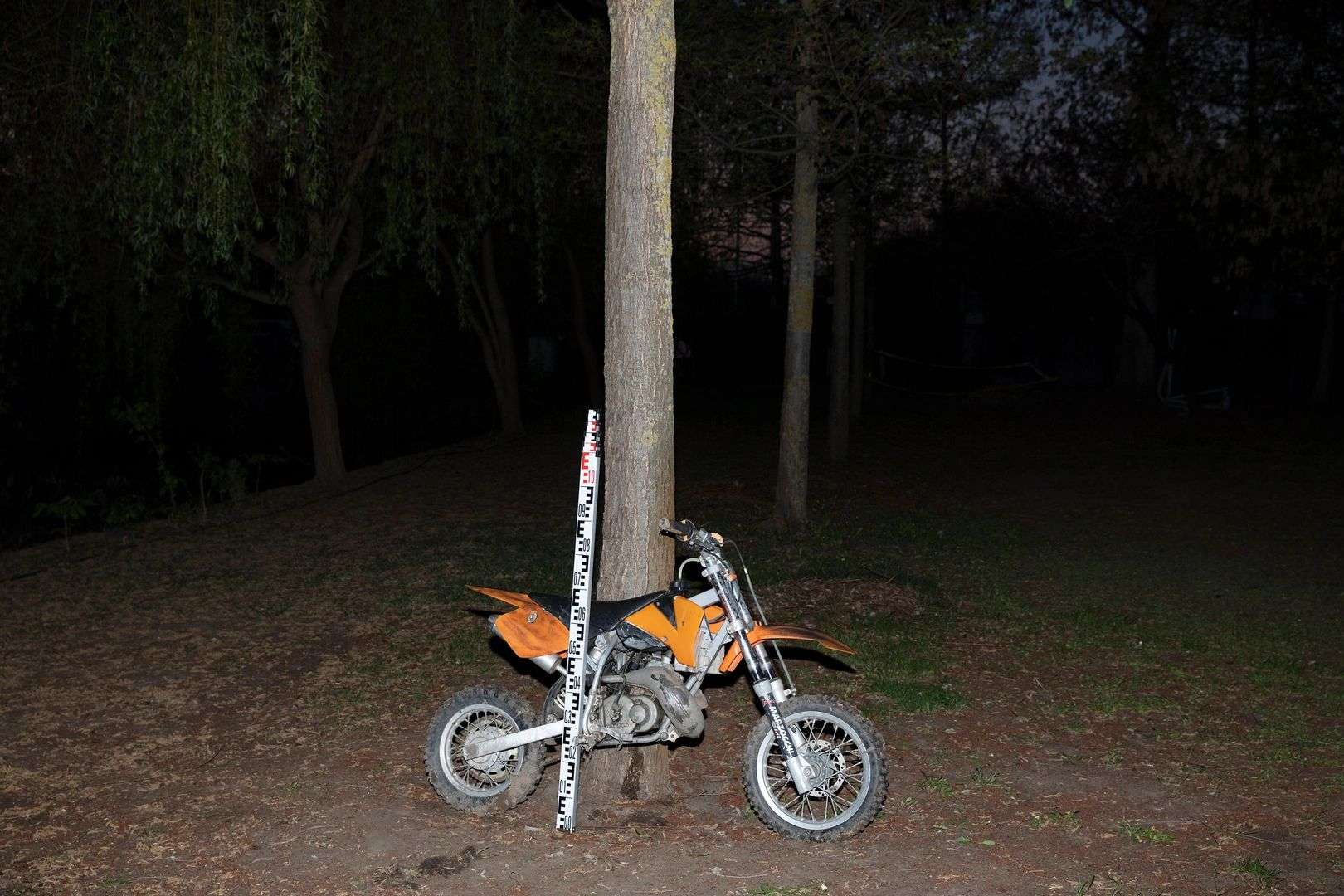
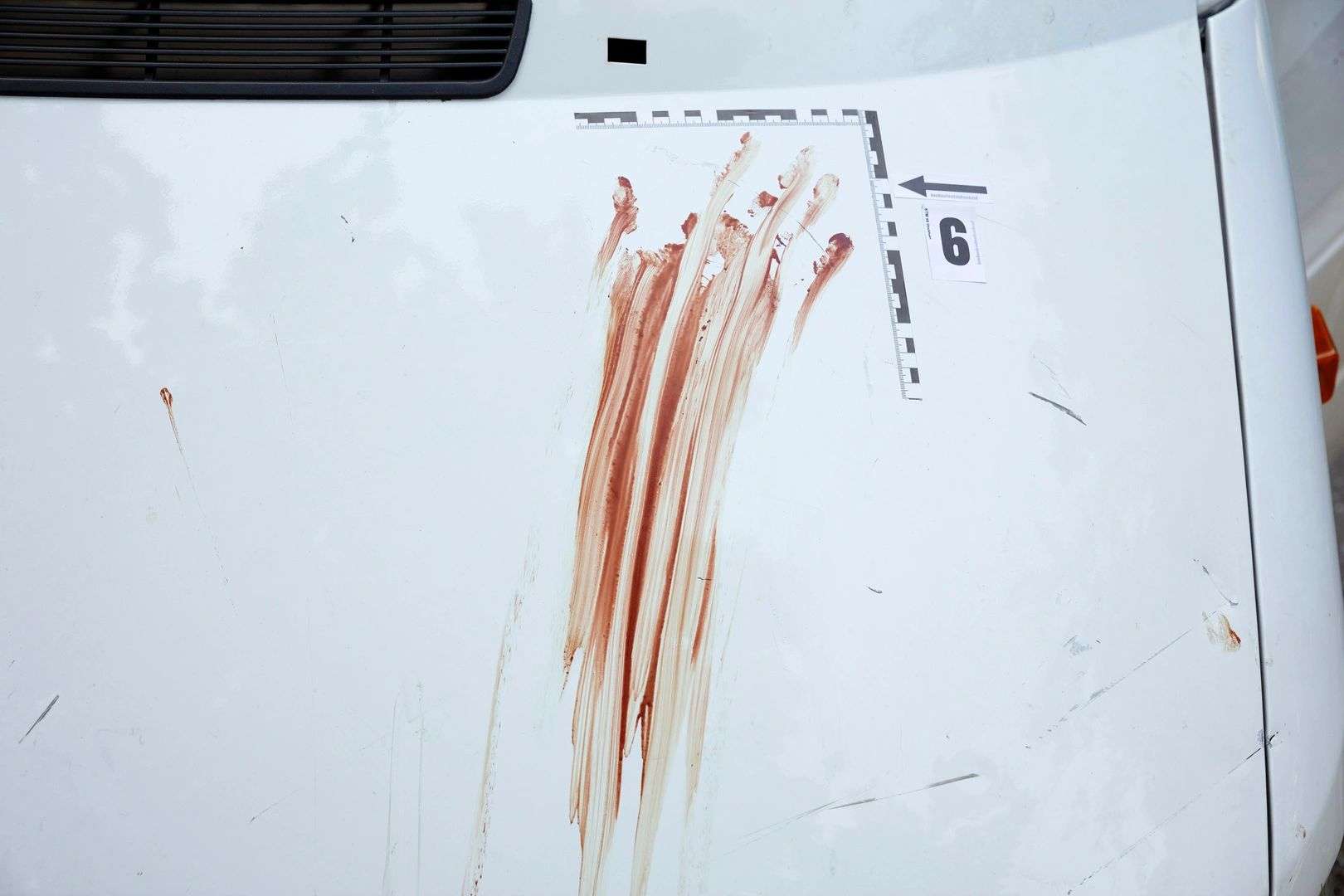
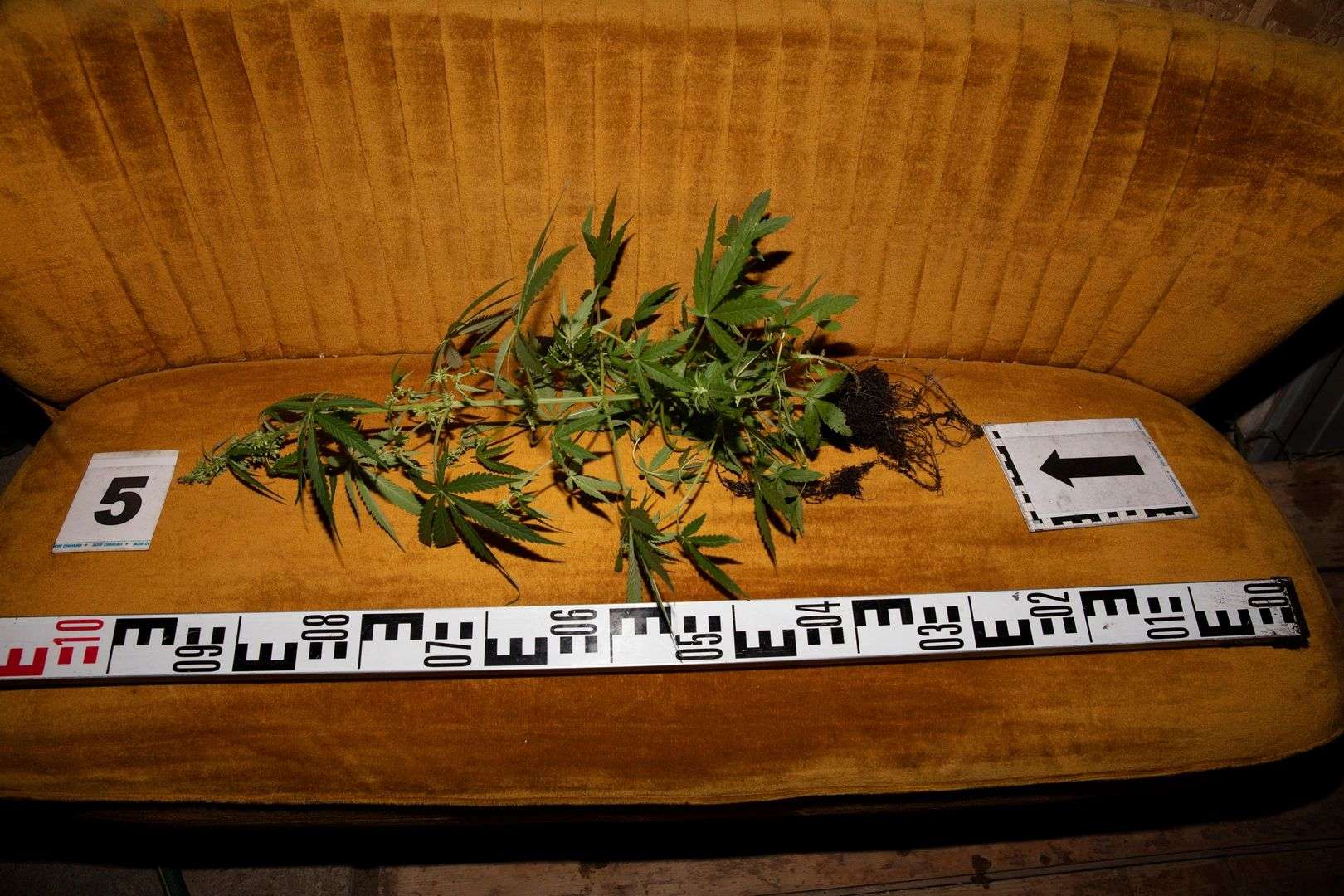
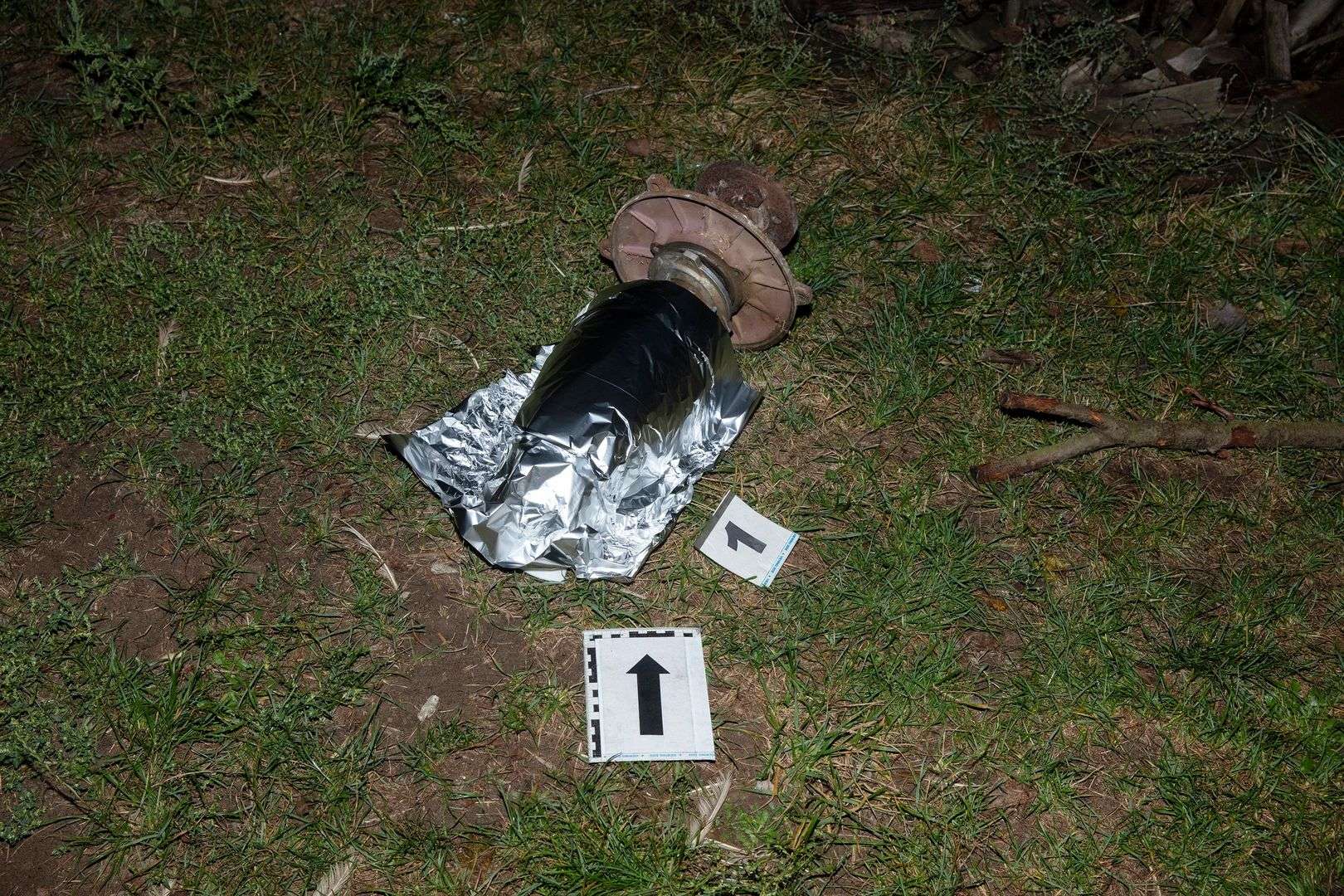
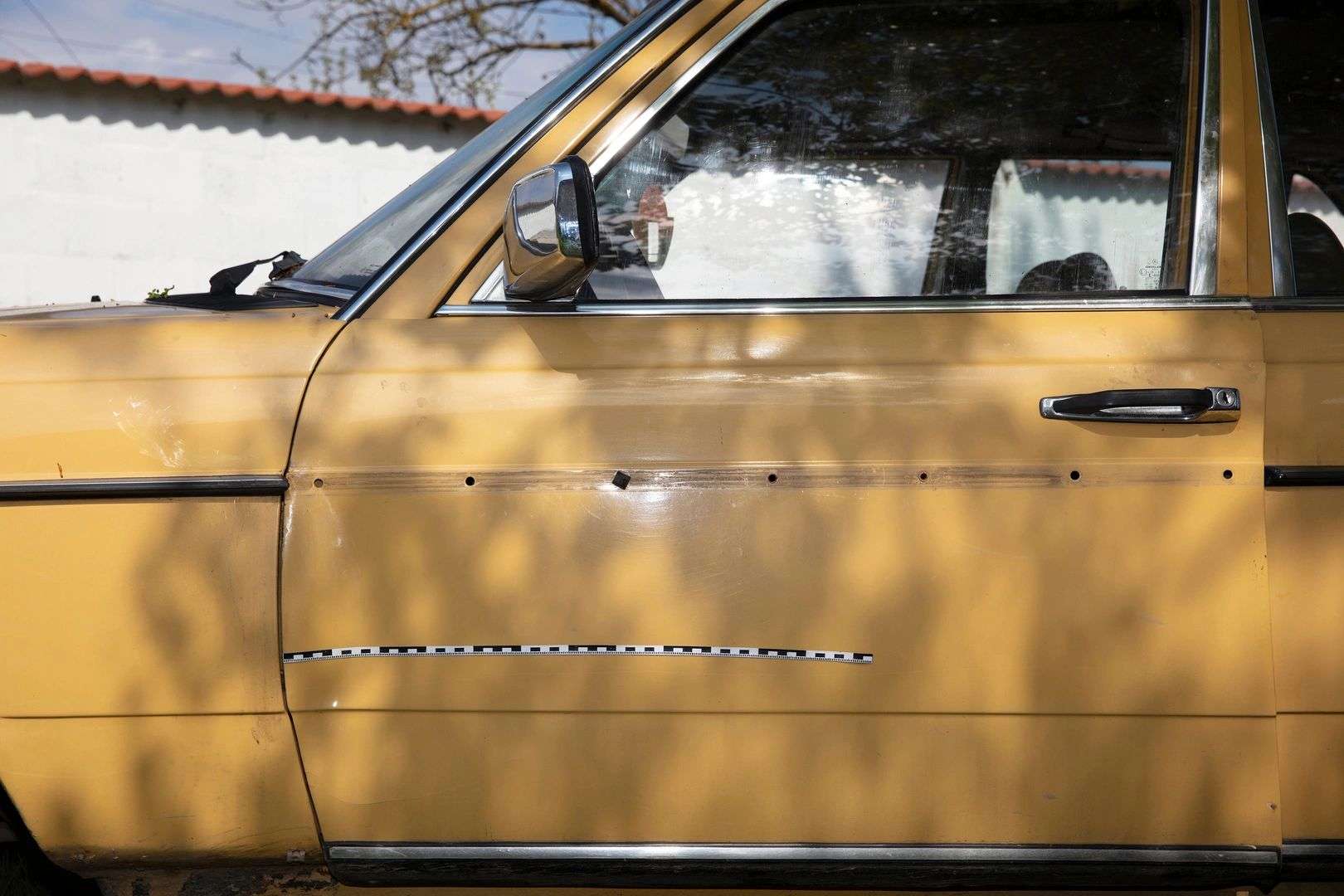
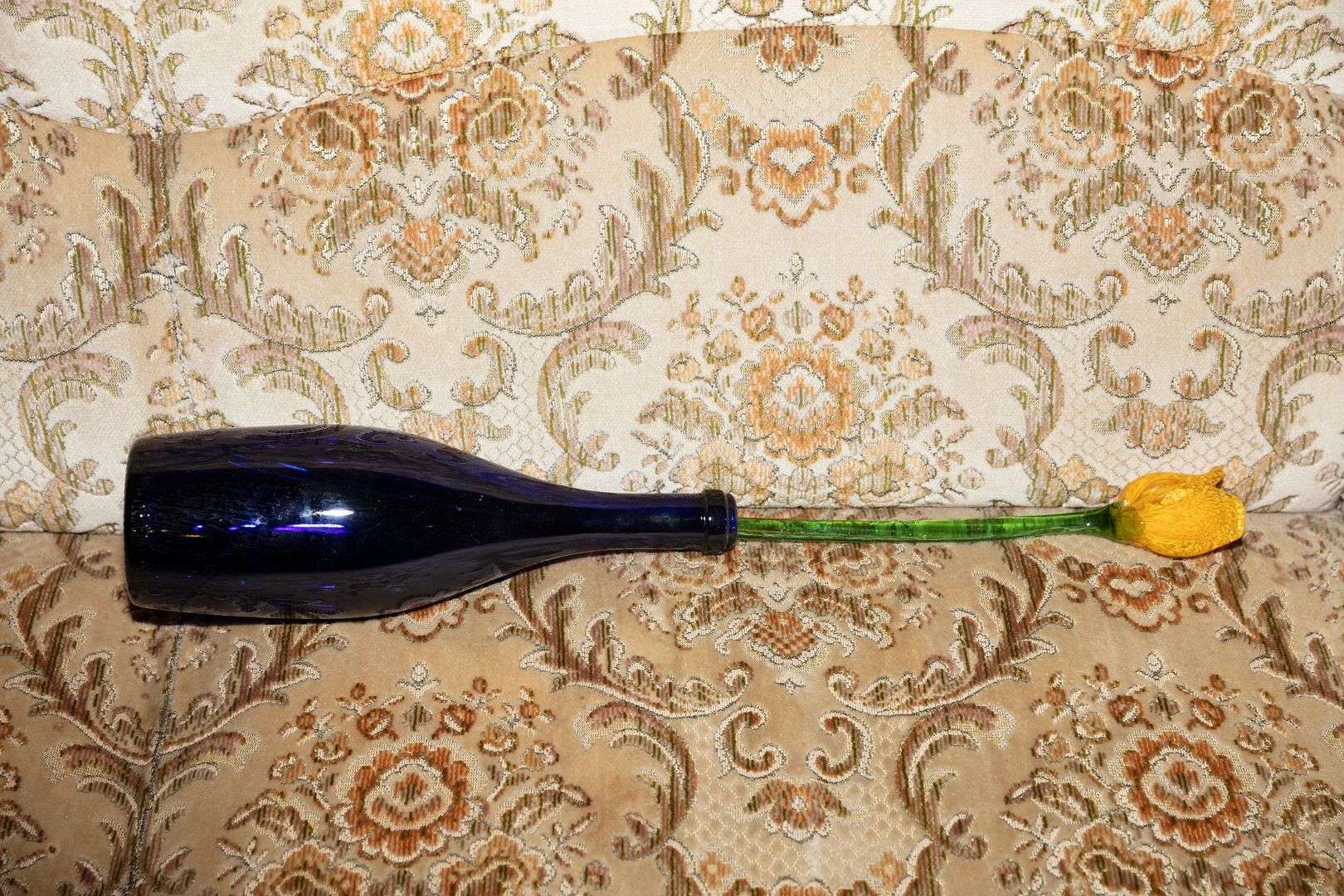
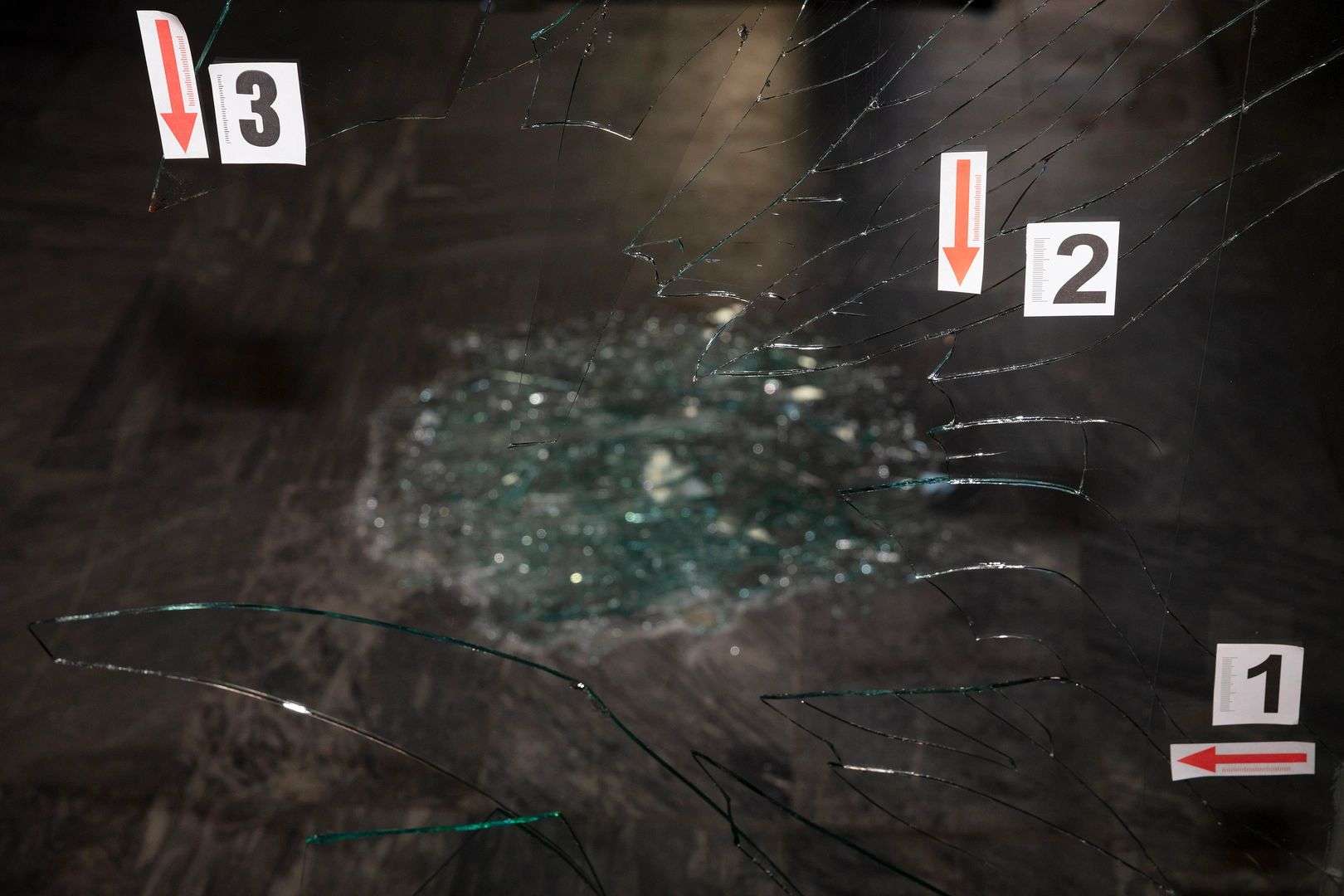
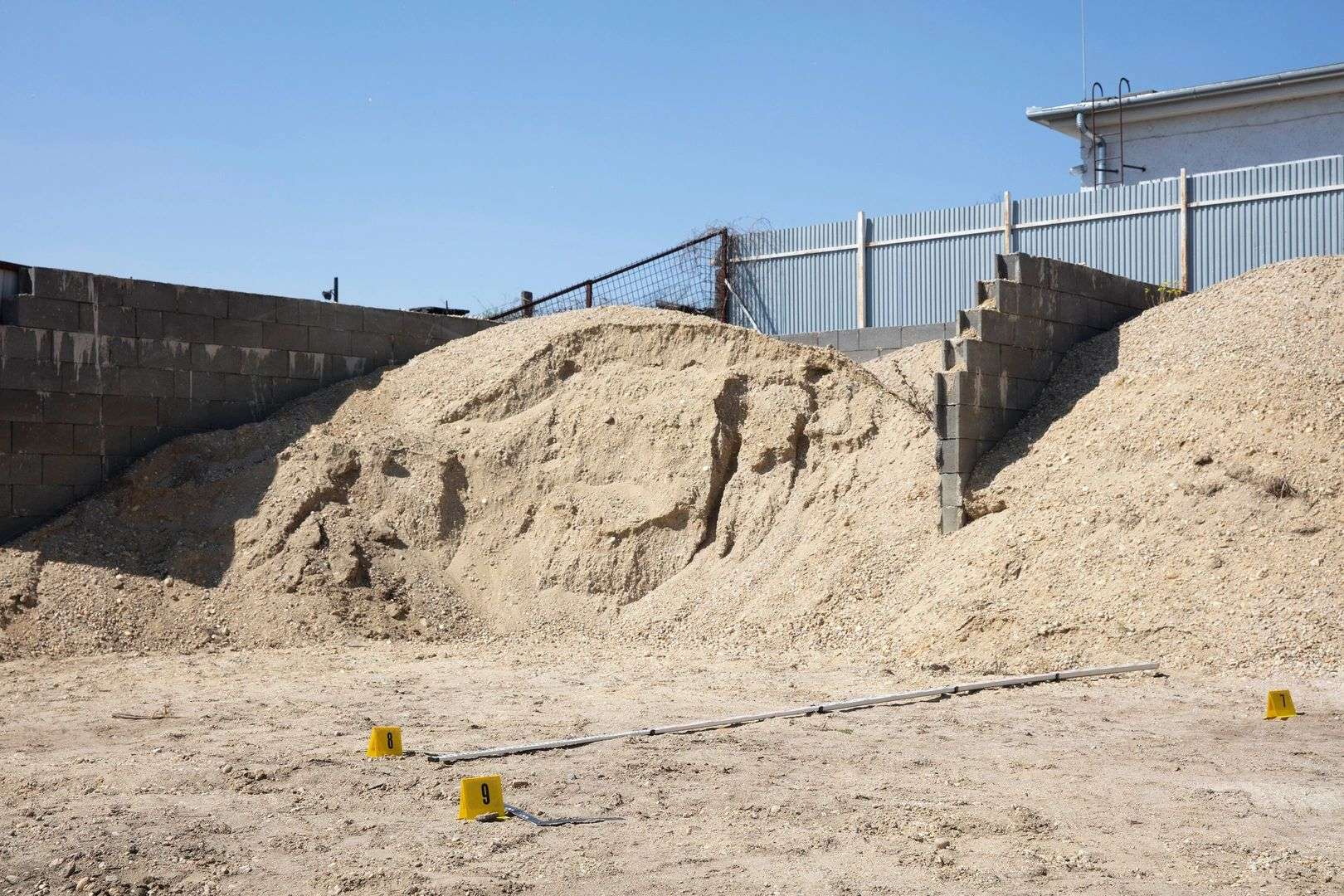
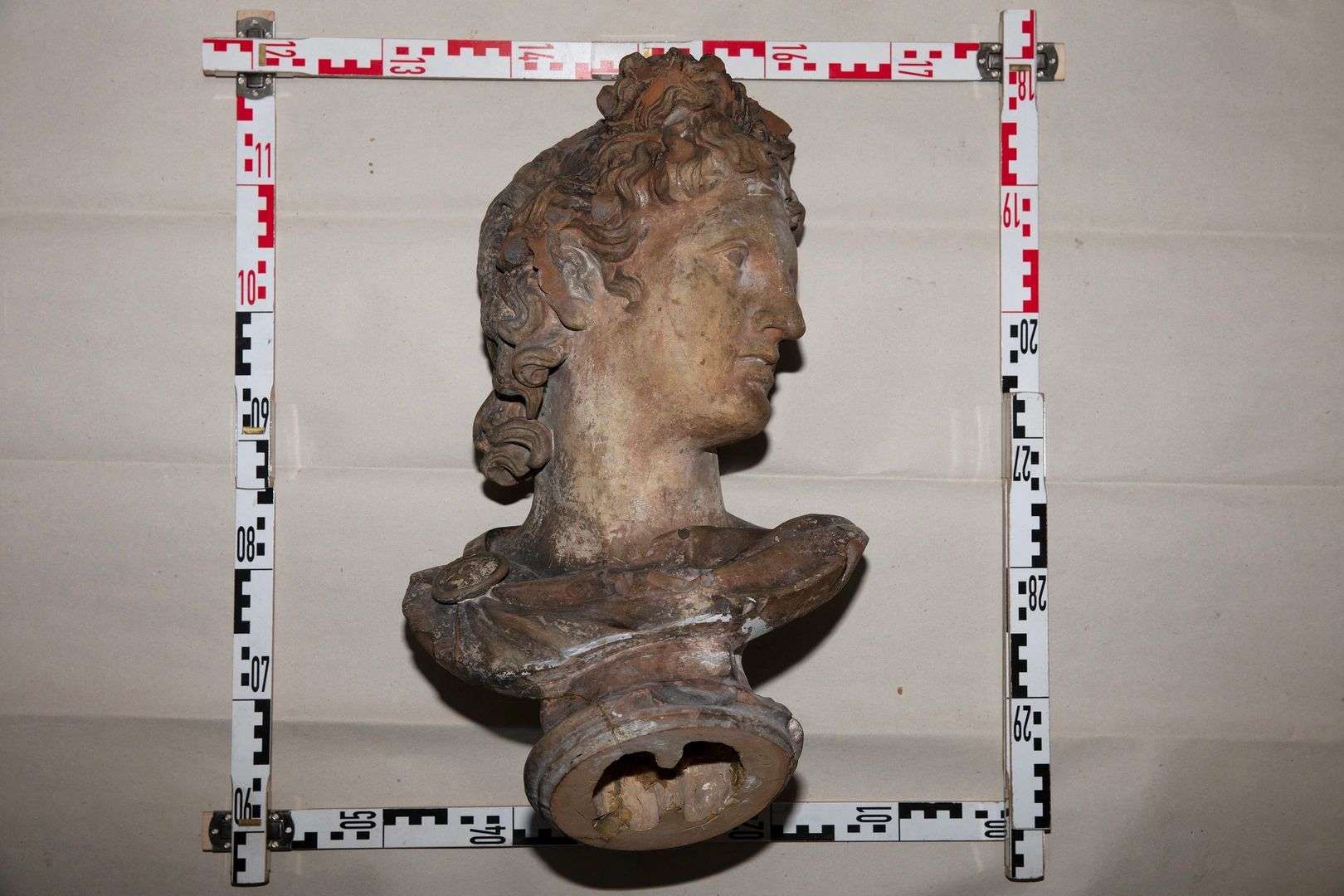
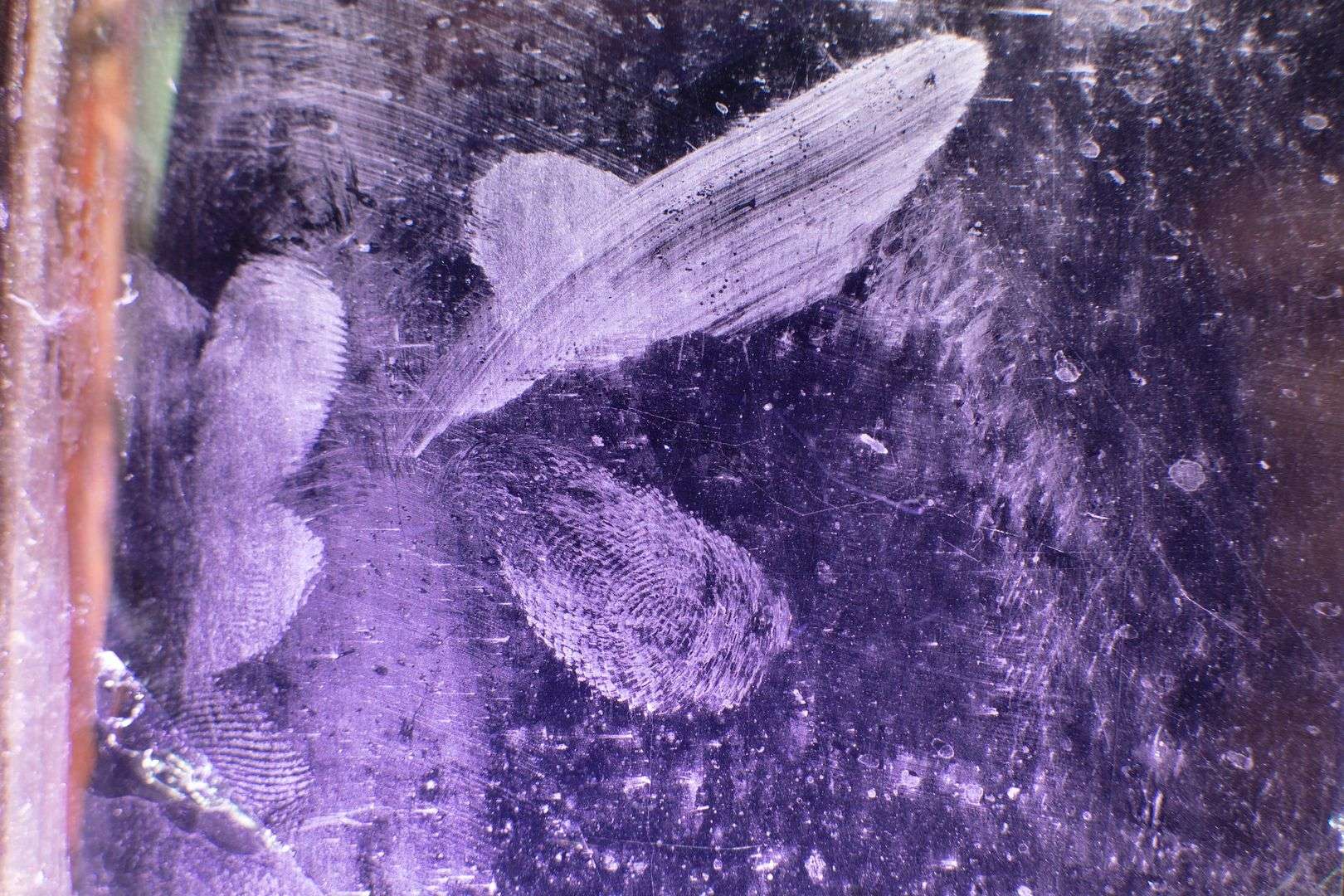
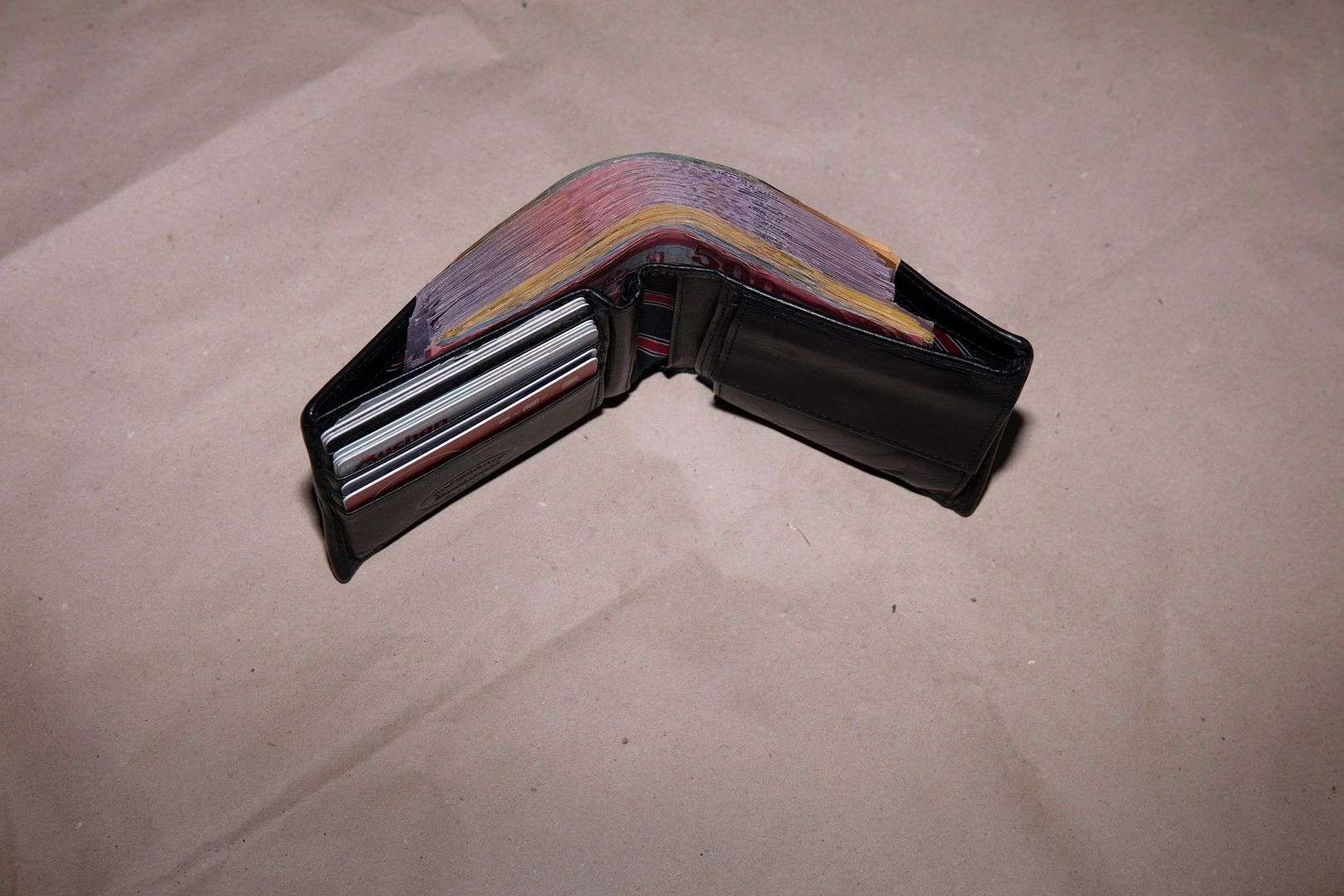
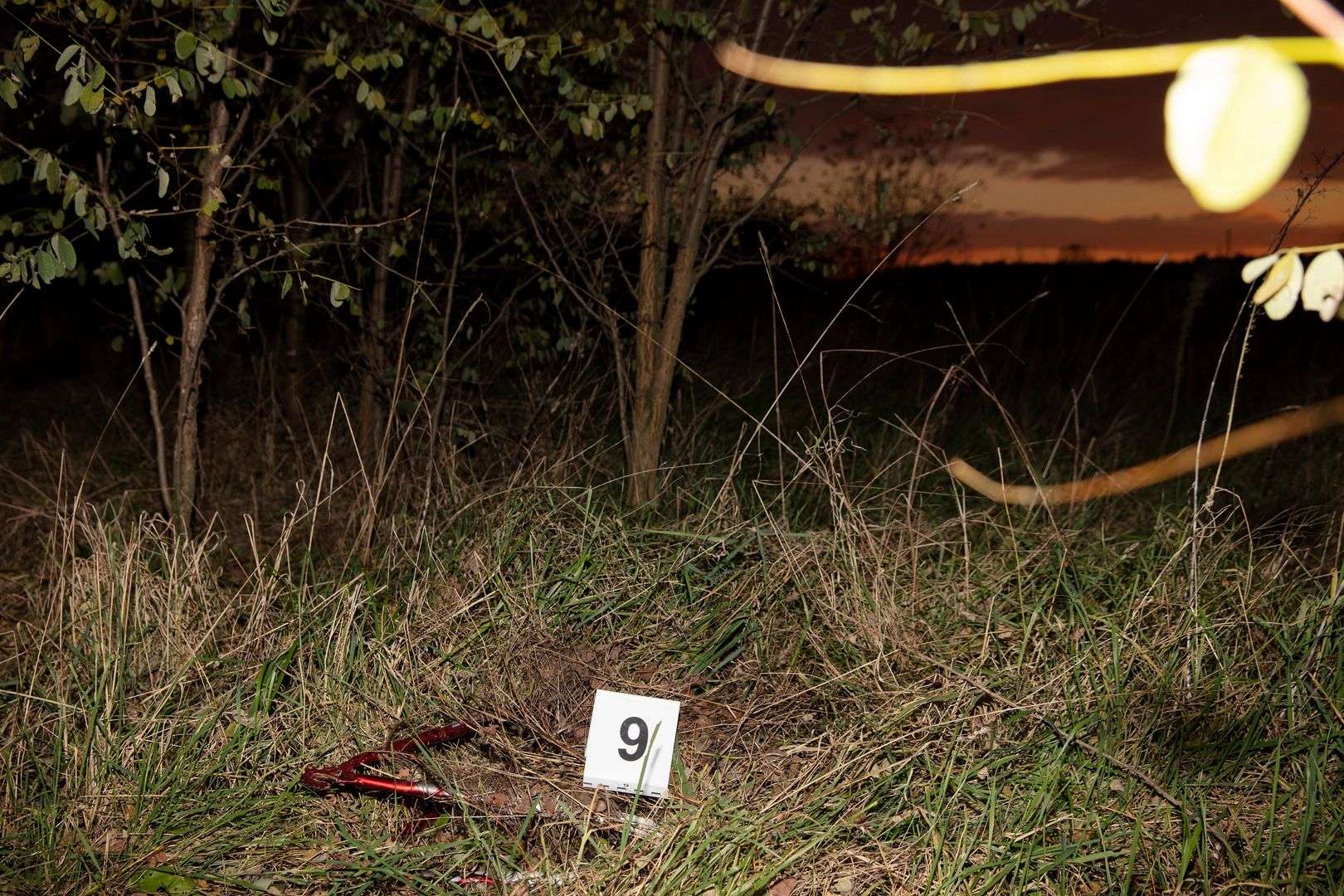
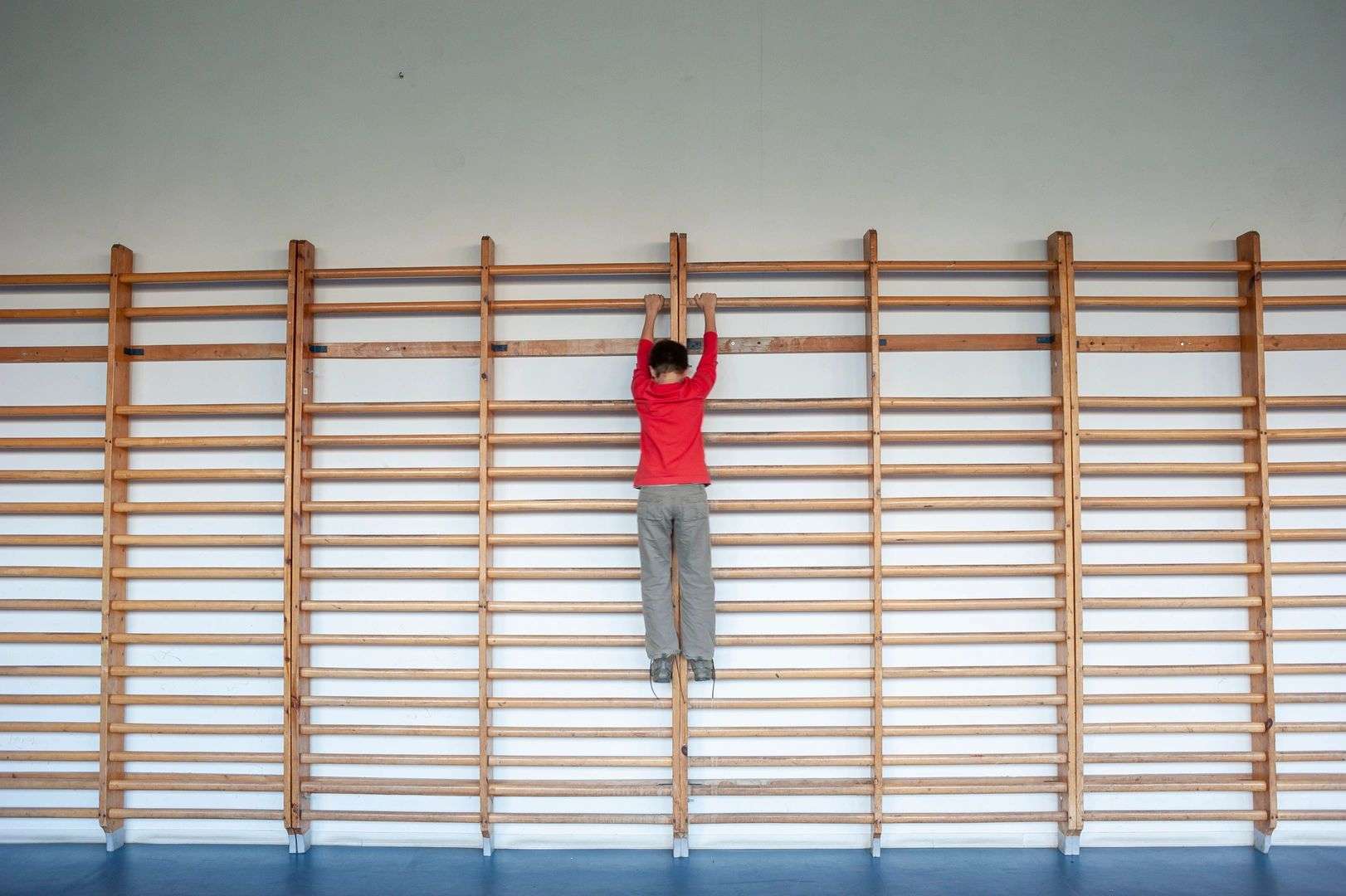
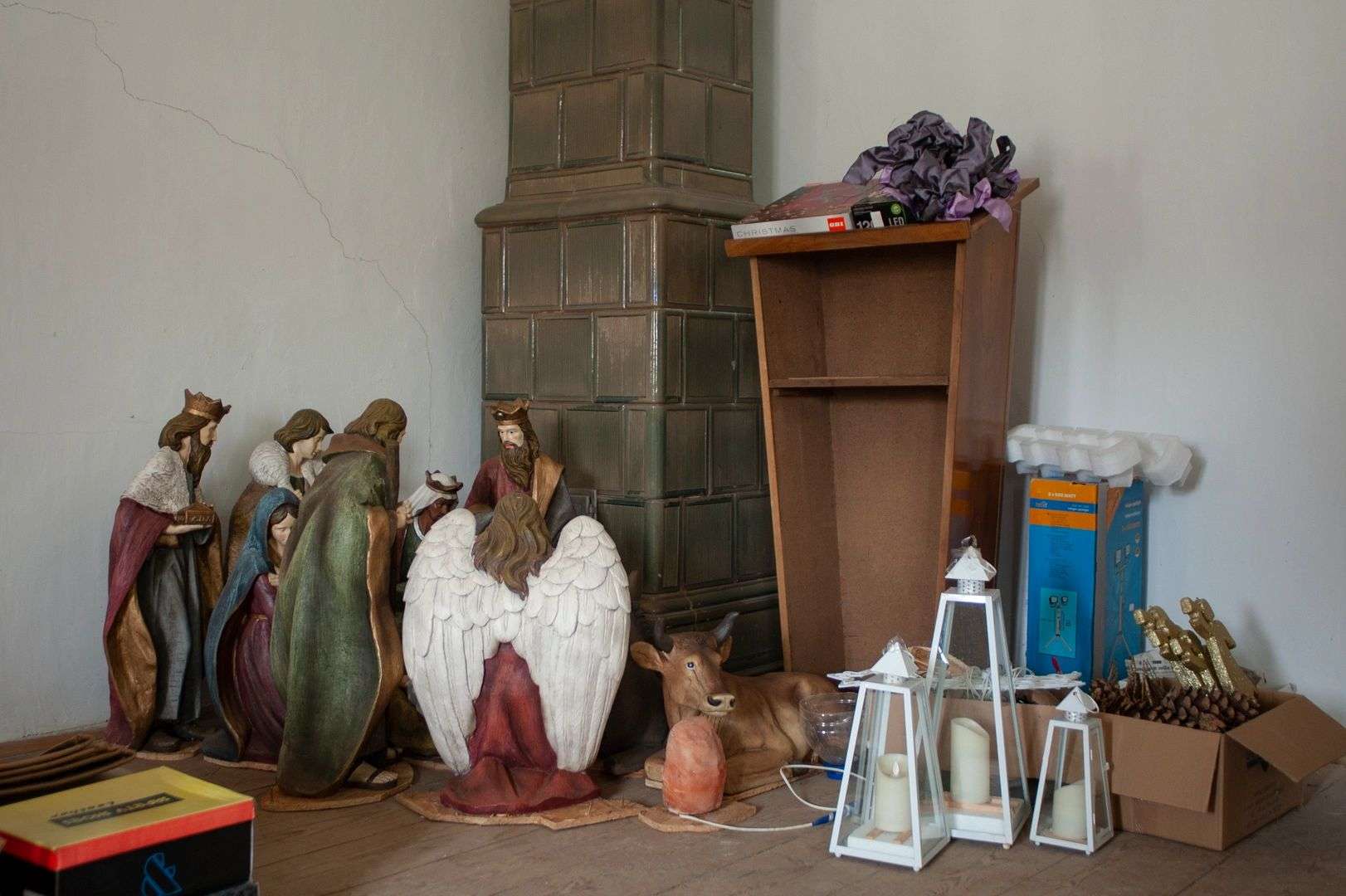
COLD TRAIL - FORENSIC AESTHETICS
Szabolcs Barakonyi

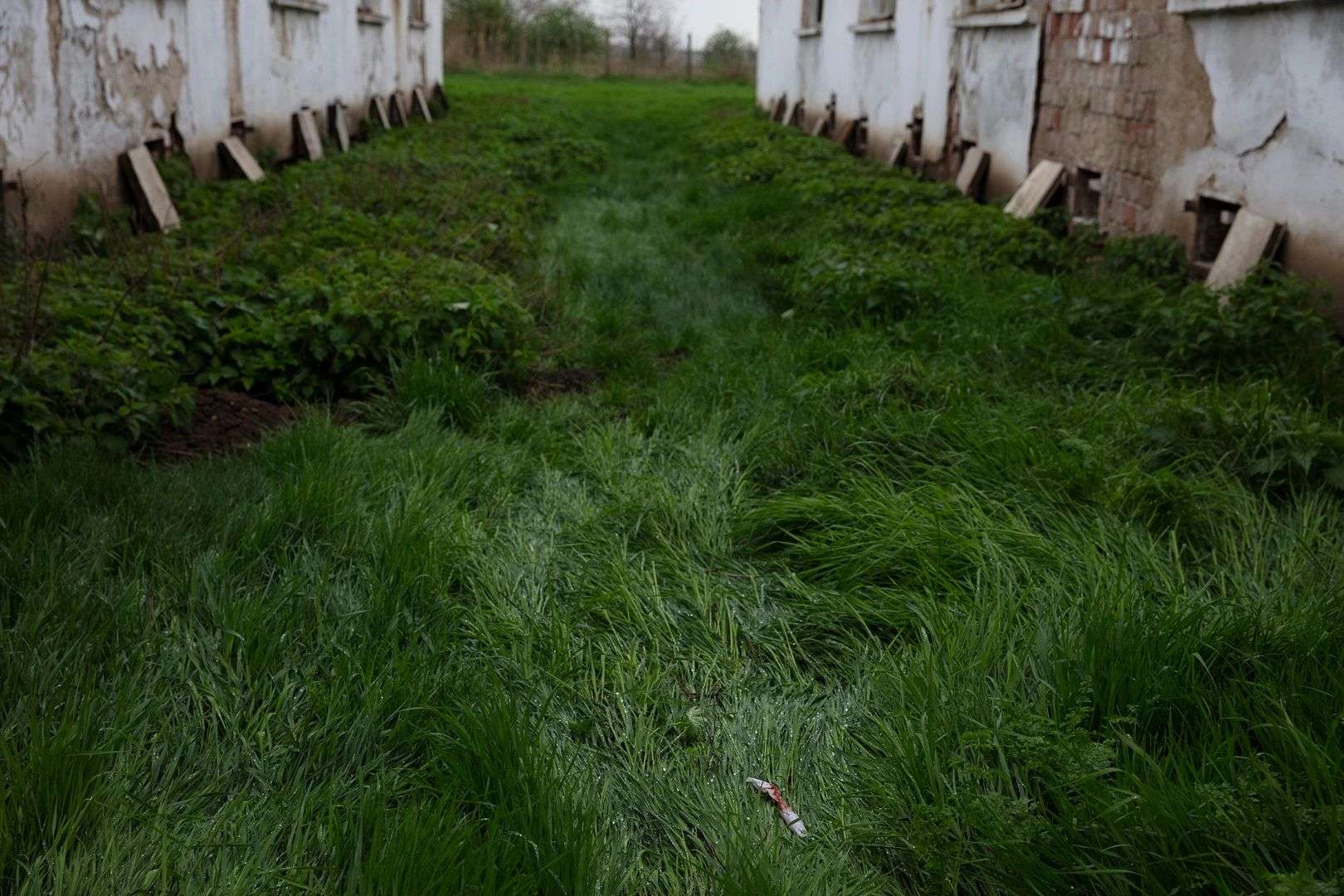
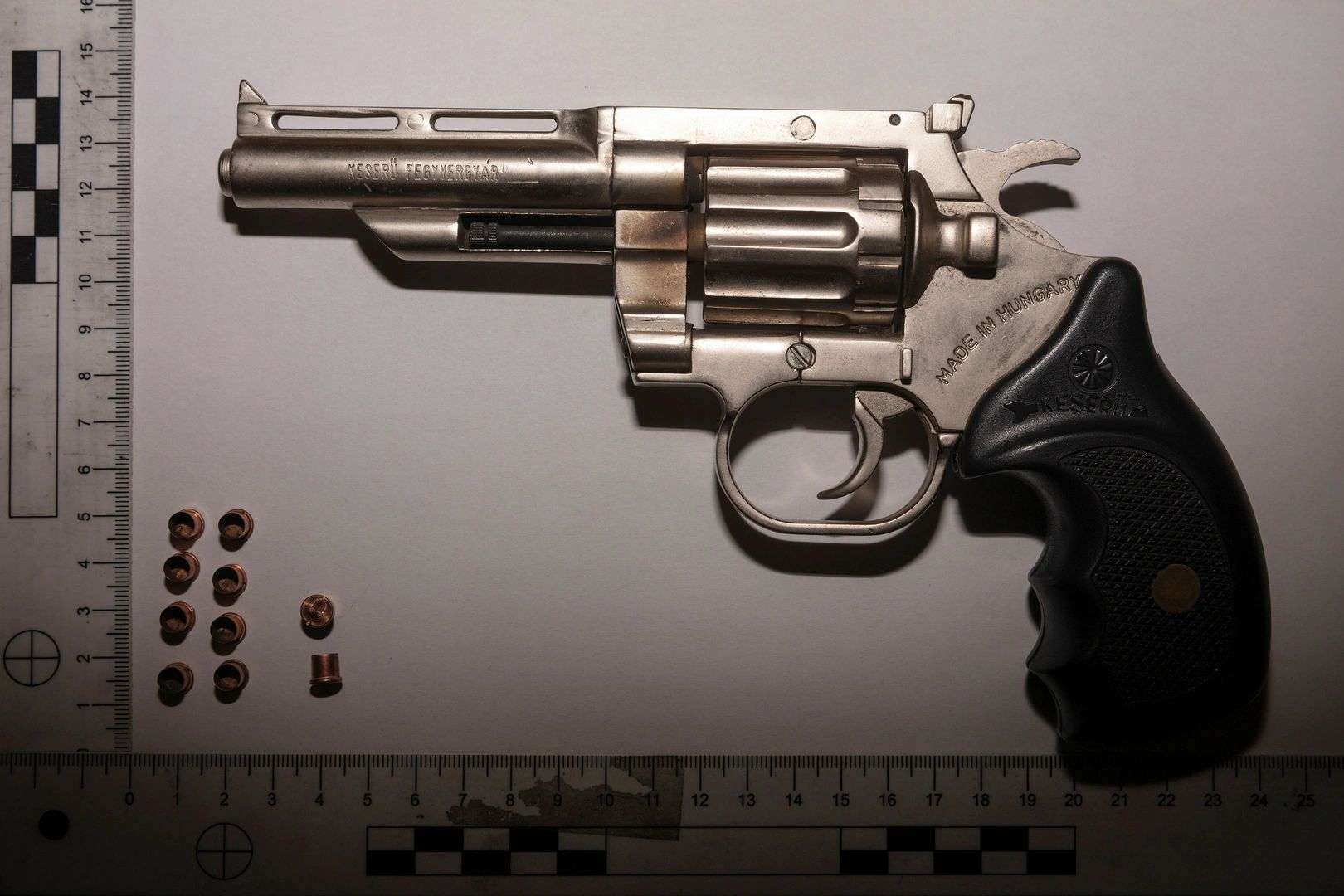
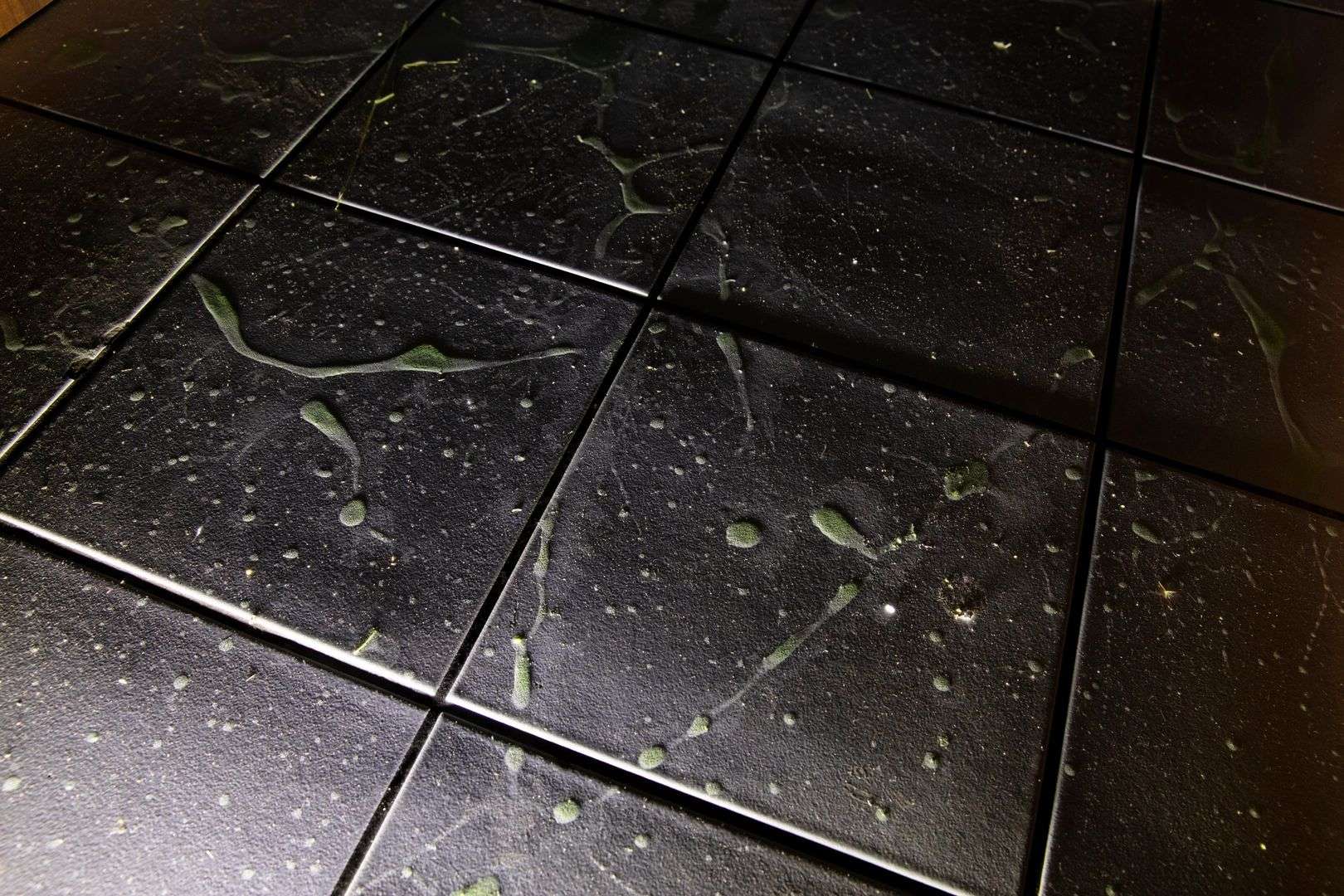
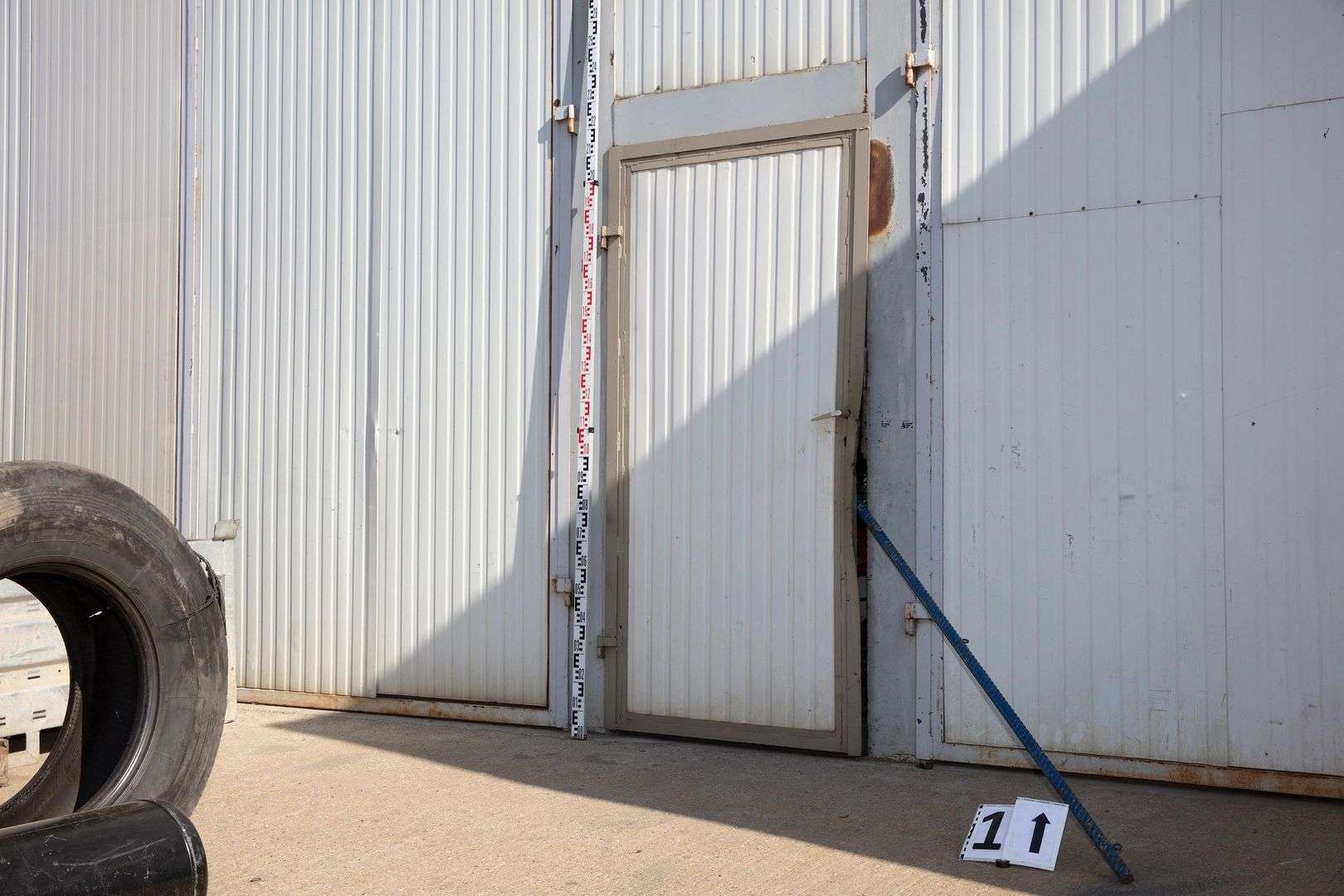
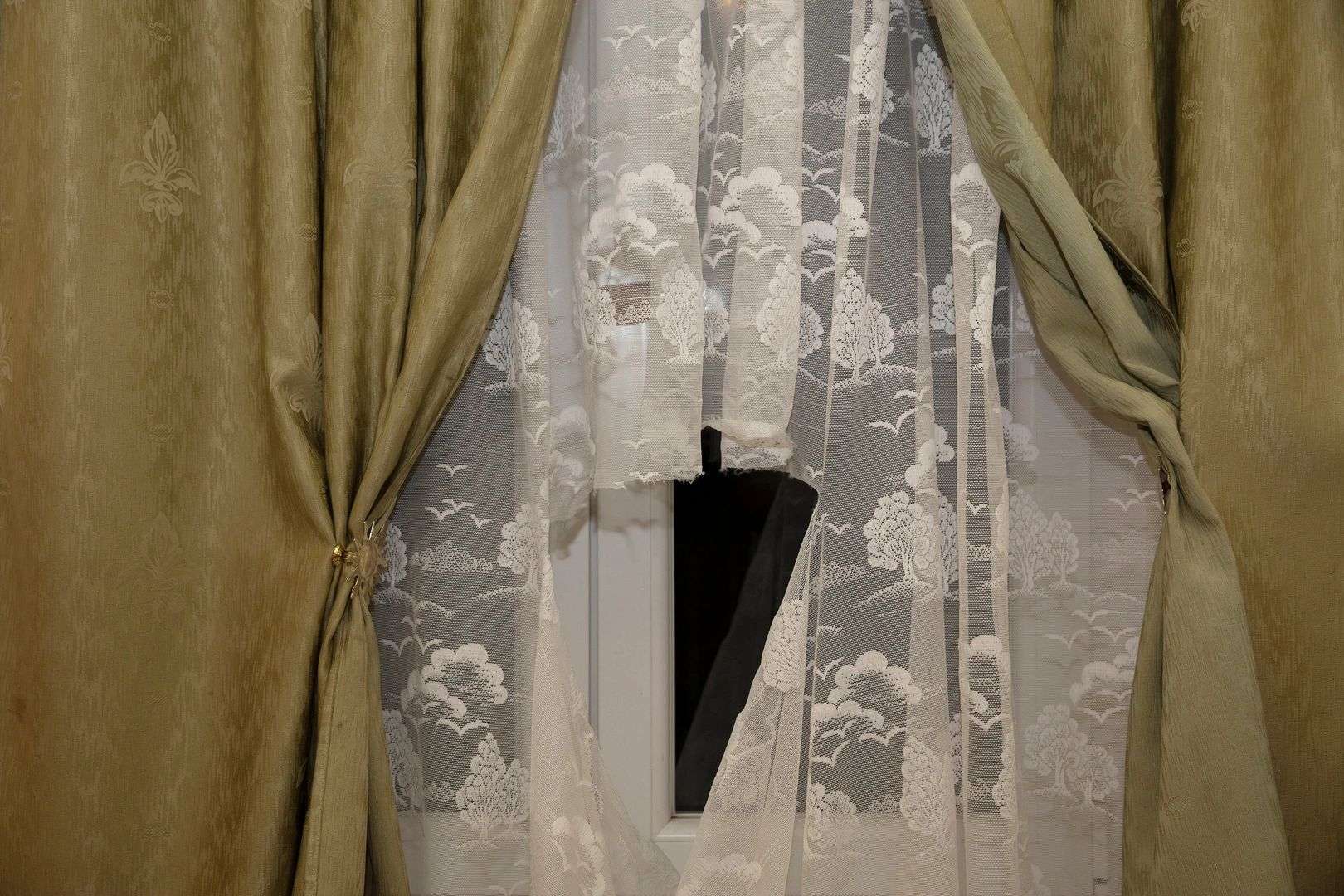
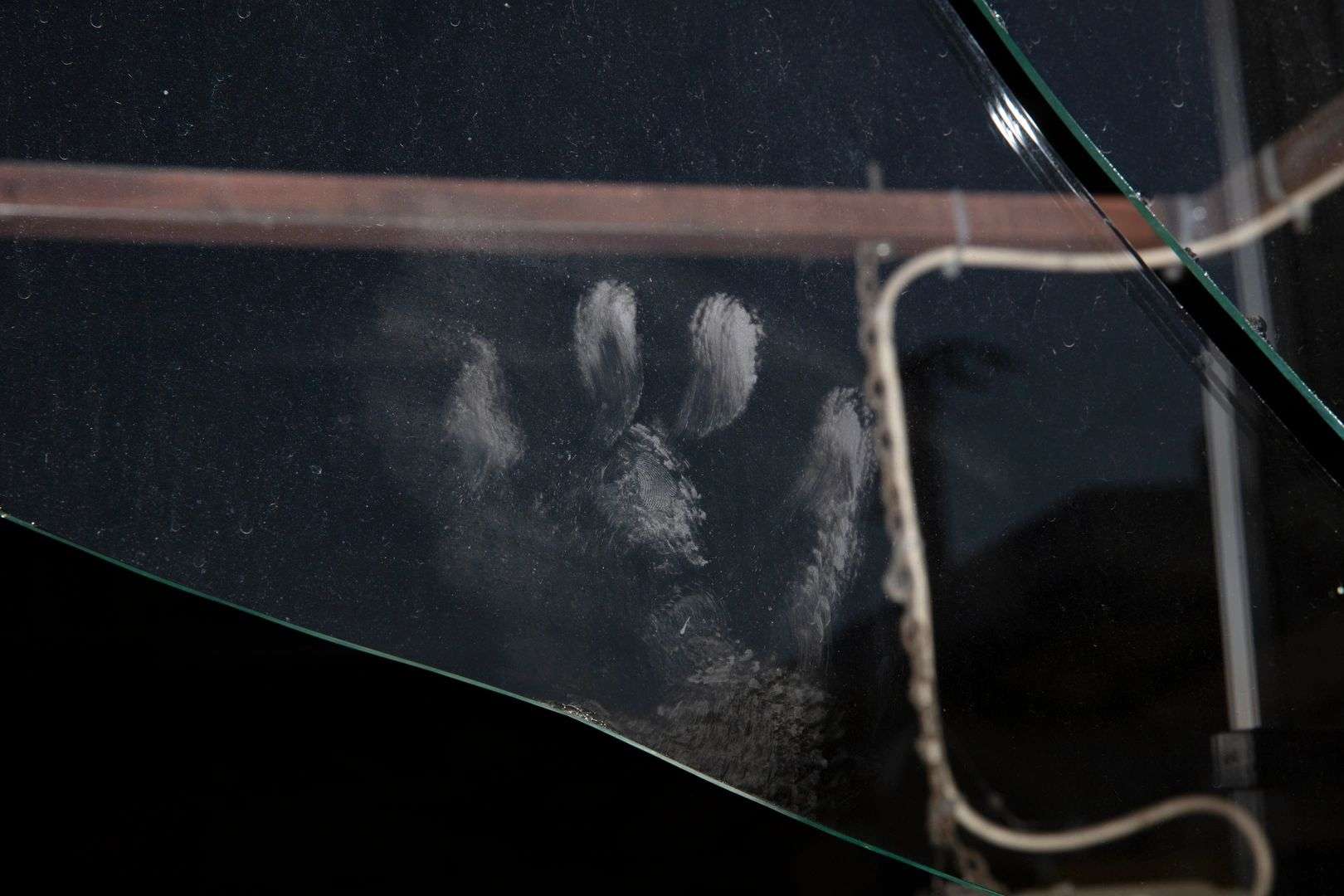
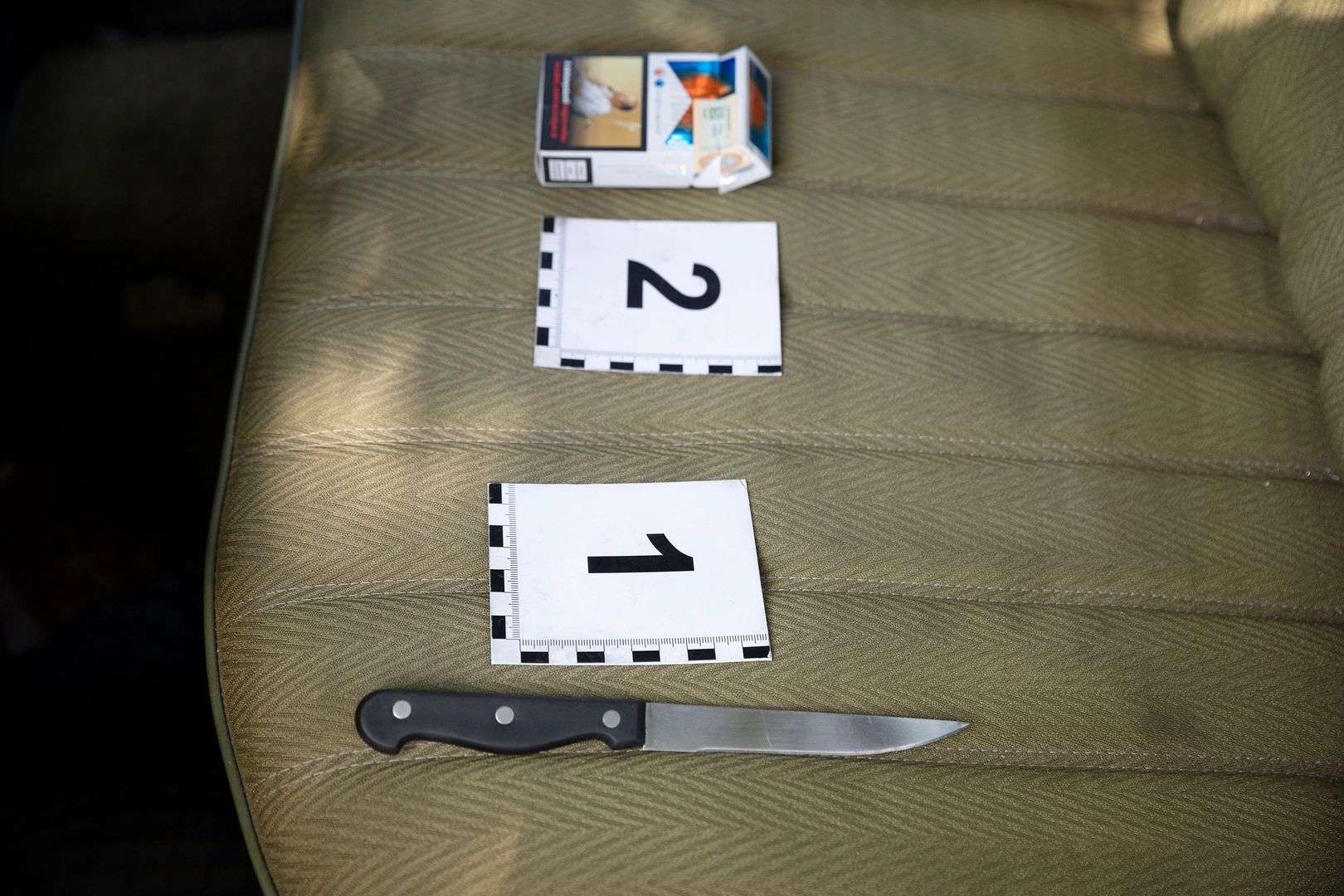
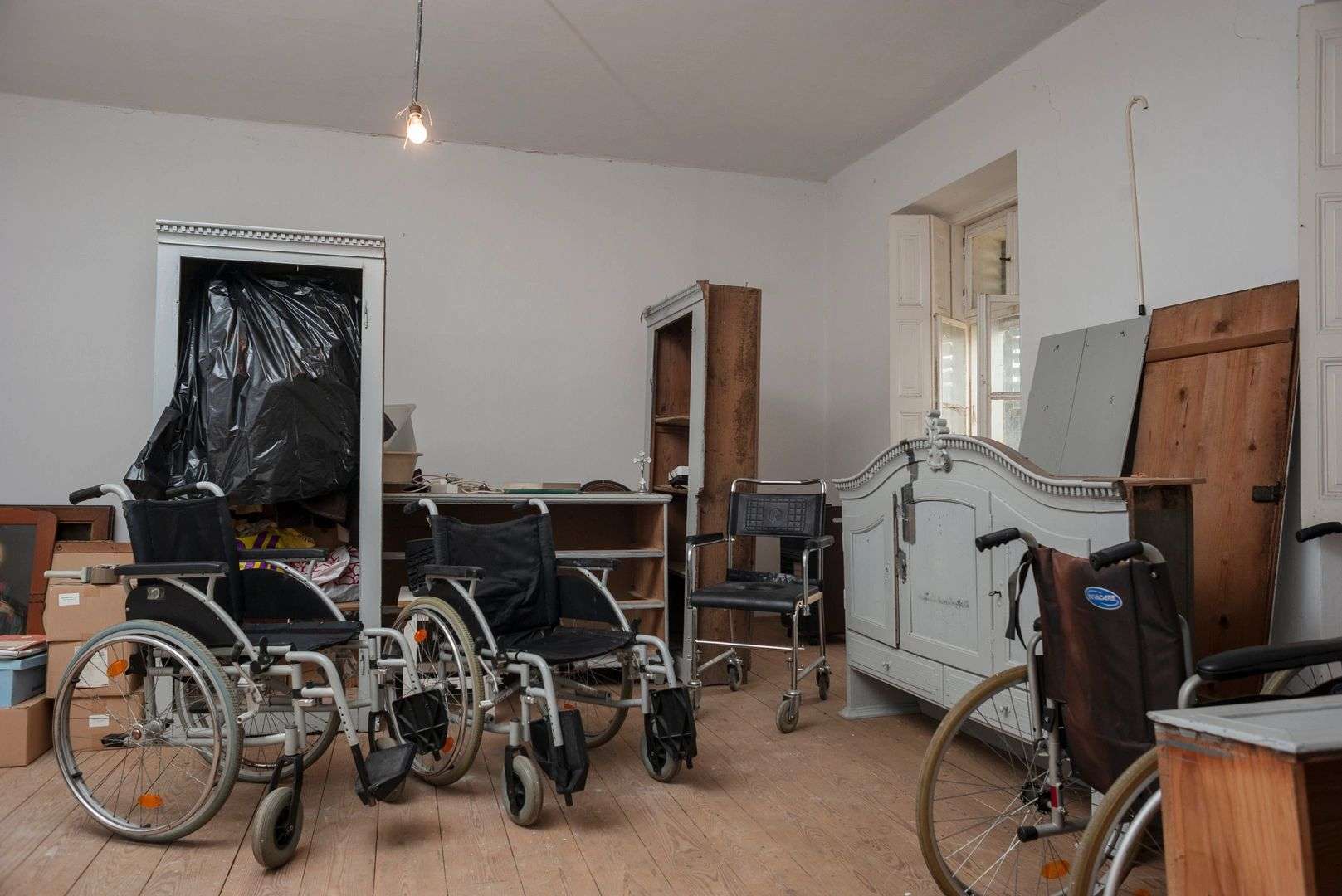
Since 2016 I've been working together with the technical department of the Debrecen City Police, my presence was authorised by the County Police Chief so I am allowed at all crime scenes in the entirety of Hajdú-Bihar county, even though I'm bound by confidentiality. The Capa Scholarship would allow me to spend more time at crime scenes, move out to Debrecen and the surrounding area for longer periods, giving me a chance to visit more crime scenes. As for the scholarship period, all I can say is that I want to be out on the field as much as I can. Up until now I've been learning crime scene photography and tried to consistently apply the rules. But the situation is that my experience now allows me to look at opportunities for photographs with a new perspective. I believe that I have a sense of how far I can go without slipping into self-serving aestheticising. I do not harm the photographs' function as visual evidence, I do not stray far from the nature of forensic photography, but I did learn to securely move within the rules of that trade, thus expanding my horizons. Still, I only plan to use pictures that are still equivalent to visual evidence used in criminal proceedings Respecting my obligation of confidentiality, I was able to review the entire photo archive of the county captaincy. Many crime scene photographs also depend on chance, and usually, these are the ones that turn out exceptional. Most of the time the coincidences are made up of the technical shortcomings of the devices and the photographic shortcomings of the photographers. Despite the strict expectations, the photographs can still retain their authentic document status. My future goal corresponds with the visual world and mixed aesthetic system of the images seen in countless police archives – where it’s not just the flaws that matter, every pixel in this world matters much more. I think I can keep my notions of image creation within the visual realm of accidentality – and I can work intentionally and consciously with that. Of course, new photos will differ from the old, and the change may not be apparent at the first glance. For me, one of the most interesting things about photography is how it can function as a two-dimensional object – regardless of any installation technique. In my future exhibition showcasing the new photographs, I would like to use some detailed pictures as a life-sized installation, plastered over a wall, thus summoning the intricate details of a crime scene. Apart from these, I would employ three or four different image sizes at the same time in frames, behind glass, underscoring the change their role went through by their transfer to an exhibition space. This size difference helps to emphasise and direct attention. As you have to approach the smaller pictures to discover them in-depth, larger pictures also reveal their inner structural connections by taking a few steps back, thus forcing the viewer to move in the exhibition space. This movement is really similar to the way police technicians interpret, dissect, and use these pictures. We know that with photographs, every pixel counts, a camera is very fair and just in that sense, more than it is realist. Viewing, reading forensic photography is a legitimate way for a detective to acquire information, but for me, this process is also an analogue for art appreciation. In my opinion, the discourse started by the previous photographs can be continued by focusing on a lesser-known part of police work, the recording of clues. Truly, I am collecting physical evidences. Images of physical evidence recorded during on-site inspections appear as evidence during the investigation phase and sentencing. By mastering the objective and precise image-taking method, the truthfulness of the image as a document can be restored.
Educations 2018 - Hungarian University of Fine Arts - Doctoral School, Budapest 1998-2004 Eötvös Lóránd University, Faculty of Humanities, Tibetan Studies, Budapest 1997-1998 "Szellemkép" Free School, Photography, Budapest Grants 2018 Cortona On The Move New Vision finalist 2015 Warsaw Photo Days Open Call, finalist 2011 Grant André Kertész, Hungarian National Cultural Found 2007 Photo Folio Gallery & Review Laureate, Rencontres d'Arles 2006 Grant Lucien Hervé and Roldolf Hervé 2003-06 Grant Pécsi József Works in public collections Collection of the Chateau d’Eau Toulouse, France Collection of the Miskolc Gallery and City Museum, Hungary Collection of The Kiscell Museum in Budapest Collection of Center for Modern and Contemporary Art - Modem, Debrecen Solo exhibitions (selected) 2019 Cold Trail - Forensic Aesthetics, B24 Gallery, Debrecen Cold Trail, Diák Erika Gallery, Budapest 2015 Everything is Fine! (with Péter Hecker), Deak Gallery, Budapest 2013 To Do, Deak Gallery, Budapest Pourquoi les fleurs sont plus belles ici? Collegium Hungaricum, Paris 2011 Why the Flowers are Prettier Here, Raiffeisen Gallery, Budapest 0-3 Viltin Gallery, Budapest Confrontation, Galerie Benj, Paris 2010 Confrontation Műcsarnok/Kunsthalle, Menü Pont, Budapest 2008 Tell your Mom! Chateau d’ Eau, Toulouse Tébánya (Mine - T), Dorottya Gallery, Budapest 2007 This is London, Hungarian Cultural Center, London 2006 Life’s Sundays ÉSA, Paris Group exhibitions (selected) 2020 MEOW!, 8F Gallery, Capa Center, Budapest 2018 Experiencing Images, Capa Center, Budapest Santopalato, Korean Cultural Center Budapest Optimistic Exhibition, The Hungarian University of Fine Arts, Budapest 2017 Golden Boundaries, Youth Culture in Contemporary Photography, Capa Center, Budapest Parallel European Photo Based Platform, Lisbon VIEWFINDERS – Hungarian photography 1967-2017, National Museum in Warsaw 2016 Pécsi 25. Pécsi József Photography Grant 1991–2016, Capa Center, Budapest National Photo Salon, Műcsarnok, Kunsthalle, Budapest 2015 Amazing Affinities, Couvent des Jacobins, Toulouse, France To Do, Warsaw Photo Days 2015 2014 Second Skin, Robert Capa Center, Budapest Le Cocon Familial, Collegium Hungaricum, Paris PHotoEspaña (with the collection of Chateau d'Eau Toulouse) 2013 10th Kaunas Photo Festival 2012 Rangefinder, Kepes Institute, Eger, Hungary Hungarian Contemporary Photography 2. Collegium Hungaricum Paris 2011 Margins, at 7th Photobiennale in Poznan, Poland 2010 LIVE SYNC, Museum of Contemporary Art, Shanghai 2009 Title Attack, Fotofestiwal’09, Mlodzi Galeria, Lodz, Poland 2008 Que des Européens, Galerie du Jour agnés b., Paris Present Continous, Hungarian House of Photogaphy in Mai Manó House 2007 Photo Folio Gallery & Review Laureate, Rencontres d'Arles Hungarian Photography, Fabryka Trzciny, Warsawa 'Pécsi József Scholarship Holders', Accademia d'Ungheria, Rome 2006 Budapest Feeling, Krakow, Photo Month Collectif, Galerie du Jour Agnés b., Paris Curatorial activities: 2019 Black light -Group exhibition on the occasion of the 20th anniversary of the total solar eclipse, Institute of Contemporary Art - Dunaújváros (ICA-D), co-curator 2015 Martin Kollar: Field Trip, curator, Capa center, Budaperst Books: 321e monographie de la collection éditée par le Chateau d’Eau – ISBN 978-2-913241-91-6 Fine, Thanks! - Szabolcs Barakonyi; Published by Capa Center 2016 – ISBN 978-615-80440-4-2
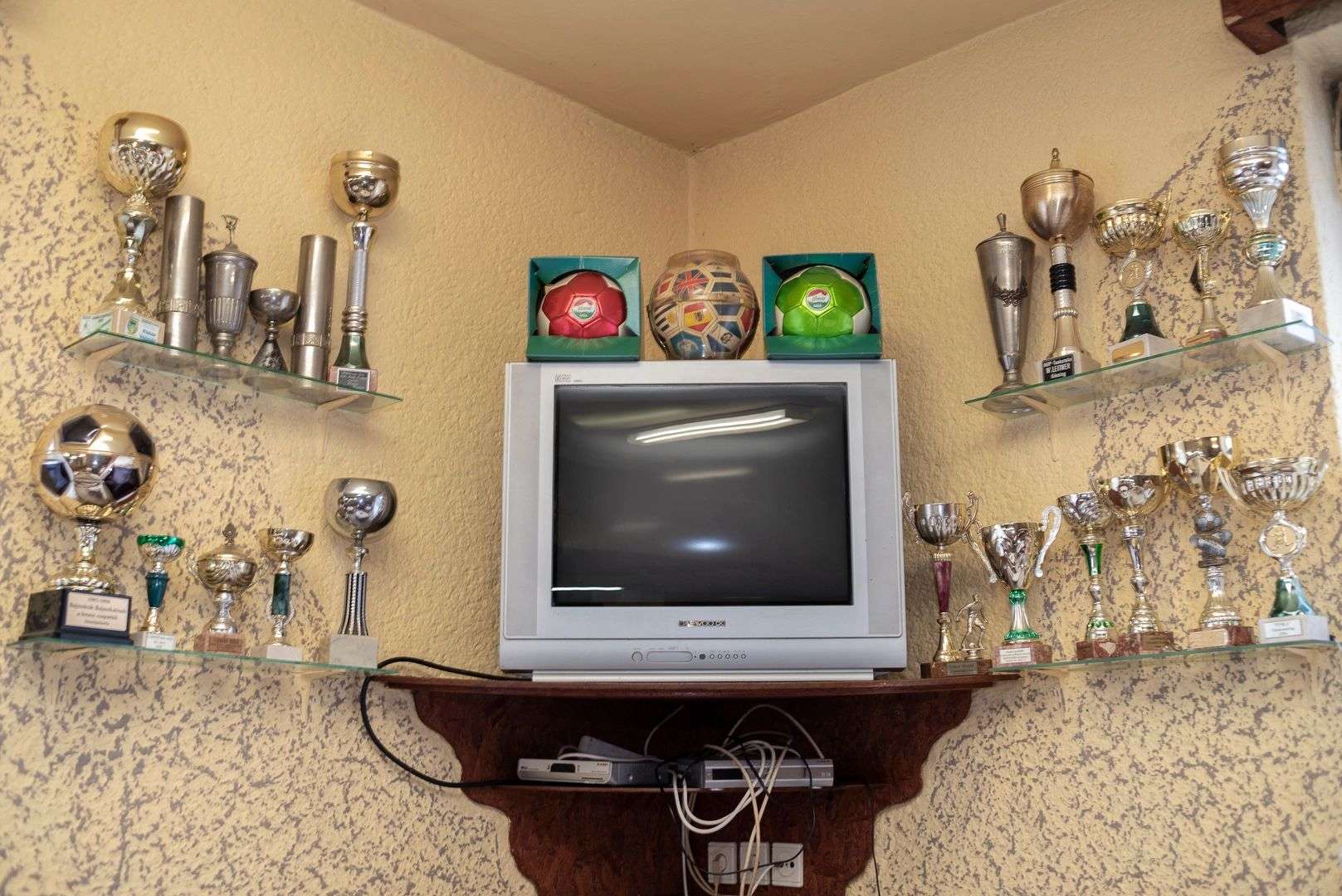
In both their narrower and wider surroundings people leave traces, some innocent some criminal. Reading these traces perfectly is impossible without context – words, account, testimonies. But without words every picture is suspect. These photos were made in crime scenes, generally though not exclusively at private properties. These images are simultaneously sad and mundane yet exciting and mysterious. Mysterious because beyond these intimate glimpses of a strange physical surroundings, another stranger, the perpetrator has already rearranged the location in their own way. Together we try to reconstruct an actual event based on mutilated clues. Where a trace has disappeared is as important as what is left behind. A crime scene investigation happens once and cannot be repeated. Physical evidence carries greater weight than witness accounts. In regard to my methodology the creation of these photos excludes any fictional elements.
THE ILLUSION OF FREEDOM
Katalin Fanni Horváth

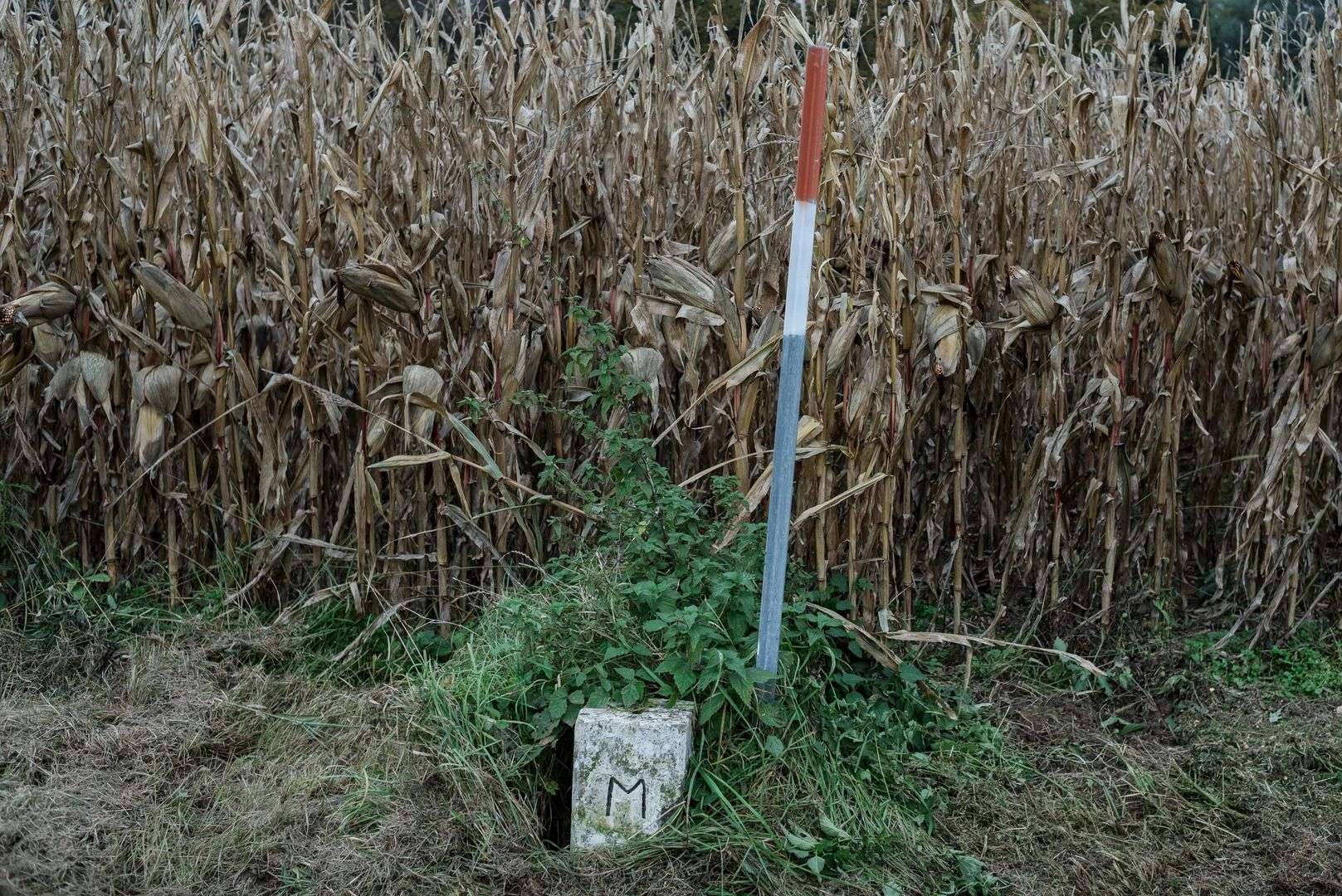
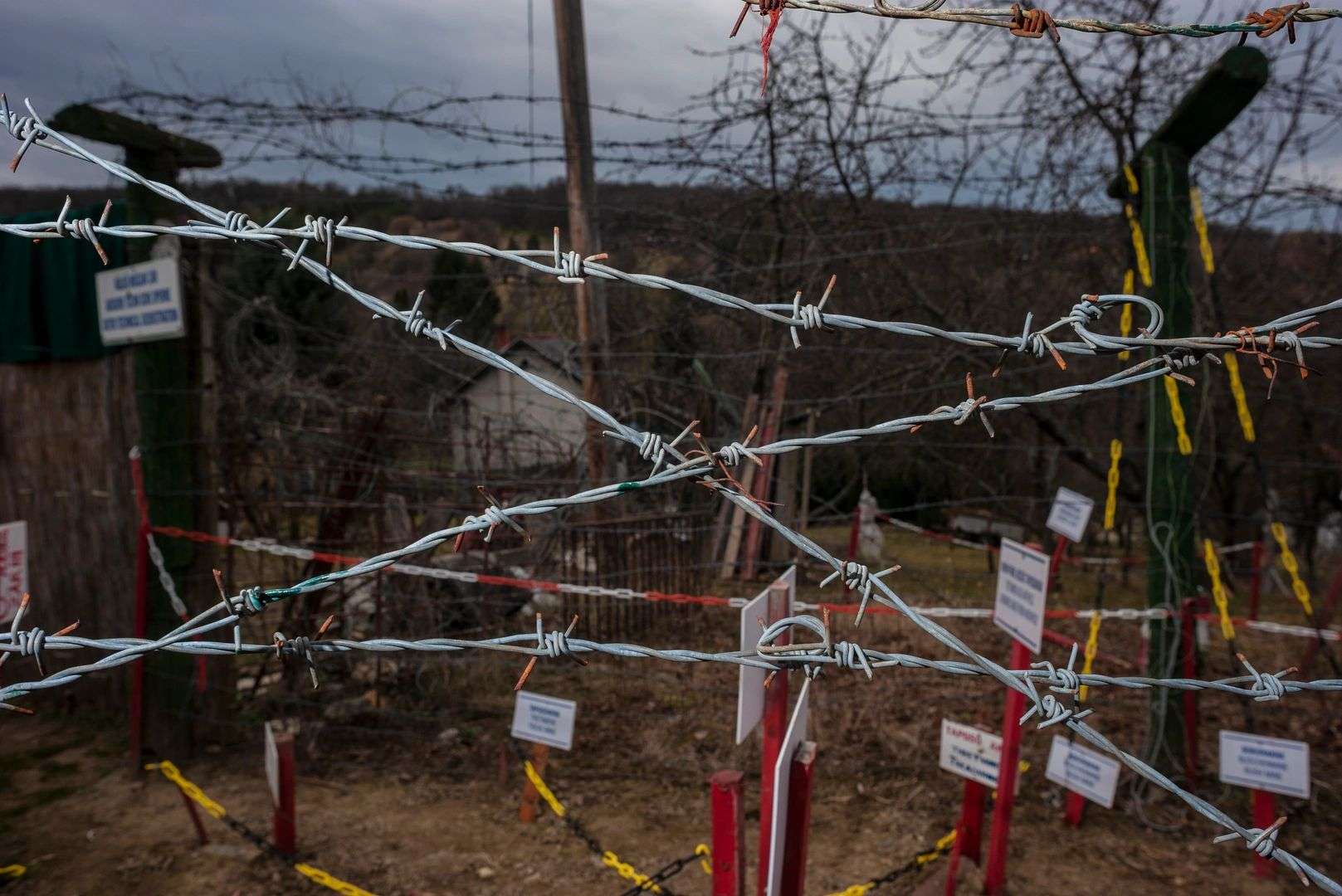
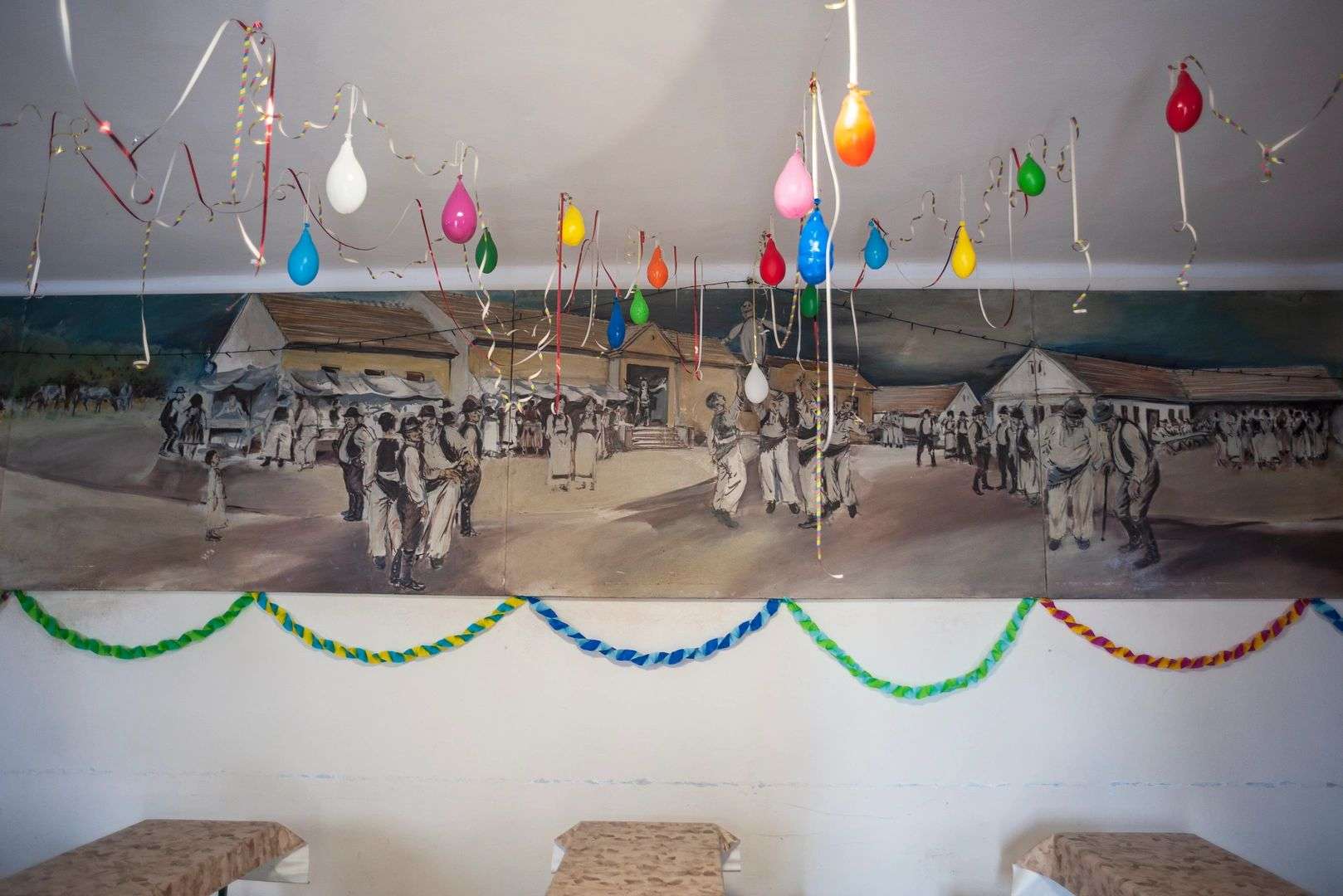
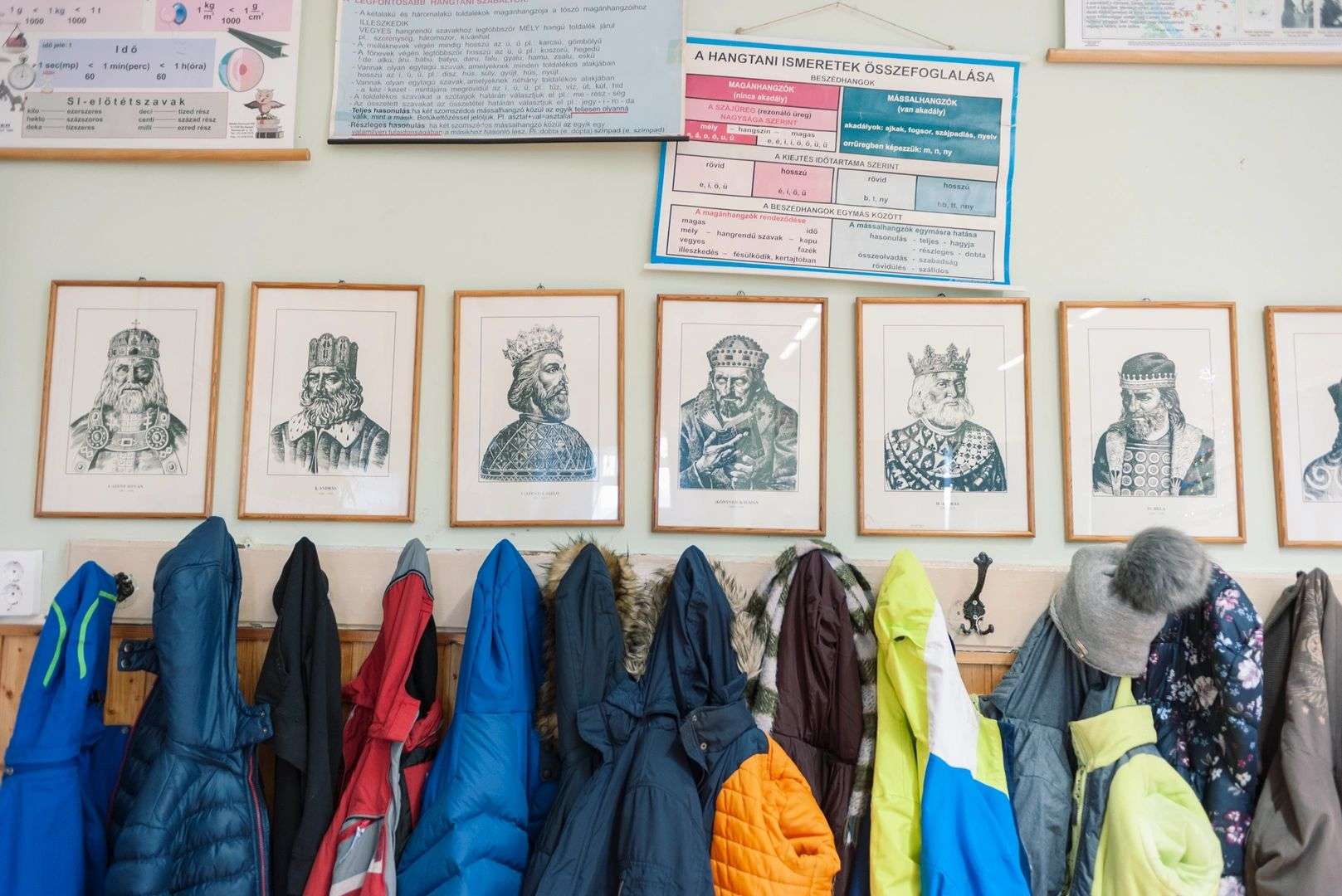
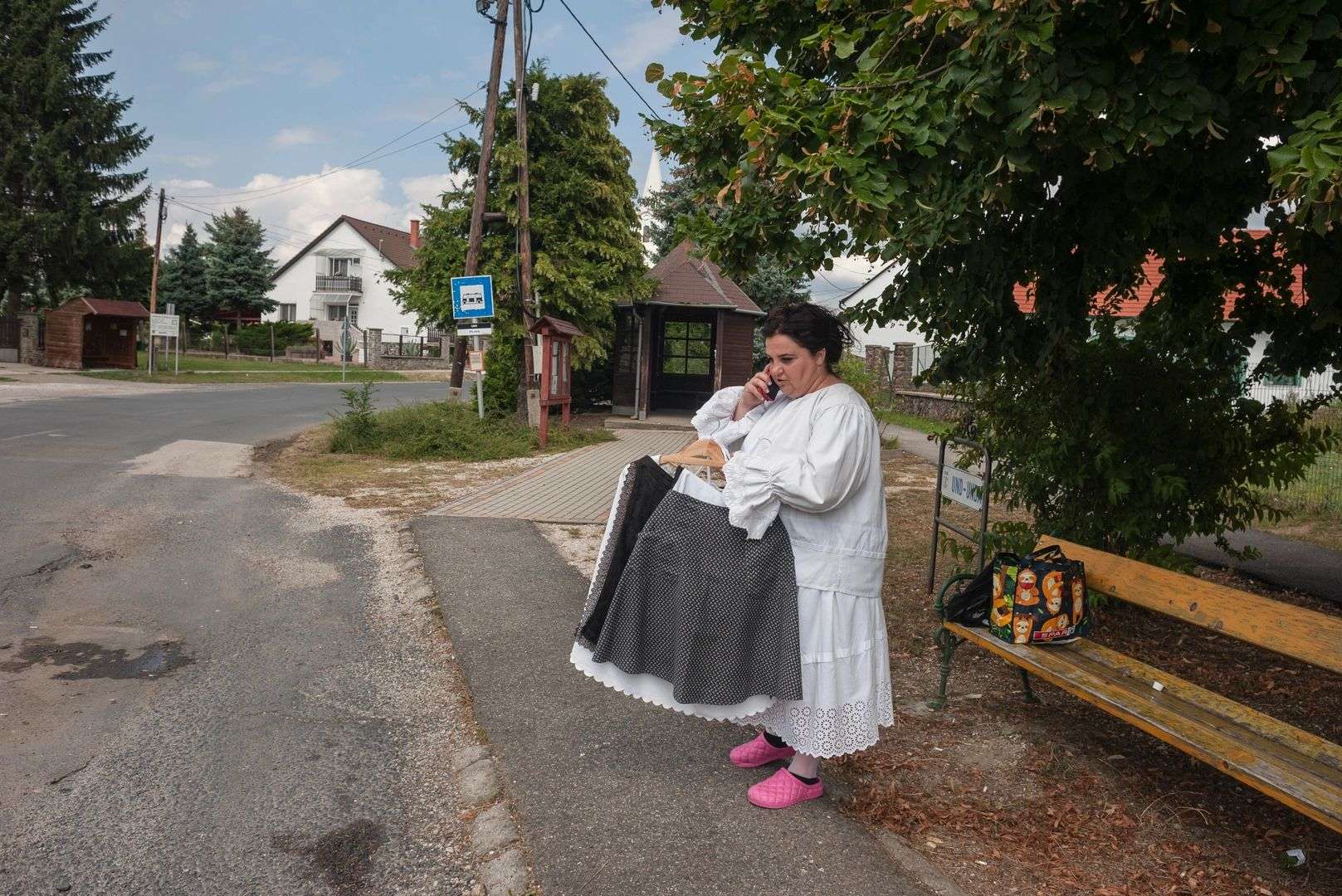
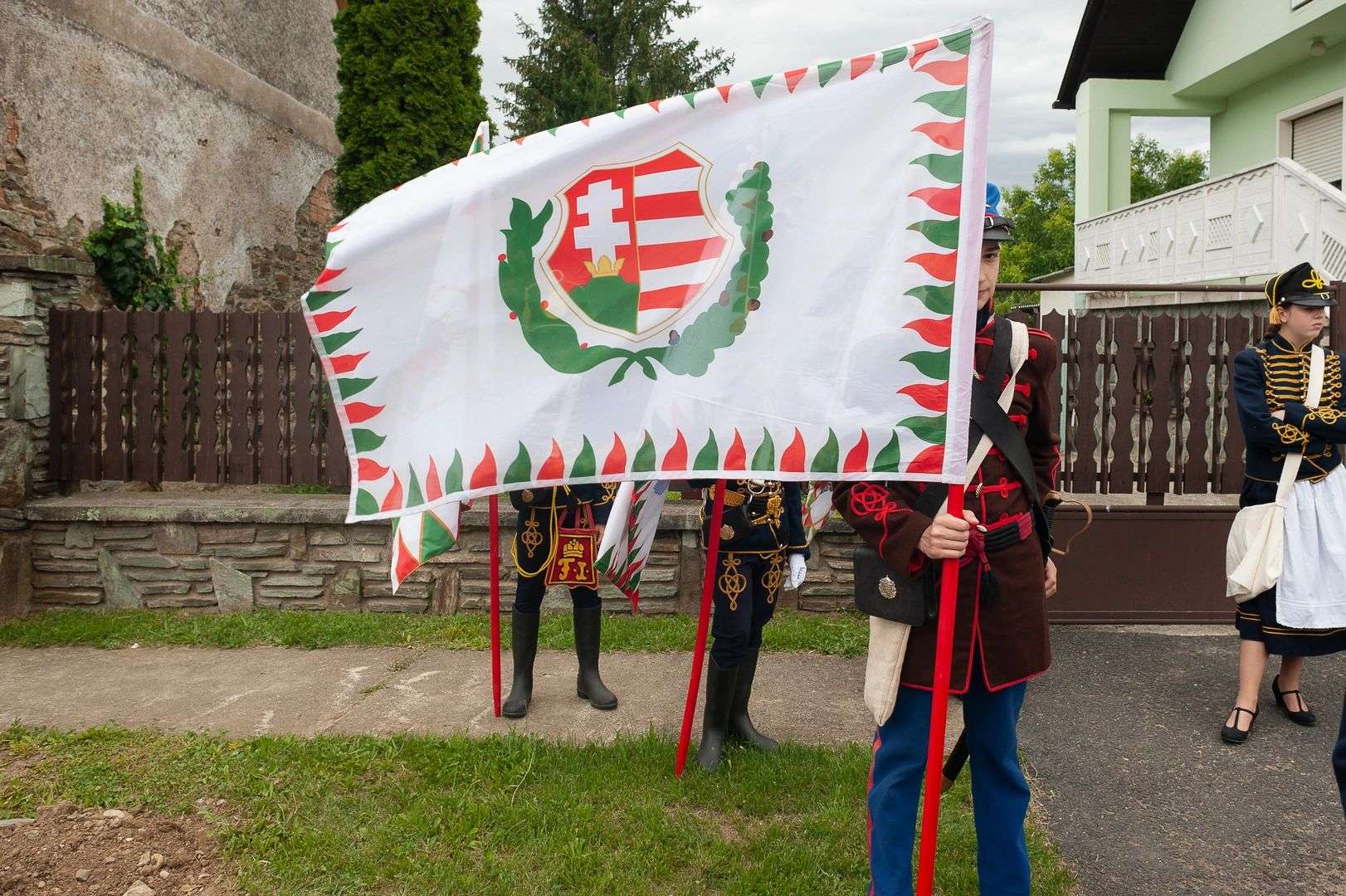
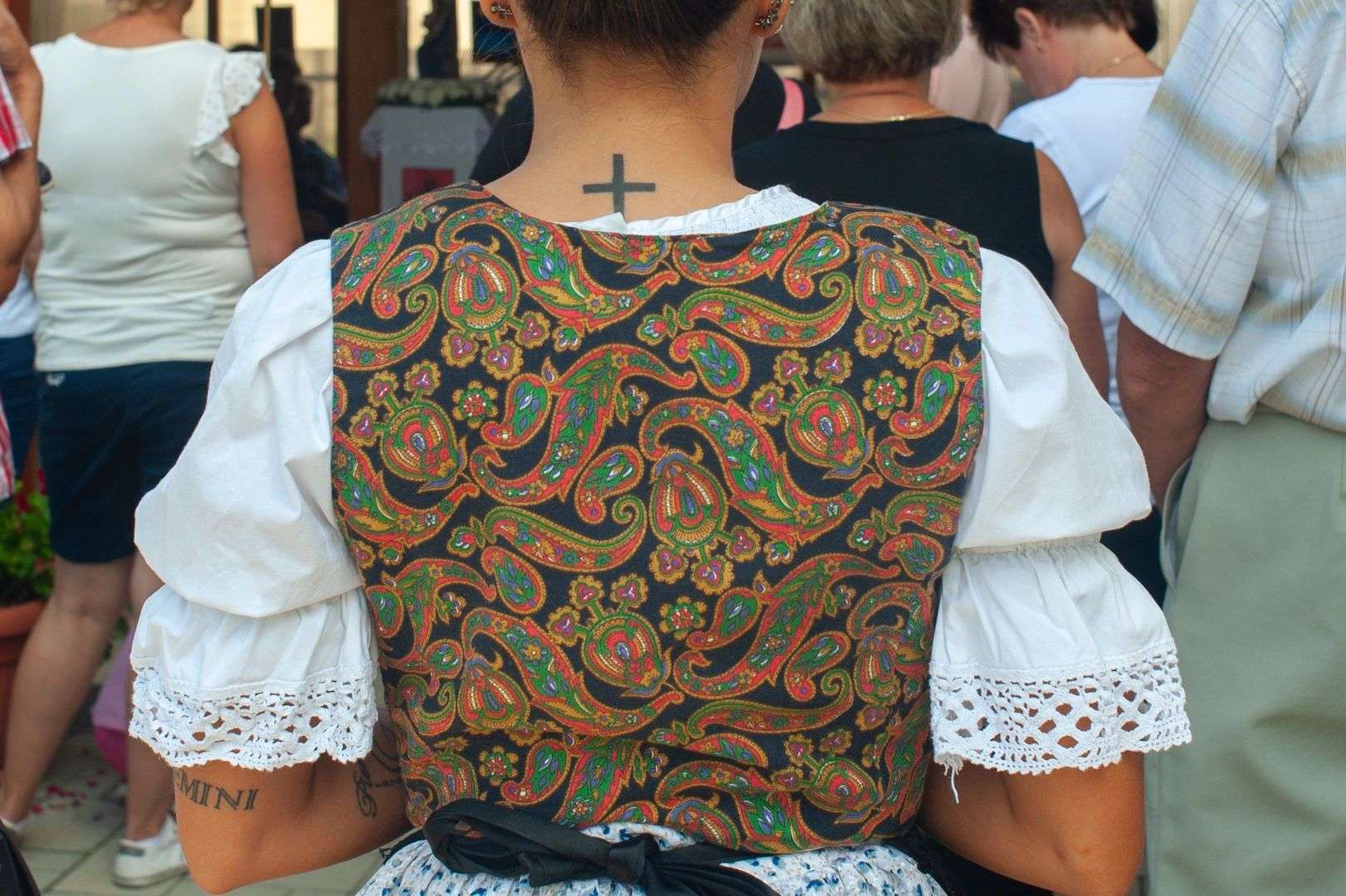
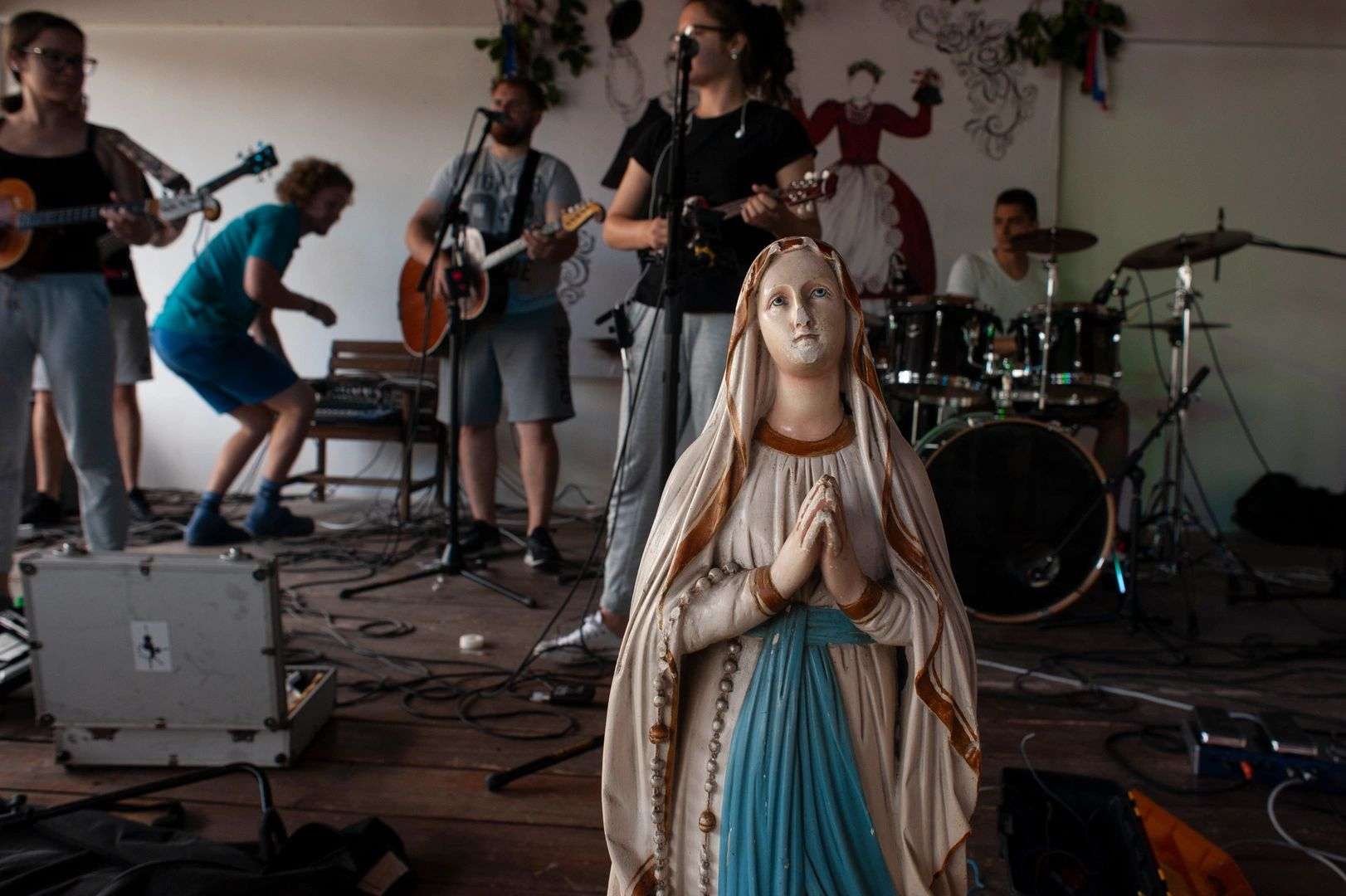
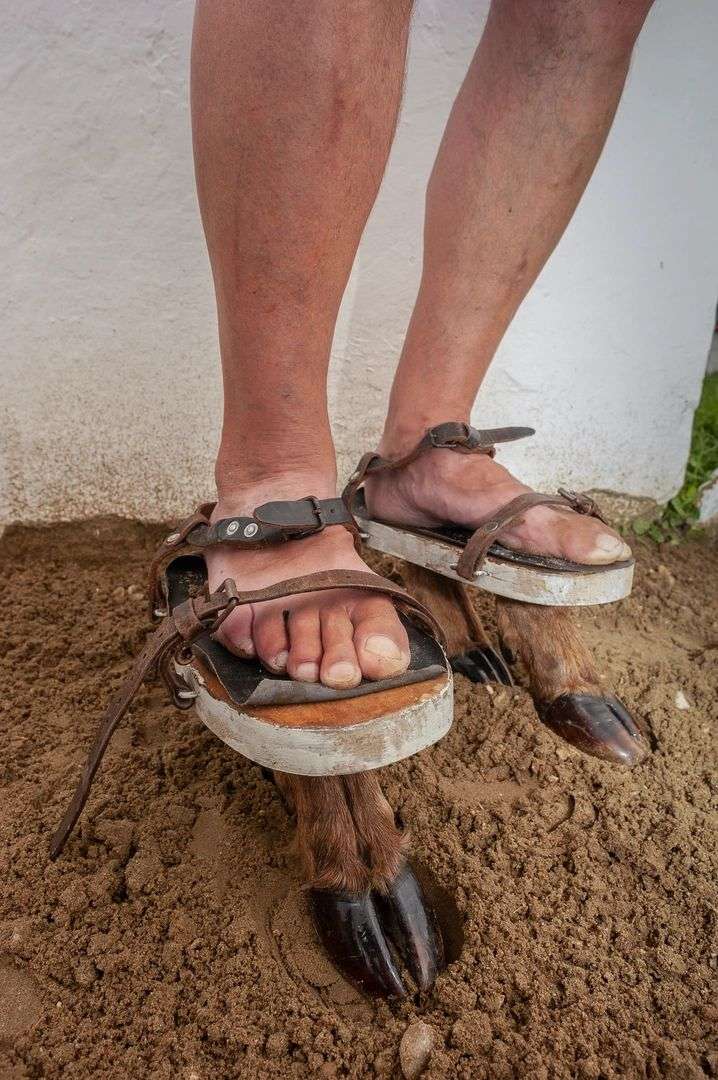
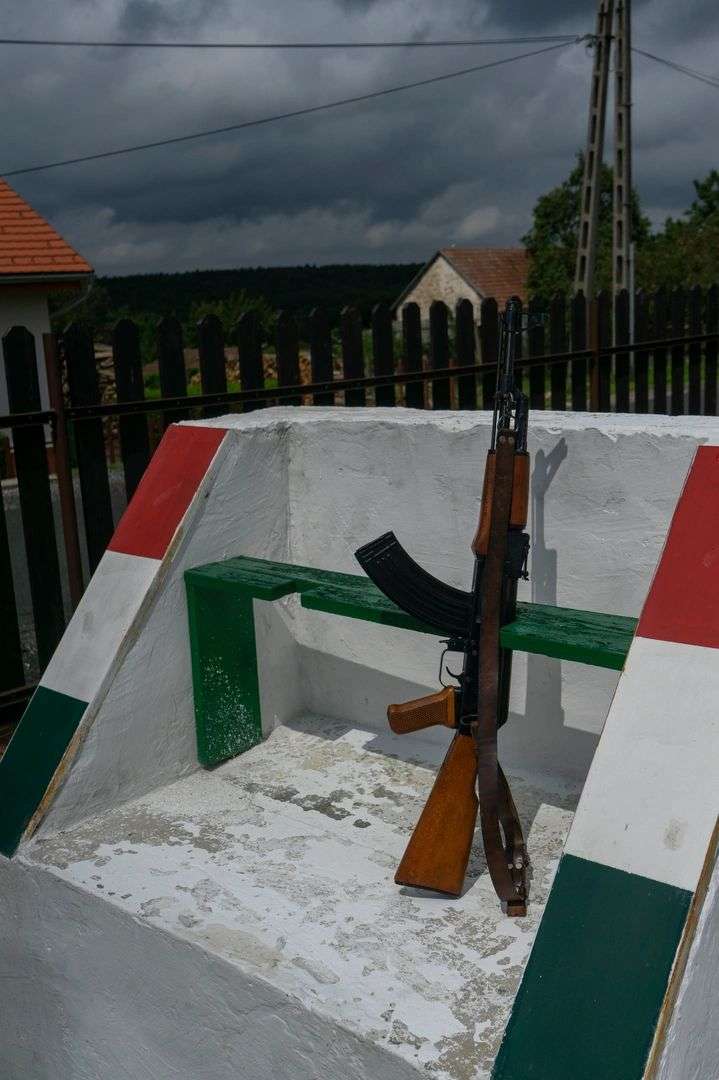
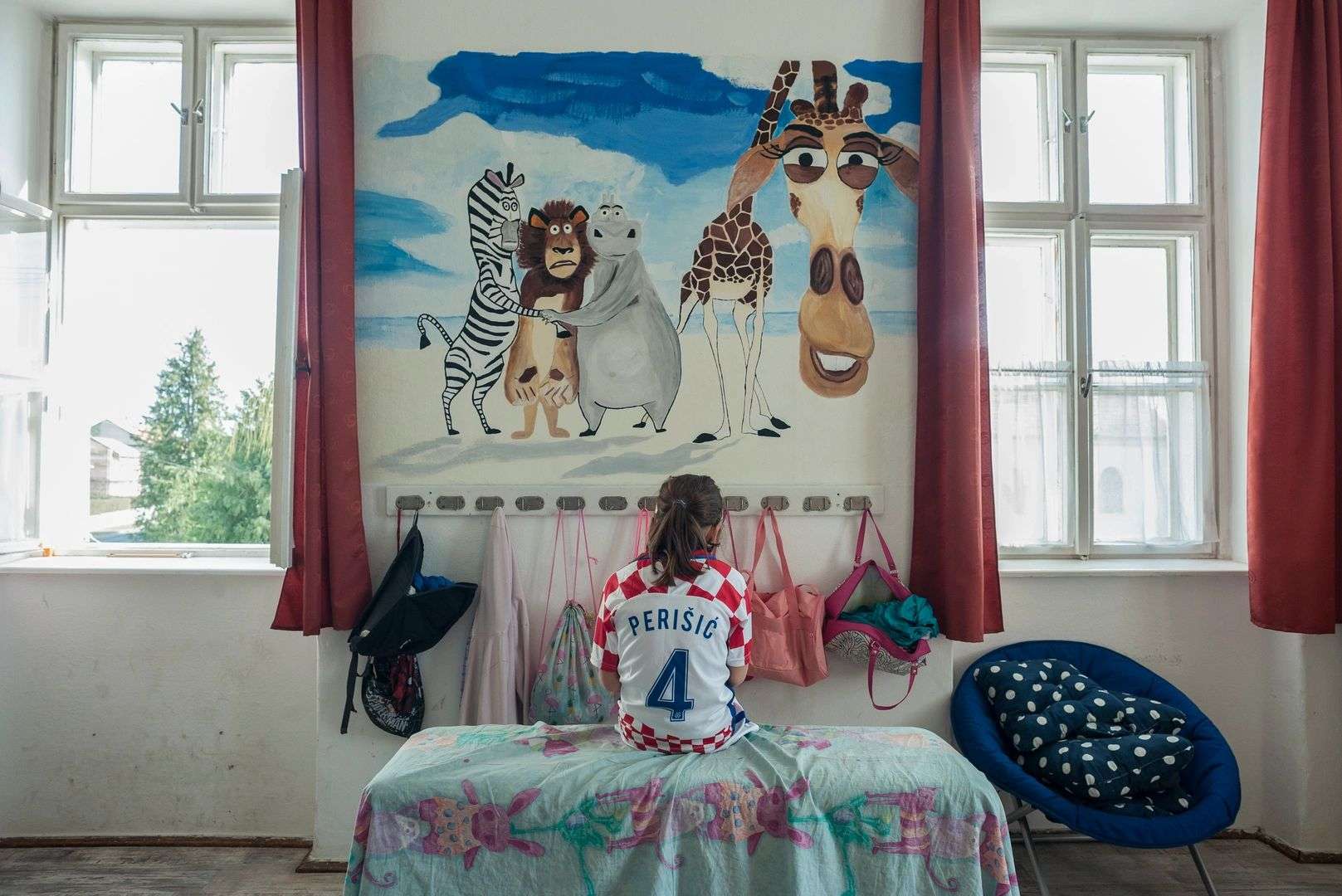
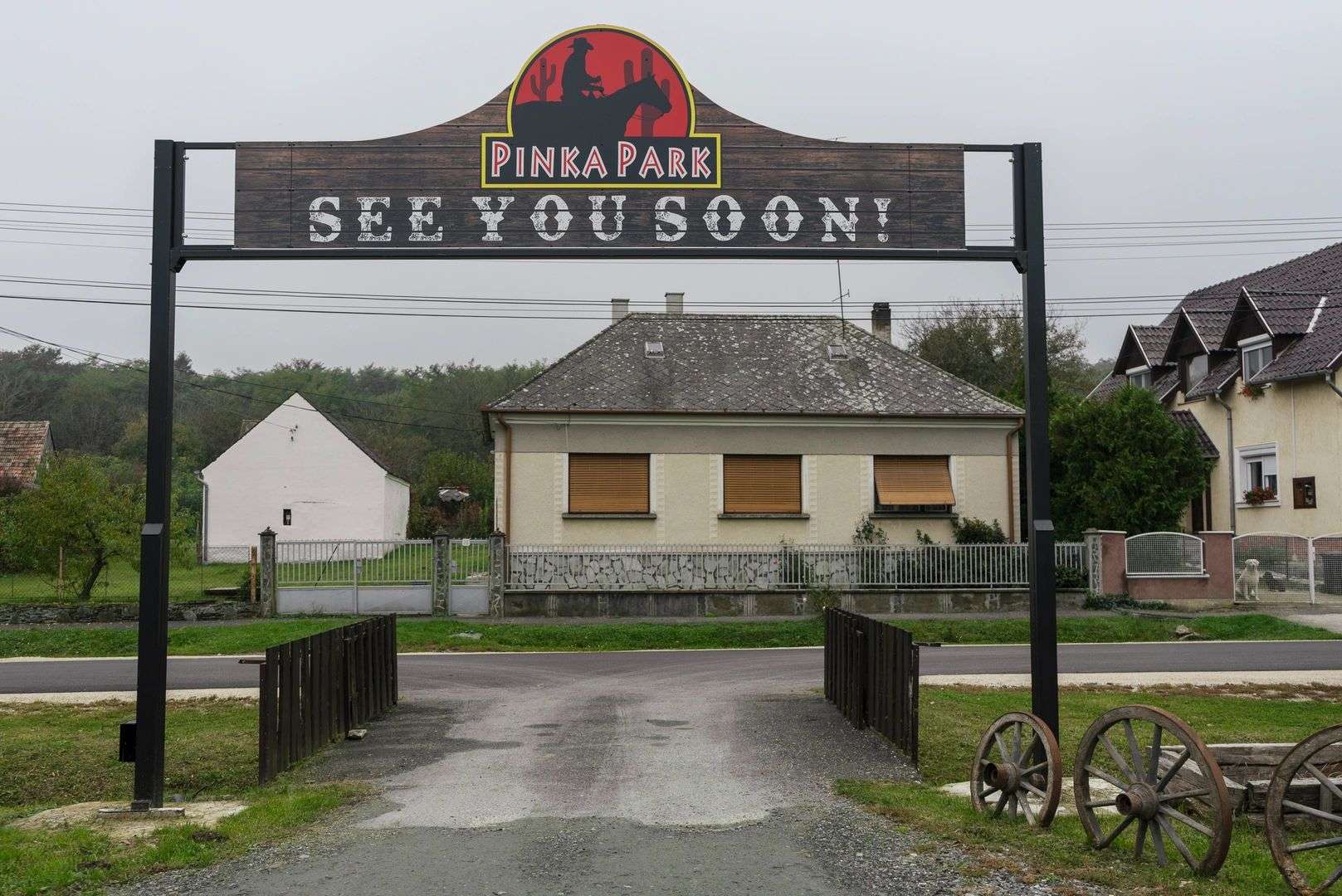
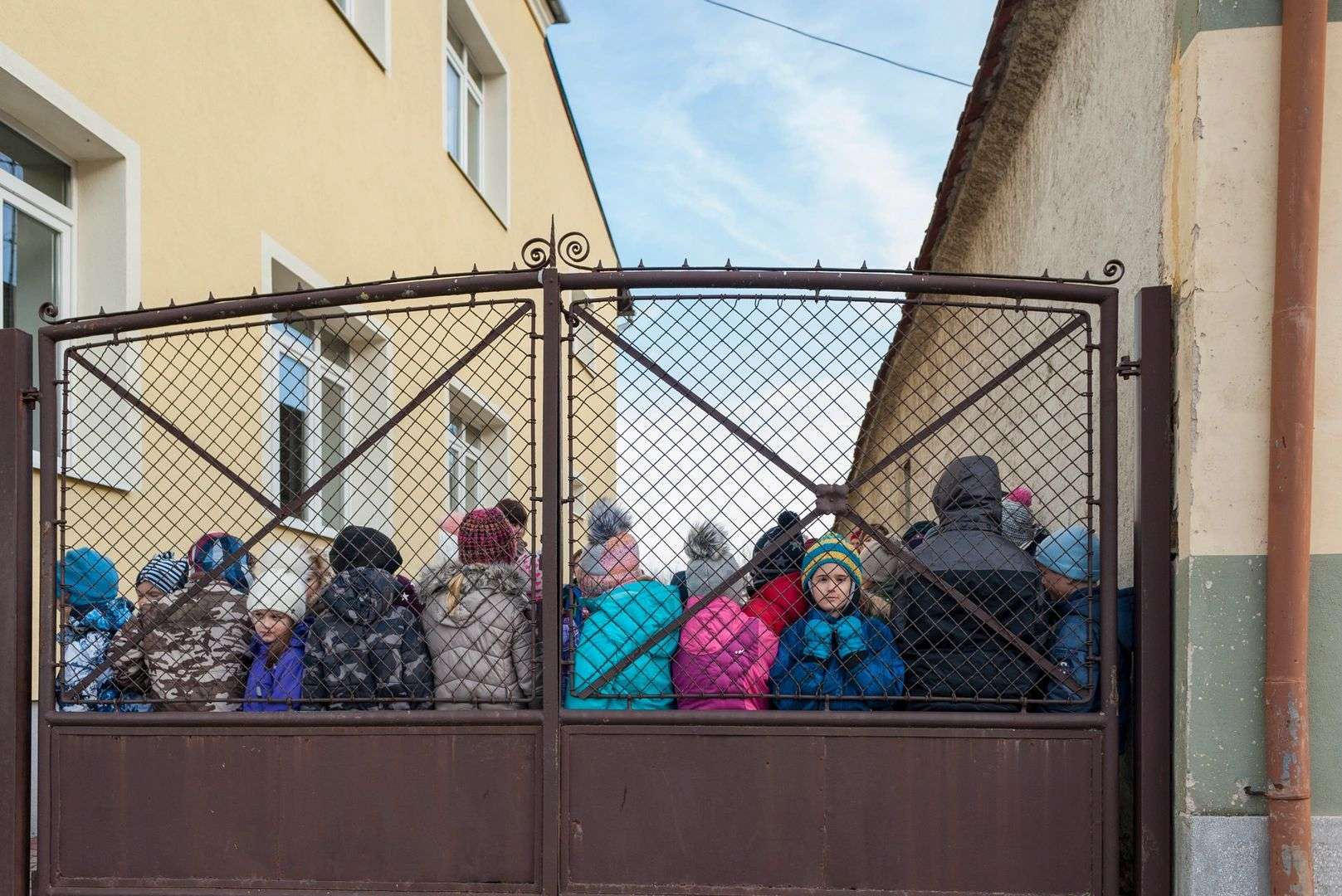
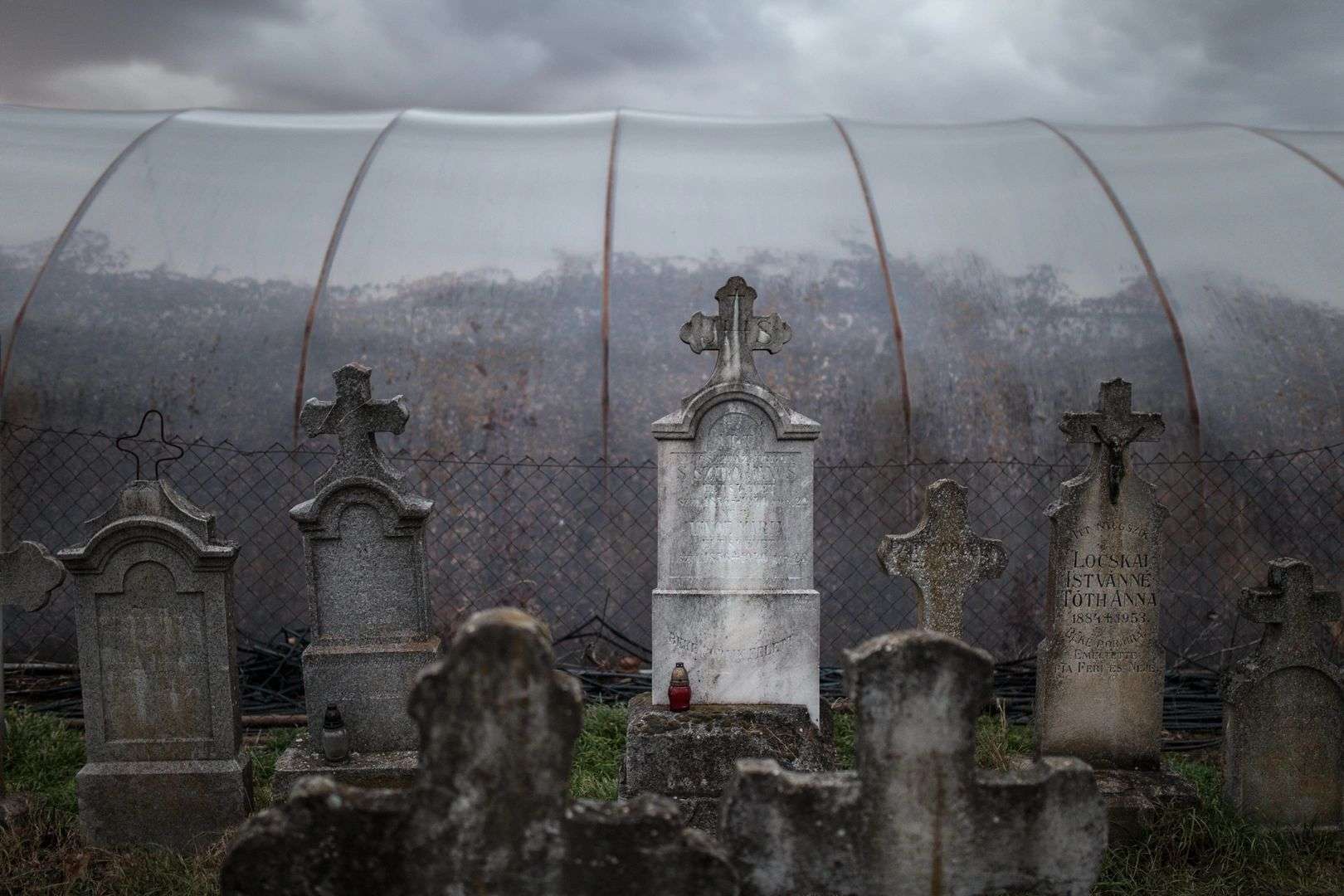
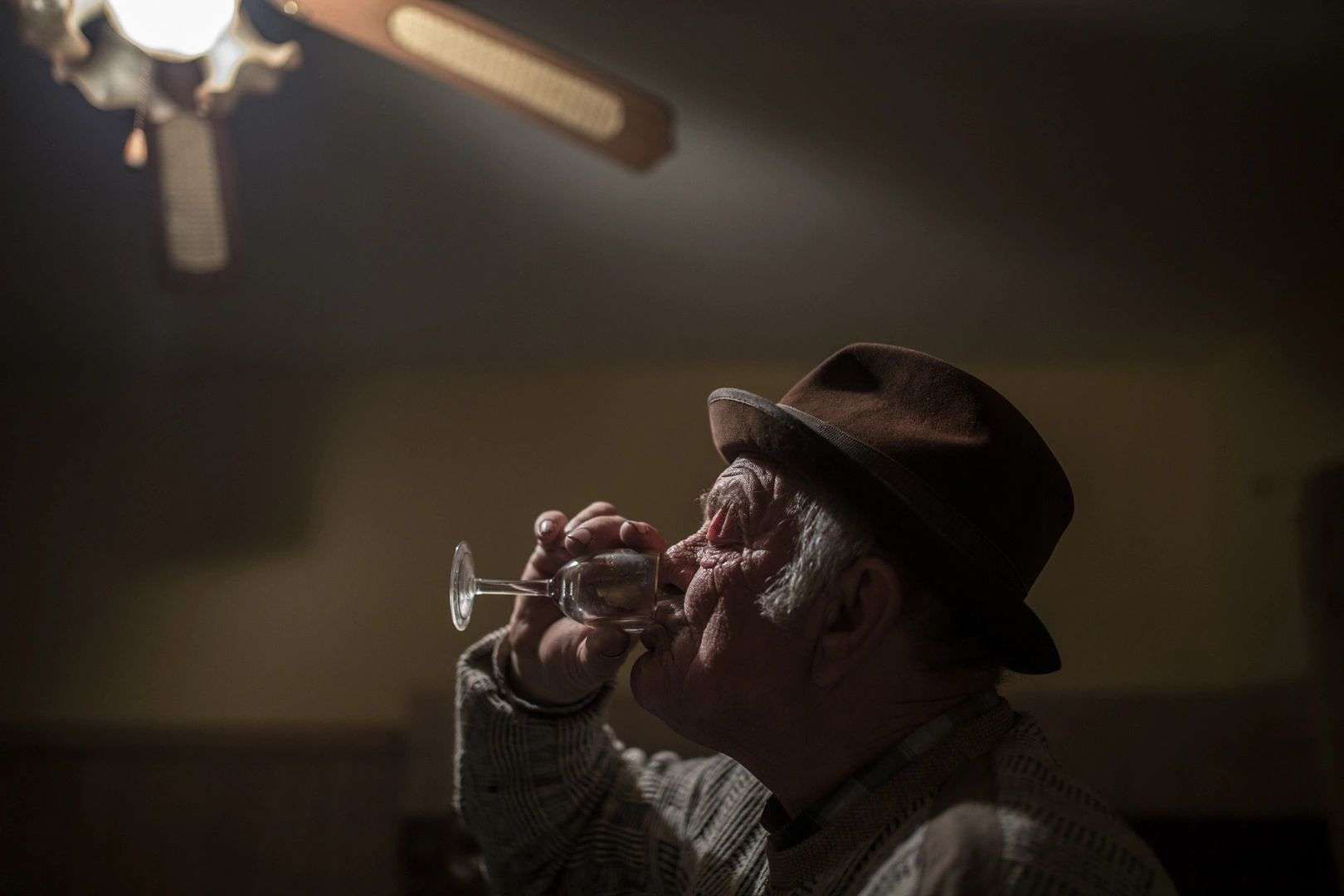
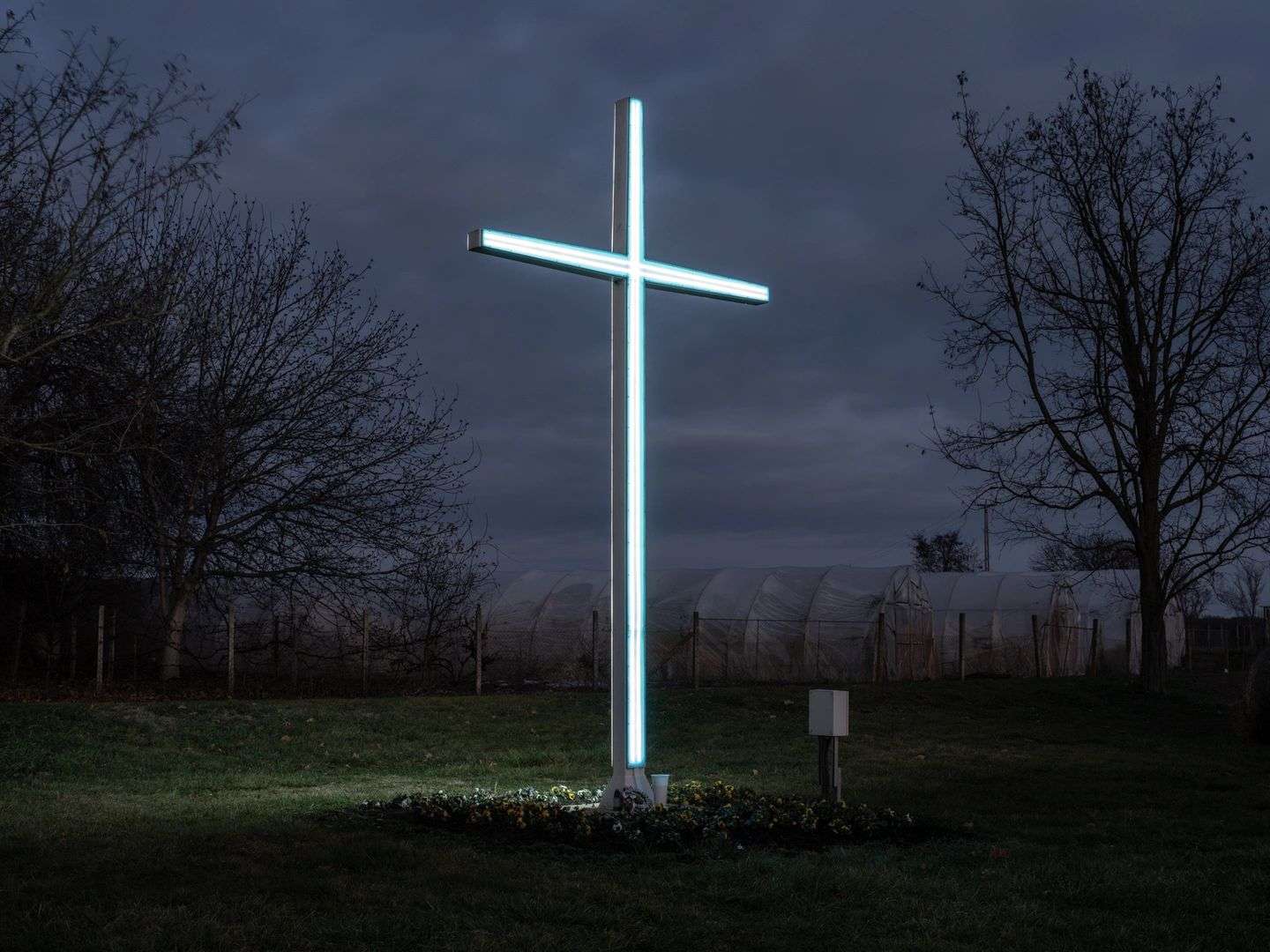
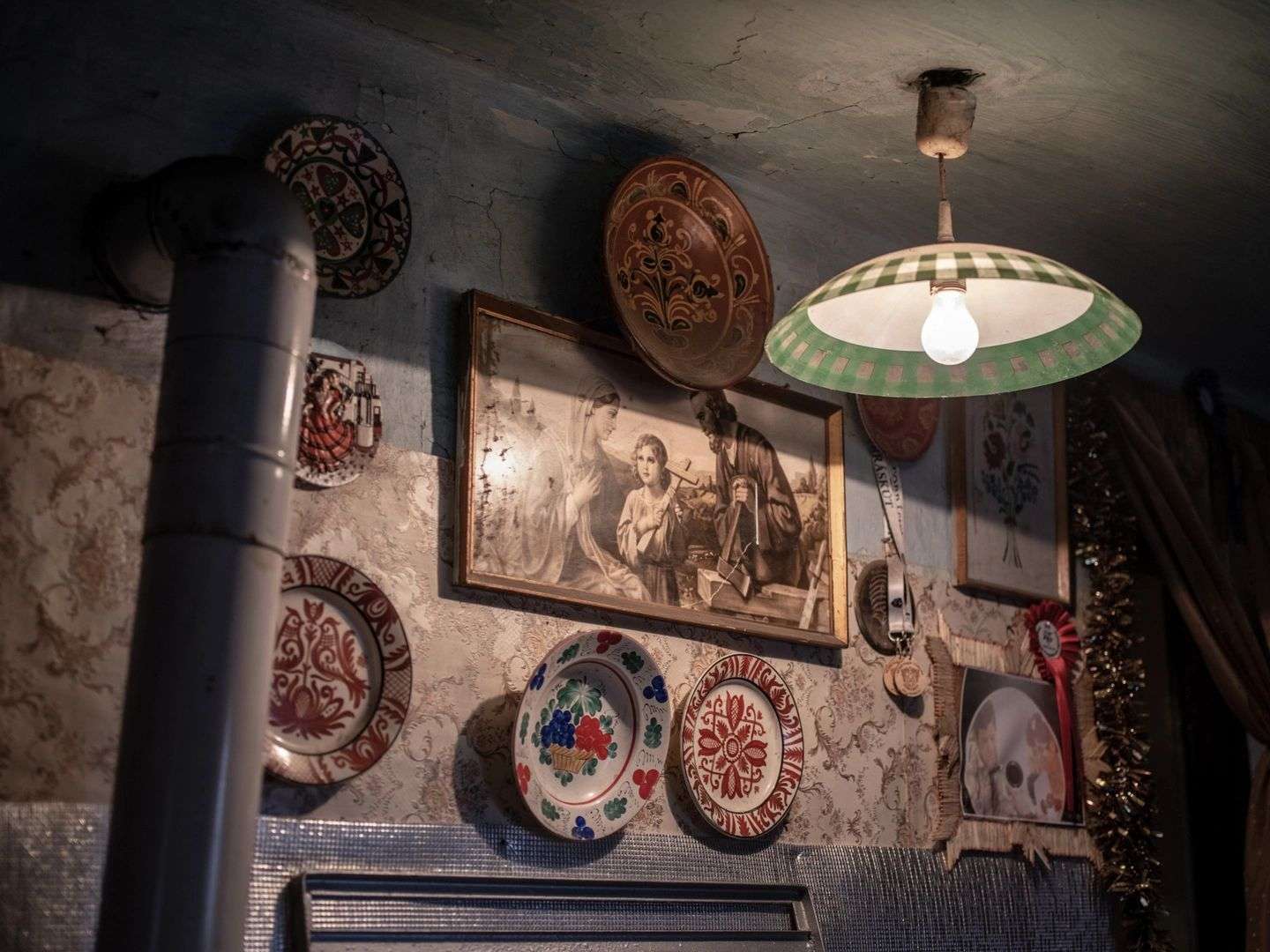
I started photographing communities living in the region directly adjacent to Burgenland in 2018 with the support of the National Cultural Fund. The photo series initially sought to reflect the fact that, despite internal and external migration, different nationalities have lived here together for centuries. Over time, a narrower region, the valley of the river Pinka, where the villages of the local ethnic communities are located, became my focus. Here I started to document the festive and religious events, how these communities try to preserve their own and each other’s cultures. After the first months, an exciting process took place in front of me. After the first months, an exciting process took place in front of me. The observation of the dual process, due to its direct border location, can be observed much more intensively in the region than in the interior of the country. I finally started to document how, in the face of the growing presence of mass culture, how can self-identity be preserved in the existence of a nationality or a minority? Especially in an area where different peoples have passed through as a transit route for centuries? In my experience, in the border countryside, actions to preserve traditions create the illusion of freedom. It promises to sustain an ethnic identity even in the face of globalization and increased mobility. The dramatic impact of Trianon can also still be seen in the Pinka Valley. In personal interviews I learned family stories from the last century that were about emigration, the “Iron Curtain,” and evictions. With the drawing of the borders, a painful period began, and new social structures and intellectual conditions strongly influenced local and regional existence. The preservation of minority languages, the survival of village traditions, and the preservation of the specific features of ethnic minorities are a growing demand in rural areas around the world. The need stems from different roots: on the one hand, the preservation of minority culture, on the other hand, the homogeneity caused by globalism, local action against uniform patterns. In addition, the global perspective gives extra value and visibility to the local cultures, or helps to create a third culture that is exciting to observe. In the framework of this Art Scholarship, I would like to continue my work on ethnic communities in the region, and extend the area outside of the Pinka Valley, covering the western border and the insofar excluded Slovenian minorities. In the course of the project I would like to observe the traces of the historical traumas of the last century, the present role of physical boundaries, linking with today’s general focus on post-colonialism. The final form of the Art Project is a photo book showing the universal cultural variables of the duality of tradition and modernization, as well as the connection and feelings of the younger generations to national culture and traditions.
I live in Budapest as a freelance photographer. I majored in French and Hungarian with a degree in humanities, and after college spent a month in Paris on a scholarship from the French Institute. I worked as a communications expert and spokesperson, while also implemented personal photography projects. I graduated at the Moholy-Nagy University of Arts, Master of Photography, where I worked on several projects. I have been documenting the life of ethnic communities living along the Austro-Hungarian border for the past two years, which has two aspects: on the one hand, the phenomenon of the double border, which was caused by Trianon and the Iron Curtain. In addition, I actively deal with the identity-preserving activities of local nationalities, and at the same time with the effects of cultural globalism and the multicultural phenomena. My work is personally motivated, I would like to observe through my own generation how the above processes work at both the individual and community level. Also interested in the possibilities of my own generation to preserve and assume their own identity in the current social environment. In addition to works of art, I work as an applied photographer, creating portraits and documenting projects in online and offline media, with theater, TV, and event management companies, for government and corporate clients.
The photo series seeks to illustrate the universal, globally familiar process of how a national identity can survive in the shadow of global culture. In the present case, in an old border protection area, where internal and external migration has generated the social and cultural assimilation of several nationalities. Pinka Valley, Hungary’s “western gate” to Burgenland is a dual frontier, as the western part of Western Hungary, called Burgenland in Austria, was annexed in 1921, and the new border line did not conform to the previously established ethnic borders. In this region, different nationalities have lived together for half a millennium.
WHERE THE ROAD ENDS
Simon Móricz-Sabján

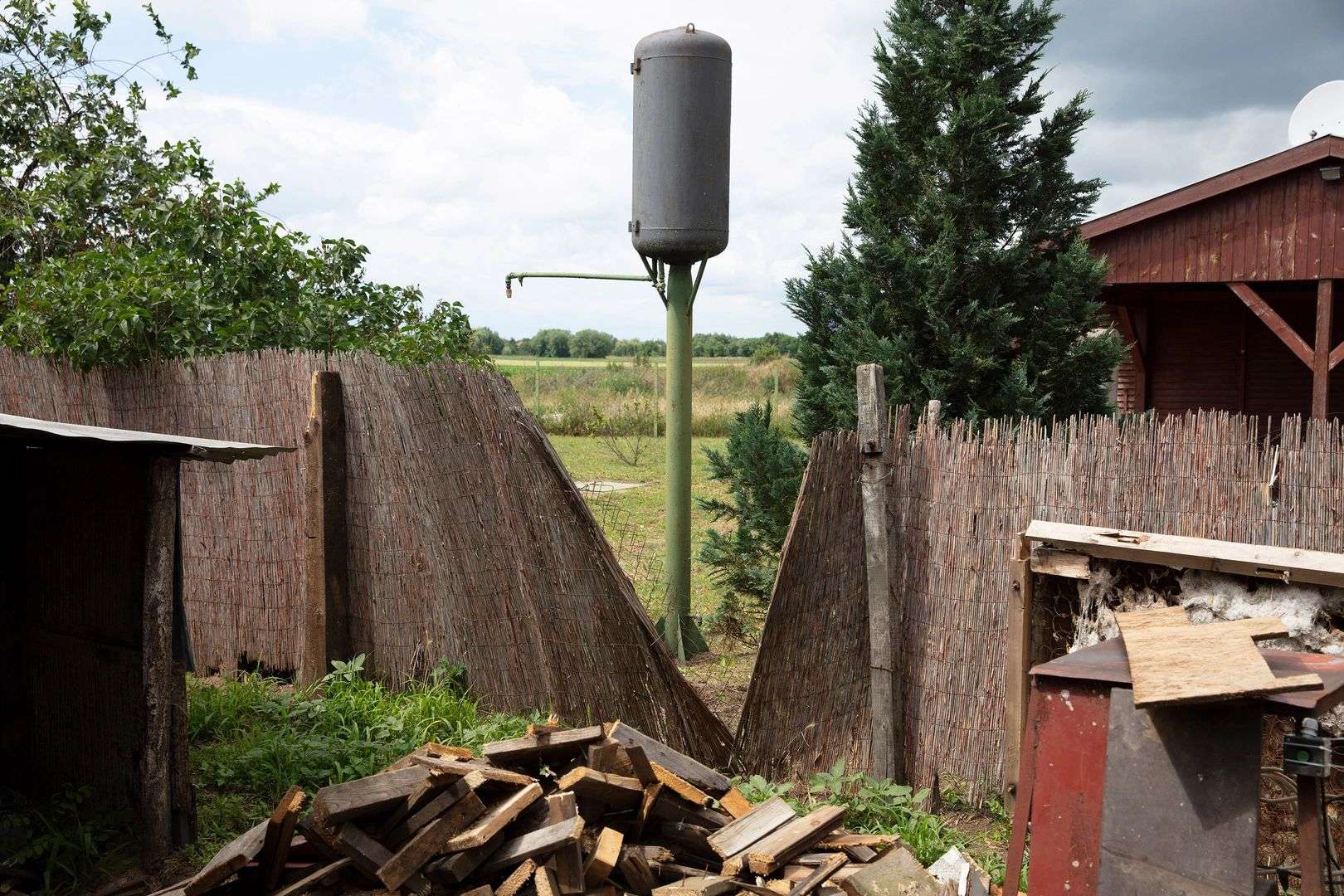
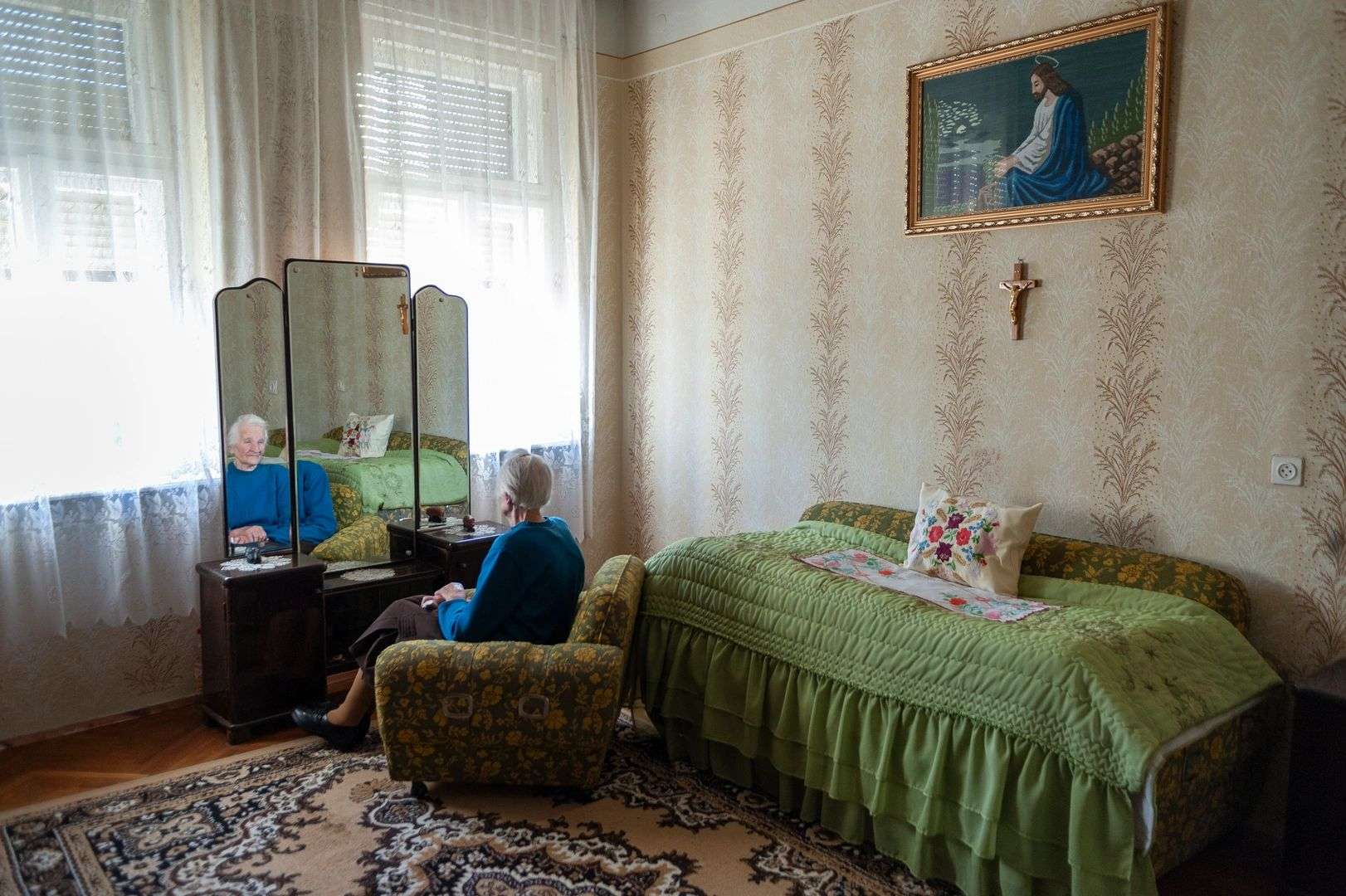
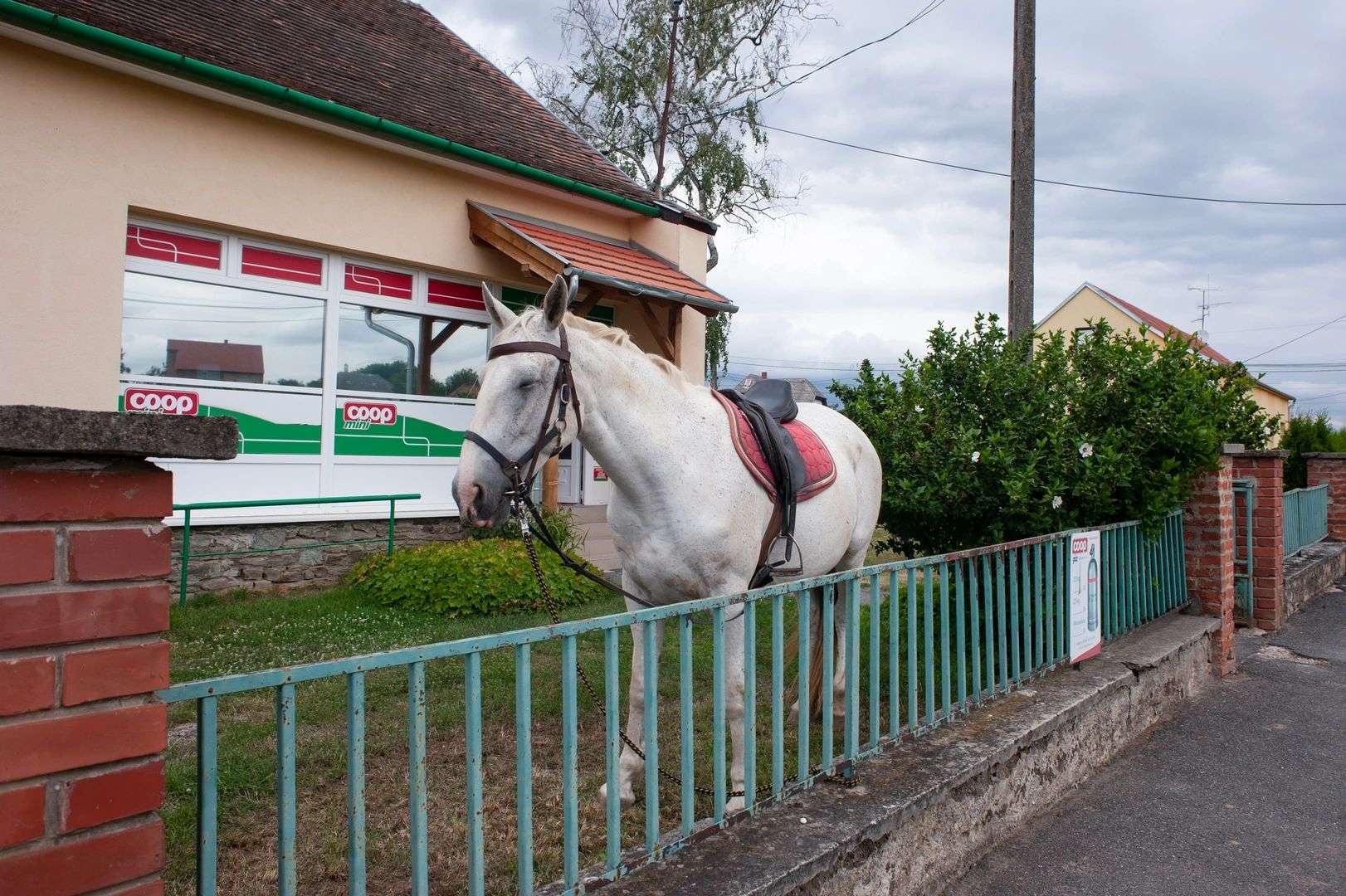
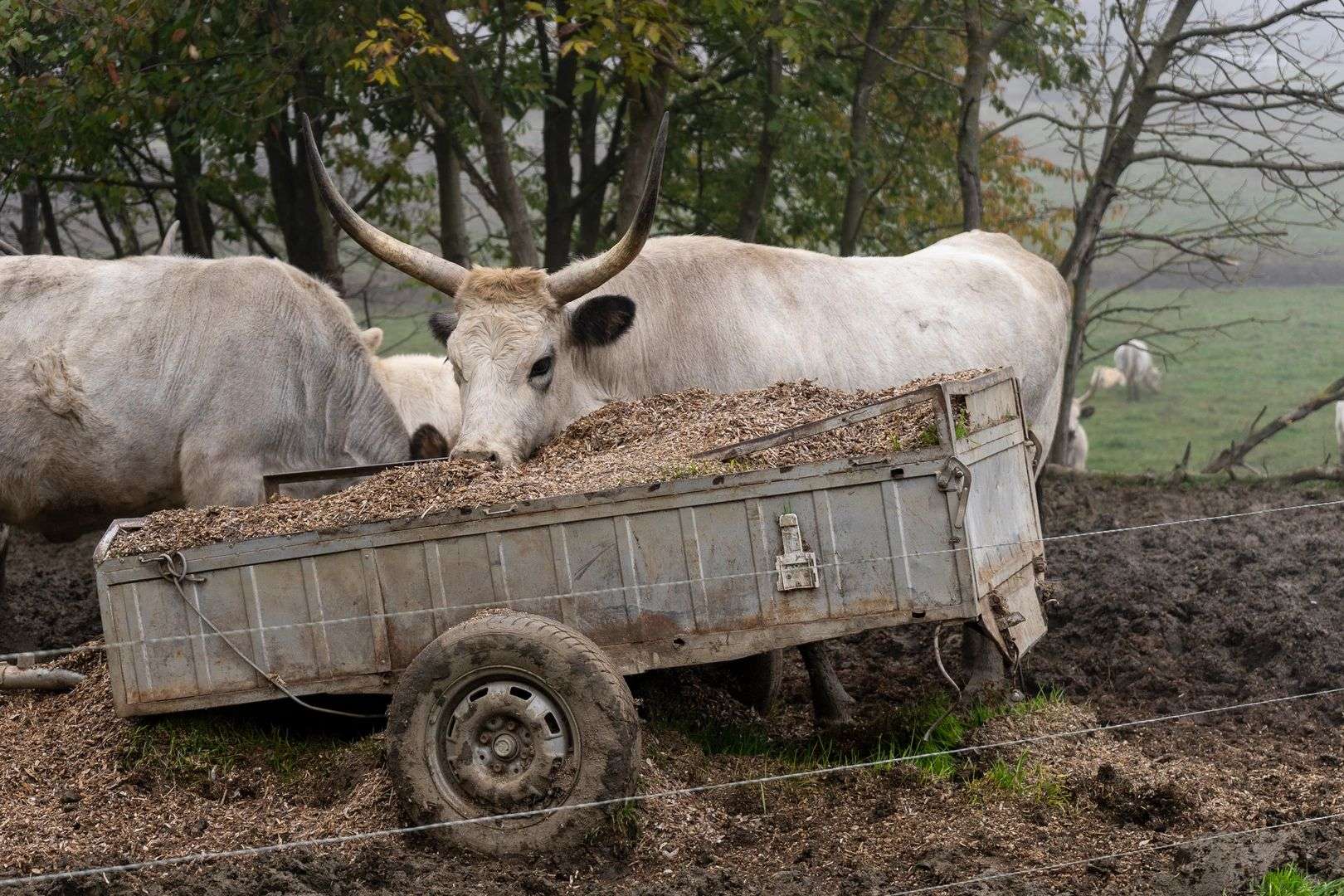
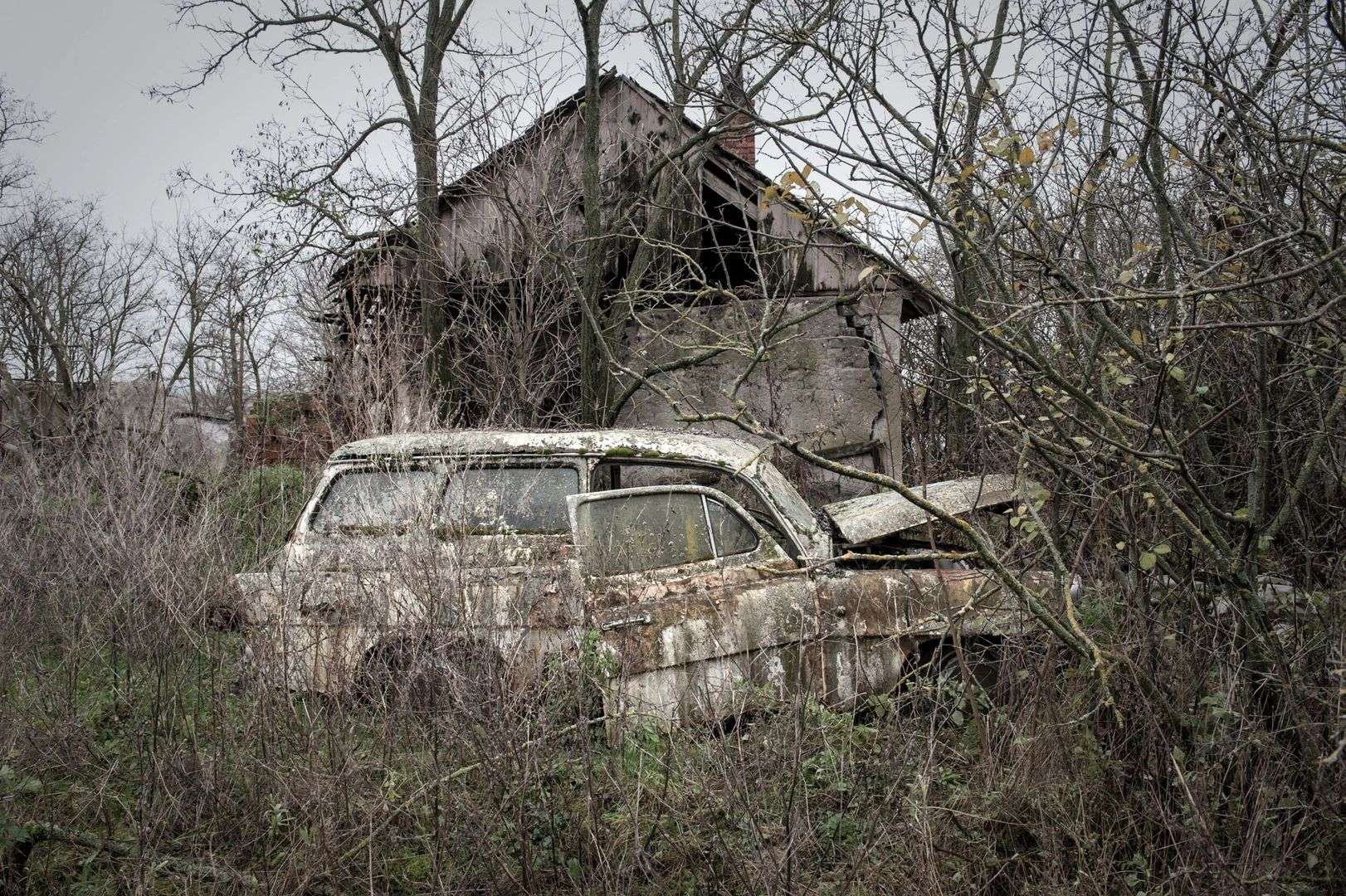
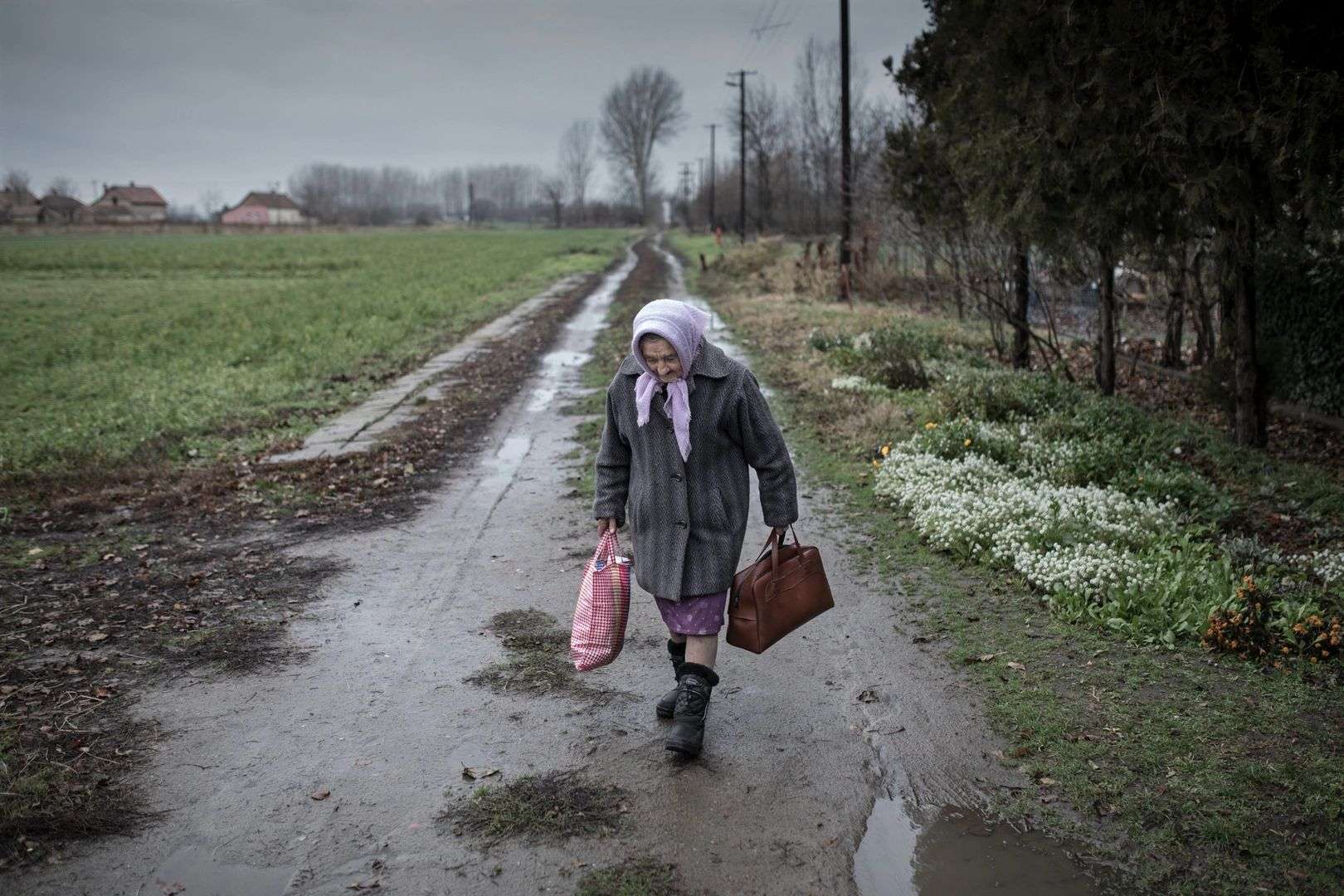
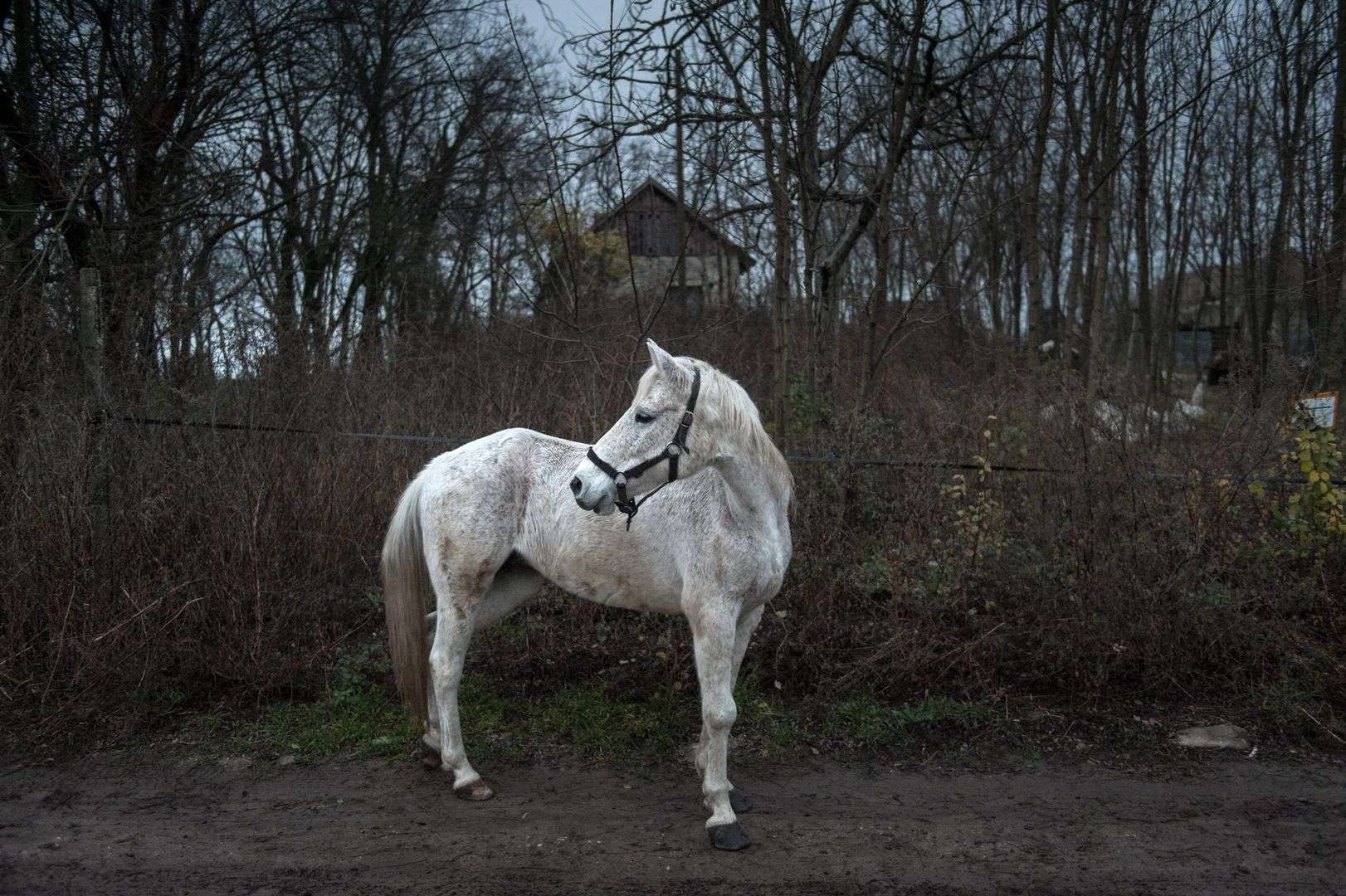
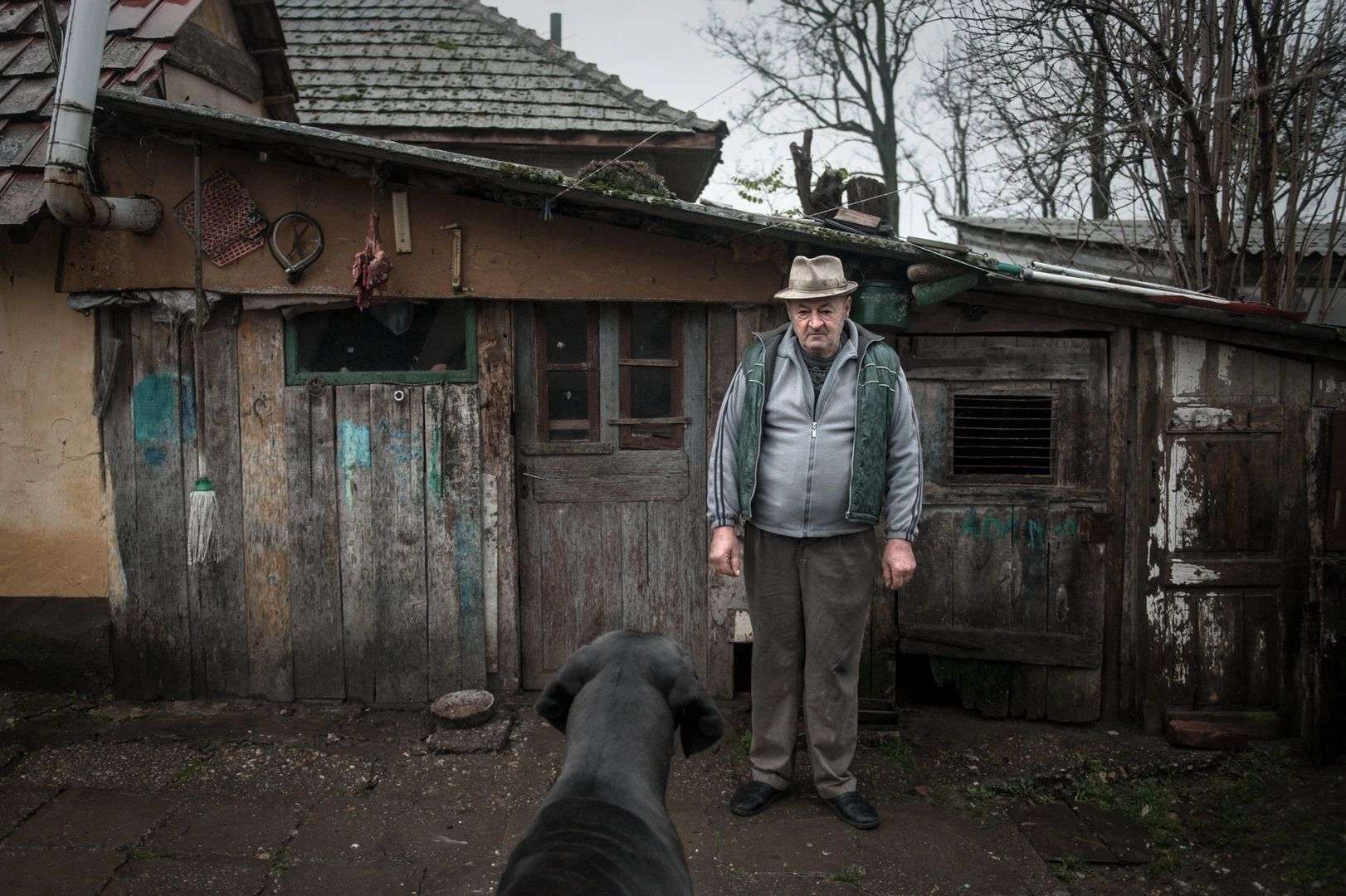
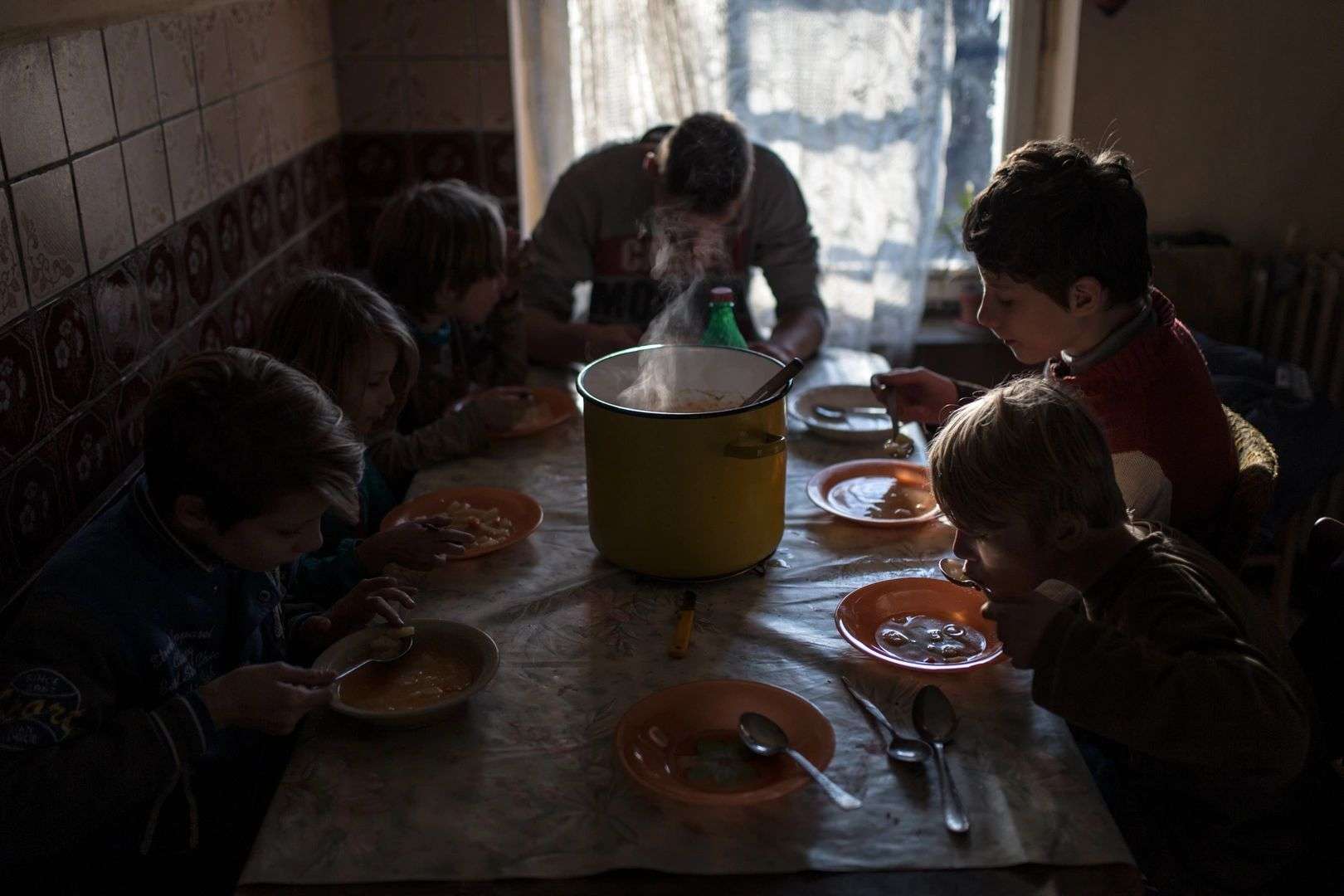
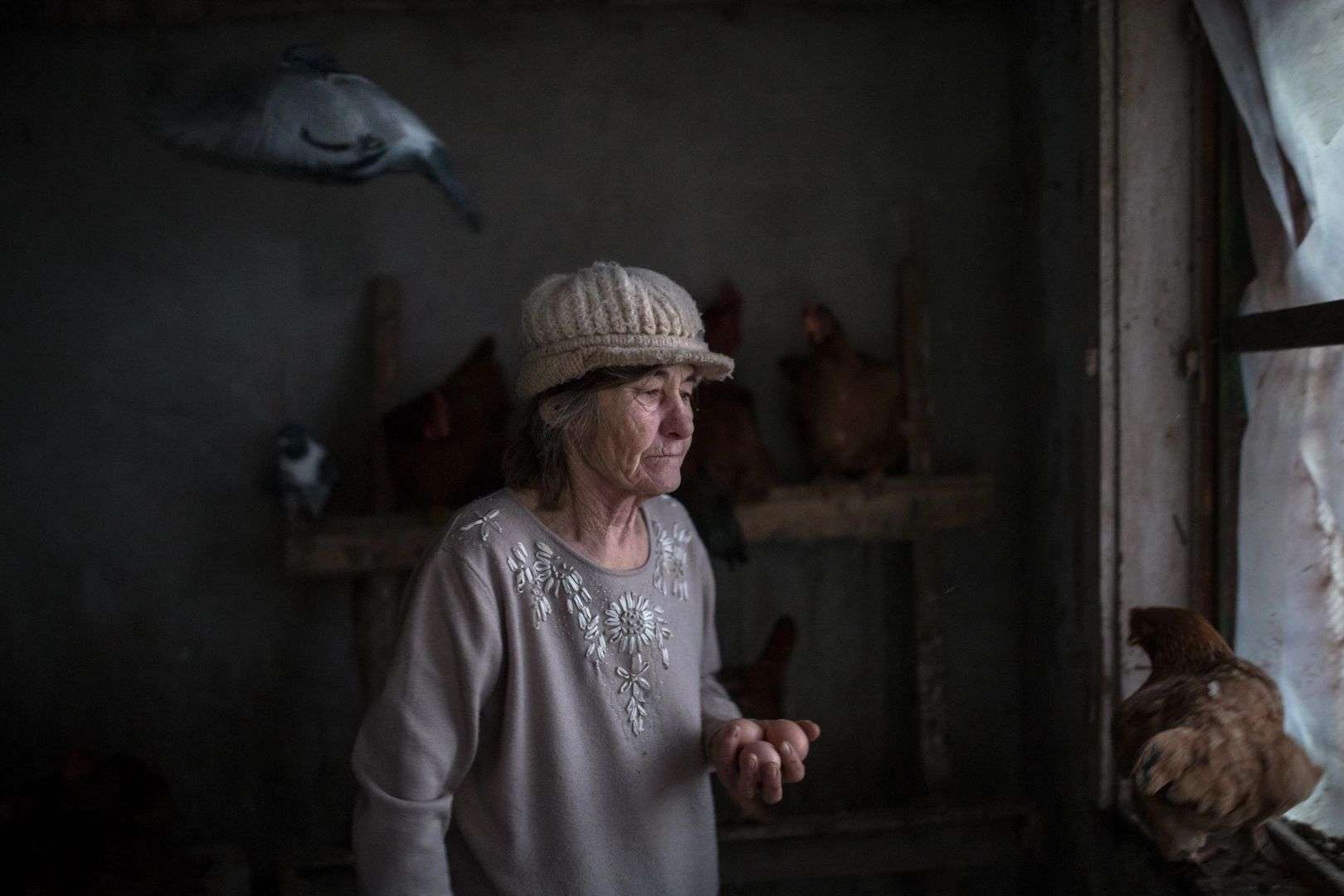
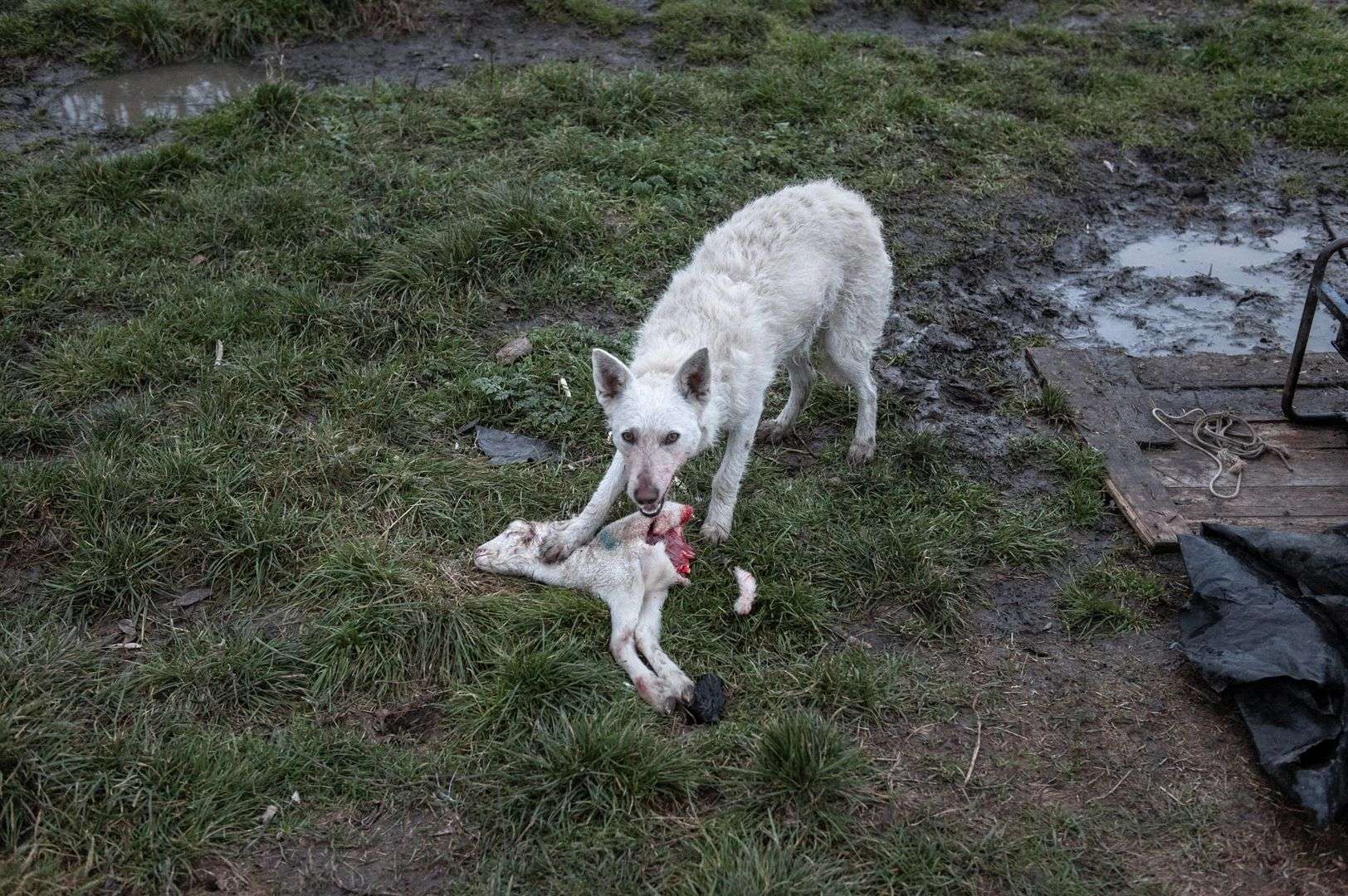
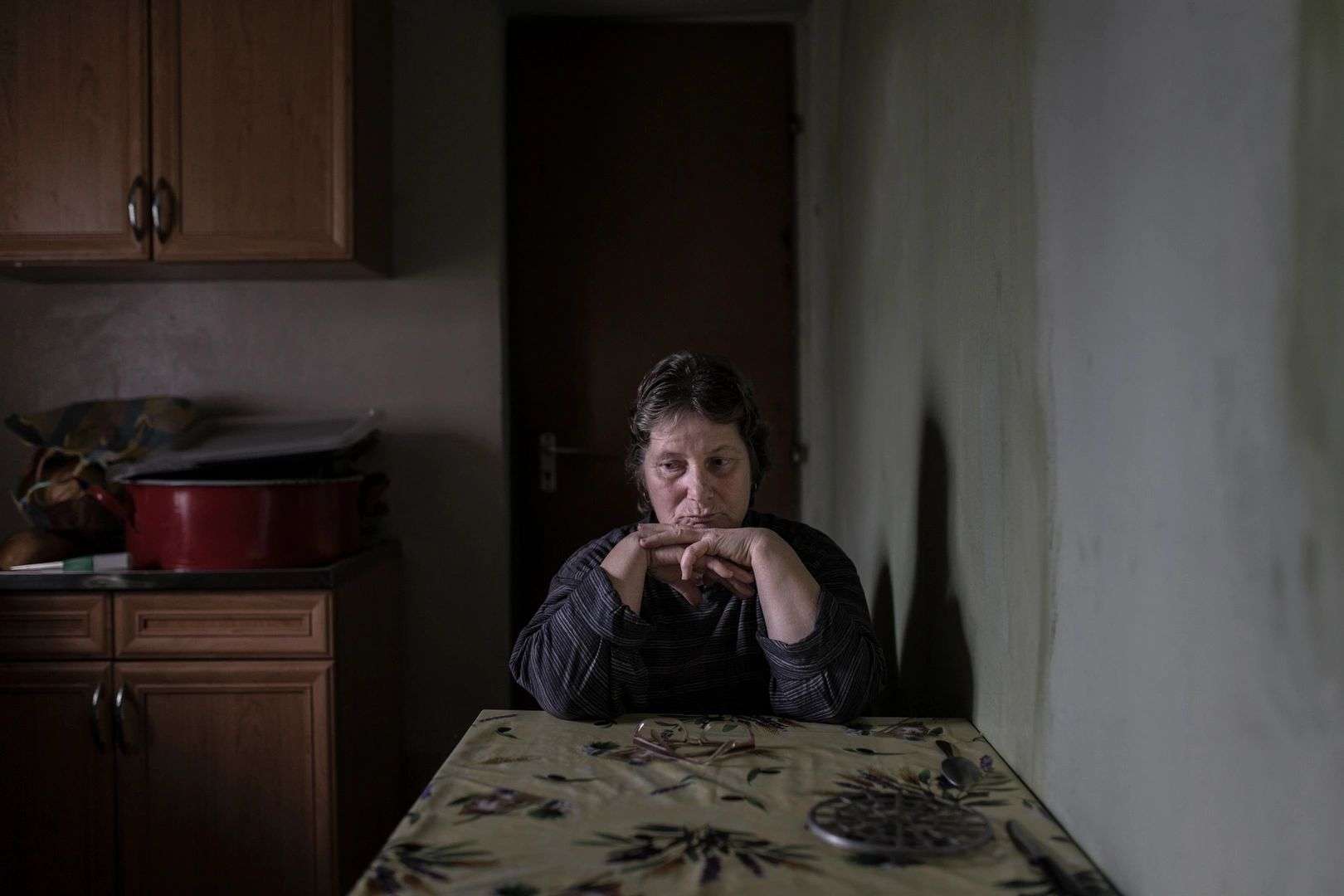
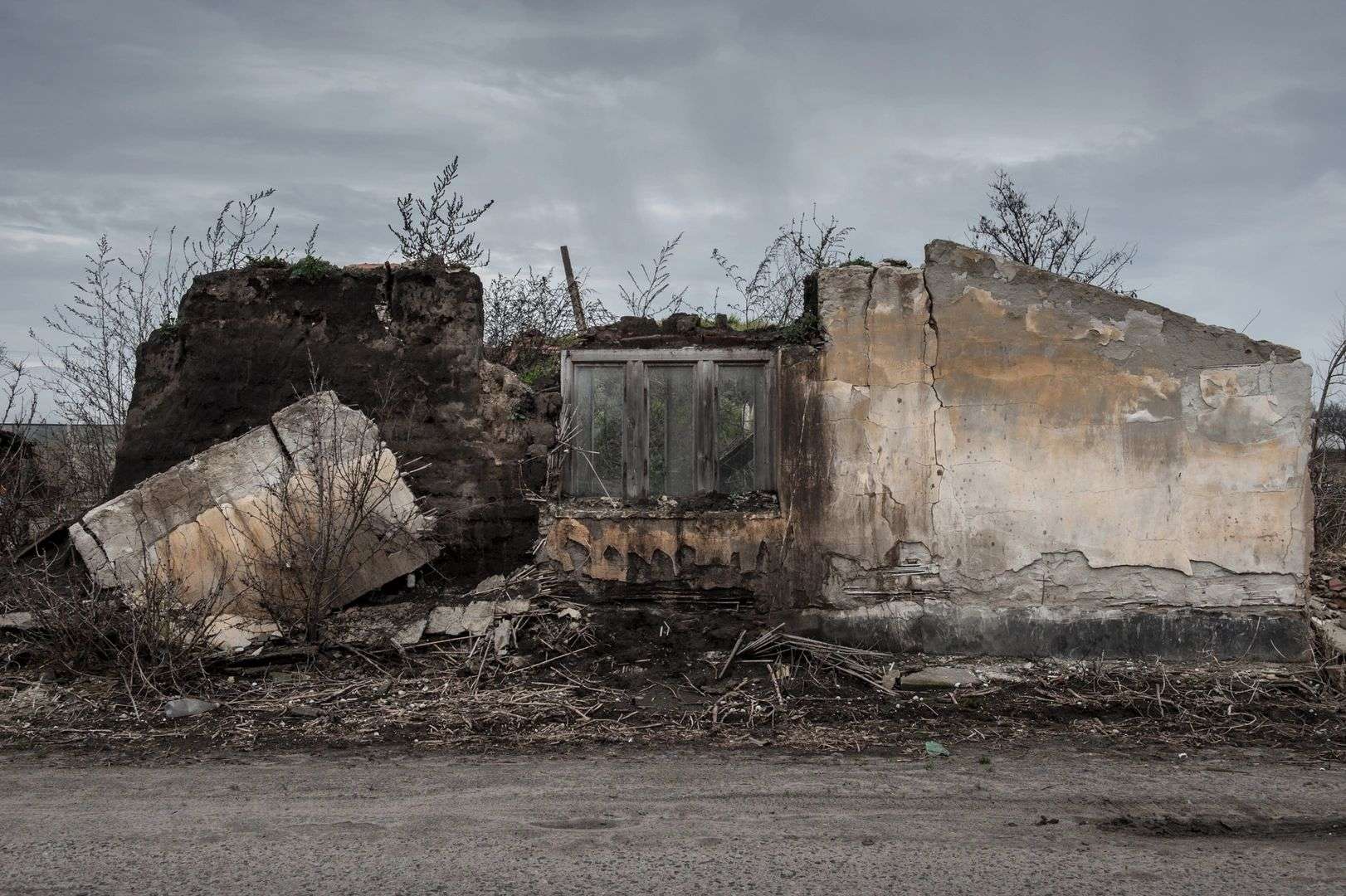
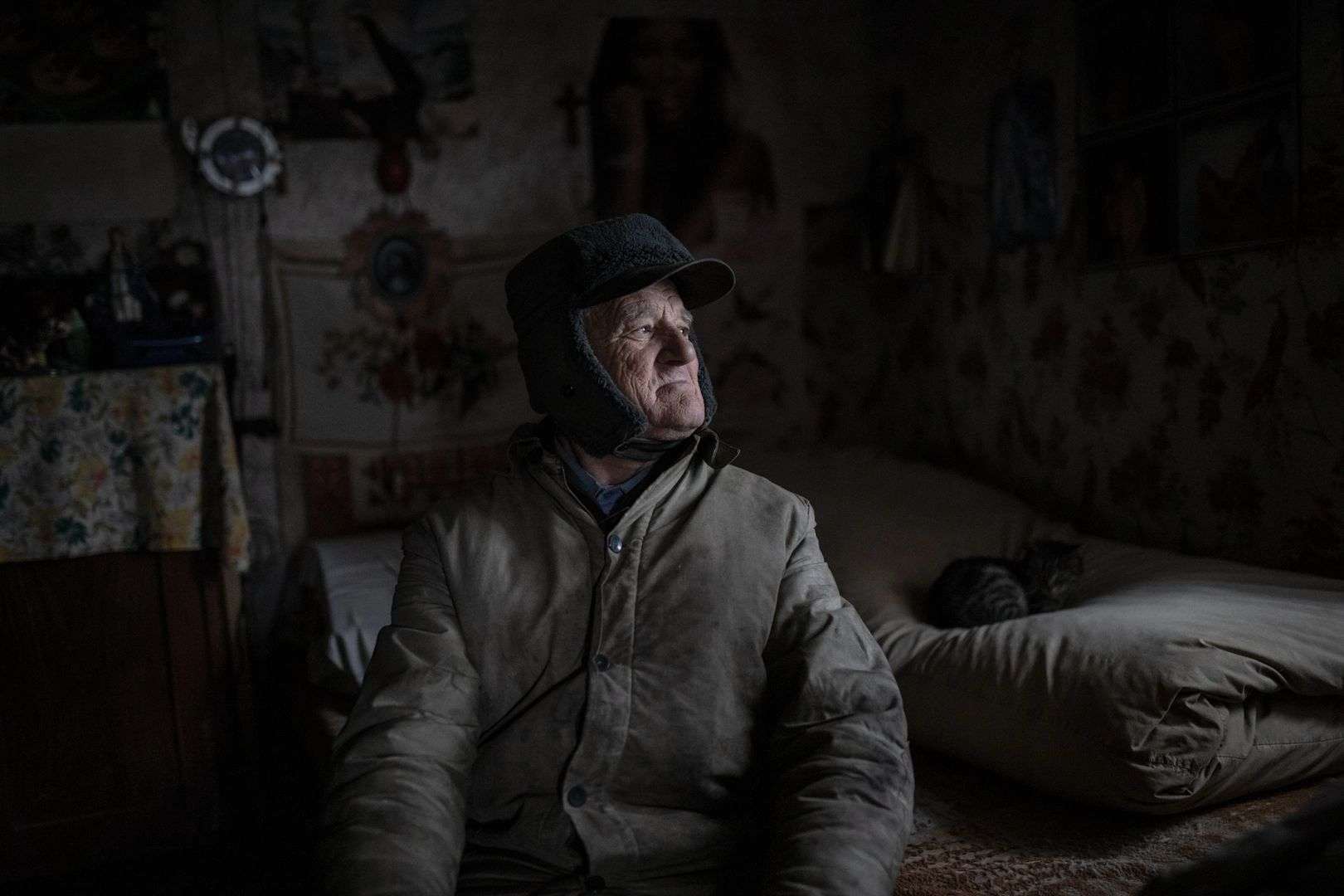
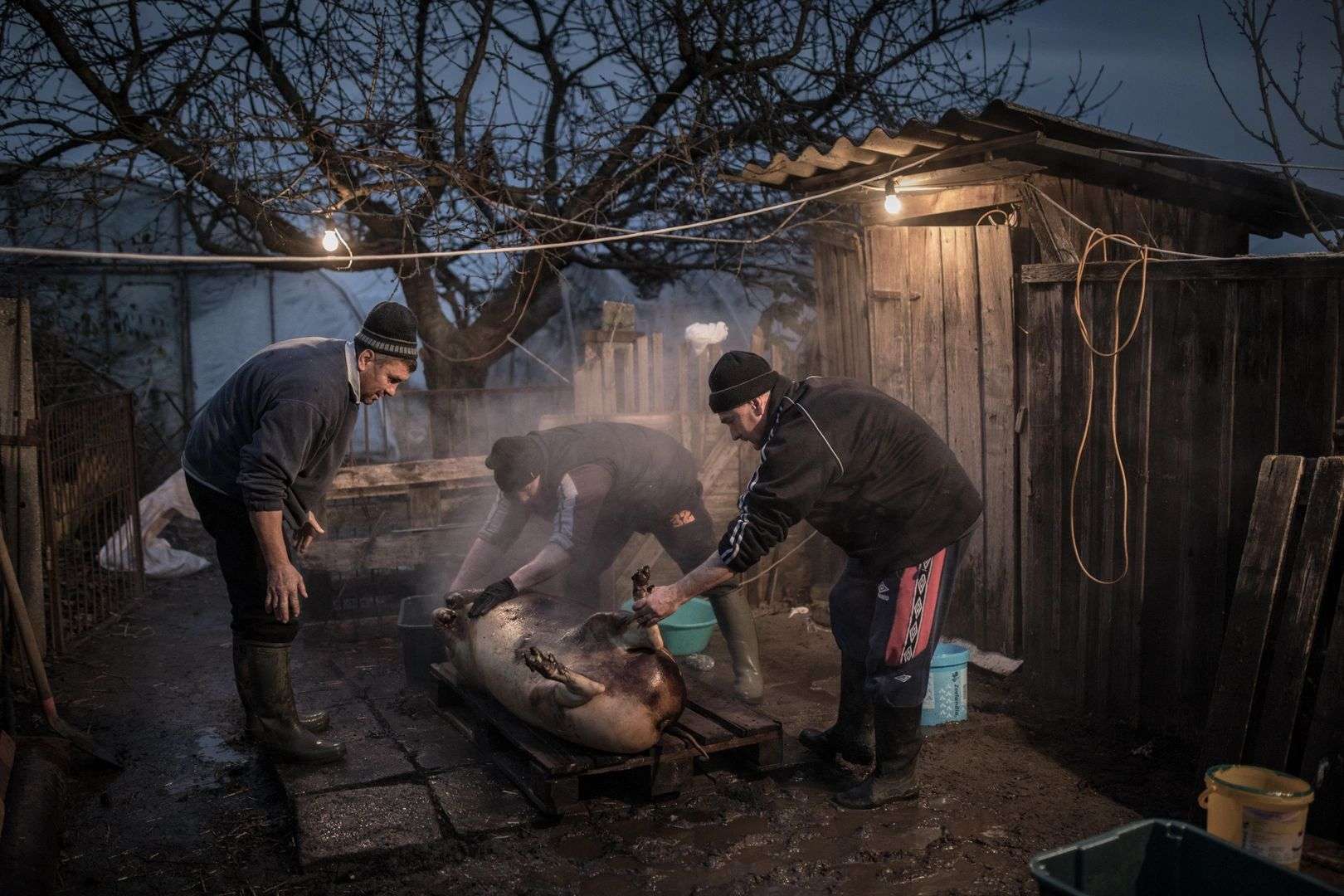
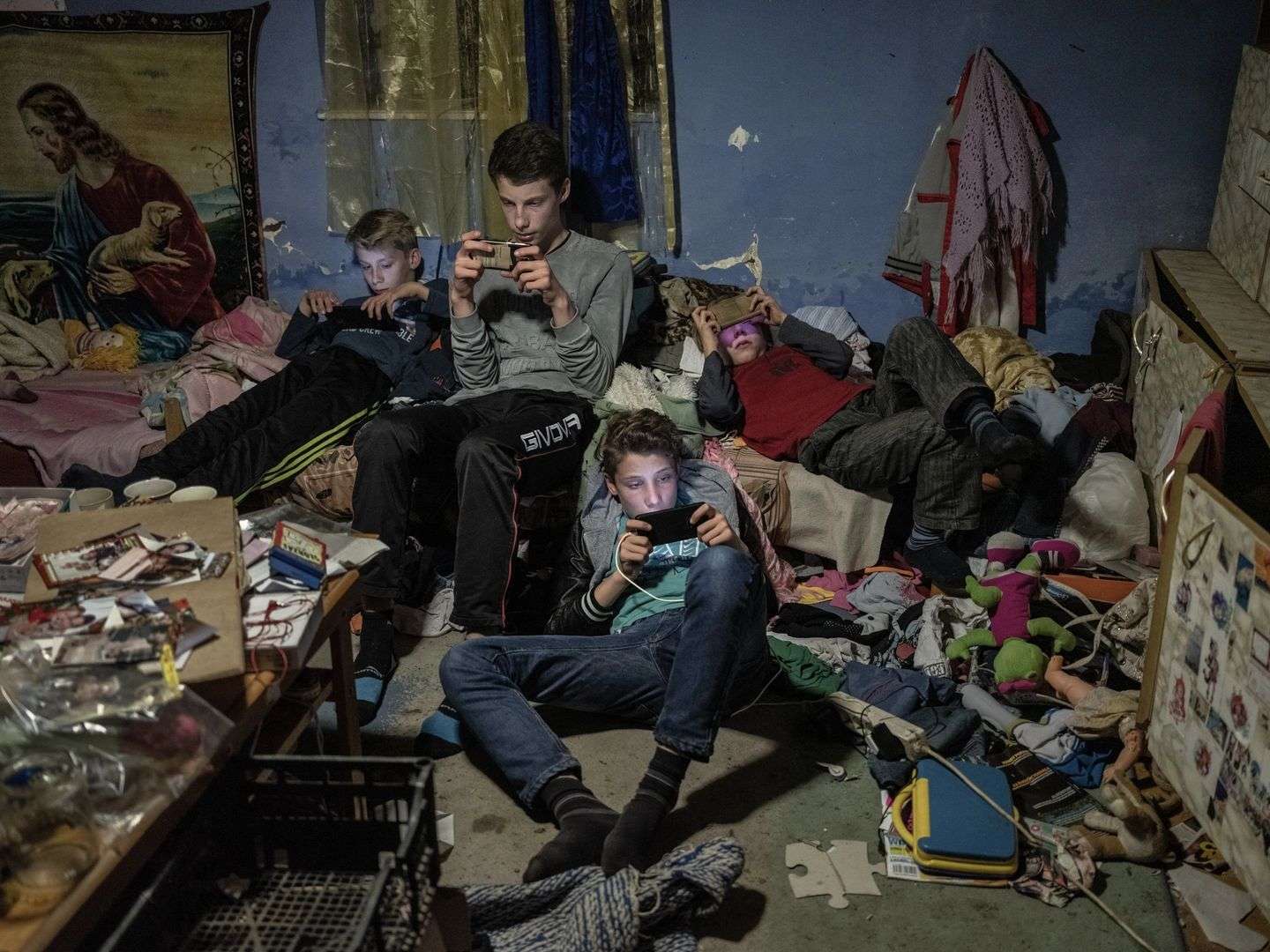
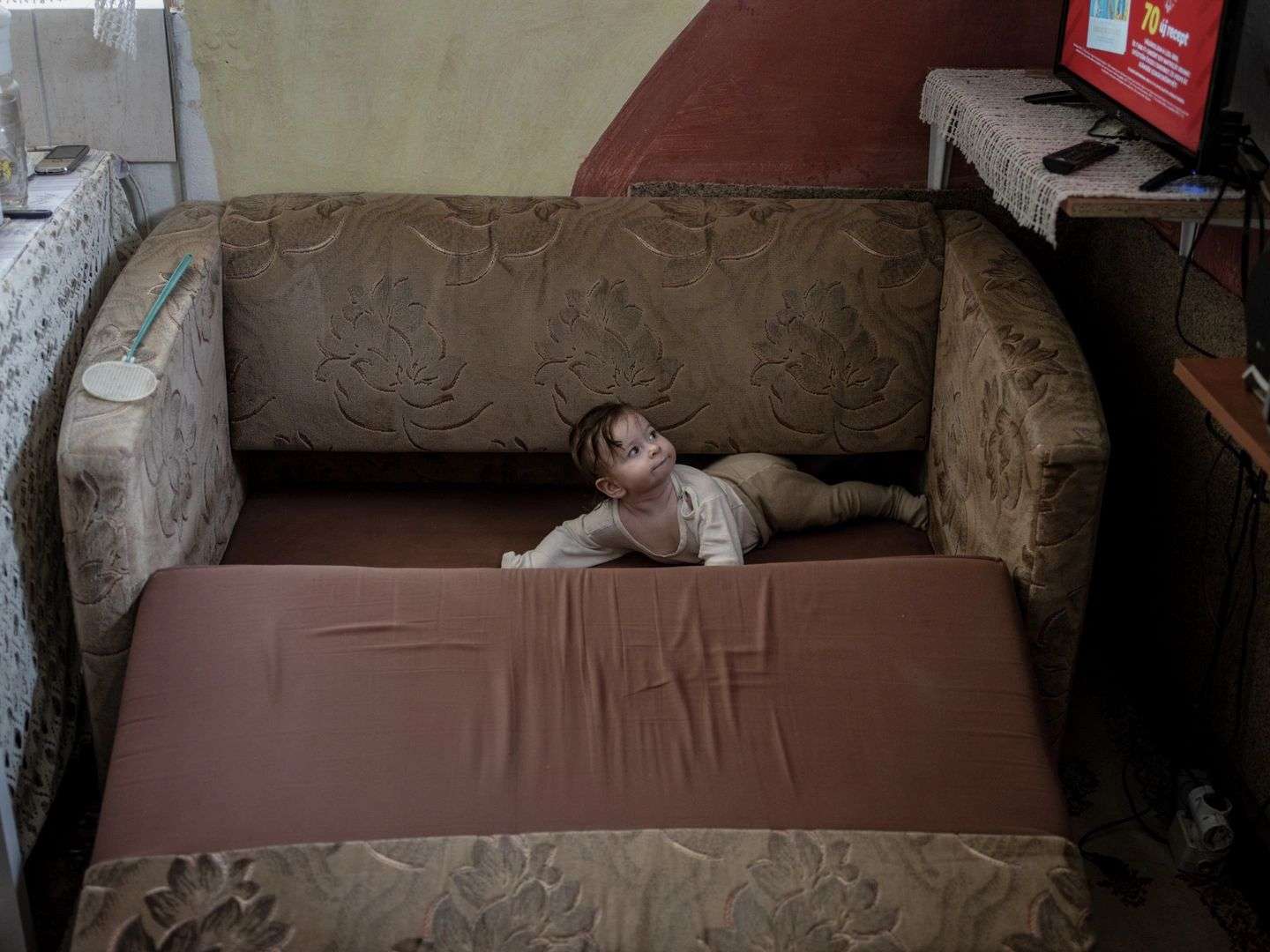
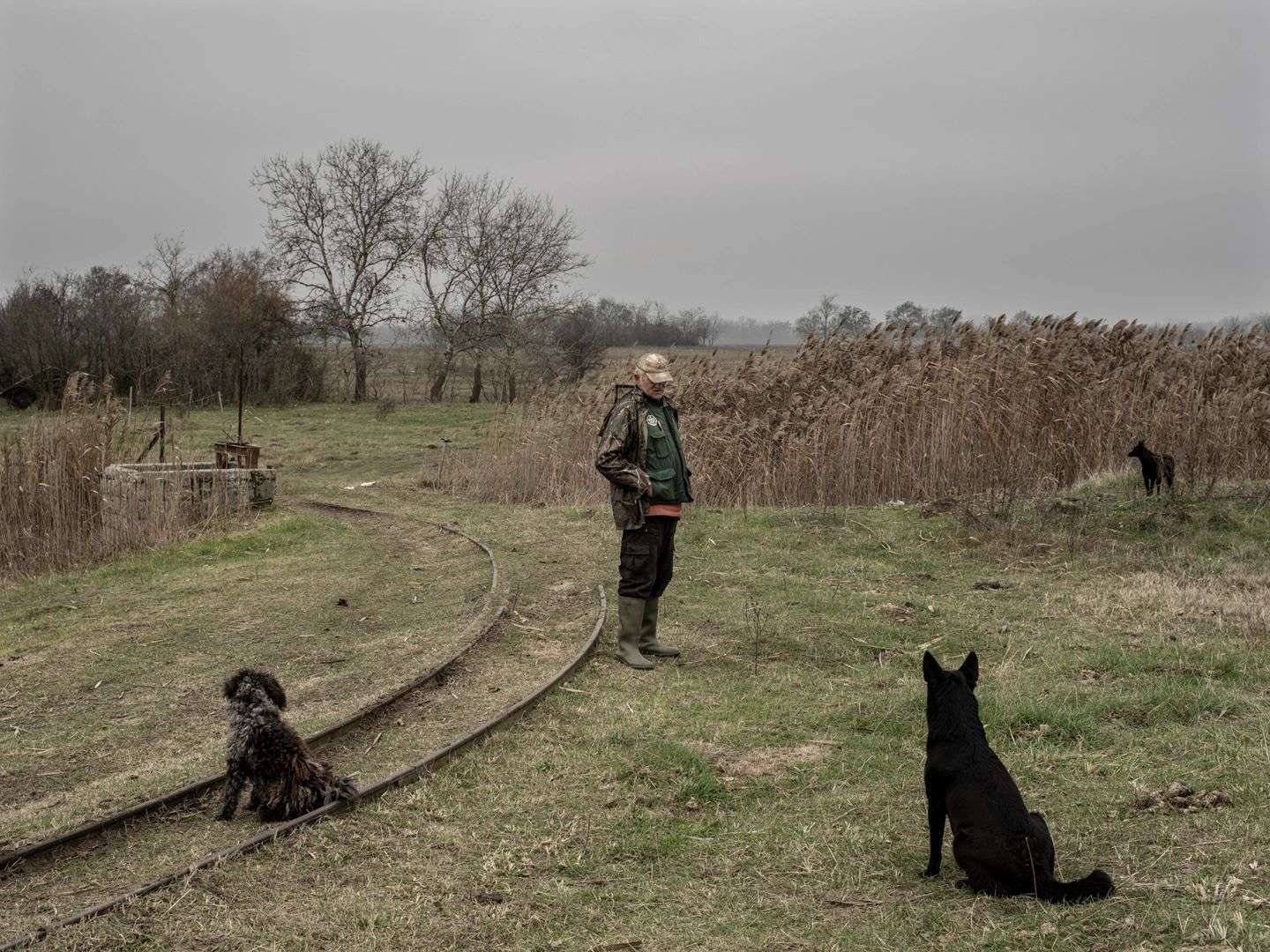
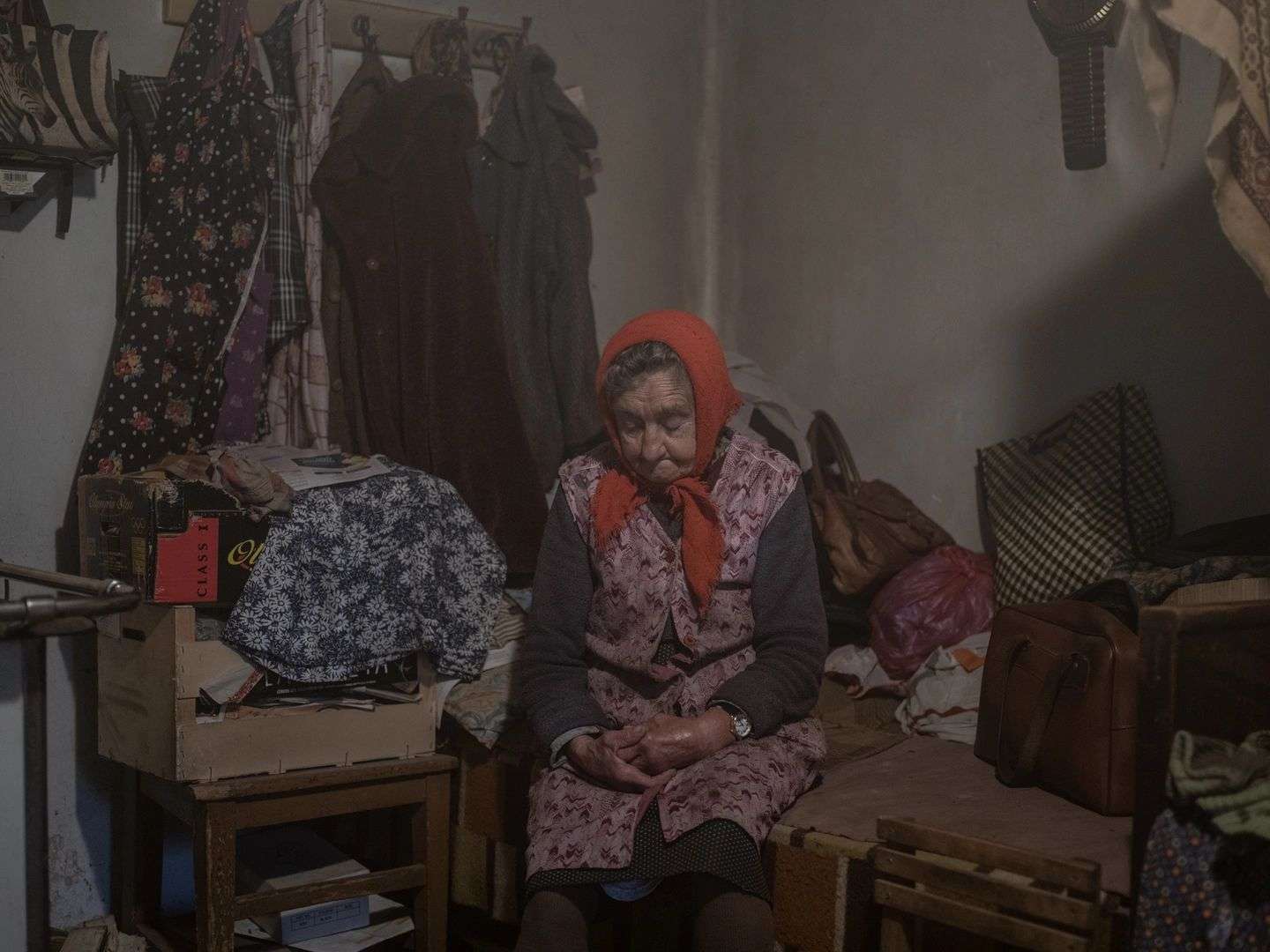
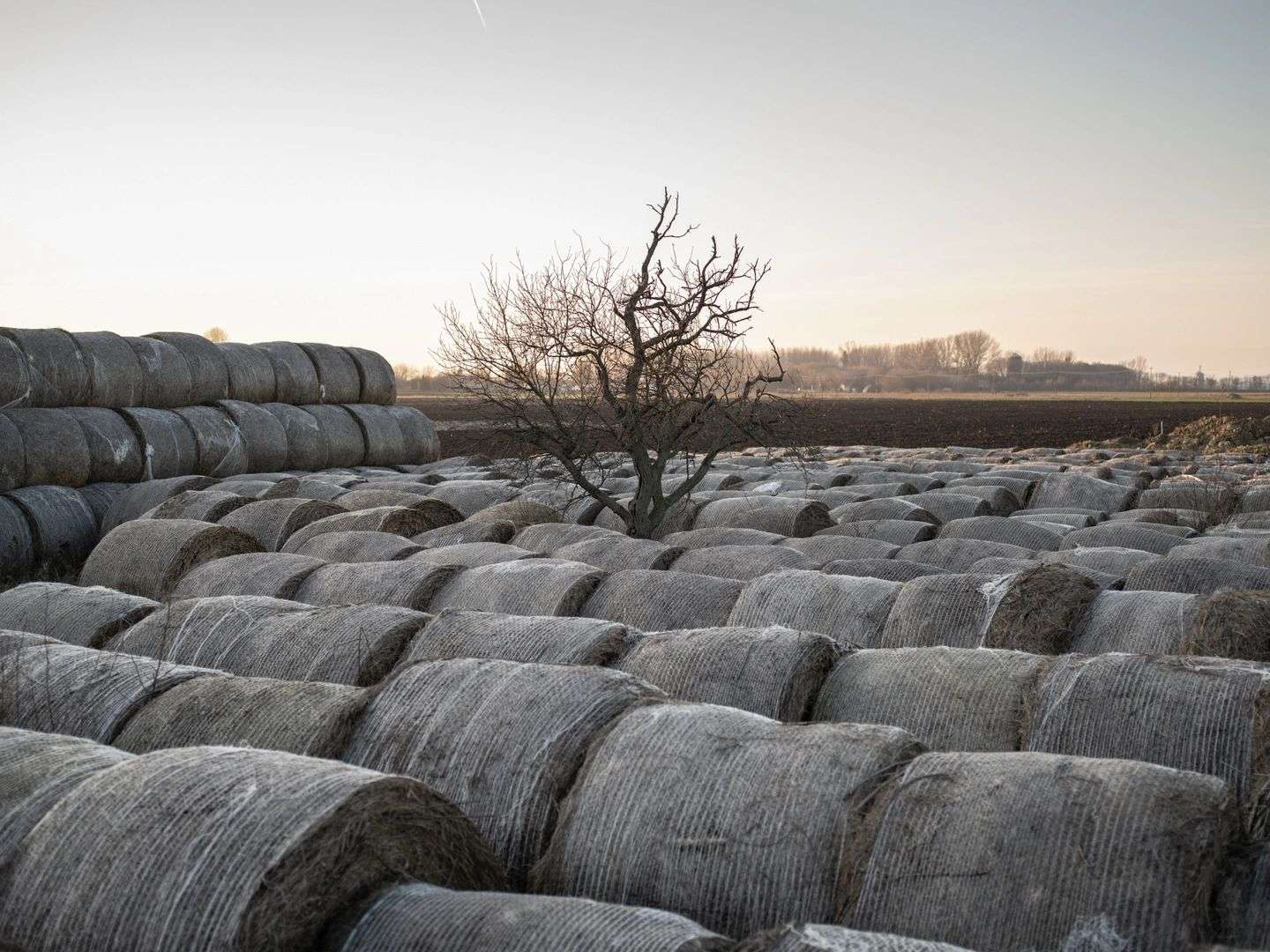
In 2010, I started photographing my long-term project titled “The Mud Country”, which aimed to present the families living along the dirt roads of The Great Plain and their everyday lives. I first travelled to Csanytelek, where I met several families and my interest has not ceased since. The village, its inhabitants and their everyday life had a strong impact on me, as well as the generally perceptible transience. It became clear to me that I could present such a world only in a larger series of photography, so I began to scout for further locations worth going to. I was surprised to realise the number of lives affected by the dirt roads, and how unfamiliar city inhabitants can be with what it means to live without concrete. I met a lot of people, and that’s how I practically became a family member of The Borsos Family in Csanytelek, becoming a regular visitor, almost an old friend of many. I was able to present my series through several exhibitions and competitions, but I never really felt it to be complete. I thought a lot about the next possible steps, how I could better summarise the experienced impressions. The ongoing changes of these lands, the continuous feeling of transience, the palpable decrease in population as well as emigration so became the center of my attention. I thus would now like to further address the region through different eyes and a wider range of topics, going beyond the “The Mud Country” series. We live in a transformative age, and photography has been an excellent tool for documenting the rural image, tradition and customs my generation has got to know. I think that “Where the road ends” can make the work of the last years final, going beyond the dirt roads for a complete project on local changes, transience, locality and emotions linked to the locations. Binding its identity, local communities are the force and future of the Hungarian countryside. A sense of belonging keeps the people in place. The rural person has its strength in the knowledge that, no matter the power being elsewhere, the center of the World is where he/she lives. The importance and preservation of tradition and customs characteristic to the various regions is inevitable in the lives of the communities, yet are in serious danger in several places due to the aging population. I have found almost vacant streets and abandoned houses in many parts of the areas I visited. Besides the weakening of local communities, the urbanisation of population has undoubtedly increased, and only seems to be accelerating. One lifetime ago, 30% of the population lived in cities. Today, 55% of the World’s population lives in an urban environment. According to forecasts, four-fifths of Hungarians will live in cities in the upcoming decades. An even bigger problem for Hungary's rural areas is the decline in its population. Based on the above, my photographic plan is to present as much a comprehensive picture of the settlements of the Great Plain as possible, in which I would like to provide pictorial answers to the most important questions: how can communities survive or strengthen again in smaller settlements? How do population ratios change? And, how is the now seemingly continuous emigration to bigger settlements developing? In the future, I would like to reinforce the series with portraits and personal stories of the people living in the places I’ve documented. The support provided within the scope of the award would greatly assist me in being able to delve deeper into this theme, and into the work requiring constant travel. I would be further inspired to continue the series I began earlier, by making it whole in the form of a book. The book would be the final form of presenting my work alongside the opportunity to present the photos at an exhibition as part of the award. I would make the exhibition installation comprehensible and complex for the viewer by combining 3 different image sizes (107x80cm, 93x70cm, 67x50cm) including personal interviews and stories.
Simon Móricz-Sabján was born in Kiskunhalas, Hungary in 1980. He is an award-winning photojournalist and documentary photographer living in Budapest, Hungary. Since 2016 he is the official photographer of the Hungarian daily business newspaper Világgazdaság and the monthly business magazine Manager Magazin. Between 2003 and 2016 he worked for Népszabadság, the largest Hungarian independent daily political newspaper which was closed down in October 2016. Apart from his job Simon works on personal projects as well, dedicating a lot of time to develop his personal material, working on photo essays for years in some cases. May it be a social issue or just everyday stories, his main focus is the human being and his surroundings. Simon’s work has been recognized by many photography awards. He has won first prizes at the China International Press Photo Contest on two occasions, as well as multiple awards from Pictures of the Year International (POYi), NPPA Best of Photojournalism, Prix International de la Photographie, PDN, iPhone Photography Awards, Ringier Photo Award, Kolga Tbilisi Photo Award and FCBarcelona Photo Award. Among other acknowledgments, he won prizes at Hungarian Press Photo competitions on 37 occasions, including two Grand Prizes of the Association of Hungarian Journalists; five Munkácsi Márton Awards for the best collections; three awards for photographers under 30; the best press photographer award; and two Escher Károly Prizes for the best news photo. Three times winner of József Pécsi scholarship (for talented young art photographers), five times winner of NKA scholarship; he won the Budapest Photography Scholarship in 2012, the Népszabadság Grand Prize in 2013, and the Hemző Károly Prize in 2015. His photos have been exhibited in numerous galleries including the Hungarian National Museum; Mai Manó House (Hungarian House of Photography); Kunsthalle Budapest; Robert Capa Contemporary Photography Center; Palace of Arts, Budapest; Cultiris Gallery, Budapest; Millenaris Park, Budapest; The Castle Garden Bazaar, Budapest; Kolga Tbilisi Photo, Tbilisi; POYi, Denver; Expo Milano; Art Gallery Ilia Beshkov, Pleven; Archives Museum, Chengdu; Festival Voies Off, Arles; Museu Agbar de les Aigües, Barcelona; Mies, Switzerland, National Museum, Warsaw. He is a founding member of Pictorial Collective, a group of Hungarian photojournalists.
I embarked upon my most extensive project titled “Mud Country” in 2010, depicting the lives destined for the people living along the dirt roads. I documented the general difficulties faced by the inhabitants of The Great Plain, and those faced due to the lack of concrete roads. By now, I’ve extended the focus to emigration and to the changes that these lands (observed for 10 years) have gone through. Based on personal encounters and the experience of the past years, the image of the small settlements of the Plain continues to change in my eyes. These local changes, also confirmed by official forecasts, can too be perceived when examined objectively. According to several studies, one tenth of the Hungarians may disappear in the next 30 years, and four fifths of the Hungarians will live in cities. I’ve seen and followed this process up closely, thus concluding my work “Mud Country”, I would like to continue the photo essay with a new title, a new approach, and a new technique.