FELLOWSHIP-WINNERS OF THE CAPA GRAND PRIZE HUNGARY 2015
The three fellowships with HUF 500 000 each have been awarded by the jury of the Capa Photography Grand Prize Hungary to Gábor Arion Kudász for his entry entitled The Human Scale, to Gyula Sopronyi for his Ninety Minutes and to Ákos Stiller for his Roma Bible.
The Capa Photography Grand Prize Hungary was founded in October 2014 by the Capa Center in order to recognize the work of artists who produce an outstanding achievement in the field of Hungarian photography. The awards are decided in two stages by the jury of Hungarian and international professionals. The Grand Prize-winner, who will receive another HUF 3.5 million, will be selected from the three fellowship winners by the jury in October 2015.
FELLOWSHIPS OF THE CAPA GRAND PRIZE HUNGARY 2015
HUMAN SCALE
Kudász Gábor Arion

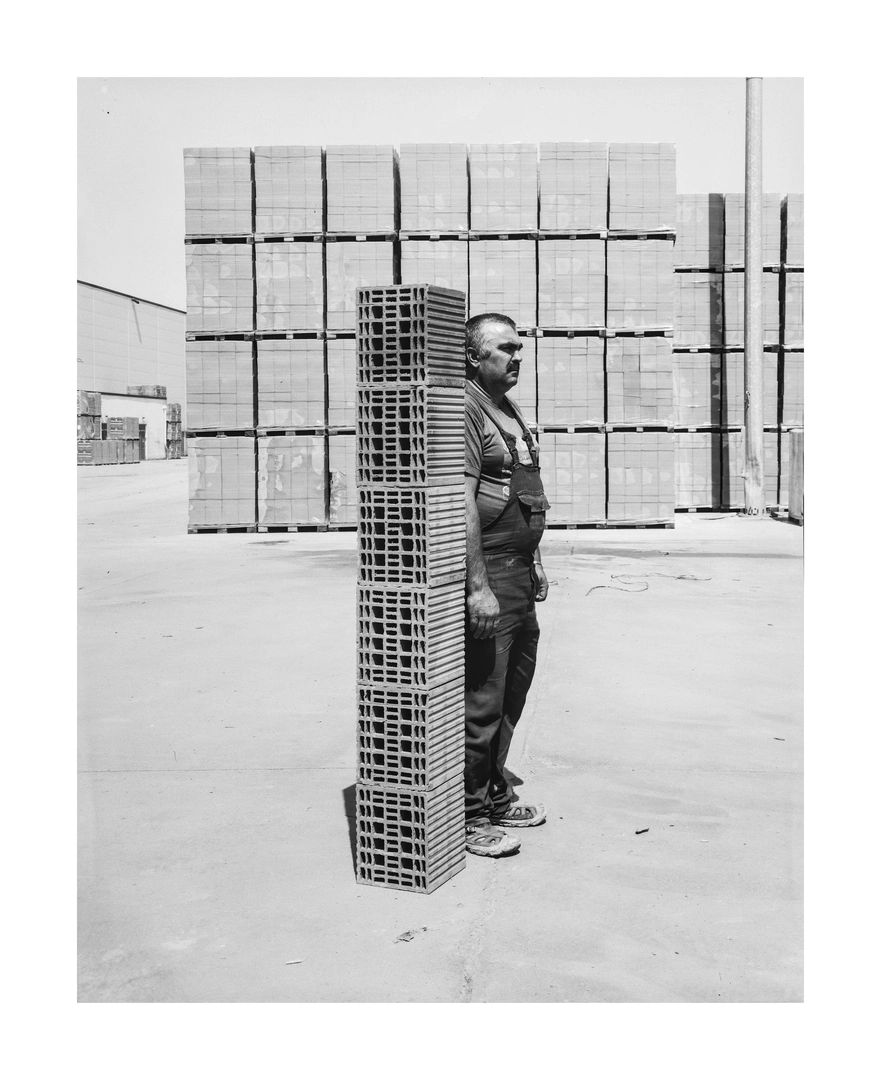
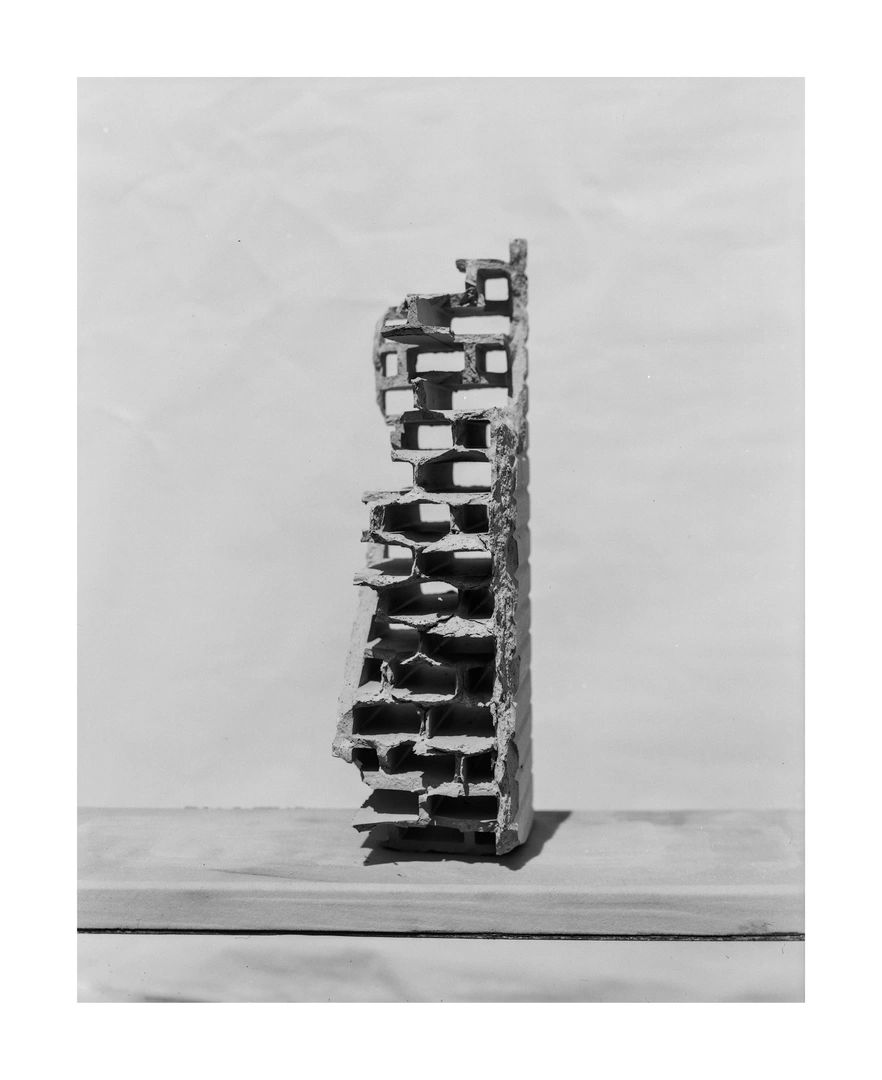
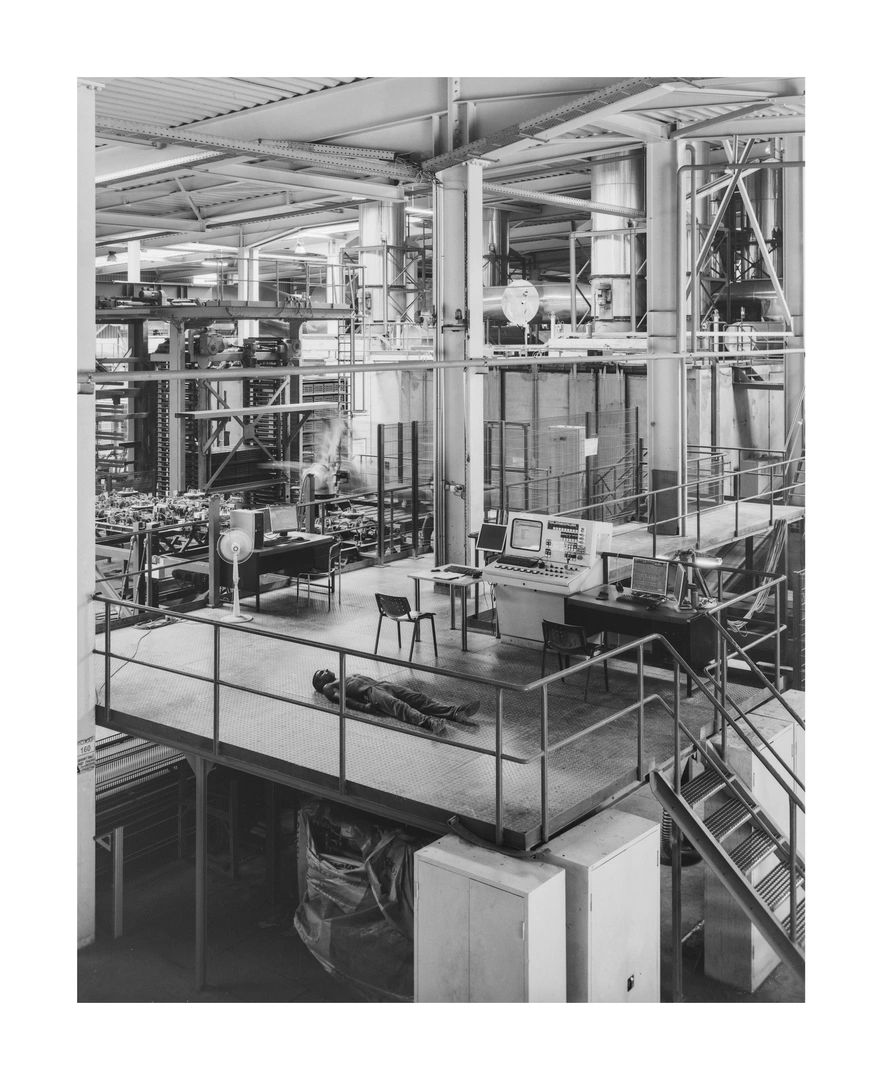
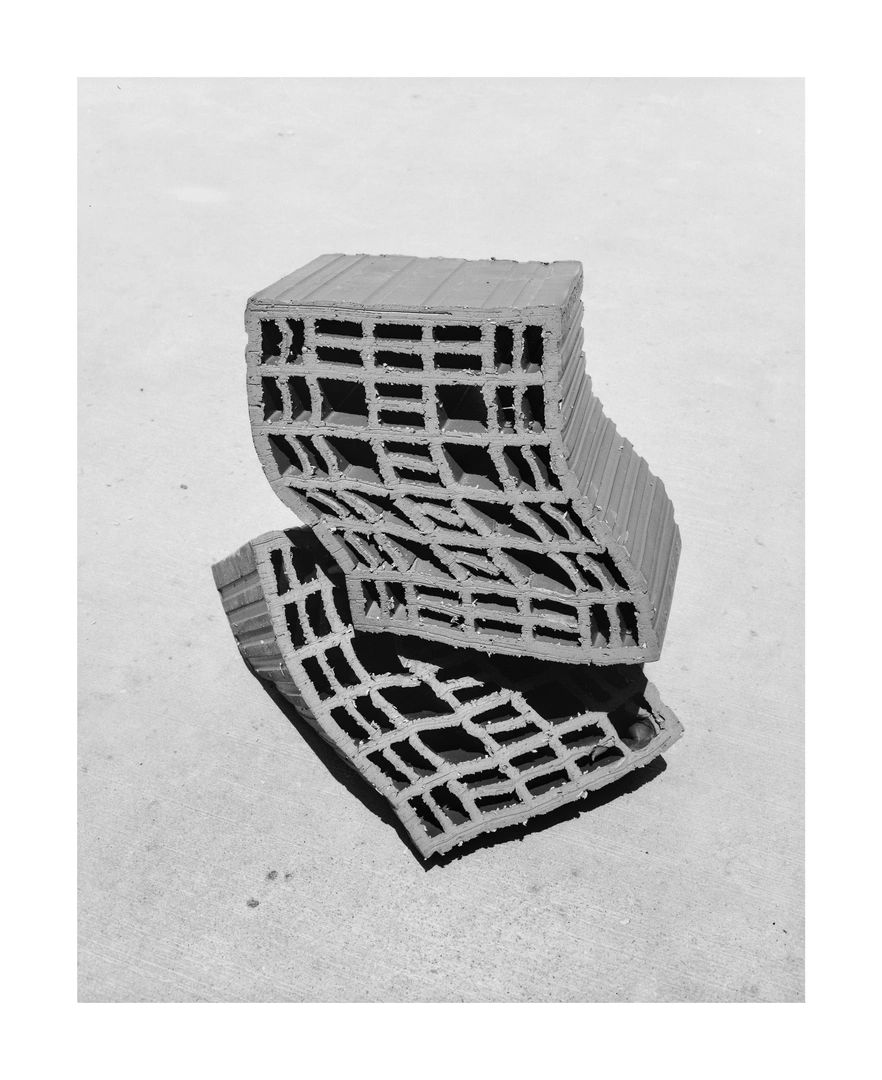
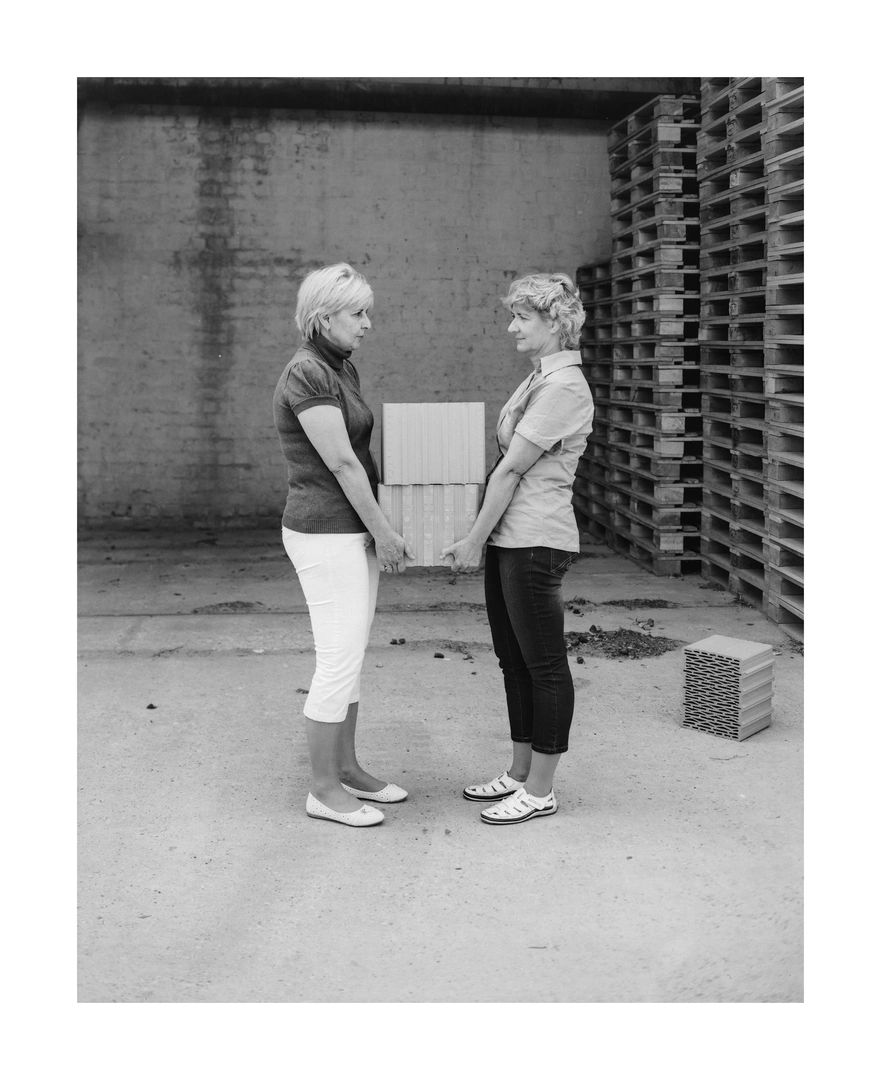
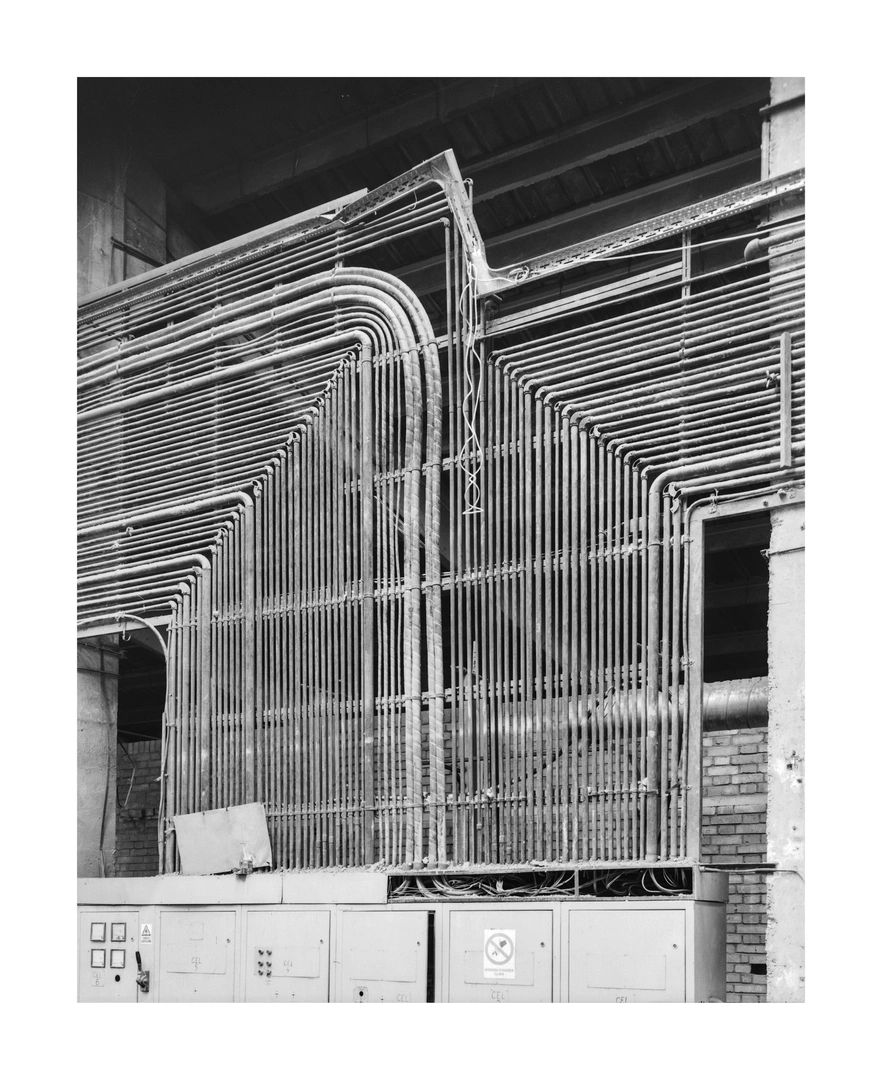
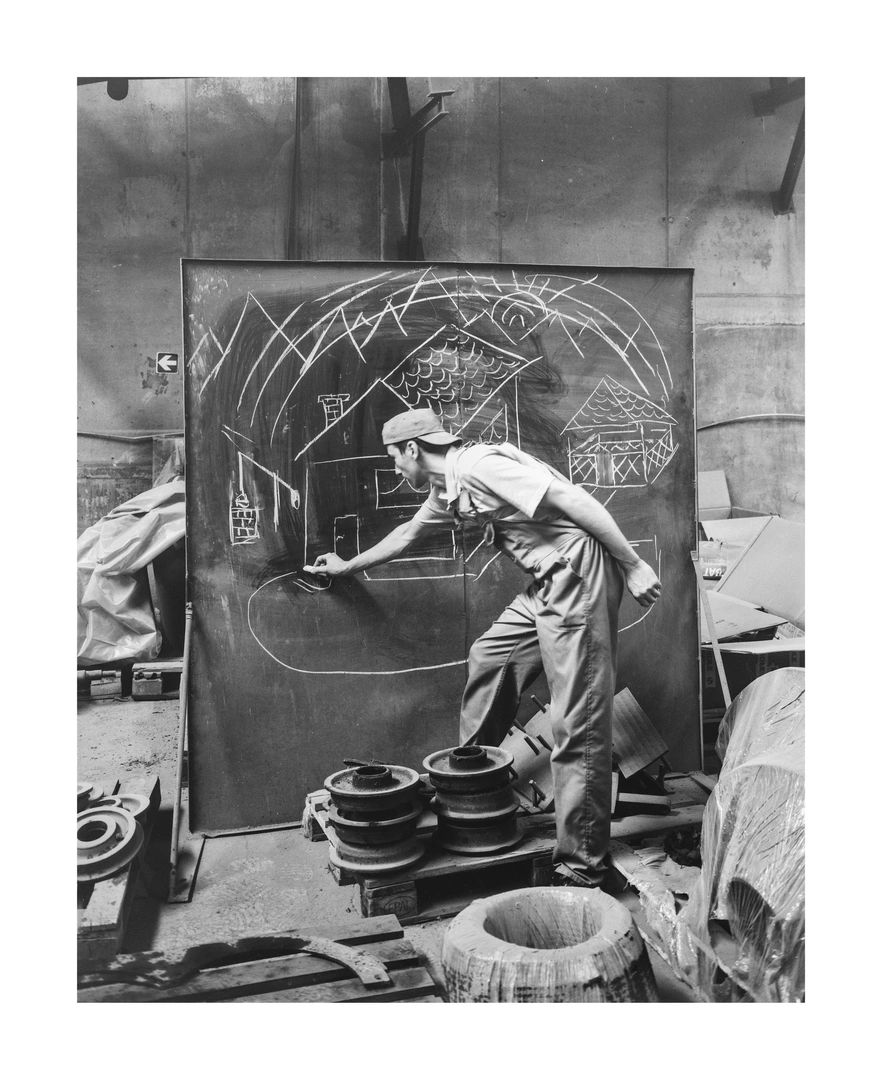
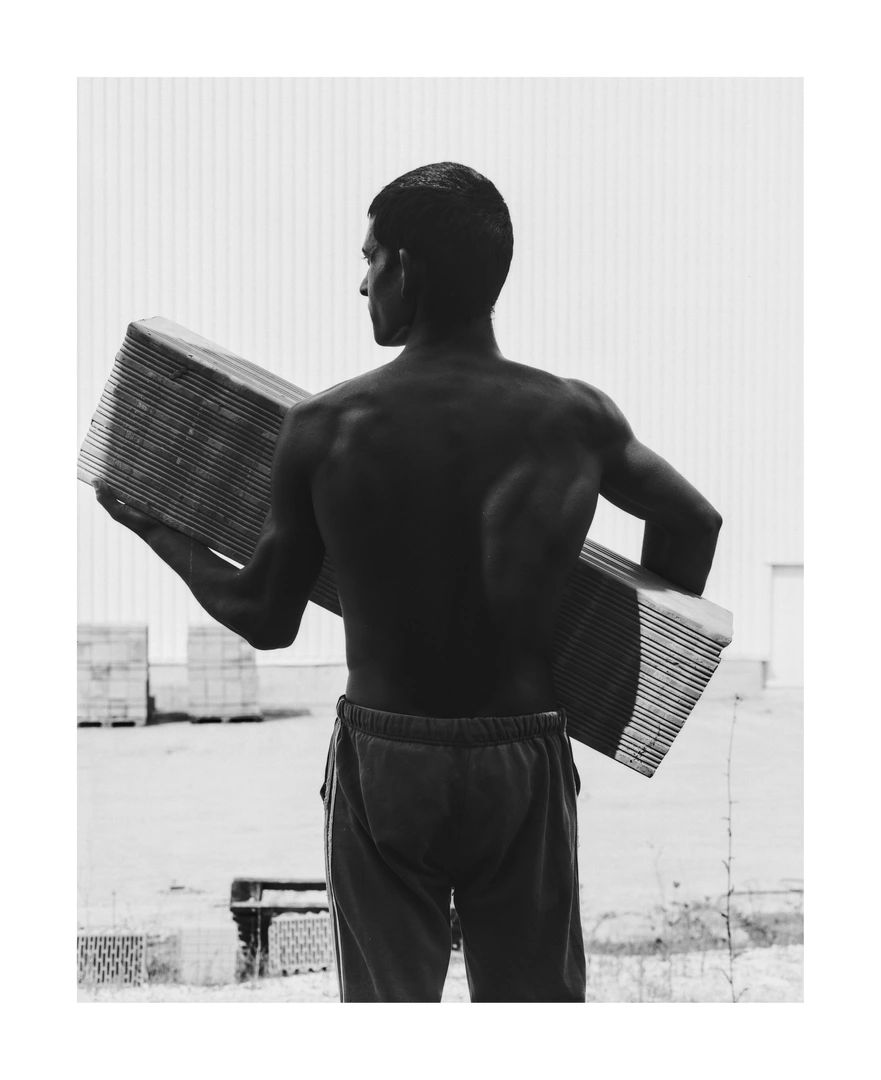
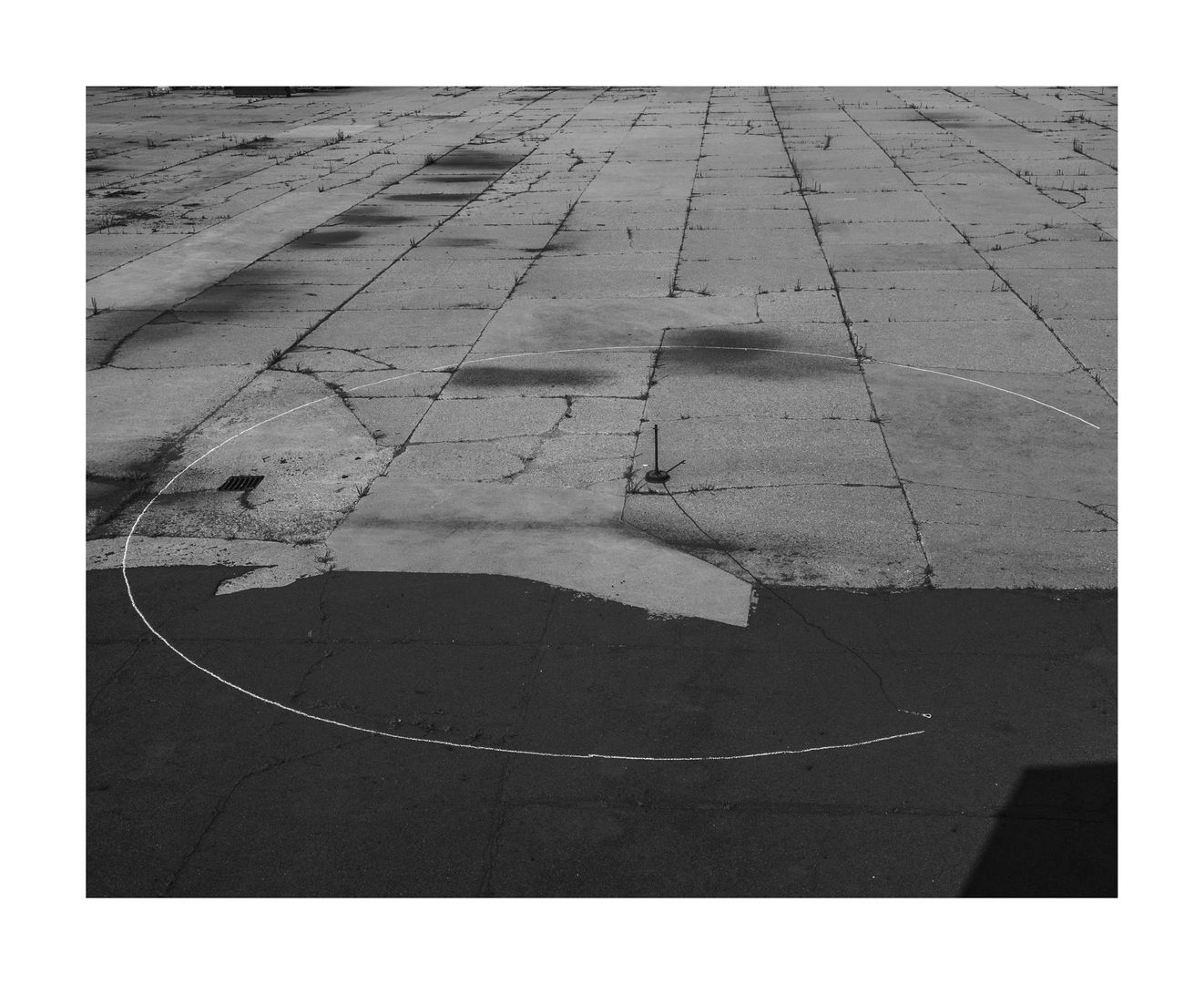
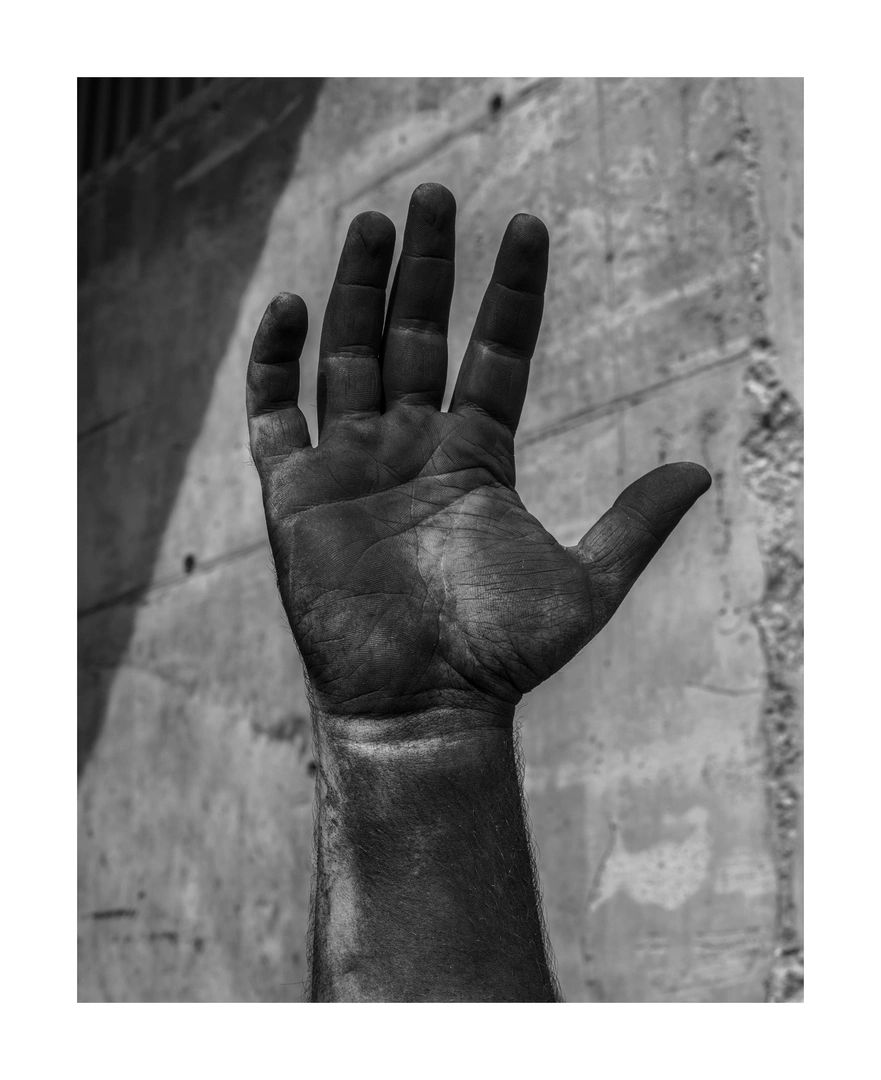
Gábor Arion Kudász HUMAN SCALE project proposal Human scale is everything. I started to work on the project in 2014, my starting point being whether within the sequence of dynamic scales how can the human range be described. While it is easily said that this or that is within or beyond the human scale, it remains problematic to point out the exact physical, temporal or moral borders. The problem roots obviously in the challenges generated by scientific, technical and social changes of recent times, that force us to cross borders, more specifically to expand human scale, which is - as it turns out - relative and dynamic, not even close to a stable system. The research starts out from a concrete point, a photogenic object: the brick, that was handy - we may say - since the dawn of civilization. The brick comes not because of its practical use, but rather because of its symbolic nature. On one hand its proportions and weight can be traced back to the measurements of the human body, while on the other hand it helps to visualize our theme through its function and origin. The surprising simplicity and banality makes the brick an ideal symbol as the basic unit of human scale. In 2014 with the help of a giant corporation I visited several eastern-european brick factories, where I focused on the coexistence of automatized production and the human soul. Images were planned and produced based on dialogues with workers or often in their collaboration. That in an eight-hour shift one man can produce 12 to 18 thousand bricks, the equivalent of a family home in every three hours, proved to be the touchstone of my imagination. My experiments tended towards uncovering, restoring and understanding the natural relationship between the working man and the subject of his work. I plan the following for 2015: A) First I have to finish the ongoing work at the factories with workers. Still missing some group scenes and constructed images that require difficult preparations, that I could not do last year. I will return to three factories Balatonszentgyörgy, Solymár and Békéscsaba. For this job the most active months are during the summer when furnaces are operating and constructions keep production rolling. B) According to the original idea I wanted to collect a certain kind of research images, that is yet to be done. This so called collected material will give a more complex and inextricable backdrop to the factory images. It will consist of online, library and museum archives, documentations appropriated and reinterpreted with the goal to create a wide resource of human scale and its distortions through a special visuality, a counterpoint of the former. This work mainly requires research time and studio work only. It is known already that there are museum archives in other cities that I will have to visit for some time to do this. Both parts of the project will be shot on 4x5” camera on black-and-white negative. The digitalized images eventually will remain around 30 by 40 cm, but the technique is used because of its character. Quantity will reach 80 to 100 images, so as to help the logic of the work based on repetition and association. During the autumn an american curator is helping me to prepare the book dummy of the project, scheduled to be published in the second half of 2016. my starting point being whether within the sequence of dynamic scales how can the human range be described. While it is easily said that this or that is within or beyond the human scale, it remains problematic to point out the exact physical, temporal or moral borders. The problem roots obviously in the challenges generated by scientific, technical and social changes of recent times, that force us to cross borders, more specifically to expand human scale, which is - as it turns out - relative and dynamic, not even close to a stable system. The research starts out from a concrete point, a photogenic object: the brick, that was handy - we may say - since the dawn of civilization. The brick comes not because of its practical use, but rather because of its symbolic nature. On one hand its proportions and weight can be traced back to the measurements of the human body, while on the other hand it helps to visualize our theme through its function and origin. The surprising simplicity and banality makes the brick an ideal symbol as the basic unit of human scale. In 2014 with the help of a giant corporation I visited several eastern-european brick factories, where I focused on the coexistence of automatized production and the human soul. Images were planned and produced based on dialogues with workers or often in their collaboration. That in an eight-hour shift one man can produce 12 to 18 thousand bricks, the equivalent of a family home in every three hours, proved to be the touchstone of my imagination. My experiments tended towards uncovering, restoring and understanding the natural relationship between the working man and the subject of his work. I plan the following for 2015: A) First I have to finish the ongoing work at the factories with workers. Still missing some group scenes and constructed images that require difficult preparations, that I could not do last year. I will return to three factories Balatonszentgyörgy, Solymár and Békéscsaba. For this job the most active months are during the summer when furnaces are operating and constructions keep production rolling. B) According to the original idea I wanted to collect a certain kind of research images, that is yet to be done. This so called collected material will give a more complex and inextricable backdrop to the factory images. It will consist of online, library and museum archives, documentations appropriated and reinterpreted with the goal to create a wide resource of human scale and its distortions through a special visuality, a counterpoint of the former. This work mainly requires research time and studio work only. It is known already that there are museum archives in other cities that I will have to visit for some time to do this. Both parts of the project will be shot on 4x5” camera on black-and-white negative. The digitalized images eventually will remain around 30 by 40 cm, but the technique is used because of its character. Quantity will reach 80 to 100 images, so as to help the logic of the work based on repetition and association. During the autumn an american curator is helping me to prepare the book dummy of the project, scheduled to be published in the second half of 2016.
KUDÁSZ, GÁBOR ARION /CV www.arionkudasz.com Solo Exhibitions 2014 Memorabilia, Faur Zsófi Gallery, Budapest Memorabilia, Mai Manó House (House of Hungarian Photographers), Budapest 2013 Tourists in Environment, Cortona on the move, Cortona 2012 Middle, Faur Zsófi Gallery, Budapest Stranger in the Landscape / Obcy w krajobrazie, Hungarian Institute, Warsaw 2011 Ez mi! (w.: Lőrincz Réka, Vékony Fanni, Vági Flóra), Faur Zsófi Gallery, Budapest 2010 Bonsai-land, Nádor Gallery, Széchenyi square, Pécs Bonsai-land (Japan Today Vol.12: Silva Bingaz and Andreas Gefeller), Sanat Limani, Istanbul 2009 Photographs, Vintage Gallery, Budapest Waste Union, HCC - Hungarian Cultural Centre, London Green Area, Café Foto, Fotofestiwal, Lódz 2008 After the Eden, PMKK - Hungarian Cultural Centre, Prague Green Area, Fiducia Galeria, Ostrava Waste Union, Lumen Gallery, Budapest 2007 Under The Concrete, ZAK Gallery, Berlin 2006 Green Area, Lumen Gallery, Budapest 2005 Emese and Arion, Hegyvidék Galéria, Budapest Selected Group Exhibitions 2015 Budapest-Balaton, Hungarian Cultural Institute, Istanbul The Amber Road Show, Photon Gallery, Vienna 2014 Le cocon familial, Institut Balassi, Collegium Hungaricum, Paris 2013 E Book Show, Southampton The Amber Road Show, FLUSS, Wolkersdorf distURBANces, Musée National d’Histoire et d’Art, Luxembourg Hungarian Photography in the New Millennium (2000–2013), Hungarian National Gallery, Budapest The Amber Road Show, FOTOFORUM, Innsbruck Codes of Reality - Present Continuous, Slovak National Museum, Bratislava 2012 Animalicious, Faur Zsófi Gallery, Budapest Sense of Place, BOZAR, Brussels Landscapes Speak the Same Language, Hungarian Institute, Brussels Rangefinder, Kepes Institute, Eger Budapest Pozitive, Vetrinjski dvor, Maribor D book show, Helsinki, Finland Progressive Pathways, Museum of Hungarian Photography, Kecskemét 2011 European Eyes on Japan, Vol 12., Tottori Prefectural Museum, Tottori, Japan Budapest Positive, Mai Manó House (House of Hungarian Photographers), Budapest Lab East, V8 Gallery, Cologne Cities on the river, SVU Gallery, Bratislava Cities on the river, MKM Magacin, Mraljevica Marka, Belgrade Facing Forward, The Forward Thinking Museum, online Einsichten. Ansichten., Gallery of the Hungarian Embassy, Berlin 2010 Art Fanatics - Art Collections 2, Műcsarnok, Budapest Felhőgyár - FFS, Mai Manó House (House of Hungarian Photographers), Budapest La Biennale Jeune Création Européenne, City Gallery, Bratislava Rarely Seen Photographs - Collection of The Hungarian Museum of Photography, Mai Manó House, Budapest Live Sync - Hungarian Art Forum, MOCA, Shanghai Liberation Formula., Donumenta, Regensburg Cities On The River, Városi Művészeti Múzeum, Győr to loop, KUNSTBÜROBERLIN, Berlin 2009 La Biennale Jeune Création Européenne, Fabrique ą Montrouge, Montrouge Expanded Realities, Contemporary Hungarian Photo, Pécsi Galéria, Pécs Regardez-moi - I’m Back, Immanence, Paris Urbanity - Twenty Years Later, City Gallery, Prague The sunny side. Modern Hungarian Photography, Galeria Młodzi, Fotofestiwal, Lódz FIKA (Young Contemporary Statements), Zsolnay Factory, Pécs K&H Bank Collection, Ferenczi és Tsai Galéria, Budapest I am back, Artbázis, Budapest 2008 One Step Further - FFS, Month of Photography 2008, Vam Design Center, Budapest What’s Up? - a panorama of contemporary hungarian art, Műcsarnok, Budapest Transylvania Photography Awards, Szabadság Square, Budapest MOMENTS, Iparművészeti Múzeum, Budapest Pécsi József scolarship, Mai Manó House, Budapest Stalking Utopia, Institute for Contemporary Art, Dunaújváros Zeitgenössische Fotokunst aus Ungarn, Neuer Berliner Kunstverein, Berlin Photo50, London Art Fair, London 2007 Gallery for wintertime, ZAK Gallery, Berlin reGeneration, Alyce de Roulet Williamson Gallery, Pasadena Muse, Körzőgyár, Budapest Pécsi József Grant, Accademia d’Ungheria, Rome Elek, Fabricius, Kudász, Vintage Galéria, Budapest Question of the Point of View!, Metro Galéria, Budapest Temporary, Karton Galéria, Budapest Stalking Utopia, Institute for Contemporary Art, Dunaújváros 2006 Budapest Feeling, Month of Photography in Krakkow, Jagiellonian University reGeneration, Pingyao International Photography Festival, Pingyao reGeneration, Aperture Gallery, New York 2005 The Digital Print, Millenáris, Budapest Balett, Westen City Center, Budapest Hungarian Press Photo, Palace of Arts, Budapest reGeneration – 50 photographers of tomorrow, Musée de L’Elysée, Lausanne reGeneration, Galleria Carla Sozzani, Milan ARC Poster Exhibition, Budapest 2004 A Painting for Sale, Nocatting Project, Barabás Villa, Budapest Dokumentum 6, Mai Manó House, Budapest Nem térkép e-táj, Millenáris, Budapest Offline 2, Vizivárosi Galéria, Budapest Stardust, Ponton Galéria, Budapest Székfoglaló, Ponton Galéria, Budapest Morfomans, Fort of Monostor, Komárom 2003 Diploma, Millenáris, Budapest 2002 ARC Poster Exhibition, Budapest XIII. Országos Tervező Grafikai Biennále, Békéscsaba Us and the Others, Goethe Institut, Budapest, Porto, Rotterdam Awards and Grants 2013 Rudolf Balogh Award 2012 Rado Star Prize (finalist) Photobook Slam Berlin, winner 2011 József Pécsi Art Photography Scholarship, Final Year 2010 'Márciusi Ifjak' award of the Republic of Hungary 2008 Transylvania Photography Awards, Category of Nature and Environment, Main Prize 2007 József Pécsi Art Photography Scholarship, Second Year 2006 Sittcomm Award, Short listed 2005 Hungarian Press Photo, Nature and Environment (series), 1st prize Pro Cultura Urbis, Budapest Photographic Scolarship Epson Art Photo Award, best selected work 2004 József Pécsi Art Photography Scholarship, First year 2002 ARC Poster Exhibition, Prize of Quality ’Us and the Others’ International Photo Competition, 2nd prize 2001 Hewlett-Packard Invision International Digital Photo Competition Projects 2010-2014, Memorabilia 2012, Indian Summer 2011, White lies 2005-2011, Middle 2010, Bonsai-land 2007-2010, Waste Union2007 Time Capsule 2003-2008, Tourists In Environment 2005-2006, Green Area 2004-2005, Camp 2002-2003, Transit Curating 2014 Persistency, Backlight Photo Festival, Tampere 2013 Schwabenzug, Hungarian Institute, Stuttgart 2012 XY - Human dignity and the MOME generation, Ludwig Museum, Budapest (as assistant) 2011 Group therapy - Young Hungarian Photography, Hungarian Institute, Warsaw Academic Experience 2013 Moholy-Nagy University of Art and Design Budapest, Department of Photography, Assistant Professor 2008 International Summer School of Photography, Latvia, Workshop leader 2007-2013 Moholy-Nagy University of Art and Design Budapest, Department of Photography, Assistant Lecturer 2003-2007 Moholy-Nagy University of Art and Design Budapest, Department of Photography, Artist teacher Studies 2007- Moholy-Nagy University of Art and Design Budapest, DLA program (MOME) 2004 Transatlantic Culture Exchange, Choice mastercourse 1998-2003 Hungarian University of Craft and Design, Budapest (MIE) 1997-1998 Pázmány Péter Catholic University, English-Communication (PPKE) Residencies 2012 Artist House Gjutars, Vantaa, Finland (indian Summer) 2010 European Eyes on Japan vol. 12, Eu-Japan Fest Committee, Tottori, Japan (Bonsai Land) 2002 Athens School of Fine Arts (ASFA) - Erasmus 2000 Ioan Andreescu Academy of Visual Arts in Cluj-Napoca - Ceepus 1995 Bellefontaine, Ohio, USA - Youth For Understanding (YFU) Collections Magyar Fotográfiai Múzeum, Kecskemét Musée de L’Elysée, Lausanne Collection of Péter Szép K&H Bank contemporary collection, Budapest Books Memorabilia, Magyar Fotográfusok Háza, 2014, ISBN 978-963-88529-7-7 Middle, 2005-2011, Faur Zsófi Edition, 2012, ISBN 978-615-5206-03-0 Tábor (Camp), Holnap Kiadó, Budapest, 2007, ISBN 978-963-346-731-2 Contemporary Photography from Hungary No.6, Ráday Galéria, 2010, ISSN 2060-0119 Camp, Blurb.com, 2010, ISBN 978-963-06-9766-8 Bonsai land, Blurb.com, 2011
Ottó works three shifts, six days a week. In a single eight-hour shift he oversees the production of 18.000 bricks, the equivalent of 3-4 standard family homes. His dreams are haunted by bricks, but in the twenty years he’s been working in the factory, he insists he never thought of what he would build for himself from one days worth of bricks. Ottó is six bricks tall, that takes about 15 seconds of his life to produce. The fully automatized plant is operated by five workers. One can not sense human presence in the factory running 24/7. Last year a loading robot put a pallet of bricks on a maintenance worker, 80 times 15 kilograms is 1,2 tons. The strongest man on Earth once lifted a weight of two tons. Responsibility is a basic building unit of the moral world. Physical and moral weight both have gravity, so one can only carry a certain amount of each.
ROMA BIBLE
Stiller Ákos

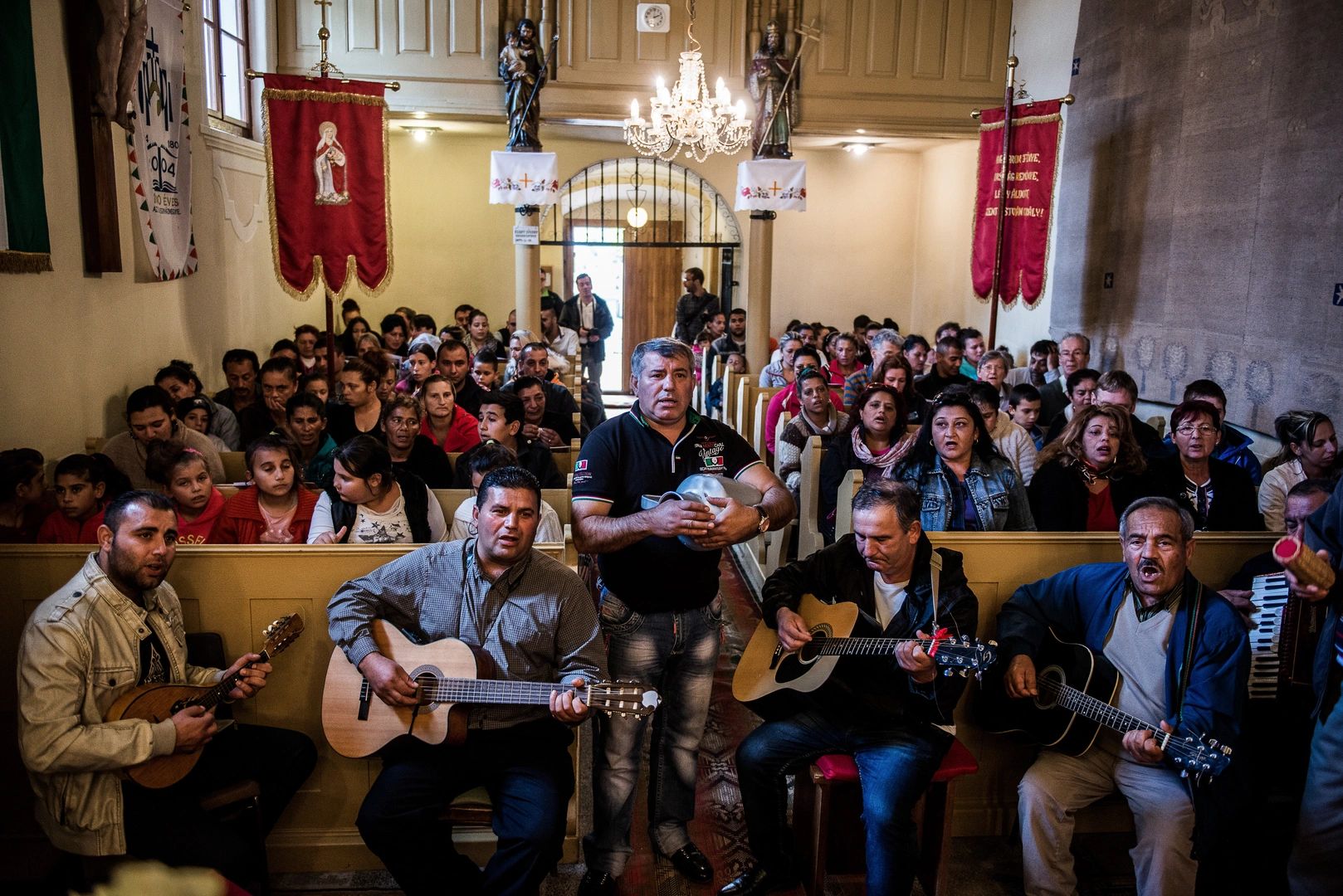
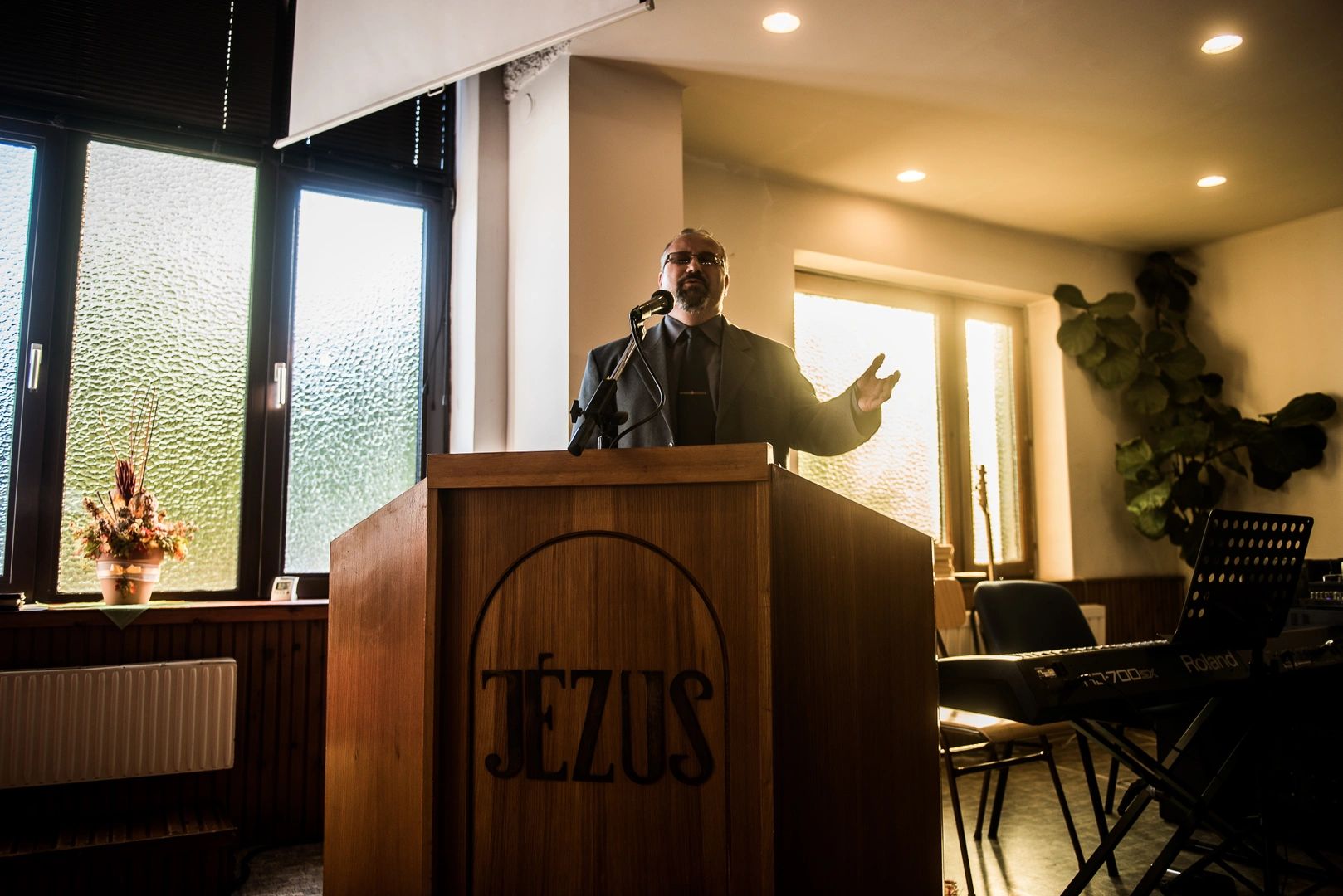
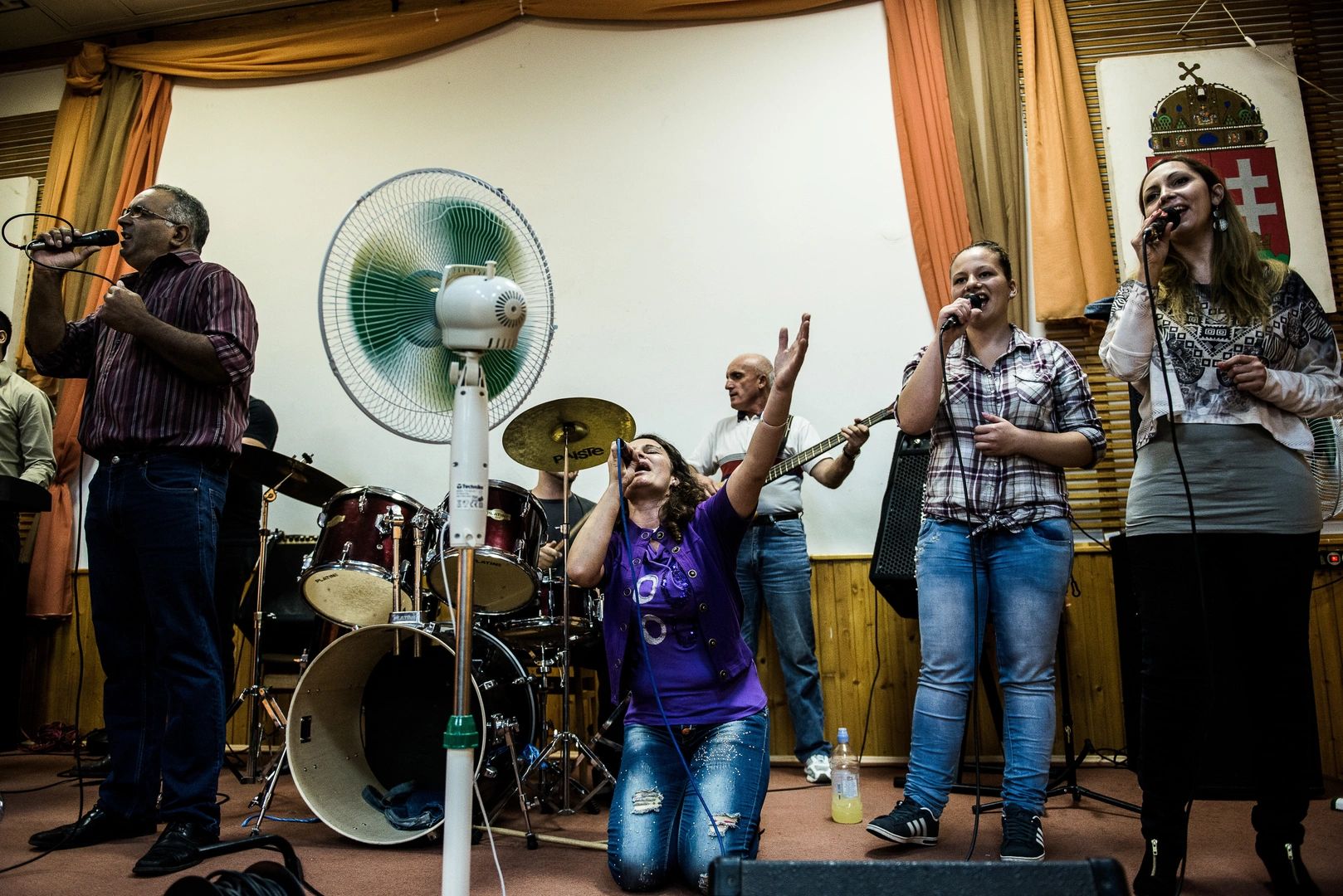
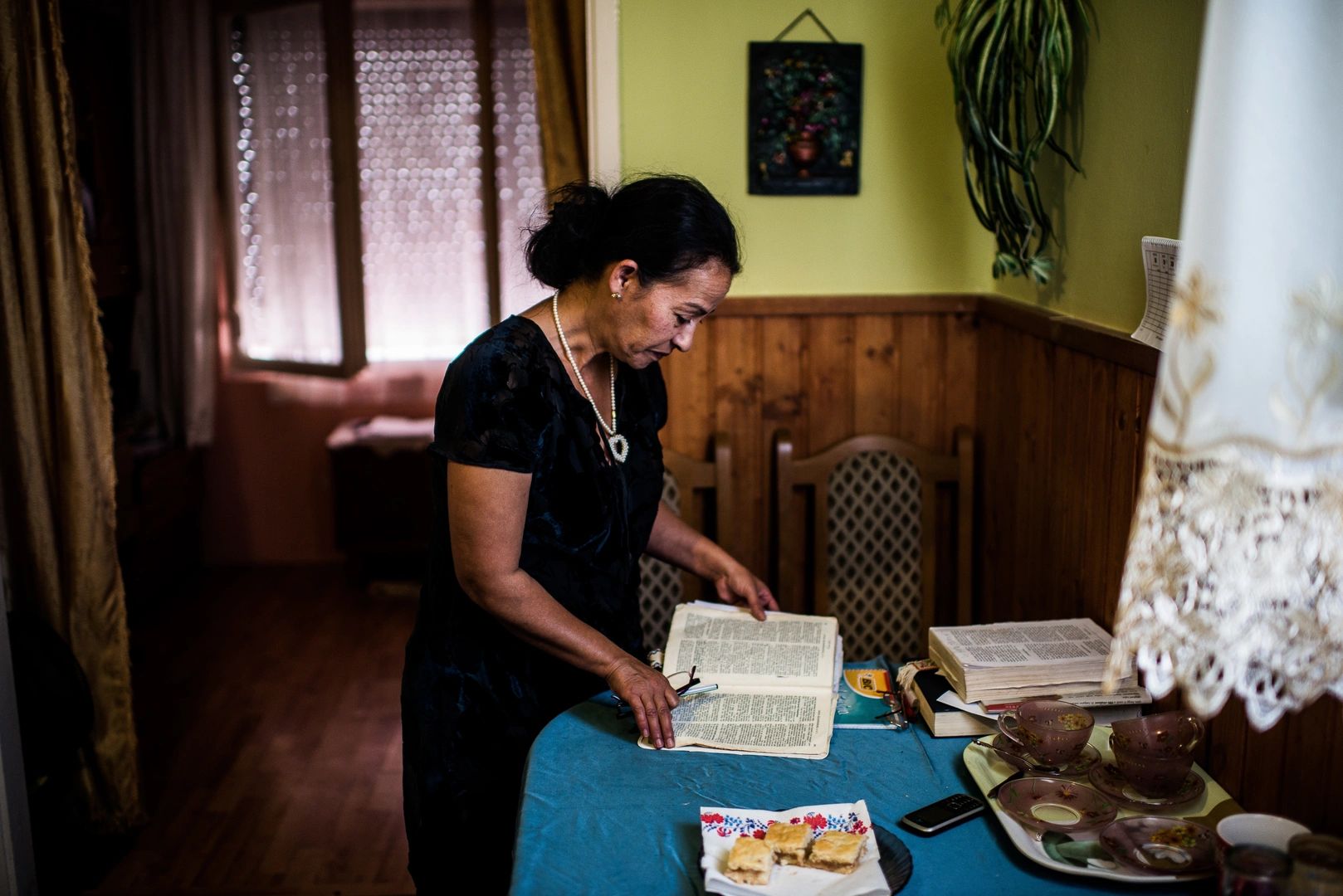
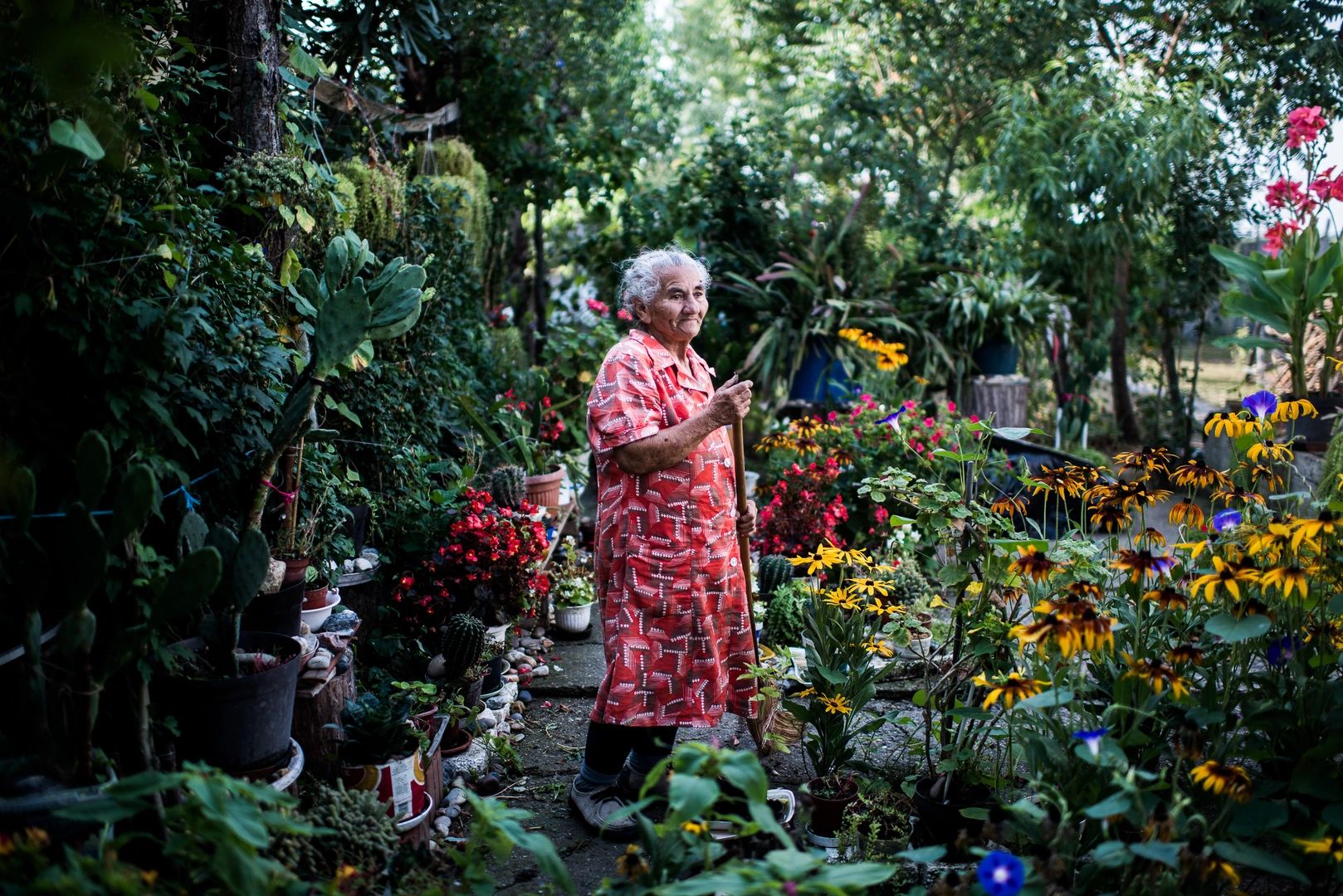
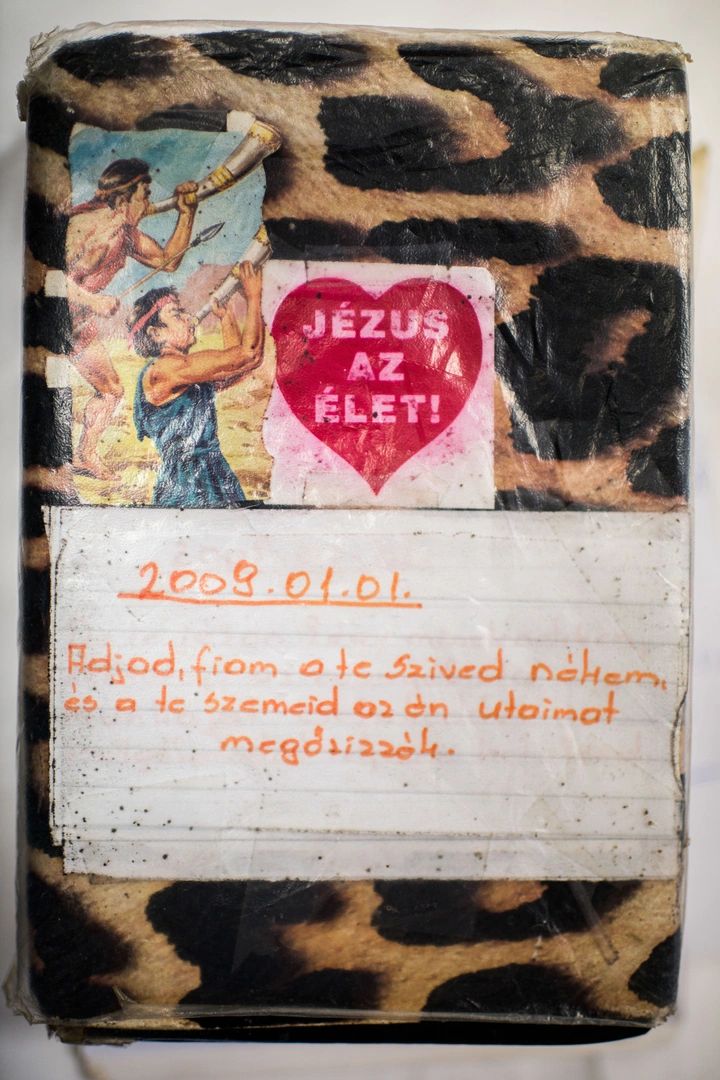
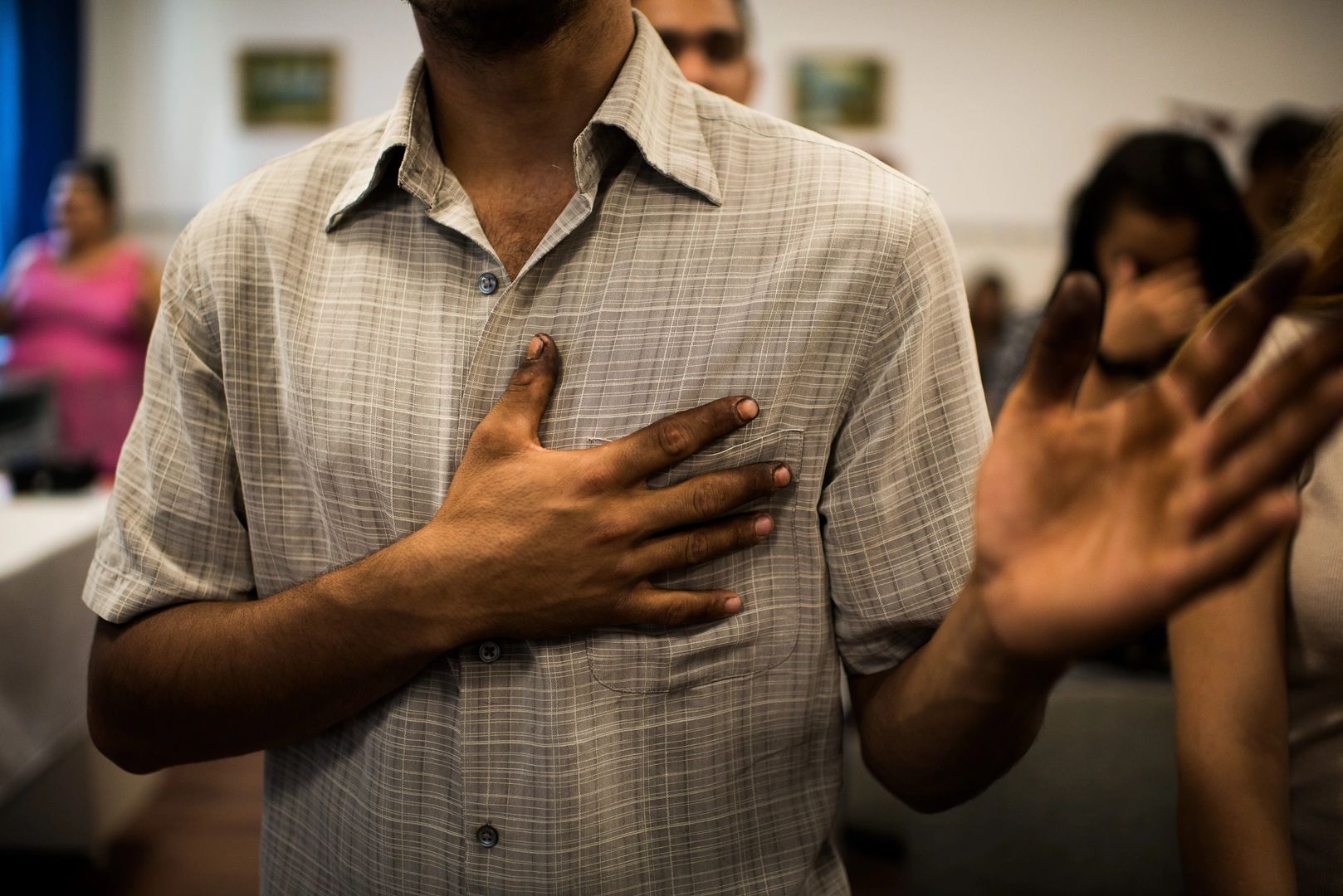
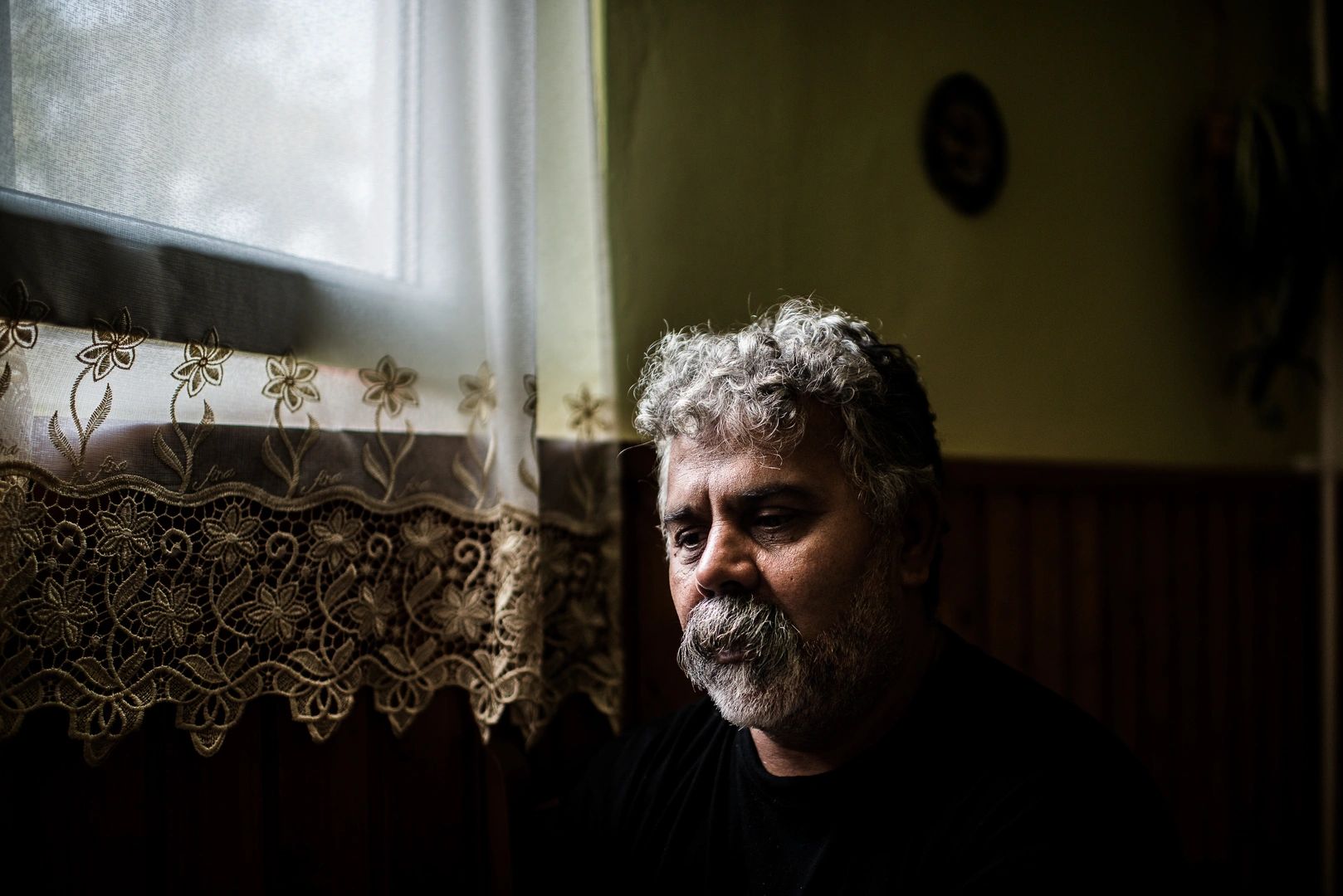
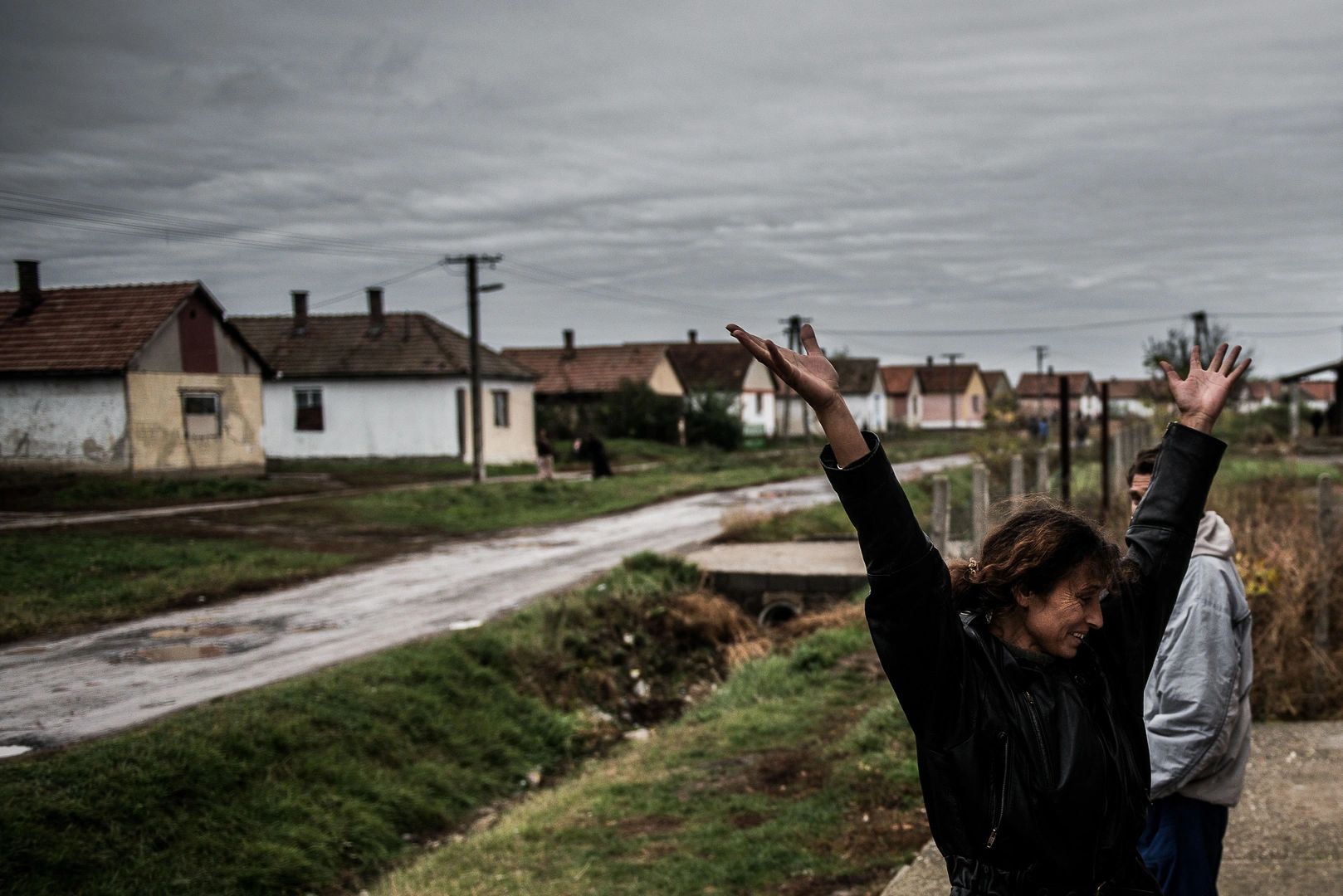
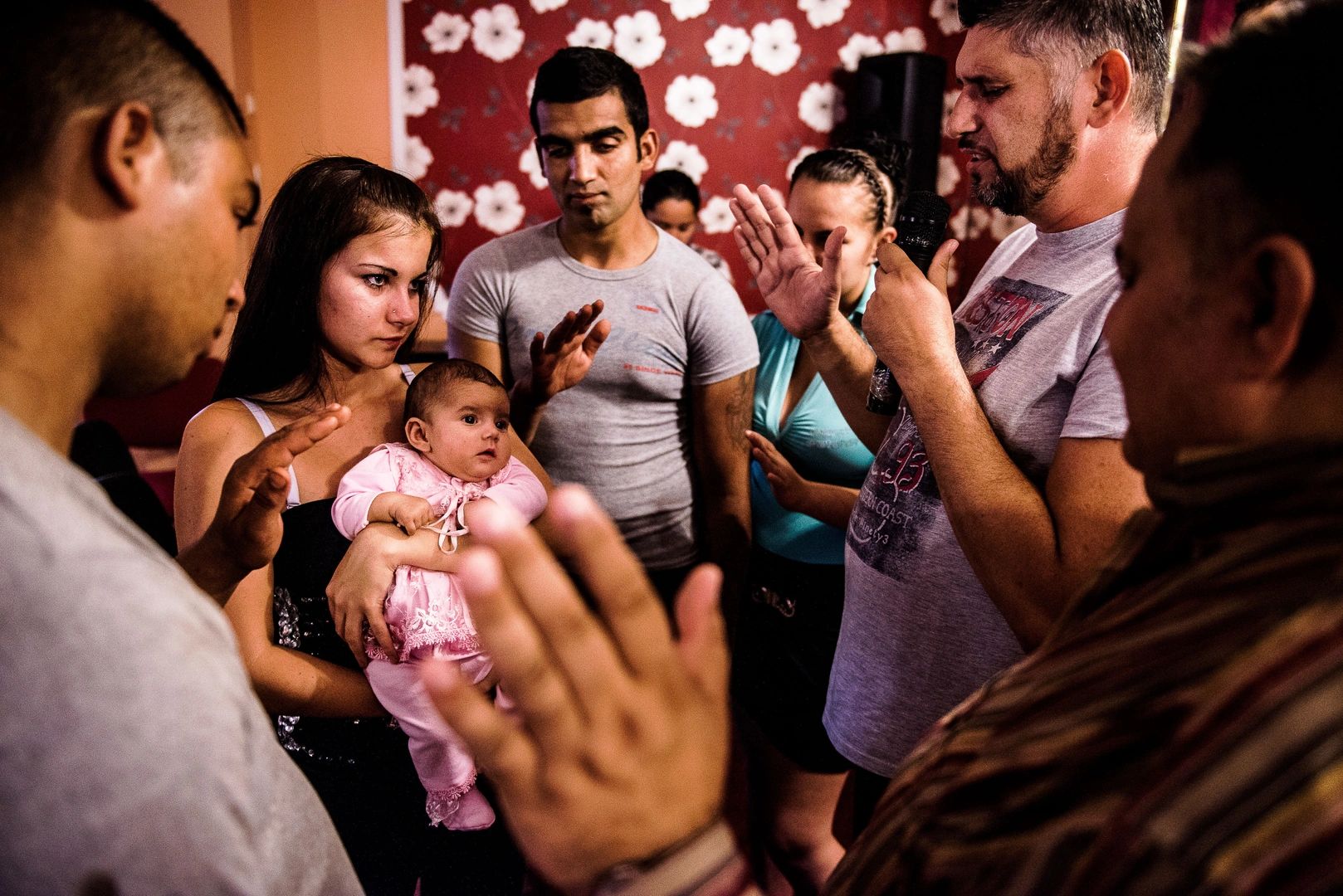
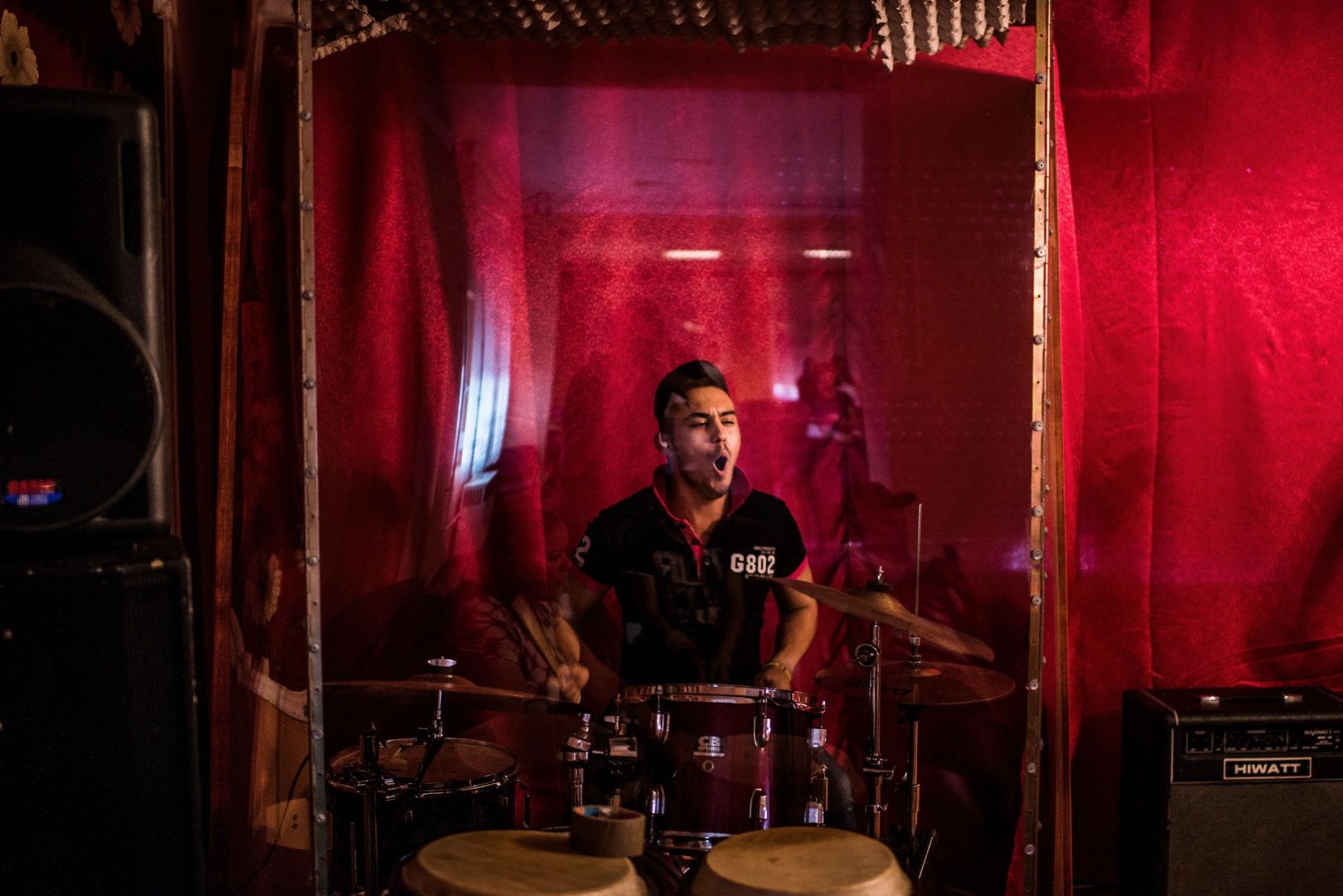
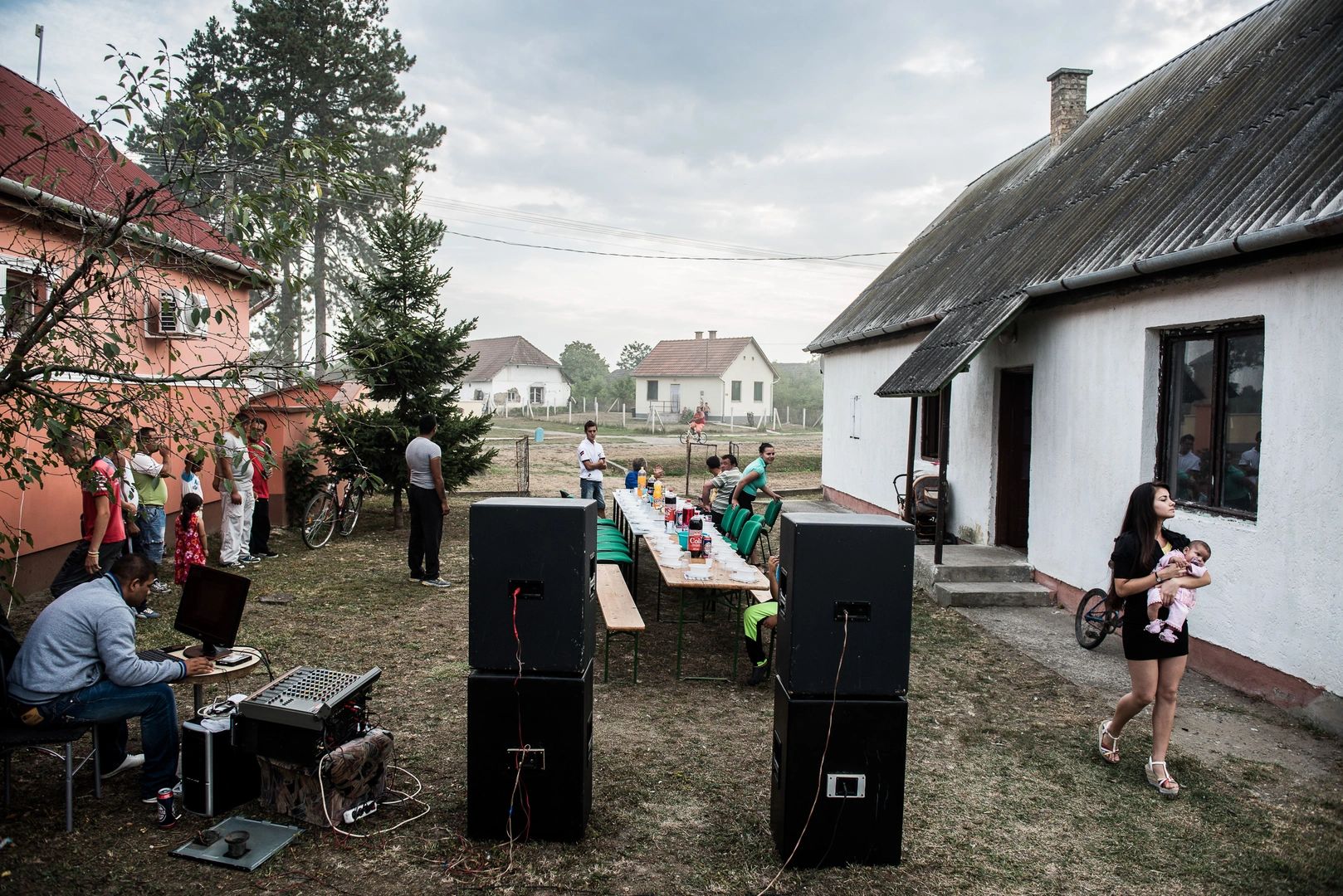
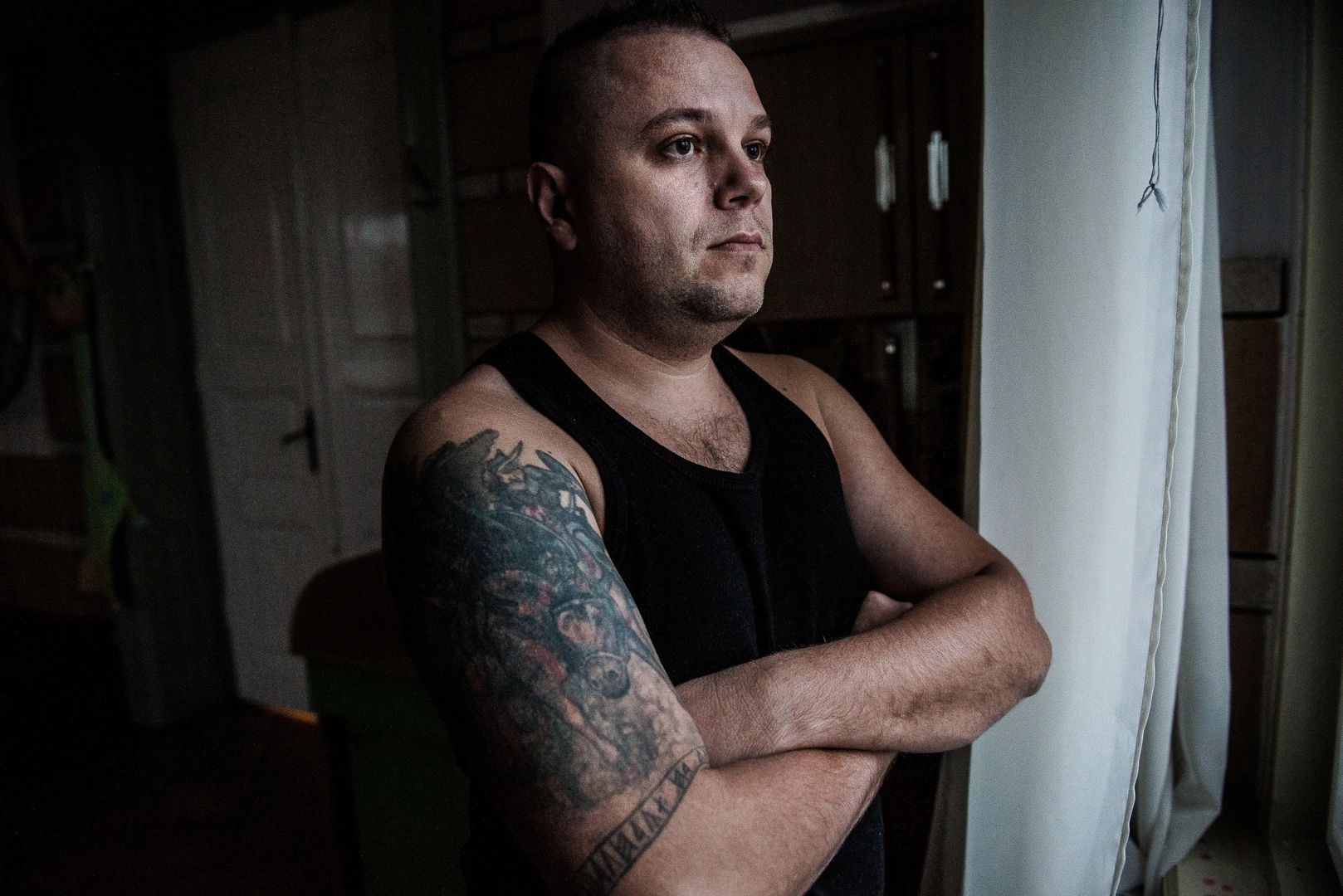
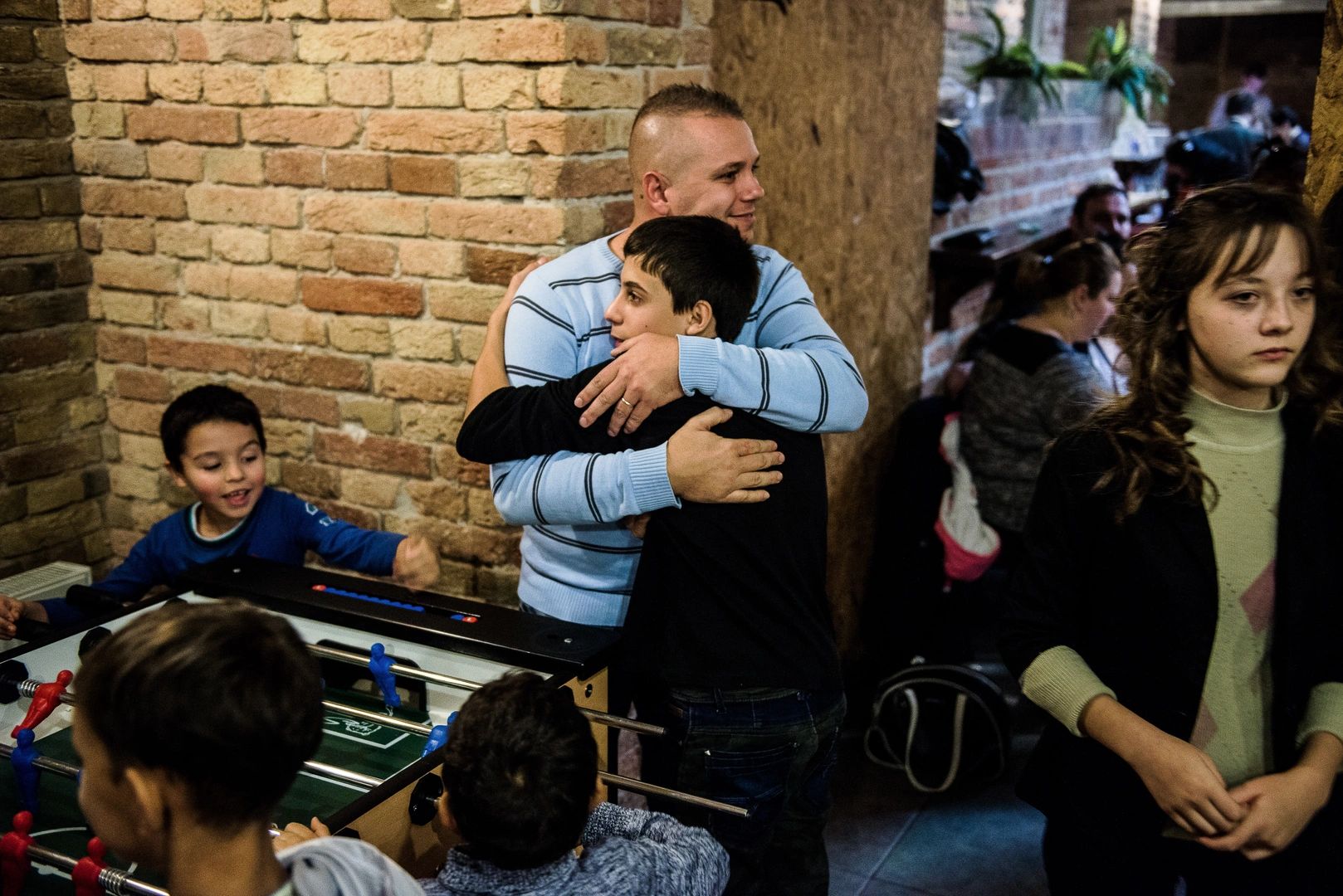
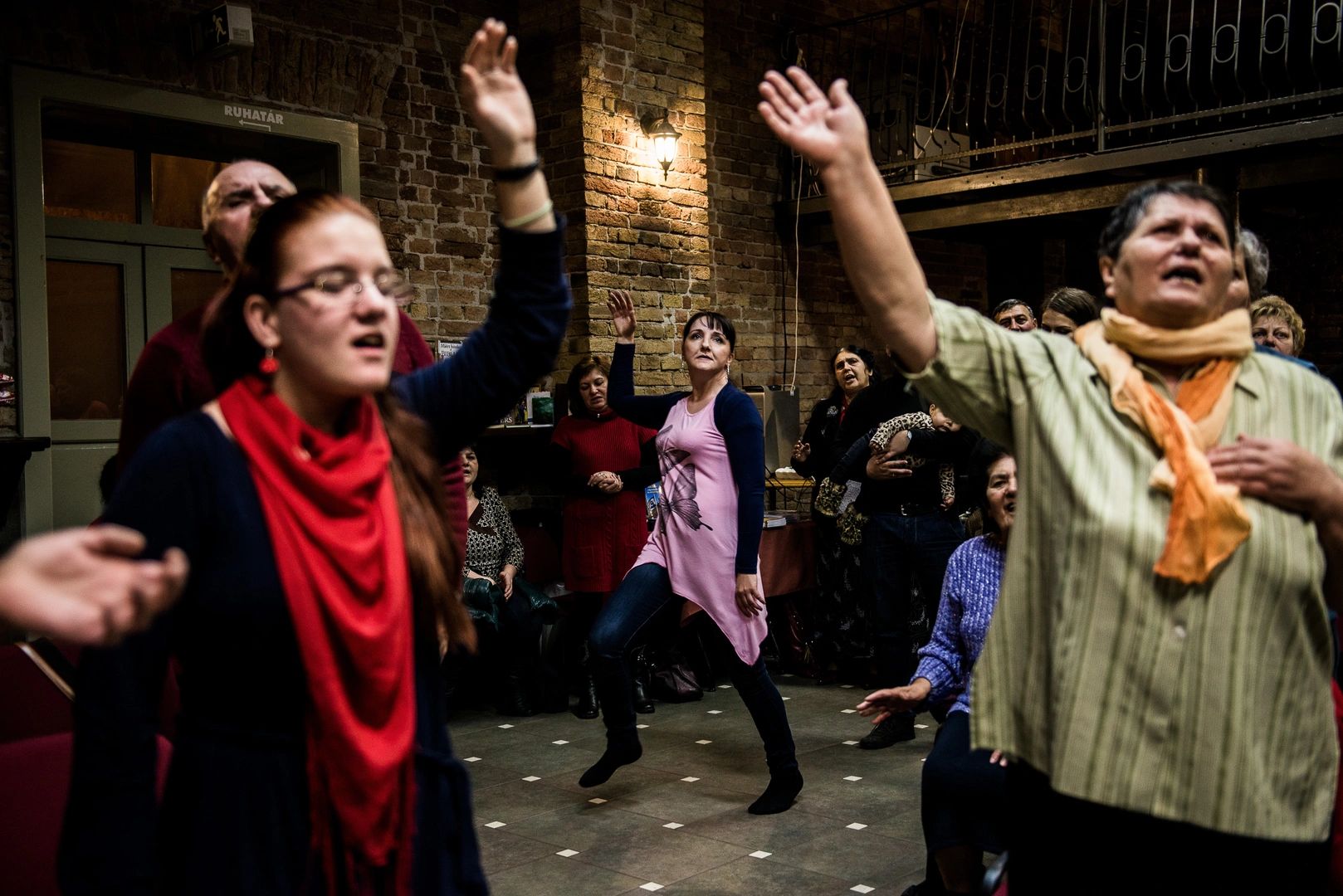
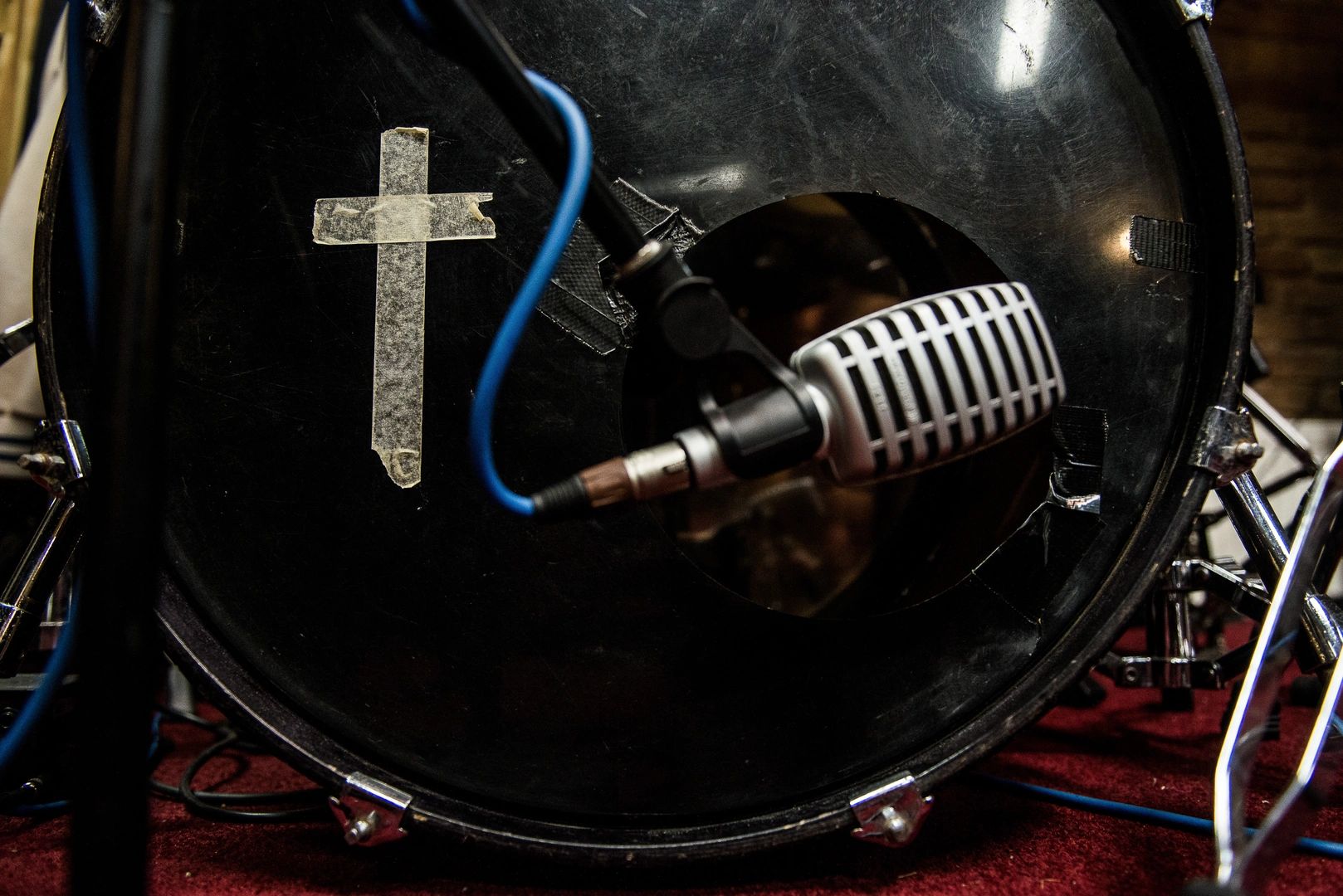
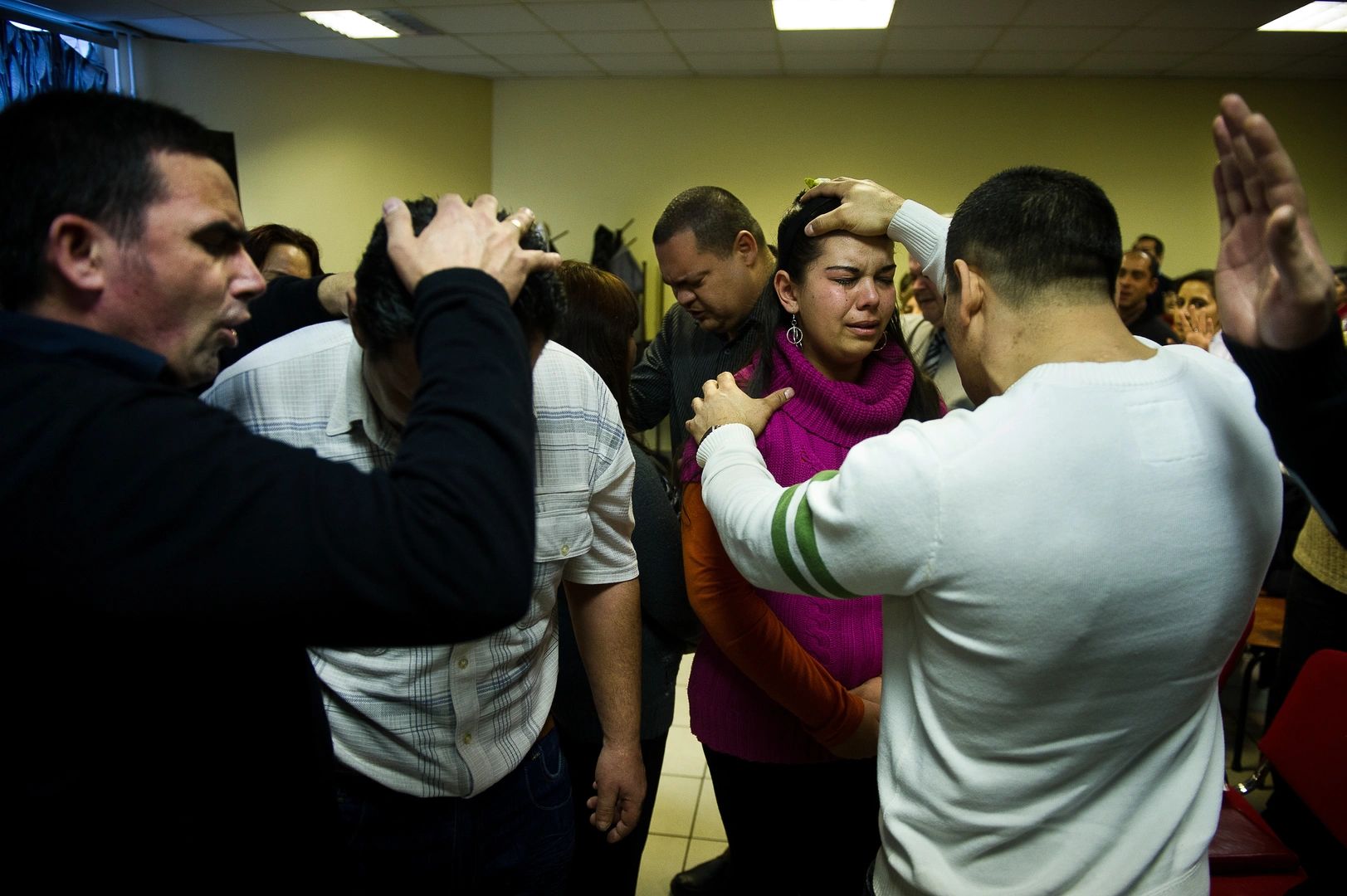
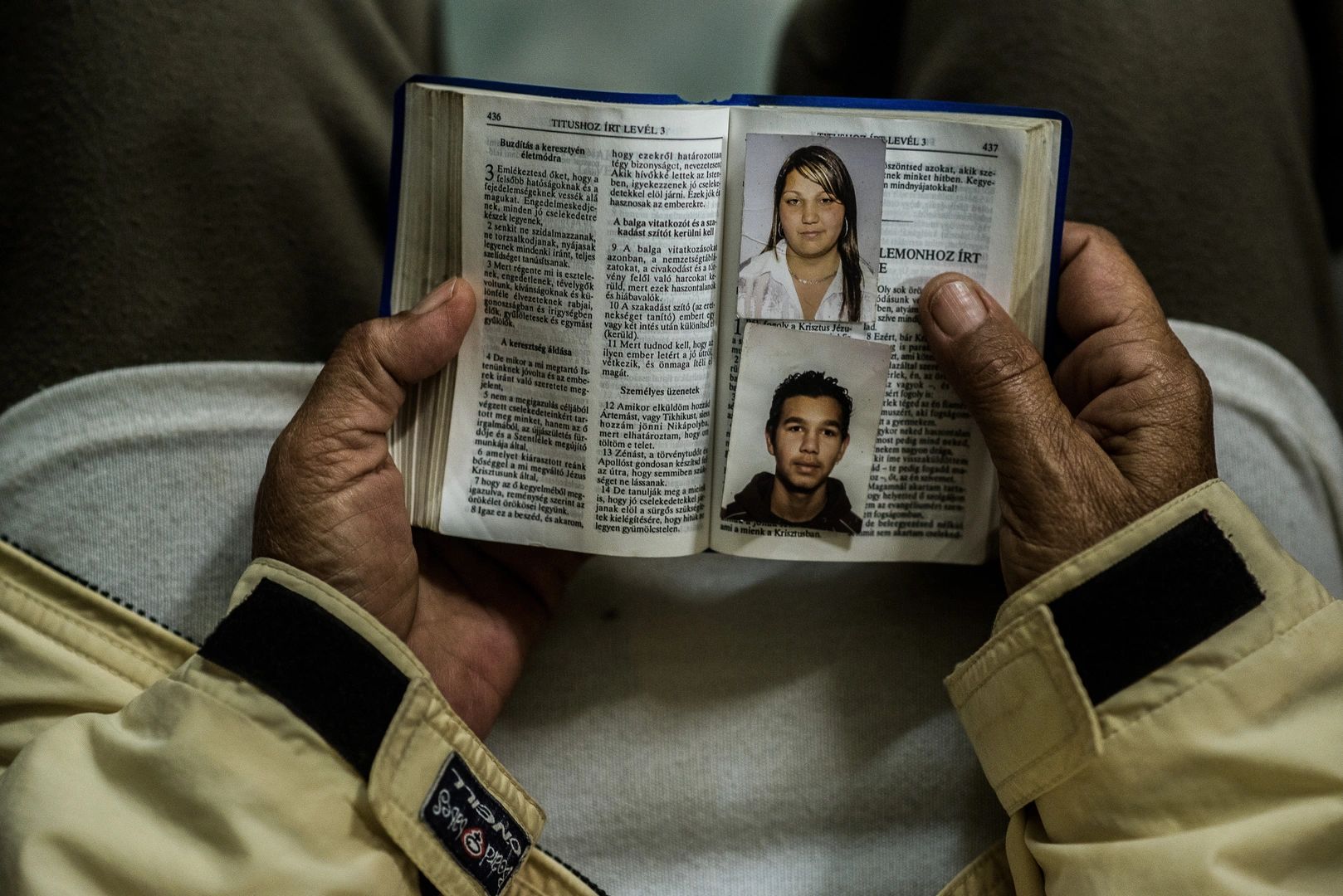
Roma Bible A third of Hungary’s population is living below the poverty threshold, every fourth citizen of this third in deep poverty. All of this in a vicious circle from which there is virtually no way out. Hundreds of factories and co-ops having been shut down, work opportunities providing employment for the massive unskilled population have ceased, and after decades of unemployment, these people lack motivation to study further. A vicious circle. Aids push masses into passivity, while their chances are at best improved by a breathing straw, if at all, so no wonder the majority fail in this endeavour, or simply give up trying. I have visited a number of “Roma rows” (Roma ghettos at the edge of town) and villages in deep poverty, where the question of the society’s responsibility would often emerge during conversations with residents. Why the state doesn’t provide work, why the aid is not enough. And soon the responsibility of the individual would come up. Why he or she hasn’t done everything possible, why he or she hasn’t tried a thousandth time. After a while, however, I met families who were similarly living on the Roma rows, but their court was clean, their child would be doing homework late at night, and they were economizing with the little they earned. They did have hope, and as it turned out, most of the time this hope had its origins in their faith. Dozens of small churches and even big ones undertake pastorship for the Roma, converting the poor, for whom often the only ray of hope is faith, for which it is worthwhile to make the hundredth effort at seeking employment, and which helps them be confident that tomorrow everything will turn better. Throughout the past years I have visited the Congregation of the Open Door in Ózd, I have photographed in Uszka, the village with a Roma majority, whose population had been converted by the Hungarian Free Christian Congregation back in the 80s. I made a reportage about the Catholic congregation pastored by the Indian Father Urdu in Köröm, I have visited the Pentecostal Congregation in Békés, where having found his faith, a skinhead is converting the local Roma, and I have seen the Baptist Church of Ózd, frequented by local Roma and non-‐Roma alike. Despite the diversity of the congregations, they had several things in common. It was deeply moving to see converts on whom one could see the depressing weight of their multifarious unresolvable problems, their futurelessness, the inhibiting force of their environment that pulls them back down. And despite all of this, they still find hope that there is forgiveness and a clean slate to start their lives anew. Many can draw on this for strength to keep on with their small struggles that may not be greater than finishing their studies, giving up smoking or just not going to the pub – trifling things that can fundamentally change the daily life of those who live in poverty, as more money will remain in the family’s savings box. Often even the pastors themselves don’t have an immaculate record: in Uszka, an ex-‐pimp is now a missionary; in Békés, the preacher is an ex-‐ skinhead with a tattoo of the name of “Szálasi”, leader of the Hungarian post-‐war fascist party. Both were empowered by faith to reconstruct themselves, their families and their environment – and this dark past gives a lot of inspiration to congregation members, most of whom are not average middle-‐class citizens. I would like to continue working on my photo series, my goal being to compile a photo book in the future, and it is very important that I expand the existing corpus with further details. Spring is the beginning of the period when new converts symbolically join the congregations, abandoning their old lives – they are immersed, newly baptised. I would like to document this highly symbolic ceremony at a number of places, while also taking portraits of converts, for which I have already received the preliminary consent of several congregations. I consider it important to better introduce the background where the majority of followers live their daily lives, and I would like to give more room in my photographs to the struggles, hardships and successes that these people experience. Many earn their living as day labourers in the summer, or travel far to work and send money home – I endeavour to photograph this as well. It says a lot what kind of Bibles these followers are clutching in their hands. Some wrap it in fake leopard skin, some carry around an ornate copy, and some have worn-‐out Bibles falling apart from all the reading. These are objects that tell a lot about their users, about the new converts’ will to believe. I intend to give an important role in the book to showing these Bibles in their natural environment, be it a dirty table top, a home altar, or a flowery tablecloth. I would like to request your financial support in order to be able to complete my photo series. Yours faithfully, Stiller Ákos
Akos Stiller was born in Budapest, Hungary, in 1982. In 2007 he started to work as a professional photographer for hvg, the Hungarian business weekly and currently takes assignments for the National Geographic, New York Times, Washington Post, Stern and for Bloomberg as well. Over the years Akos has won 15 awards in the Hungarian Pictures of the Year, including the best photojournalist under 30 and for best portfolio. Akos has been selected for the prestigious Joop Swart Masterclass in 2014, organised by World Press Photo. With his picture story on the Hungarian farmlands, in 2015 Akos has been awarded a first place in feature picture story category in the Pictures of the Year International (POYI). . . . . . . . . . . . . . . .
A third of Hungary’s population is living below the poverty threshold, every fourth citizen of this third in deep poverty. All of this in a vicious circle from which there is virtually no way out. Those who succeed have hope, and most of the time this hope has its origins in faith. Dozens of small churches undertake pastorship for the Roma, converting the poor, for whom often the only ray of hope is faith, for which it is worthwhile to make the hundredth effort at seeking employment, and which helps them be confident that tomorrow everything will turn better.
NINETY MINUTES
Sopronyi Gyula

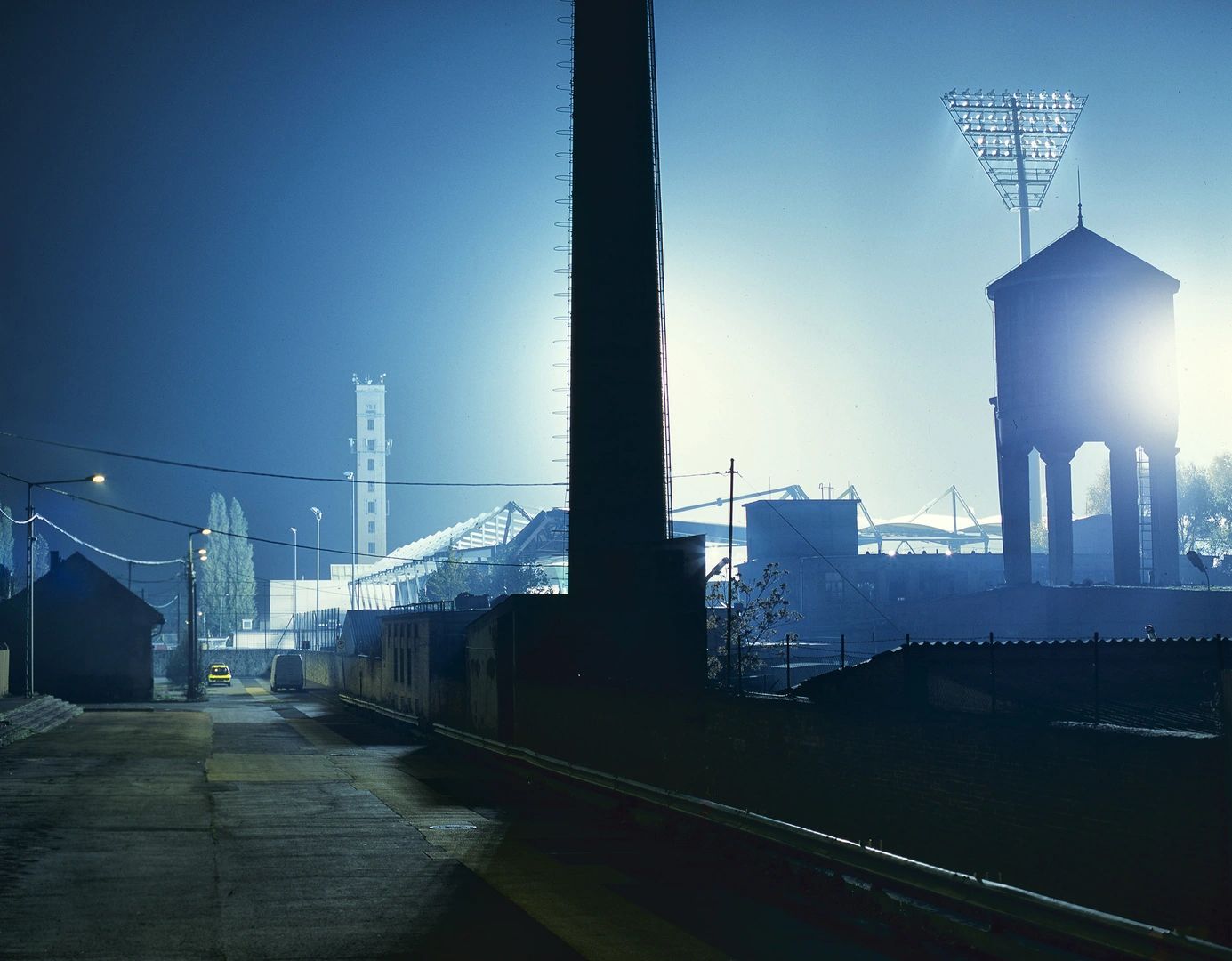
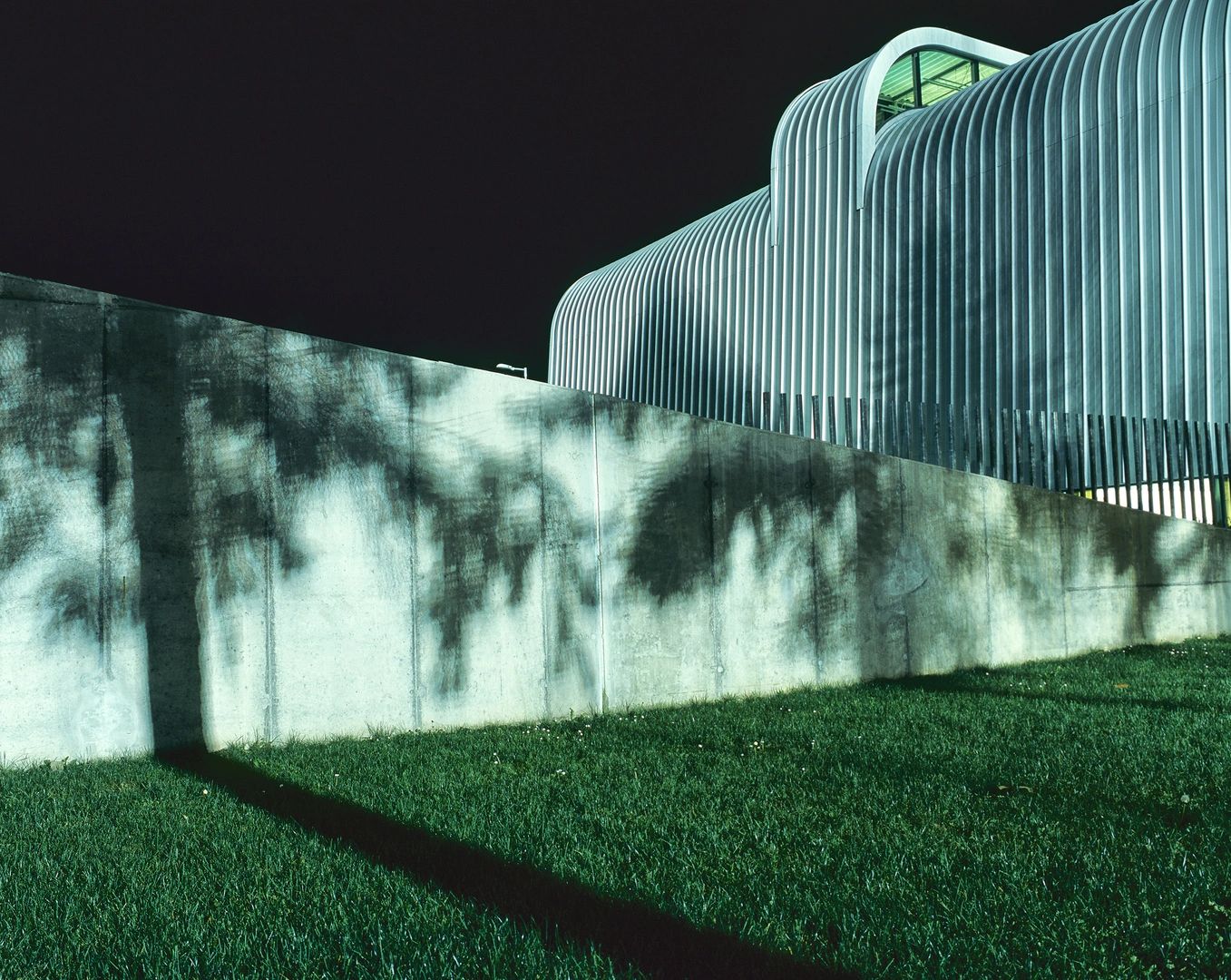
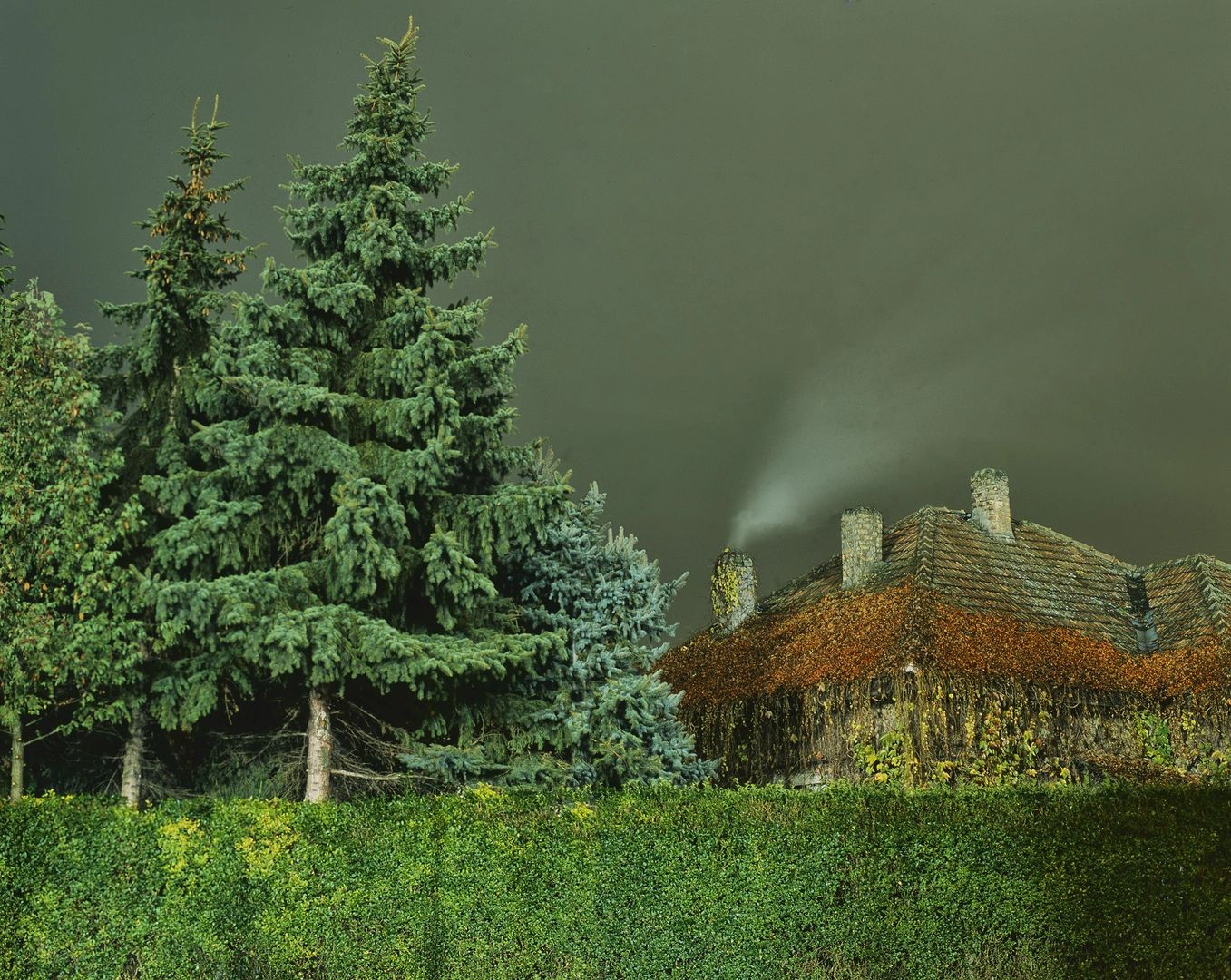
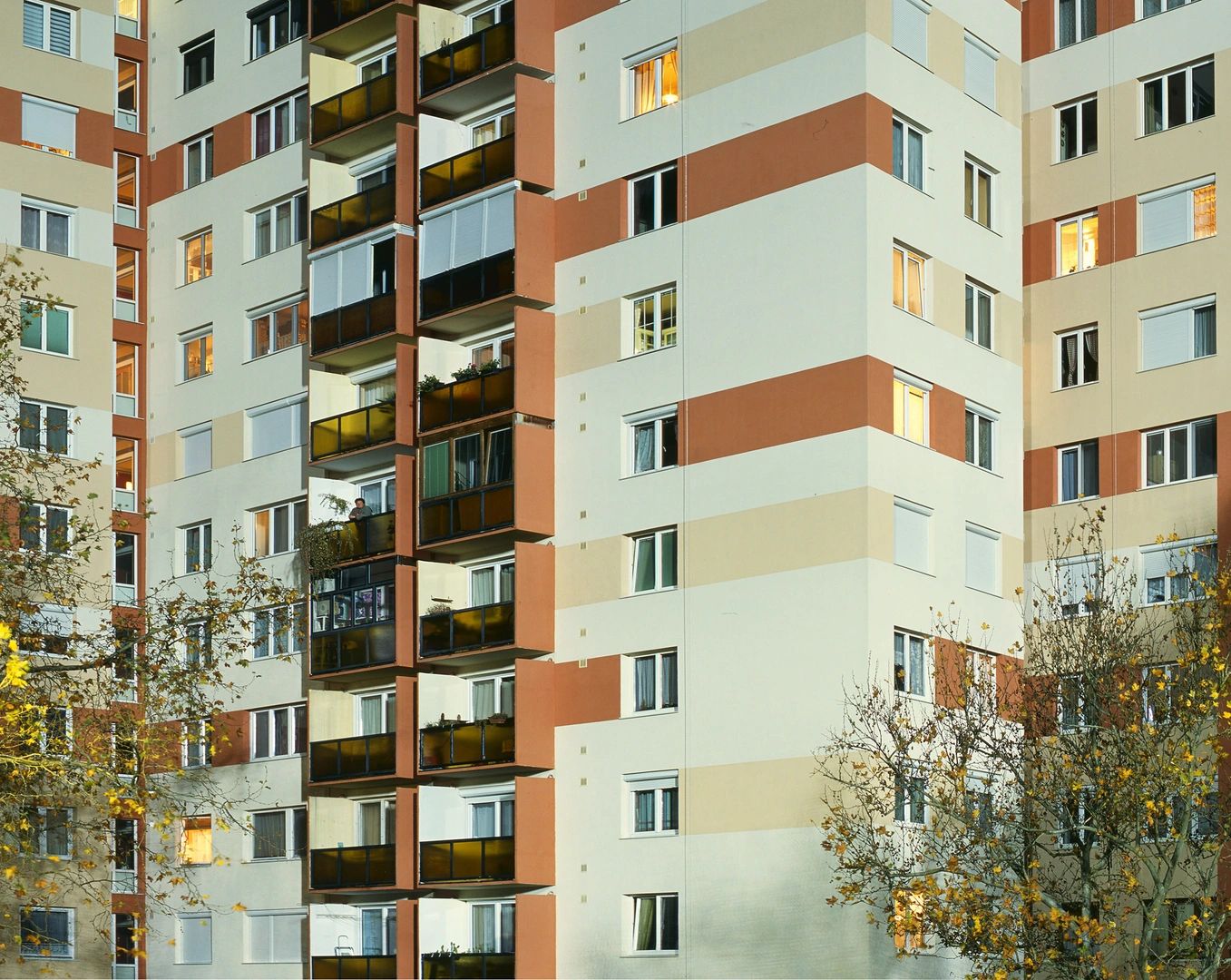
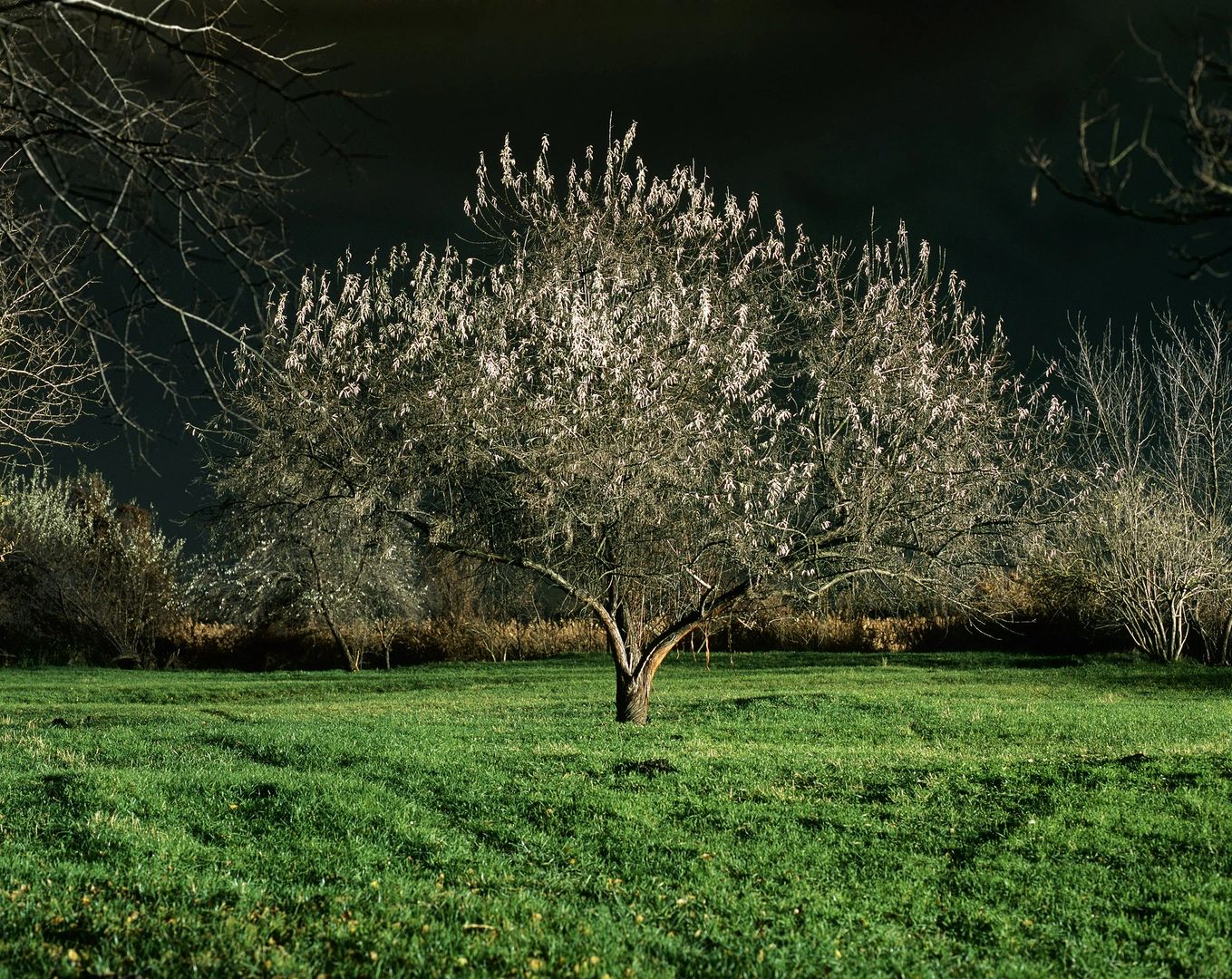
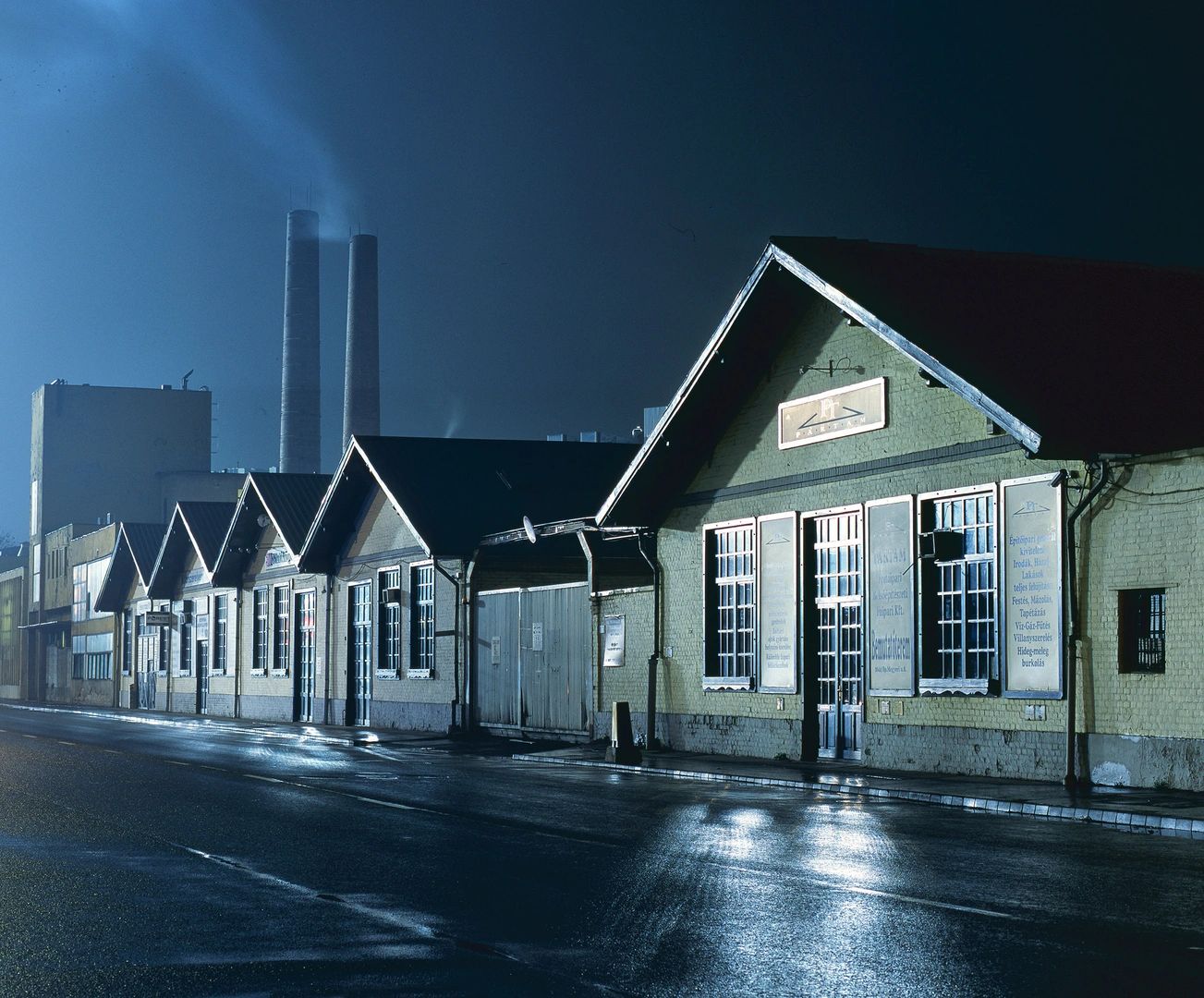
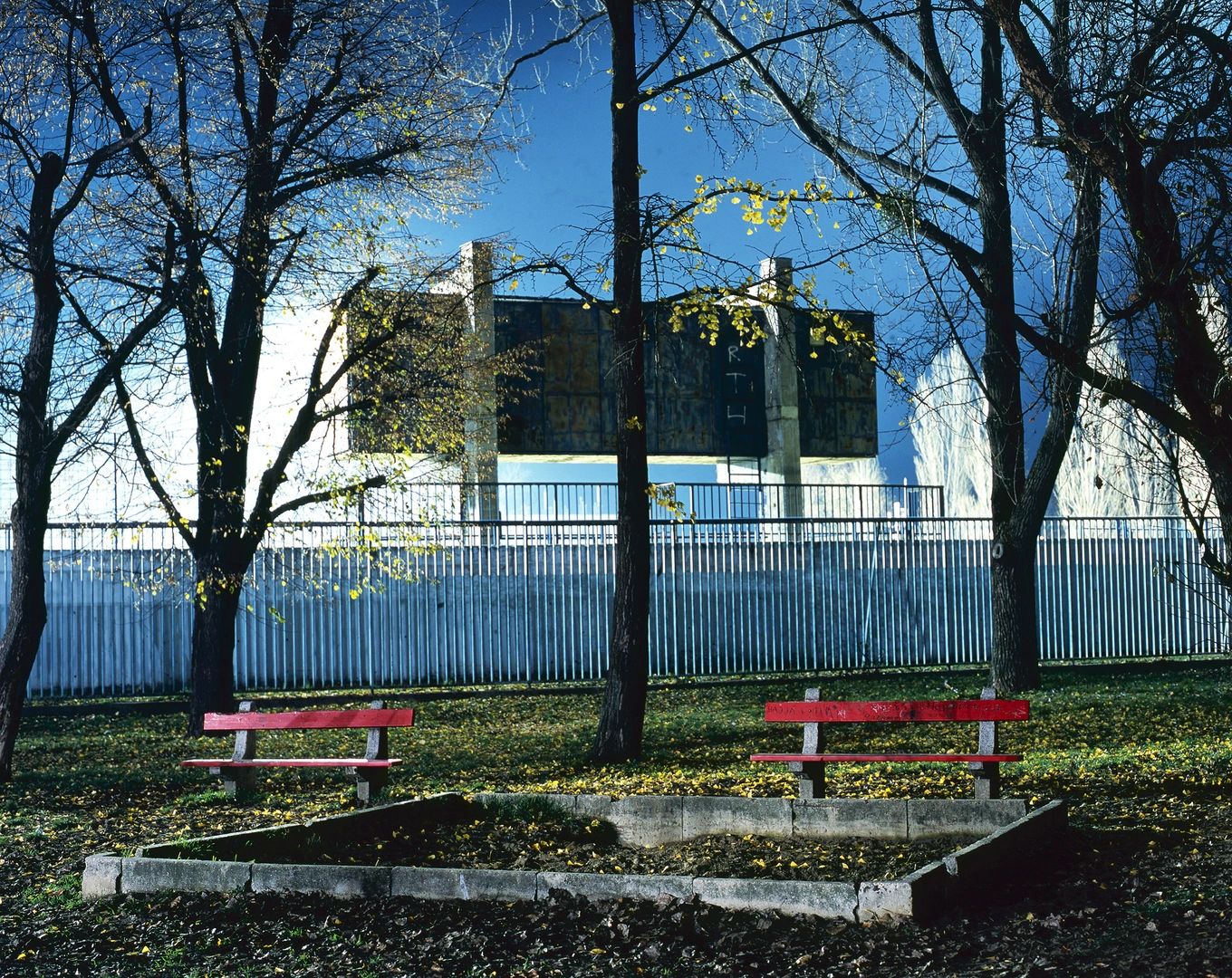
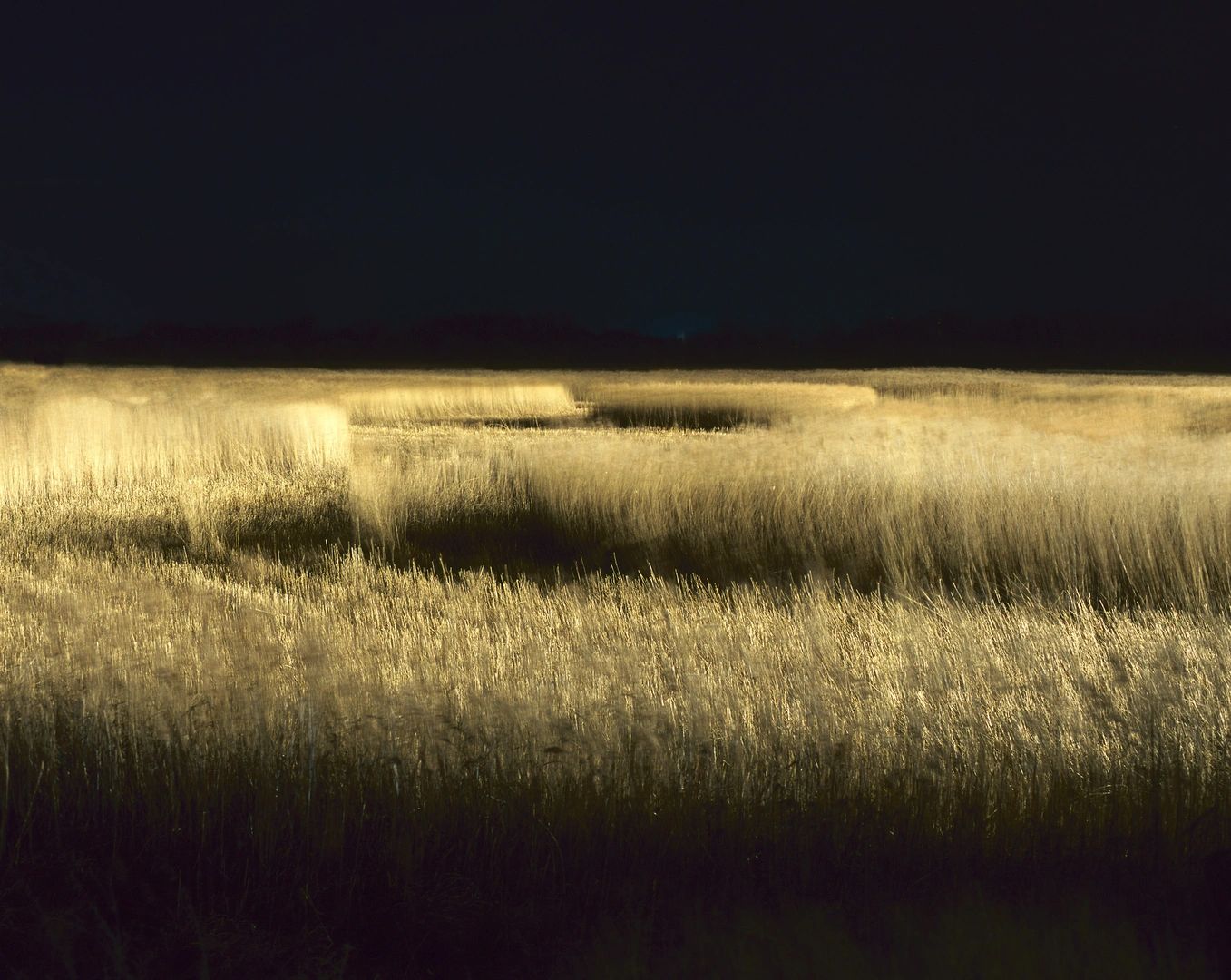
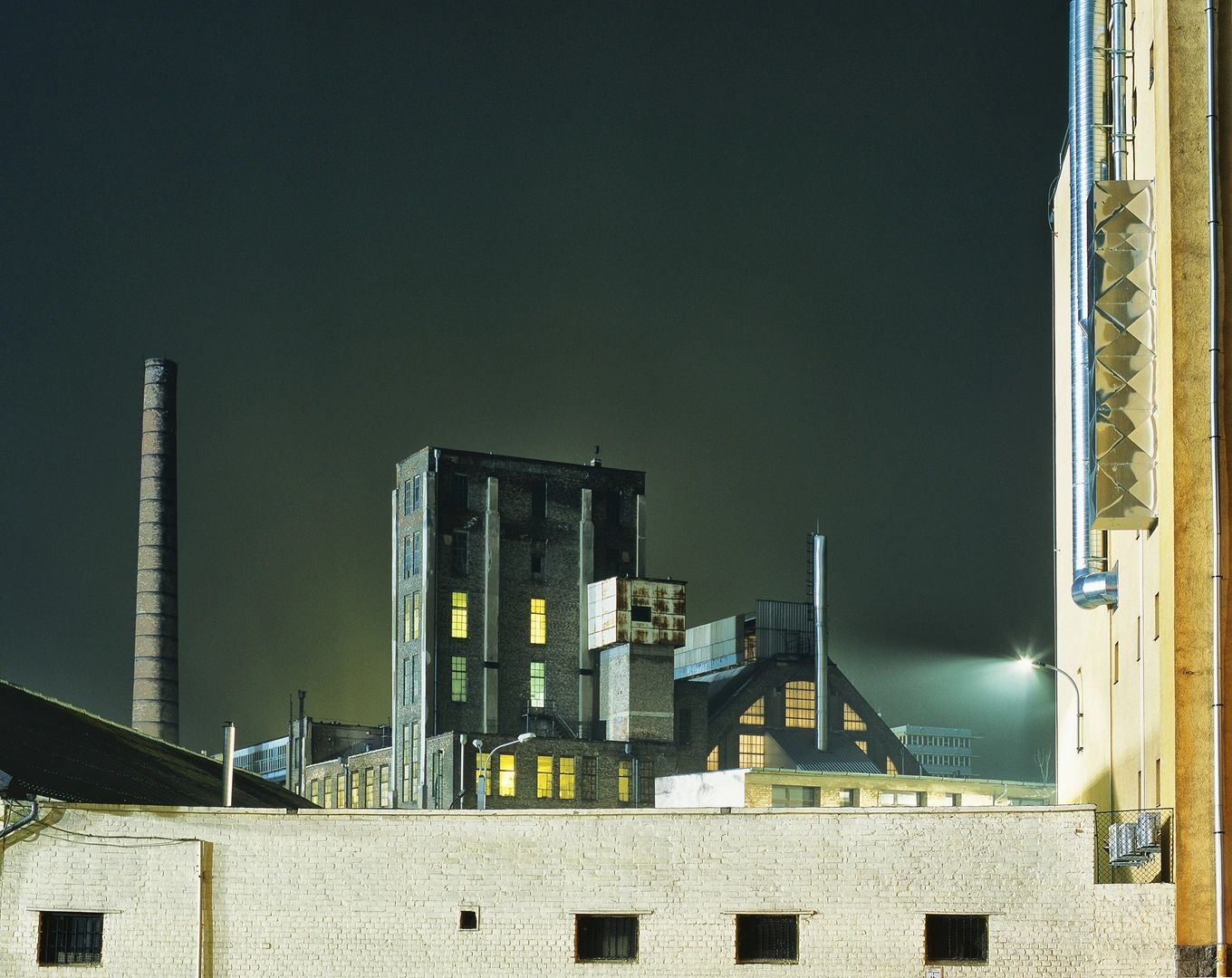
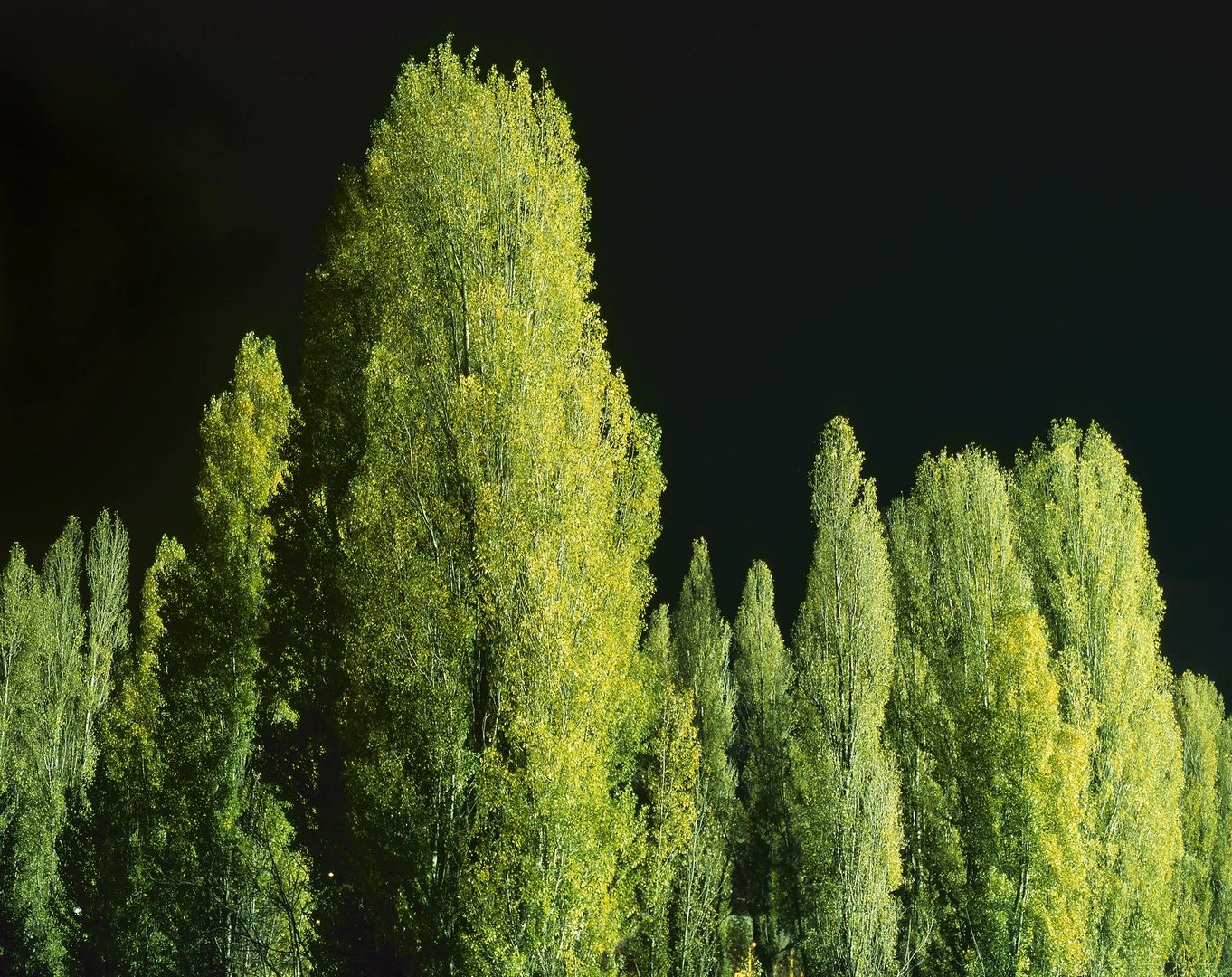
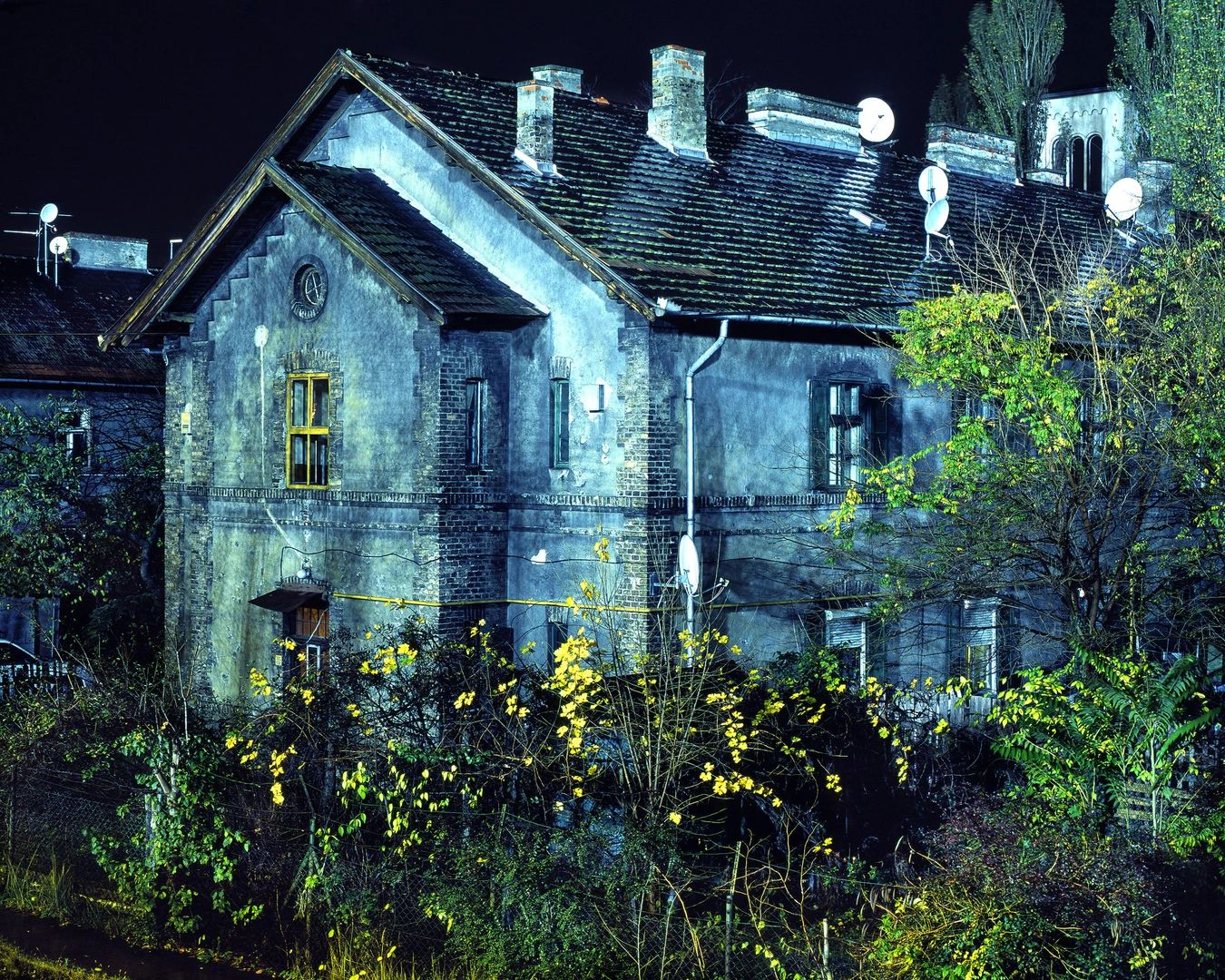
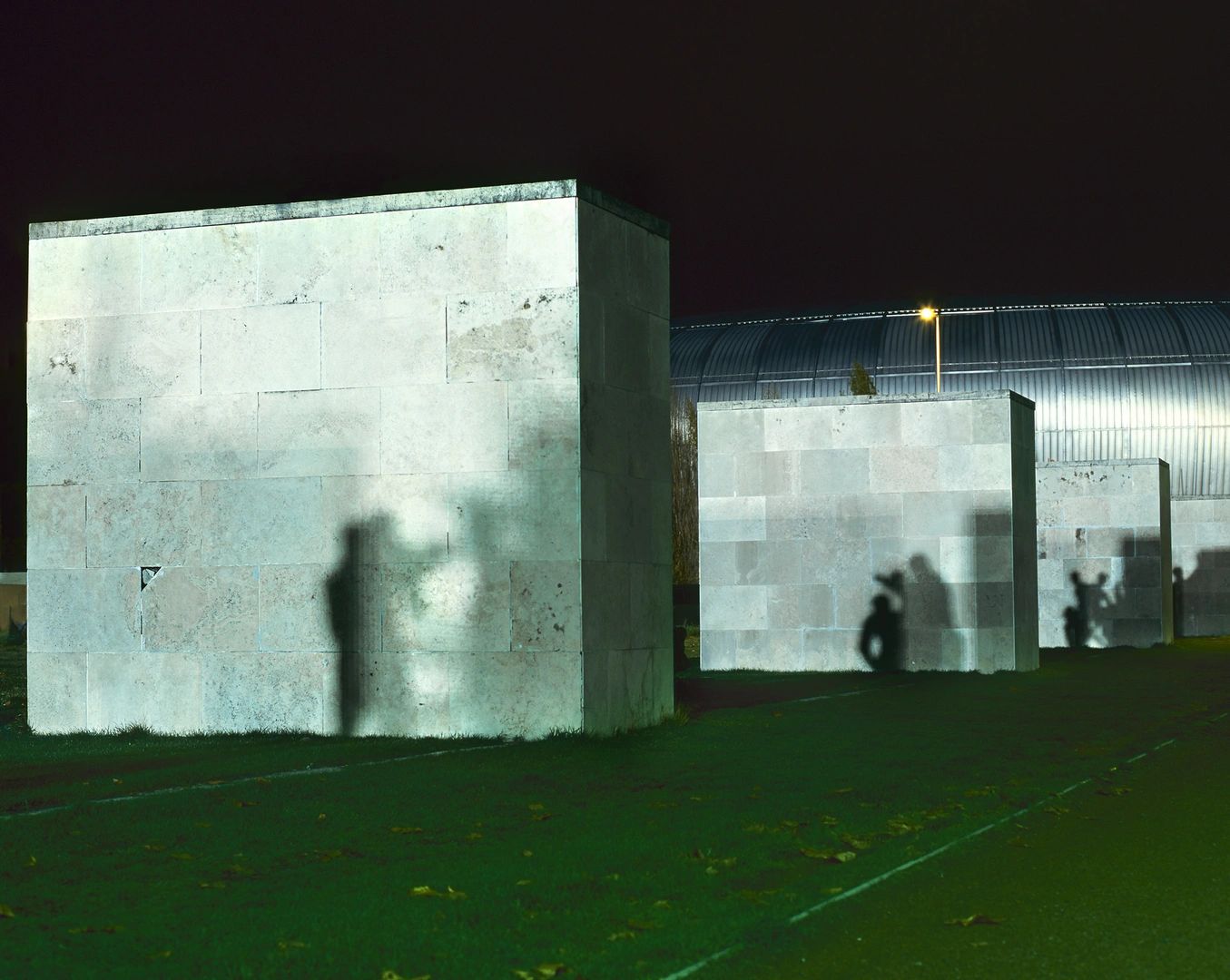
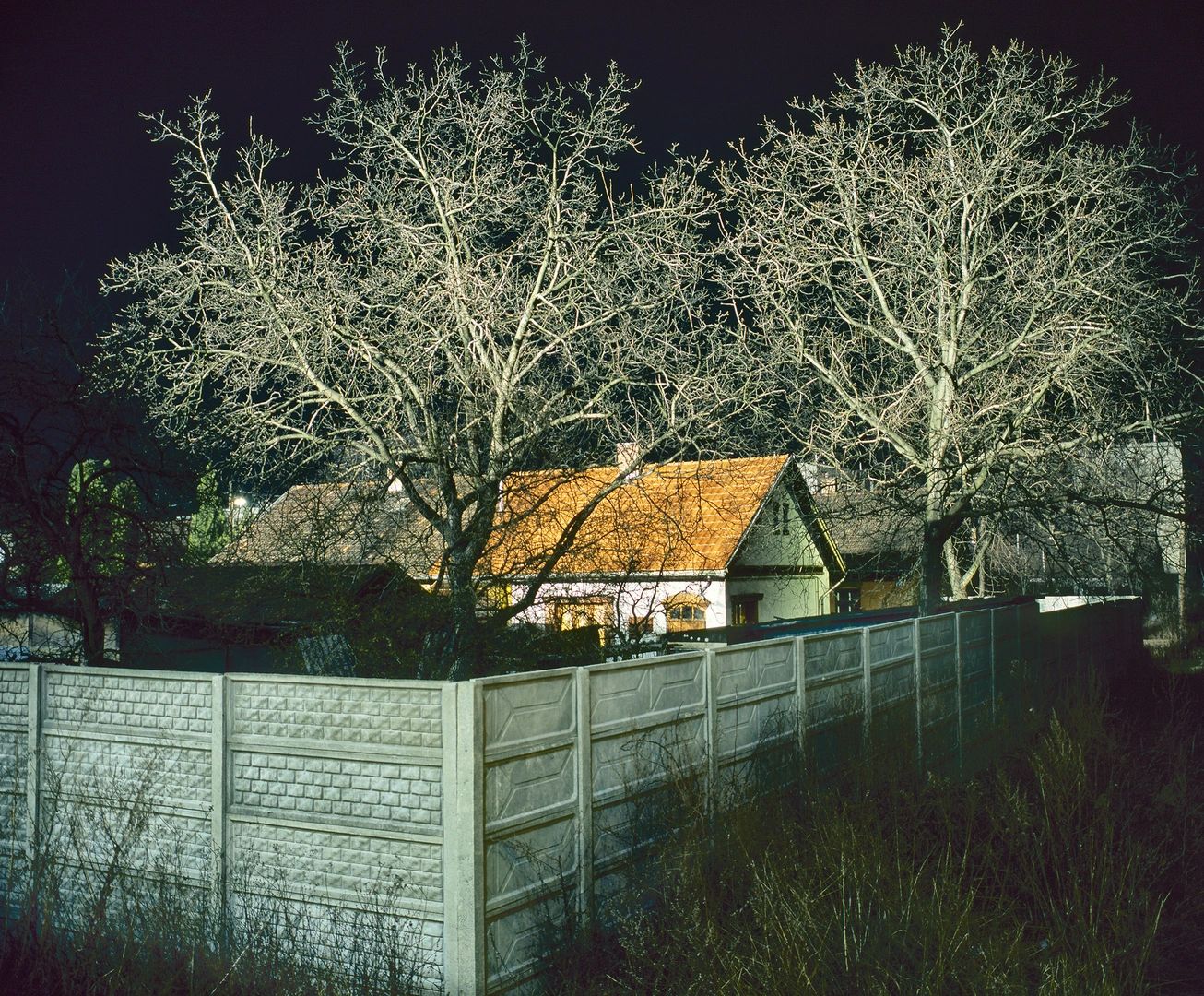
GYULA SOPRONYI: NINETY MINUTES CONTEXT My latest photographic series, still in progress, aims to focus on a phenomenon that has connections with every section of society. Directly or indirectly, either as an individual or through someone in our social or work circle, our lives are affected by one of the most divisive and controversial topics, that is football. PROPOSAL My idea is to apply a different kind of approach, through photography, which will lead towards new and exciting discoveries thereby giving the institution of football an entirely new perspective. Football games have ninety minutes of playing time during which the floodlights are turned on in the stadium, illuminating not only the football field but, also, the world outside. While hundreds or even thousands of people are watching the game, the surrounding environment changes entirely during this time. Some things become highlighted, aspects emphasised and elevated to a different level of consciousness, but only for the duration of the match after which they become hidden once more. There are barriers and restrictions which make the taking of the photographs problematic. The available time is strictly limited to ninety minutes and the number of matches is also bound by the few which take place in any season. In addition, because of the high running costs of the floodlights, matches are often played without using them and, even when games are illuminated, the intensity of the light diminishes with distance. On the one hand, these restrictions can be seen as difficulties but, on the other, they demand and deserve a more concentrated presentation of the ambience and mood of the photographic subject. The floodlights illuminate only the objects in the close vicinity of the football stadium. As a result, they limit but, simultaneously, emphasise the images touched by their beams. The grim reality of urban decay, the destruction of green spaces and the isolationism of everyday life all become more visible. So, from both urban and sociological perspectives, these ‘visions’ can bring a unique clarity for decisions relating to environmental design, urban planning and the ways in which people live. Perhaps, most significantly, through the images to be created in this project, light can be shed upon the noticeable tensions present in contemporary society and may serve to alter, change or confirm the varied and conflicting views about football as an institution. DEVELOPMENT In order to develop my work further, I am seeking your support. Football is bringing many changes in Hungary and all over the world. Whilst in the stadiums themselves there is a strong social engagement and affiliation between the individual participants and observers, the surroundings tell a different story. Houses, streets and open spaces are becoming construction sites and even complete districts are vanishing altogether, taking with them human destinies, hopes and security. This attracts far less attention than the football matches they have been sacrificed for. I should welcome the opportunity to follow the process of this change not only in Hungary but also abroad in order to examine at first hand the environmental and sociological impact of the lights of the ninety minutes as extensively as possible.
Jegenyefa utca 3 1044, Budapest +36302578045 www.sopronyi.com gyula@sopronyi.com GYULA SOPRONYI (1974) STUDIES 2010 Coney Island, New York City 2008 Magnum Masterclass London, Anglia 2008 Magnum workshop Toronto, Kanada 2004/2005 Bachelor of Arts: Film, Television and Camera 2000 „Masterclass 2000” St Peretsburg, russia (Soros Fondation) 1992/1994 Photography School WORK 2011- United Nations High Commissioner for Refugees photographer 2011- COLORS Magazin 2010- Nouvus Select/freelancer 2008- National Geographic (Hungary) 2008- Freelanc photographer 2008/2010 Invision Images Agency/ photographer 2004/2008 Népszabadság, Fotórovat vezető-helyettes 2002/2006 Népszabadság Magazin, picture editor 1998/2002 Népszabadság, photographer 1994/1998 Blikk, photographer 1993/1994 Esti Hírlap intern GRANDS 2014 National Cultural Fund of Hungary Grant 2013 Minority, National Cultural Fund of Hungary Grant 2012 Andre Kertesz Scholarship, Paris, France 2010 Photography Grant of Budapest , Pro Cultura Urbis Foundation 2010 Goethe Institute Scholarship, Istanbul, Turkey 2009 Jozsef Pecsi Photography Grant 2008 Visegrad Artist Residency Programme / Nyertes AWARDS 2011 Balogh Rudolf Balogh Award 2010 Photo Philanthropy Award Finalis 2009 National Geographic Awardt / 3rd place, 2007 National Geographic pályázat / 1st. place 1997-2011 Won two times the Photographer of the Year and 16 different categorize prize on the Hungarian Press Award SOLO EXHIBITIONS GROUP EXHIBITIONS 2015 ’Floating Aspect’, Institut Hongrois, Paris, France 2013 ’Right Before Your Eye’ UN Exhibit Gallery, New York, USA 2013 ’Capa Project’, Robert Capa Contemporary Photography Center, Budapest, Hungary 2013 ’Building Hope, Bulding Home’ exhibition Southwire co. DDallas, USA 2012 Balogh Rudolf Winners Exhibition, Hungarian National Gallery, Budapest, Hungary 2012 ’Budapest Pozitív’ exhibition, Maribor, Slovenia 2011 ’Orphanage’, FotoWeekDC, Washington DC, United States 2011 Order Of Merit, Olaf Palme House, Budapest, Hungary 2011 ’Half-way’, Millenaris, Budapest, Hungary 2011 ’Budapest Positive’, House of Photography, Budapest, Hungary 2010 ’Human Landscapes’, Brussels, Belgium 2010 ’Human Landscapes’, Istanbul, Turkey 2008 Calumet Gallery London, UK 2008 ‘Parallels’, Budapest, Hungary 2008 ’Equal Opportunities’, Hungarian National Museum, Budapest, Hungary 2005 ’Membership’, Budapest Gallery, Hungary 2003 ’One Day, Millenaris’, Budapest, Hungary 2001 ’Refugees’ Újpest Galéria, Budapest, Hungary 2001 ’Photo Saloon’, Museum Of Fine Arts, Budapest, Hungary 2000 Photographer of the Year, House of Photography, Budapest, Hungary PUBLICATIONS Huffington Post New York Times Gizmodo, New York-i magazin National Geographic Colors Magazine SLR Lounge magazin Nagykép index.hu 444.hu
Football games have ninety minutes of playing time during which the floodlights are turned on in the stadium, illuminating not only the football field but, also, the world outside. While hundreds or even thousands of people are watching the game, the surrounding environment changes entirely during this time. Some things become highlighted, aspects emphasised and elevated to a different level of consciousness, but only for the duration of the match after which they become hidden once more.