FELLOWSHIP-WINNERS OF THE CAPA GRAND PRIZE HUNGARY 2019
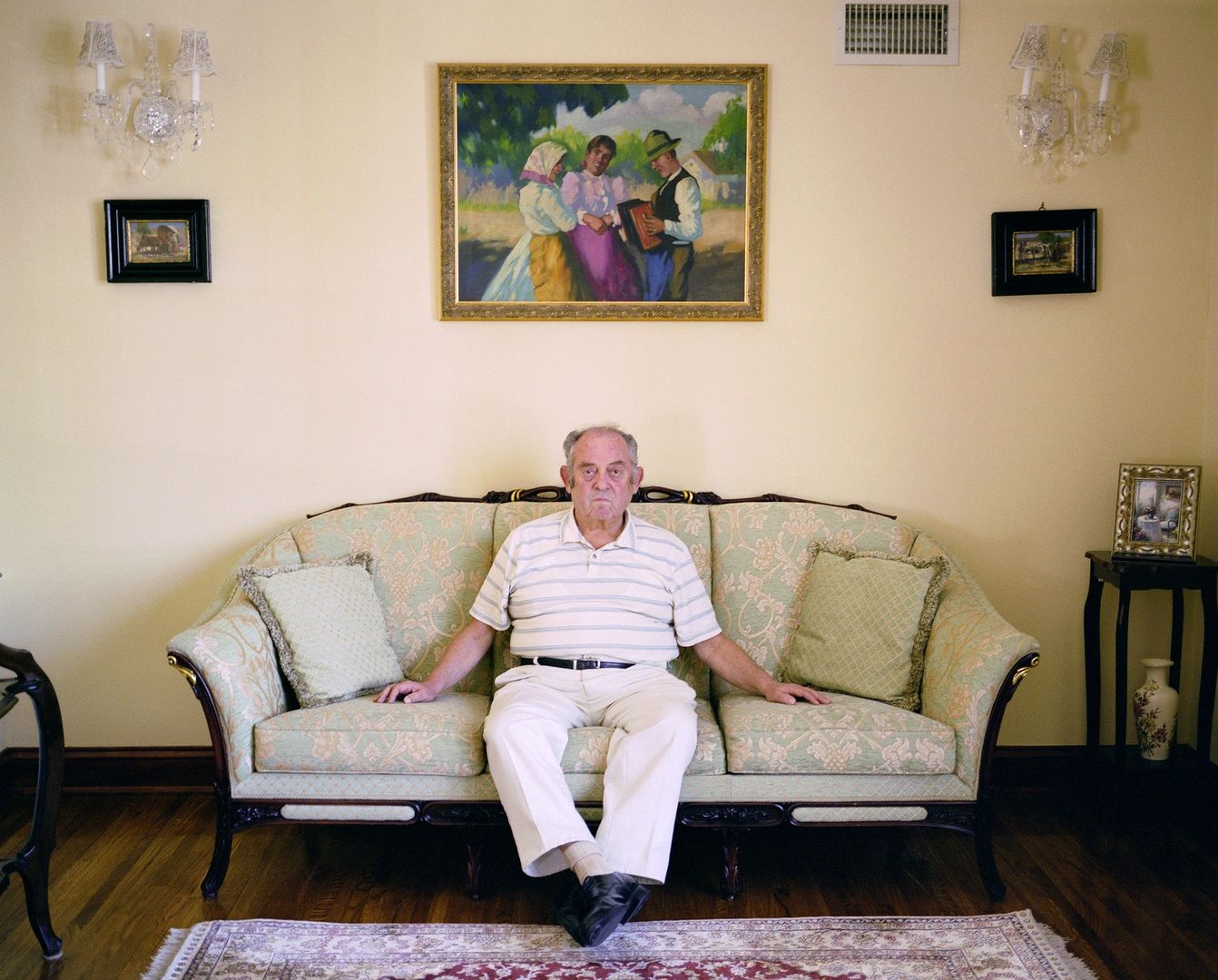
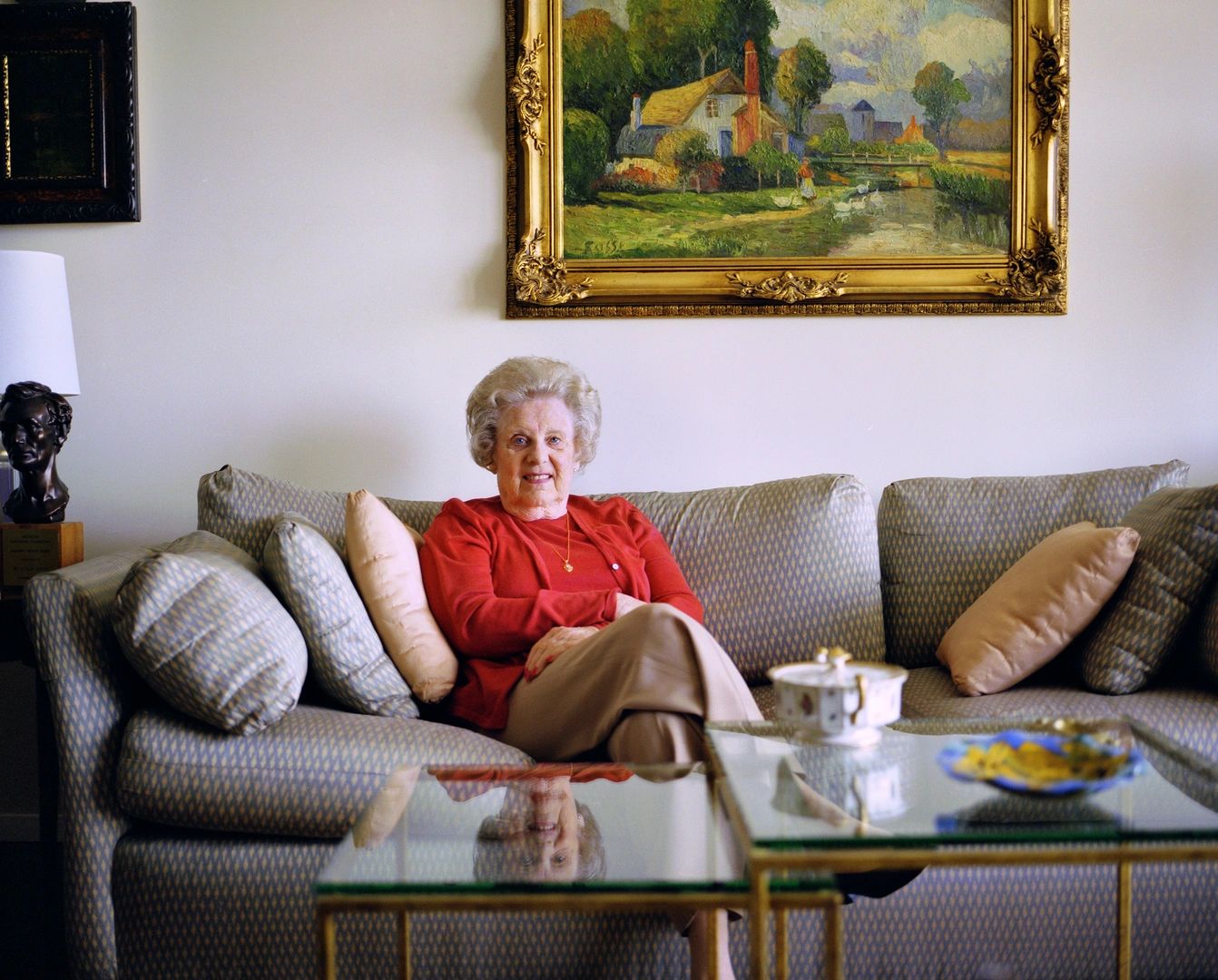
The first jury of the Capa Grand Prize Hungary 2019 has awarded fellowships to Ildi Hermann, András D. Hajdú and Antal Bánhegyesy for their entries titled “The Missing Stories of Hungary’s Last Survivors”, “Life of Sophie” and “Orthodoxia” respectively on October 17, 2019. It is the fourth time the fellowships are awarded, each including a grant of HUF 500,000+200,000 (approx. €2200).
The Robert Capa Photography Grand Prize Hungary was founded in October 2014 by the Capa Center in order to recognize the work of artists who produce an outstanding achievement in the field of Hungarian photography. The awards are decided in two stages by juries of Hungarian and international professionals. In a year’s time the three fellows will report to next year’s jury regarding the progress of their projects. Thus, in October 2020, one of them will receive the grand prize, which includes an award of HUF 3 million (approx. €9,300).
FELLOWSHIPS OF THE CAPA GRAND PRIZE HUNGARY 2019
THE MISSING STORIES OF HUNGARY’S LAST SURVIVORS
Hermann Ildi

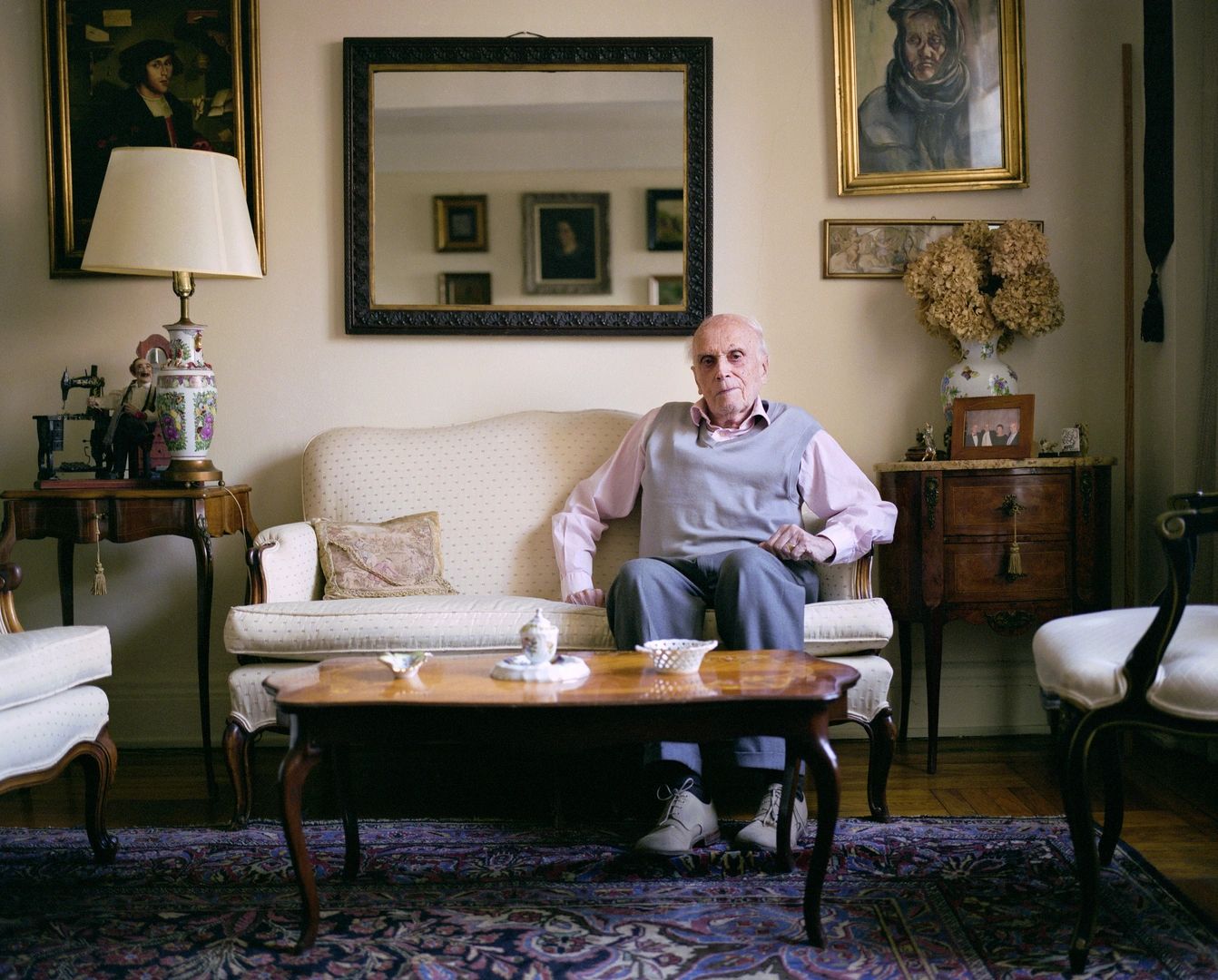
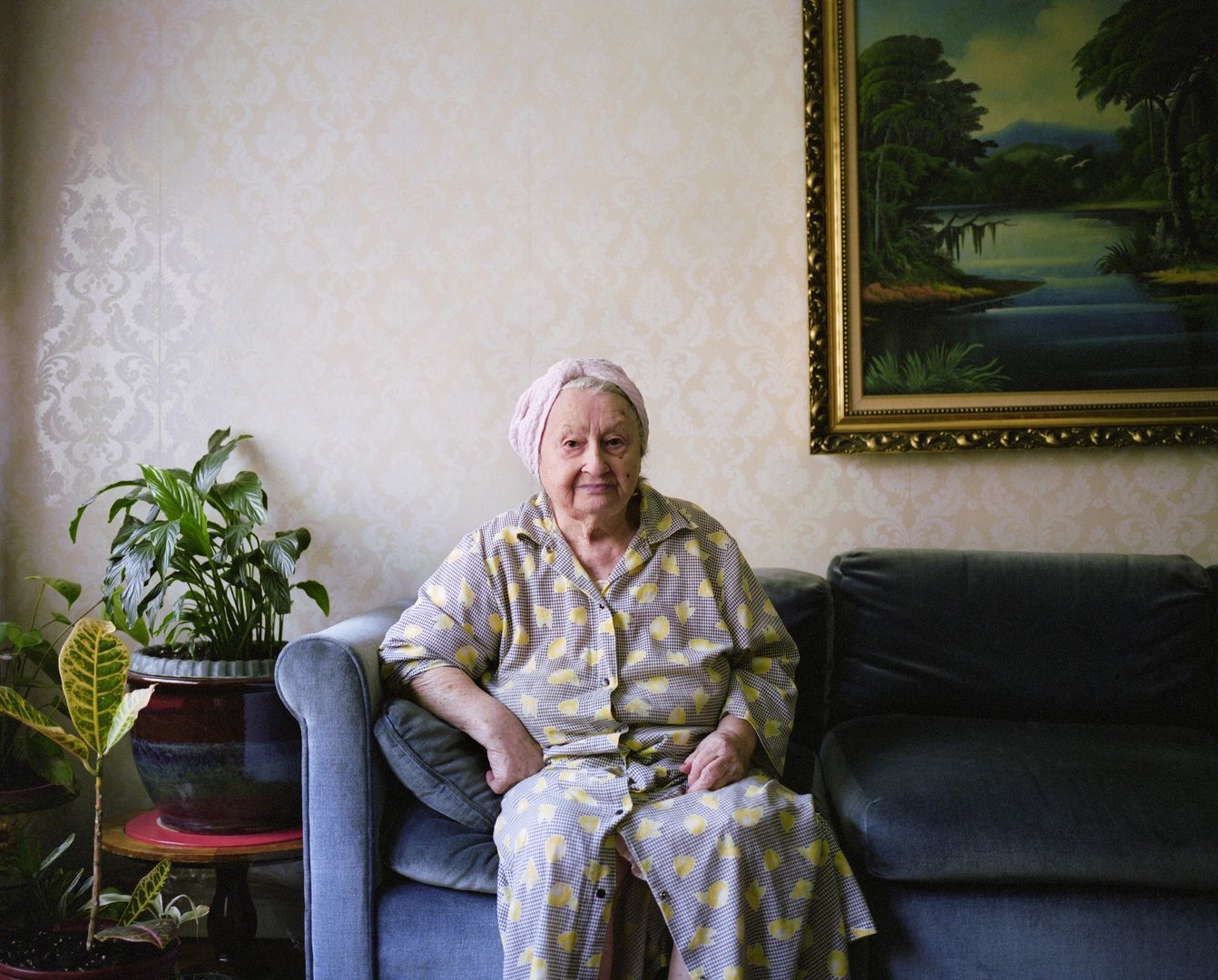
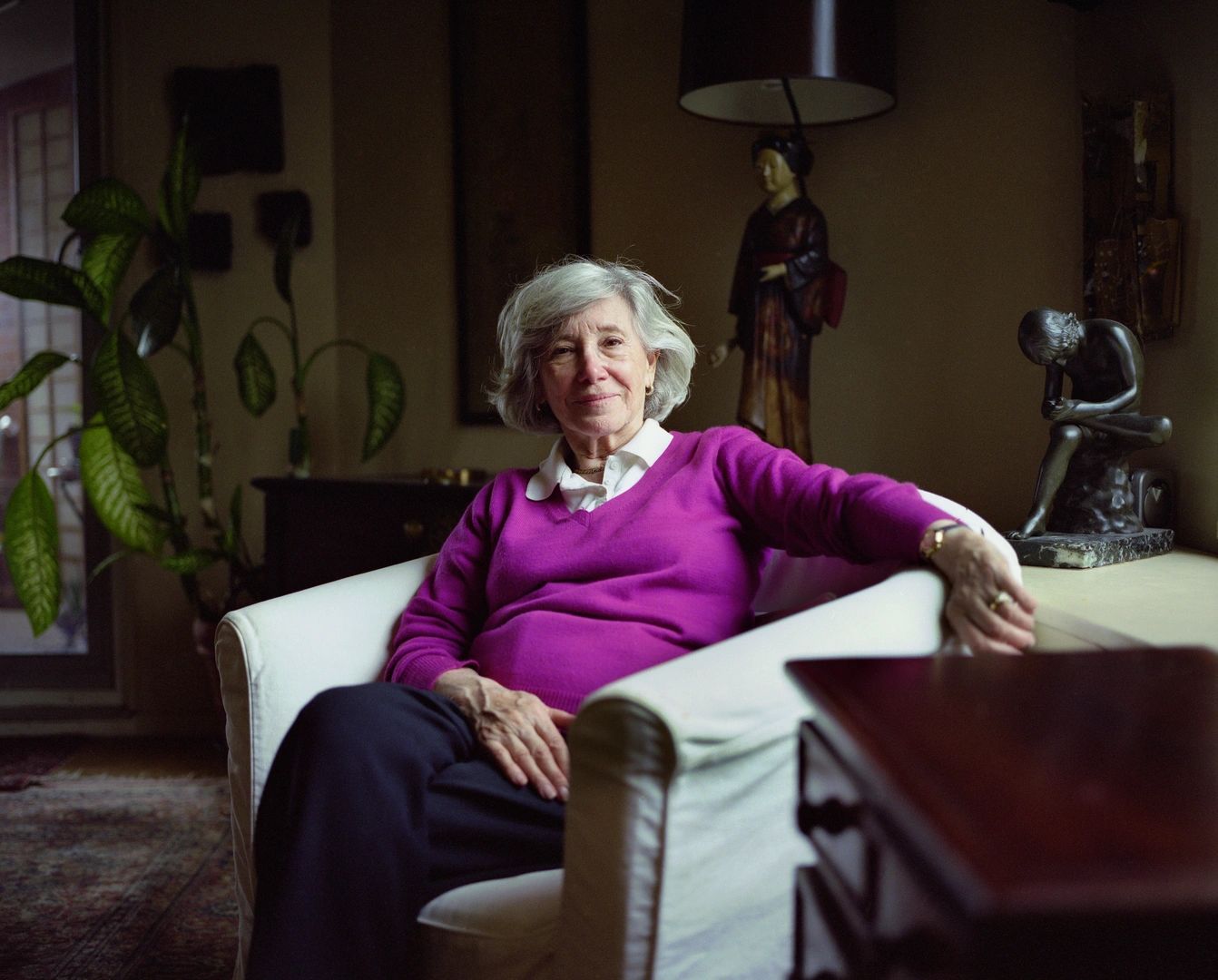
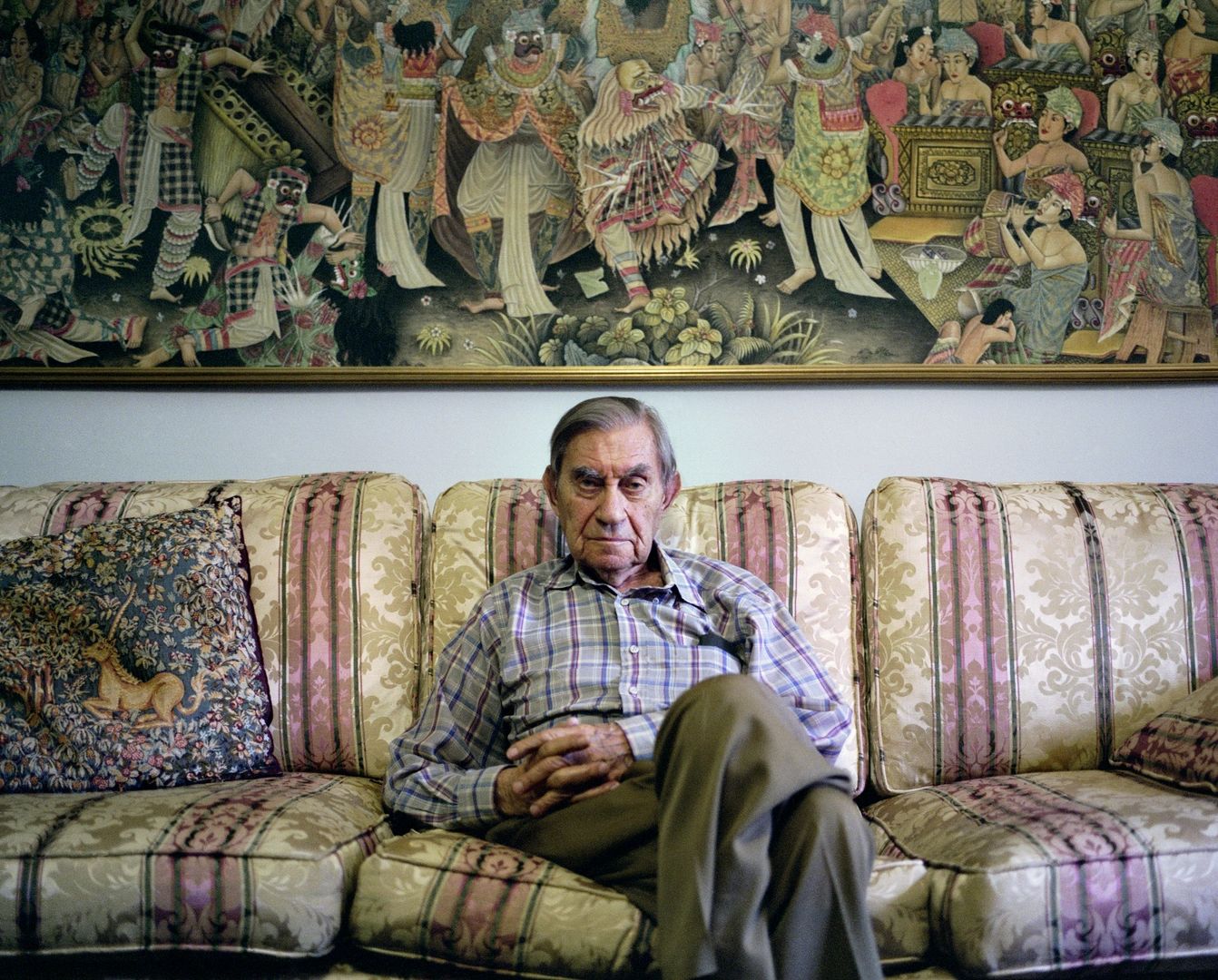
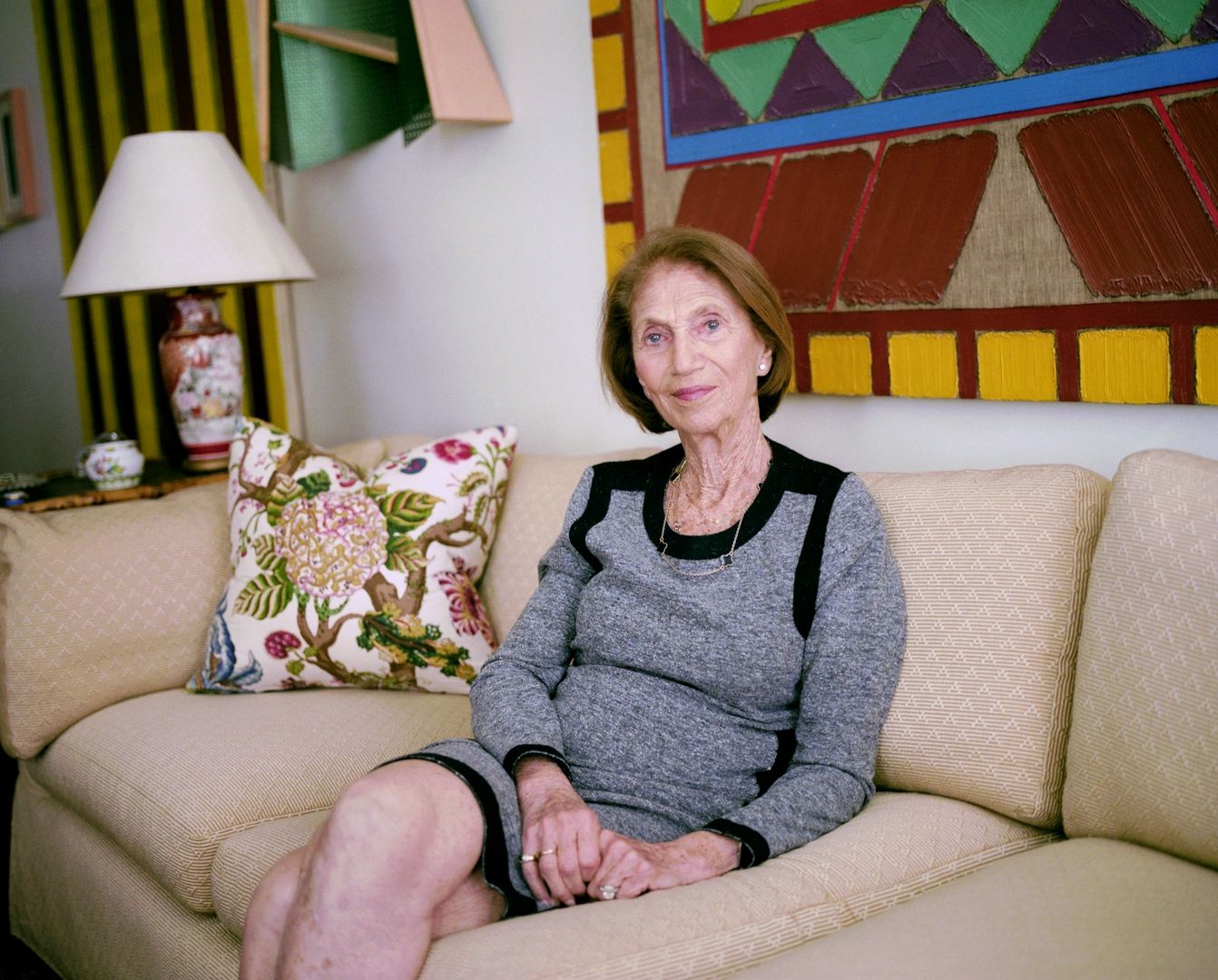
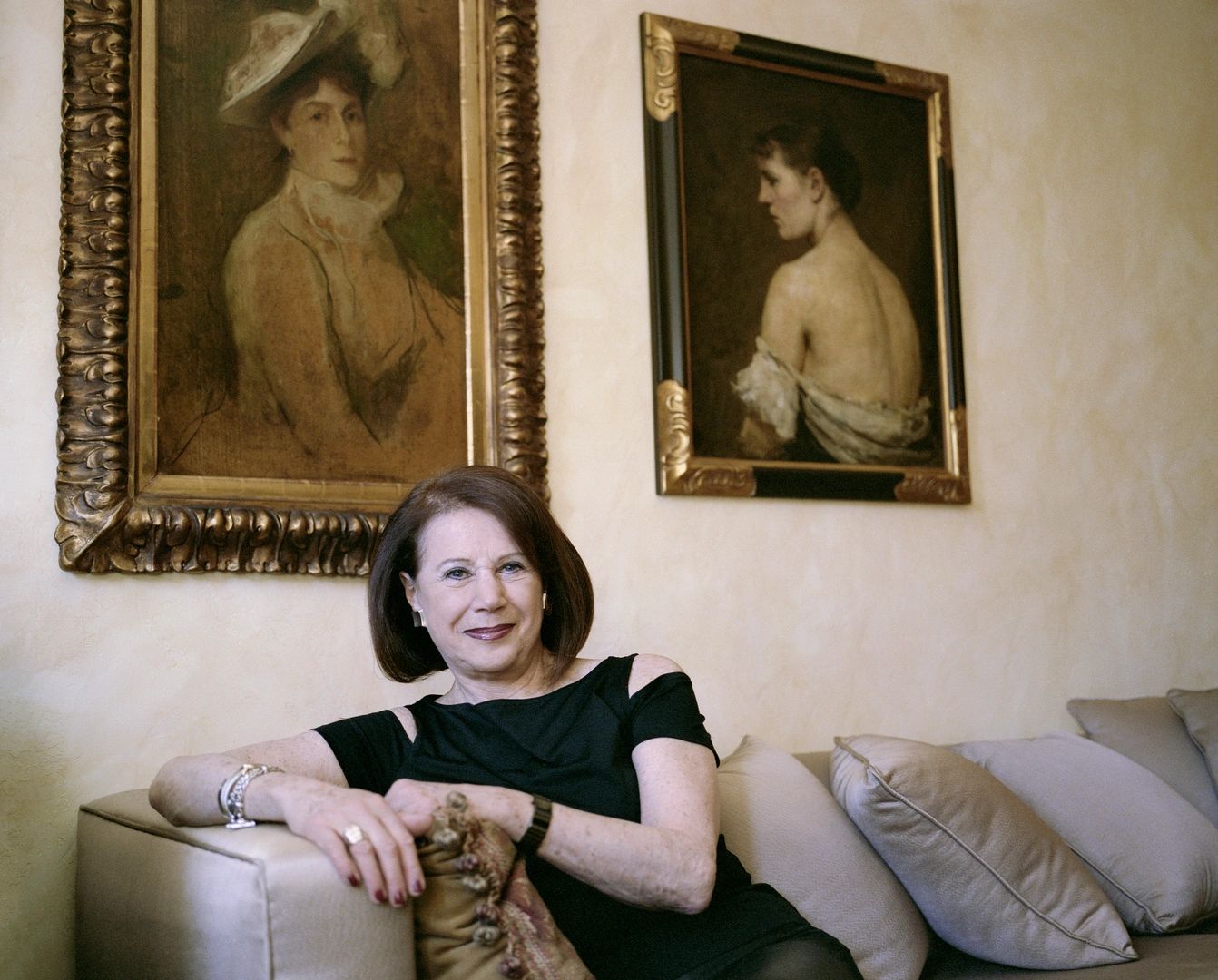
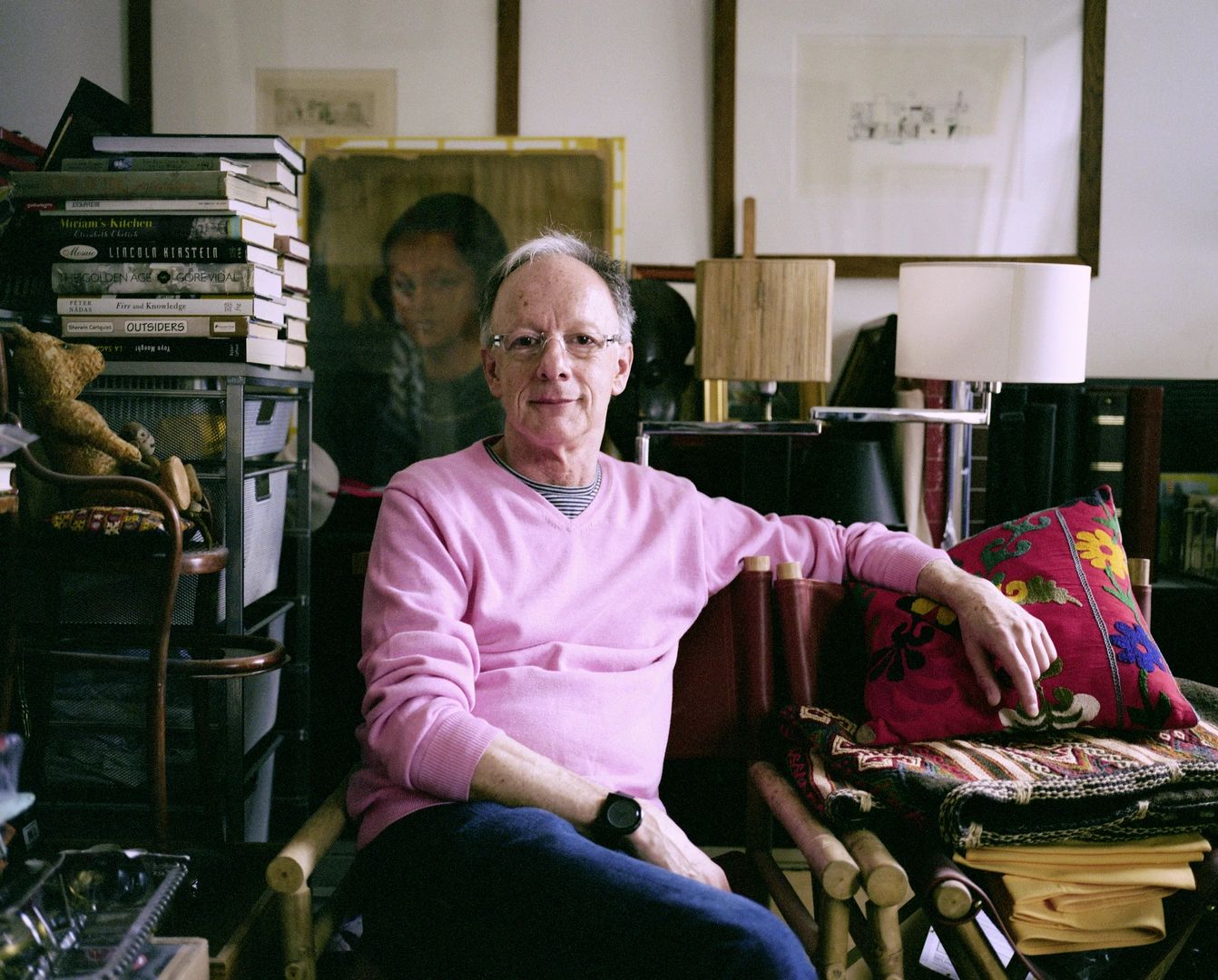
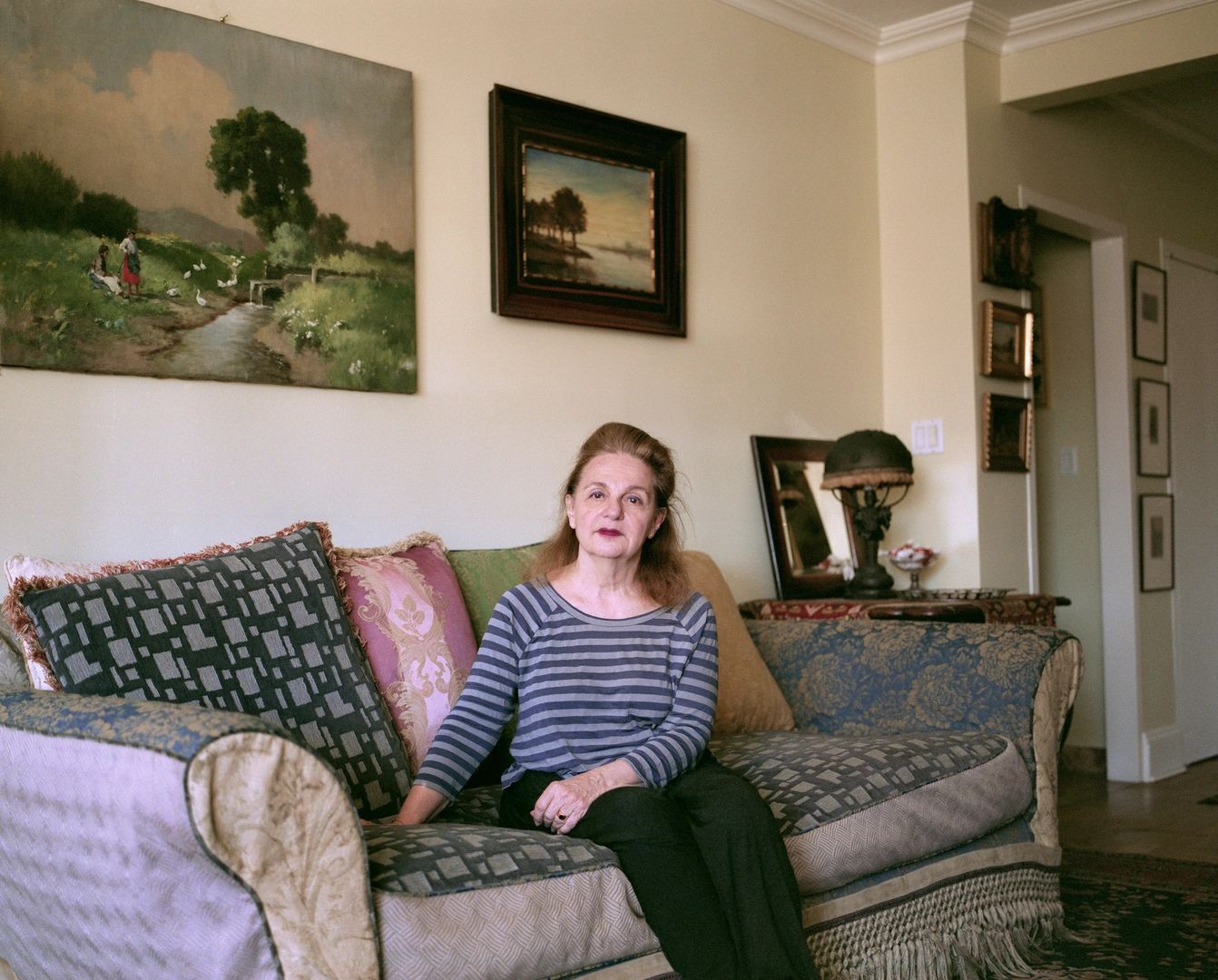
The Missing Stories of Hungary’s Last Survivors Four years ago, I began working on a series that focused on the stories and portraits of Hungarian Jews living in New York City. This material eventually formed the core of an exhibit held in 2017 in Budapest’s 2B Gallery (and a year later in the Balassi Institute in New York) in which ten different lives and fates were introduced to the viewers via photographs and texts compiled from the conversations I conducted with my subjects, whose lives had all been affected by the Holocaust. As fascinating as their stories were, these discussions also revealed why they had left Hungary, the nature of their connection to their homeland and how they viewed their Hungarian Jewish roots. Absence and the lack that arises from the feeling that something is missing formed the central point of origin for this series. If there had not been a war, if the Holocaust had not happened, the ten individuals featured in my work would not have had to leave Hungary: their absence leaves a gap in Hungarian society, in Hungary’s Jewish community. Similarly, this absence also has a personal side, in that it reflects my grandmother, a Holocaust survivor who possessed a rare willingness to talk about the horrors she had endured. As a member of the last generation able to hear these stories from those who personally experienced them, I strongly felt the importance of asking my grandmother about what had happened to her. I thought I would have plenty of time for these discussions, but there was not: she passed away before we could begin. To this day, I cannot accept that I let this opportunity slip through my fingers. It is strange where life’s twists lead us: if it had not been for this loss, my exhibit may never have been held. Even though I was fully aware that my grandmother’s missing stories could never be replaced, I soon realized that attempting to fill a gap is a neverending process. Nor can it end: the point to this journey is the process itself and the need to hear, gather and record more and more stories. The attention that my exhibit garnered from both the press and many private individuals was not only touching, but also an honor for me. The positive reaction my work received has reinforced my belief that this project is not a futile one; in fact, it may be just as important for others as it is for me. This experience has also convinced me to continue gathering material here at home, in Hungary. When I began taking photos for this series and listening to the stories told by others’ grandparents, I was struck by how filling this absence fulfilled an elemental need: not only for me, but perhaps for society as well. In a few more years there will not be anyone left to ask and these individual stories will inevitably become impersonalized history. The least we can do is to remember their lives. This is why I would like to seek out those surviviors who are willing to look back at the past and tell me about the events they experienced during the Holocaust. The scope of this addition to my ongoing project does not focus exclusively on those who survived concentration camps but remains open to anyone who remembers this period and is willing to share this past with me. To this end, I envision a photo series similar to the one featured in the Missing Stories exhibit: portraits combined with texts. In this case, however, the thread weaving through each conversation will be slightly different, in that the subjects for this project have not left Hungary. Other than continuing to let each survivor choose the most significant aspects of his or her life story, I intend to ask the following questions: why did they remain in a country that deported them or their family members, what made them choose to stay, did they have the opportunity to leave, or was it their own decision to stay? As I find it likely that these surviviors knew people who left and could therefore gain some insight into an immigrant’s life, I also wonder whether they regretted staying and have ever wondered how their lives would have been different if they had led their lives somewhere else. Do they think it is important to pass on their stories? Do they see any difference in how various generations think about the Holocaust? Do they still blame anyone for what happened, or it is possible to forgive? These are the kinds of questions that currently occupy my search for filling in the gaps and absences left by the Holocaust in Hungary’s history. Naturally, I am also interested in comparing whether the narratives of survivors living in Hungary is similar to those passed on to me by American Hungarians, whose outlook seemed overwhelmingly positive while they continued to lead active lives and never seemed to complain, not even when telling the most painful details of their pasts. Although these assessments are based on too small of a number to be judged as representative, I remain curious as to what similarities can be observed in the case of Hungary’s Holocaust survivors. This is why I continue to ask questions and take photographs. As long as there are survivors to ask.
EDUCATION 2010- 2012 Moholy-Nagy University of Art and Design Budapest, MA – photography, Budapest, Hungary 2002, 2004 Poprad Summer Photoschool, Poprad, Slovakia 2000- 2002 Contact Photography Courses, Budapest, Hungary 1998- 2002 Eötvös Loránd University, Teachers Training College, Hungarian Grammar and Literature, Budapest, Hungary SCHOLARSHIPS, AWARDS 2012 Lucien Hervé and Rodolf Hervé Prize – special mention, Paris, France 2011 Main prize of the Photo Biennal Dunaújváros, Dunaújváros, Hungary 2011 Scholarship of the National Cultural Fund, Budapest, Hungary 2011 Scholarship of the Budapest Gallery, Helsinki, Finland 2010 Campus PHE Edición de Libros , Madrid, Spain 2010 Descubrimientos PHE10 (portfolio review), Madrid, Spain 2006- 2008 József Pécsi Art Photography Scholarship, Budapest, Hungary WORK EXPERIENCE from 2006 feelance photographer 2017 László Nemes: Sunset, feature film, still photographer, Hungary 2016, 2018 guest lecture, International Center of Photography, New York City 2014 László Nemes: Son of Saul, feature film, still photographer, Hungary 2005 Prime Minister’s Office, photographer, archiving, Budapest, Hungary 2004 Árpád Bogdán: Happy new fear!, feature film, still photographer, Budapest, Hungary 2004 61. Venice Filmfestival, Hungarian delegation, photographer 2004 Árpád Schilling: Overborder, short film, still photographer, Hungary 2003 Peter Greenaway: The Tulse Luper’s suitcases, feature film, still photographer, Budapest, Hungary 2002-2004 168 Hours (weekly newspaper) – press photographer, Budapest, Hungary 2002 Alberto Negrin: Perlasca - Story of a true man, feature film, still photographer, Budapest, Hungary SOLO EXHIBITIONS 2018 Missing Stories, Hungarian Cultural Center (Balassi Institute), New York, USA 2017 Missing Stories, 2B Gallery, Budapest, Hungary 2017 Faceabout – portraits from the set of ‘Son of Saul’, Stuttgart, Germany 2015 Faceabout – portraits from the set of ‘Son of Saul’, Mai Mano House, Budapest, Hungary 2012 Weekend, (with Cyrille Weiner), École Spéciale d'Architecture ESA, Paris, France 2012 Daughters, Bálint House, Budapest, Hungary 2012 Daughters, Raiffeisen Gallery, Budapest, Hungary 2012 NHL, (with Judit M. Horváth) Mai Mano House, Budapest, Hungary 2011 Weekend, Slovak National Museum, Bratislava, Slovakia 2007 Weekend, Galerija KiBela, Maribor, Slovenia 2007 Weekend, Dorottya Gallery, Budapest, Hungary 2006 Space, part of the Comeround exhibitions, Retorta Gallery, Budapest, Hungary 2003 Overborder (short film, Dir.: Árpád Schilling) still photos, Odeon-Lloyd Cinema, Budapest 2002 Reality show, Cirko-Gejzír Cinema, Budapest, Hungary 2002 Perlasca - Story of a true man (feature film, Dir.: Alberto Negrin), still photo, Uránia National Cinema, Budapest, Hungary 2002 I dream about reality, Puskin Gallery, Budapest, Hungary GROUP EXHIBITIONS 2016 1 day in Budapest, Mai Mano House, Budapest, Hungary 2016 Pécsi 25., Capa Center, Budapest, Hungary 2014 Le cocon familial, Balassi Institute, Paris, France 2013 Present Continuous, V-VI-VII Codes of Reality / Observations / Relations, Mai Mano House, Budapest, Hungary 2012 Lifeportraits, Art Market, Budapest, Hungary 2012 FRISS-exhibition, Kogart House, Budapest, Hungary 2012 Duna – opened book, Mai Mano House, Budapest, Hungary 2011 Group exhibition of photo students from Budapest, Hungarian Institute gallery, Tallin, Estonia 2011 Grouptherapy, Hungarian Cultural Institute, Warsaw, Poland 2011 Duna – opened book, Cultural Institute of the Republic of Hungary, Stuttgart, Germany 2011 Photo Biennal Dunaújváros, Dunaújváros, Hungary 2011 Duna – opened book, Berlaymont, Piazza & President's Gallery, Bruxelles, Belgium 2010 Interhuman Relations, Hungarian Exhibition, Lodz Fotofestiwal, Lodz, Poland 2009 Photo Biennal Dunaújváros, Dunaújváros, Hungary 2008 Exhibition for the József Pécsi Art Photography Scholarship holders, Mai Manó House, Budapest, Hungary 2007 It depends on your point of you! Metró Gallery, Budapest, Hungary 2007 Open Programme, Lodz Fotofestiwal, Lodz, Poland 2007 Photo Biennal Dunaújváros, Dunaújváros, Hungary 2007 M@narchia Festival, Moscow, Russia 2006 Photomatrix , Collegium Hungaricum, Wien, Austria 2005 Green wind – Selection of Video and Photo Works by Young Artists, Budapest Autumn Festival, Budapest, Hungary 2005 NE(a)T – women about women, Kogart House, Budapest, Hungary 2005 Pictures, gypsies, gypsy-pictures, Millenáris, Budapest, Hungary 2004 E-verywhere, open-air exhibition, Millenáris, Budapest, Hungary 2004 Exhibition of the Poprad Summer Photoschool, Liptovsky Mikulas, Slovakia PUBLISHING, ALBUM 2012 Not far away from home, White press, Cologne, Germany 2011 A Picture for Home, Schaden.com, Cologne, Germany 2011 Present Continuous, Hungarian House of Photography, Budapest, Hungary 2011 2011. Contenporary Hungarian Photographs – Selection from the artwork of the József Pécsi Art Photography Scholarship, (editor: Csizek Gabriella) Hungarian House of Photography, Budapest 2010 Descubrimientos 2010 PHotoEspana, La Fábrica Editorial, 2010., Madrid, Spain 2006 MOXVA SQUARE autumn, Prakter-Para Ltd. 2006., Budapest, Hungary 2003 Spectacle boulevard - Budapest in the Millenium, Palatinus, 2003., Budapest, Hungary
In my photo and interview series, Missing Stories, I focused on Hungarian Jews living in New York City. Ten different lives and fates were introduced via photographs and texts. As fascinating as their stories were, these discussions also revealed why they had left Hungary, the nature of their connection to their homeland and how they viewed their Hungarian Jewish roots. Absence and the lack that arises from the feeling that something is missing formed the central point of origin for this series. if the Holocaust had not happened, these people would not have had to leave Hungary: their absence leaves a gap in Hungarian society. Similarly, this absence also has a personal side, in that it reflects my grandmother, a Holocaust survivor who possessed a rare willingness to talk about the horrors she had endured. As a member of the last generation able to hear these stories from those who personally experienced them, I strongly felt the importance of asking my grandmother about what had happened to her. I thought I would have plenty of time for these discussions, but there was not: she passed away before we could begin.
LIFE OF SOPHIE
Hajdú D. András

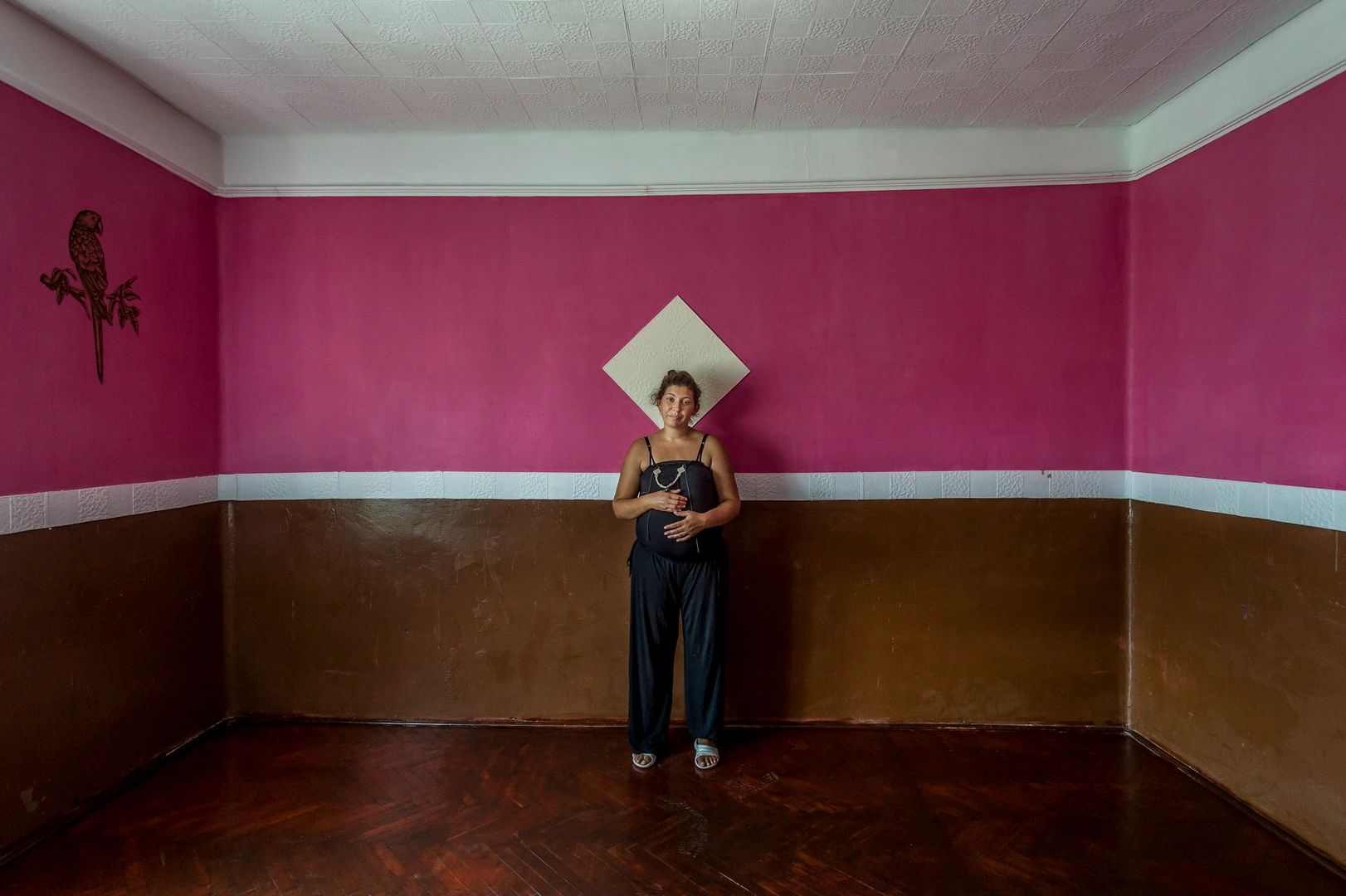
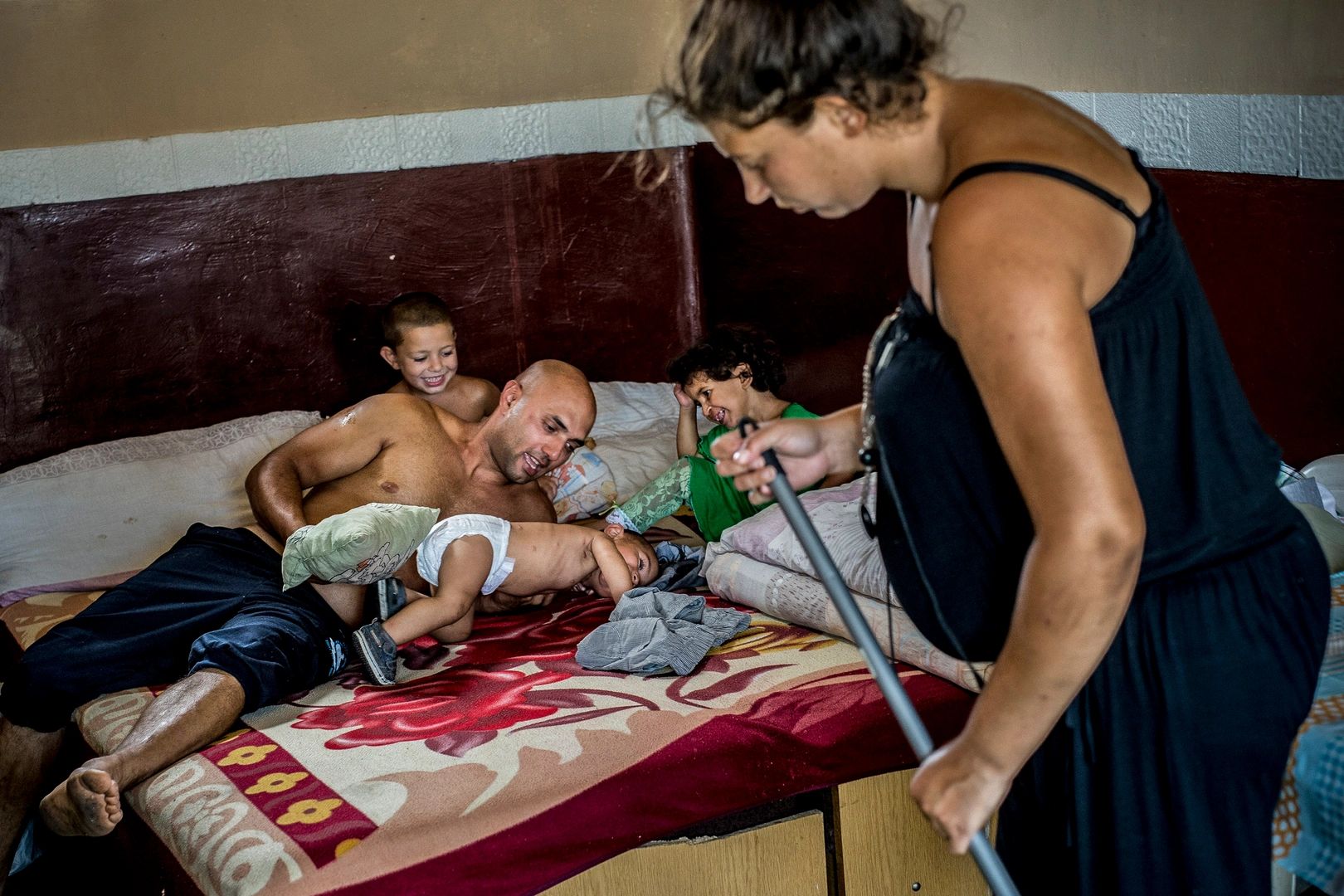
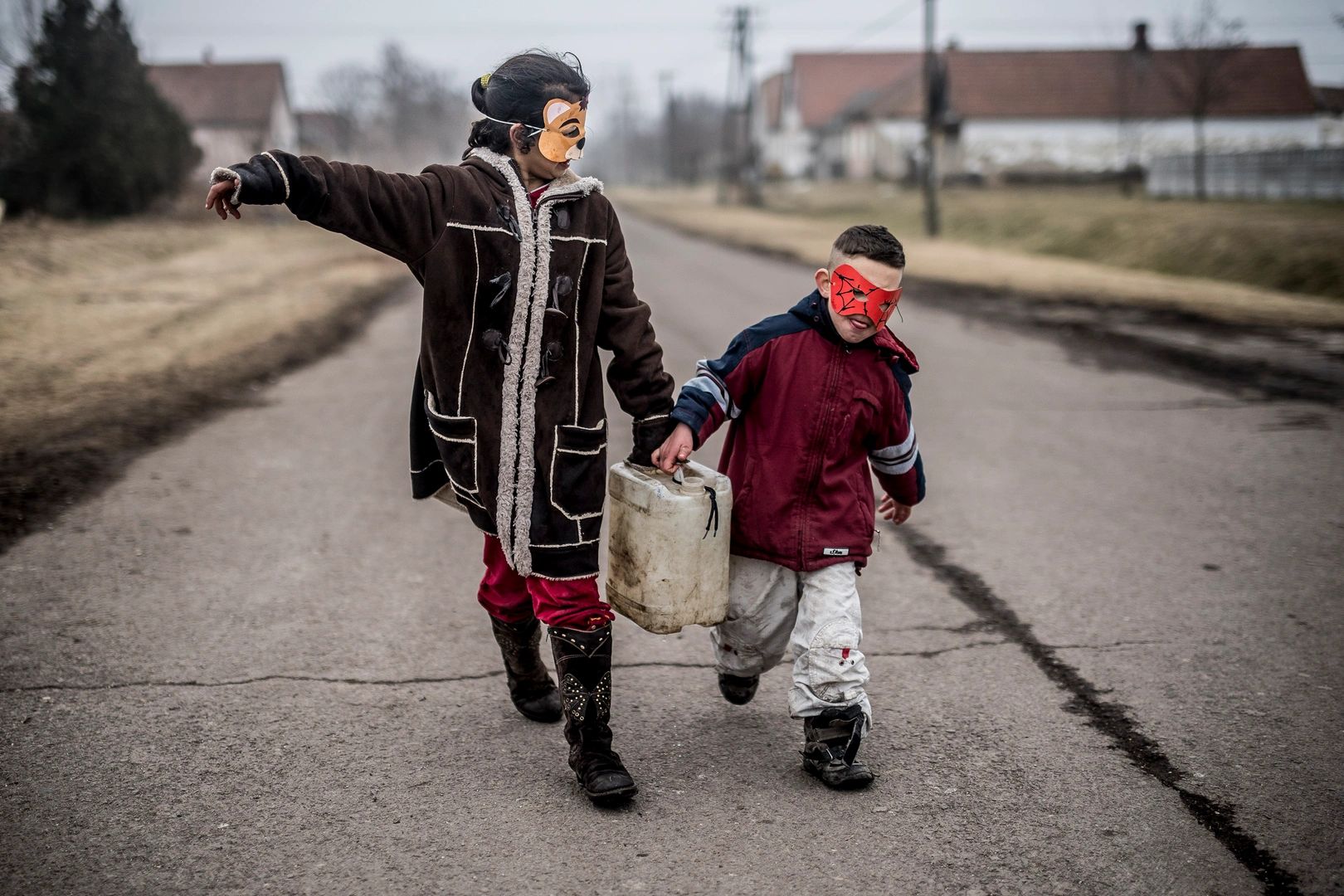
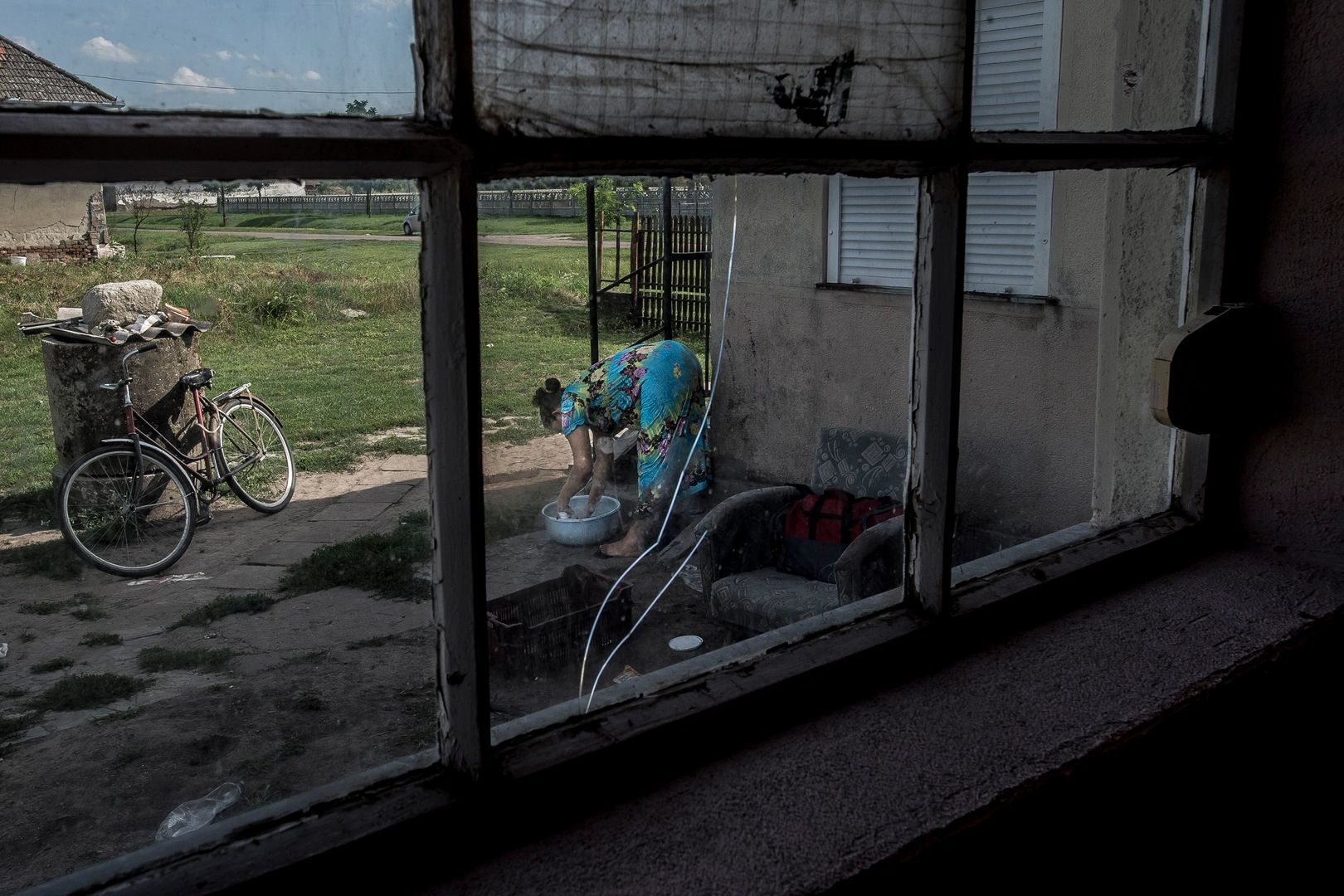
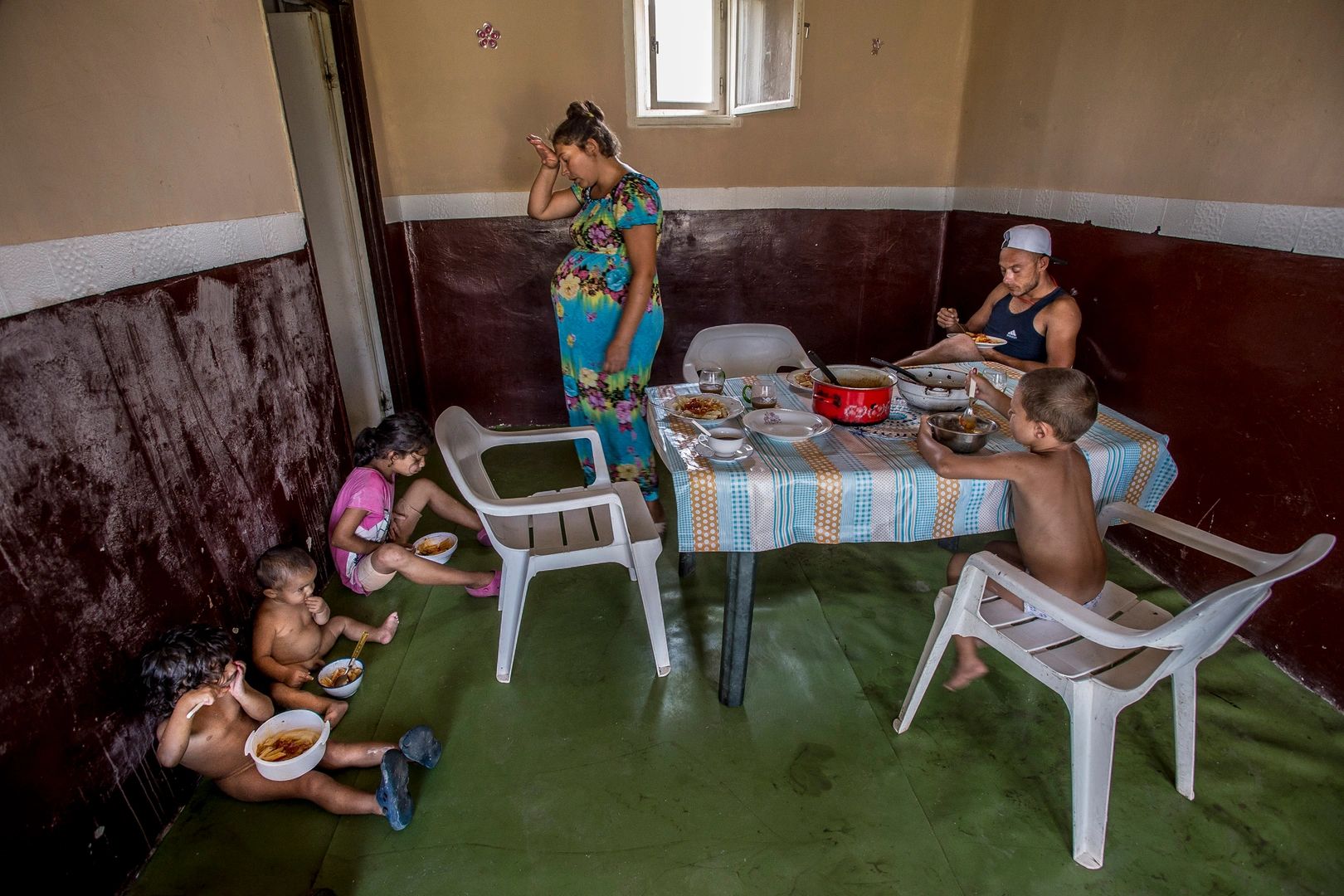
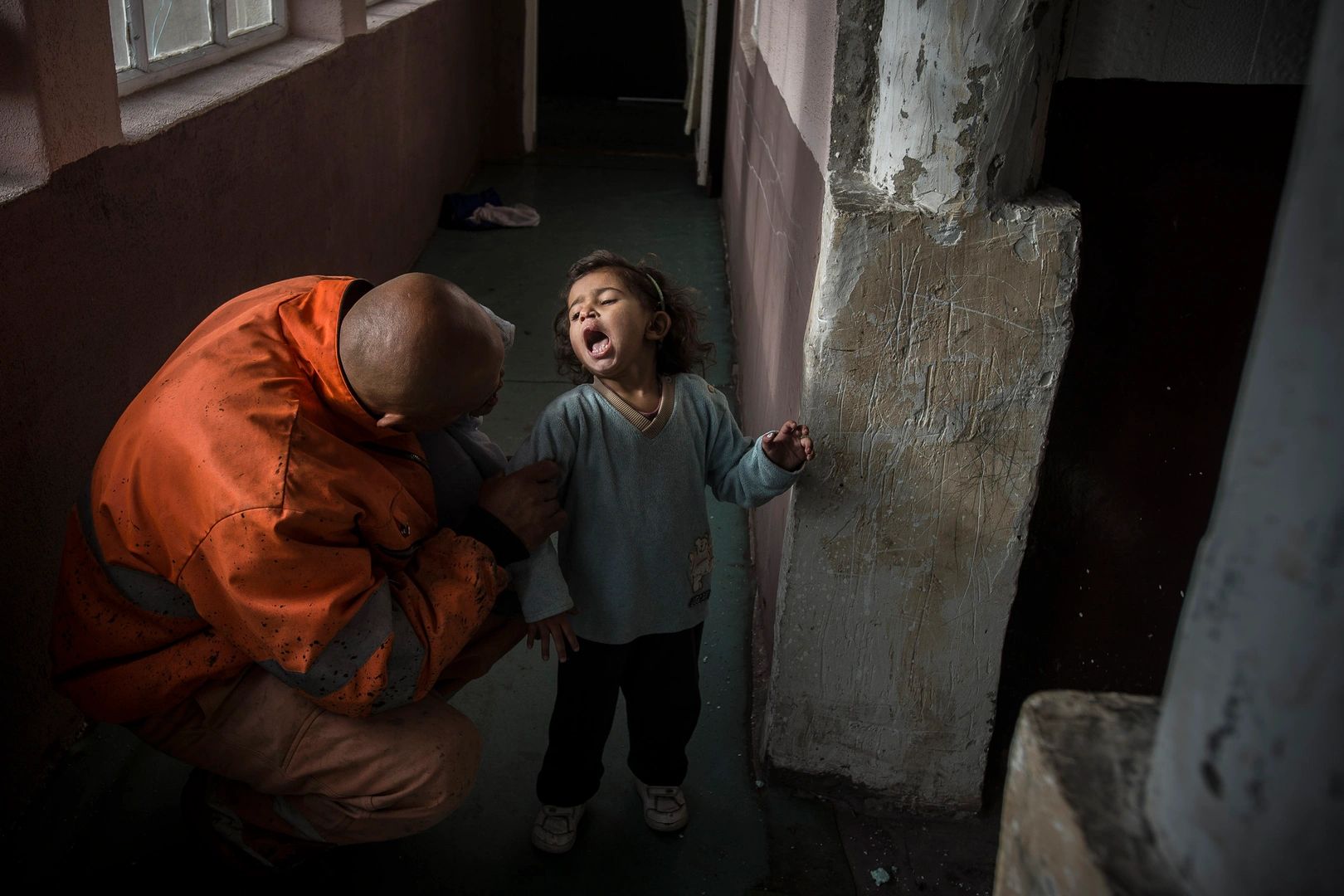
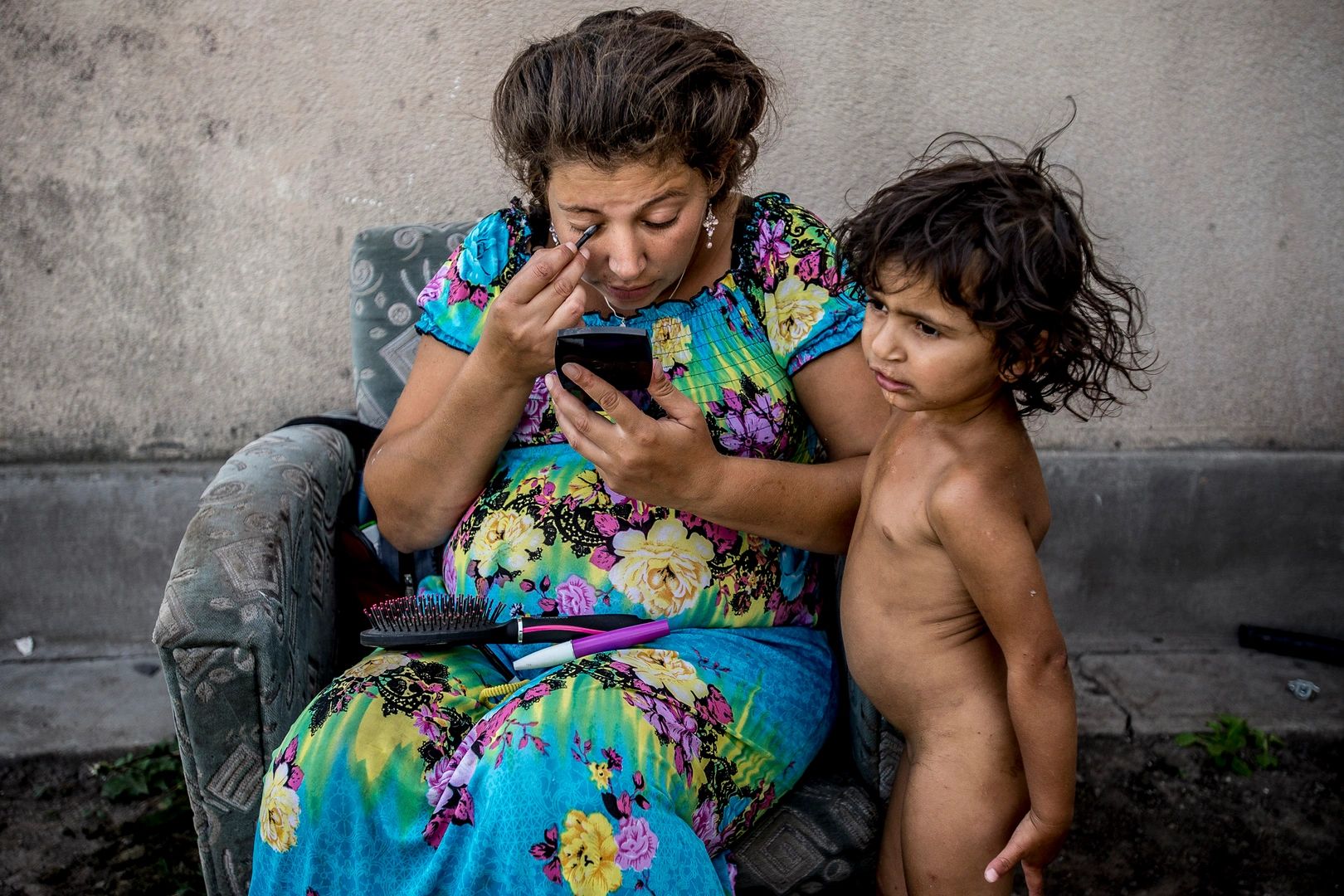
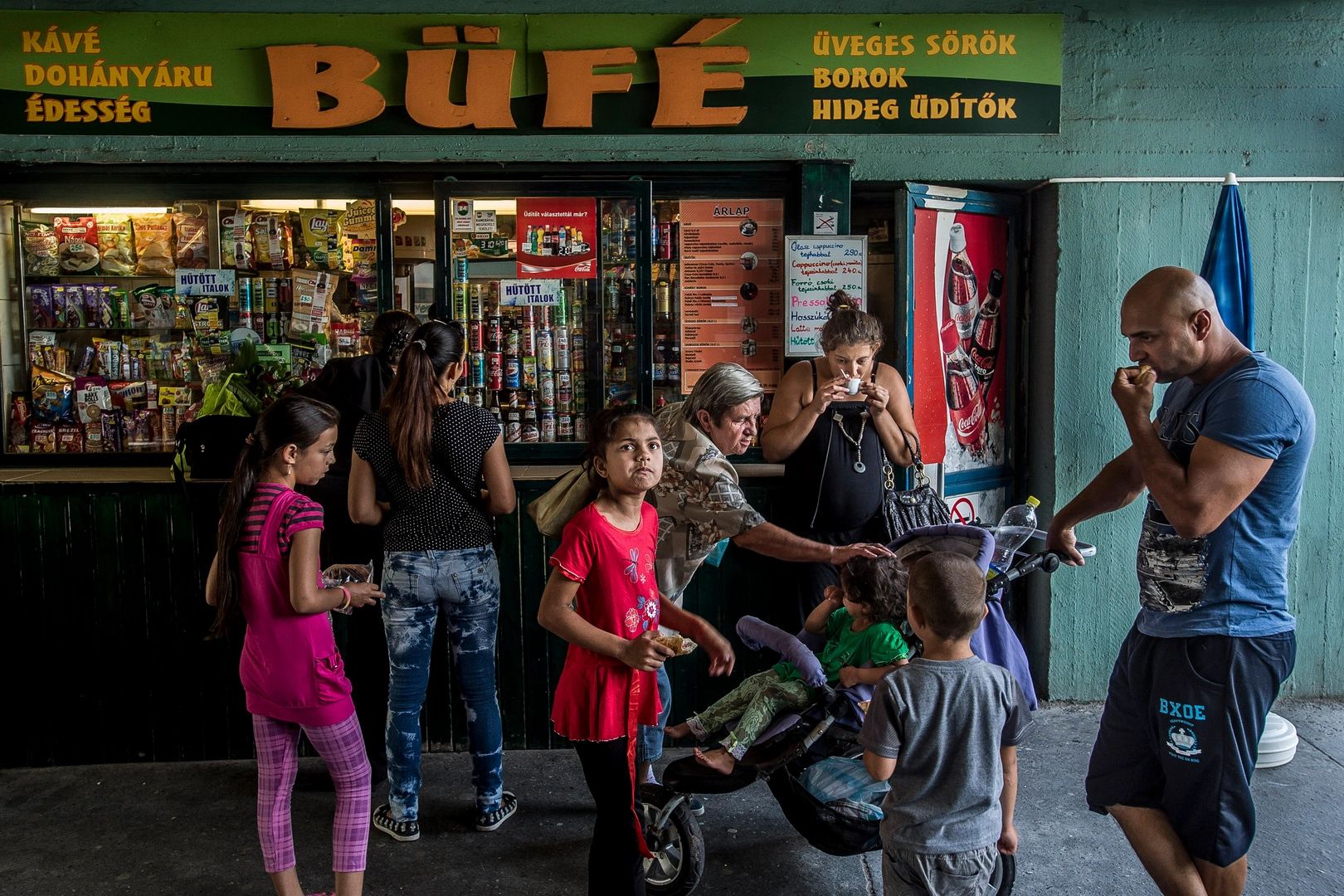
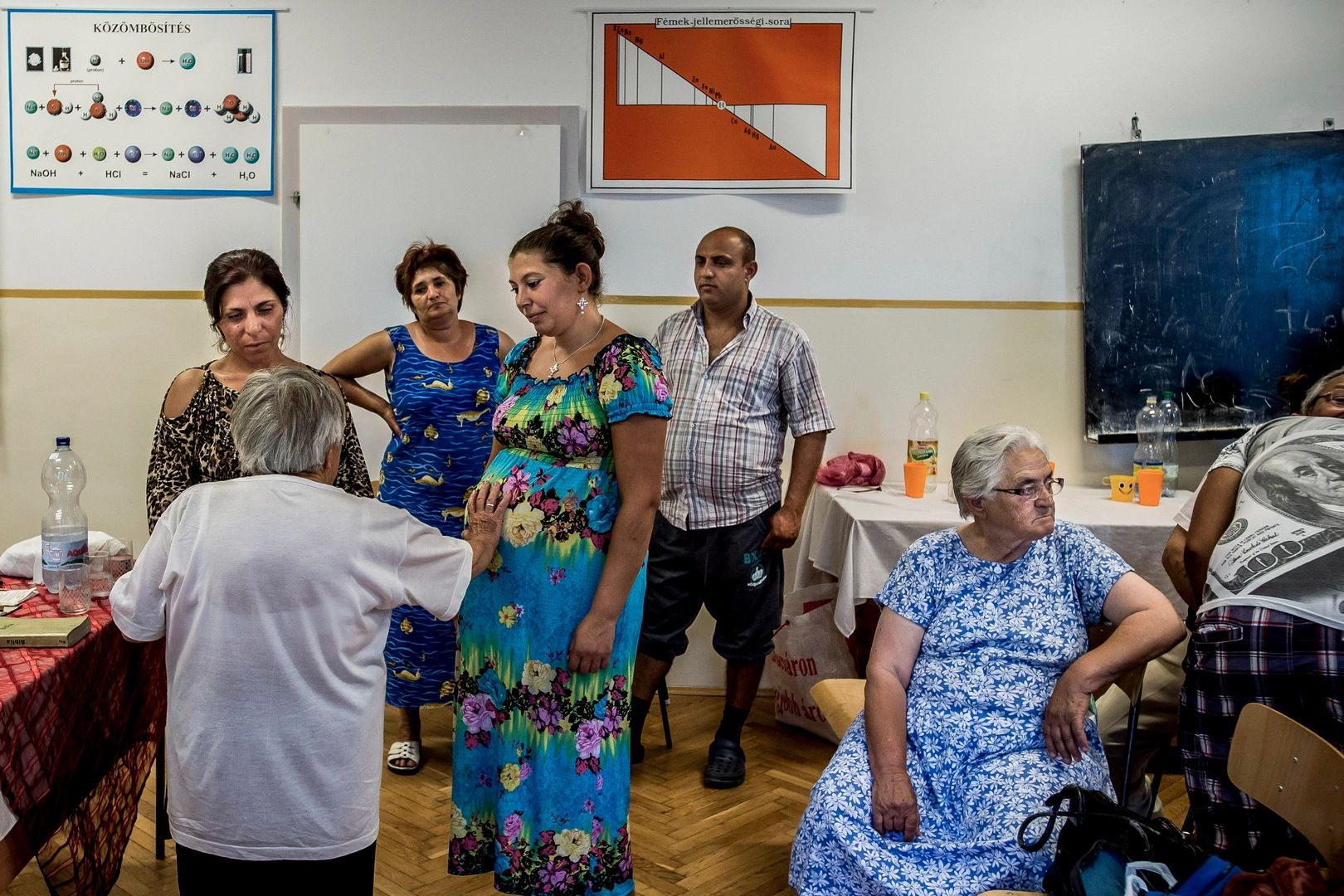
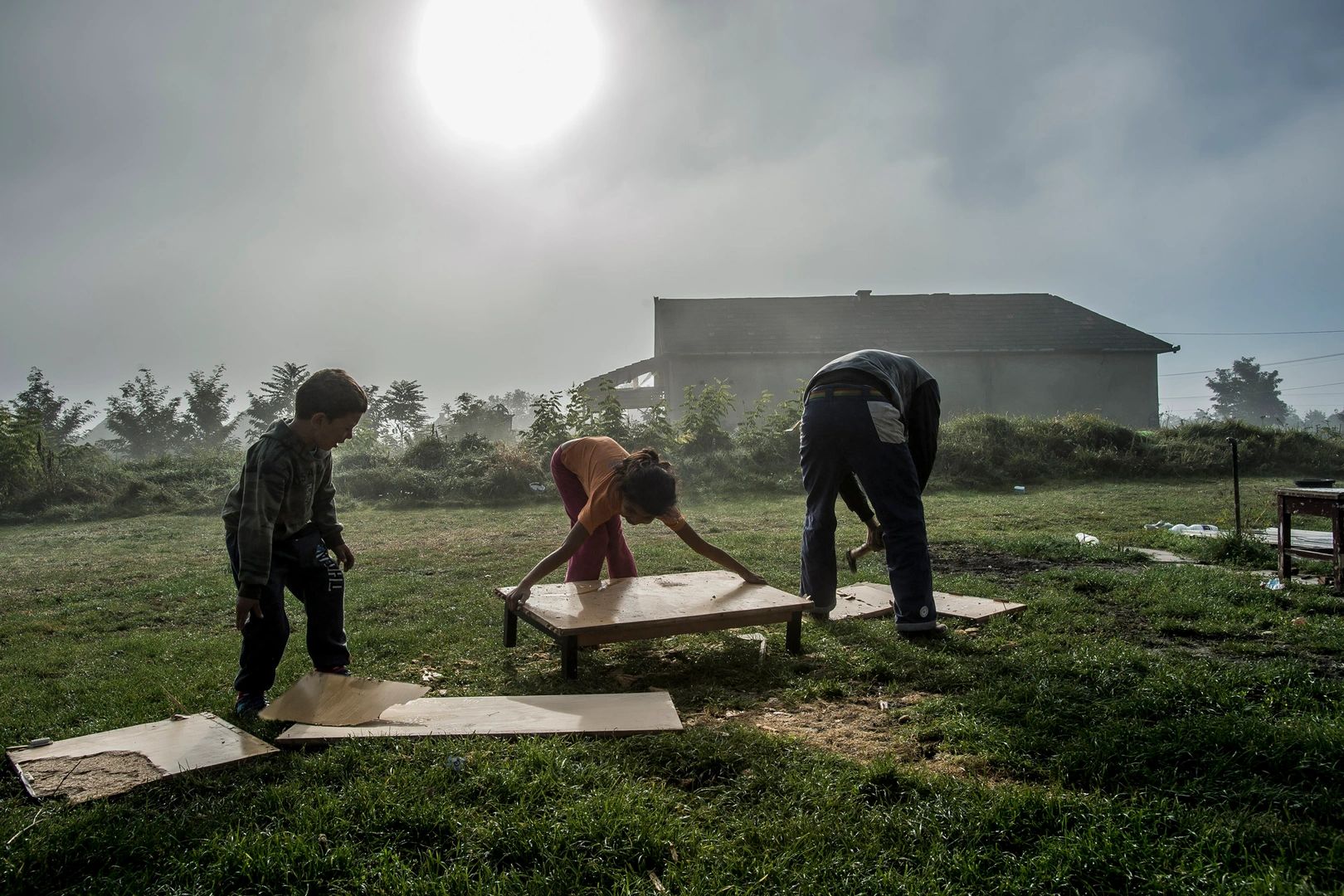
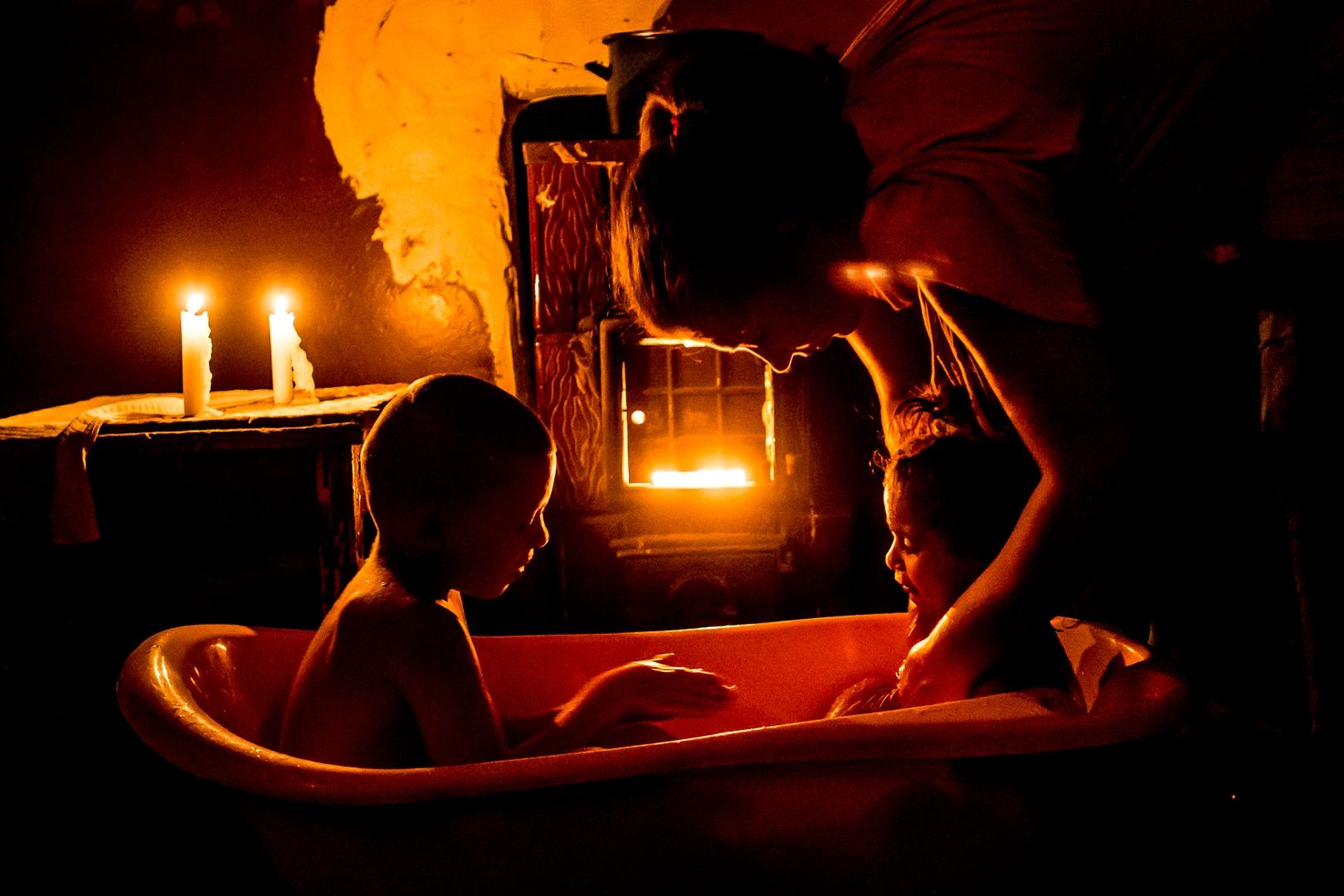
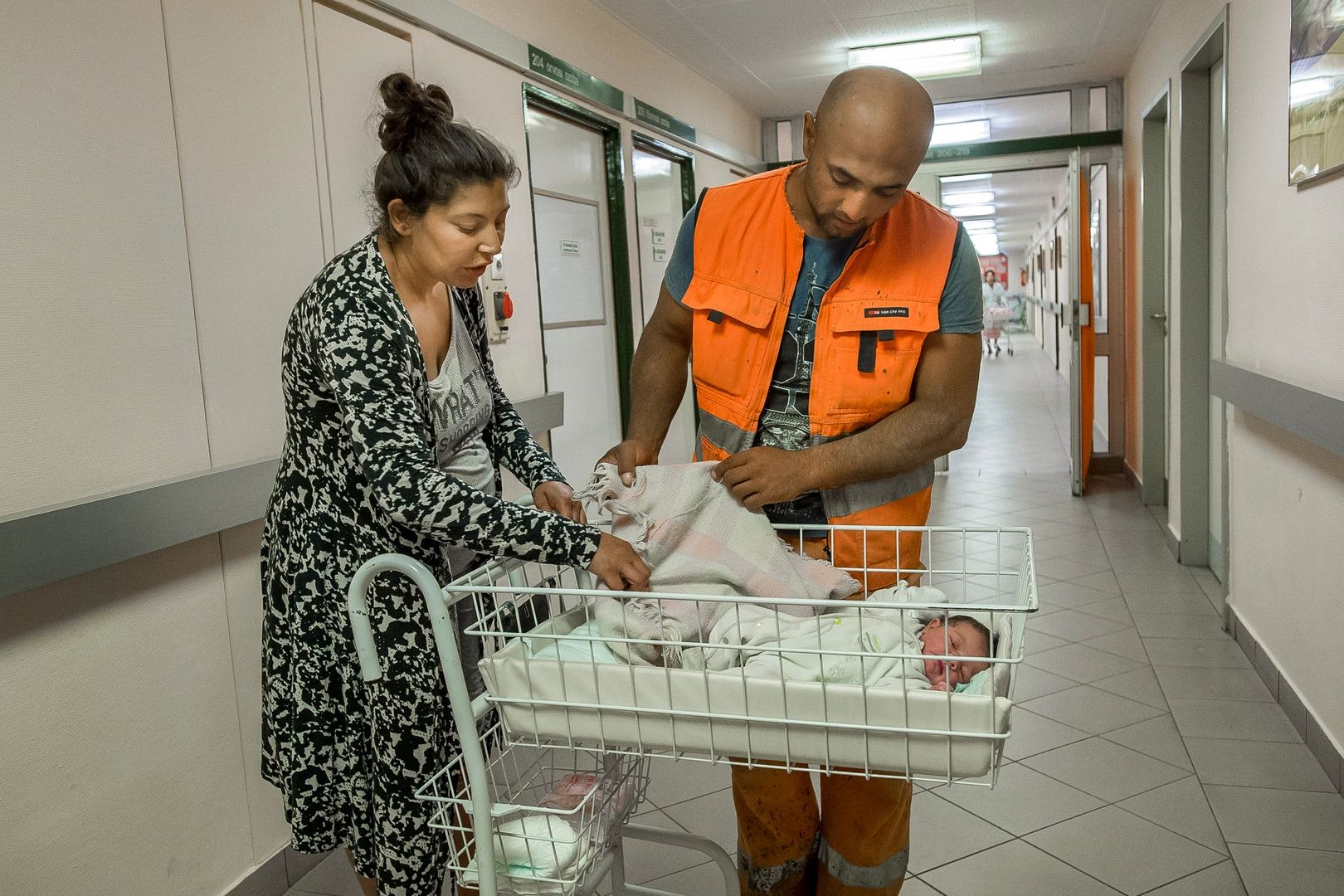
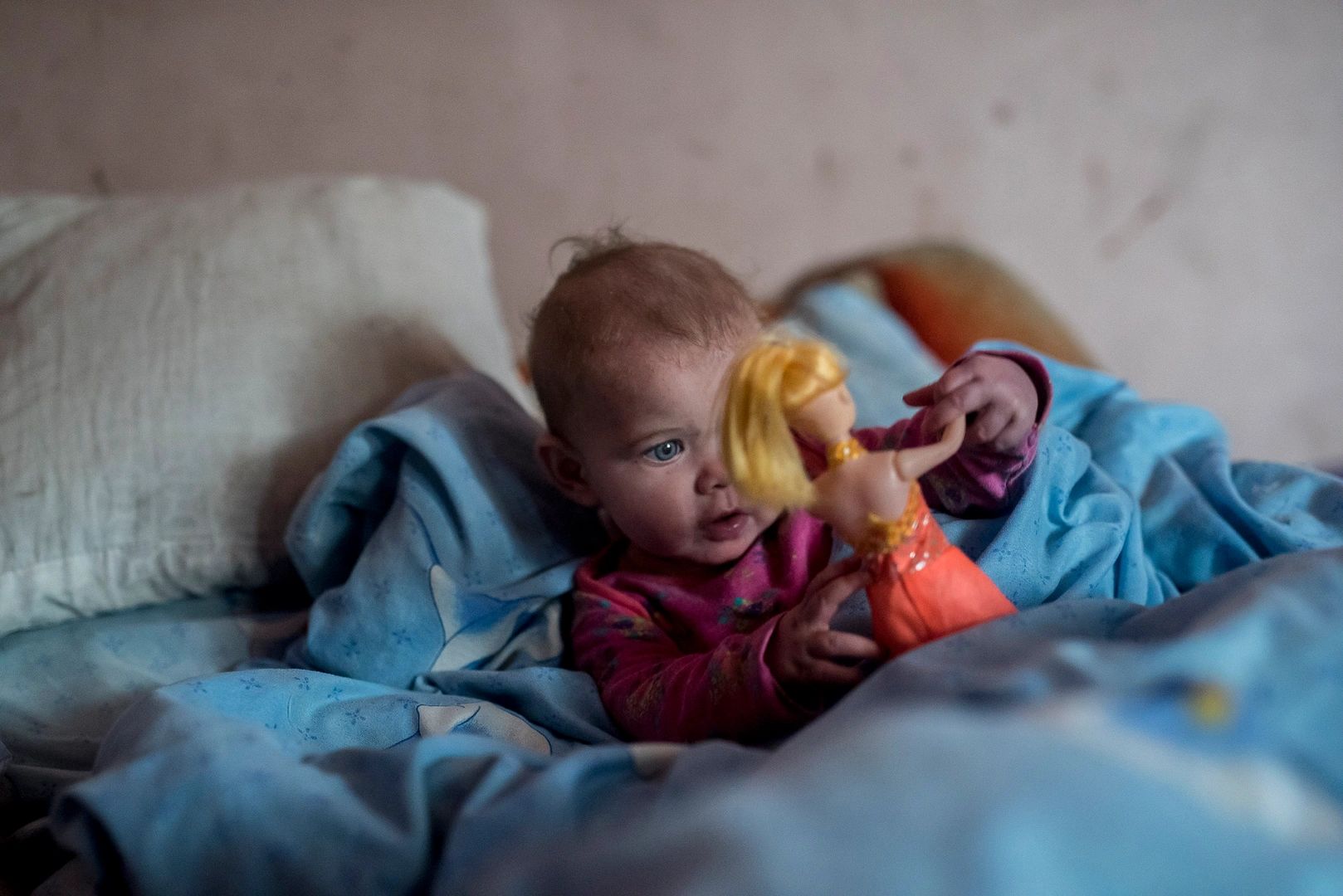
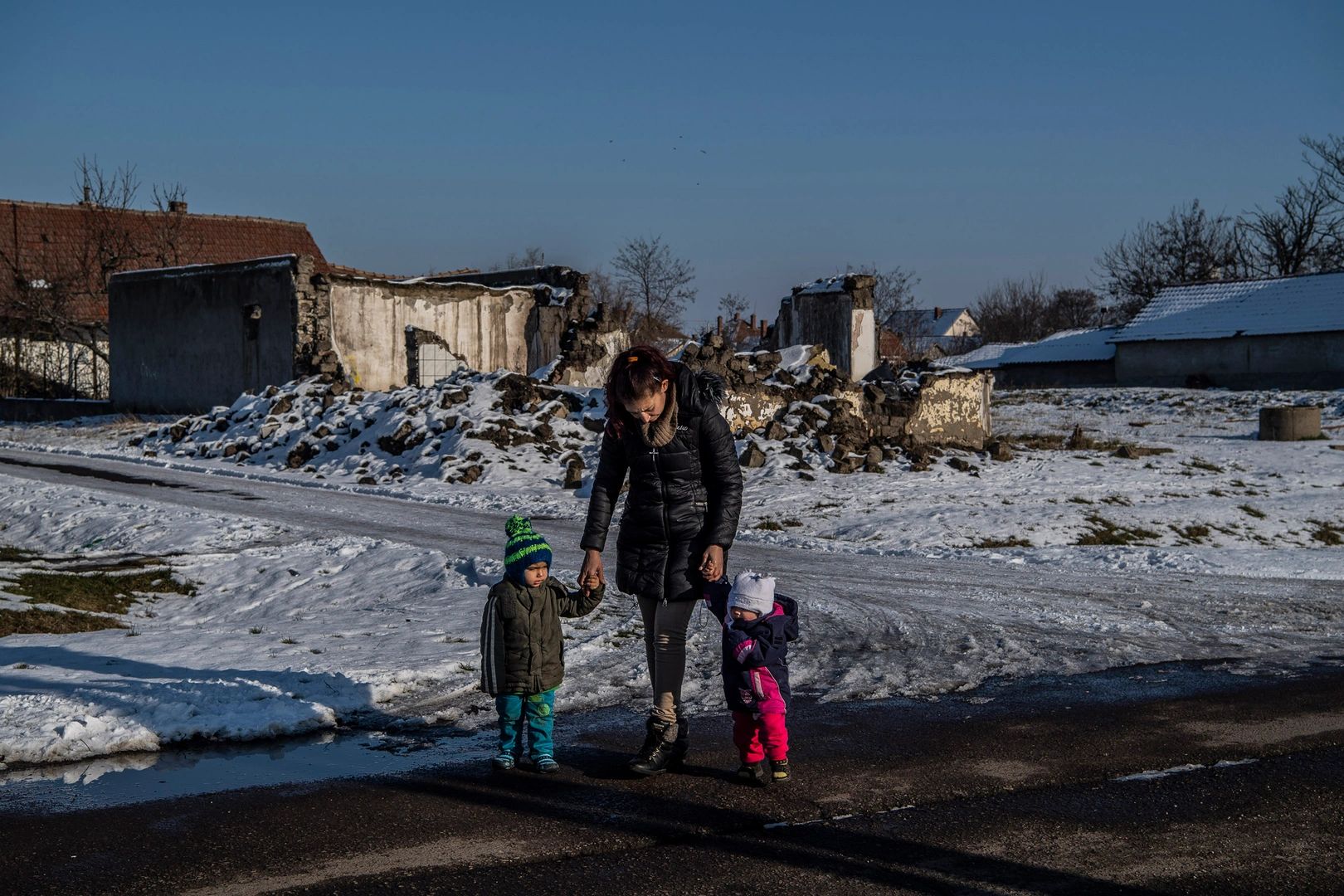
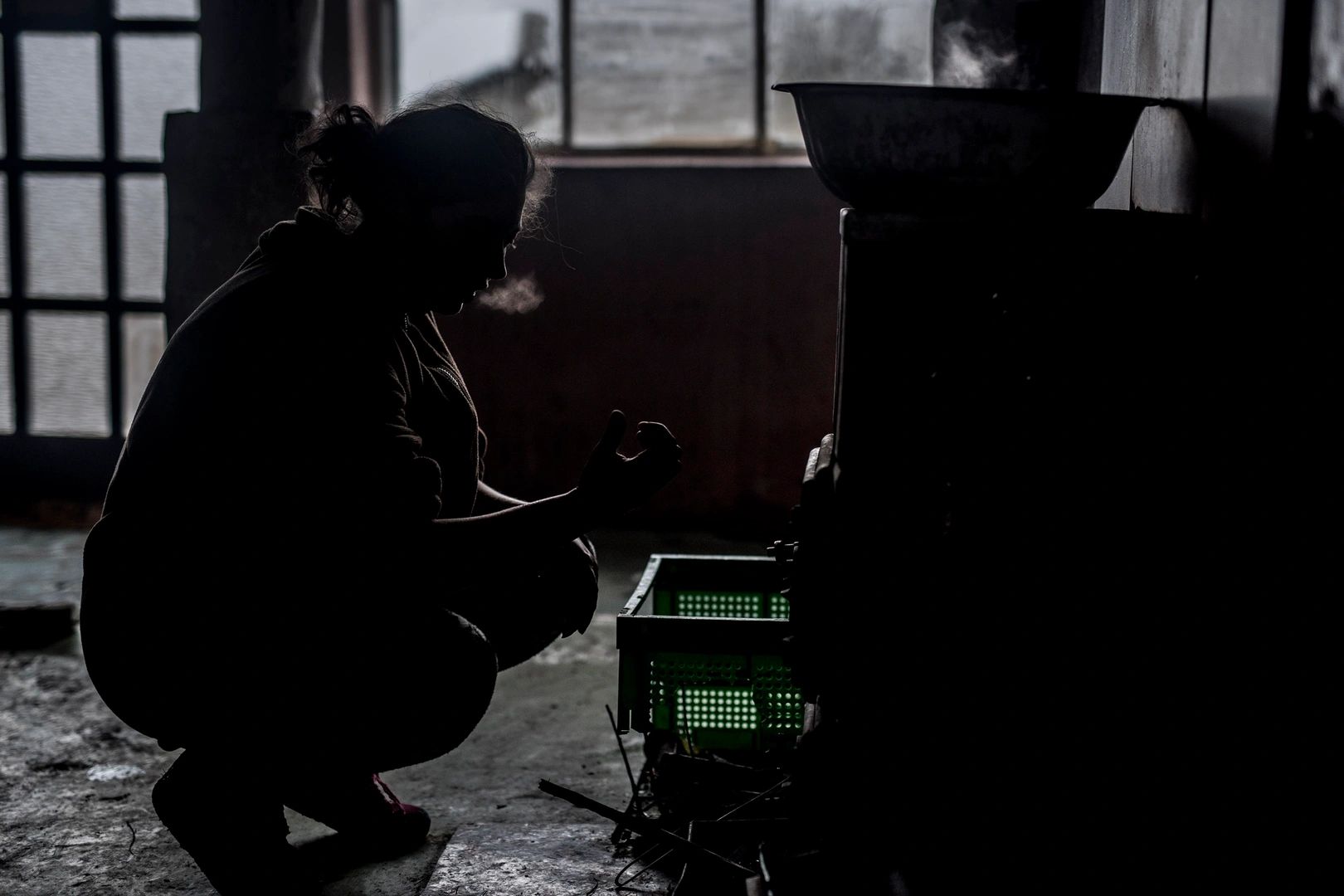
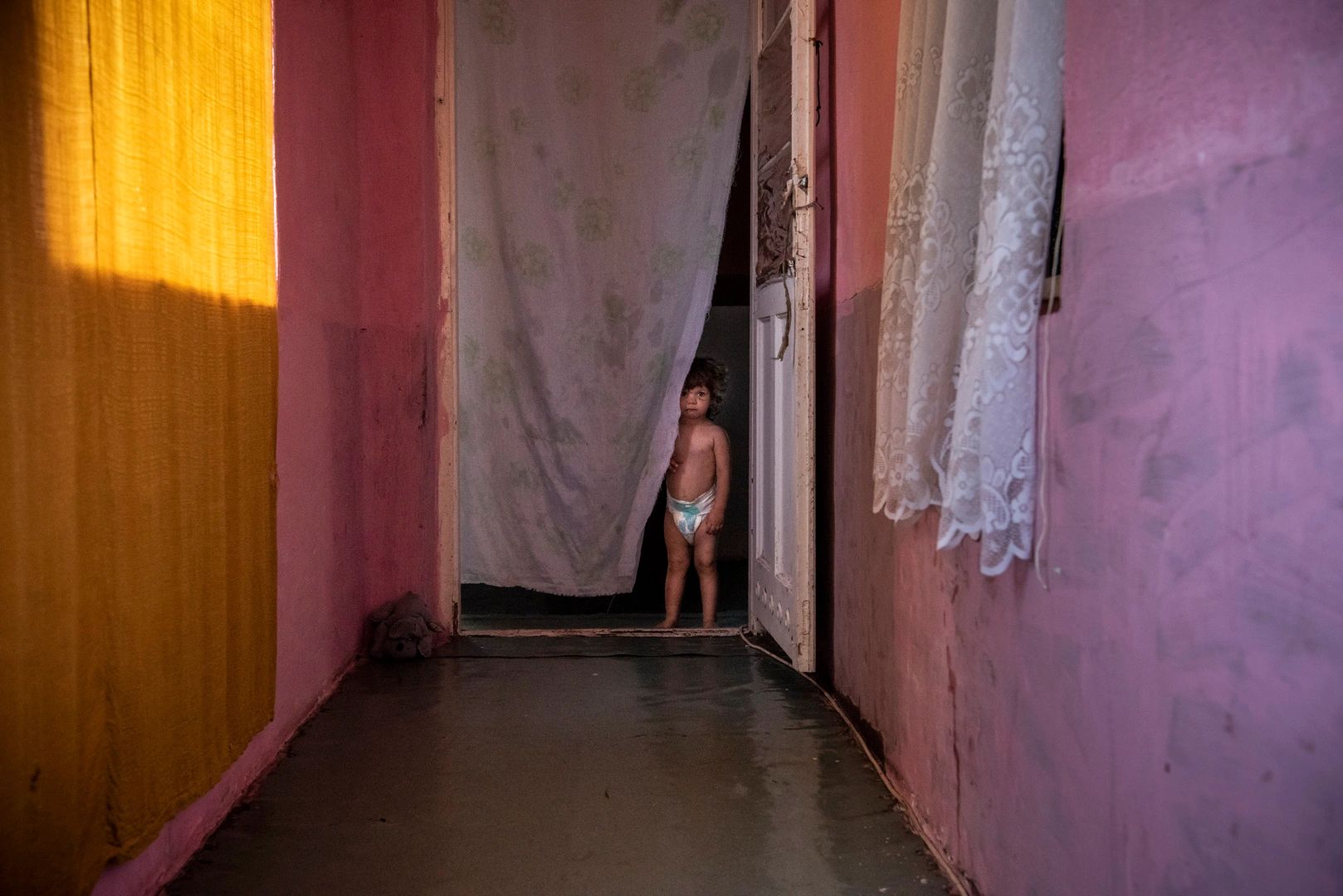
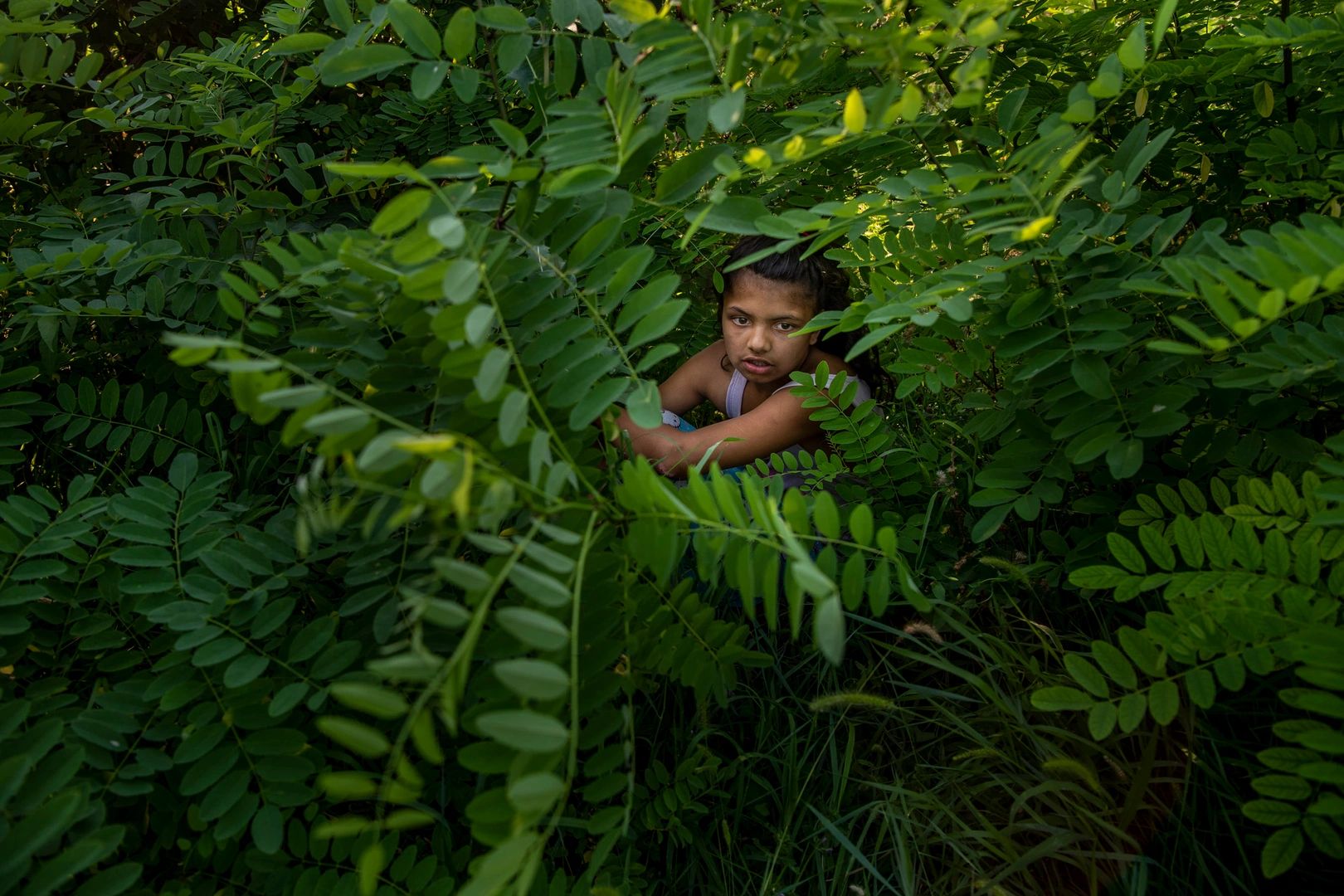
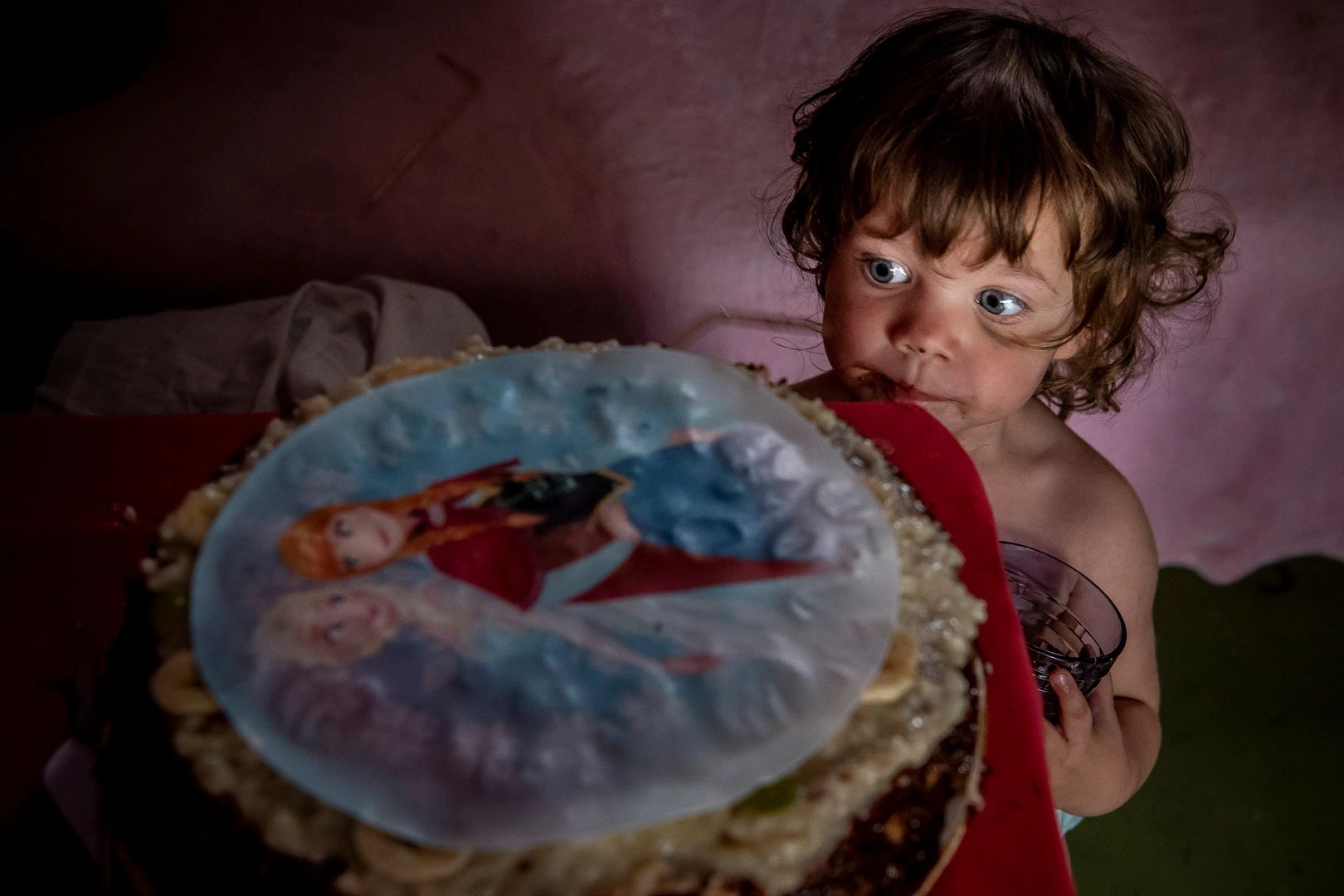
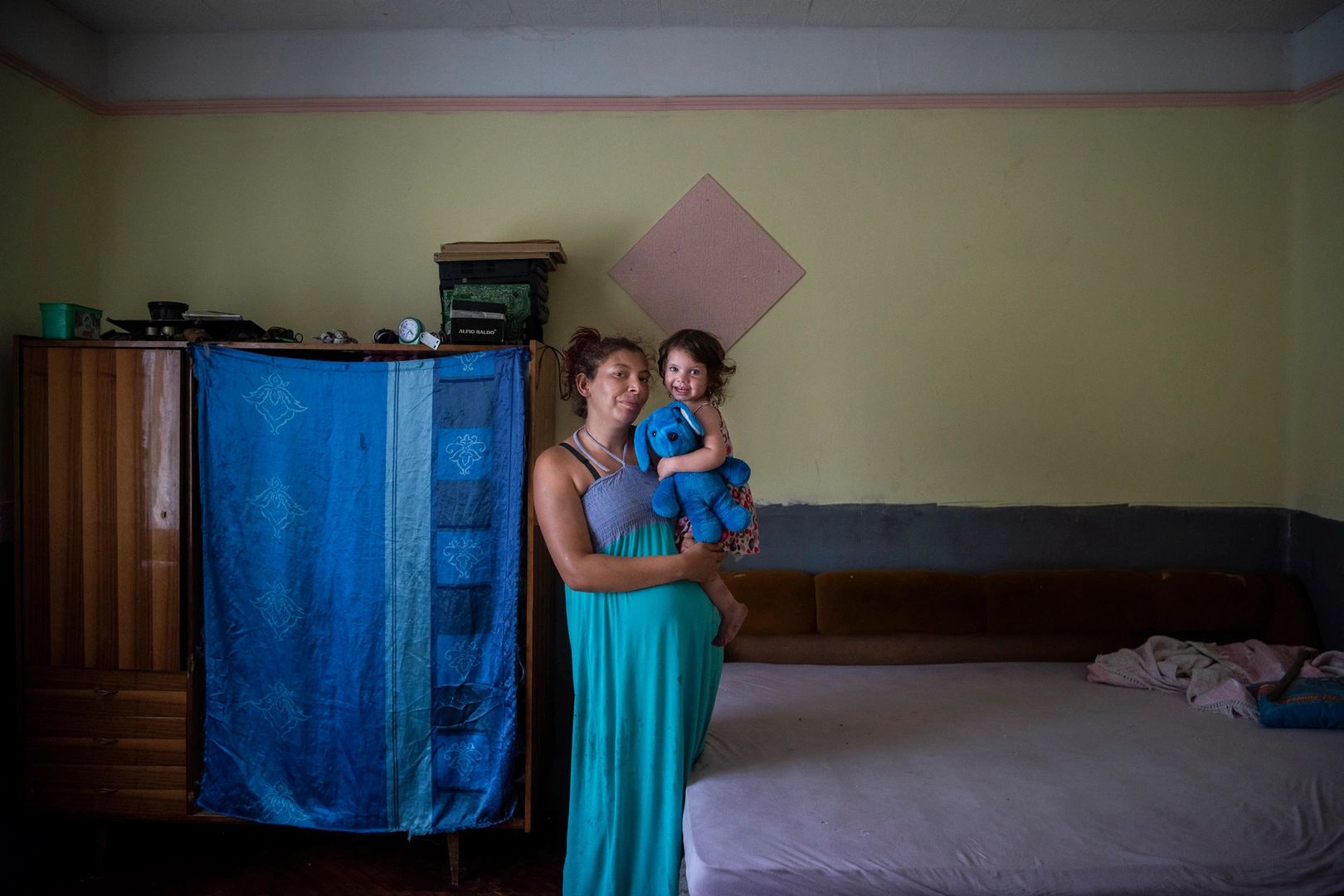
Motto: “If God is at work in a family’s life, then they can achieve anything, even from the bottom of a pit.” József Bordács, Szofi’s father I got to know Viki and Joka in the summer of 2016. As a stranger I knocked on their door, and after talking for a couple of hours I had a strange feeling of déjà vu: I know their lives, their problems, and I know them too, I thought. They are part of that great conglomeration which sociologists label as “living in extreme poverty”, and at best the general public just call them “penniless Gypsies”. I have been travelling in the Hungarian countryside for almost a decade now, I am familiar with the struggles of families living in extreme poverty. It is difficult to present these situations authentically, because beyond the stereotypes they can be very complex. There is one dynamic in summer when there is day labour, and an opposite one when heading for winter with a new-born and working community service. As photographer I have to be with the family at special celebrations, in daily life, when collecting family allowance at the beginning of the month, and scraping the pennies together for a loaf of bread at the end. Reports on needy families appear frequently, but these are mainly snapshots, frozen moments, instead of exhibiting a whole process in broader perspective from an internal viewpoint. But just as the characters are developed in a novel, so that later we may understand the motives, choices and fate of the players, it is also important to present family members and their journey in a similar way in a photo essay. When we first met in 2016, Viki was expecting her seventh child at the age of 26. We agreed that I would follow the little girl to be born, Szófia Loretta Bordács, as she grew up – as if producing a visual family saga. I thought that the Bordács family story clearly reflected the situation affecting many thousands of families in Hungary when the socialist industry was dismantled following the political changes: total vulnerability. Given was a Romany family with lots of children and one wage earner, in a poor little Heves County village. The electricity had been switched off from their house years before we met, because they stole it, and there was no running water either, because they fell behind with payments. The head of the house was always in work, but the six thousand forints a day wage only covered their daily basic needs. We spent the last two years getting acquainted; during this time I also documented a few moments from their lives with photos. 2018. Szofi was two on 9 August 2018, and on her second birthday I started the chapter Weekdays, in which I present the everyday life of the family in detail over the course of a year. Szofi is in focus in the series, but all family members and angles which affect the girl’s life will be a part of it. In preparation for the year ahead, they are full of plans and expectations. Viki is pregnant again, expecting her eighth child in October. Joka is saving for a driving licence, thinking about animal breeding, and wants to recruit his own gang in order to double his present income. Without this, “breaking out” is impossible for them. But will they be successful, when things hardly work out for one family in a hundred in a similar situation? Will what Joka said come true, that God will help them out of the bottom of the pit? The next stage of my work was an in-depth sociological interview with the family, and I noted down the Bordás family’s ideas for the following year. I think that on this basis, tendencies will be outlined, pitfalls will become clear, and it will turn out how much they can direct their fate themselves, and how much will their lives be determined by circumstances. As far as I know, no work like or similar to this has been produced in this country, which besides giving a detailed cross section and situation analysis, also offers a temporal perspective over a period of a decade. I think that on the pattern of the best photo reporting traditions, it is important that essayistic material like this should be produced. The frightening marginalisation of the Gypsy people is a fundamental phenomenon of our age; in my series appear the basic motifs (community service, spiralling debt, or bringing up handicapped children at home), which are familiar features of this marginalisation, and which also characterise the Bordács family, but besides the documentary approach, it can also show their hopes, their belief in recovery, their endeavours and their opportunities. Installation I imagine the installation in a 1 +4+1 distribution. The first block focuses on the preliminaries, the first two years of the story. As the rhythm of family life is best thematised by the challenges of the seasons, the fourfold division of the second block presents the family’s life over the following four seasons. The last block of material is then a 15 minute film shown on a large monitor, with short interviews and self-reflection by the players. The most iconic images from the story find a place on the walls of the Capa Centre in a 1+4+1 spatial distribution. In the 4-fold block, a medium sized album is associated with each season. In this album, or photo journal, those pictures will be placed with brief textual explanations, which interpret and supplement the prioritised images on the walls, thus creating a more intimate context. The production of these photo journals is justified from two angles. Like most disadvantaged families, the Bordács’s do not document their own story (only by mobile phone, then when the phone is lost, the pictures are also lost for ever), so there is no family history to be discovered, which could serve as an example or witness, or even just a memory for their children. Also, due to the descriptive nature of my work, I find it necessary to produce photo journals supplemented with notes and captions so as to understand their daily lives, their decisions and their motives.
András D. Hajdú was born in Budapest in 1981, he now lives with his wife and two daughters in a village close to Budapest. He obtained a degree in English literature and wrote his thesis on American war photography. He works as a freelance photographer at present, he is an external lecturer in the photo reporting department of Budapest Metropolitan University, and Nikon’s ambassador to Hungary. He has won twenty three awards with his work so far in the Hungarian Press Photo Competition, of which three were grand prizes. In 2015 he won the first prize in the prestigious Pictures of the Year International “feature picture story”. He has been awarded the Pécsi József Grant on three occasions, the Robert Bosch Foundation grant in 2012, as well as the Hégető Honorka multimedia grand prix twice. In 2013 he was the first to win the Hemző Károly prize. In 2018 he was presented the For Quality Journalism prize for a complex series of multimedia articles. He has worked in many parts of the world over the last 15 years, from the Beijing Olympics via New York jazz clubs to the rainforests of the Congo. Besides the domestic press, he has also photographed for clients such as National Geographic, The Telegraph, Politico, Forbes, Bloomberg, the UN and Tages Anzeiger. “I am chiefly interested in documentary photography, primarily in perpetuating Hungarian and Eastern European reality. My series focus on fragile life situations. In my work, I strive to develop as close and intimate a relationship as possible with my subjects, in order to produce profound and anthropocentric series. I frequently use multimedia tools in order to have a more complex, more intelligible approach. Many of my series span several years, which gives an opportunity for individual processes and tendencies to unfold more vividly for observers.” ” SELECTED AWARDS AND GRANTS: 2018 Quality Journalism prize for a complex series of multimedia articles. 2017 Ezüstgerely Award, for feature sports photography 2015 - POYi (Pictures of the Year international) 1st prize winner (reportage division, feature photo story) 2004 - 2017 23 times winner of the Hungarian Press Photo Contest, including Photographer of the Year, André Kertész Grand Prize ( 2 times), Marton Munkacsi Prize for the best collection ( 2 times ) 2013 Robert Bosch Stiftung 2009, 2010, 2013 József Pécsi Scholarship for Art Photography 2014 Károly Hemző Award 2013 and 2014 Honorka Hégető Grand prize – multimedia project, highlighting the problems of marginalised groups . . . . . . . . . . . . . . . . .
I am preparing a visual family history, with a two year old Romany girl, Szofi, at the centre. The peculiarity of the series lies in the everyday nature of the story, as it reflects the situation that tens of thousands of families are in following the political changes: total vulnerability. In my work I attempt to present the daily lives of the family from an internal perspective based on a developing friendship, the dynamic which makes it almost impossible to break out of the “caste” of those living in extreme poverty. The frightening marginalisation of the Gypsy people is a fundamental phenomenon of our age; in my series appear the basic motifs which are familiar features of this marginalisation, also characteristic of the Bordács family: community service, spiralling debt, raising handicapped children at home. It is my hope that long term tendencies will become clear, the pitfalls they are facing, and whether they are able to direct their own fate.
ORTODOXIA
Bánhegyesy Antal

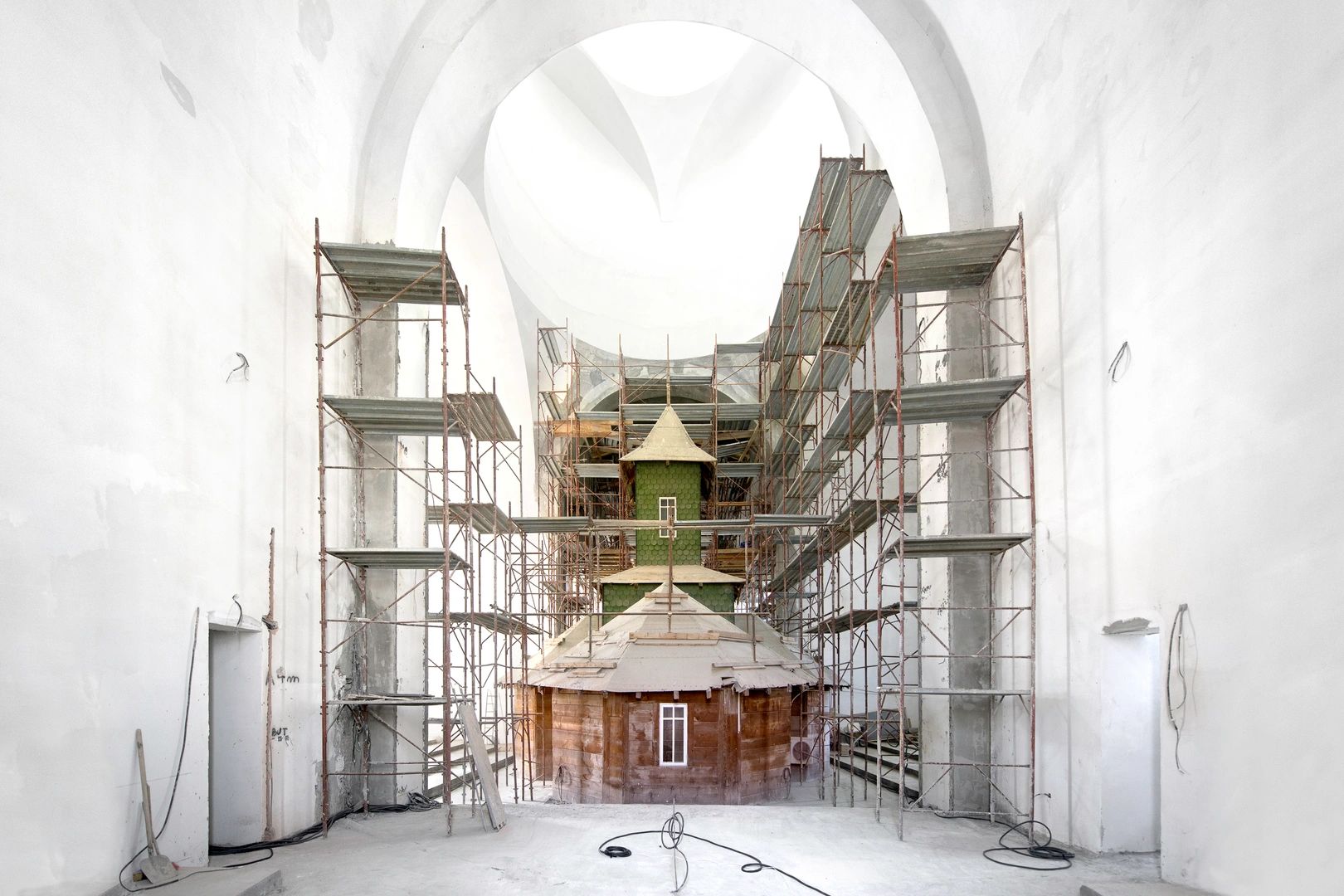
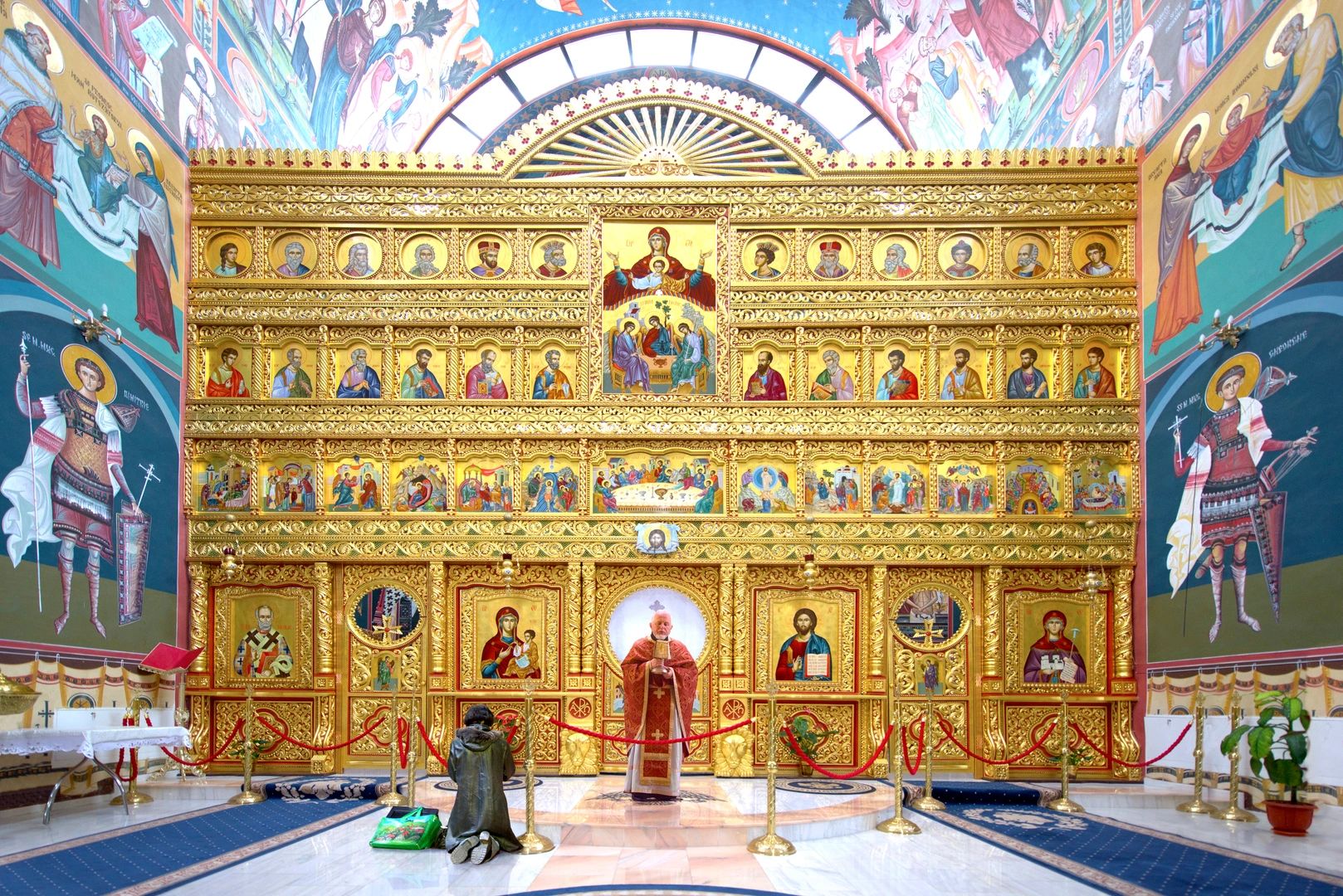
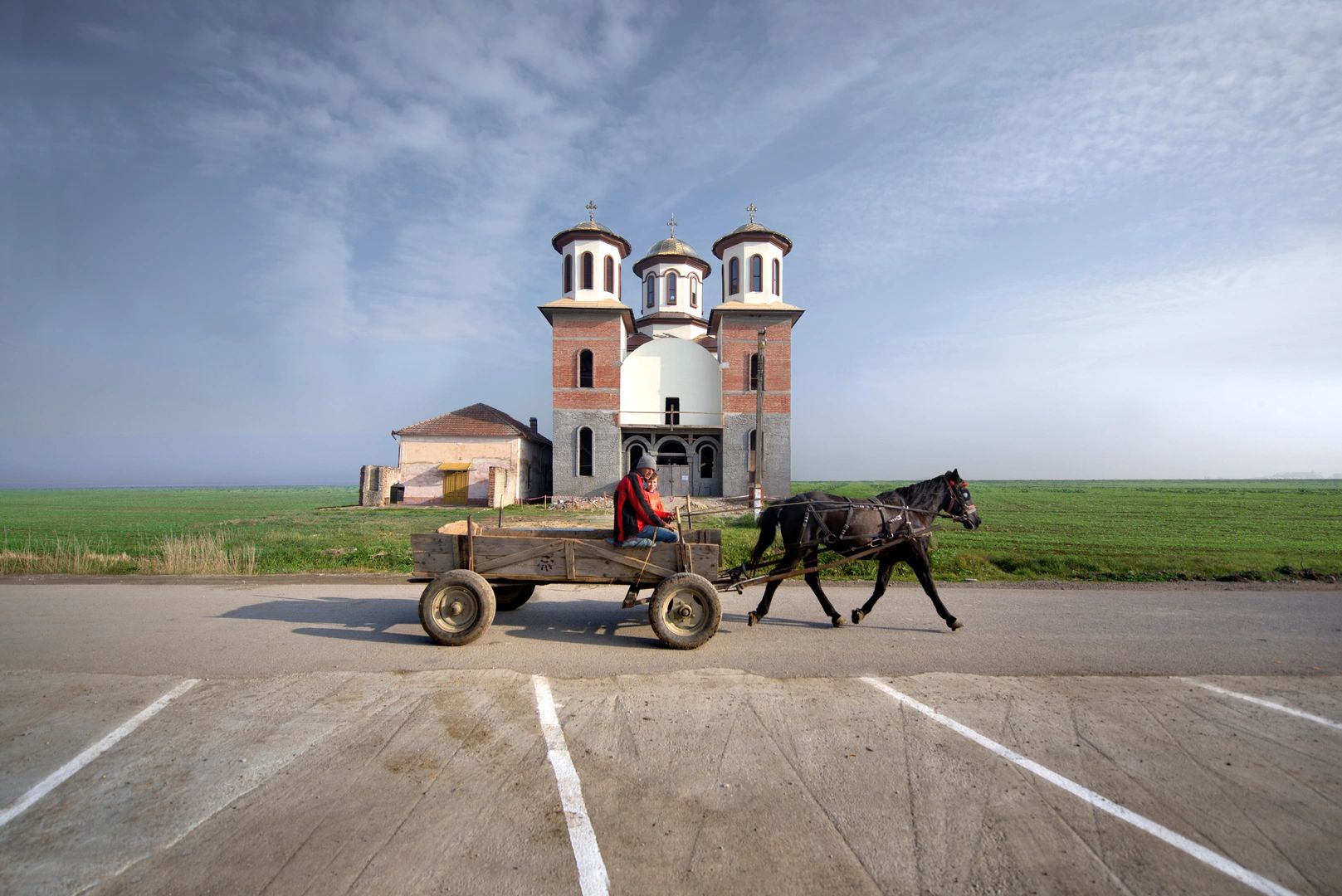
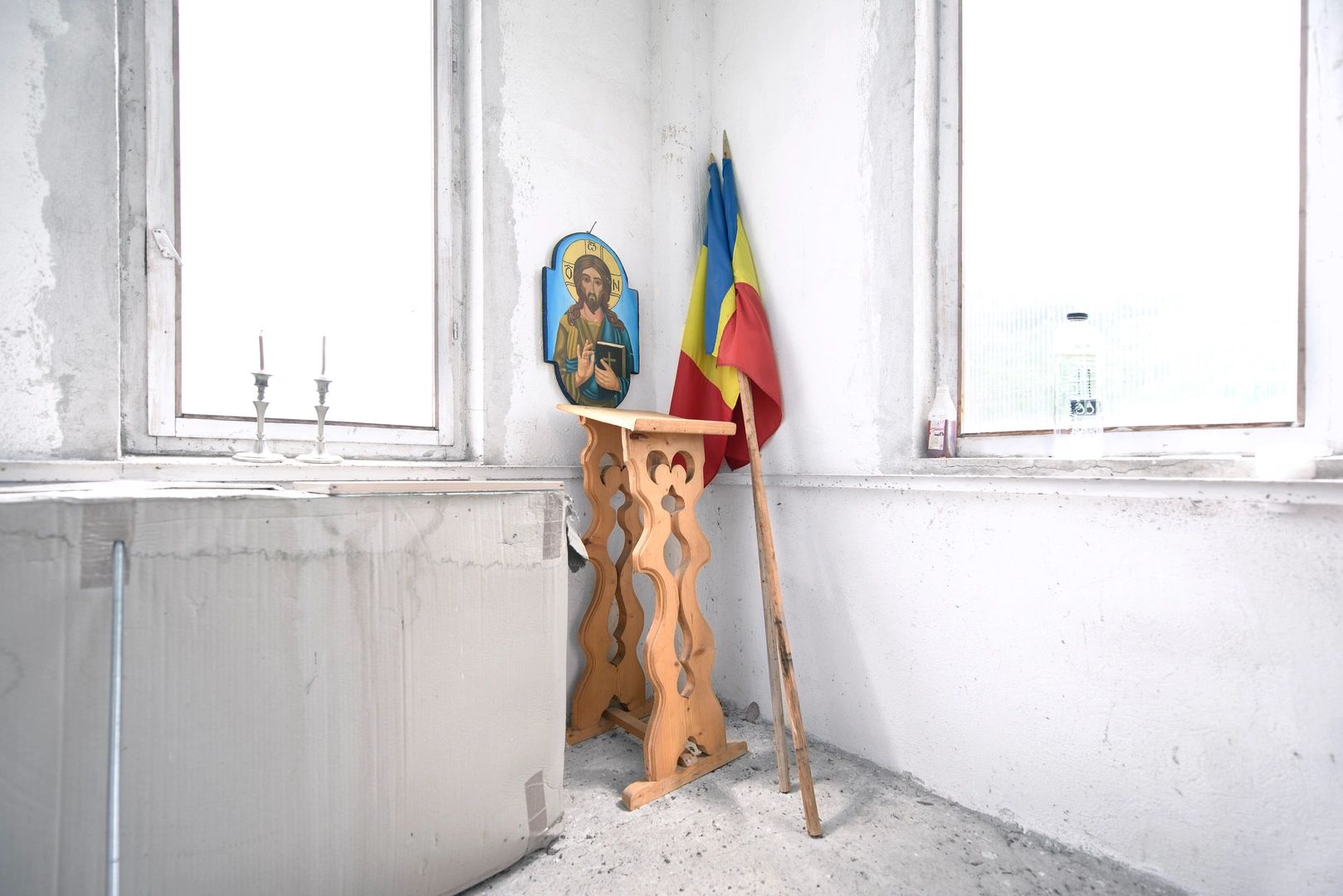
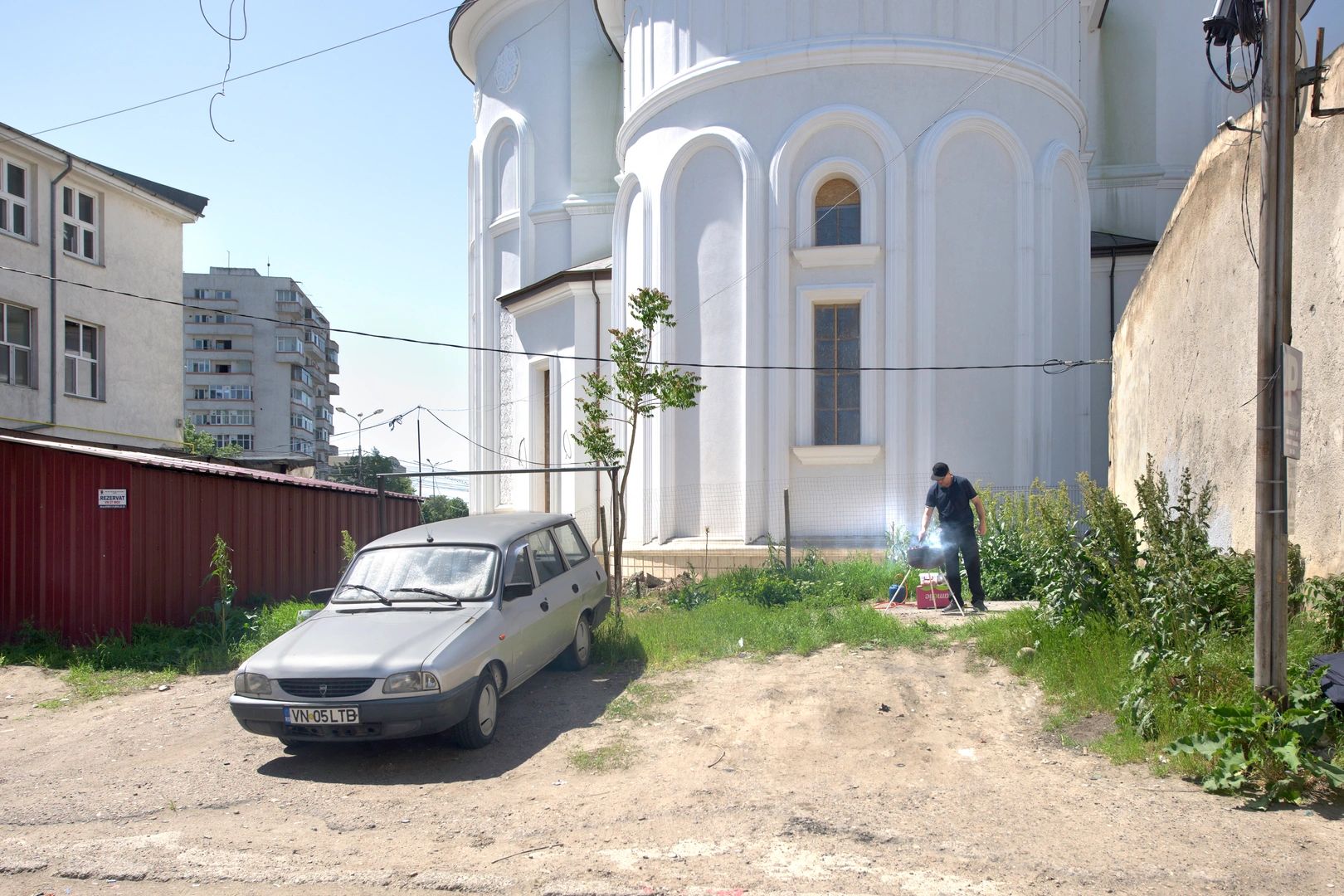
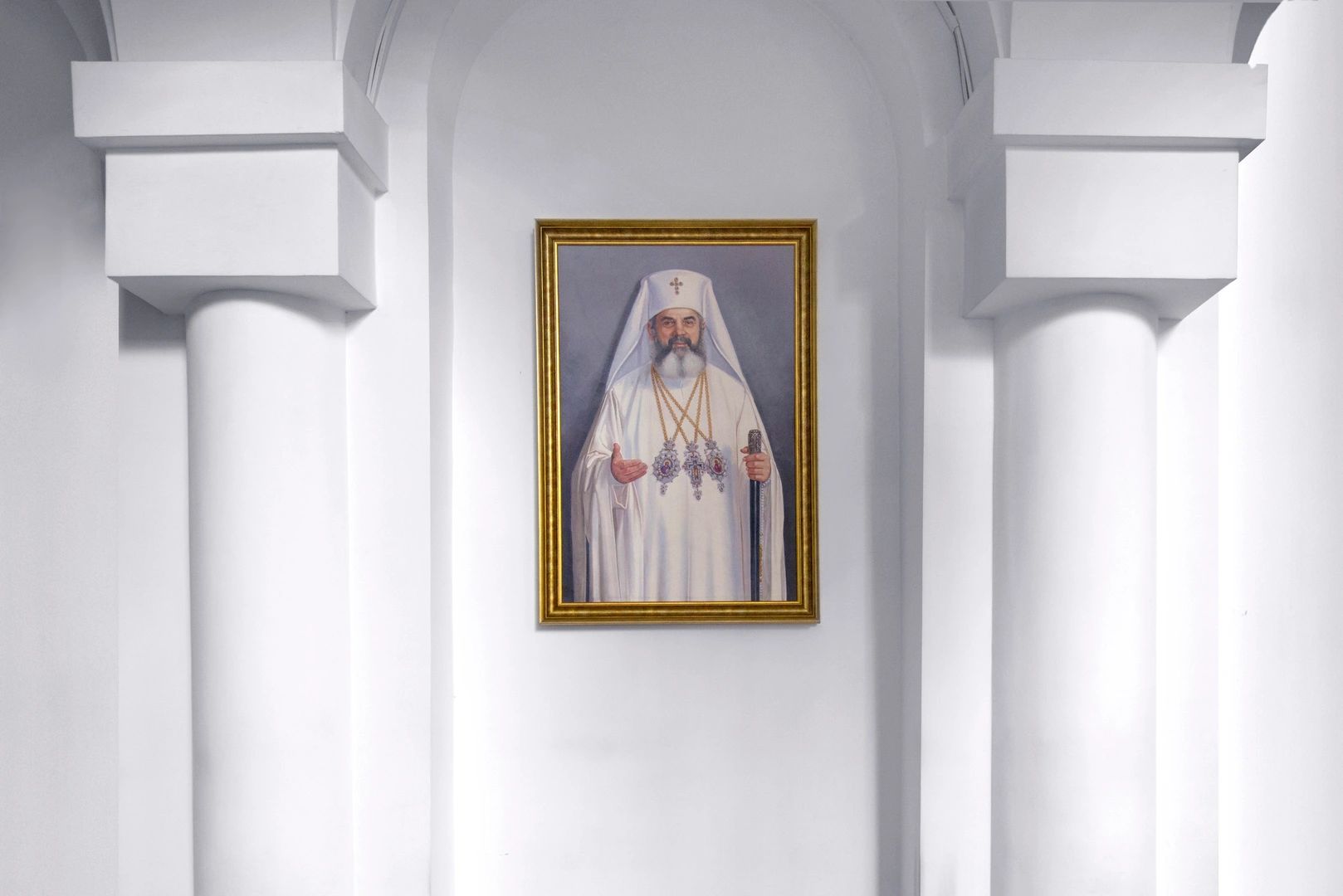
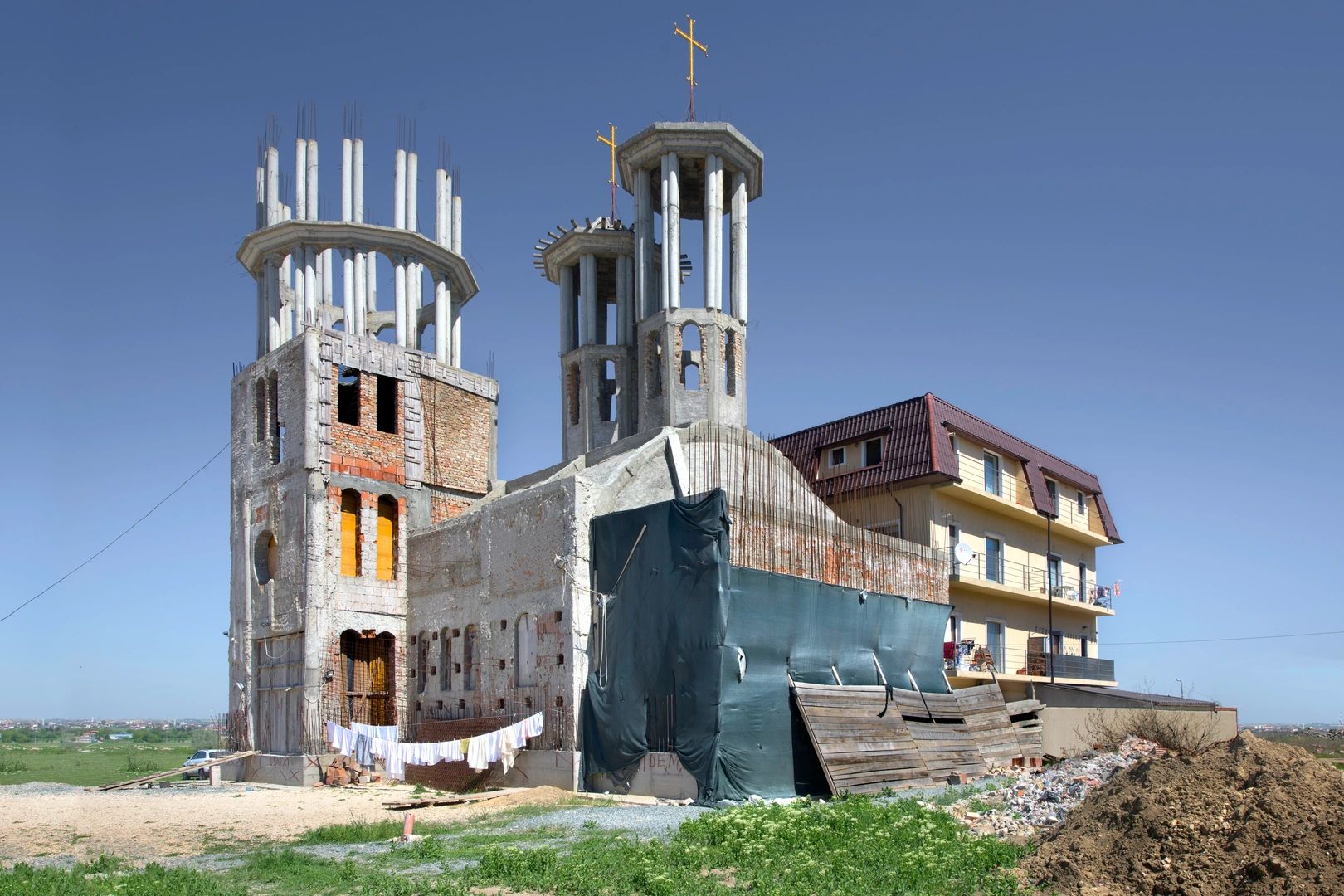
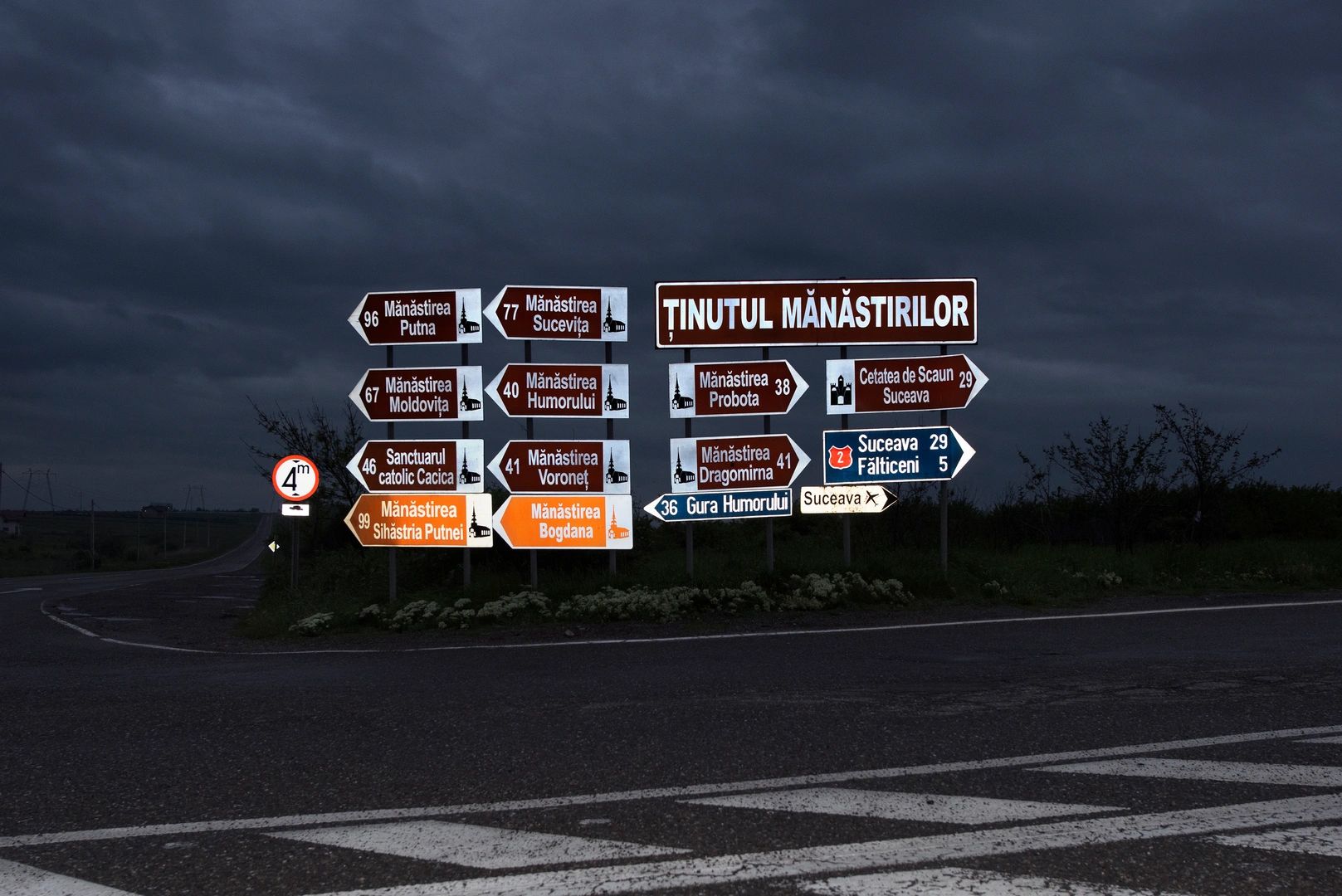
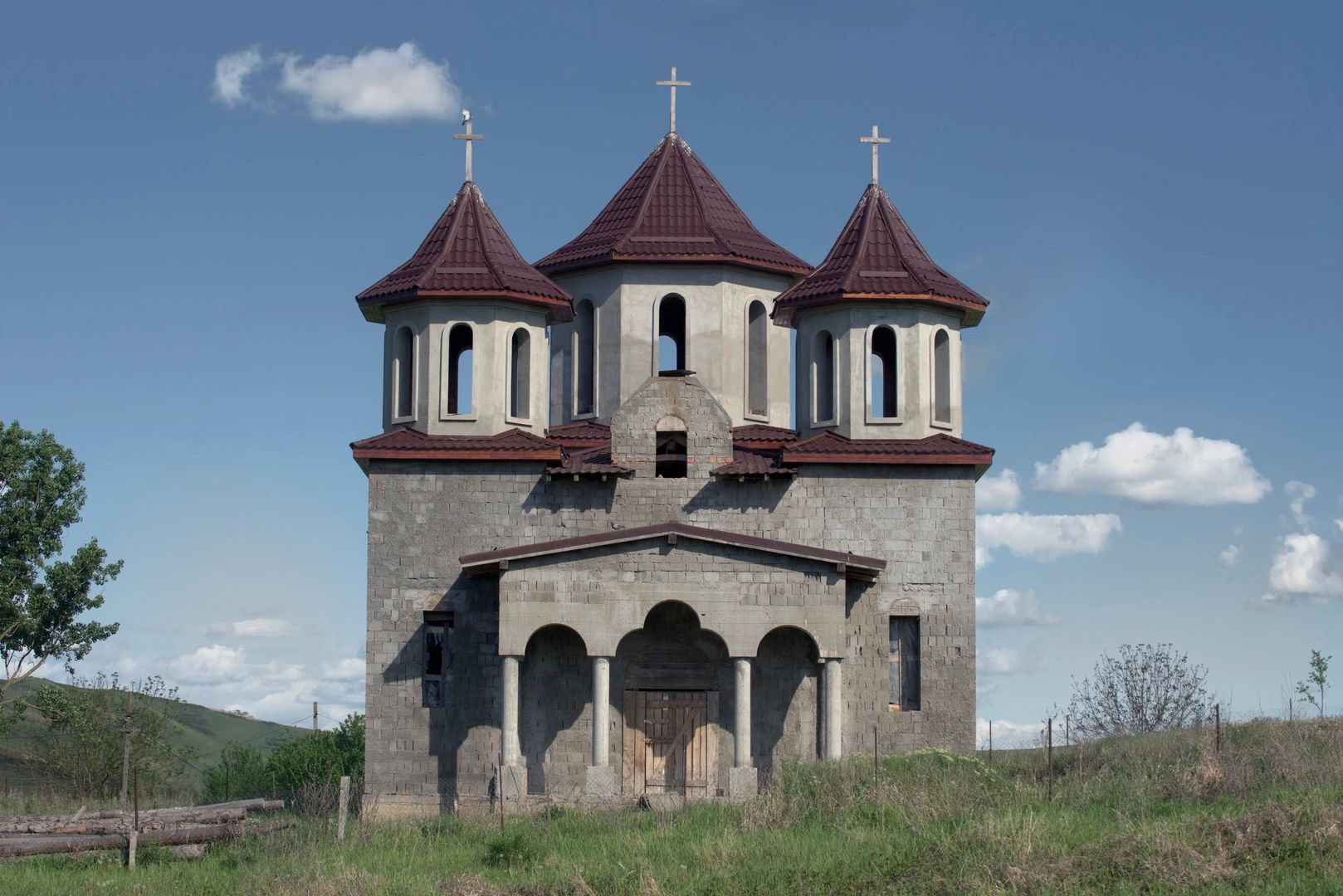
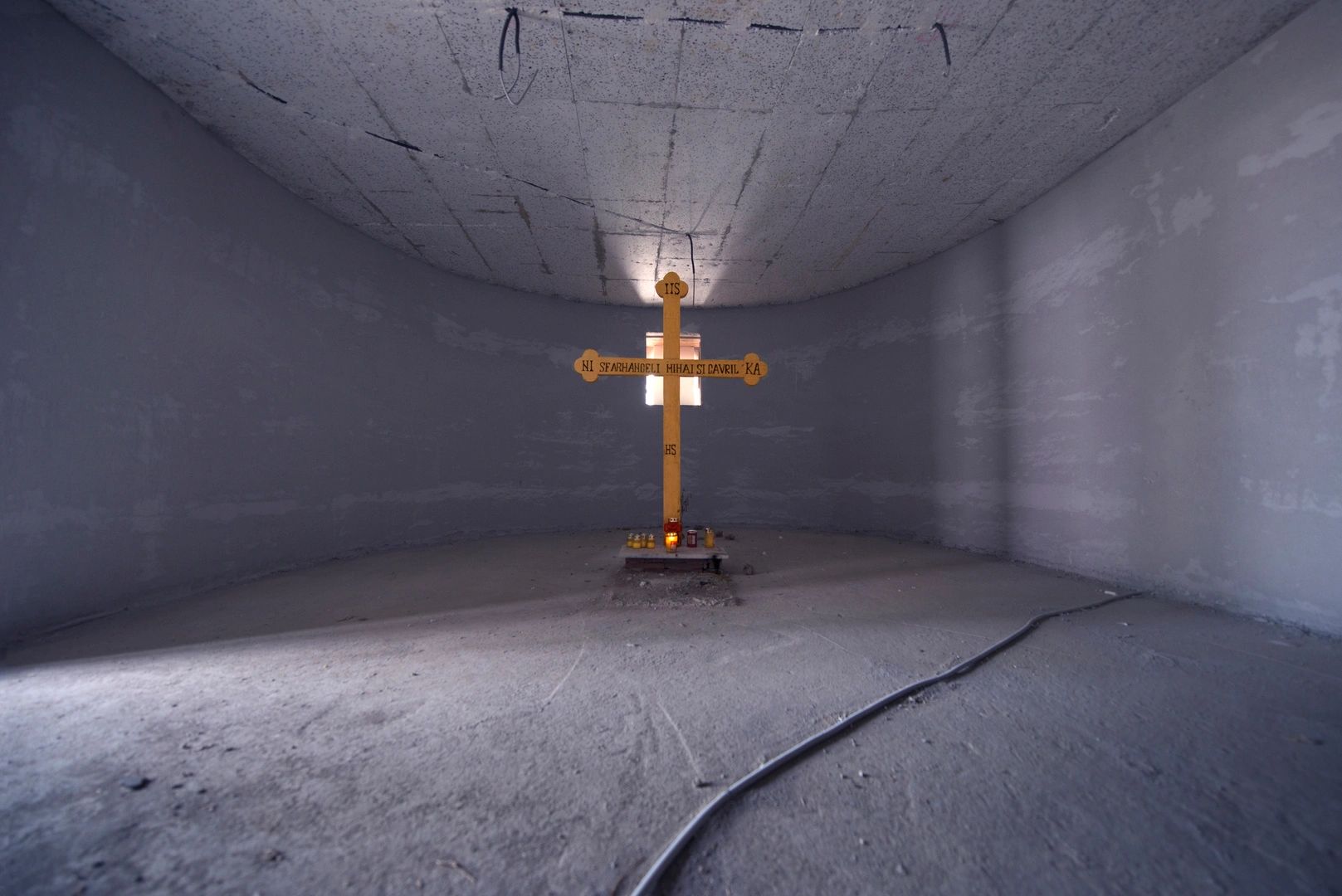
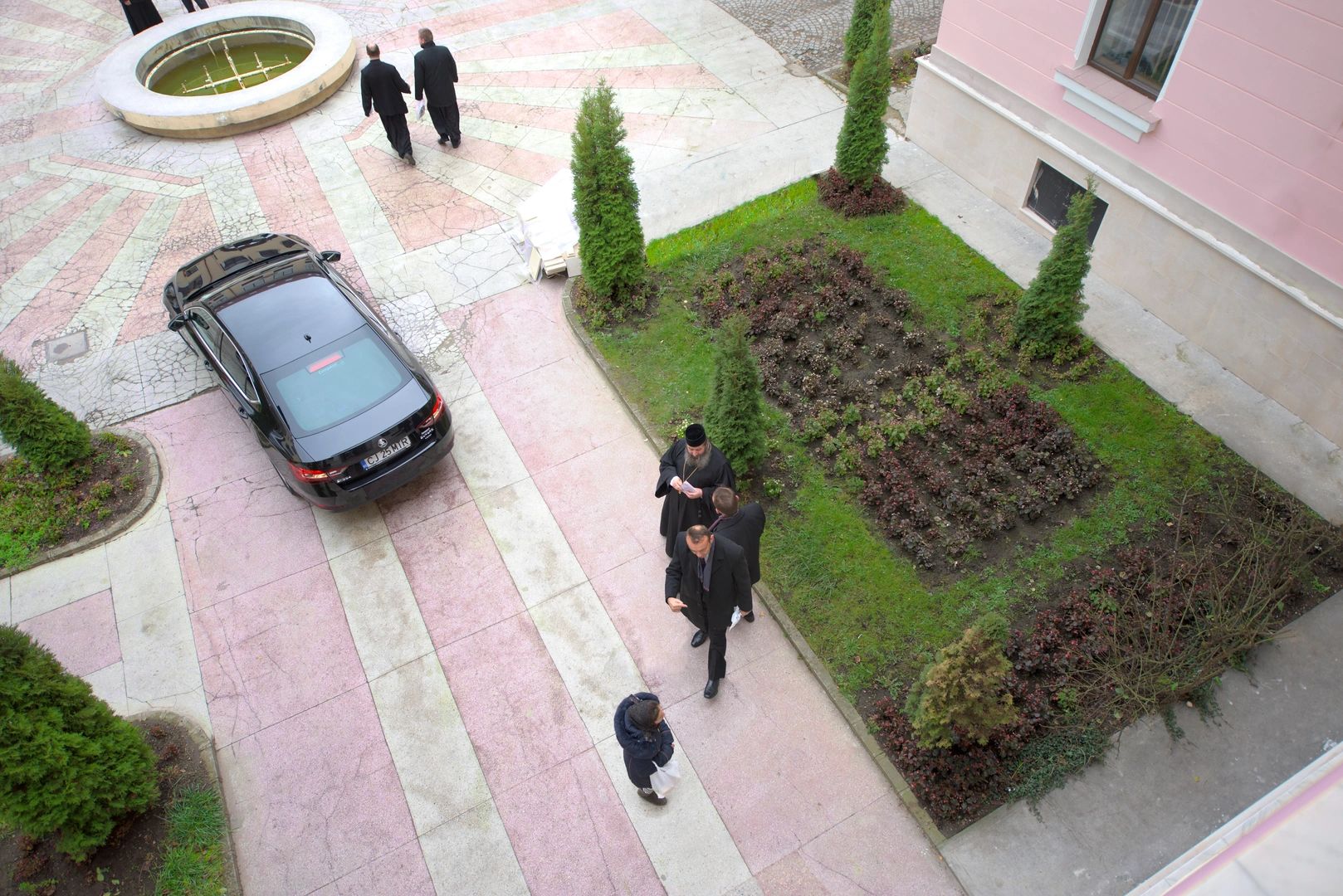
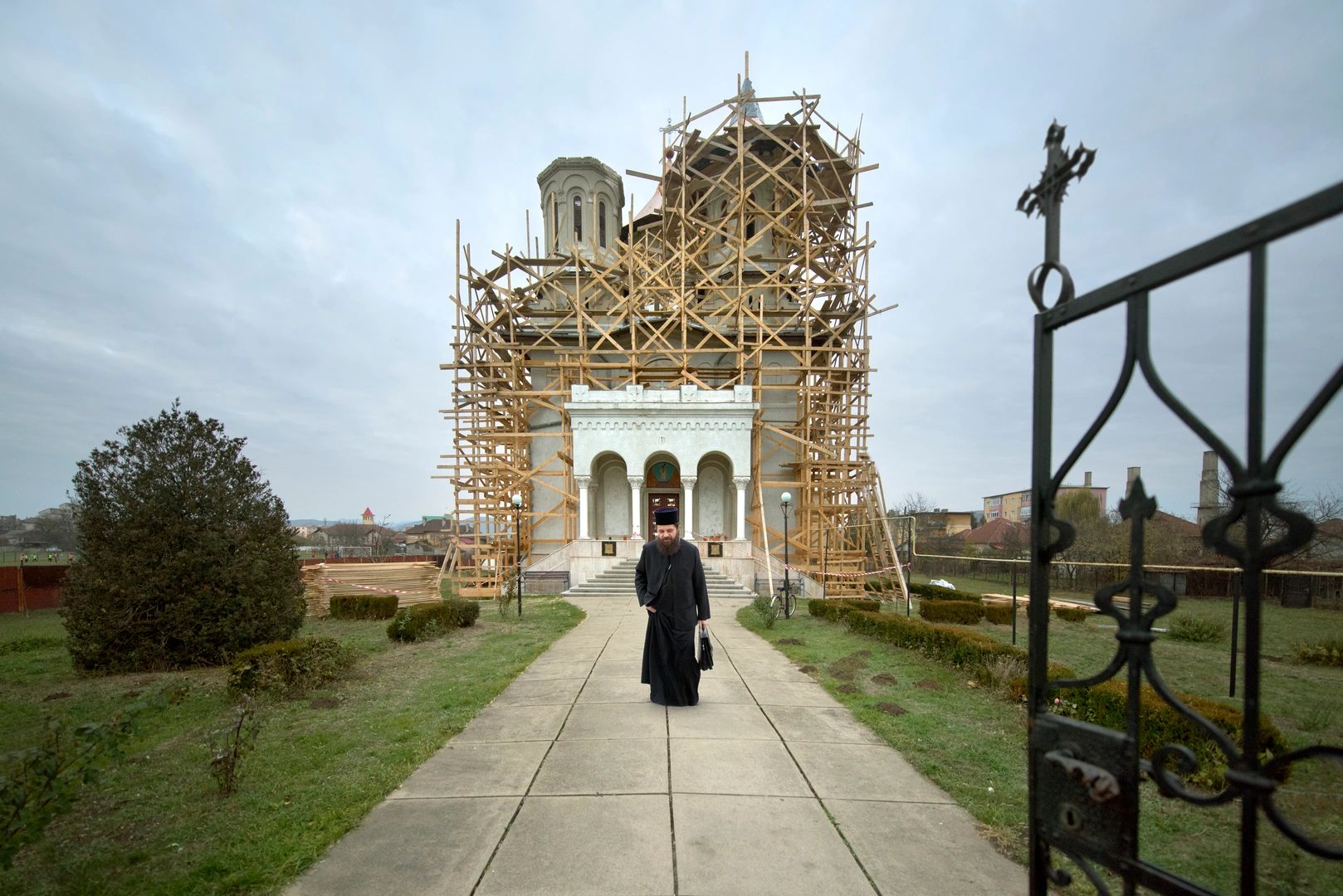
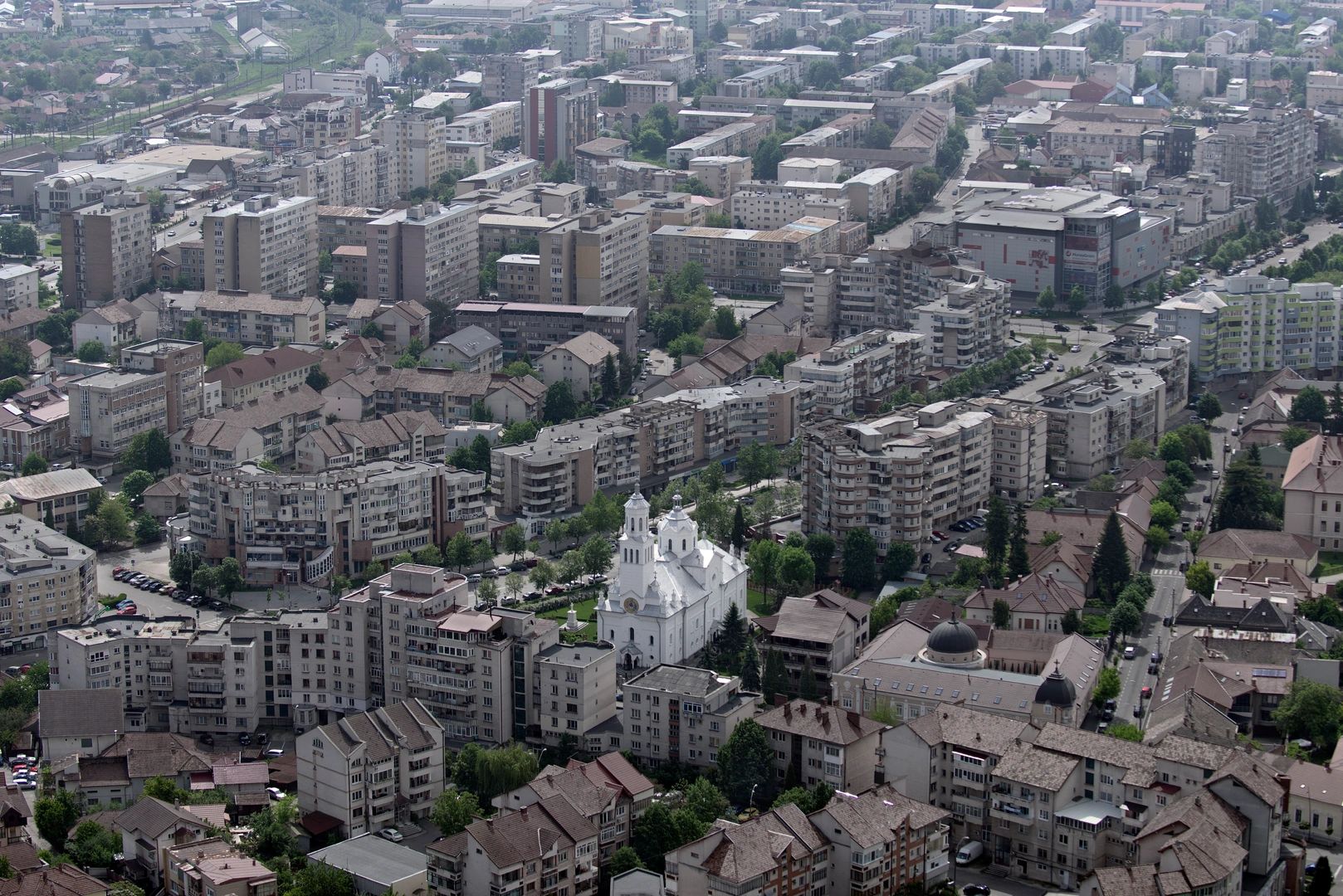
I was born in Cluj, Romania. I observe the territorial spreading of Orthodox churches all over Romania from my childhood. I have started to approach this topic with the means of photography in 2017, when I was deeply introduced in a case that happend in a Transylvanian village, in Nyárádtő. During the communist era the Greek Catholic Church of this village was expropriated by the Orthodox Church, and later on an Orthodox Church was built around it, completely incorporating it. The presence and domination of Orthodox Church arose in me as an important question that has to be examined from a wider perspective. There are a lot of precedents that strengthen my hypothesis that during the last few decades the number of Orthodox churches suddenly reached a very high amount. At Moholy-Nagy University of Art and Design I wrote my Bachelor’s thesis about the methods of standardization and homogenization in Romania under the communist regime. The historical background which established my research focuses on the changes and happenings that took place in the 19th and 20th centuries in this country. This is the period when distinct provincies were united, and the territory of Romania multiplied, contracting culturally and ethnically different populations. The homogenization has started during the communist era which might be imagined as a melting-pot of national beliefs. Starting from the change of the regime, more than 7000 Orthodox churches were built in Romania. This means that during twenty-seven years every second day a church was handed over, and constructions are still happening. If we examine the measure of state founds, we can definitely sense the political inducement. From the eighteen official denominations in Romania 87% of the money devoted to church constructions goes to the Orthodox Church. This functions as another method of homogenization that has started in the 19th century, and which enhances the relationship between religious beliefs and national identity. I have been visited many places in Romania, and the present state of my series was realized during four national tours. However, until the present I examined the spreading of Orthodox Church in Romania and the connexions between national identity and Orthodoxy from a territorial perspective, I consider that the presence of the people would be very important for the second part of the series. The first part was more a discovery and research for me, and the gesture of putting questions and having a more distant approach is visible in it. What concerns the deepening of the topic, I am assured that involving locals, clerks and mayors in order to get acquainted with multiple perspectives, opinions and attitued is absolutely necessary. My aim is to bring this series to a higher and more personal level, and by using similar symbols in the photographies, I would present the affections and reflexions of the environment as well. Additionally, above tha fact that the series focuses on a Romanian specific topic, due to a symbolic realization universal questions and attitued would reveal. My plan is to the next year have at least 6 trips around Romania. In this year's november will be the tallest church's hand over in East Europe. This will be in Bucharest.
BÁNHEGYESY ANTAL Born in Cluj, Romania, 1989. Lives and works in Budapest, Hungary. EDUCATION 2017 – 2019 Moholy-Nagy University of Art and Design (photography MA), Budapest 2016 – 2016 Ecole de l'image Les Gobelins (photography), Paris 2014 – 2017 Moholy-Nagy University of Art and Design (photography BA), Budapest 2008 – 2012 Technical University of Cluj-Napoca (Informatics), Cluj 2004 – 2008 Báthory István High School, Cluj PRIZES 2018 // Finalist / New East Photo Prize / Calvert Journal / London. 2018 // Honorable mention award / Press Photo Contest / Budapest 2016 // Fellowship granted by the Hungarian Republic / Hungary 2016 // Erasmus prize / Ecole de l'image Les Gobelins / Paris 2016 // Best photo riporter under age 30 special prize / Press Photo Contest / Budapest 2016 // Third prize / Press Photo Contest / Budapest 2016 // Shortlisted / Brassaï Press Photo Contest / Cluj 2015 // Shortlisted / Press Photo Contest / Budapest 2014 // First prize / Lurdy House Photo Contest / Budapest 2013 // First prize / Transindex Photo Contest / Cluj 2013 // Third prize / CEWE International Photo Contest / Berlin 2013 // Shortlisted / See.Me International Photo Contest / New York 2012 // First prize / Black and White Photographer of the Year International Photo Contest / London 2009 // First Prize, Special Prize / Nature Photography Contest / Cluj 2008 // First Prize, Special Prize / Bátor Photography Contest / Cluj 2007 // First Prize, Special Prize / Bátor Photography Contest / Cluj 2007 // Third Prize / HTMIK international Photo Contest / Budapest 2007 // Second Prize / National Geografic Photography Contest / Budapest . . . . . . . . . EXHIBITIONS UPCOMING EXHIBITIONS 2018 – Collective exhibition, Calvert 22 Gallery, London 2018 – Collective exhibition, Capa Center, Budapest 2018 – Collective exhibition, B32 Gallery, Budapest 2018 – Collective exhibition, winners of the 36th Hungarian Press Photo Contest, Capa Center, Budapest 2018 – Collective exhibition, Artery Prague Gallery, Prague 2018 – Collective exhibition, Romer Floris Art And History Museum, Győr 2018 – Collective exhibition, Hybrid Art Gallery, Budapest 2018 – Collective exhibition, Student Gallery, Pilsen 2018 – Collective exhibition, Nick Art&Design Gallery, Pécs 2018 – Collective exhibition, AllArts Festival, Székesfehérvár 2018 – Collective exhibition, MaJel Rovás Center, Kosice 2018 – Collective exhibition, Hungarian Institution, Bratislava 2018 - Collective exhibition, Ballasi Institution, Ljubljana 2018 – Collective exhibition, Hungarian Institution, Warsaw 2017 – Collective exhibition, Szatyor ArtSpace, Budapest 2017 – Collective exhibition, Art Moments Festival, Budapest 2017 – Collective exhibition, Hybrid Art Gallery, Budapest 2016 – Collective exhibition, Photographic Street Festival, Budapest 2016 – Collective exhibition, winners of the 34th Hungarian Press Photo Contest, Capa Center, Budapest 2014 – Solo exhibition, F64 Gallery, Bucharest 2013 – Solo exhibition, Korunk Gallery, Cluj 2013 – Collective exhibition, shortlisted photographers of See.Me international photo contest, New York 2012 – Collective exhibition, winners of the Black and White Photographer of the Year International Photo Contest, London 2009 – Solo exhibition, Klausen, Cluj 2008 – Solo exhibition, Insomnia, Cluj PUBLICATIONS 2018 – Digital Photo Magazine, Hungary 2017 – PHROOM Magazine, Italy 2017 – DesignIsSo, Hungary 2016 – Transindex, Romania 2016 – Best Press Photos of the year, Romania 2016 – Best Press Photos of the year, Hungary 2016 – DesignIsSo, Hungary 2015 – Best Press Photos of the year, Hungary 2014 – Interview at Transylvanian TV, Romania 2014 – F64, Romania 2013 – Cewe, Germany 2013 – Interview at Transylvanian TV, Romania 2013 – Interview at Transylvanian TV, Romania 2013 – Interview at TV Cluj, Romania 2013 – Interview at Radio Cluj, Romania 2013 – Mind1.ma, Romania 2013 – Clujul Liber, Romania 2013 – Krónika, Romania 2013 – Szabadság, Romania 2013 – Irodalmi Jelen, Romania 2012 – John Beardsworth, Great Britain 2012 – Black+White Photography Magazine, Great Britain 2006 – National Geographic Magazine, Budapest 2005 – Digital Photo Magazine, Budapest MEMBER OF Transylvanian Lightpainters Association 2016 – Collective exhibition, Photographic Street Festival, Budapest 2016 – Collective exhibition, winners of the 34th Hungarian Press Photo Contest, Capa Center, Budapest 2014 – Solo exhibition, F64 Gallery, Bucharest 2013 – Solo exhibition, Korunk Gallery, Cluj 2013 – Collective exhibition, shortlisted photographers of See.Me international photo contest, New York 2012 – Collective exhibition, winners of the Black and White Photographer of the Year International Photo Contest, London 2009 – Solo exhibition, Klausen, Cluj 2008 – Solo exhibition, Insomnia, Cluj .
Photo series inspired by a phenomenon in Nyárádtő. An Orthodox church was built out over the hundreds years old Greek-Catholic church in the Transylvanian village, entirely incorporating it. This is how the absurd situation of „a church in the church” came into being. The photo series turns people’s attention to the centrally manipulated process of identity formation through the symbolical and abrupt spreading of the Orthodox Church, which carries on in a different format the national homogenization attempt of the communist era. Since the change of the regime, more than 7000 Orthodox churches were built in Romania, and more than 1000 are under construction. This means that in the last twenty-seven years every second day a church was handed over in Romania. The extent of public funds is unquestionably a matter of political inducement. 87% of the money appropriated to church constructions goes to the Orthodox Church out of the 18 officially affirmed churches in the country.