ANTAL BÁNHEGYESY IS THE WINNER OF THE CAPA GRAND PRIZE HUNGARY 2019
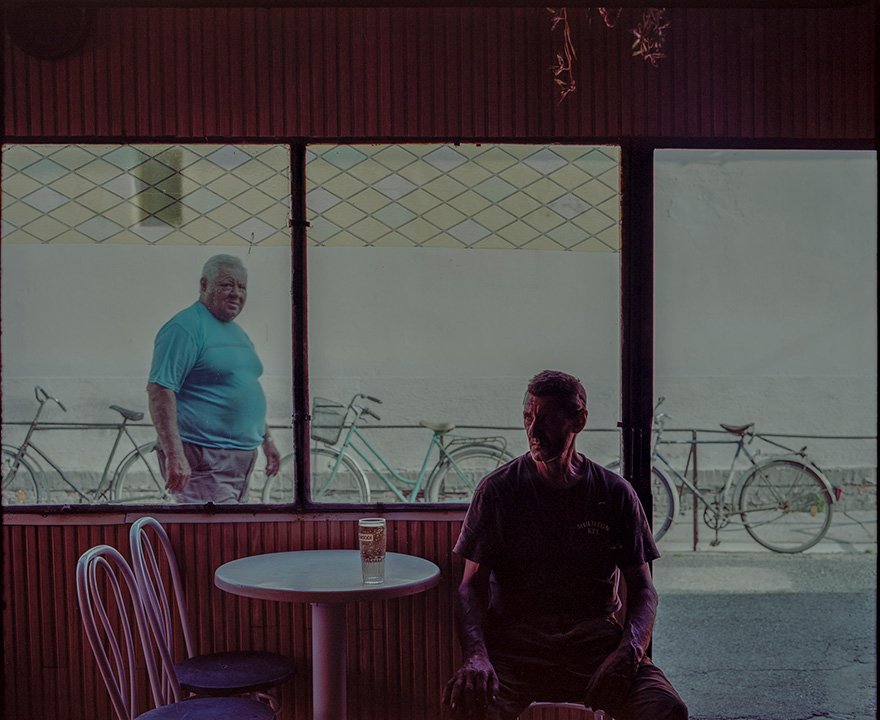
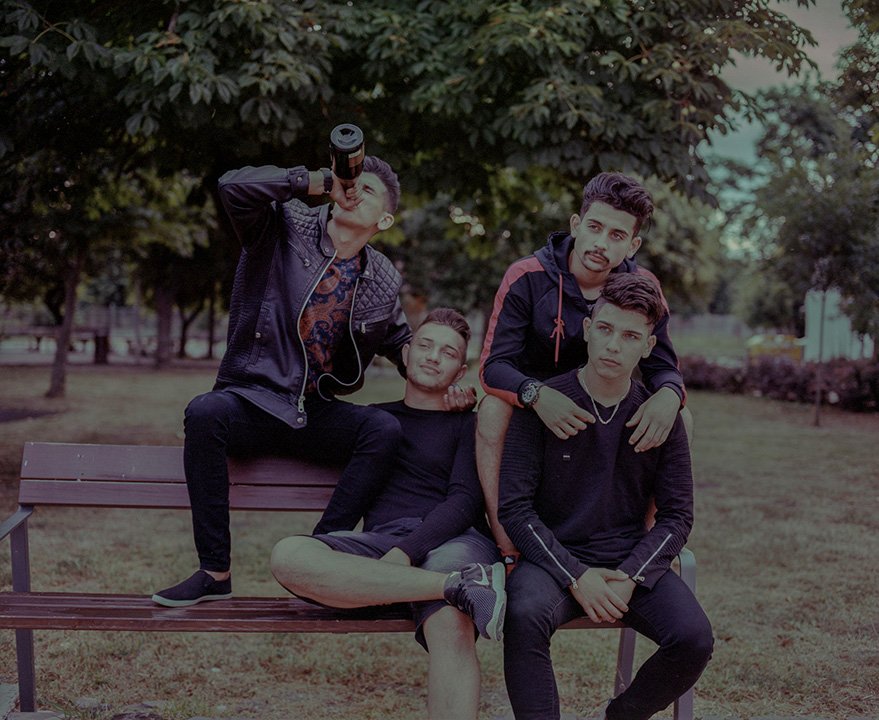
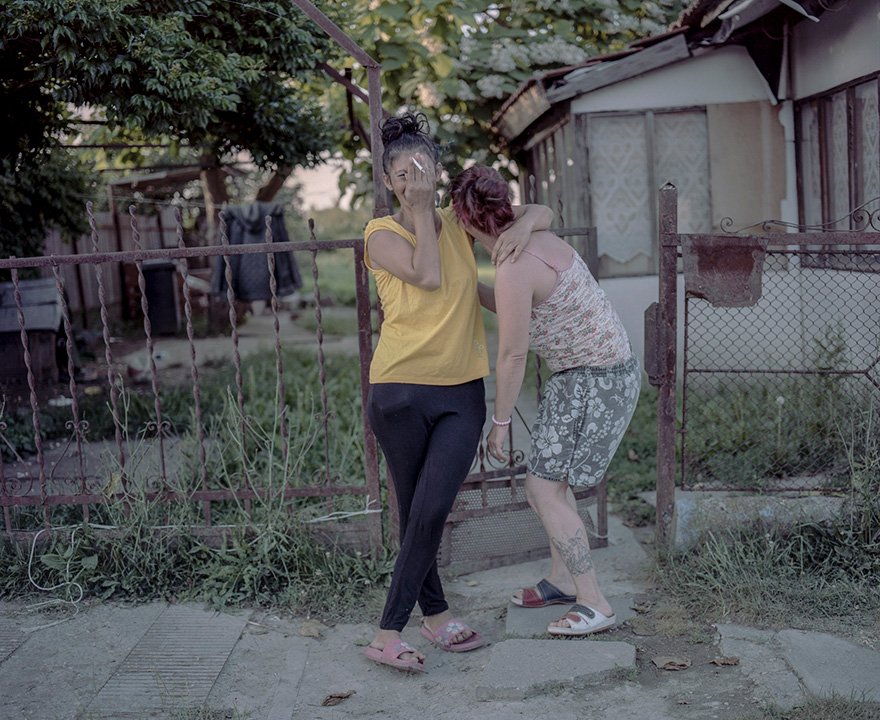
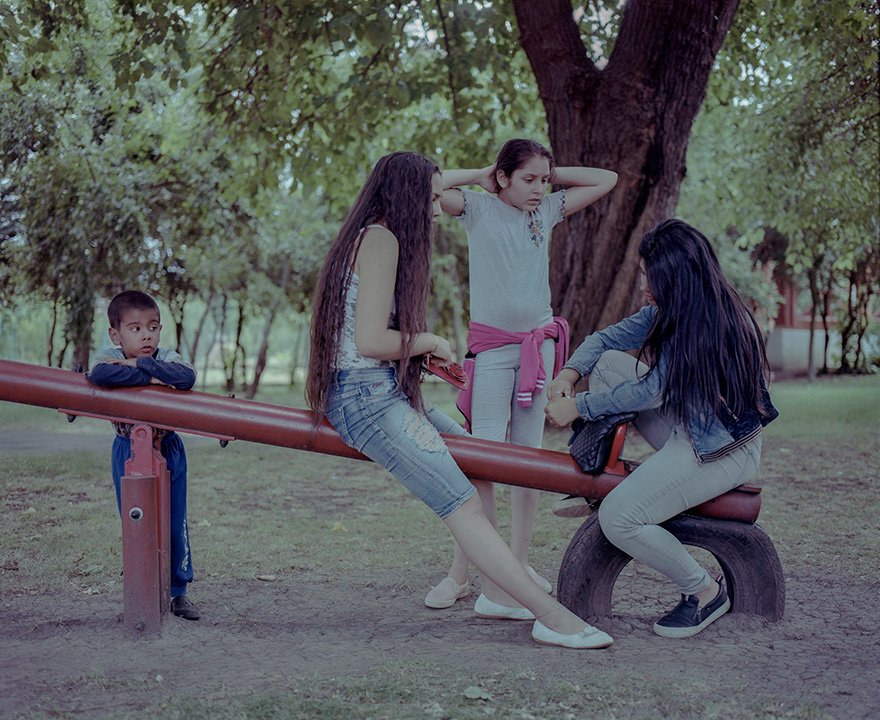
The jury selected Antal Bánhegyesy for his entry entitled Orthodoxia as the Capa Grand Prize Hungary-winner in 2019.
The Robert Capa Photography Grand Prize Hungary was founded in 2014 by the Capa Center to recognize the work of artists who produce an outstanding achievement in the field of Hungarian photography. The awards were decided in two stages by a five-member jury of Hungarian and international professionals. In October 2018, the jury selected three candidates – and awarded each of them with a fellowship of HUF 500 000+200 000 (approx. €2200) – for the Grand Prize of HUF 5 million (approx. €15,400) in total. The jury appreciated Antal Bánhegyesy’s work in the last year, so they selected him as the fourth Grand Prize Hungary-winning photographer. He received a cash award of HUF 3 million (approx. €9,300) at the award ceremony on October 21, 2019, held on the occasion of Robert Capa’s 106th birth anniversary in the Capa Center.
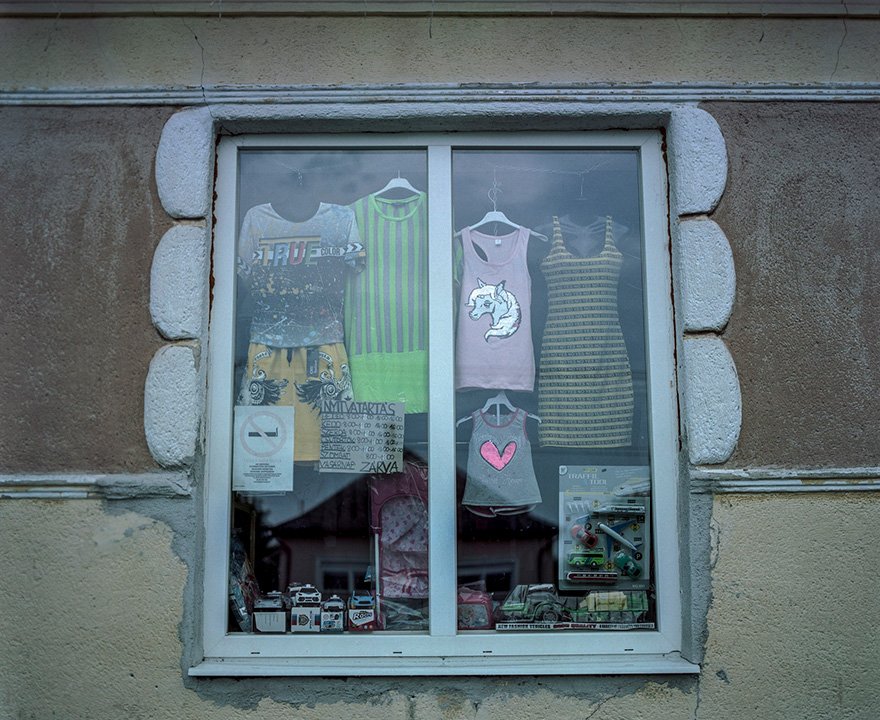
ORTODOXIA
Bánhegyesy Antal

BÁNHEGYESY ANTAL Born in Cluj, Romania, 1989. Lives and works in Budapest, Hungary.
EDUCATION
- 2017 – 2019 // Moholy-Nagy University of Art and Design (photography MA), Budapest
- 2016 – 2016 // Ecole de l'image Les Gobelins (photography), Paris
- 2014 – 2017 // Moholy-Nagy University of Art and Design (photography BA), Budapest
- 2008 – 2012 // Technical University of Cluj-Napoca (Informatics), Cluj
- 2004 – 2008 // Báthory István High School, Cluj
PRIZES
- 2018 // Finalist / New East Photo Prize / Calvert Journal / London.
- .
- .
- .
- .
- .
- .
- .
- .
- 2009 // First Prize, Special Prize / Nature Photography Contest / Cluj
- 2008 // First Prize, Special Prize / Bátor Photography Contest / Cluj
- 2007 // First Prize, Special Prize / Bátor Photography Contest / Cluj
- 2007 // Third Prize / HTMIK international Photo Contest / Budapest
- 2007 // Second Prize / National Geografic Photography Contest / Budapest
EXHIBITIONS
UPCOMING EXHIBITIONS
- 2018 – Collective exhibition, Calvert 22 Gallery, London
- 2018 – Collective exhibition, Capa Center, Budapest
- 2018 – Collective exhibition, B32 Gallery, Budapest
- 2018 – Collective exhibition, winners of the 36th Hungarian Press Photo Contest, Capa Center, Budapest
- 2018 – Collective exhibition, Artery Prague Gallery, Prague
- 2018 – Collective exhibition, Romer Floris Art And History Museum, Győr
- 2018 – Collective exhibition, Hybrid Art Gallery, Budapest
- 2018 – Collective exhibition, Student Gallery, Pilsen
- 2018 – Collective exhibition, Nick Art&Design Gallery, Pécs
- 2018 – Collective exhibition, AllArts Festival, Székesfehérvár
- 2018 – Collective exhibition, MaJel Rovás Center, Kosice
- 2018 – Collective exhibition, Hungarian Institution, Bratislava
- 2018 - Collective exhibition, Ballasi Institution, Ljubljana
- 2018 – Collective exhibition, Hungarian Institution, Warsaw
- 2017 – Collective exhibition, Szatyor ArtSpace, Budapest
- 2017 – Collective exhibition, Art Moments Festival, Budapest
- 2017 – Collective exhibition, Hybrid Art Gallery, Budapest
- 2016 – Collective exhibition, Photographic Street Festival, Budapest
- 2016 – Collective exhibition, winners of the 34th Hungarian Press Photo Contest, Capa Center, Budapest
- 2014 – Solo exhibition, F64 Gallery, Bucharest
- 2013 – Solo exhibition, Korunk Gallery, Cluj
- 2013 – Collective exhibition, shortlisted photographers of See.Me international photo contest, New York
- 2012 – Collective exhibition, winners of the Black and White Photographer of the Year International Photo Contest, London
- 2009 – Solo exhibition, Klausen, Cluj
- 2008 – Solo exhibition, Insomnia, Cluj
PUBLICATIONS
- 2018 – Digital Photo Magazine, Hungary 2017 – PHROOM Magazine, Italy 2017 – DesignIsSo, Hungary 2016 – Transindex, Romania 2016 – Best Press Photos of the year, Romania 2016 – Best Press Photos of the year, Hungary 2016 – DesignIsSo, Hungary
2015 – Best Press Photos of the year, Hungary 2014 – Interview at Transylvanian TV, Romania 2014 – F64, Romania
-
- 2013 – Cewe, Germany 2013 – Interview at Transylvanian TV, Romania 2013 – Interview at Transylvanian TV, Romania 2013 – Interview at TV Cluj, Romania 2013 – Interview at Radio Cluj, Romania 2013 – Mind1.ma, Romania 2013 – Clujul Liber, Romania 2013 – Krónika, Romania
- 2013 – Szabadság, Romania 2013 – Irodalmi Jelen, Romania 2012 – John Beardsworth, Great Britain 2012 – Black+White Photography Magazine, Great Britain 2006 – National Geographic Magazine, Budapest 2005 – Digital Photo Magazine, Budapest
- MEMBER OF Transylvanian Lightpainters Association
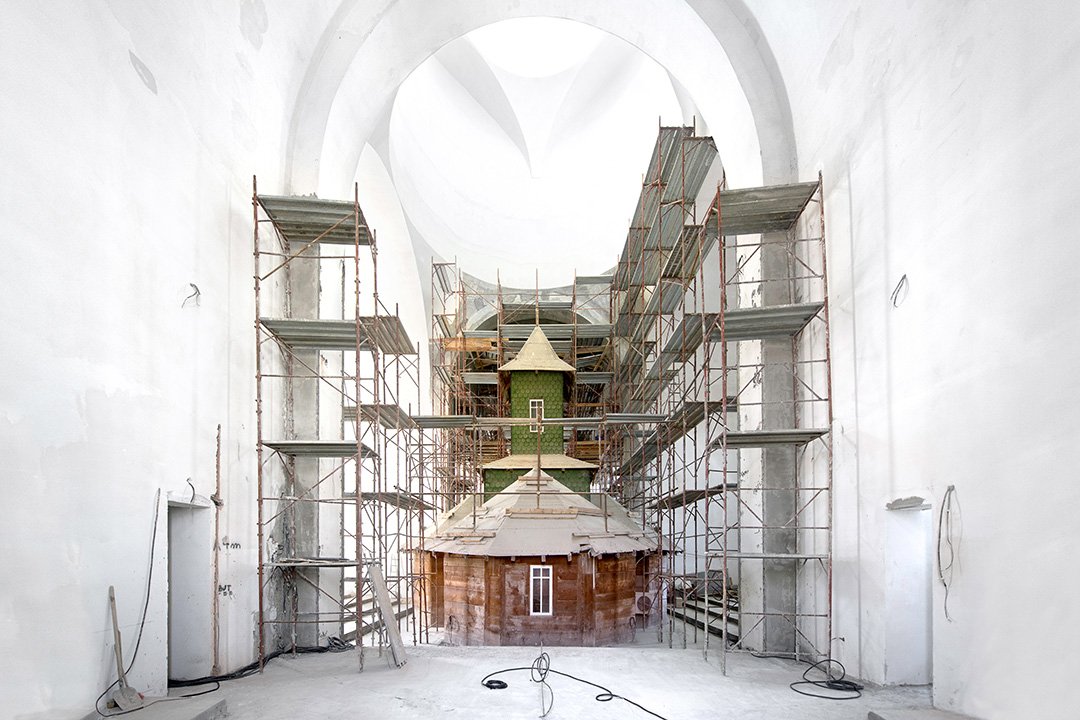
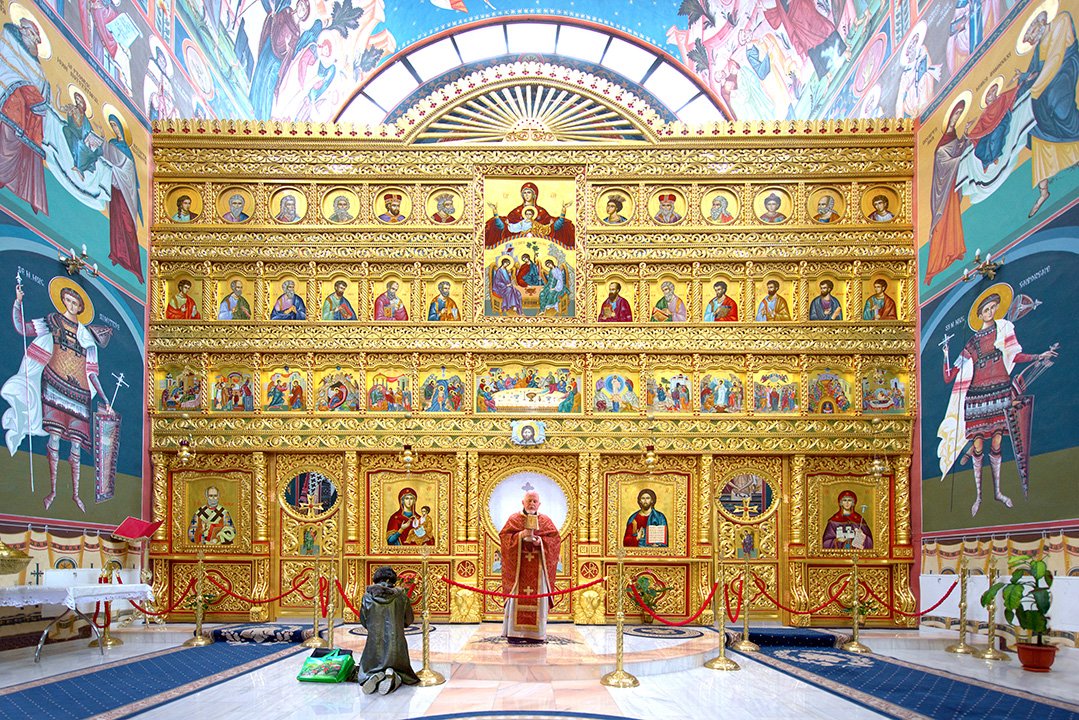
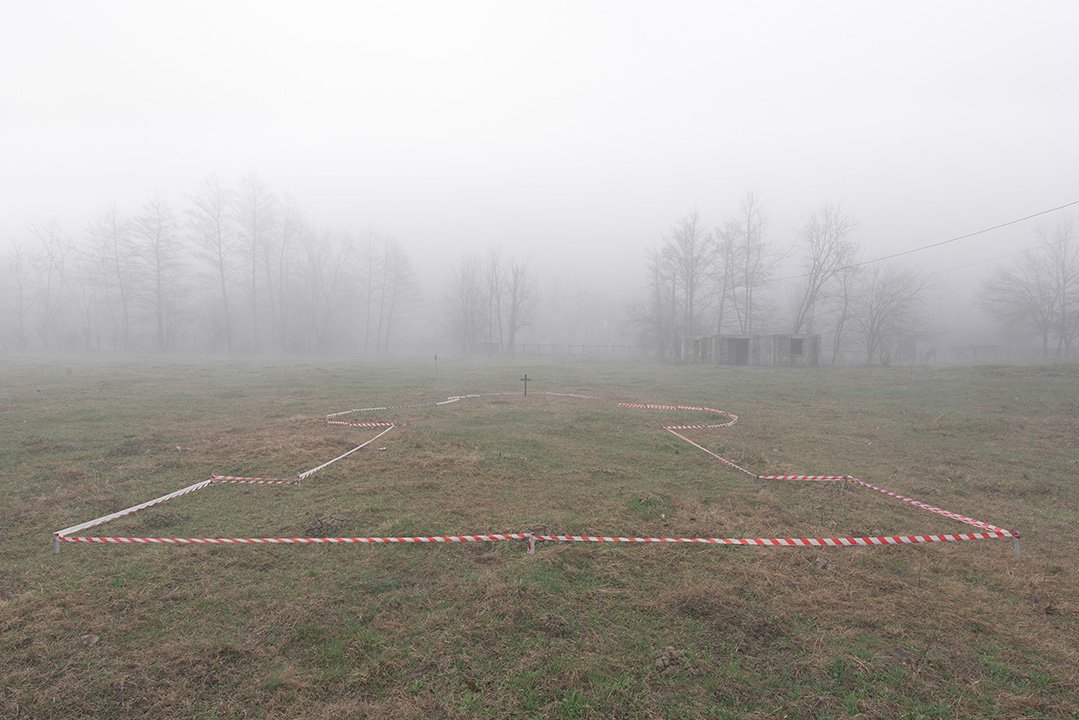
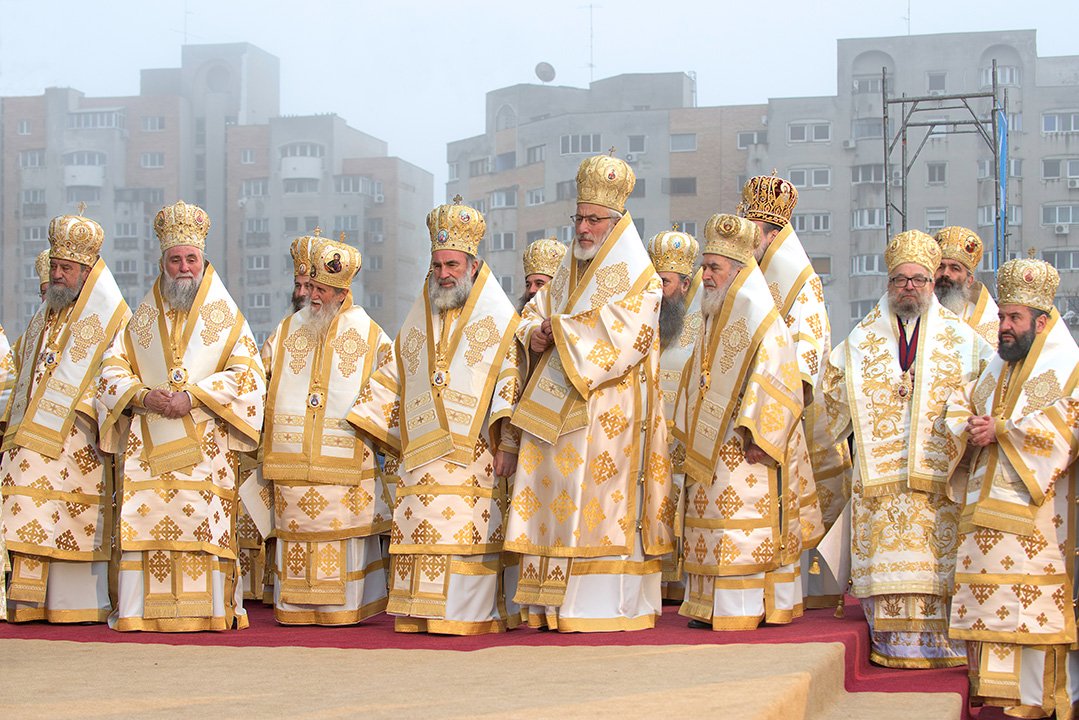
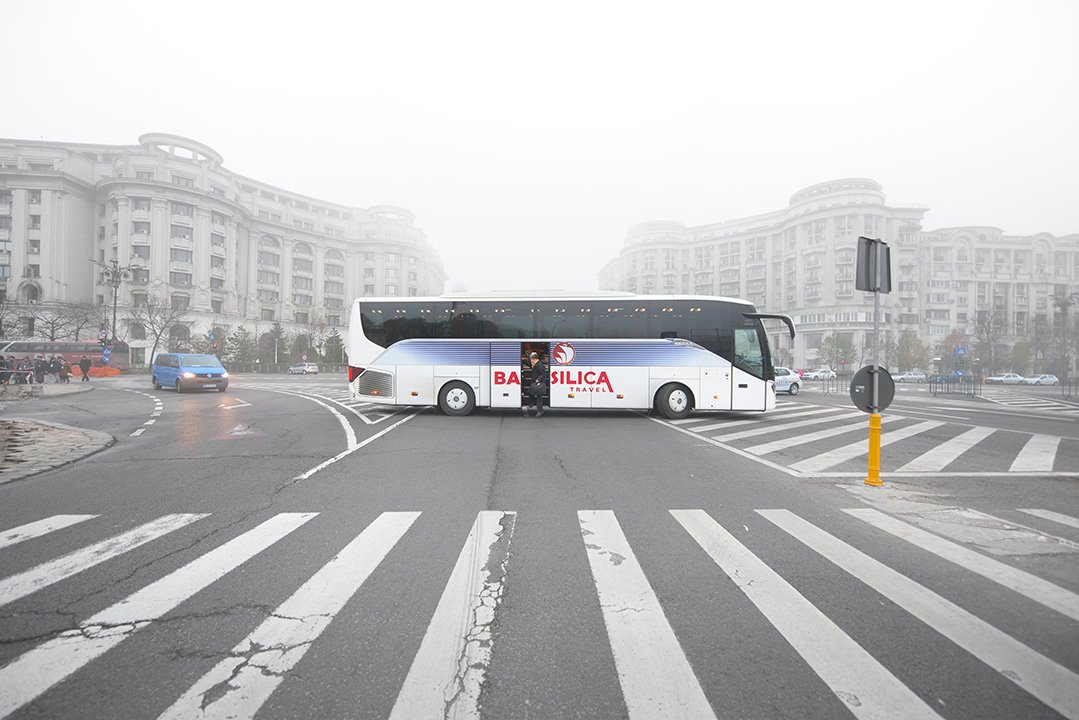
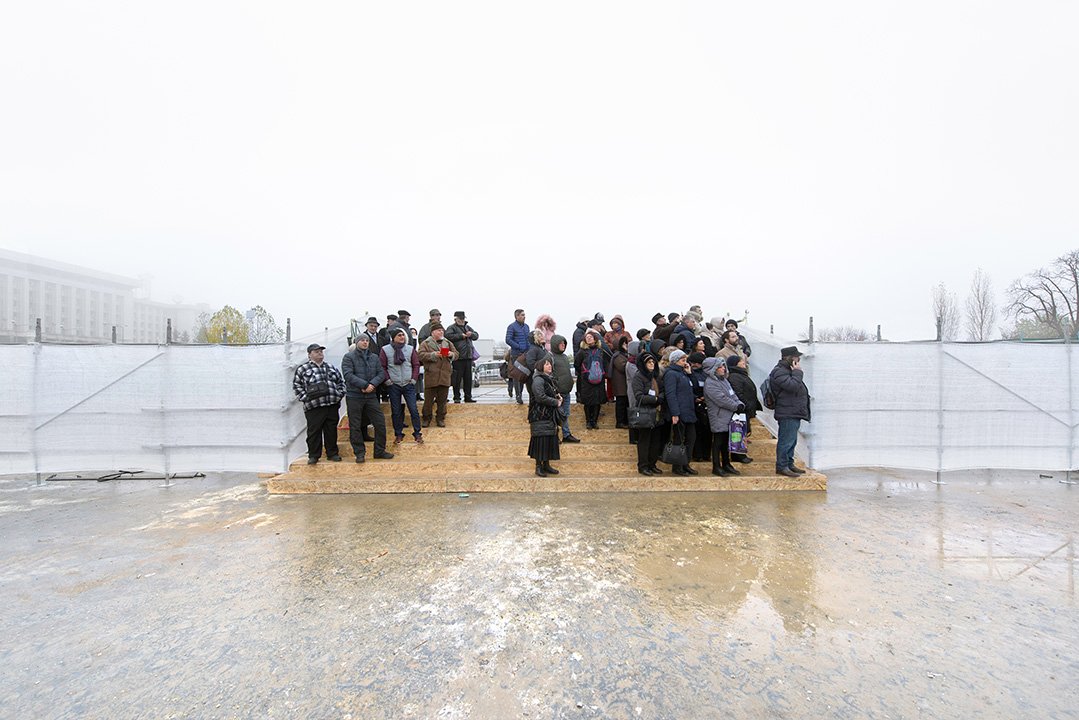
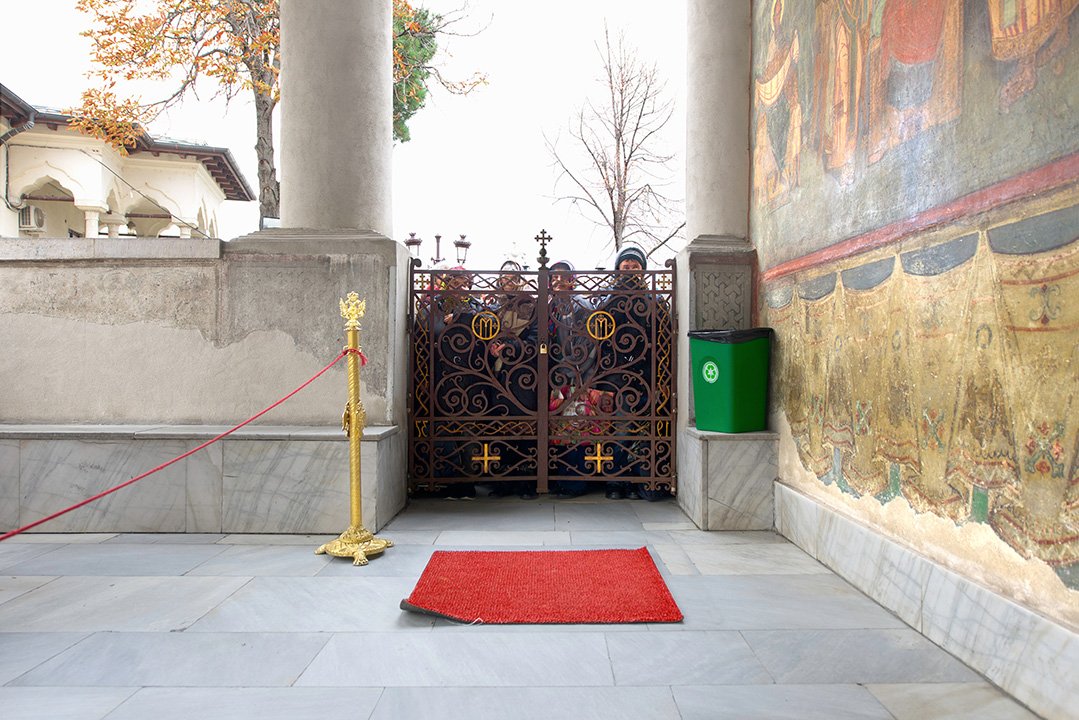
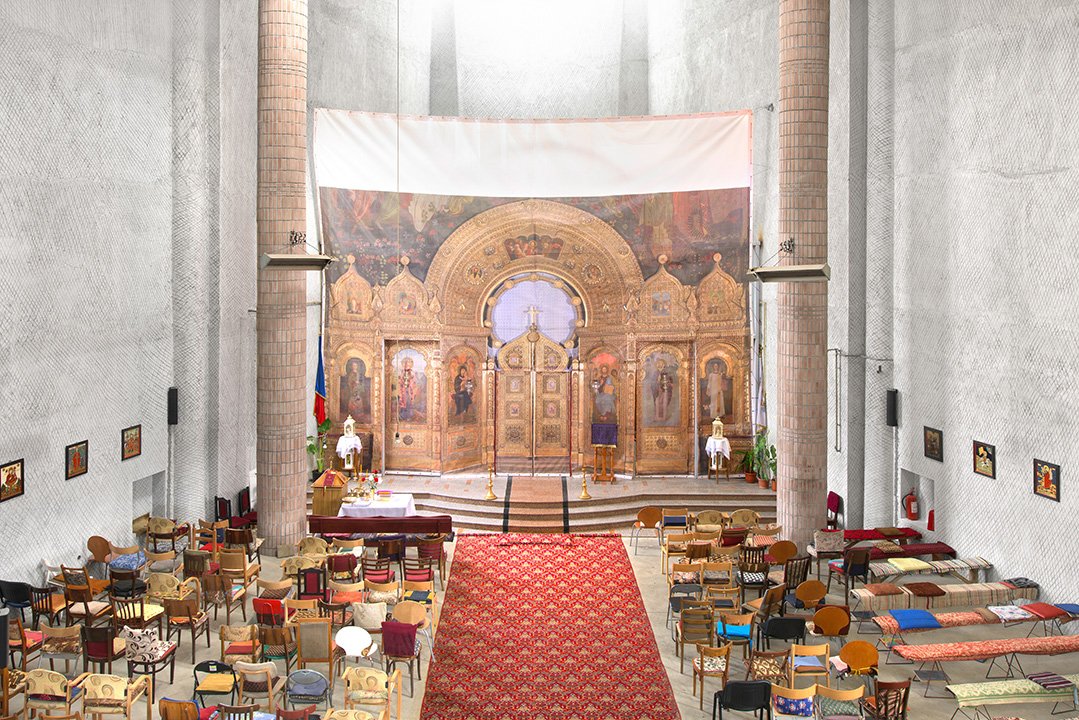
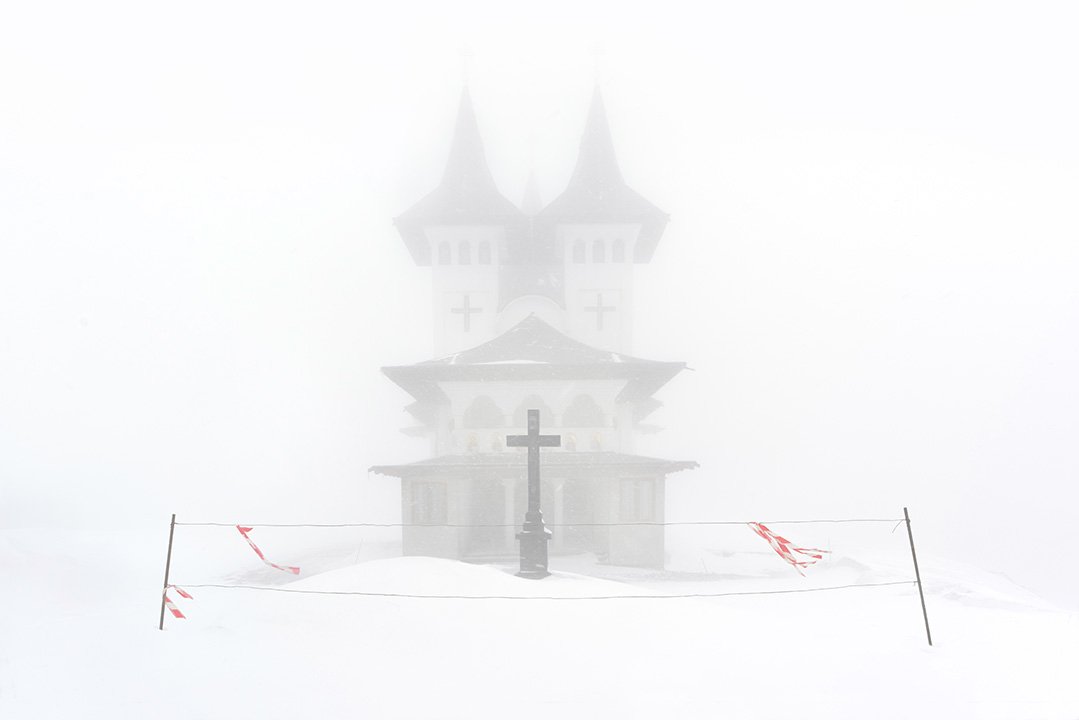
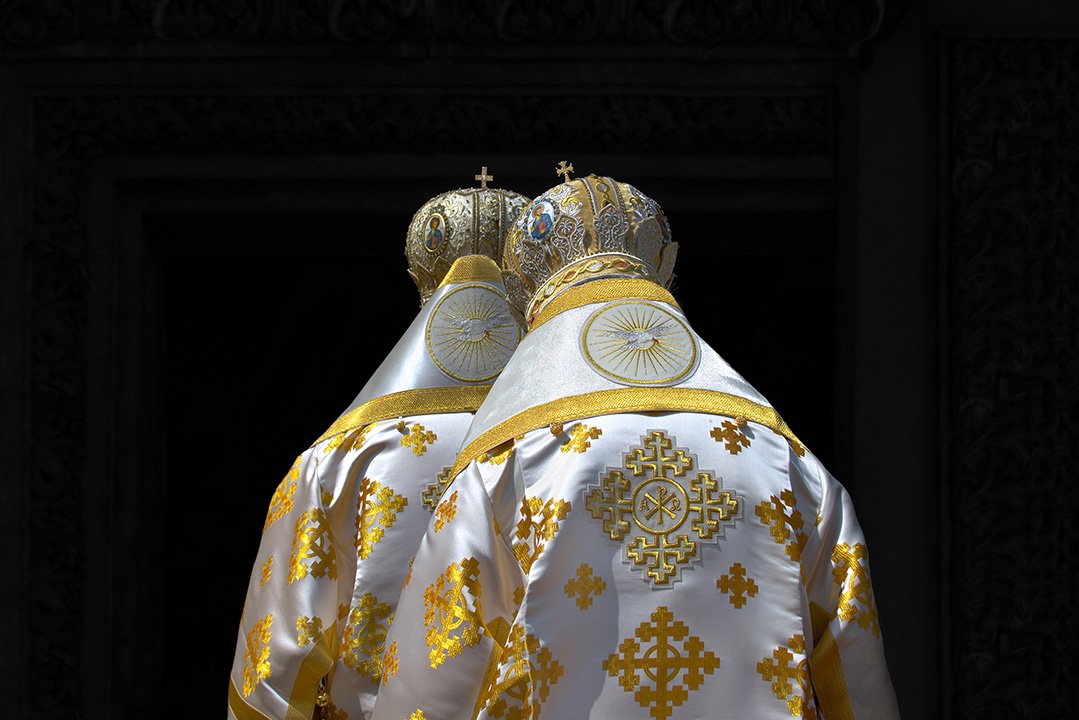
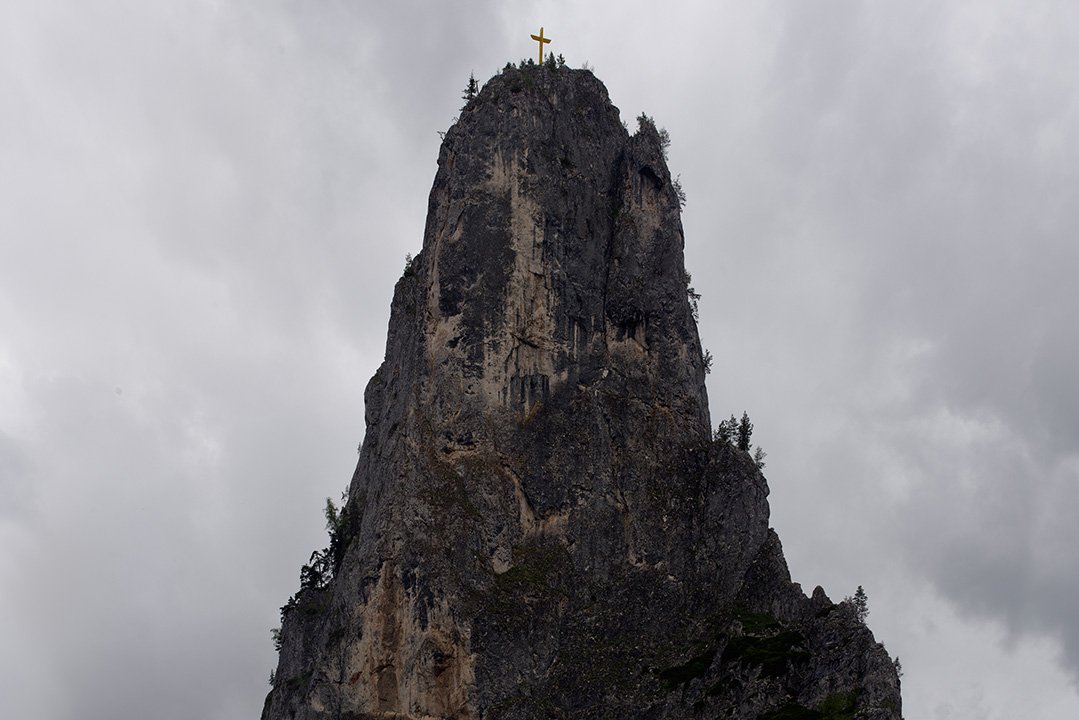
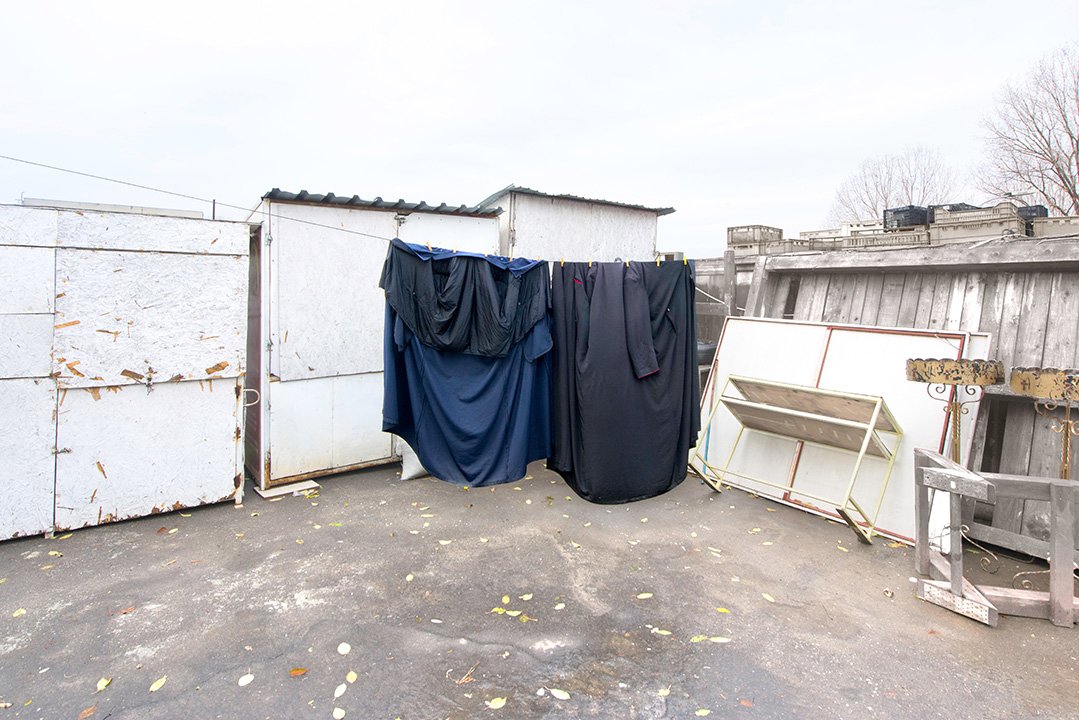
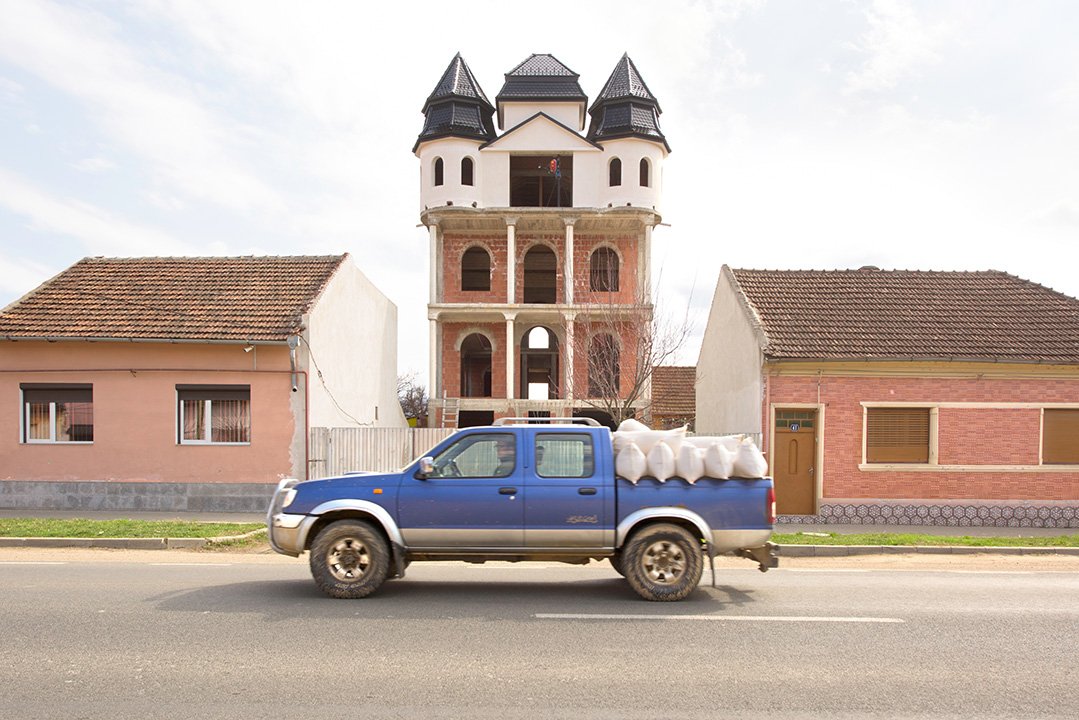
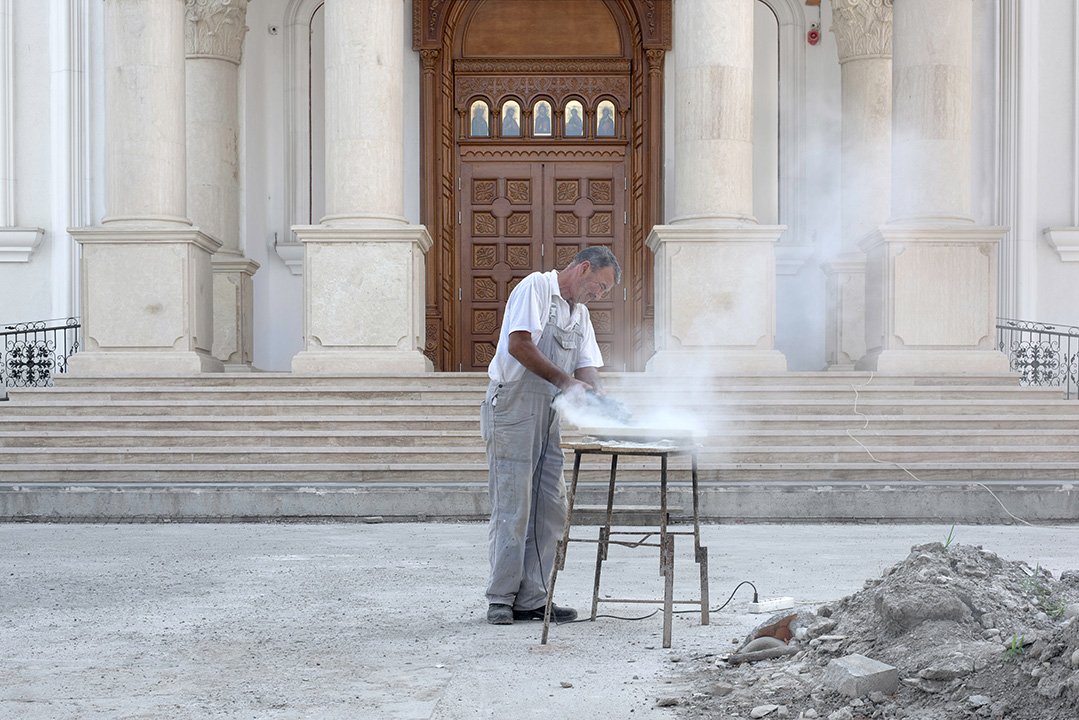
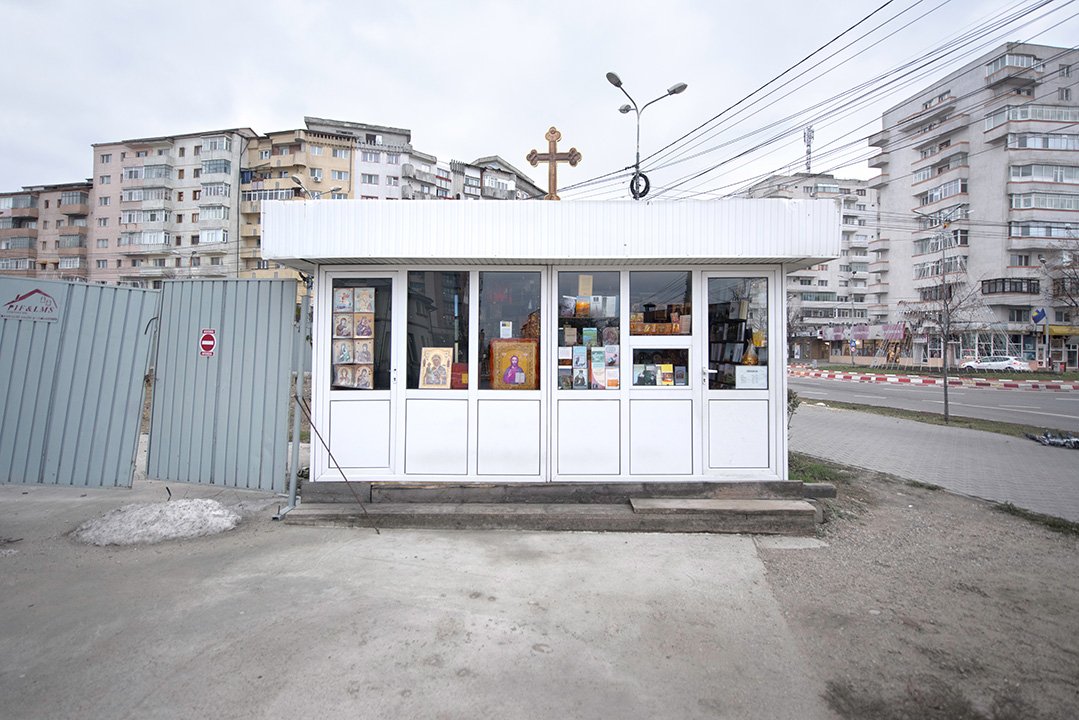
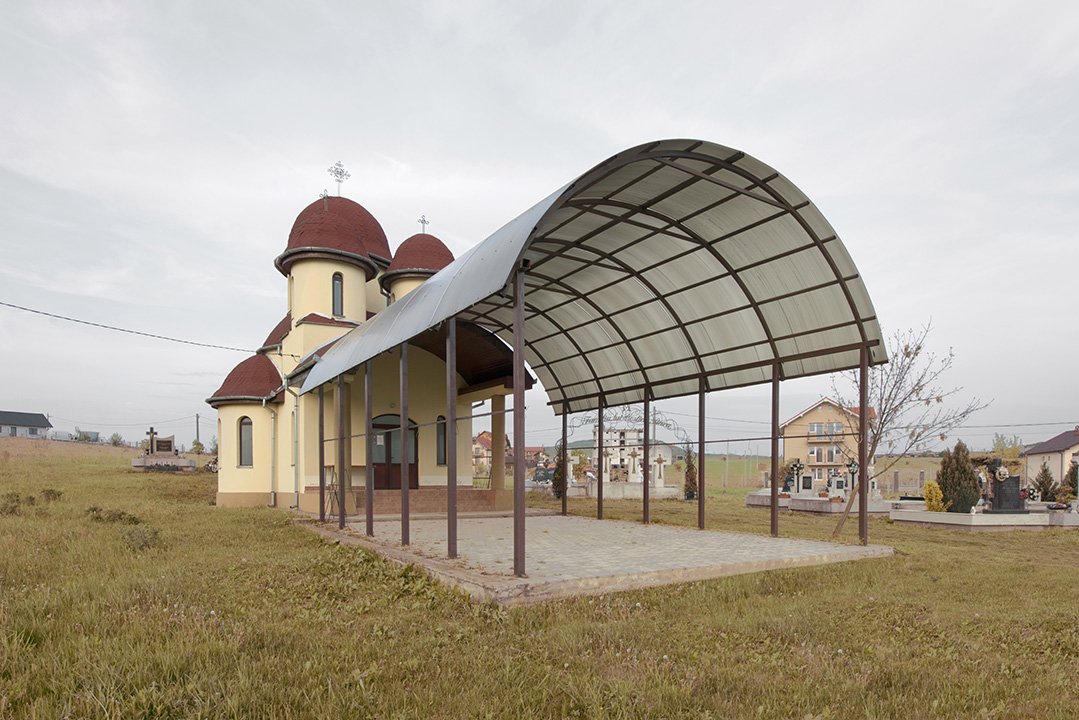
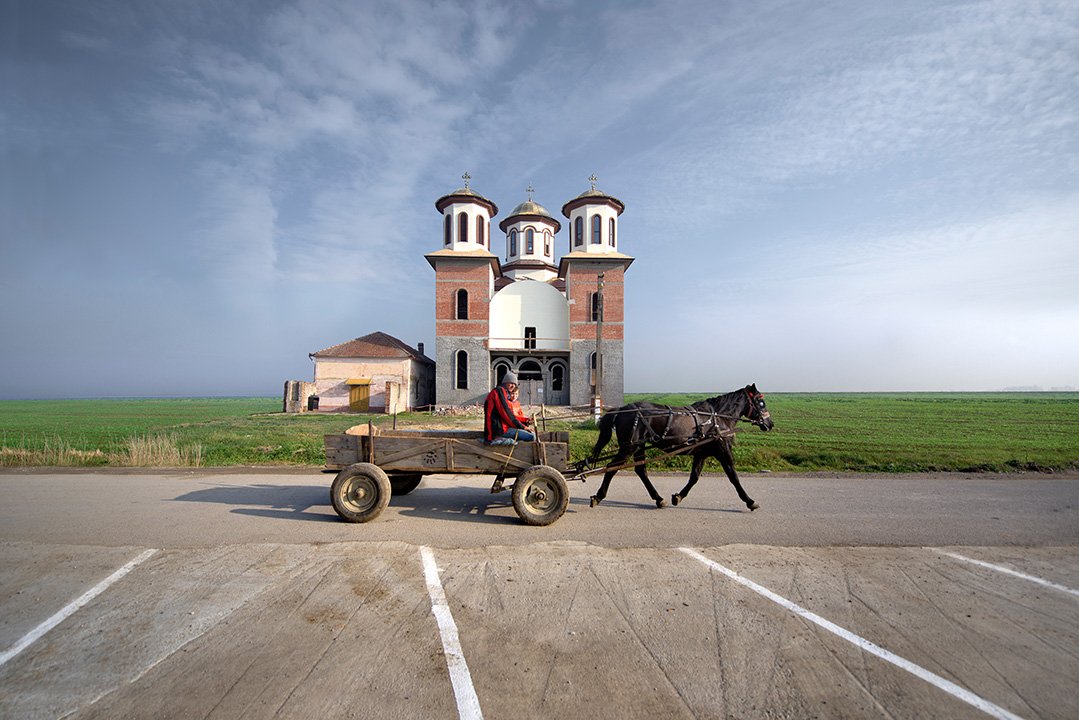
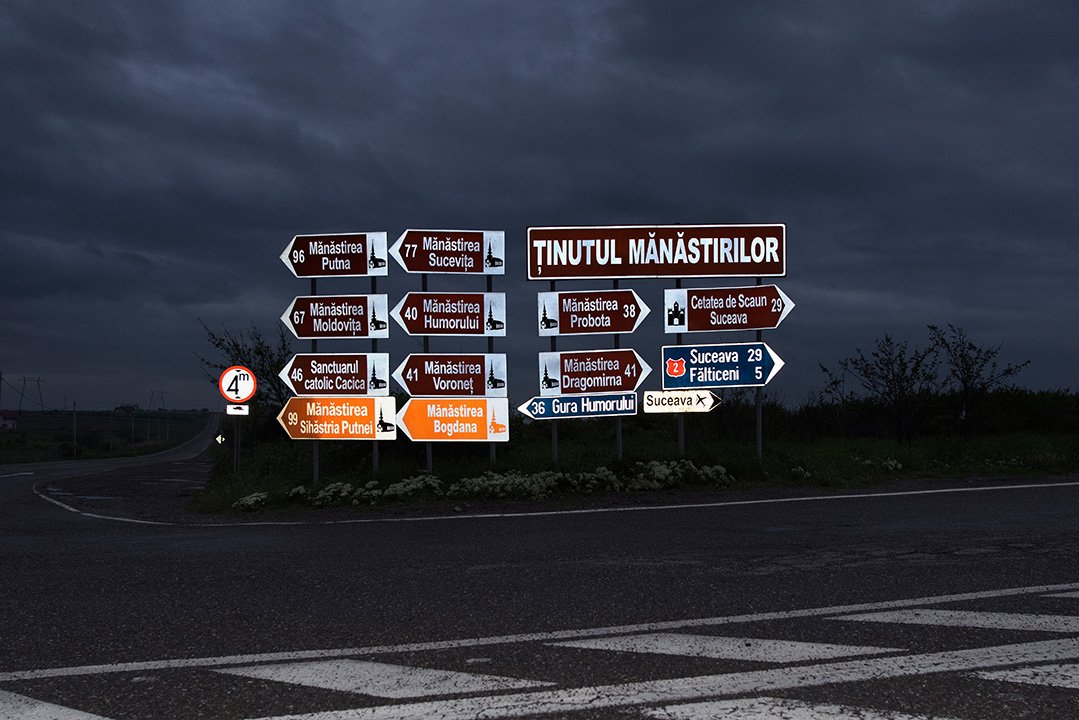
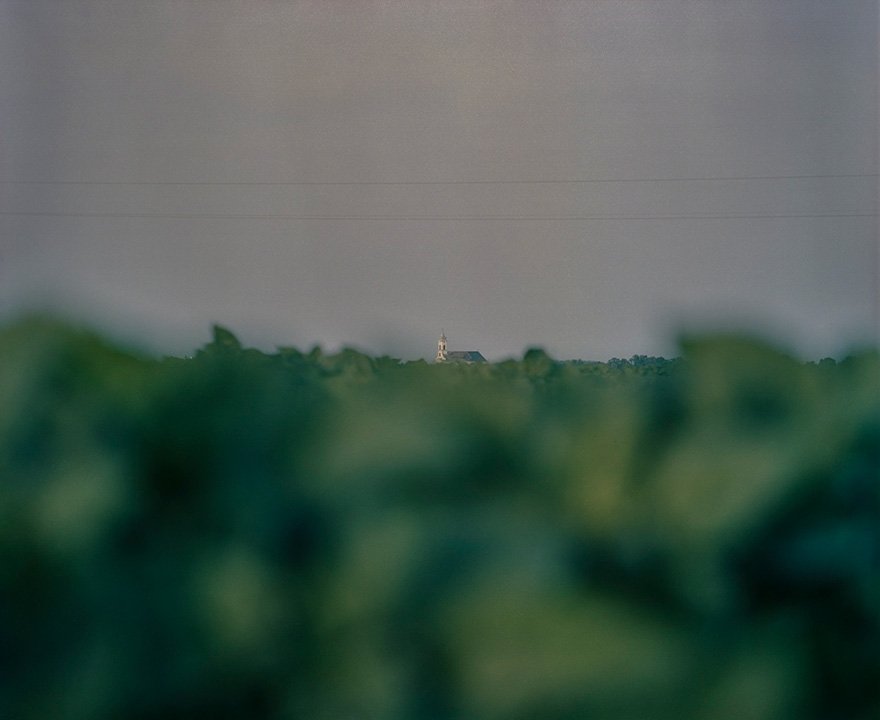
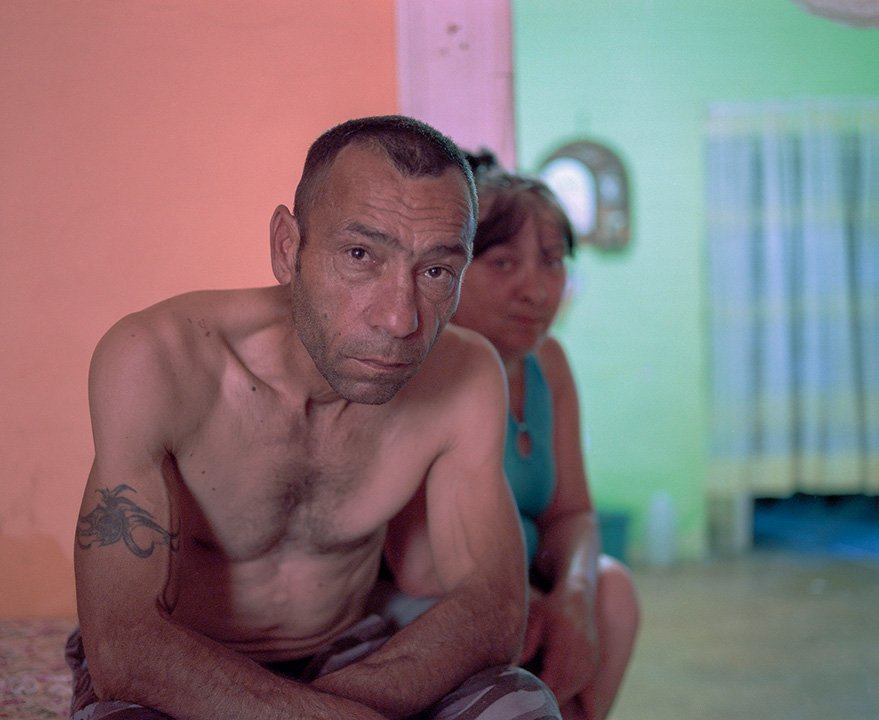
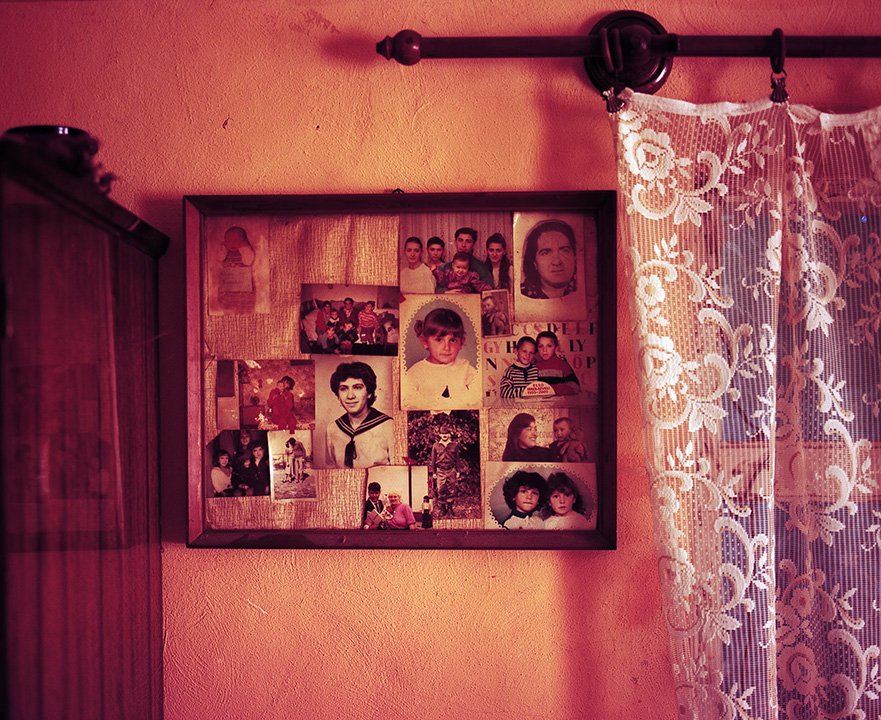
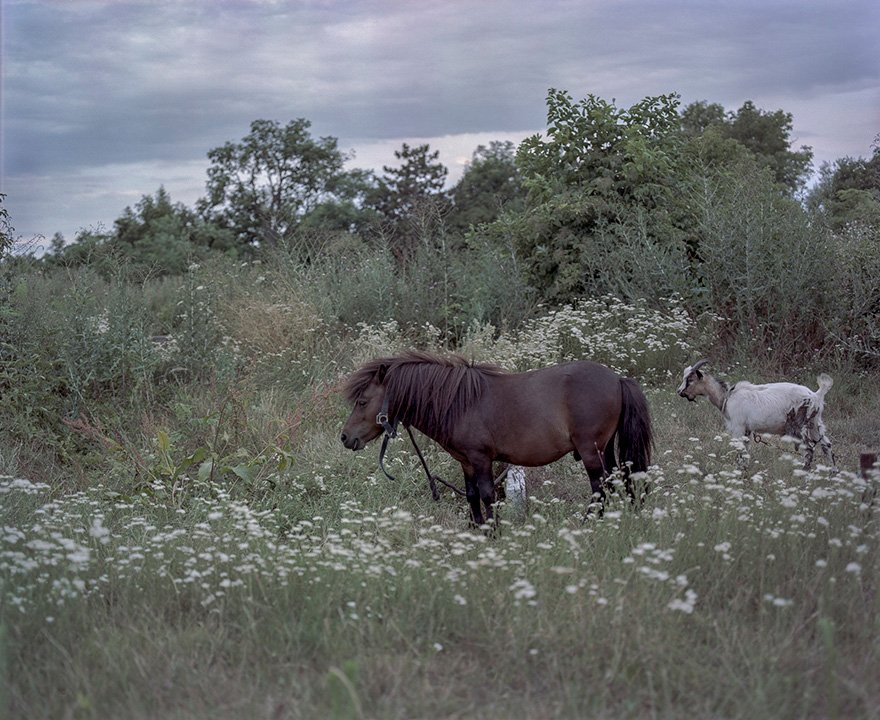
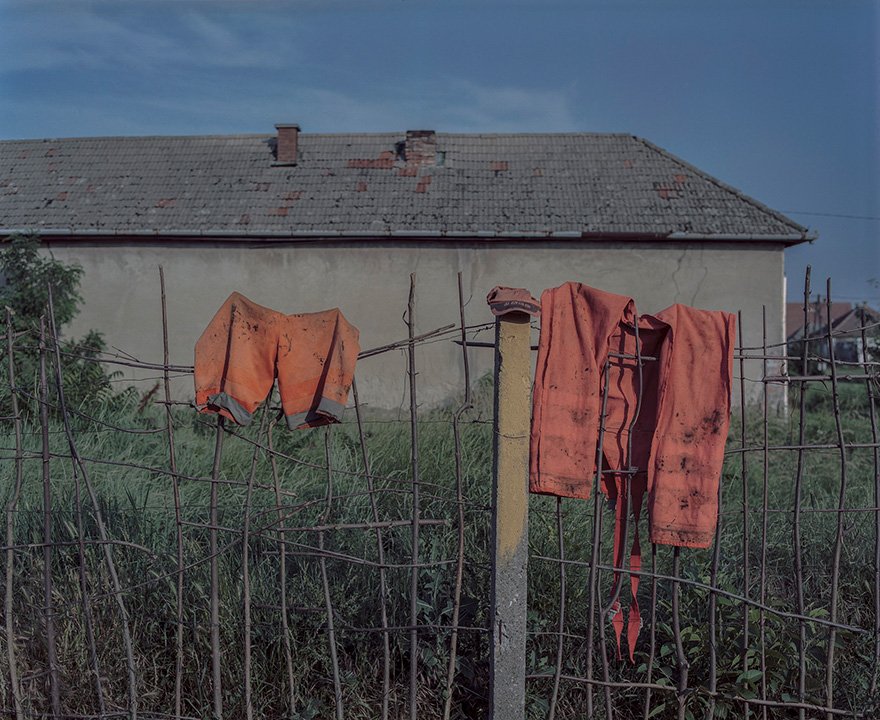
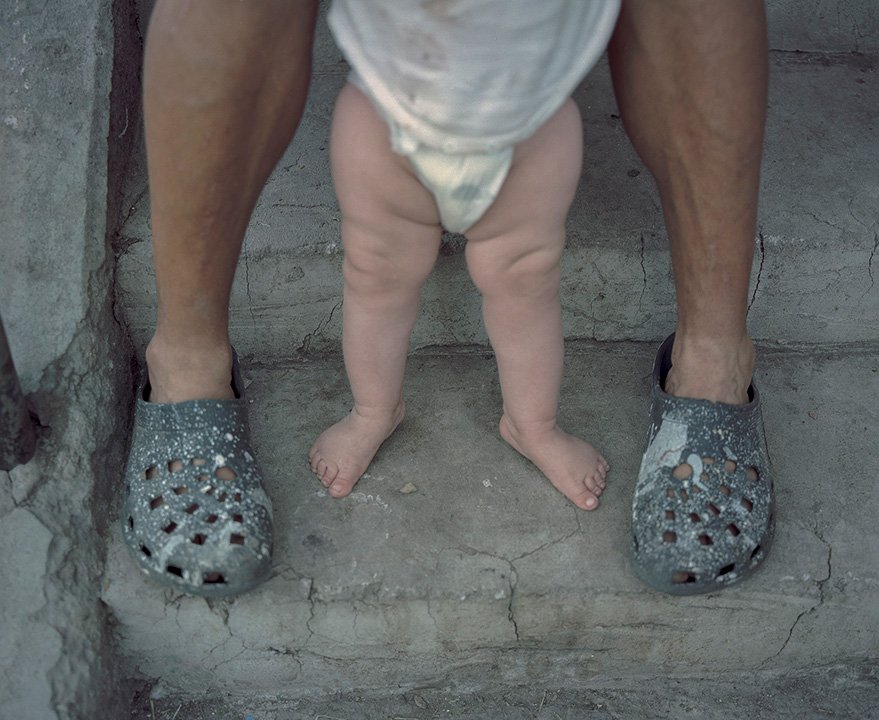
ORTODOXIA: In 2016 spring I had the urge to get into the car and go, and not for travelling aorund the country. I had a long travel in Romania of 29.000 kilometers and 3.100 hours spent on the road in the last three years, meanwhile I got lost eight times.
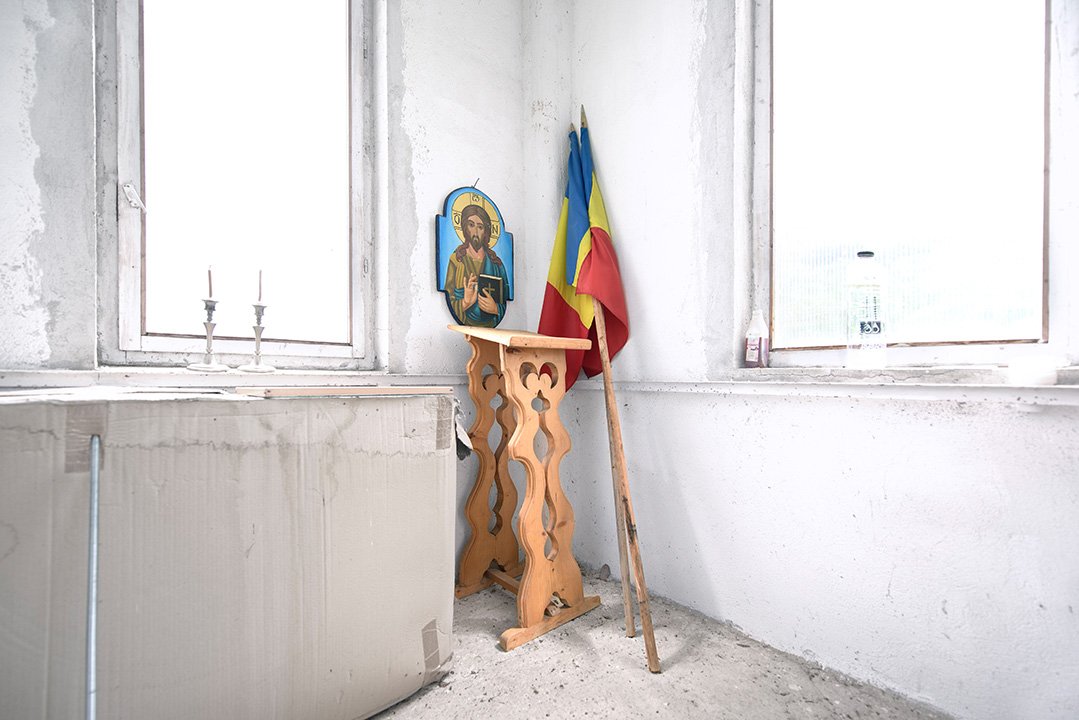
What was I searching for in the most hidden Romanian villages? Why did I jump again and again back into my car to visit the Orthodox Churches in Romania? Why did I survey the Romanian Orthodox Church for a couple of years, although I am not Romanian. Neither Orthodox. I went from one church to the other for 3 years, although I’m not religious. I was born in Transylvania, in Romania in a Hungarian family. What leads me to an environment that I’m not part of, where I will be an outsider forever?
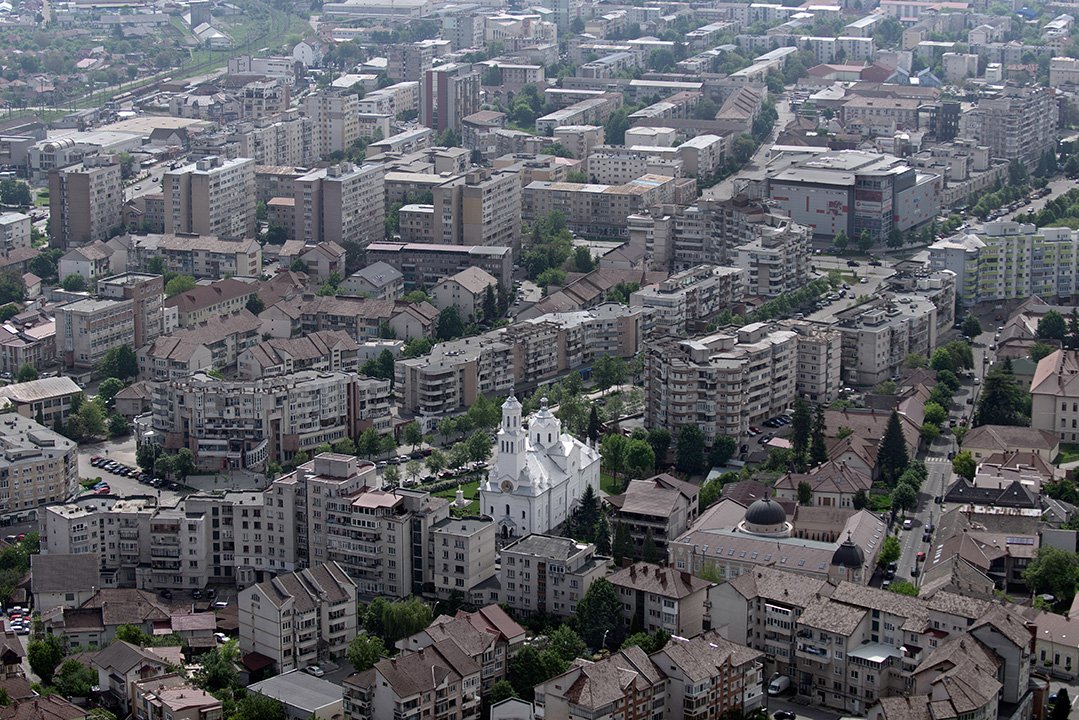
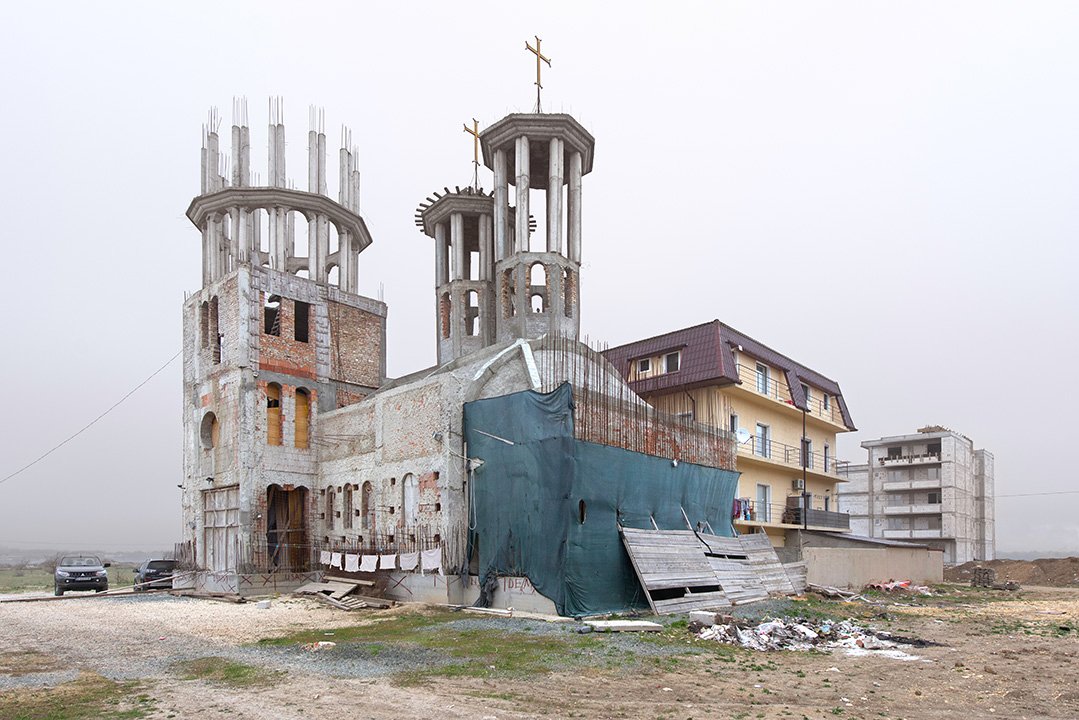
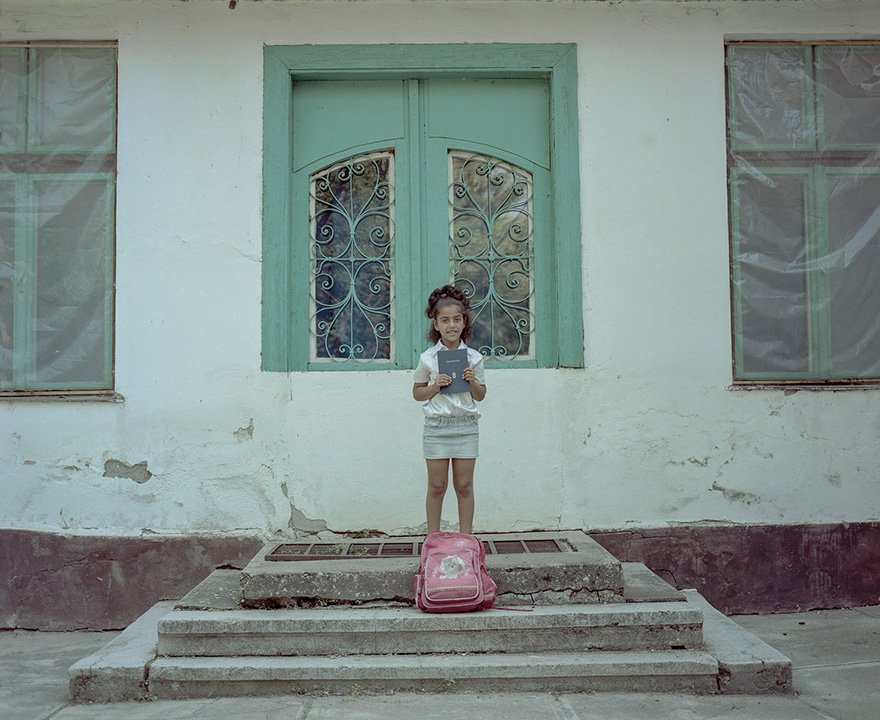
There is a story in our family legendry about a Greek Catholic church in Nyárádtő, a town having 6.000 inhabitants, where the majority is Romanian. There is a church of more than 100 years old that became the property of the Romanian Orthodox Church. Soon the Orthodox Church started to build up another church over the old one.
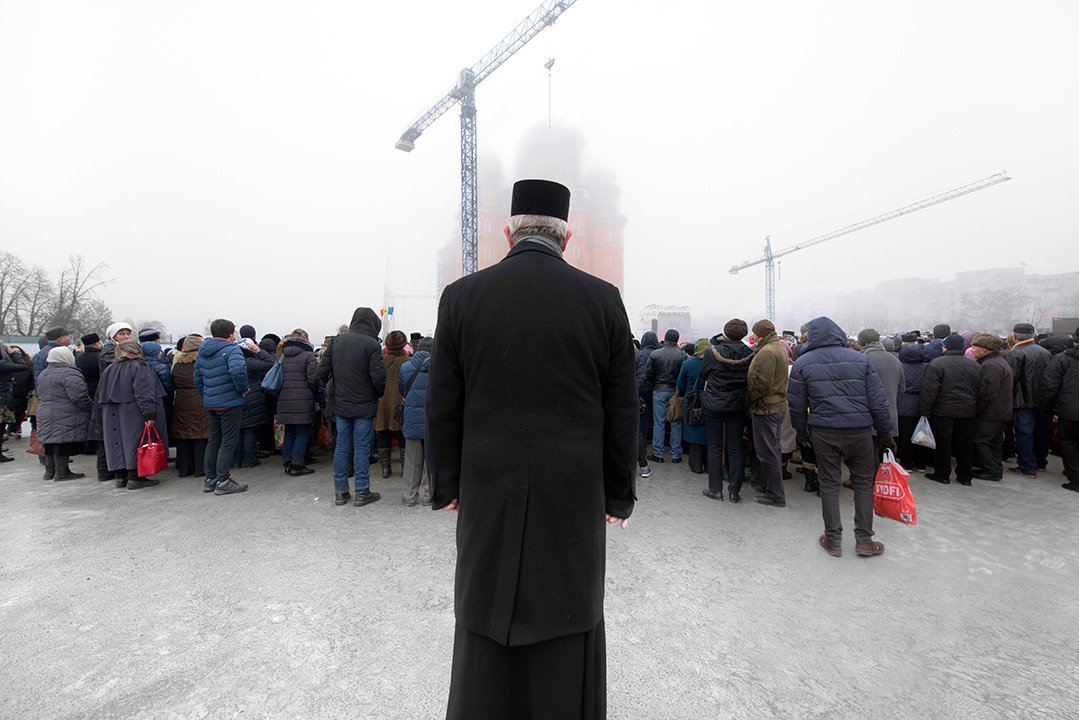
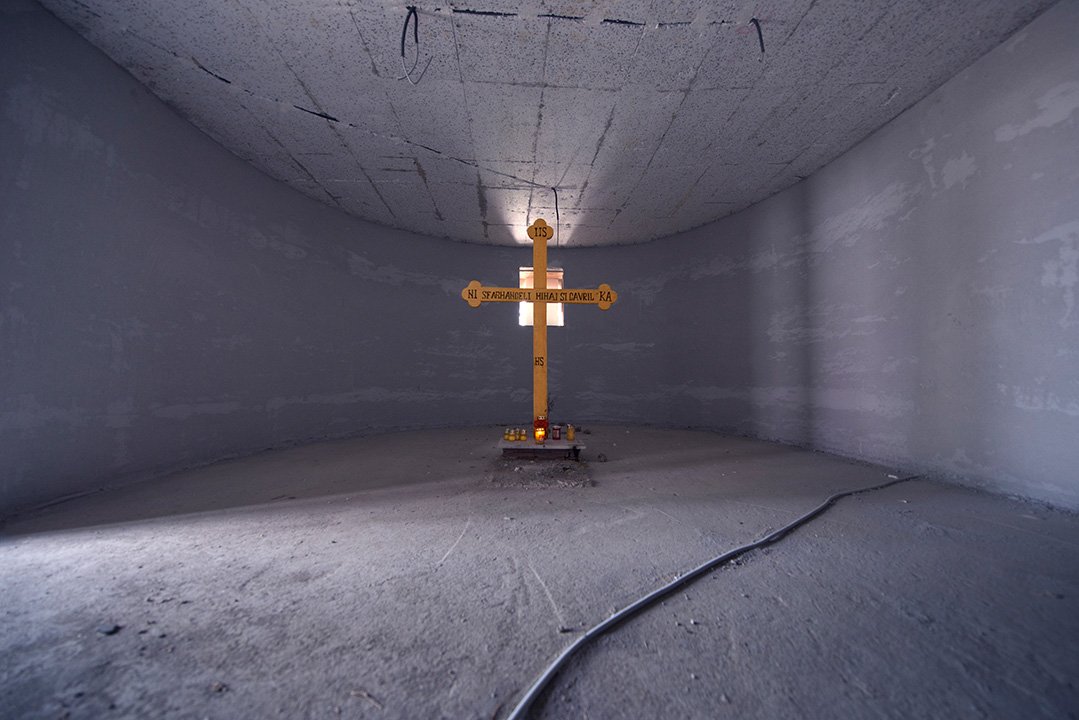
Since the change of regime more than 7.000 Orthodox Churches were built in Romania, and more than 1.000 are still under construction nowadays. This means that in the last thirty years every second day an orthodox church was inagurated in Romania.
What could possibly lie in the background? People are turning towards religion over again? Or are we the witnesses of the Orthodox Church’s empowerment?
In order to get closer to an answer, we shall go back a little bit in time, around hundred years, to the end of the First World War when the size of the territory of Romania had been doubled. Many provinces with different cultural, historical, and national backgrounds were attached in one country.
This glorious ending did bring some issues to Romania: the country with more or less a homogeneous population became a country with many different nationalities. It was a threat to the previously strong and unified national identity, while this national identity was crucial for the newly established Big Romania.
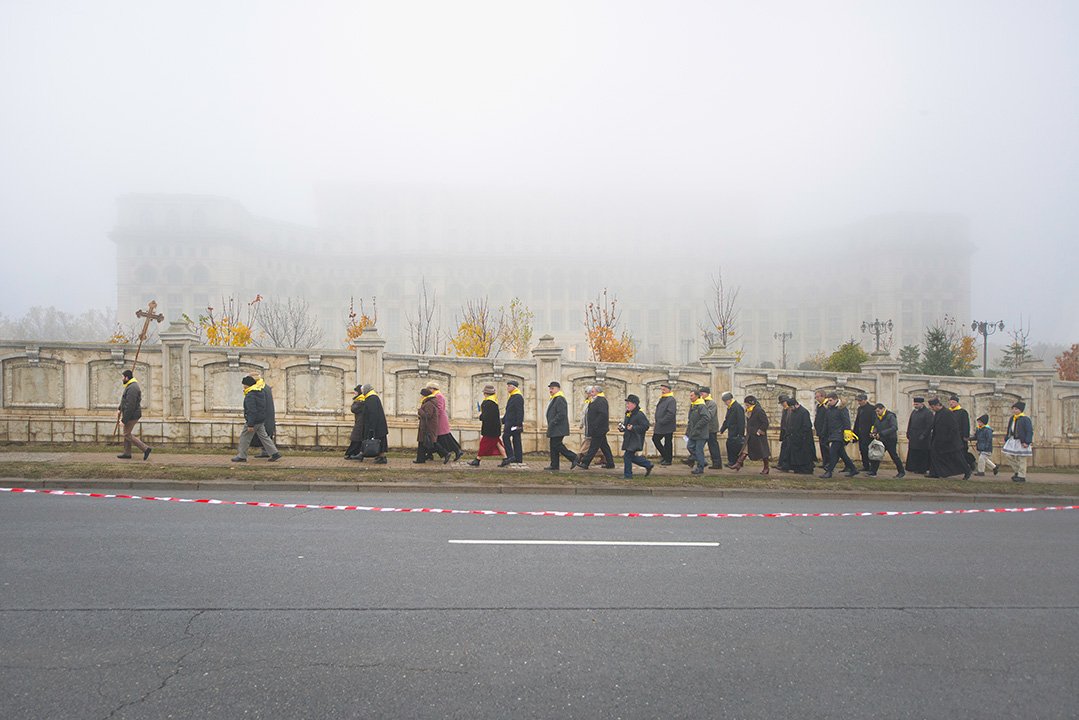
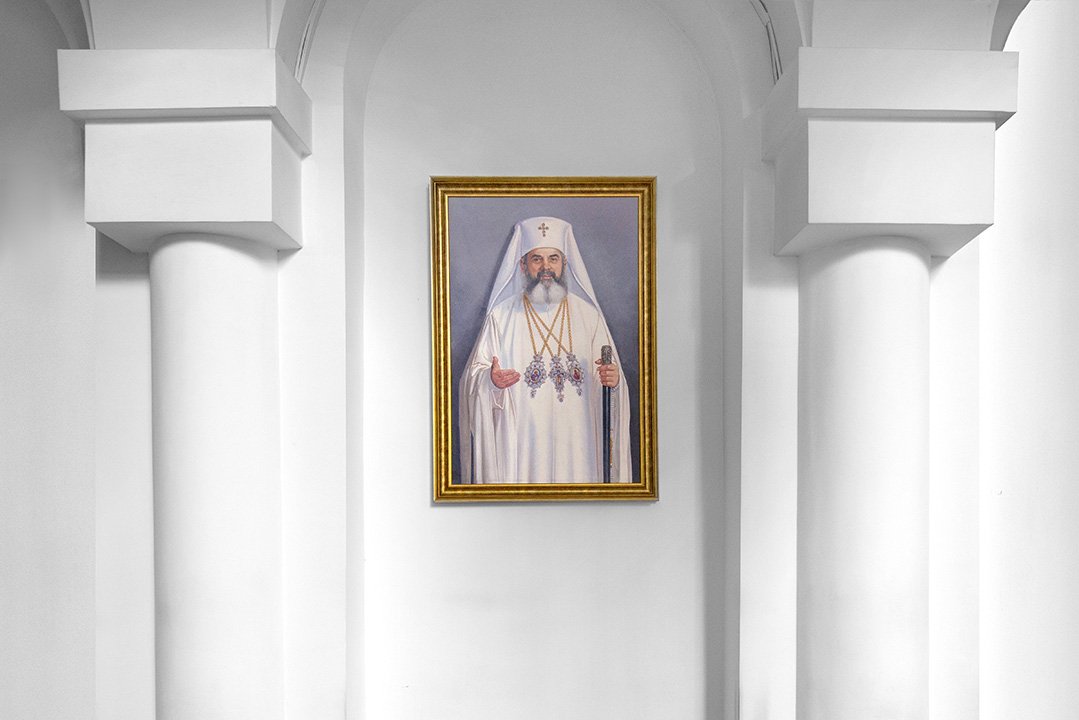
During the communist regime the state’s tool for strengthening the national identity and unifying the socio-cultural layers was mainly the education. Since the change of regime the new resource of the state is religion, more concretely the Romanian Orthodox Church. National identity and religious affiliations go hand in hand in Romania. As the Romanian political scientist Iuliana Conovici says: the Orthodox Church is on his way in becoming the institution of social and political remembrance.
It seems that the common aim of the Romanian State and Orthodox Church is to set up a homogeneous Romanian national identity as the Romanian State wills to legitimize itself through religion; and the Orthodox Church uses national identity rhetorically as a tool for mobilization.
How is it possible that in our times, when we notice people’s alienation from the historical sense of Church, in Romania we witness the reverse of this? Is the spiritual power of the Romanian Orthodox Church really in a process of recruitment? Is it an artificial and – thanks to the Romanian State – centrally supported ideological and economical positioning?
According to a survey from 2003 90% of the Romanian population trusts in the Romanian Orthodox Church. In 2011 the same survey showed 84%. It doesn’t seem a huge decrease, but in 2015 this precentage was only 58%. What could be a possible explanation for this?
Firstly, these numbers might mirror the progress of secularization in the Romanian society. This is proved by the numbers: only 17% out of this 58% goes to the Church at least monthly. Secondly, the Church’s spectacular spreading all around the country, the visibility of its gorgeous wealth and the unclear financial support might have caused this lack of trust as well. The yearly income of the Orthodox Church is higher than the second biggest Romanian city’s yearly budget. And let me tell you one more data: 80% of the church constructions are supported by public funds, and only 20% of it comes from private sources such as donations.
Is it the sign of a desperate quest towards a powerful infrastructure in order to reach people’s souls in a more and more modern and secularized society? Or more precisely, could it be the sign how the Church takes over the role of national identity formation longing for hegemony in the creation process of a politically governed, and utopistic culturally homogeneous Romania?
WORKS BY THE FELLOWS
LIFE OF SOPHIE
Hajdú D. András

András D. Hajdú was born in Budapest in 1981, he now lives with his wife and two daughters in a village close to Budapest. He obtained a degree in English literature and wrote his thesis on American war photography. He works as a freelance photographer at present, he is an external lecturer in the photo reporting department of Budapest Metropolitan University, and Nikon’s ambassador to Hungary.
He has won twenty three awards with his work so far in the Hungarian Press Photo Competition, of which three were grand prizes.
In 2015 he won the first prize in the prestigious Pictures of the Year International “feature picture story”. He has been awarded the Pécsi József Grant on three occasions, the Robert Bosch Foundation grant in 2012, as well as the Hégető Honorka multimedia grand prix twice. In 2013 he was the first to win the Hemző Károly prize. In 2018 he was presented the For Quality Journalism prize for a complex series of multimedia articles.
He has worked in many parts of the world over the last 15 years, from the Beijing Olympics via New York jazz clubs to the rainforests of the Congo. Besides the domestic press, he has also photographed for clients such as National Geographic, The Telegraph, Politico, Forbes, Bloomberg, the UN and Tages Anzeiger.
“I am chiefly interested in documentary photography, primarily in perpetuating Hungarian and Eastern European reality. My series focus on fragile life situations. In my work, I strive to develop as close and intimate a relationship as possible with my subjects, in order to produce profound and anthropocentric series. I frequently use multimedia tools in order to have a more complex, more intelligible approach. Many of my series span several years, which gives an opportunity for individual processes and tendencies to unfold more vividly for observers.”
SELECTED AWARDS AND GRANTS:
- 2018 Quality Journalism prize for a complex series of multimedia articles.
- 2017 Ezüstgerely Award, for feature sports photography
- 2015 - POYi (Pictures of the Year international) 1st prize winner (reportage division, feature photo story)
- 2004 - 2017 23 times winner of the Hungarian Press Photo Contest, including Photographer of the Year, André Kertész Grand Prize ( 2 times), Marton Munkacsi Prize for the best collection ( 2 times ) 2013 Robert Bosch Stiftung 2009, 2010, 2013 József Pécsi Scholarship for Art Photography 2014 Károly Hemző Award 2013 and 2014 Honorka Hégető Grand prize – multimedia project, highlighting the problems of marginalised groups
- - -
- - -
- - -
- -
- -
- - -
- -
- -
- - -
- - -
- - -
- - -
- -
- -
- -
- -
- -
- -
- - -
- - -
- - -
- - -
- -
- -
- - -
- - -
- - -
- - -
- - -
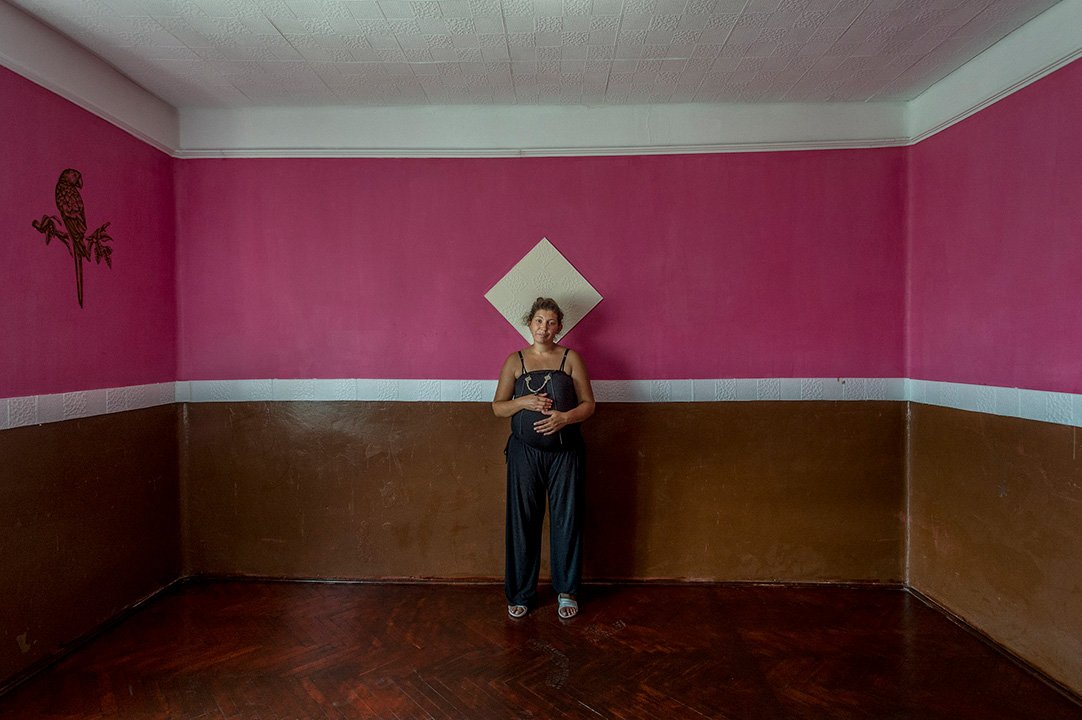
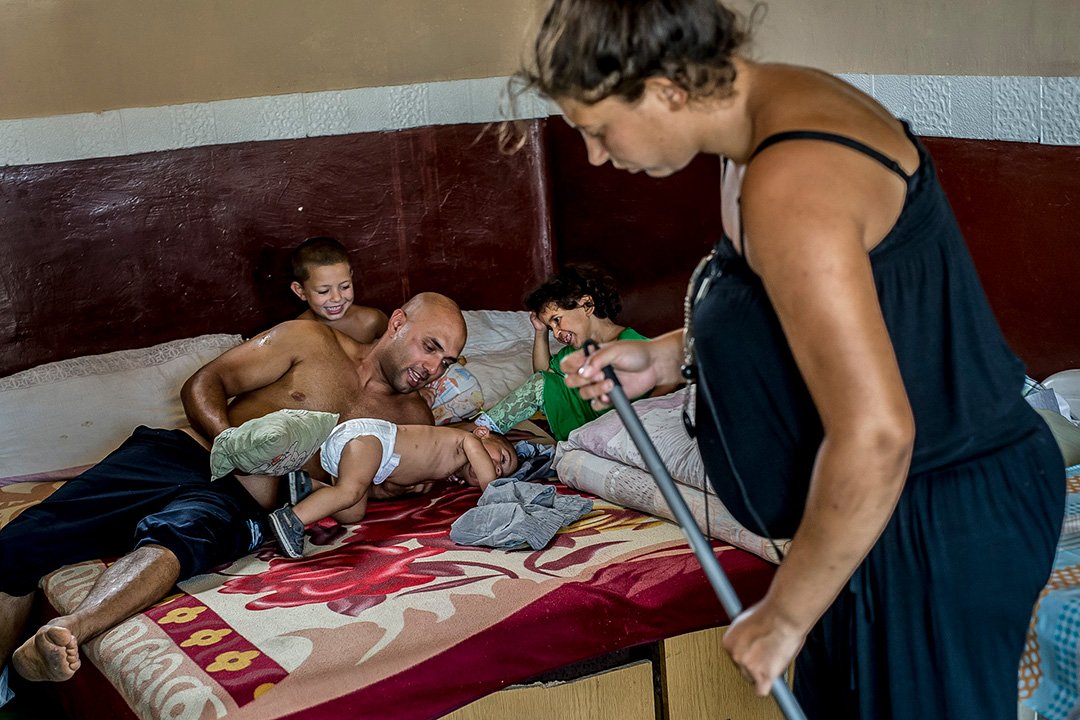
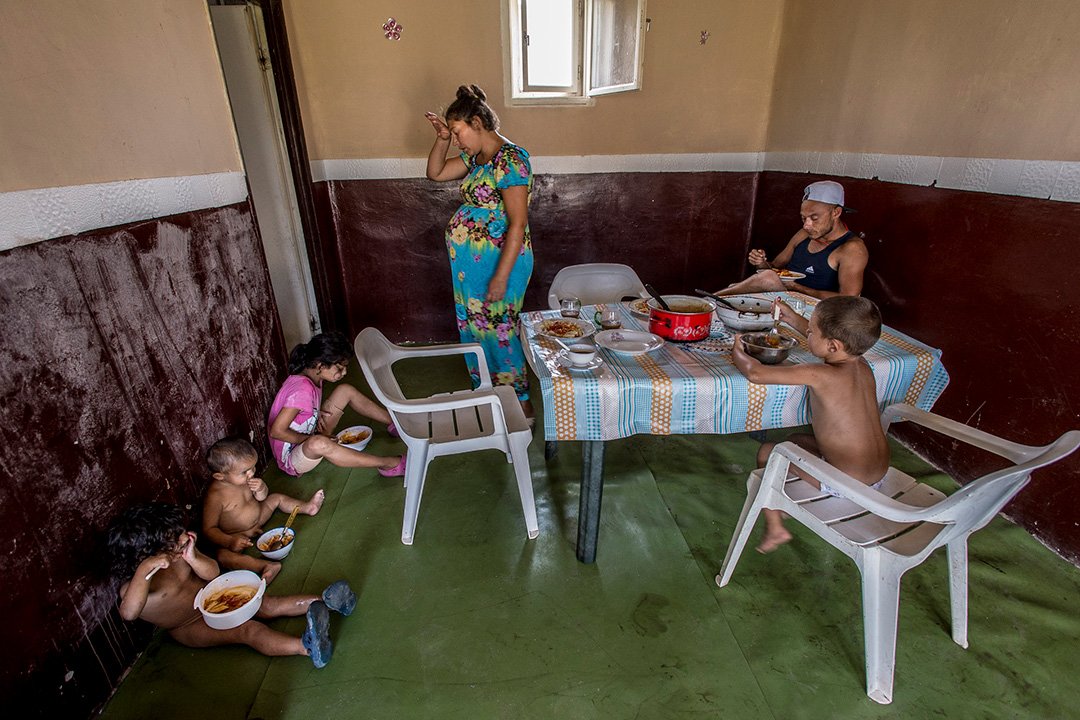
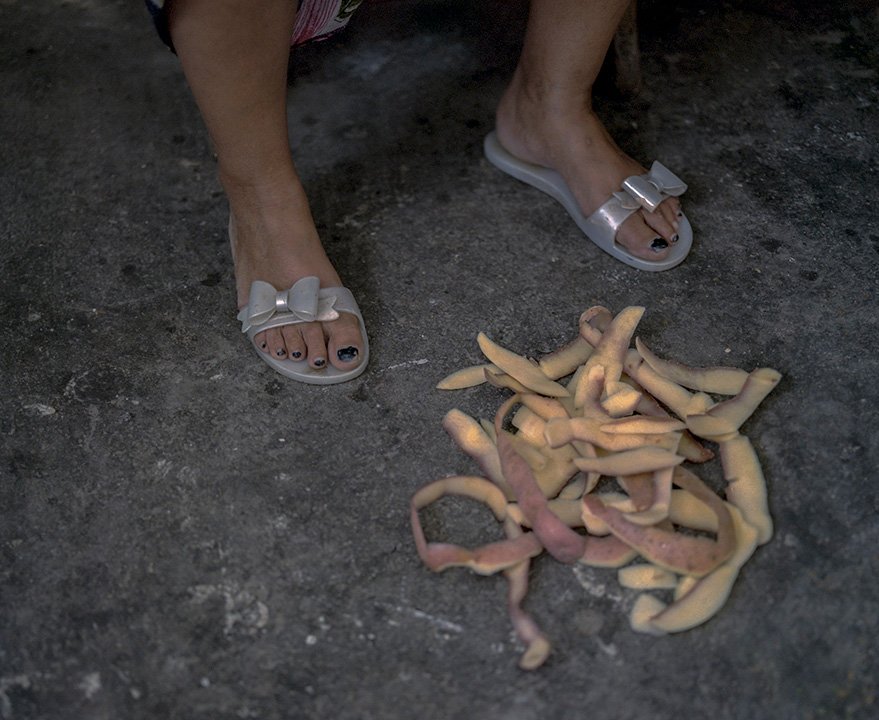
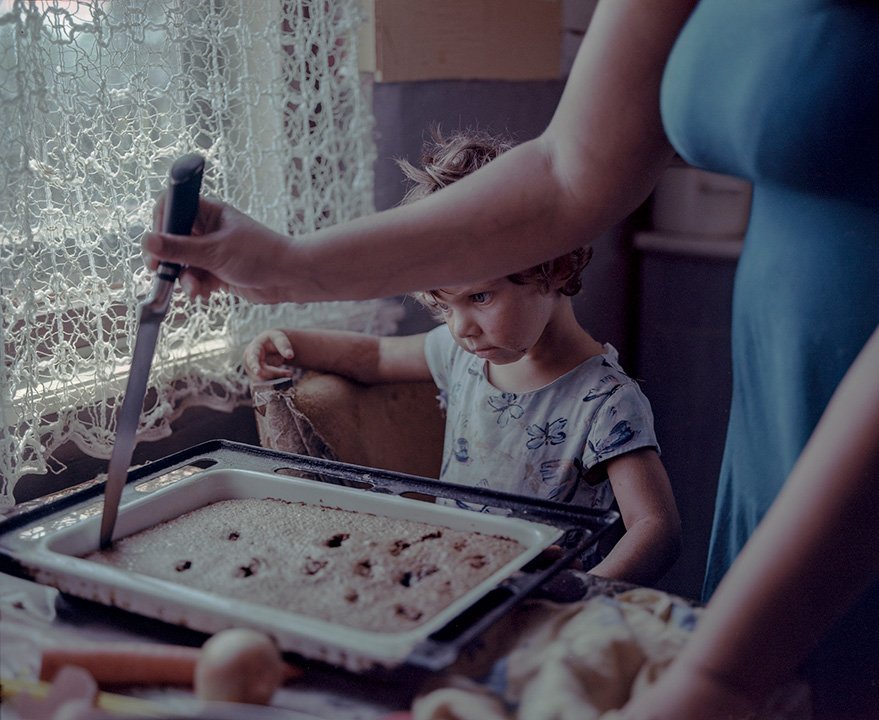
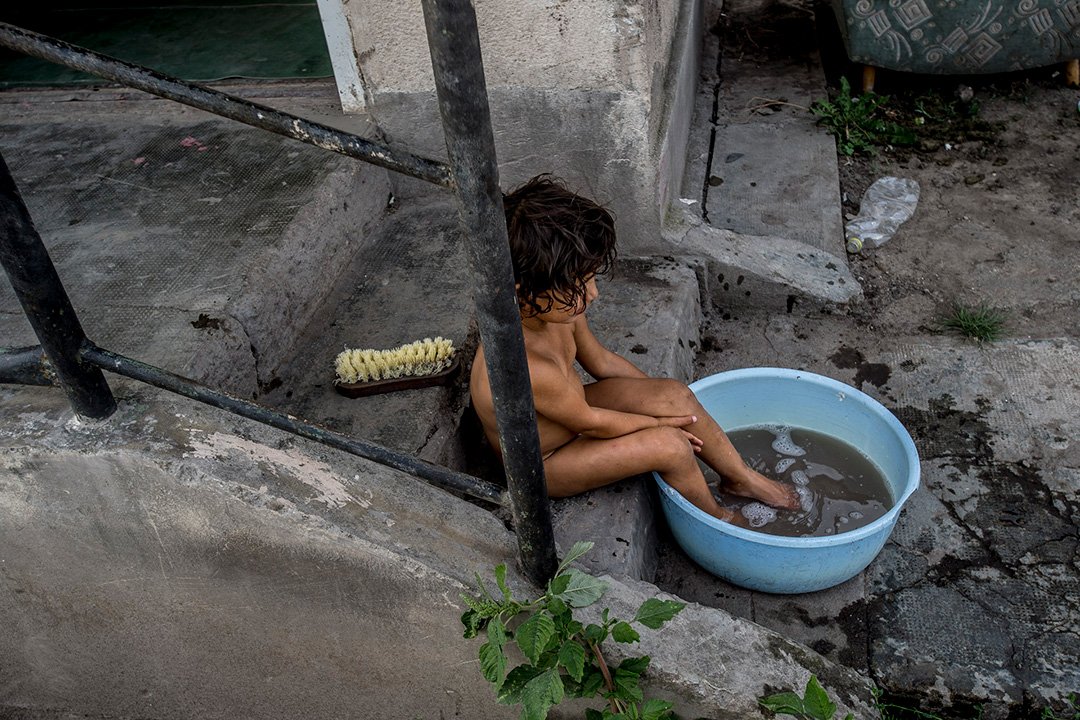
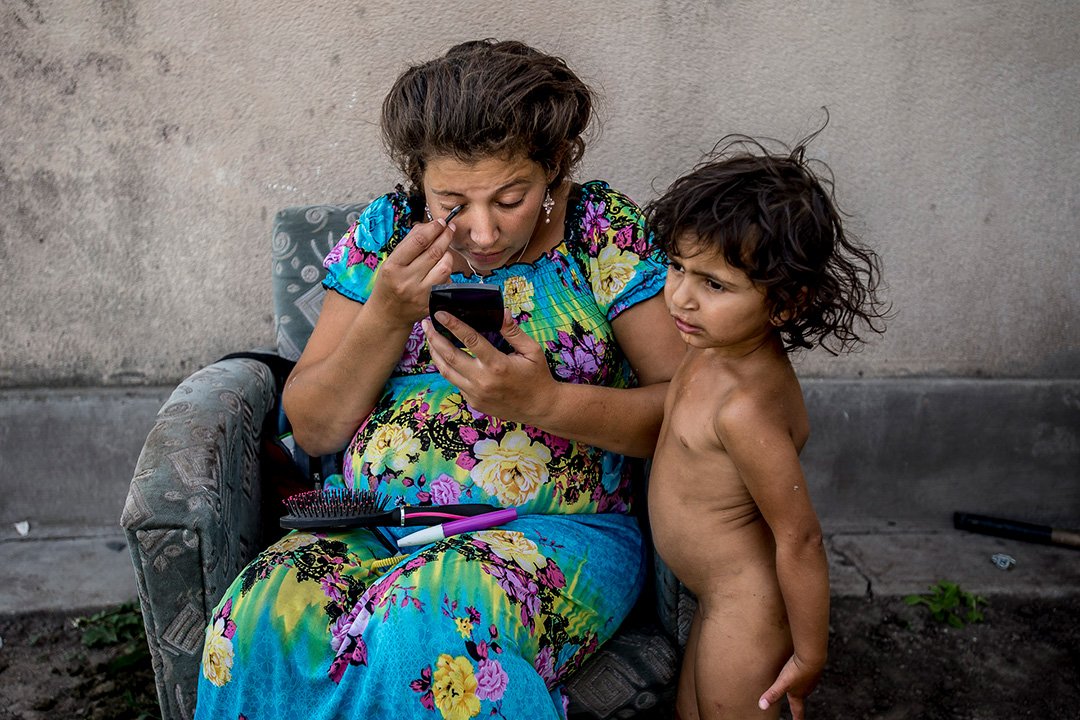
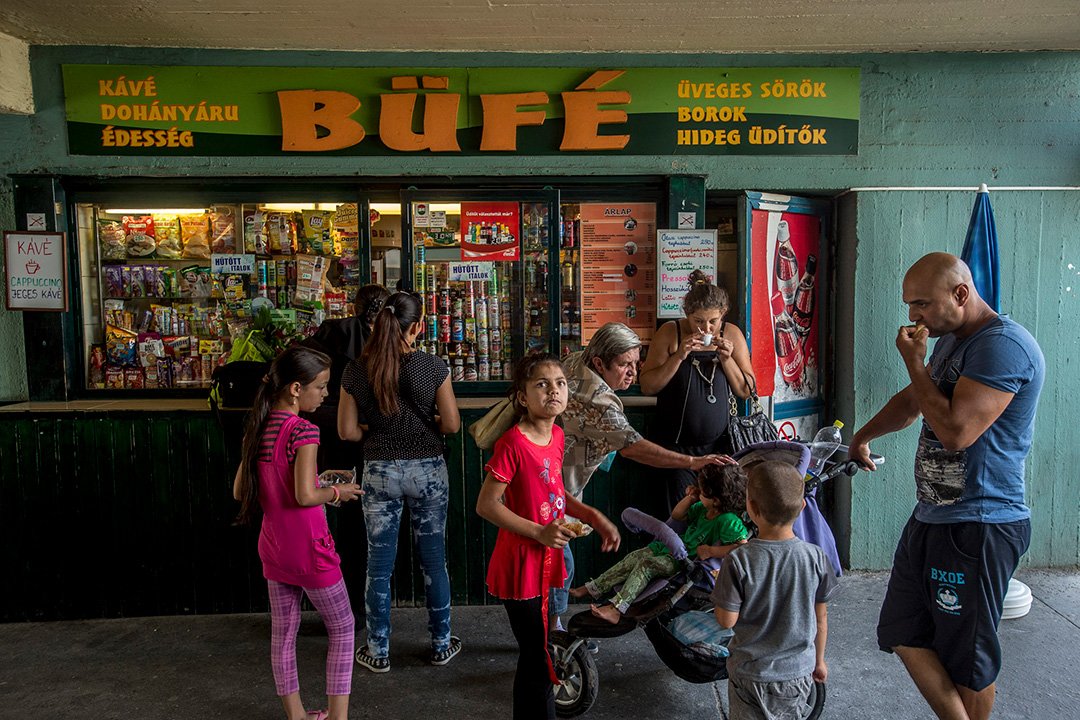
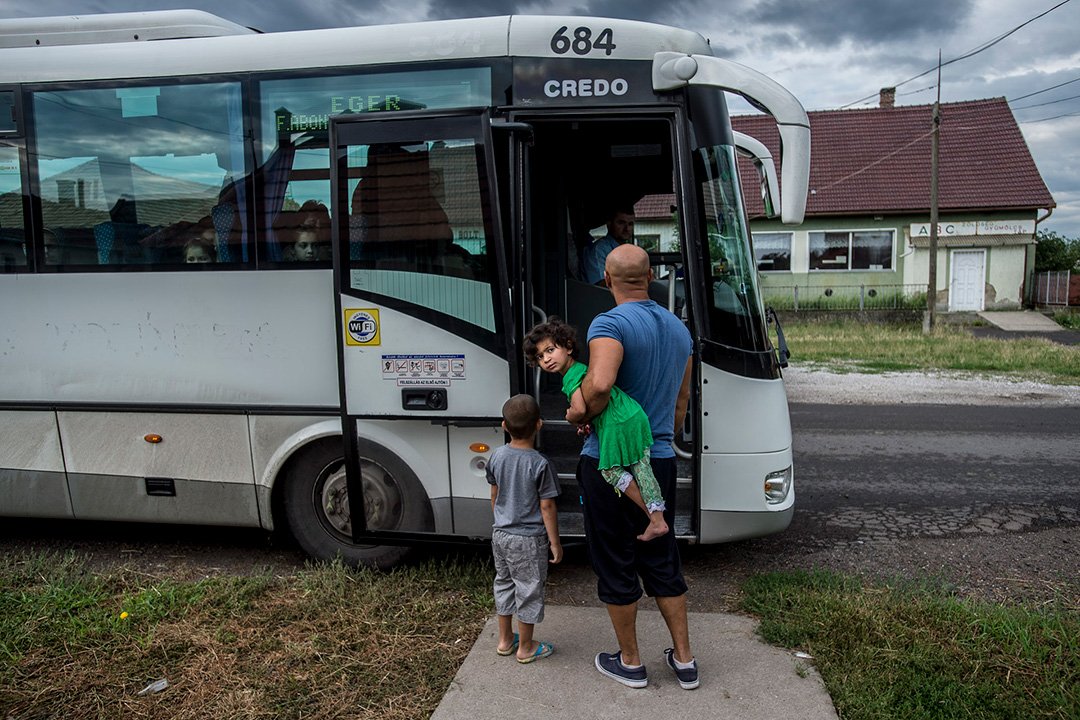
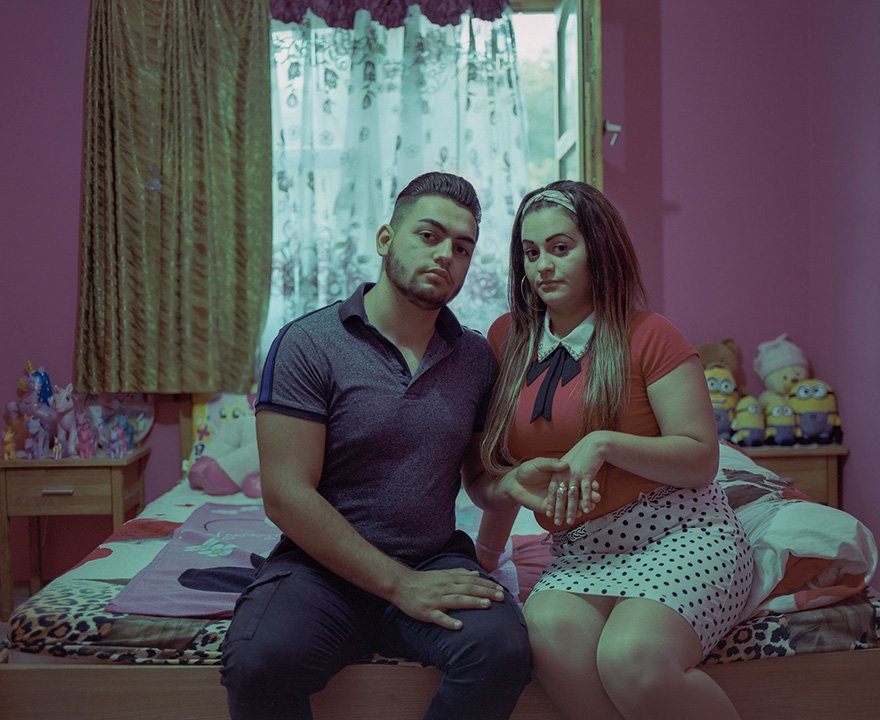
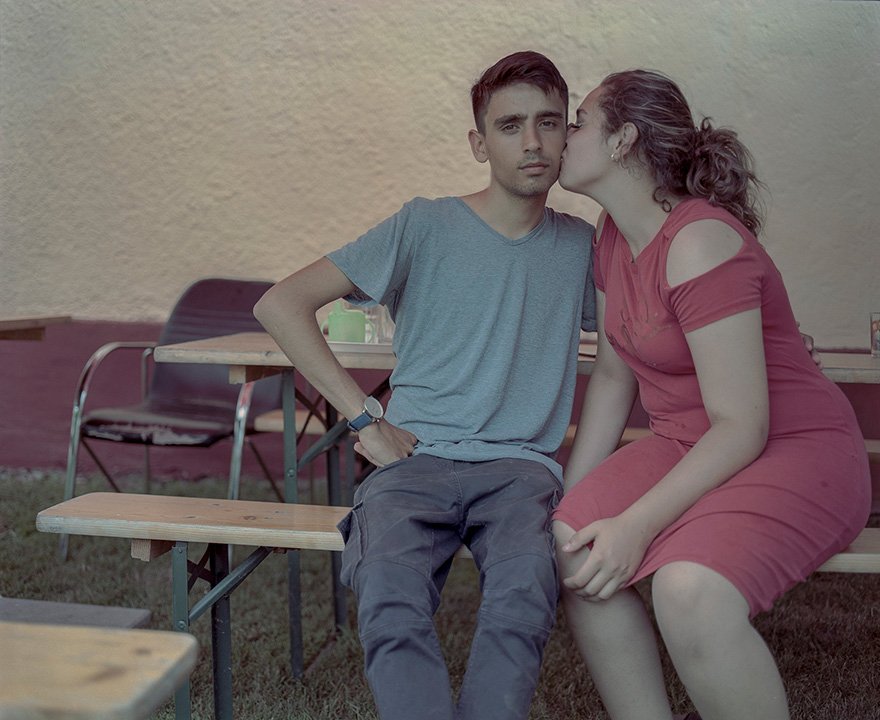
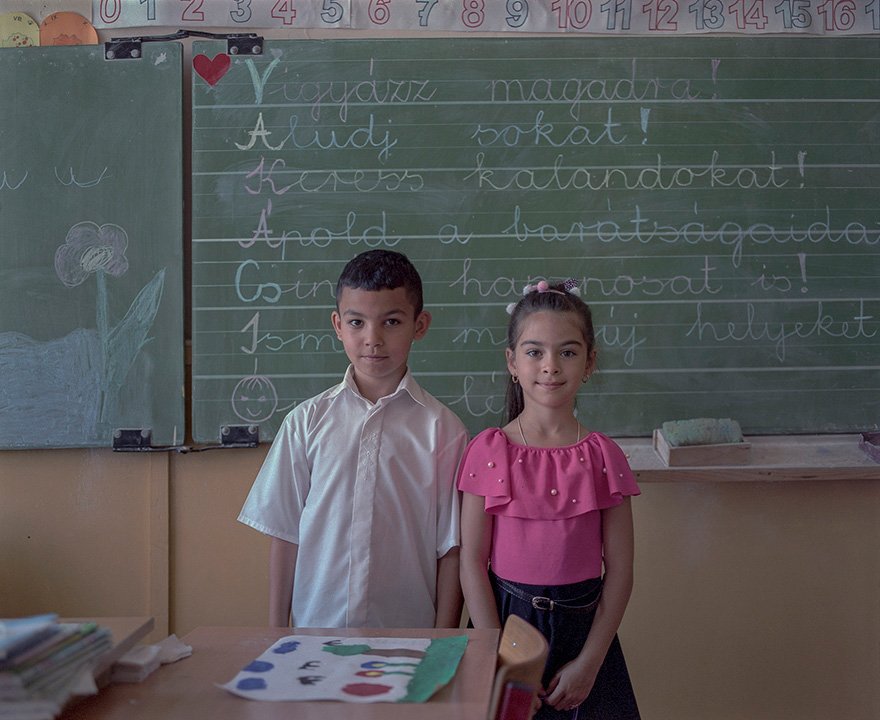
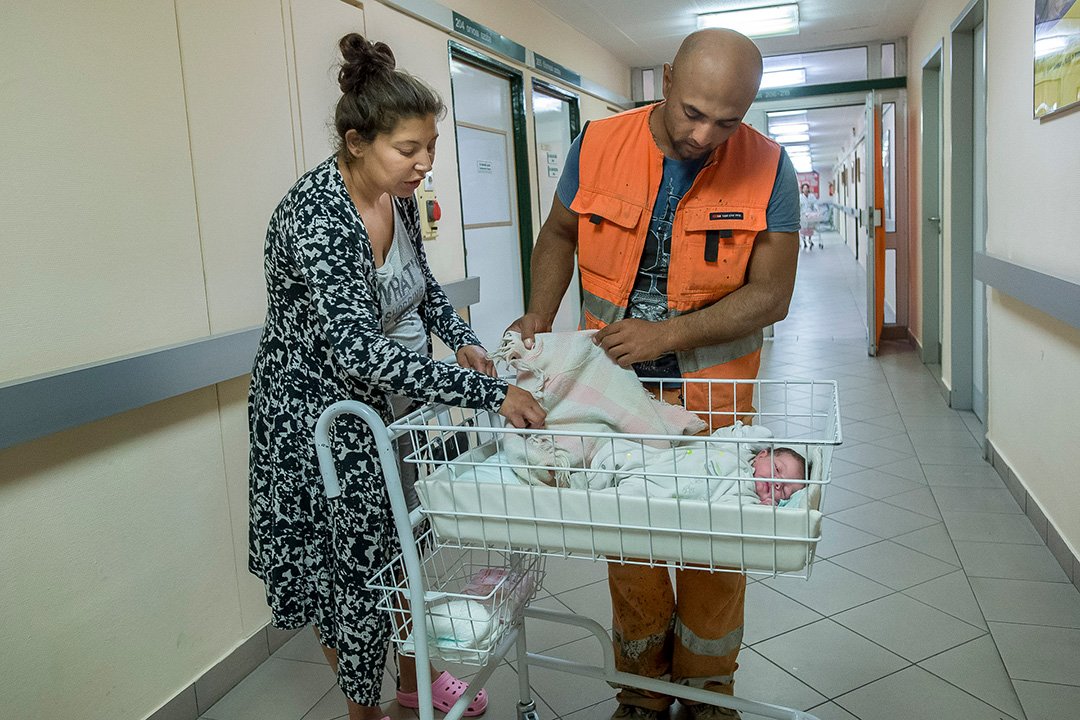
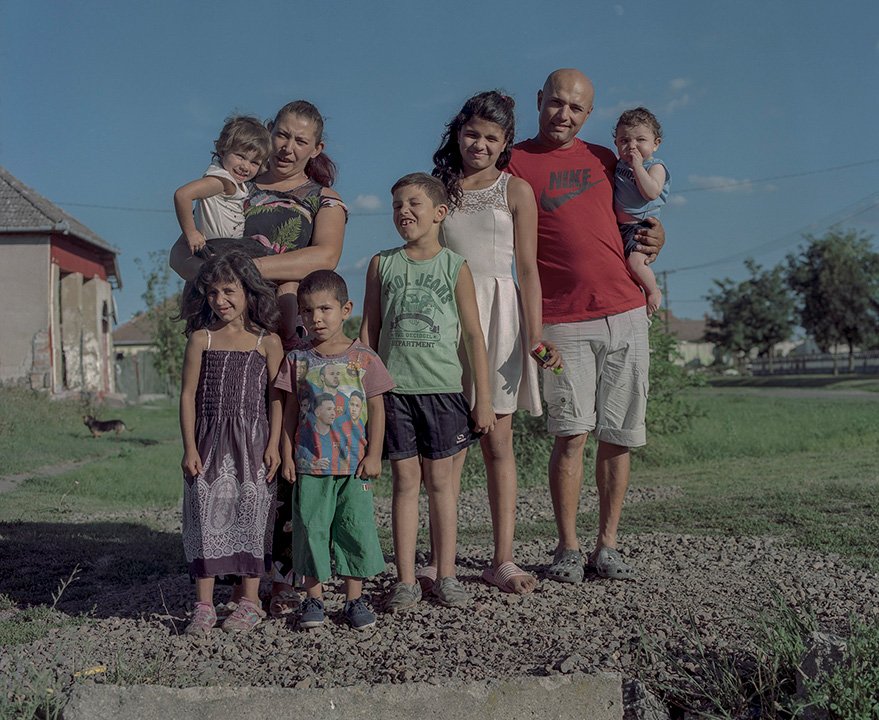
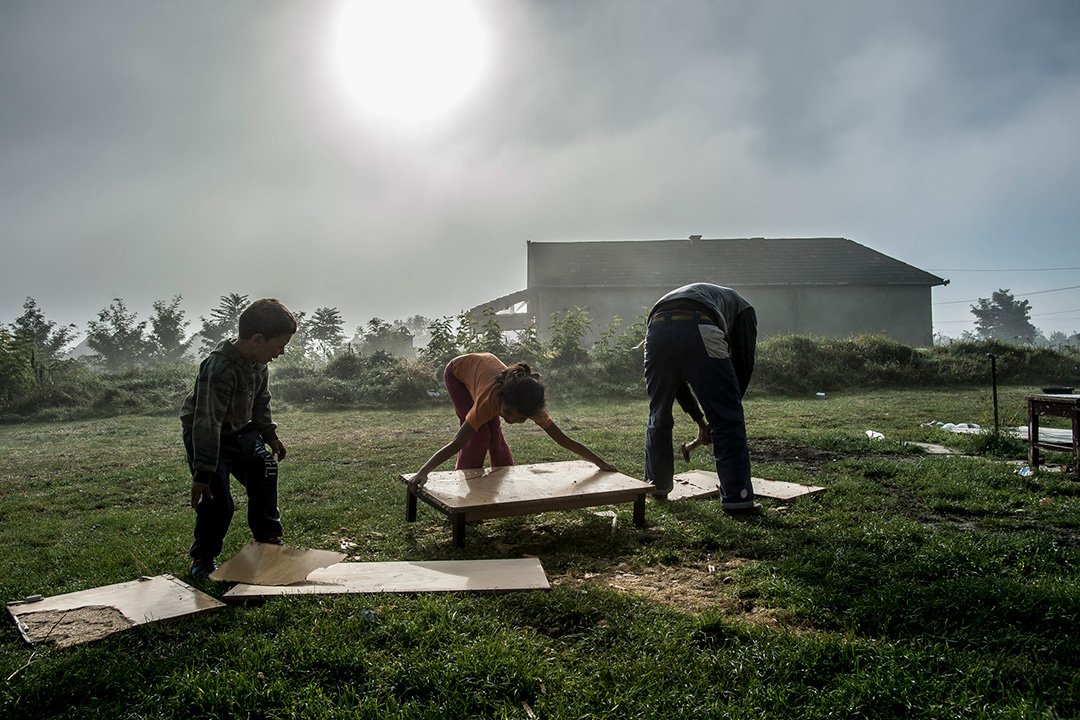
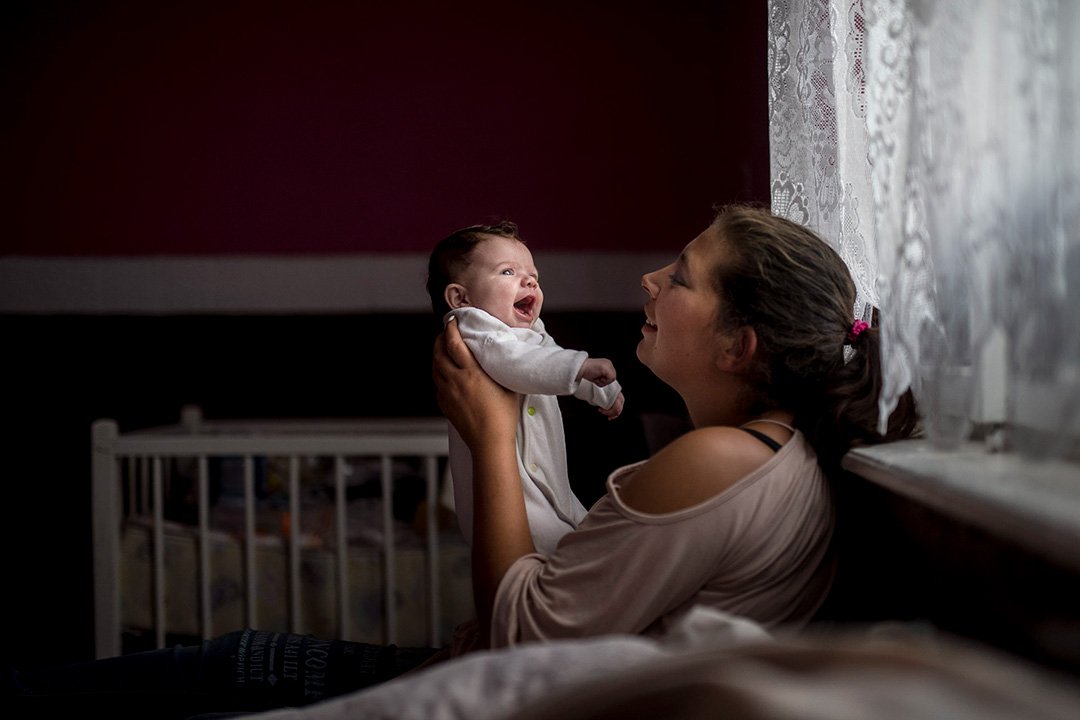
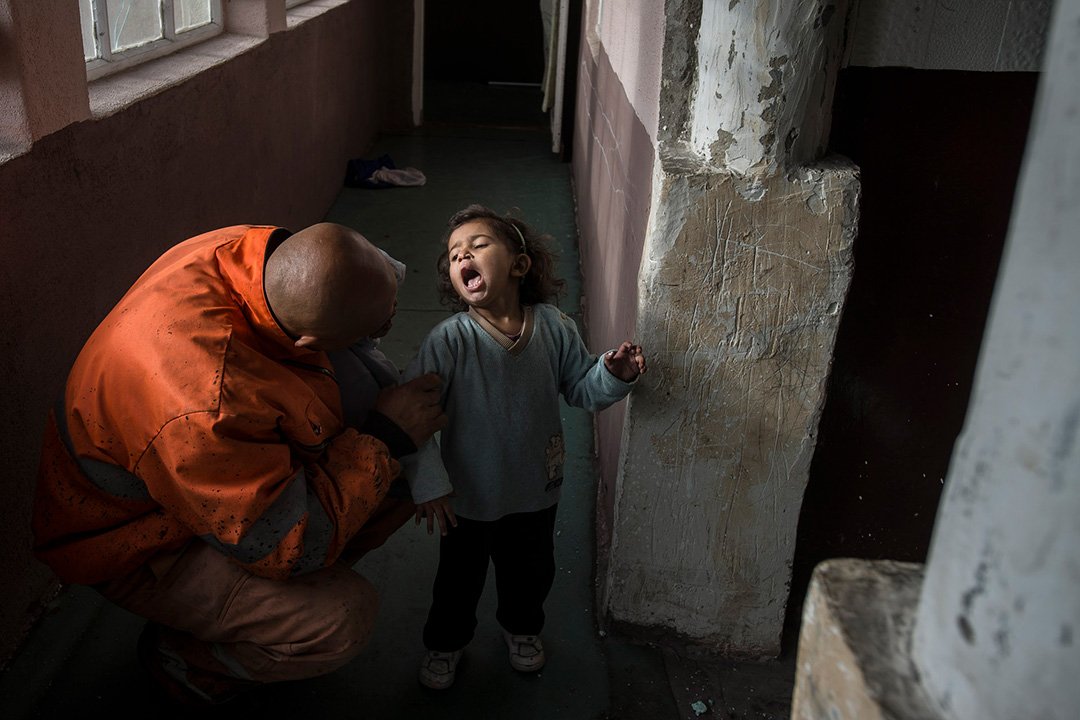
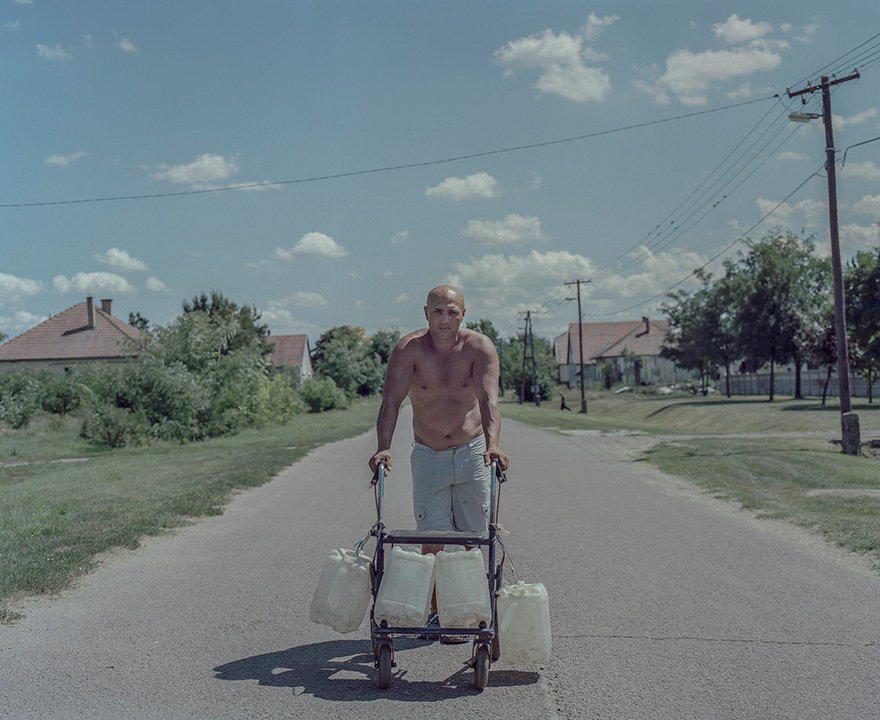
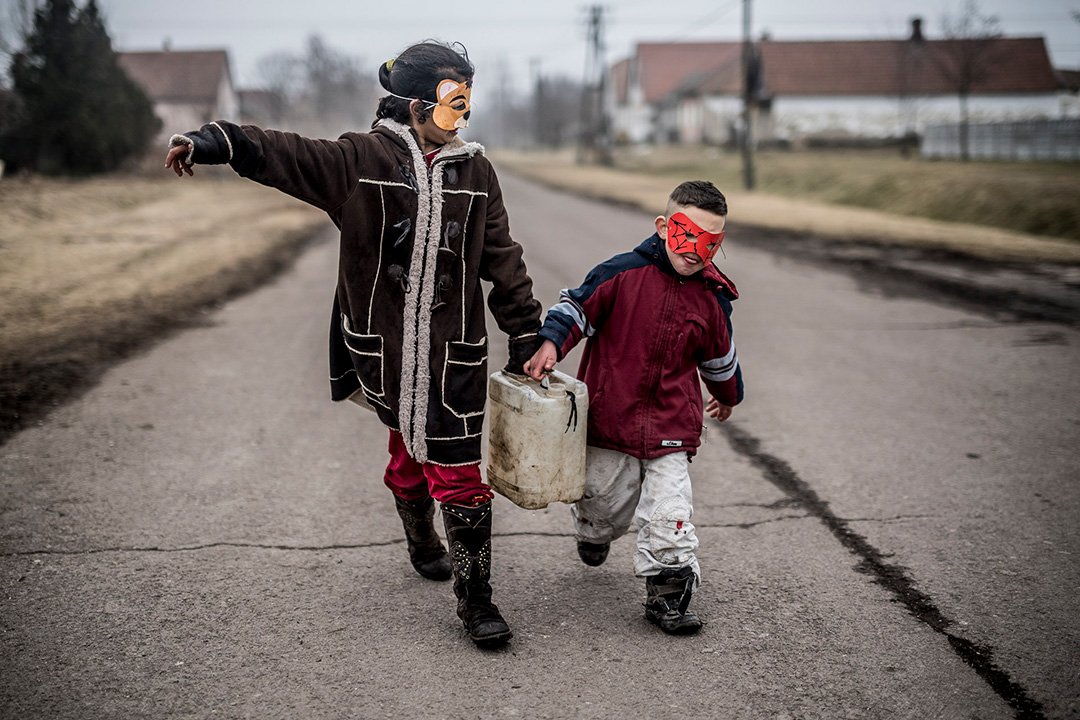
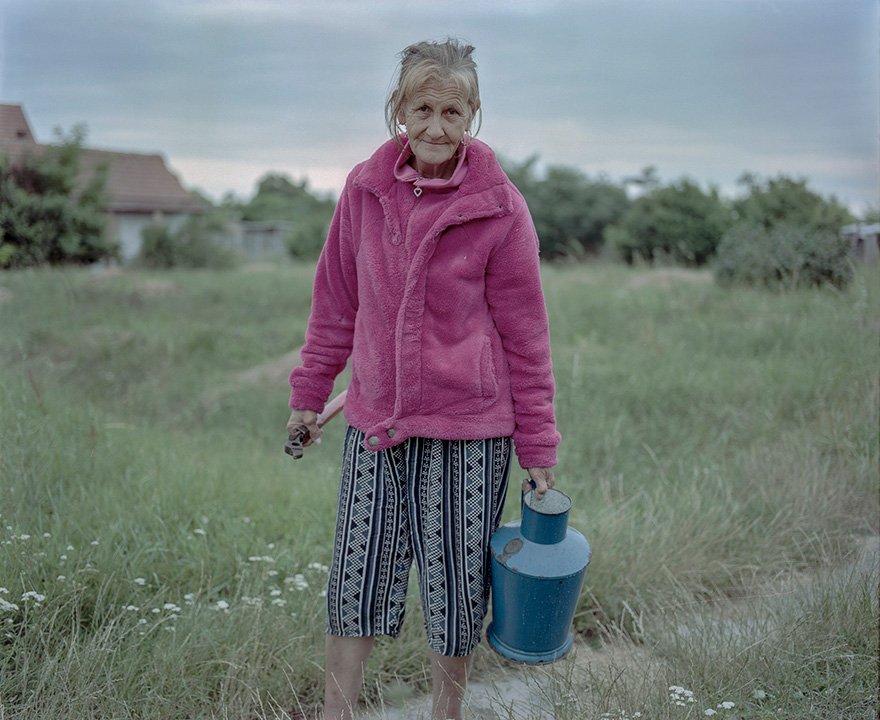
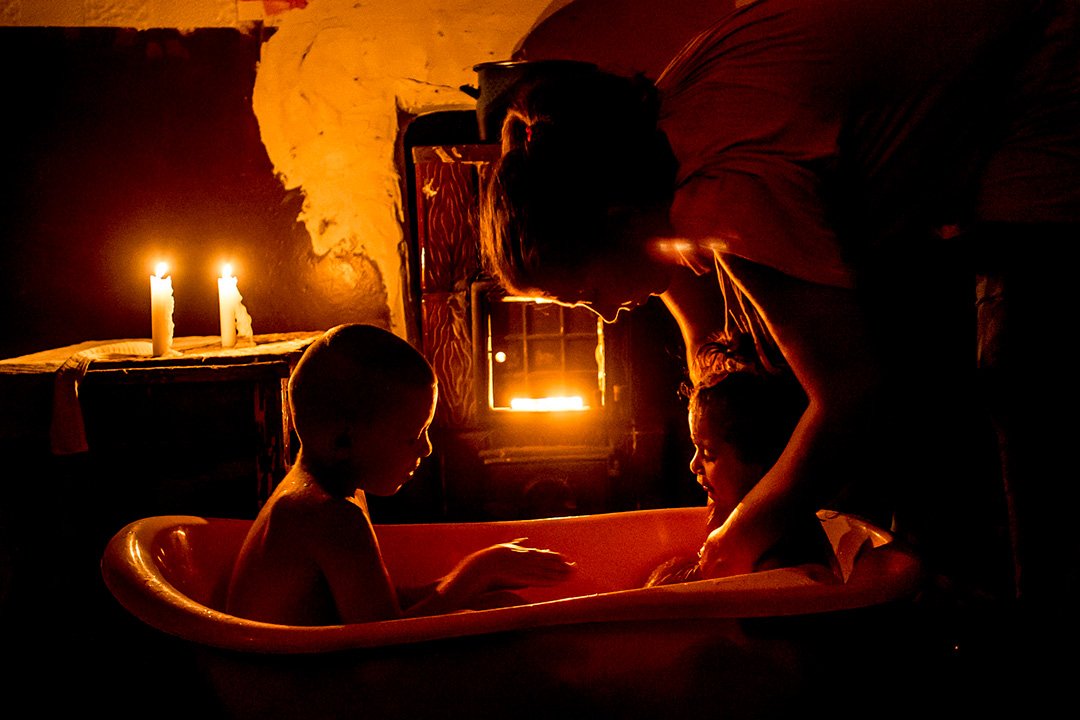
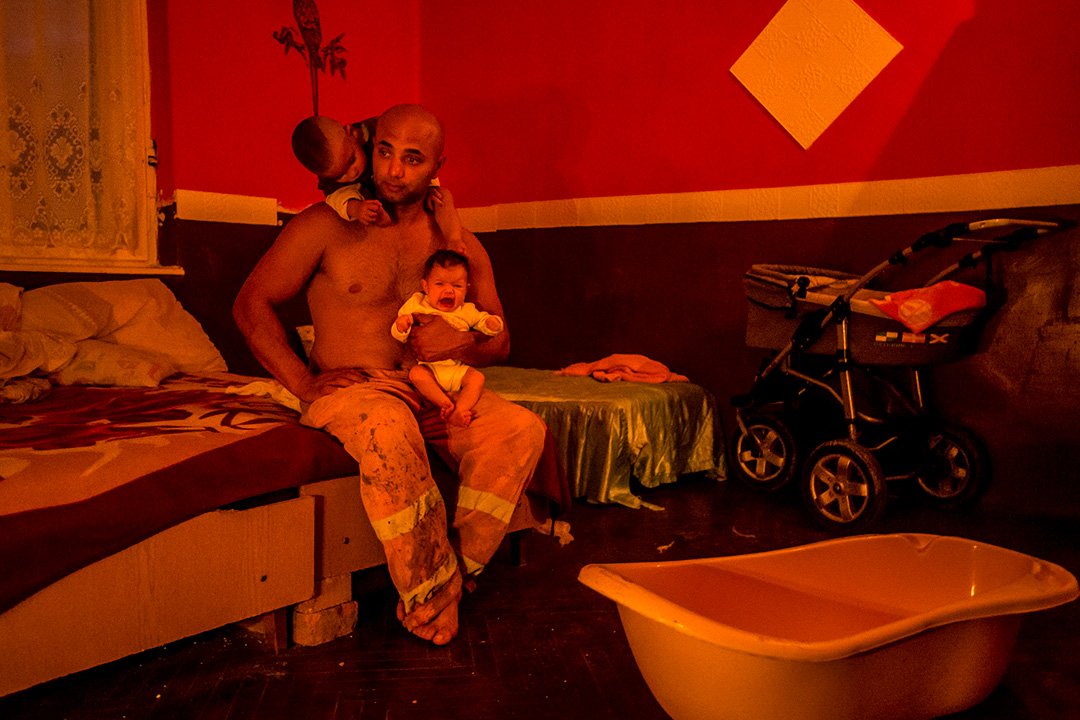
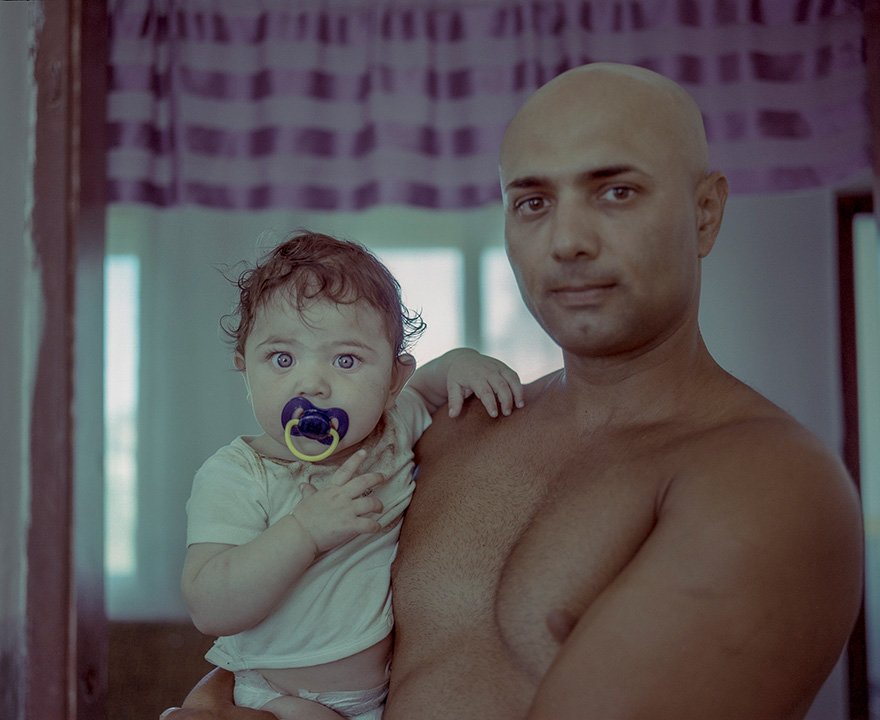
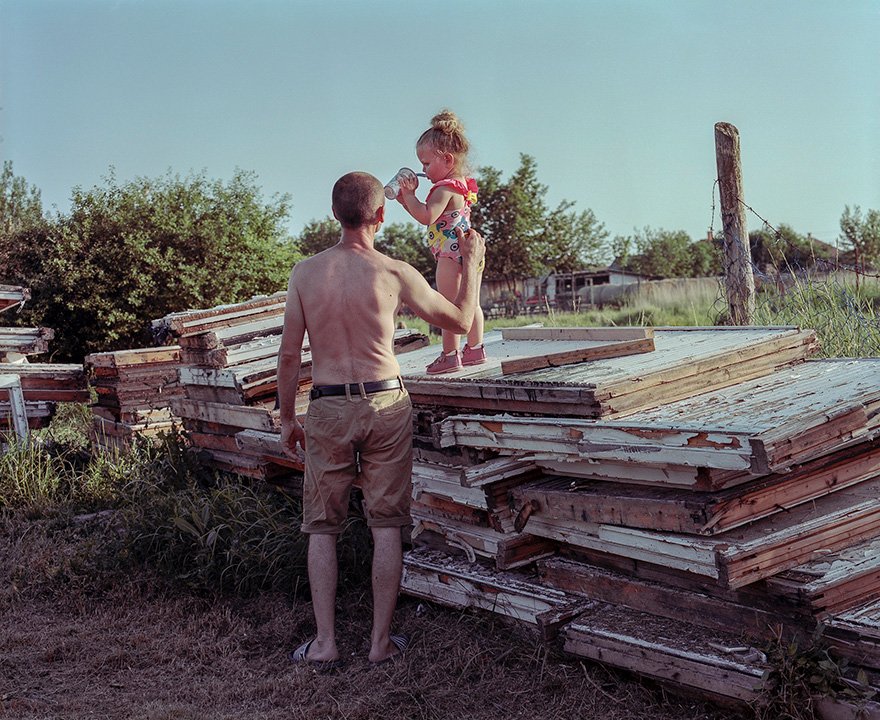
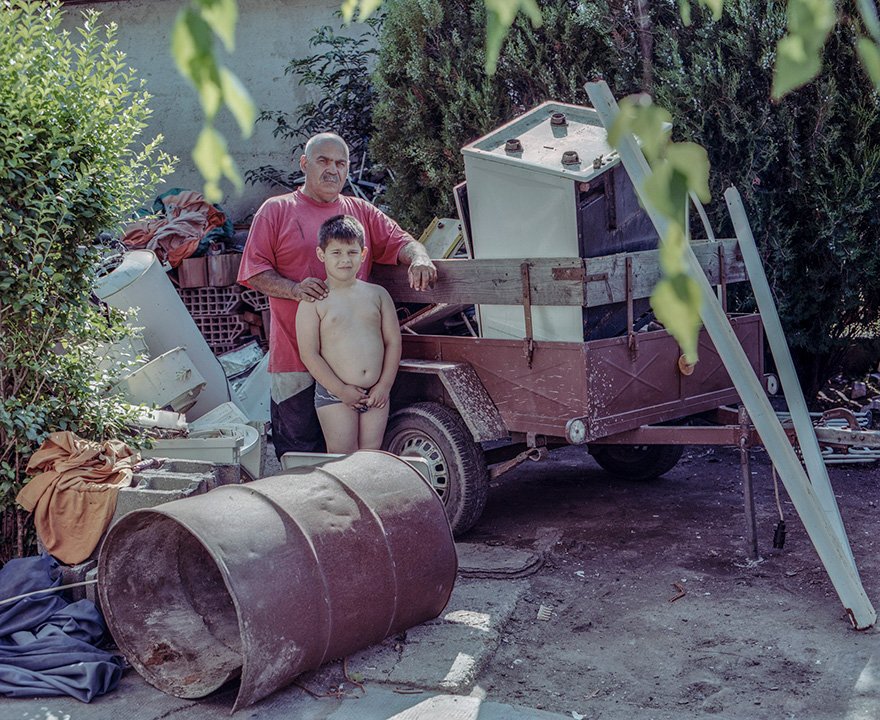
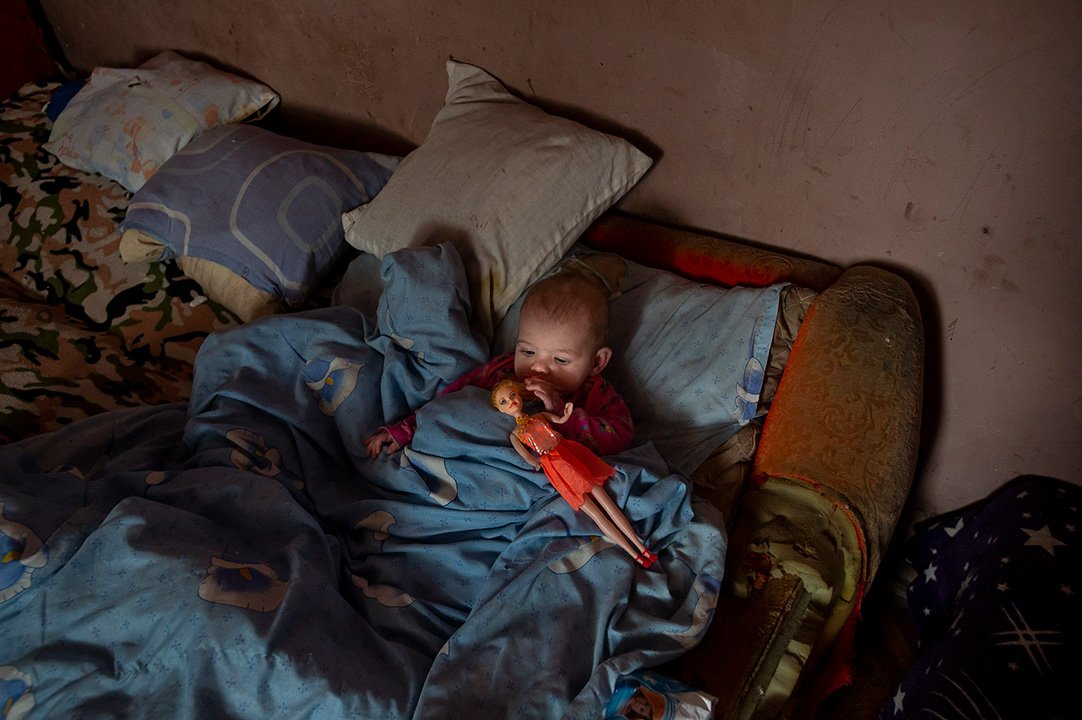
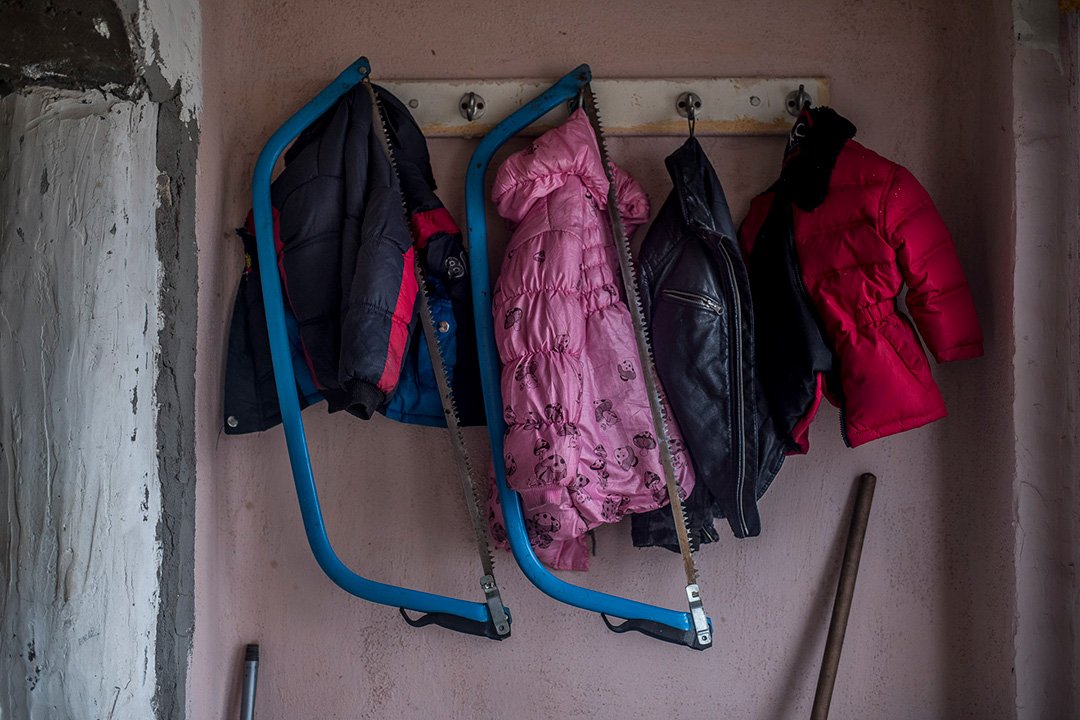
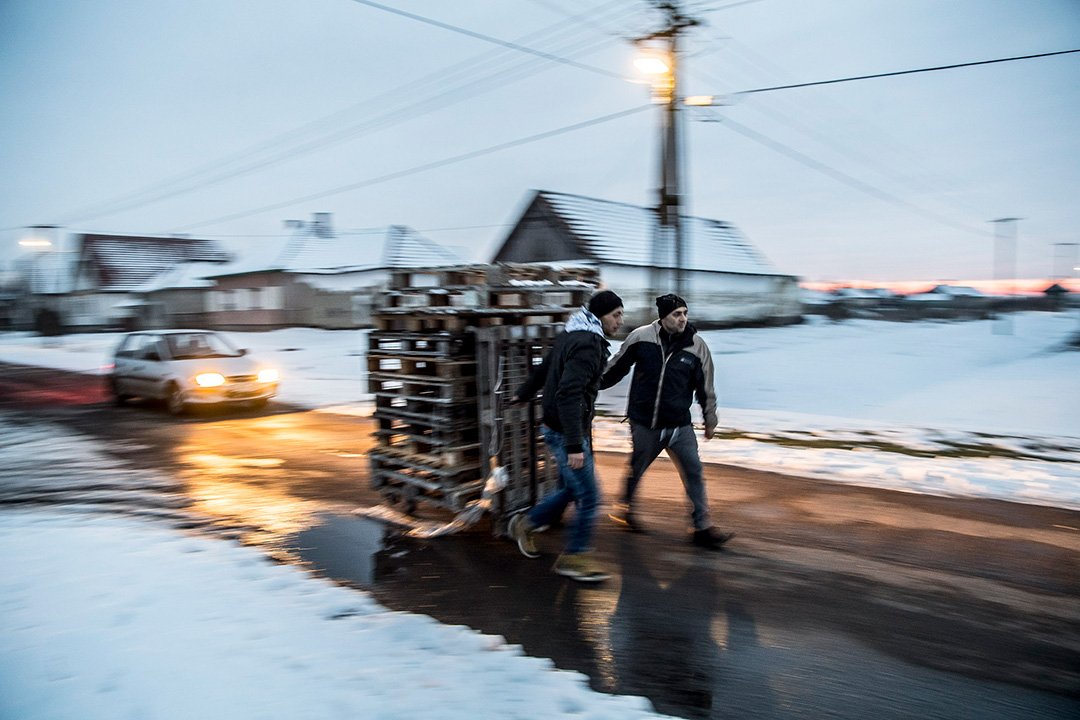
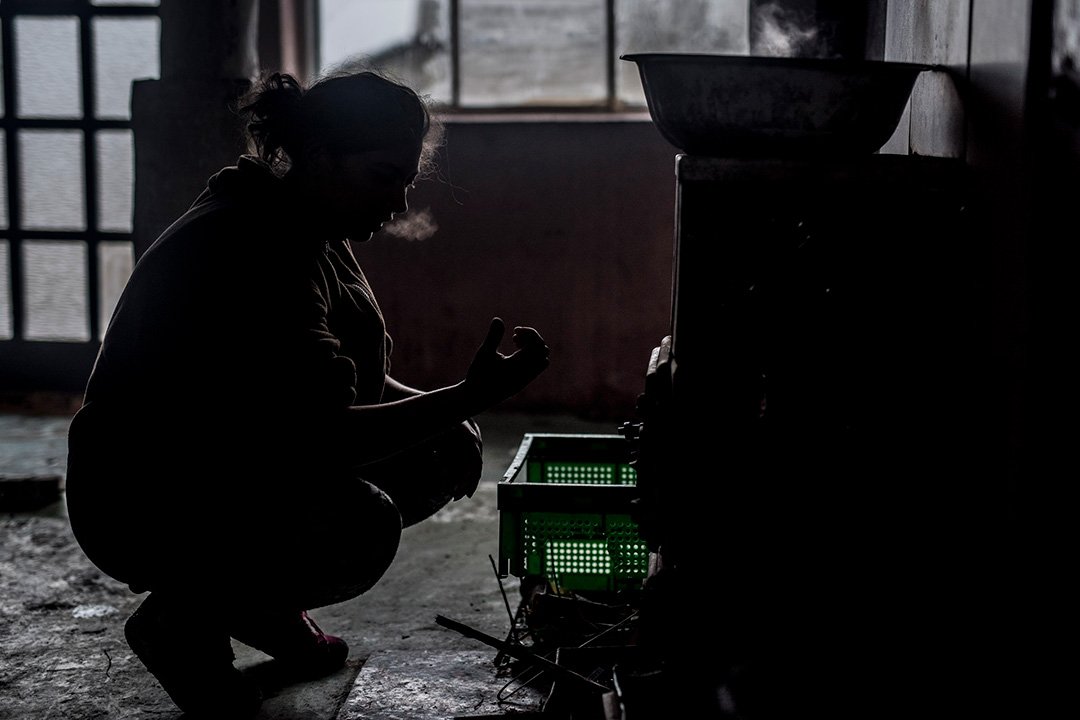
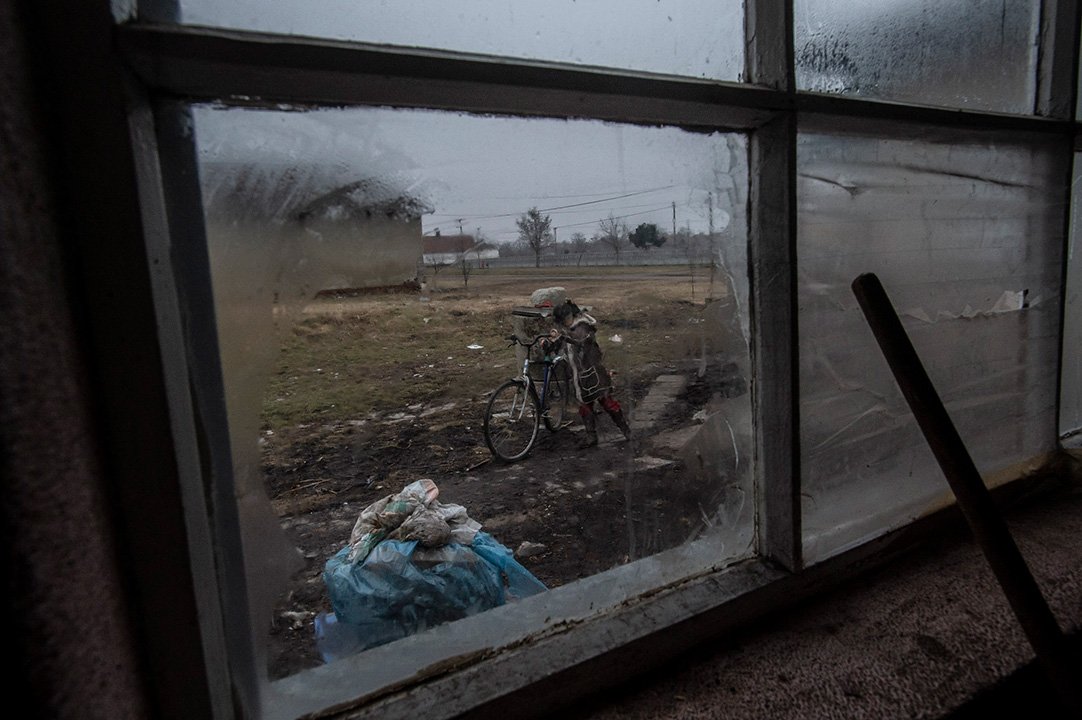
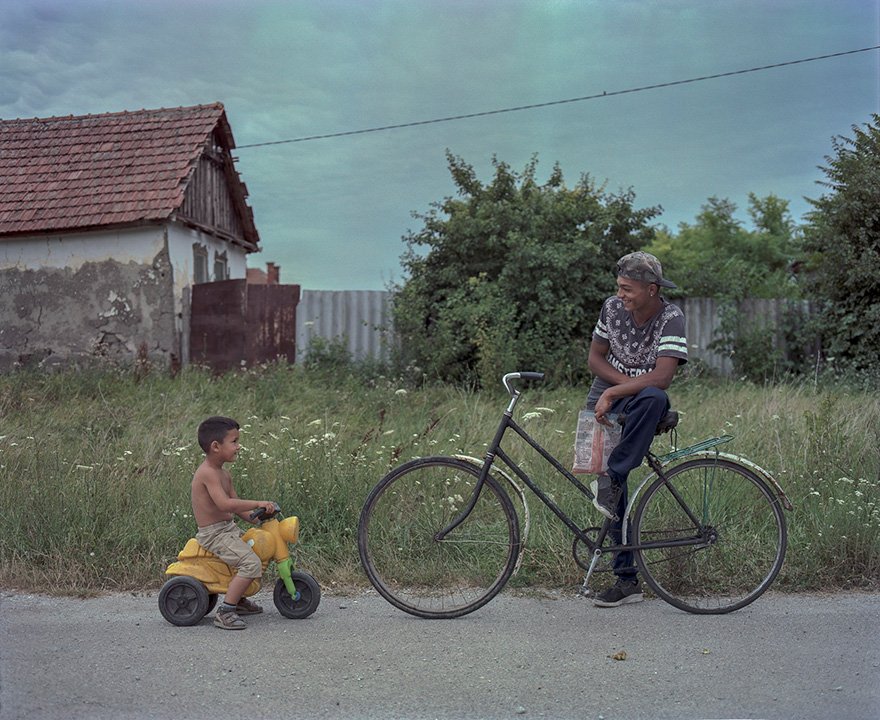
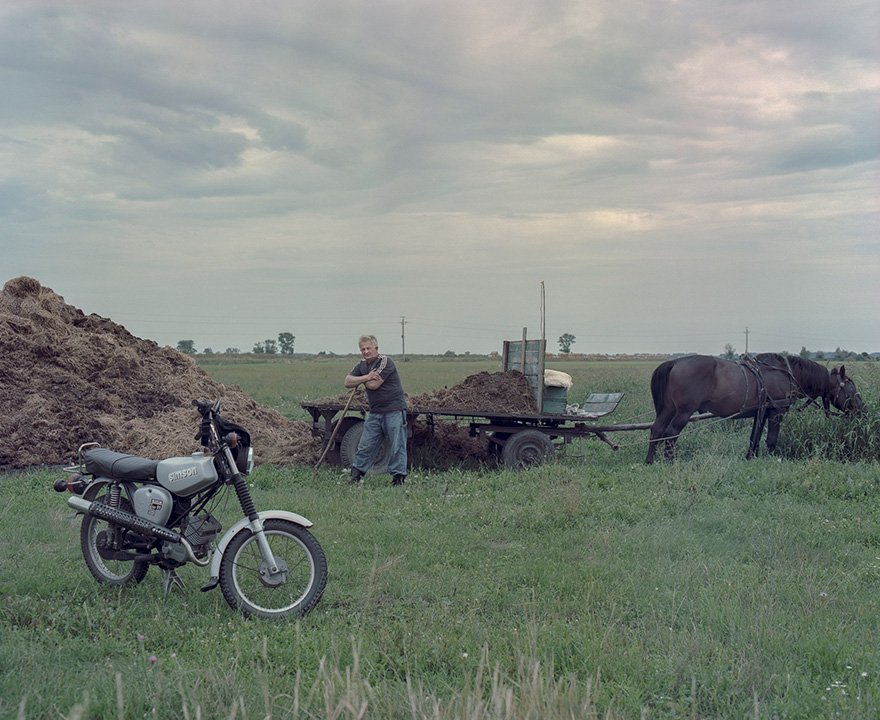
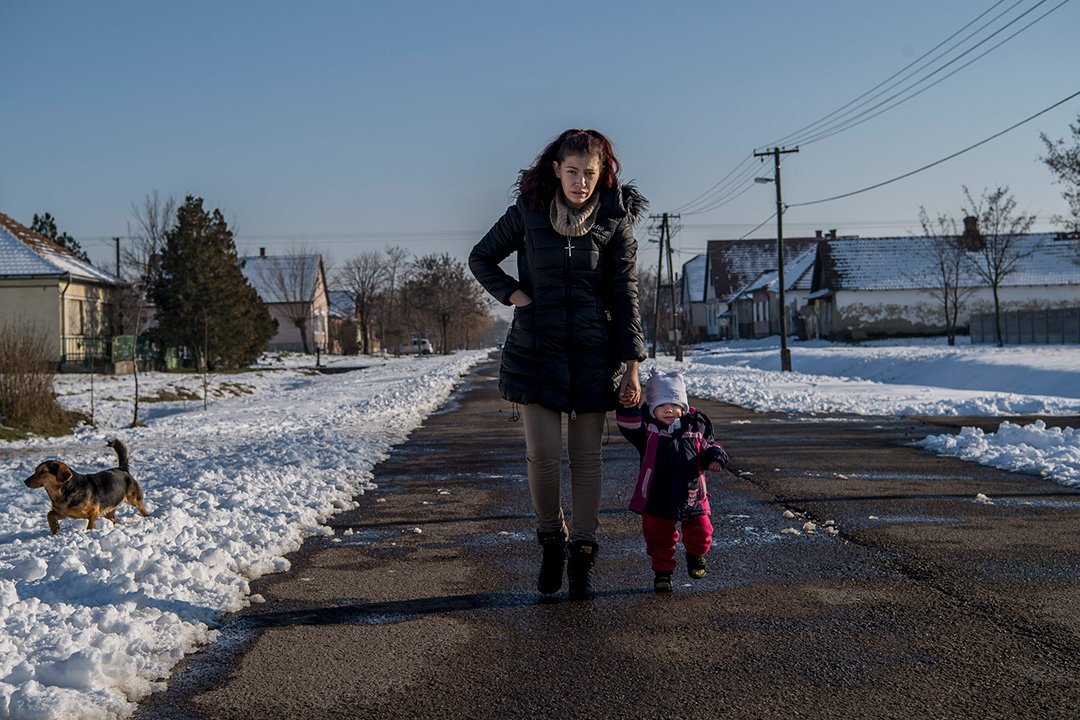
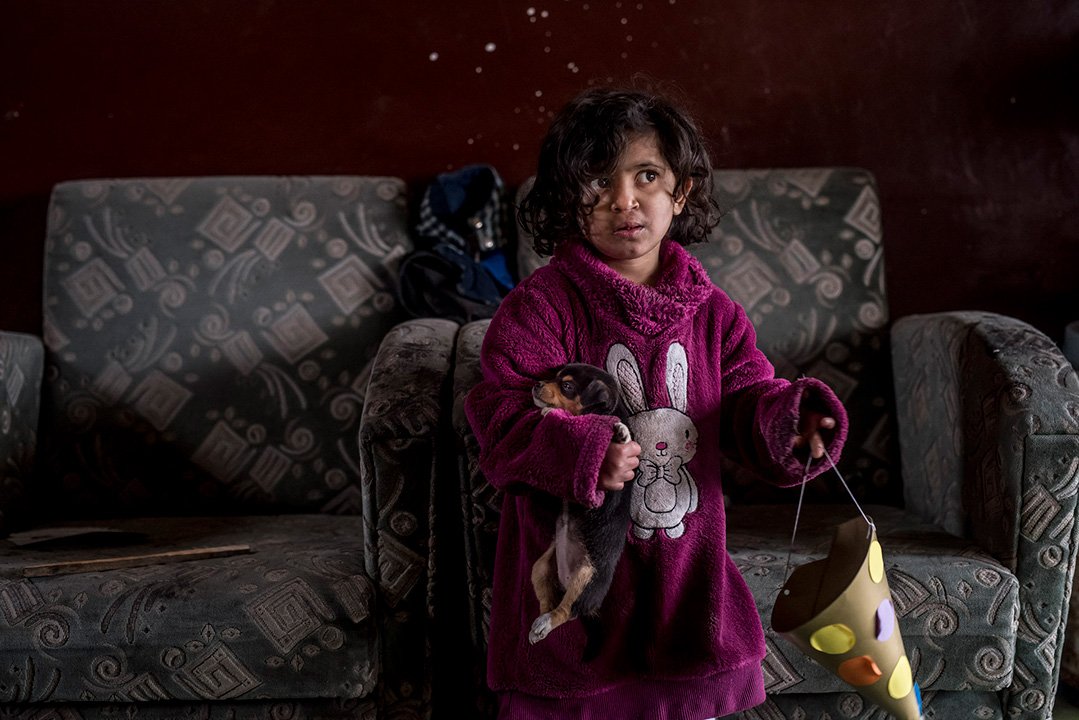
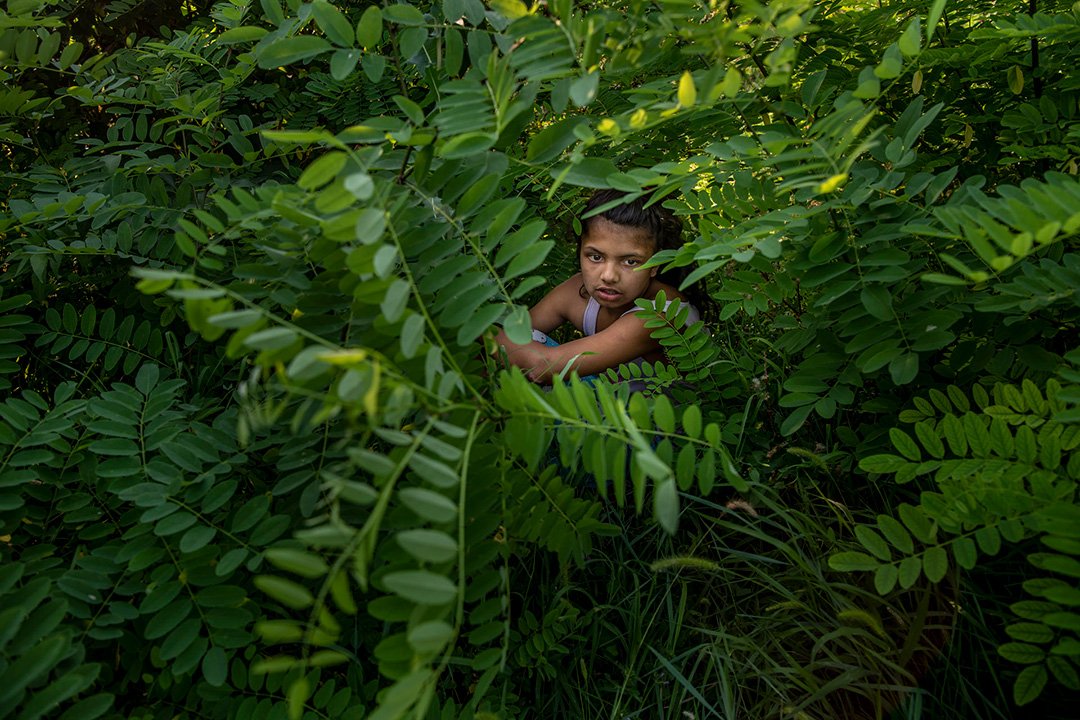
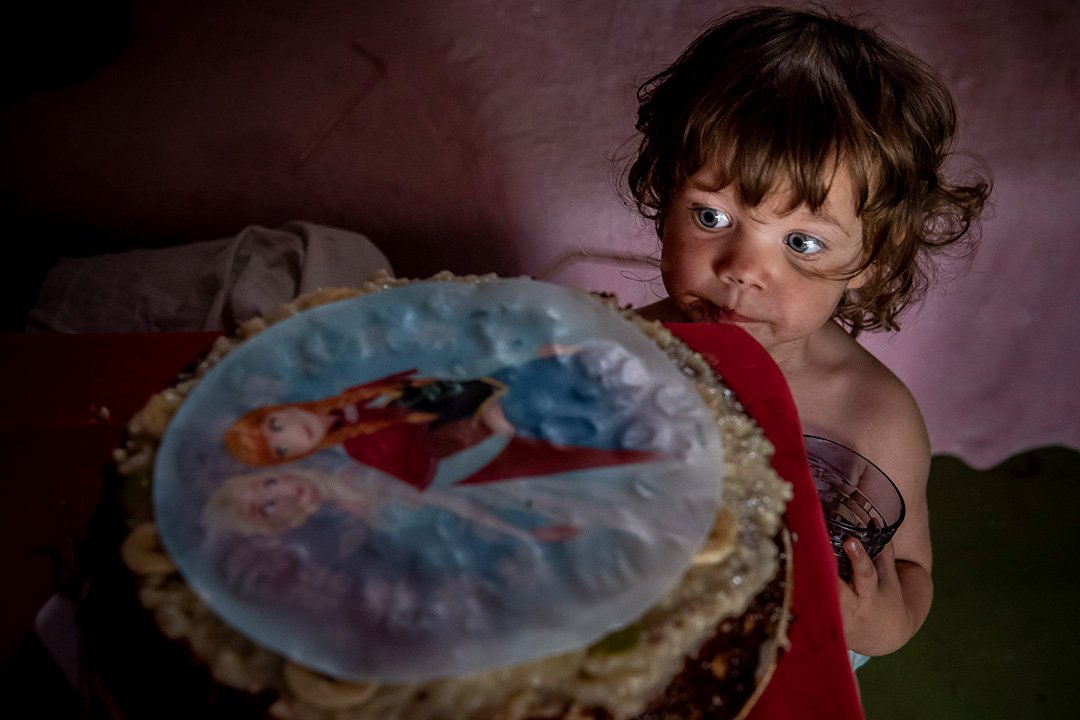
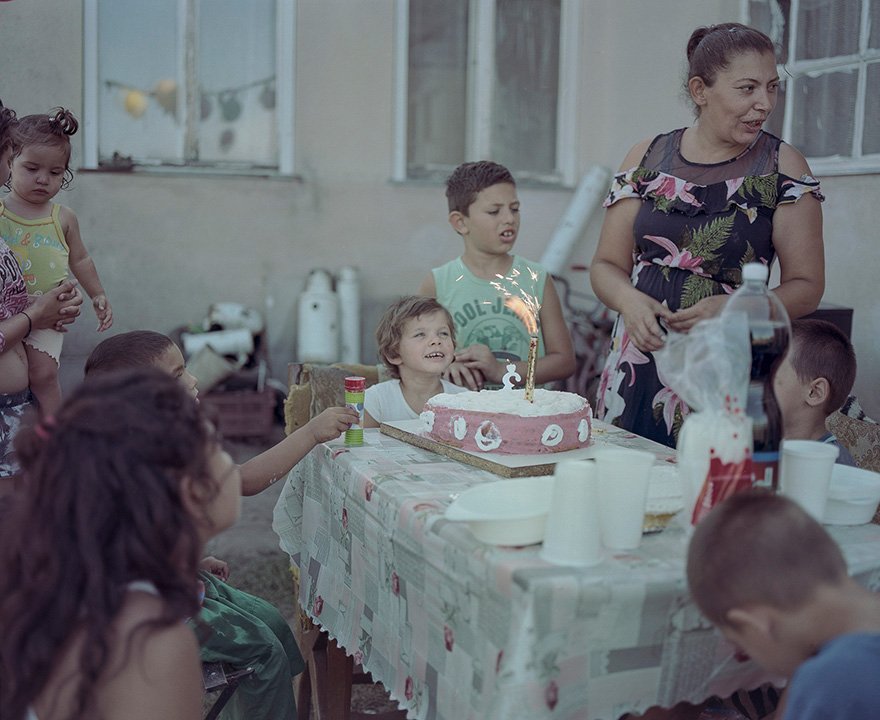
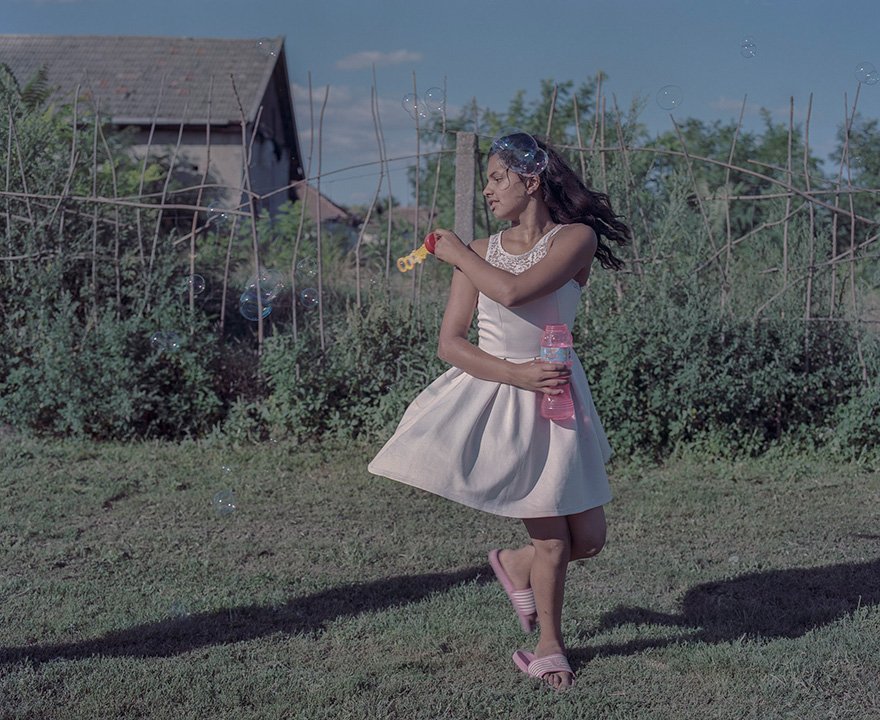
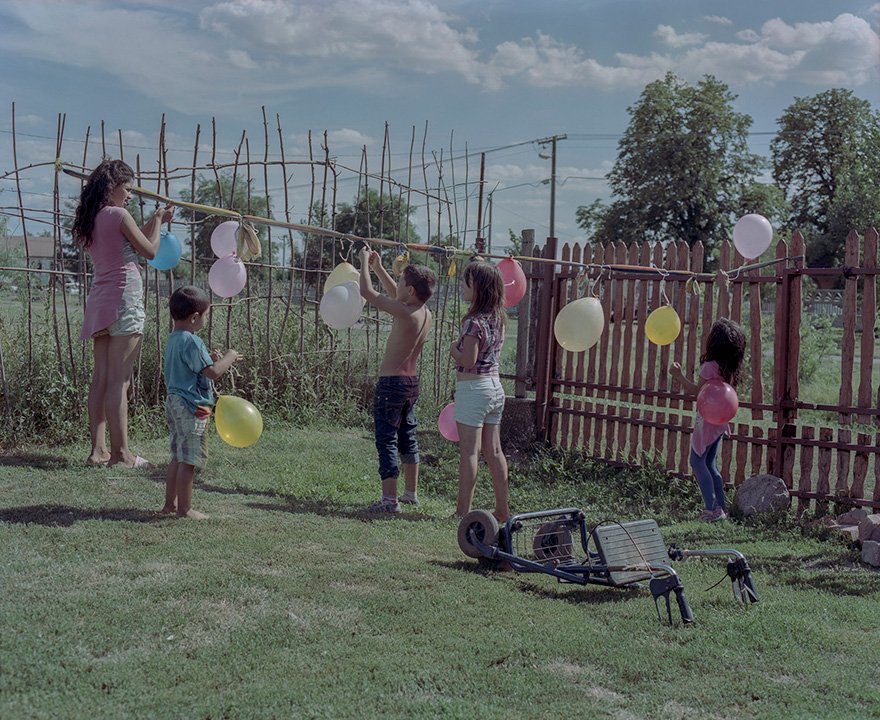
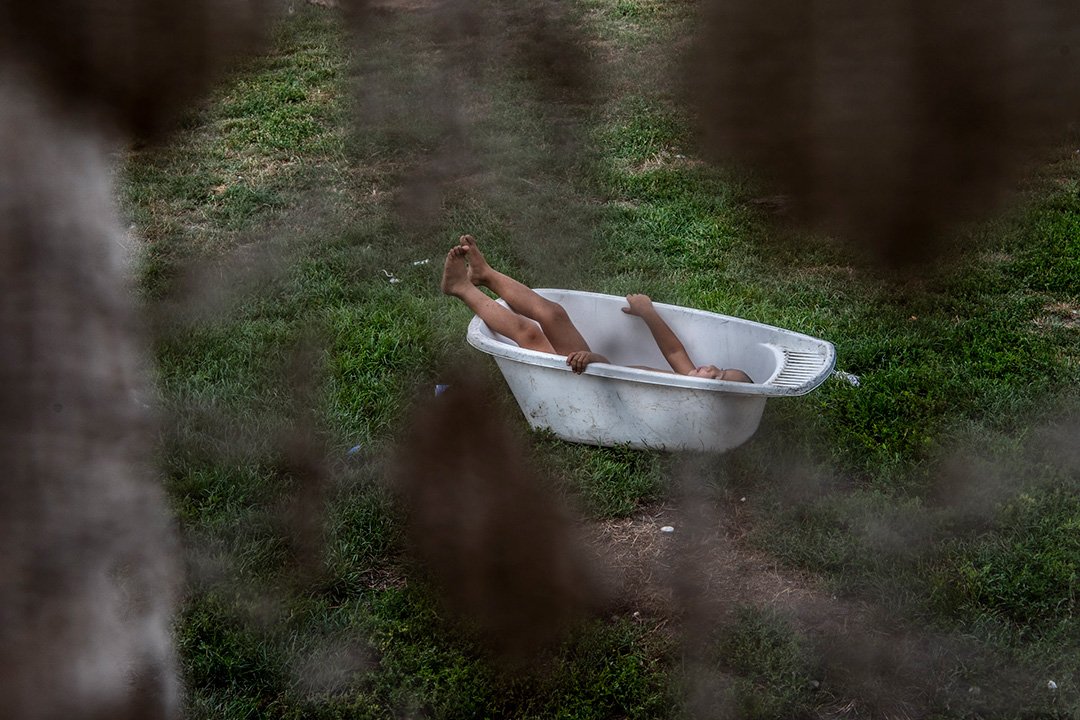
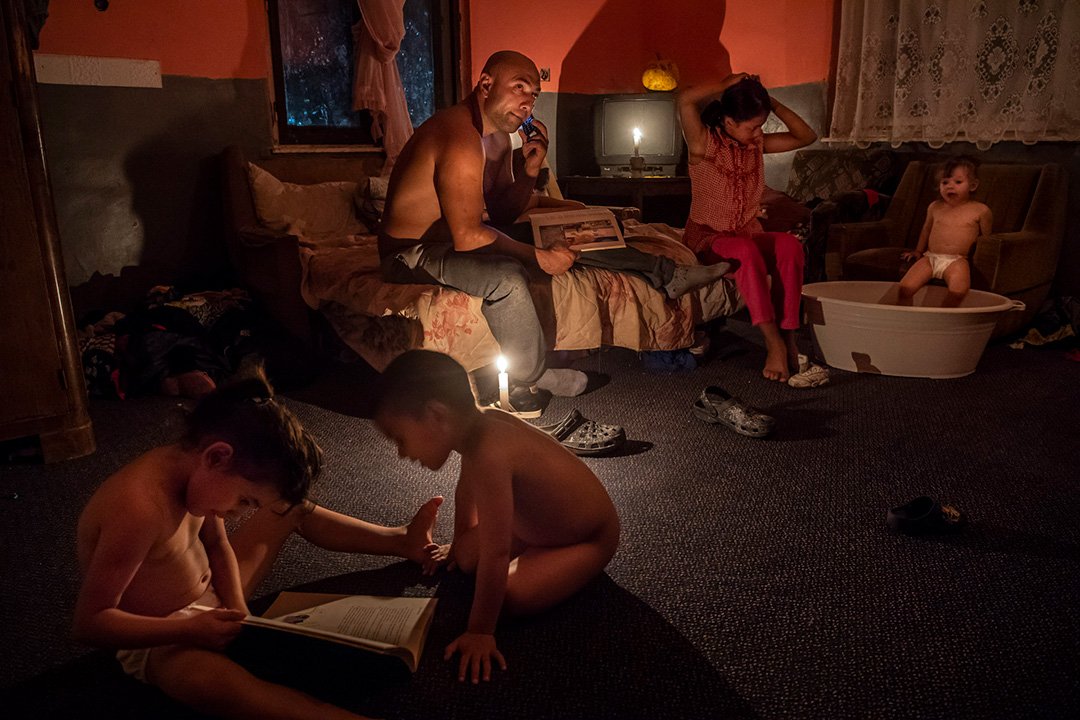
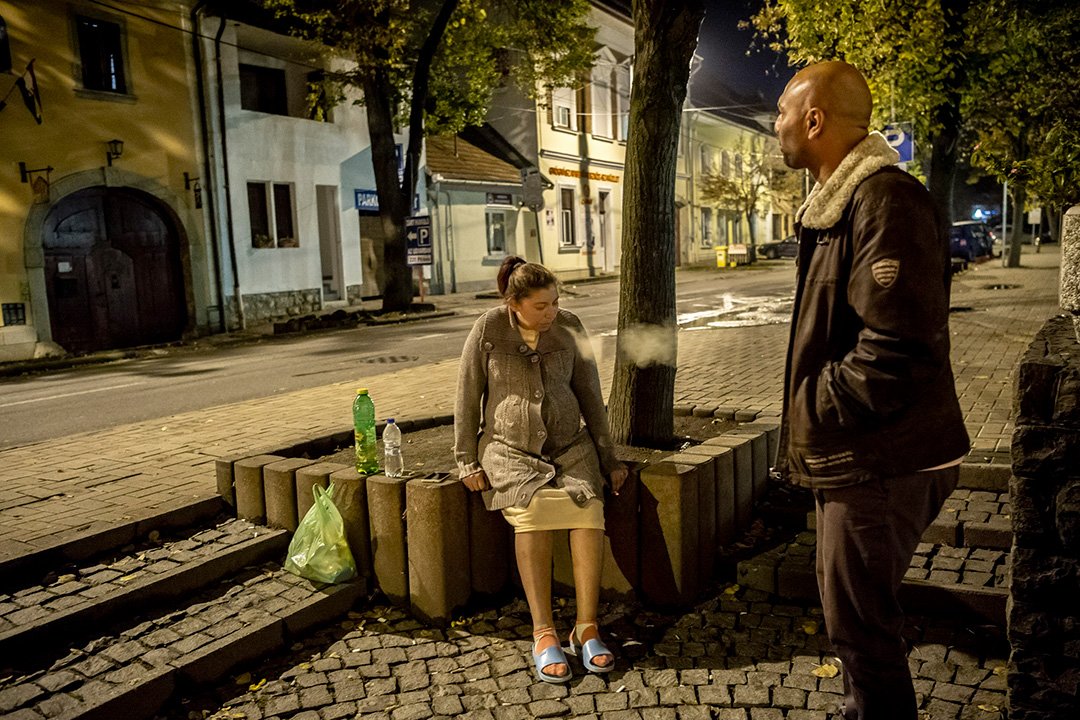
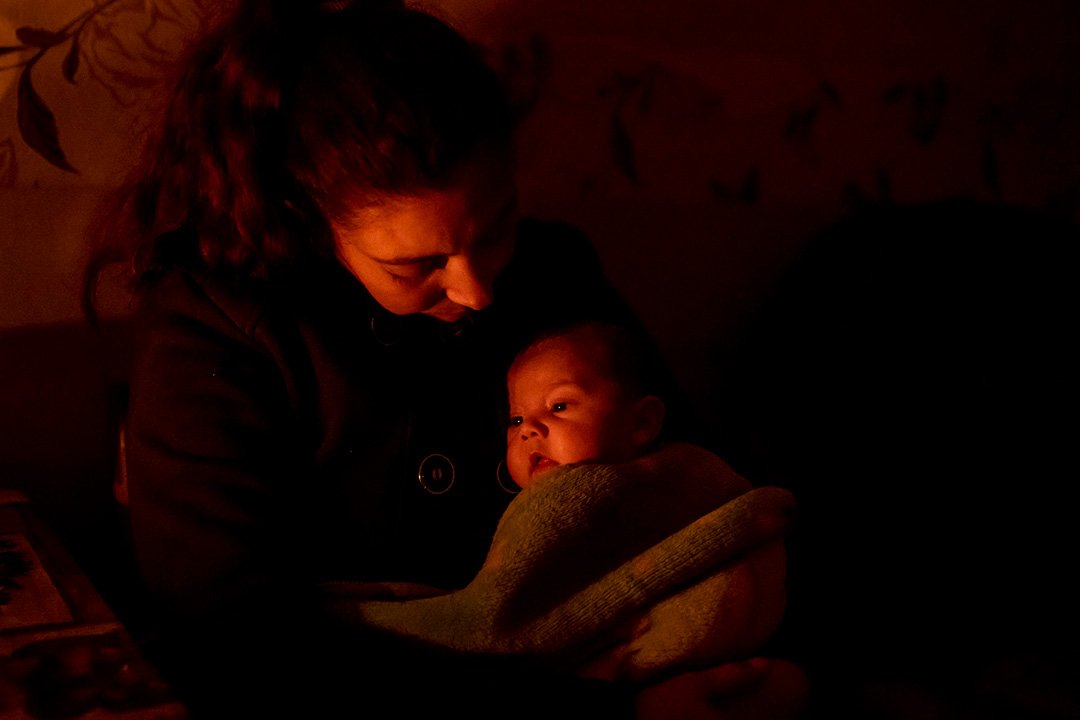
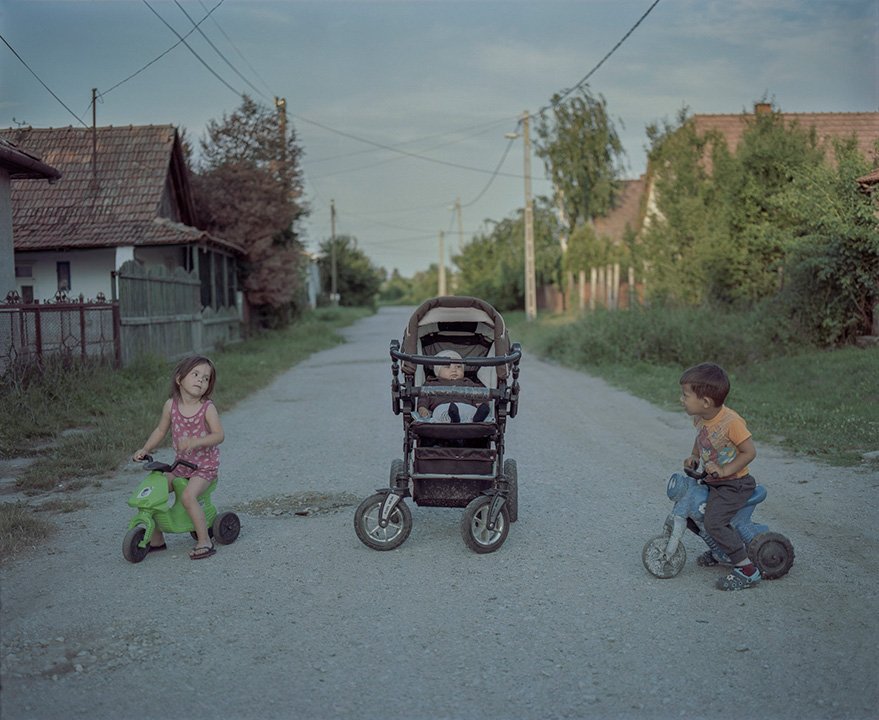
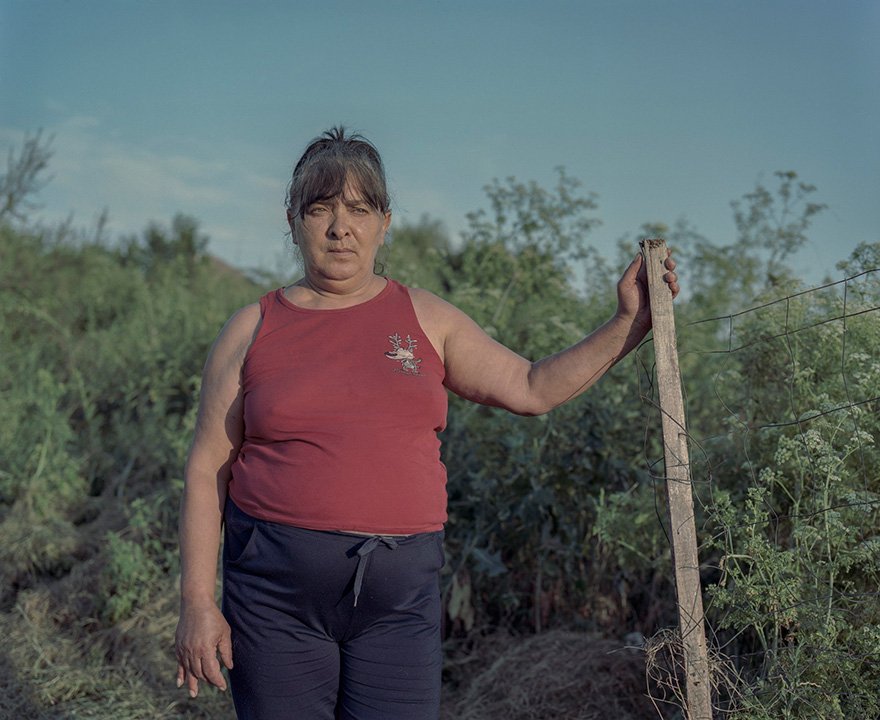
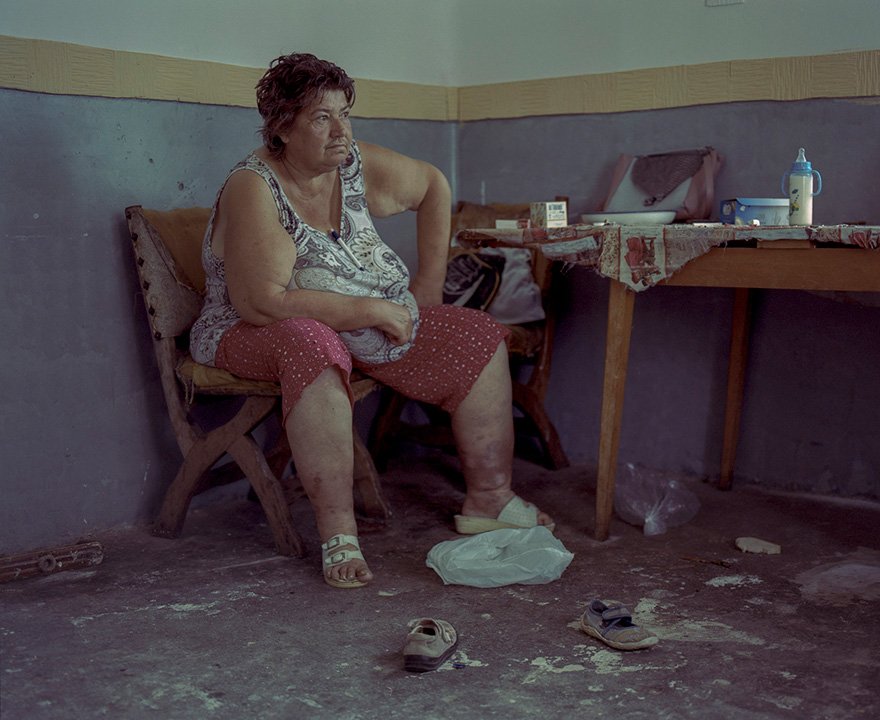
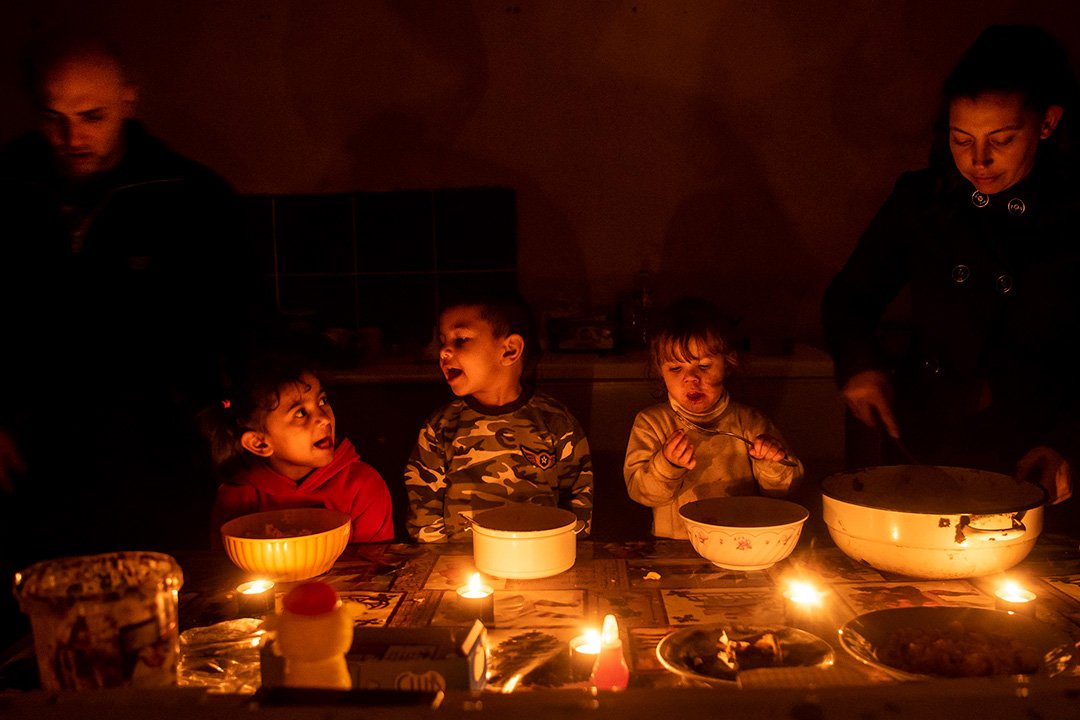
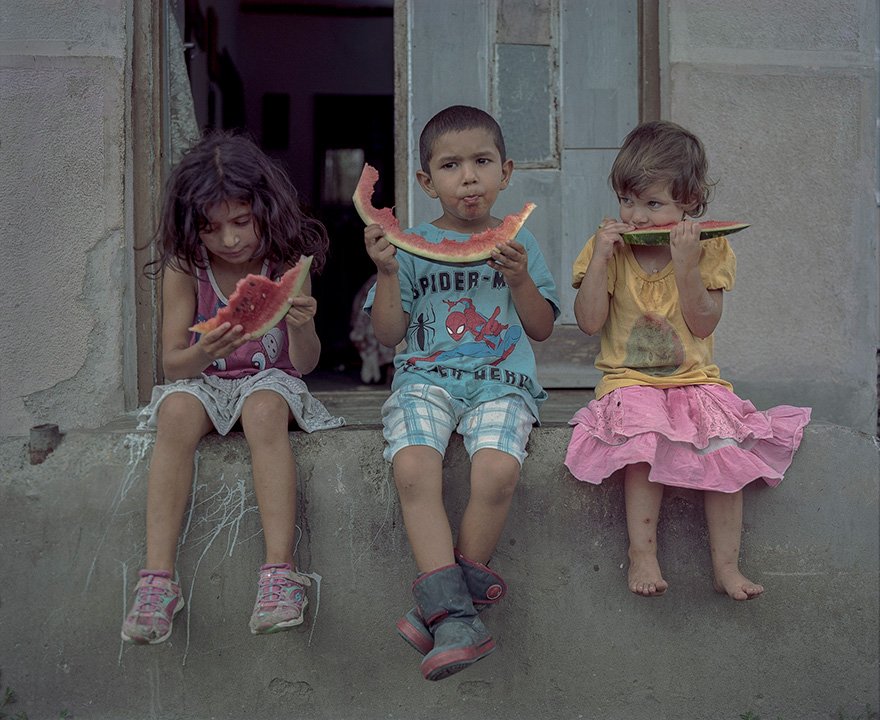
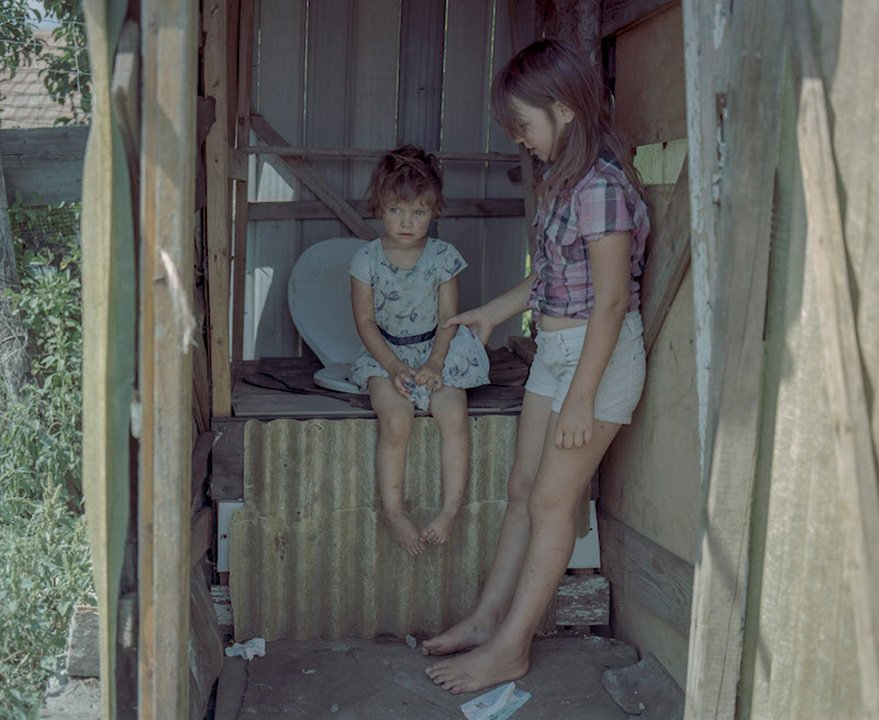
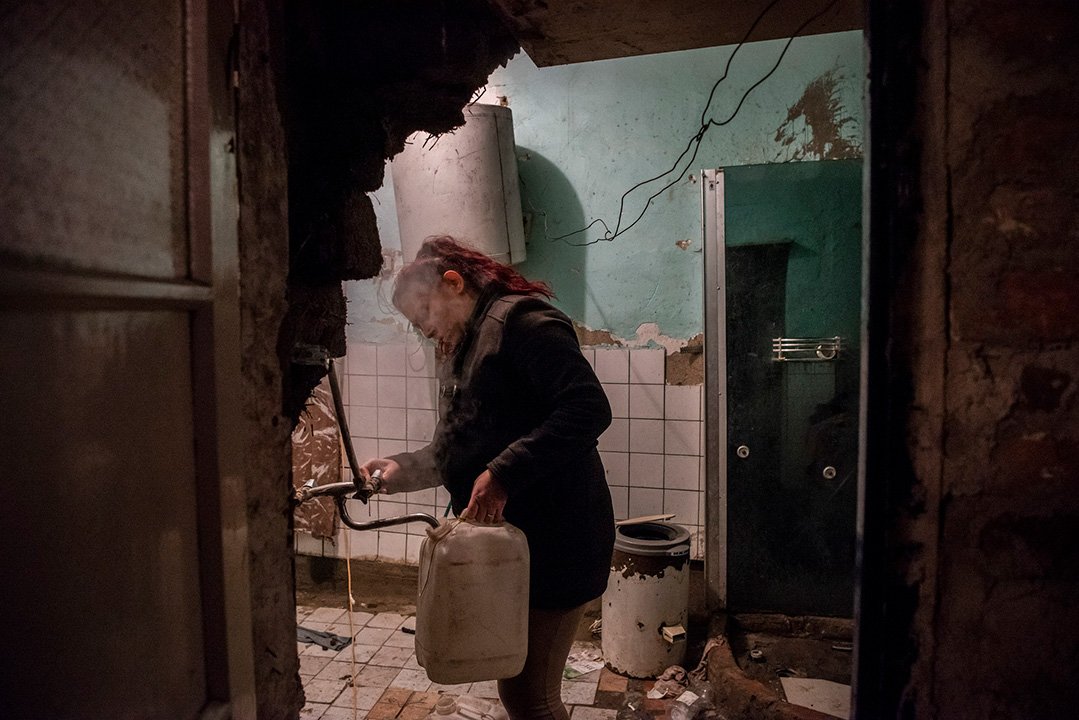
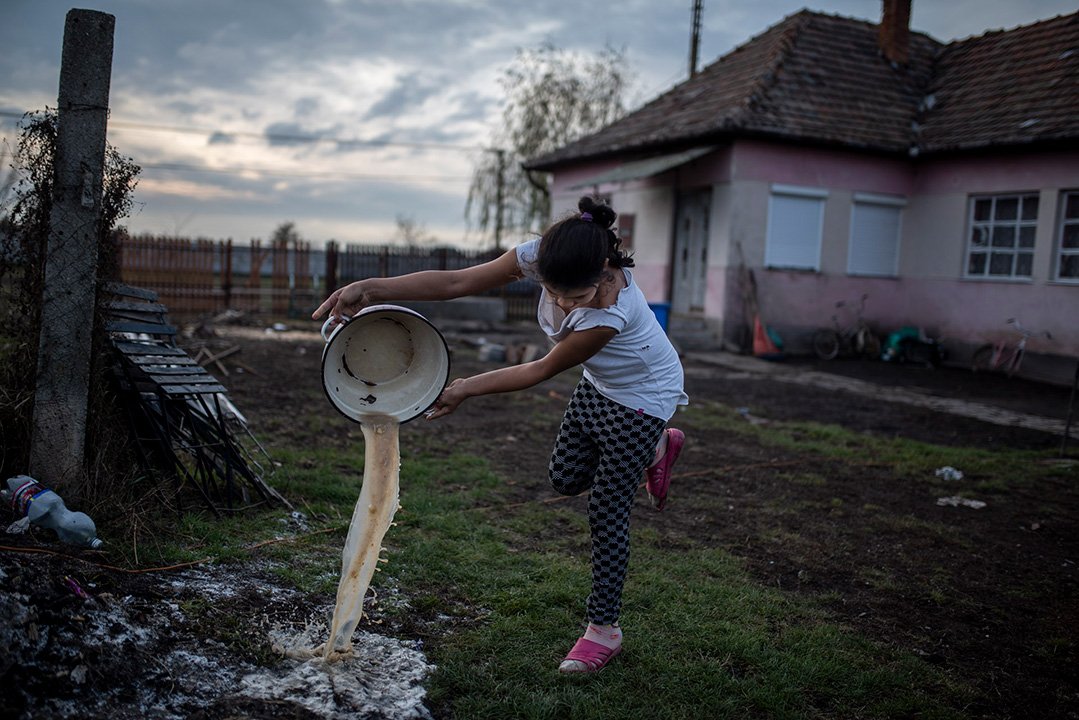
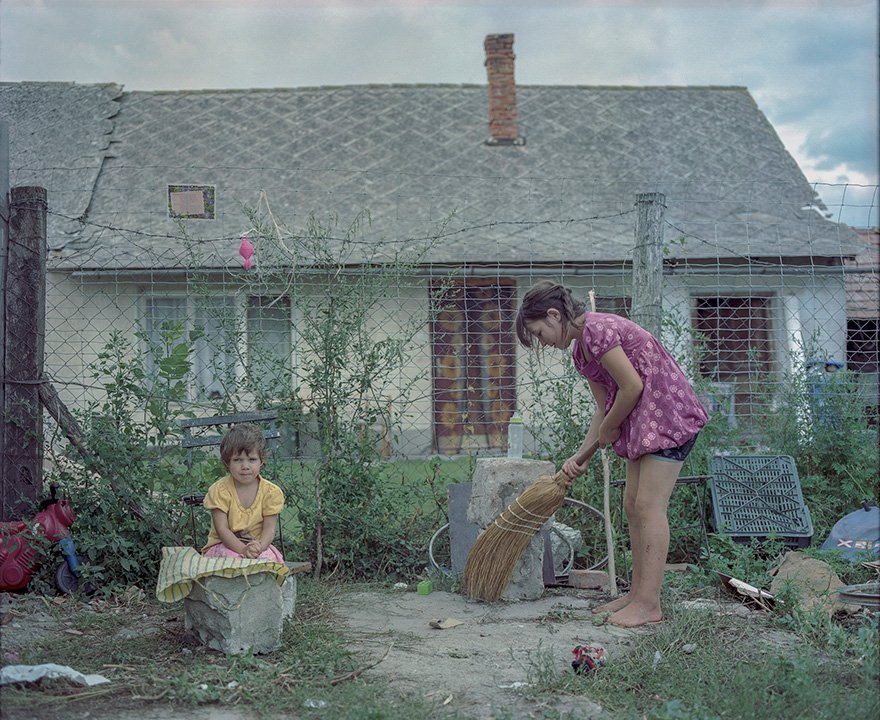
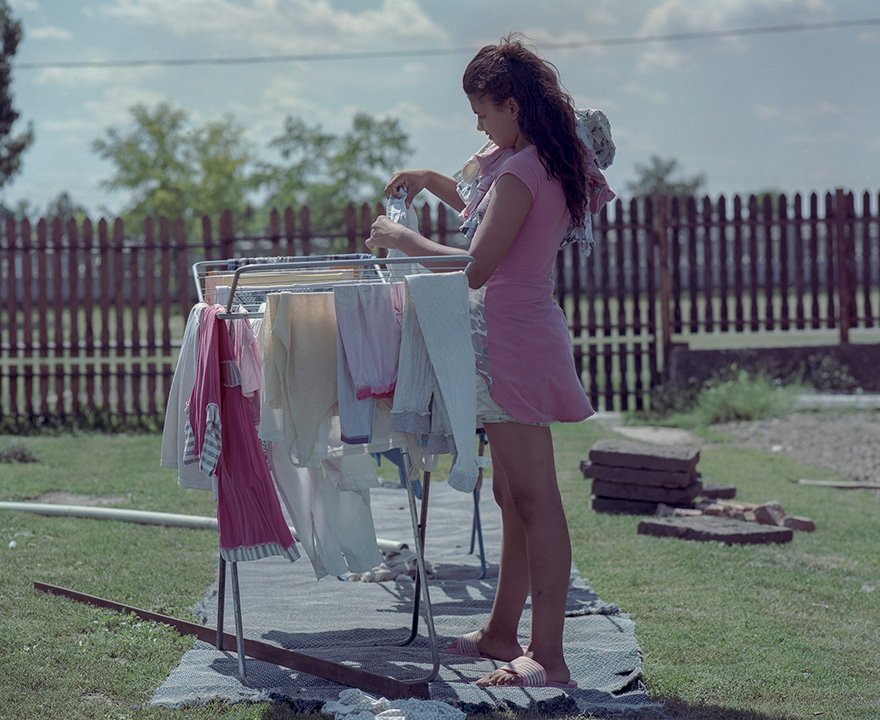
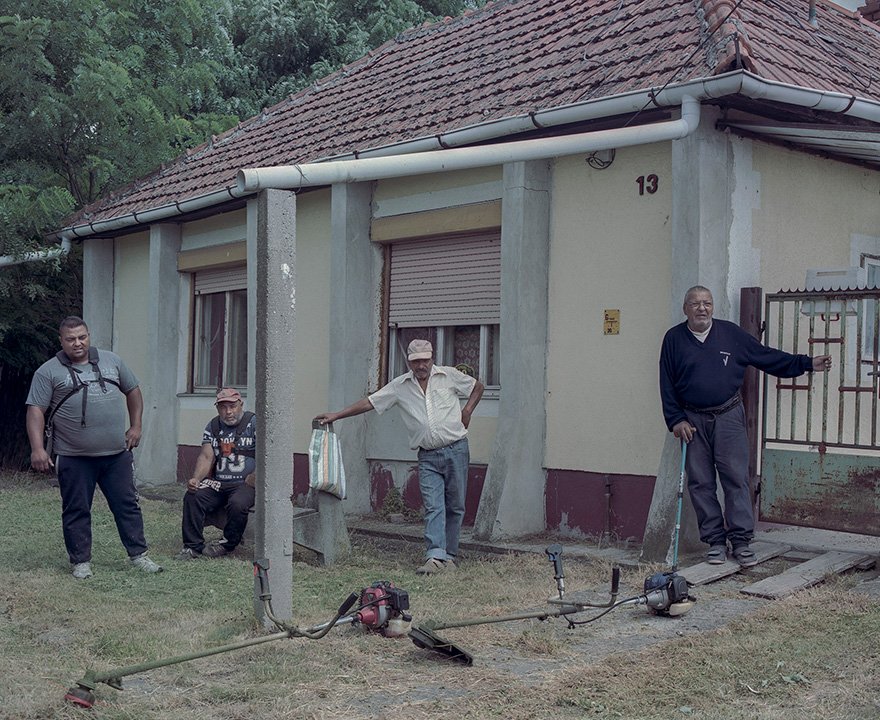
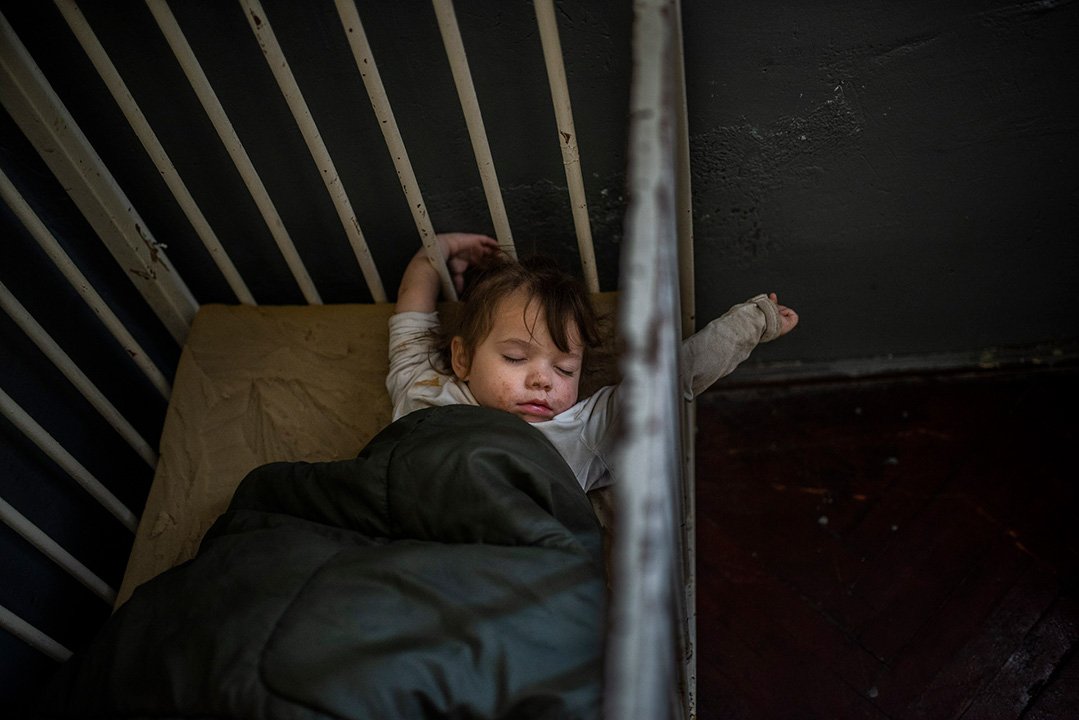
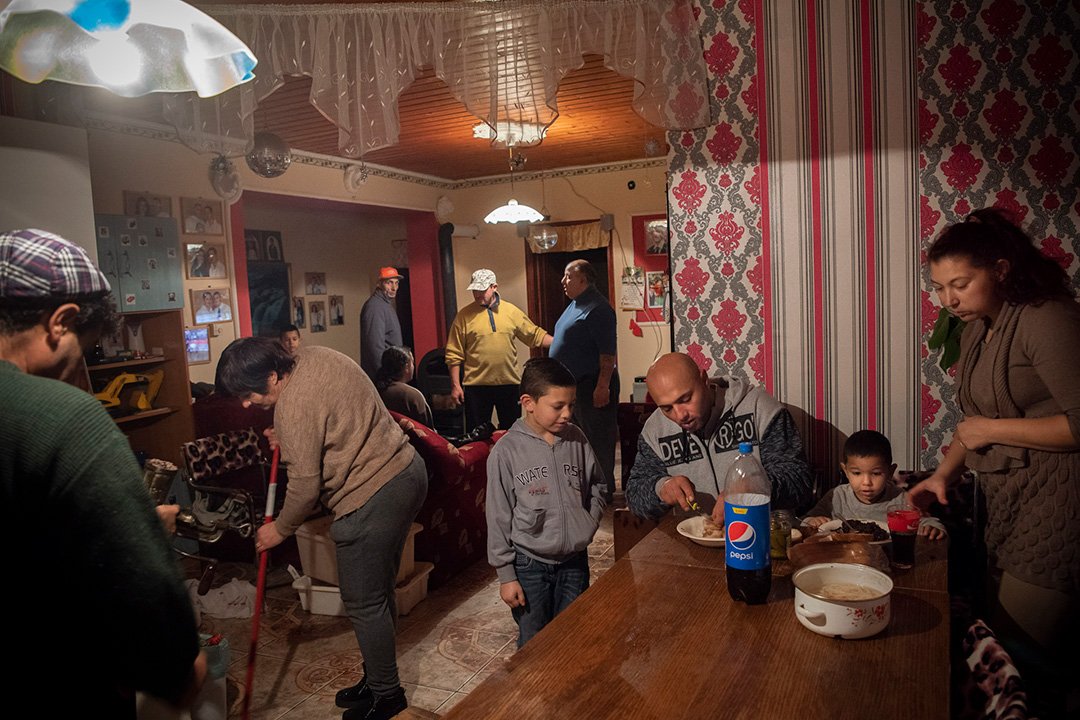
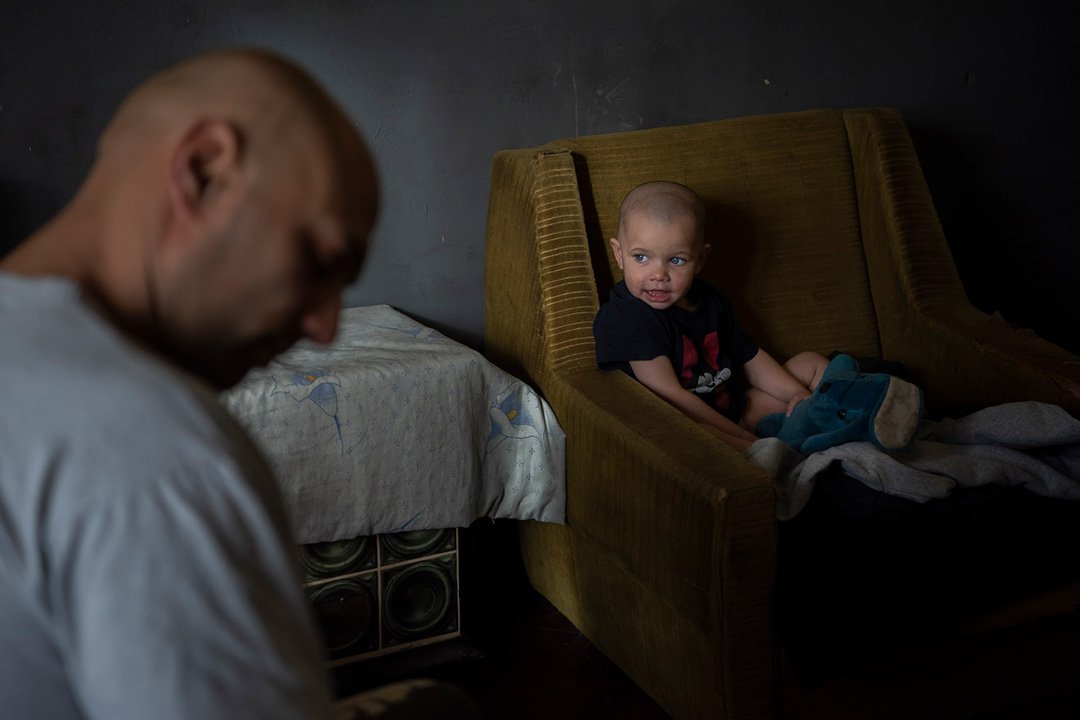
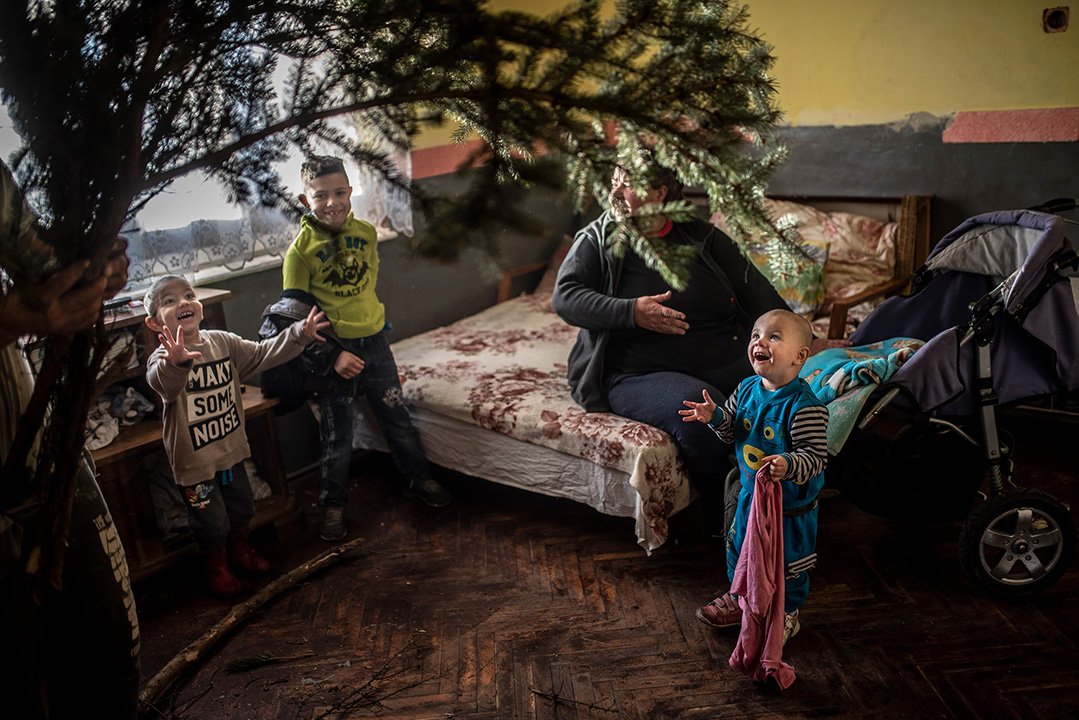
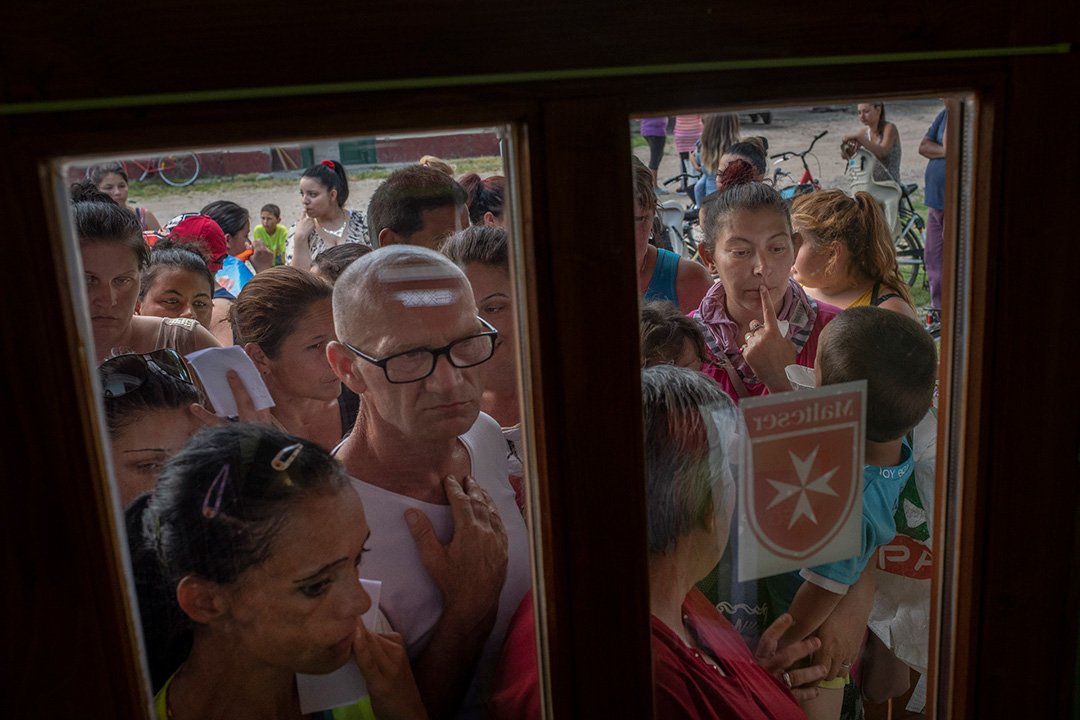
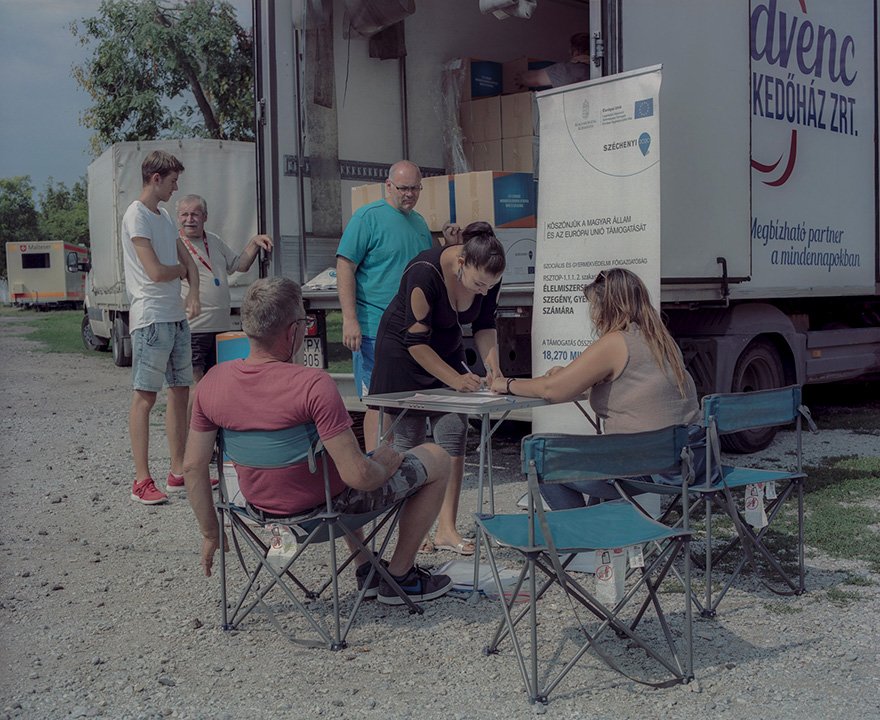
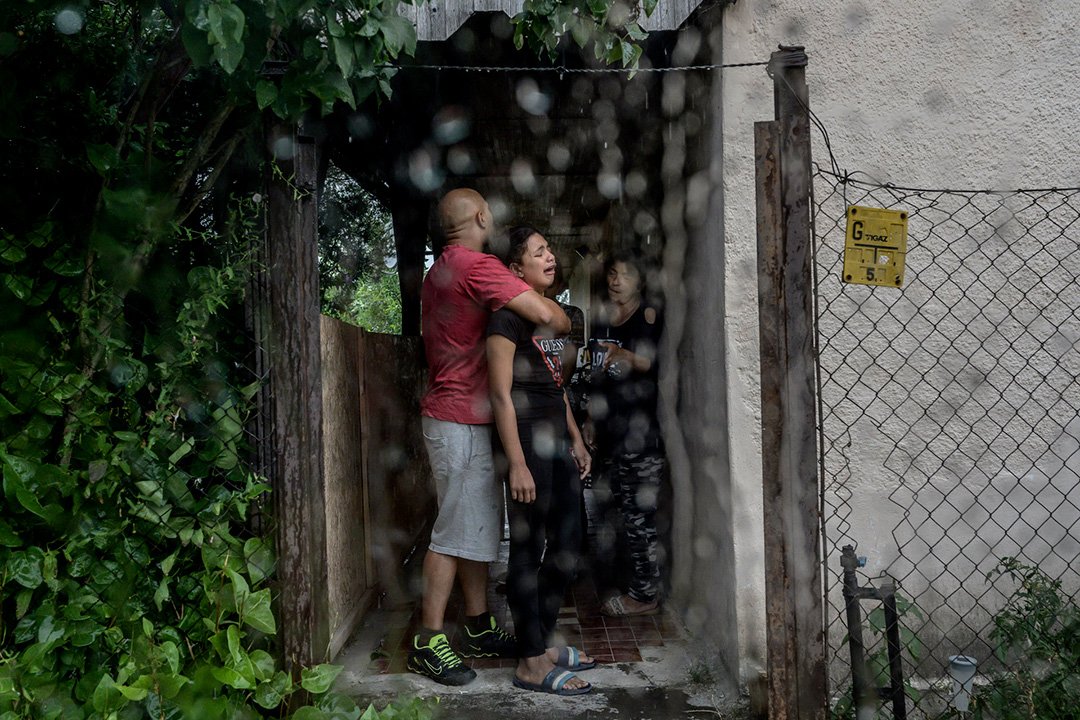
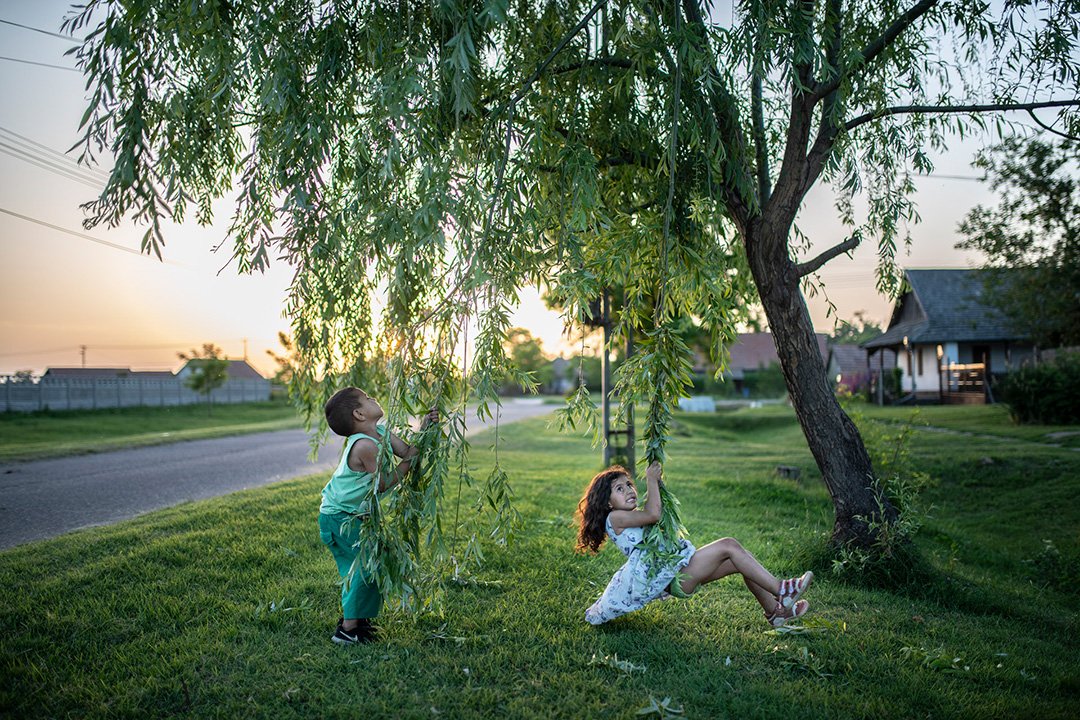
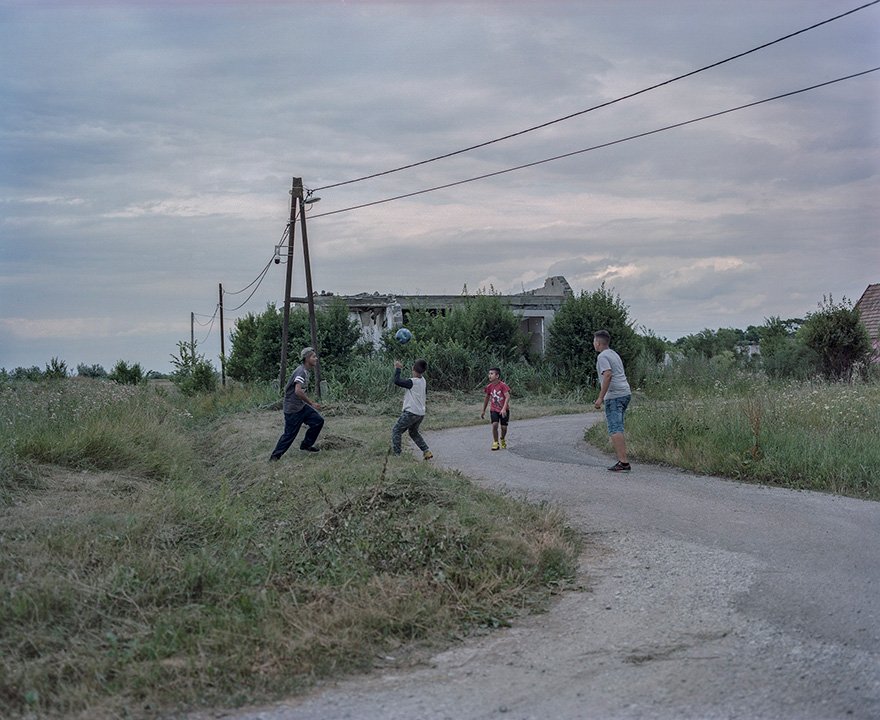
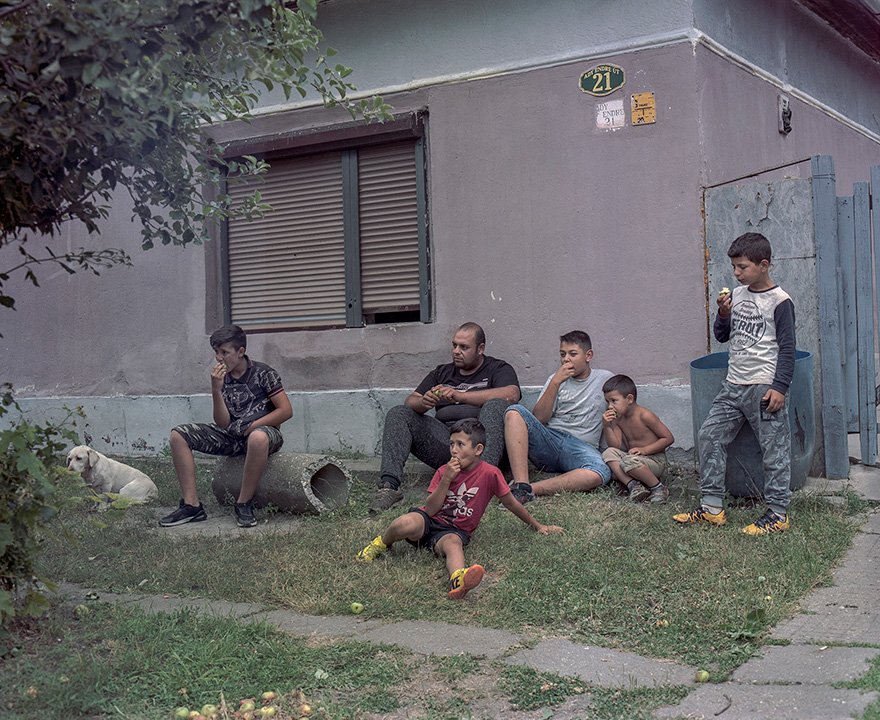
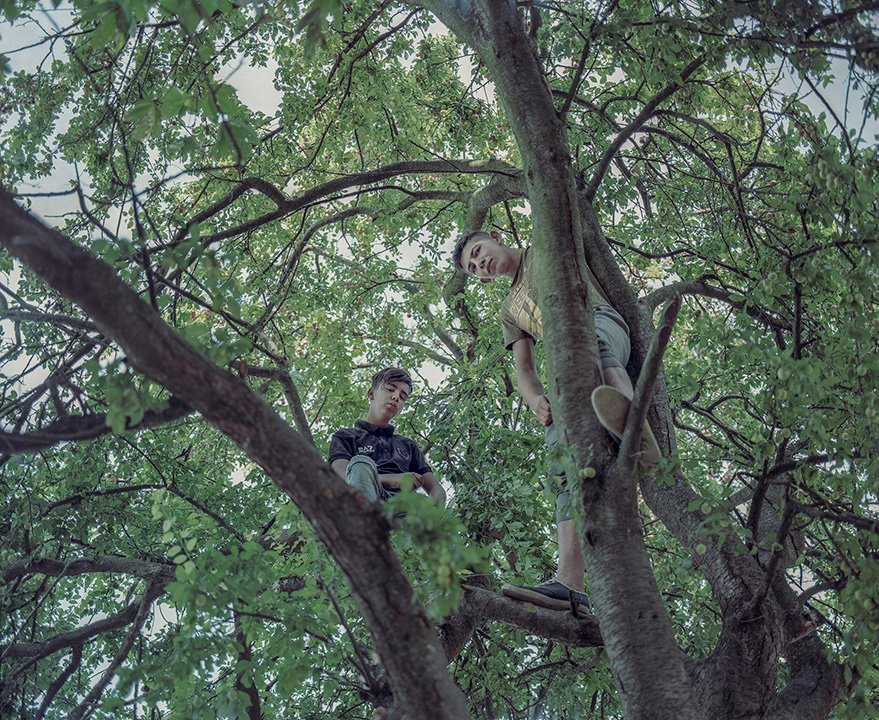
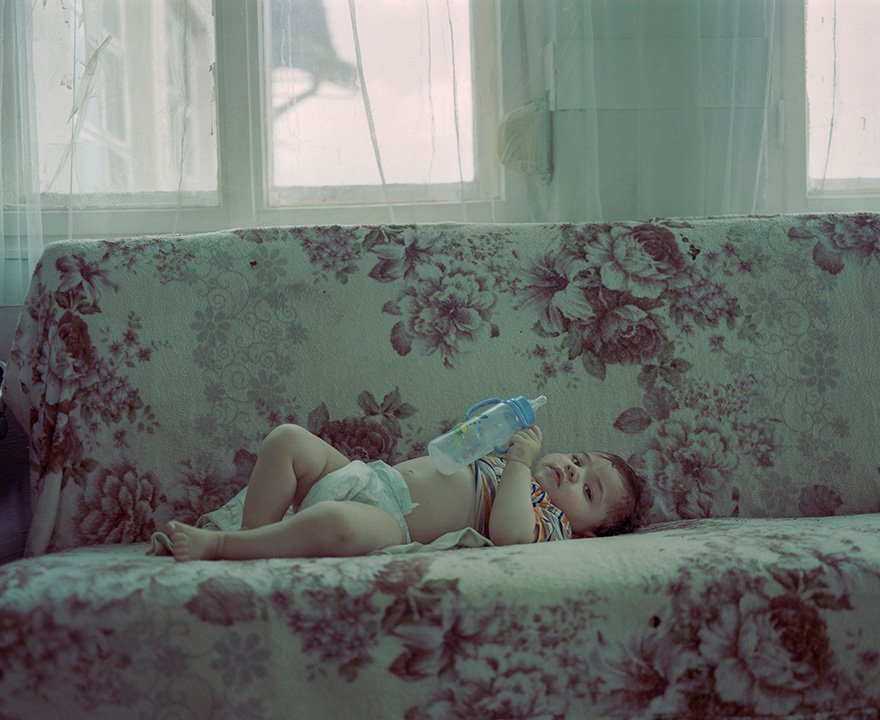
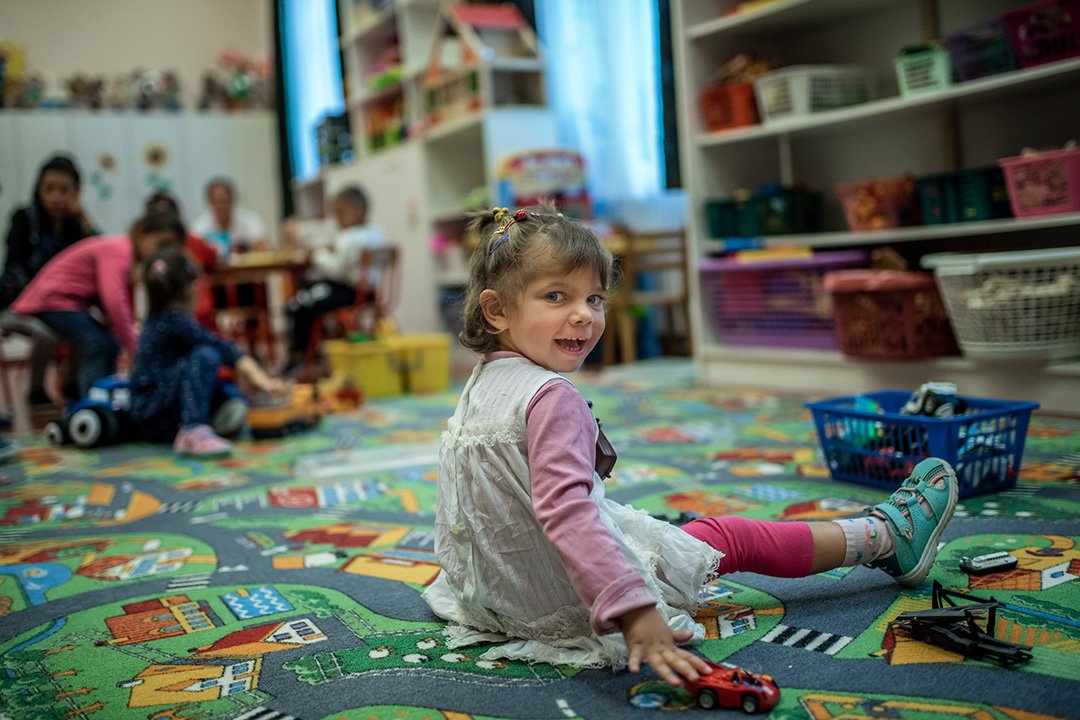
Szofi’s Life: My original idea four years ago was to follow the life of a child, all the way from birth until she becomes an adult, and through her growing up to attempt to interpret the situation of Hungary’s Gypsy people by presenting their everyday lives from the inside, showing the processes behind the decisions they make, their opportunities.
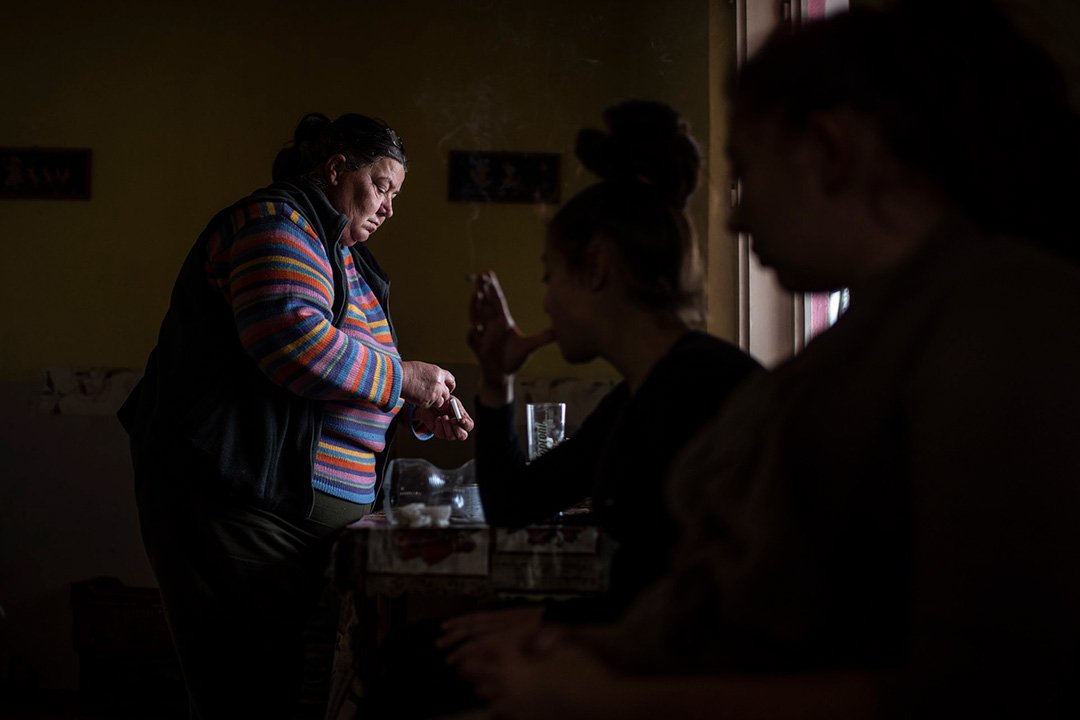
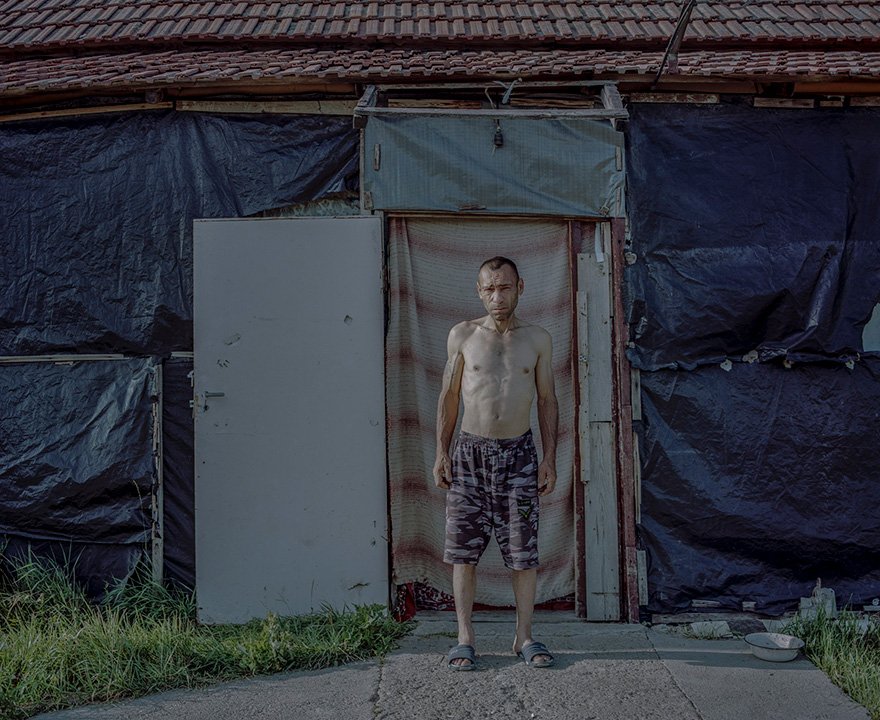
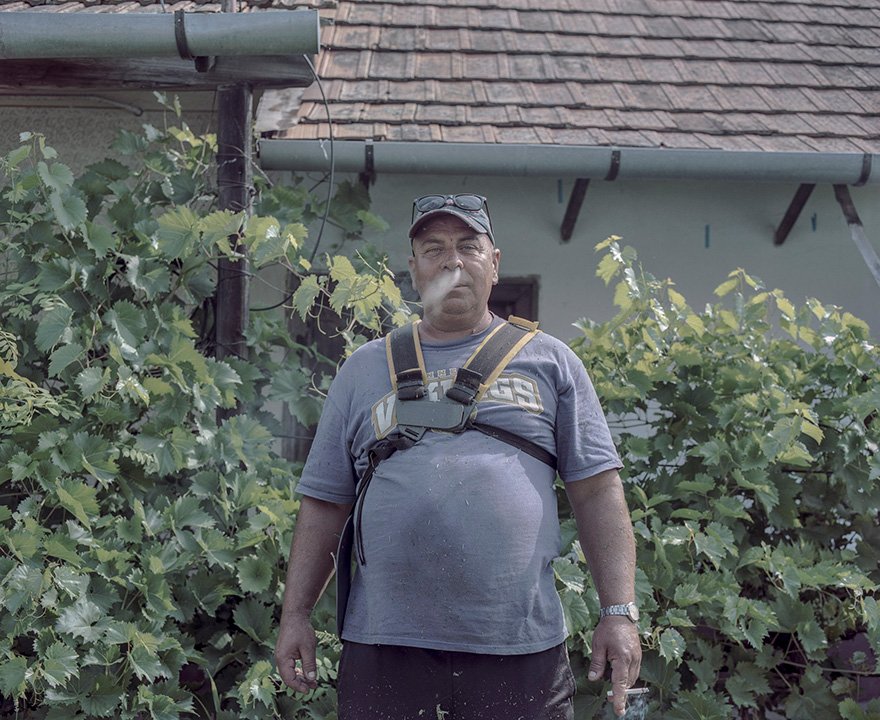
Szofi’s life story can be followed in the main series of pictures arranged chronologically. I had, however, a revelation I did not initially plan to show, and which only really unfolded during the years spent with the family: the relatives, the neighbours, the village, the life of the greater community, with its branching stories echoing each other … motifs which have rolled along for decades, sometimes for centuries.
Szofi’s life cannot be understood without her roots. Her life so far is intertwined with that of her community: their traditions, their inherited life strategies, the monotony of their lives drifting in the rhythm of centuries, the fragmentation, timelessness and eventuality of the material culture surrounding them, its incoherence and impulsiveness hardly acceptable to this world. In order for us to understand the original visual family story seen through the life of Szofi, we have to get a sense of the milieu, the faces and the destinies surrounding the Bordács family, to unravel the patterns in which the parents and grandparents socialised, and which provide the basis for Szofi’s growing up too. Are blond hair and blue eyes enough to tackle destiny?
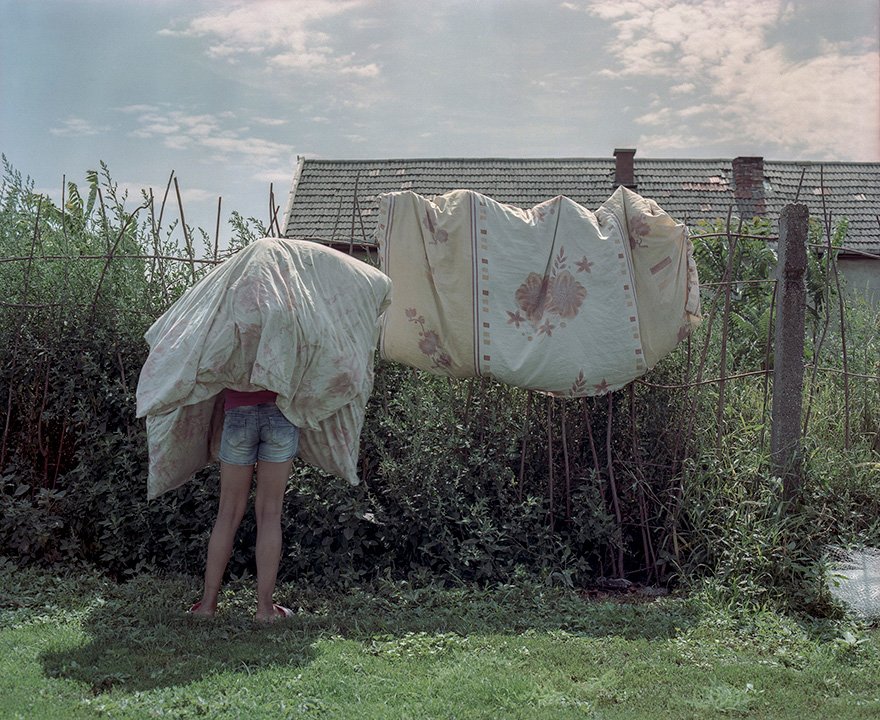
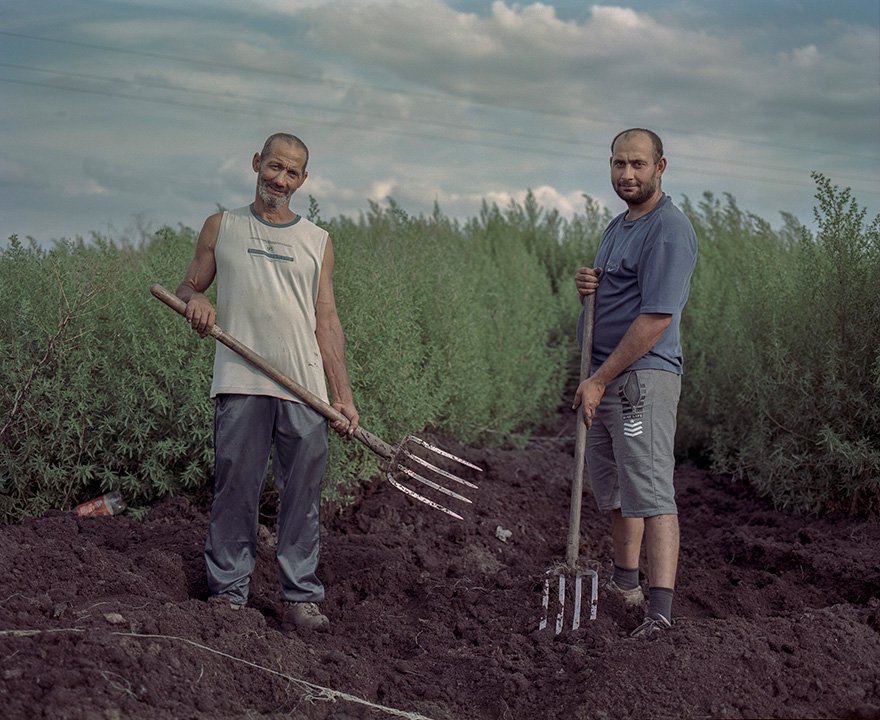
I introduce these branches in two sections, grouped around various topics. In the upper row are pictures of the life of men, in the lower part that of the women: as a reflection of centuries of super- and subordination.
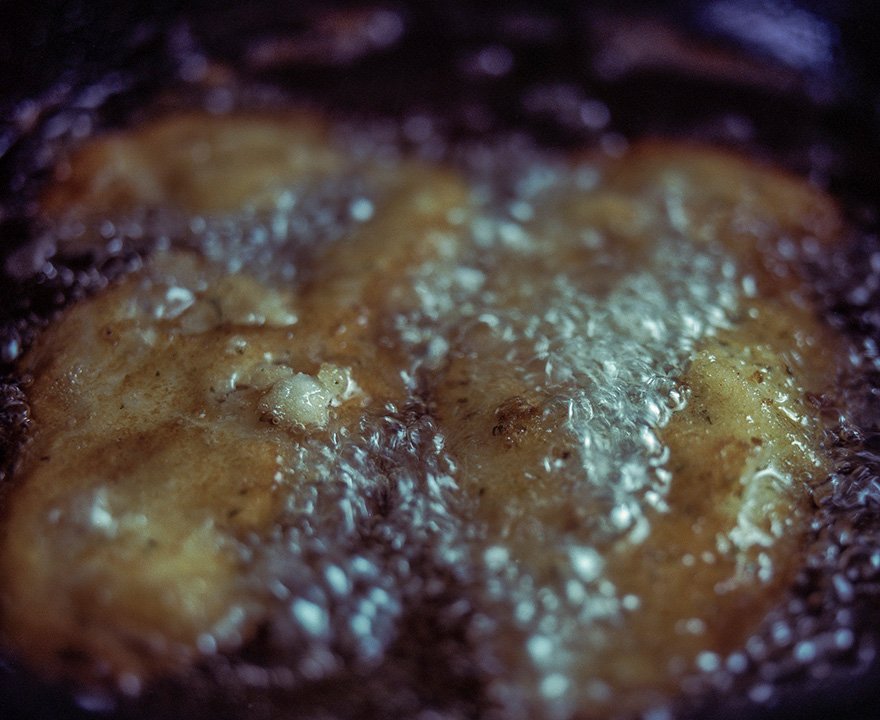
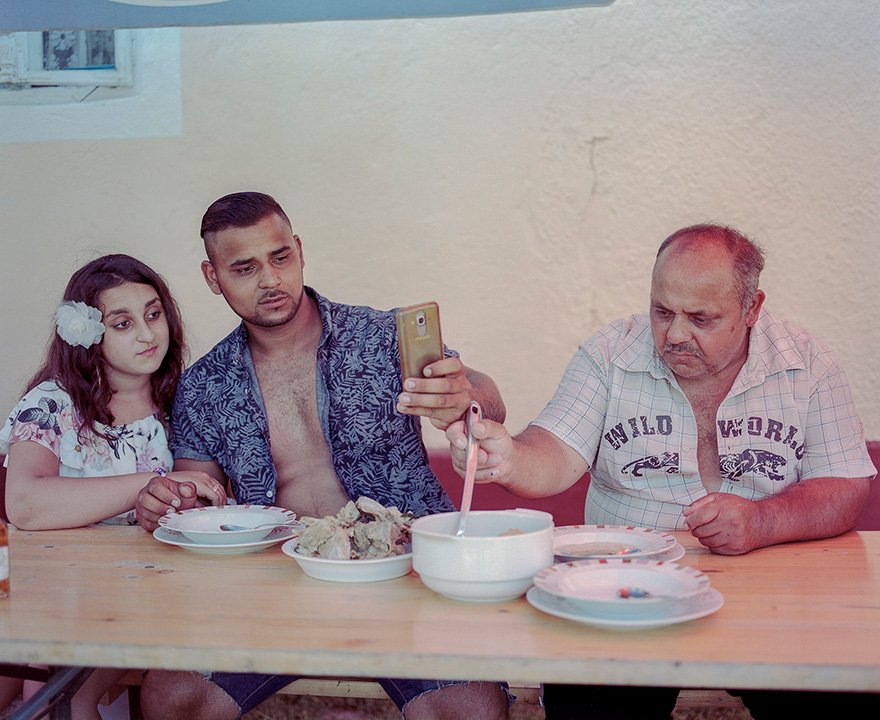
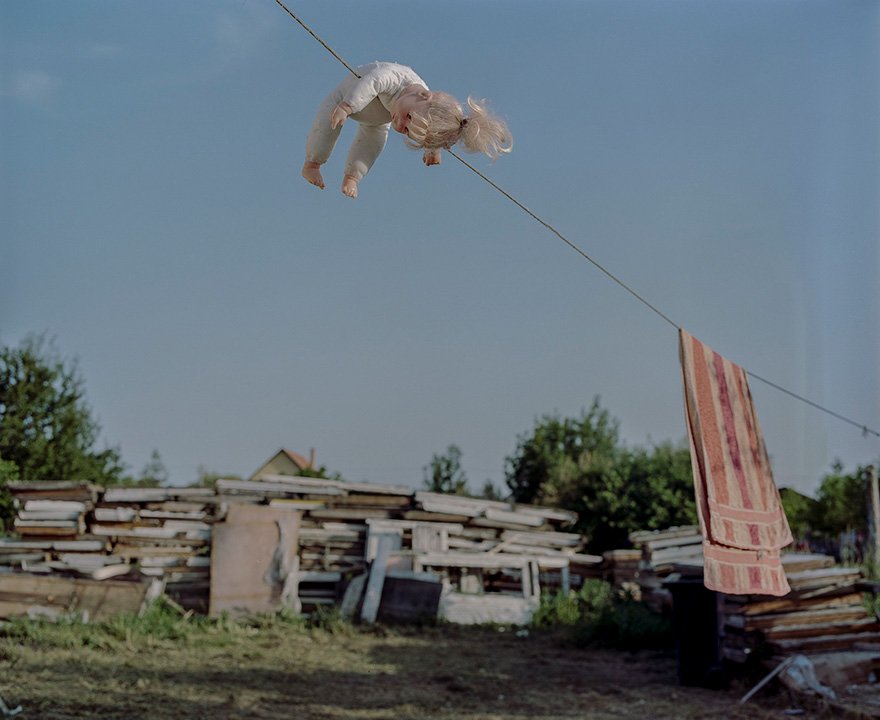
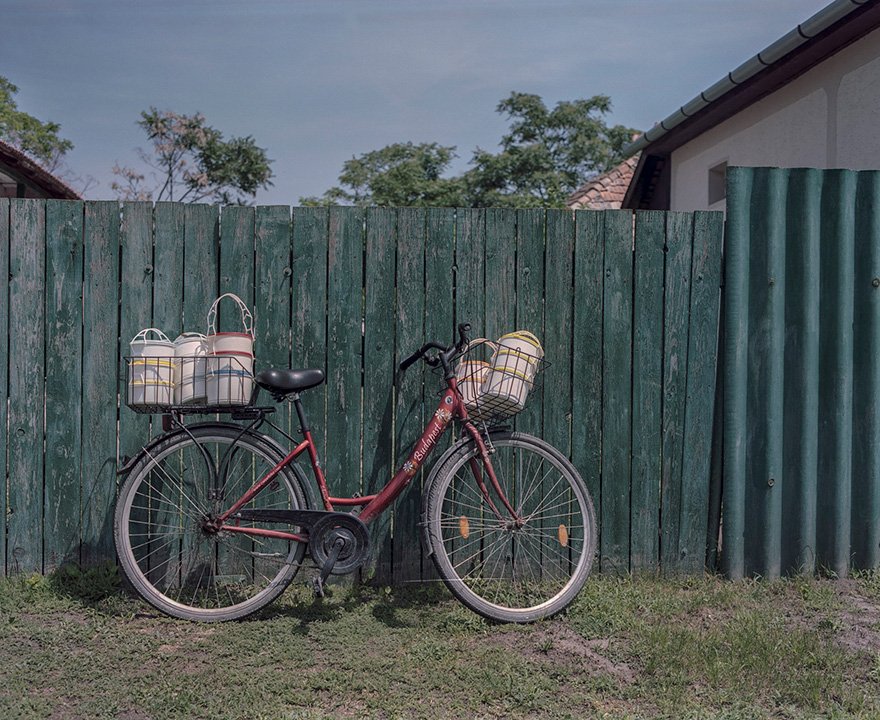
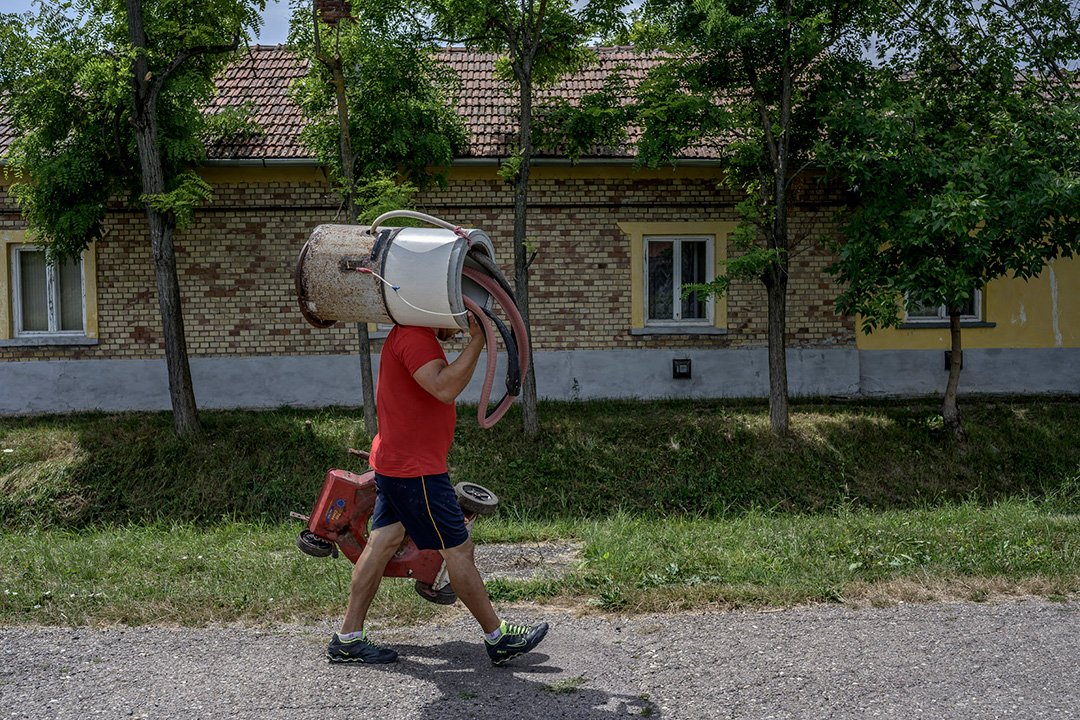
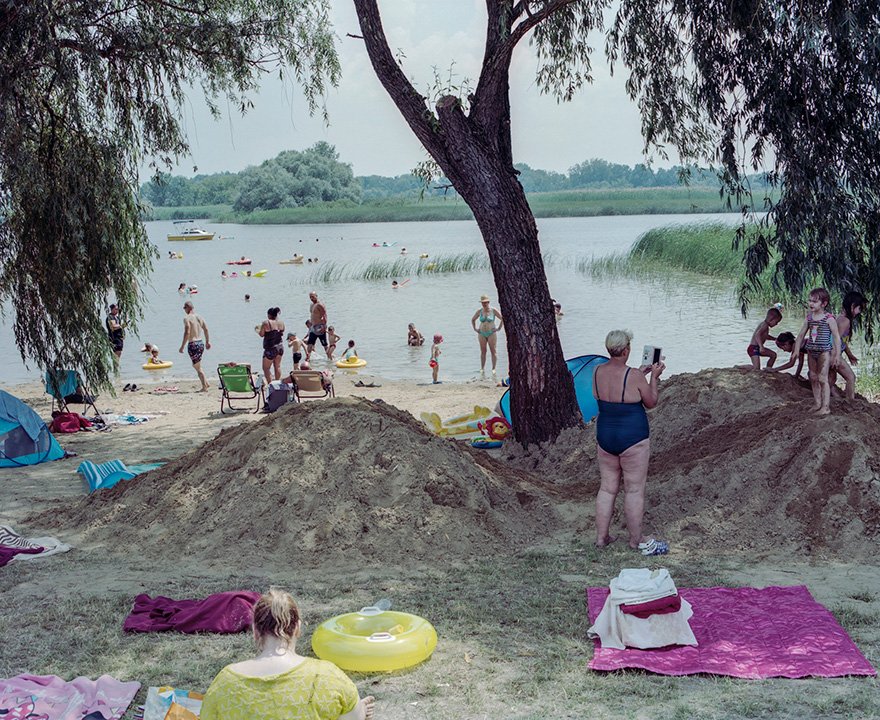
Every picture has its own story, and these stories are often grievous: they are about a sick child, squalid daily life, counting the pennies, poverty. What opportunities, what prospects do these life situations offer? Do they offer any at all? It seems as if time has stopped in this landscape. Some of the photos evoke my childhood spent in the county: that world has not changed a jot for thirty years, only the grandmother taking photos with her mobile on the bank of the River Tisza points to the three decades that have passed since then. The collapsing houses, the tired community service workers from the street, the portrait of the woman carrying water from the same well for fifty years – it is as if these pictures trace out Beckett’s motto at their points of intersection:
All of old. Nothing else ever. Ever tried. Ever failed. No matter. Try again. Fail again. Fail better. (Samuel Beckett: Worstward Ho)