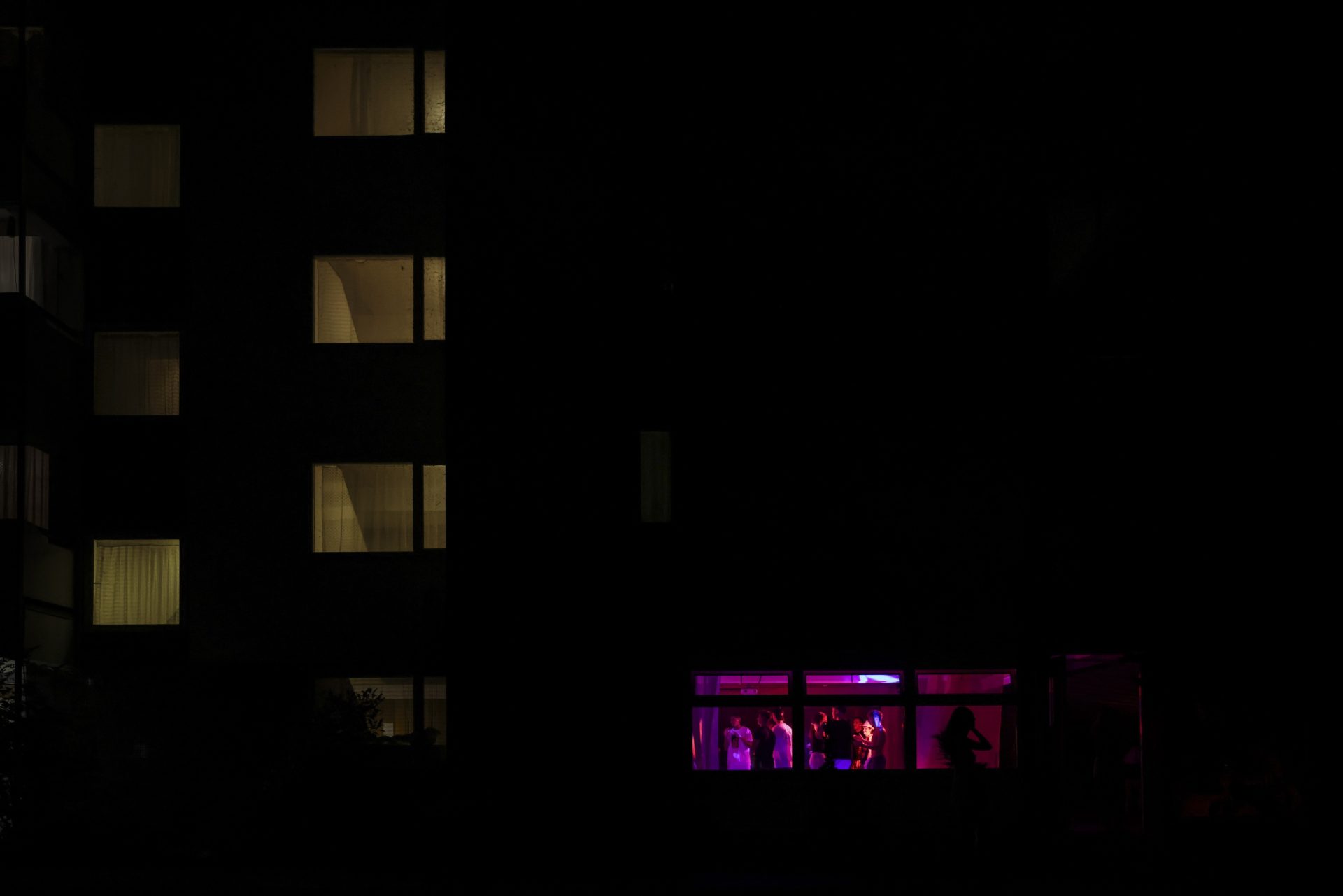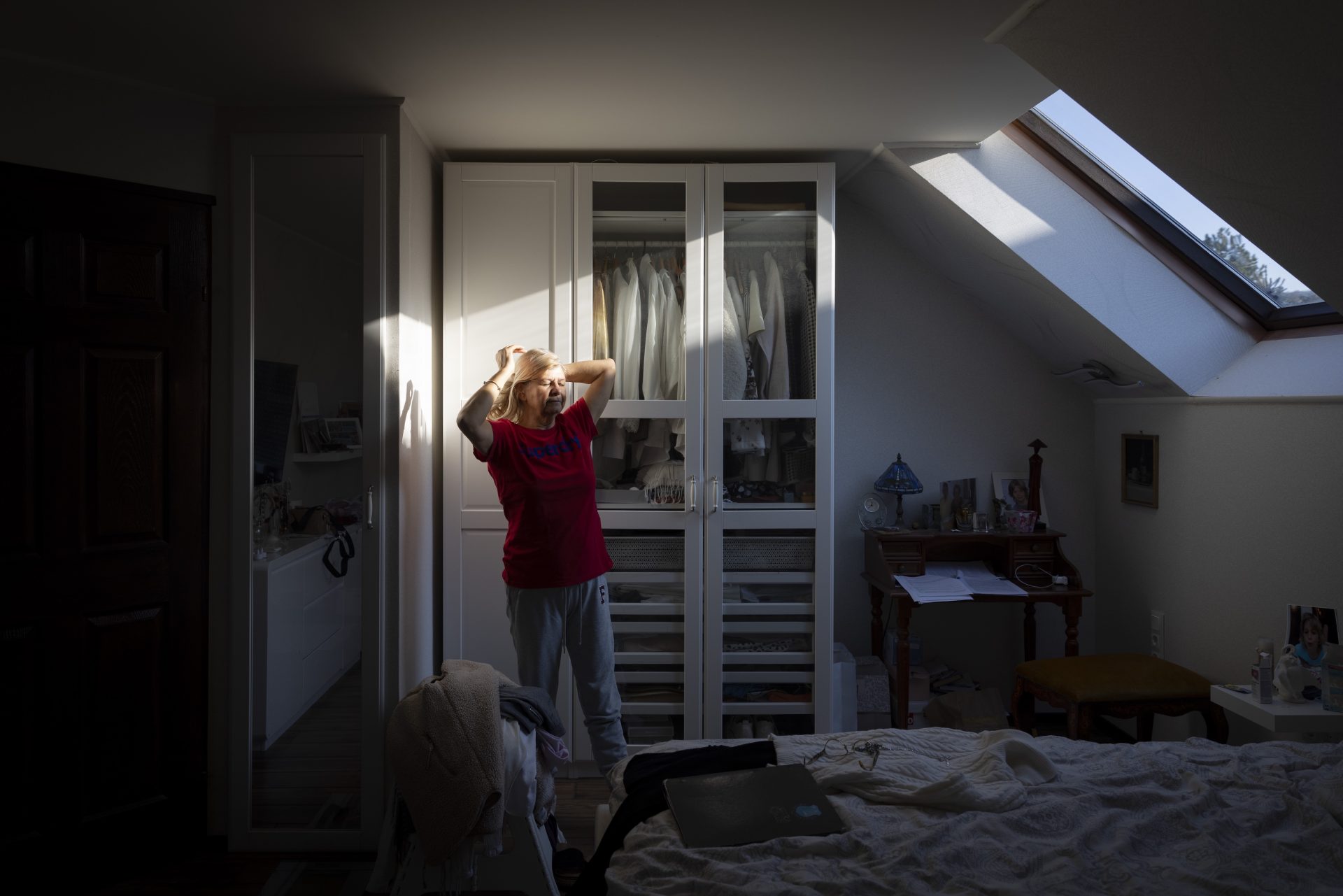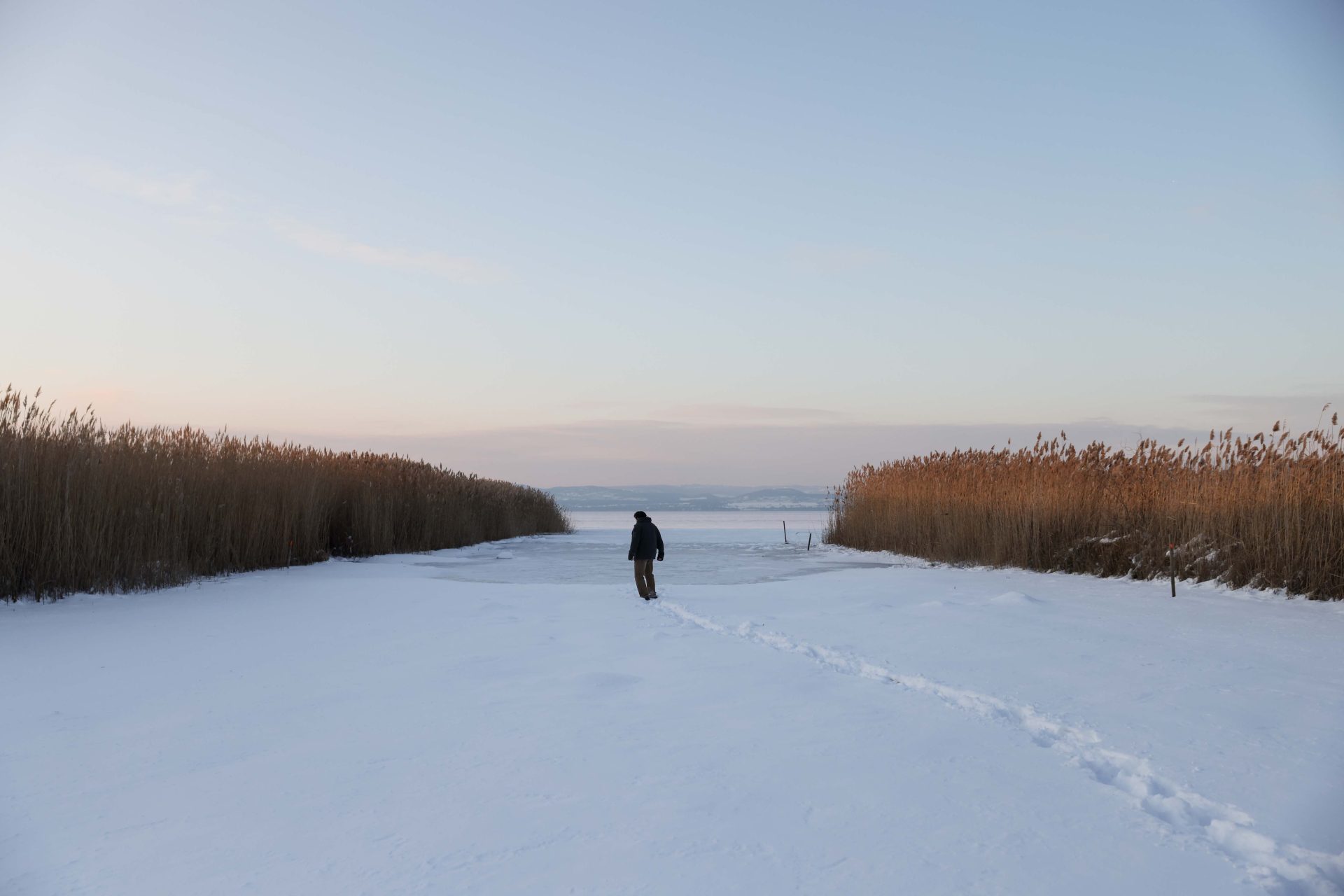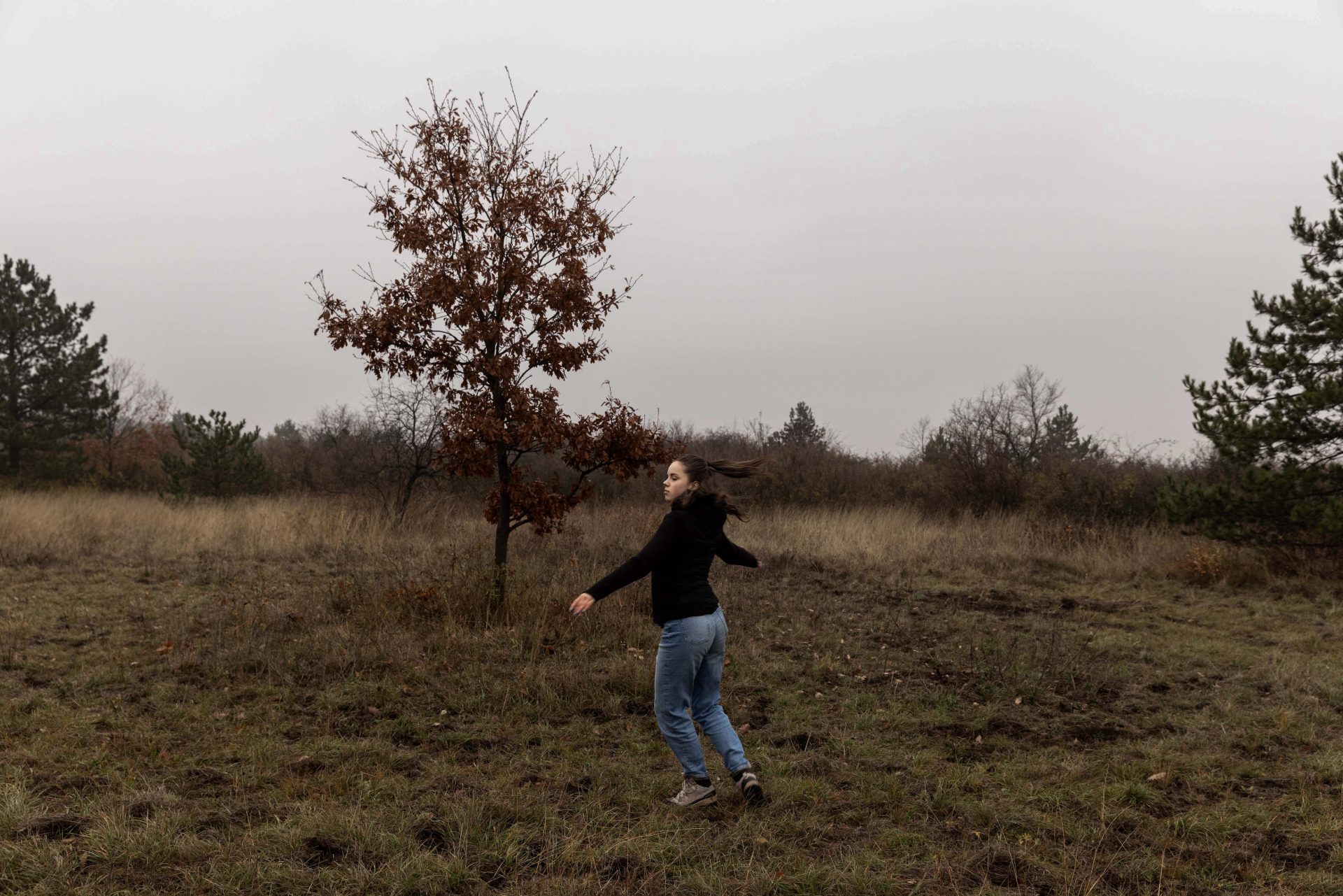
CAPA GRAND PRIZE HUNGARY 2026 CANDIDATES
CAPA GRAND PRIZE HUNGARY 2026 CANDIDATES
REMEMBER ME? EVERYDAY LIFE OF AN UNRESOLVED CRISIS AT THE SOUTHERN BORDER
Depth of Field Narrative Group – DNG (Zsolt Balázs and Gábor Sióréti)
Zsolt Balázs:
As an independent artist photographer his most important angle is that of humanity and objectivity, which he raises above all political and economical interests.
His work is most characterized by the styles of autonomous photoreport and documentarism.
The completed projects are featured in publications, exhibitions and photo albums.
His series Southern Ends (2018–) portrays the situation of ethnic Hungarians in Vojvodina and refugees on the Serbian side of Hungary’s southern border fence.
He received grants from the Hungarian National Cultural Fund four times: twice in 2019 and 2020 for the series The Leftovers of Eden (2019), examining the lasting effects of the historical Greek–Turkish ethnic conflict in Cyprus, and again in 2023 and 2025 for documenting life on the Great Hungarian Plain.
After that he returned to an important location of his childhood - the banks of a creek - and through examining its environment (Rákos-patak), he reflected on the questions related to our contemporary existential insecurities, such as beliefs, habitat, home, well-being. The title of the series is ‘Creekside Country’.
From 2021 to 2026, he documented life on the Great Hungarian Plain, creating narrative series about the relationship between people and water. The five-year body of work was published in March 2026 as the photobook What Remains in the End by hECTIC bOOKs.
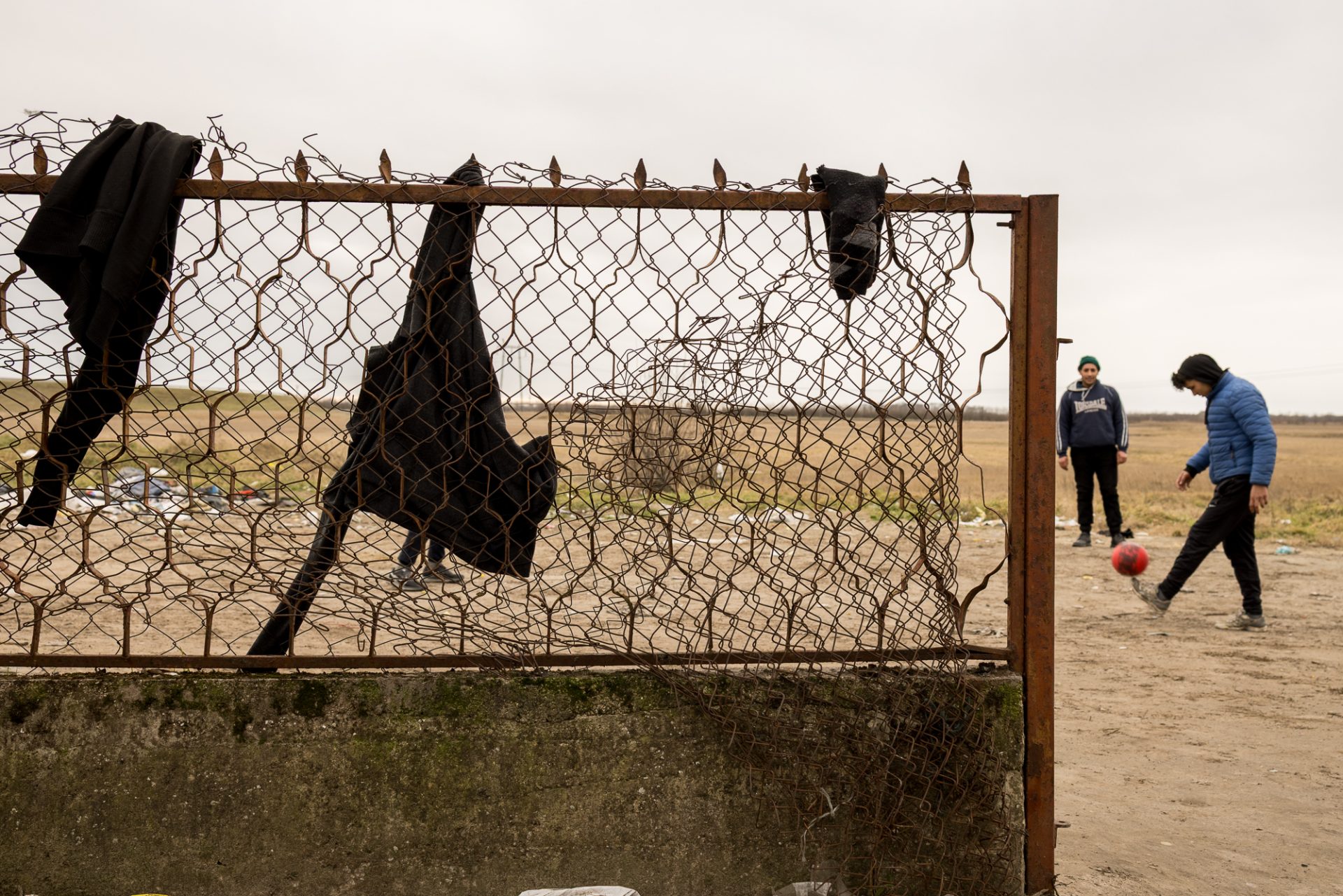
After several years away, he returned to the Serbian–Hungarian border with his colleague Gábor Sióréti to document life along the border in a long-term series, drawing attention to the unresolved state of the refugee crisis—a quiet conflict in which all participants have become unwillingly involved.
He completed the Nikon-NOOR Masterclass in 2018, and received his master diploma in creative photography at Szellemkép Szabadiskola.
Member of the Association of Hungarian Photographers since 2019 and Member of the Association of Hungarian Journalists (independent) since 2022.
04.22.2026., Budapest
Highlighted results
2018 / Nikon-Noor Academy Masterclass, Exam work: “Demonstration picnic” series (Mentor: Sebastian Liste)
2019 / Budapest Photo Festival group exhibition- “Perspectives”. / Helsinki Photo Festival - finalist /
National Cultural Foundation: The Leftovers of Eden (Cyprus) - 1st year scholarship / National Cultural Foundation: The Leftovers of Eden (Cyprus) - 2nd year scholarship
2020 / Human Right Pulse Publication: Southern Ends / Modem: Modern and Contemporary Arts Centre - Deep Flows - group exhibition
2021 / Picture of lights - National PhotoSalon, Műcsarnok / Kunsthalle
2022 / Selected to the Rotterdam Photo Festival 2022 - The Human blueprint - Creekside Country, individual exhibition / 11th Slovak Press Photo Nominee, Finalist
2022-2023 / NOOR - Slovak Press Photo - Visualising the Climate Crisis Workshop and group exhibition, Bratislava / 41st Hungarian Press Photo 1st place in Science and Nature category / WWF Hungary - Grand Prize / FotoKozma 2023 group exhibition / Planet Expo 2023 exhibition / Agroecology Europe Forum 2023 exhibition / Slovak Press Photo 1st place Environment and science / National Cultural Foundation 3rd year scholarship
2024 / 42. 2024 / 42 Hungarian Press Photo, Budapest 150, 3rd place / No Borders Award group exhibition / Capa Center - Breaking the wave - group exhibition
2025 / 43. 2025 / 43 Hungarian Press photo, Science and nature series category, awarded, Slovak Press Photo awarded International long term documentary category
2026 / What Remains in the End / photobook, L'Oeil de la Photographie recommendation
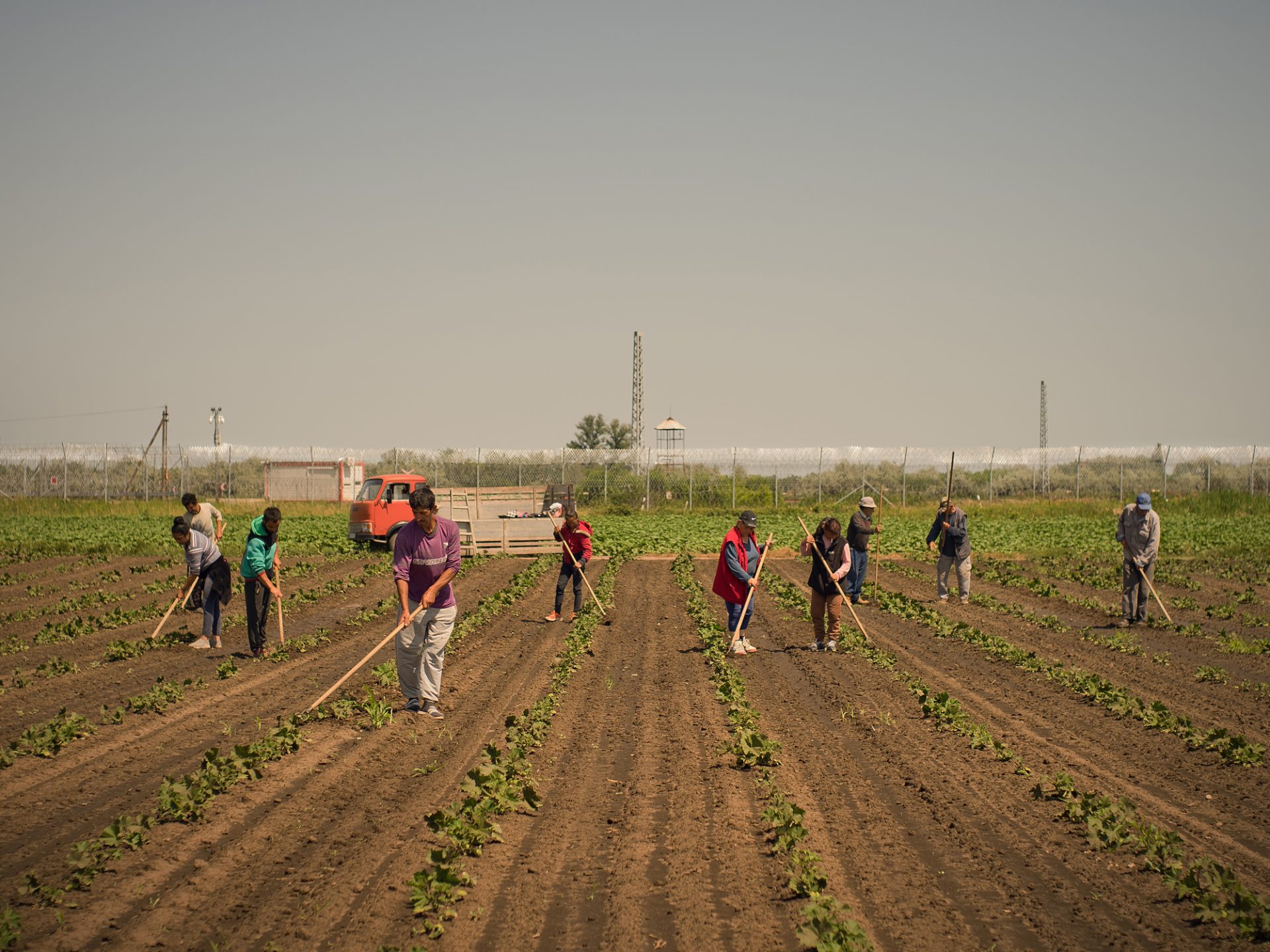
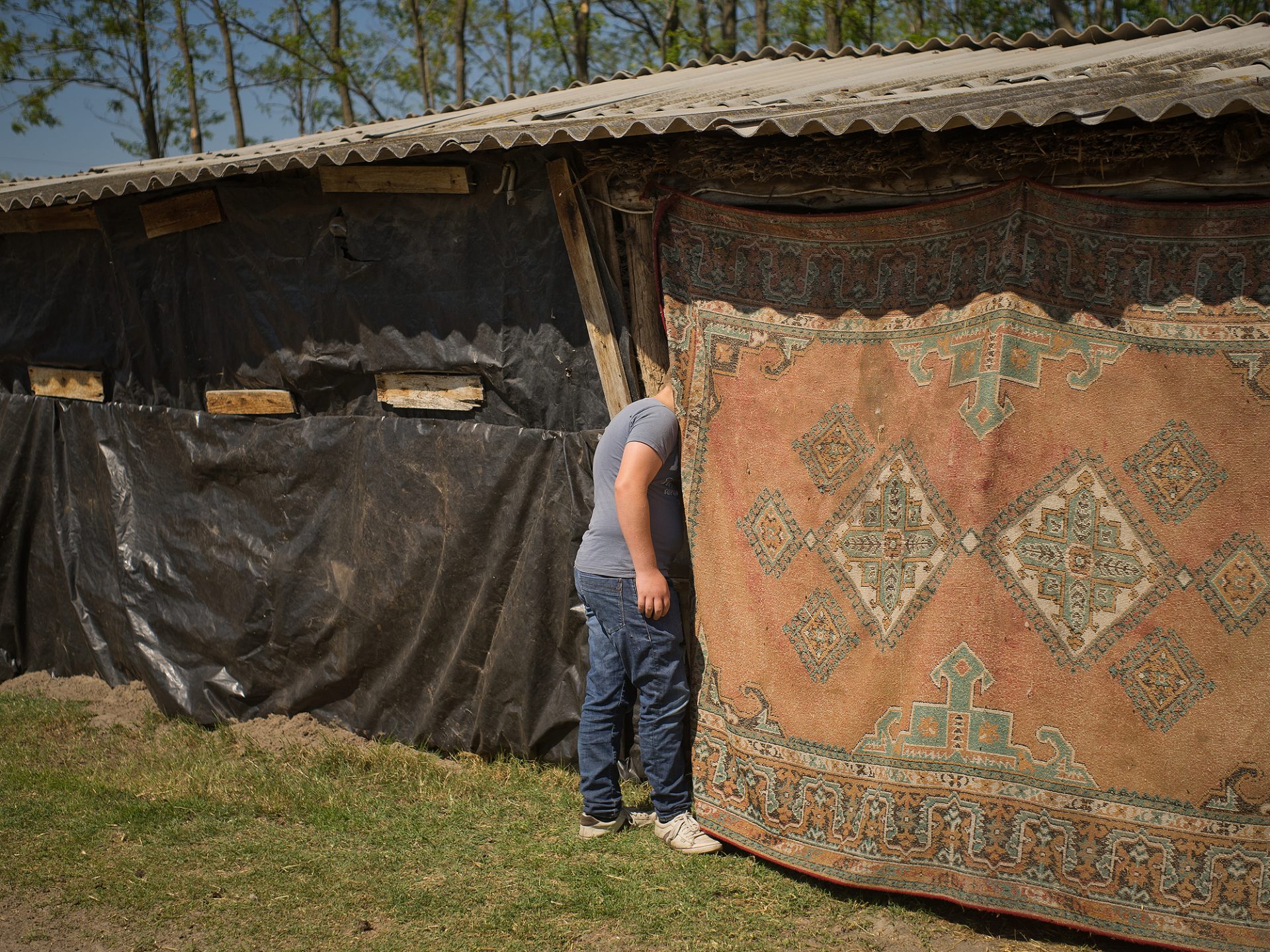
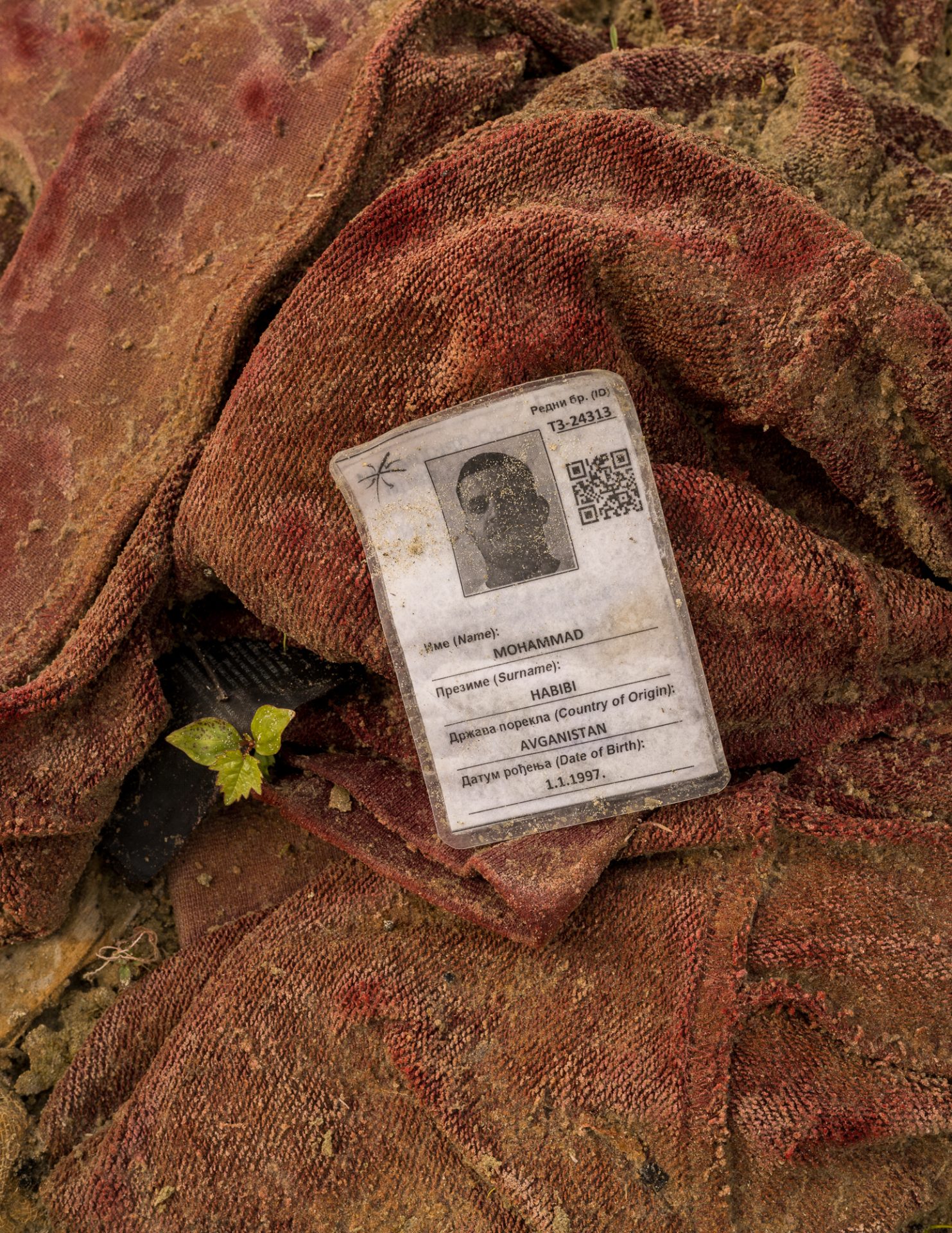
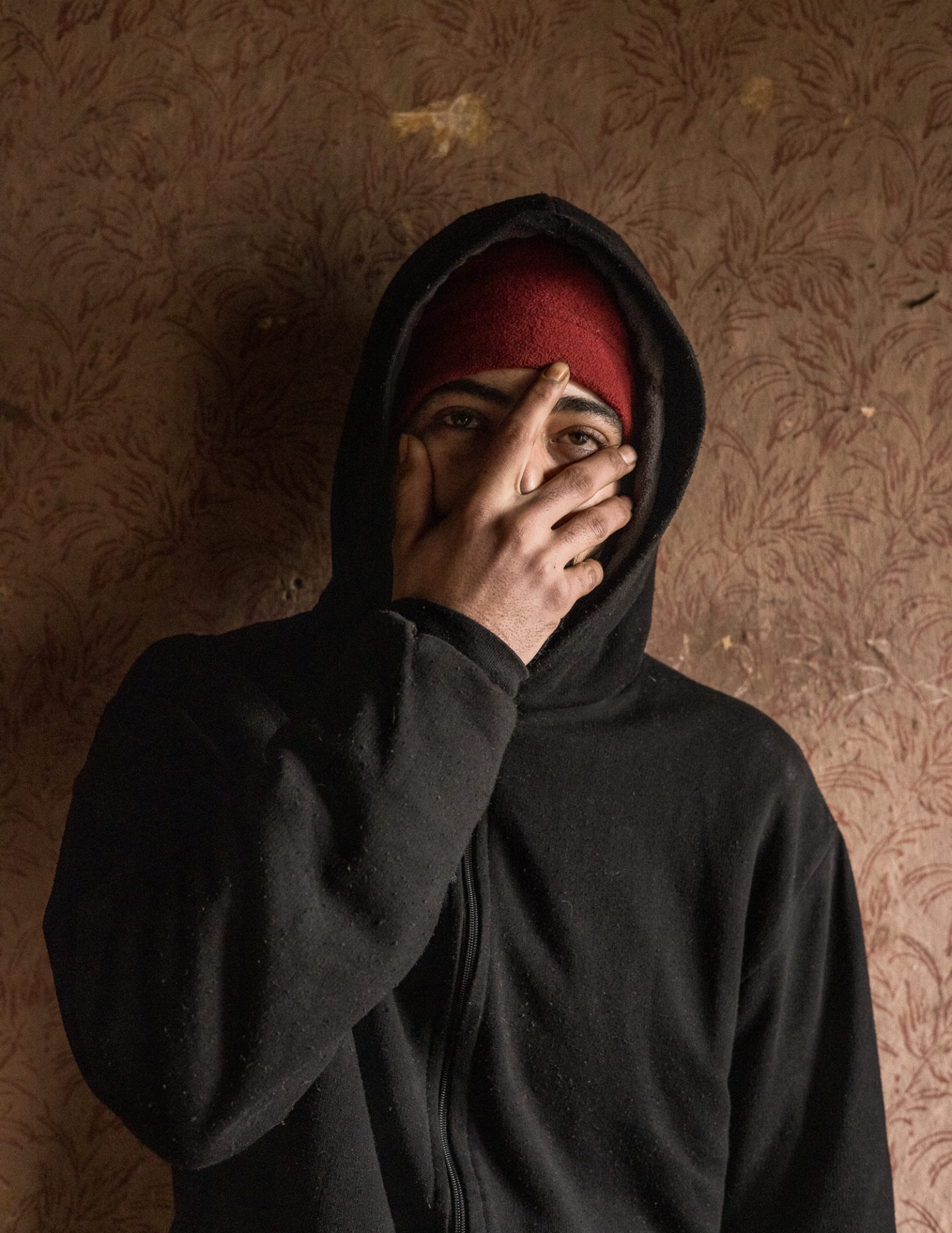
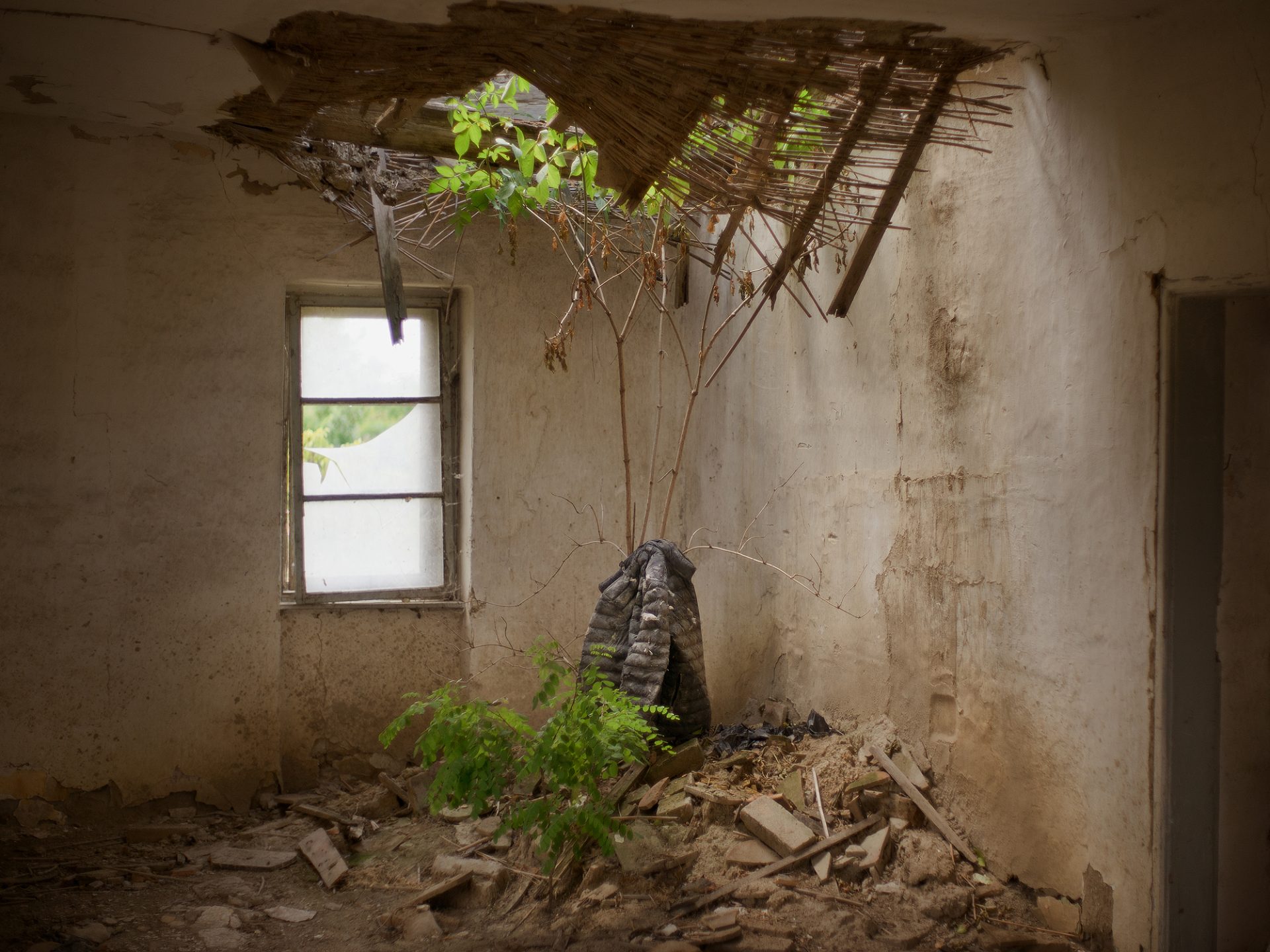
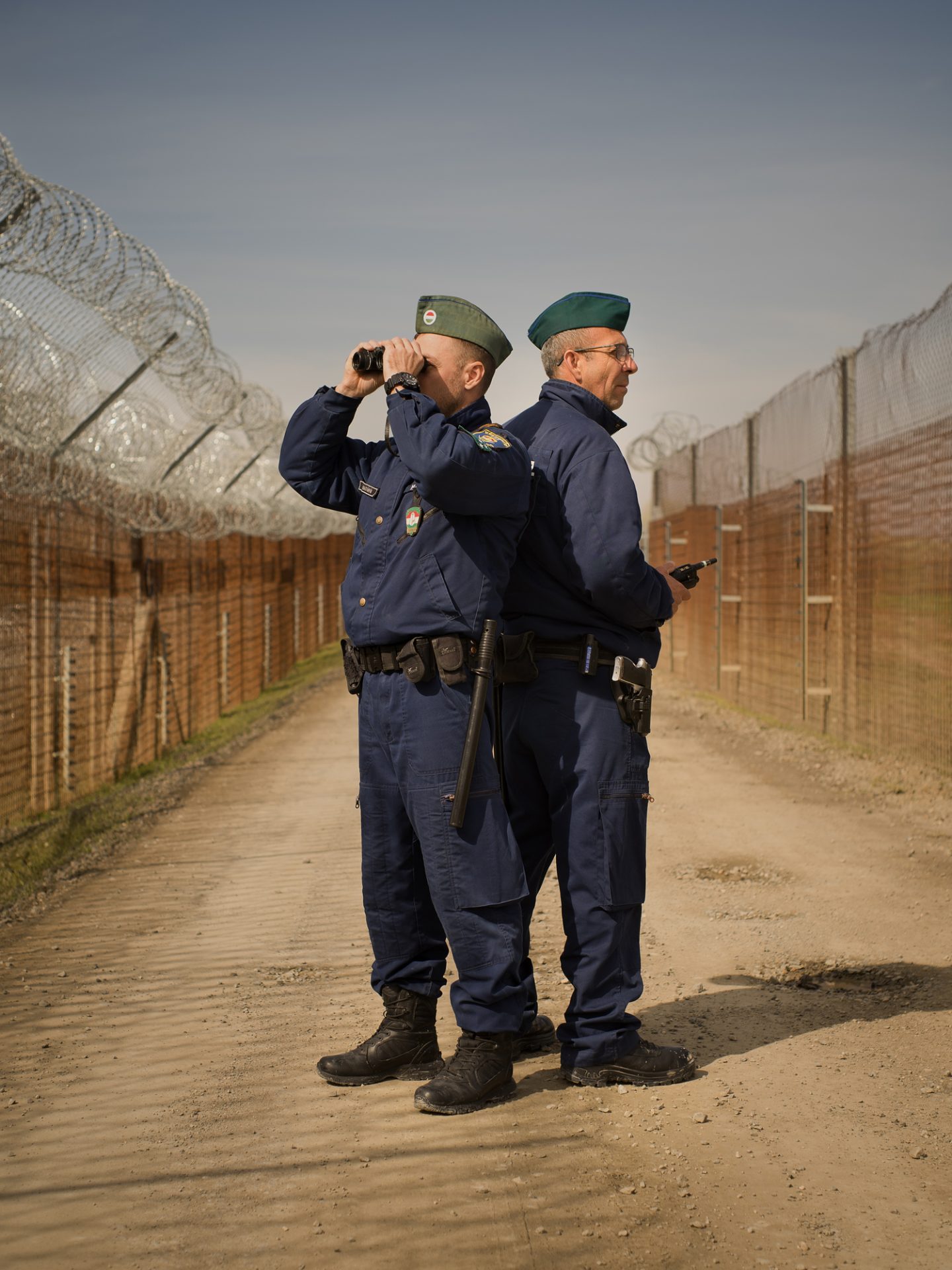
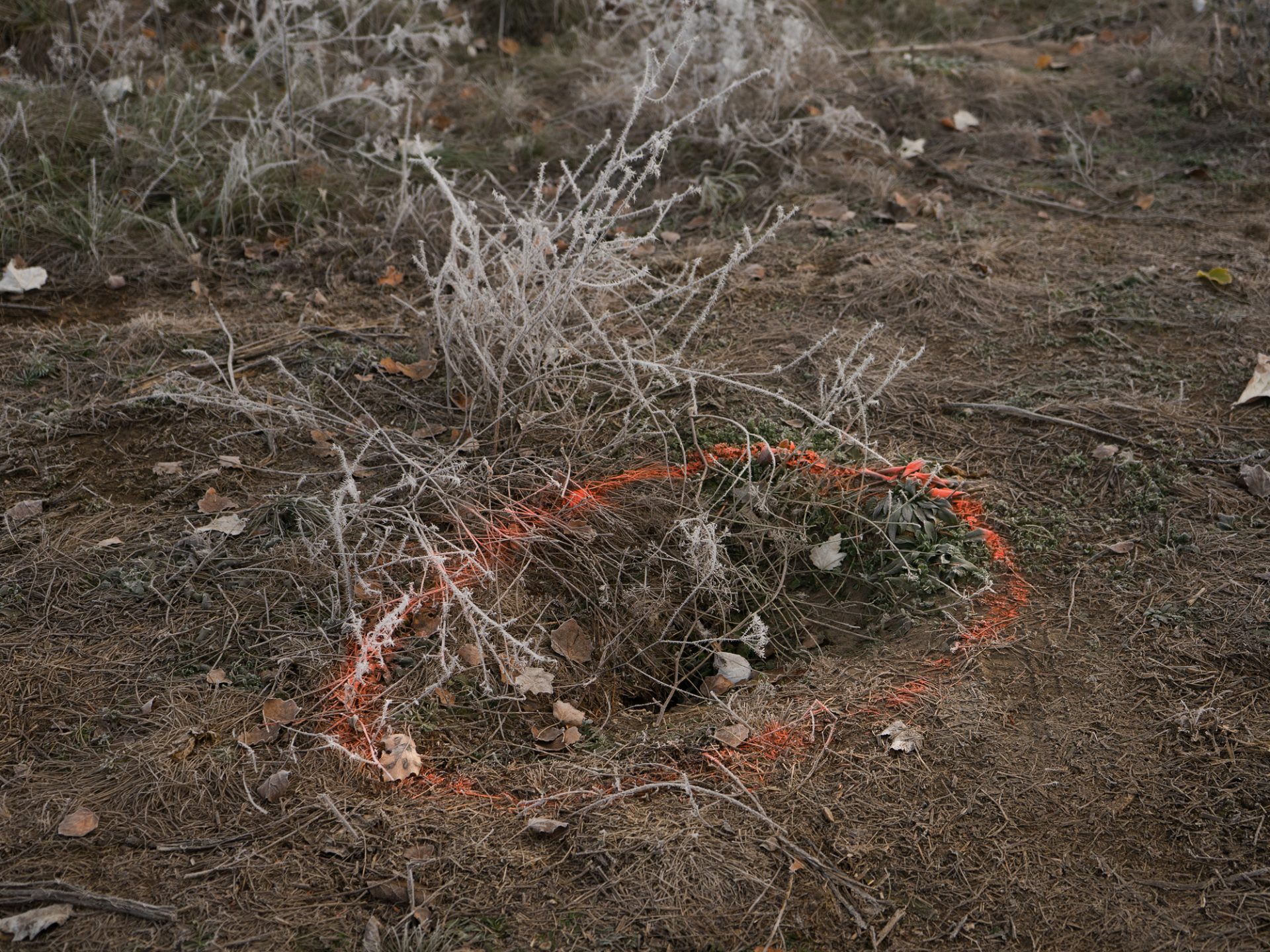
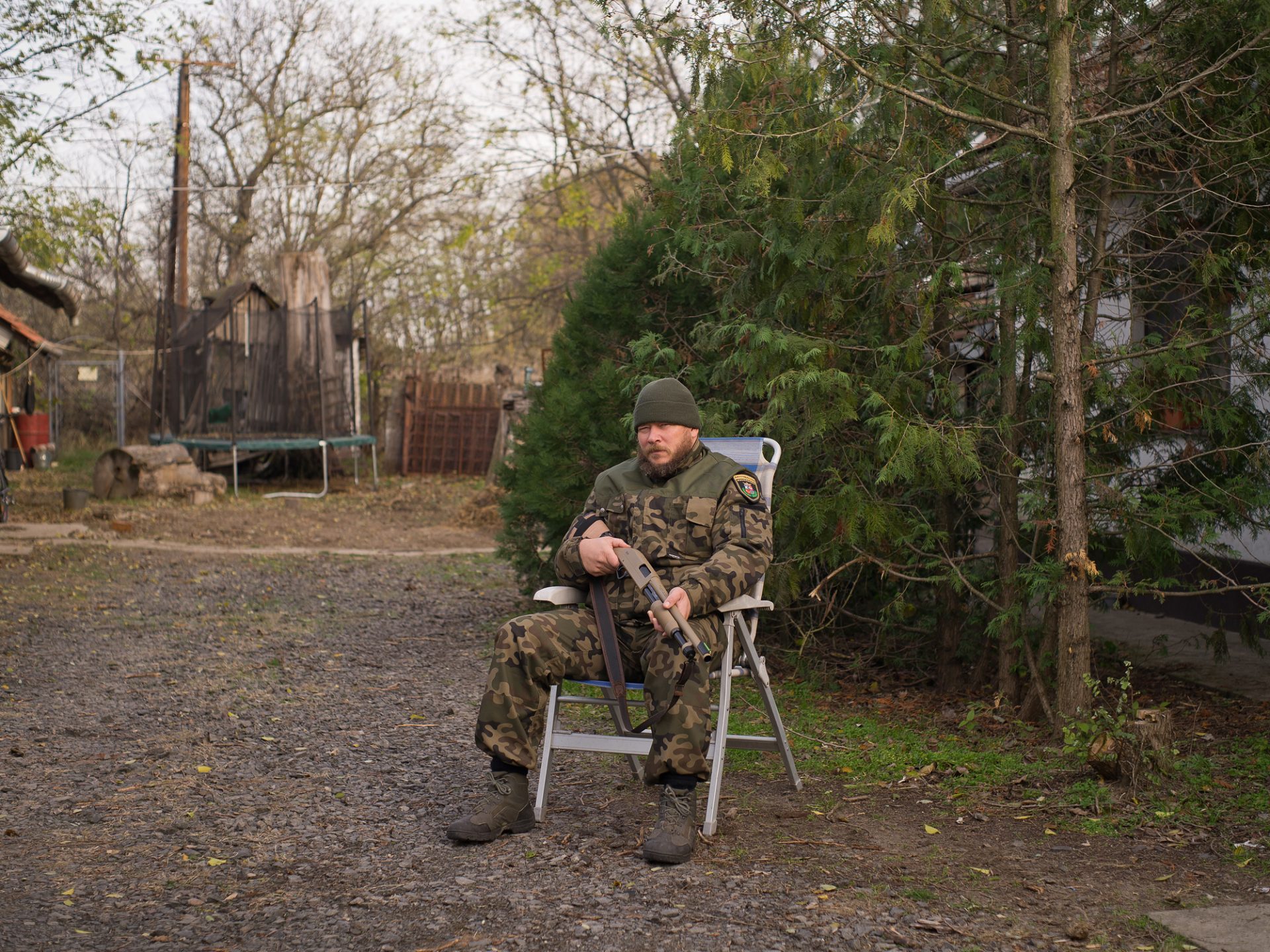
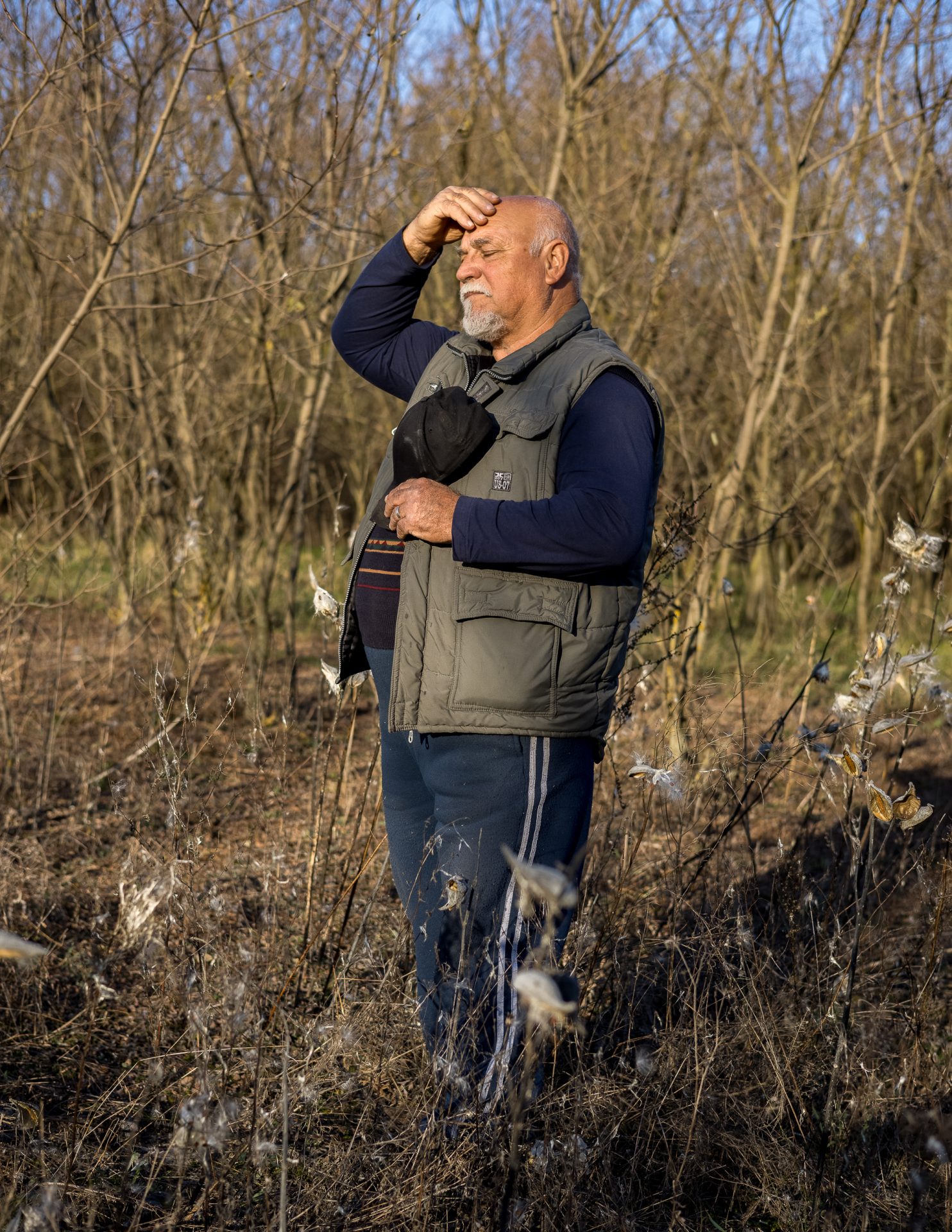
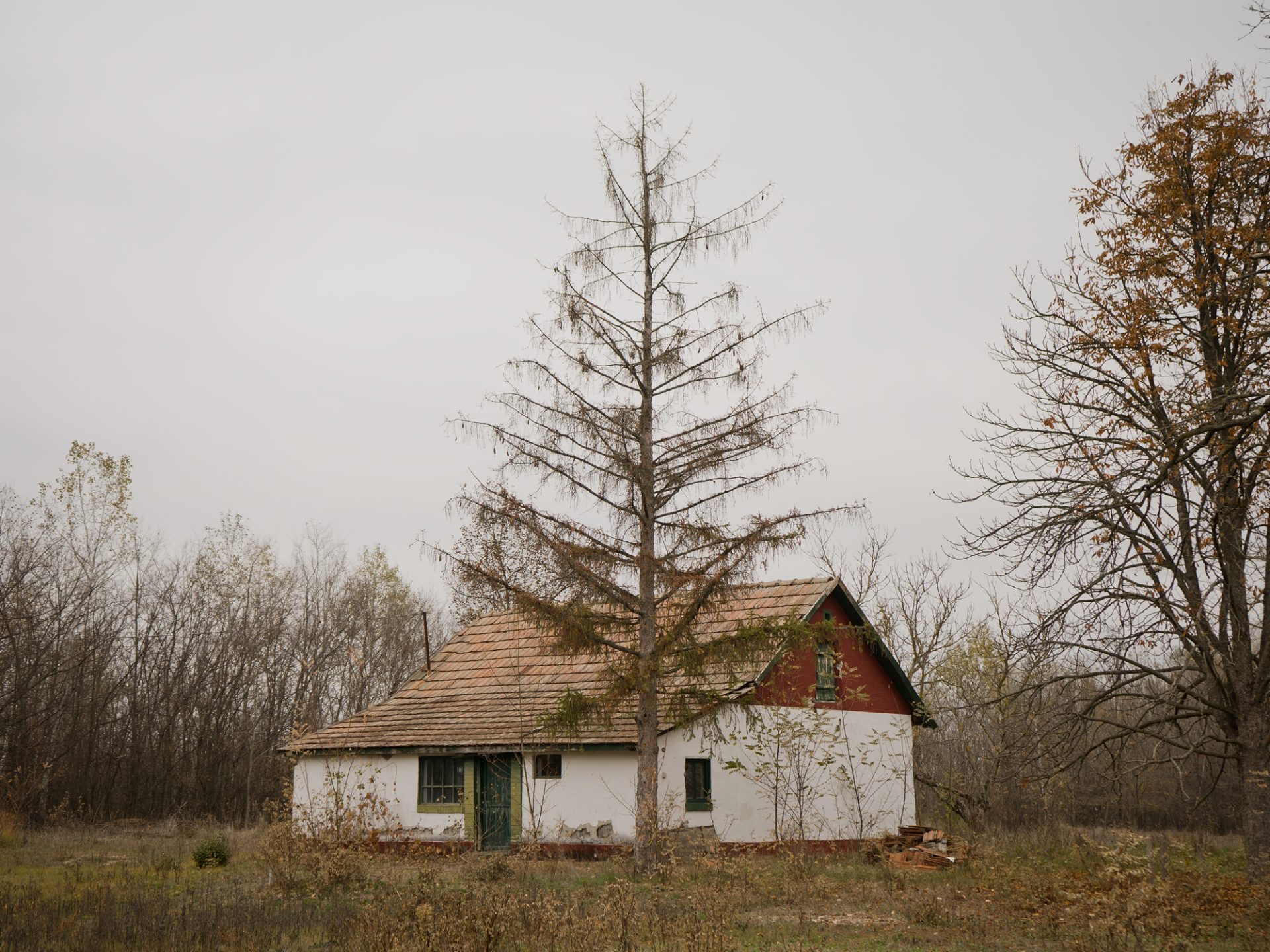
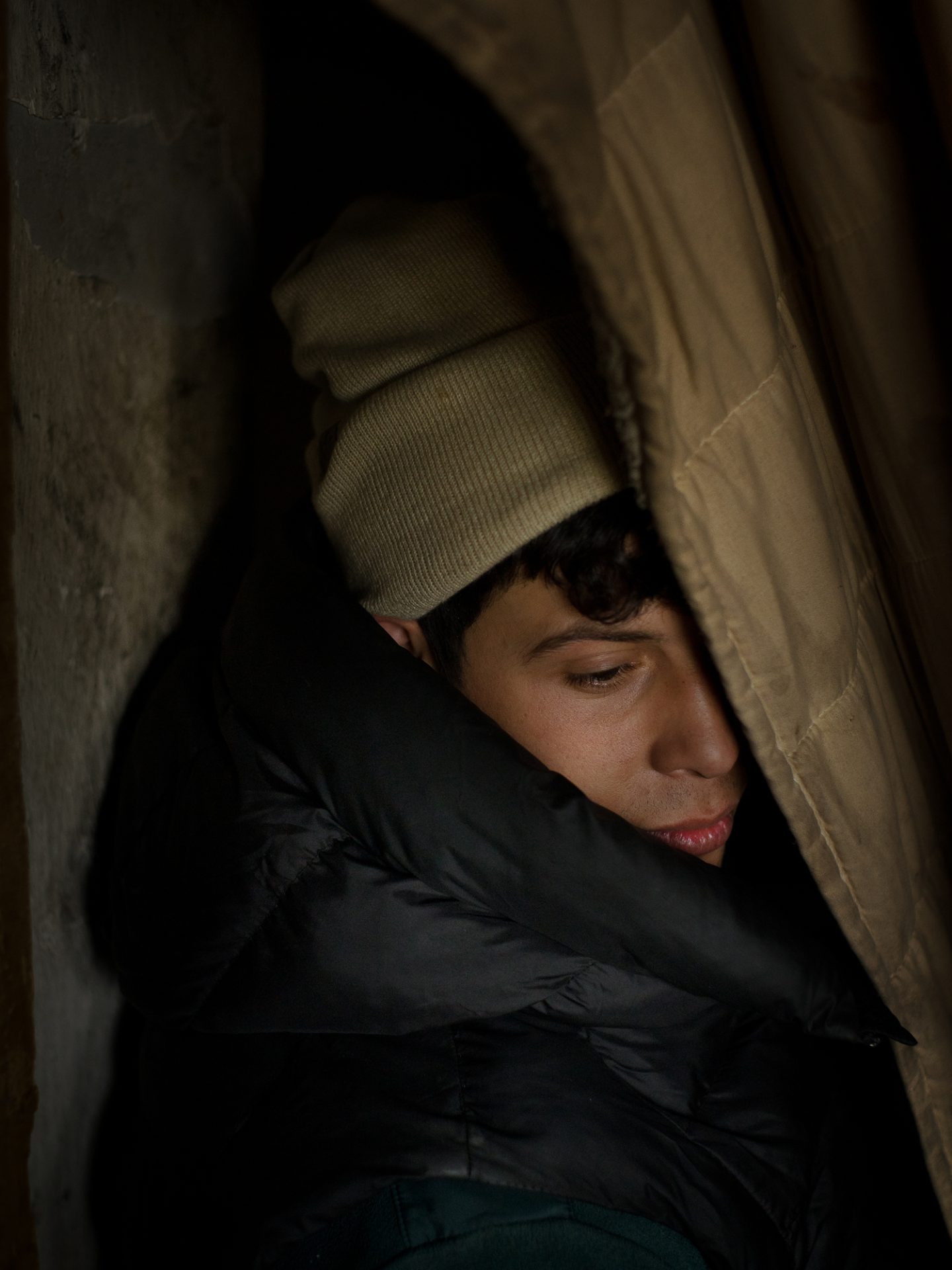
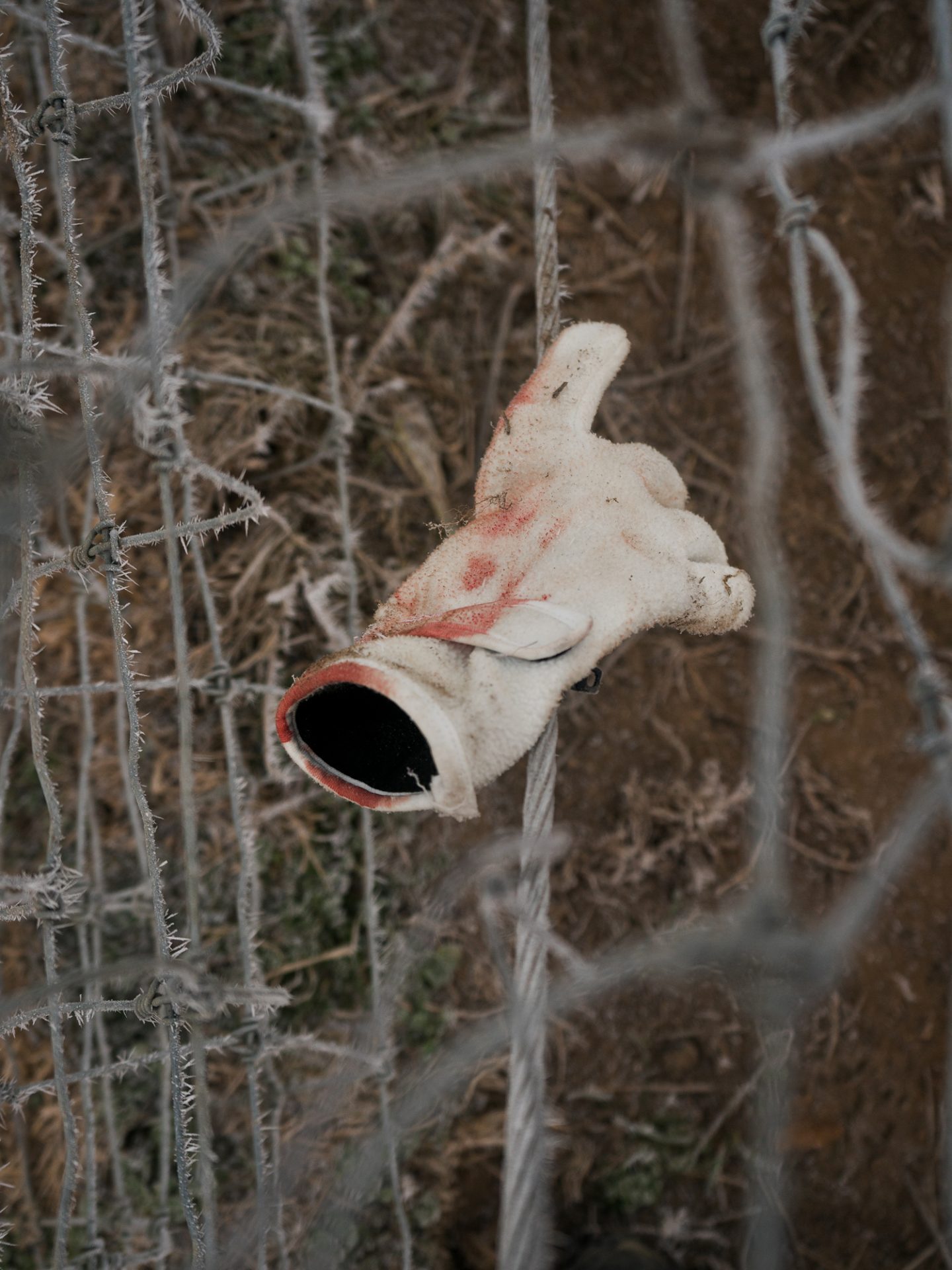
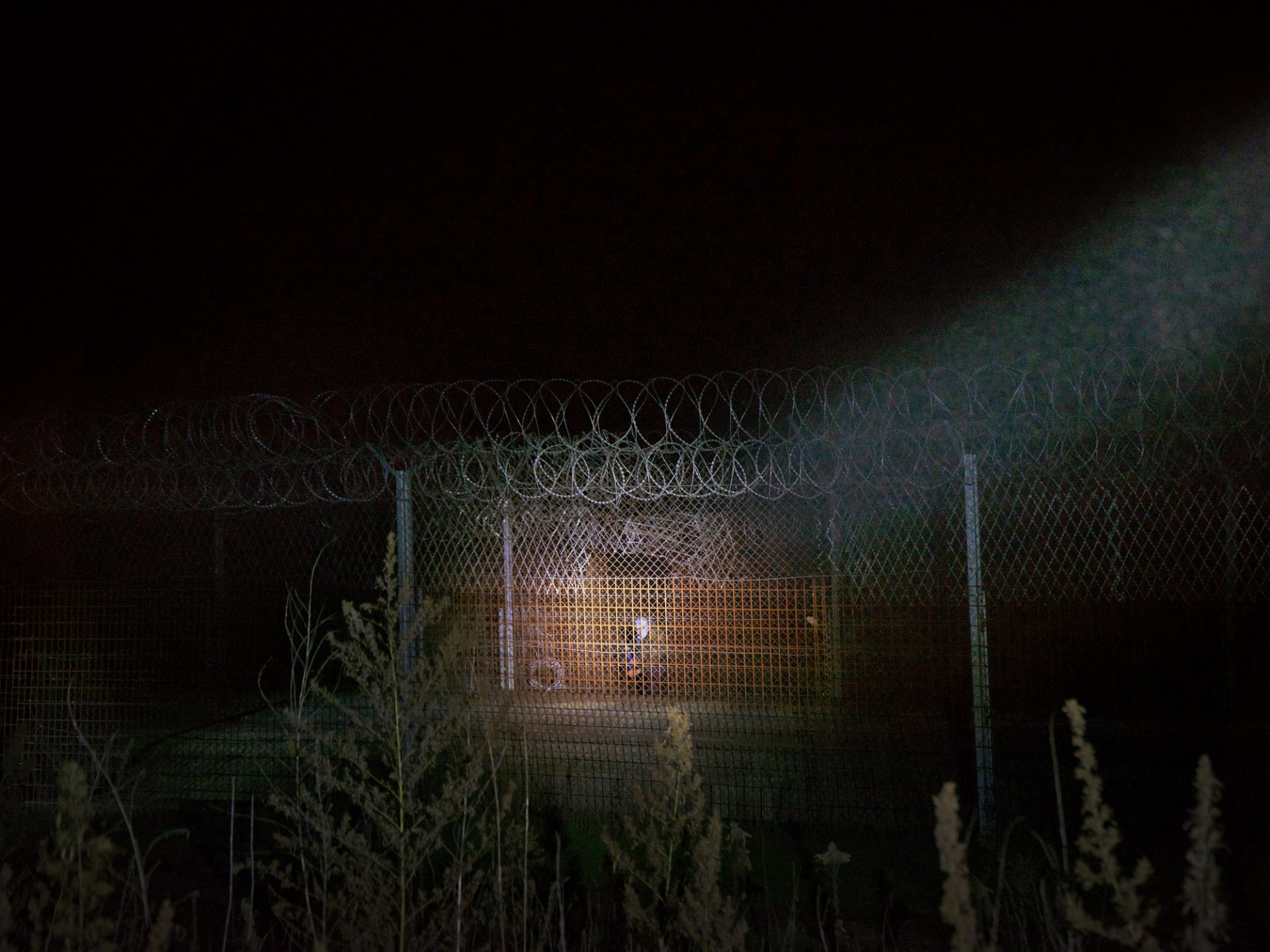
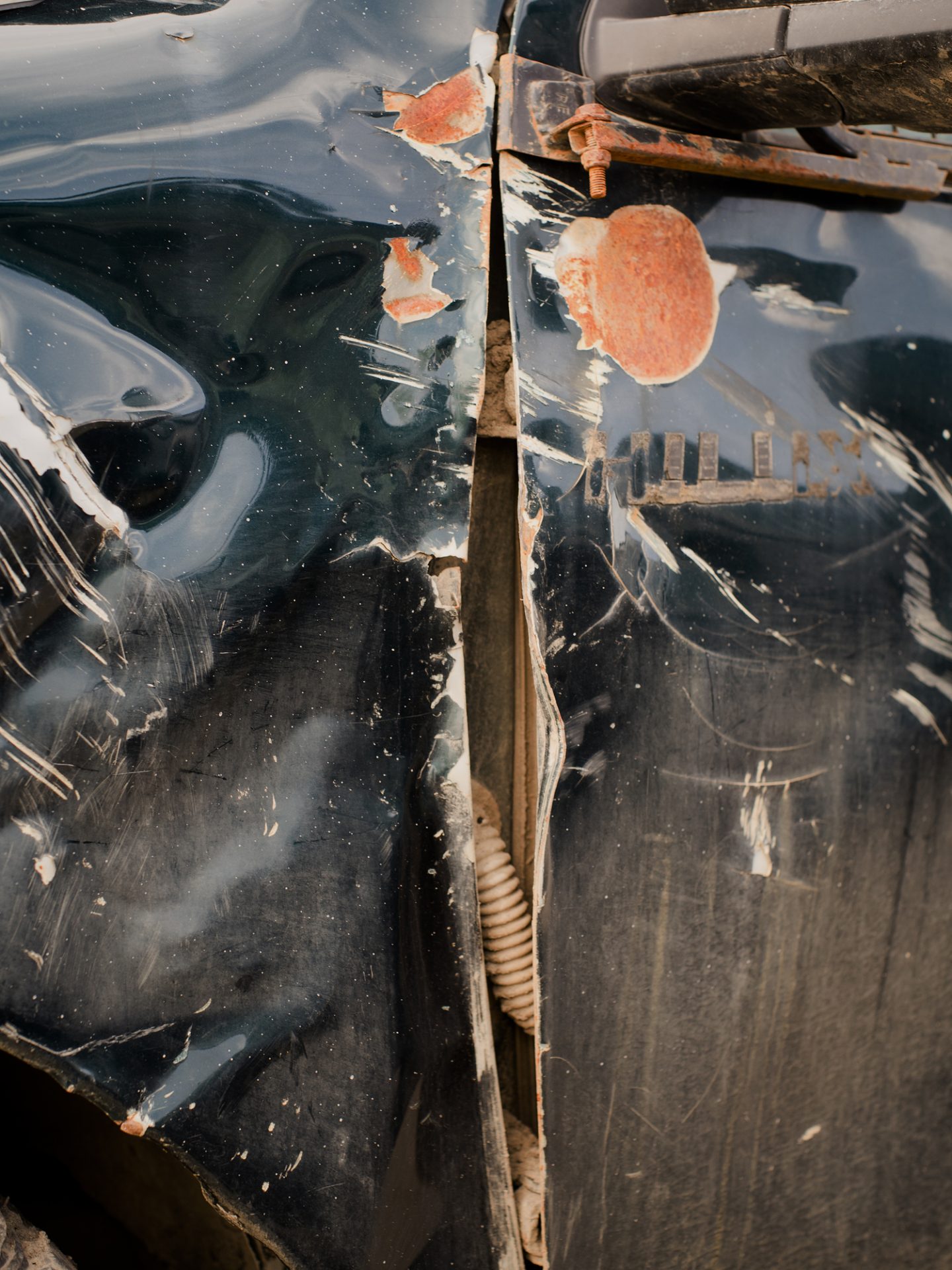
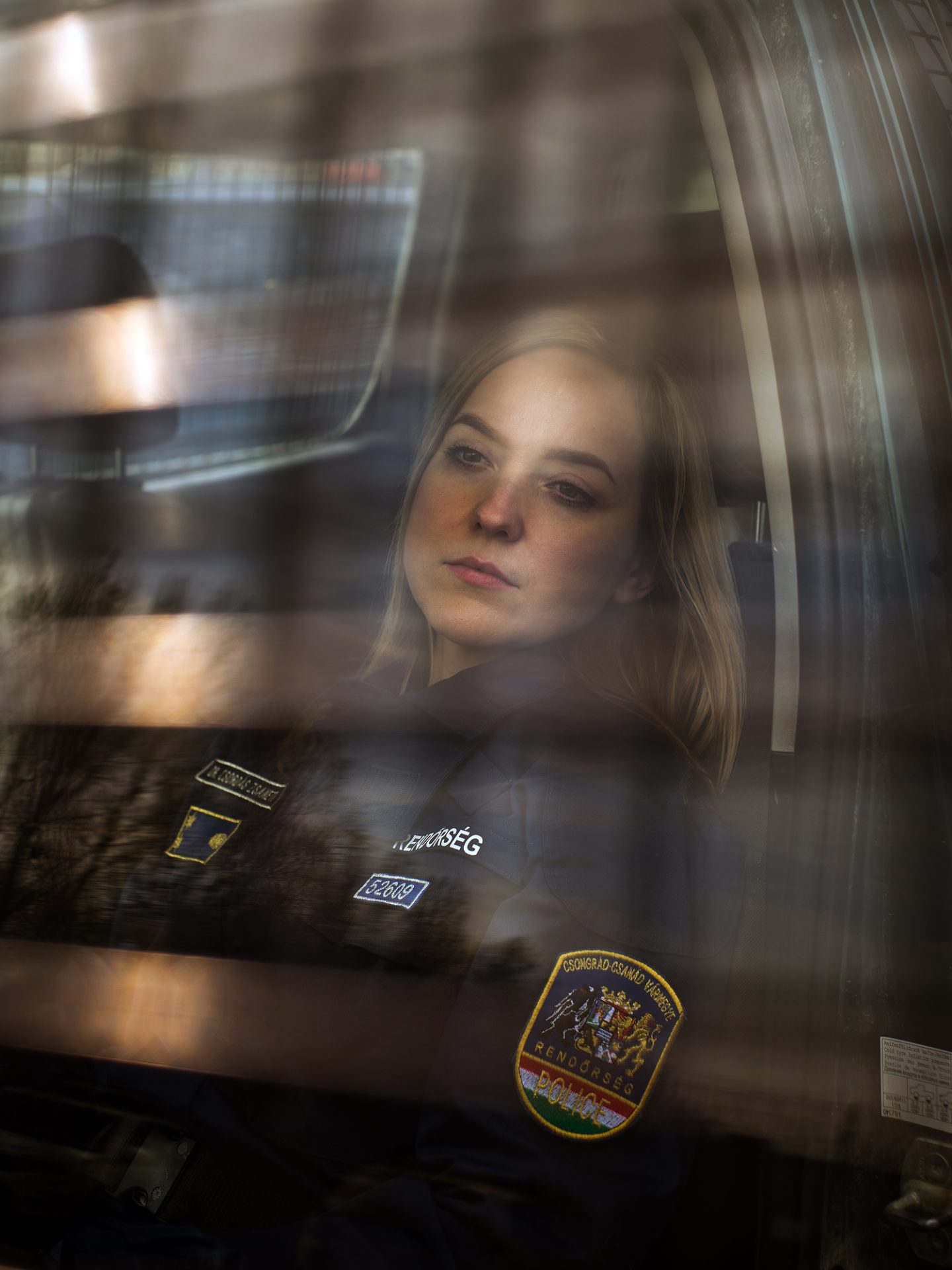
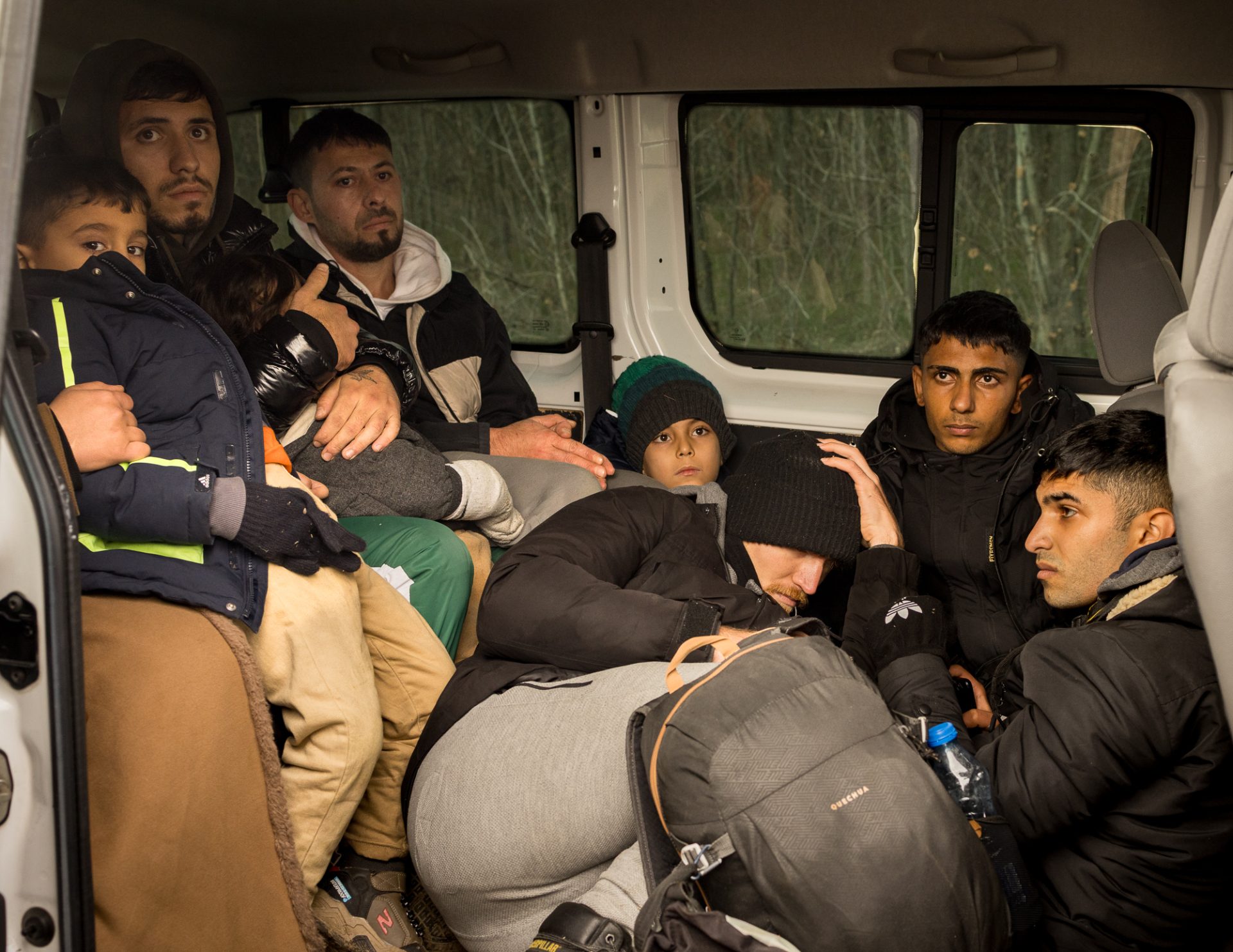
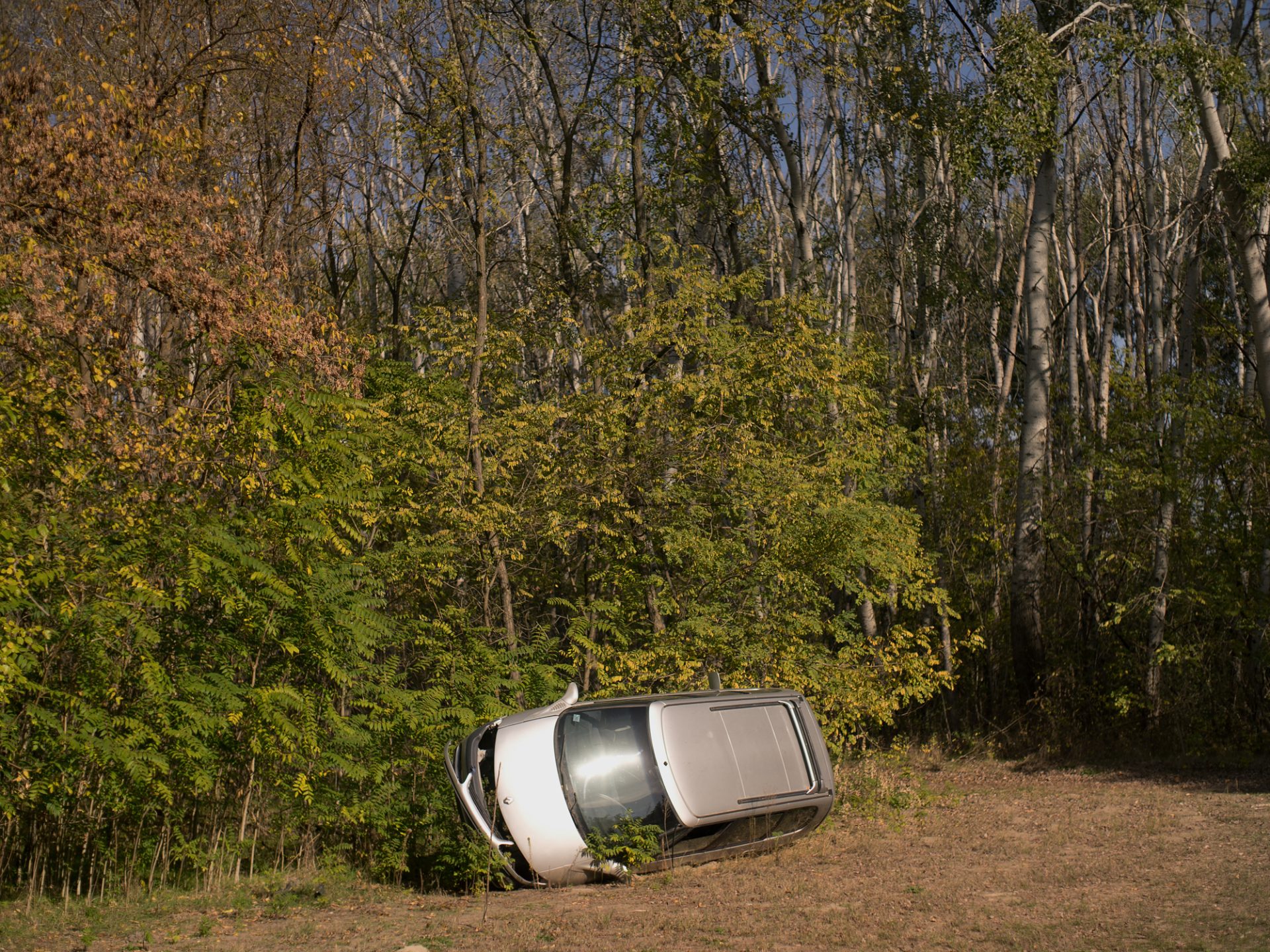
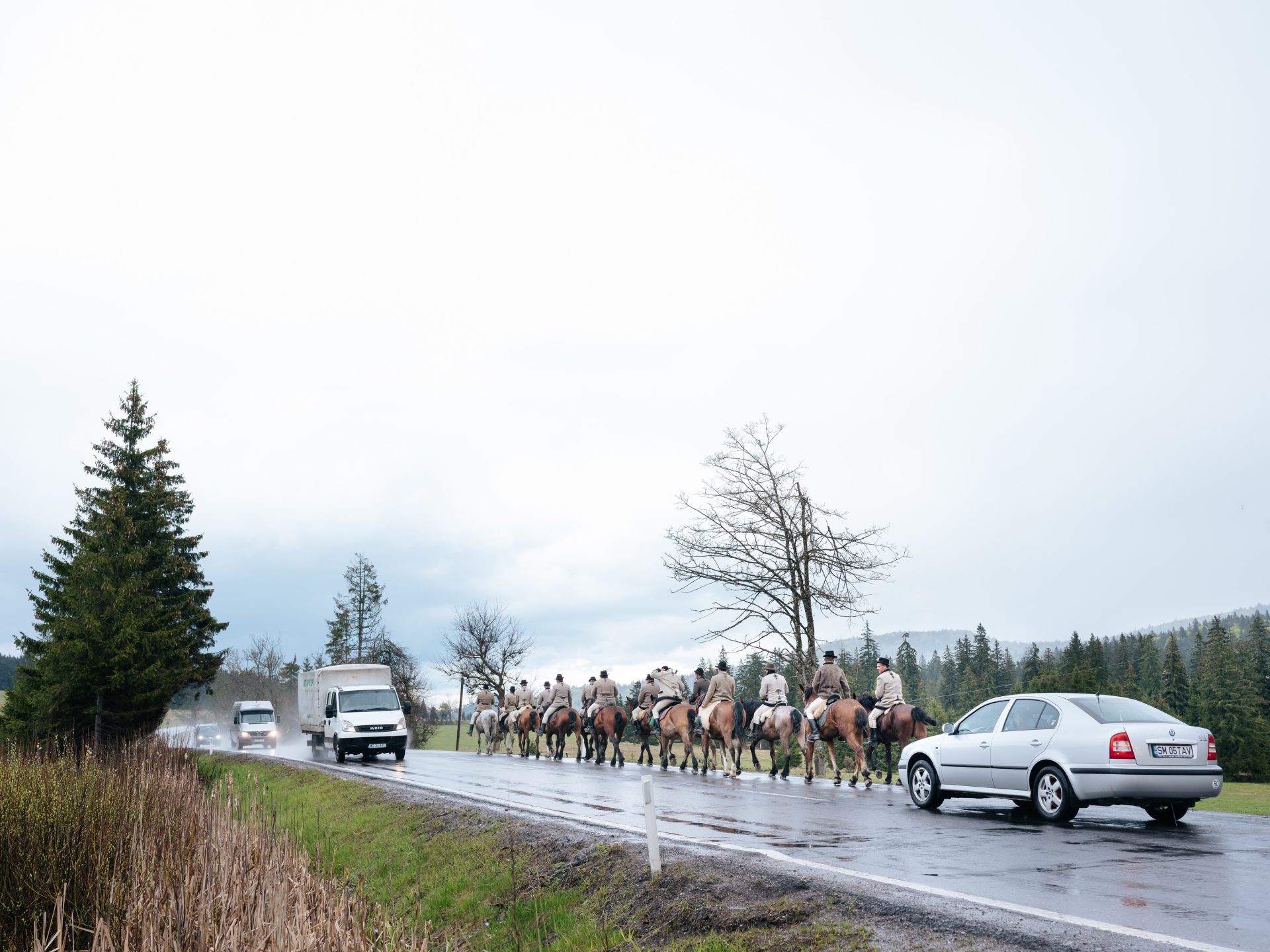
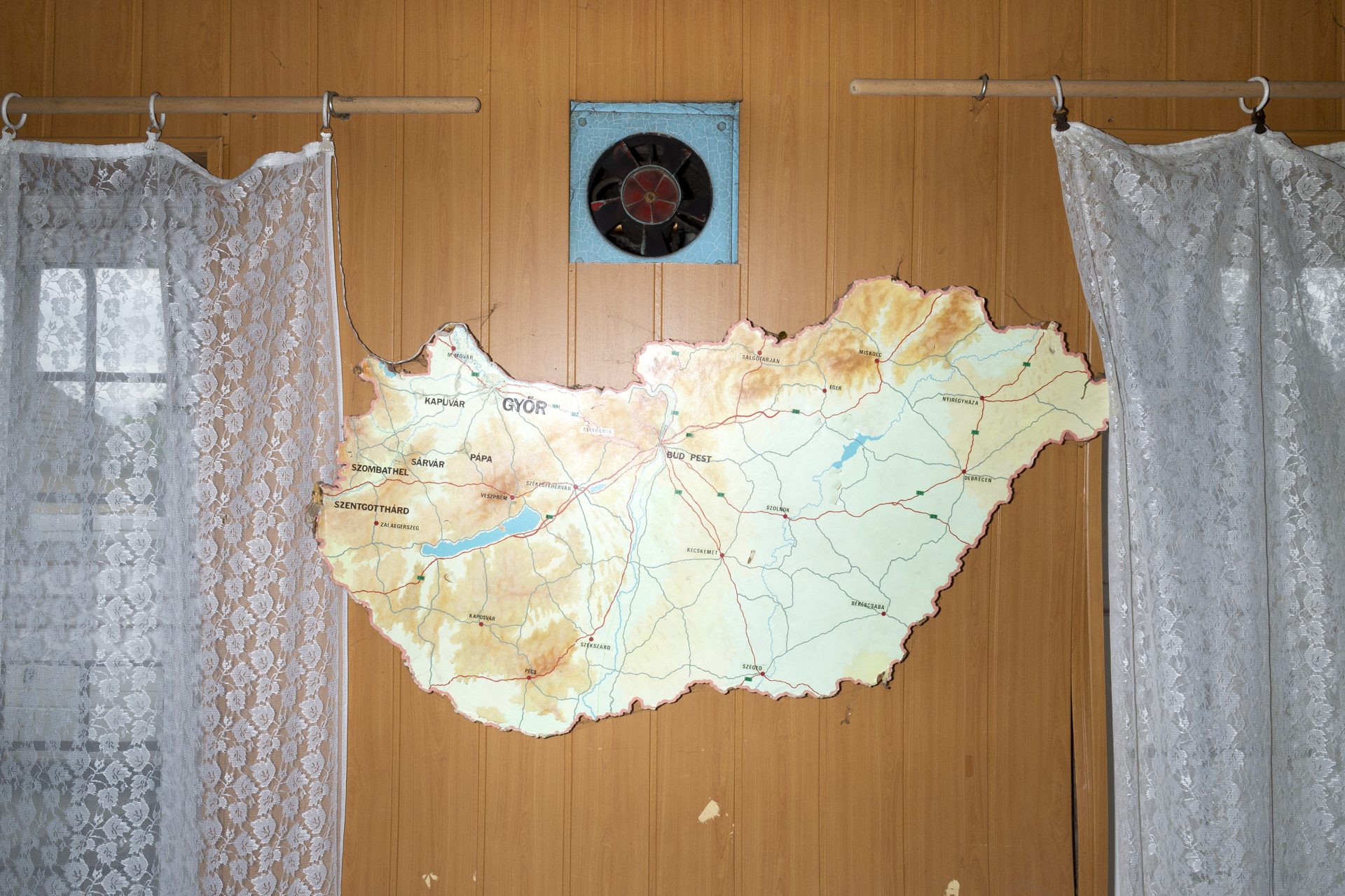
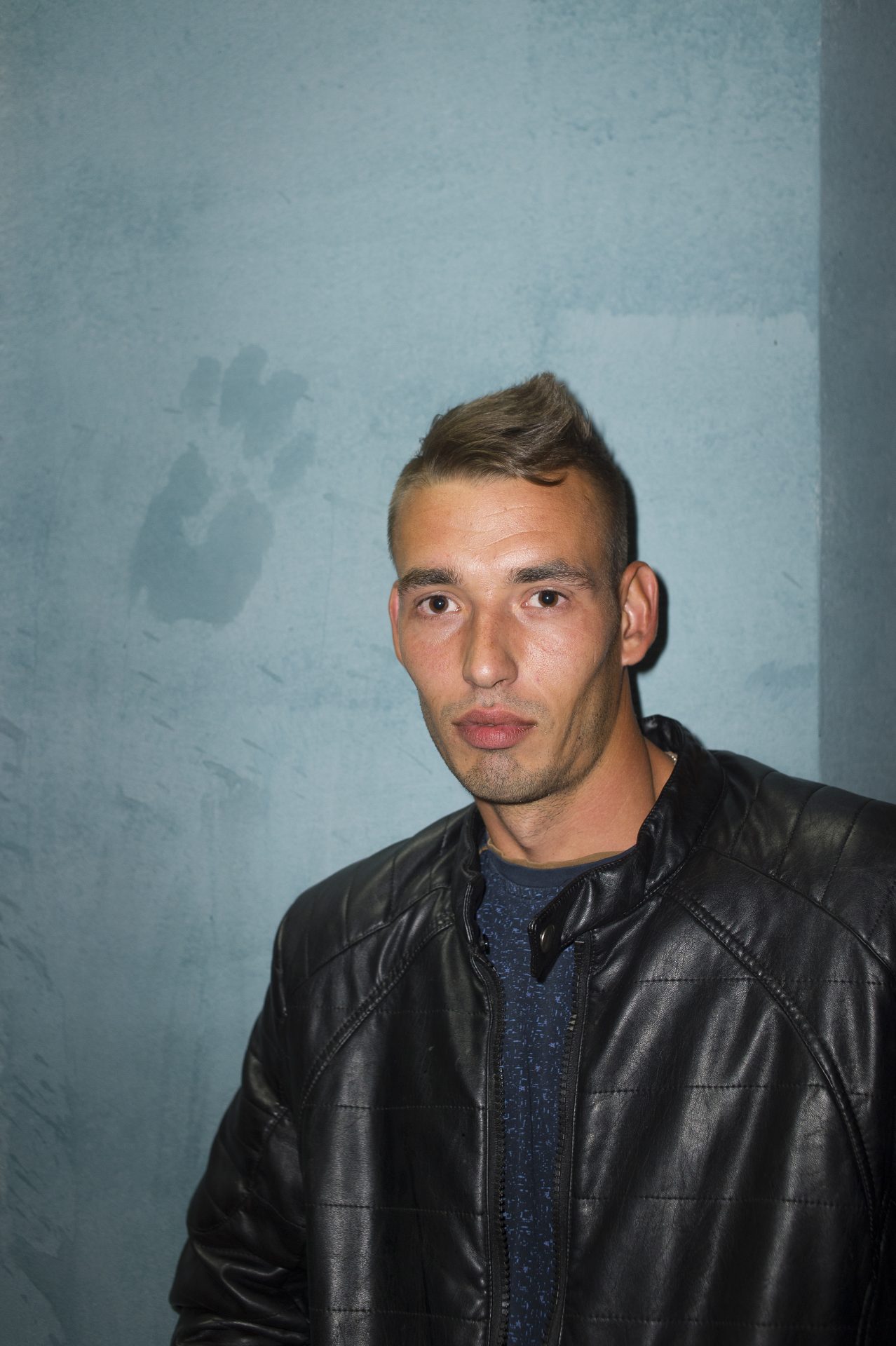
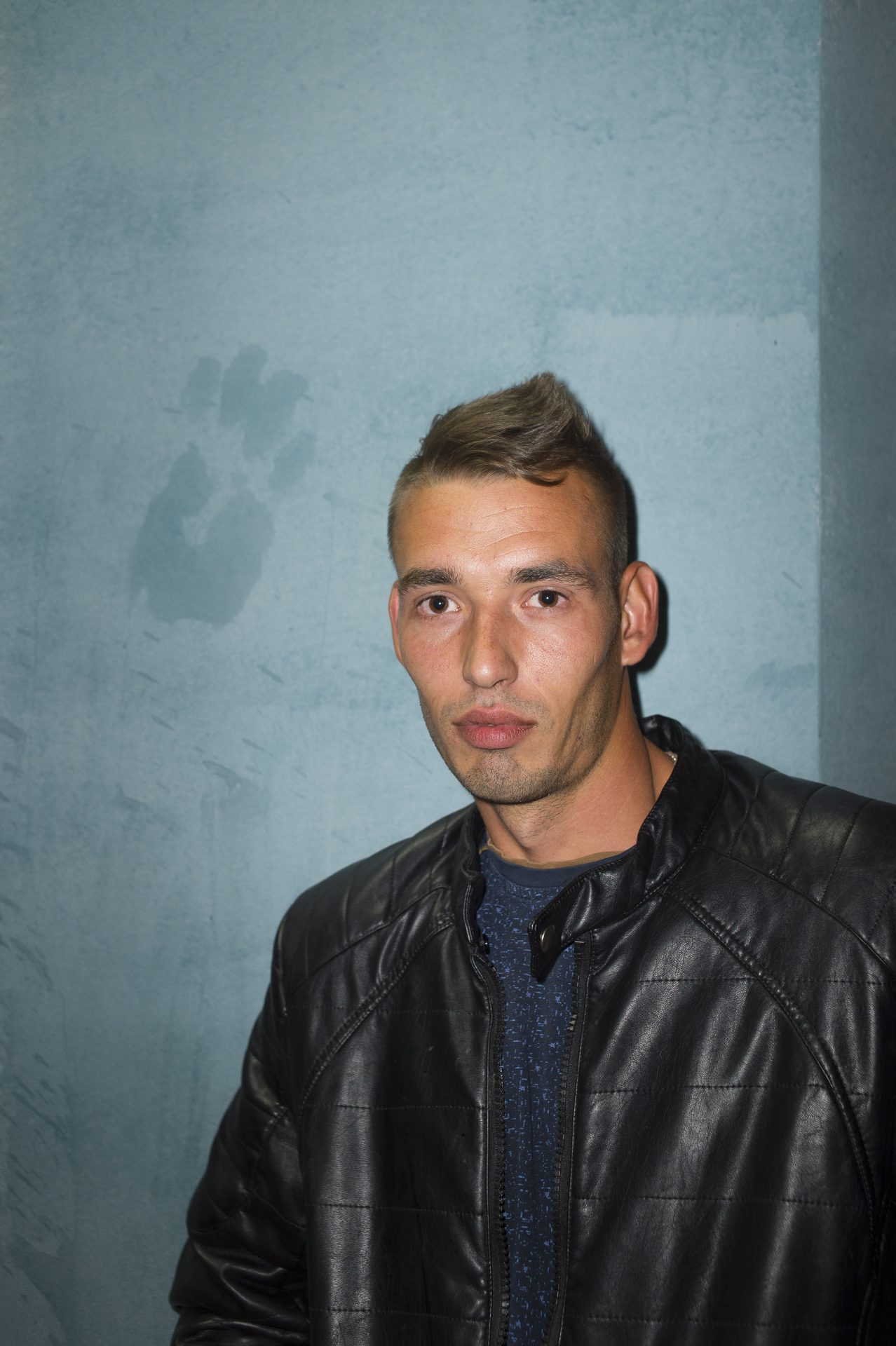
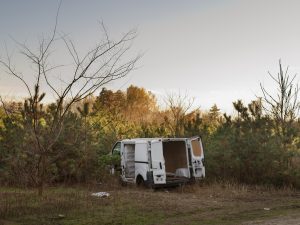
Our long-term photographic project follows the lives of people living in the immediate vicinity of Hungary’s southern border region. The focus of our investigation equally includes local residents, law enforcement officers serving in the area, and refugees. All of them have become unwilling participants in a prolonged and, for the time being, unresolved crisis that has taken shape in the region. Its locations are the surrounding forests, farmsteads, both sides of the fence, and the in-between spaces as well. This is a space where waiting for a solution, the pressure to survive, the fulfillment of duty, and the exhaustion that comes with it all collapse into one another. In this way, the physical border fence becomes not only a geographical divide, but also a psychological fault line inflicting trauma on everyone trying to make a life in this region.
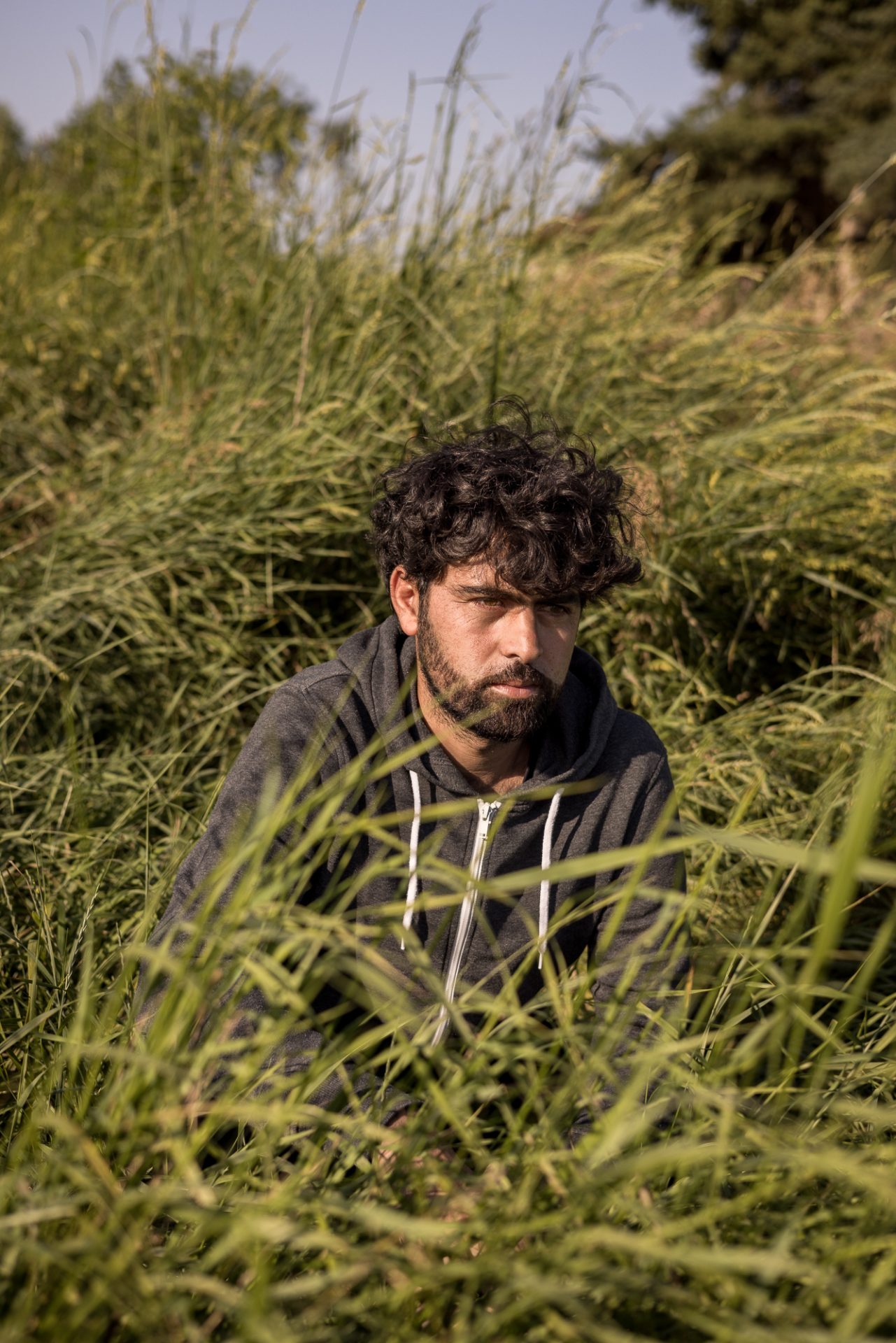
In recent years, due to conflicts in the Middle East and the effects of climate change, large numbers of refugees have set out from the region toward Europe, leaving behind their families, homes, and former lives while undertaking the dangers of a nearly 6,000-kilometer journey across land and sea. Some arrive directly from conflict zones, while migration driven by economic hardship has also grown significantly. The southern border fence built along the Hungarian–Serbian border in 2015 was constructed as a political response to the European refugee crisis. Refugees arriving here accumulate at the edge of the Schengen Area and, in the absence of asylum procedures, settle temporarily in borderland. In earlier years they moved openly through nearby settlements; in recent years, however, they have increasingly hidden while waiting for an opportunity to cross the border. Yet these lands are already occupied. For the ethnic Hungarian farming communities of Vojvodina, they represent livelihood and home. Rival smuggling groups declare certain occupied territories their own, labeling them “Afghan” or “Pakistani,” and in some cases defending them with weapons. Over the past decade, illegal activities connected to human smuggling have evolved alongside migration itself and have by now become part of the region’s everyday routine.
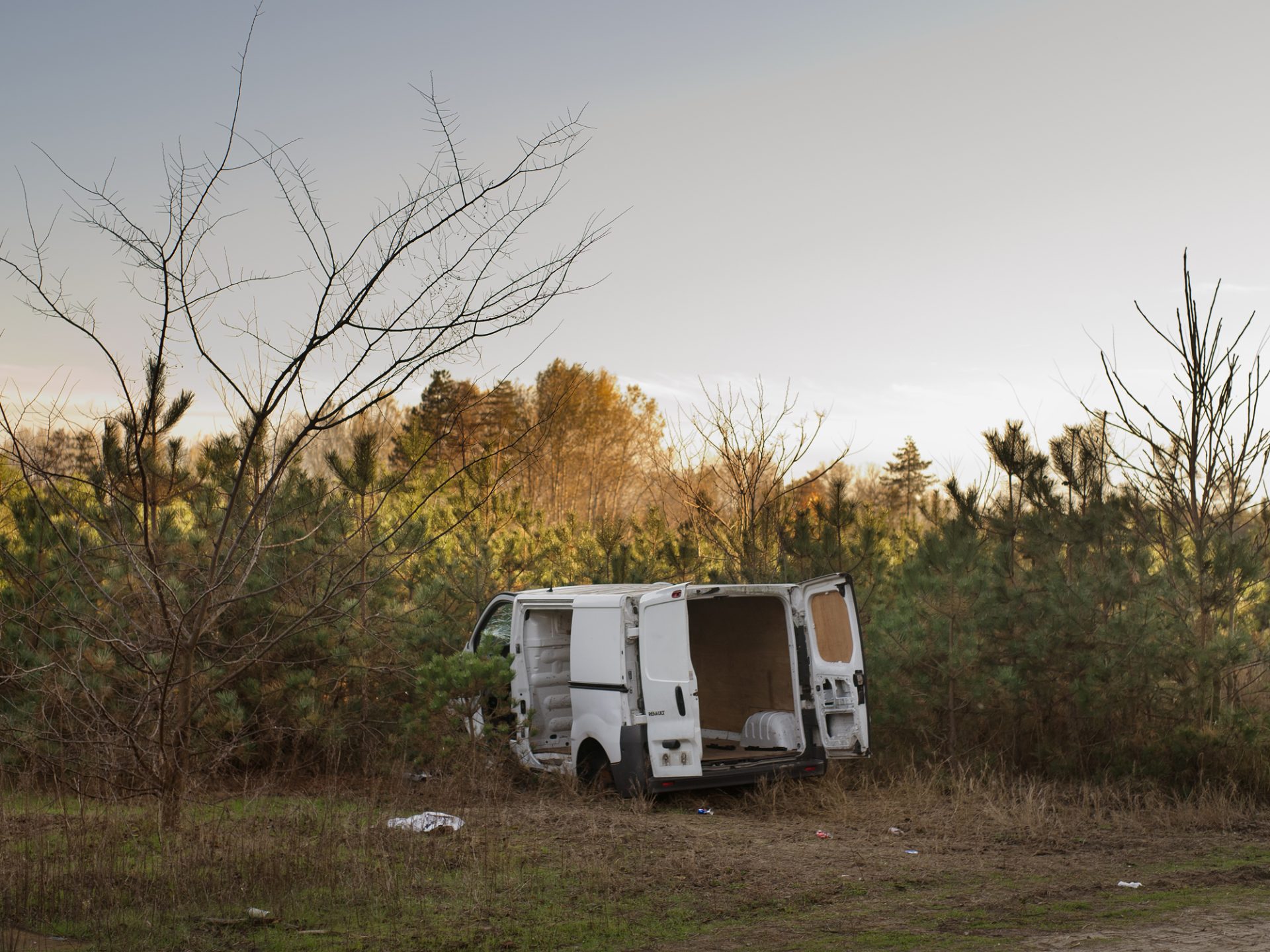
This section of the Hungarian border has become a transit zone defined by repetition. Apprehensions, pushbacks, and repeated crossing attempts occur daily. Highly organized crossing attempts frequently take place simultaneously at multiple points, often supported by diversion tactics designed to distract the authorities. One such tactic involves firing steel ball bearings at police officers with slingshots. Refugees and smugglers caught crossing the fence one day are often returned the next, only to attempt the journey again shortly after, emerging once more from what border guards call the “Serbian depth” toward the “Hungarian depth.” For the law enforcement agencies protecting the border and nearby settlements, the work has become a nerve-racking and seemingly endless struggle. A smuggler cutting a “stargate” into the fence—a slang term for an opening through which refugees disappear almost instantly—smiles at the responding riot police officer arriving in the buffer zone and asks: “Remember me?”
Fear and uncertainty are palpable on both sides of the border. Burned-out smuggler cars abandoned by the roadside and recurring gunfire are alien experiences for local residents, who increasingly feel that the conflicts of the Middle East have moved to the edge of their homes. The environment surrounding the fence has become a stage for the tragedy of the situation. That tragedy emerges from the radically different positions, roles, cultural backgrounds, and social realities of those forced to coexist in the same space. The tensions generated by local and global political struggles ultimately manifest themselves in the lives of people who, at this very moment, are all simply trying to survive, move forward, and build a future. As so often happens in conflicts like these, individuals eventually become faceless numbers—statistics that will one day be forgotten.Through our ongoing work, we seek to investigate and document this complex situation by deeply engaging with it through the tools of documentary photography. At the same time, we hope to create a form of remembrance for those who became participants in this conflict through no fault of their own, so that their lives are not forgotten, and so that we, too, may continue to remember them.
REMAINS OF US
Noémi Napsugár Melegh

Noémi Napsugár Melegh (b. 1990) is a Hungarian photojournalist and documentary photographer, currently a staff photographer at Telex.hu, one of Hungary’s leading independent news outlets. After studying and working in health economics, she turned to photography to focus on personal, long-form stories about marginalized communities. In recent years, she has also explored deeply personal themes, including grief and loss, placing intimate experience within a broader social context.
2026-ban első díjat nyert a Pictures of the Year International (POYi) Daily Life (Picture Story) kategóriájában Remains of Us című sorozatával, amely a testvére elvesztését követő gyászfolyamatot mutatja be. Ugyanez a munka a Magyar Sajtófotó Pályázaton André Kertész-nagydíjat, valamint első díjat nyert a Mindennapi Élet kategóriában. Az Így láthatsz meg engemet c. sorozata 2026-ban finalista lett a Siena International Photo Awards-on.
Her work has received national and international recognition. In 2026, she was awarded First Prize in the Daily Life (Picture Story) category at the Pictures of the Year International (POYi) for her project Remains of Us, which examines the grief process following the loss of her younger brother. The same project received the André Kertész Grand Prize and First Prize in the Daily Life category at the Hungarian Press Photo Awards. Her series See Me for Who I Am was a finalist at the 2026 Siena International Photo Awards.
Over the past years, her work has been recognized with over fifteen awards at the Hungarian Press Photo Awards. Among others, she received the Escher Károly Award for Best News Photograph and the Móricz–Sabján Simon Special Prize for Best Long-Term Project, in addition to multiple prizes across different categories.
In 2023, she was awarded the Hemző Károly Prize, given to the most outstanding Hungarian documentary photographer under the age of 35. In 2024, she was selected as one of the emerging photographers of the year by the FUTURES Photography Platform, nominated by the Capa Center.
Before turning to photography, she worked in the field of economics as a health economics consultant, then director for Deloitte and GSK Vaccines. She holds an MSc in Economics and Development Economics from the University of Nottingham and a BA in Applied Economics from Corvinus University of Budapest.
She completed the photojournalism training at the Academy of the National Association of Hungarian Journalists in 2017. Since then, she has participated in several international programs, including the Eddie Adams Workshop, VII Academy Documentary and Narrative practise, a Magnum Workshop organized by the Robert Capa Contemporary Photography Center, and the Canon Student Development Programme. In 2026, she was nominated for the Joop Swart Masterclass of World Press Photo.
Her work has been exhibited in solo exhibitions at the Capa Center and Telep Gallery in Budapest, as well as in various group exhibitions. Since 2025, she has been a member of Pictorial Collective.
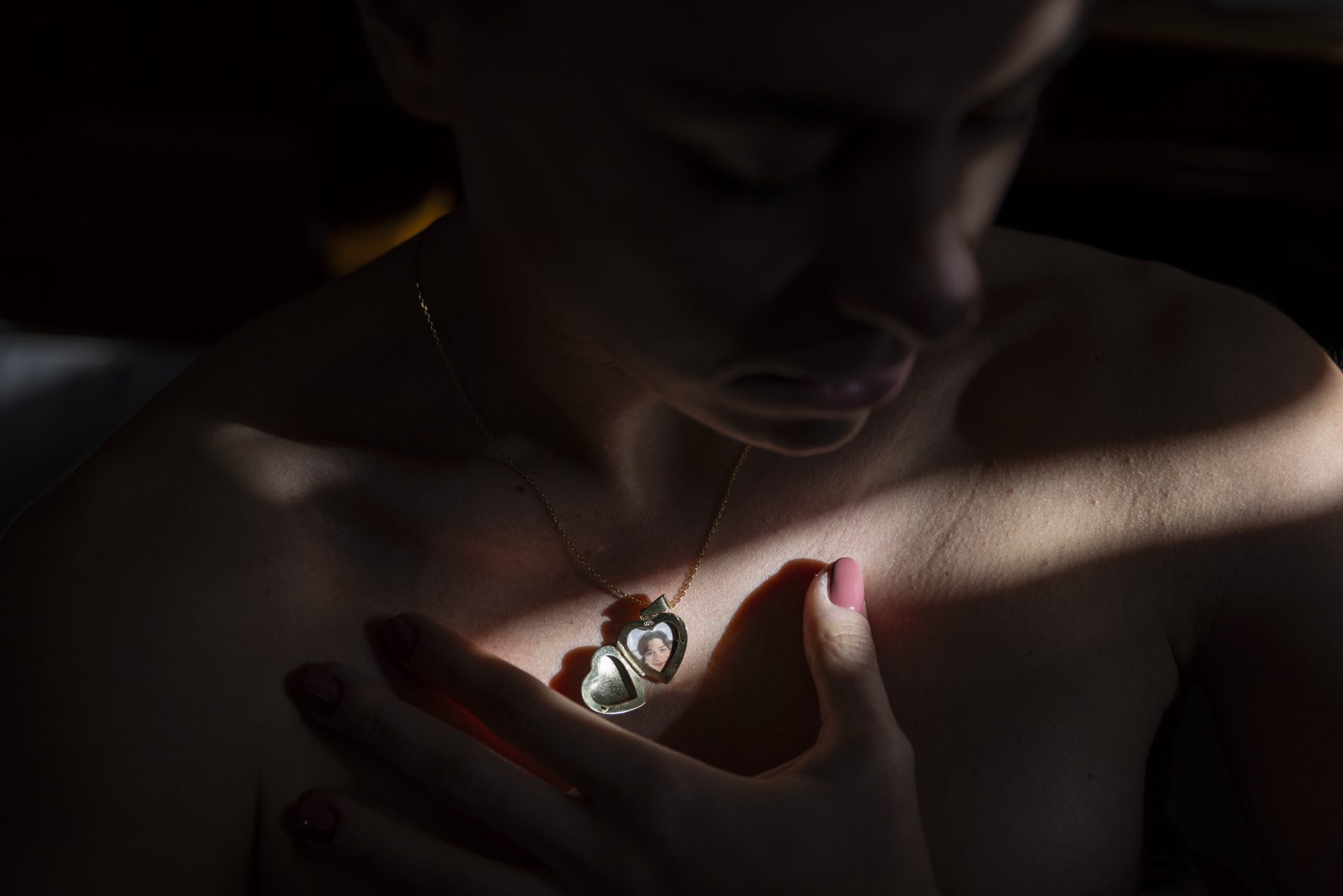
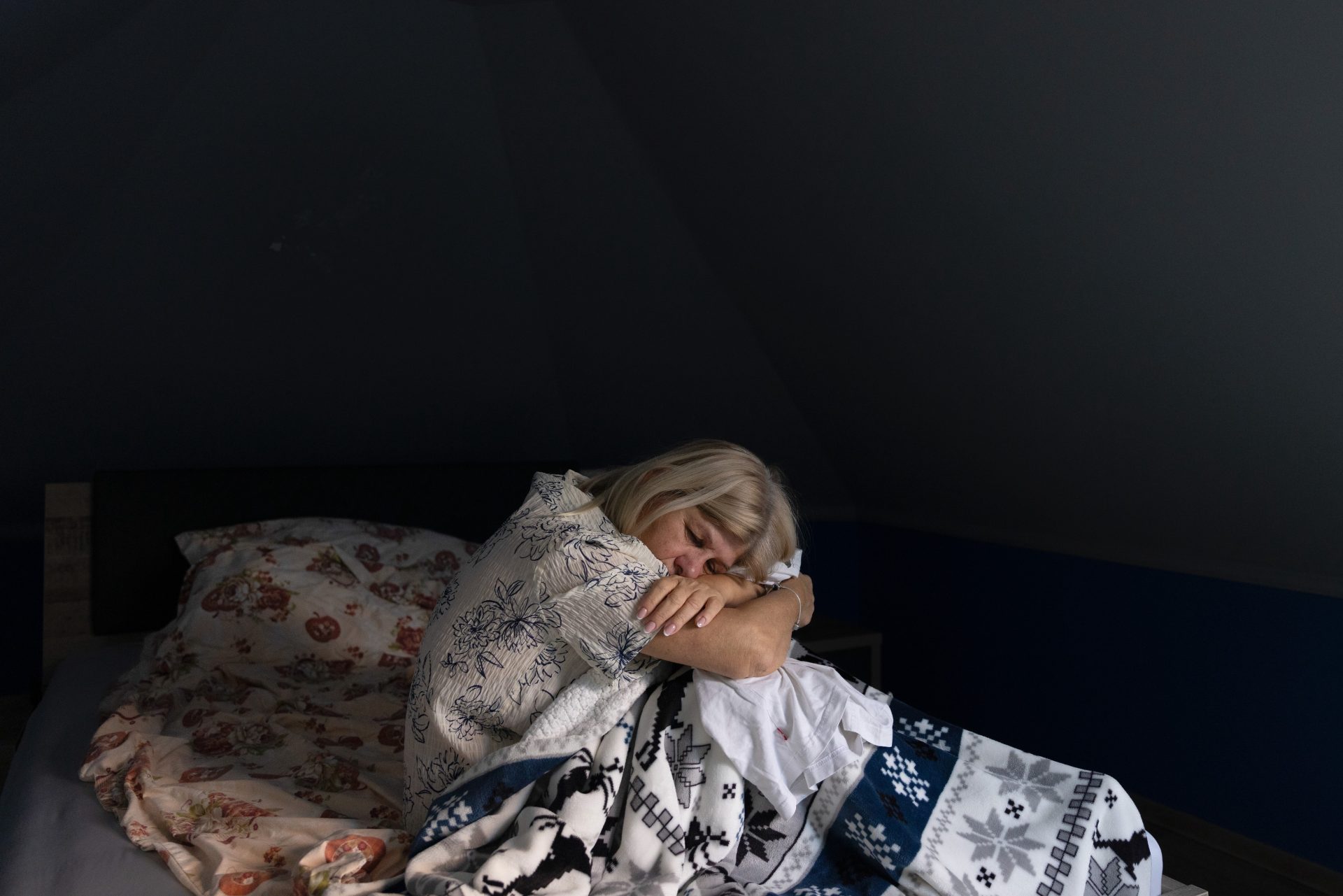
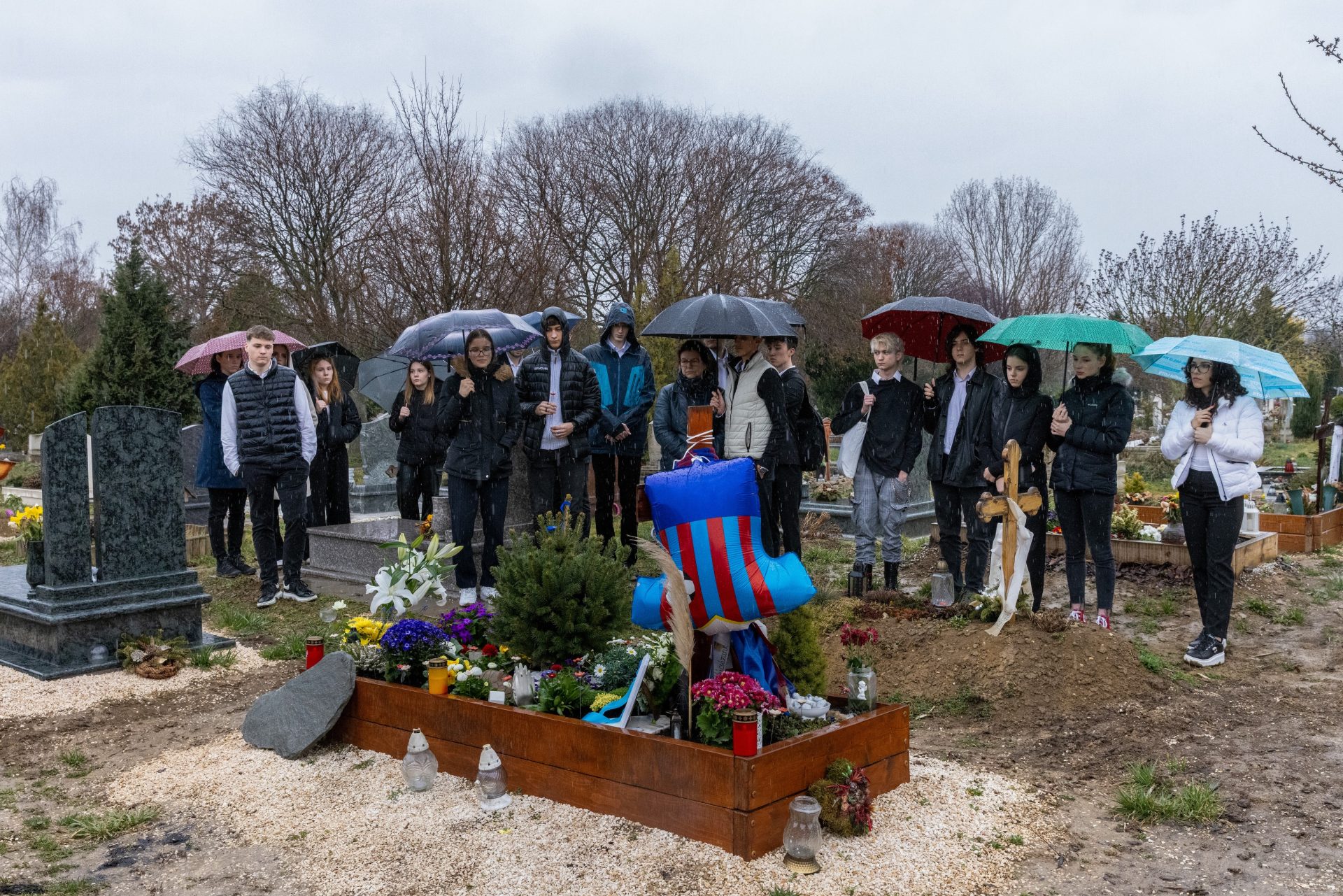
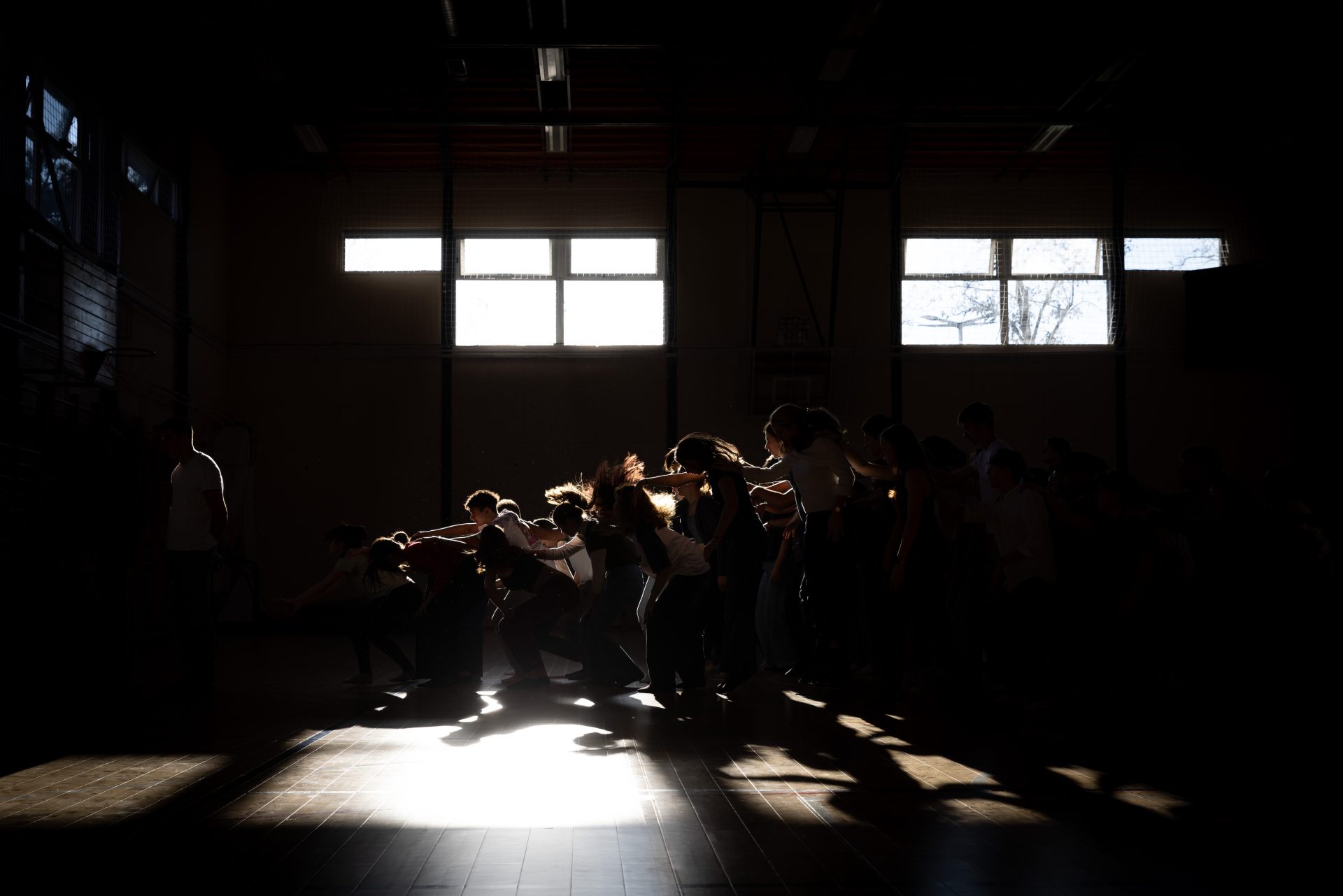
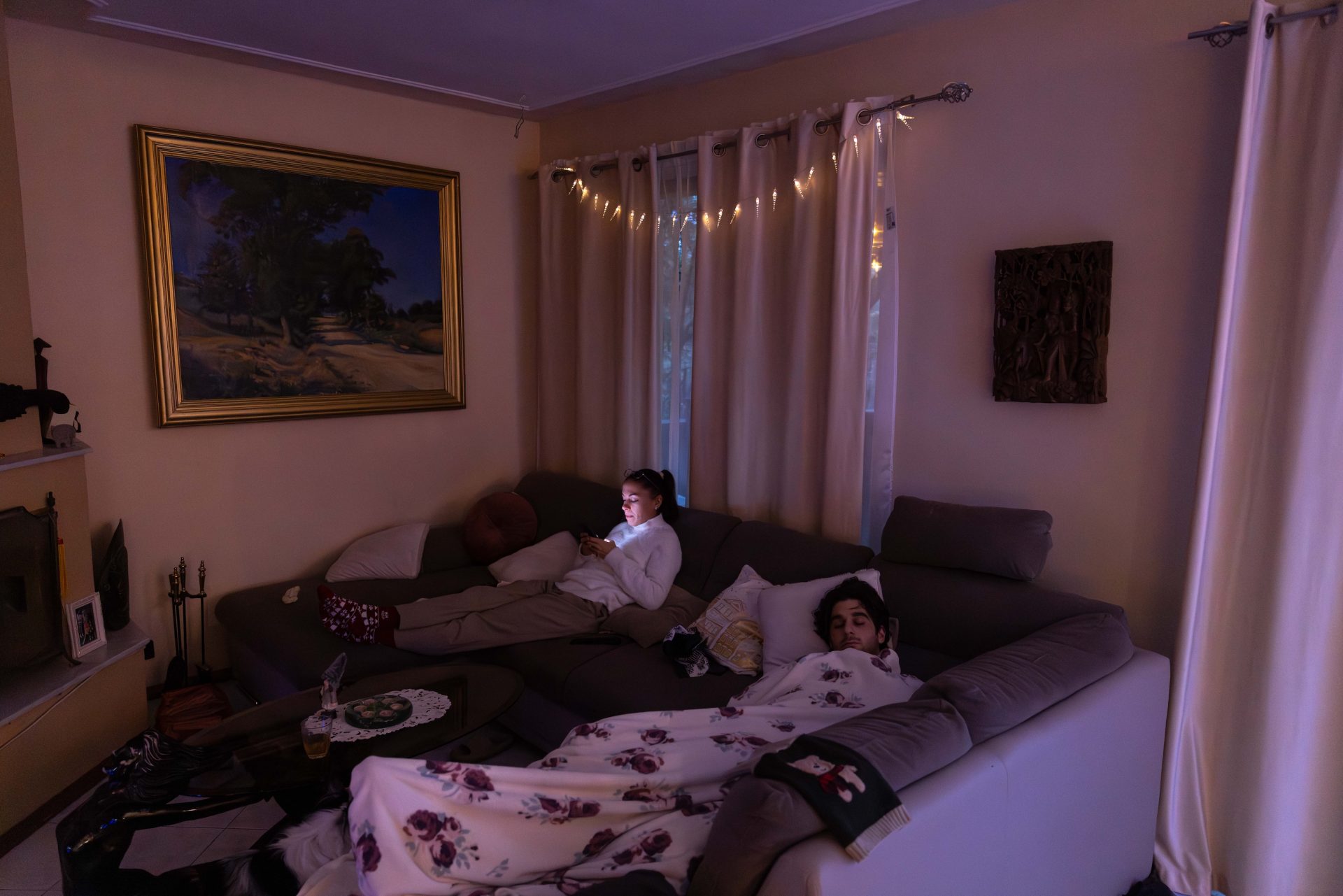
In the spring of 2024, I lost my eighteen-year-old brother, Bálint, in an accident. His death not only broke our family apart, but also deeply affected an entire community of young people – his classmates and friends – who were standing at the threshold of adulthood, a stage of life that should be defined by the promise of the future rather than the experience of loss. This project grew out of this seemingly incomprehensible tragedy.
Our last conversation with my brother was about documenting his final year of high school. Three days later, the accident happened.
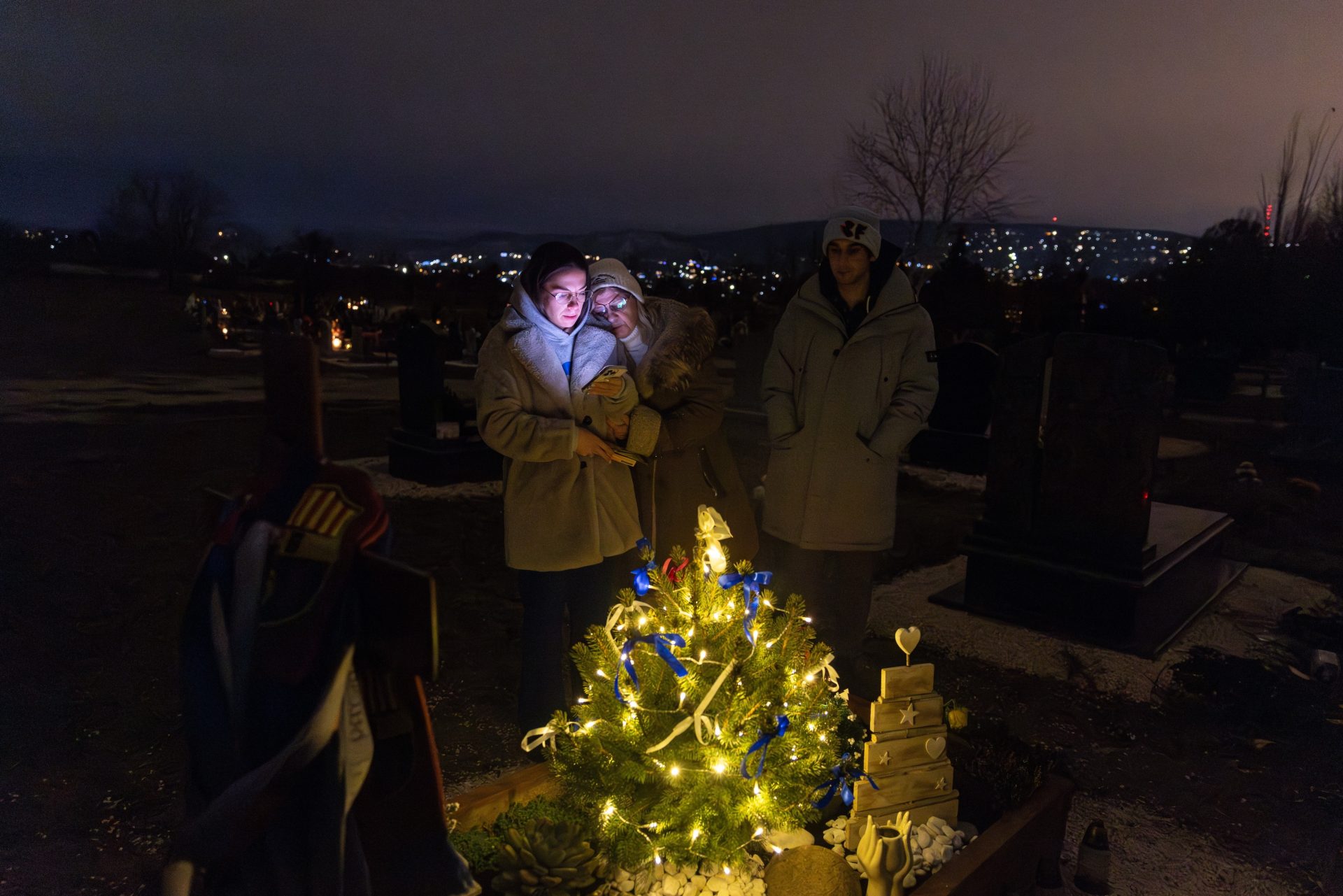
Remains of Us is a personal project that explores the complex experience of grief and trauma, tracing how it unfolds within both a family and a community. The loss of a loved one changes us profoundly, especially when it happens suddenly and far too early.
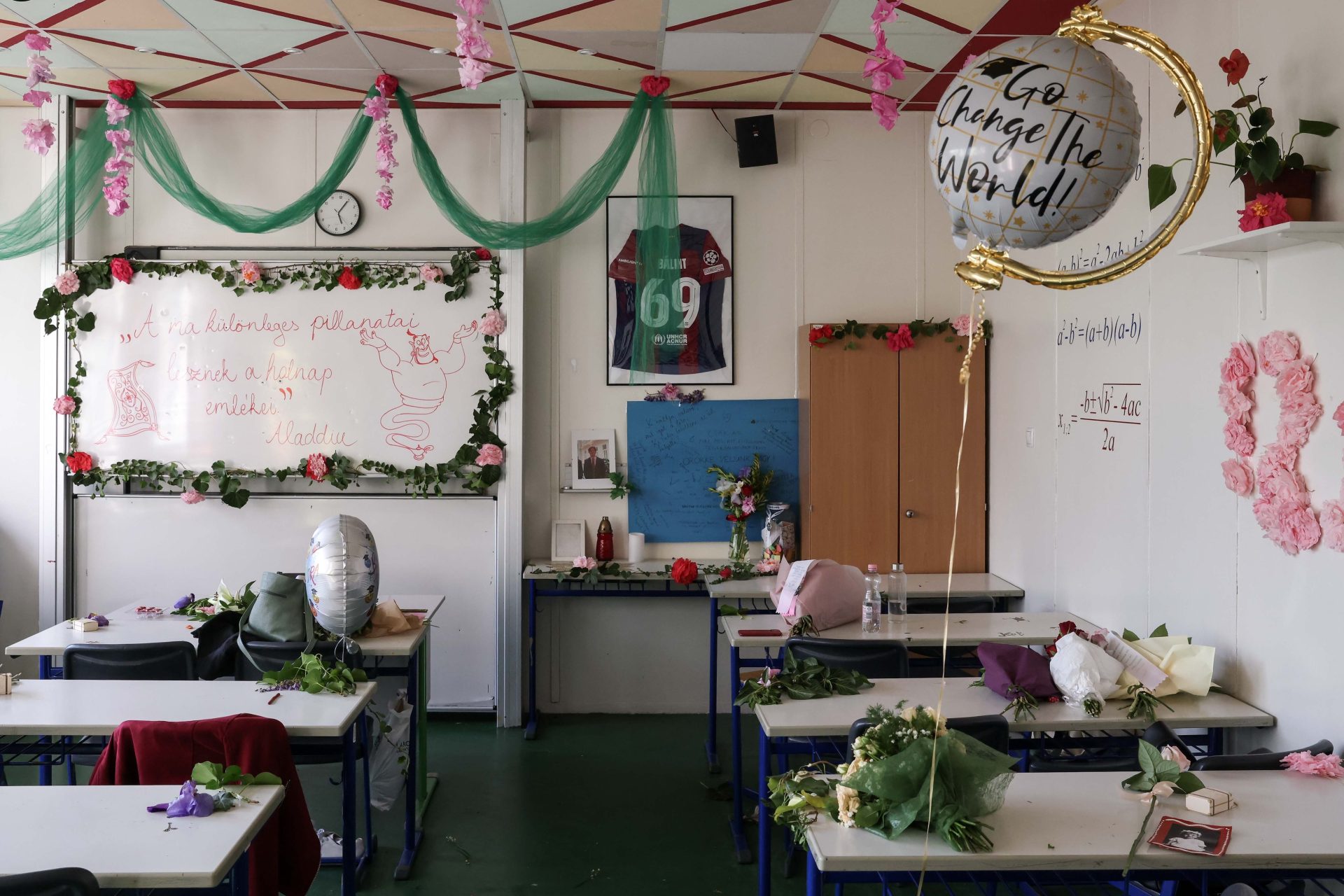
The project approaches loss as an ongoing state: a process of internal and external transformation that reshapes the body, memory, family roles, and our sense of the future. Its central question is how this experience becomes visible – how the presence of someone no longer with us persists through gestures, objects, and everyday rituals. How does trauma become part of our identity, and how do we change over time?
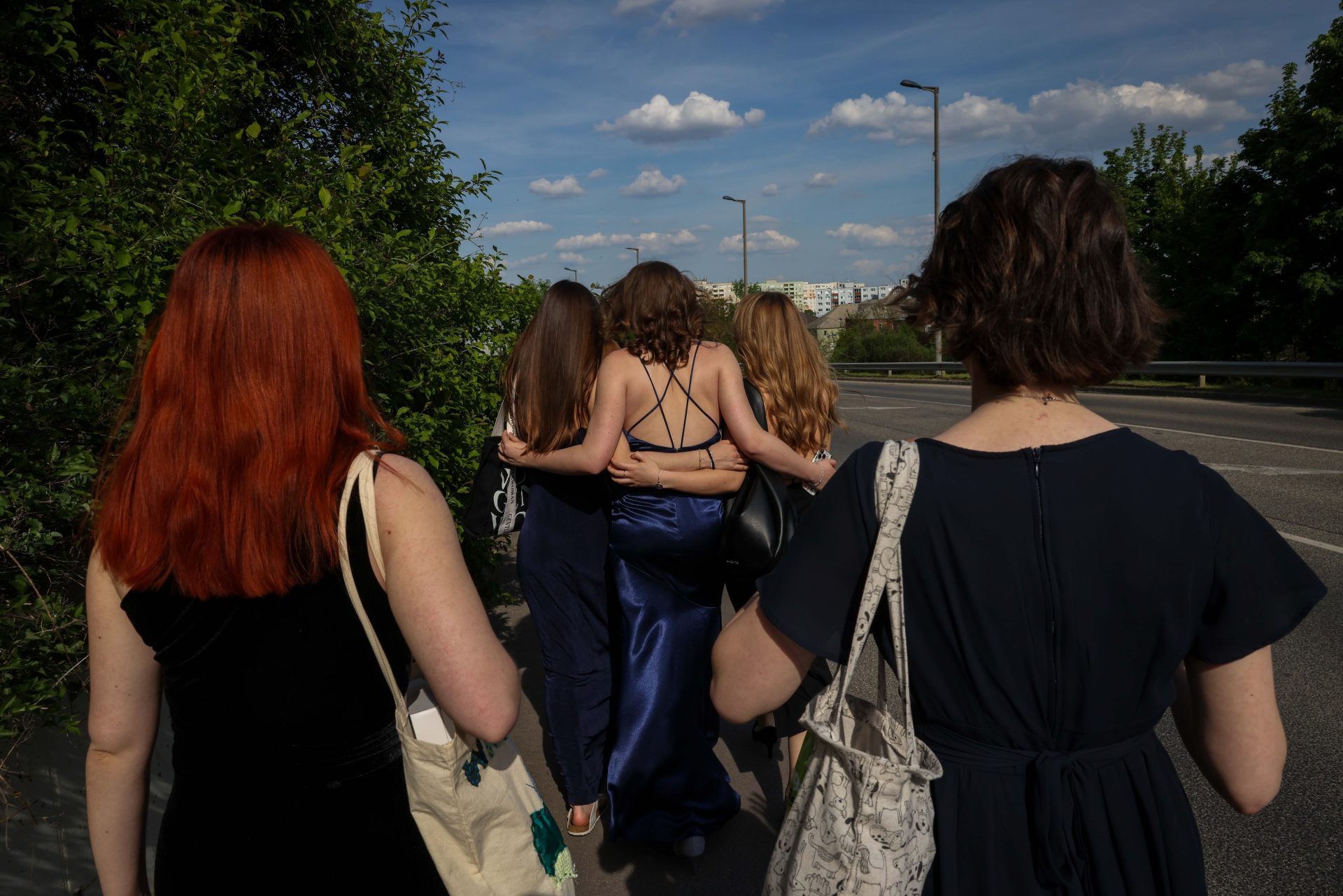
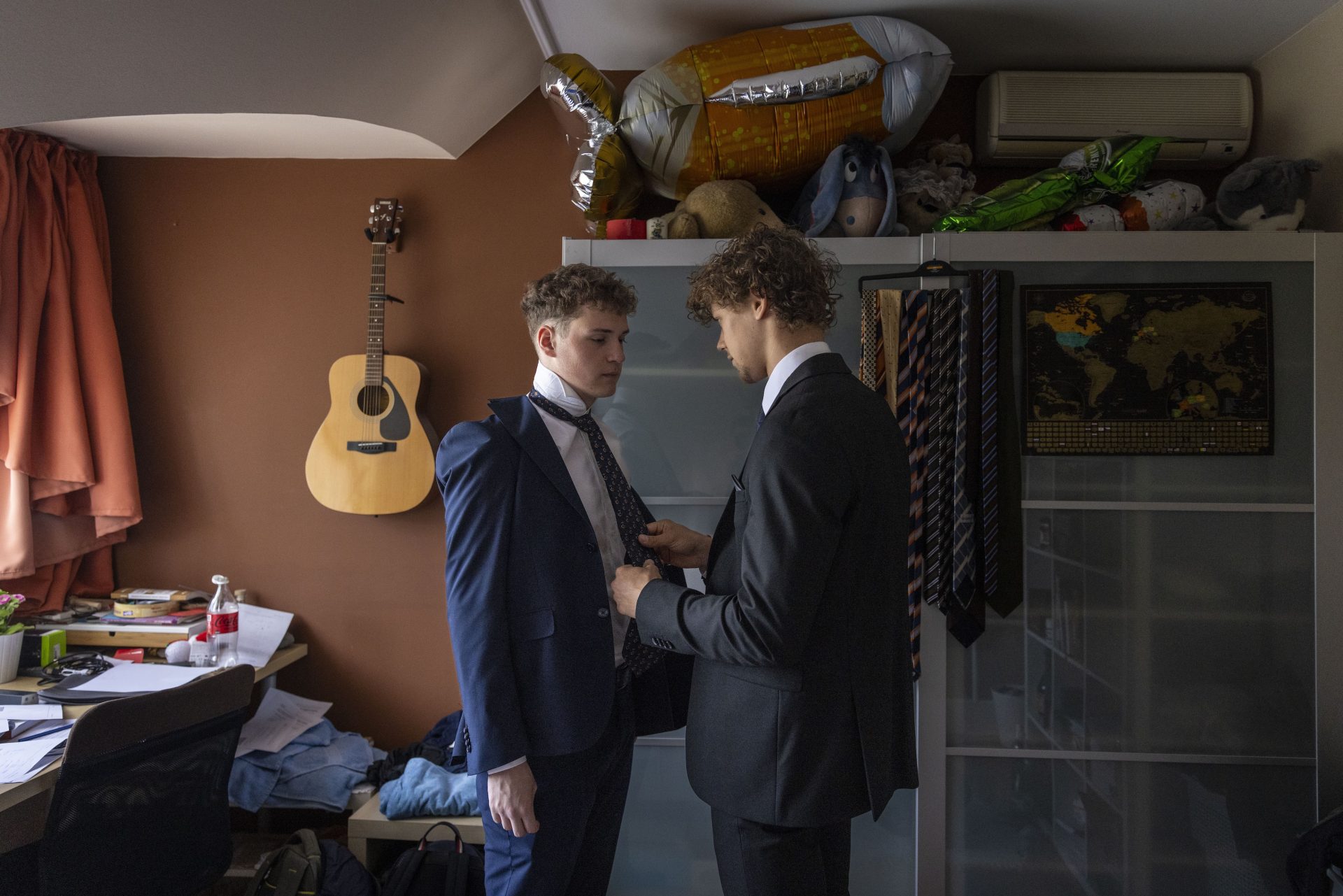
After his death, I began photographing my family and my brother’s close community, particularly his classmates and friends, who encountered loss for the first time during their final year of high school. His friends developed their own rituals, carrying his memory forward through objects, gestures, and shared acts, while trying to preserve the dreams and plans he could no longer fulfill. I went to the same high school, so following his final year also meant both returning to my own memories and facing the fact that he is no longer there.
At the core of the project is the long-term observation of my family and my brother’s close community: how our lives change over time, and how our relationship to loss evolves. The aim of the work is to make this process visible.
In the long term, the project will expand to include the experiences of other people dealing with loss, exploring both the emotional and physical dimensions of grief. I am particularly interested in transgenerational patterns, which are also present in my own family history: my paternal grandmother lost three young children before my father was born.
It is often said that tragedy makes us stronger. I believe trauma does not, in itself, make us stronger: it breaks us apart and reshapes us. What follows takes time, and depends on the work we put into it.
My brother’s absence shapes my life just as much as his presence once did. This, too, is a kind of relationship. Often, it is the actions born from absence that most strongly define who we become.
Remains of Us is not about death, but about what follows – about the transformations that occur, and how the presence of those who are no longer with us continues to shape our lives.
PENITENTS
Zsófia Pályi
Zsófia Pályi is a photographer and multimedia journalist, born in 1982 and based in Budapest, Hungary. She received her bachelor’s degree in photography from the Moholy-Nagy University of Art and Design Budapest in 2010. She received her Master's Degrees at the Department of Media and Communication and Department of Portuguese Language at ELTE University in 2007. She spent one year as an Erasmus student at the Faculty of Fine Arts of Universidade de Lisboa, and at the history department of Universidade Nova de Lisboa. She has taken part in the Magnum Workshop with Ian Berry photographer, organized by Robert Capa Contemporary Photography Center, in Budapest.
Between 2005 and 2014, she has been working as a photojournalist for Origo, one of the leading online news sites in Hungary. In the last years she became a freelance photographer, she works mainly for magazines; and besides focuses on her personal projects. She likes personal photo reports, portrait and documentary photography and art itself.
She was a Grand Prize winner at Fotóporta international portfolio review in 2013. She has received several prizes at the Hungarian Press Photo Competition including the Grant for best achievement in photojournalism under the age of 30 and won the Pécsi József Fine Art Photography Grant, Hungarian state scholarship, three times.
Her series Balaton, the Hungarian Sea has been nominated Coeup de Coeur ANI 2014 at Perpignan Photo Festival. In the same year, she was also invited to participate in the Danube Revisited project with all the former Inge Morath Award winners. In 2015 she became a finalist at LensCulture Portrait Awards with her Balaton series. This work has been exhibited in numerous venues, for example in Kunsthalle Budapest, at the Istanbul Photo Biennial, at the Hungarian Institute in Istanbul, in the Hungarian Pavilion of the Milano Expo and at the Artplacc festival in Tihany. In 2017, she won the Károly Hemző Award.
In 2018, she won a 3-year-long art scholarship of the Hungarian Academy of Arts to create her series about pilgrims called Penitents. The project got shortlisted at Helsinki Photo Awards in 2022, also became shortlisted at Kolga Tbilisi Photo Awards in 2022 and Athens Photo Festival in 2023. She later expanded her series by visiting Doroszló, Serbia, as part of the Pictorial Collective's People of Petőfi Streets project so it also appeared in a photo album.
Her photos have been purchased internationally, by the American National Geographic, Marie Claire, New York Times, CNN Photo Blog, Vice UK, Al Jazeera, Chinese Blog Magazine, The Sunday Guardian, Le Monde, UNHCR, Nők Lapja, Origo, MÜPA Budapest, the National Opera House and Hungarian National Ballet in Budapest.
She was a member of the Studio of Young Photographers Hungary, and also has been a member of its Leadership Committee between 2013 and 2015. She has been a member of the board of trustees of the Photojournalist Lifetime Achievement Award since 2024, 2026. and the member of the Hungarian Association of Photographers since 2026.
www.zsofiapalyi.com
www.facebook.com/zsofiapalyiphotographer
www.instagram.com/zsofiapalyi
Pilgrims within the Borders of the Carpathian Basin
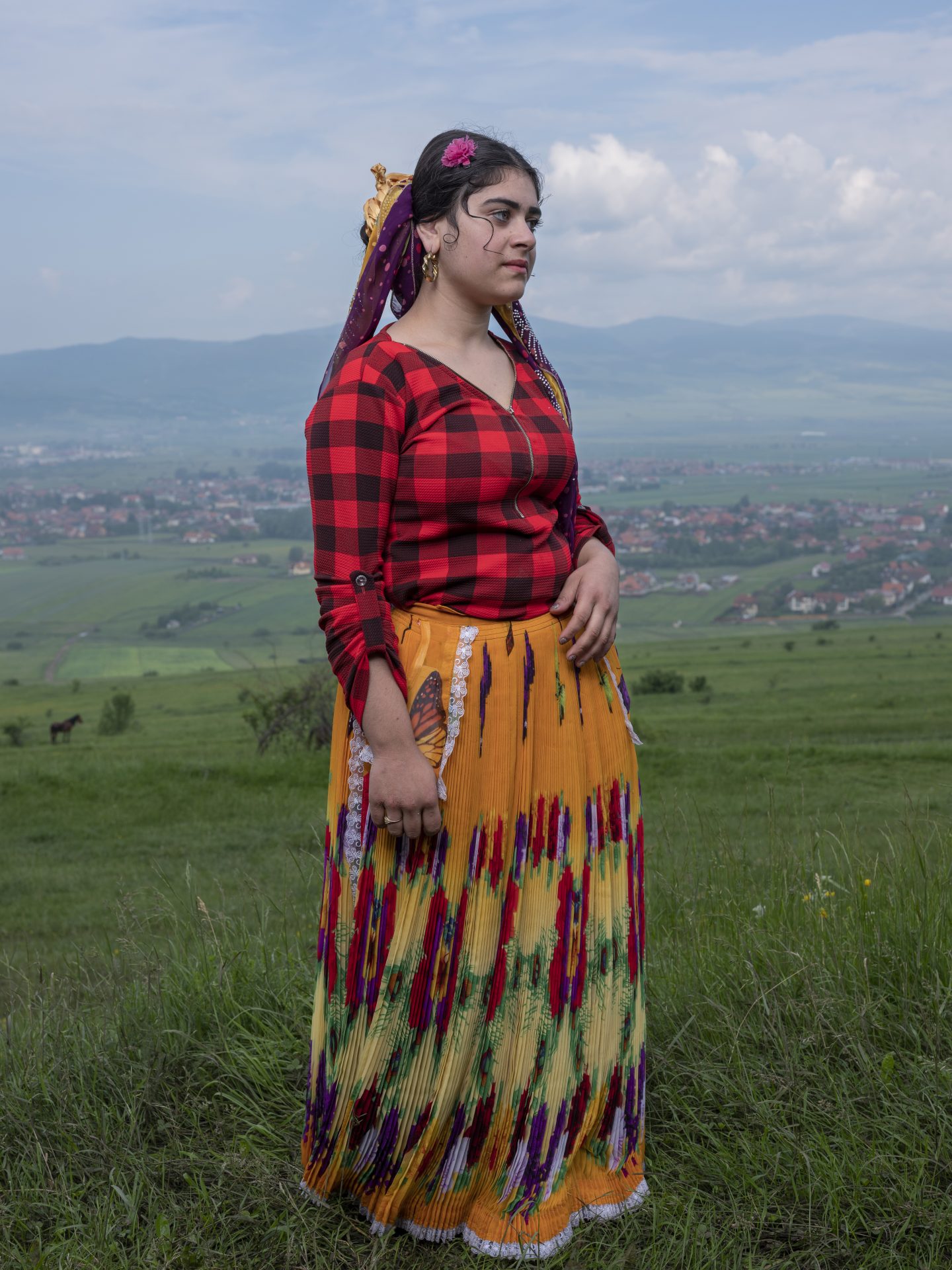
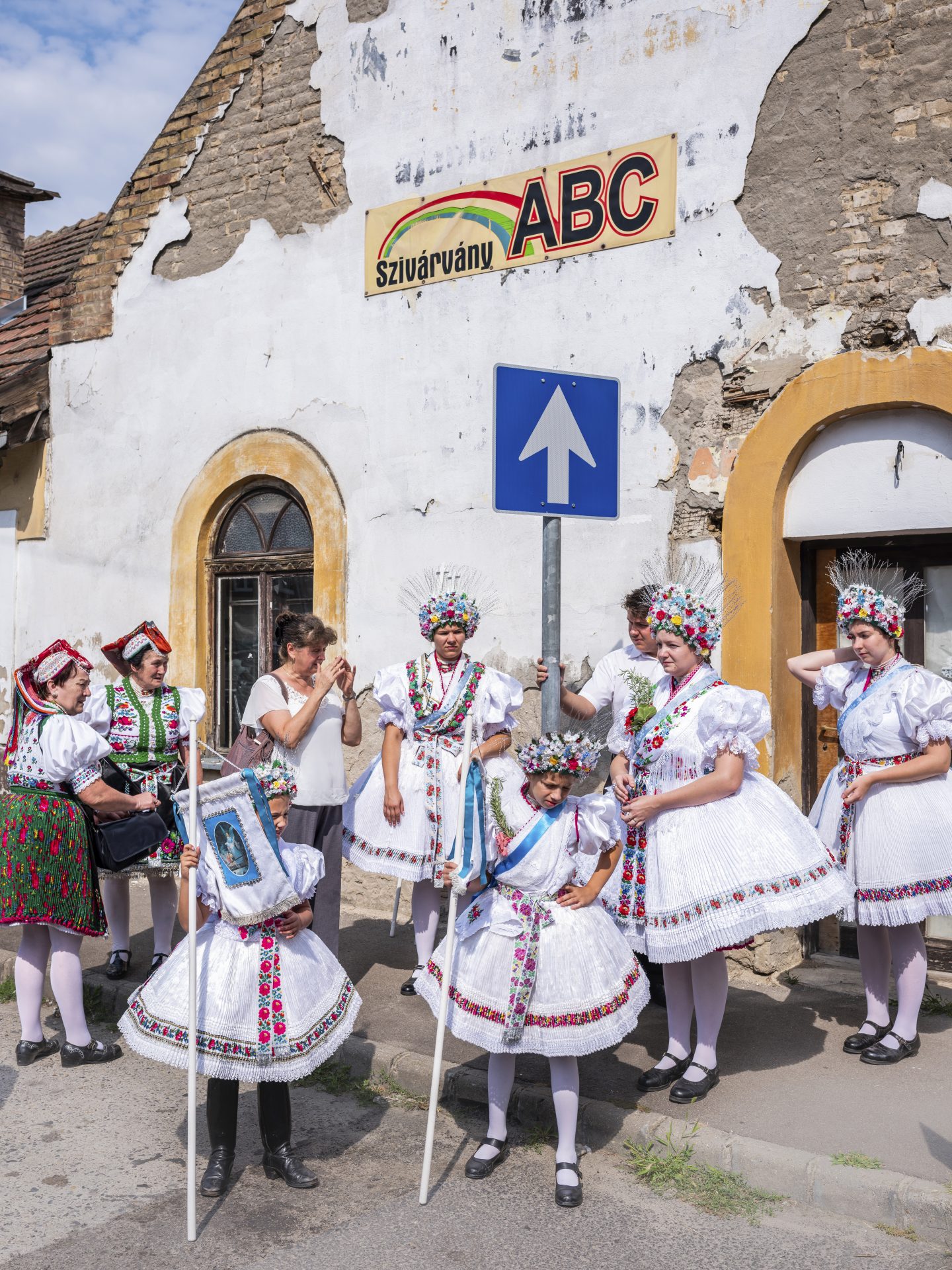
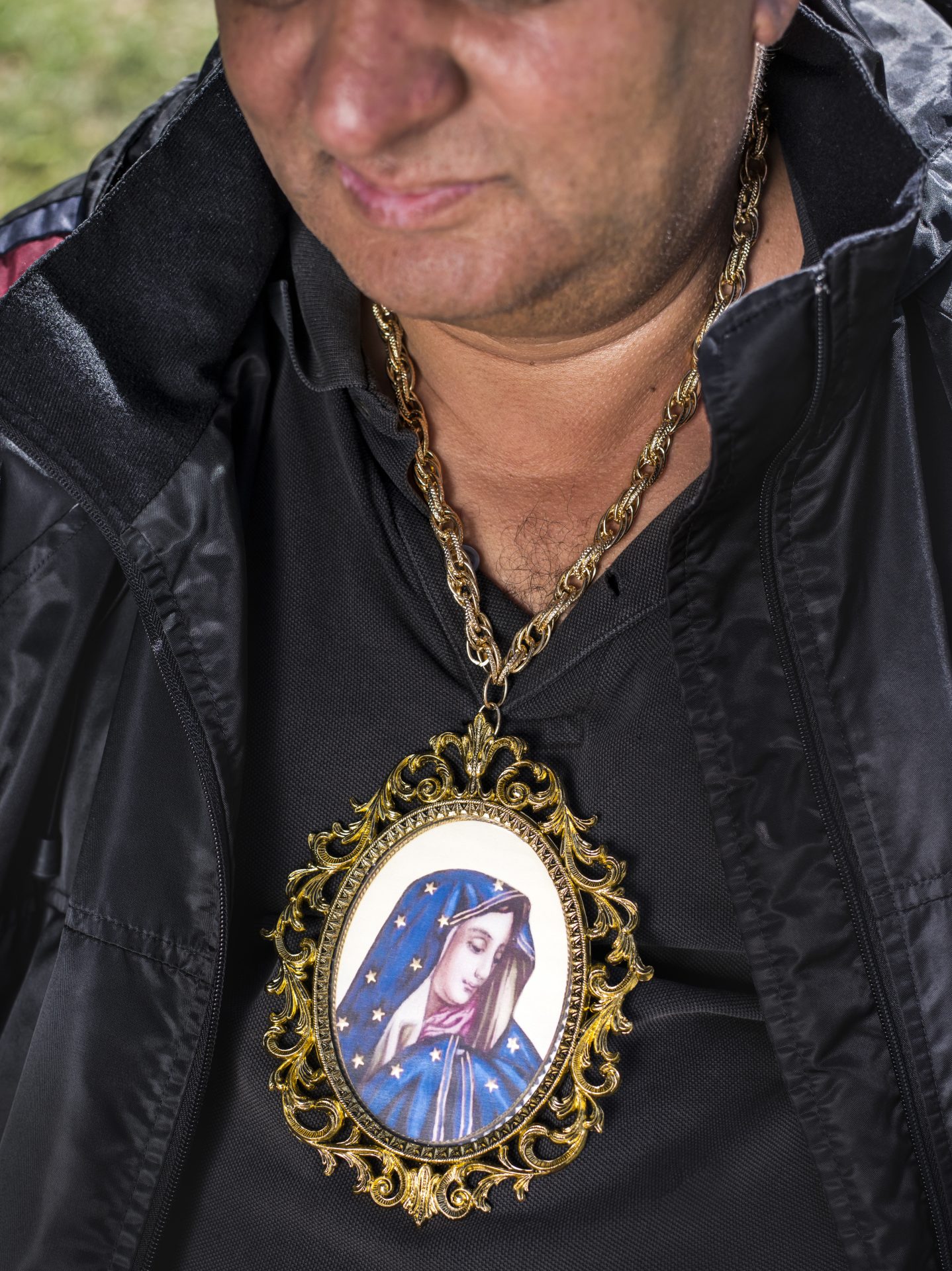
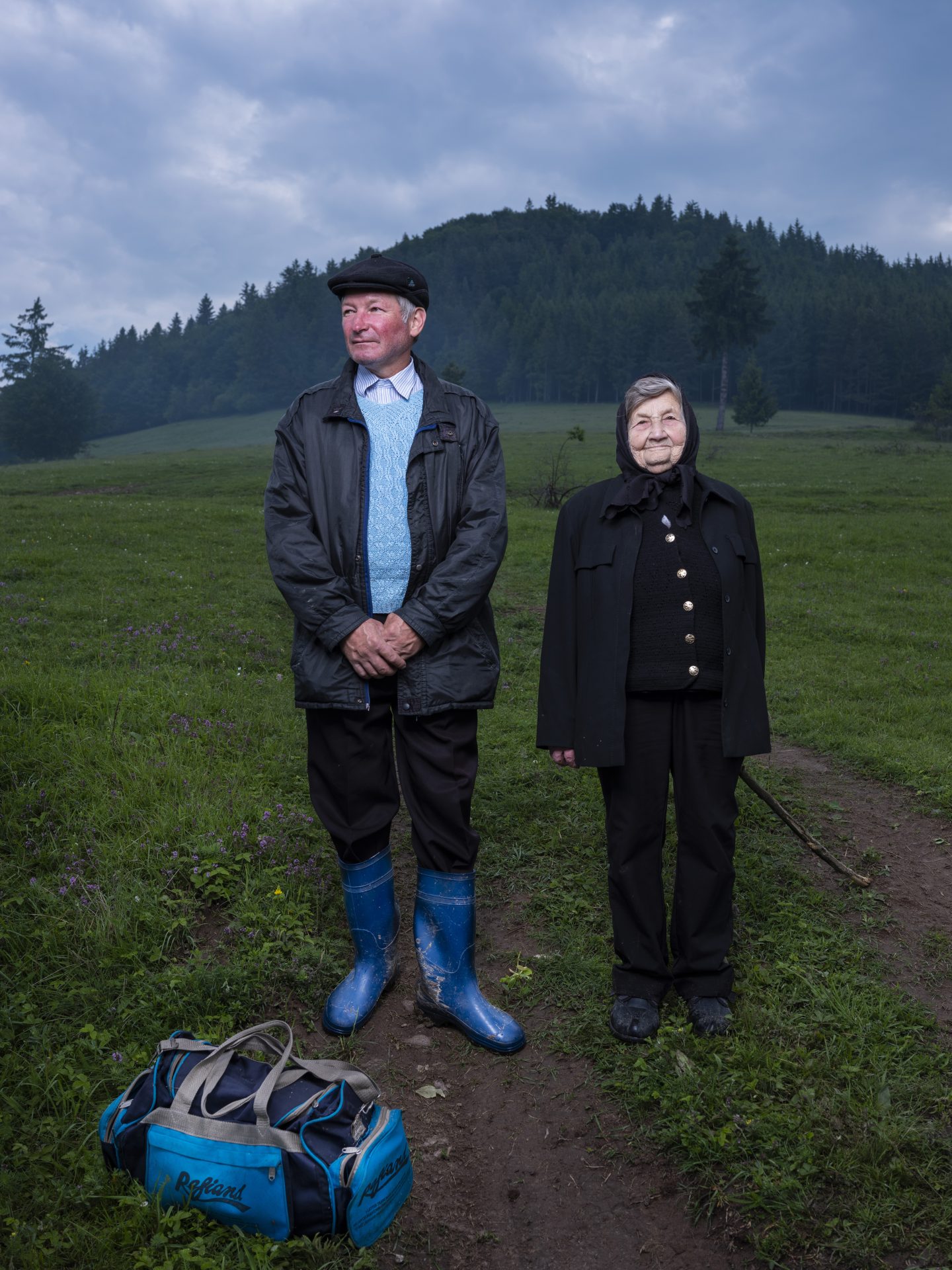
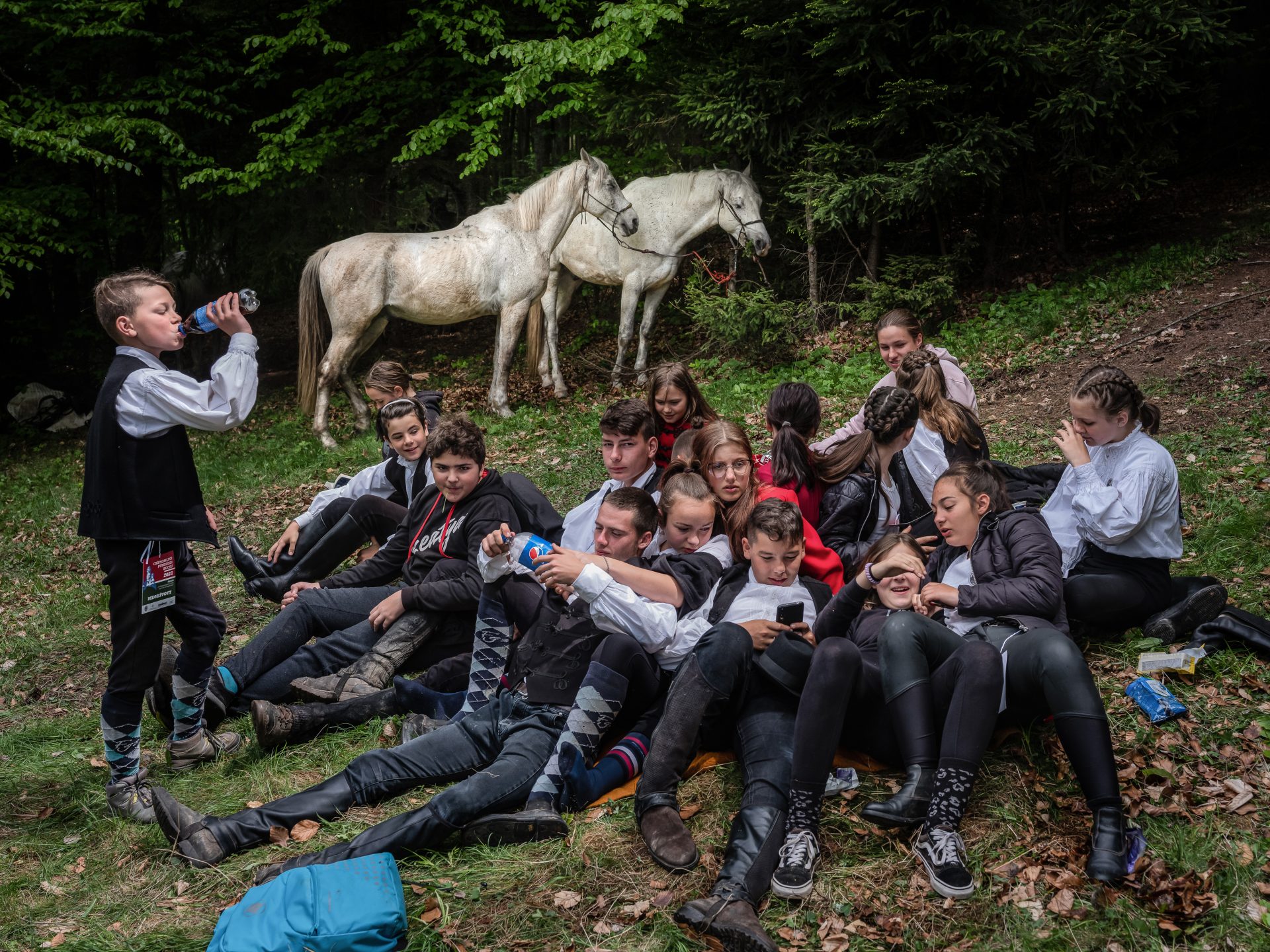
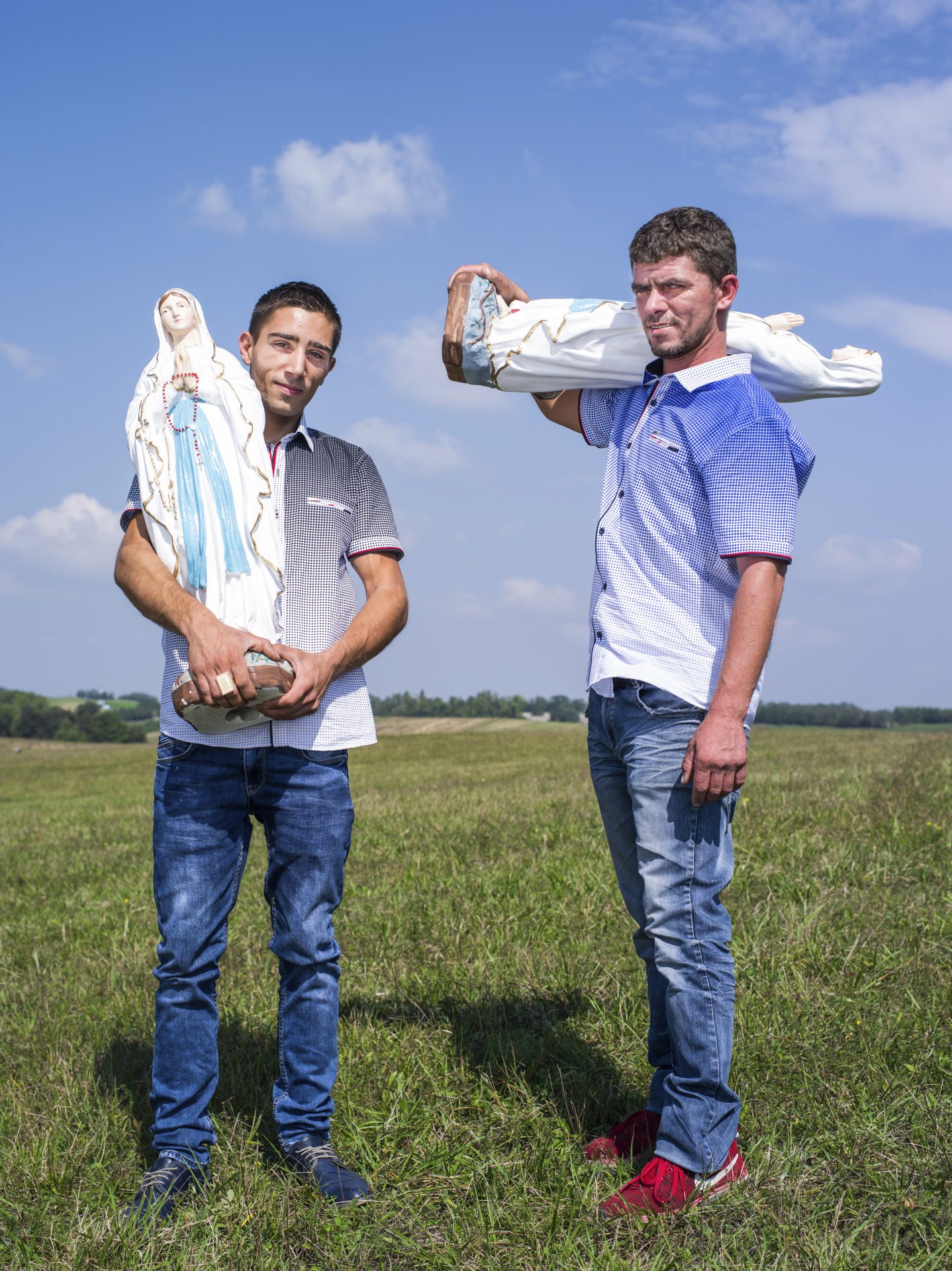
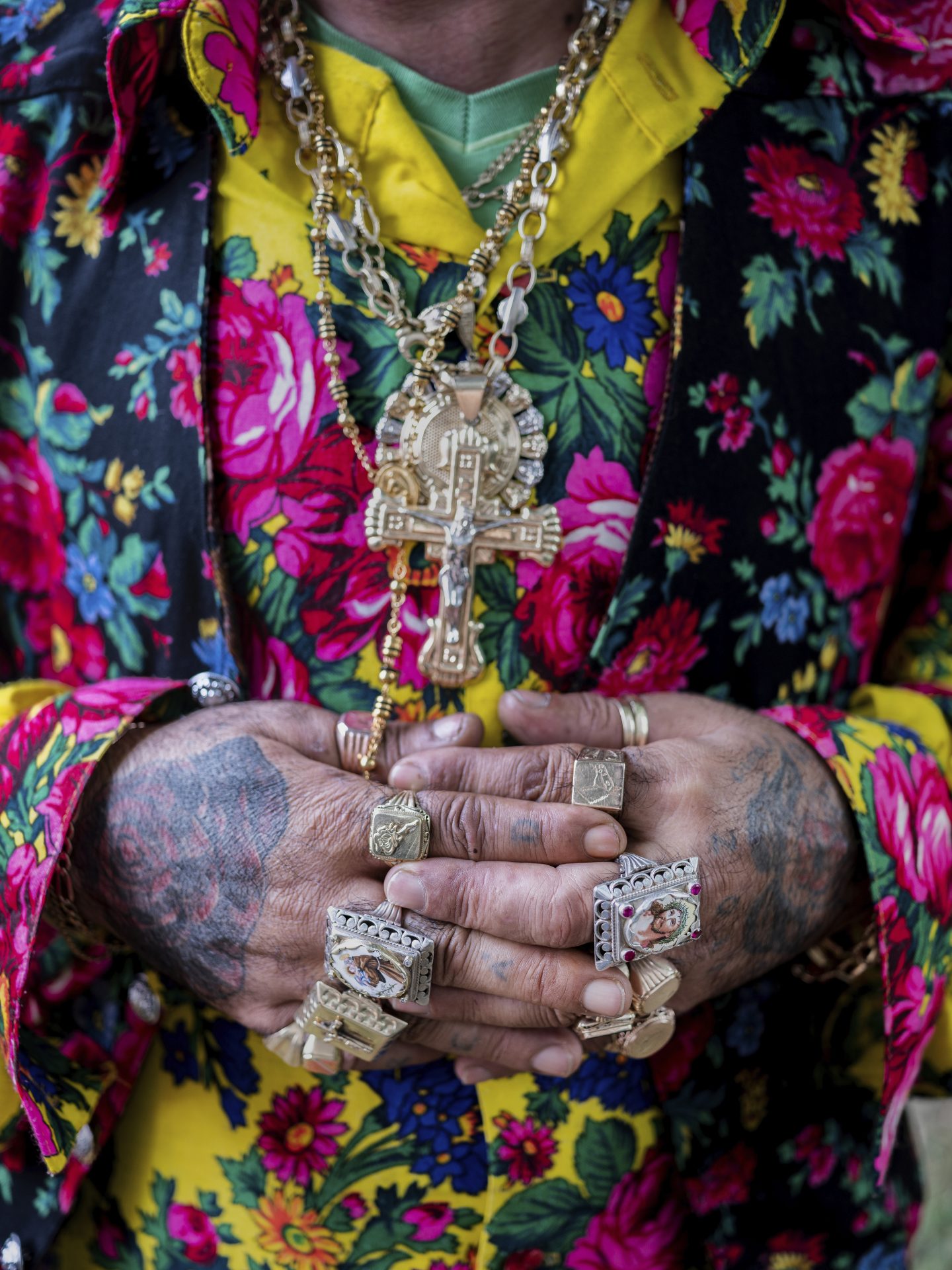
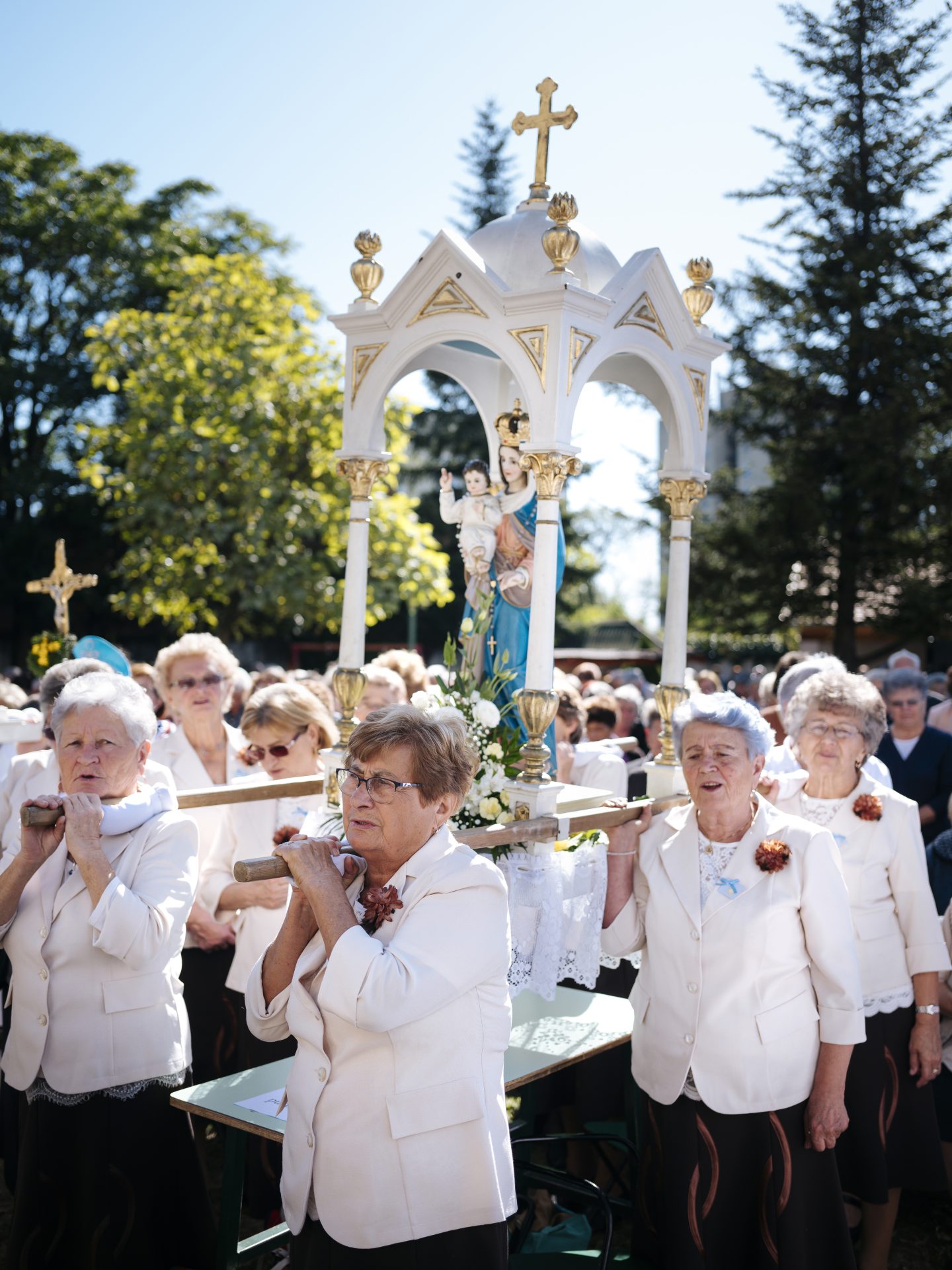
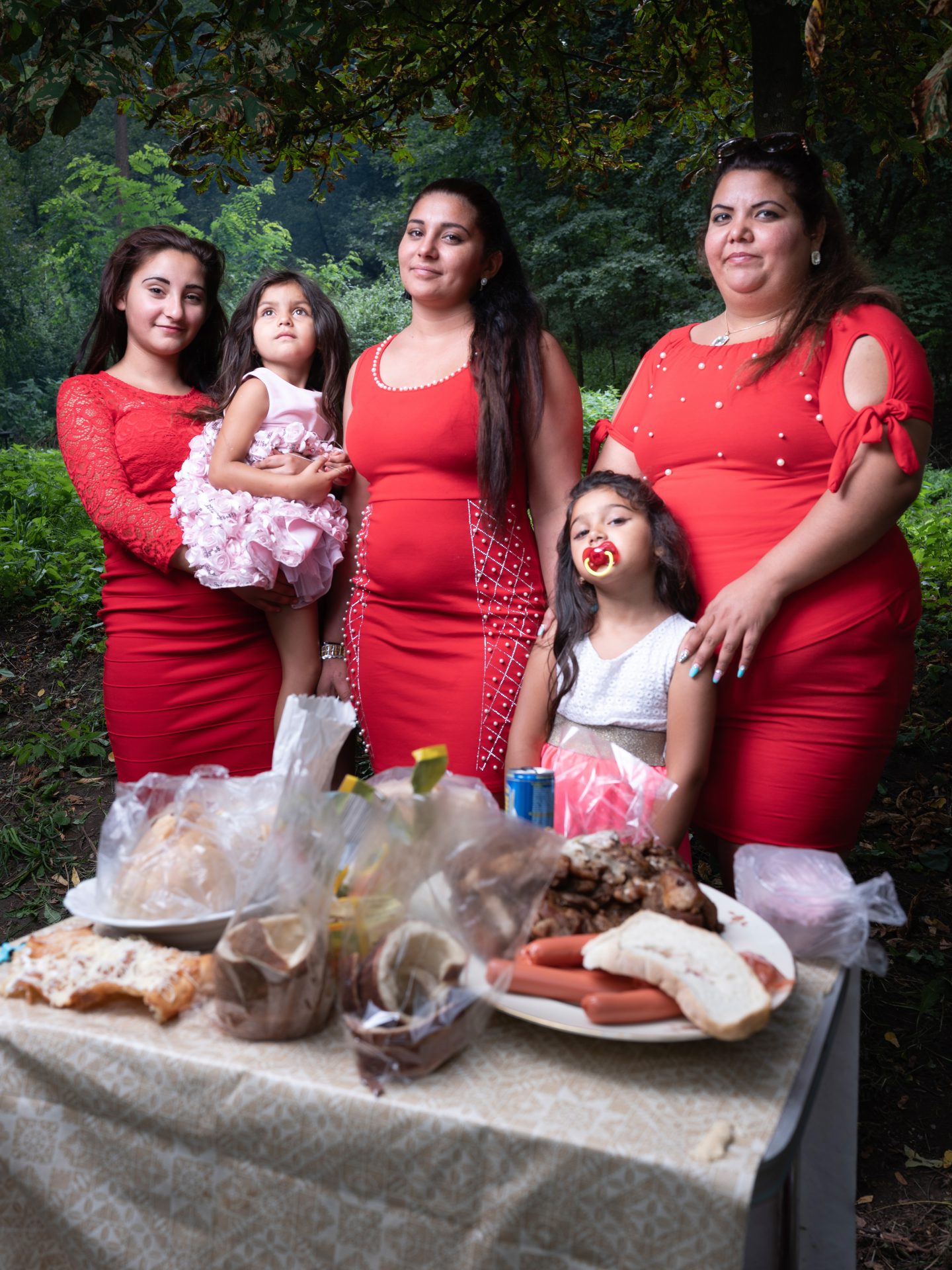
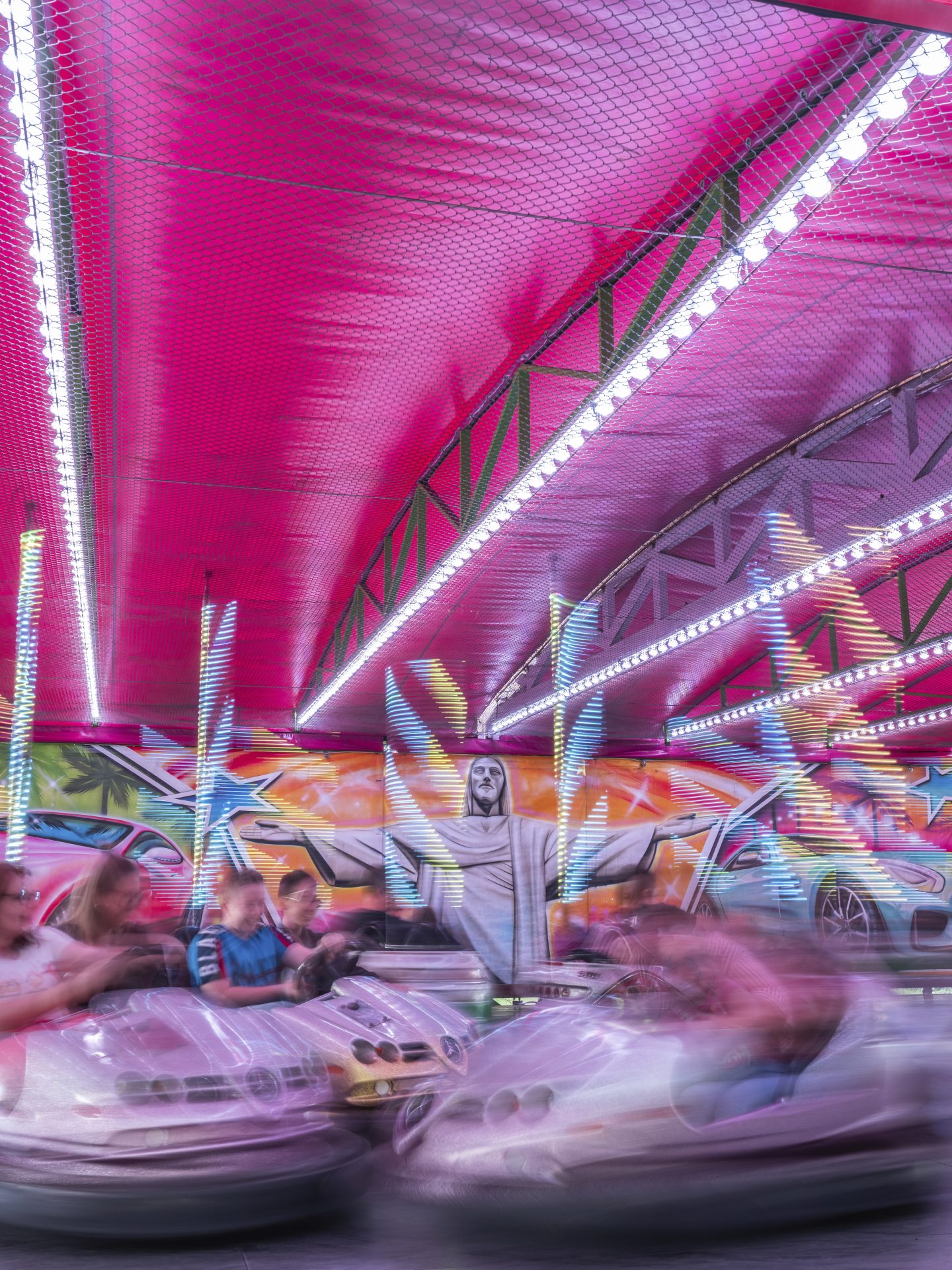
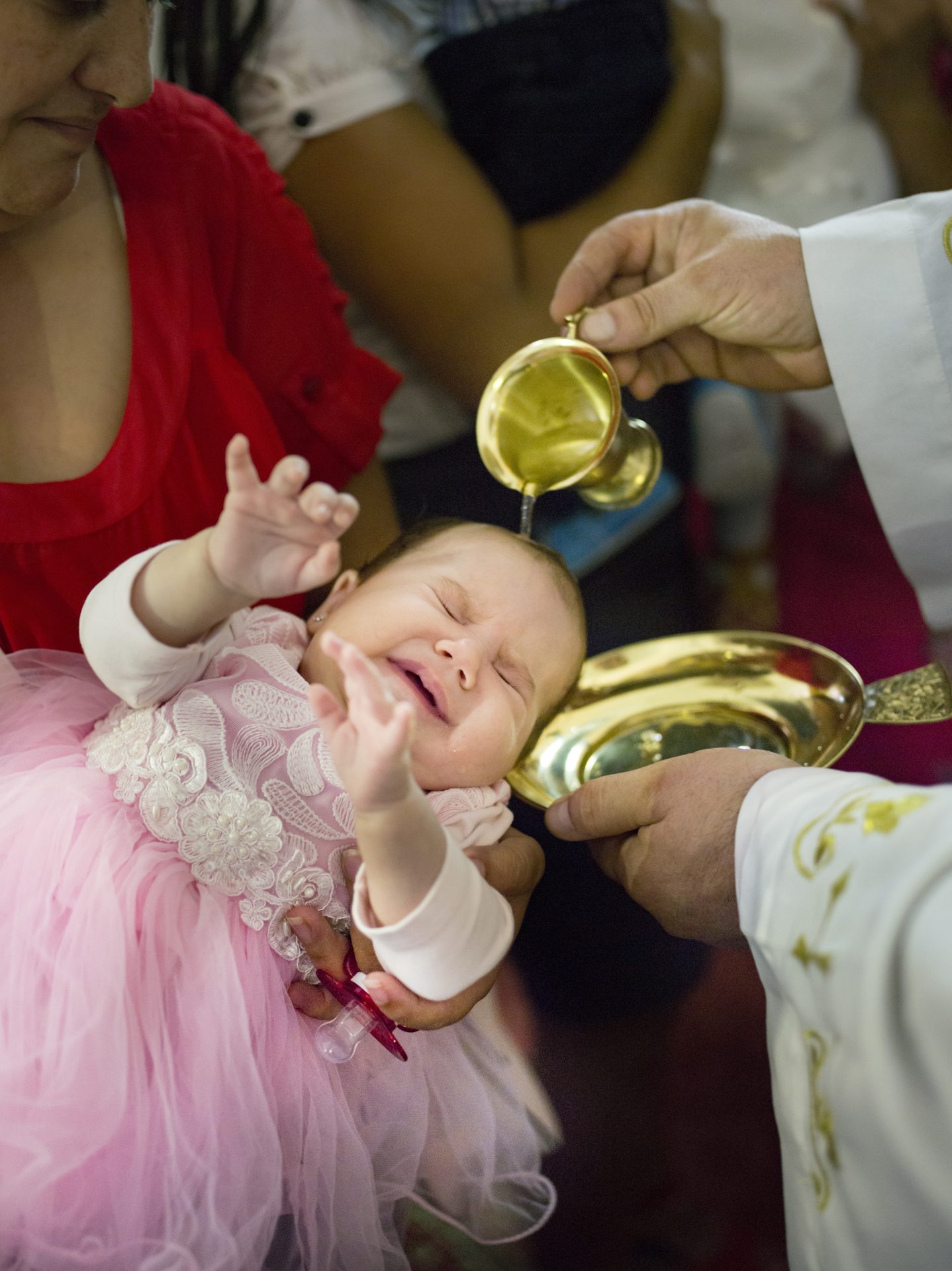
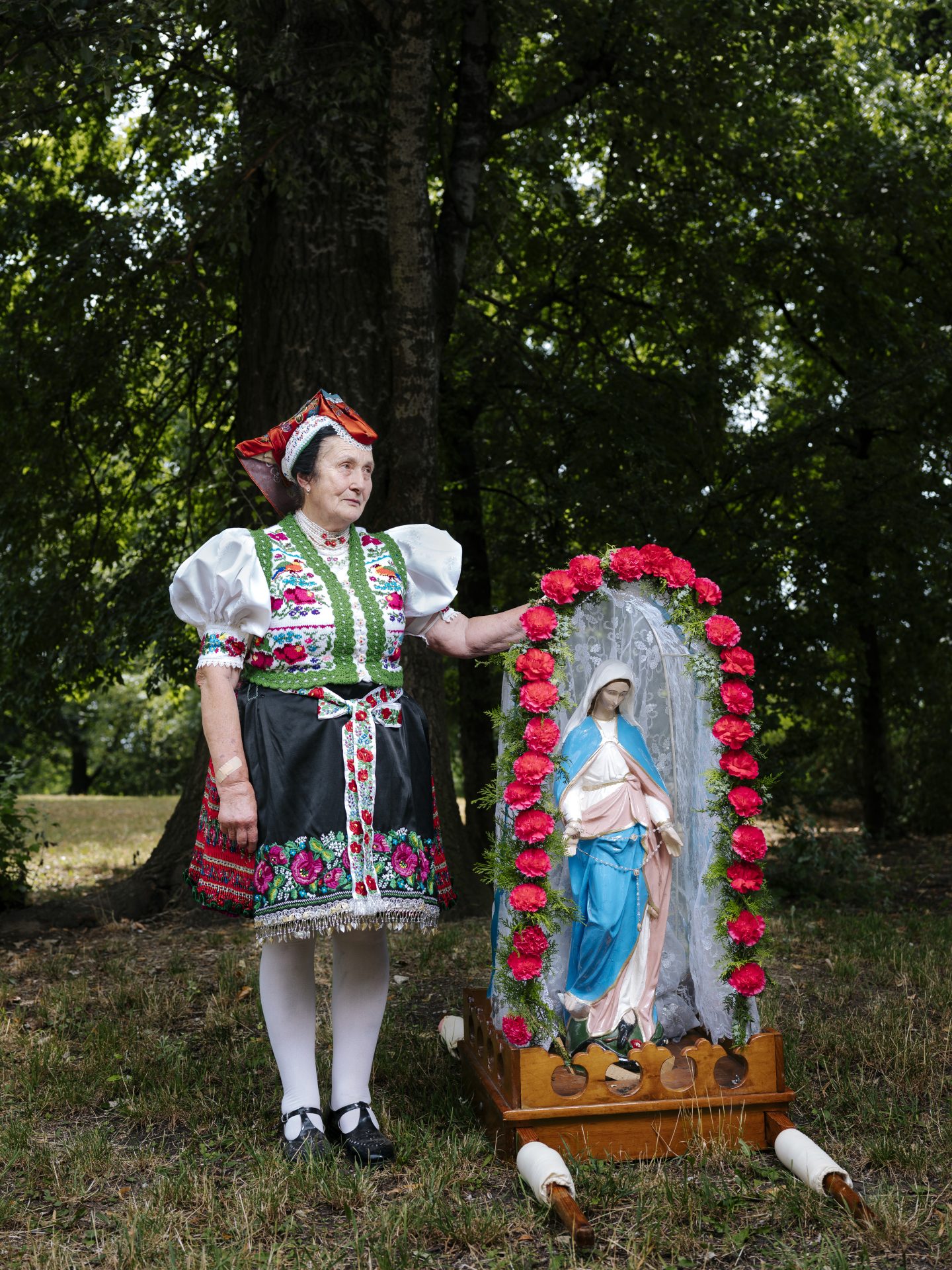
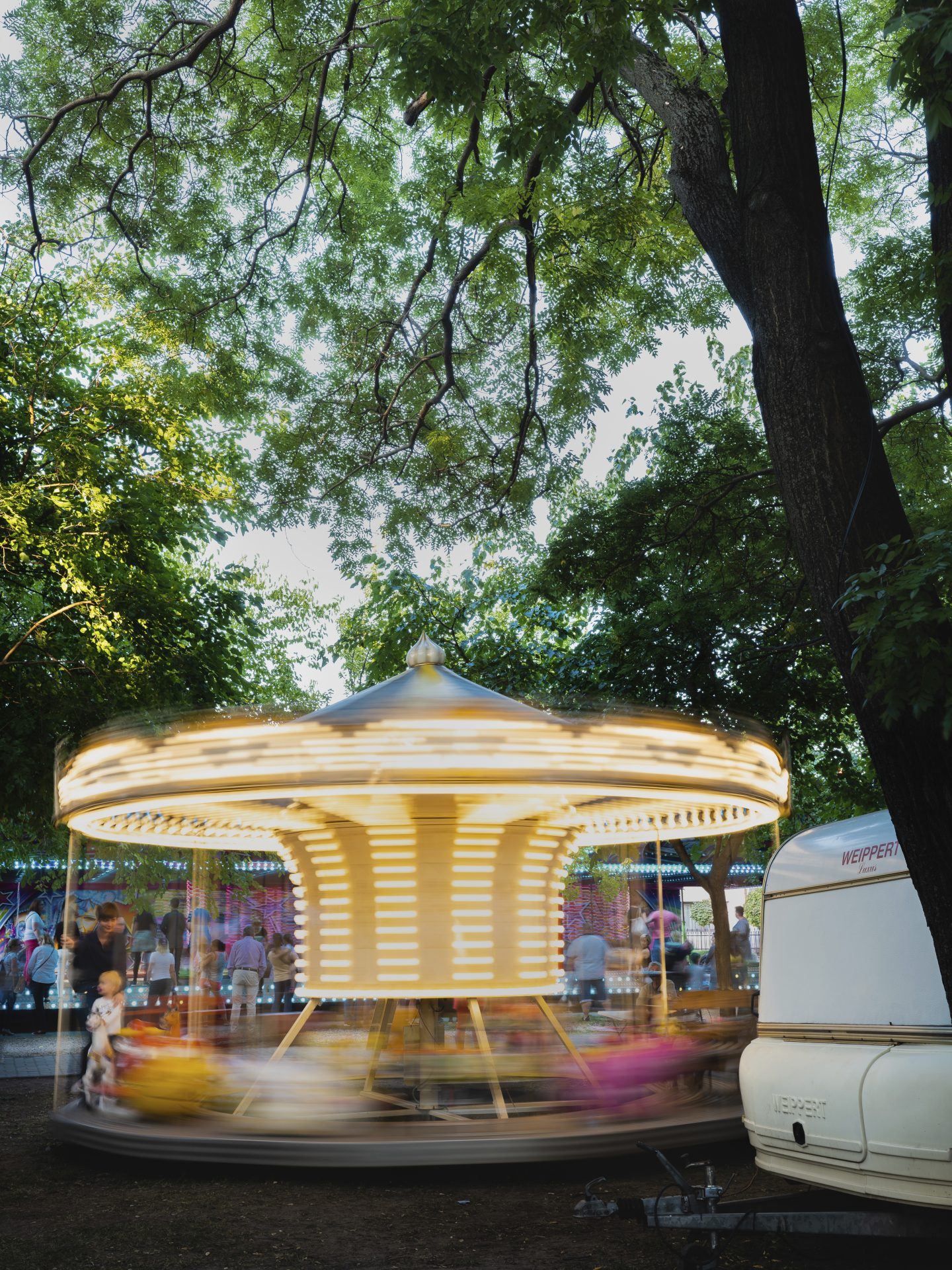
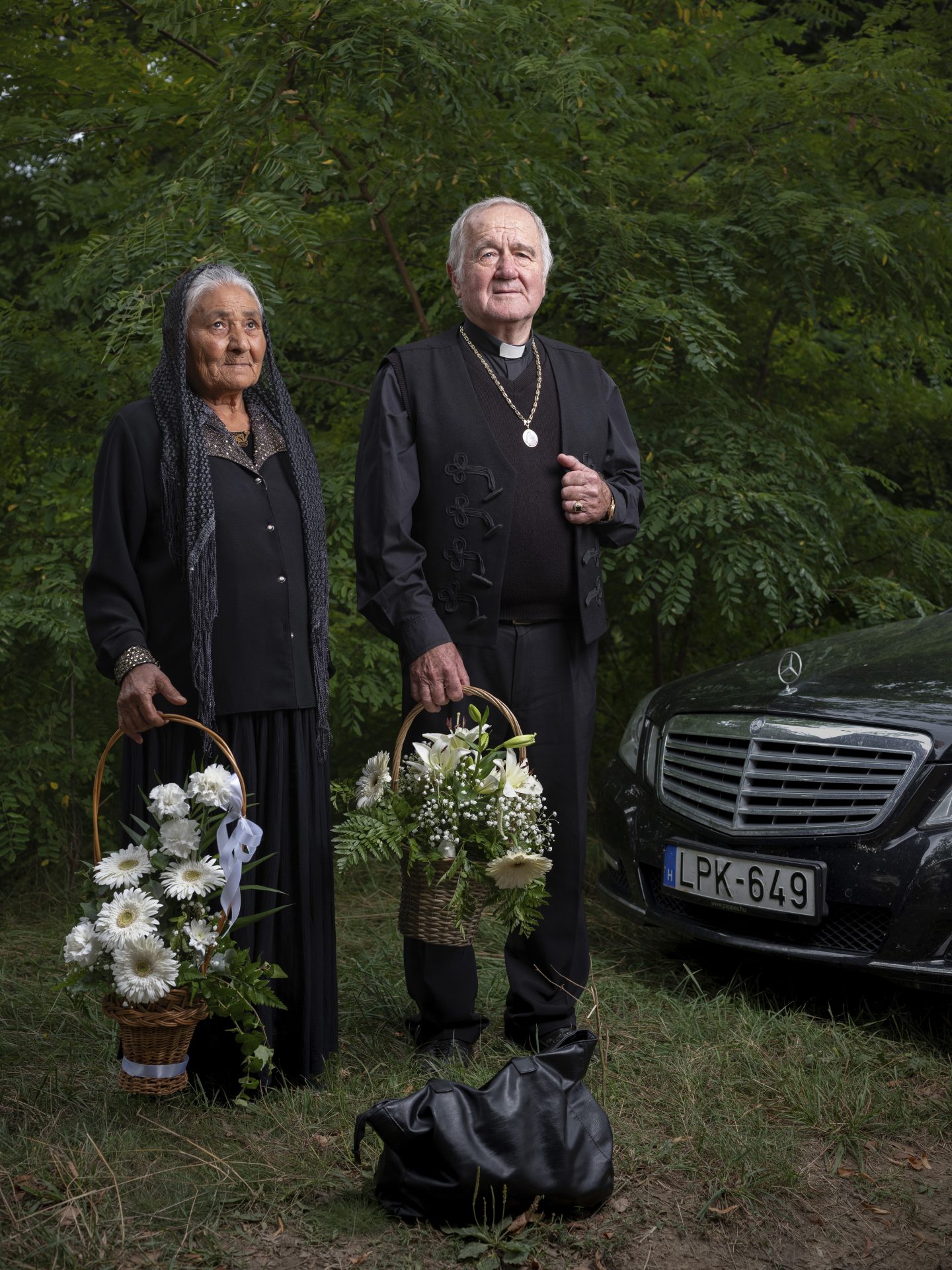
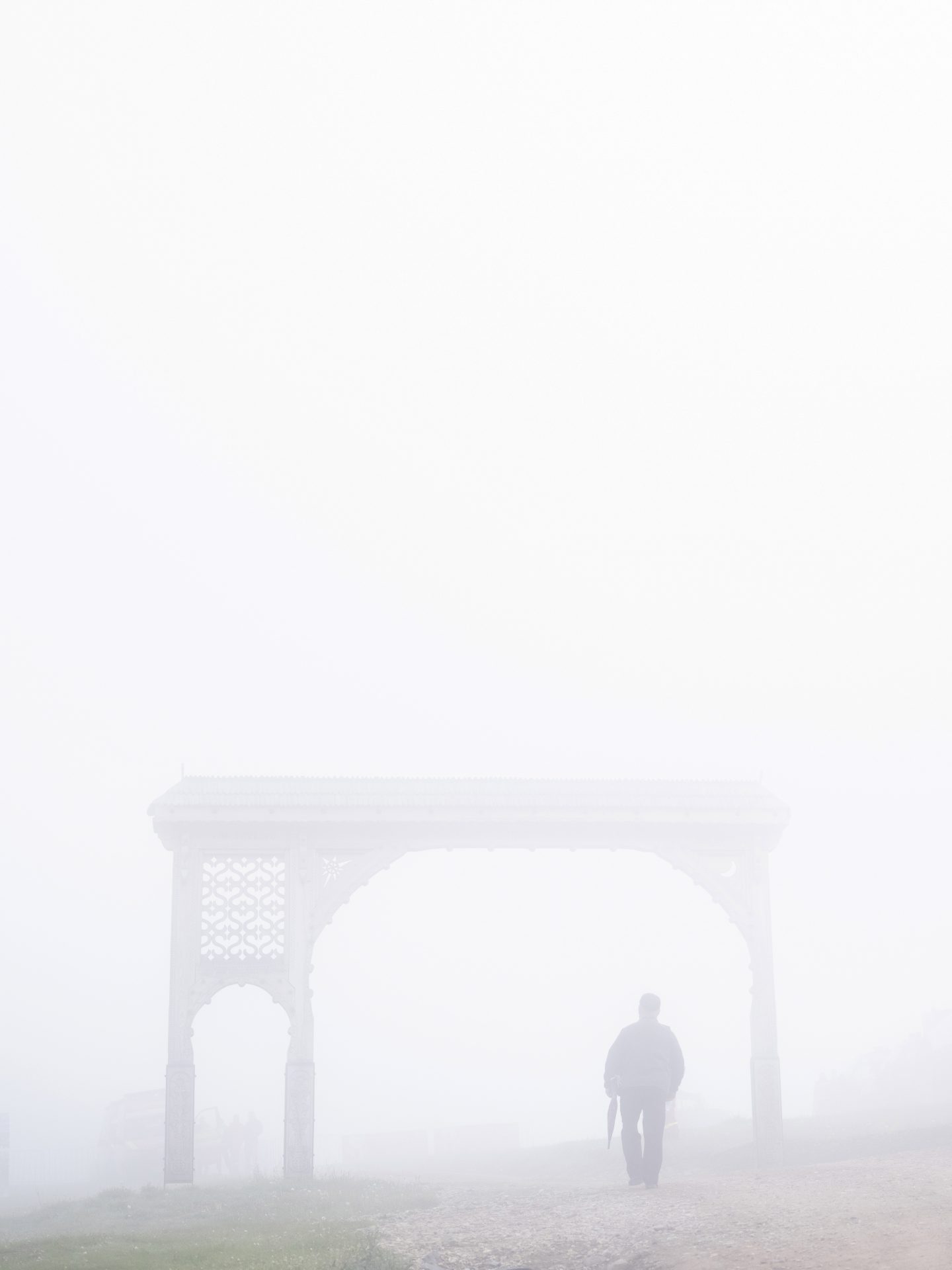
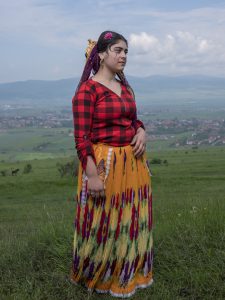
Pilgrimage is a retreat from everyday life, from our home environment, where everything reminds us of our chores and jobs. It is one of the most ancient forms of penance and devotion in the Catholic faith. Once a purely religious tradition, it has now become a colorful bustle, a fair and a fun-filled experience where the sacred mixes with the profane. This series of photographs captures this often contradictory, vanishing, traditional, yet constantly renewing scene in the Carpathian Basin, in Eastern Europe.
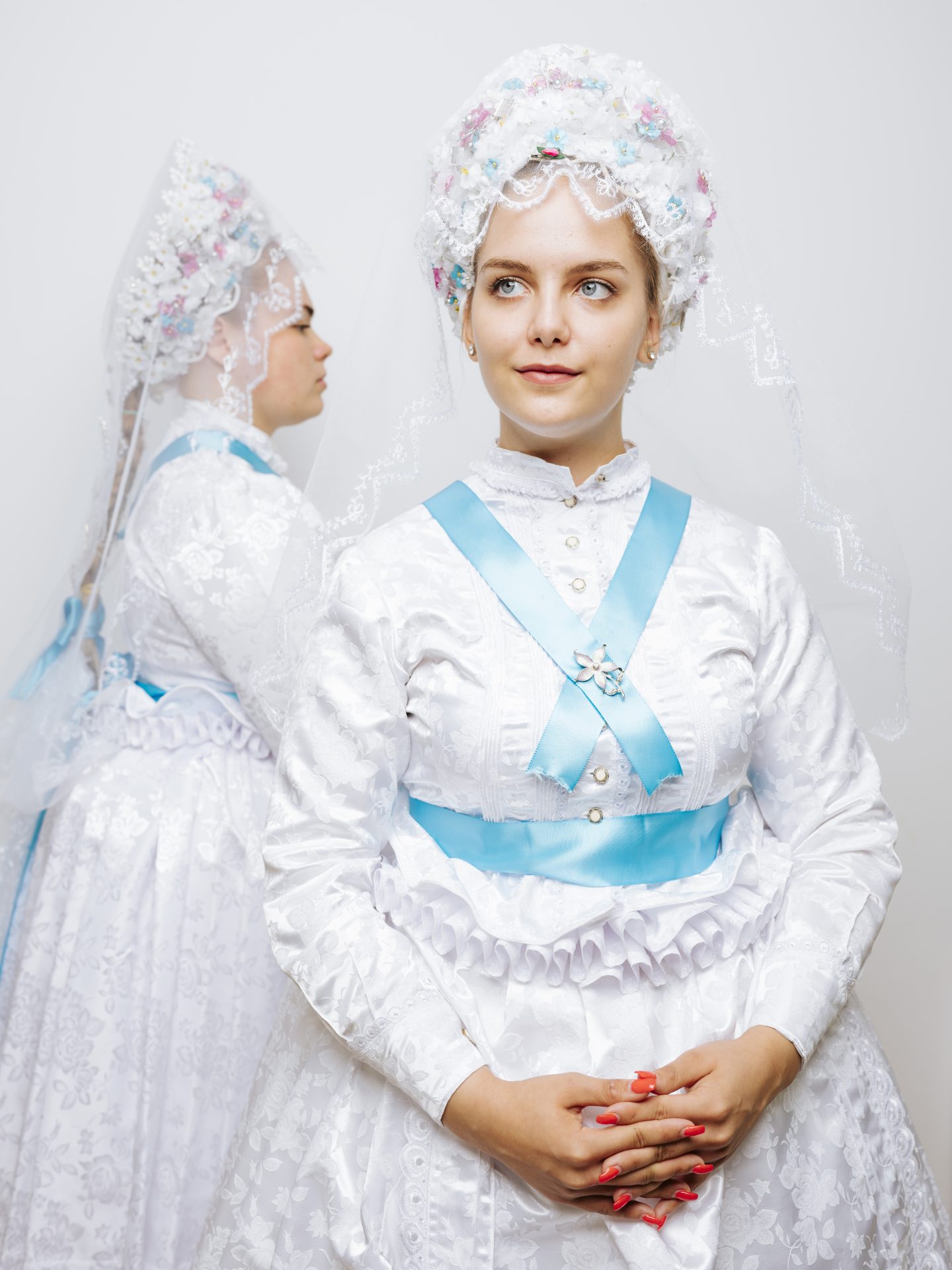
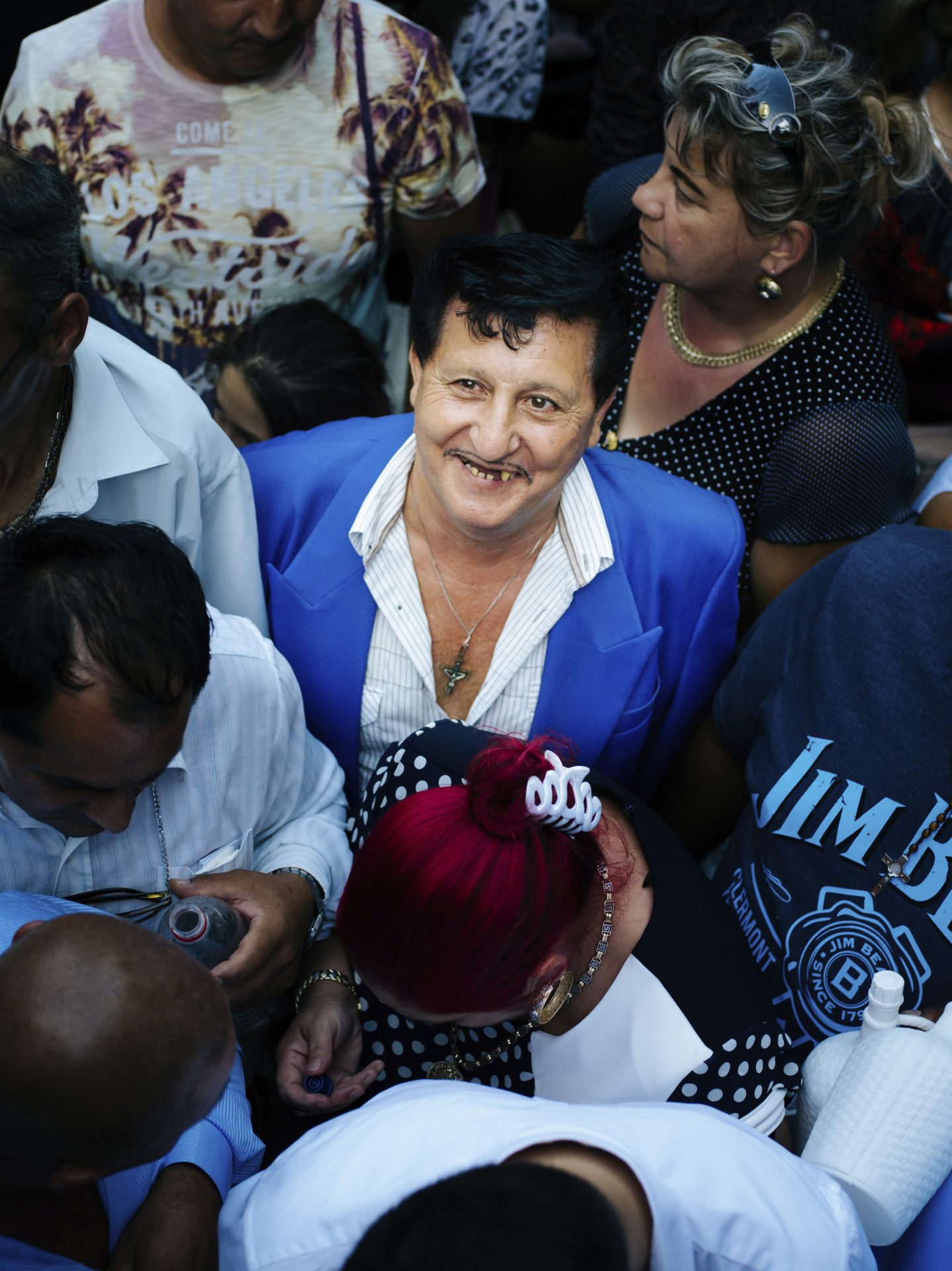
The documentary snapshots, portraits and object installations create a colorful image of the pilgrimage sites, frequently visited by Hungarians from inside and outside the borders of Hungary, in Eastern Europe. These festive rituals are indispensable to carry on the identity, beliefs, rich cultural heritage, customs and clothes of these people.
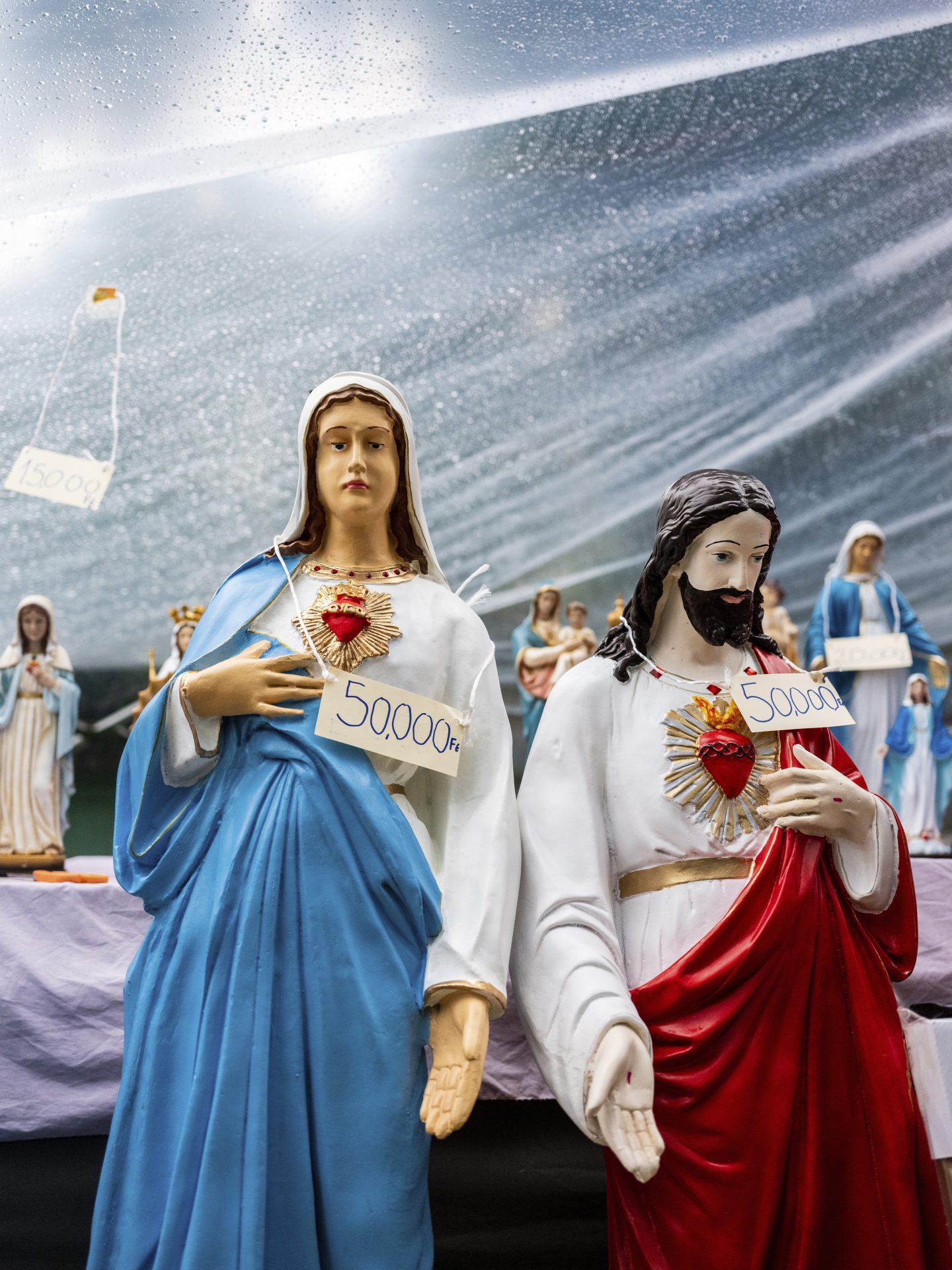
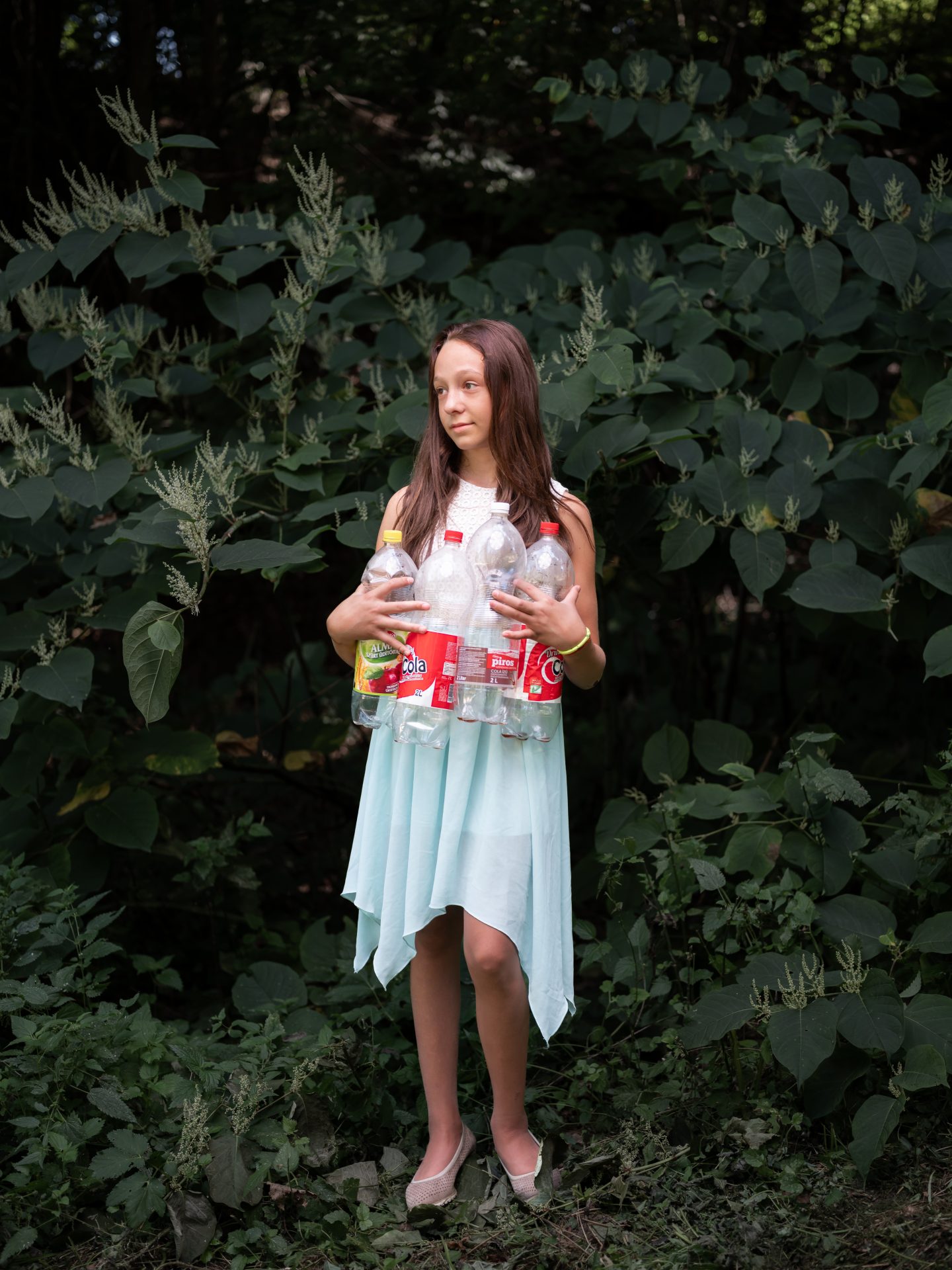
Religious kitsch is also one of the most widespread forms of kitsch, as can be seen in the world of fairing. It brings the believer closer to God. Religious sentiment is often expressed in objects with a profane purpose, such as a plastic bottle depicting the Virgin Mary, but we also find products that, in contrast to the traditional ideal of craftsmanship, obey the command of mass production via their simplicity and shallowness.
The photographs were made in several places throughout the Carpathian Basin. Andocs, Balassagyarmat, Csatka, Csíksomlyó, Doroszló, Gyöngyös, Vecsés or Mátraverebély-Szentkút – each of them are just couple stations of this series, which has been expanding for the last eight years now.
NO CREDIT
Zsófia Sivák
„Zsófia Sivák (b. 1993, Eger) is a photographer and art teacher based in Hungary. She graduated in Photography from the Moholy-Nagy University of Art and Design (BA 2017, MA 2019, 2025) and currently works as a freelance photographer and lecturer at MOME.
Her practice is rooted in documentary photography, with long-term, community-based projects. Many of her series explore rural life, shaped by her own background.
Having grown up in a small village in eastern Hungary before moving to Budapest for her studies, Sivák developed a more systematic and observational approach to her surroundings, which continues to influence her photographic practice today.”
EDUCATION
2022 - 2025 Design and Visual Art Teacher, MA, Moholy-Nagy University of Art and Design, Budapest
2017 - 2019 Photography, MA, Moholy-Nagy University of Art and Design, Budapest
2014 - 2017 Photography, BA, Moholy-Nagy University of Art and Design, Budapest
PRIZES, SCHOLARSHIPS
2024 Kranj Foto Fest — Finalist
2023 Hungarian Academy of Arts — Photography Scholarship
2022 National Cultural Fund — Artist Grant (Photography)
2021 No Borders Award — 1st Place (Poland)
2021 FUTURES Photography Platform — Selected Artist (nominated by the Robert Capa Contemporary Photography Center)
2021 39th Hungarian Press Photo Awards — Documentary, 1st Place
2020 Pécsi József Photography Scholarship
2019 Budapest Portfolio Review — Magnum Special Prize
2019 37th Hungarian Press Photo Awards — Documentary, 3rd Place
2018 National Higher Education Scholarship
2018 Studio of Young Photographers (FFS) — Membership
2017 Canon Student Program — Visa pour l’Image, Perpignan
2017 Budapest Photo Festival — Portfolio Review, 1st Place
2017 35th Hungarian Press Photo Awards — Documentary, 1st Place
2017 35th Hungarian Press Photo Awards — Best Photojournalist Under 30
EXHIBITIONS
2025 Similar, Yet the Same — Robert Capa Contemporary Photography Center, Budapest, Hungary
2025 On the Go — Fotografisk Center, Copenhagen, Denmark
2024 Kranj Foto Fest — Kranj, Slovenia
2022 Thirtythree — Liszt Institute, Sofia, Bulgaria
2021 No Borders — Bielsko-Biała, Poland
2021 Art Market Budapest — Bálna, Budapest, Hungary
2021 39th Hungarian Press Photo Exhibition — Kunsthalle, Budapest, Hungary
2021 Thirtythree — National Museum of the Romanian Peasant, Bucharest, Romania
2021 József Pécsi Fellowship for Art Photography (2020) — Robert Capa Contemporary Photography Center, Budapest, Hungary
2019 Deep Flows — MODEM, Debrecen, Hungary
2019 Breda Photo Festival: A New Horizon of Photography — Grote Kerk, Breda, Netherlands
2019 37th Hungarian Press Photo Exhibition — Capa Center, Budapest, Hungary
2019 Contemporary Landscape — Kiscelli Museum, Budapest, Hungary
2019 Fresh Meat — Hybridart Gallery, Budapest, Hungary
2018 We Don’t Play Guitars — K.A.S. Gallery, Budapest, Hungary
2018 Art Market Budapest — Millenáris, Budapest, Hungary
2018 Openings — B32 Gallery, Budapest, Hungary
2018 A Glance into the Present — Capa Center, Budapest, Hungary
2018 Paradigma — Budapest Project Gallery, Budapest, Hungary
2018 Contemporary Still Life — Kiscelli Museum, Budapest, Hungary
2017 Entrée — Szent György Square Cellar System, Budapest, Hungary
2017 Art Market Budapest — Millenáris, Budapest, Hungary
2017 A Matter of Perspective — Hybridart Gallery, Budapest, Hungary
2017 35th Hungarian Press Photo Exhibition — Robert Capa Contemporary Photography Center
WORKSHOPS
2024 Magnum Photos Workshop — Robert Capa Contemporary Photography Center, Budapest, Hungary
2024 Nikon × Esther Horváth Workshop — Robert Capa Contemporary Photography Center, Budapest, Hungary
2019 Magnum Photos Workshop — Robert Capa Contemporary Photography Center, Budapest, Hungary
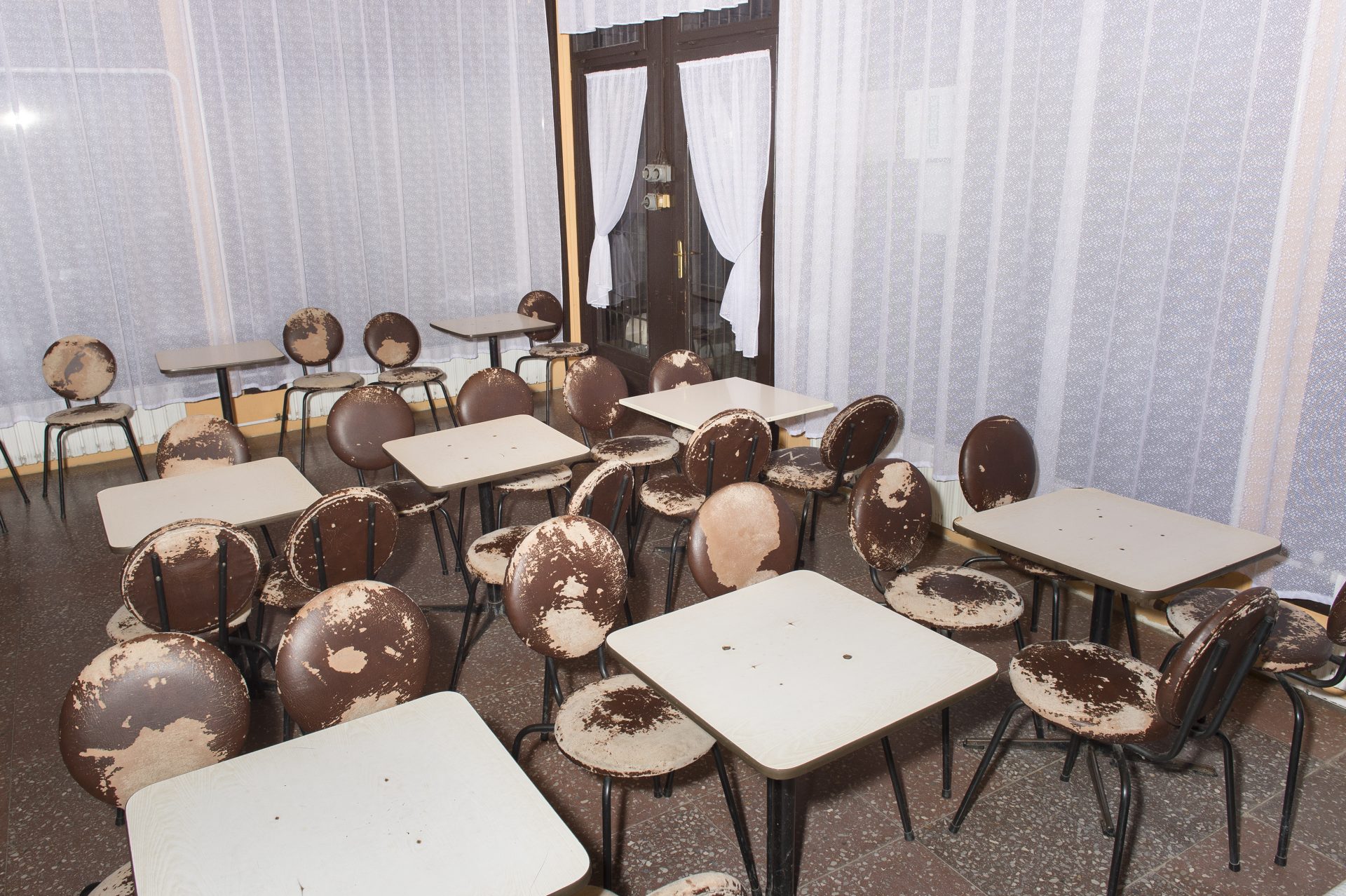
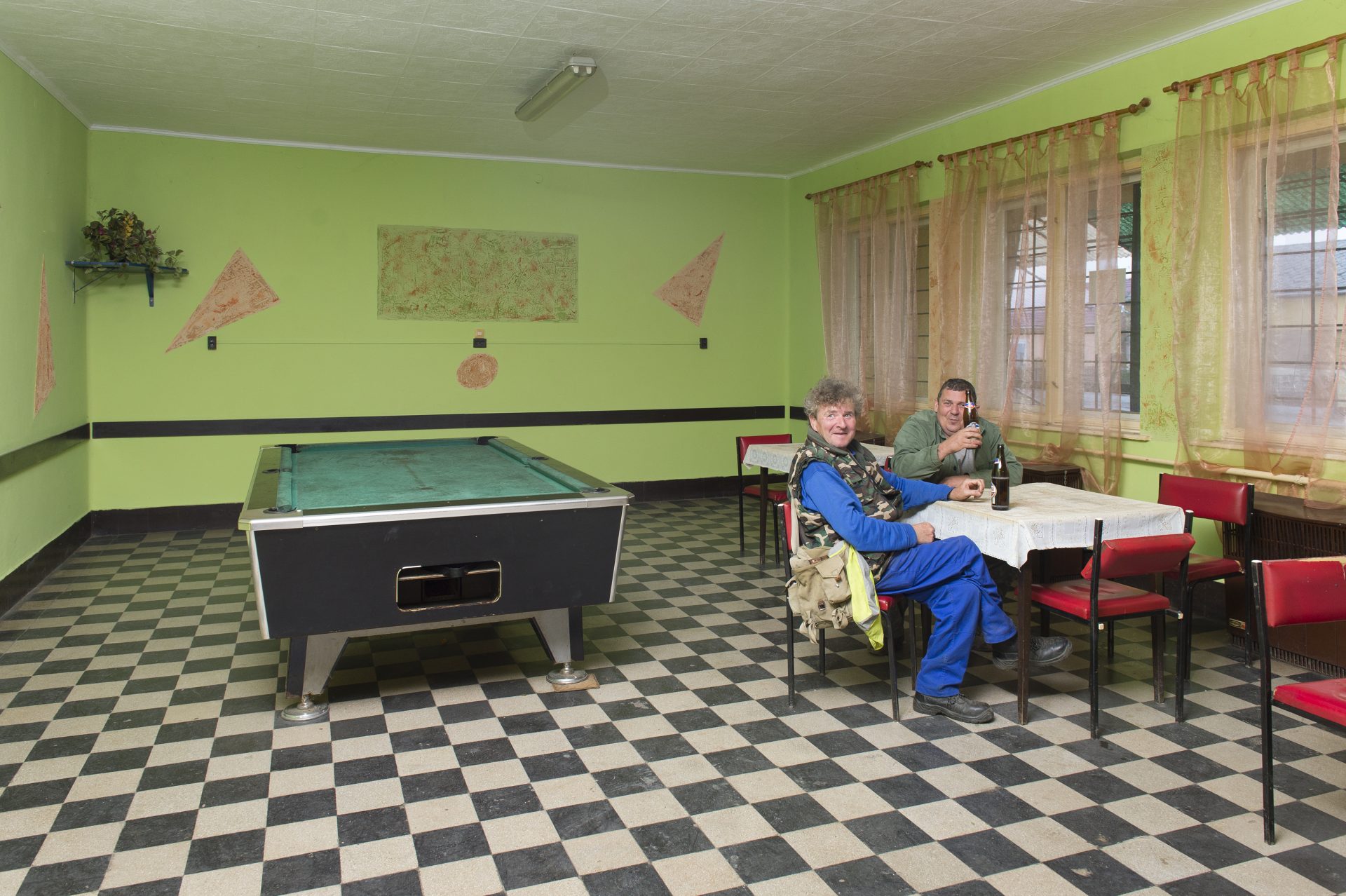
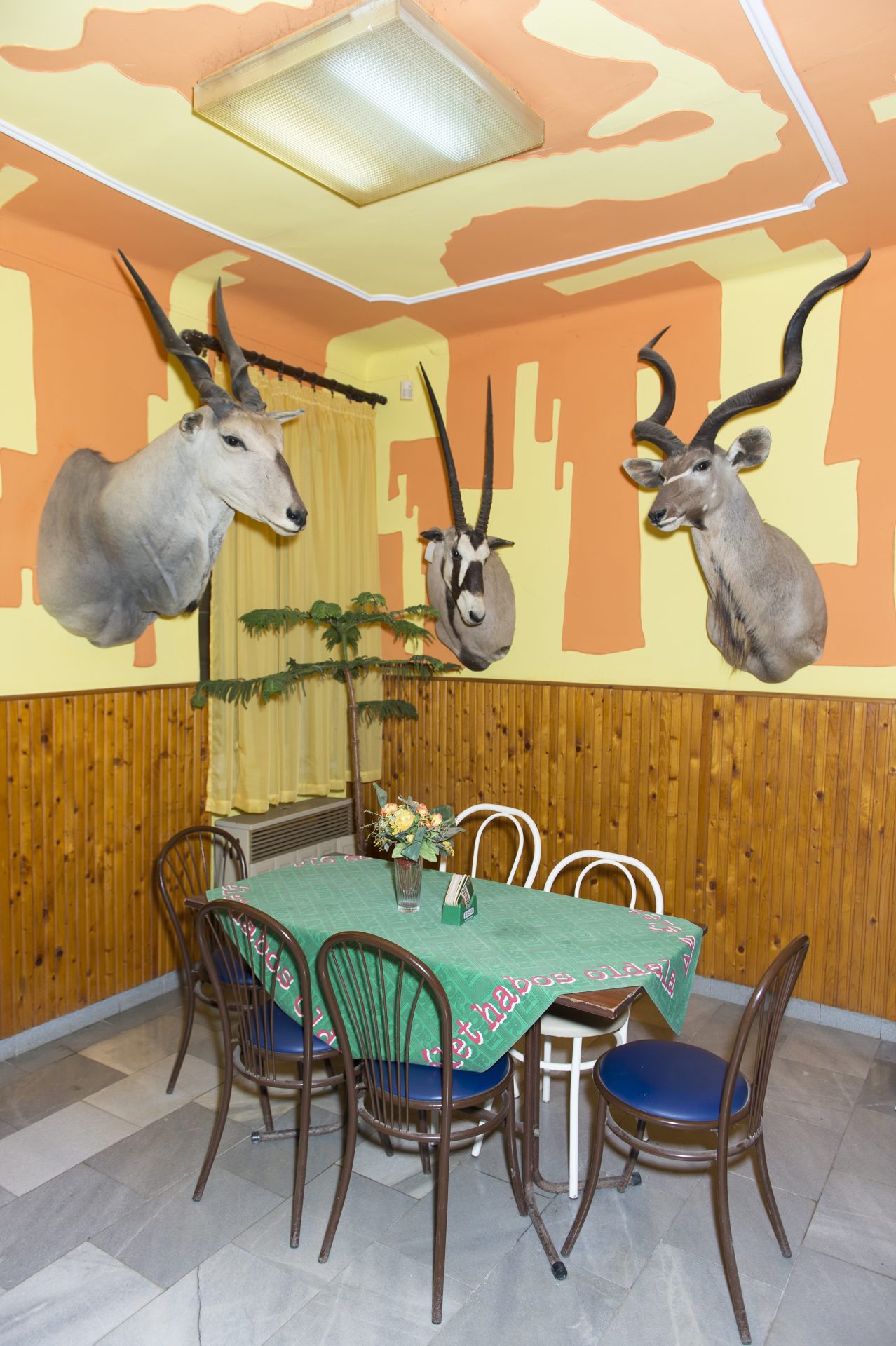
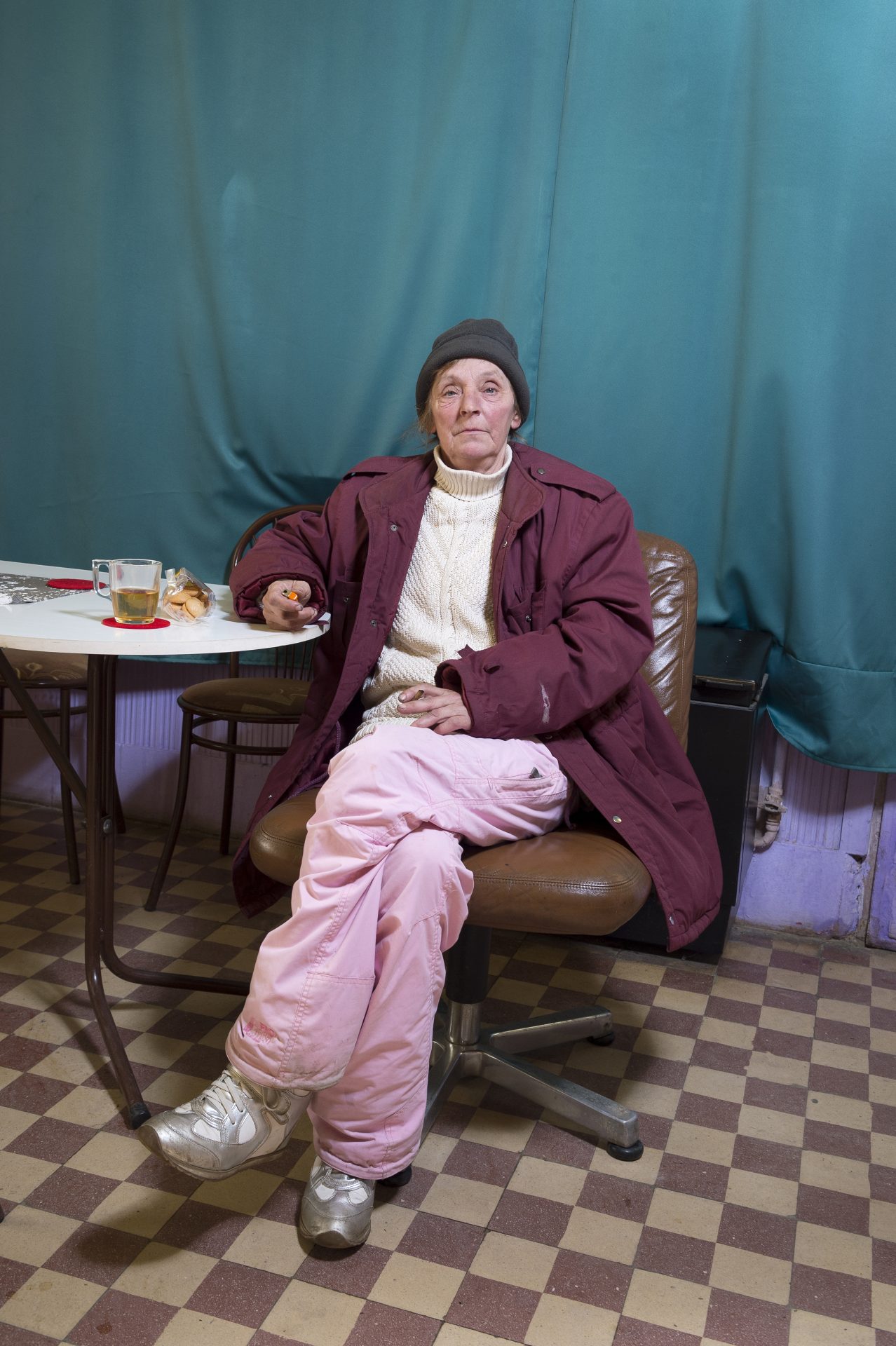
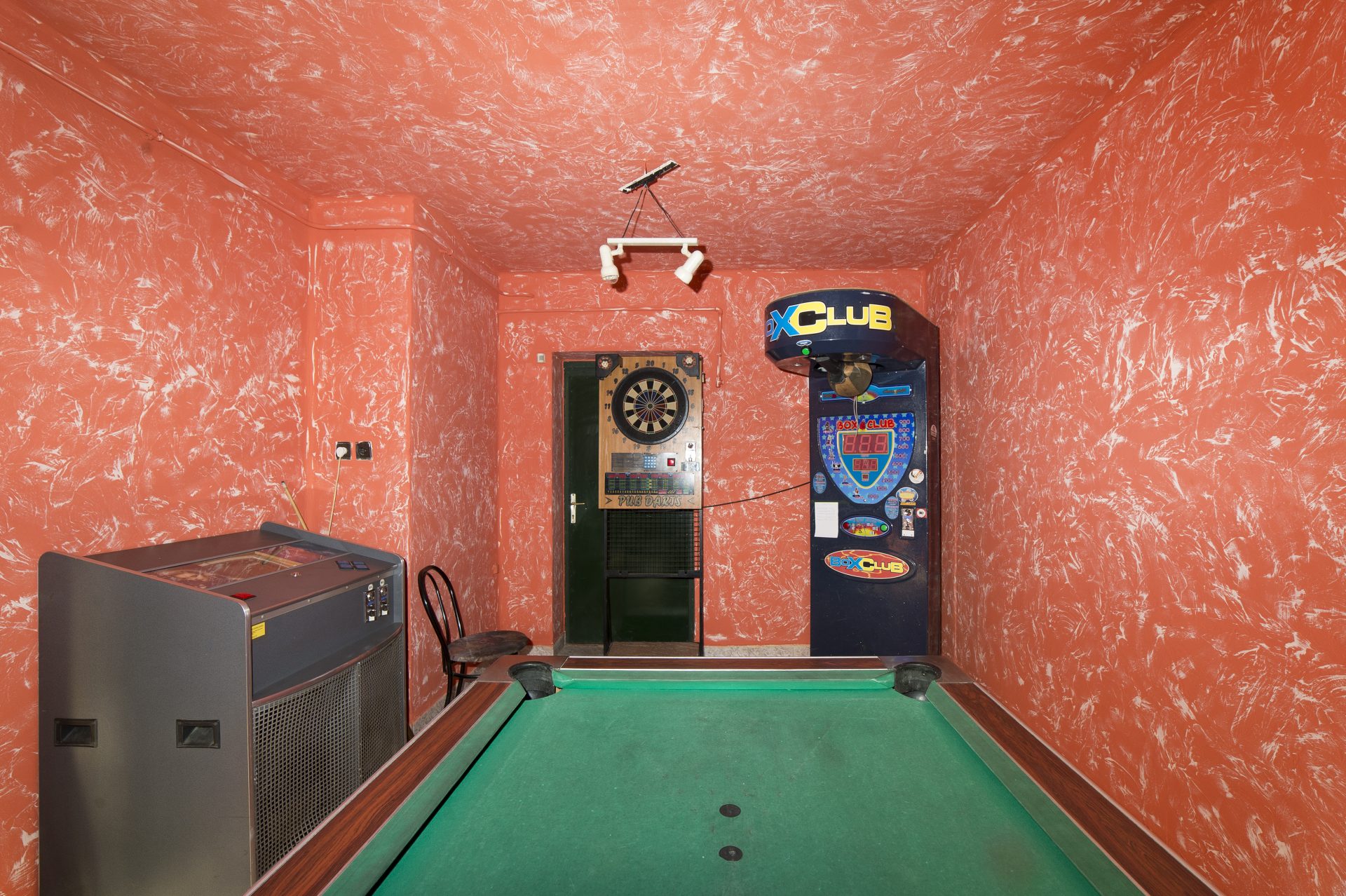
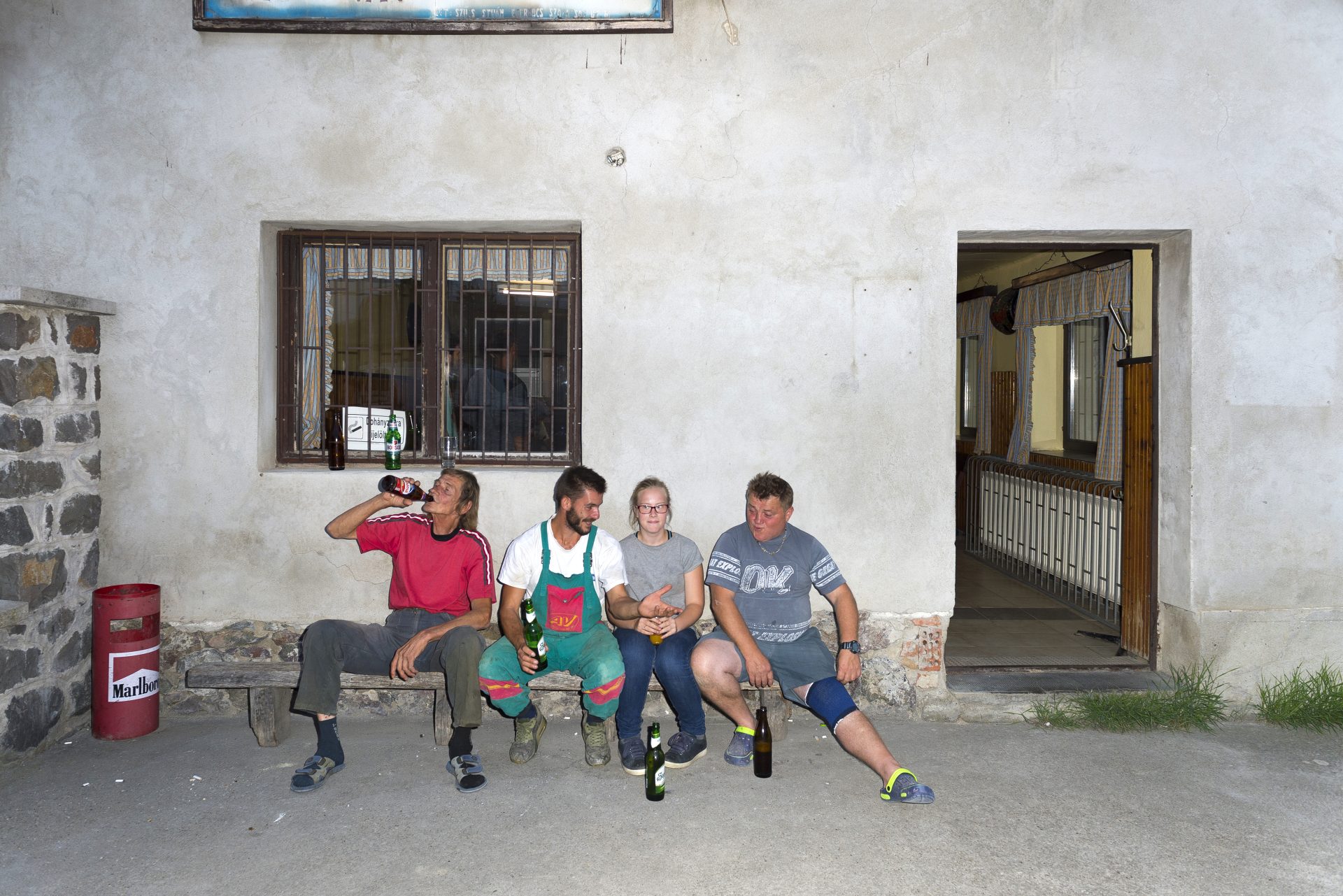
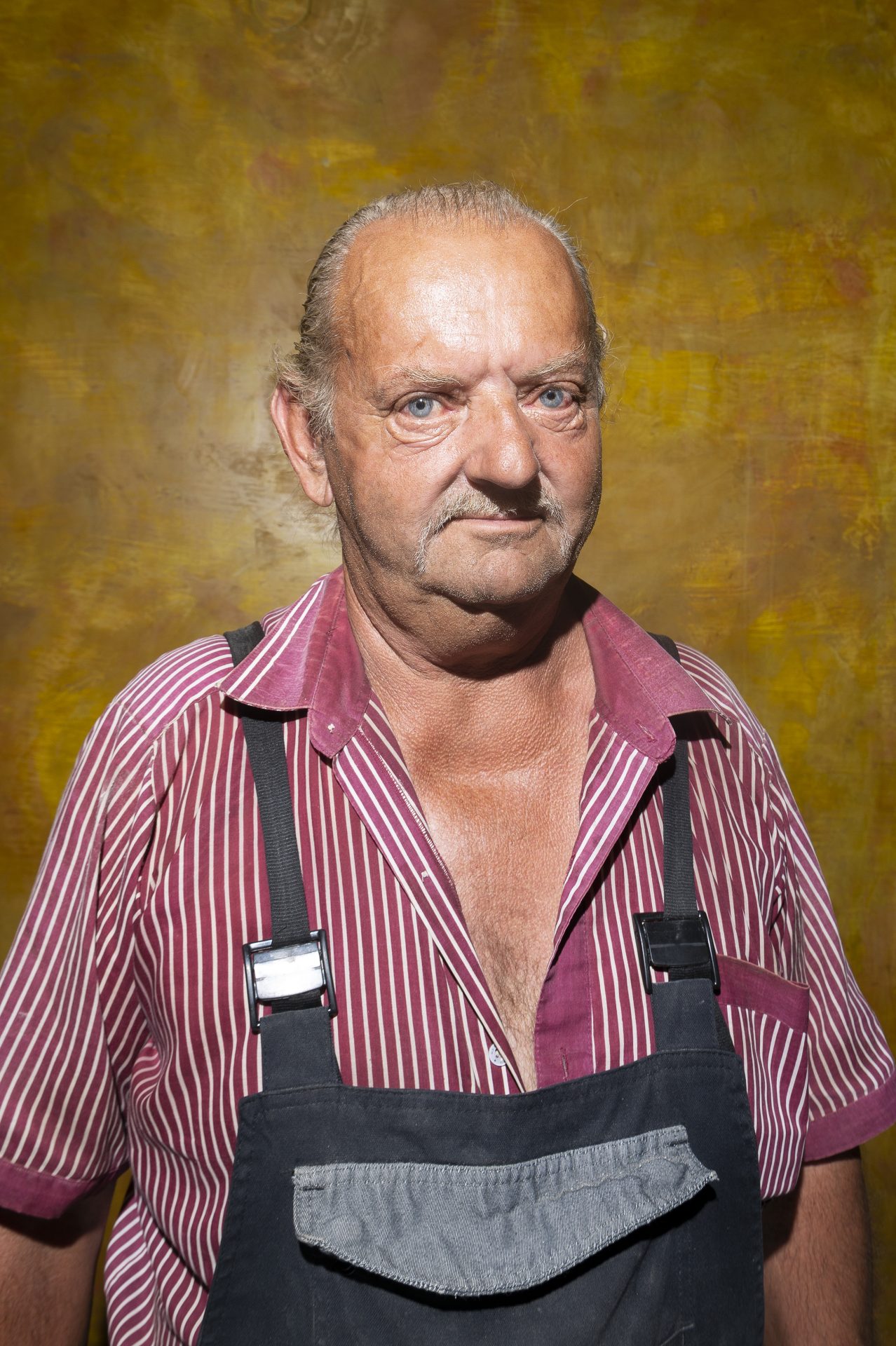
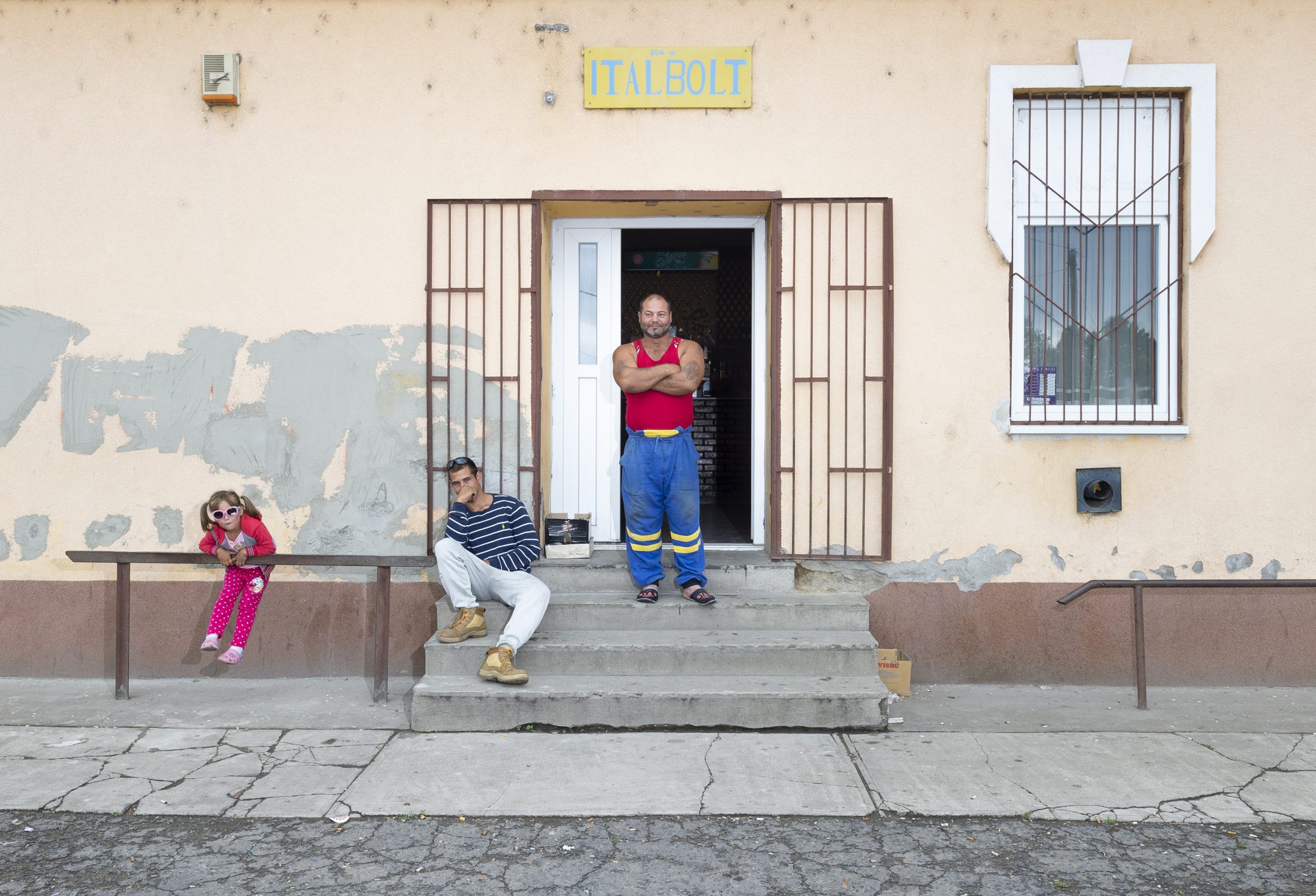
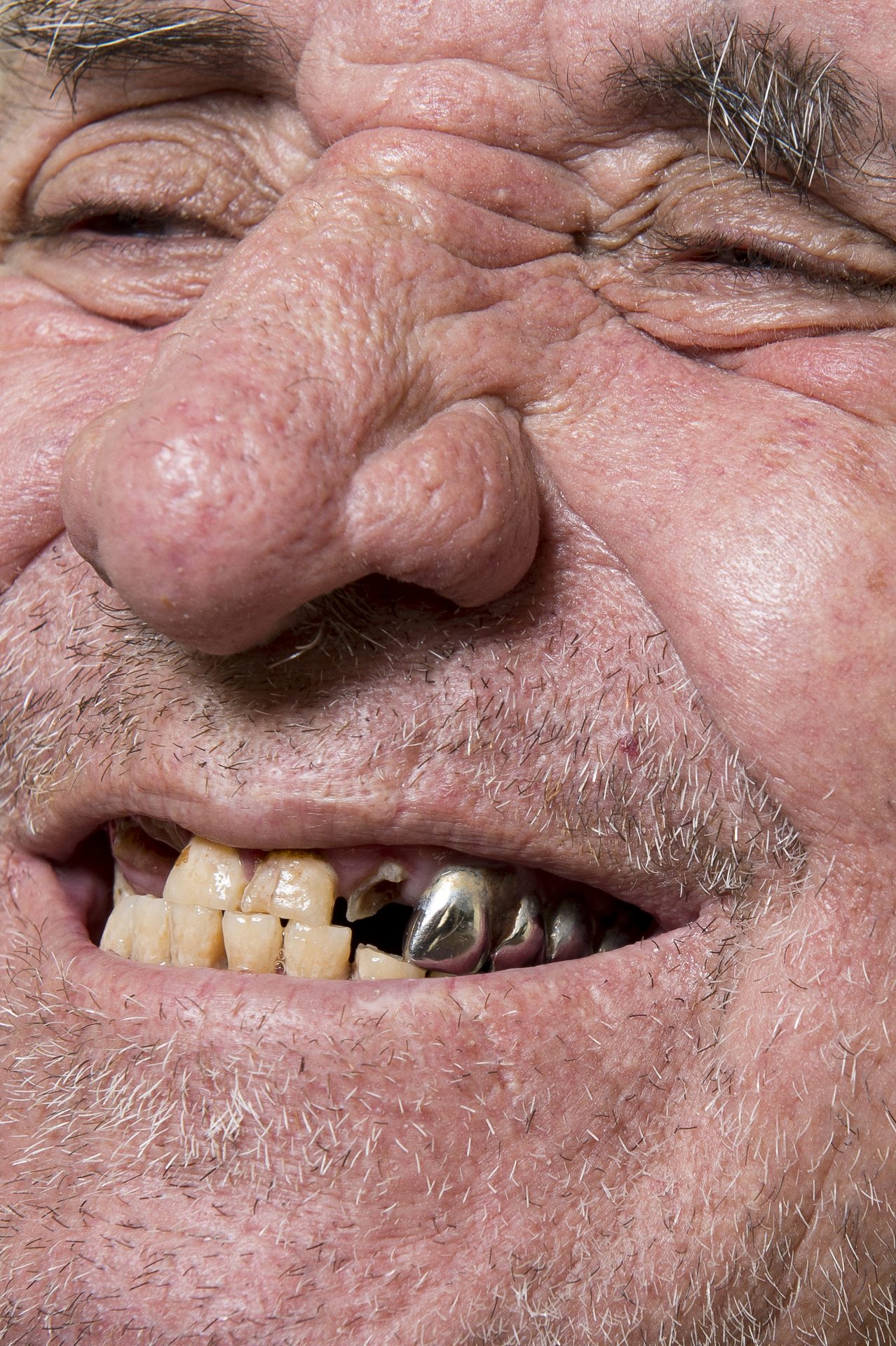
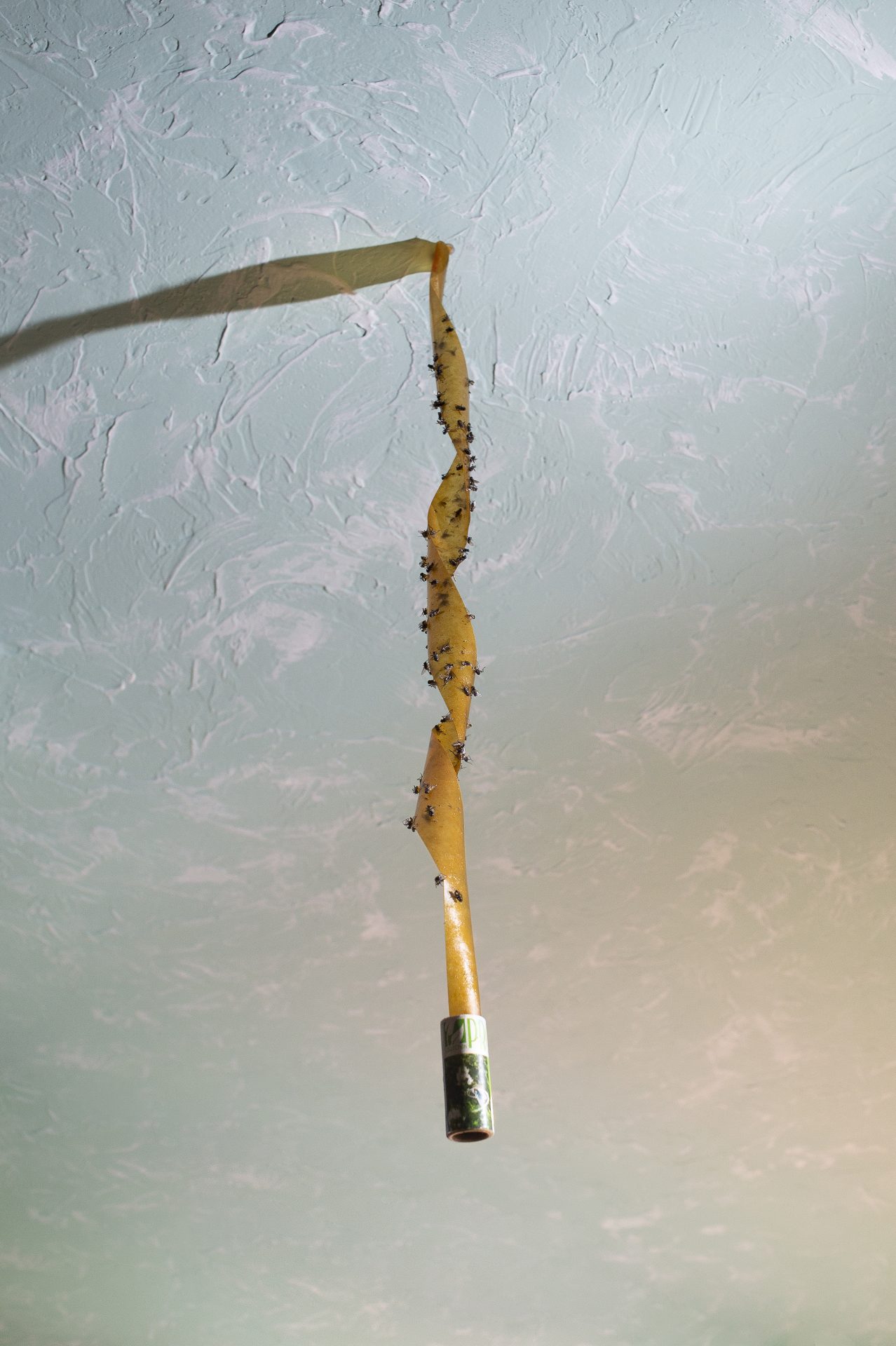
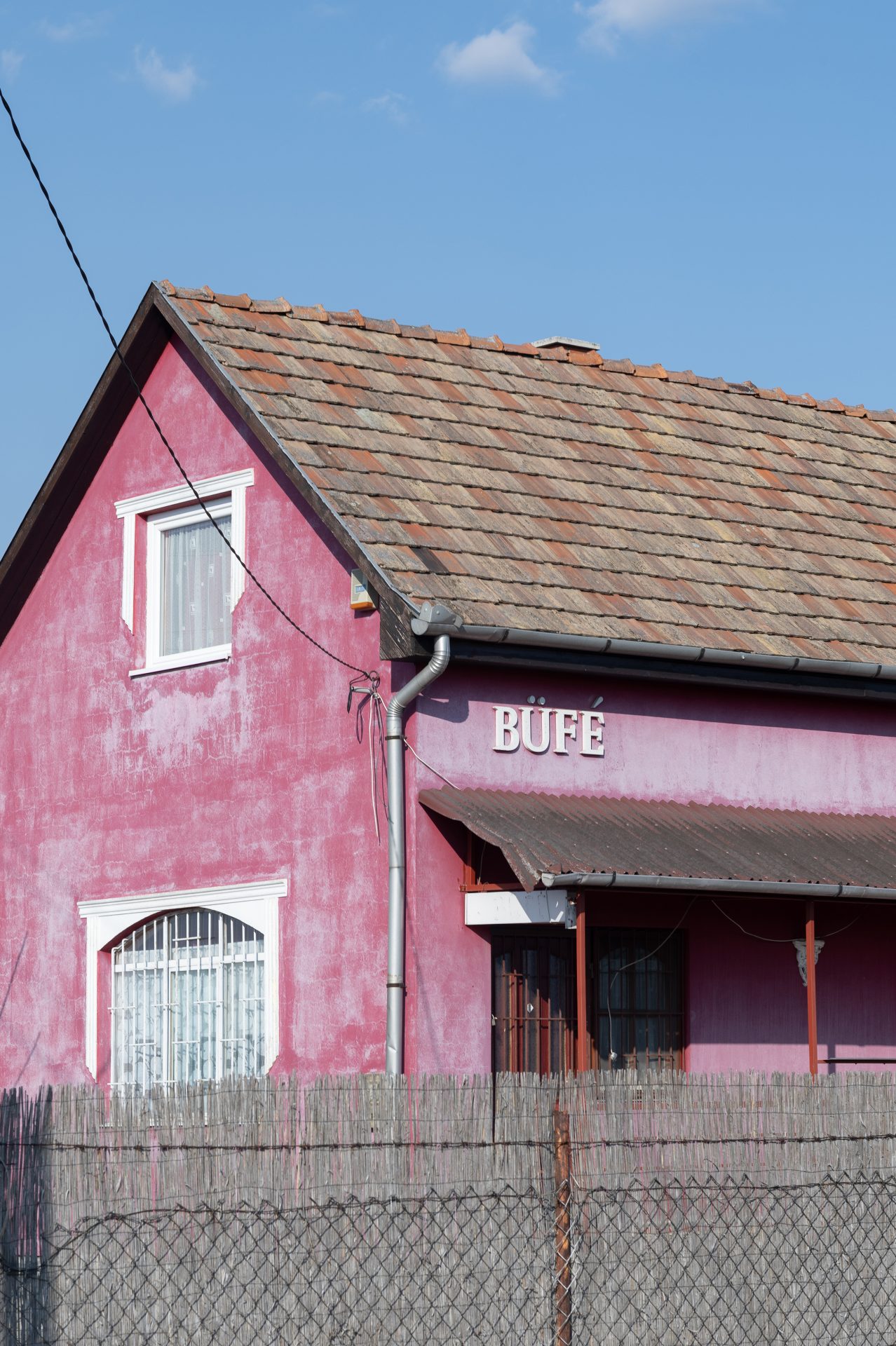
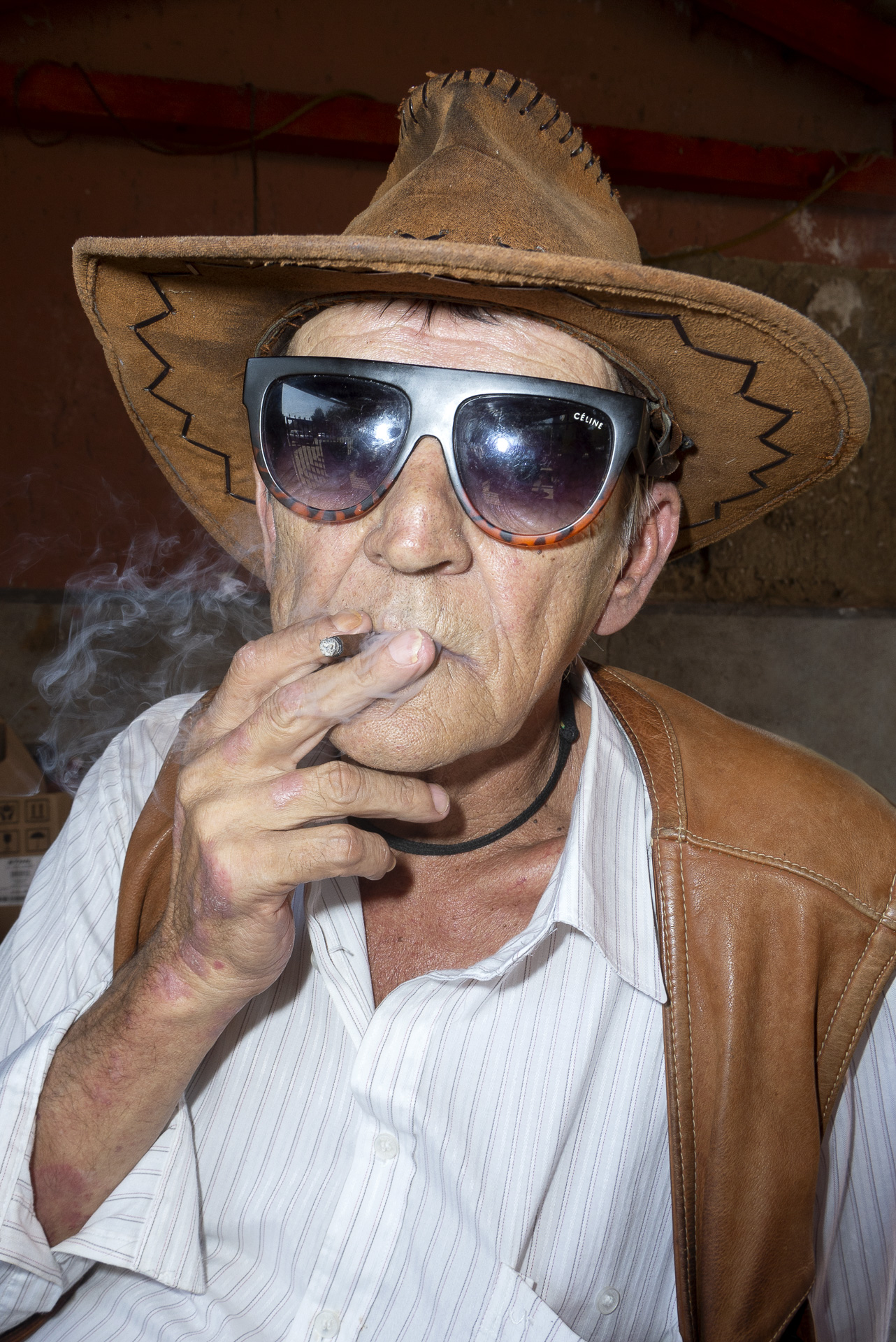
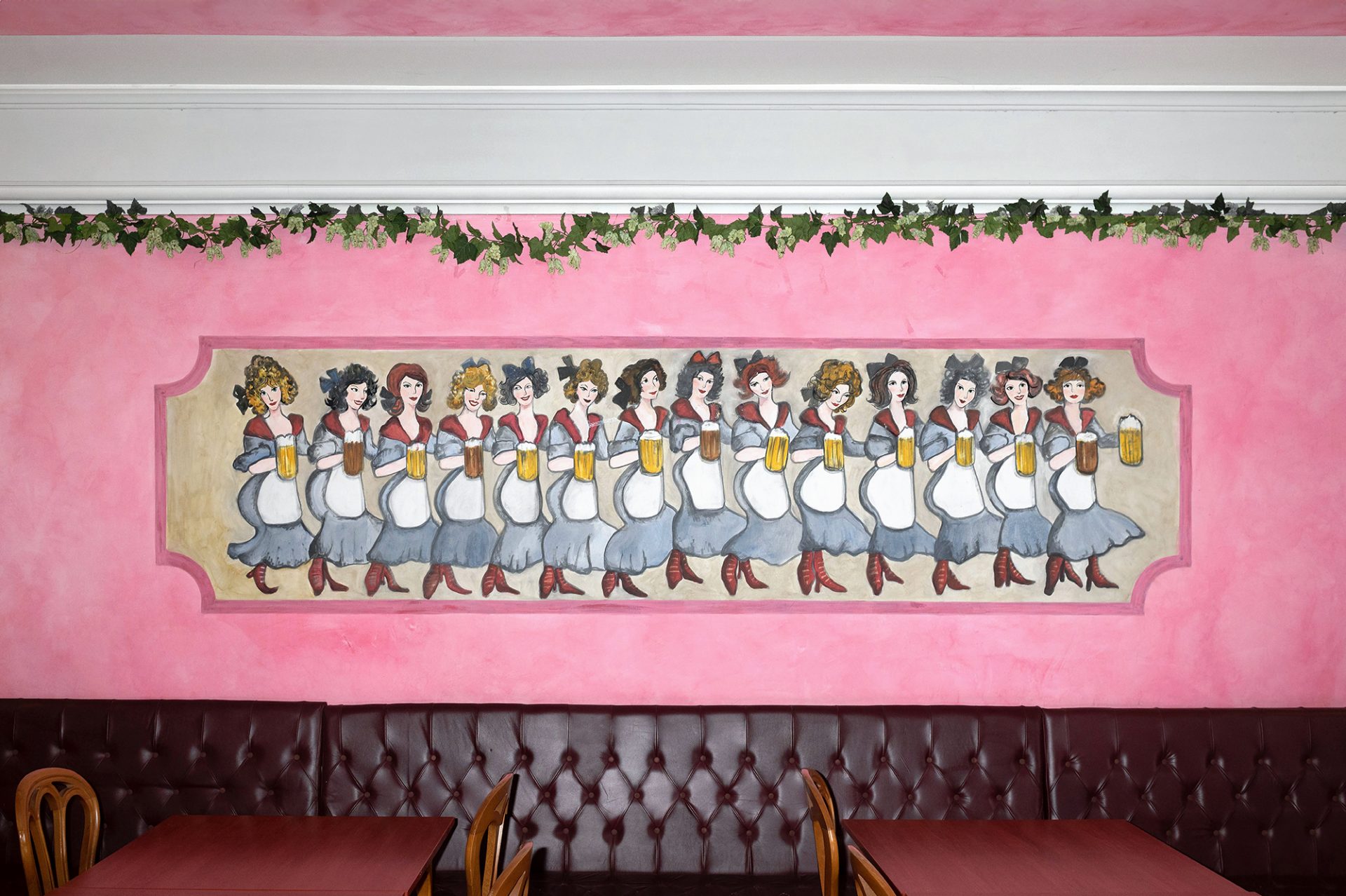
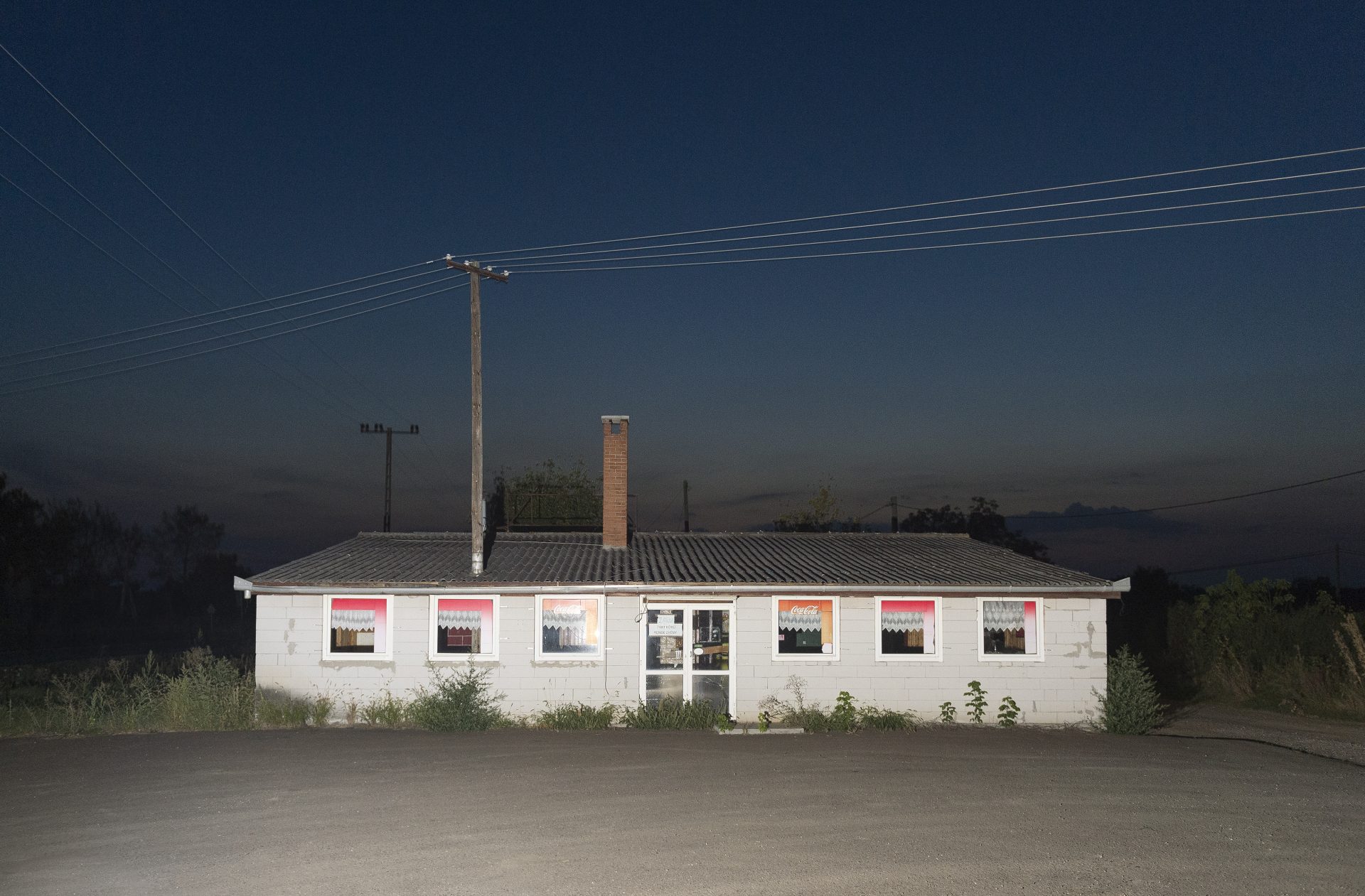
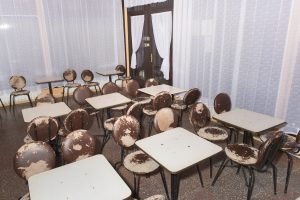
In recent years, numerous rural pubs in Hungary have permanently closed or been transformed according to local demands, often stripped entirely of their original function. In my photographic series No Credit, I have so far visited and photographed the still-operating pubs of settlements with fewer than 3,000 inhabitants in Heves County, based on subjective criteria. The project began from a personal connection. I was born and raised in the county, so the chosen region is one of the primary social and visual reference points of my own experience. I approached rural pubs as motifs through which the current social condition of the Hungarian countryside, as well as the everyday reality of marginalized social groups living on its periphery, could become visible.
Within the framework of the Capa Grand Prize, I would like to expand and realize this work in its final form. In the next phase, I plan to map pubs beyond Heves County, focusing on disadvantaged, peripheral, and semi-peripheral regions across Hungary, with particular attention to areas where social decline, migration, unemployment, and the disintegration of community structures are especially present. I still consider the pub as a starting point, but my aim is to create a more complex visual body of work that goes beyond simply documenting these locations. In this context, pubs function as communal nodes. Places where local isolation, generational shifts, economic decline, and questions of cultural identity become visible at once. For this reason, I do not only photograph pub interiors or their guests, but also the broader environments connected to them.
HOUSES BUILT ON SAND
Viktor Váradi
VIKTOR VÁRADI
photographer, teacher of photography
CONTACT
Telefon: +36-70-382-53-94
Email: varadi.viktor@gmail.com
Address: Ferenc Street 11, Door 16, 1184 Budapest, Hungary 16. .
Date of birth: 06 October 1979
Website: varadiviktor.com
Instagram: https://www.instagram.com/varadi.viktor/
----------------------------------------
WORK EXPERIENCE
2022–Present
Part-time Teacher – Budapest Metropolitan University
2020–Present
Head of Photography Department – SZAMALK Salesian Technical School and Vocational High School
2008–Present
Freelance Photographer
2015–2020
Teacher – SZAMALK Salesian Technical School and Vocational High School
2014
Trainee Teacher – Obuda Vocational School of Fine Arts, Budapest
2013–2015
Part-time Teacher – Eventus Business and Arts High School, Eger
2012
Course Leader (Event Photography) – Keppont Photoschool, Budapest
2009–2011
Course Leader (Event Photography) – Fotografus.hu Foundation Photoschool, Budapest
2009–2010
Administrator – Fotopost.hu online photography magazine
2003–2008
IT Specialist – Municipality of Kiskunhalas
----------------------------------------
EDUCATION
2011–2013
MA in Photography – Moholy-Nagy University of Art and Design, Budapest
2005–2007
Fotografus.hu Foundation Photoschool, Budapest
1998–2001
Programmer-Mathematician – University of Szeged
----------------------------------------
SOLO EXHIBITIONS
2024
ARANYHOMOK / GOLDEN SAND – Foton Gallery, Budapest
2021
ELŐHÍVÁS / DEVELOPMENT – TOBE Gallery, Budapest
----------------------------------------
GROUP EXHIBITIONS (SELECTED)
2025
OFF Bratislava – OFF Libris section, Bratislava, Slovakia
2024
Kert/Kertesz XXIII Biennale of Photography –
Esztergom, Budapest
2024
PRO FORMA – Kiscelli Museum, Budapest
2016
SELF-MAPPING – Faur Zsofi Gallery, Budapest
2014
UBIK – Casati Art Corner Gallery, Budapest
2014 Le cocon familial – Institut Balassi, Paris
2013
MOME Diploma – Ponton Gallery, Budapest
2013
Interni Familiari – Art Factory, Catania, Italy
2012
Jozsef Pecsi Grant Exhibition – Mai Mano House, Budapest
2011
Photo Biennale – Dunaujvaros
2010
Homo Ludens – Esztergom Biennale
2010
Cloud Factory – Mai Mano House, Budapest
2010
Foretaste – Hungarian Cultural Centre, Prague
2009
From Dusk till Dawn – Holdudvar Gallery, Budapest
2009
Refresh / Image Error – ArtBazis, Budapest
2009
Photo Biennale – Dunaujvaros
2007
Chachipe – Centralis Gallery, Budapest
2007
Photo Biennale – Dunaujvaros
----------------------------------------
AWARDS
2024–2027
Scholarship – Hungarian Academy of Arts
2010–2011
Jozsef Pecsi Fine Art Photography Grant
2010
MAOE Prize – Esztergom Biennale
2007
Scholarship – Fotografus.hu Foundation Photoschool
----------------------------------------
MEMBERSHIPS
2023–Present
Association of Hungarian Photographers
2009–2015
Studio of Young Photographers (FFS)
----------------------------------------
LANGUAGES
Hungarian – Native
English – Intermediate
----------------------------------------
BIOGRAPHY / PUBLICATIONS
2024
Index.hu feature article:
https://index.hu/nagykep/2024/05/04/aranyhomok-homok-sivatag-csengod-varadi-viktor-klimavaltozas/
https://index.hu/nagykep/2024/05/04/aranyhomok-homok-sivatag-csengod-varadi-viktor-klimavaltozas/
2024
ARANYHOMOK / GOLDEN SAND (photobook)
https://www.youtube.com/watch?v=SUNqeZyEMdA
https://www.youtube.com/watch?v=SUNqeZyEMdA
2023
Spotlight on new members:
https://punkt.hu/2023/06/17/fokuszban-az-mfsz-uj-tagjai-varadi-viktor/
https://punkt.hu/2023/06/17/fokuszban-az-mfsz-uj-tagjai-varadi-viktor/
2022
Covid Diary 20–22 (photobook)
https://www.youtube.com/watch?v=lmUjoz-Fhjo
https://www.youtube.com/watch?v=lmUjoz-Fhjo
2021
Pousse Café at TOBE Gallery – Development by Váradi Viktor – Gulyás Miklós
https://www.youtube.com/watch?v=dfQWi4hZmsA
https://www.youtube.com/watch?v=dfQWi4hZmsA
2021
ELŐHÍVÁS / DEVELOPMENT (photobook)
https://www.youtube.com/watch?v=wb2Z4nyec9M
https://www.youtube.com/watch?v=wb2Z4nyec9M
2012
Somogyi Zsófia - INTRODUCING THE RECIPIENTS OF THE JÓZSEF PÉCSI FINE ART PHOTOGRAPHY SCHOLARSHIP - Enikő Hangay, Viktor Váradi:
https://fotomuveszet.net/korabbi_szamok/201204/pecsi_jozsef-osztondijasok_bemutatkozo_kiallitasa
https://fotomuveszet.net/korabbi_szamok/201204/pecsi_jozsef-osztondijasok_bemutatkozo_kiallitasa
2012
Catalog of the József Pécsi Fine Art Photography Grant
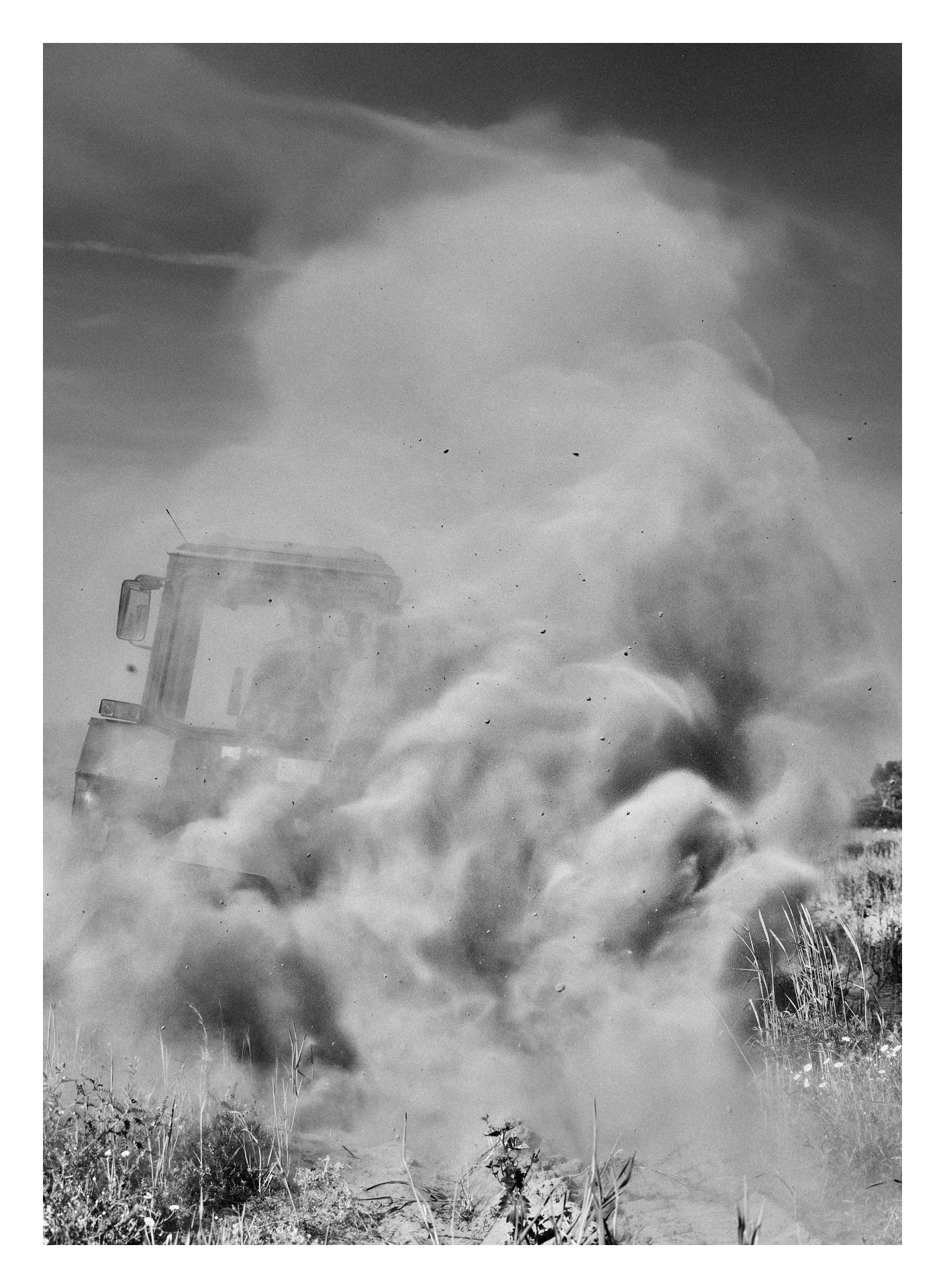
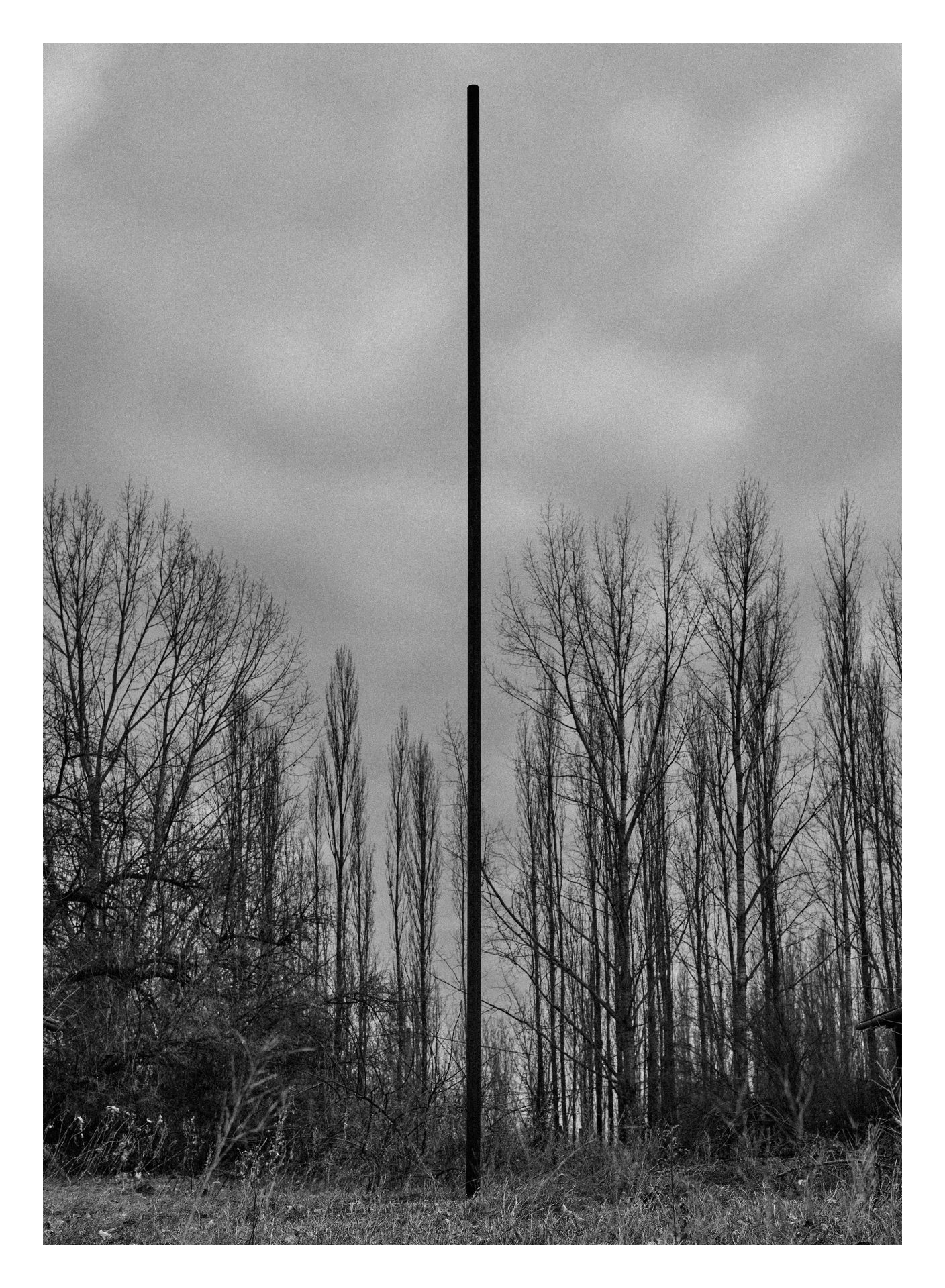
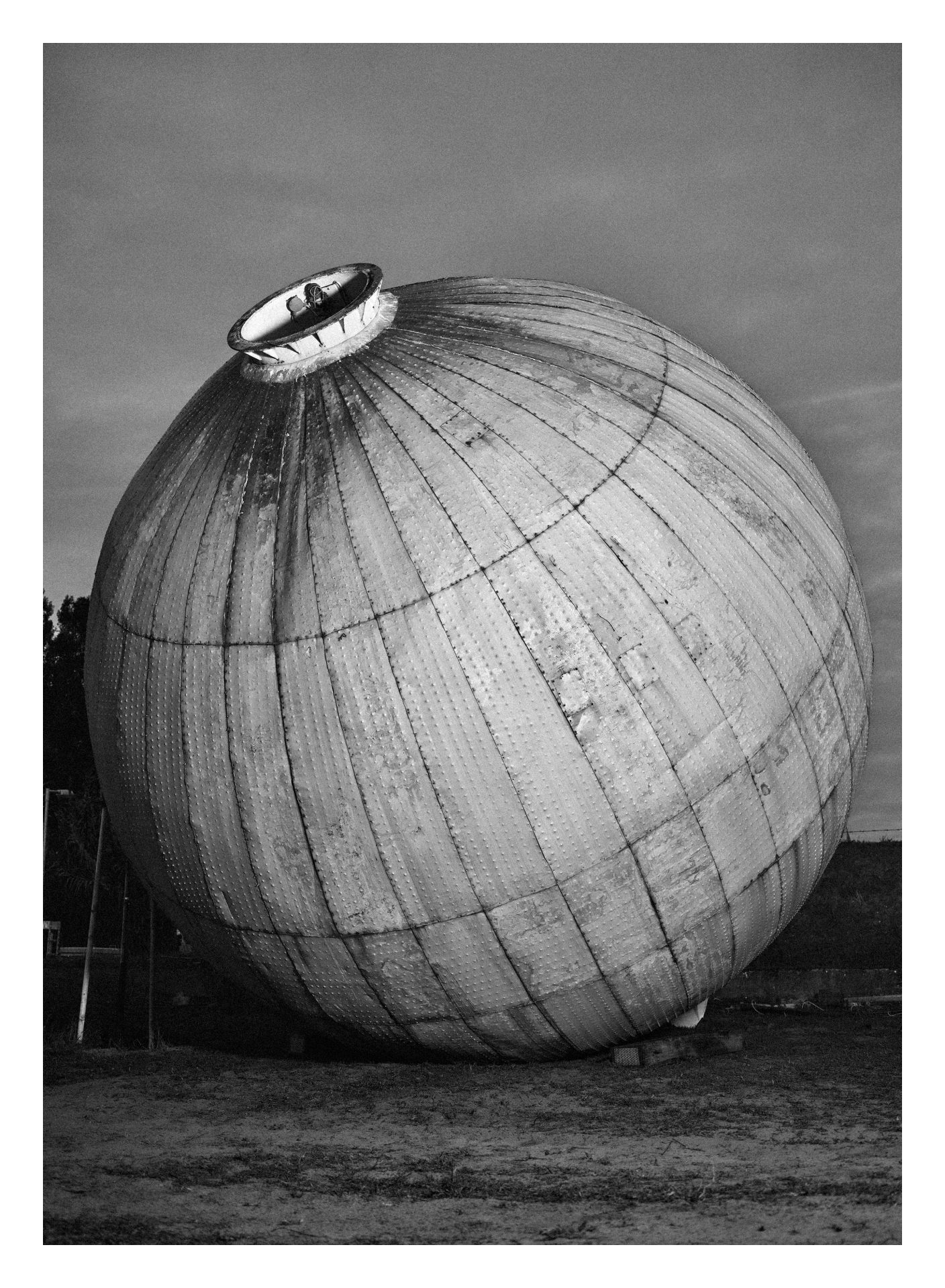
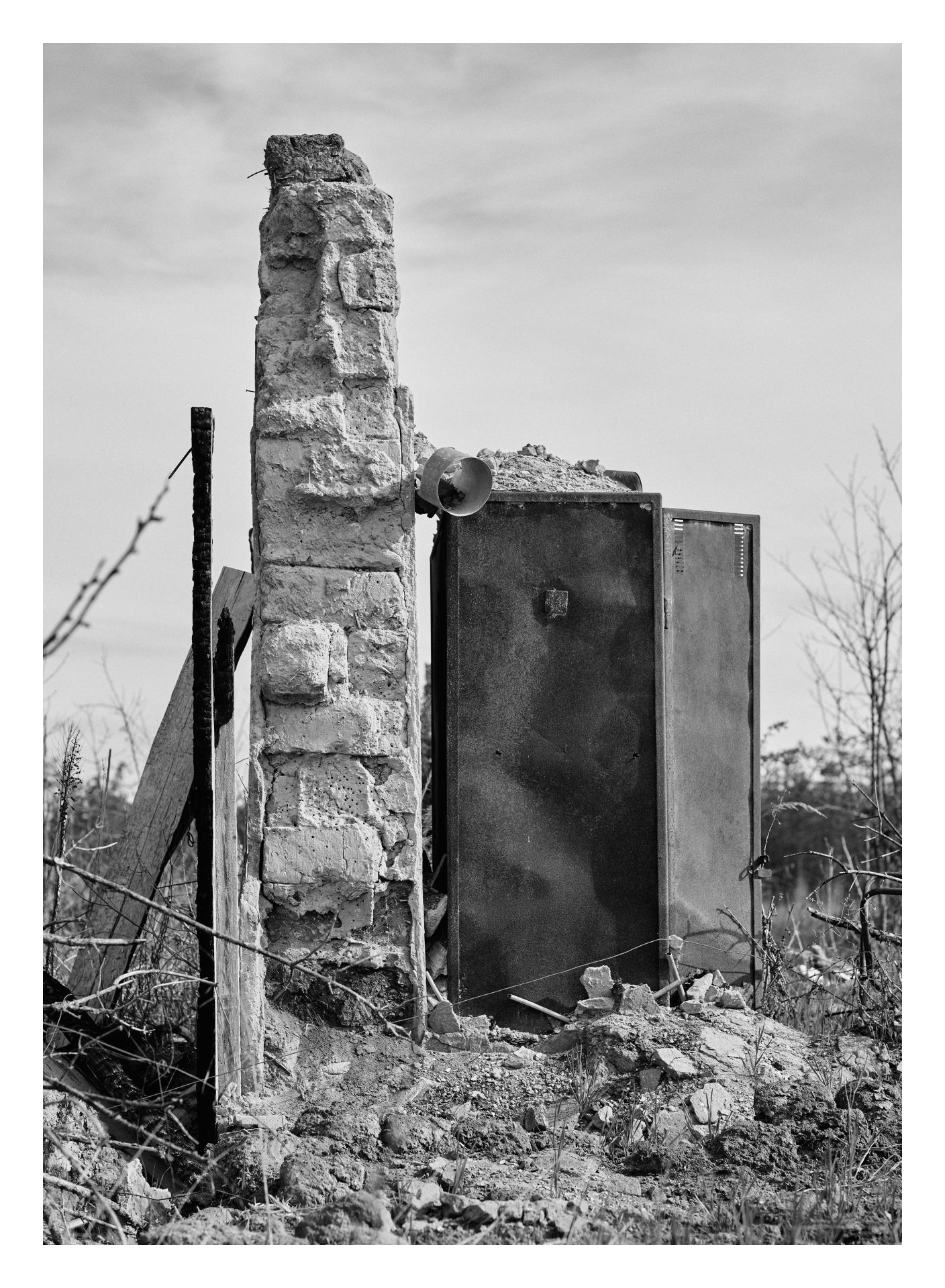
Between 2022 and 2024, with support from the National Cultural Fund, I began working on my project titled GOLDEN SAND, which explores the world of the Great Hungarian Plain and the Homokhátság region—my homeland in the narrower sense—with a particular focus on the challenges of the climate crisis, all viewed through a personal perspective.
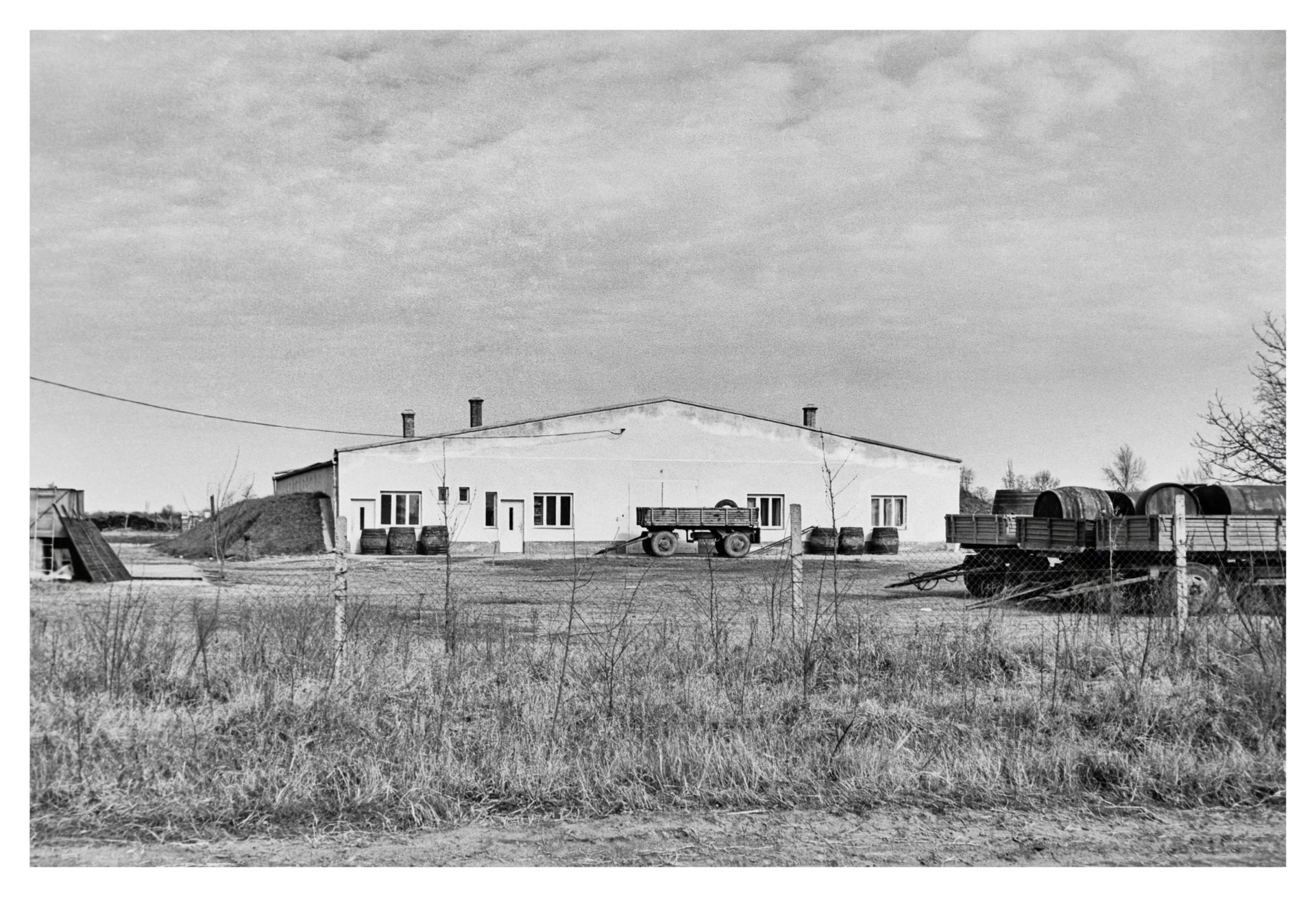
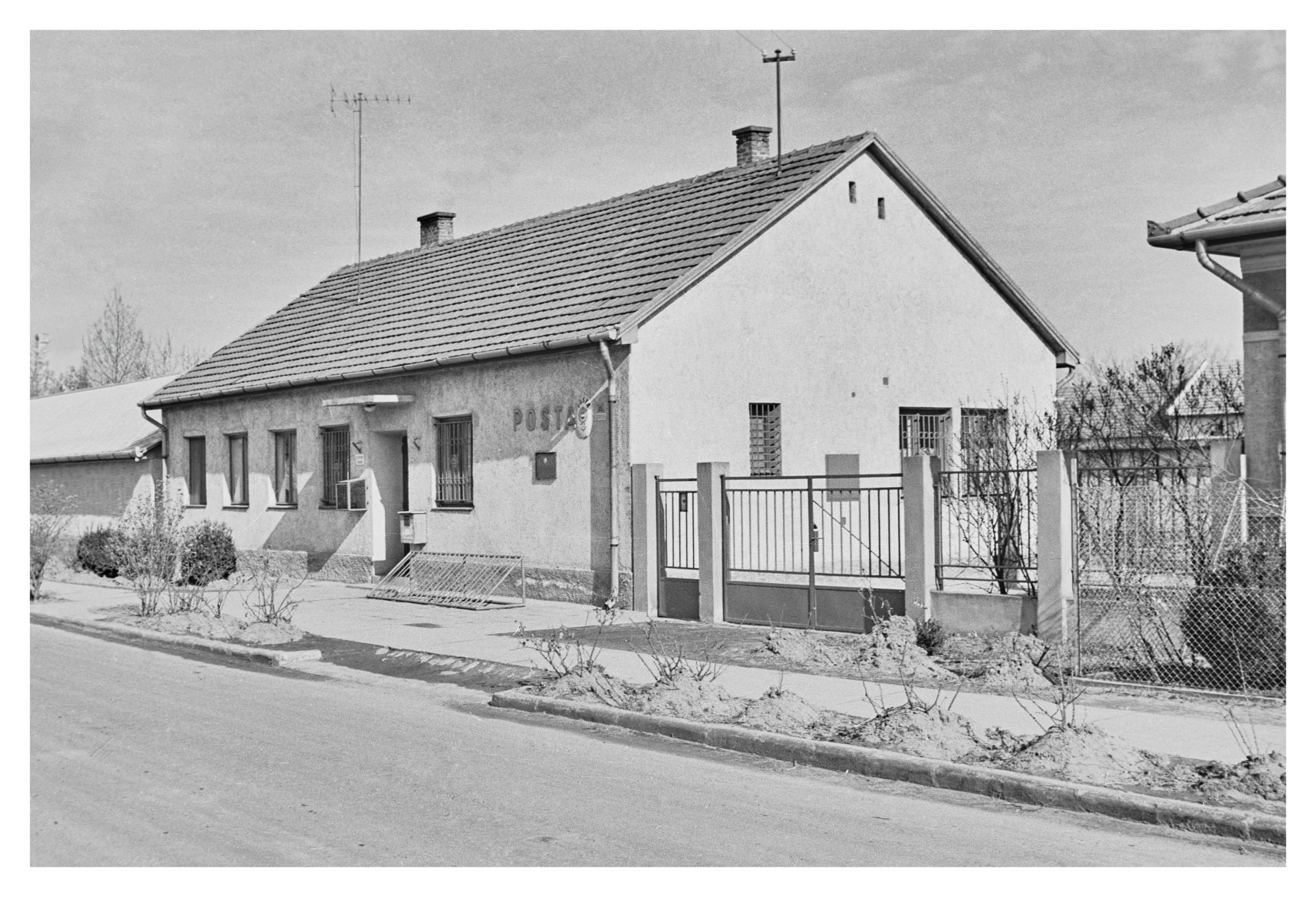
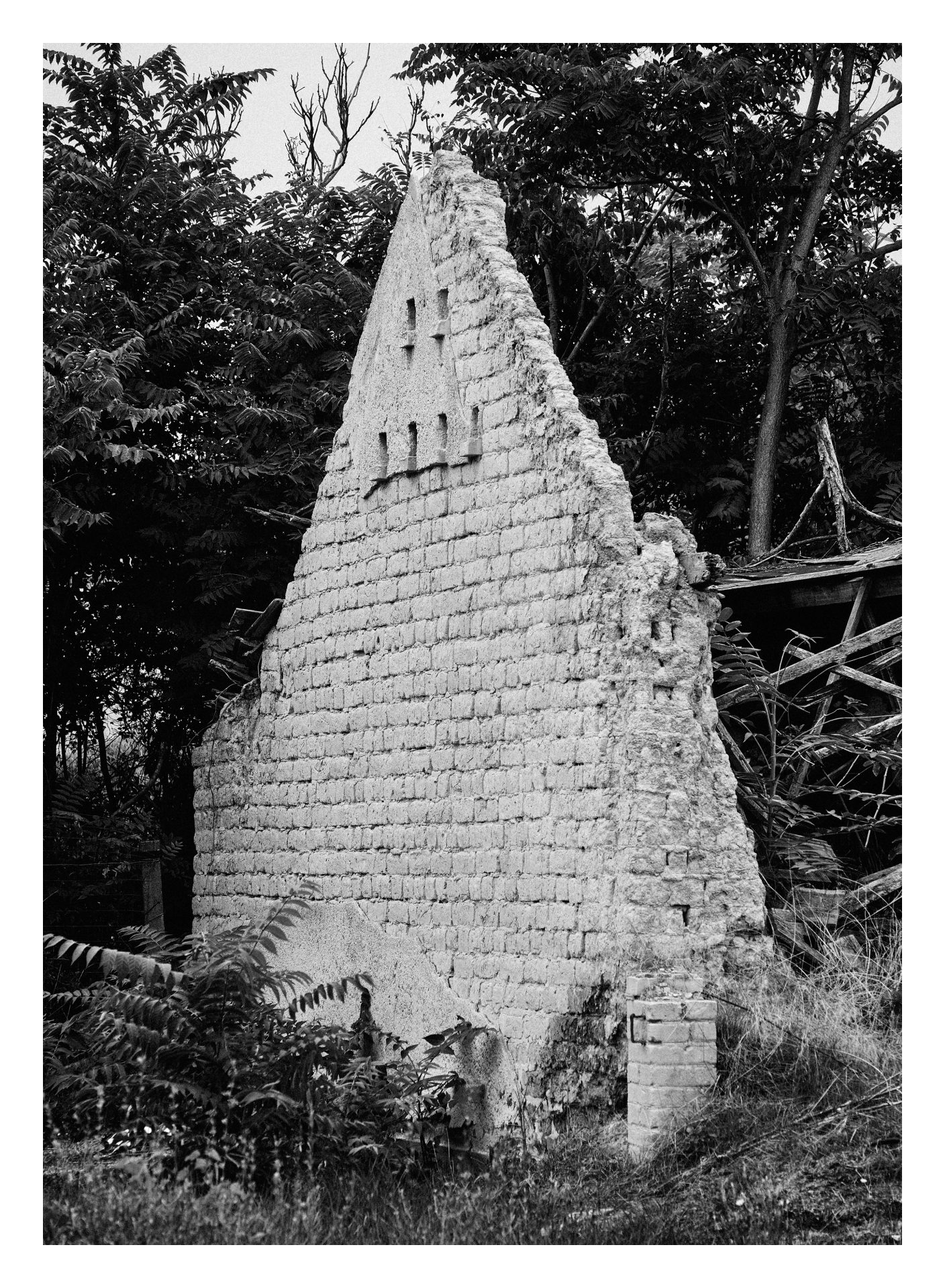
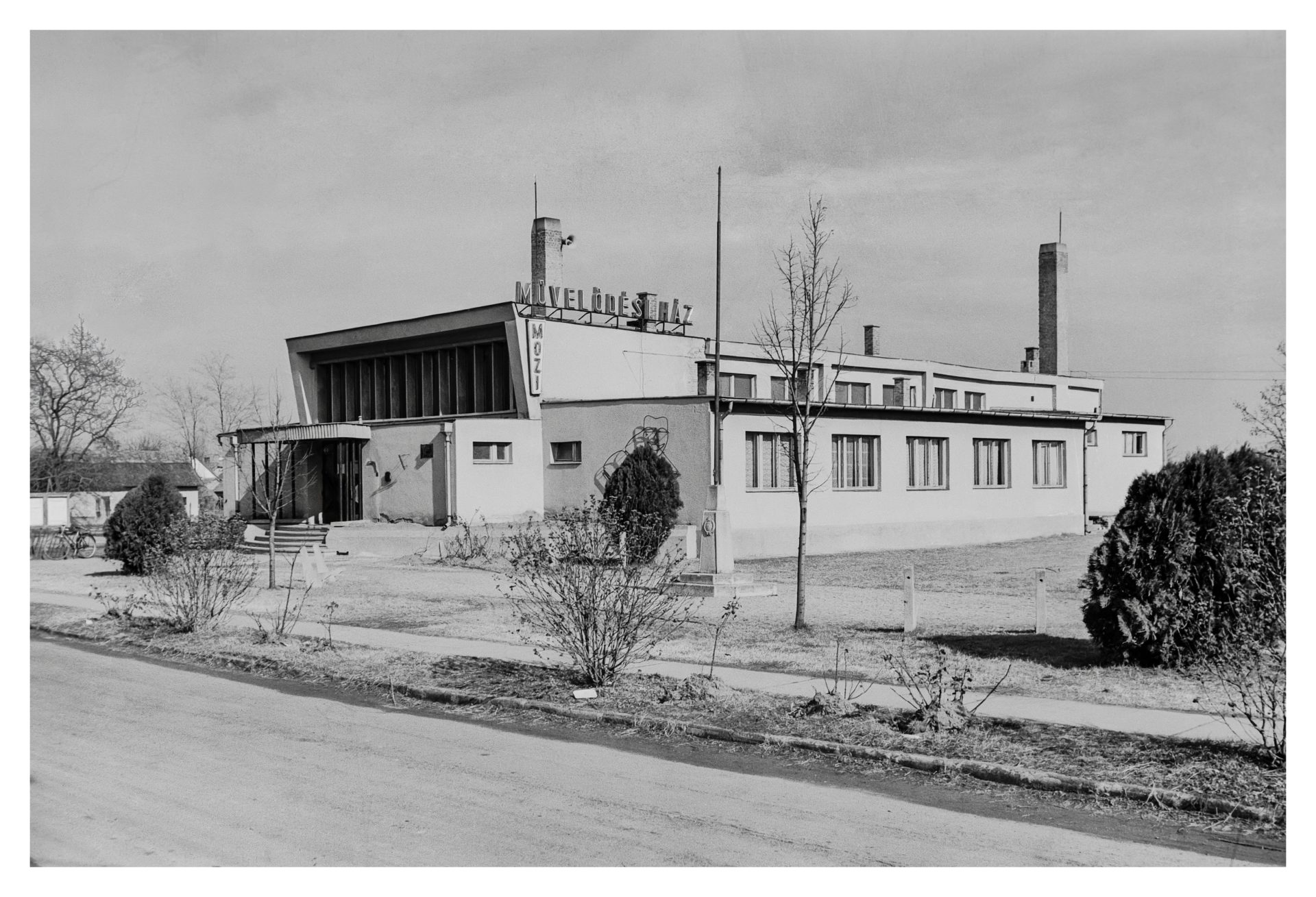
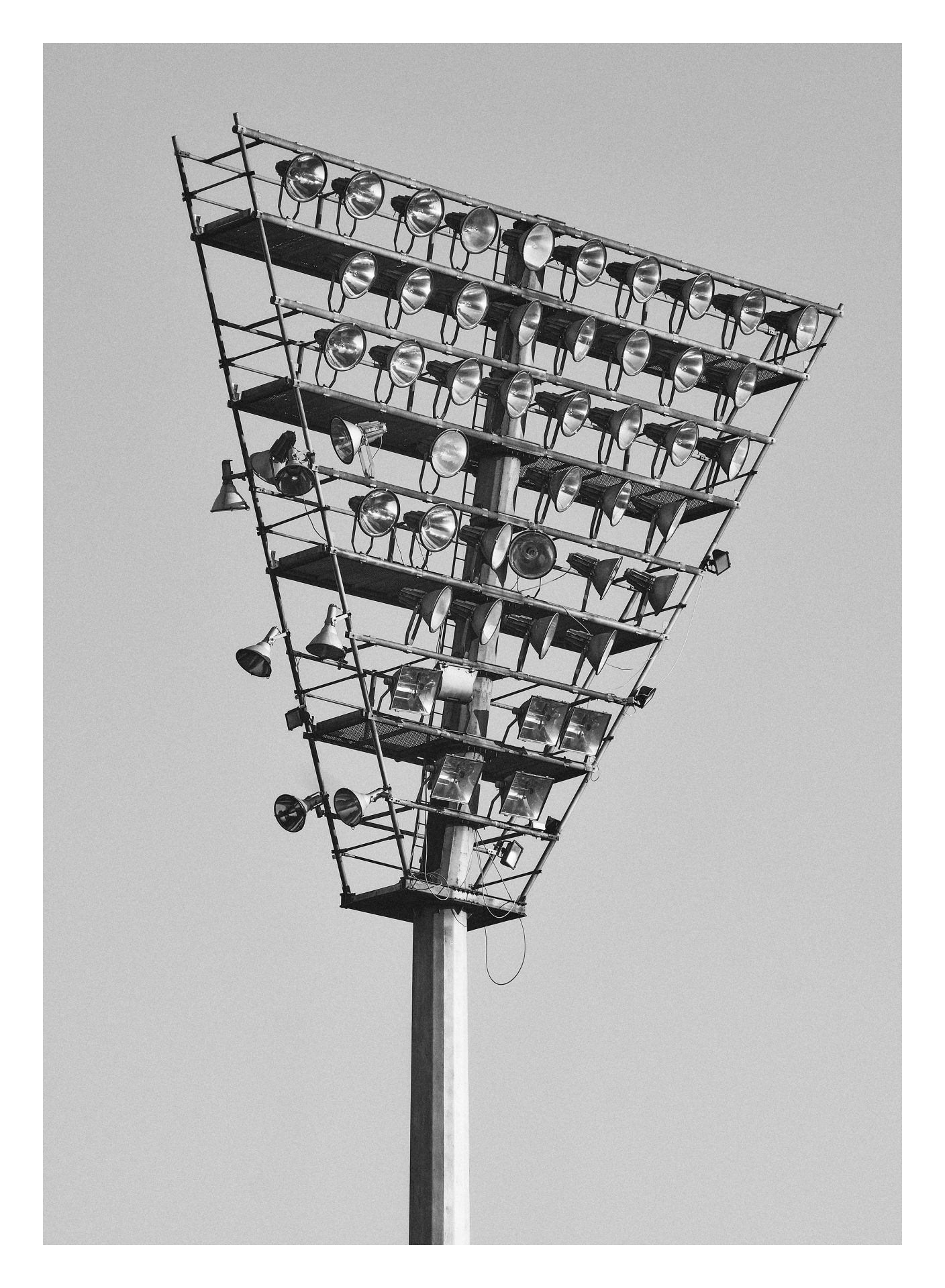
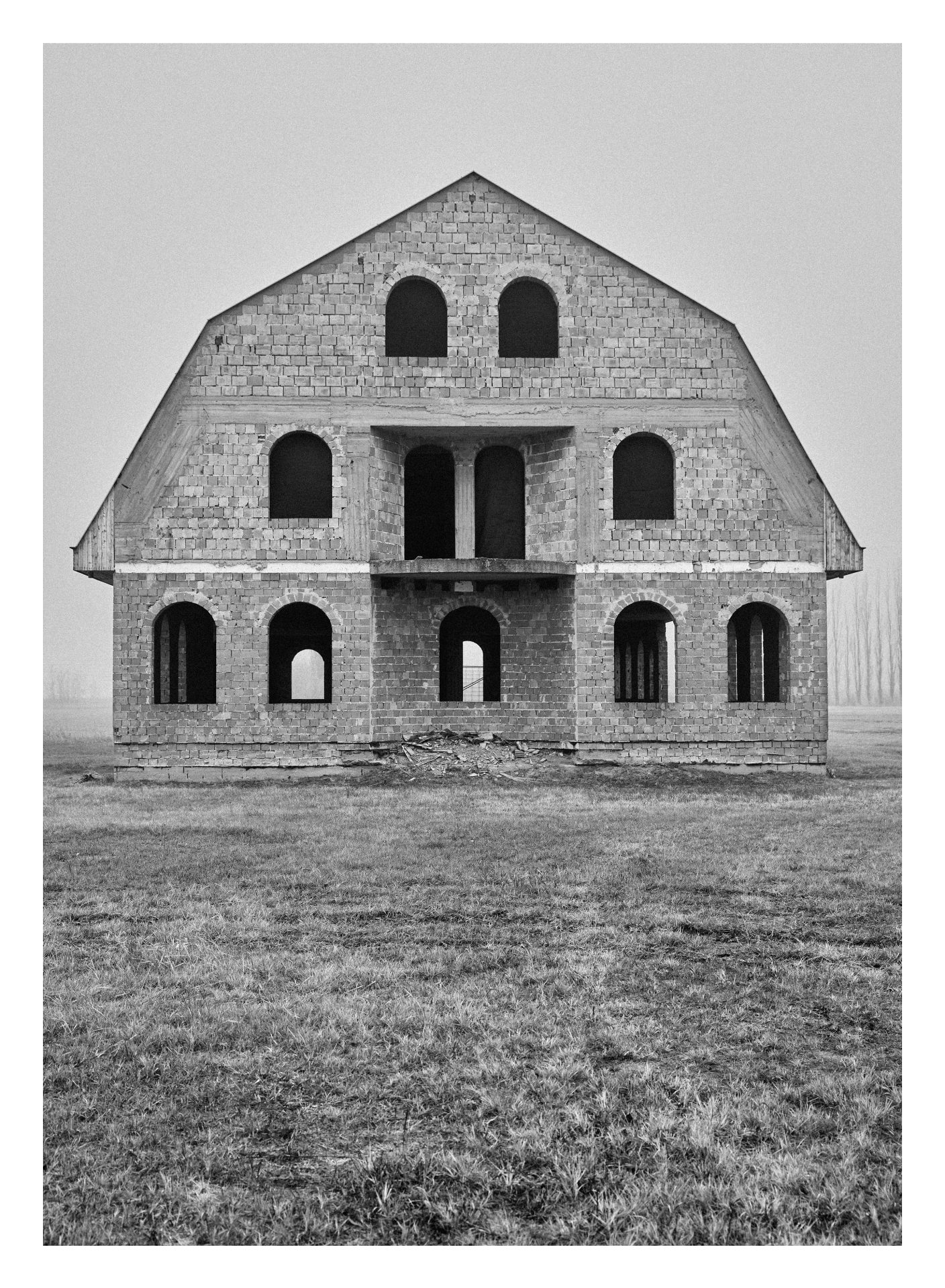
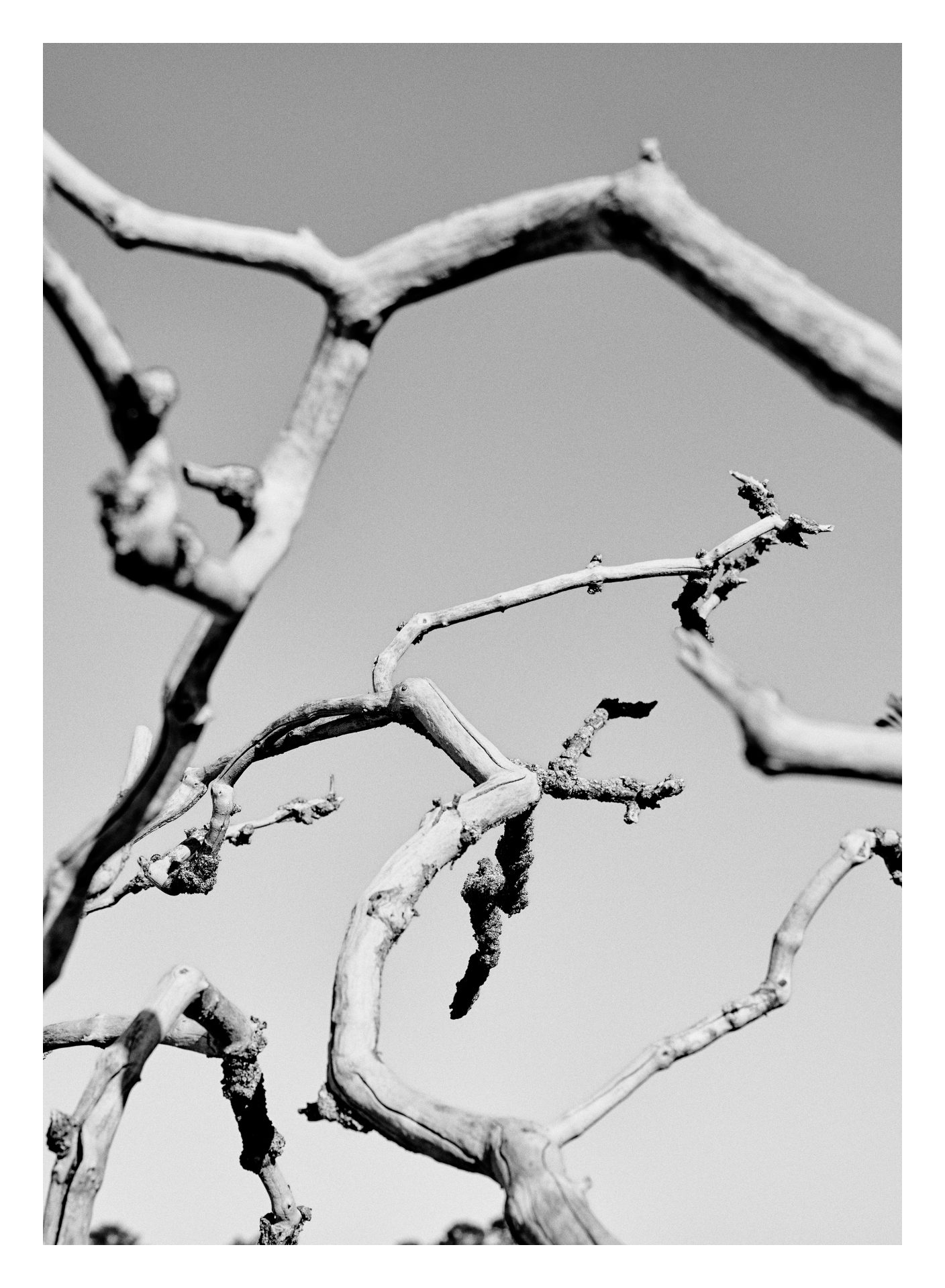
After a short break, I began working on the continuation of this project, titled Houses Built on Sand, in the fall of 2024. This time, I am examining life in my hometown and the surrounding communities from historical, economic, and demographic perspectives, as well as from a perspective that remains deeply personal.
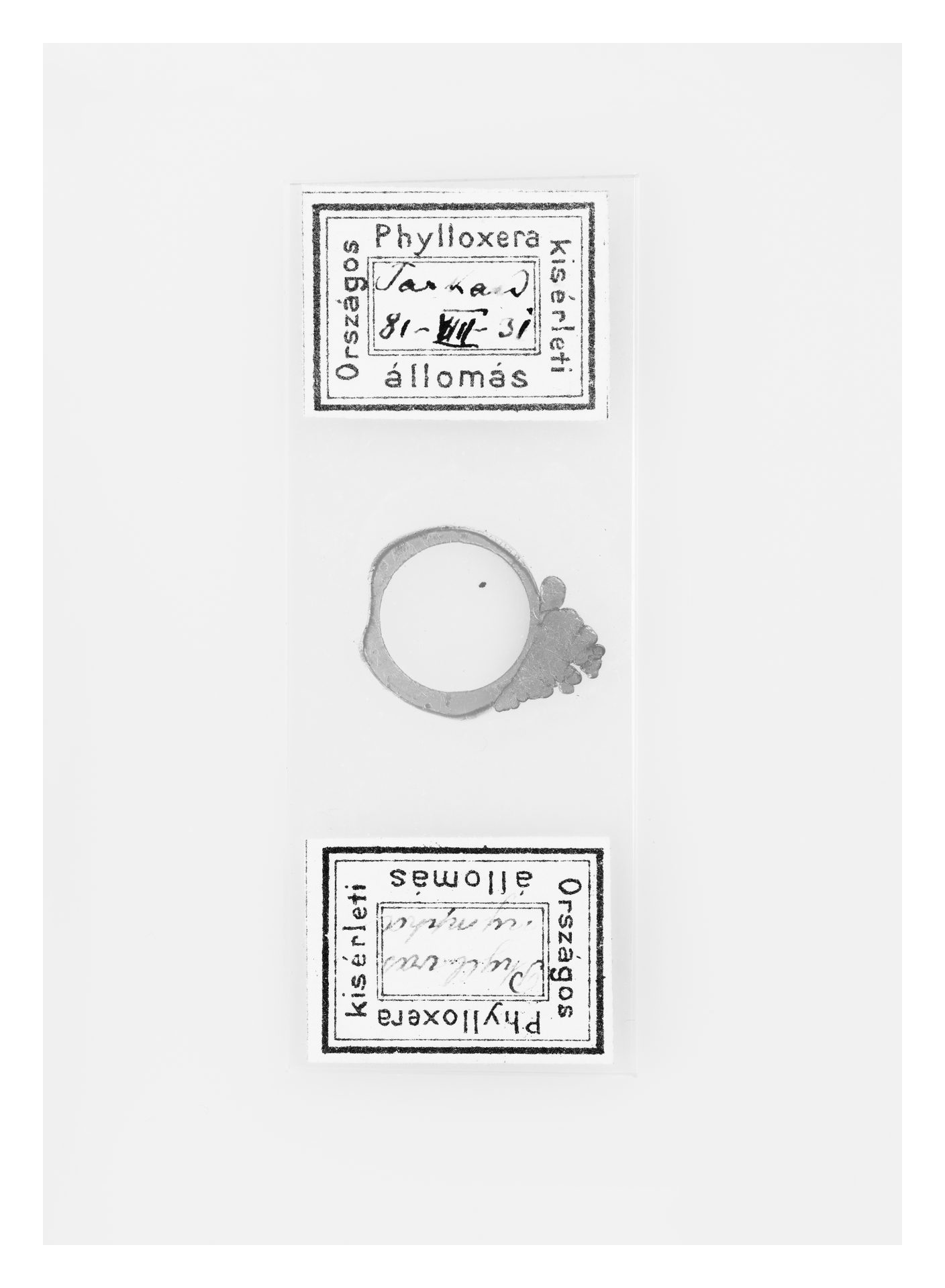
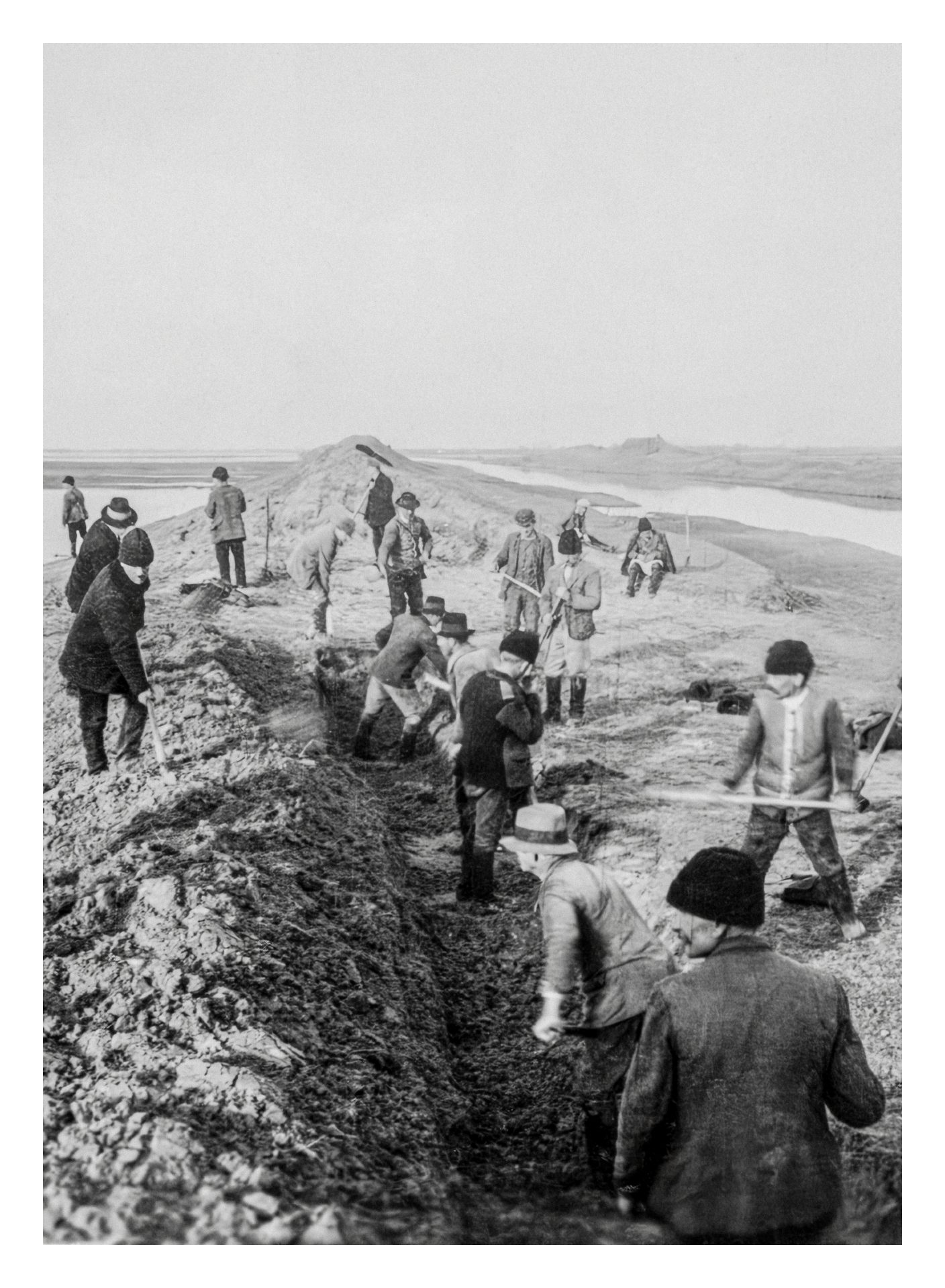
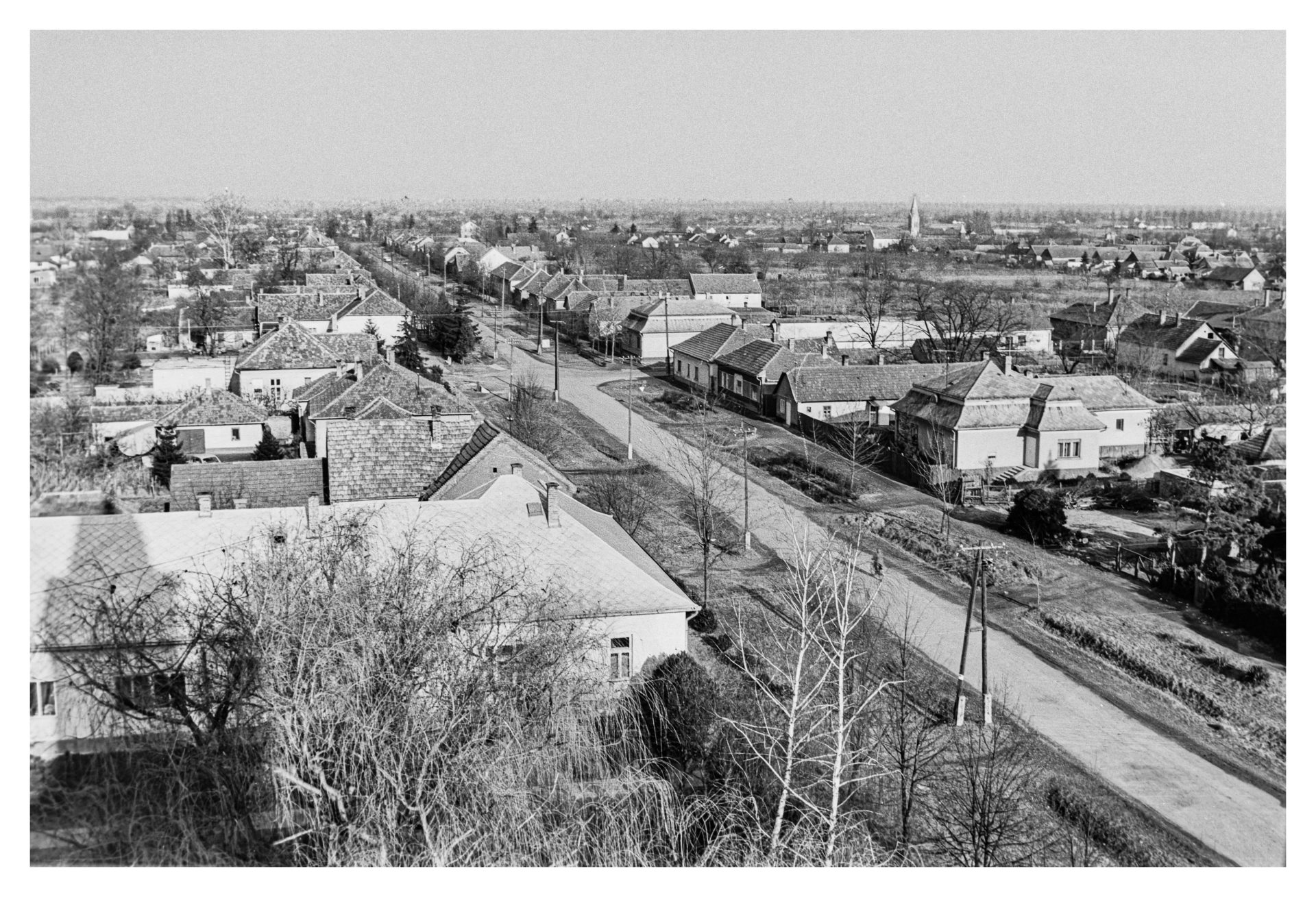
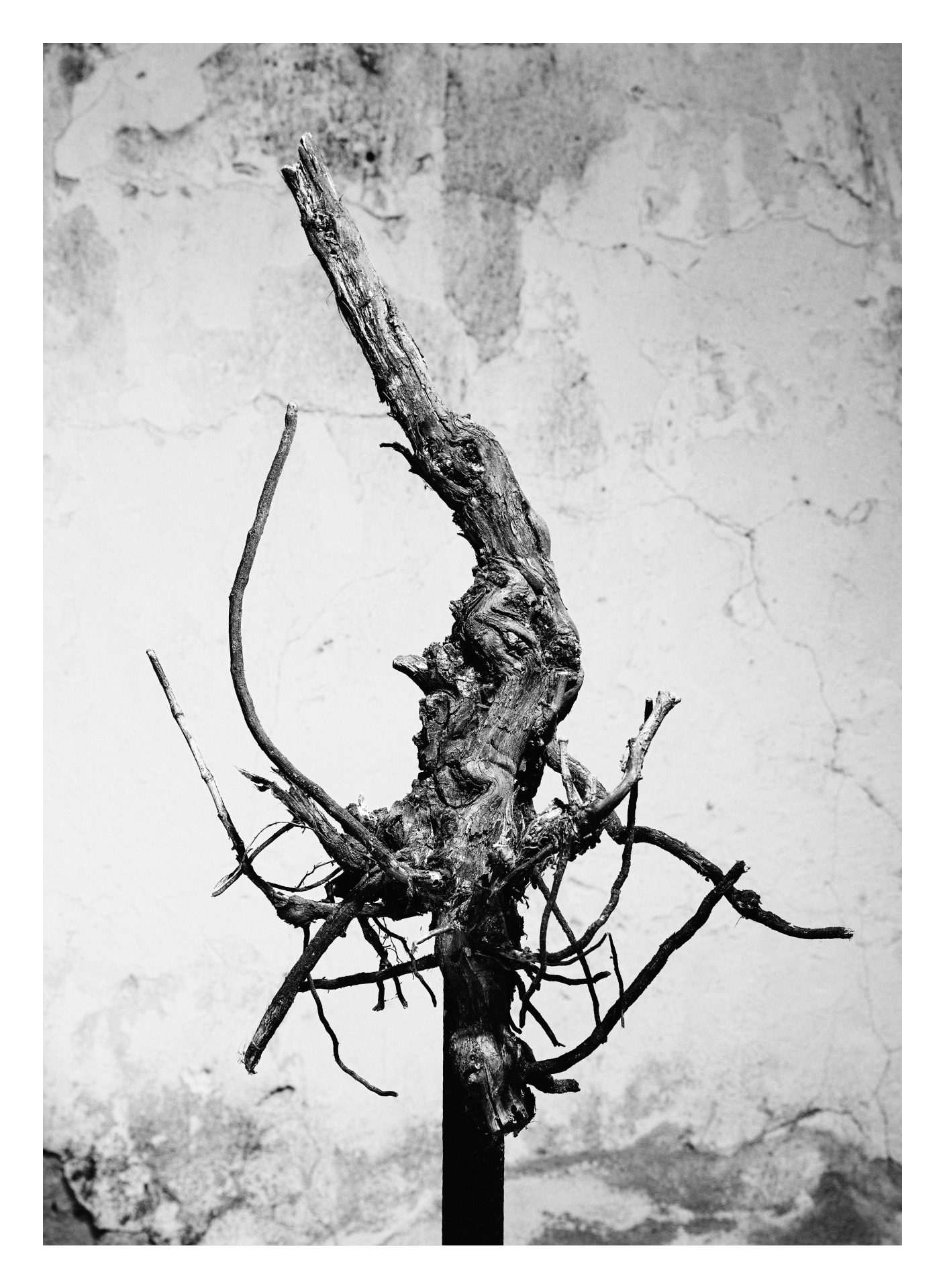
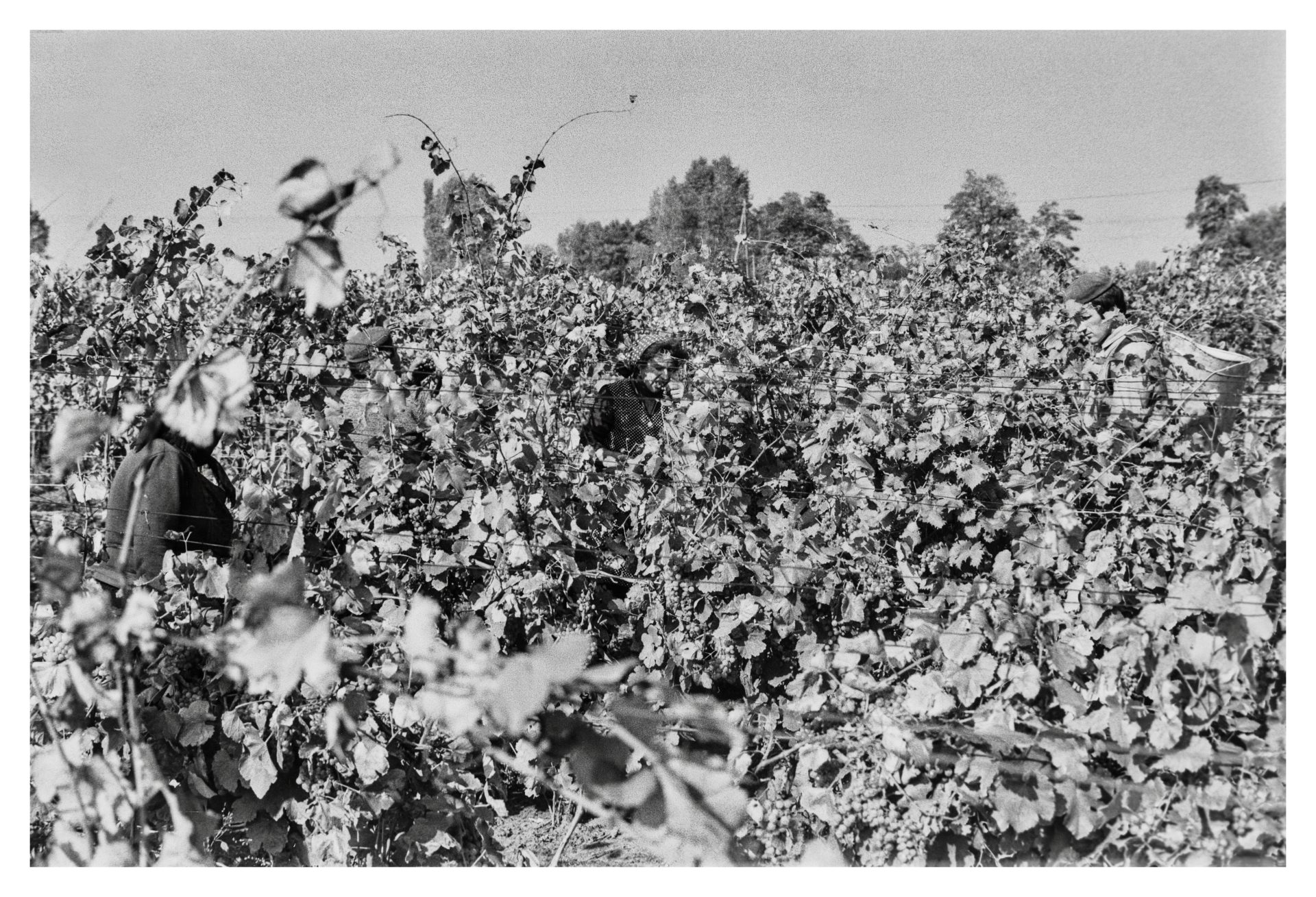
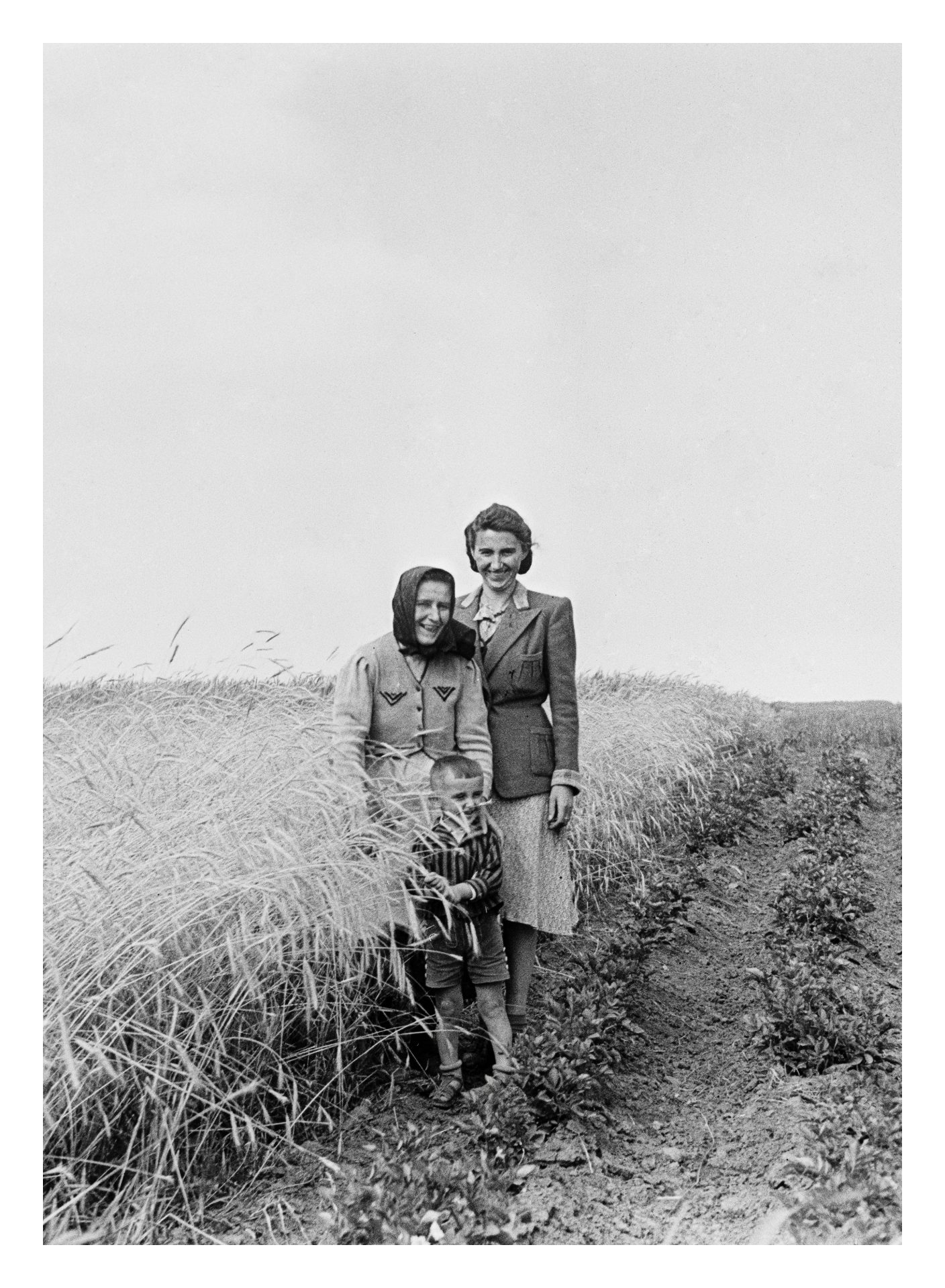
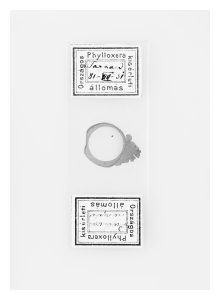
In the late 1800s, an epidemic of phylloxera (root aphids) ravaged Hungary’s vineyards, destroying 90% of the grape harvest in the country’s wine regions. However, farmers realized that the phylloxera dislikes sandy soil and the quartz crystal structure of sand, and cannot survive in it, so many winemakers were forced to move to the Great Hungarian Plain, specifically to the Homokhátság region. Despite the fact that they could not produce high-quality grapes and wine on this soil, only quantity. In the region, which until then had typically consisted of scattered farms, villages and towns began to form. It was then that my hometown, Csengőd, became a village, and it was at this time that my great-grandparents moved here with my grandfather, who was still a small child at the time. In the 20th century, viticulture and winemaking provided the livelihood for the region’s settlements. After World War II, the Soviet Union and its member states became the primary market. However, due to the changed political and economic conditions following the fall of communism, as well as increasingly severe droughts and the climate crisis, viticulture gradually declined. Without an alternative to replace it, the villages are gradually becoming depopulated and aging, and an ever-larger portion of the land remains uncultivated.
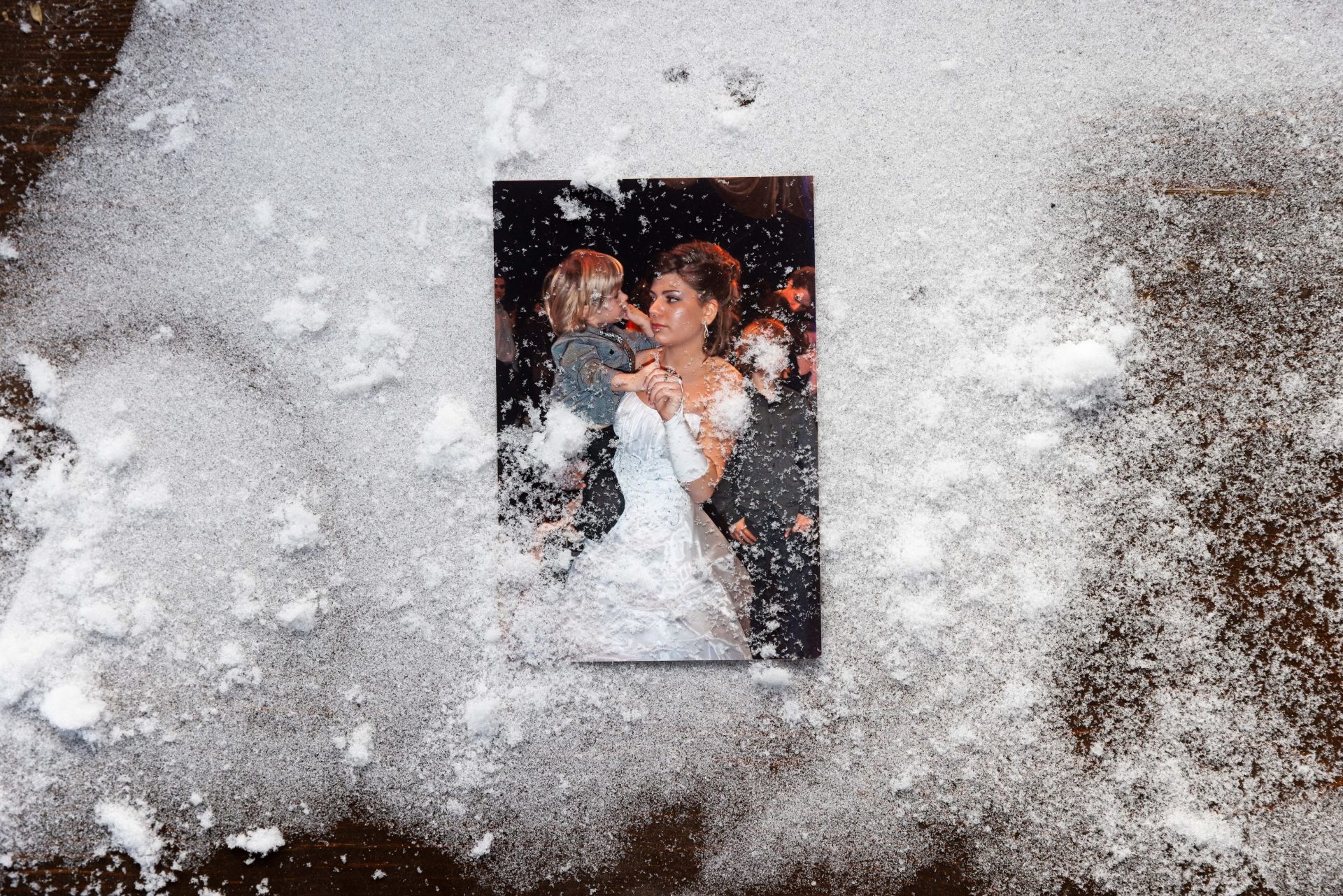
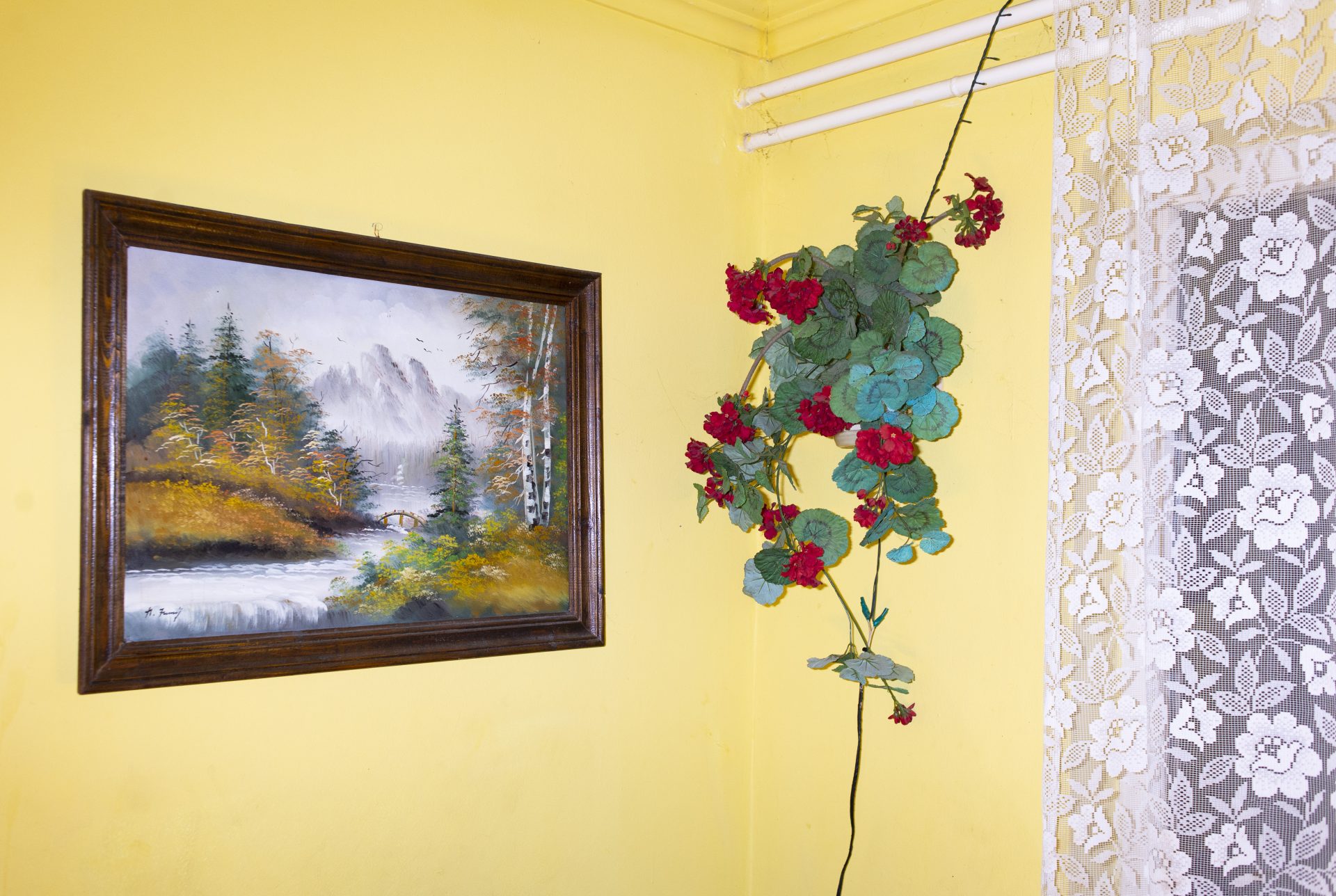
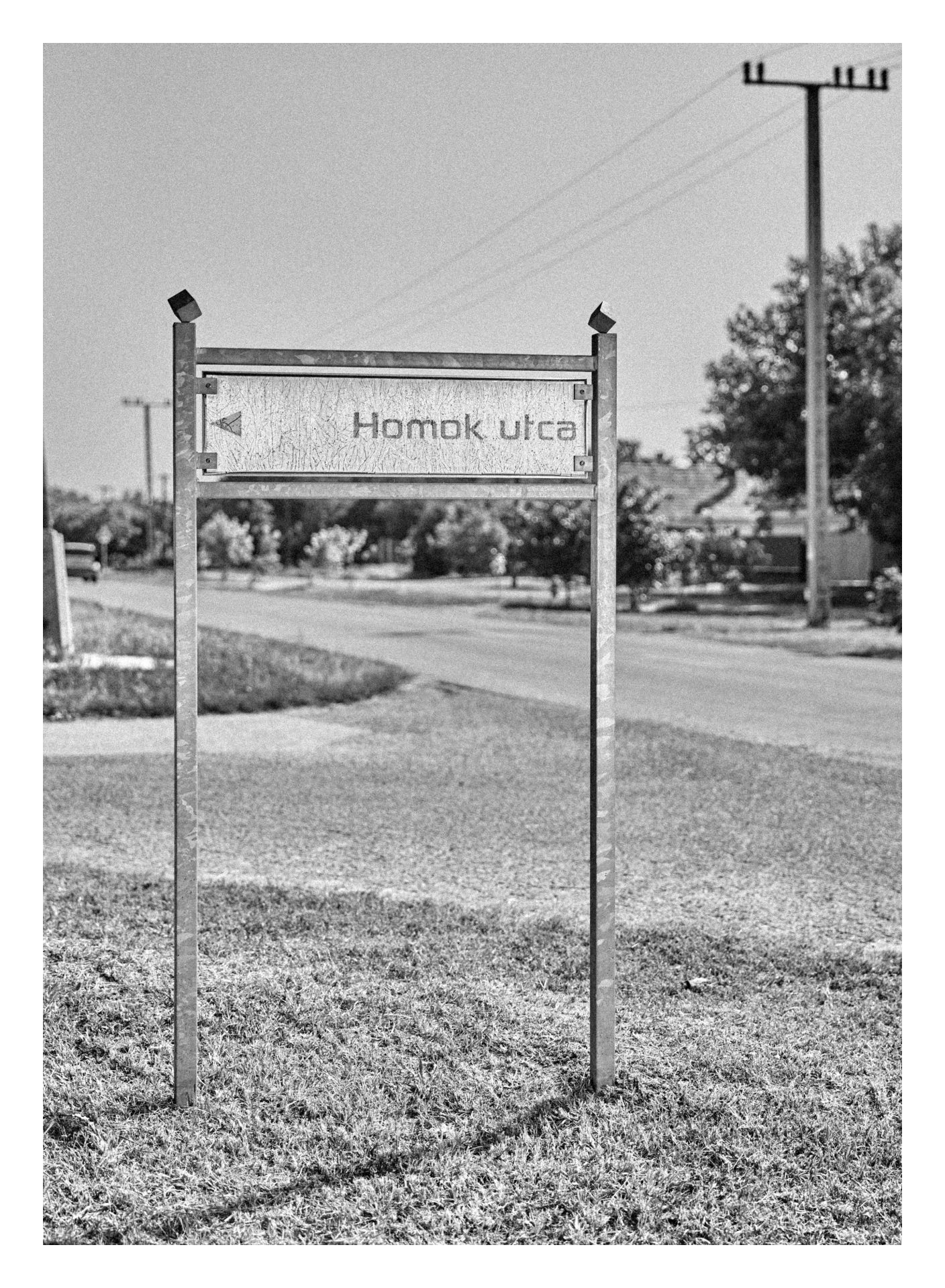
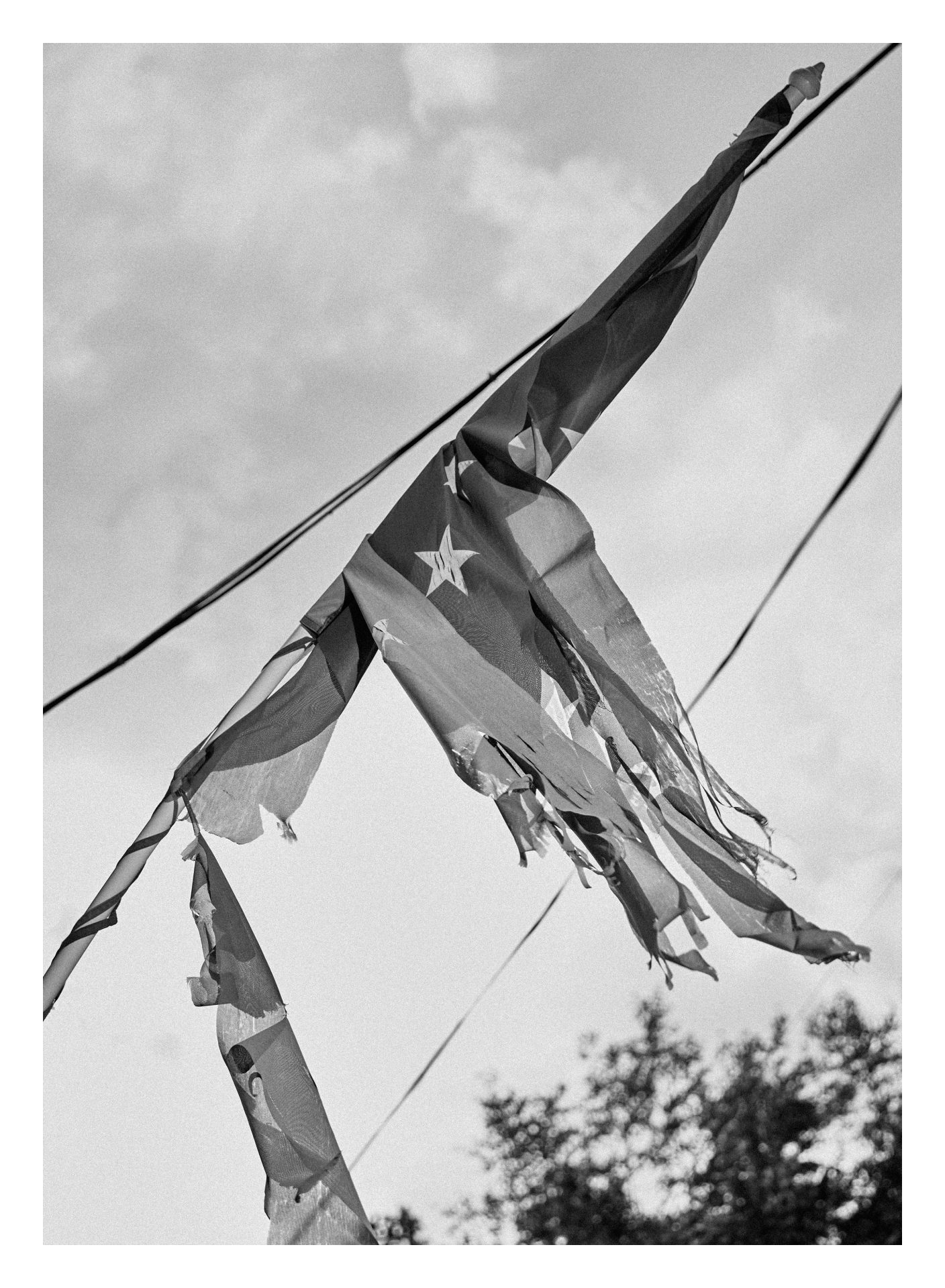
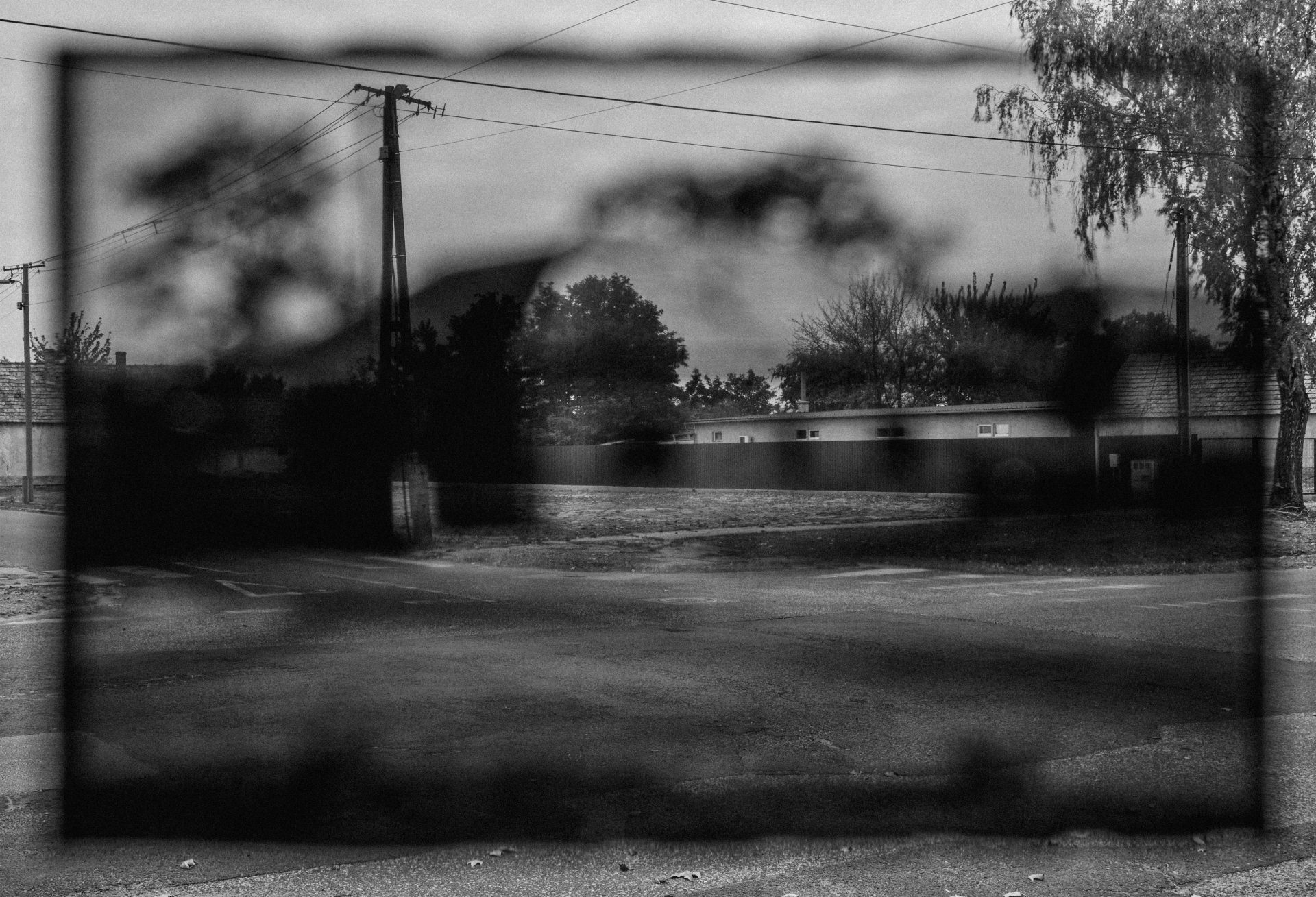
In my latest work, Houses Built on Sand, I explore this theme through archival photographs of my father and grandfather, as well as my own photographs. Both my grandfather and father were amateur photographers; I select and digitize photos from the inherited family archive, often cropping them drastically to recompose them, and then insert them among my own recent photos, thereby creating a dialogue between them. In this way, I show the past and present world of the Homokhátság region, spanning a time span of more than 80 years, through the subjective perspective of myself and my family.