VIOLA FÁTYOL IS THE WINNER OF THE CAPA GRAND PRIZE HUNGARY 2016
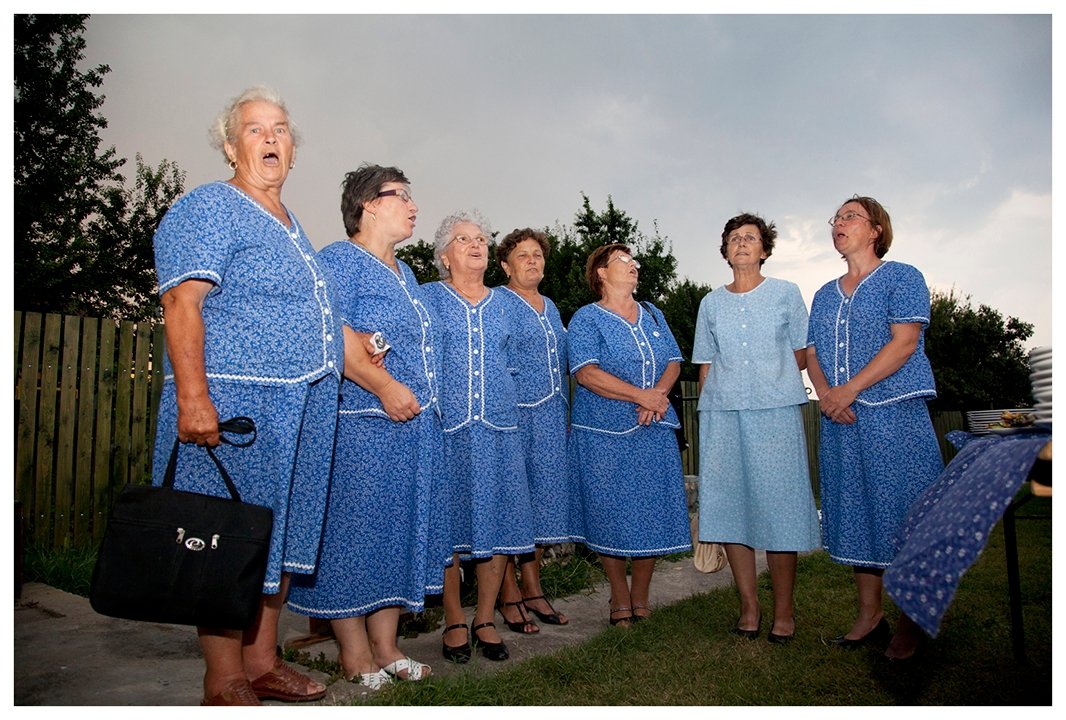
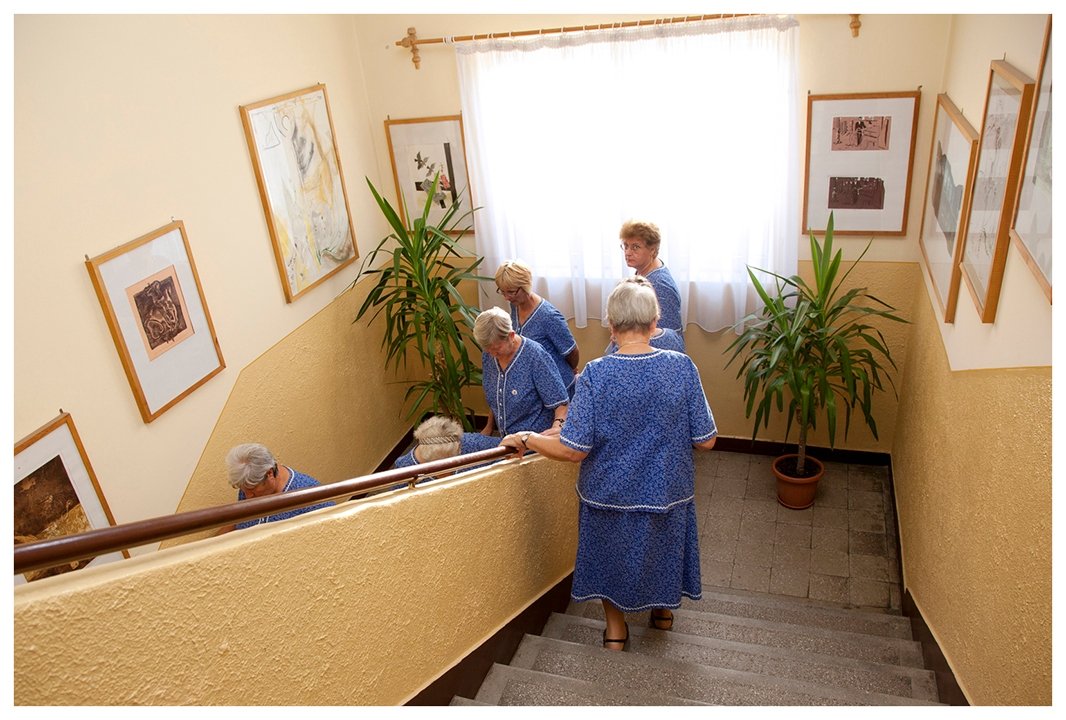
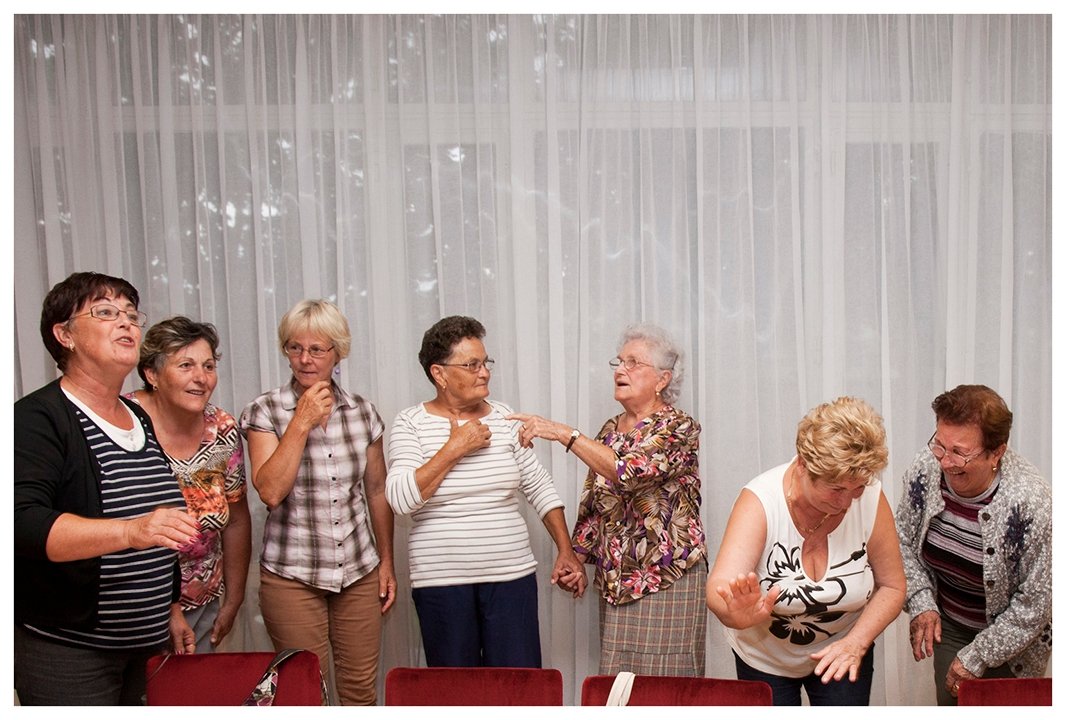
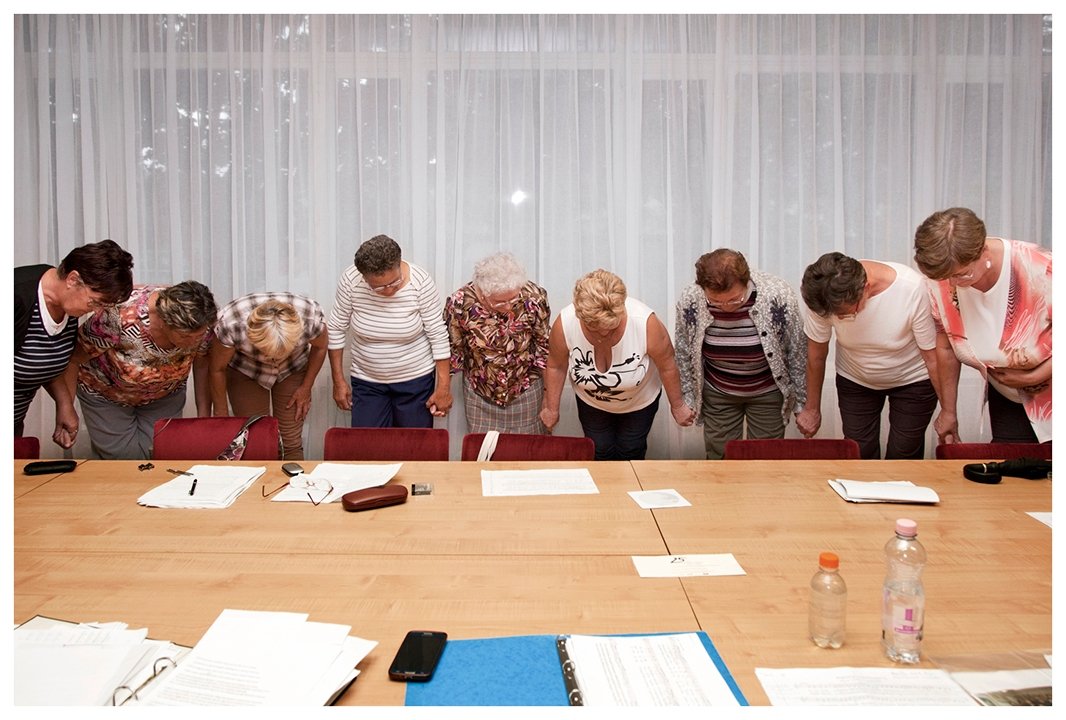
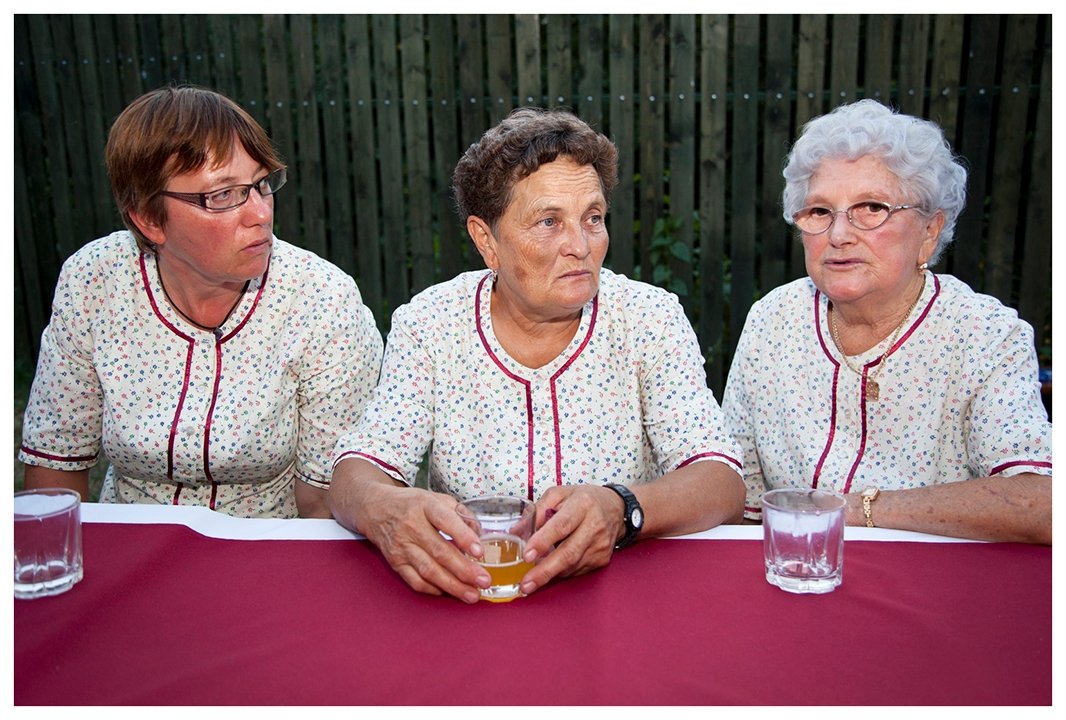
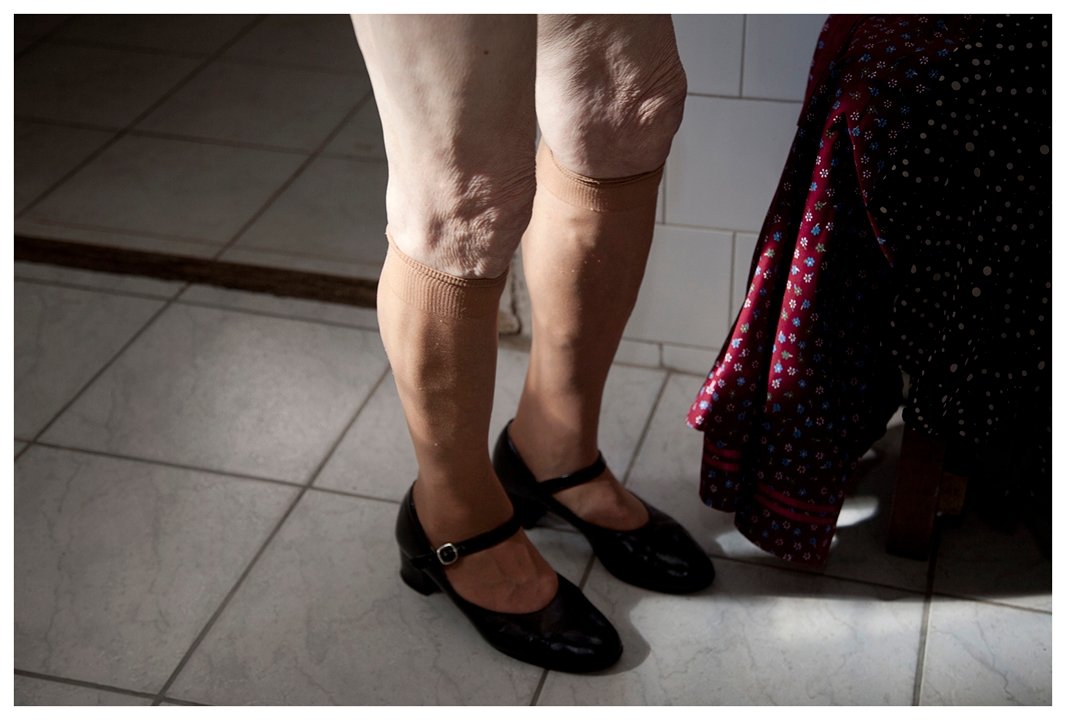
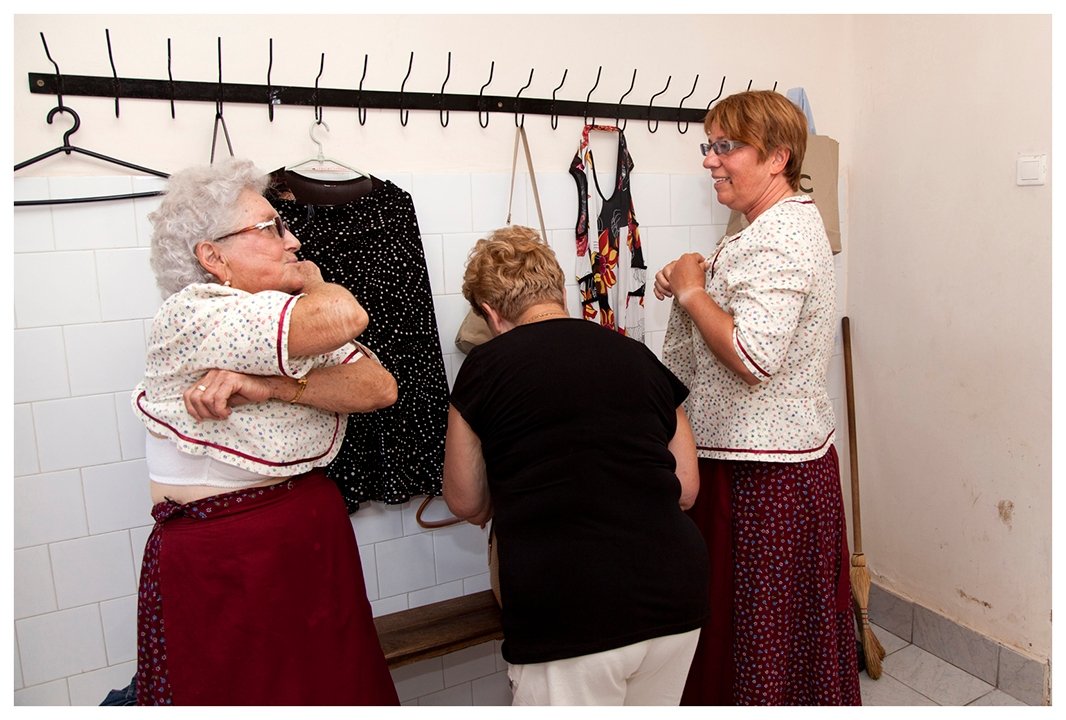
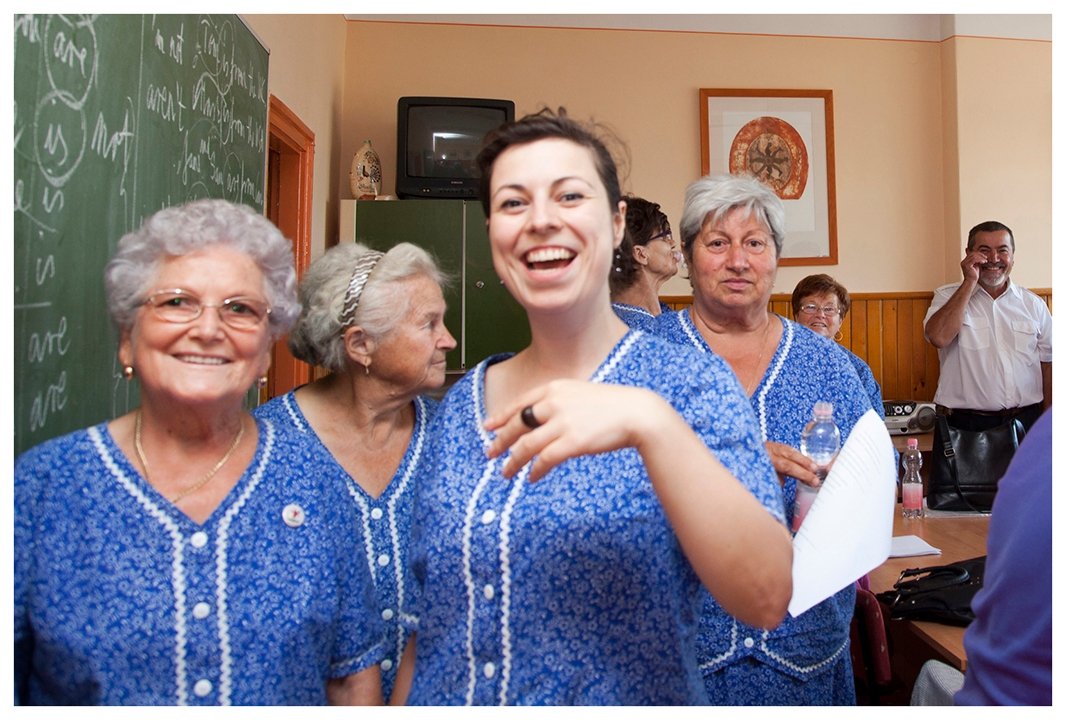
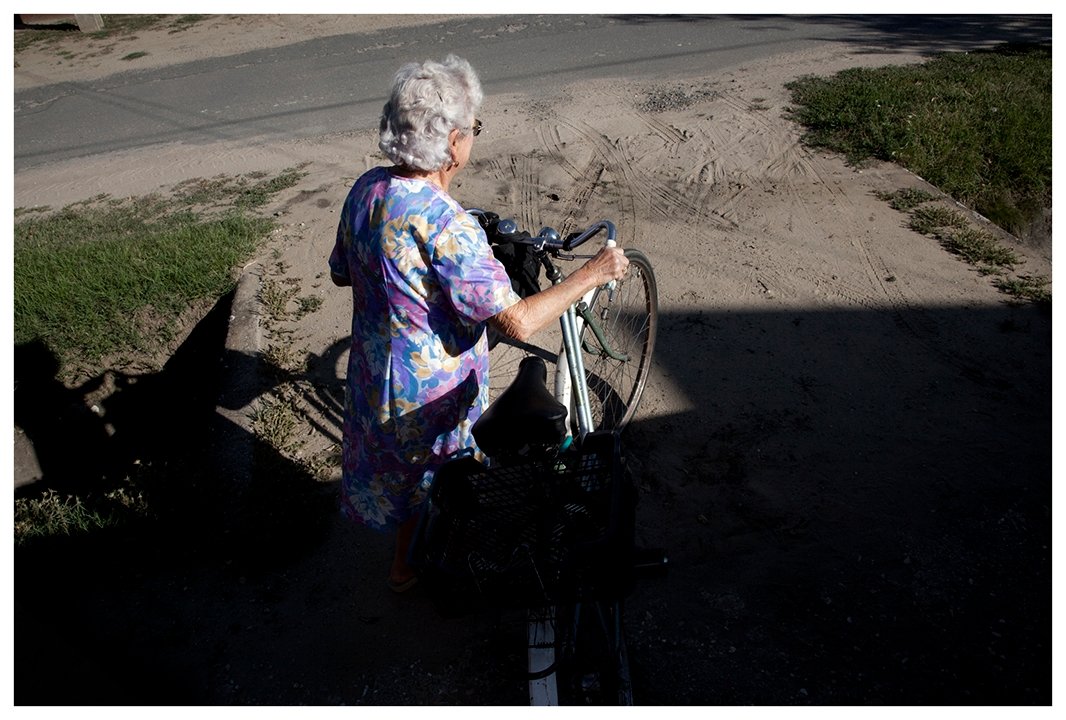
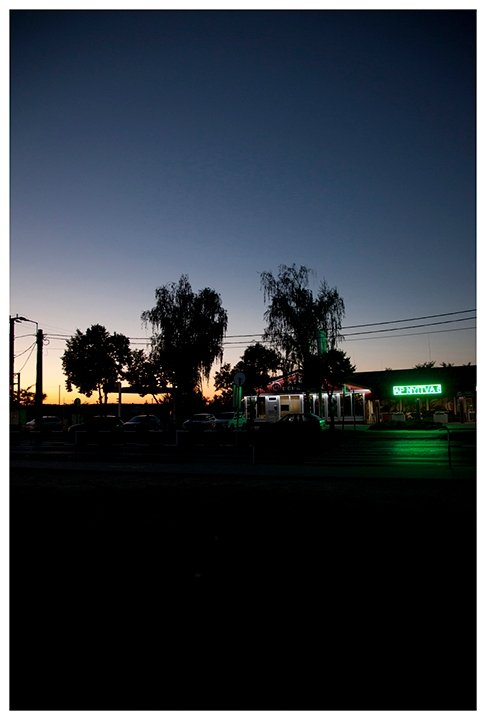
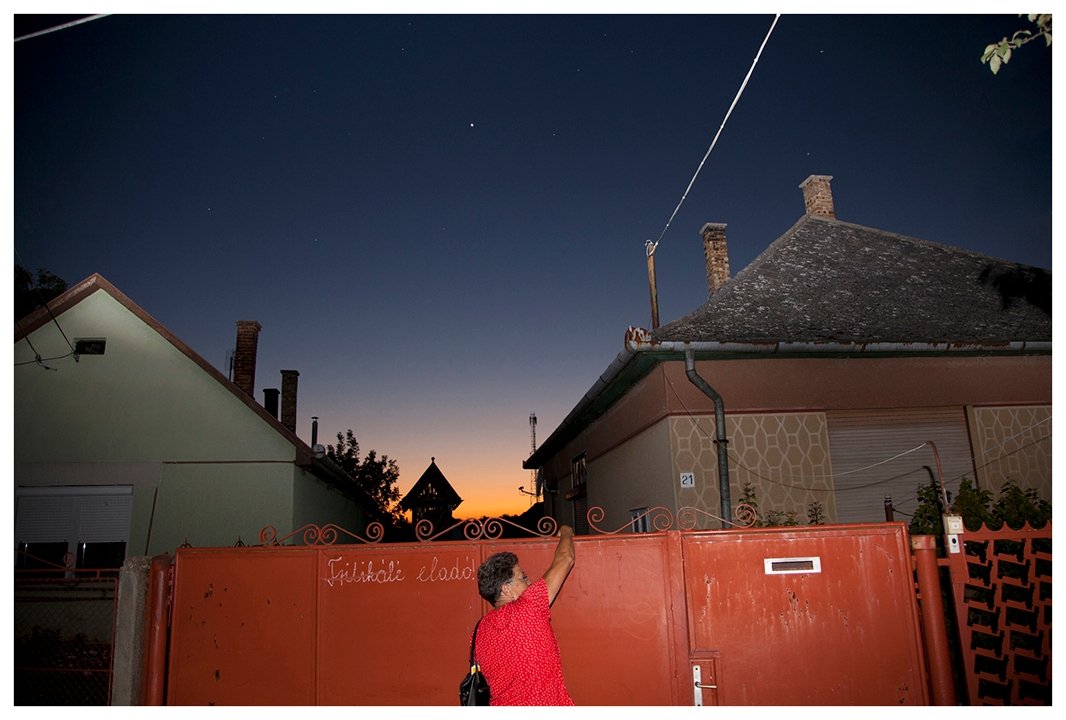
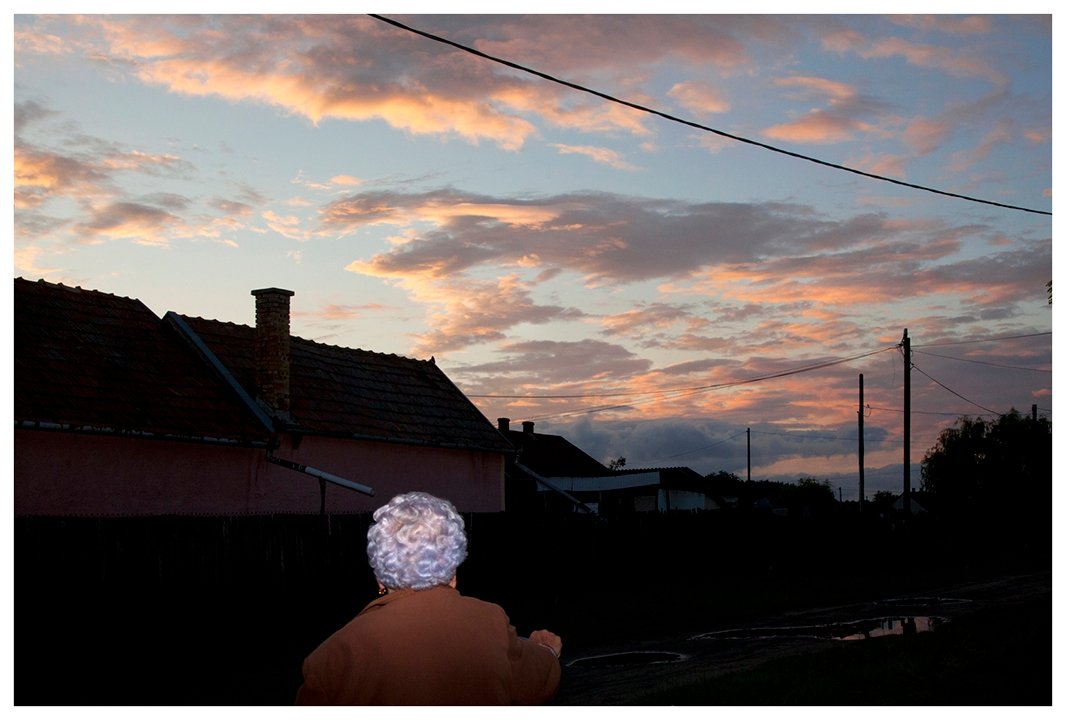
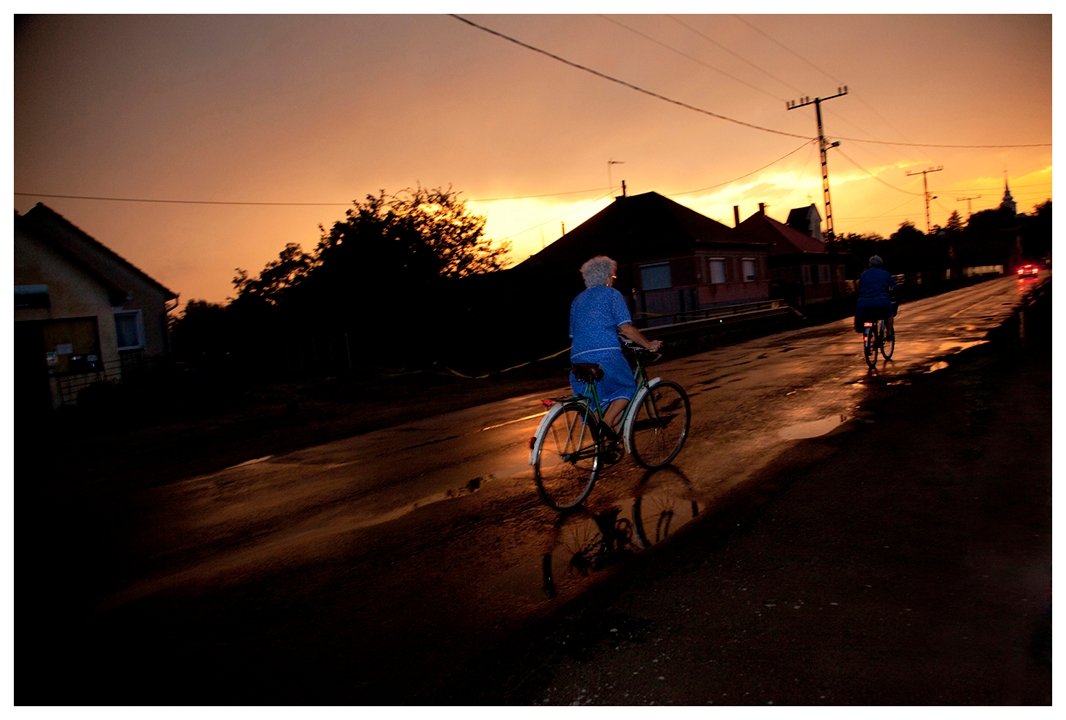
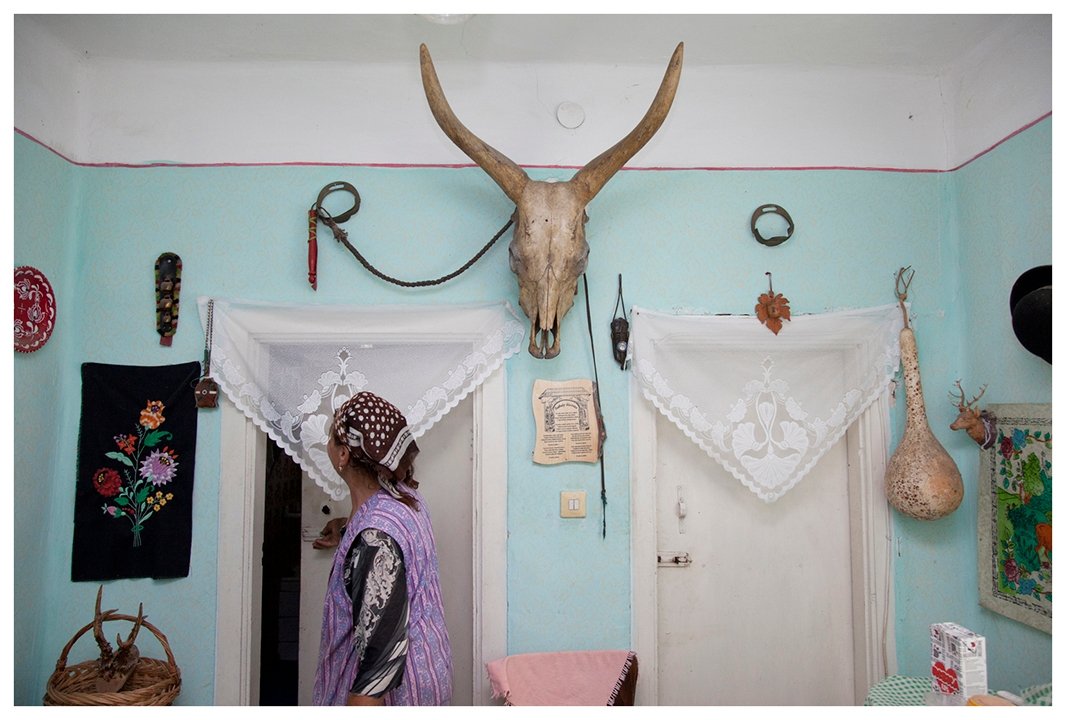
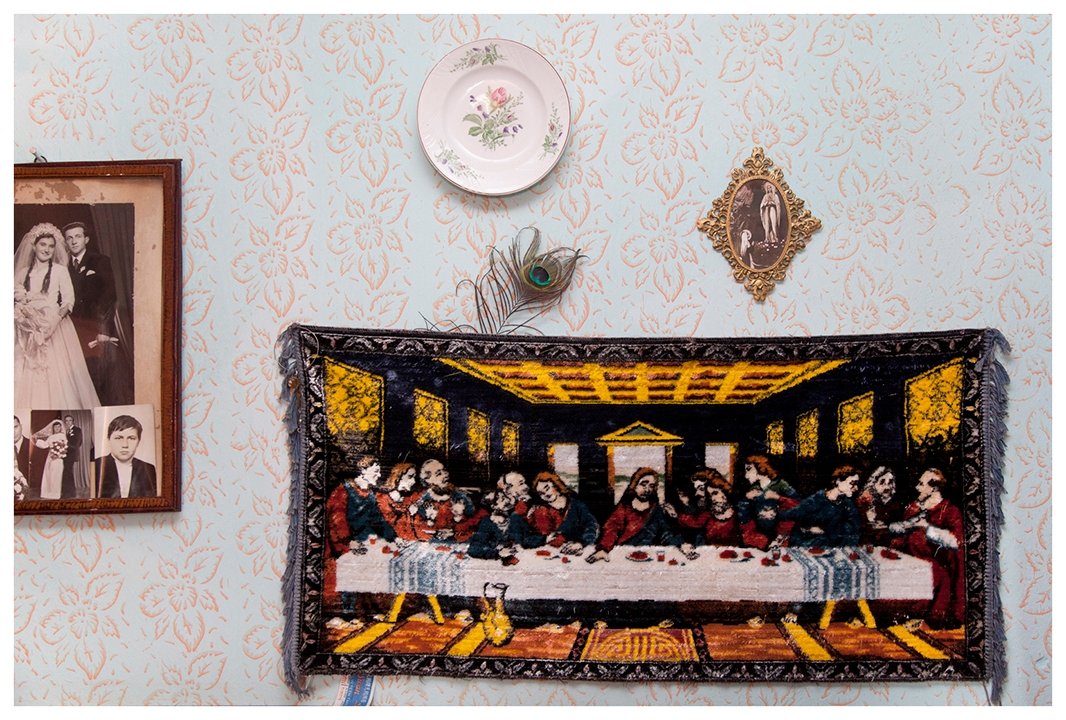
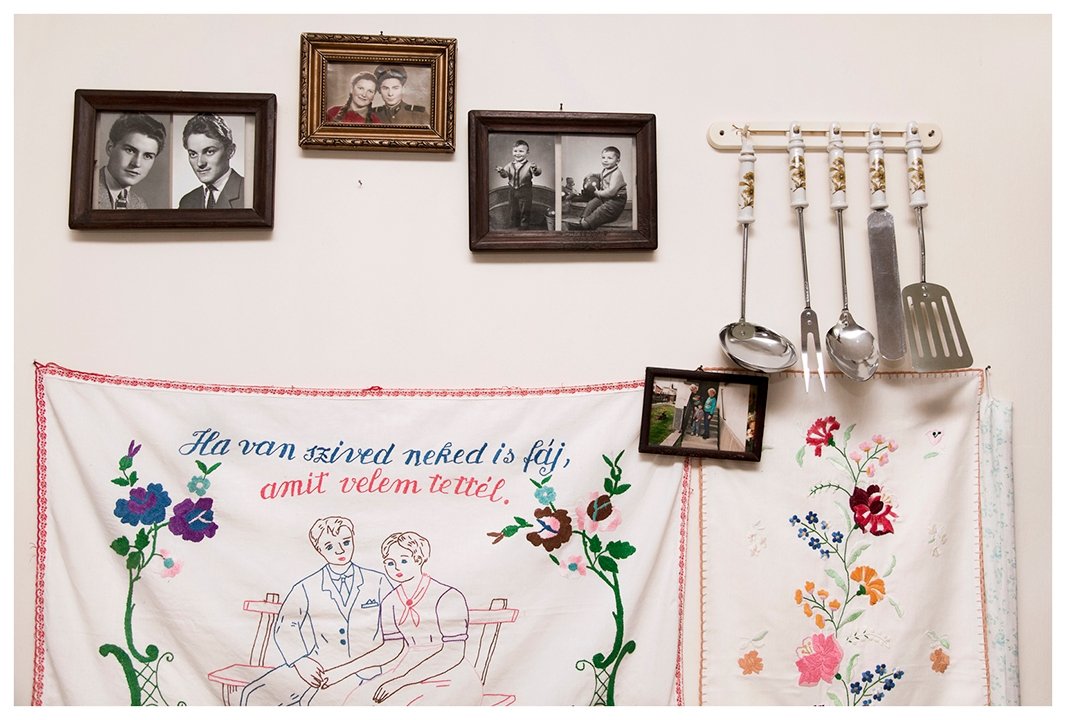
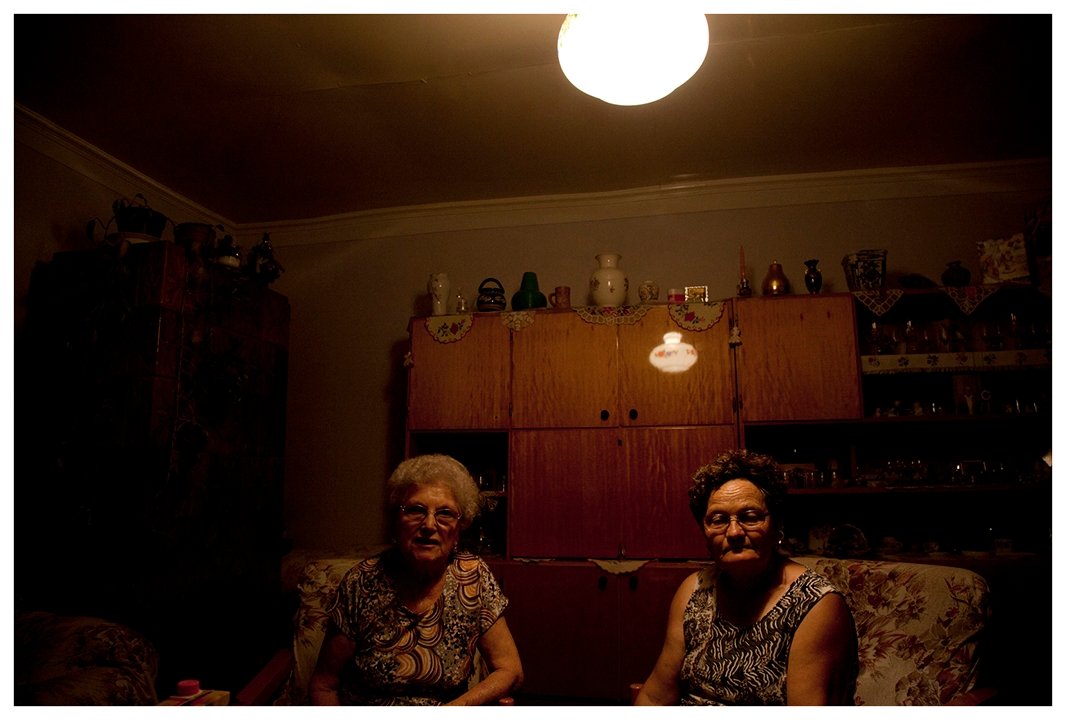
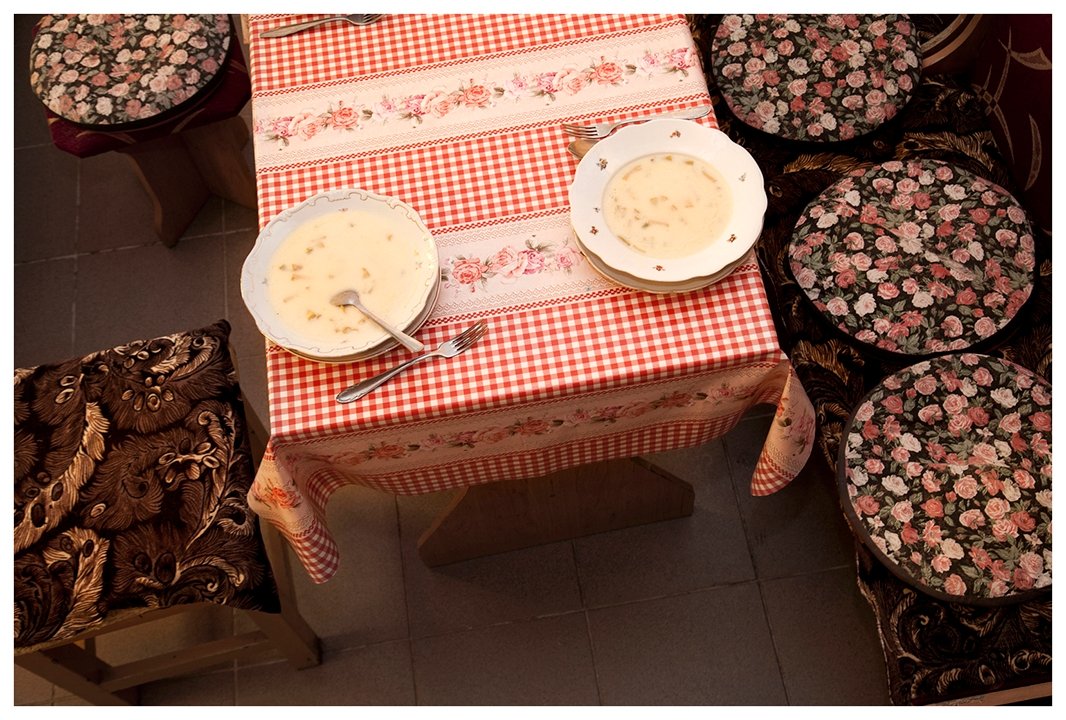
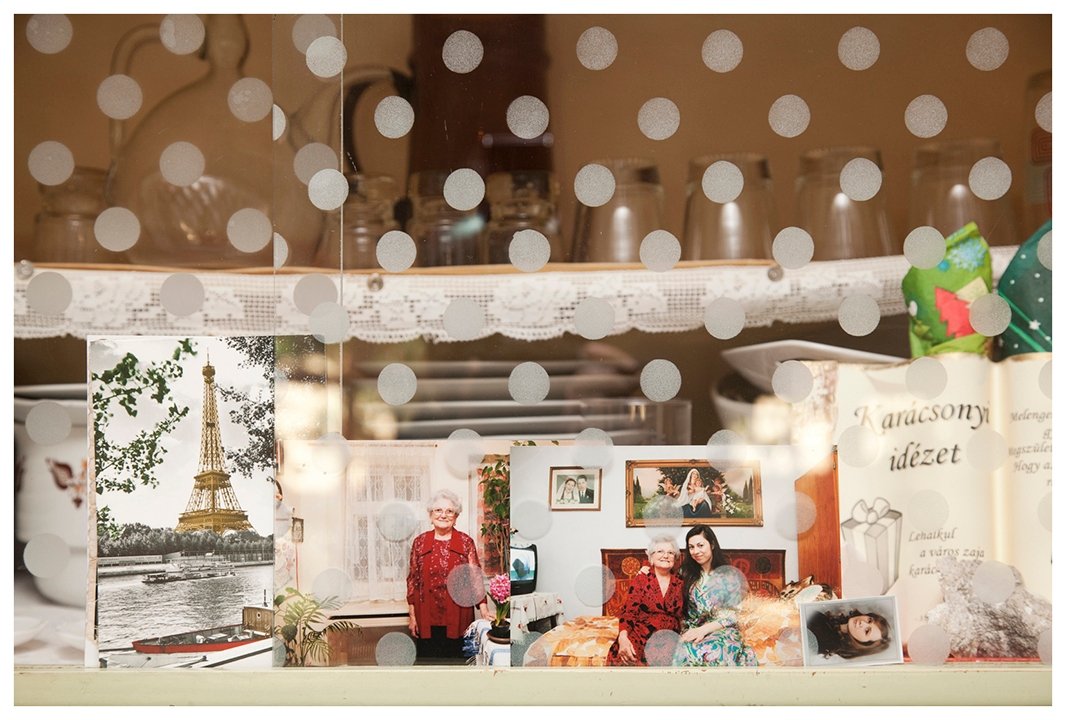
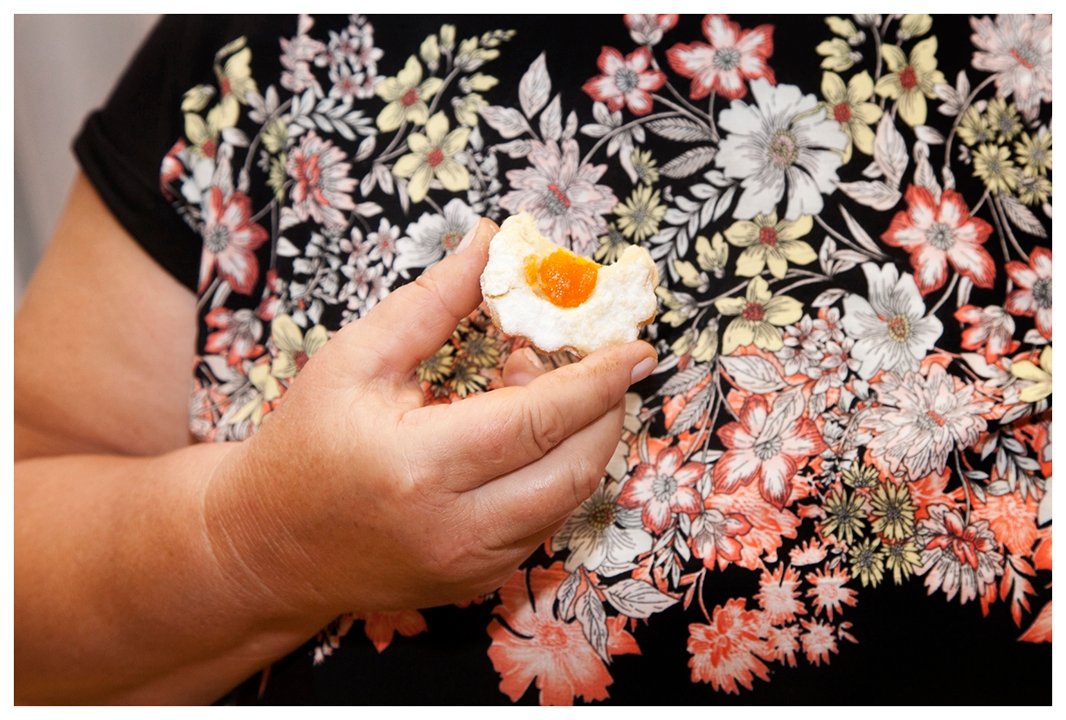
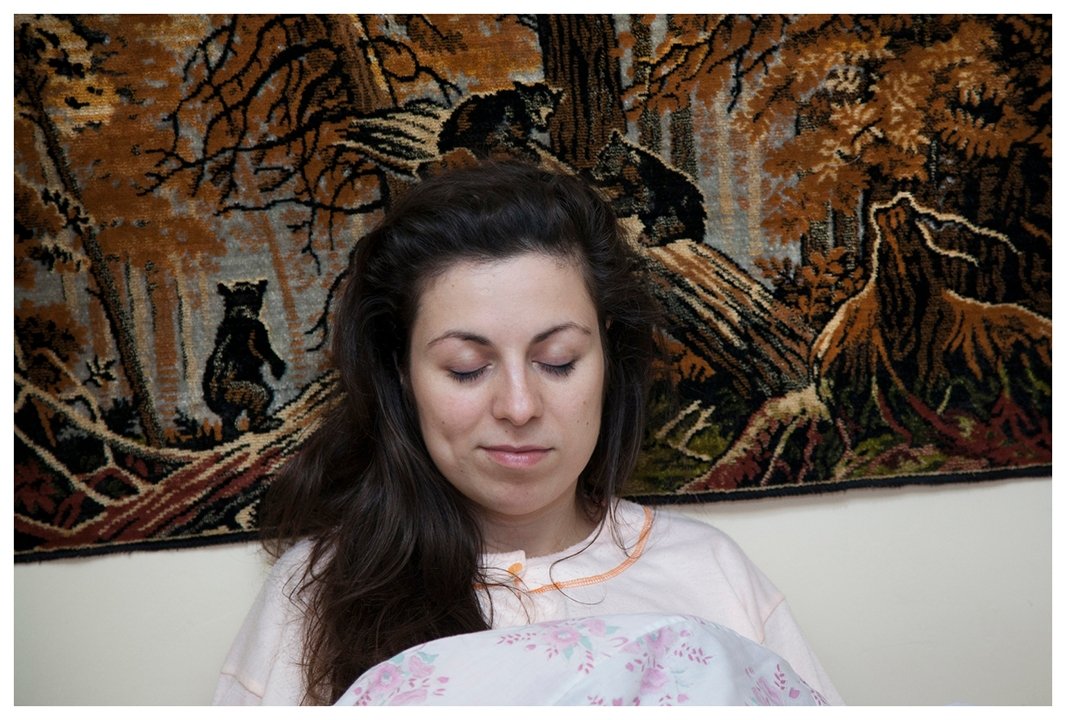
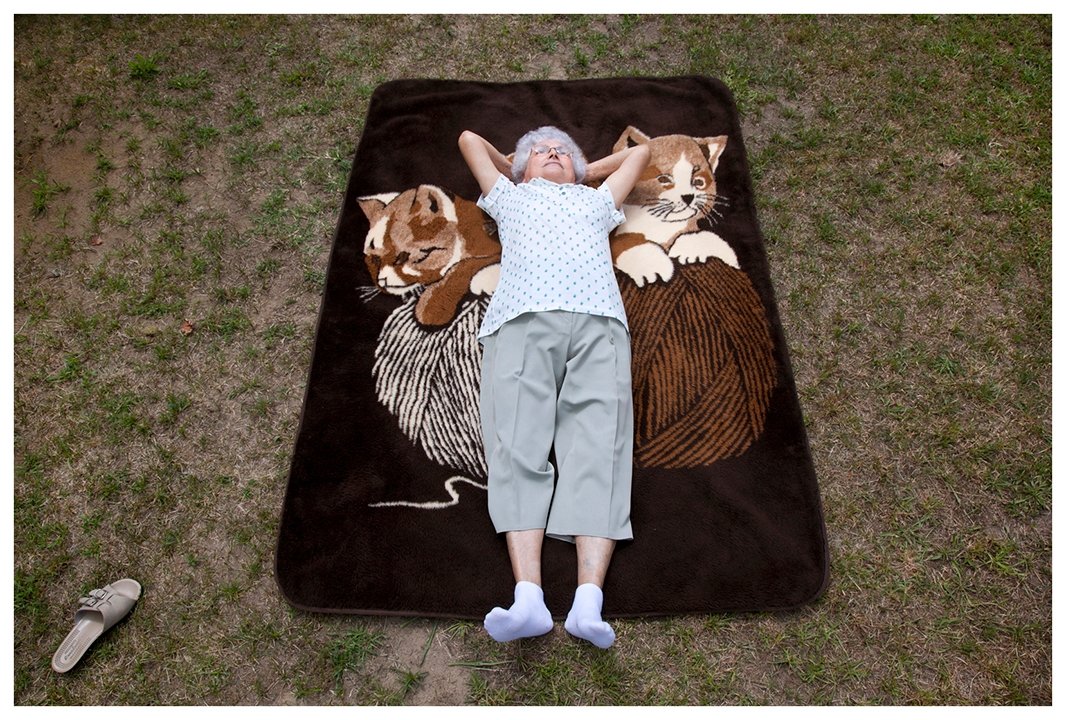
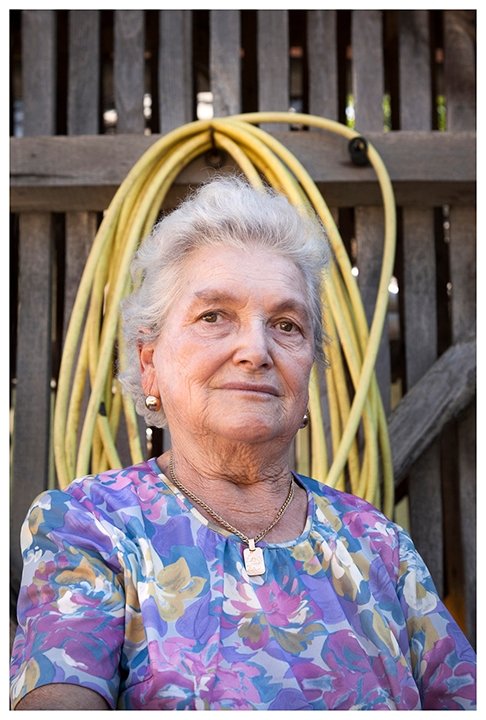
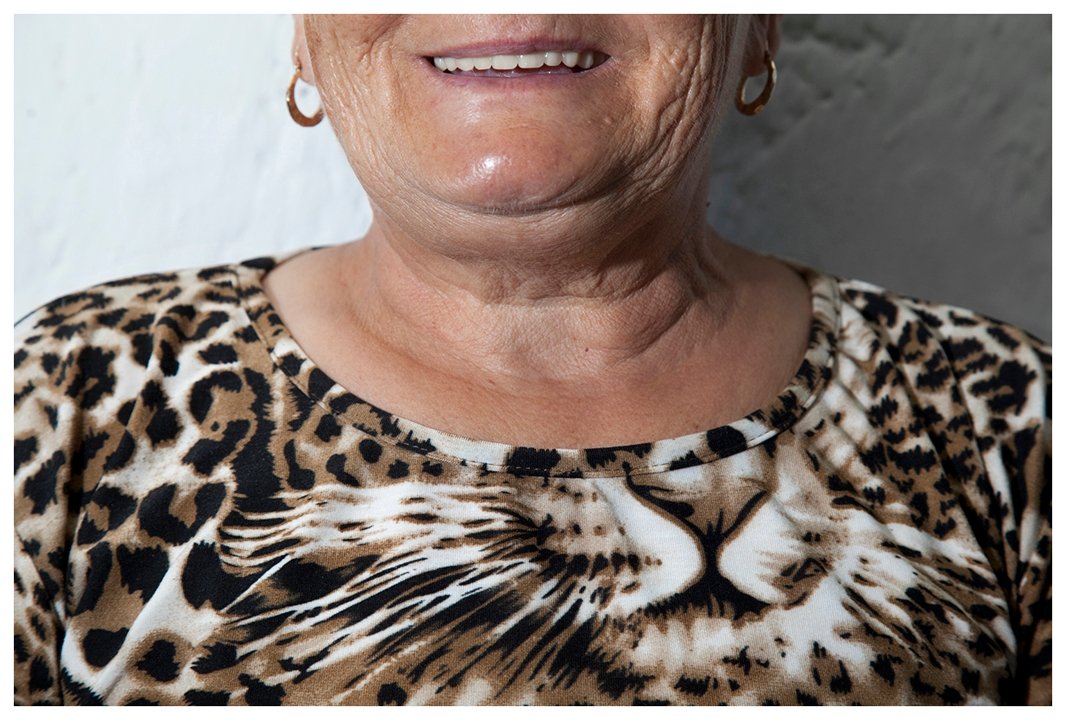
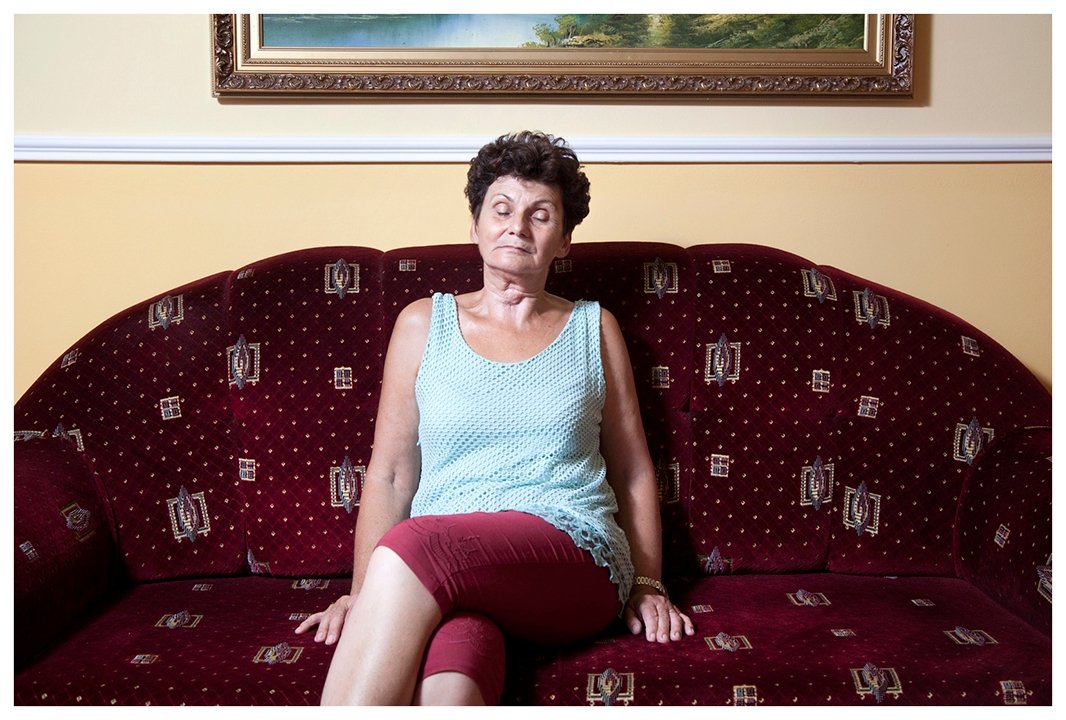
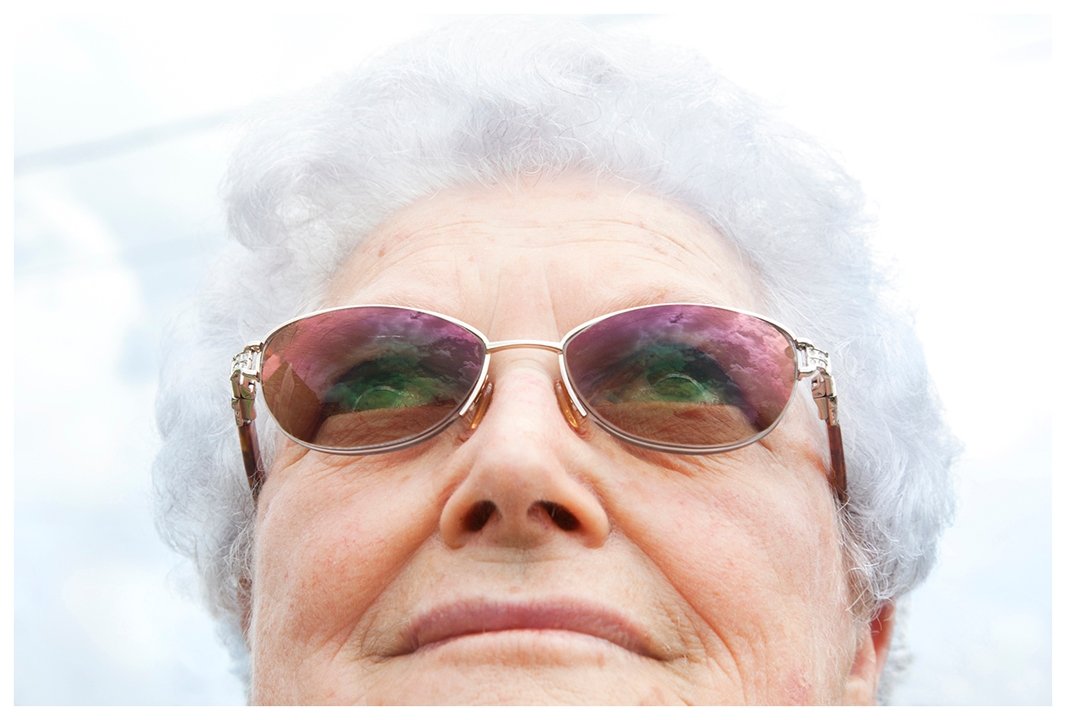
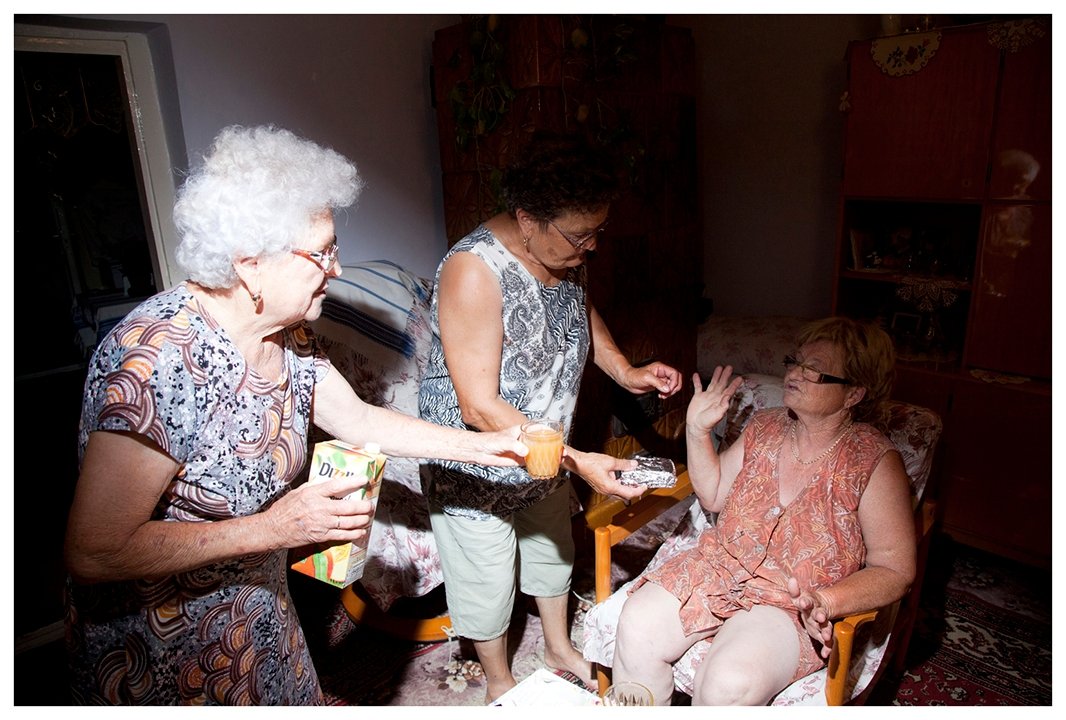
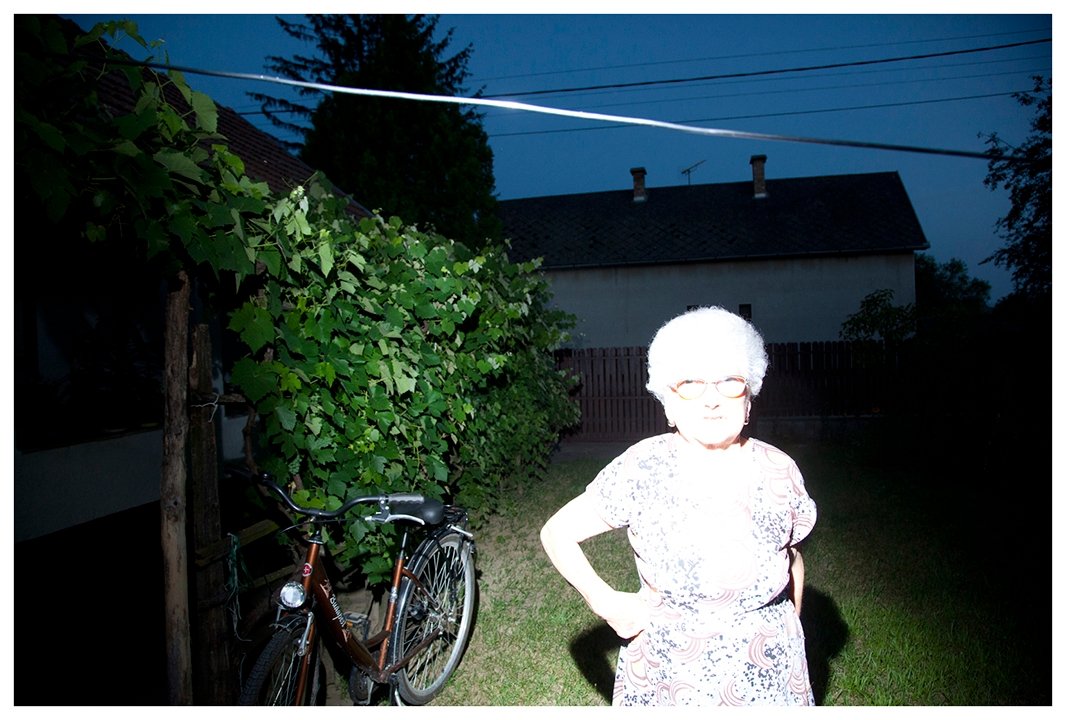
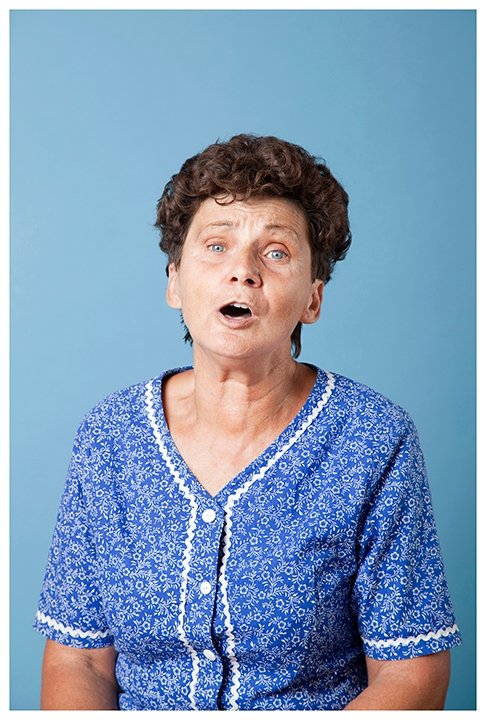
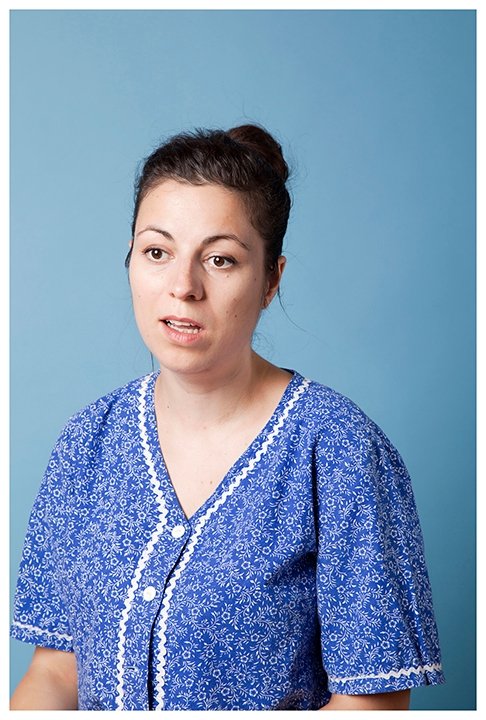
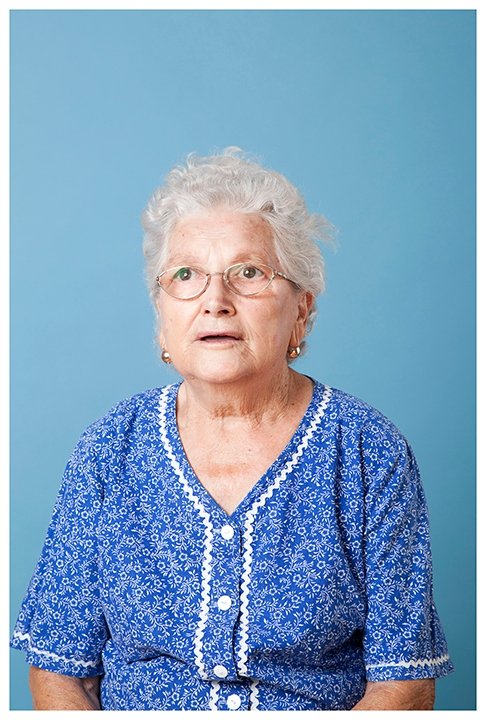
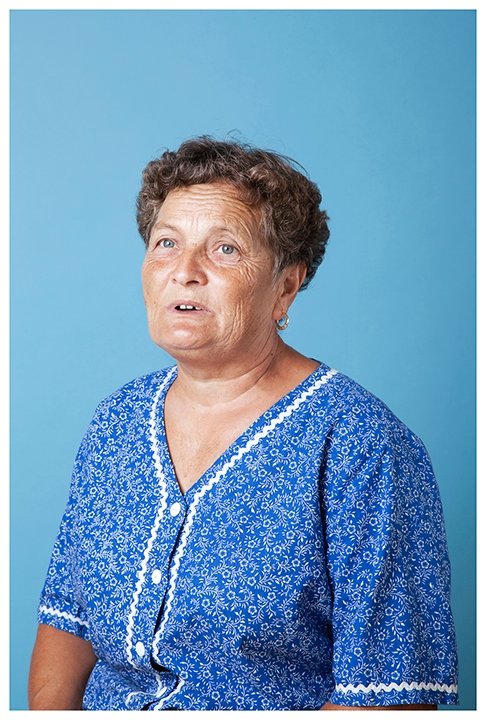
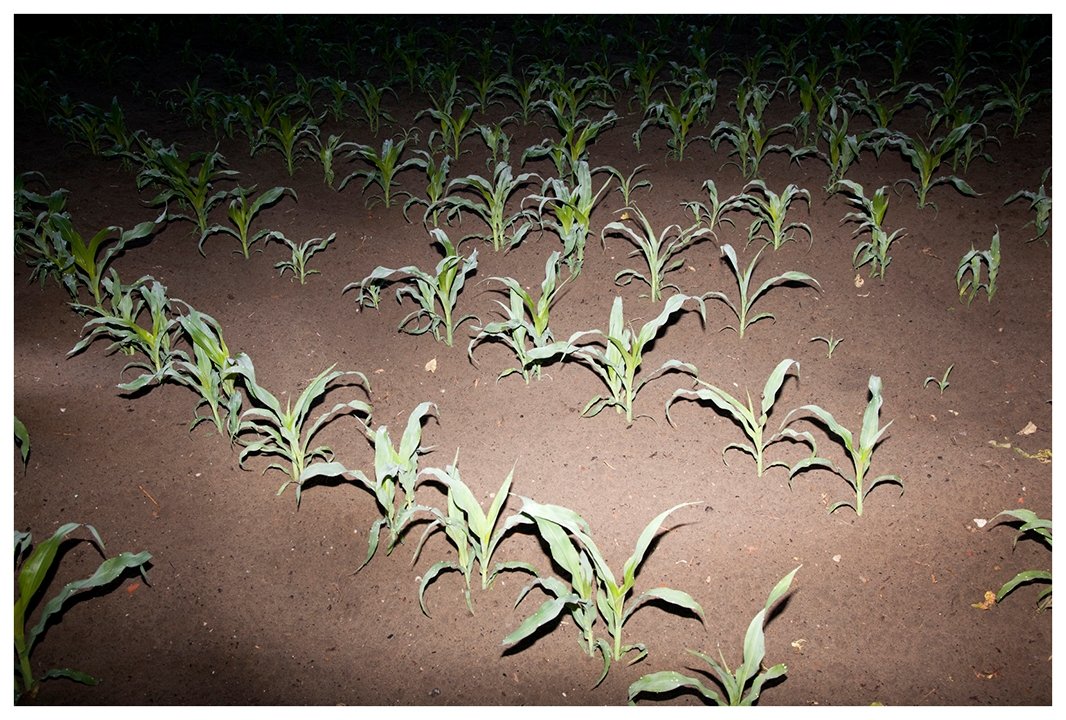
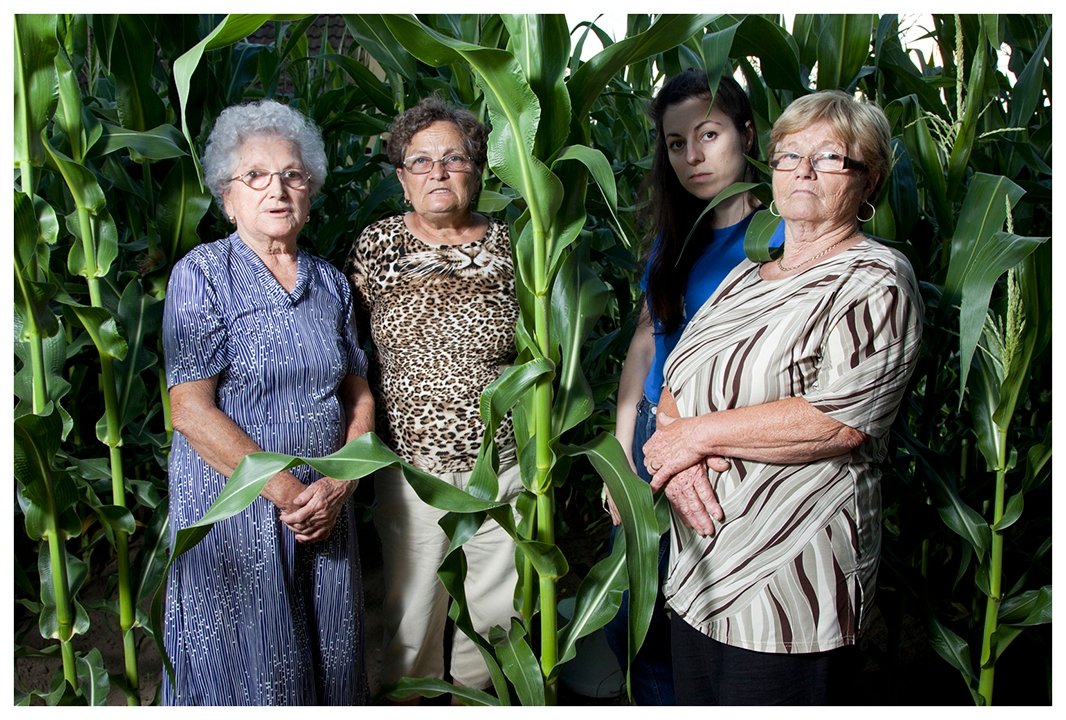
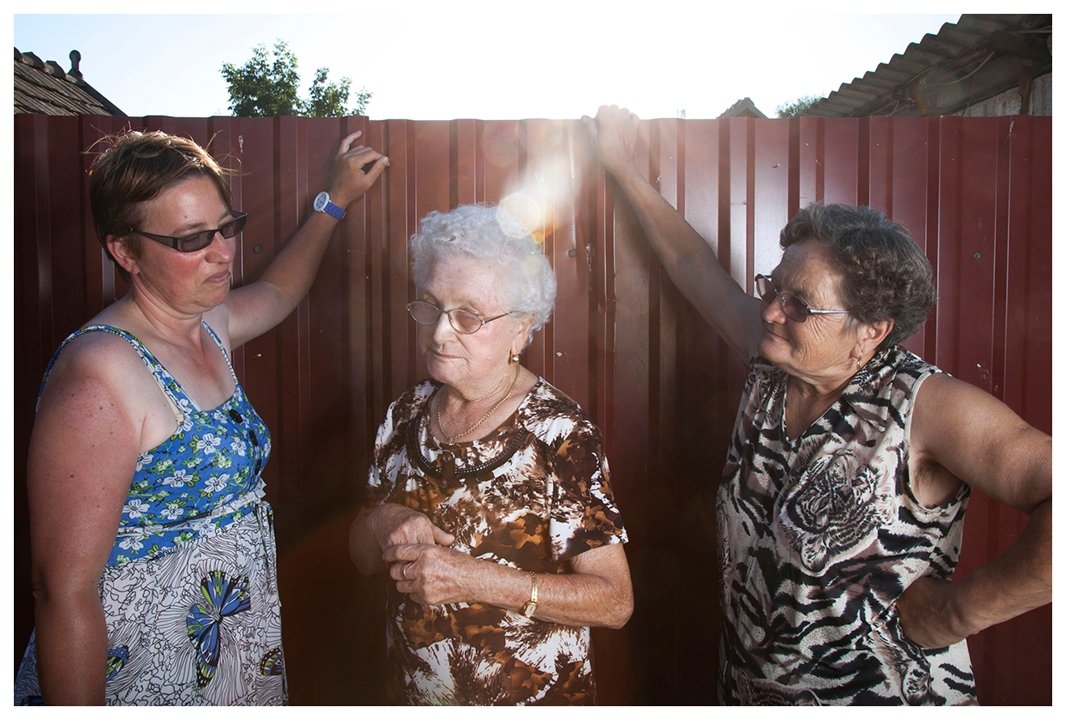
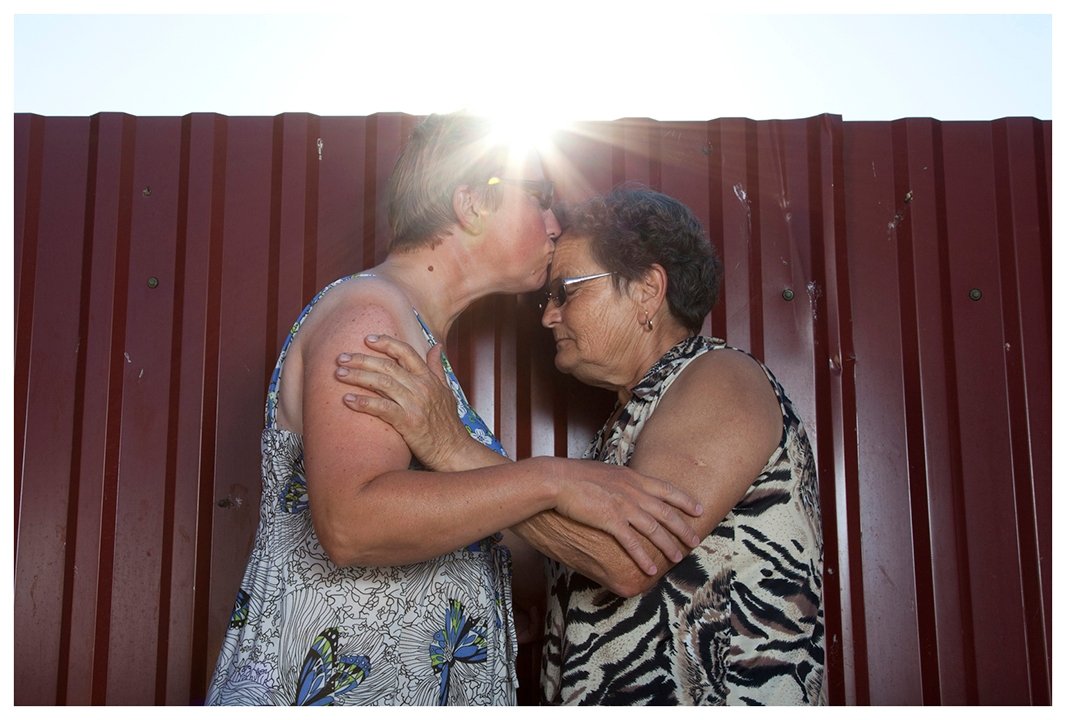
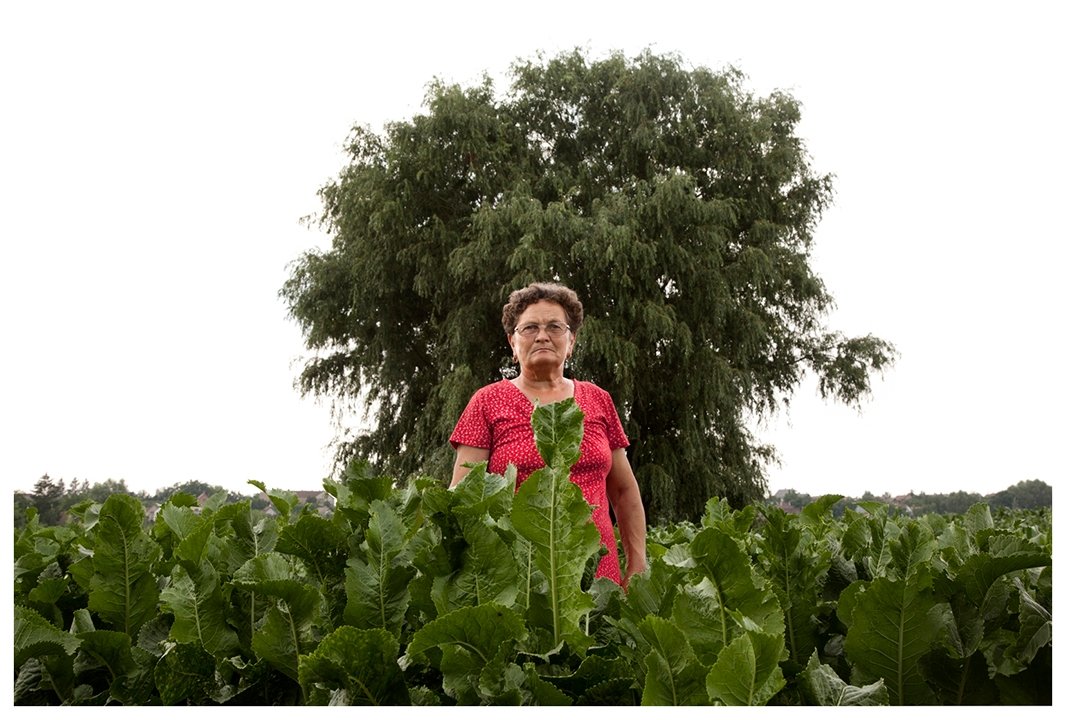
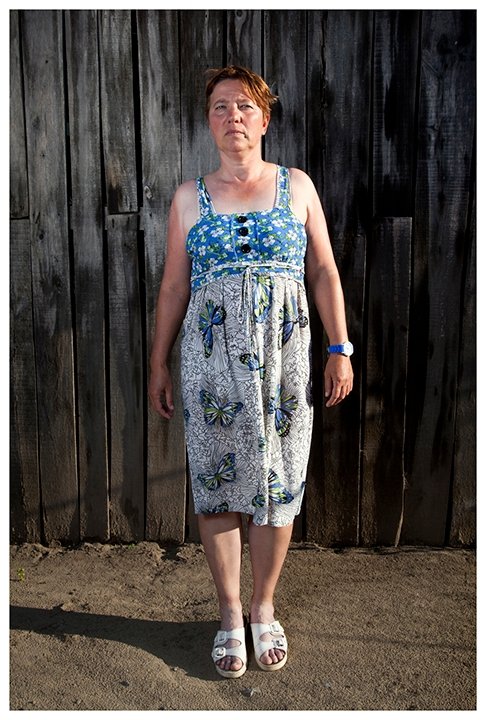
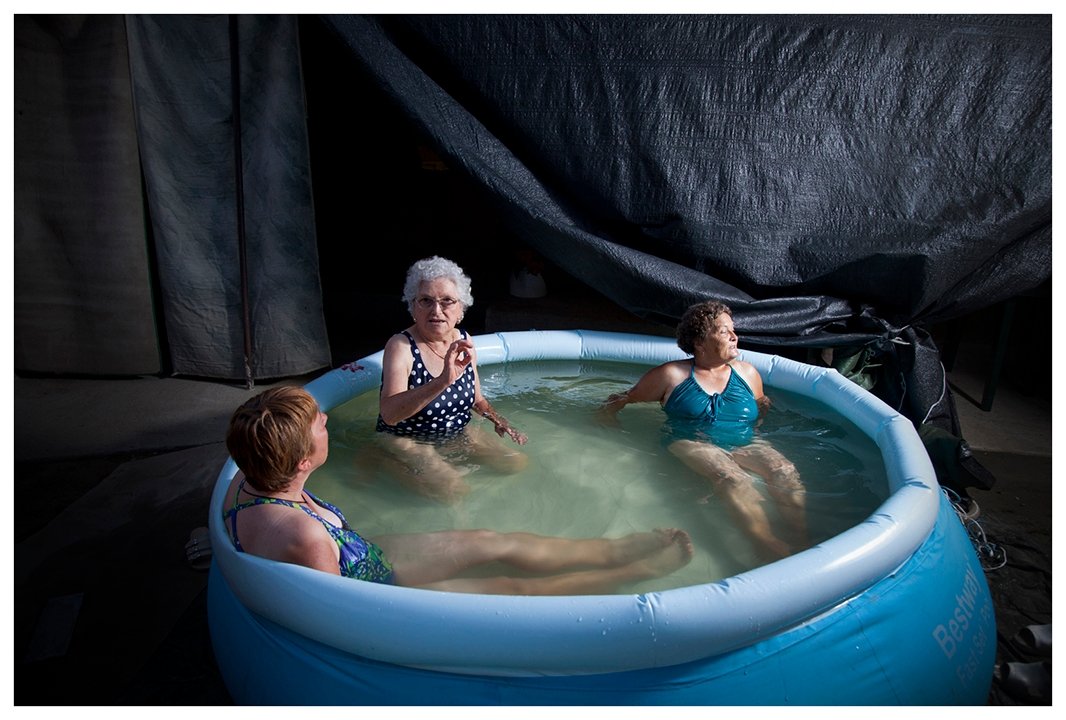
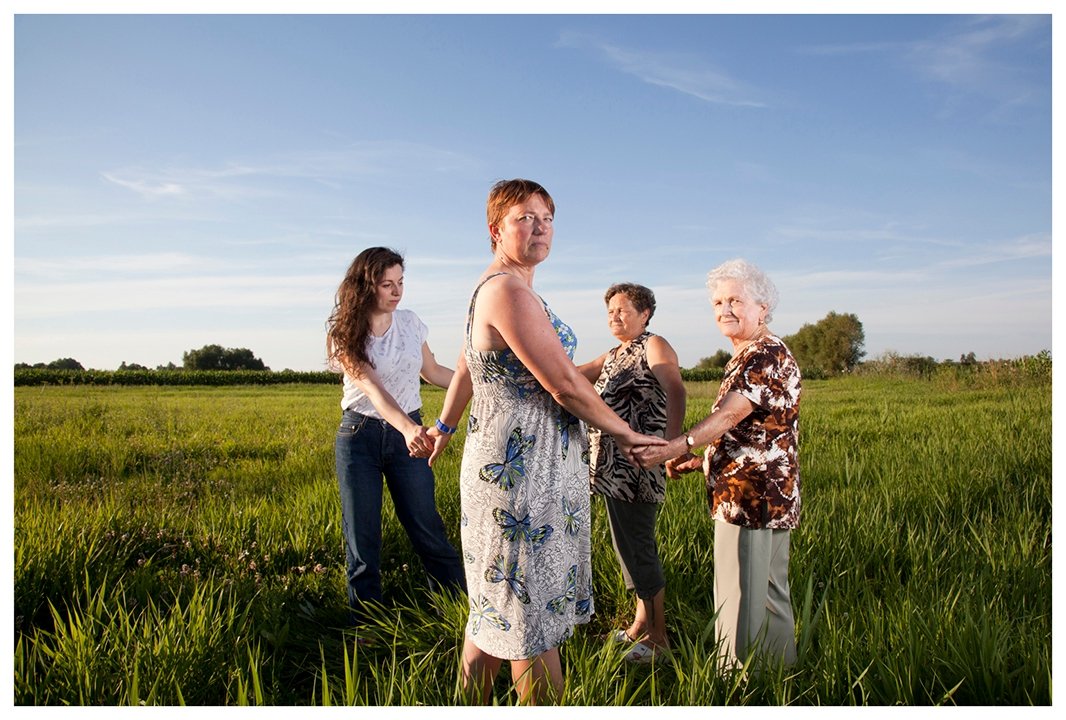
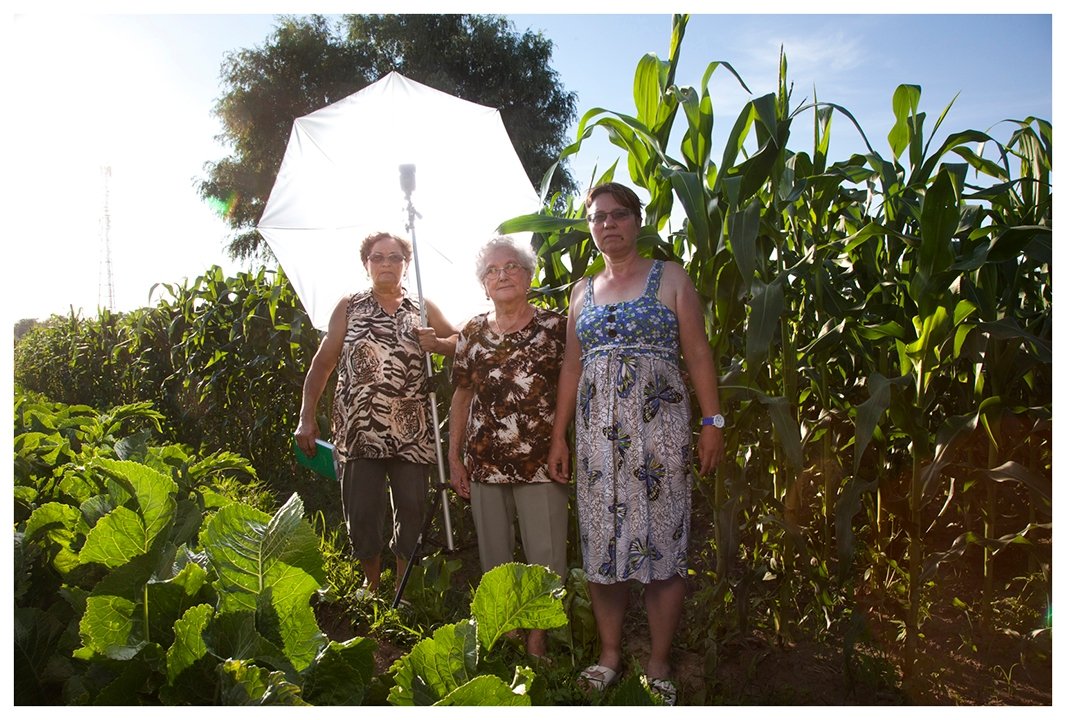
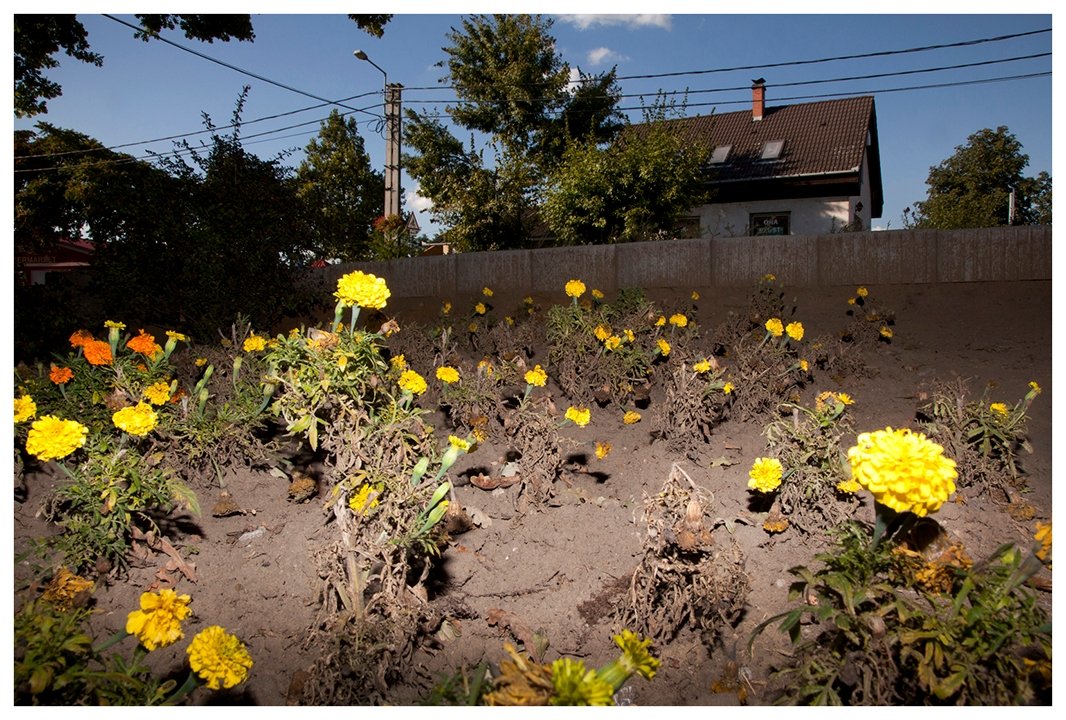
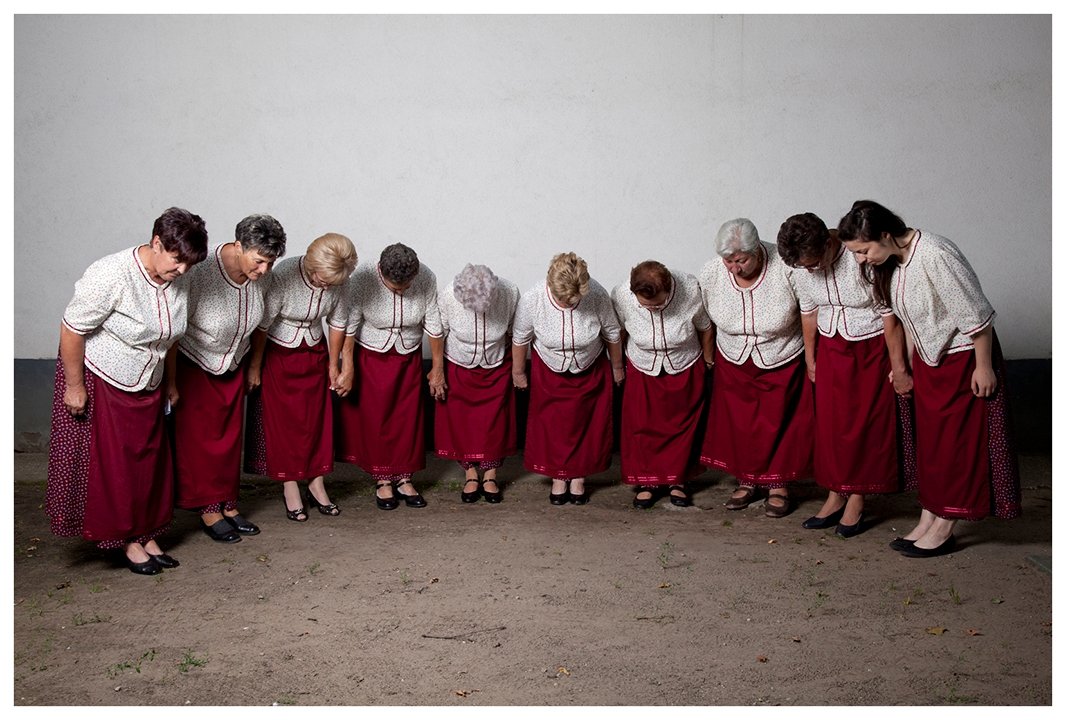
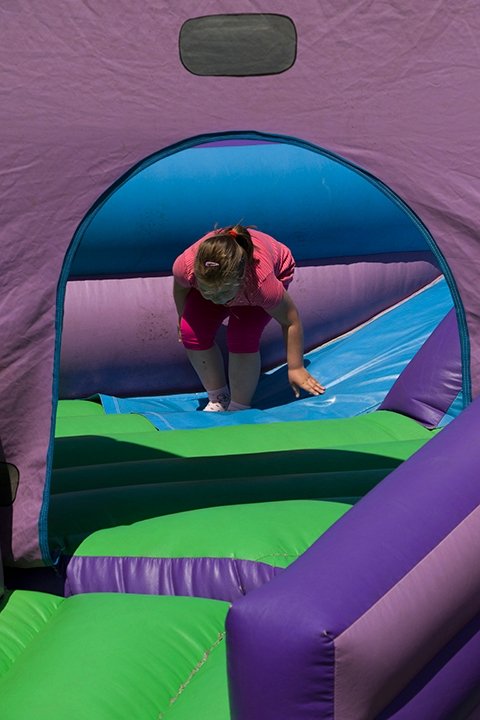
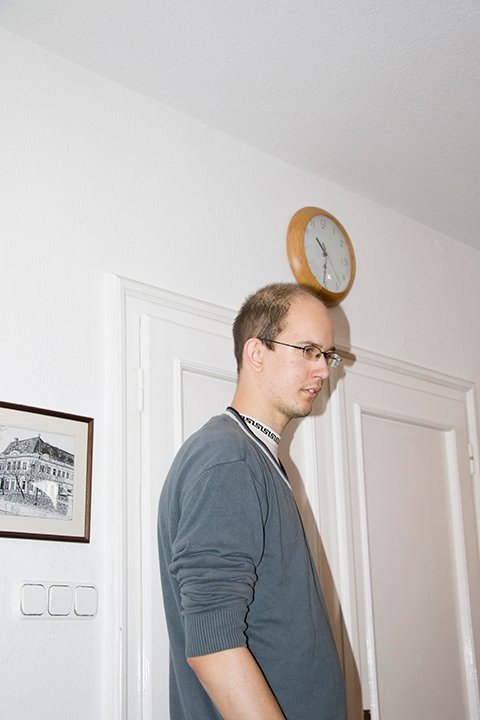
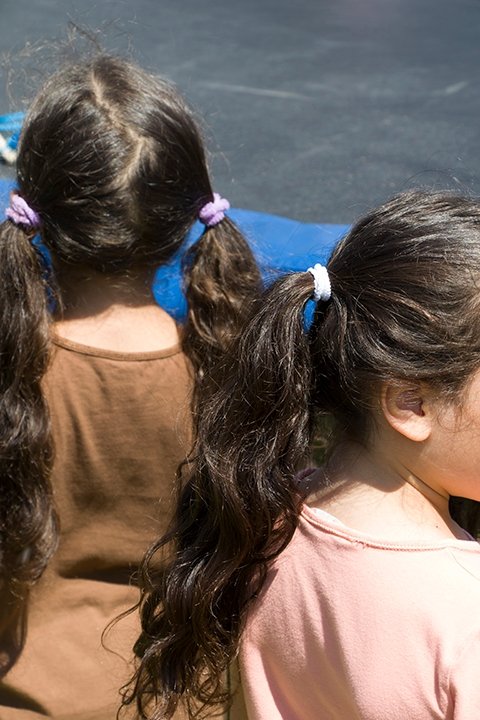
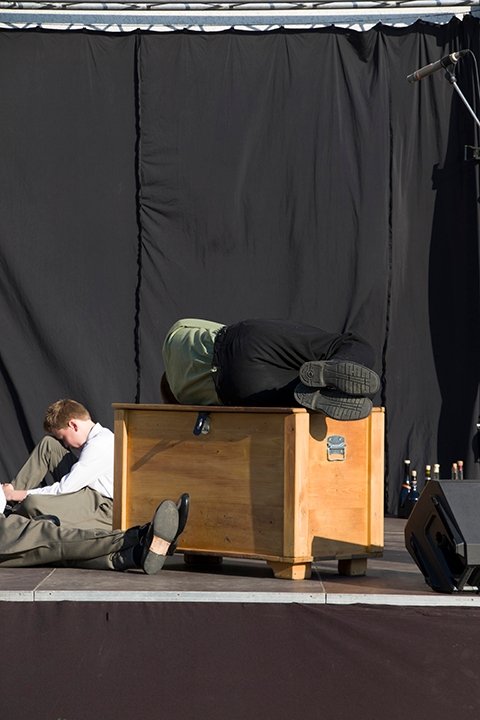
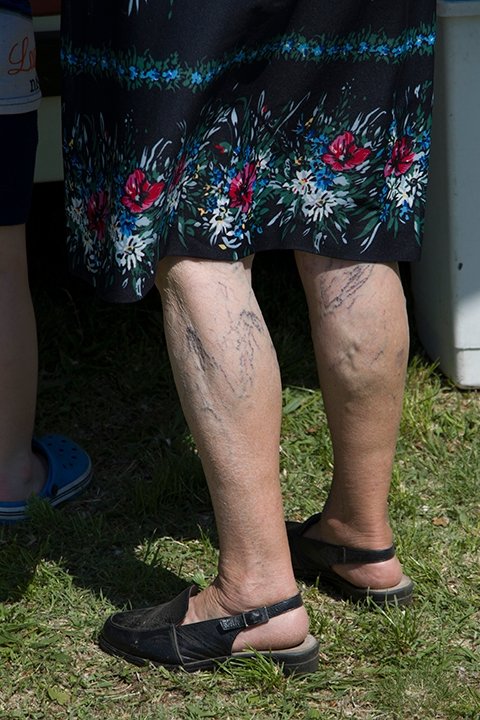
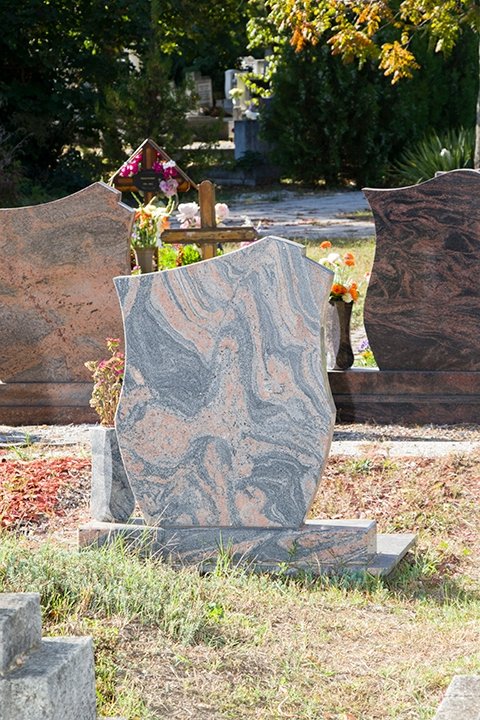
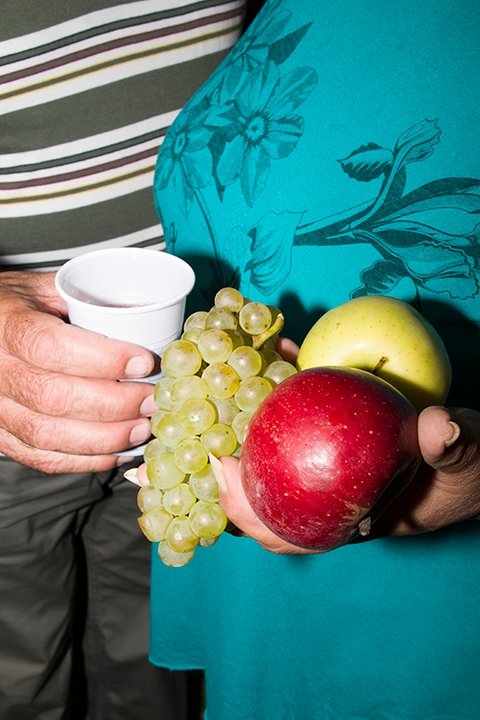
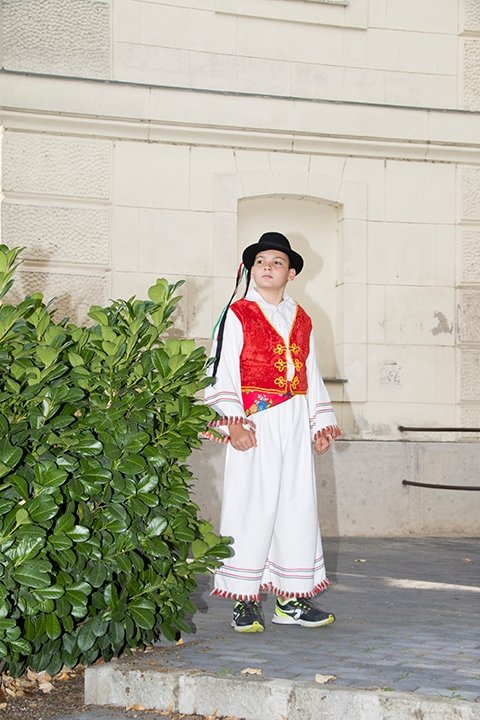
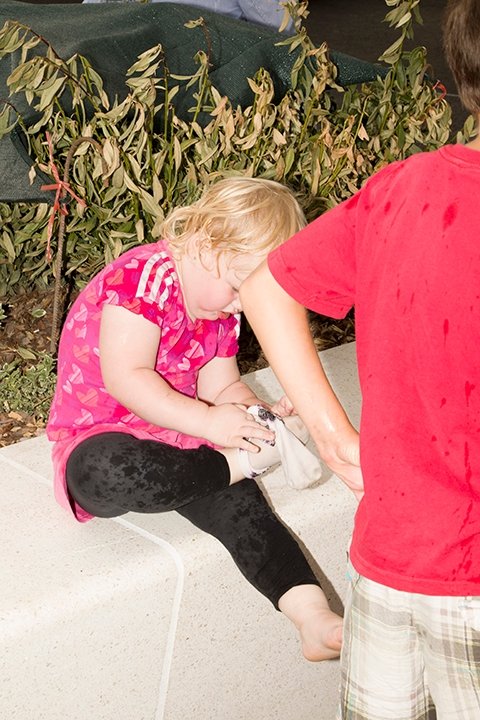
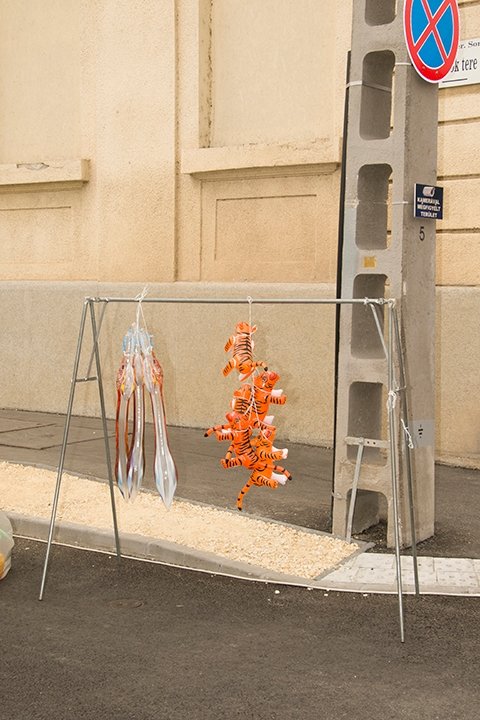
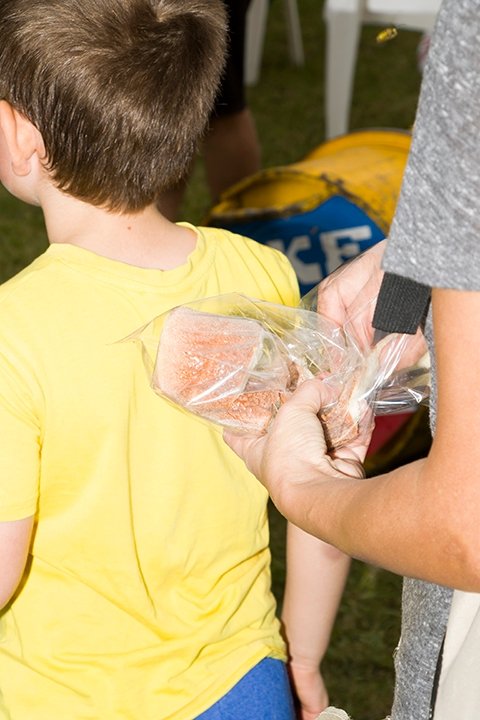
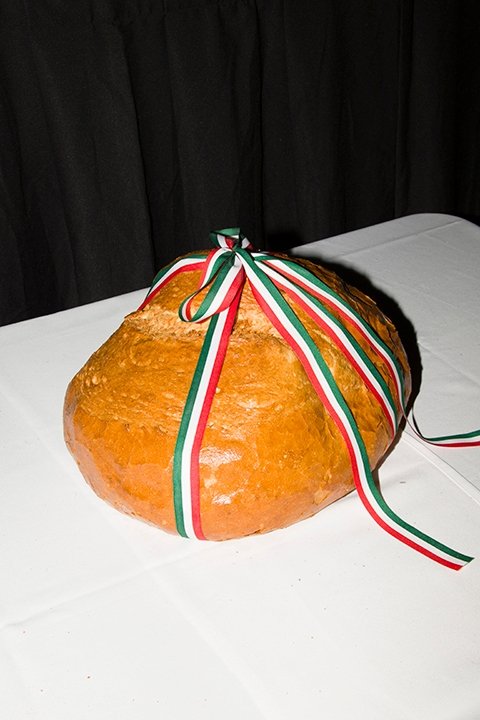
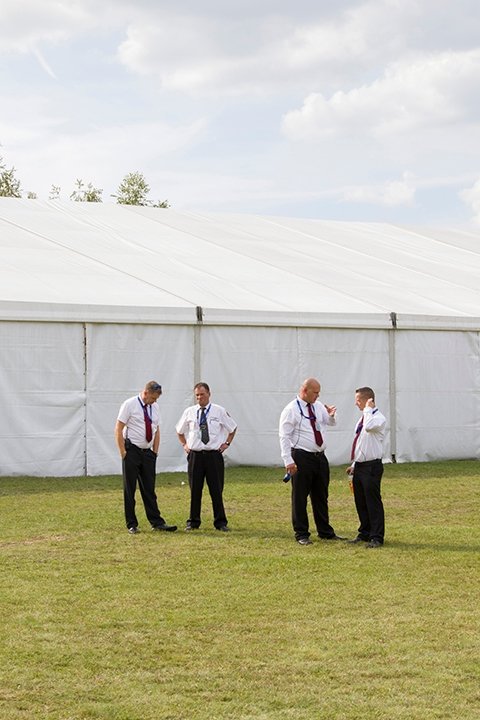
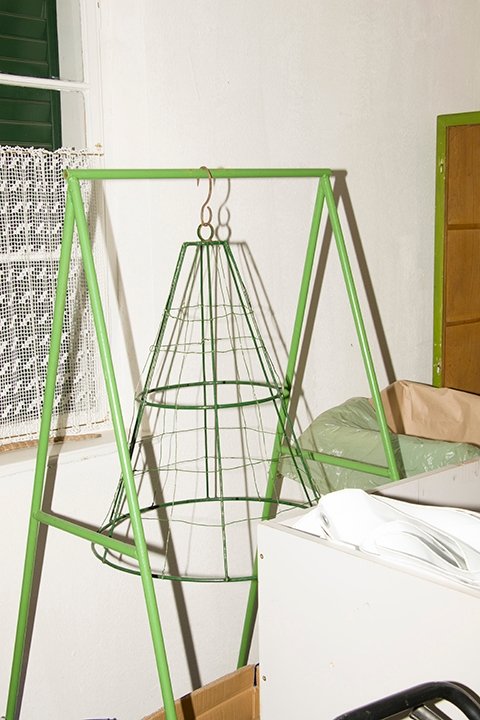
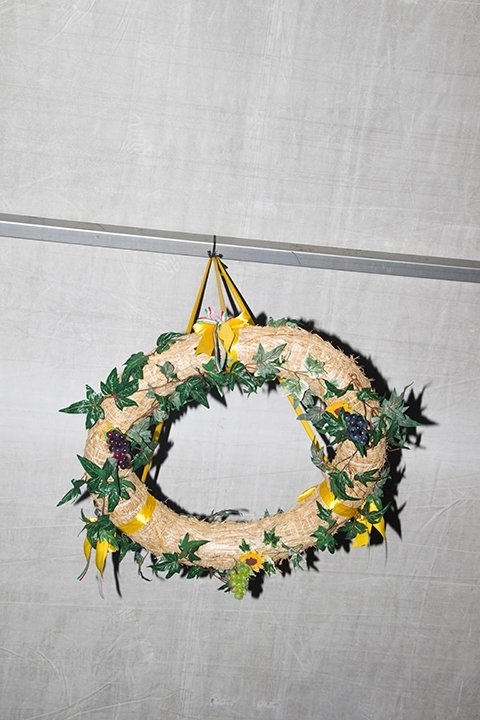
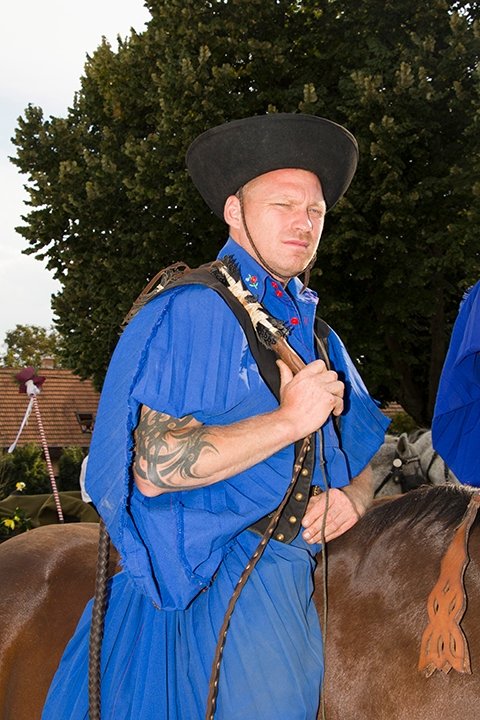
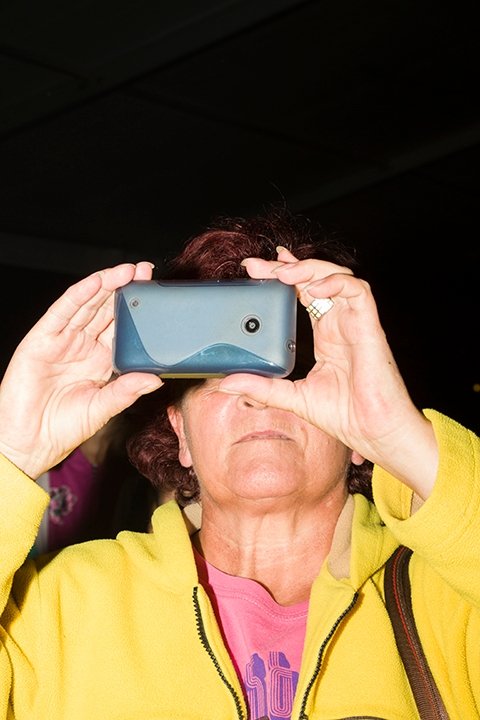
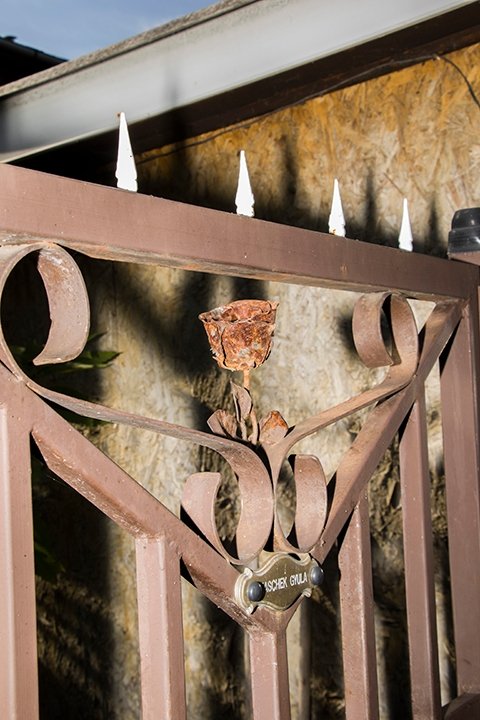
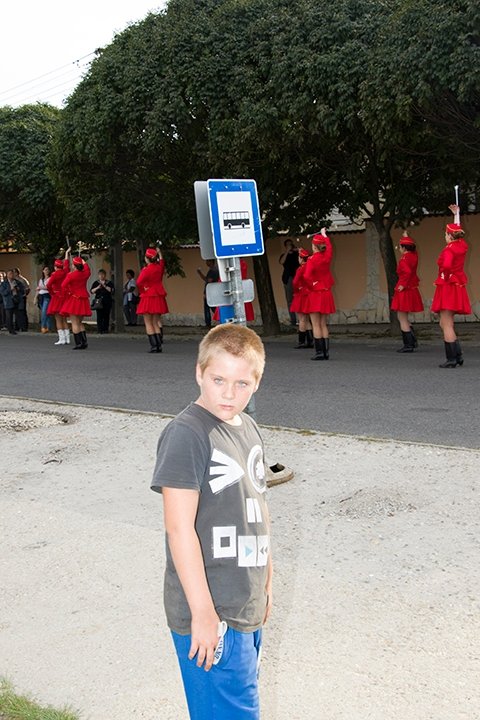
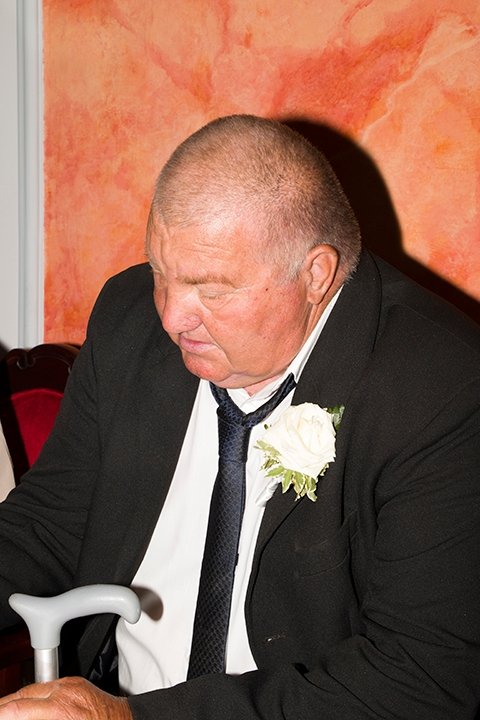
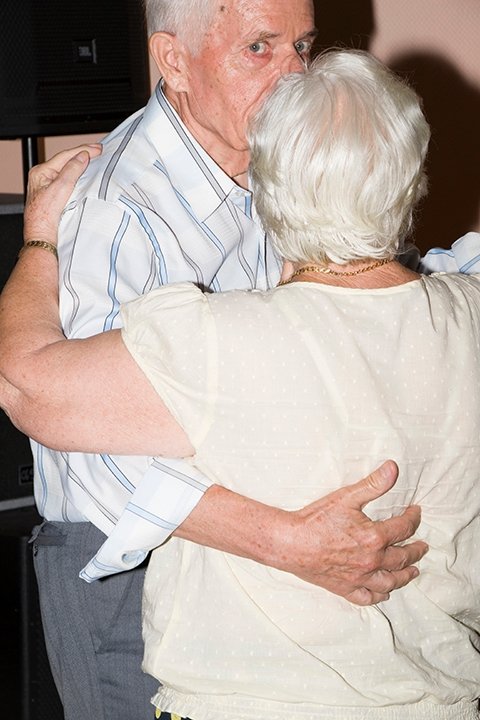
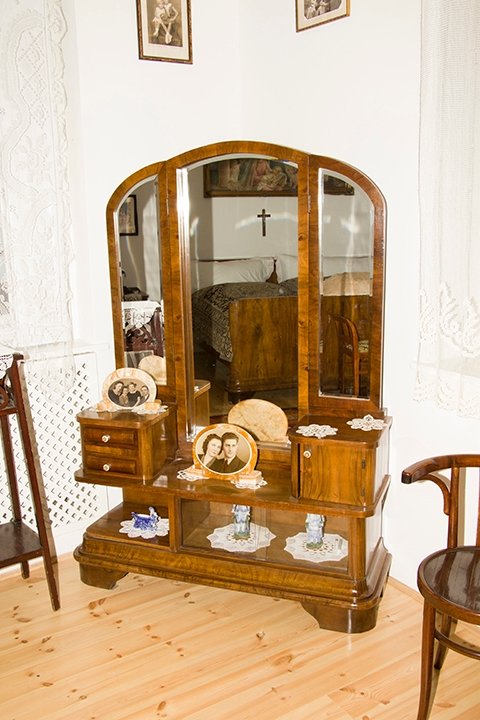
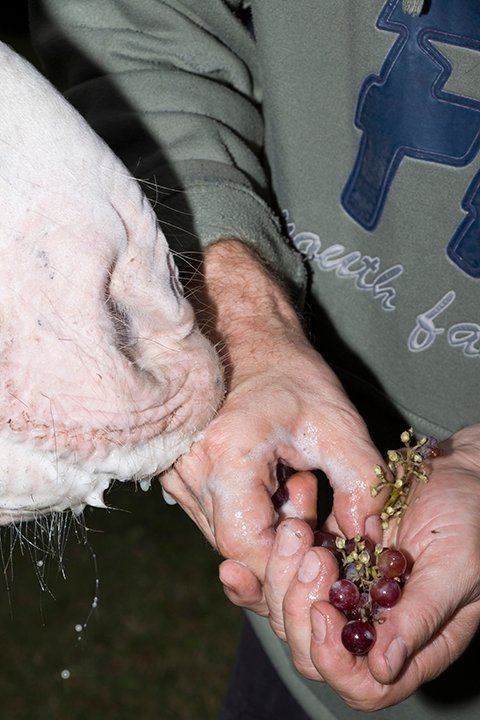
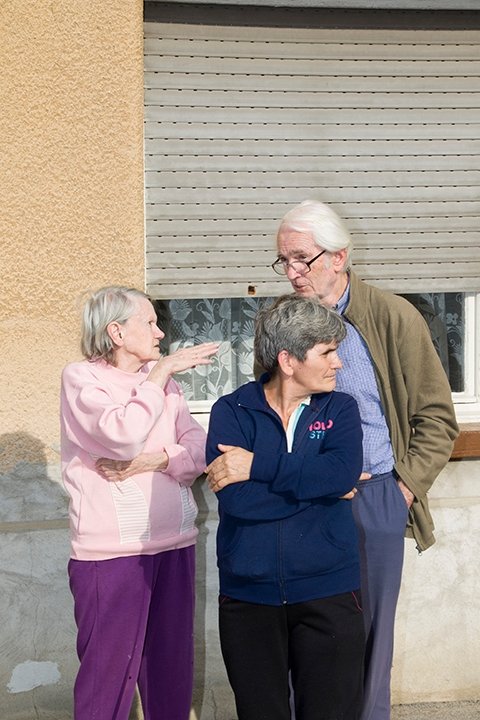
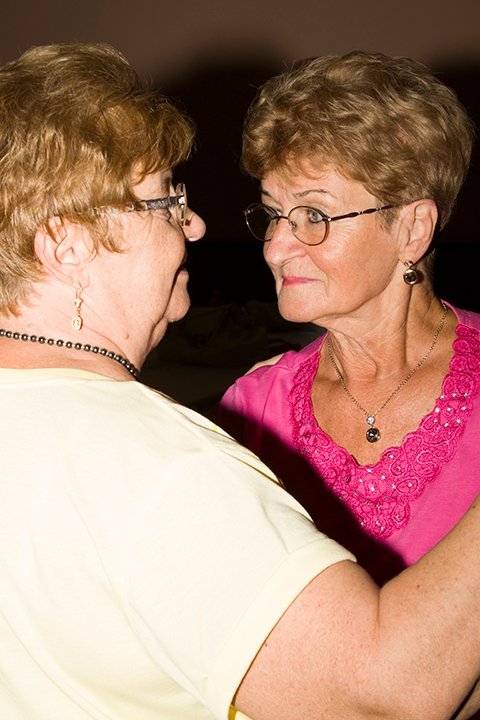
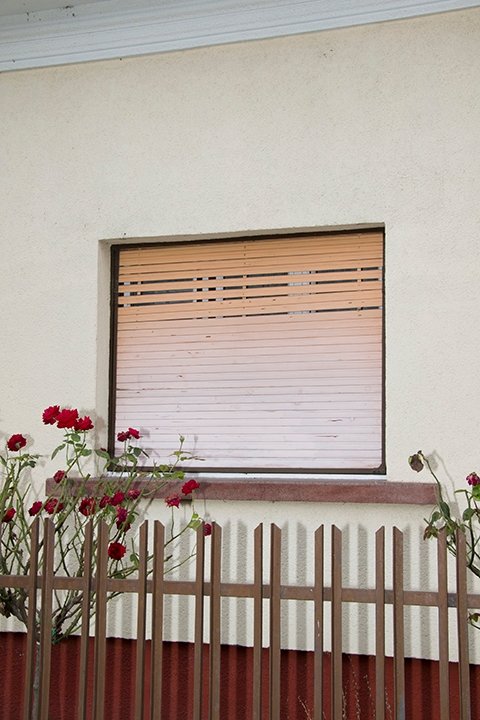
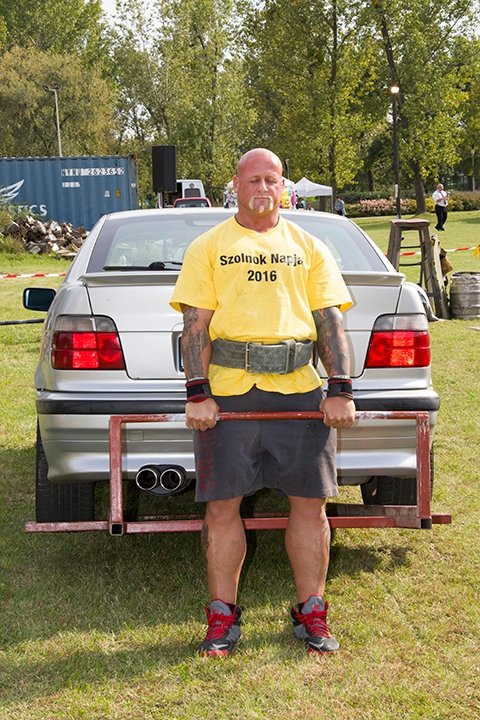
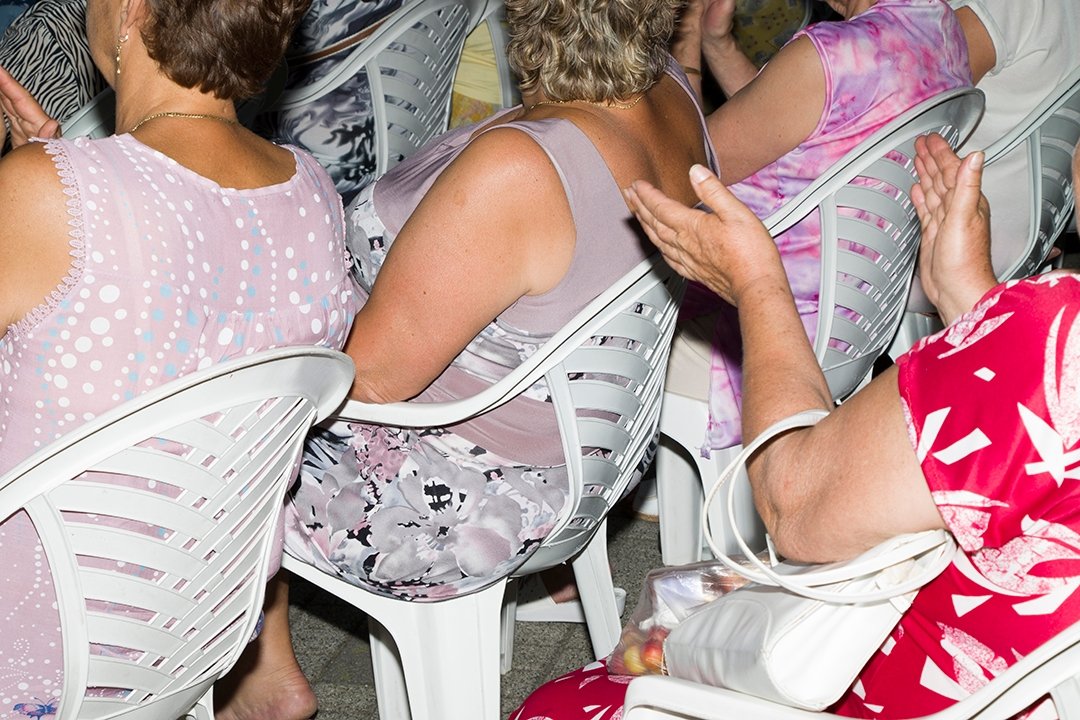
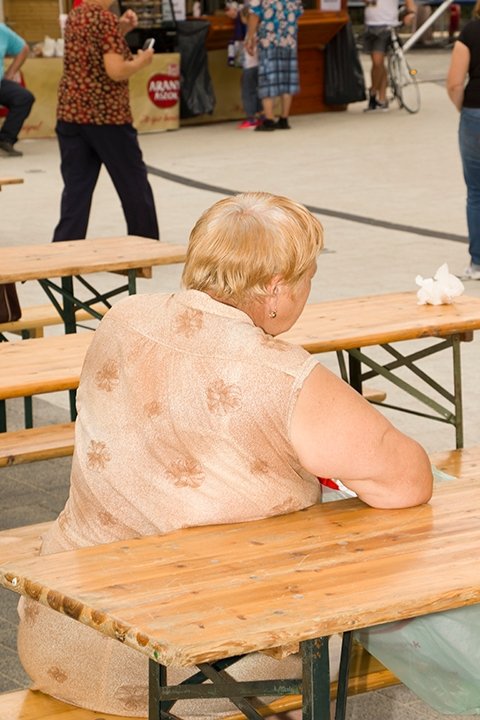
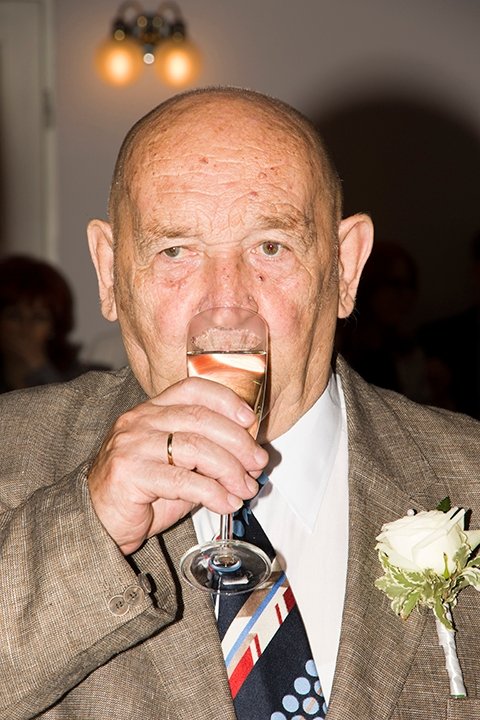
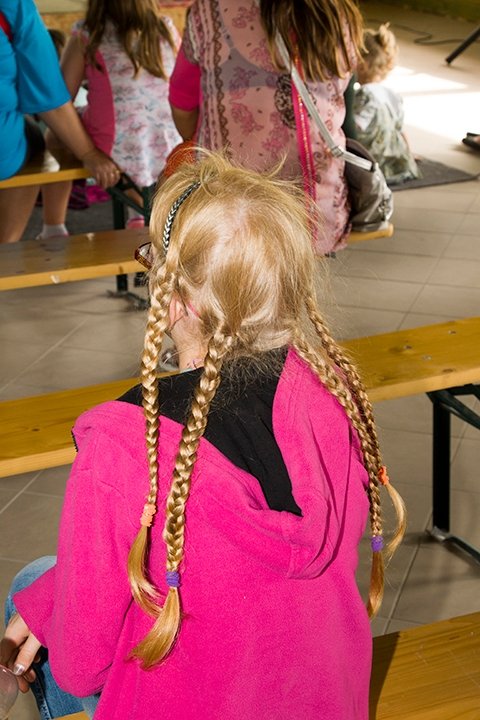
The jury selected Viola Fátyol for her entry entitled If you have a heart, what you did to me, hurts you too as the second Capa Grand Prize Hungary-winner in 2016.
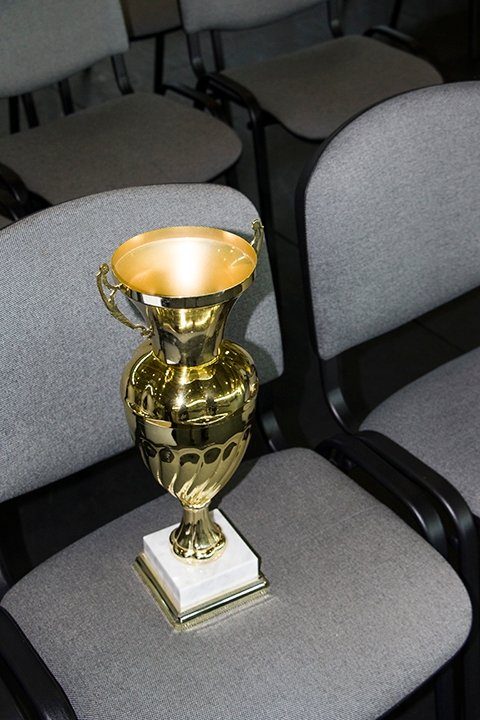
The Robert Capa Photography Grand Prize Hungary was founded in 2014 by the Capa Center to recognize the work of artists who produce an outstanding achievement in the field of Hungarian photography. The awards were decided in two stages by a five-member jury of Hungarian and international professionals. In May the jury selected three candidates – and awarded each of them with a fellowship of HUF 500 000 (approx. €1600 or $1800) – for the Grand Prize of HUF 5 million (approx. €16,000 or $18,000) in total. The jury appreciated Viola FÁTYOL’s work in the last six month, so they selected her as the second Grand Prize Hungary-winning photographer in 2016. Viola FÁTYOL received a cash award of HUF 3.5 million (approx. €11,000 or $13,000) at the award ceremony on October 21, held on the eve of Robert Capa’s 103rd birth anniversary in the Capa Center.
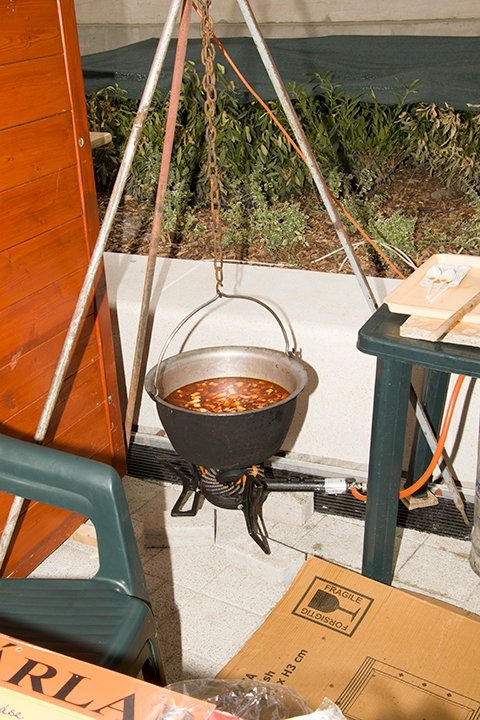
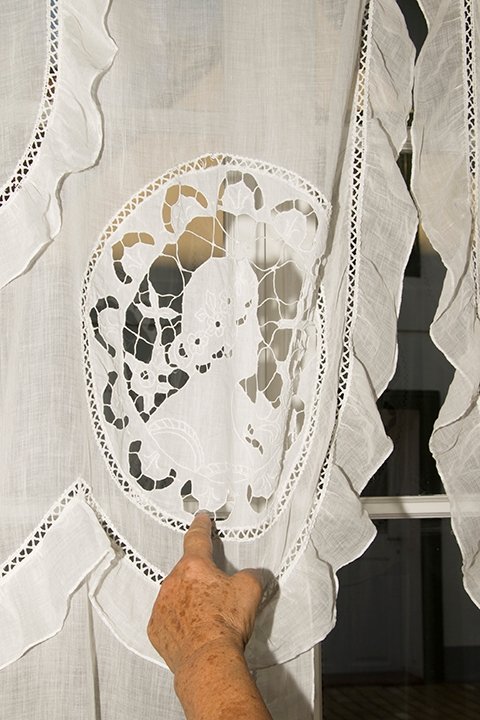
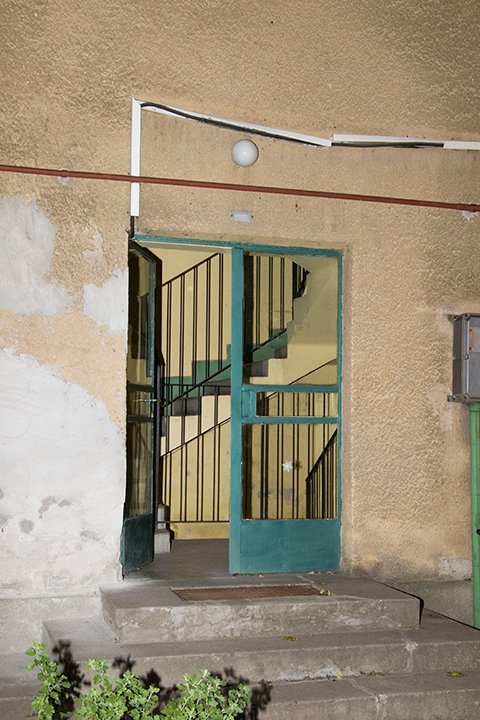
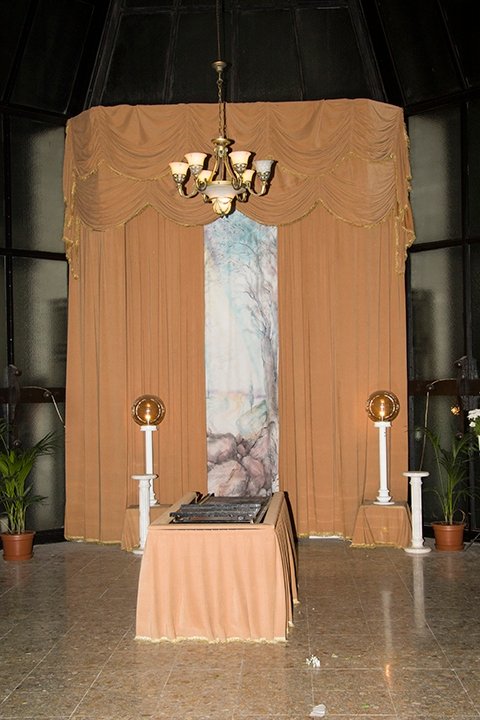
IF YOU HAVE A HEART, WHAT YOU DID TO ME, HURTS YOU TOO
Fátyol Viola

Studies
- 2012 - 2015
2012 - 2015 Moholy-Nagy University of Art and Design, Doctoral School, Multimedia Art - 2006 - 2011
2006 - 2011 Moholy-Nagy University of Art and Design, Photography, BA+MA degree, Budapest, HU - 2007 - 2012
2007 - 2012 MOME, Teacher training, Visual Art and Design Teacher - 2010
2010 Willem de Kooning Academy, Erasmus Scholarship, Rotterdam, NL - 2001-2006
2001 - 2006 Eszterházy College, Teacher of Drawing and Visual Commmunication, Eger, HU
Solo exhibitions
- 2016 //
2016 // Stays between us, Ferenczy Múzeum, Szentendre - 2015 //
2015 // Looks familiar, Hungarian Cultural Institute, Bratislava, S - 2015 //
2015 // Photography (The Retoucher), joint exhibition with Anna Nemes, Trapéz Gallery, Budapest, HU - 2015 //
2015 // If you have a heart, what you did to me, hurts you too, B24 Gallery, Debrecen, HU - 2014 //
2014 // I and He/She, exhibition with Pál Gerber, Ferencvárosi Pincegaléria, Budapest, HU - 2014 //
2014 // In the Meantime, In Between Time, Faur Zsófi Gallery, Budapest, HU - 2014 //
2014 // Fieldwork, exhibition with Sári Ember, Labor Gallery, Budapest, HU - 2012 //
2012 // ’The Fear of the Lord is the Beginning of Knowledge’, Demo Gallery, Budapest, HU - 2010 //
2010 // Privacy, Project Space, Kunstverein für die Rheilande und Whestfalen, Düsseldorf, G - 2009 //
2009 // Mű-Terem Gallery, Debrecen, HU - 2008 //
2008 // Spiritusz Gallery, Budapest, HU
Selected group exhibitions
- 2015 //
2015 // Unsettled affairs of women, Institute of Contemporary Art - Dunaújváros - 2014 //
2014 // Second Skin, Visual Codes of Social Constructions, Robert Capa Contemporary Photography Center, Budapest, HU
Private Nationalism, Gallery M21, Zsolnay Cultural Quarter, Pécs, HU - 2013 // Constellations - Portraits between Reality and Fiction, Fotogalerie Wien, A
The Artist Is Present, Inda Gallery, Budapest, HU
Present Continuous, Hungarian House of Photography, Budapest,
HU In the Kitchen, in the Bed, in Public, Hungarian House of Photography, Budapest - 2012 // The Hero, the Heroine and the Author, Ludwig Museum, Budapest
New Wave Photography, Crypt Gallery, London, UK
Landscapes speak the same language, Balassi Institut, Brussels, BL
Danube – open book, Hungarian House of Photography, Budapest - 2011 // ’Hey, our flag…’, Demo Gallery, Budapest
Fresh 2011, Kogart House, Budapest, HU
Danube – Open Book, Berlaymont, Brussels, BL - 2010 // Experiments of Public Utility, Demo Gallery, Budapest
Impulso, Várfok and Spiritusz Gallery, Budapest
Interhuman Relations, Fotofestiwal, Lodz, PL
Reality on Cloud 9, Balassi Institut - Hungarian Cultural Centre, Brussels
Urban Traces, Universität der Künste, Berlin, D
Paradogma, Várfok Gallery, Budapest - 2009 // Essl Award, Essl Collection, Klosterneuburg, A
Ad hoc (et nunc), Dorottya Gallery, Budapest
Awards, scholarships
- Residency of Ville de Paris, Cité Internationales des Arts, Paris, FR,
- 2015 Grant of the National Cultural Fund of Hungary,
- 2011 Erasmus Scholarship, Willem de Kooning Academy, Rotterdam, NL,
- 2010 Essl Award, Vienna Insurance Group Special Invitation,
- 2009 Fresh art, Mű-Terem Gallery, 1st prize,
- 2008 8th ARC National Billboard Exhibition, 2nd prize, 2007
Memberships
- Studio of Young Photographers Association, Hungary Studio of Young Artists Association, Hungary
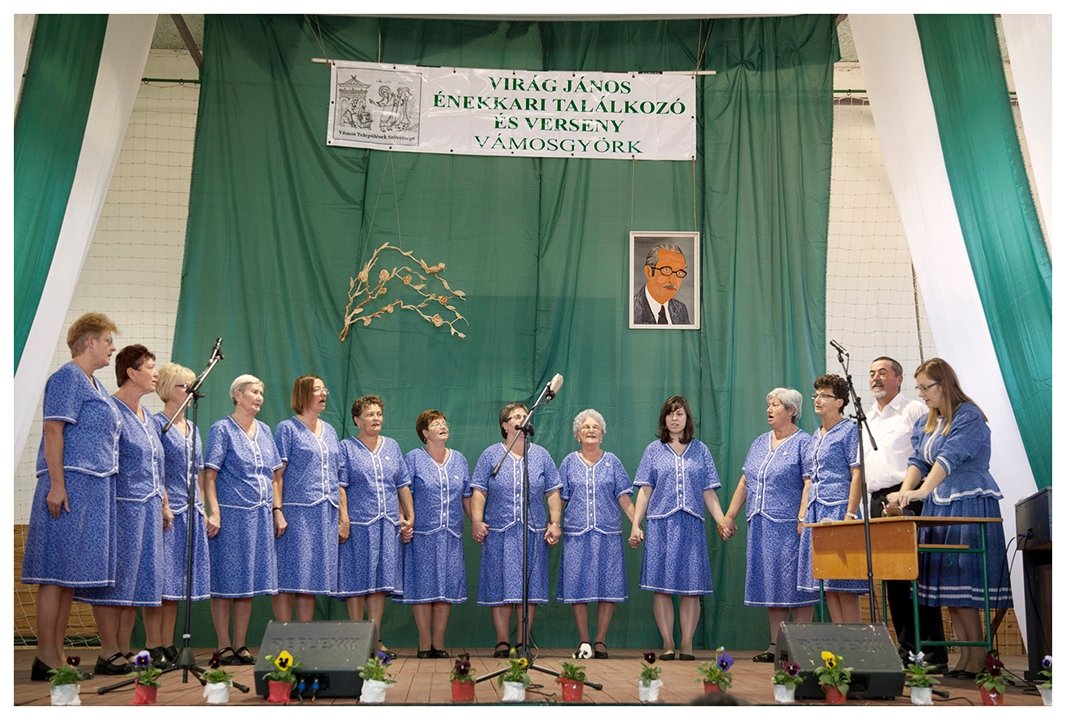
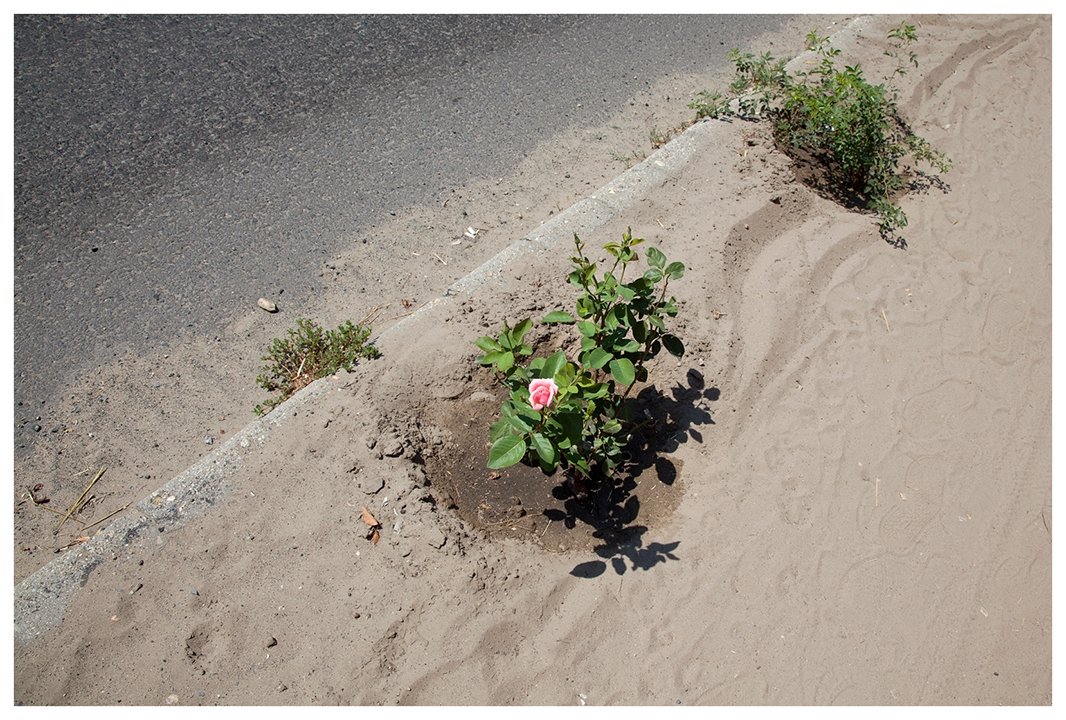
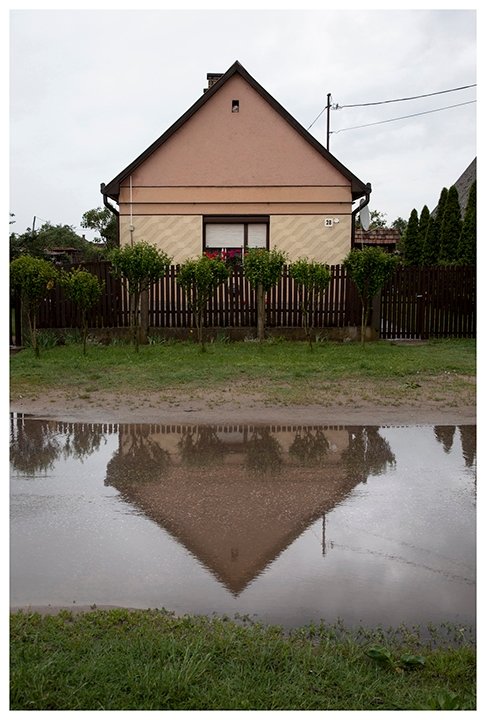
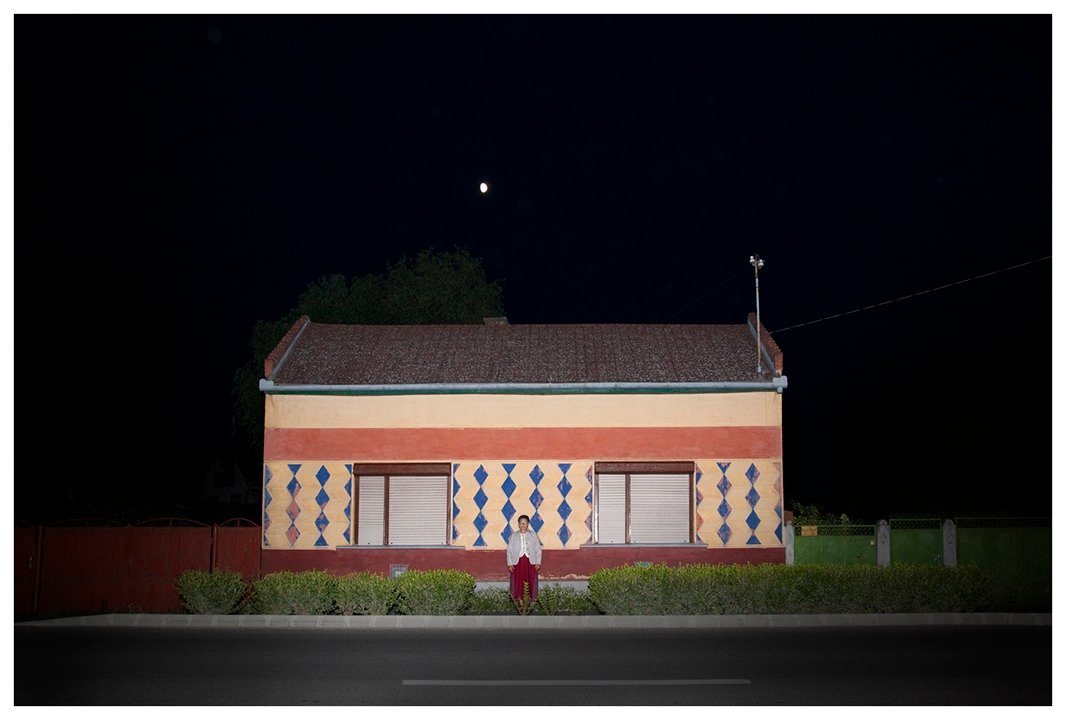
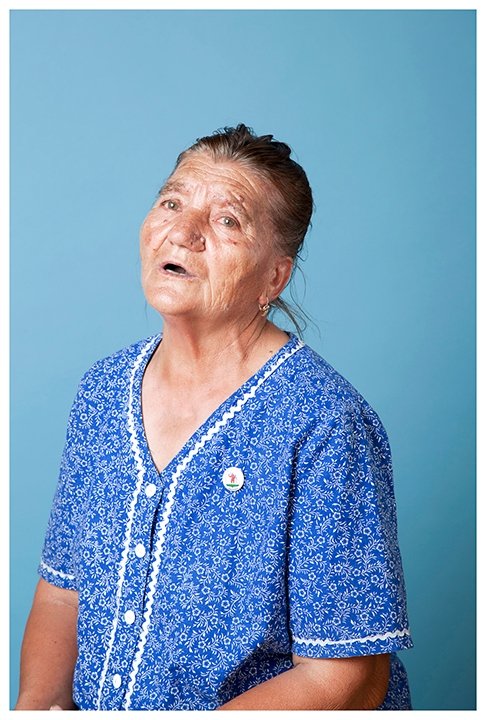
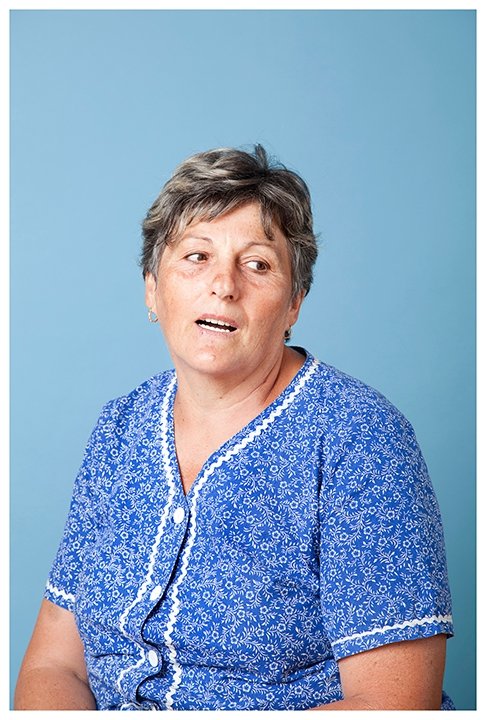
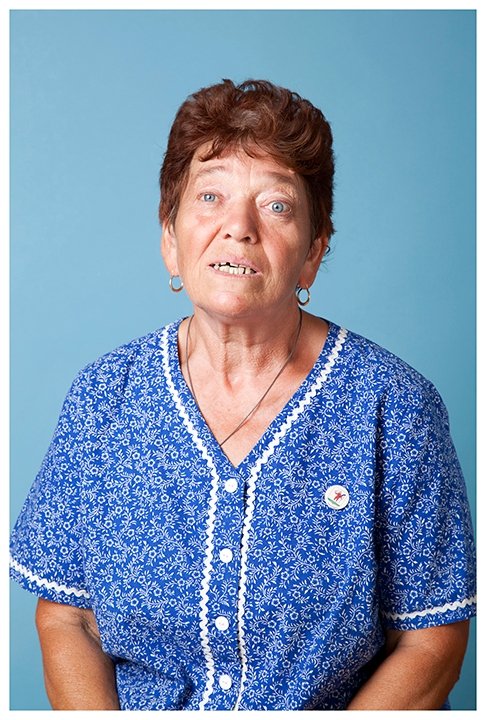
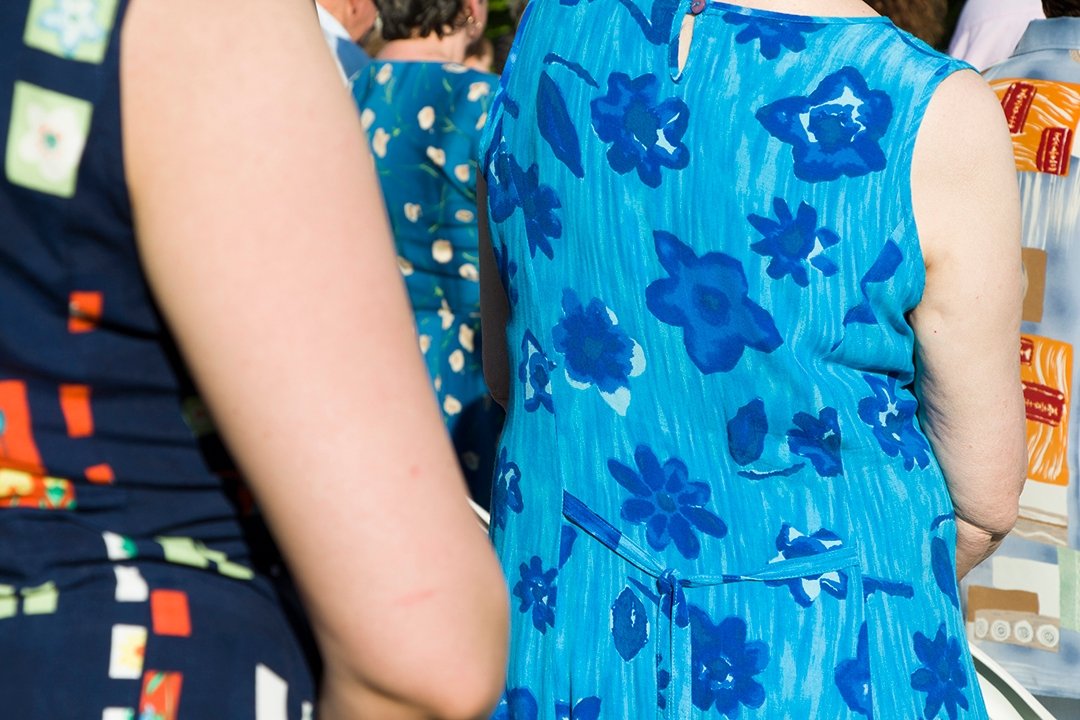
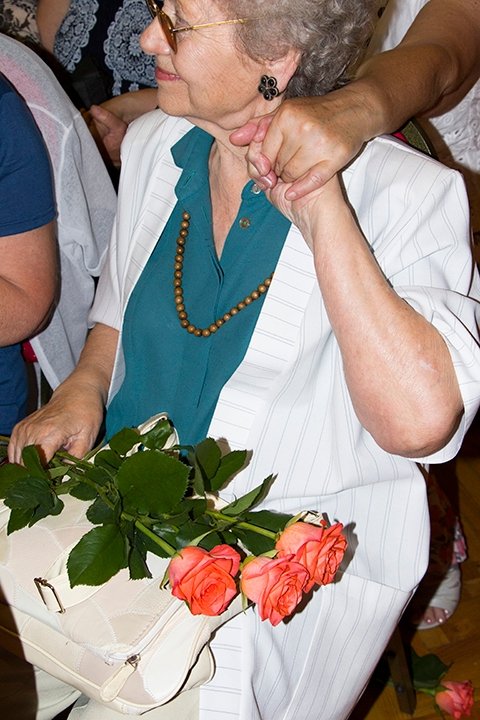
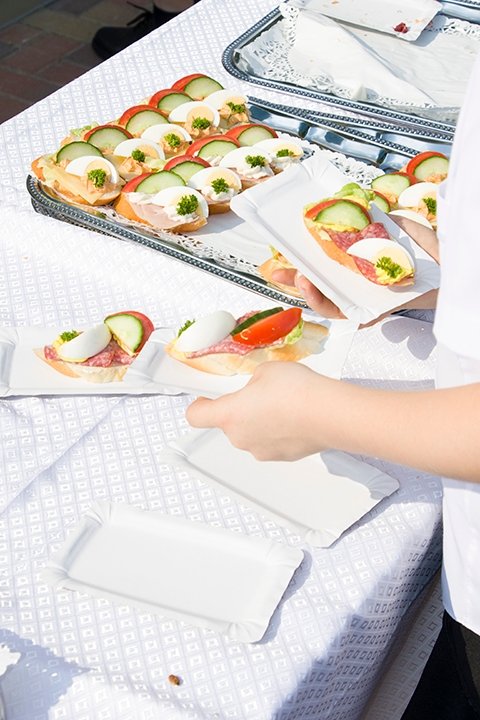
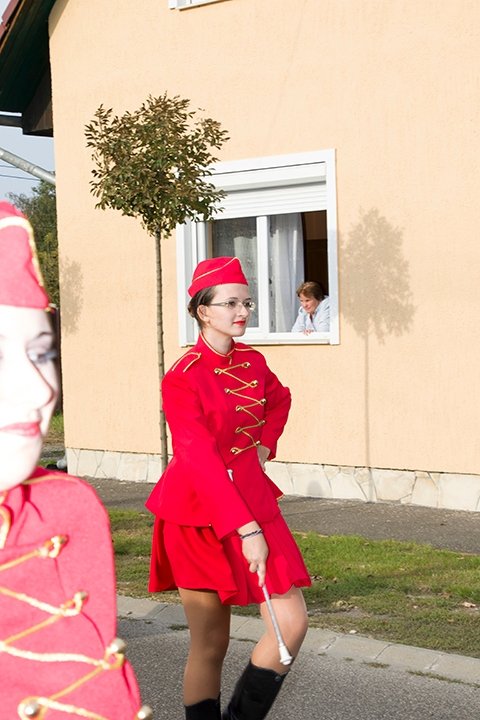
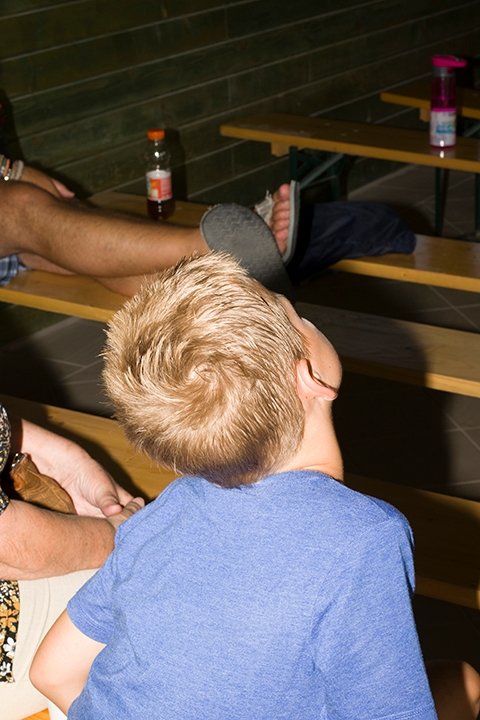
Viola Fátyol: If you have a heart, what you did to me, hurts you too
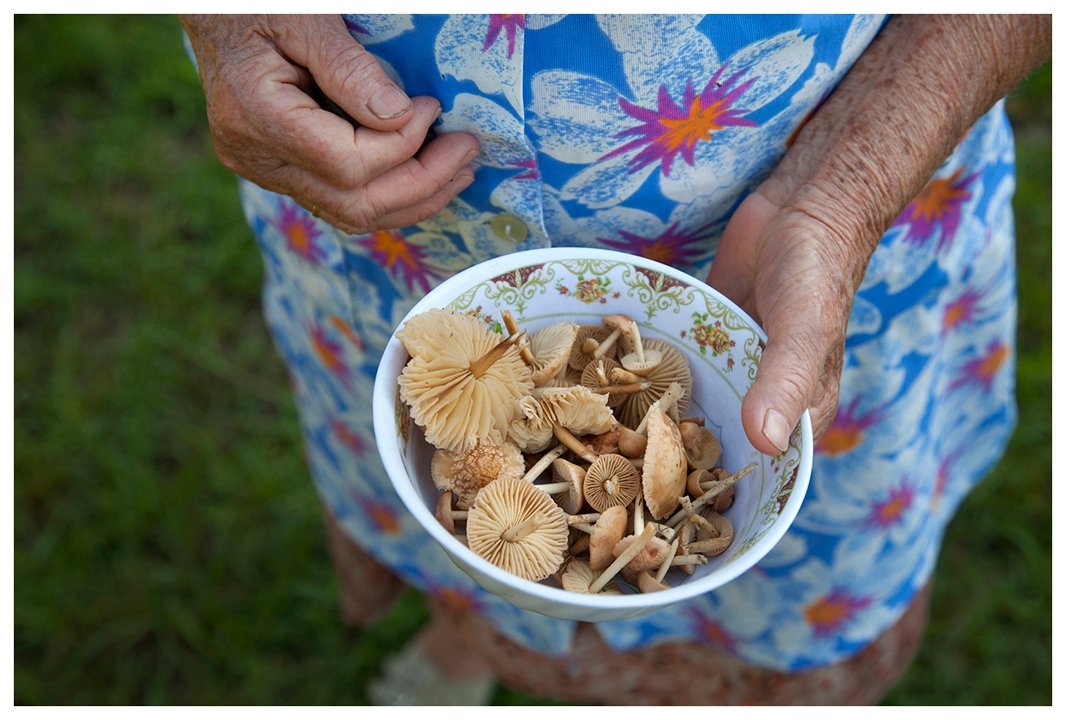
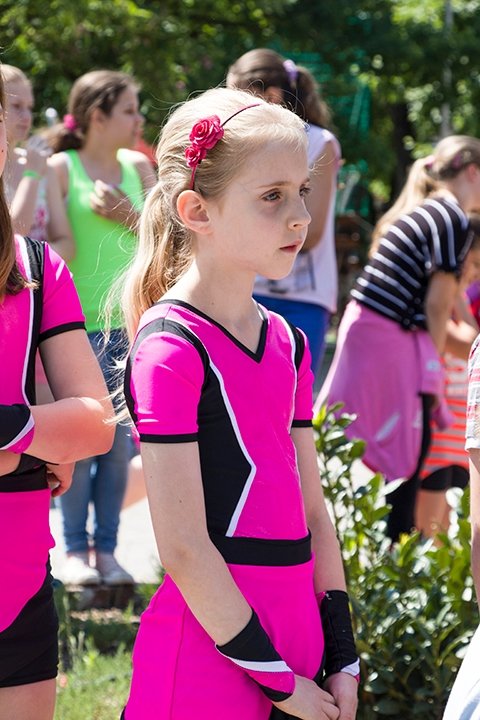
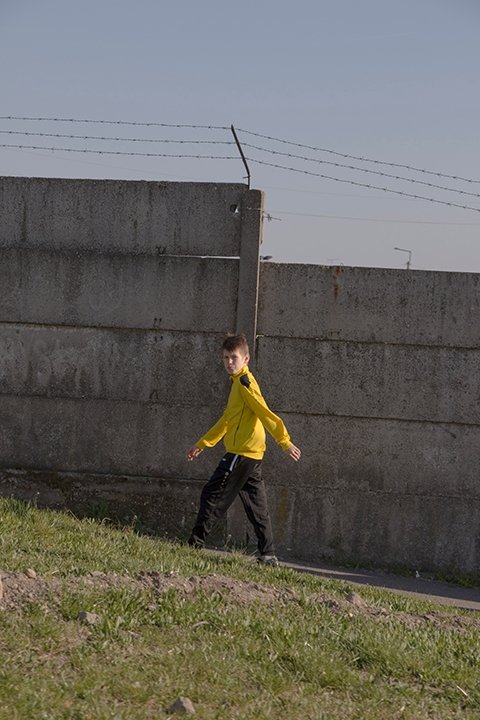
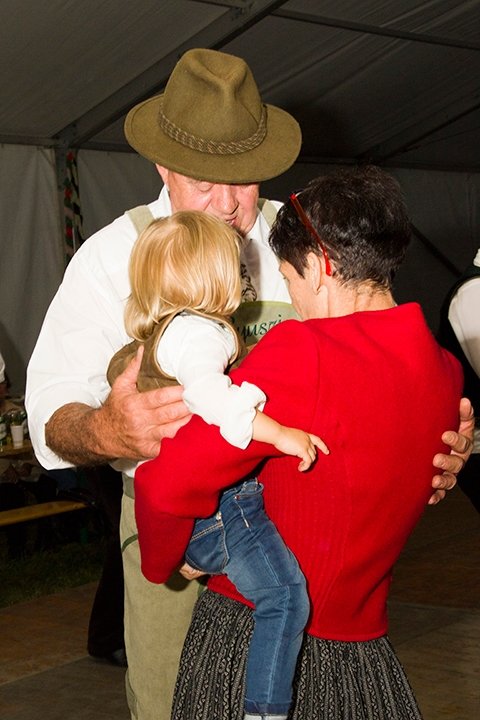
Vámospécs is situated in Hajdú-Bihar County, twelve kilometres from the eastern border of Hungary. Its population is about five thousand people. Most of its residents traditionally work in agriculture or do farming at home besides their other jobs. The town is struggling with the problems of peripheral existence from the geographical, economic, and cultural aspects.
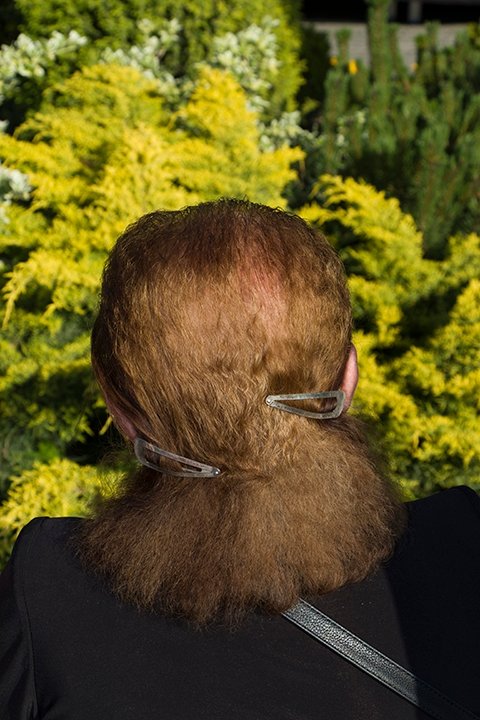
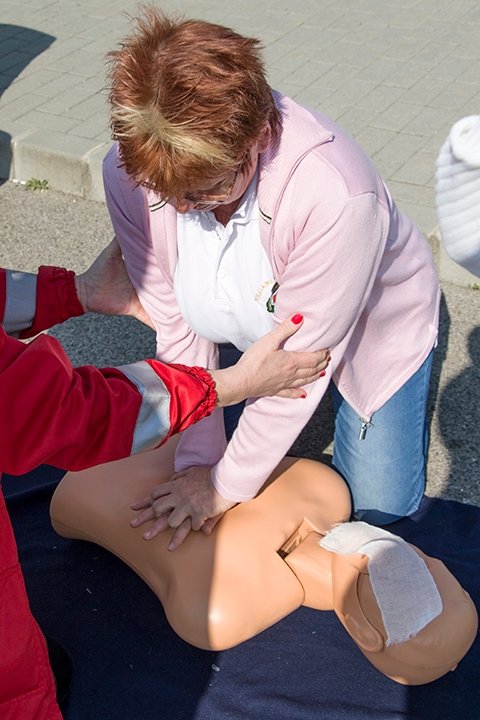
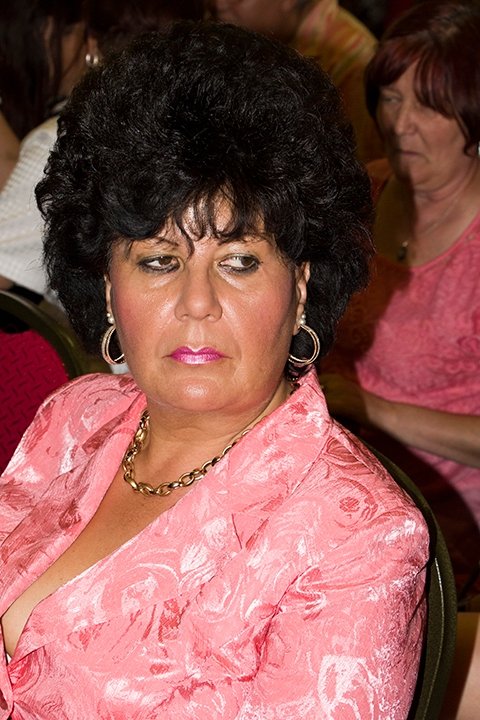
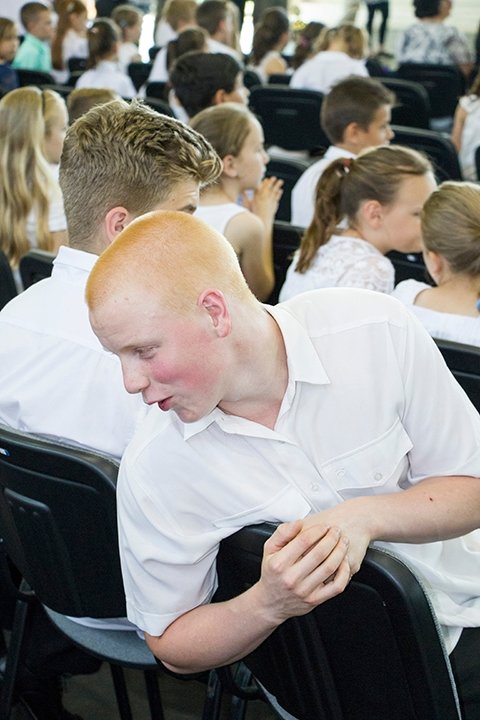
The folk choir has been operating for forty years; its members are mostly elderly women, who can, for the first time, afford to do intellectual-cultural activities regularly in their years of retirement. They attend the community for different reasons: to cope with loneliness, to overcome personal tragedies, or simply for the joy of singing.
We have been singing together since 2013.
WORKS BY THE FELLOWS
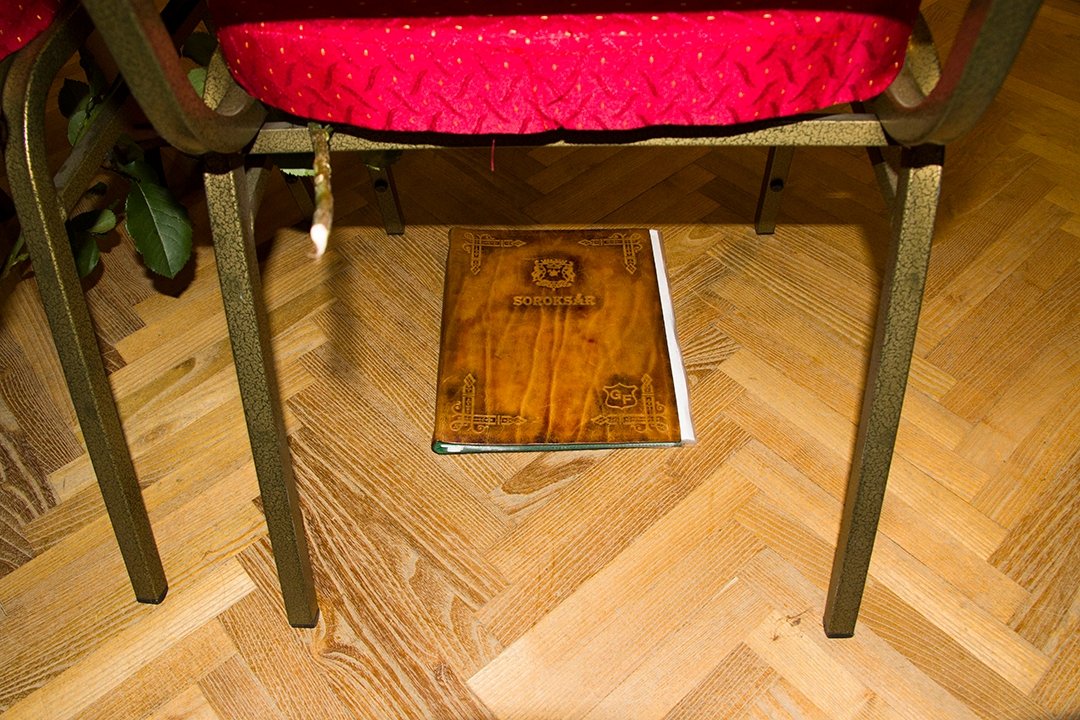
SOROKSÁR
Ficsór Zsolt

ZSOLT FICSÓR /
place and date of birth: Budapest, 1989.11.24.
ABOUT ME
When I’m working on field I see the connection between space, people, sound and the lens. I think a photographer has to be an observer. When I’m taking my photos in order to capture the moment professionally I have to be a „brick in the wall” and become unnoticable.
WORK EXPERIENCE
- 2016- M4 sportchannel
- 2015- MAMA photobooks - own business
- 2014- HELLO WOOD
- 2014-2015 - prae.hu, online cultural newspaper - jurnalist, photographer
- 2012-2013 - Assistant at László Mészáros photographer - DDB hungary
- 2012 - Ludwig Museum - XY exhibition - assistant
MEMBERSHIP
- 2015 - Studio of Young Photographers
AWARDS
- 2015 - C/O Berlin - Close Up! International photojournalism competition - 1st prize http://www.co-berlin.org/en/close-2
http://www.co-berlin.org/en/close-2
EXHIBITIONS
- 2015 - Louvre Museum - Fifth Annual Exposure Award - Candid Collection /
- 2015 - Vienna photobook festival
- 2015 - Fotogalerie wien - text:bild - group exhibition
- 2015 - Studio of Young Photographers - group exhibition
- 2015 - Hip-hip zinefest - Sofia
- 2014 - ROHAM galerie - group exhibition (MOME)
- 2013 - 2B Galerie - group exhibition (MOME)
- 2013 - Kelet Galerie - group exhibition
- 2013 - Szimpla cafe - personal exhibition
- 2012 - Castro bistro - group exhibition
- 2011 - B55 galerie - Street Art exhibition
EDUCATION
- 2012-2016 Moholy-Nagy University of Art and Design - photography department
- 2010-2012 NOVUS (Technical And Further Education) - photography
- 2004-2010 Kodály Zoltán Music and Art High School )
LANGUAGE SKILLS
- english - basic knowledge
SKILLS
- instagram.com/zsoltficsor/
- http://www.behance.net/zsoltficsor - portfolio
- http://fcsrzs.tumblr.com/ - personal
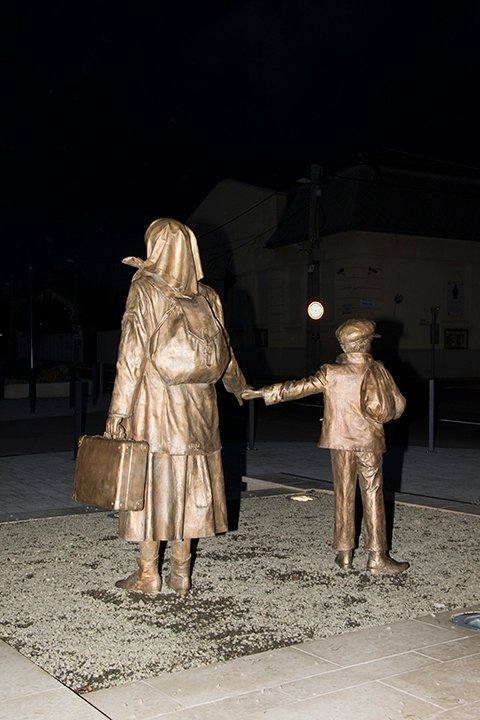
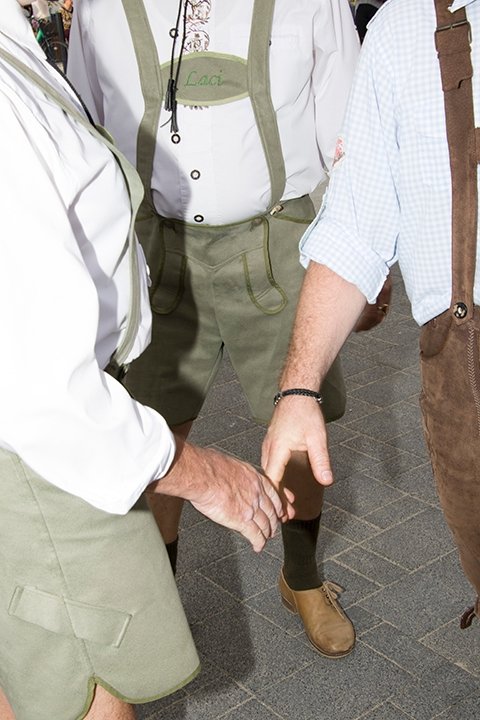
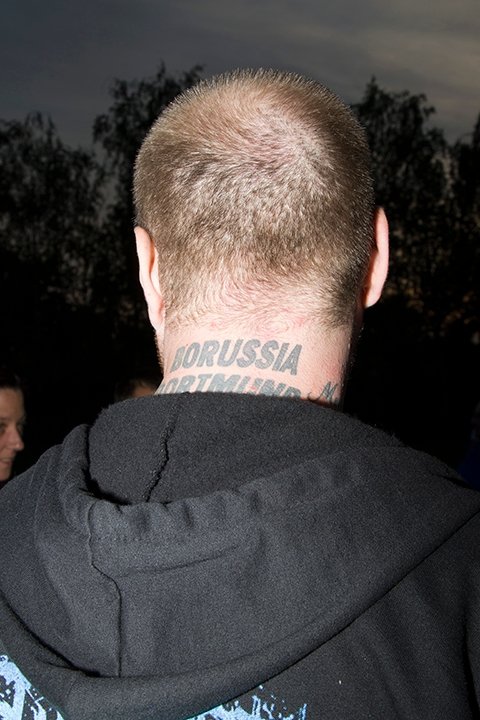
How can something remain exciting in today’s globalized world? What do we count as mistakes or as a natural characteristic of a certain occurrence? Can we differentiate them from each other? How much does one need to tell about a certain subject for us to get the whole picture? These are the questions that Zsolt Ficsor is trying to find the answer for in his photo series called Soroksár.
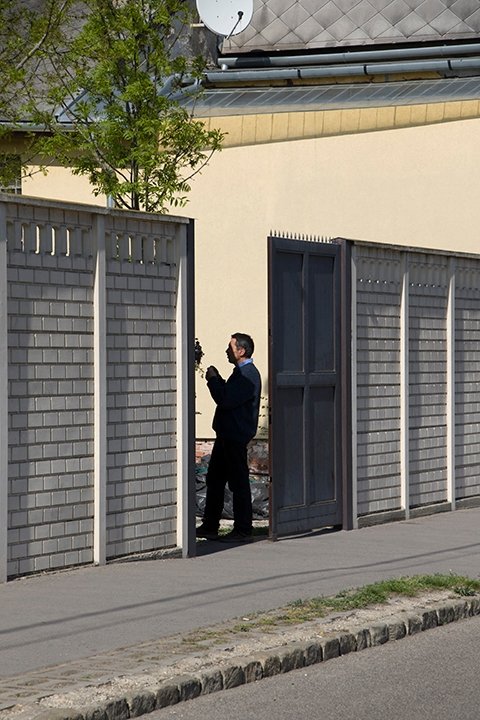
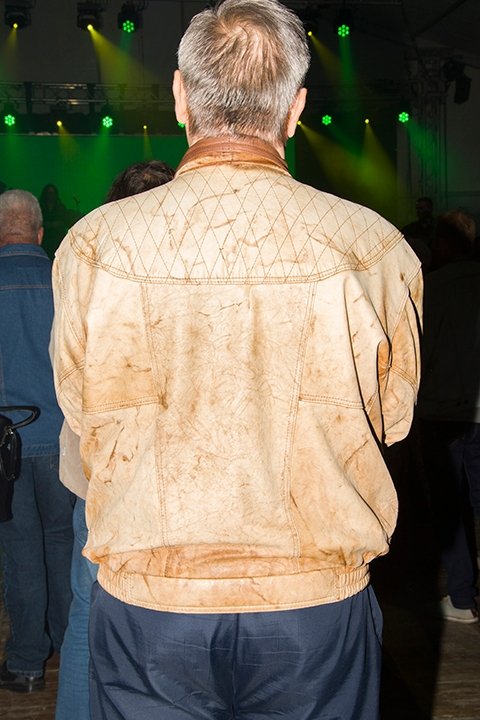
We usually absorb impressions of new places or people without even noticing them, or we are simply unconcerned towards them. We often forget to stay open for certain things that are playing a temporary part in our lives. Zsolt however, during his presence there due to work, was very much open towards Soroksár. He wanted to know and to absorb the district, to filter out the most of its unique character. During the period of his visits that lasted for about half a year, he got more and more closer to the community, he made acquaintances, and by taking pictures he was seeking answers for questions like: How can the identity of a district survive? How much and in what quality do we adhere to our roots? What are we like in general?
His humane approach to people reflects through his vision, it gives us the comfort to be as we truly are. The eventuality on his pictures are not character flaws but concomitants of the human being. They show the adherence to traditions in today‘s mankind, the society that still tries to process the condition of being rootless, and the odd mixture of all these. Besides, his photography experimenting with the amount of how much one can extract from reality without losing objectivity. Creation of an aura that is built from small details, a documentation of an era.
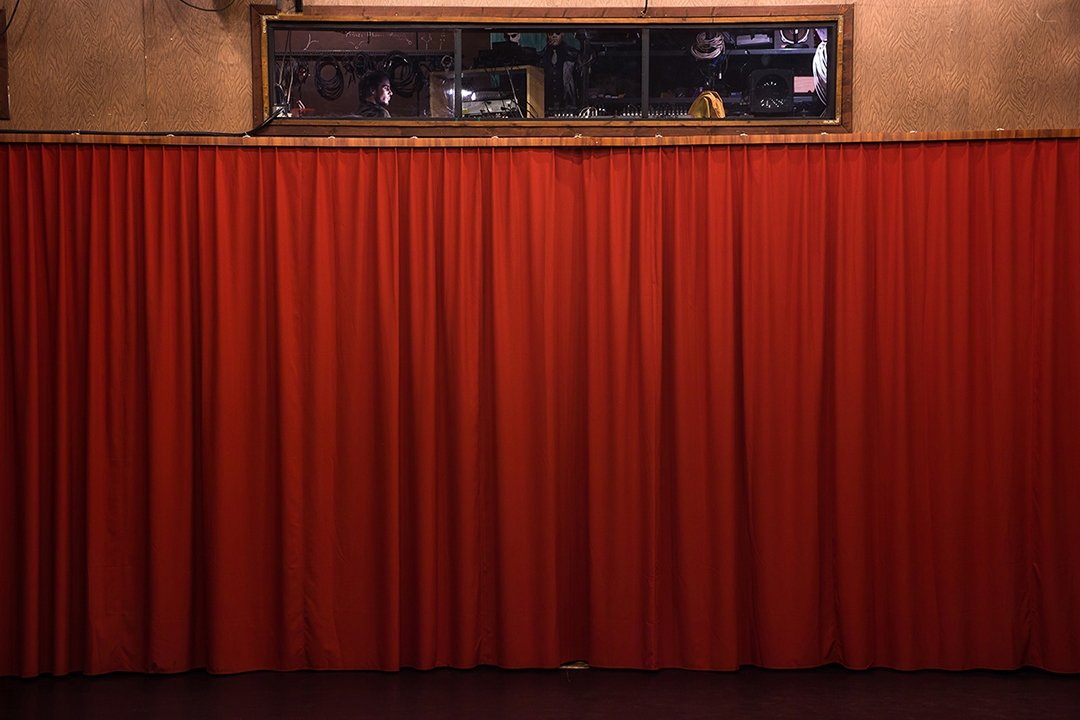
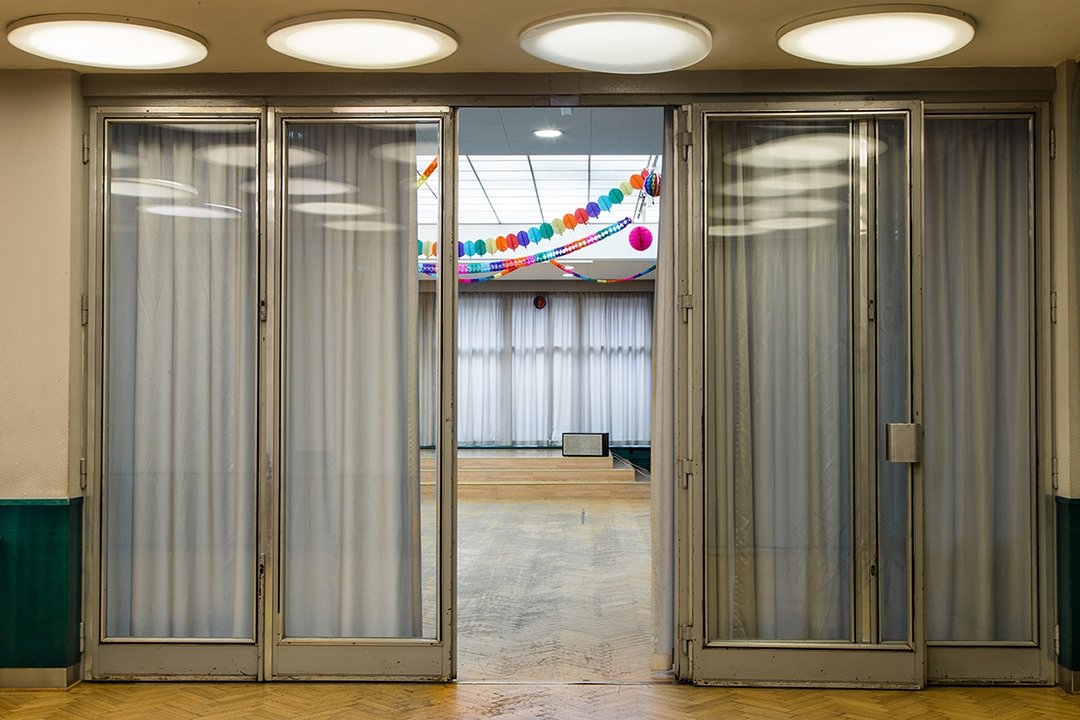
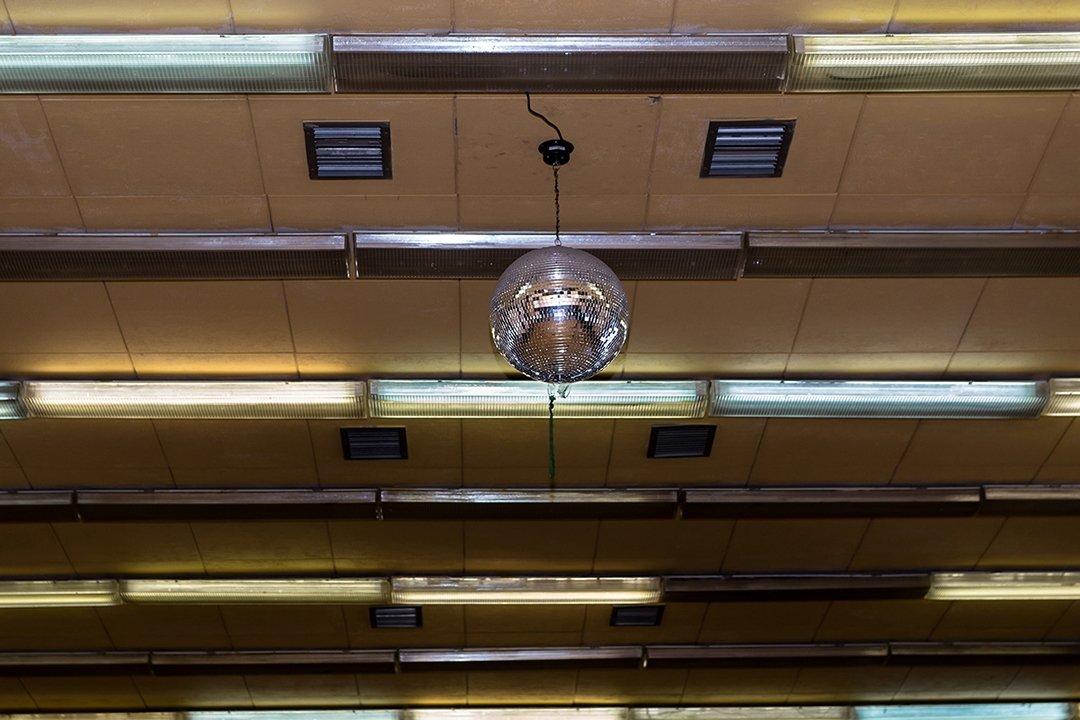
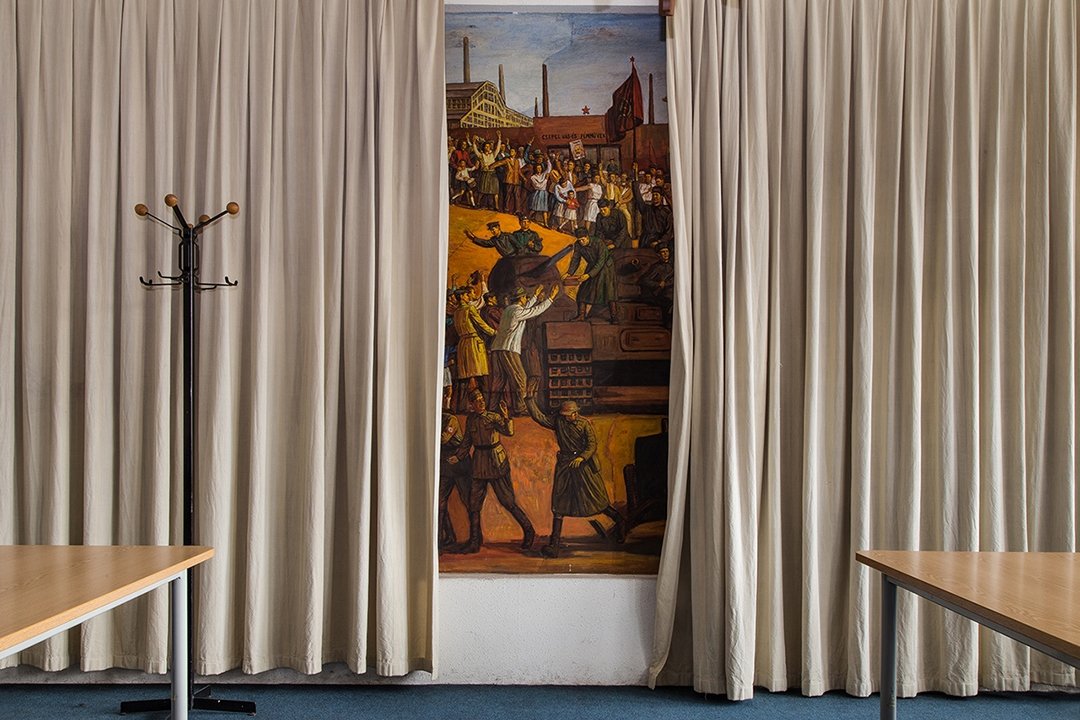
CULTURE HOUSE
Timár Sára Erzsébet

Timár Sára Erzsébet
1987 Budapest
Studies:
- 2014- Photography MA - Moholy-Nagy University of Art and Design, Budapest
- 2012-2014 Photography - Szellemkép Photography School, Budapest
- 2010-2011 History and social sciences MA - École des Hautes Études en Sciences Sociales, Paris
- 2010 Fotográfia - Budai Rajziskola
- 2009-2010 History MA - Eötvös Loránd University, Budapest
- 2006-2009 History BA - Eötvös Loránd University, Budapest
.
- Mesterek és tanítványok - Budapest Bálna 2015
- Fényírók városa – 20 éves a Szellemkép Szabadiskola – Budapest Bálna 2014
- Szellemkép 20 – Patyolat//Próbaüzem Kulturális Befogadótér, Budapest 2014
- Keleti – Nyitott Műhely, Budapest 2013
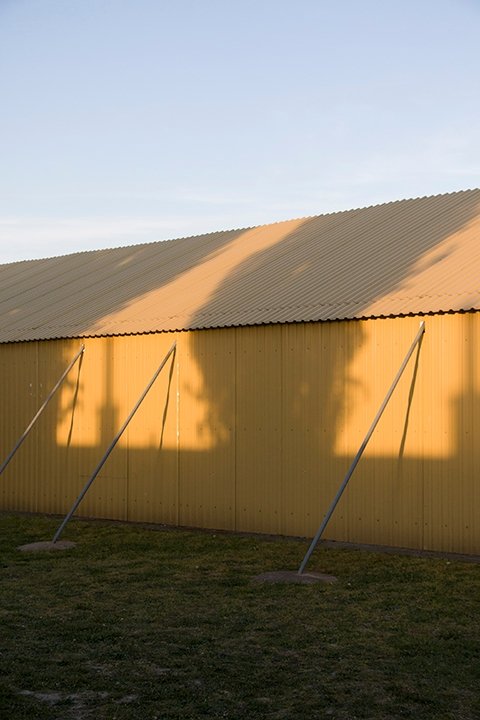
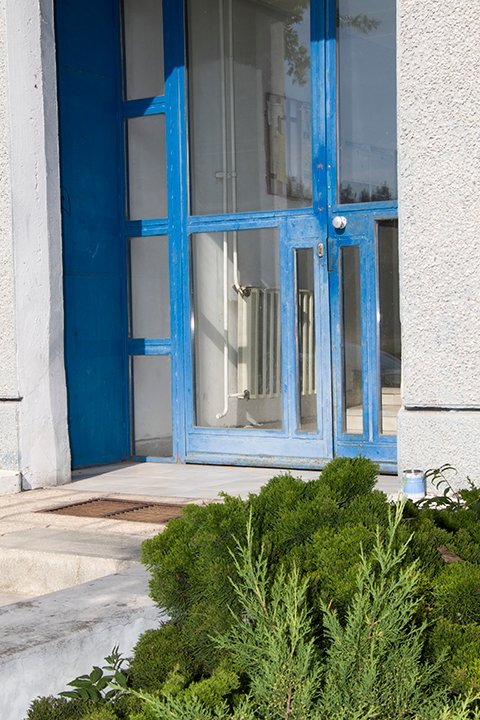
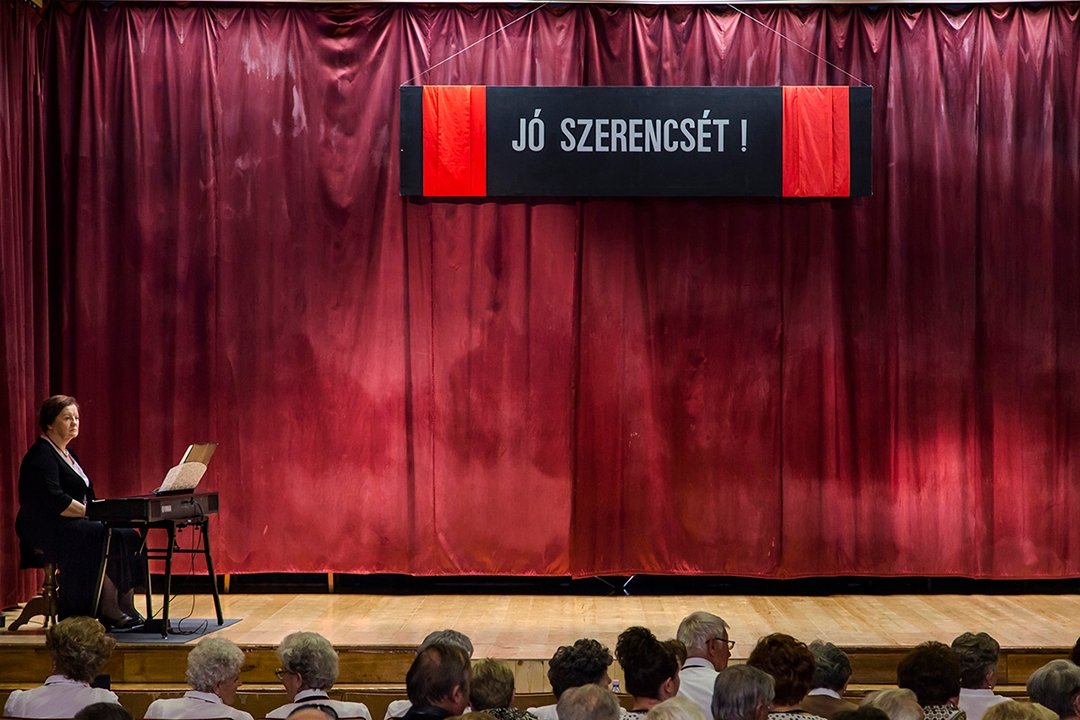
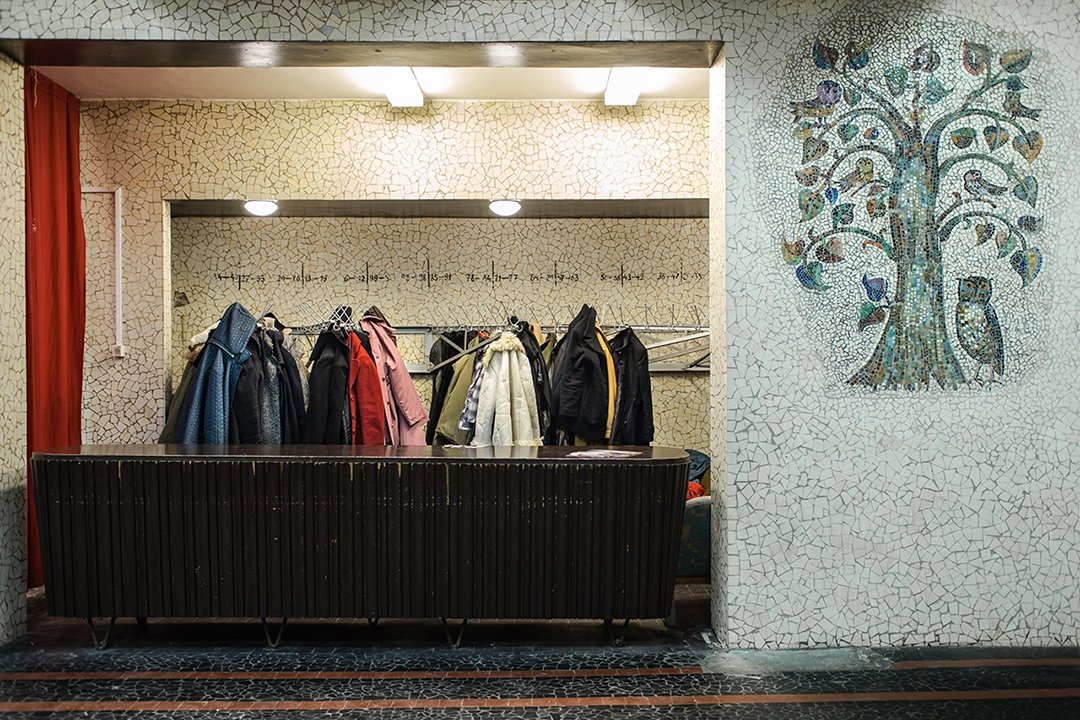
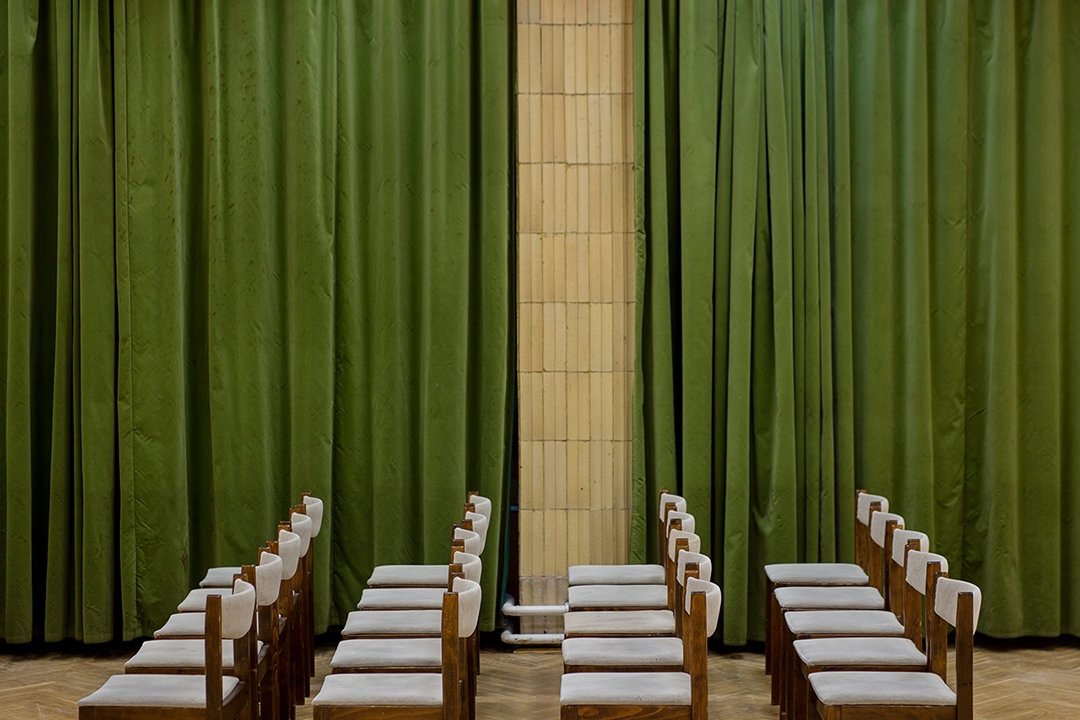
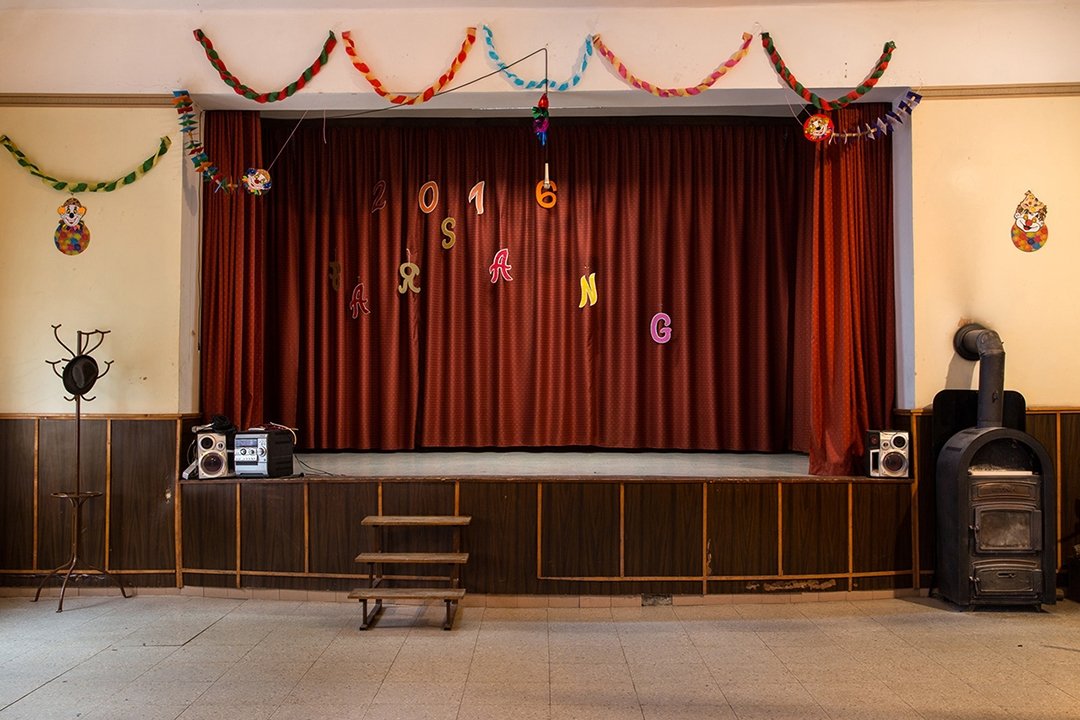
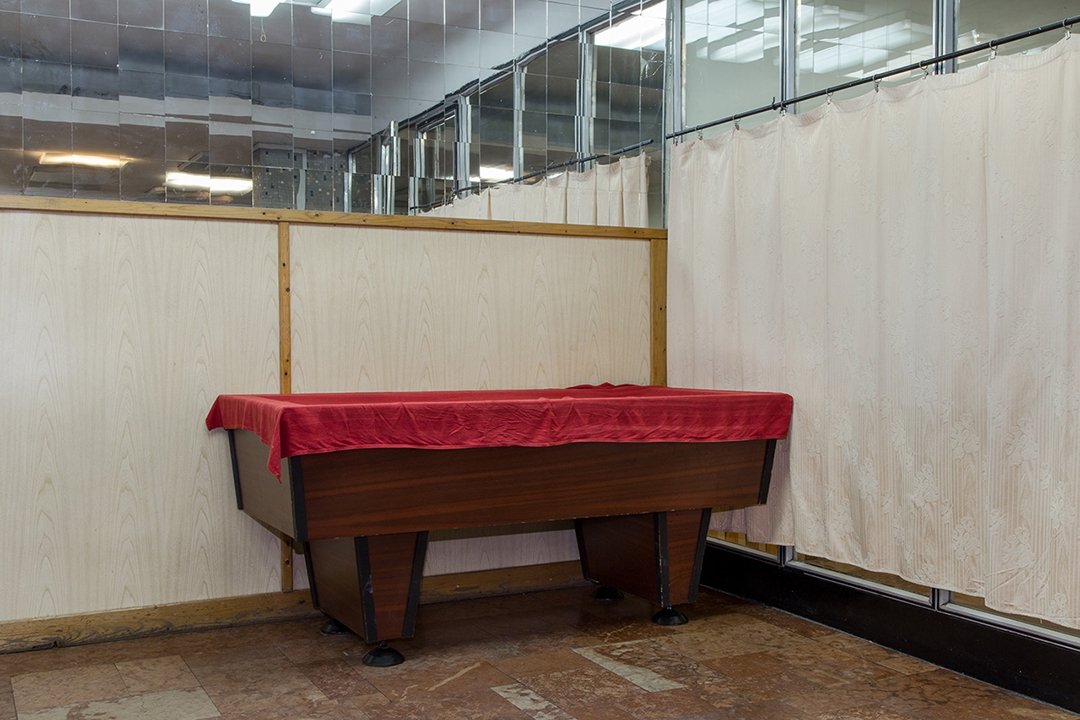
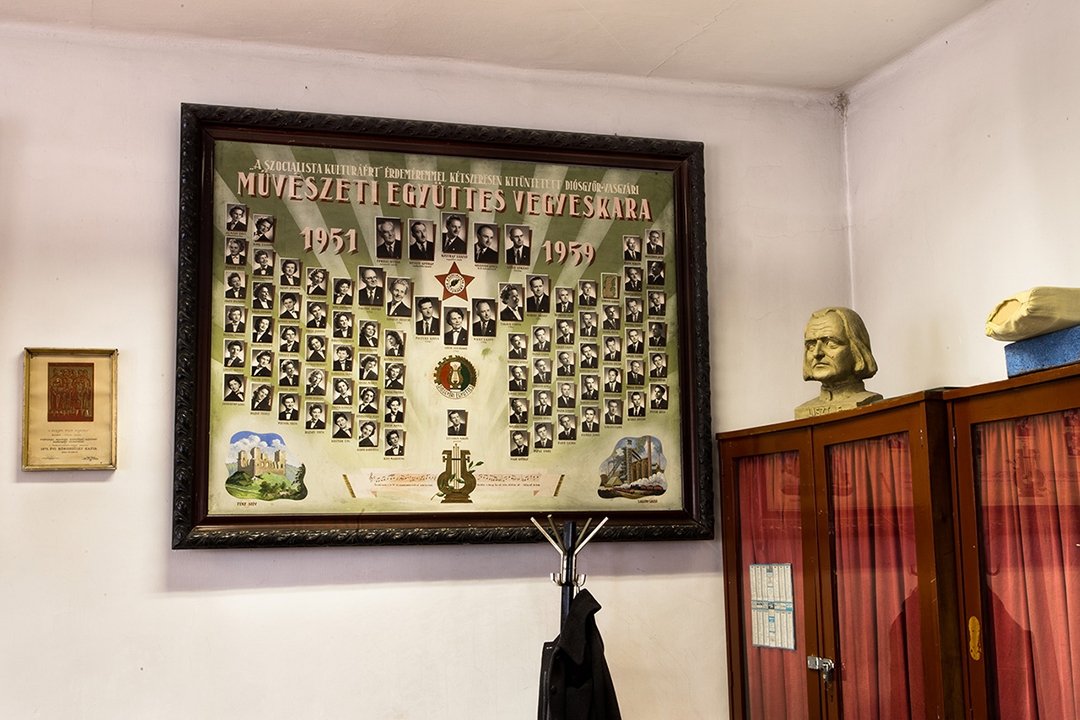
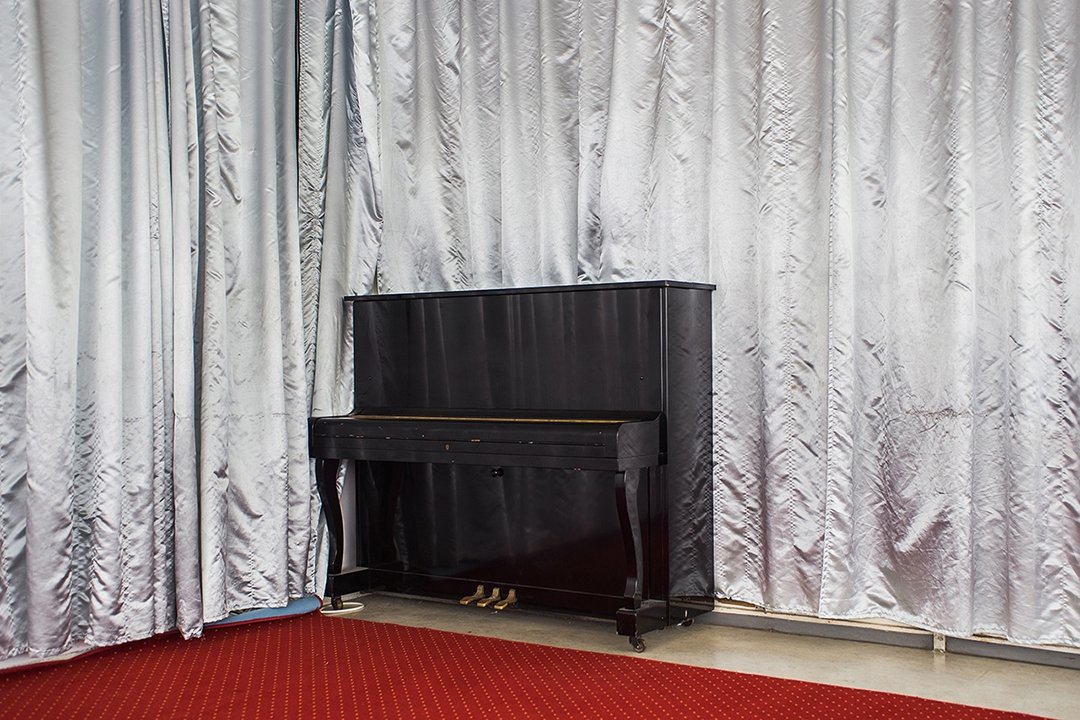
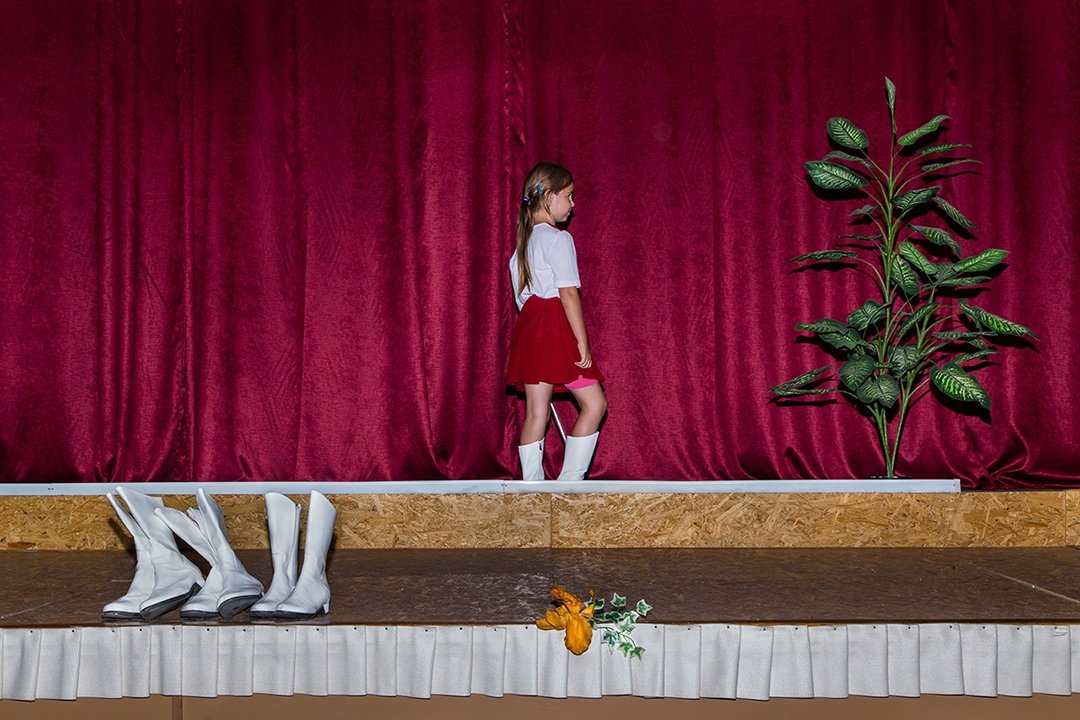
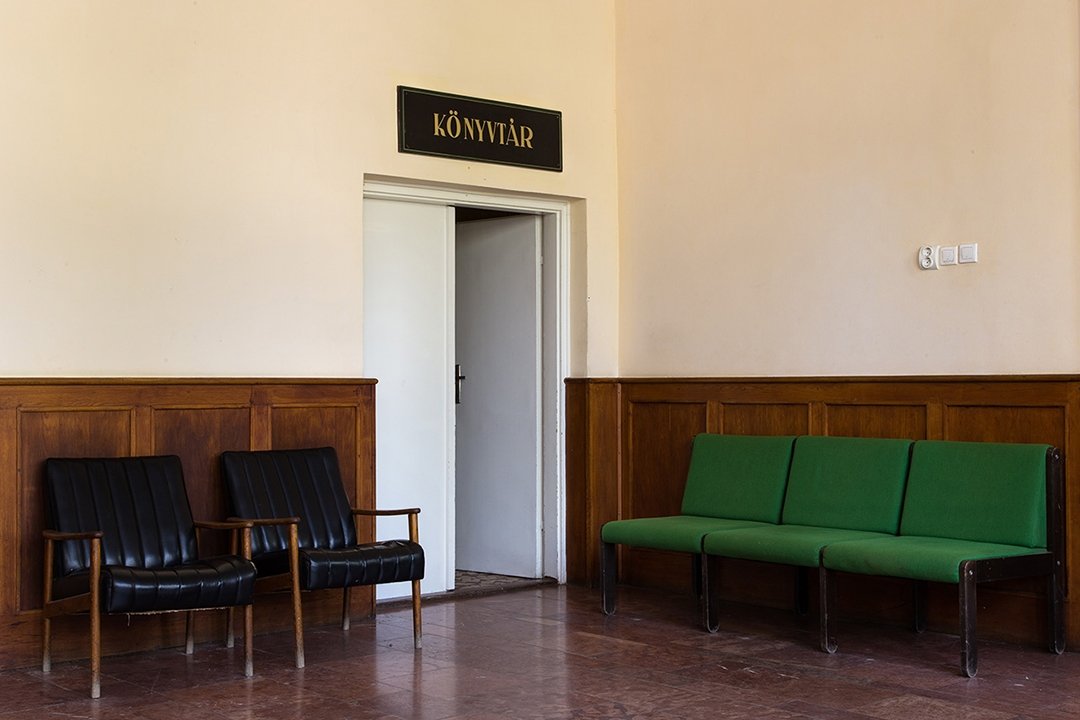
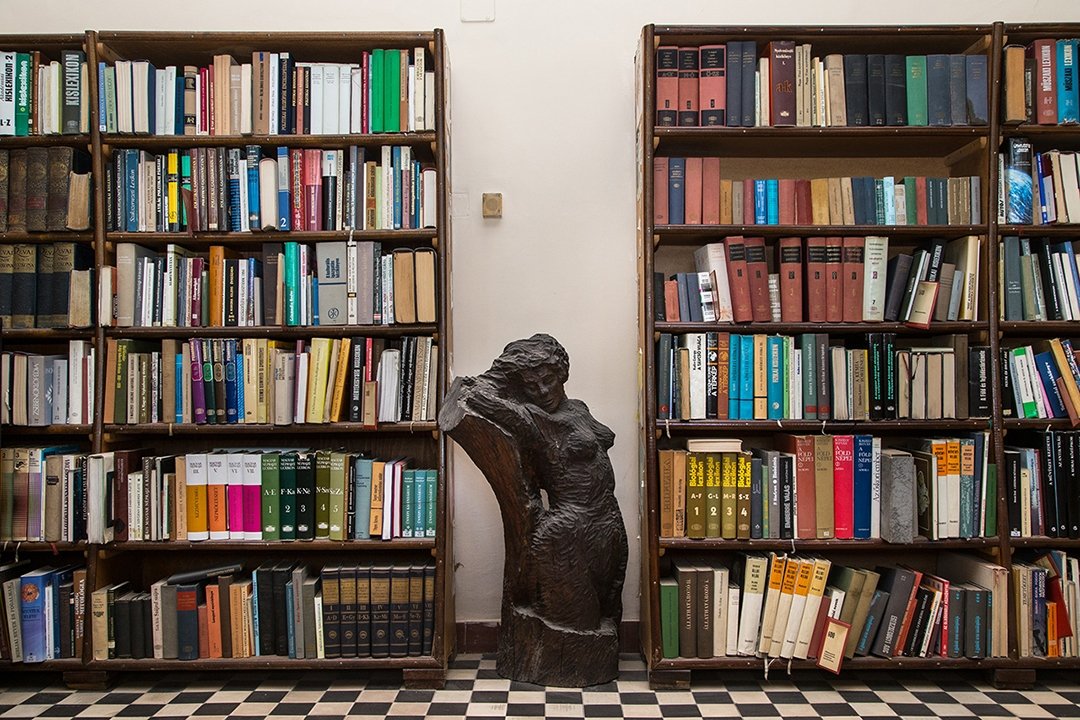
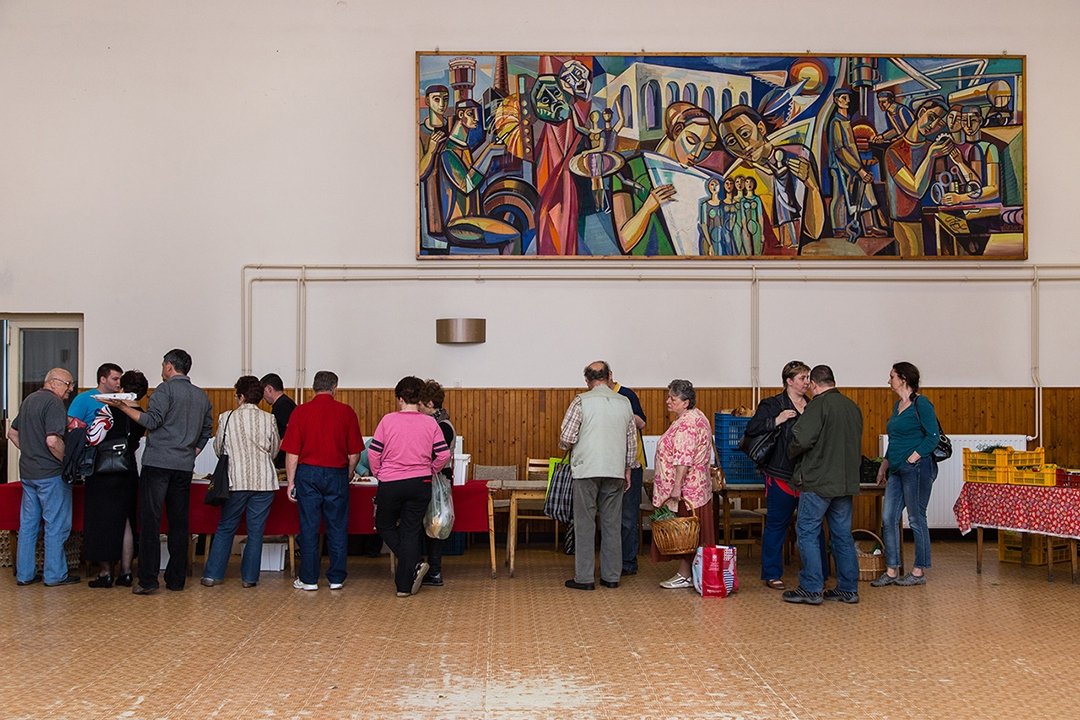
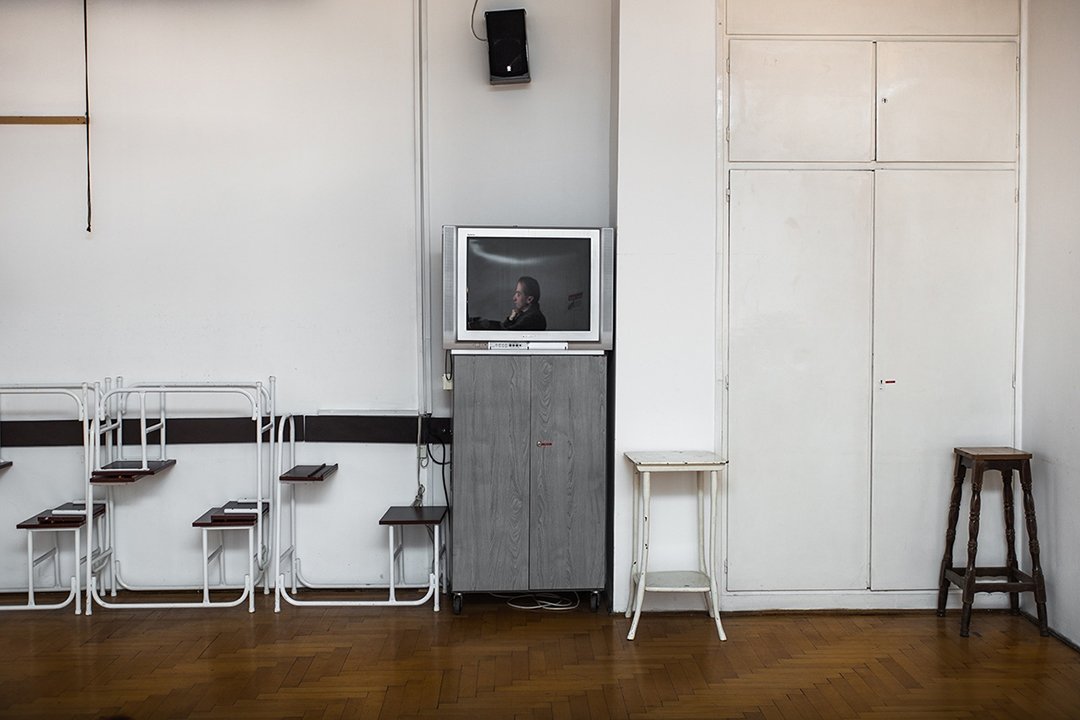
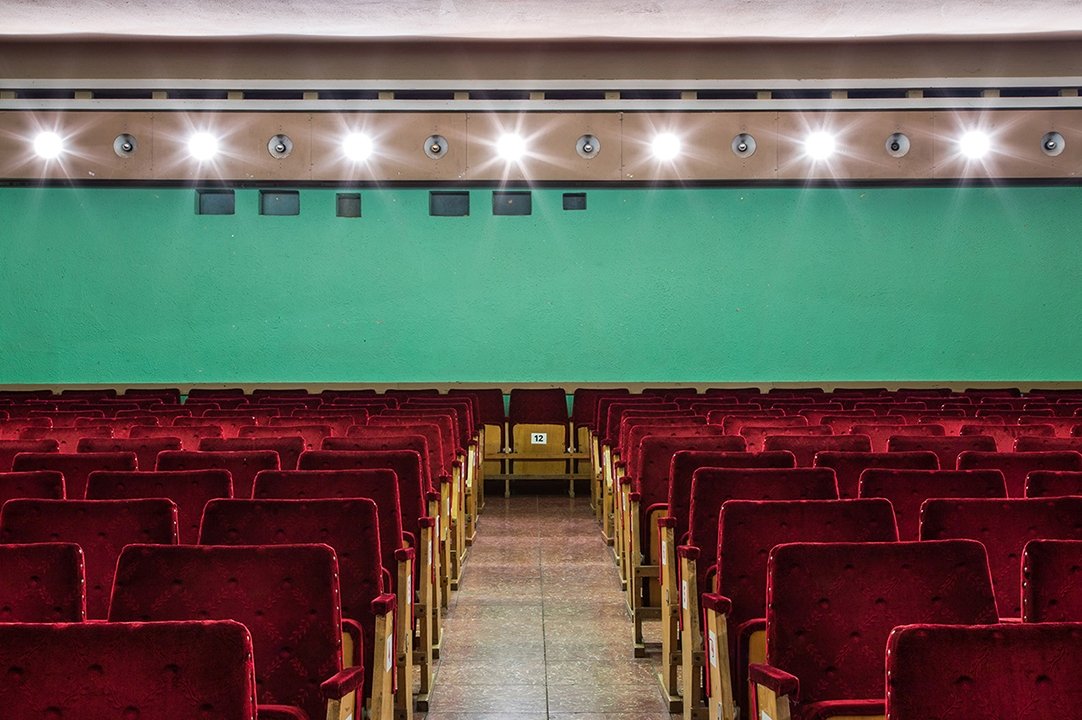
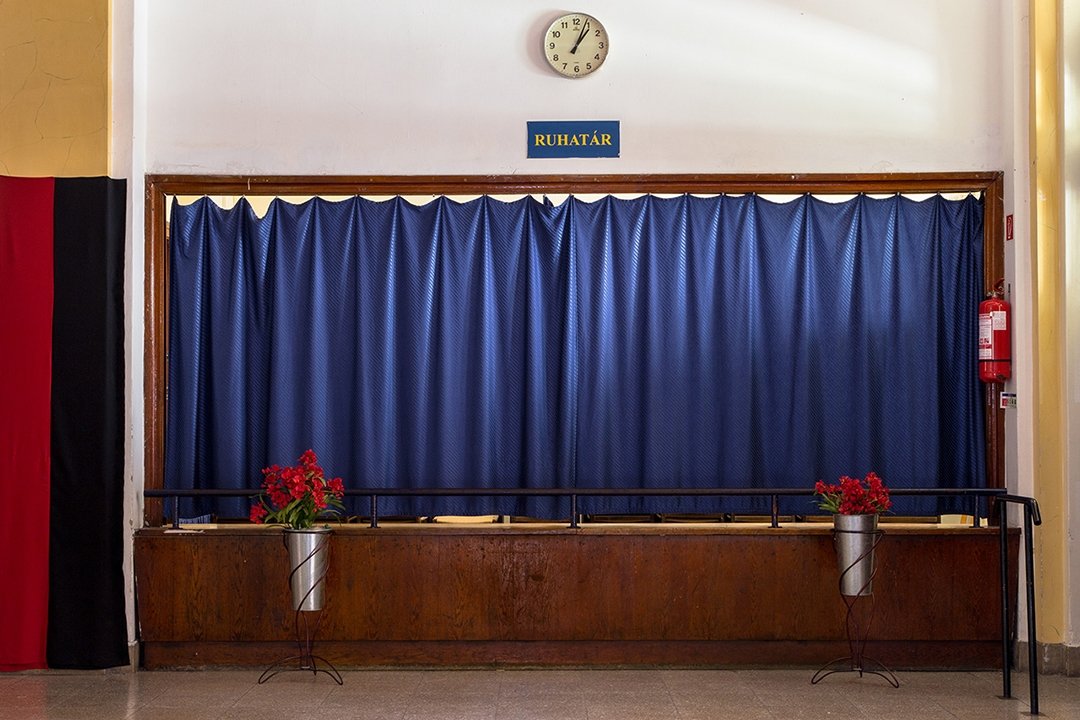
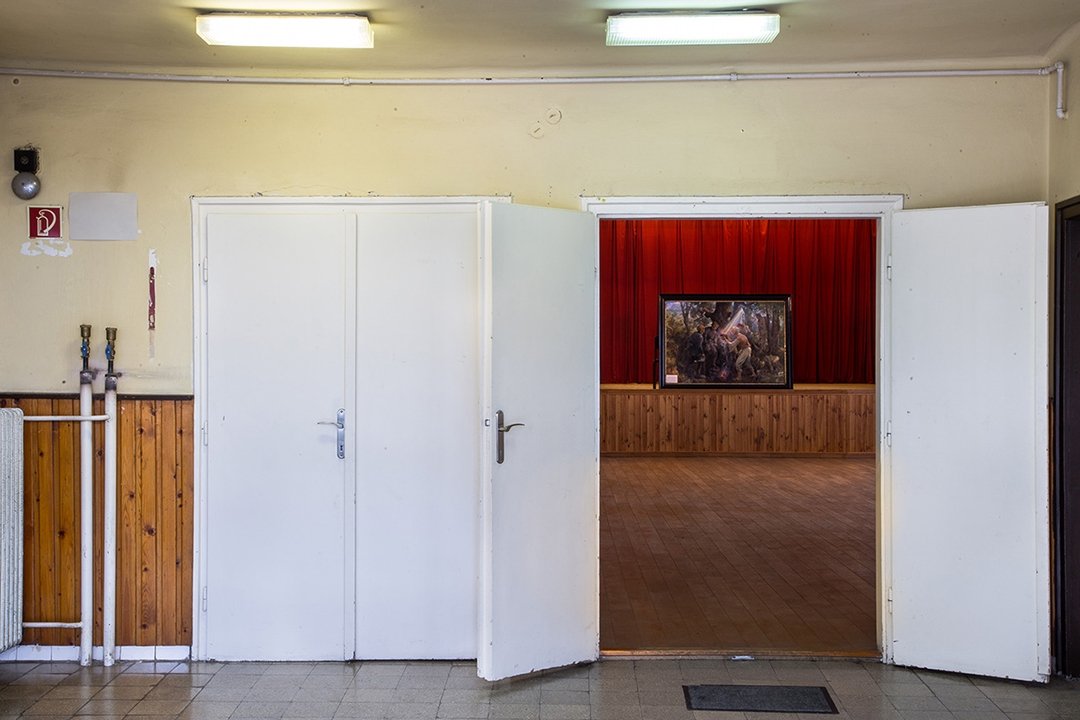
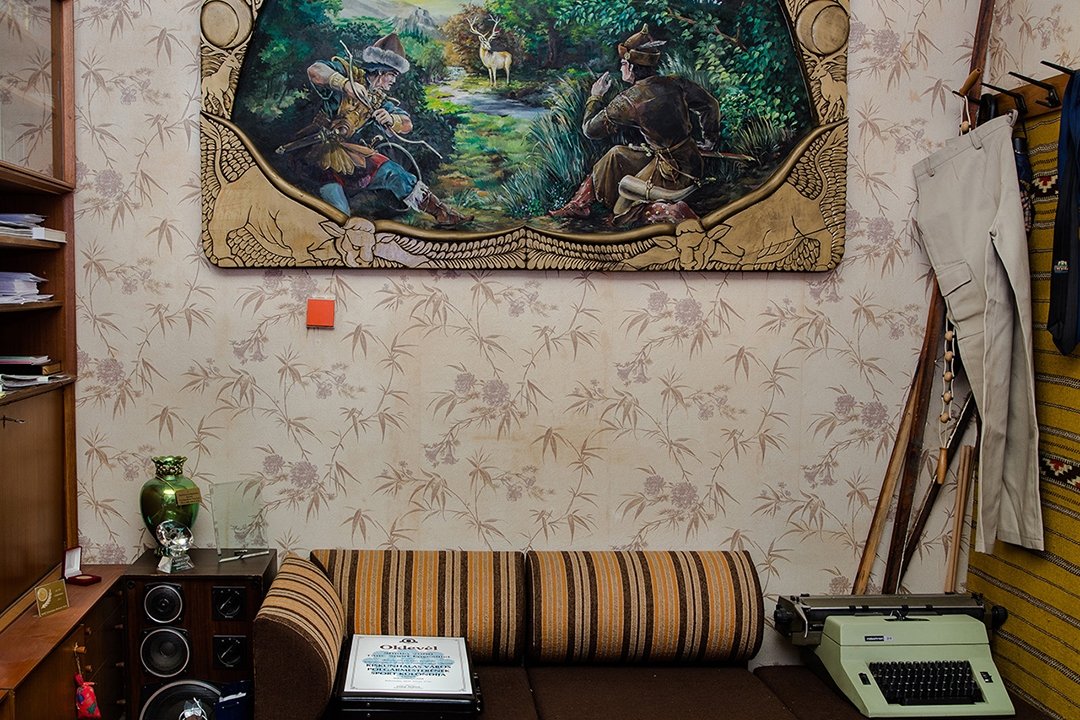
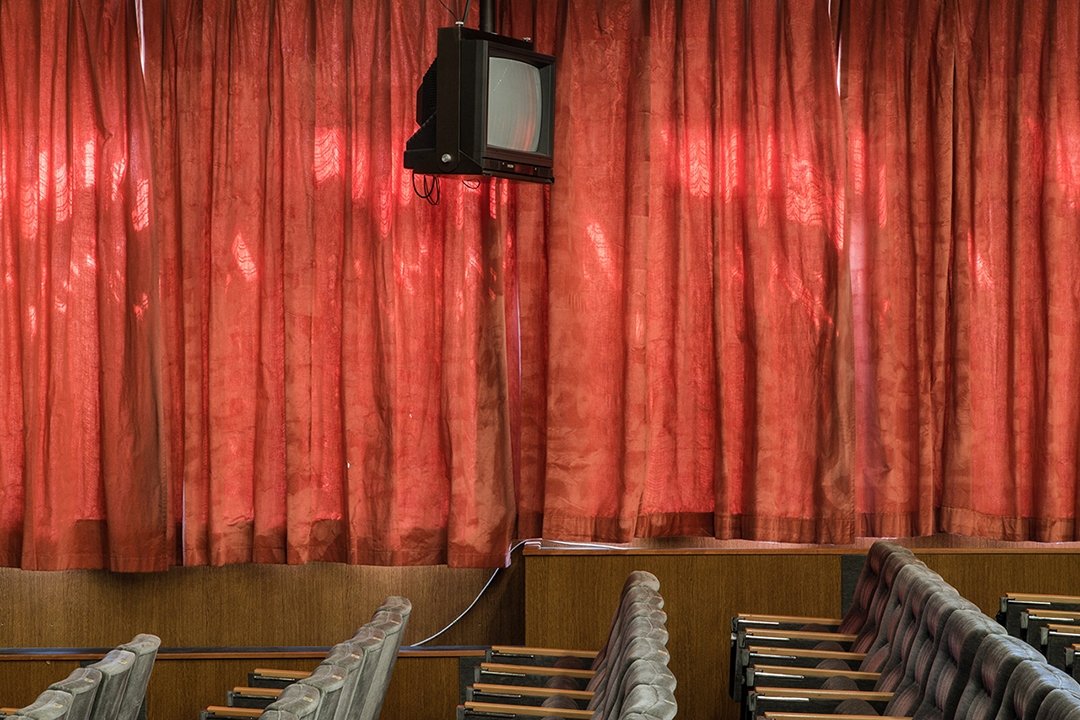
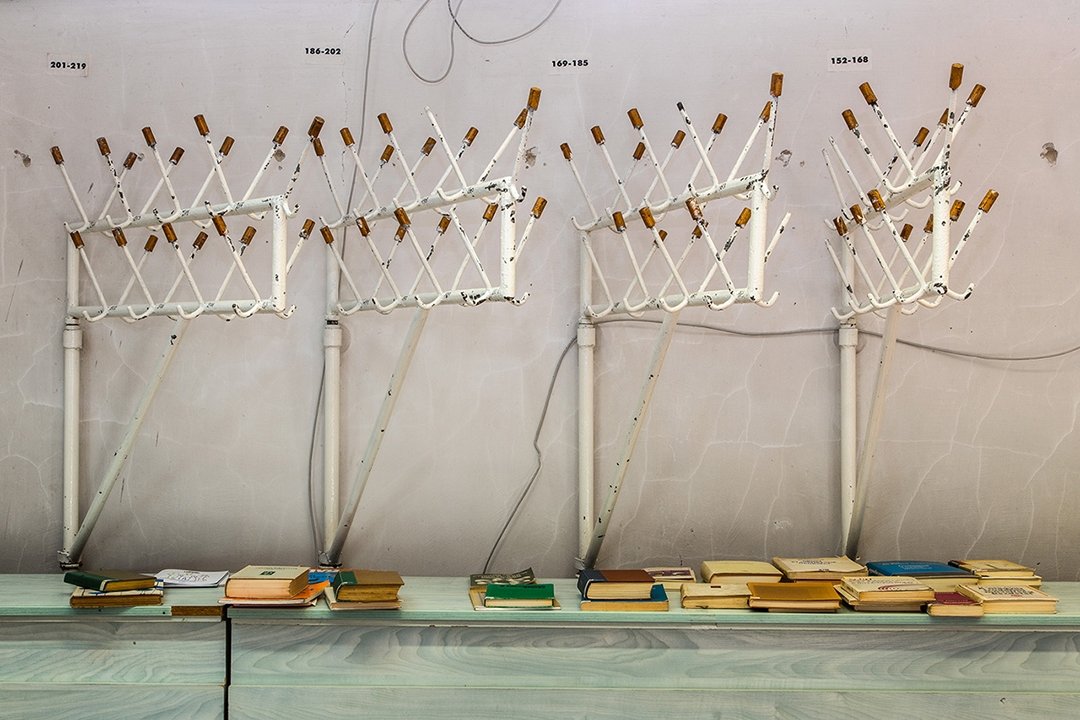
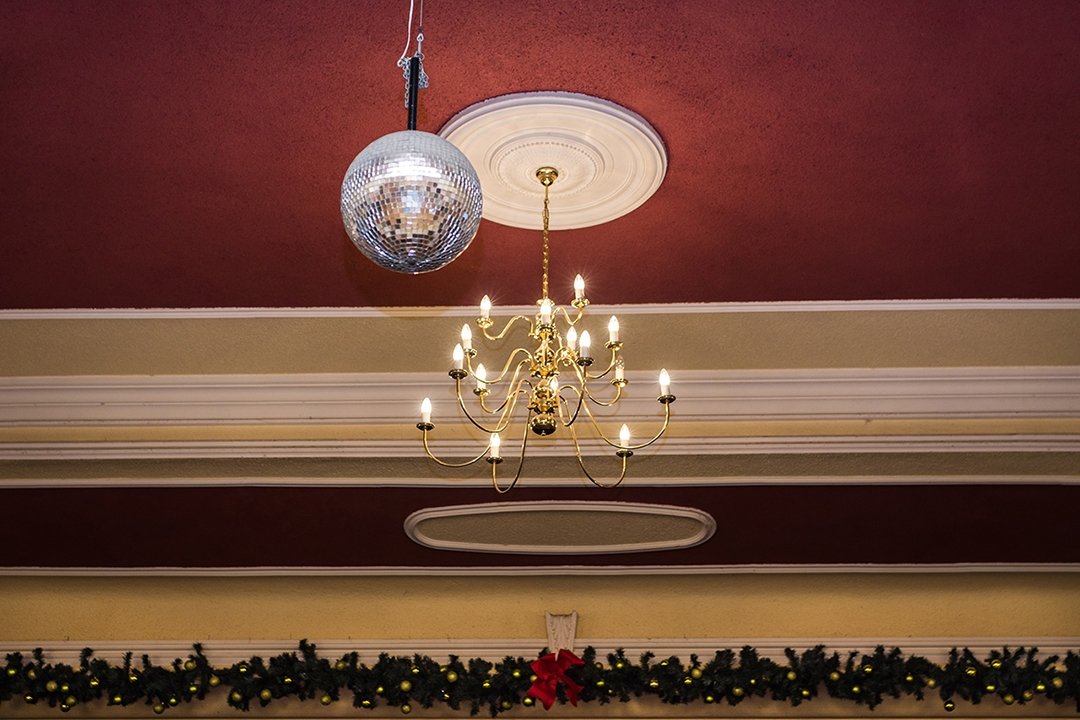
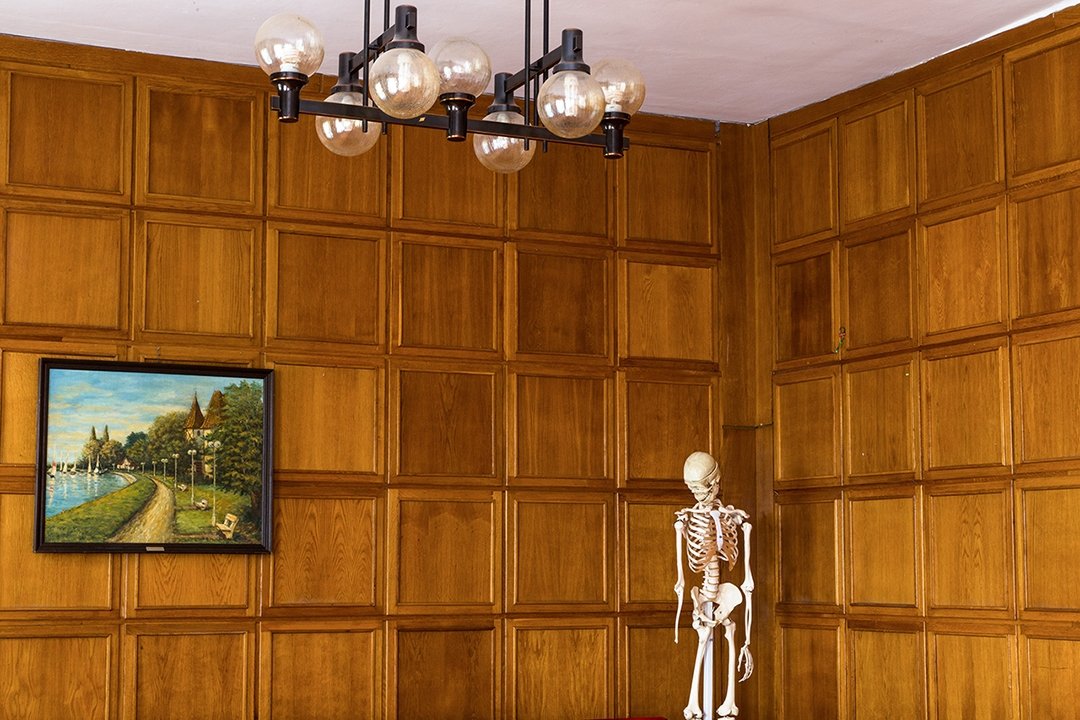
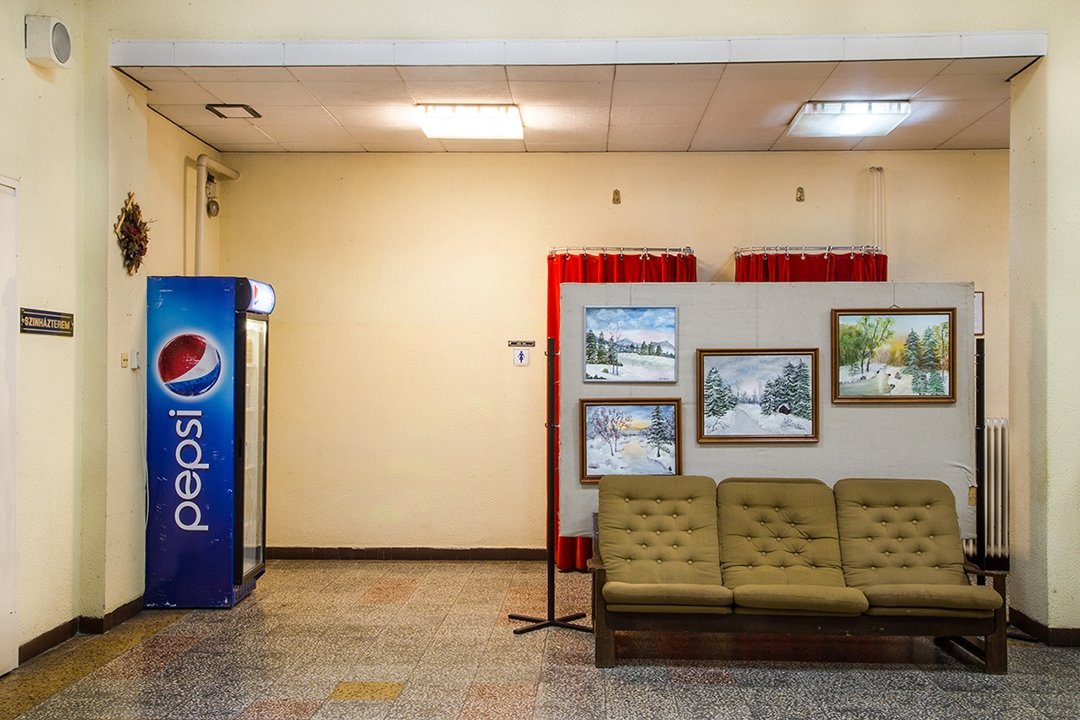
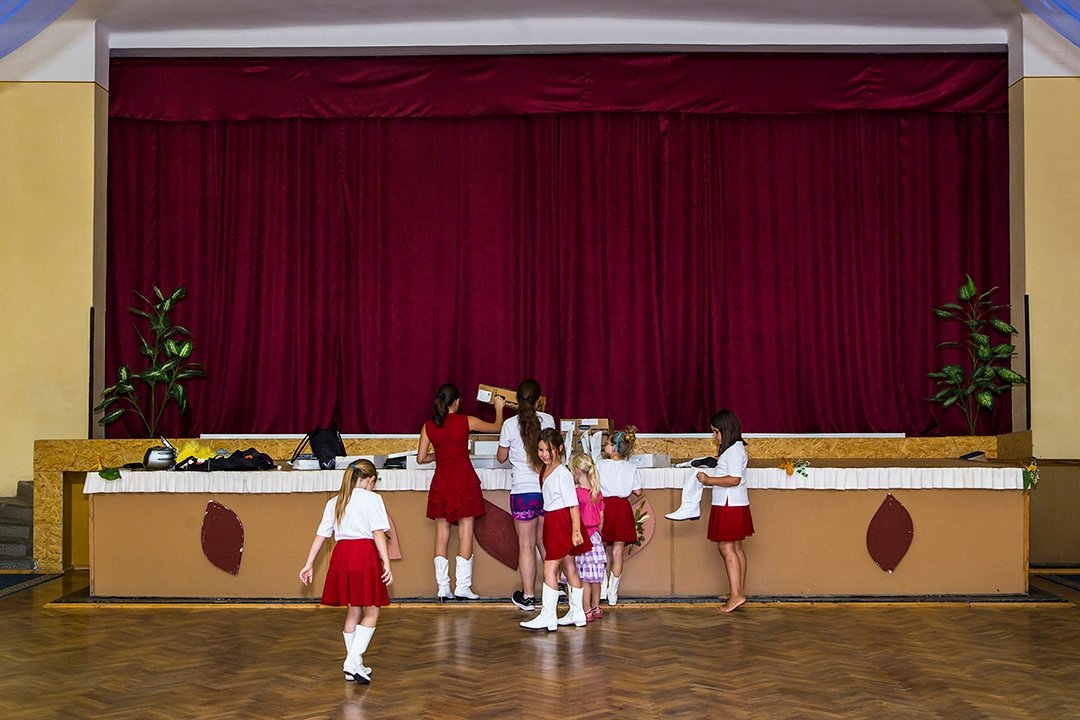
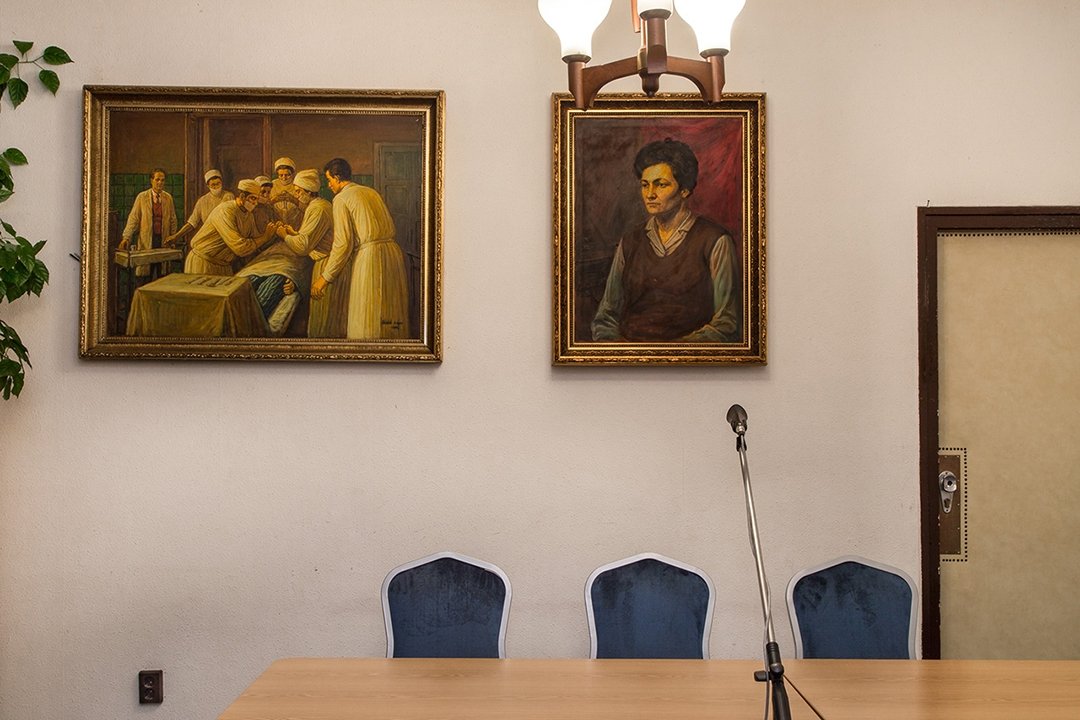
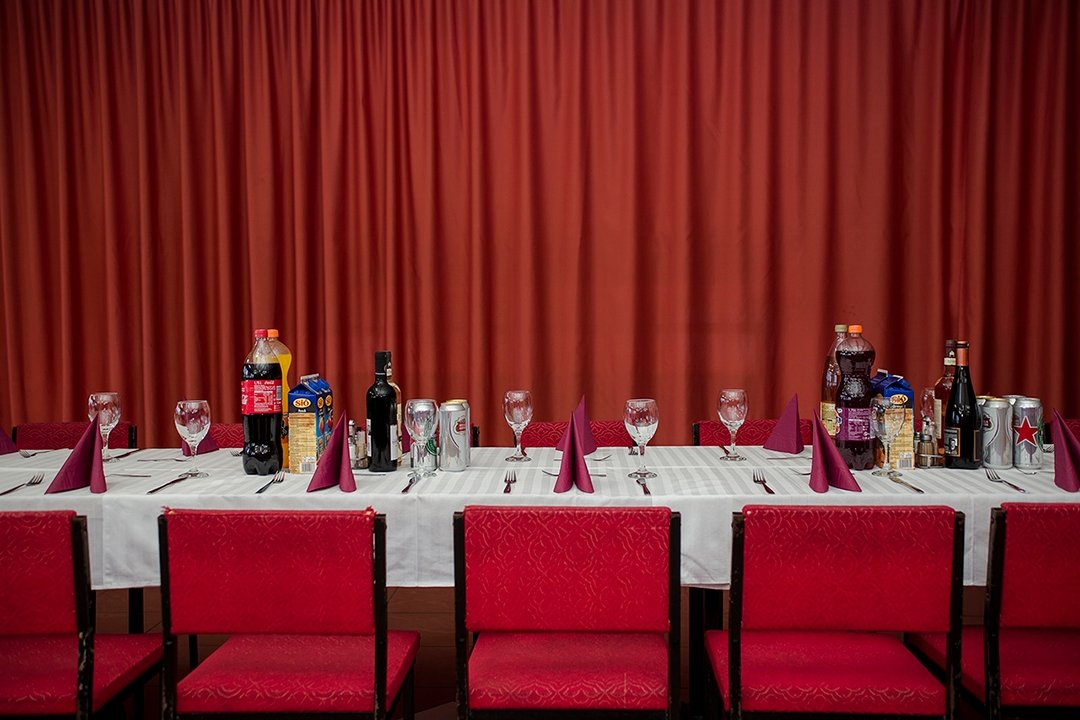
After the regime change, many people did not understand the role of cultural houses. They were seen as remnants of socialism and outdated institutions. But whatever they thought, the network of cultural houses eventually remained here for us a legacy. The Hungarian cultural houses are changing nowadays and this transformation often go with tenseness, absurd situations, humor but beauty as well. These houses are completely varying concerning their financing and operating systems, attendance and organized events, as well as the condition of the buildings and their external appearance. The small rural settlements’ culture houses, like border fortress warriors, function as the only community and cultural space most easily available for locals. With the termination of factories the former trade union’s institutions got into a very serious position, however, they are still trying to perform their function. At other, mainly government-funded buildings, such external and internal transformations occurred that many renewed rural cultural houses could easily rival with the quality of an event center in Budapest. The transition period has begun but there are still numerous buildings that are far from being able to completely leave behind their past. As Zsolt K. Horváth put it in his study, cultural houses are visual signals in the social space, inevitable records of an age. This statement is still true; in many cases in a quite startling way. The scenery that welcomes us evokes the world of past decades in us and its concept of the relation between culture and society. Different time layers have been piling up in these buildings as with years the maintainers and users of the houses are continuously adding to or taking away from the total picture. They remind us of the past, sometimes so much that we can even read from the sight itself. Here, in these places with their special atmosphere, many people’s recreational activity and entertainment happen; sometimes it is their only regular contact with culture. I think that the development of our culture houses is a cultural-historical milestone, and it might be important to understand that now we are living in a time when we can still witness a slow but final closing of an era.
PUBLIC PRESENTATION OF THE CAPA GRAND PRIZE HUNGARY 2016 FELLOWSHIP RECIPIENTS
The three fellowship recipients selected earlier – Viola Fátyol, Zsolt Ficsór and Sára Erzsébet Timár – gave a report on their work to the jury in a public presentation event at the international contemporary art fair Art Market Budapest on October 14, 2016.