FELLOWSHIP-WINNERS OF THE CAPA GRAND PRIZE HUNGARY 2020
The first jury of the Capa Grand Prize Hungary 2020 has awarded fellowships to Halász Dániel, Neogrády-Kiss Barnabás, and Szalay Krisztina, for their entries titled “Village Project”, “Double Bond”, and “Made in China”, respectively on October 17, 2019. It is the fourth time the fellowships are awarded, each including a grant of HUF 500,000+200,000 (approx. €2200).
The Robert Capa Photography Grand Prize Hungary was founded in October 2014 by the Capa Center in order to recognize the work of artists who produce an outstanding achievement in the field of Hungarian photography. The awards are decided in two stages by juries of Hungarian and international professionals. In a year’s time the three fellows will report to next year’s jury regarding the progress of their projects. Thus, in October 2020, one of them will receive the grand prize, which includes an award of HUF 3 million (approx. €9,300).
FELLOWSHIPS OF THE CAPA GRAND PRIZE HUNGARY 2020
VILLAGE PROJECT
Halász Dániel

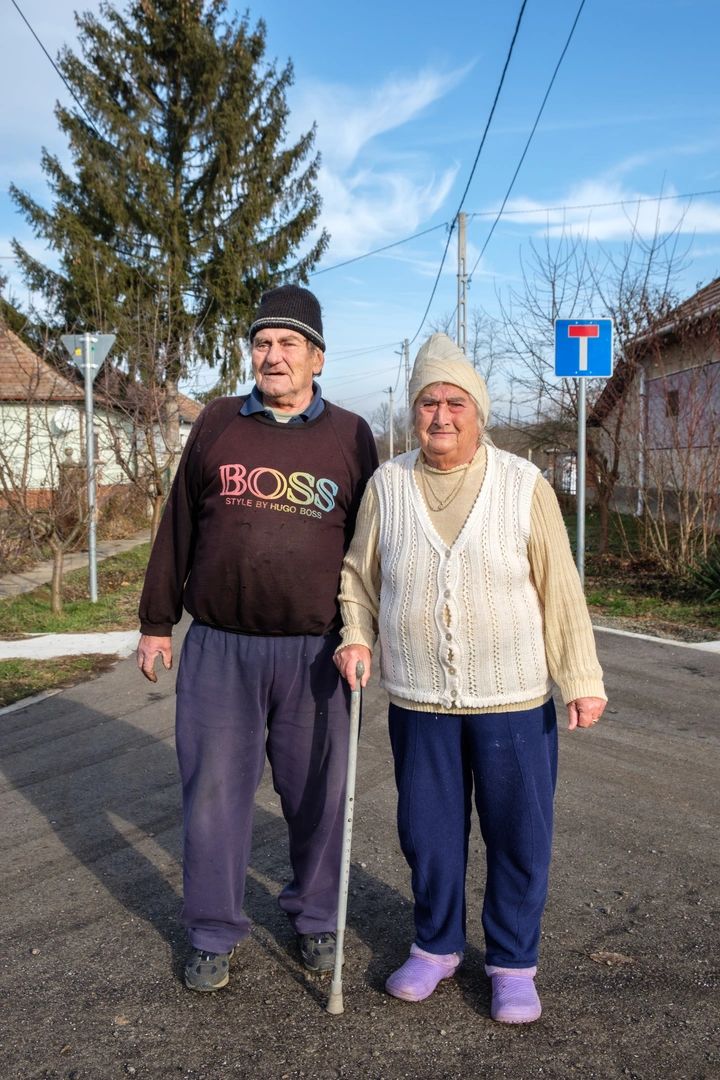
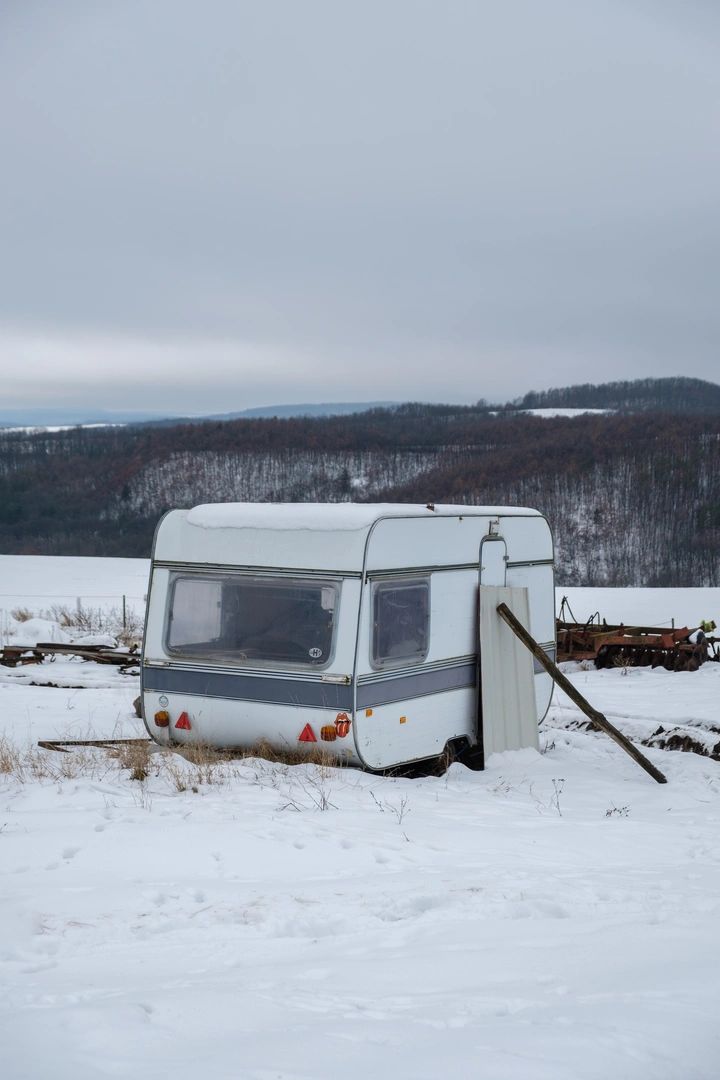
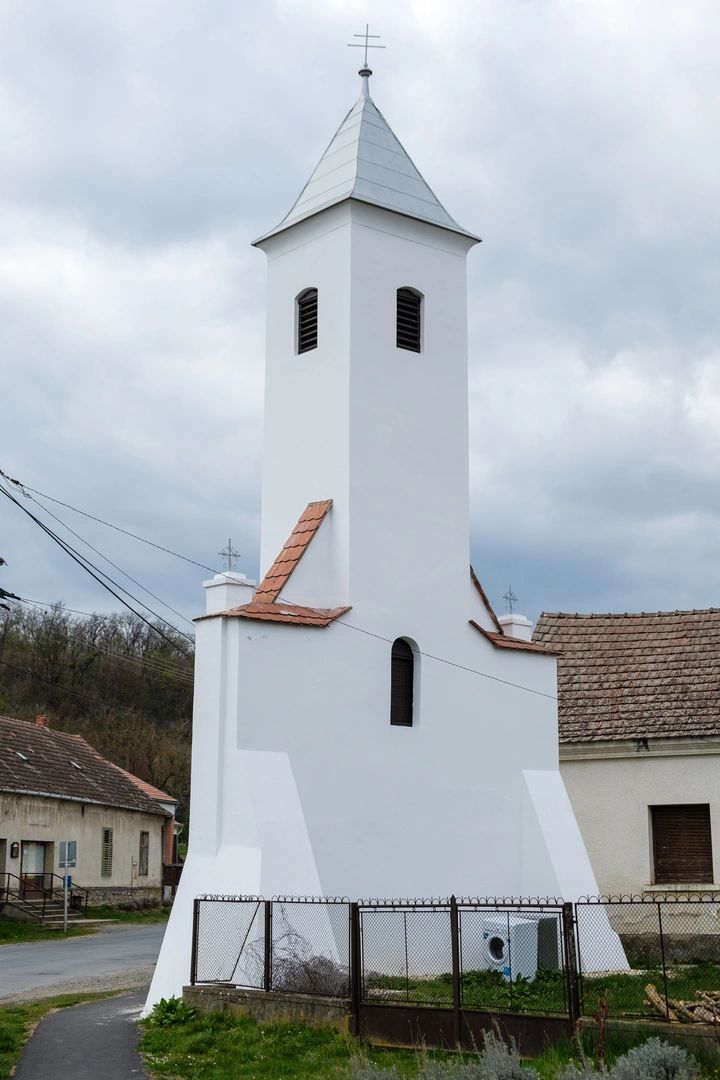
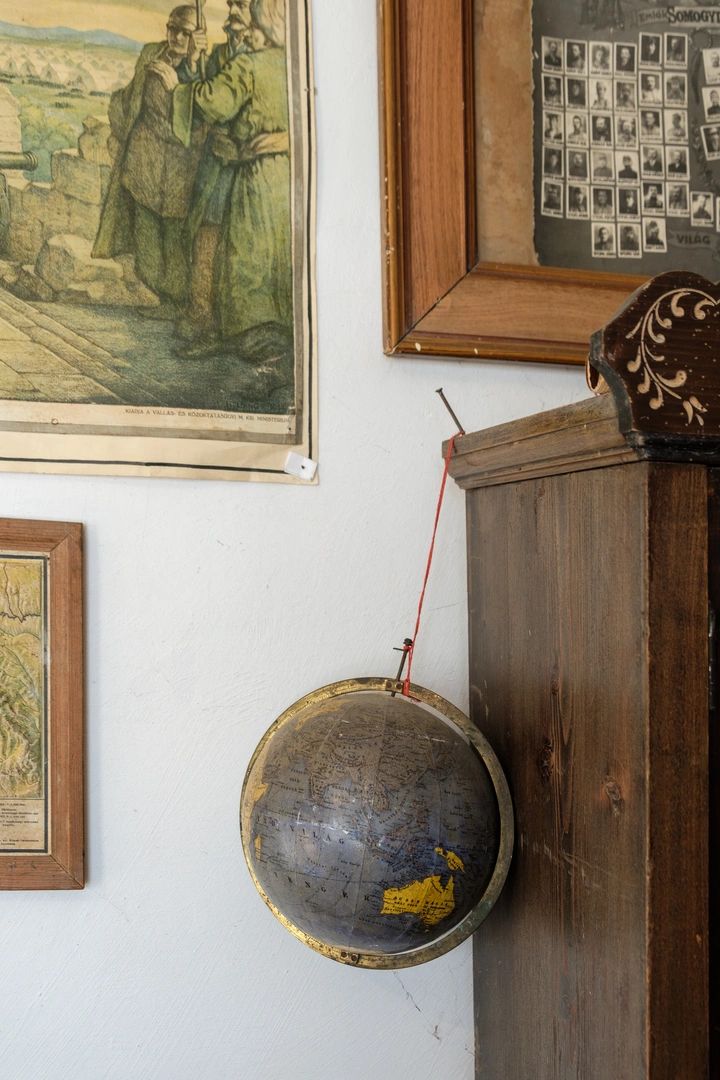
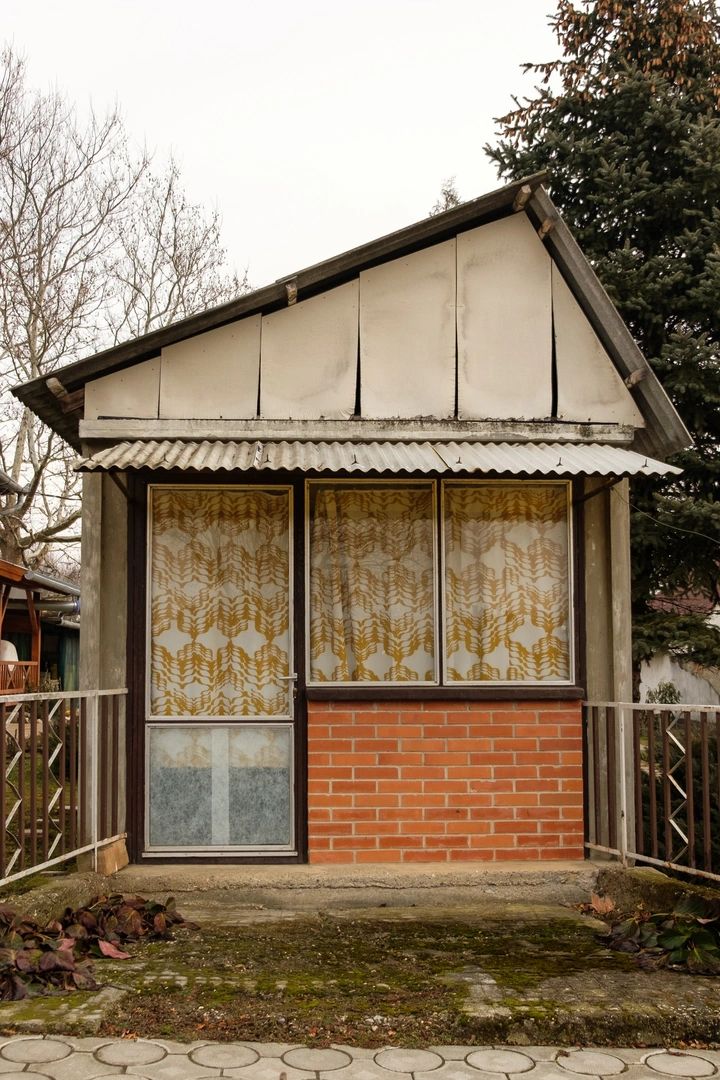
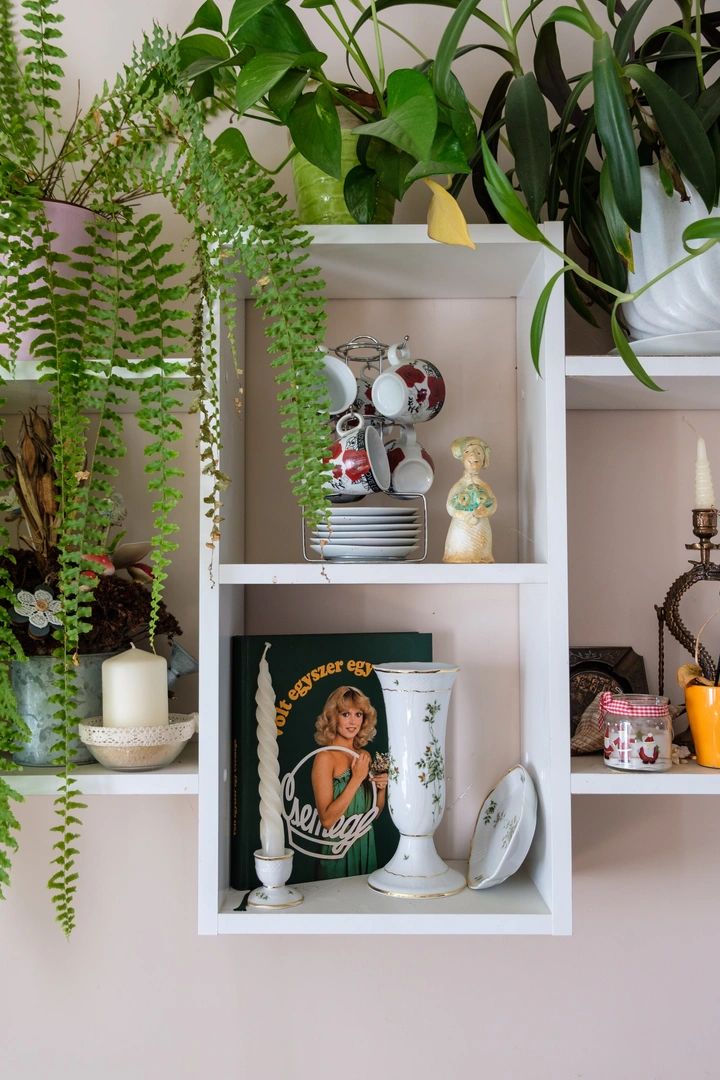
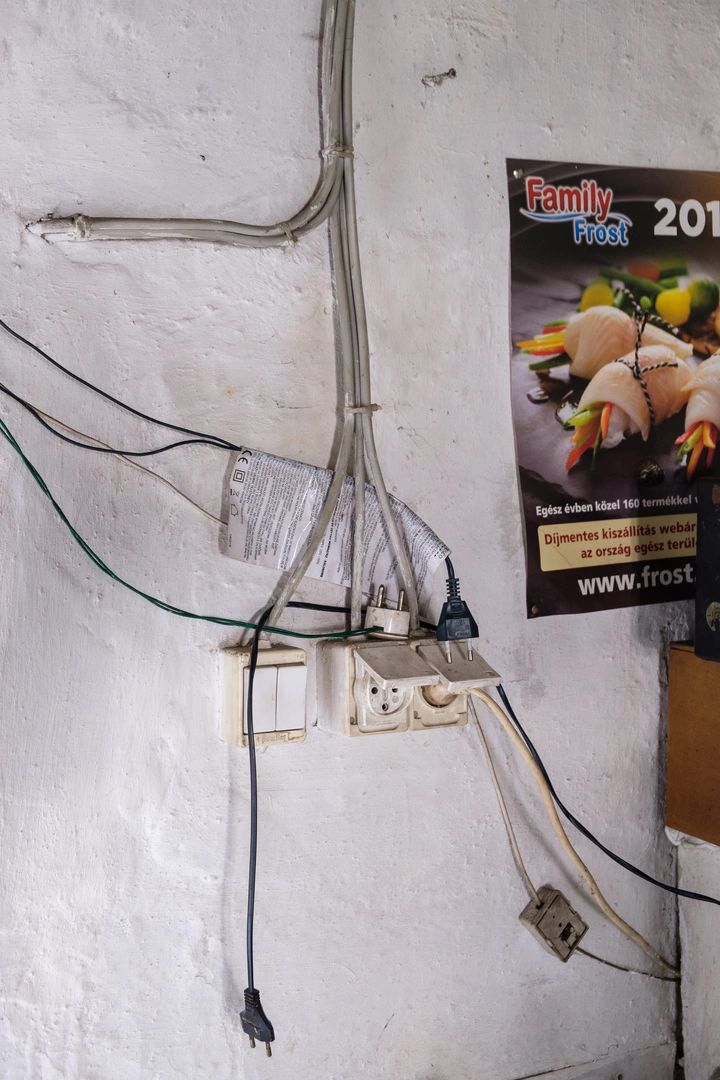
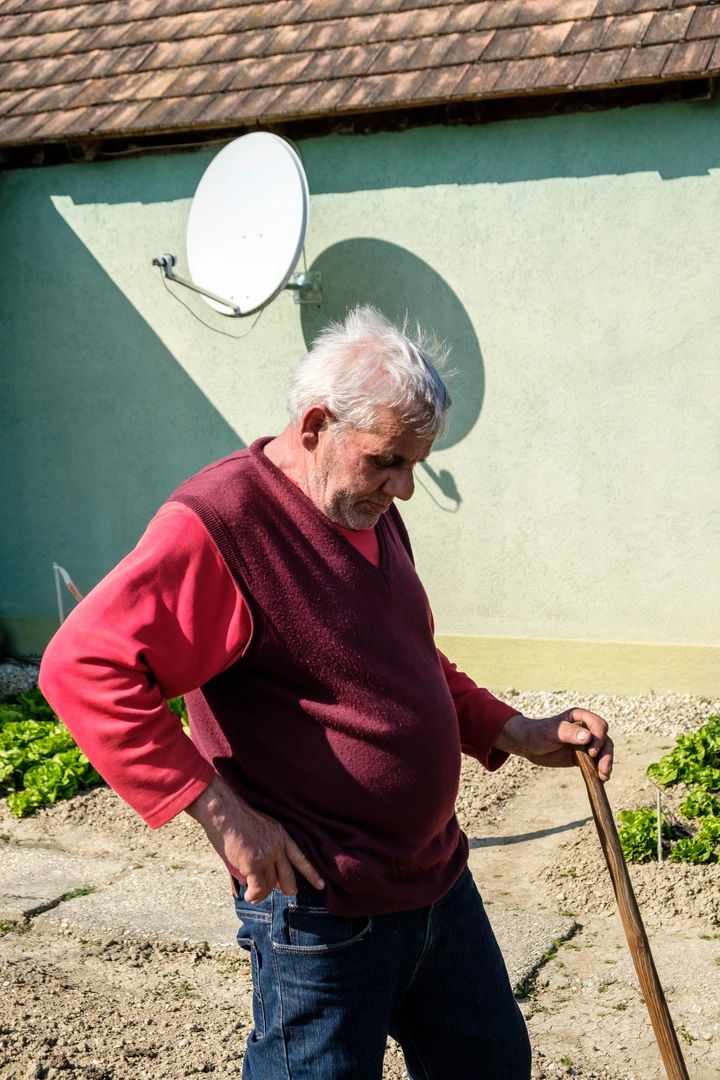
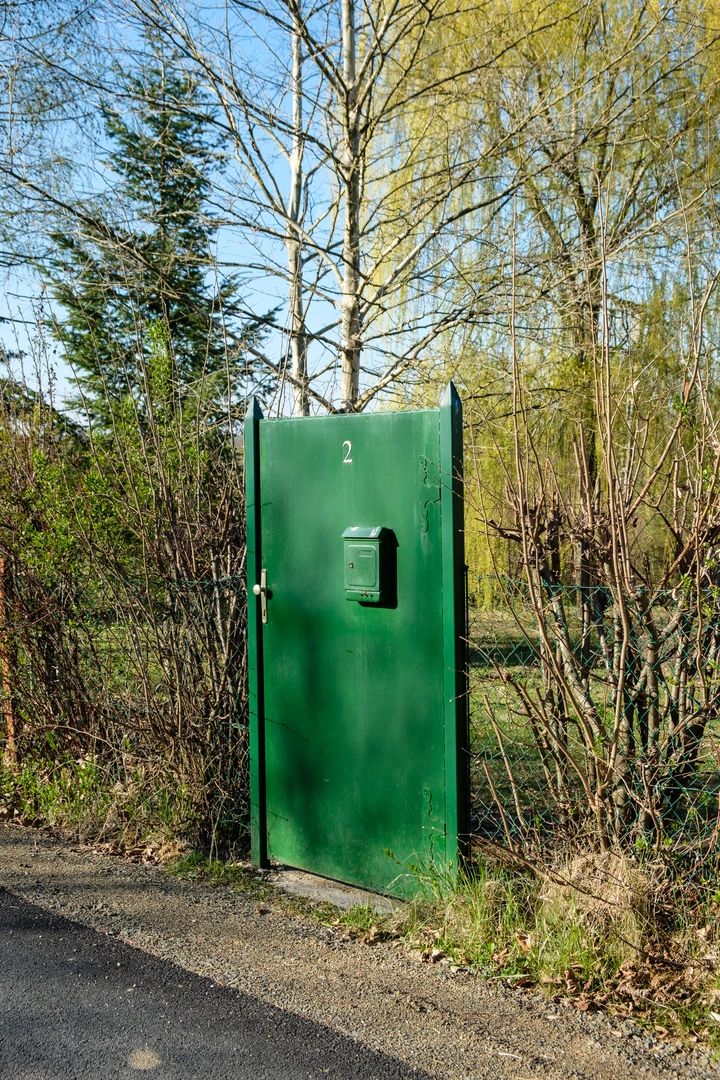
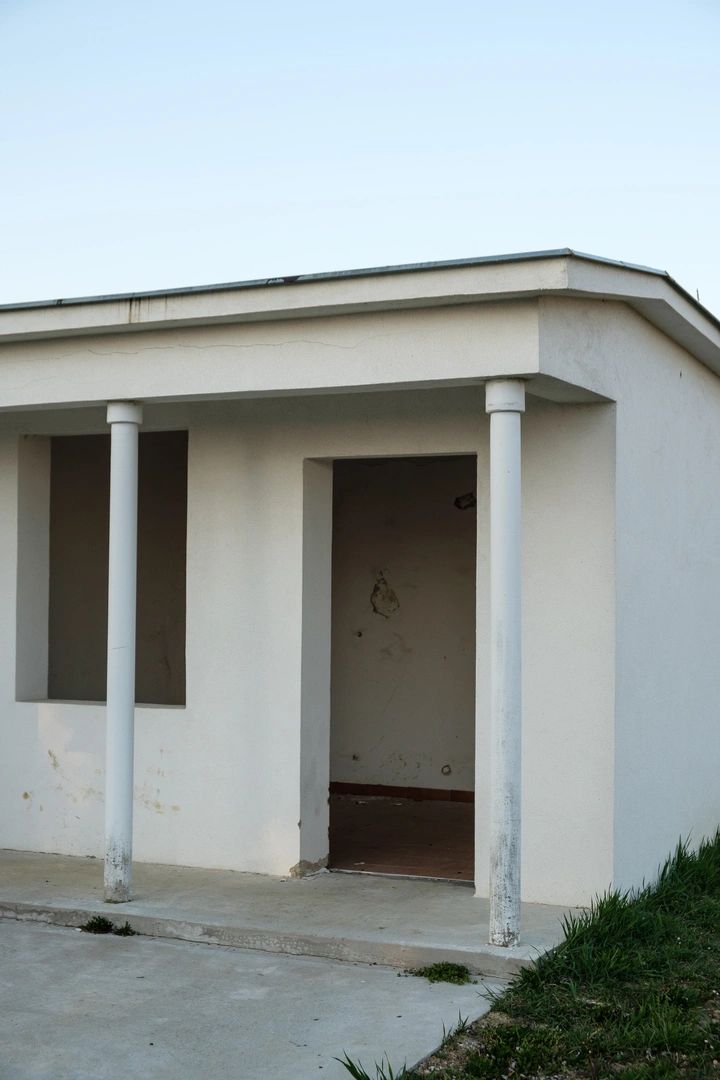
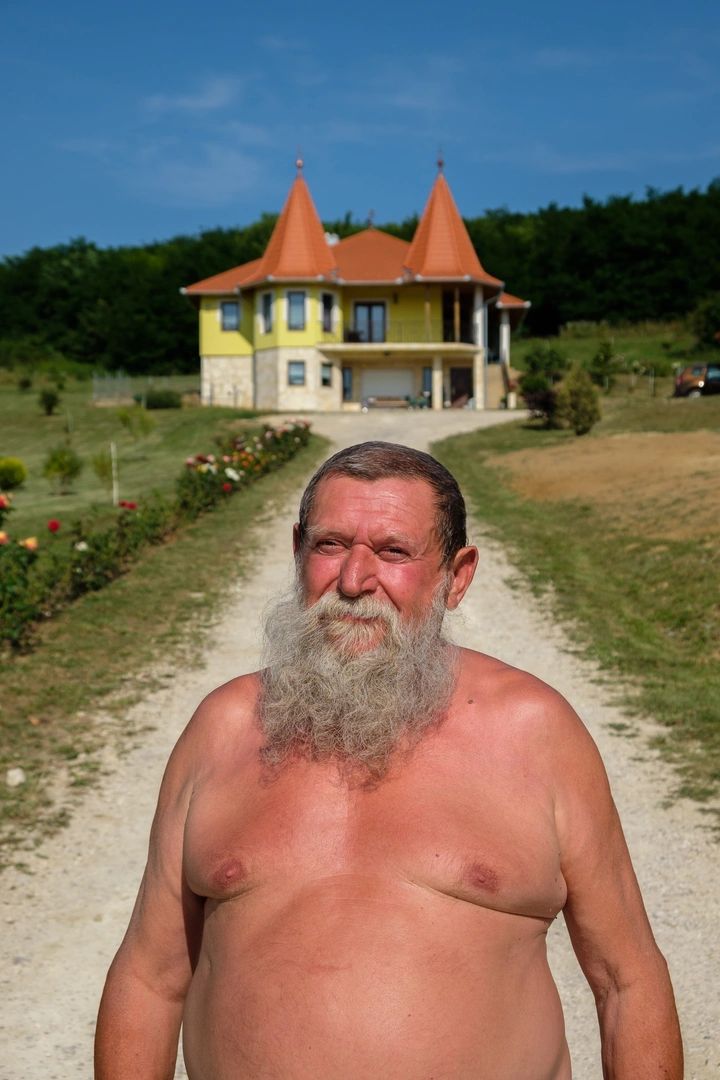
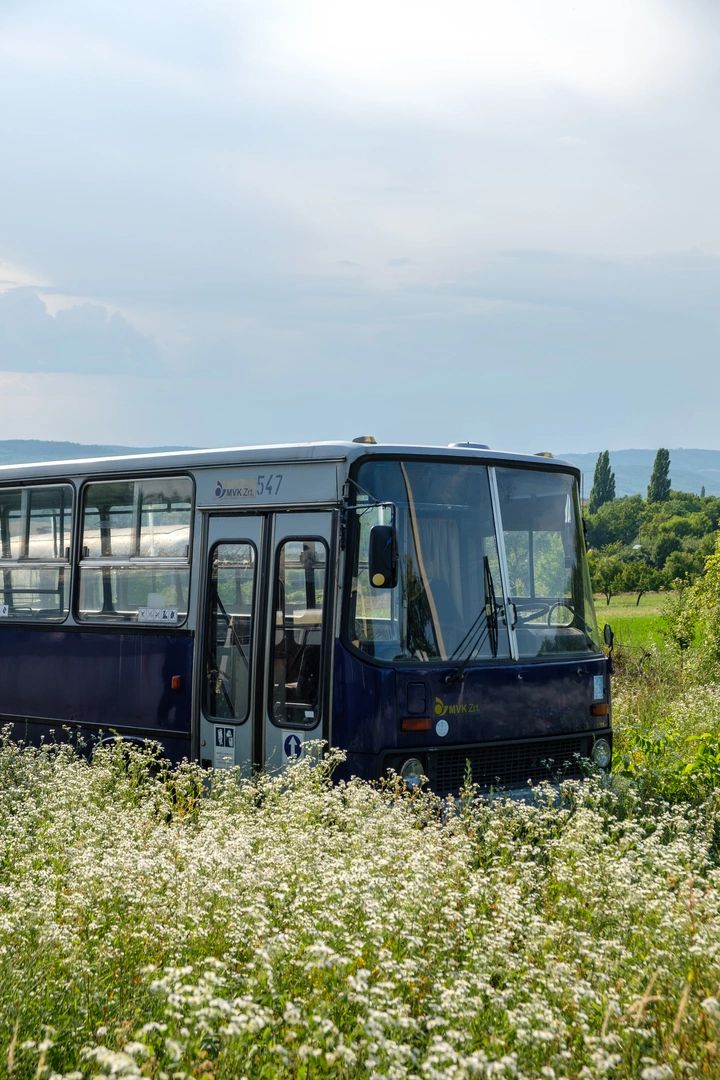
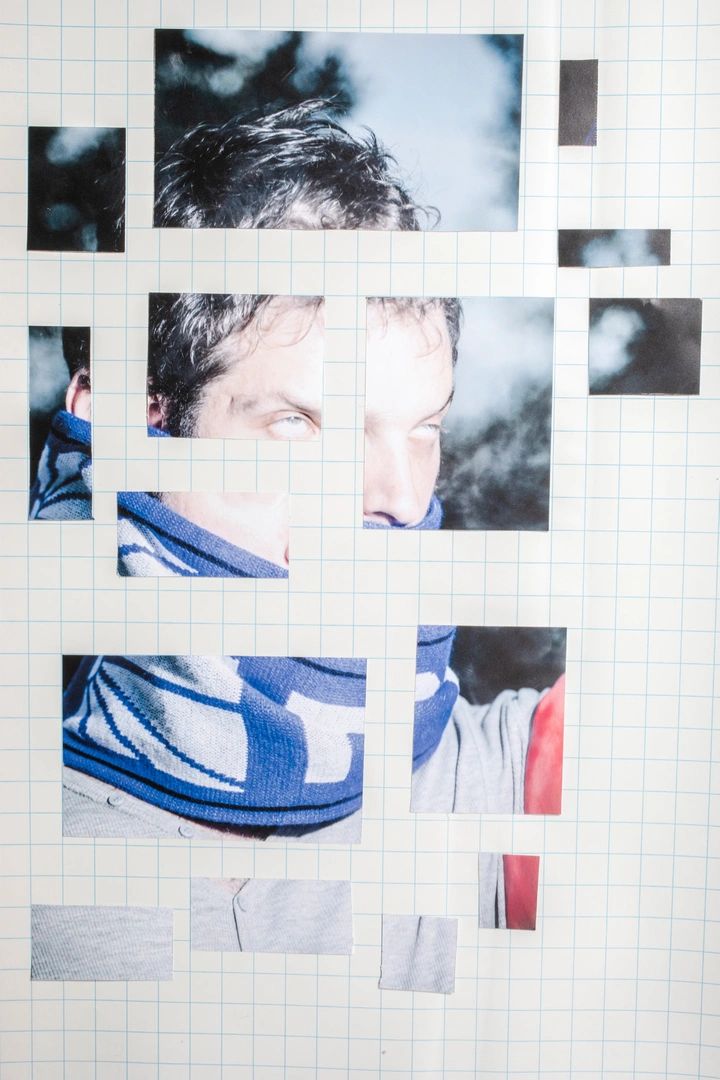
In the next phase of the work, the main focus is on the study of the creativity and inventiveness of people on the peripheries. In other words, how they use already existing materials and experiences to solve new situations. How prevalent is constant experimentation or bricolage technique, the innovative use of materials in a rural setting, is it more widespread, than in a city or the suburbs of the capital? The continuation of the project will examine this topic in wider and wider circles studying life on the peripheries, first on the level of small settlements and later wider segments of society. The range of studied settlements will be narrowed down using data from the Hungarian Central Statistical Office (KSH): researching villages with less than 100 residents in the lower segment. The most recent, 2018 data shows that there are currently 155 such settlements in the country. During the work, research and collecting have a prominent significance in studying the various ways creativity is manifested, executing these visually, through images. Among the various media, photography would be the most highly prioritized, although it would be organically supplemented by texts, moving images and sounds. Besides answering the above questions, another aim of the project is to create an openly accessible database of the collection created during the work: photographs, interviews, sound recordings, moving imagery. This would allow further interdisciplinary research in the fields of visual arts, architecture, technology, design and the social sciences. Regarding the project schedule, the first two months would be allocated to widen the scope of experiences and review and process the Hungarian and international art projects and critical, sociological literature on this topic to be more acquainted with the current methods and results. To know more about the status of the rural in the international context and its’ role in the discourse on creativity. I am looking for reference points that could be used well in the local environment. The second phase, lasting eight months, would encompass the development and bringing new perspectives to the project: a deeper study on villages and suburban areas, marginalized communities by creating visual and text-based work. During village visits, I would contact the local residents, the people and groups playing a significant role in the lives of the communities. In the third, final phase, the classifying, analysis, interpretation and summary of the accumulated visual data and experiences would be the key, when the closing exhibition and the freely accessibly online database would be created. In the budget of the project, a significant portion has to be allocated to travel, that could be financed partly by the scholarship. Accommodation can often be arranged through acquaintances according to my experience so far, while the necessary technical equipment is mostly tools that I own already. The scholarship would allow to create some of the photographs on medium format analog film. The results of the planned project and research would give a comprehensive view of the possibilities and the creativity of life on the peripheries and the rural. This complex work could contribute to a better understanding what role creativity and inventiveness plays in the life of a community and an individual. An image archive and database could be formed that allows the interdisciplinary study and further research in the fields of visual arts, technology, design and the social sciences.
DANIEL HALASZ Education Moholy-Nagy University of Art and Design, Budapest, Hungary 2019 - DLA, Doctor of Liberal Arts Moholy-Nagy University of Art and Design, Budapest, Hungary 2006 - 2011 BFA + MFA, Photography Glasgow School of Art, Glasgow, United Kingdom 2009 - 2009 Fine Art Photography Eötvös Loránd University, Budapest, Hungary 2001 - 2006 BA + MA Scandinavian Studies, Cultural Management Awards (selected) 2017 Reclaim Photography Festival 2016 Head On Portrait Prize, Museum of Sydney 2015 International Photographer of the Year Awards 2009 Imagine a New World Google Photography Prize 2008 Epson Art Photo Award Exhibitions (selected) 2019 The Walls – Drei Raben, Budapest, Hungary The Walls – Debrecen, Gyor, Nyiregyhaza, Szeged, Bankito Festival, Hungary 2018 Delete the future forever, Hungarian University of Fine Arts, Budapest, Hungary Golden Boundaries, Robert Capa Contemporary Photography Center, Budapest, Hungary 2017 Family, Hermitage Museum, St Petersburg, Russia 585.000 m2, Jerusalem Biennale, Jerusalem, Israel 585.000 m2, KlezKanada, Montreal, Canada 2016 EuroPhonia, London, UK 585.000 m2, WhiteBox, NYC, USA I sleep to wake up, I get up to lie down, Studio Gallery, Budapest, Hungary 2014 Home Away, Robert Capa Contemporary Photography Center, Budapest, Hungary 2011 Take the money and run – Lumen Gallery, Budapest, Hungary Family, Notice – Studio Of Young Photographers, Budapest, Hungary 2010 Homo politicus, Photokina 2010, Cologne, Germany Imaginary Diary, PhotoEspana 09, Madrid, Spain Imaginary Diary, 21st Photobiennale, Thessaloniki Museum of Photography, Greece Imaginary Diary, European Commission Representation, London, UK 2009 Imaginary Diary, Contretype Contemporary Photographic Art Centre, Brussels, Belgium Camp 165 Watten, Photomeetings Luxembourg Camp 165 Watten, Saatchi Gallery, London, UK Friends, Contemporary Photography Biennale, Dunaujvaros, Hungary 2008 Epson Art Photo Award, Art Cologne, Germany Teaching 2019 Lecturer, The Visual Arts Institute, Eszterhazy University, Eger, Hungary 2019 Module Leader and Mentor, Milestone Institute, Budapest, Hungary 2017 Teaching Assistant, International Center of Photography, New York, NY
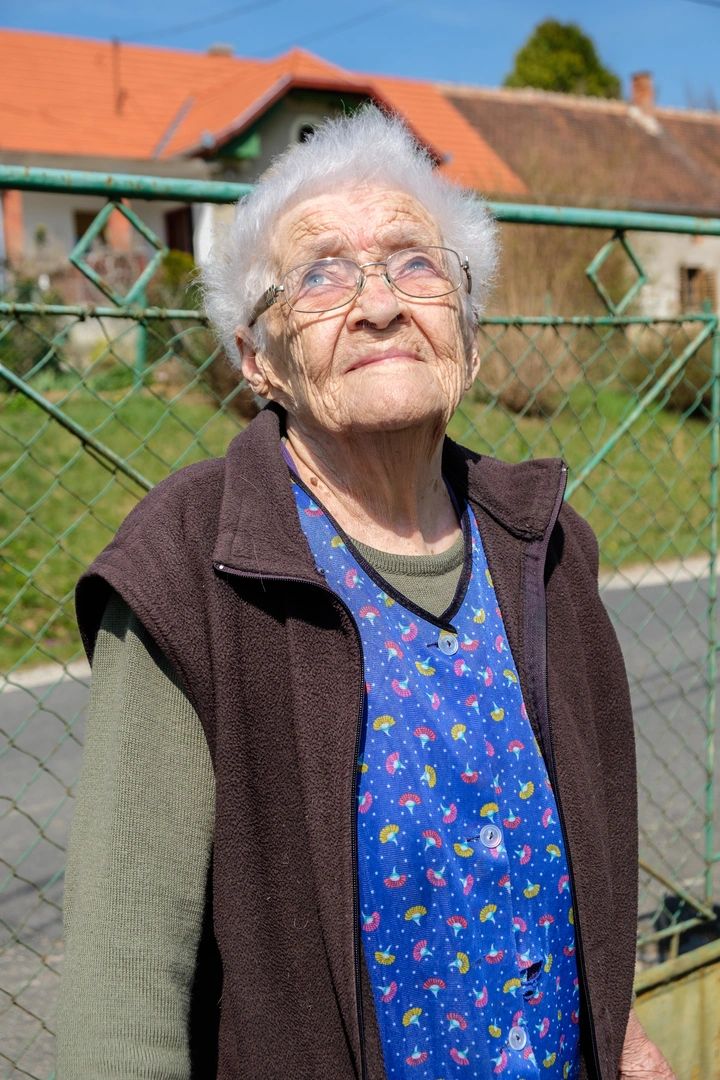
Over the past decades an increasing percentage of the world’s population is in cities and the rural areas are depopulating. In Hungary, over 50 percent lives outside cities, while according to UN data in developed countries this ratio is around 20 percent and expected to decrease drastically on a global scale (World Urbanization Prospects, 2018). It is important to study the current, temporary state, so I started to work on Hungarian villages in the second half of 2018. In the first round, I created a database of the settlements with a population of less than 100 and began to research the international art and sociological literature in order to know the current trends and results. I have visited 44 villages so far, making interviews and photographing the locals, the built environment. Parallel to this, I am interested in the relationship of the capital to the rural and I am also taking images on the border of Budapest.
DOUBLE BOND
Neogrády-Kiss Barnabás

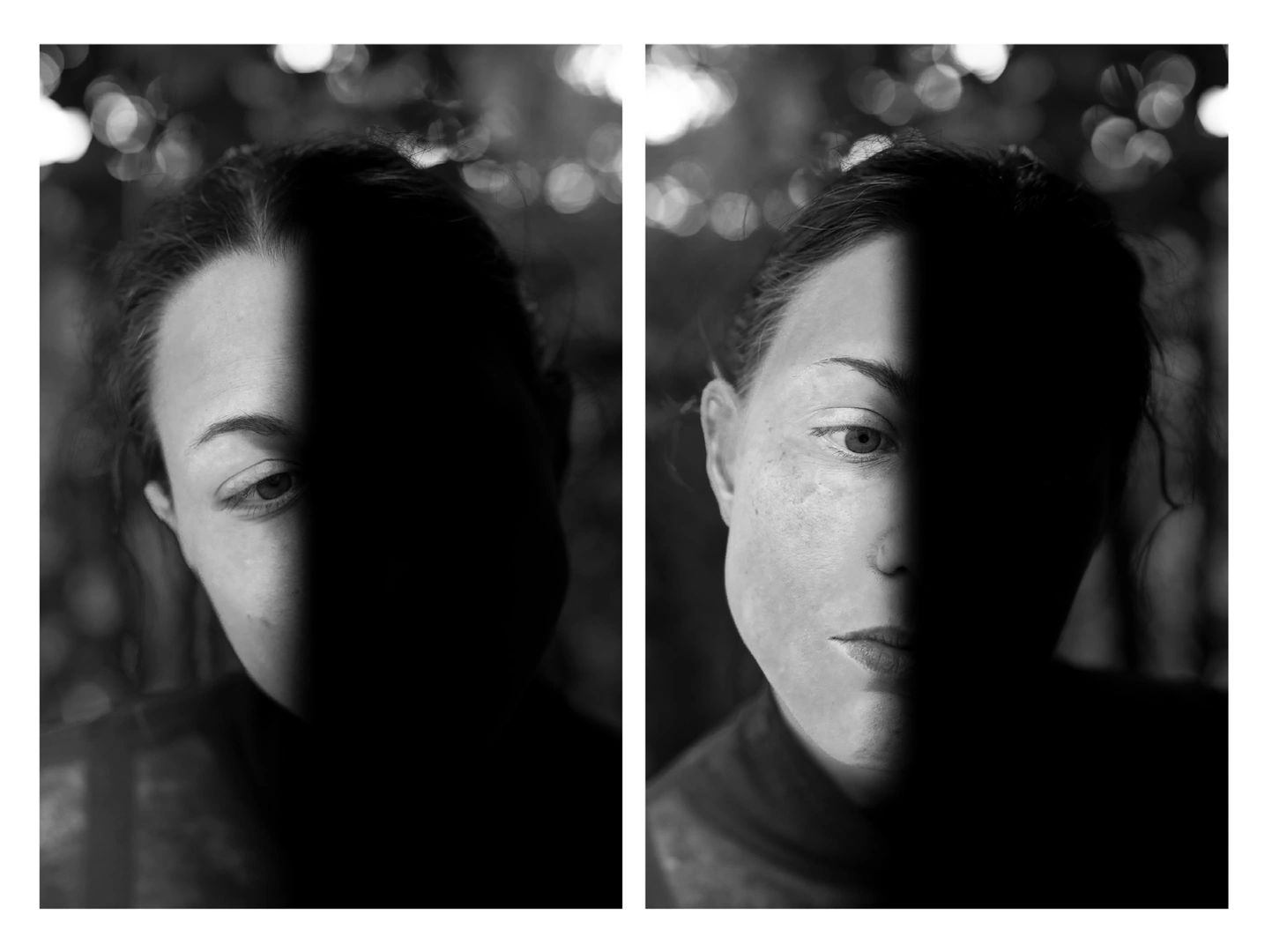
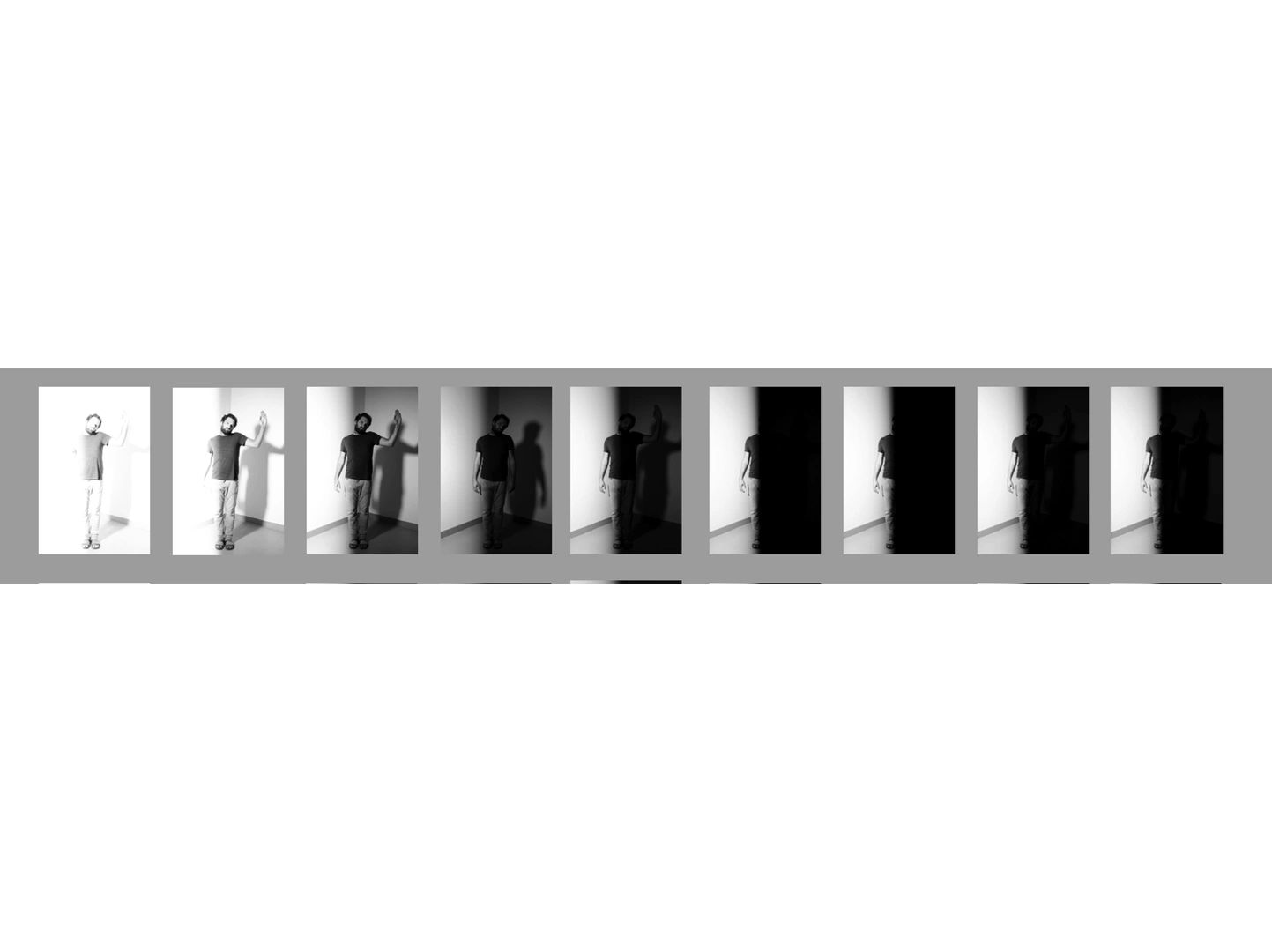
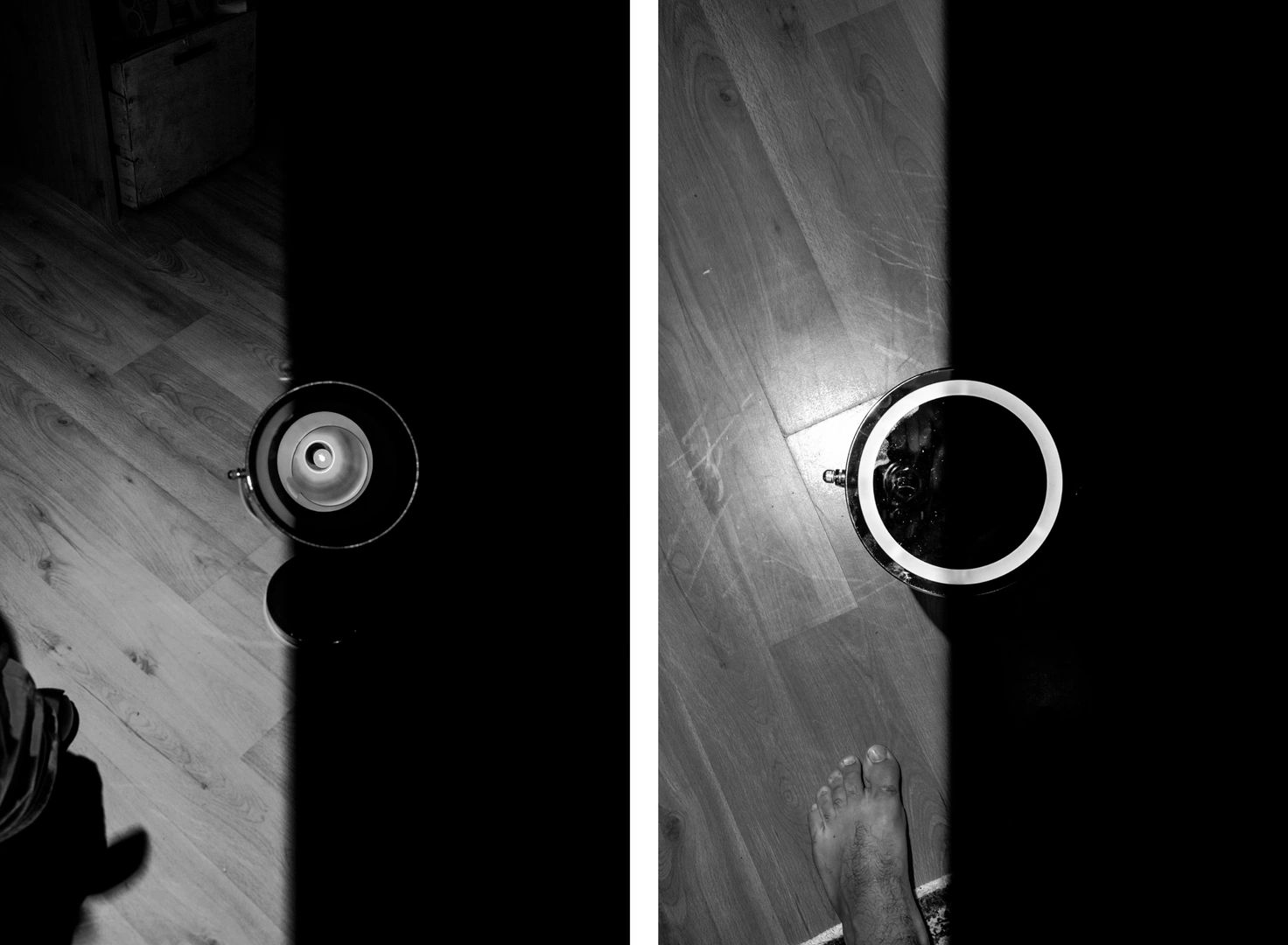
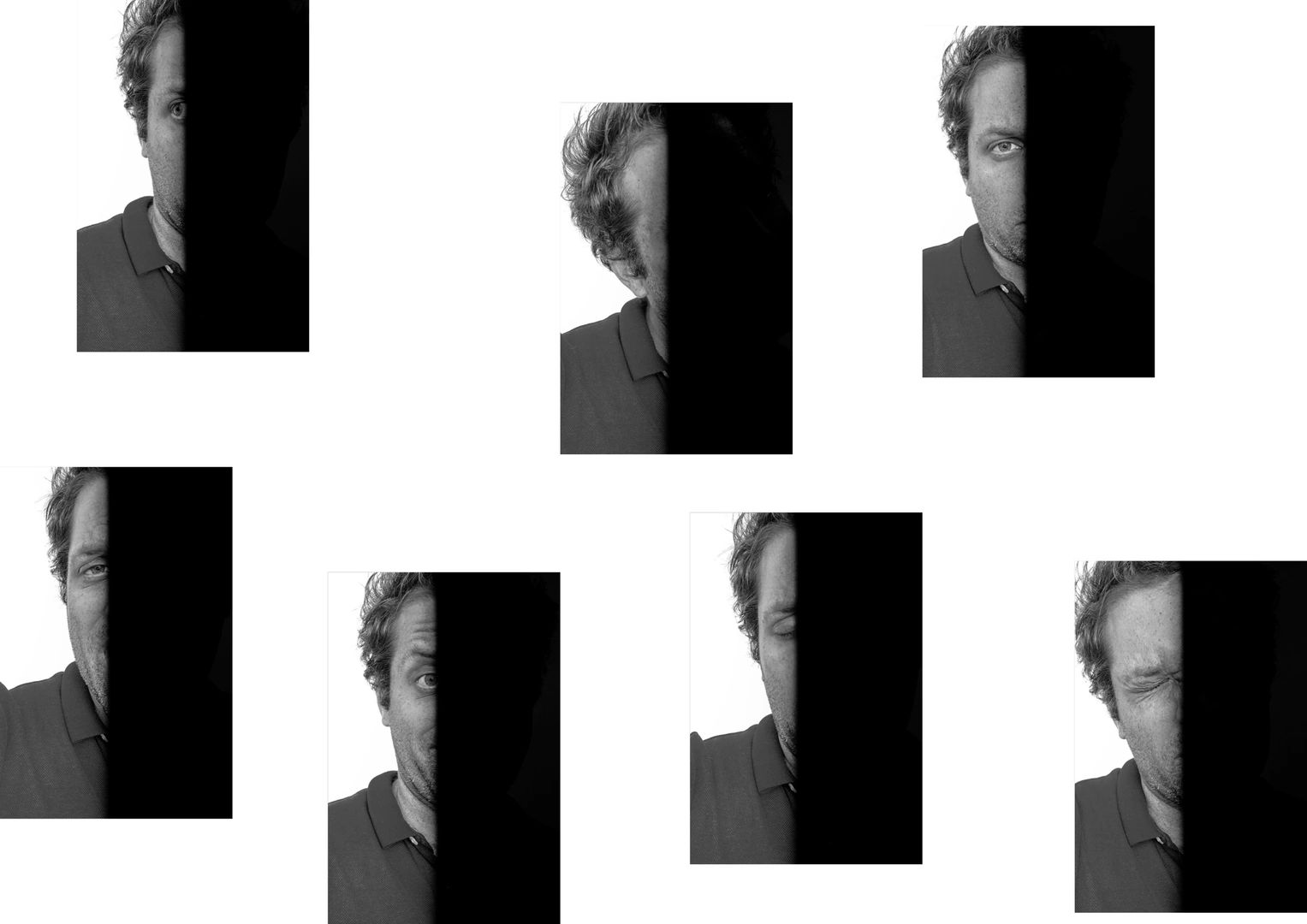
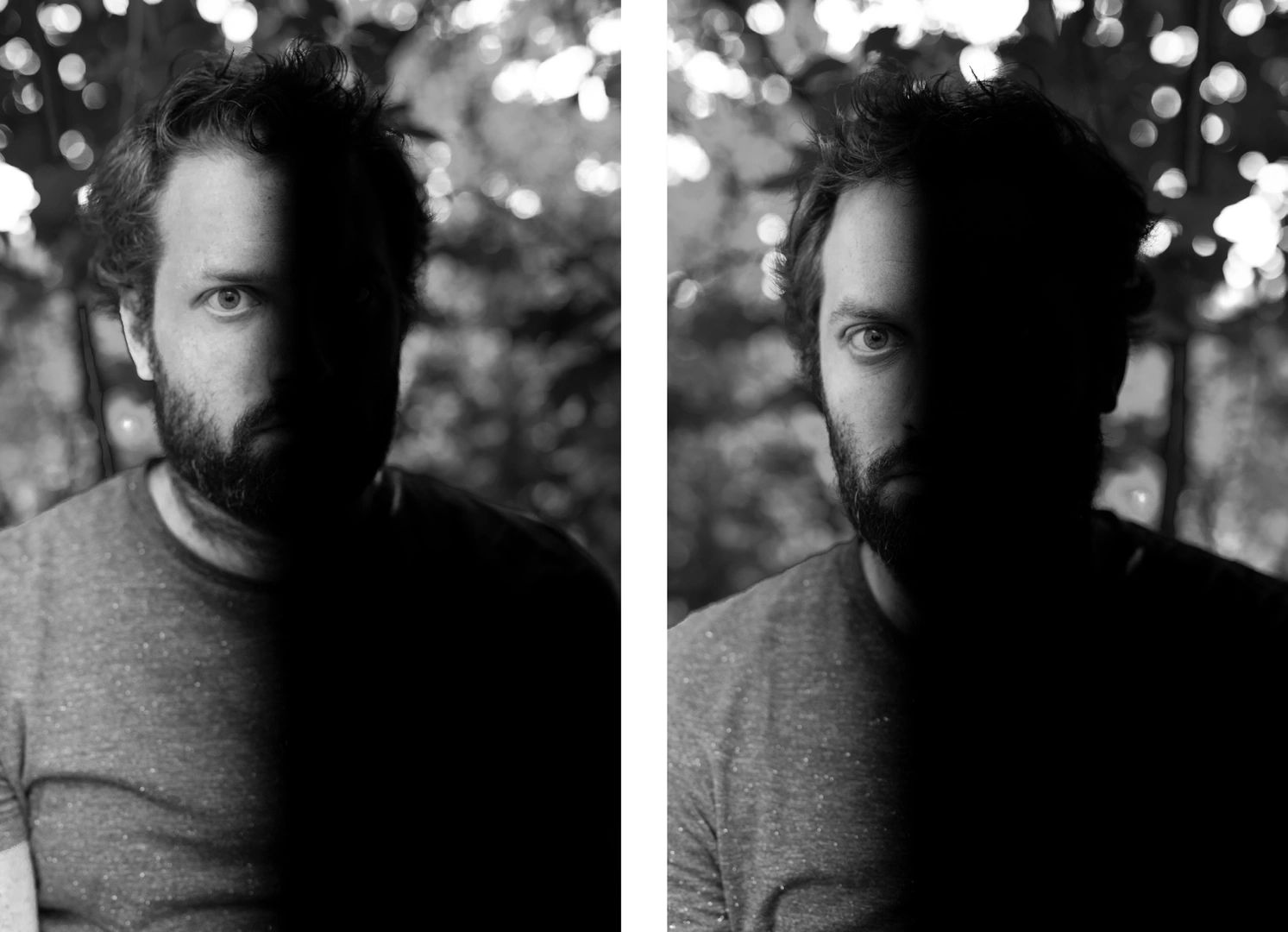
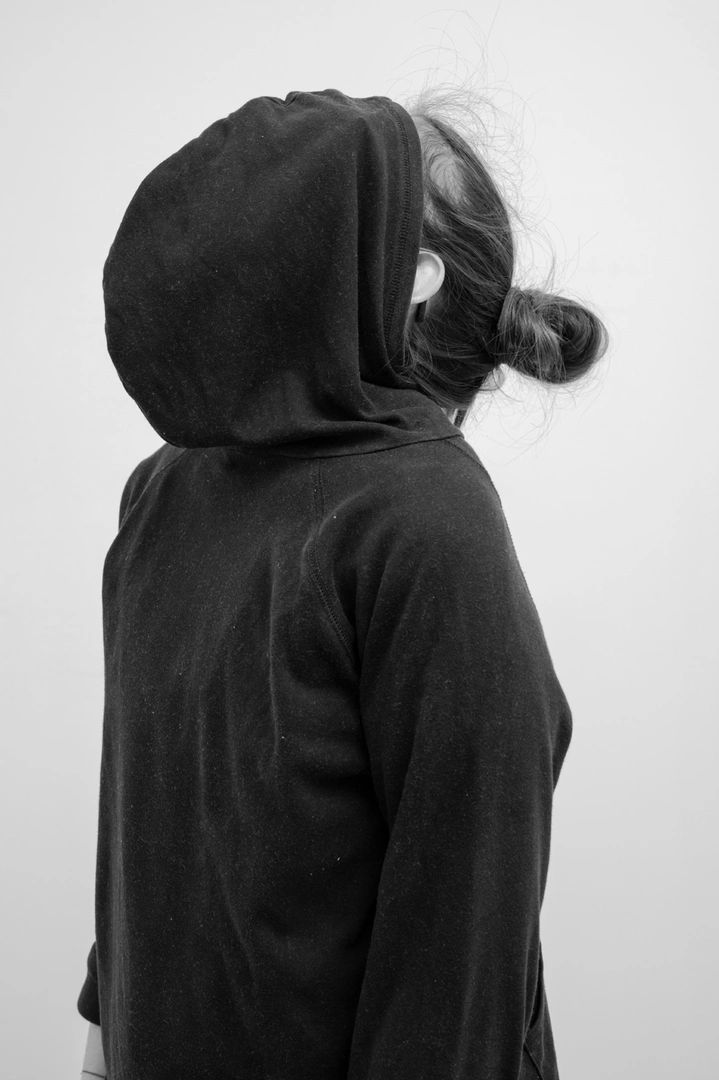
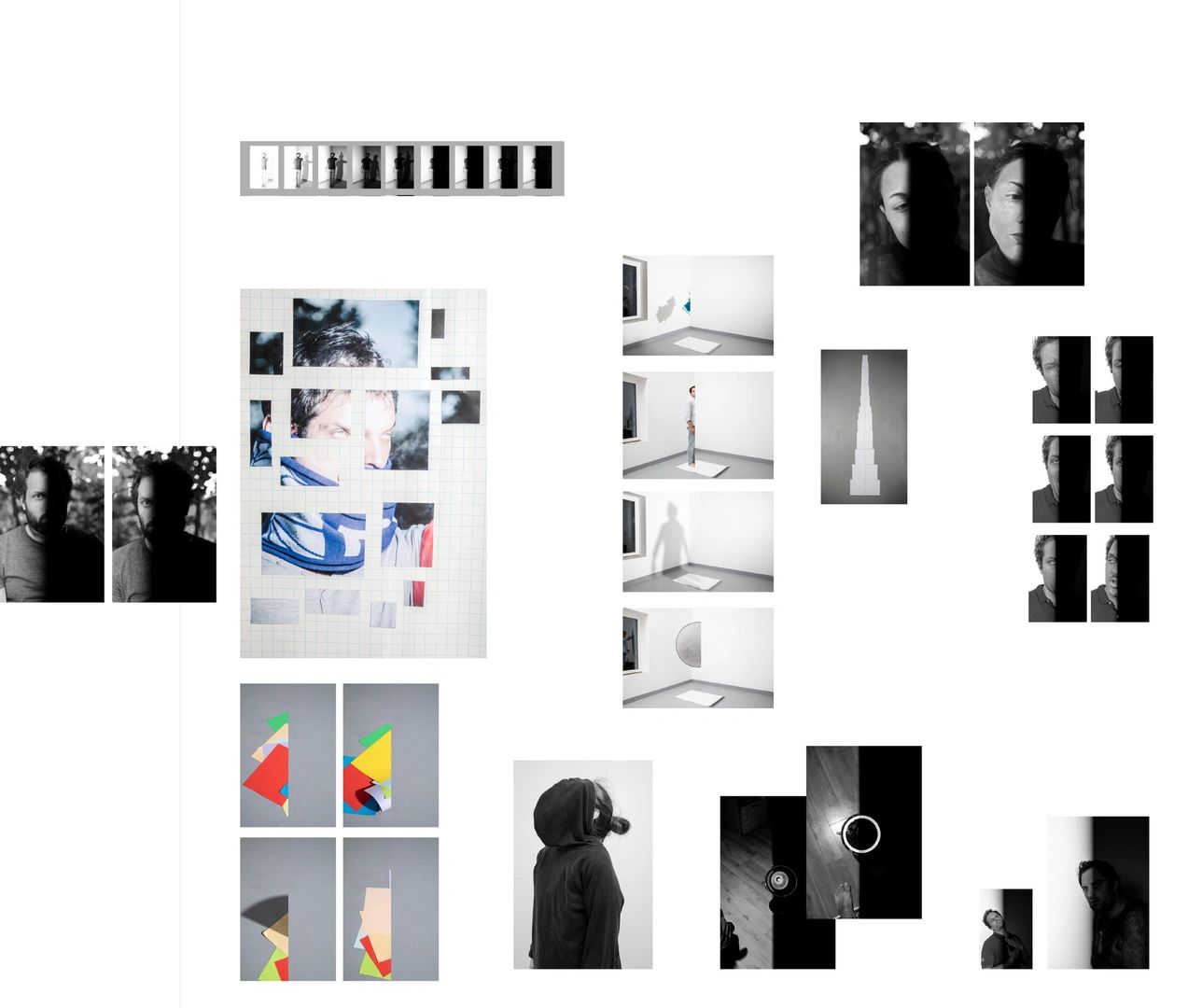
Photography is often a very personal issue, it comprises the life of the photographer as much as the act of photography has a great impact on one’s life. Therefore it is a very sensitive field. My projects until now, regardless if I was working with children, they unavoidably seemed to be about me, about soul-searching. In different ways, from different perspectives, but I always tried to aim for, to process, to understand one thing: who I am. How I really became who I am and why. I'm not satisfied with the role given to me by society, with every mask I feel I can't fulfill the role, that I am different somehow. In my most recent project I examine my sight. The most influential incident, a fracture in my life that shaped me ever since I was a teenager was that a brain tumour was surgically removed from my head, from which point I had to rebuild myself from scratch. Two personalities have to be constantly conciliated since then, the one I used to be before and the one I am now. This schism is literally there in the way I see. As a consequence of the surgery among others than not being able to move my right hand and right feet properly and having troubles to express my thoughts verbally, my sight is asymmetrical, I don’t see anything to the right. I am blind 90 degrees to the right direction. In this project I want to present the visual awkwardness of the world, with the help of technical errors of the single-lens reflex camera. I want to show the way I see, how my brain and my memory is trying to fix the error of the blind spot, reconstruct the things I only feel, the side of the things I don’t see. My sight became kind of a scanning. I can only perceive a piece of reality at once. If there is a space, I only see the half of what another person sees. But I have to understand the whole space, without constantly looking there. So I remember the pieces, and put them together from memories. If something is changing in the space? I do not notice it immediately. Lots of surprises are waiting for me around those blind spots. Lots of surprises are waiting for me around those blind spots. As if it's a constant montage, in one world, one field of vision more worlds and more sights are hidden and I have to decide which ine is real. But I can't. One root of my project is a technical research as well, becasue while we might think the camera is a simple contraption and the shutter works the same way in every machine, it's not quite like that, at least from my goals' perspective. I'm trying to experiment, to investigate which contraption and shutter are the closest to what I see. In the case of a "normal" picture it's almost irrelevant the difference in shutters, you can't see the difference. But in what I want to show, it's a very visible thing. Thus in my project my techniques will show a personal projection of sorts, because it will show who I am through my vision. Furthermore I'd like to involve medical researches, how certain brain problems change sight and perception and how this influences a person's life and their sense of self. Getting in touch with psychologists specializing in brain tumors and listening to their expertise will help with the latter, I'm sure. I would like to get the visitors in an interaction with the installation of the project.
In 2008 I had my second brain surgery. Then I started to learn my basic functions again: speaking, walking, moving hands, seeing. In parallel, from 2009 to 2017 I studied photography and art at Prátér Street Vocational Training, Kaposvár University and Moholy-Nagy University of Art and Design. During this time I participated in many group exhibitions. My solo exhibition was in Faur Zsófi Gallery in 2014, 2018 and in Lollipop Factory in 2019. Since 2010 I have been working in photography workshops and camps. Since 2017, I have been teaching adults at art school. My books have been to various photobook festivals in London, Berlin, Stockholm, Vienna
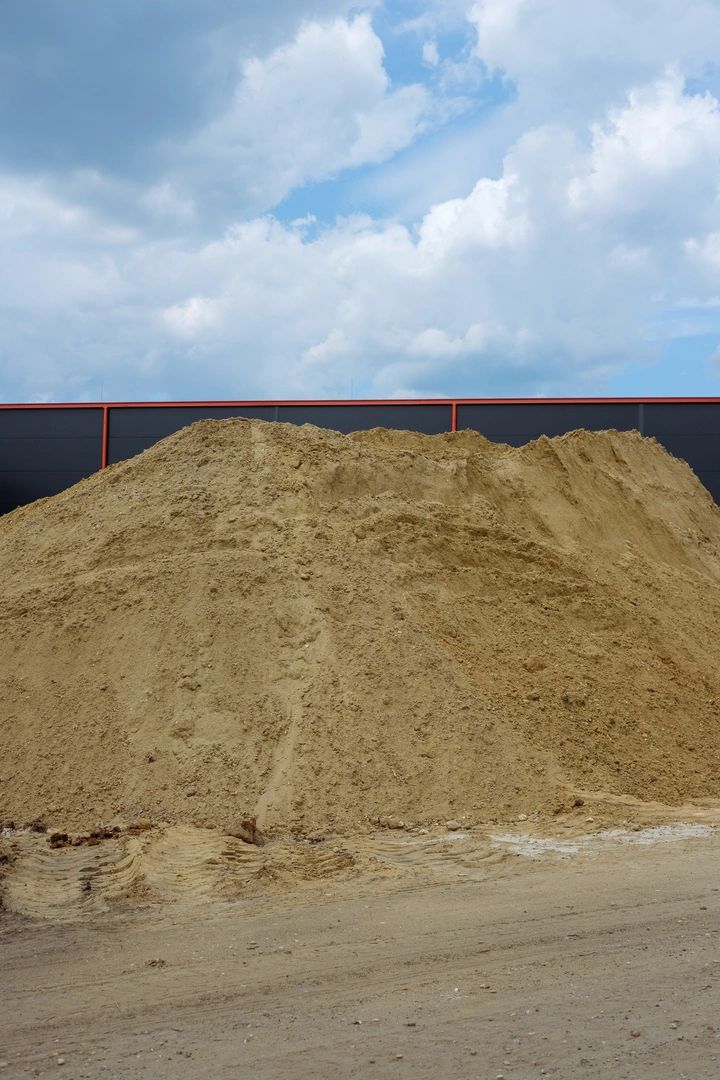
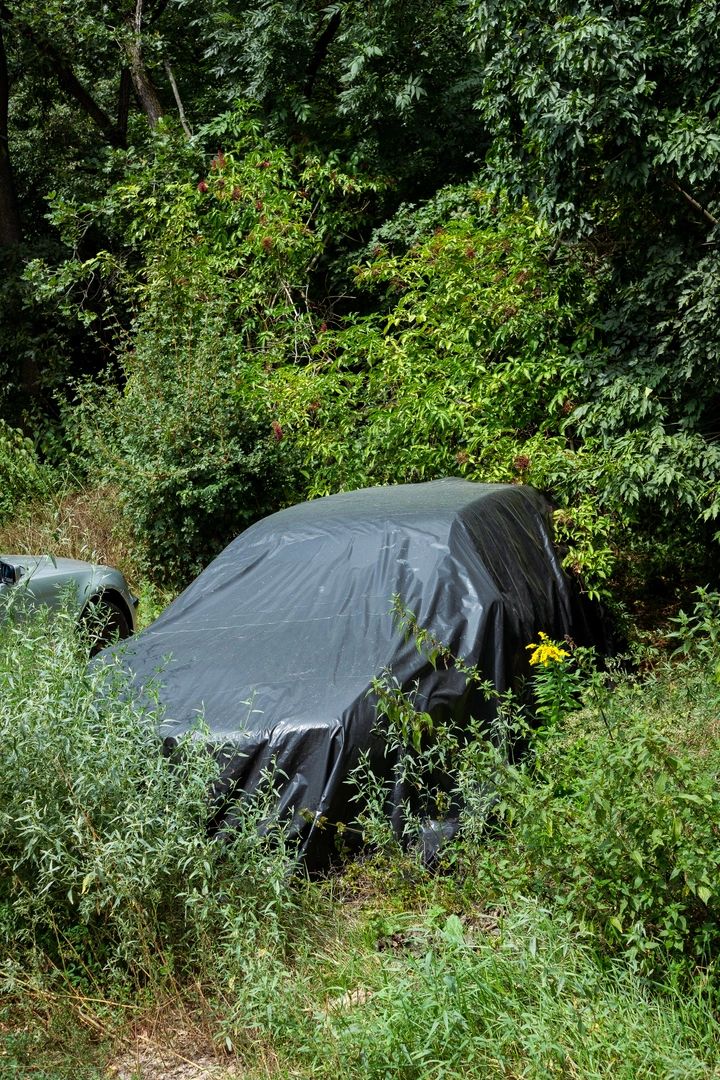
In my most recent project I examine my sight. The most influential incident, a fracture in my life that shaped me ever since I was a teenager was that a brain tumour was surgically removed from my head, from which point I had to rebuild myself from scratch. This schism is literally there in the way I see. As a consequence of the surgery among others my sight is asymmetrical, I don’t see anything to the right. In this project I want to present the visual awkwardness of the world, with the help of technical errors of the single-lens reflex camera. I want to show the way I see, how my brain and my memory is trying to fix the error of the blind spot, reconstruct the things I only feel, the side of the things I don’t see. My sight became kind of a scanning. So I remember the pieces, and put them together from memories.
MADE IN CHINA
Szalay Krisztina

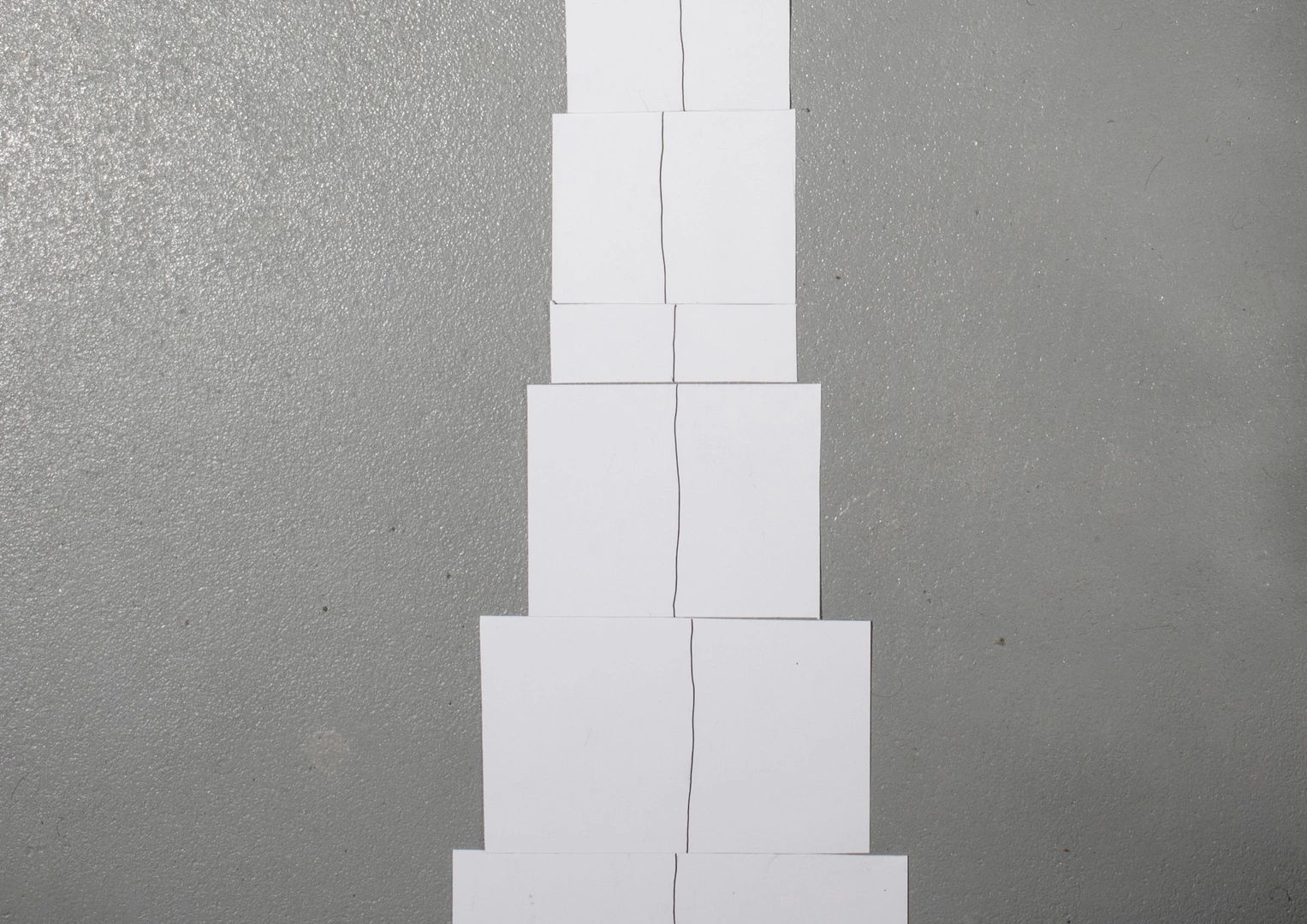
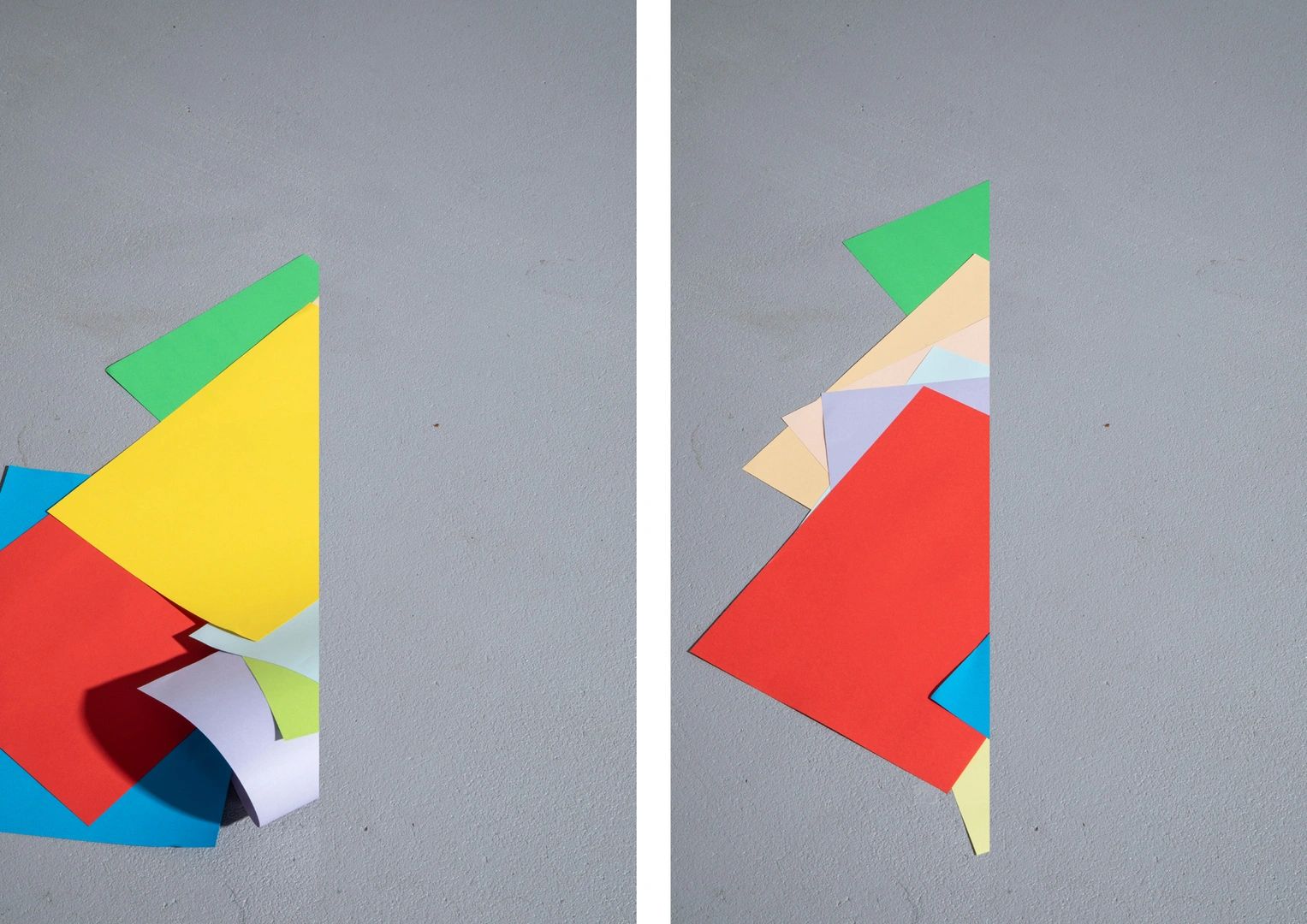
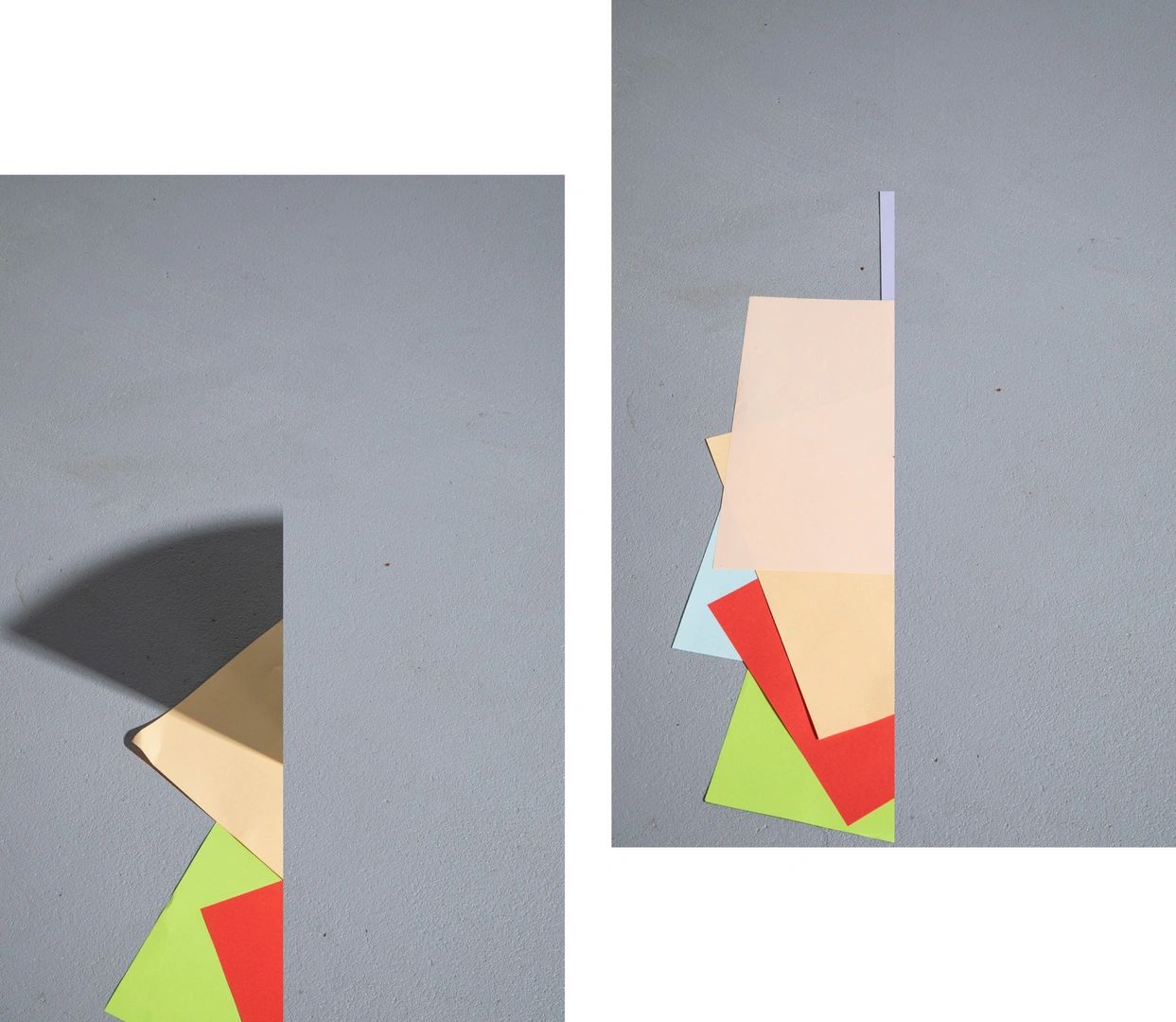
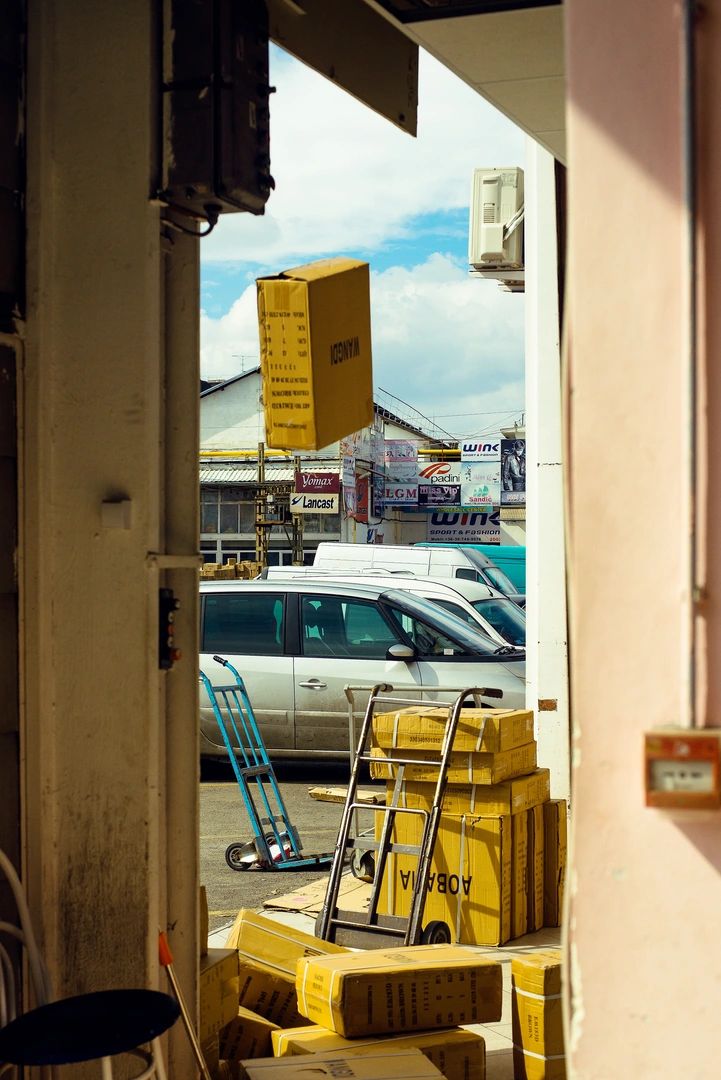
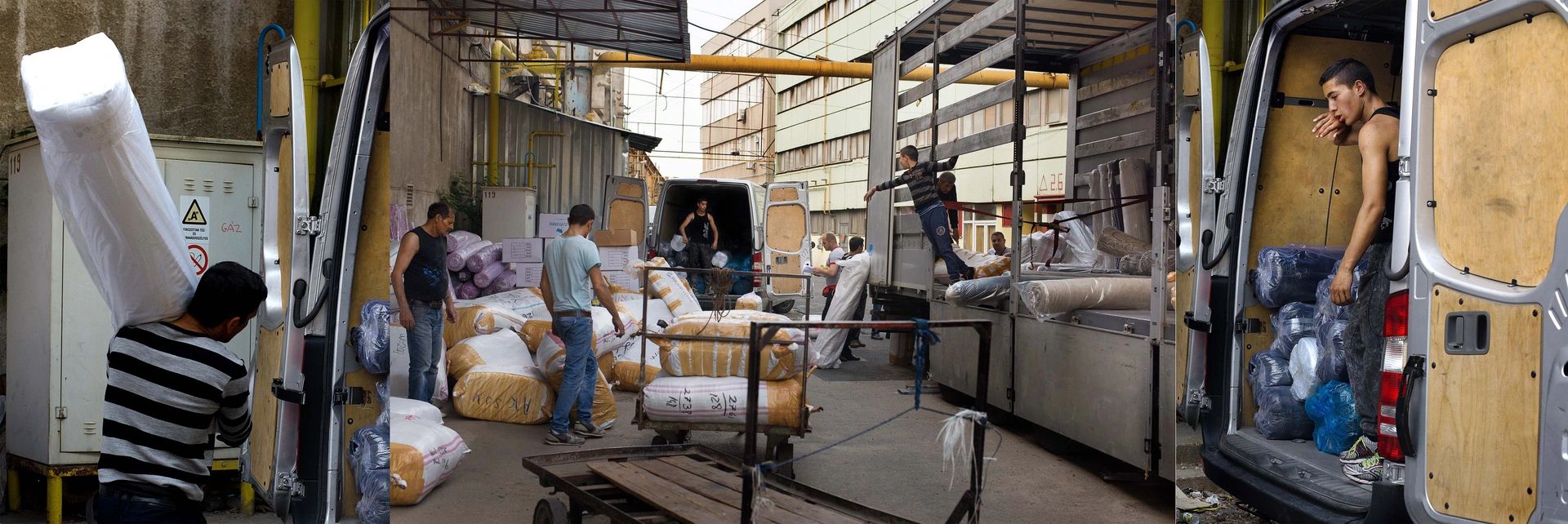
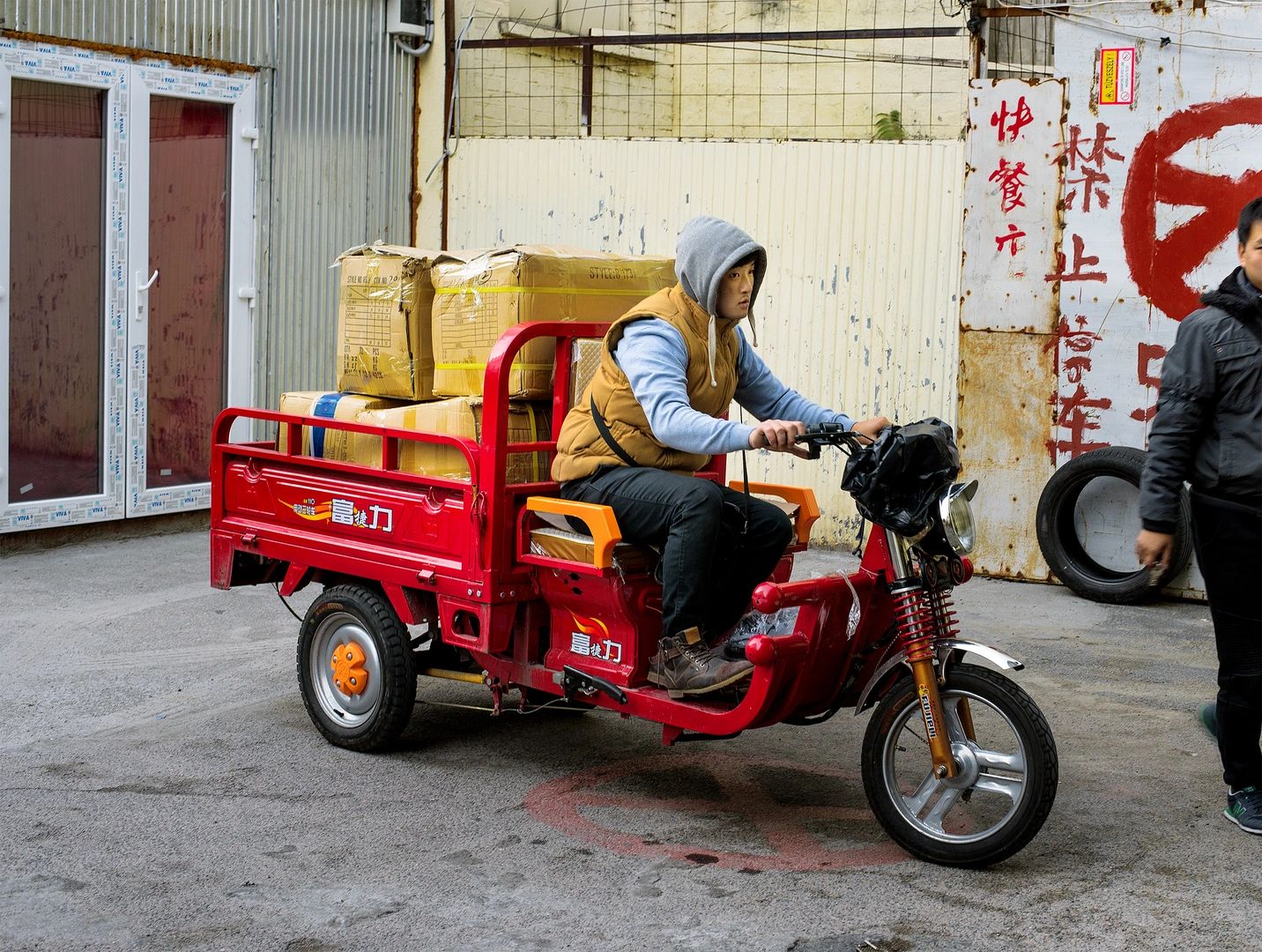
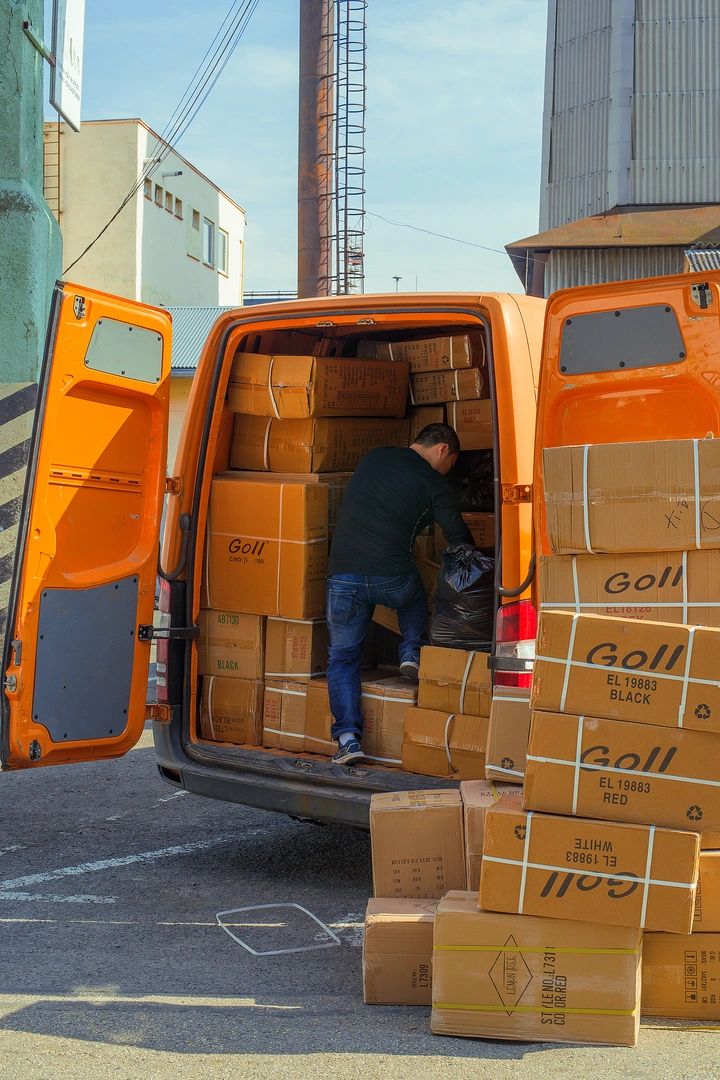
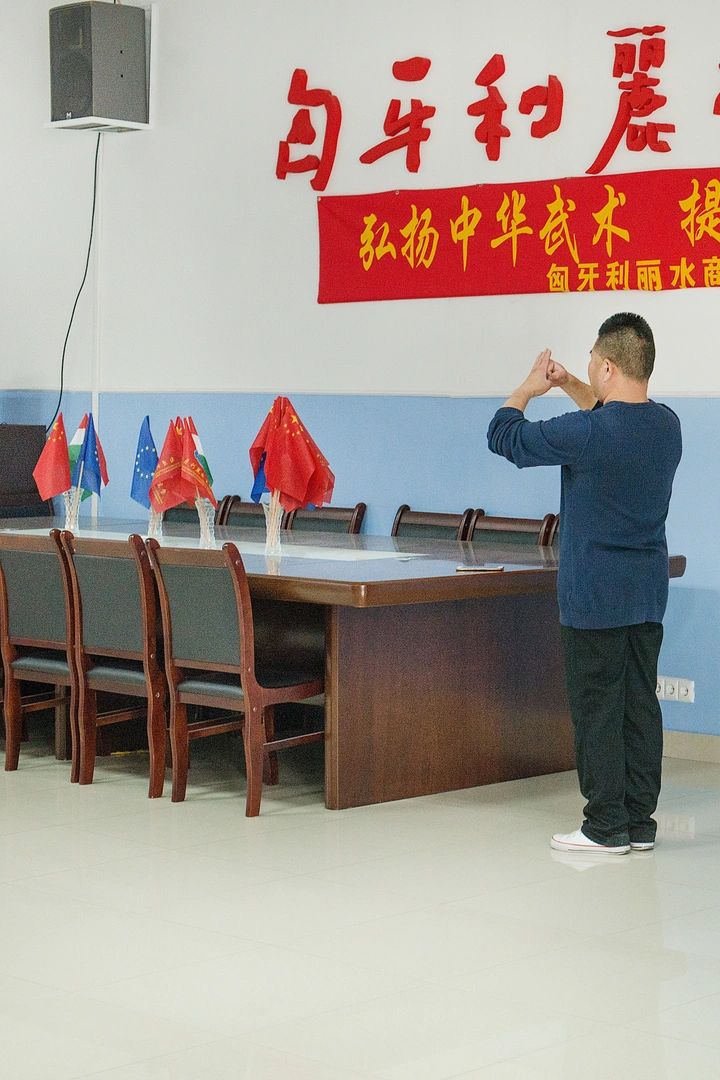
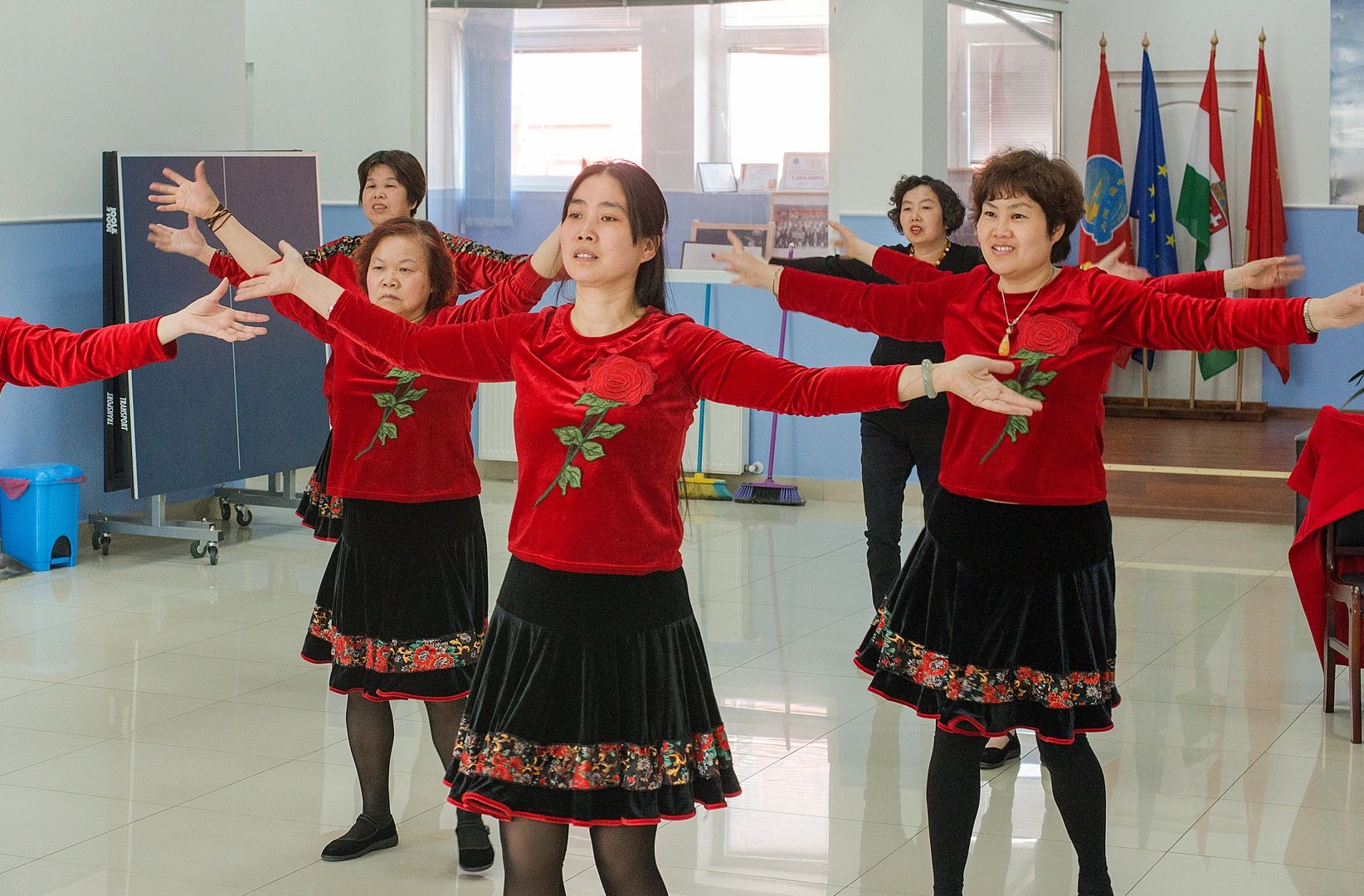
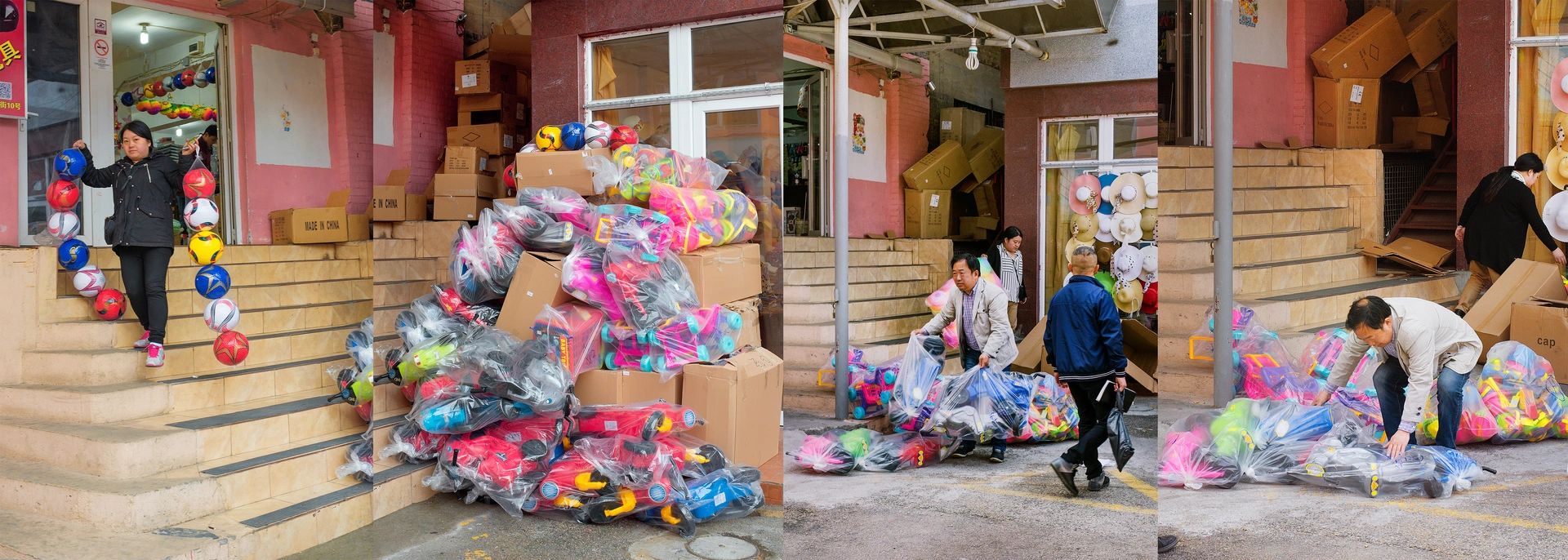
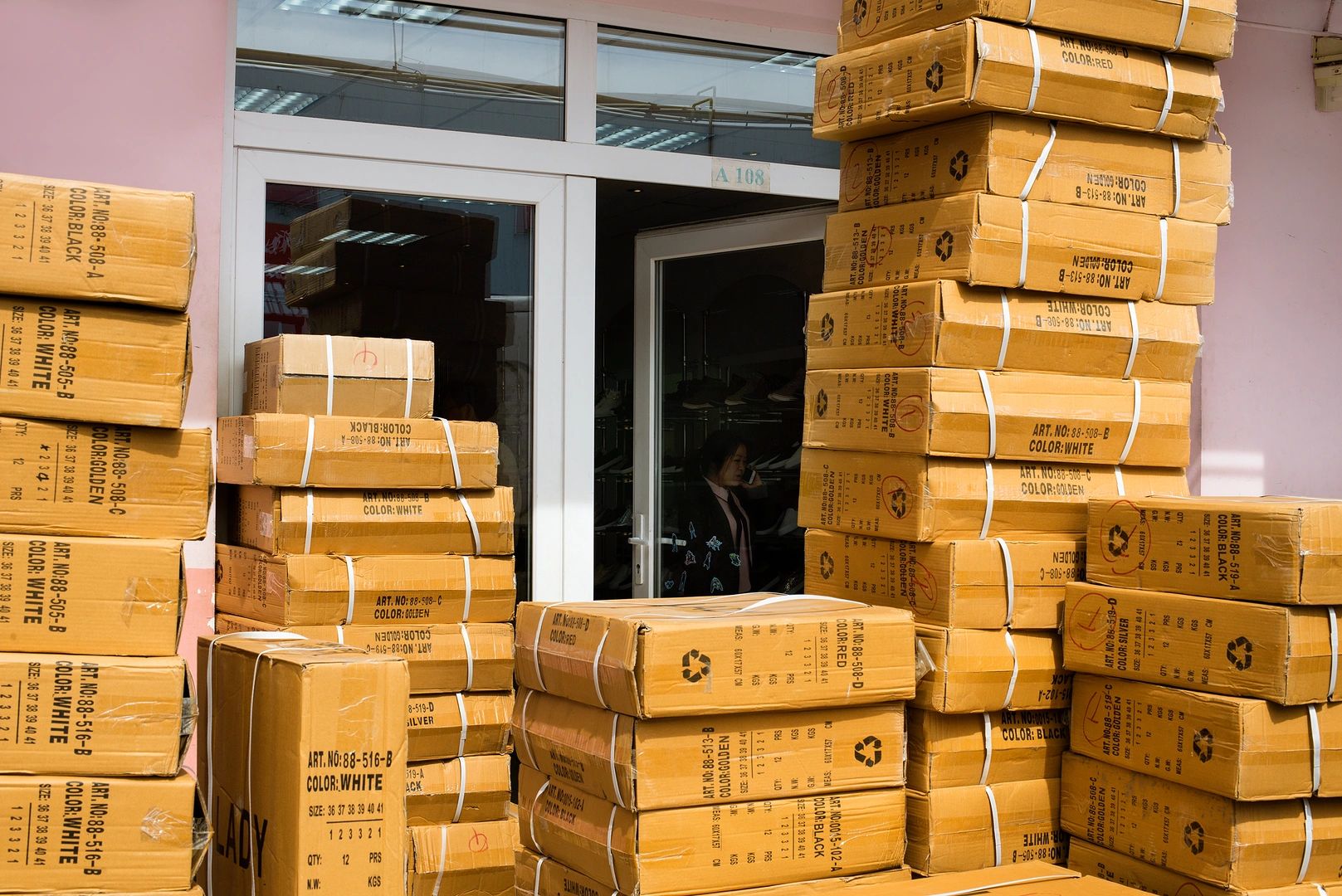
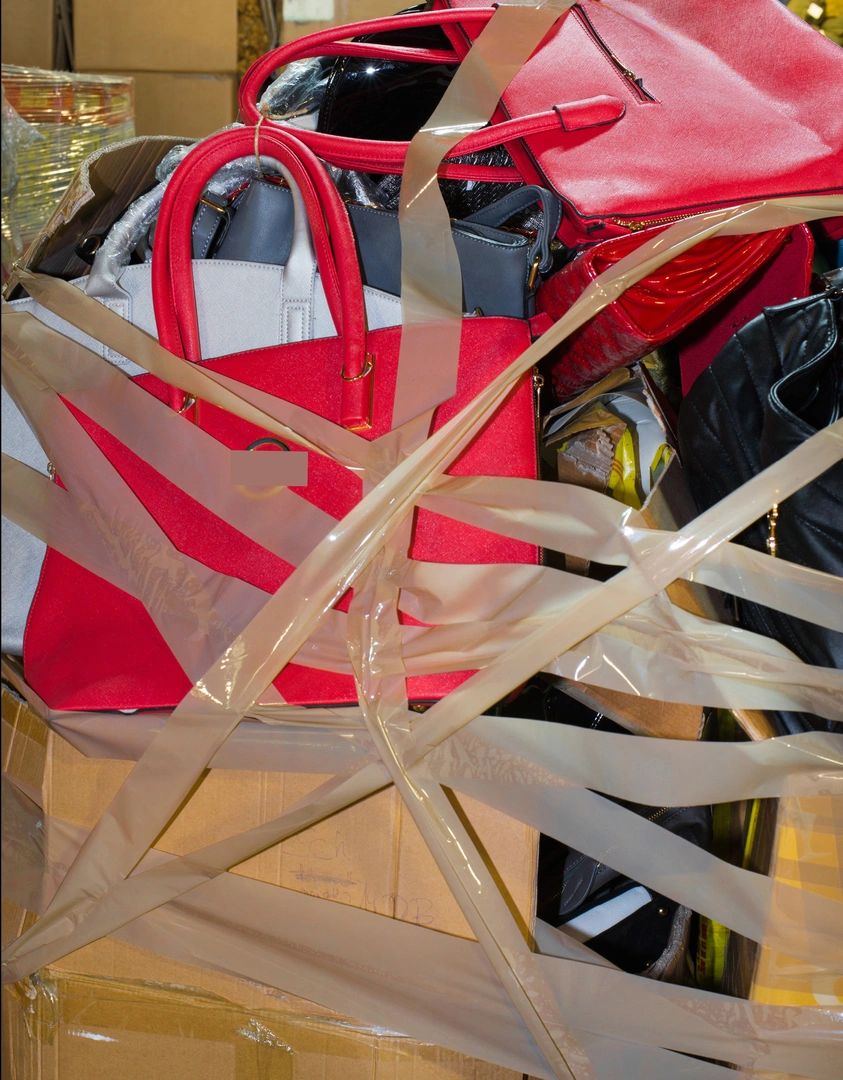
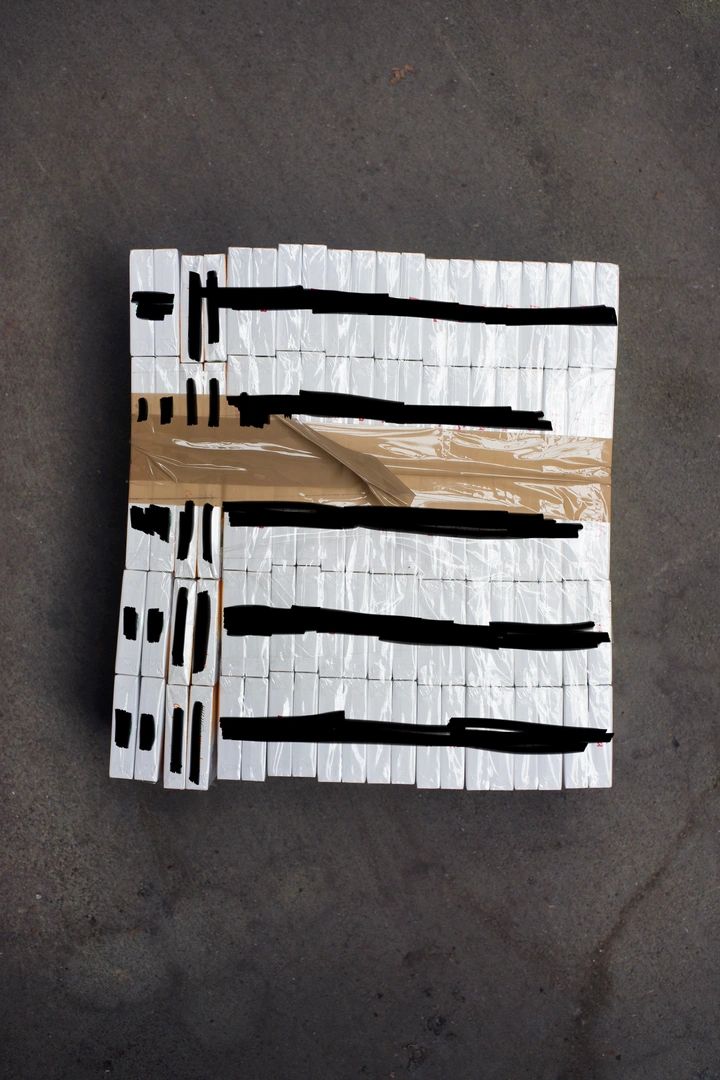
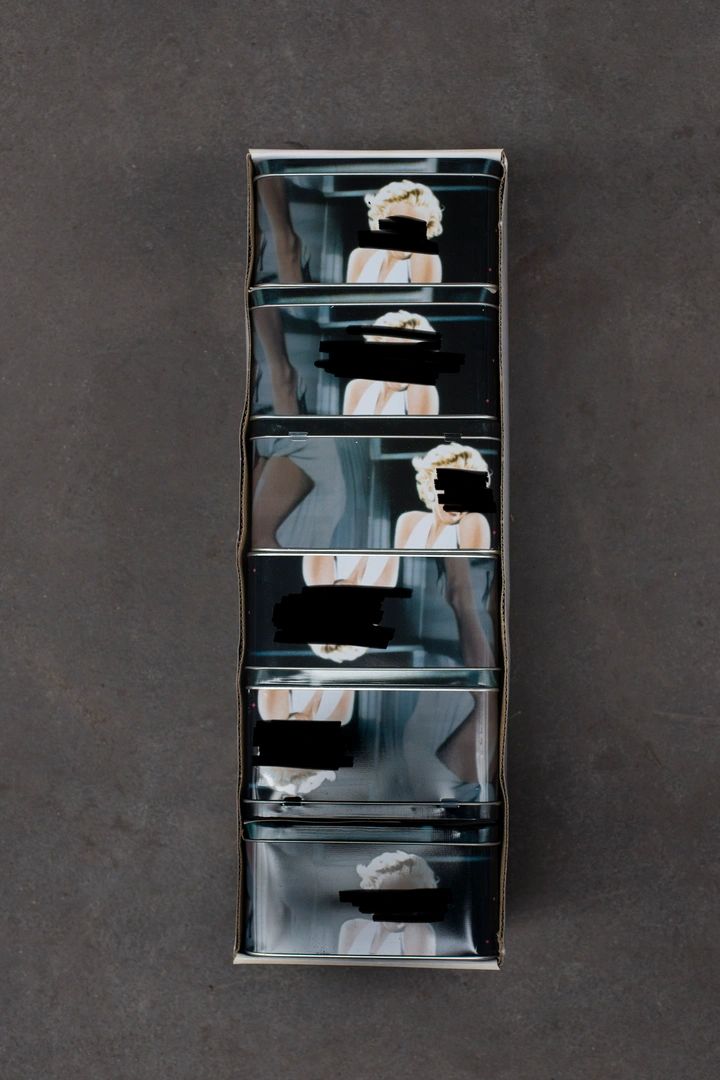
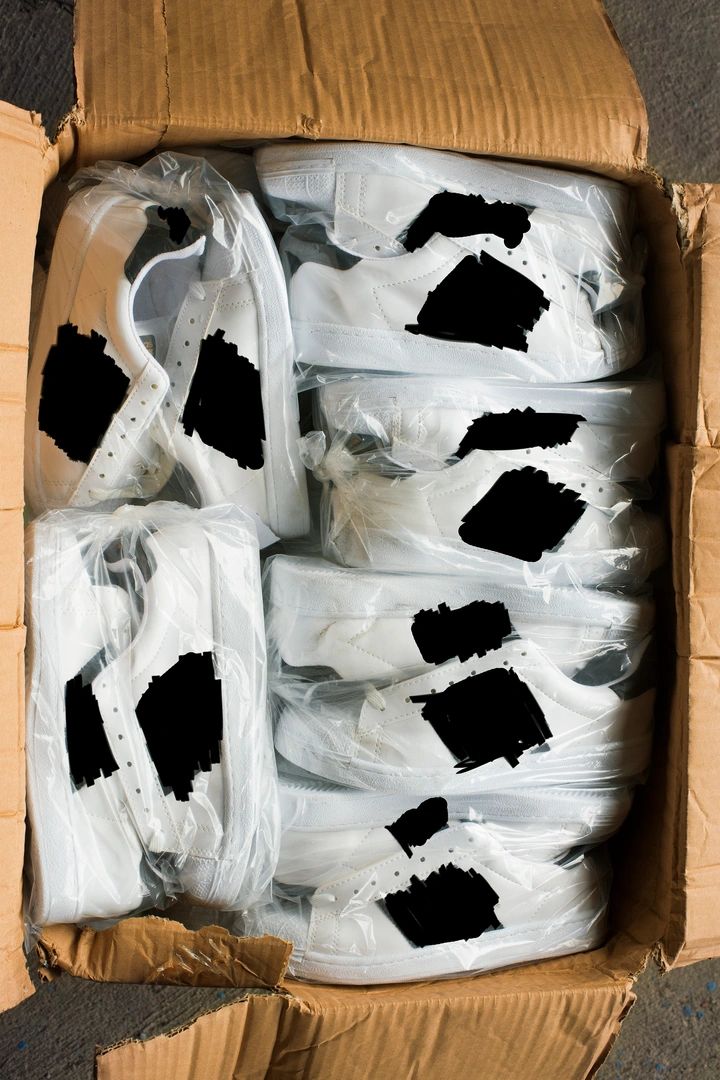
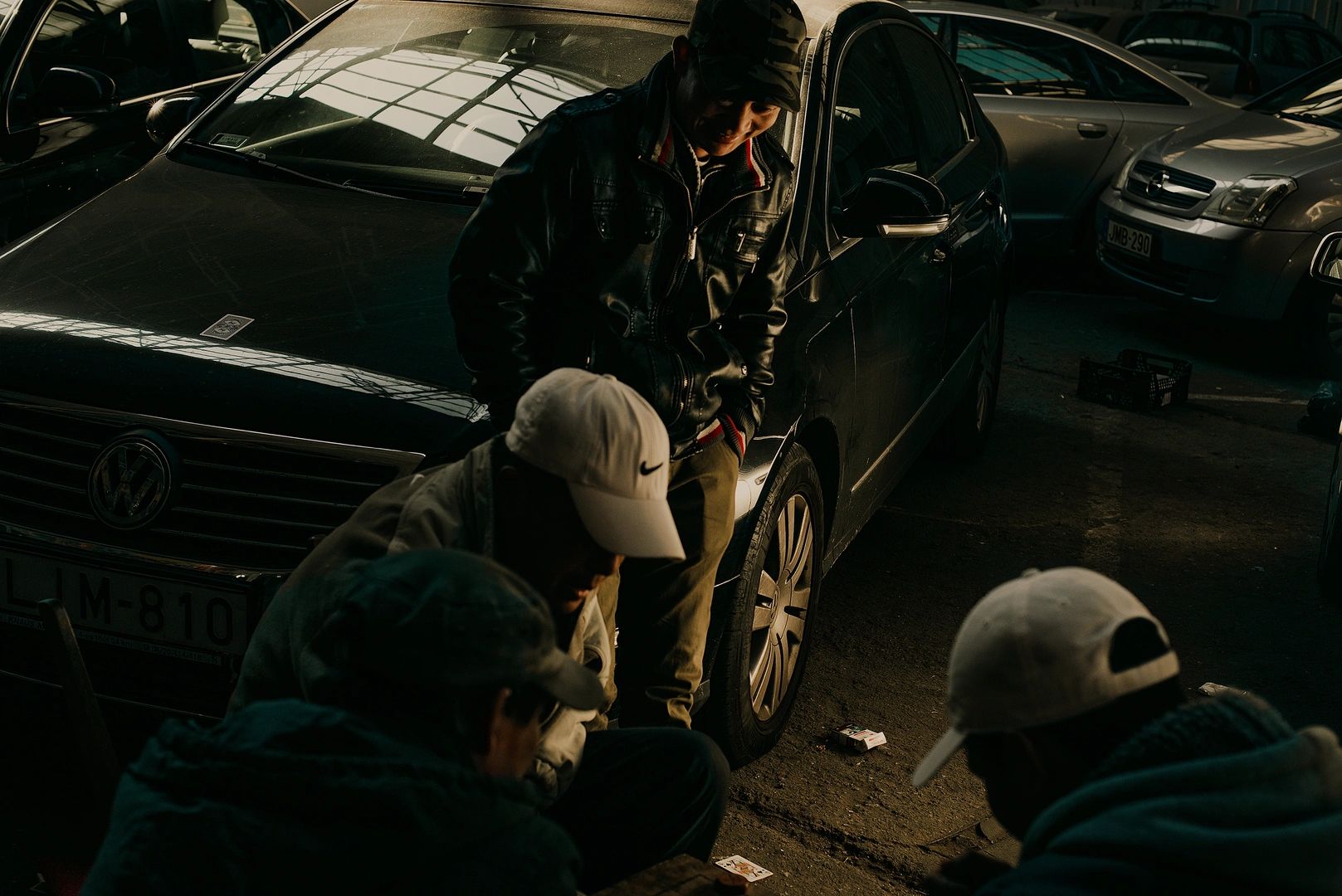
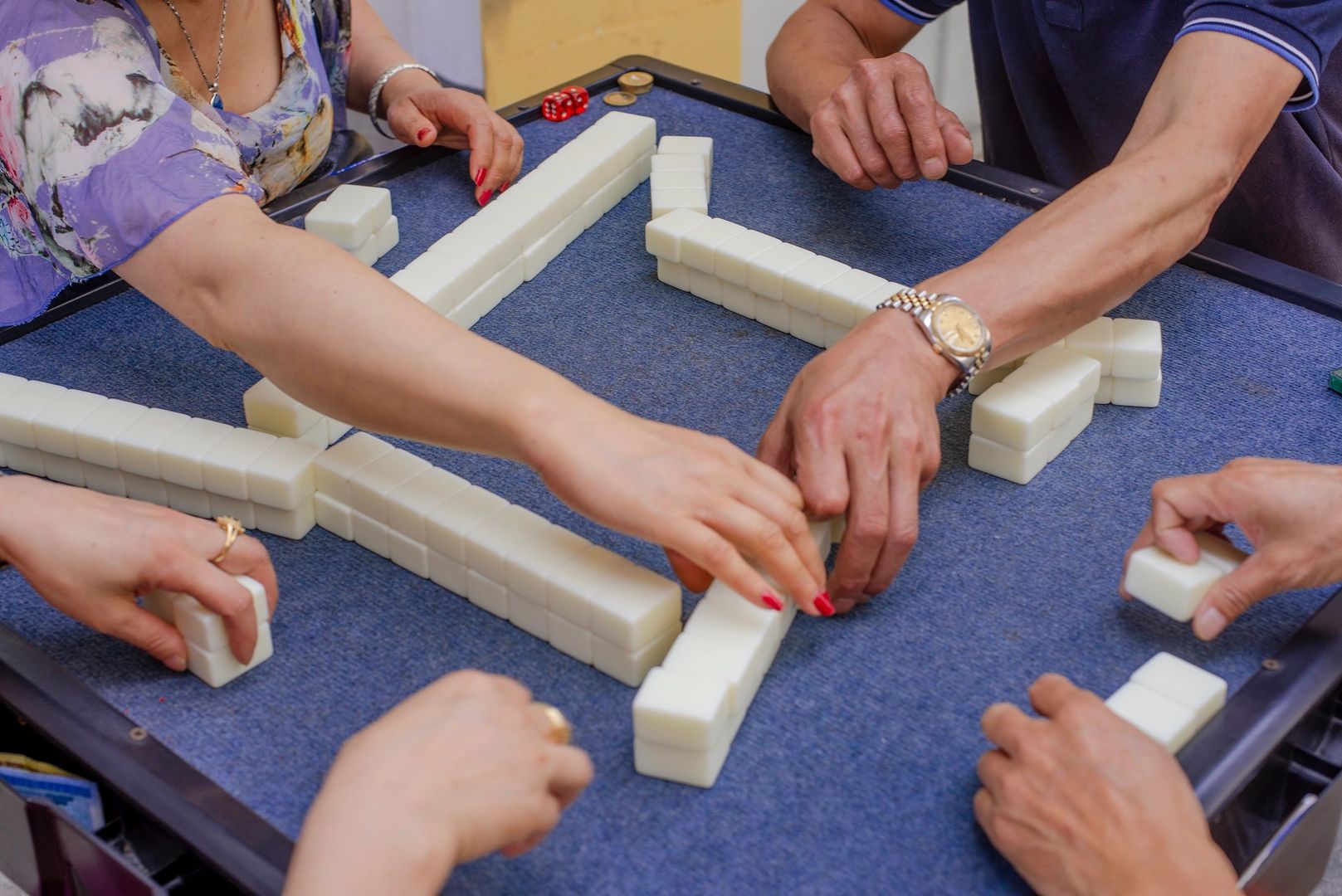
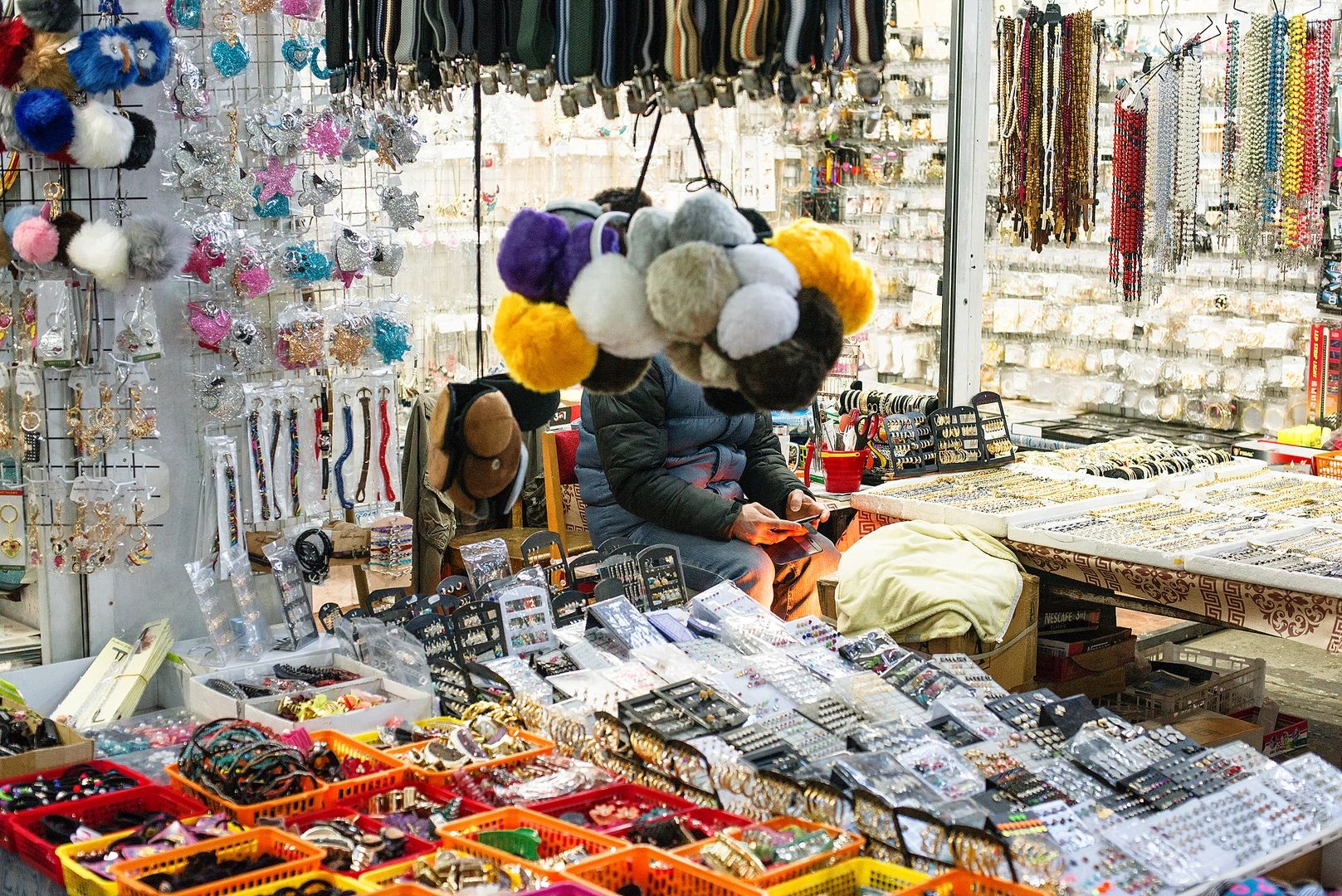
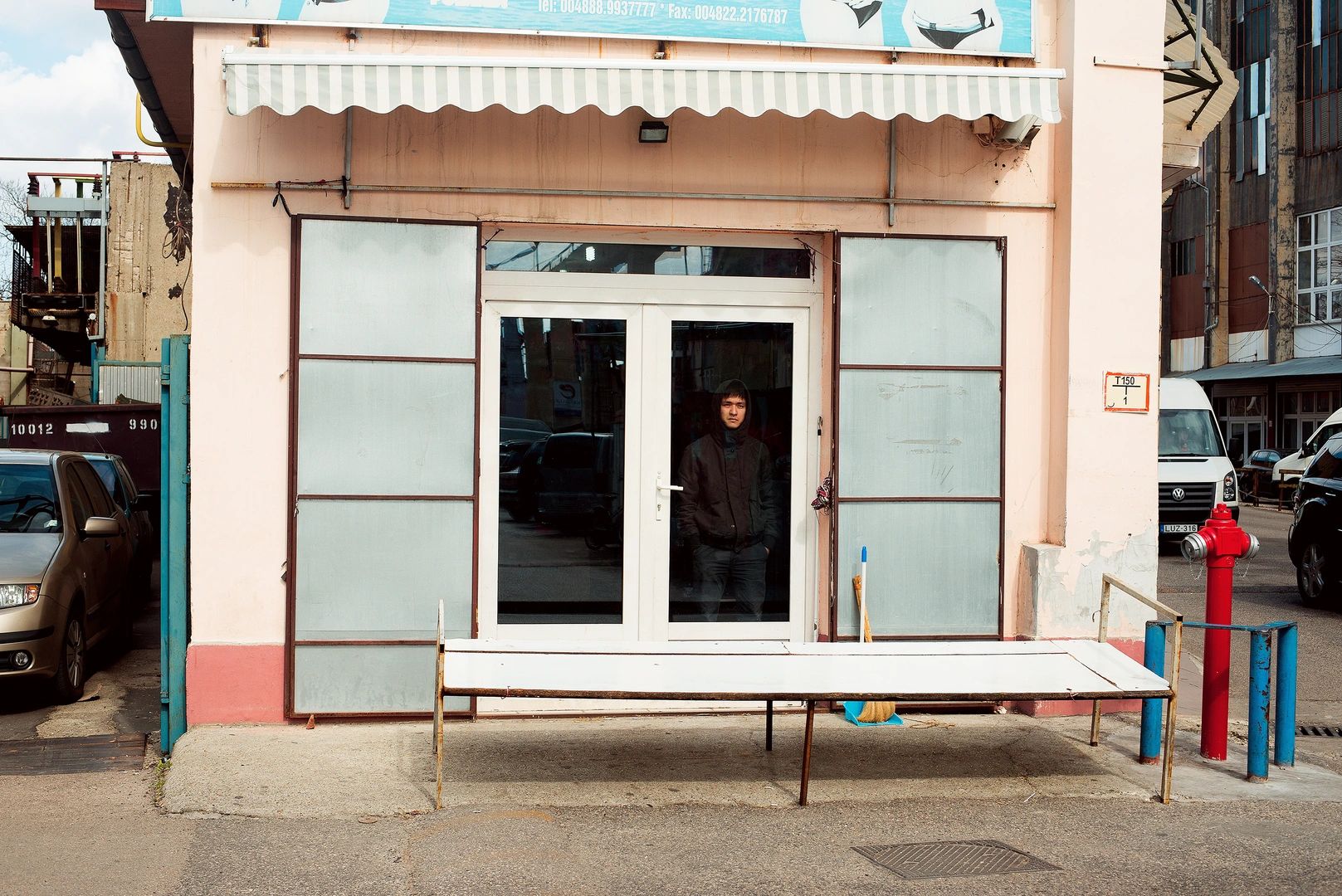
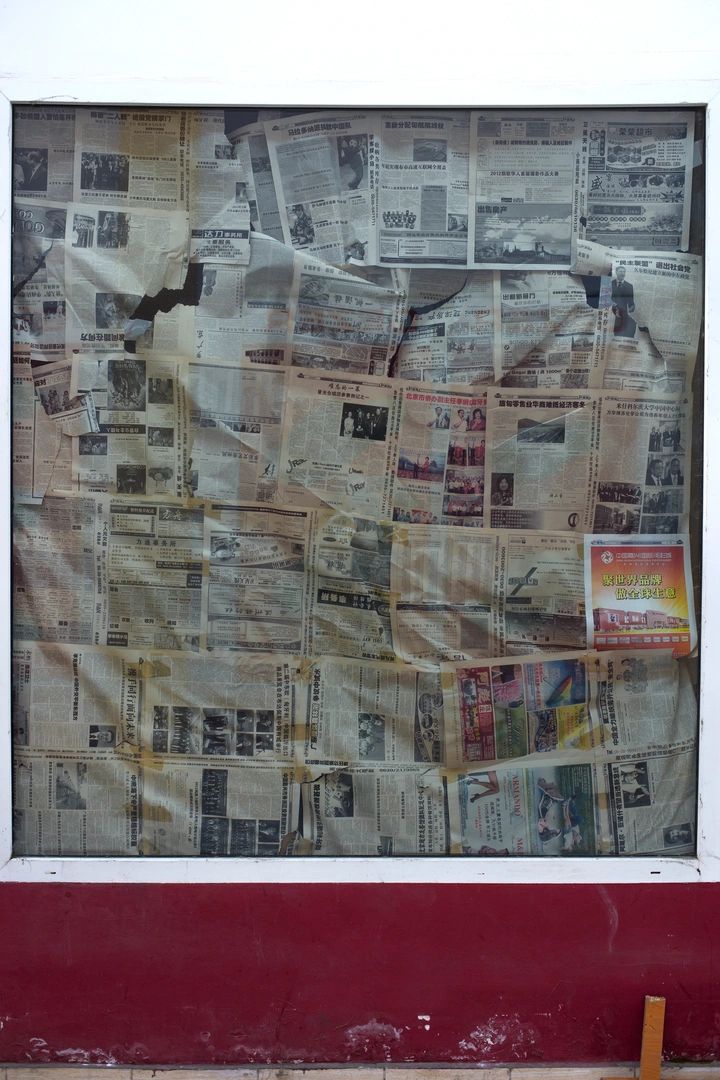
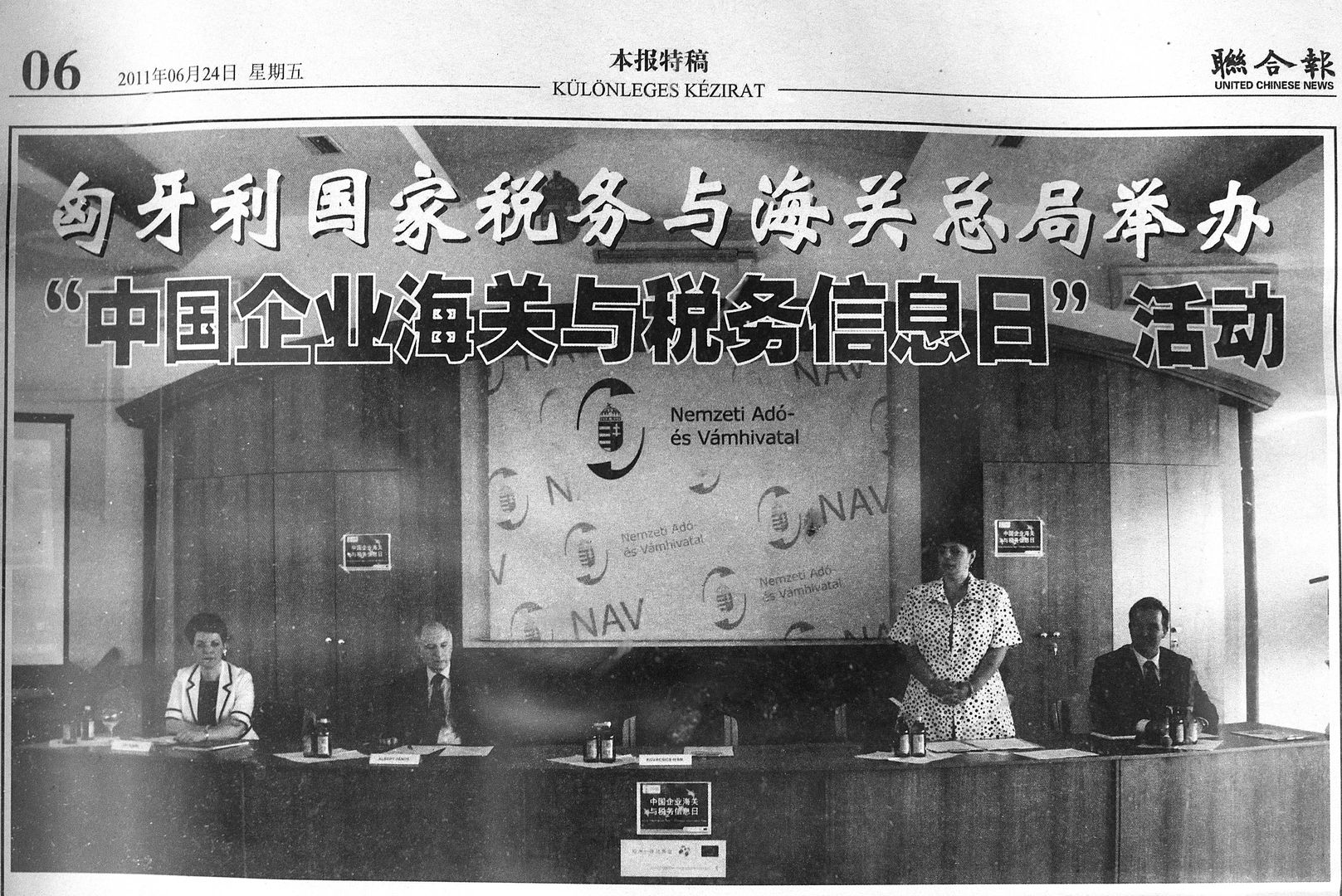
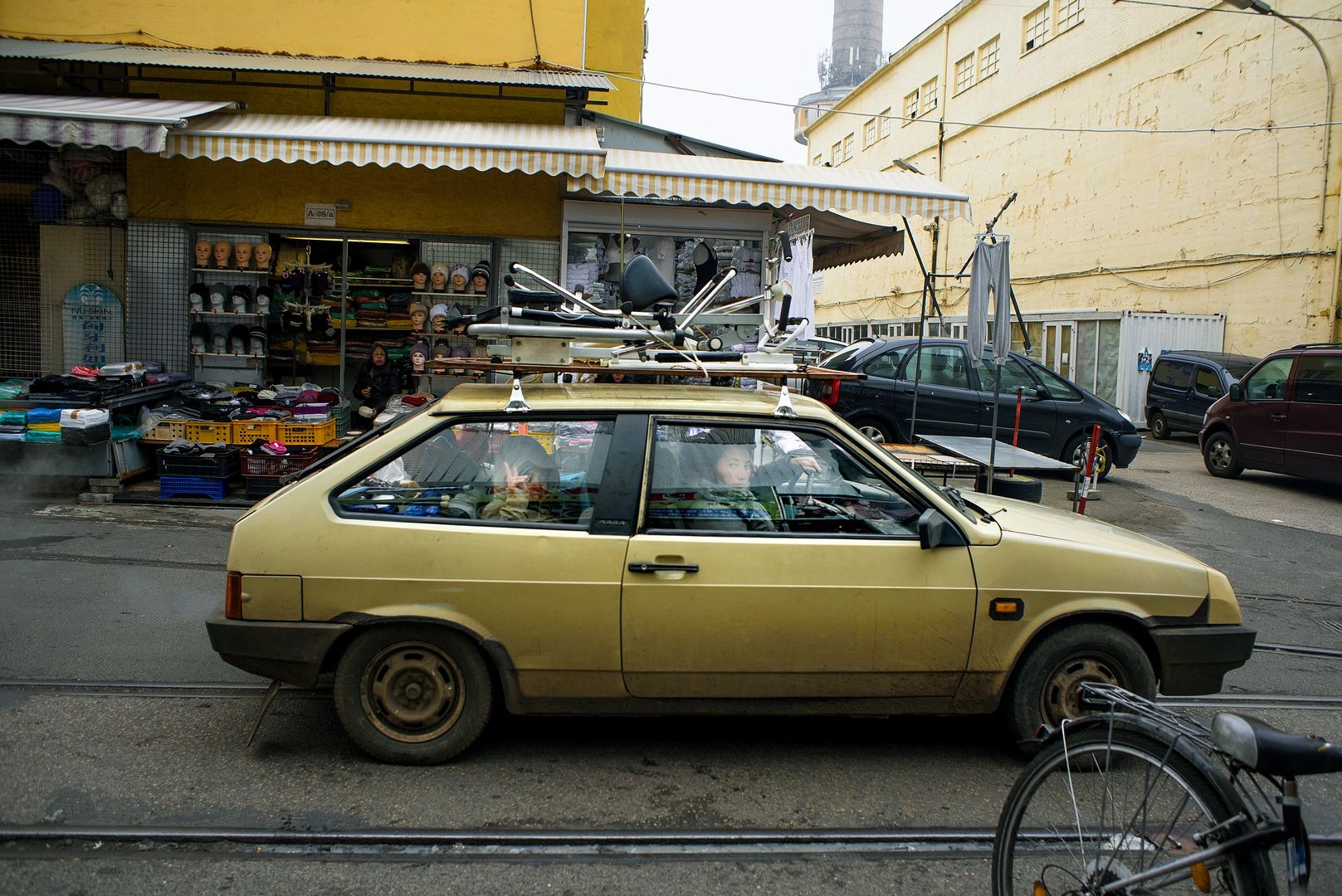
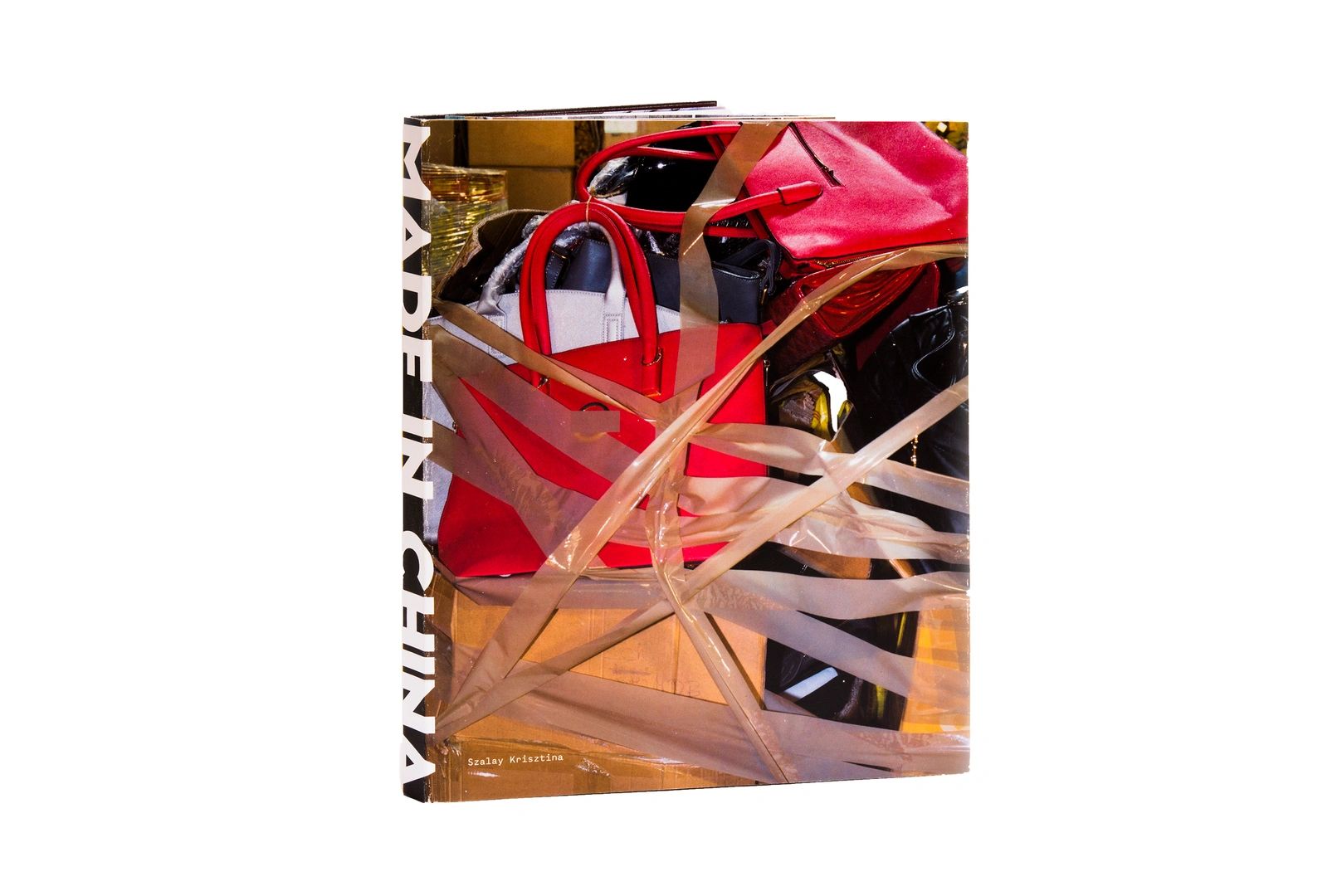
26 years ago, due to the loosened up visa barrier, the number of Chinese people grew from almost 0 to about 27000 in Hungary in just a few years. My place of work is on Kőbányai út (Budapest) is located in the Chinese market, which later became the center of the Chinese community living there. The market's perception has always been dubious for locals, one of the main reasons for this is that the media often reports about illegal imports and shipments. On the other hand there are a wide selection of products for local customers. Despite being constantly monitored by the National Tax and Customs Administration (NAV) the work of traffickers are almost impossible to catch in the act of crime. These workers say that civilian inspectors are spotted in no time at all. Nowadays Romanian, Ukranian, Mongolian, Vietnamese workers are also represented, still most of Hungarians call the market Chinese. The most obvious reason for this is that most Hungarians living here have a problem in making difference between Asian nationalities, also connect cheap products with Chinese people. The industrial appearance of the Ganz factory is simultaneously present, alongside with the Chinese character, and the market atmosphere - all surrounded by a very strong Eastern-European milieu. The series focuses on continuous work, constant planning and execution of export and import, and systematic arrangement and storage of products stored there. It is seemingly an endless task. A multitude of items returning in the form of boxes we can see it in the photos. It is often difficult to say what they contain, especially when it is a whole factory building is filled to the brim. I have added several separate small chapters to the series to get a more nuanced picture from the venue. I consider the objects seized by the NAV to be such a chapter most of them are confiscated because they were either illegally imported or copyrighted, weak imitations. In addition, I photographed a number of storefronts where locally printed Chinese newspapers covered the windows - presumably not to be see through the windows. Funny pictures, drawings, ads and Hungarian subtitles found in the newspapers, which I also included in the book. I clearly did not understand the content of the articles I could only conclude the meanings. During my fieldwork I often returned to the same places. This is the working method helped me to show the everyday life of a business and the work involved tasks. In the photobook dummy, I designed these images on folding pages so that I can point out this system as clearly as possible. So for the viewer for a moment it may look like a panorama, but you may discover repetitions within the image later. My work on the Chinese market began many years ago. At the Moholy- Nagy University I made my final thesis and project about this place, called Made in China(2017), since the beginning . After a year and a half, I went back to the market - maybe it took so much detachment from the project to notice the place was developing and transforming. Old shops are replaced by new, streamlined and modern-style shops, with street food instead of breweries, and even restaurants that look like downtown restaurants. It is questionable whether the new investments are intended to reform the market, or trying to reach the audience of Budapest buyers, but in any case, the transformation itself was enough to start photographing the market again. I would like to supplement the previous series with a closer look at the workers that I want to achieve through portraiture, which I think is one of the main shortcomings of the previous series. Alongside the portraits, I would like to include a description of the workers, which gives an insight into the immigration history of each person. Who, when, from where, with what intent, and what are your plans for the future. According to my studies during my university years, most Chinese families have only planned for a few years until they are in a better financial position, but the market on Kőbányai Road has been around for 30 years. Many have children raised here who are mocked as "banana children" in China, which means that they already represent European values inside, but their appearance is of Asian origin. However, I would still like to continue my street photo documentation of the market life. I find it fascinating that a closed universe has been created that practically no one has to step out of, they can handle everything locally: bank, telephone service, travel agency, beauty salon, hairdresser and many other services are available within the market. Perhaps this is what is still maintaining this system even after 30 years, despite the fact that Chinese society in Hungary is socialized in economic terms, but hardly in social terms. That is why I am motivated by the fact that I have to work with the locals in a more interactive way, even involving the employees in the design of the images, and I want to give them the opportunity to face the series themselves. My series would capture this canned situation in the form of a book and a website.
Education, Grants, Memberships: - Moholy-Nagy University of Art and Design, MA Design and Visual Art teacher, 2019- - Member of the Studio of Young Photographers, 2019- - Pécsi József Photography Scholarship, 2018 - Moholy-Nagy University of Art and Design, MA, Photography, 2015-2017 -Moholy-Nagy University of Art and Design, BA, Photography, 2012-2015 Group Exhibitions: Stockholm Art Book Fair -exhibitor- 2019, Stockholm Pécsi József Photography Scholarships Final Exhibiton - 2019, Budapest, Projekt Room Paradigmák - Budapest Projekt Galéria - 2018, Budapest Hemző Károly Díj - Finalist - Budapest, 2018 Artmarket - Special Award- Young Talent Program - 2017, Budapest Vienna Photobook Festival - Vienna, 2017 MOME 33 - THIRTYTHREE – New horizon on Moholy-Nagy Art University- 2018, Budapest KÉPLET - Budapest Street Photography from Beginning til Now - 2017, Budapest Landesmuseum Würtenberg - Alten Schloss - Schwabenzug - 2016, Stuttgart Triennal of Photography - 2015, Hamburg Hip - Hip Zine Fair - 2015, Sofia Backlight Photo Festival - Persistency - 2014, Tampere Escher Károly Award for Excellence - 2012, Budapest
26 years ago, due to the loosened up visa barrier, the number of Chinese people grew from almost 0 to about 27000 in Hungary in just a few years. My work takes place on the Kőbánya road (Budapest) China market, which later became the centre of the Chinese community. The market’s perception has always been dubious to the locals, one of the main reasons of that, the media often report about illegal imports and raids, but on the other hand it offers a range of cheap products for local customers. Although the National Tax and Customs office (NAV) is constantly monitoring the work of traders, it is practically impossible to catch anyone in the act of crime. Currently, in addition to Chinese workers, they are already working with a fair number of Vietnam, Mongolian, Romanian, Turkish and Ukrainian, sellers, yet in Hungarian public language called “Chinese market”. The place itself was a Ganz Factory before, that is why enourmos steel structures are can be found on the photos.