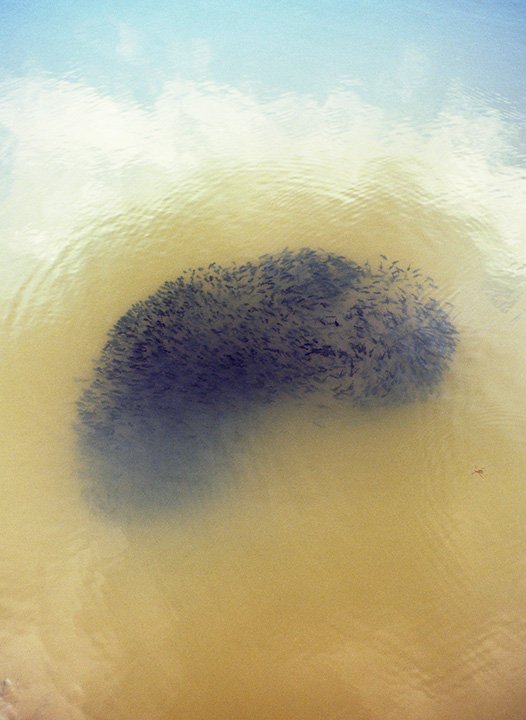
MÁTÉ BARTHA IS THE WINNER OF THE CAPA GRAND PRIZE HUNGARY 2018
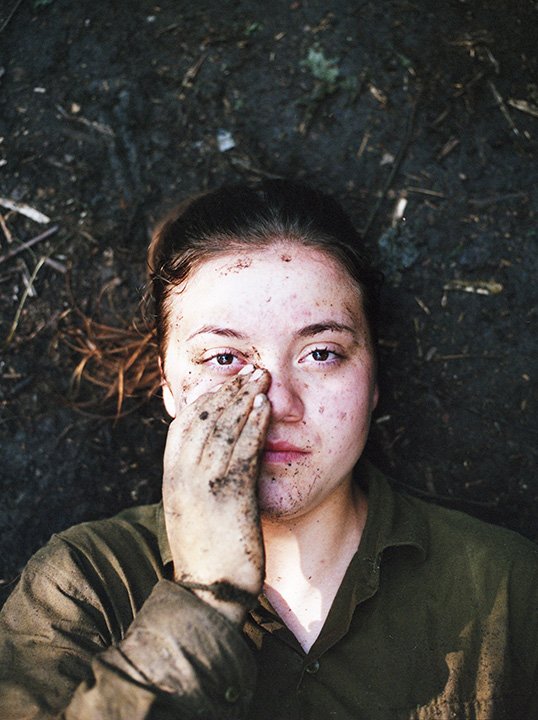
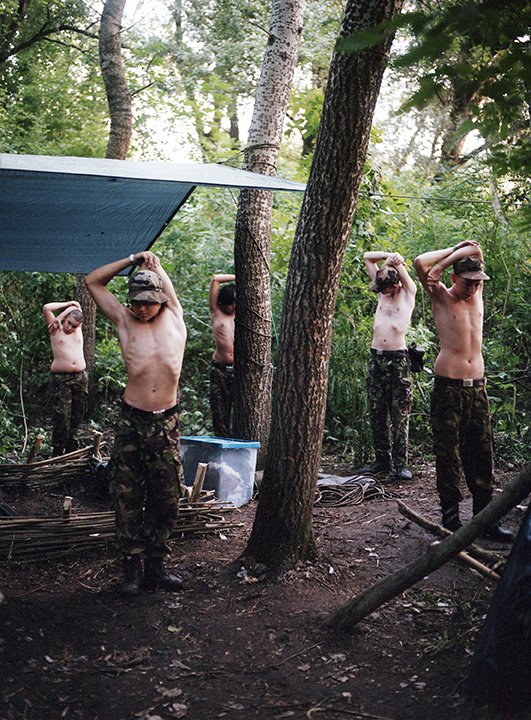
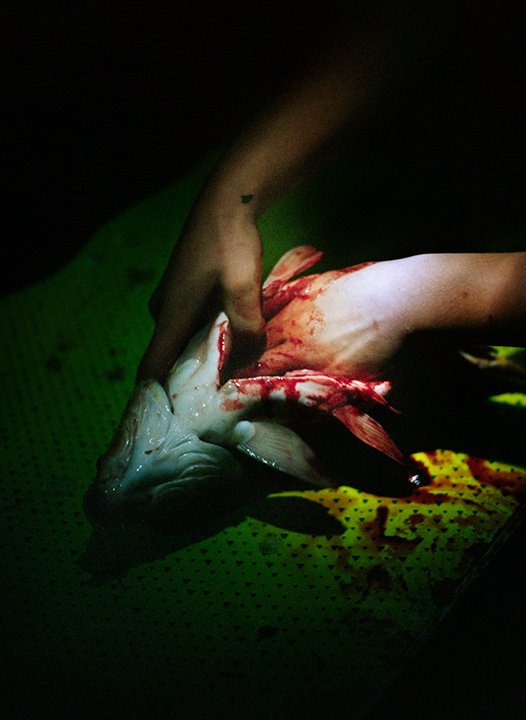
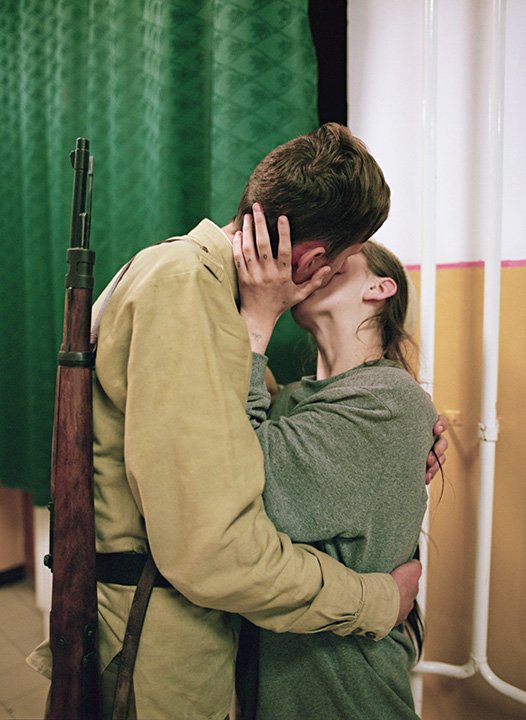
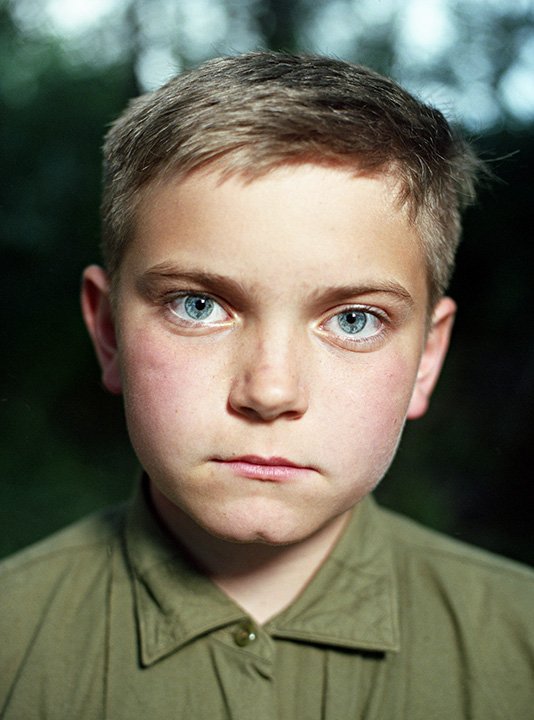
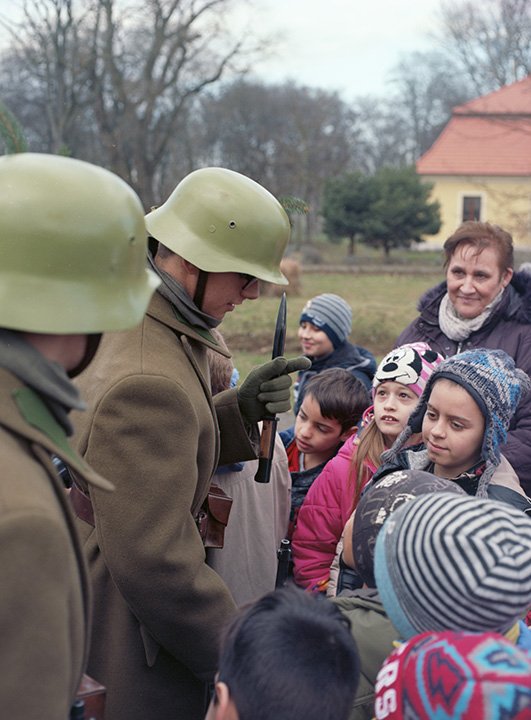
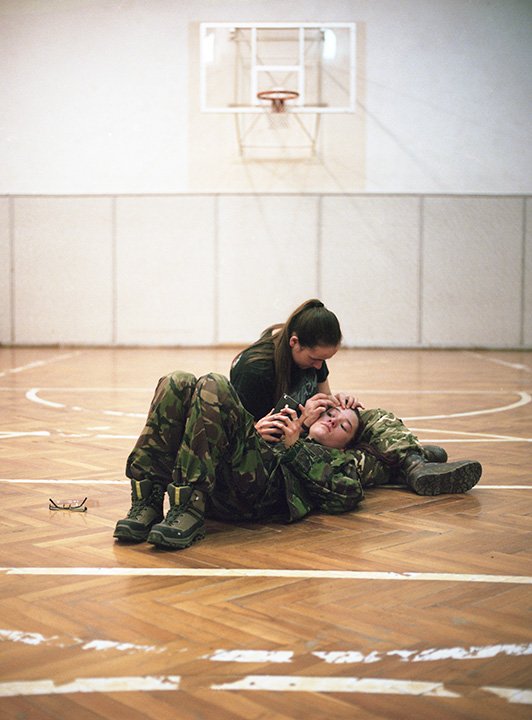
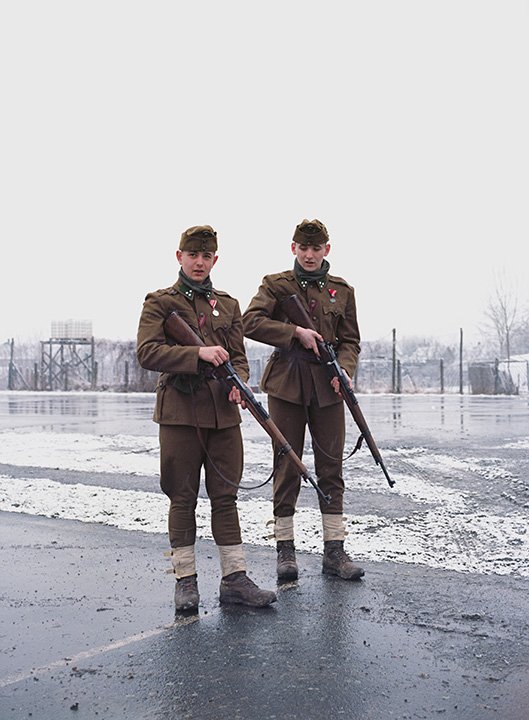
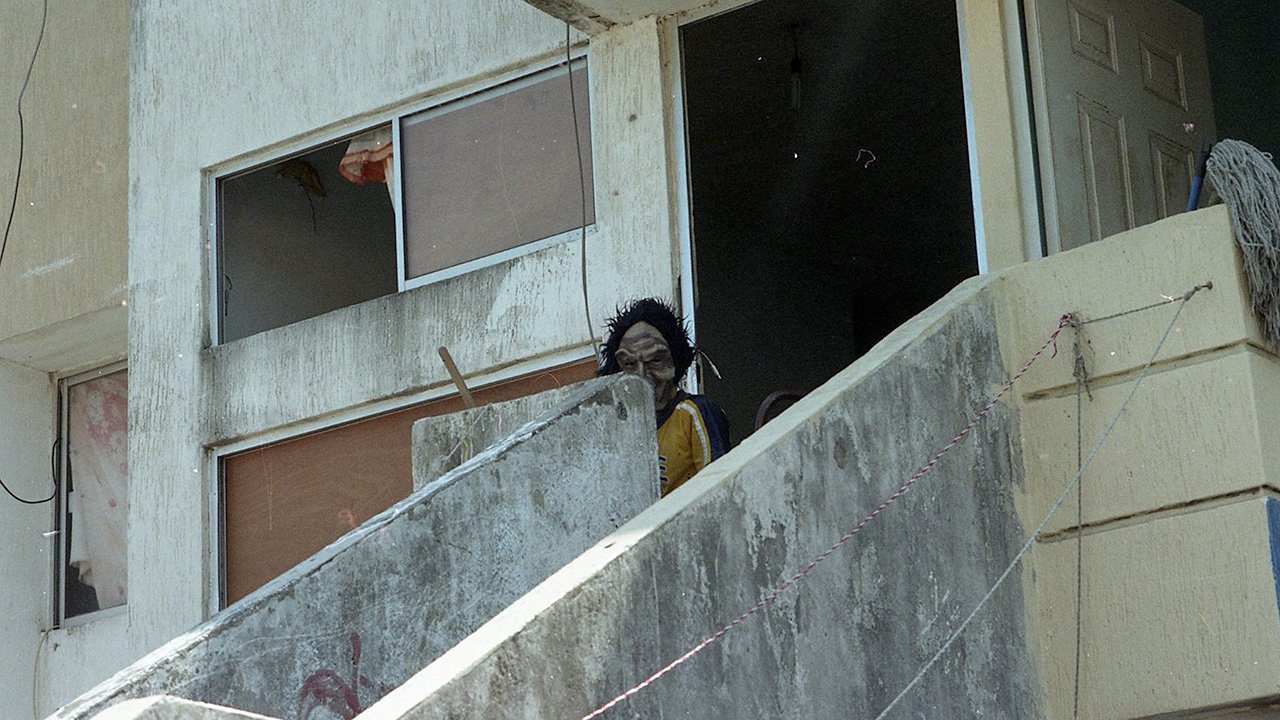
The jury selected Máté Bartha for his entry entitled Kontakt as the Capa Grand Prize Hungary-winner in 2018.
The Robert Capa Photography Grand Prize Hungary was founded in 2014 by the Capa Center to recognize the work of artists who produce an outstanding achievement in the field of Hungarian photography. The awards were decided in two stages by a five-member jury of Hungarian and international professionals. In October 2017, the jury selected three candidates – and awarded each of them with a fellowship of HUF 500 000+200 000 (approx. €2200) – for the Grand Prize of HUF 5 million (approx. €15,400) in total. The jury appreciated Máté Bartha’s work in the last year, so they selected him as the third Grand Prize Hungary-winning photographer. He received a cash award of HUF 3 million (approx. €9,300) at the award ceremony on October 17, 2018, held on the occasion of Robert Capa’s 105th birth anniversary in the Capa Center.
CONTACT
Bartha Máté

Máté BARTHA (1987) http://www.barthamate.com
http://www.barthamate.com
barthamate@gmail.com +36 30 525 63 27
+36 30 525 63 27
MA degree in Visual Communication, Photography
Studies
- 2016-2018 Unversity of Drama and Film (SZFE) Budapest, Directing Documentary Film MA
- 2006-2011 Moholy-Nagy University of Art and Design (MOME), Budapest, Visual Communnication, Photography MA
Work
- 2016- Freelancing in photography and film
- 2015-2016 VS.hu, video director, cameraman, editor
- 2014-2015 ORIGO.hu, video director, cameraman, editor
- 2012-2014 Northfoto picture agency, content editor
Memberships
- 2013- Studio of Young Artists' Association (FKSE), Hungary
- 2007- Studio of Young Photographers, (FFS) Hungary
Awards, scholarships
- 2014 - Fieldwork in New York, FFS, Hungarian Initiatives Foundation
- 2014 - Participant of PLAT(T)FORM 2014, Winterthur, Switzerland
- 2013-2014 - Pécsi József Scholarship, first year
- 2013 - Fotóporta portfolio review, 3rd place
- 2012 - Fotóporta portfolio review, special mention
- 2012 - Artist in resicence in Ulm, Germany, Visual Kontakt
Selected filmography
- Champion – documentary, 19’30’’ – director - 2017
- Boat trip – documentary, 10’ – director – 2017
- Closer to Communities - documentary, 29’39’’ – director – 2017
- 25 Years of Autonomy - documentary, 22’37’’ – director – 2016
Selected exhibitions
- 2016
- 2016 "Pécsi 25" Group exhibition, Capa Contemporary Photography Center
- "Merging Realities" Szatyor Art Space, Budapest, Hungary
- "Swing", group exhibition, Platán Gallery, Budapest, Hungary 2015
- 2015
- "Disappearing Rural Villages", multimedia exhibition, Telep Gallery, Off Biennale, Budapest, Hungary
- "Budapest Balaton", group exhibition, Hungarian Institute of Istambul, Turkey 2014
- 2014
- "Home Away", Hungarians in New York, group exhibition, Capa Contemporary Photography Center, Budapest, Hungary
- "Kiváló a hangulat" group exhibition, Casati Art Corner, Budapest, Hungary
- "derkó.pécsi.2014" group exhibition, Kunsthalle, Budapest, Hungary
- "Enter/ing", group exhibition, FKSE Gallery, Budapest, Hungary 2013
- 2013
- "Indíték Tématéka" group exhibition, Labor, Budapest, Hungary 2012
- 2012
- "680 km", Kunstraum Visual Kontakt, Ulm, Germany
- "Relevant" group exhibition, Roham bár, Budapest, Hungary 2011
- 2011
- "FormElles" group exhibition, Hungarian Institute of Paris, France
- "Keresetlen Csúf" group exhibition, University of Fine Arts, Budapest, Hungary
- "The I Country" group exhibition, Demo Gallery, Budapest 2009
- 2009
- "Contemplate" Lumen Gallery, Budapest, Hungary
- Photobiennale of Dunaújváros, Hungary
- "Image Error", group exhibition, Artbázis, Budapest, Hungary
- "The Rain Before It Falls" group exhibition, Karton Gallery, Budapest
- "Metropolis" group exhibition, Nessim Gallery, Budapest
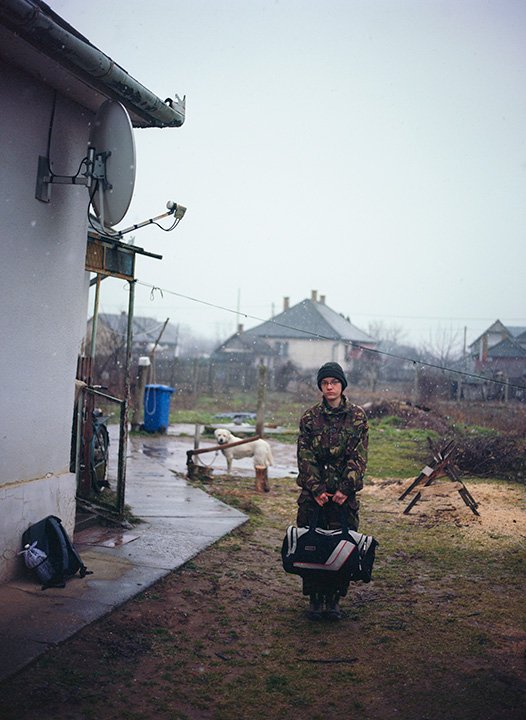
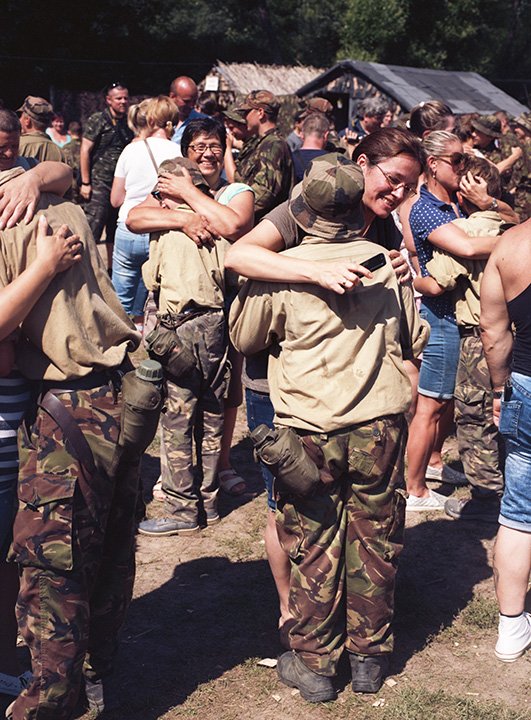
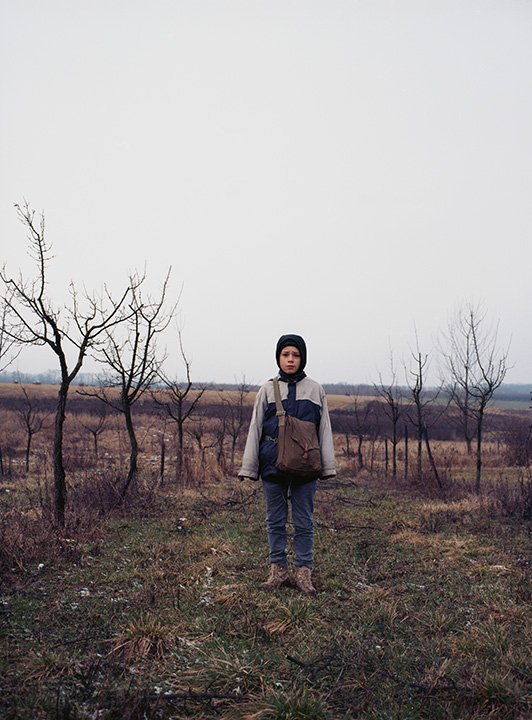
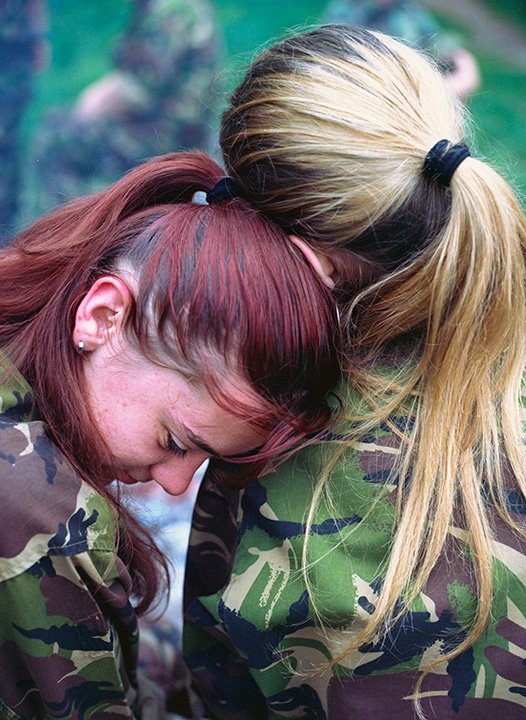
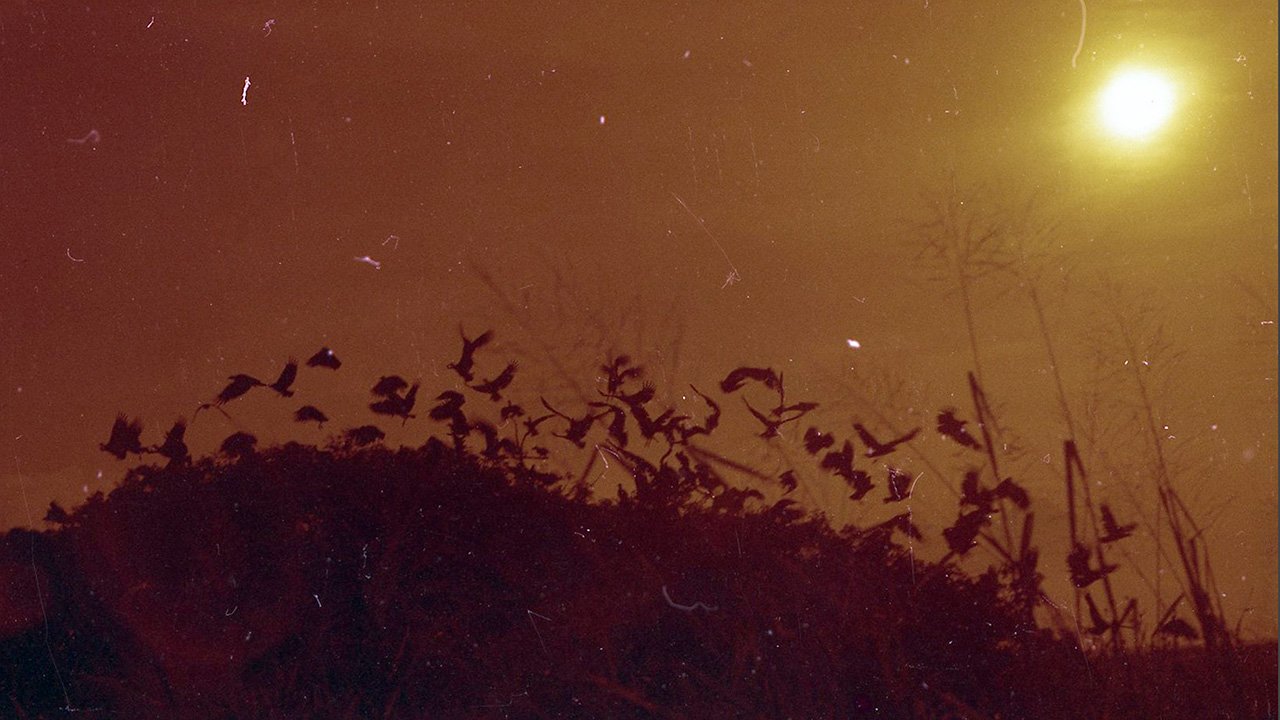
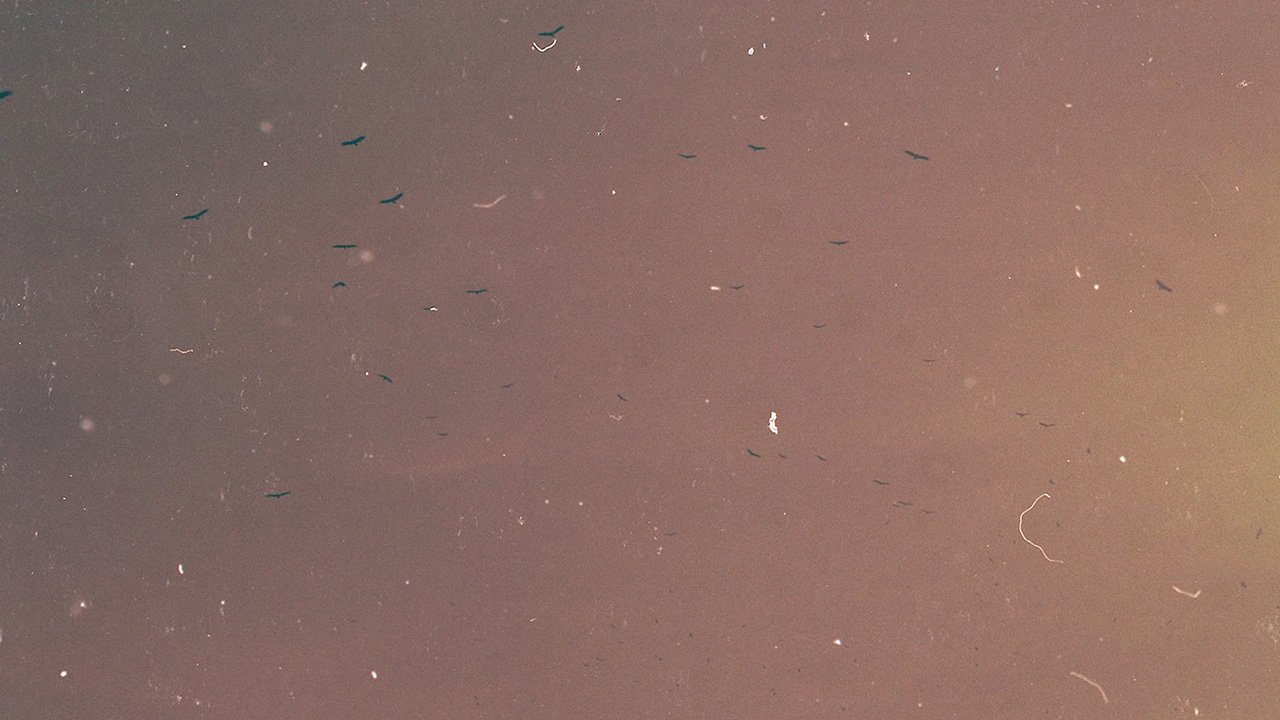
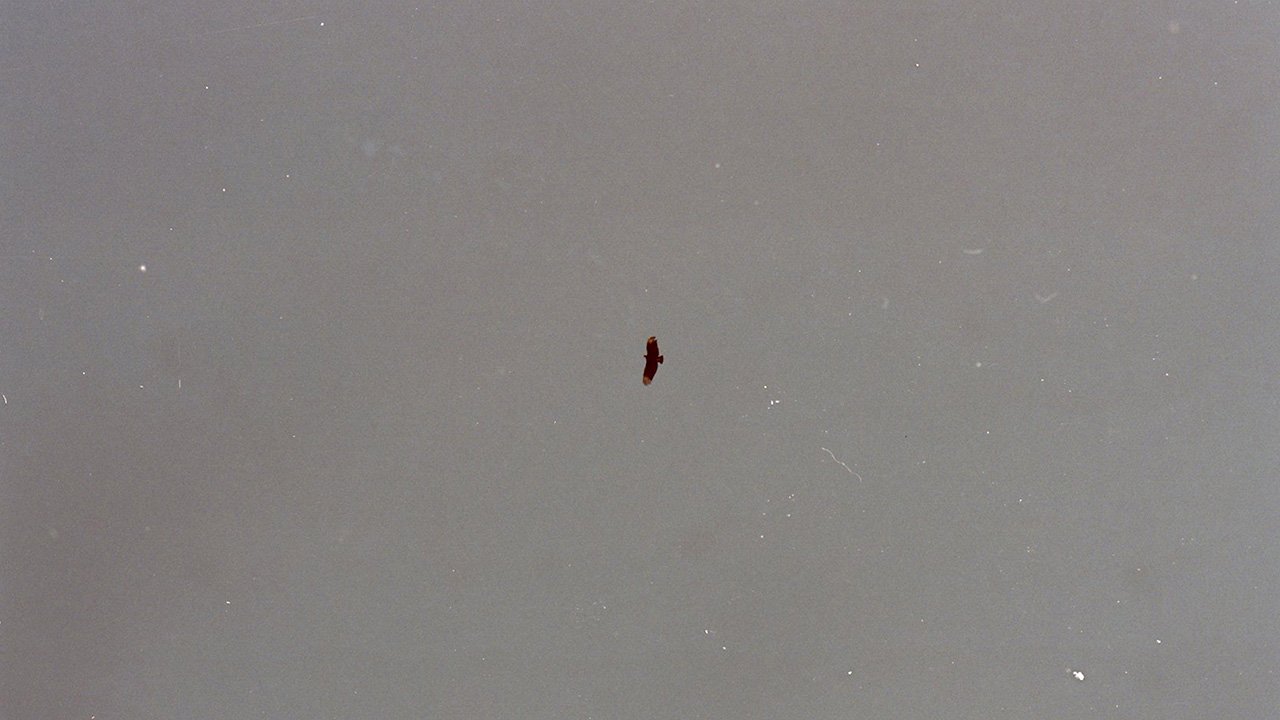
Contact: to touch; the state of physical touching. To connect. In military terminology: meeting the enemy; armed conflict with an opposing force.
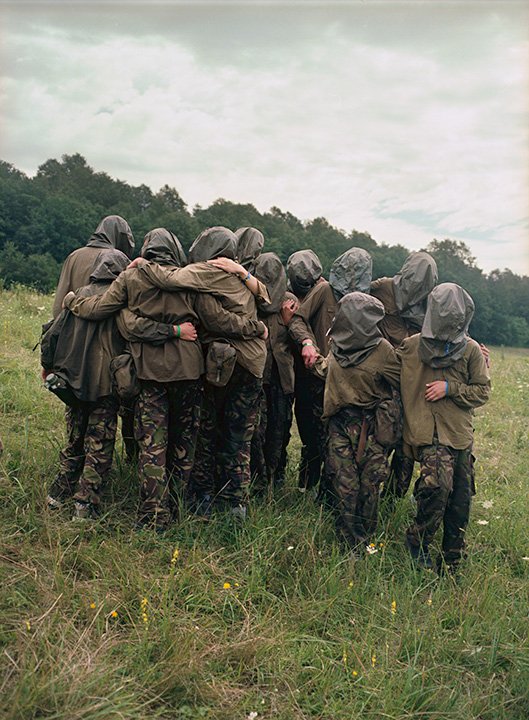
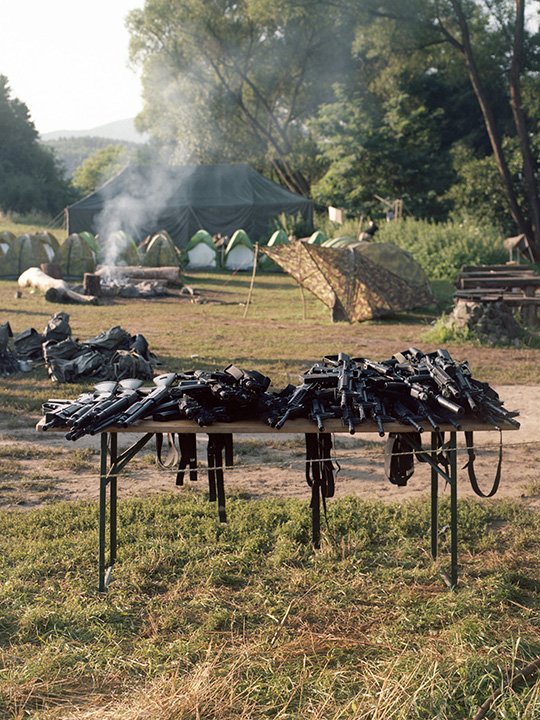
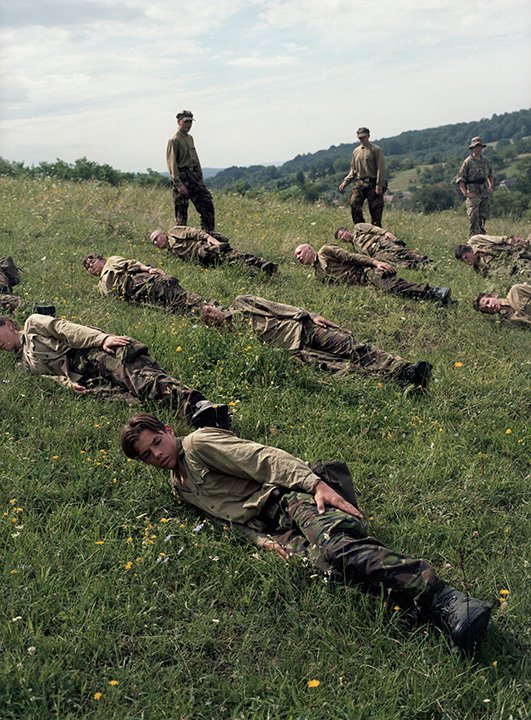
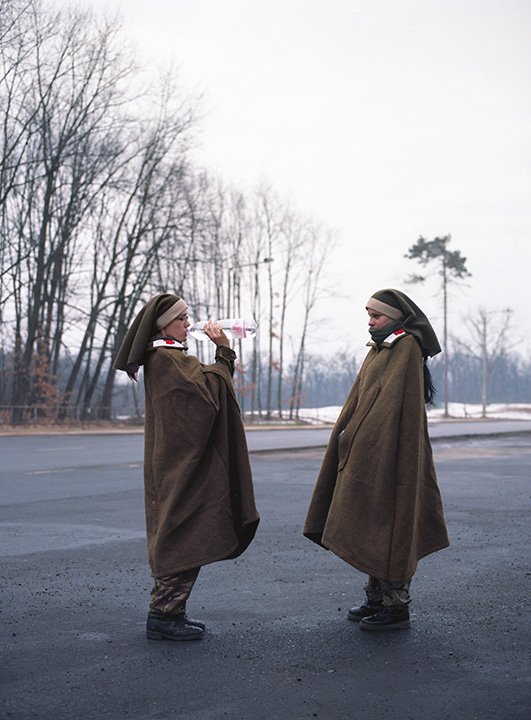
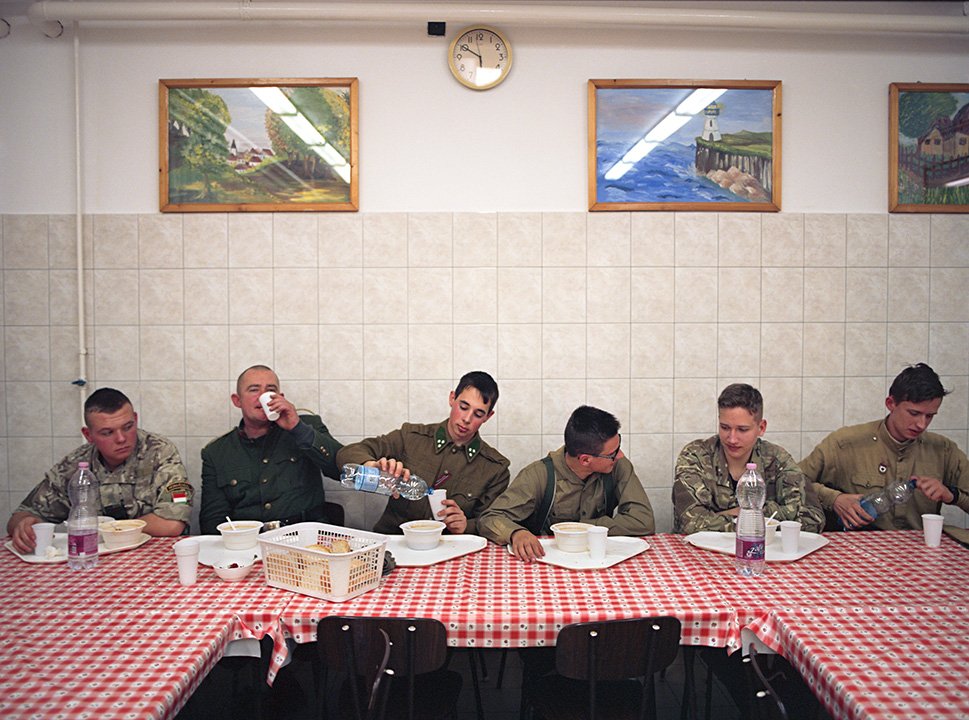
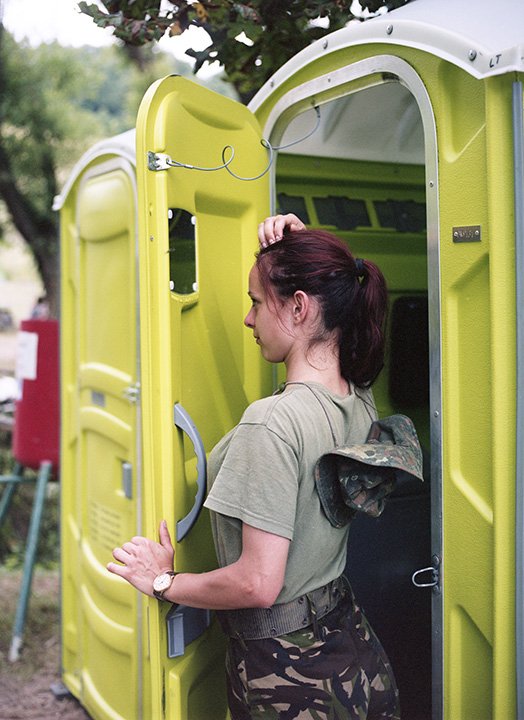
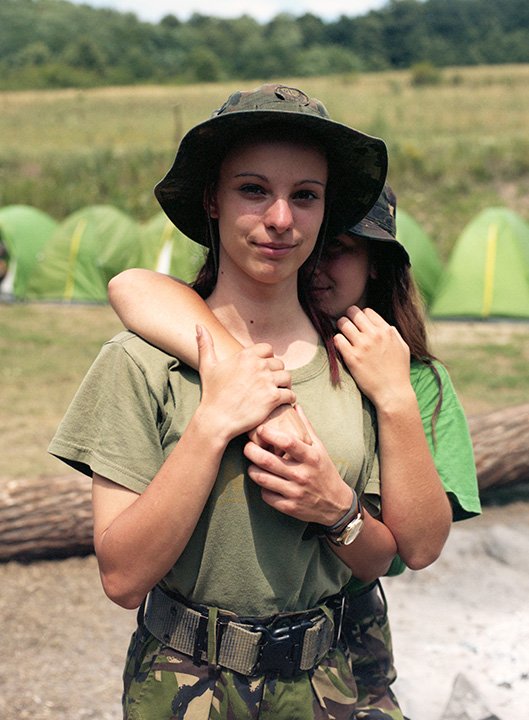
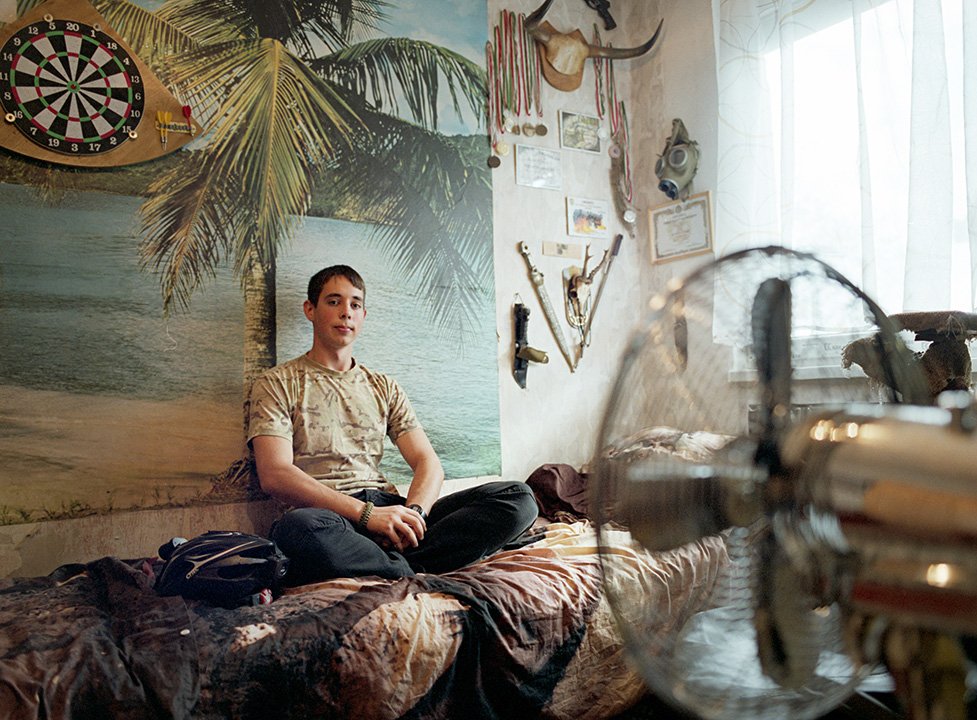
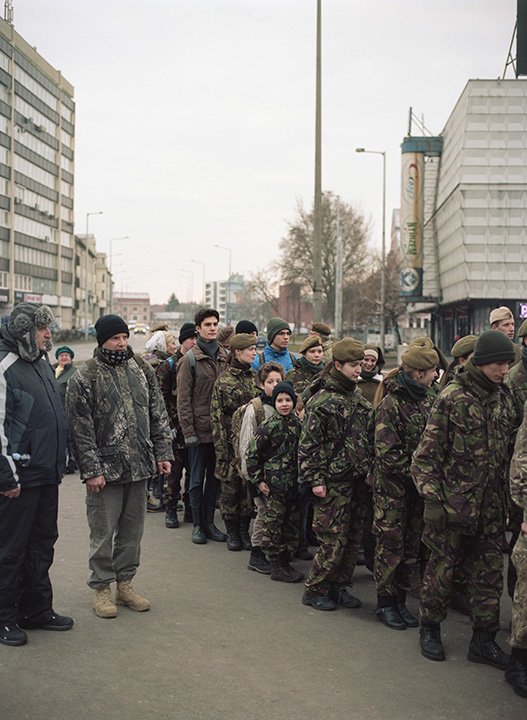
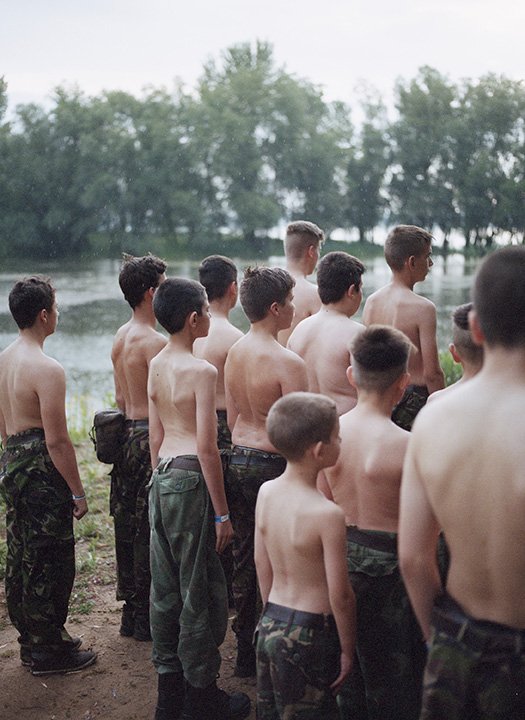
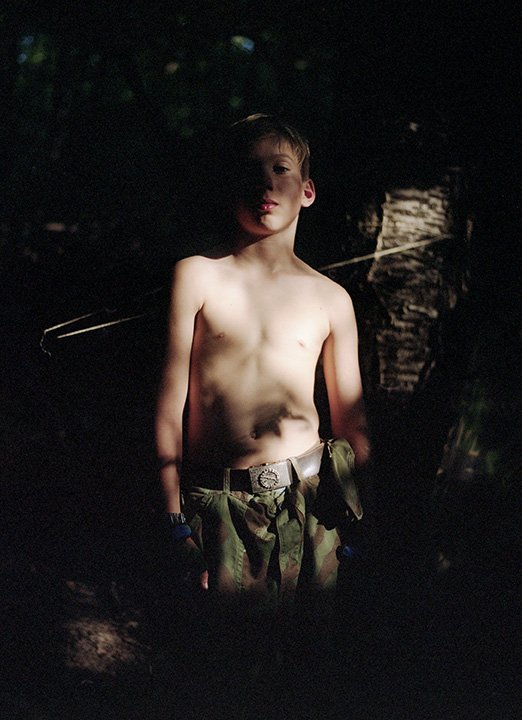
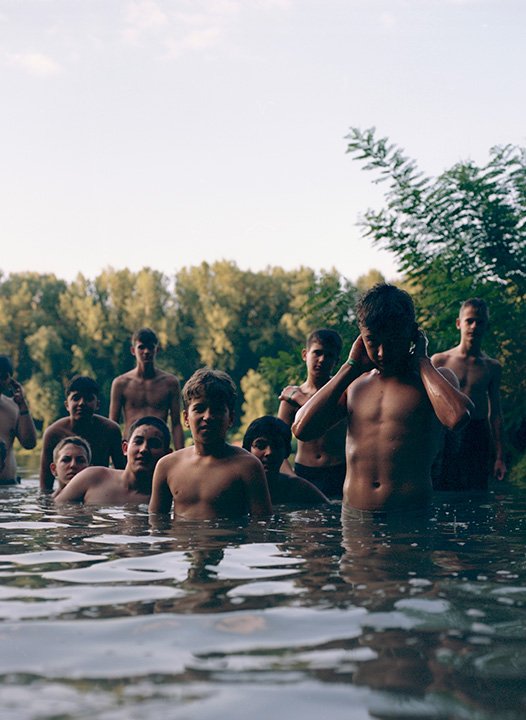
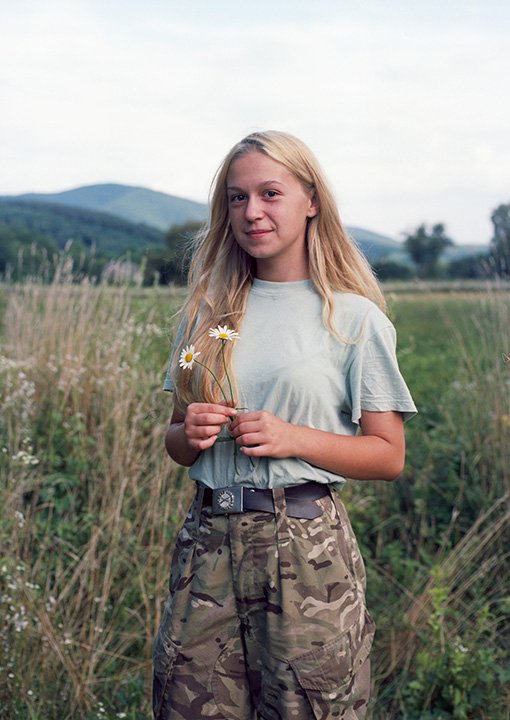
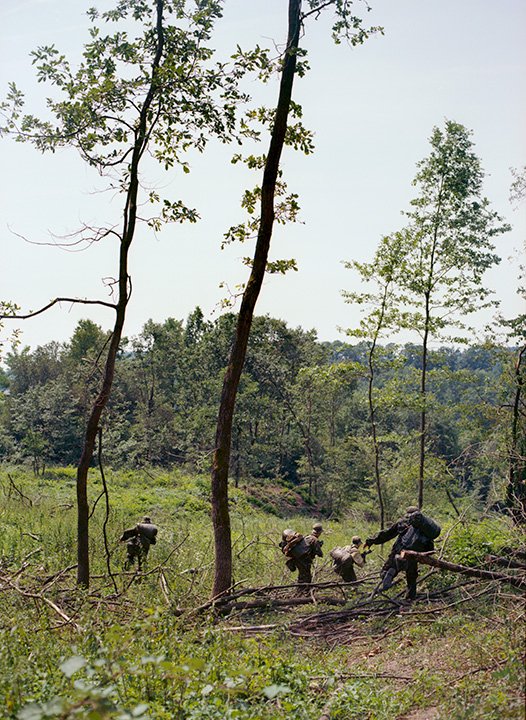
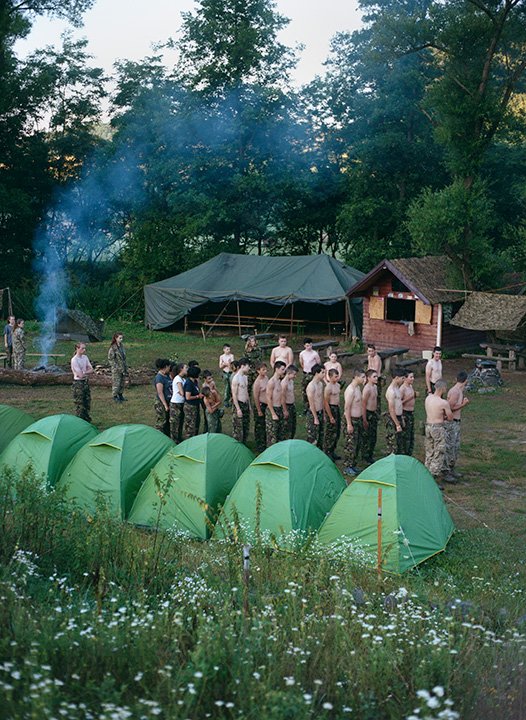
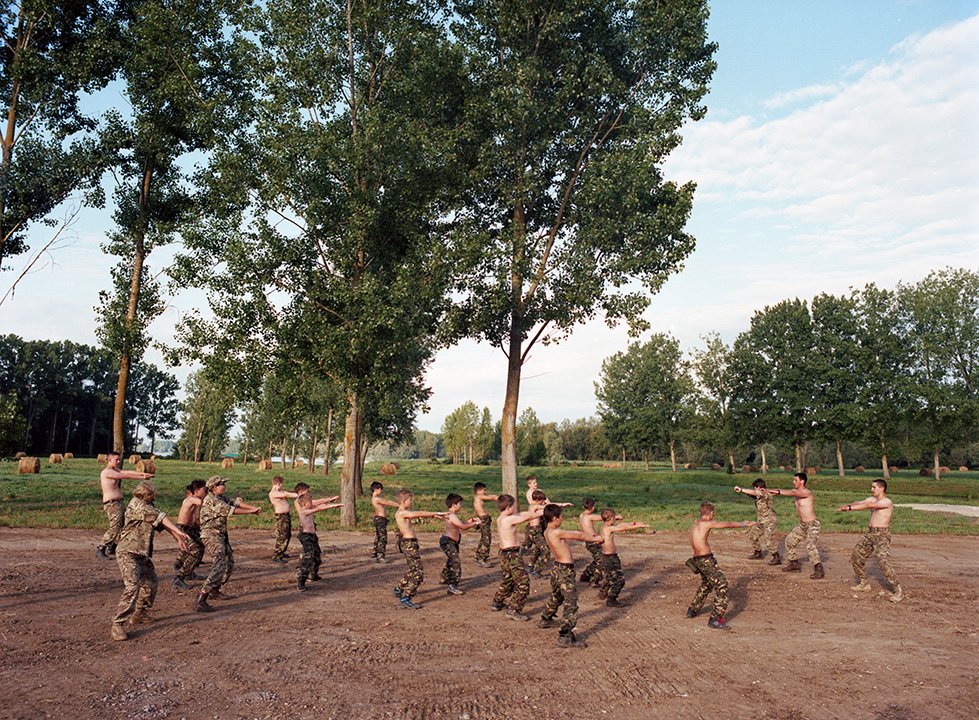
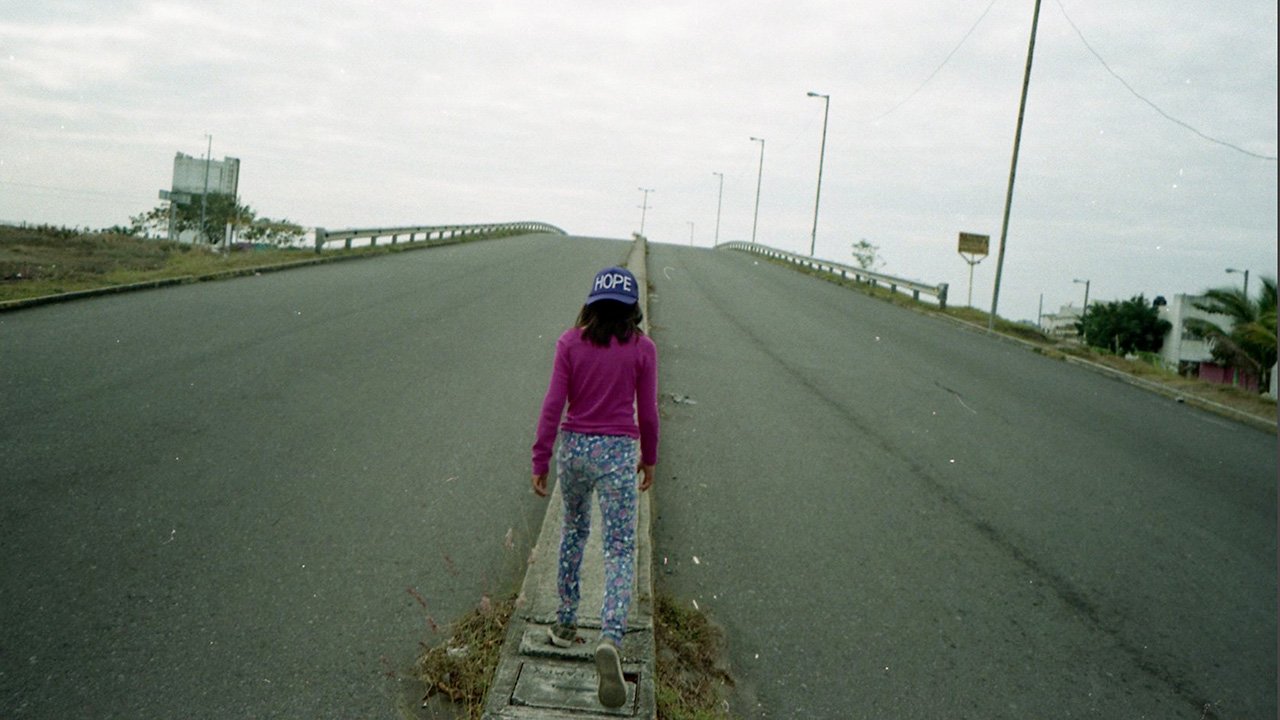
After hours of driving, I’d finally arrived at the small village. It was late in the afternoon. A girl, wearing a camouflage outfit was waiting for me. Leaving the main road, we continued towards the depths of the surrounding forest. Commands echoed among the trees as we reached a small clearing. There, between military tents, uniformed children around primary school age were lining up silently. One of them struggled with push-ups, with an officer counting above him. I was led to the canteen tent, where another team was preparing the tables for dinner.
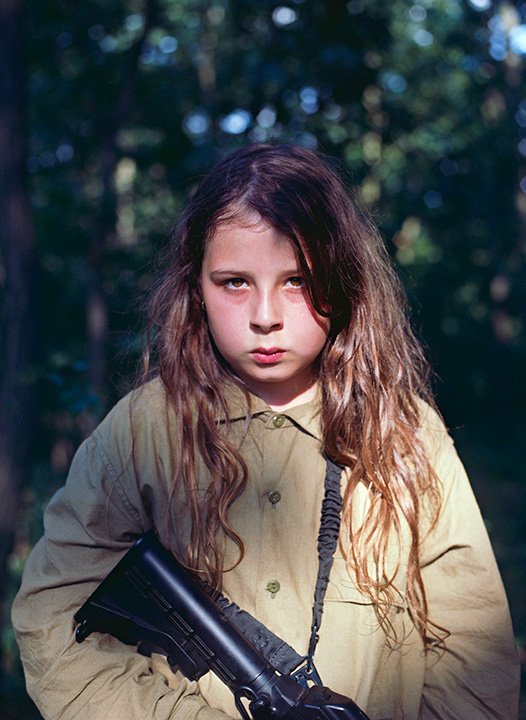
There’s an NGO in Hungary that organizes military-themed free-time activities for children between ages 10 and 18. While ’home defense education’ is becoming an important part of government communication, youth military education, as a phenomenon, is nearly unknown in Hungary. In some other countries of the world, it has a fairly long tradition. The Latin term ‘iuvenes’ or ‘iuventus’ – youth – was used for 14 year- old-Roman boys who had become old enough to start their first military training. The leaders of Honvédsuli [Home Defense School] – a family-support expert and a former French Legion soldier – believe they provide nature-oriented, patriotic, group experience-based education for the youth.
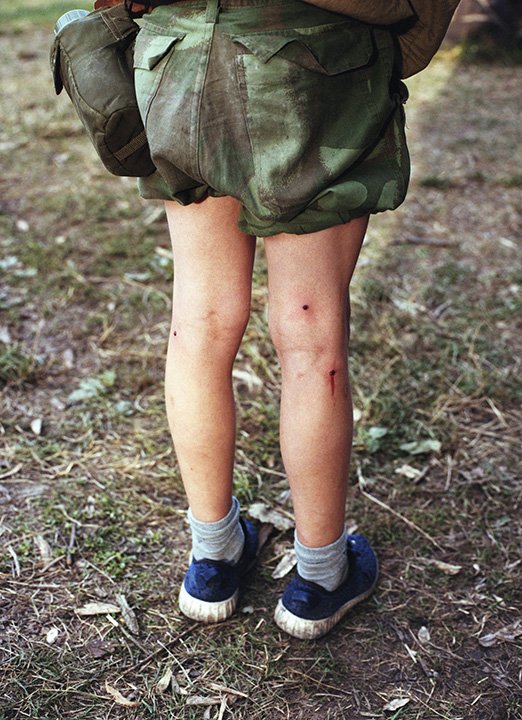
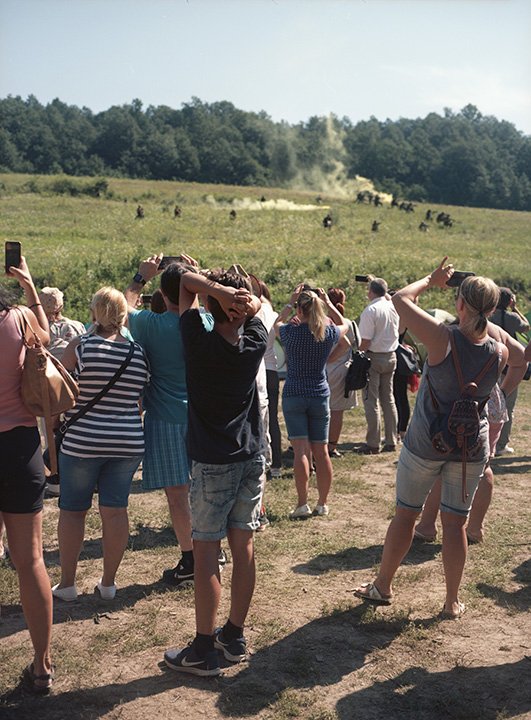
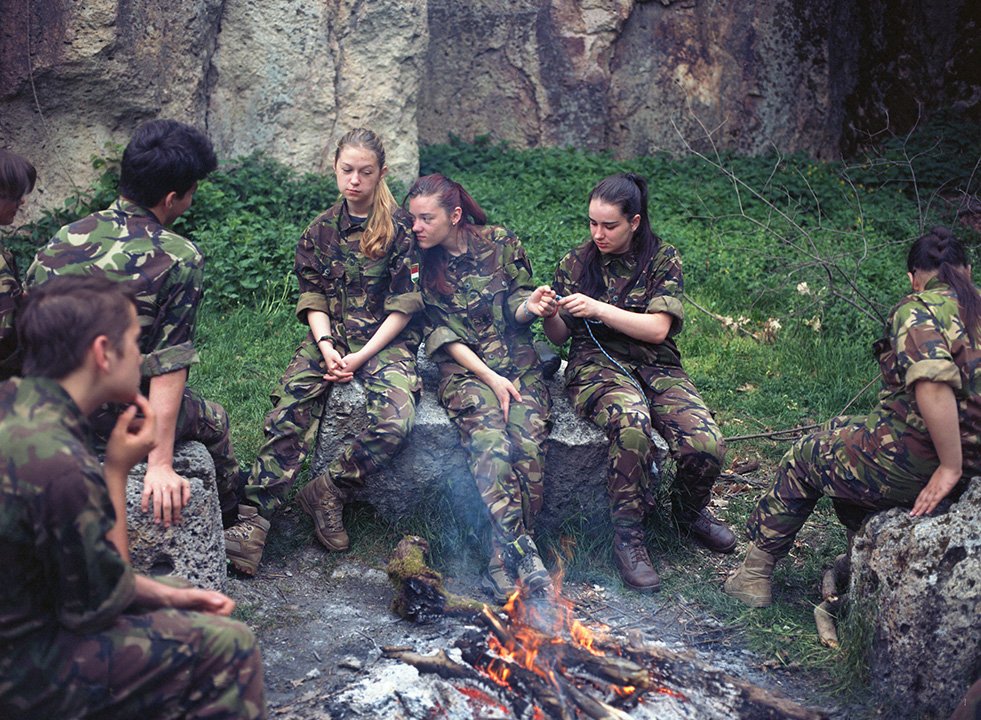
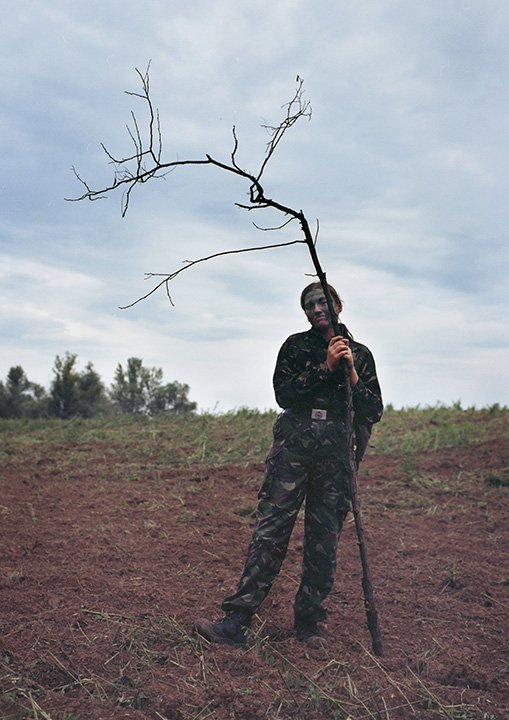
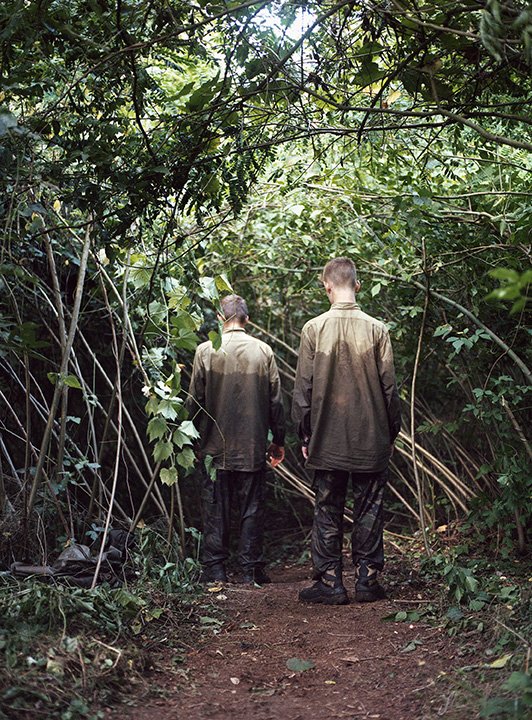
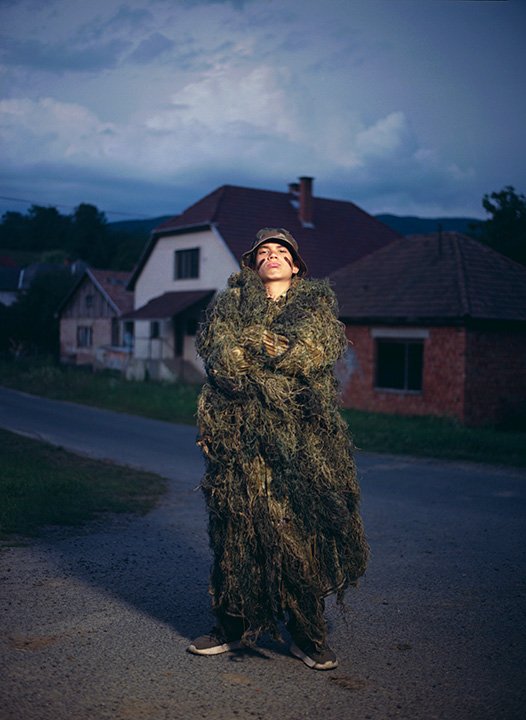
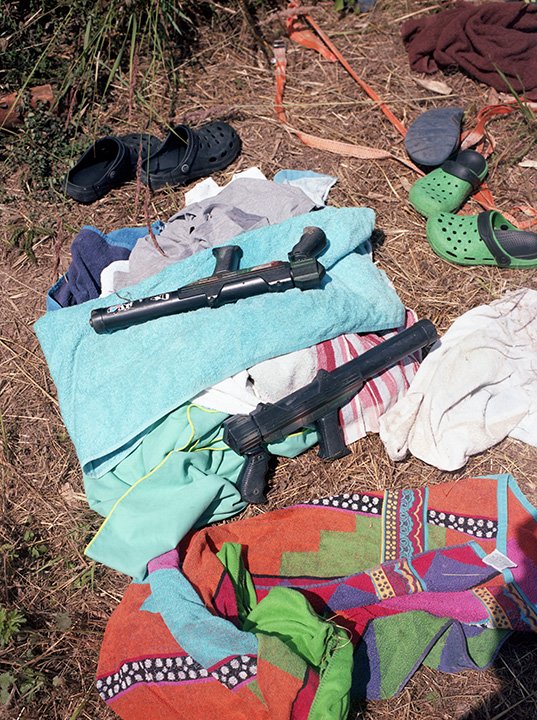
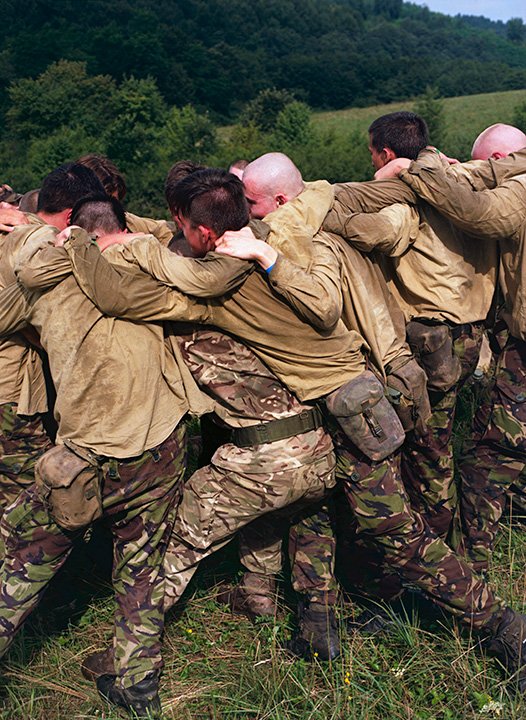
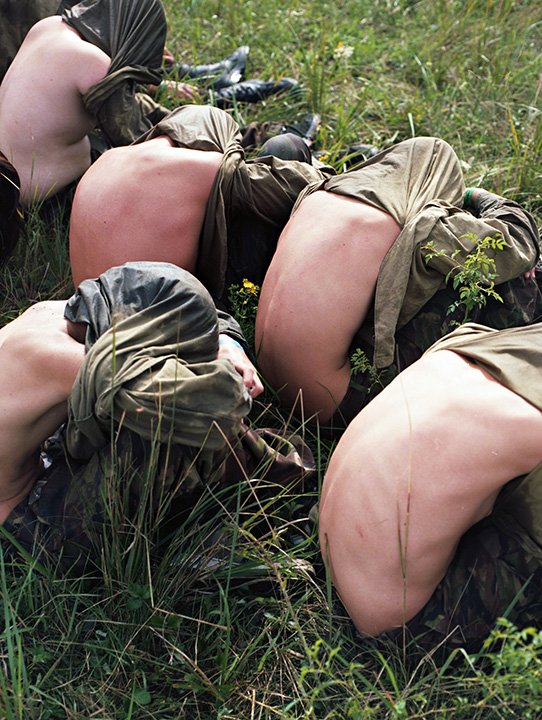
Waking up at dawn, running and doing exercises in the morning cold, followed by the orderly serving of a simple breakfast, which is then cleaned away by a service team. The officers – kids themselves – control the community of 40-50 with confidence: they teach them to line up, or to march on order, and that there’s a punishment for littering, bad language, or for losing a part of their equipment. They learn to use replicas of real-life guns, but most of the time they spend acquiring knowledge about survival in wild nature. The week-long camps culminate in a large-scale war-game where teams fight against each other in the surrounding wilderness. I’d observed this process many times, adopting their daily routine. Every time on the way home, I had the same question in my mind: is it only curiosity that drives me back again and again to this far-away world?
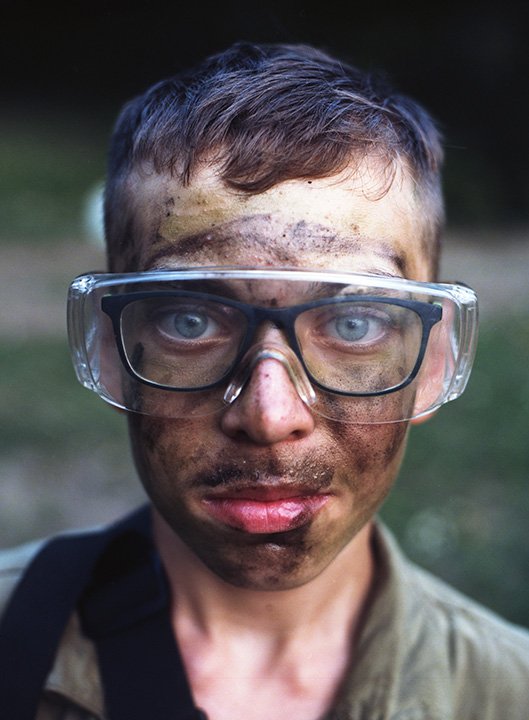
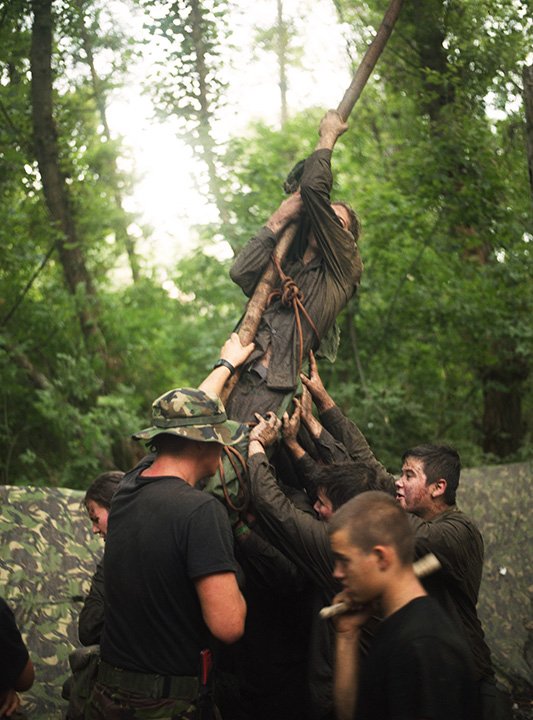
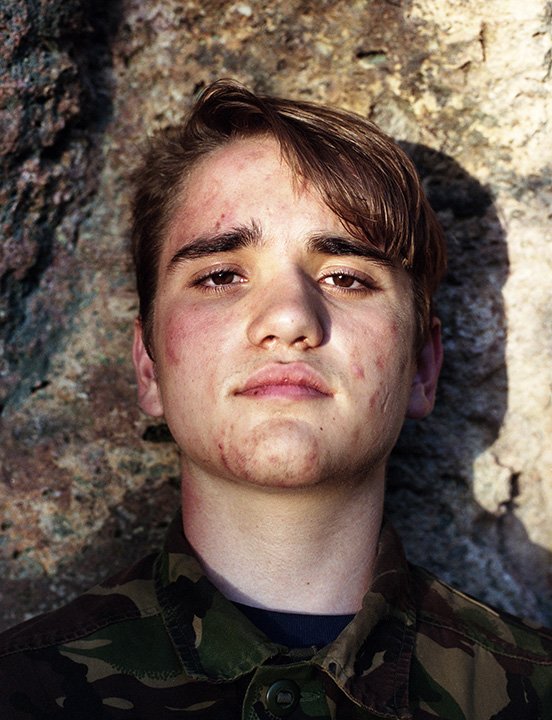
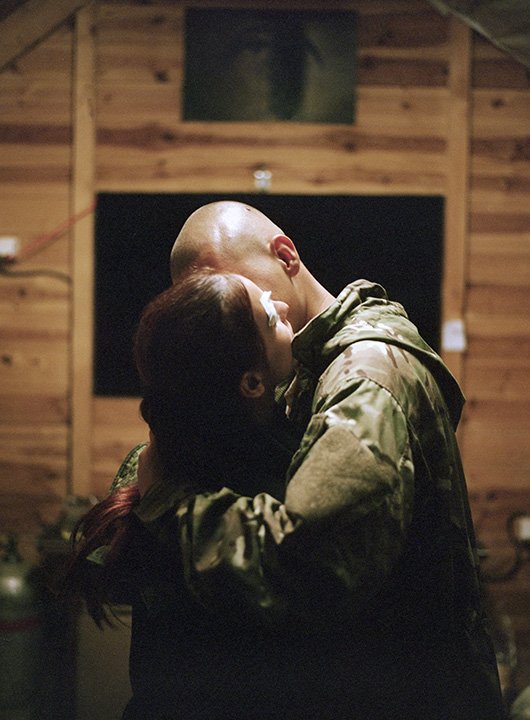
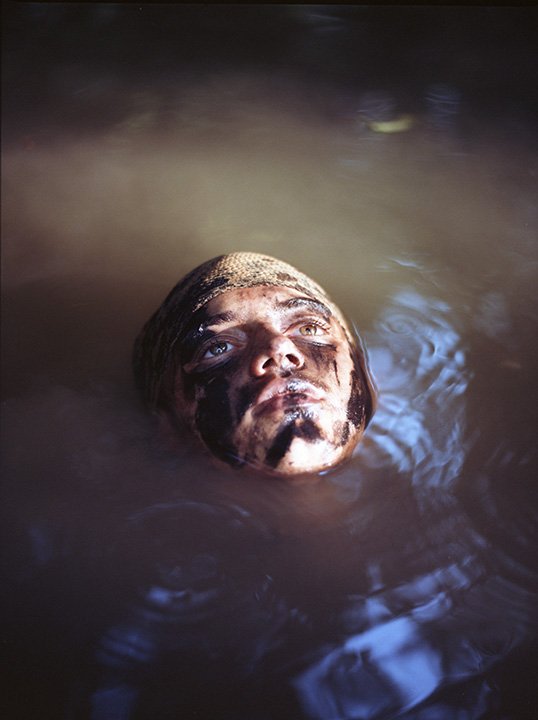
For some, the ban on phone usage or camping itself means heavy physical and mental pressure. The so-called ‘motivational training’, aimed at pushing one’s boundaries may look quite frightening: children creeping in mud or sweating under the sun while being shouted at. Some quit underway, and others decide not to take part at all. Still, around the evening campfire, they’re all proud of telling stories about completing what they could do. And in the meantime, they slowly arrive at the peak of their adolescence, facing responsibilities, freedom, and limits, pain, friendship, and love, perhaps for the first time.
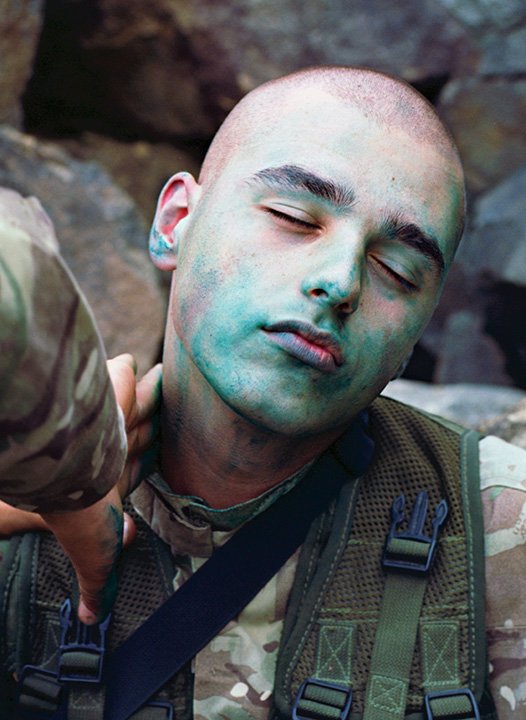
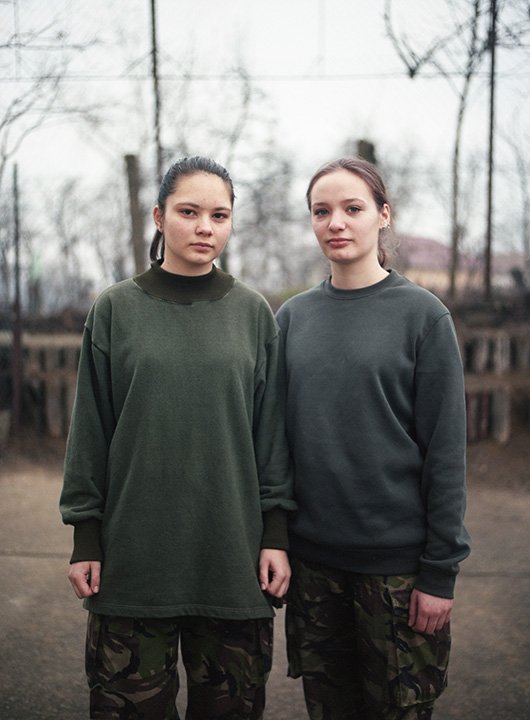
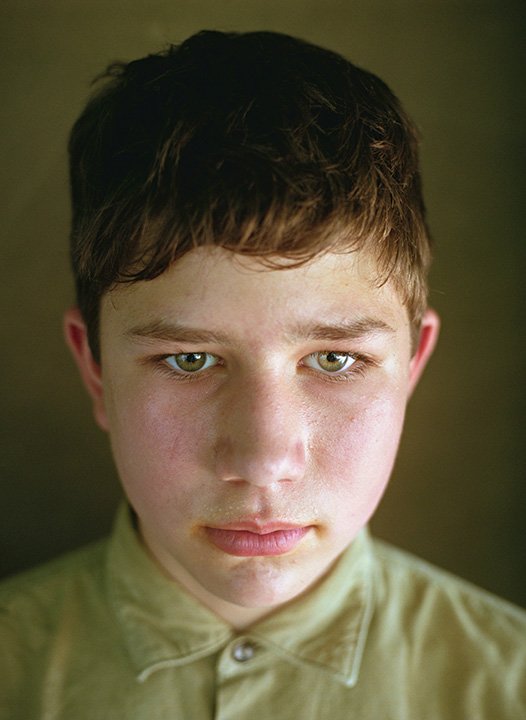
The majority of these kids don’t wear uniforms or deal with home defense outside the camps. Some arrive from military families, but most of them will not take that path later on. Those who were attracted by the love of computer games will change their minds about this matter, exactly because of the hardships they experience in the camps. Others are being sent by desperate parents who feel they have failed at bringing up their children. These kids regularly tell they receive more attention during this one week period than in a year at home. And there are those who arrive from deep cultural and material poverty. For them, this isn’t only an adventurous game, or a community of close friends, but the strongest force shaping their identity. Something, they can be proud of.
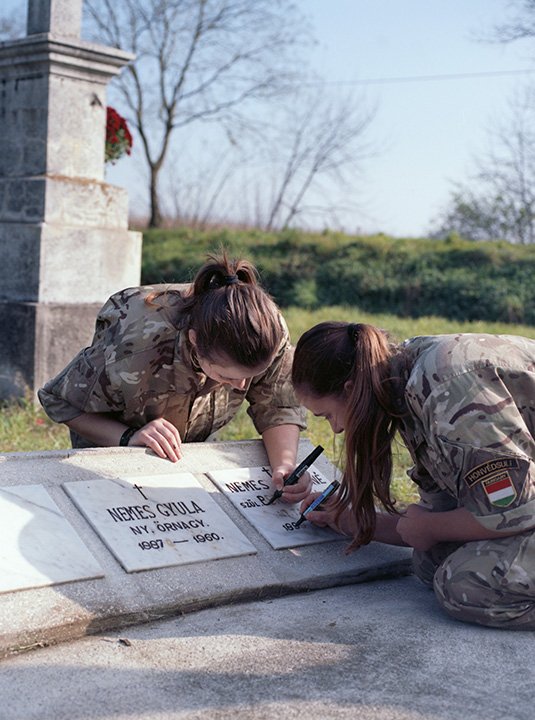
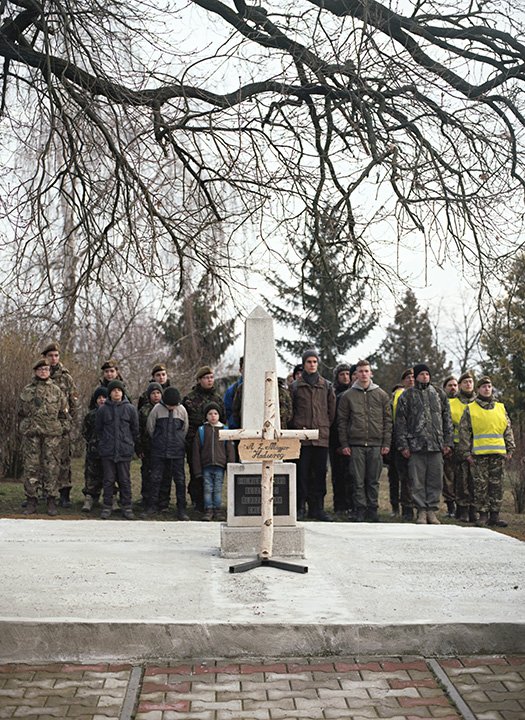
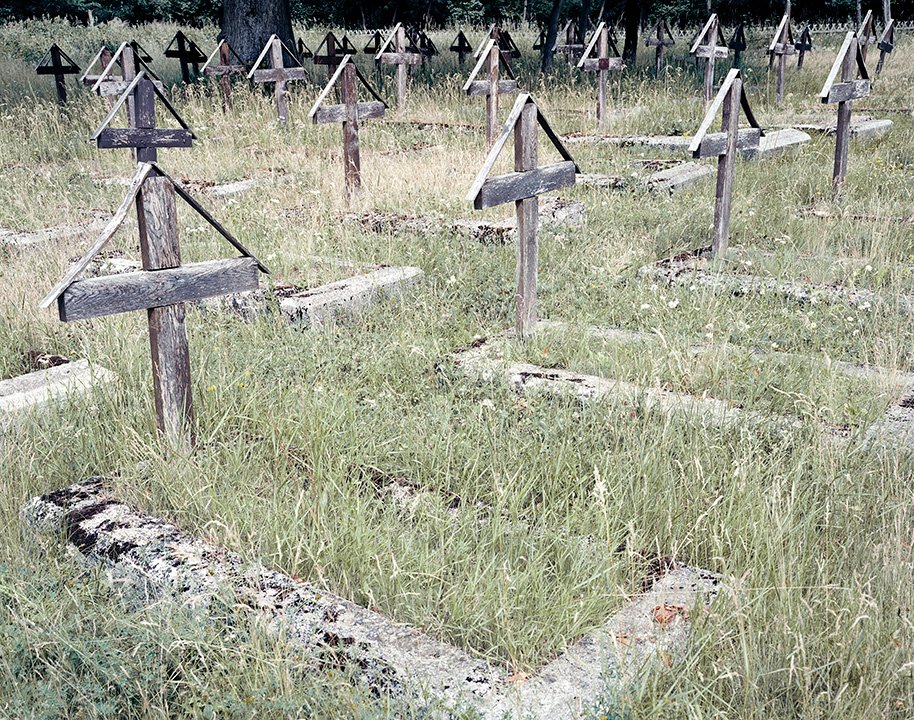
The community organizes programmes throughout the year, themed around keeping historic traditions. They regularly take care of neglected war tombs or march for days, singing and wearing First or Second World War Uniforms, to commemorate fallen soldiers in every village they pass. They’re always greeted with hospitality and a warm dinner, lodged for the nights in local school buildings. For many of them, these adventures provide the only solid ground in life, a framework to understand the world and their position in it.
I genuinely fear war, and I have never idealized violence either. The presence of weapons and death as a thought made me uncomfortable in a kids’ camp. But it was an equally surprising and liberating experience to hear about the importance and uniqueness of life in the very same context from them. What I would have labeled at first with terms like ’conservative’ or ’nationalistic’, later seemed hard to place in the coordinate system of today’s popular ideologies. Honvédsuli’s leaders state that their militaristic approach and the challenges they impose are able to demonstrate the importance of effort, the role of community, and the value of simple things such as nature, warm food, or a comfortable bed, in a society becoming ever so slothful. There are always many weeping faces at the camp closing ceremony, as most of them can’t wait to return next year. While I, at the same time, think about what I felt seeing kids with weapons at first, and now, one and a half years later.
Images of violence surround us in the shape of photography, films, toys, and video games. I have come to realize that perhaps for this very reason my standpoint on weapons, war, or home defense is vague. Like the 13-year-old, who’s falling back on the ground over and over again but still is trying hard to climb that muddy rope – the same way I’m trying to refine my approach.
WORKS BY THE FELLOWS
WOUNDS OF VIOLENCE
Koleszár Adél

"The main focus of my work in the past years has been human violence: how its constant reception can structure the society and the self. My aim is to document individual destinies and topics from an intimate closeness in order to witness, capture the essence of the world where my subjects live in. I visualize what I experience with using photographic tools such as lighting, staging, to create pictures which are able to strongly involve the viewer emotionally into the topics I'm working with."
Adél Koleszár (1986) is originally from Hungary, where she graduated with a Masters in Fine Art Photography at the Moholy-Nagy University of Fine and Applied Arts, after receiving a BA degree in Social Sciences in Budapest. In the past years she has been working and living in Mexico, where she works with the aim of completing her visual research on human violence. In 2013 she arrived to the country thanks to a Mexican Governmental Artist Residency Program, in 2014 her project on contemporary religions in Mexico was selected as finalist by Magnum Photos & Ideastap Photography Award, in 2015 she was the winner of the Budapest Portfolio Prize, in 2016-17 receiver of the Pécsi József Scholarship which supports the work of young Hungarian photographers. Between march and may of 2016 she taught locals in several cities along the US/Mexican border as part of a self initiated, open and free to everyone workshop project, Vision del Norte, with the aim to teach the participants how to use the visual language of photography to express their thoughts about the reality they are living in, and share it with a wider public in a form of a book which compiled the vision of each participants. The same year she was the solo exhibitor of the Discovery Show section of the Fotofestiwal Lodz, and her book „New Routes of Faith” was shortlisted on the Unseen Photography Dummy Award. Her work was exhibited and published widely in her country and internationally, amongst in Berlin, Mexico City, New York, Arles, Vienna, and featured on Foam Spotlight, Vice Mexico, Fotografia Magazine, Der Grief. Currently she keeps working on new projects, as well as continues the investigation on the alternative religious forms in Mexico.
EDUCATION
- 2011-2013 Moholy-Nagy University of Art and Design, Photography MA, Budapest, Hungary
- 2012-2013 Universidade Lusófona de Humanidades e Tecnologias, Faculty of Photography, Lisbon, Portugal
- 2008-2011 Eötvös Lóránd University, Social sciences BSC, Budapest, Hungary
- 2001-2006 Secondary School of Fine and Applied Arts, Applied photography, Budapest, Hungary
AWARDS / SCHOLARSHIPS
- 2017 Women in Photography (WIPNYC) Grant & Mentor Program, Shortlist
- 2016/2017 Pécsi József Photography Scholarship, Budapest, Hungary
- 2016 Unseen Photobook Dummy Award, Shortlist, Amsterdam, Hollandia
- 2016 PHOTOGRVPHY GRANT, Nominee
- 2015 Budapest Portfolio Review, Winner Portfolio Prize, Robert Capa Contemporary Photography Center, Budapest, Hungary
- 2014 Magnum Foundation & Ideastap Photography Award, Production Grant & Finalist, London, United Kingdom
- 2013-2014 Artist Residency, Mexican Governmental Scholarship Program, Mexico City, Mexico
- 2007 I. Dunaújváros Photo Biennale, Special Prize, Dunaújváros, Hungary
- 2007 CCM International Photo Contest, II. prize, Cuenca, Spain 2007 MTV Antenna Competition, I. prize, Budapest, Hungary
RECENT SELECTED EXHIBITIONS / ACTIVITIES
- 2017 The way we see - Overlook of Hungarian Photography, National Museum of Varsaw, Varsaw, Poland
- 2017 Vitamin-A, Centro de La Imagen – Biblioteca Vasconselos, Group Exhibition, Mexico City, Mexico
- 2017 MIA Photo Fair, Milano, Italy
- 2016 C/O Berlin, EMOP Berlin Opening Days, Berlin, Germany
- 2016 Faith and Violence, Solo Exhibition as part of the Photomonth of Bratislava, Open Gallery, Bratislava, Slovakia
- 2016 Art Market Budapest, Solo Exhibition Booth showcased by Robert Capa Contemporary Photography Center, Budapest, Hungary
- 2016 ECHOES: City, Society, Conflict & Self in Hungarian Photography, Alma Gallery, New York, USA
- 2016 Fotofestiwal Lodz, Solo Exhibition as the year's Discovery, Lodz, Poland
- 2016 Vienna Photo Book Fair, Vienna, Austria
- 2016 Vision del Norte, Self initiated photography workshop program for locals, held on the nothern border cities of Mexico
- 2015 "New routes of Faith",
- Solo Exhibition, Supermarket Gallery, Budapest, Hungary
- 2015 Arles Photobook Festival, Arles, France 2015 Vienna Photo Book Fair, Vienna, Austria
- 2015 Hip Hip Zine, Belgrad, Serbia
- 2015 Ideastap & Magnum Photo Award,
- Exhibition of the finalists, London, United Kingdom
- 2014, Supermarket Gallery, Opening Exhibition, Budapest, Hungary
- 2014 Latarka Gallery, Japanese - Hungarian documentary photography, Budapest, Hungary
- 2013 Human Dignity via MOME, Ludwig Museum of Contemporary Art, Budapest, Hungary
- -
- - Dunaújvárosi Fotóbiennálé, Dunaújváros-
- -
- -
- -
- -
- -
- - -
- -
- -
- -
PUBLICATIONS
- Foam Spotlight
- Der Grief
- Fotografia Magazine
- Vice Mexico
- Landscape Stories
- DOC! Photo Magazine
- La Hydra Mexico
- Artportal
- Index.hu
PROFESSIONAL MEMBERSHIP
- 2007 Studio of Young Photographers, Hungary
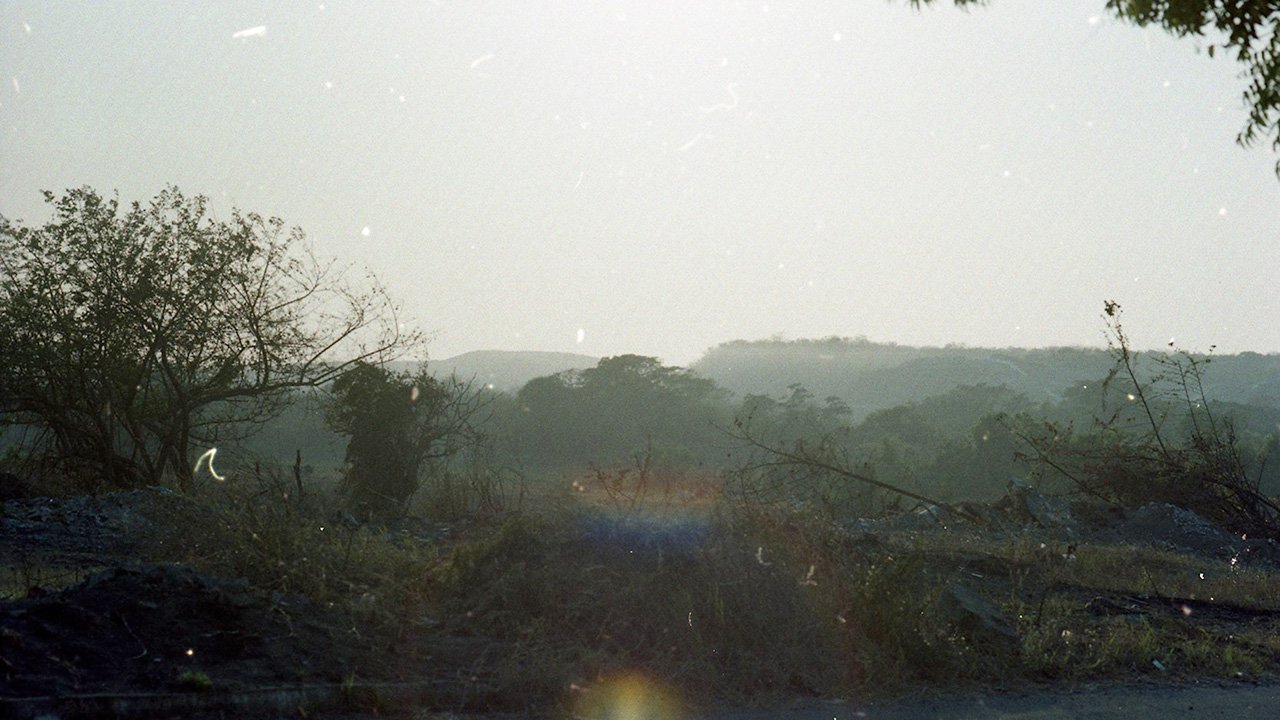
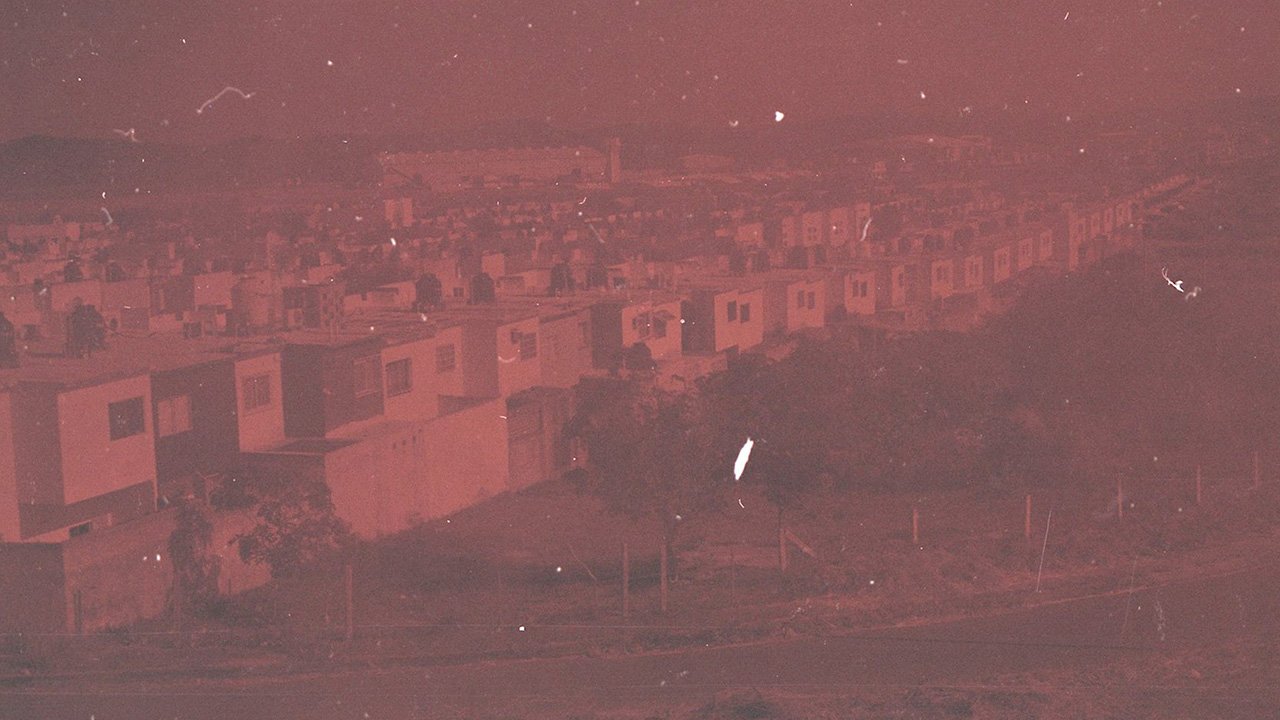
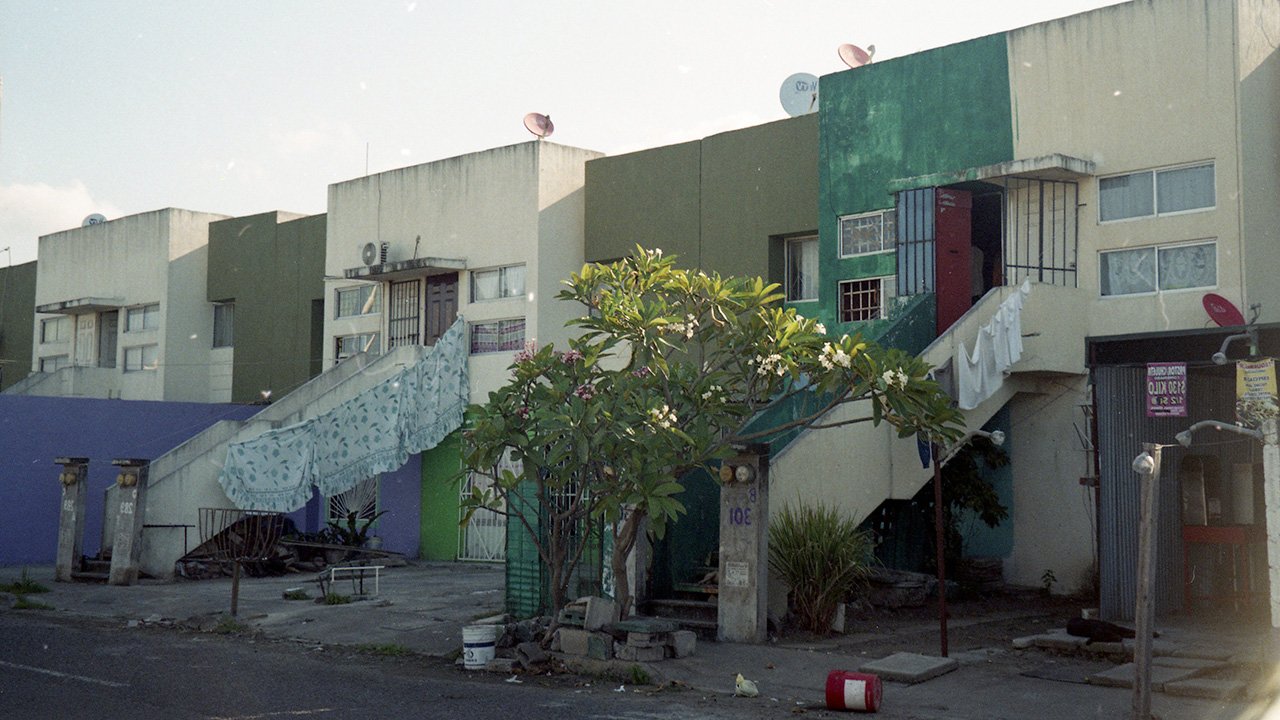
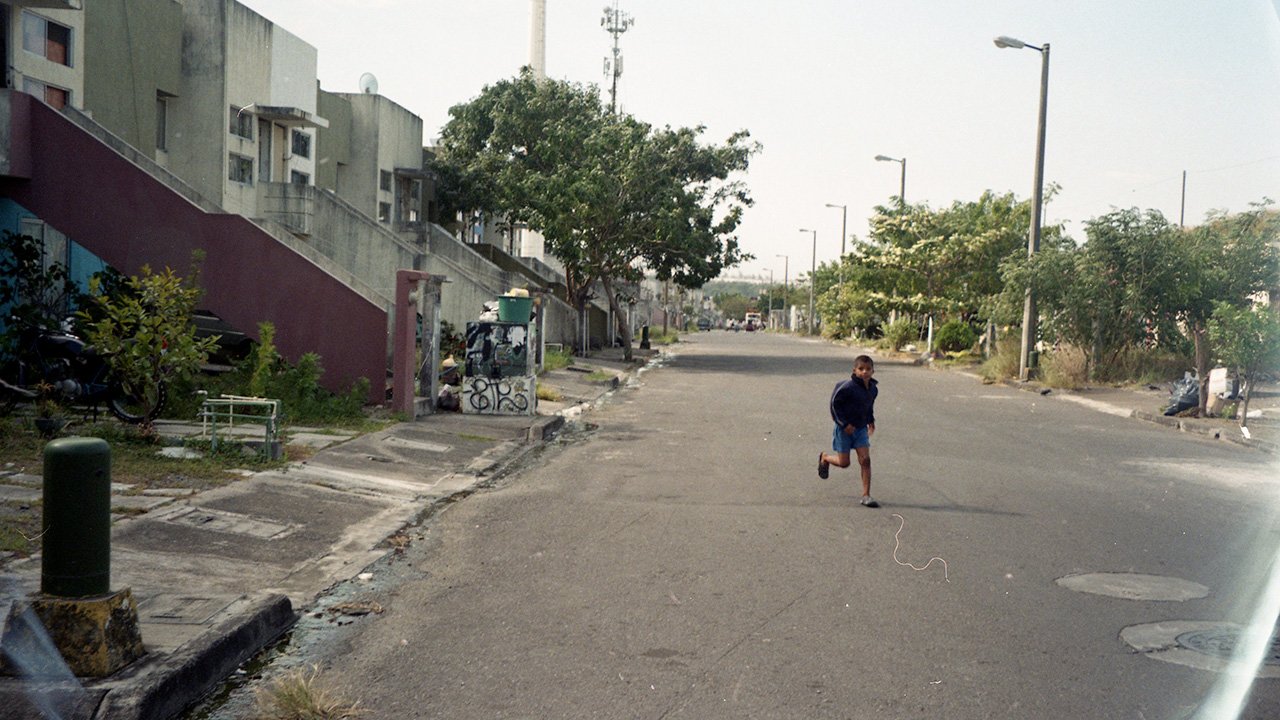
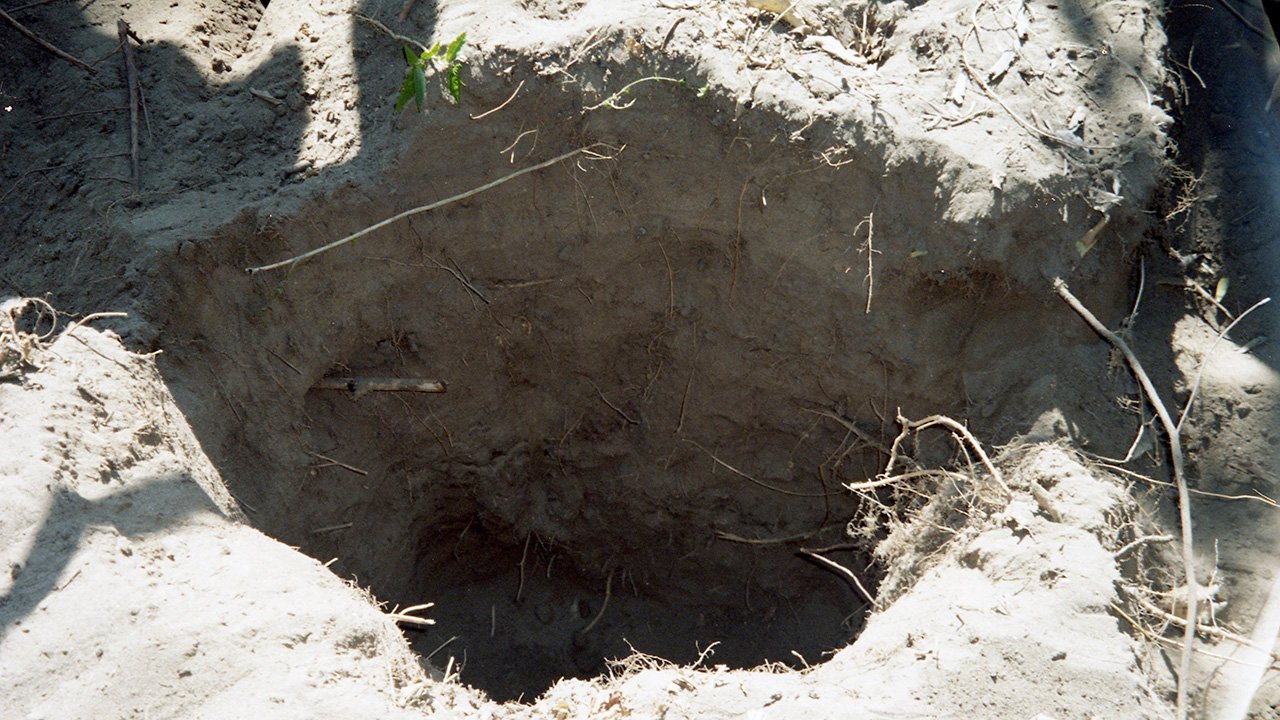
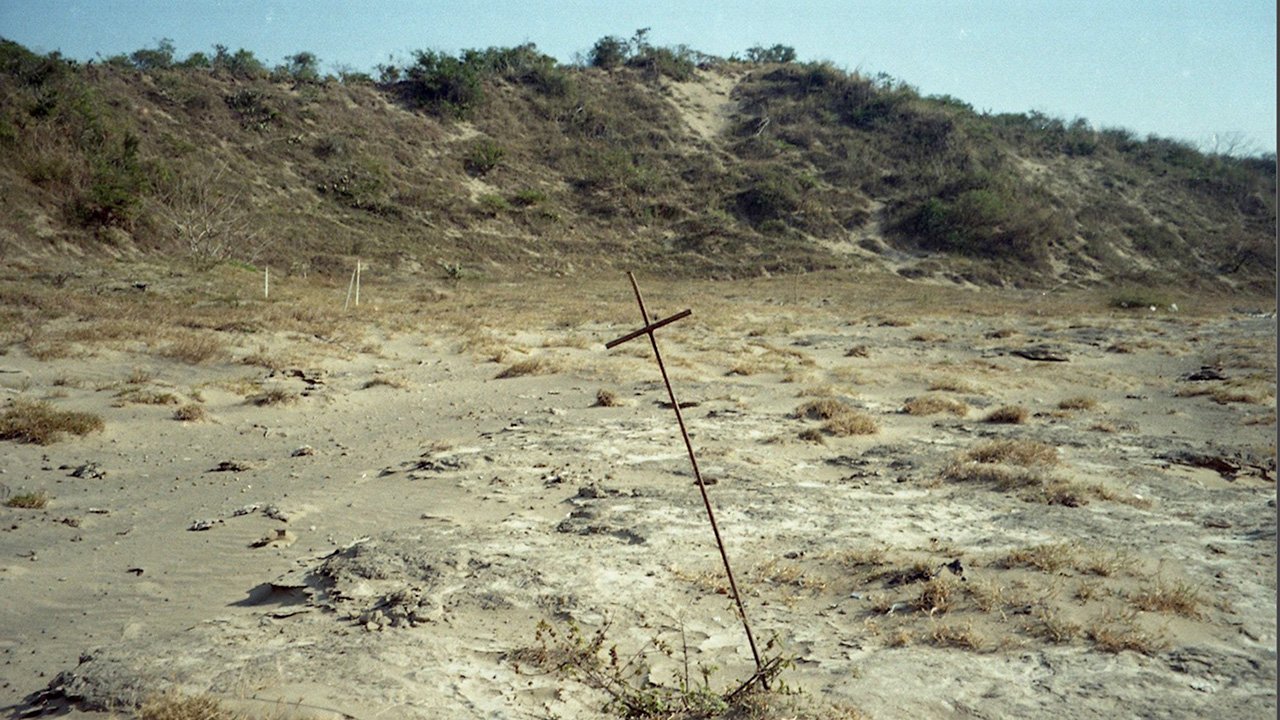
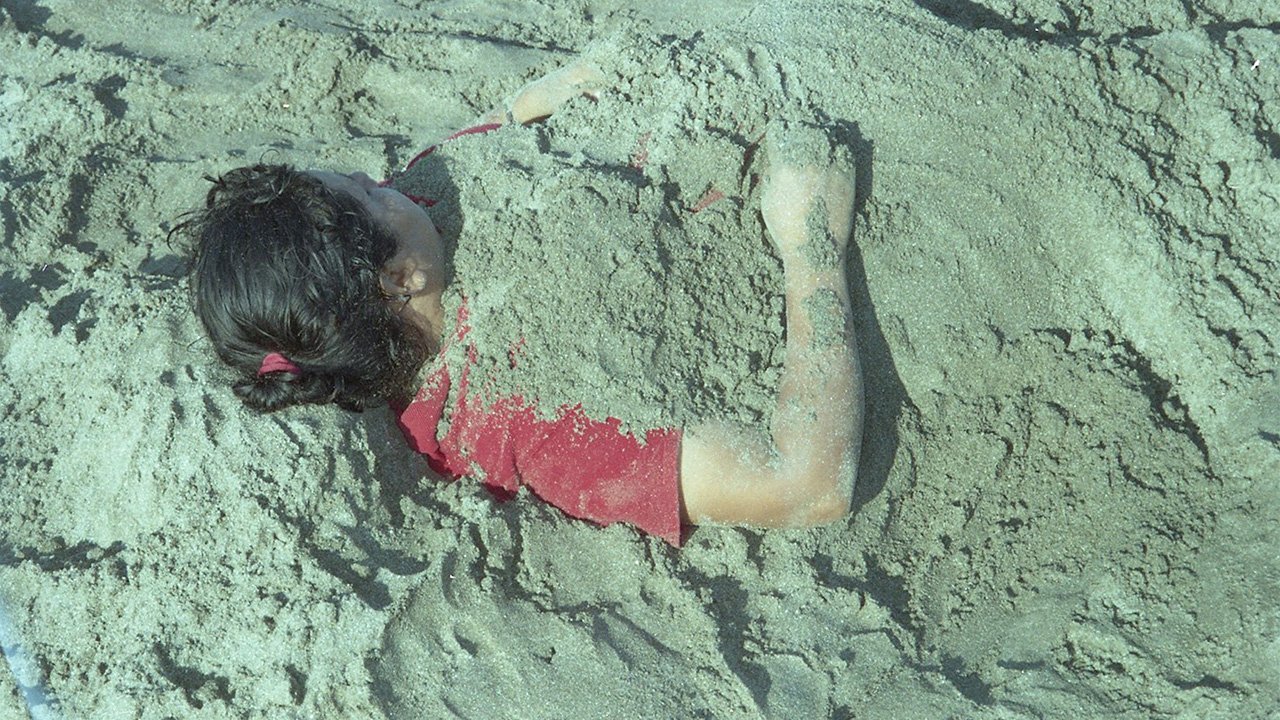
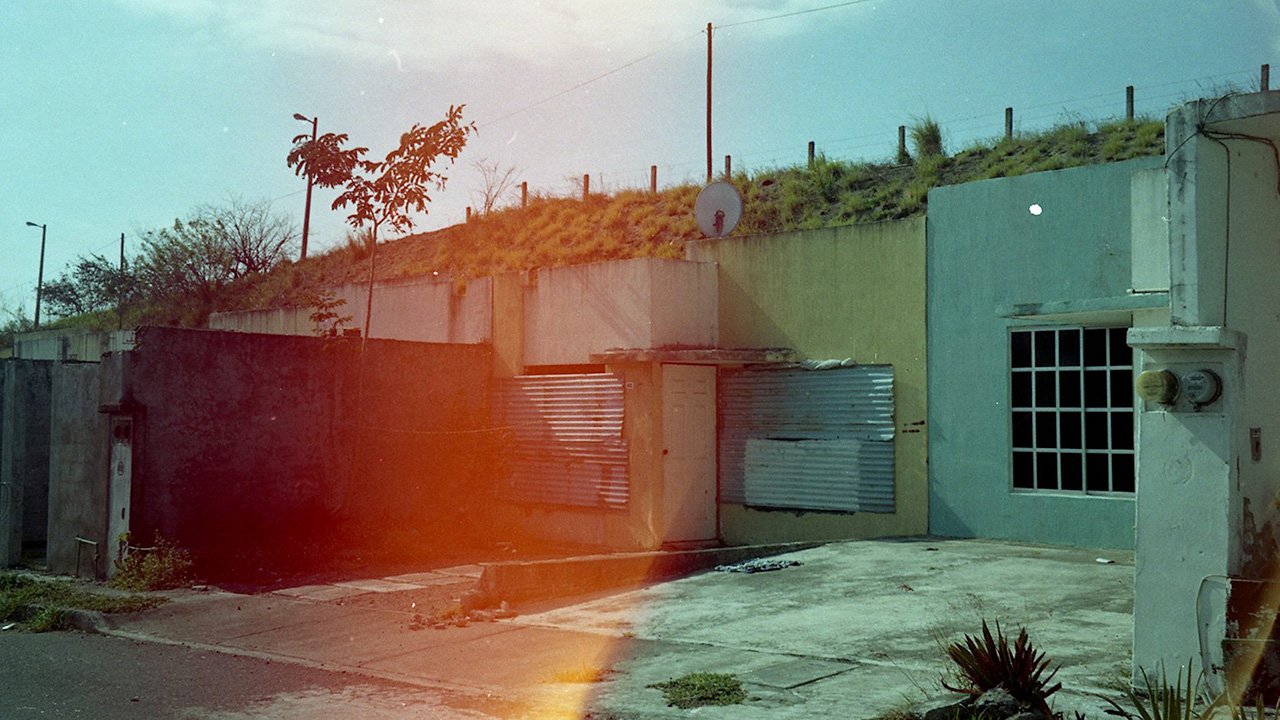
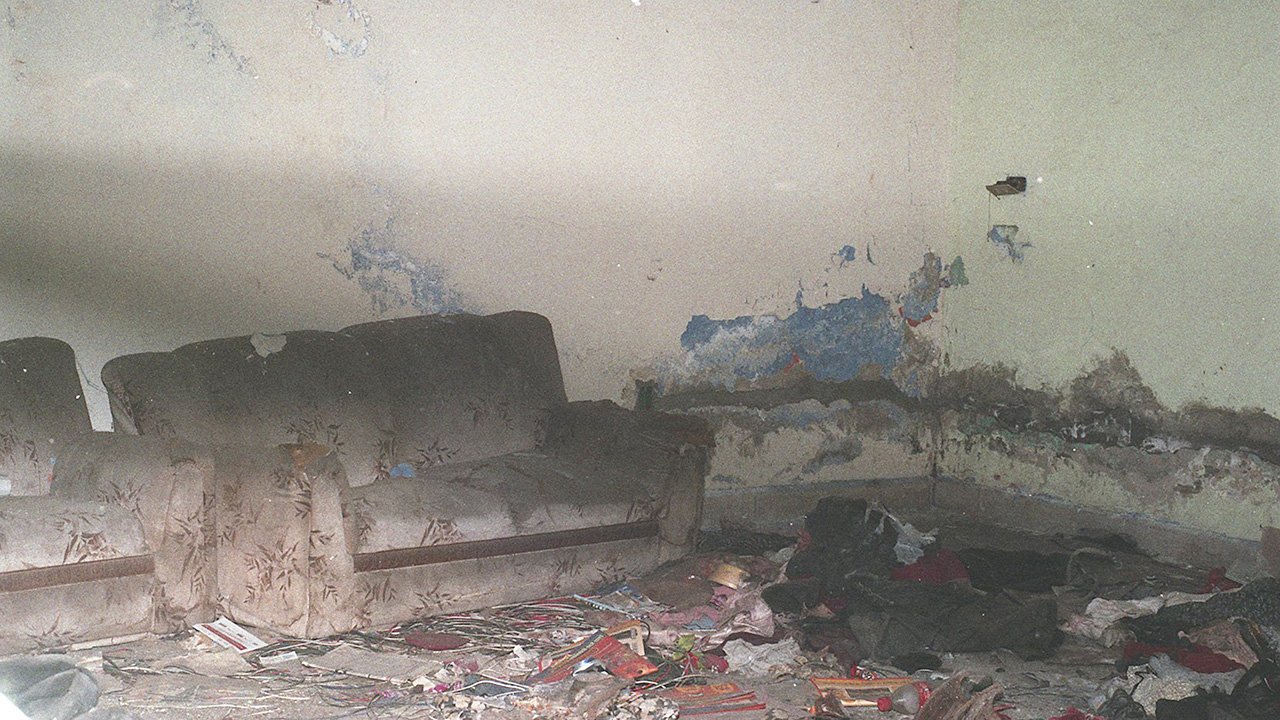
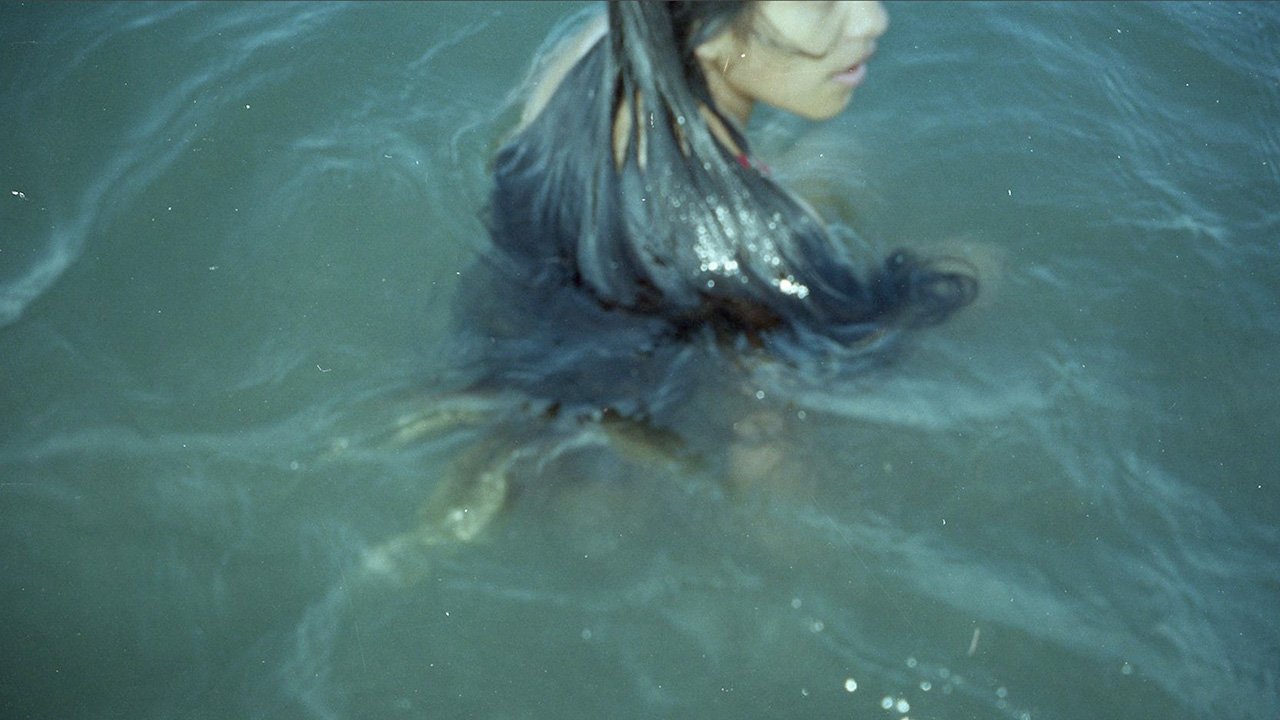
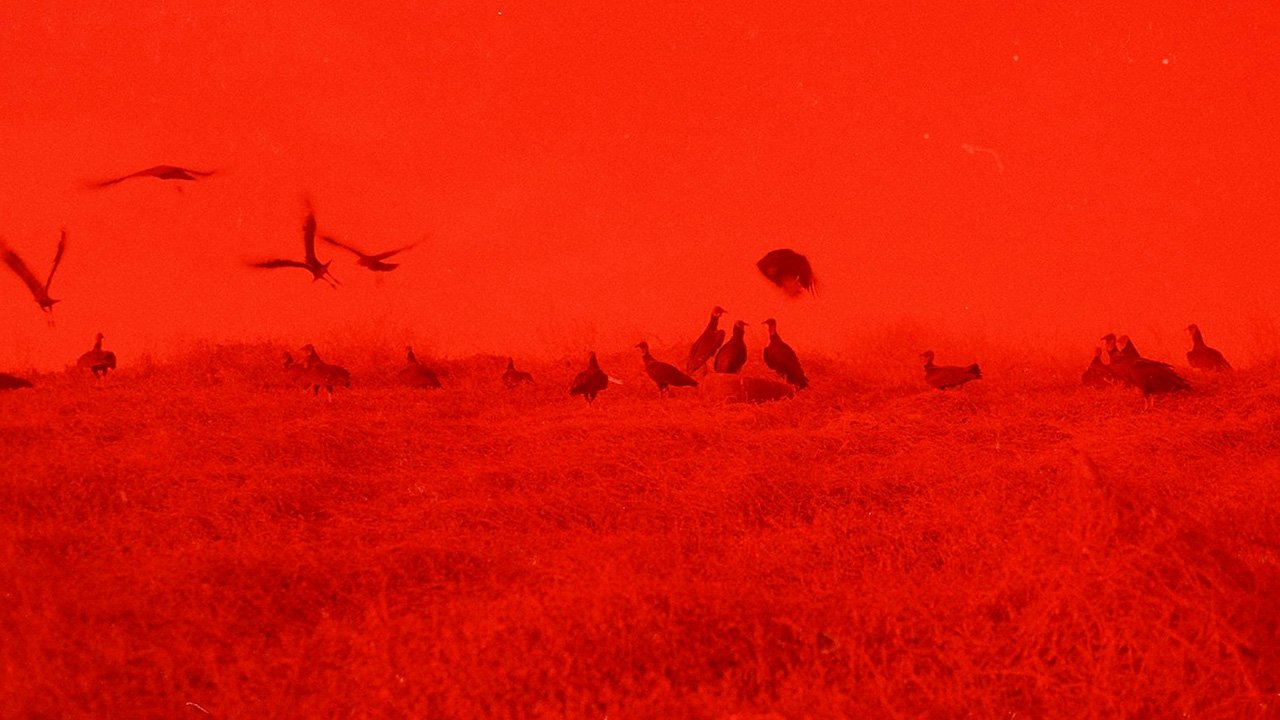
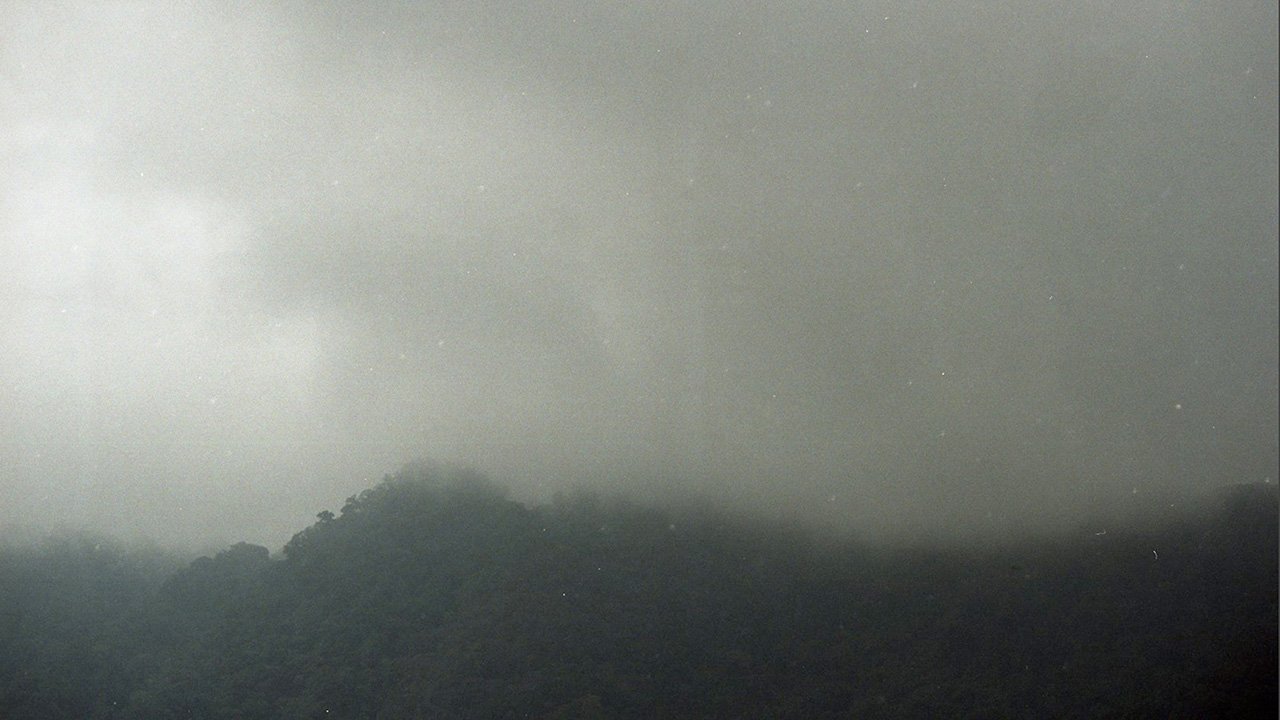
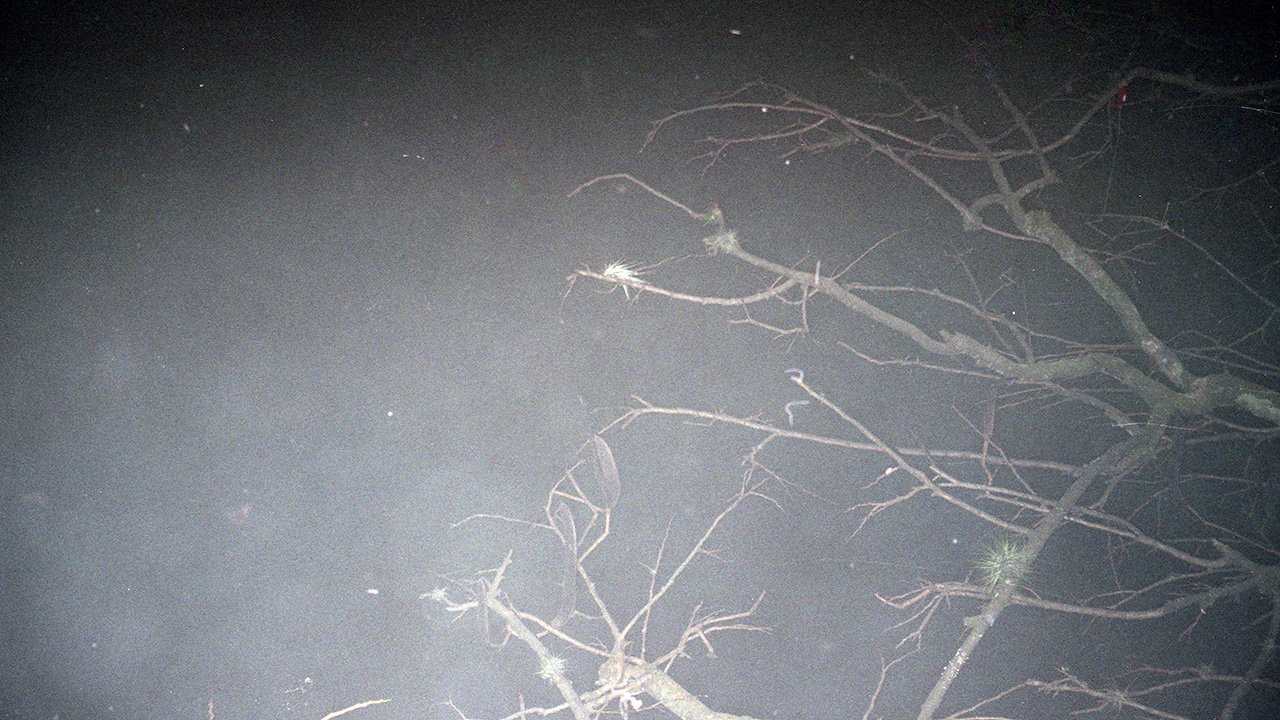
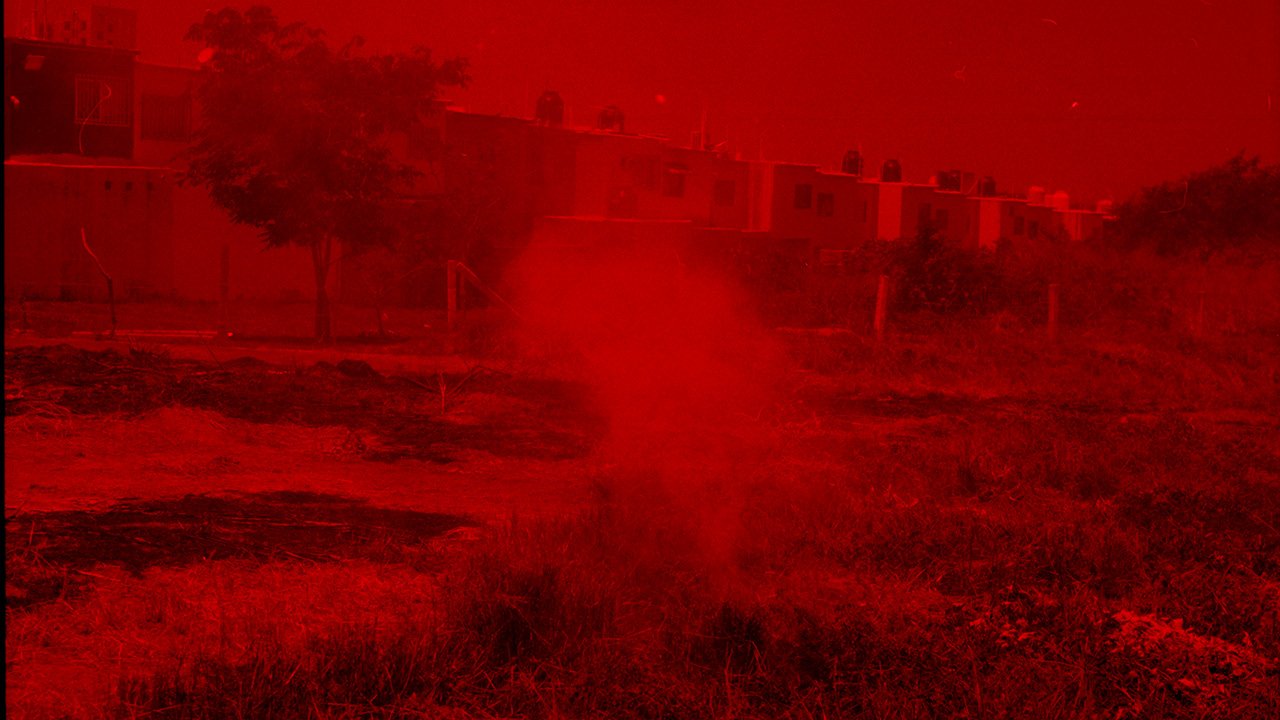
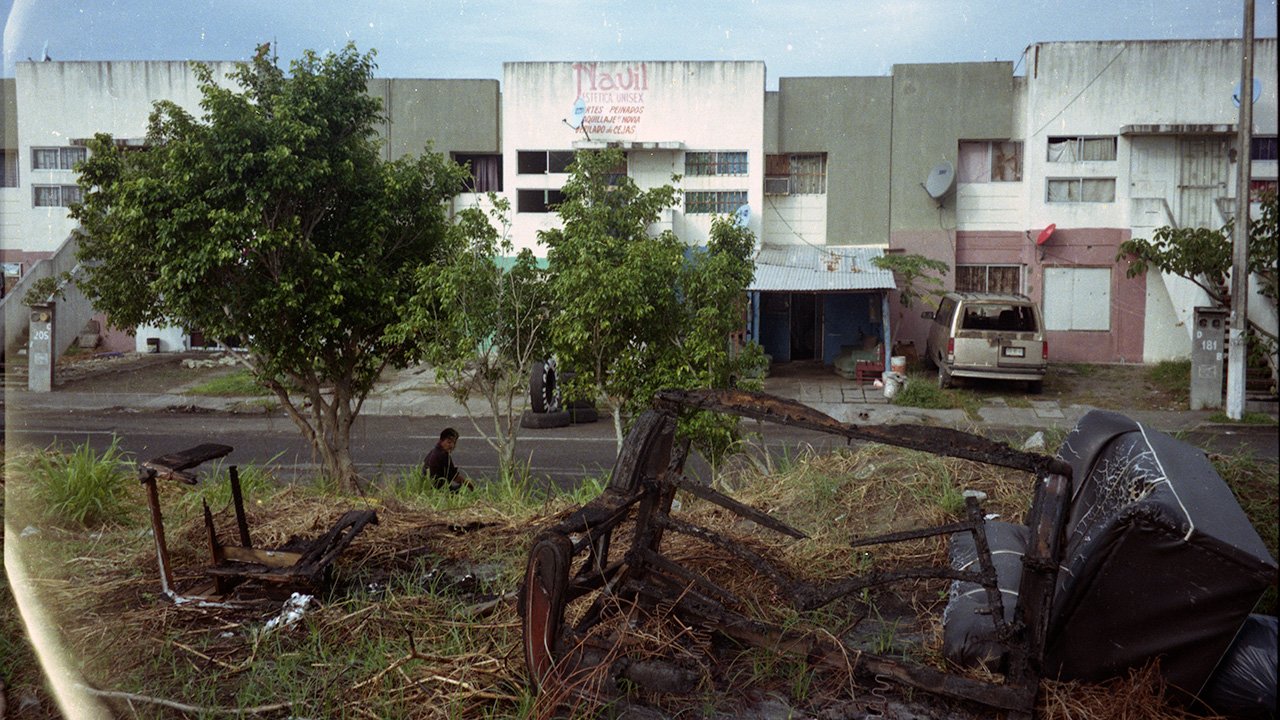
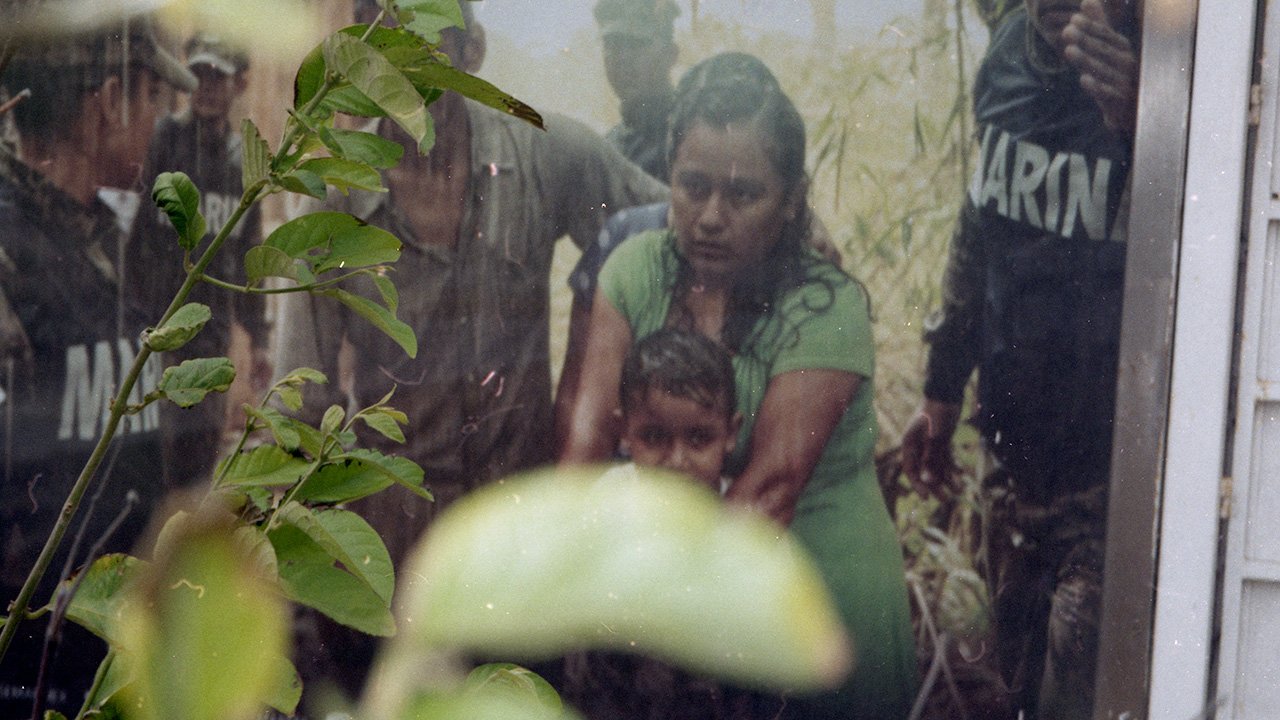
The core of Wounds Of Violence deals with those geographical sites of Mexico where illegal, contemporary mass graves have been discovered, contrasting the local landscape that had been violated by these graves with the mental, physical consequences that these extremes have had on women in the area.
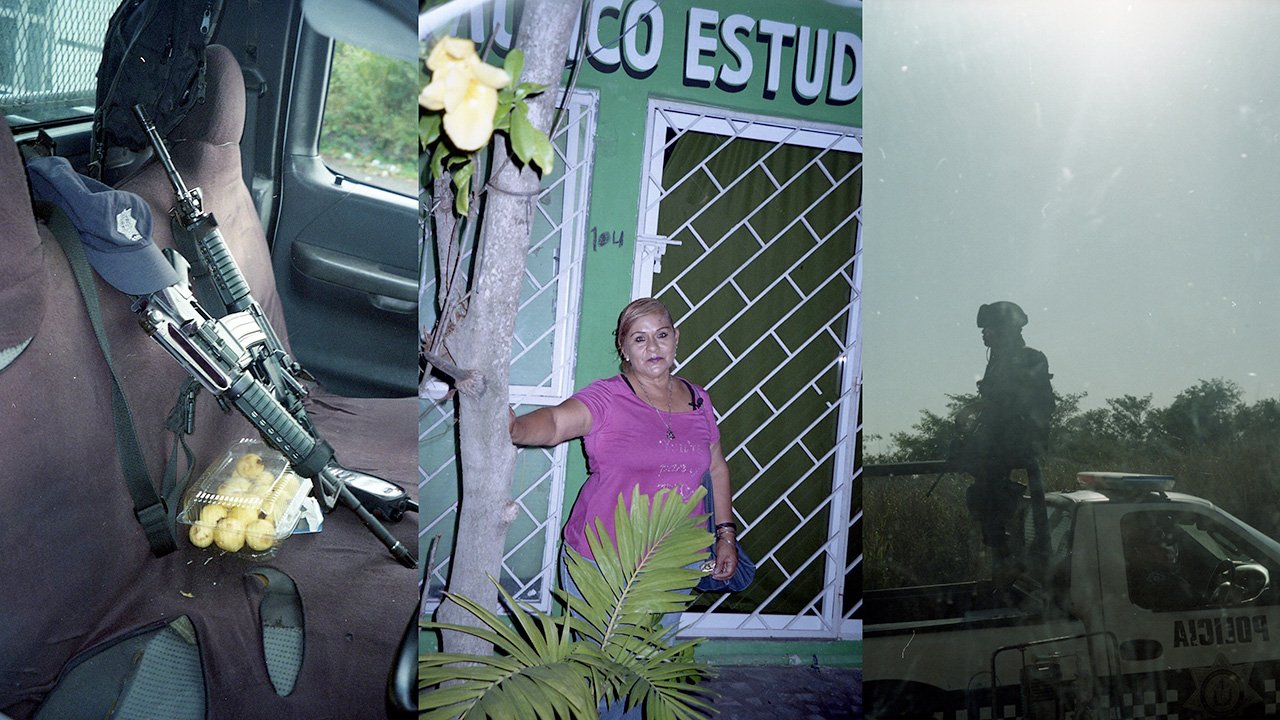
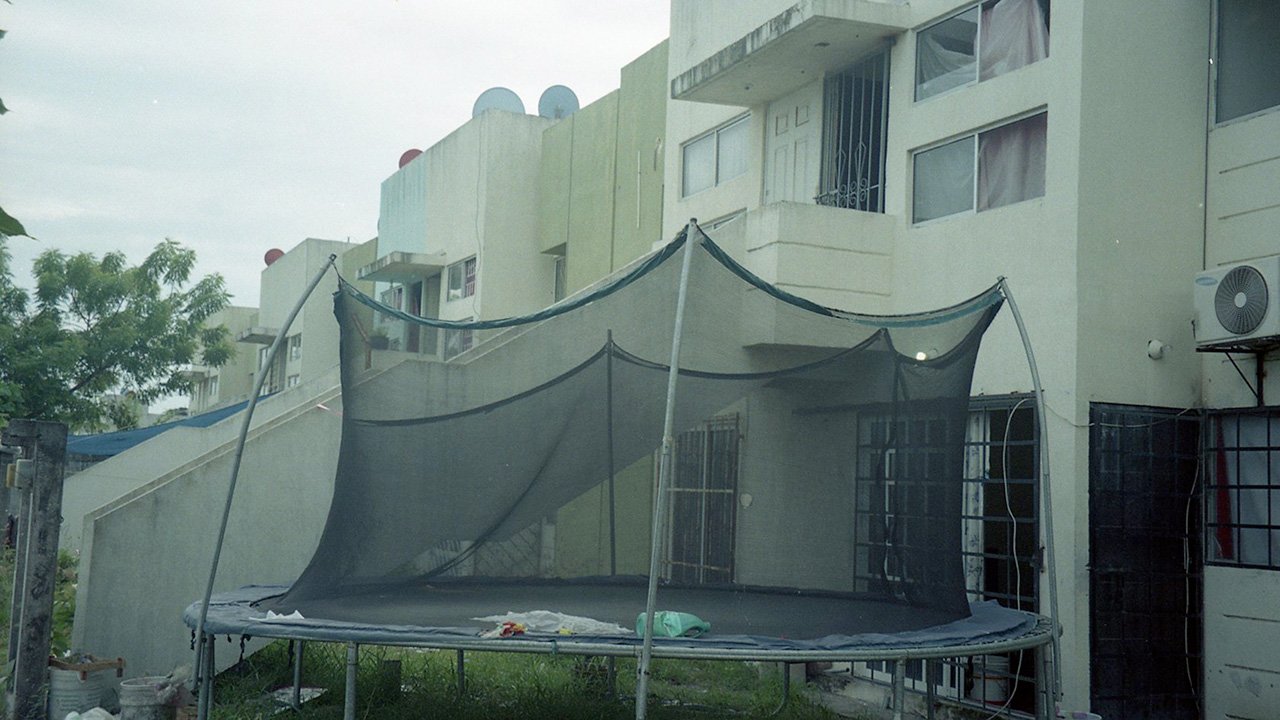
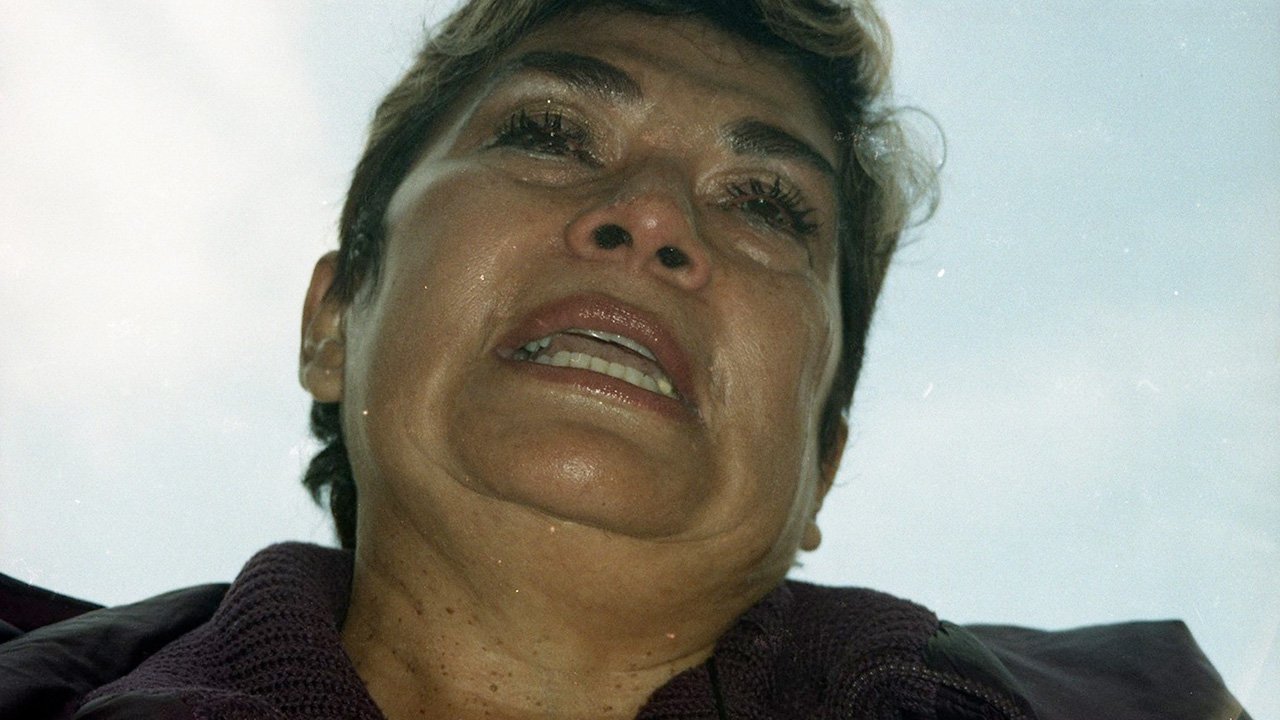
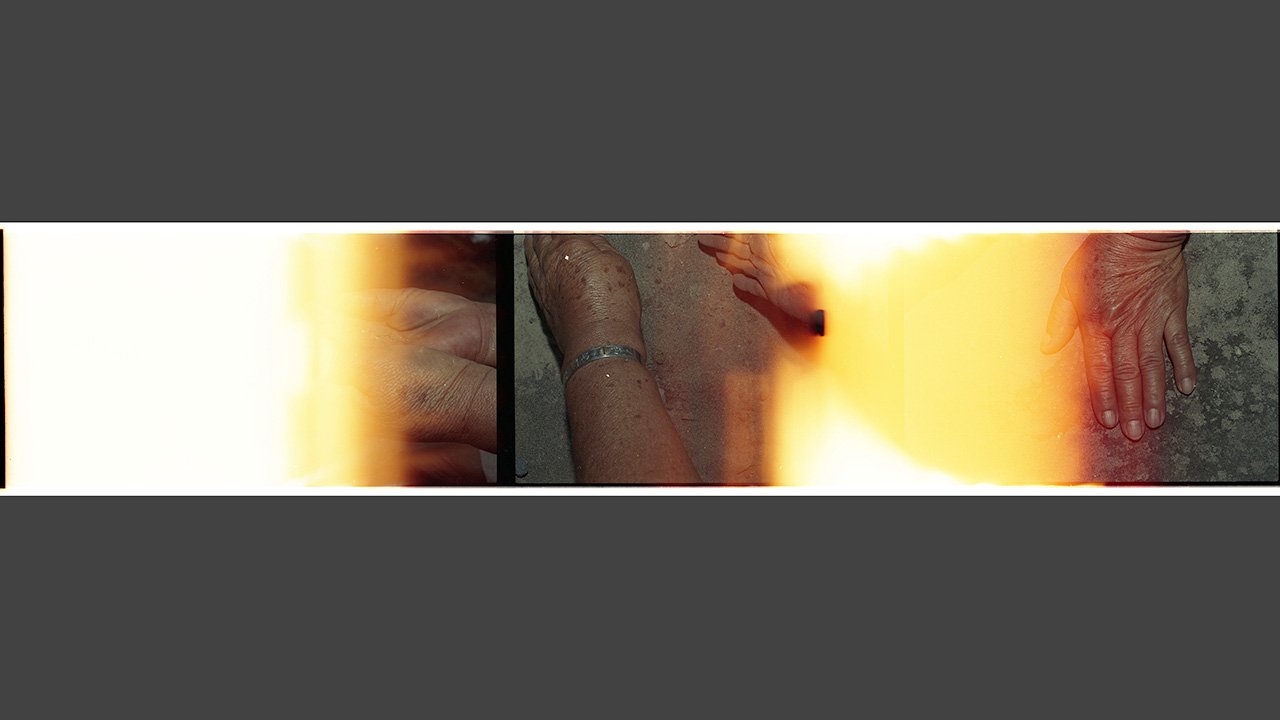
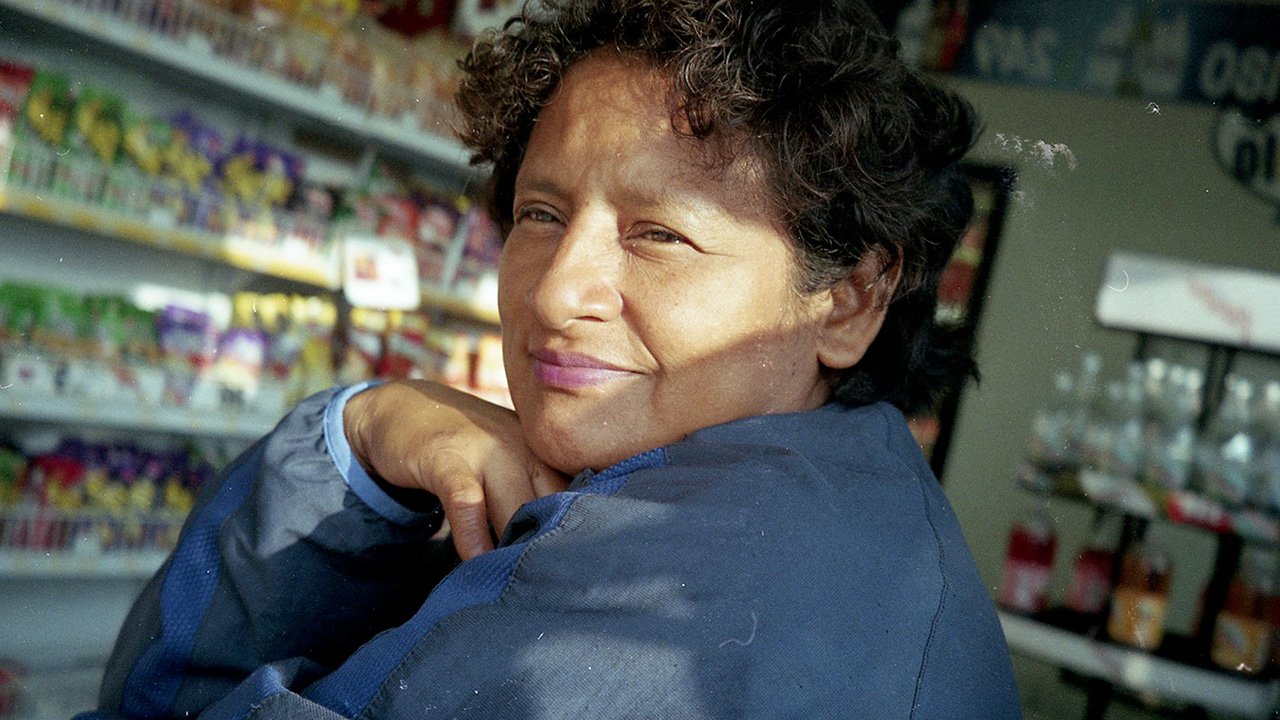
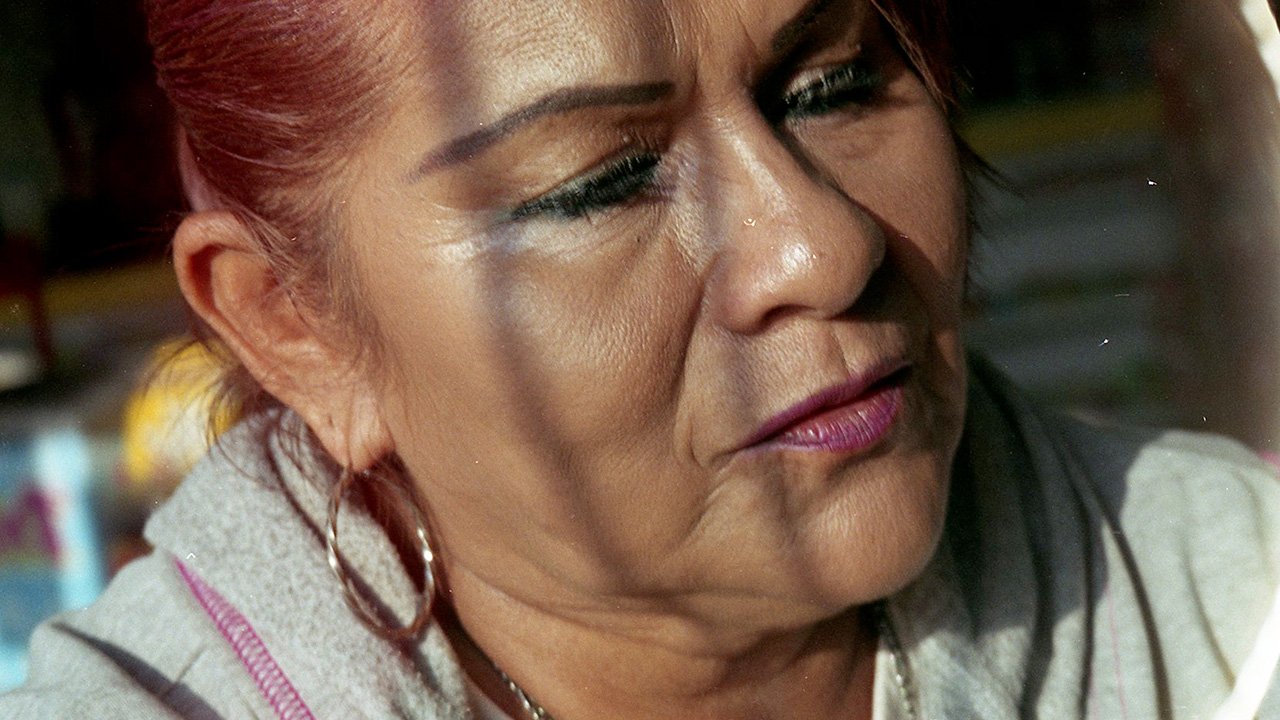
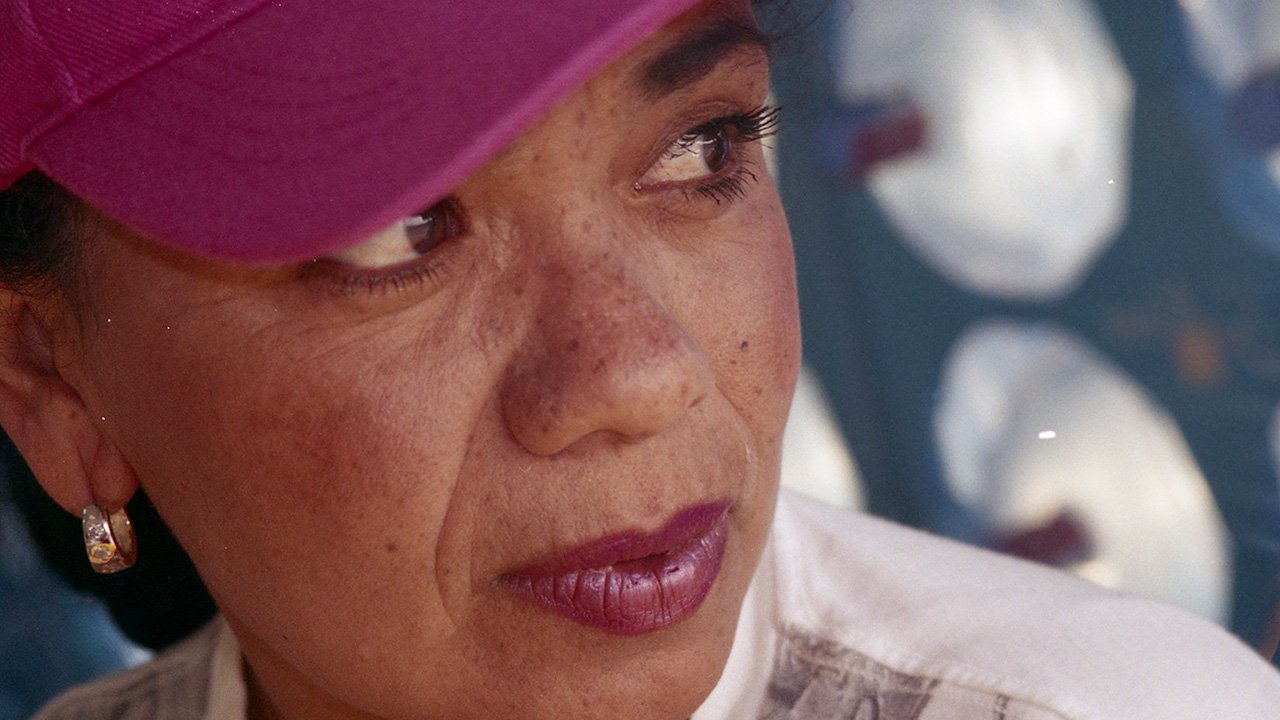
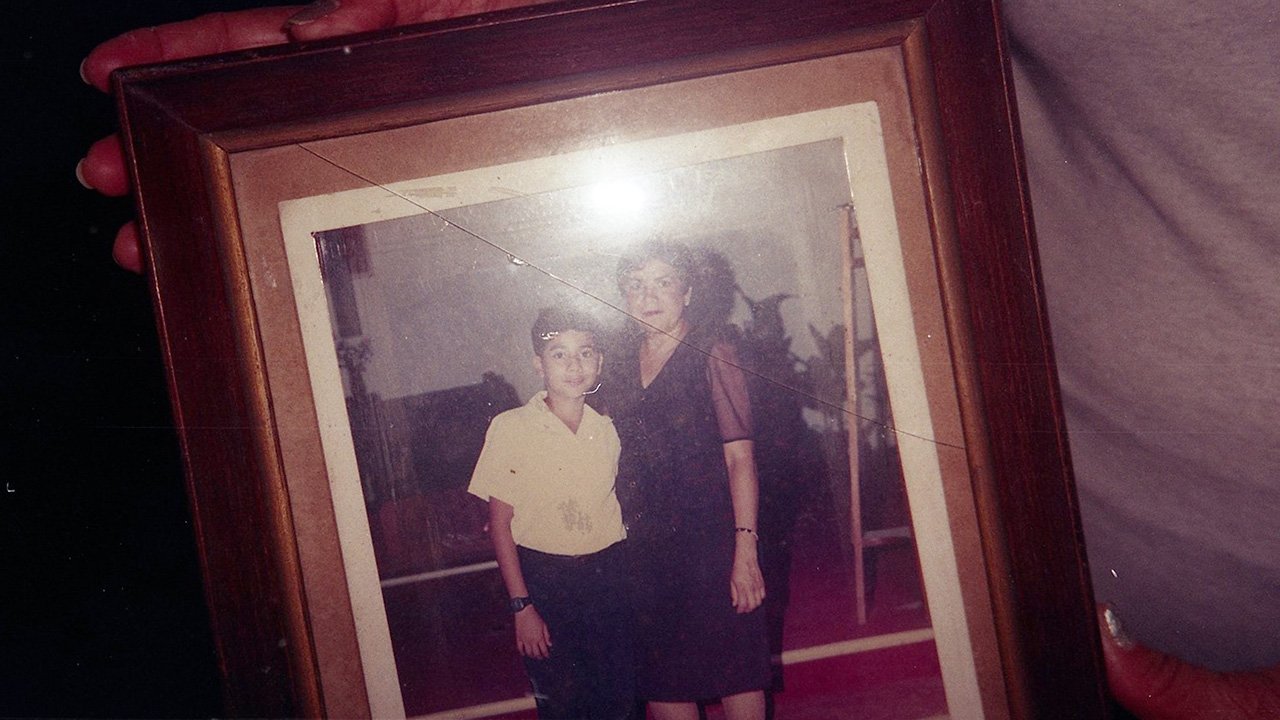
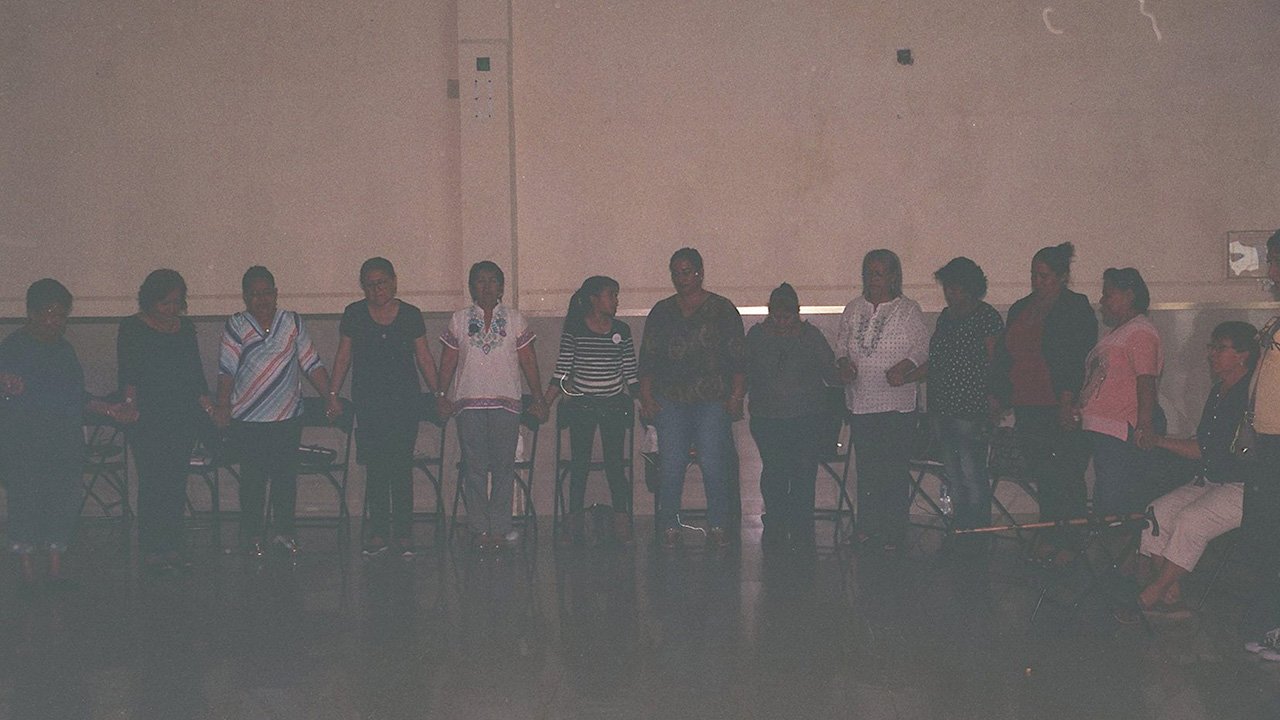
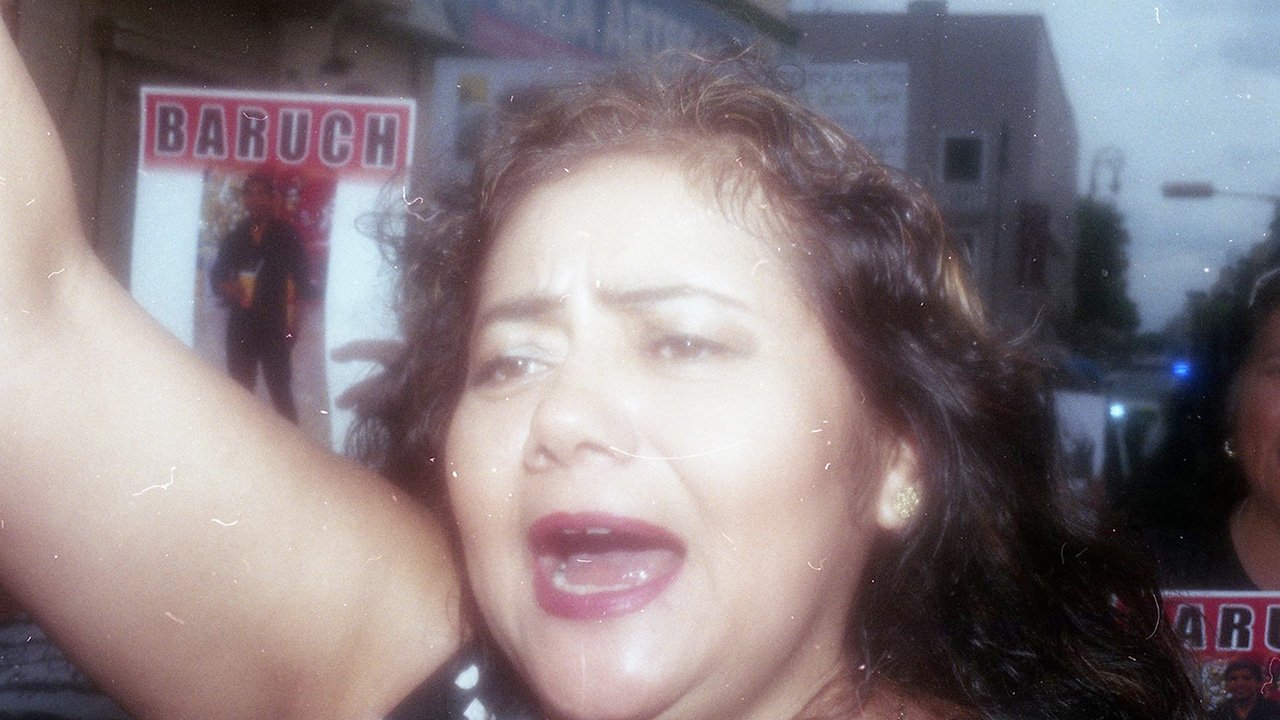
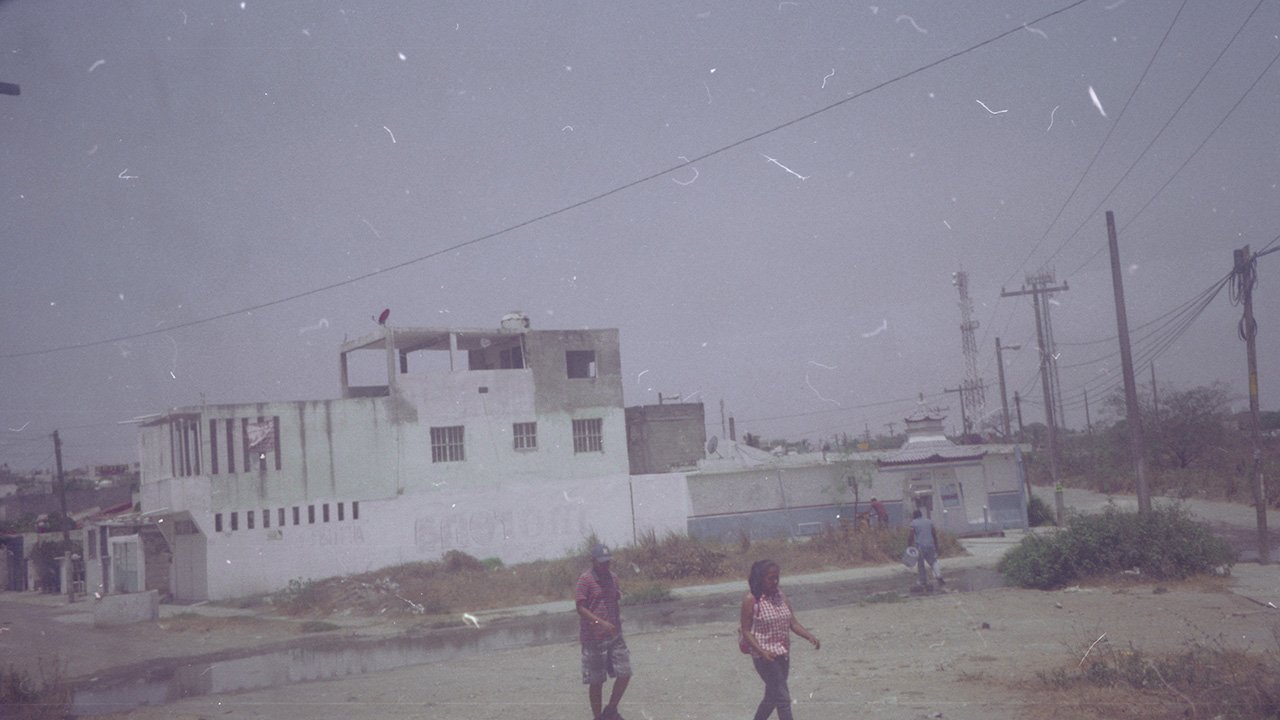
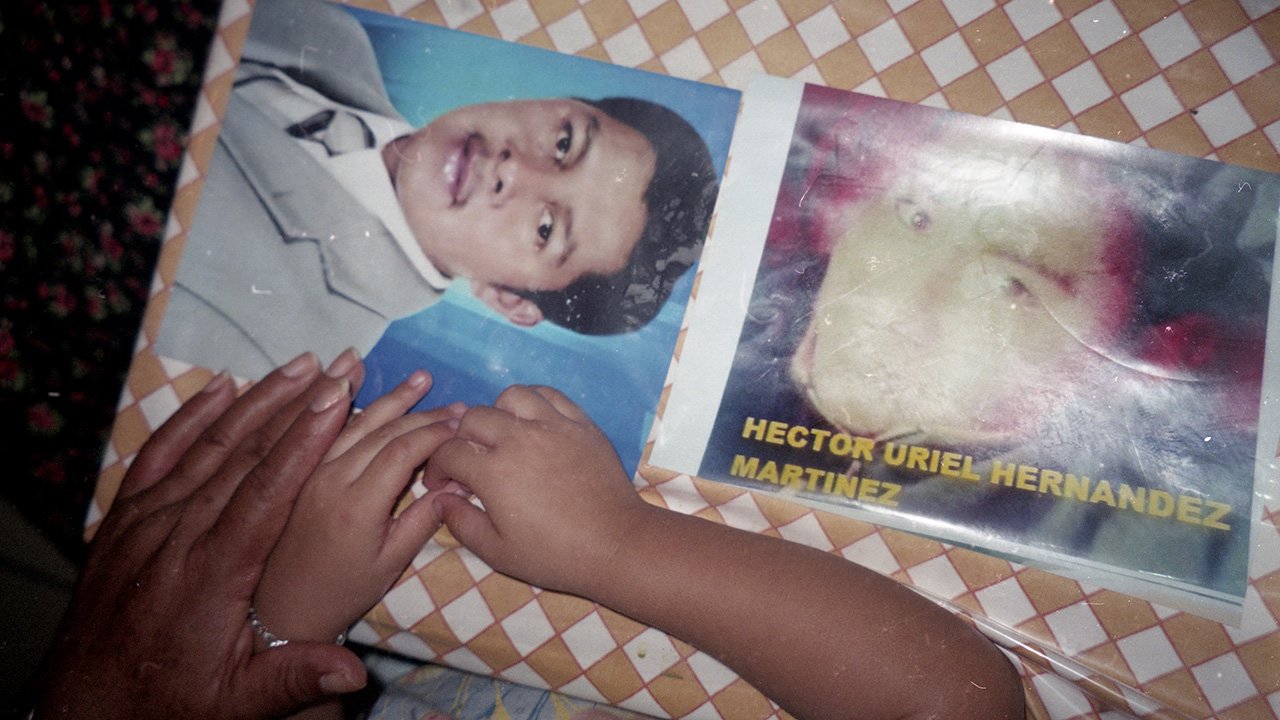
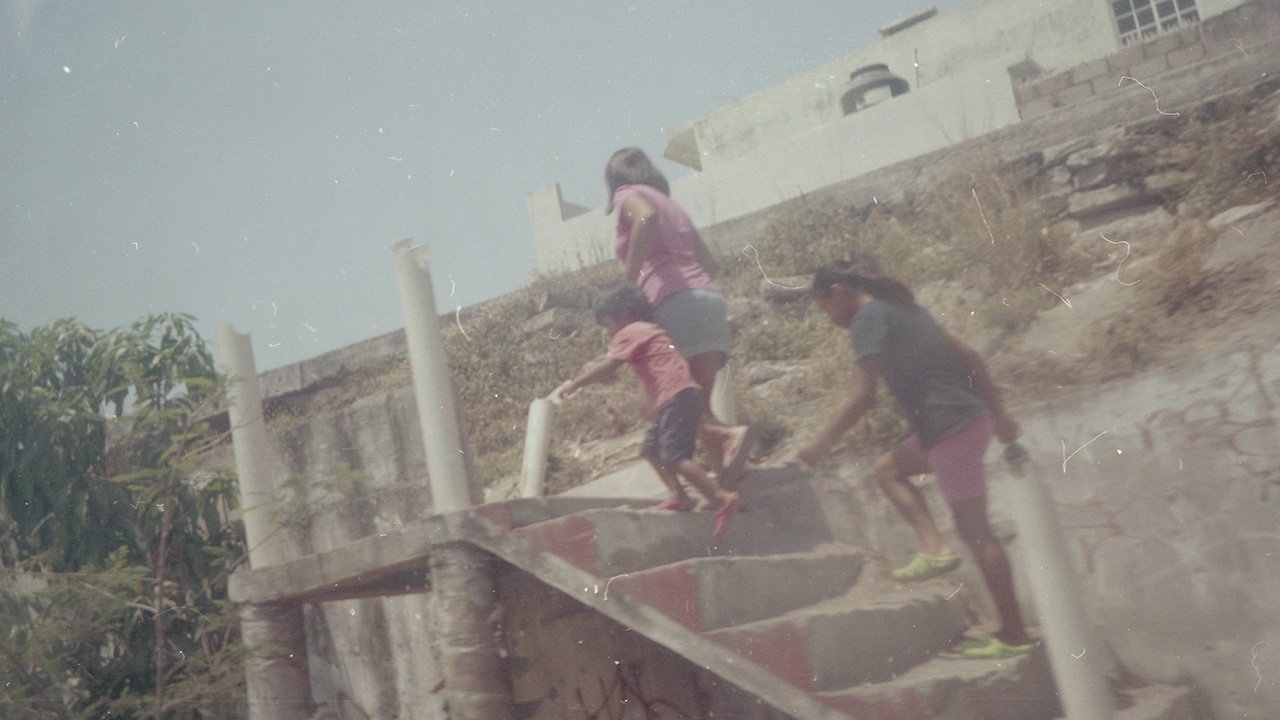
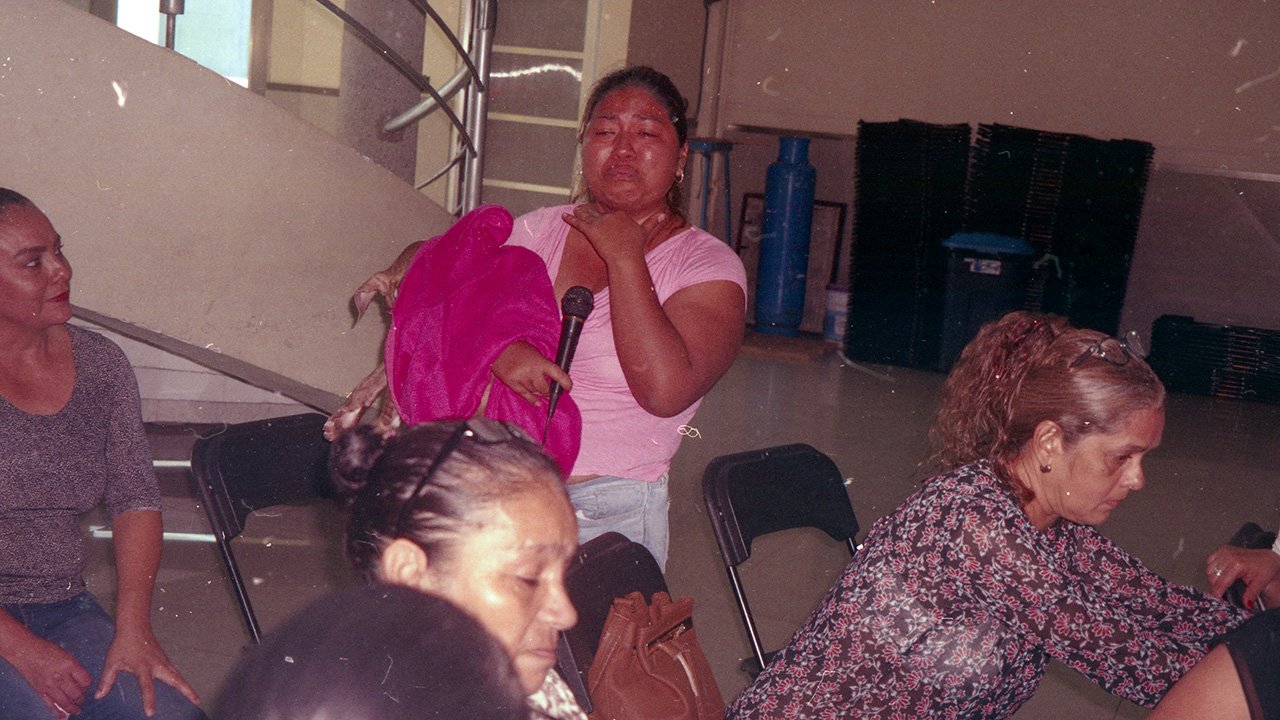
The work for the Capa Prize continued the themes of Wounds Of Violence by focusing on one specific case: the lives of a women’s group searching for the remains of their lost loved ones at the sites of mass graves found near Veracruz, Mexico in 2016. These are the largest mass graves found in the history of Mexico, and most likely, in Latin America. This specific search group consists of 180 women, working independently to identify the remains. They are self-funded, making the money required by selling food and used clothes. My work focused on getting to know and illustrate their everyday lives,
by relying on their confessions, emotions, and our shared conversations. I felt that this distant reality could be brought the closest to the spectator in an emotional sense by showing its day-to-day happenings in the most humanistic way possible. Providing this world with faces, emotions, and voices, to show how the survivors feel, live, and think as well as to present an environment outside the statistics and tragedies of newsreel footage.
I first arrived in Veracruz on August 3, 2017, on the one-year anniversary of finding the graves. I decided to work with the group for another year, until the proposed closing of the site.
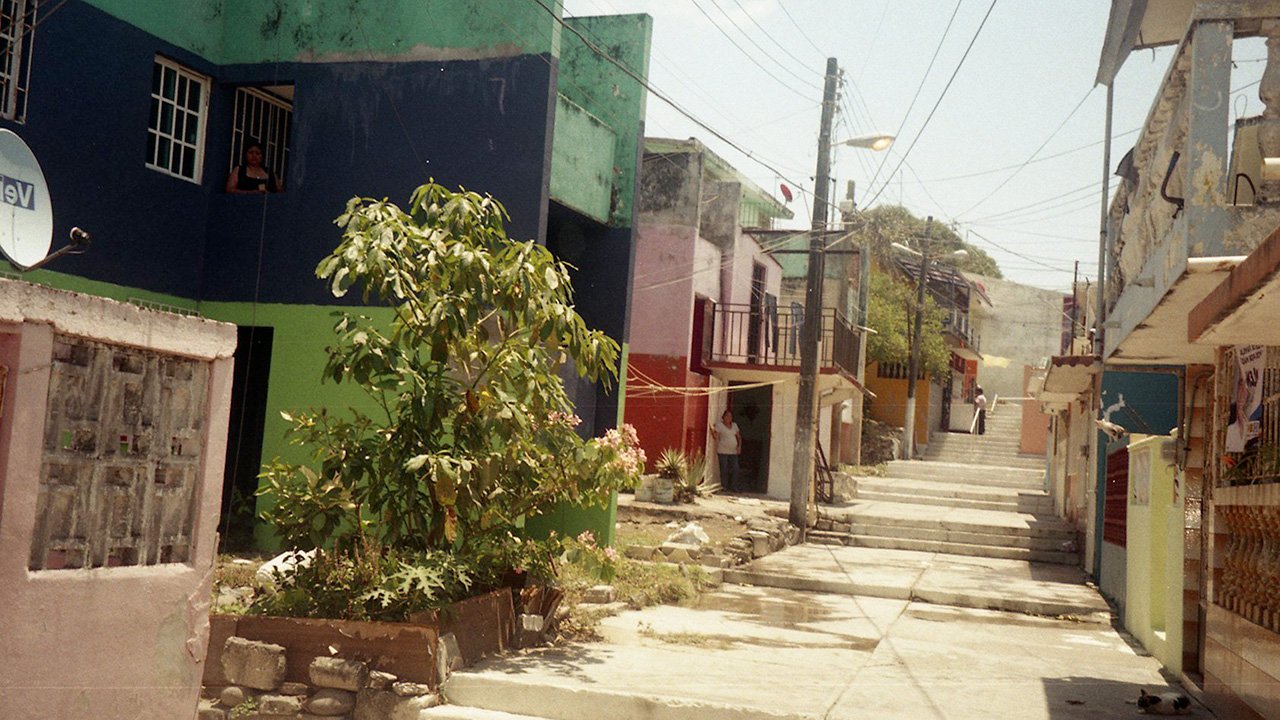
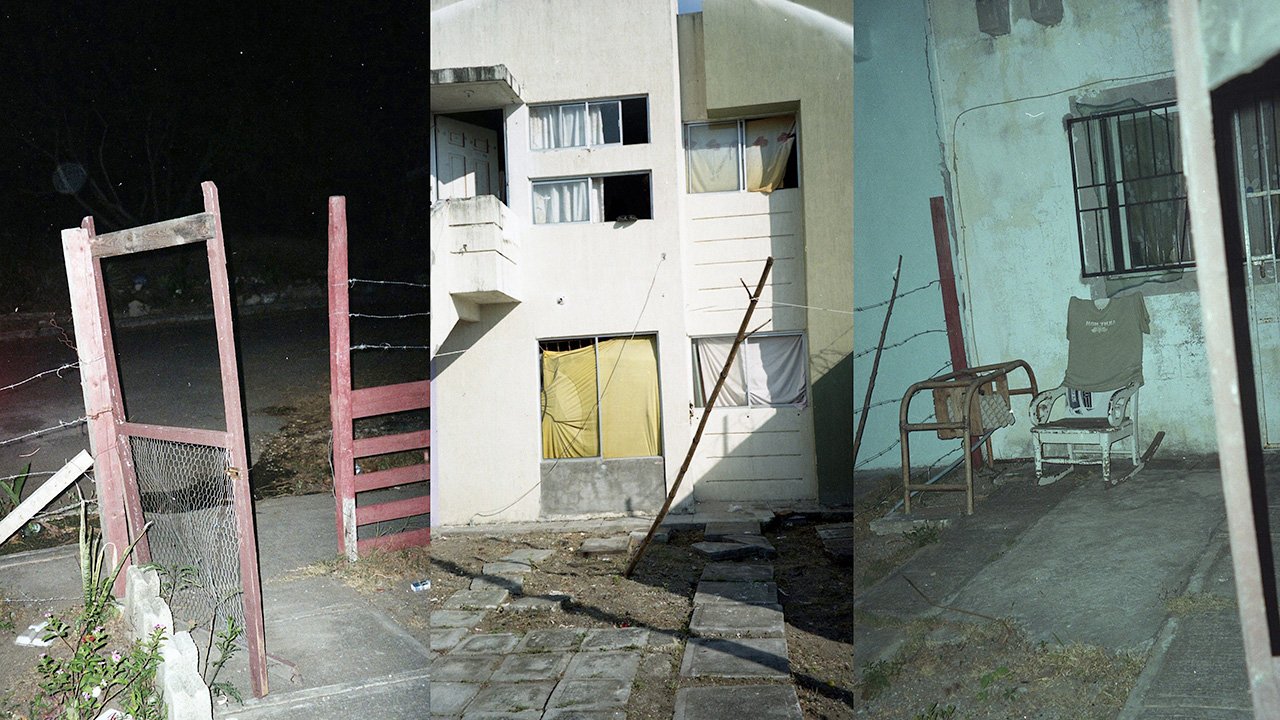
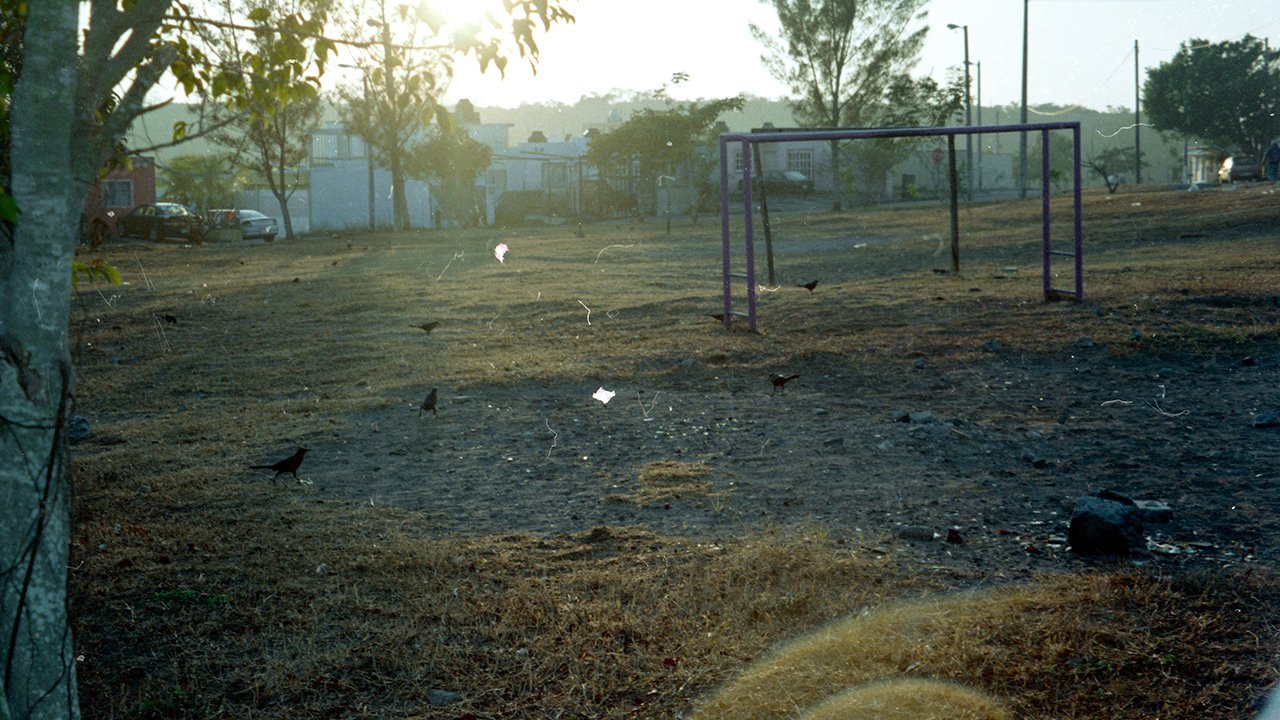
I found a way to contact the head of the group, Lucy, in a local paper. The position of the graves is peculiar: they are not situated in a deserted place, far from houses, but about a 15-minute walk from one of the suburbs of Veracruz, Colinas De Santa Fé. Lucy put me in touch with Celia, who lives in that particular suburb, and spends eight hours of every workday by excavating the graves, with the help of a few other women. Celia welcomed me to her home, we woke up and had coffee together, then walked to the entrance of the graves, watched the sunrise, and met the other members of the group at a designated meeting point. I had not received authorisation, so I was officially unable to enter the site. I was snuck in once with the help of the group.
There were 731 missing persons registered in the state of Veracruz in 2018. The Colinas de Sante Fé site was fully excavated, with only 16 of the 300 dead bodies identified. 2018. There was another mass grave found in Veracruz on September 8, 2018, with the remains of 166 people.
AN INFERNAL PLAY
Kovalovszky Dániel

Daniel Kovalovszky (1979, Budapest)
website : www.kovalovszky.com
email: kovalovszky@gmail.com
Cell: +36203116823
Solo shows:
- Green Silence - Forest Hideout, Ferenczy Museum, Szentendre, HUN
- 2013 : Green Silence, The Hungarian House of Photography, Budapest,HUN
- 2012 : Green Silence, Month of Photography, Hungarian Cultural Institute, Bratislava, SVK
- 2010 : Memory Factory, Lumen Gallery, Budapest, HUN
- 2009 : Memory Factory, The Hungarian House of Photography, Budapest, HUN
- 2007 : Shooting Stars, Raiffeisen Bank Gallery, Budapest, HUN
- 2005 : Sterile Timelessness, Gödör Club, Budapest Group shows (selected):
Group shows (selected):
- 2017 : Viewfinders – Hungarian photography 1967-2017, Robert Capa Contemporary Photography Center
- 2017 : The Way They See. An Overview of Hungarian Photography, National Museum, Warsaw, Poland 2016 : Hungary Through Subjective Lenses, Parvis de l'Hôtel de Ville, Paris, FRA
- 2016 : Pecsi Jozsef Photography Grant 1991-2016, Robert Capa Contemporary Photography Center 2016 : One Day in Budapest, The Hungarian House of Photography, Budapest, HUN 2016 : Biosphere, Art Zone, Sziget Festival Budapest, HUN
- 2016 : Pictures and Pixels, National Salon, Kunsthalle, Budapest, HUN
- 2016 : 13 MIRRORS - Contemporary Hungarian Photography, Prospekto Gallery, Vilnius, Lithuania
- 2015 : Water, Milano Expo, Hungarian Pavilion, selected by the Hungarian House of Photography, IT
- 2014 : Art Market Budapest Fair, International Contemporary Art Fair, Millenaris Convention Center, HUN
- 2013 : Art Market Budapest , Millenáris Park
- 2013 : Hungarian Art Photography in the New Millennium, Hungarian National Gallery, HUN
- 2012 : Budapest Positive, The Hungarian House of Photography, Budapest, HUN
- 2012 : Budapest Positive, National Museum of Tirana, ALB 2012 : Art Market Budapest Fair, International Contemporary Art Fair, Millenaris Convention Center, HUN
- 2012 : Other Worlds, The Art Gallery at Flannels, Leeds, UK
- 2011 : Foto8 Summershow 2011, Host Gallery, London, UK
- 2011 : Budapest Pozitív, Maribor, Szlovénia
- 2011 : Art Market Budapest, Millenáris Center
- 2010 : Present Continuous I-IV, Gallery of Contemporary Art Celje, SLO
- 2009 : Present Continuous I-IV, Central European House of Photography, Bratislava, SVK
- 2008 : Present Continuous I-IV, The Hungarian House of Photography, Budapest, HUN
- 2006 : Present Continuous I-IV, Month of Photography Krakow, POL
Publications (selected)
- 04/2018 : Harvard Design Magazine, Into the Woods, text by Rosetta S. Elkin, USA
- 01/2018 : Analog Magazine, interview by Daniel Espinoza, Switzerland
- 11/2017 : Mozgo Vilag, text by Laszlo Gardonyi, HUN
- 11/2017 : PHROOM Magazine, edited by Giangiacomo Cirla, Italy
- 11/2017 : Vulgaris Magazine, edited by James Lewicki, Canada
- 11/2017 : Phases Magazine, edited by Alexis Vasilikos, GREECE
- 04/2017 : iGNANT, text by Nina Blace, Berlin, Germany
- 03/2017 : Don't Take Pictures, Issue 8, edited by Kat Kiernan, USA
- 02/2017 : la Repubblica, Robinson, edited by Giulia Tico, Italy
- 12/2015 : Don't Take Pictures, Photo of the Day, edited by Kat Kiernan, USA
- 11/2015 : Lenscratch Fine Art Photography Daily, edited by Aline Smithson, USA
- 07/2015 : Forward Thinking Museum, JGS Photography Contest 2015 / Runners-Up, USA
- 05/2015 : Lenscratch Fine Art Photography Daily, edited by Aline Smithson, USA
- 04/2015 : Aint-Bad Magazine, edited by Kory Kingsley, USA
- 04/2015 : F-Stop Photography Magazine, Featured Artist, curated by Christy Karpinski, USA
- 11/2014 : Feature Shoot, text by Kat Kiernan, USA
- 08/2014 : Global Yodel - Travel through a local lens, edited by Jesse Weinberg and Helen Travis, USA
- 07/2014 : PDN Online, Photo of the day, edited by Amy Wolff, New York, USA
- 05/2014 : PERDIZ Magazine / Issue 4 - Nice Things, edited by Marta Puigdemasa, Barcelona, Spain
- 04/2014 : F-Stop Photography Magazine, edited by Christy Karpinski, USA
- 03/2014 : Phaidon Online, edited by Mat Smith, London UK
- 03/2014 : Creative Review, text by Antonia Wilson, London, UK
- 02/2014 : Dodho Magazine, edited by Máximo Panés, Barcelona, Spain
- 02/2014 : Journal du Design, Montpellier, France
- 01/2014 : IL Post, text by Giulia Ticozzi, Milan, Italy
- 01/2014 : Feature Shoot, text by Jenna Garreth, USA
- 05/2013 : Hungarian Art Photography in the New Millenium book, Budapest, Hungary
- 05/2012 : The Independent online, Other Worlds, London, United Kingdom
- 10/2011 : FOTOTAZO Photography and Microgrants, USA
- 09/2008 : Round Table, The International Photography Festival Federation Summit book, Beijing, China
- 09/2006 : Present Continous book, The Hungarian House of Photography, Budapest, Hungary
Awards and honors:
- 2018 : Scholarship of Hungarian National Cultural Fund
- 2016 : Scholarship of Hungarian National Cultural Fund
- 2015 : Forward Thinking Museum, JGS Photography Contest, Runner up
- 2014 : Scholarship of Hungarian National Cultural Fund
- 2008 : Junior Prima Award, HUN
- 2008 : Photography Grant of Budapest, HUN
- 2008 : Junior Prima Award, HUN
- 2008 : Photography Grant of Budapest, HUN
- 2008 : 65th Pictures of the Year Competition(POYi), 3th place, Portrait Story, USA
- 2006 : 63th Pictures of the Year Competition(POYi), 2th place, Feature Picture Story, USA
- 2006 - 2008 : Jozsef Pecsi Photography Scholarship
- 2004 : Scholarship of Hungarian National Cultural Fund
Membership:
- Studio of Young Photographers,
- HUN Associations of Hungarian Photographers, HUN
DARK YET LIGHT-SENSITIVE
1.
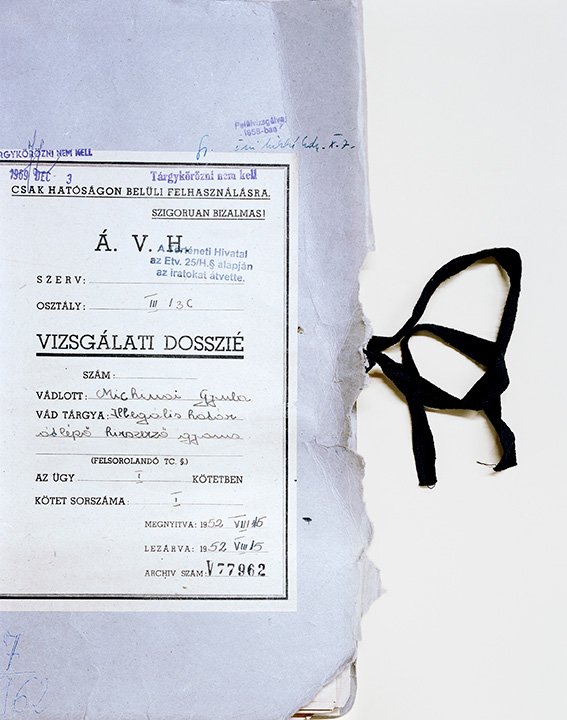
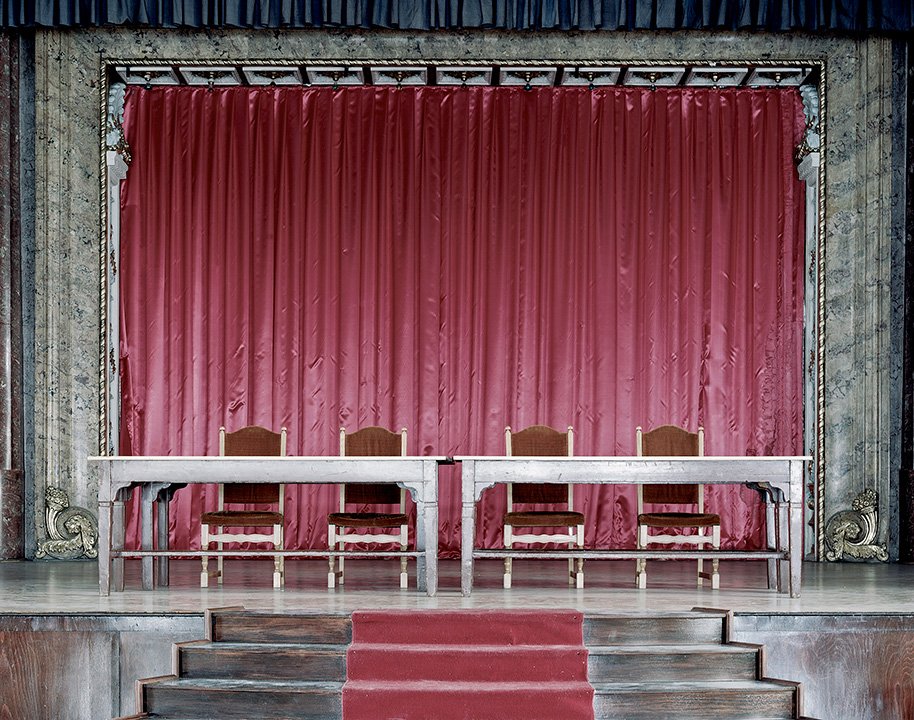
Any body immersed in humour experiences an apparent loss in weight that is equal to the weight of the problem displaced by it. Archimedes’ principle personalized. It is no happenstance that one of the darkest and most bitter chapters in the history of Hungary was elevated to an unreservedly discussable chapter by a comical motion picture, “The Witness” (also known as “Without A Trace”) directed by Péter Bacsó in 1969. While Bacsó’s film is about the darkest pits of hell, its cheerful scenes iron out the wrinkles of the past and relieve somewhat the remaining burning shame via jest. “Life’s no piece of cake,” says Comrade Virág, and like this, embalmed in humour, it seems almost acceptable that the world can at times degrade into a shameful place. Lo and behold, the recipe on how to address the dictatorial world of the Rákosi and the early Kádár era (1945-1963), skipping the strict confines of academia. A world, in which hundreds of thousands were sent to labour camps, imprisoned, or executed on false charges in the course of show trials. And we were overshadowed by an era, where people were terrified. They did what the conductors of the party and the political police commanded them to do so. If they had to, they applauded; if they had to, they sobbed; if they had to, they were staring past bloody political trials glassy-eyed. These were hard times, permeated by evil.
2.
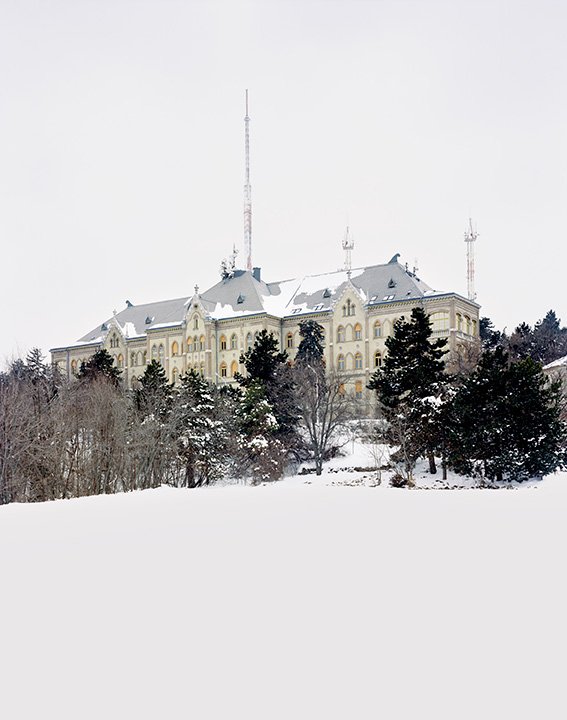
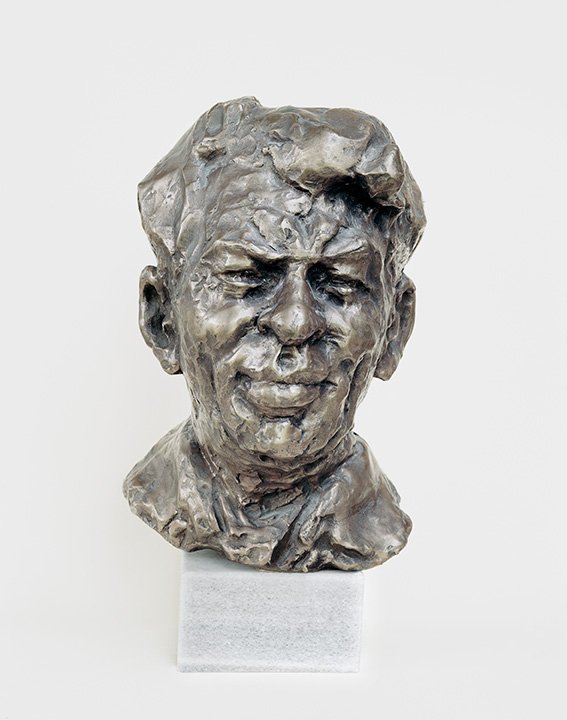
And then along comes a photographer who decides to process this era with his own tools. His intentions are contradictory to common sense since this ramose series of events full of secrets and labyrinthine mysteries is nigh impossible to interpret in the language of the visual. Even if it is, it’s at most in a conventional, partial, superficial manner. Possibly, in alliance with words and facts, but then quite awkwardly. Dániel Kovalovszky, however, has taken on the challenge. How is a photograph transformed into a feeling, the feeling into words, the words into accurate, expressive sentences? It takes discipline and humility to realize the role one plays in a story. Kovalovszky does not wish to become the protagonist. He simply undertakes the task to show in its entirety, and present in a comprehensible way an ugly slice of history, through the lens of his camera. But can that be accomplished? Judging by this collection, it can. For though the subject is dark, yet it is light-sensitive..
3.
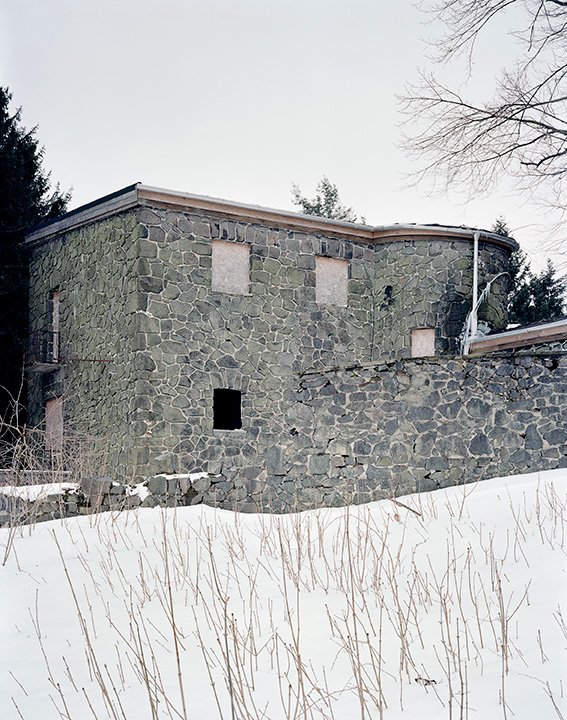
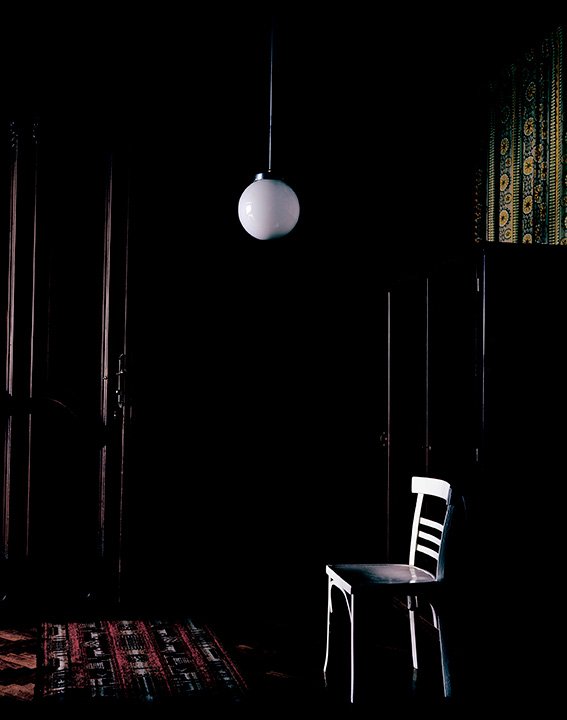
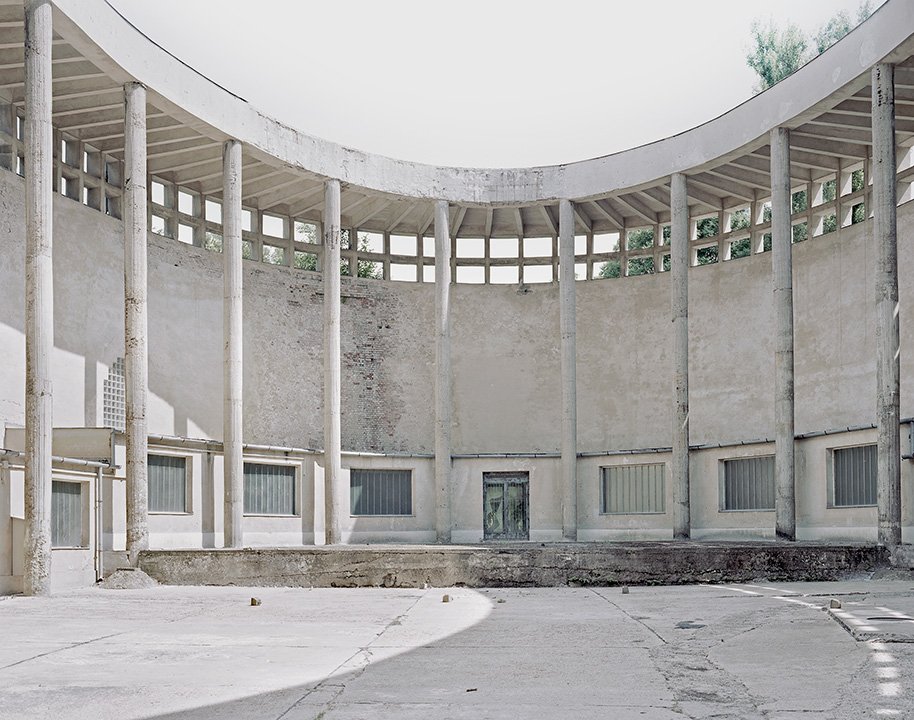
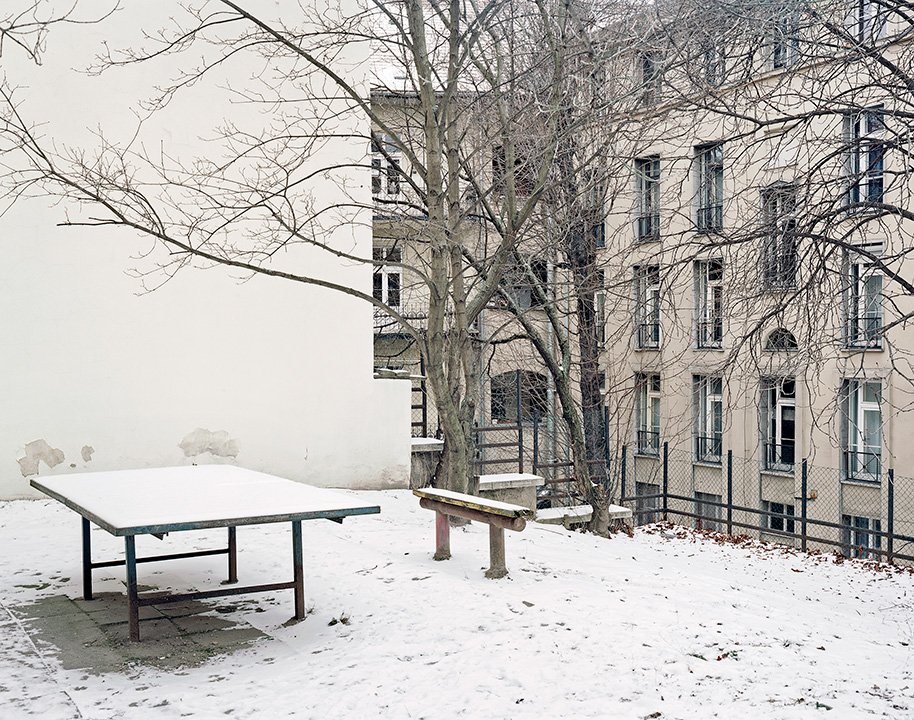
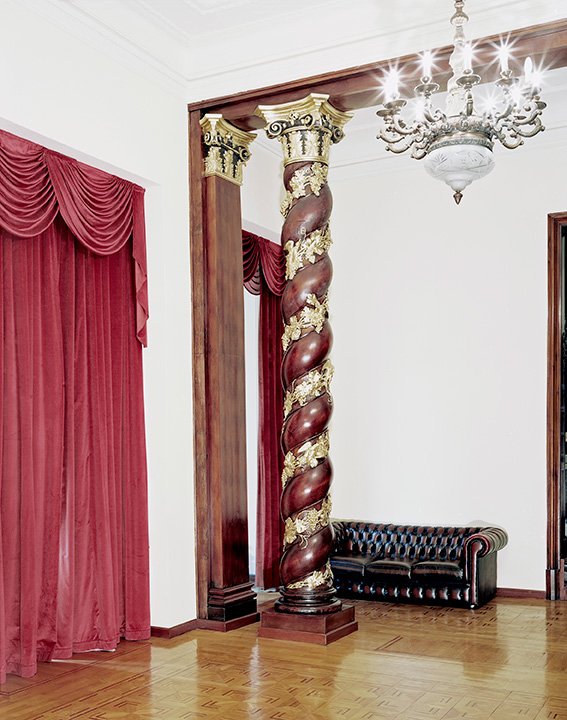
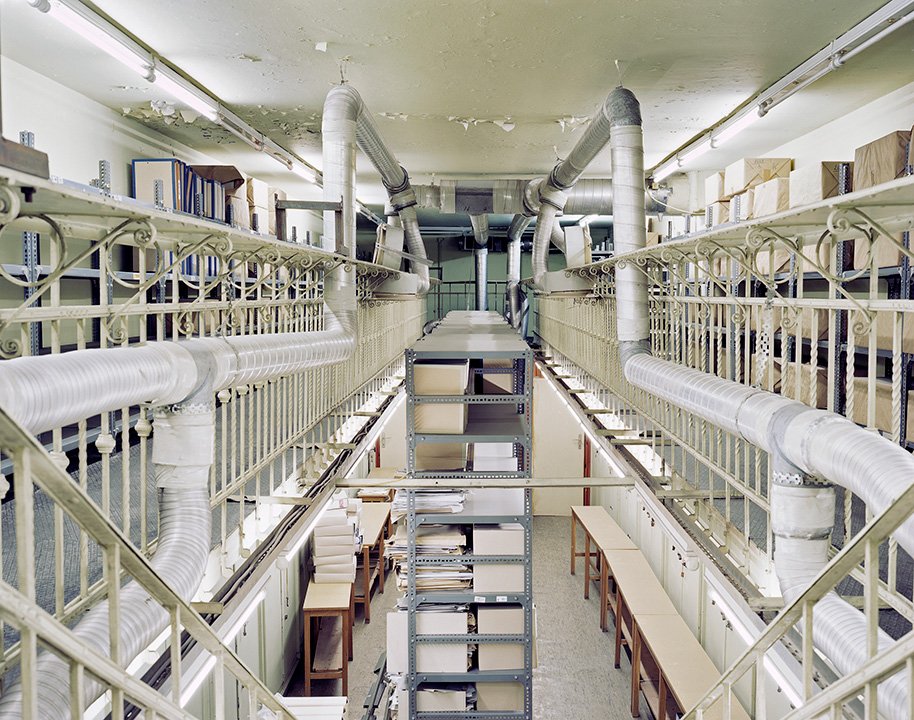
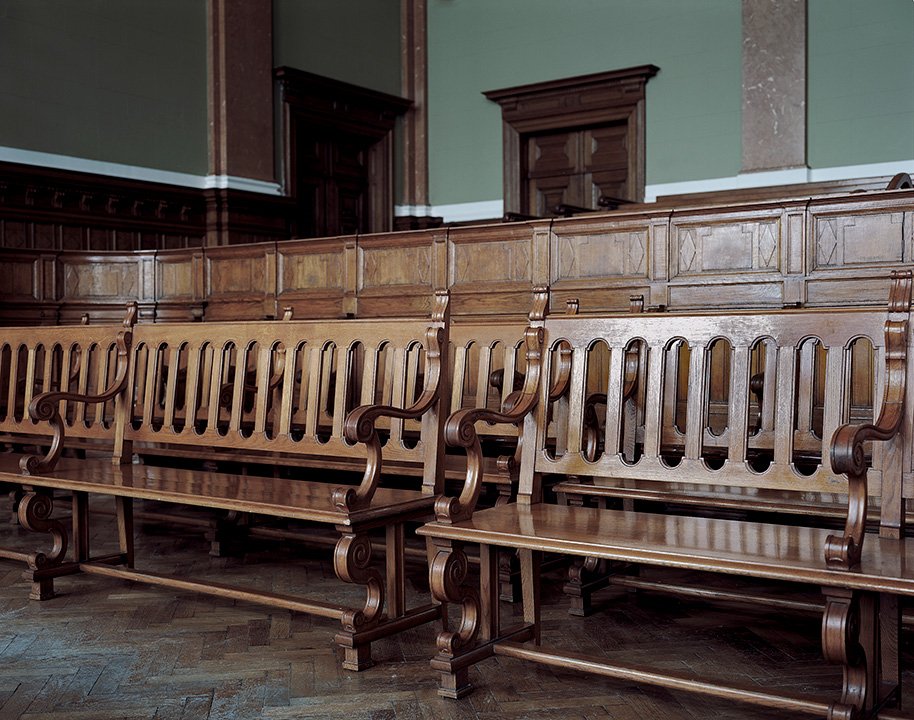
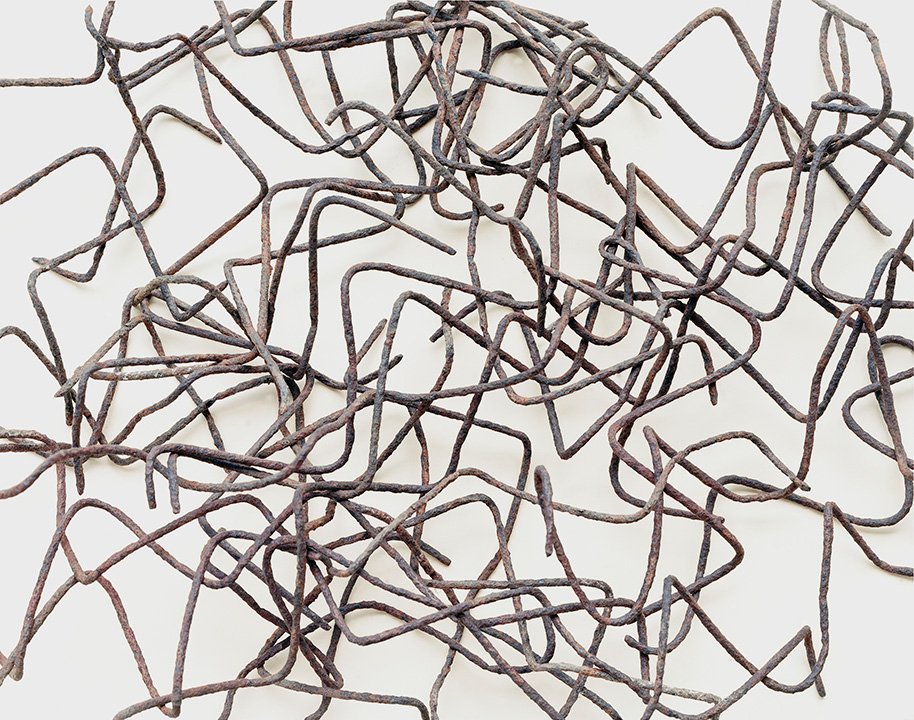
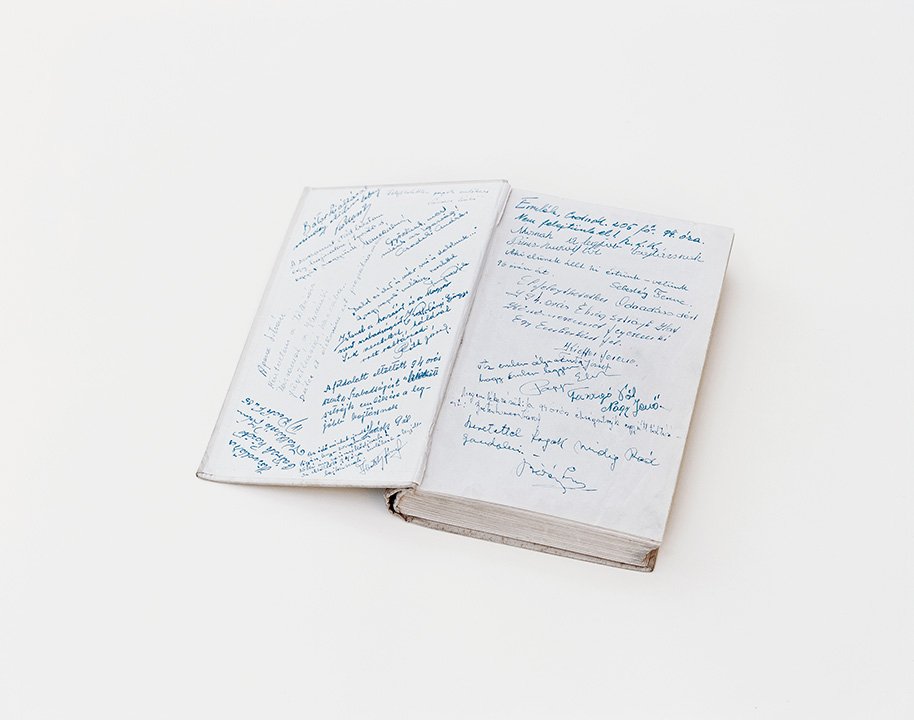
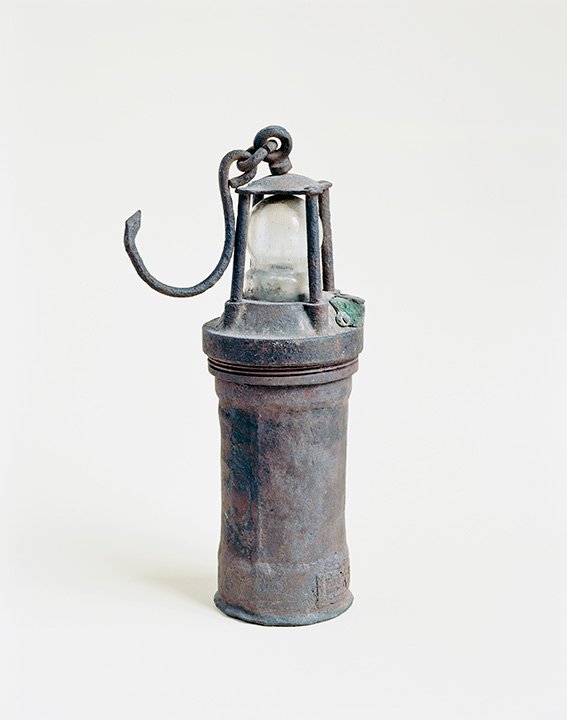
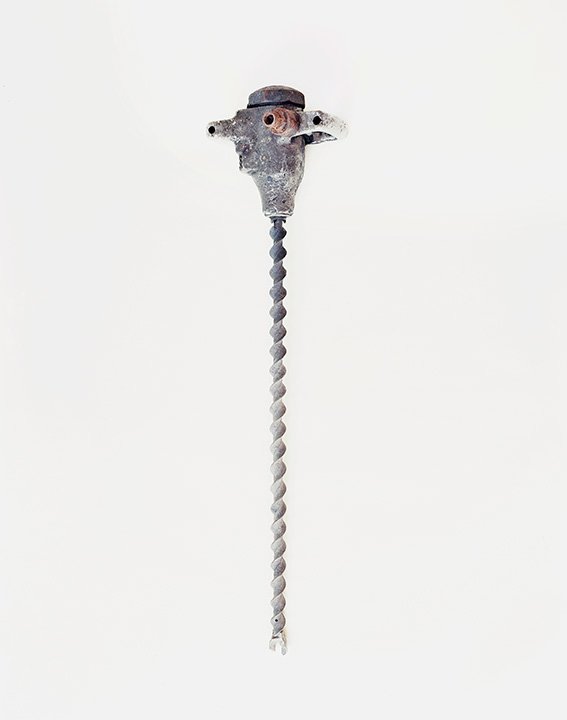
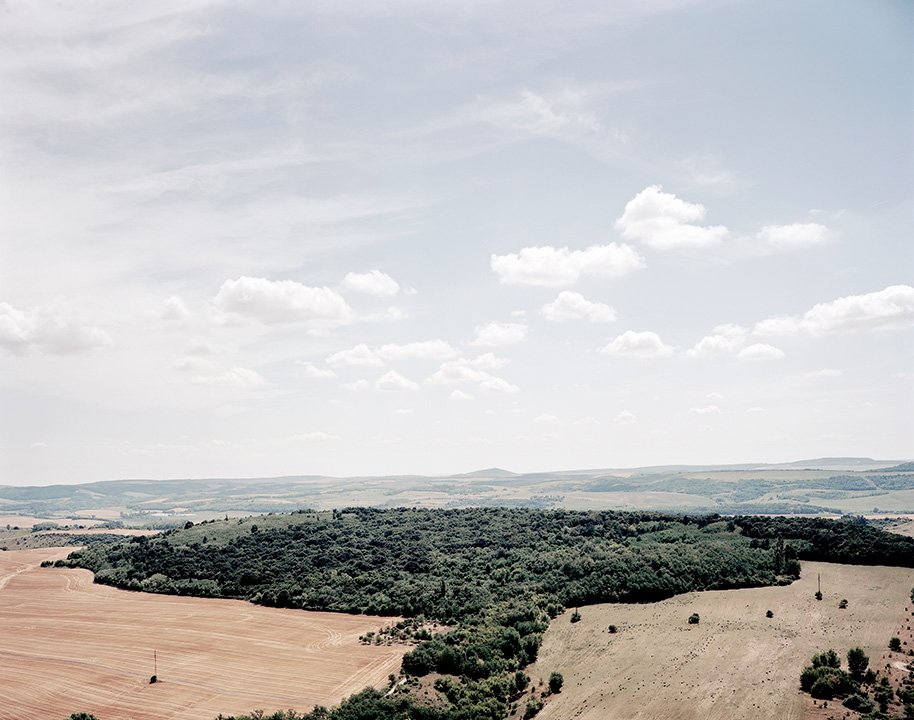
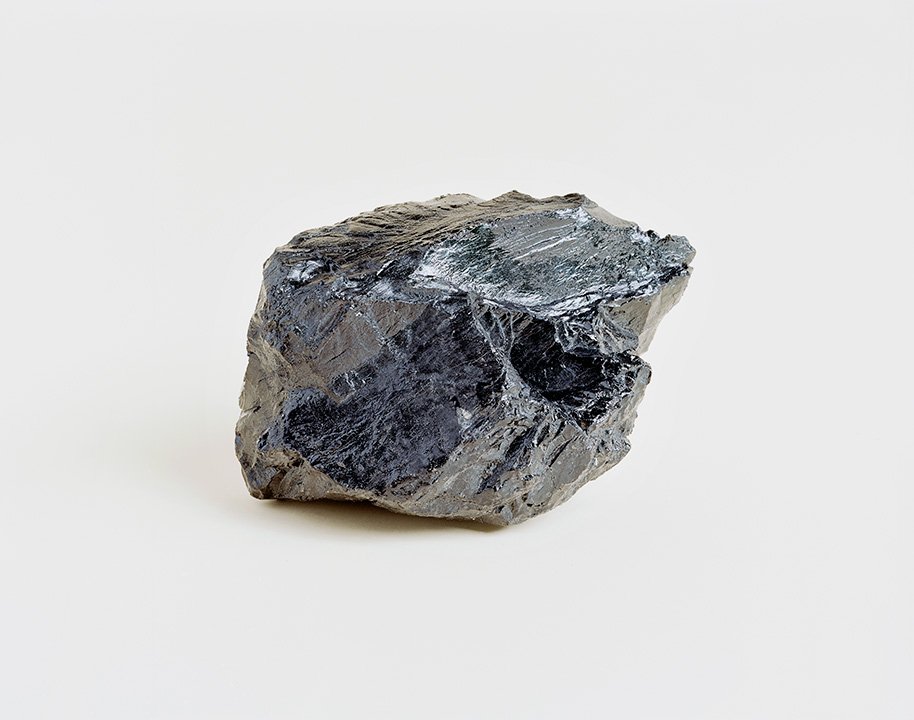
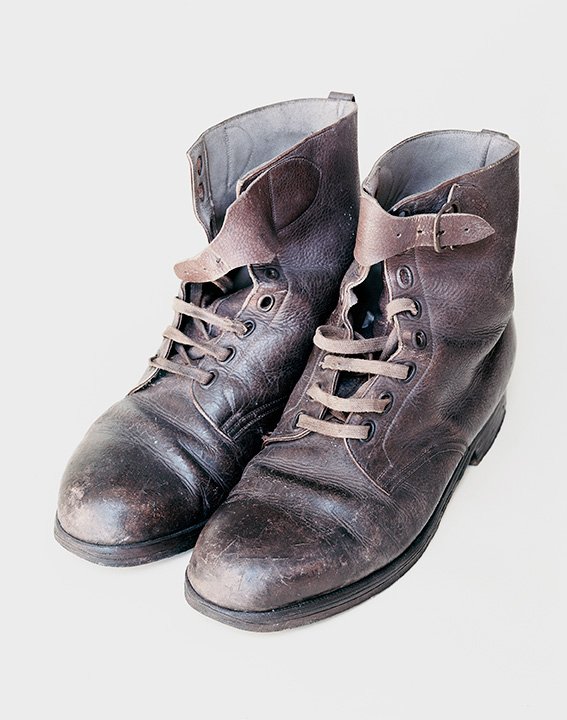
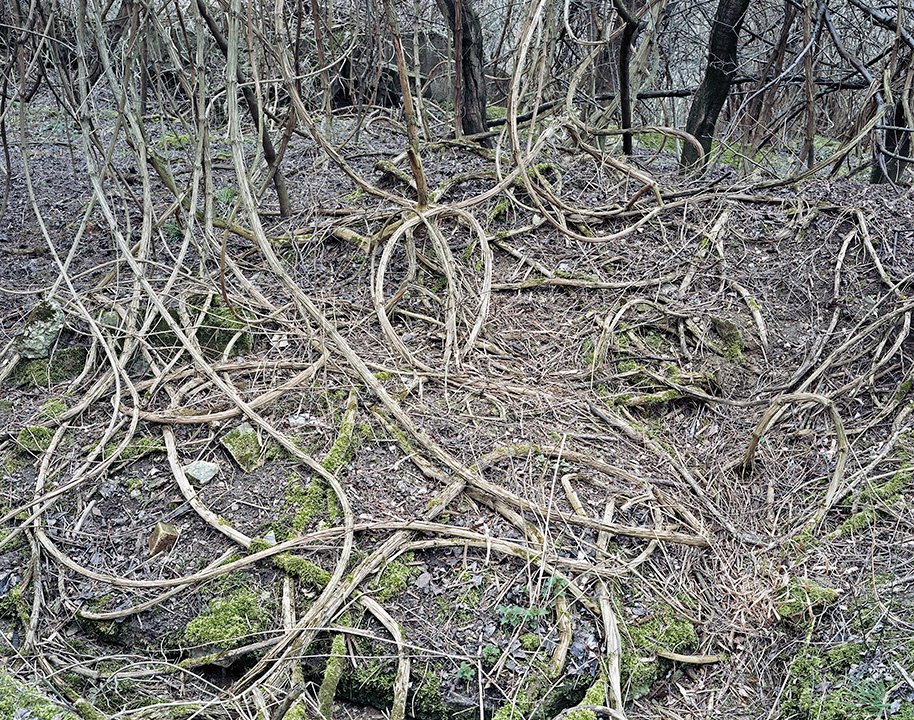
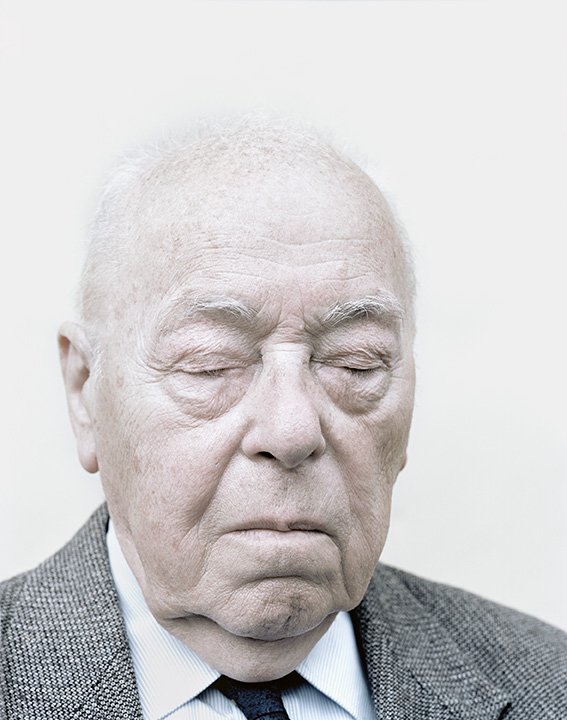
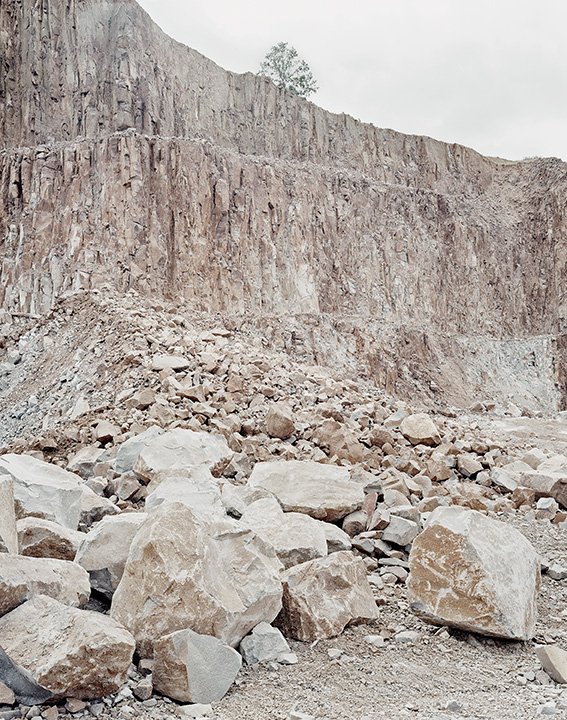
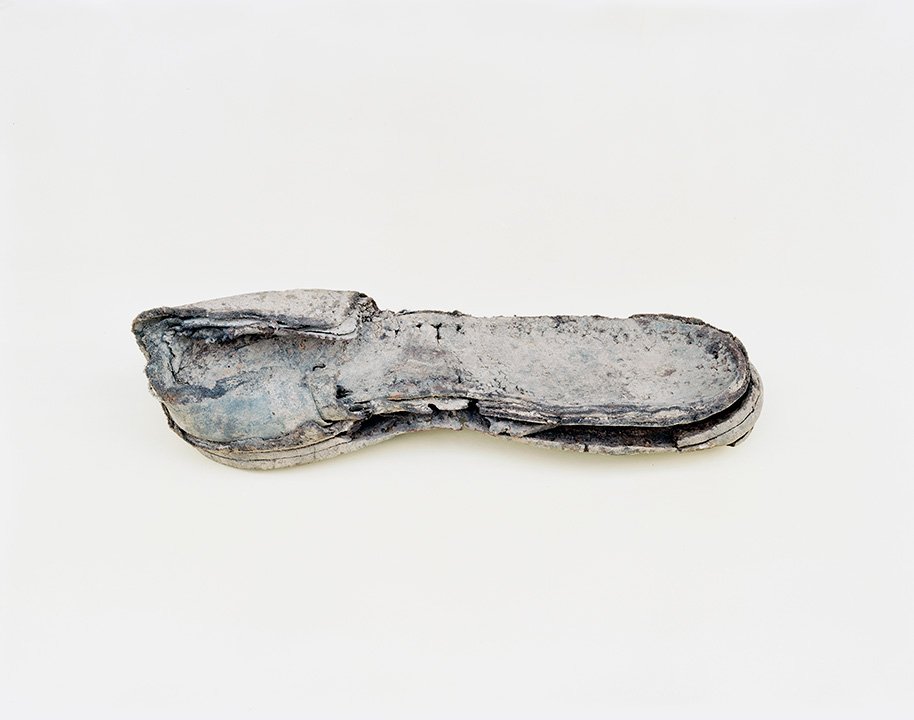
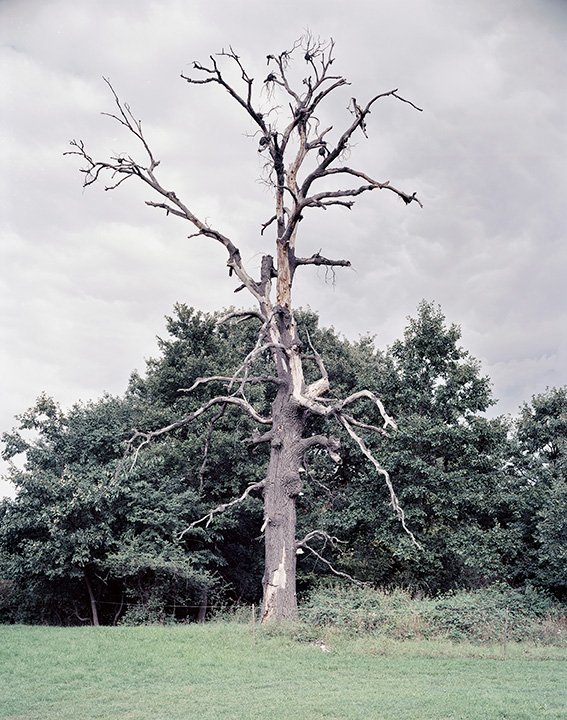
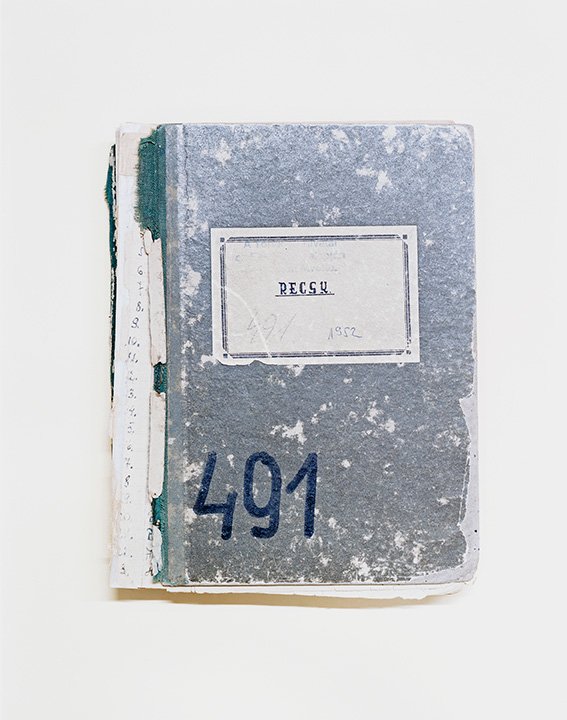
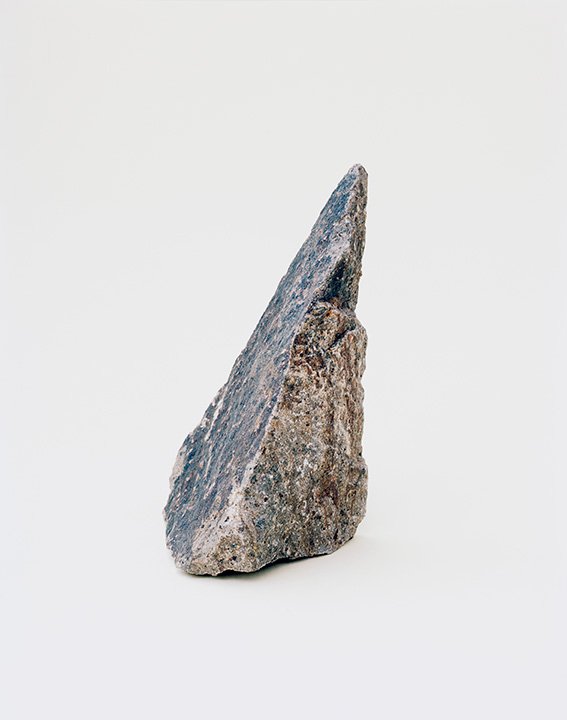
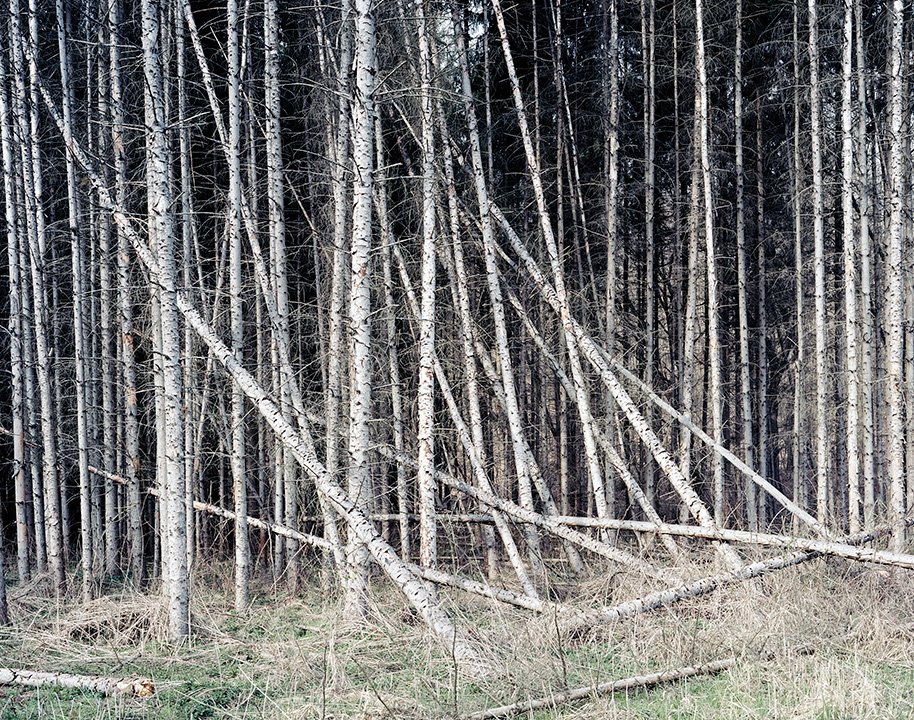
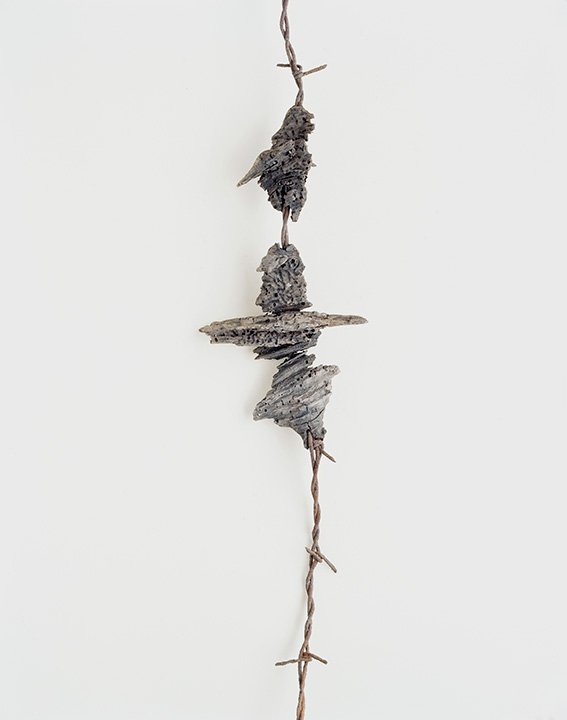
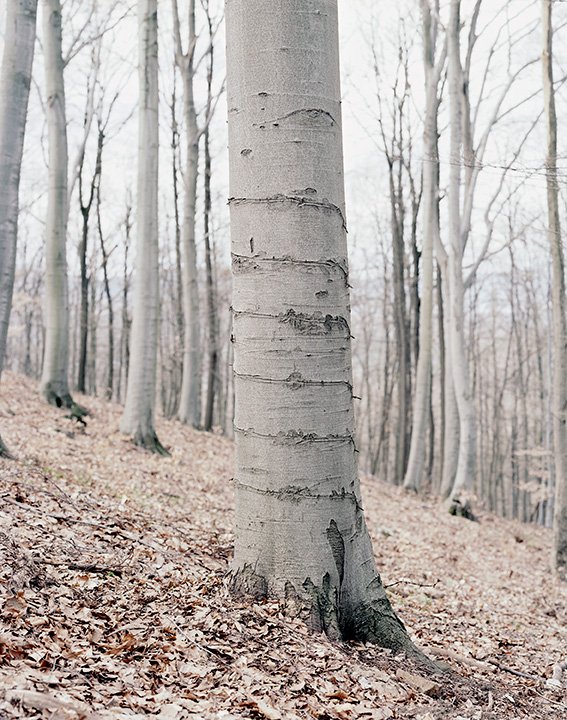
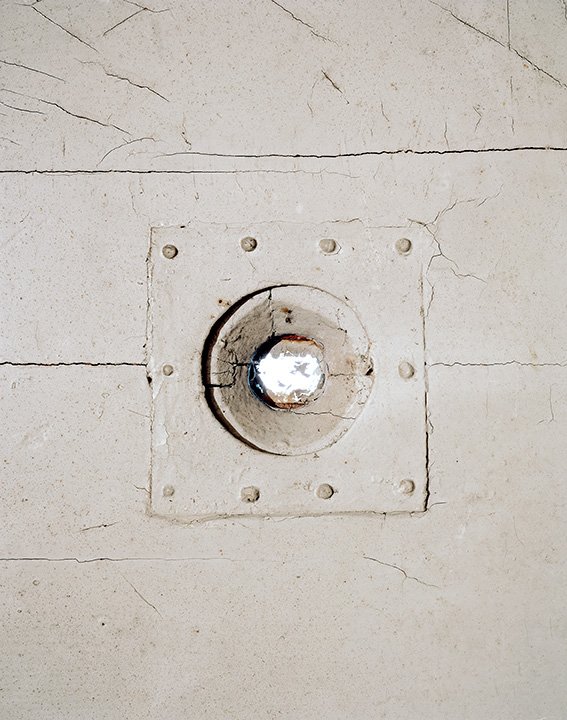
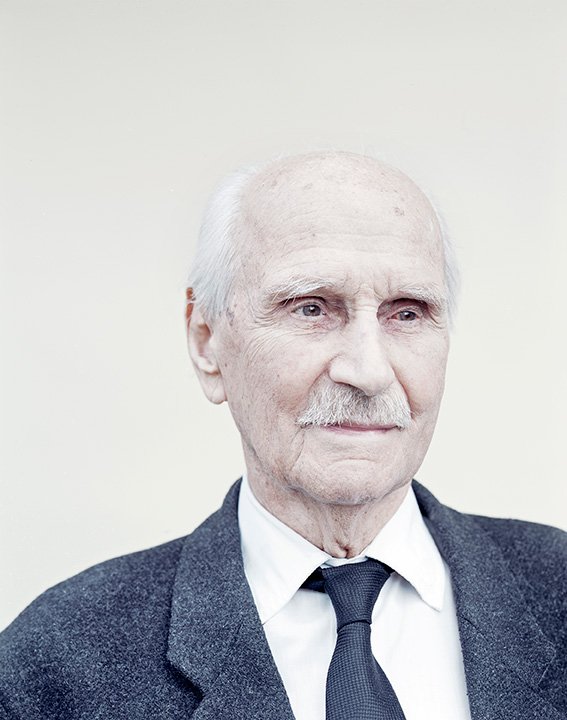
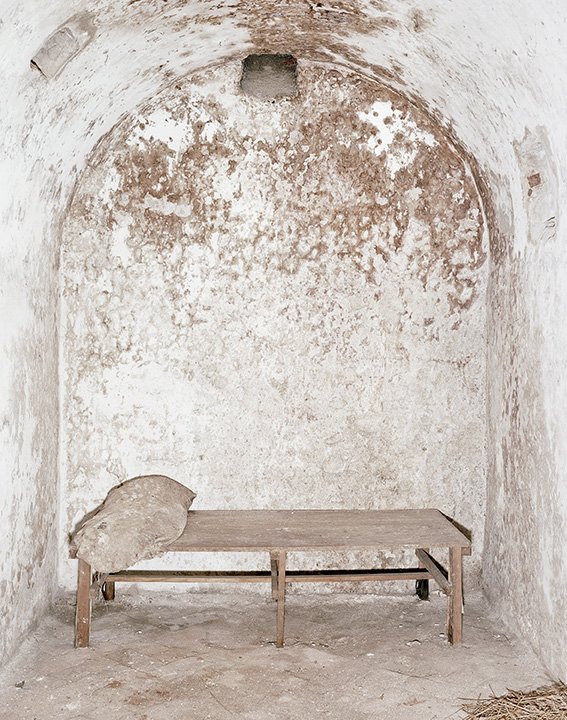
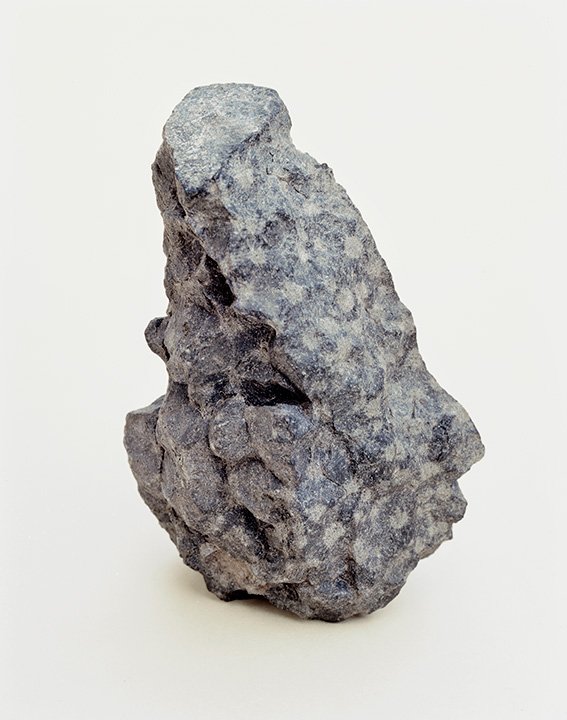
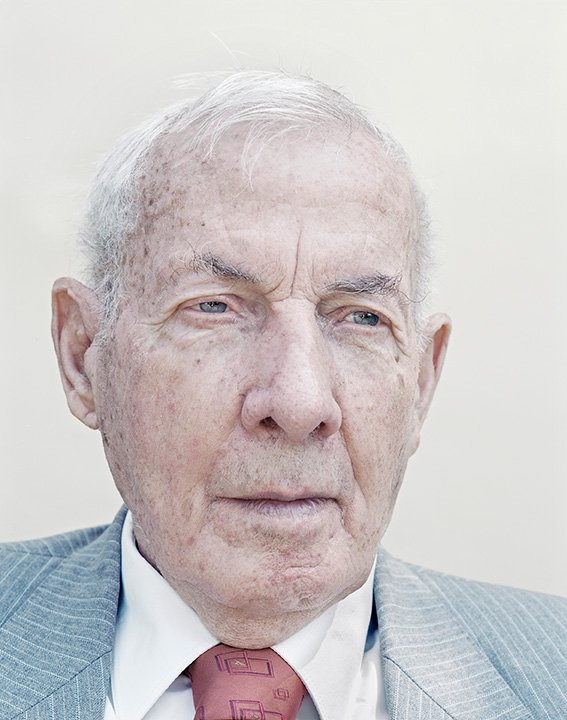
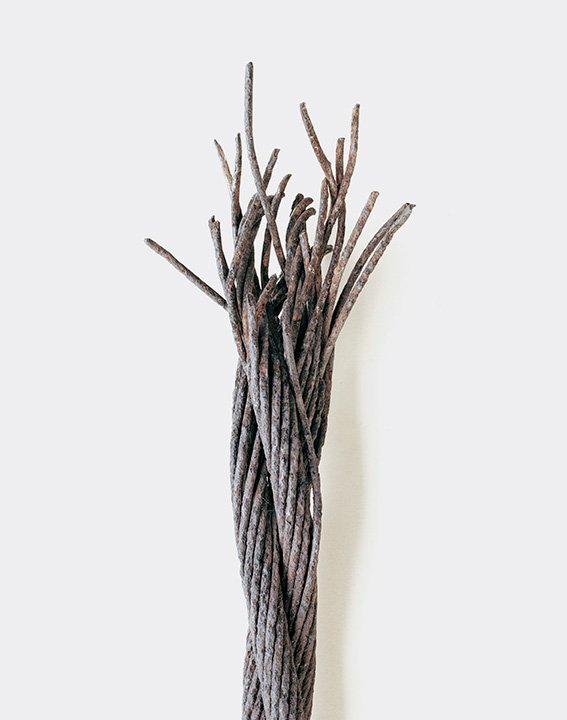
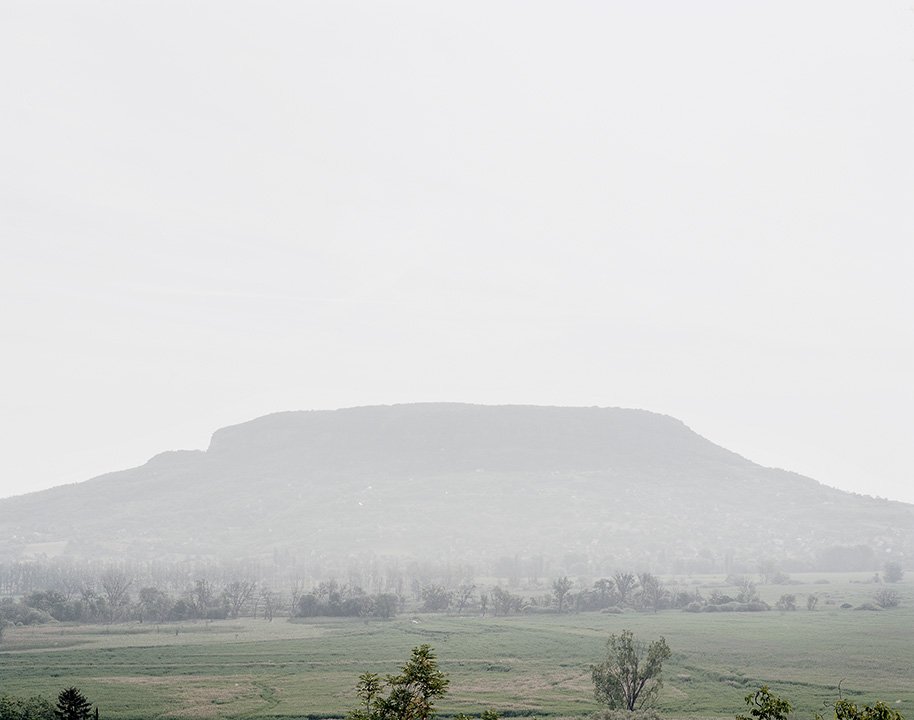
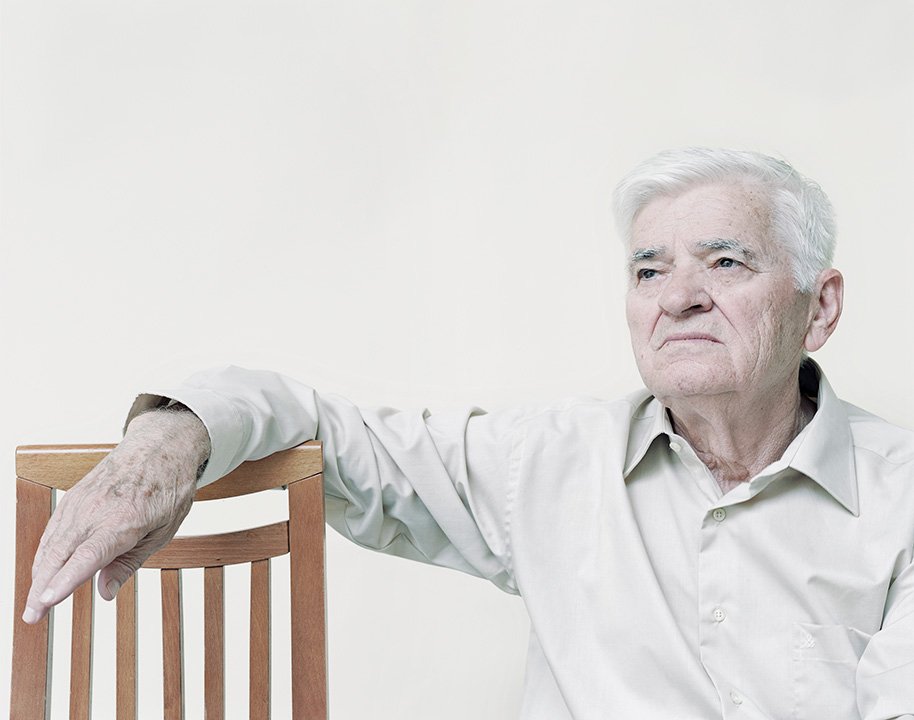
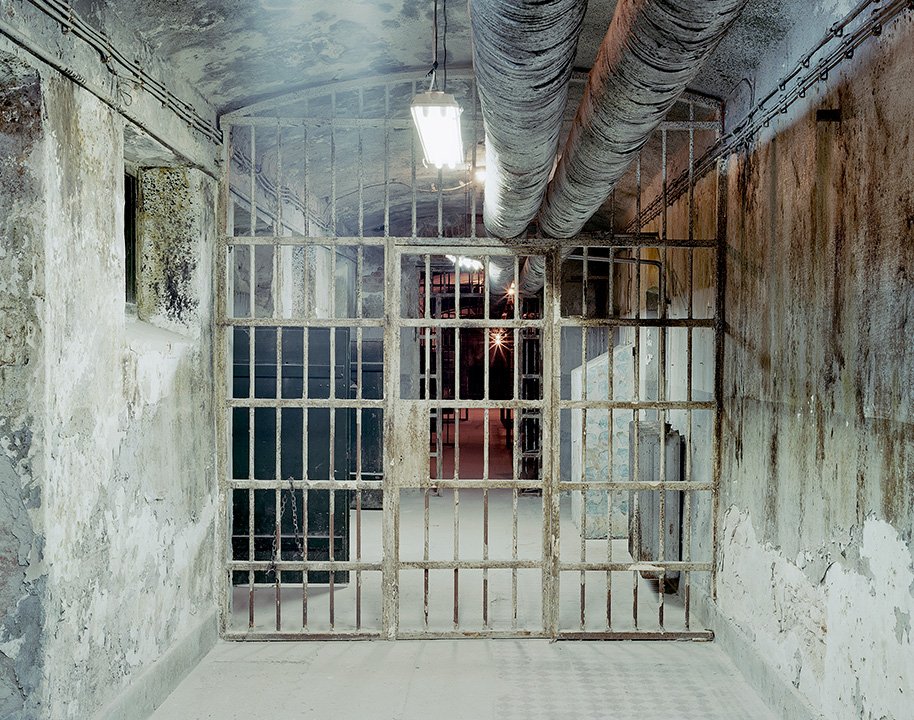
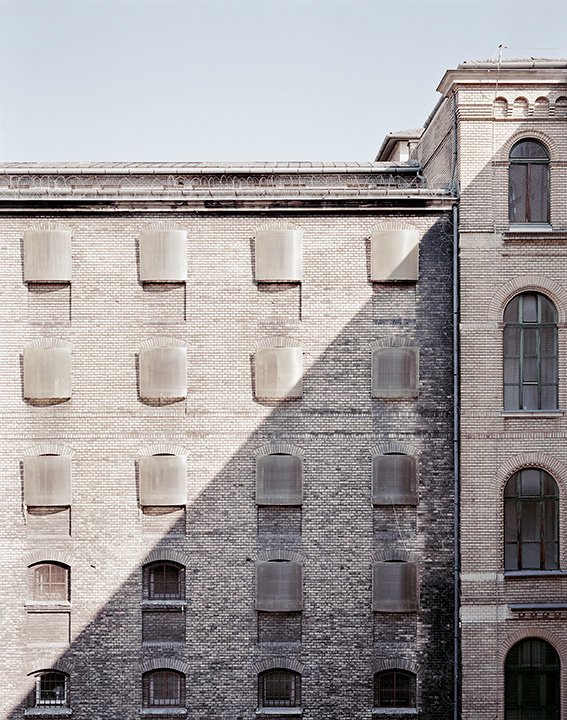
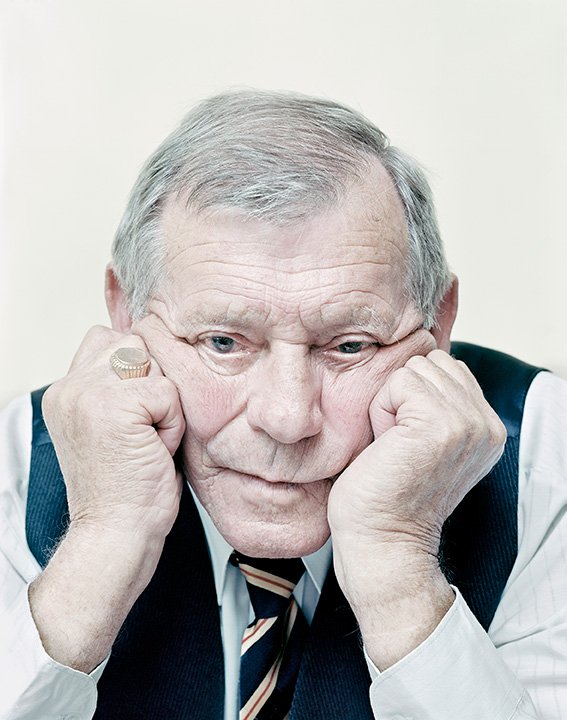
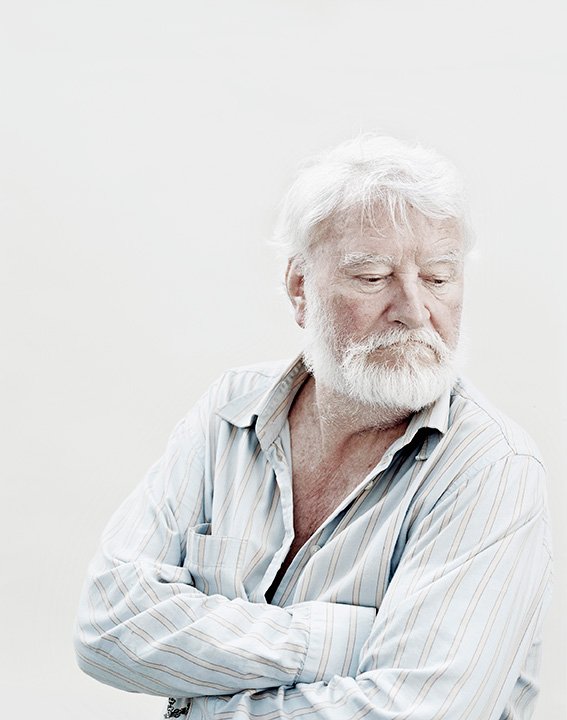
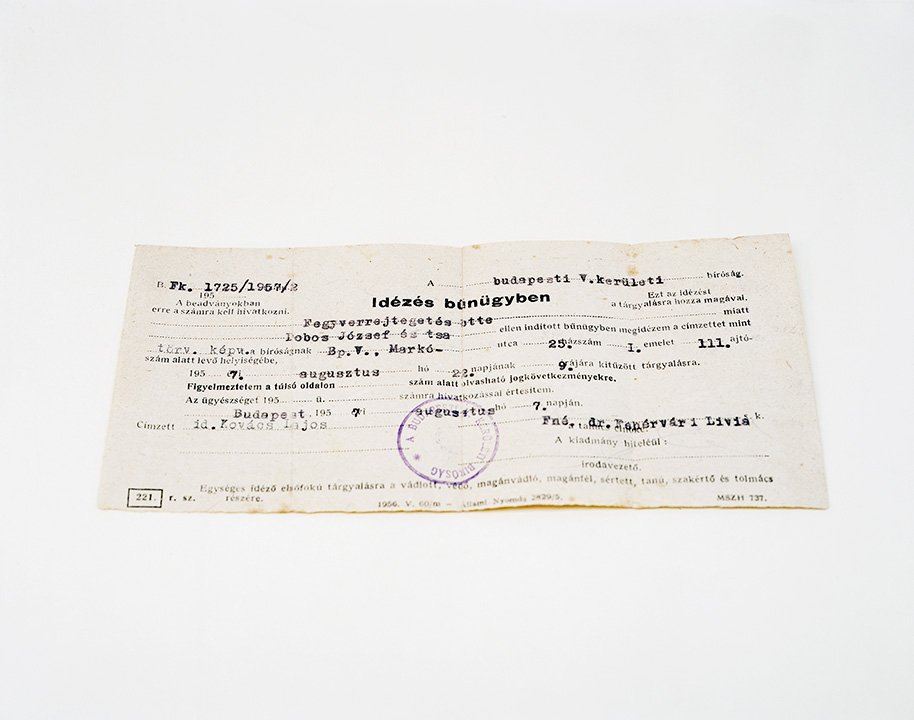
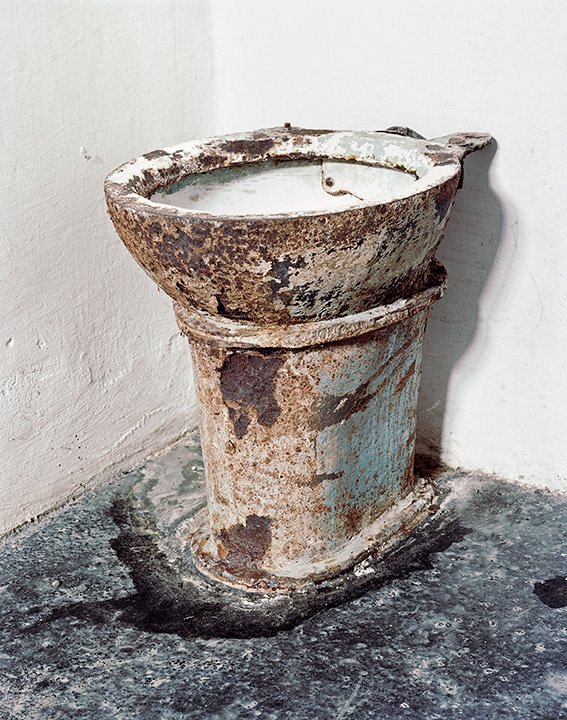
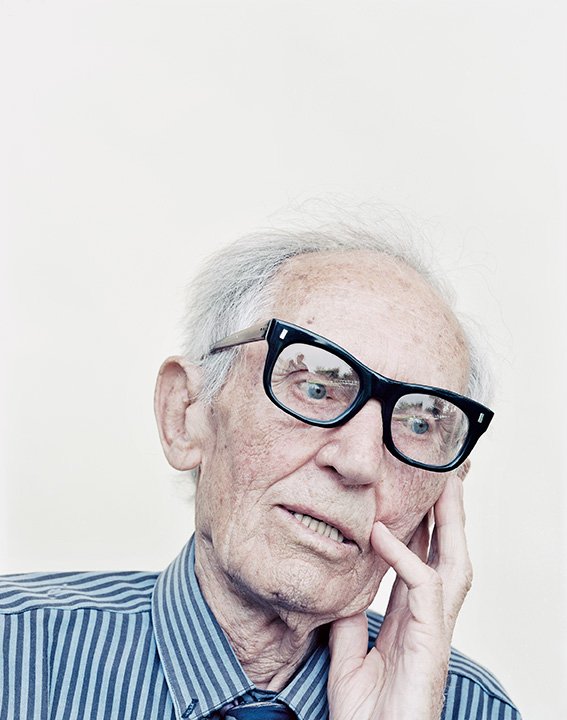
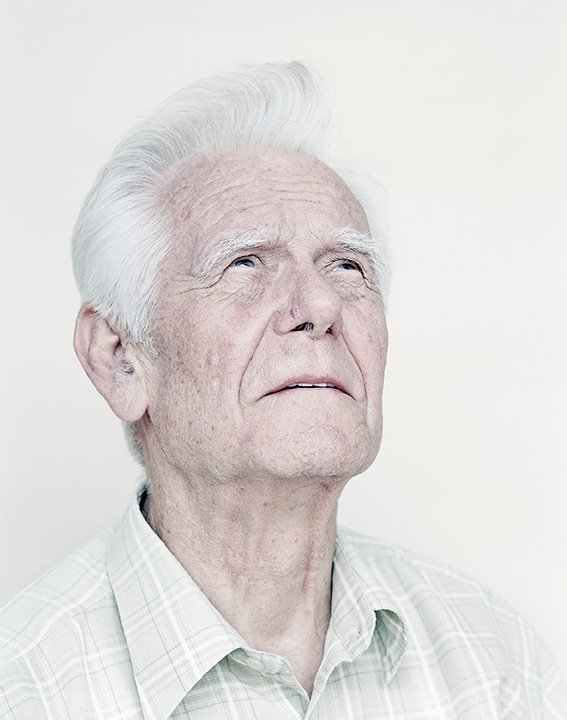
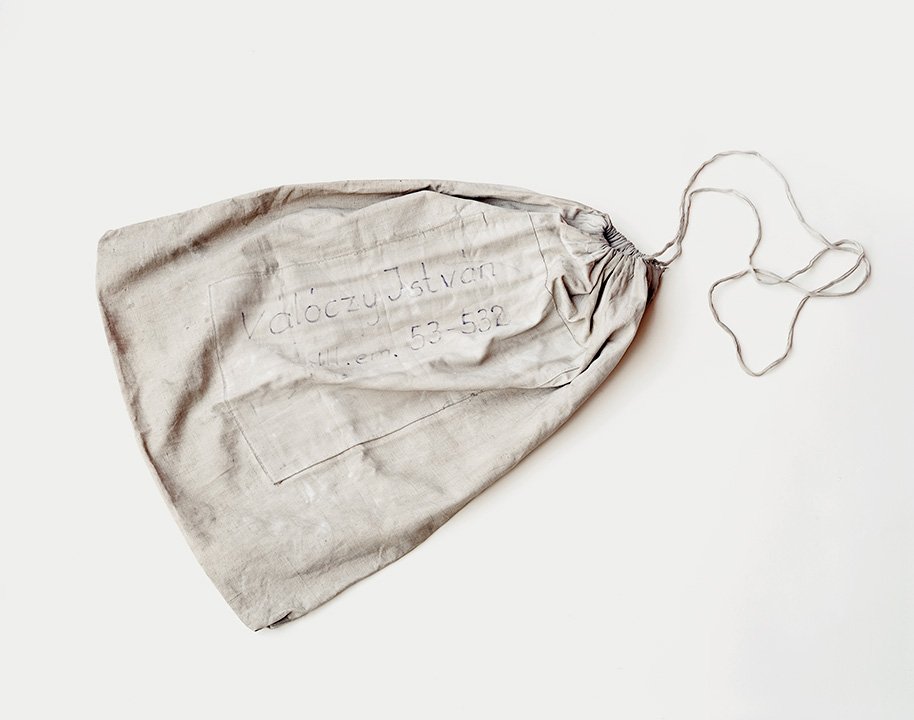
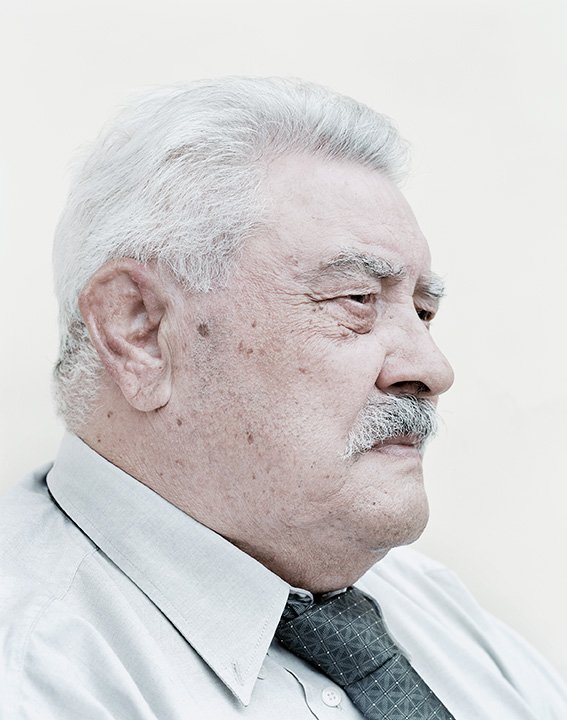
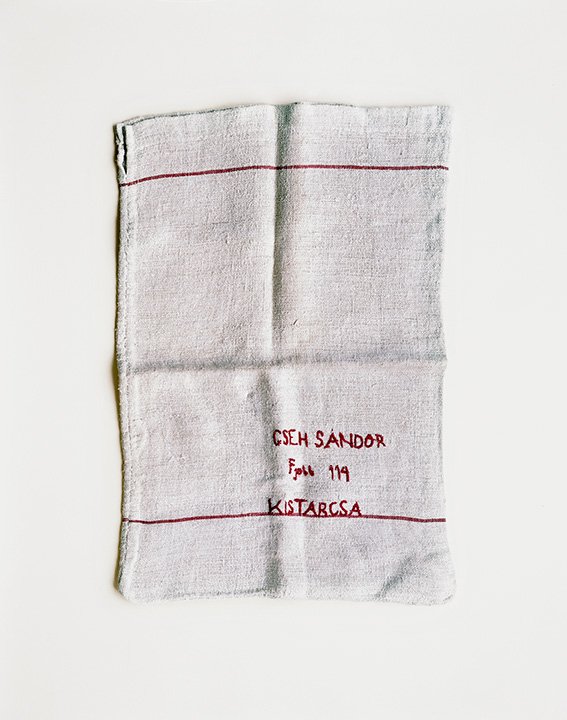
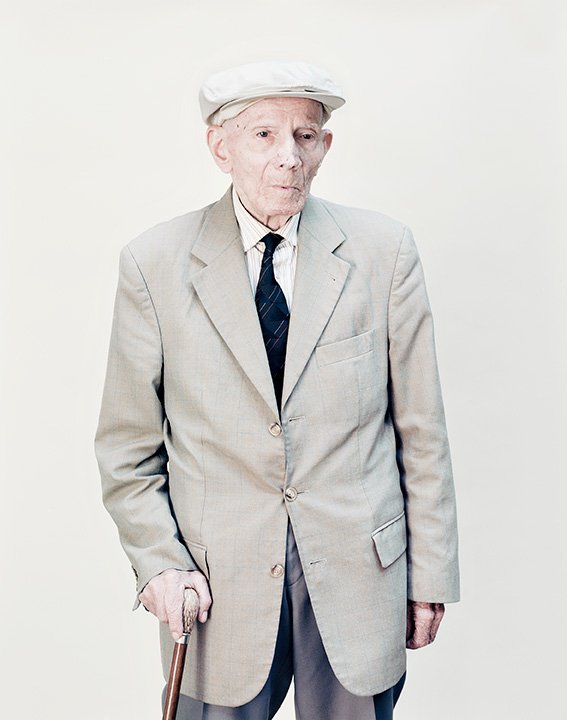
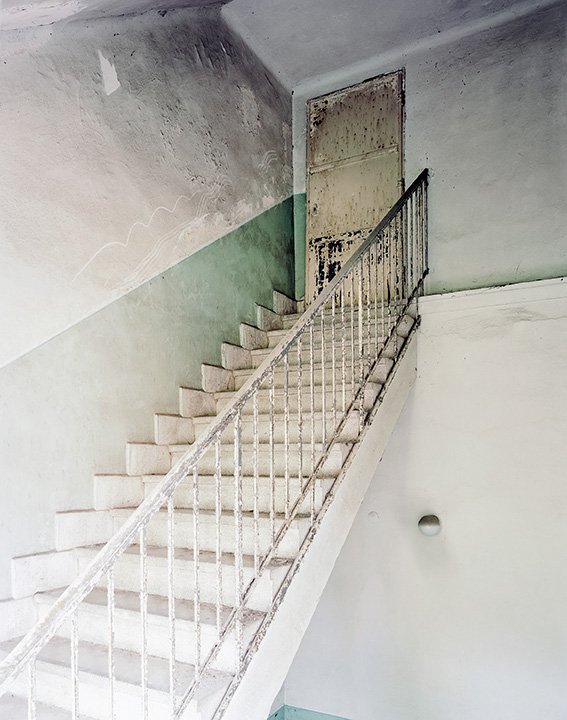
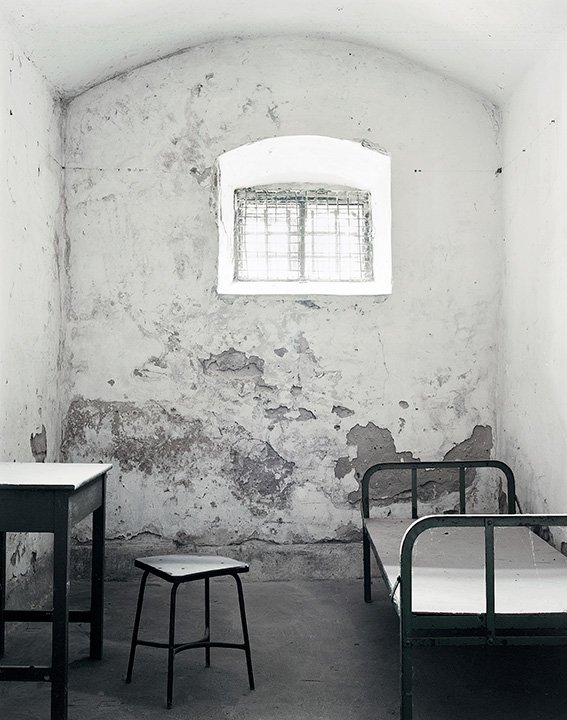
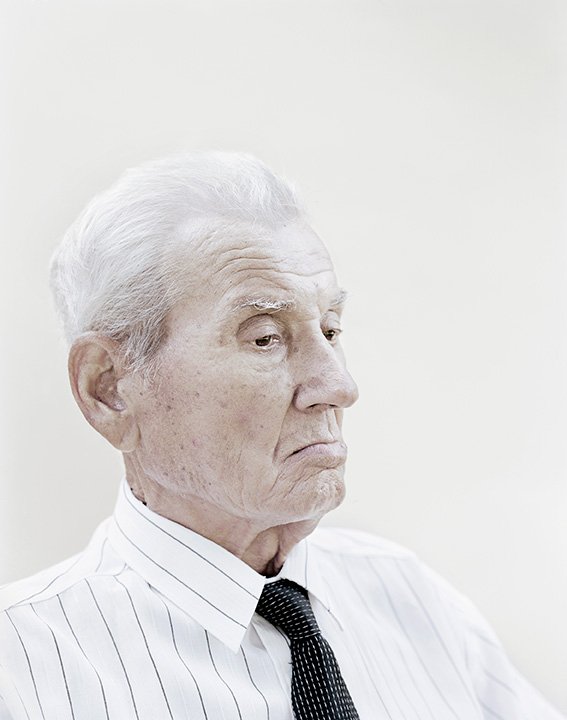
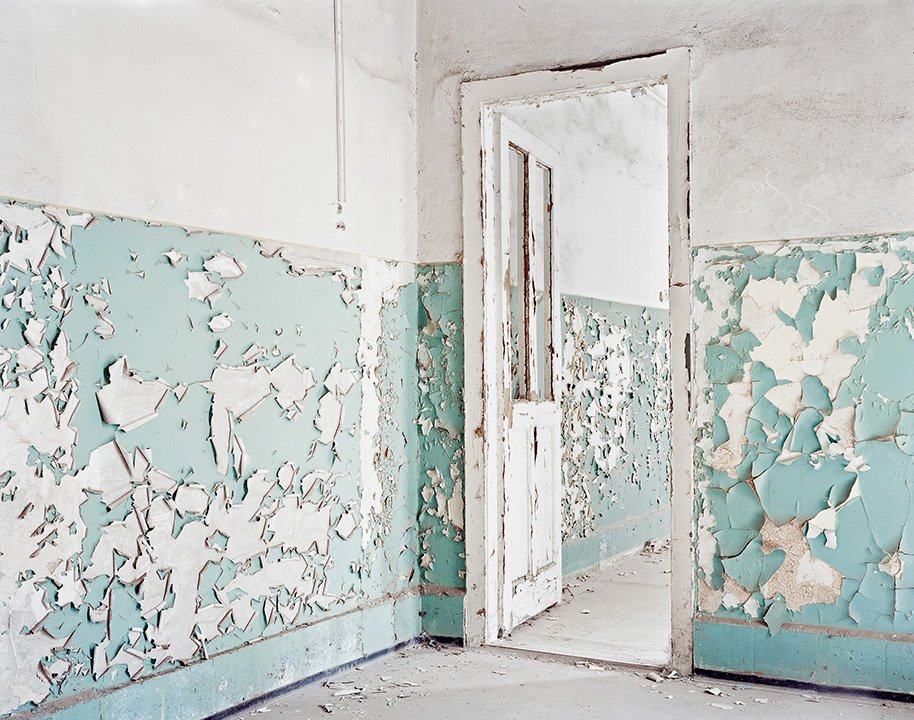
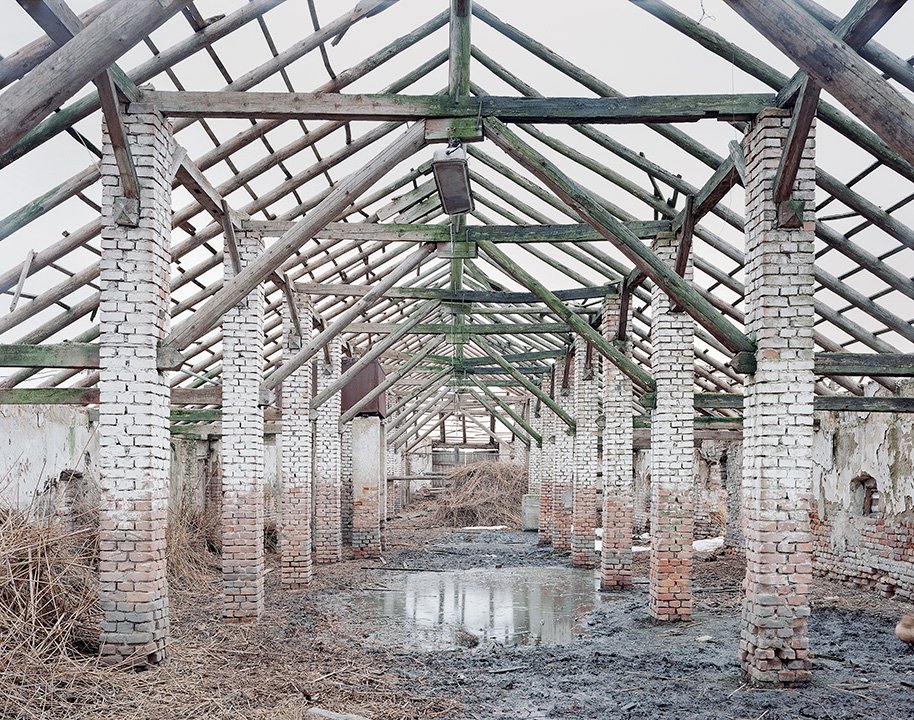
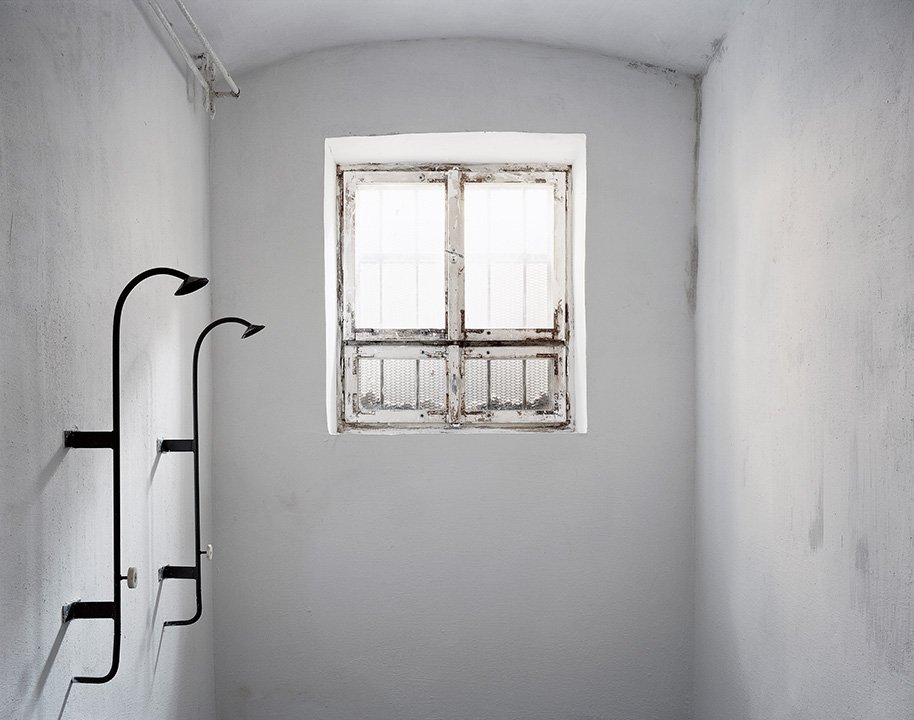
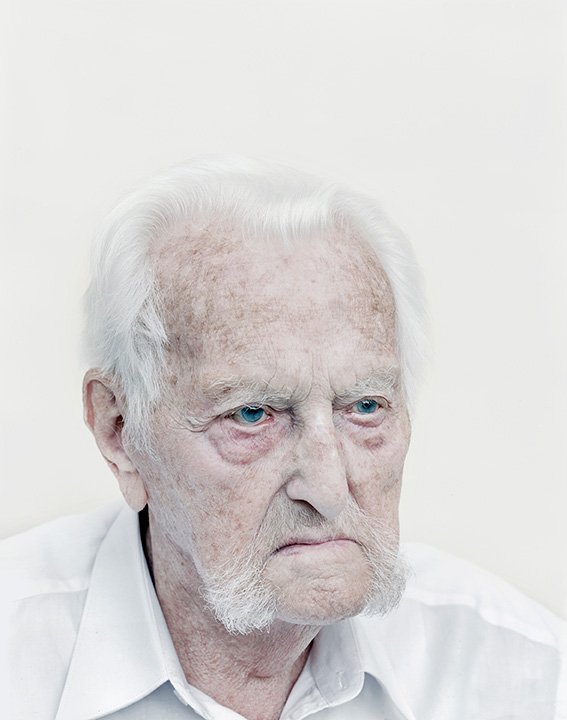
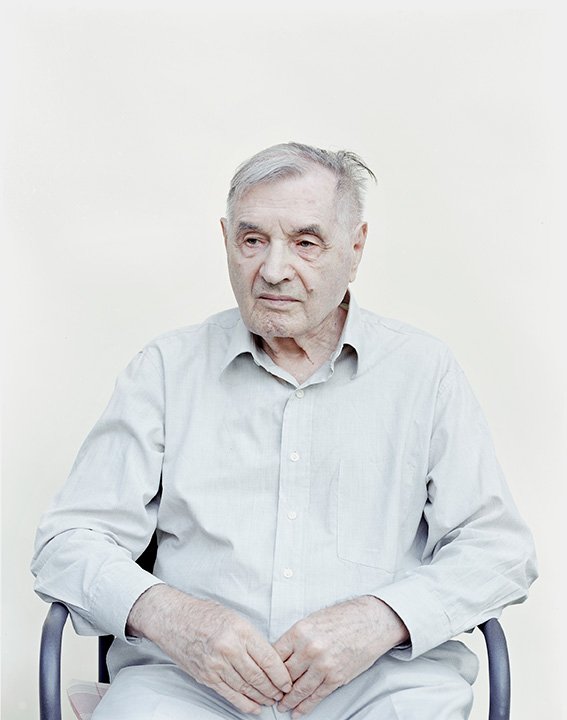
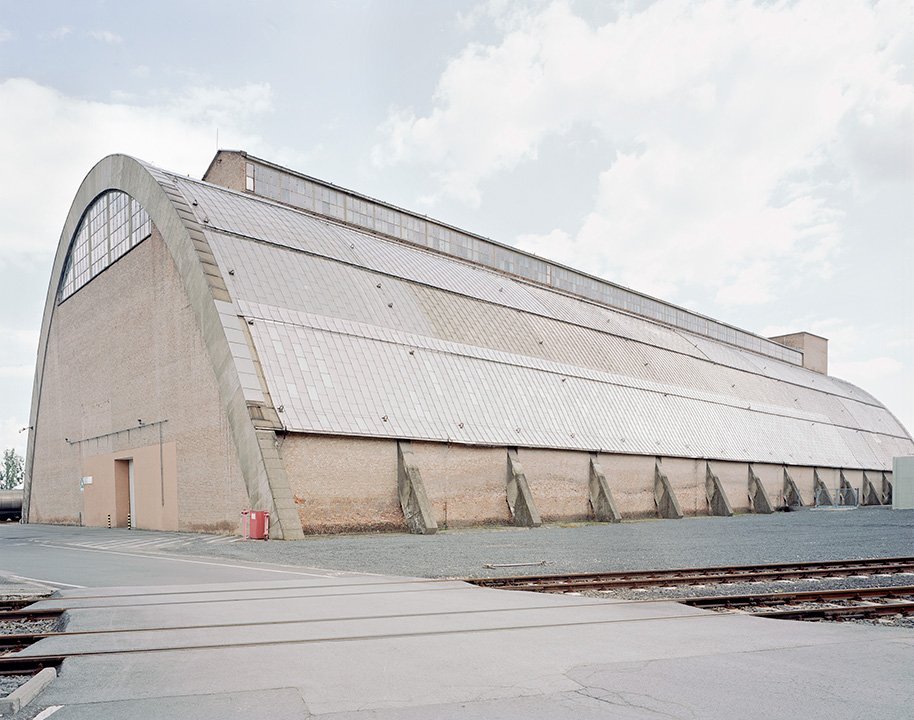
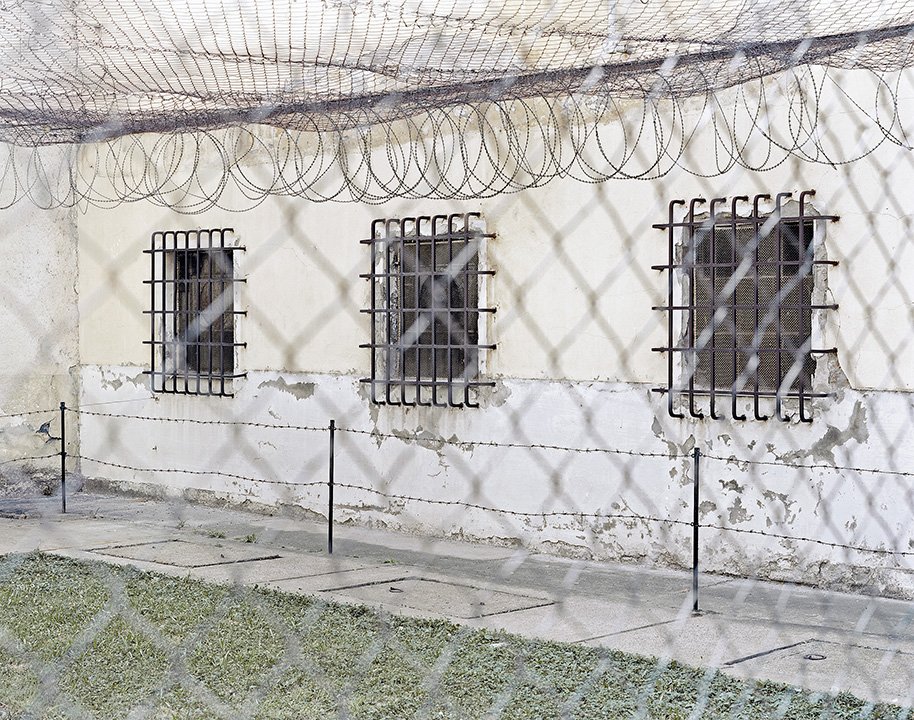
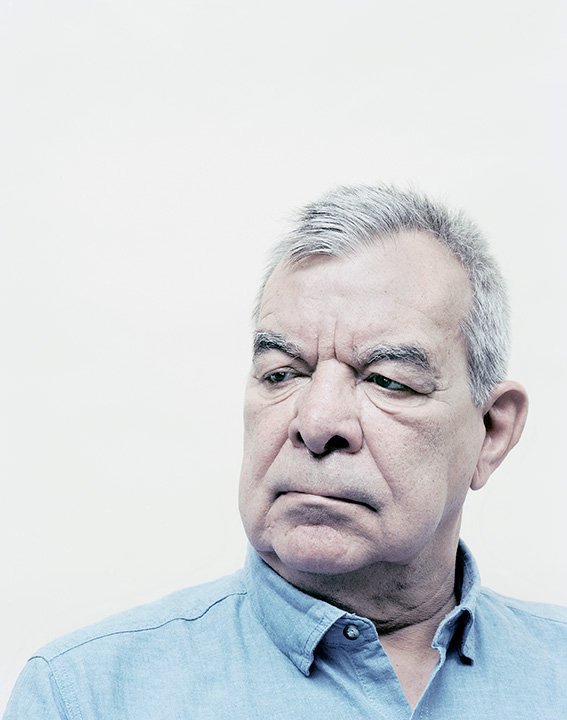
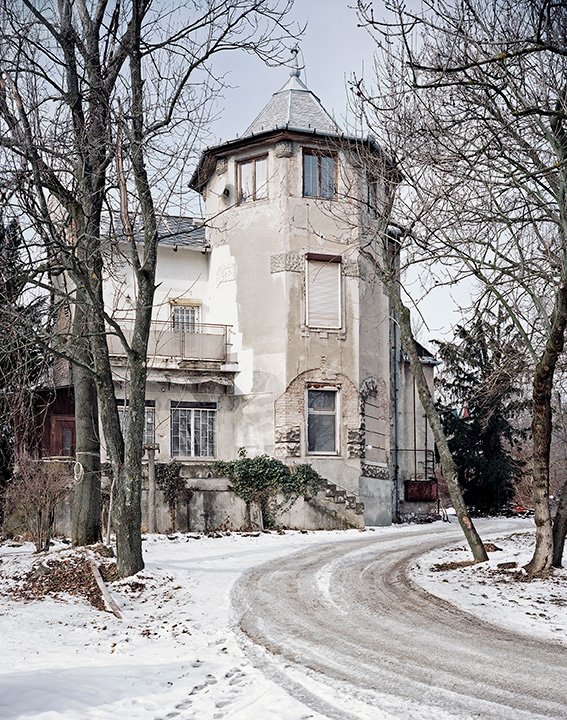
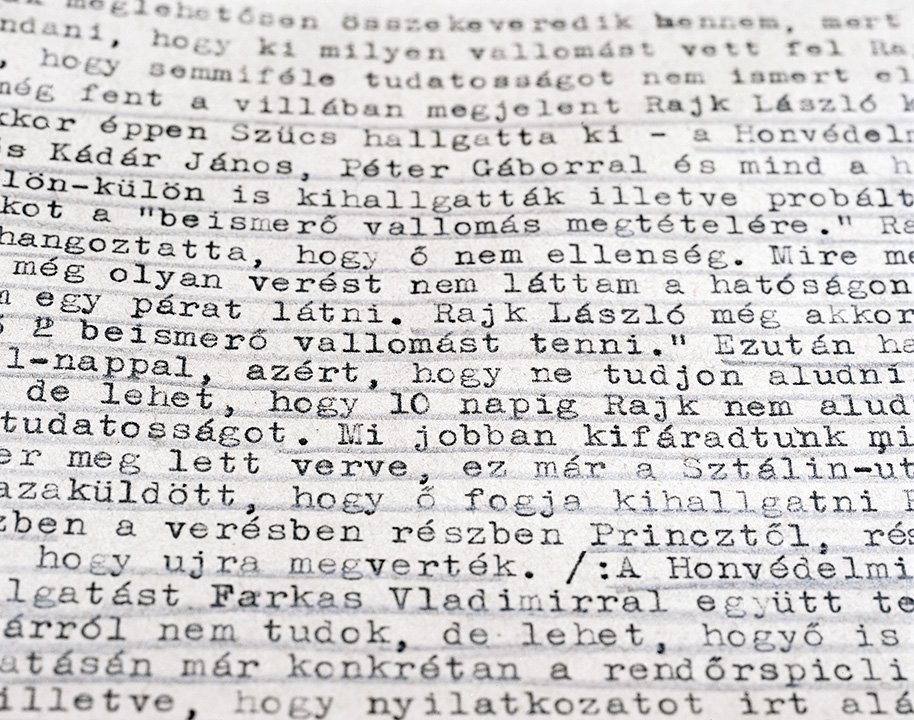
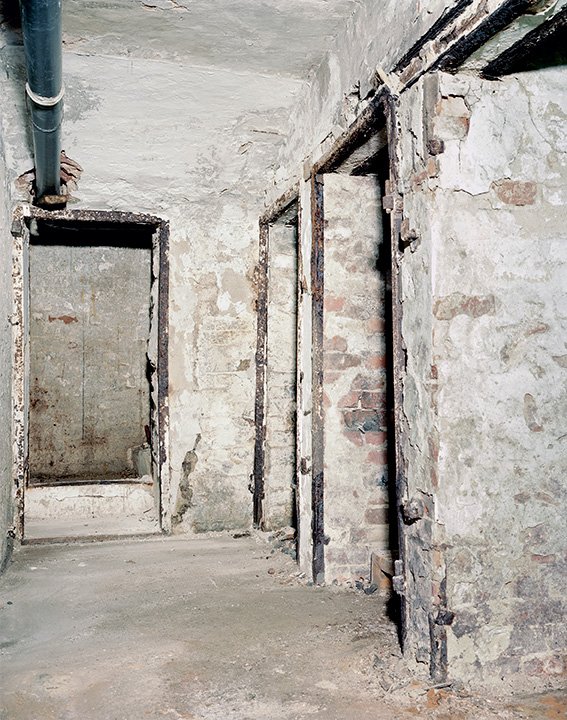
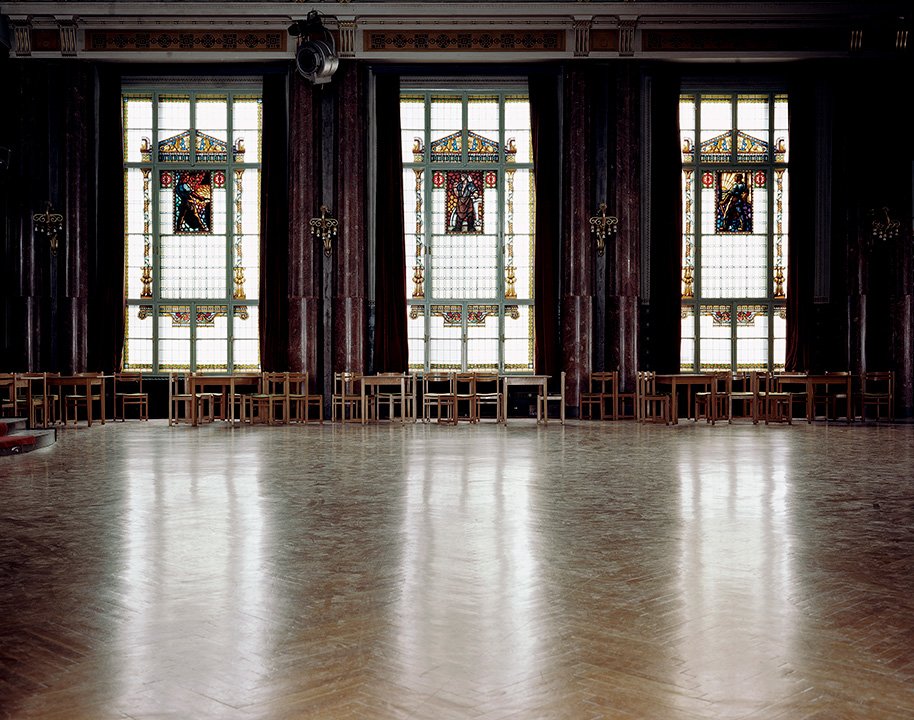
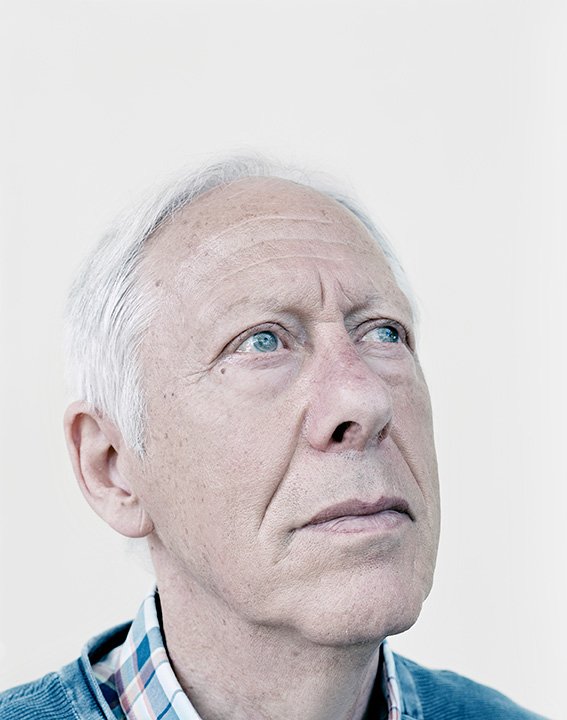
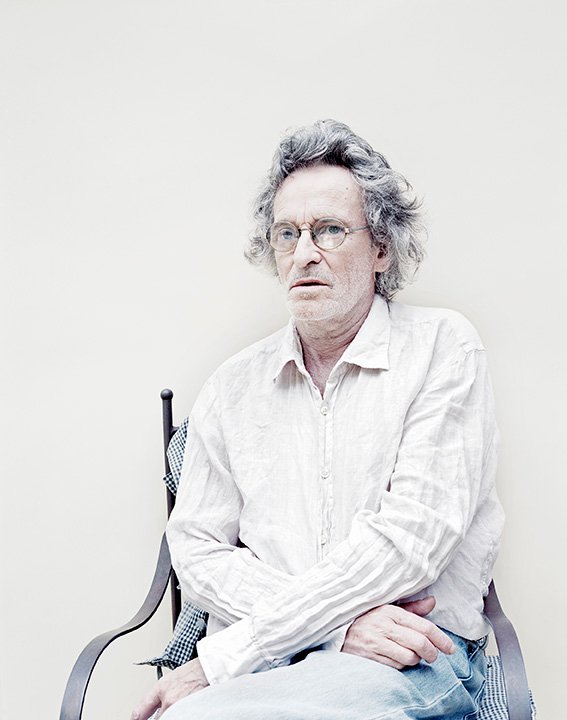
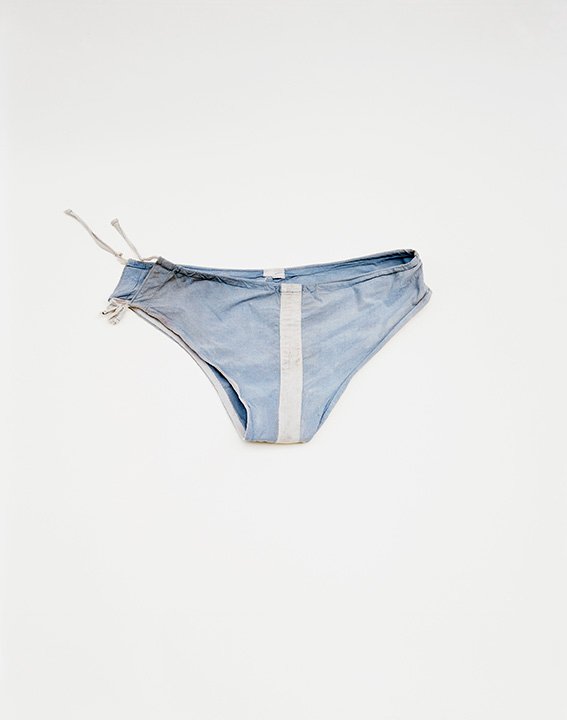
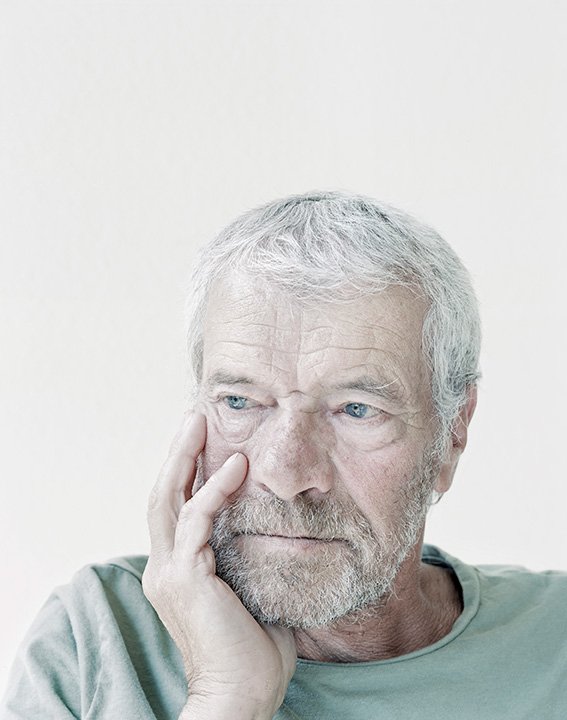
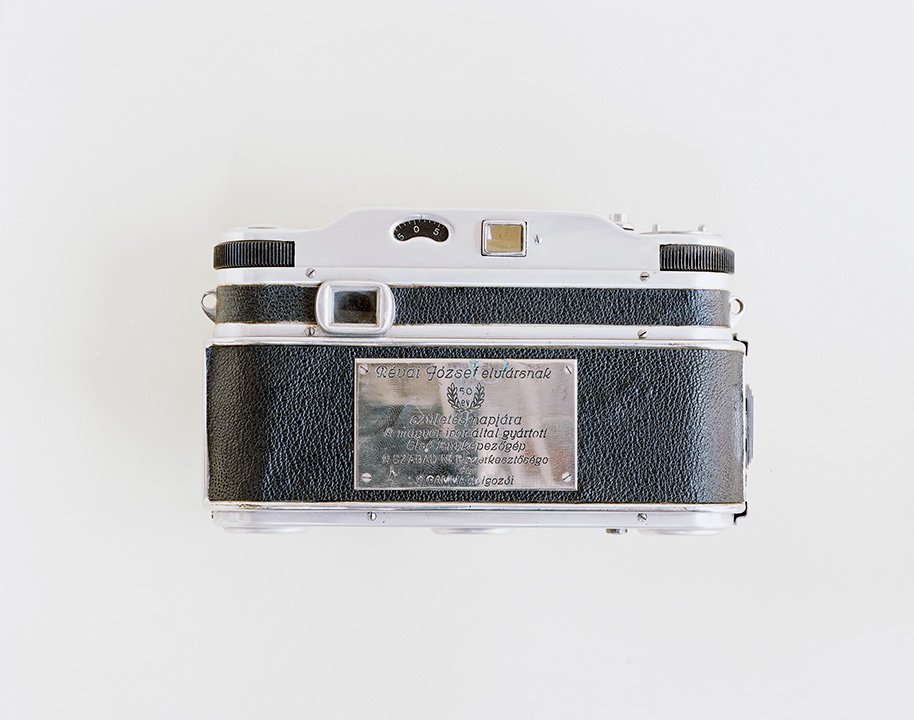
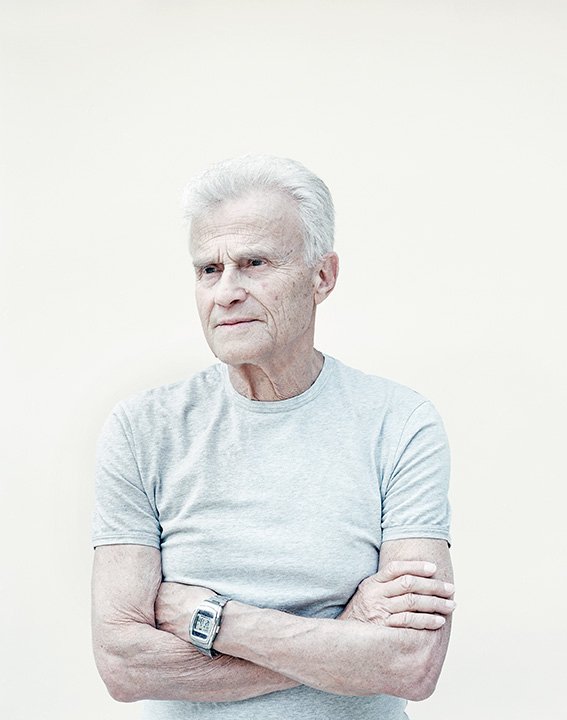
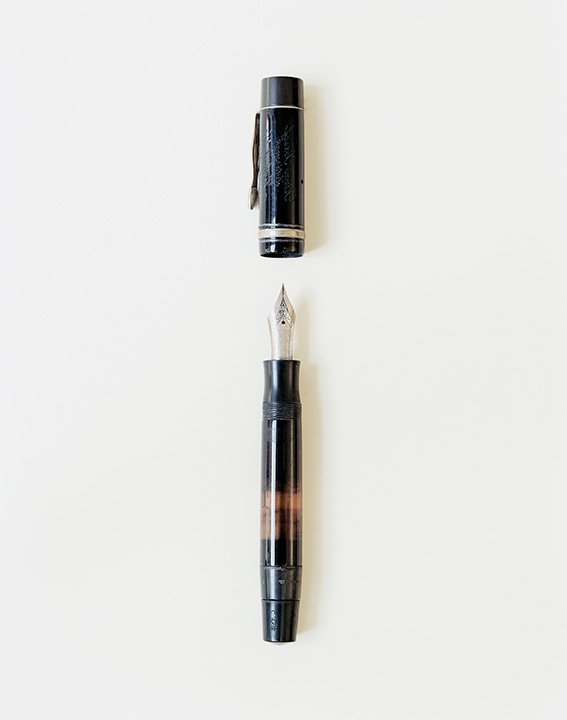
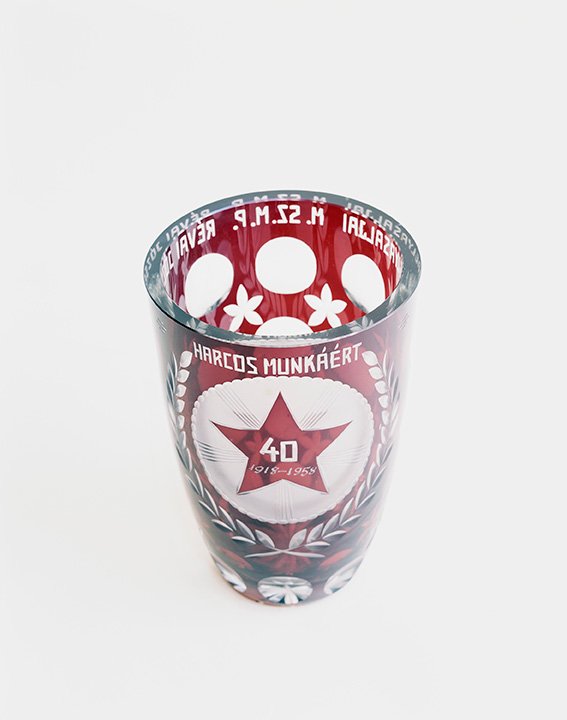
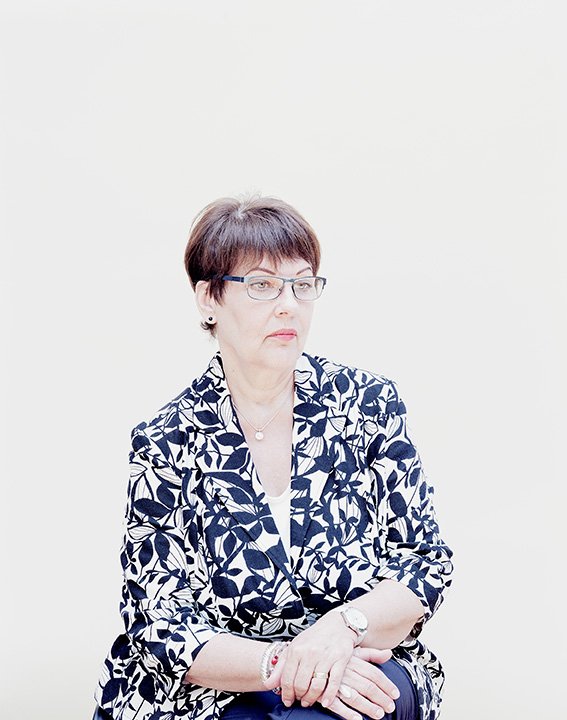
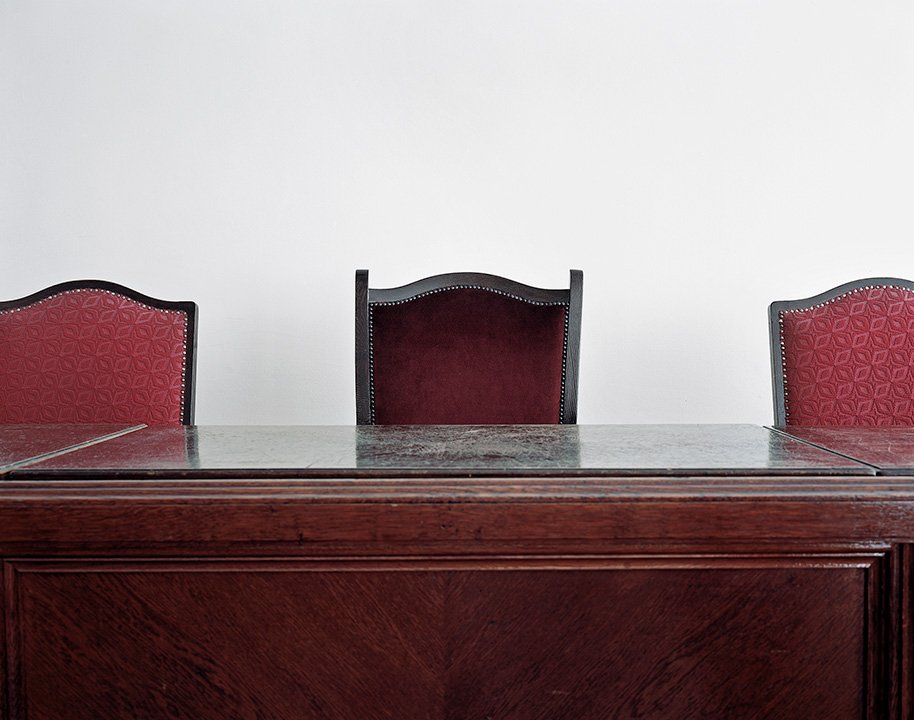
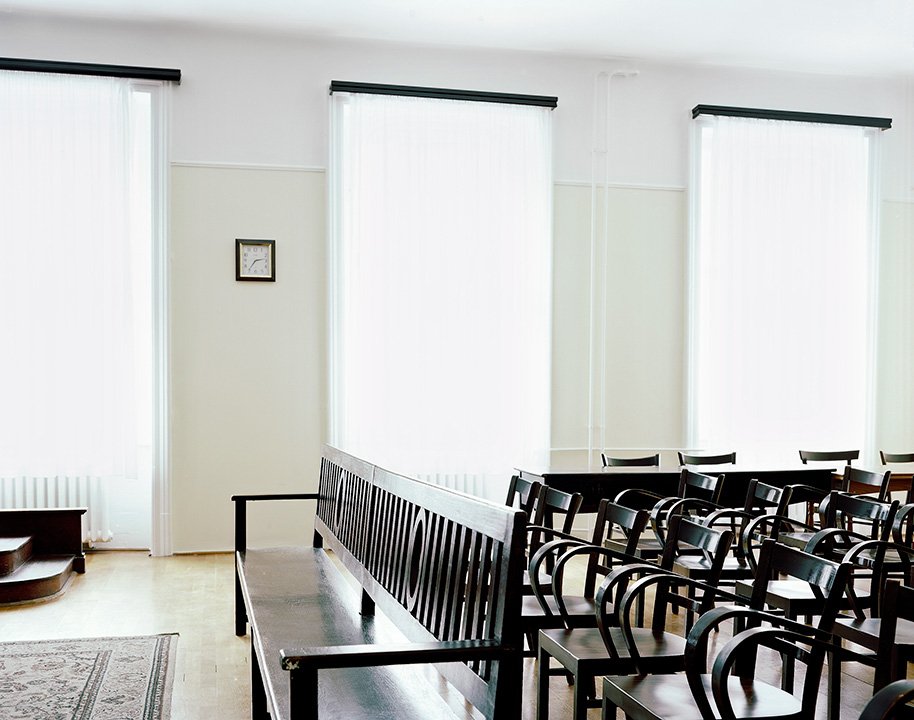
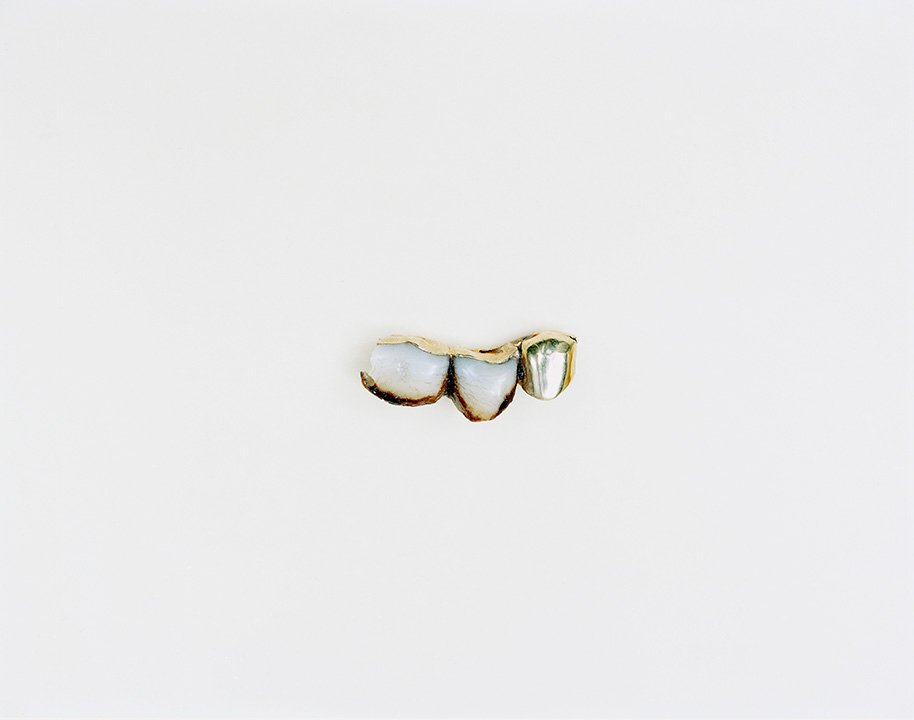
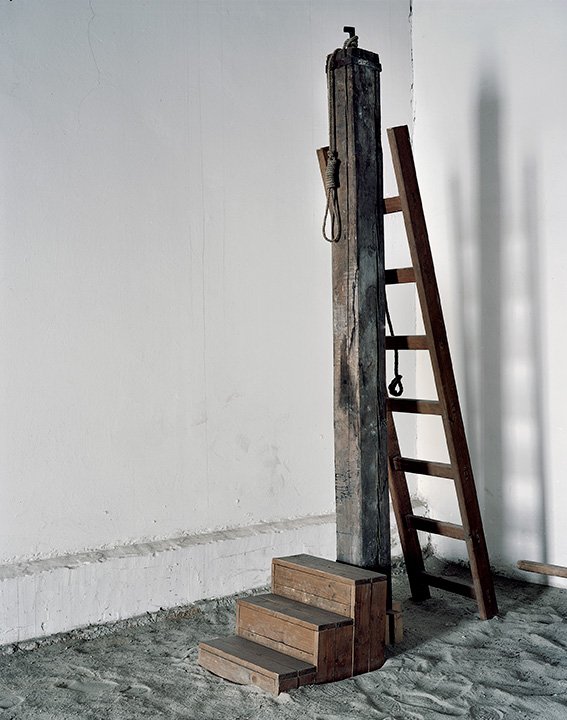
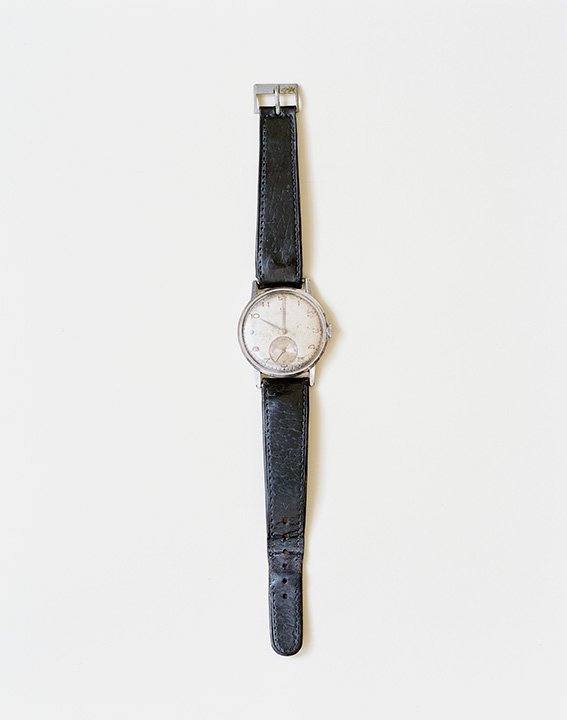
A significant amount of work resulted in a historically accurate, photographically uniform photo series that shows not only the sometimes collapsed, other times well-preserved scenes of jails and prison camps of the fifties but also the material legacy of those camps as well as surviving political prisoners. A cell fallen into ruin, a barbed wire embedded in a tree, and faces of old men, strange or familiar from public life. Venues of political trials, photographed both from the side of the accused and the judge. Furthermore: how, through generations, the perception of perpetrator and victim may interchange. A villa where, among others, Rajk was interrogated, and an outbuilding turned music hall that helped mask the screams emanating from the basement. The door handle of the Rákosi villa’s living room, rocks, mining lamps, gazes, documents, old photographs. Objects that mean nothing, or hardly anything in and of themselves. As if we saw the Titanic’s scattered wreckage, the memories of passengers lost in the waves. A meticulously collected pile of memories. And yet: the intentionally faded, desaturated images of an old large format camera, the objects taken out of their environments, and the apparently uniform portraits not only evoke the corresponding time period, but provoke thoughts on it, too. Three historians had assisted in the project, but that is not the only reason for its authenticity. It is also due to the fact that the photographer did not let anything in front of his lens which seemingly is something. He only captured what actually is.
4.
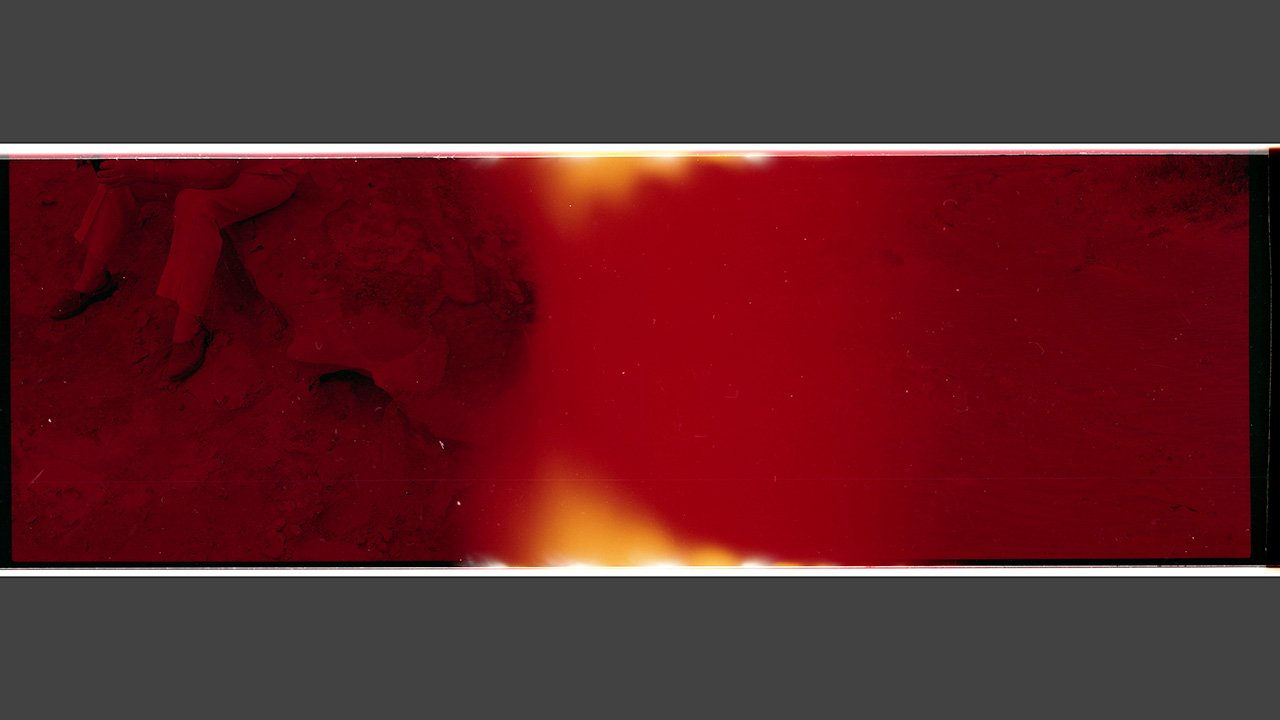
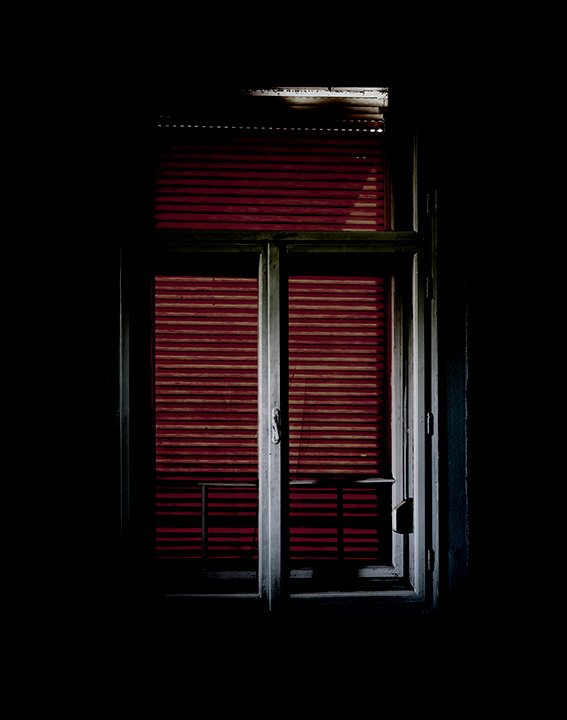
There is a photograph in this collection, there is a black square on it, nothing else. A liberal rendering of Malevich. It’s a spoiled image, got exposed, so normally, it would end up in the trash. But this case is not normal, and this black square incorporates the essence of the era, which was dark, pitch black. That frame incorporates the times with all their tragic events, sticky secrets, inhumanity, carelessness, evil, and surreal drama. A black square. A frame that got exposed – to the light of the interrogation lamps.
Zoltán Trencsényi
PUBLIC PRESENTATION OF THE CAPA GRAND PRIZE HUNGARY 2018 FELLOWSHIP RECIPIENTS
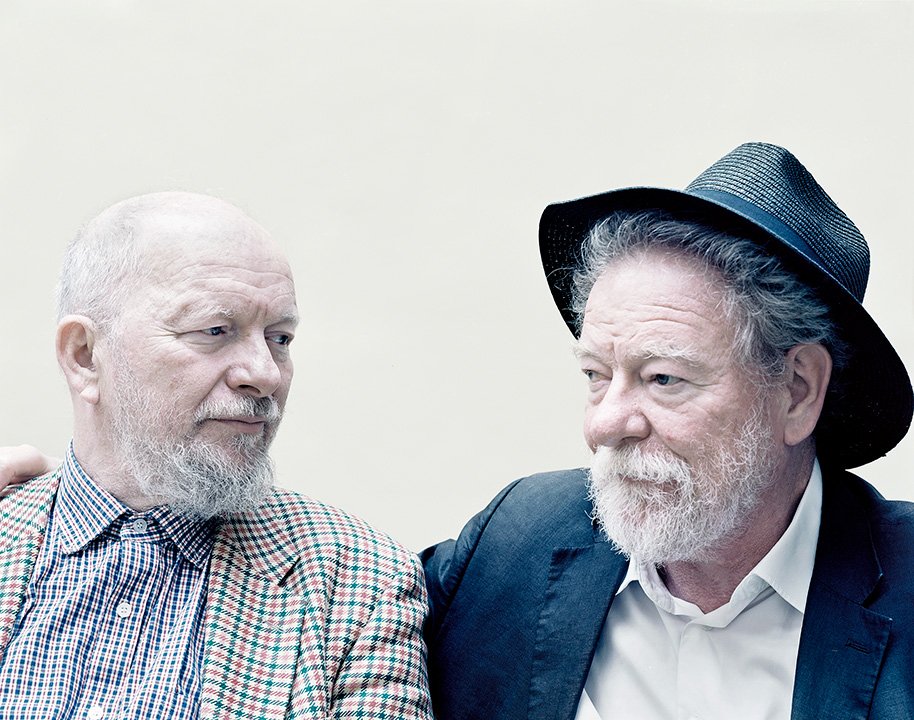
The three fellowship recipients selected earlier – Máté Bartha, Adél Koleszár and Dániel Kovalovszky – gave a report on their work to the jury in a public presentation event at Capa Center on October 16, 2018.