GÁBOR ARION KUDÁSZ IS THE FIRST WINNER OF THE CAPA GRAND PRIZE HUNGARY
The jury of the Capa Grand Prize Hungary selected Gábor Arion KUDÁSZ for his entry entitled The Human Scale as the first Grand Prize Hungary-winner in 2015.
The Robert Capa Photography Grand Prize Hungary was founded in October 2014 by the Capa Center in order to recognize the work of artists who produce an outstanding achievement in the field of Hungarian photography. The awards were decided in two stages by thesix-member jury of Hungarian and international professionals. In May the jury selected three candidates – and awarded each of them with a fellowship of HUF 500 000 (approx. €1600 or $1800) – for the Grand Prize of HUF 5 million (approx. €16,000 or $18,500) in total. The jury appreciated Arion Gábor KUDÁSZ’s work in the last six month, so they selected him as the first Grand Prize Hungary-winning photographer in 2015. Arion Gábor KUDÁSZ received a cash award of HUF 3.5 million (approx. €11,000 or $13,000) at the award ceremony on October 21, held on the eve of Robert Capa’s 102nd birth anniversary in the Capa Center.
HUMAN SCALE
Kudász Gábor Arion

KUDÁSZ, GÁBOR ARION /CV
www.arionkudasz.com
Solo Exhibitions
- 2014 Memorabilia, Faur Zsófi Gallery, Budapest
- Memorabilia, Mai Manó House (House of Hungarian Photographers), Budapest
- 2013 Tourists in Environment, Cortona on the move, Cortona
- 2012 Middle, Faur Zsófi Gallery, Budapest
- Stranger in the Landscape / Obcy w krajobrazie, Hungarian Institute, Warsaw
- 2011 Ez mi! 2011 Ez mi! (w.: Lőrincz Réka, Vékony Fanni, Vági Flóra), Faur Zsófi Gallery, Budapest
- 2010 Bonsai-land, Nádor Gallery, Széchenyi square, Pécs
- Bonsai-land (Japan Today Vol.12: Silva Bingaz and Andreas Gefeller), Sanat Limani, Istanbul
- 2009 Photographs, Vintage Gallery, Budapest
- Waste Union, HCC - Hungarian Cultural Centre, London
- Green Area, Café Foto, Fotofestiwal, Lódz
- 2008 Waste Union, Lumen Gallery, Budapest
- 2008 After the Eden, PMKK - Hungarian Cultural Centre, Prague
- Green Area, Fiducia Galeria, Ostrava
- 2007 Under The Concrete, ZAK Gallery, Berlin
- 2006 Green Area, Lumen Gallery, Budapest
- 2005 Emese and Arion, Hegyvidék Galéria, Budapest
Selected Group Exhibitions
- 2015 Budapest-Balaton, Hungarian Cultural Institute, Istanbul
- The Amber Road Show, Photon Gallery, Vienna
- 2014 Le cocon familial, Institut Balassi, Collegium Hungaricum, Paris
- 2013 E Book Show, Southampton
- The Amber Road Show, FLUSS, Wolkersdorf
- distURBANces, Musée National d’Histoire et d’Art, Luxembourg
- Hungarian Photography in the New Millennium (2000–2013), Hungarian National Gallery, Budapest
- The Amber Road Show, FOTOFORUM, Innsbruck
- Codes of Reality - Present Continuous, Slovak National Museum, Bratislava
- 2012 Animalicious, Faur Zsófi Gallery, Budapest
- Sense of Place, BOZAR, Brussels
- Landscapes Speak the Same Language, Hungarian Institute, Brussels
- Rangefinder, Kepes Institute, Eger
- Budapest Pozitive, Vetrinjski dvor, Maribor
- D book show, Helsinki, Finland
- Progressive Pathways, Museum of Hungarian Photography, Kecskemét
- 2011 European Eyes on Japan, Vol 12., Tottori Prefectural Museum, Tottori, Japan
- Budapest Positive, Mai Manó House (House of Hungarian Photographers), Budapest
- Lab East, V8 Gallery, Cologne
- Cities on the river, SVU Gallery, Bratislava
- Cities on the river, MKM Magacin, Mraljevica Marka, Belgrade
- Facing Forward, The Forward Thinking Museum, online
- Einsichten. Ansichten., Gallery of the Hungarian Embassy, Berlin
- 2010 Art Fanatics - Art Collections 2, Műcsarnok, Budapest
- Felhőgyár - FFS, Mai Manó House (House of Hungarian Photographers), Budapest
- La Biennale Jeune Création Européenne, City Gallery, Bratislava
- Rarely Seen Photographs - Collection of The Hungarian Museum of Photography, Mai Manó House, Budapest
- Live Sync - Hungarian Art Forum, MOCA, Shanghai
- Liberation Formula., Donumenta, Regensburg
- Cities On The River, Városi Művészeti Múzeum, Győr
- to loop, KUNSTBÜROBERLIN, Berlin
- 2009 La Biennale Jeune Création Européenne, Fabrique ą Montrouge, Montrouge
- Expanded Realities, Contemporary Hungarian Photo, Pécsi Galéria, Pécs
- Regardez-moi - I’m Back, Immanence, Paris
- Urbanity - Twenty Years Later, City Gallery, Prague
- The sunny side. Modern Hungarian Photography, Galeria Młodzi, Fotofestiwal, Lódz
- The sunny side
- FIKA (Young Contemporary Statements), Zsolnay Factory, Pécs
- K&H Bank Collection, Ferenczi és Tsai Galéria, Budapest
- I am back, Artbázis, Budapest
- 2008 One Step Further - FFS, Month of Photography 2008, Vam Design Center, udapest
- What’s Up? - a panorama of contemporary hungarian art, Műcsarnok, Budapest
- Transylvania Photography Awards, Szabadság Square, Budapest
- MOMENTS, Iparművészeti Múzeum, Budapest
- Pécsi József scolarship, Mai Manó House, Budapest
- Stalking Utopia, Institute for Contemporary Art, Dunaújváros
- Zeitgenössische Fotokunst aus Ungarn, Neuer Berliner Kunstverein, Berlin
- Photo50, London Art Fair, London
- 2007 Gallery for wintertime, ZAK Gallery, Berlin
- reGeneration, Alyce de Roulet Williamson Gallery, Pasadena
- Muse, Körzőgyár, Budapest
- Pécsi József Grant, Accademia d’Ungheria, Rome
- Elek, Fabricius, Kudász, Vintage Galéria, Budapest
- Question of the Point of View!, Metro Galéria, Budapest
- Temporary, Karton Galéria, Budapest
- Stalking Utopia, Institute for Contemporary Art, Dunaújváros 2006 Budapest Feeling, Month of Photography in Krakkow, Jagiellonian University
- reGeneration, Pingyao International Photography Festival, Pingyao
- reGeneration, Aperture Gallery, New York
- 2005 The Digital Print, Millenáris, Budapest
- Balett, Westen City Center, Budapest
- Hungarian Press Photo, Palace of Arts, Budapest
- reGeneration – 50 photographers of tomorrow, Musée de L’Elysée, Lausanne
- reGeneration, Galleria Carla Sozzani, Milan
- ARC Poster Exhibition, Budapest
- 2004 A Painting for Sale, Nocatting Project, Barabás Villa,
- Budapest Dokumentum 6, Mai Manó House, Budapest
- Nem térkép e-táj, Millenáris, Budapest
- Offline 2, Vizivárosi Galéria, Budapest
- Stardust, Ponton Galéria, Budapest
- Székfoglaló, Ponton Galéria, Budapest
- Morfomans, Fort of Monostor, Komárom
- 2003 Diploma, Millenáris, Budapest
- 2002 ARC Poster Exhibition, Budapest
- XIII. Országos Tervező Grafikai Biennále, Békéscsaba
- Us and the Others, Goethe Institut, Budapest, Porto, Rotterdam
Awards and Grants
- 2013 Rudolf Balogh Award
- 2012 Rado Star Prize (finalist)
- Photobook Slam Berlin, winner
- 2011 József Pécsi Art Photography Scholarship, Final Year
- 2010 'Márciusi Ifjak' award of the Republic of Hungary
- 2008 Transylvania Photography Awards, Category of Nature and Environment, Main Prize
- 2007 József Pécsi Art Photography Scholarship, Second Year
- 2006 Sittcomm Award, Short listed
- 2005 Hungarian Press Photo, Nature and Environment (series), 1st prize
- Pro Cultura Urbis, Budapest Photographic Scolarship
- Epson Art Photo Award, best selected work
- 2004 József Pécsi Art Photography Scholarship, First year
- 2002 ARC Poster Exhibition, Prize of Quality
- ’Us and the Others’ International Photo Competition, 2nd prize
- 2001 Hewlett-Packard Invision International Digital Photo Competition
Projects
- 2010-2014, Memorabilia
- 2012, Indian Summer
- 2011, White lies
- 2005-2011, Middle
- 2010, Bonsai-land
- 2007-2010, Waste Union
- 2007 Time Capsule
- 2003-2008, Tourists In Environment
- 2005-2006, Green Area
- 2004-2005, Camp
- 2002-2003, Transit
Curating
- 2014 Persistency, Backlight Photo Festival, Tampere
- 2013 Schwabenzug, Hungarian Institute, Stuttgart
- 2012 XY - Human dignity and the MOME generation, Ludwig Museum, Budapest (as assistant)
- 2011 Group therapy - Young Hungarian Photography, Hungarian Institute, Warsaw
Academic Experience
- 2013 Moholy-Nagy University of Art and Design Budapest, Department of Photography, Assistant Professor
- 2008 International Summer School of Photography, Latvia, Workshop leader
- 2007-2013 Moholy-Nagy University of Art and Design Budapest, Department of Photography, Assistant Lecturer
- 2003-2007 Moholy-Nagy University of Art and Design Budapest, Department of Photography, Artist teacher
Studies
- 2007- Moholy-Nagy Művészeti Egyetem, Doktori Iskola, DLA program (MOME)
- 2004 Transatlantic Culture Exchange, Choice mastercourse
- 1998-2003 Hungarian University of Craft and Design, Budapest (MIE)
- 1997-1998 Pázmány Péter Catholic University, English-Communication (PPKE)
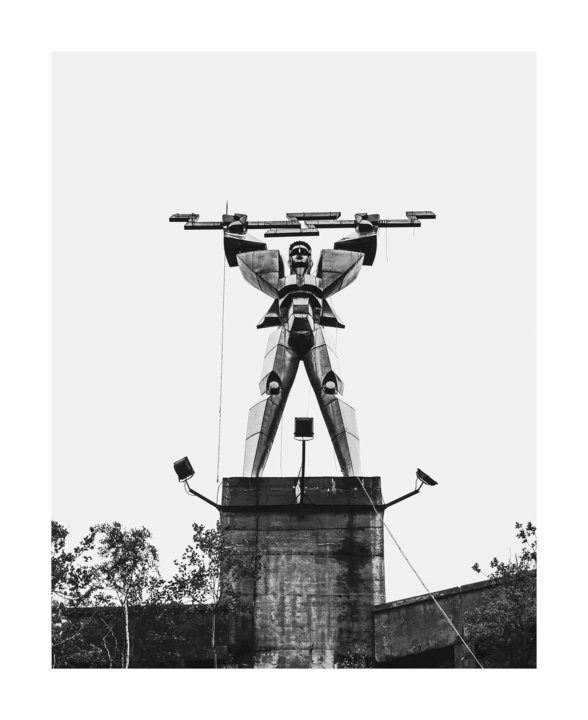
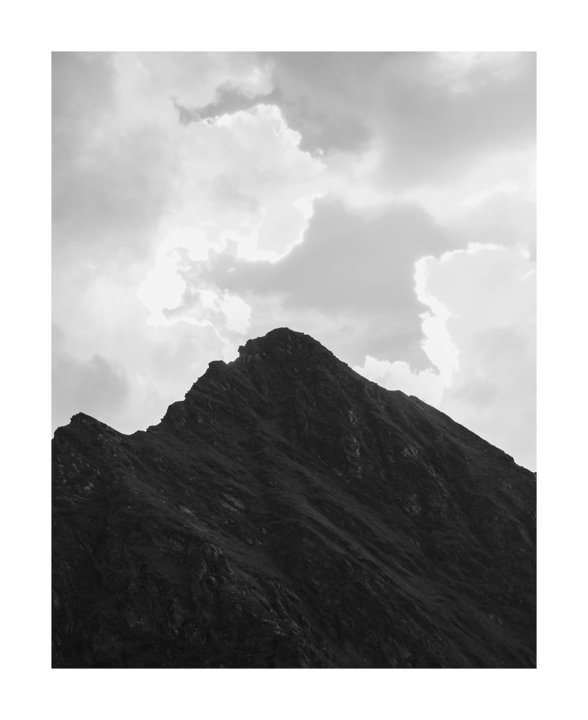
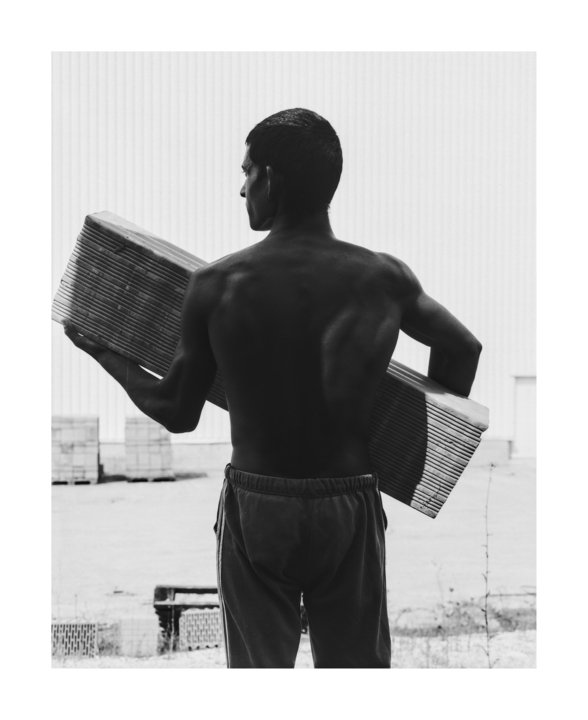
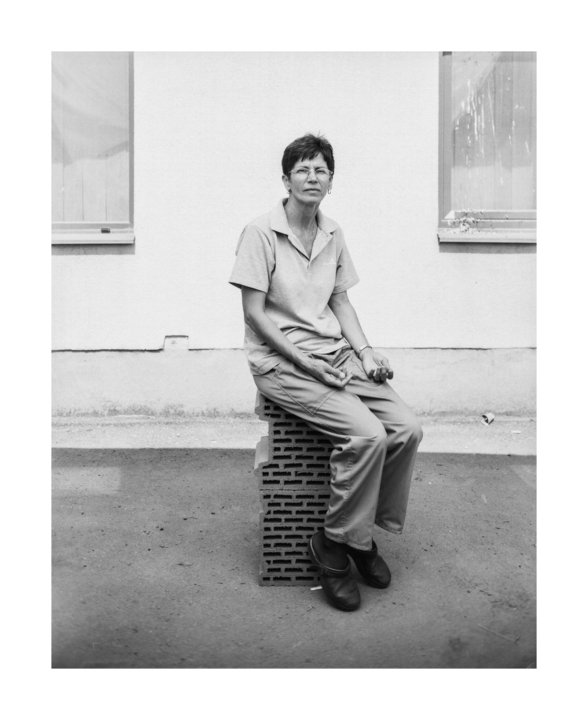
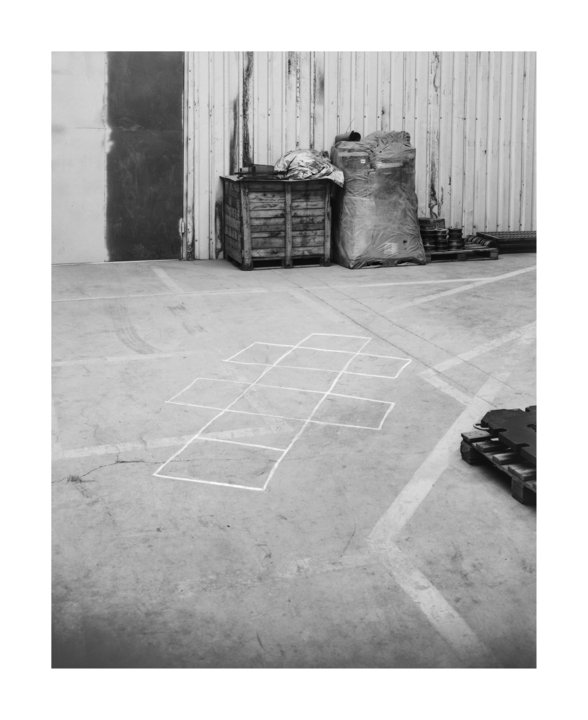
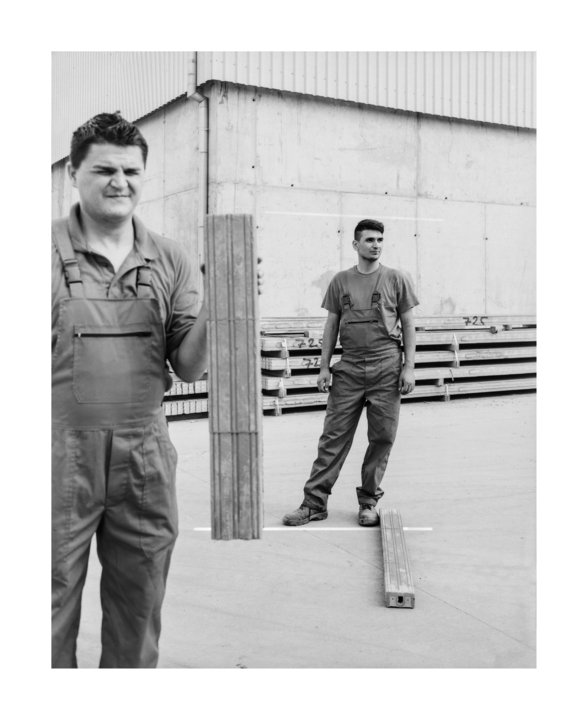
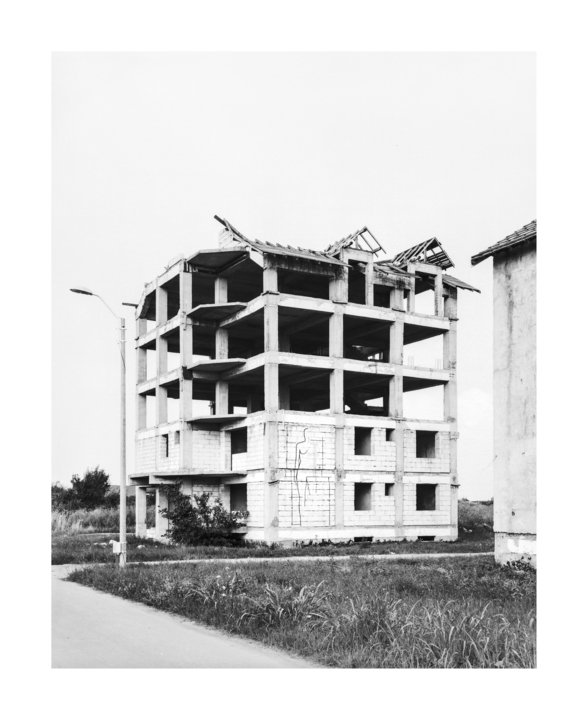
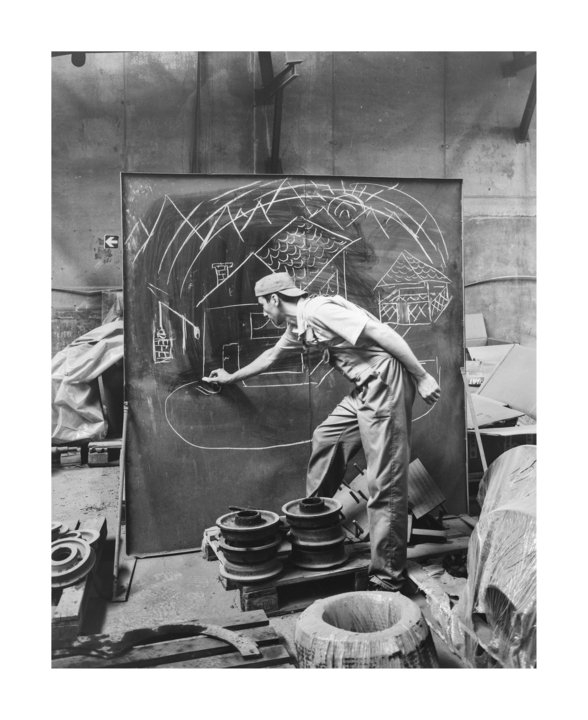
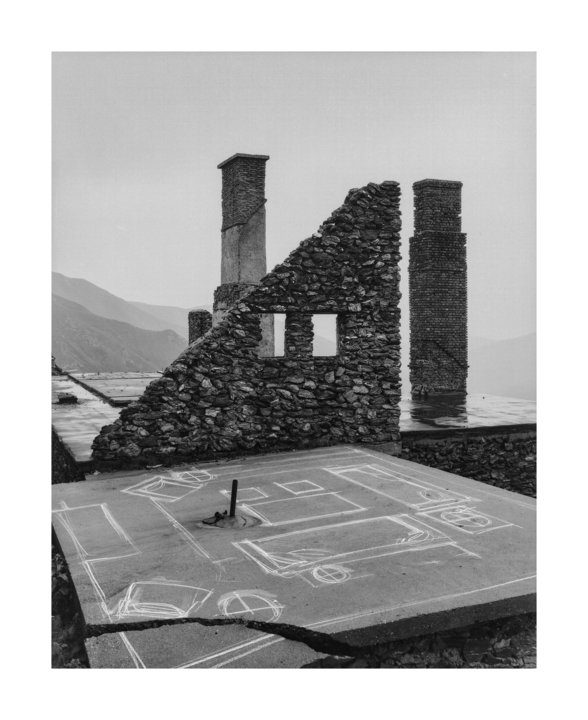
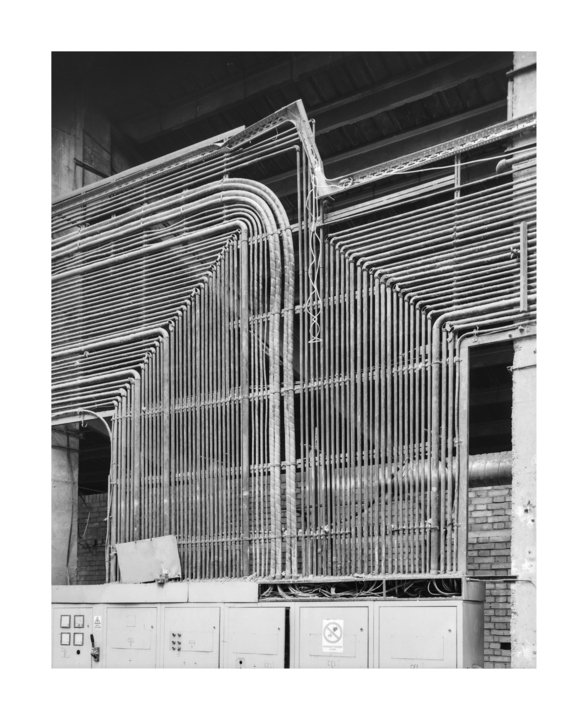
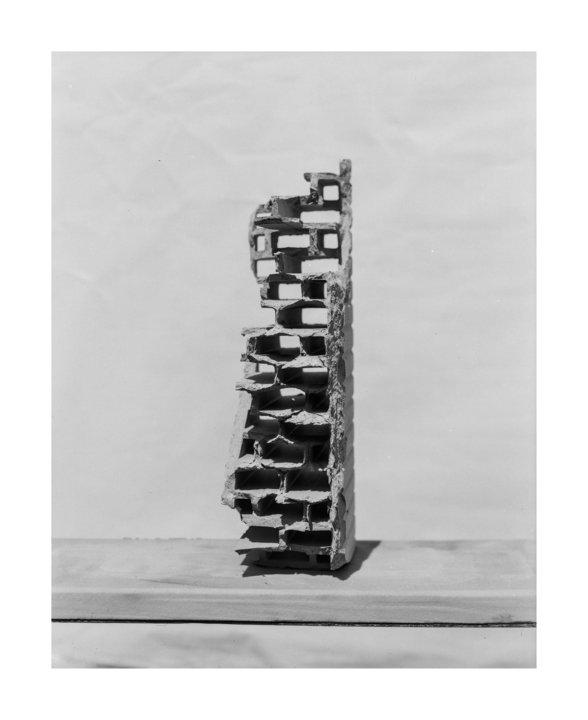
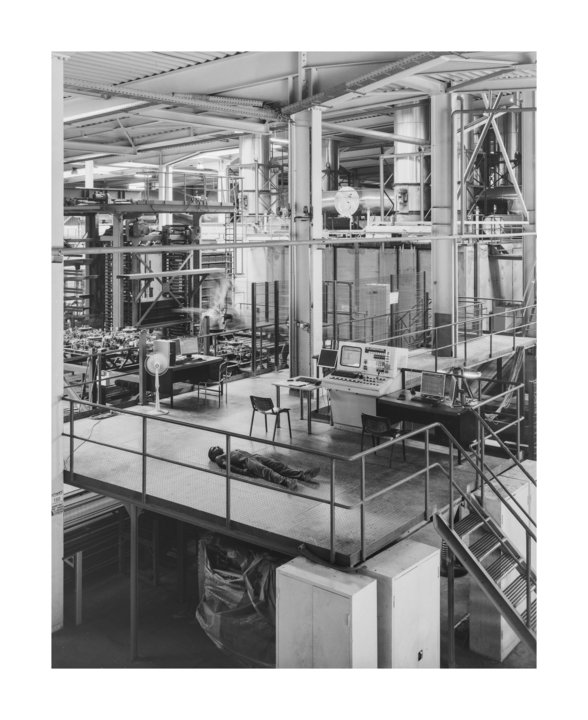
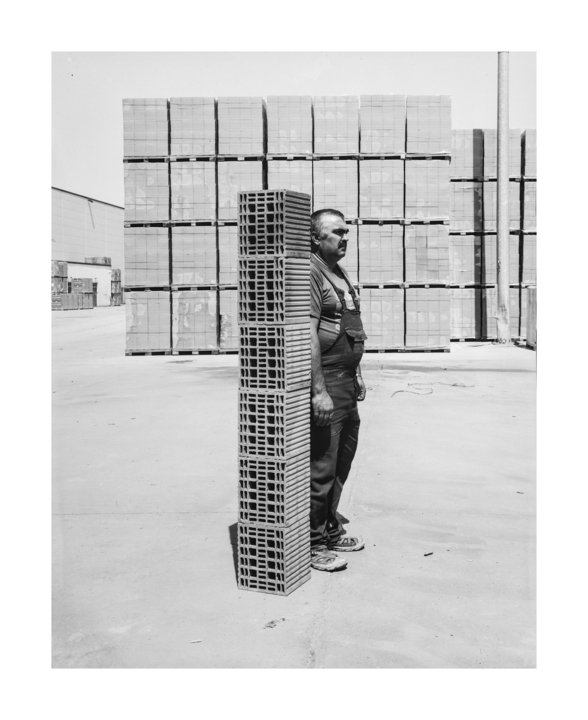
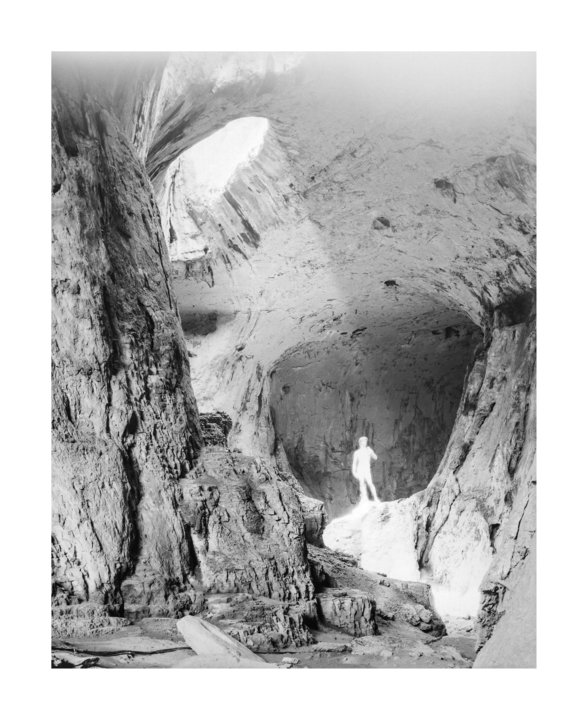
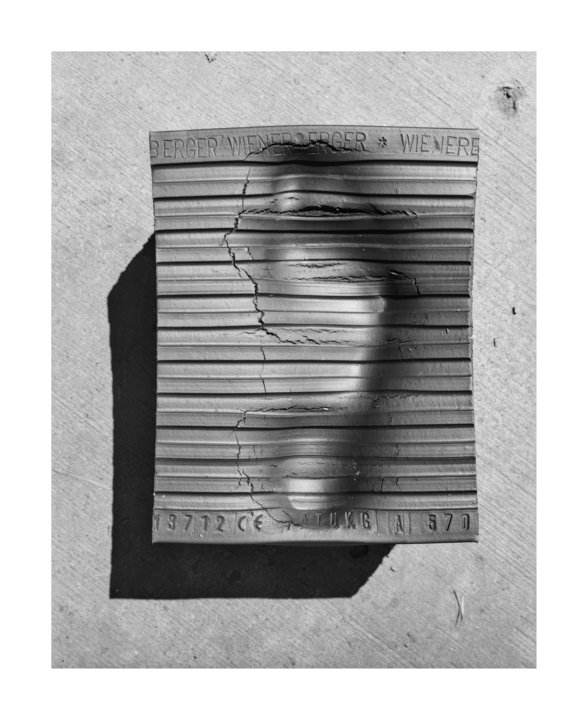
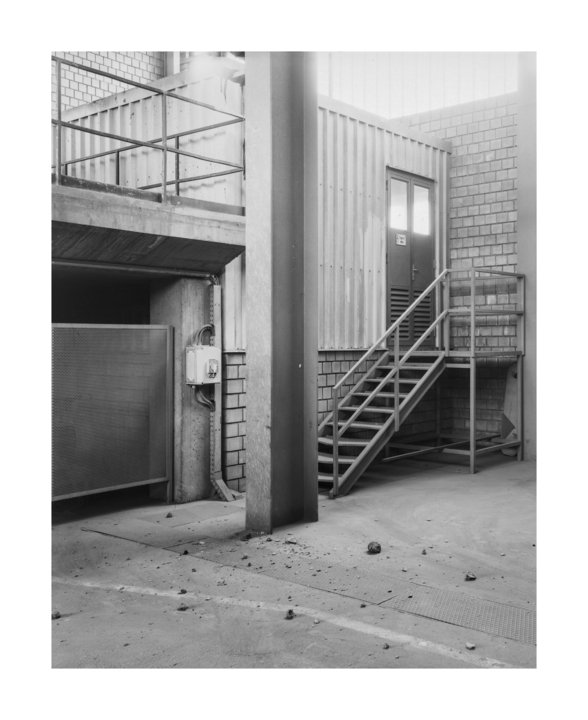
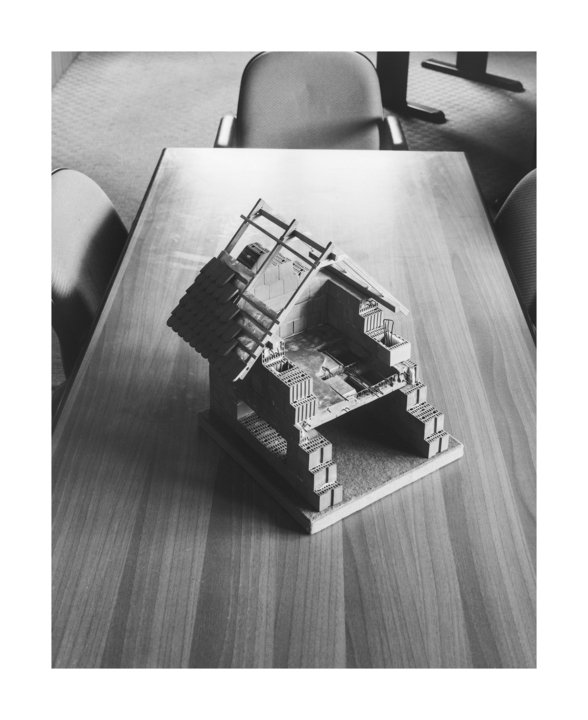
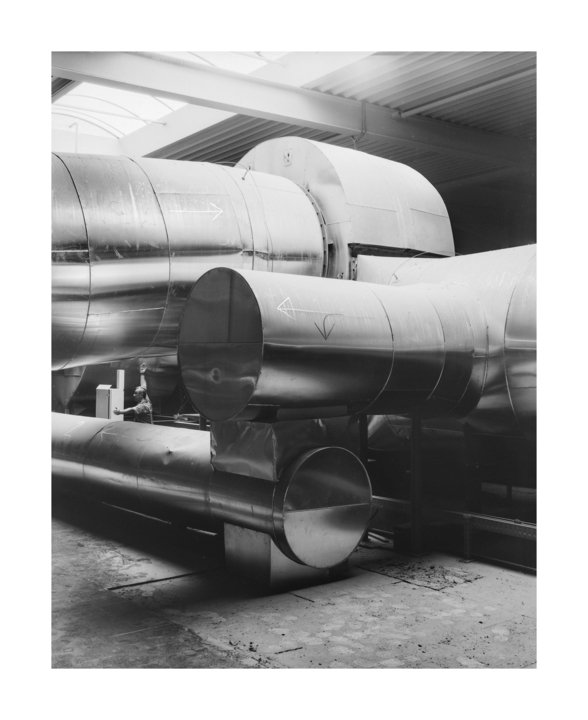
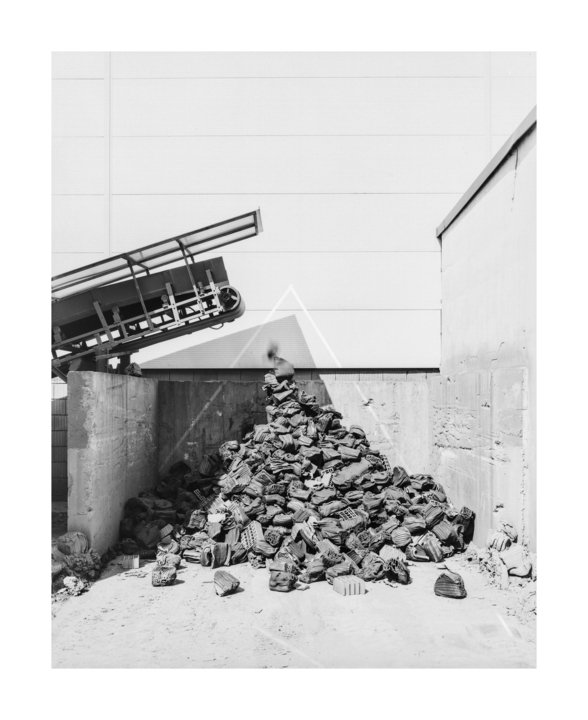
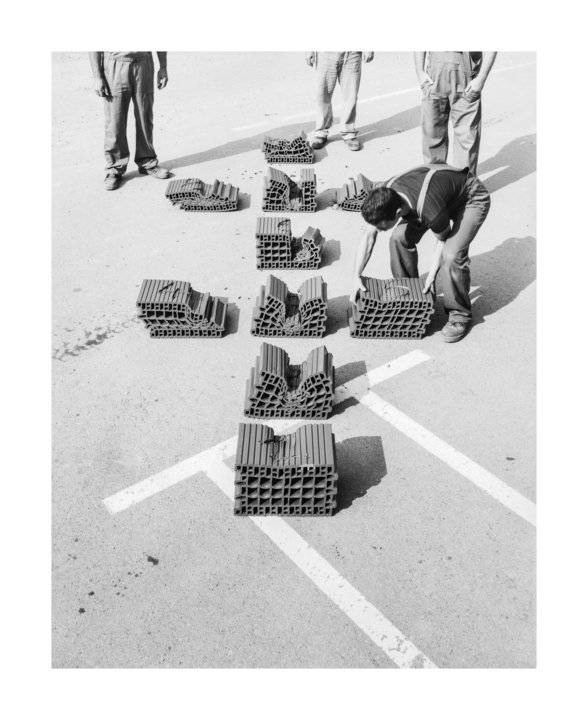
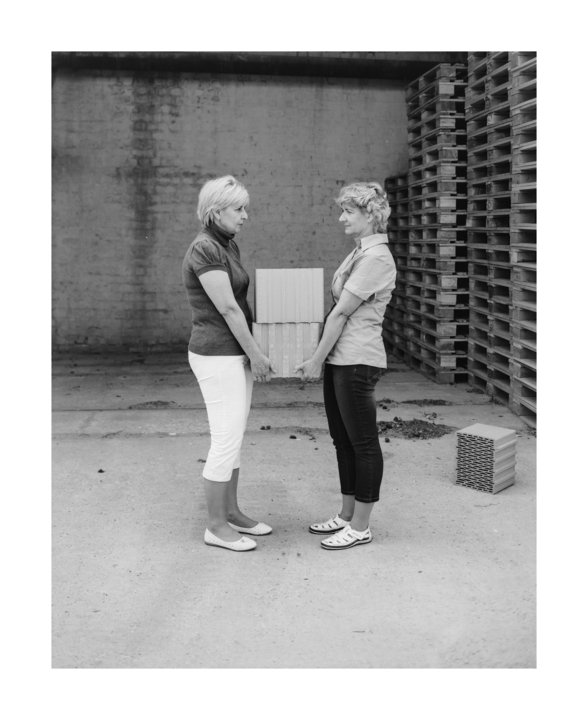
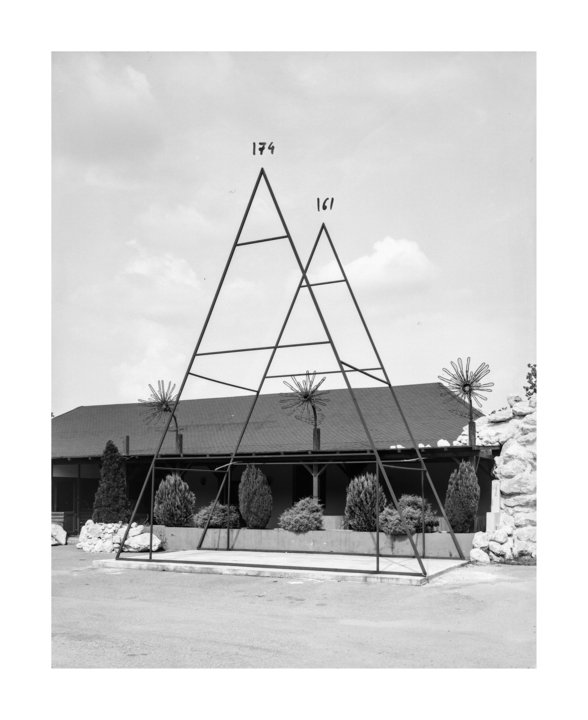
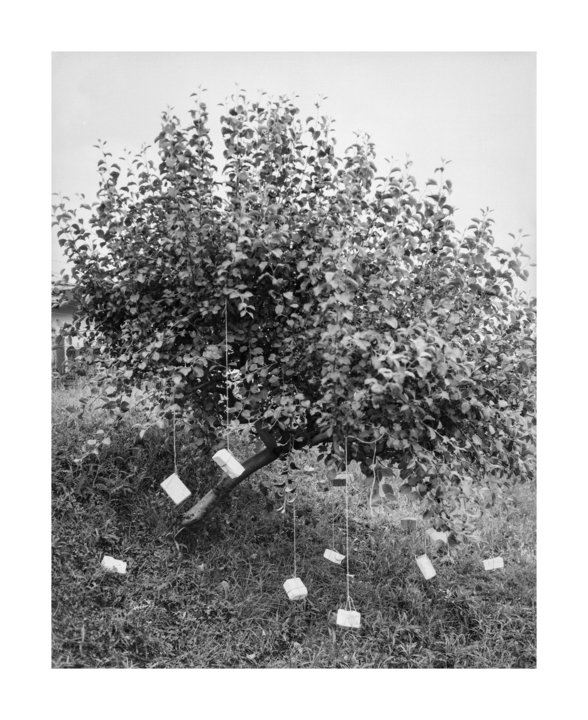
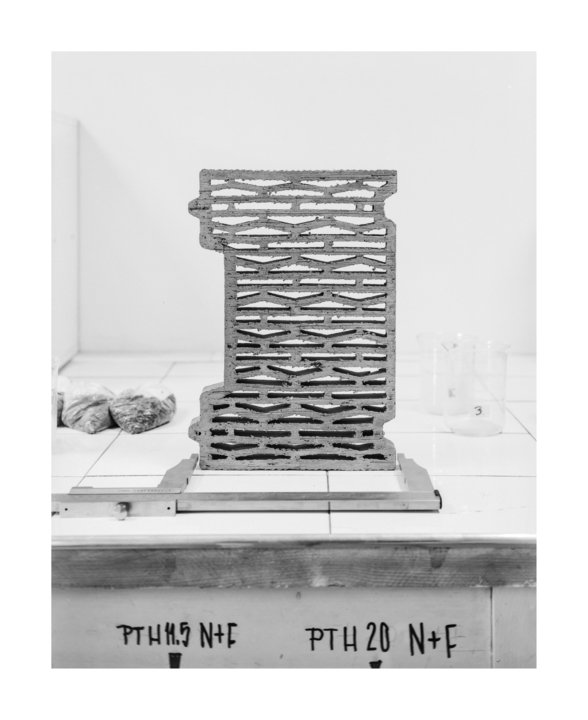
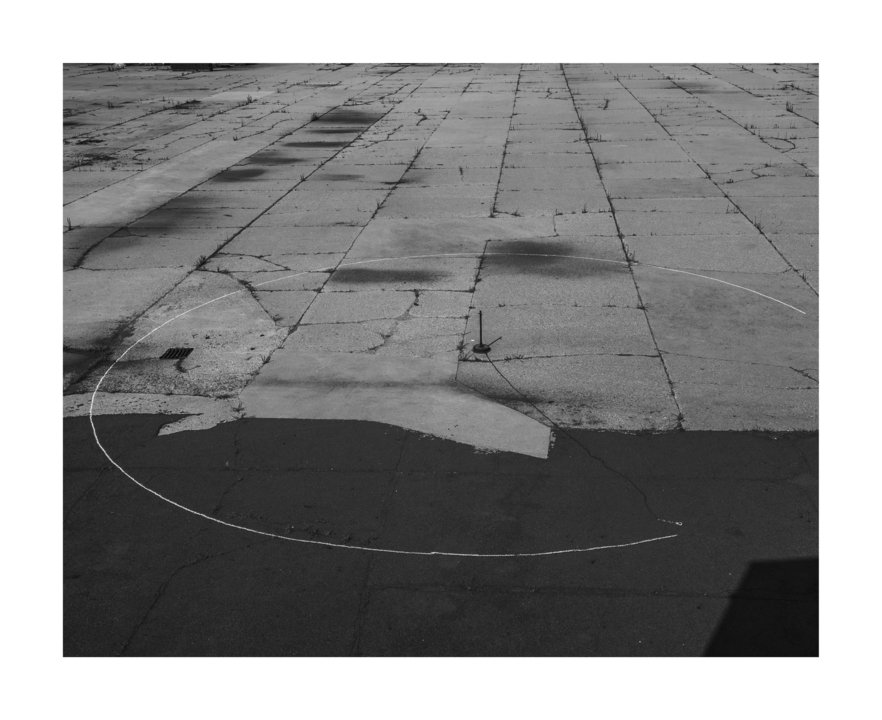
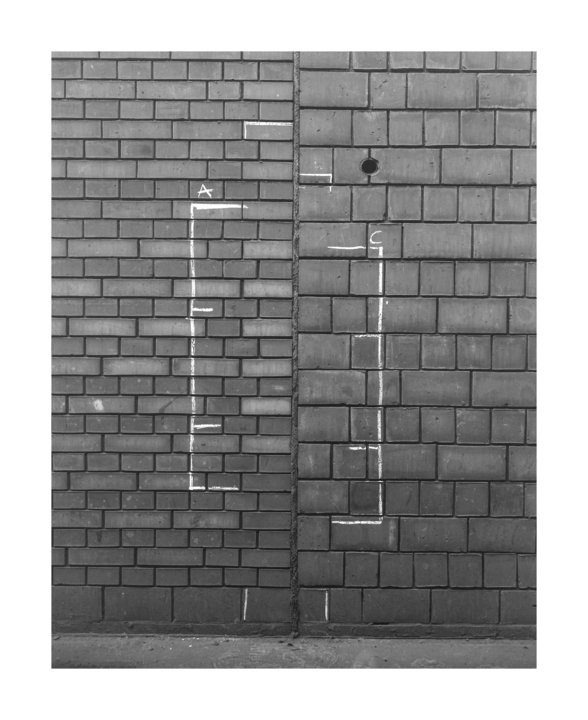
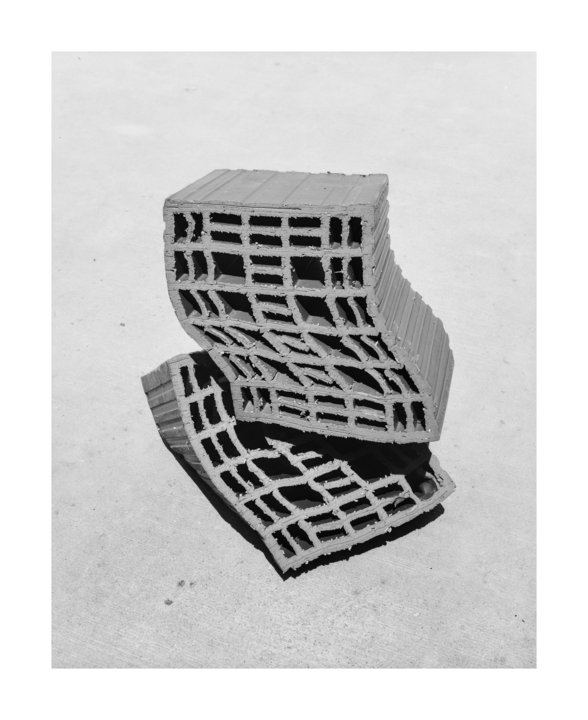
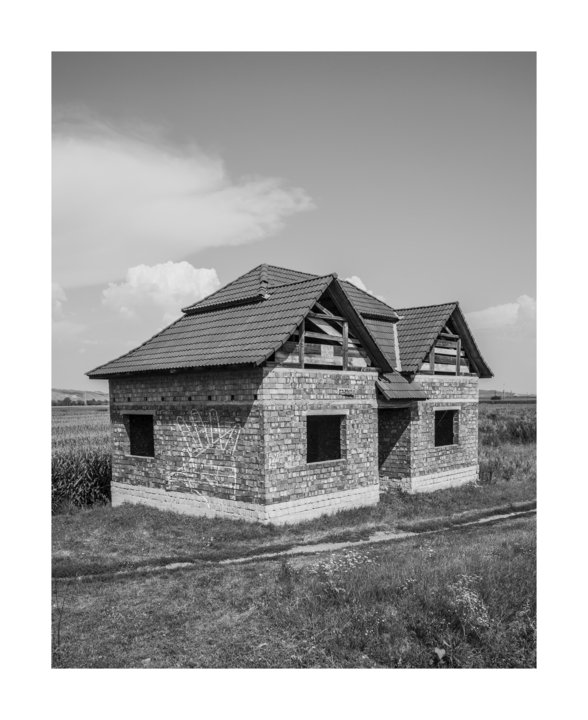
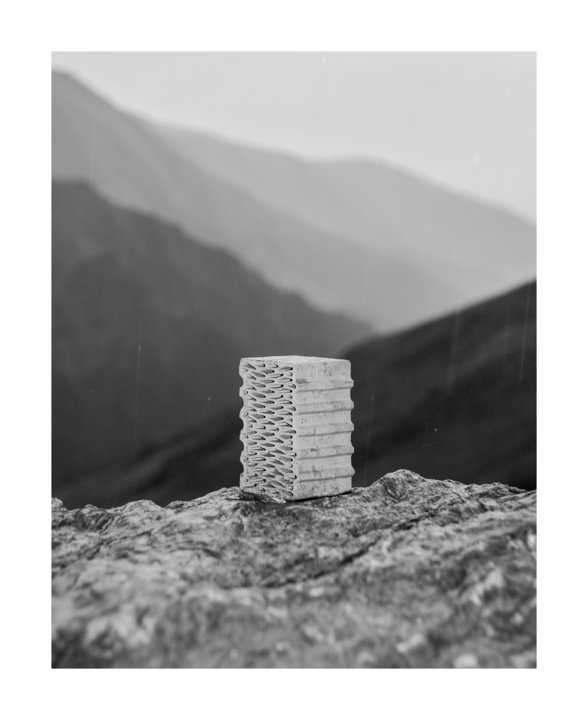
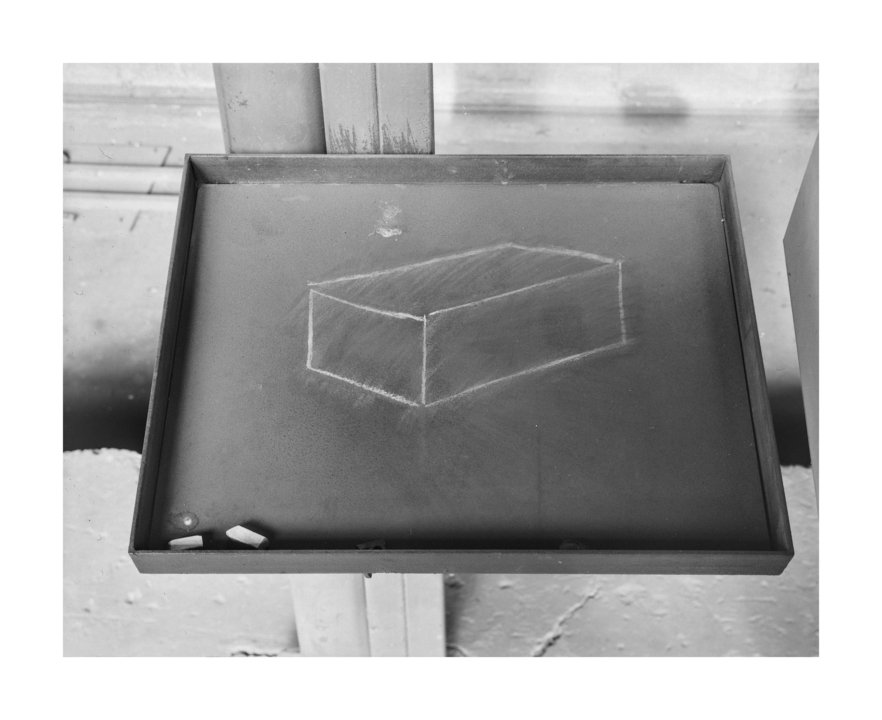
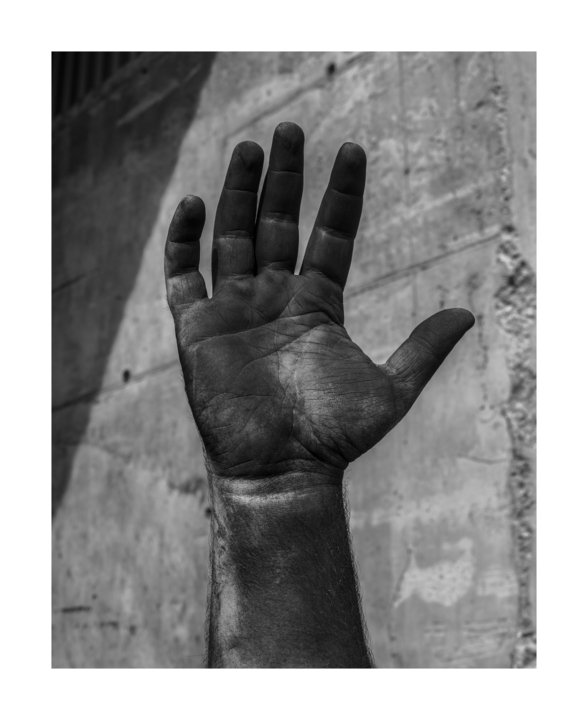
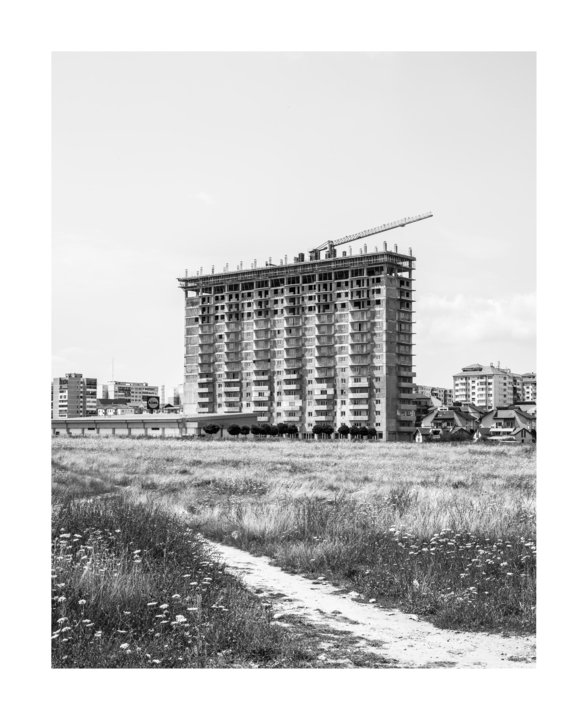
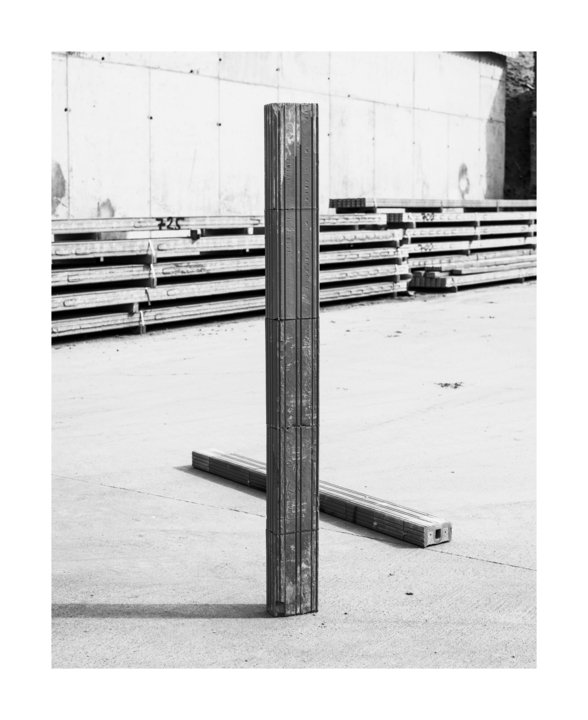
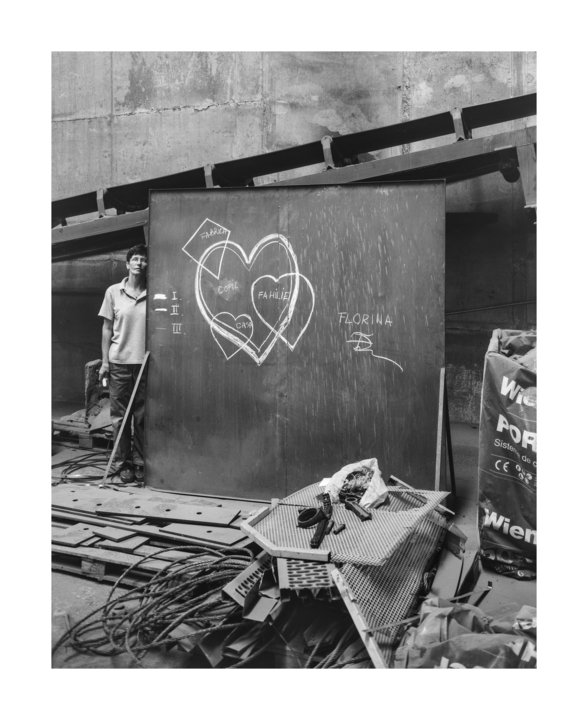
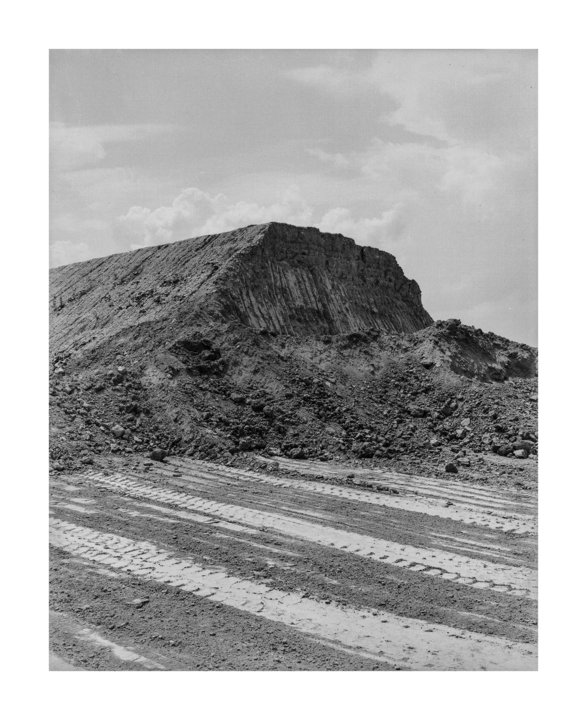
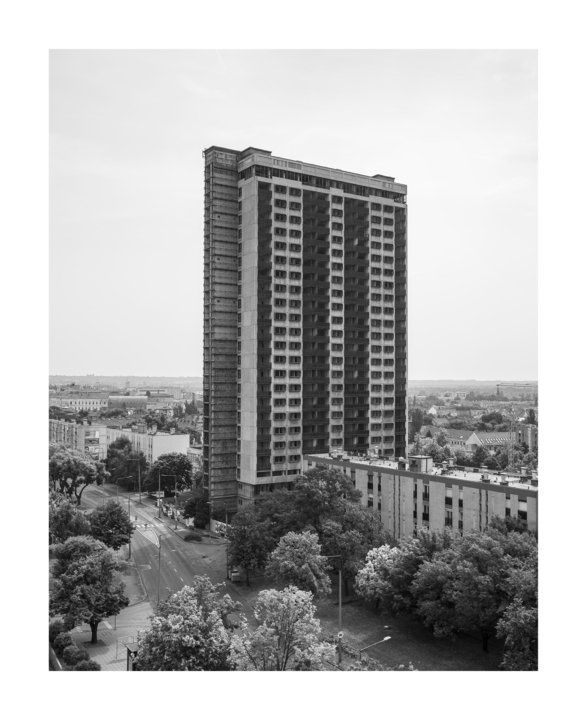
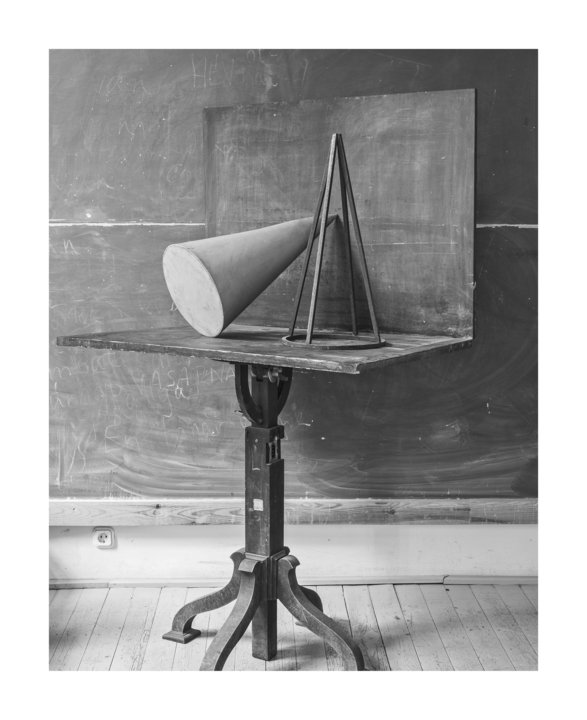
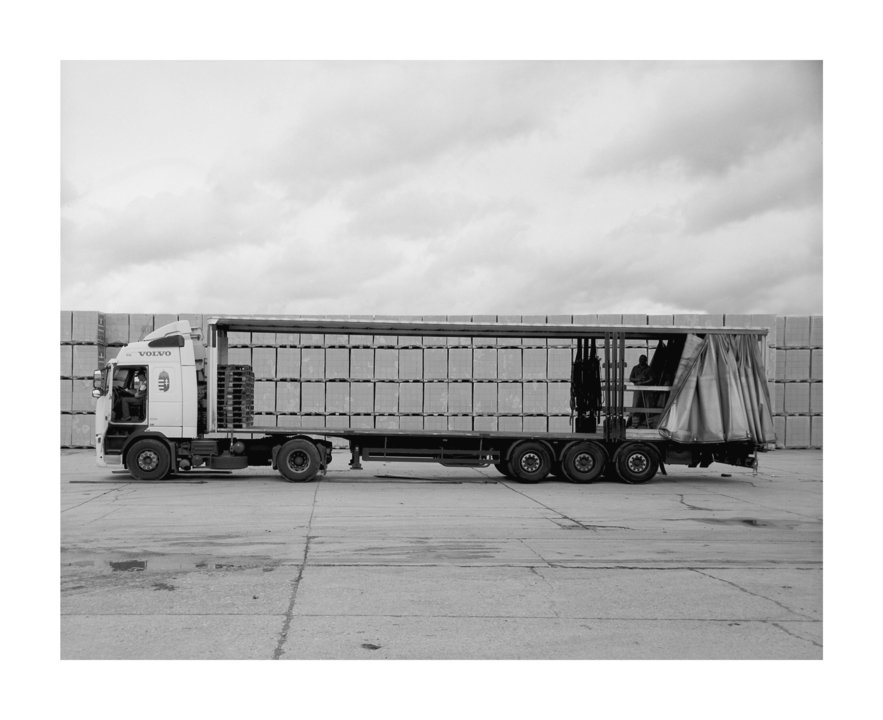
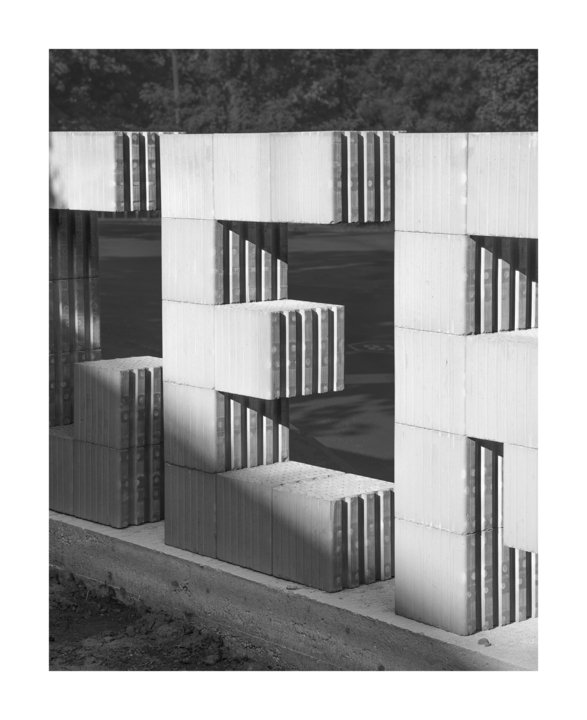
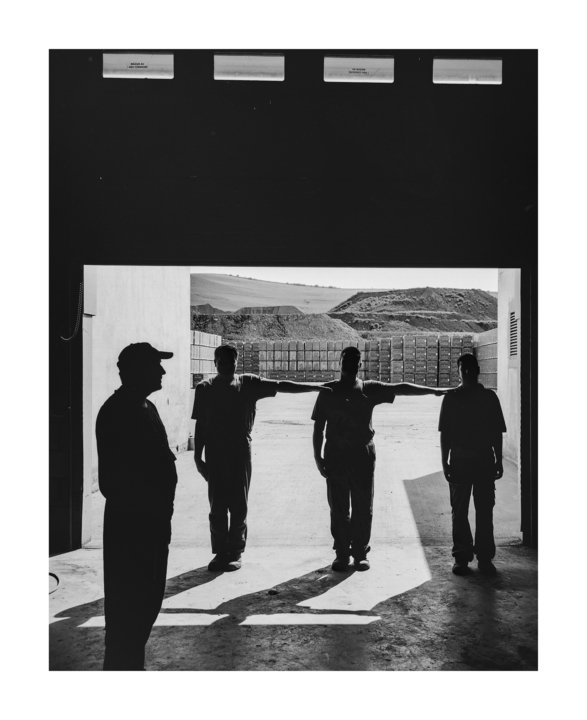
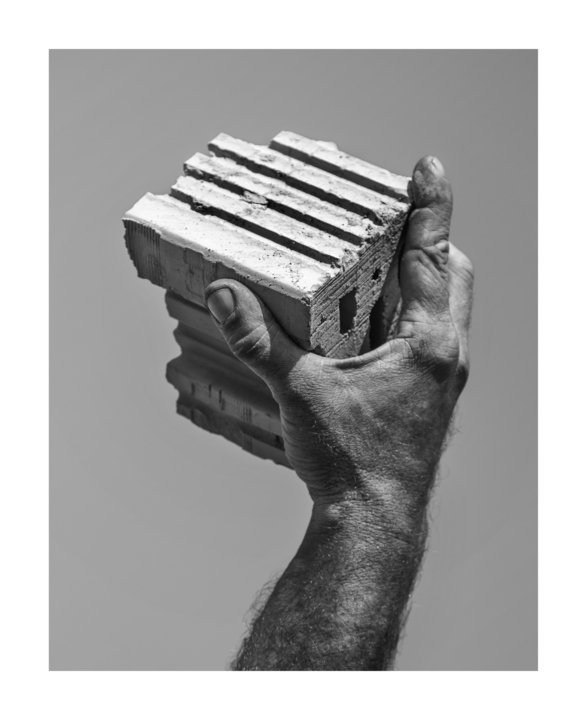
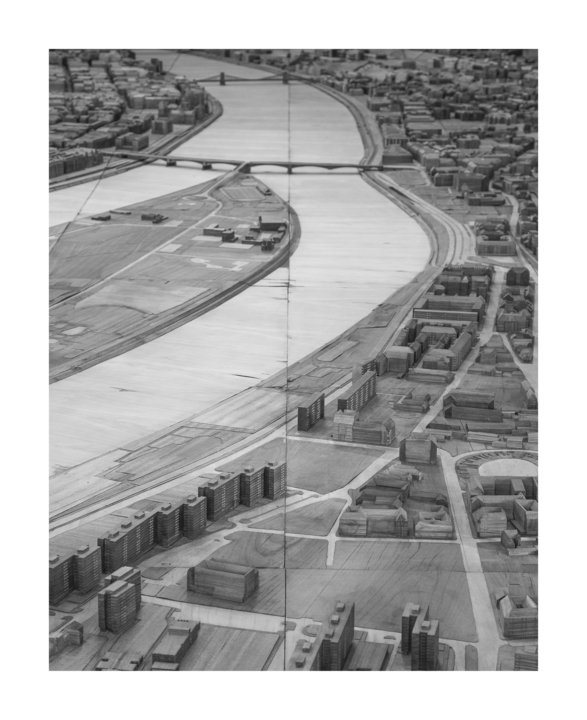
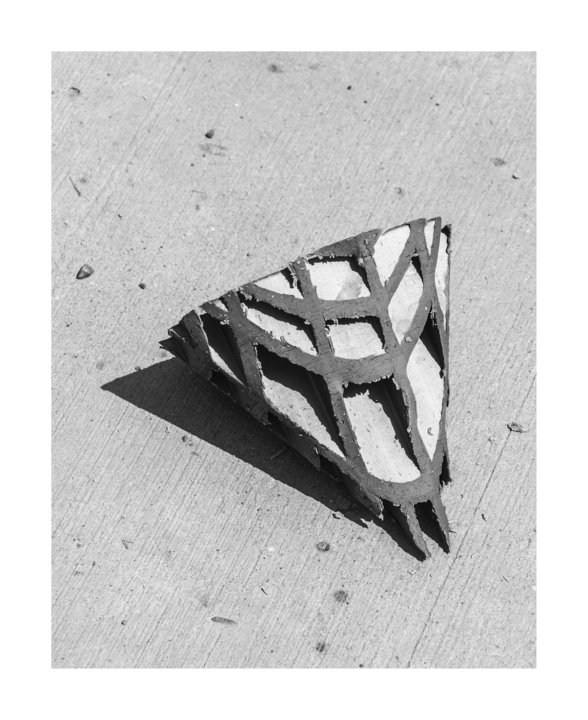
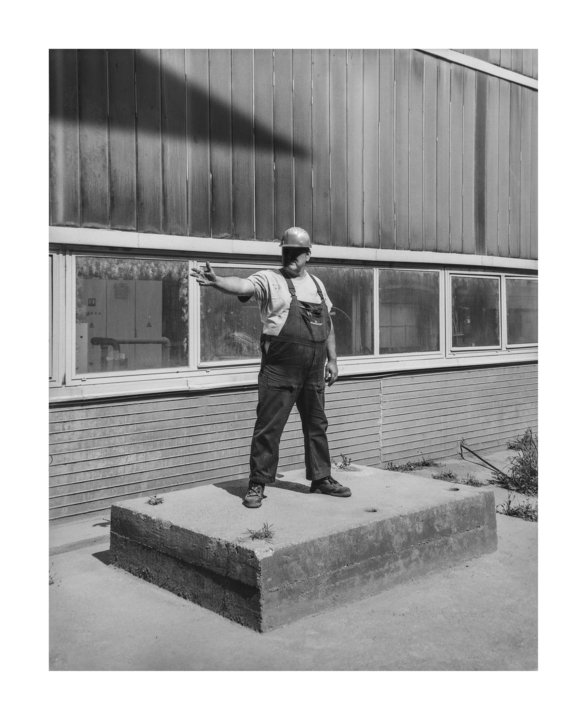
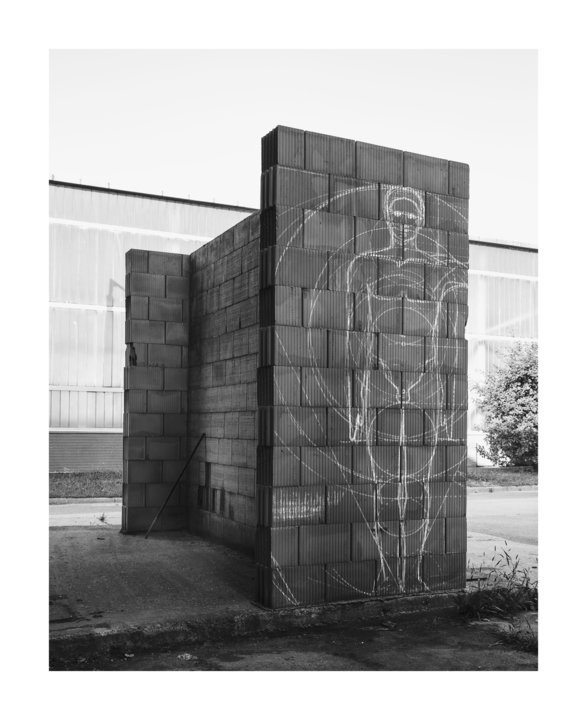
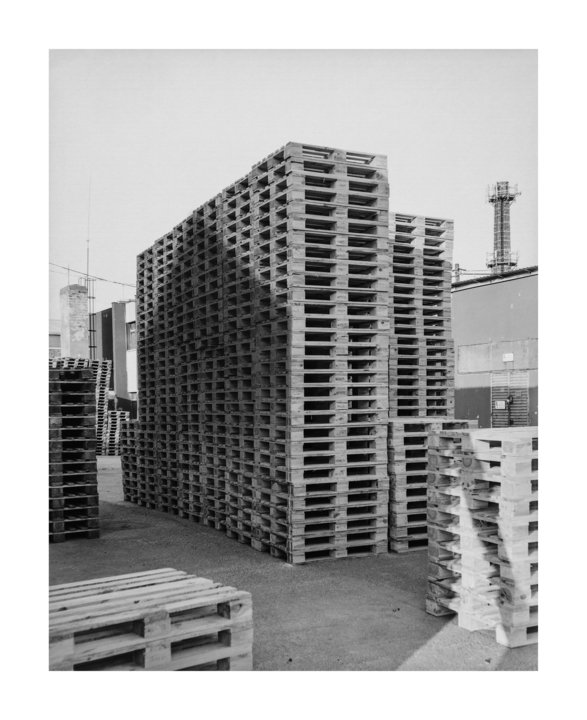
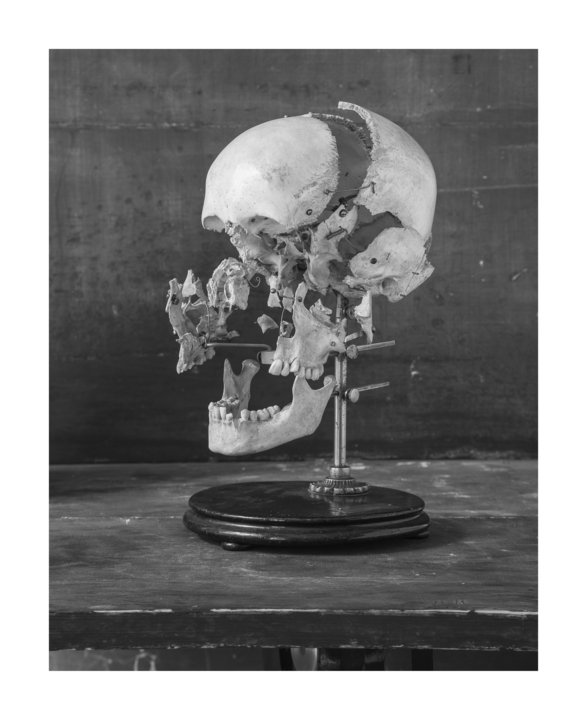
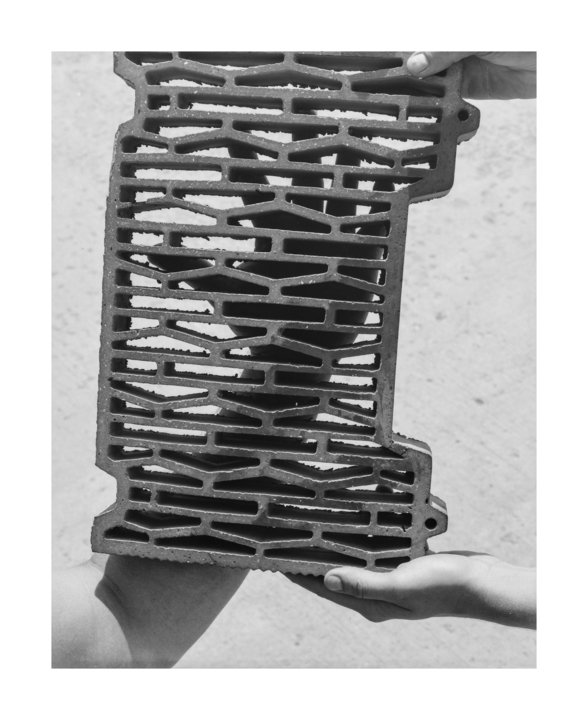
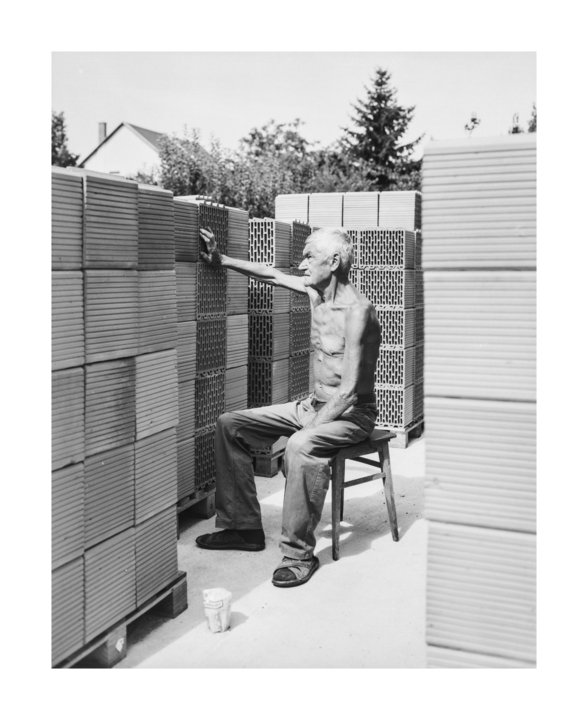
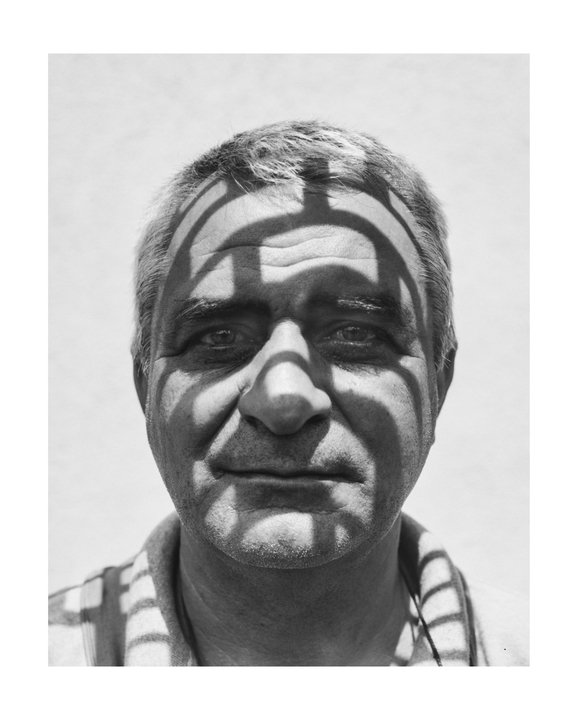
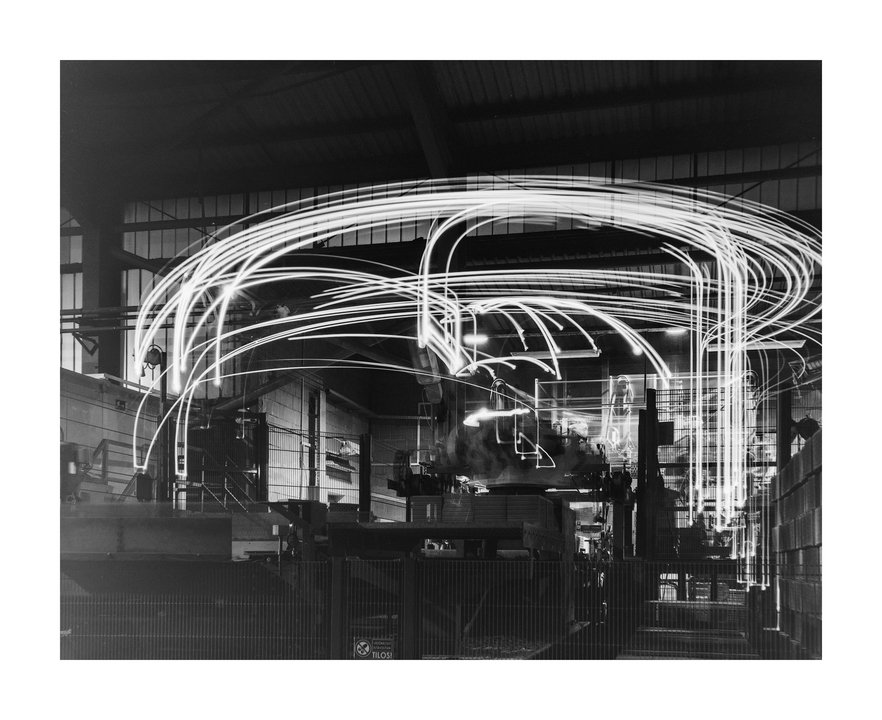
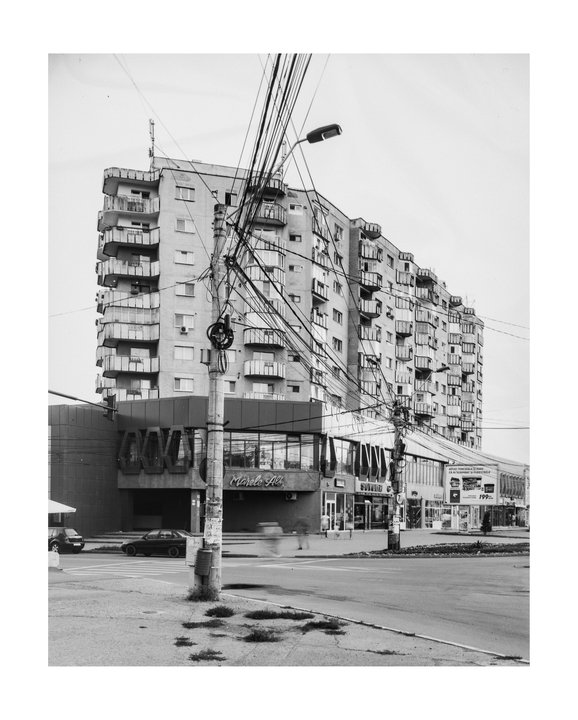
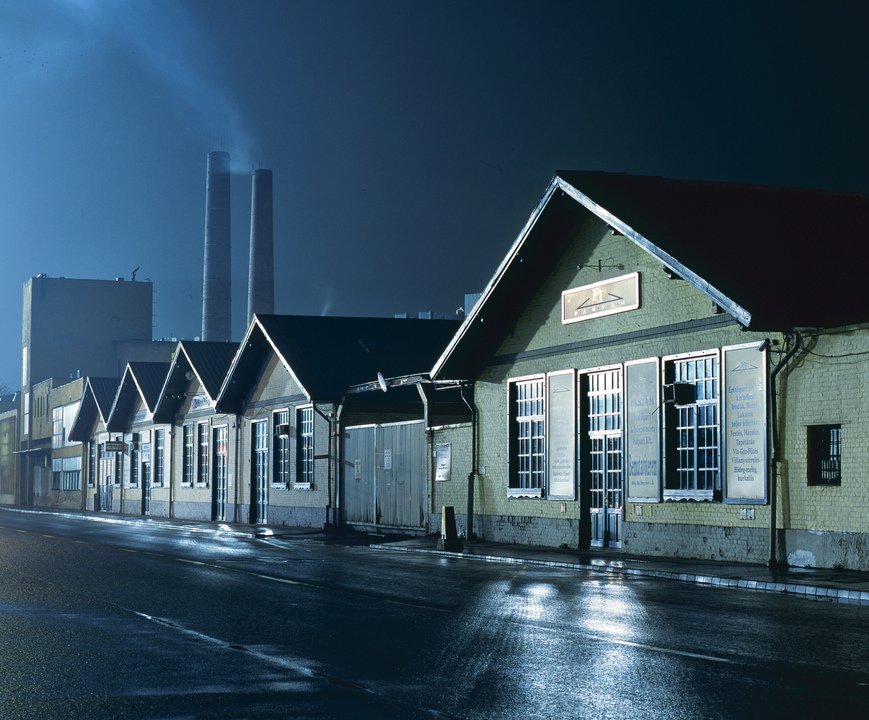
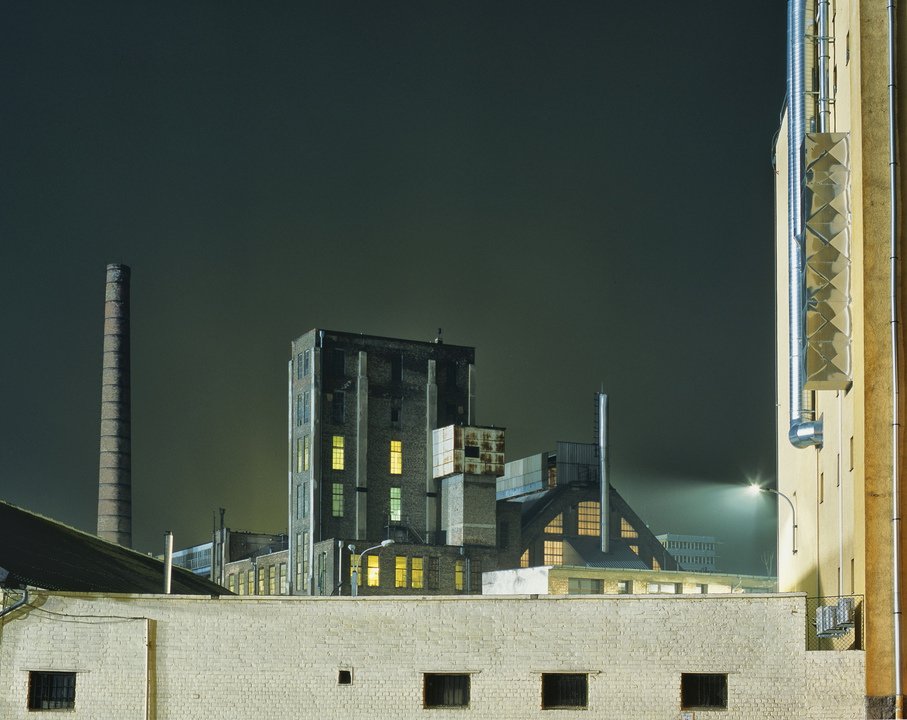
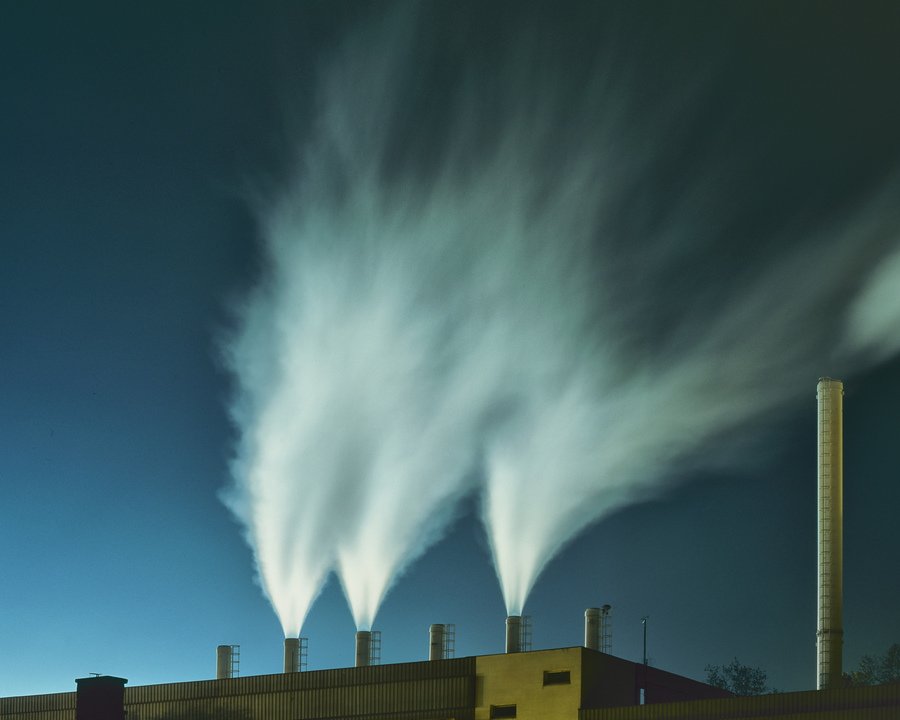
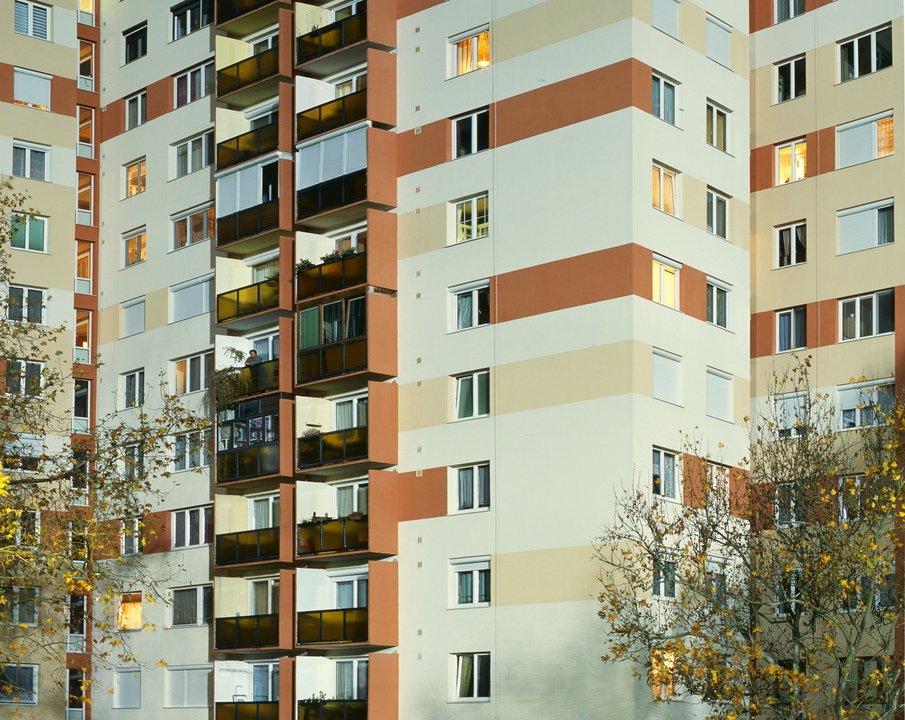
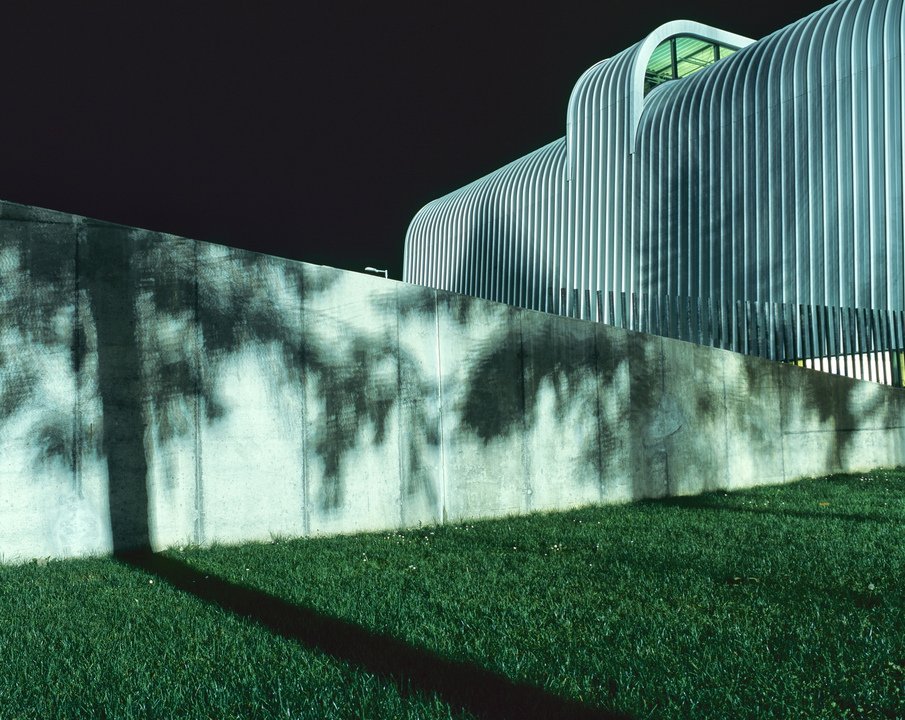
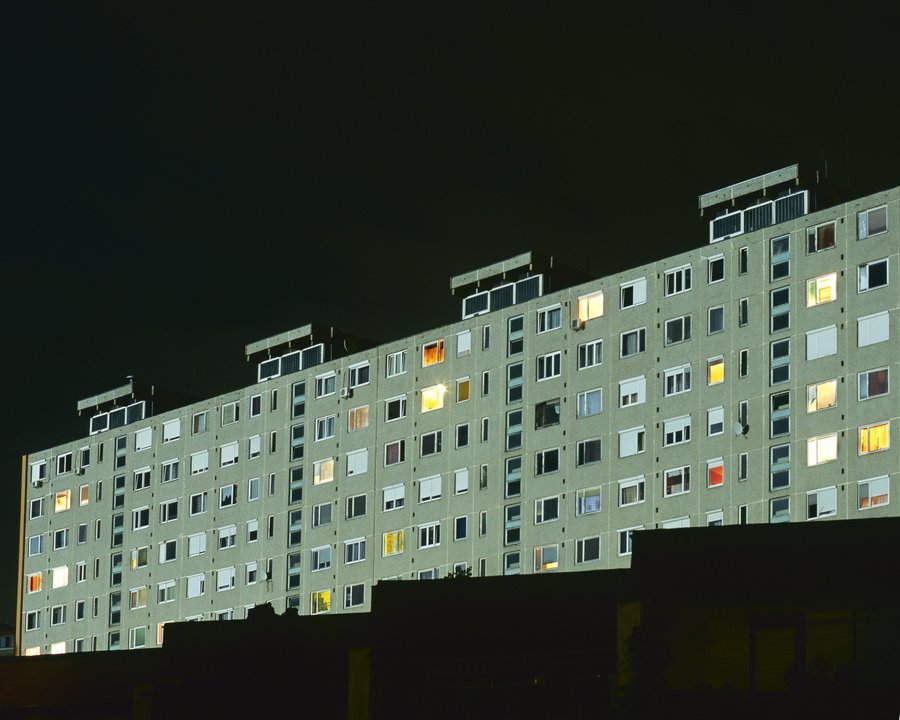
It’s too easy to say something is within or is beyond human scale, but finding the actual boundaries embracing everything that is human is a rather difficult venture. Jacob Bronowski, opens his magnificent book, The Ascent of Man, with the following statement: Man is a singular creature. He has a set of gifts which make him unique among the animals: so that, unlike them, he is not a figure in the landscape — he is a shaper of the landscape. In body and in mind he is the explorer of nature, the ubiquitous animal, who did not find but has made his home in every continent. Human scale is defined by the horizon drawn around us by the outermost limits of our senses, but most of what we know of the universe reached us via technology. Our greatest responsibility is to constantly search for our place in the world by defining our own scale. On the other hand man is often referred to as a being without scale, by which we point out how great impact we are able to make, but at the same time we unwillingly admit that we are becoming unable to find our origo, our own place. To begin this work I chose my own narrow horizon, that is limited enough for me to inhabit, while flexible enough to examine what is Human. At the very start an enigmatic object accidentally got in my way, it was the brick, that later on proved to be the perfect symbol, so many human qualities are compressed into it. The first evidence of the use of this building material was found in what is today a land of war, Syria, in Tell Aswad a ten thousand year-old small town near Damascus. Curiously mathematics also emerged at the dawn of human civilization, in the same time and region. There must be something common shared between them. Just like in mathematics, we make bricks by splitting up the formerly continuous fabric of the material world to form identical units, which we can later use to create constructions never seen before. Bricks are the simplified examples of how the universe can be cut into equal units, and understood. The size of a brick is derived from human measurements, a grip of a palm, length of a foot, height of a man, his muscle power. Of course it had evolved throughout history, size has grown, its structure and technology became more complex, and still, it is adjusted to our body. The human body was the model for old time measurements and units. Many different such standards coexisted and fought for their own survival. When the body becomes data, it is detached from itself. It can turn into a mere illustration of the information extracted using units that once originated from it. What we call cultural evolution may be only an overlap between biological and technological life. It is clear, Human culture could not exist without ever growing technology. All life attempts either to find the surroundings in which it can thrive or it adapts to the given circumstances. Or, it reproduces until it becomes capable of altering the habitat to meet its needs, to reflect itself. Rainforests create their own humid climate, capture rainwater and fertilize the soil. As rainforests create their own atmosphere, so does technology, cities convert their surroundings and force living organisms to adapt to the more virulent urban standards. I believe as biological evolution nears the limits of its capacities, the shift to technological evolution was not just a possibility but a necessity. We ought not think of our symbiosis with technology as a human achievement, because it was the result of life wanting to cross its borders to expand its horizon. We are at the right time and place to actively participate in it. During my time in the brick factories I cooperated with workers in a sensitization process. Together we examined their role in production and I confronted them with assignments to question the fatigue of creativity, a fundamental human gift. Workers were given chance to picture themselves as small parts of the living organism, and to formulate questions about their function and their relation to it. My first encounter was Otto, who works six days a week in three shifts. In a single eight-hour shift he oversees the production of 18.000 bricks, the equivalent of 3-4 standard family homes. His dreams are haunted by bricks, but in the twenty years he’s been working in the factory, he insists, he never thought of what he would build for himself from one days worth of bricks. He is about six bricks tall, that would take 15 seconds of his life to produce. Is it important for a worker to imagine how his or her dreamhouse would look like? Can we visualize how the individual feels about being an brick-in-wall? As doubtful as it may sound, but the fully automatized brick factories — that laid off the majority of their human workforce to improve productivity — showed a remarkable and accurate, yet allegoric example of the above transition from biological to technological. The human-animal distinction proves to be as awkward as the human-machine contrary. As Ray Kurzweil puts it: We are rapidly growing more intimate with our technology. Except, from where I see it, technology is not ours, it belongs to life.
WORKS BY THE FELLOWS
NINETY MINUTES
Sopronyi Gyula

GYULA SOPRONYI (1974)
Jegenyefa utca 3
1044, Budapest
+36302578045
www.sopronyi.com
gyula@sopronyi.com
STUDIES
- 2010 Coney Island, New York City
- 2008 Magnum Masterclass London, Anglia
- 2008 Magnum workshop Toronto, Kanada
- 2004/2005 Bachelor of Arts: Film, Television and Camera
- 2000 „Masterclass 2000” St Peretsburg, russia (Soros Fondation)
- 1992/1994 Photography School
WORK
- 2011- United Nations High Commissioner for Refugees photographer
- 2011- COLORS Magazin
- 2010- Nouvus Select/freelancer
- 2008- National Geographic (Hungary)
- 2008- Freelanc photographer
- 2008/2010 Invision Images Agency/ photographer
- 2004/2008 Népszabadság, Fotórovat vezető-helyettes
- 2002/2006 Népszabadság Magazin, picture editor
- 1998/2002 Népszabadság, photographer
- 1994/1998 Blikk, photographer
- 1993/1994 Esti Hírlap intern
GRANDS
- 2014 National Cultural Fund of Hungary Grant
- 2013 Minority, National Cultural Fund of Hungary Grant
- 2012 Andre Kertesz Scholarship, Paris, France
- 2010 Photography Grant of Budapest , Pro Cultura Urbis Foundation
- 2010 Goethe Institute Scholarship, Istanbul, Turkey
- 2009 Jozsef Pecsi Photography Grant
- 2008 Visegrad Artist Residency Programme / Nyertes
AWARDS
- 2011 Balogh Rudolf Balogh Award
- 2010 Photo Philanthropy Award Finalis
- 2009 National Geographic Awardt / 3rd place
- 2007 National Geographic pályázat / 1st. place
- 1997-2011 Won two times the Photographer of the Year and 16 different categorize prize on the Hungarian Press Award
SOLO EXHIBITIONS
GROUP EXHIBITIONS
- 2015 ’Floating Aspect’, Institut Hongrois, Paris, France
- 2013 ’Right Before Your Eye’ UN Exhibit Gallery, New York, USA
- 2013 ’Capa Project’, Robert Capa Contemporary Photography Center, Budapest, Hungary
- 2013 ’Building Hope, Bulding Home’ exhibition Southwire co. Dallas, USA
- 2012 Balogh Rudolf Díjasok kiállítása, Nemzeti Galéria, Budapest
- 2012 ’Budapest Pozitív’ exhibition, Maribor, Slovenia
- 2011 ’Orphanage’, FotoWeekDC, Washington DC, United States
- 2011 Order Of Merit, Olaf Palme House, Budapest, Hungary
- 2011 ’Half-way’, Millenaris, Budapest, Hungary
- 2011 ’Budapest Positive’, House of Photography, Budapest, Hungary
- 2010 ’Human Landscapes’, Brussels, Belgium, Istanbul, Turkey
- 2008 Calumet Gallery London, UK
- 2008 ‘Parallels’, Budapest, Hungary
- 2008 ’Equal Opportunities’, Hungarian National Museum, Budapest, Hungary, 2005 ’Membership’, Budapest Gallery, Hungary
- 2003 ’One Day, Millenaris’, Budapest, Hungary
- 2001 ’Refugees’ Újpest Galéria, Budapest, Hungary
- 2001 ’Photo Saloon’, Museum Of Fine Arts, Budapest, Hungary
- 2000 Photographer of the Year, House of Photography, Budapest, Hungary
PUBLICATIONS
- Huffington Post
- New York Times
- Gizmodo, New York-i magazin
- National Geographic
- Colors Magazine
- SLR Lounge magazin
- Nagykép index.hu
- 444.hu
.
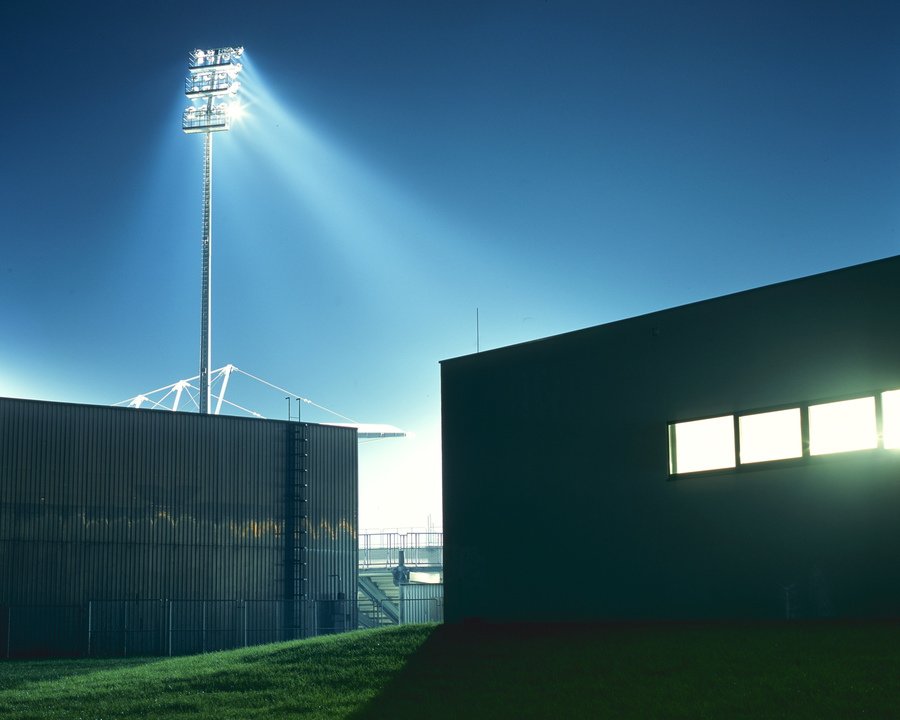
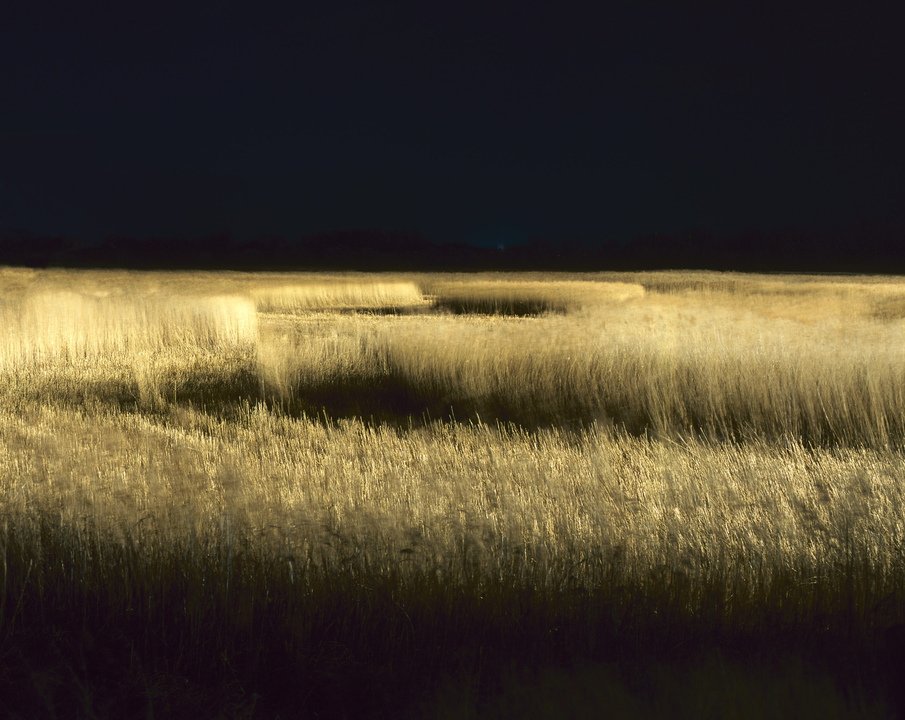
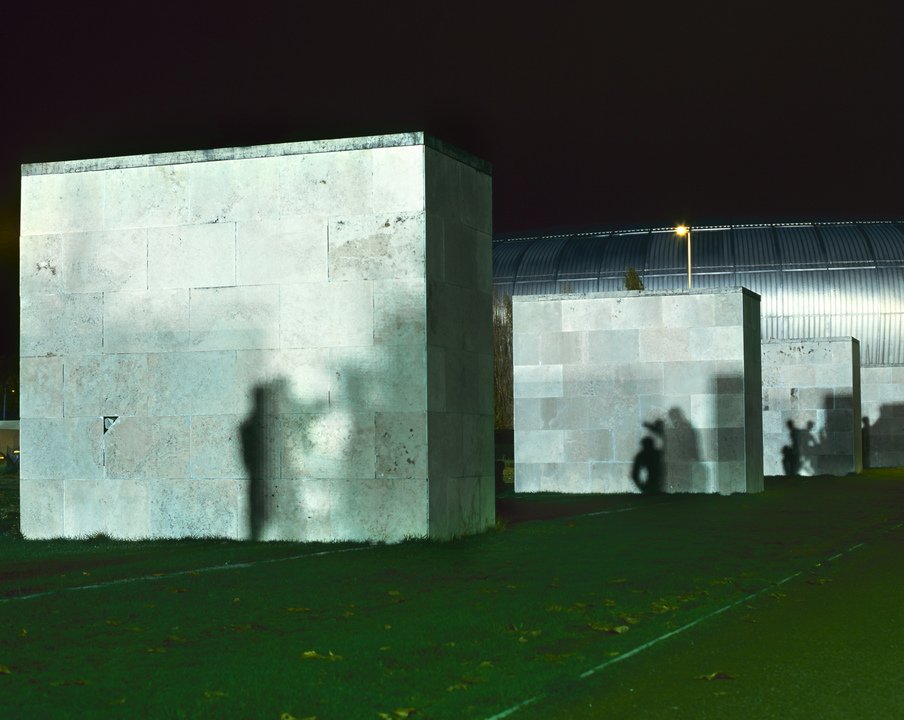
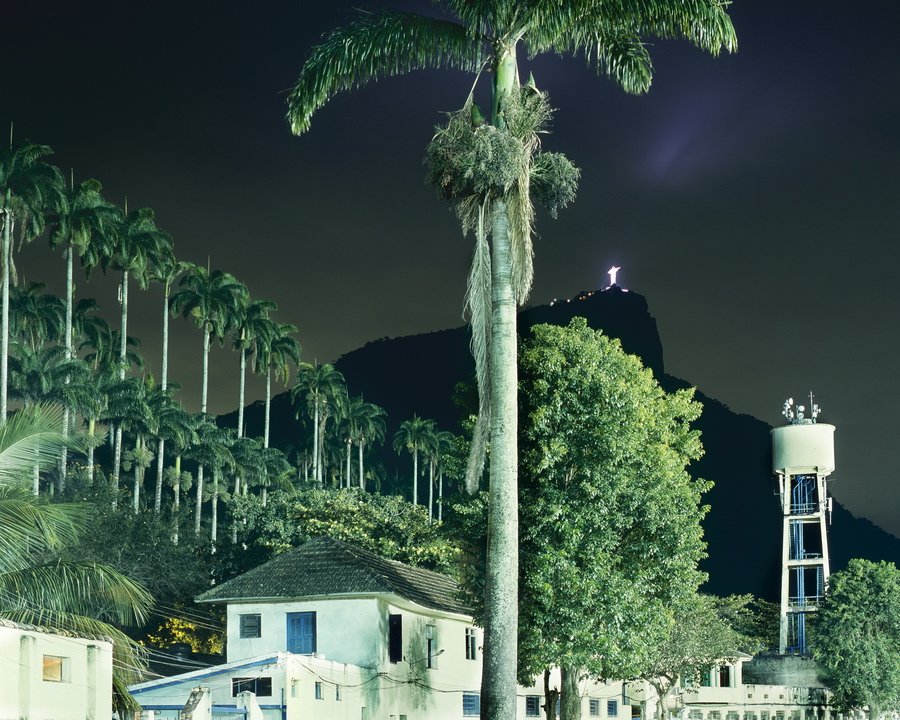
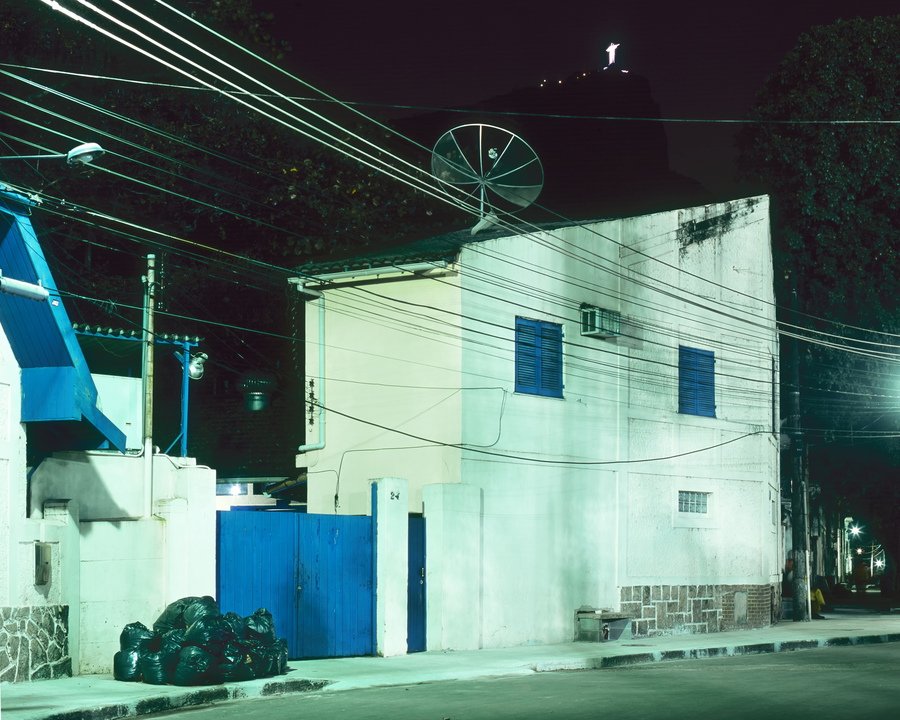
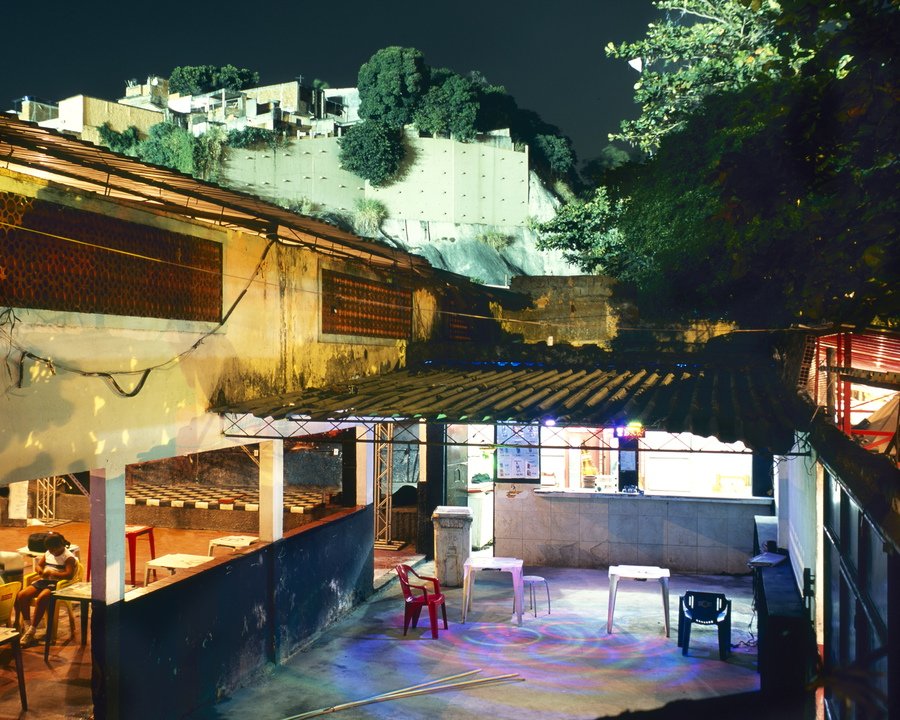
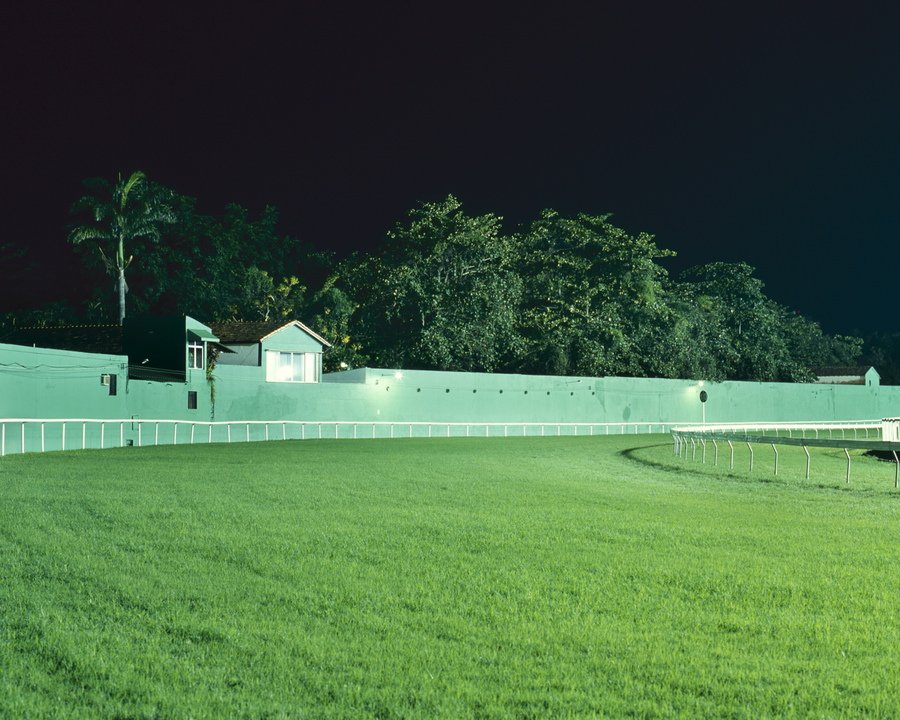
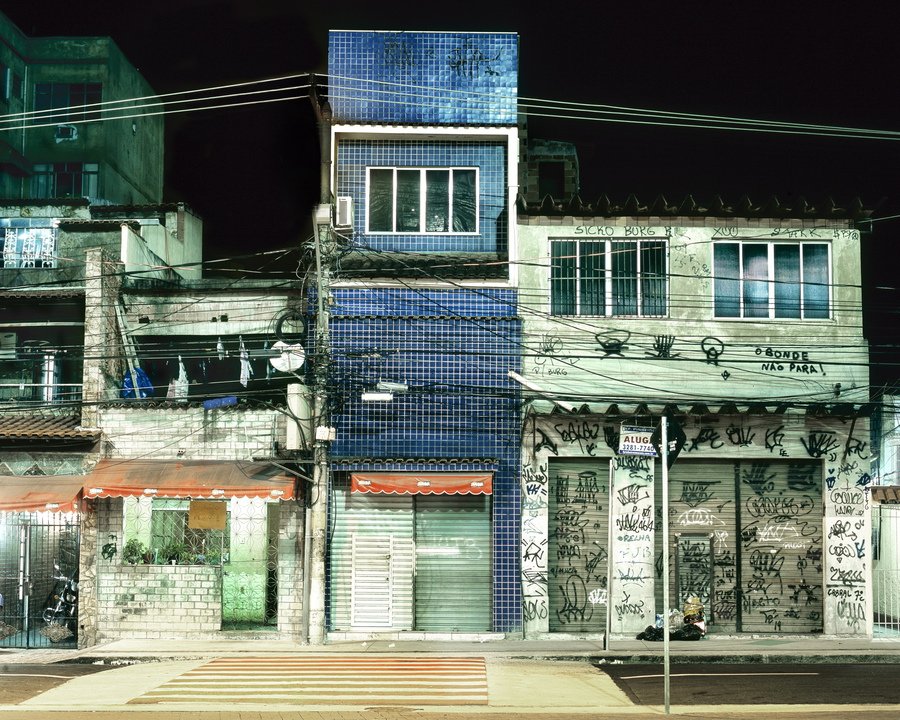
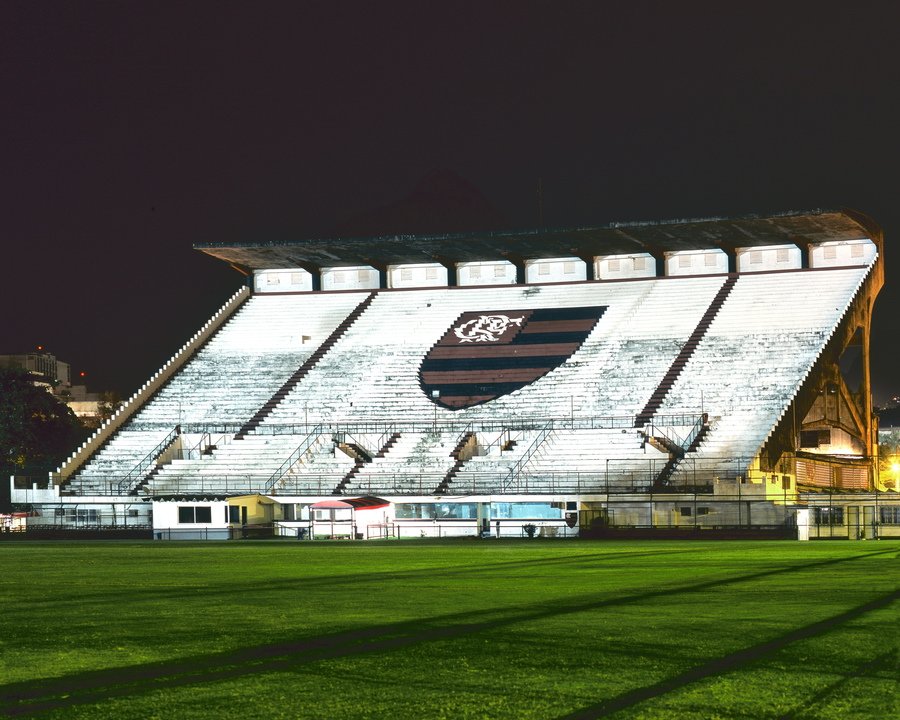
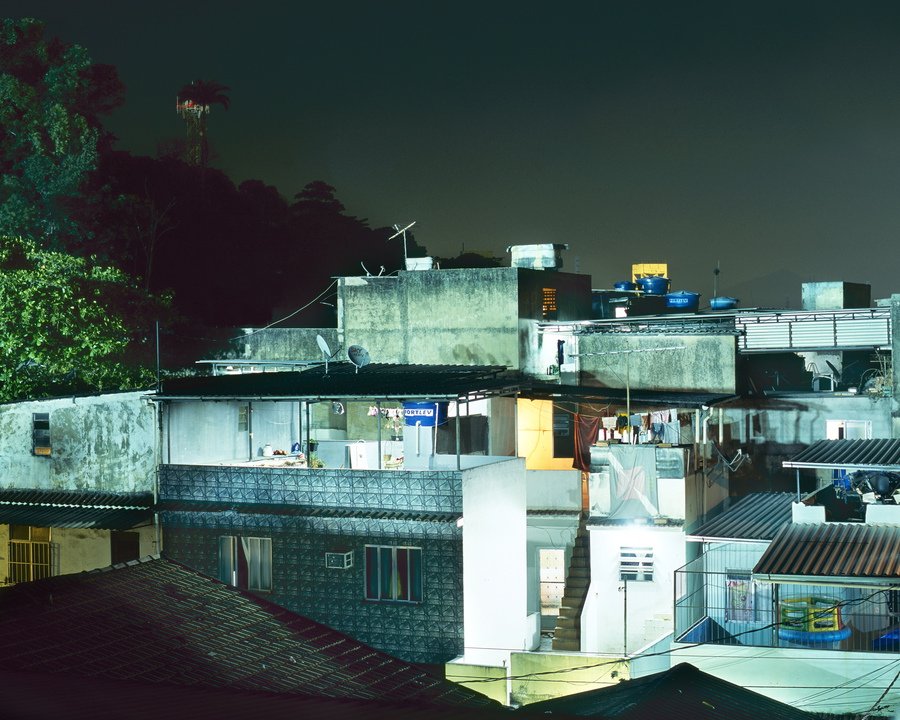
My latest photographic series, still in progress, aims to focus on a phenomenon that has connections with every section of society. Directly or indirectly, either as an individual or through someone in our social or work circle, our lives are affected by one of the most divisive and controversial topics, that is football.
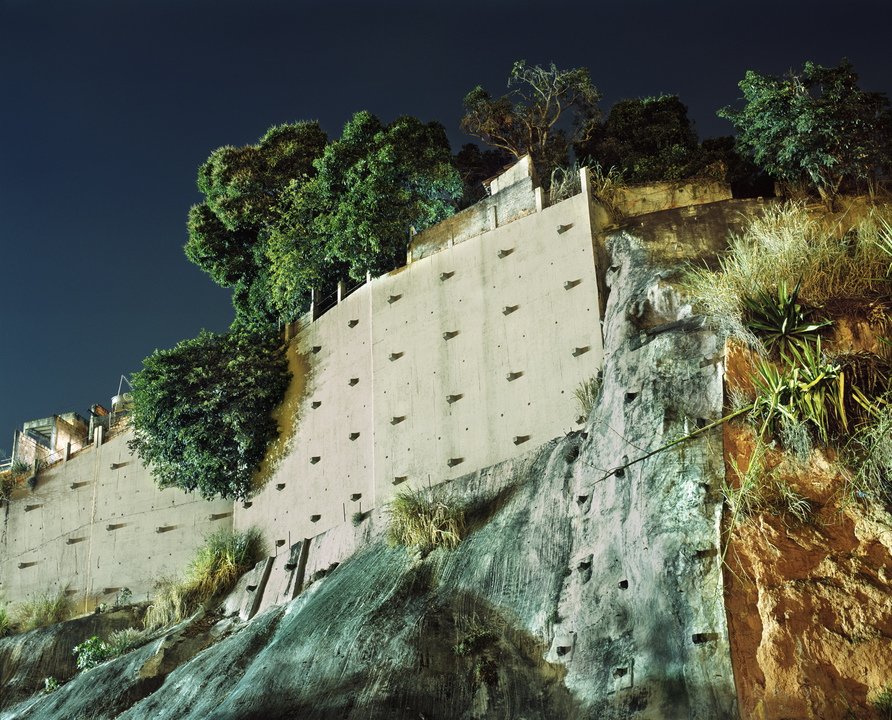
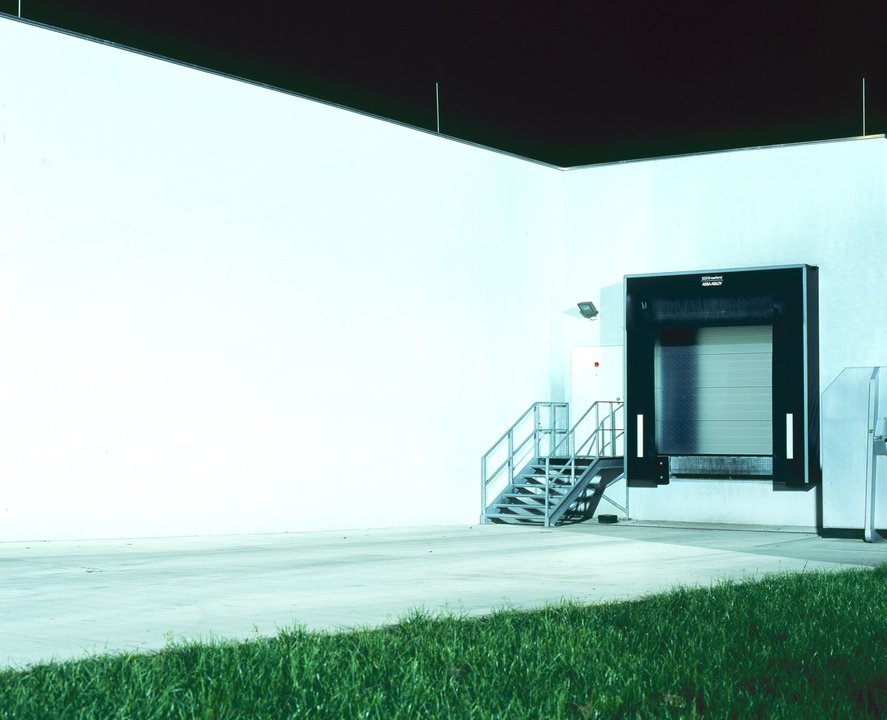
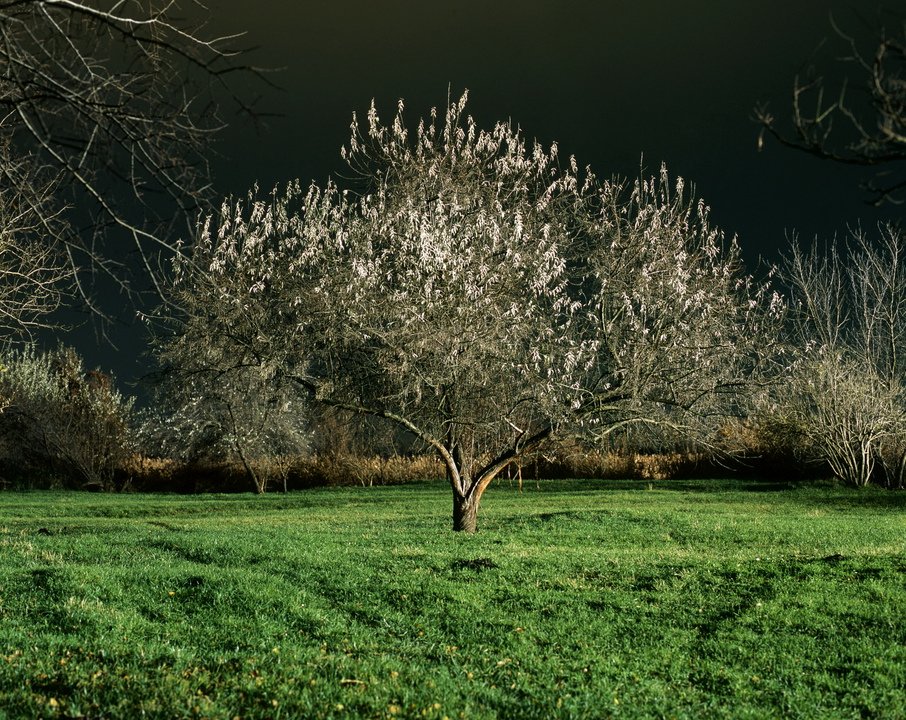
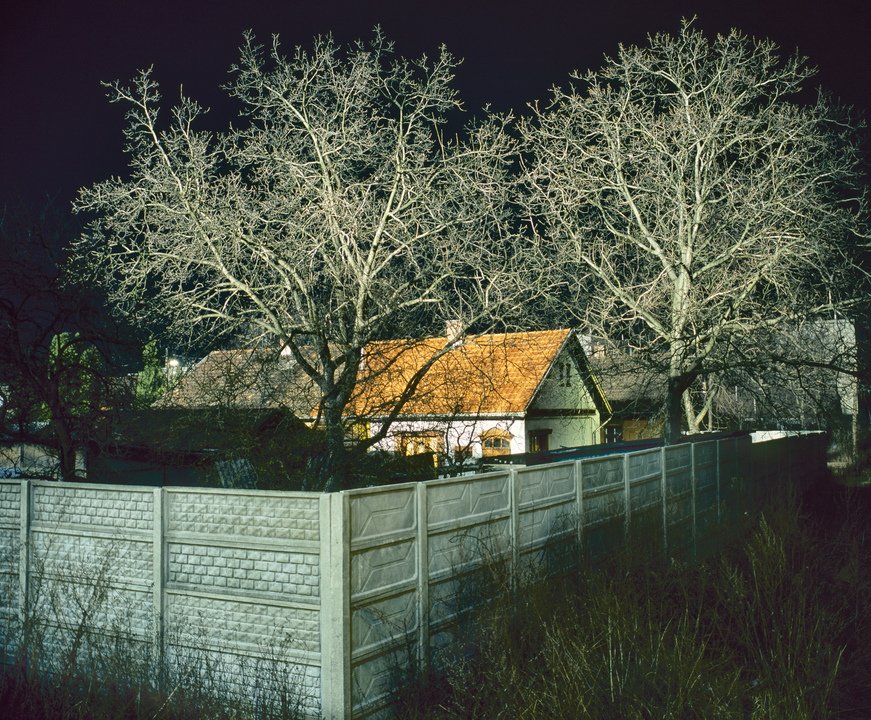
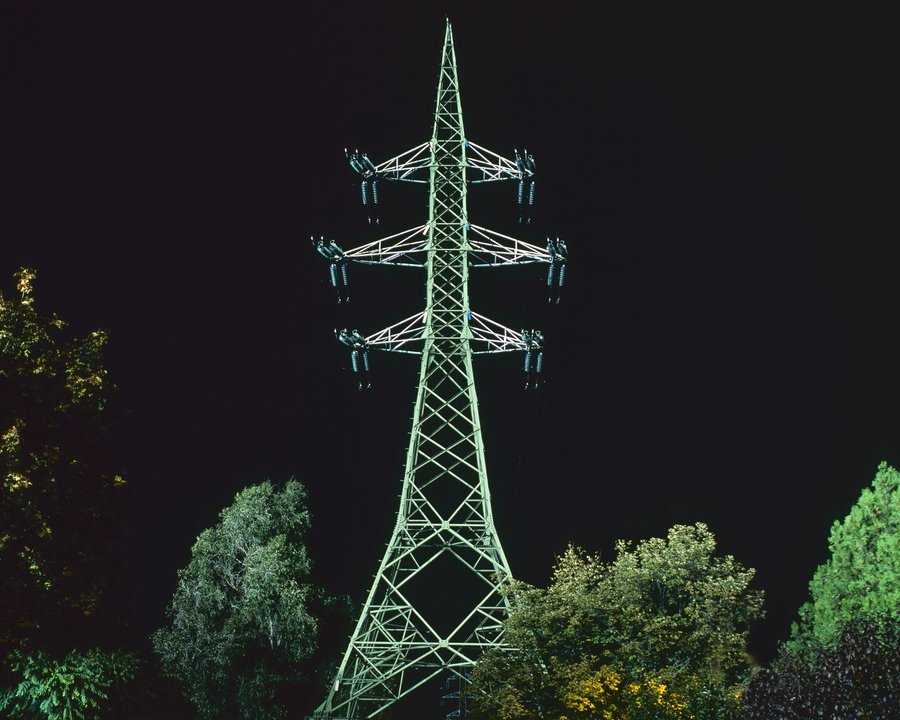
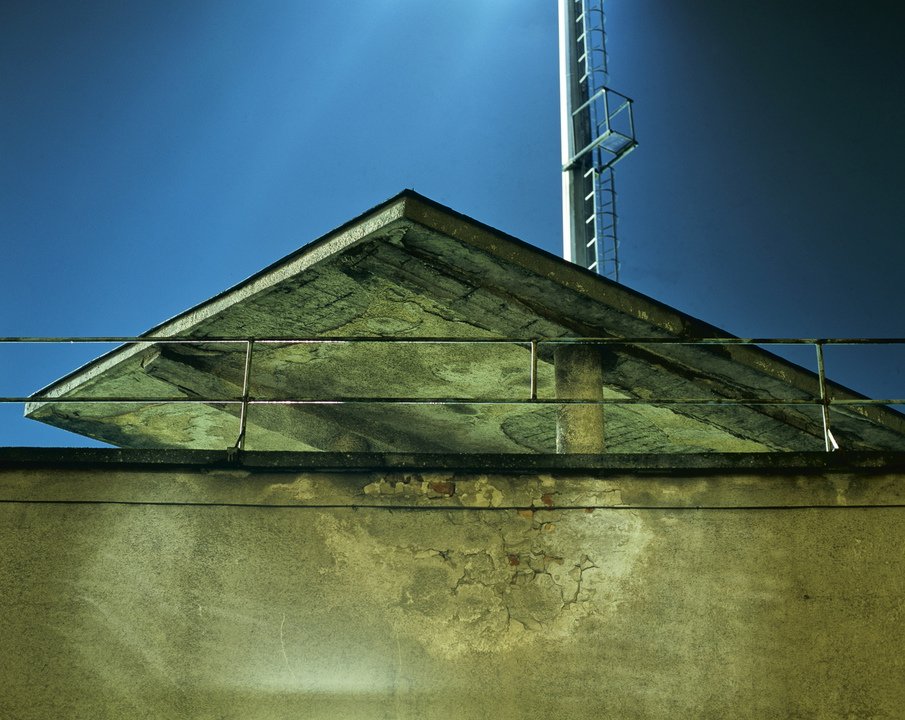
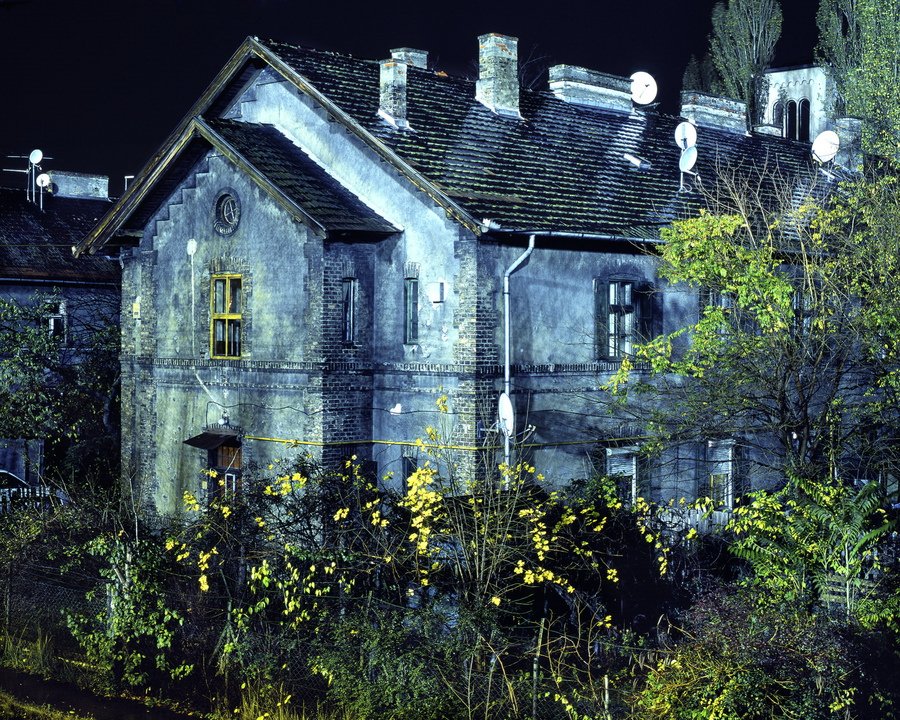
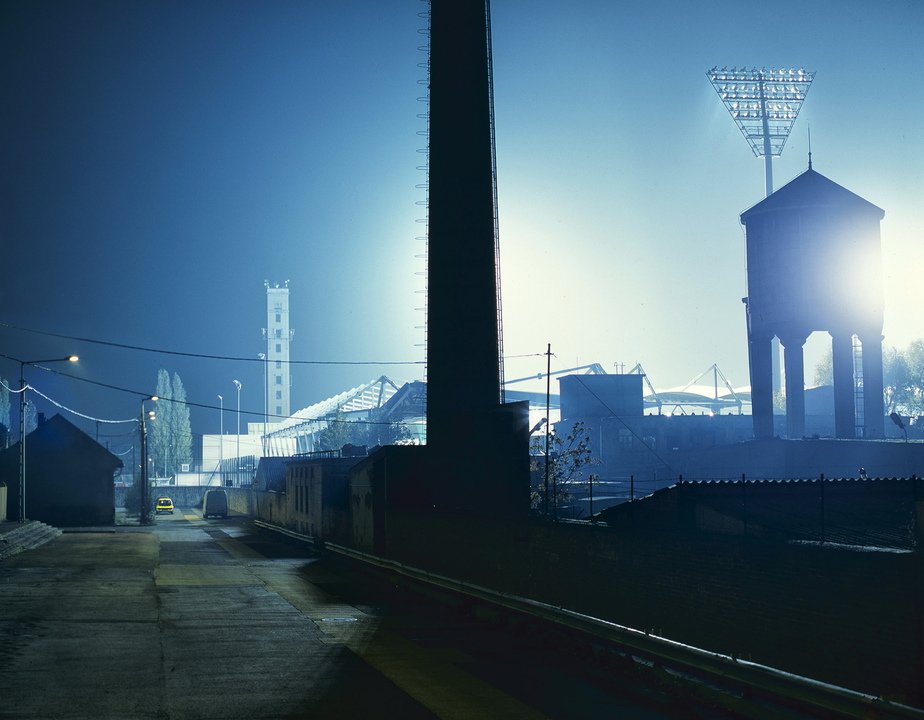
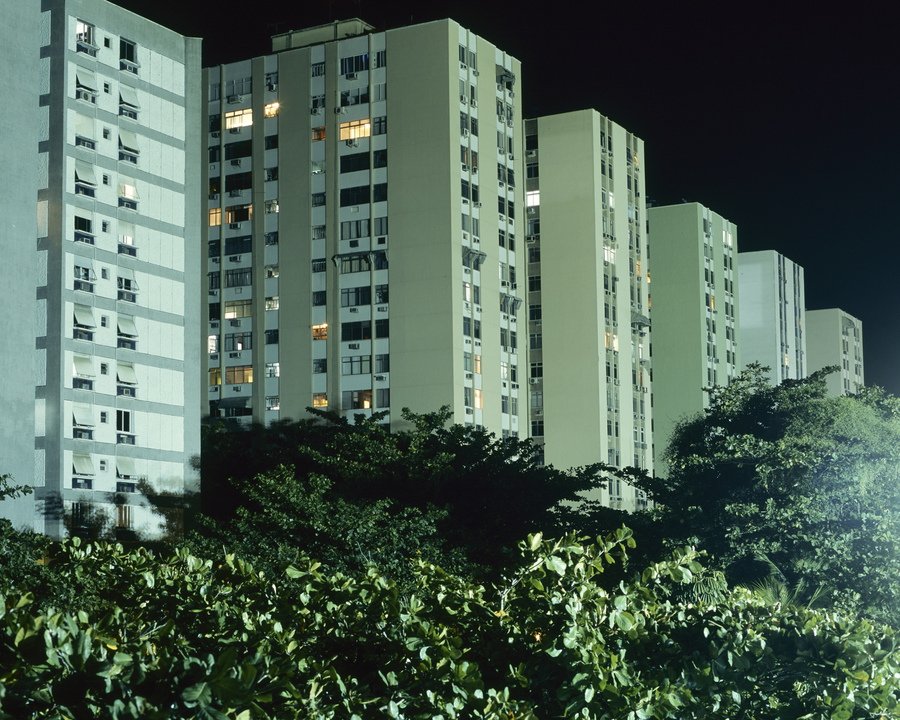
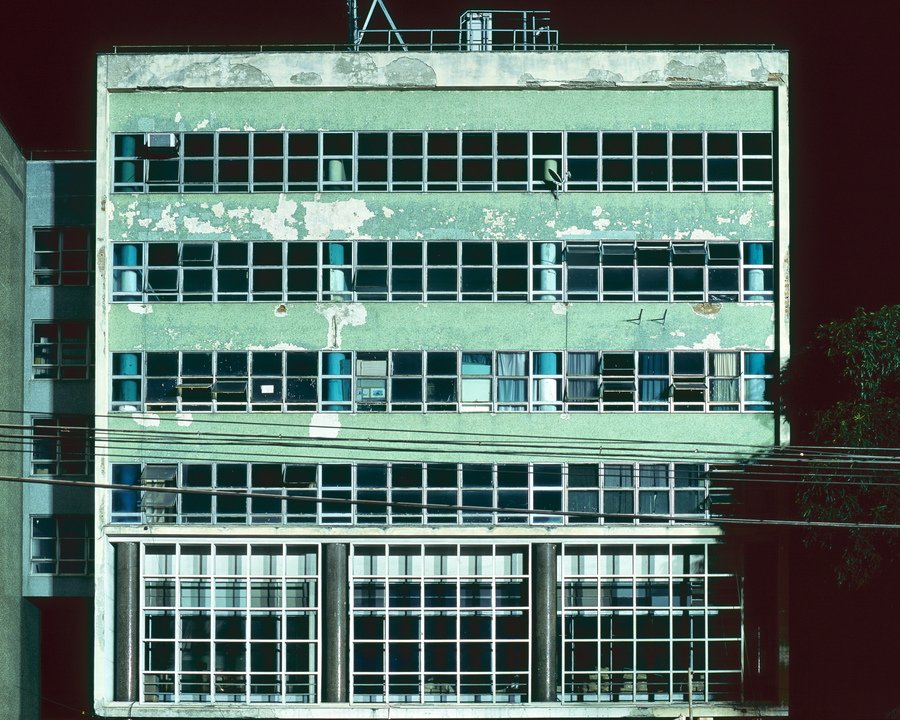
My idea is to apply a different kind of approach, through photography, which will lead towards new and exciting discoveries thereby giving the institution of football an entirely new perspective. Football games have ninety minutes of playing time during which the floodlights are turned on in the stadium, illuminating not only the football field but, also, the world outside. While hundreds or even thousands of people are watching the game, the surrounding environment changes entirely during this time. Some things become highlighted, aspects emphasised and elevated to a different level of consciousness, but only for the duration of the match after which they become hidden once more.
There are barriers and restrictions which make the taking of the photographs problematic. The available time is strictly limited to ninety minutes and the number of matches is also bound by the few which take place in any season. In addition, because of the high running costs of the floodlights, matches are often played without using them and, even when games are illuminated, the intensity of the light diminishes with distance. On the one hand, these restrictions can be seen as difficulties but, on the other, they demand and deserve a more concentrated presentation of the ambience and mood of the photographic subject. The floodlights illuminate only the objects in the close vicinity of the football stadium. As a result, they limit but, simultaneously, emphasise the images touched by their beams. The grim reality of urban decay, the destruction of green spaces and the isolationism of everyday life all become more visible. So, from both urban and sociological perspectives, these ‘visions’ can bring a unique clarity for decisions relating to environmental design, urban planning and the ways in which people live. Perhaps, most significantly, through the images to be created in this project, light can be shed upon the noticeable tensions present in contemporary society and may serve to alter, change or confirm the varied and conflicting views about football as an institution. Football is bringing many changes in Hungary and all over the world. Whilst in the stadiums themselves there is a strong social engagement and affiliation between the individual participants and observers, the surroundings tell a different story. Houses, streets and open spaces are becoming construction sites and even complete districts are vanishing altogether, taking with them human destinies, hopes and security. This attracts far less attention than the football matches they have been sacrificed for. I should welcome the opportunity to follow the process of this change not only in Hungary but also abroad in order to examine at first hand the environmental and sociological impact of the lights of the ninety minutes as extensively as possible. When I received the Robert Capa Fellowship Prize, it gave me a wonderful opportunity to continue my Ninety Minutes photographic. Initially, it presented a challenge. At the time of receiving the Fellowship Prize,the beginning of June, up until the deadline at the end of September, there is a break in the football season, not only in Hungary but, also, in Europe. In addition, throughout the summer months, the hours of daylight are extended, so, the floodlighting which is essential to my project, was not even switched on! So, to be able to continue my Ninety Minutes series, I had to find a place where it was dark enough for floodlights to be needed and where the football season was still going on.
Thanks to the Fellowship Prize, I travelled to Rio de Janeiro, Brazil, on the other side of the equator where it was winter and was dark early. In spite of the very different environments in Brazil and Hungary, my photographs capture interesting parallels between the two countries
and highlight the surprisingly similar social issues which they share. In particular, the phenomenon of football induced social unrest is very much in evidence. In Brazil, the 2014 Football World Cup provoked a strong negative social reaction which is still present. Moreover, the upcoming 2016 Olympic Games are raising difficult questions and heated discussions in many quarters. Huge investments were made and continue to be made for these events which have diverted the country’s financial resources to such an extent that basic medical care and education have reached crisis points. Those most adversely affected are the slum dwellers, as they are totally dependent for their livelihoods on the national decision-makers. Tens of thousands living in the ‘favelas’ were forced to leave their homes, making these already marginalised groups even more troubled and pushed into vulnerability.
My pictures aim to highlight and explore these underlying issues. In addition, connections between the two series raise further questions. In the case of two totally different countries, similarities have appeared, but what happens when other countries are also involved? New aspects will surely come into focus and new questions can be posed as a result. Interestingly too, the various environmental measures, such as limiting light pollution or the development of technology and energy management, interacting with the latest architectural innovations, are all bringing a slow but inevitable end to the era of traditional stadium lighting. Soon, the environmental effects of the floodlights and the resulting visual experiences they produce will have disappeared and, so, it is important that this is recorded, photographed and examined.
For the future, I intend to continue recording, exploring and analysing. I believe that my Ninety Minutes series can help to raise awareness of these social problems at an international level and might give encouragement to starting fresh debates on the subject.
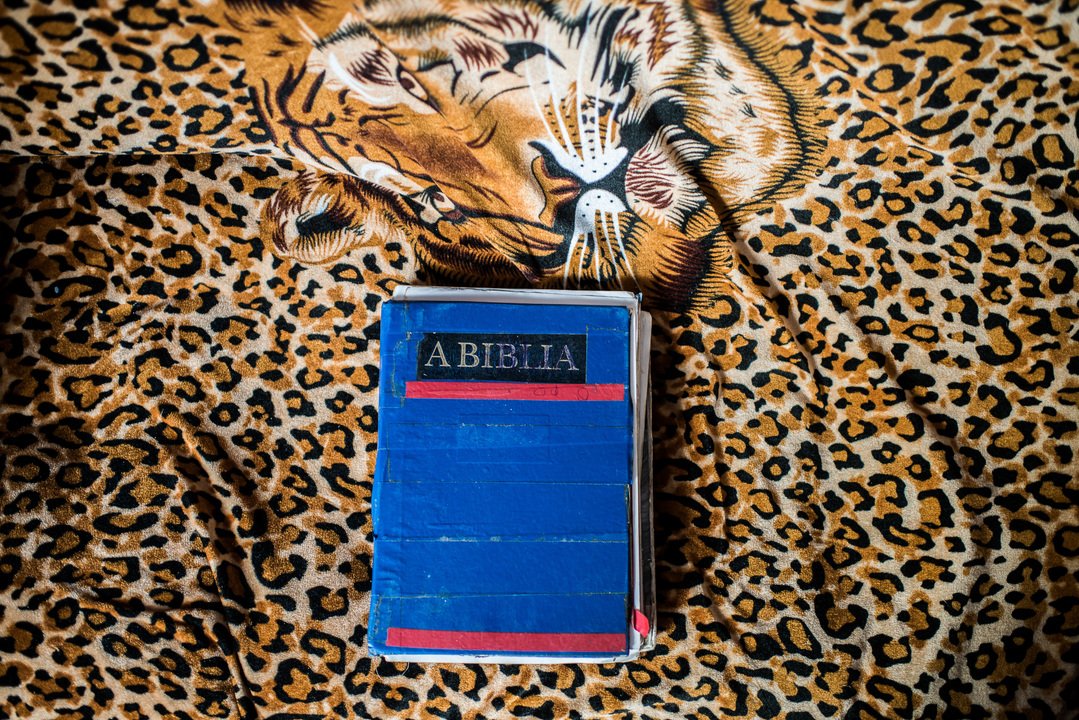
ROMA BIBLE
Stiller Ákos

Akos Stiller
was born in Budapest, Hungary, in 1982.
In 2007 he started to work as a professional photographer for hvg, the Hungarian business weekly and currently takes assignments for the National Geographic, New York Times, Washington Post, Stern and for Bloomberg as well. Over the years Akos has won 15 awards in the Hungarian Pictures of the Year, including the best photojournalist under 30 and for best portfolio. Akos has been selected for the prestigious Joop Swart Masterclass in 2014, organised by World Press Photo. With his picture story on the Hungarian farmlands, in 2015 Akos has been awarded a first place in feature picture story category in the Pictures of the Year International (POYI).
.
.
- . .
- . .
- . .
- . .
- .
- . .
- . .
- . .
- . .
- . .
- . .
- . .
- . .
- .
- . .
- . .
- .
- .
- .
.
- .
- .
.
- .
- .
.
- .
.
+36 302808044
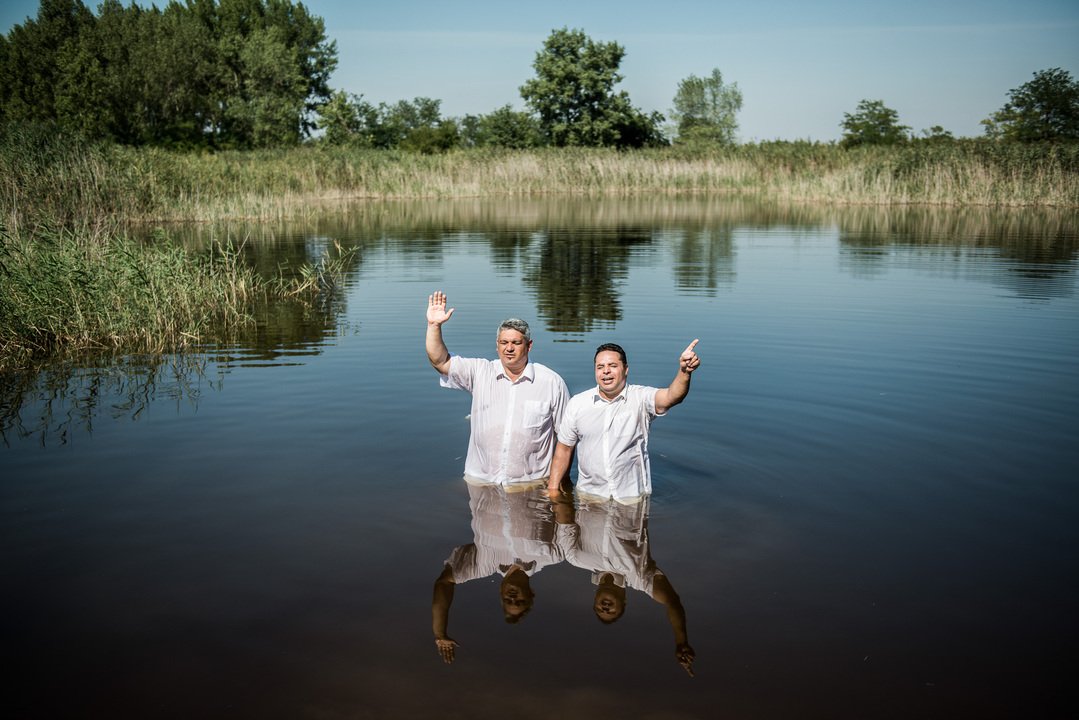
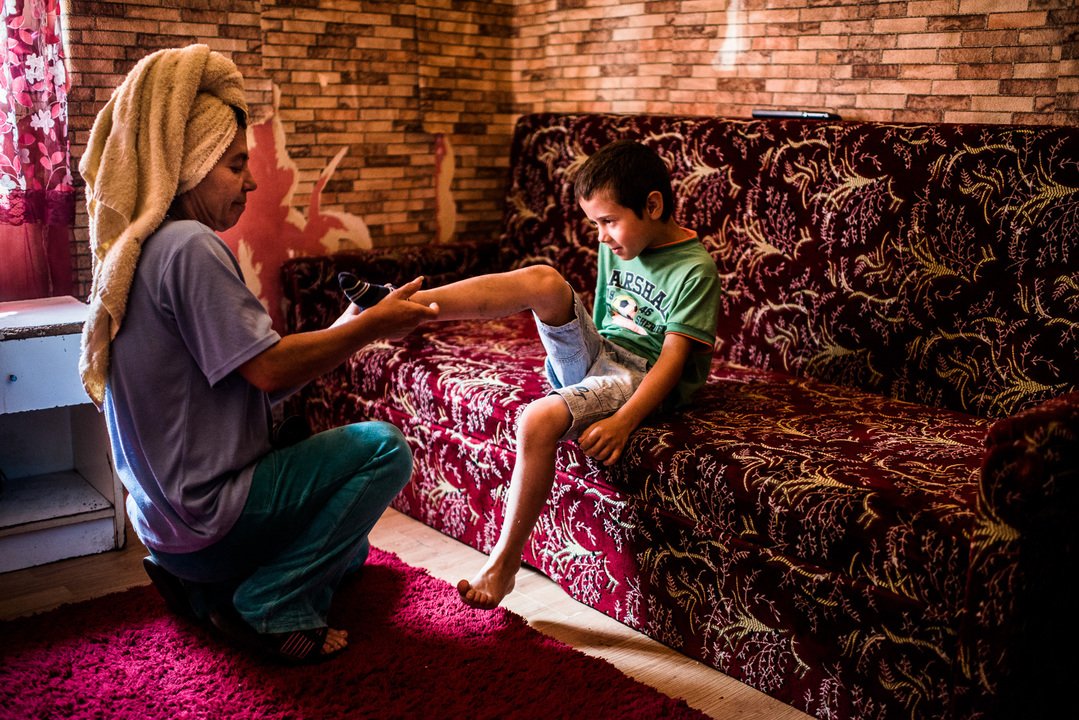
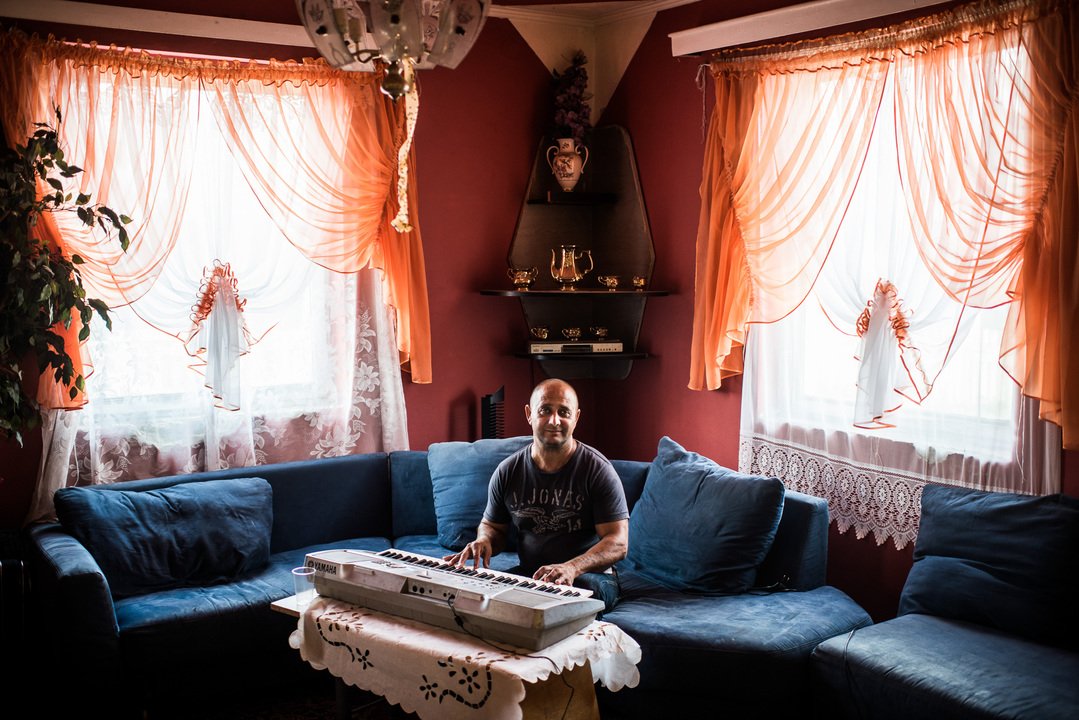
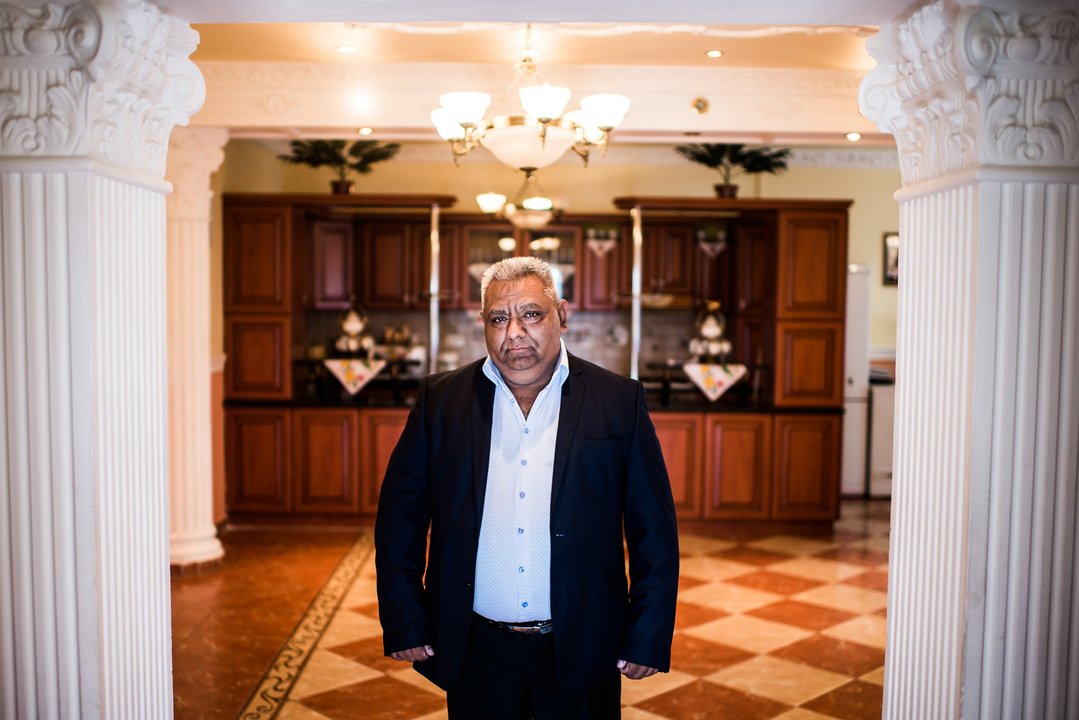
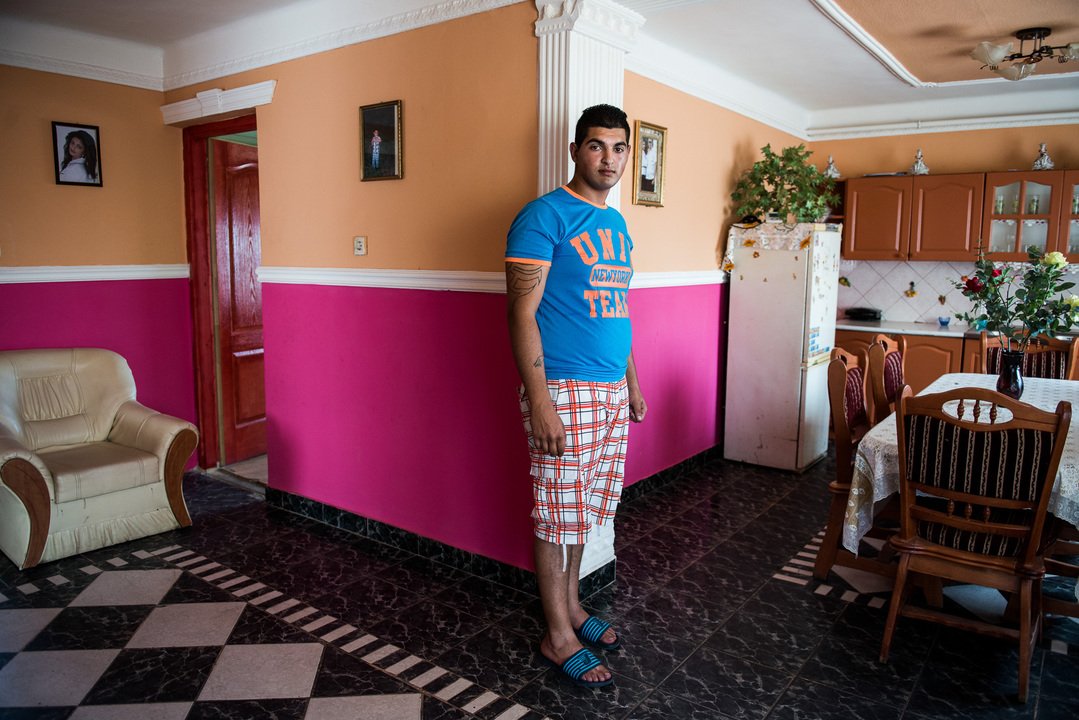
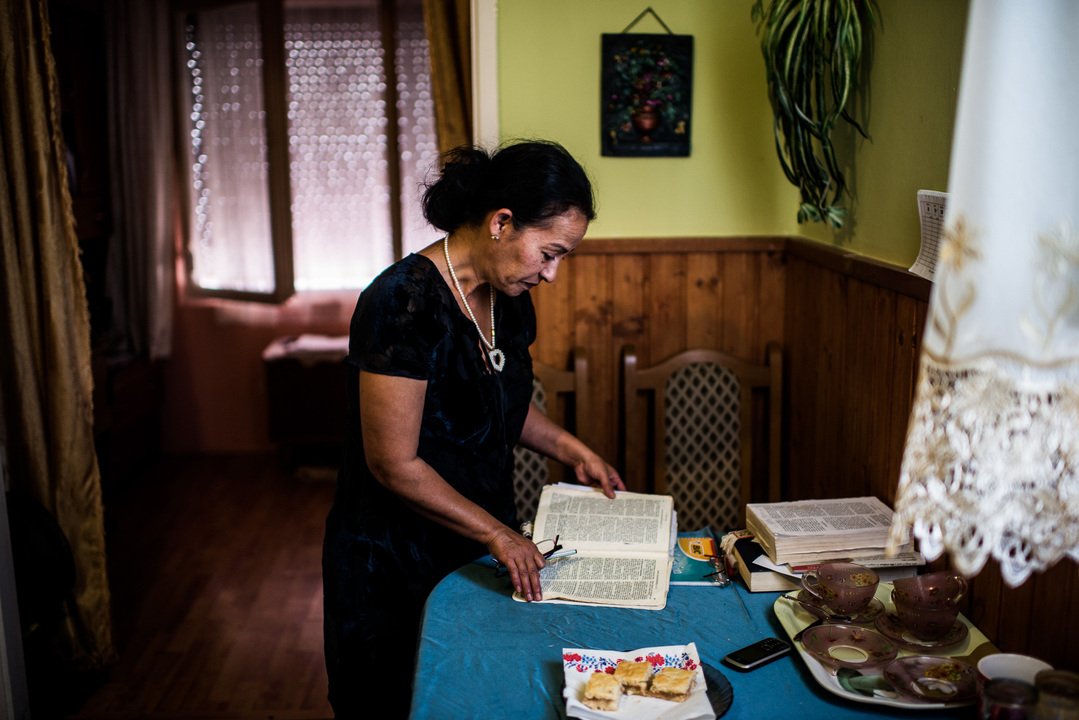
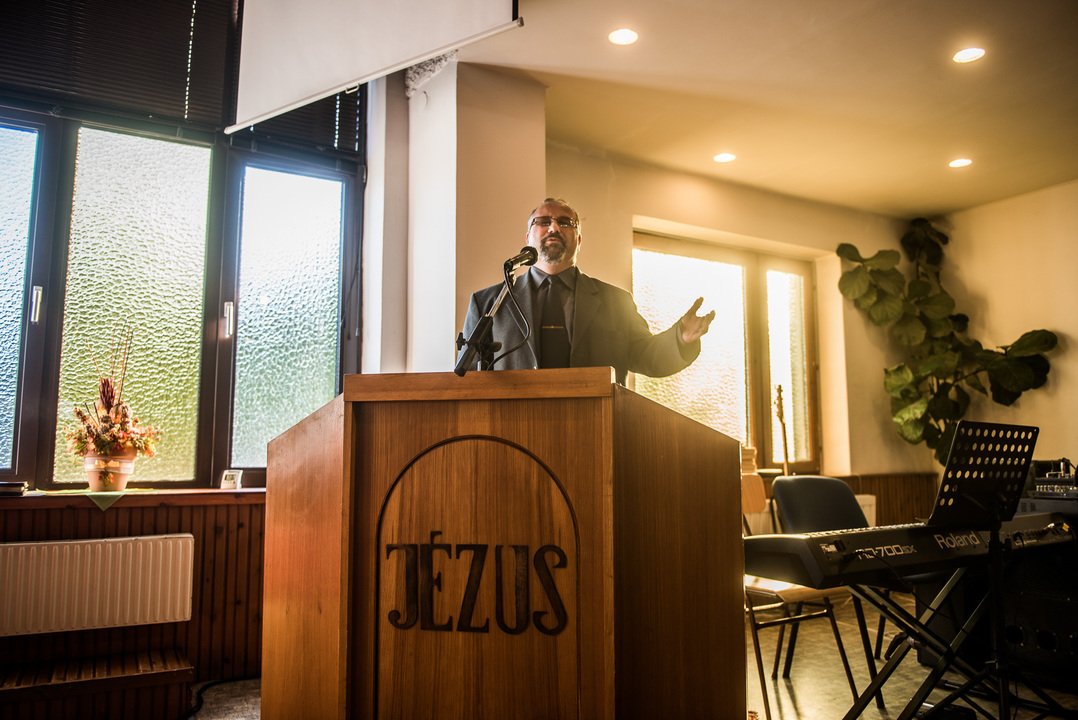
A third of Hungary’s population is living below the poverty threshold, every fourth citizen of this third in deep poverty. All of this in a vicious circle from which there is virtually no way out. Hundreds of factories and co-ops having been shut down, work opportunities providing employment for the massive unskilled population have ceased, and after decades of unemployment, these people lack motivation to study further. Aids push masses into passivity, while their chances are at best improved by a breathing straw, if at all, so no wonder the majority fail in this endeavour, or simply give up trying.
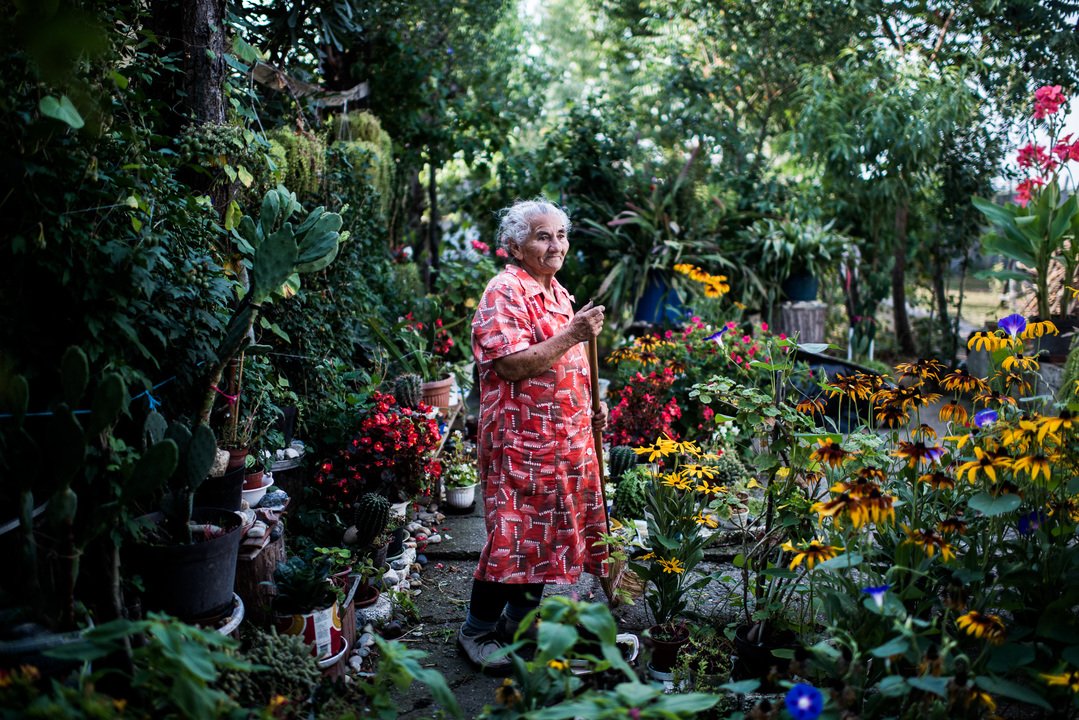
I have visited a number of Roma rows and villages in deep poverty, where the question of the society’s responsibility would often emerge during conversations with residents. Why the state doesn’t provide work, why the aid is not enough. And soon the responsibility of the individual would come up. Why he or she hasn’t done everything possible, why he or she hasn’t tried a thousandth time.
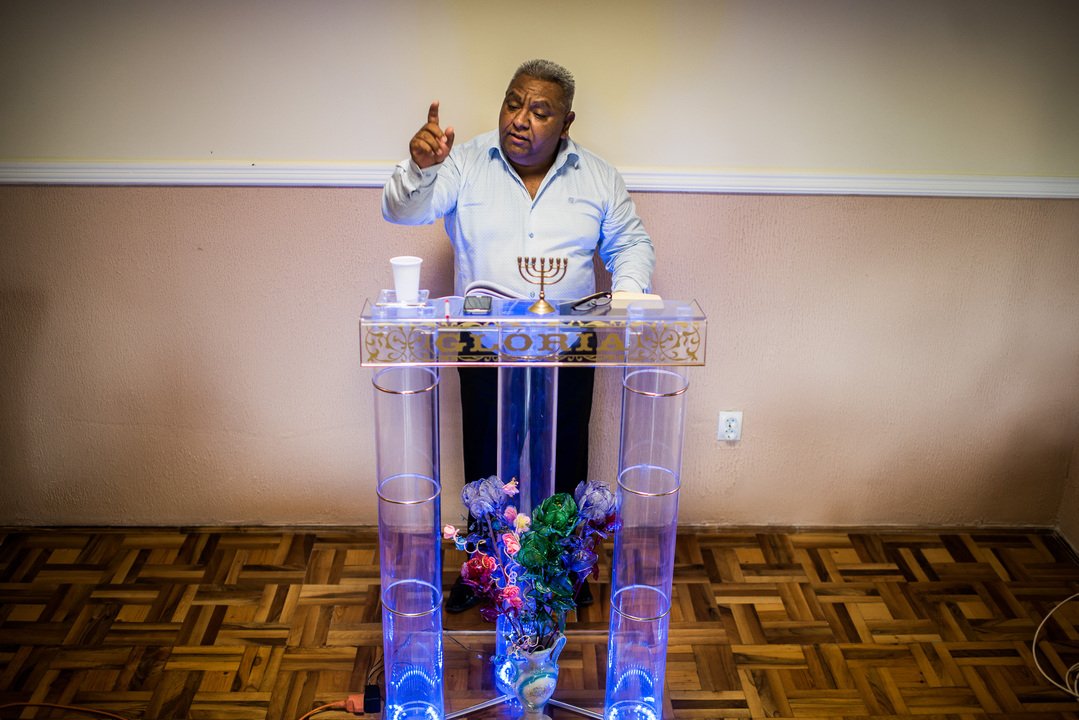
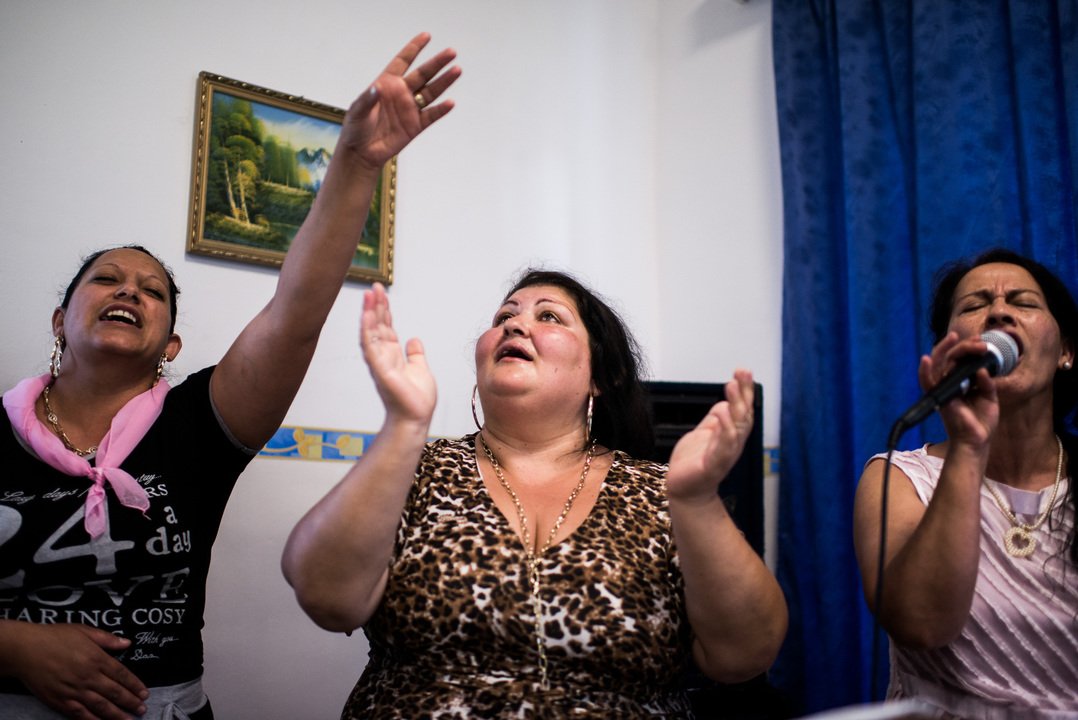
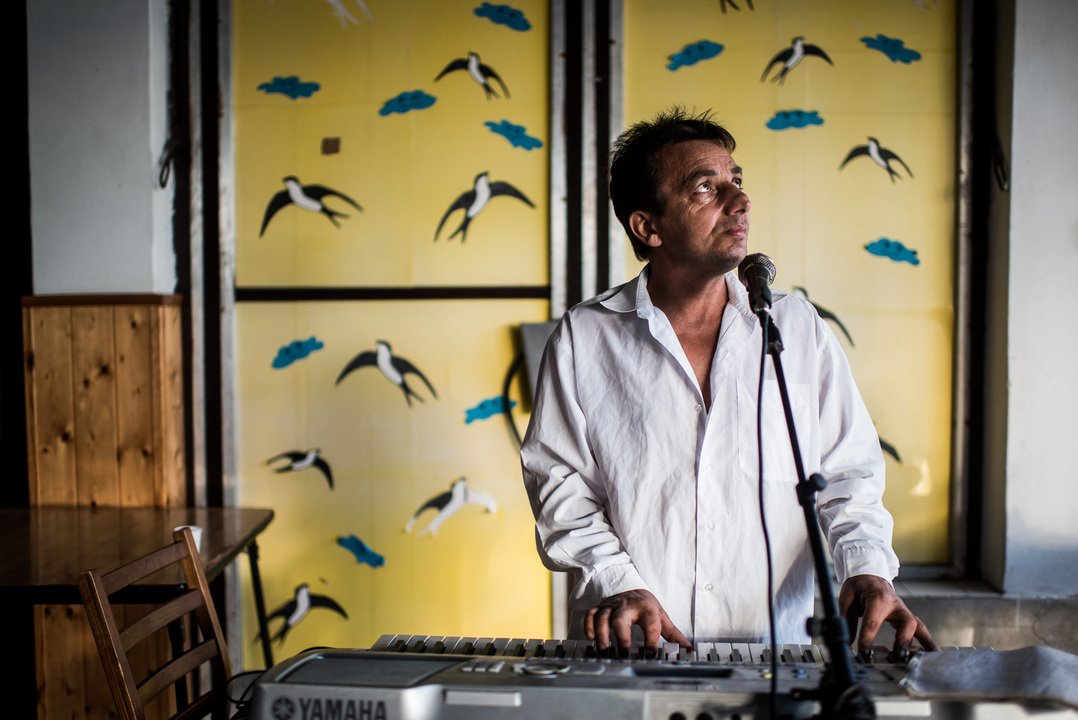
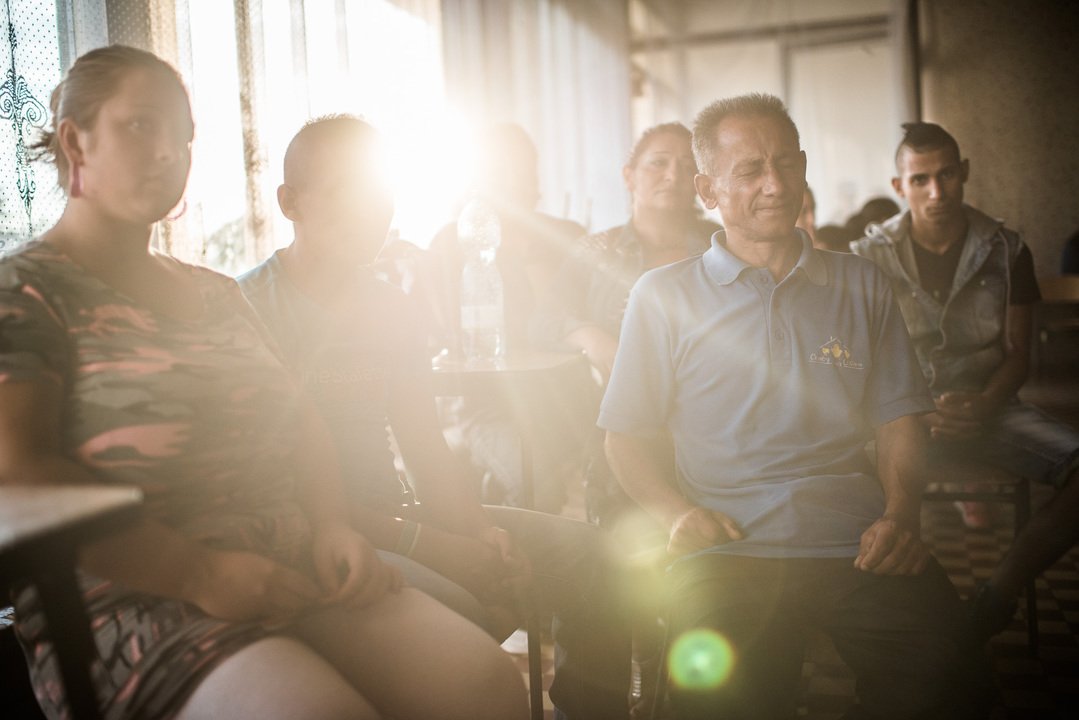
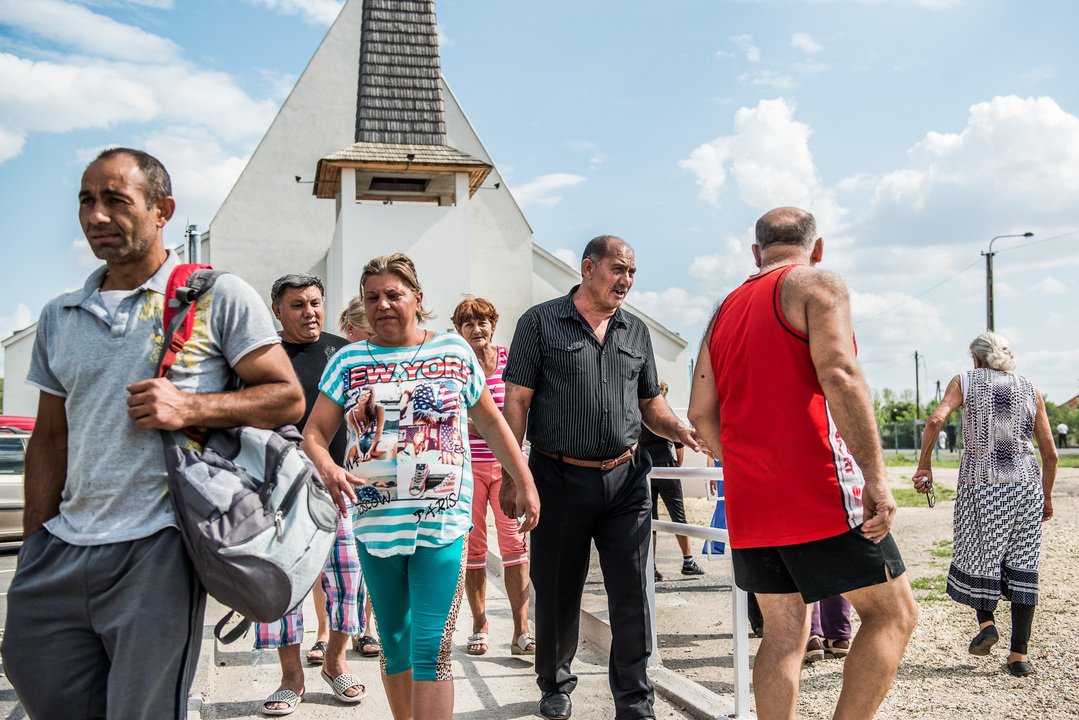
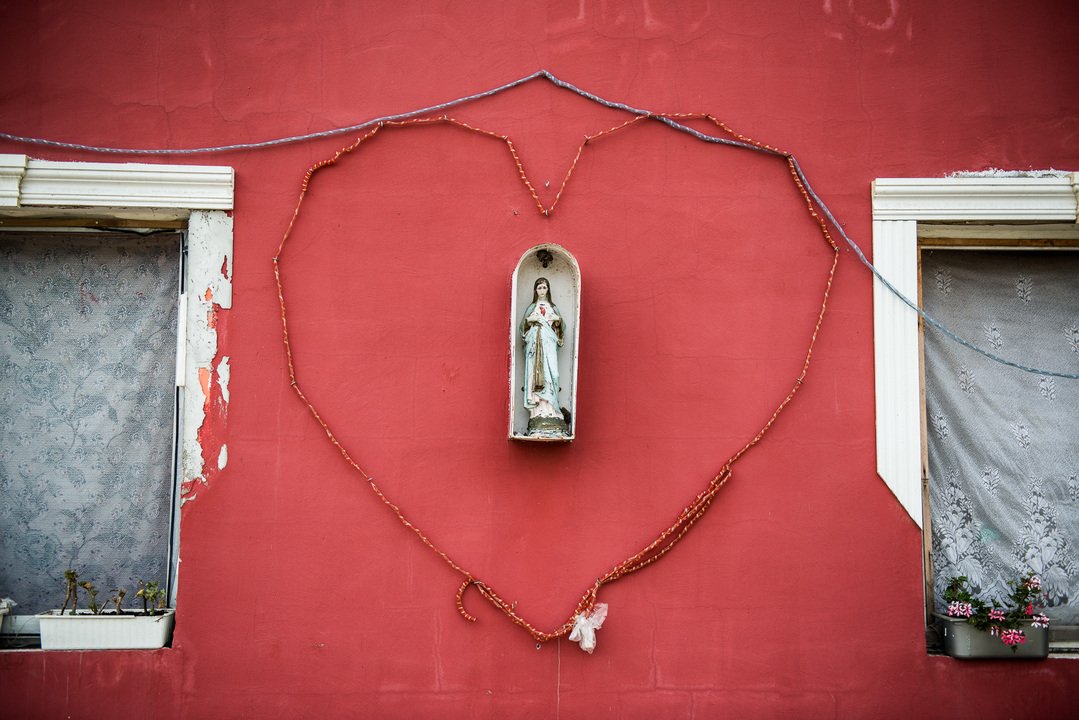
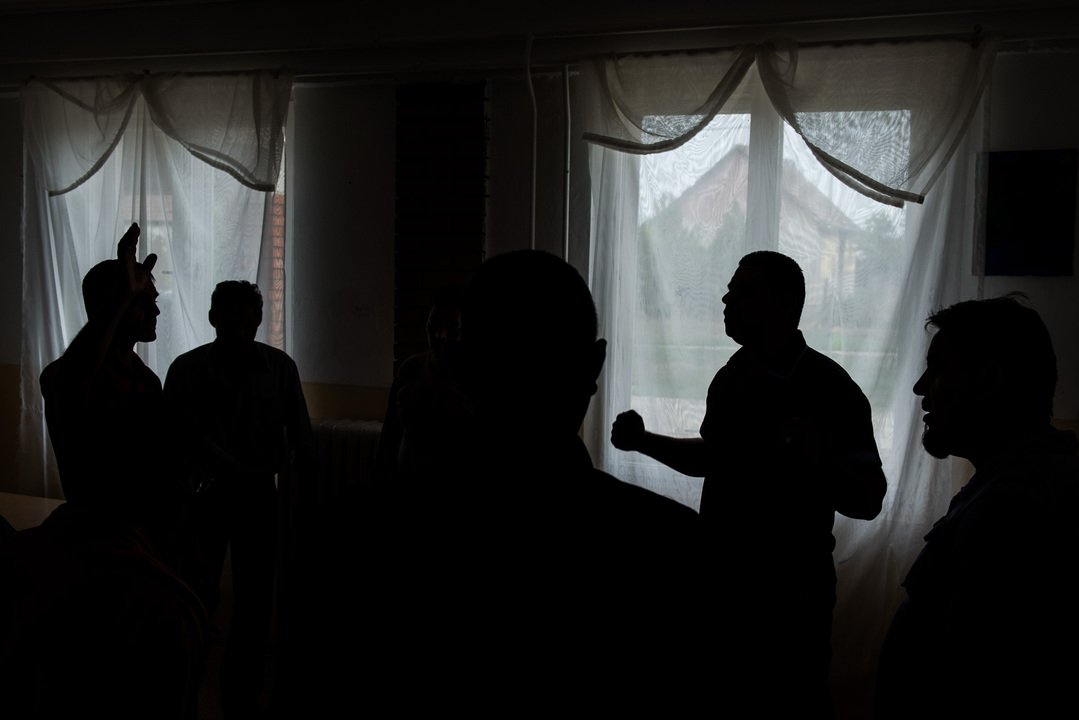
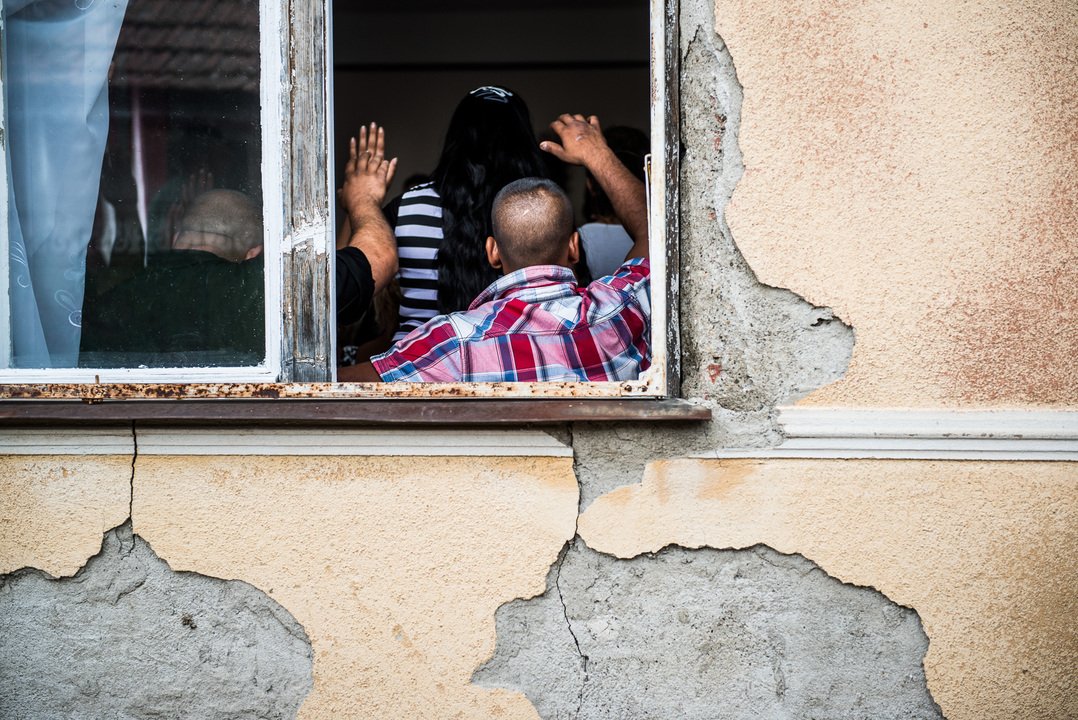
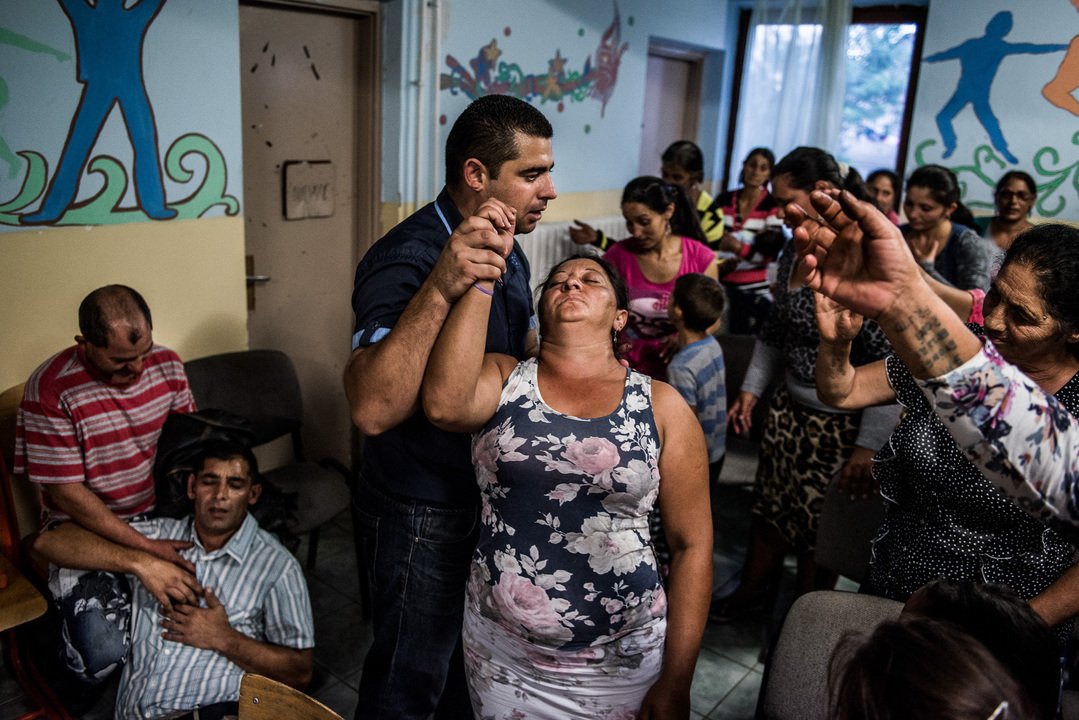
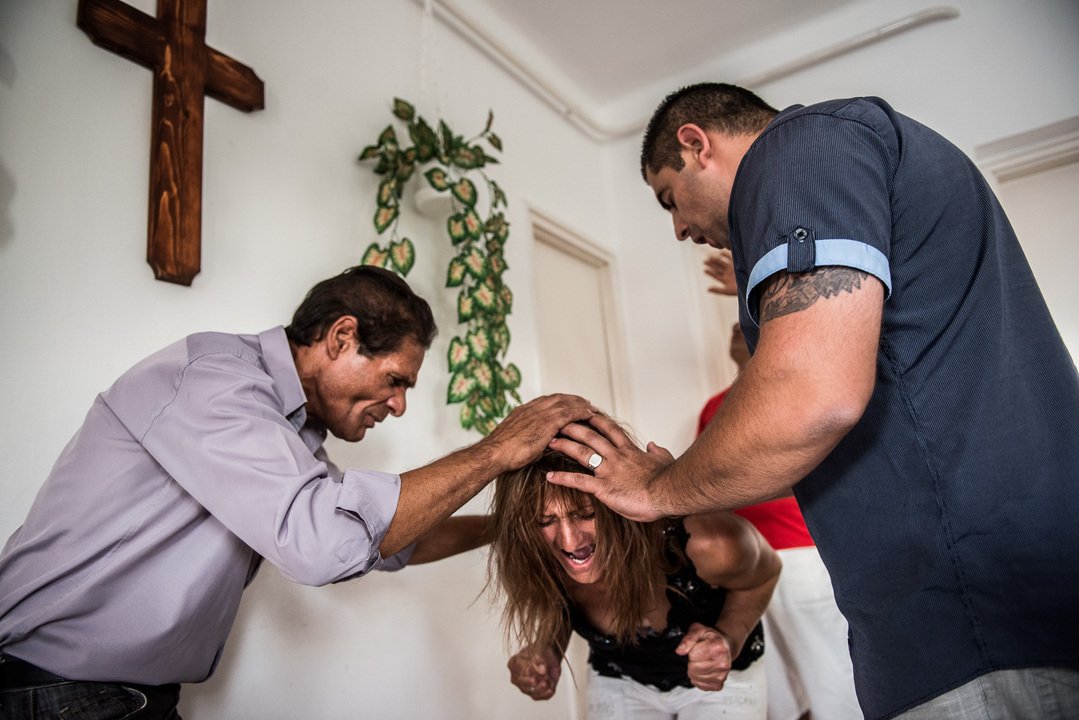
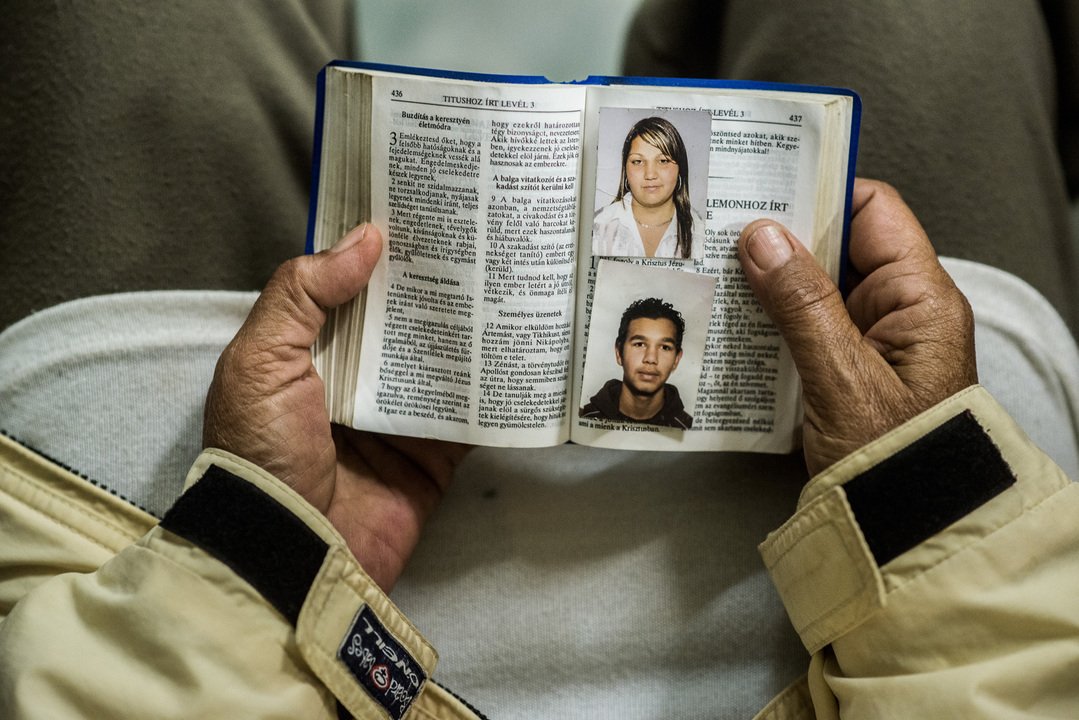
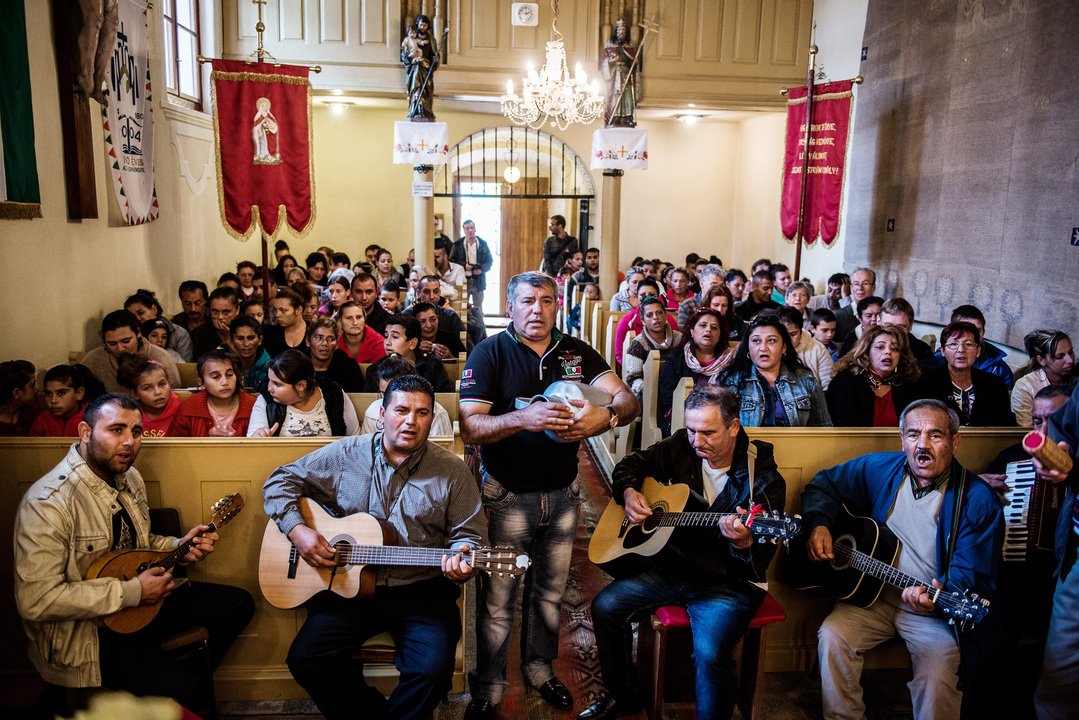
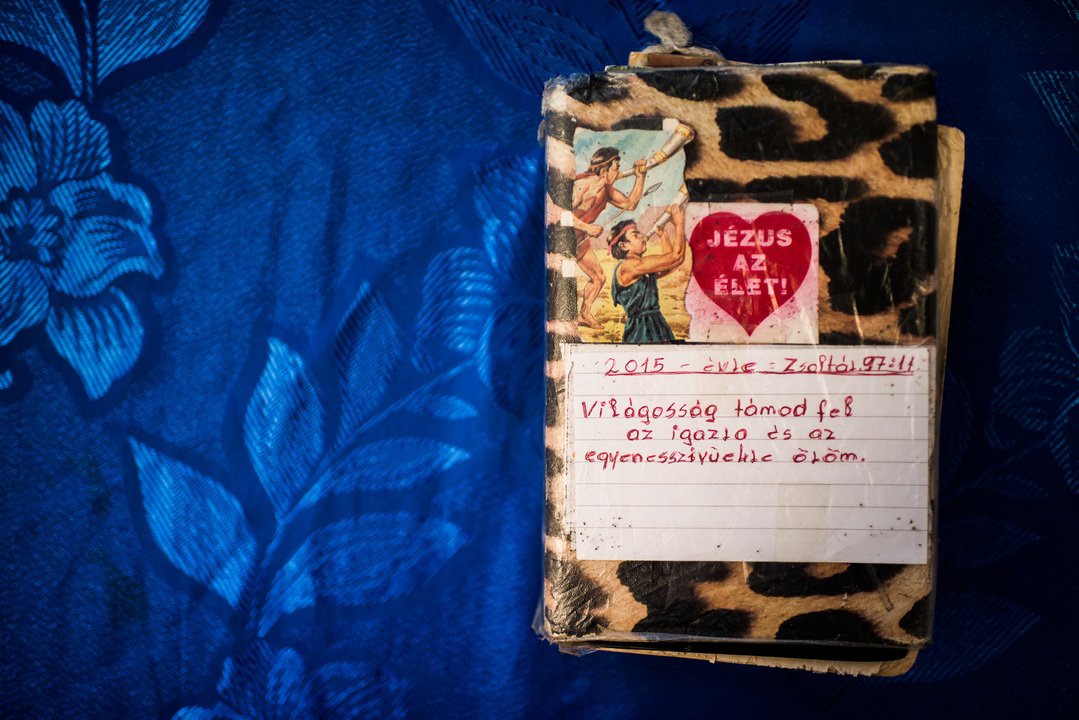
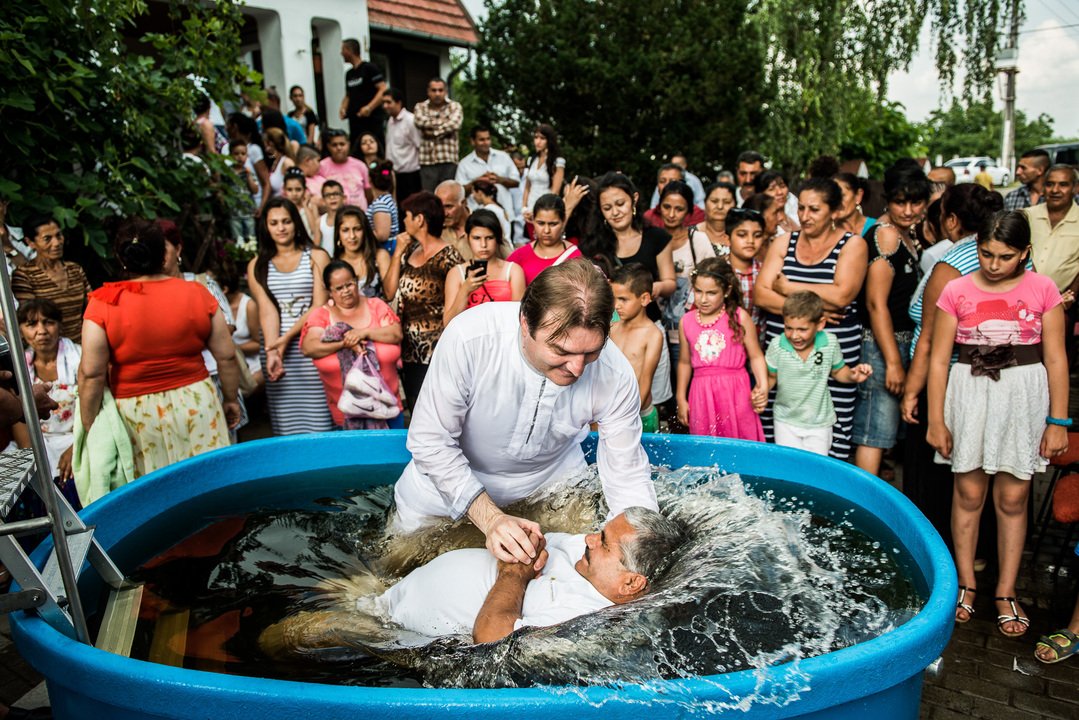
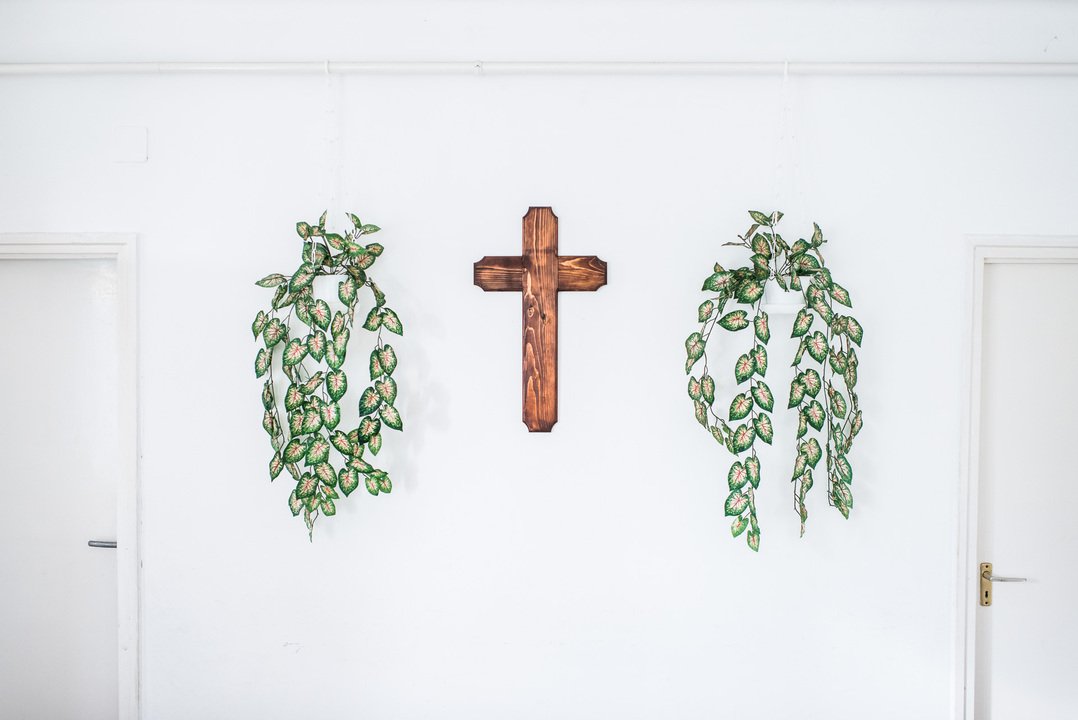
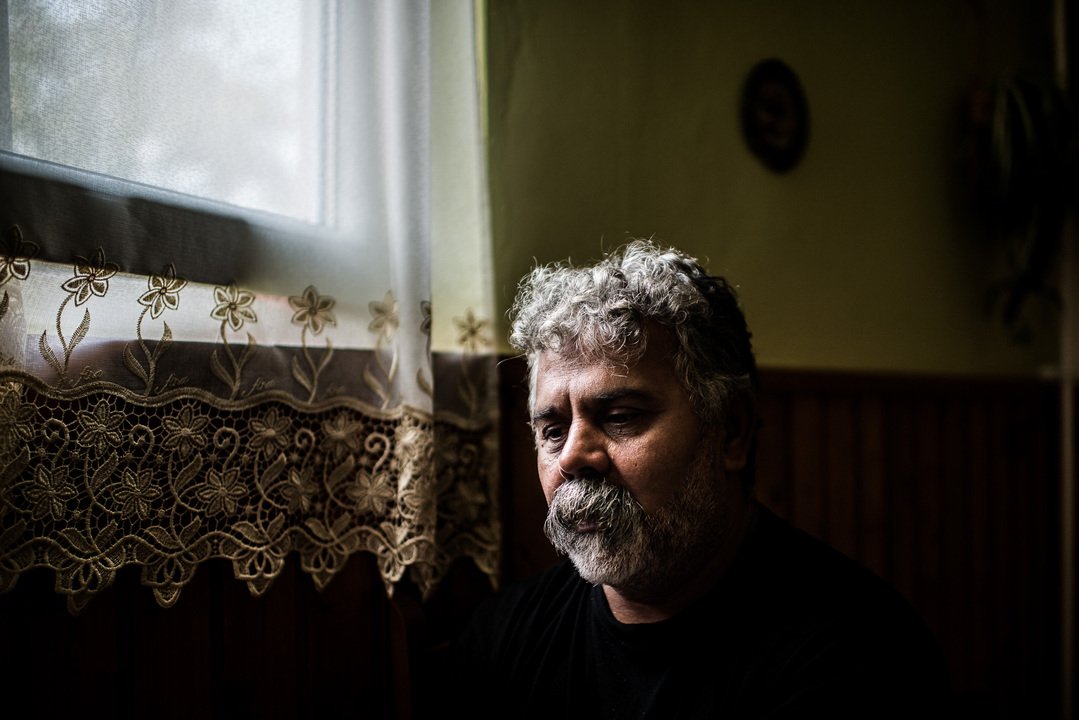
However, I met families who were living on the Roma rows in similarly shoddy houses, but their court was clean, their child would be doing homework late at night, and they were economizing with the little they earned. They did have hope, and as it turned out, most of the time this hope had its origins in their faith. Dozens of small churches and even historical ones undertake pastorship for the Roma, featuring a separate mission for the Roma, converting the poor, for whom often the only ray of hope is faith, for which it is worthwhile to make the hundredth effort at seeking employment, and which helps them be confident that tomorrow everything will turn better.
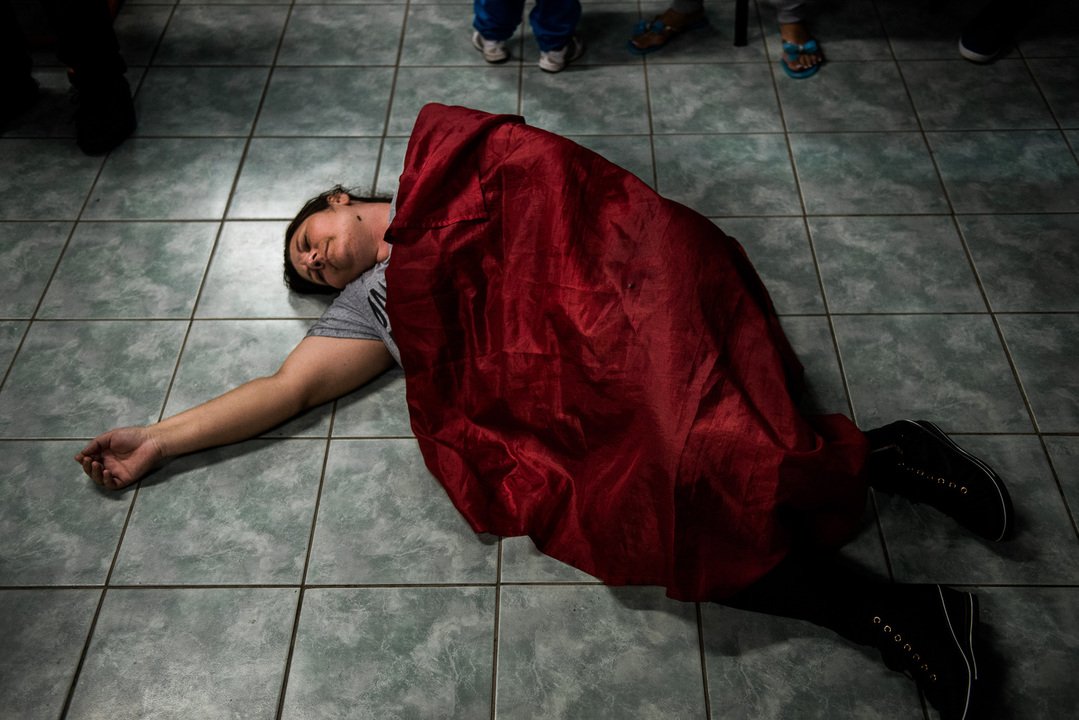
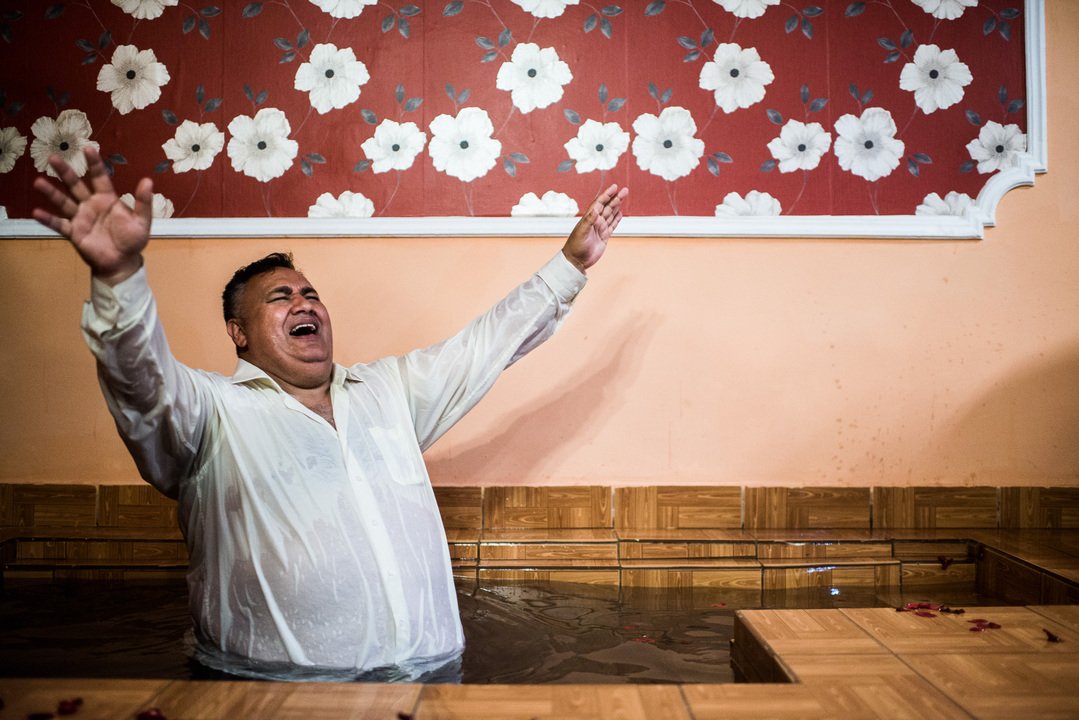
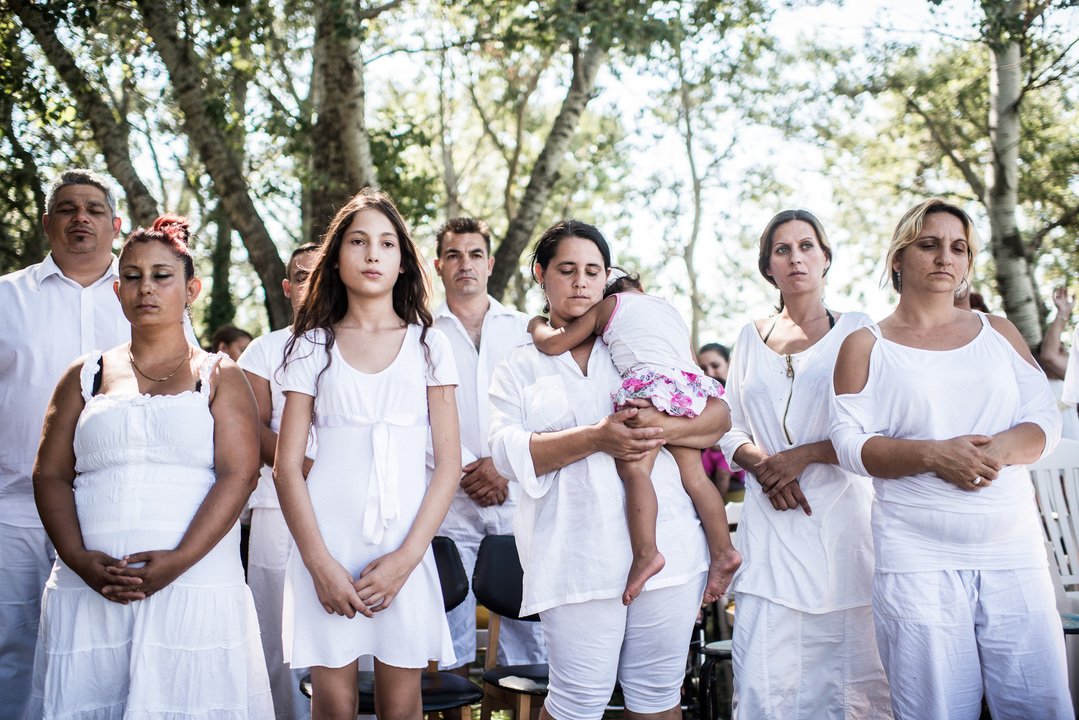
It was surprising to experience that there is barely a town or village in Eastern Hungary where there would not be a Christian congregation, and barely a weekend when there would not be an immersion taking place somewhere. The latest studies in Hungary estimate the number of Roma attending various Neo-Protestant congregations or missionary groups at around twenty thousand. They are among the largest groups in today’s Hungary whose life has barely been documented.
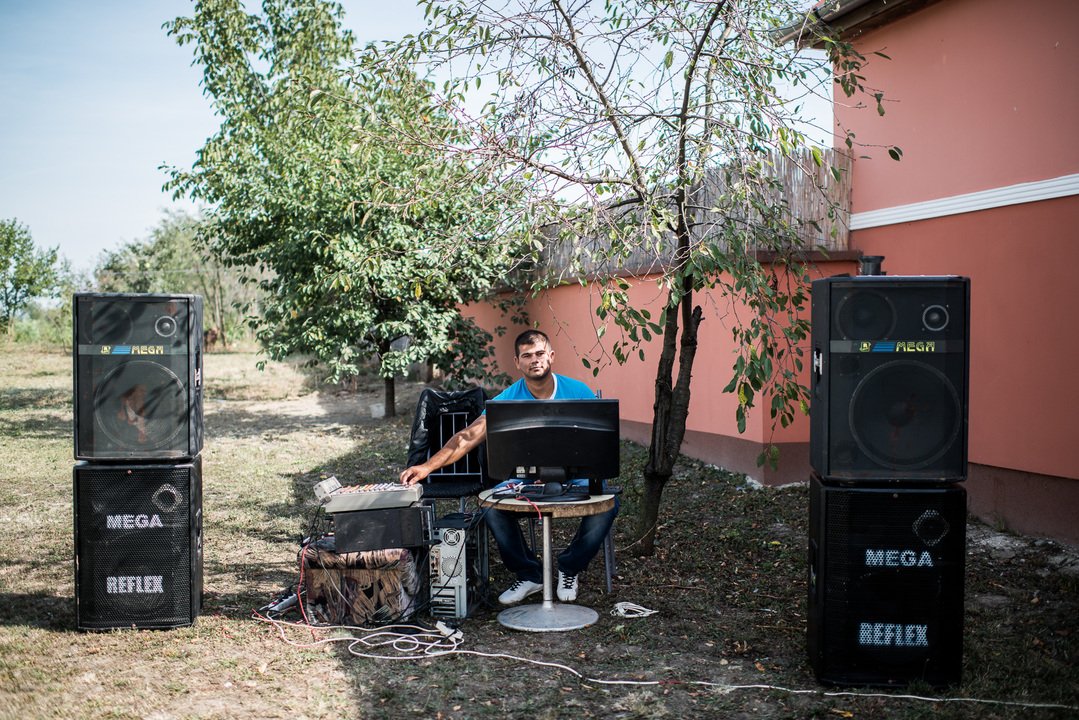
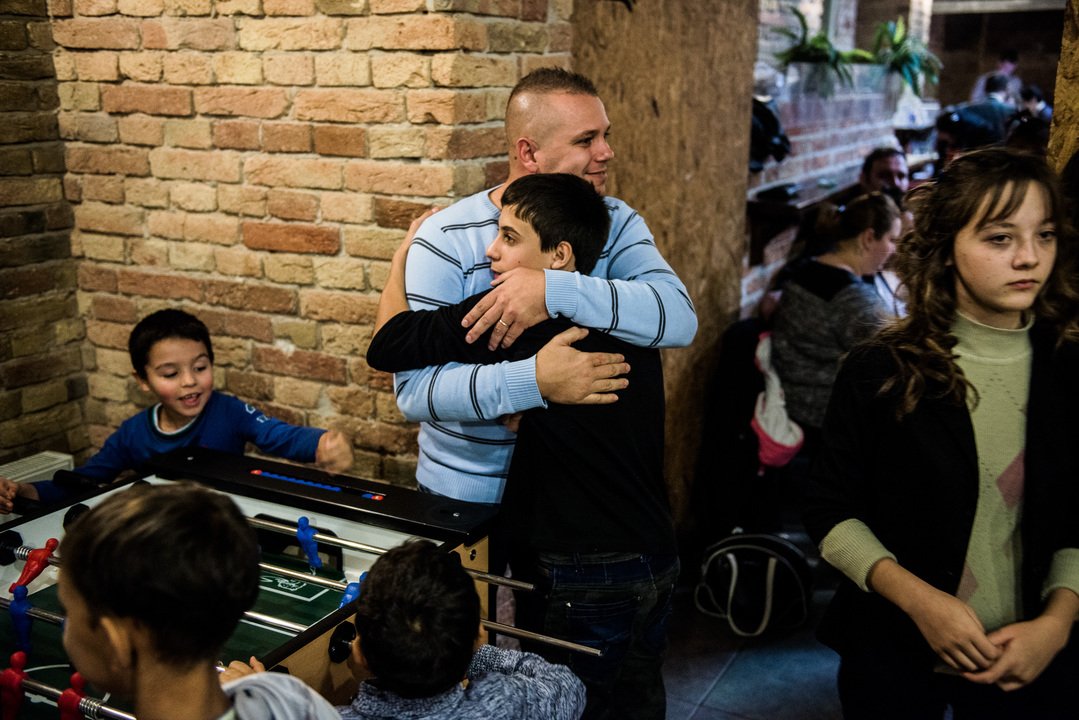
More than eighty percent of the Roma who found faith mostly following the regime change attend charismatic congregations. The Pentecostal-Charismatic Movement is one of the most dynamically evolving Christian movements in developing countries. While in the 70s only ten percent of the world’s Christians were members of charismatic congregations, by today this has grown to 25 percent. Typically popular in slums and poor neighbourhoods, the success of the movement lies, among other things, in the fact that they believe that the holy spirit can take effect not only with the mediation of educated priests, but through anyone who accommodates it – be they illiterate, poor or ex-convicts. In Hungary it is also typical that converts later become pastors who evangelize in neighbouring towns and villages, create groups based in private homes, and having outgrown those, establish community houses. Second and third generation believers who have been brought up and socialized in these communities together with their families and relatives are now becoming adults. This stable core ensures that by today most pastors and missionaries come from Roma communities.
Conversion entails a turn in lifestyle and mentality as well, bringing them closer to the lifestyle, morals and norms of the majority society. According to a number of studies, a considerable part of those involved in the movement eventually become better citizens, even if this has not been among their goals upon conversion. When giving their testimony, several converts have reported that they stopped going to the pub, devote more time to their families, or gave up their addictions such as drugs or smoking. The protagonist of their new experience is God, standing above all, accepting them without any reservations, and simultaneously being above those who used to discriminate them.
“Acceptance, love and forgiveness.” According to father Lourdu of the Catholic Society of the Divine Word, this awaits those arriving at his church in Köröm. Most people hope for forgiveness, as often even the pastors themselves don’t have an immaculate record: in Uszka, an ex-pimp is now a missionary; in Békés, the preacher is an ex-skinhead with a tattoo of the name of “Szálasi”, leader of the Hungarian post-war fascist party. Both were empowered by faith to reconstruct themselves, their families and their environment – and this dark past gives a lot of inspiration to congregation members, most of whom are not average middle-class citizens.
With the evangelization of the Roma, Christianity has returned to its very roots: addressing the most impoverished, who live on the margins of society, converting them from door to door. Religion is for all, they proclaim, and bring masses back into society this way.
FSource: Gellért Gyetvai – Zoltan Rajki: The Effects of Roma Missions in Hungary, Roma Methodology and Study Center, Békés, 2014
PUBLIC PRESENTATION OF THE CAPA GRAND PRIZE HUNGARY 2015 FELLOWSHIP RECIPIENTS
The three fellowship recipients selected earlier – Gábor Arion Kudász, Gyula Sopronyi and Ákos Stiller – gave a report on their work to the jury in a public presentation event at the international contemporary art fair Art Market Budapest on October 9, 2015.