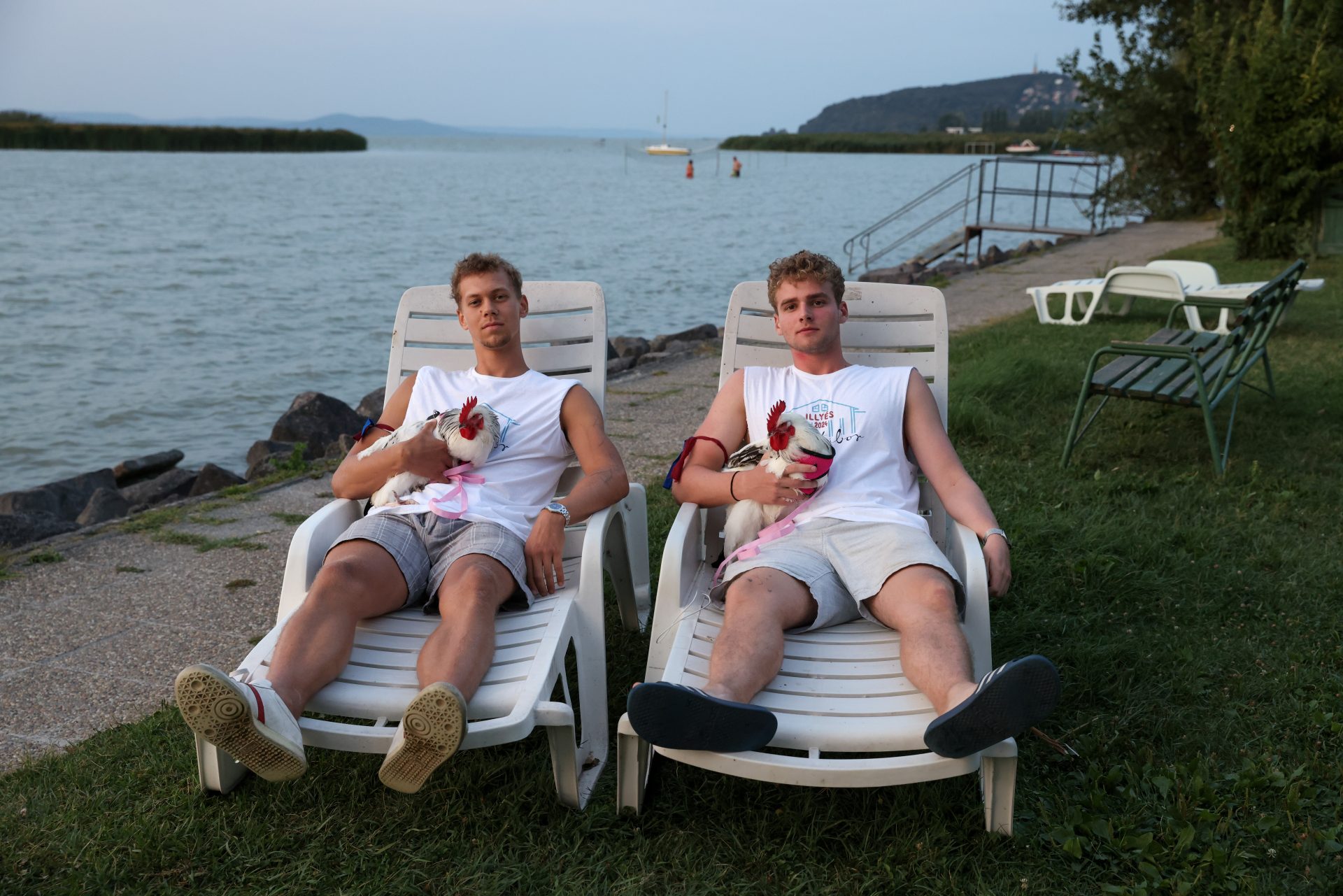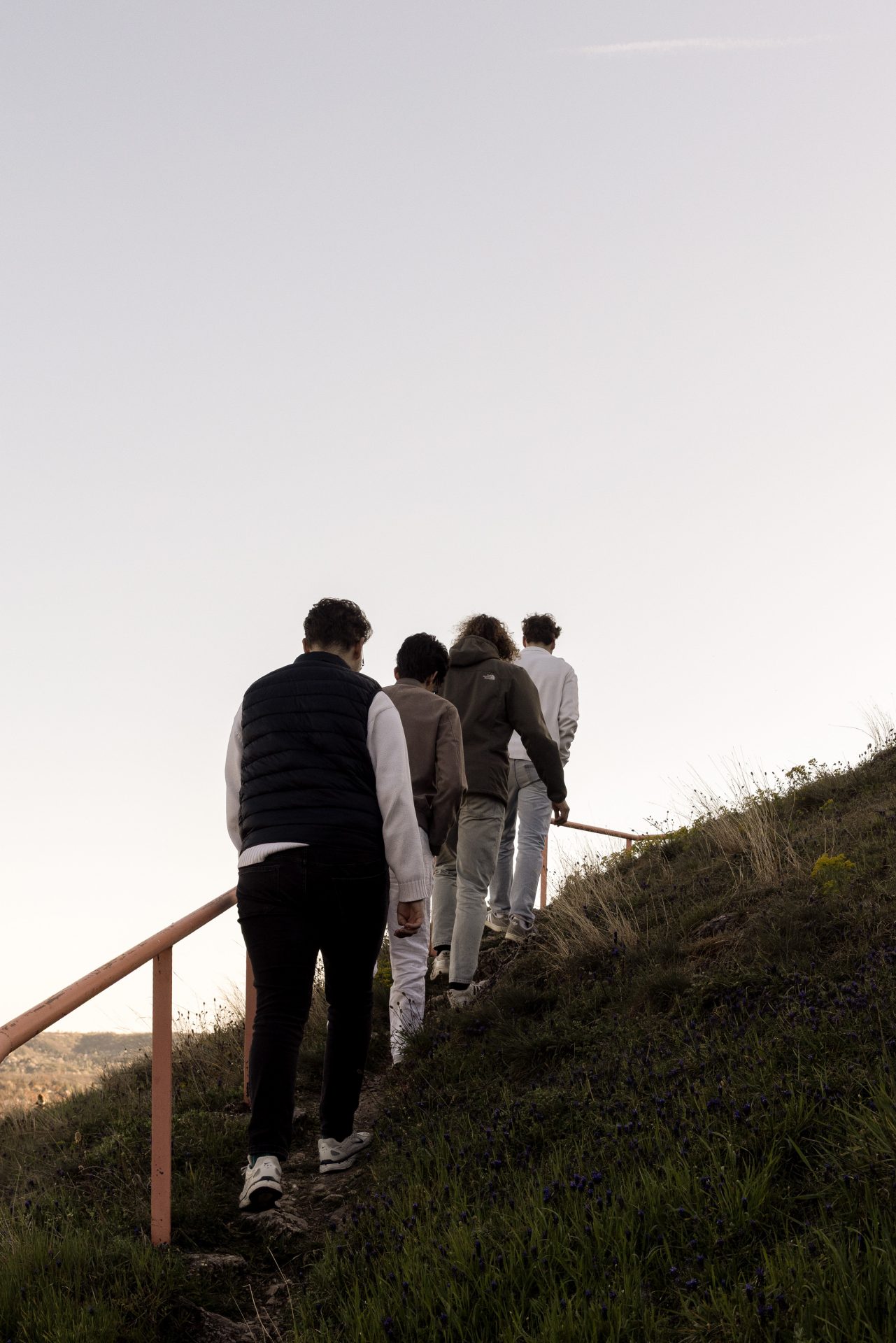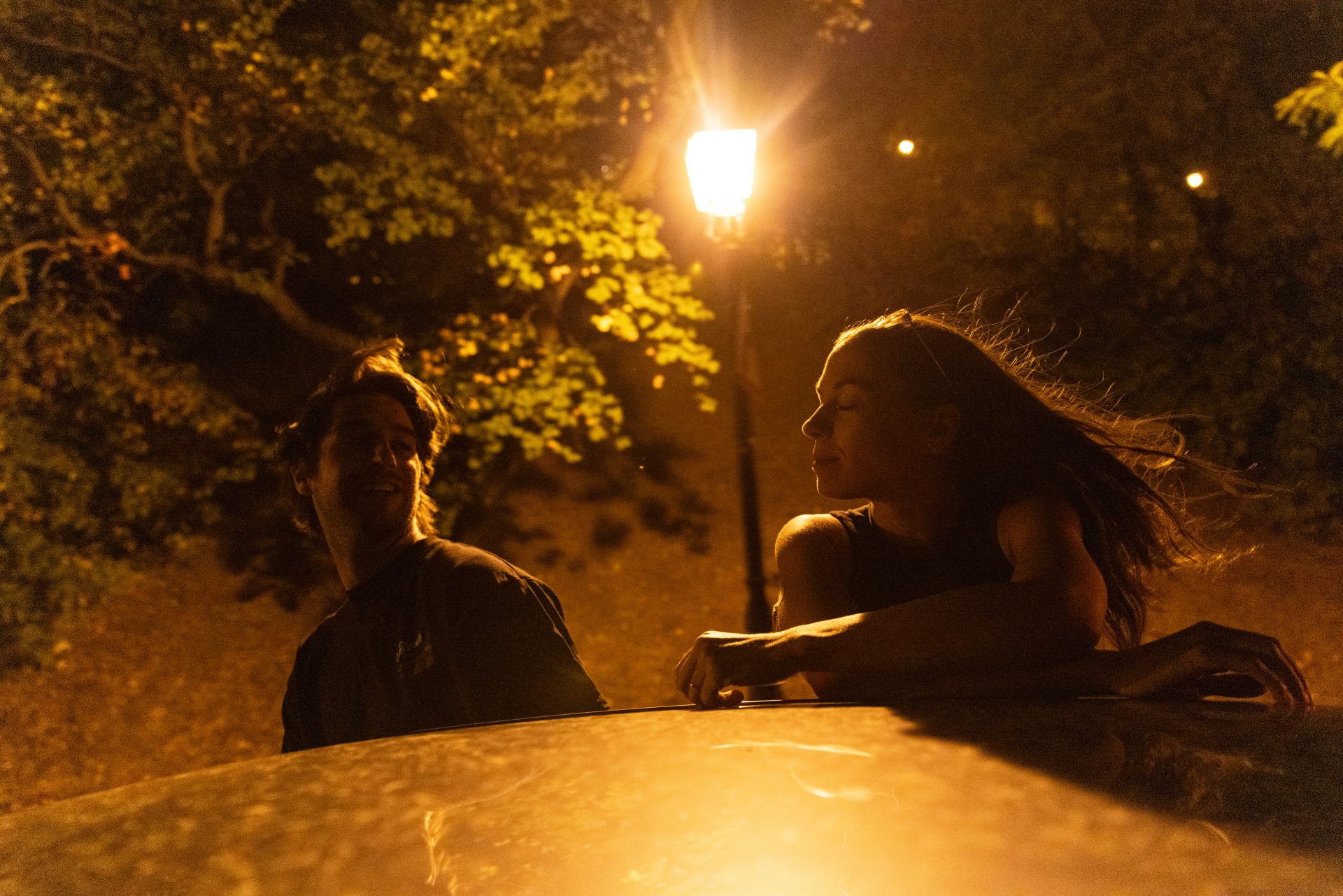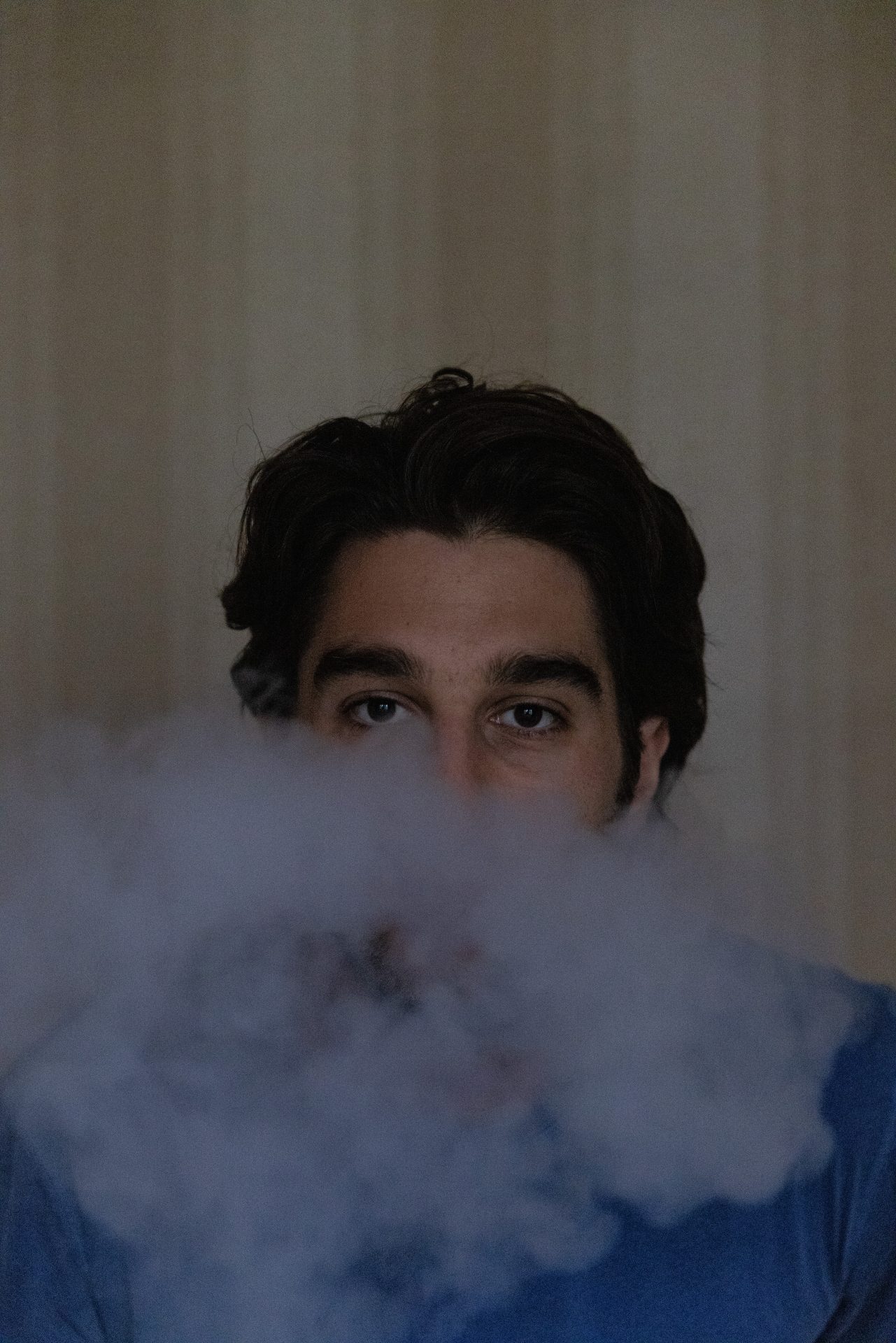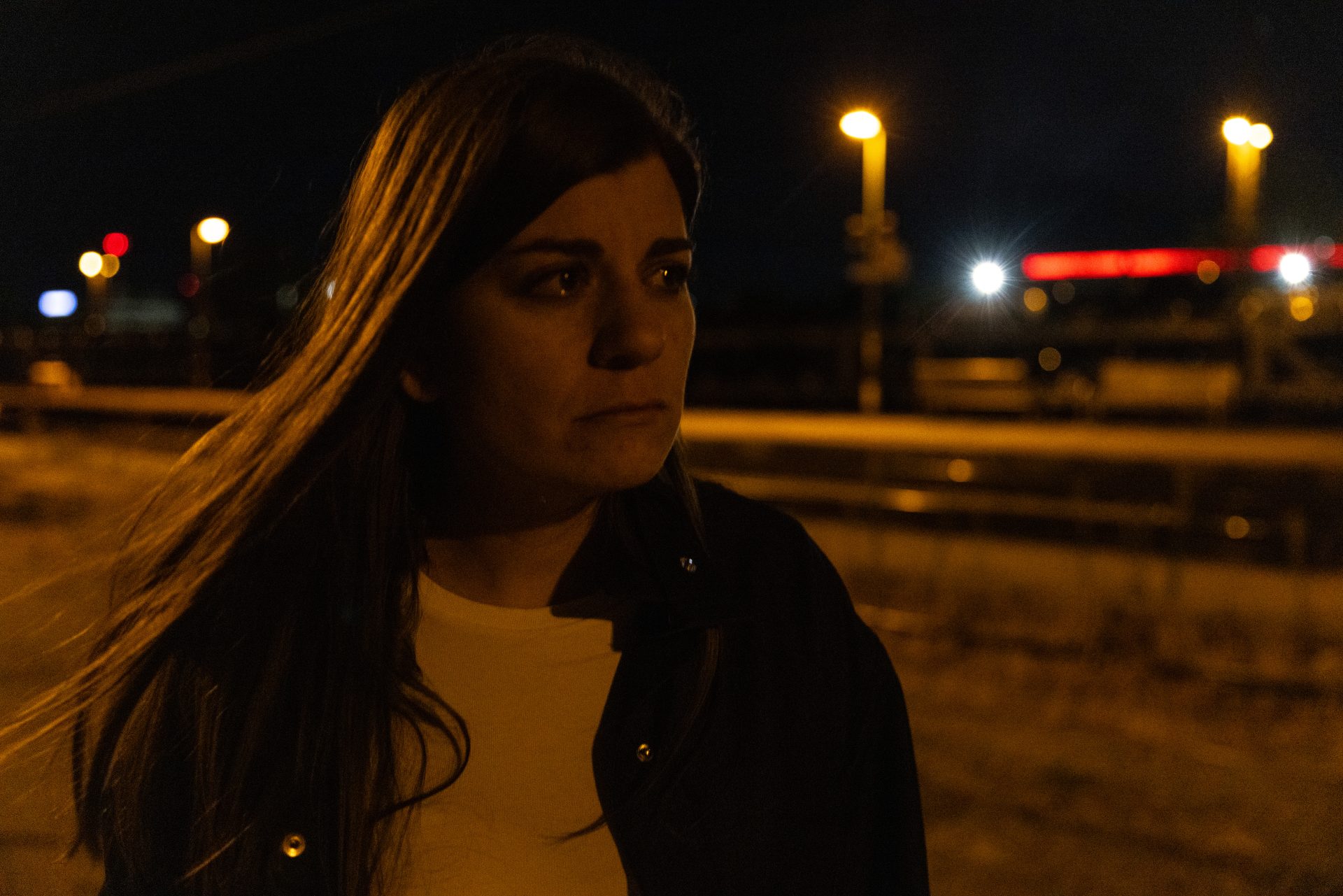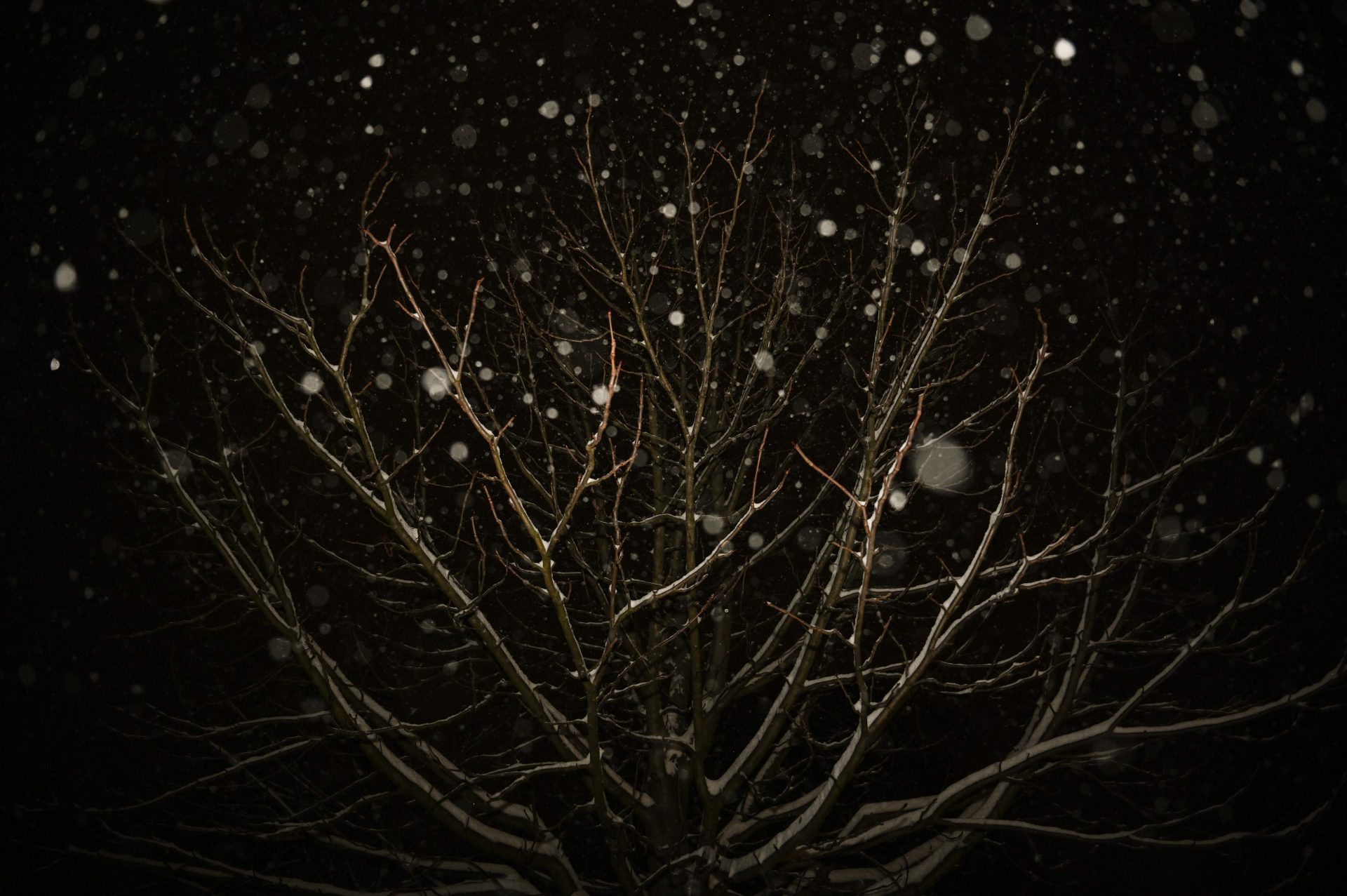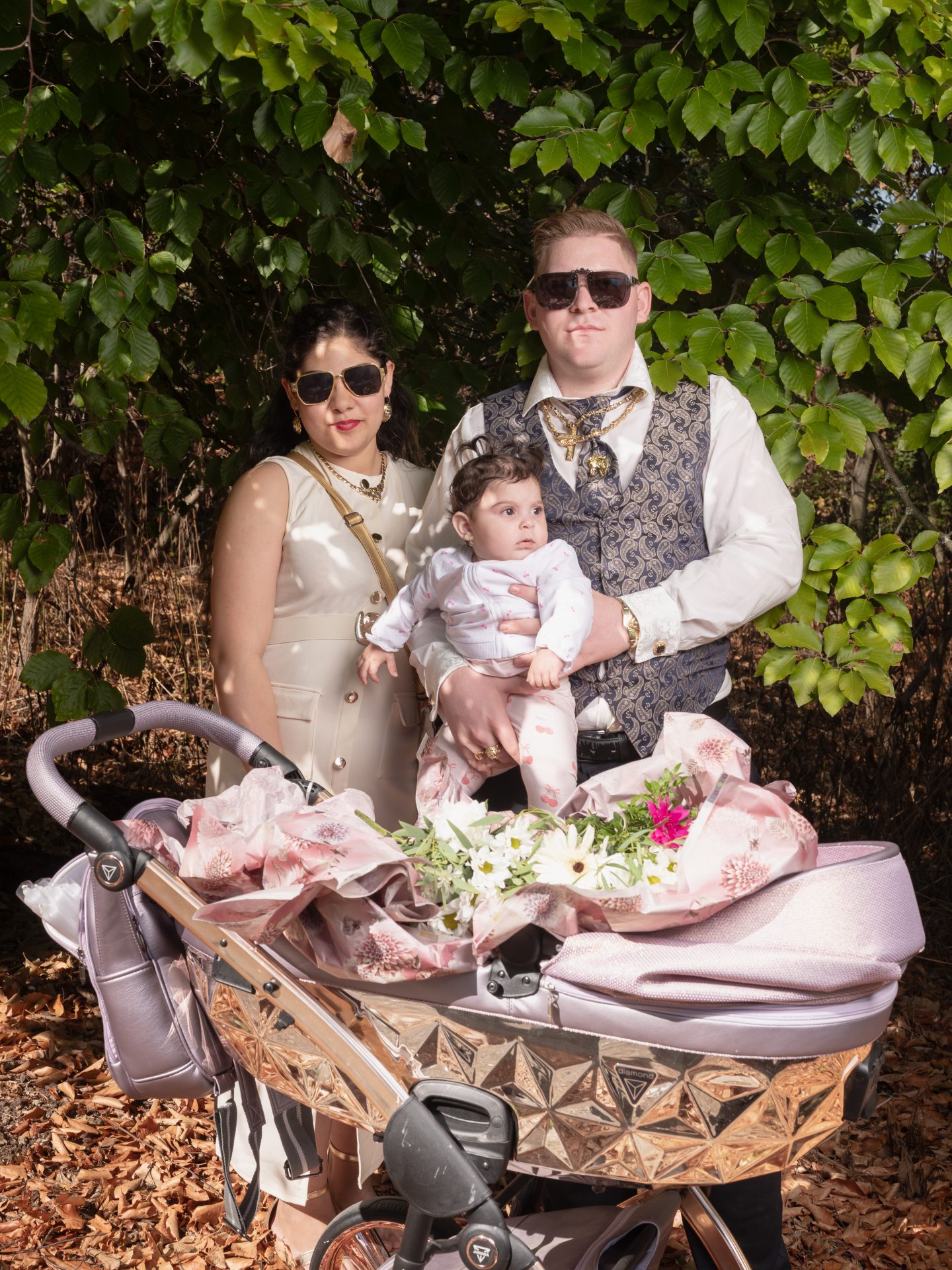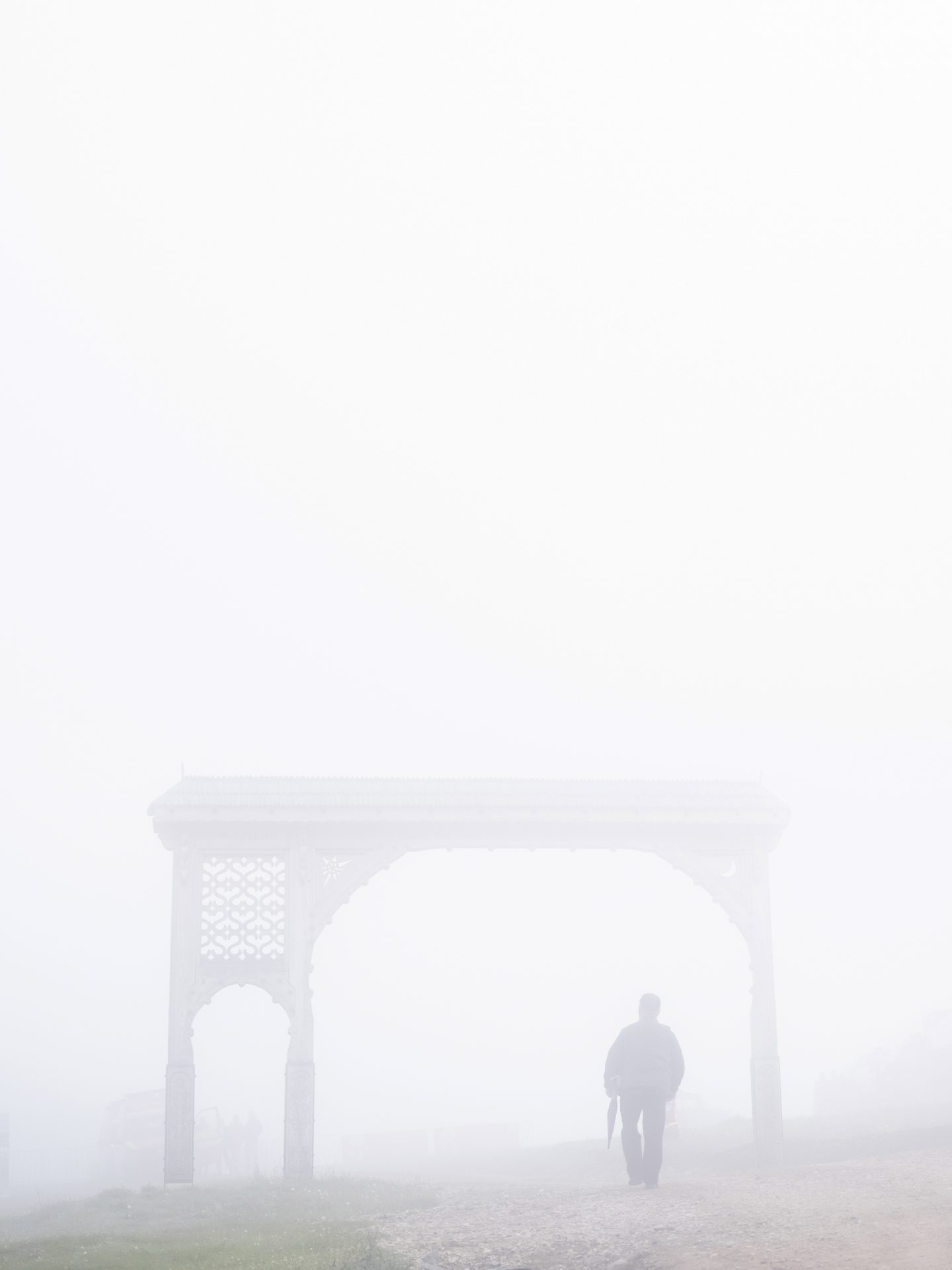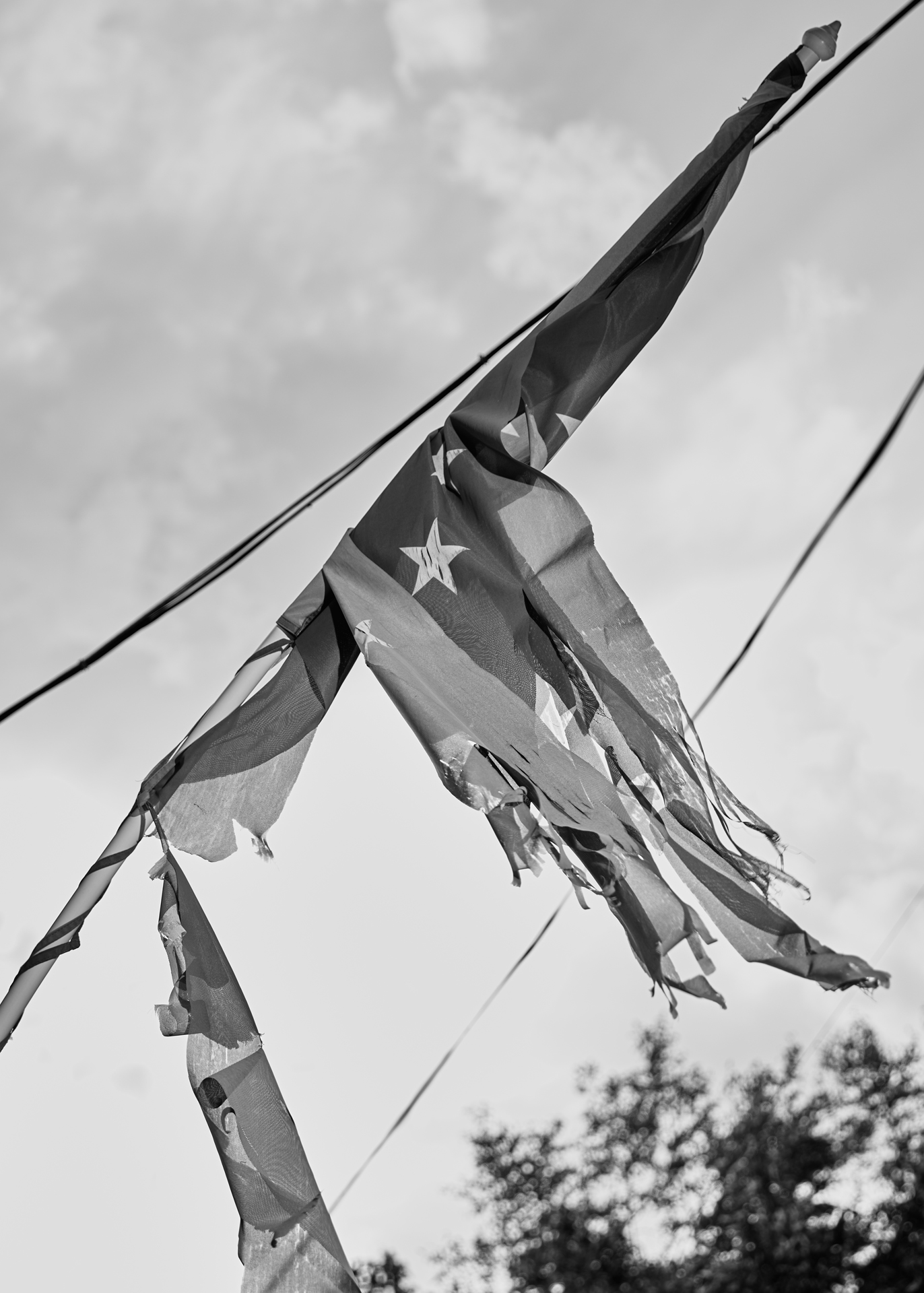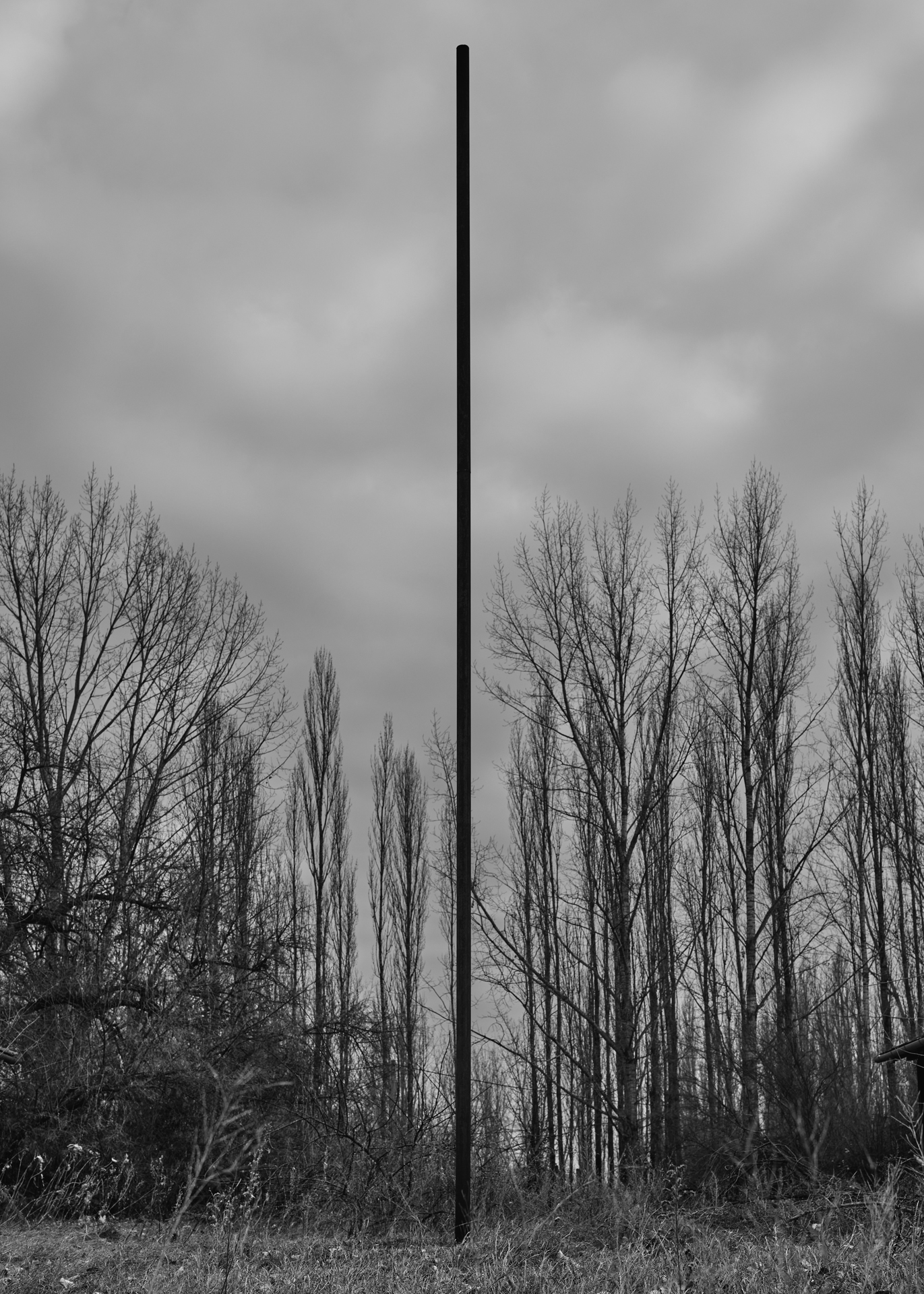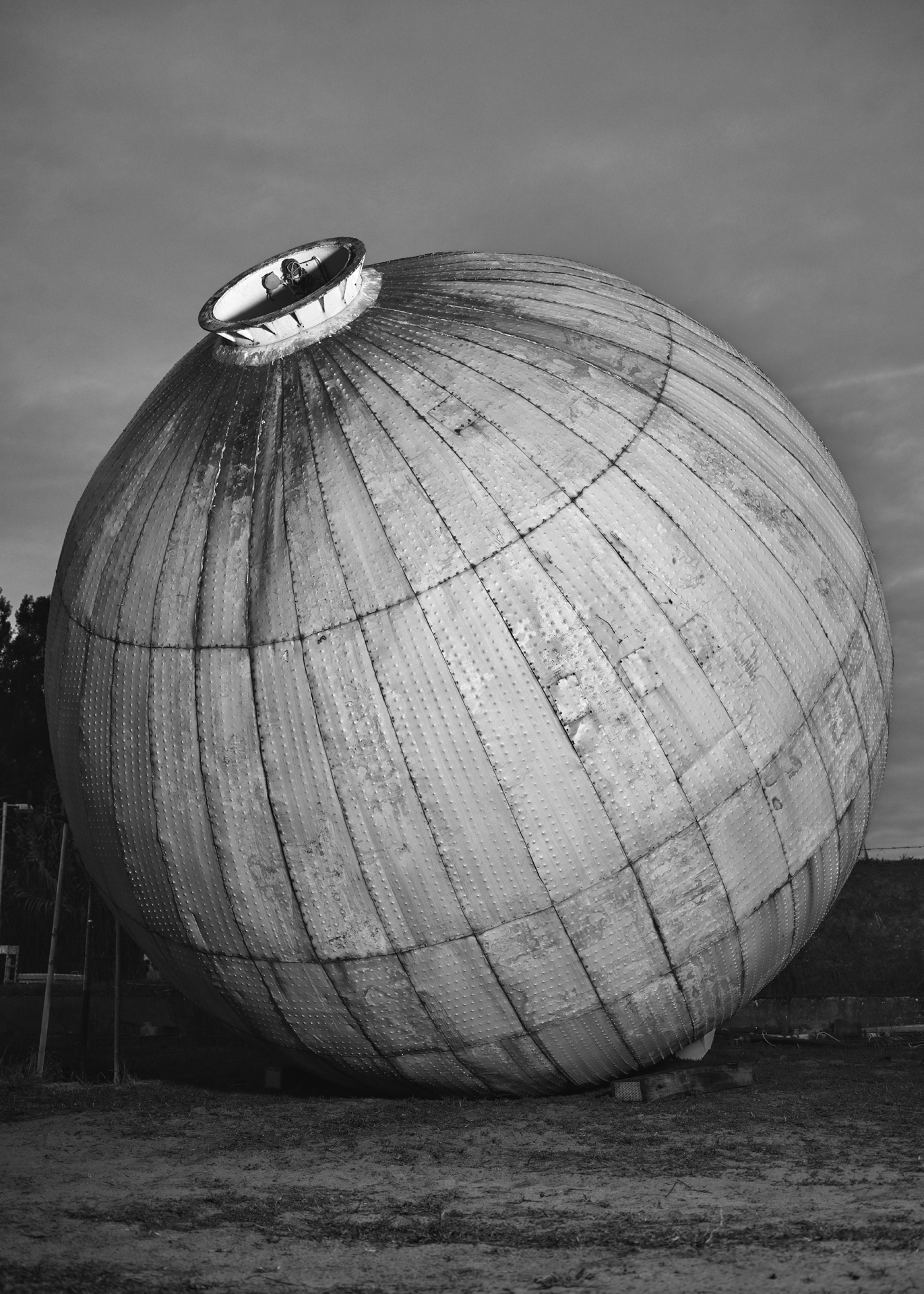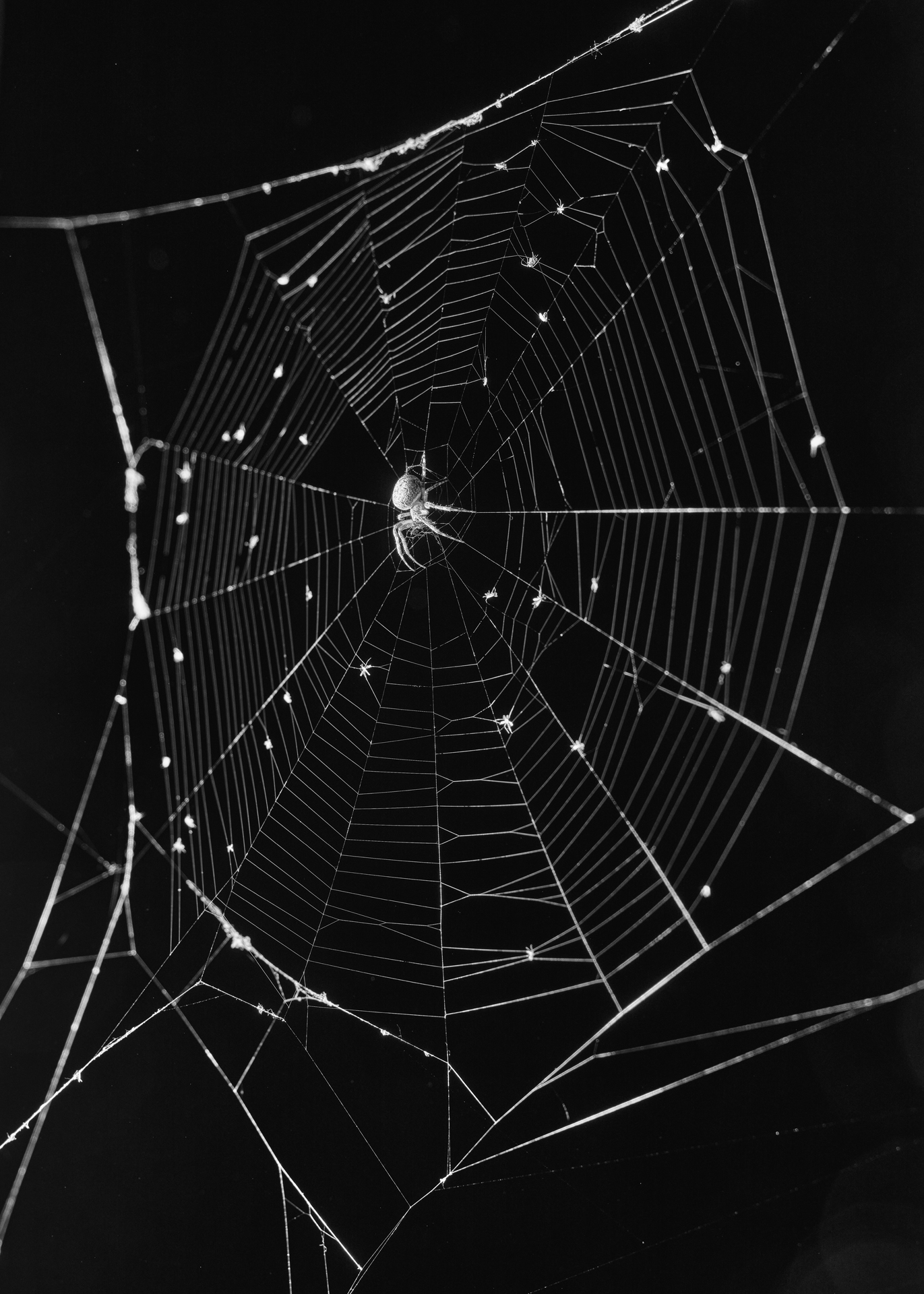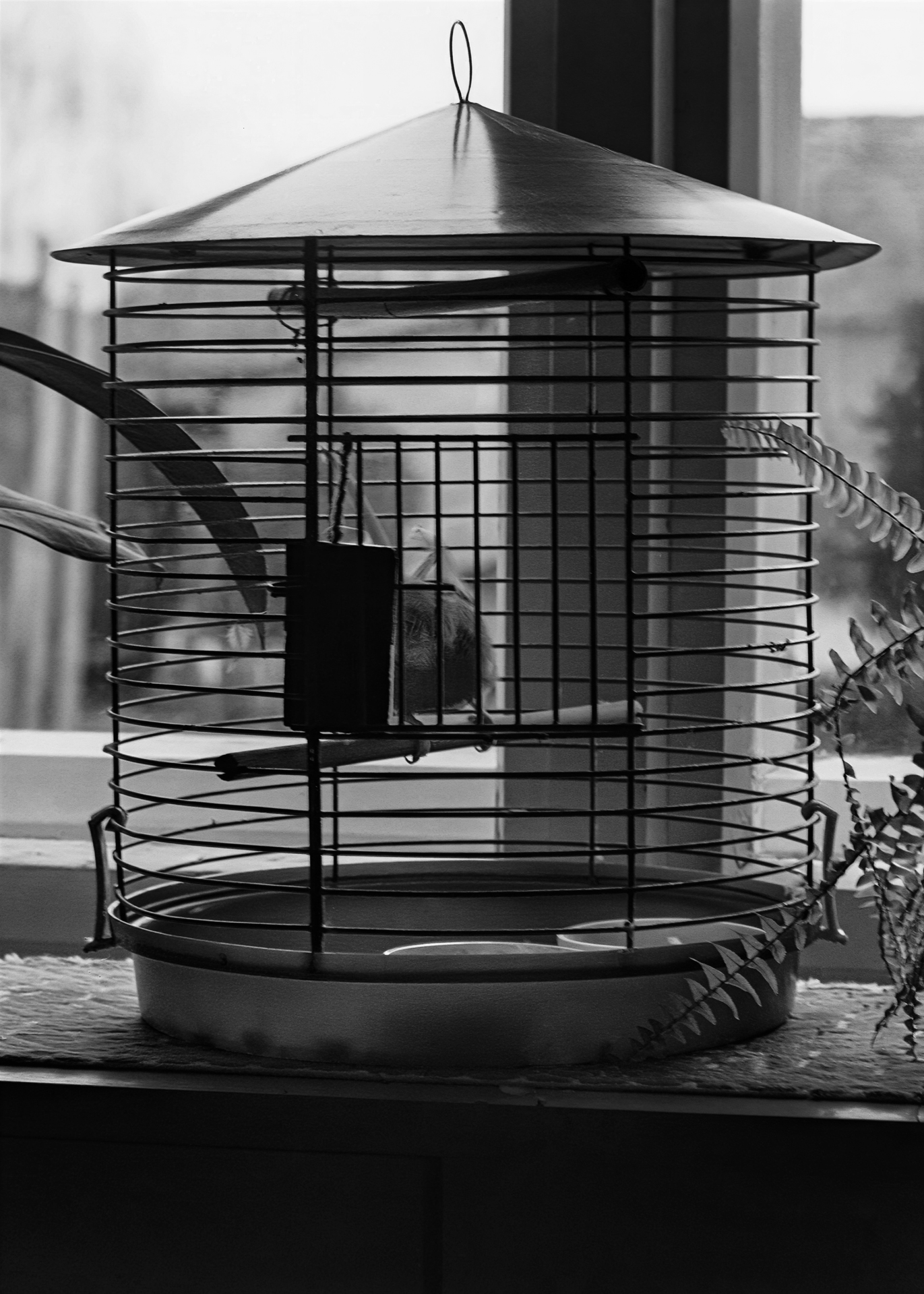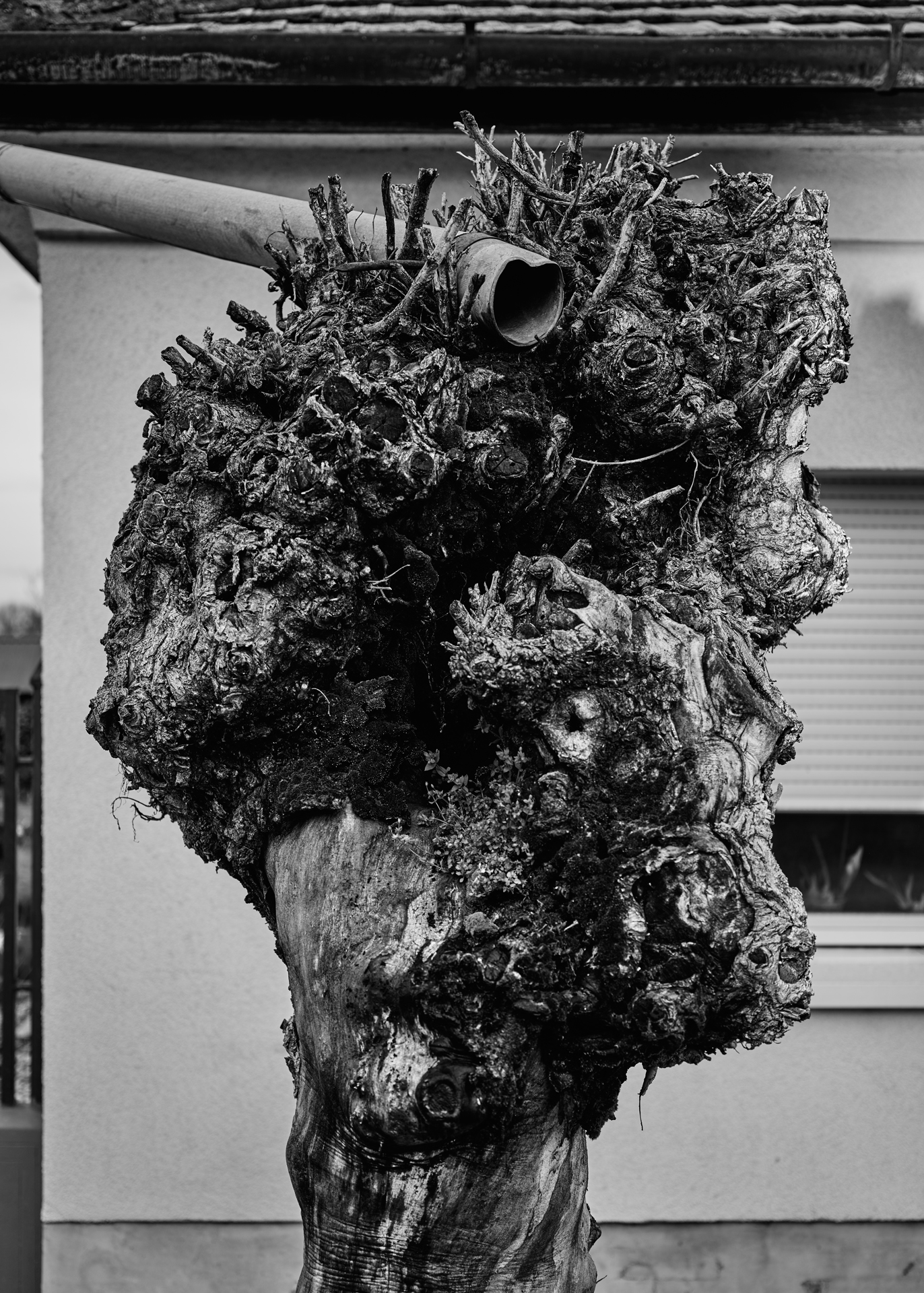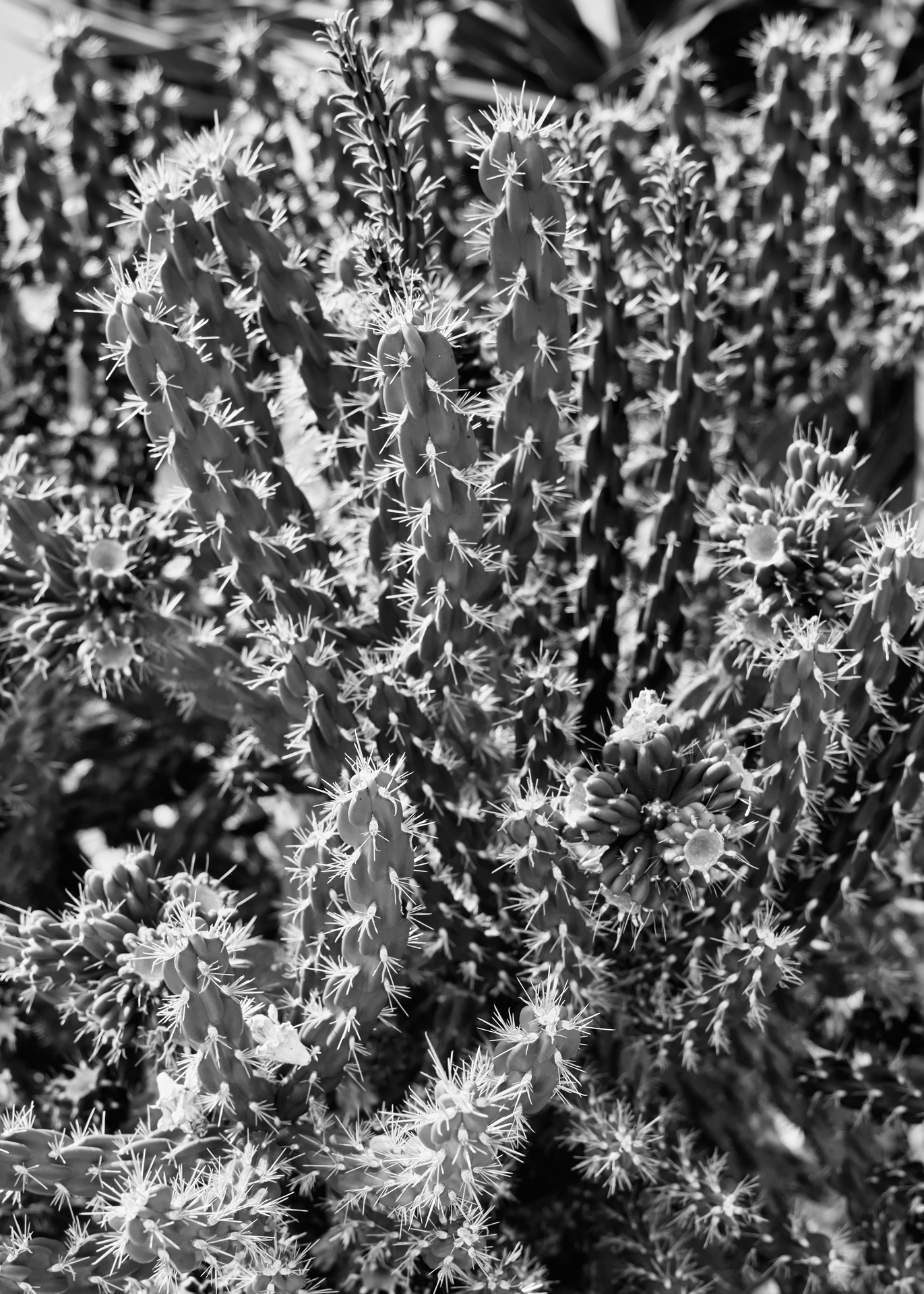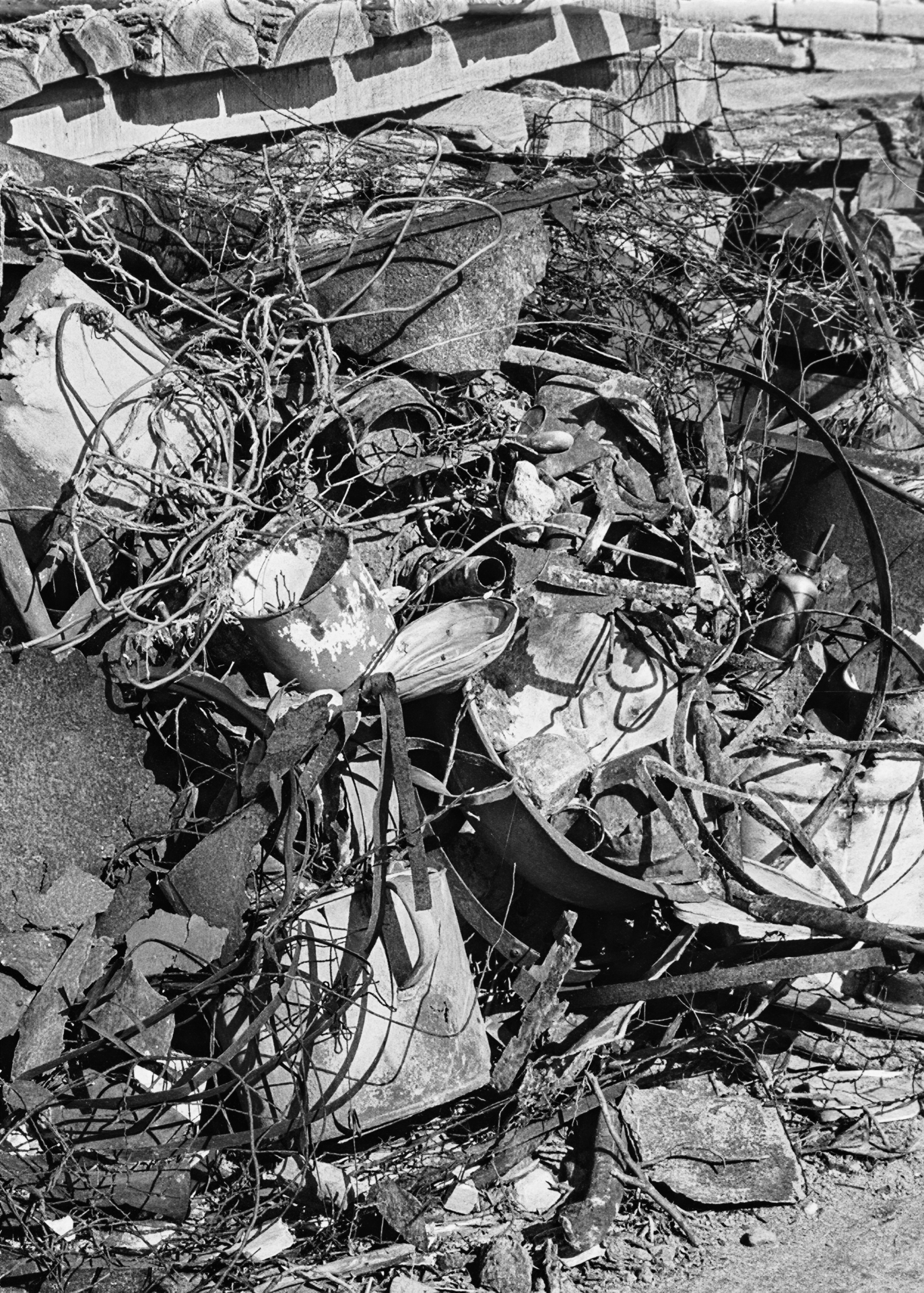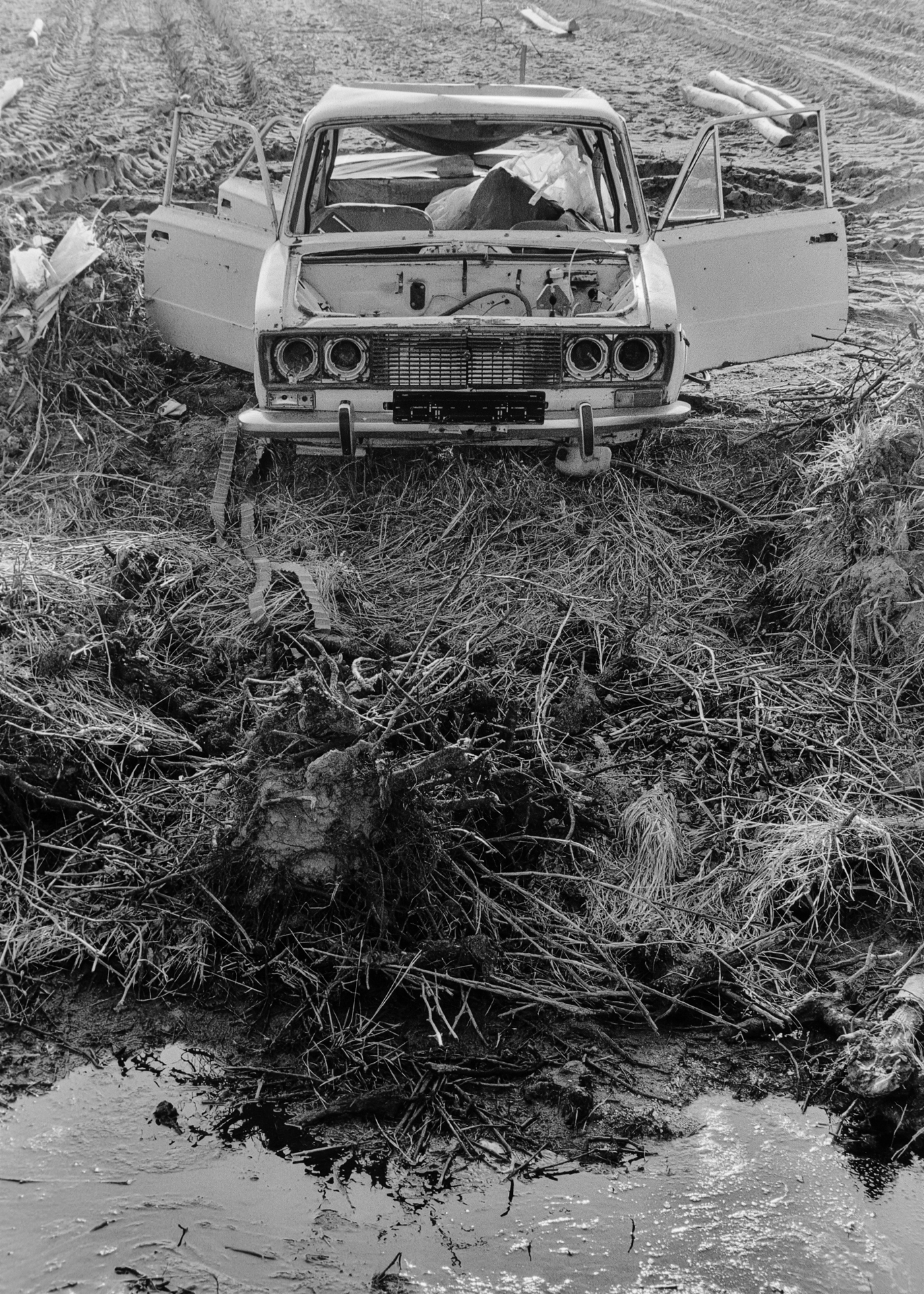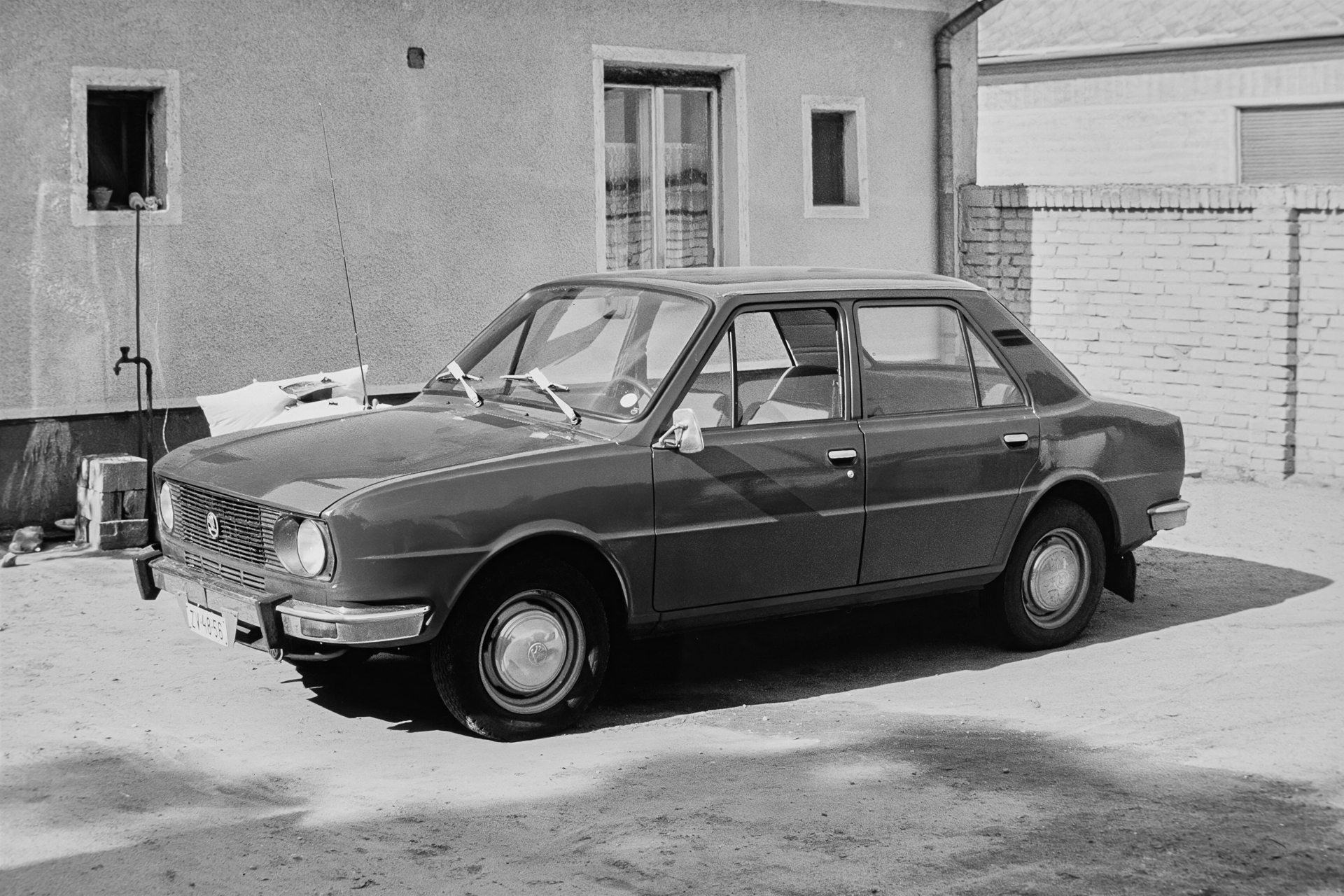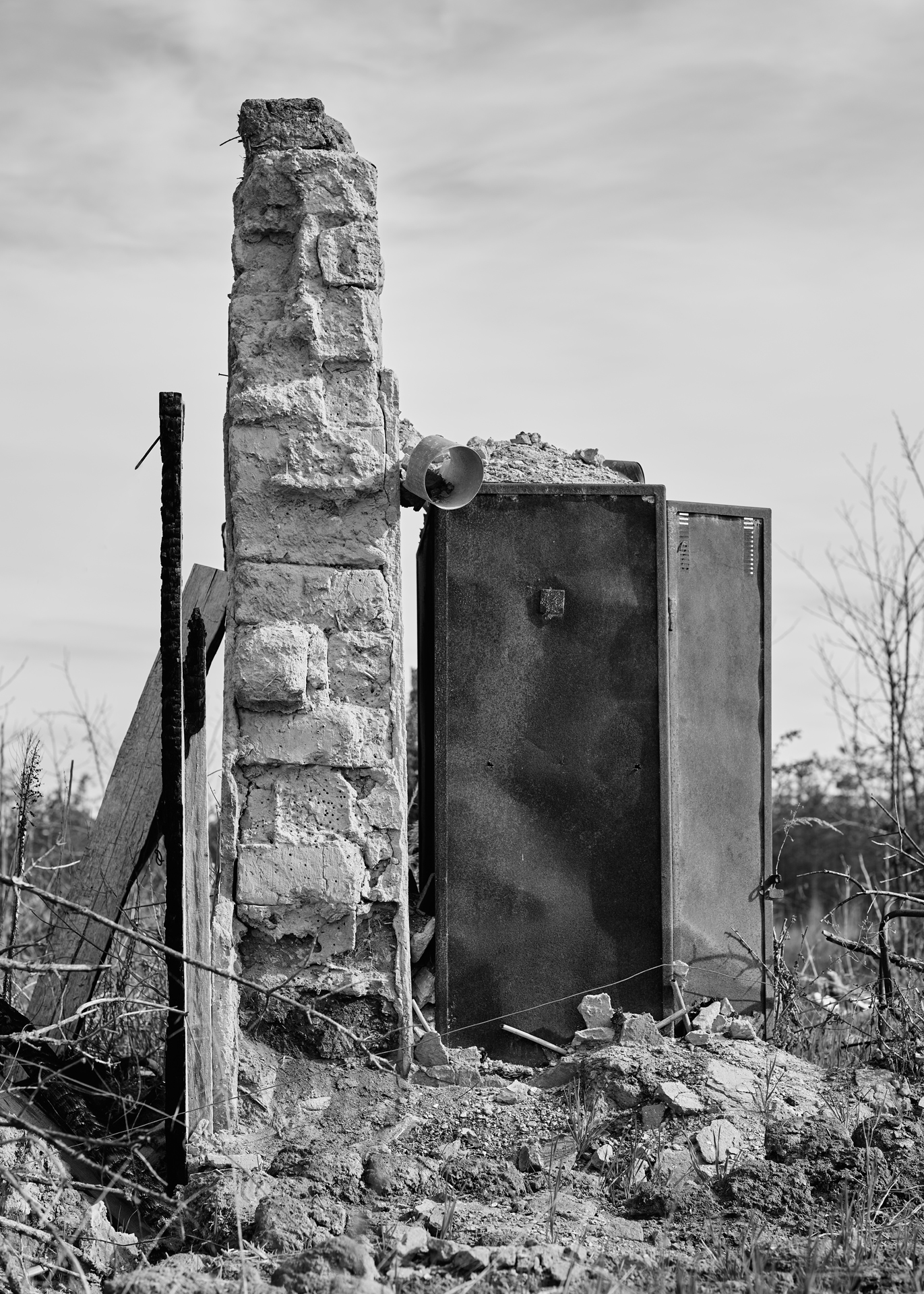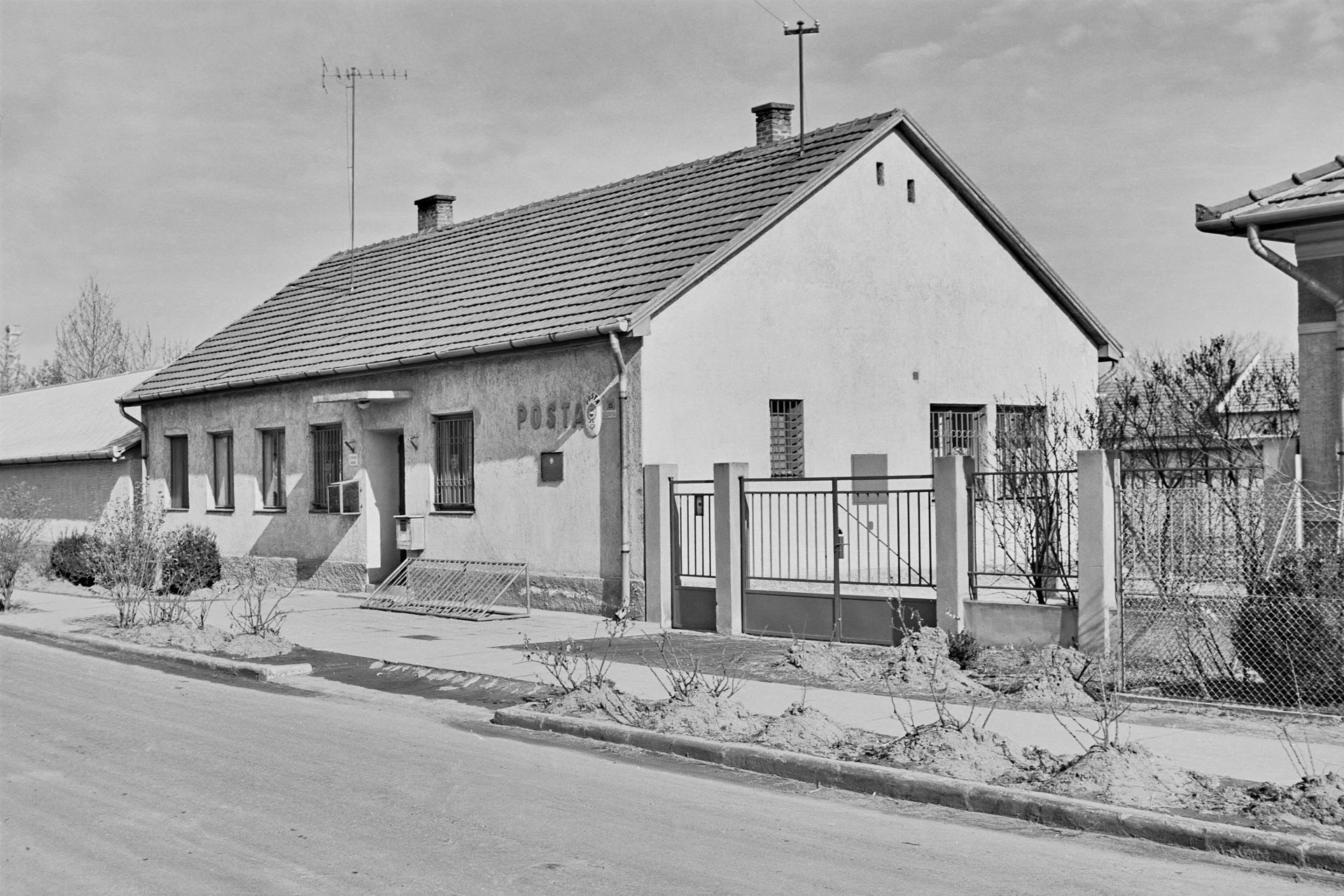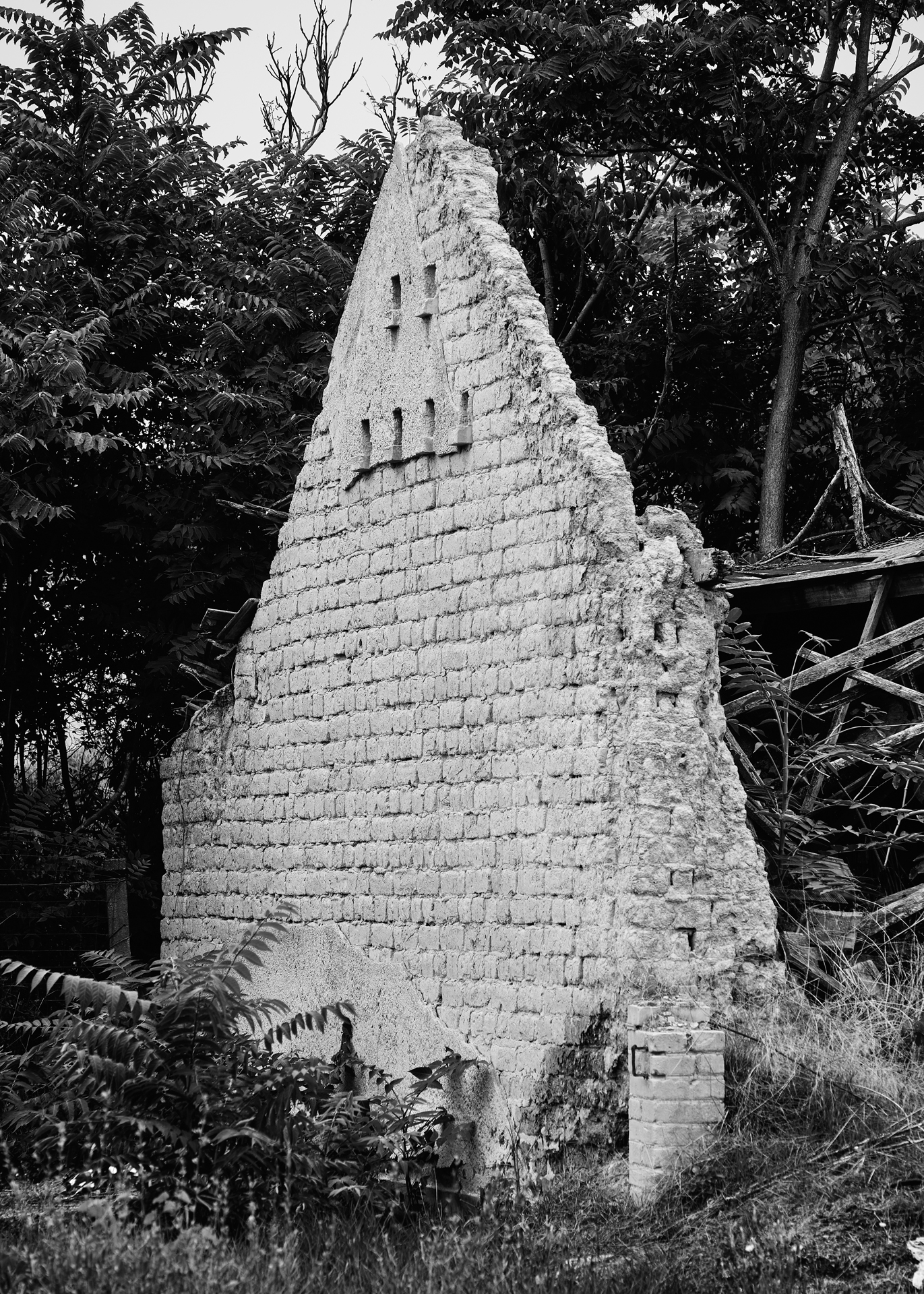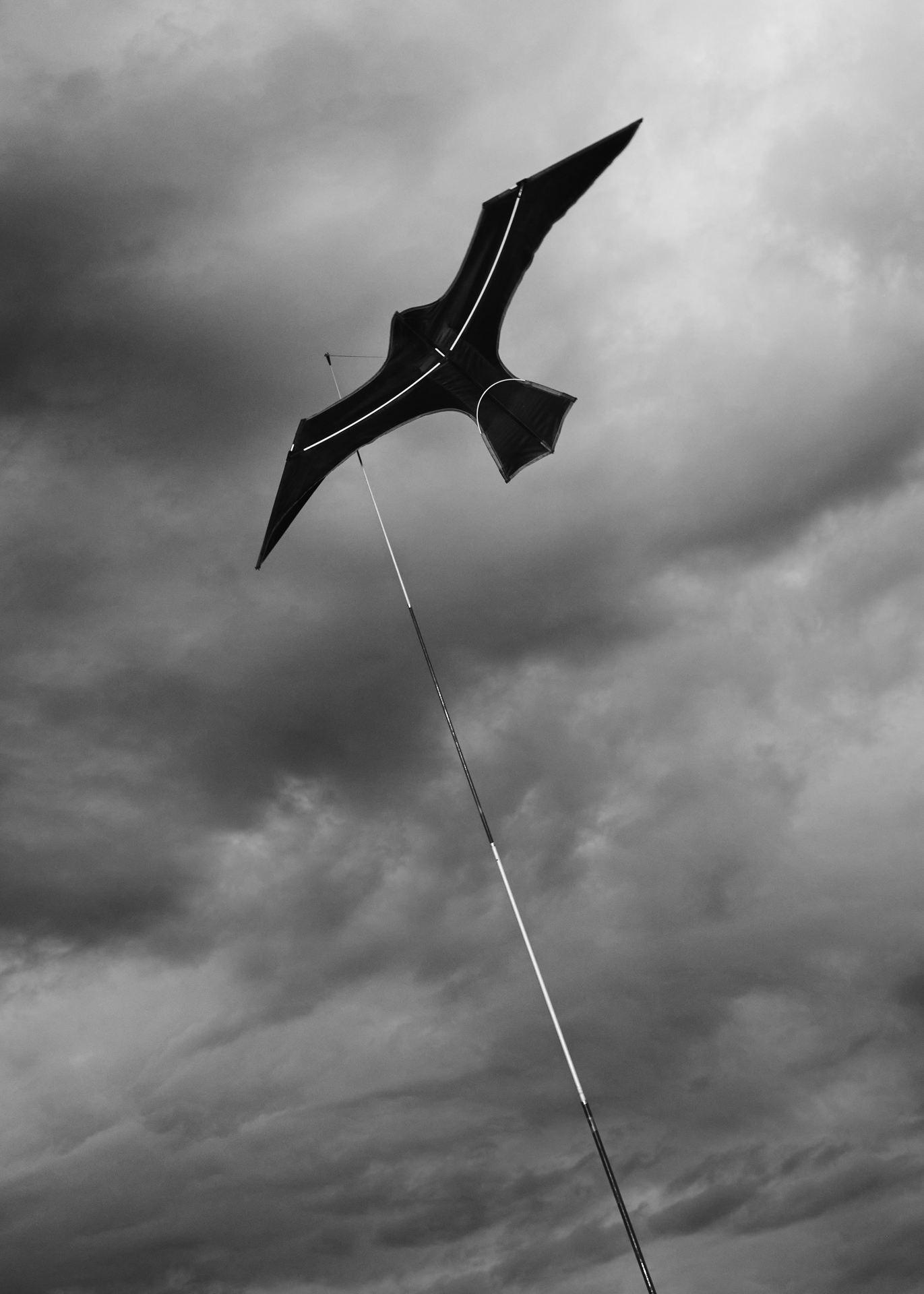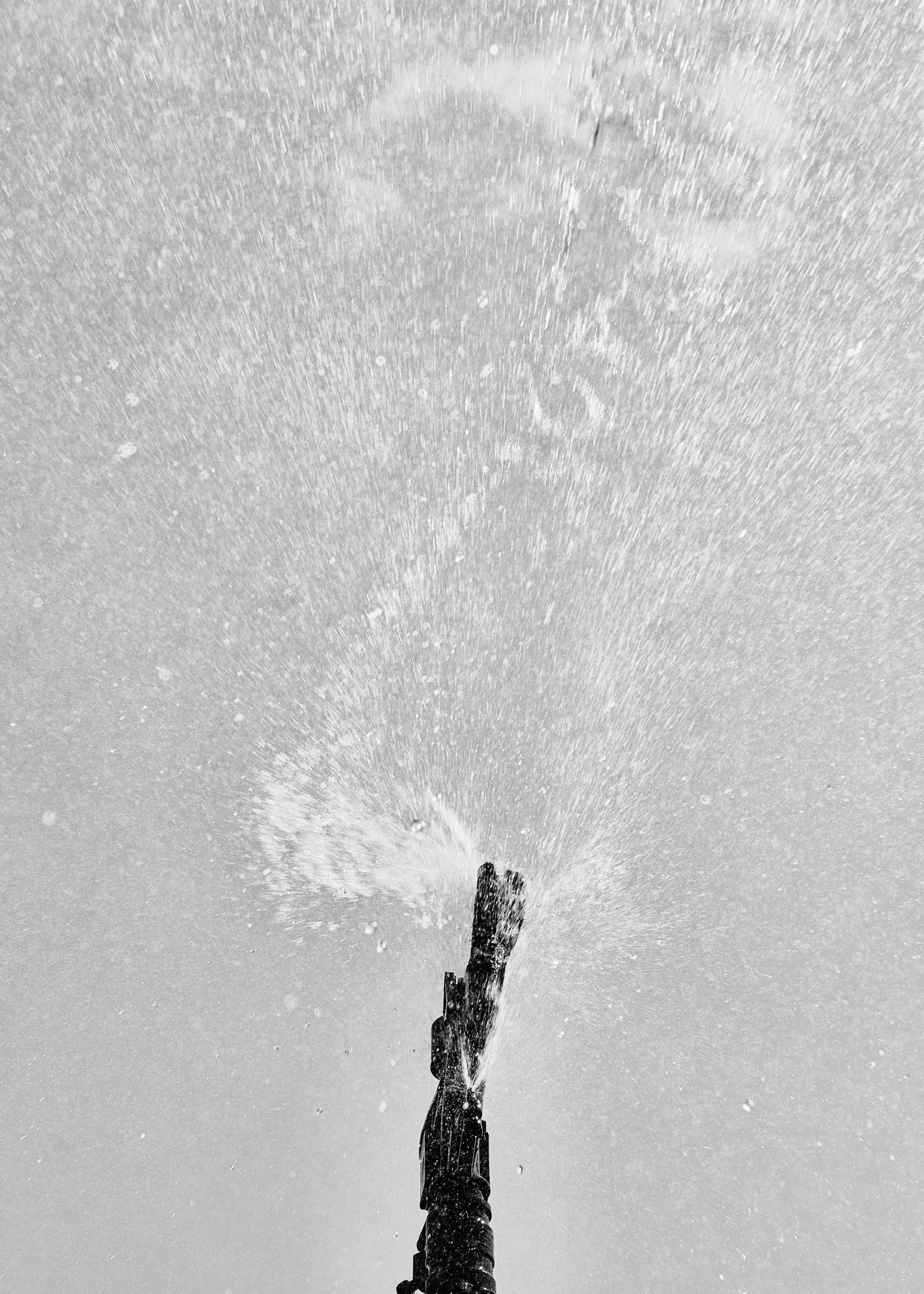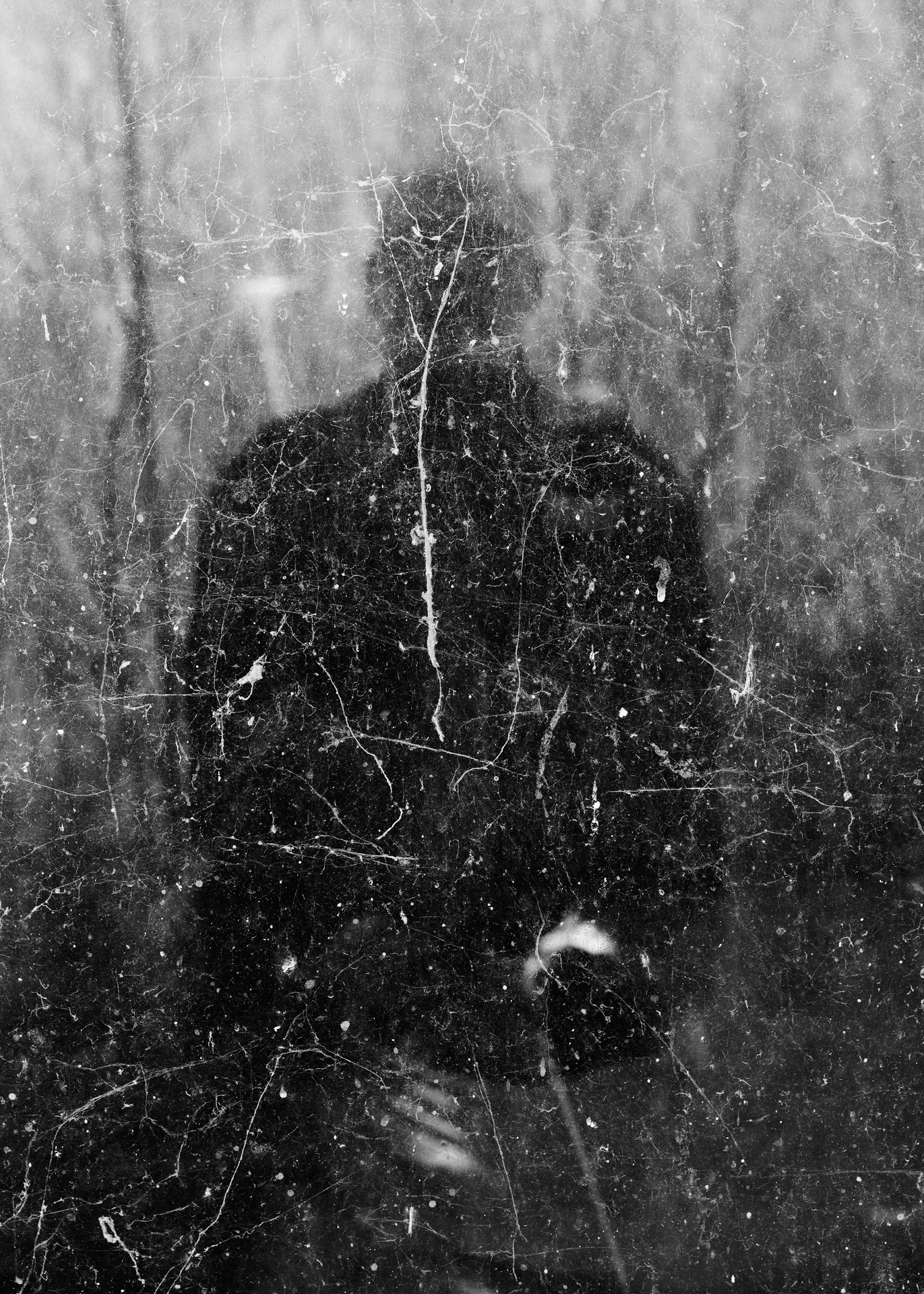
ZSÓFIA SIVÁK IS THE WINNER OF THE CAPA GRAND PRIZE HUNGARY 2026
The jury selected Zsófia Sivák for her entry entitled NO CREDIT as the Capa Grand Prize Hungary winner in 2026.
Established in 2014 by the Capa Center, the Robert Capa Photography Grand Prize Hungary recognizes photographers whose work makes significant impact on Hungarian photography.
The Grand Prize, with a total prize fund of HUF 5 million, was awarded by a jury of Hungarian and international professionals. In May 2026, the jury selected five candidates, each of whom received a cash award of HUF 500,000. Following their public presentations in October, the jury ultimately selected Zsófia Sivák’s project as the winner. Thus, the photographer became the eighth recipient of the Capa Grand Prize Hungary and received a cash award of HUF 2.5 million at the award ceremony on October 28, 2026, held at the Capa Center on the occasion of Robert Capa’s 113th birth anniversary.
The Grand Prize winner’s project will be presented in an exhibition abroad in the year following the award. In 2027, the exhibition will be held at the Krinzinger Schottenfeld Gallery in Vienna and, thanks to the gallery’s generous support, will also include a one-month residency in Vienna.
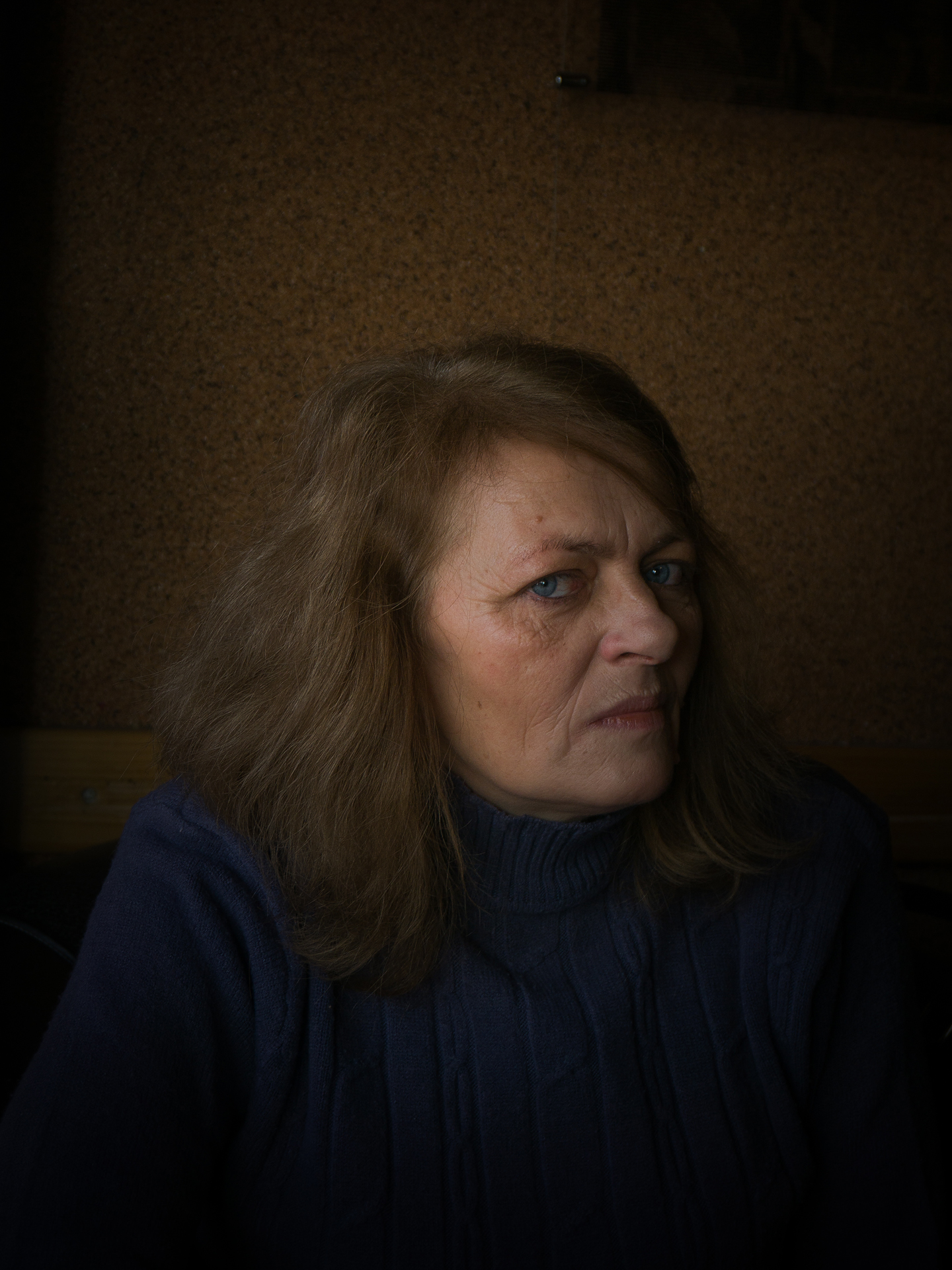
NO CREDIT
Zsófia Sivák 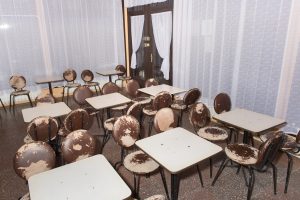
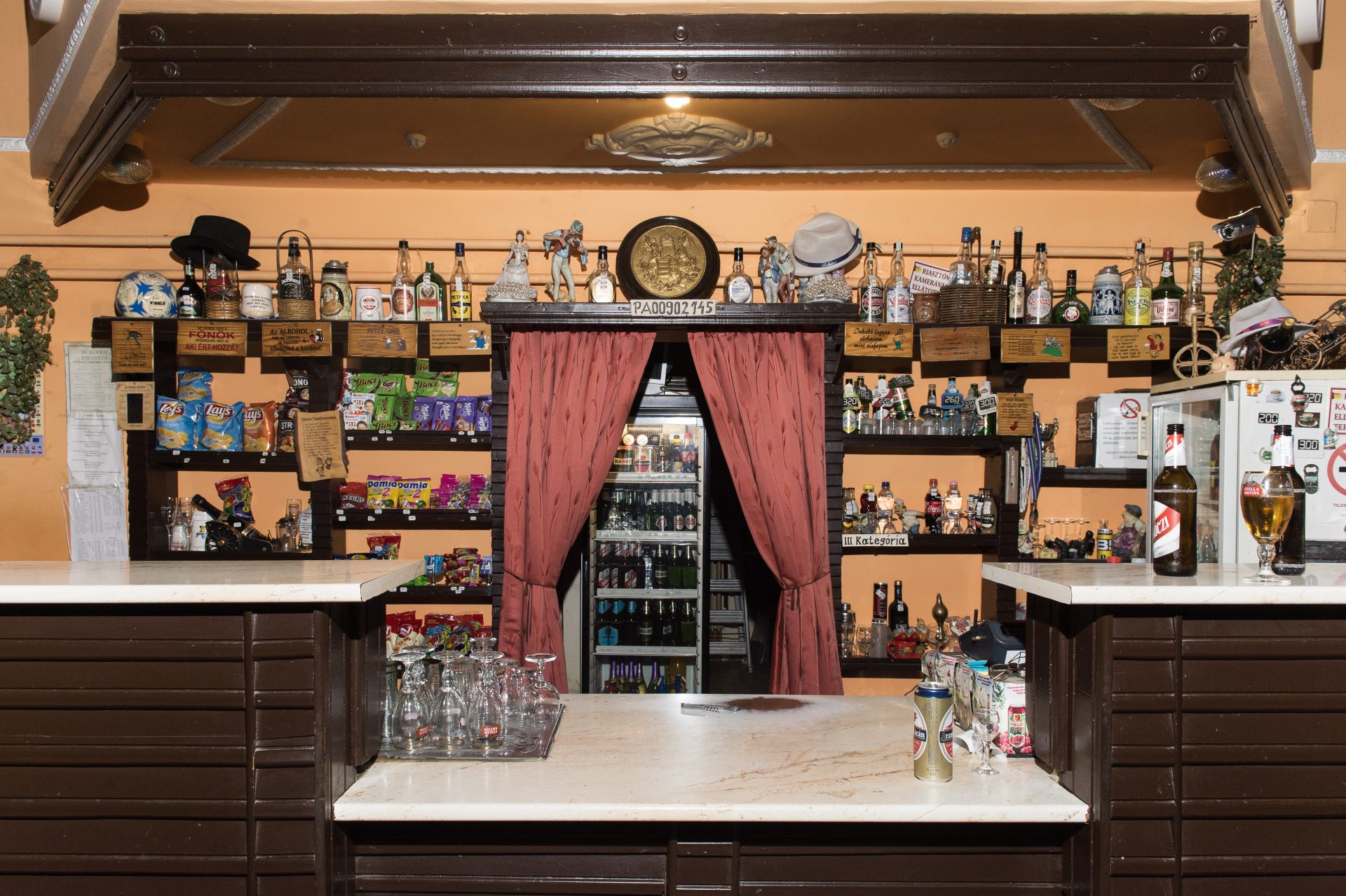
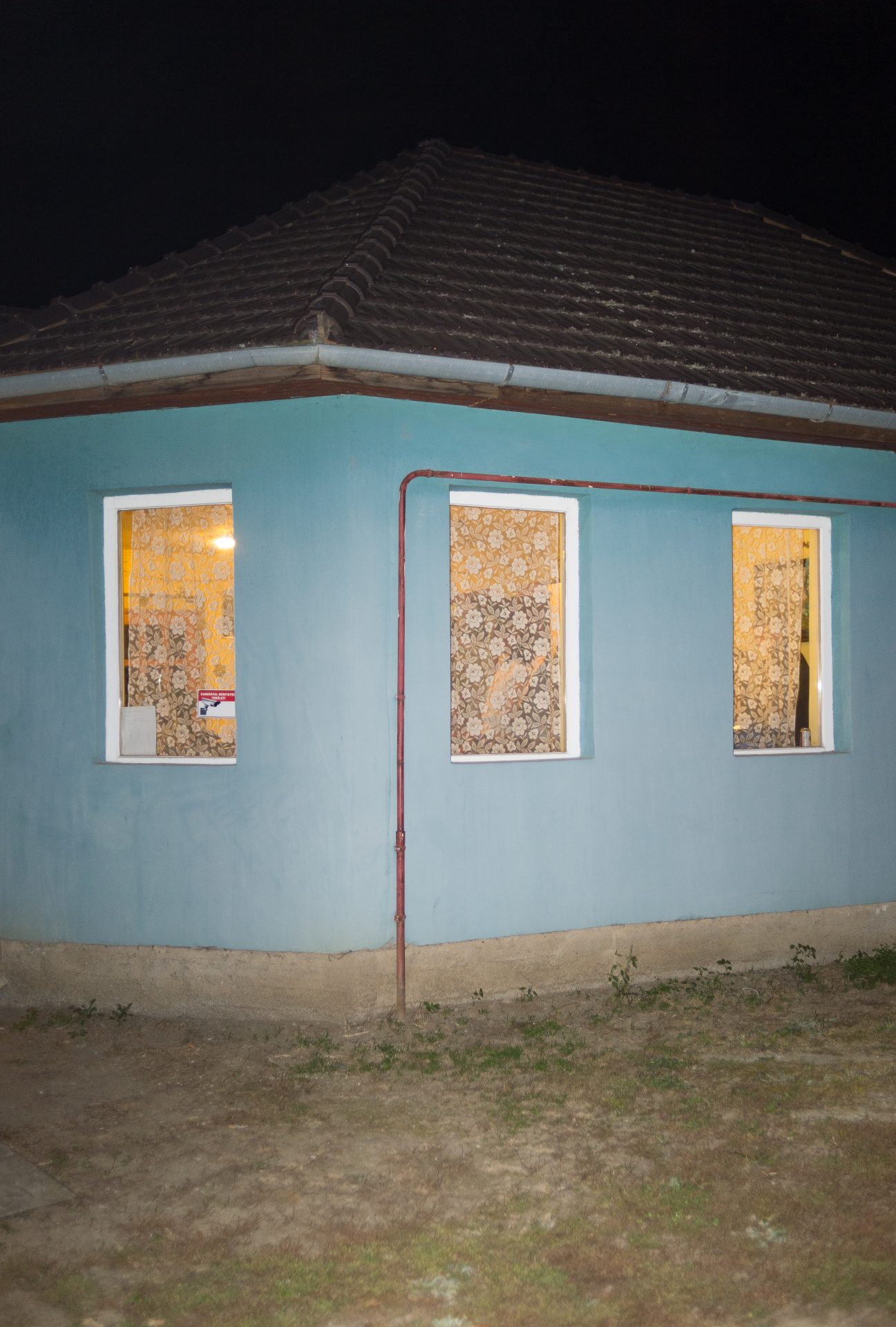
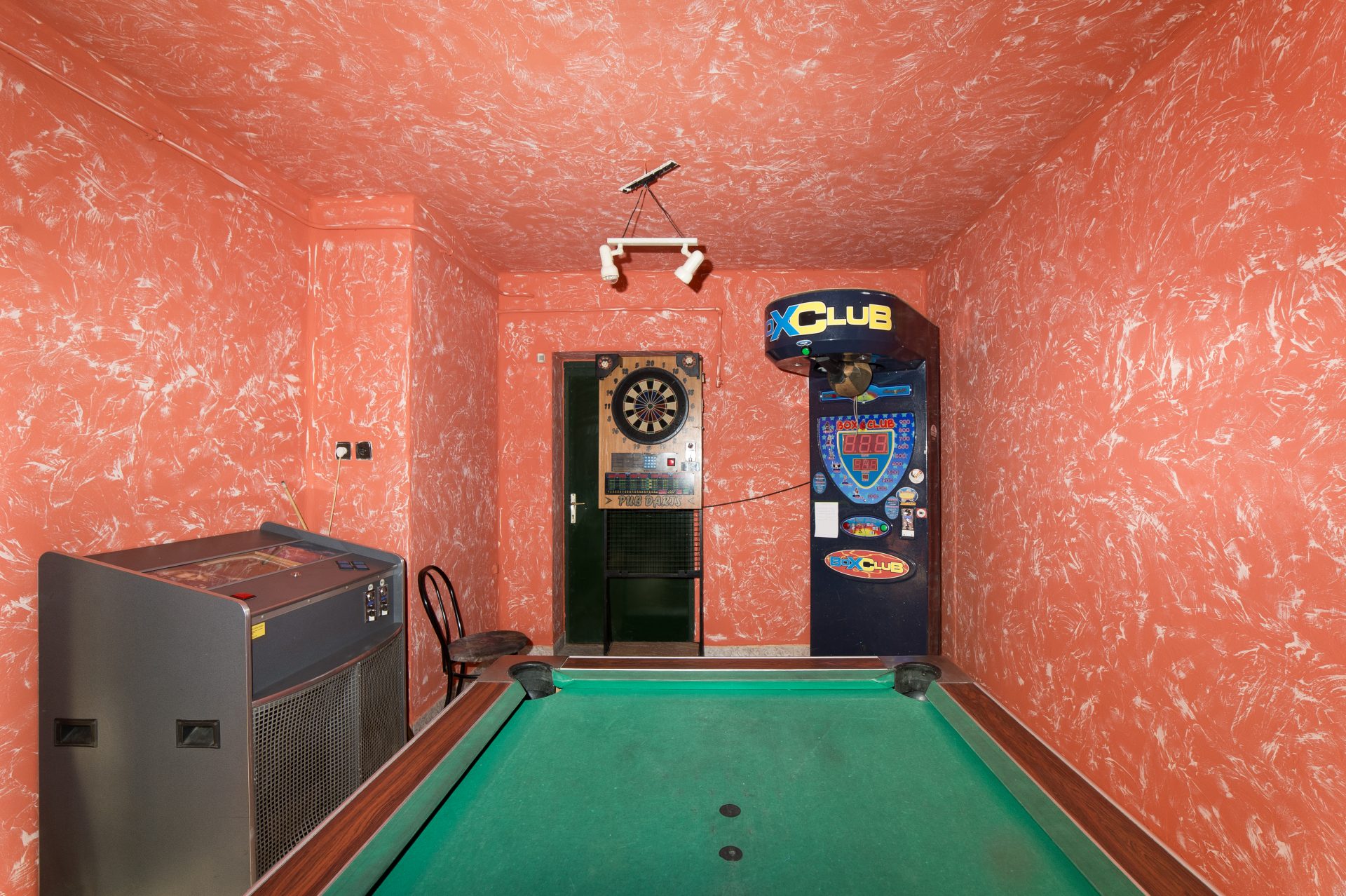
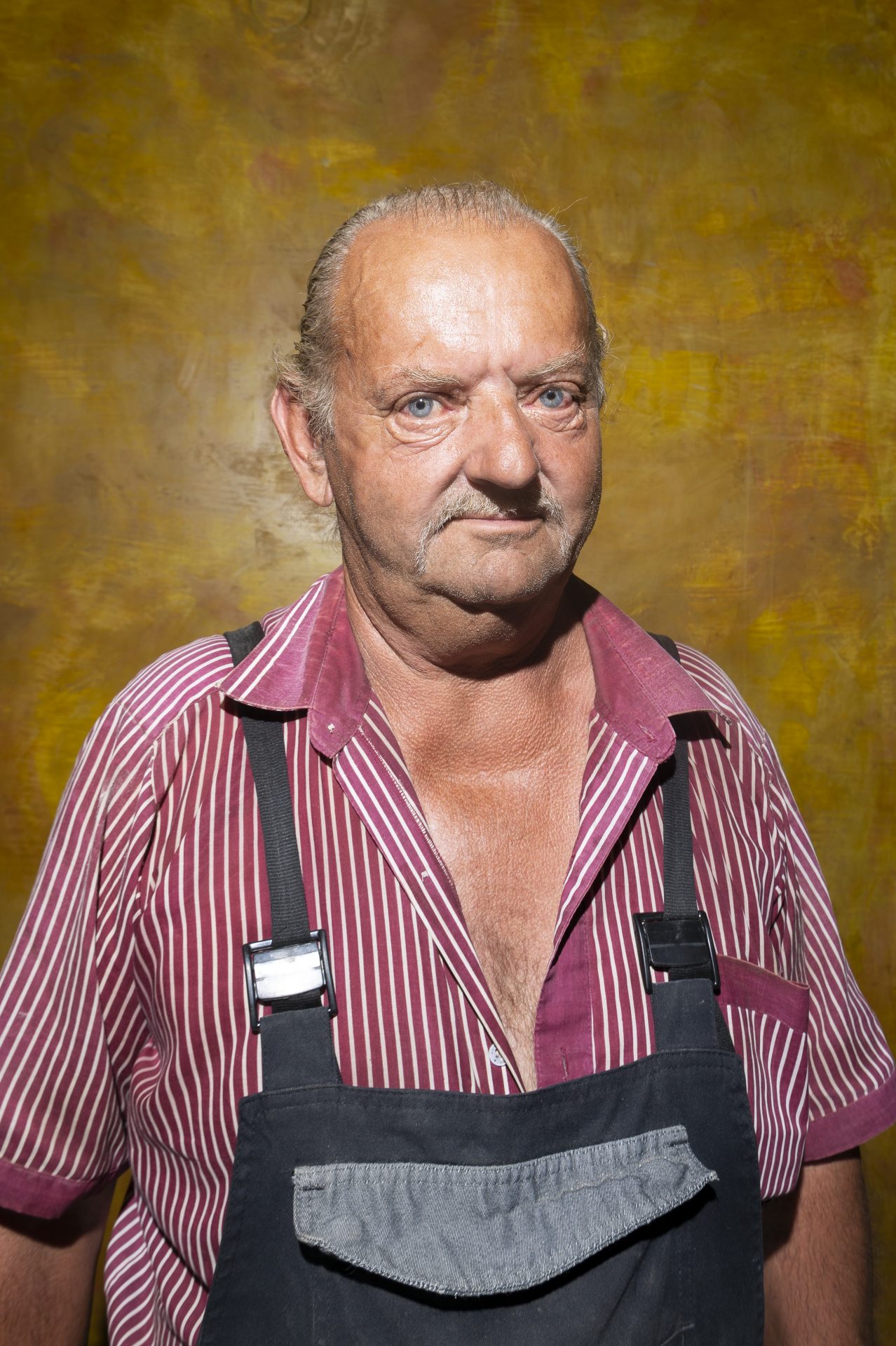
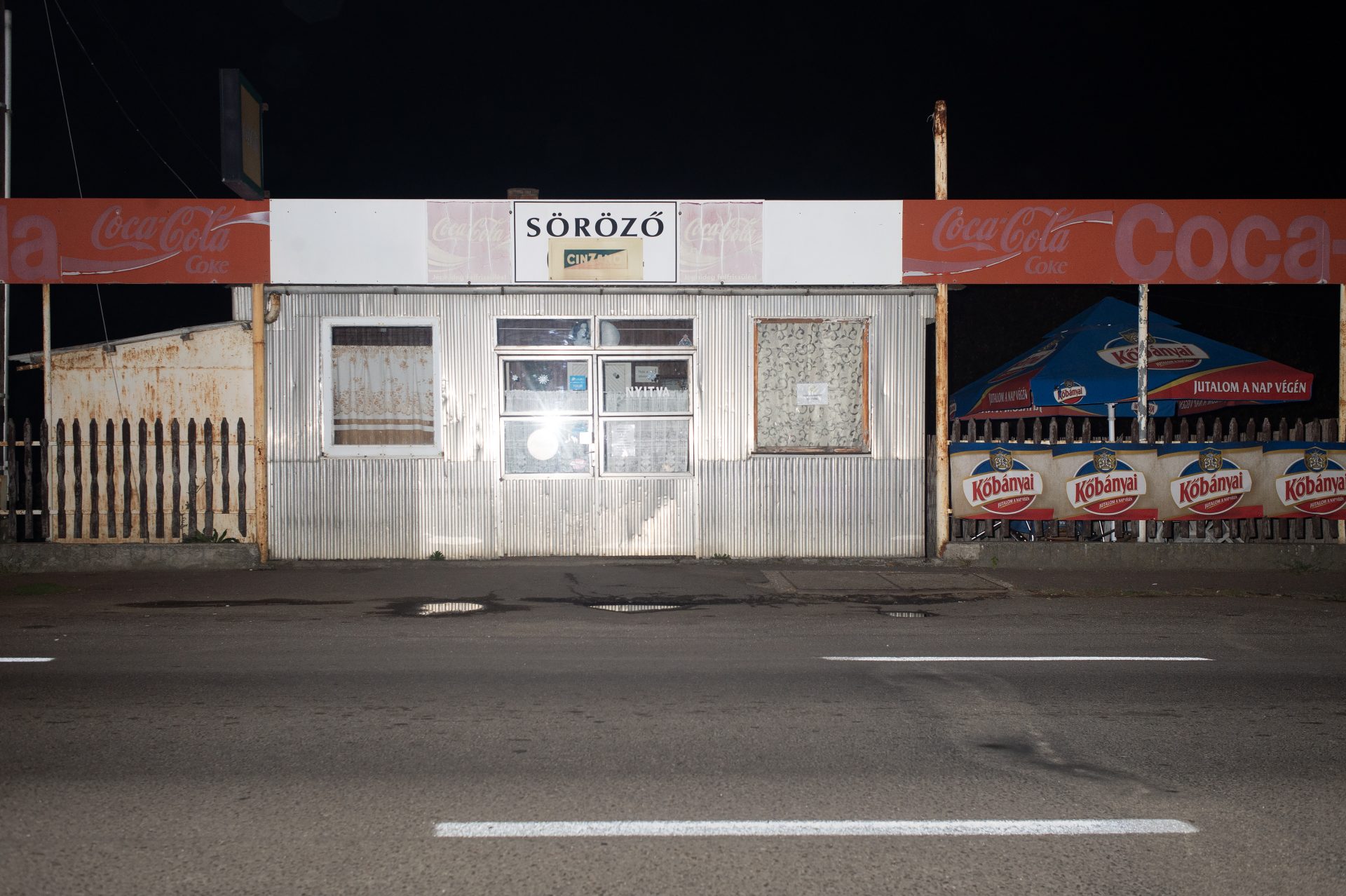
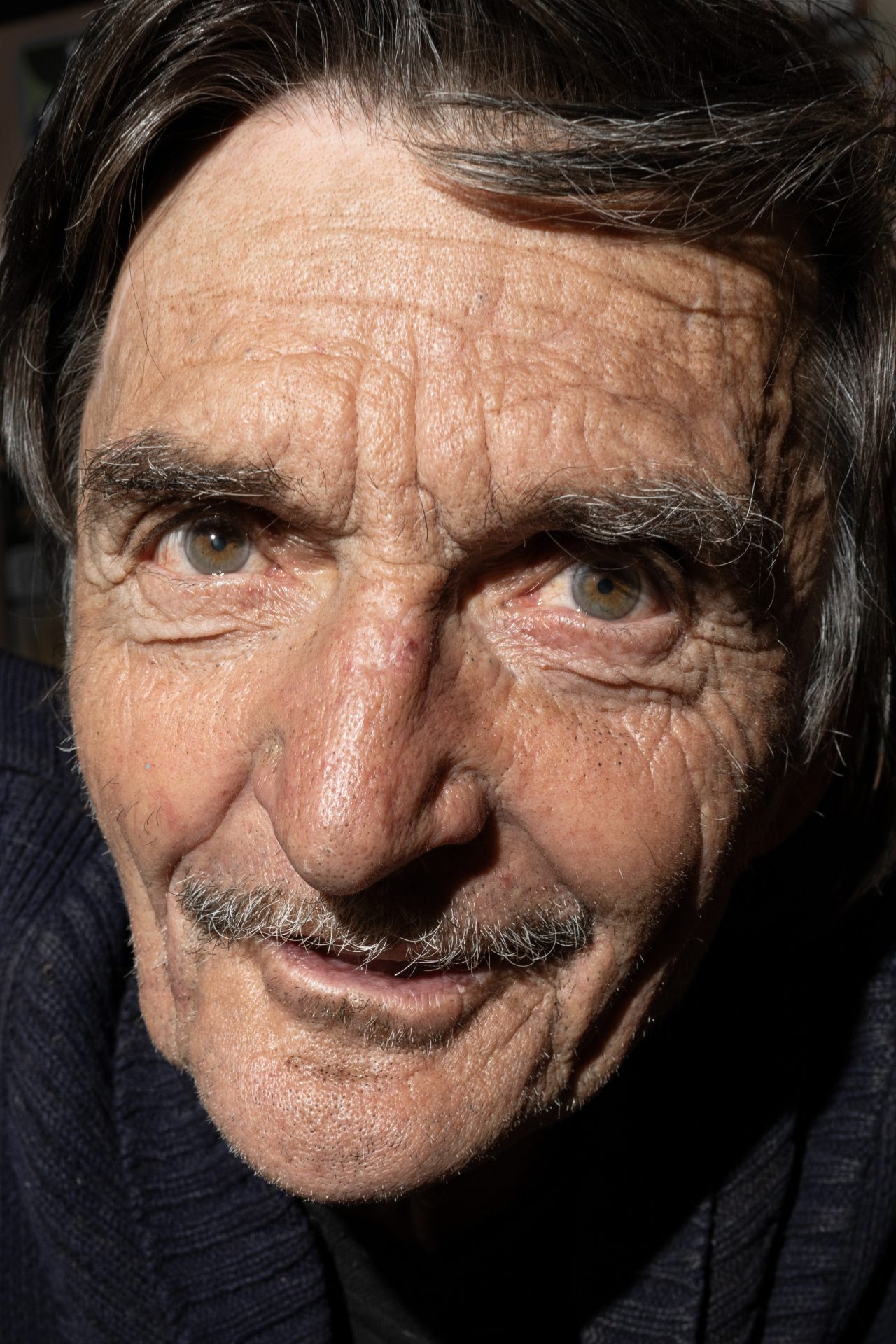
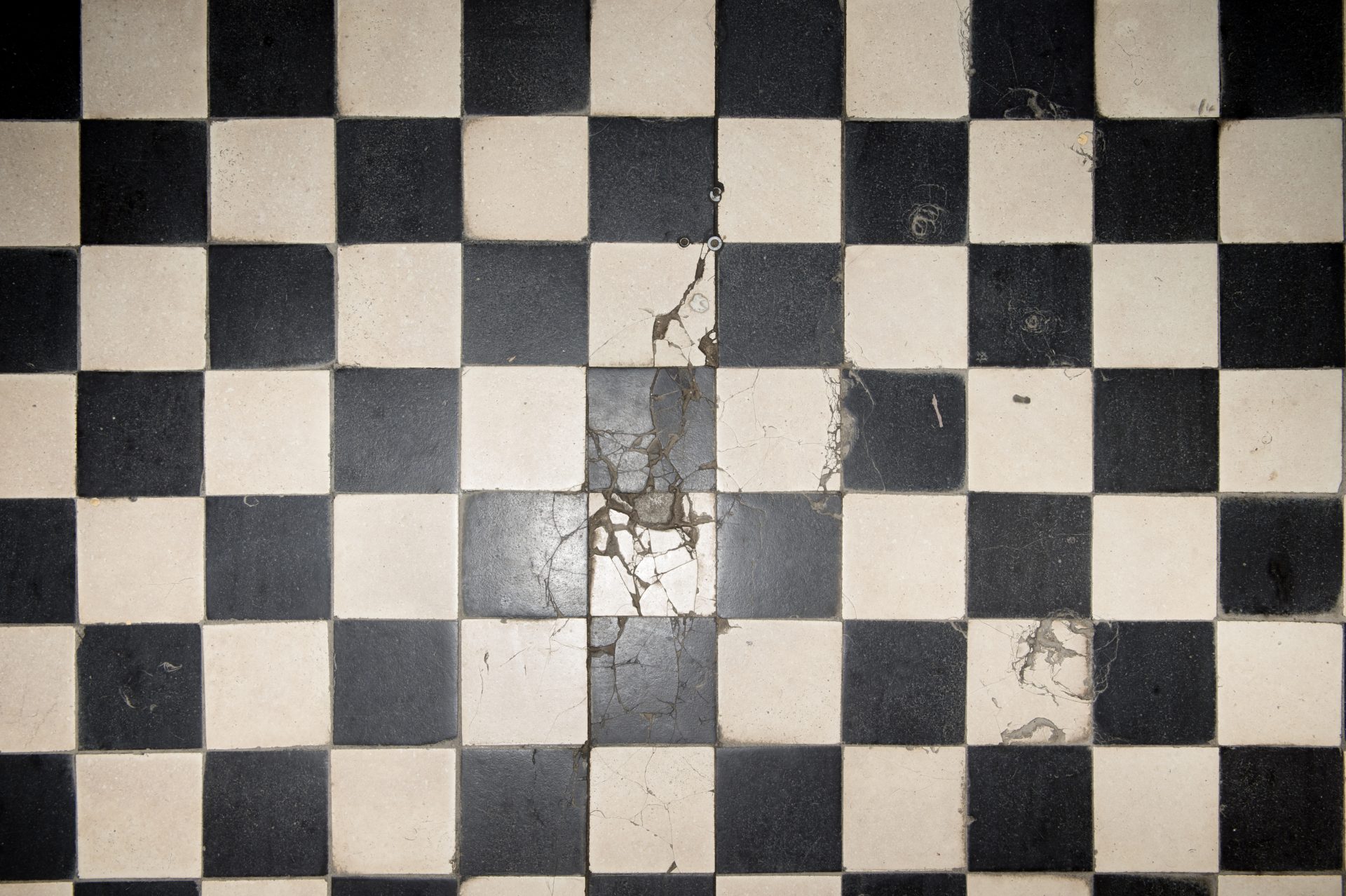
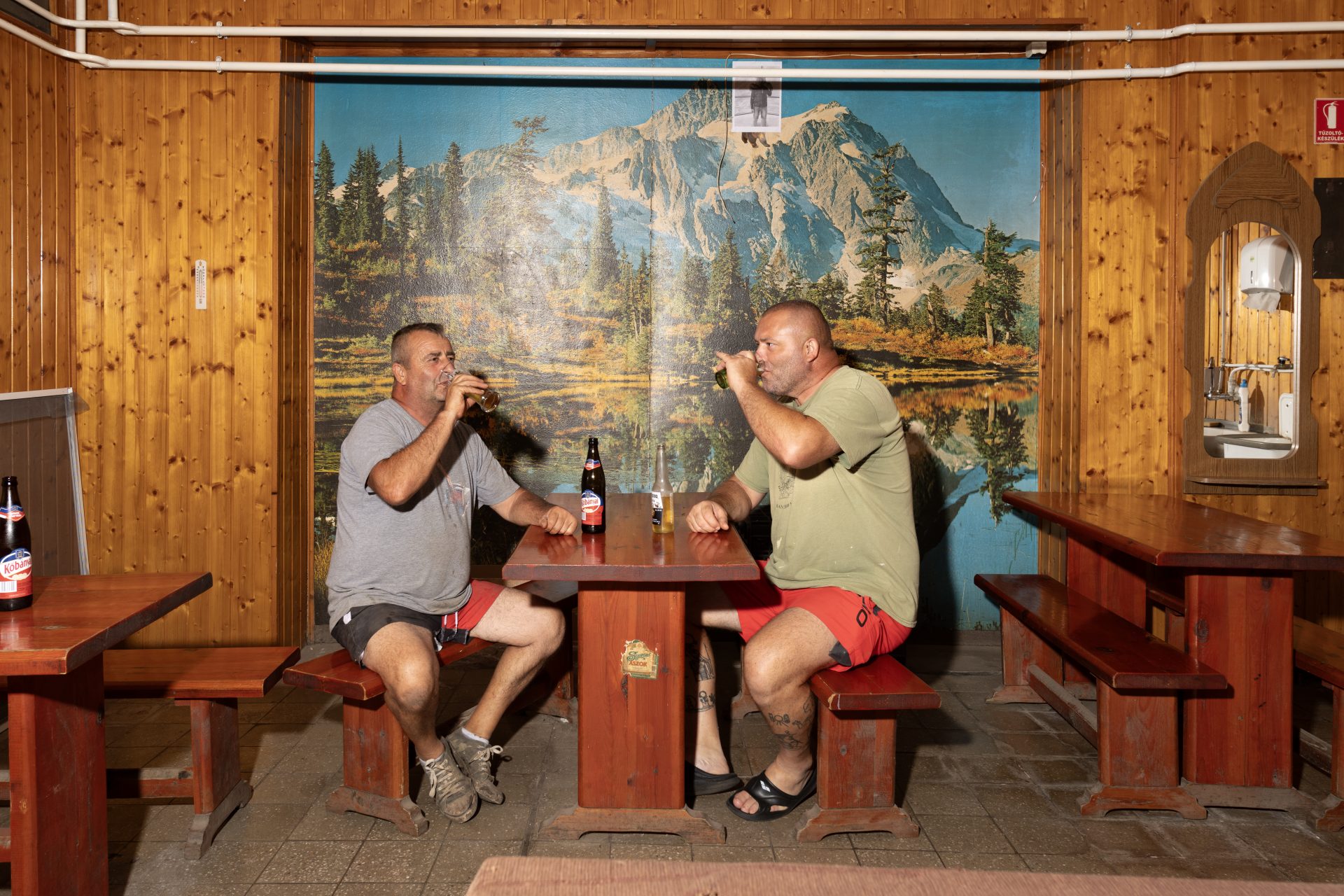
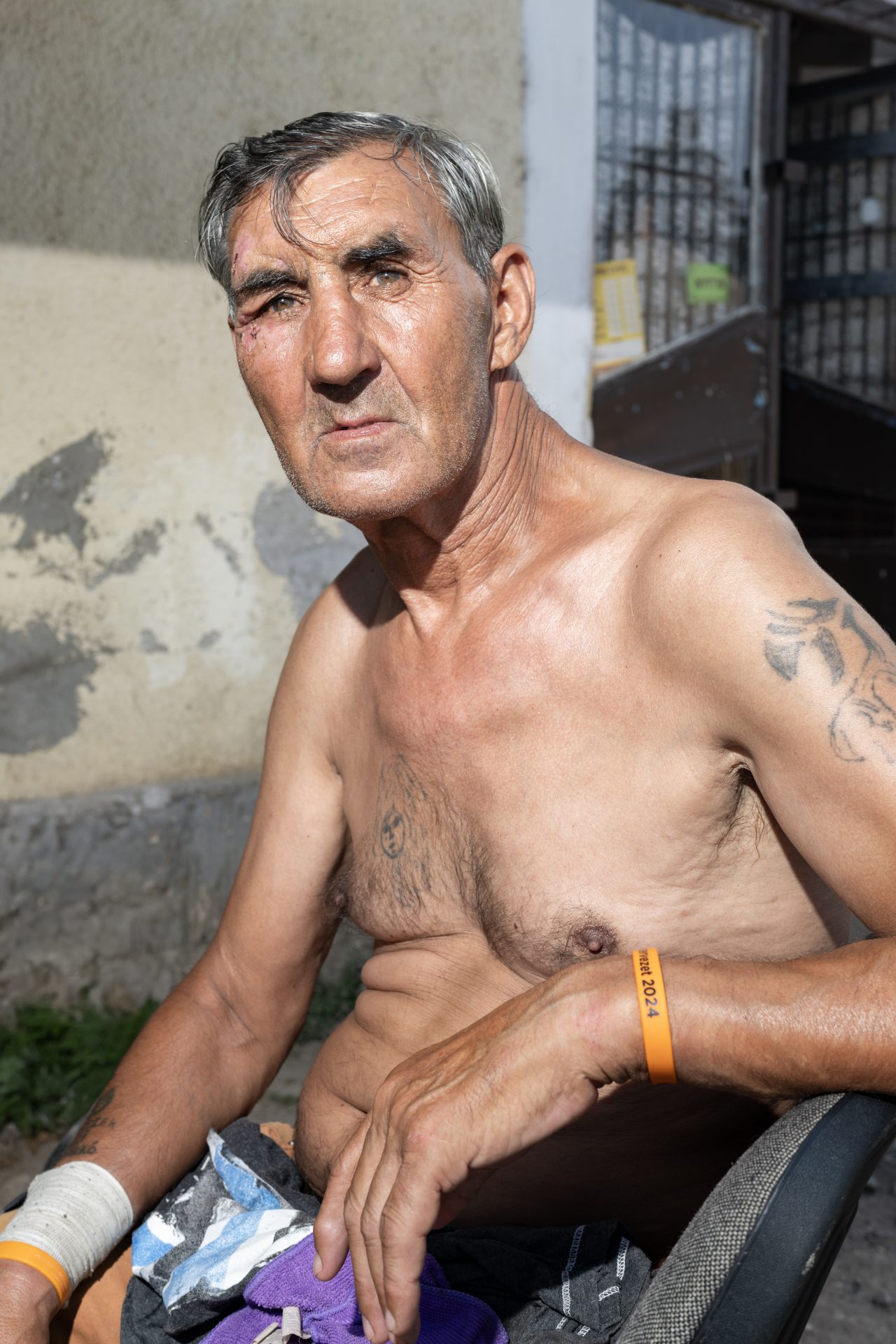
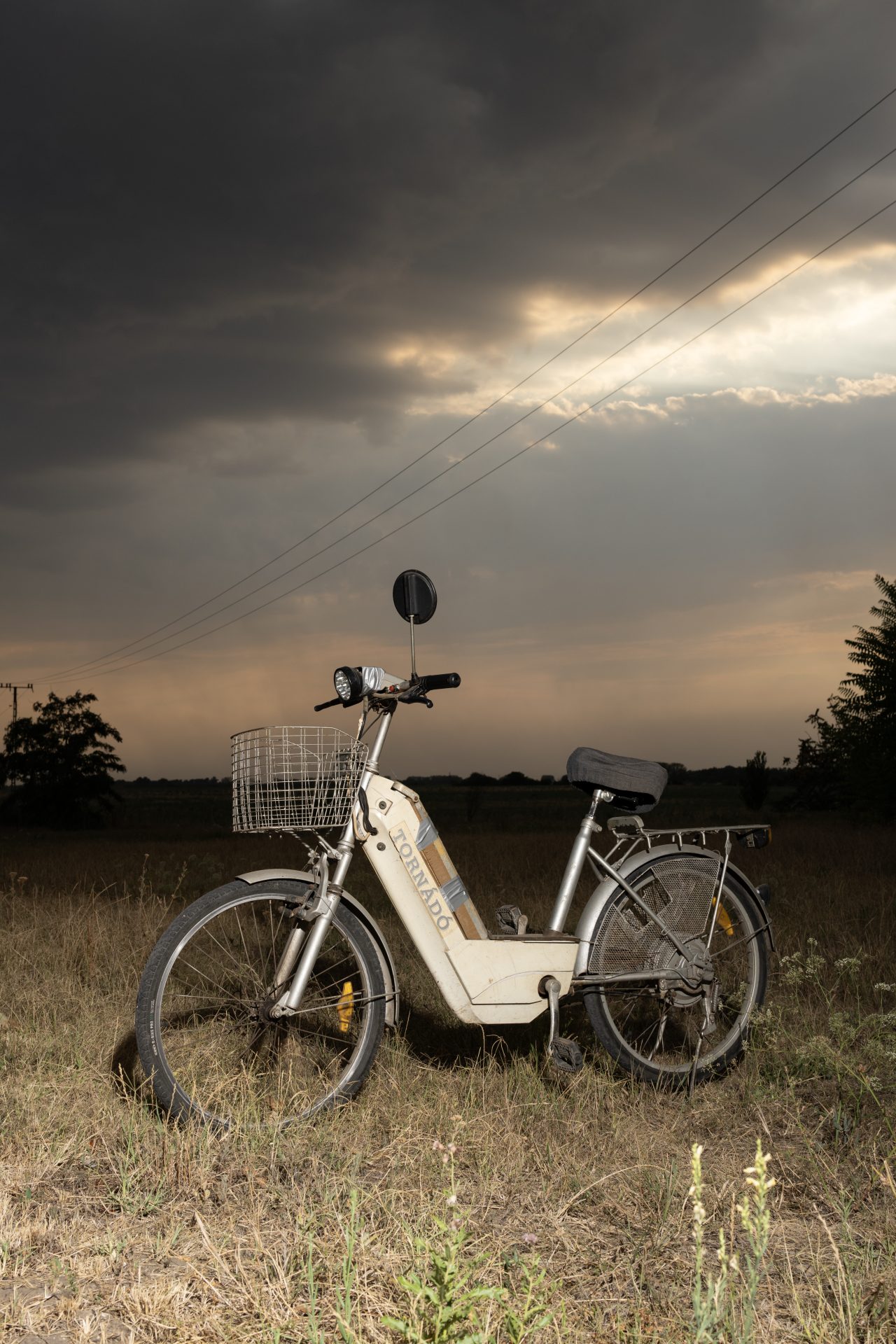
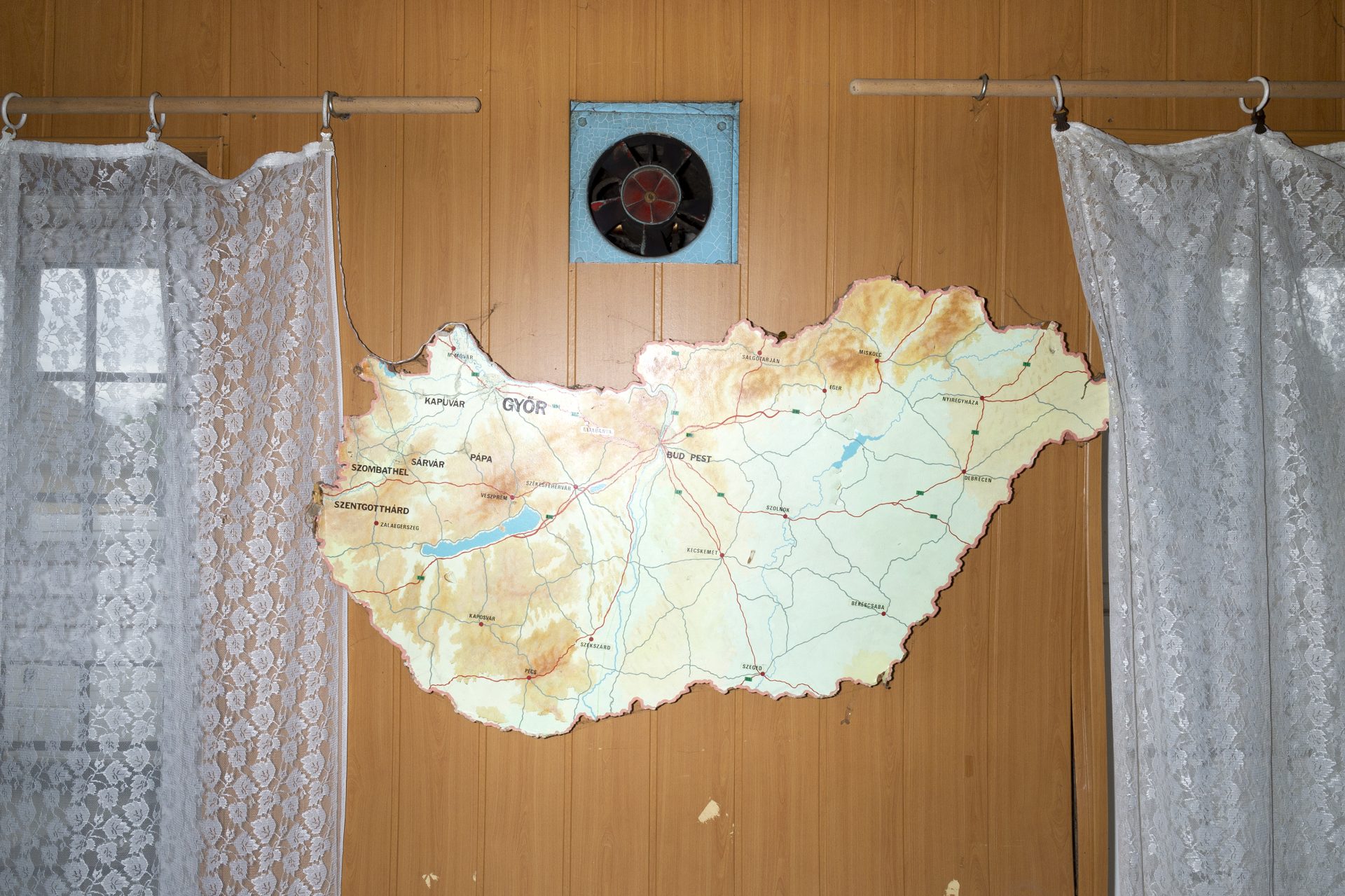
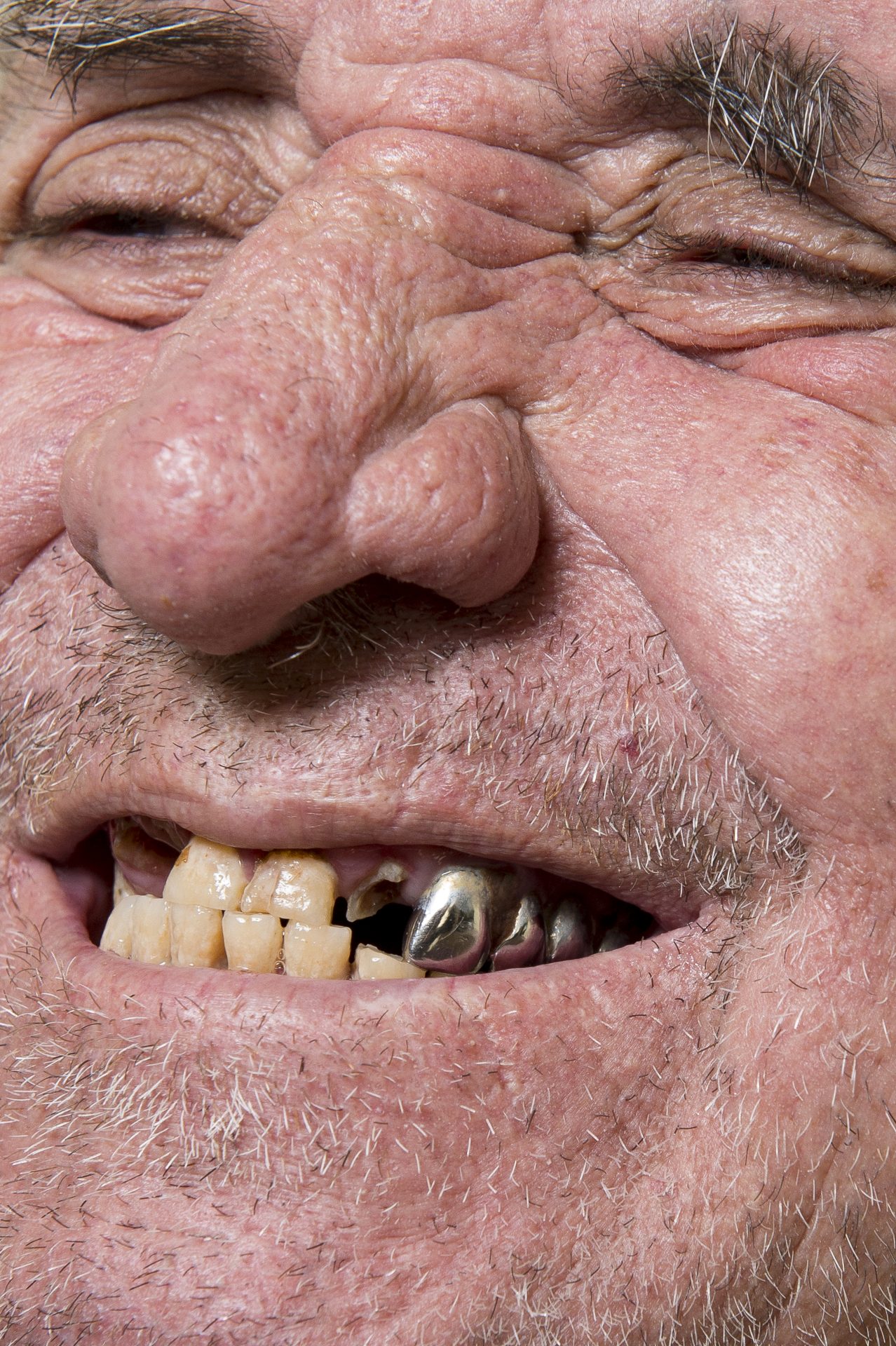
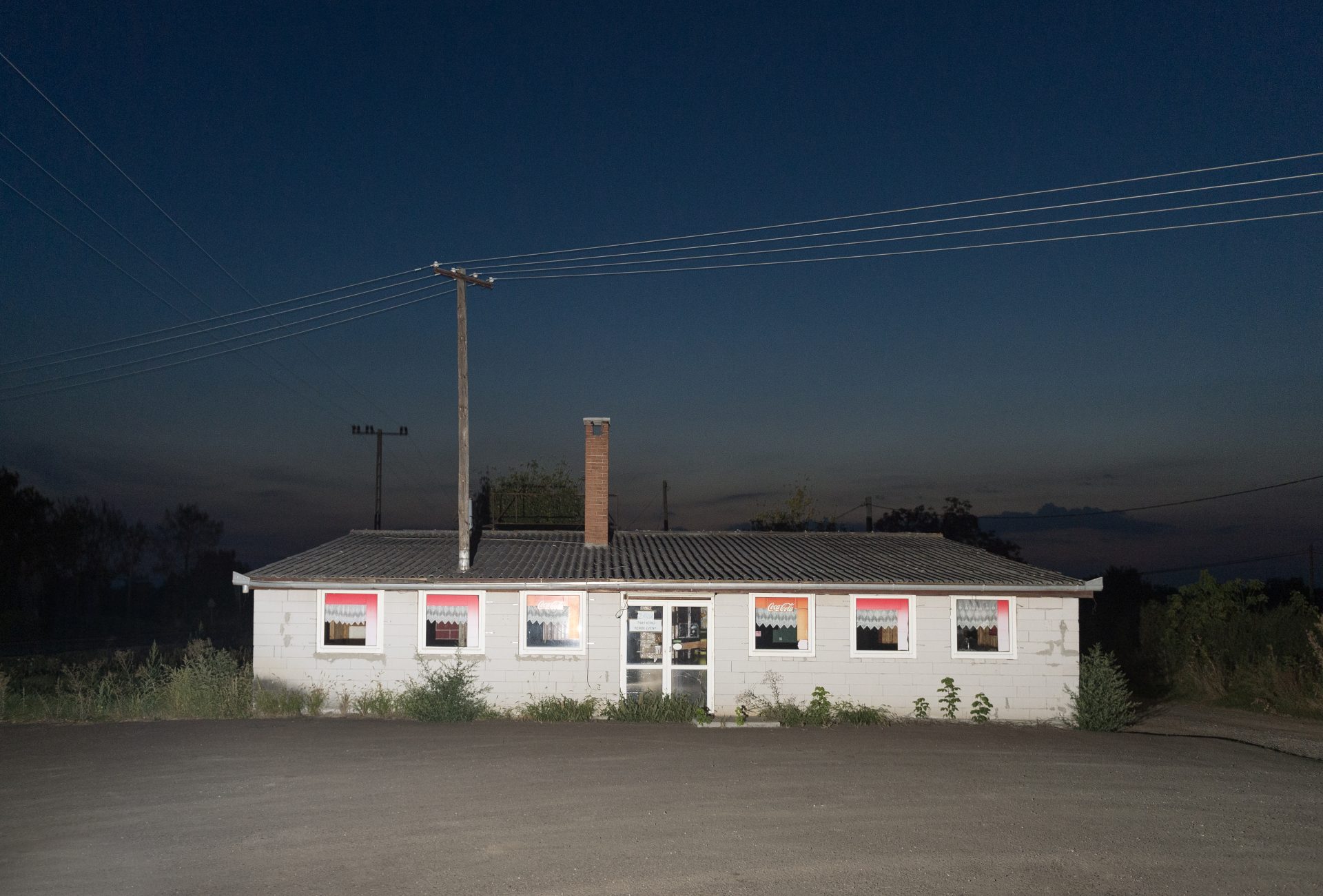
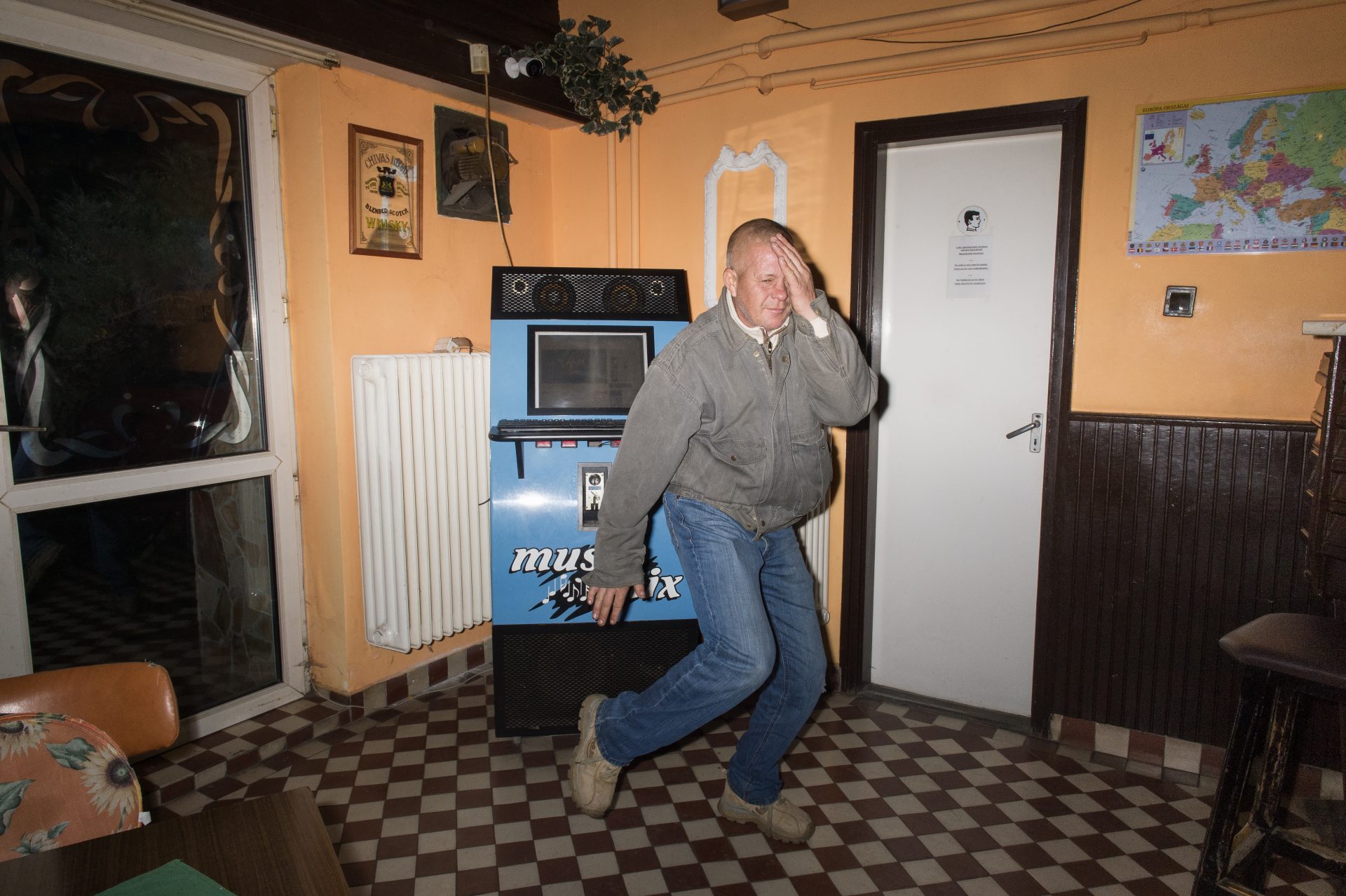
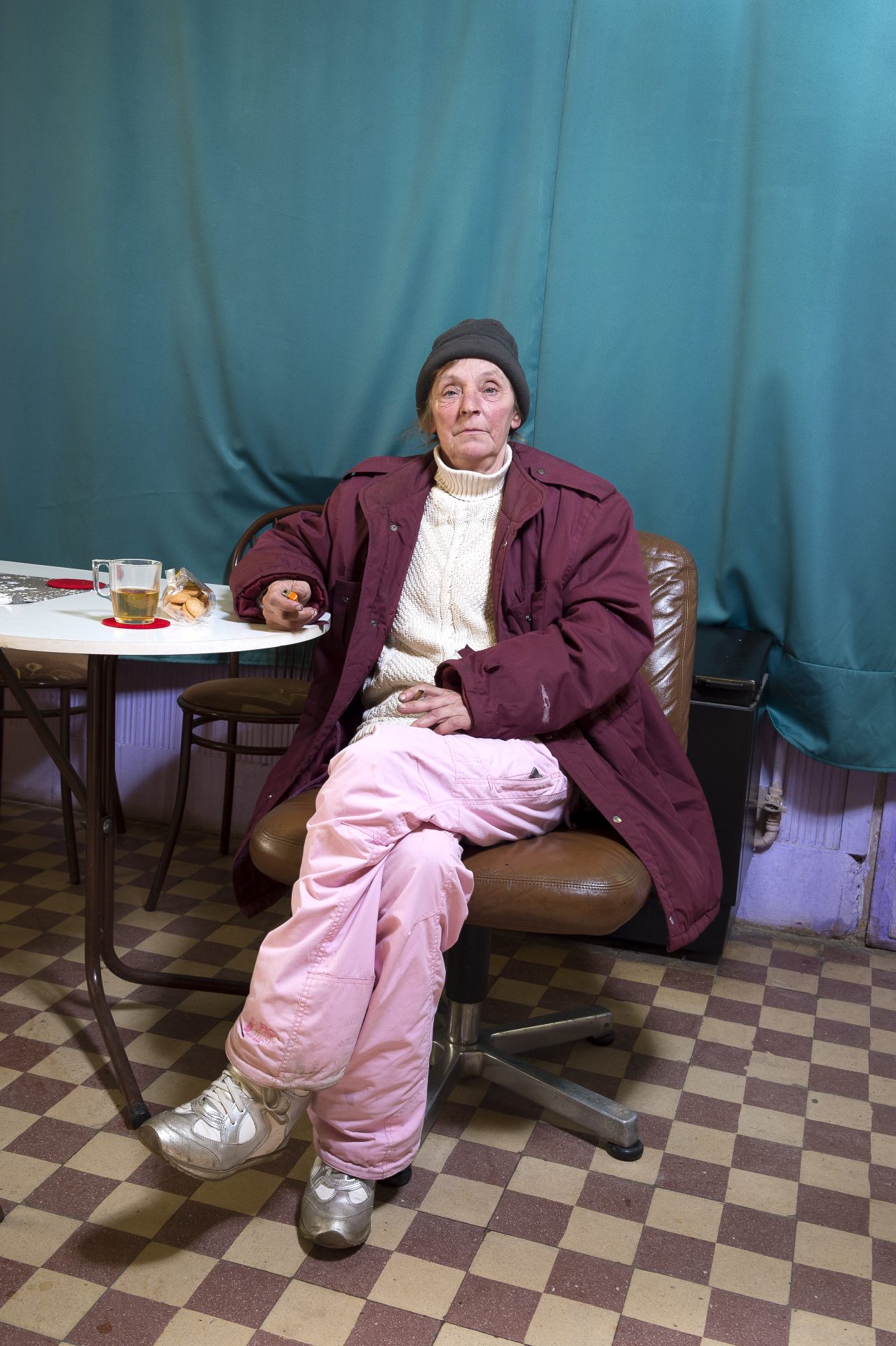
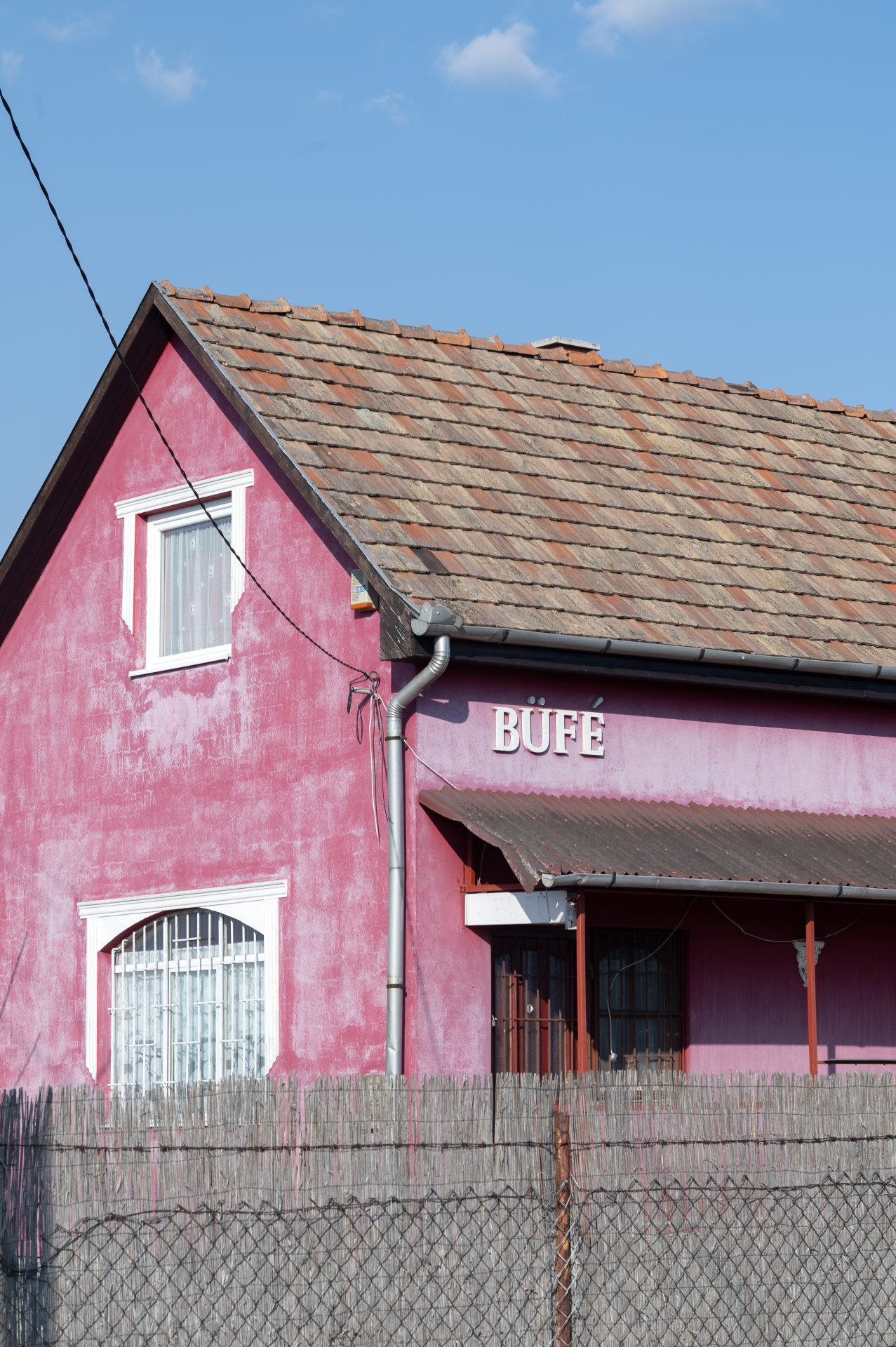
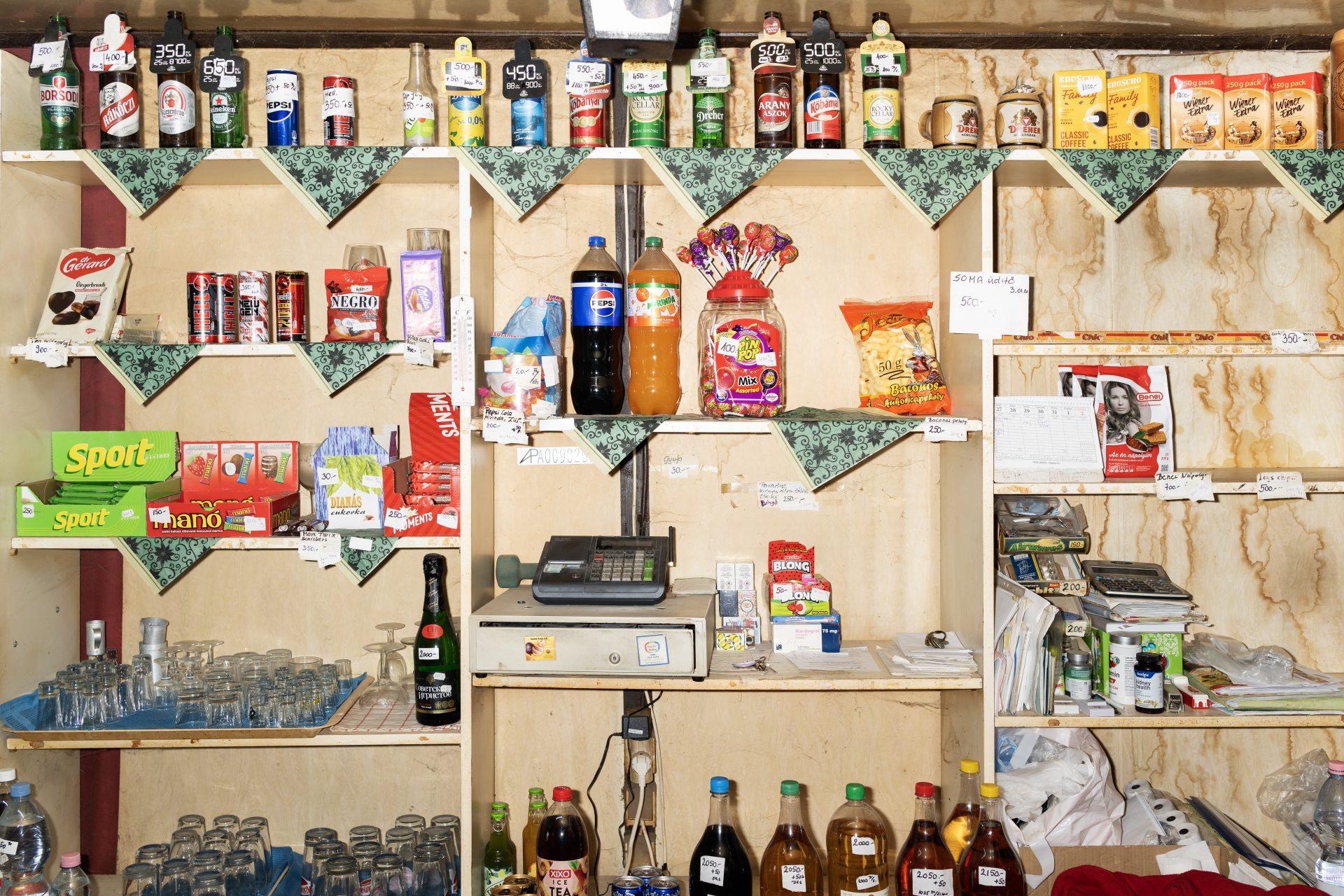
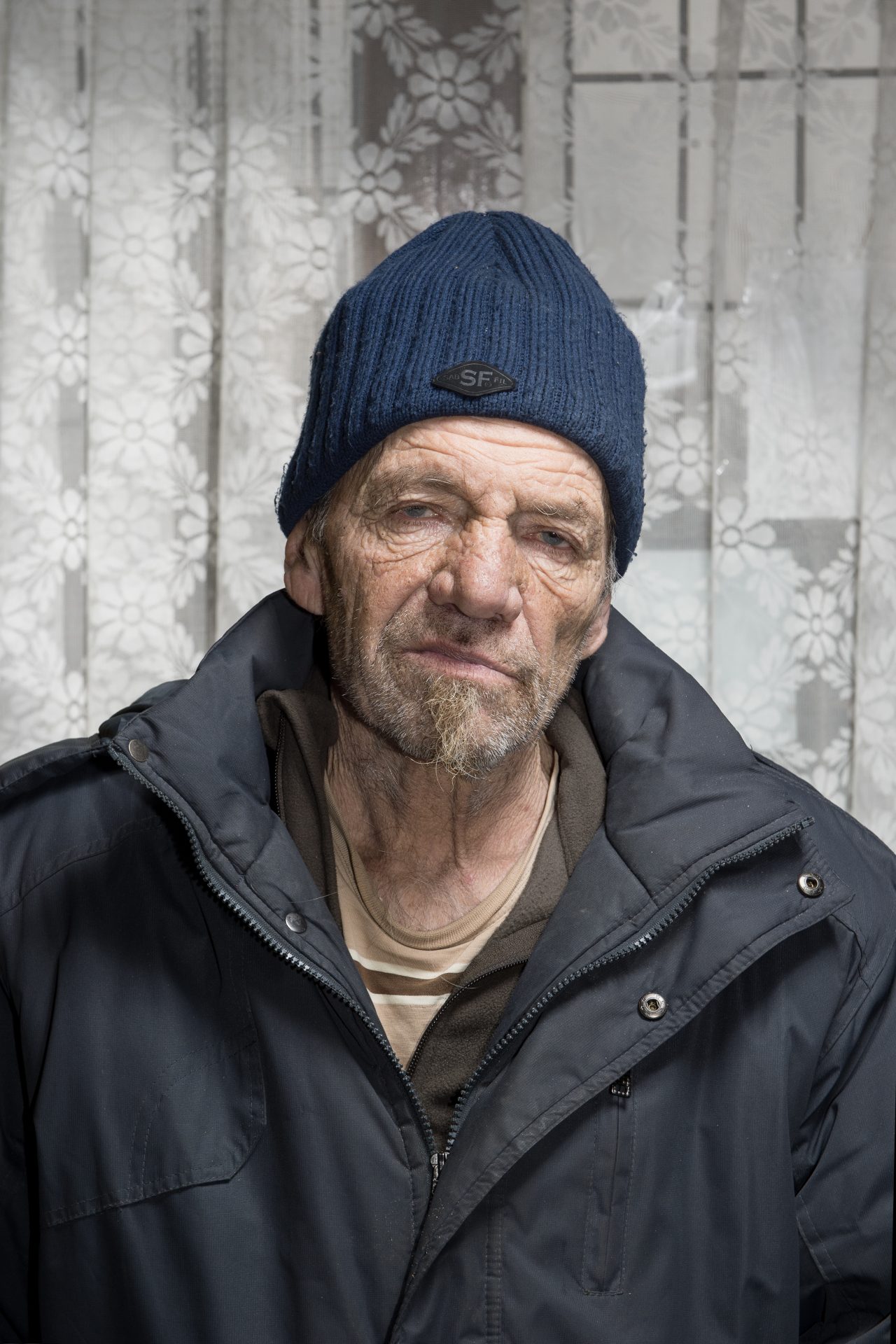
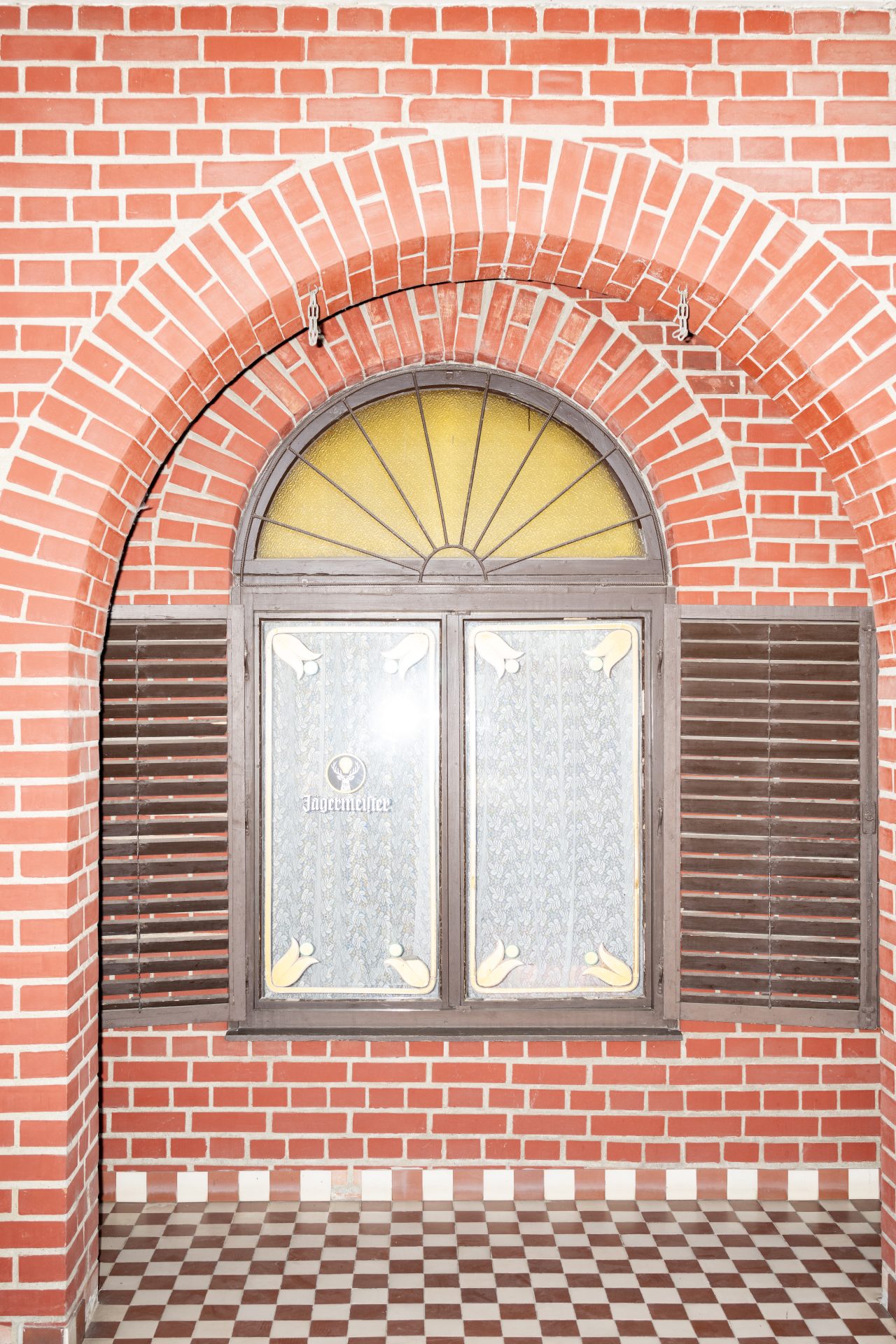
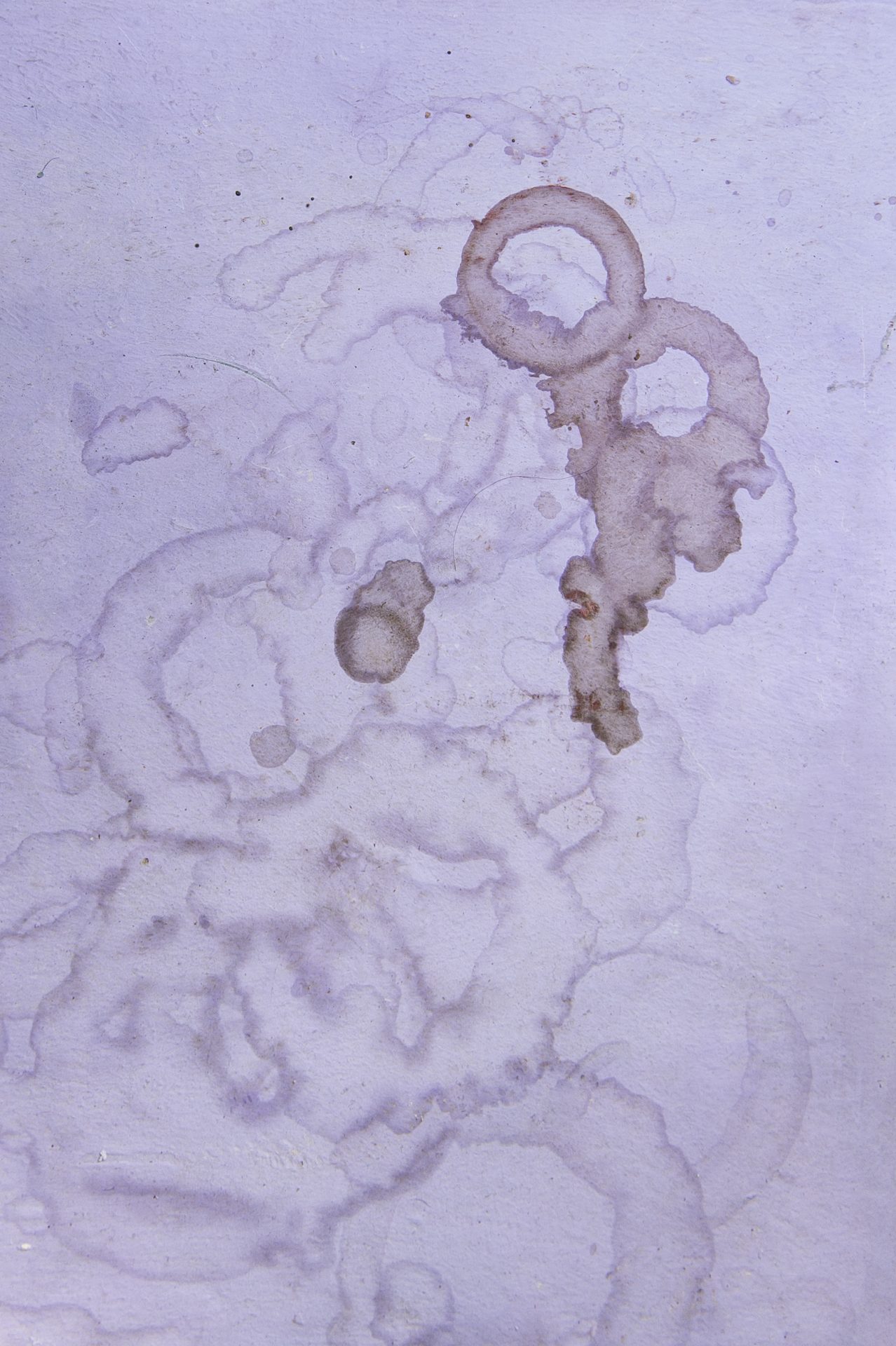
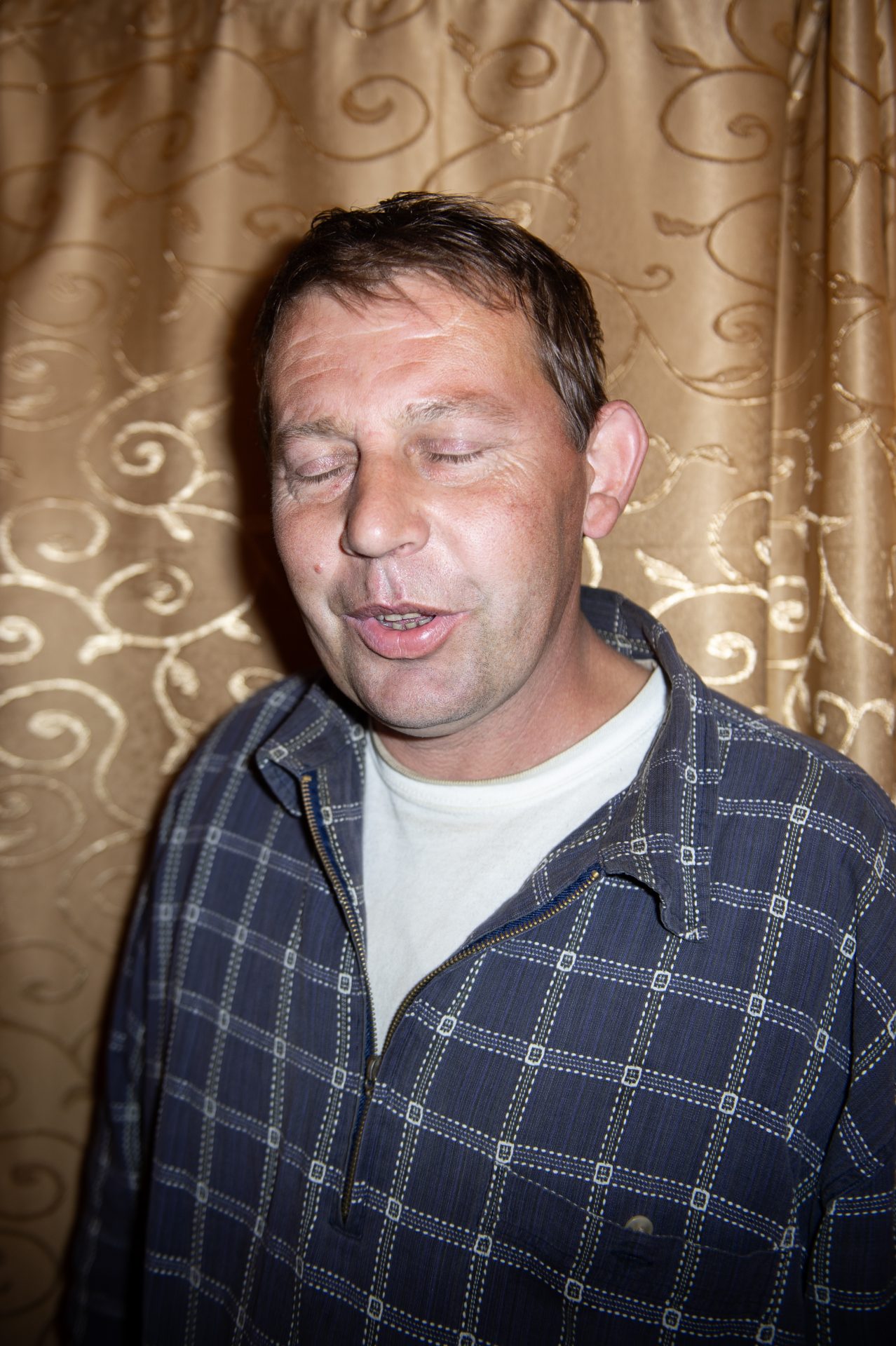
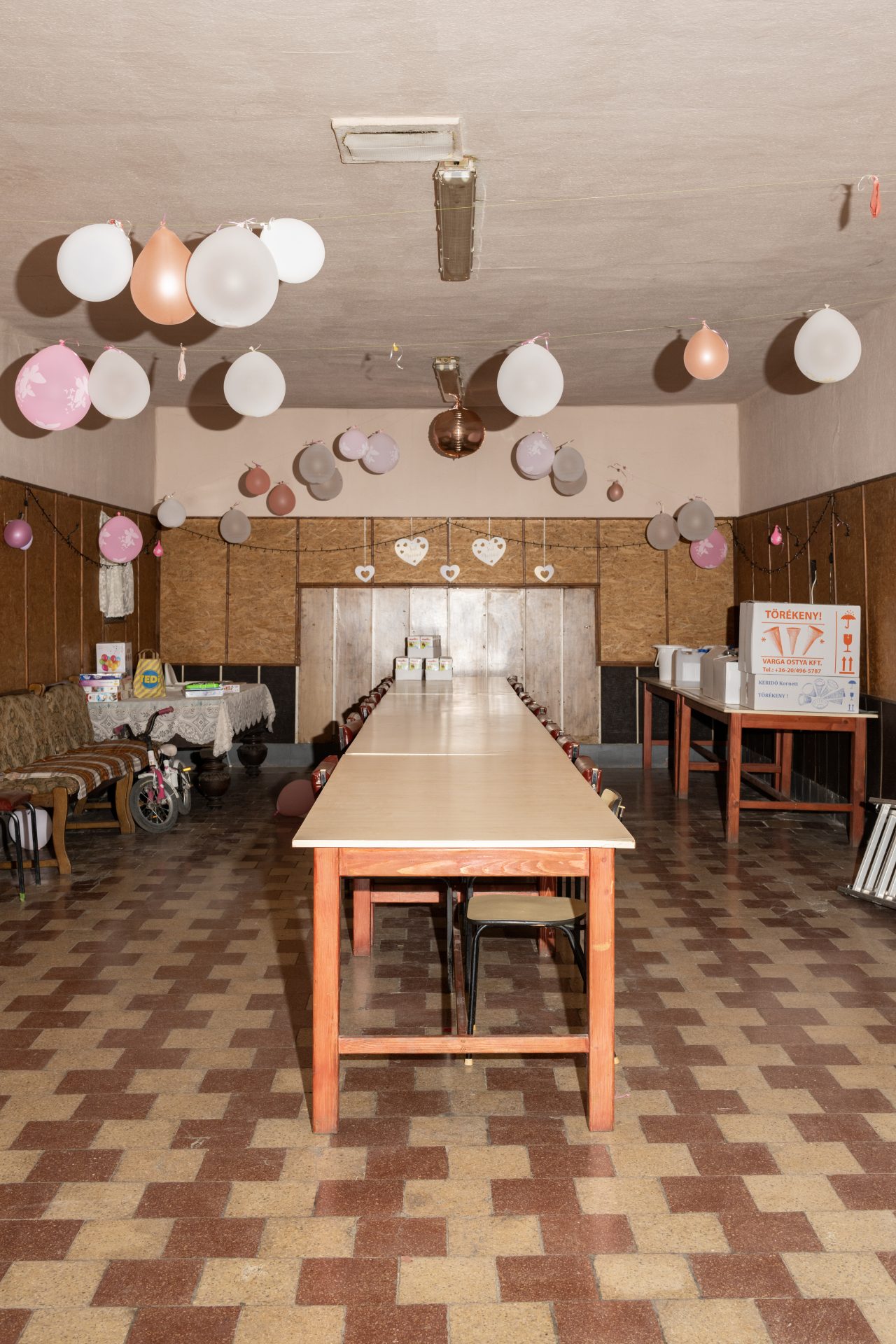
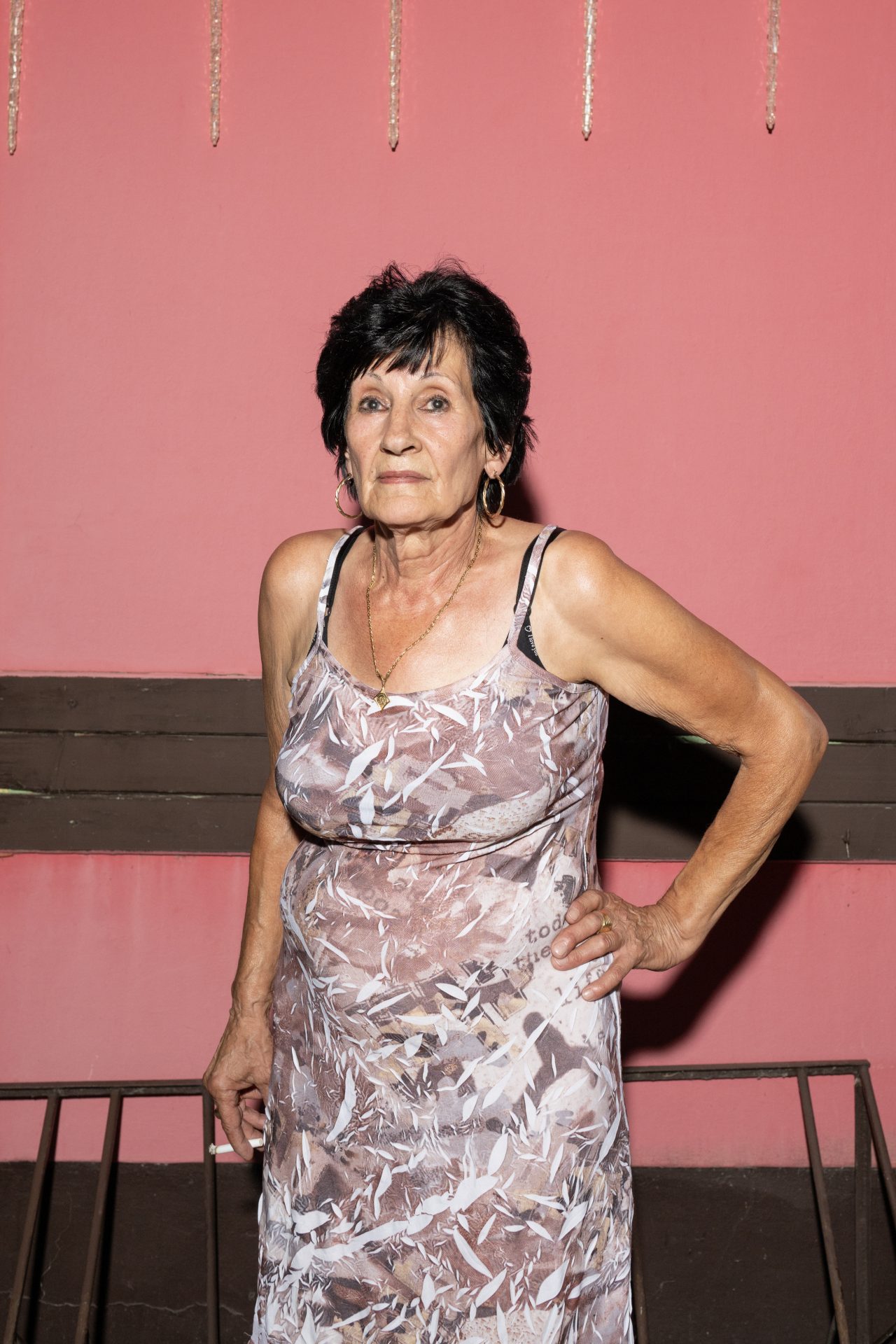
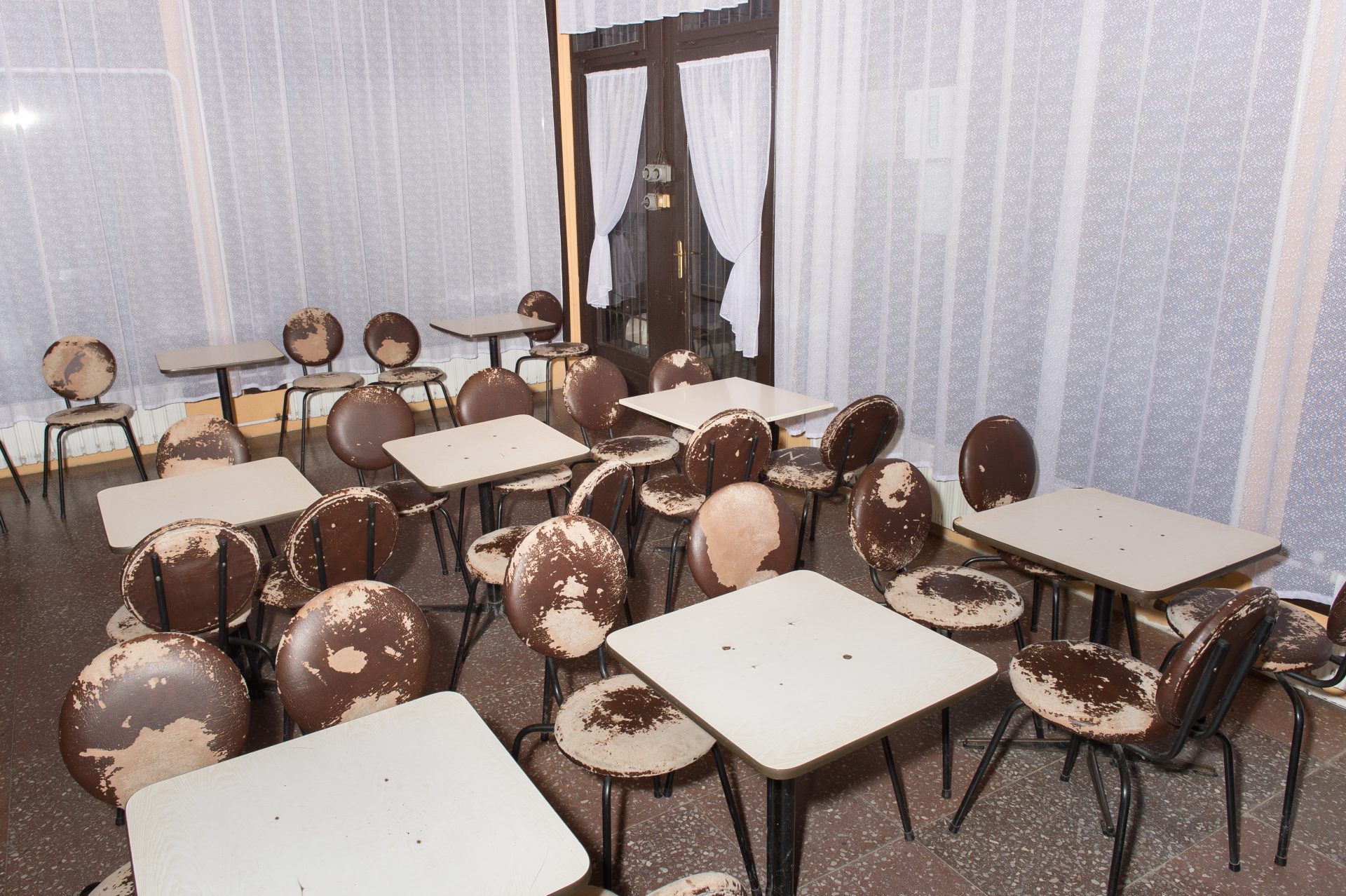
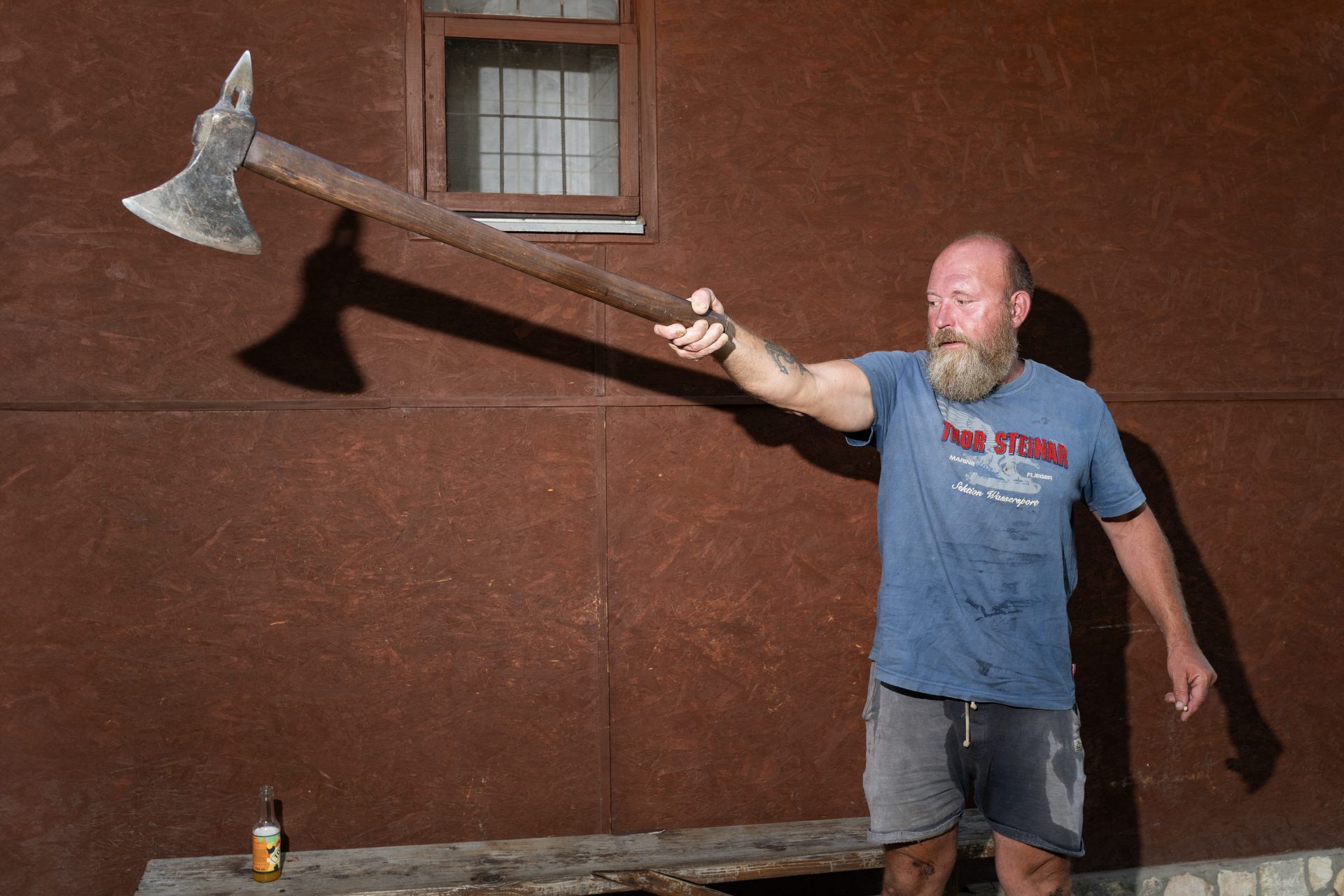
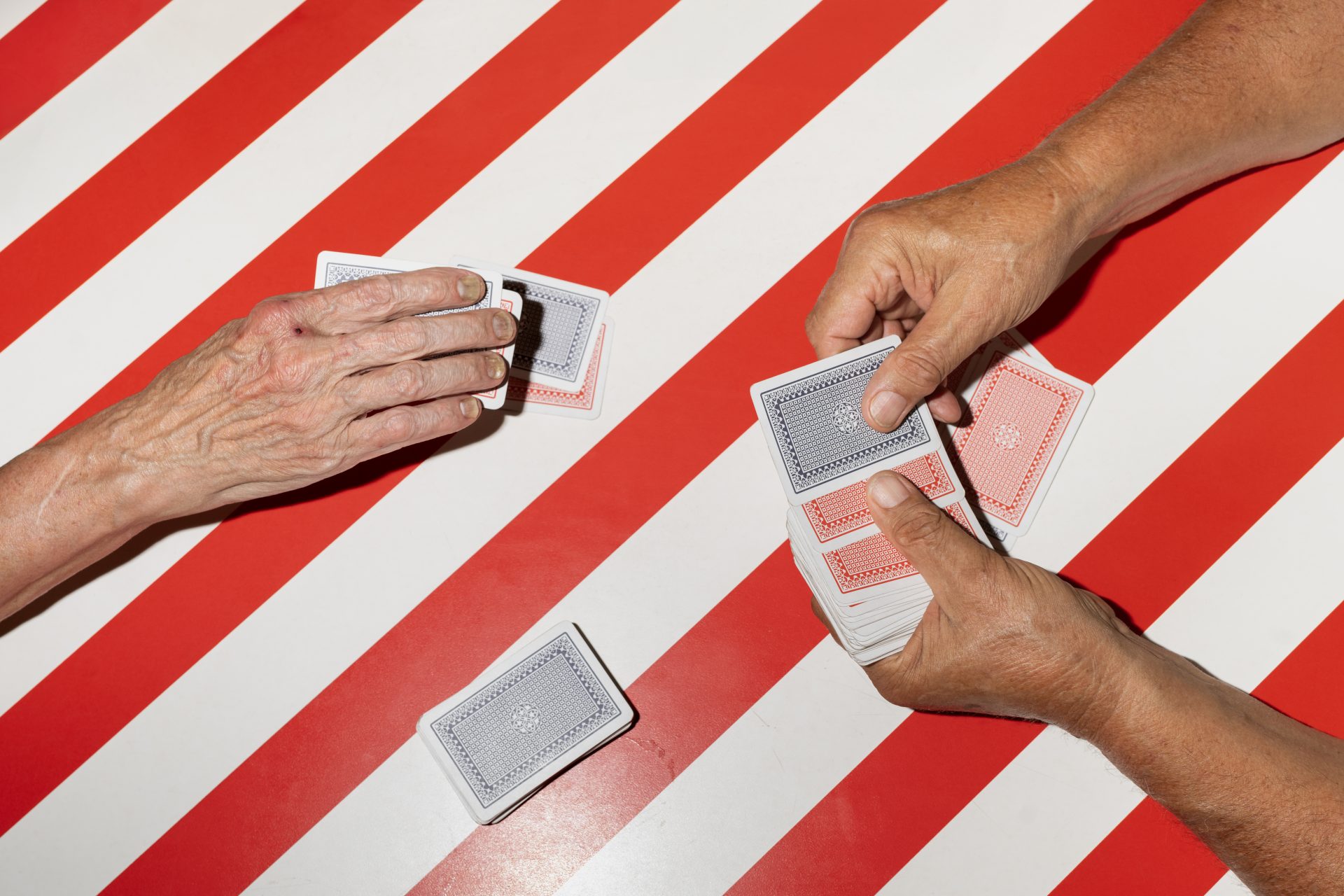
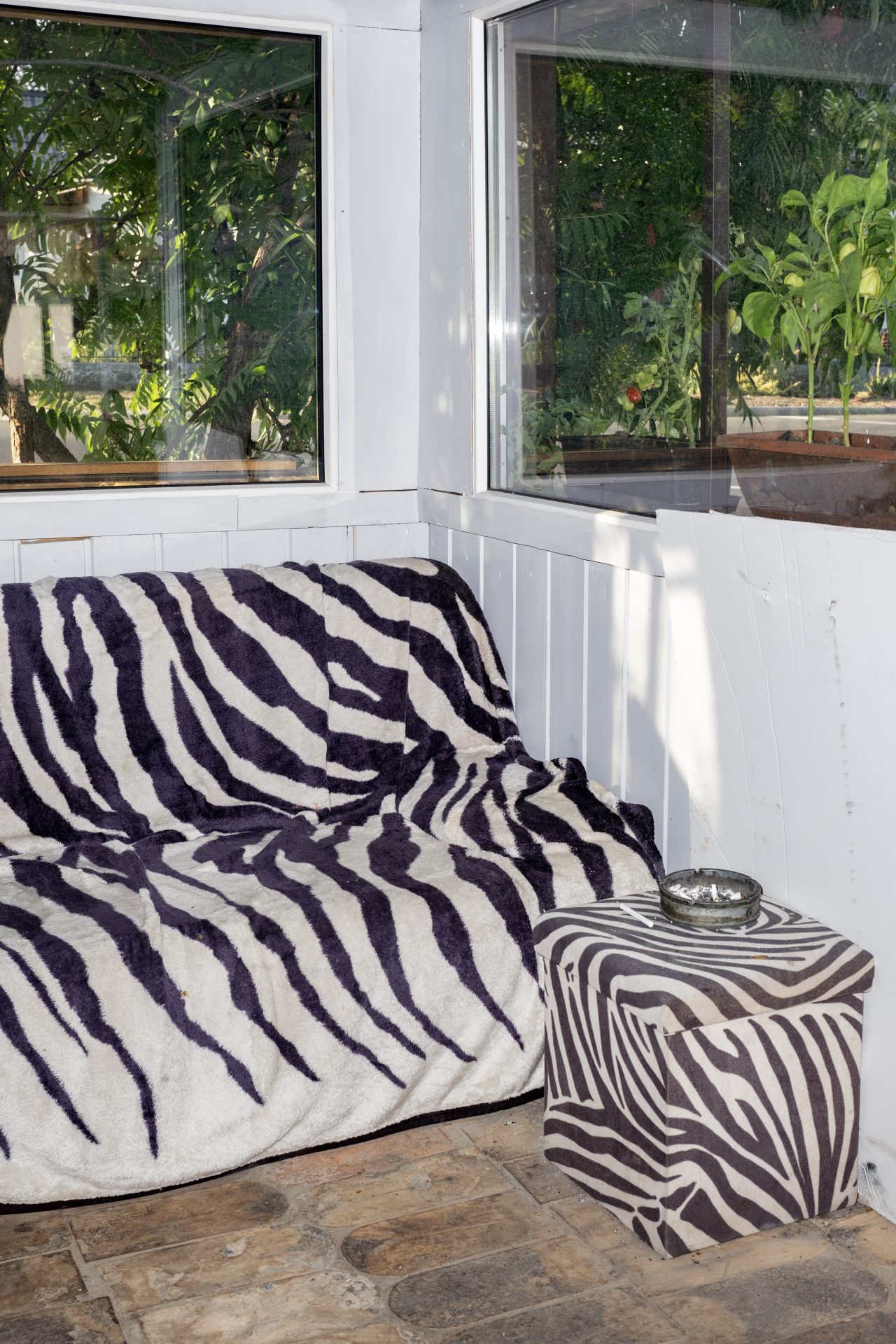
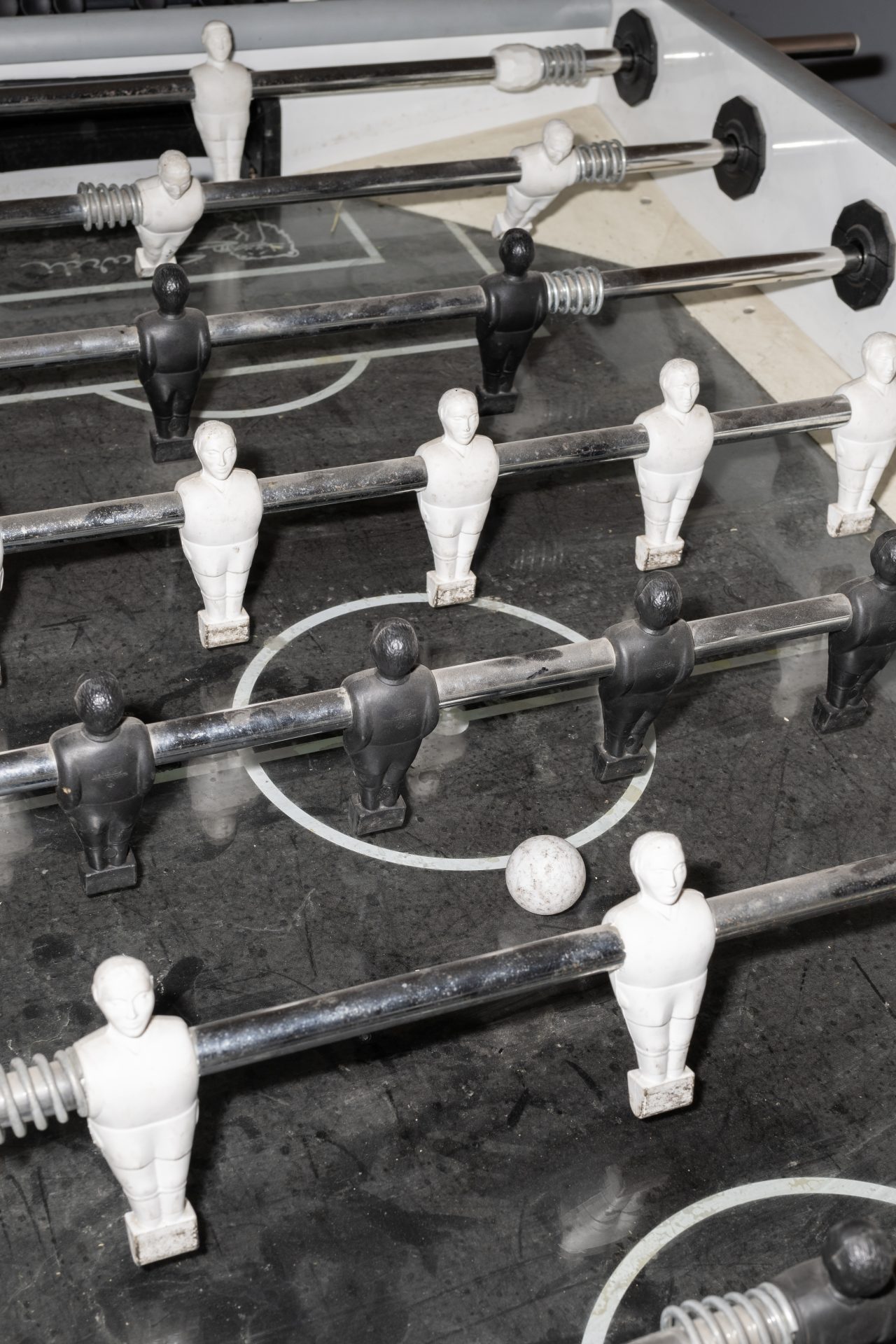
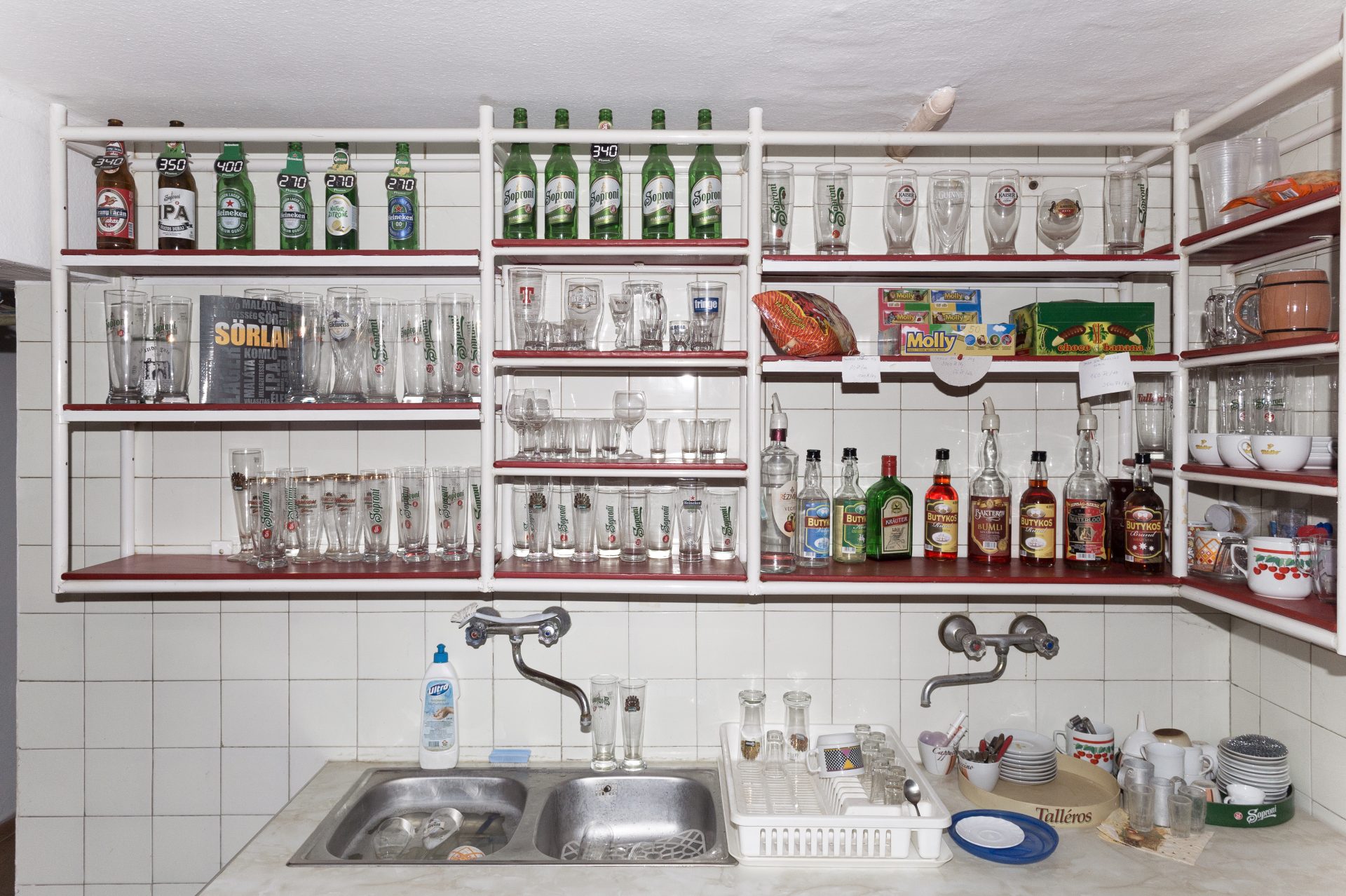
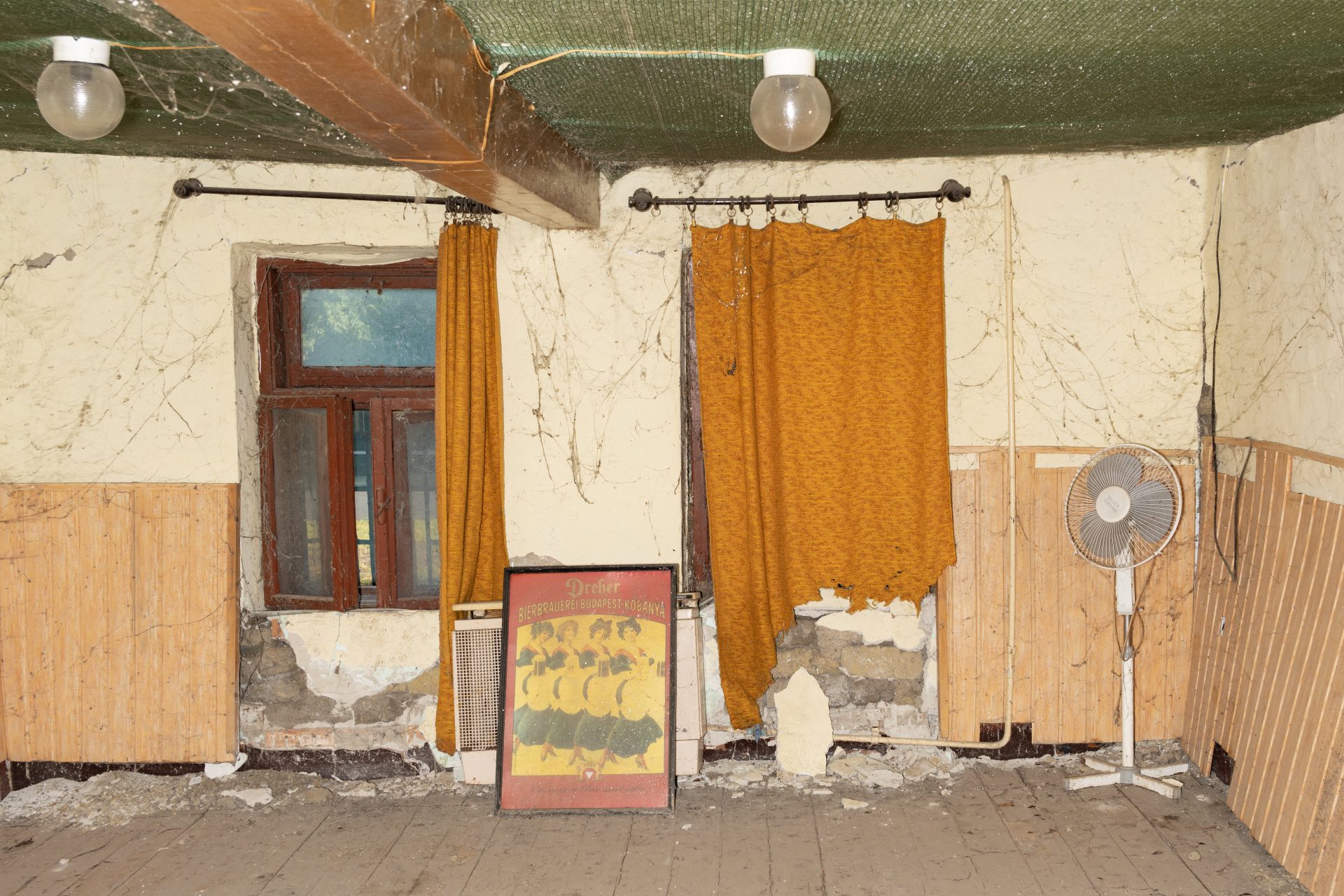
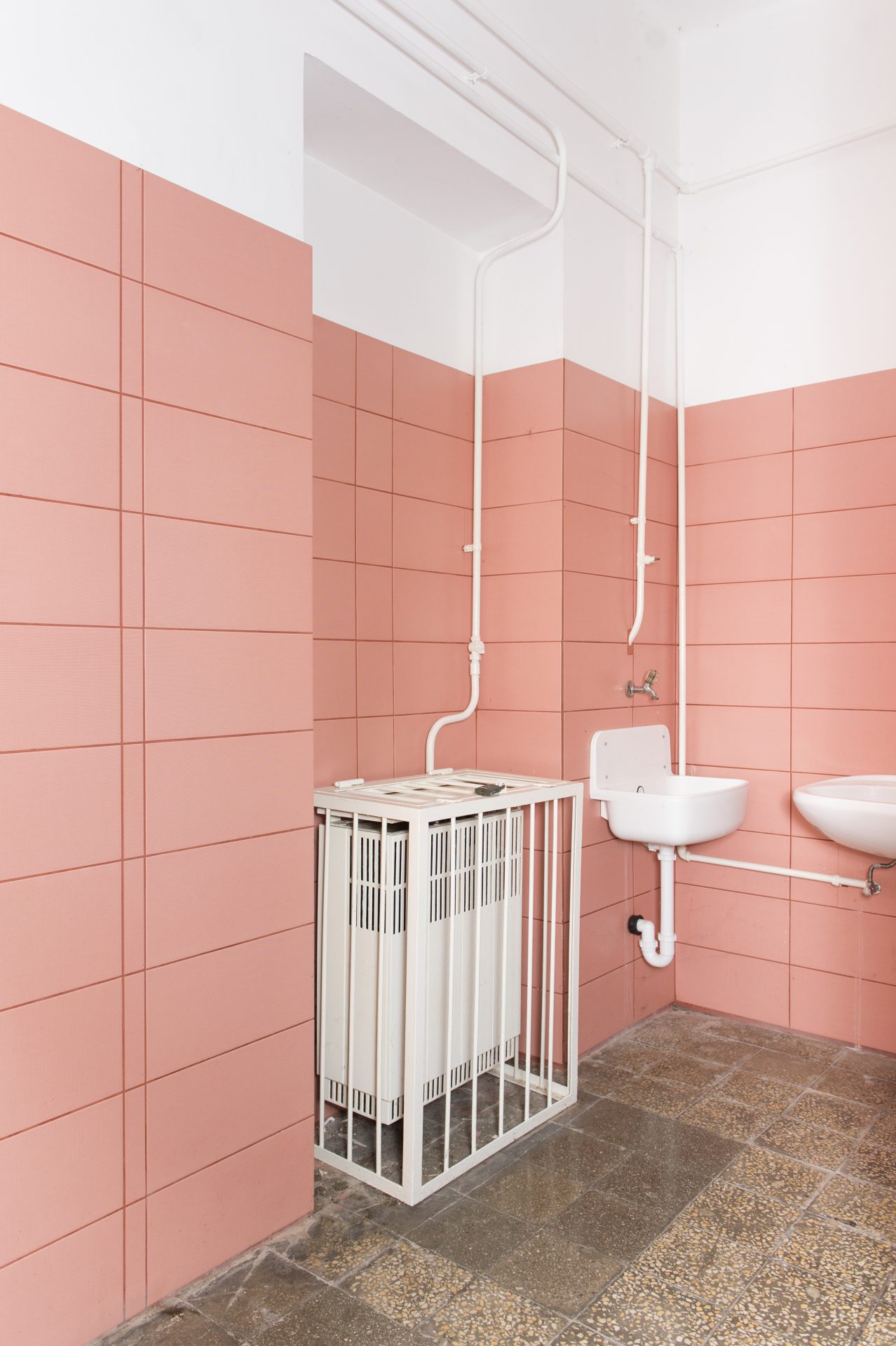
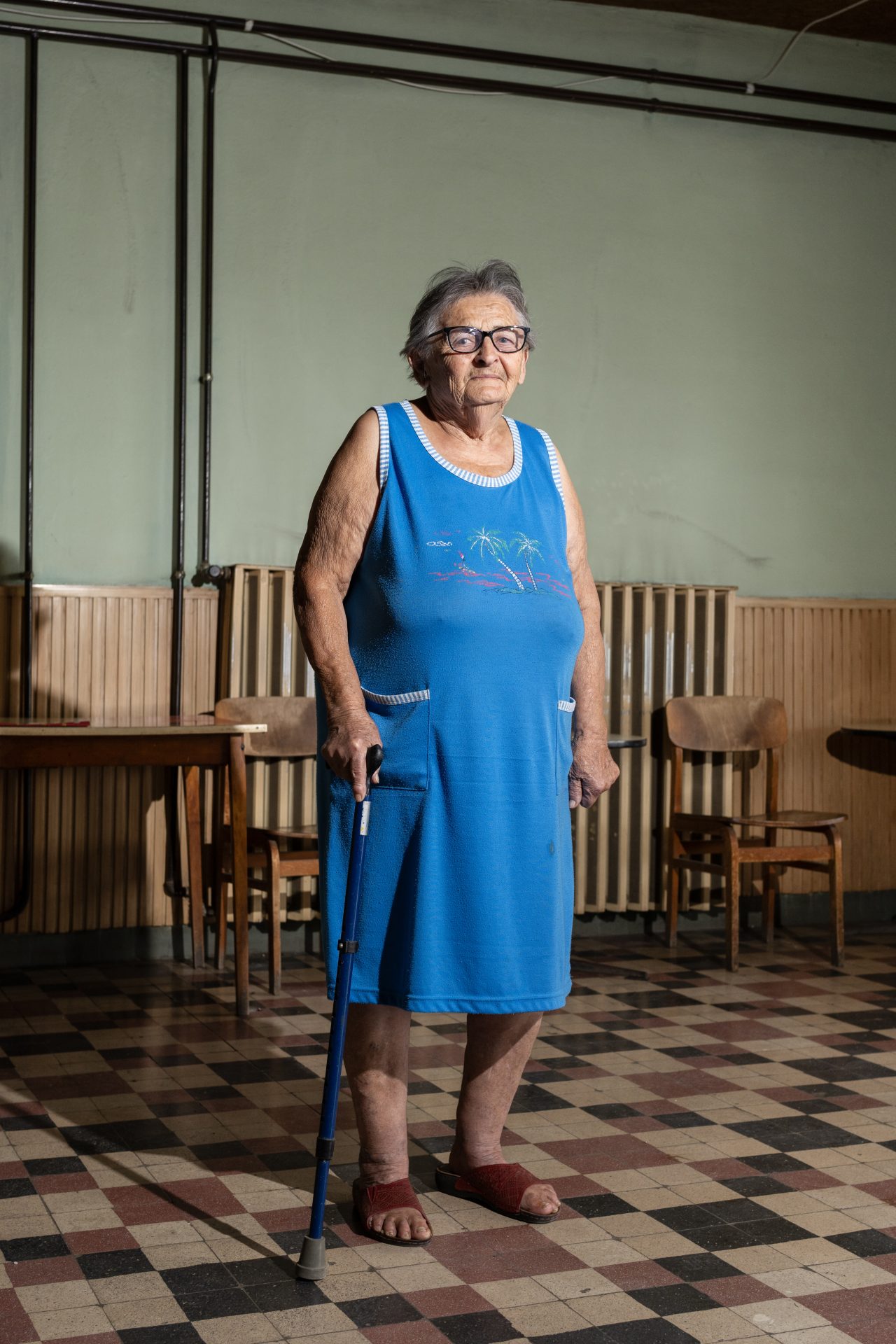
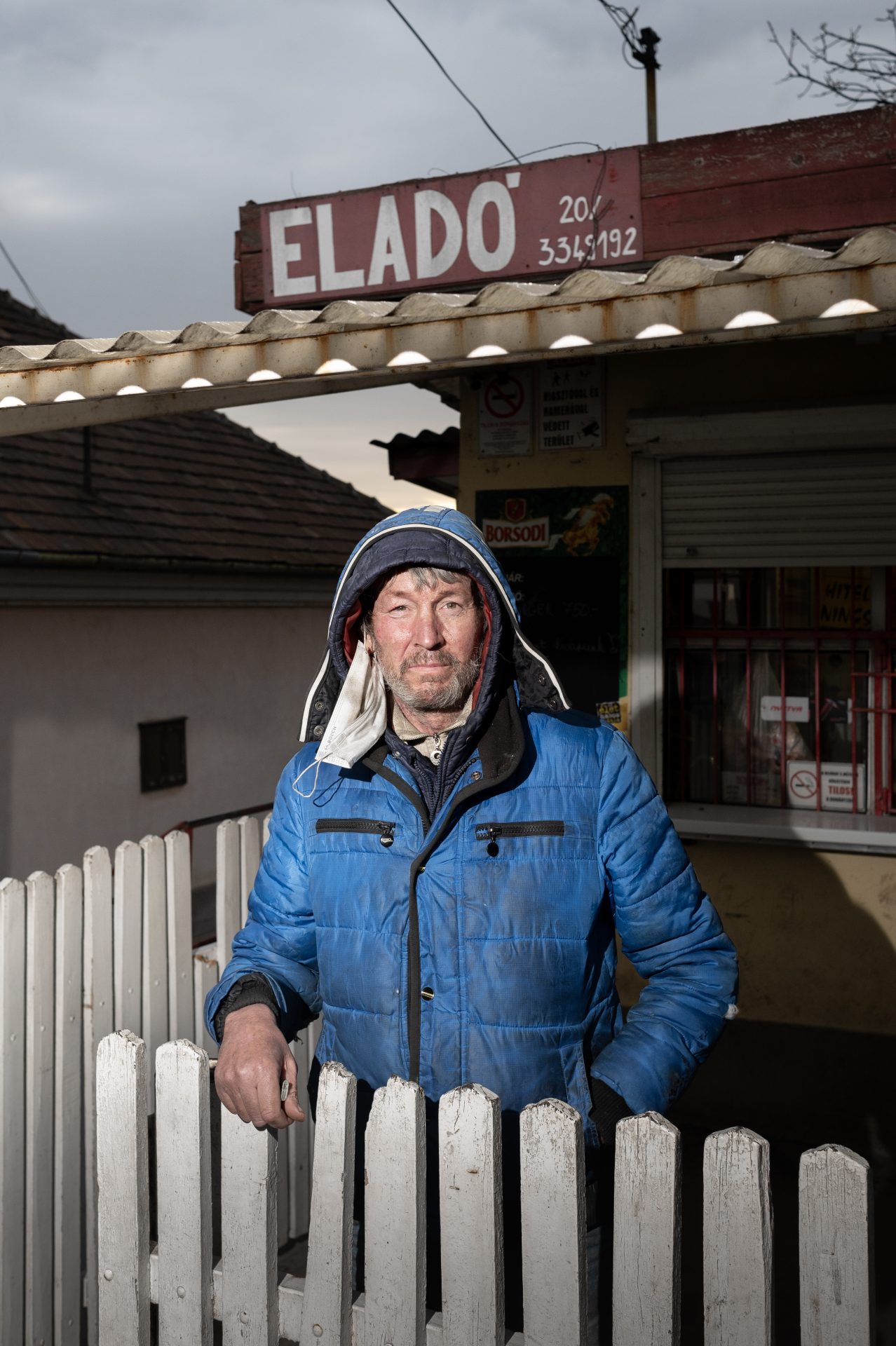
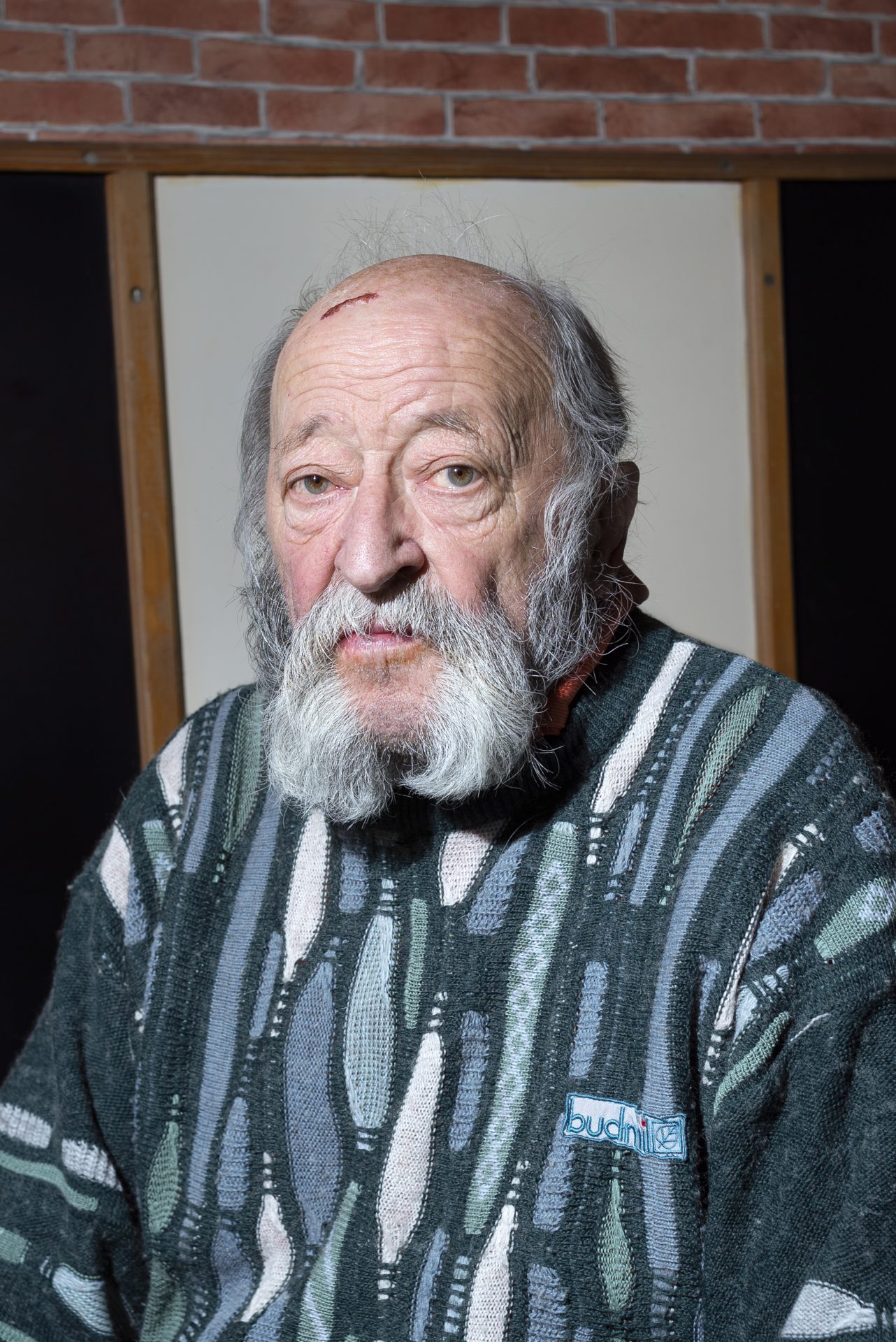
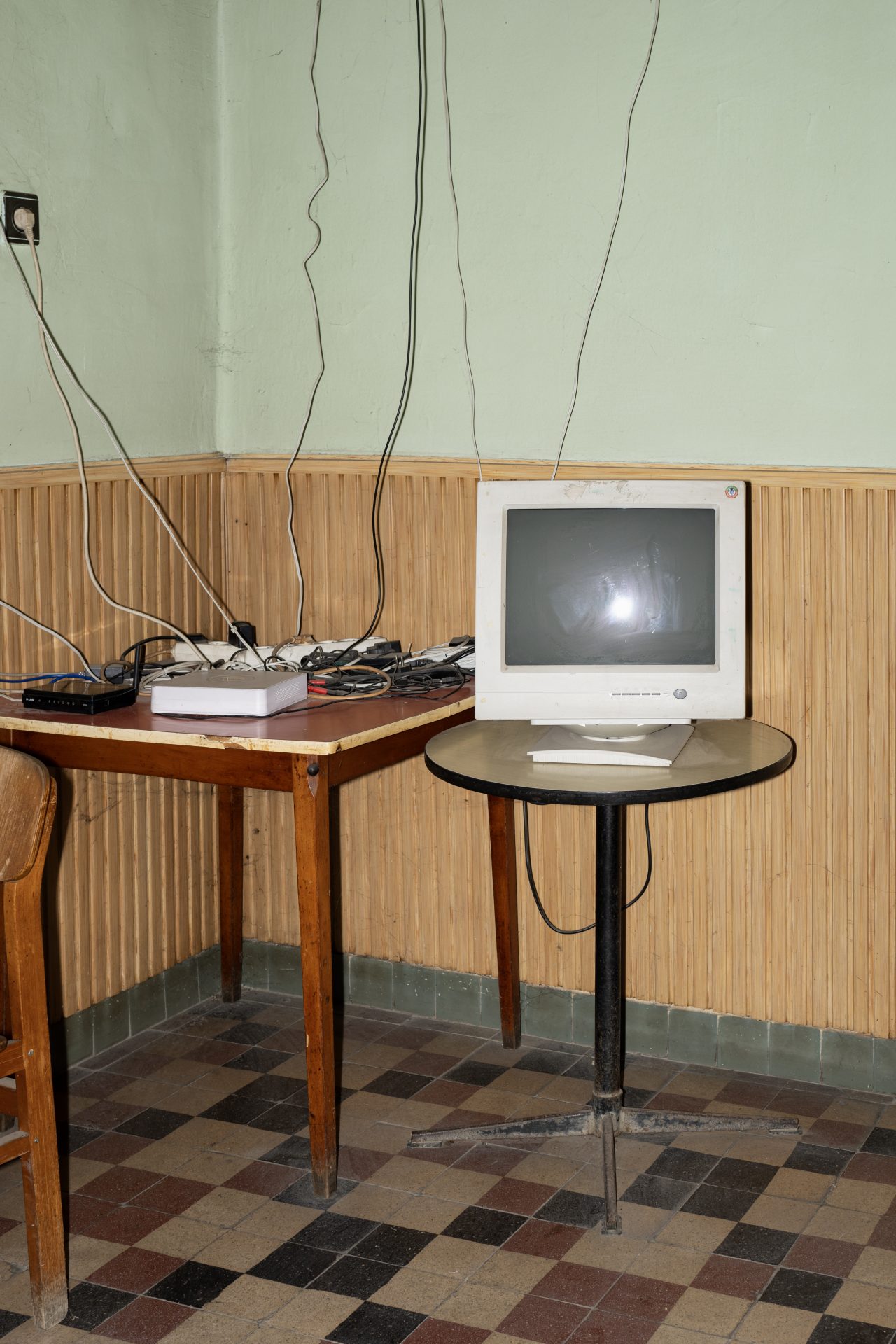
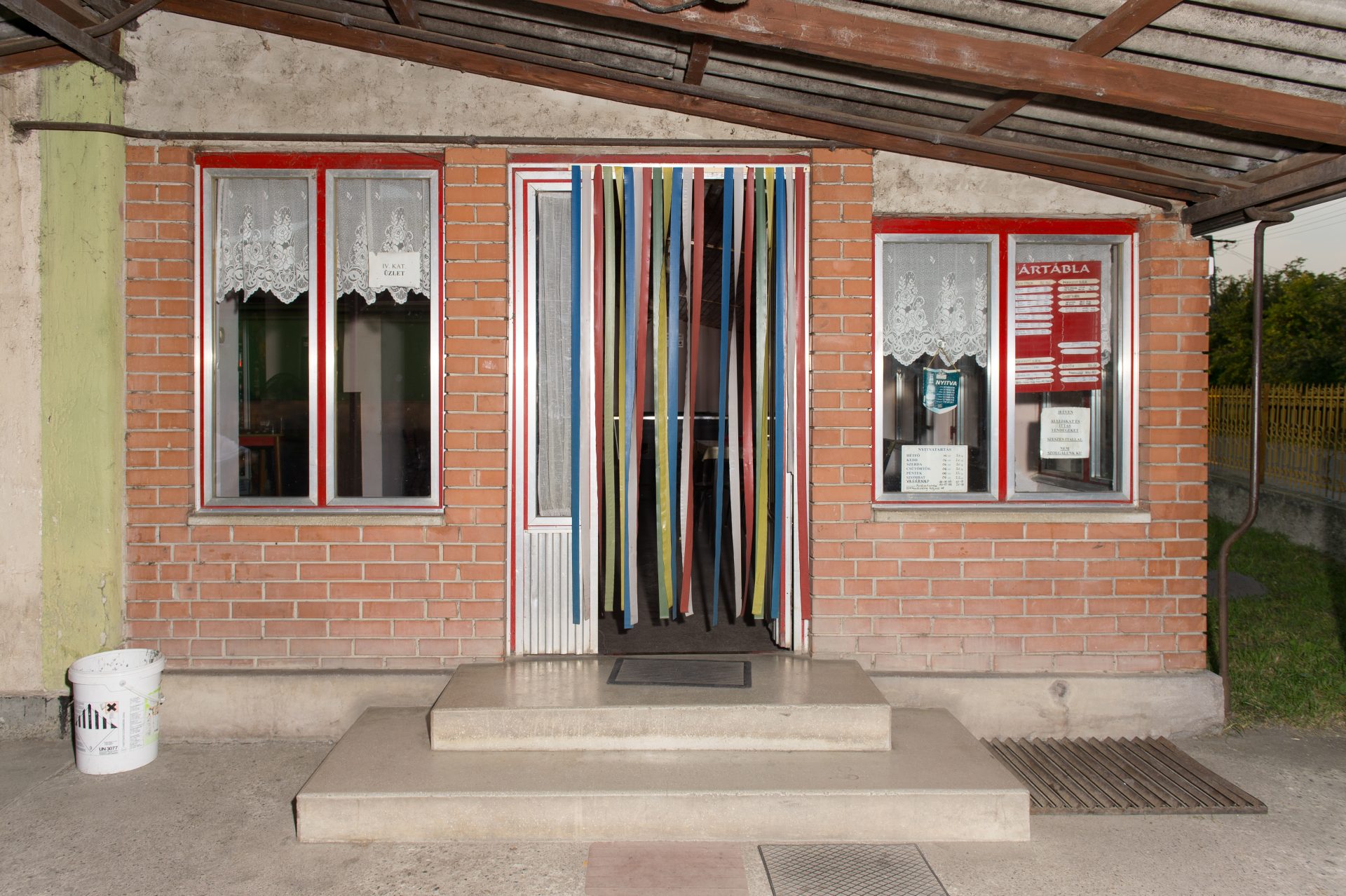
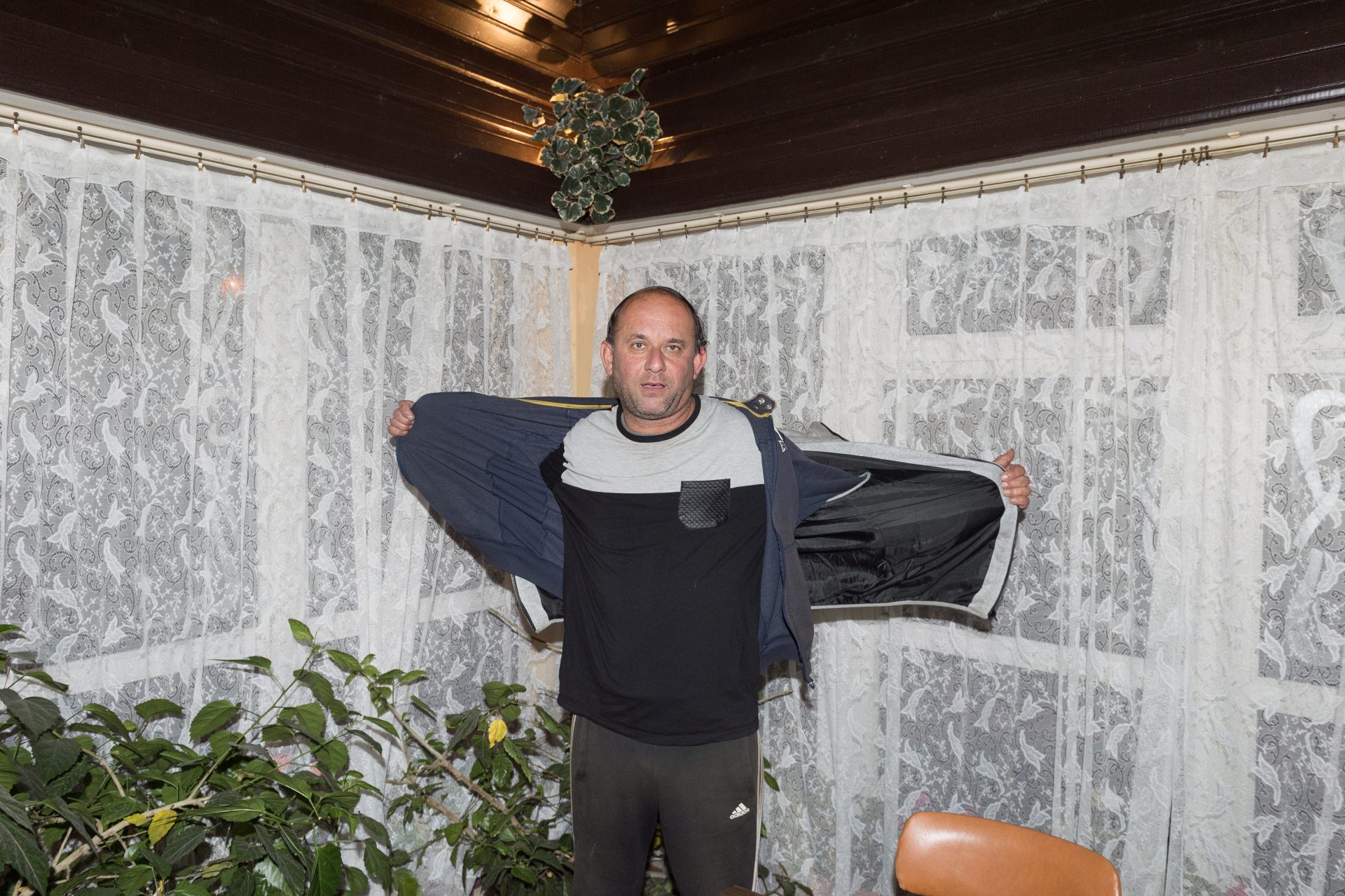
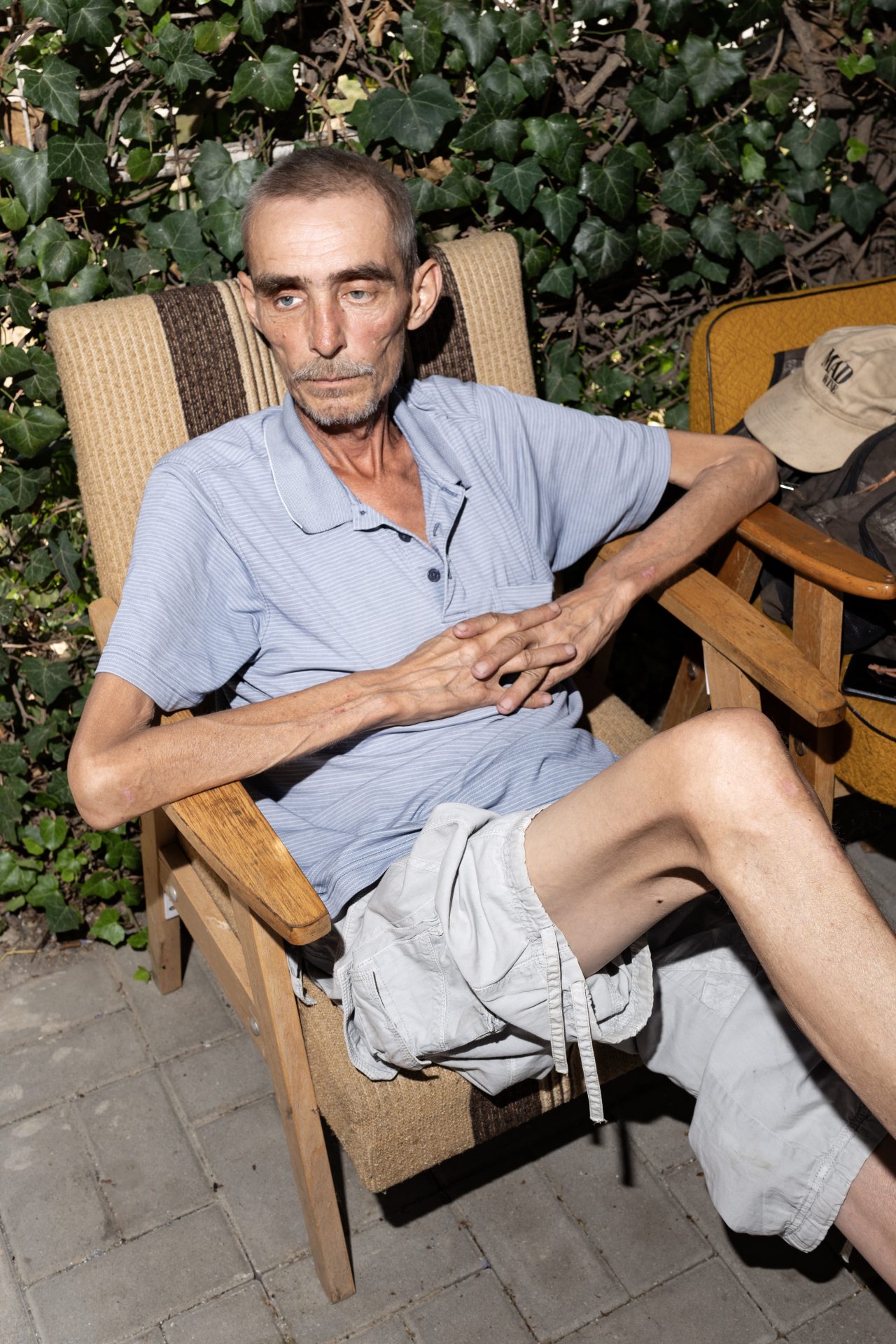
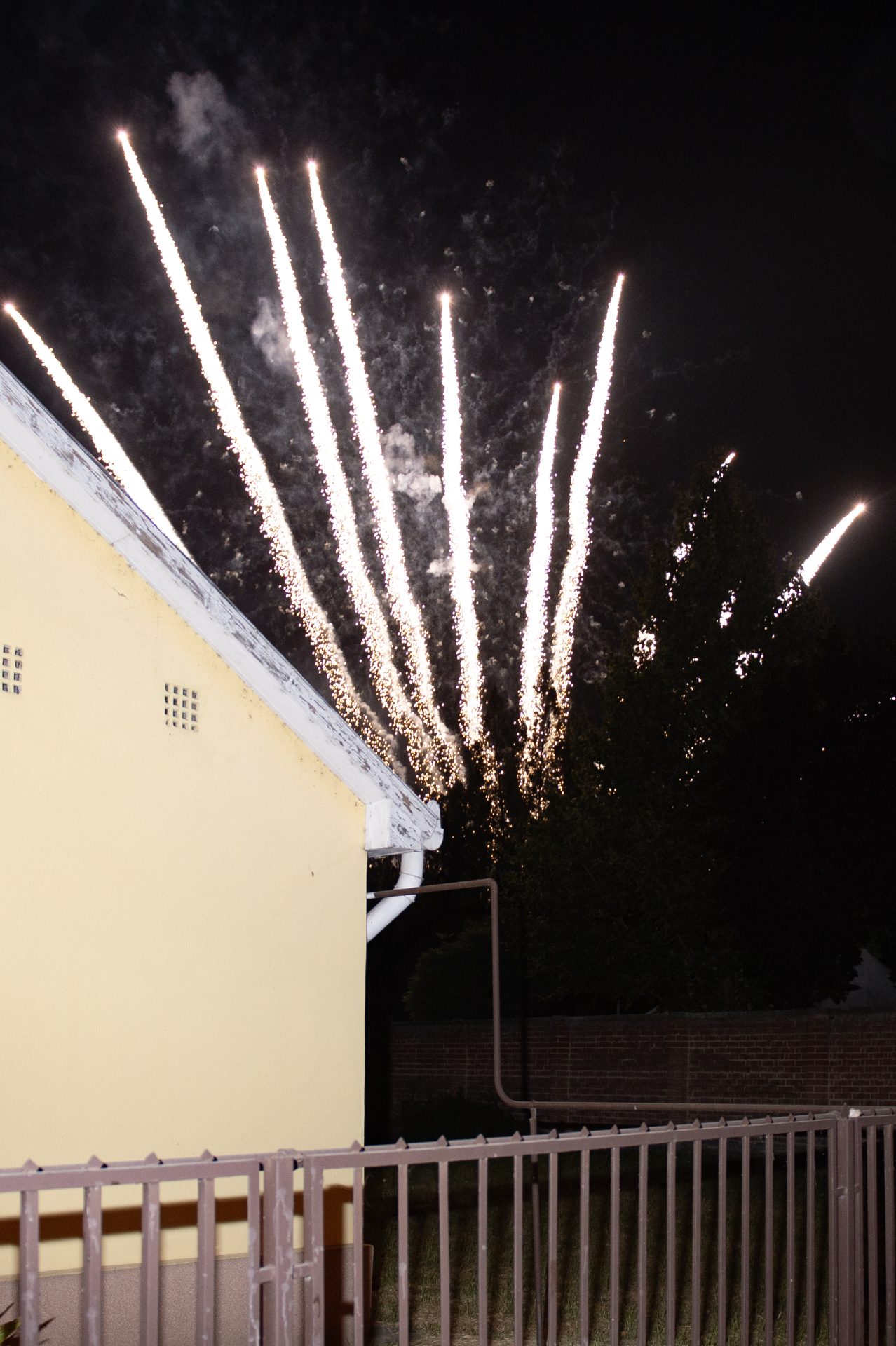
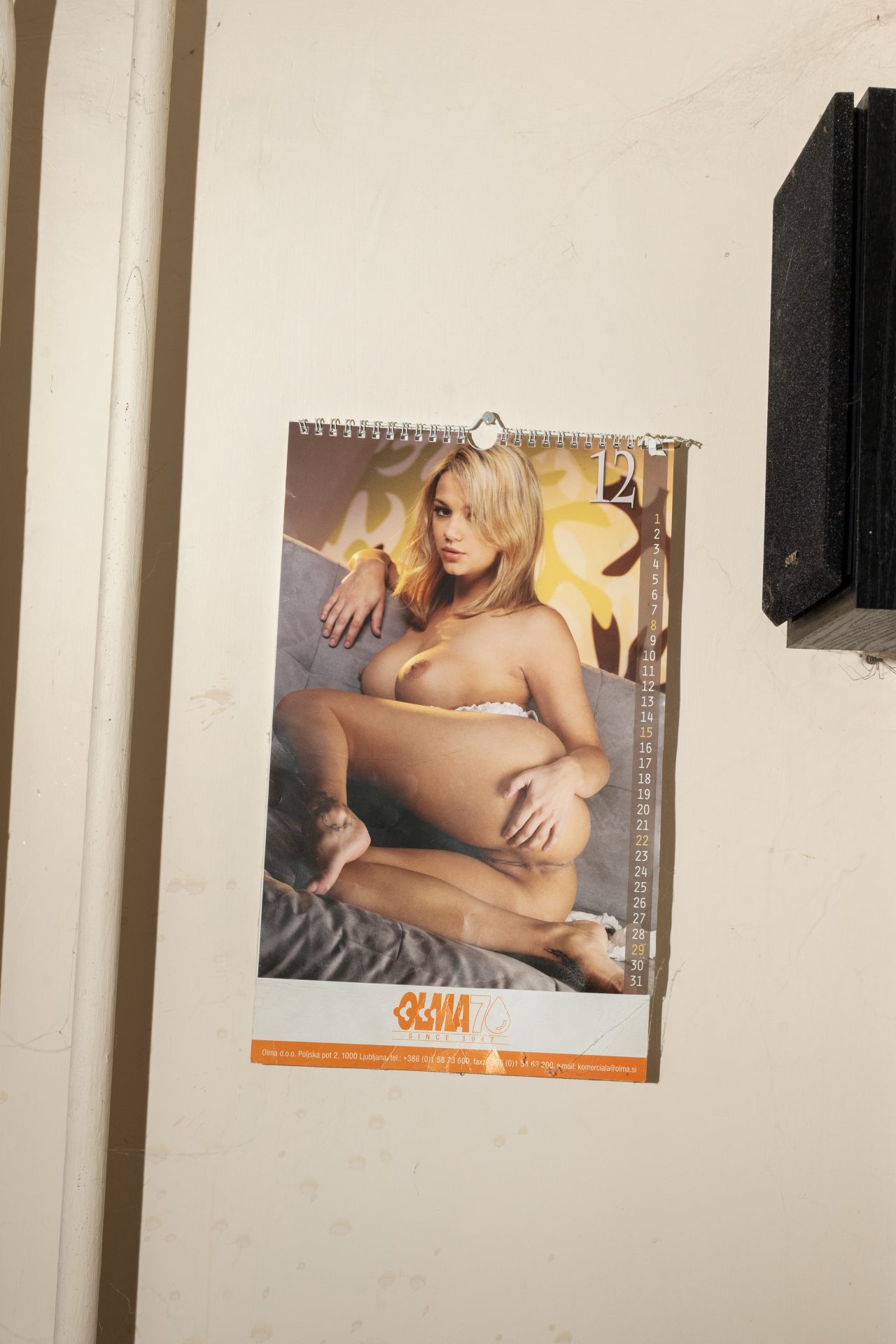
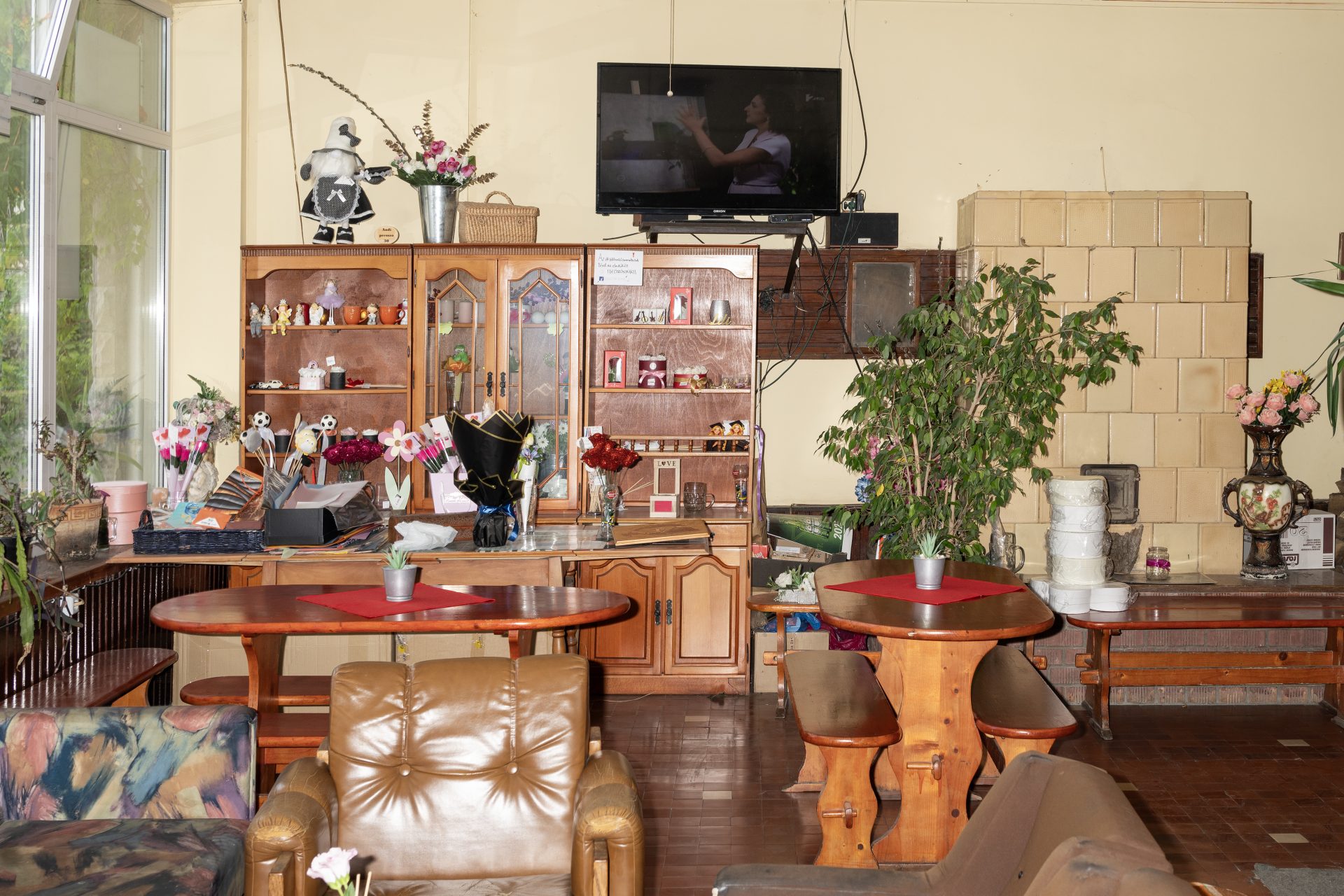
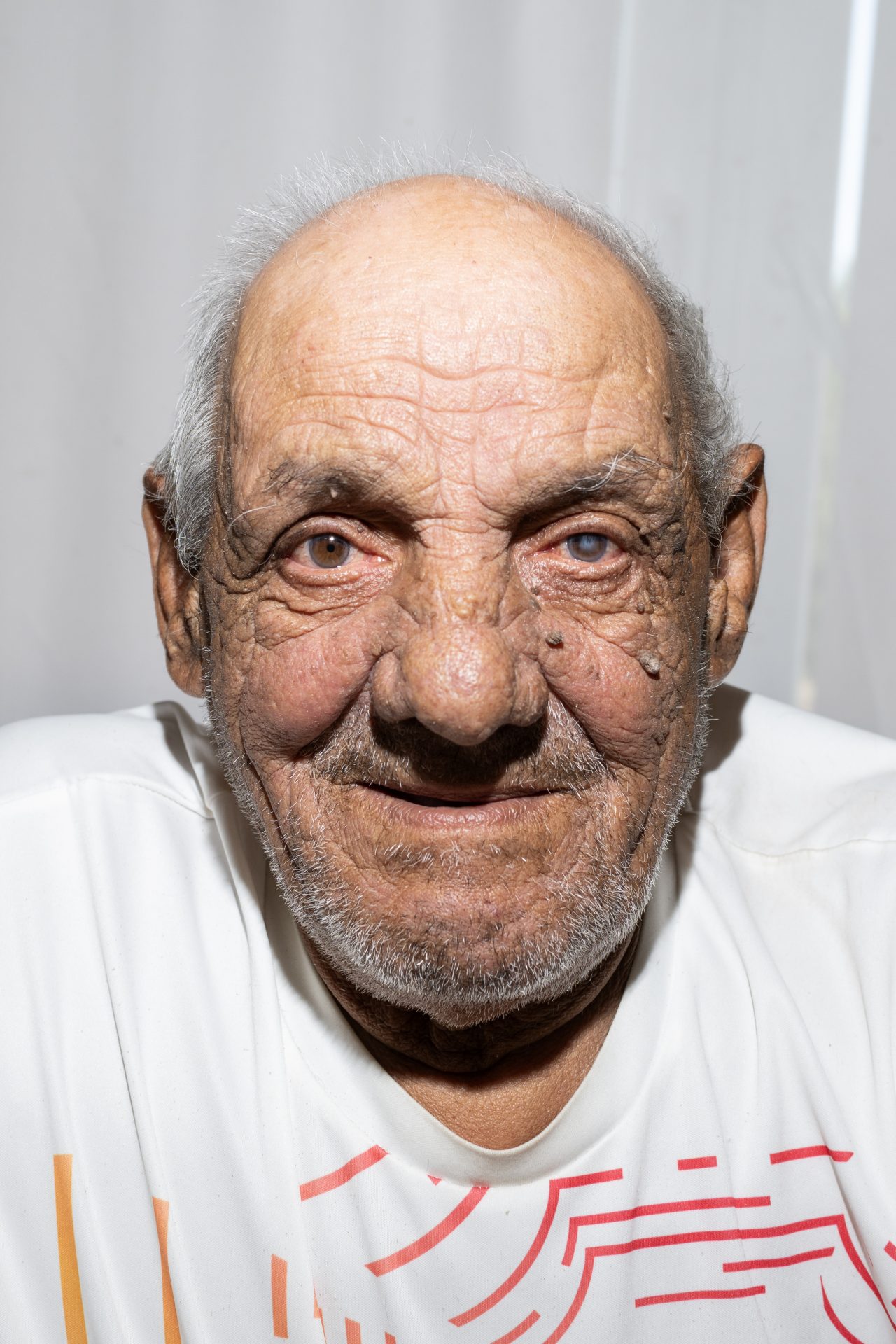
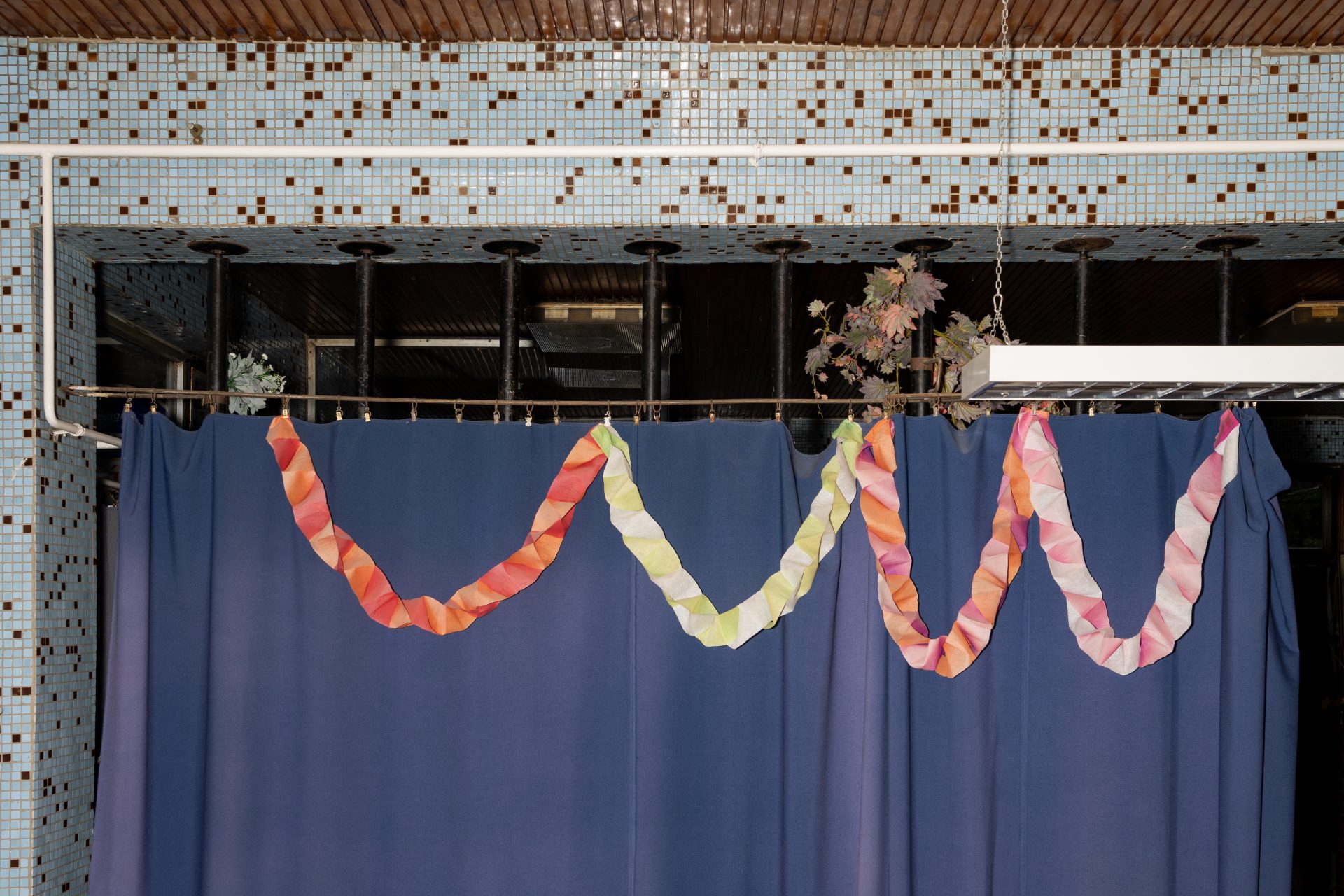
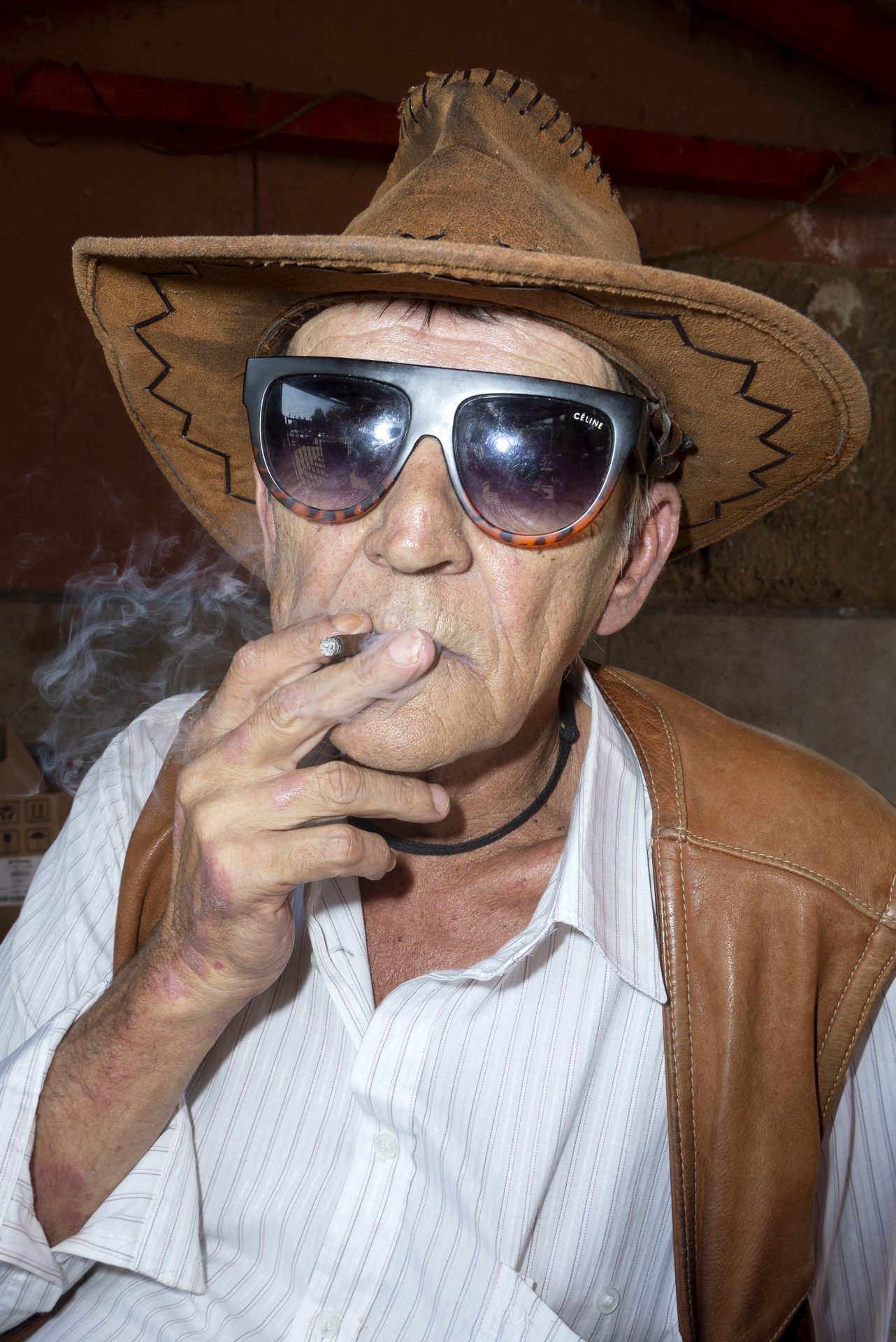
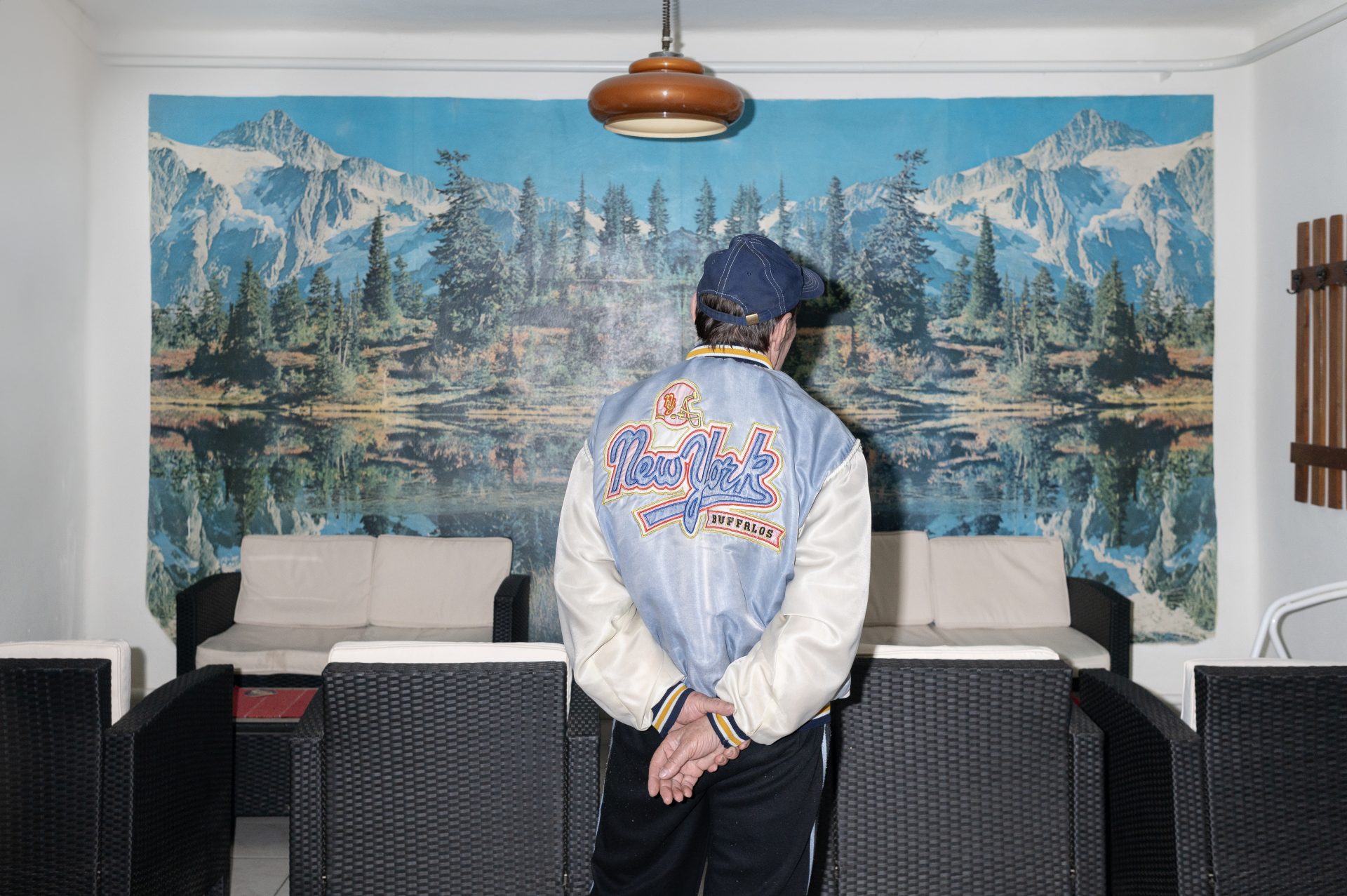
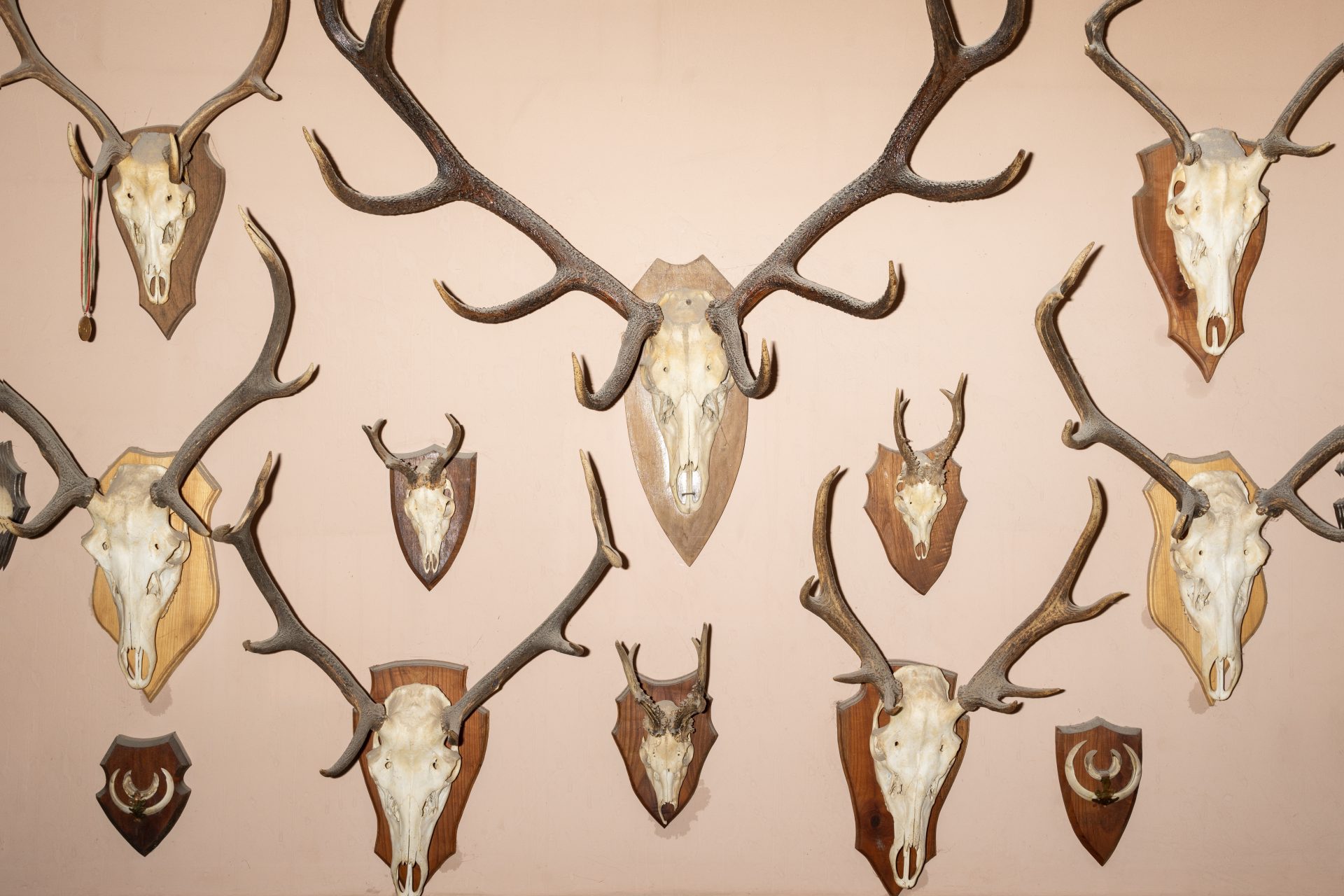
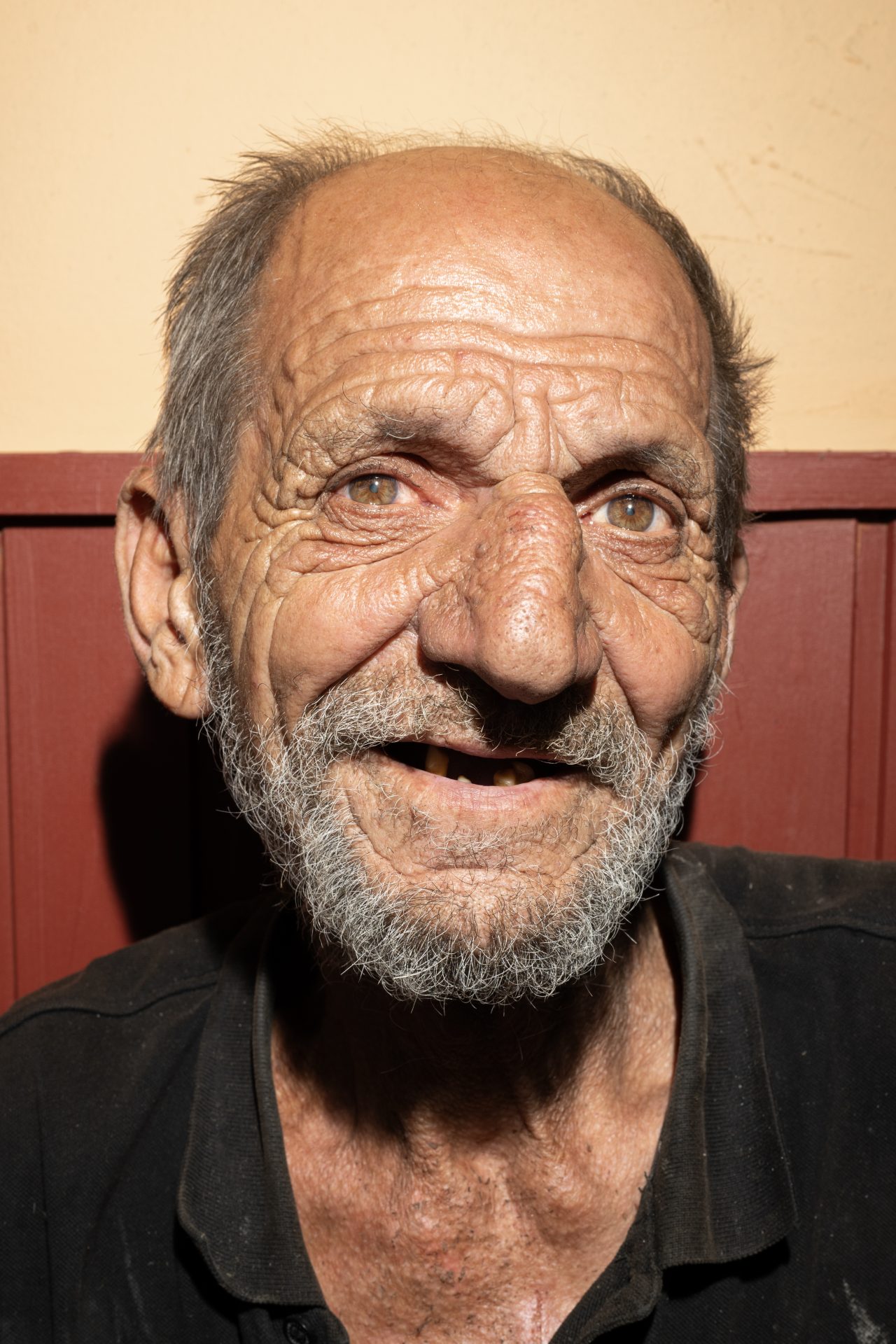
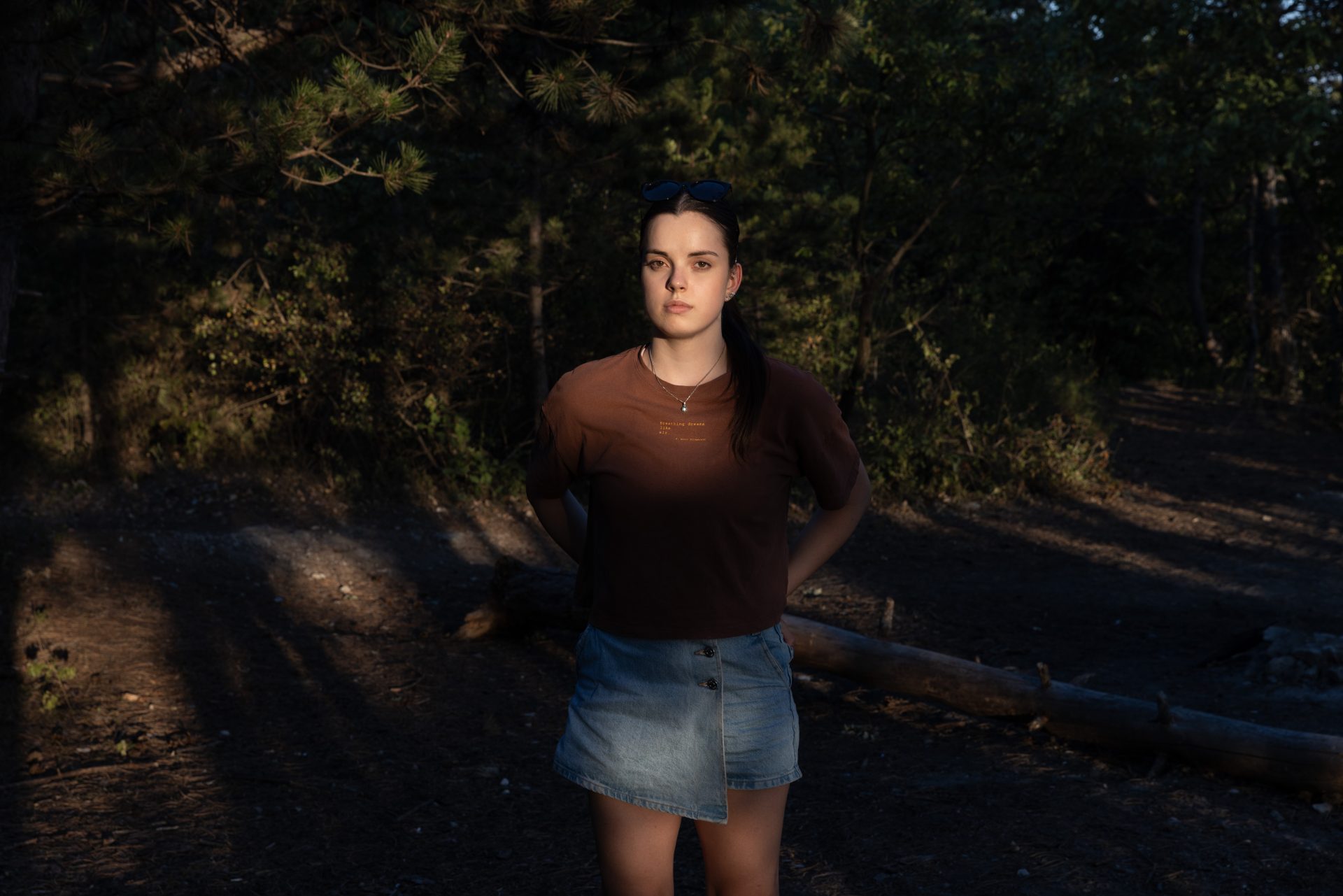
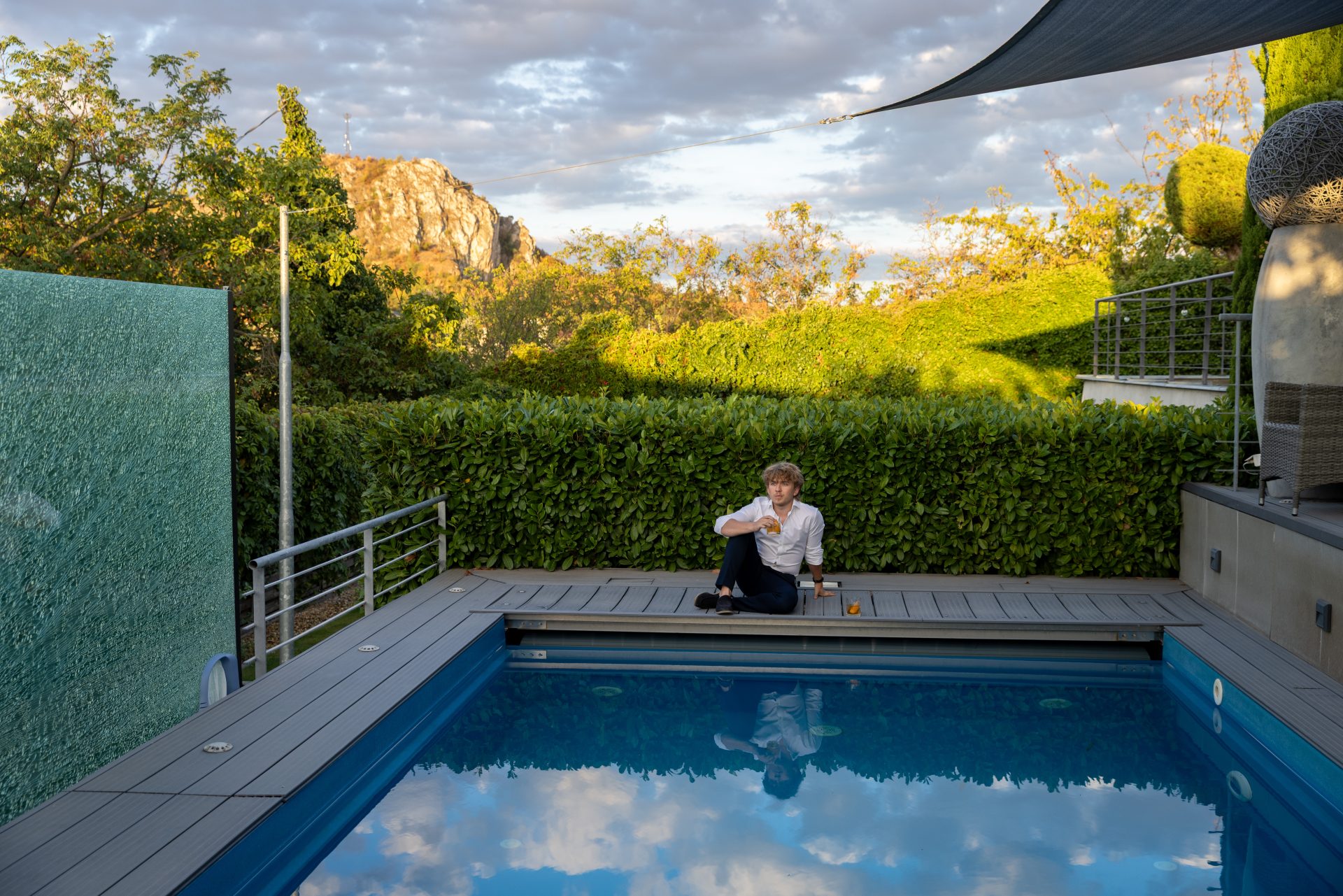
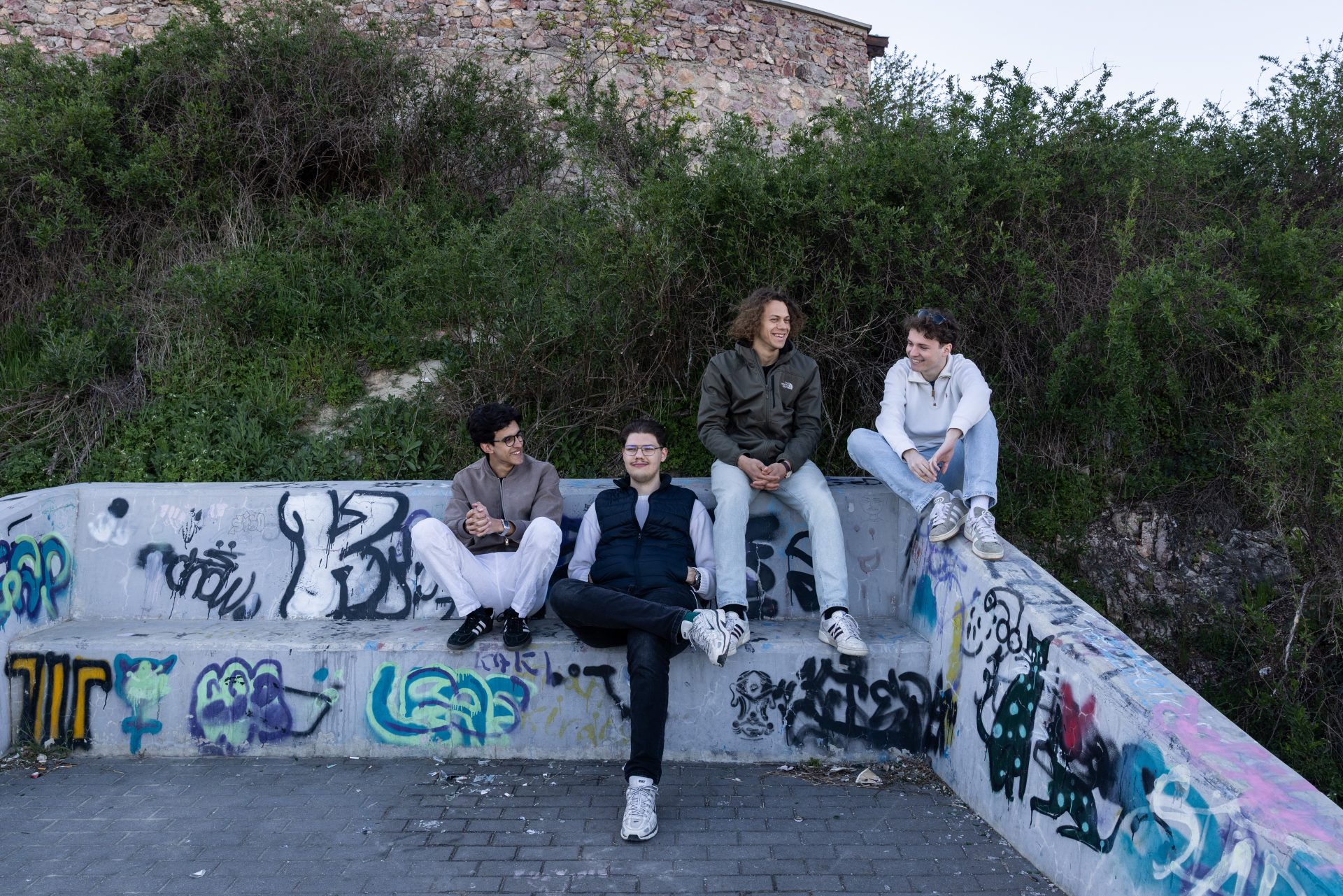
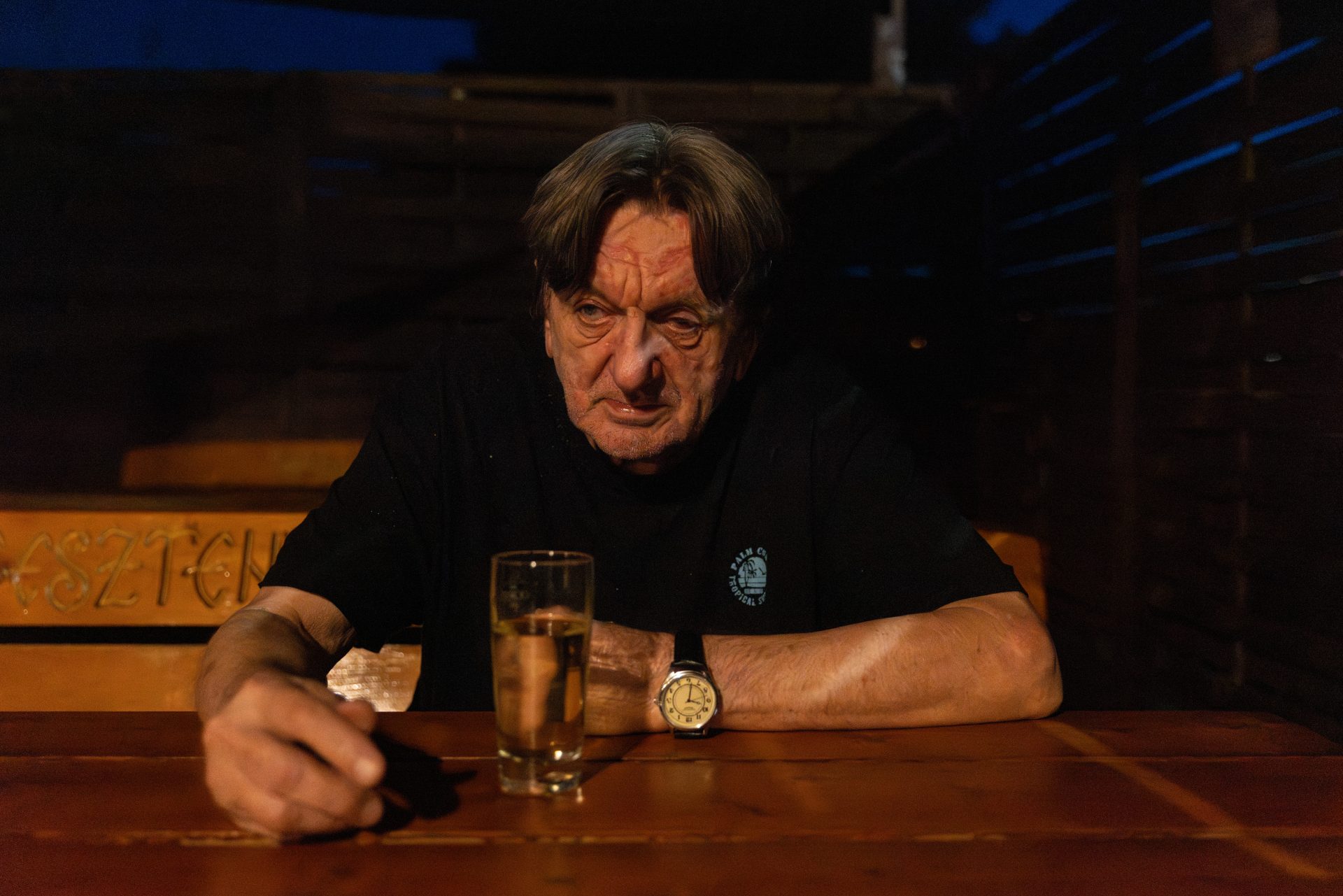
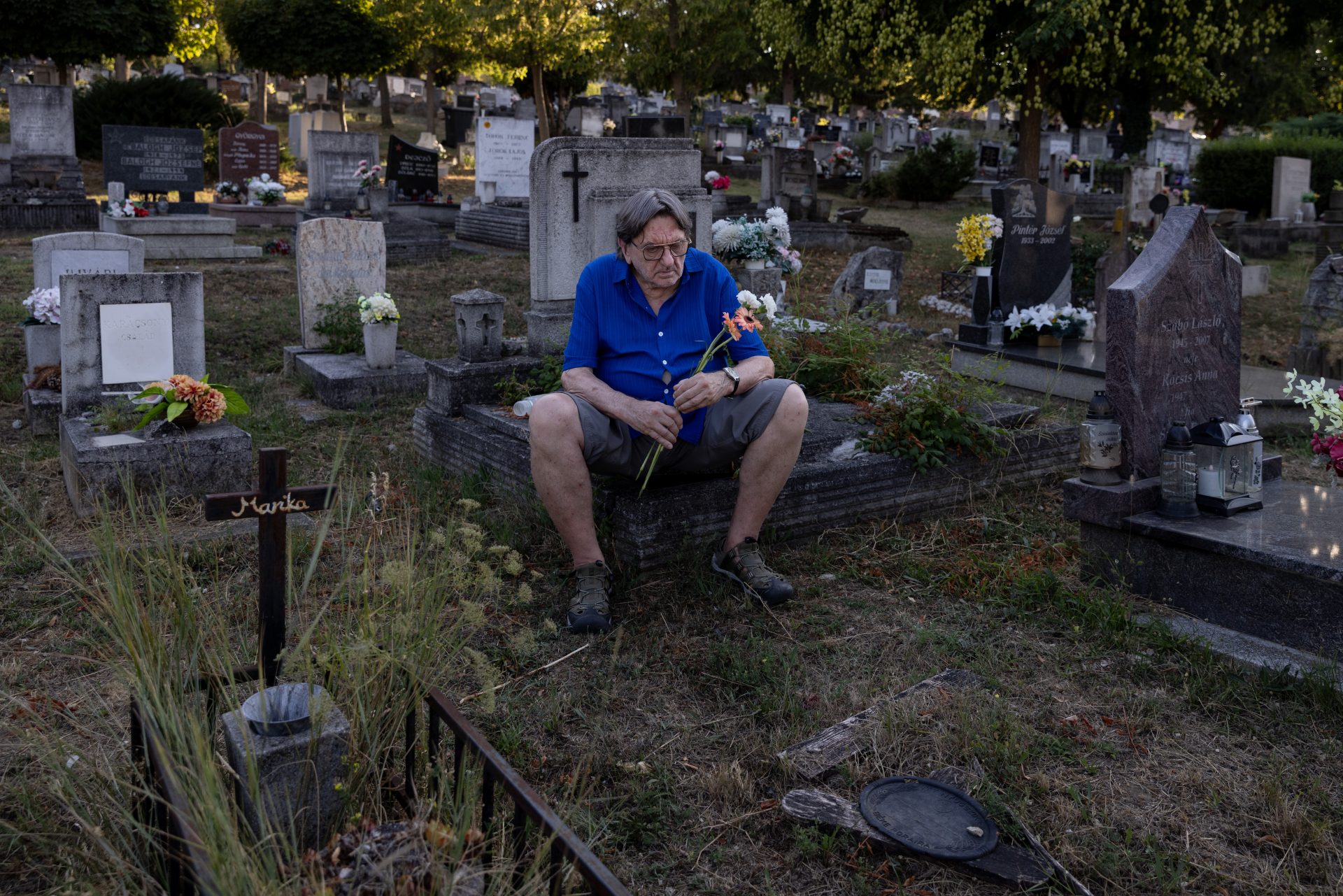
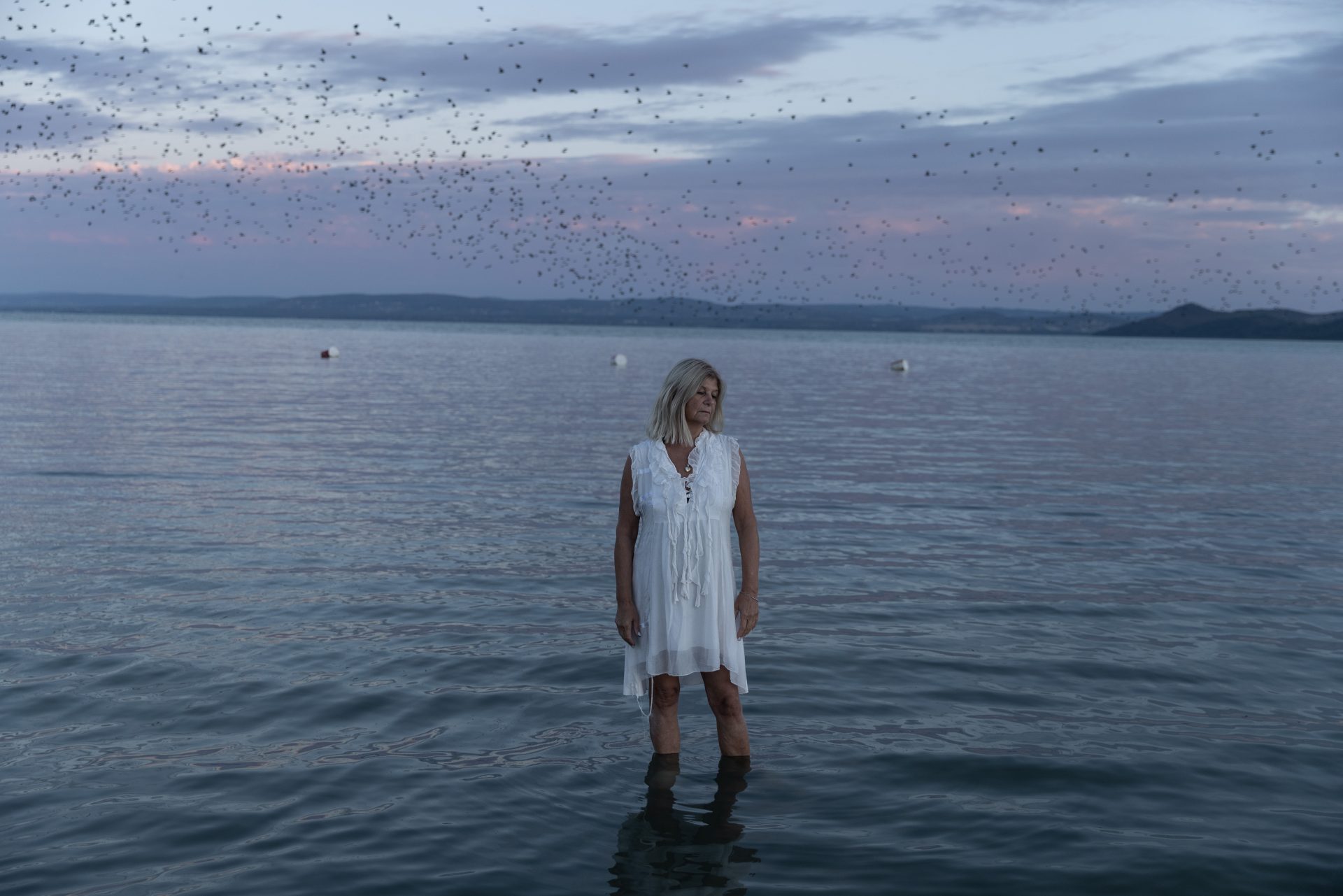
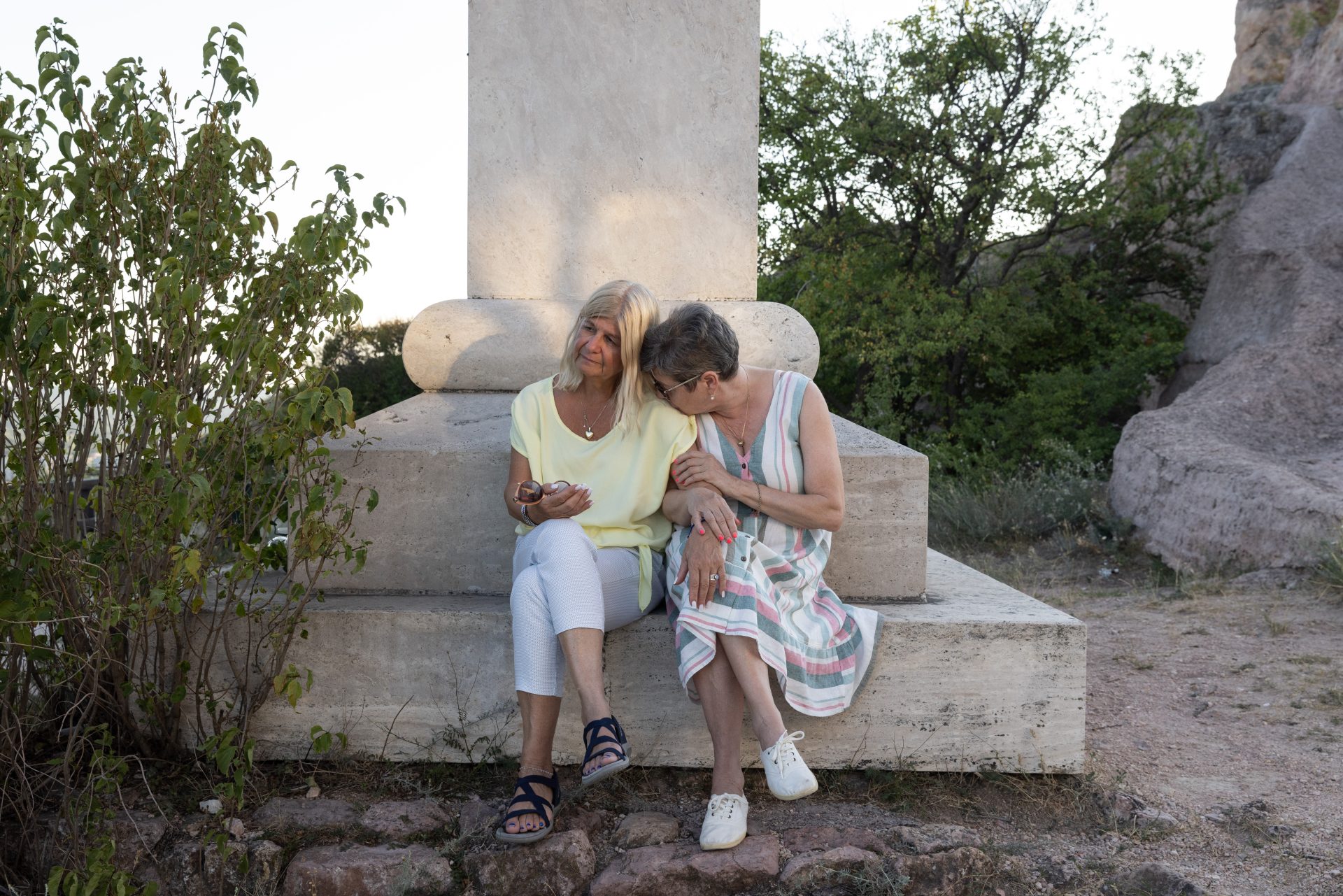
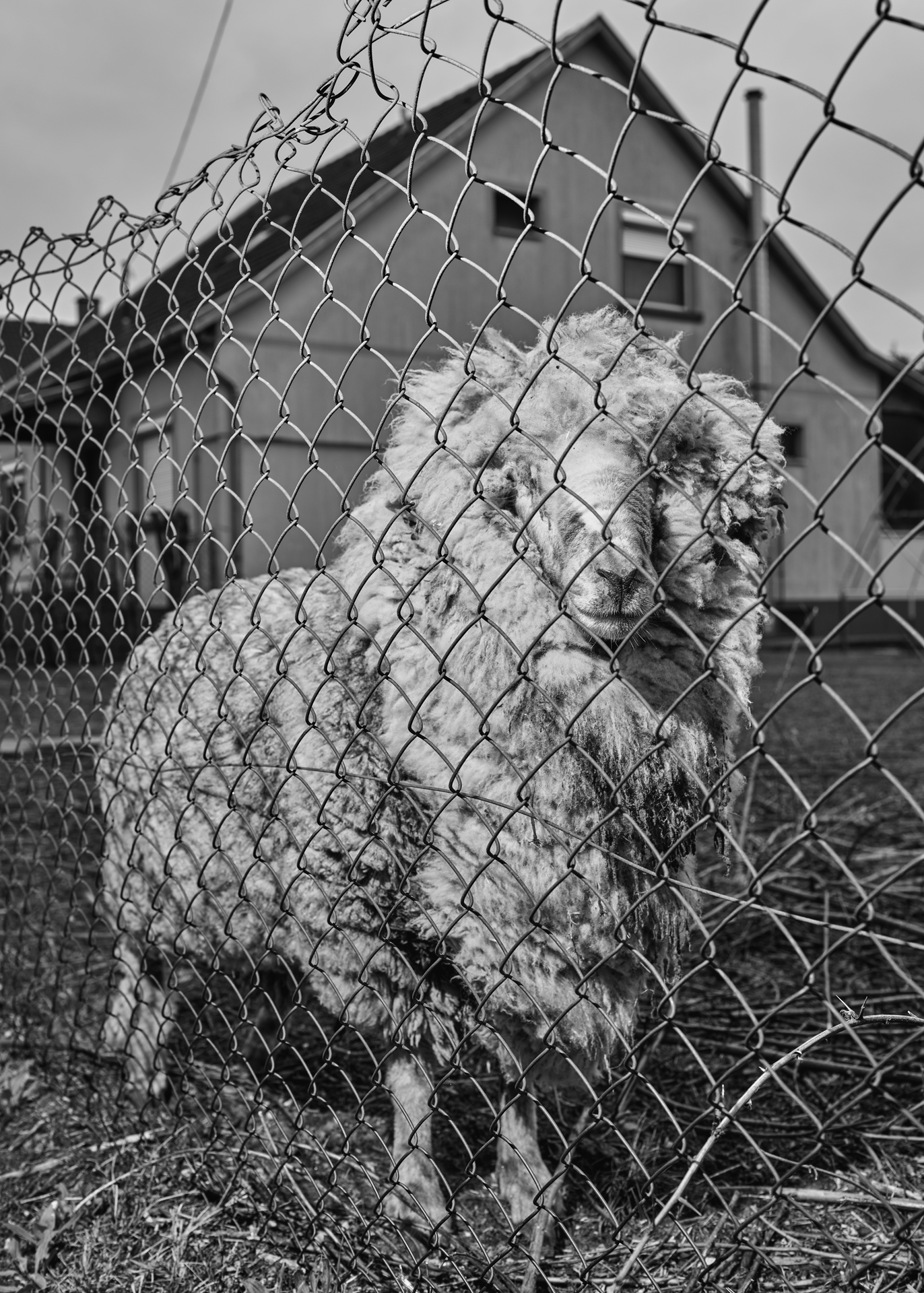
In recent years, many pubs in rural Hungary have closed permanently or changed their function. In my photographic series Hitel nincs (No Credit), I visited and photographed pubs that are still operating in disadvantaged areas of eastern Hungary, approaching the subject from a personal perspective.
The project began with my own connection to these places. I grew up in Kerecsend, a village of around 2,000 people in eastern Hungary. During my childhood, there were six pubs in the village. They were loud, lively places where something was always happening: music, parties, arguments. If someone wanted company, information or help, they went to the pub.
Alcohol and gambling addiction were present in my family, so these places also played an important role in my life. For me, pubs have always had a double meaning. I associate them with warm, often very funny childhood memories, but also with deeply troubling experiences.
When I returned to photograph these places as an adult, I found that much of their former social life had disappeared. Of the six pubs in Kerecsend, only one was left, and even that opened irregularly. I soon realised that Kerecsend was not an isolated case.
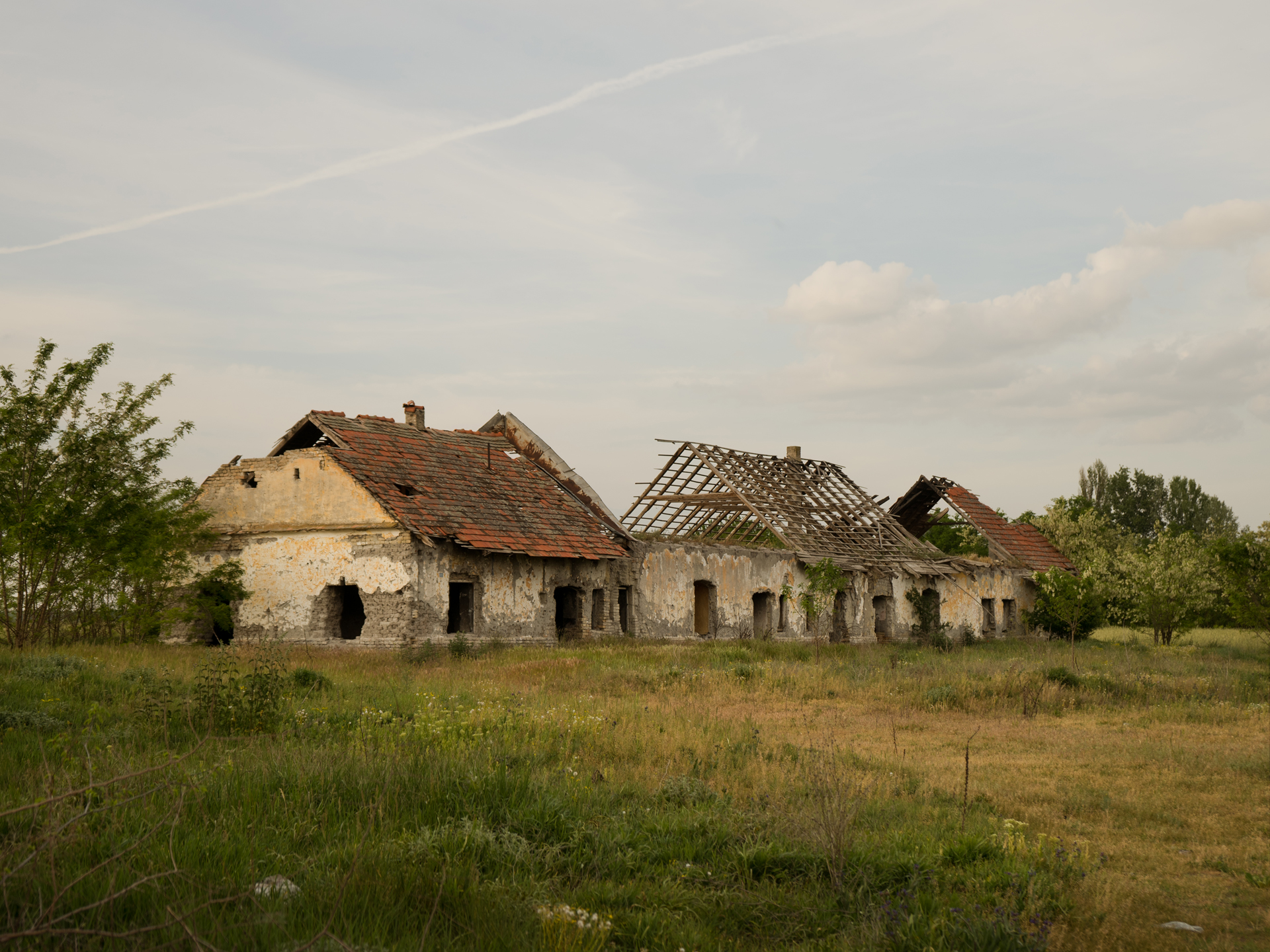
I continued photographing in nearby villages, then in Borsod, Nógrád, Békés and other parts of eastern Hungary. Again and again, I encountered similar situations. Life in many small villages is shaped by migration away from the area, a lack of job opportunities, poverty and an ageing population. These interconnected problems contribute to the social and economic decline of these communities, the disappearance of local services and the increasing isolation of their residents.
When a pub closes, a village loses not only a place to drink, but also an important space for community life.
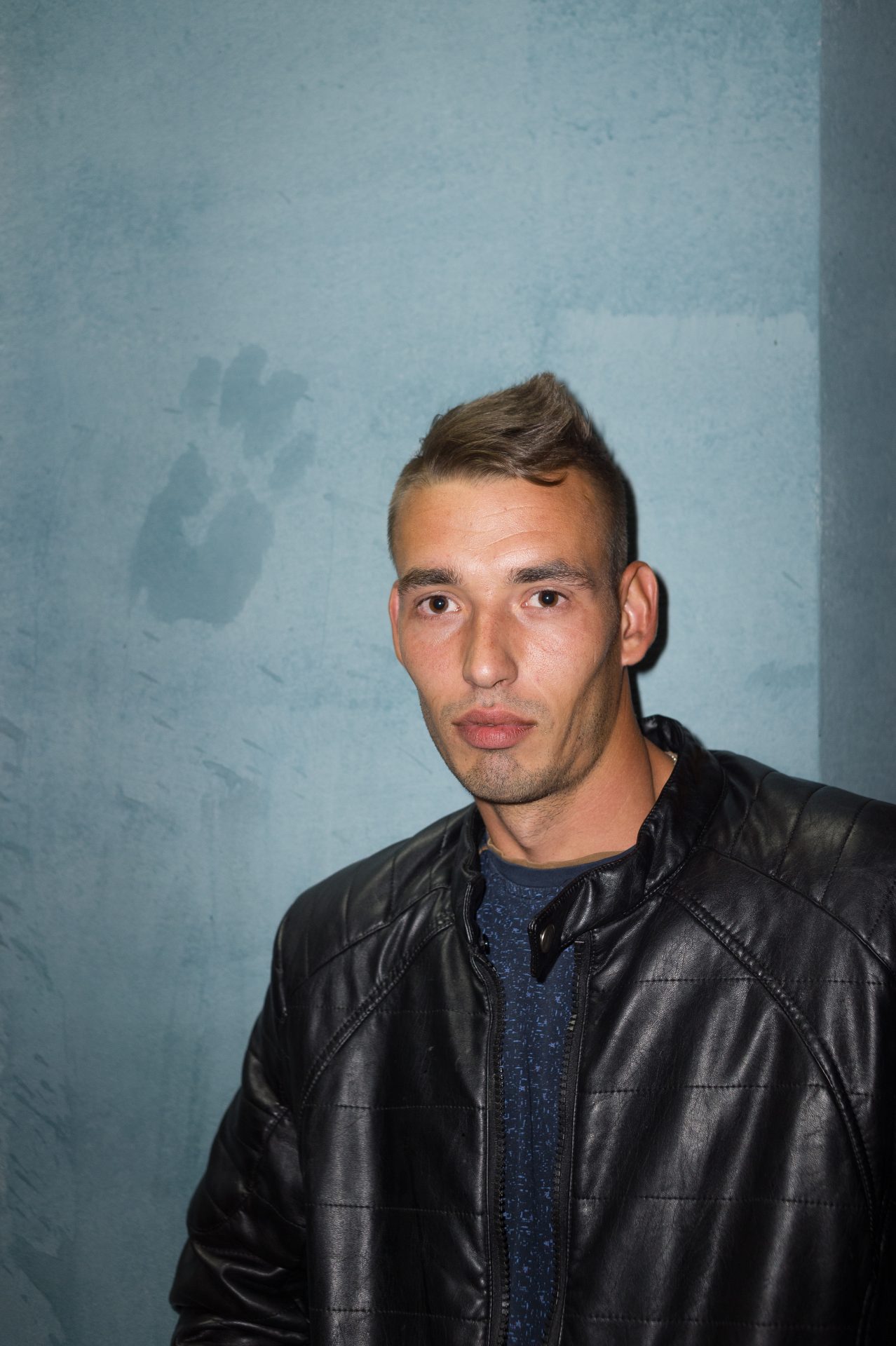
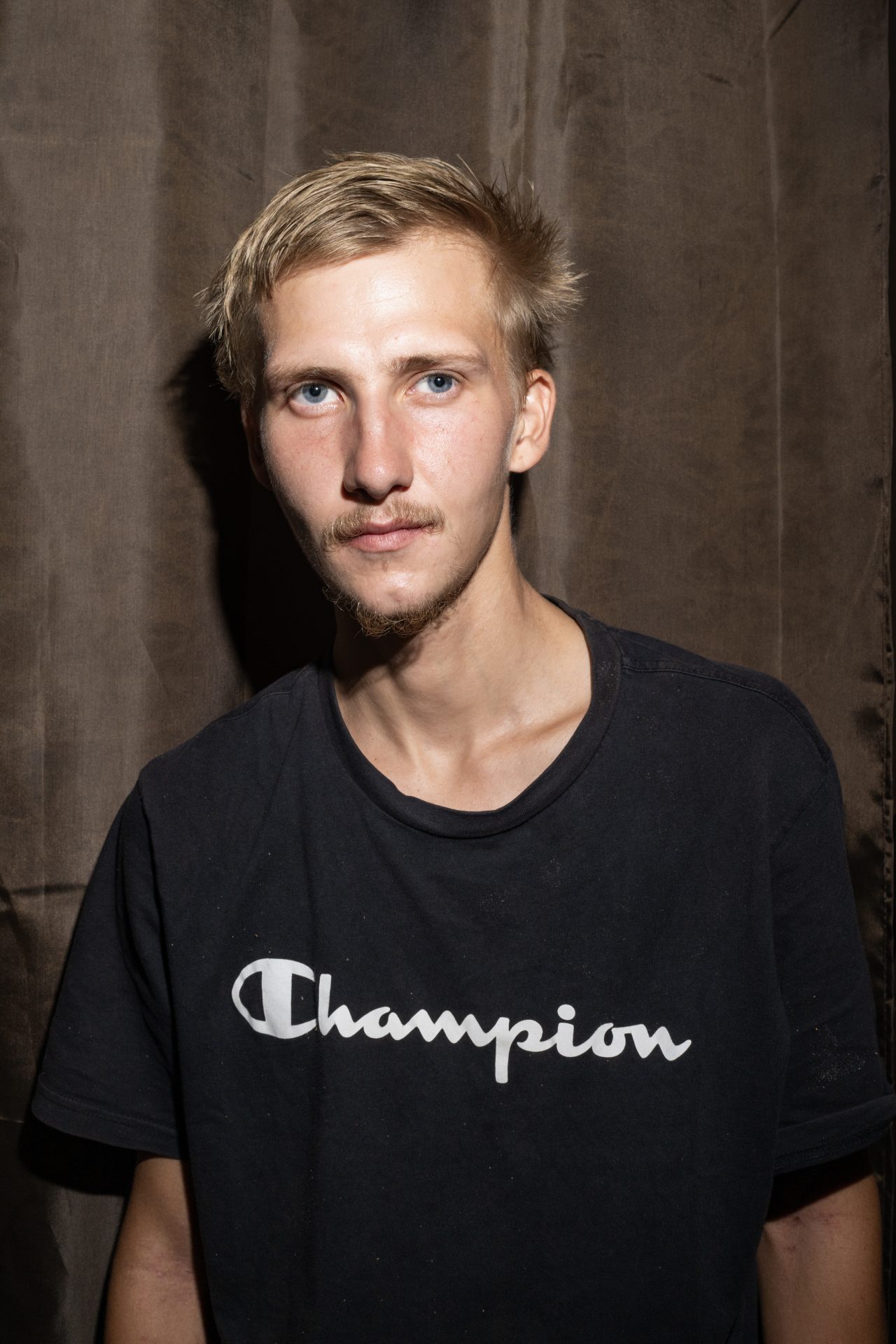
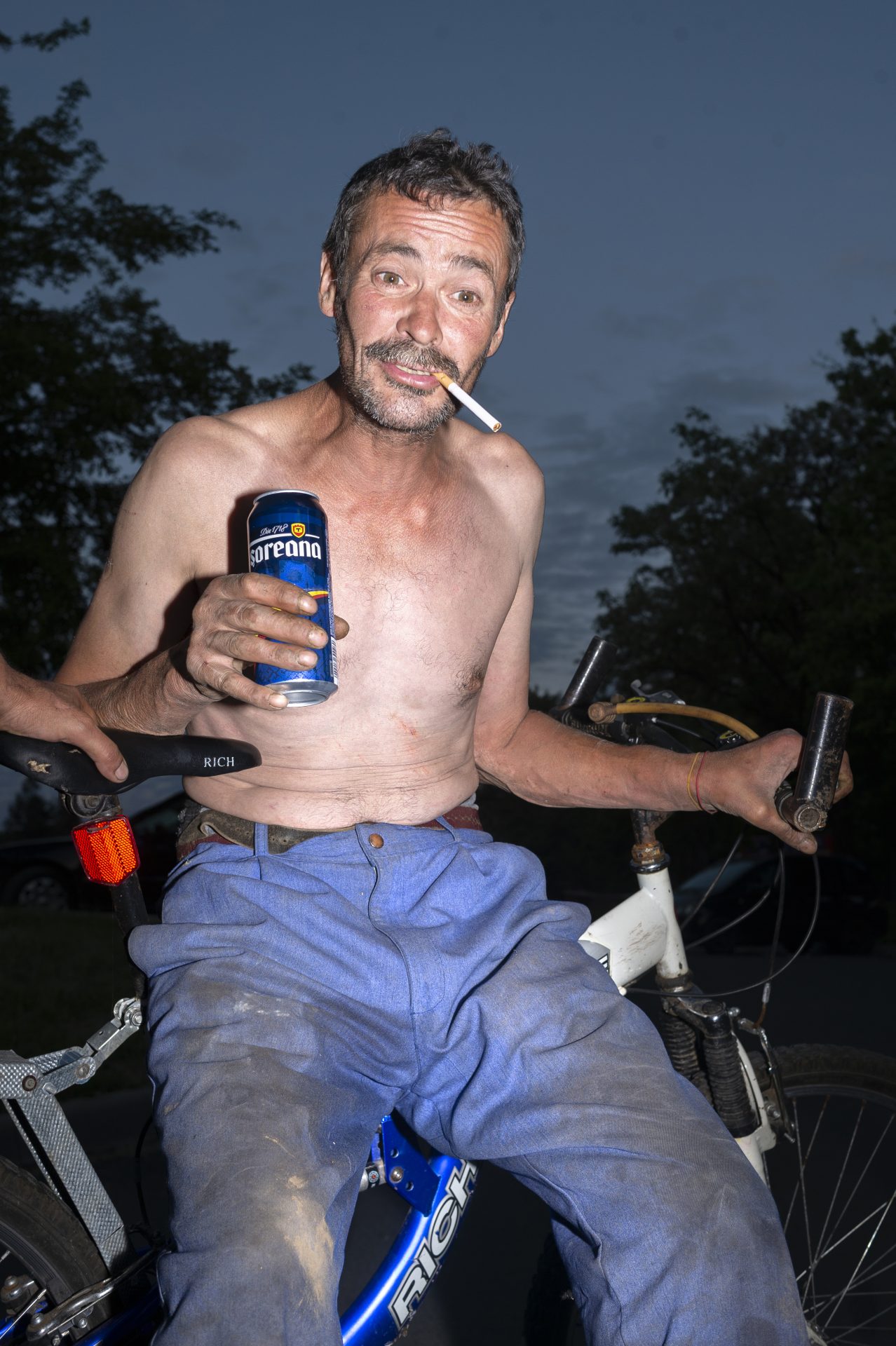
In the pubs that were still open, I spoke with customers and owners to understand the role these places play in the everyday lives of their regulars. These encounters became an important part of the project. From what I observed, pubs are not primarily places of entertainment. For many people, they are among the last remaining places in their village where they can maintain social connections, and often offer some relief from loneliness.
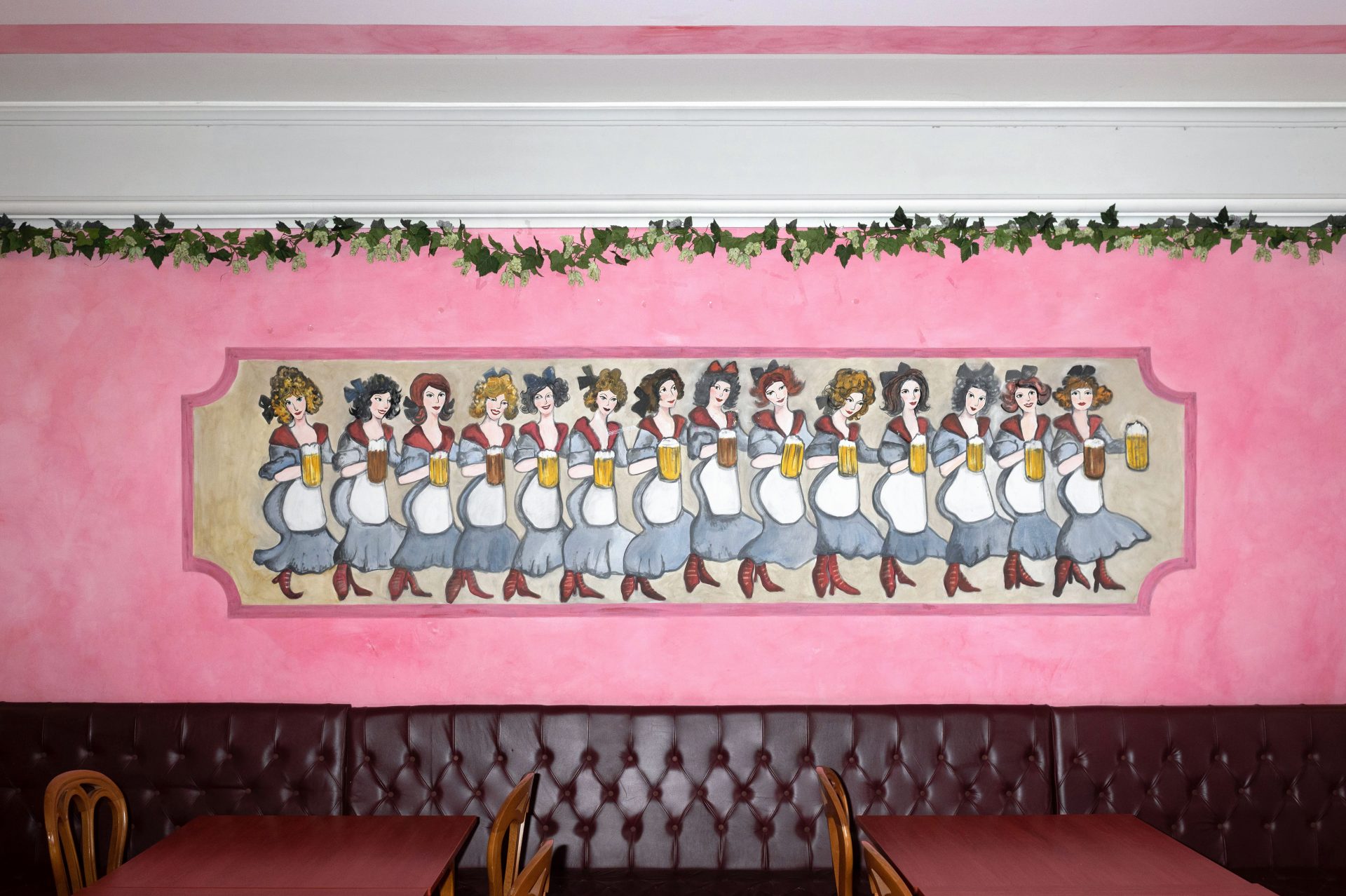
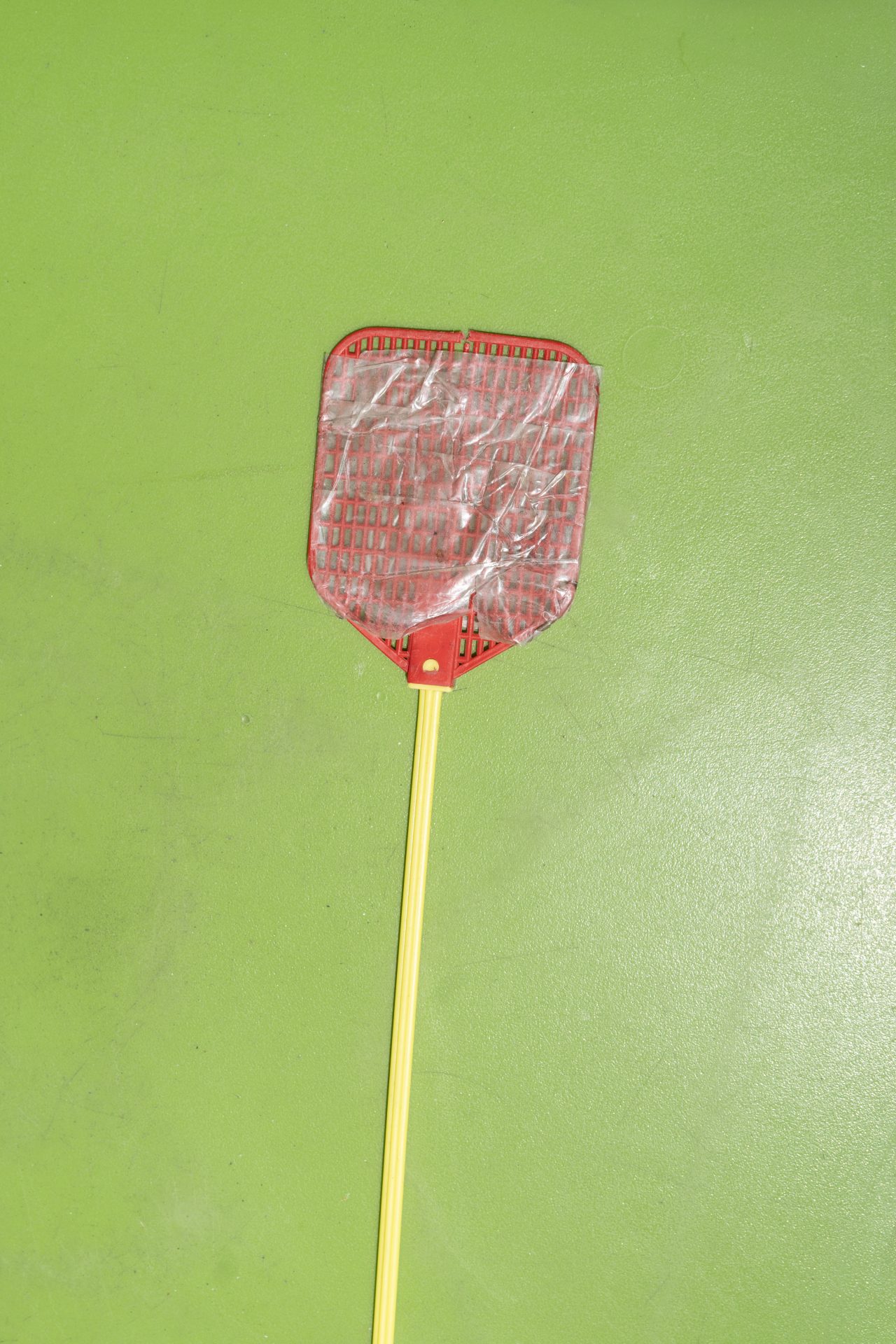
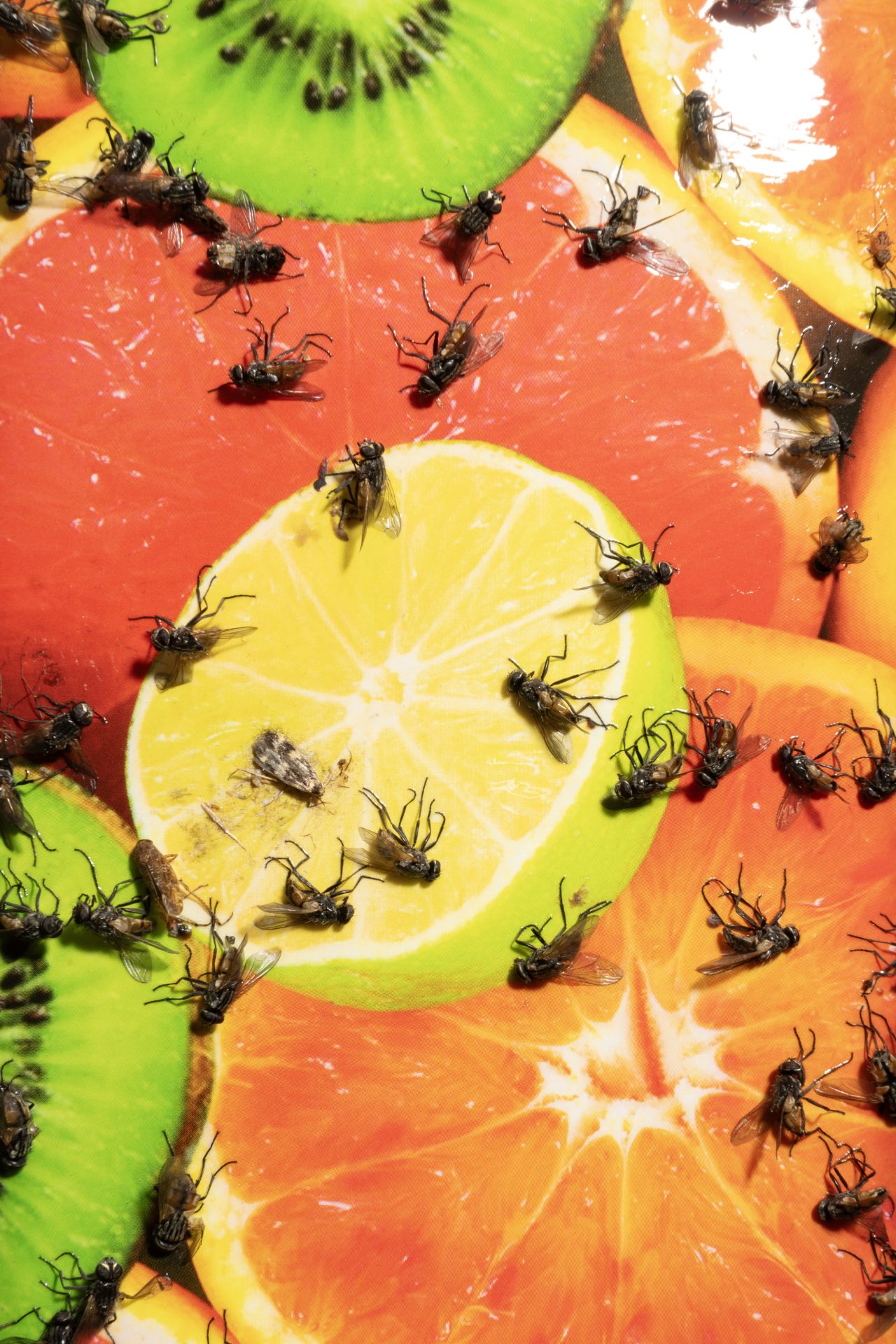
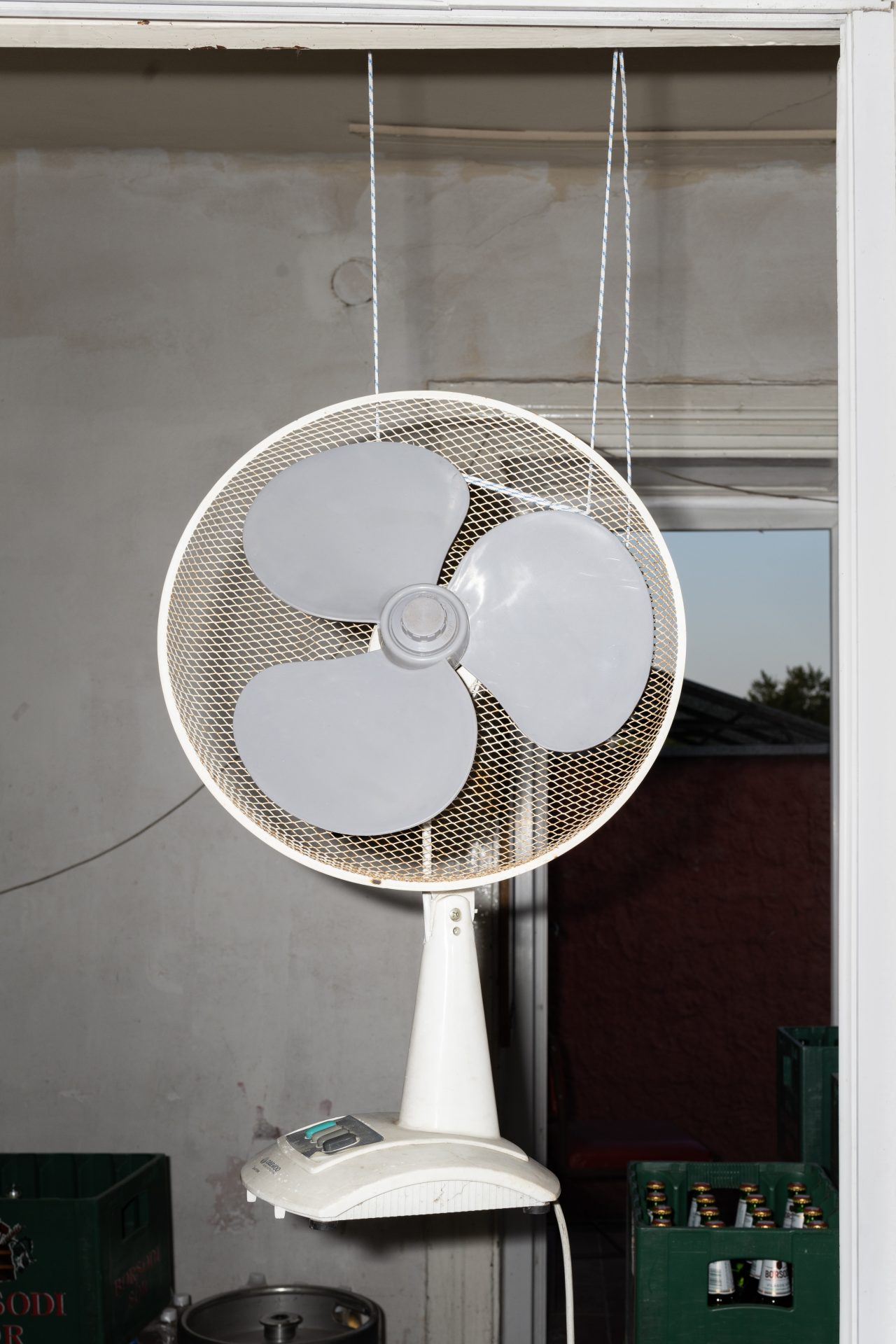
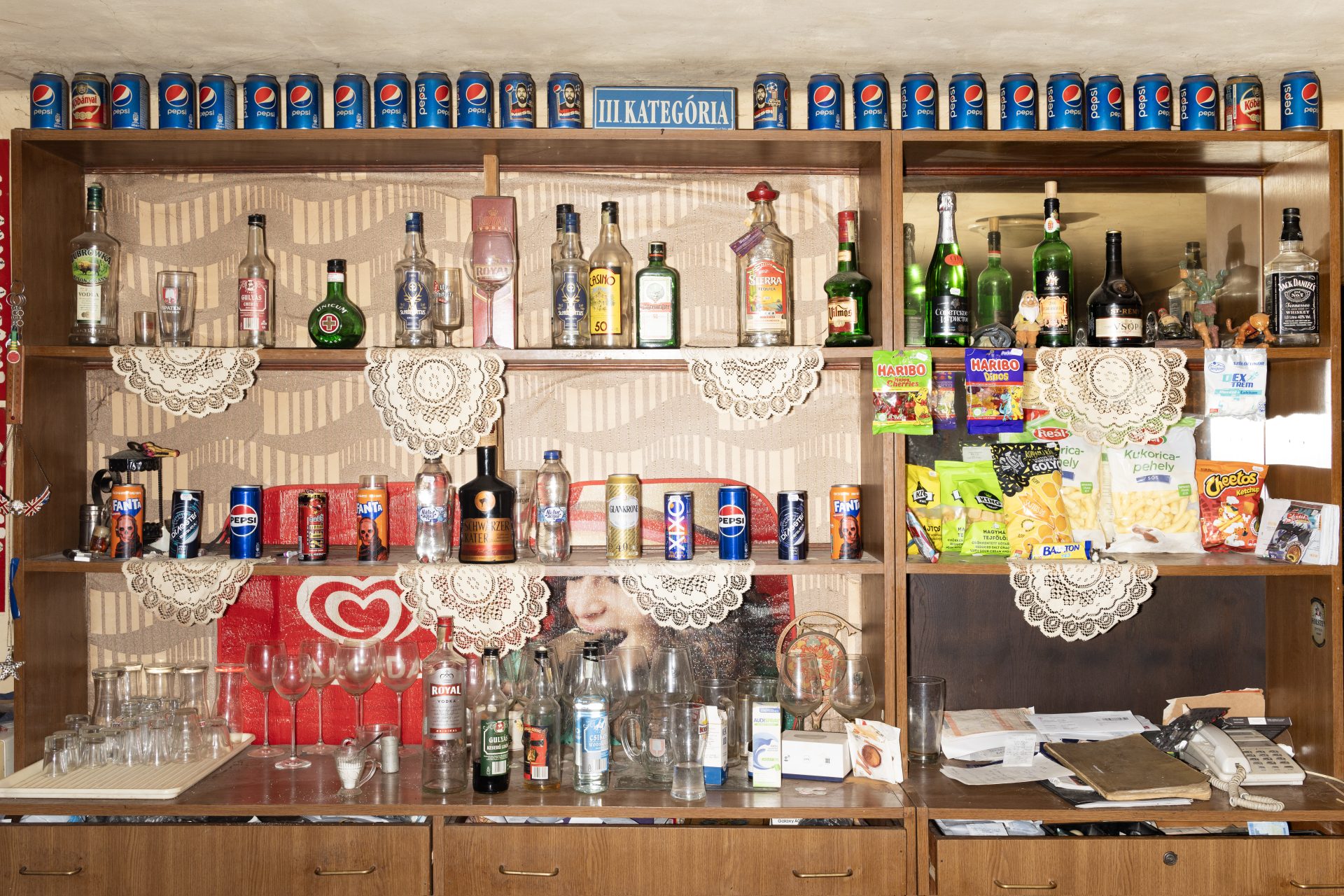
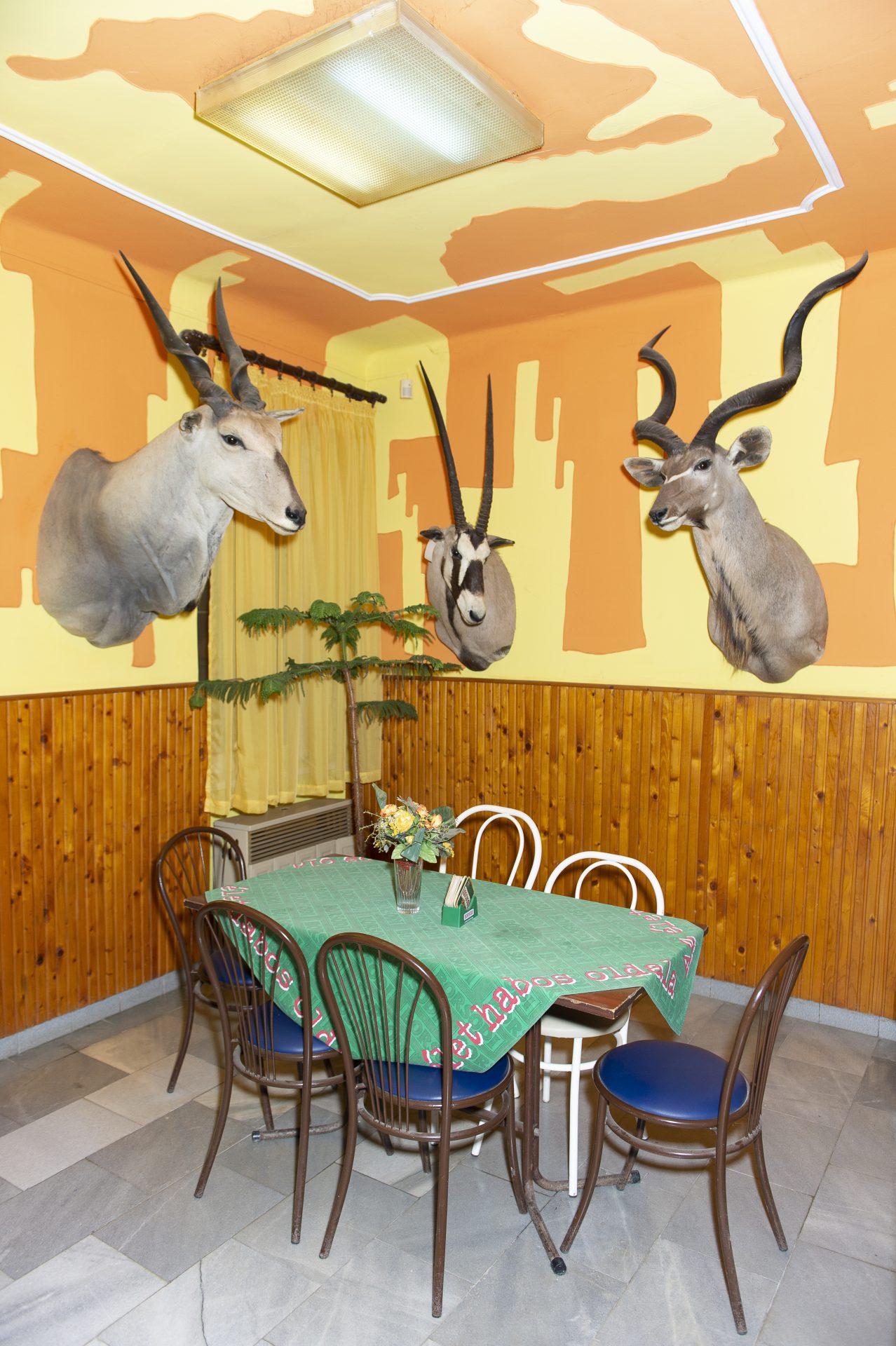
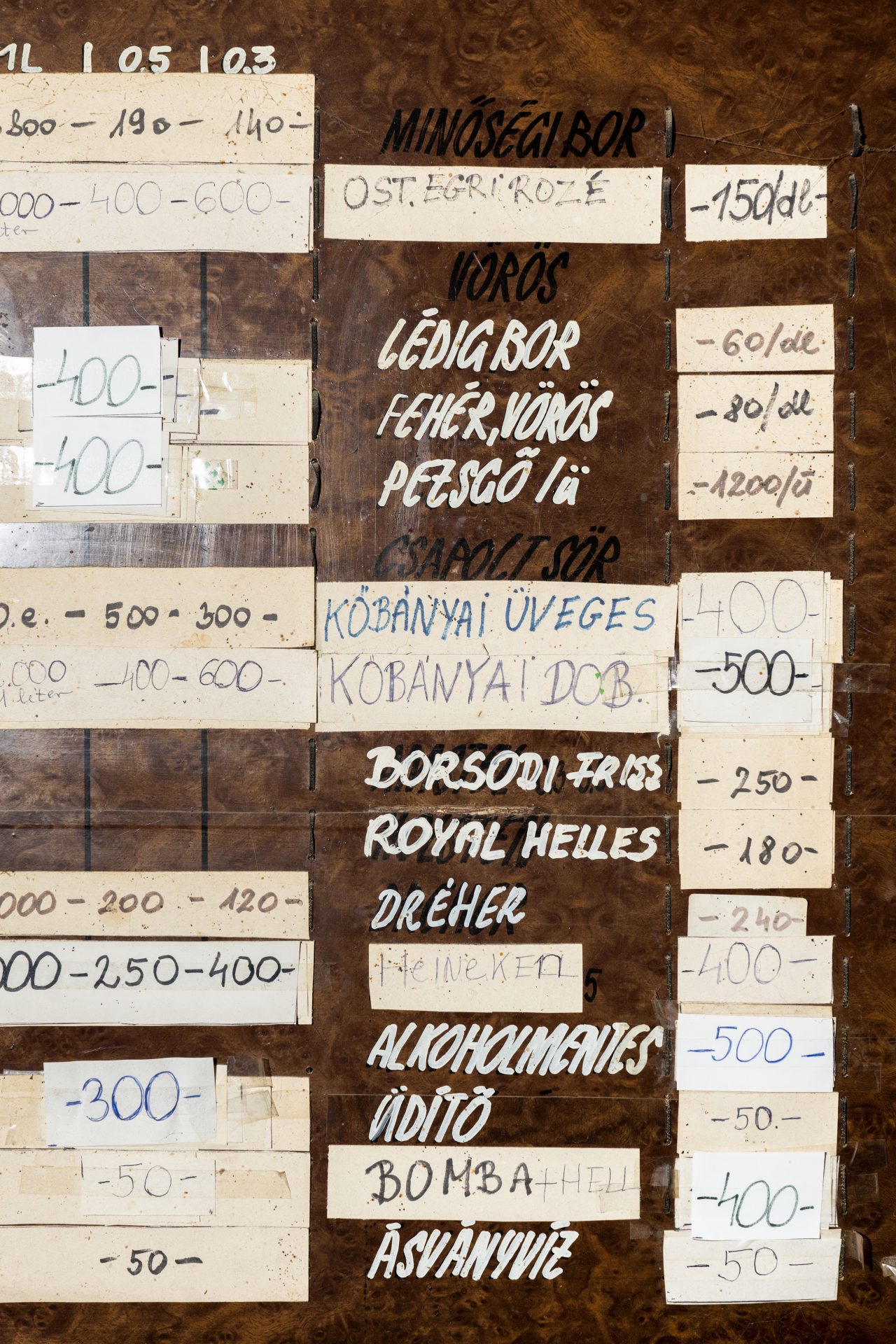
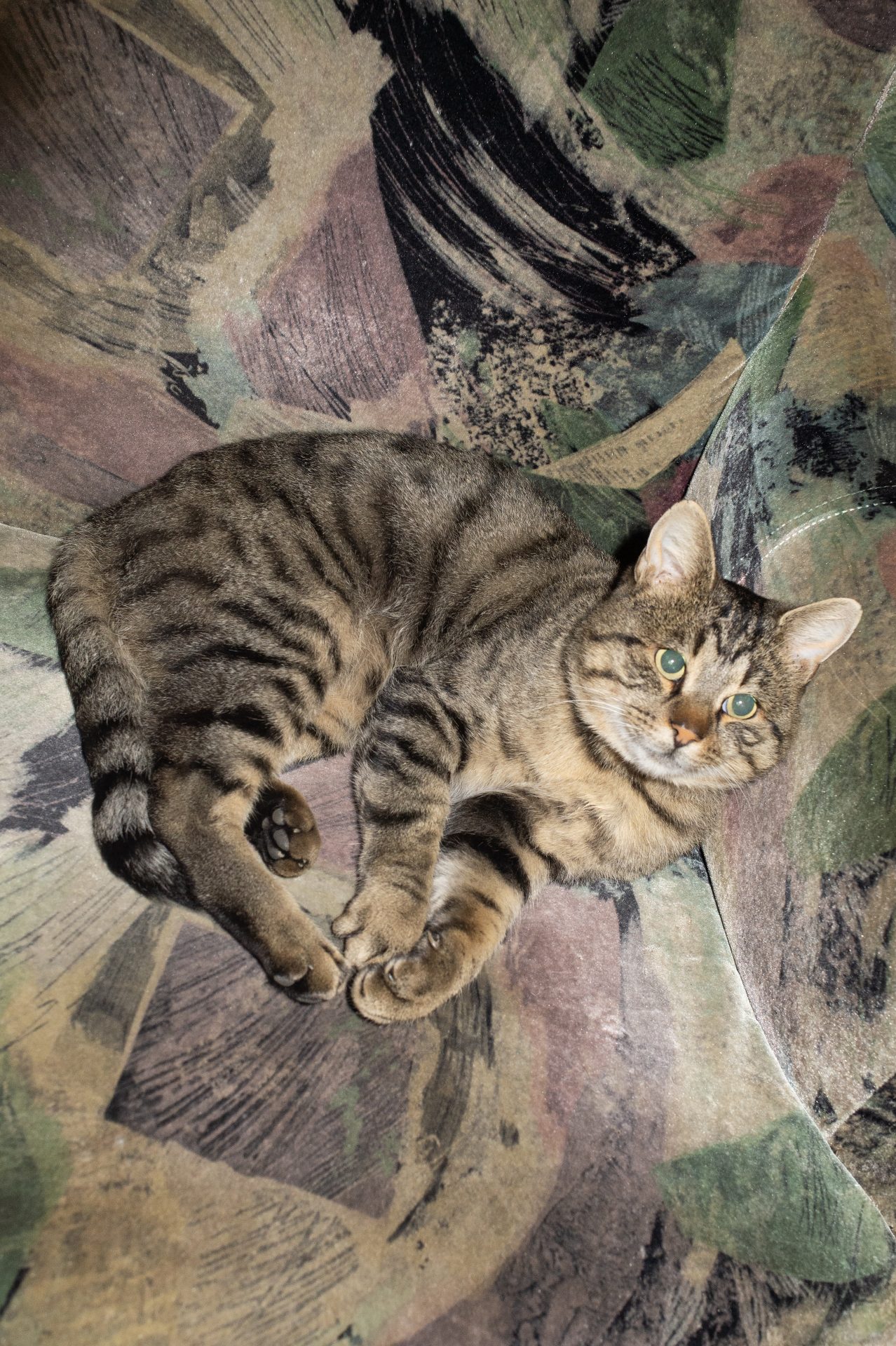
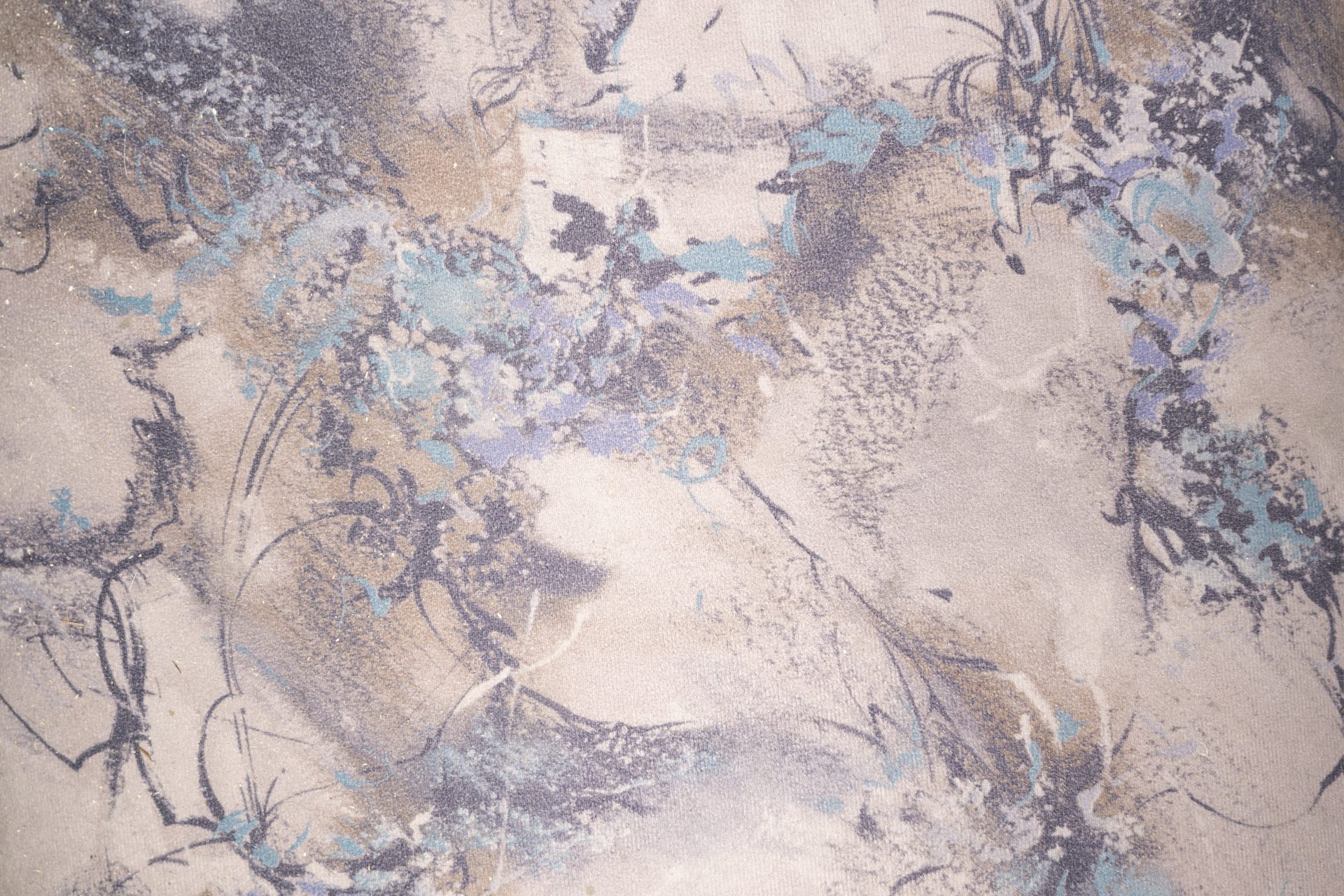
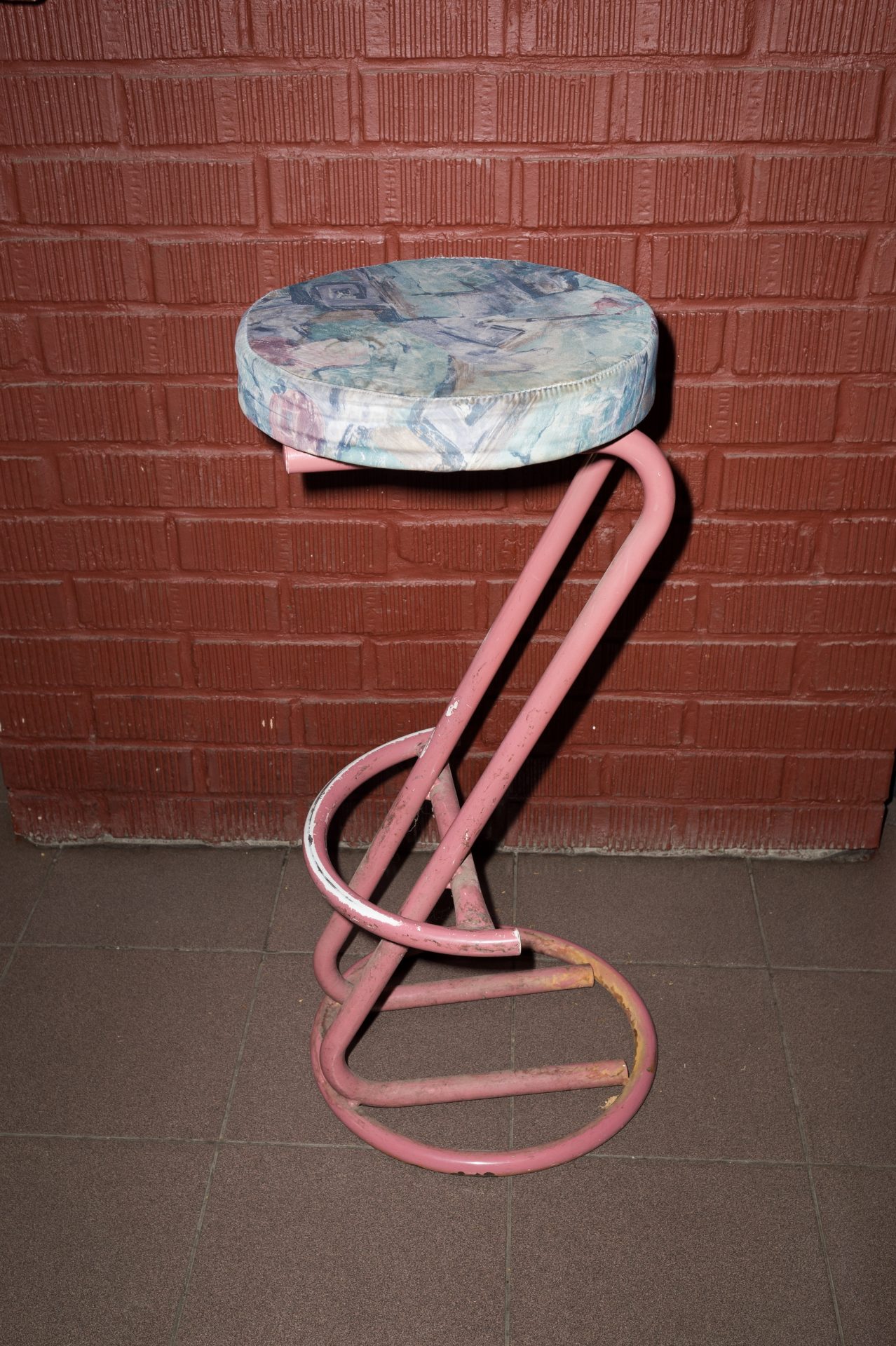
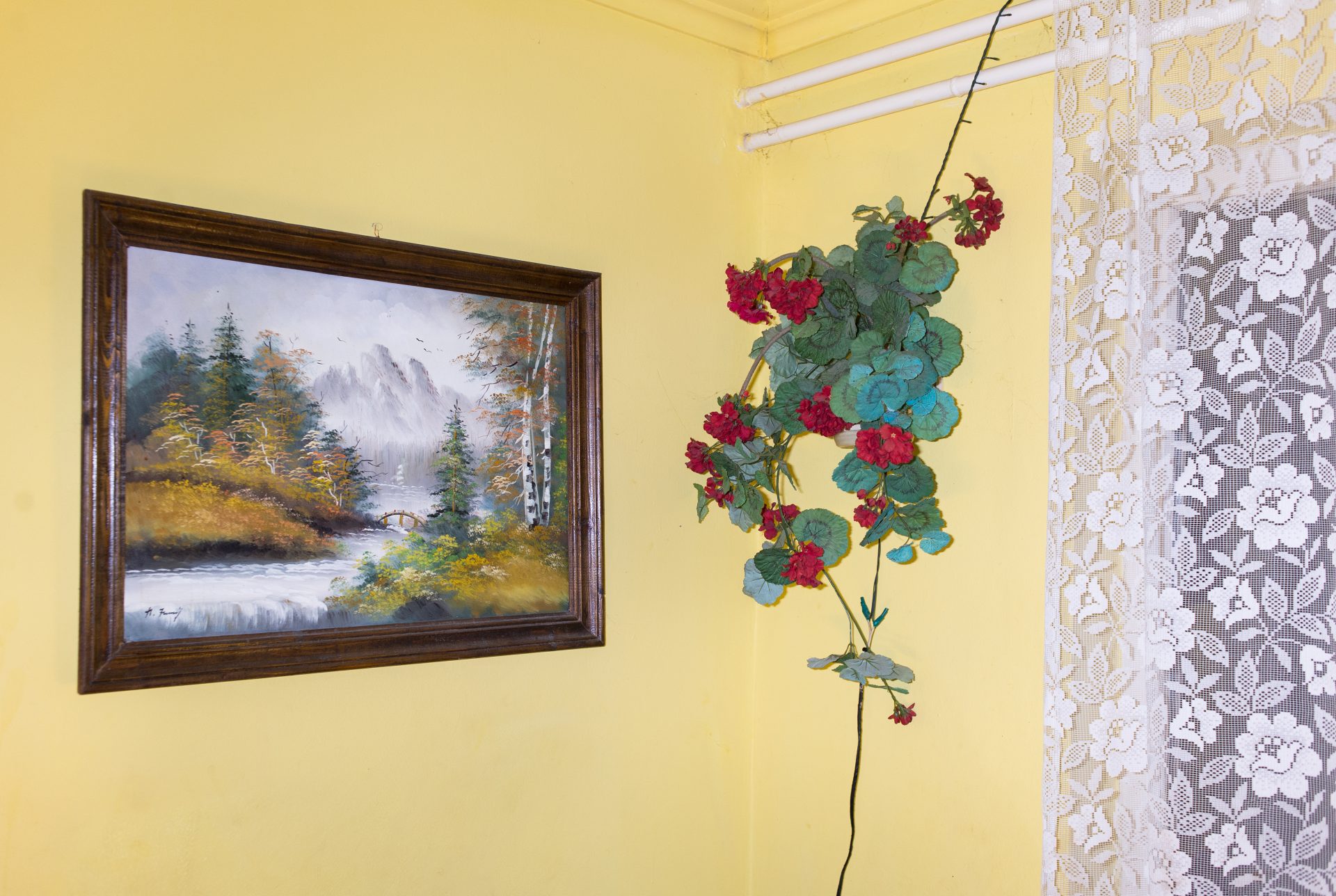
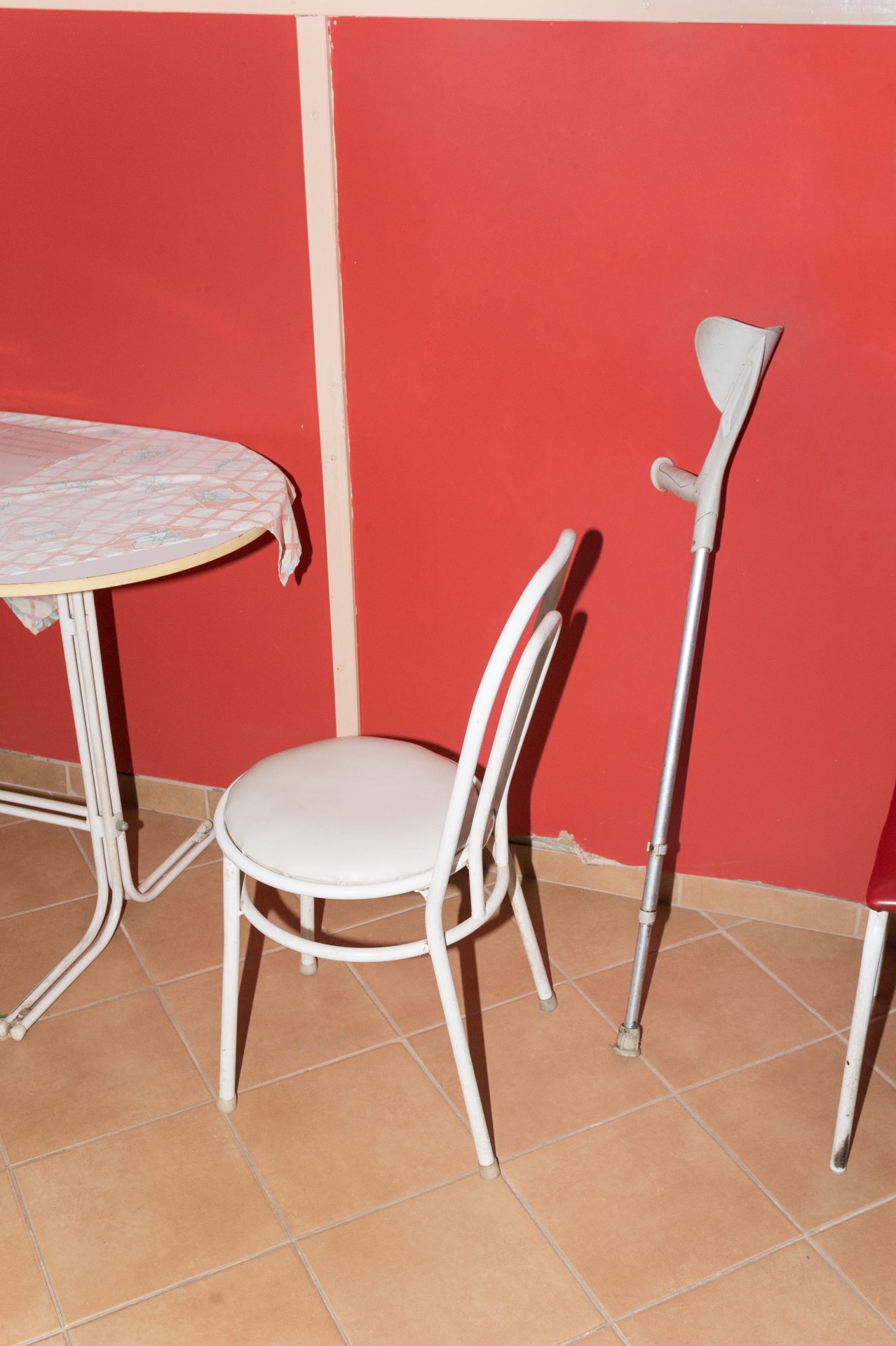
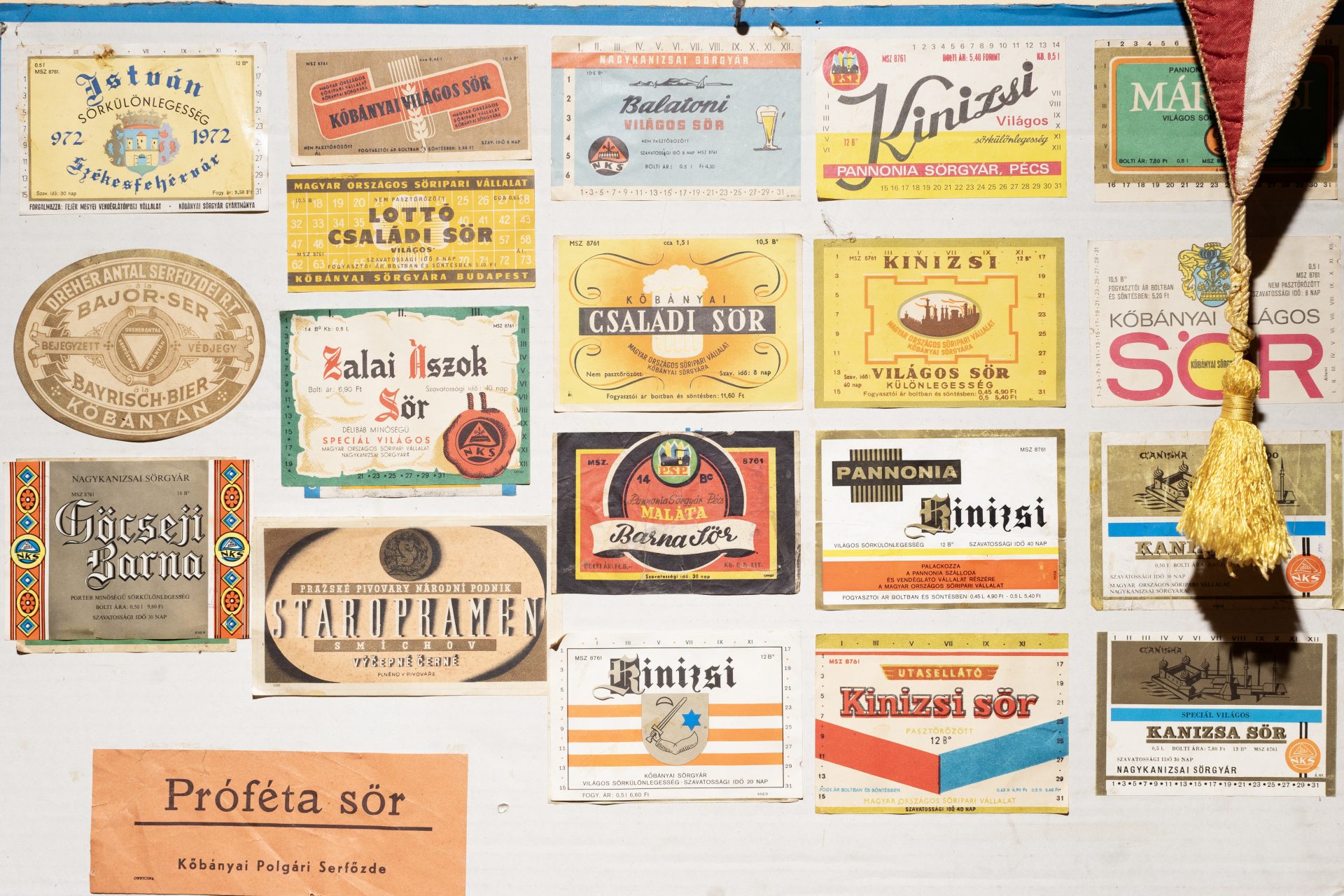
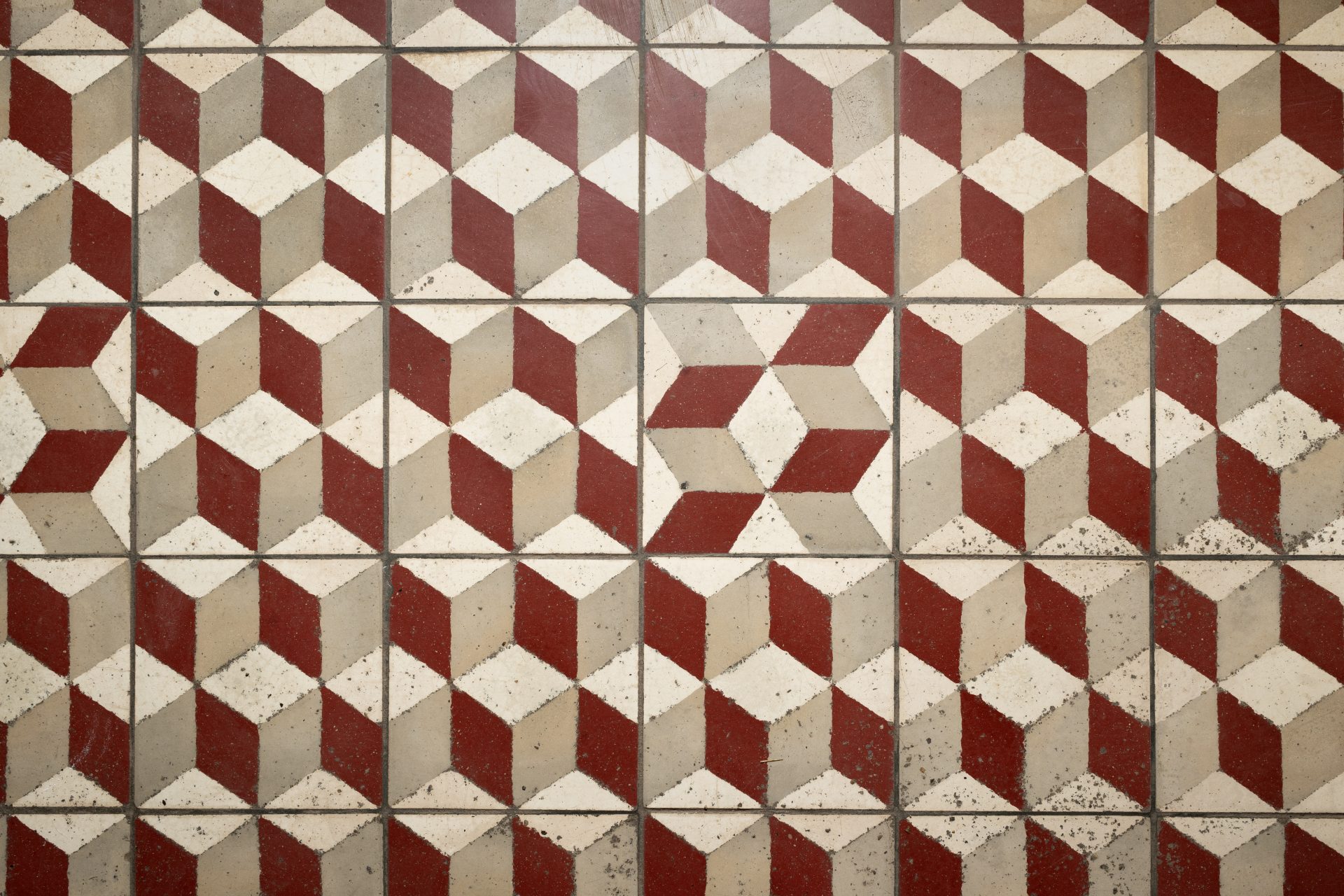
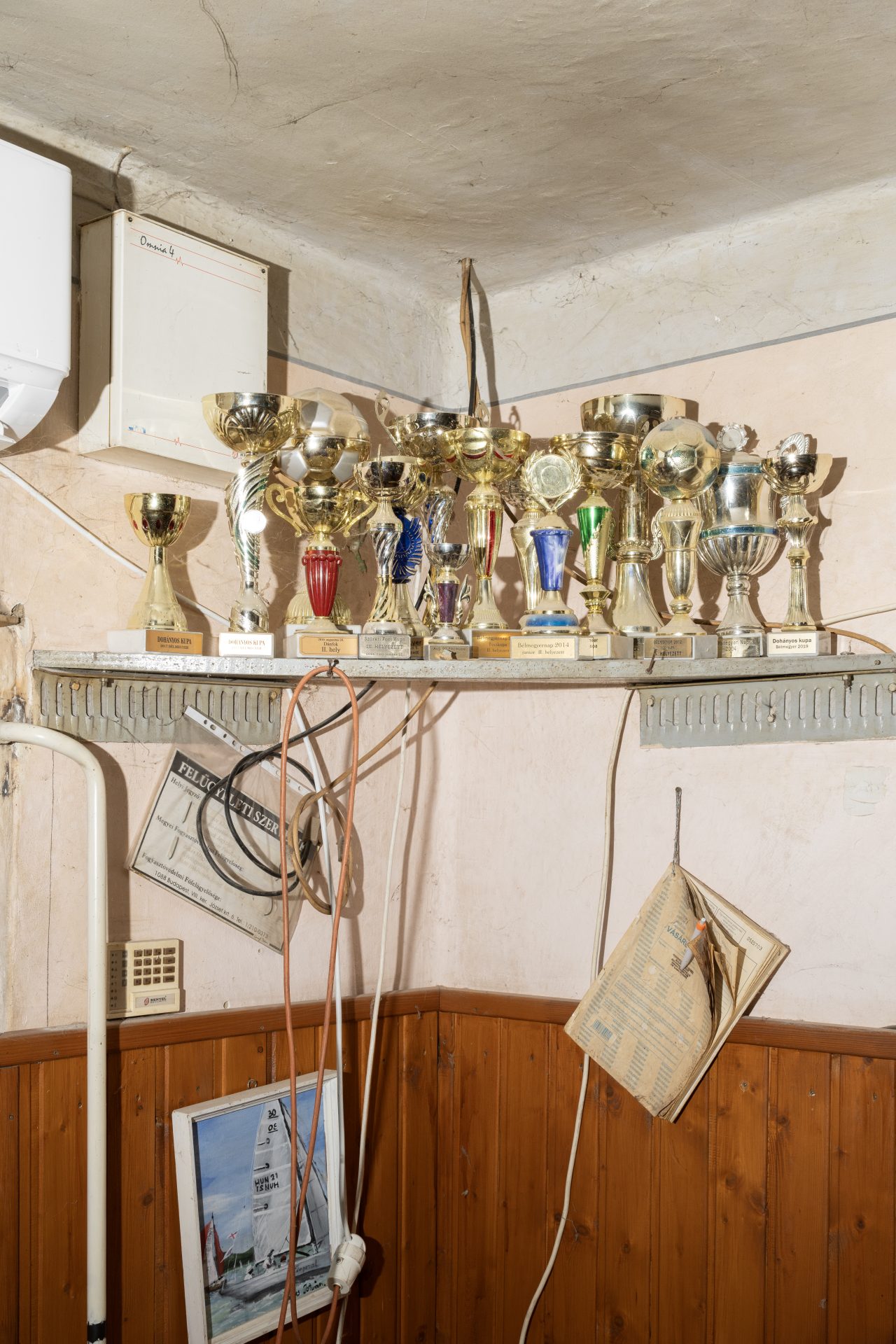
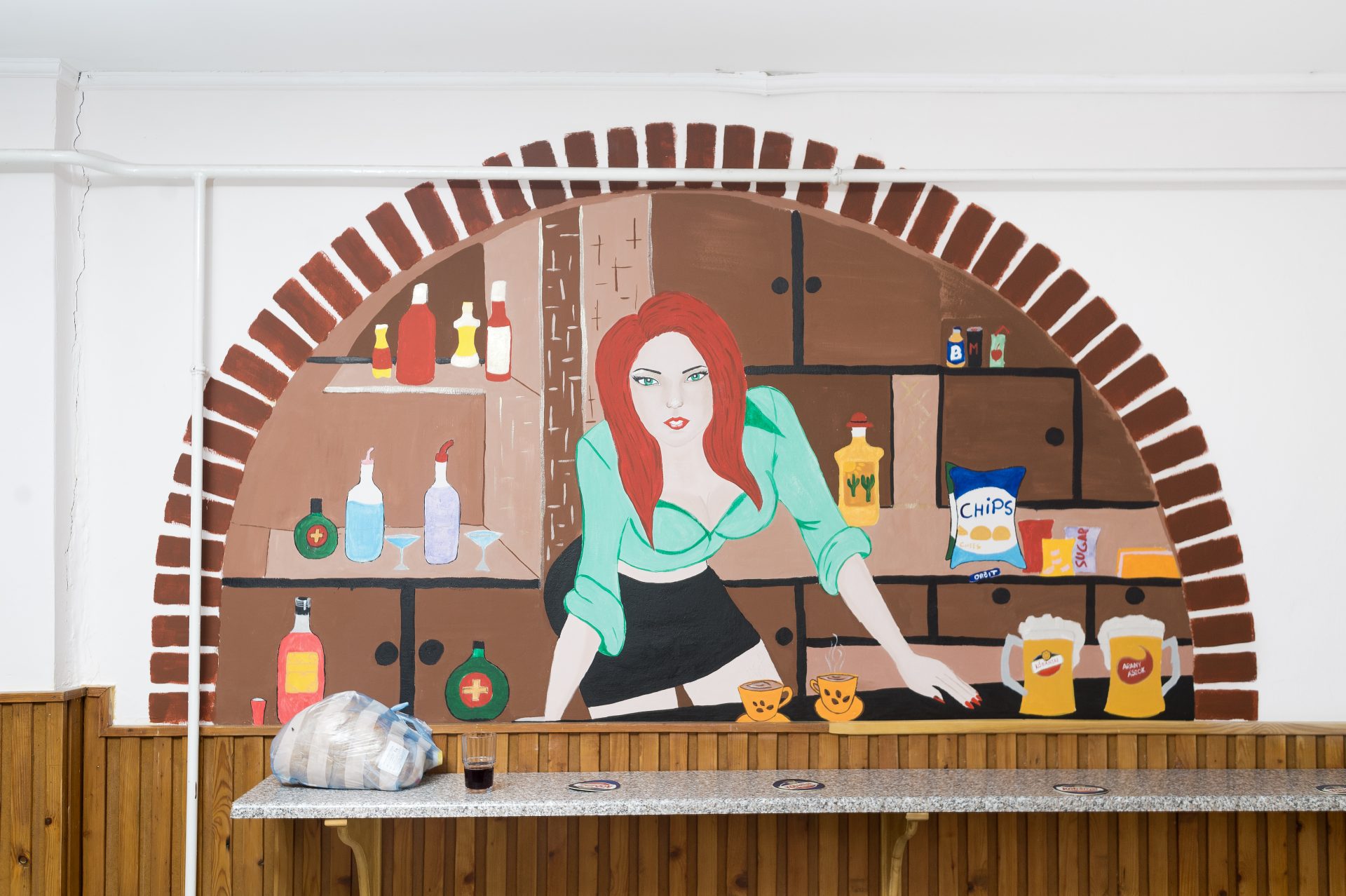
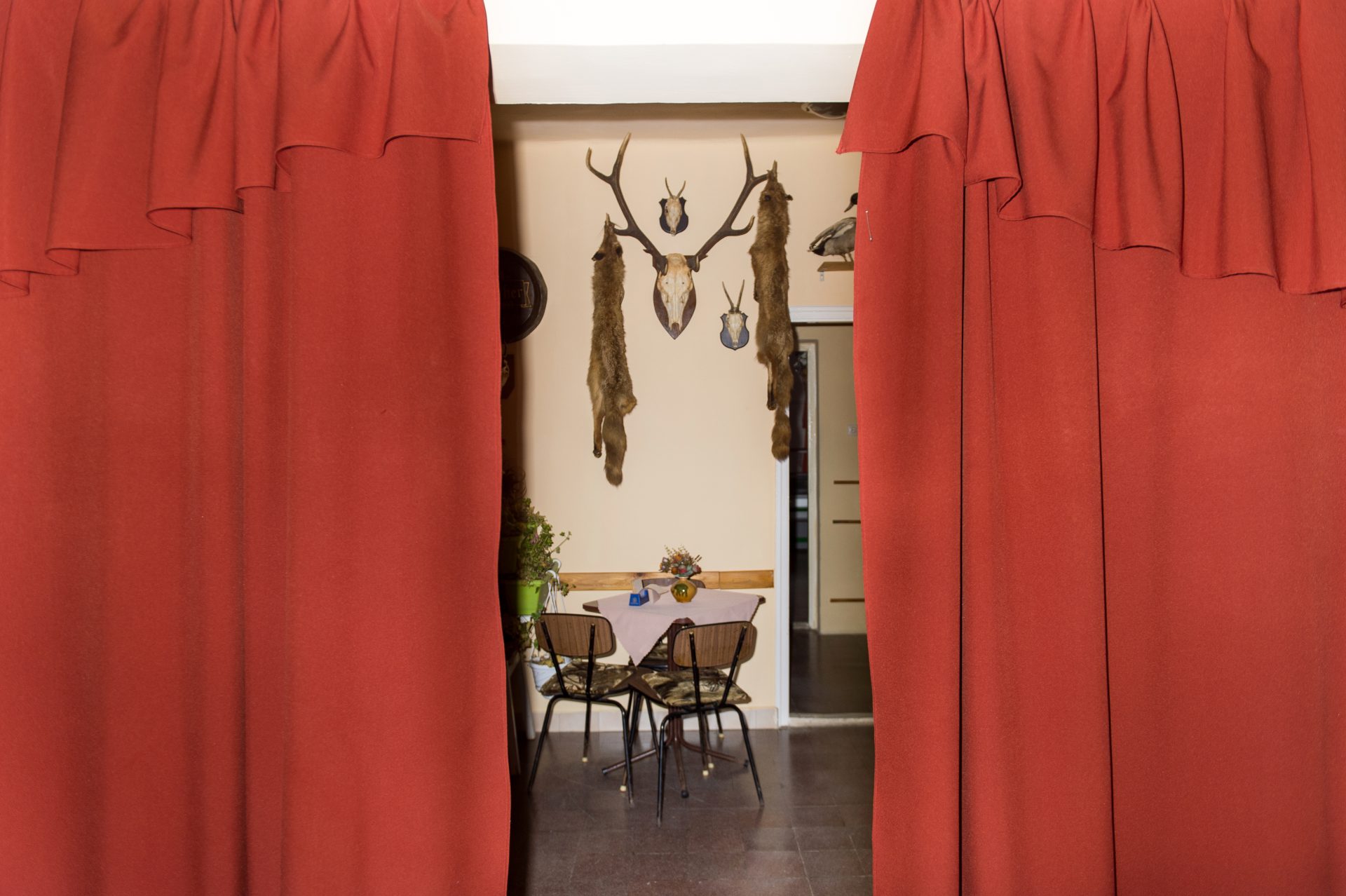
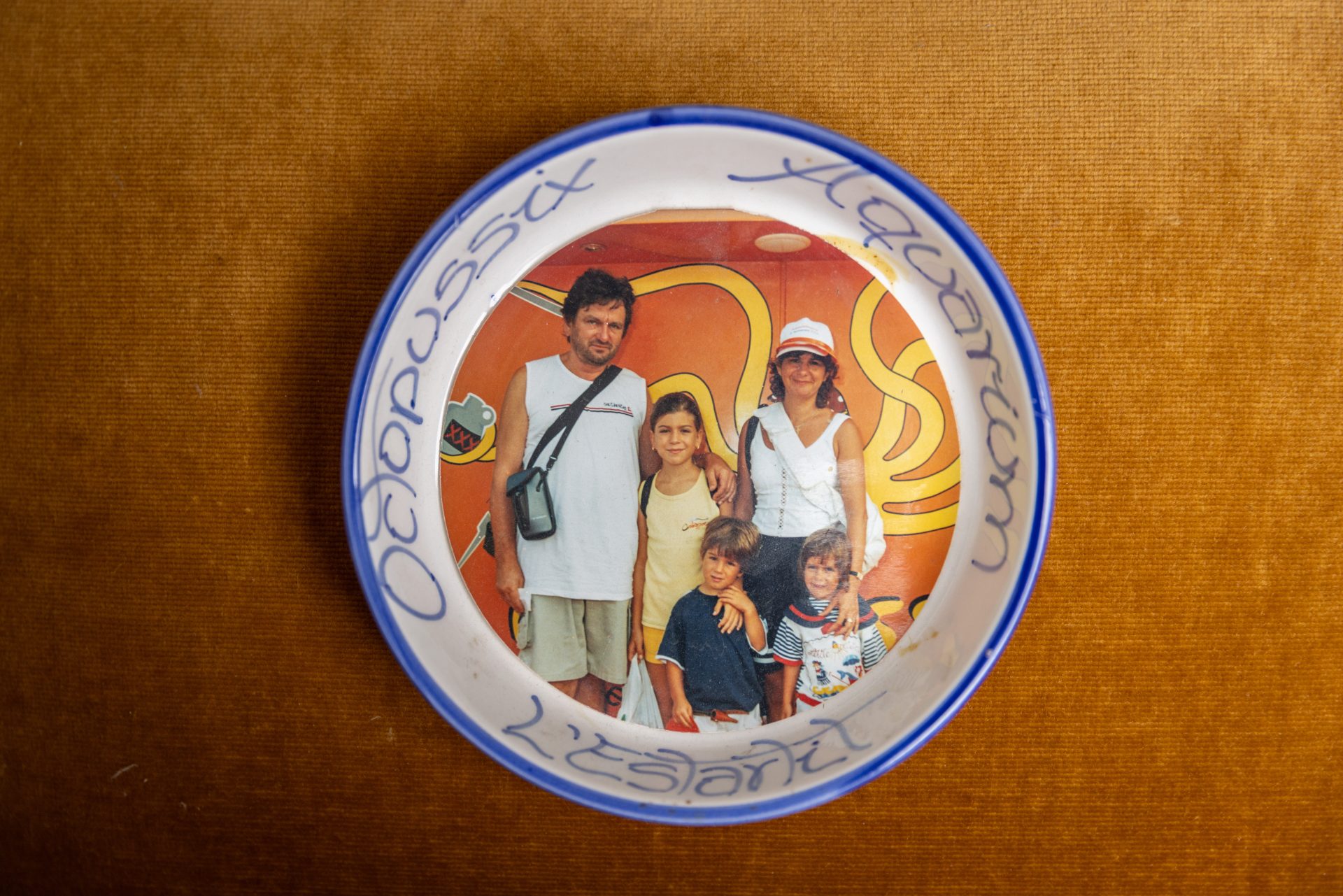
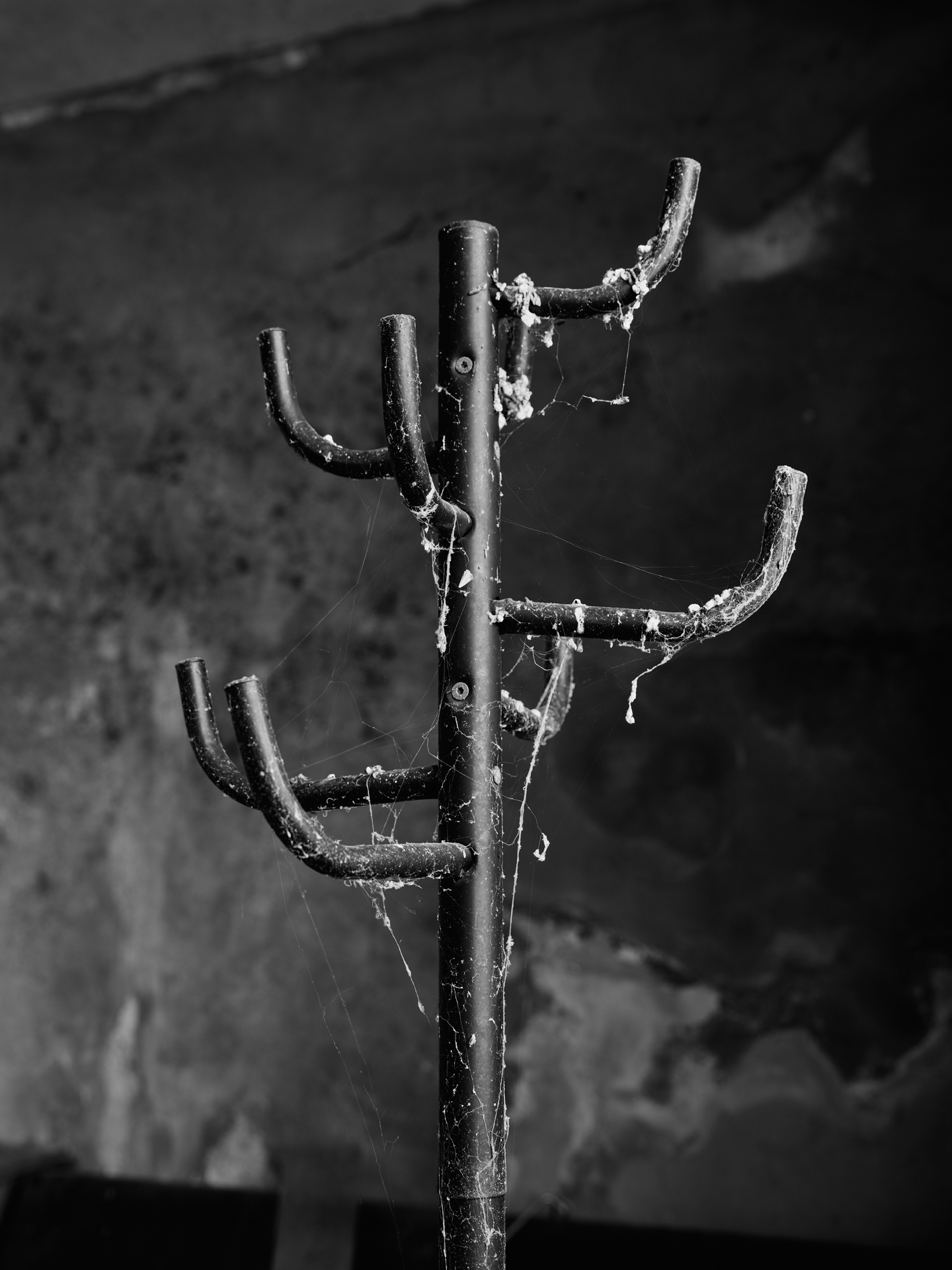
Alongside the portraits, the objects and interiors of the pubs are also an important part of the series. Furniture from different decades, decorations and improvised solutions create a distinctive visual environment. To me, this DIY aesthetic reflects both limited resources and creativity. The often humorous or absurd details reveal the same contrast that runs through my childhood memories.
Hitel nincs is not intended as a comprehensive survey of Hungarian pubs, but as a series shaped by my personal perspective, reflecting both my connection to rural life and the distance I have gradually developed from it. I plan to complete the project as a photobook. Rather than organising the images geographically or chronologically, I arrange them into an associative narrative, in which photographs taken in different villages gradually come together to form a single imaginary pub.
WORKS BY THE FINALISTS
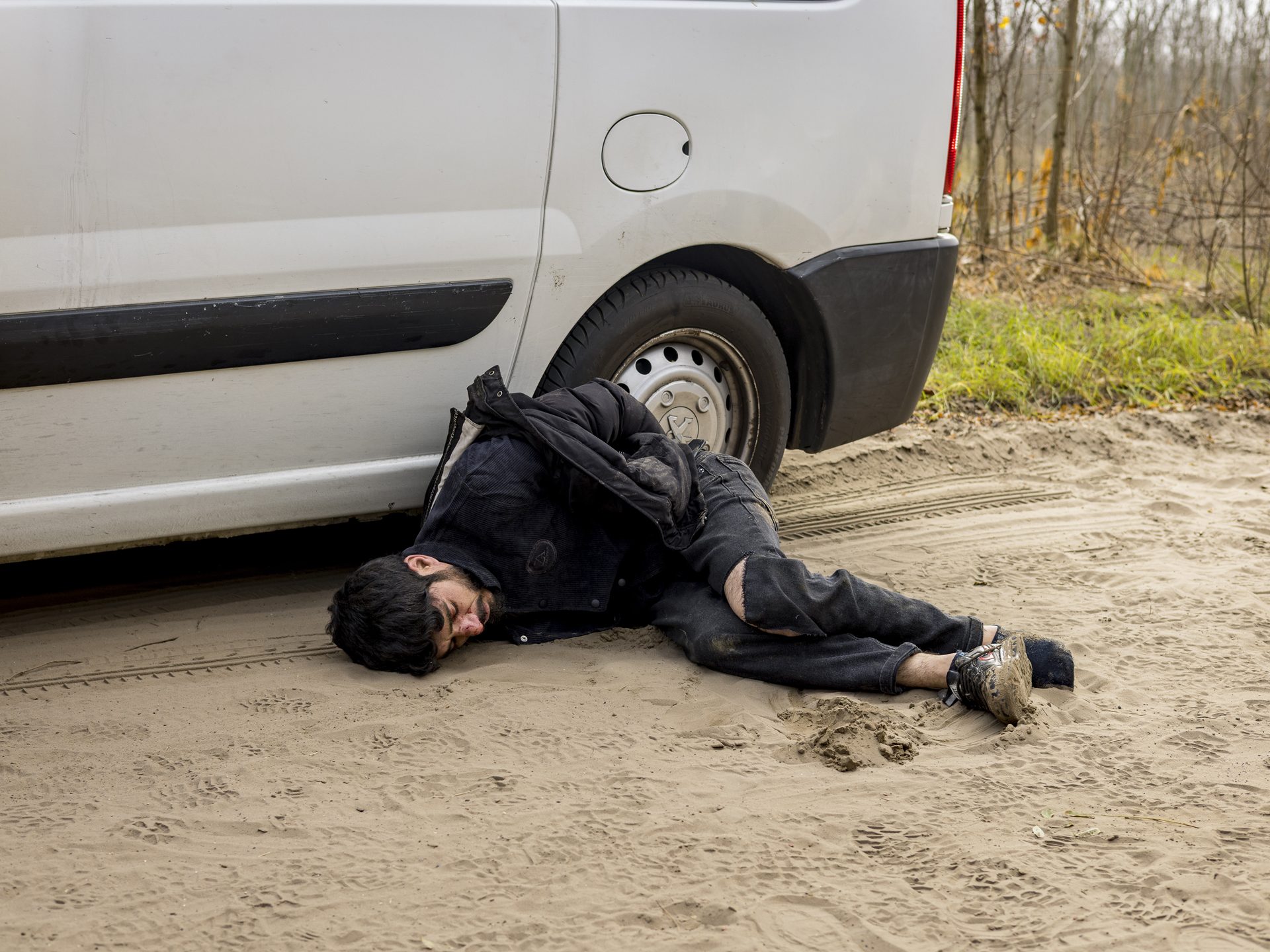
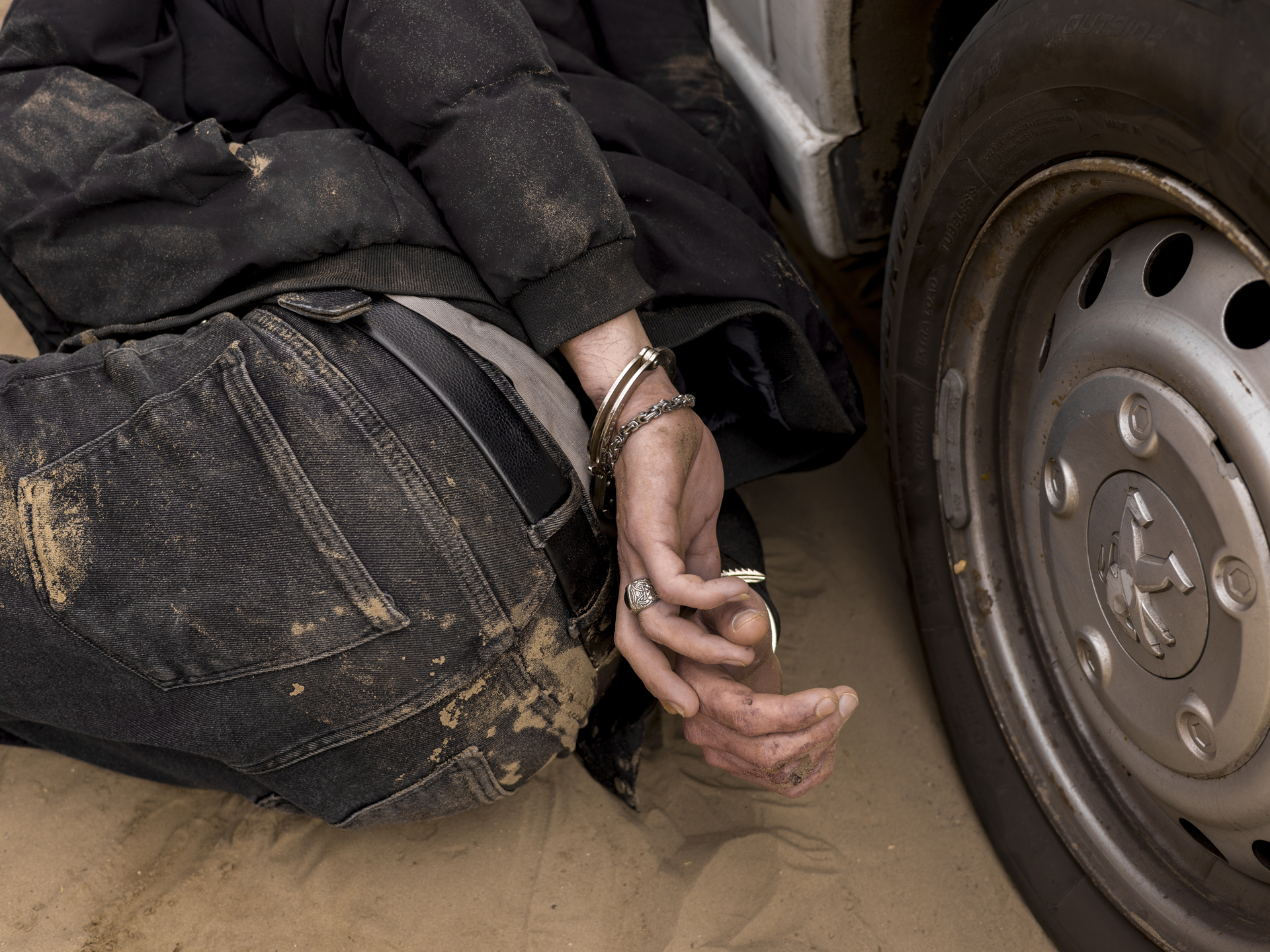
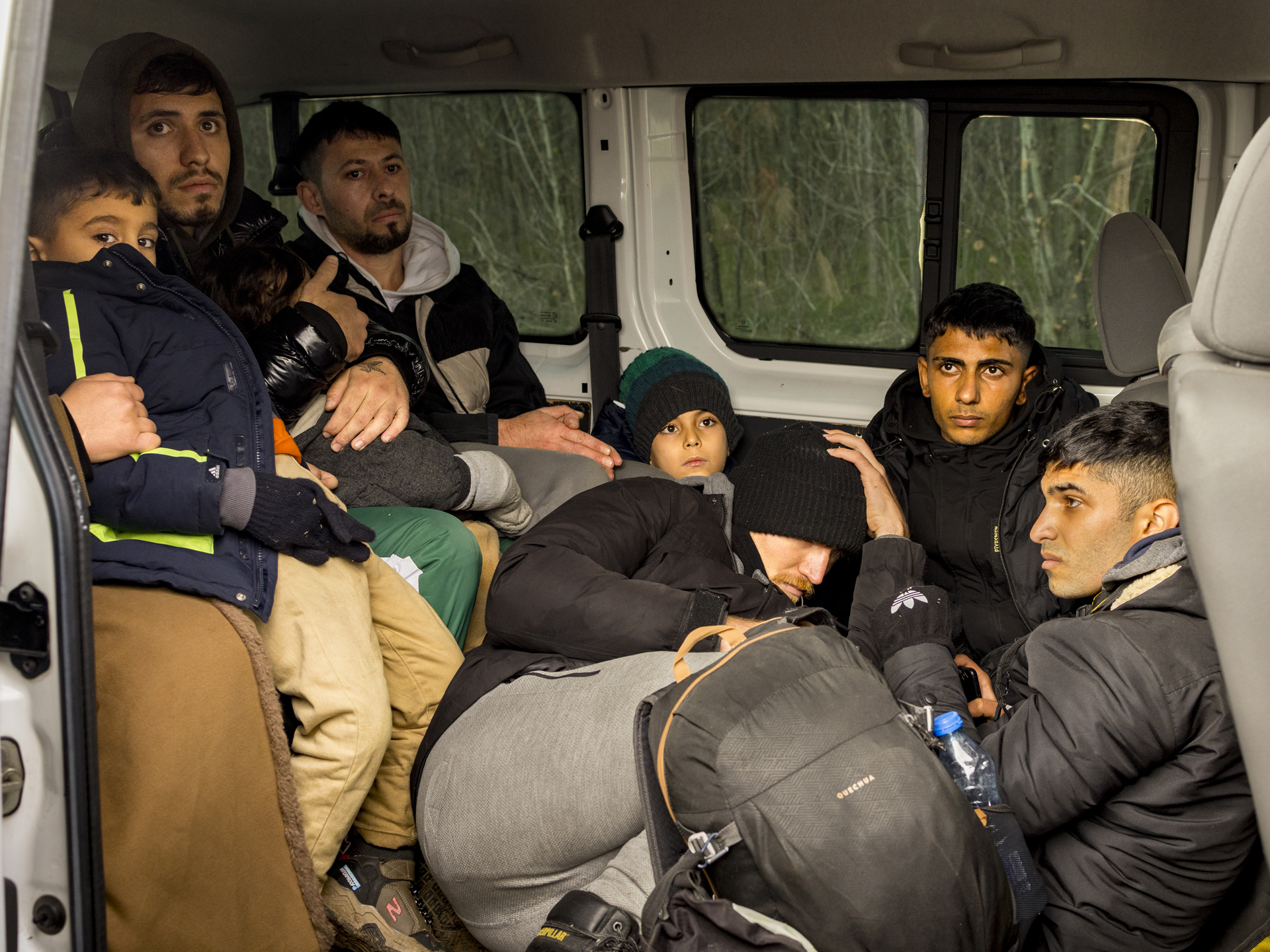
Remember me?
Everyday Life of an Unresolved Crisis at the Serbian-Hungarian Border
Depth of Field Narrative Group – DNG (Zsolt Balázs és Gábor Sióréti )
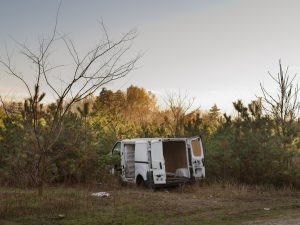
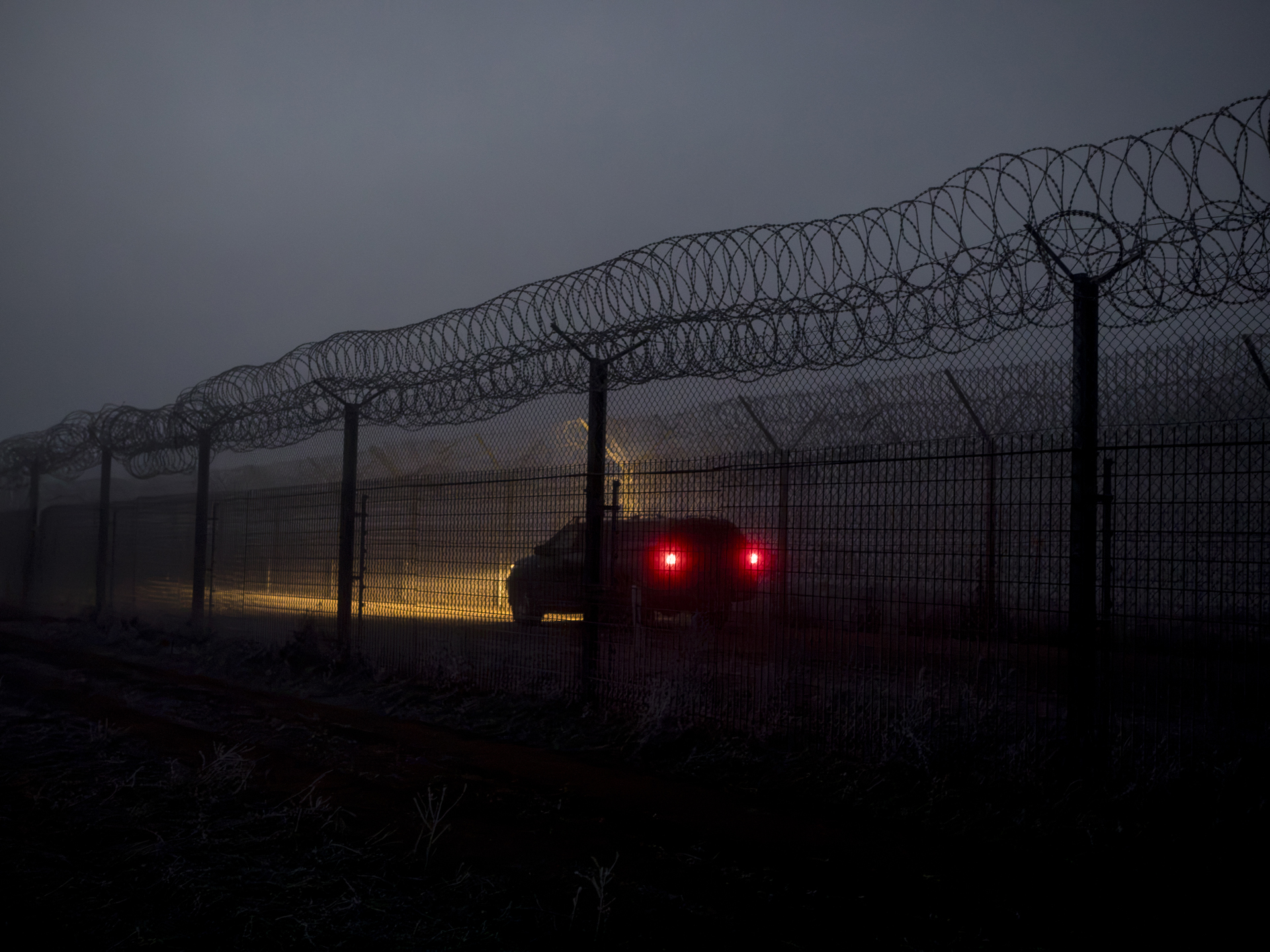
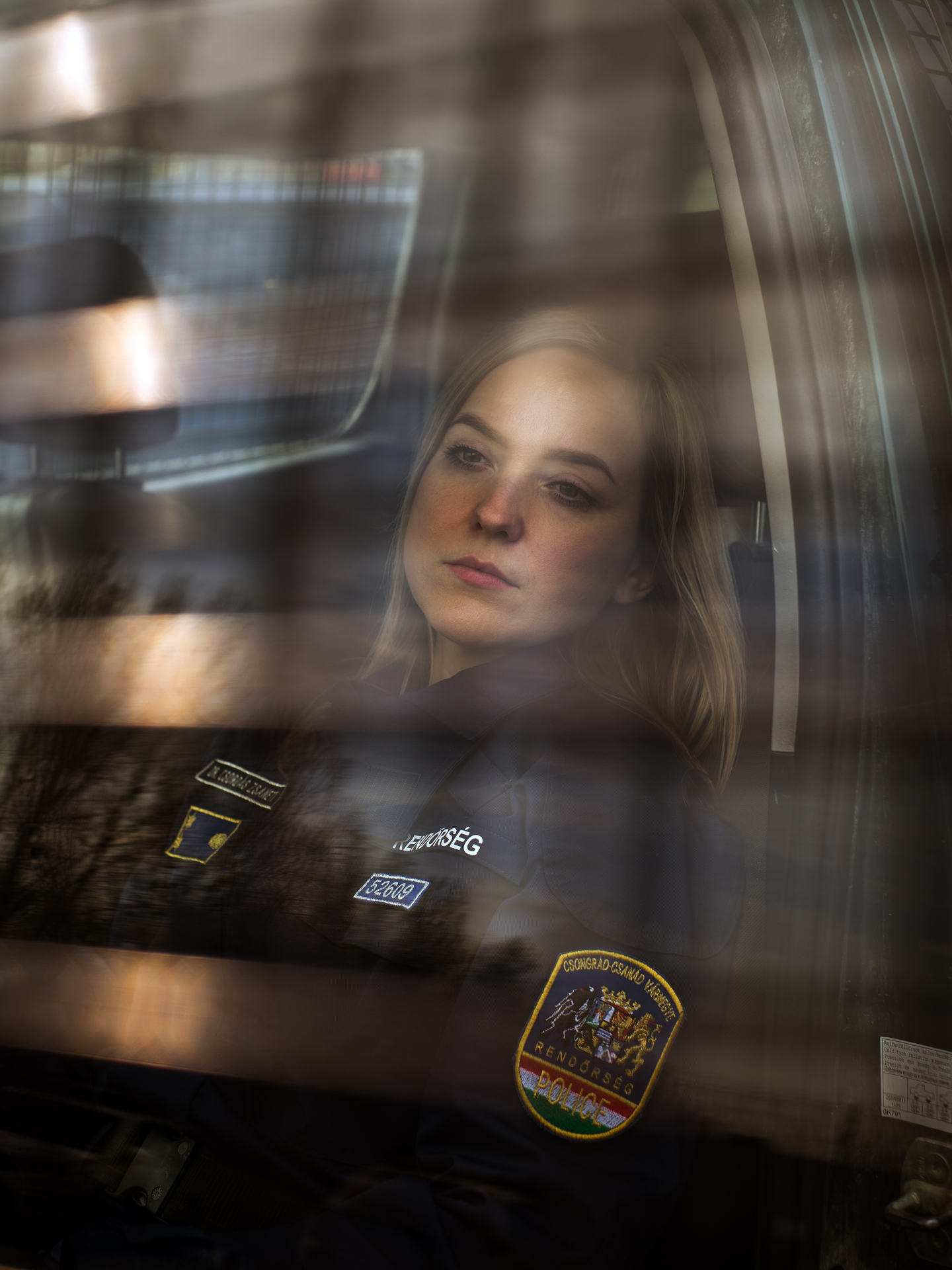
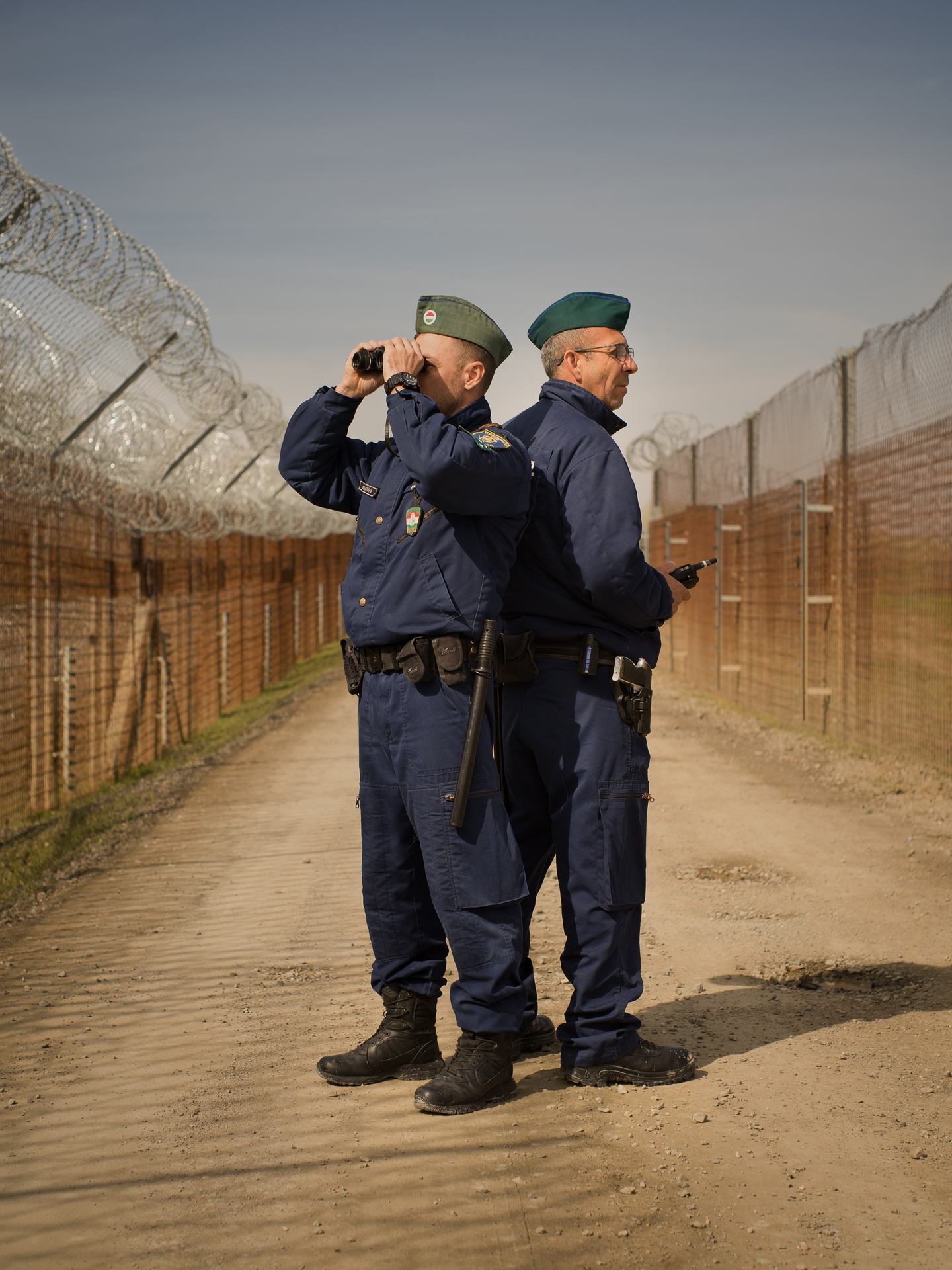
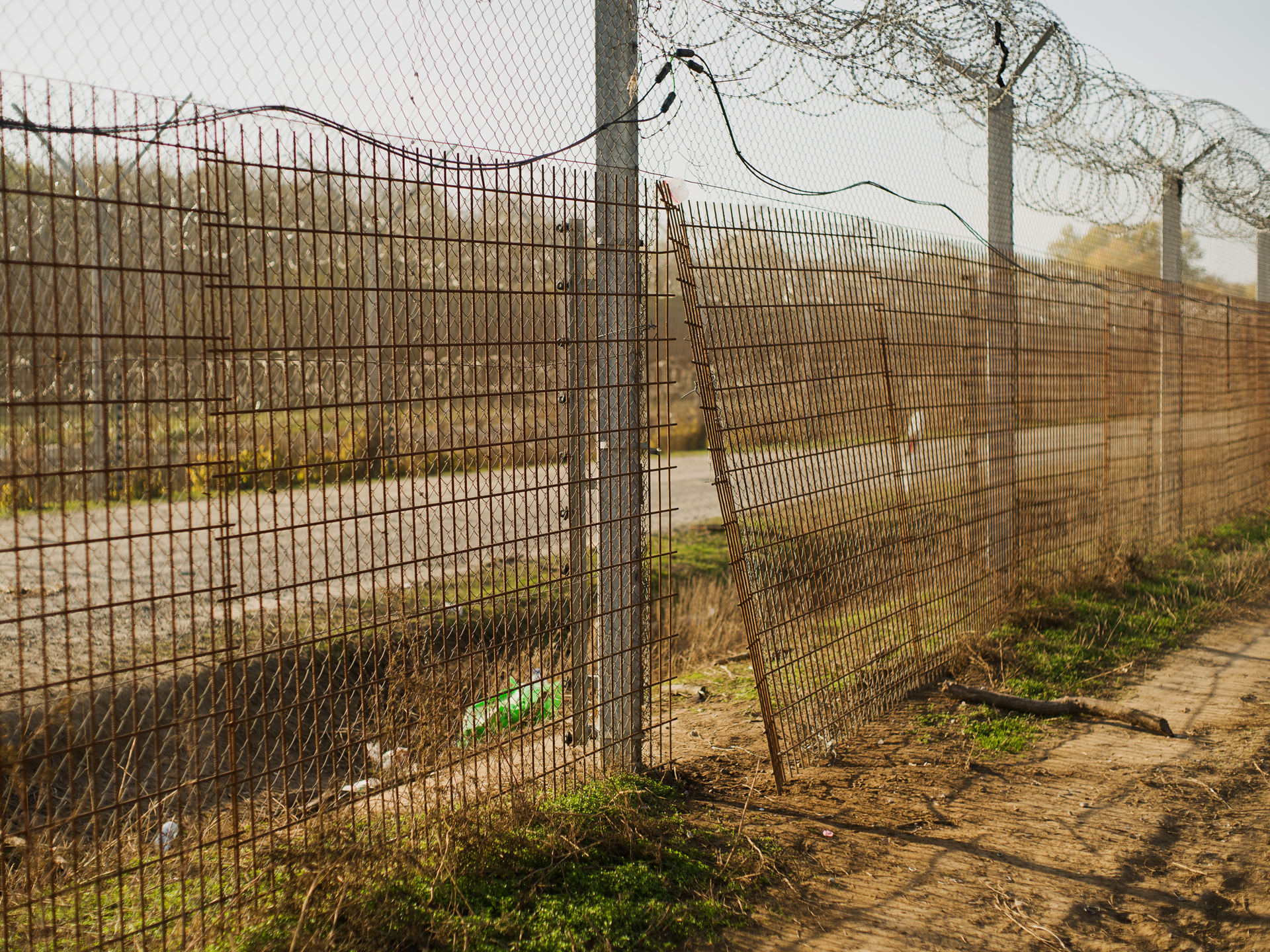
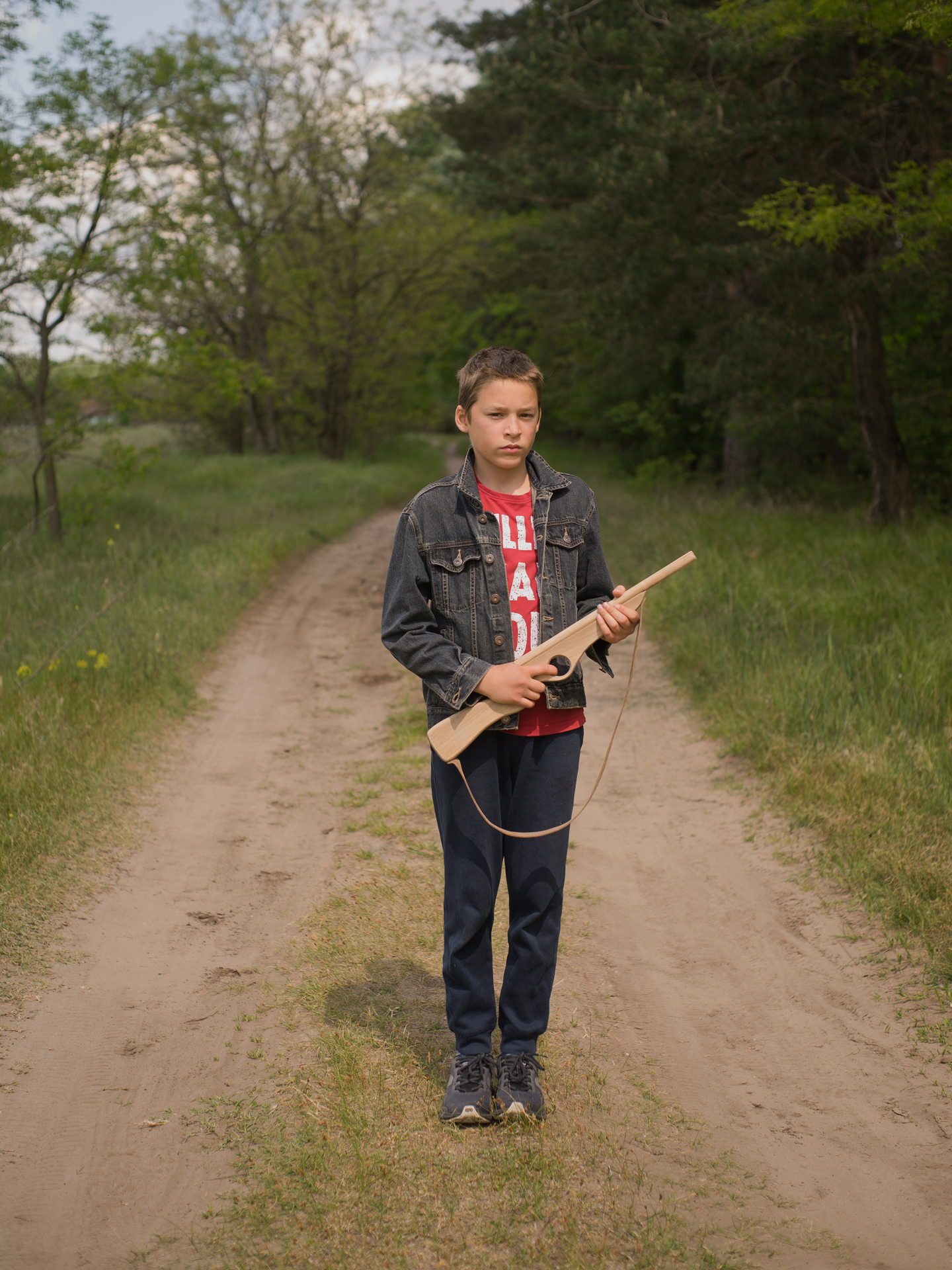
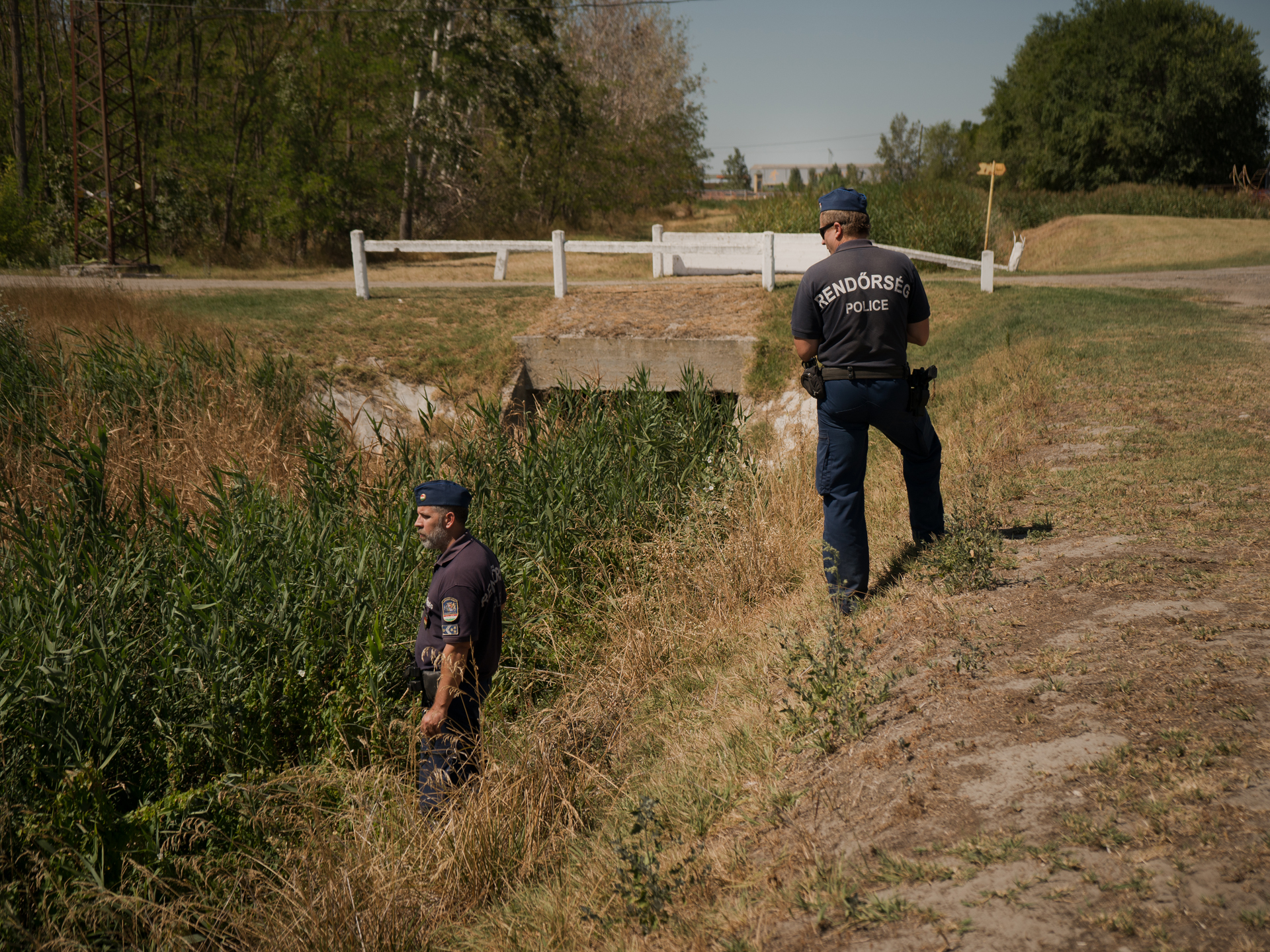
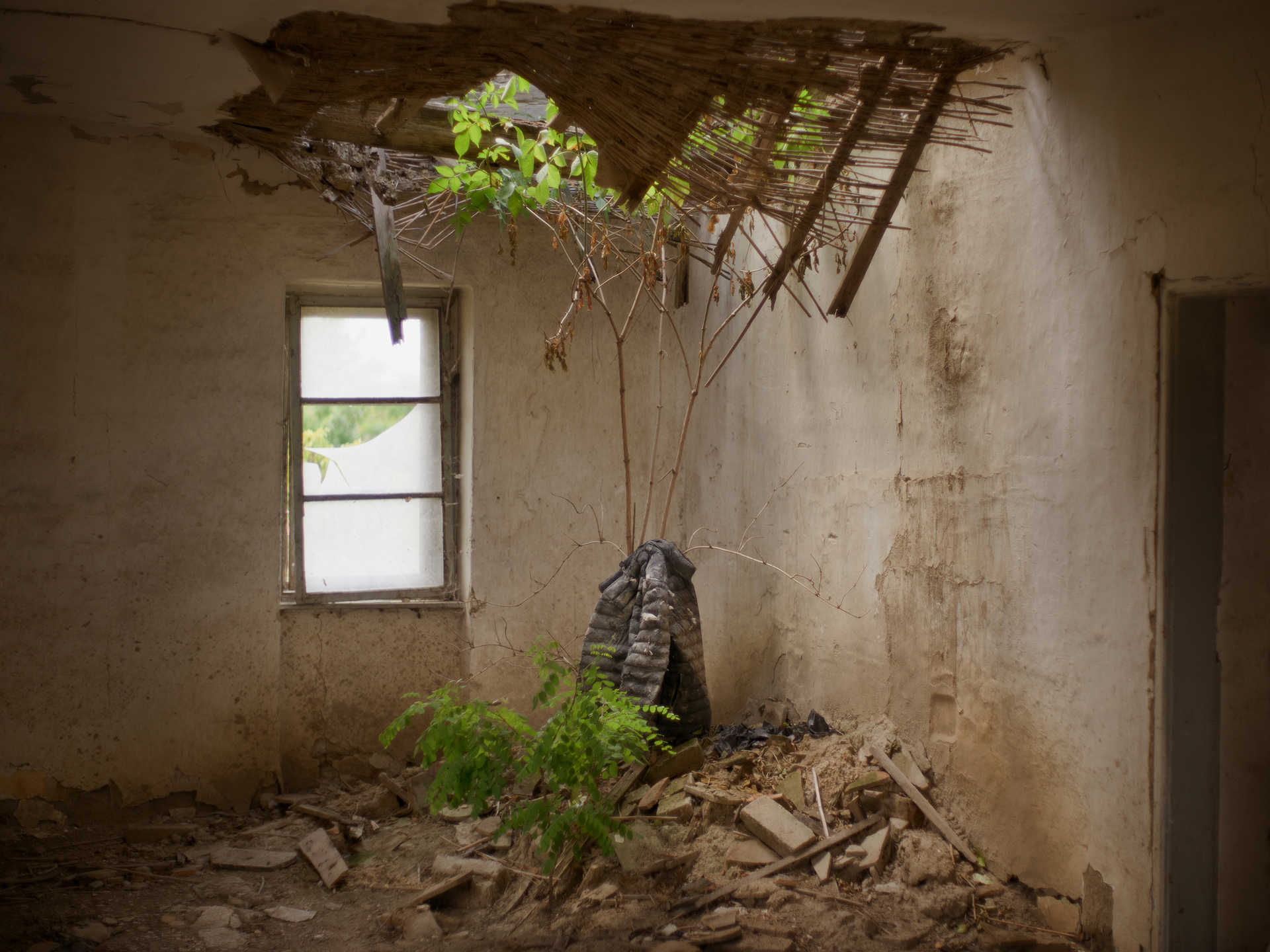
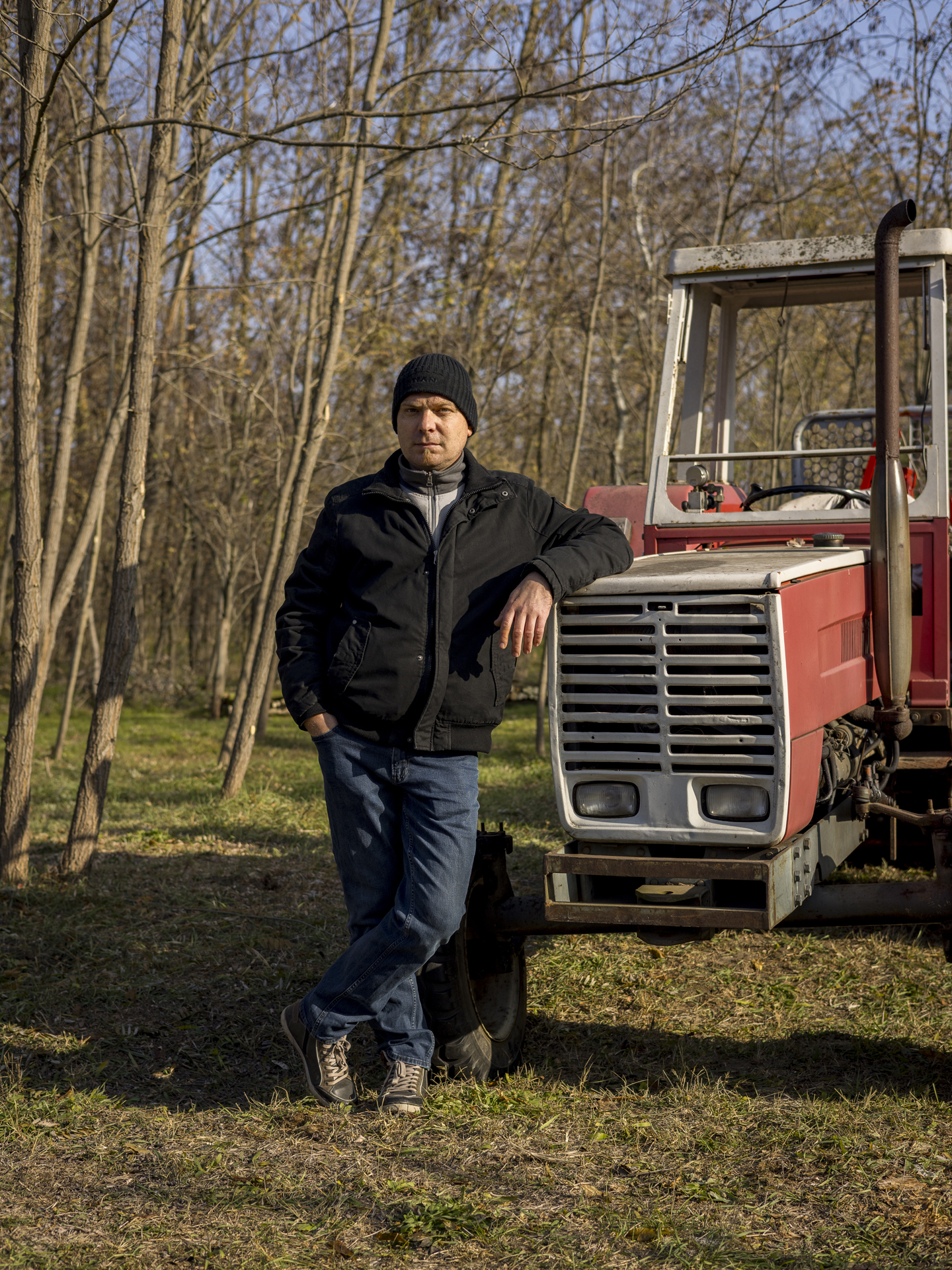
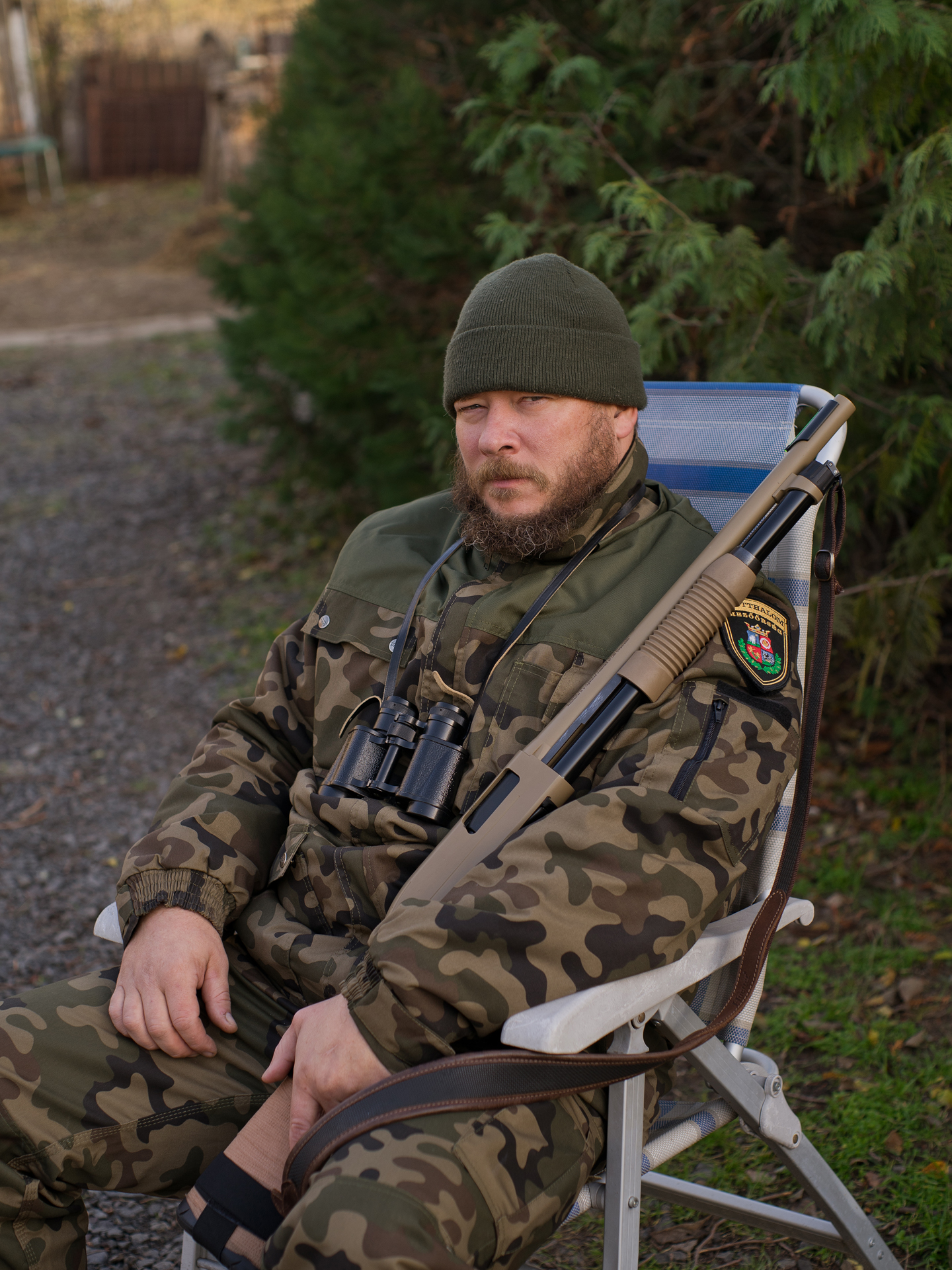
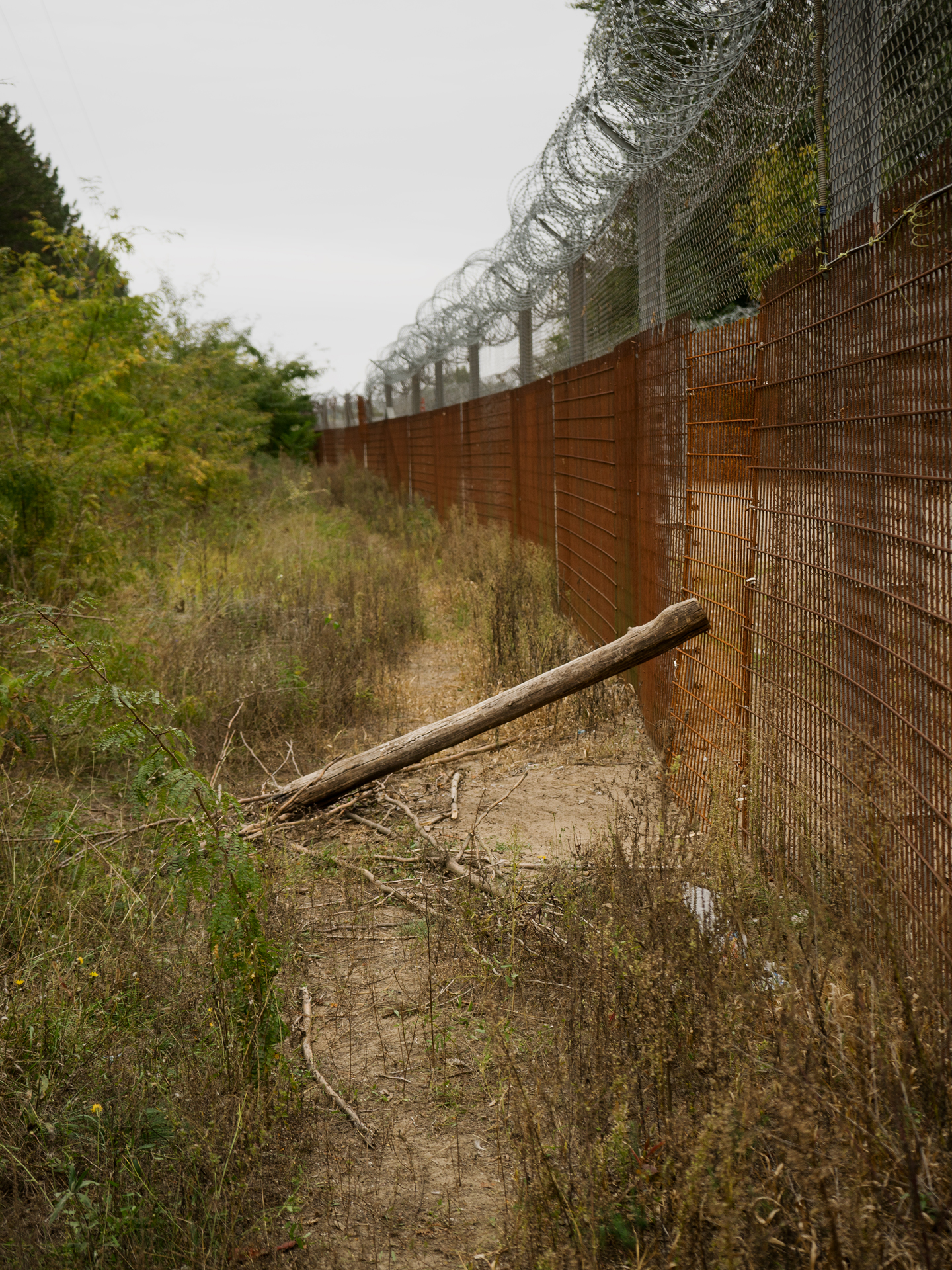
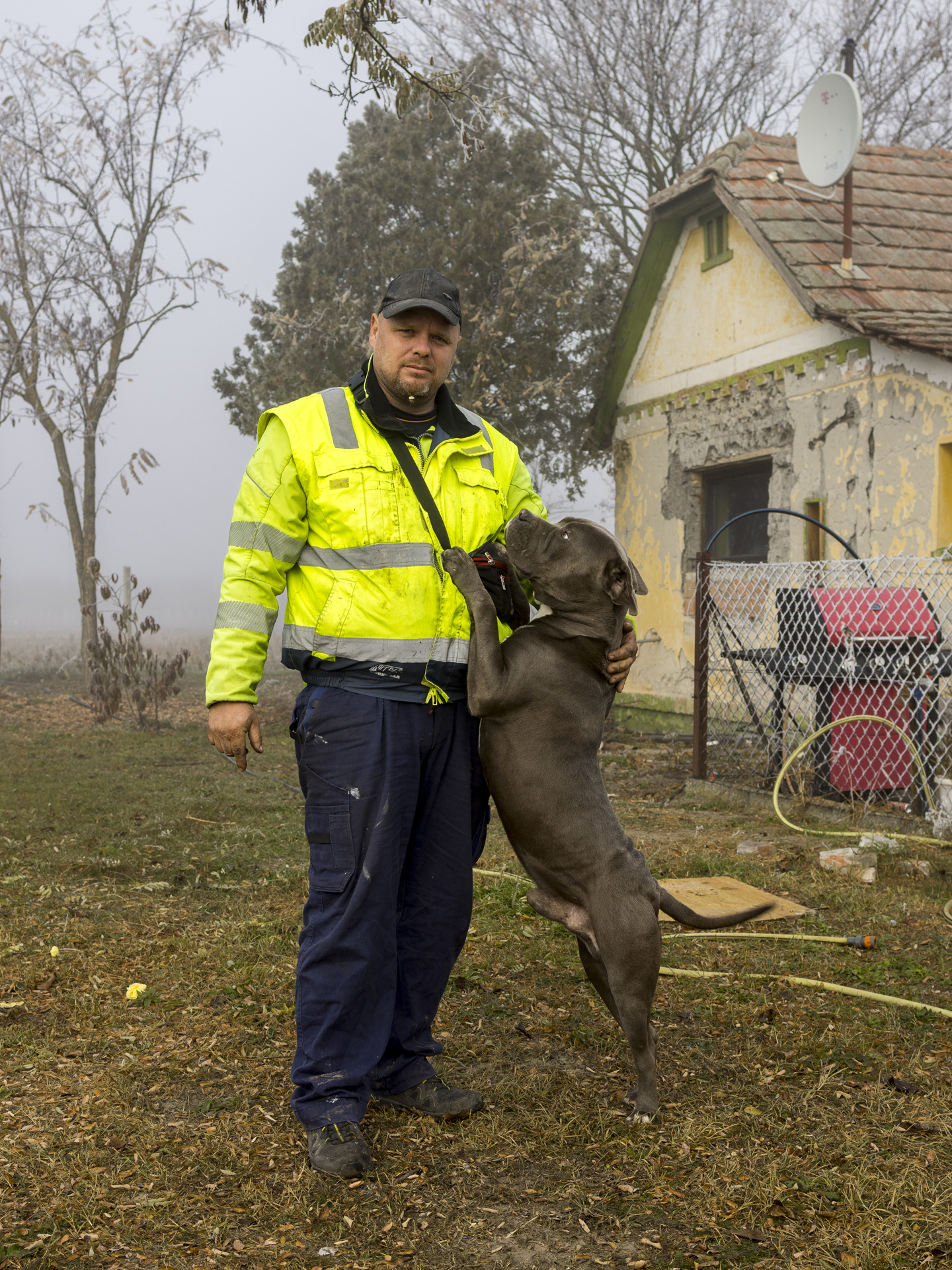
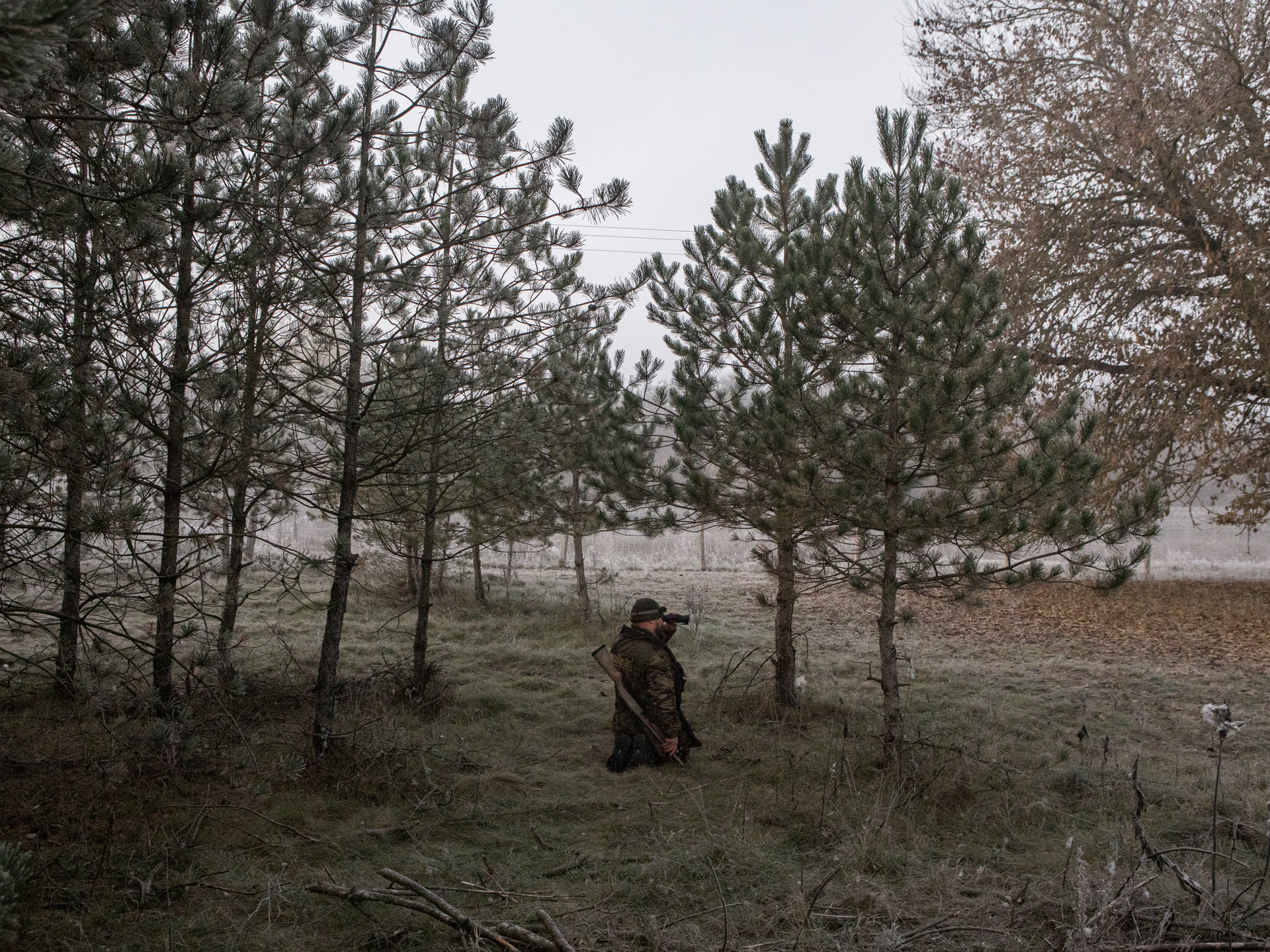
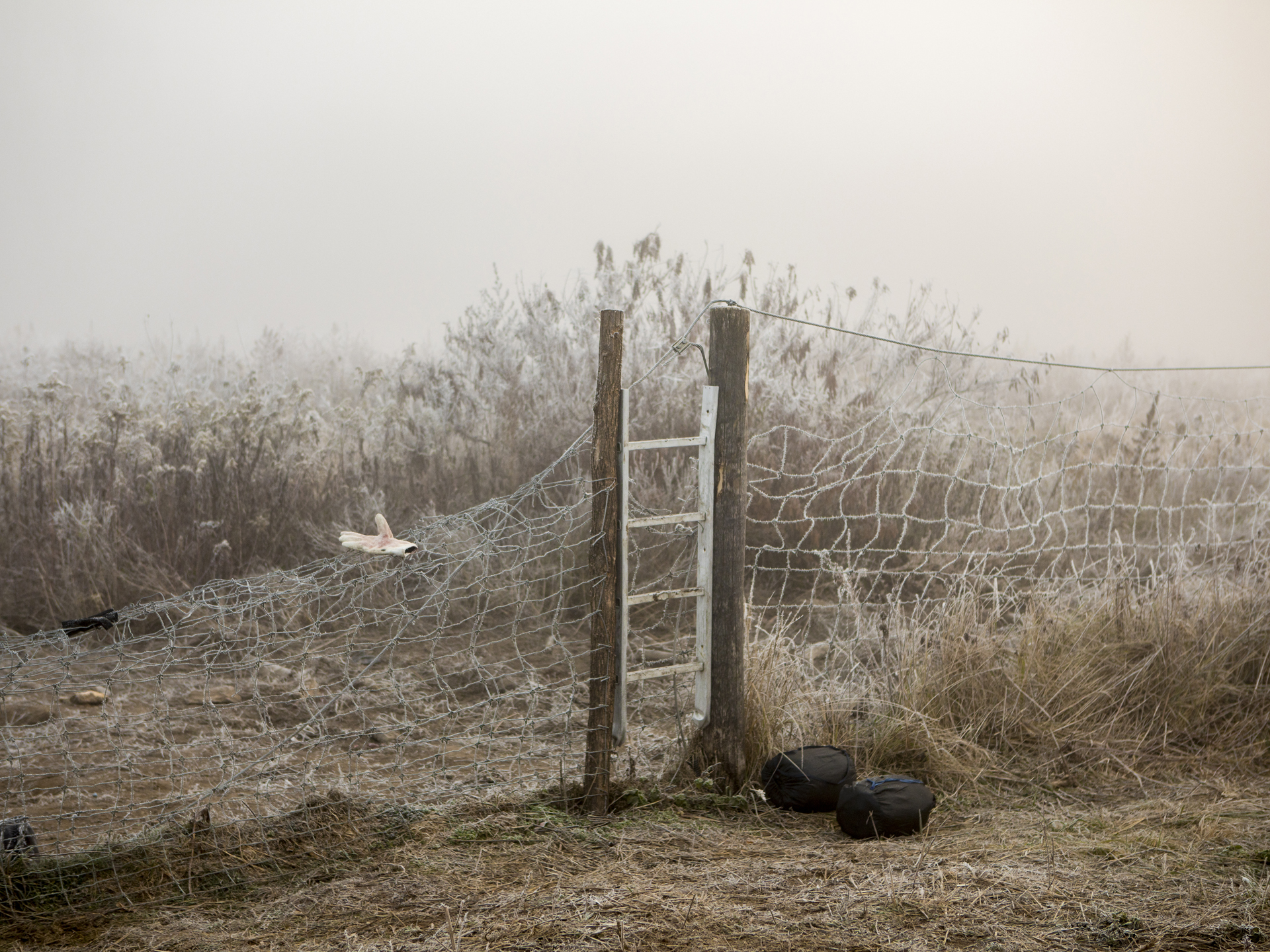
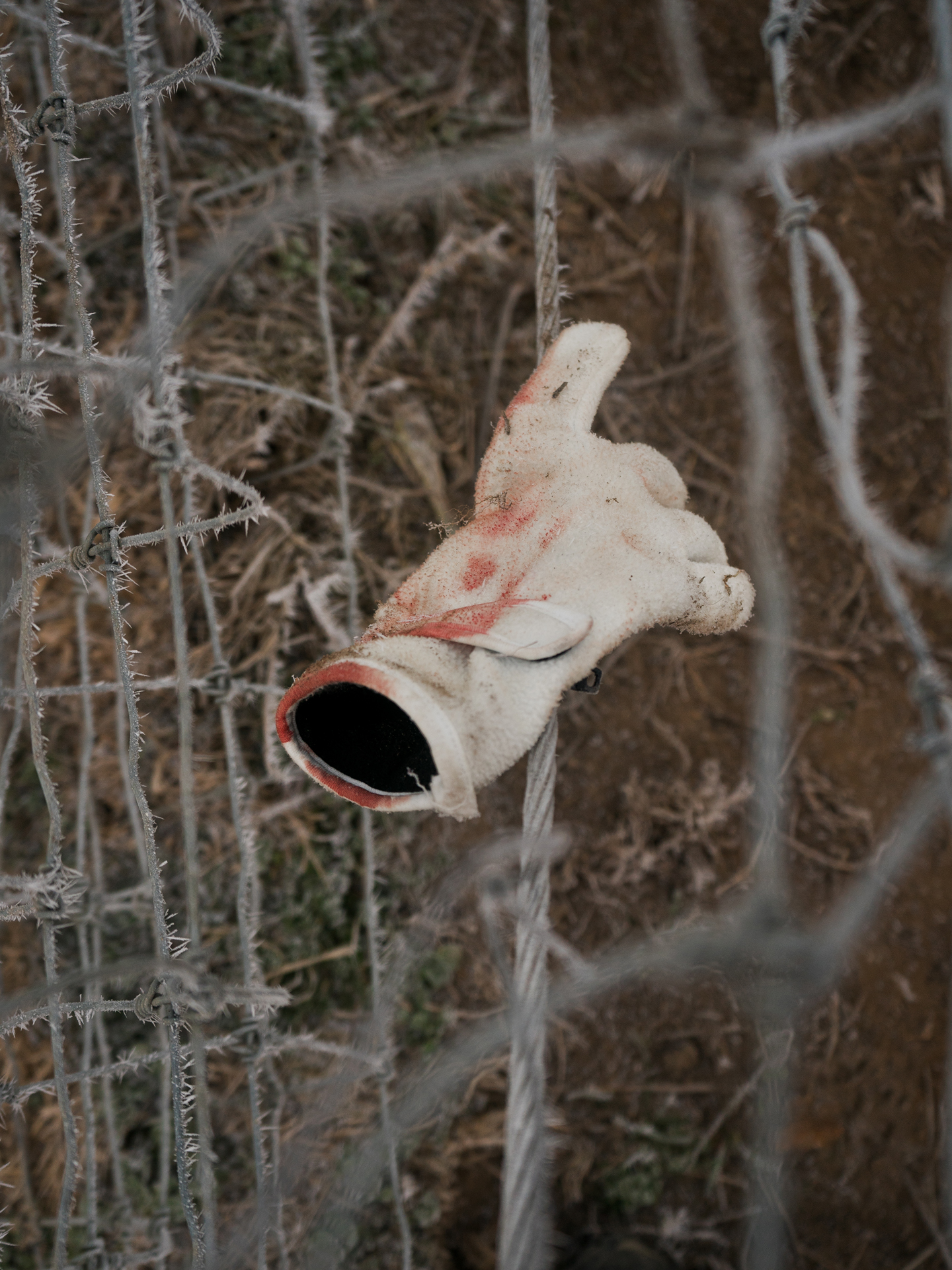
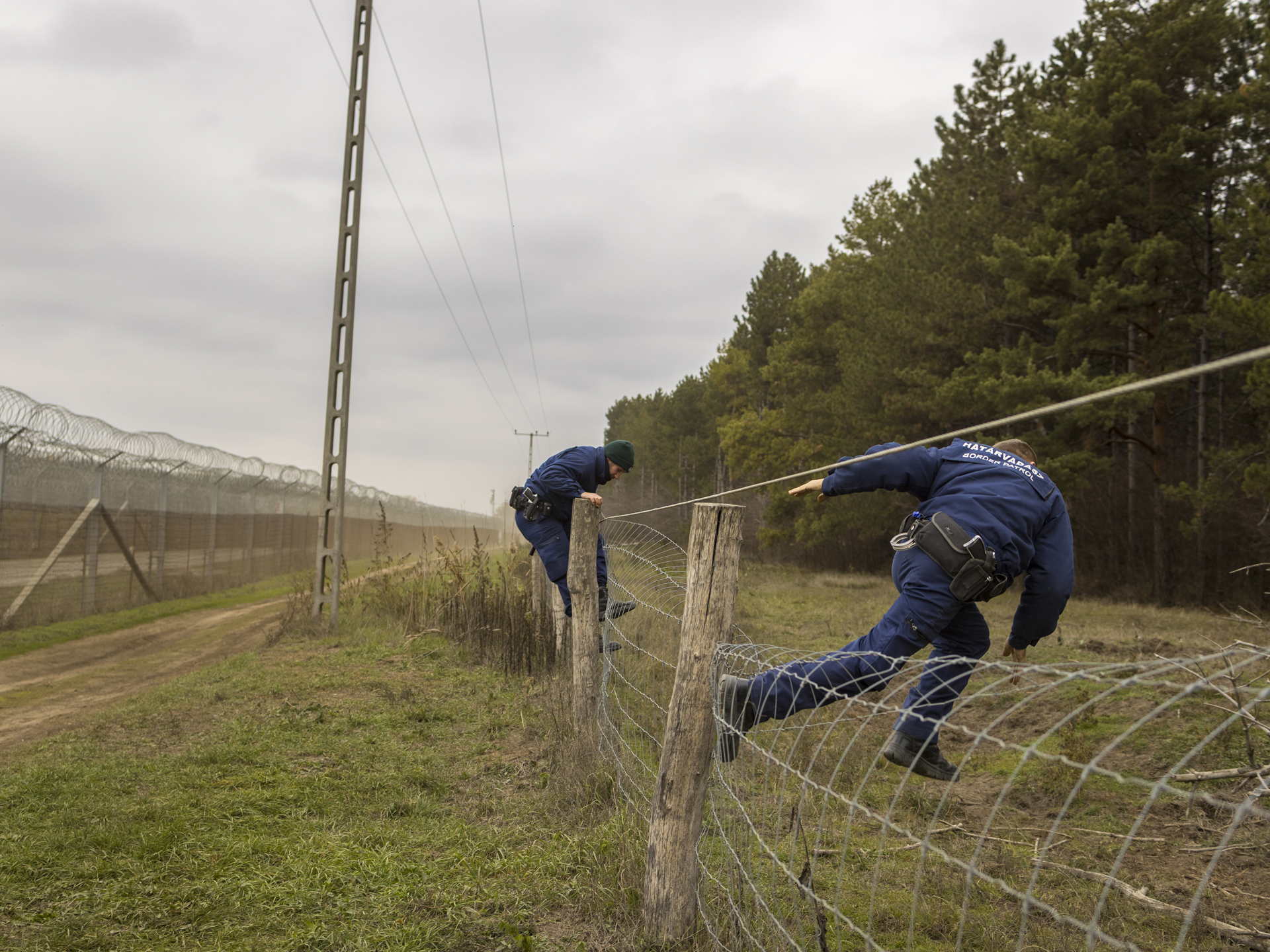
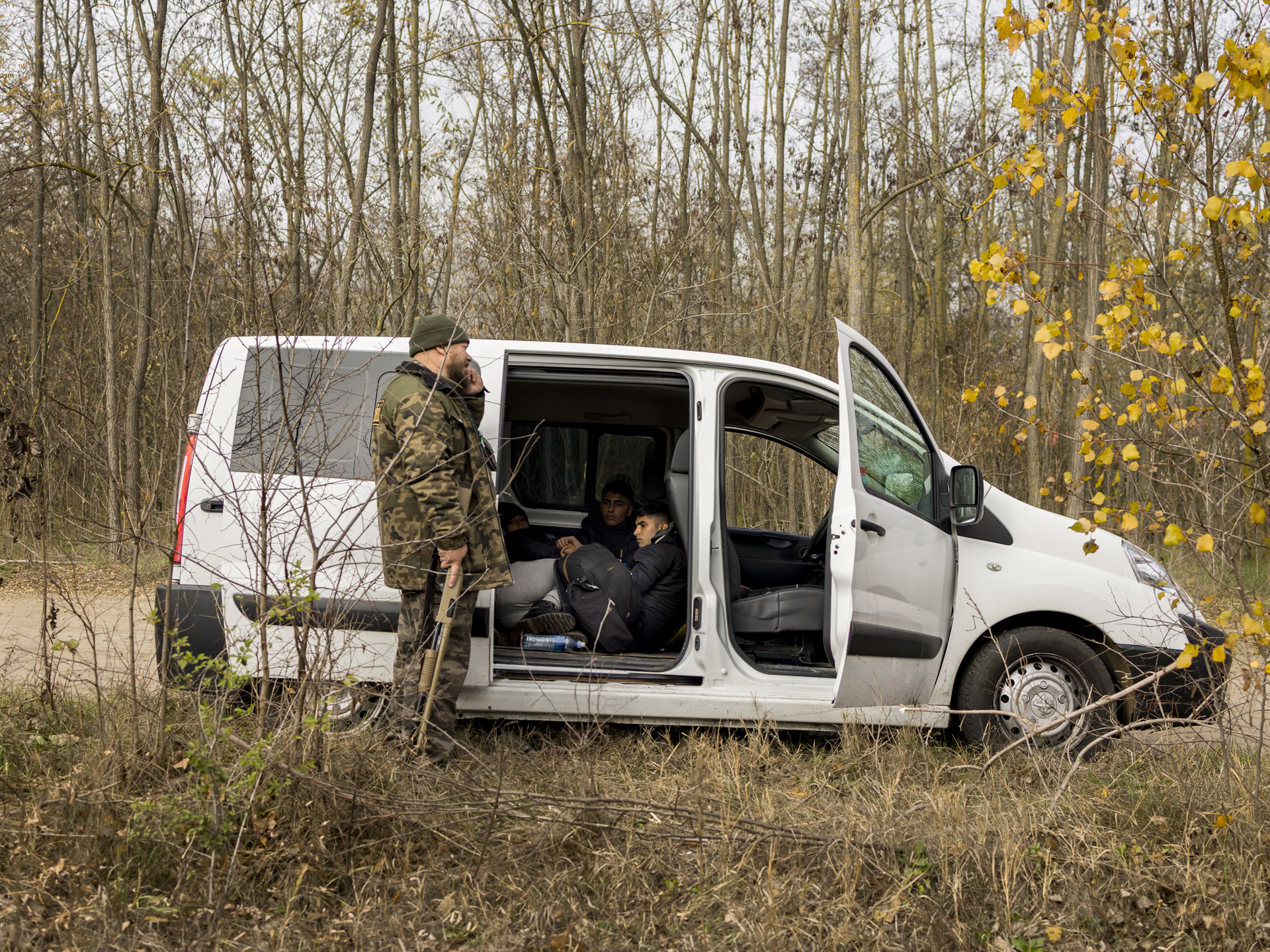
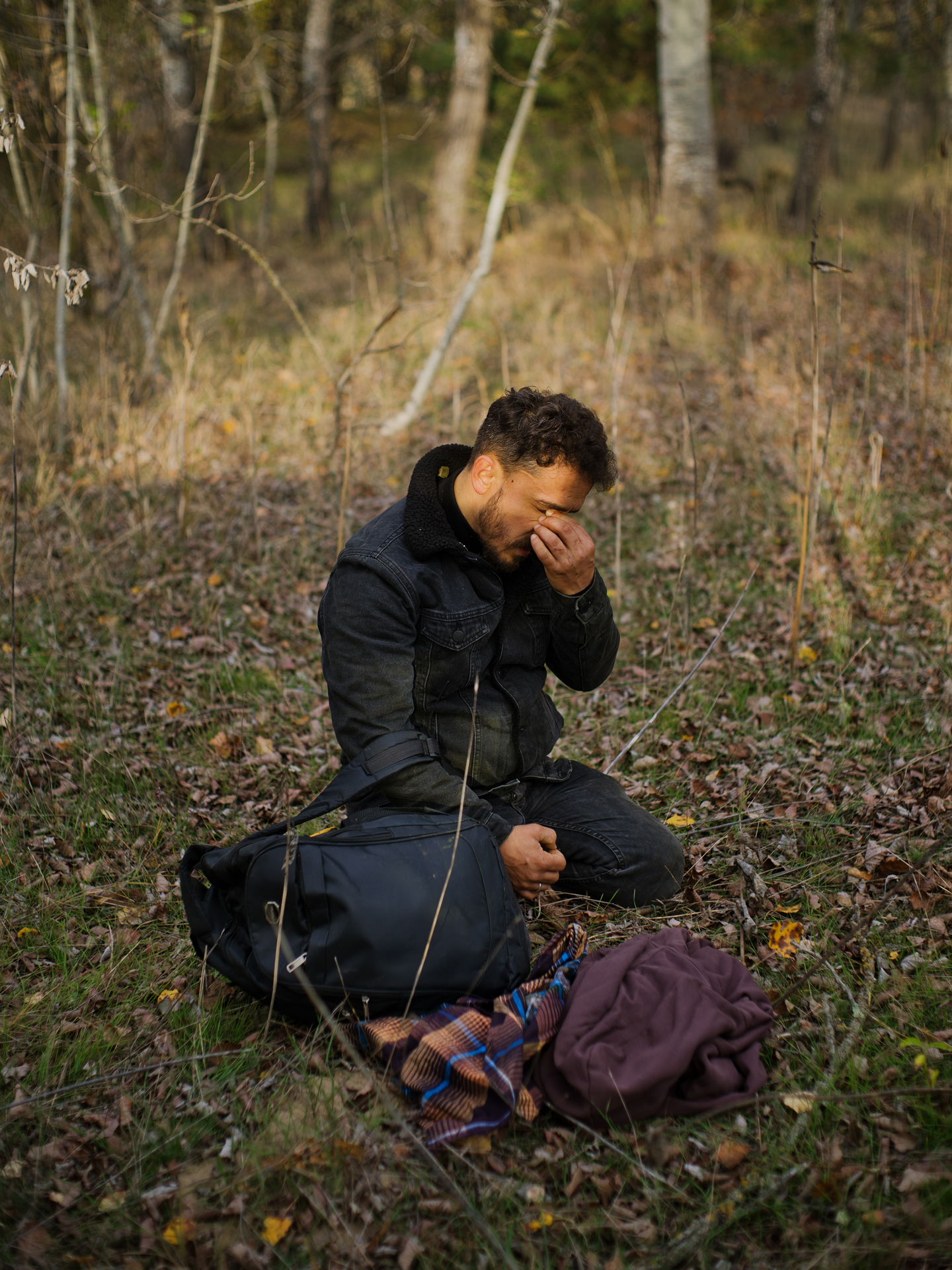
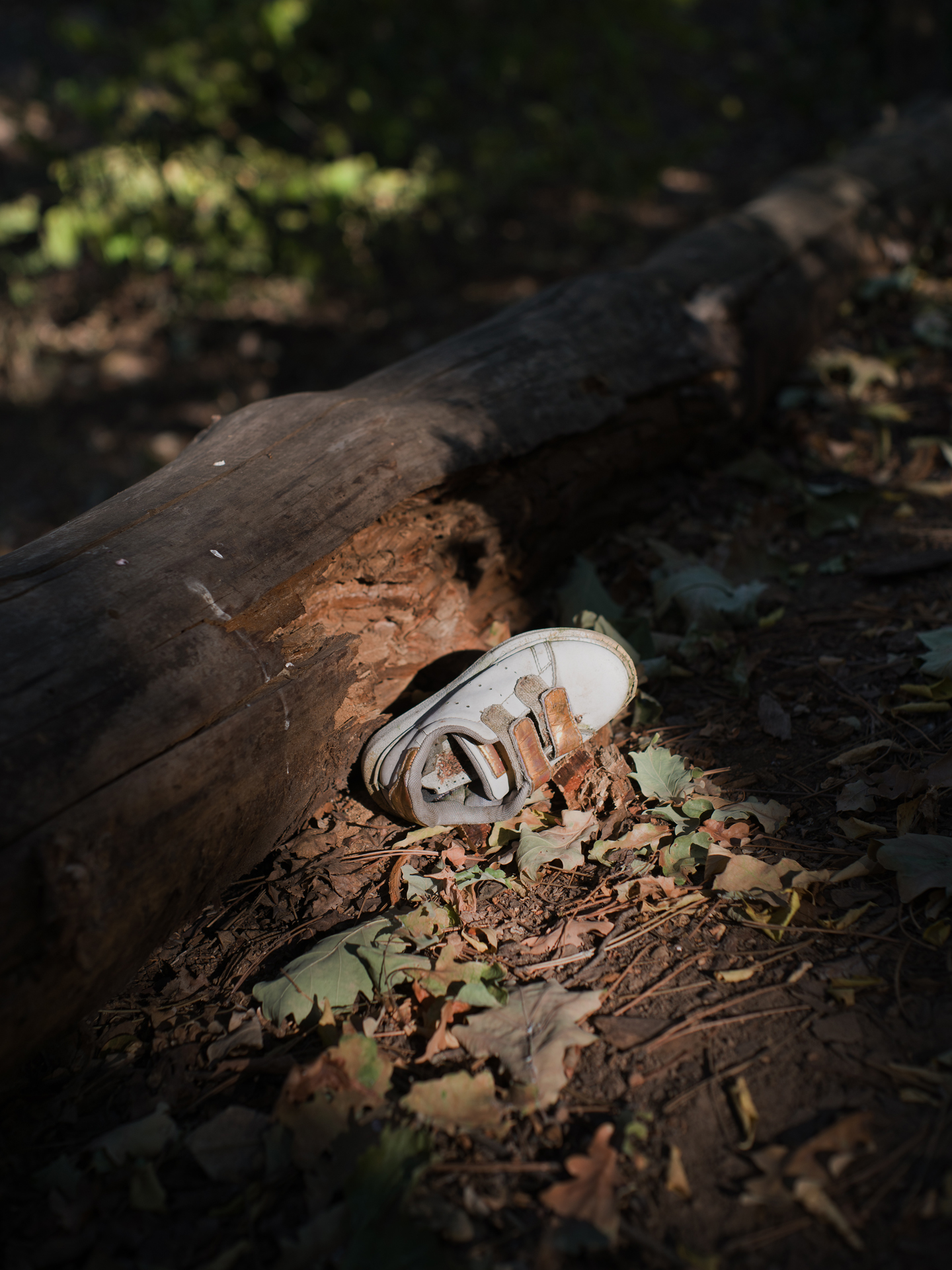
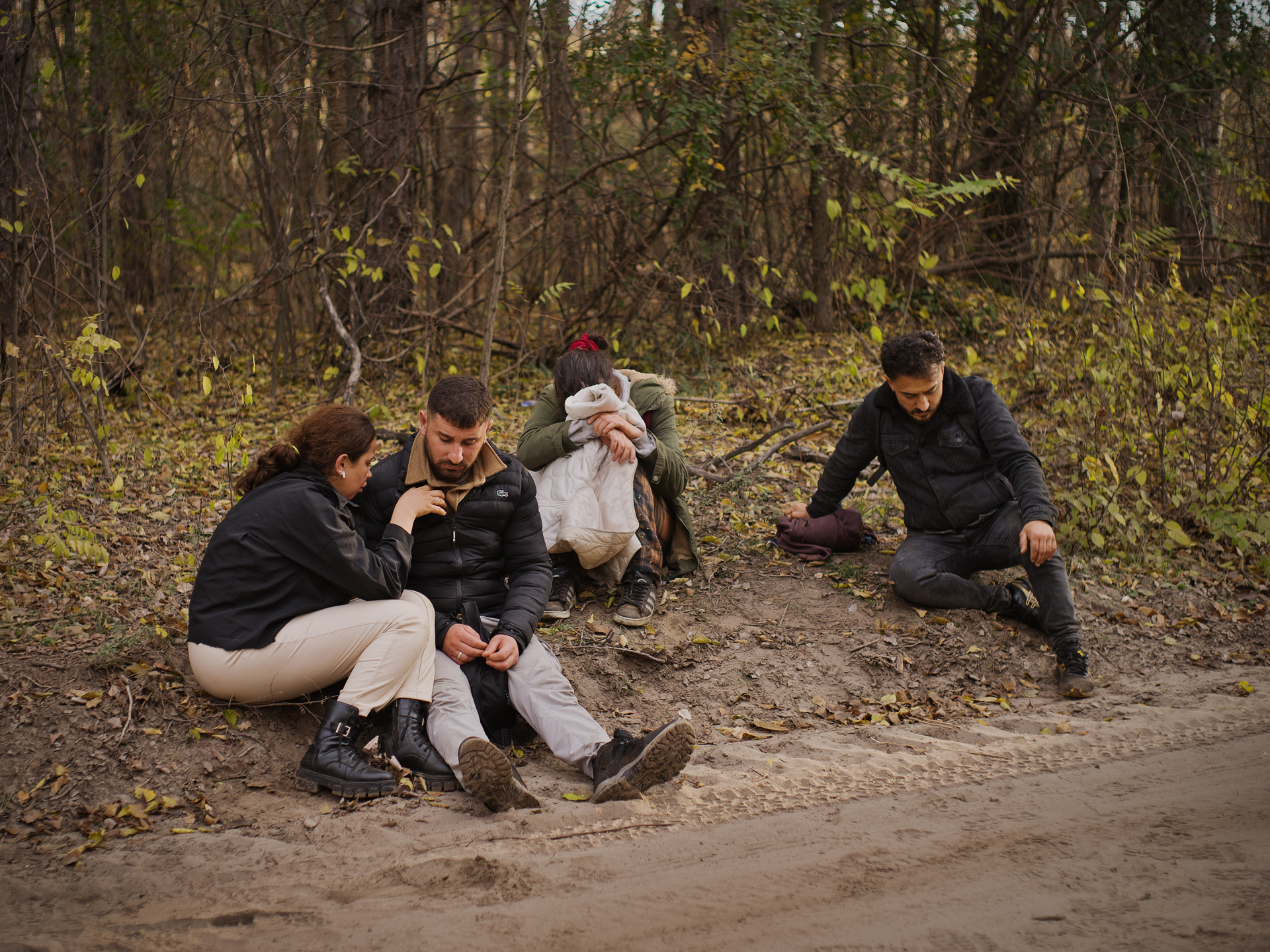
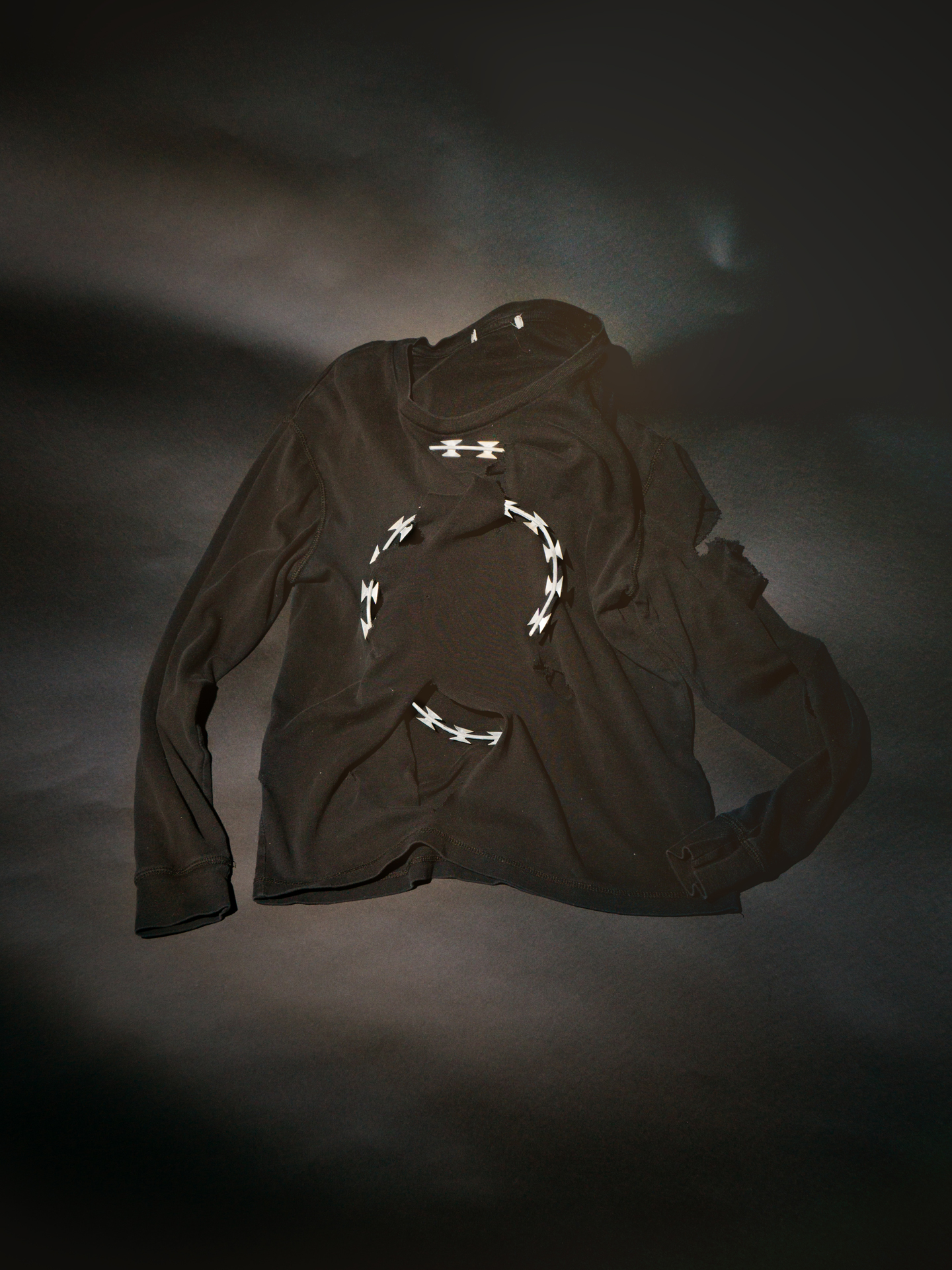
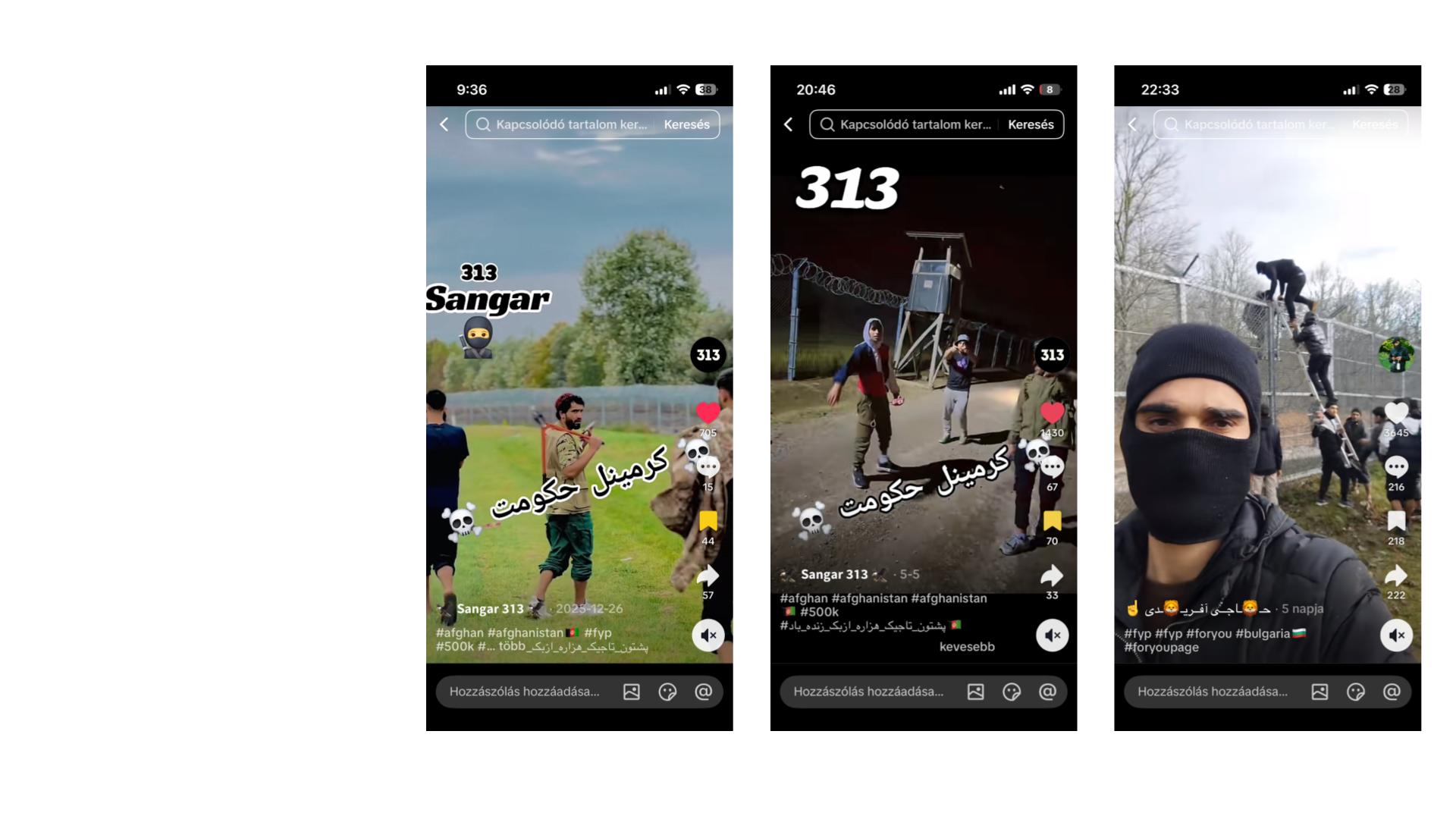
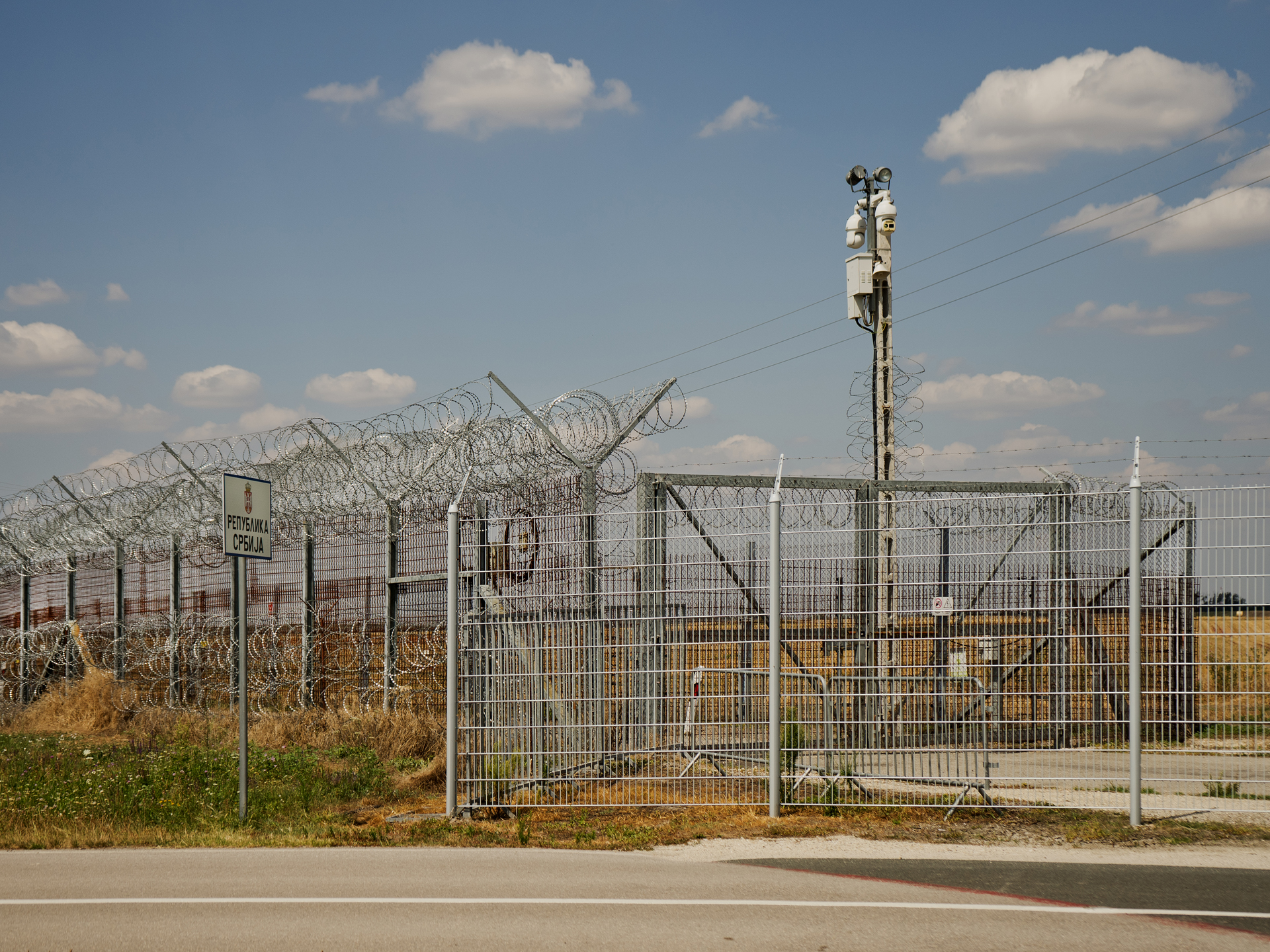
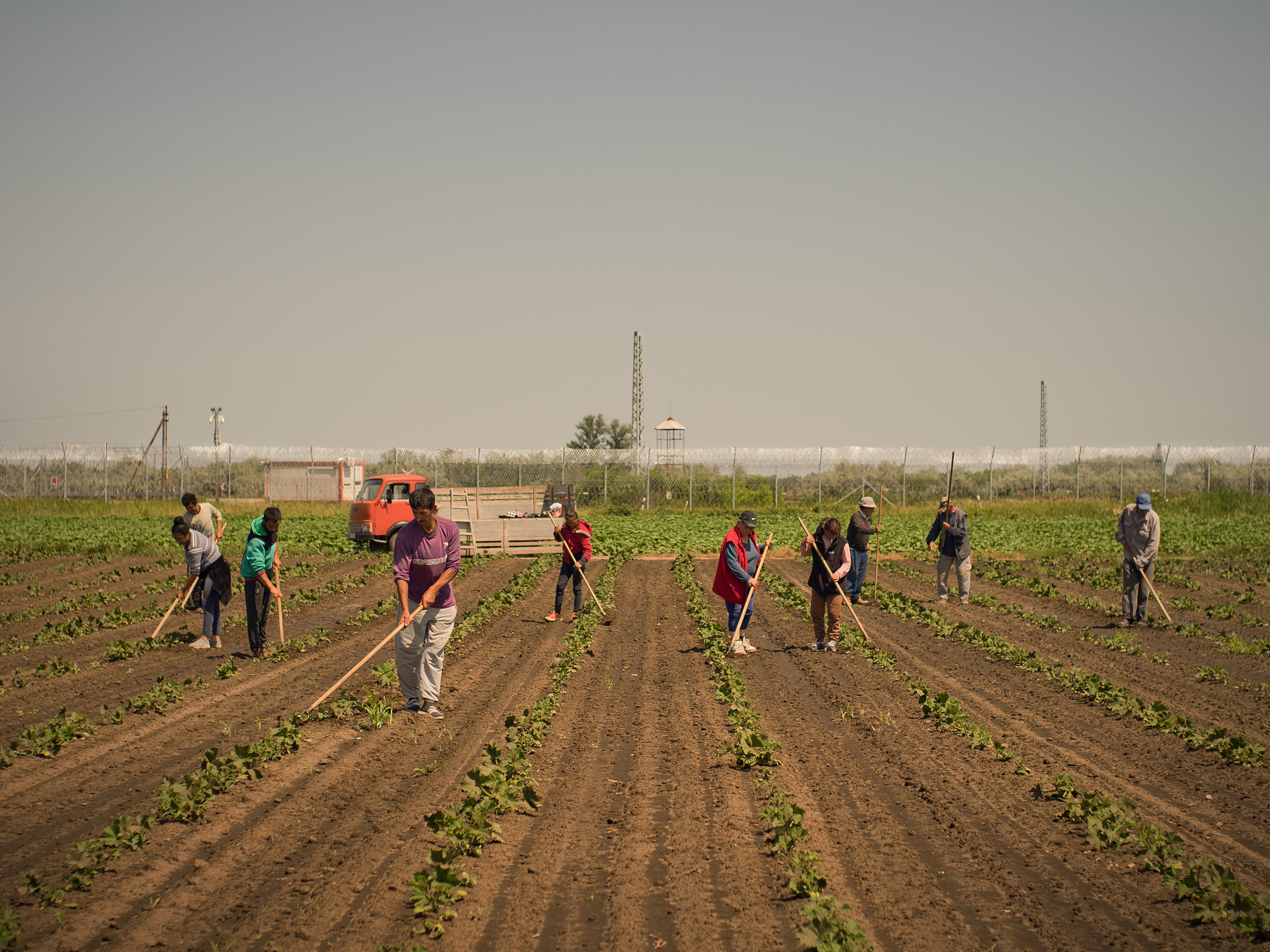
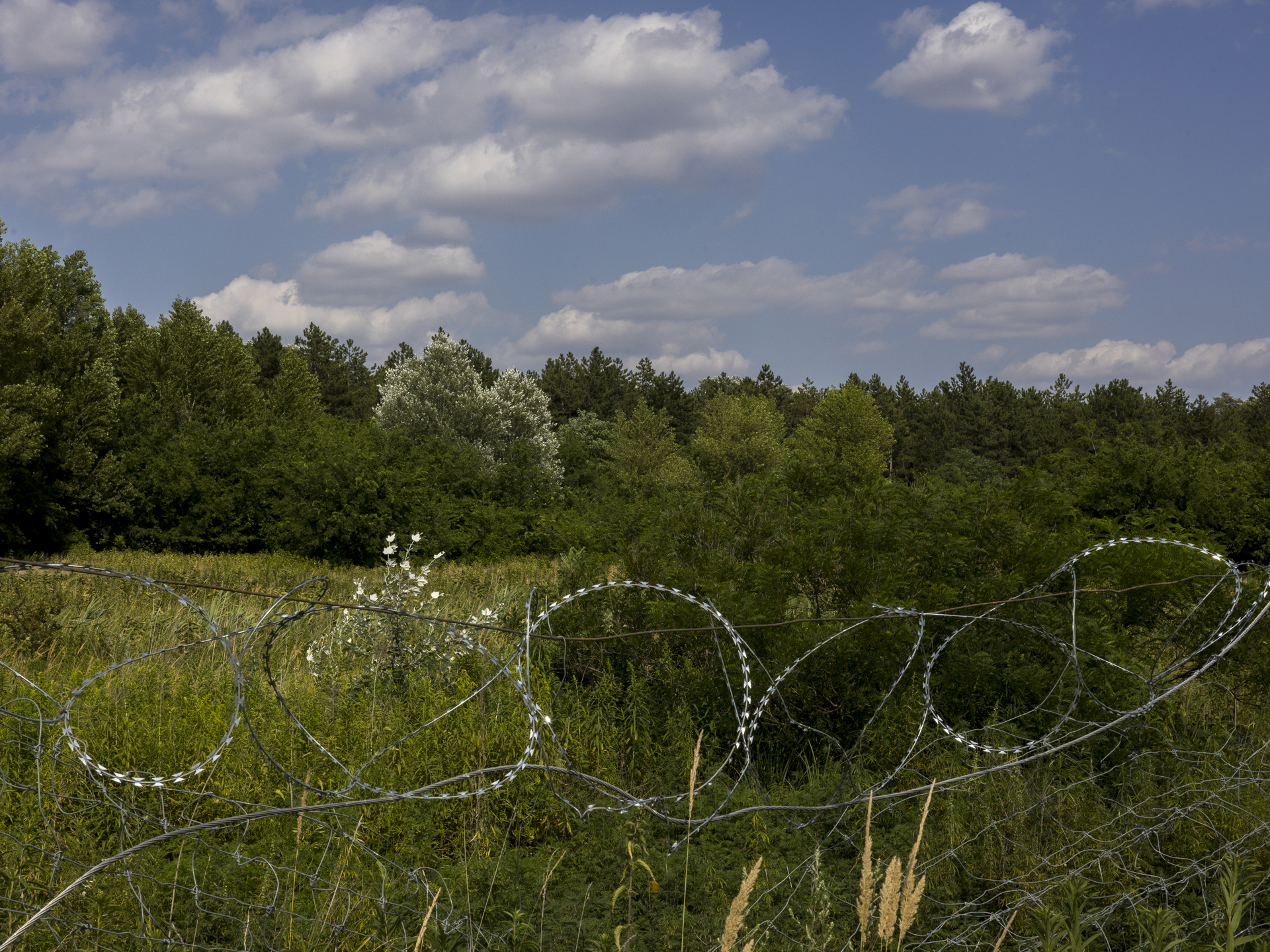
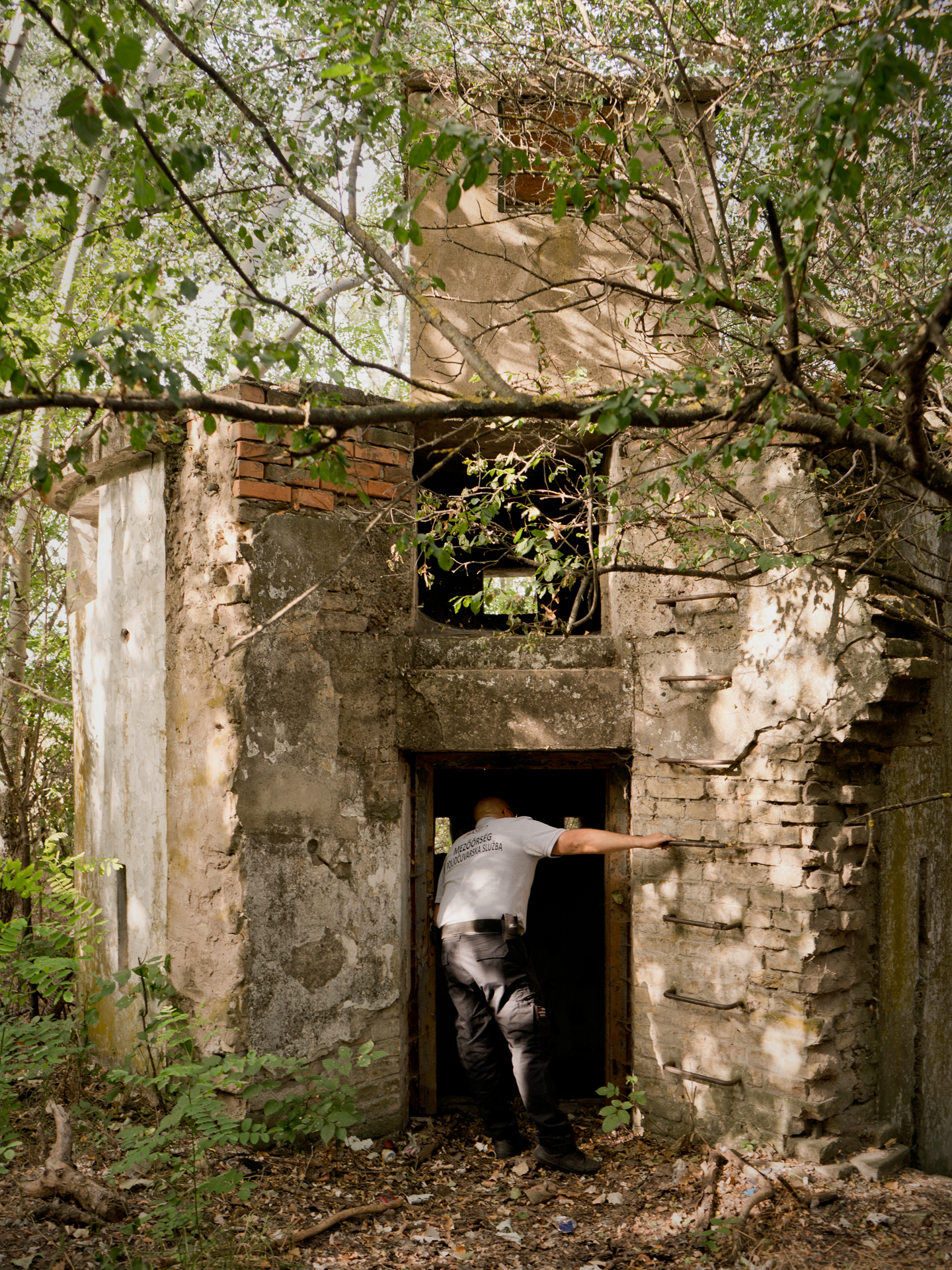
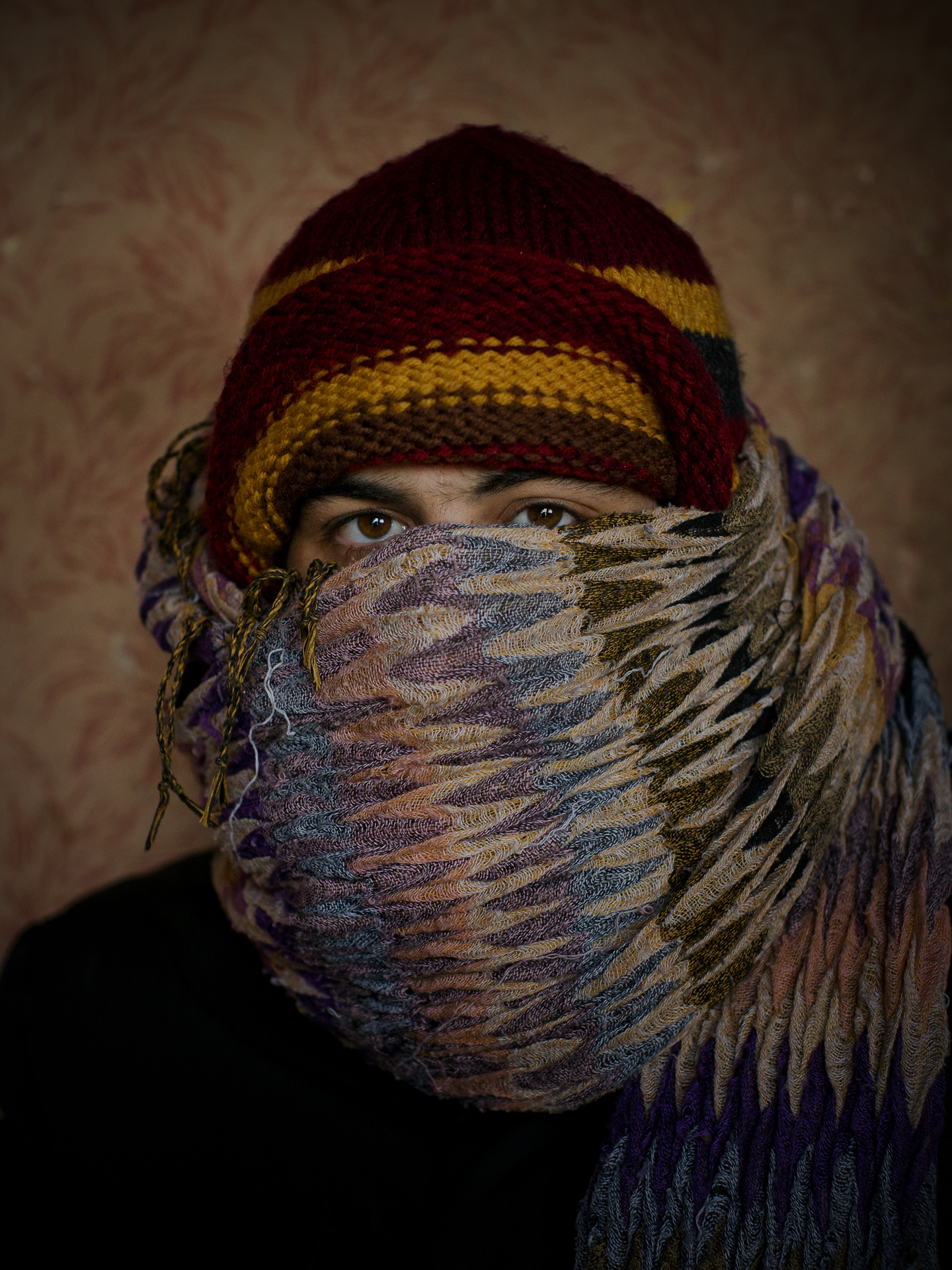
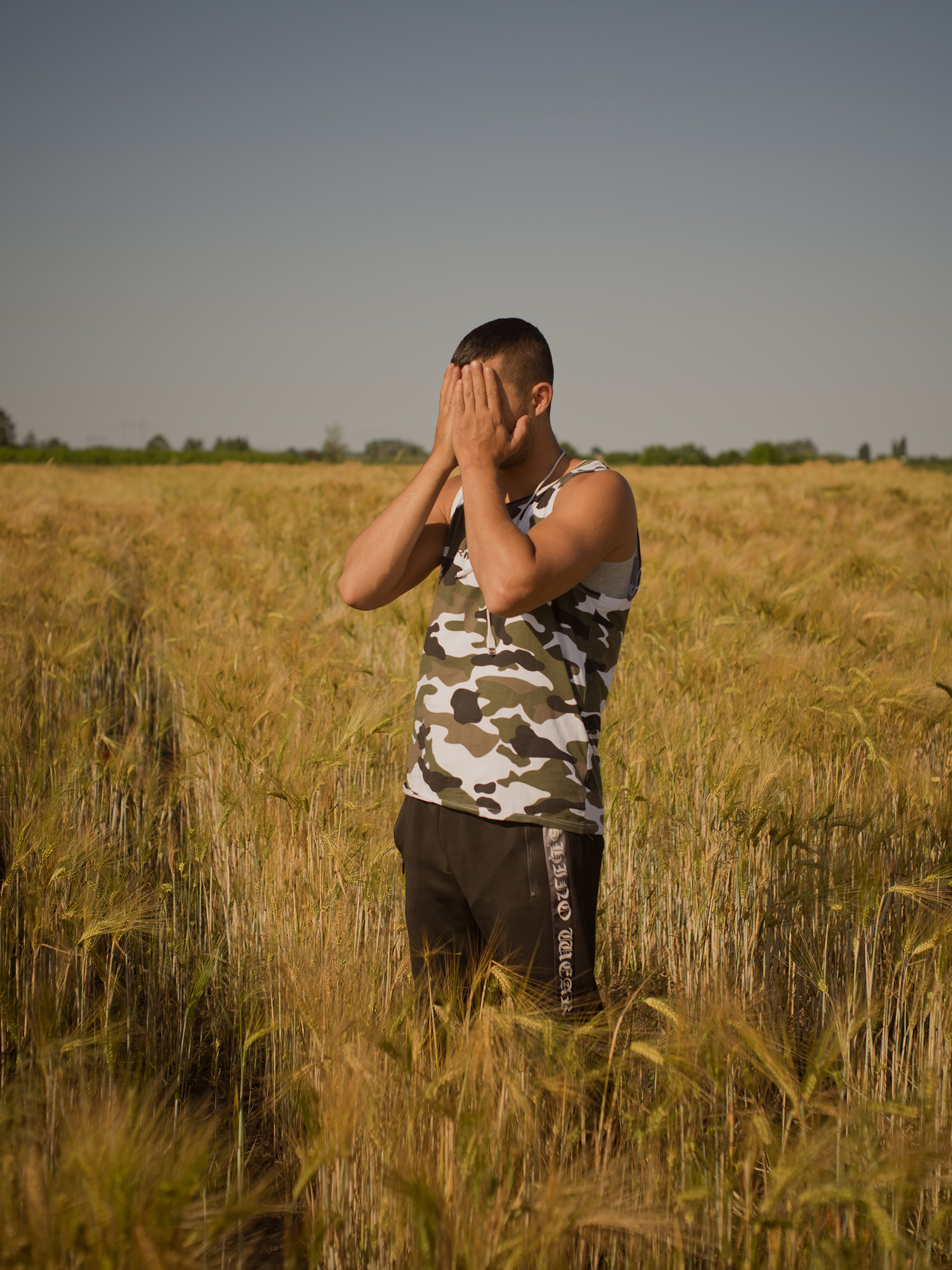
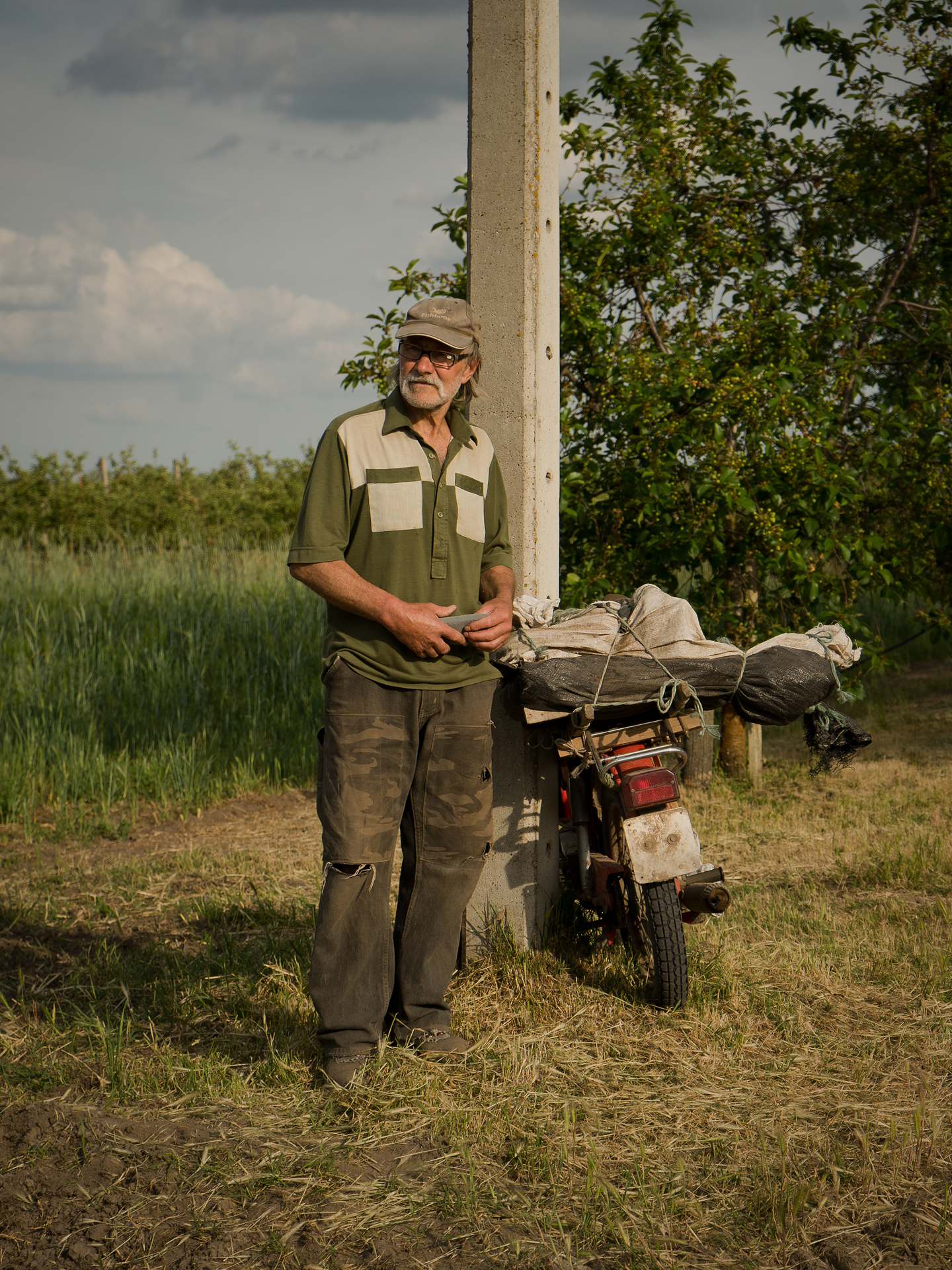
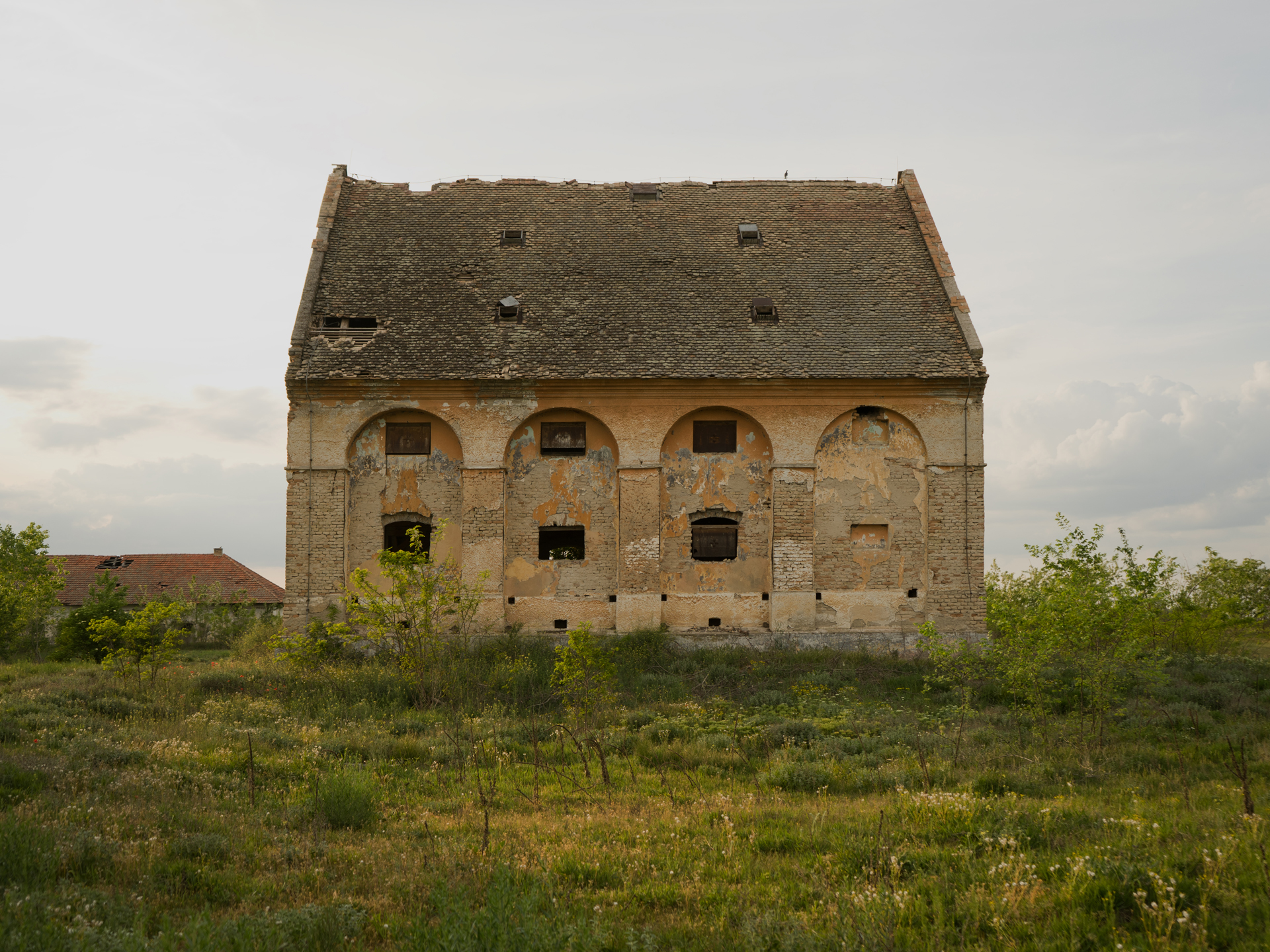
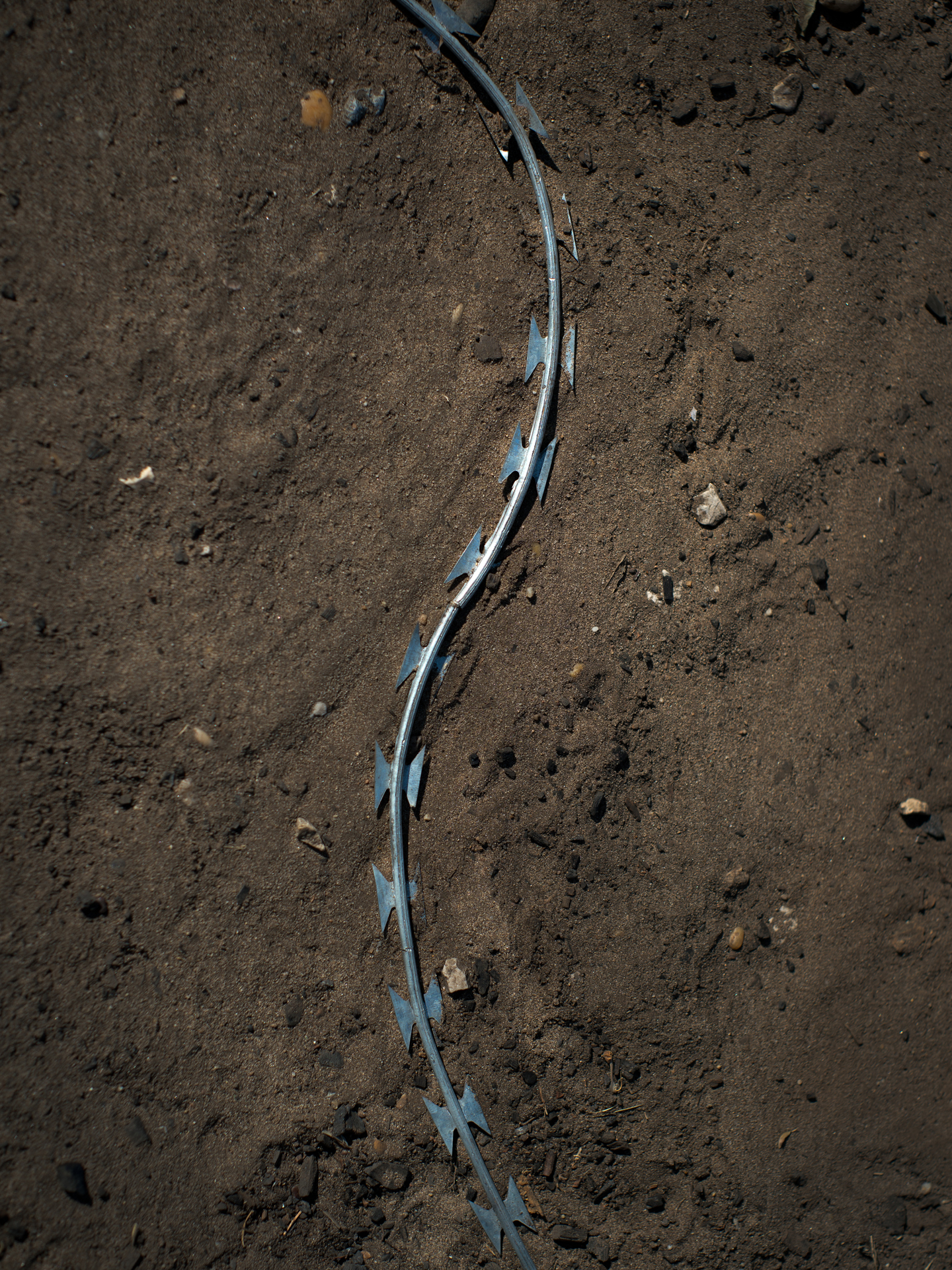
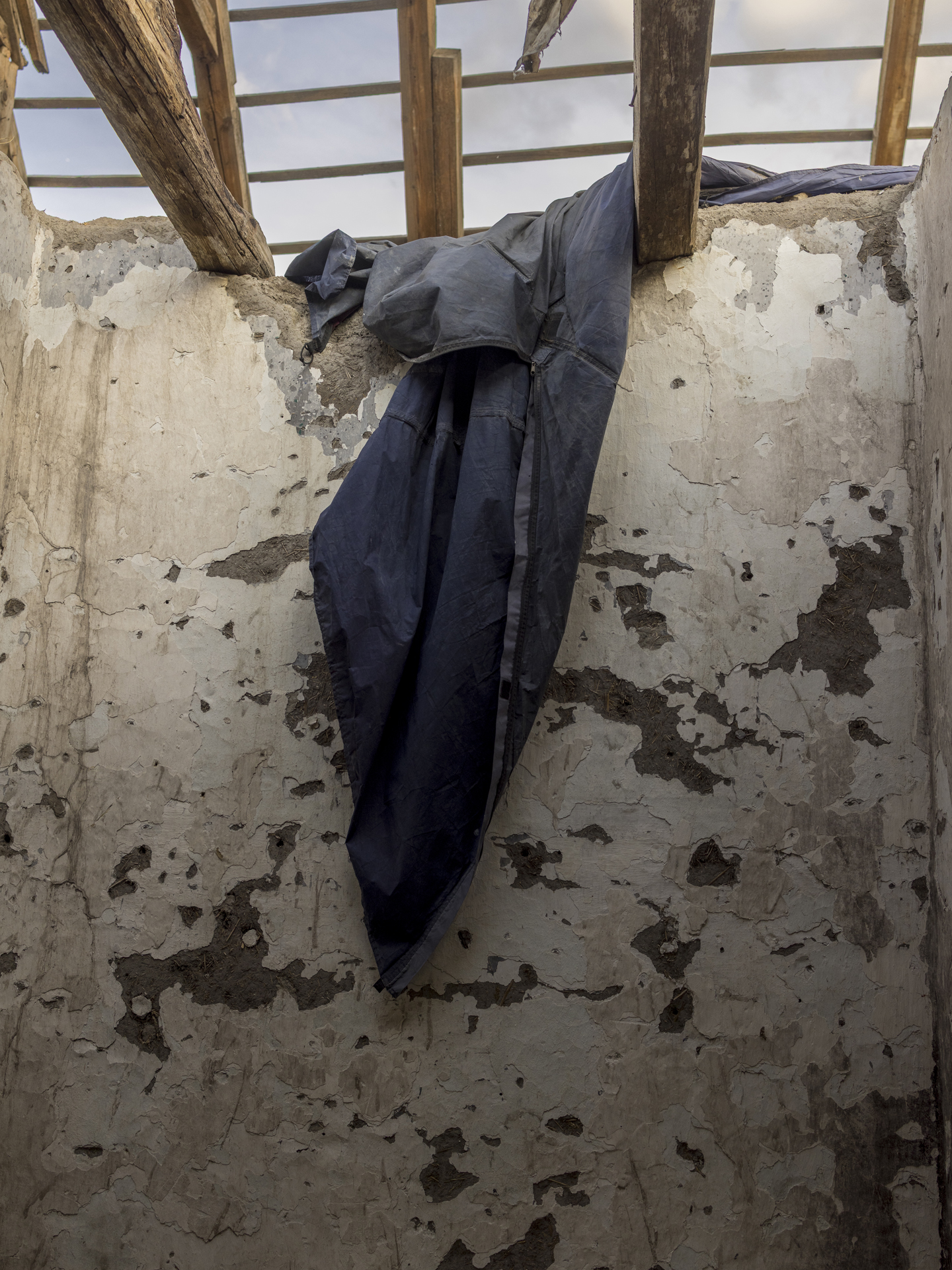
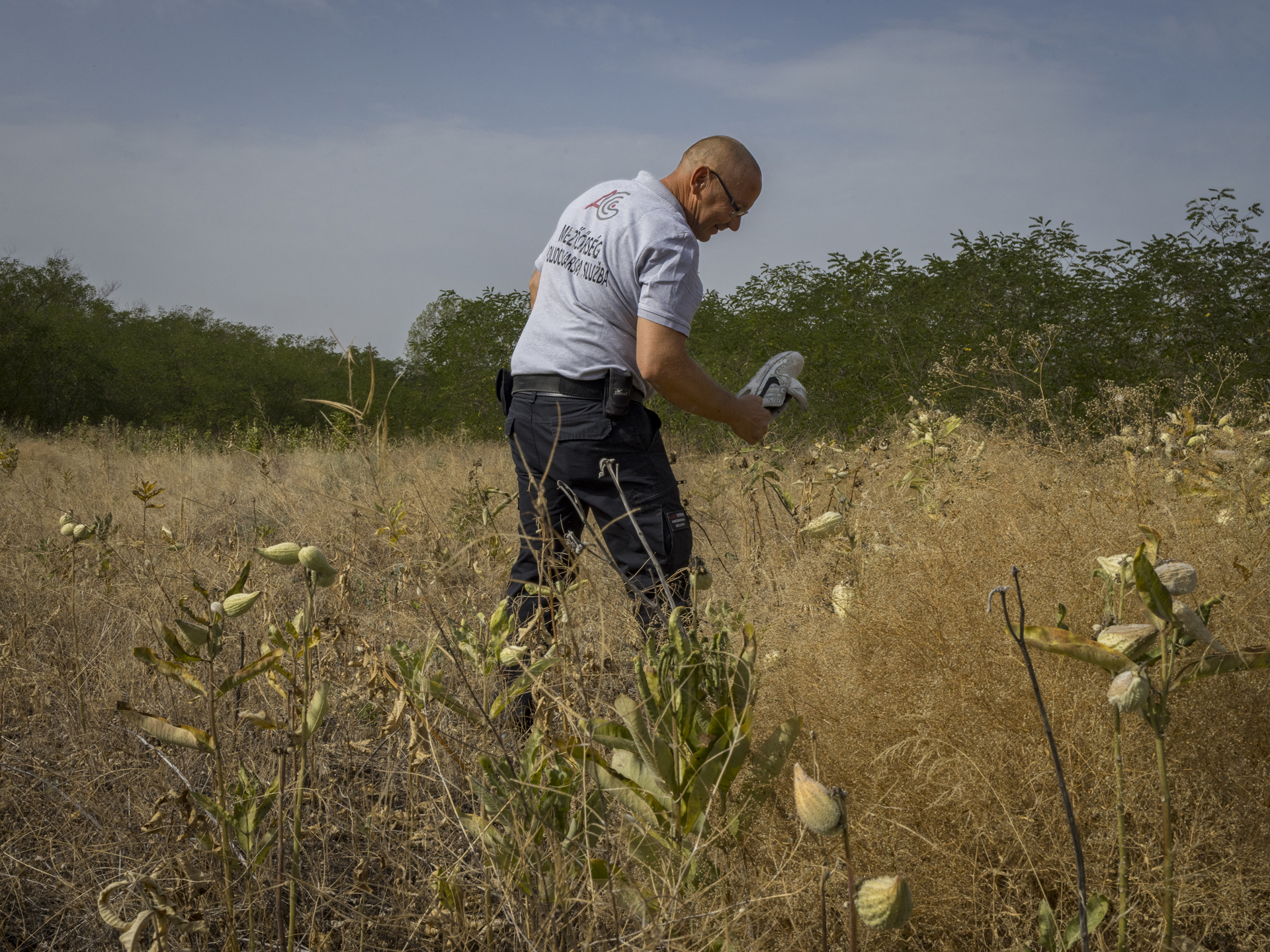
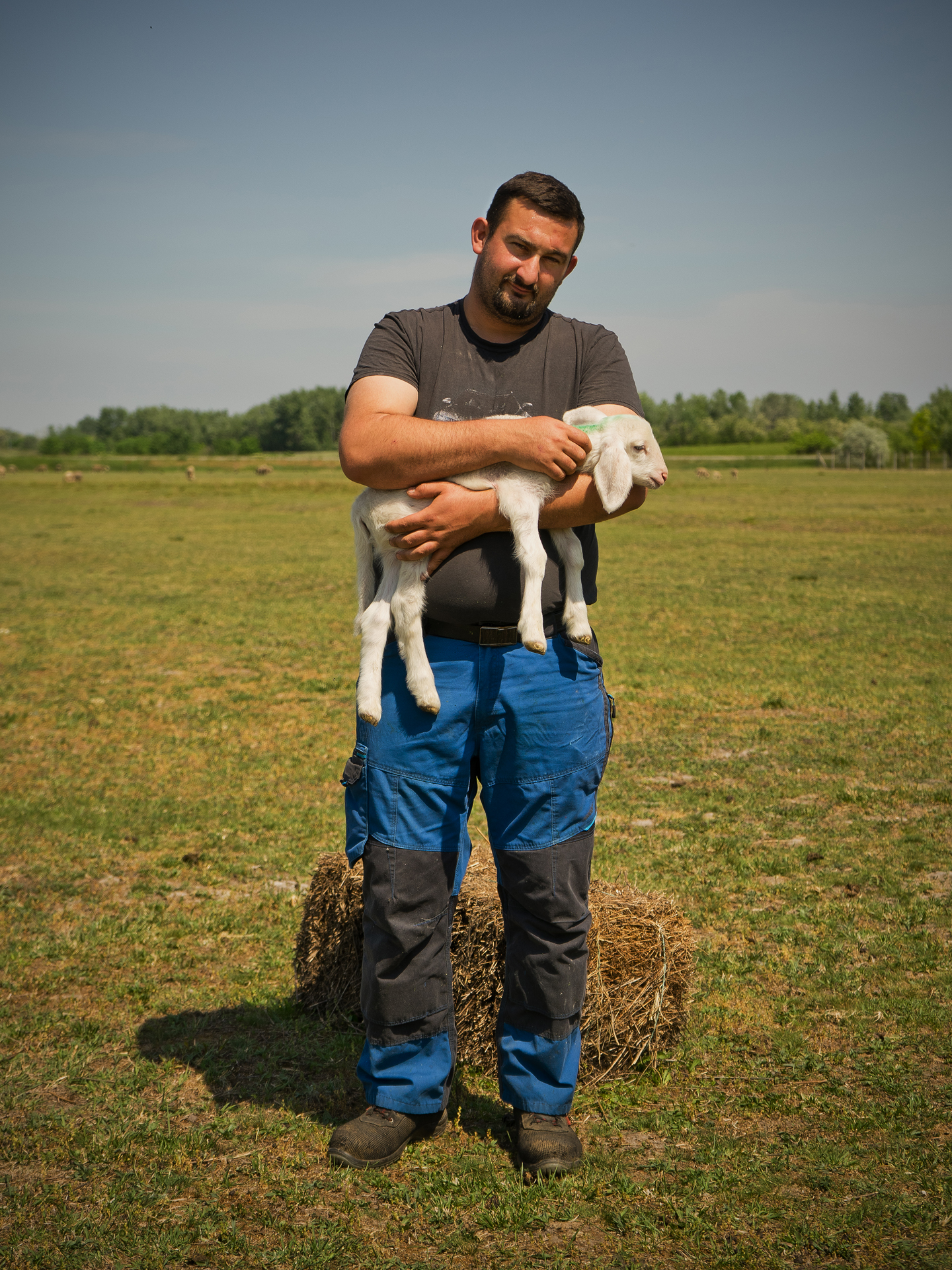
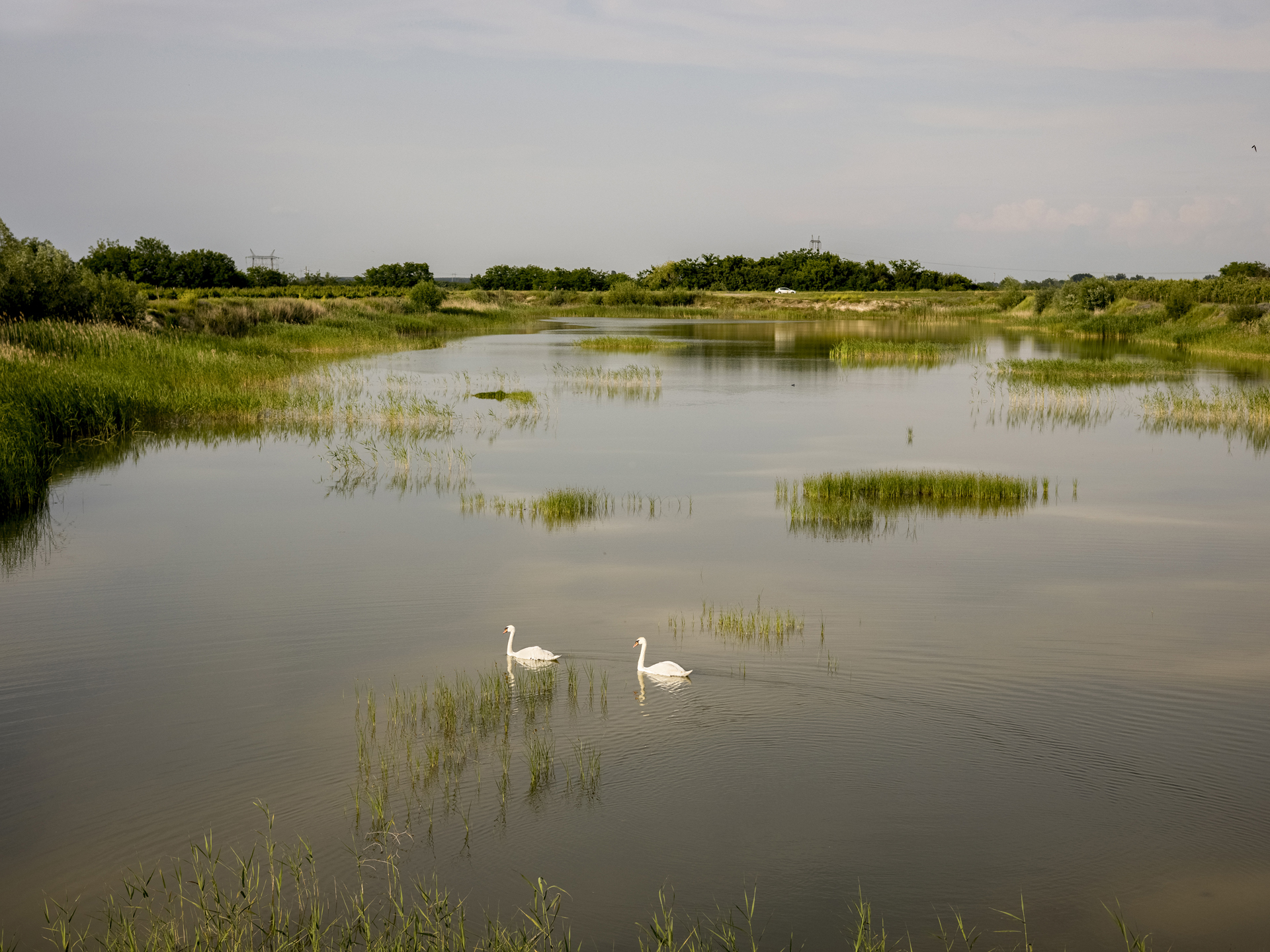
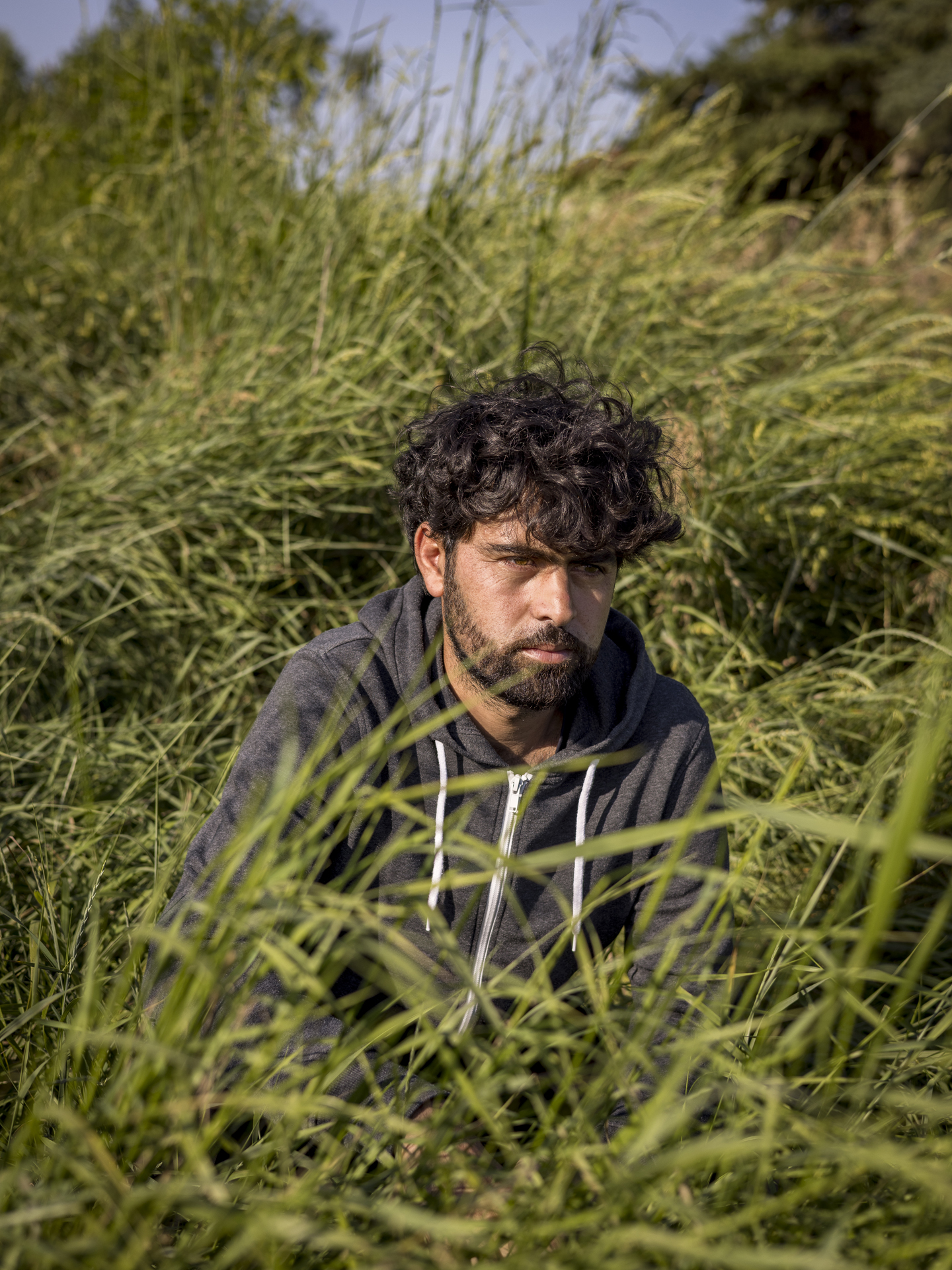
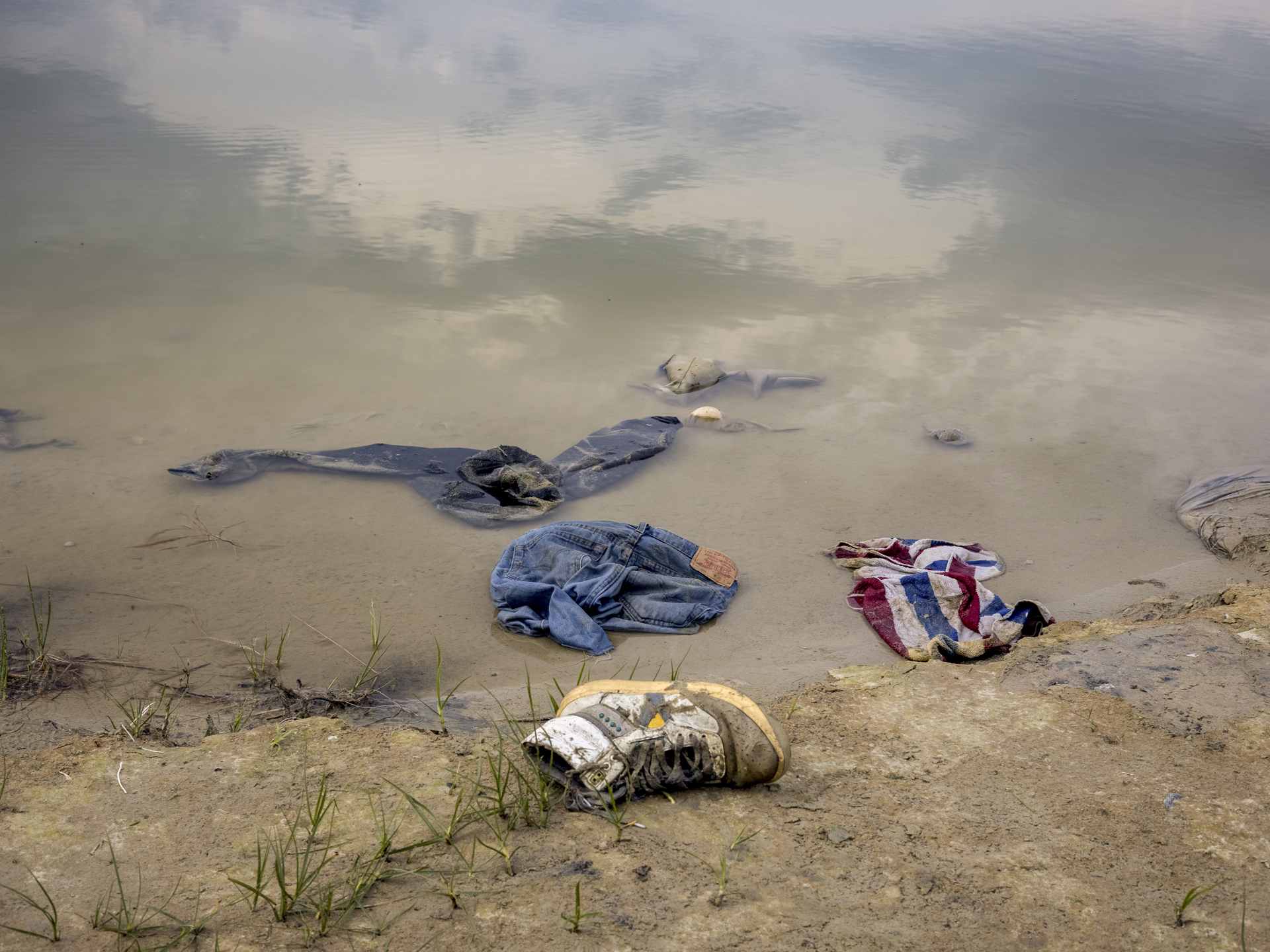
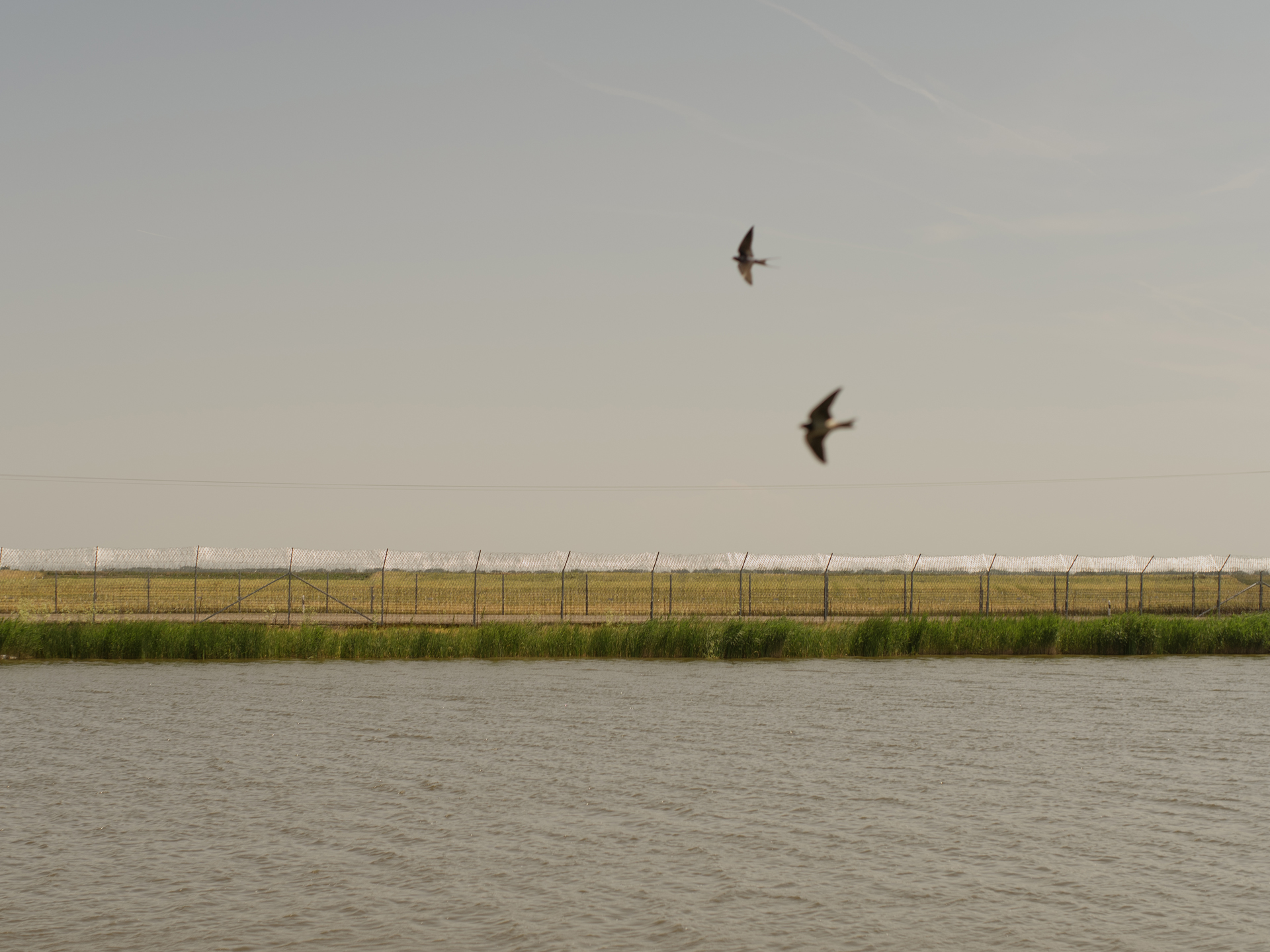
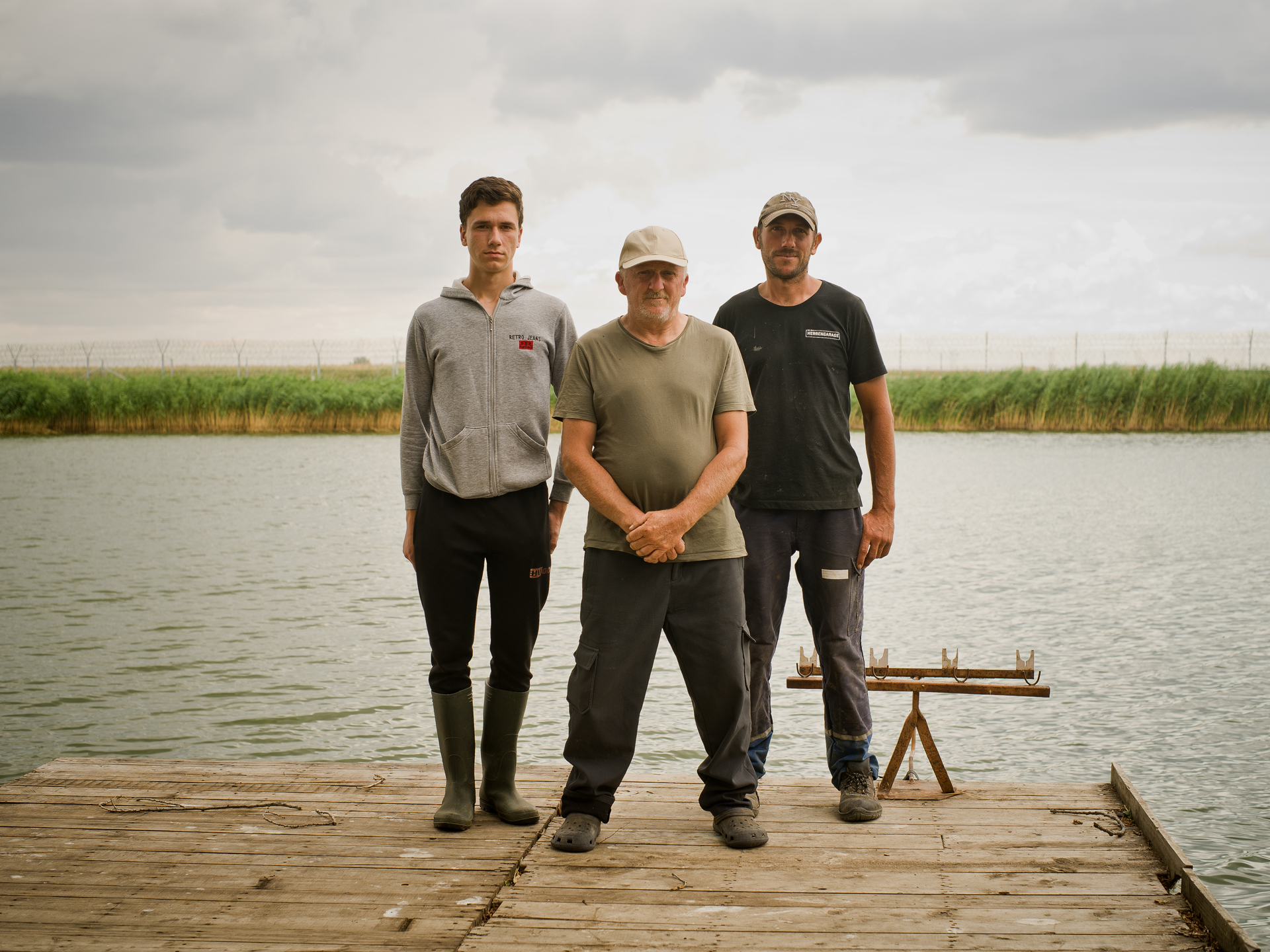
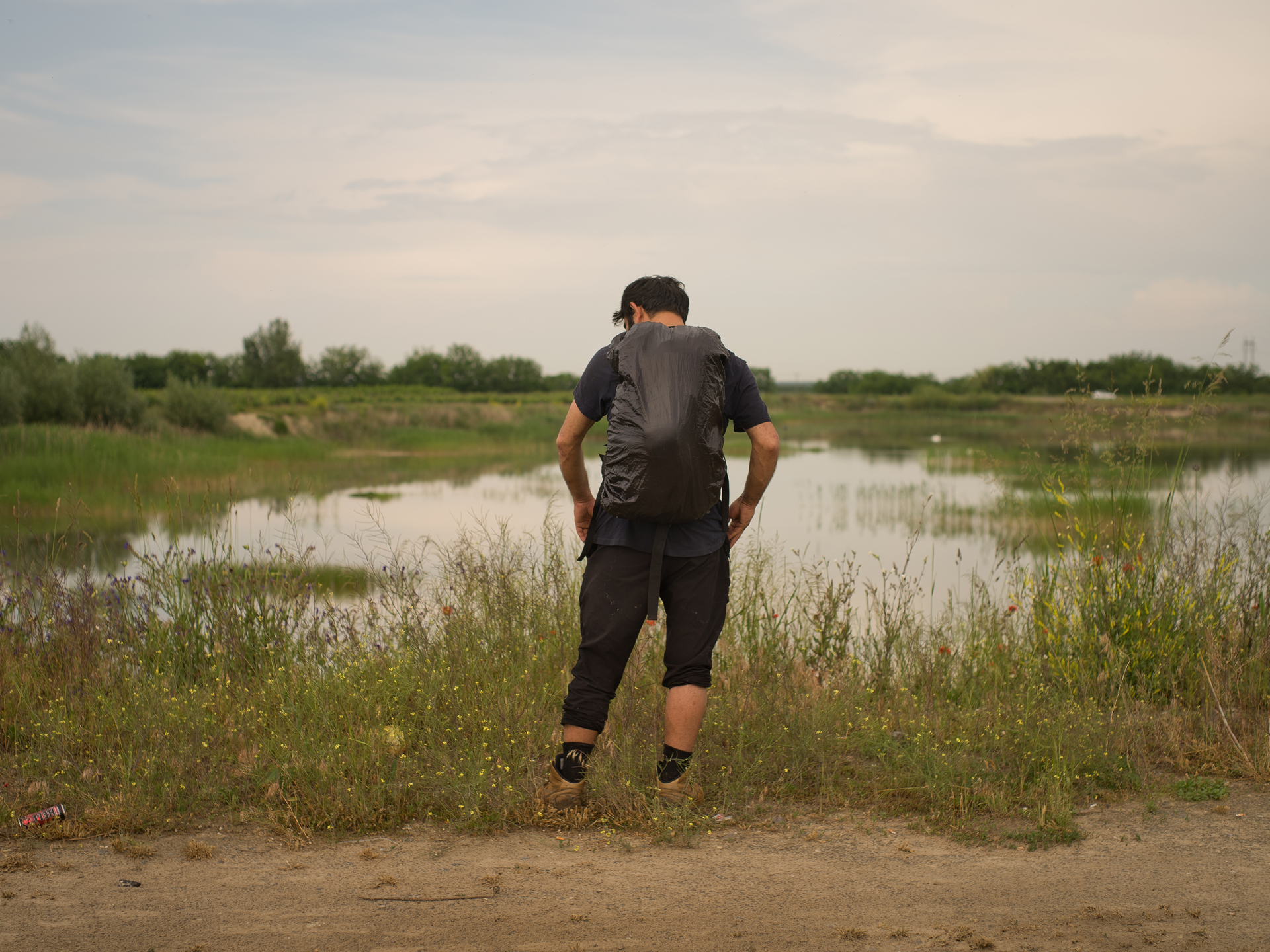
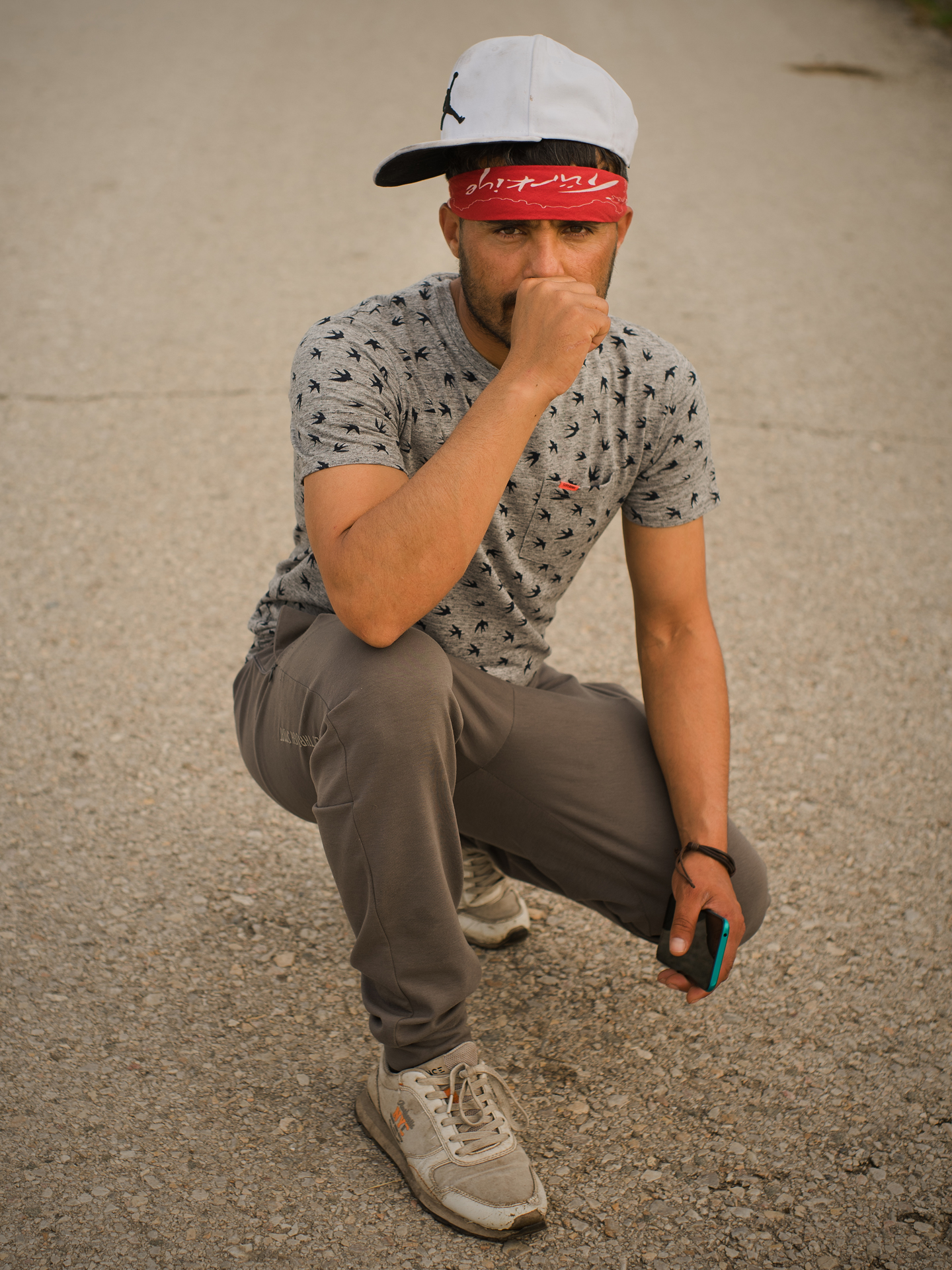
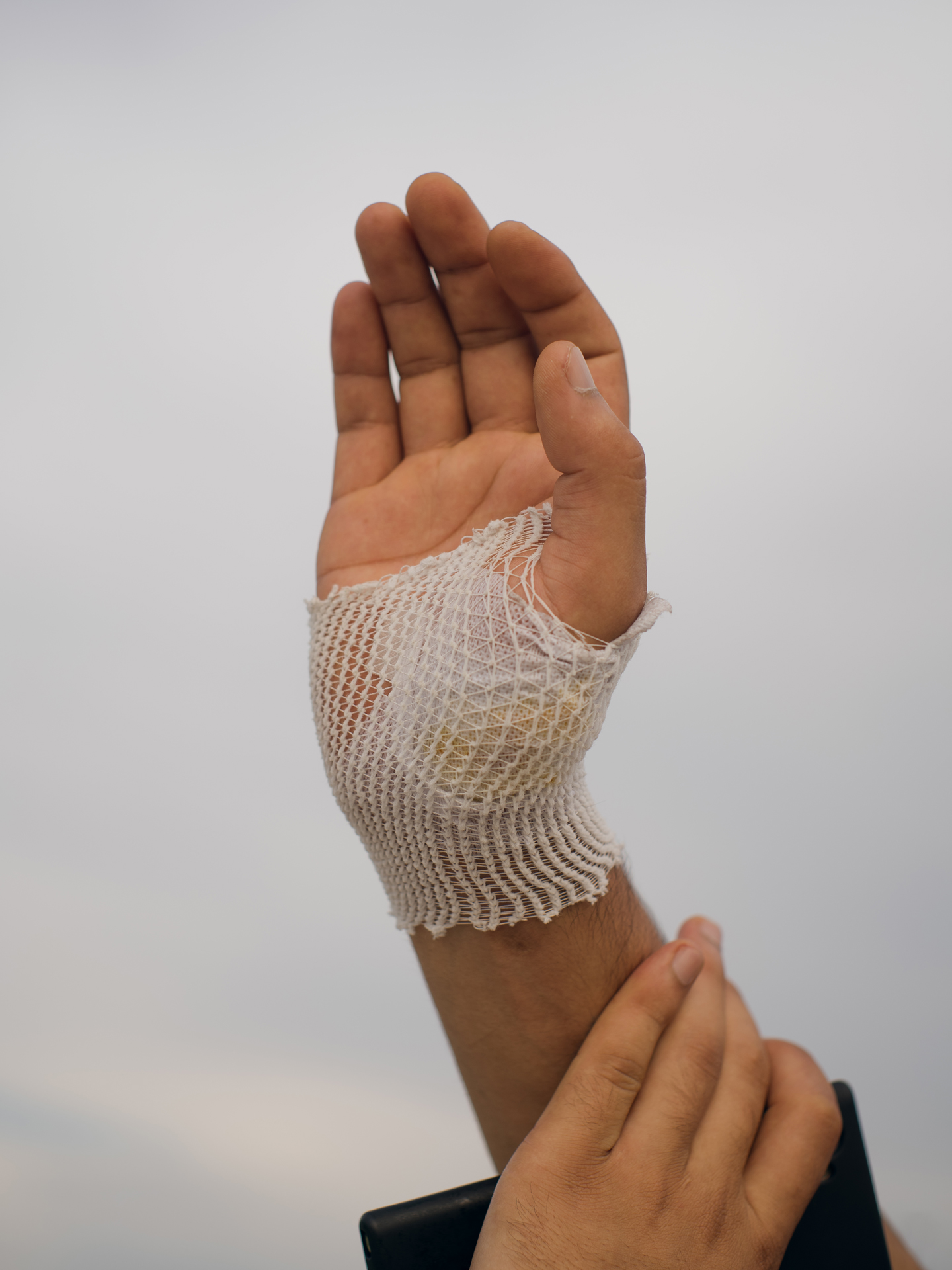
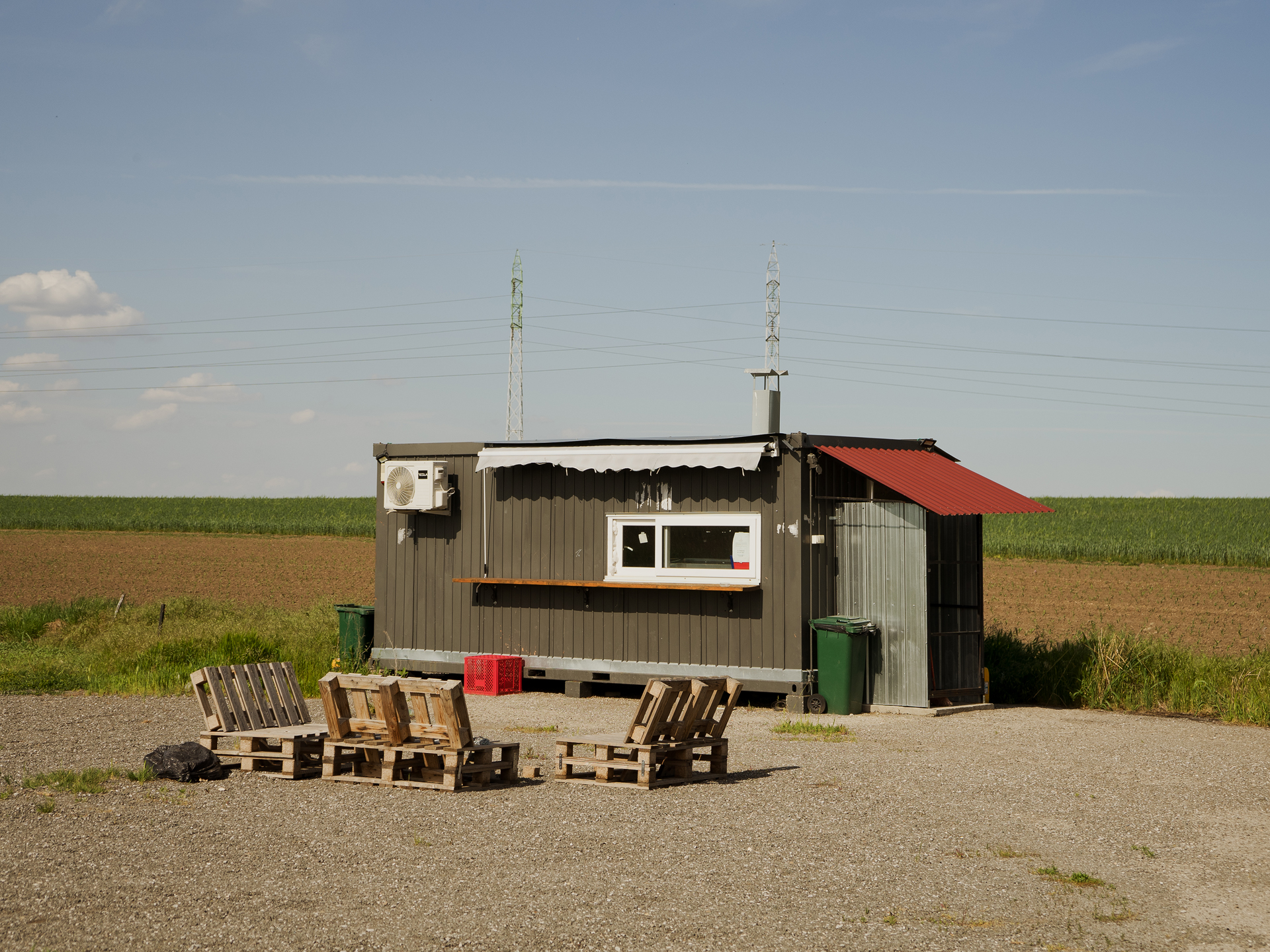
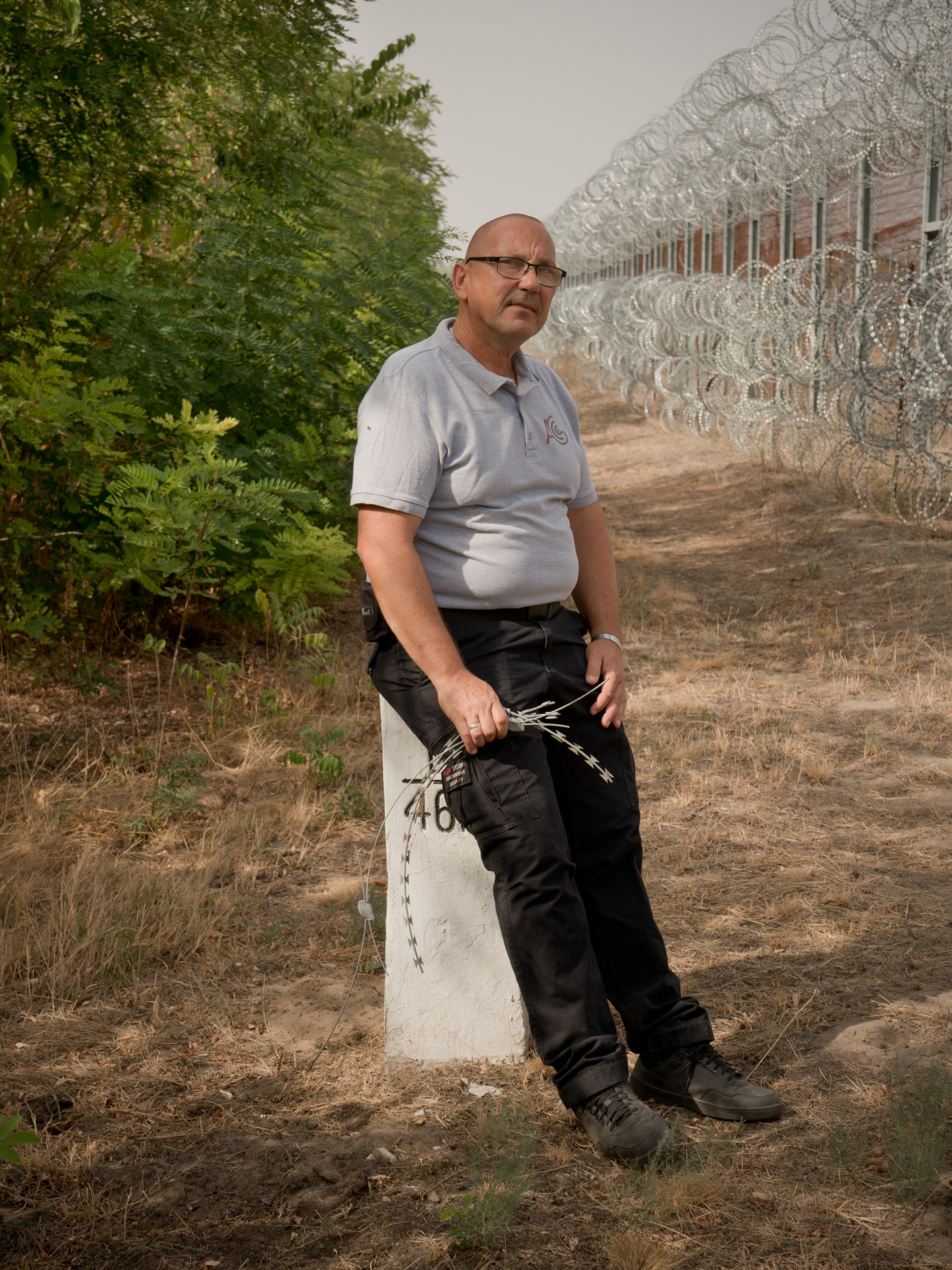
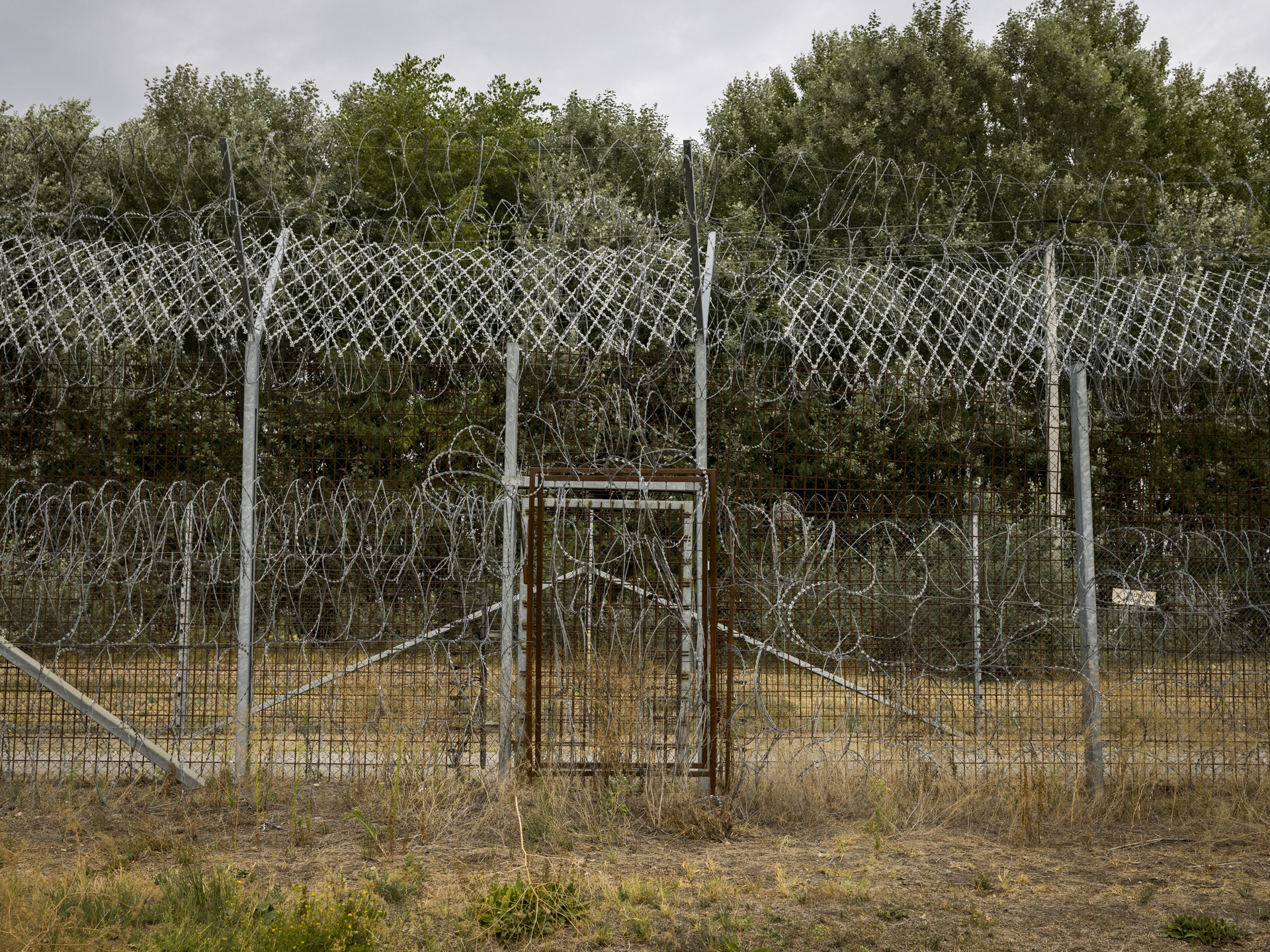
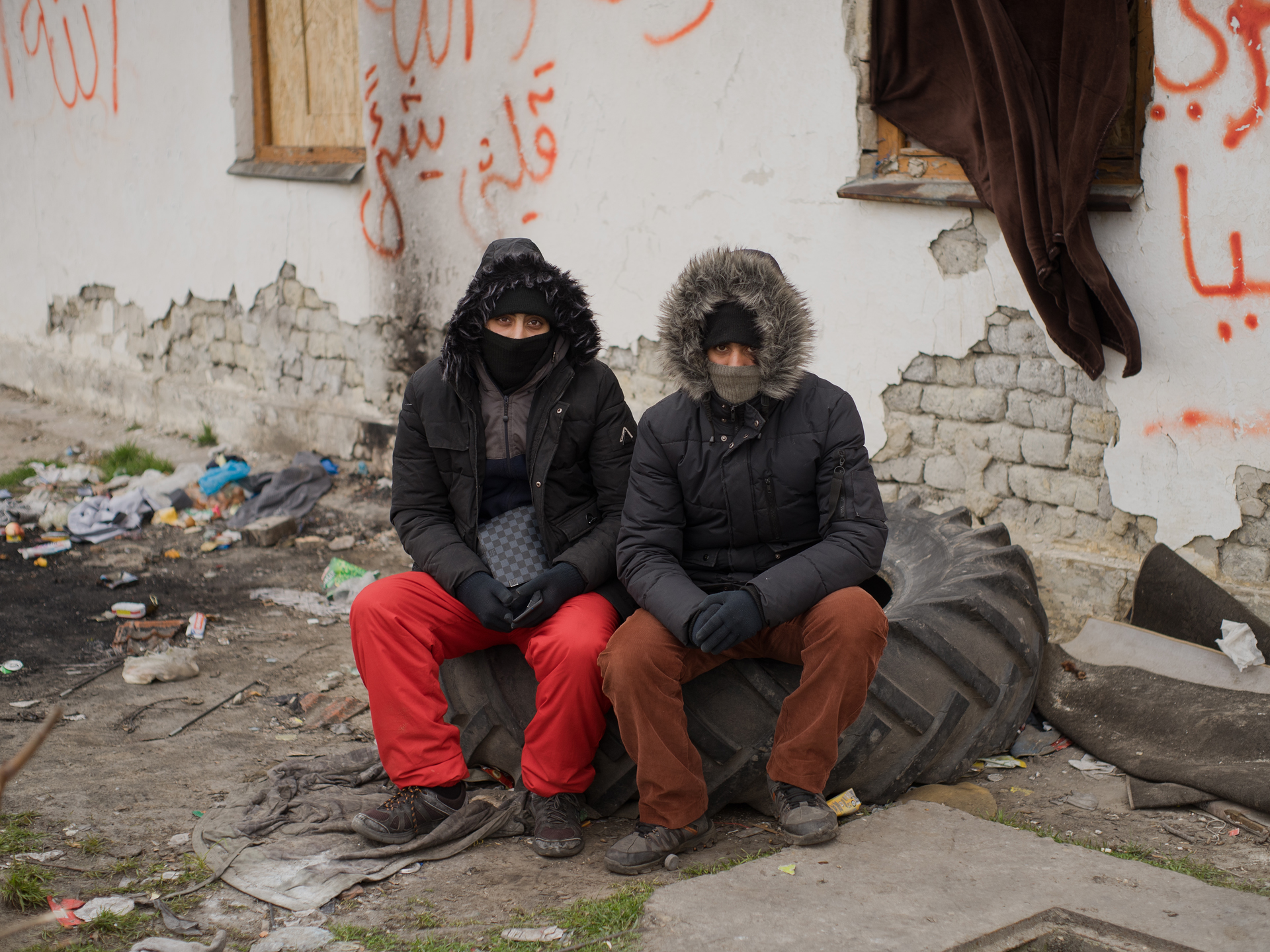
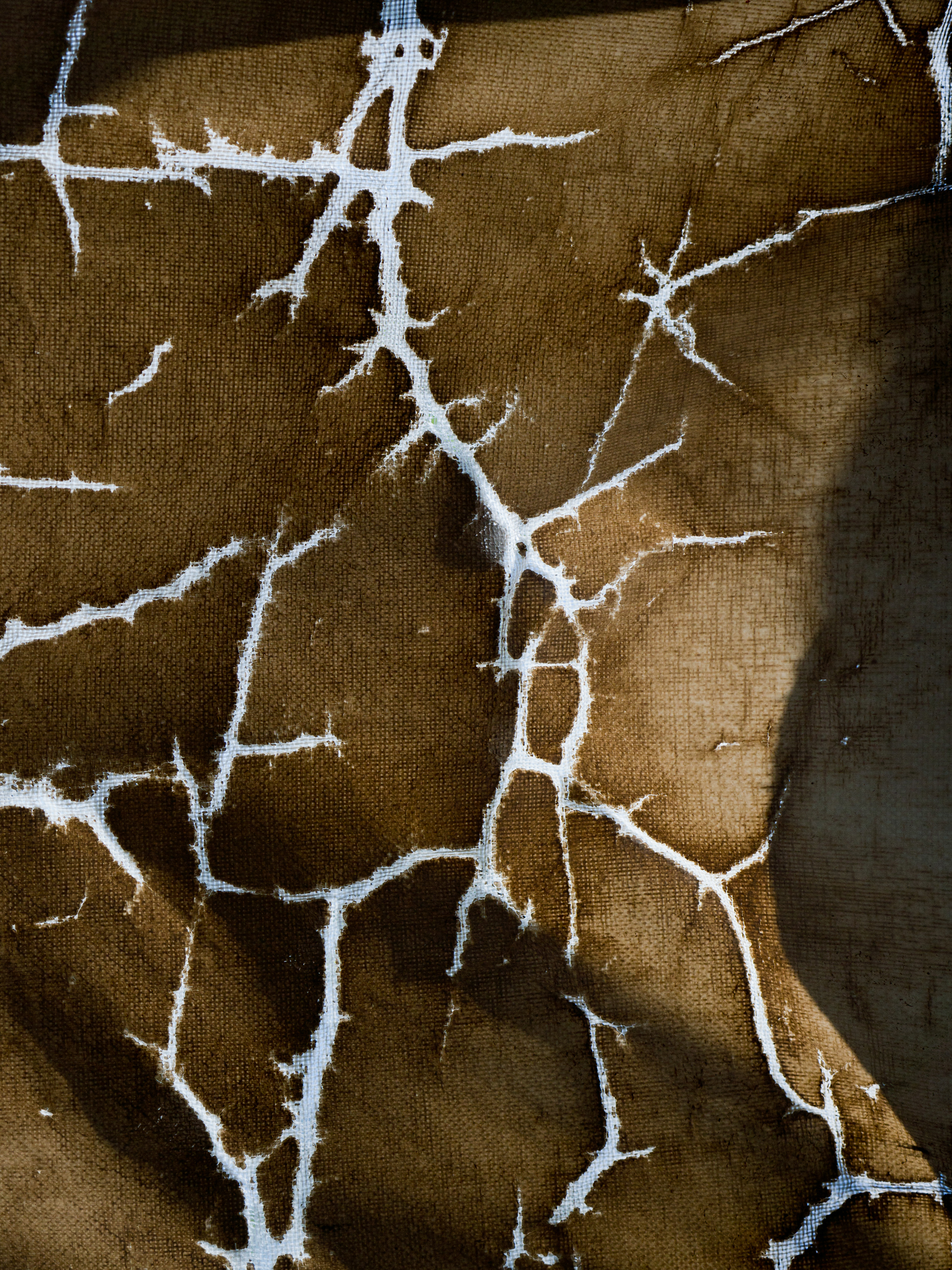
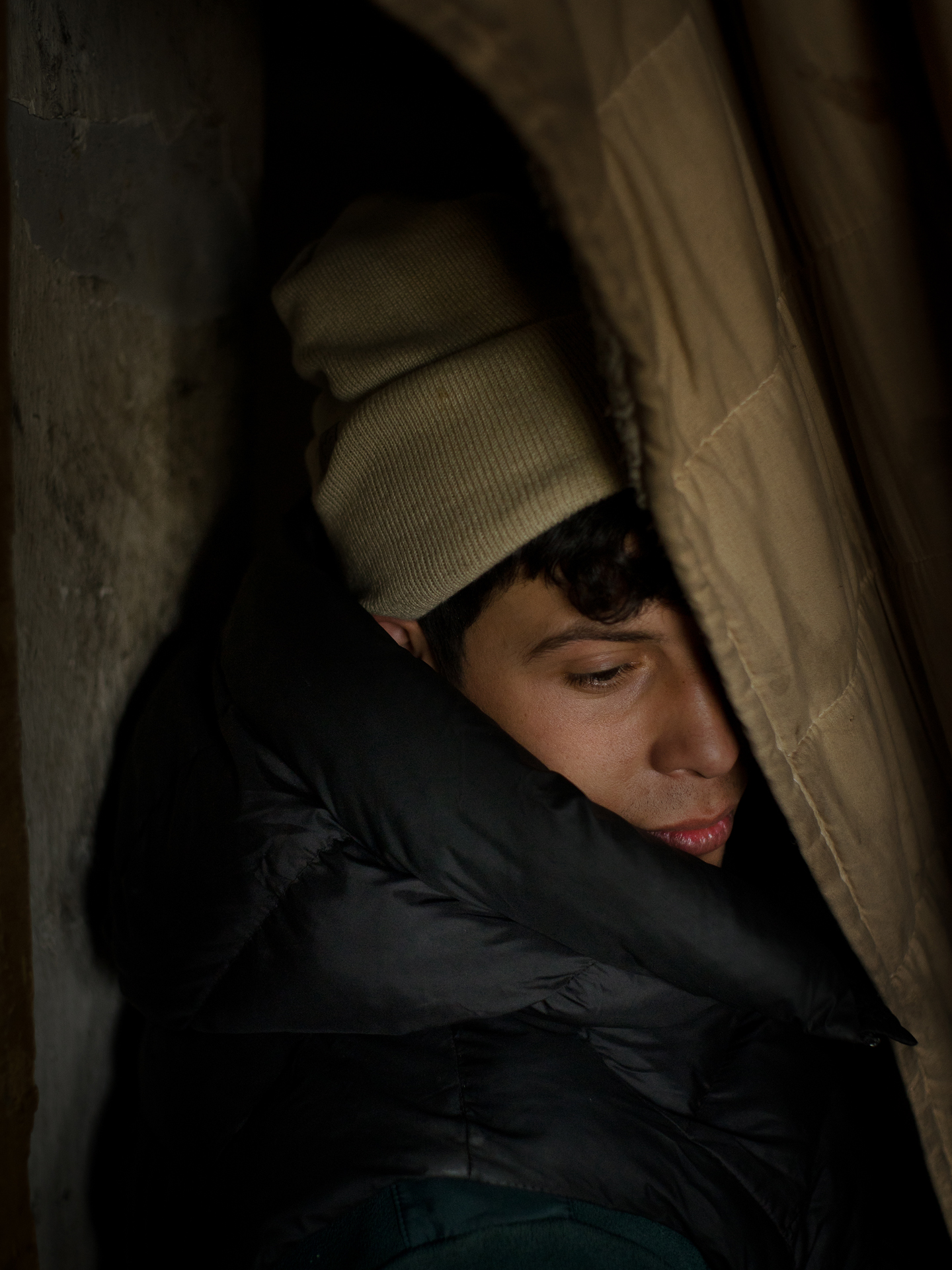
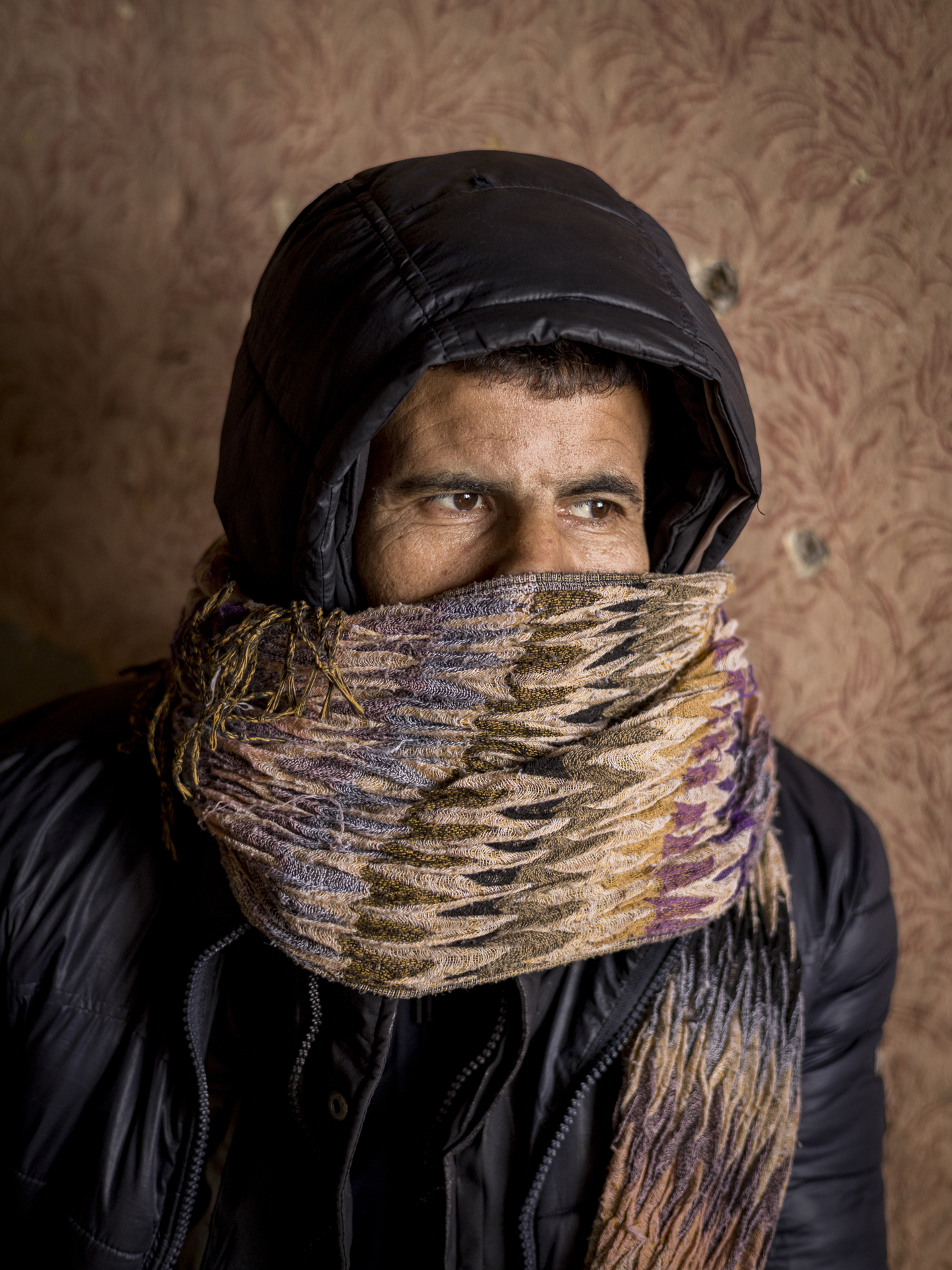
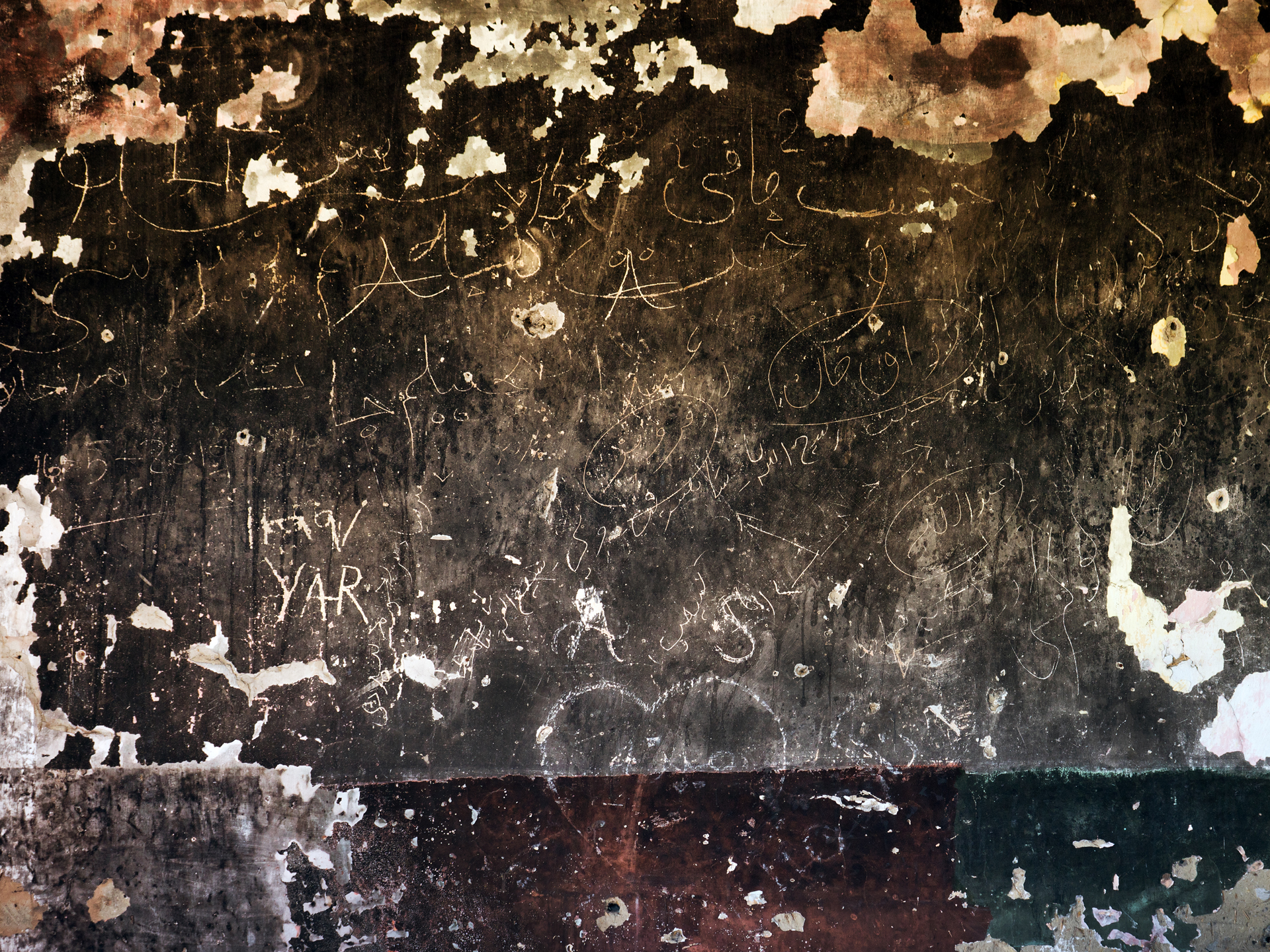
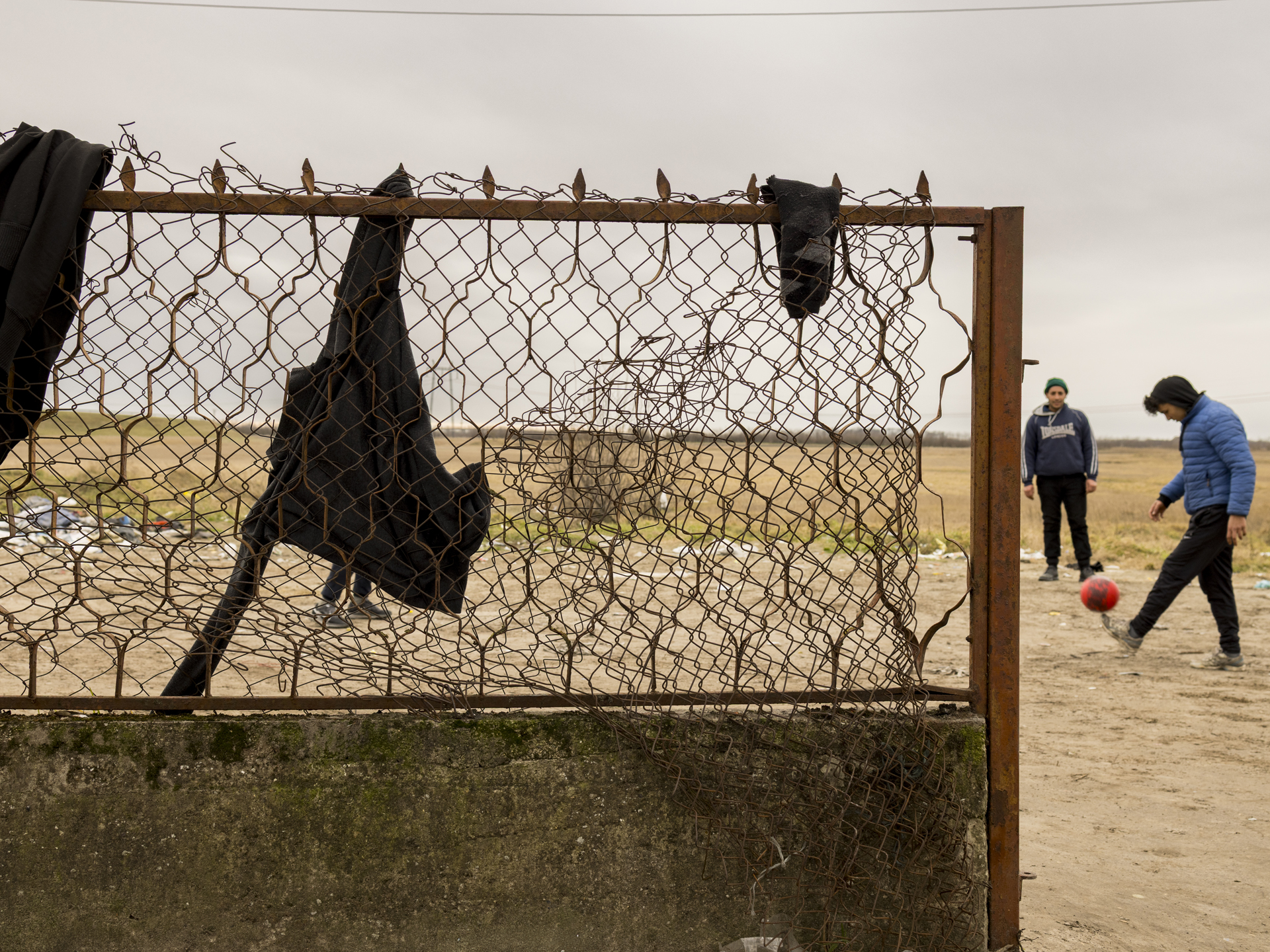
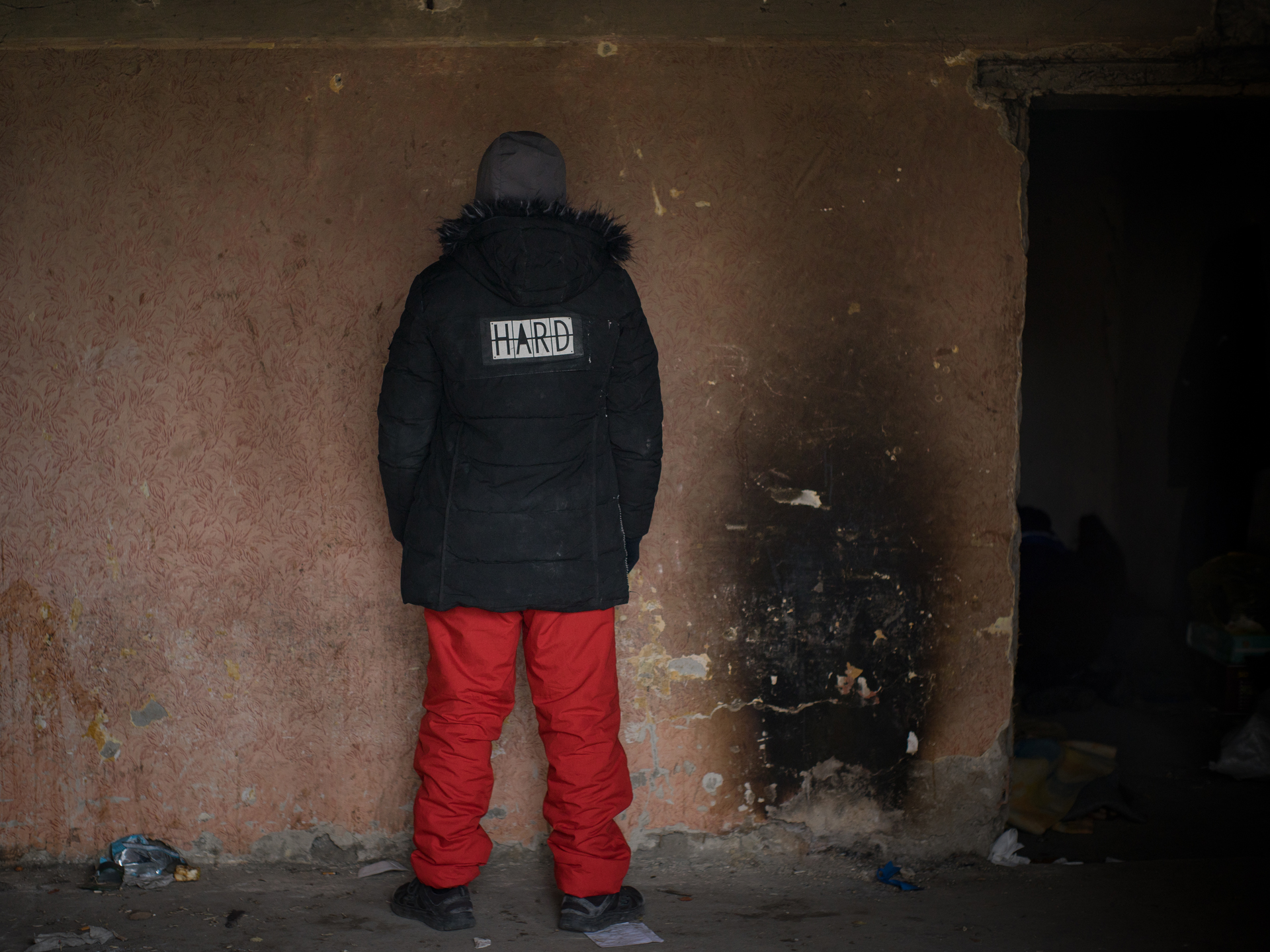
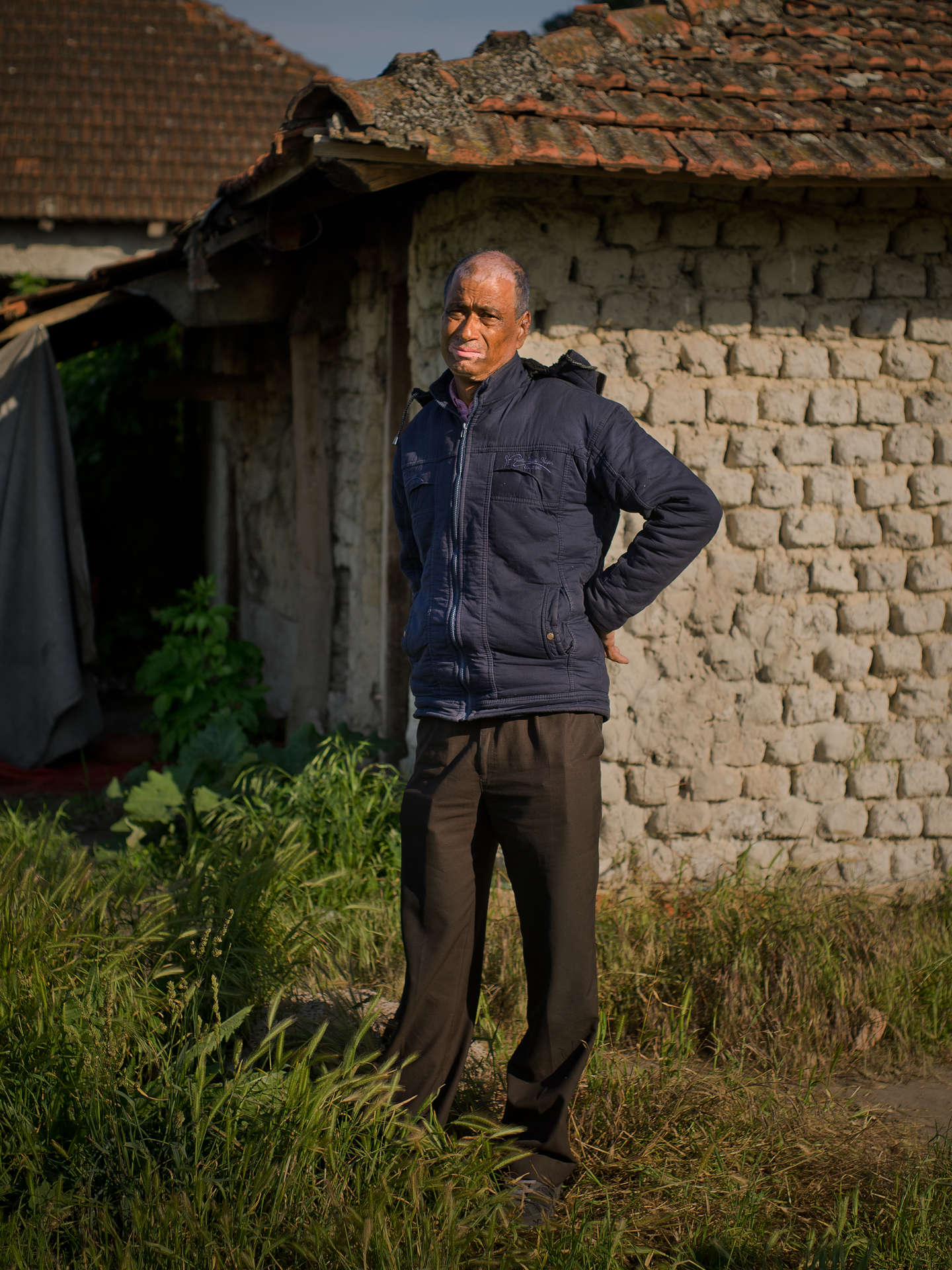
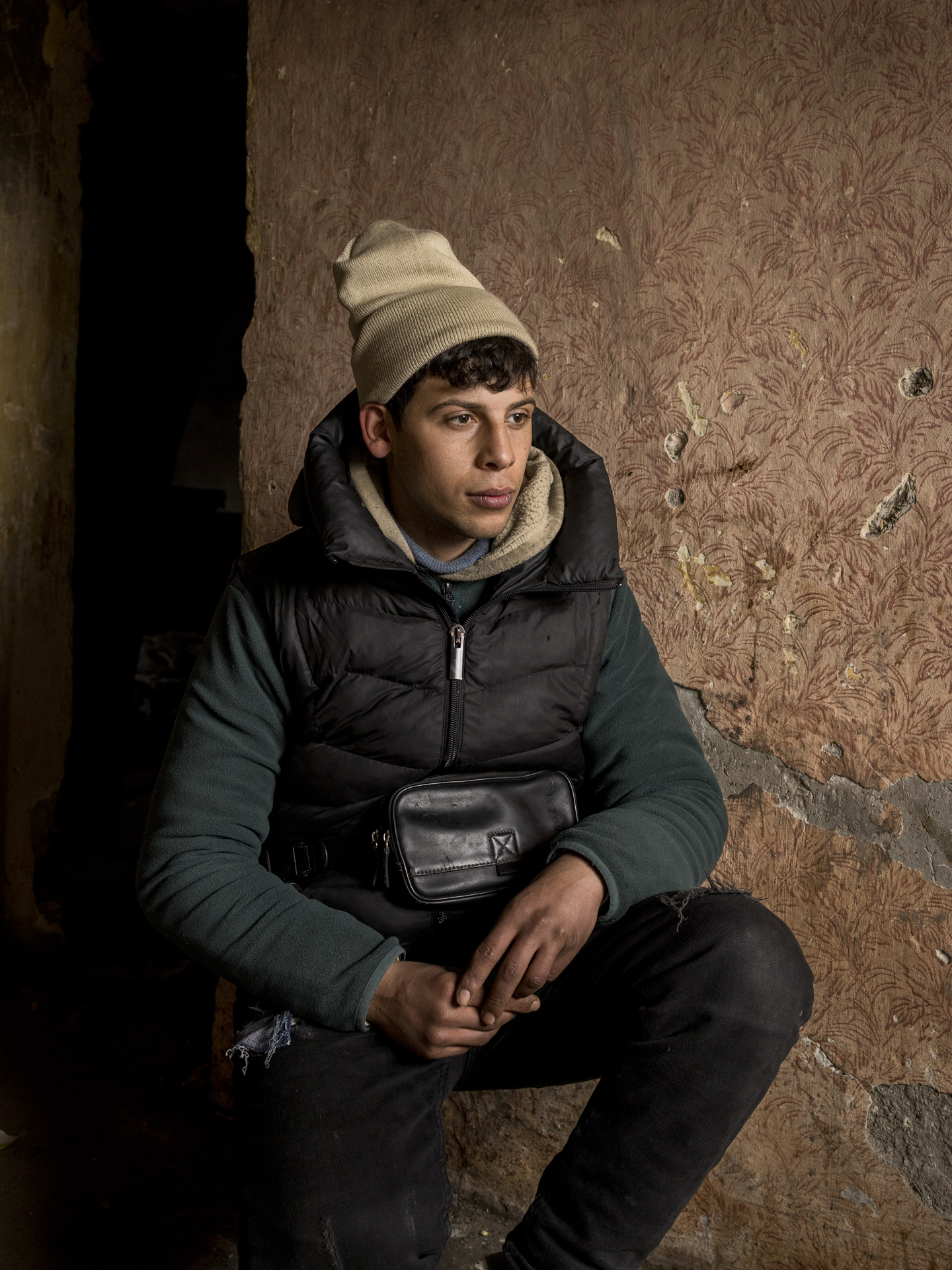
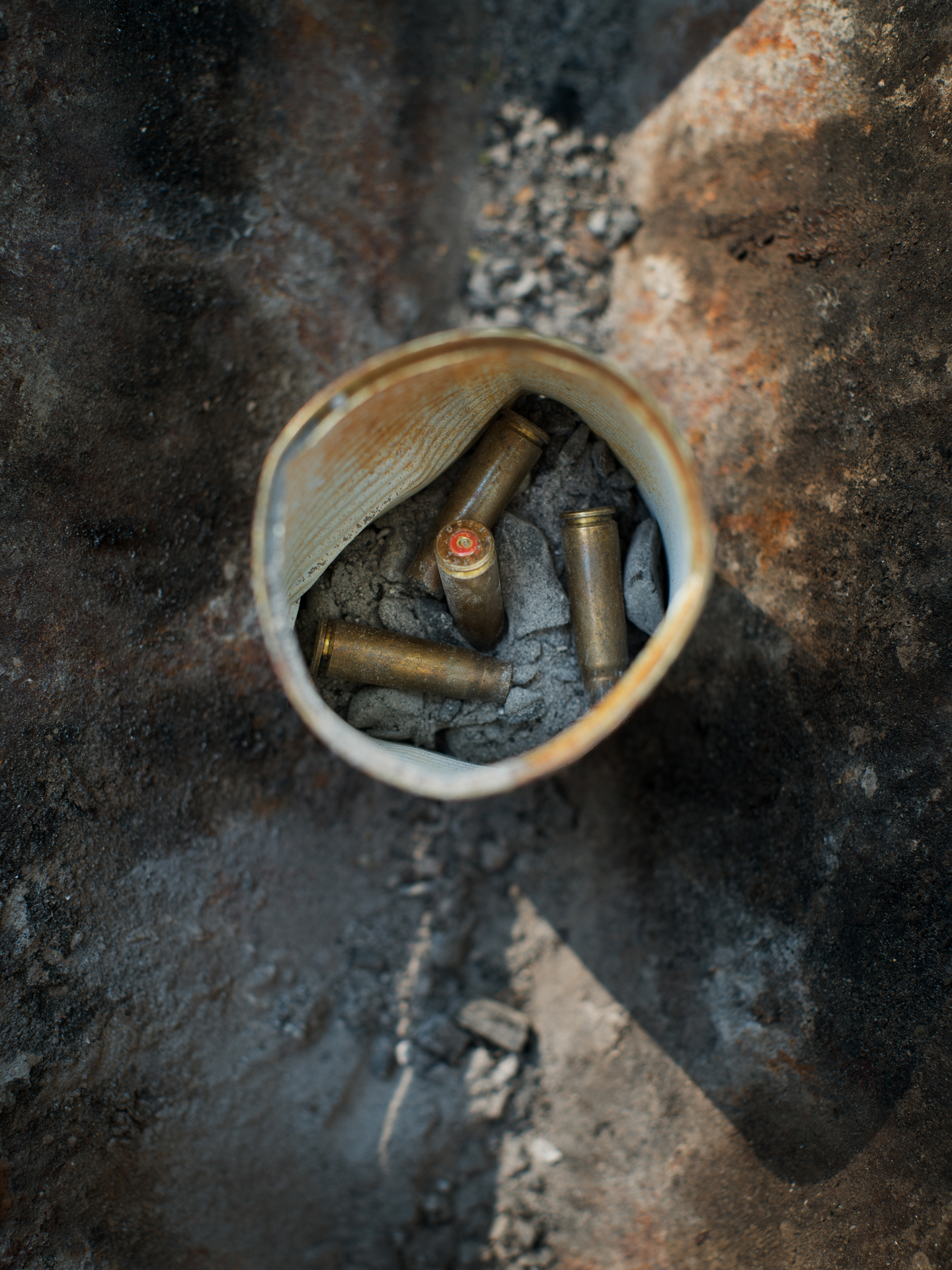
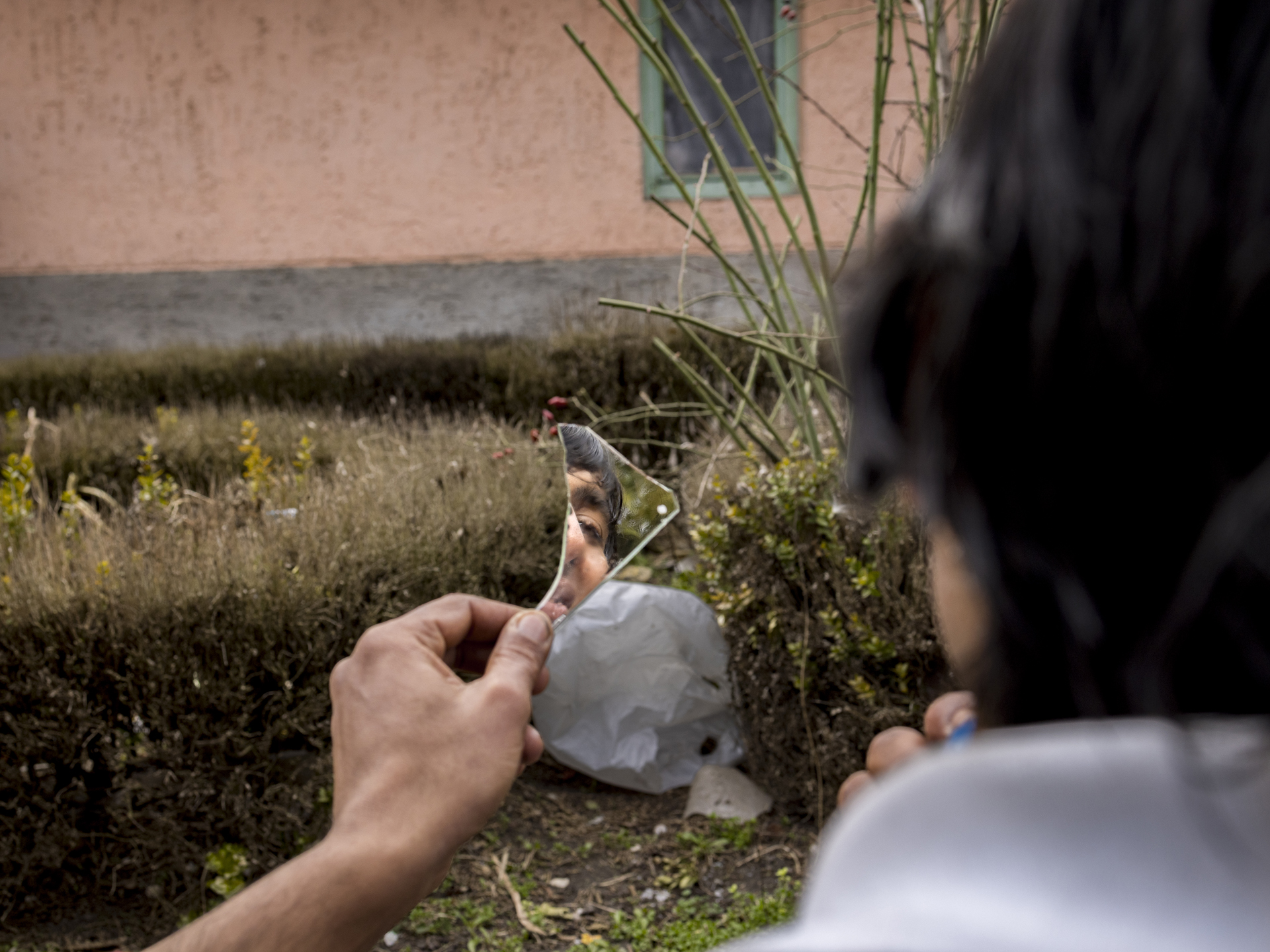
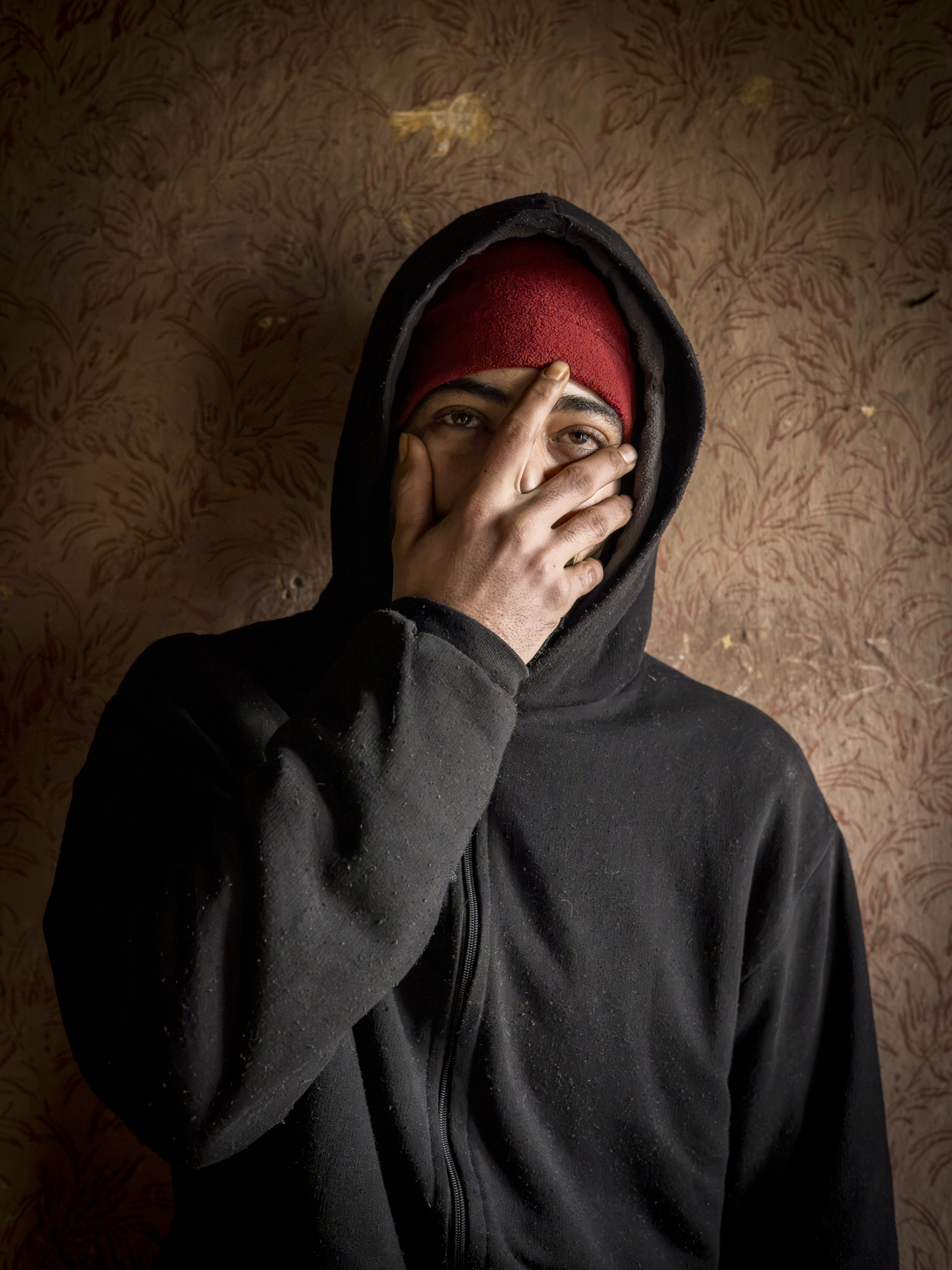
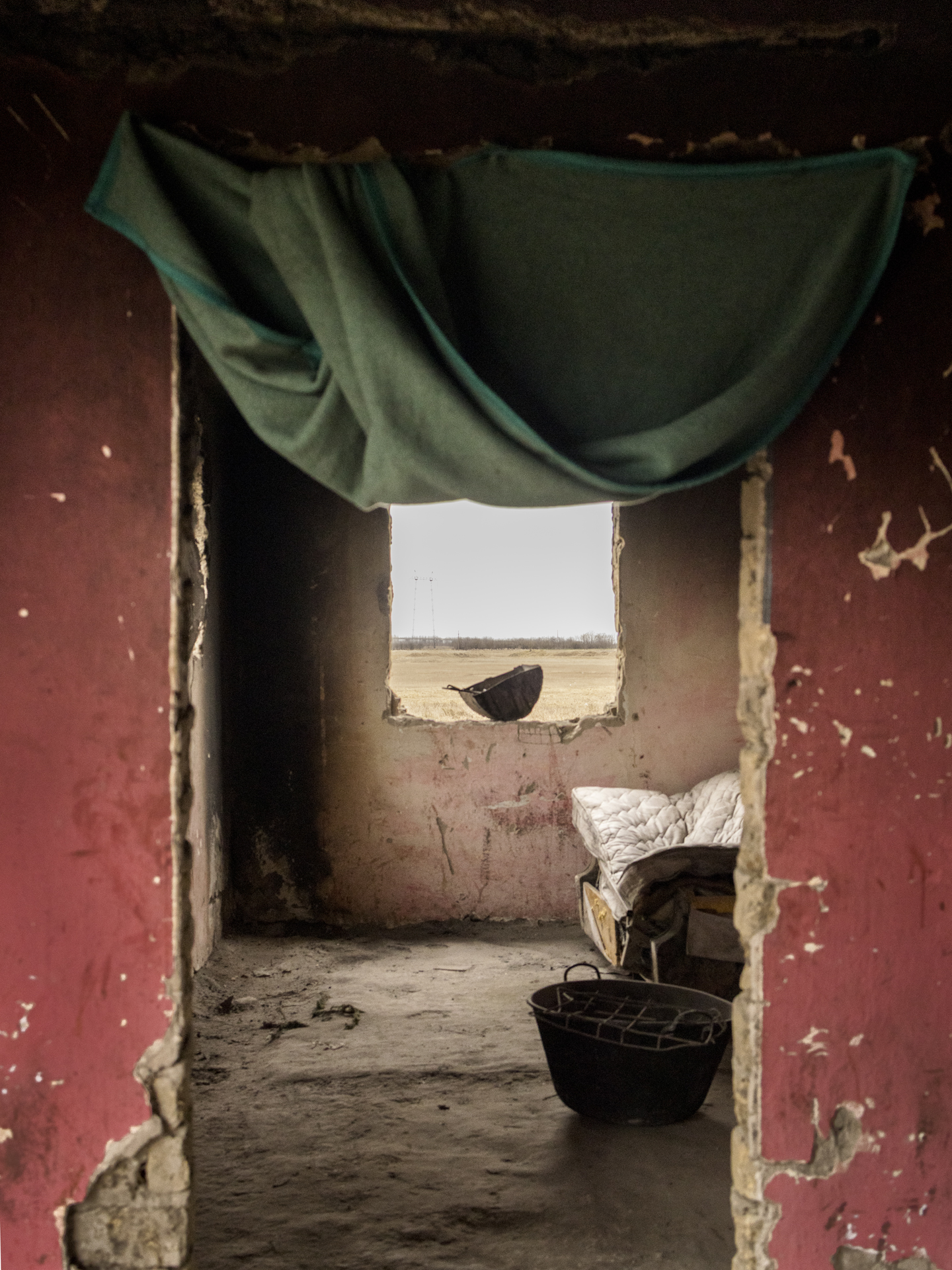
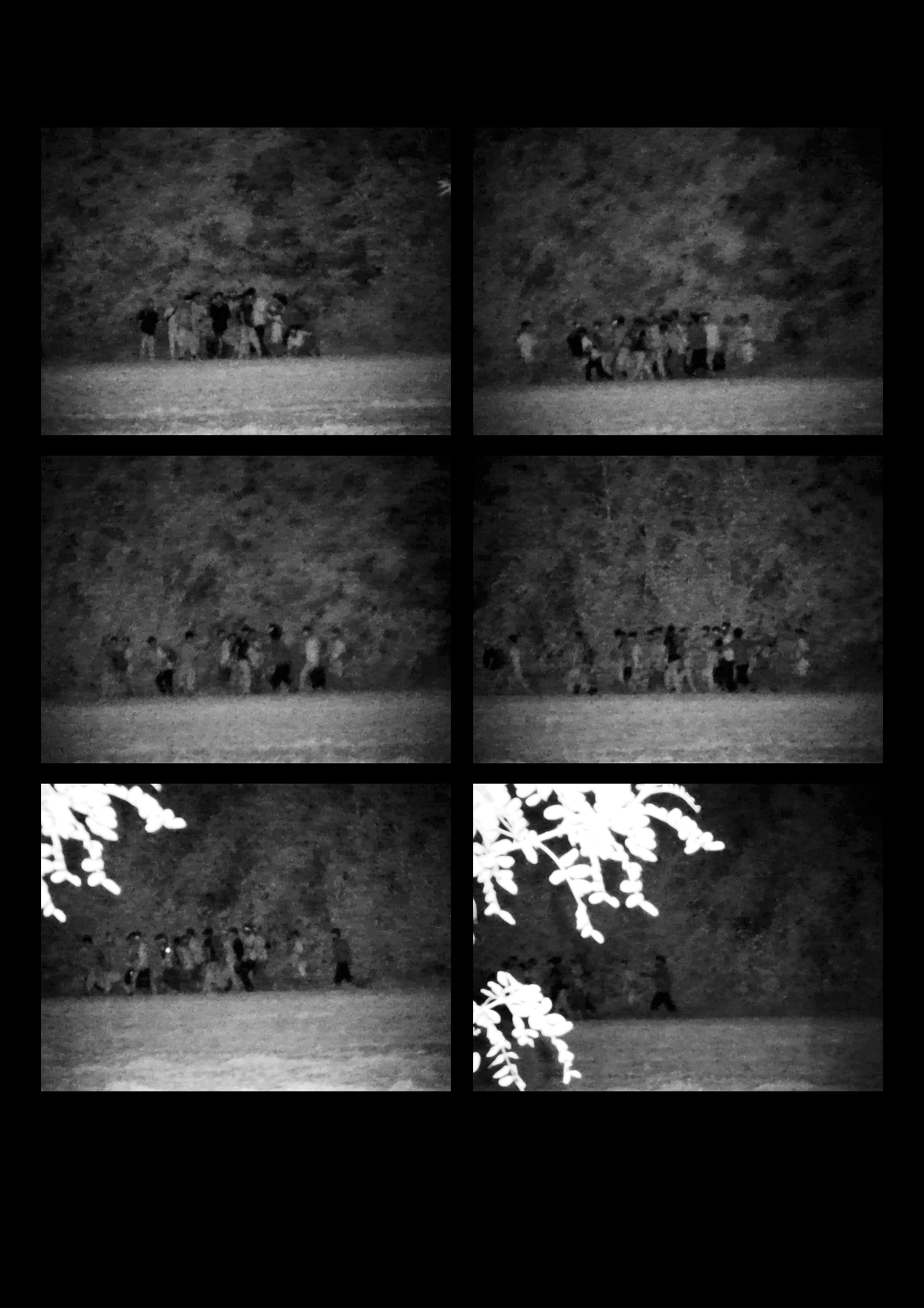
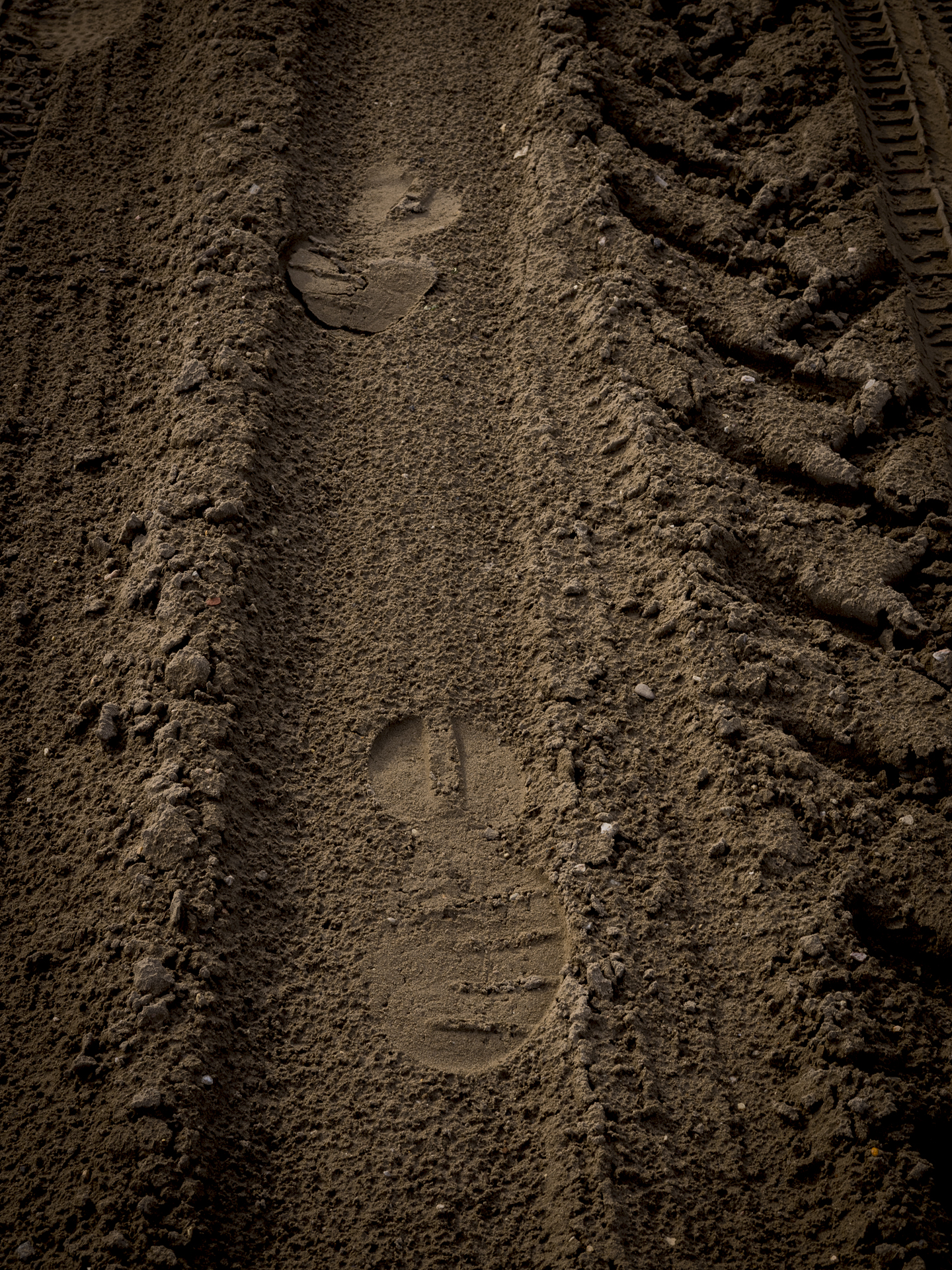
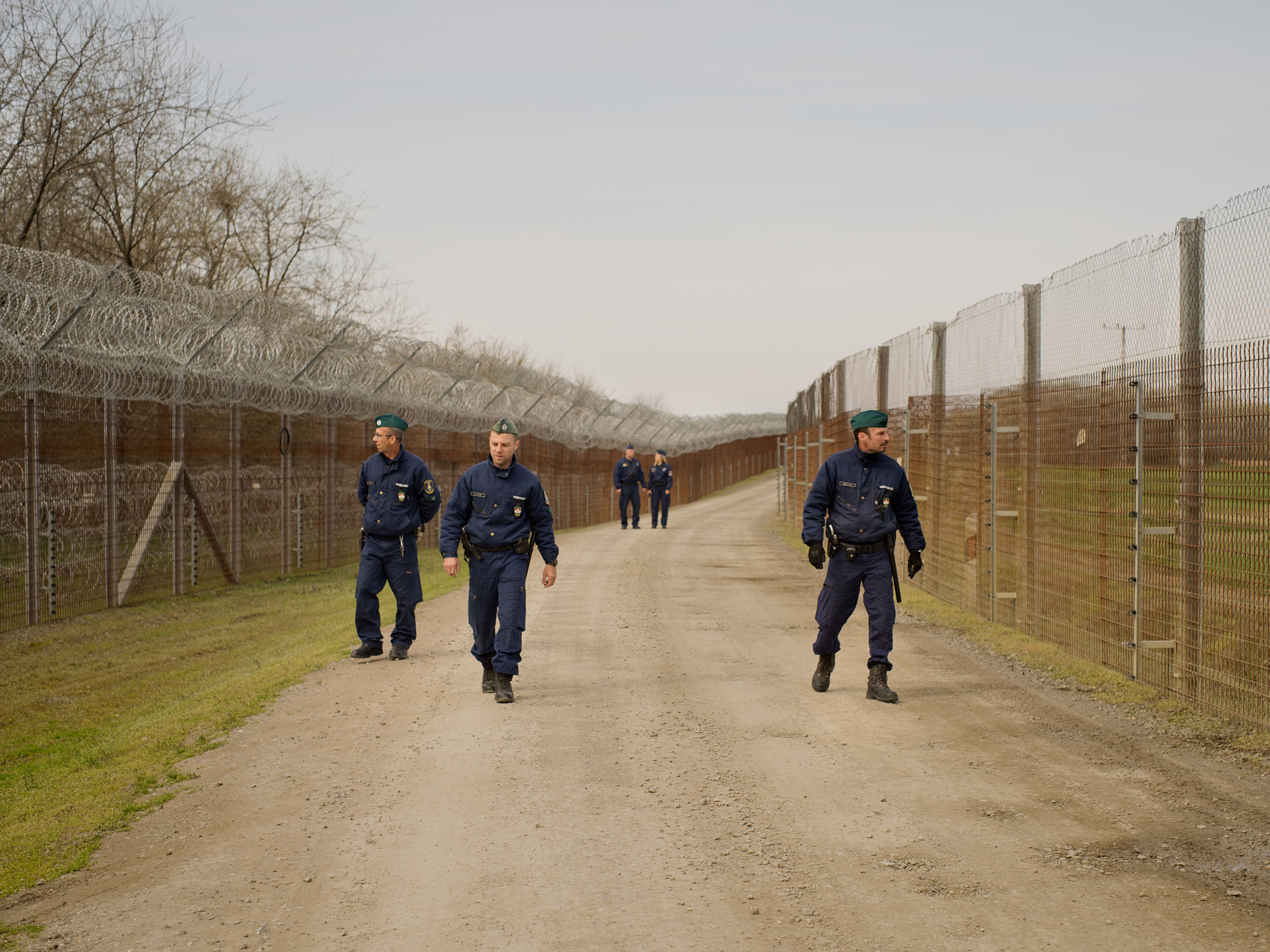
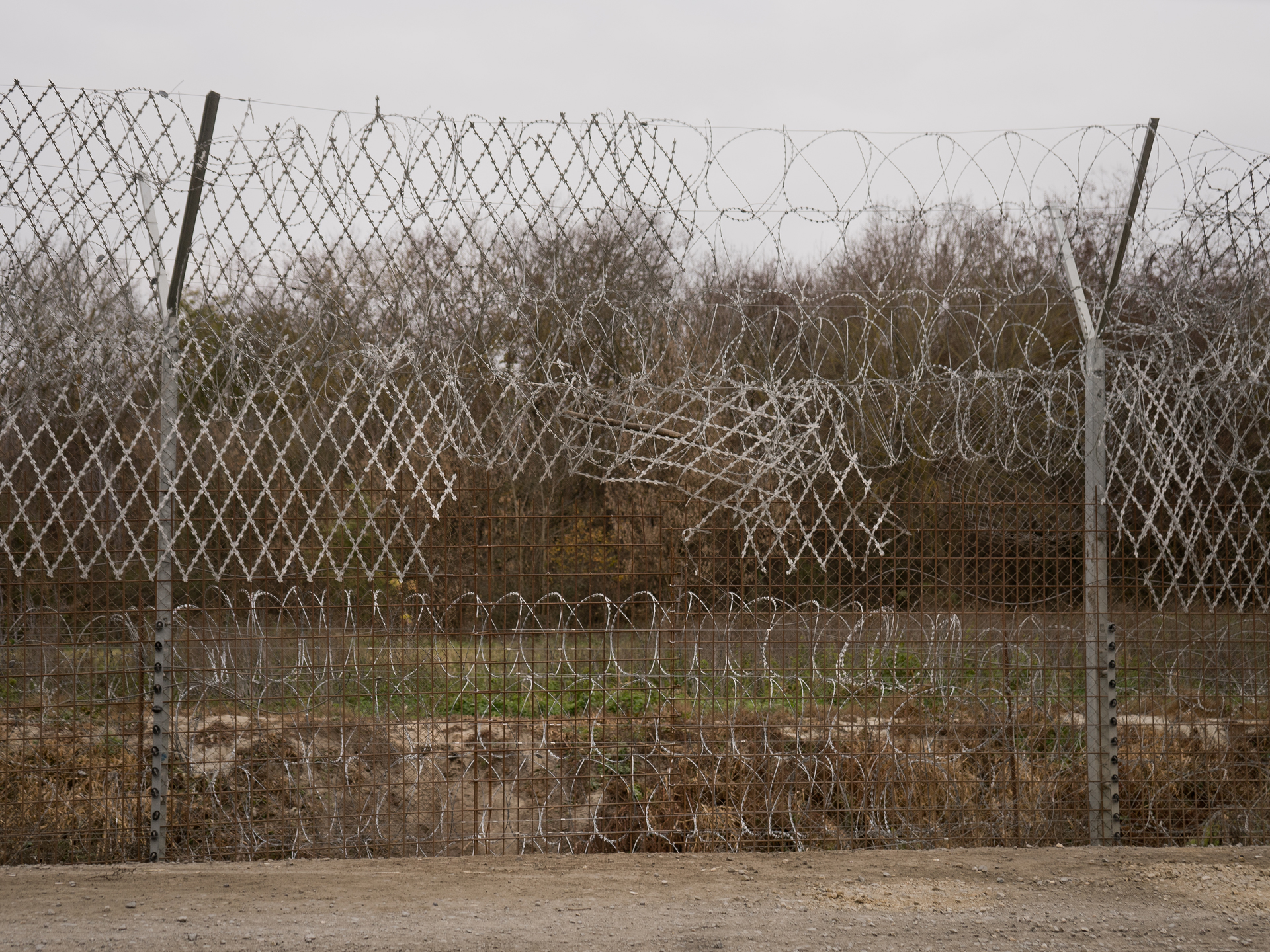
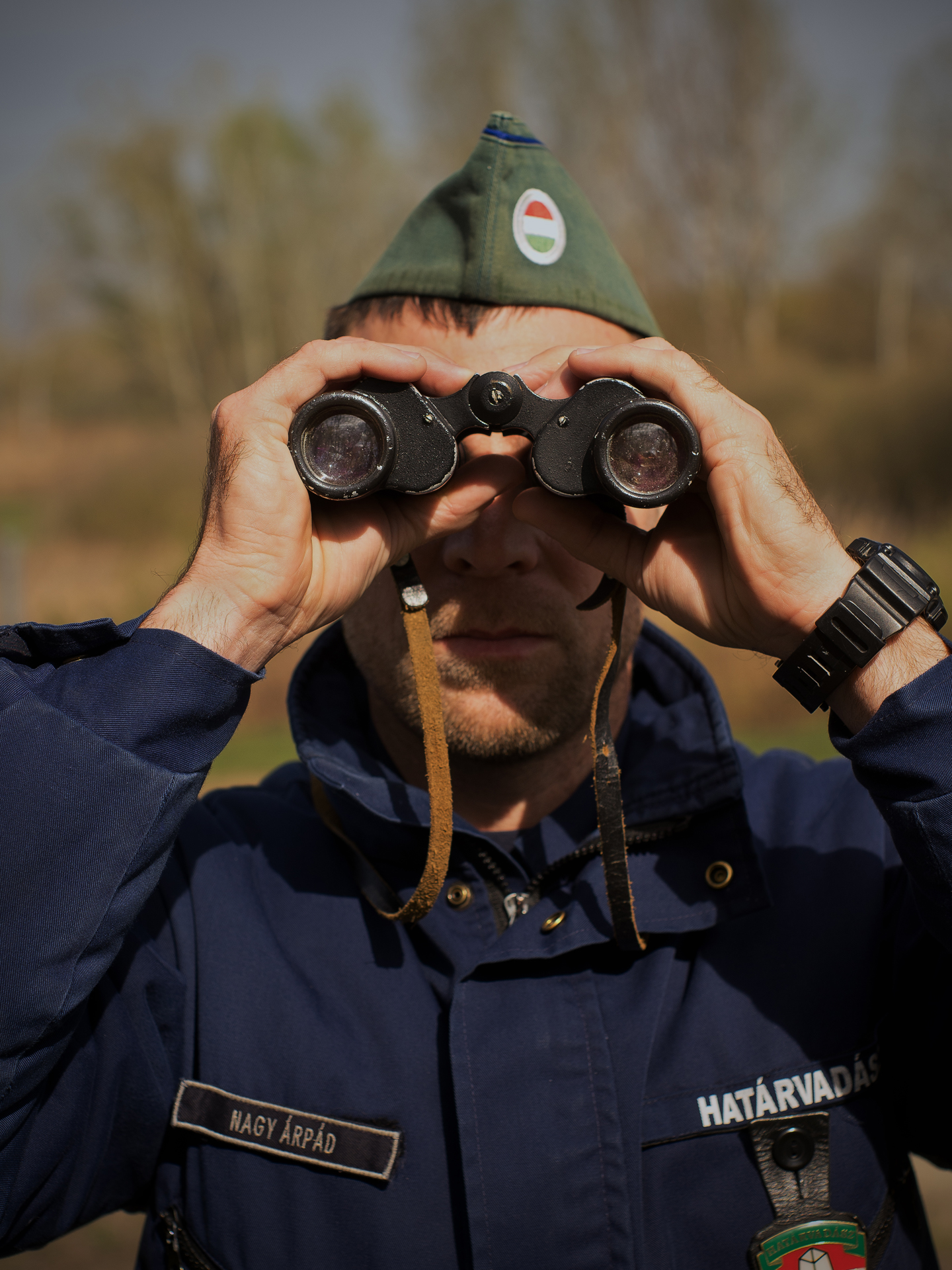
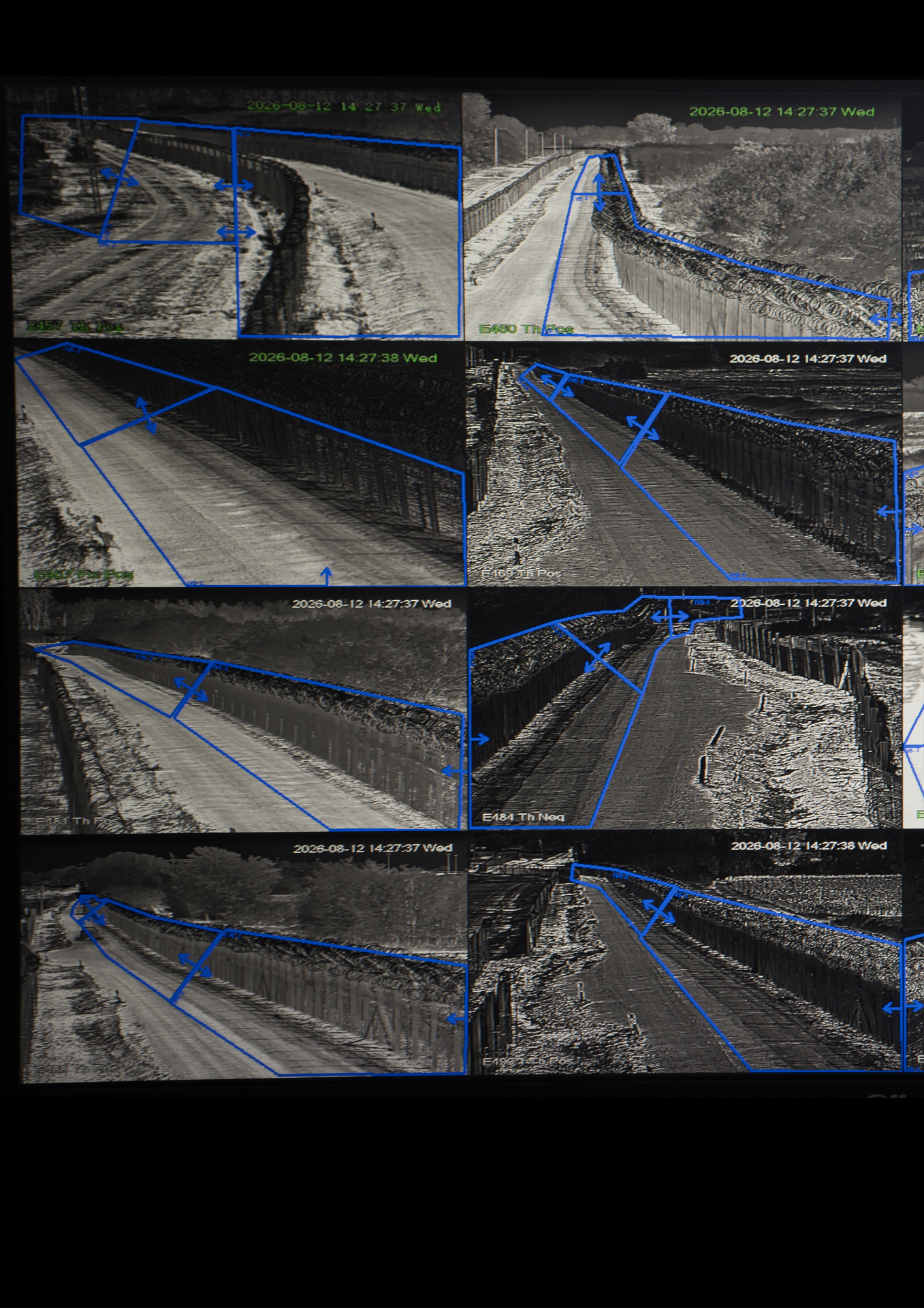
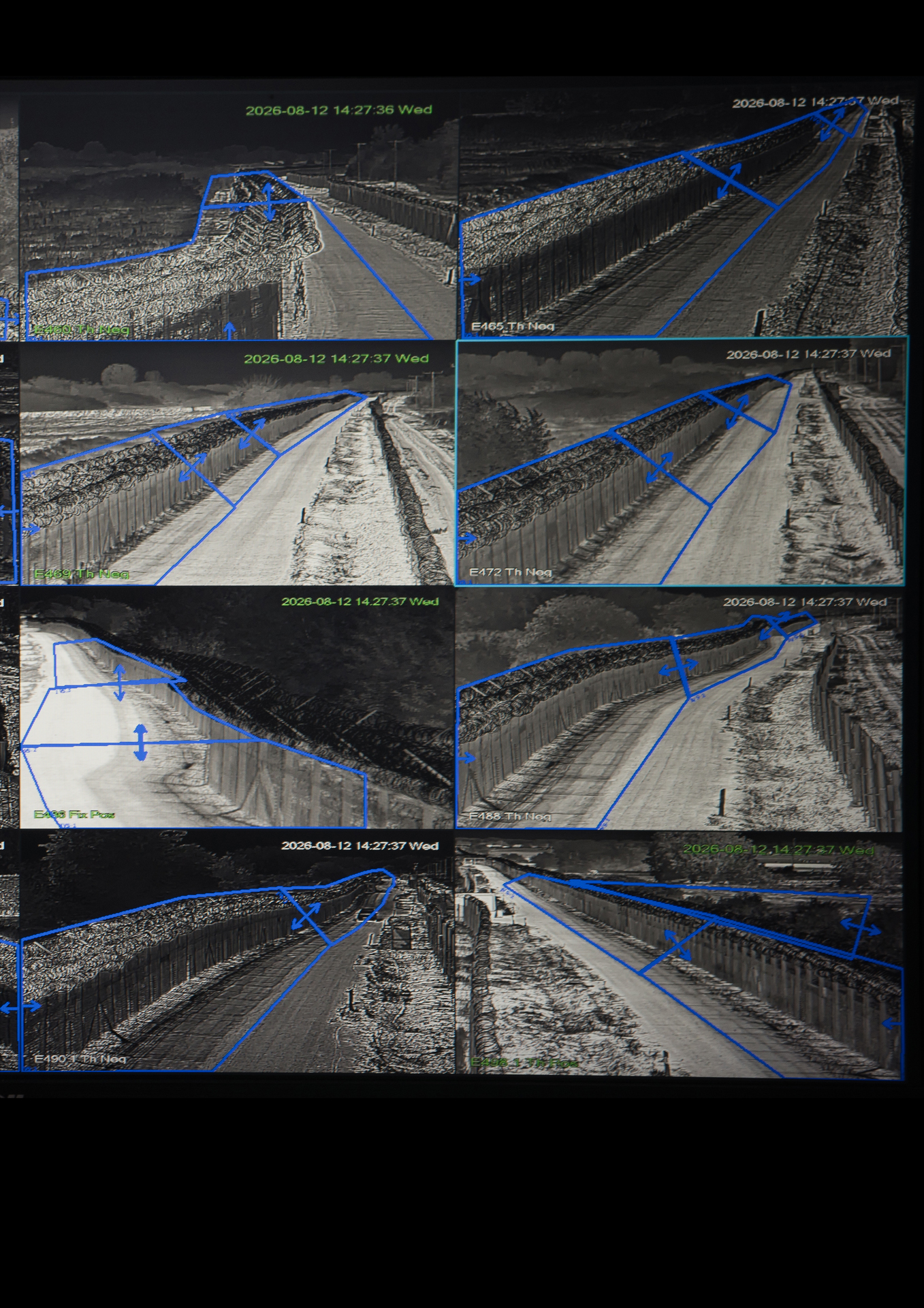
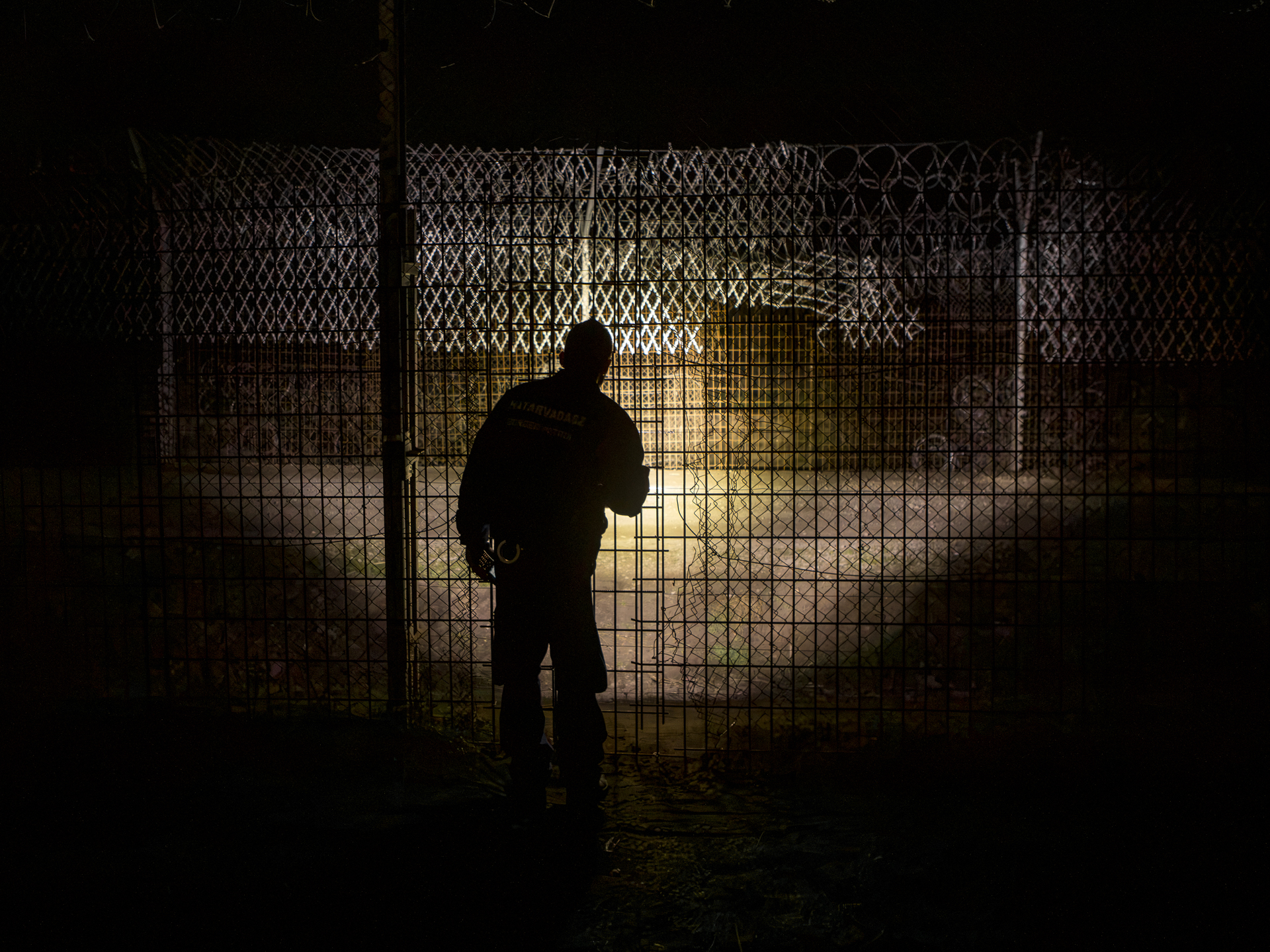
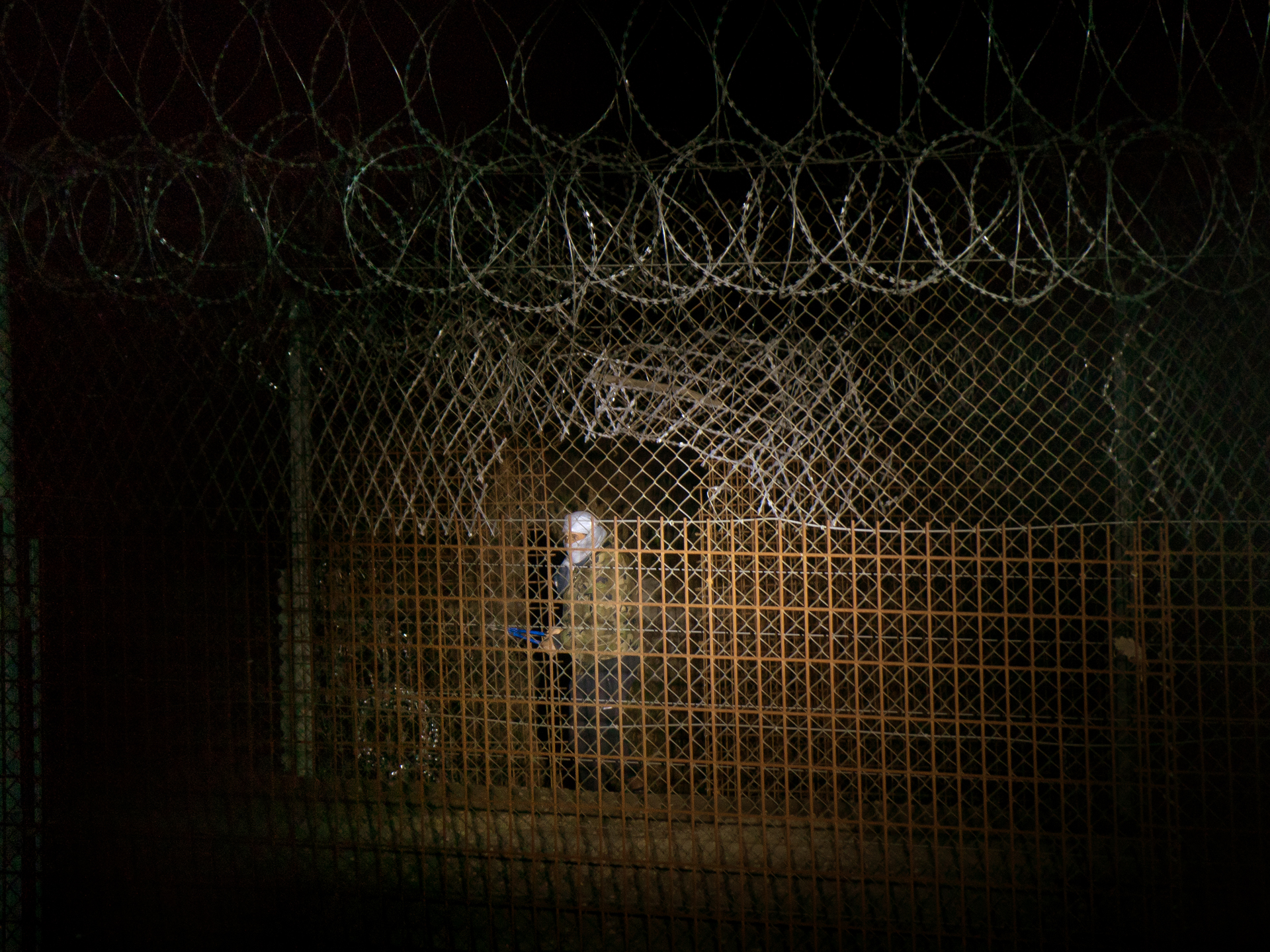
Our long-term photographic project follows the lives of people living in the immediate vicinity of Hungary’s southern border region. The focus of our investigation equally includes local residents, law enforcement officers serving in the area, and refugees. All of them have become unwilling participants in a prolonged and, for the time being, unresolved crisis that has taken shape in the region. Its locations are the surrounding forests, farmsteads, both sides of the fence, and the in-between spaces as well. This is a space where waiting for a solution, the pressure to survive, the fulfillment of duty, and the exhaustion that comes with it all collapse into one another. In this way, the physical border fence becomes not only a geographical divide, but also a psychological fault line inflicting trauma on everyone trying to make a life in this region.
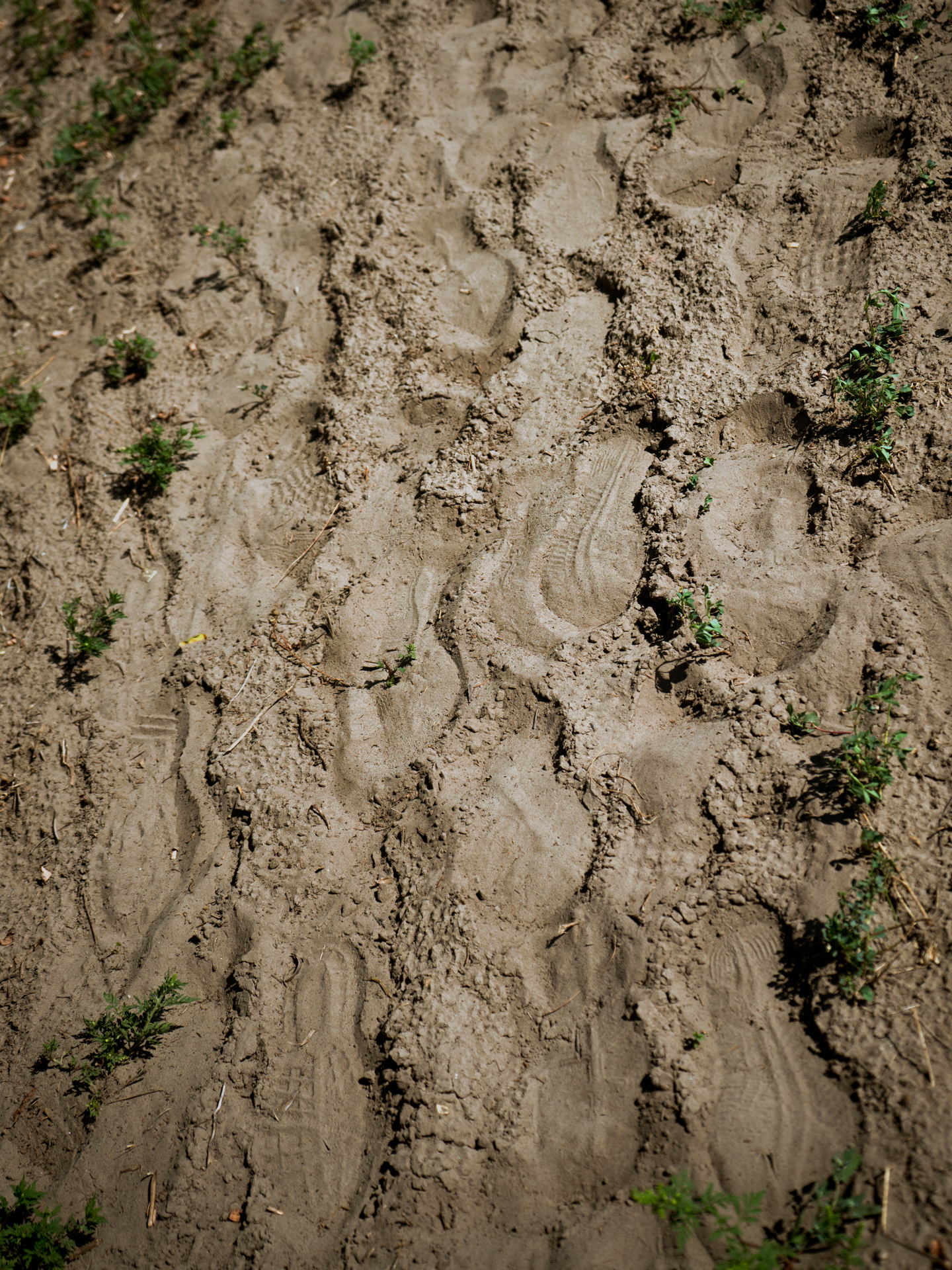
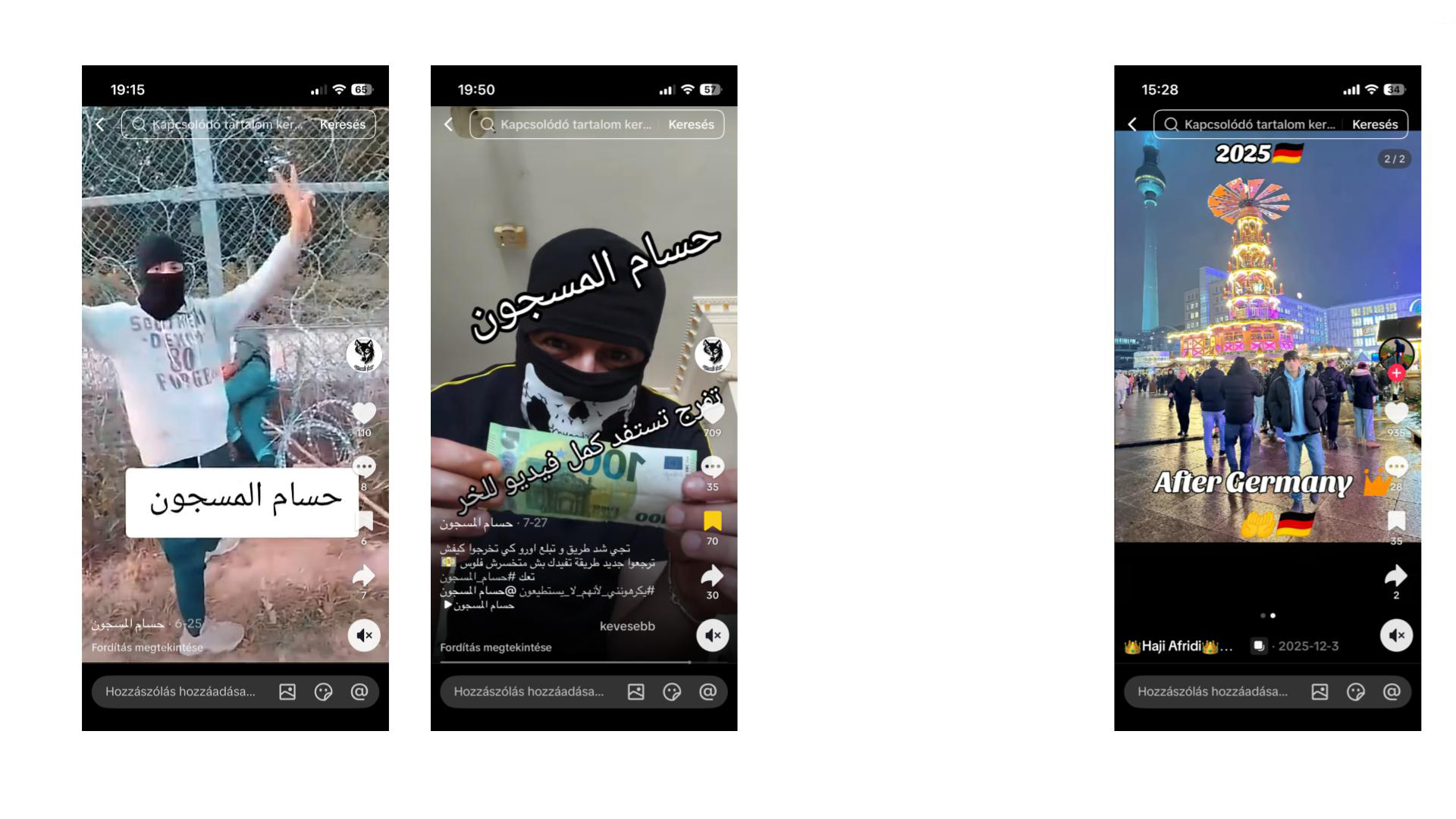
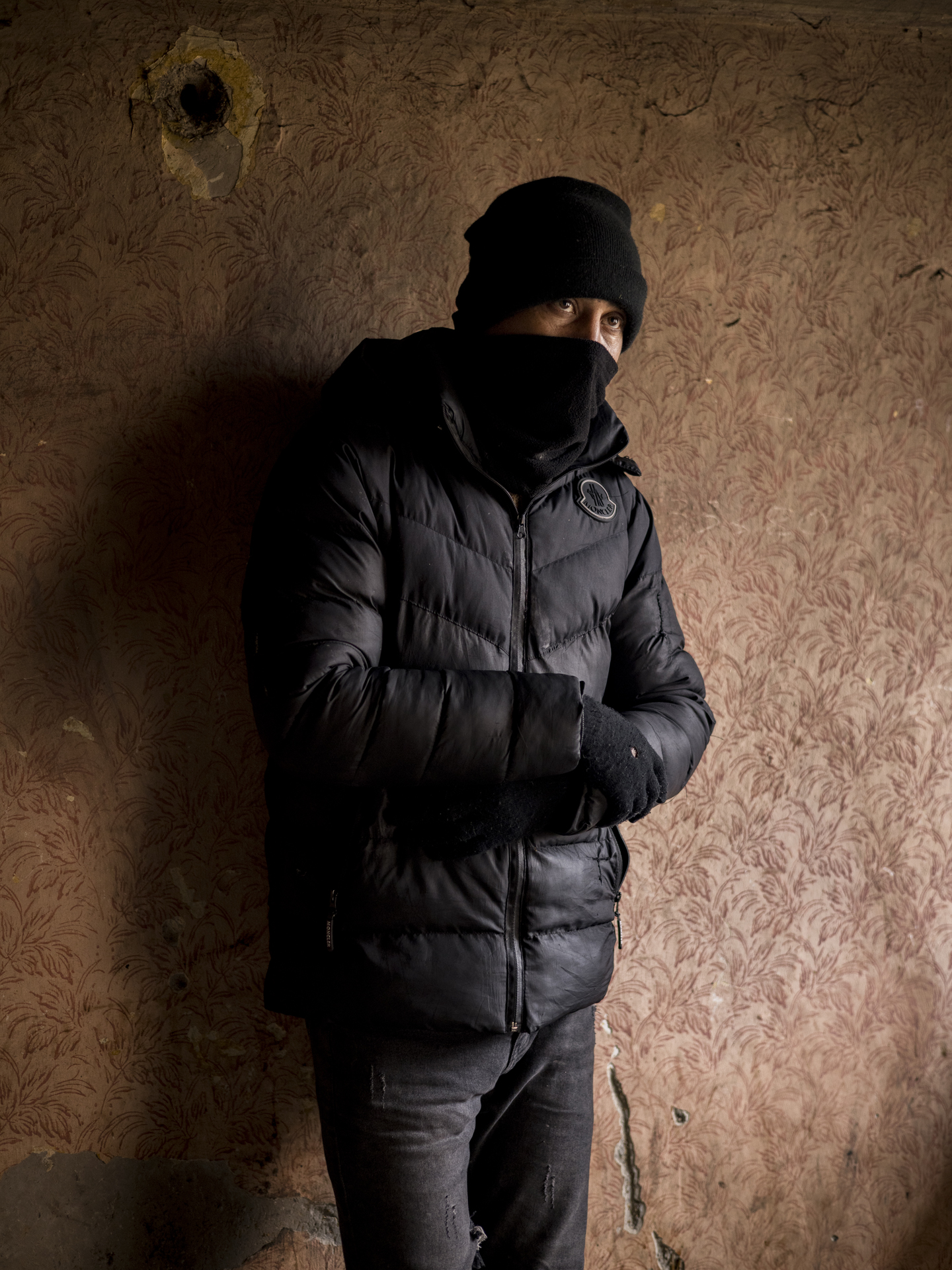
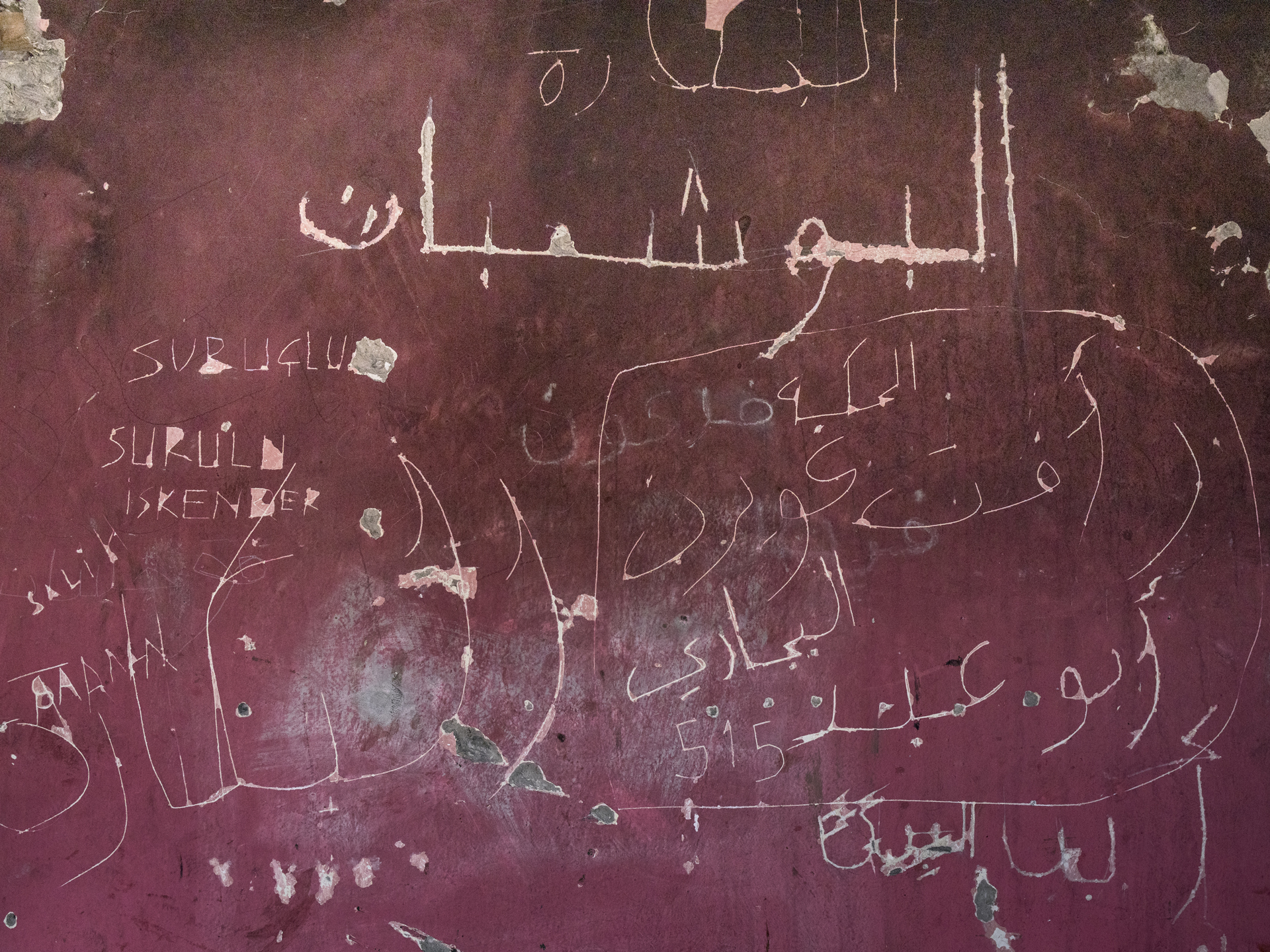
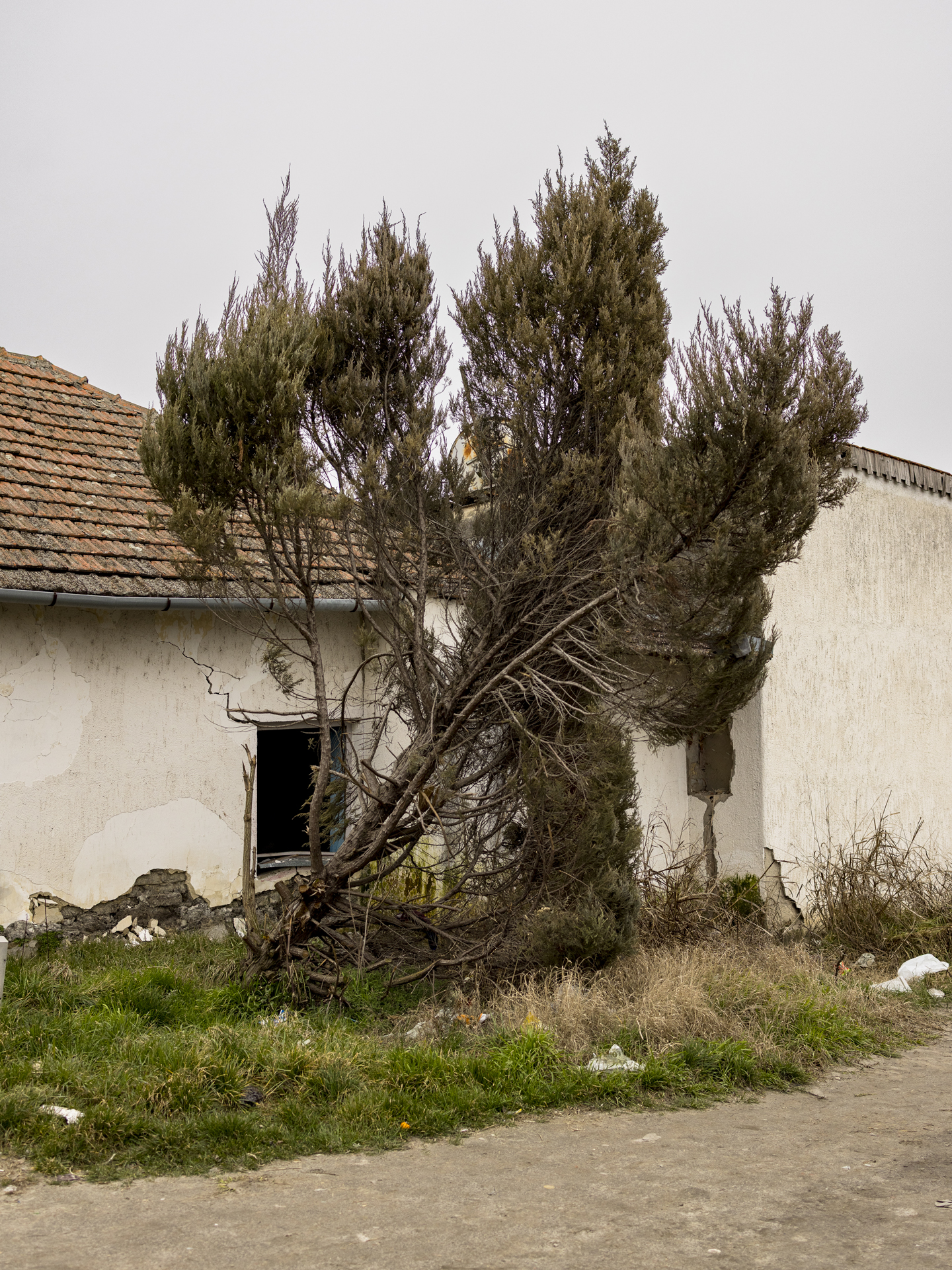
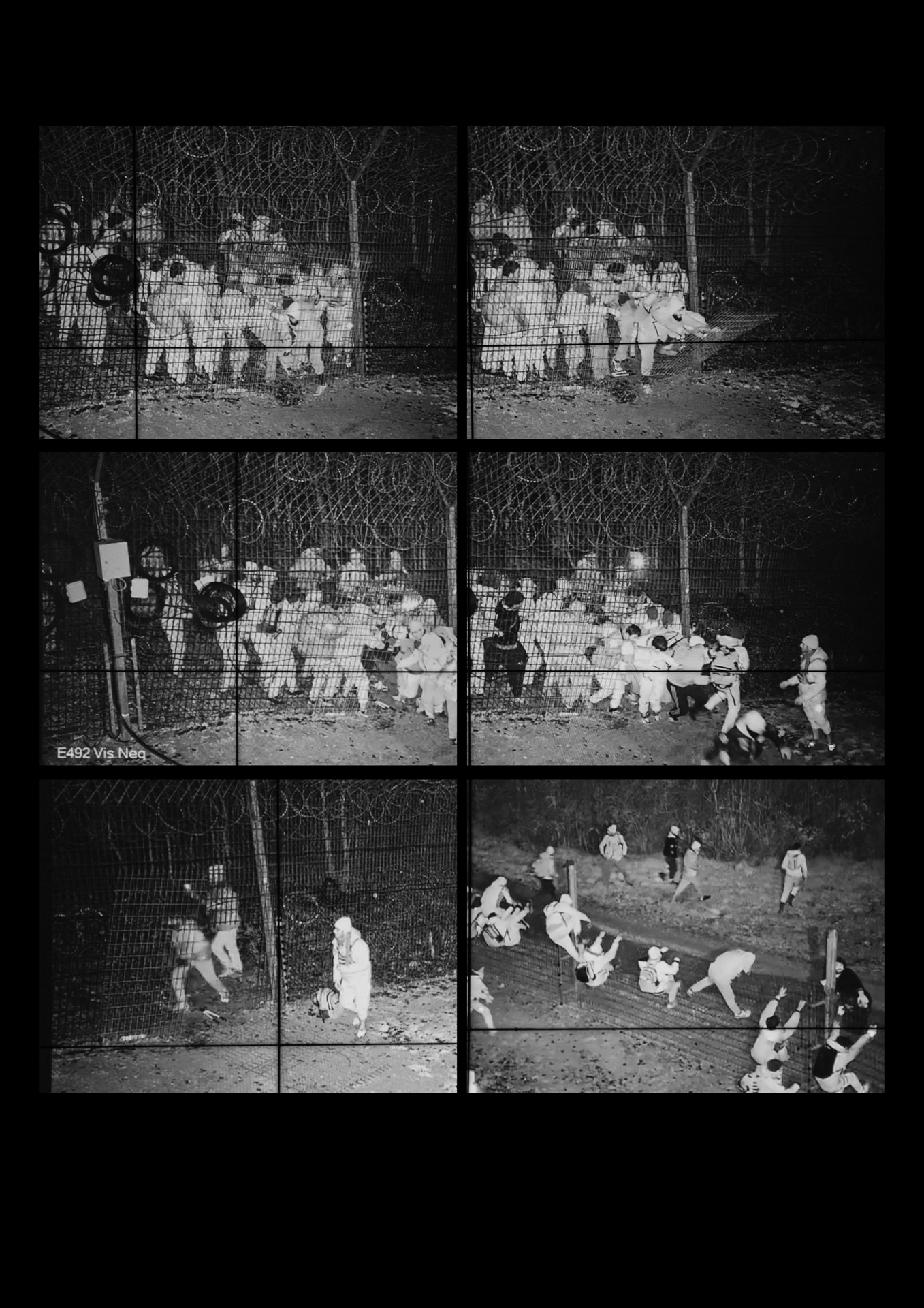
In recent years, due to conflicts in the Middle East and the effects of climate change, large numbers of refugees have set out from the region toward Europe, leaving behind their families, homes, and former lives while undertaking the dangers of a nearly 6,000-kilometer journey across land and sea. Some arrive directly from conflict zones, while migration driven by ethnic persecution and economic hardship has also grown significantly. The southern border fence built along the Hungarian–Serbian border in 2015 was constructed as a political response to the European refugee crisis. Refugees arriving here accumulate at the edge of the Schengen Area and, in the absence of asylum procedures, settle temporarily in borderland forests, fields, and abandoned farmsteads. In earlier years they moved openly through nearby settlements; in recent years, however, they have increasingly hidden while waiting for an opportunity to cross the border. Yet these lands are already occupied. For the ethnic Hungarian farming communities of Vojvodina, they represent livelihood and home. Rival smuggling groups declare certain occupied territories their own, labeling them “Afghan” or “Pakistani,” and in some cases defending them with weapons. Over the past decade, illegal activities connected to human smuggling have evolved alongside migration itself and have by now become part of the region’s everyday routine.
This section of the Hungarian border has become a transit zone defined by repetition. Apprehensions, pushbacks, and repeated crossing attempts occur daily. Highly organized crossing attempts frequently take place simultaneously at multiple points, often supported by diversion tactics designed to distract the authorities. One such tactic involves firing steel ball bearings at police officers with slingshots. Refugees and smugglers caught crossing the fence one day are often returned the next, only to attempt the journey again shortly after, emerging once more from what border guards call the “Serbian depth” toward the “Hungarian depth.” For the law enforcement agencies protecting the border and nearby settlements, the work has become a nerve-racking and seemingly endless struggle. A smuggler cutting a “stargate” into the fence—a slang term for an opening through which refugees disappear almost instantly—smiles at the responding riot police officer arriving in the buffer zone and asks: “Remember me?”
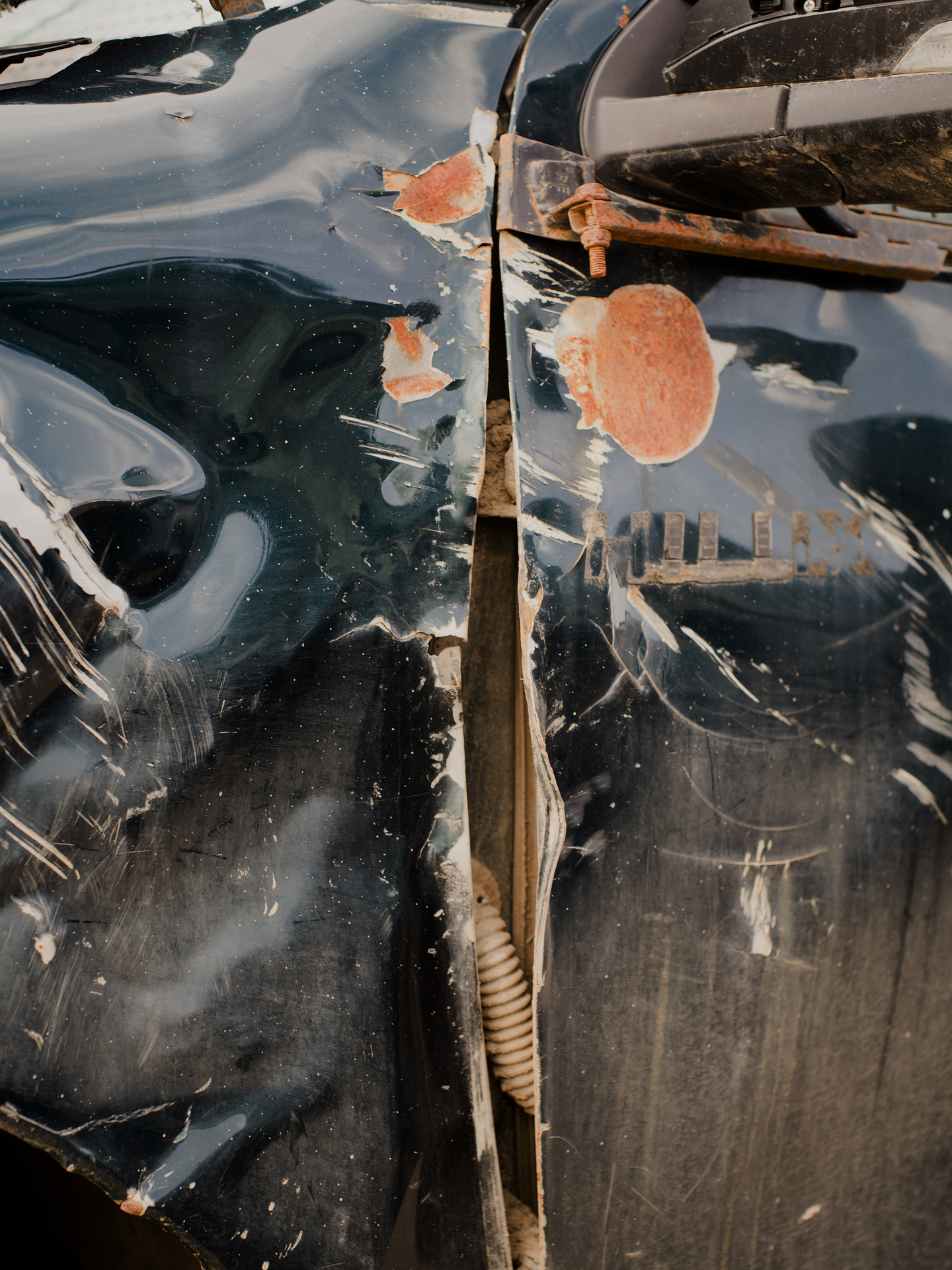
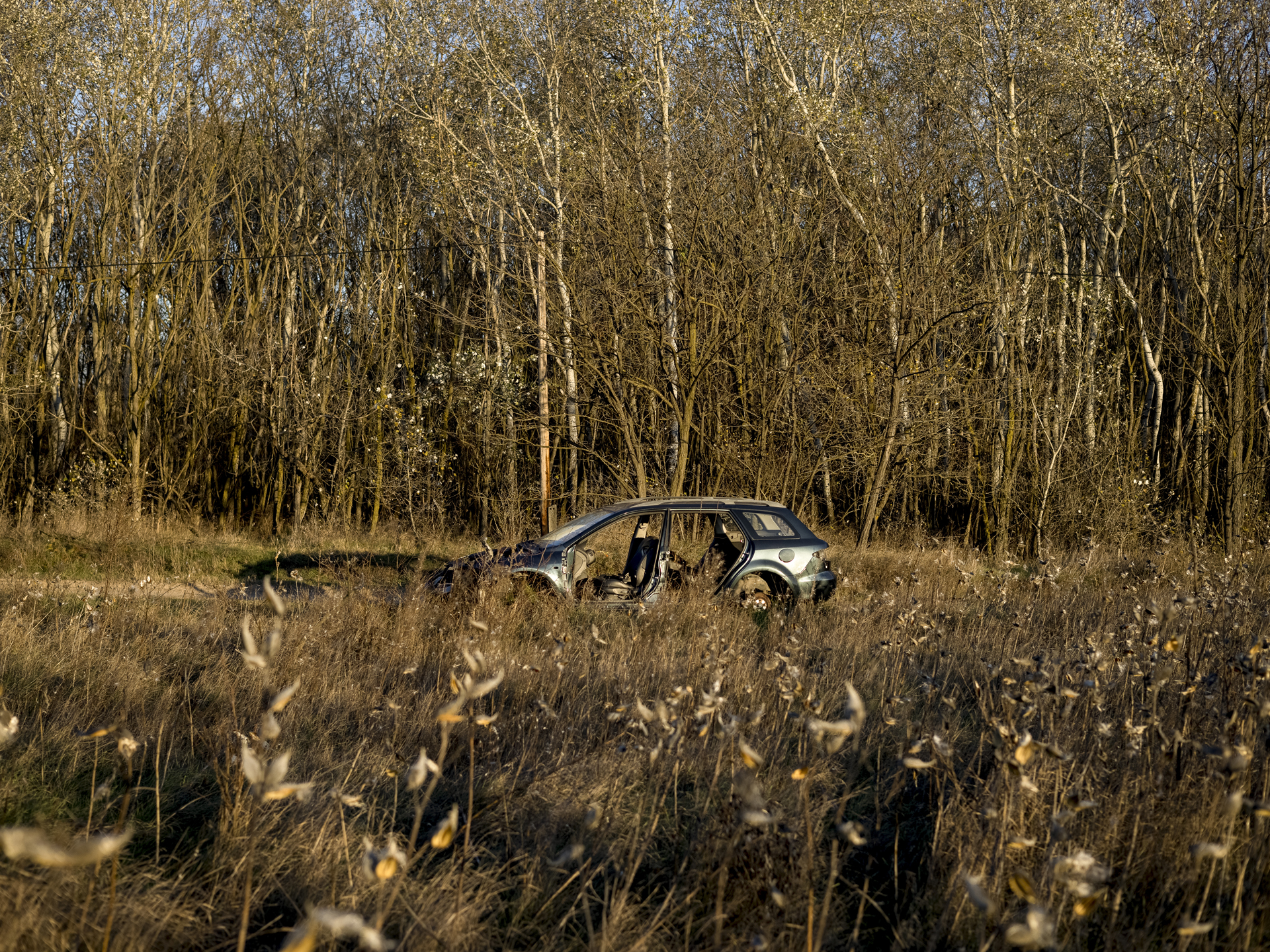
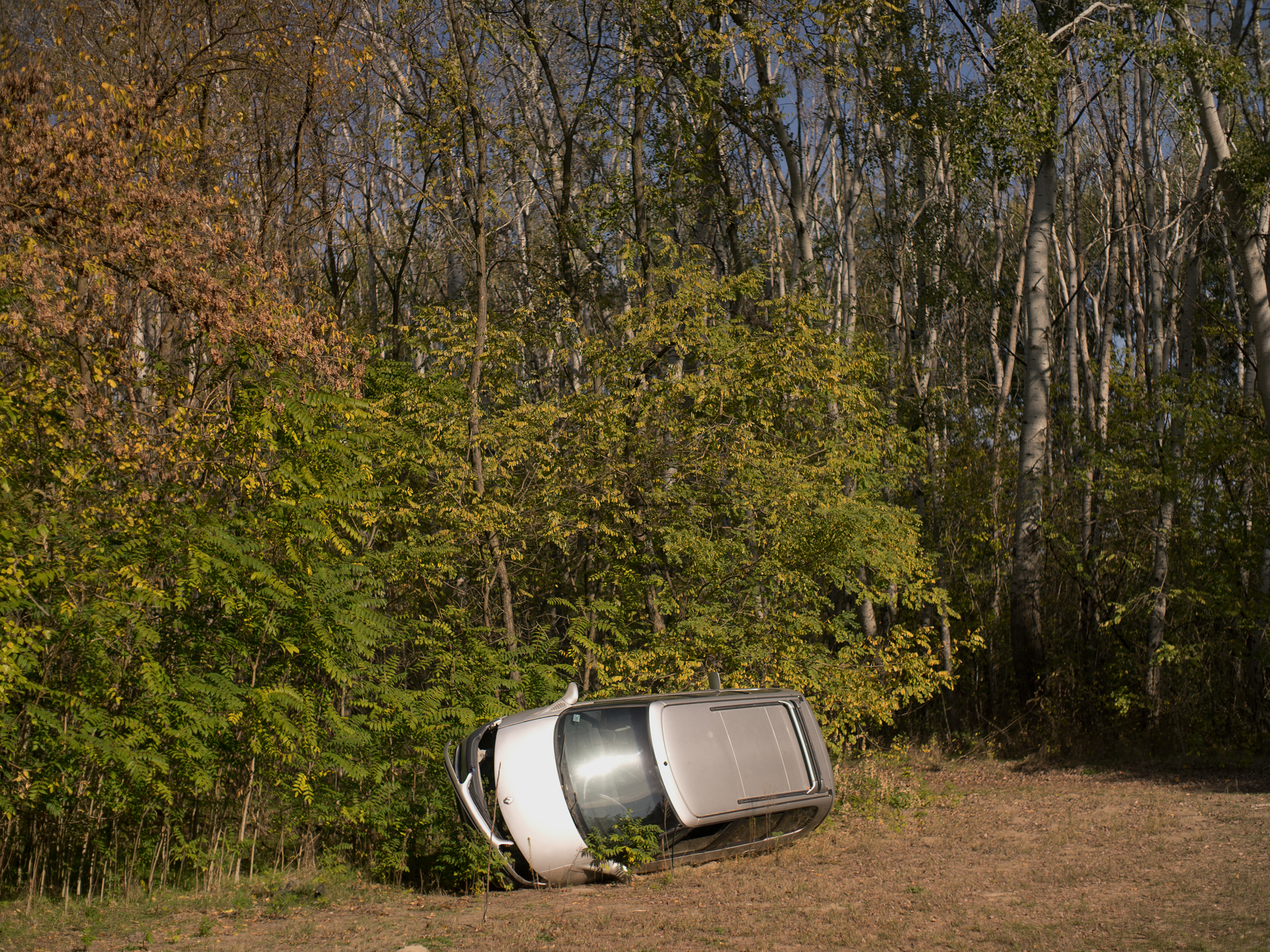
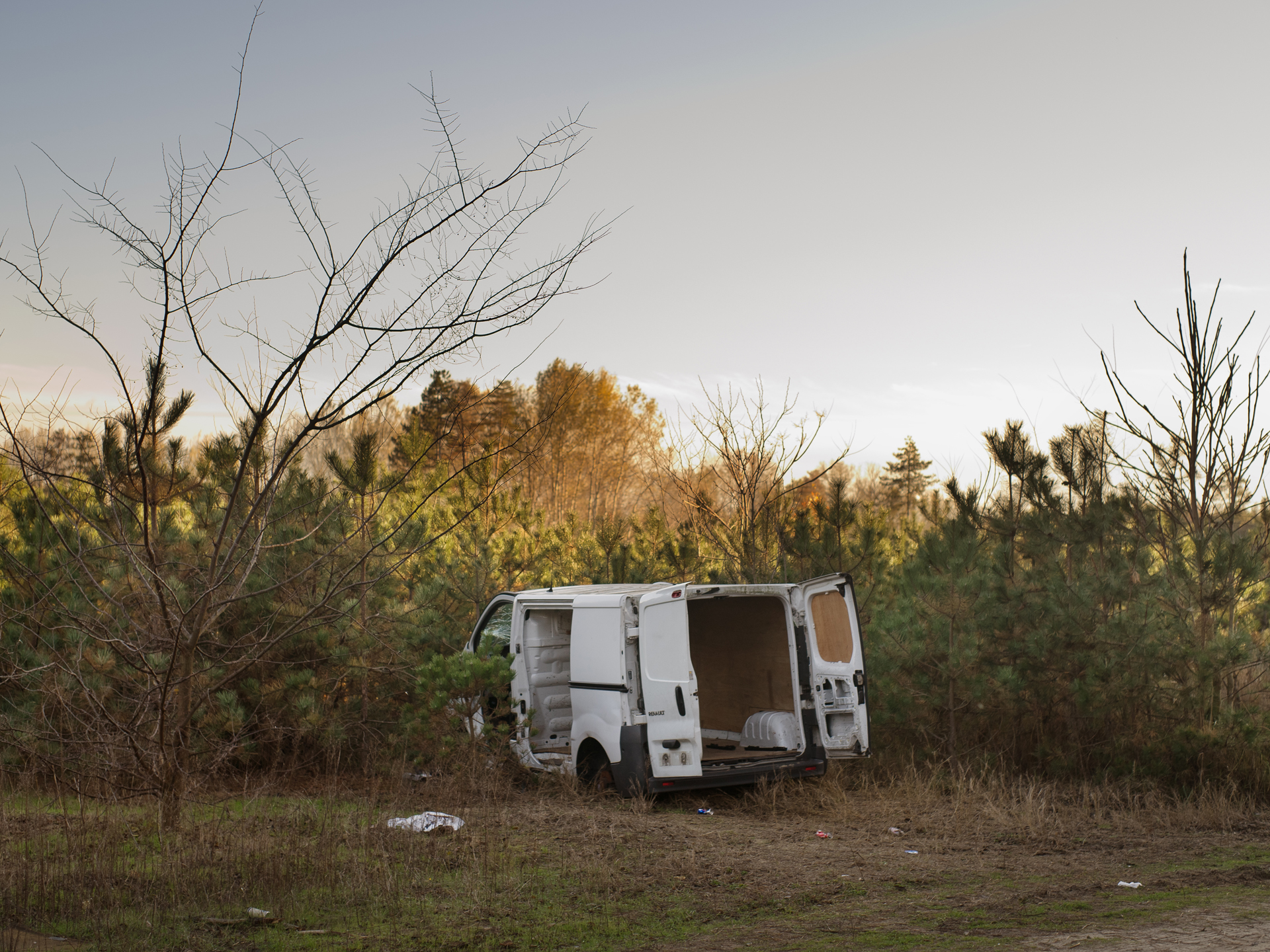
Fear and uncertainty are palpable on both sides of the border. Burned-out smuggler cars abandoned by the roadside and recurring gunfire are alien experiences for local residents, who increasingly feel that the conflicts of the Middle East have moved to the edge of their homes. The environment surrounding the fence has become a stage for the tragedy of the situation. That tragedy emerges from the radically different positions, roles, cultural backgrounds, and social realities of those forced to coexist in the same space.
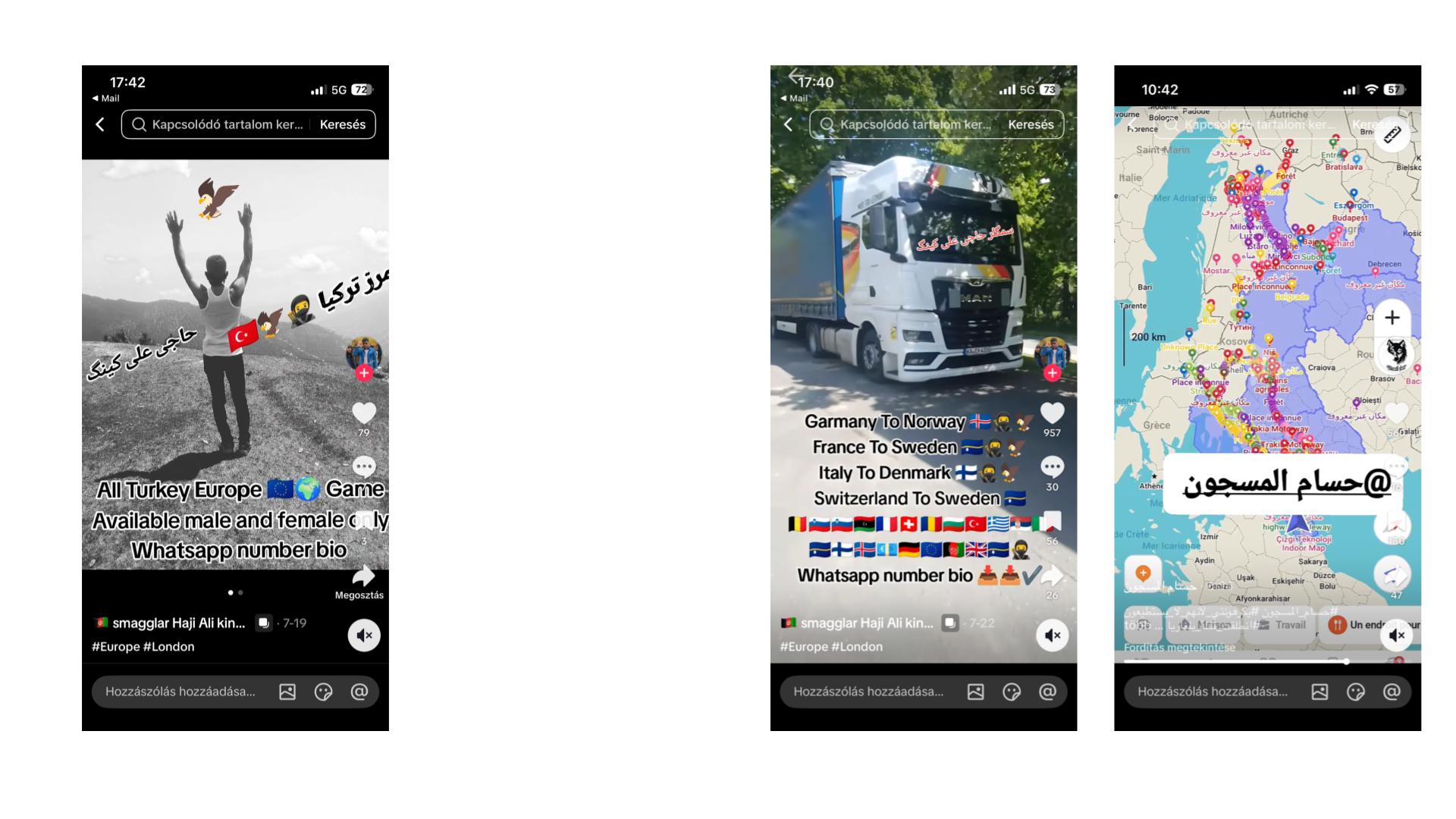
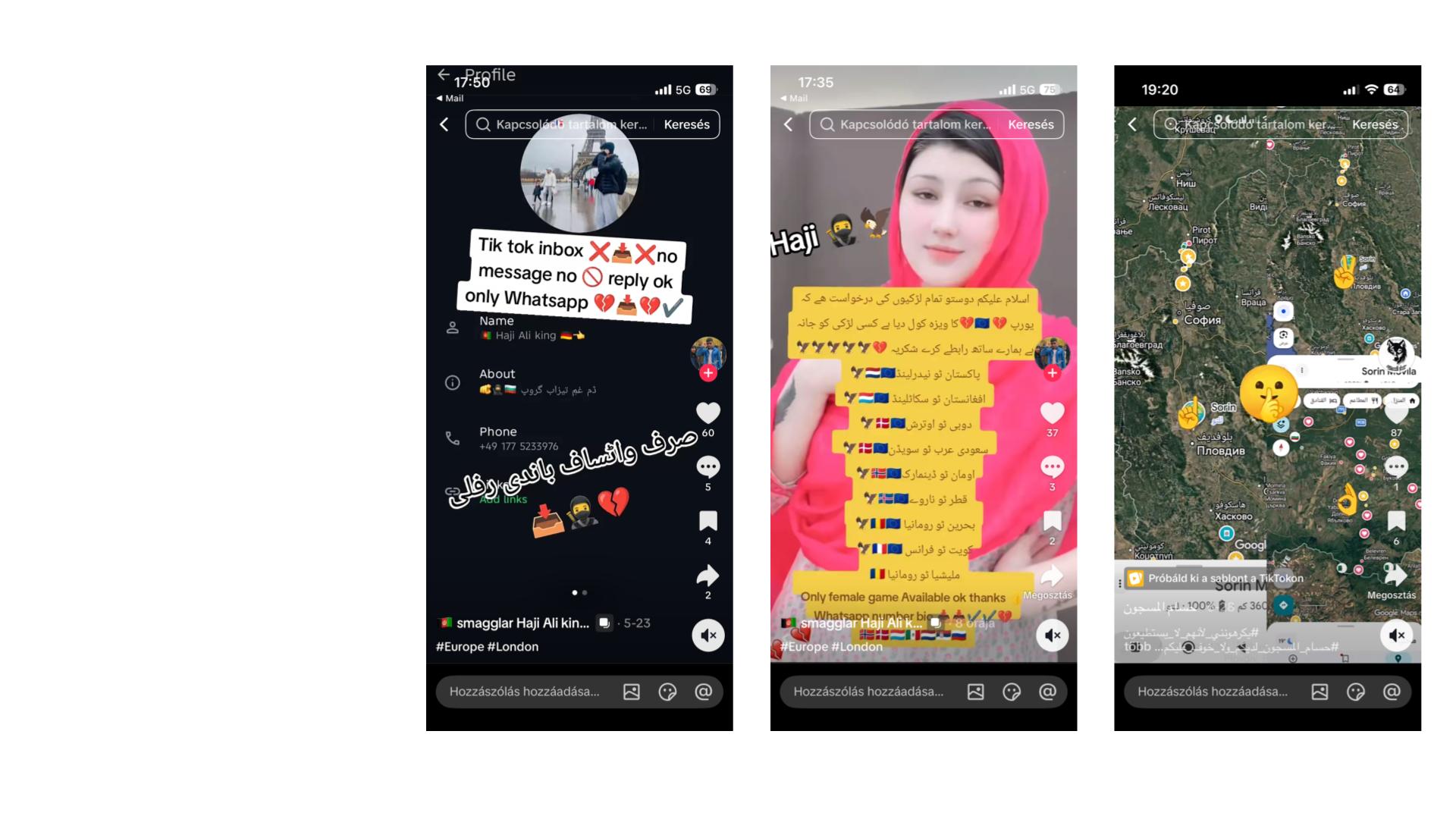
Alongside the digitalisation of migrant smuggling, another process is coming into view: the use of migration by states as a geopolitical instrument. This has a precedent in EU–Turkey relations: the 2016 agreement linked the containment of irregular migration to EU funding and political commitments, while in 2020 Ankara temporarily ceased preventing people from moving towards Europe. In 2025–2026, tunnels were discovered beneath border fences along the EU’s borders with Belarus; assistance from the Belarusian side is suspected, although direct involvement by the state has not been proven. The methods differ, but the underlying logic is similar: at one point in the journey, a person fleeing is the client of a digitally organised smuggling service; at another, an instrument of political pressure between states.
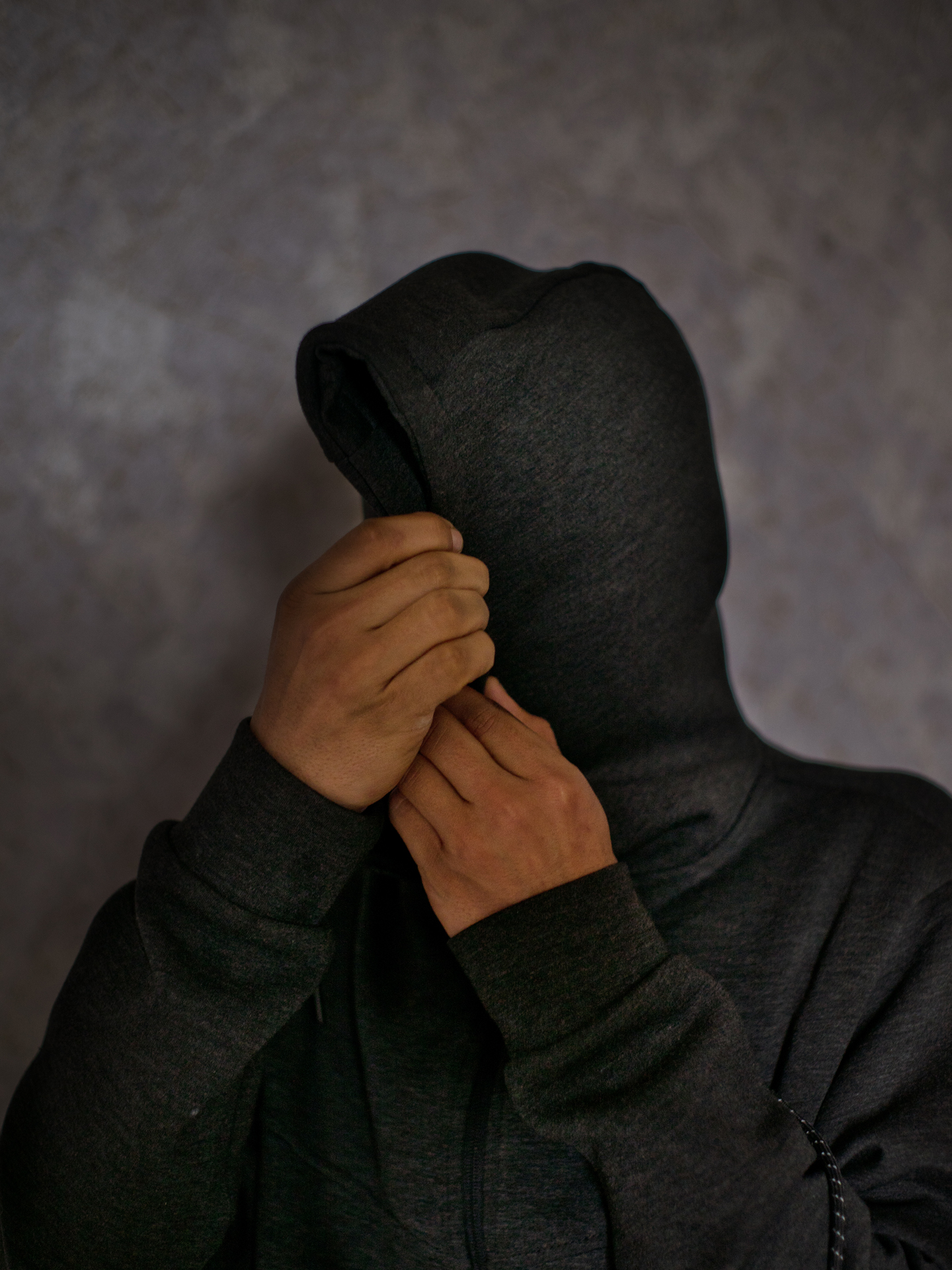
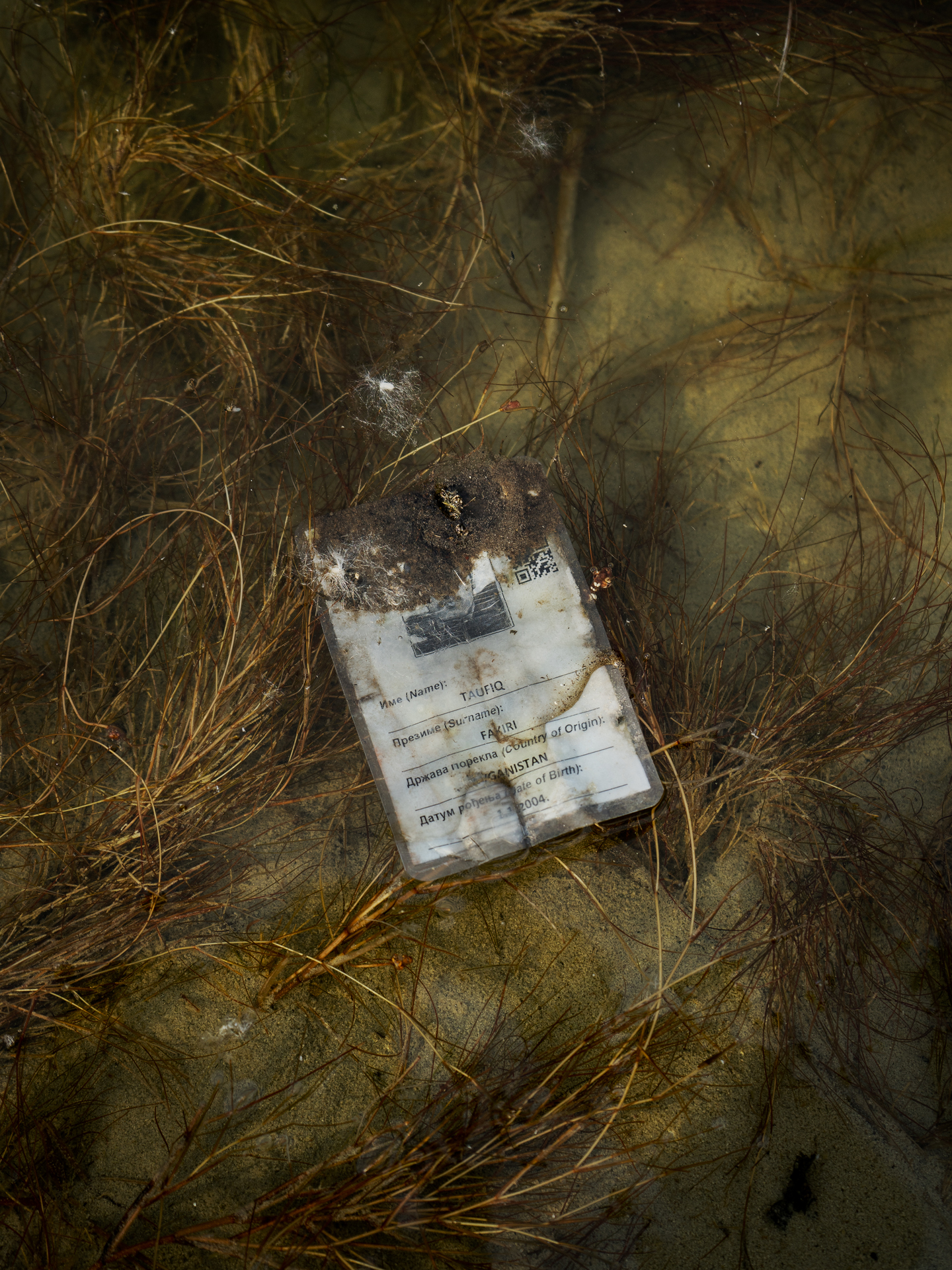
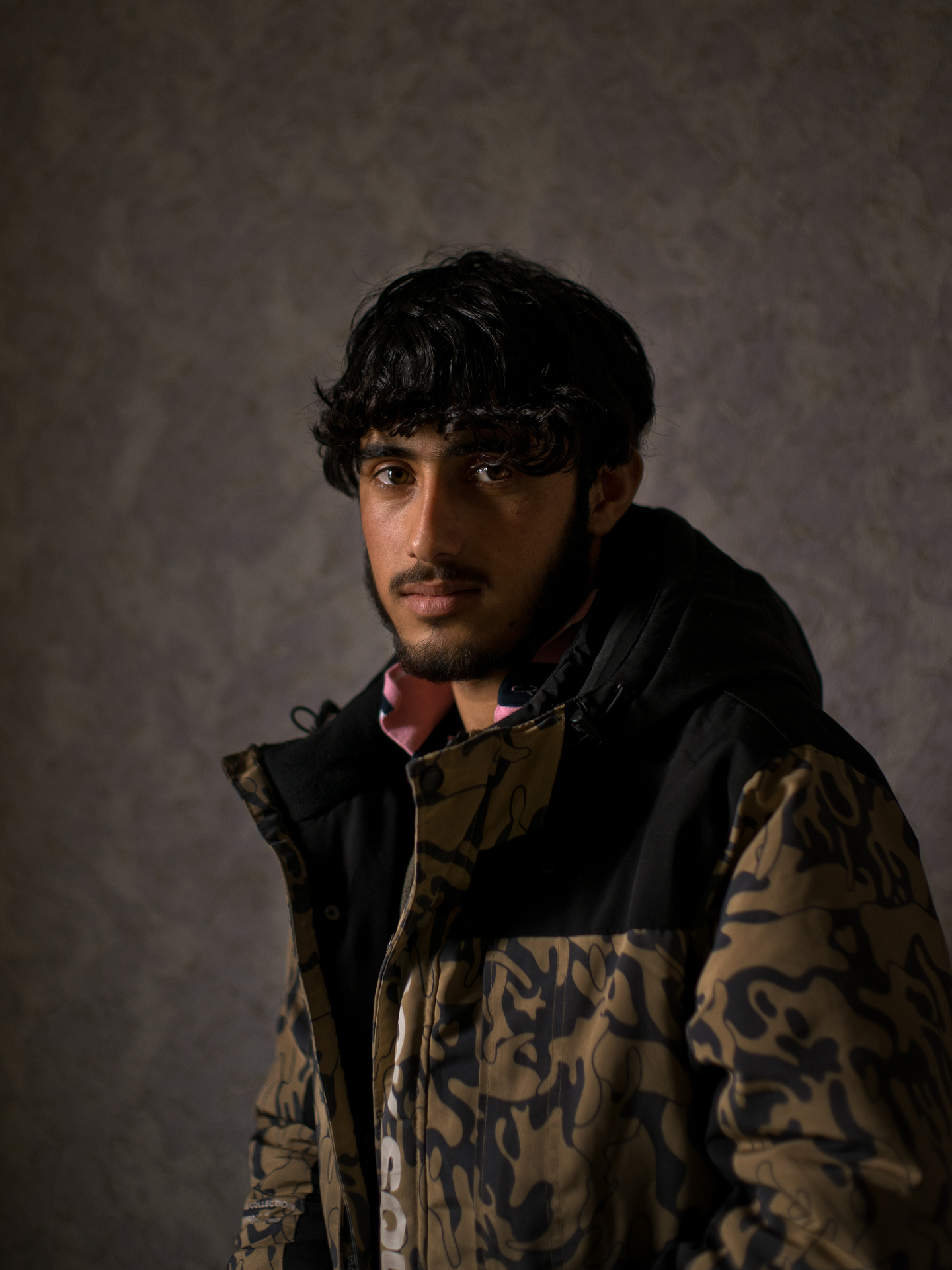
The tensions generated by local and global political struggles ultimately manifest themselves in the lives of people who, at this very moment, are all simply trying to survive, move forward, and build a future. As so often happens in conflicts like these, individuals eventually become faceless numbers—statistics that will one day be forgotten.
Through documentary photography, this series investigates and records the many layers of this complex situation. It also seeks to preserve the memory of those drawn into the conflict through no fault of their own, ensuring that their lives—and they themselves—are not forgotten.
REMAINS OF US
Noémi Napsugár Melegh
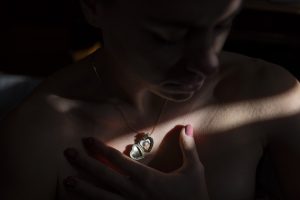
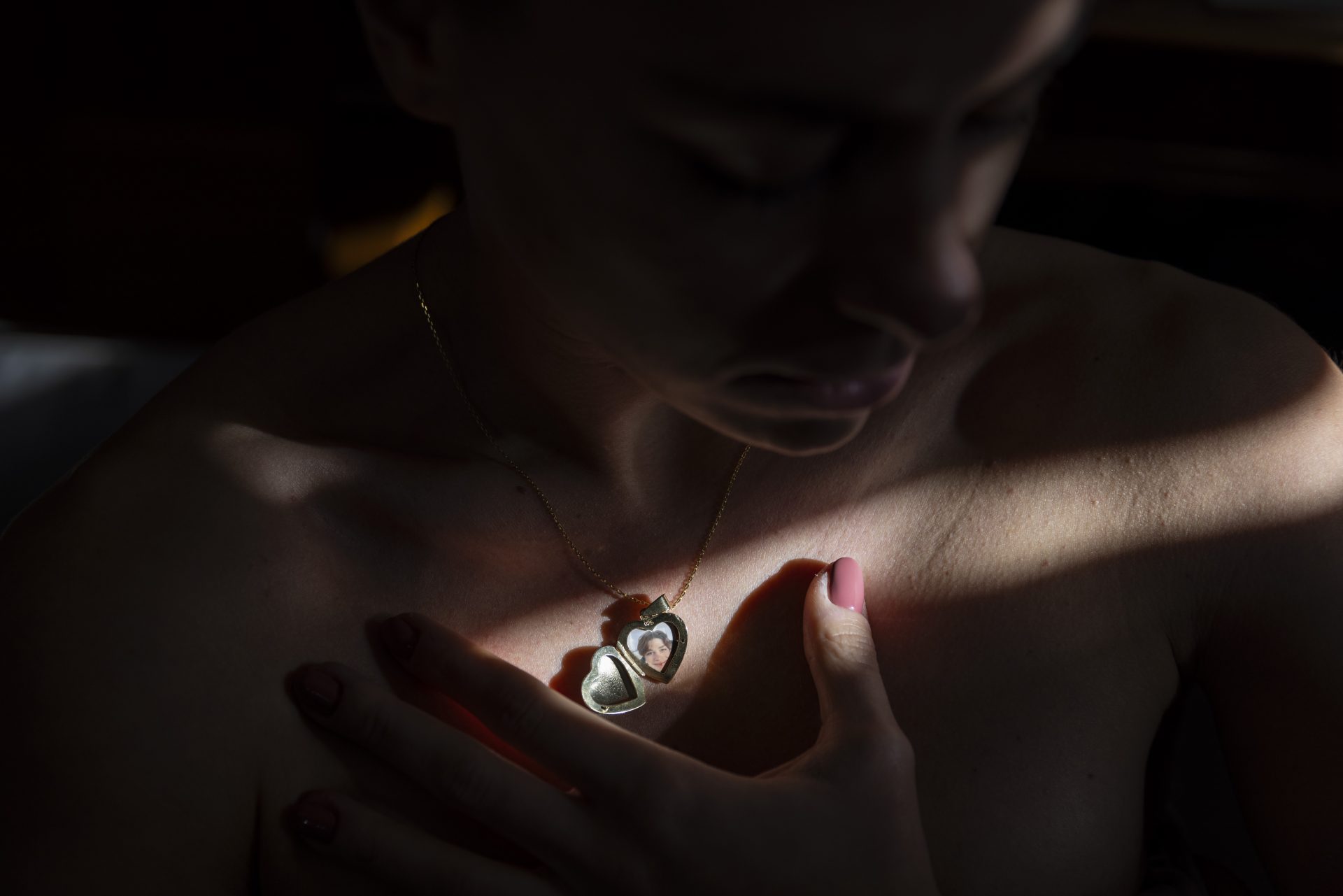
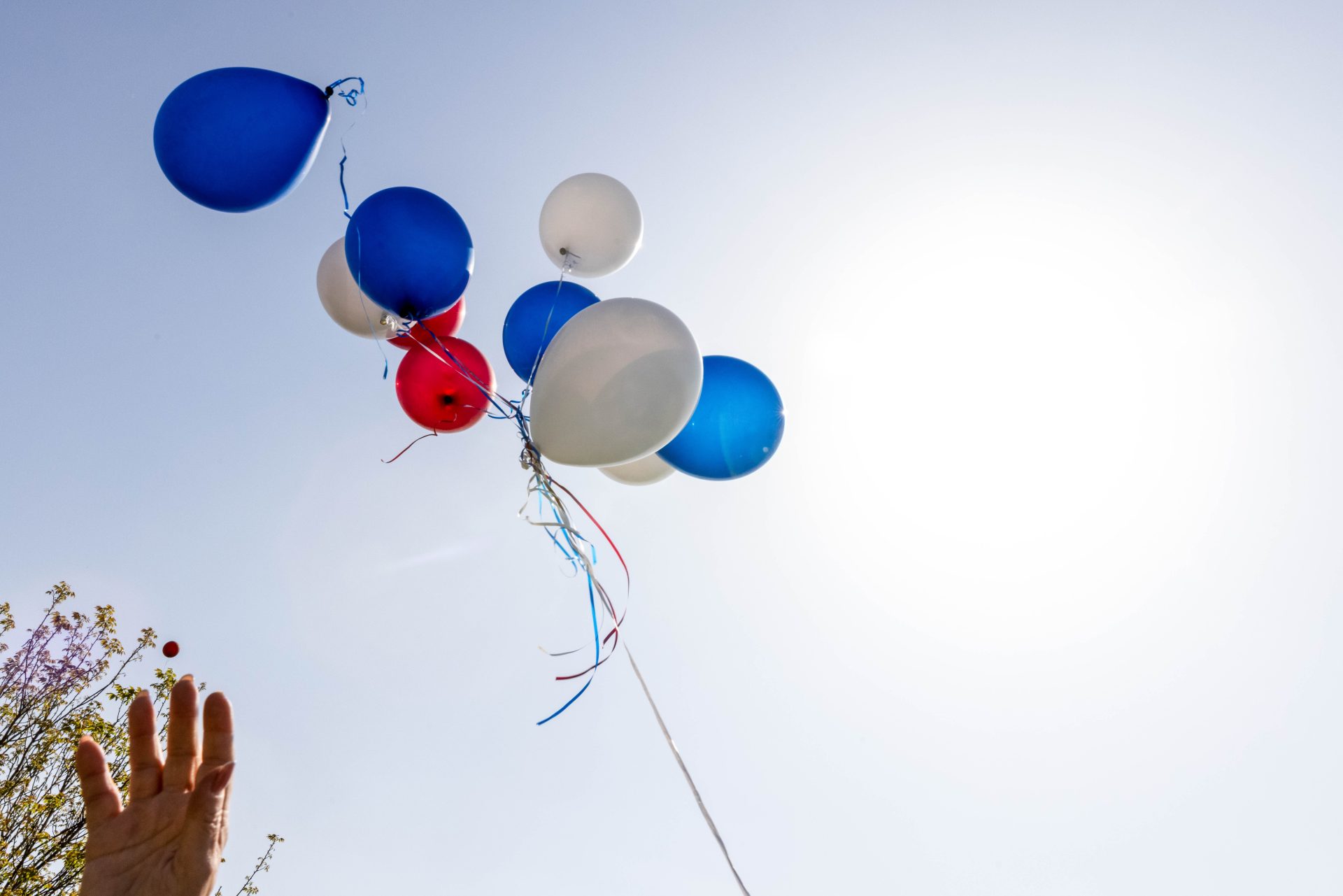
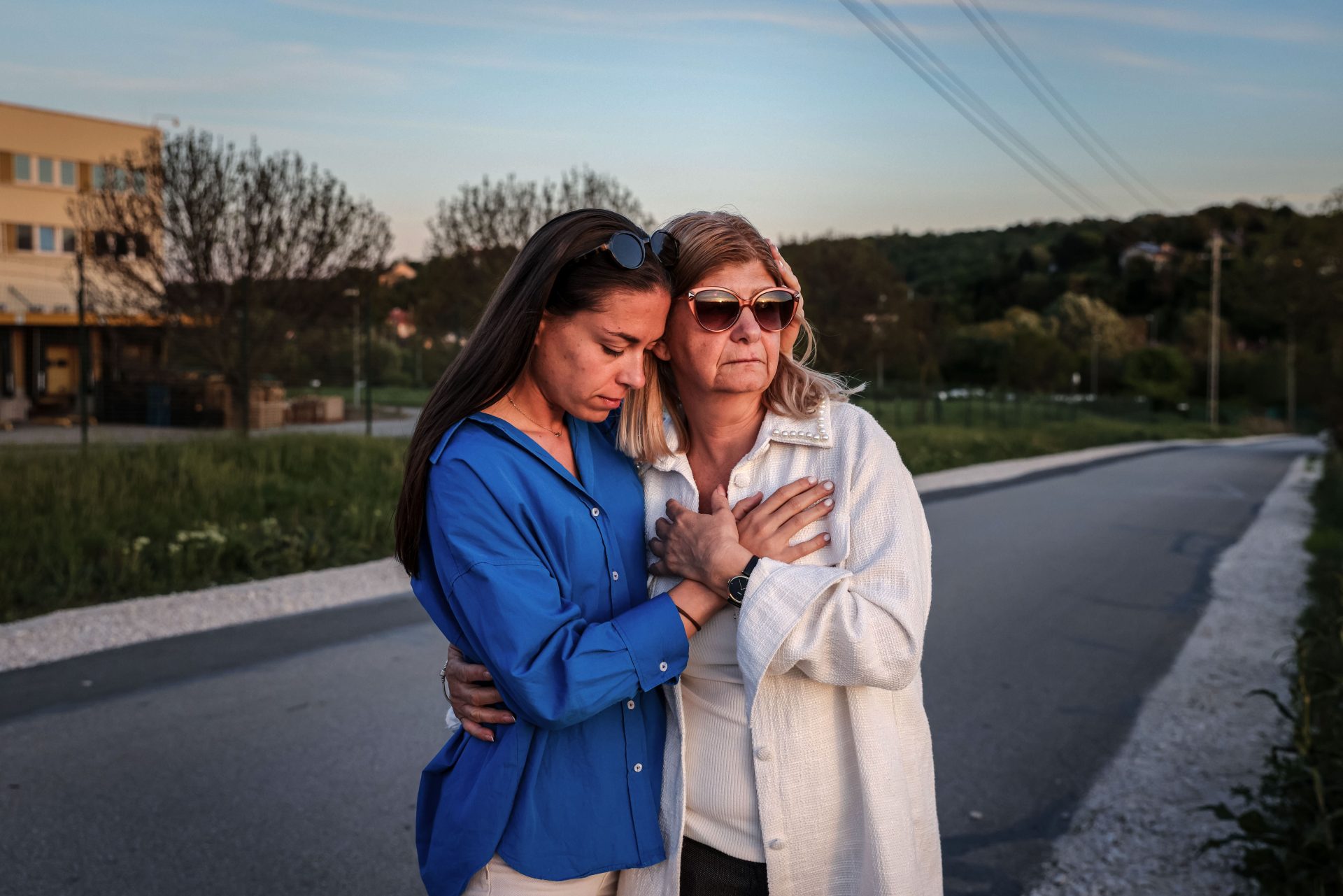
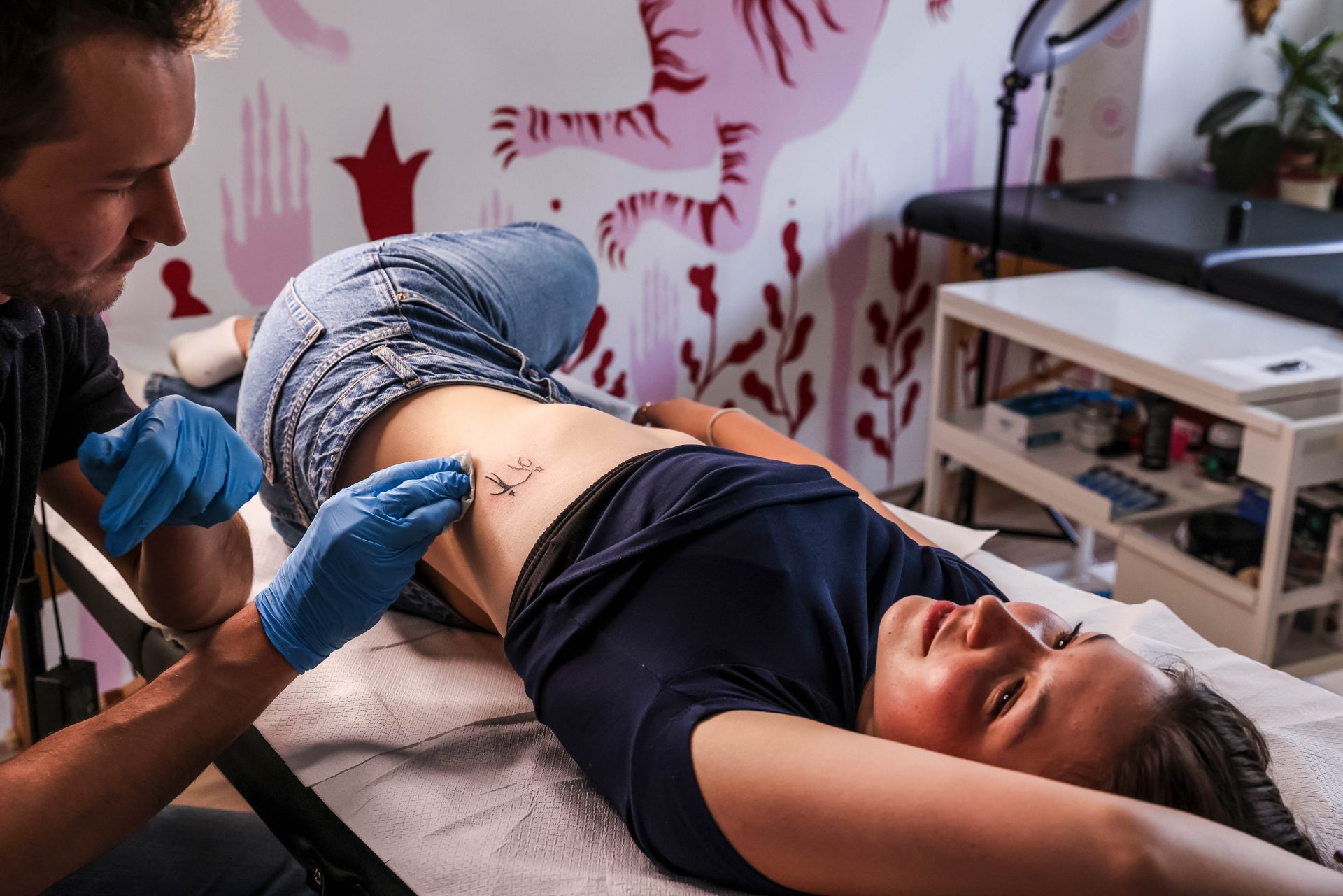
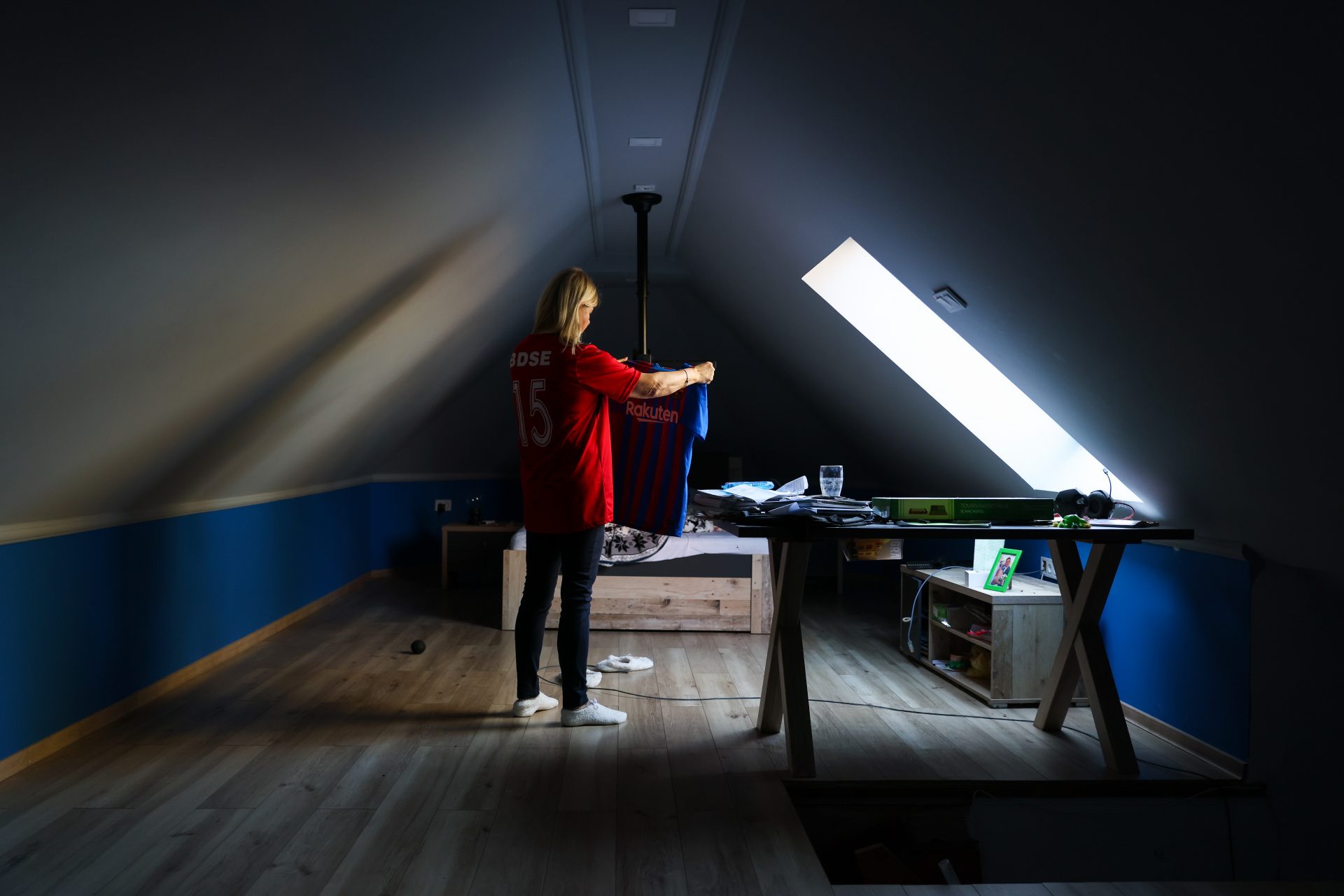
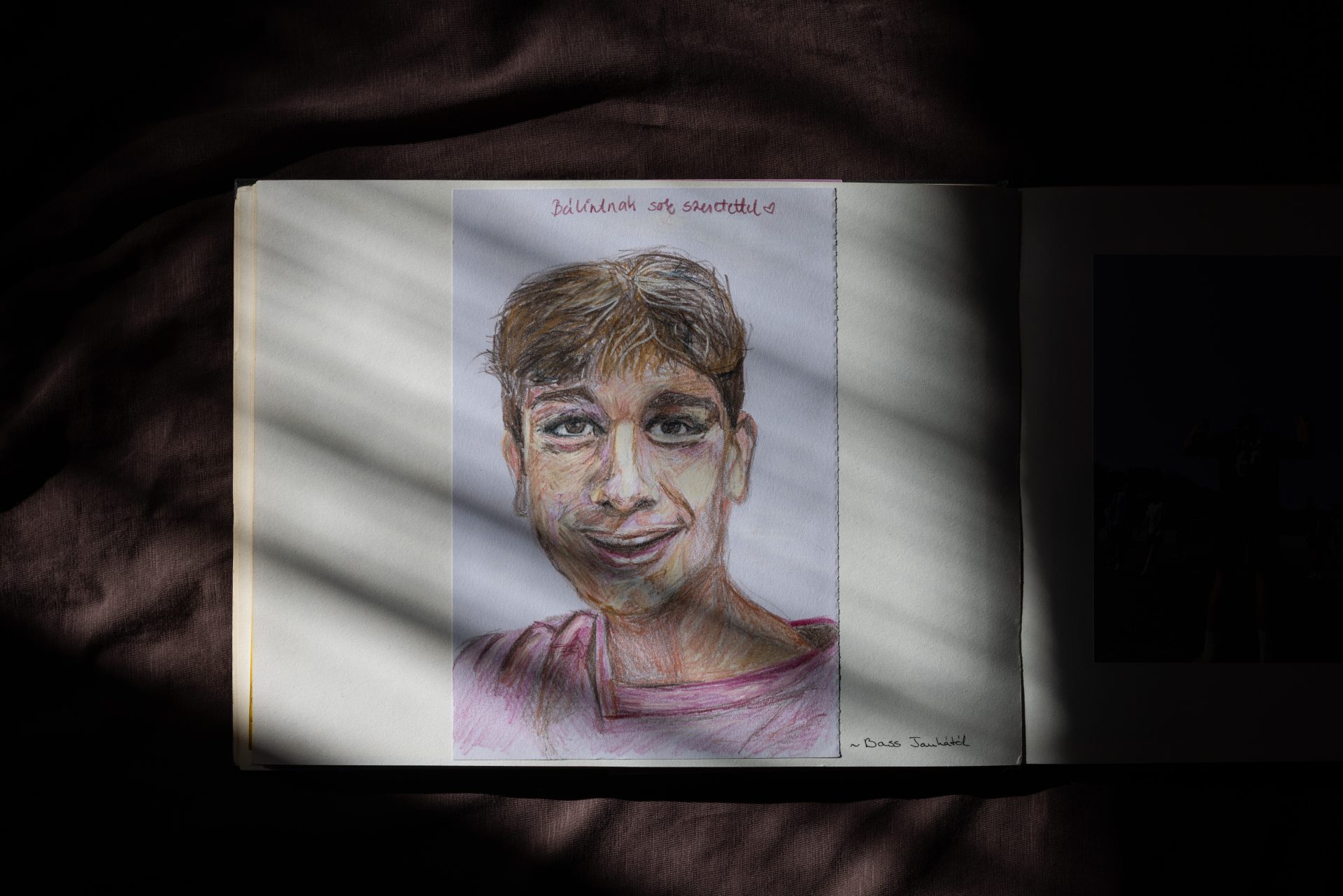
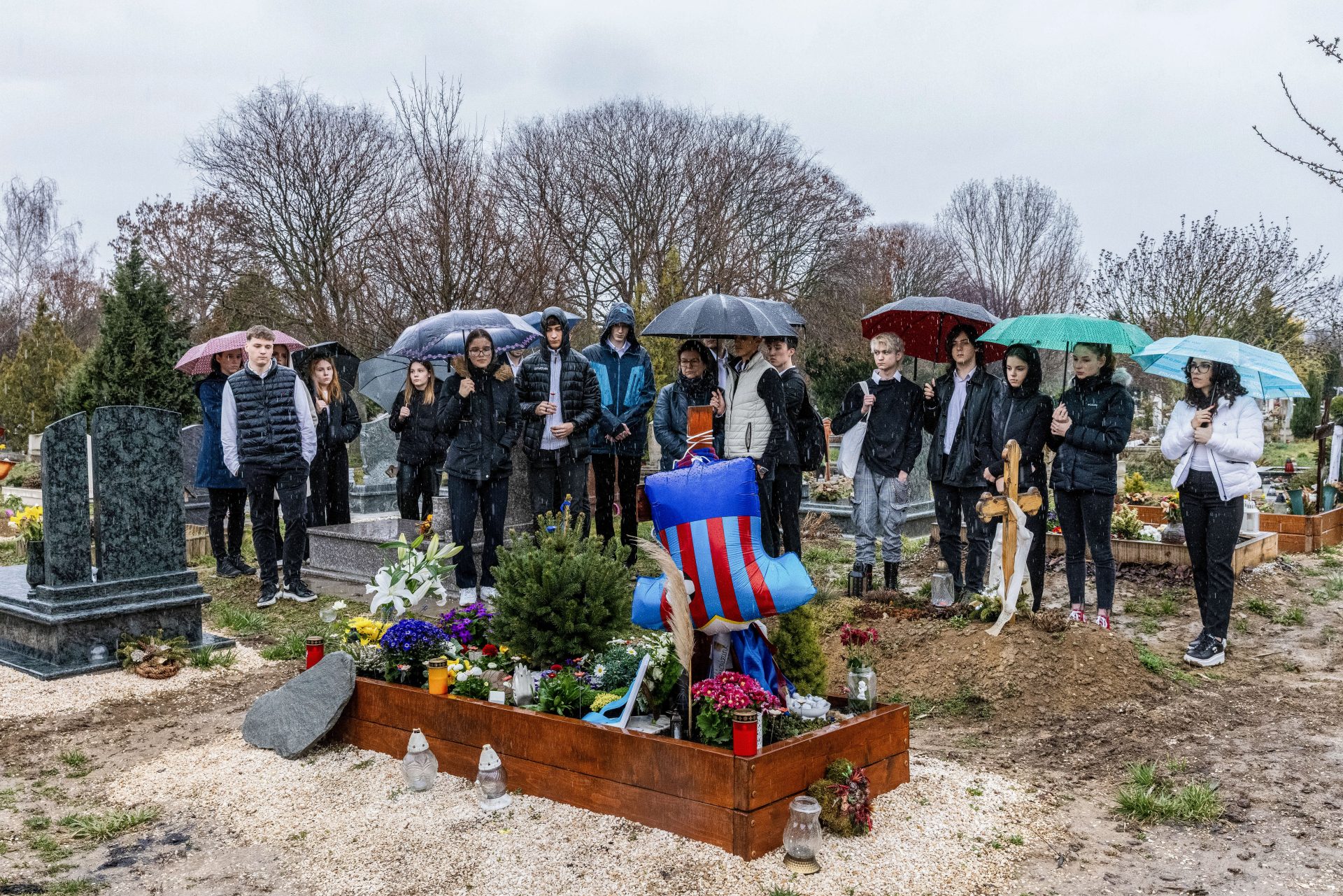
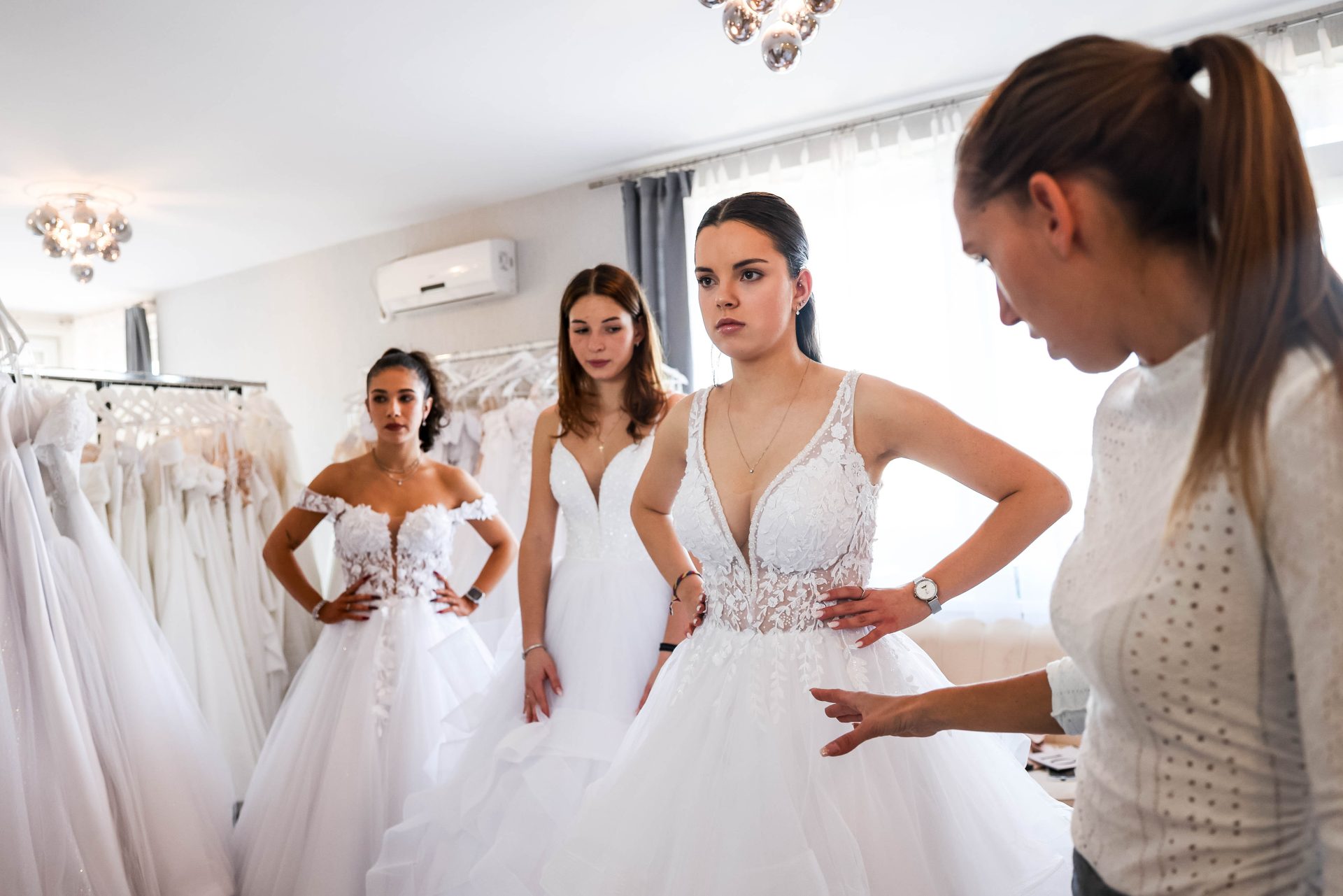
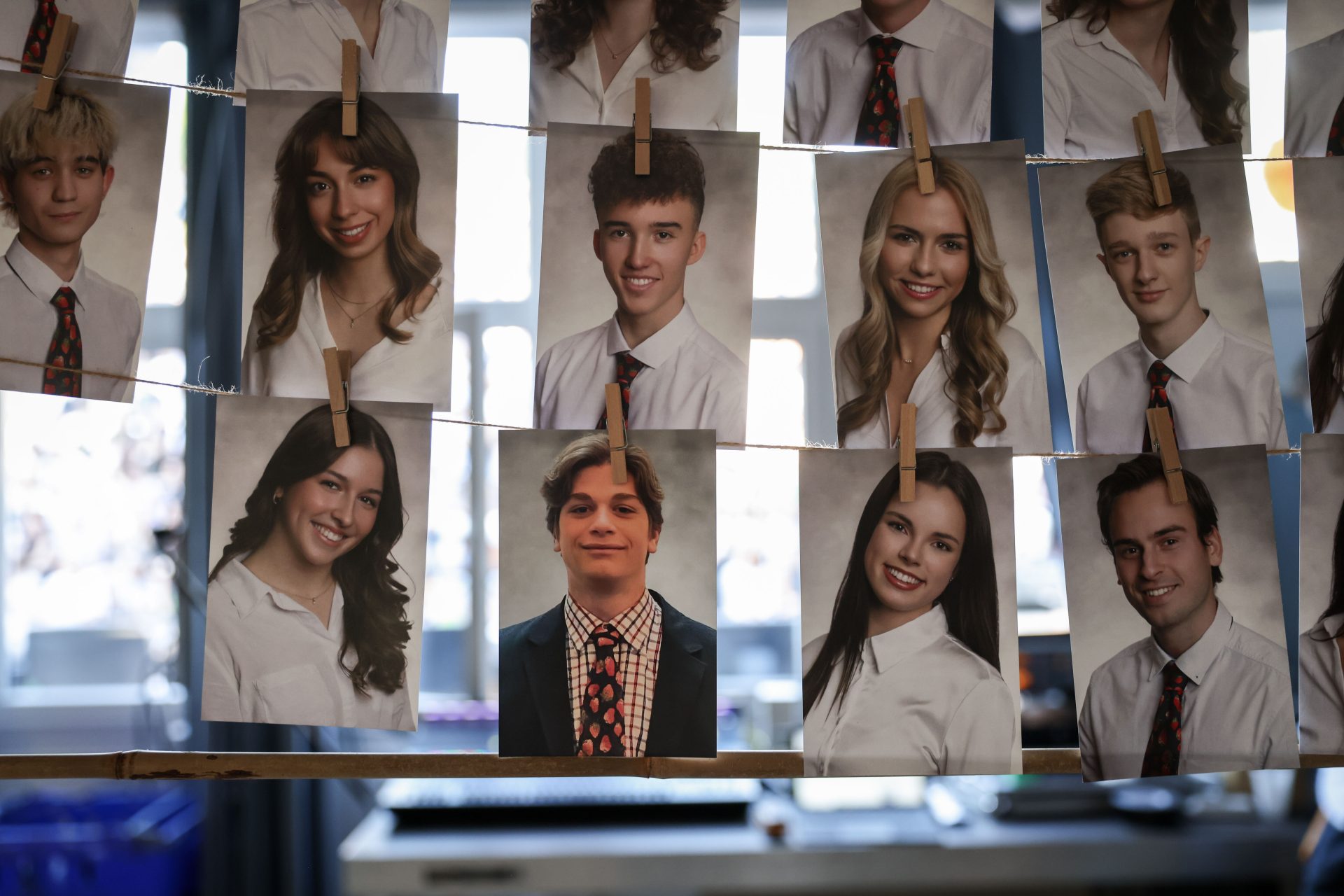
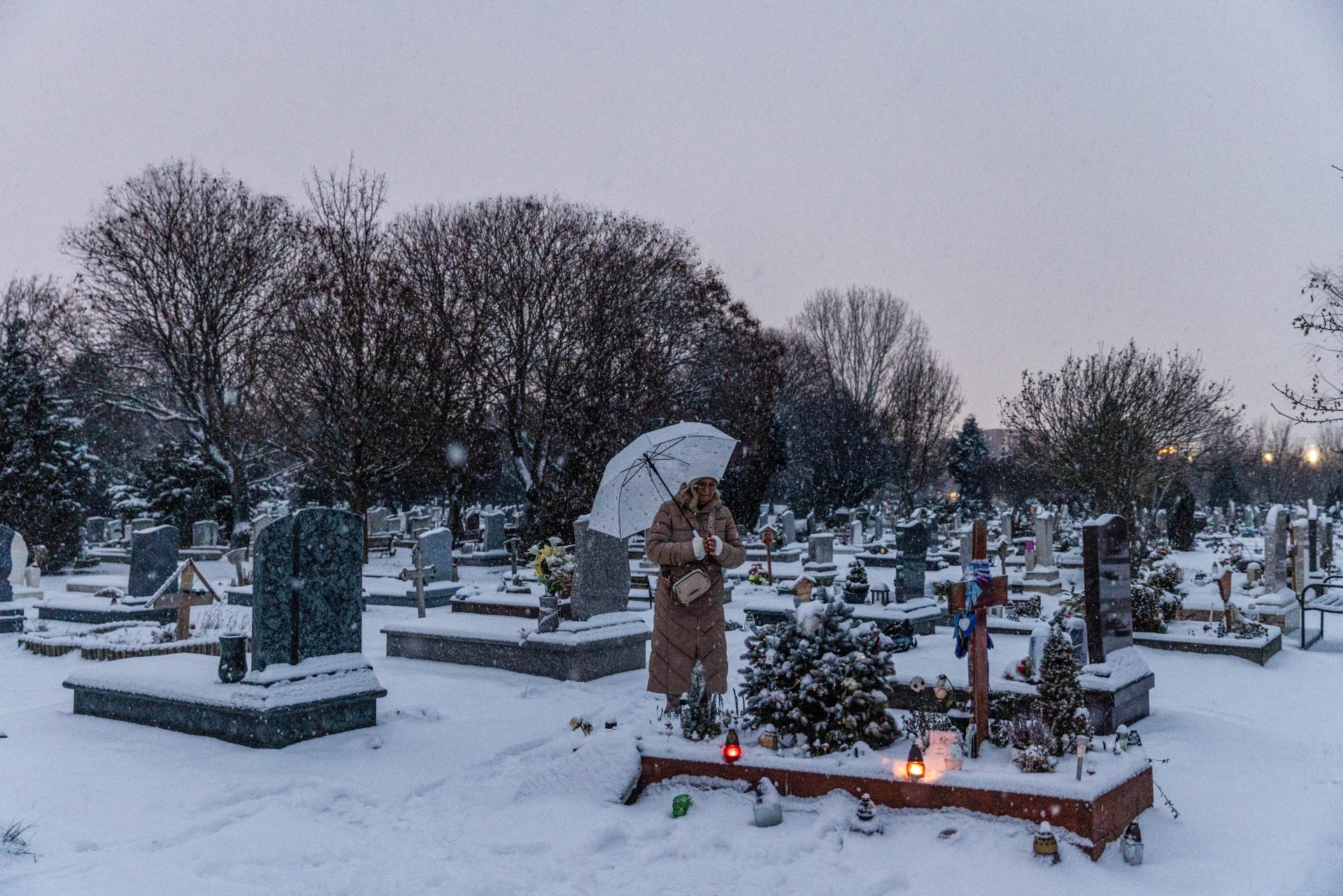
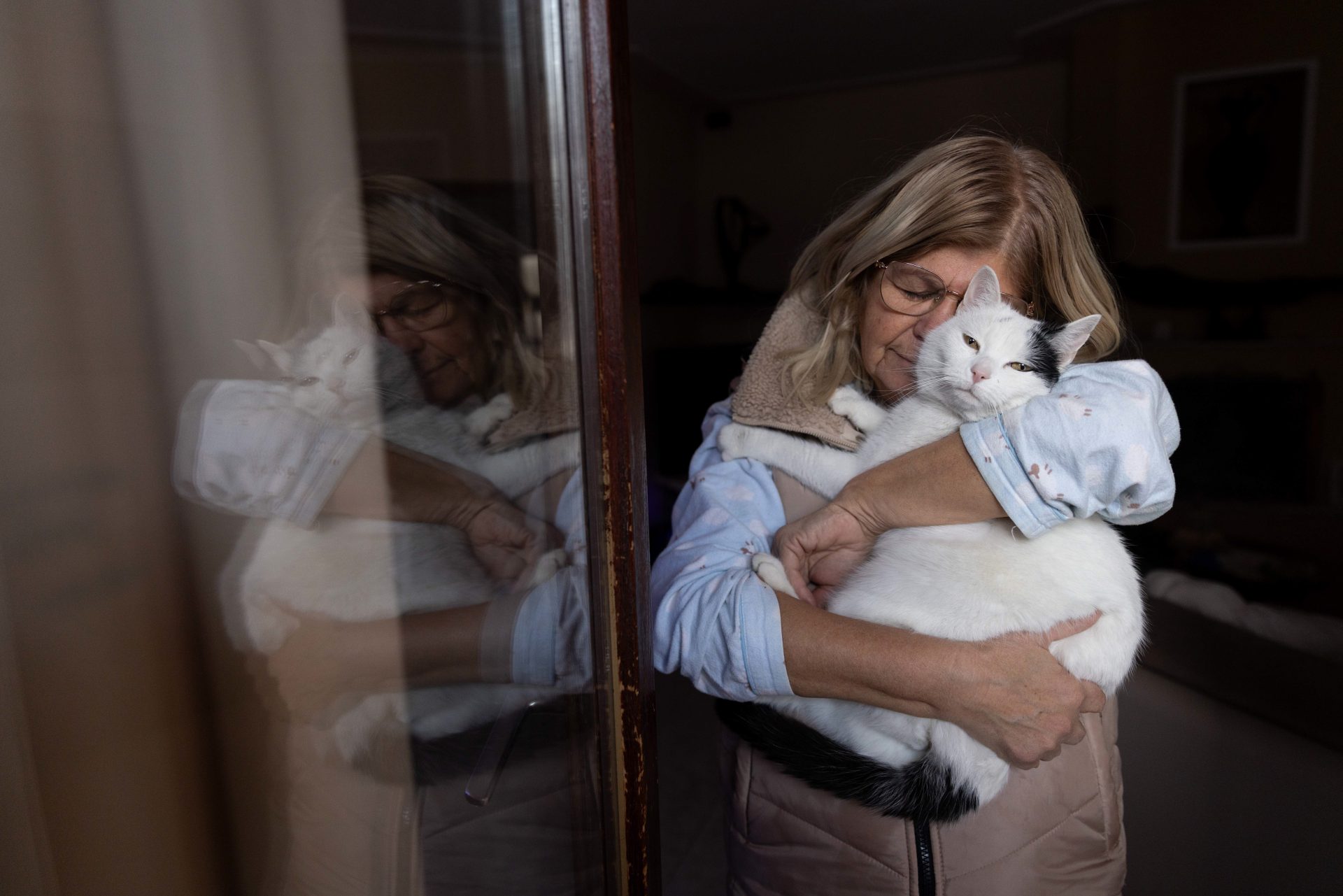
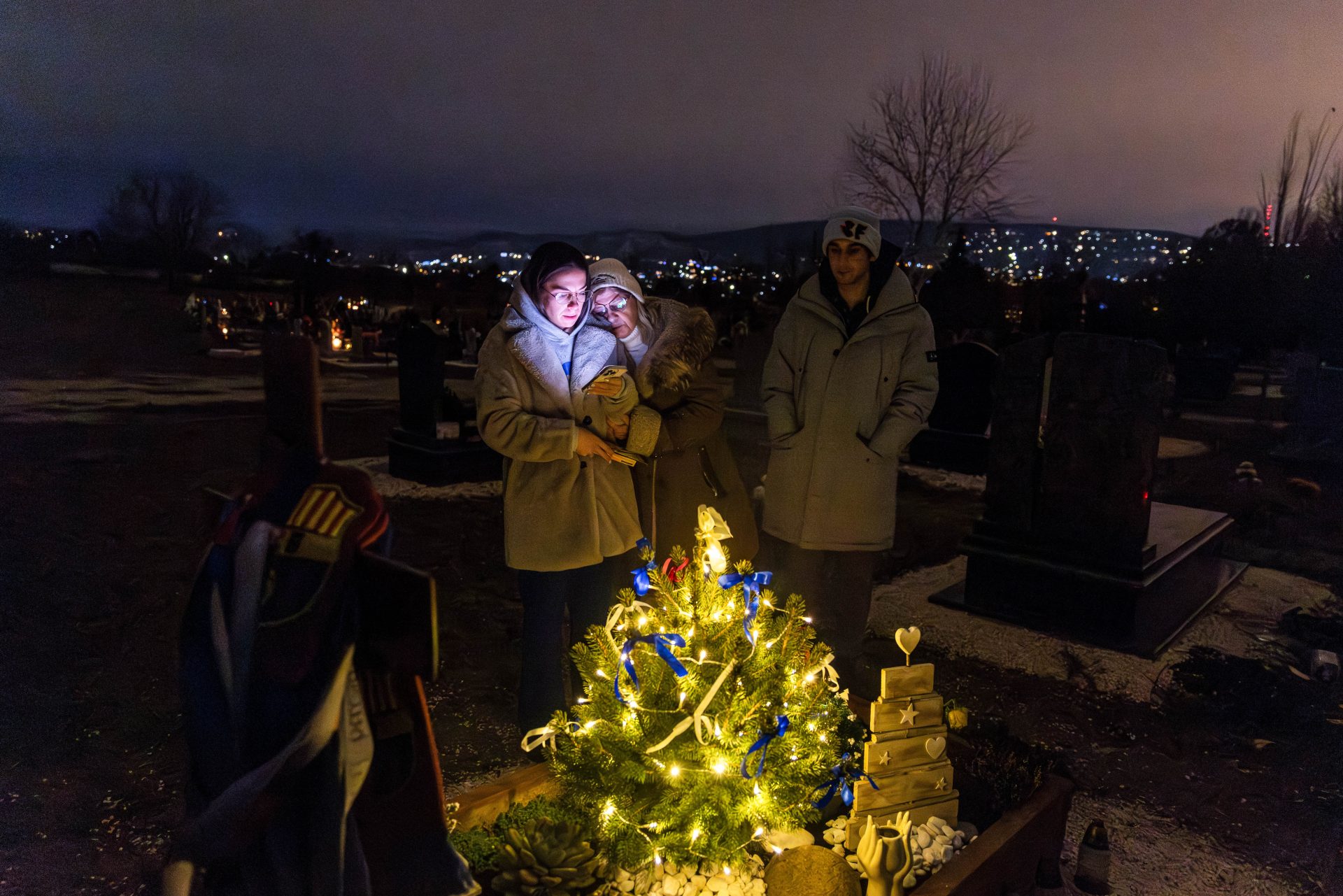
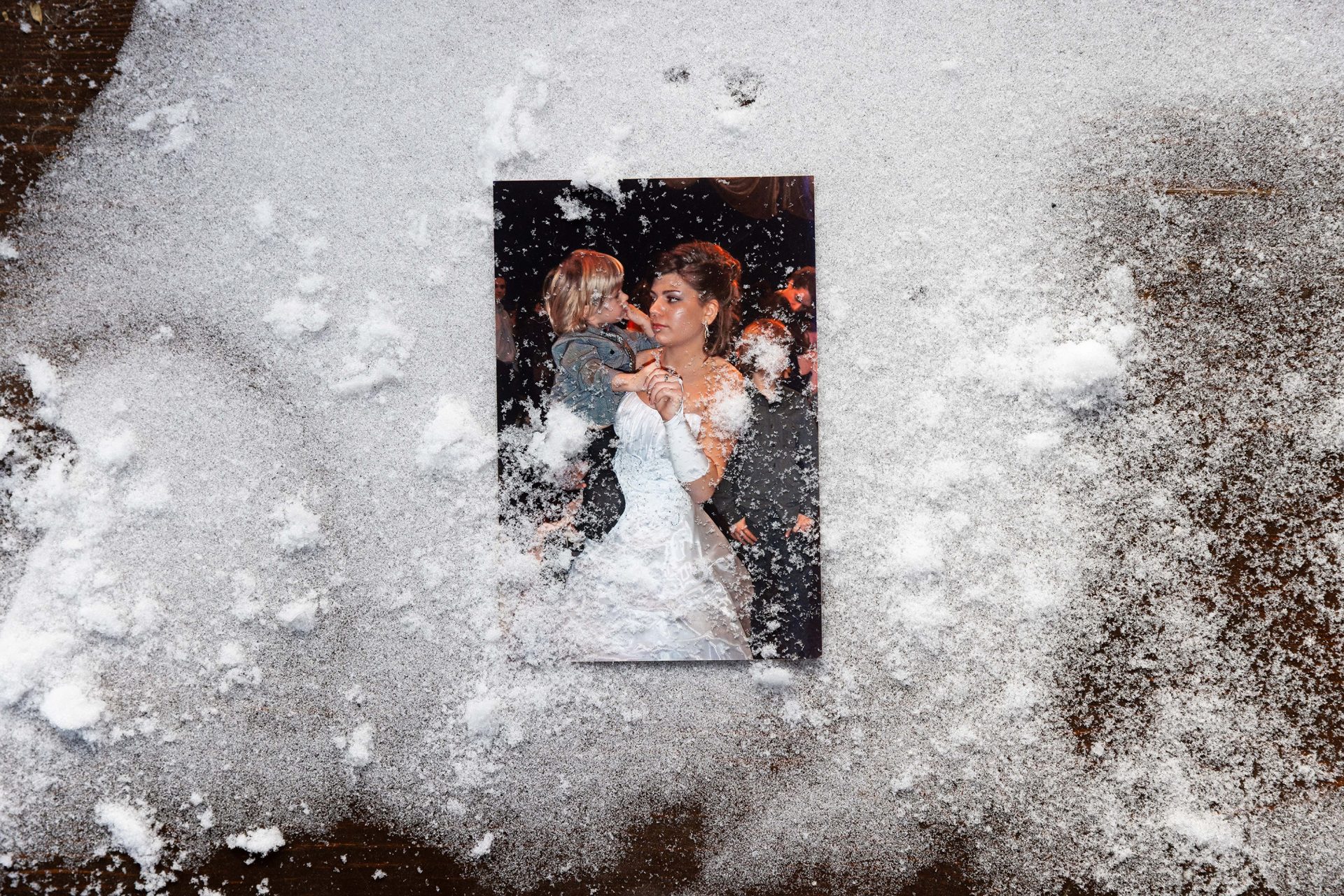
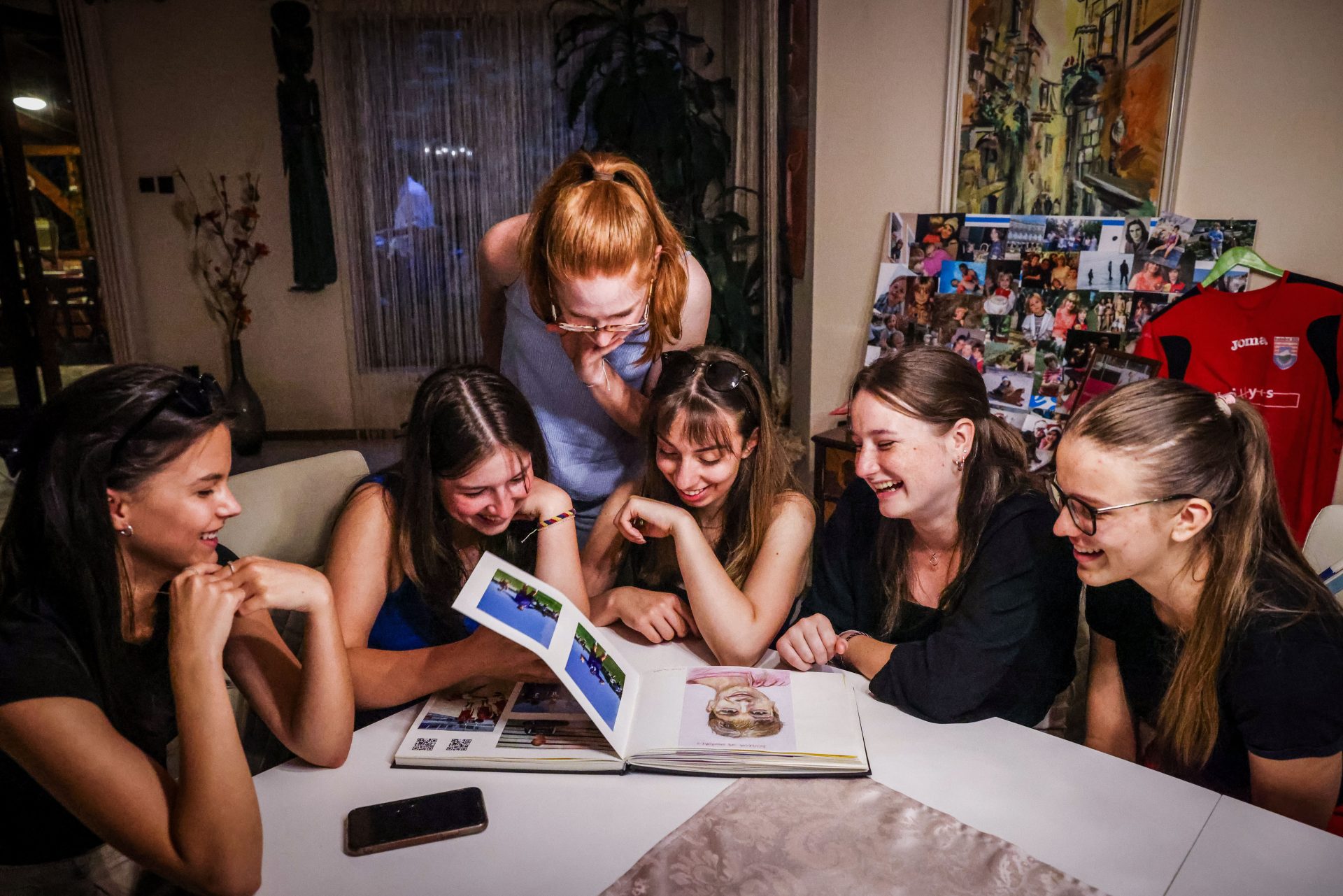
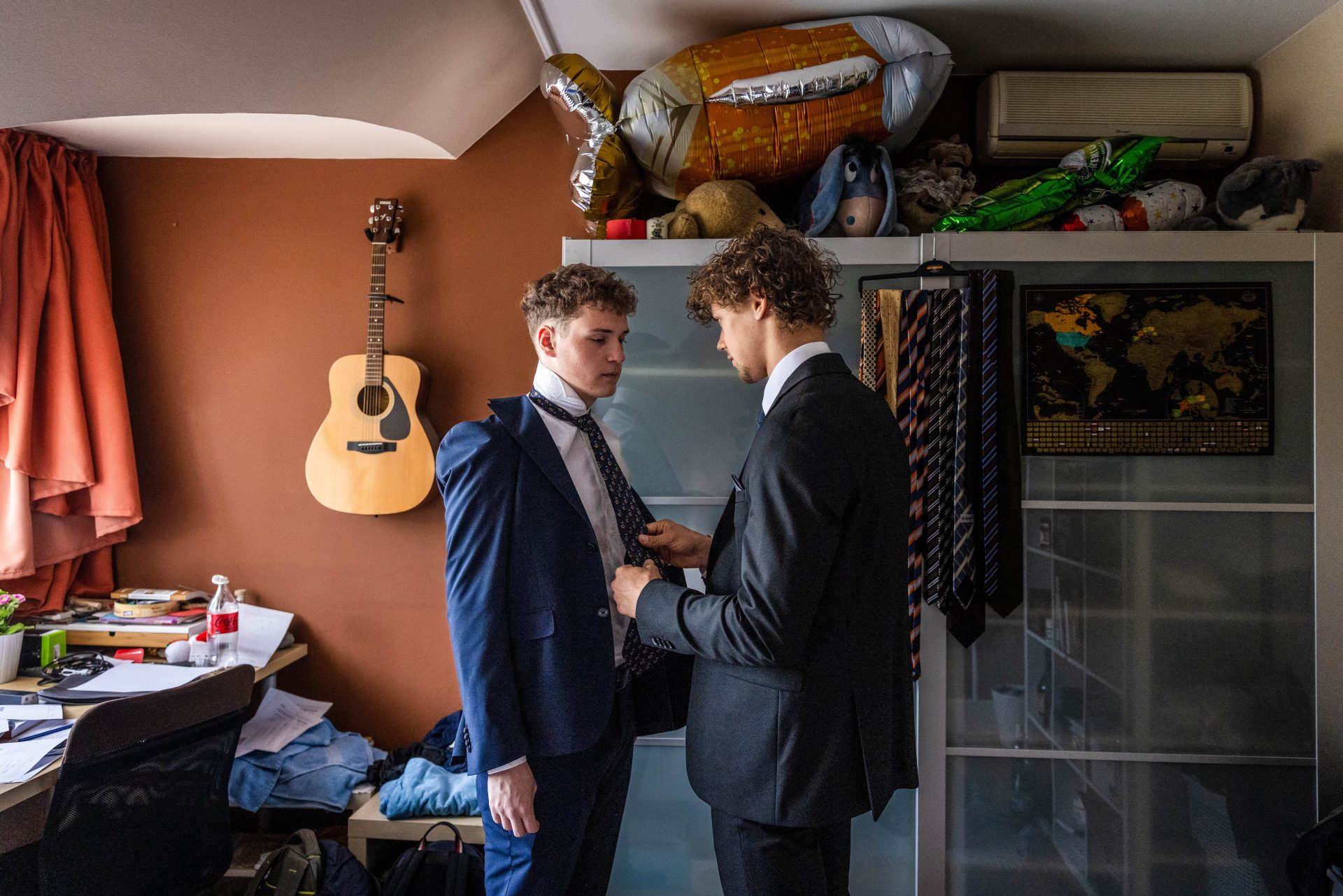
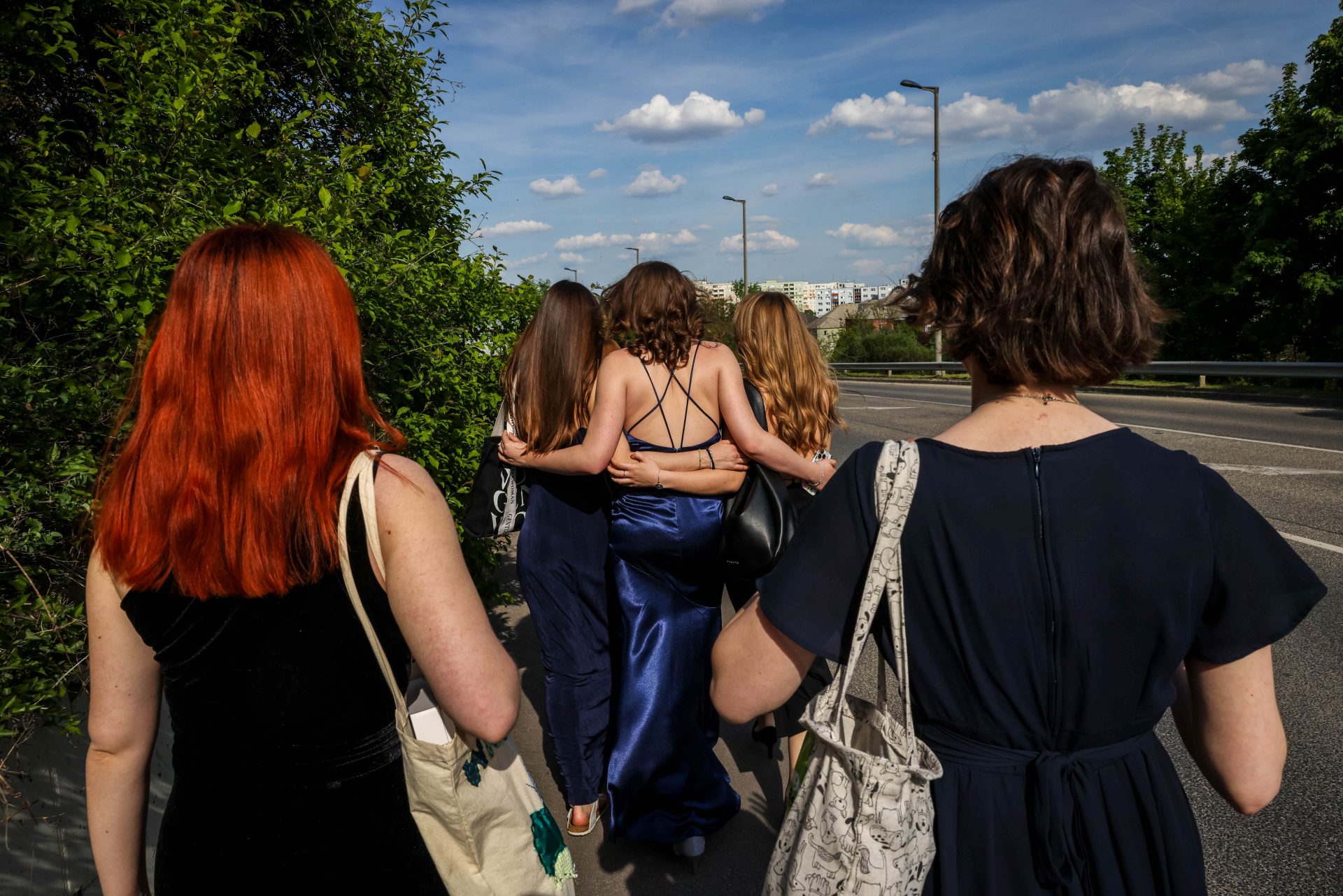
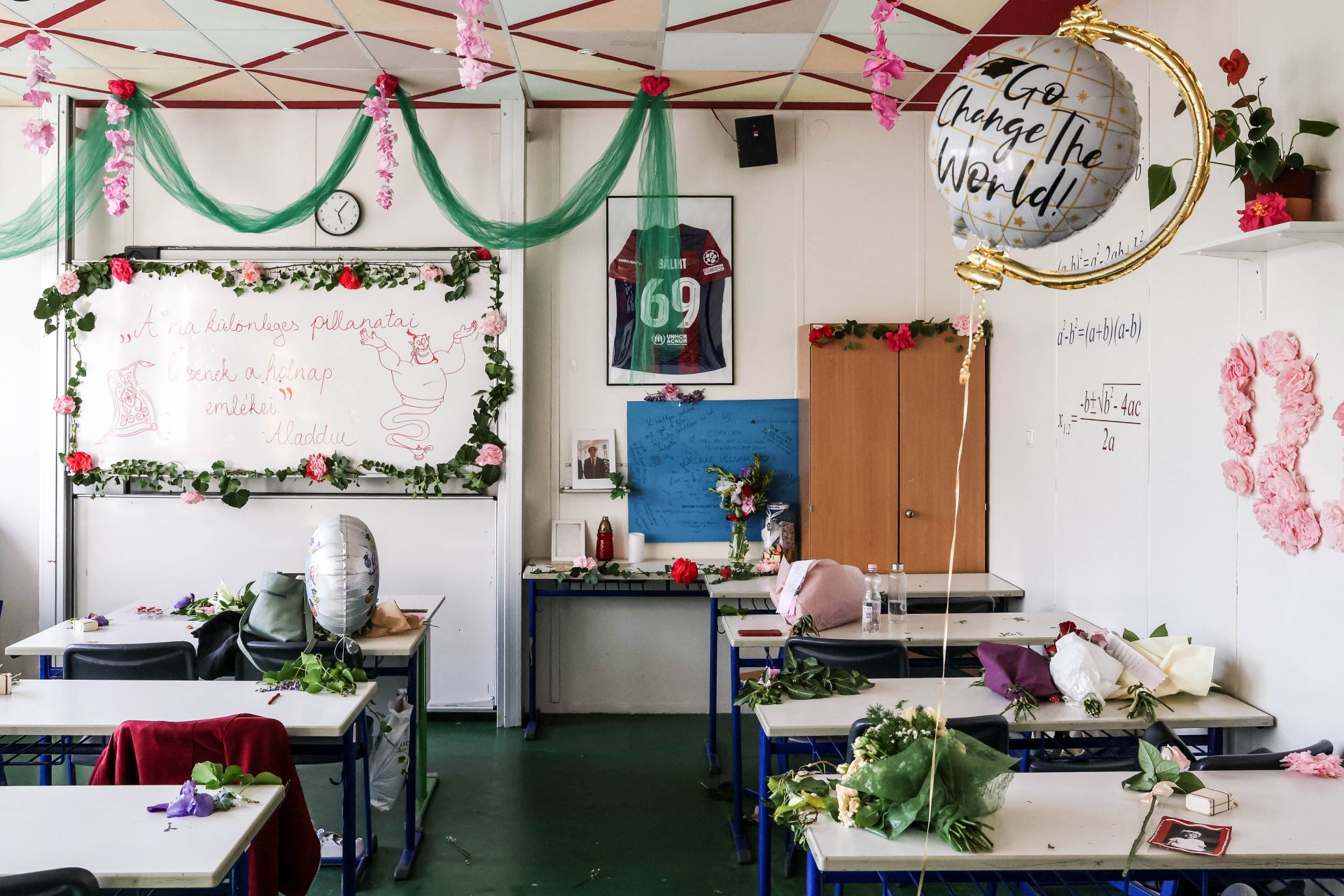
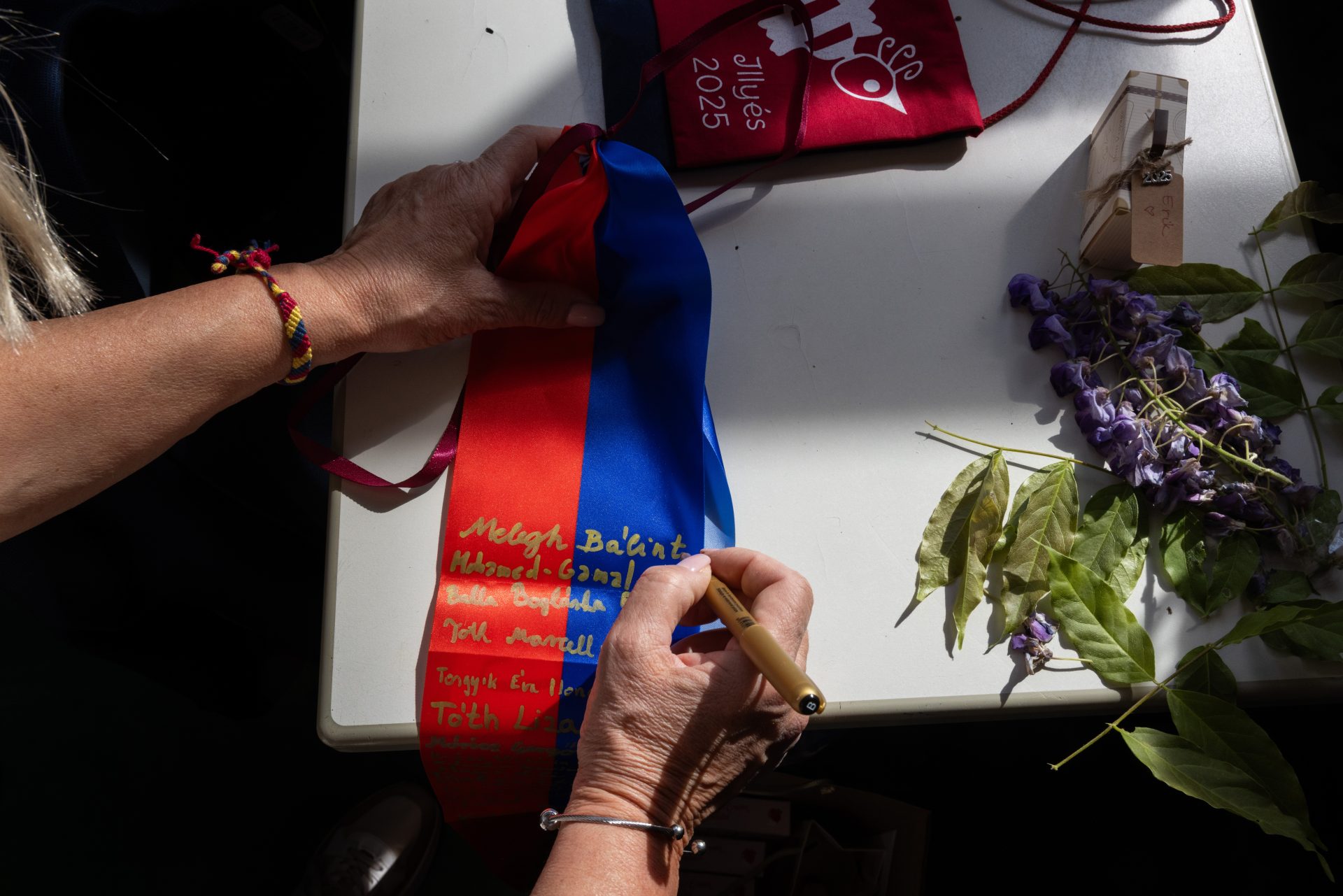
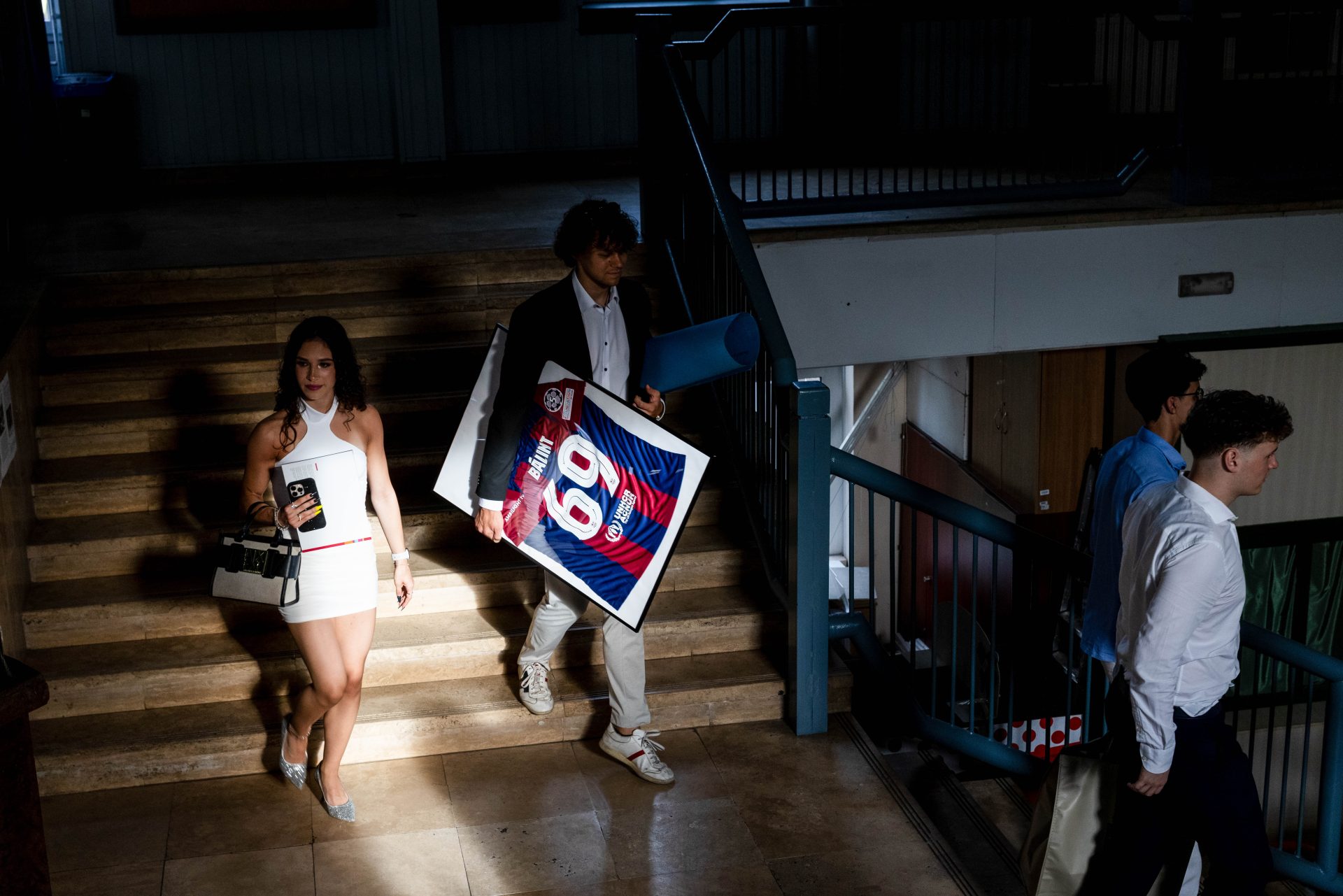
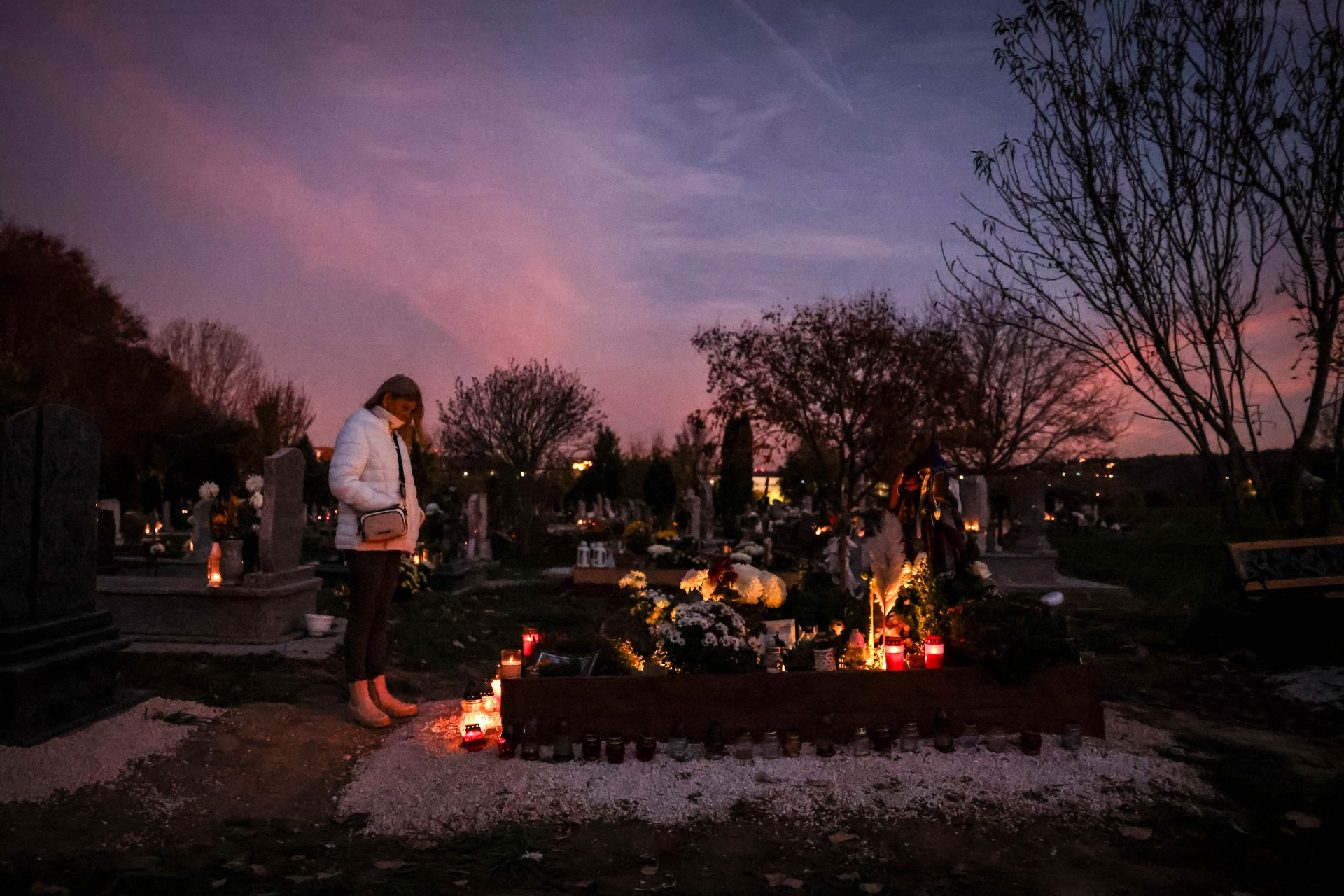
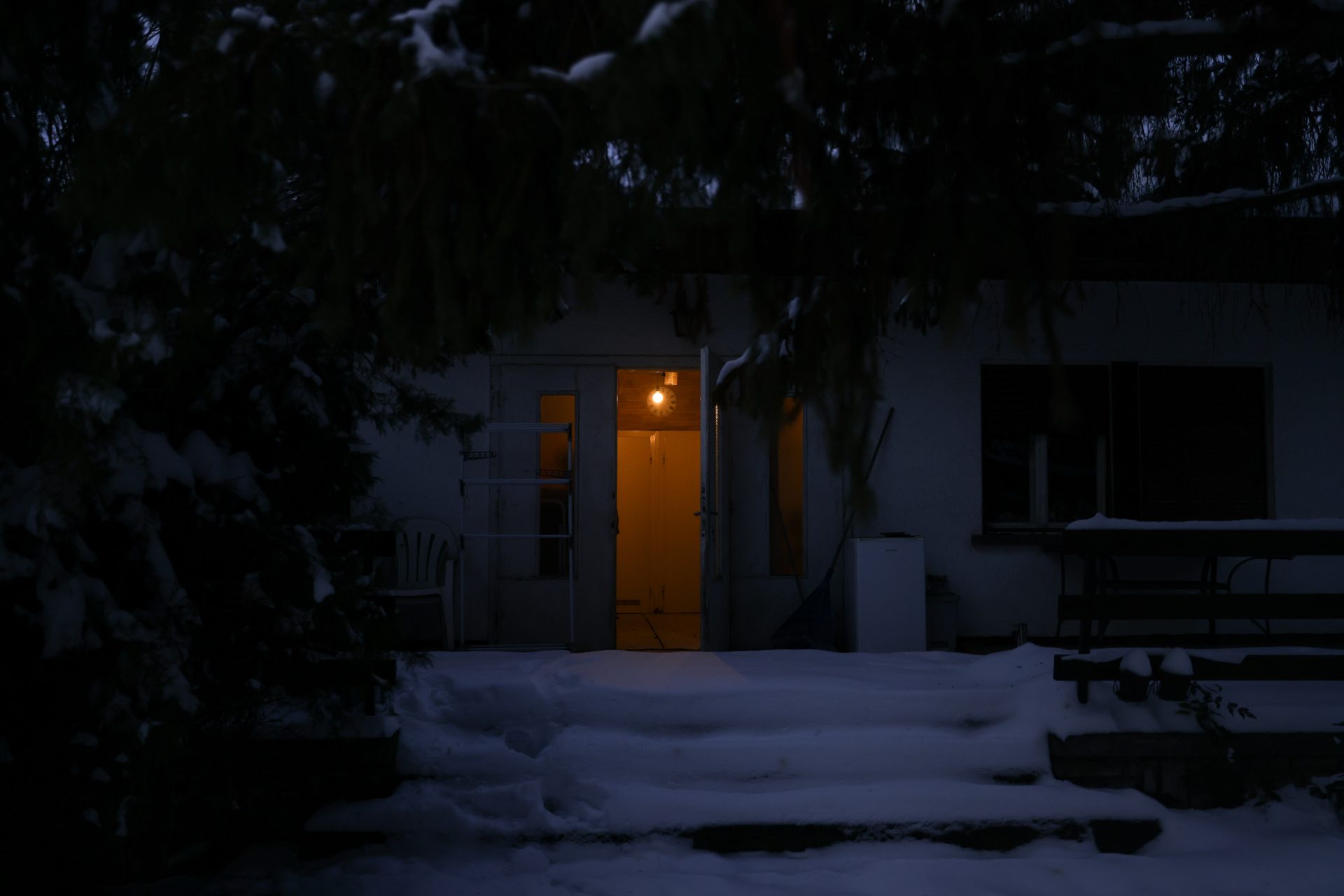
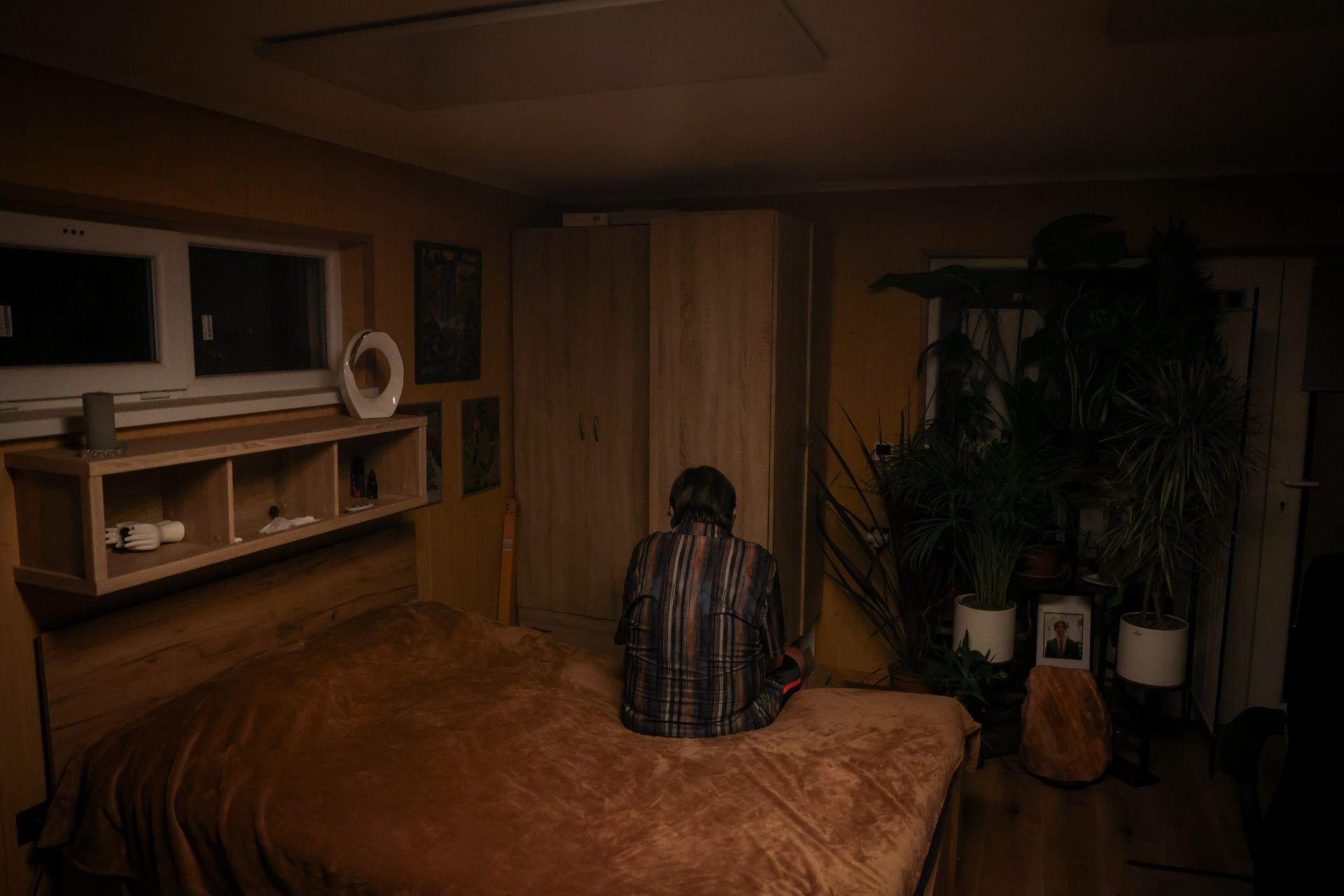
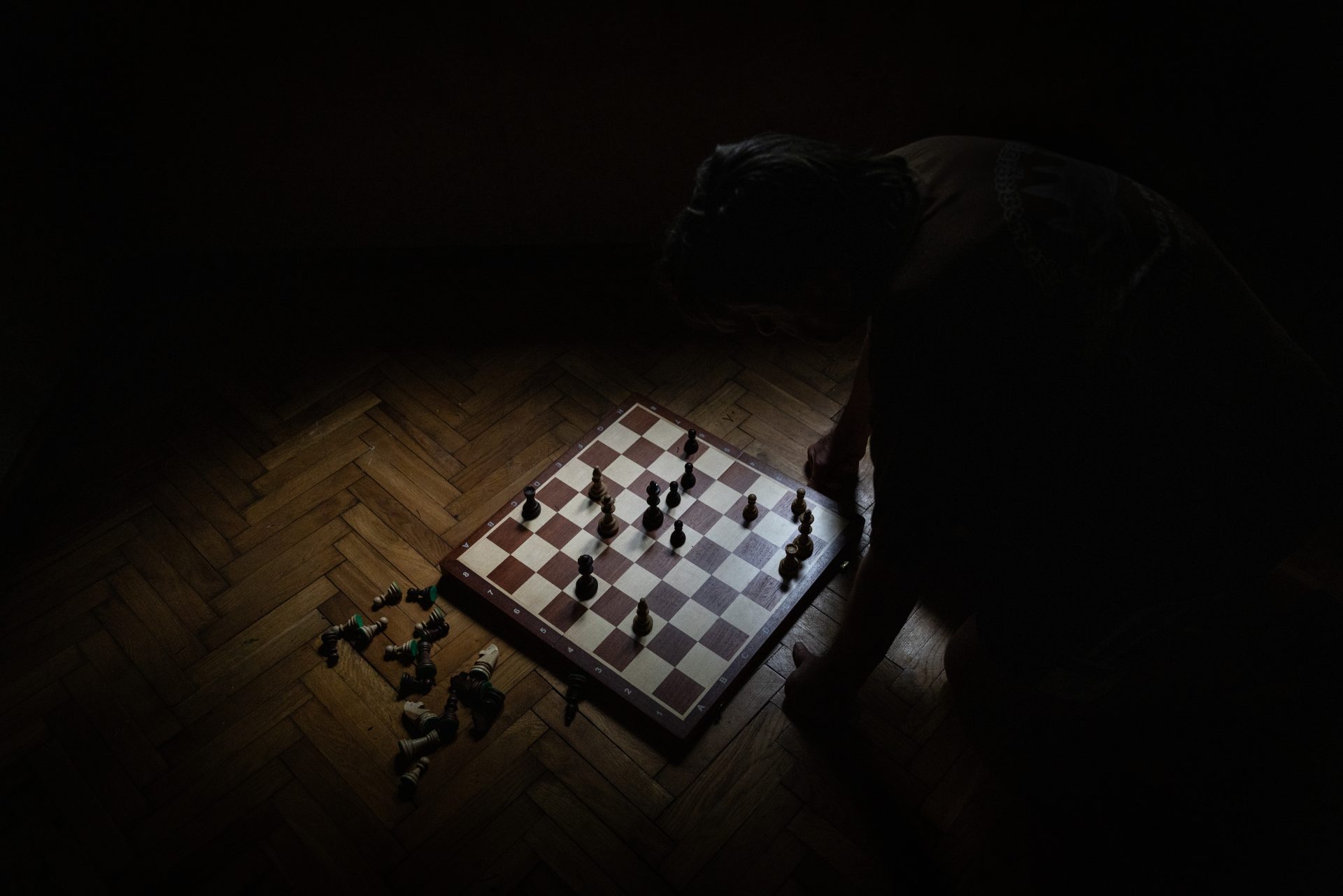
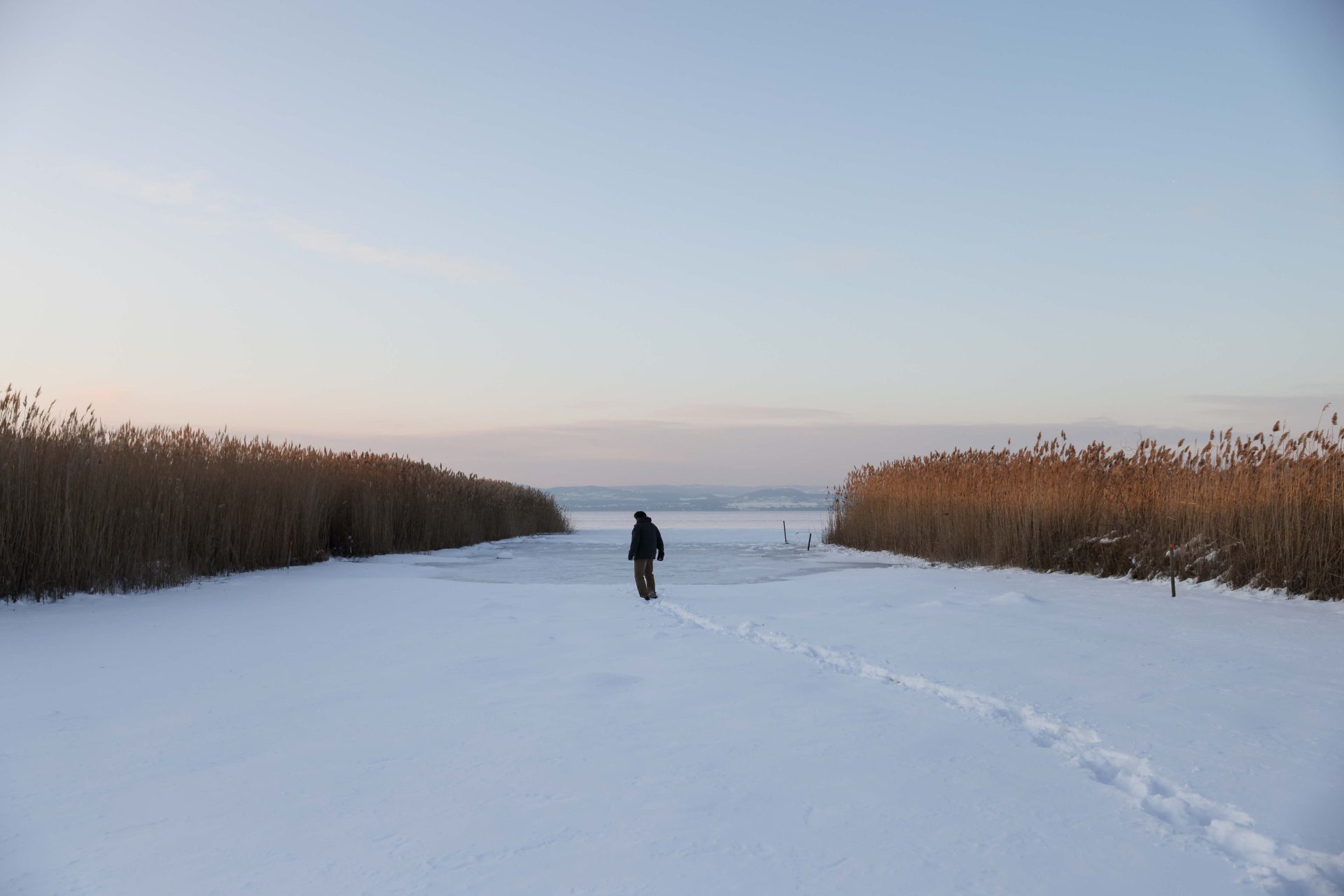
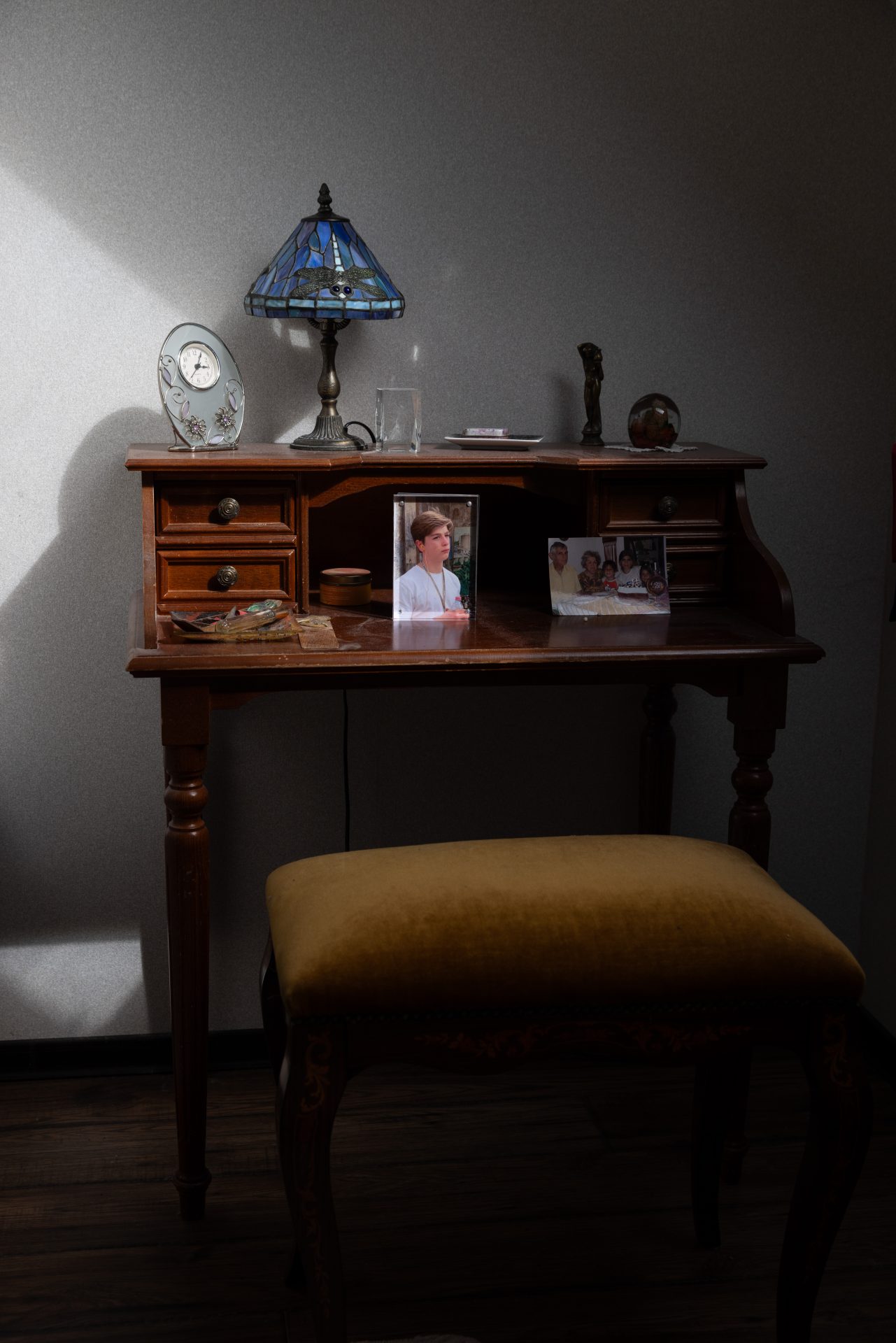
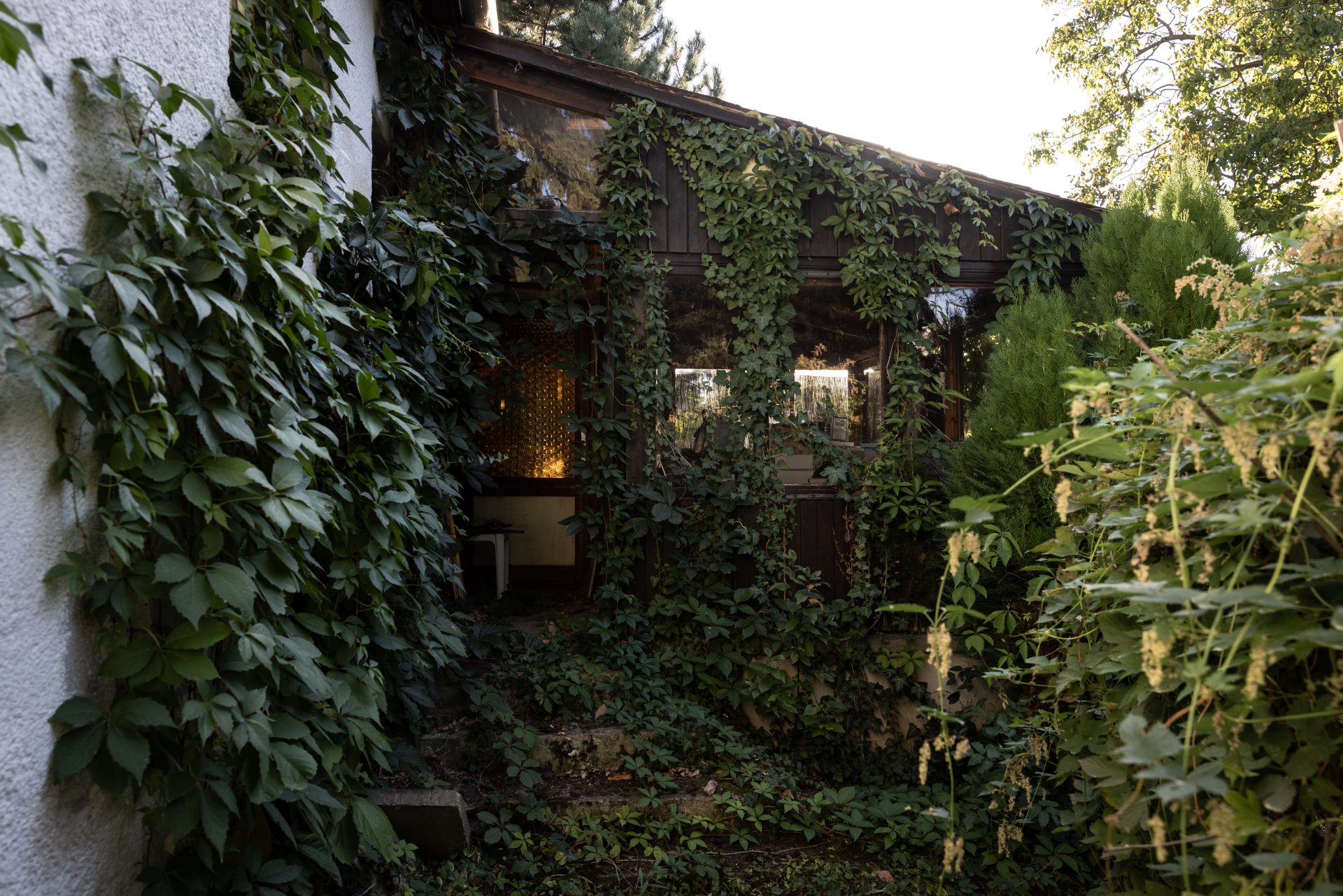
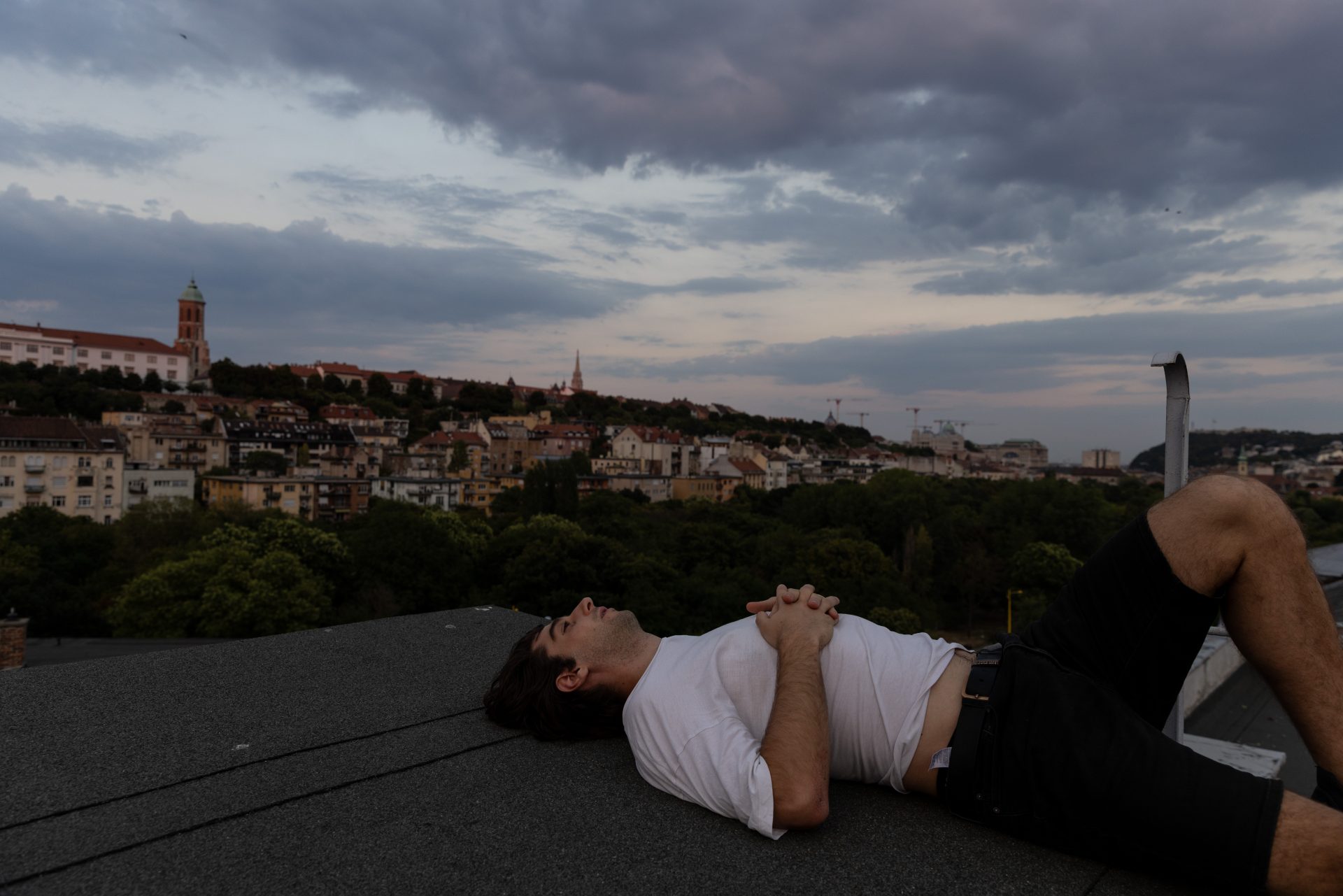
In March 2024, my eighteen-year-old brother, Bálint, died suddenly. Just a few days earlier, we had agreed that I would photograph his final year of high school. In the weeks that followed, I began taking pictures almost instinctively. I wanted to preserve something of him and document how my family and his friends continued to live without him.
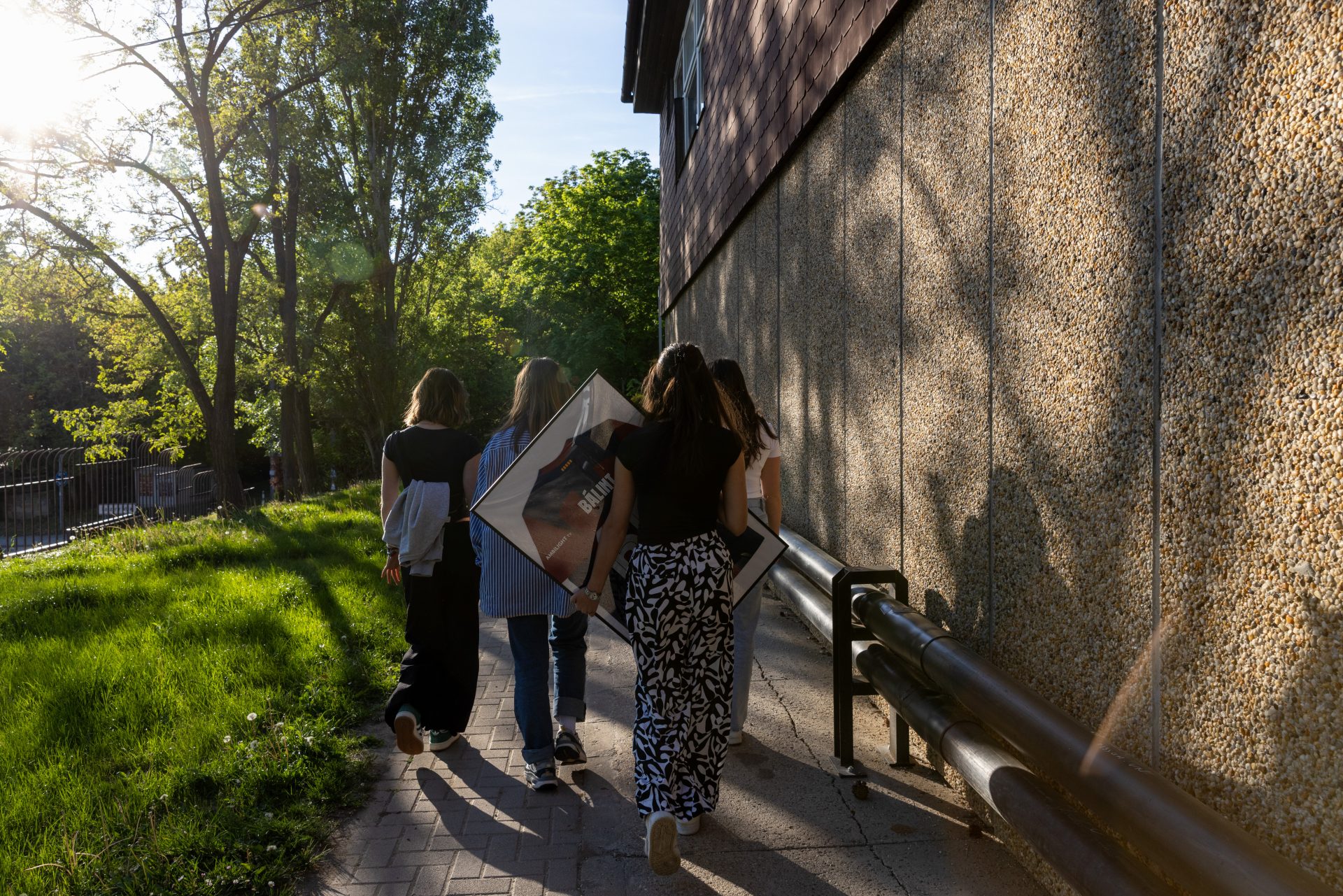
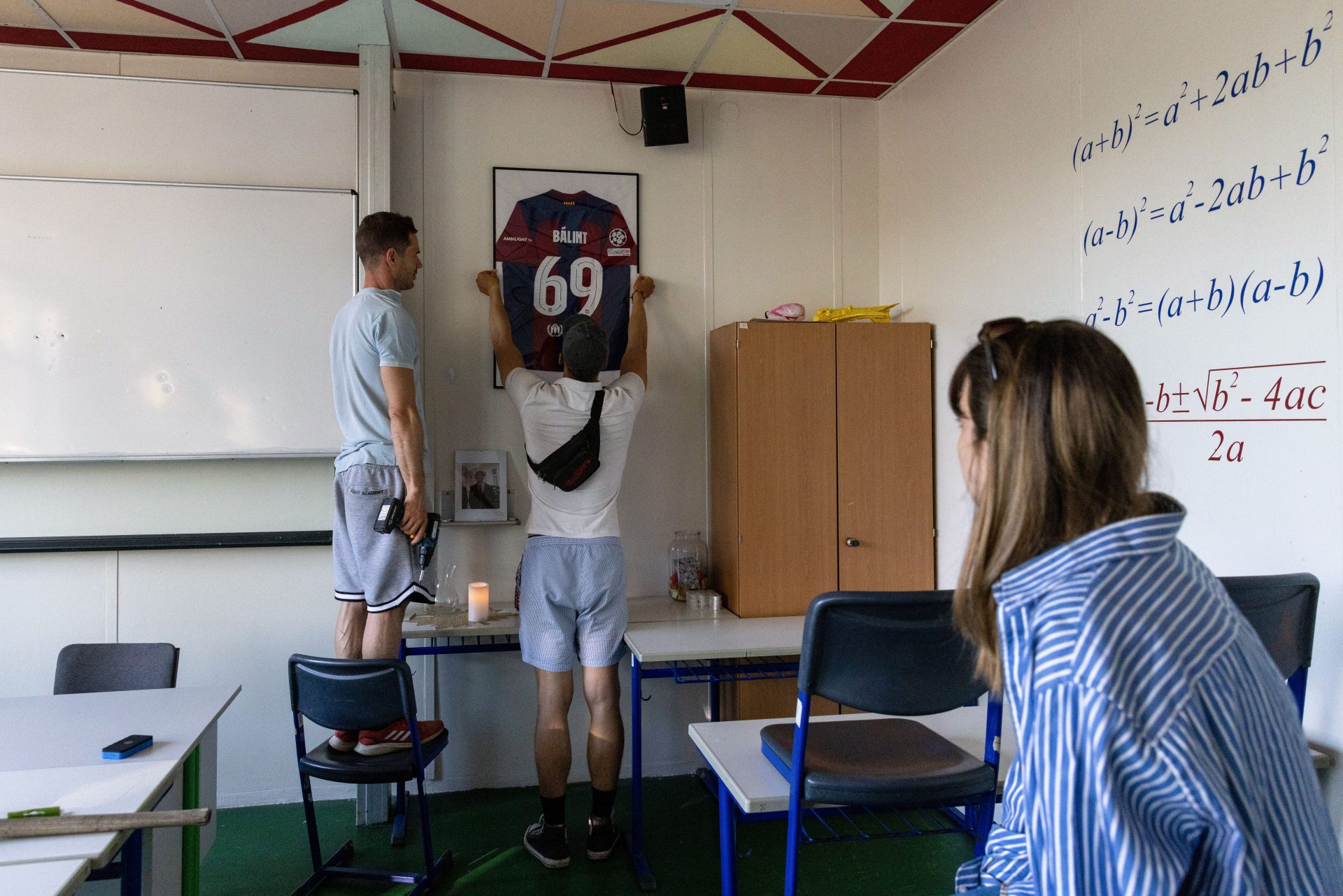
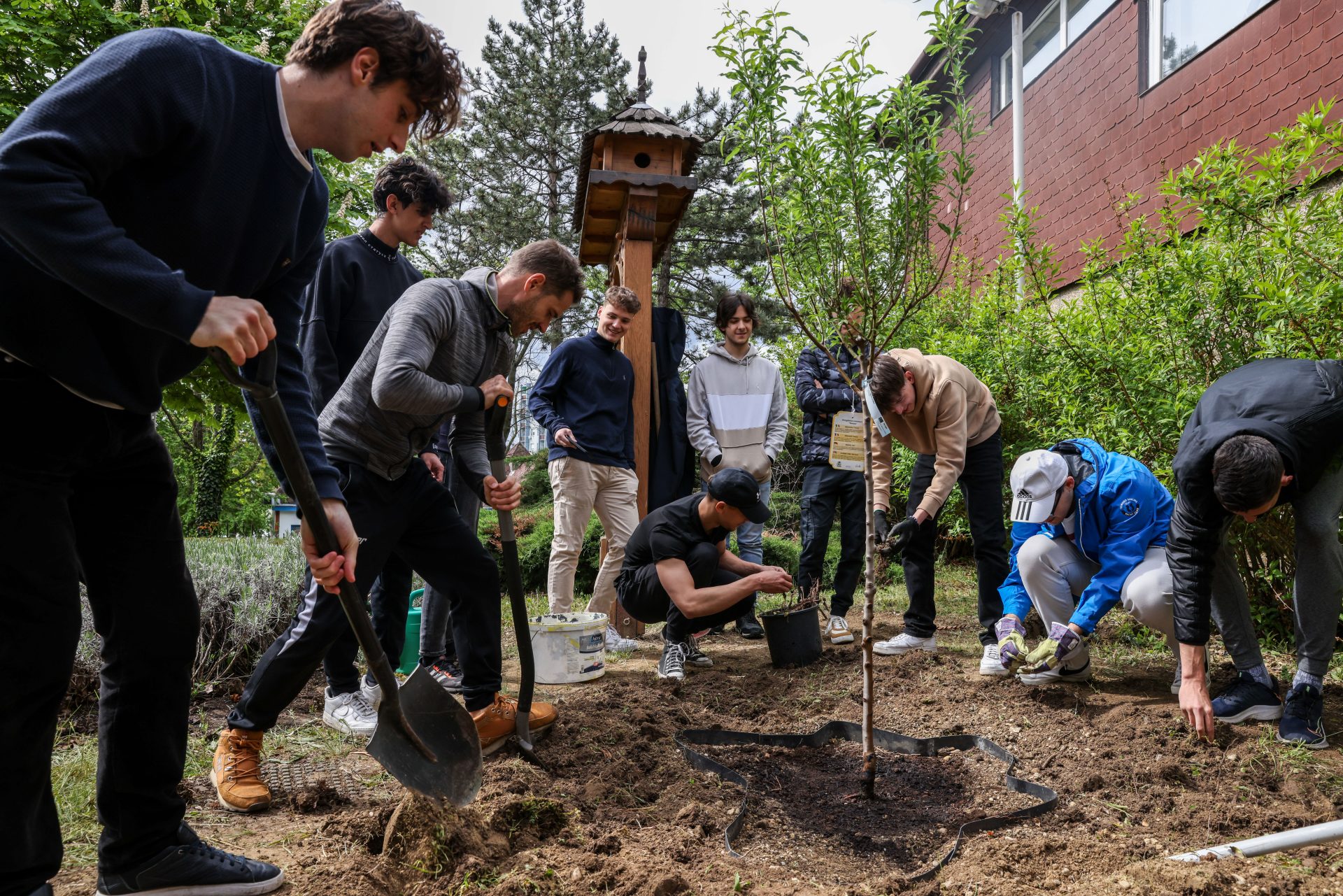
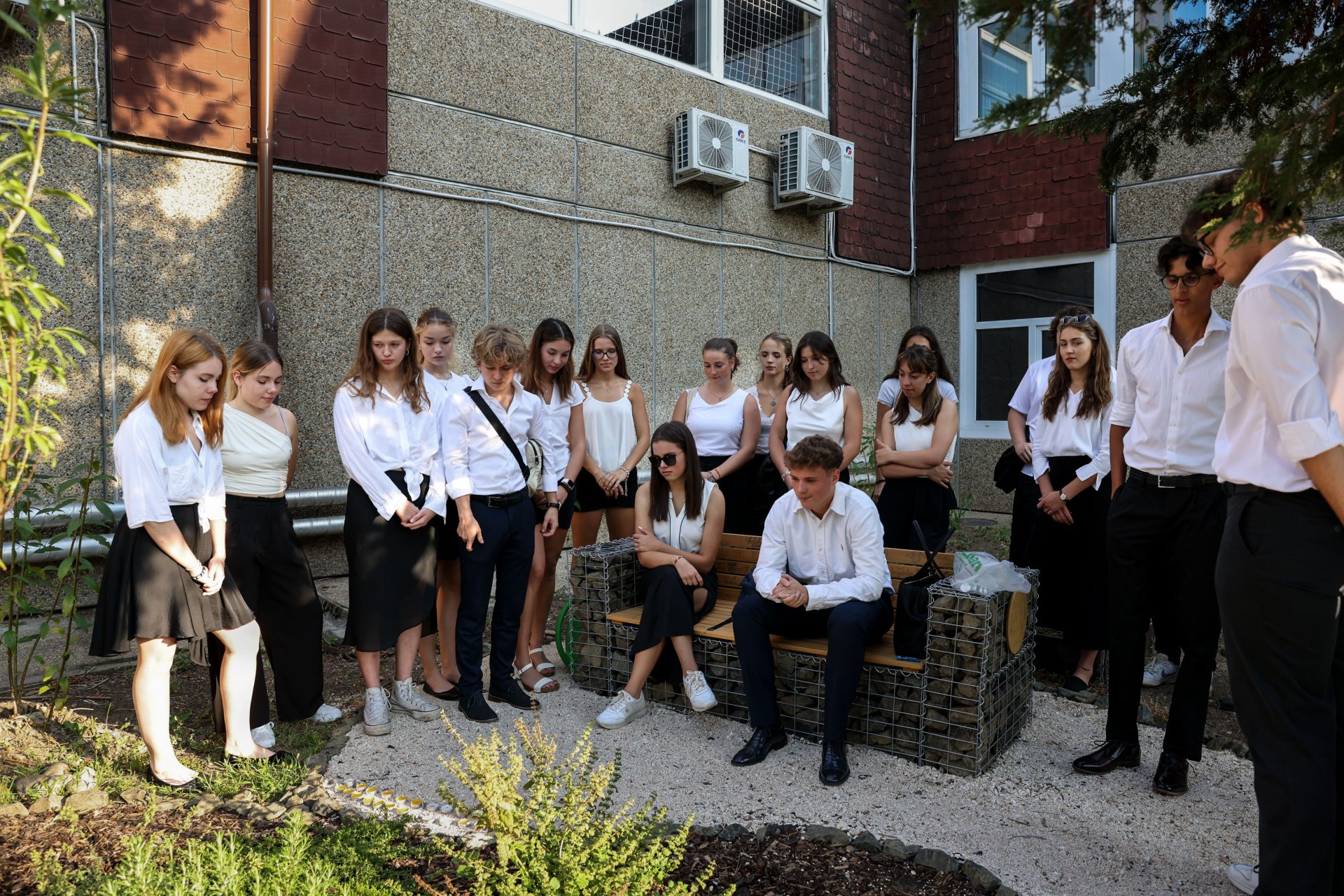
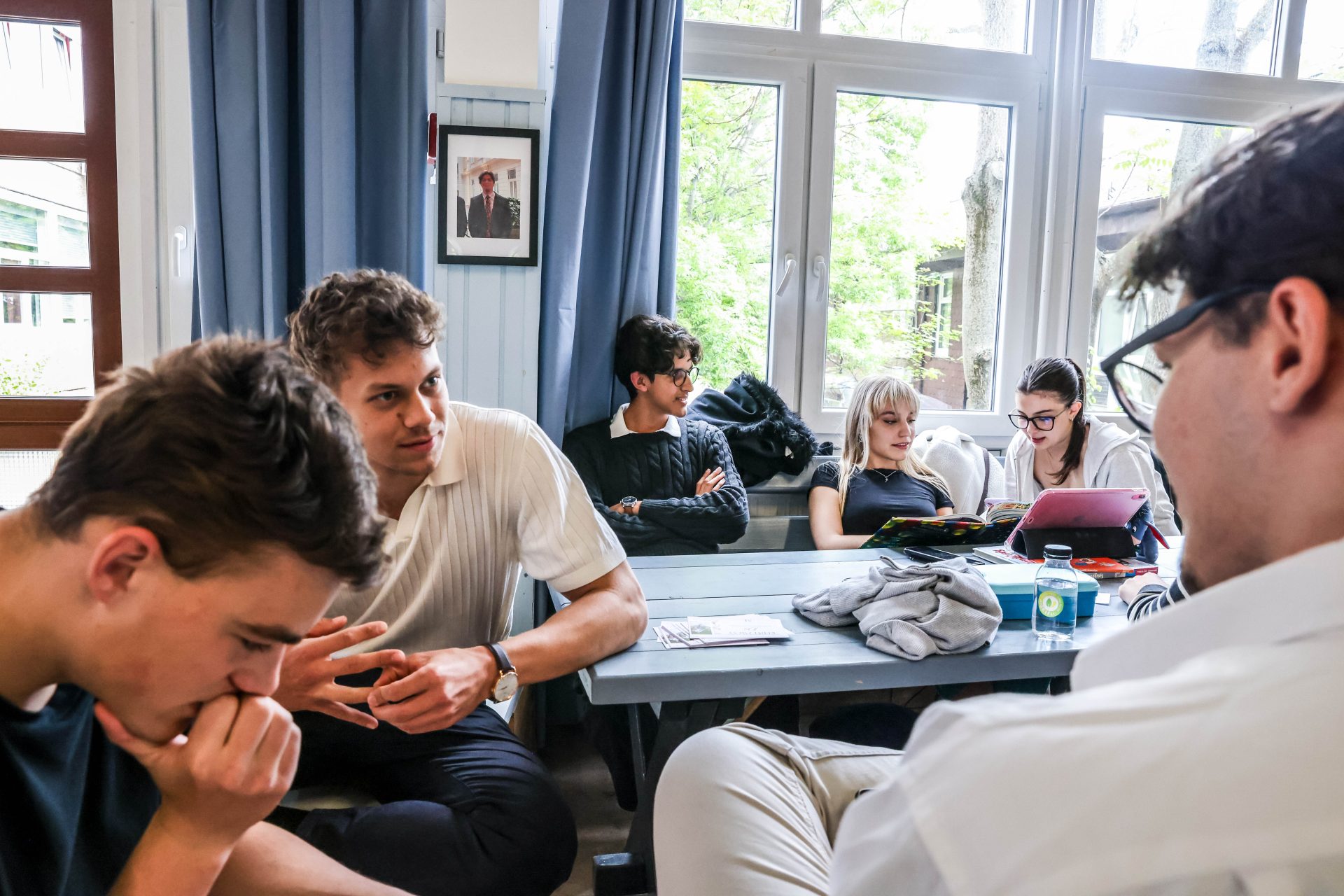
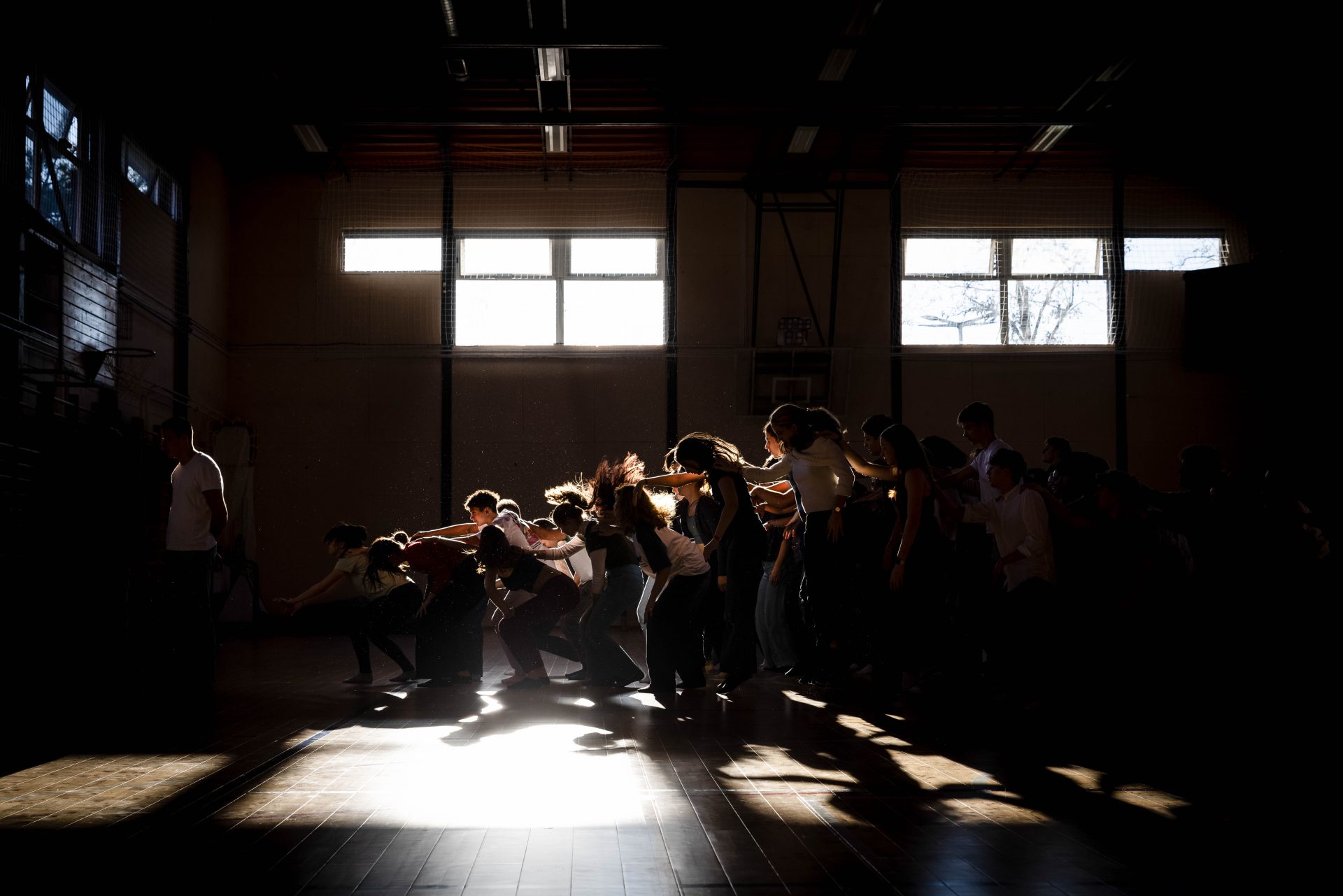
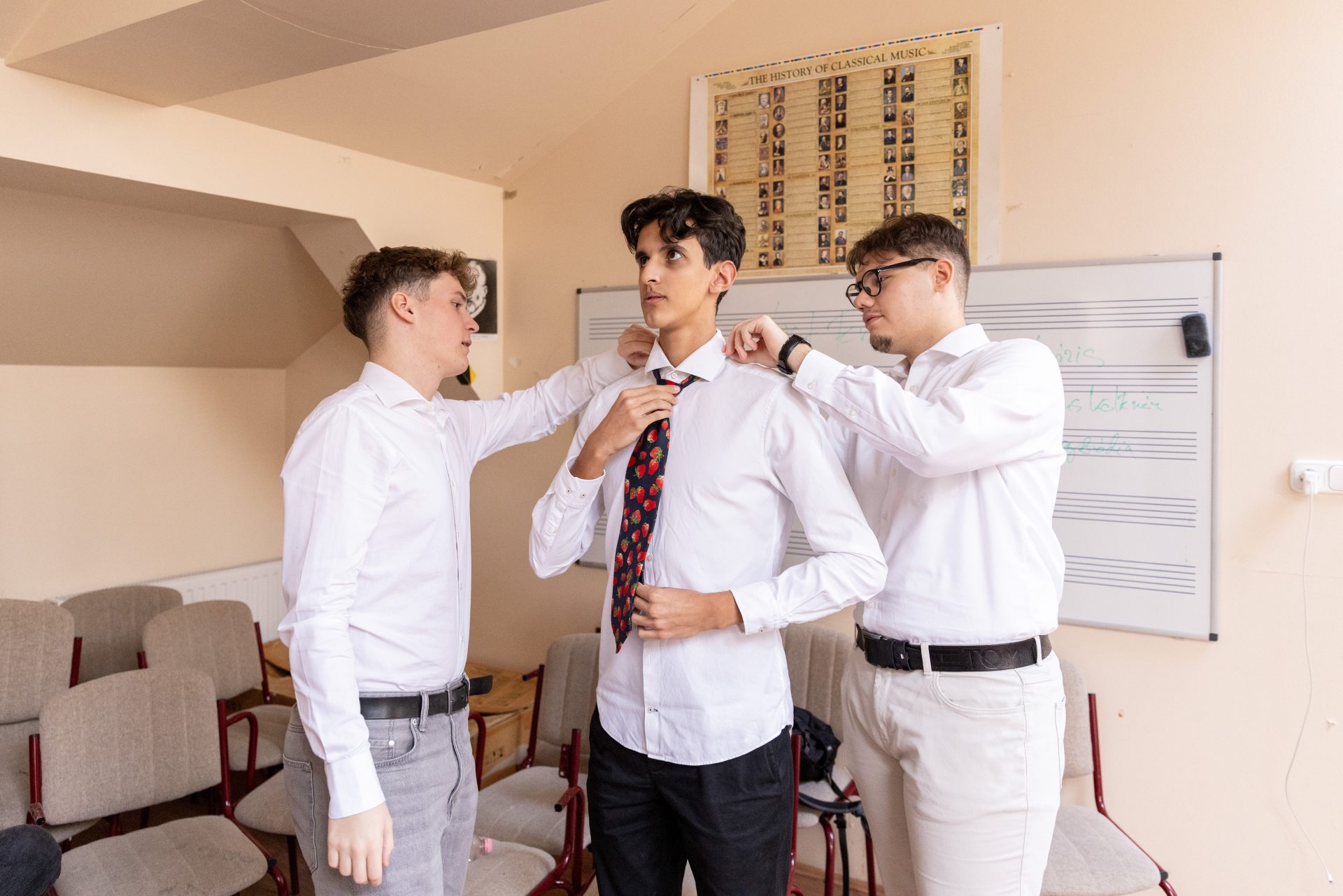
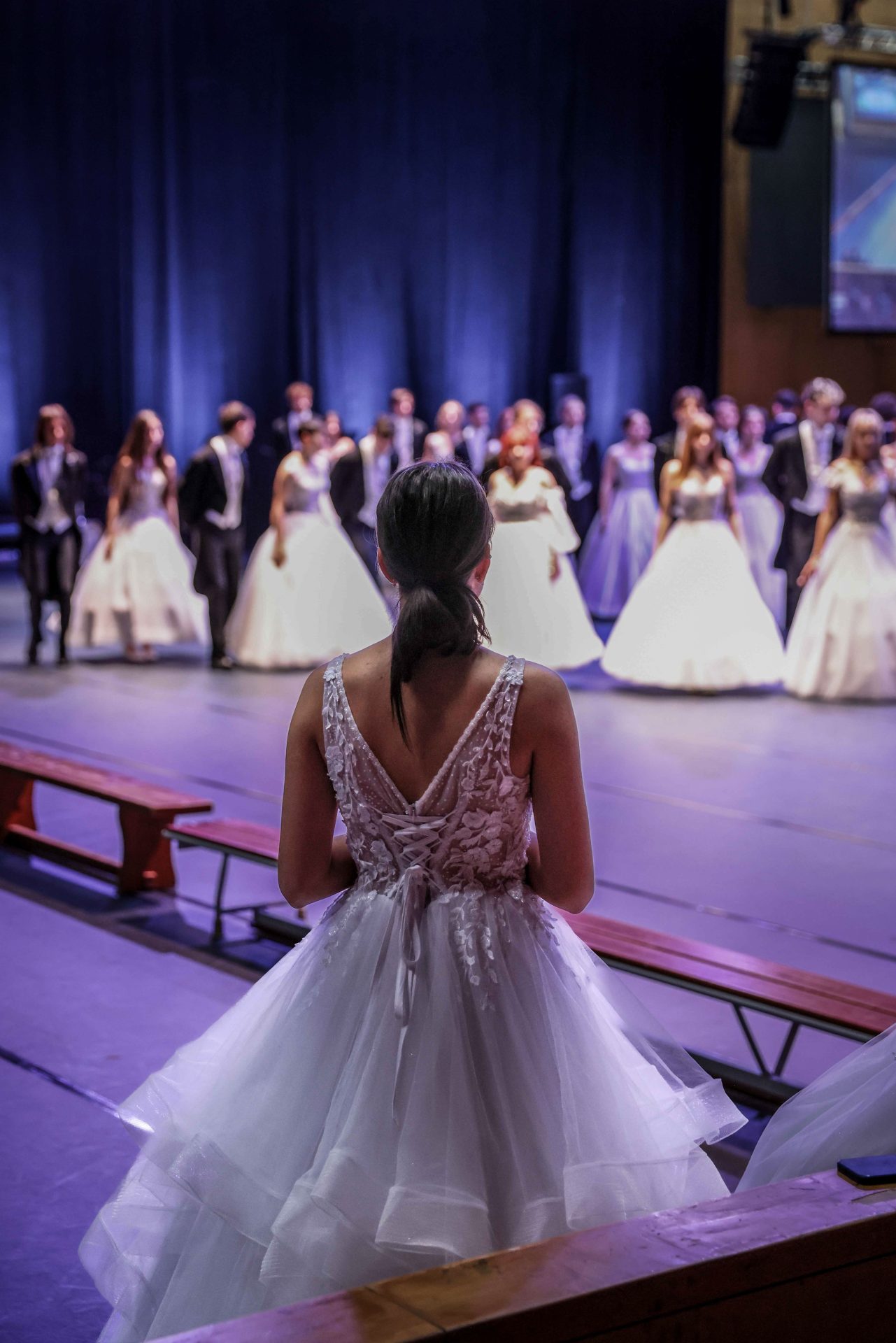
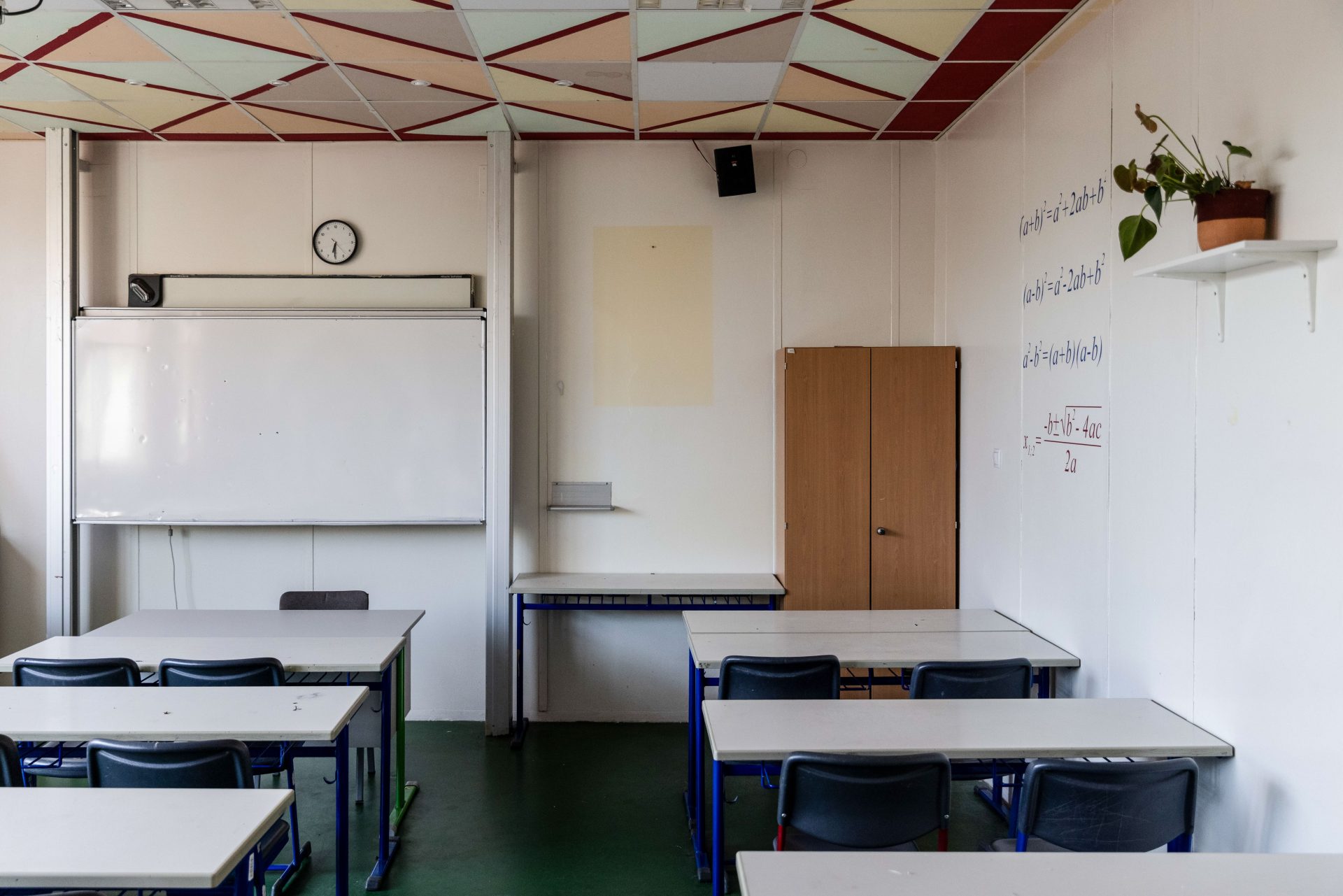
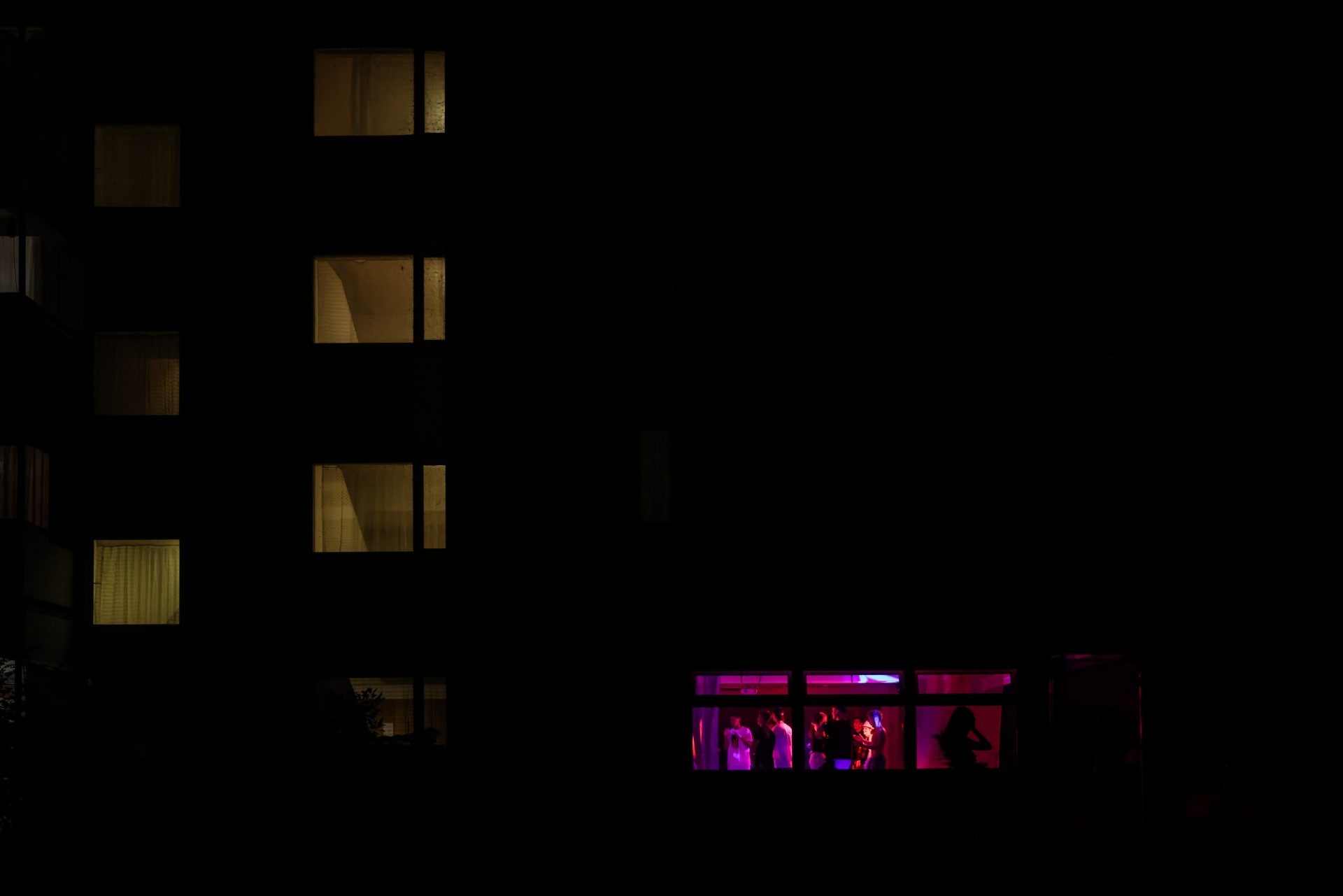
I followed his classmates through the final school year he should have shared with them. As they prepared to begin their adult lives, they were also grieving Bálint. I photographed their gatherings, preparations for prom and graduation, and the ways they found to keep his memory alive. Spending time with them also allowed me to discover sides of my brother I had never known at home.
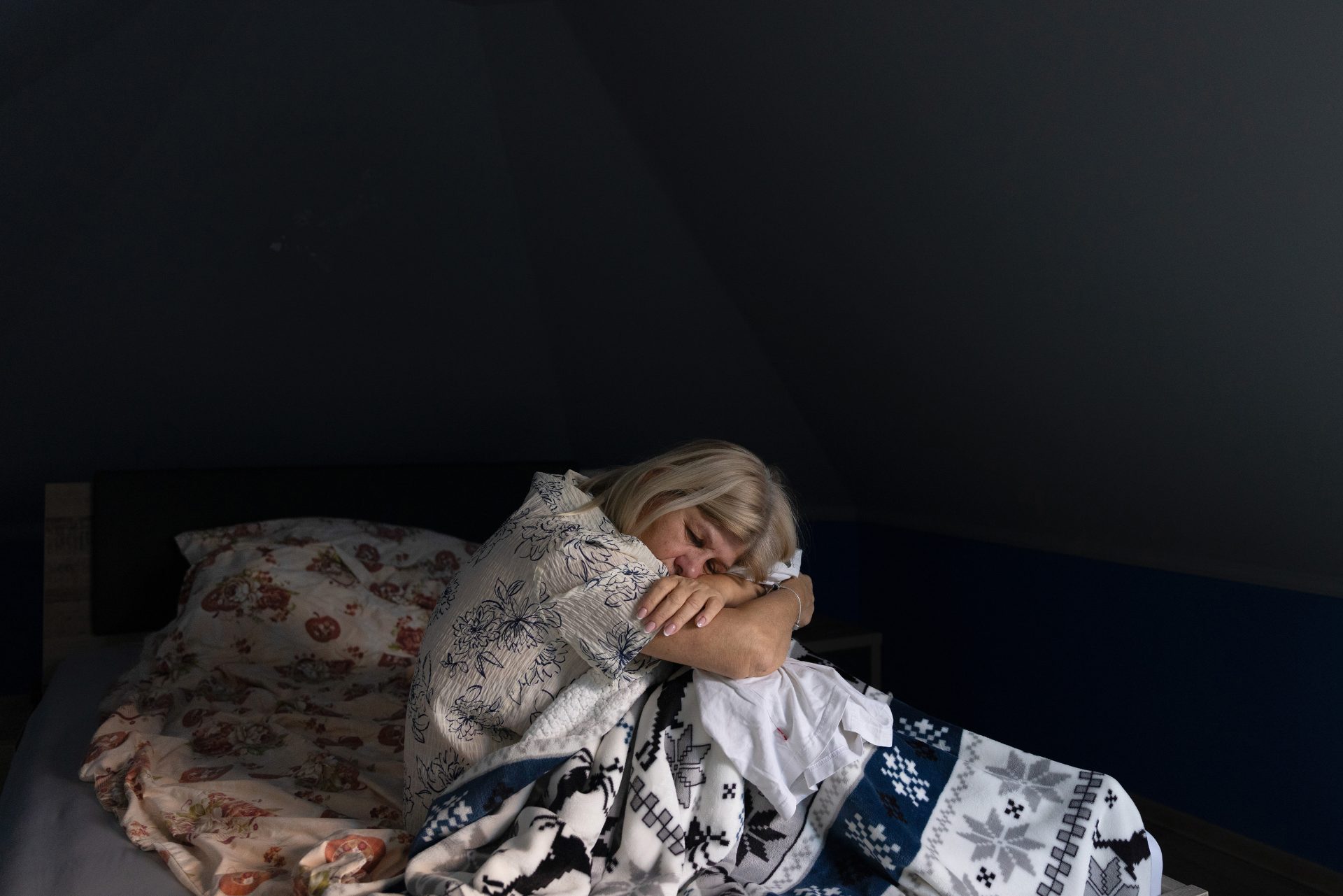
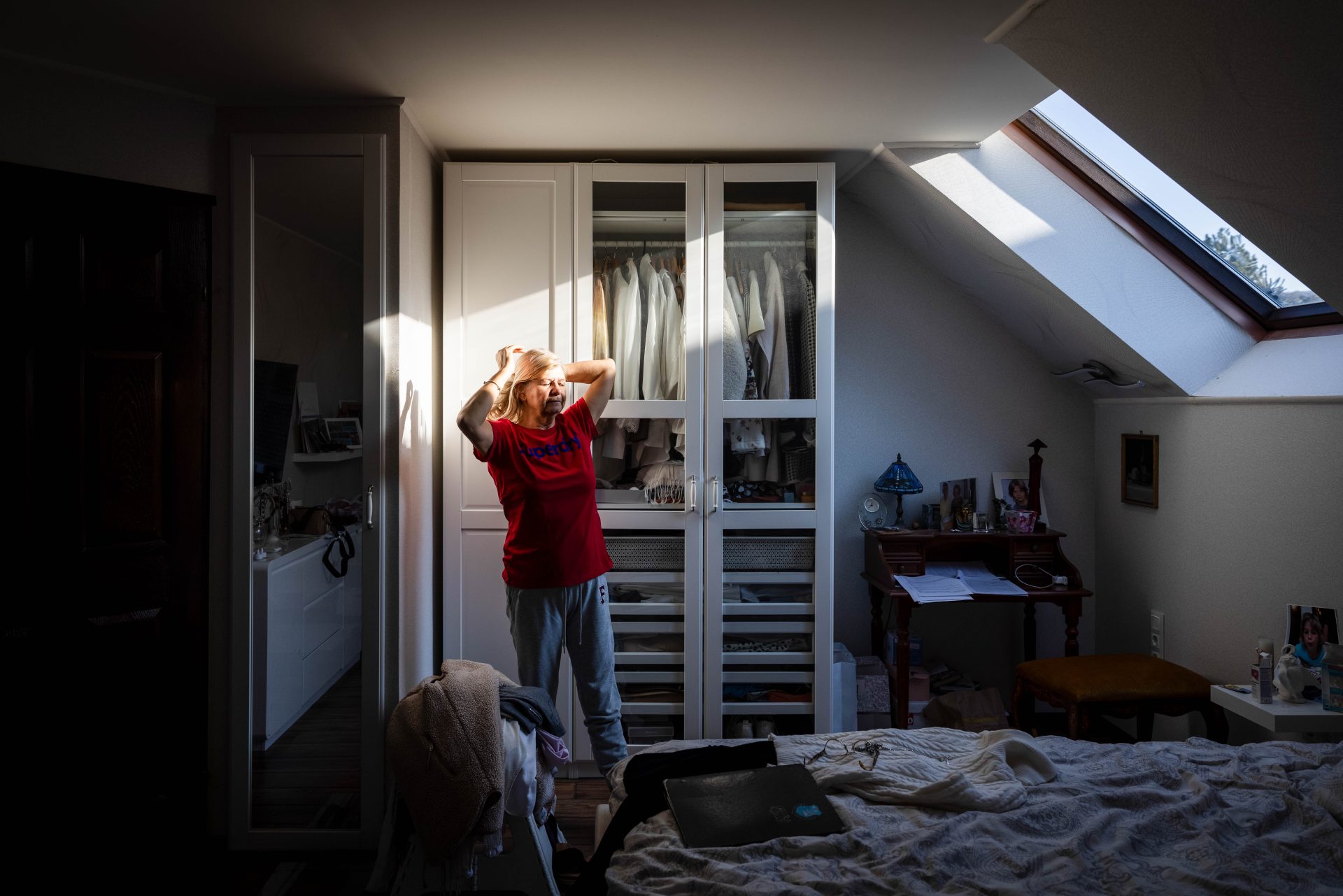
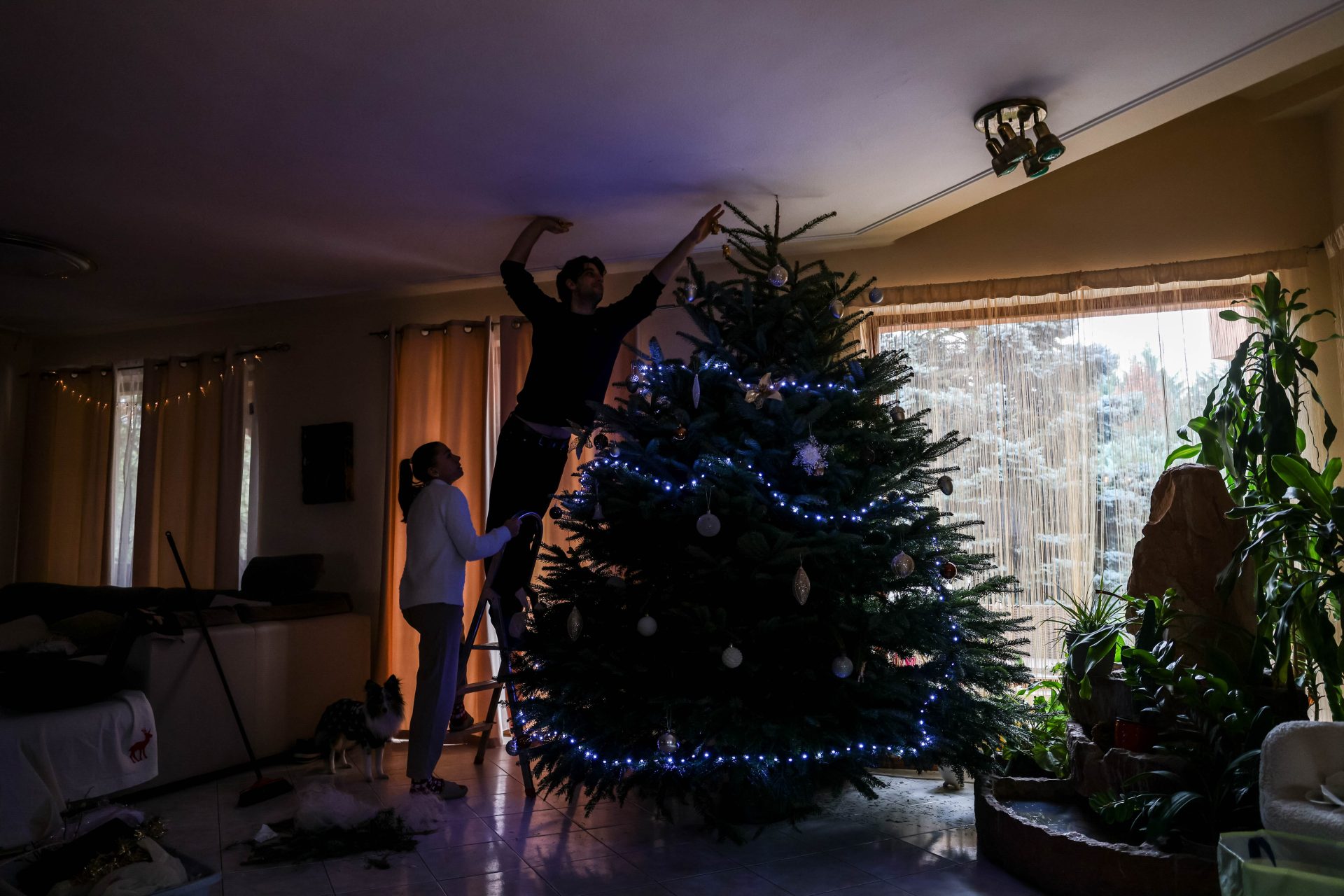
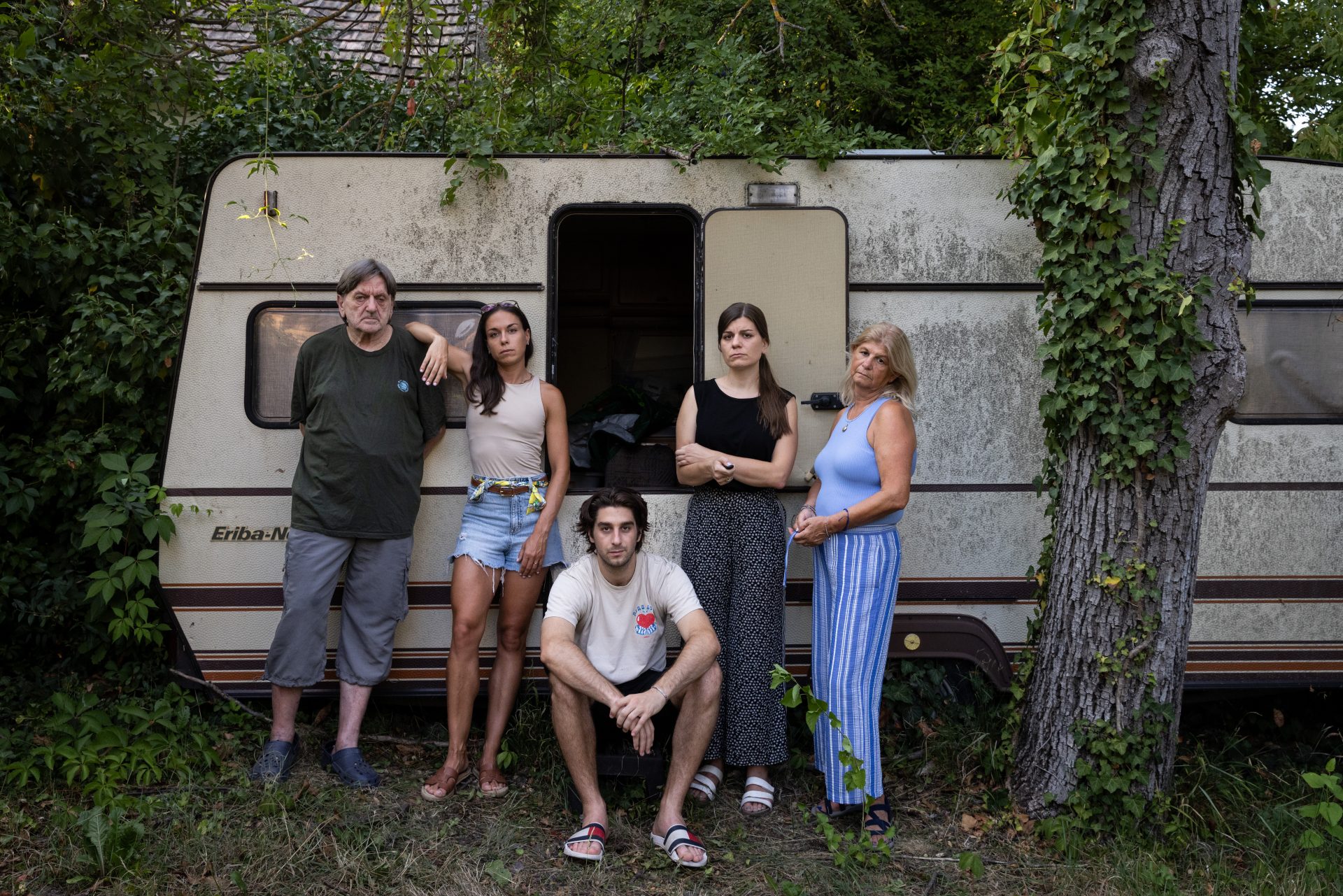
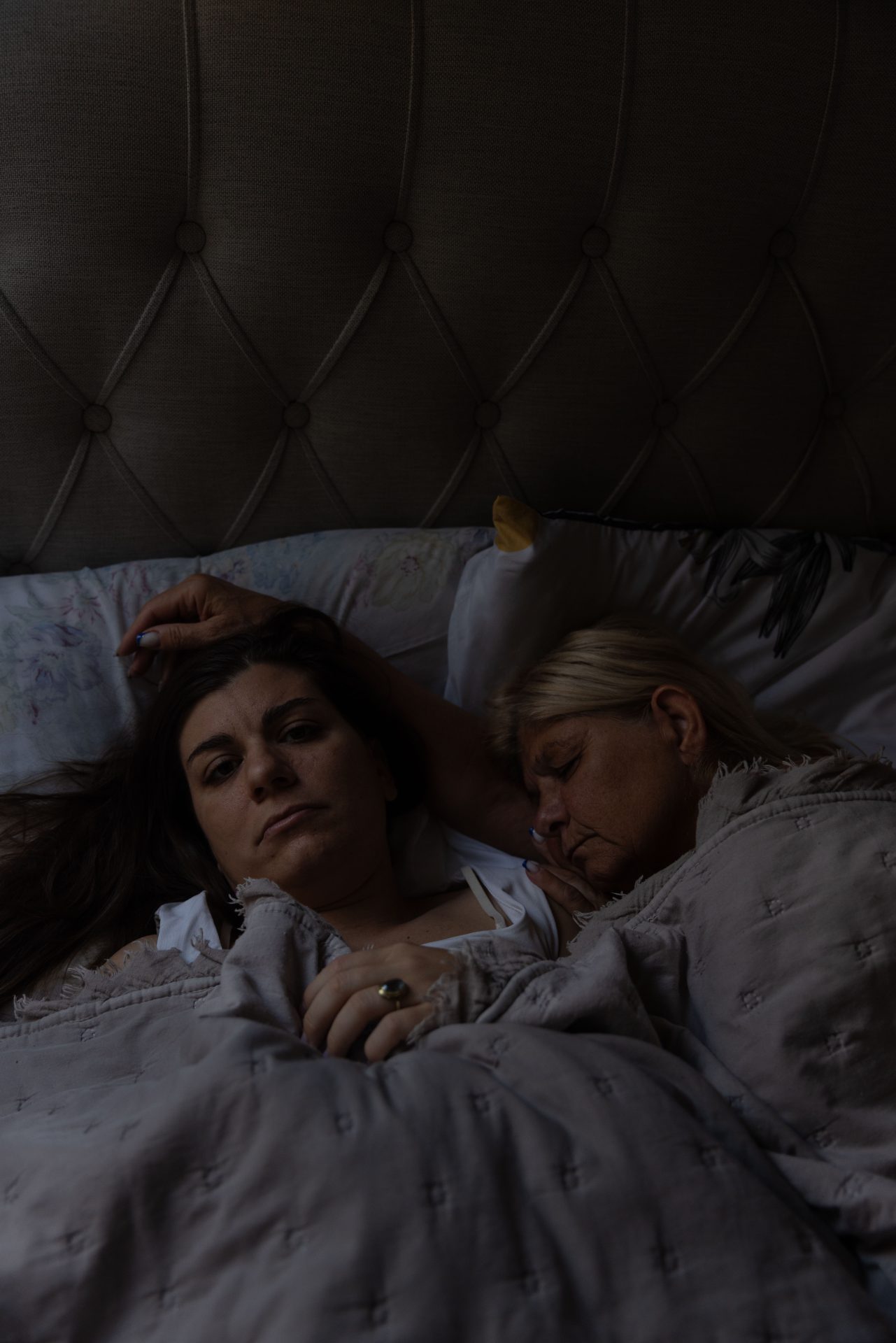
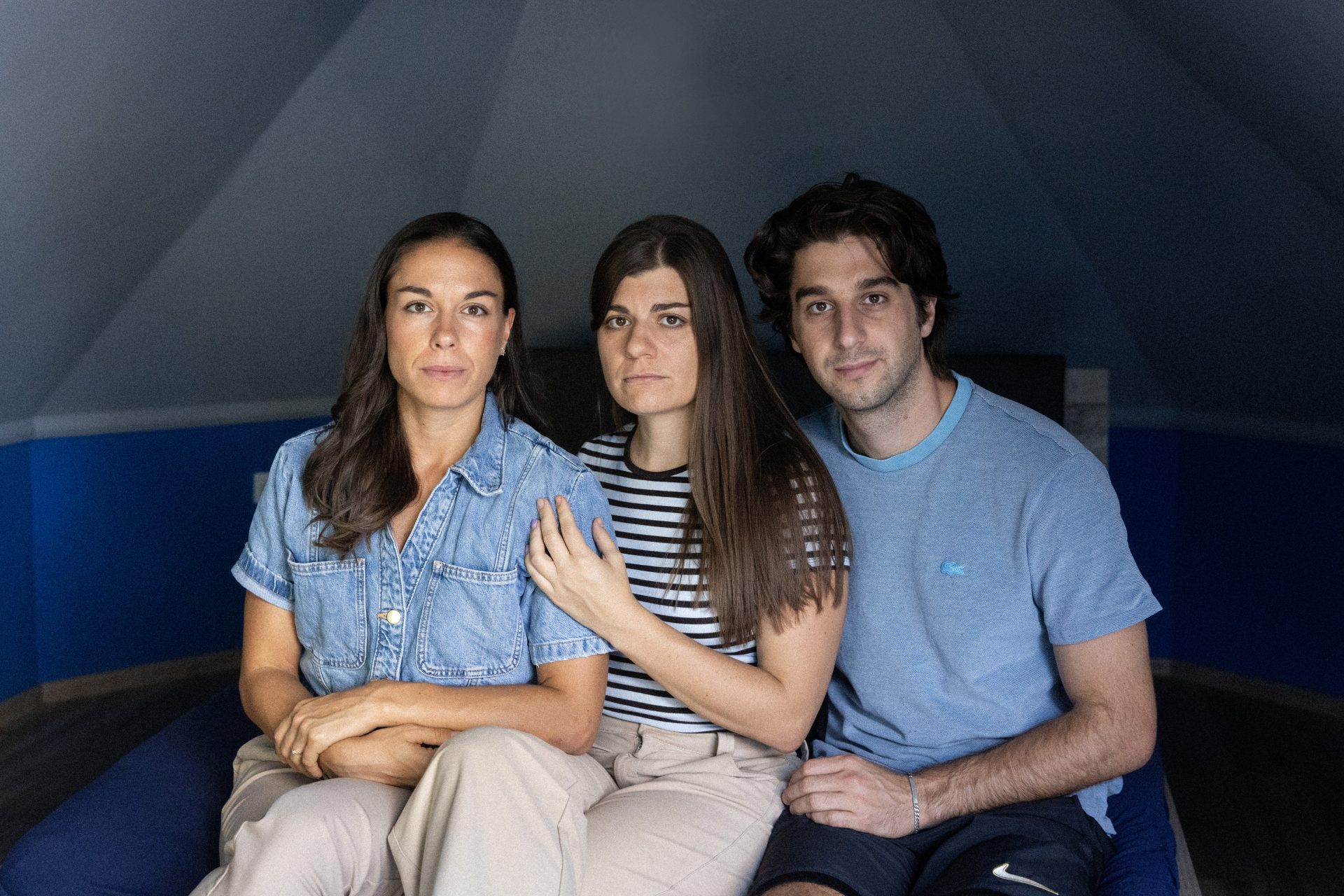
Bálint’s death profoundly changed our family. Each of us had a different relationship with him and different needs in our grief. Although we were grieving the same person, we often struggled to understand one another. As the project developed, I began turning my attention towards these relationships and my own experience of loss.
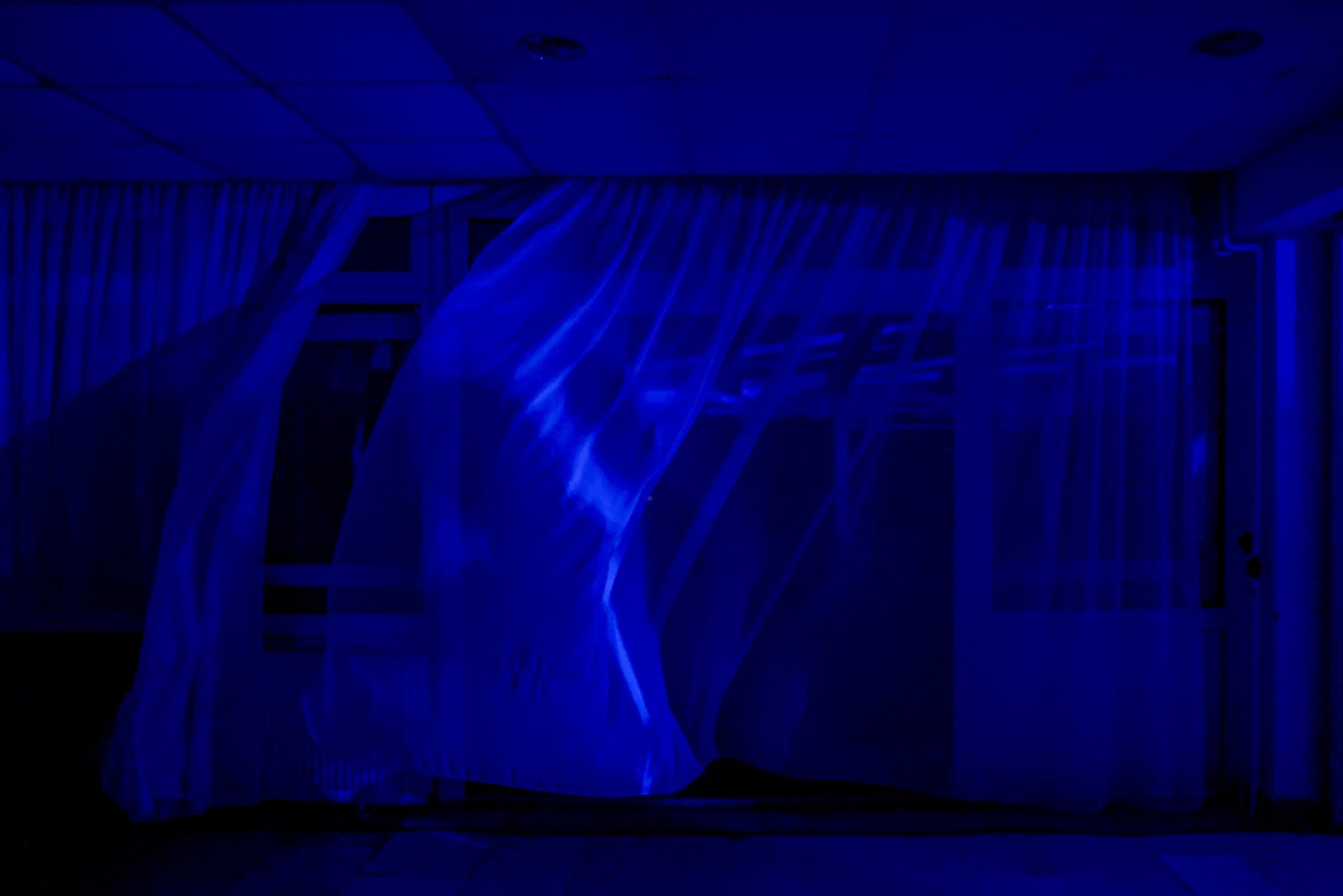
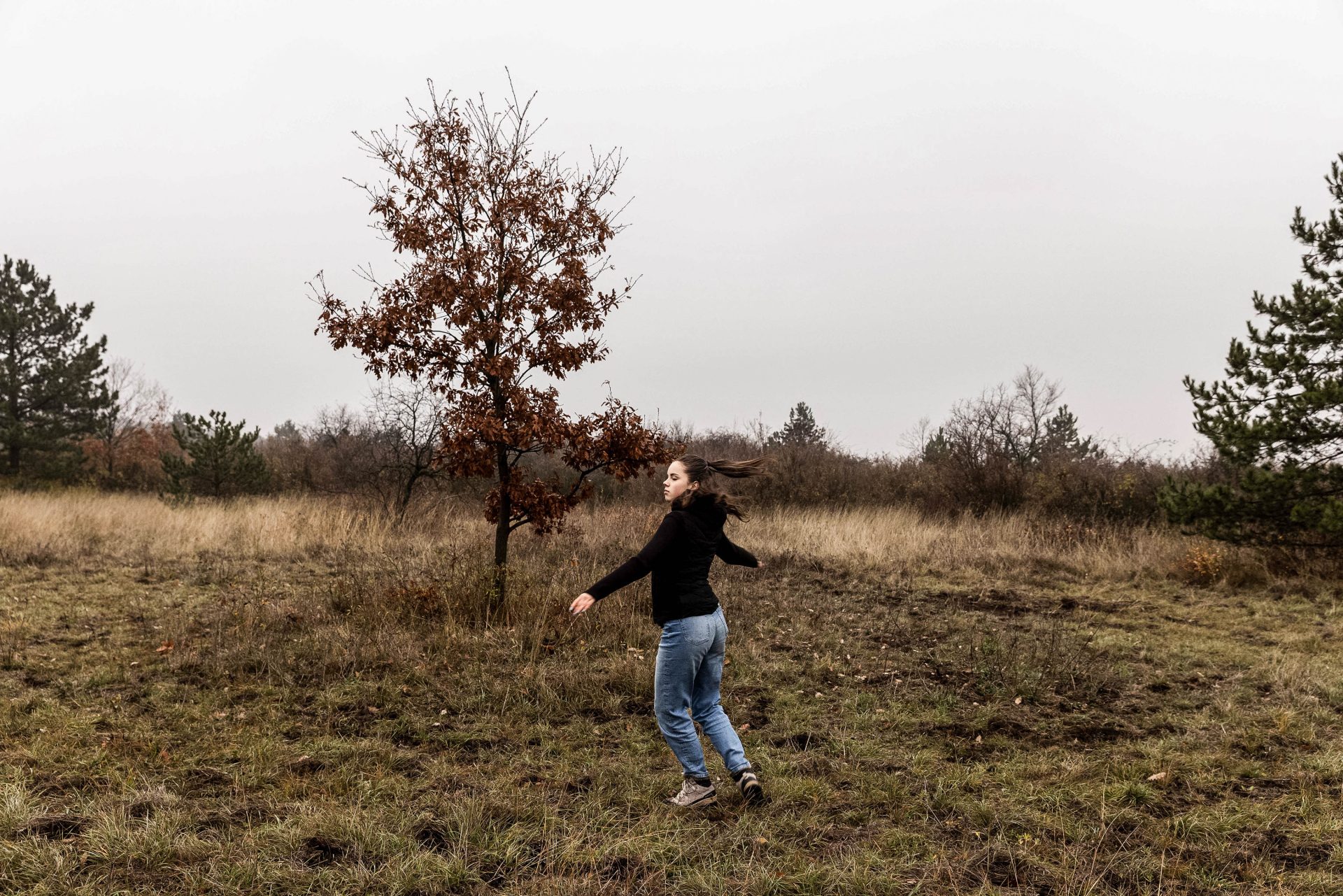
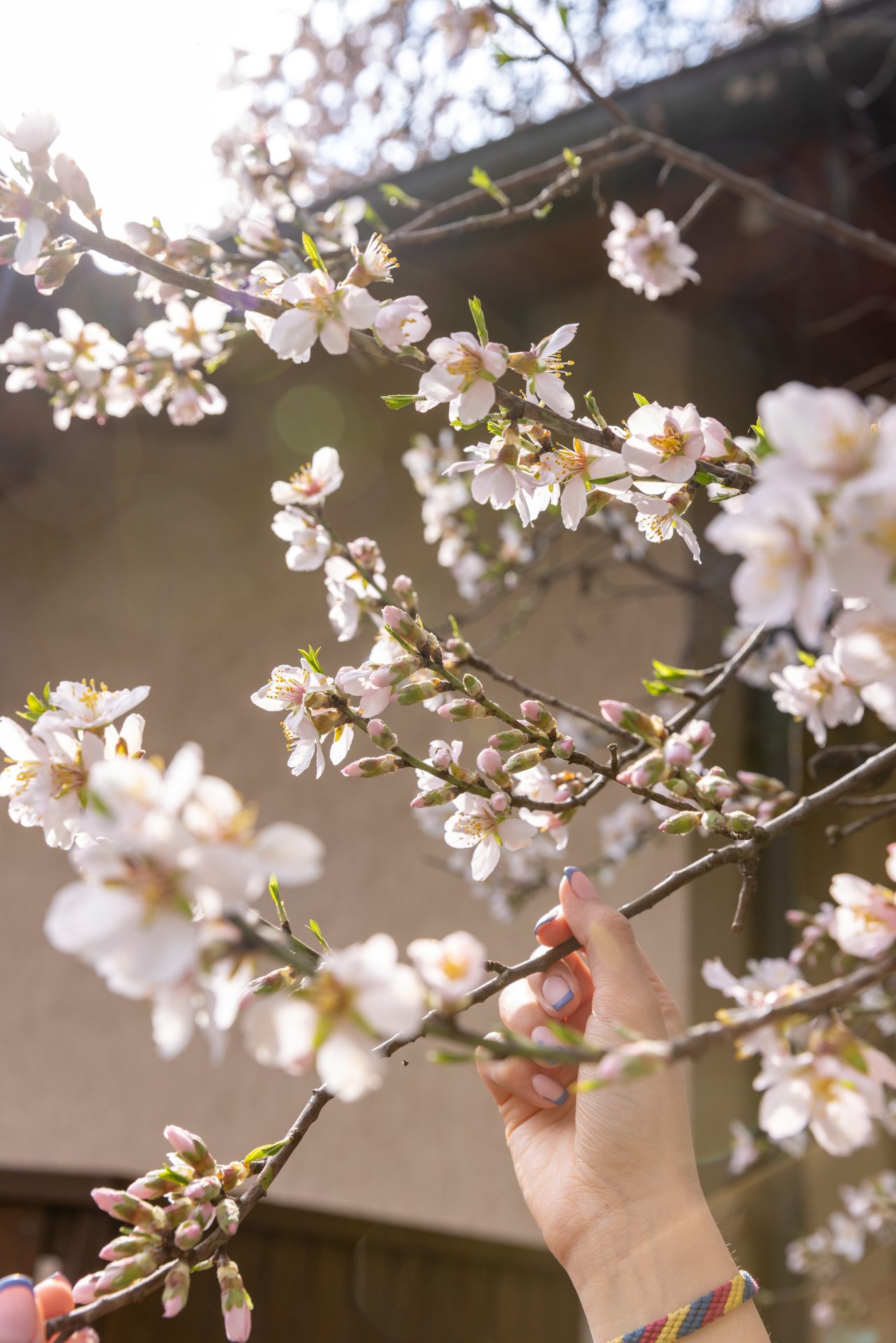
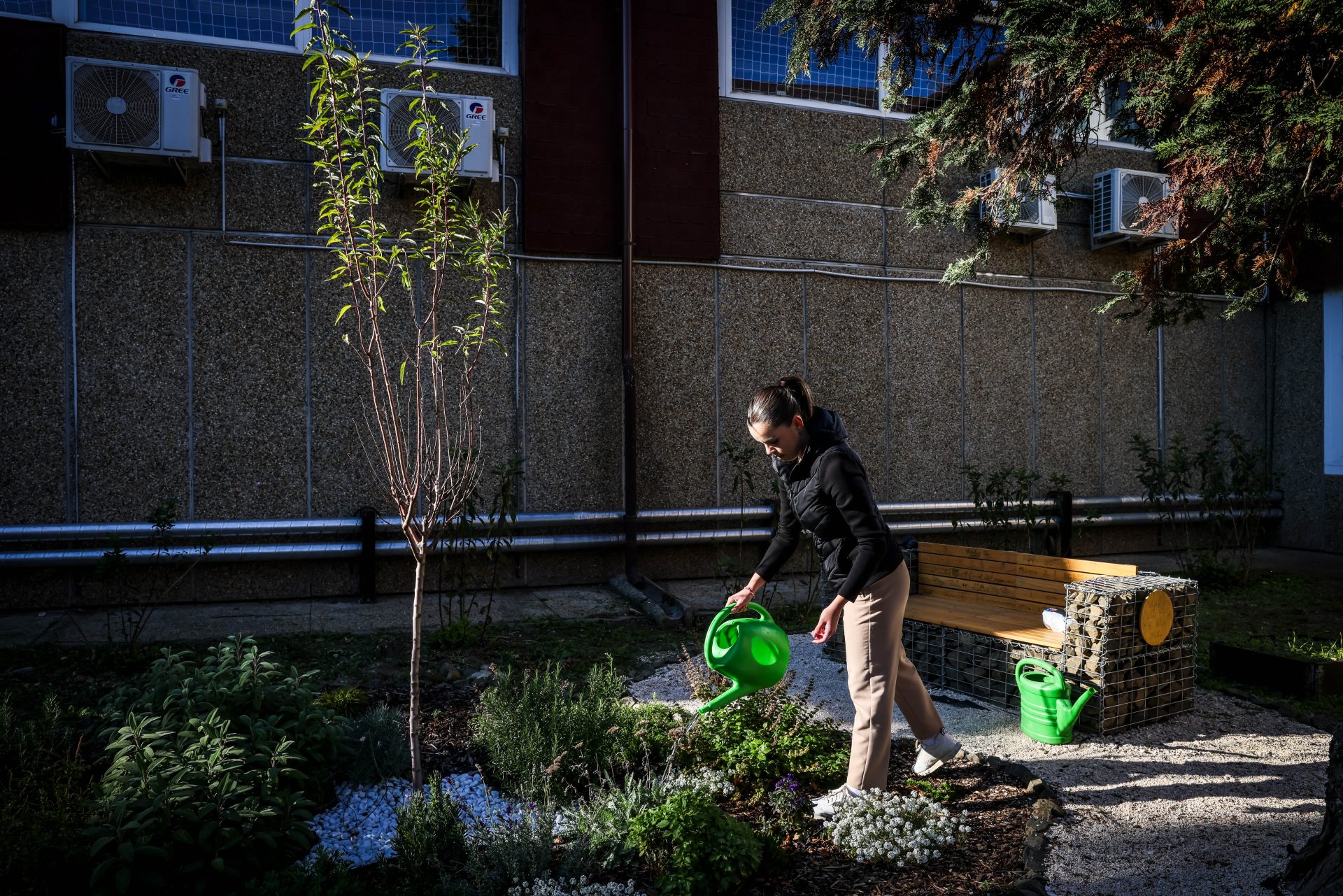
For the first two years, I photographed what was happening around us. At the same time, I wrote down memories, dreams and ideas for photographs that I had not been able to make. In the summer of 2026, I began working with my family to create images based on these experiences and feelings, exploring aspects of grief that had remained unseen.
Through Remains of Us, I want to make some of these deeply personal experiences visible. My relationship with my brother did not end when he died. His absence shapes my life just as profoundly as his presence once did.
PENITENTS
Pilgrims Within the Borders of the Carpathian Basin
Zsófia Pályi
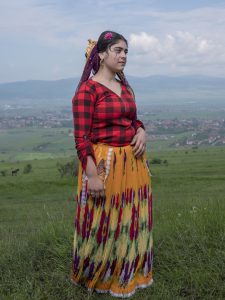
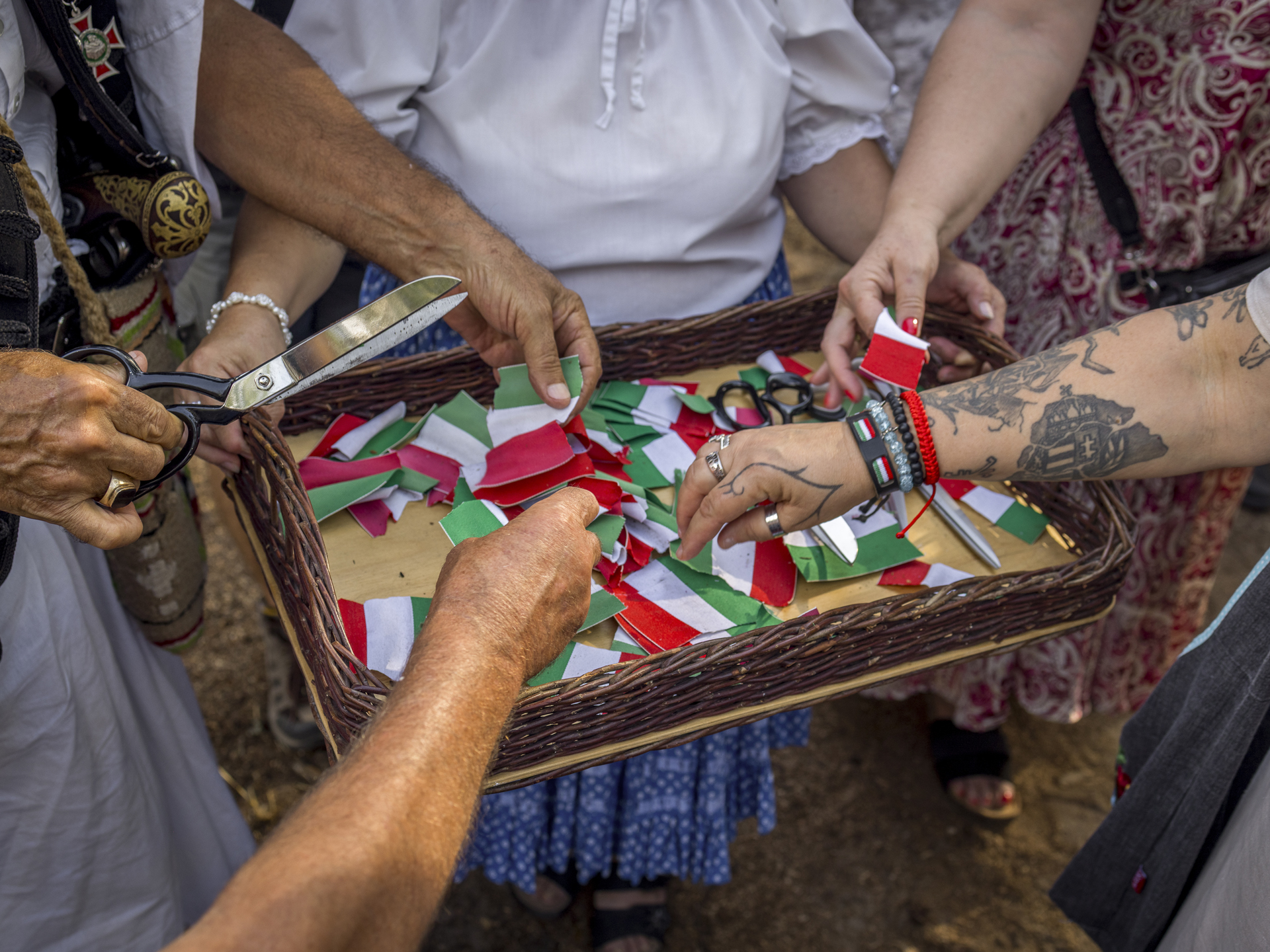
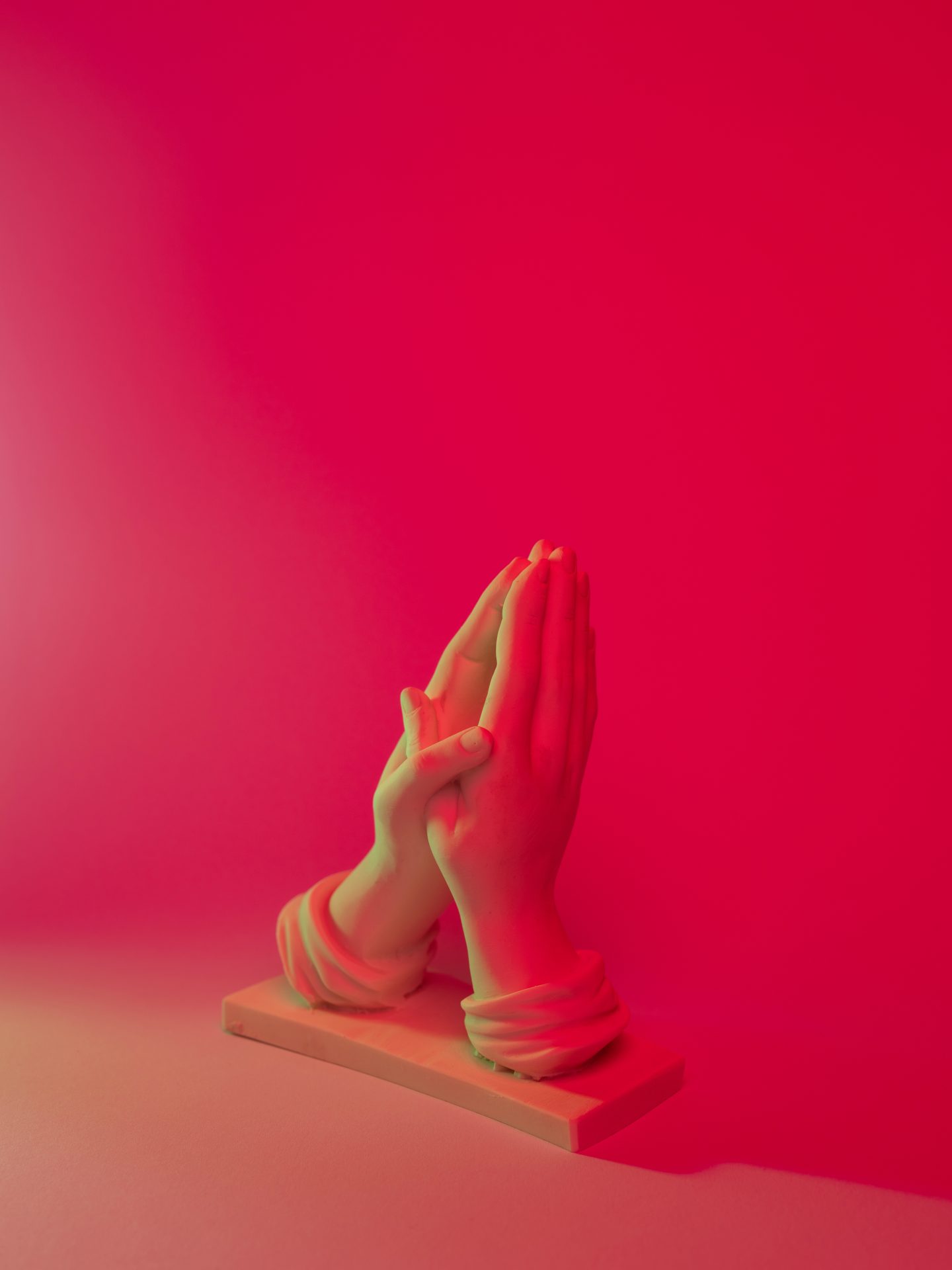
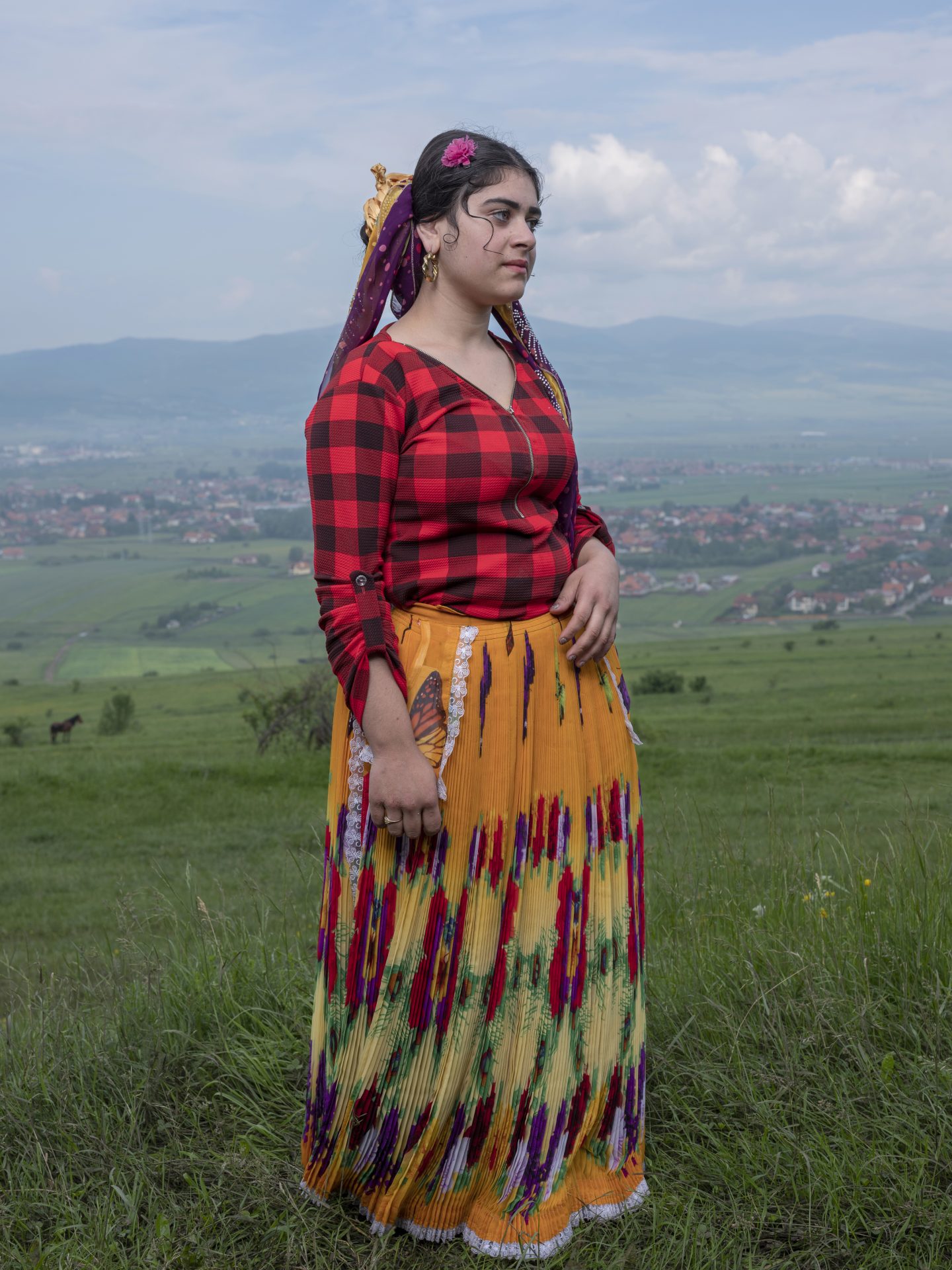
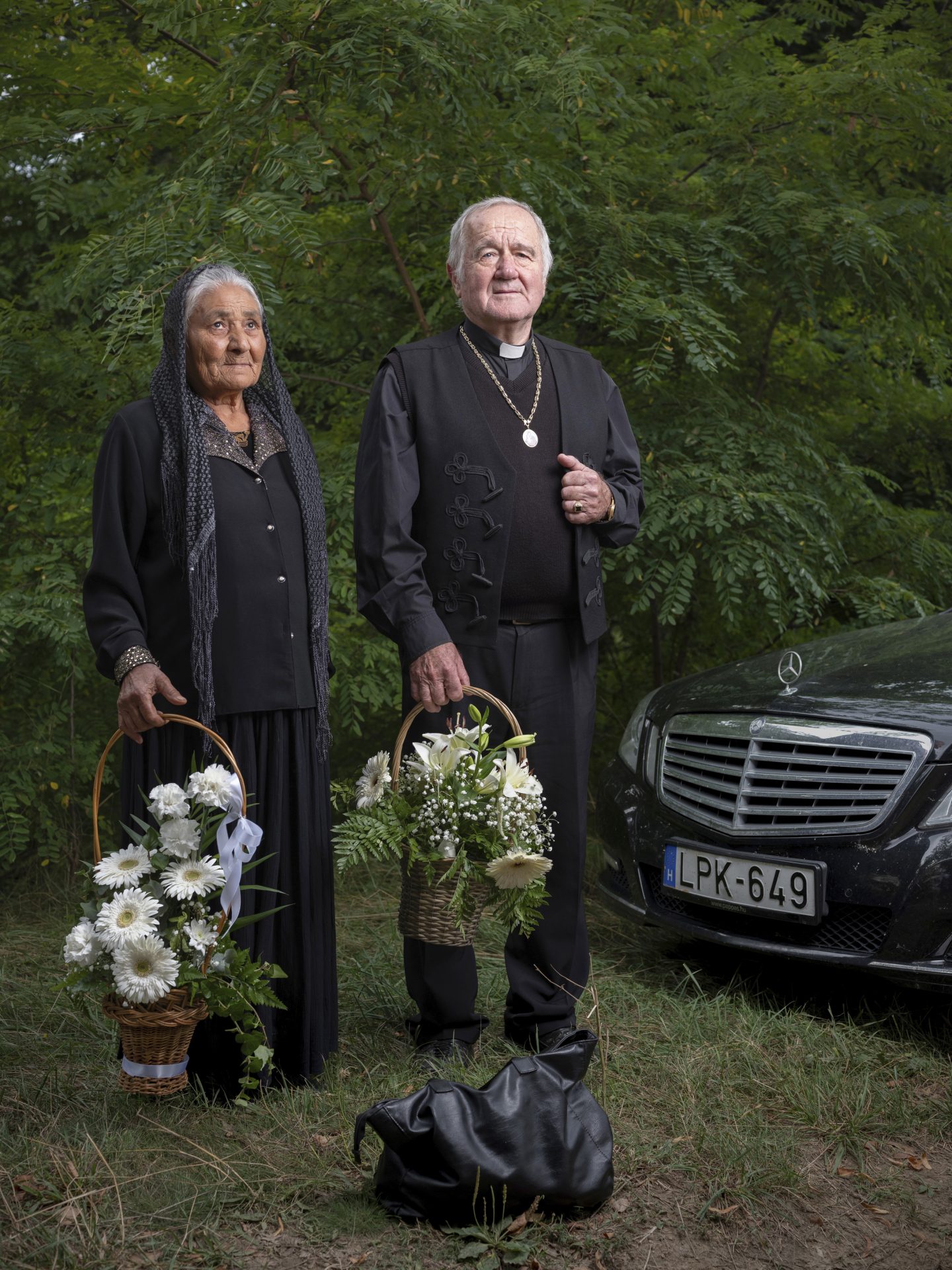
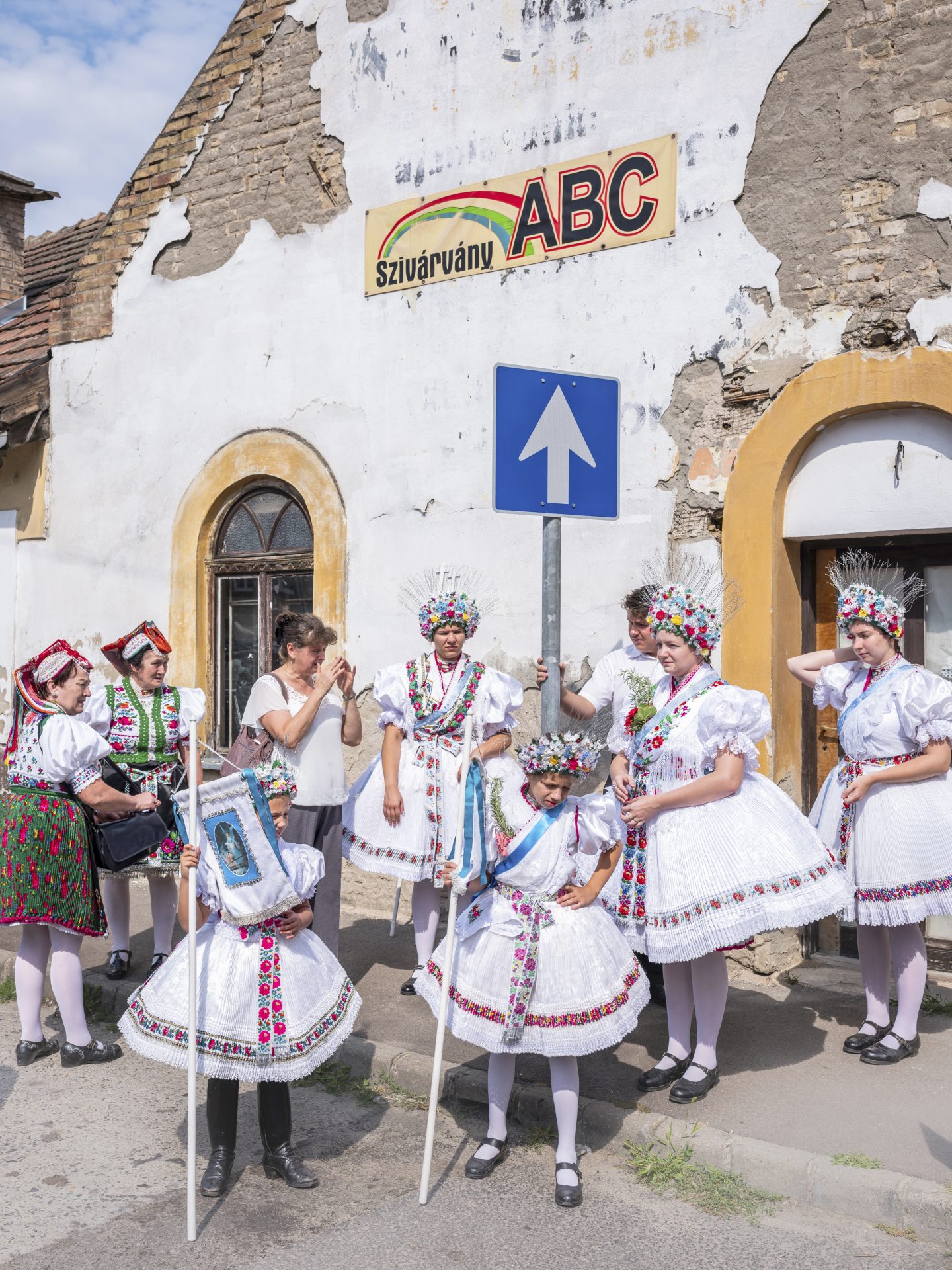
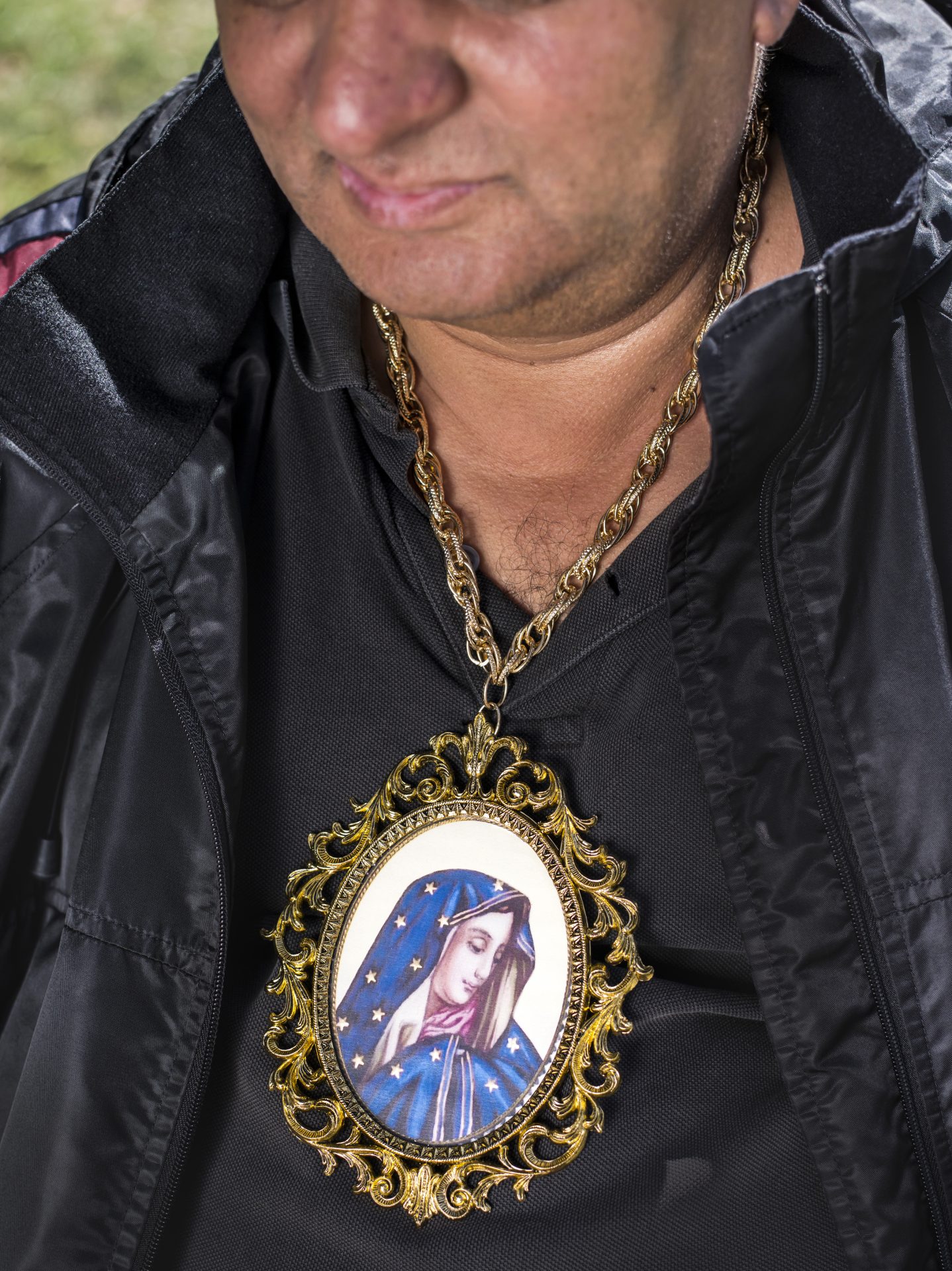
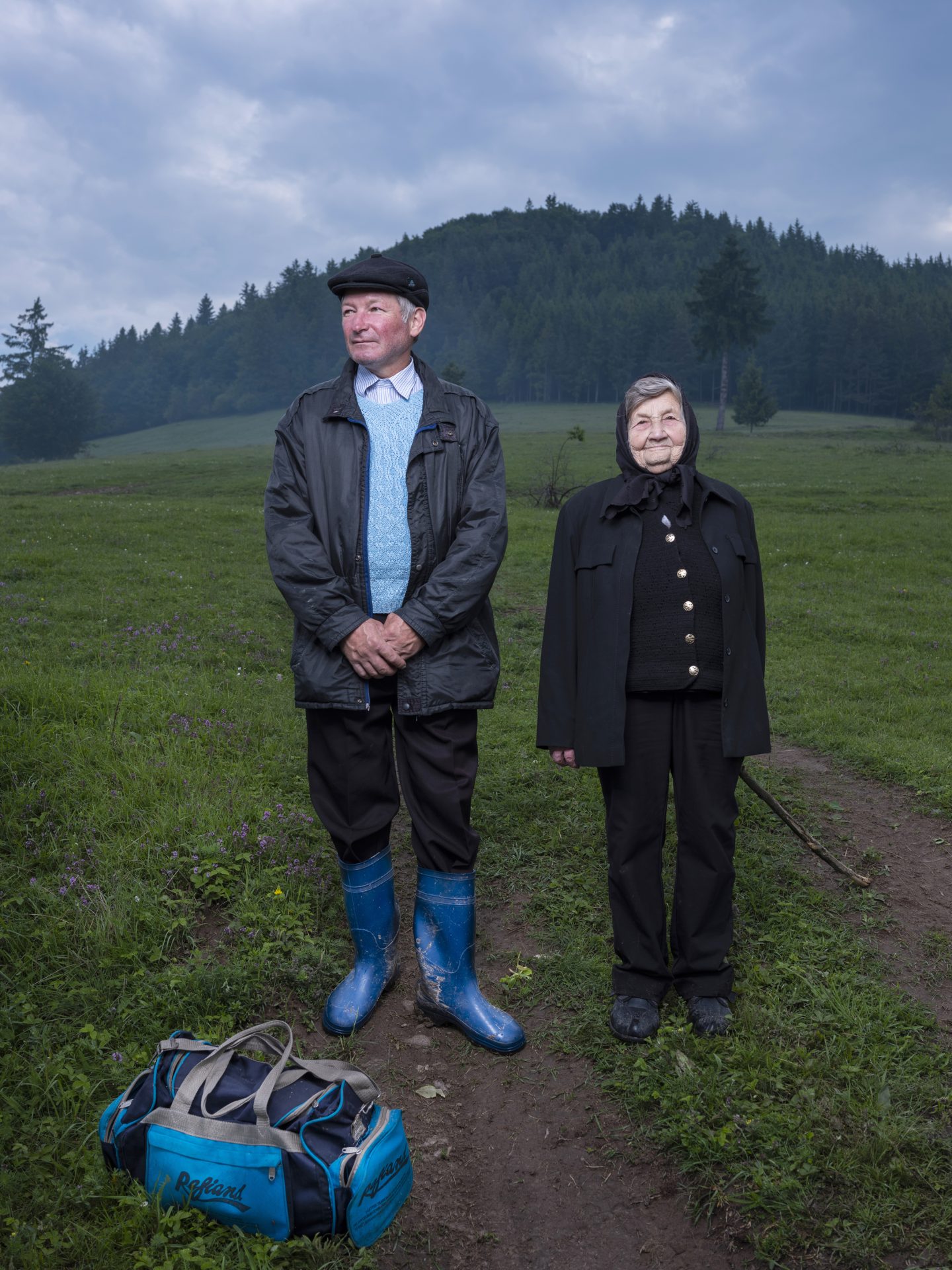
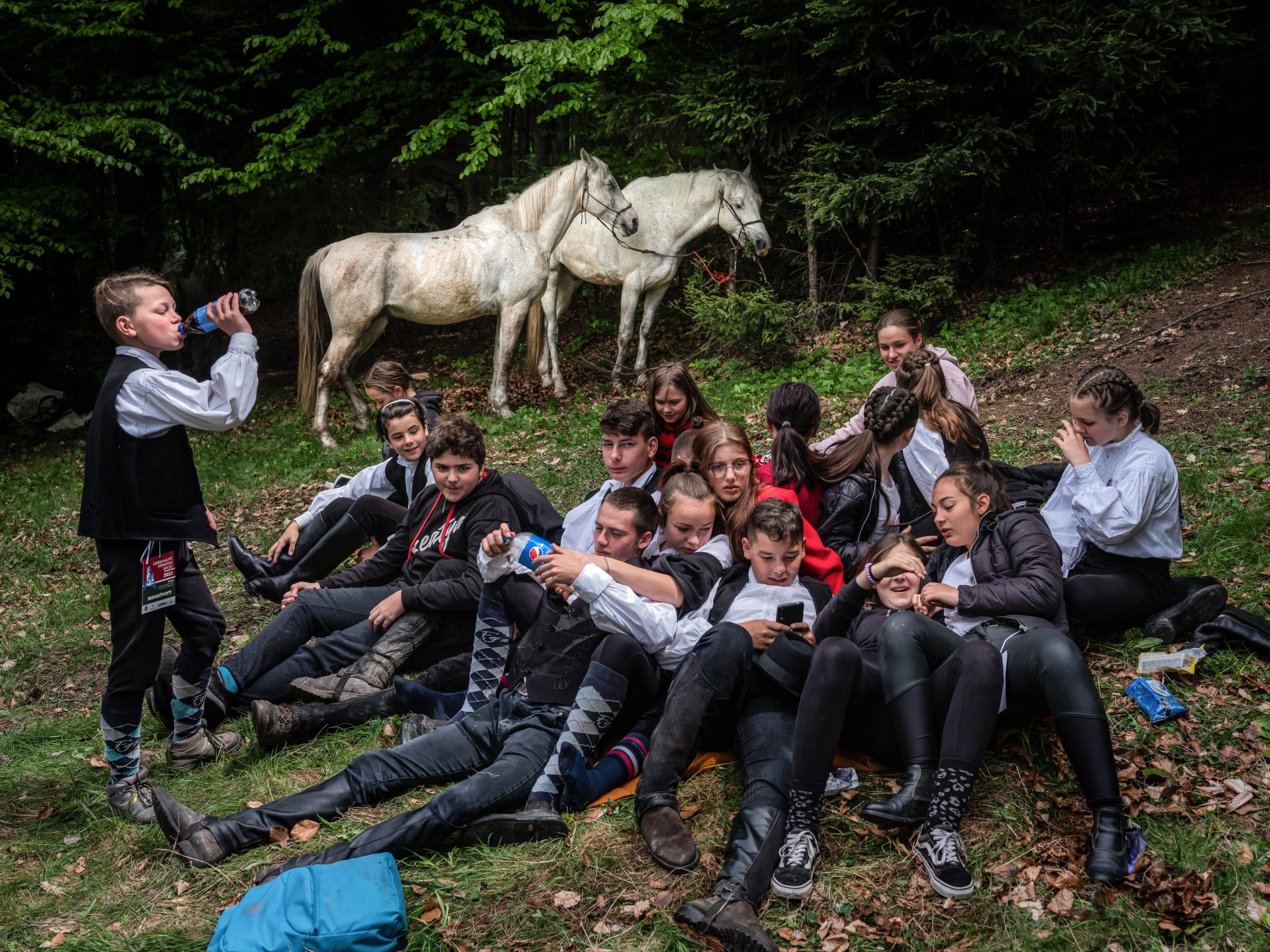
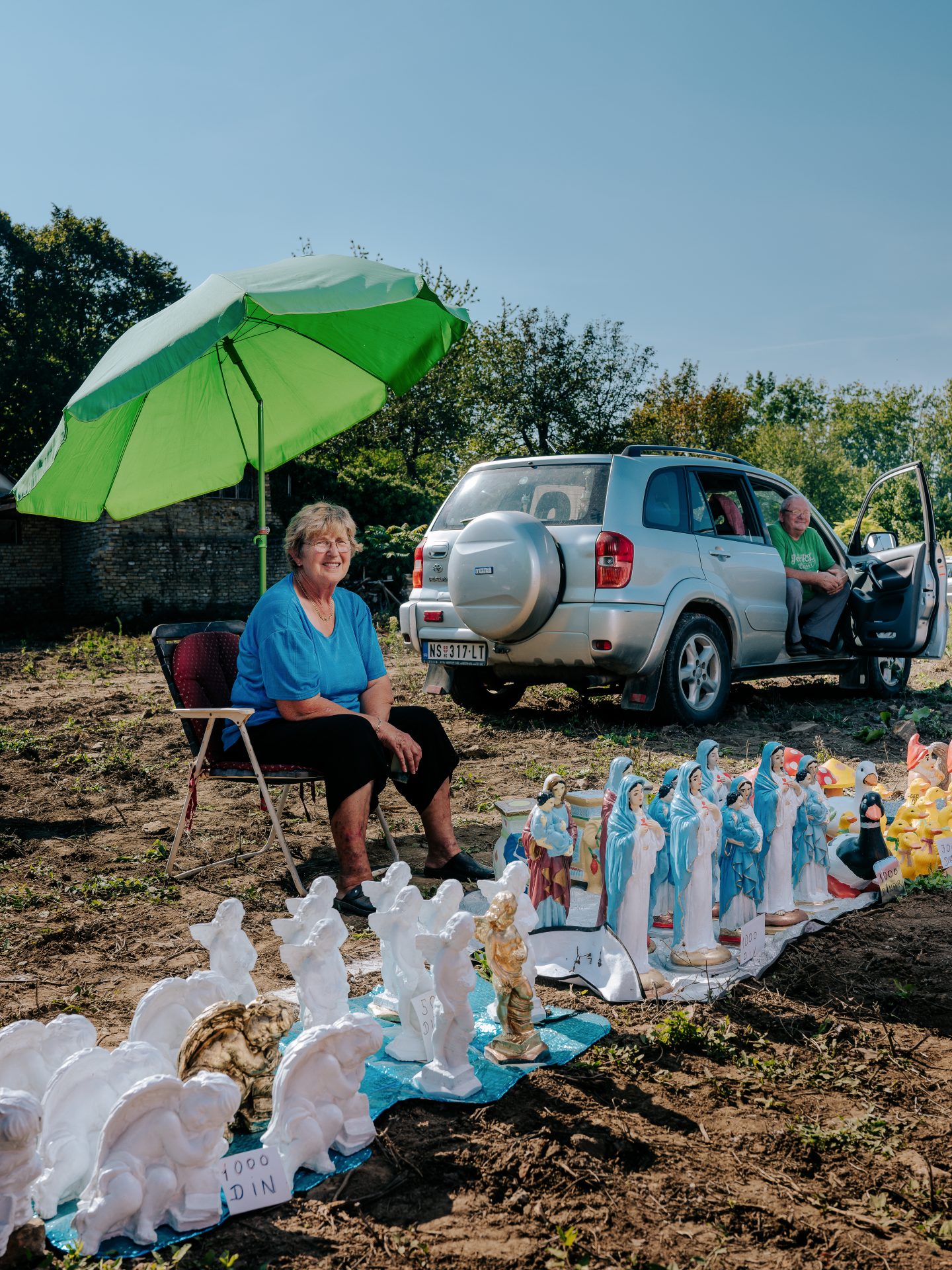
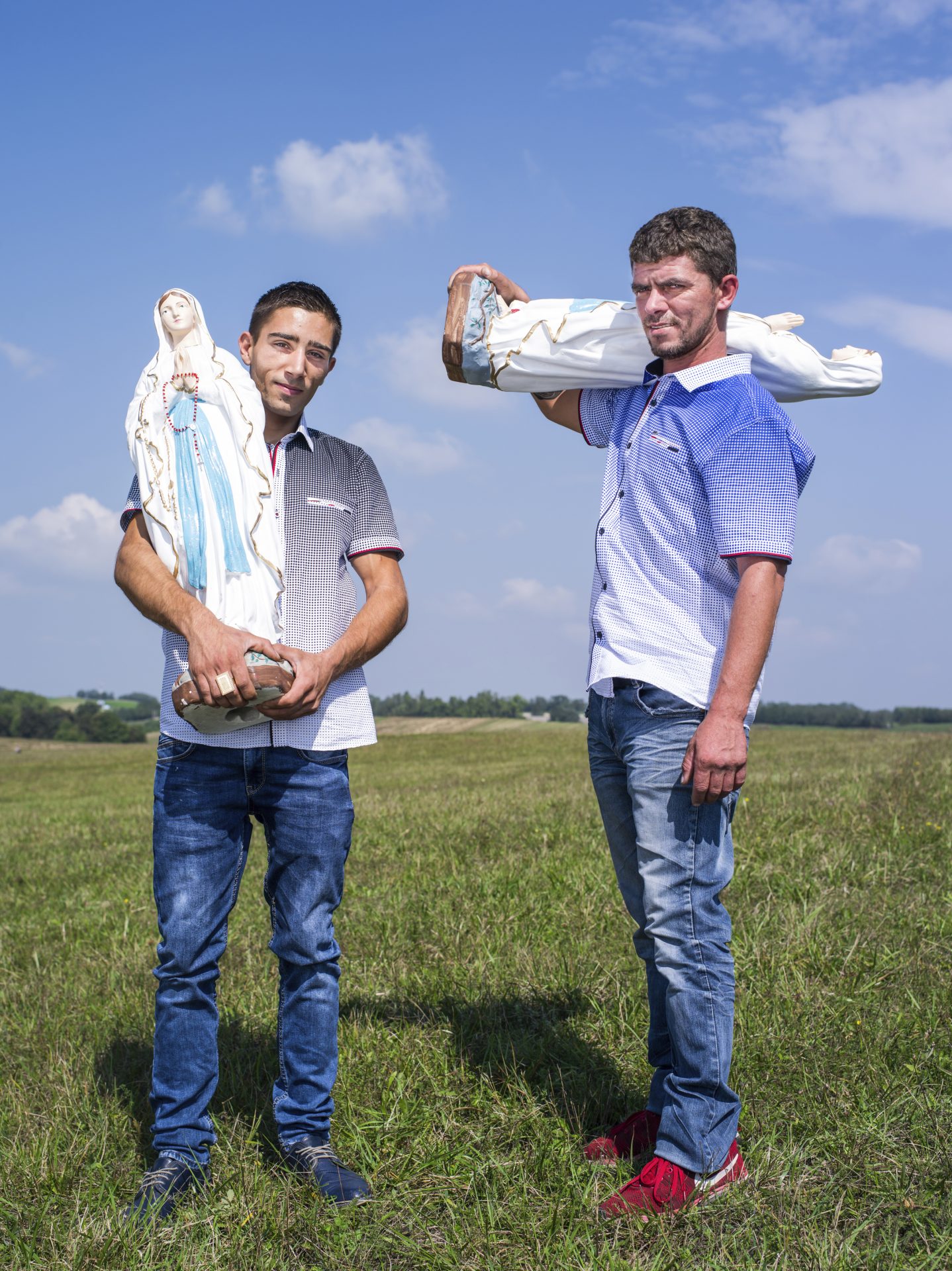
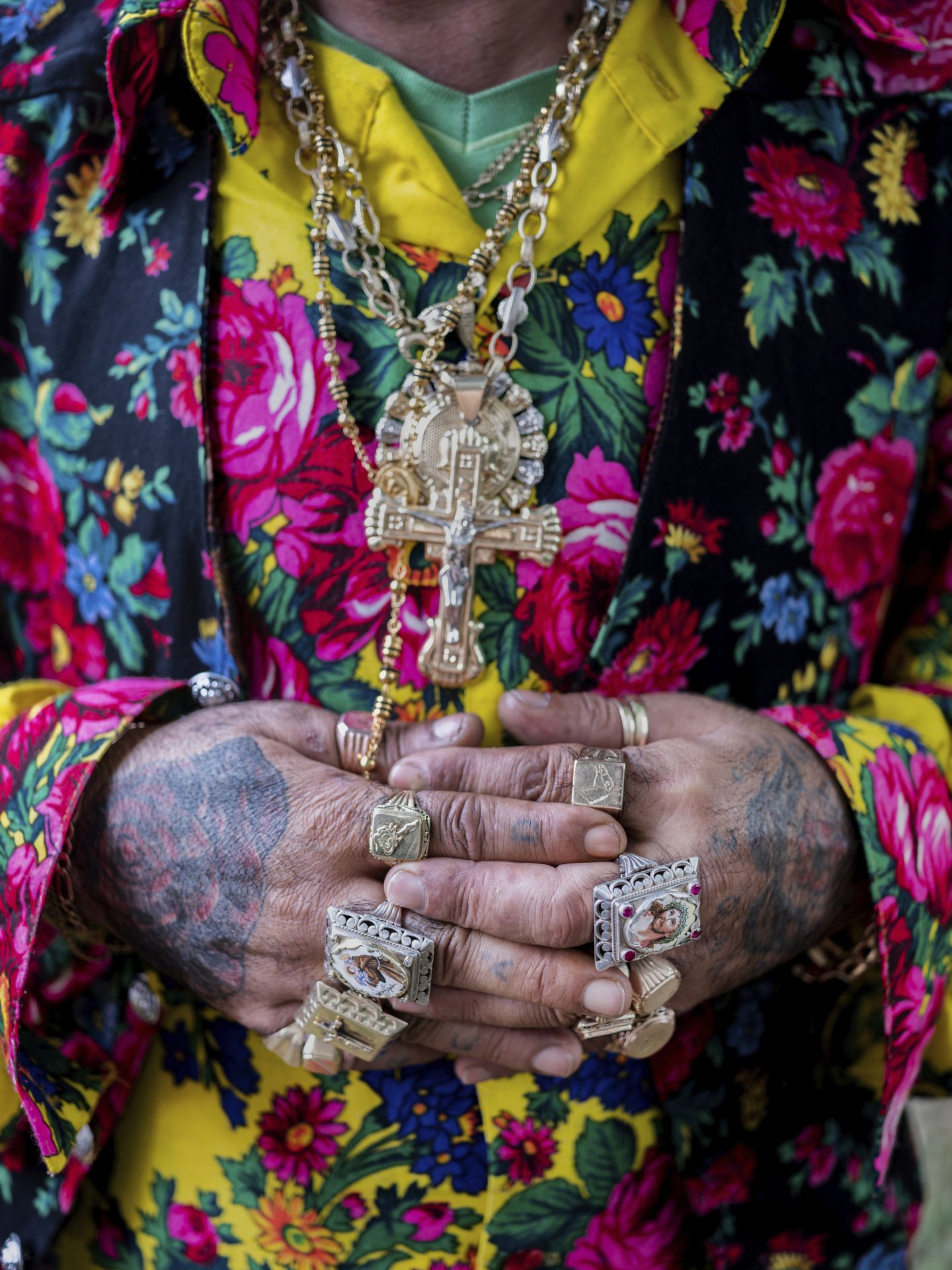
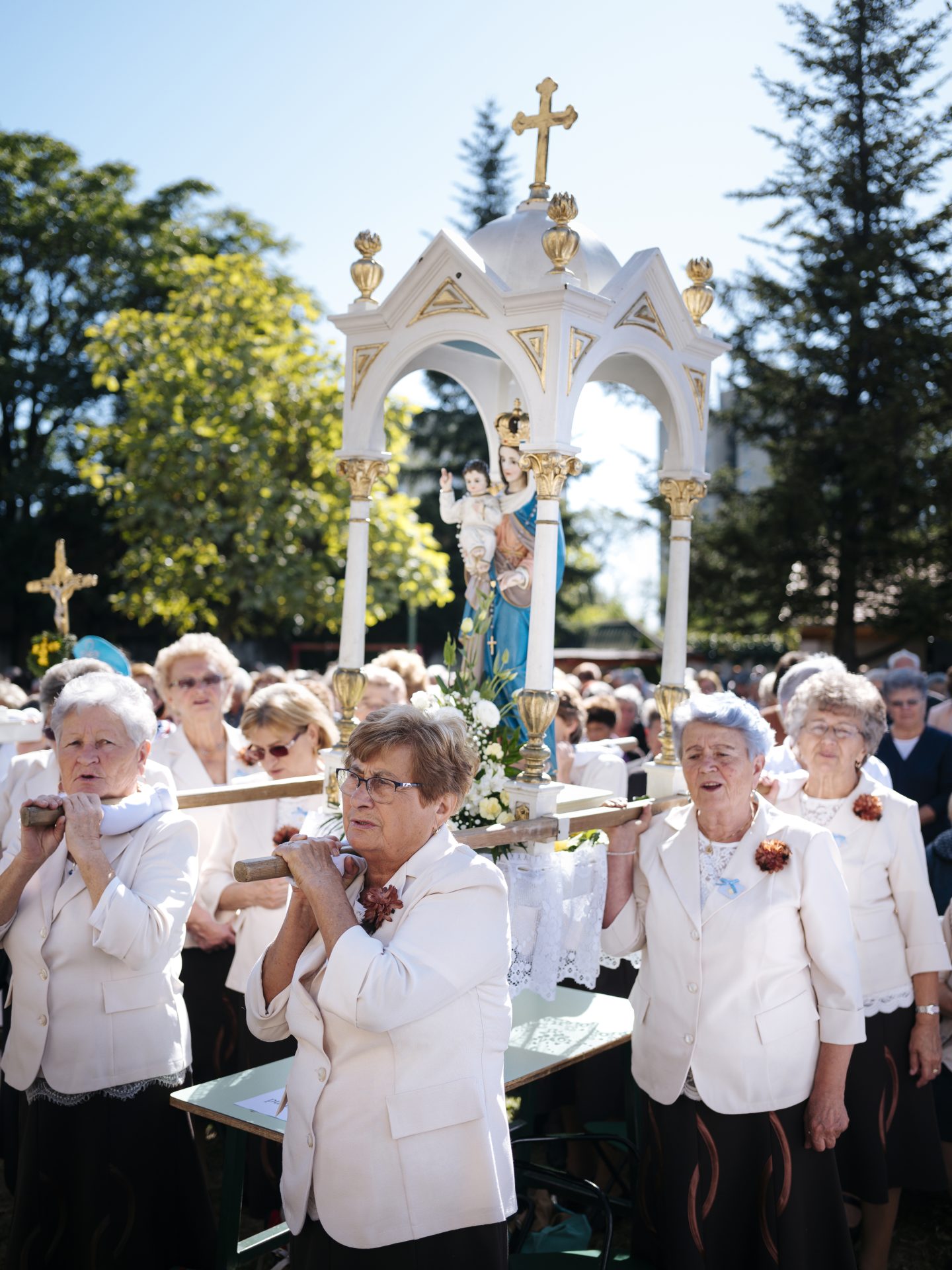
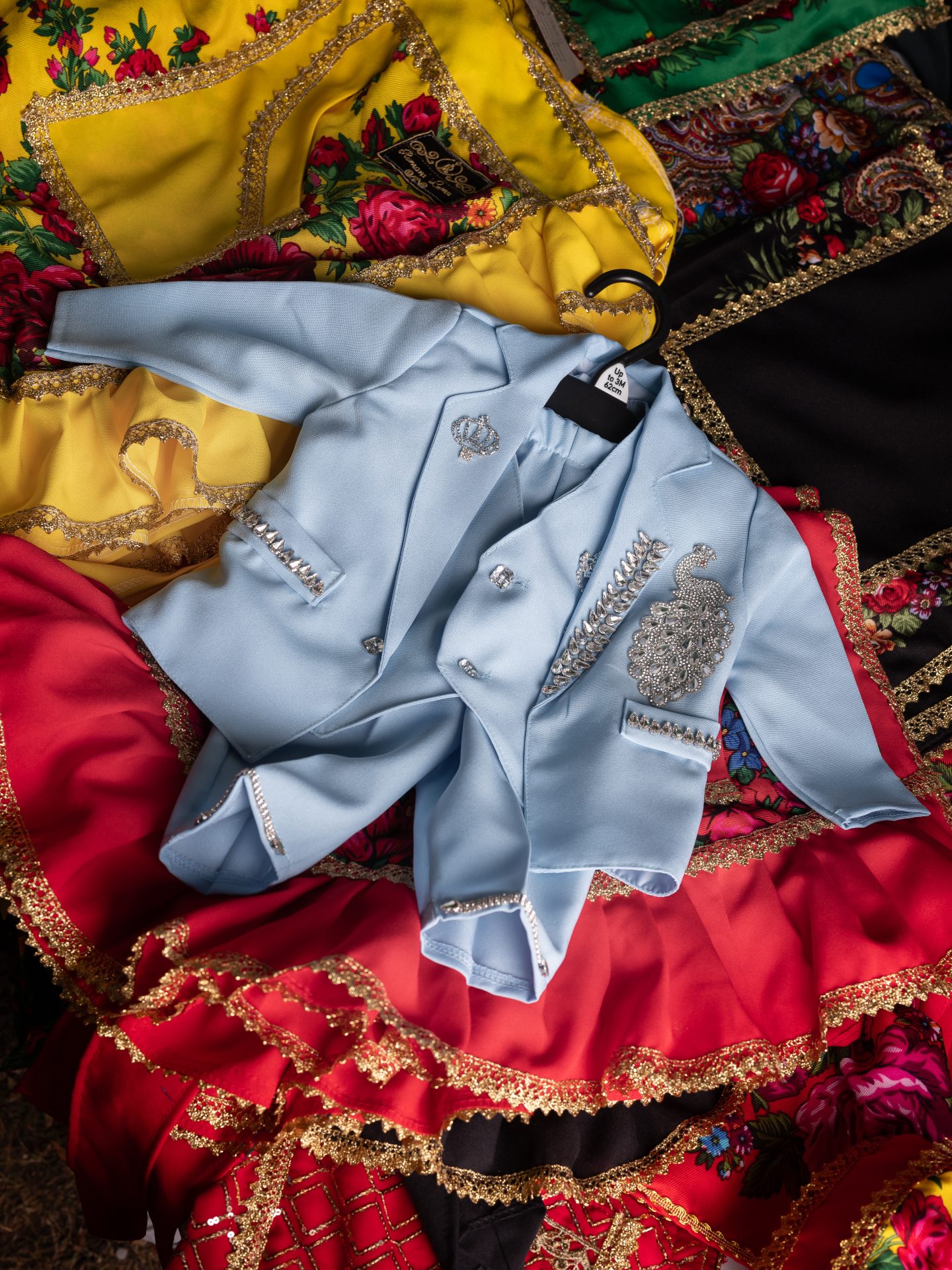
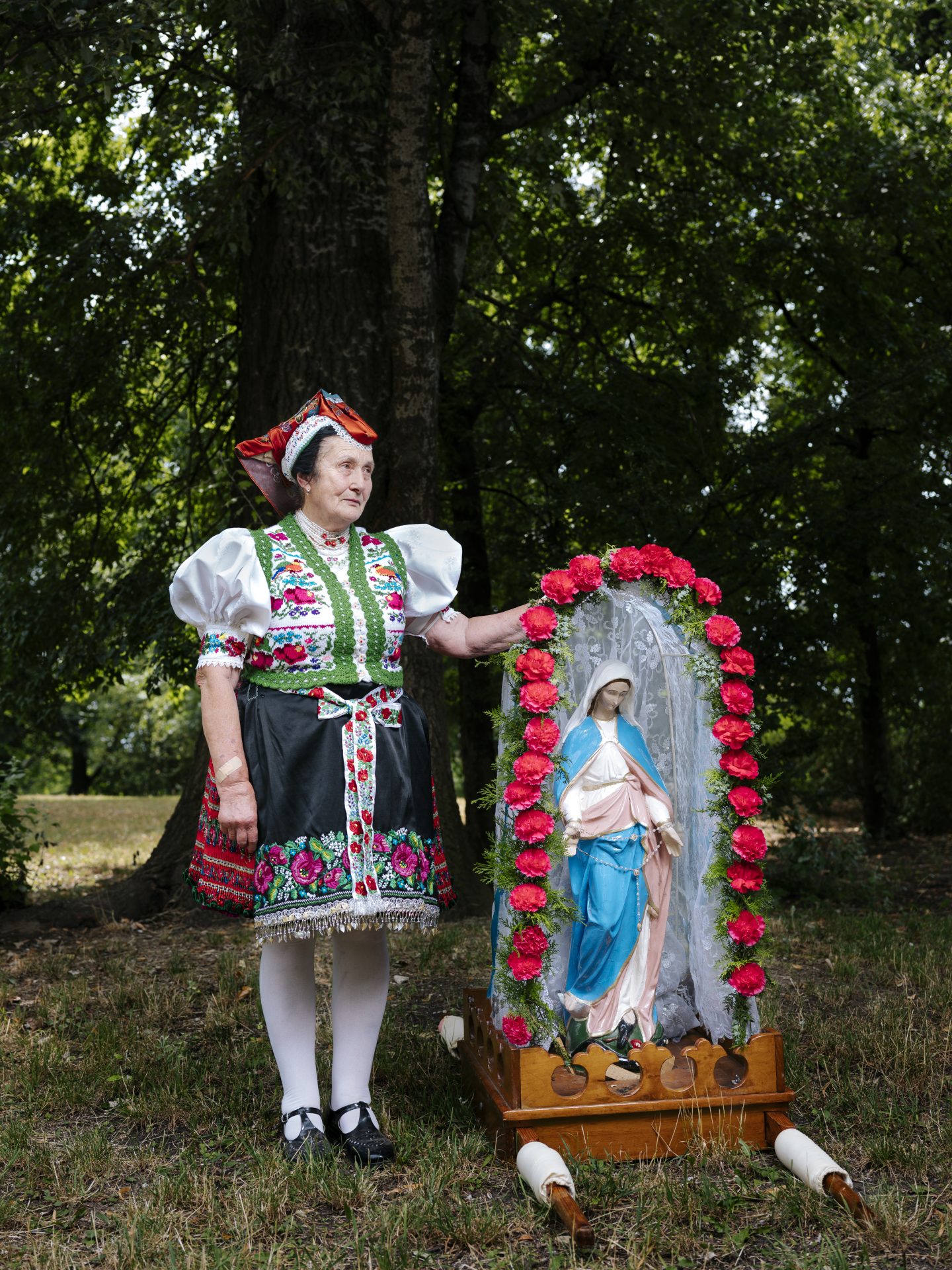
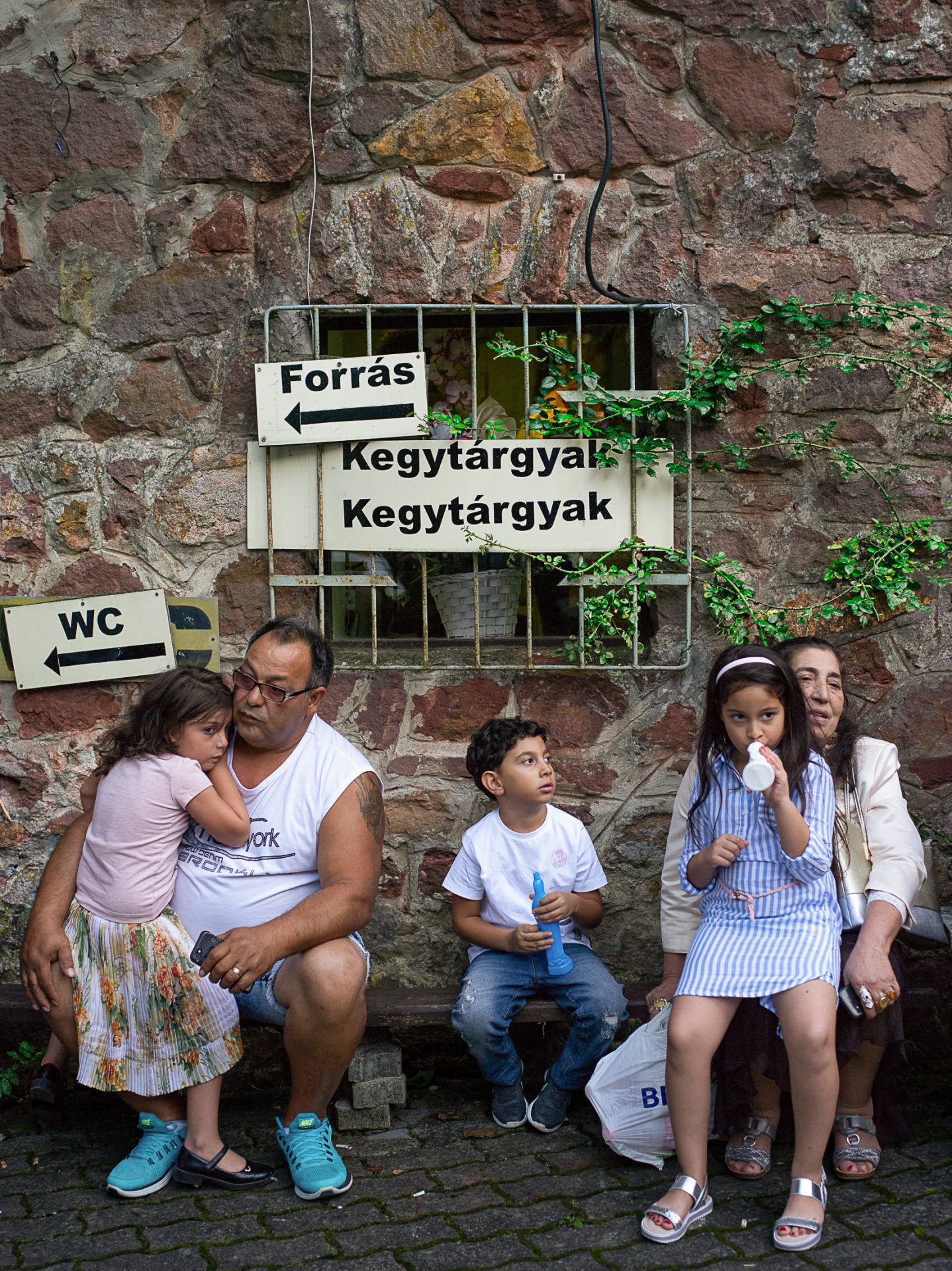
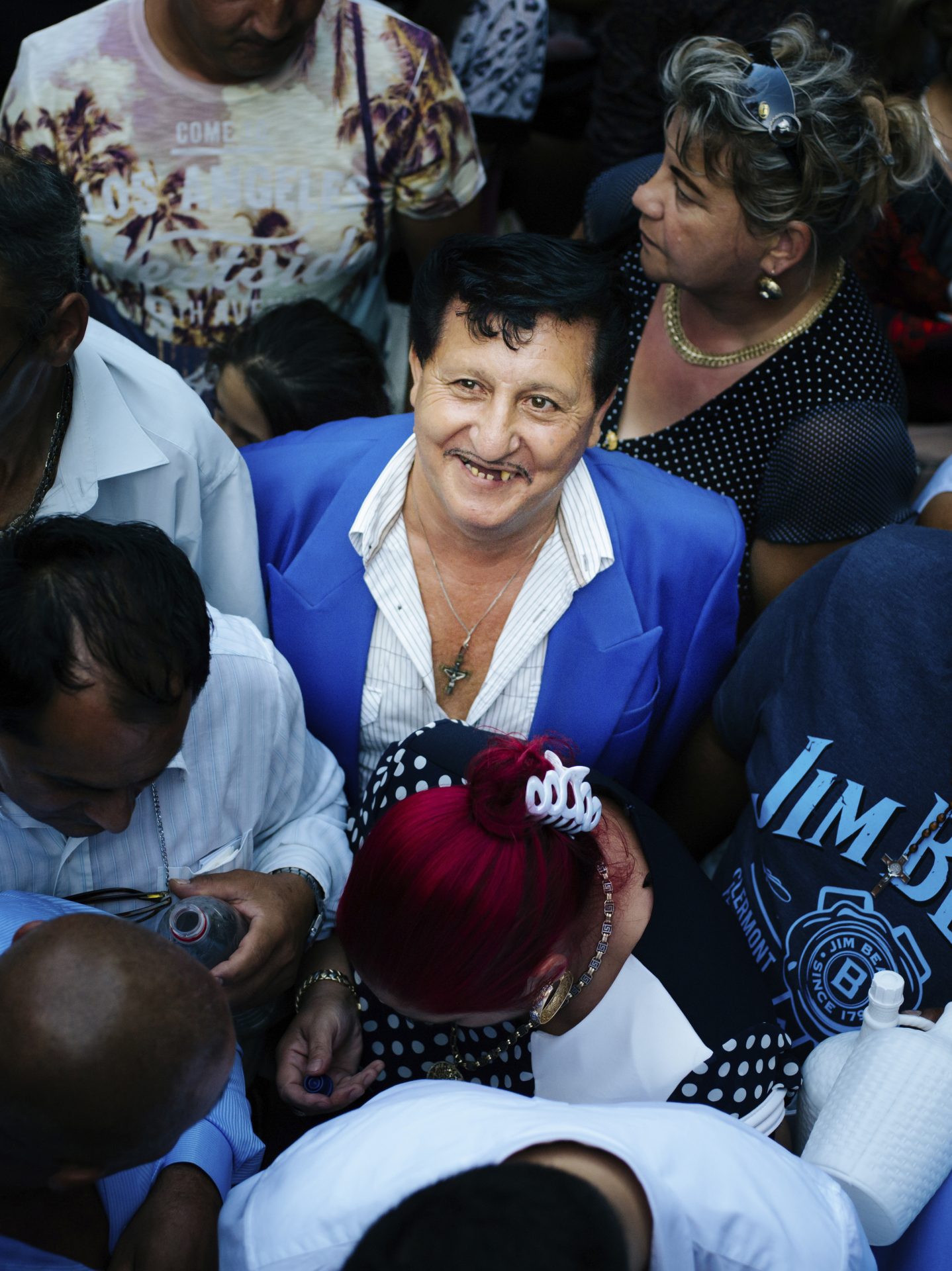
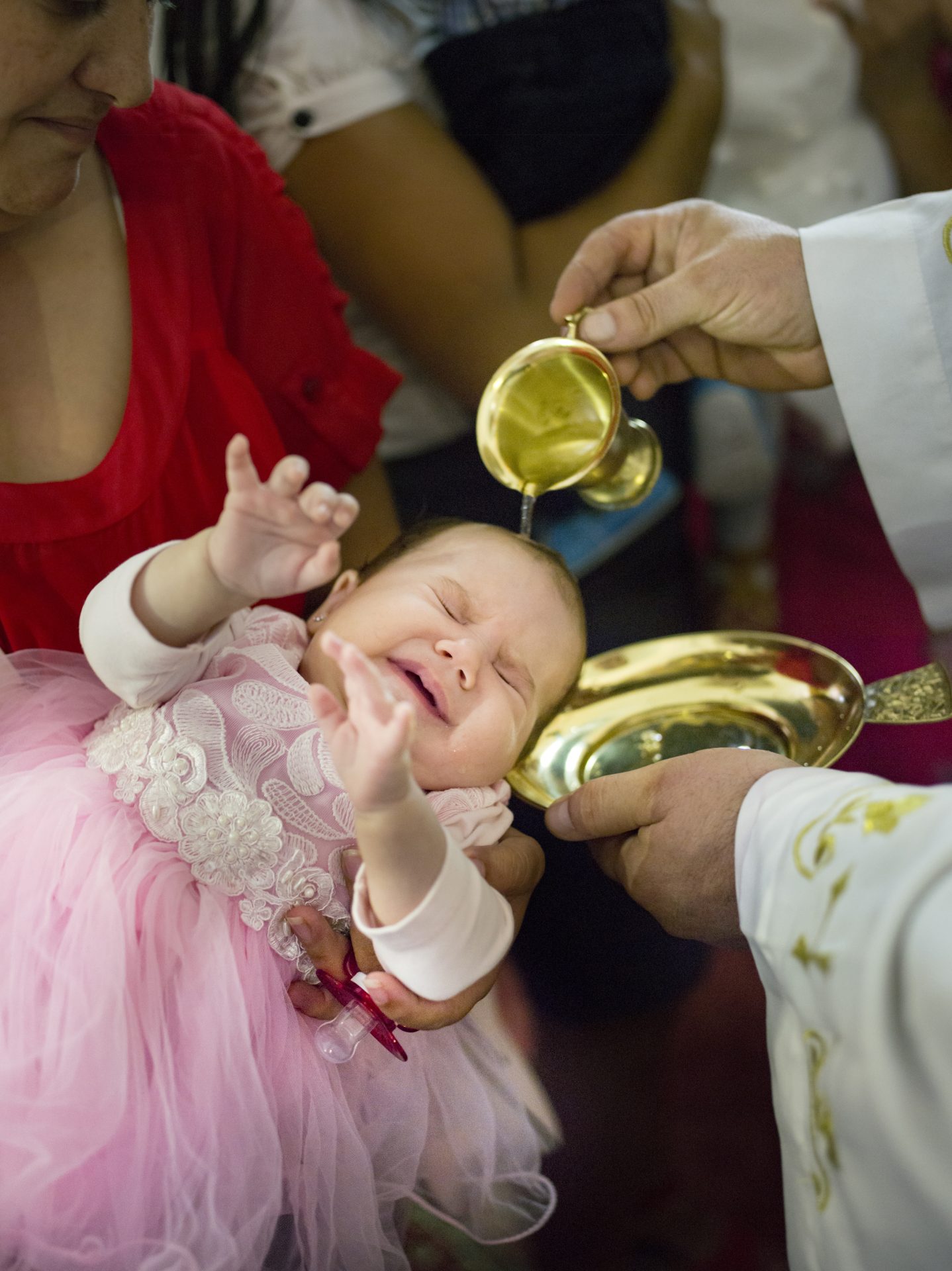
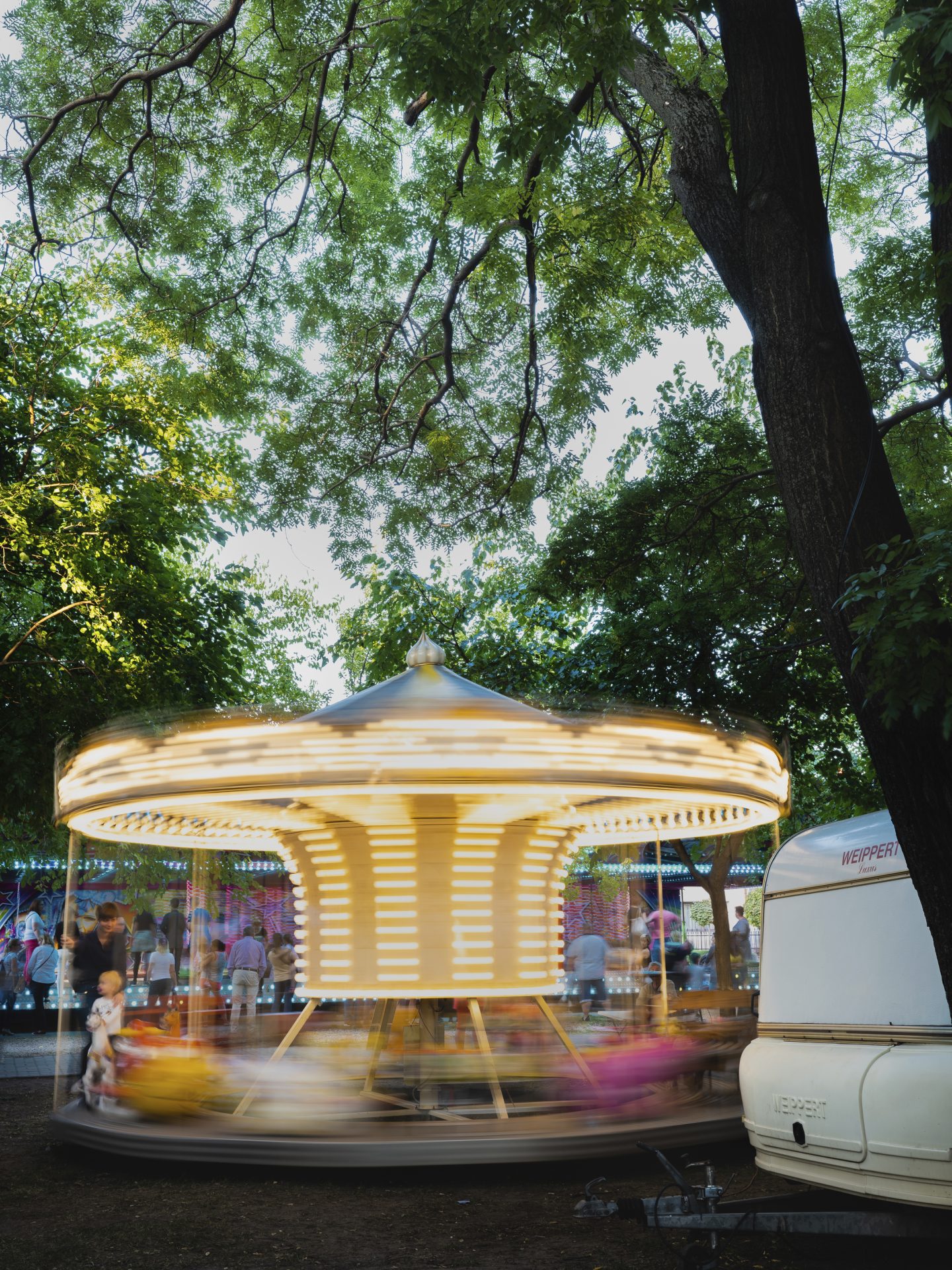
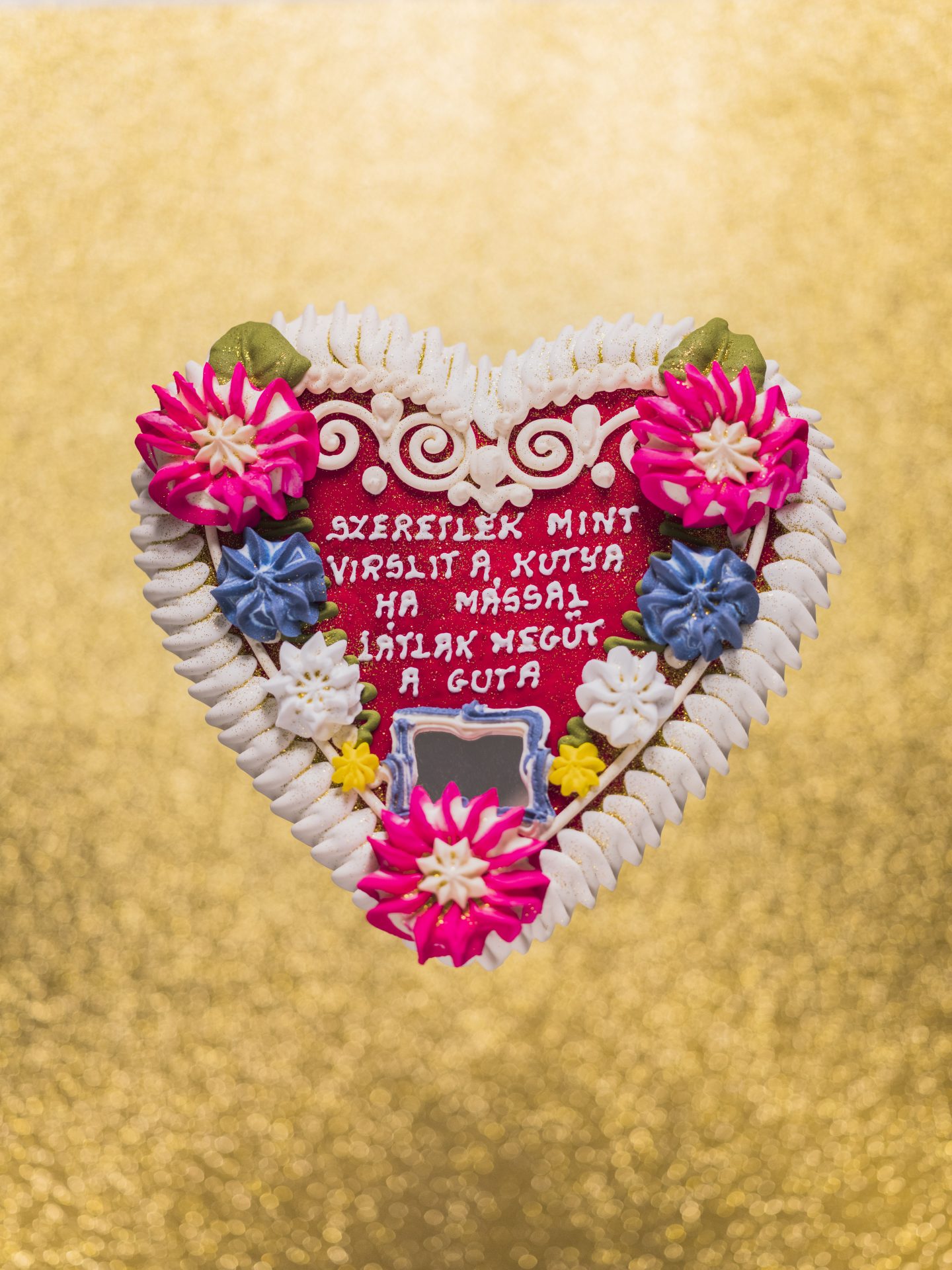
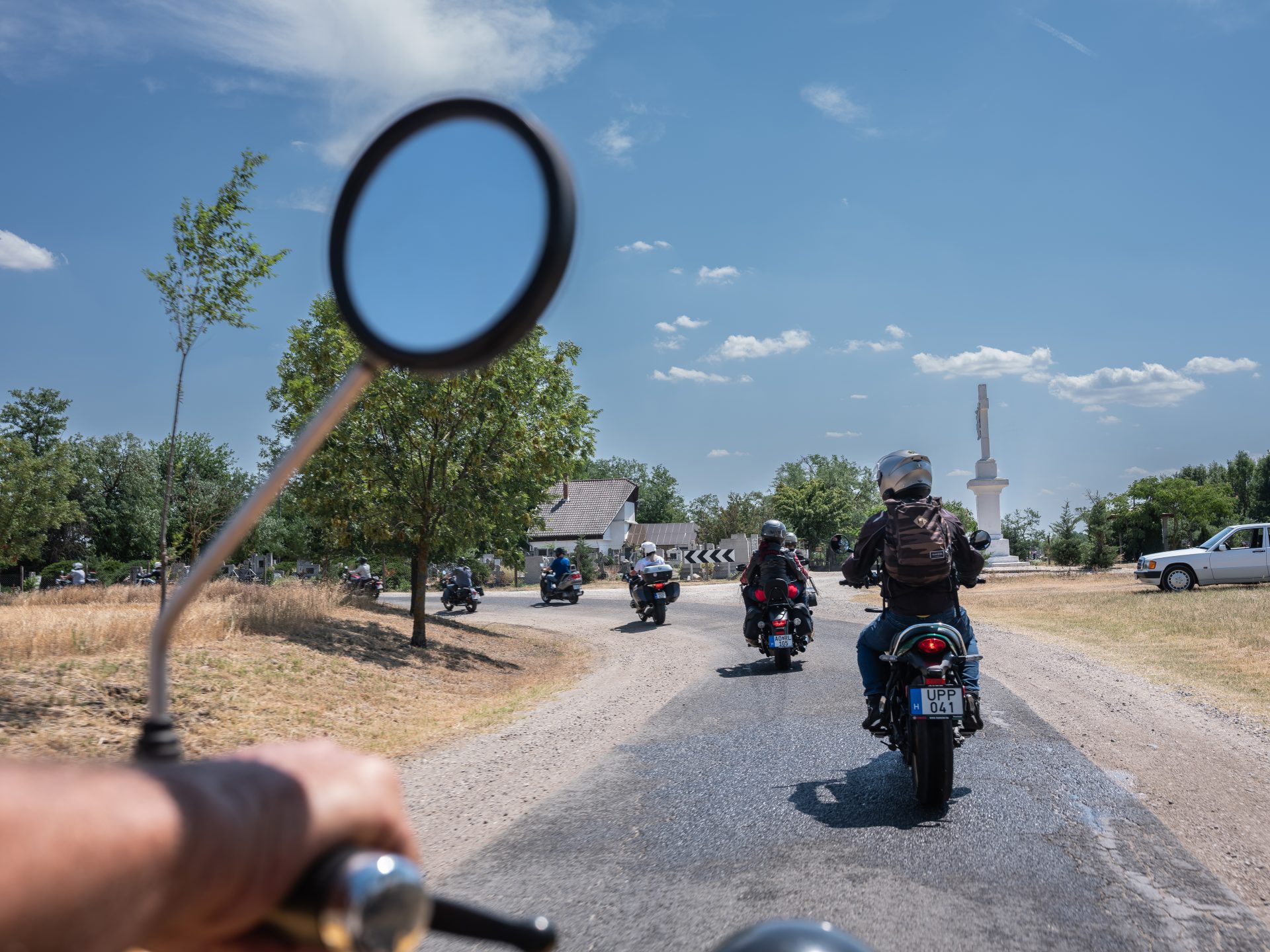
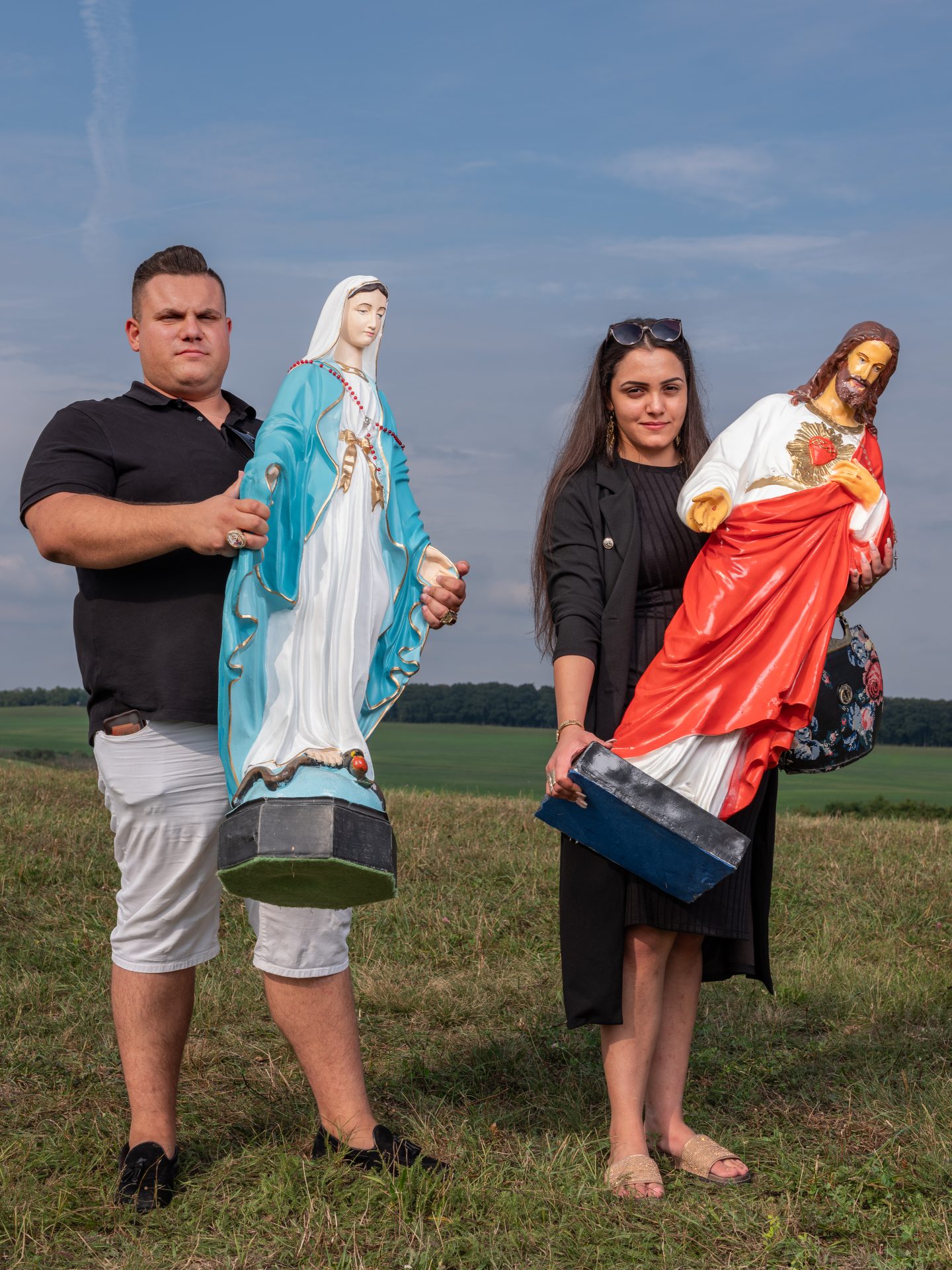
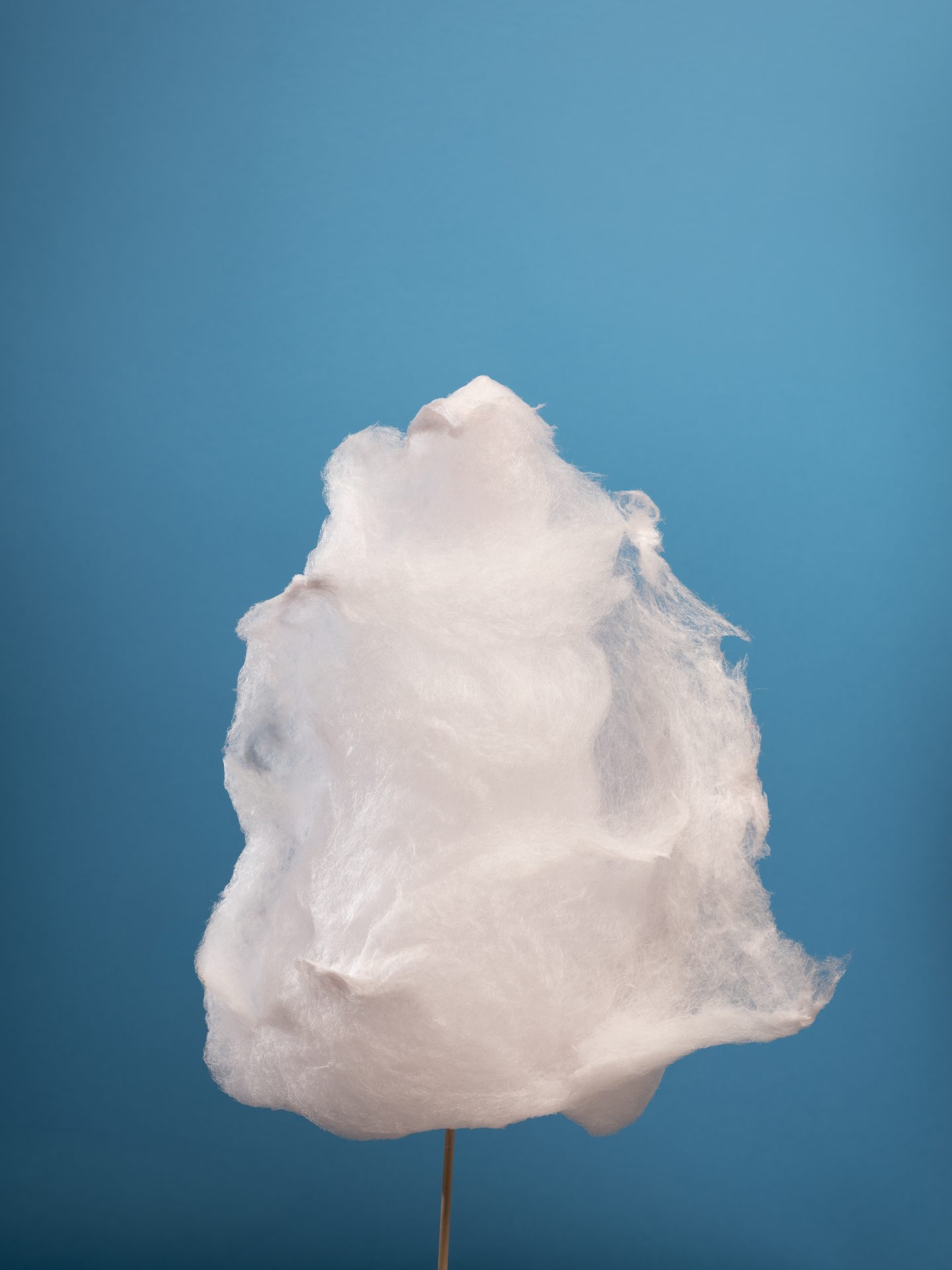
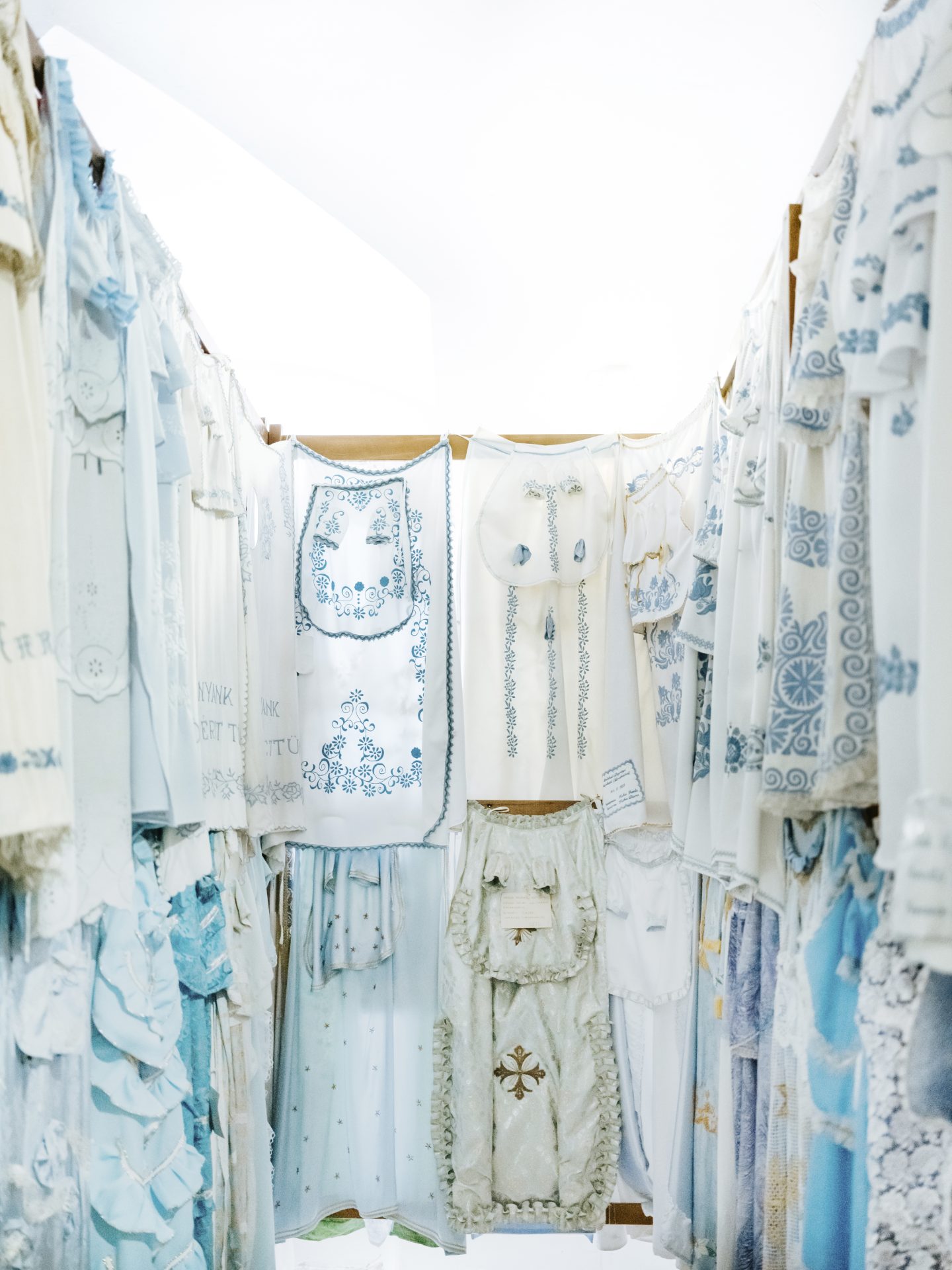
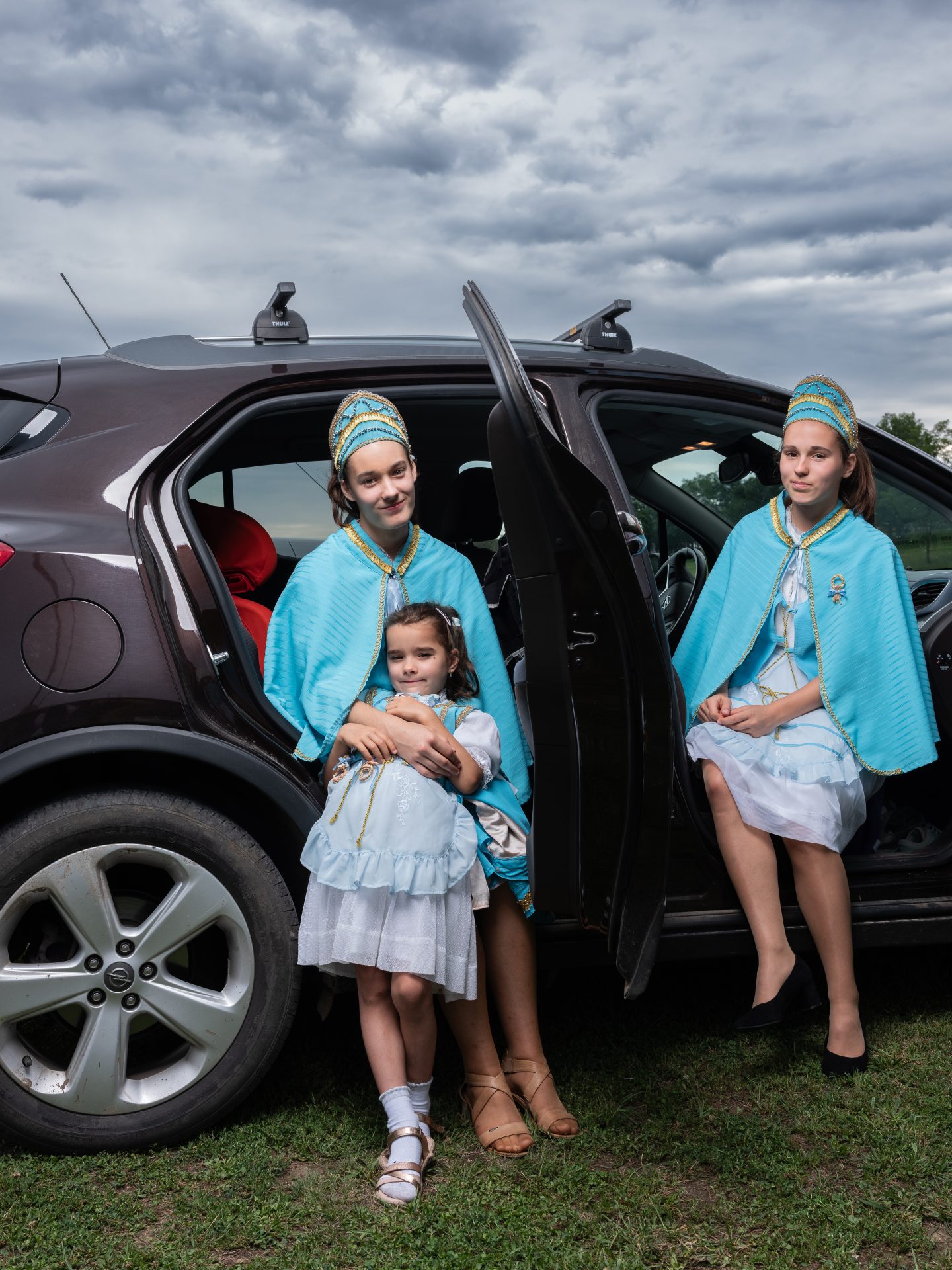
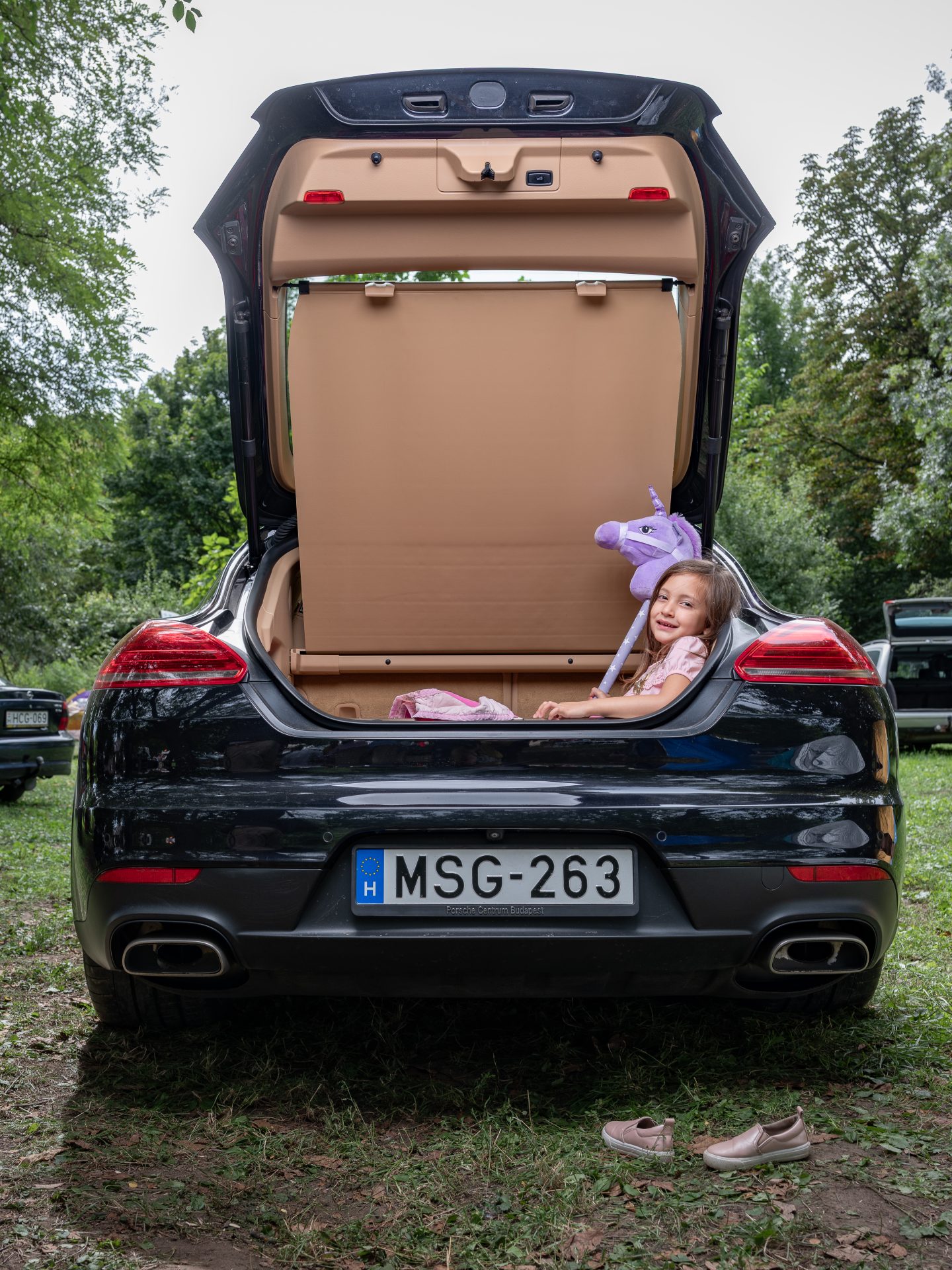
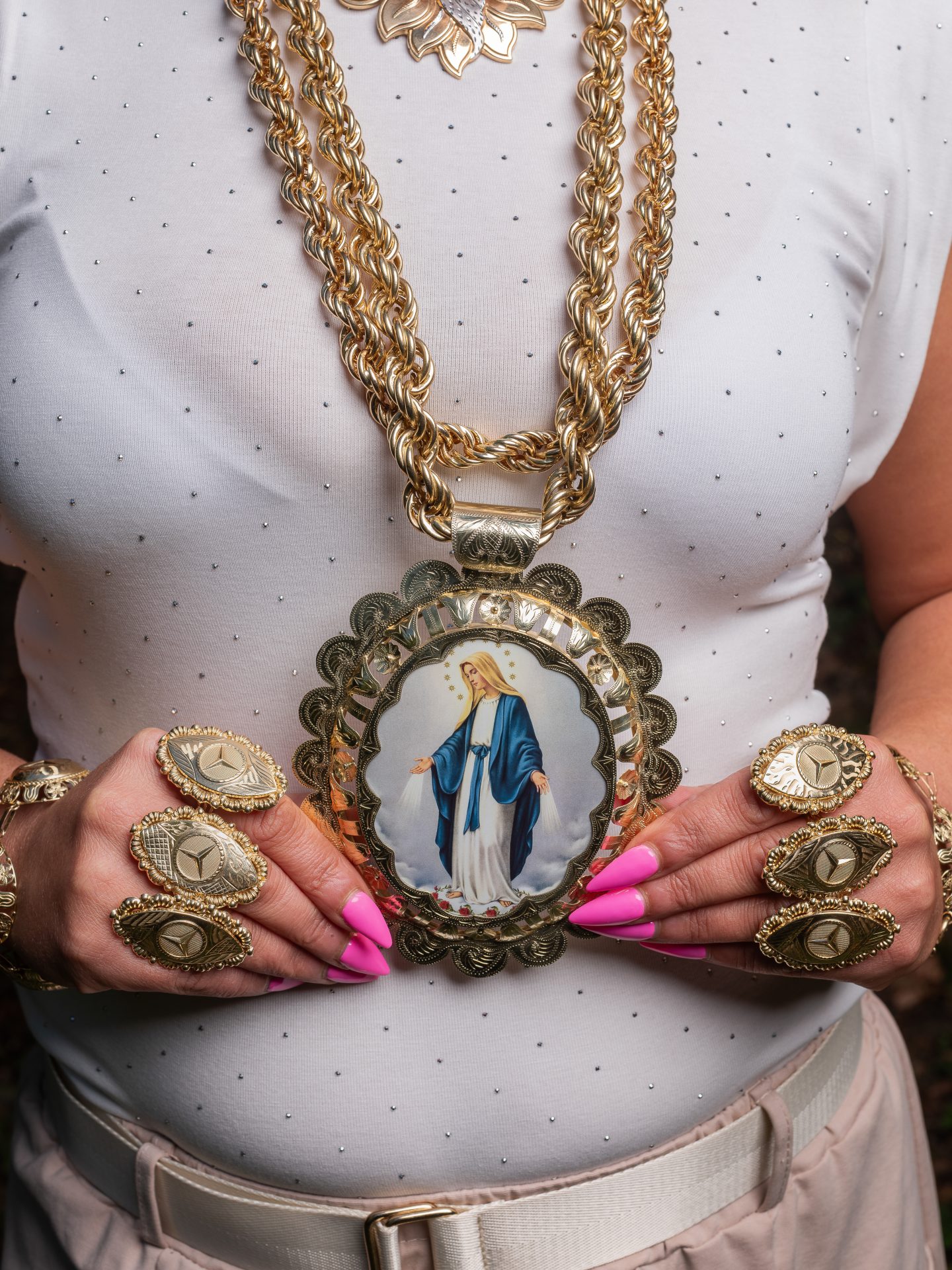
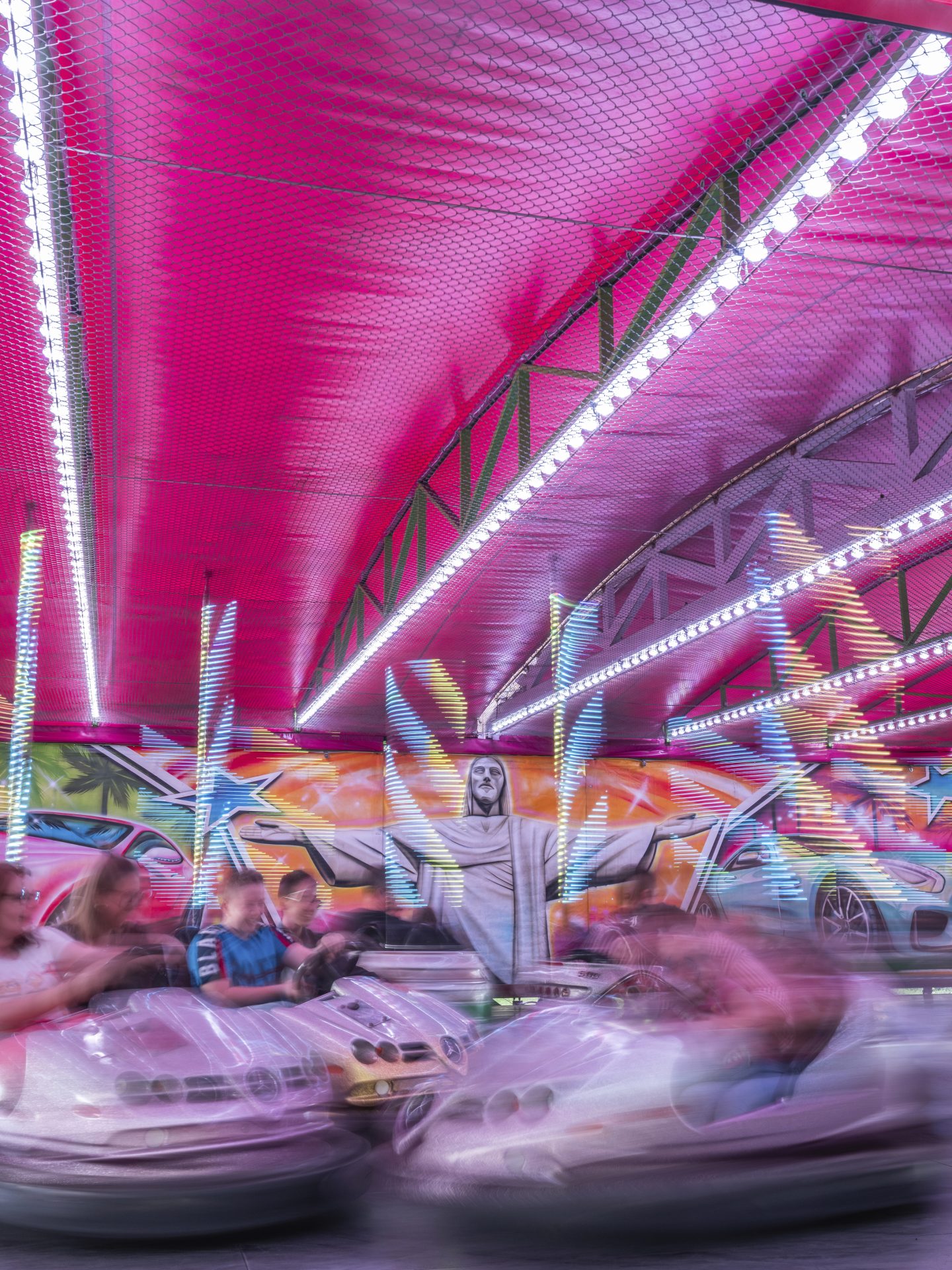
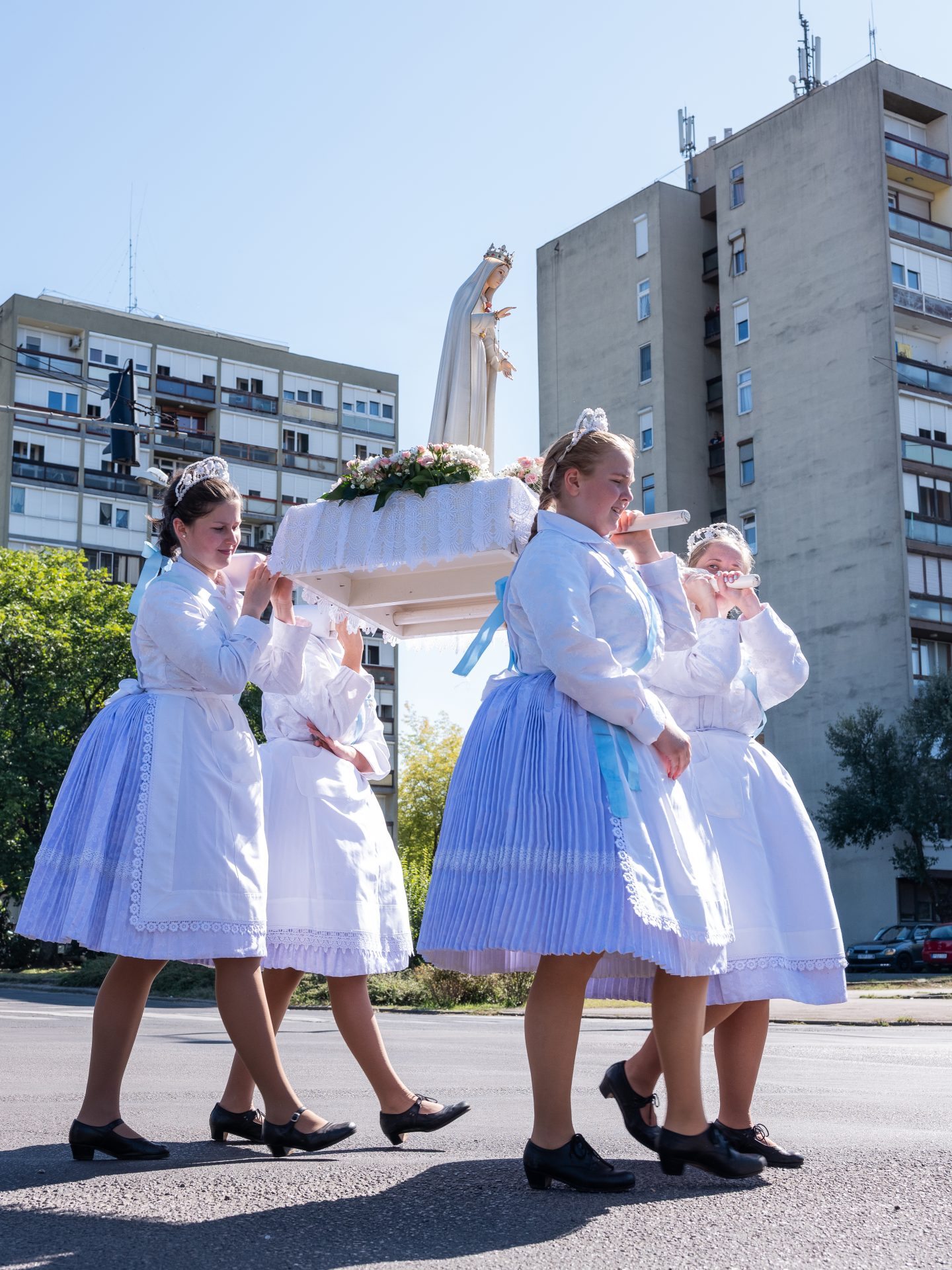
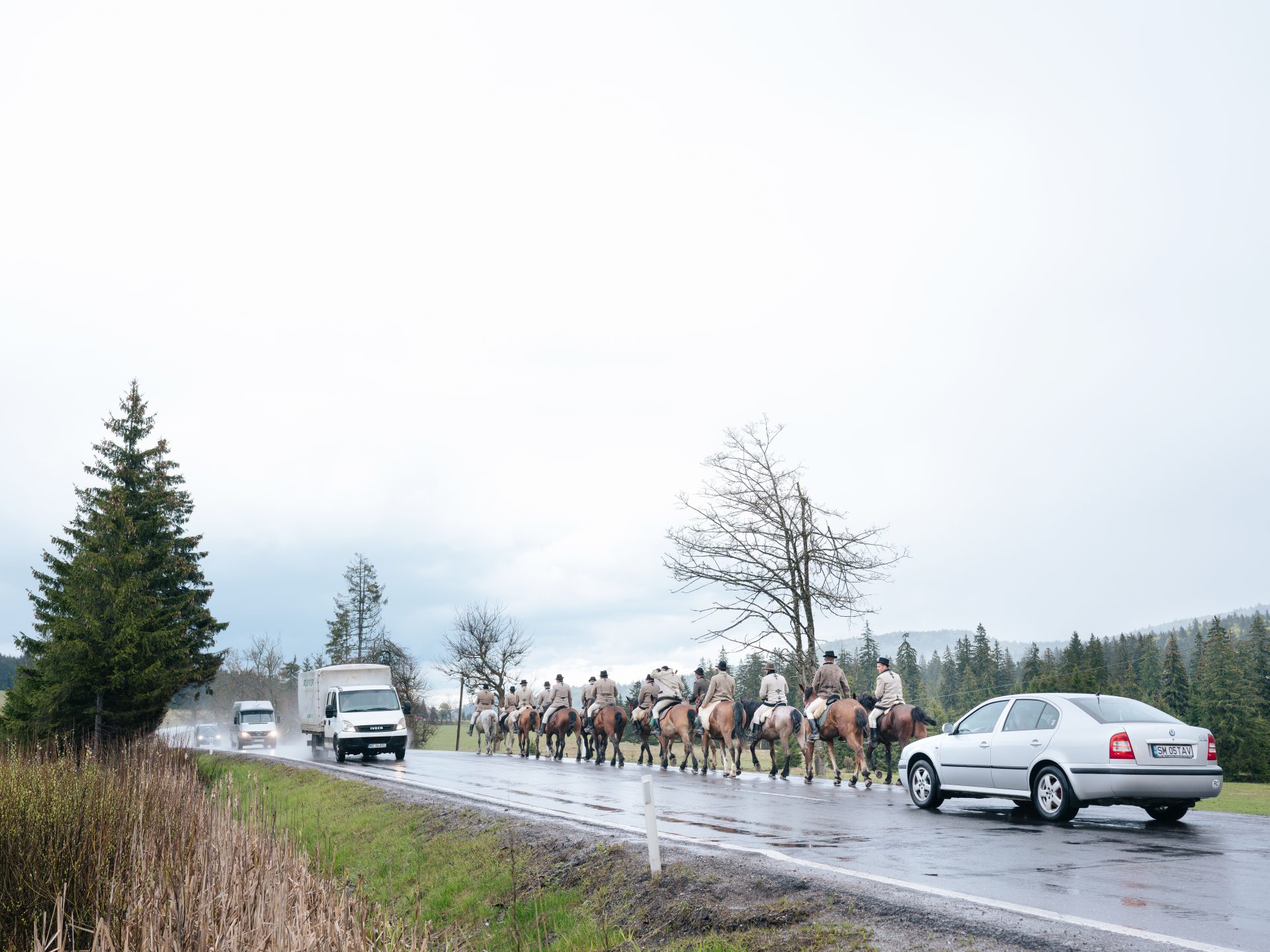
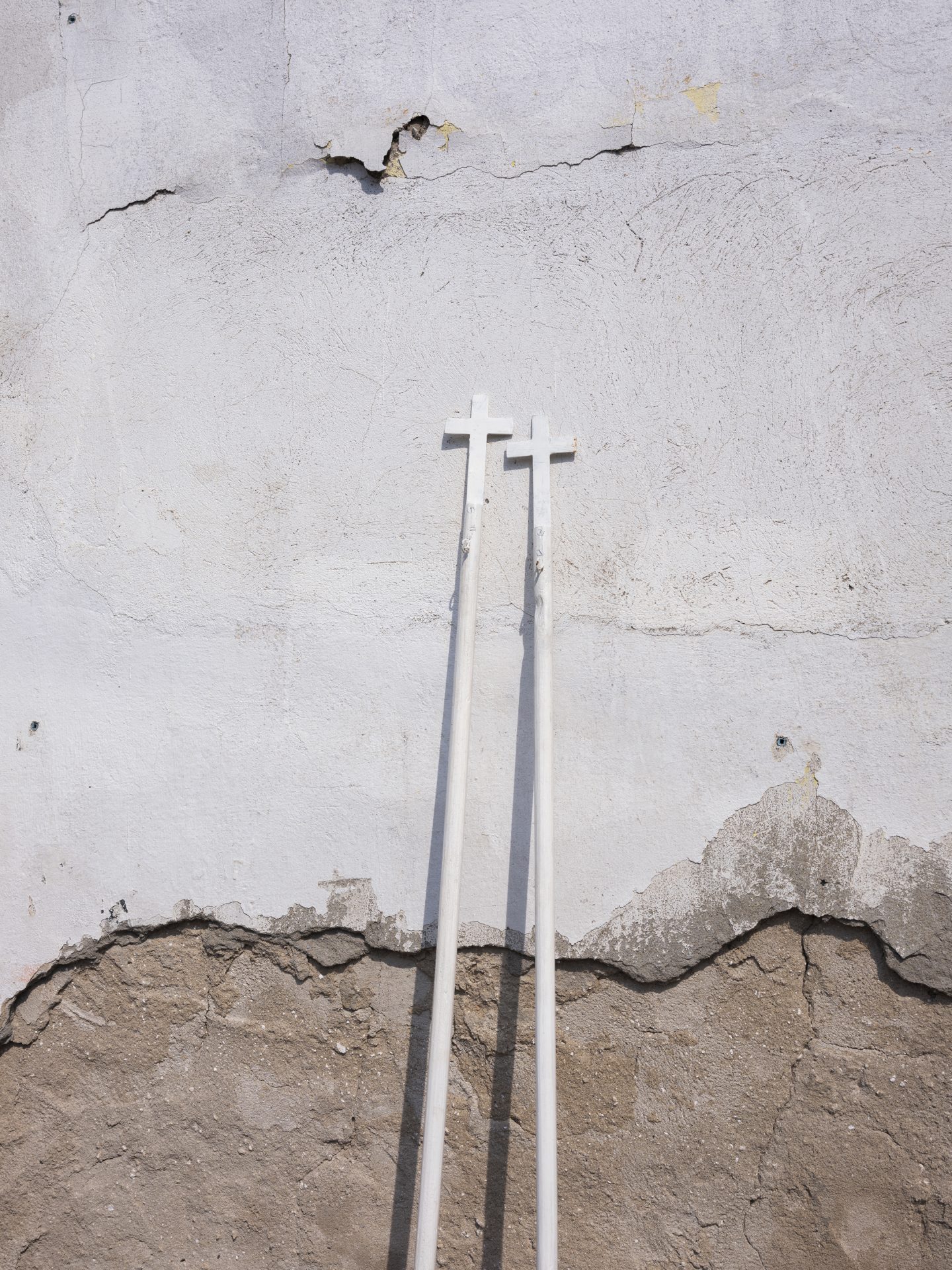
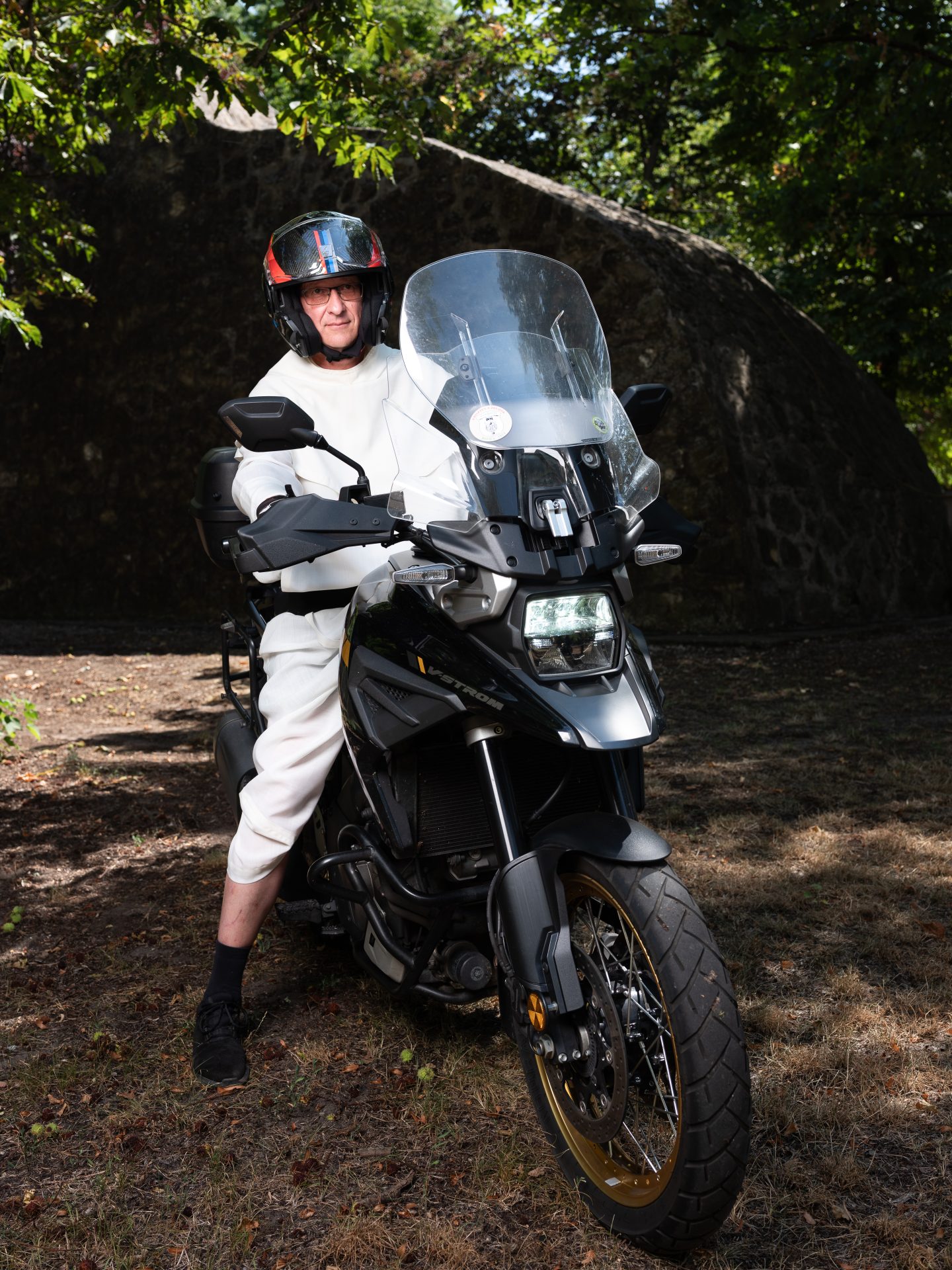
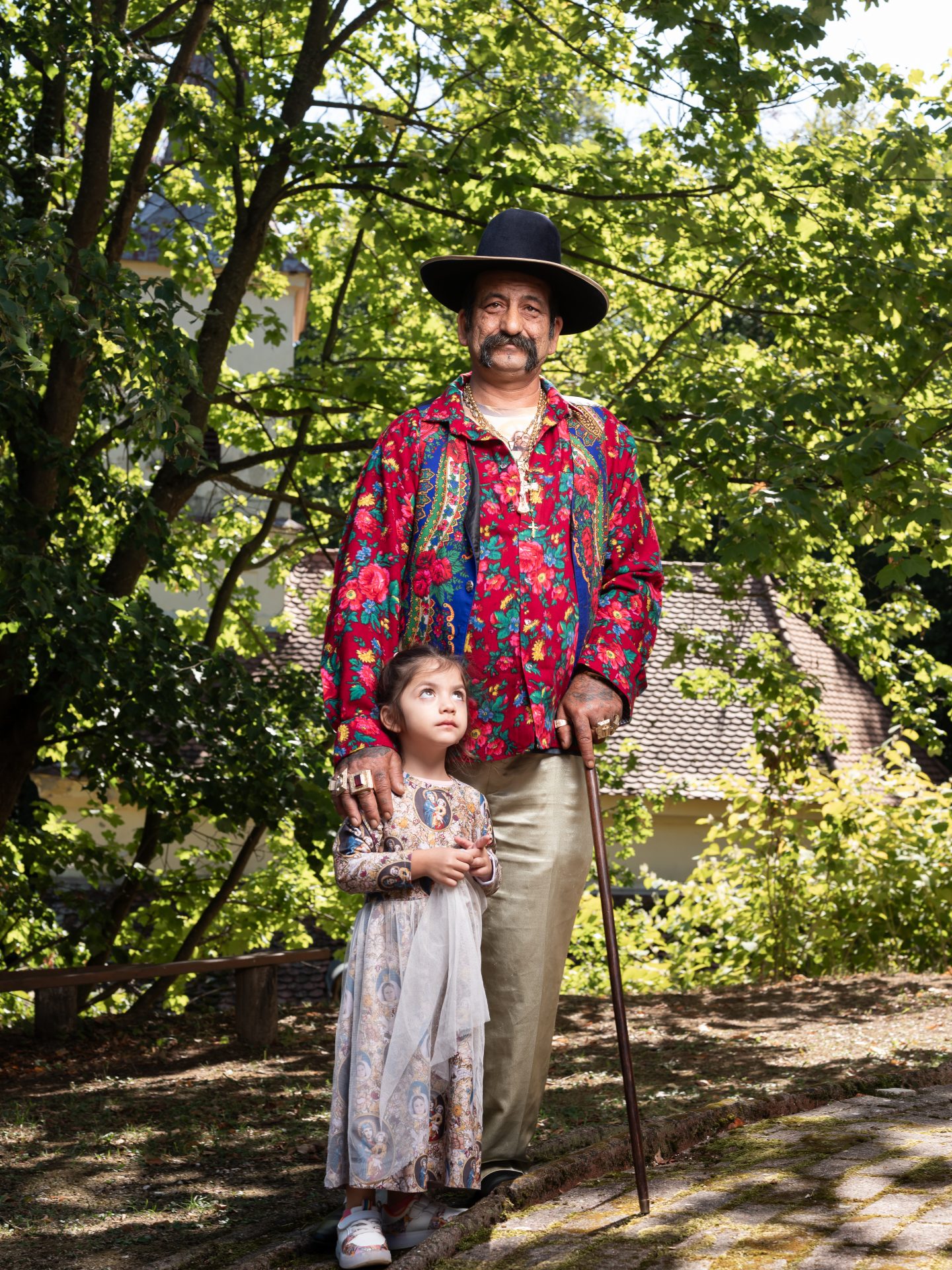
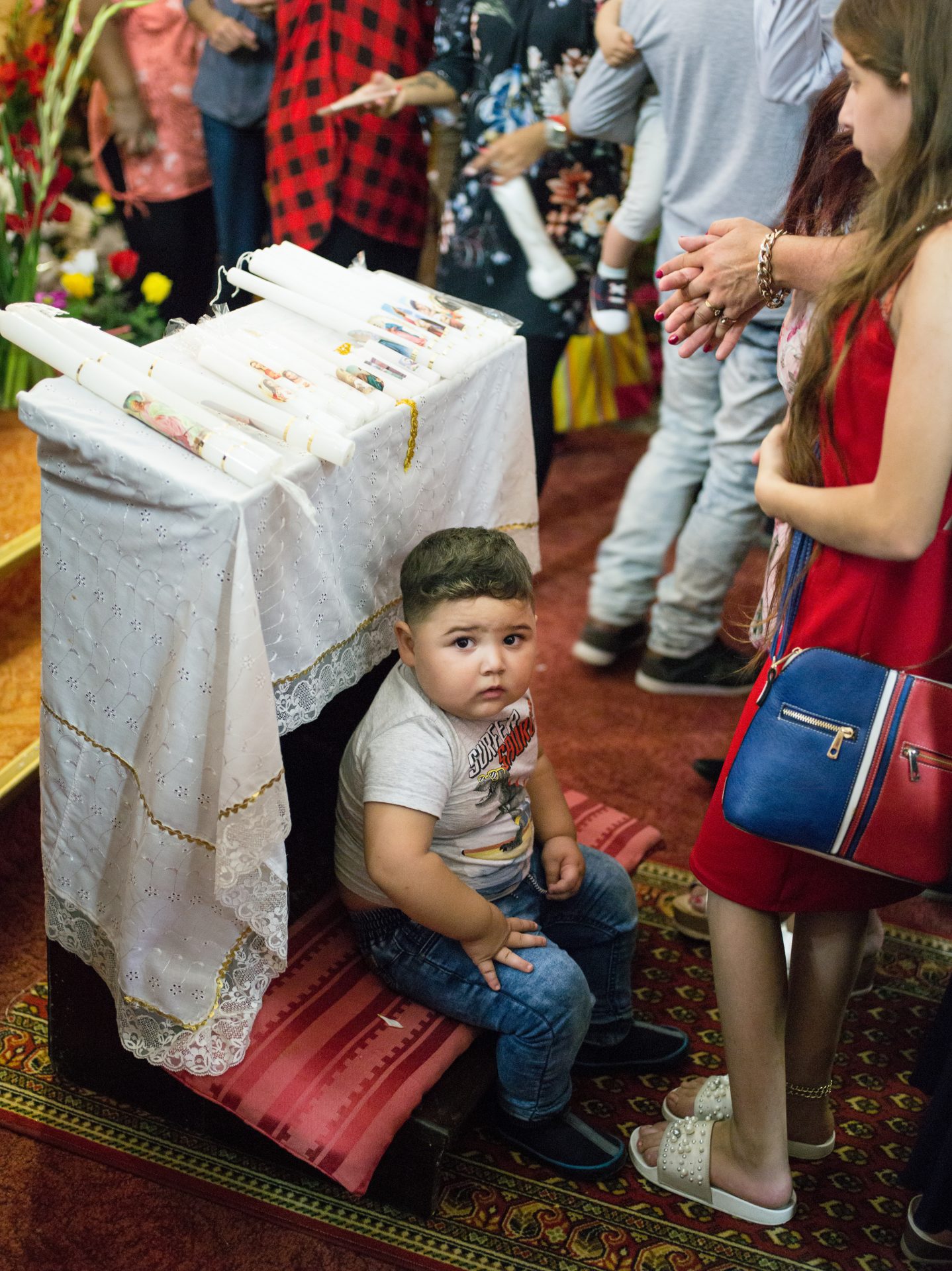
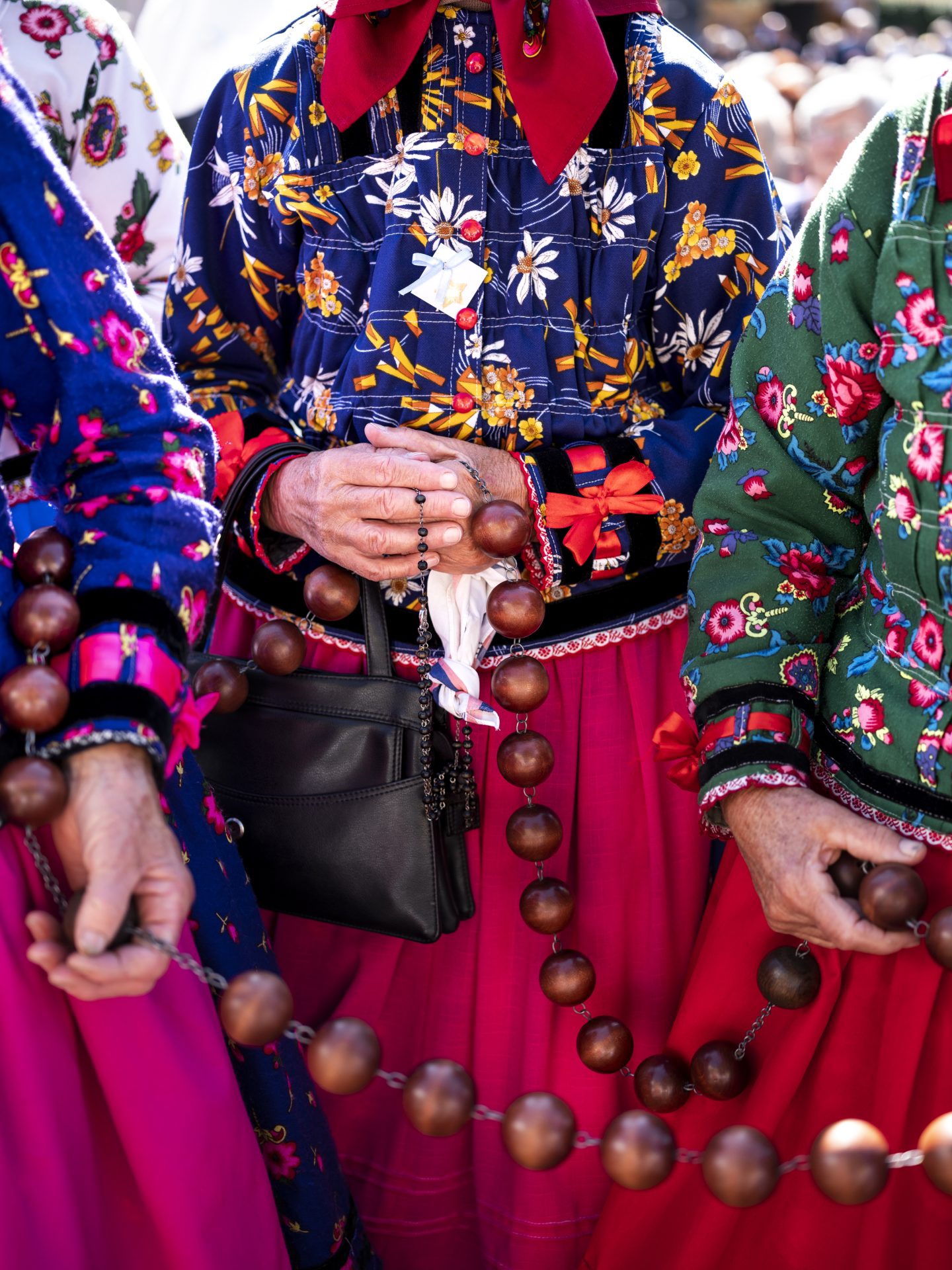
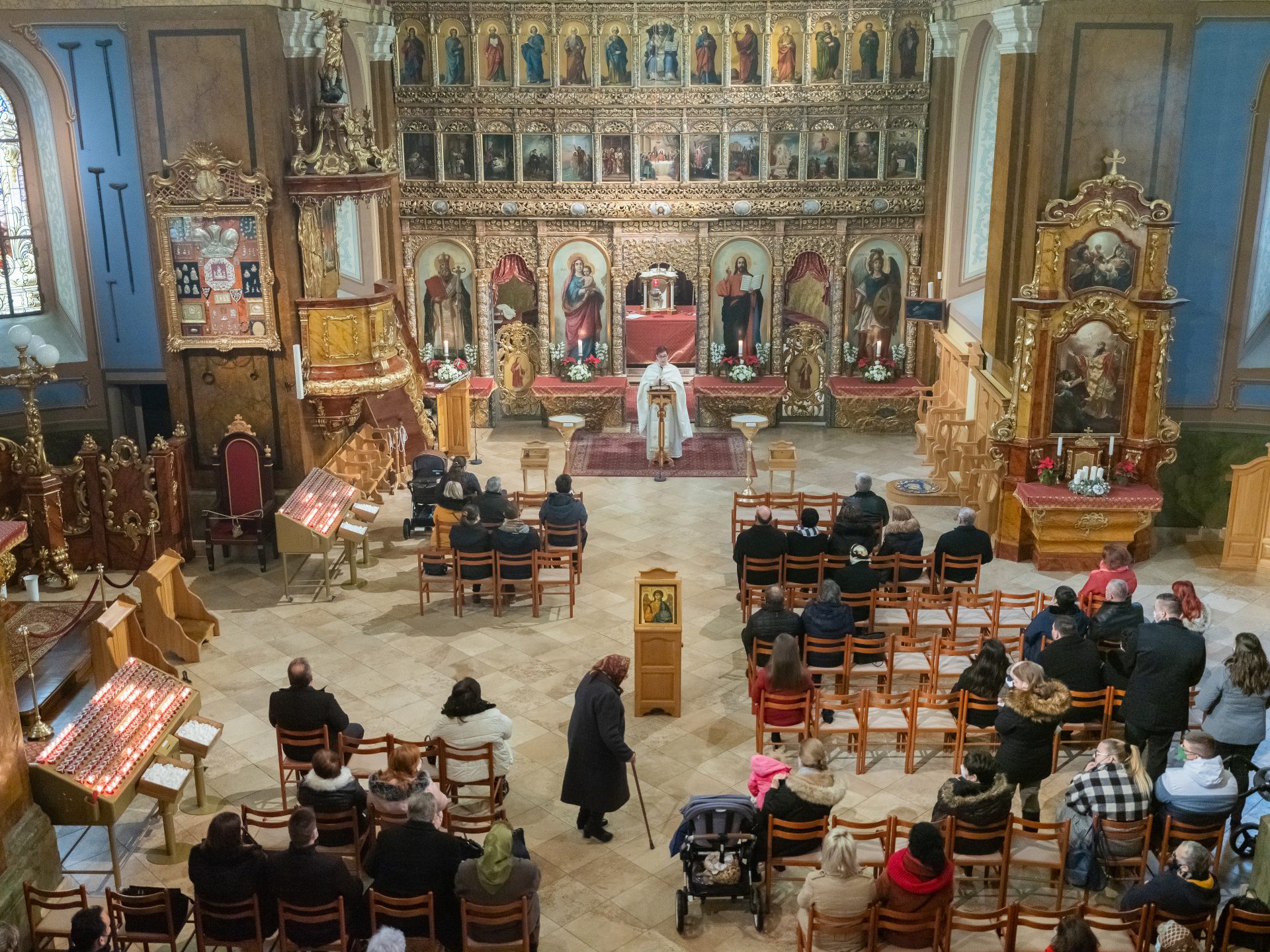
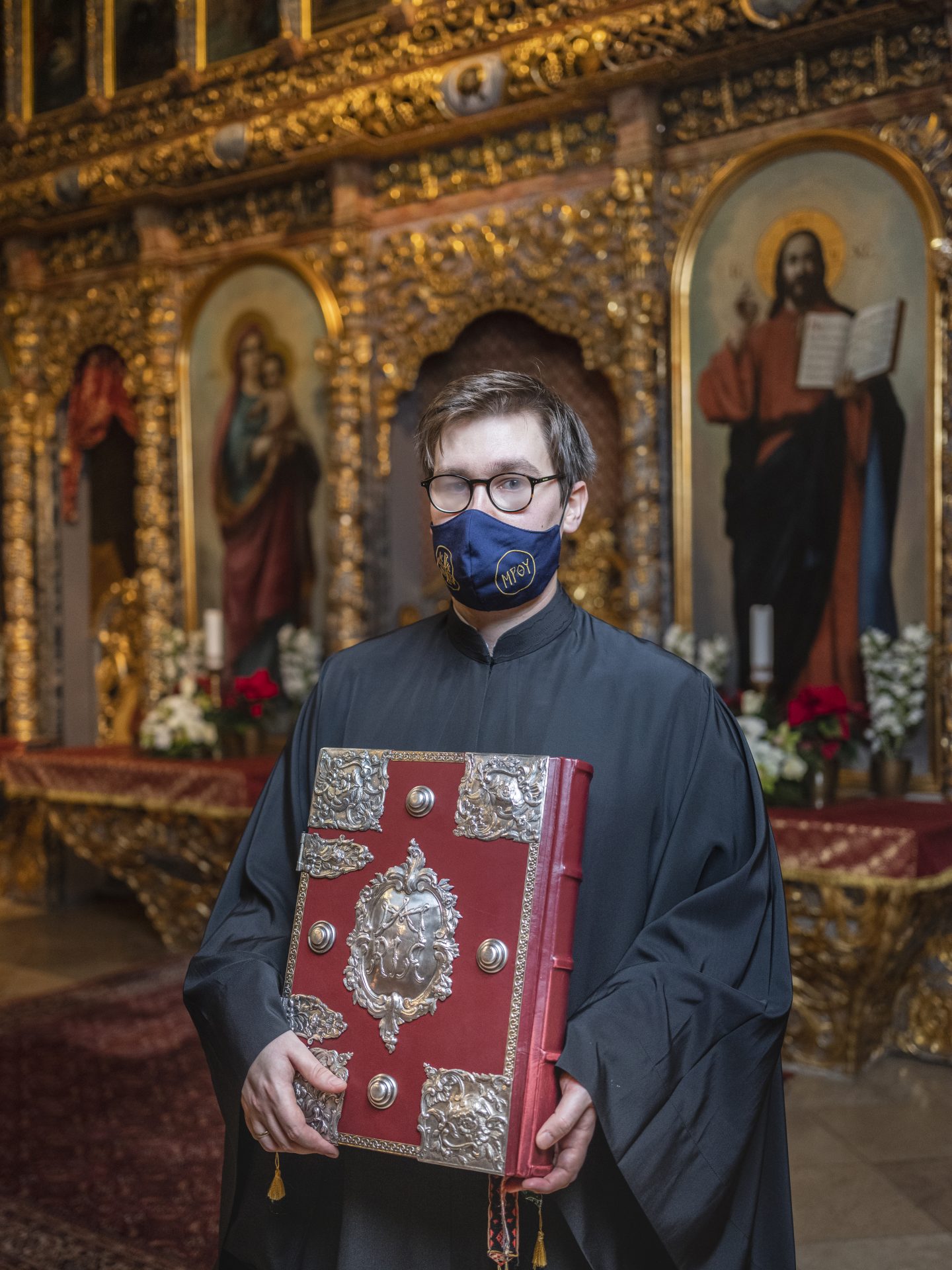
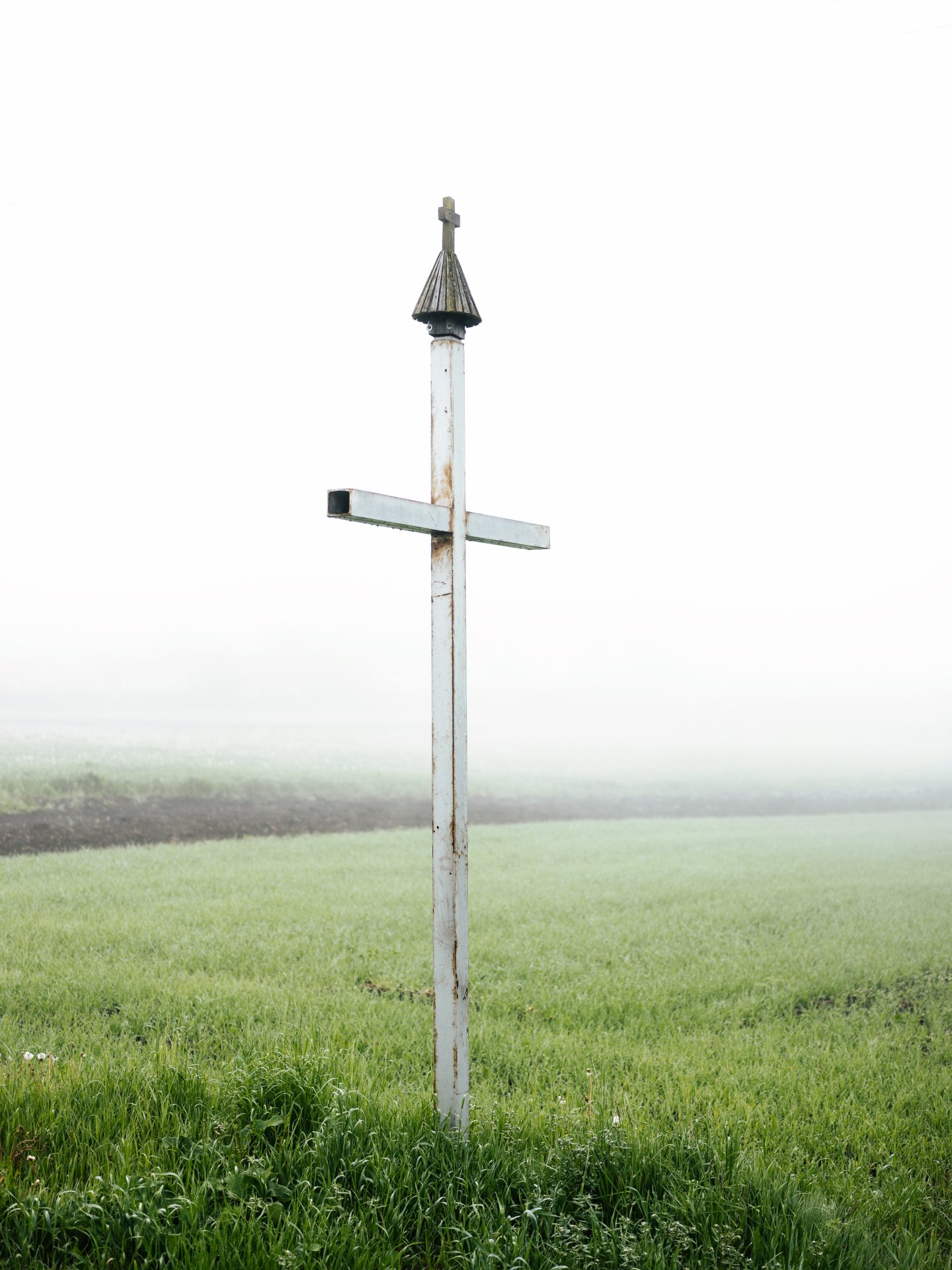
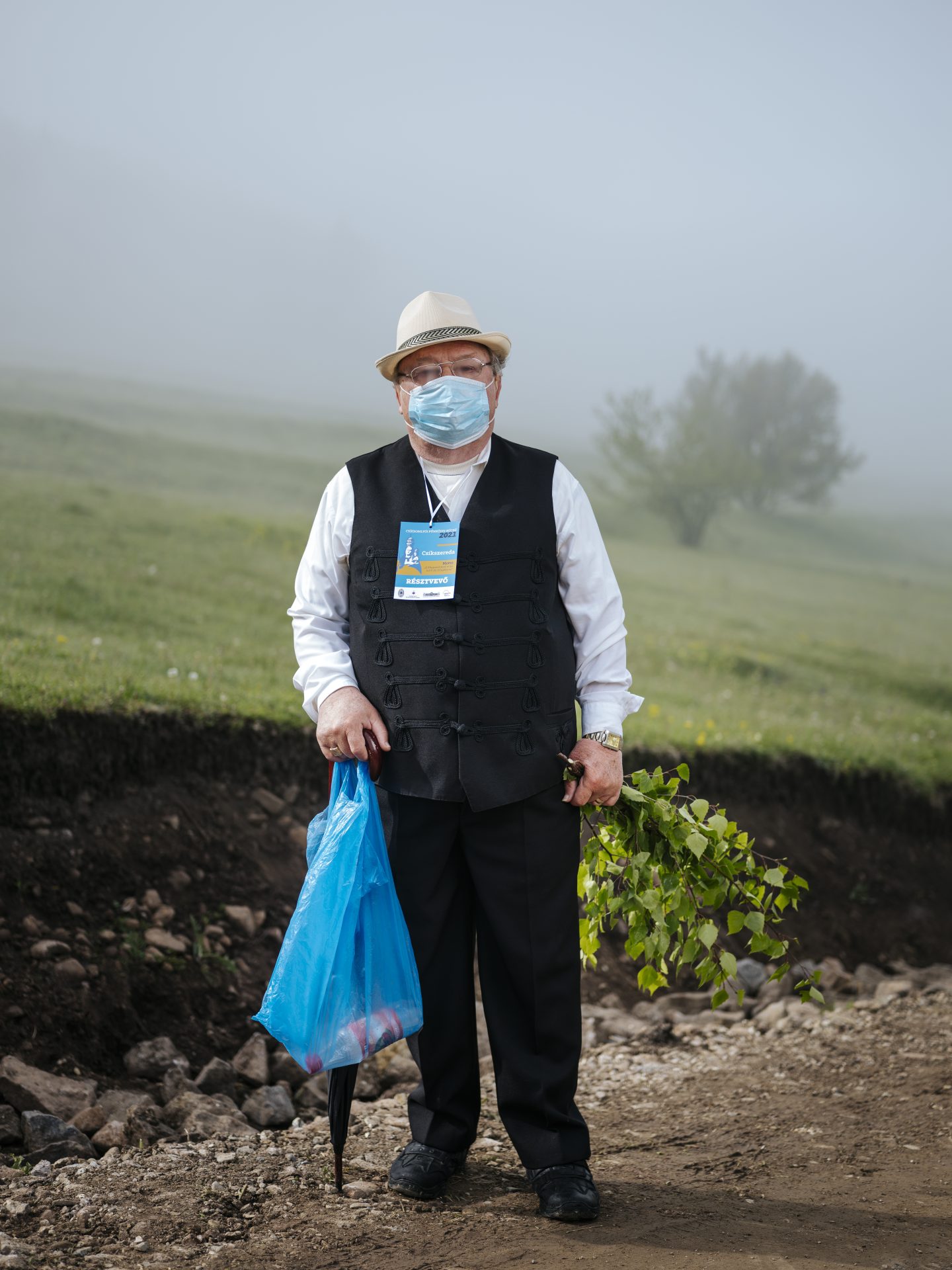
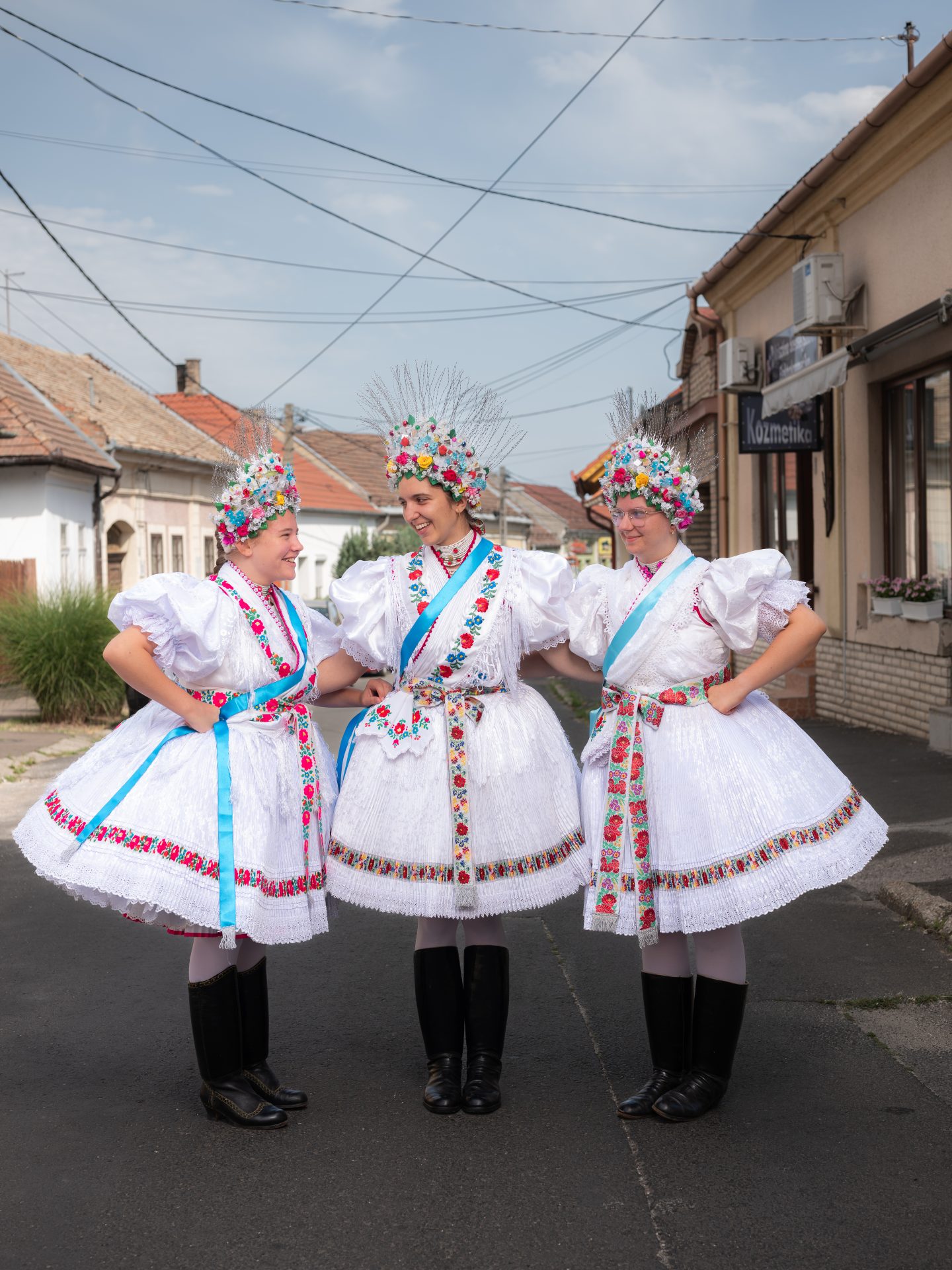
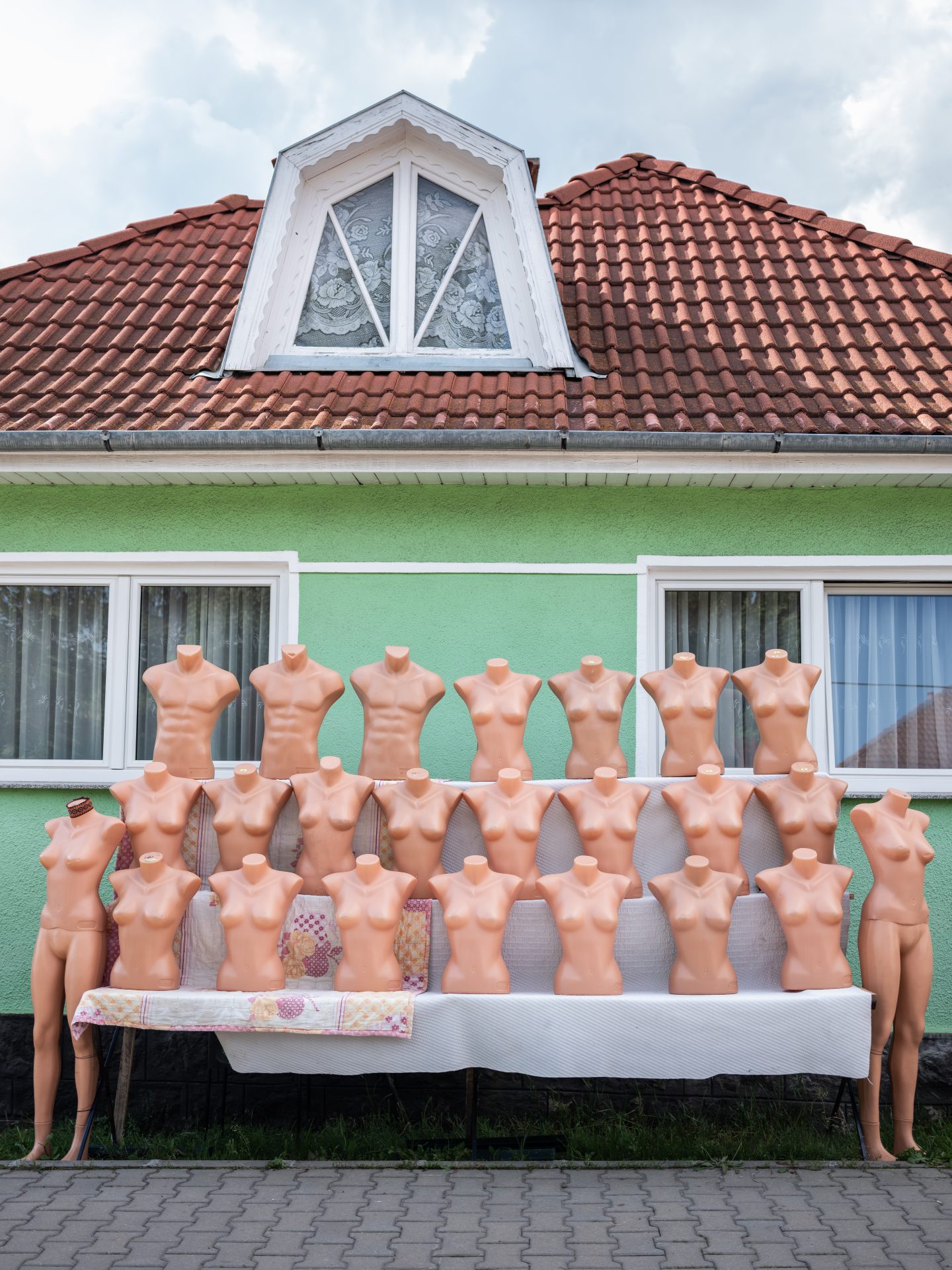
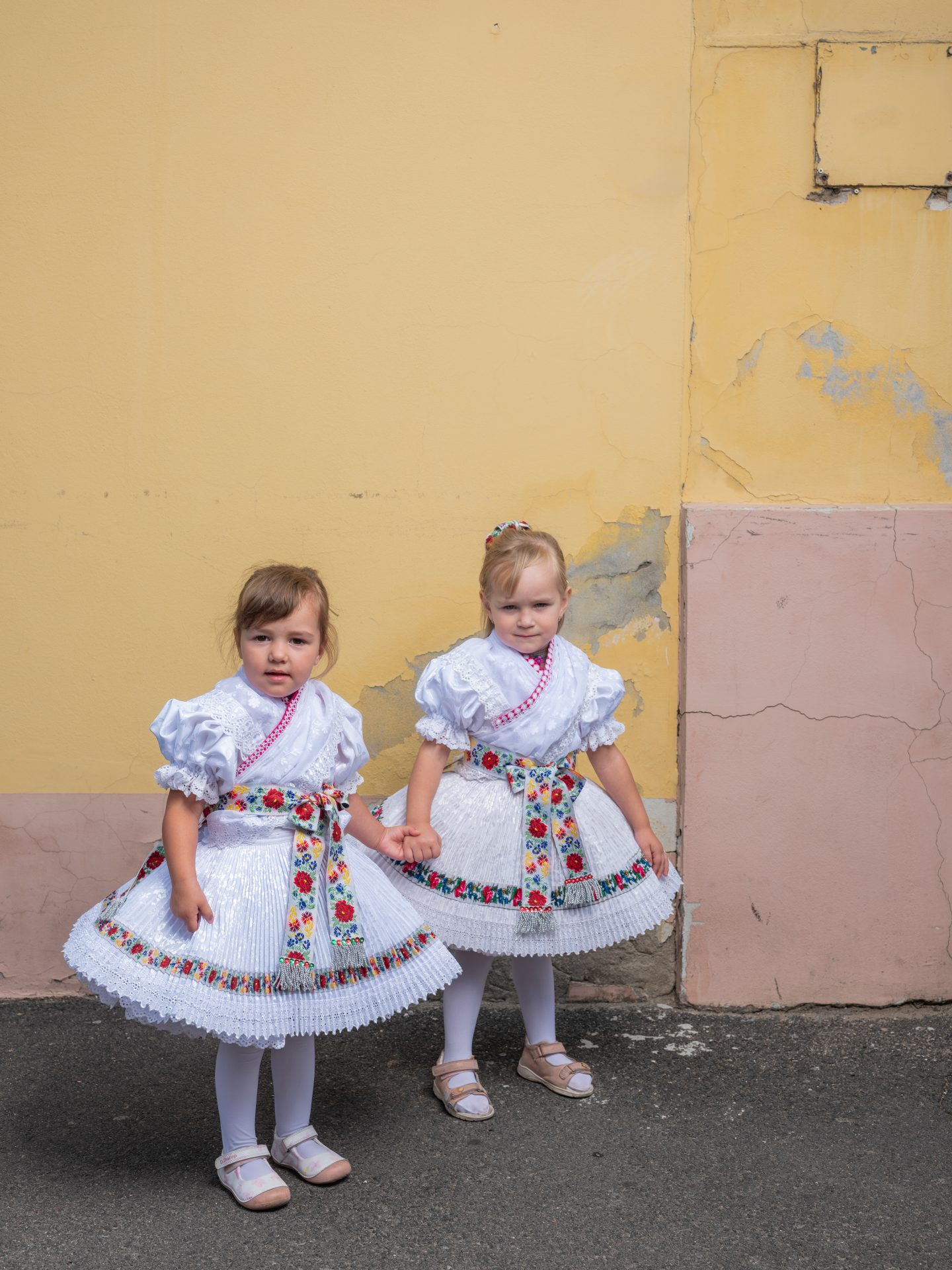
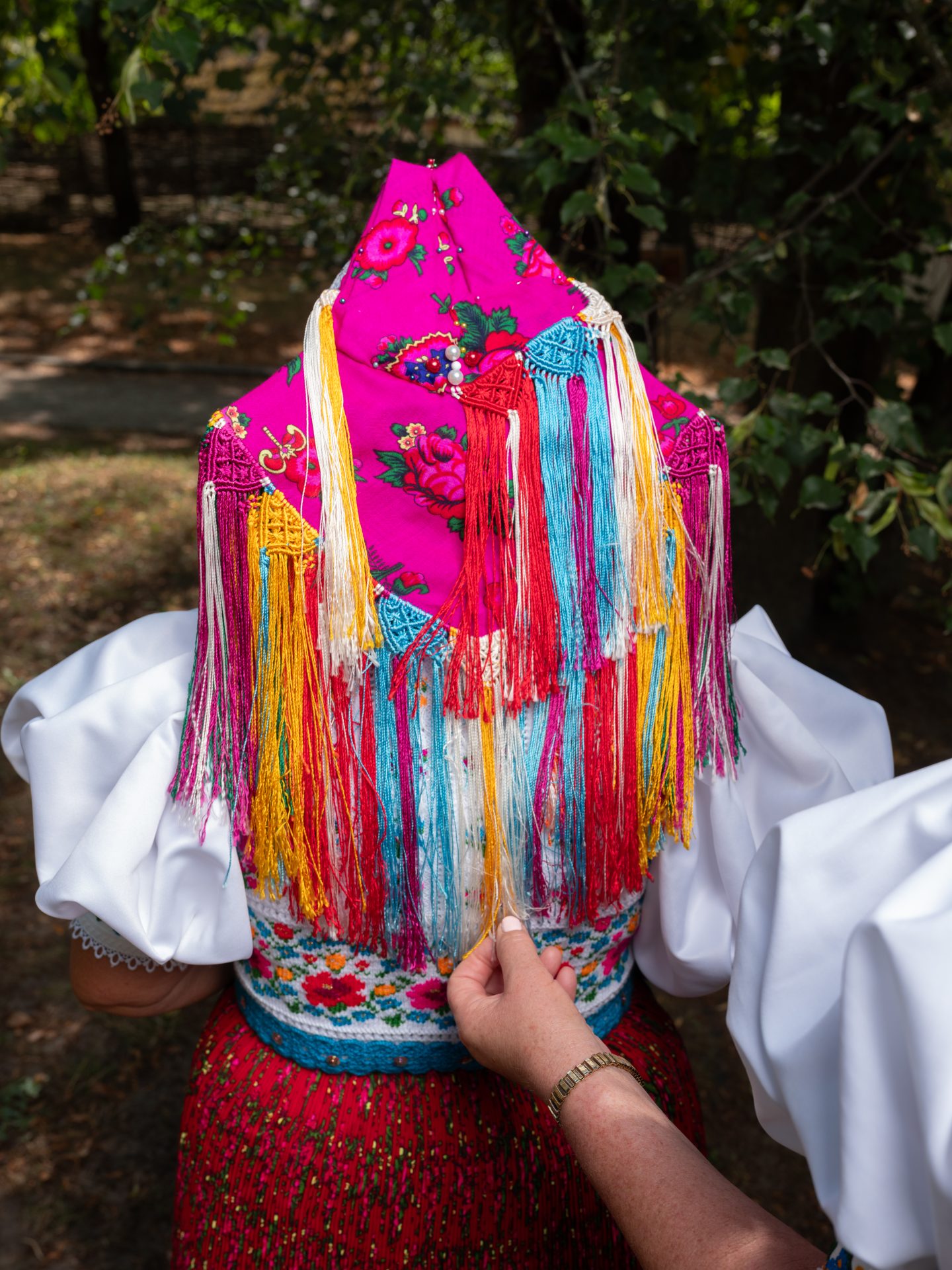
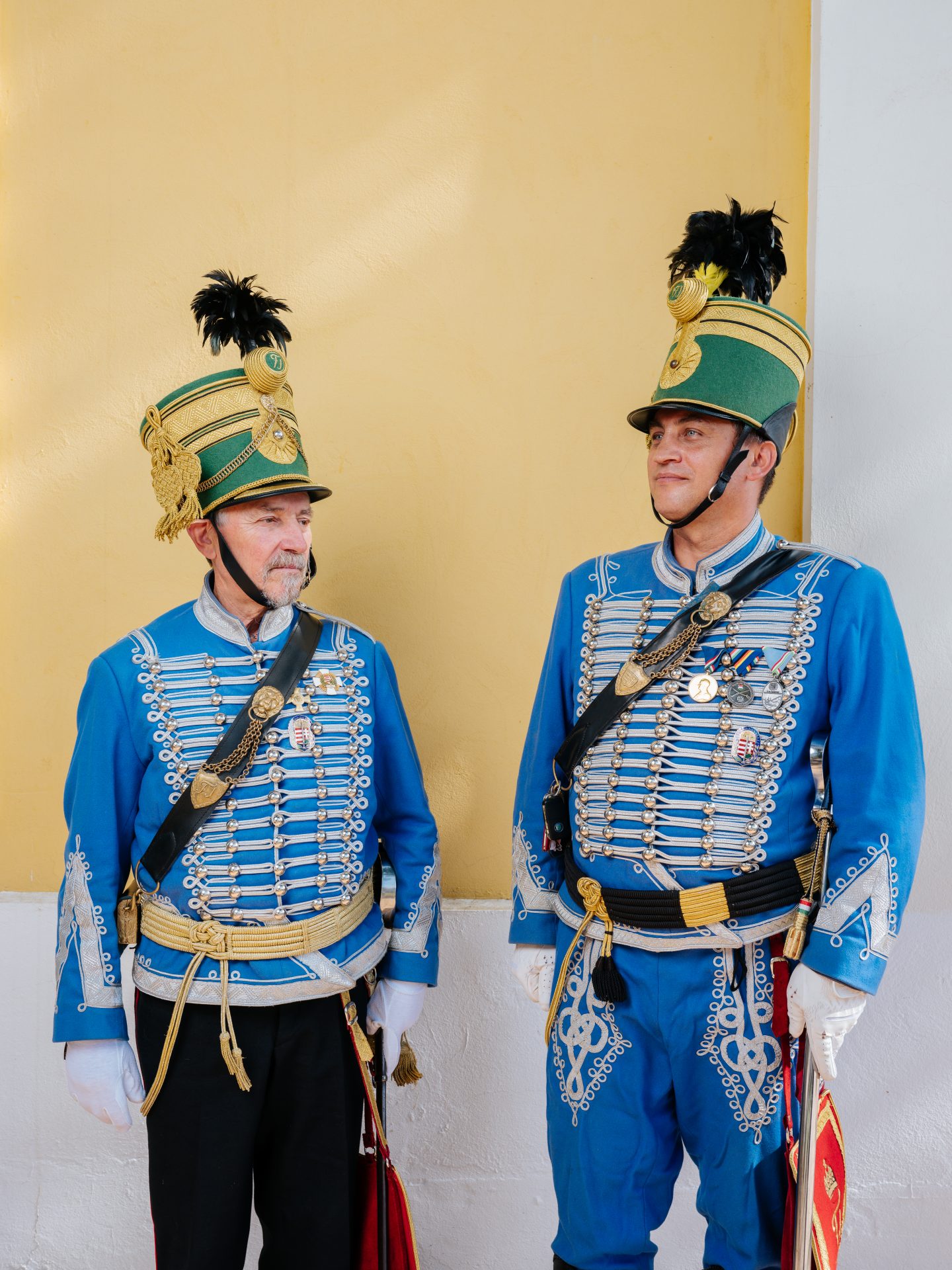
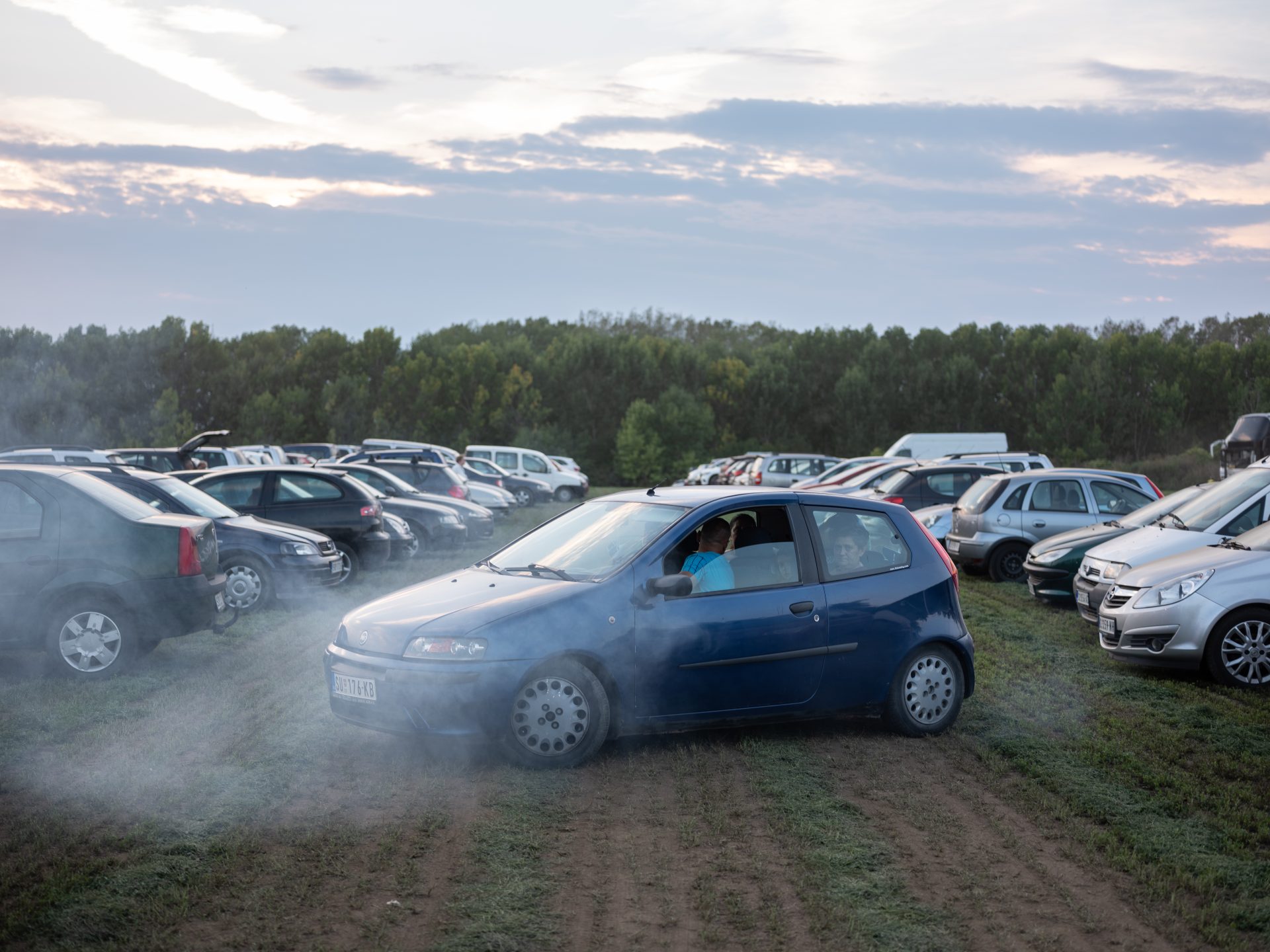
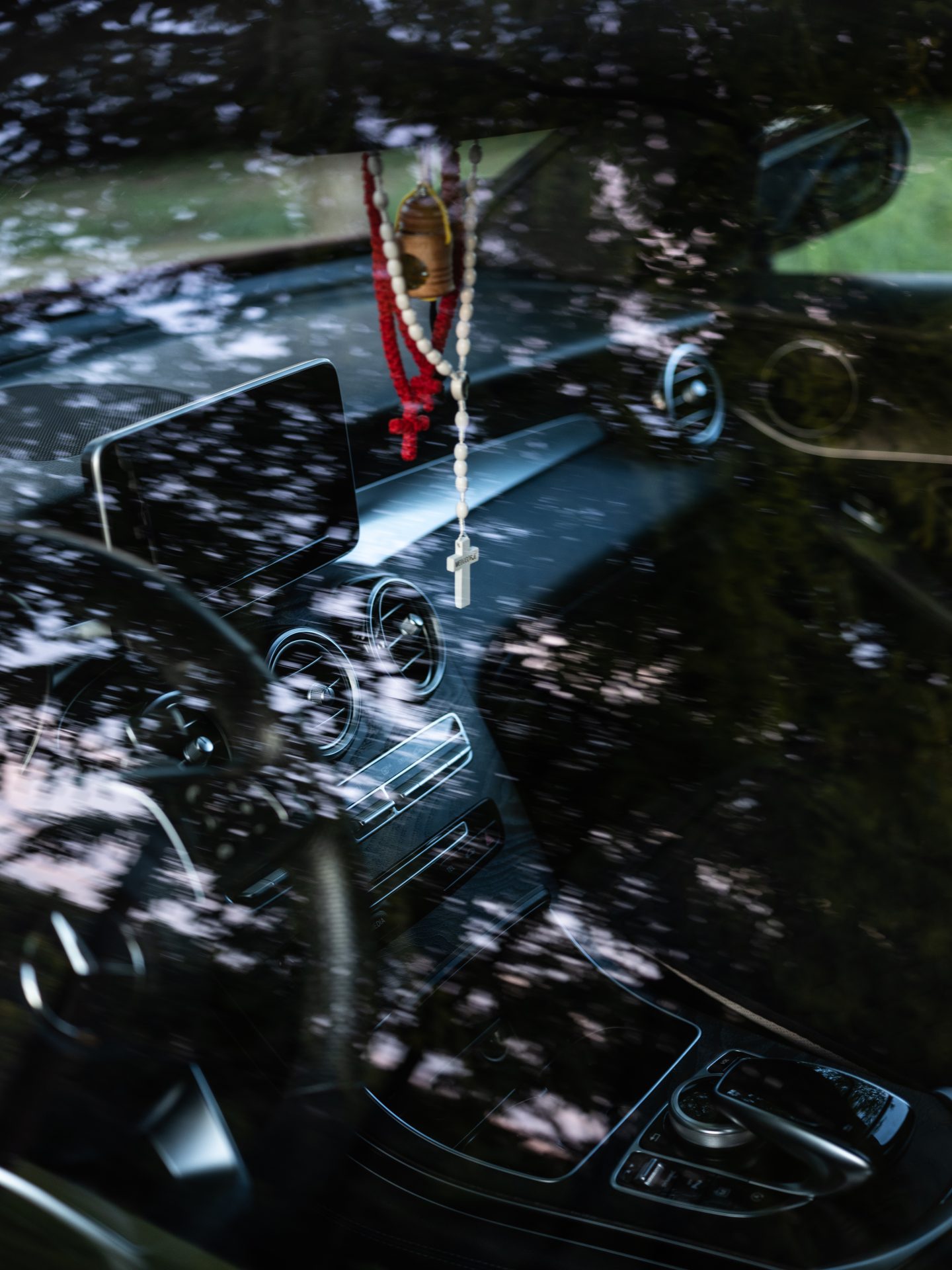
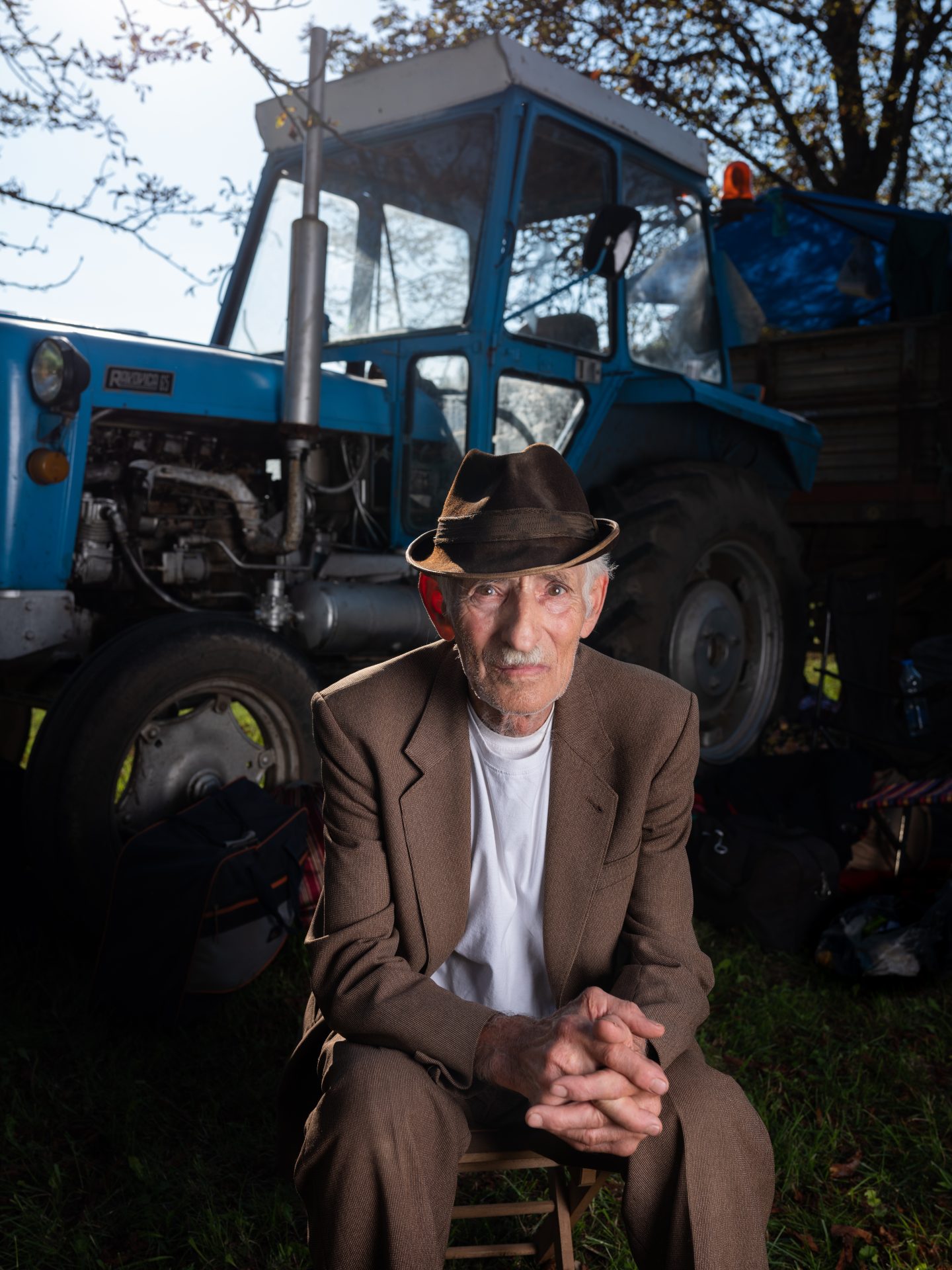
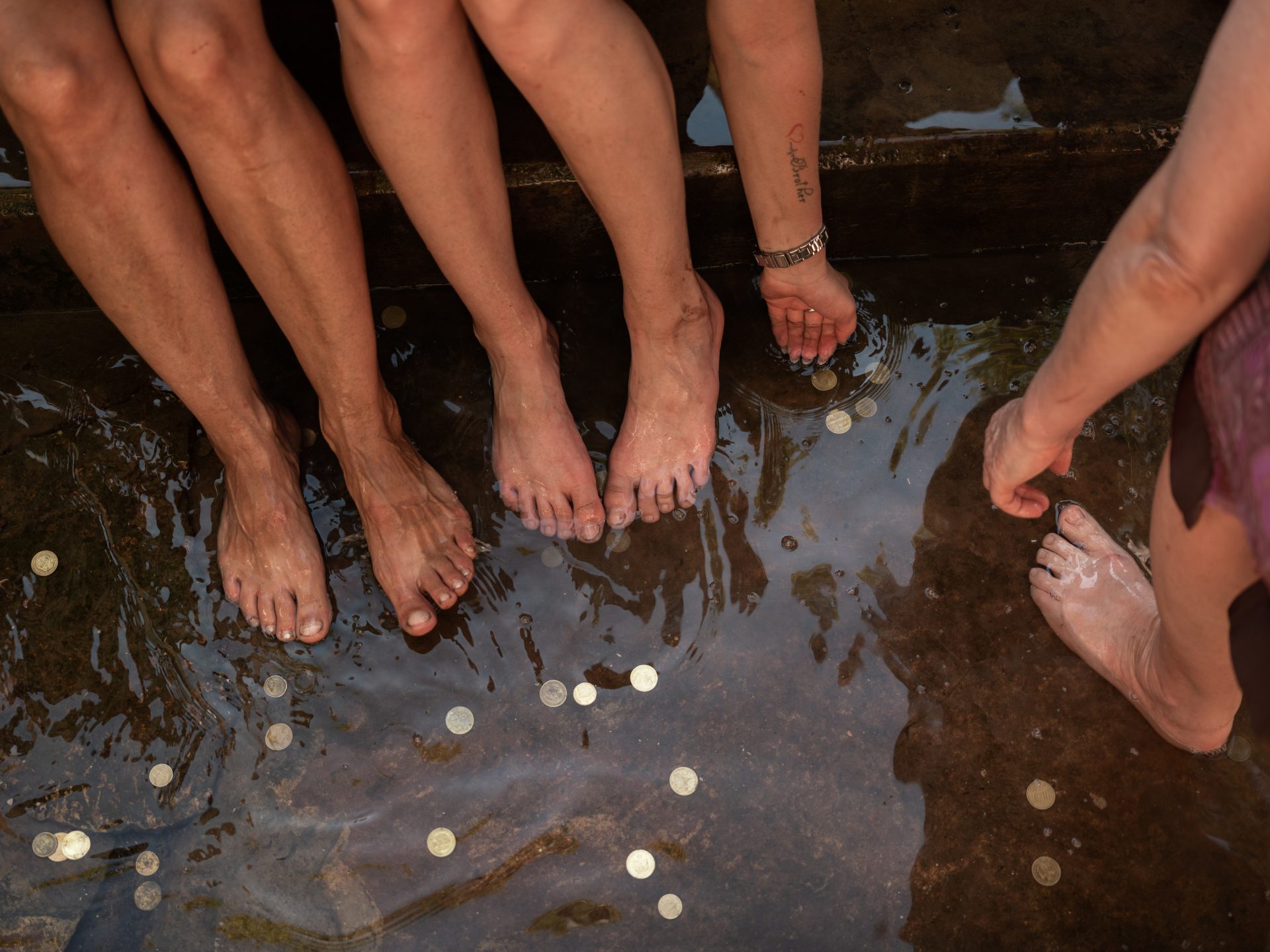
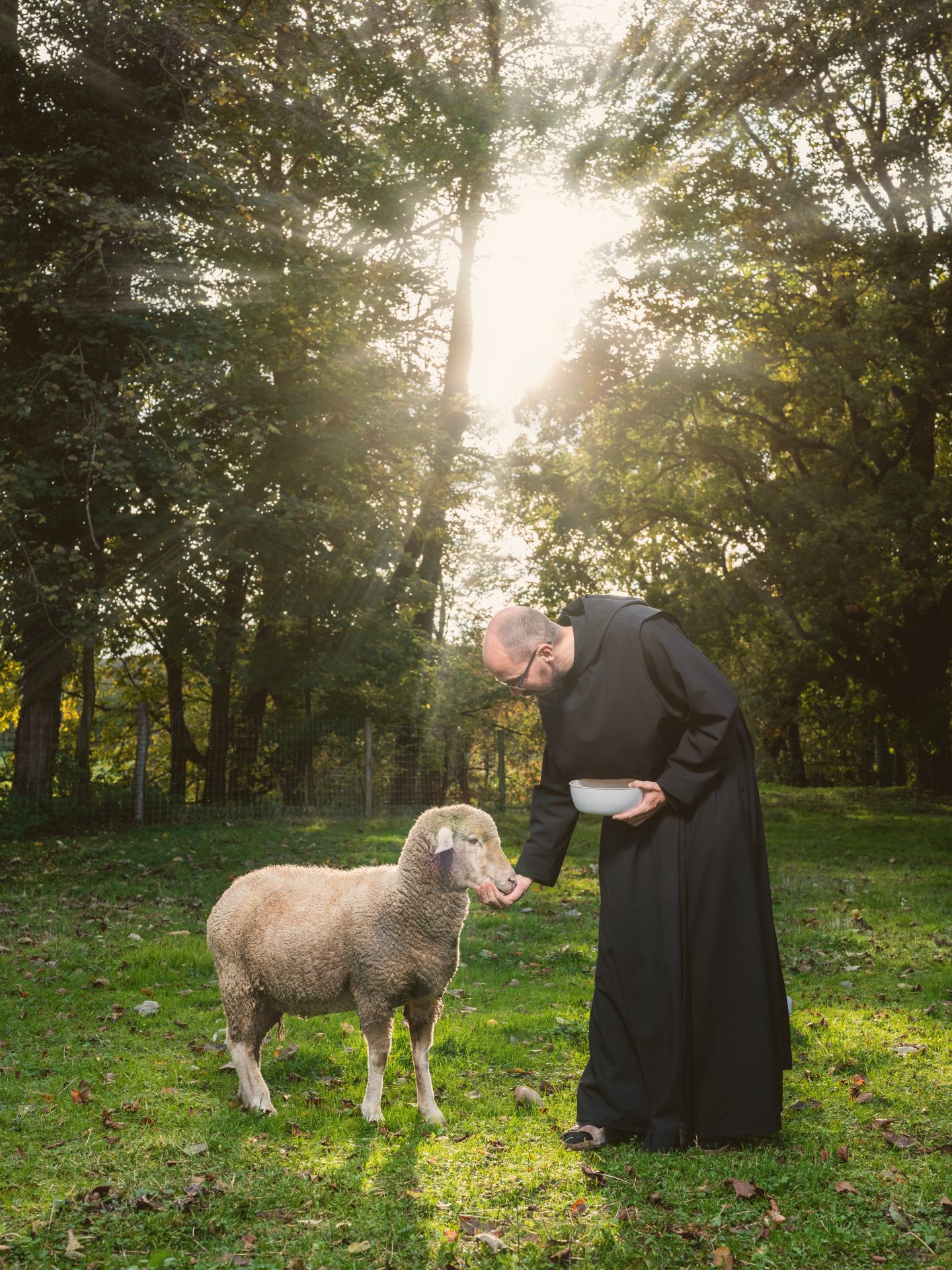
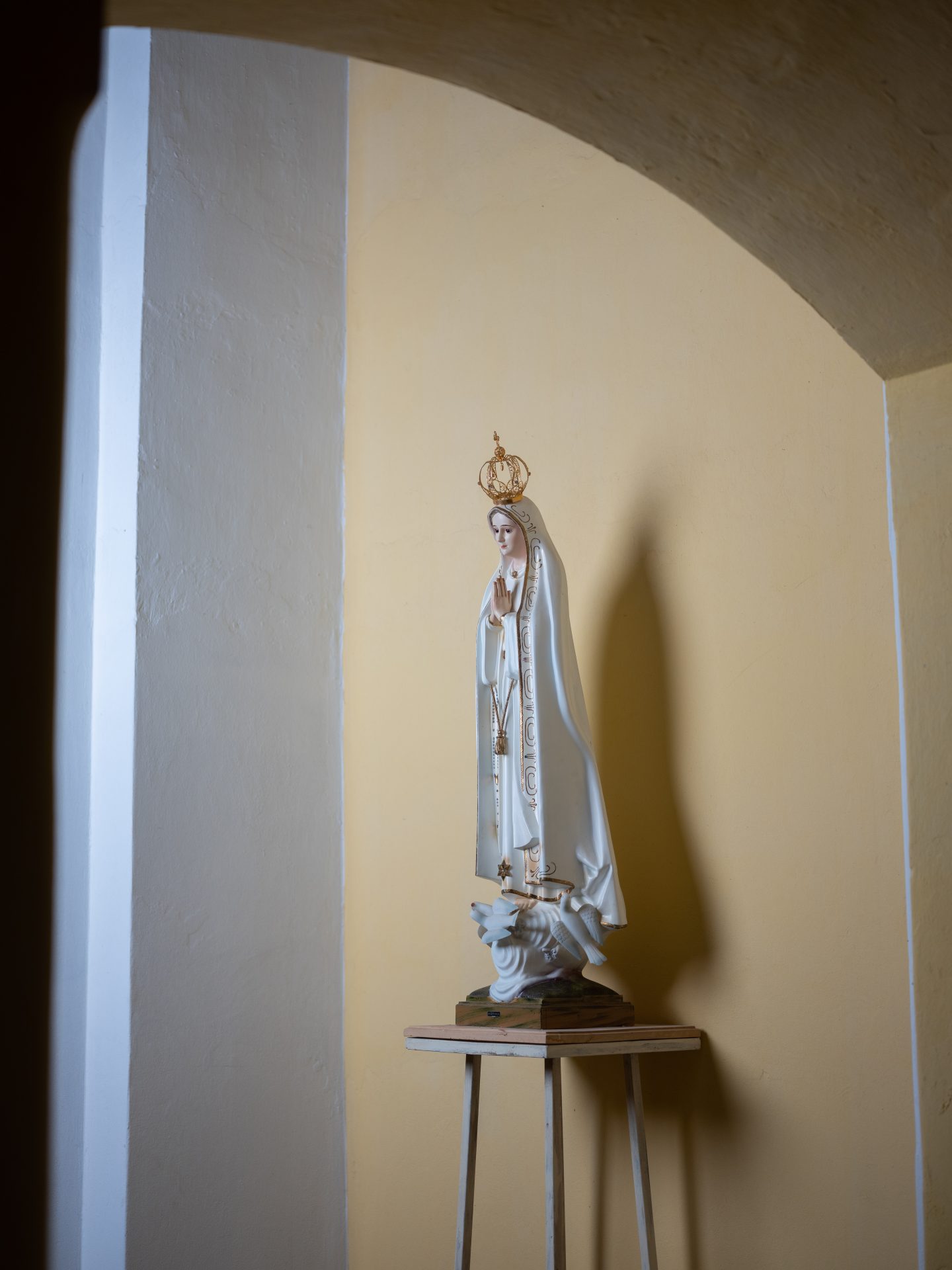
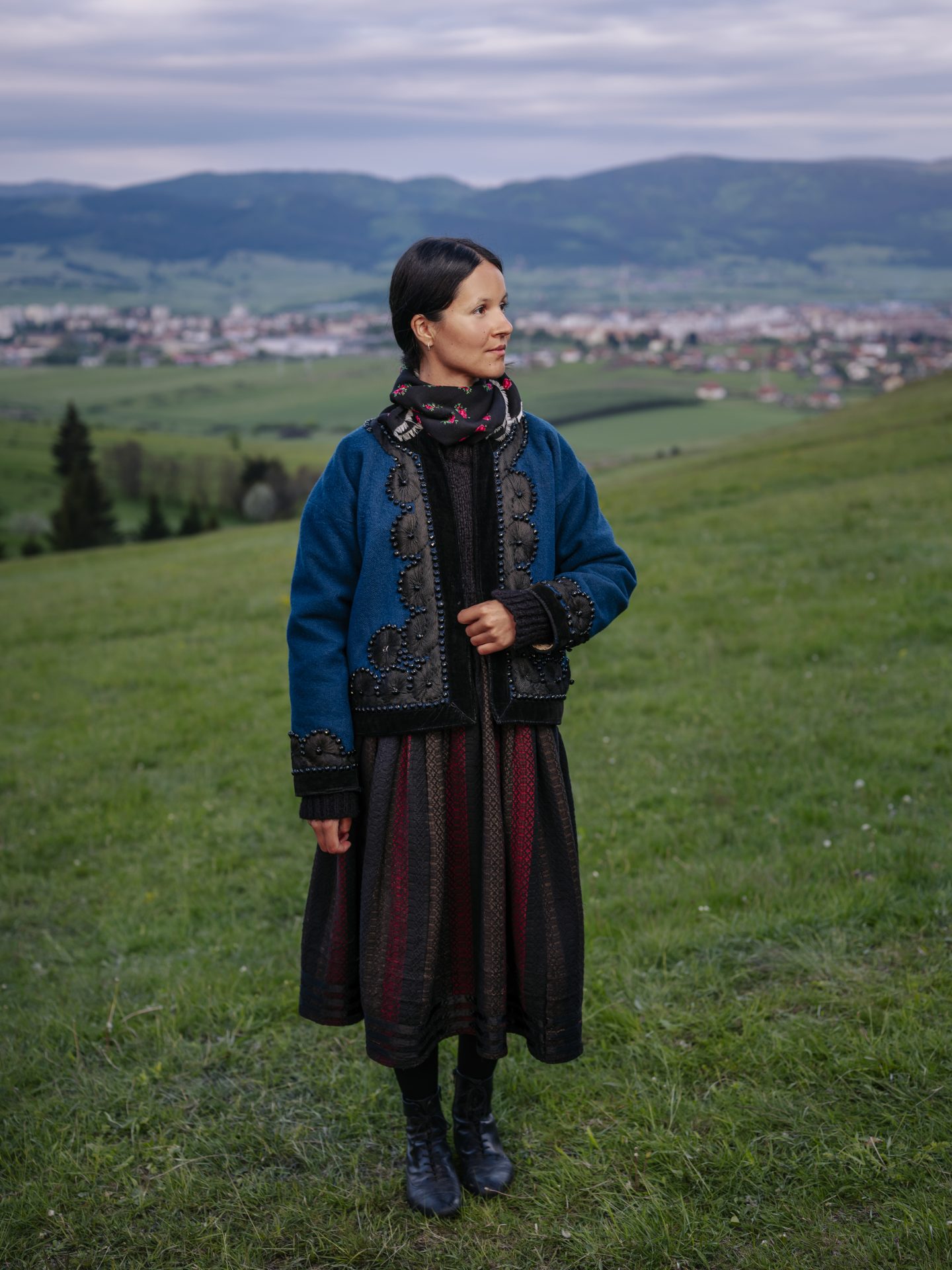
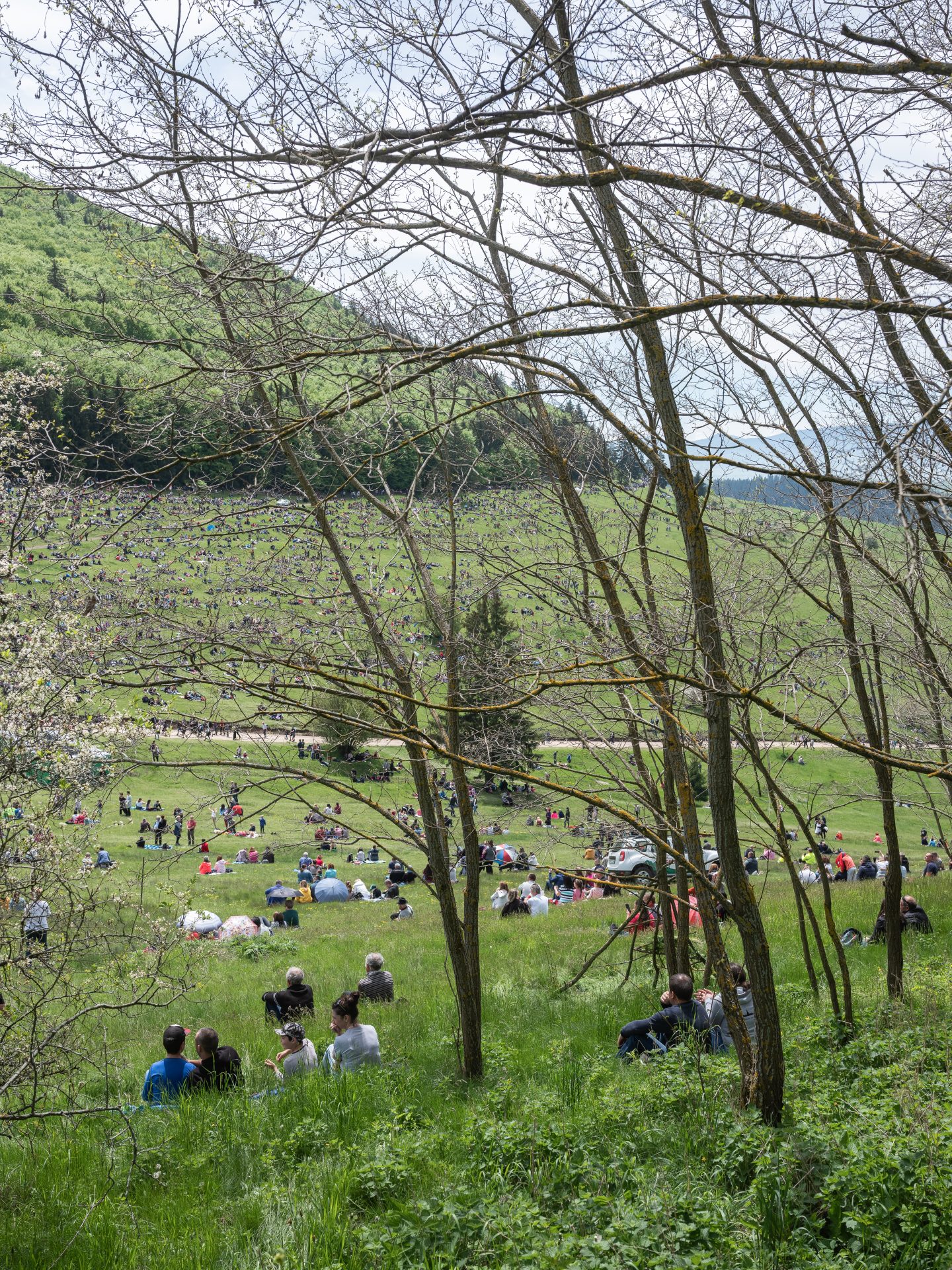
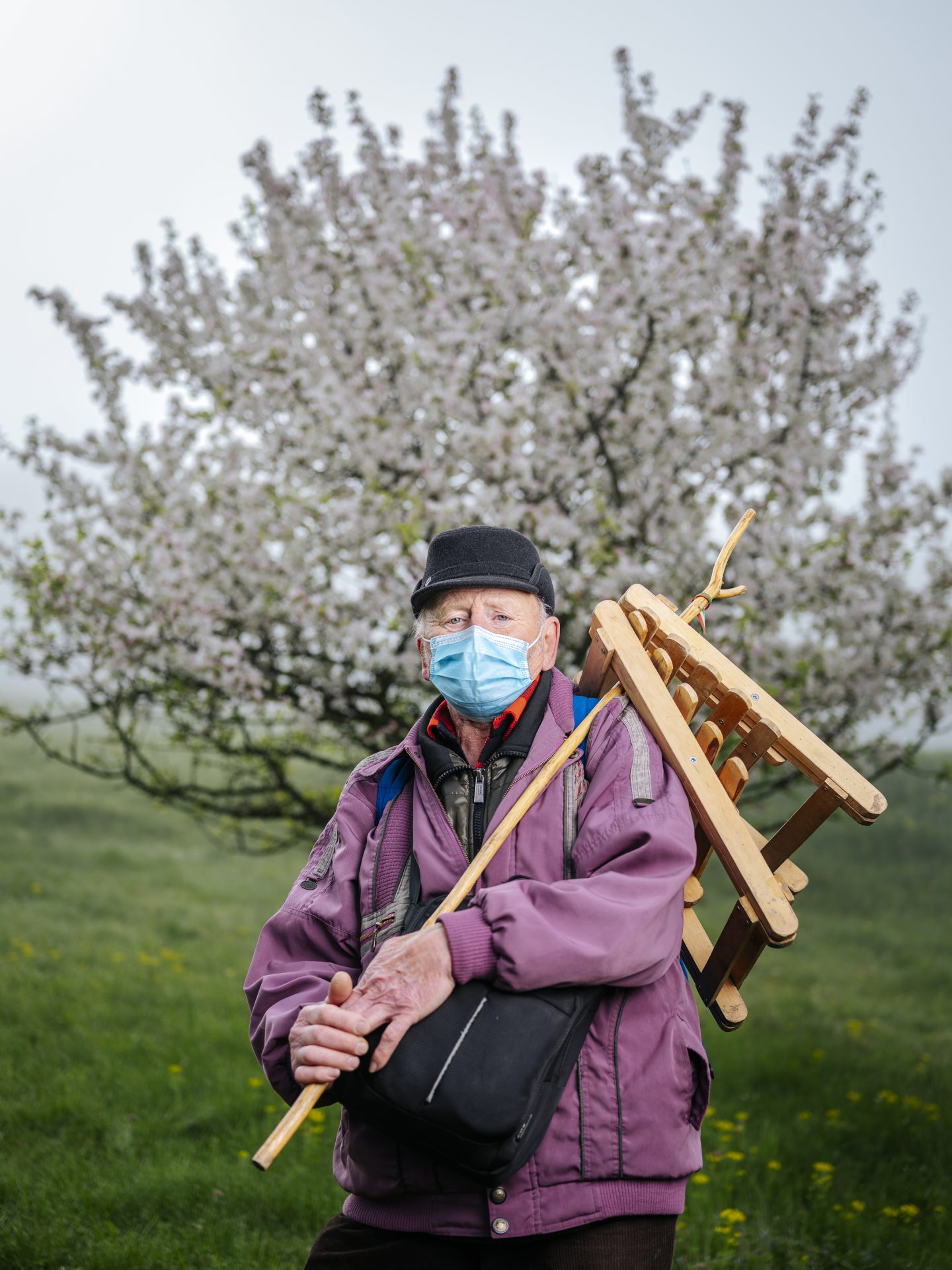
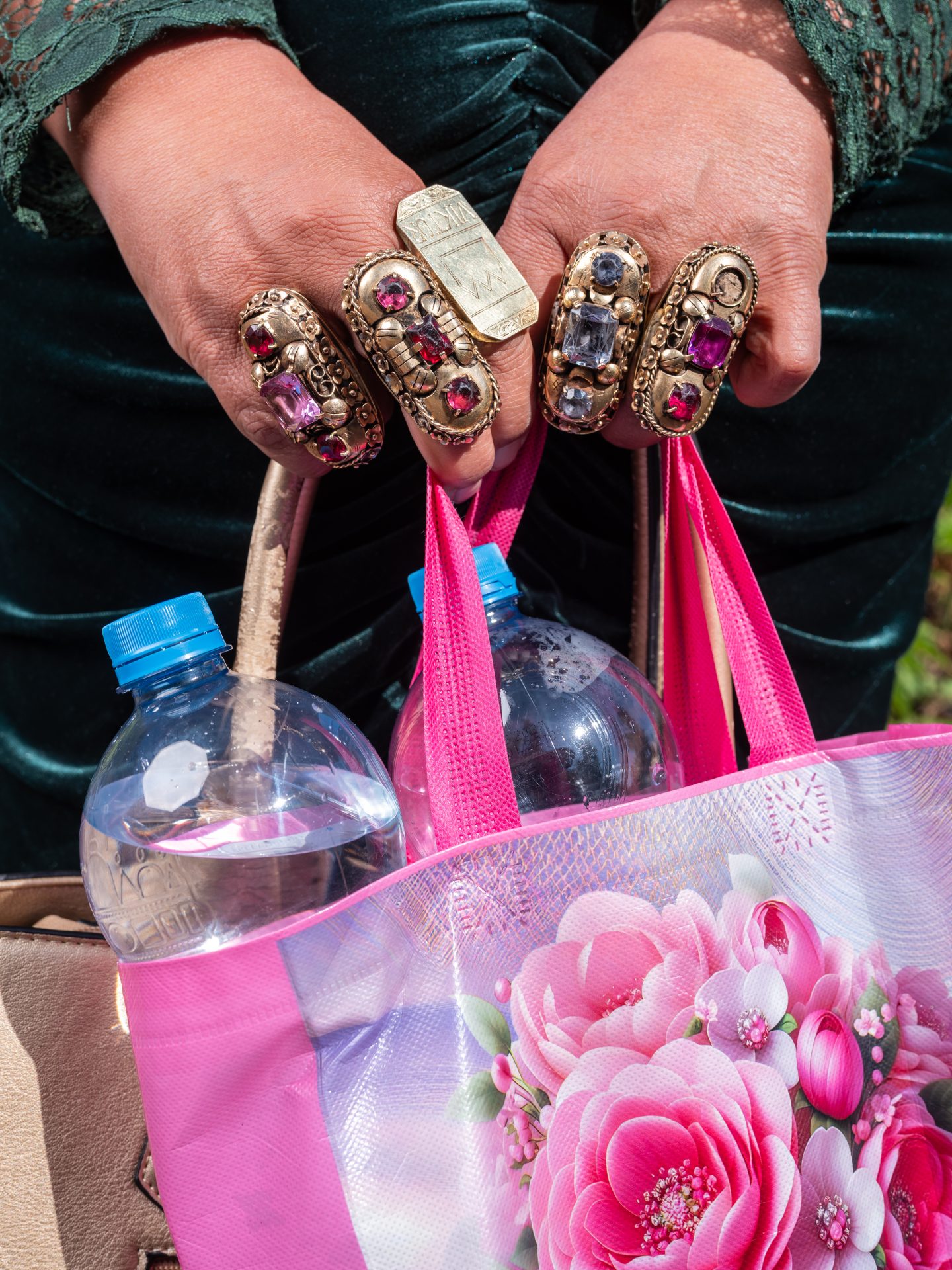
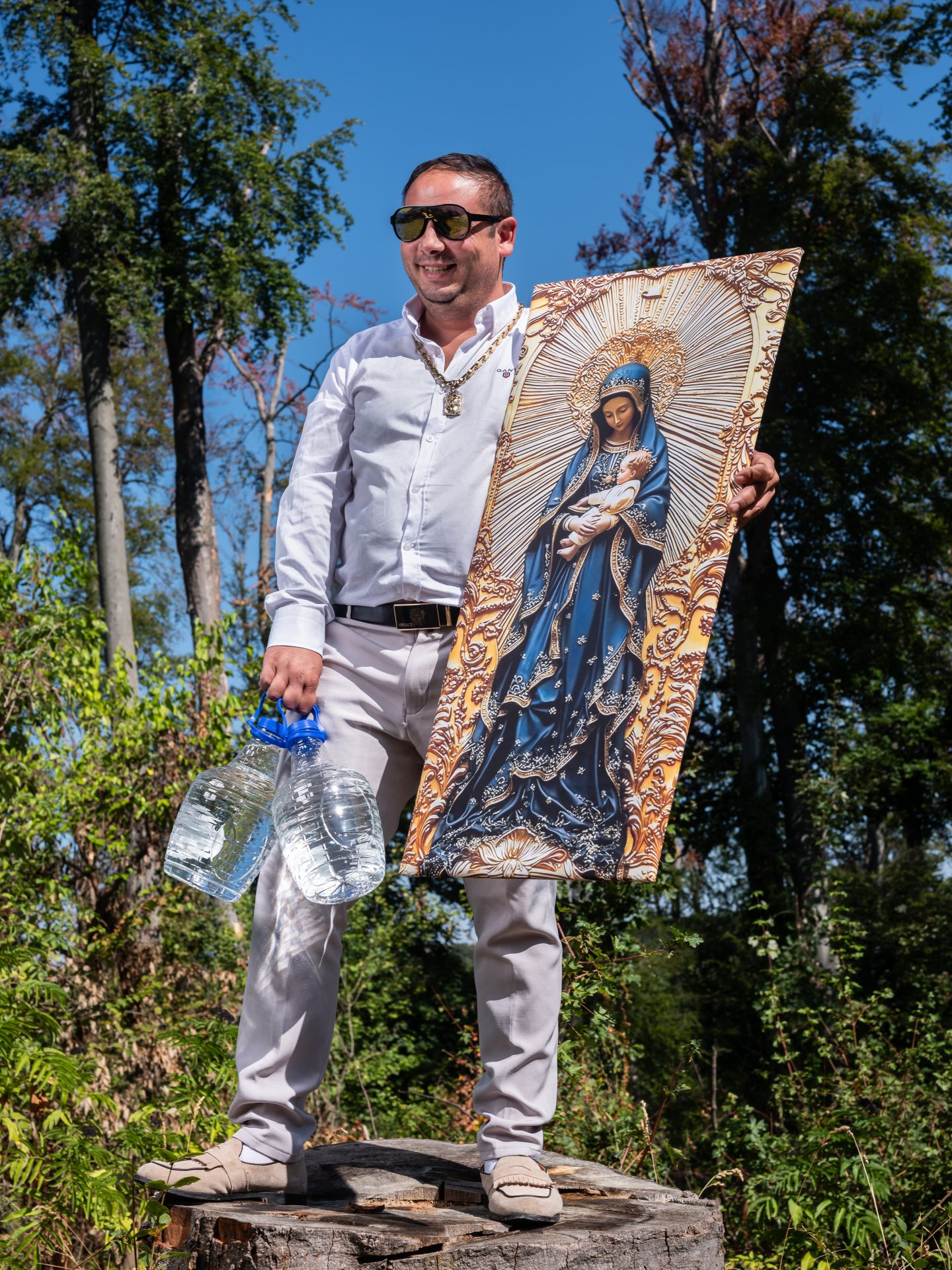
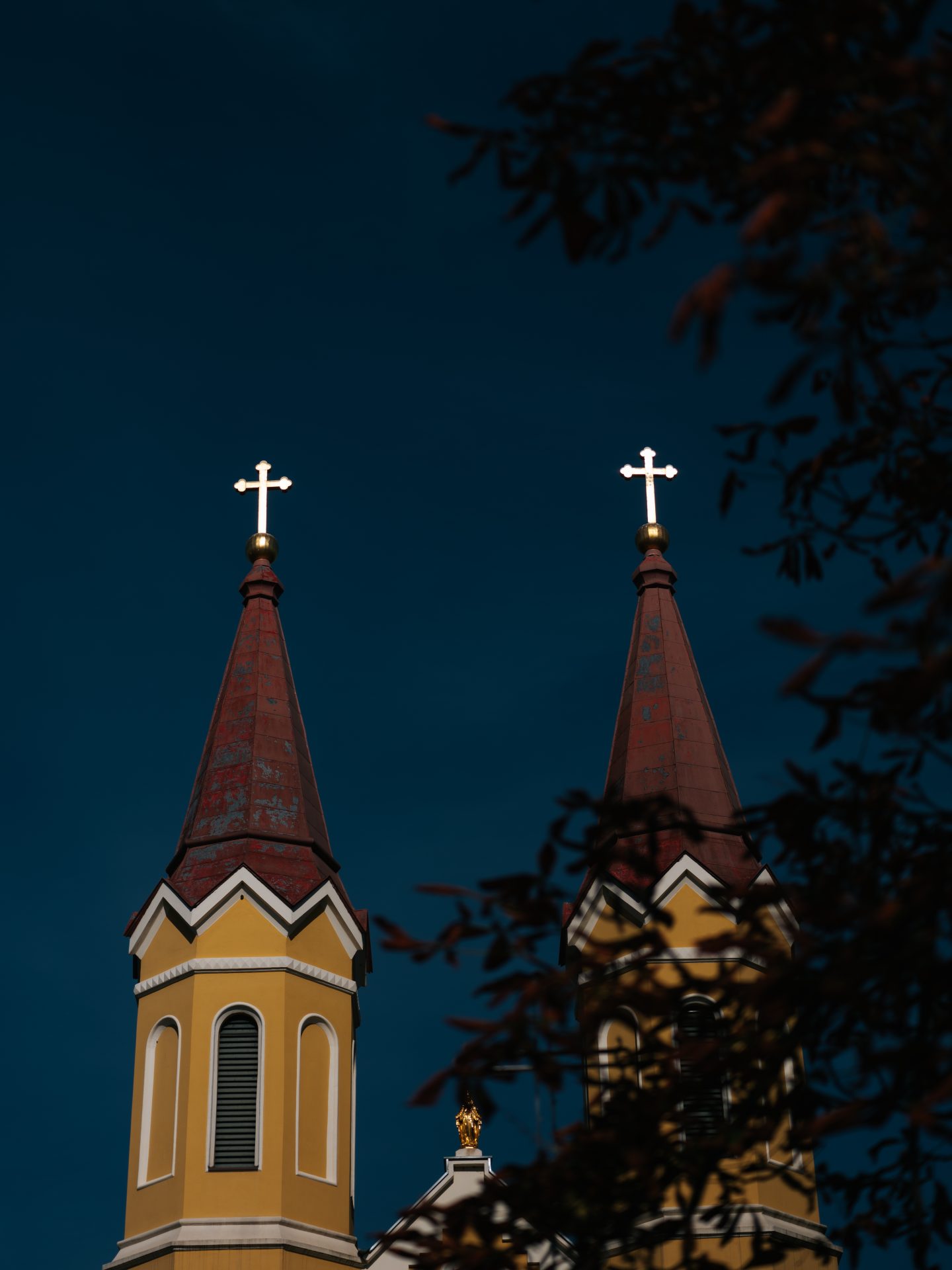
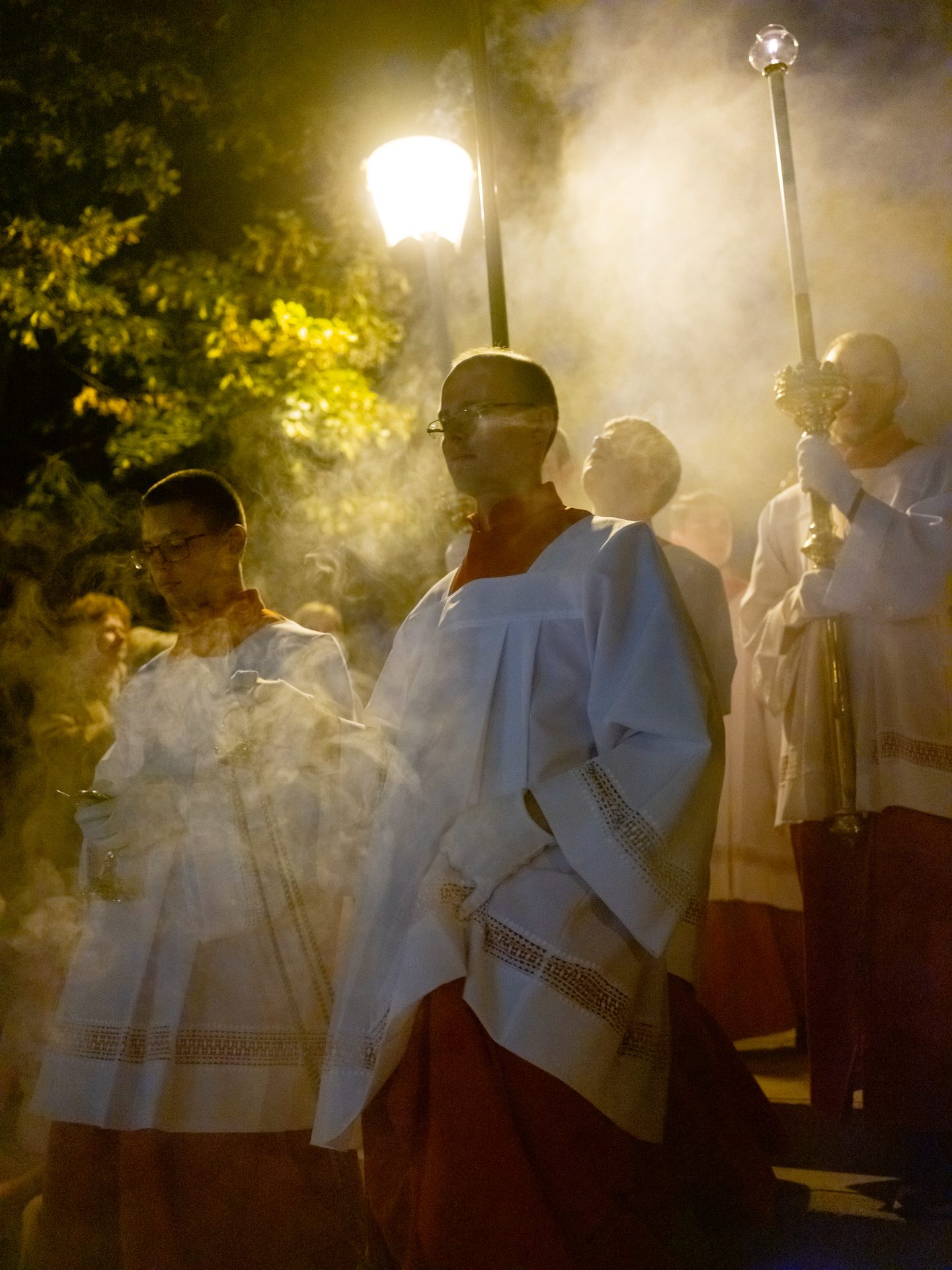
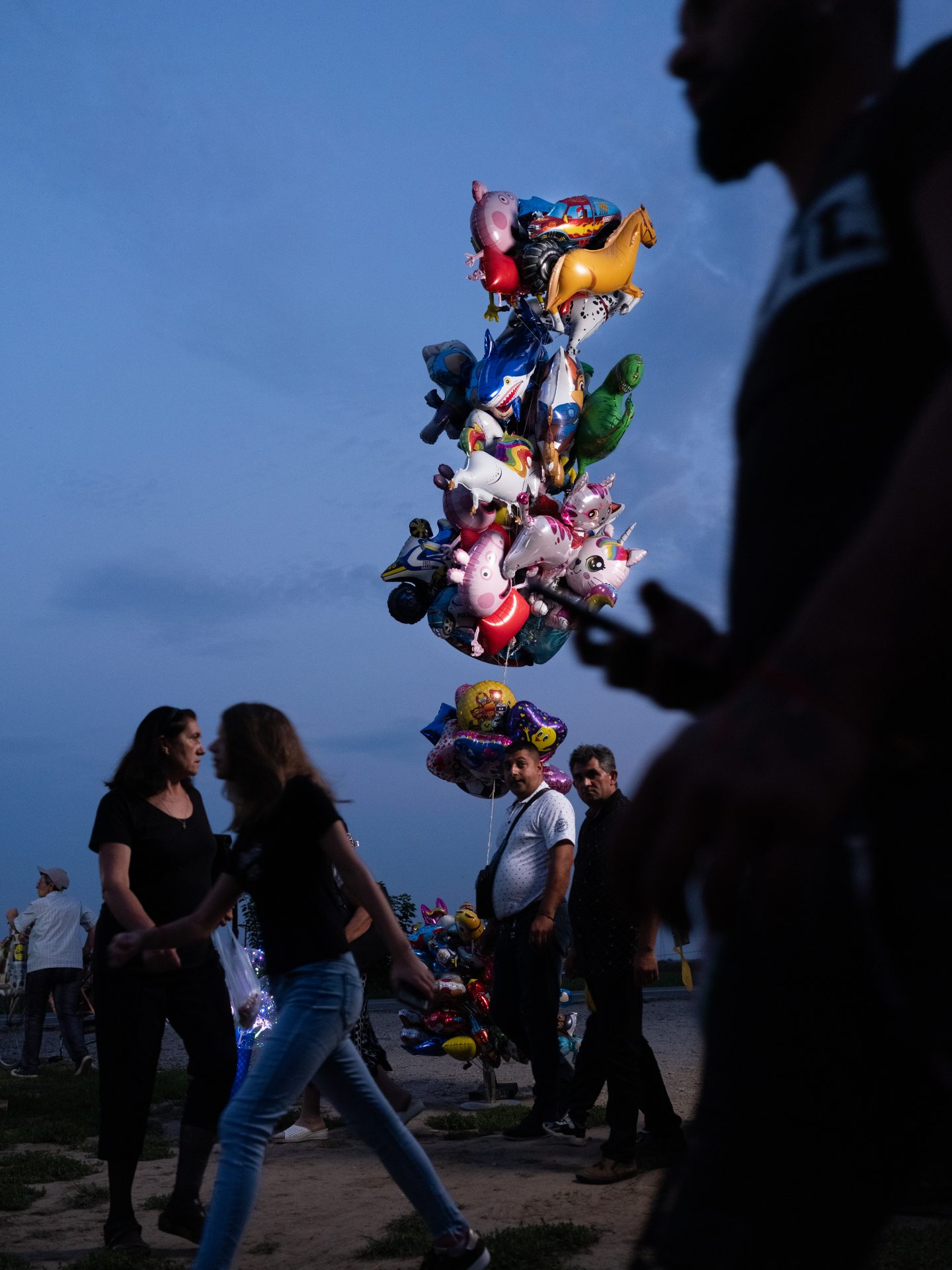
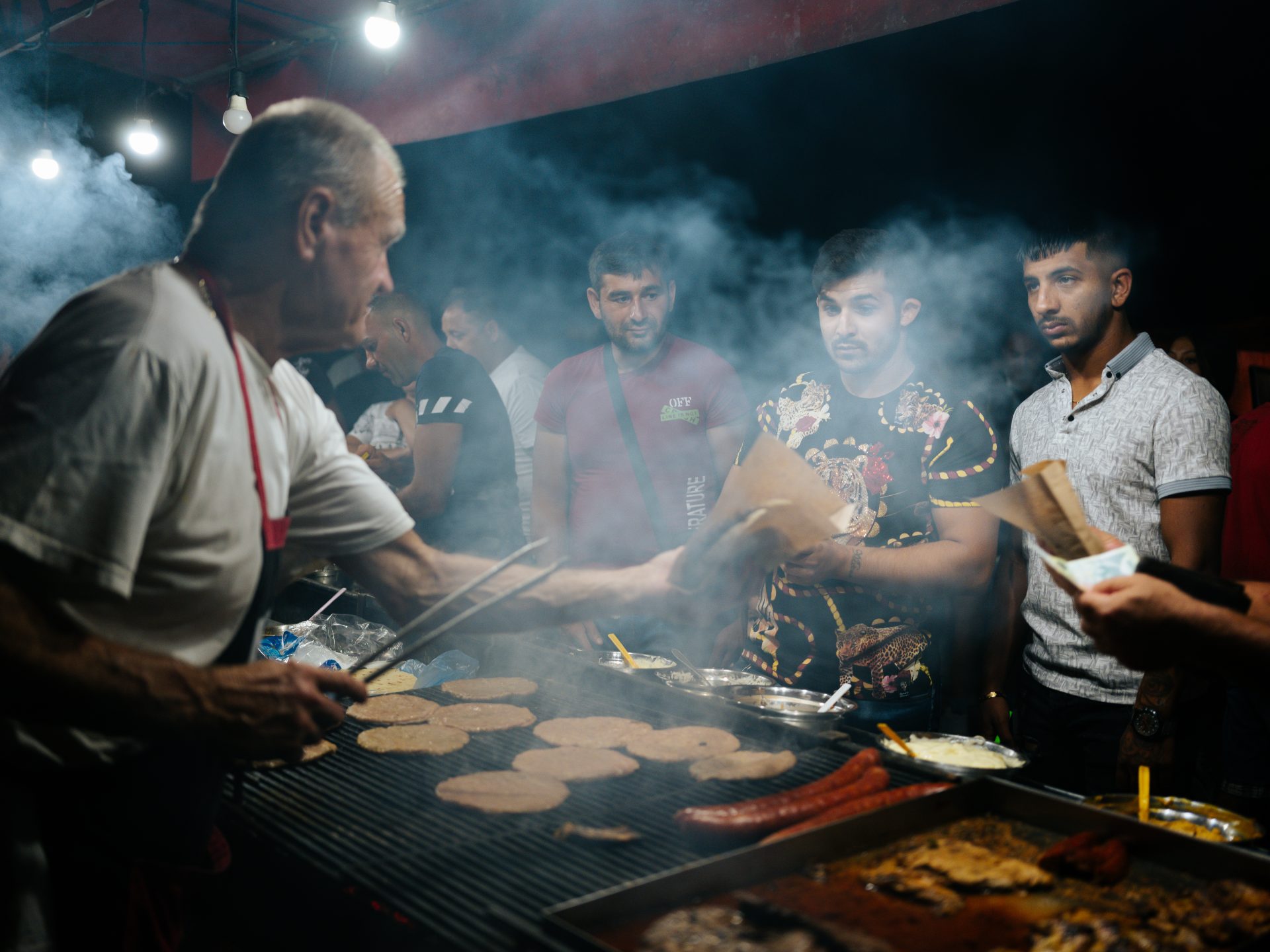
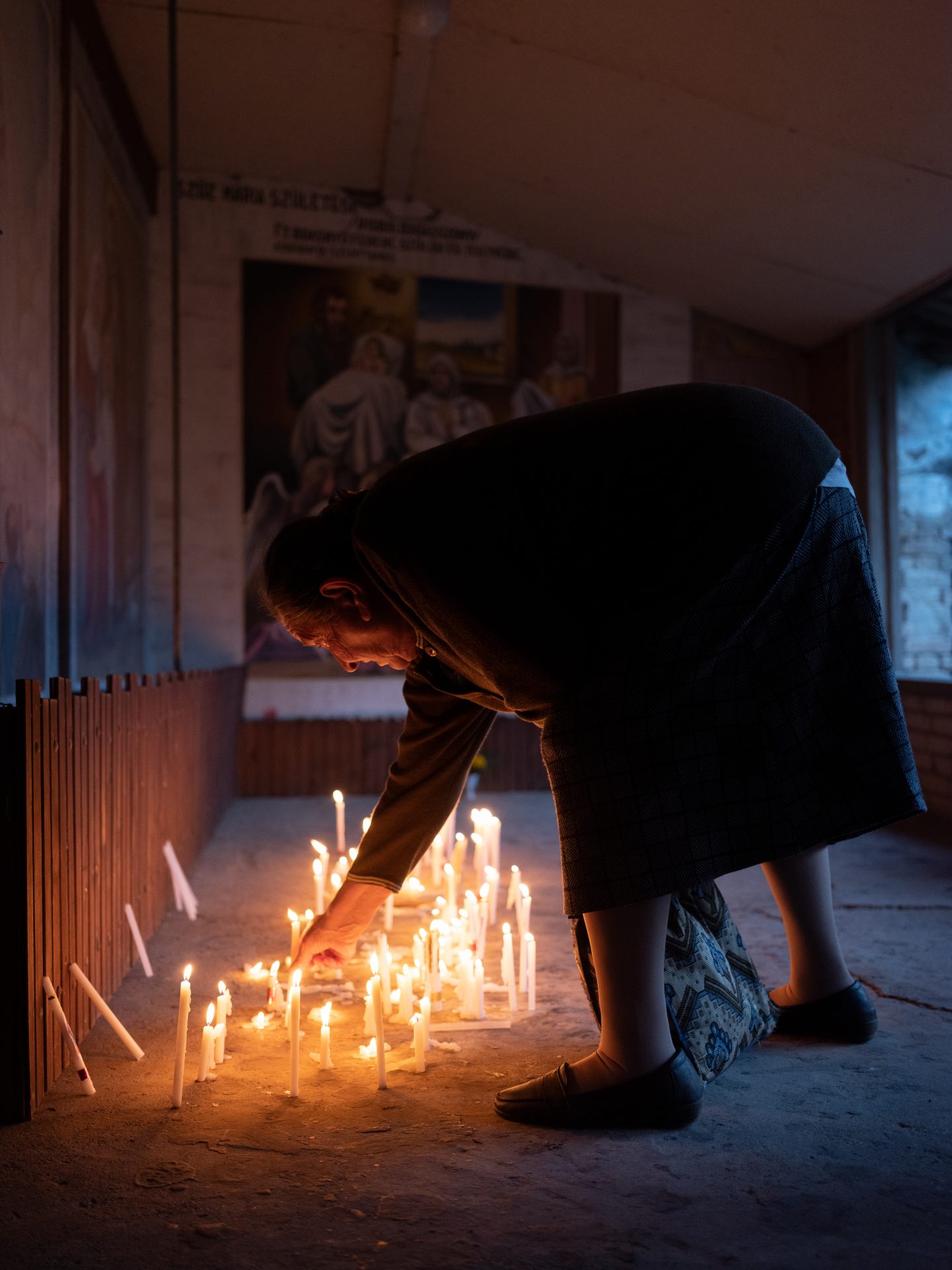
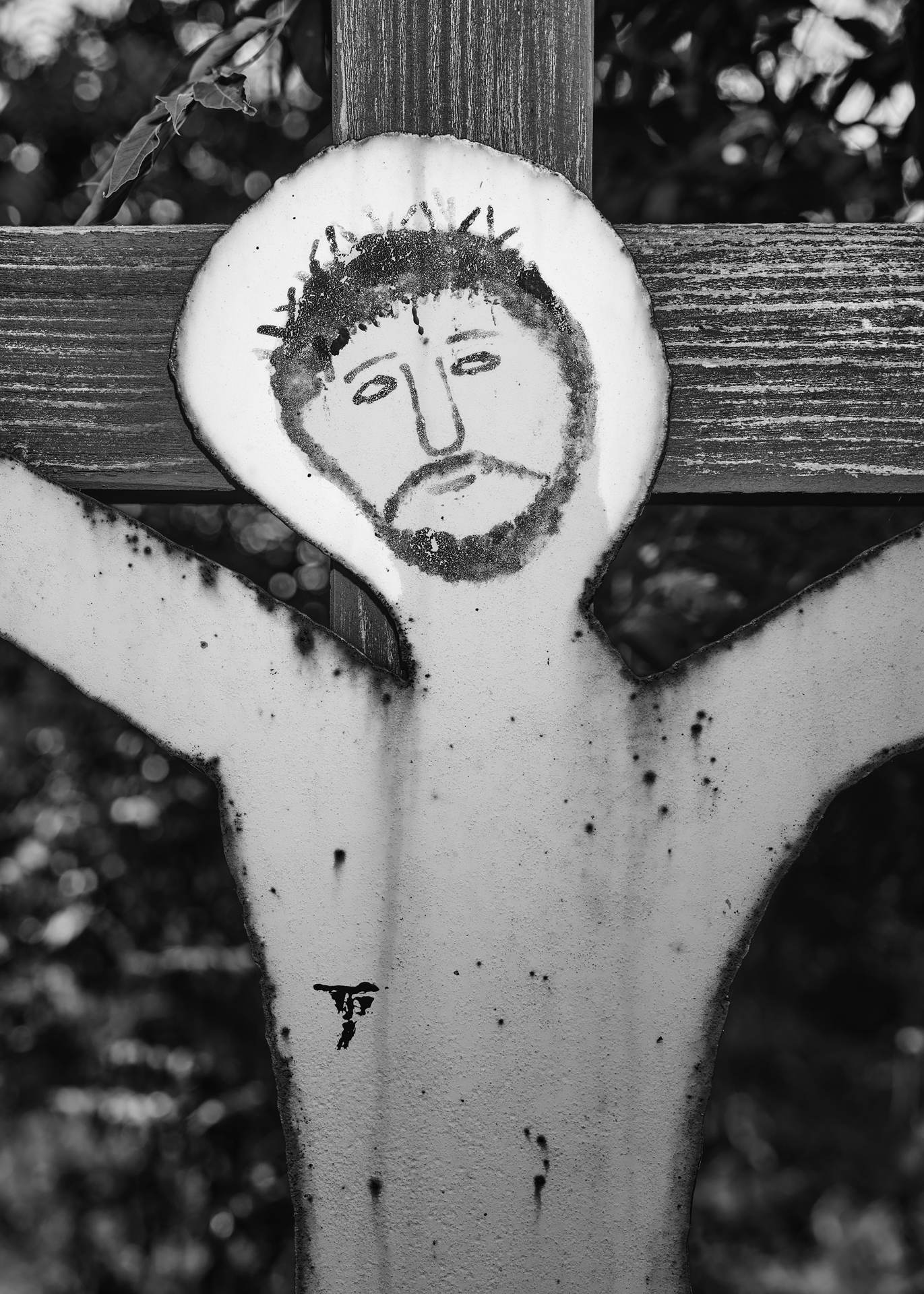
Pilgrimage is an escape from the everyday, from the home environment where everything is a reminder of work and obligation. It is one of the oldest forms of Catholic devotion and penance — a chance to bid farewell to our sins, to break free from the weight of punishment. What was once a purely religious custom has today become a colorful spectacle, a mix of fair and entertainment, where the sacred world visibly blends with the profane. What unfolds is an unmistakably Kusturica-esque world — it’s a regular three-ring circus. My series Penitents captures this often contradictory, vanishing, tradition-laden yet ever-renewing milieu, bringing back scenes of life from numerous locations across the Carpathian Basin.
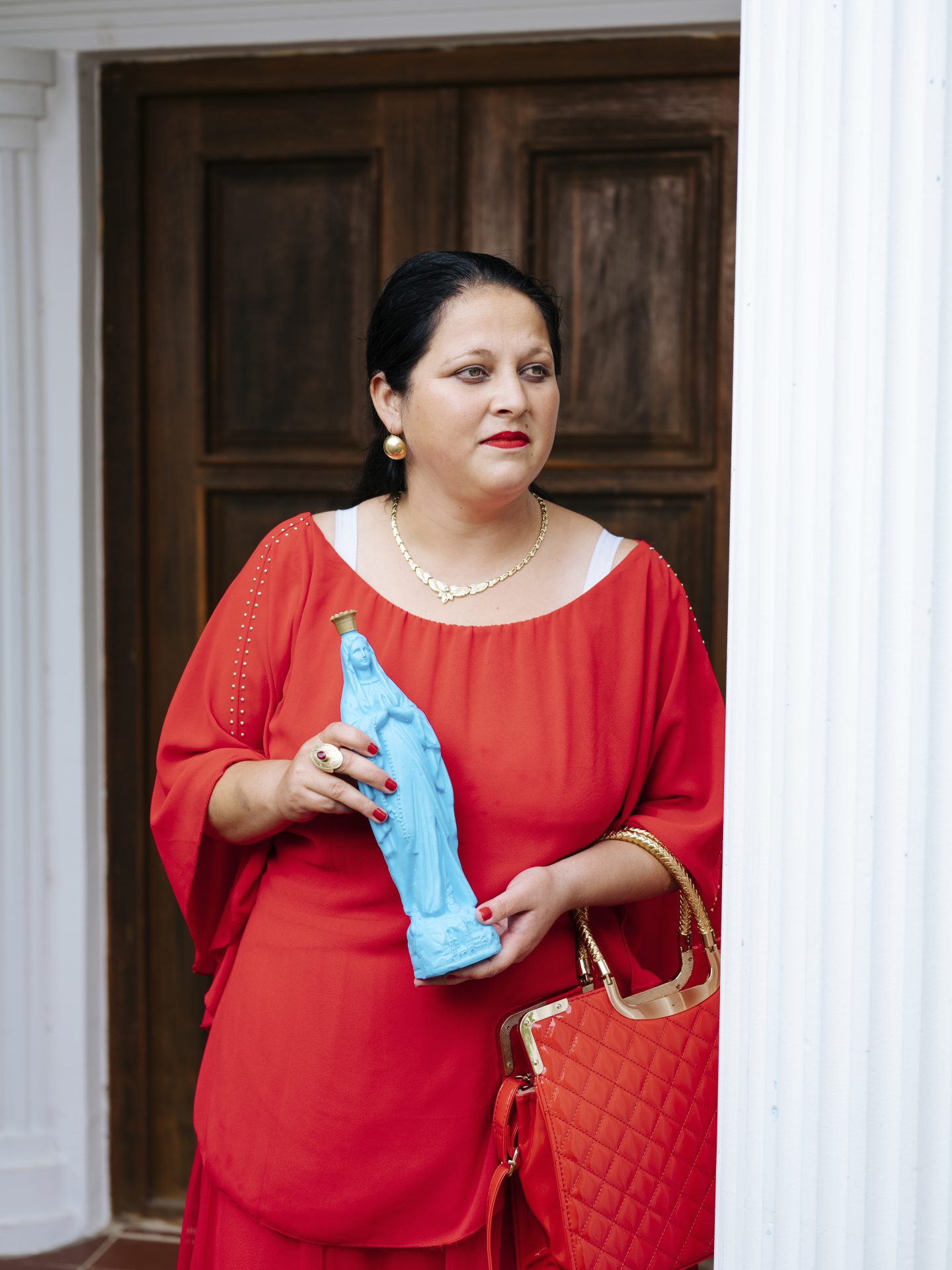
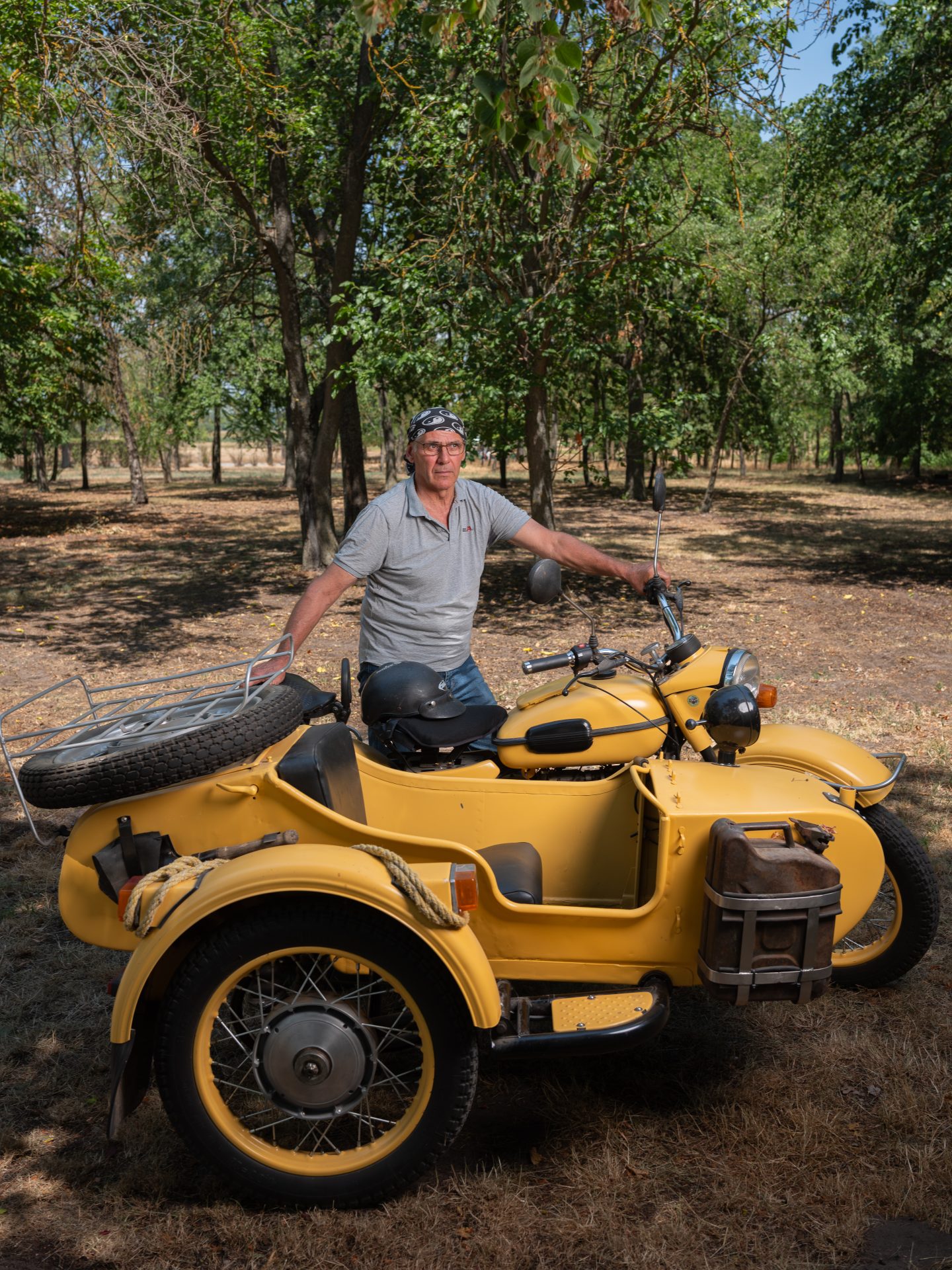
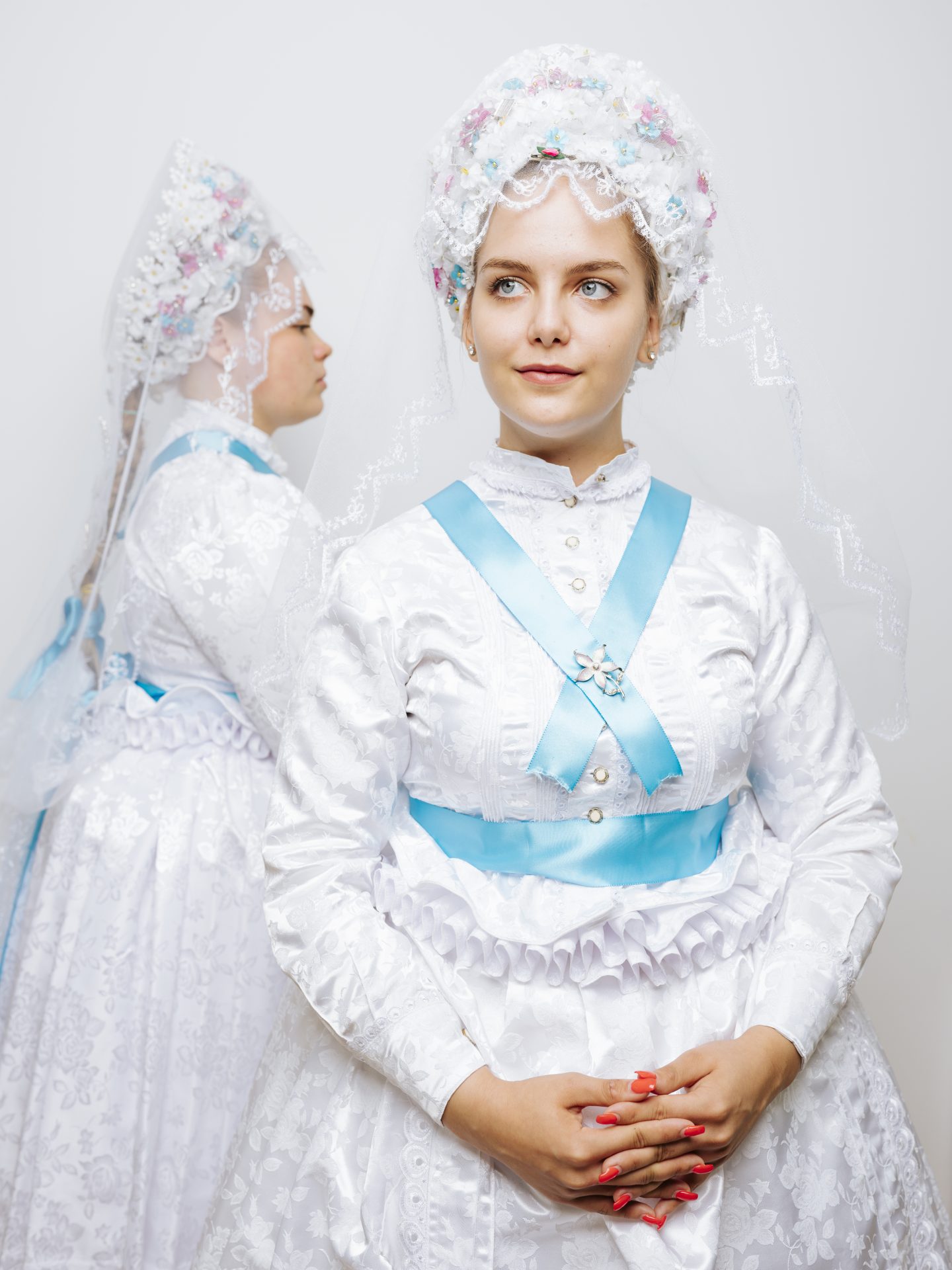
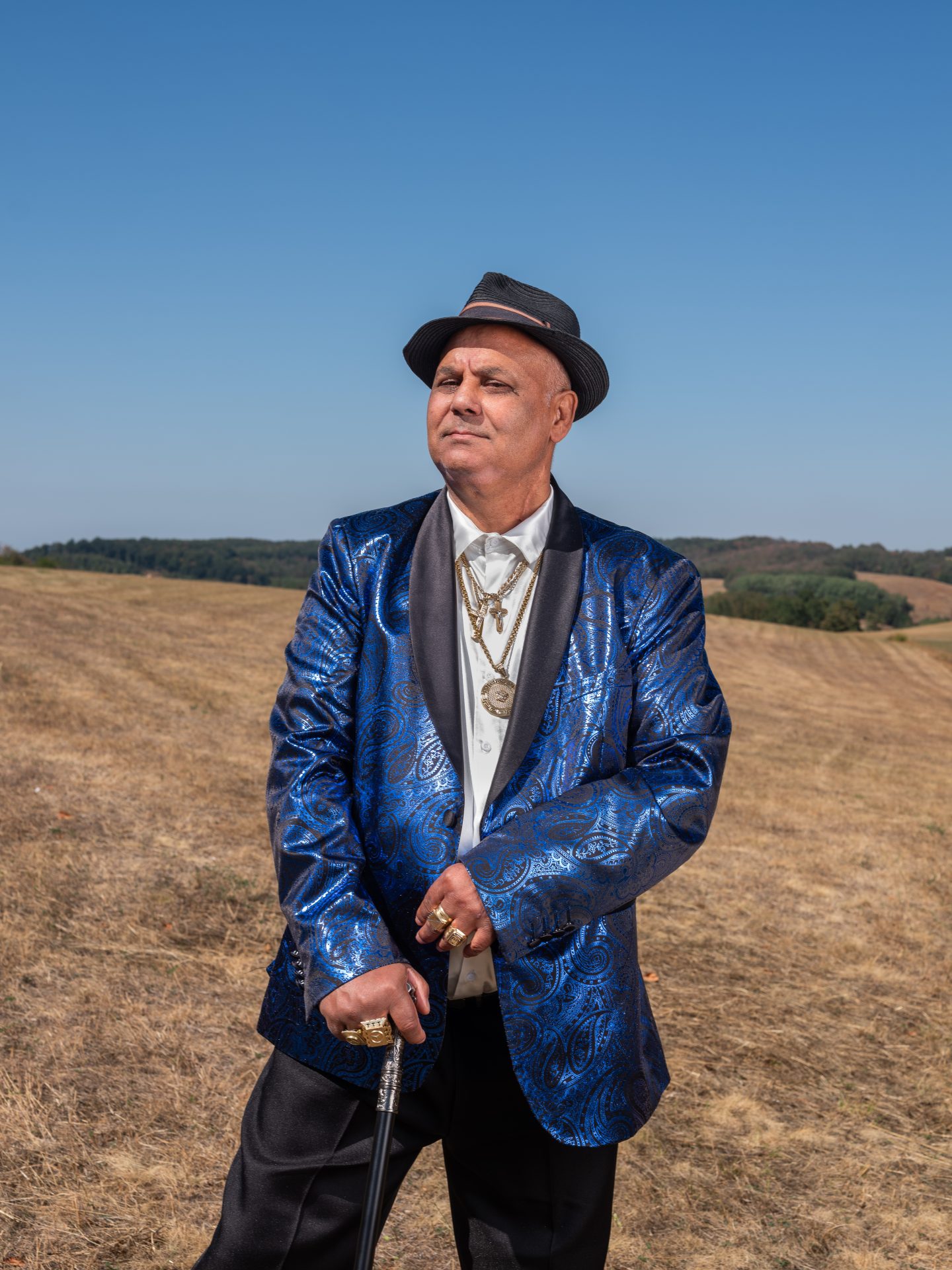
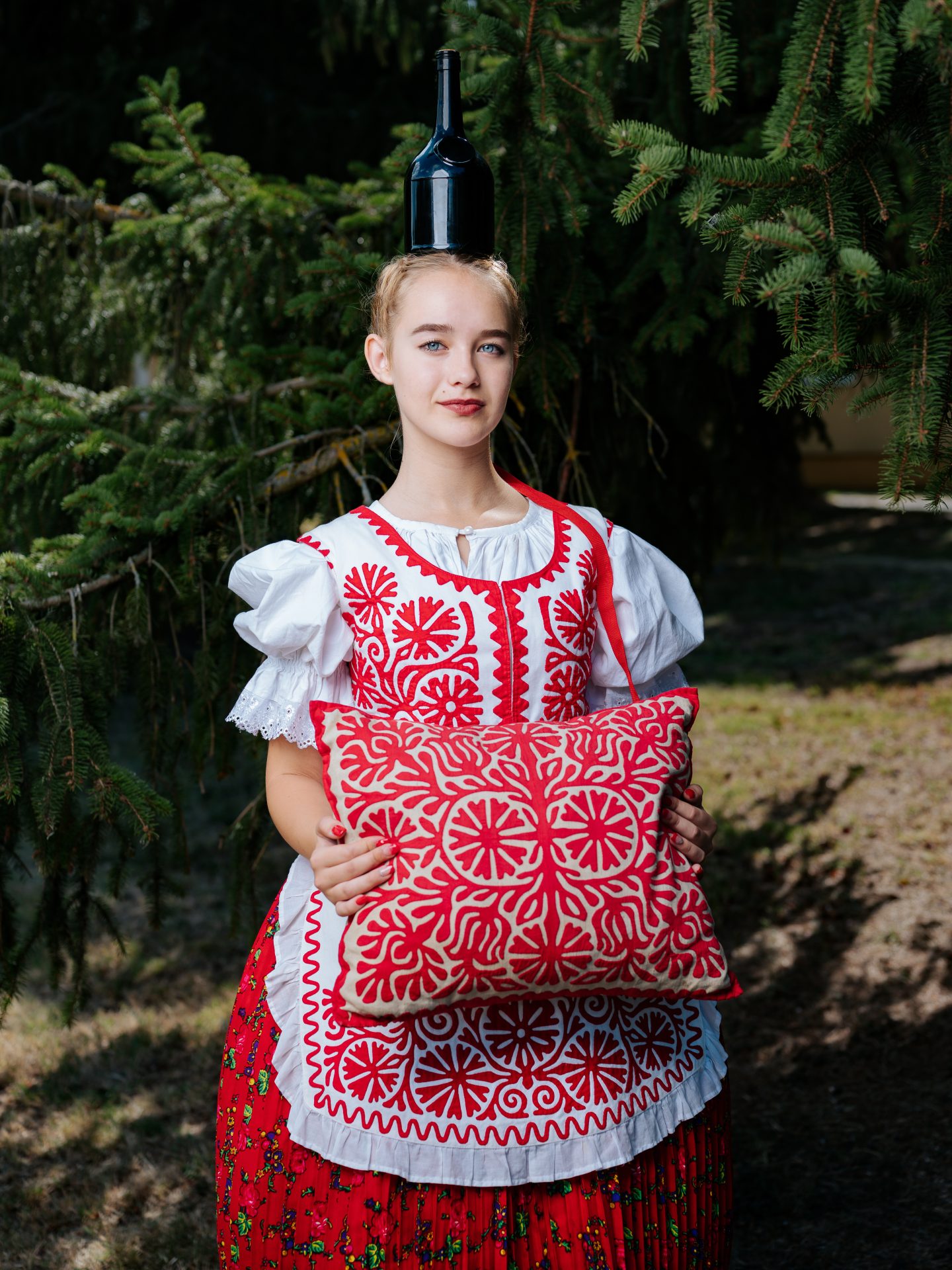
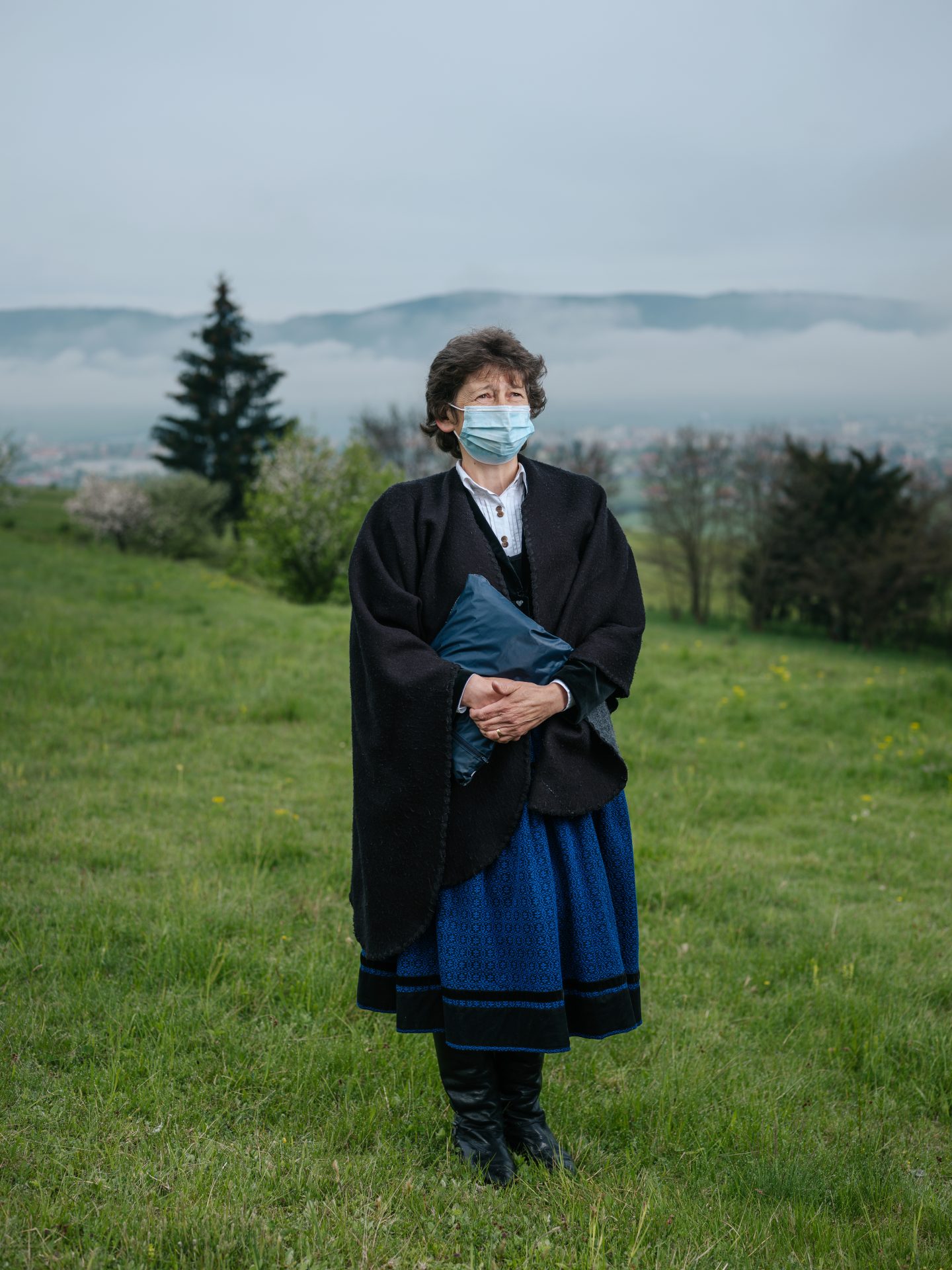
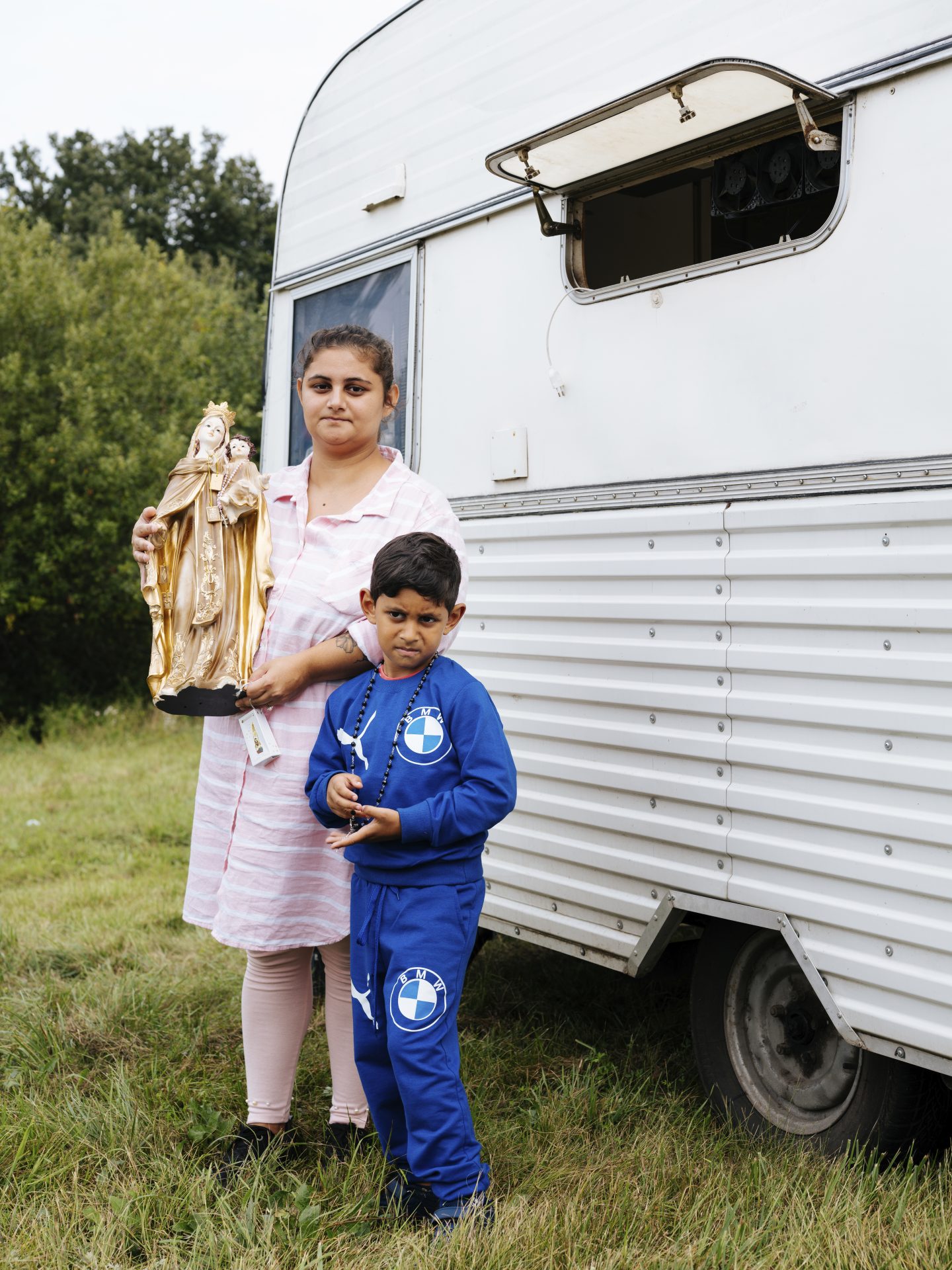
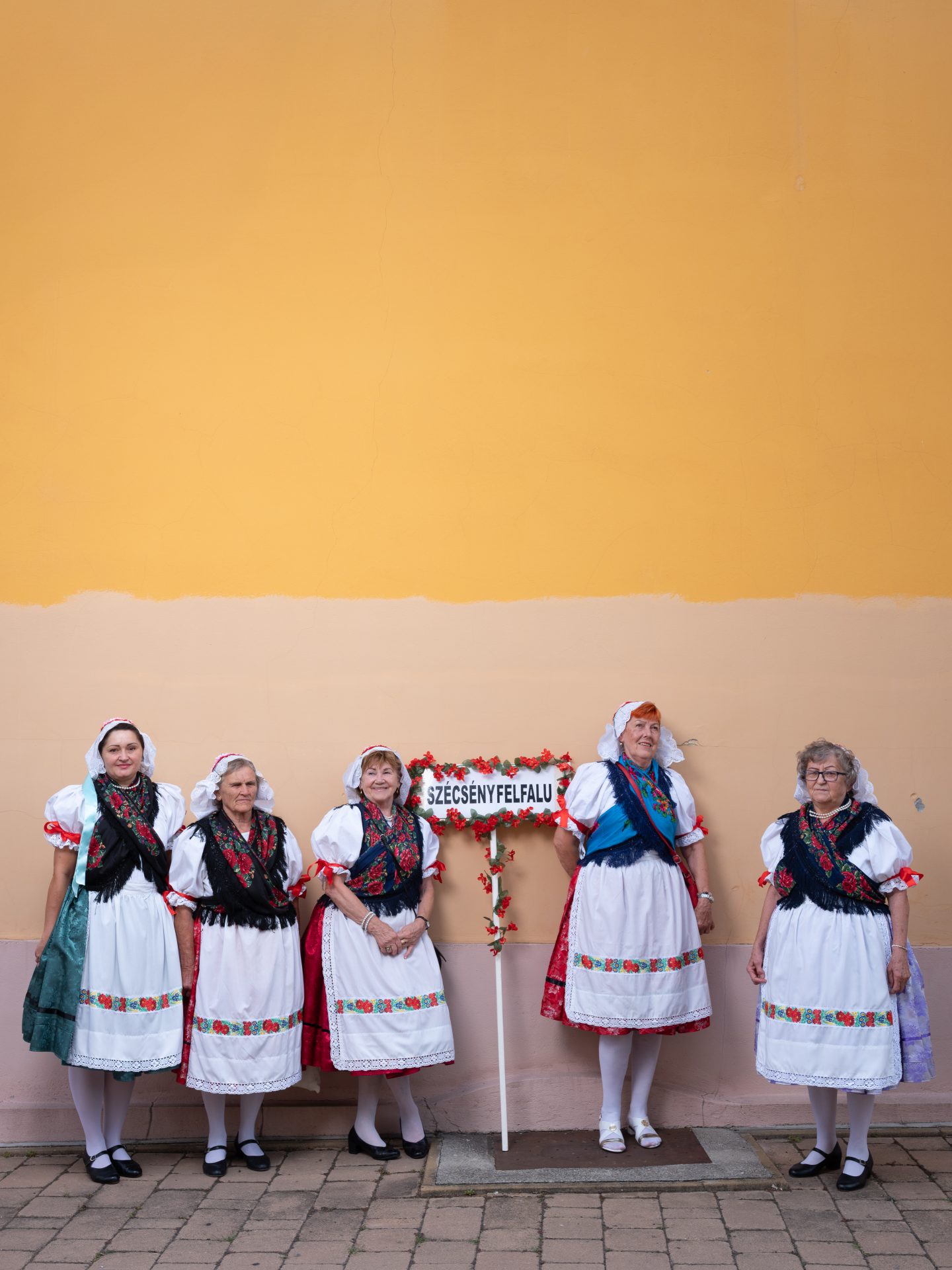
The documentary snapshots, staged portrait photographs, and object installations form a subjective picture of the pilgrimage sites of Hungary and the Hungarian communities beyond its borders. At the root of my work remains the drive of documentary practice and the desire to understand reality — even when the finished images show consciously chosen subjects alongside chance encounters. The “casting,” so to speak, is drawn by the diverse composition of society itself. The rituals found here are not only about religion, but about the sustaining force through which we keep alive our identity, our Hungarian heritage, our customs, and our traditional dress — in a Carpathian Basin fragmented by borders, where pilgrimages are gradually losing their popularity, village festivals are steadily disappearing, and, among younger generations, the stage for communal experience is shifting into the online sphere.
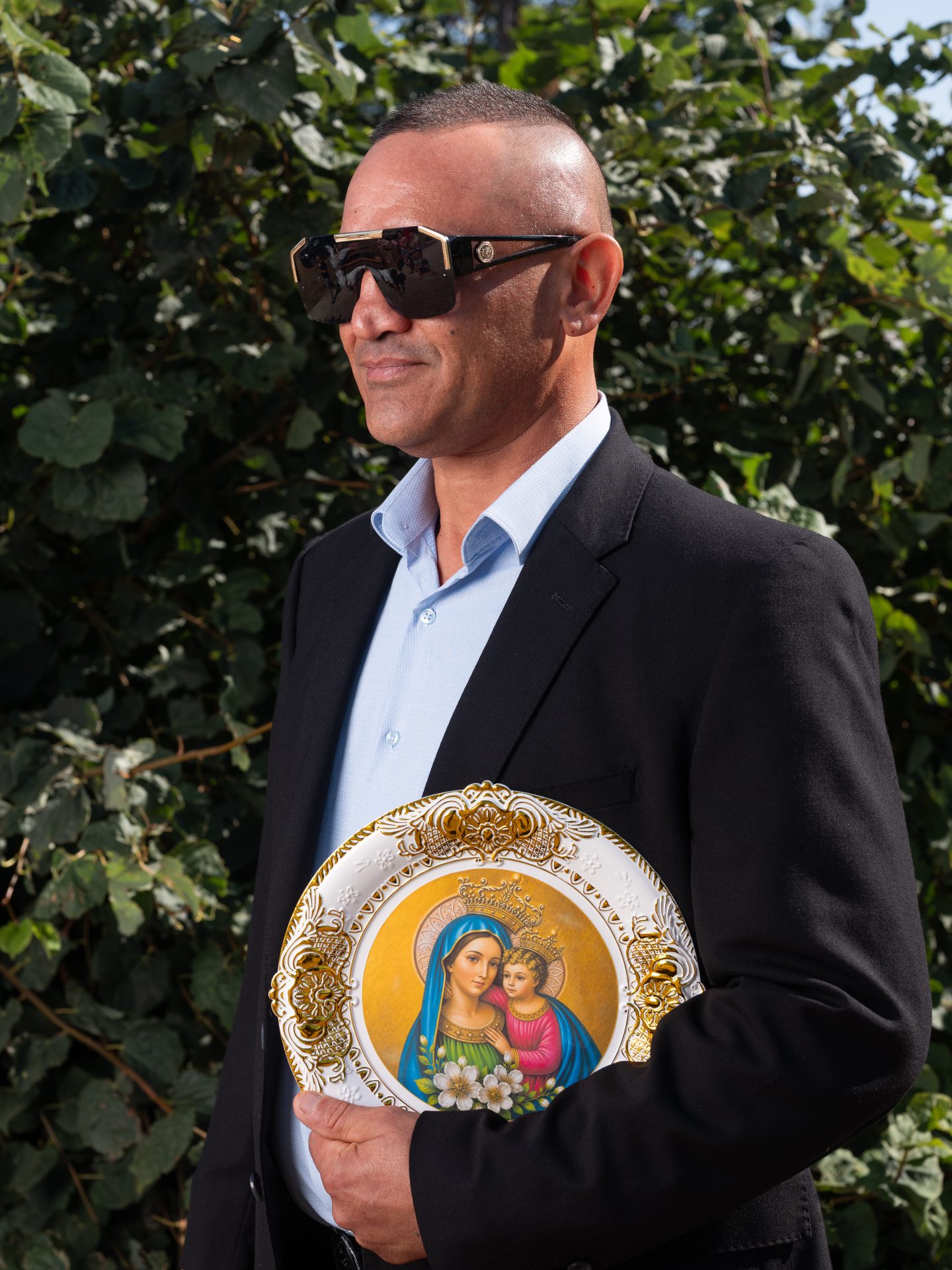
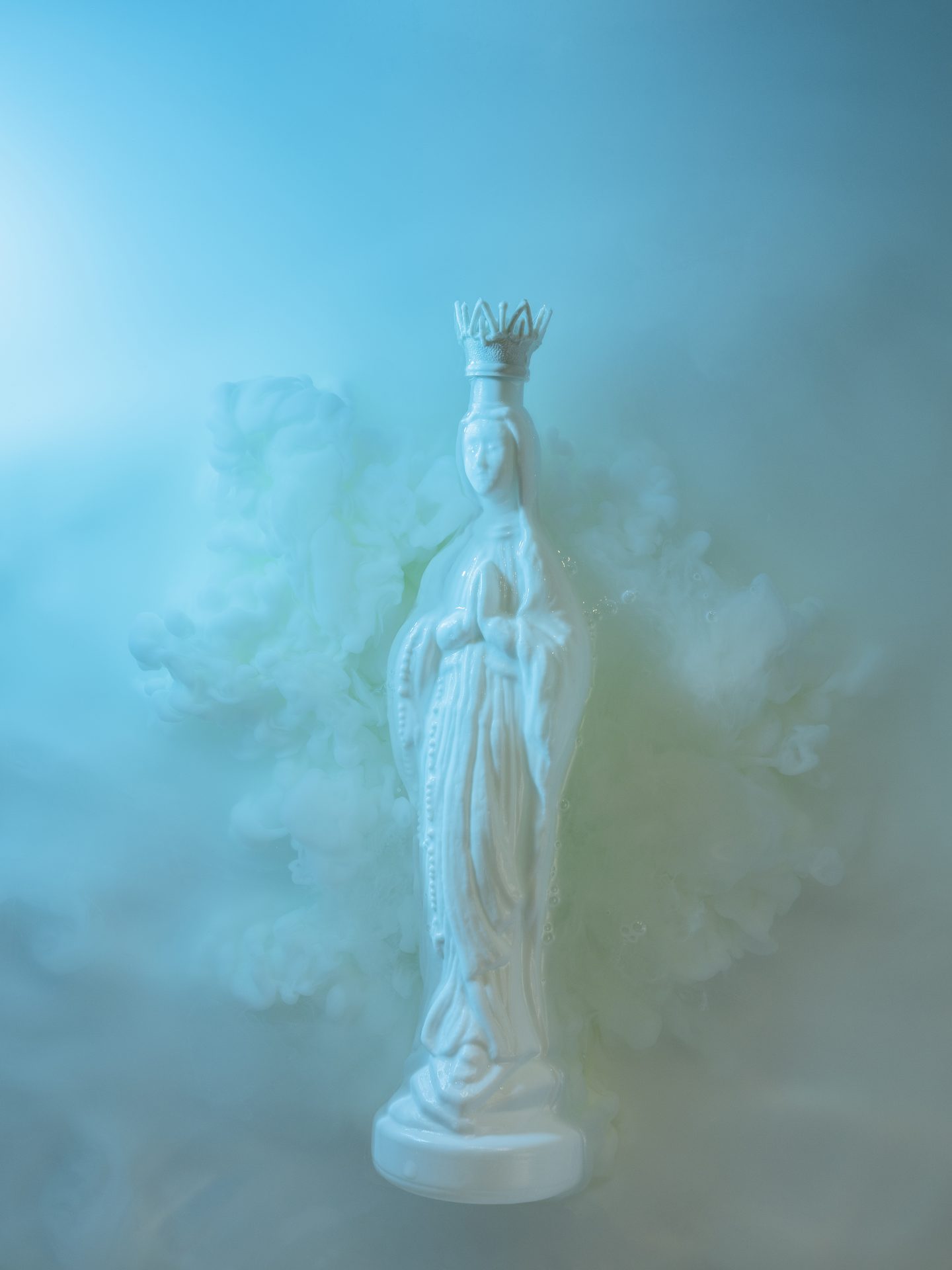
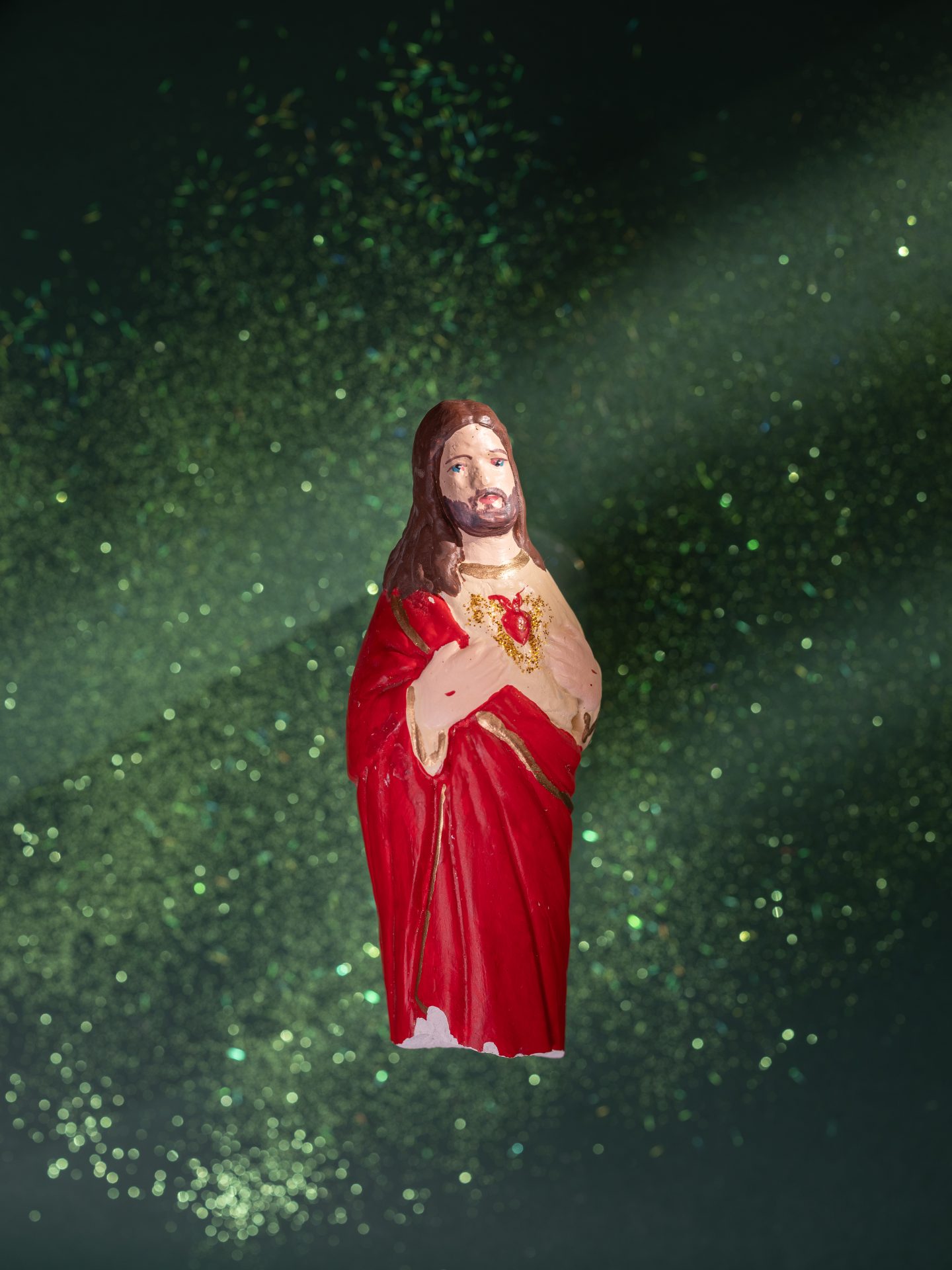
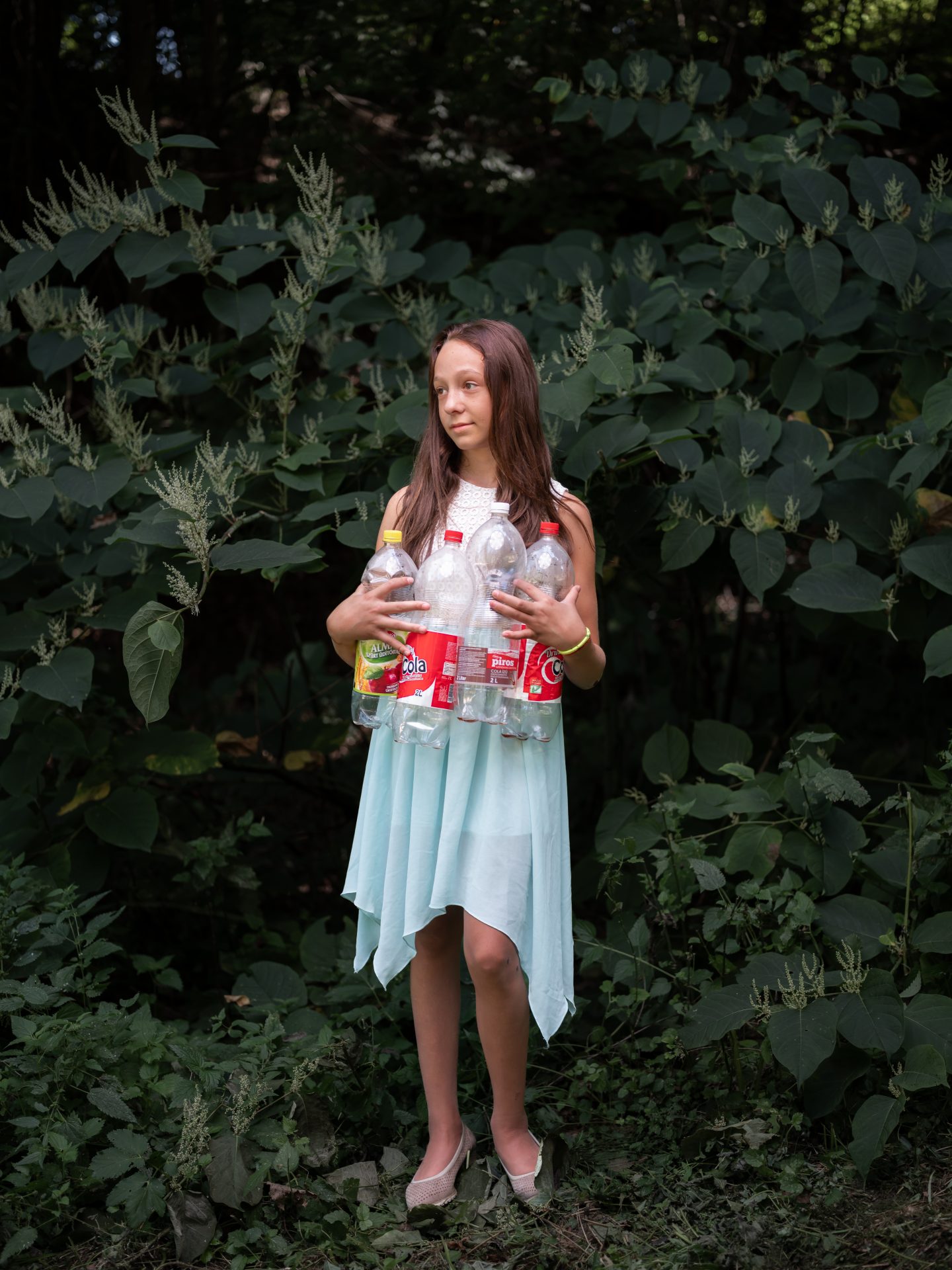
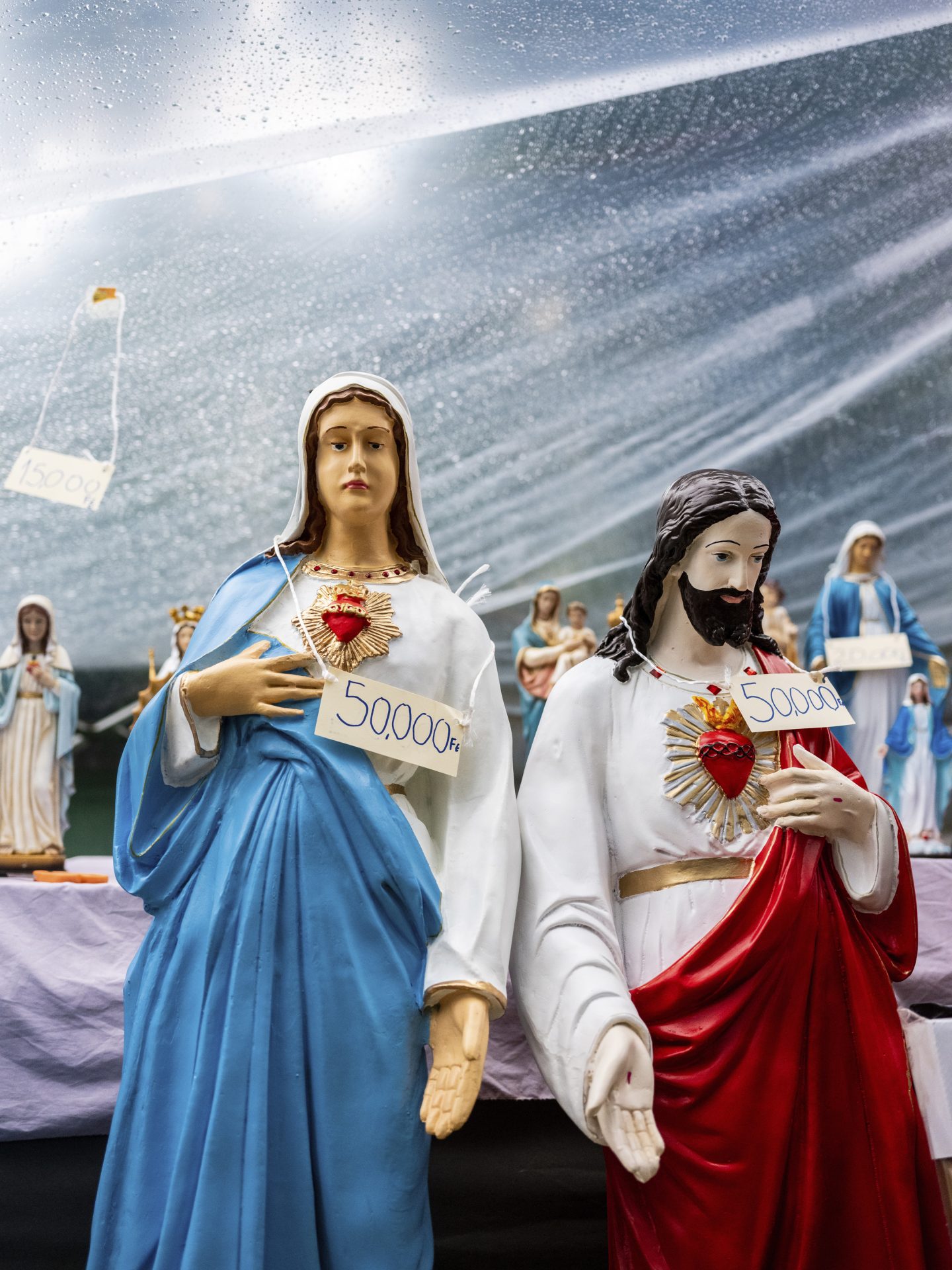
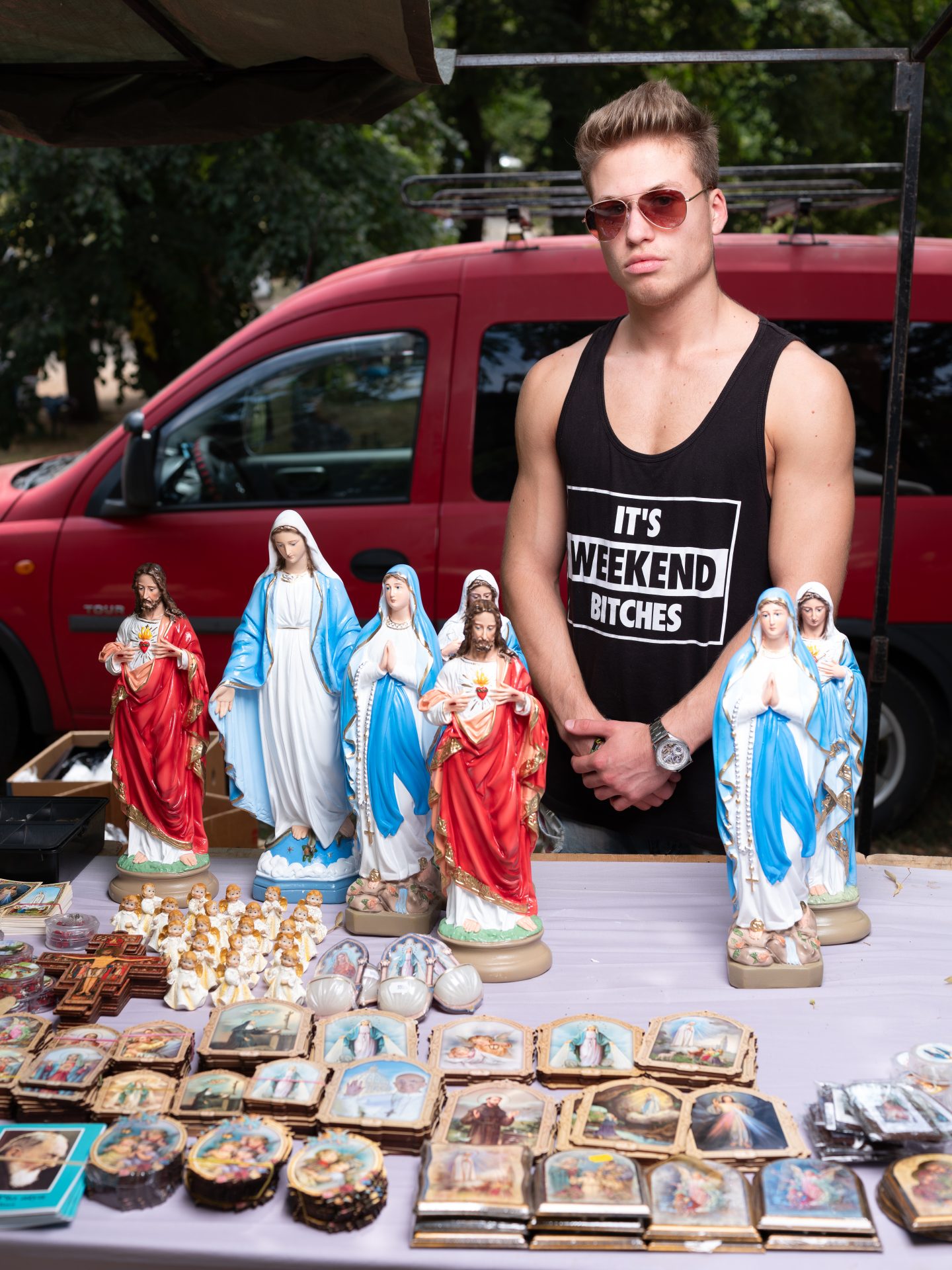
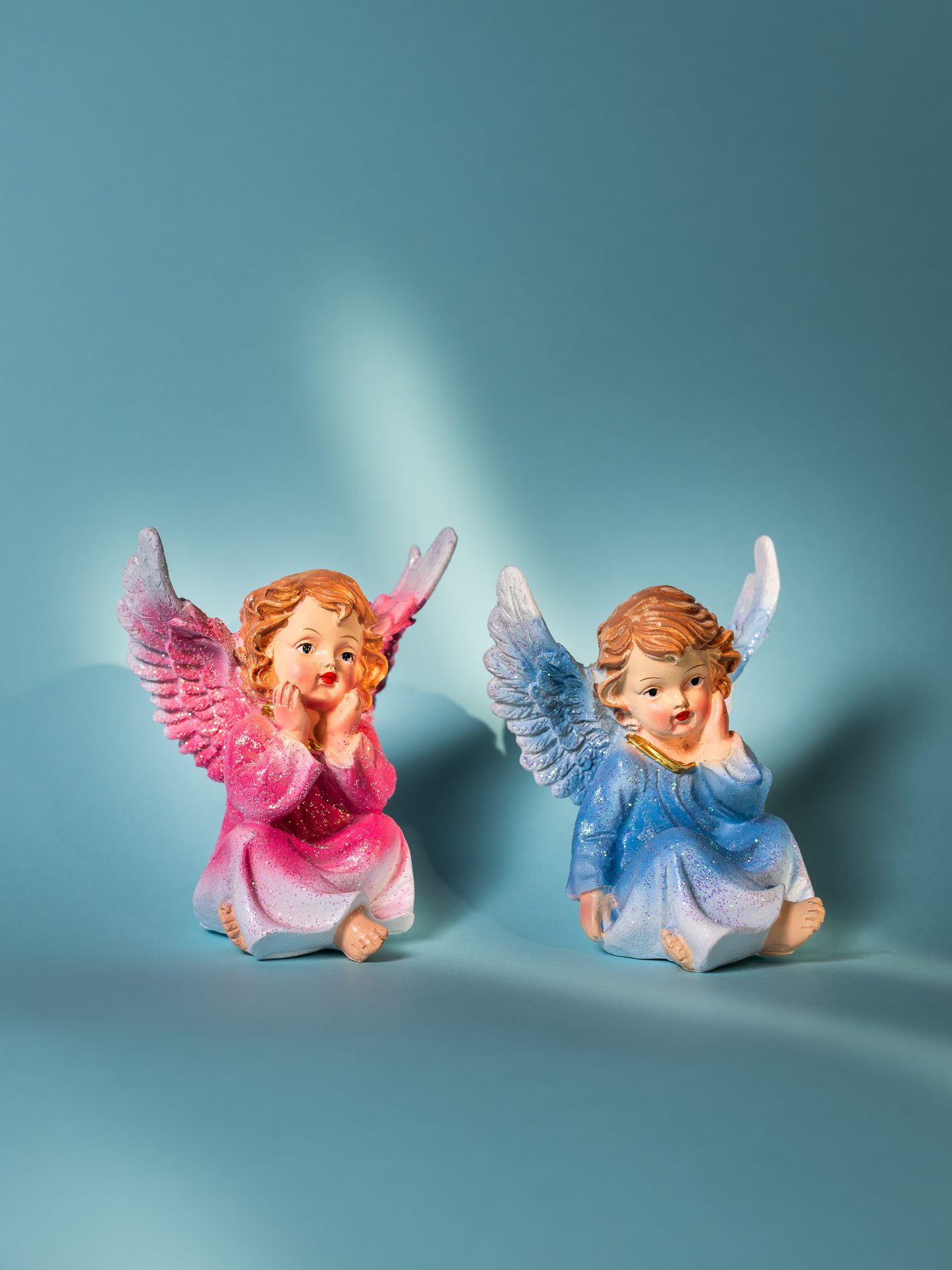
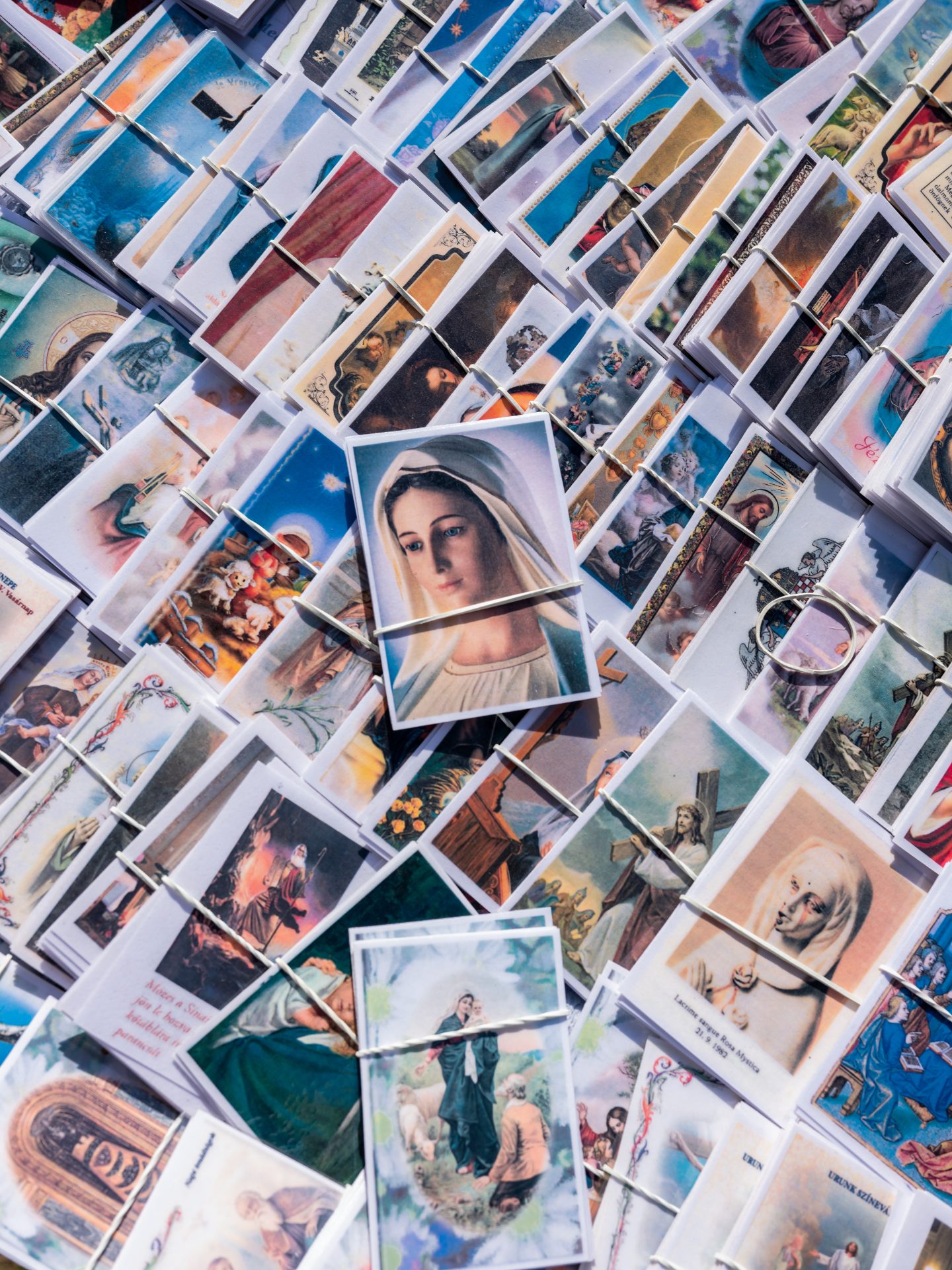
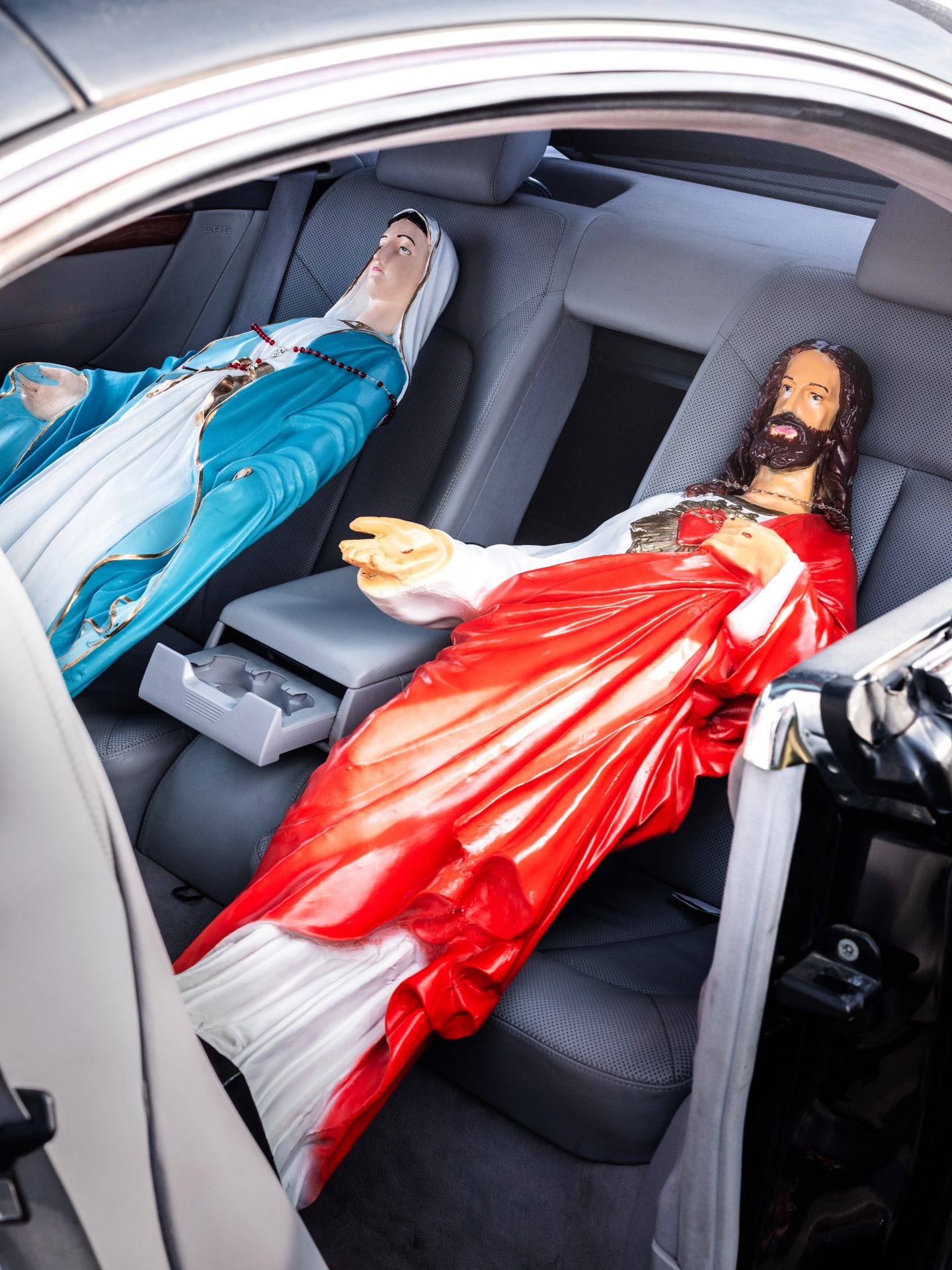
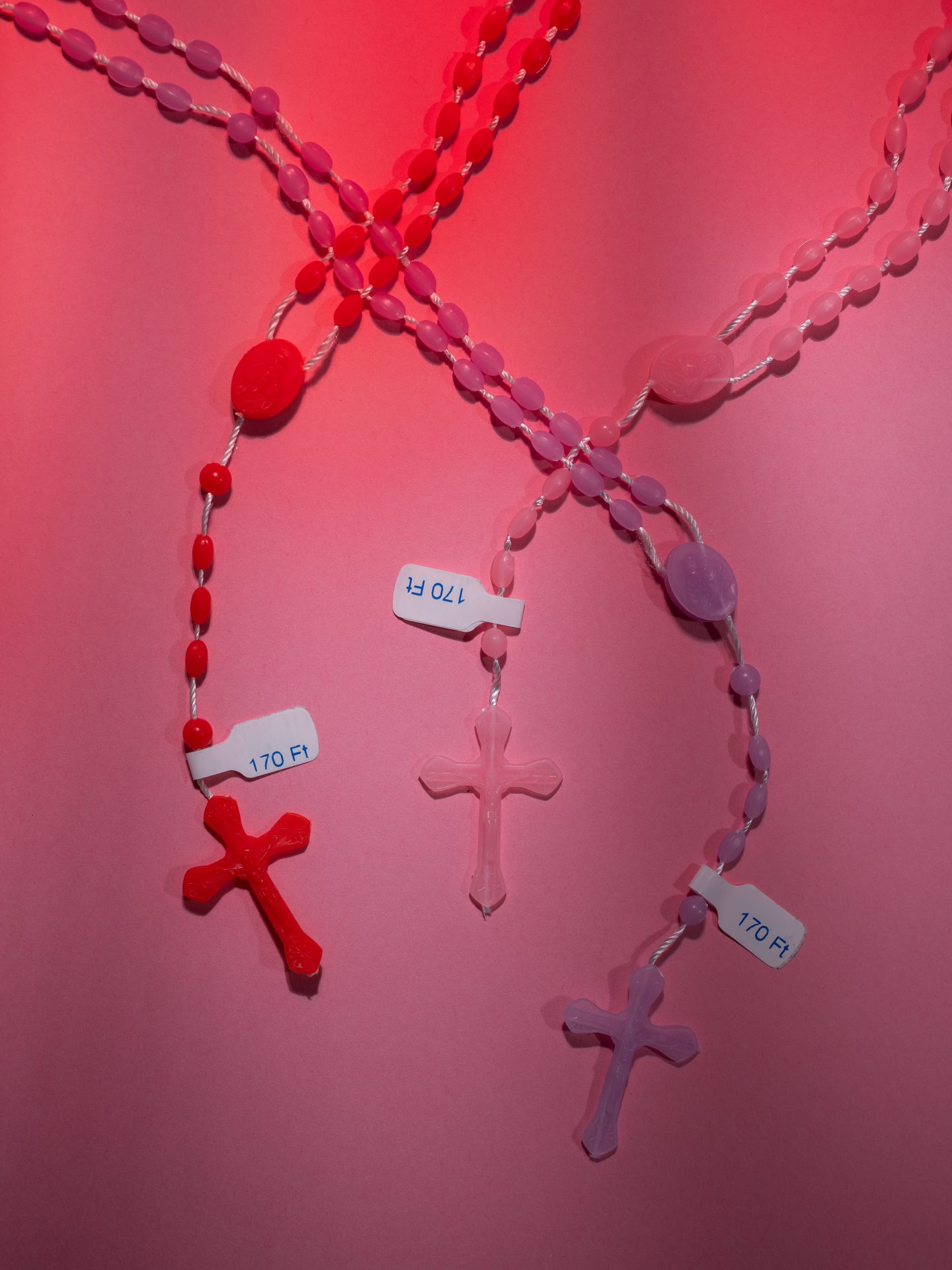
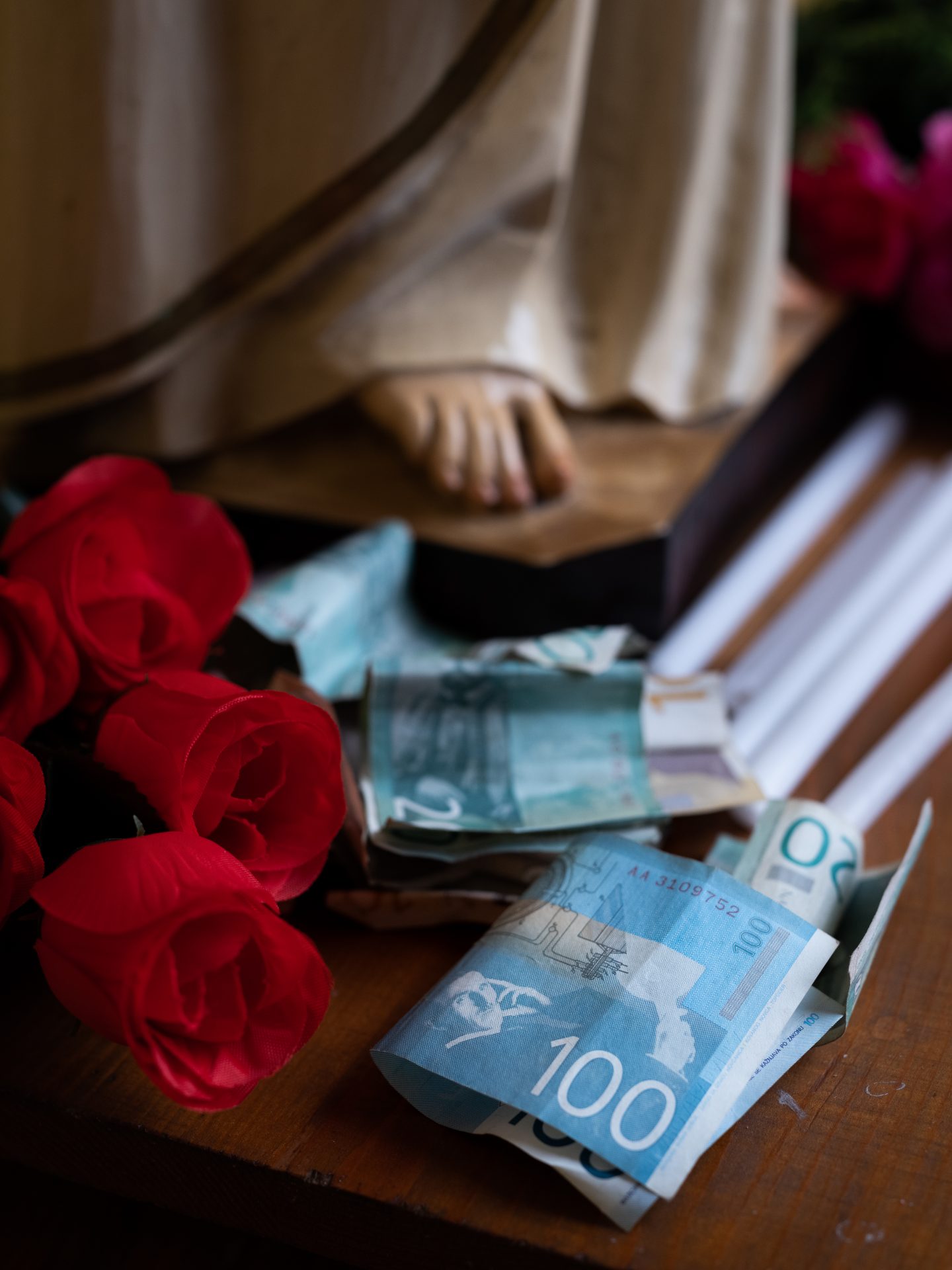
Religious kitsch — one of the most widespread forms of kitsch — is clearly visible in these pilgrimages and in the world of devotional trinkets found at the fairs. The kitsch present in religious objects serves devotion and is believed to bring the faithful closer to God. Religious feeling often takes shape in an object meant for profane purposes — a plastic water bottle bearing an image of the Virgin Mary, or a paper tissue printed with an image of Jesus. But there are also souvenirs that, in their simplicity and shallowness, bow to the dictates of mass production, standing in contrast to the old ideal of tradition-based craftsmanship. Throughout history, the privilege of hosting a pilgrimage fair has contributed to the prosperity and renown of individual towns — a fact that, notably, was one of the causes behind an earlier schism within the Church.
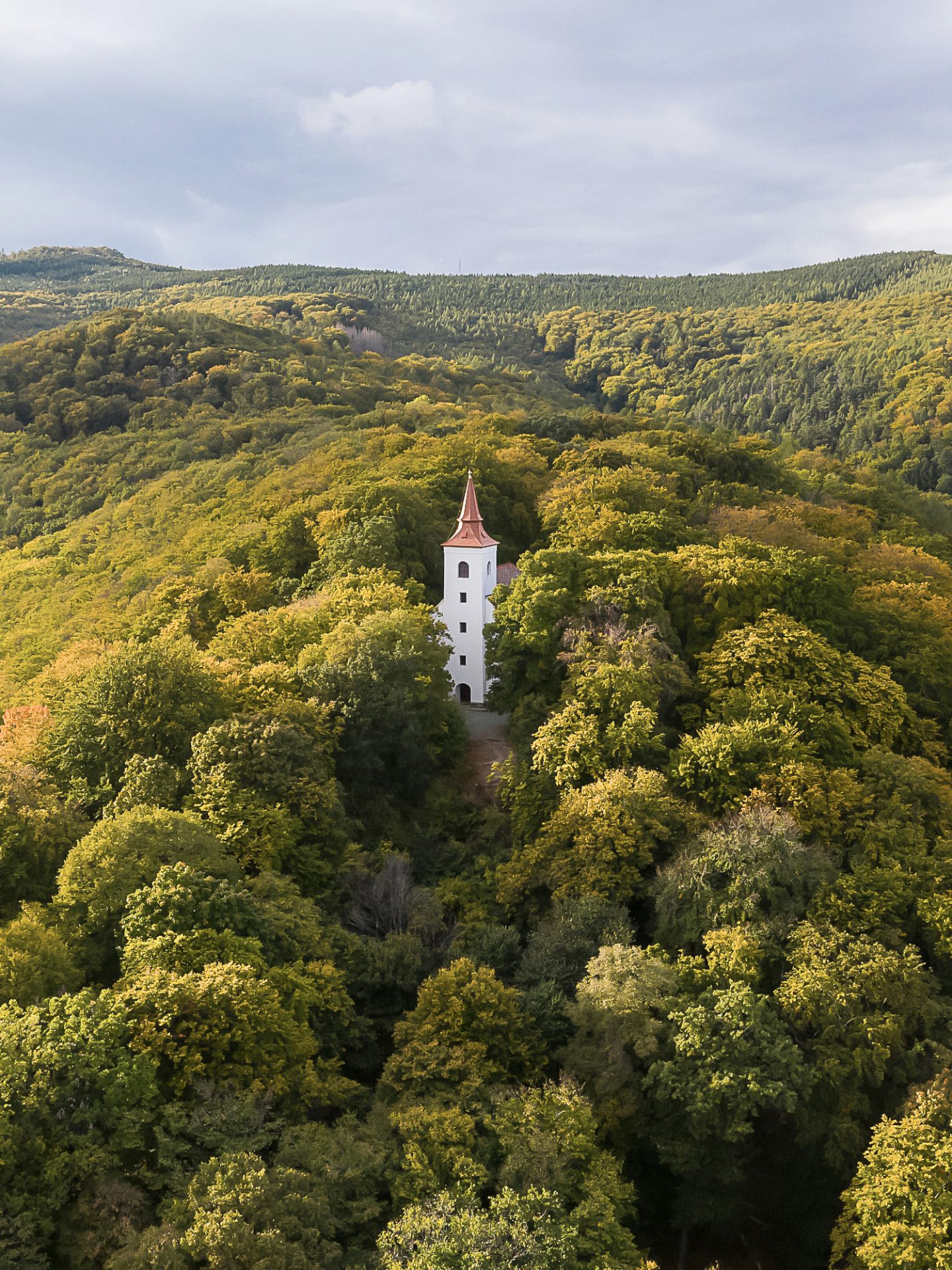
At the same time, pilgrimage has become a distinguished holiday, one that gives people the chance to form a community, to rejoice in one another’s company, in sacred places, in sacred time — at sites where some kind of miracle once took place. As in Máriapócs, where the icon of the Virgin Mary began to weep; or in Andocs, where angels are said to have carried the sacred statue from Kalocsa to escape the Ottoman threat; or in Mátraverebély-Szentkút, where a miraculous spring burst forth and a mute boy suddenly regained his speech.
These sacred sites carry a sustaining power; they preserve the community that has formed around them. Yet the celebration itself is constantly transforming —in ten years it will not look the way it does today. These pilgrimages are part of a cultural fabric that transcends borders. They reinforce the lived experience of identity and belonging. They are one of the last opportunities for a community to physically come together — in dress, in language, in custom. Even so, in many places this has now turned into a fair, a festival-like experience.
Over the past eight years, my continually expanding photo series has captured scenes of life from countless locations — among them Andocs, Balassagyarmat, Csatka, Csíksomlyó, Doroszló, Gyöngyös, Petőfiszállás, Vecsés, and Mátraverebély-Szentkút. For me, photographing these pilgrimages — before they vanish for good in their current form — is also an act of cultural preservation and personal commitment, carried out through my own means and my own way of seeing.
HOUSES BUILT ON SAND
Viktor Váradi 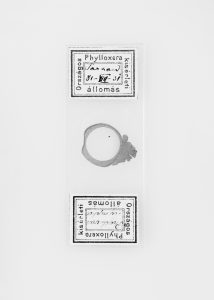
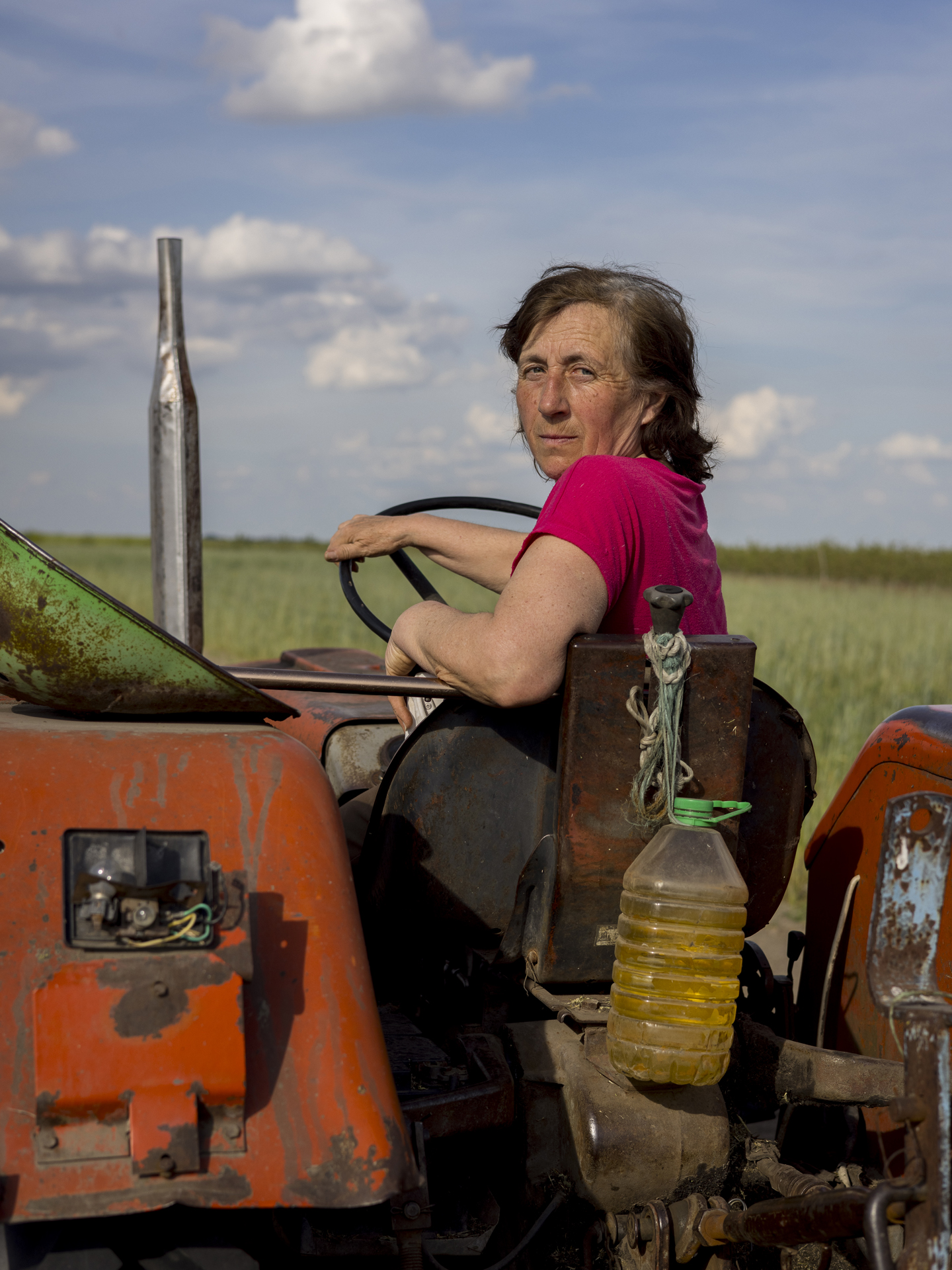
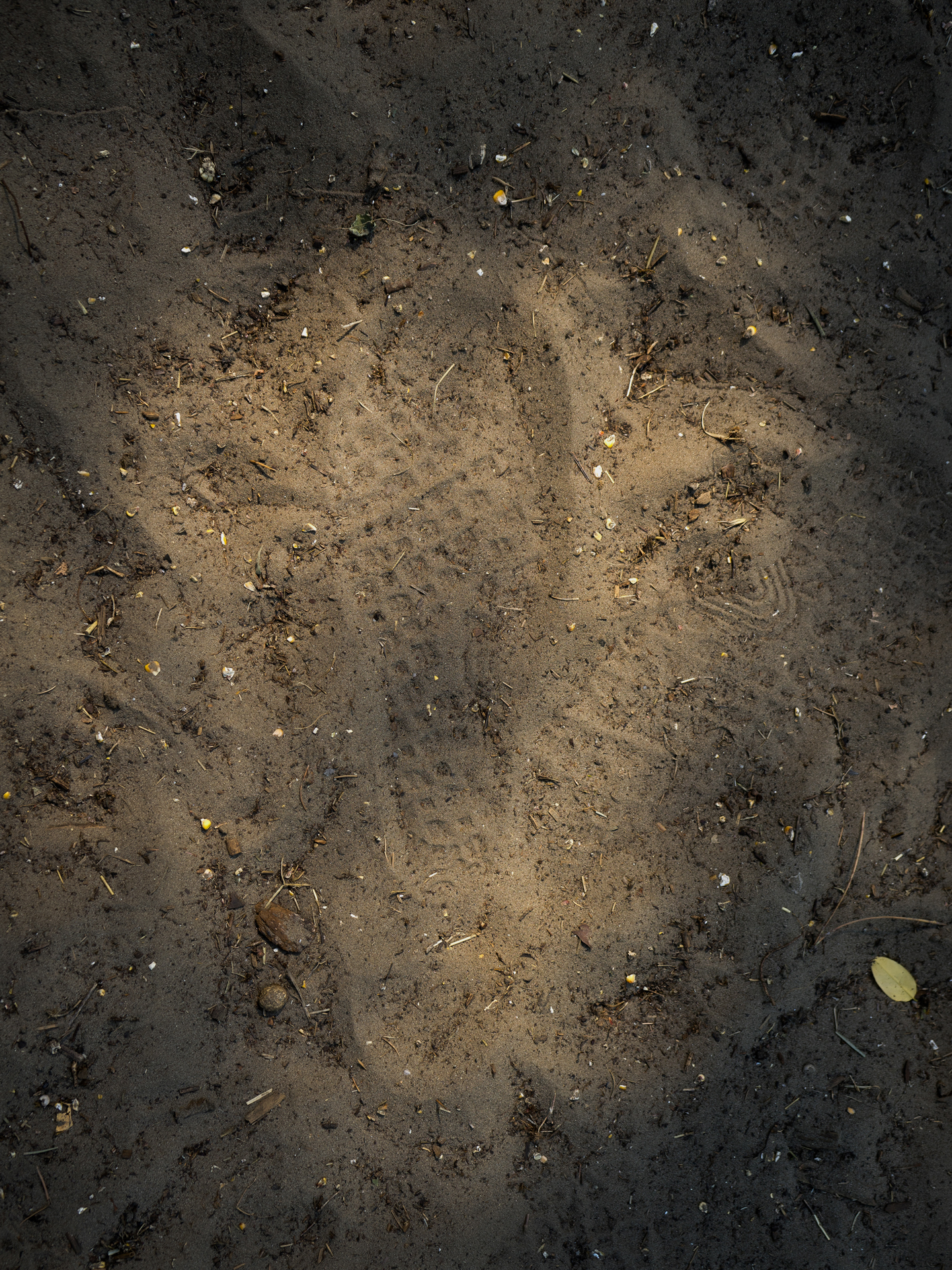
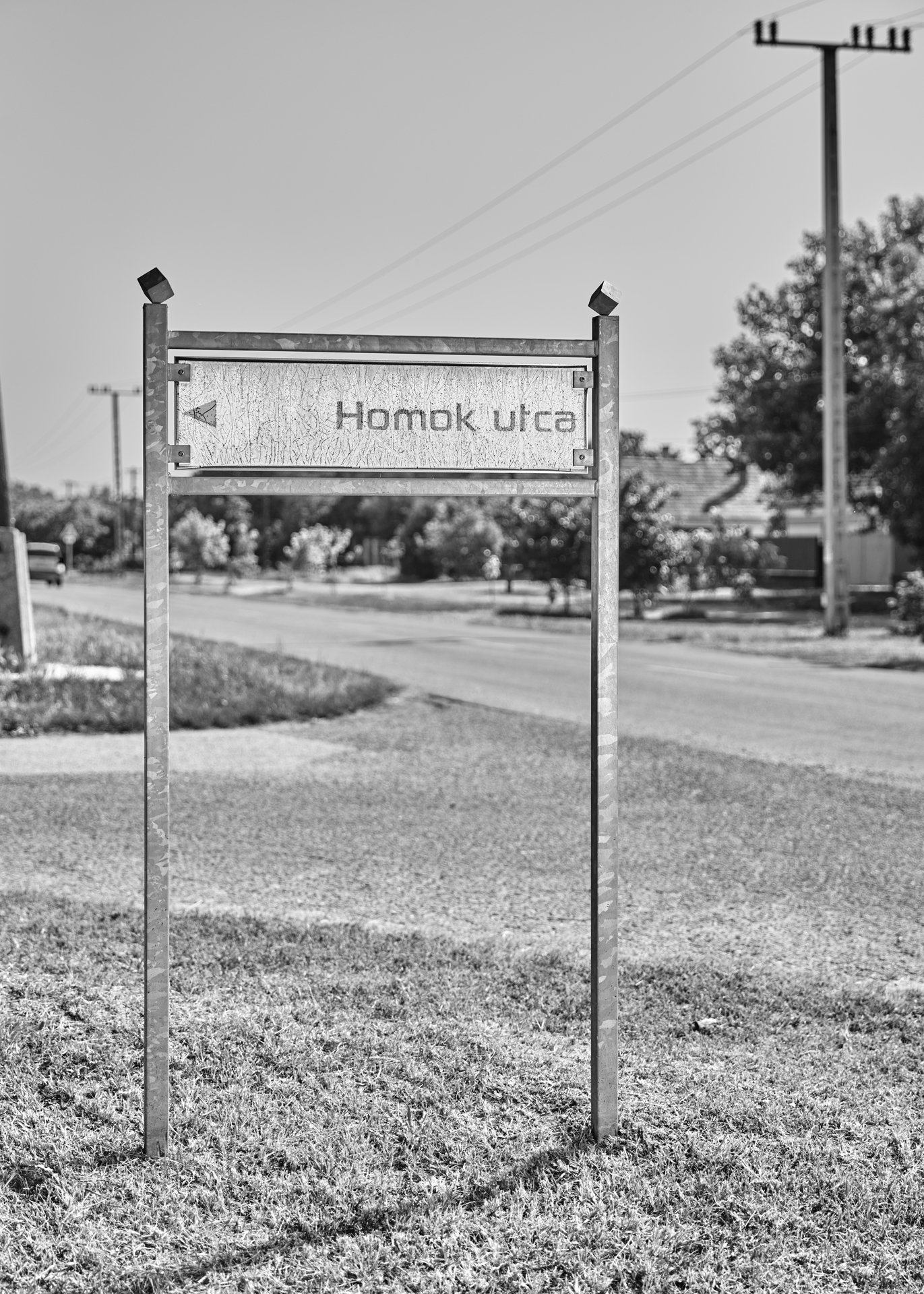
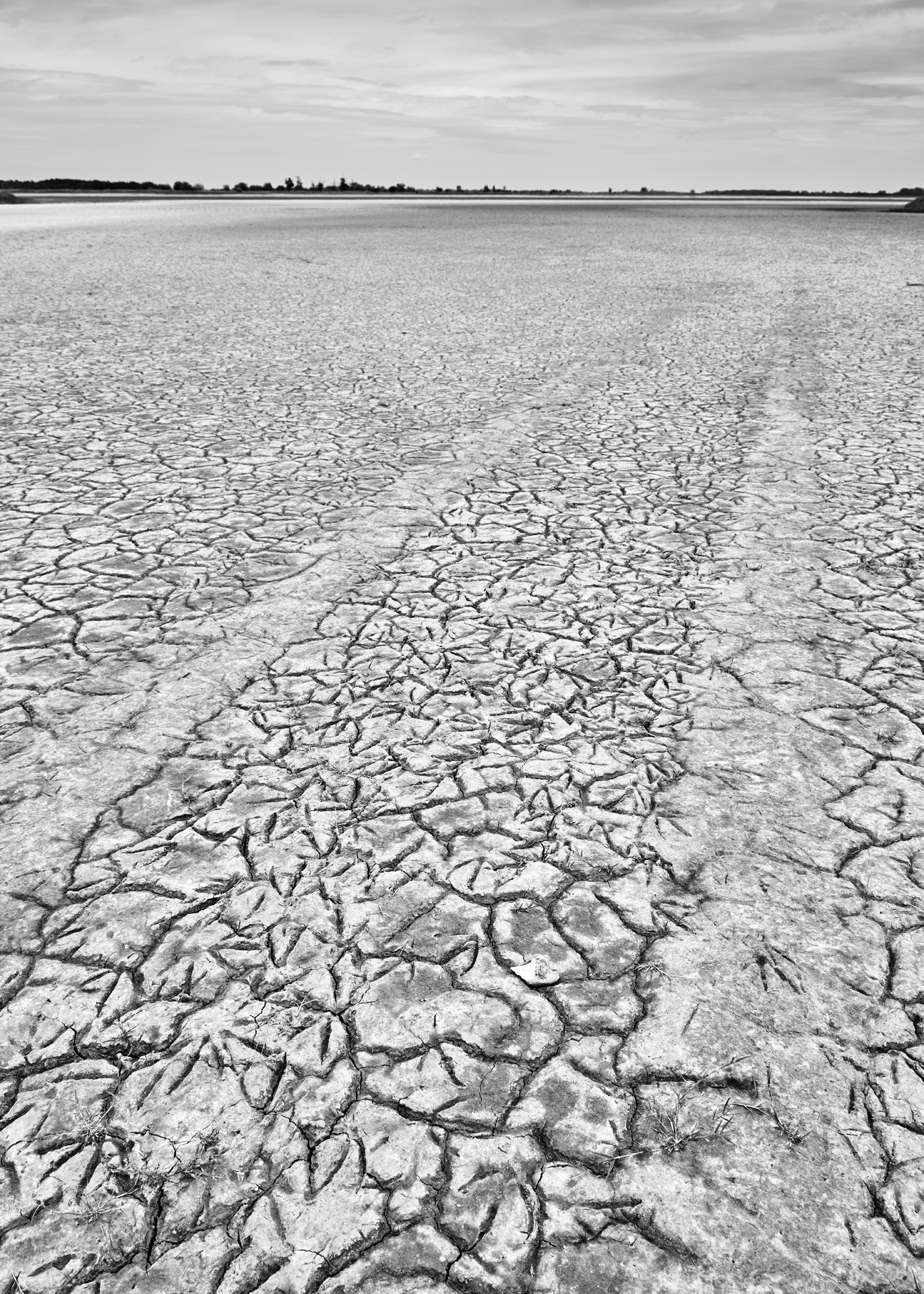
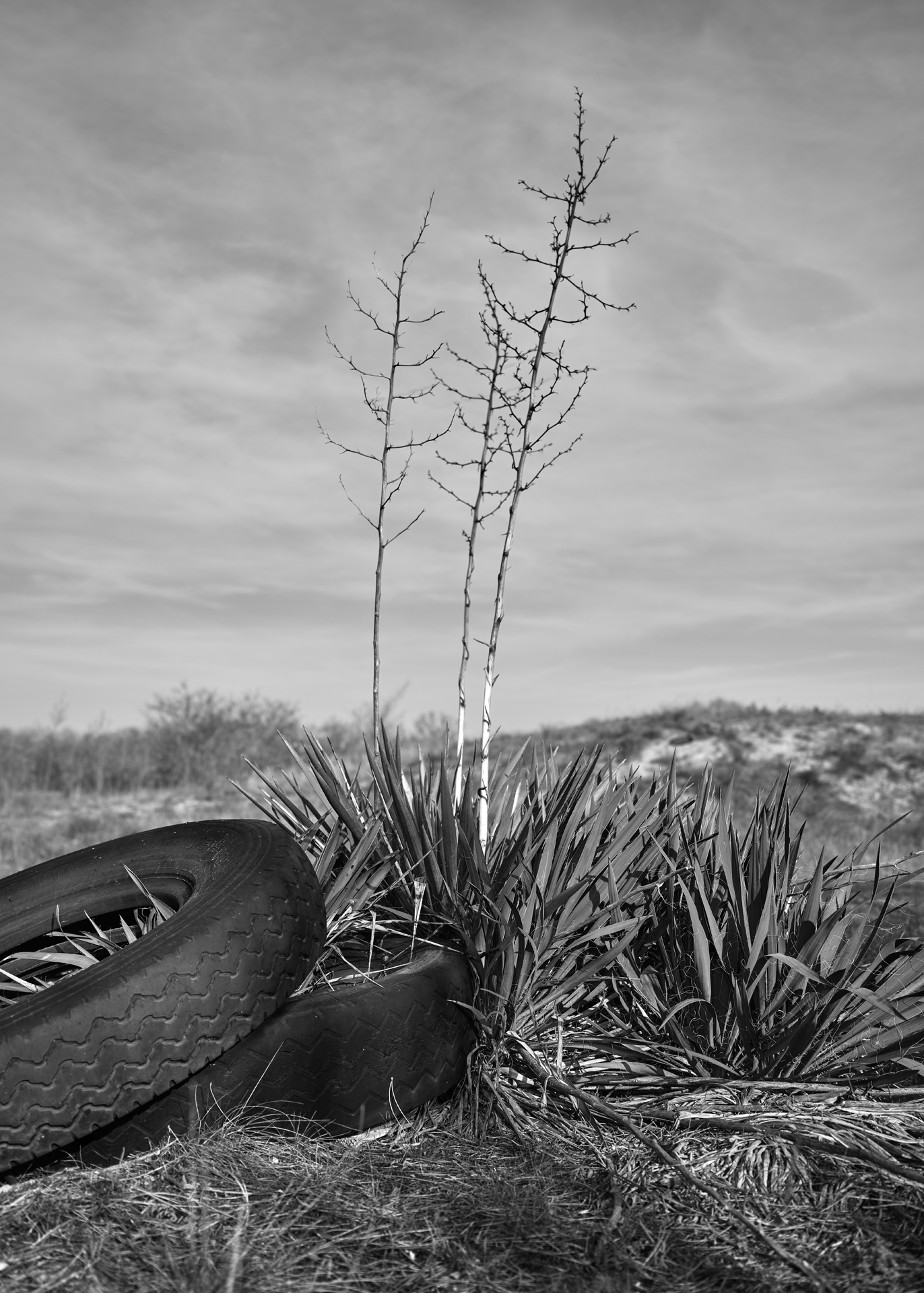
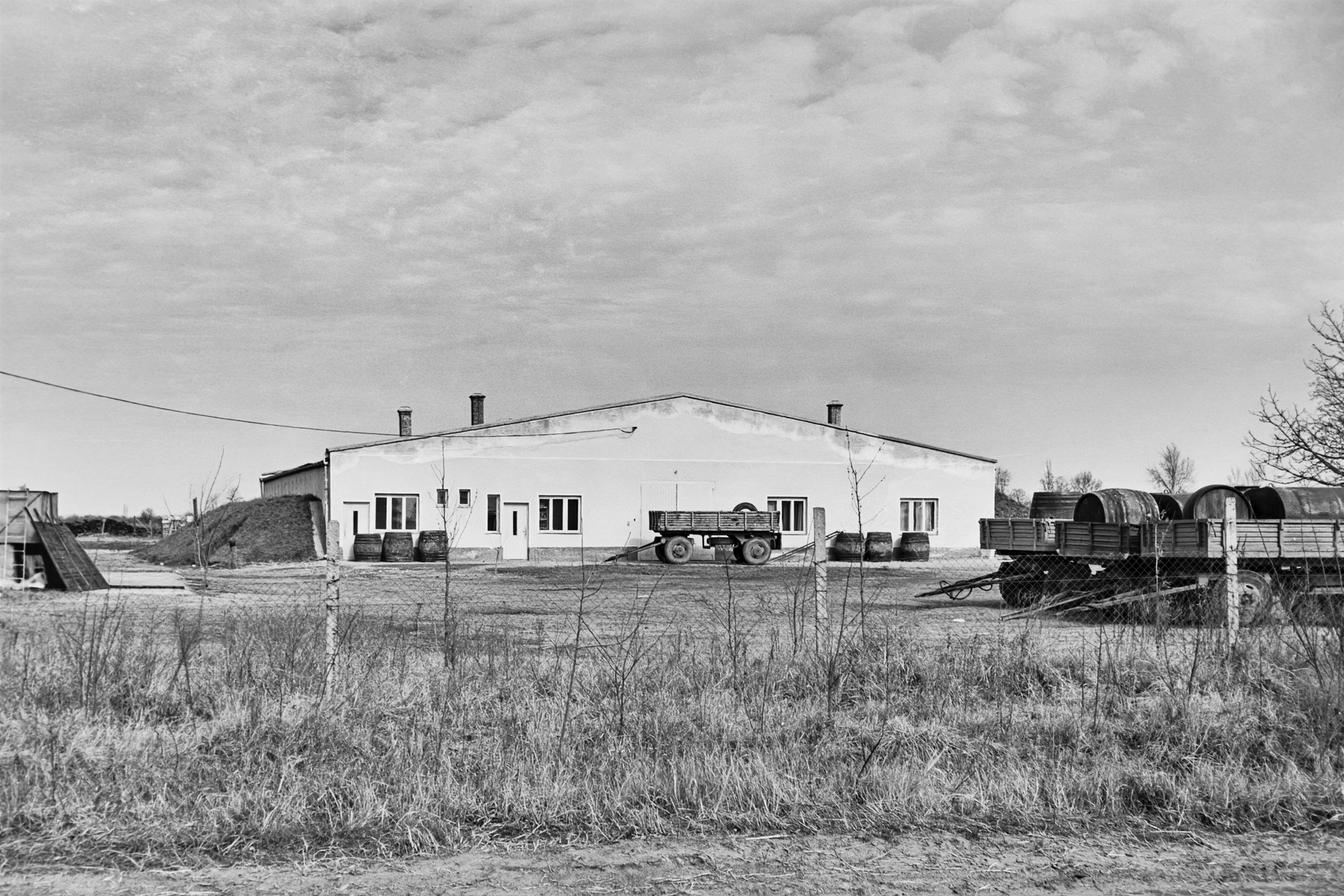
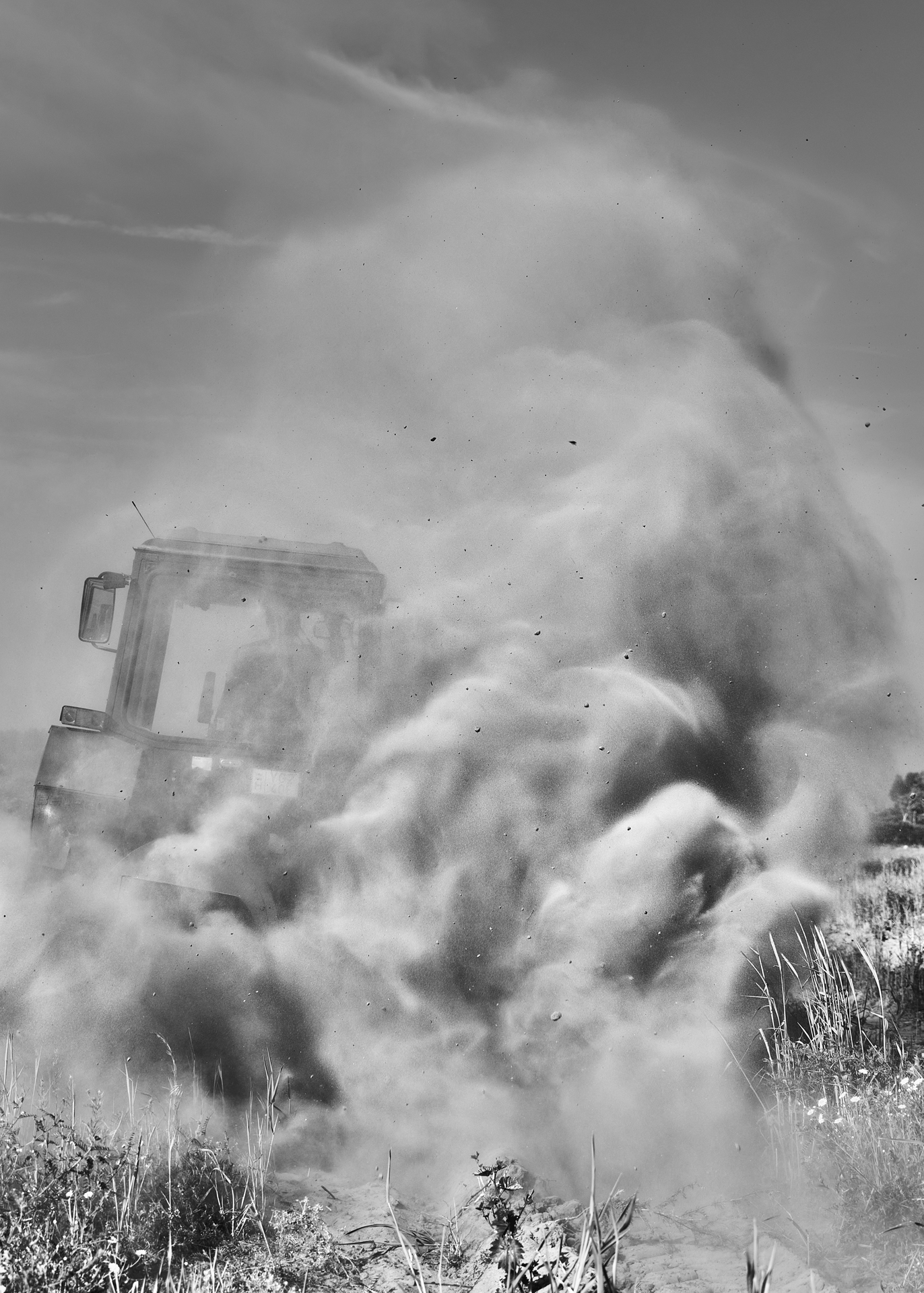
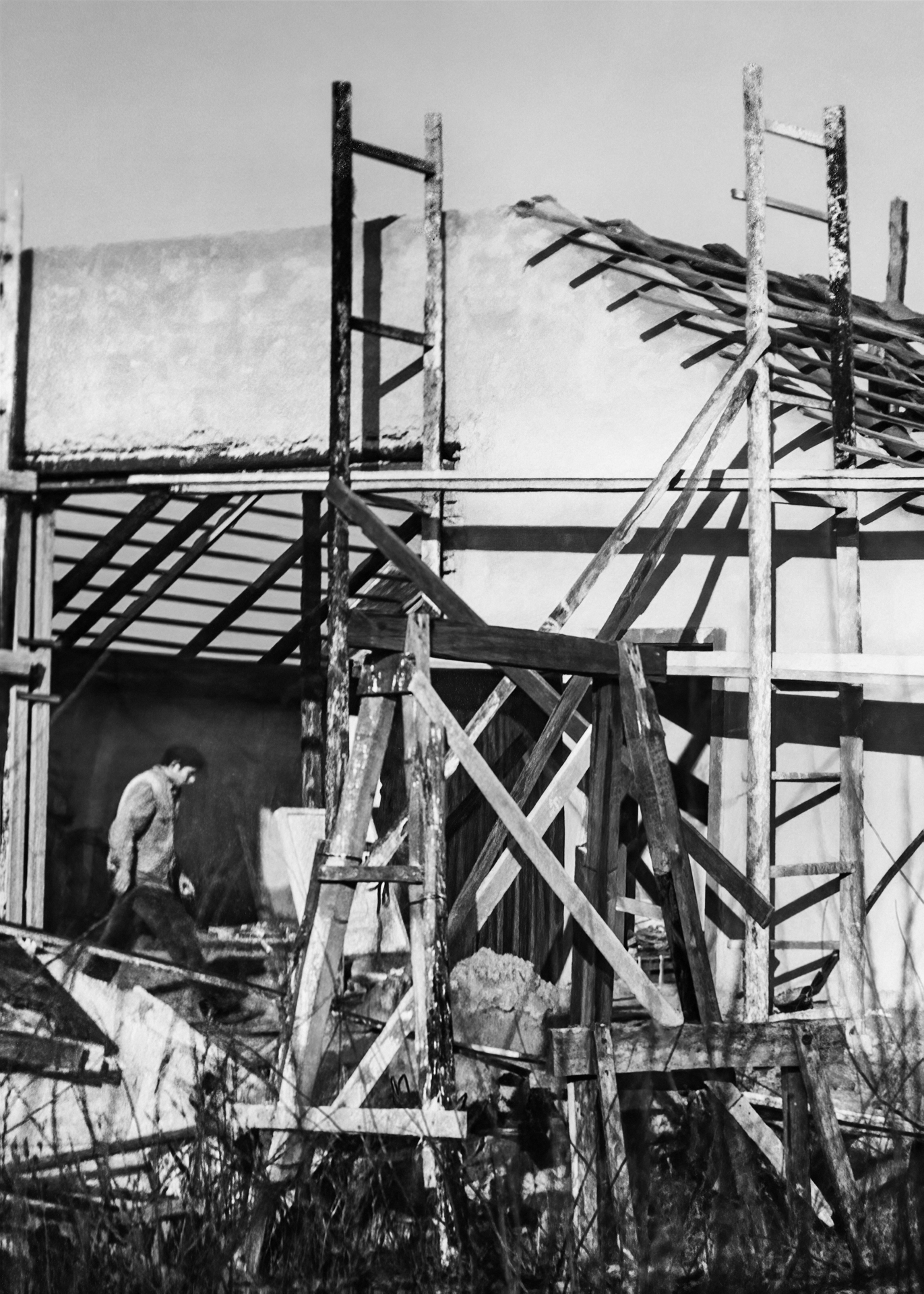
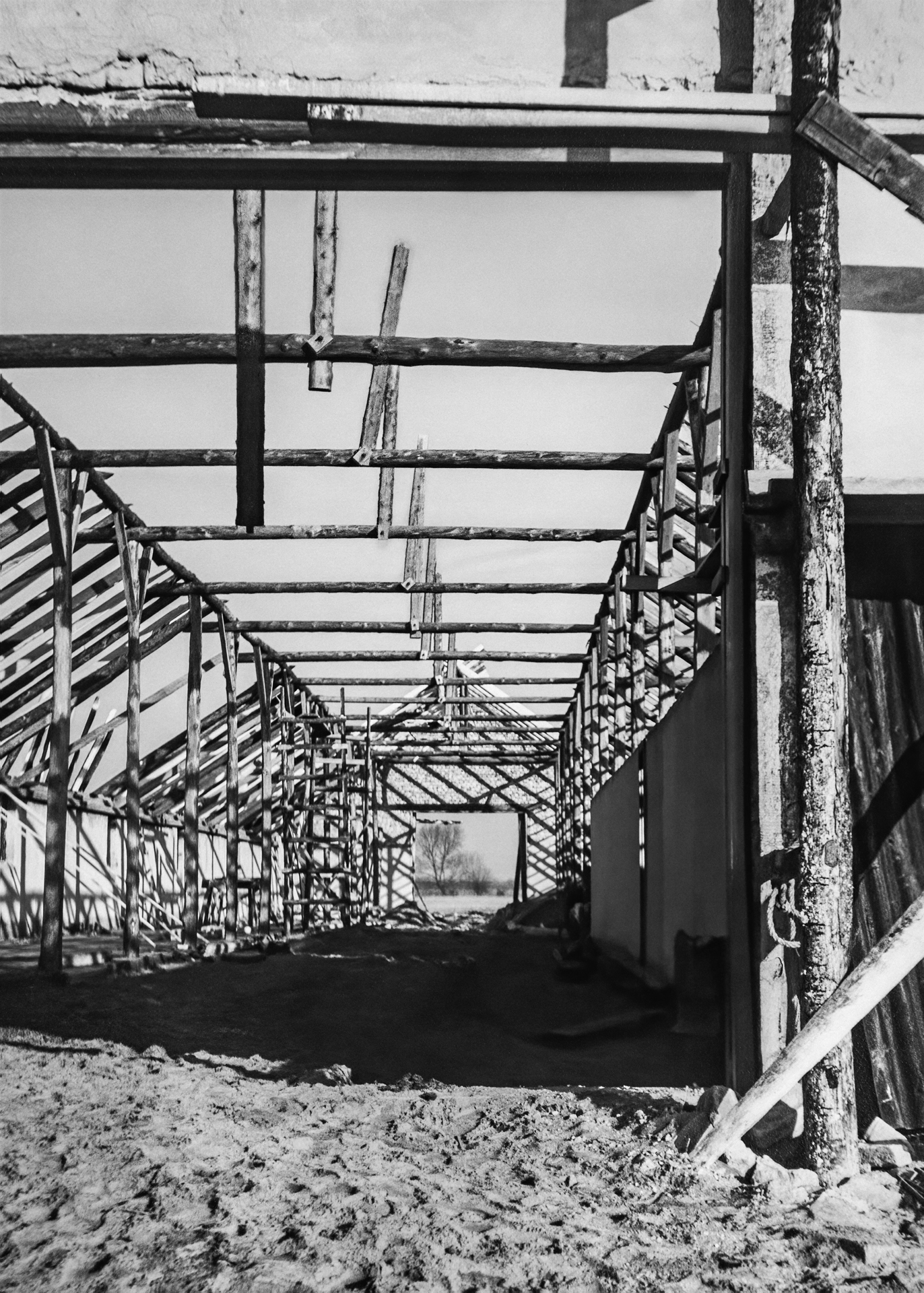
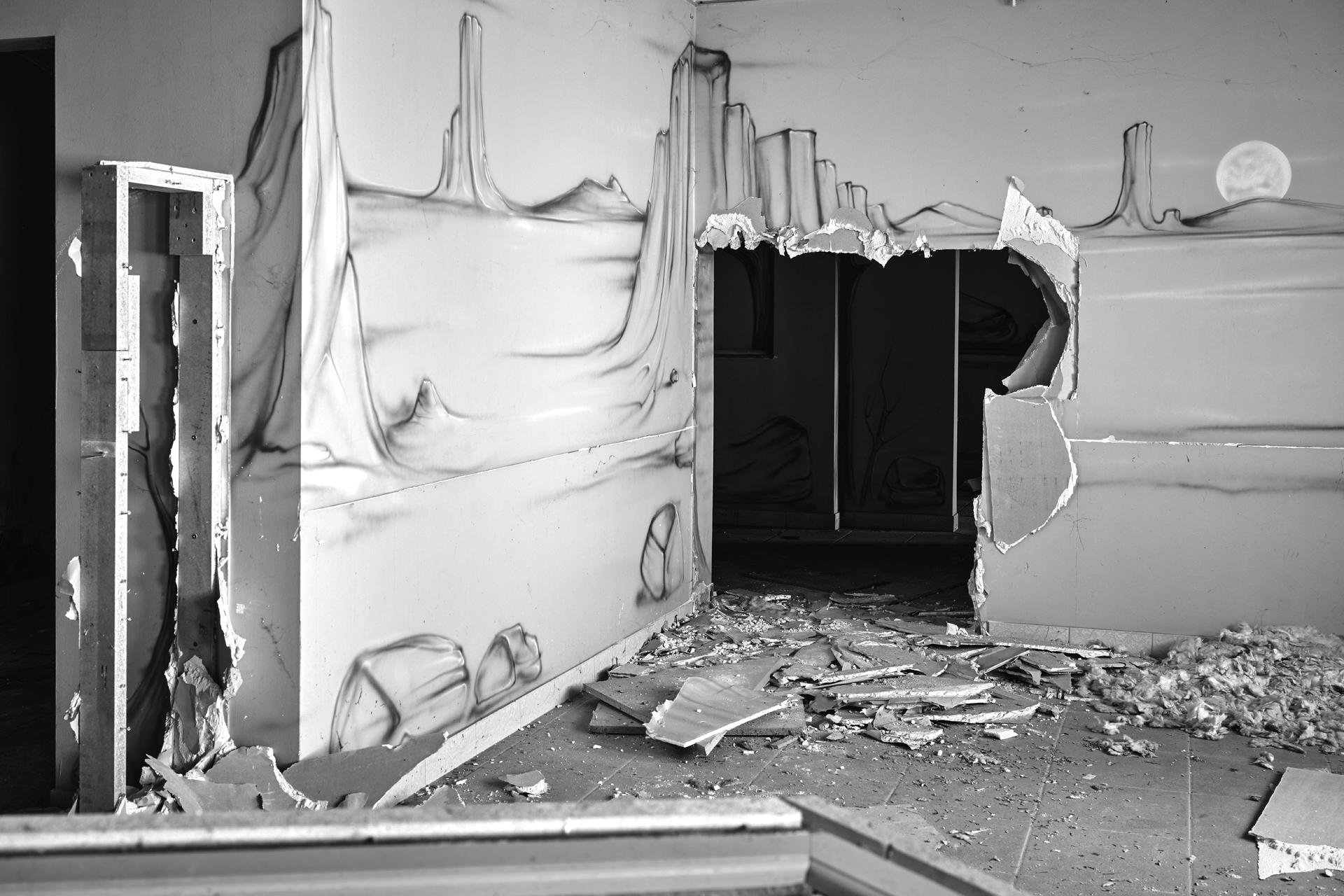
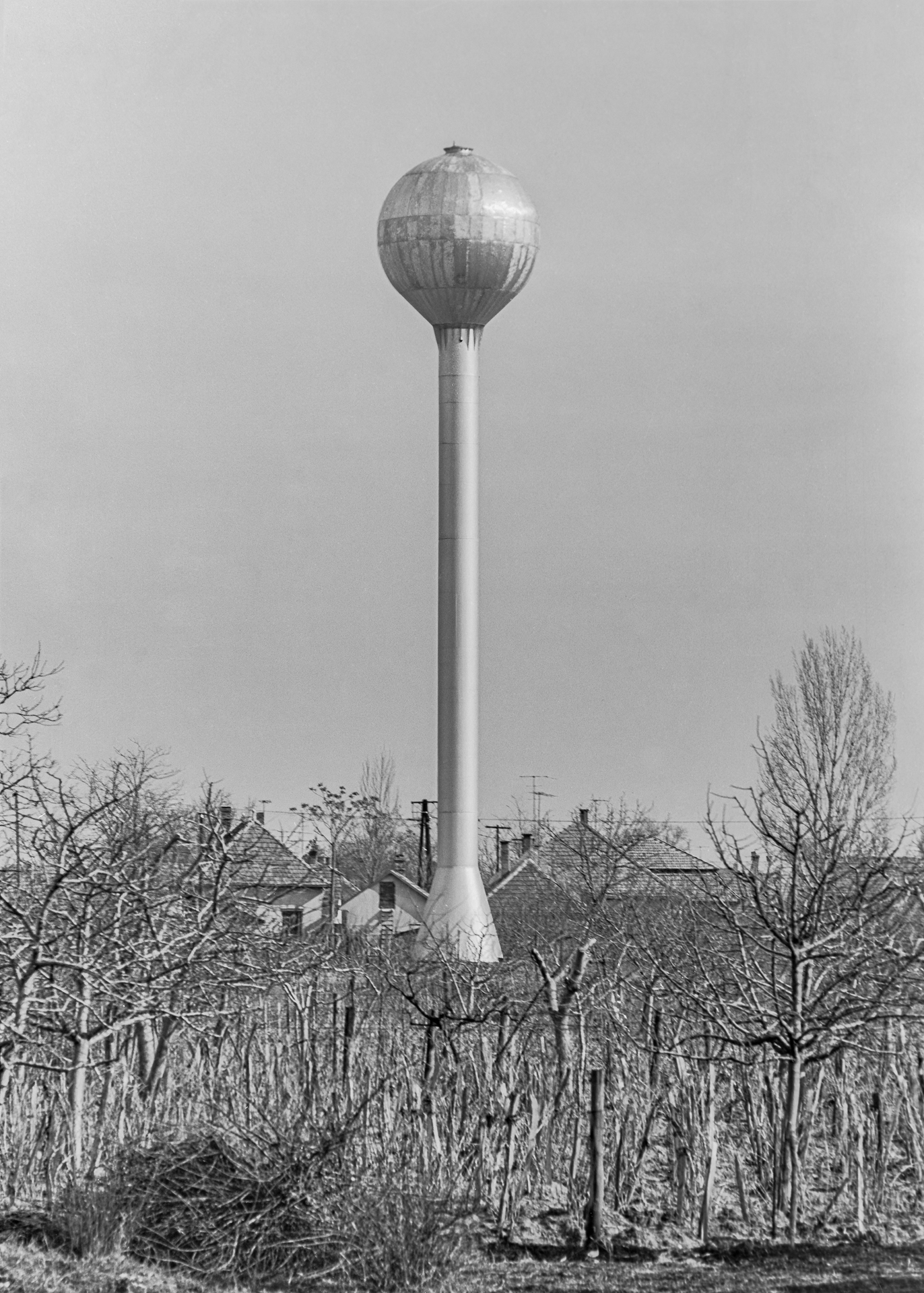
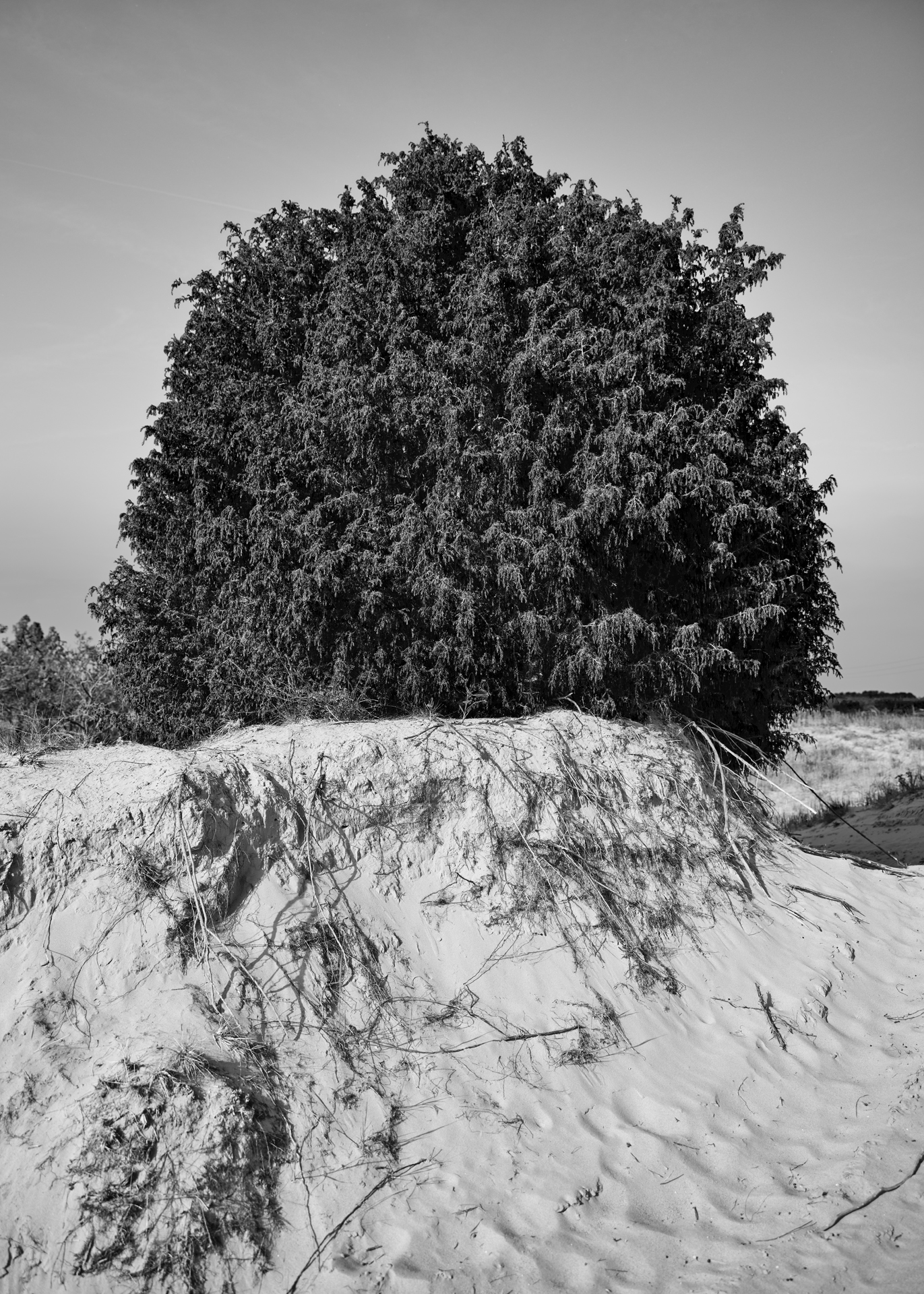
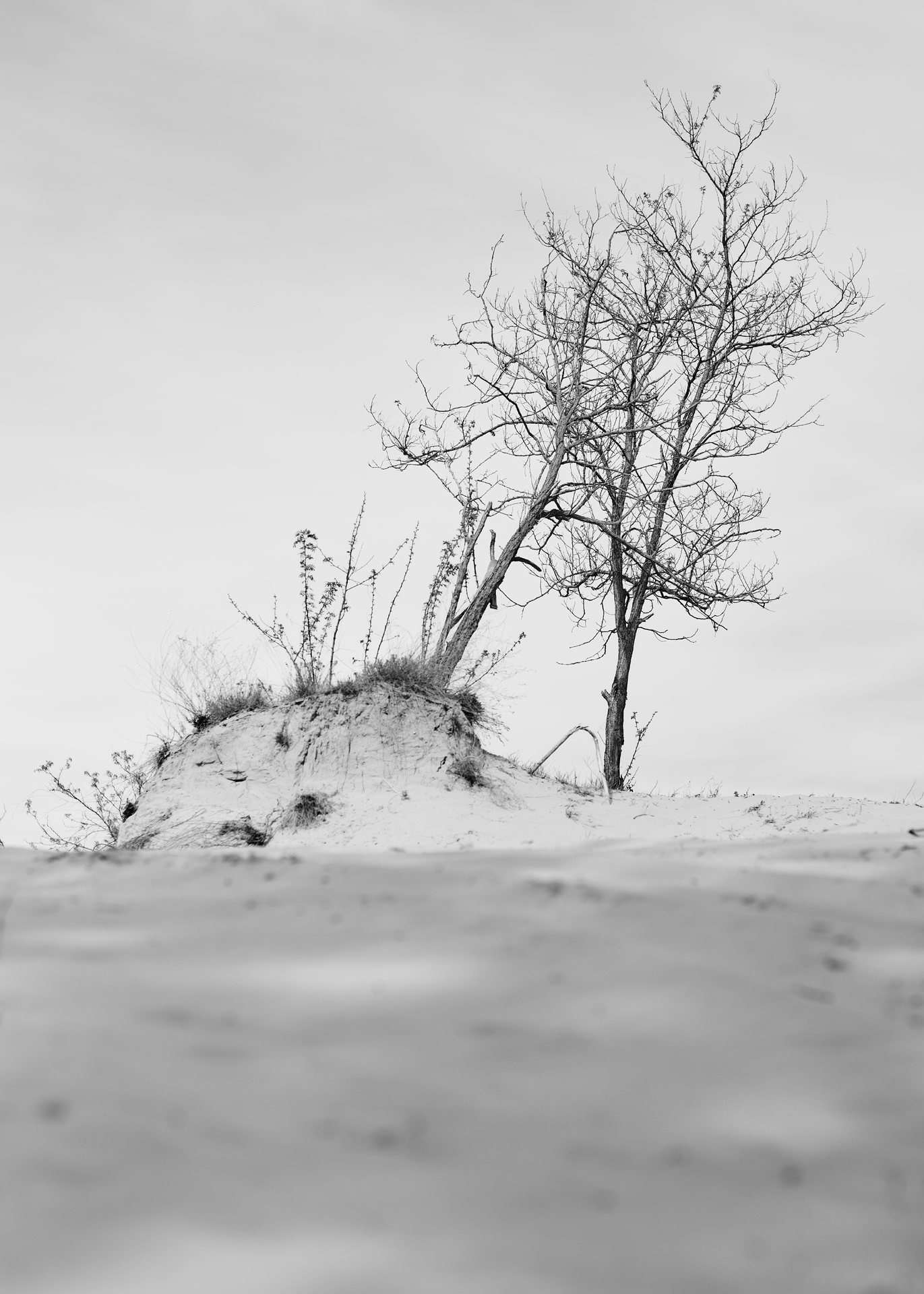
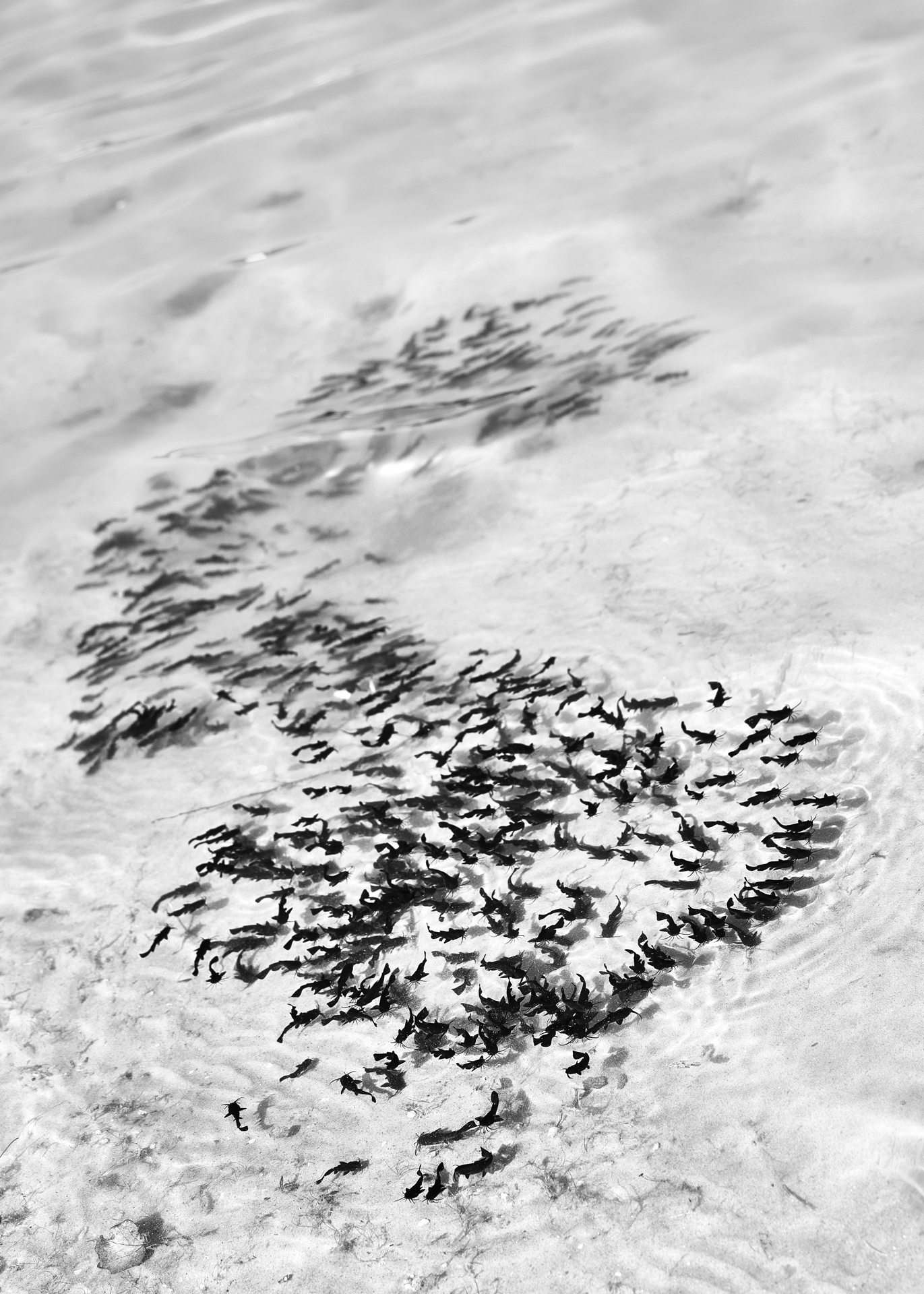
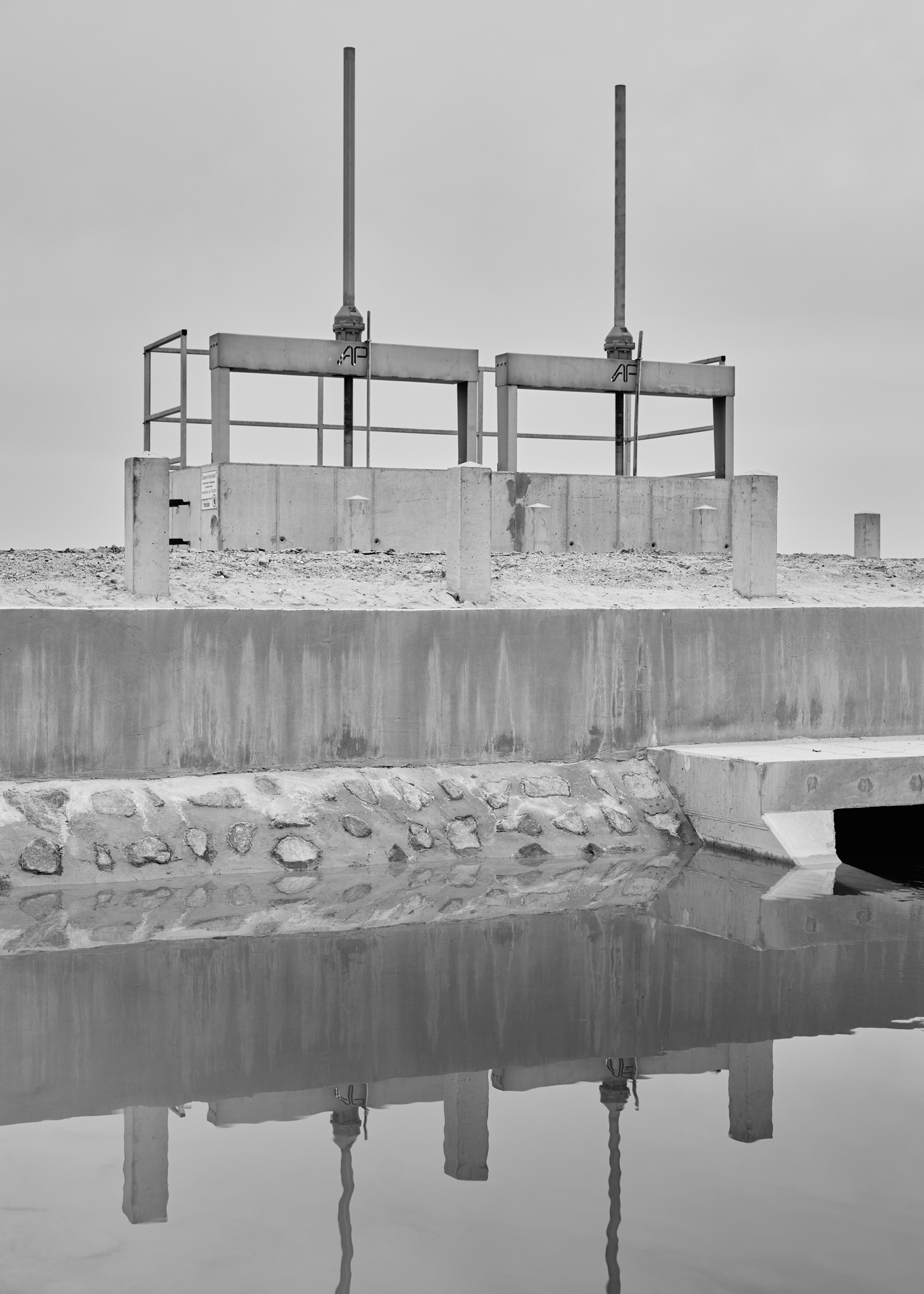
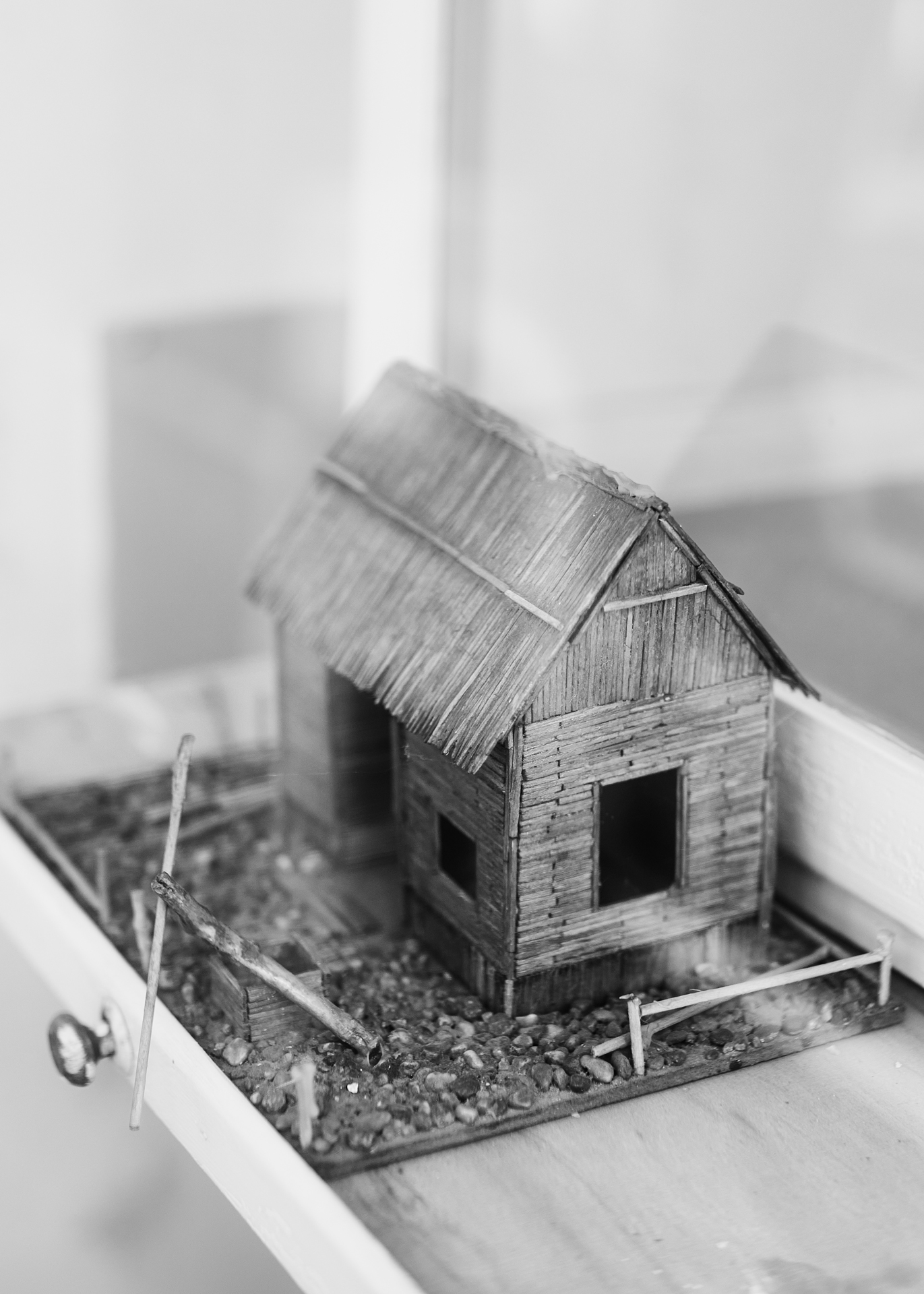
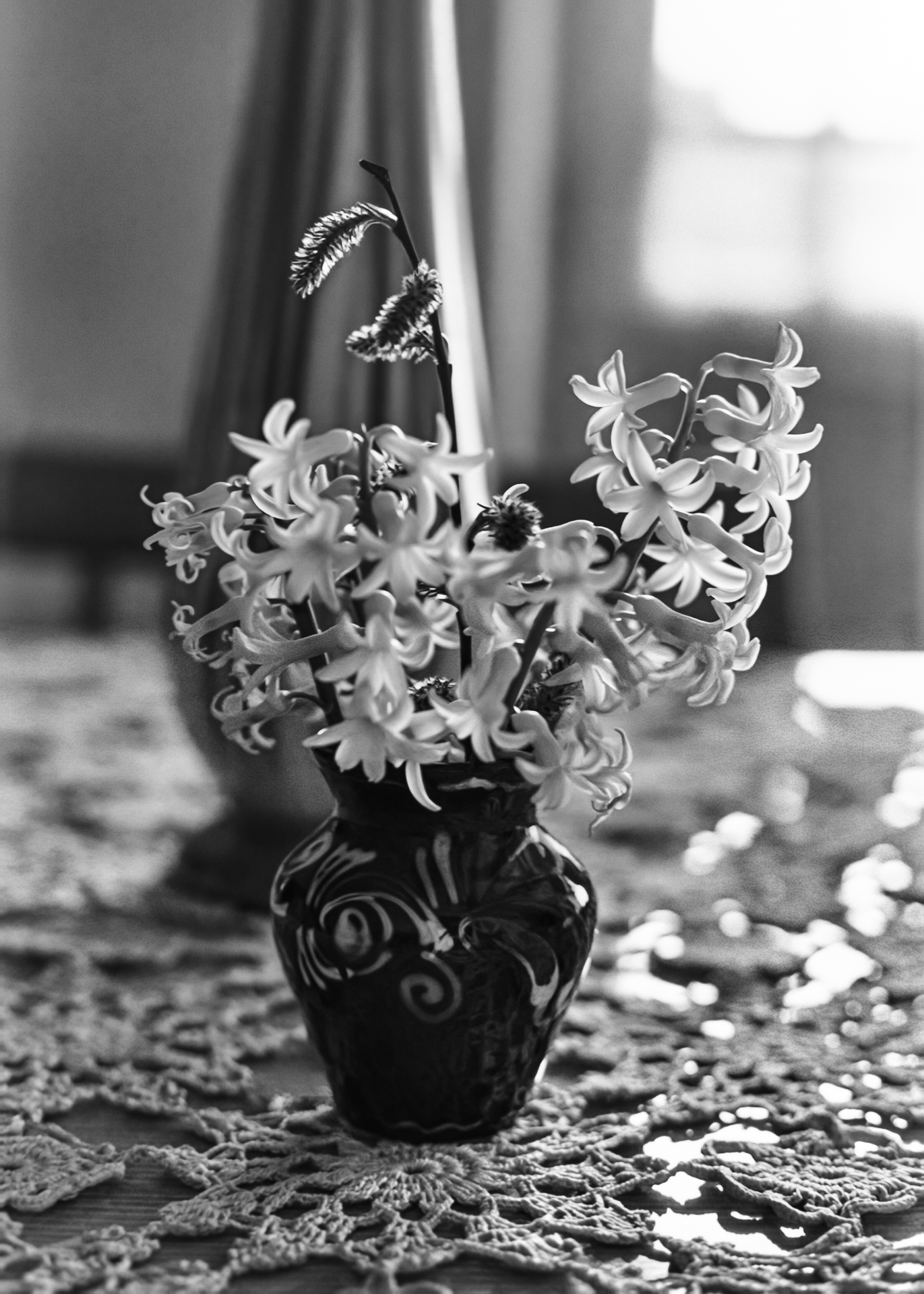
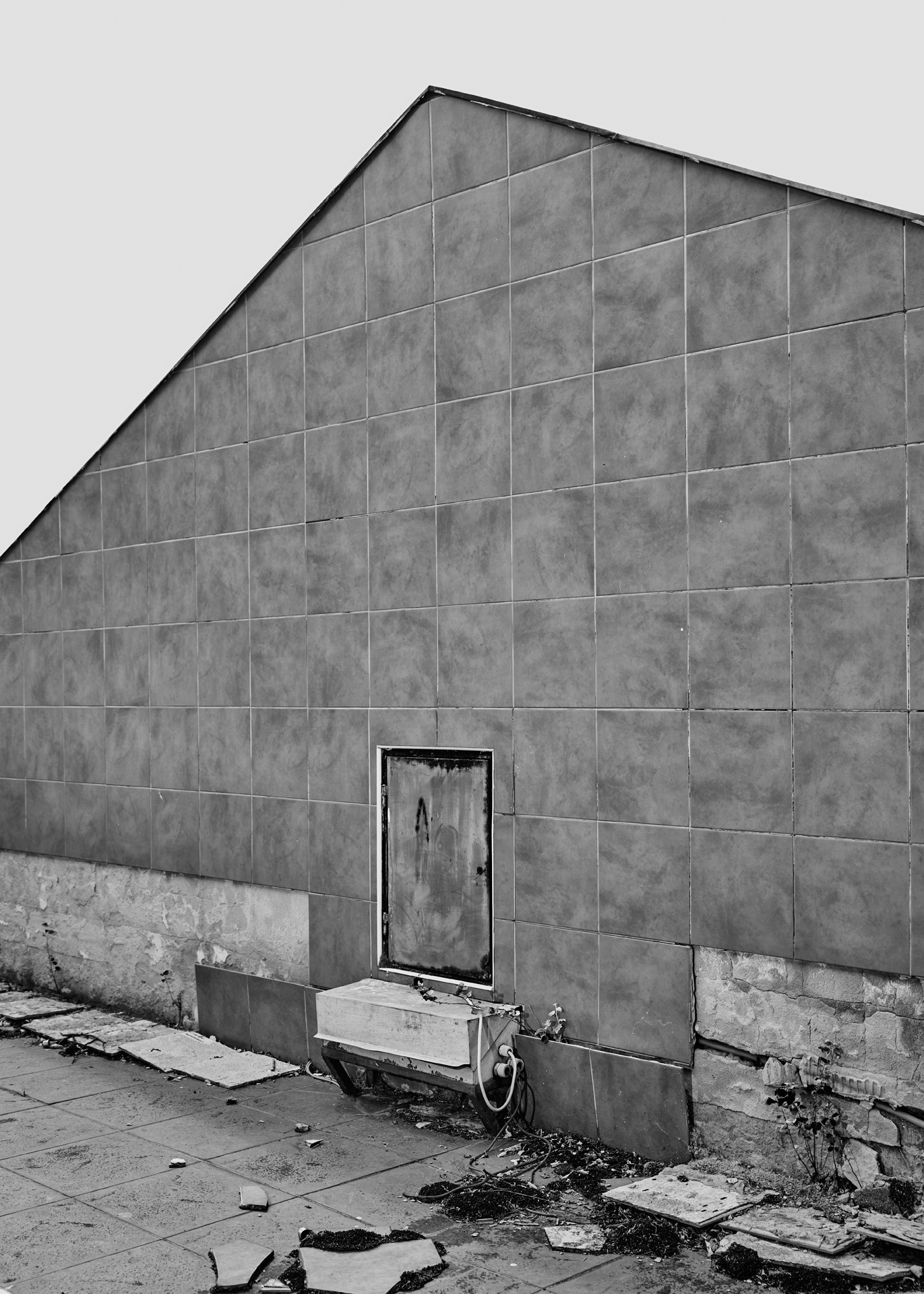
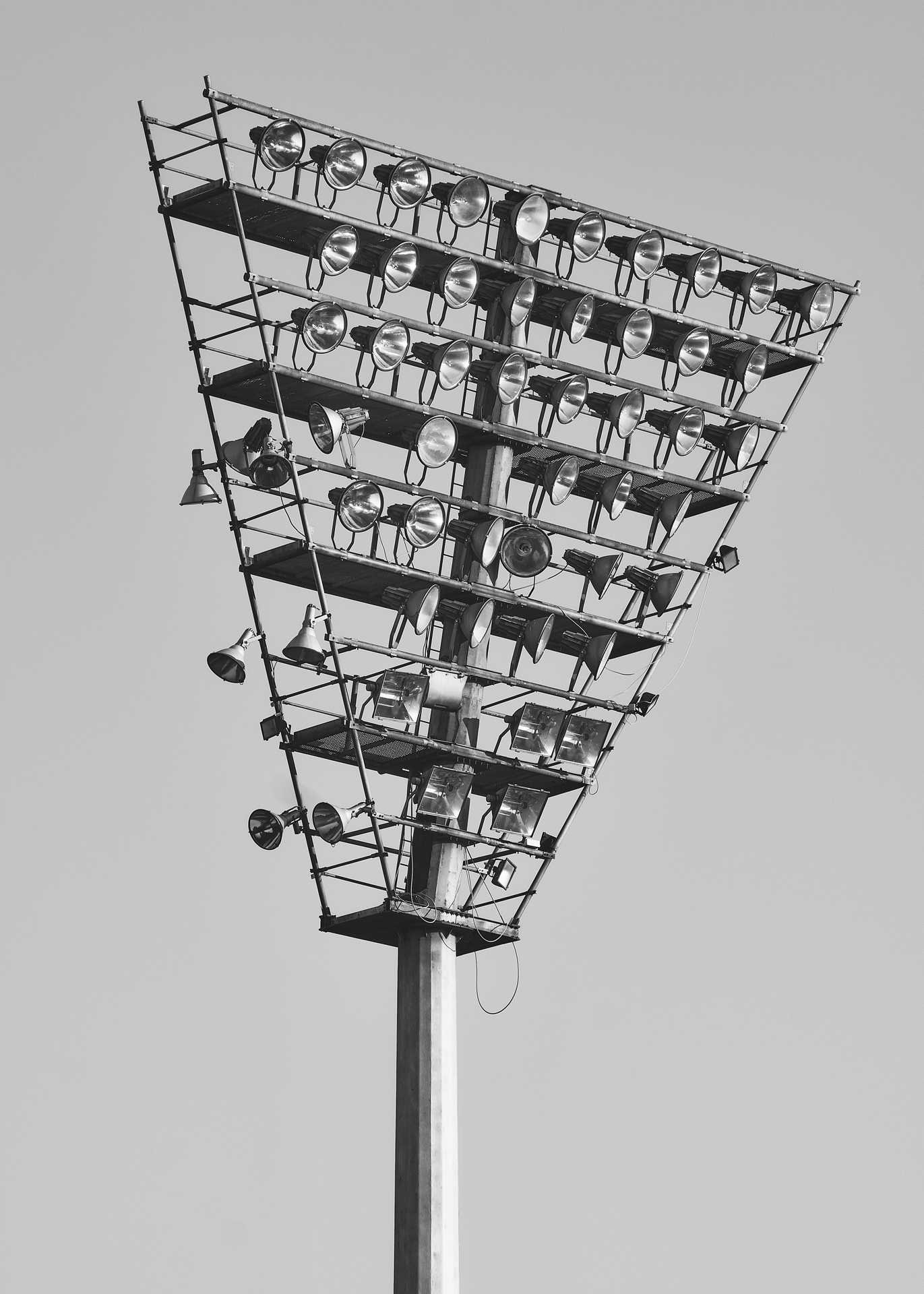
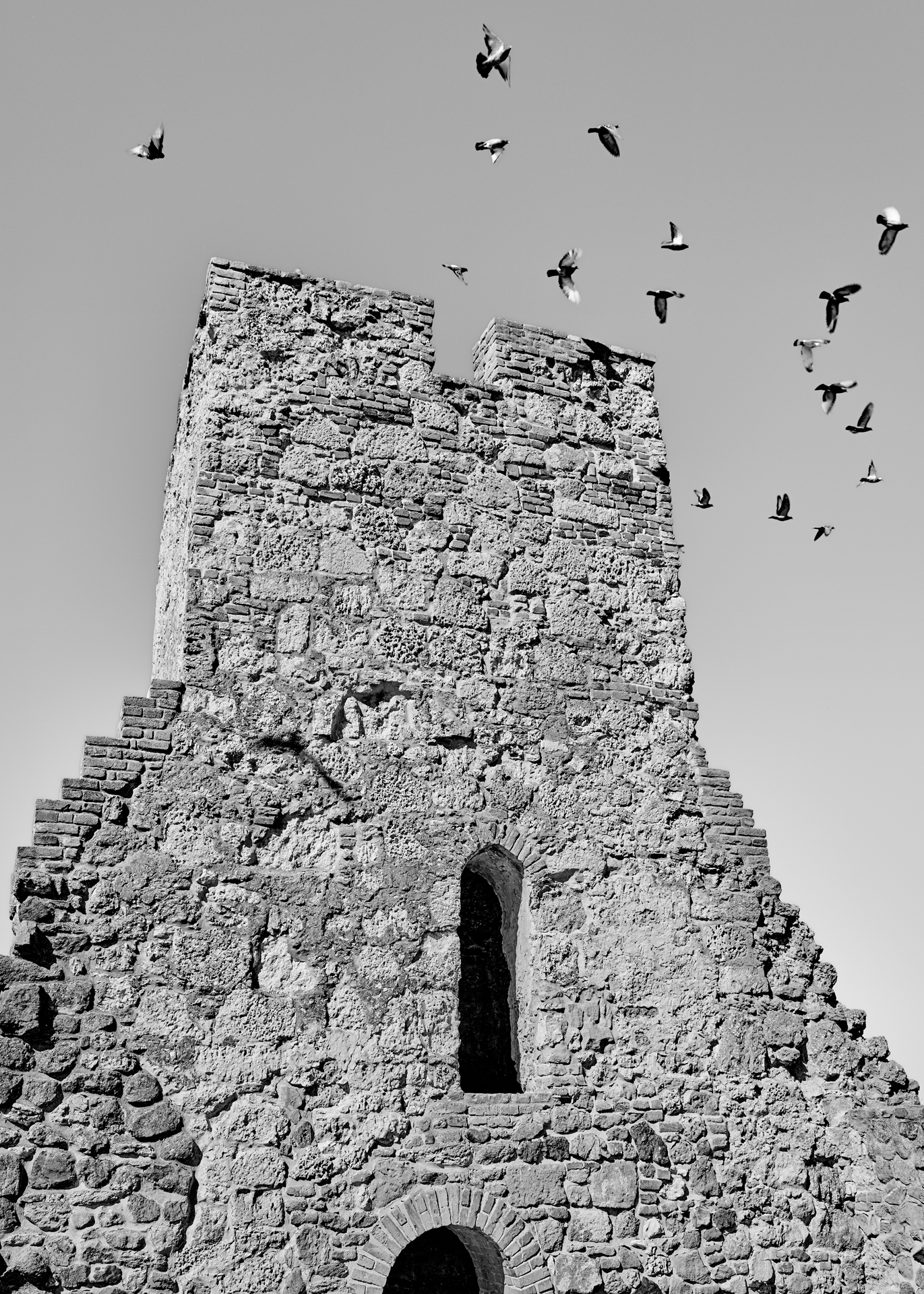
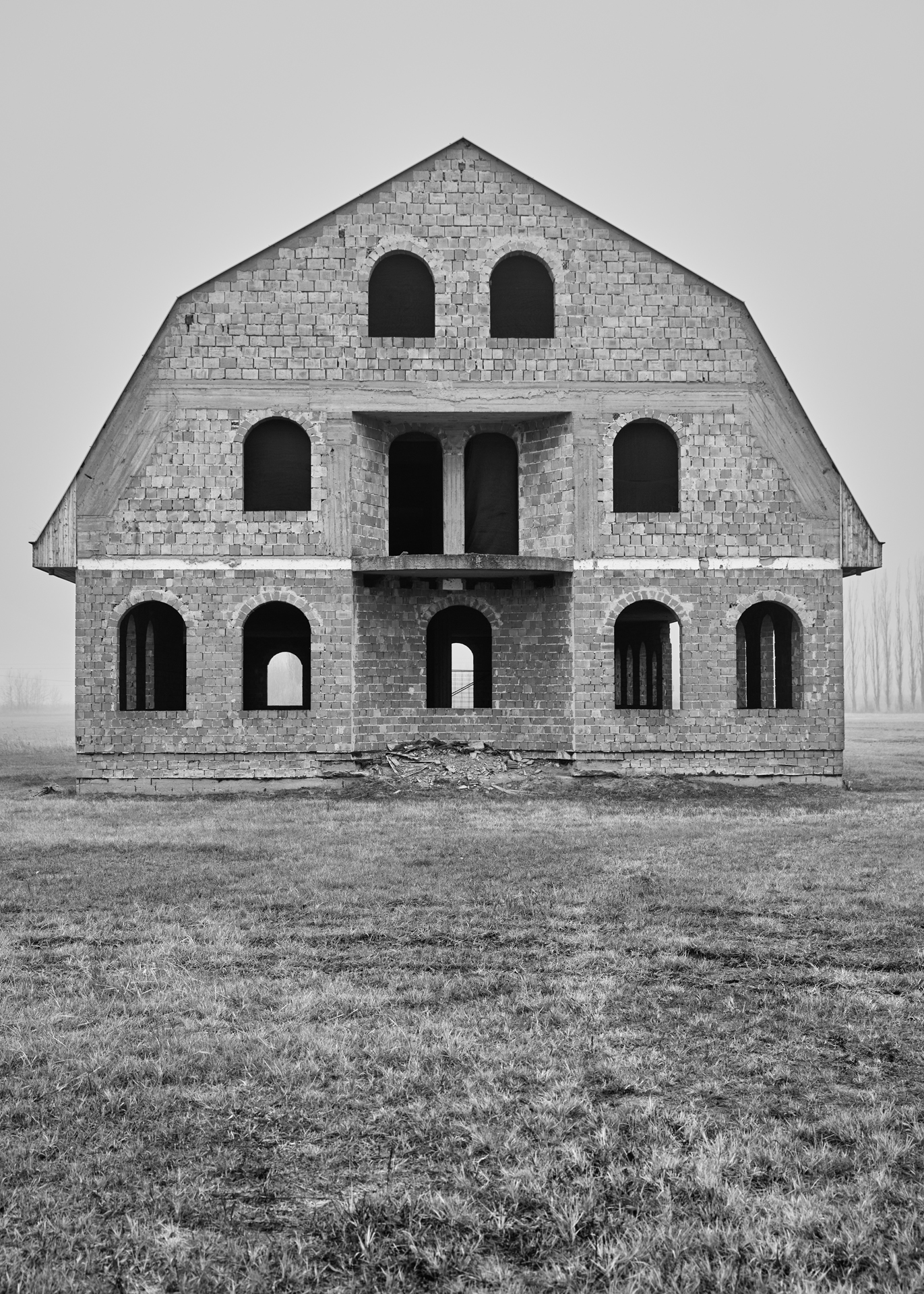
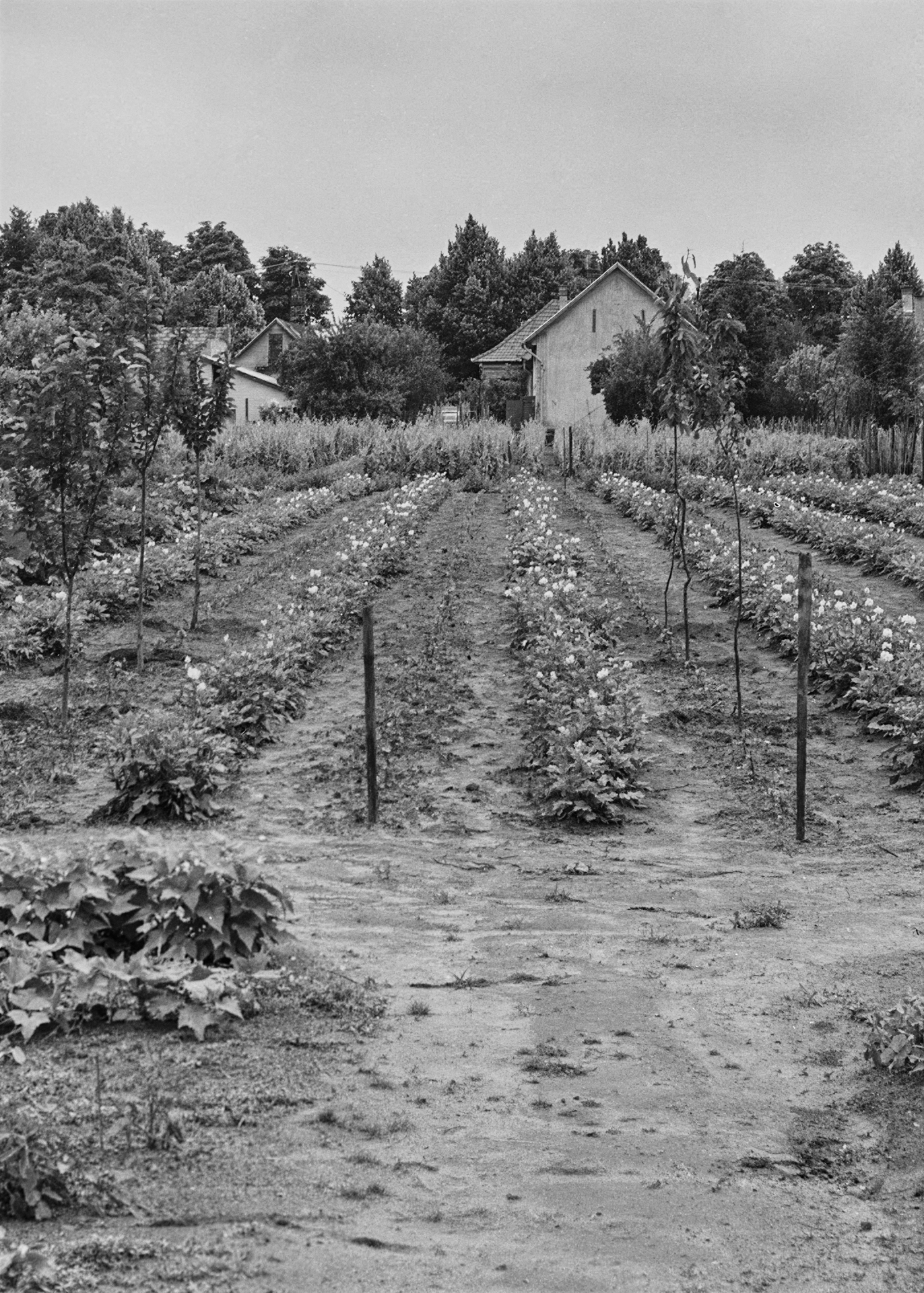
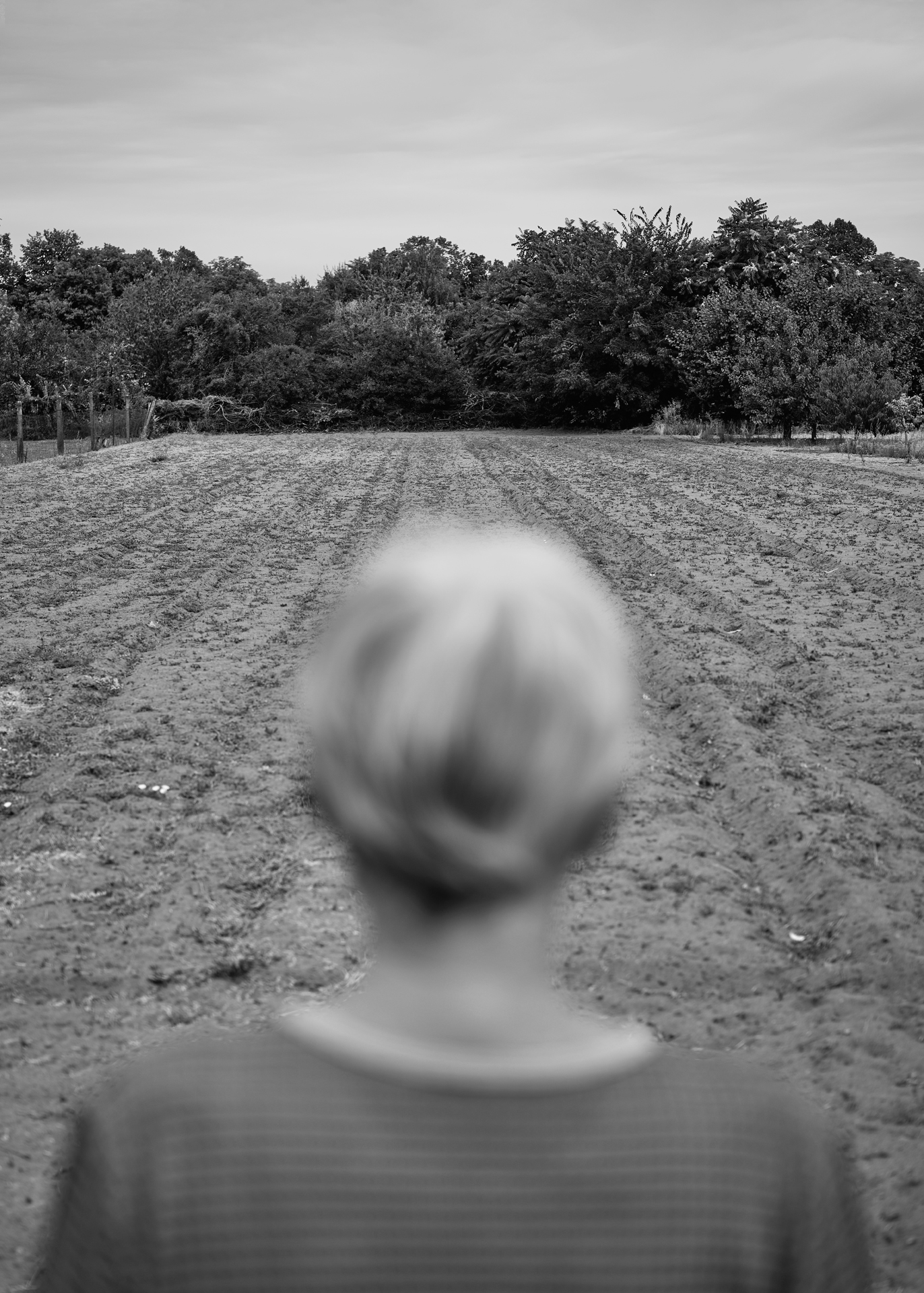
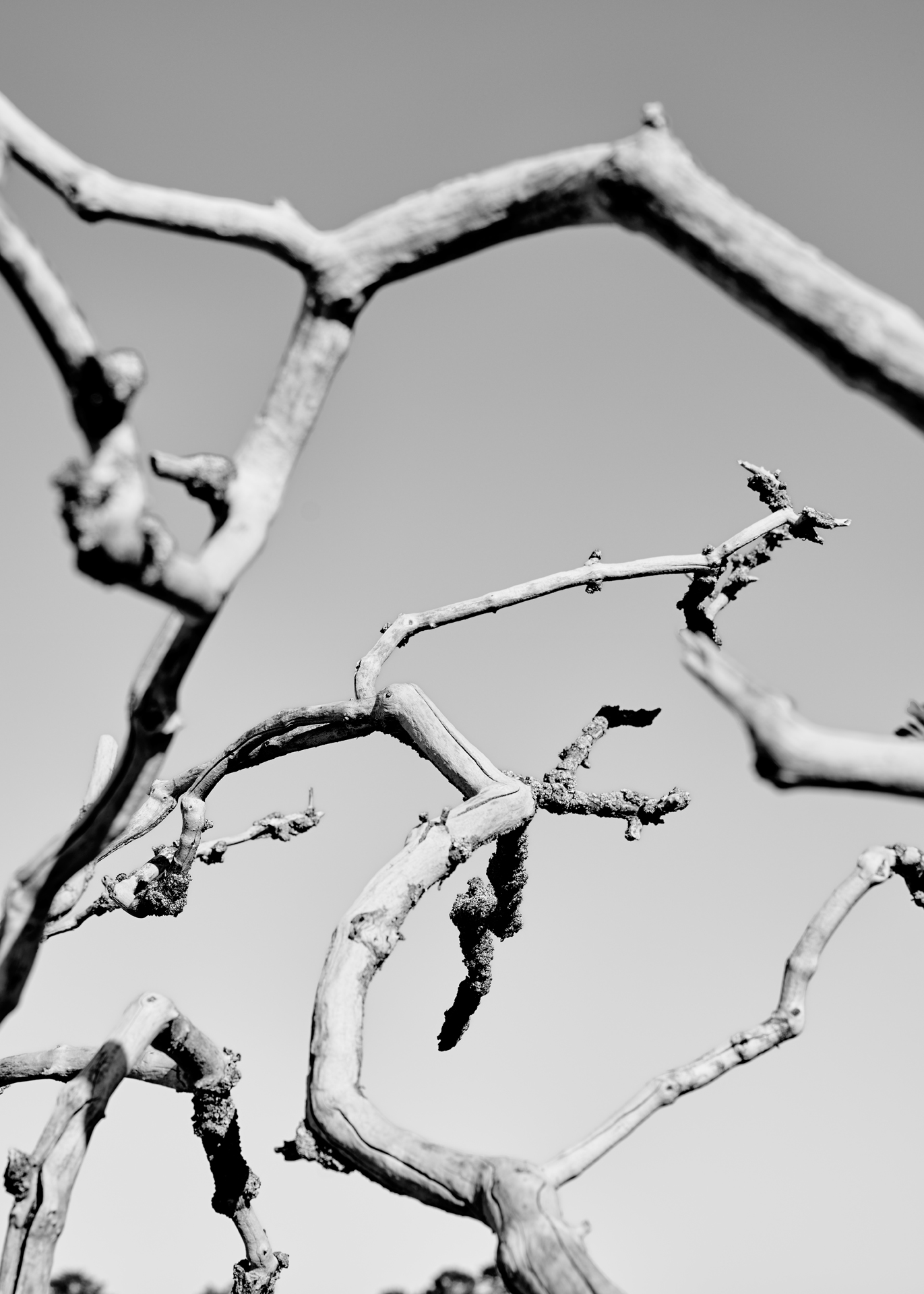
Between 2022 and 2024, with support from the National Cultural Fund, I began working on my project titled GOLDEN SAND, which explores the world of the Great Hungarian Plain and the Homokhátság region—my homeland in the narrower sense—with a particular focus on the challenges of the climate crisis, all viewed through a personal perspective.
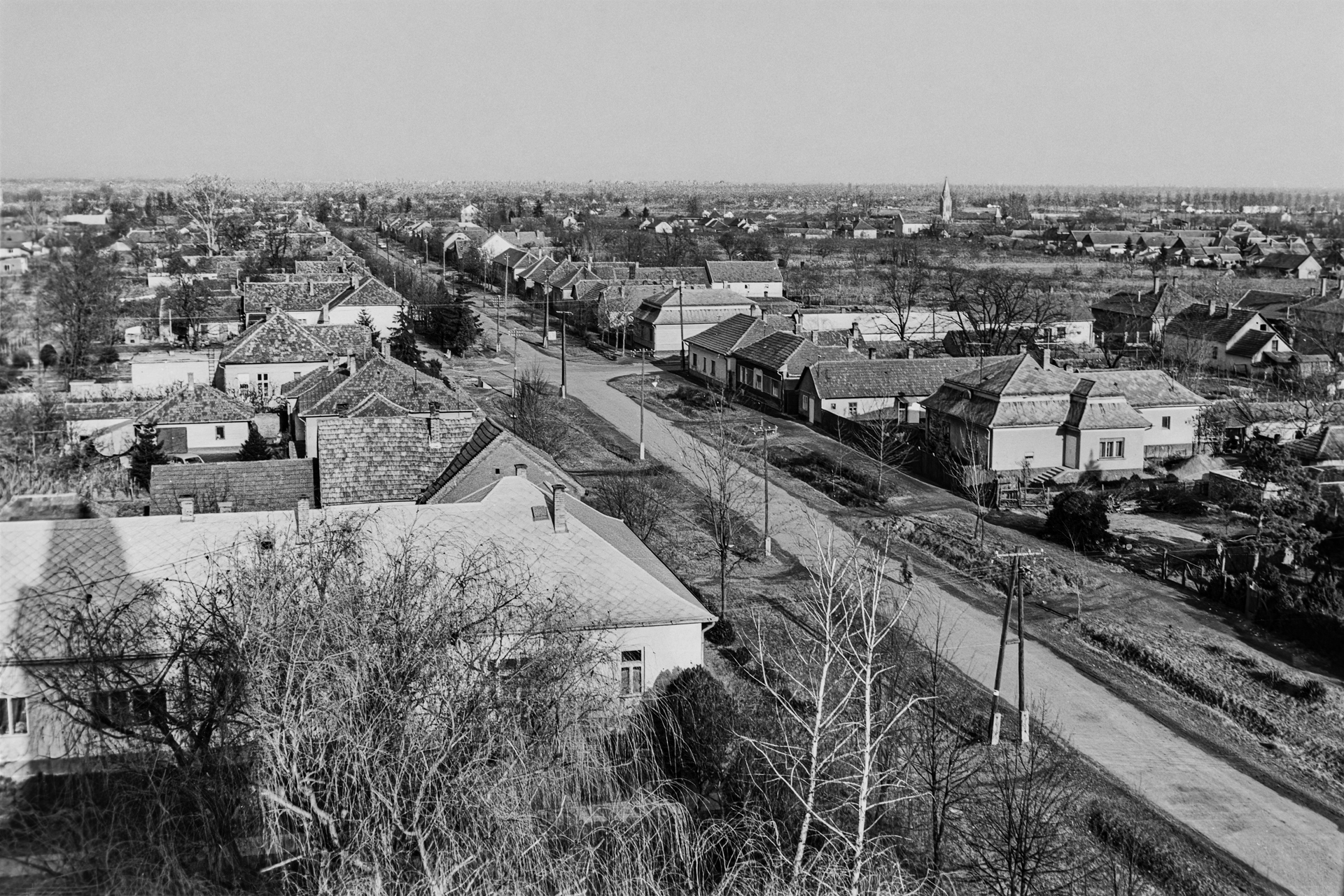
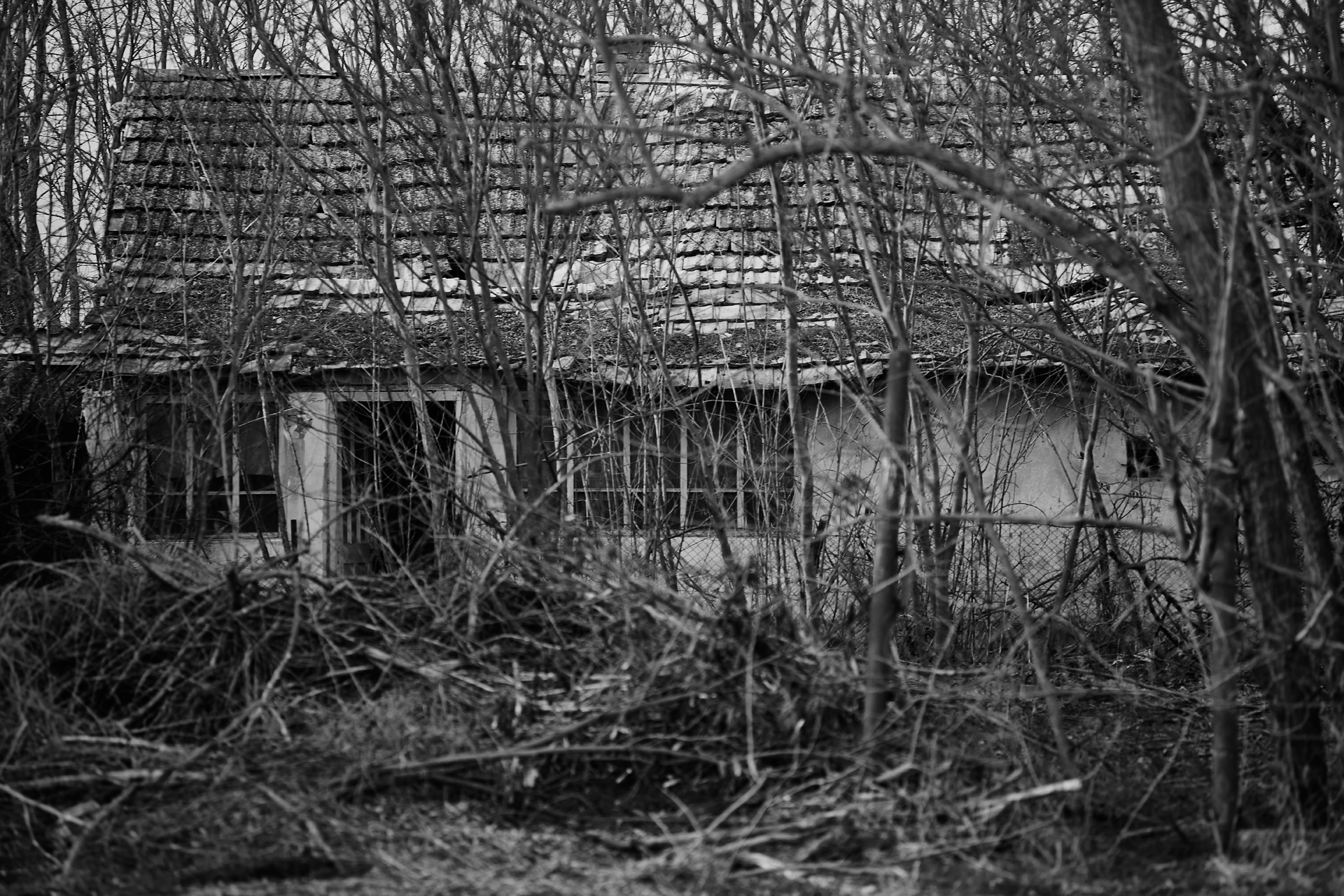
After a short break, I began working on the continuation of this project, titled Houses Built on Sand, in the fall of 2024. This time, I am examining life in my hometown and the surrounding communities from historical, economic, and demographic perspectives, as well as from a perspective that remains deeply personal.
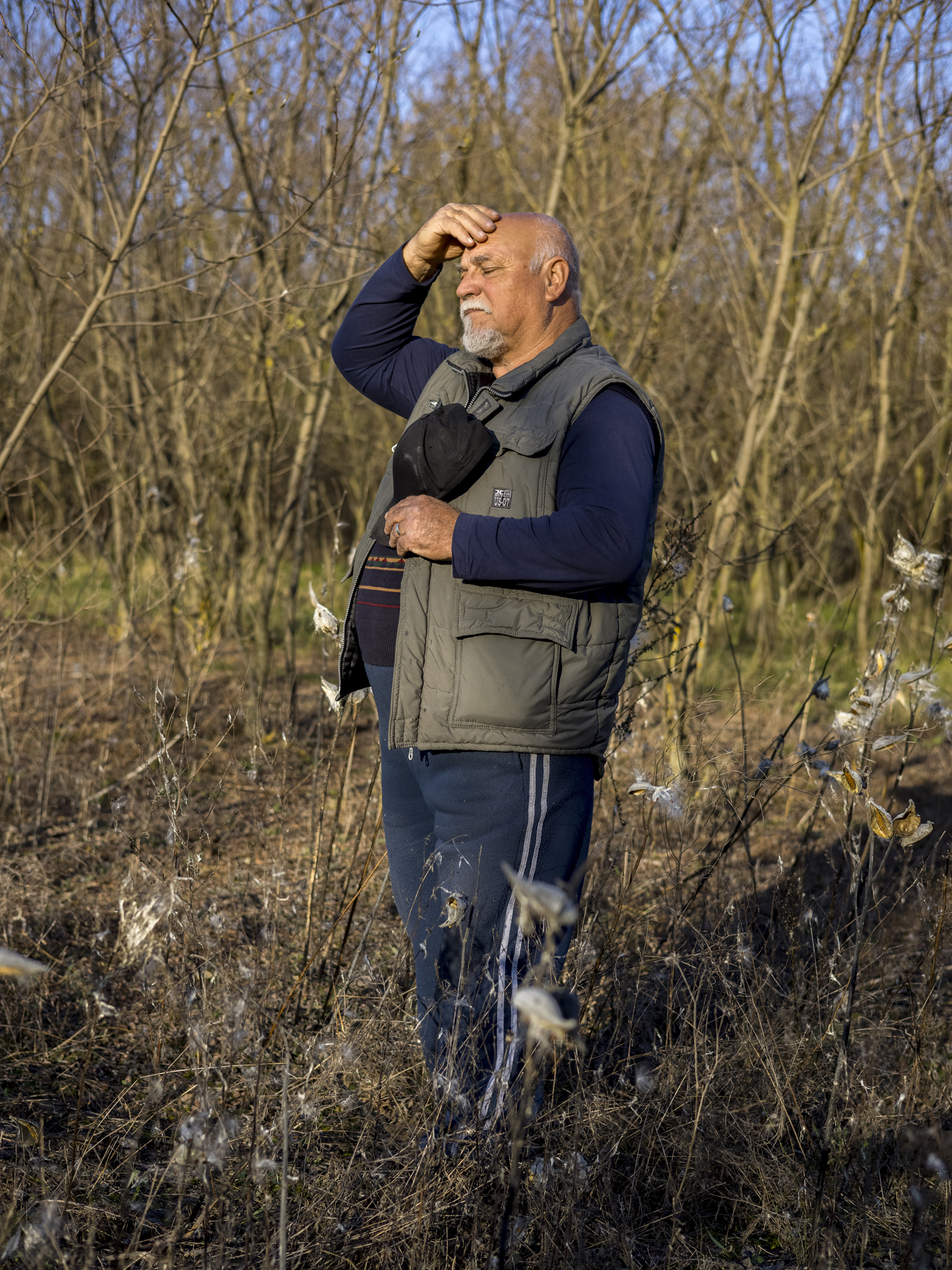
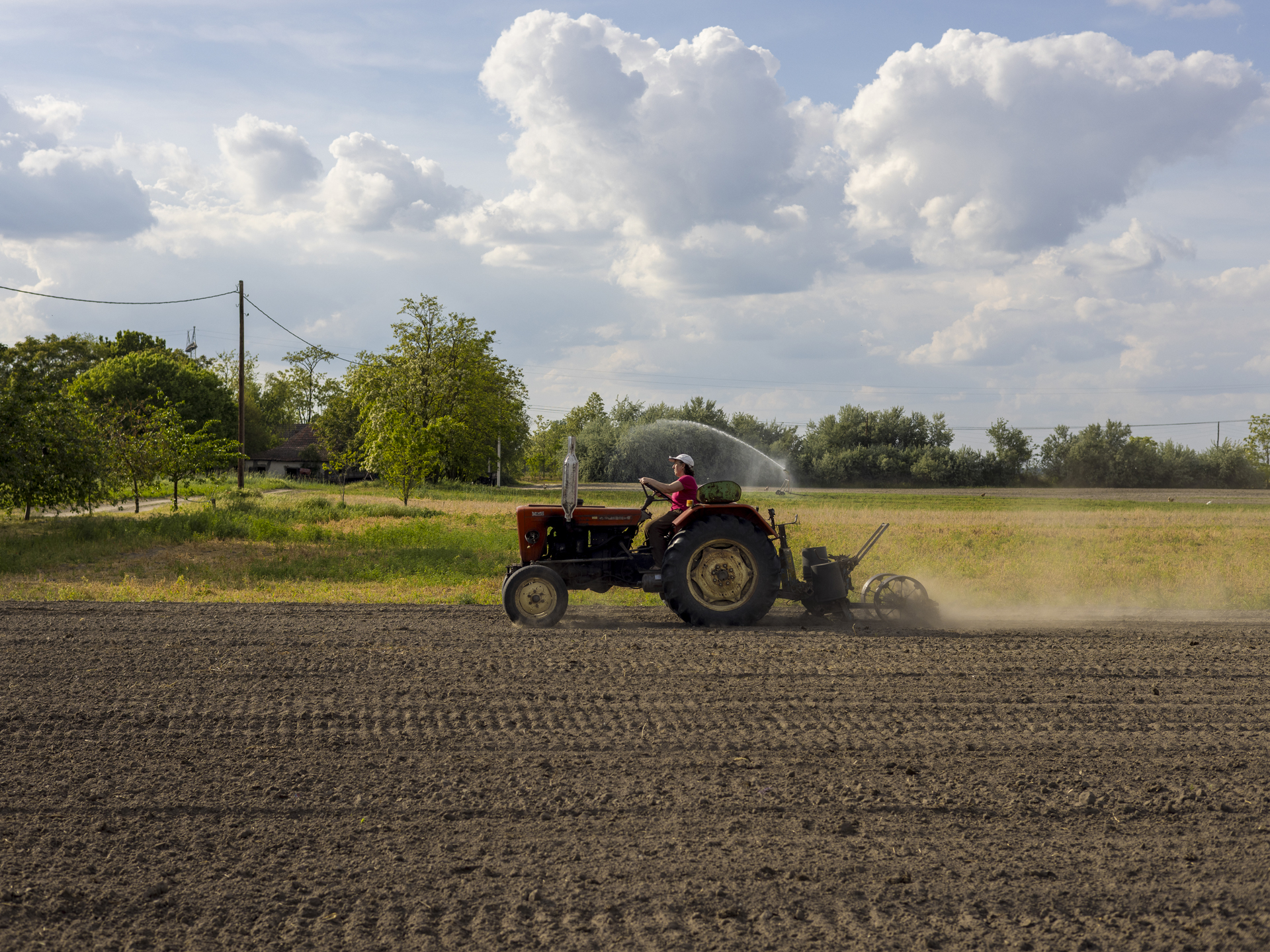
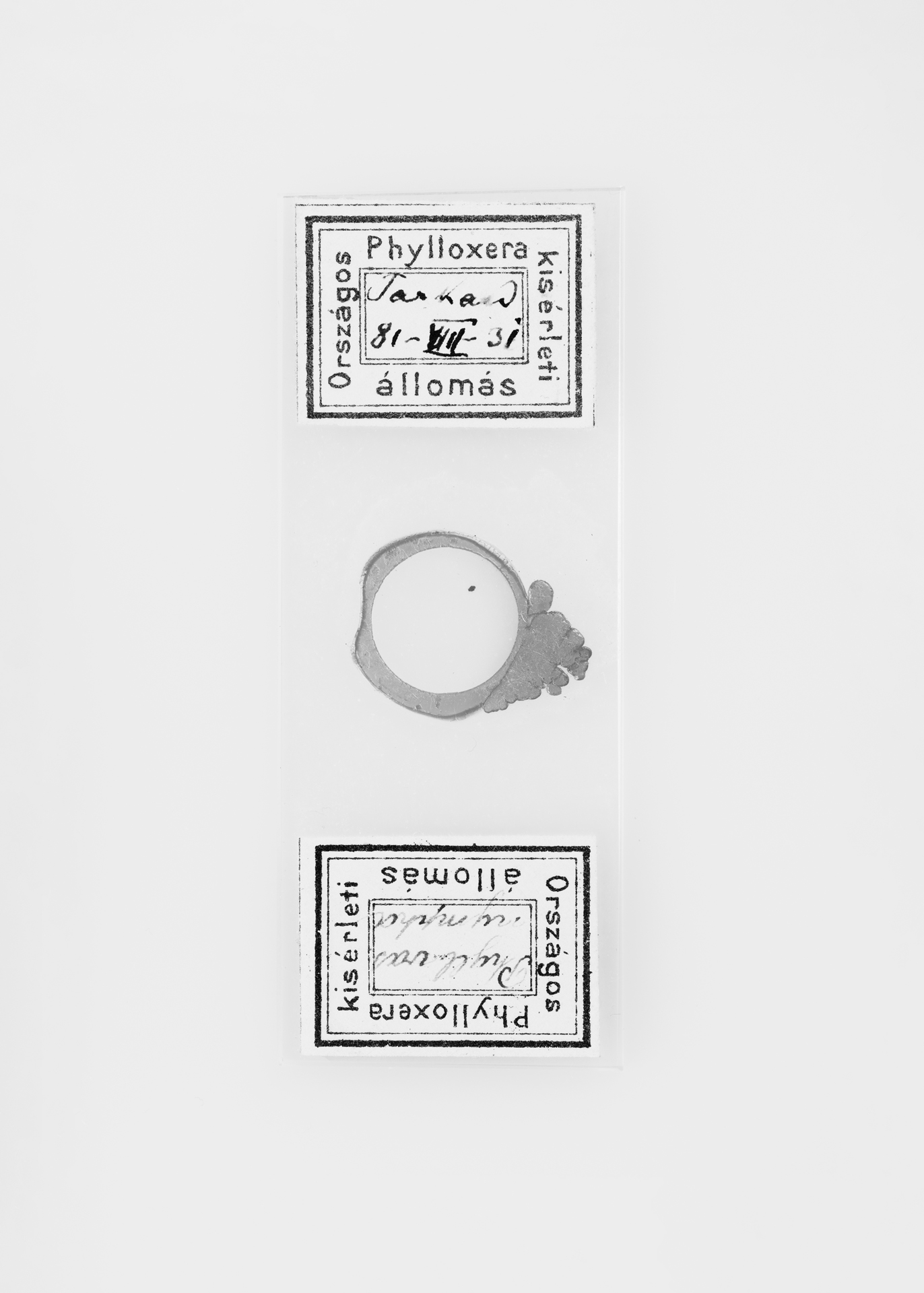
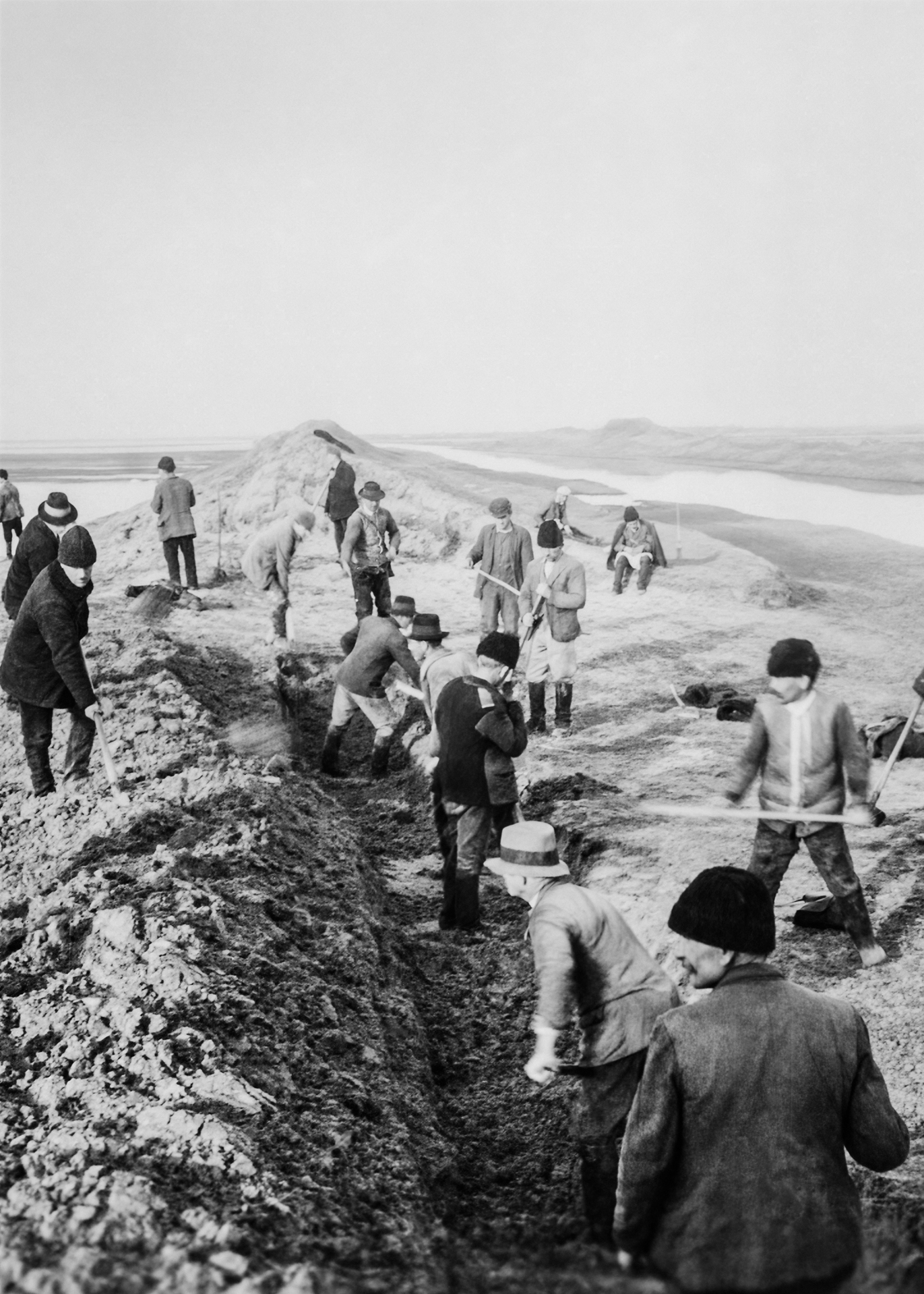
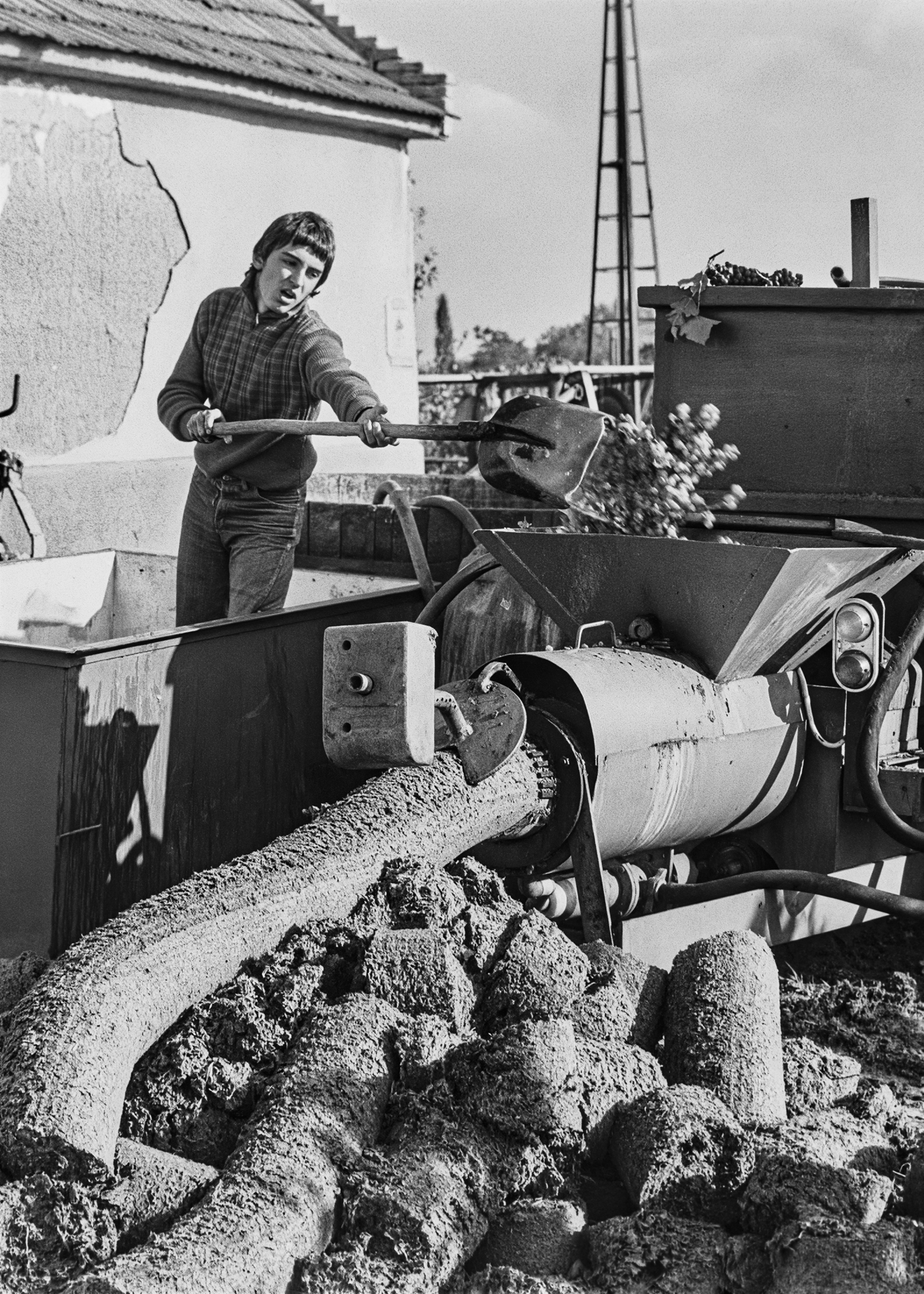
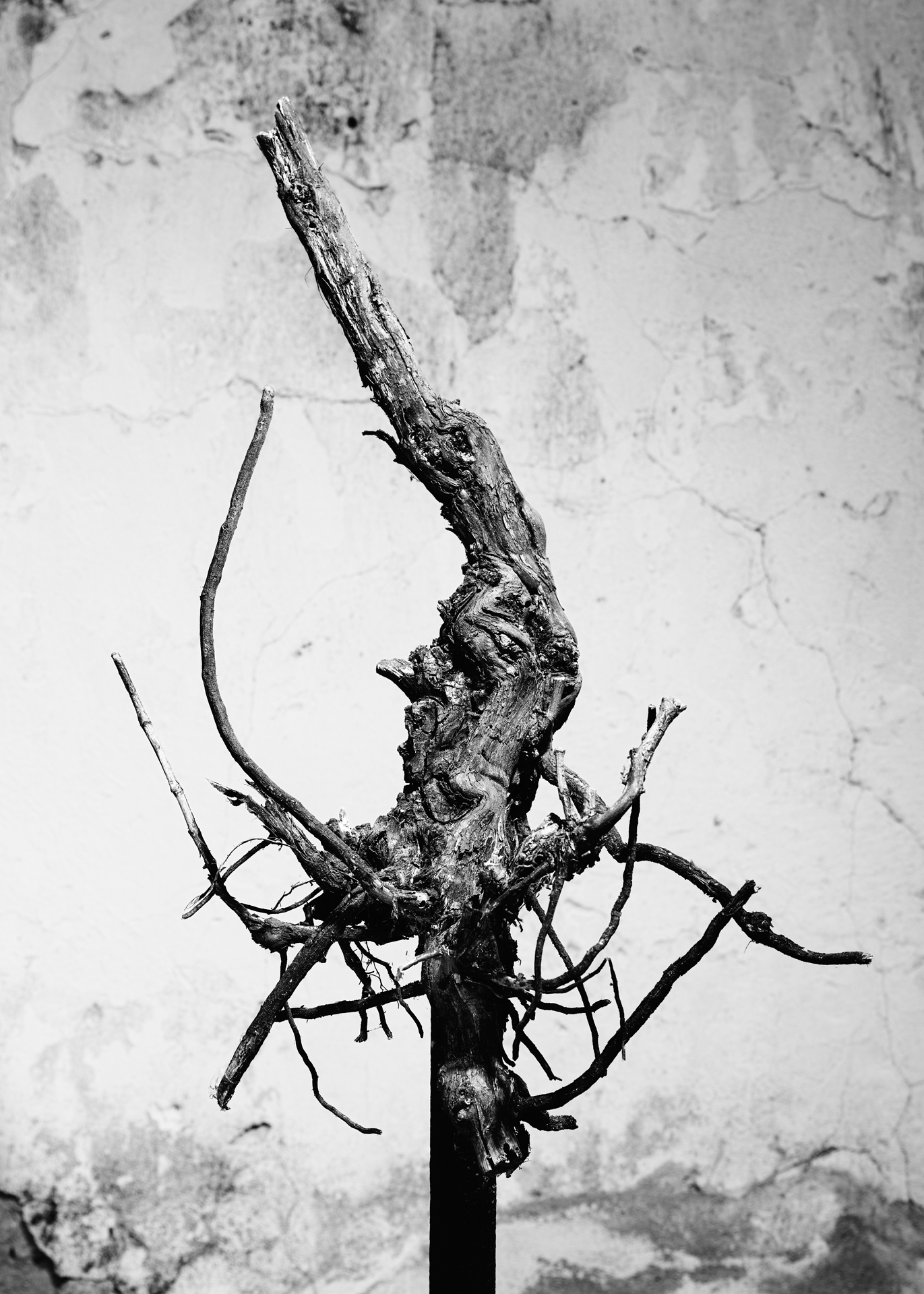
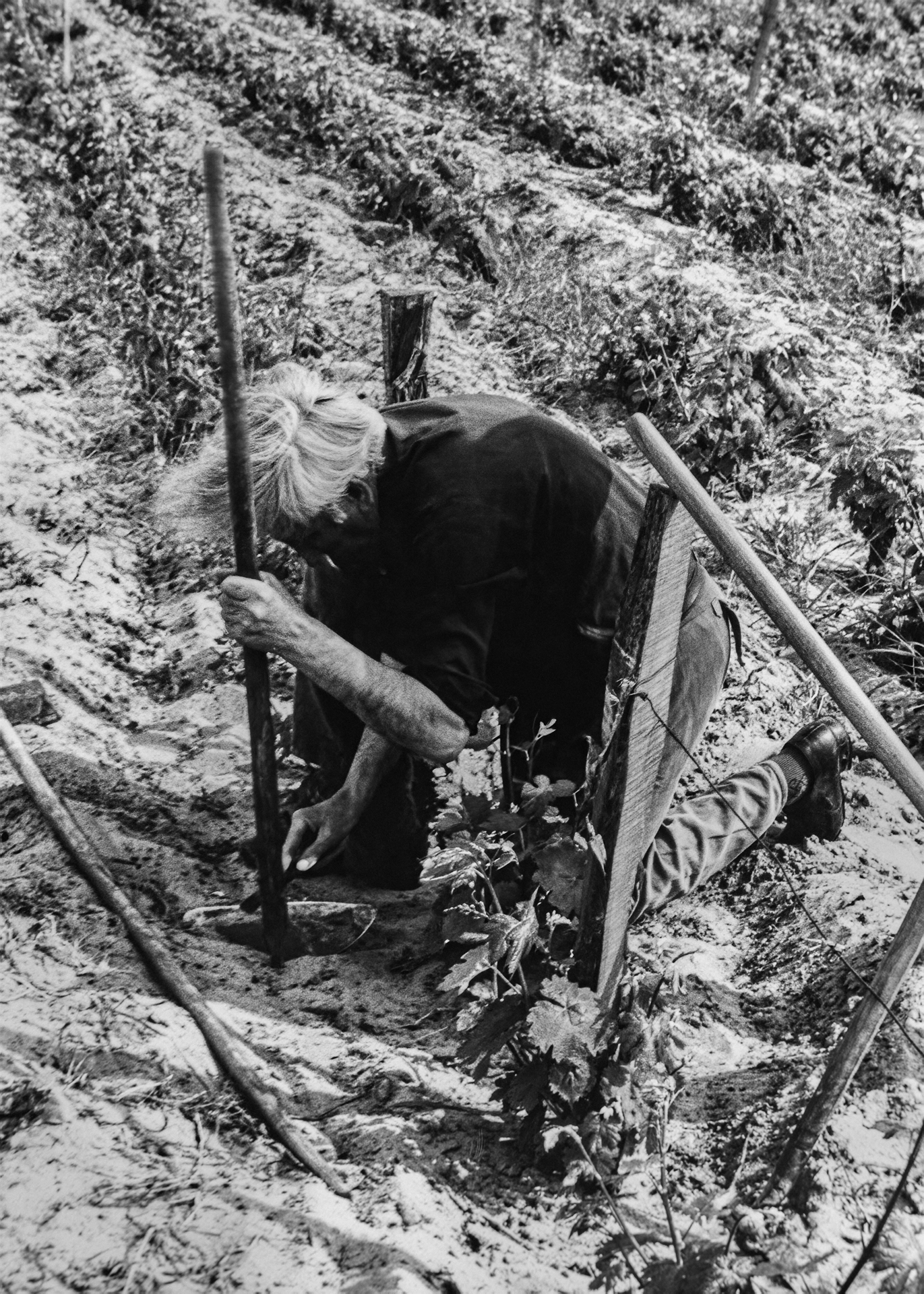
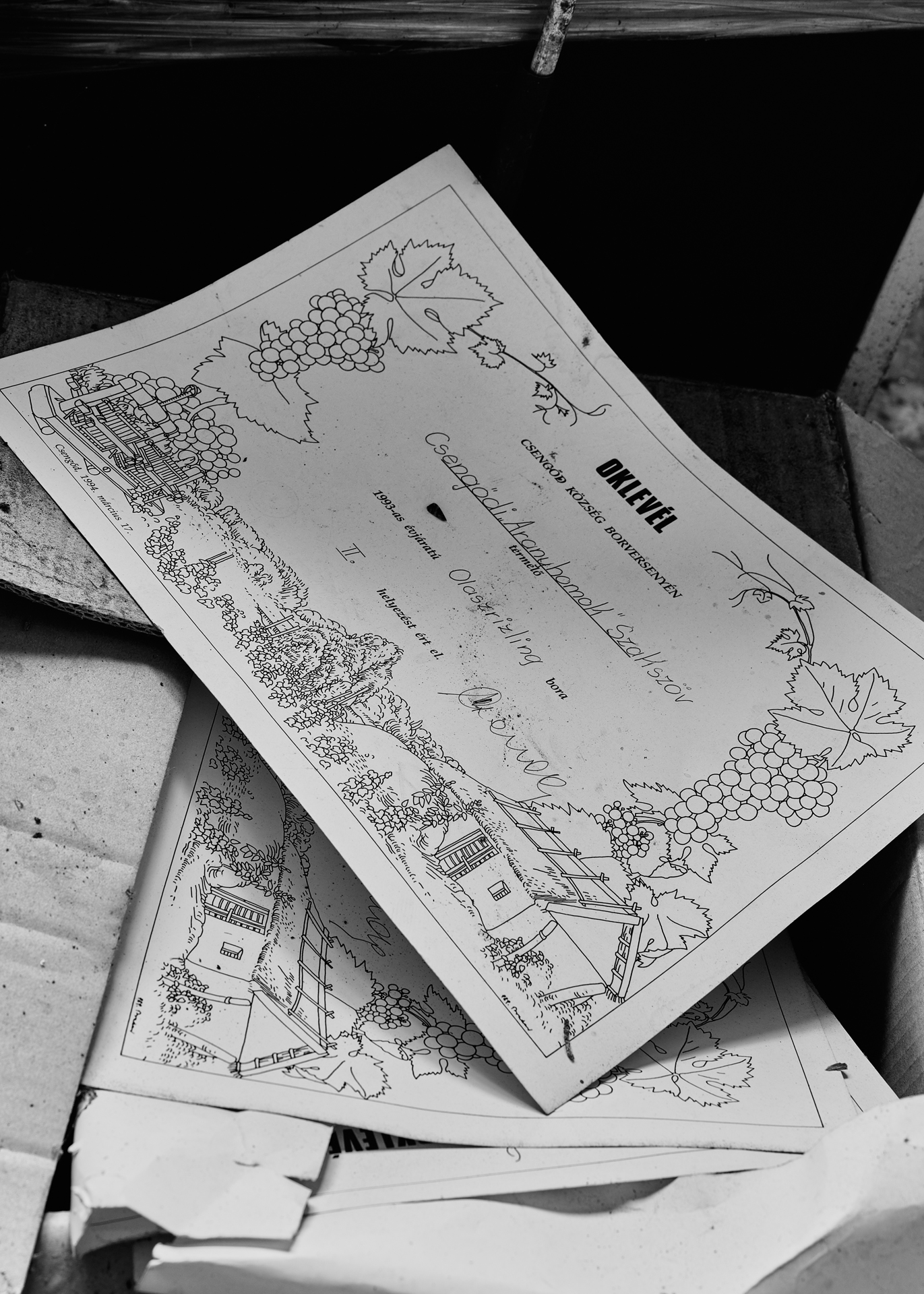
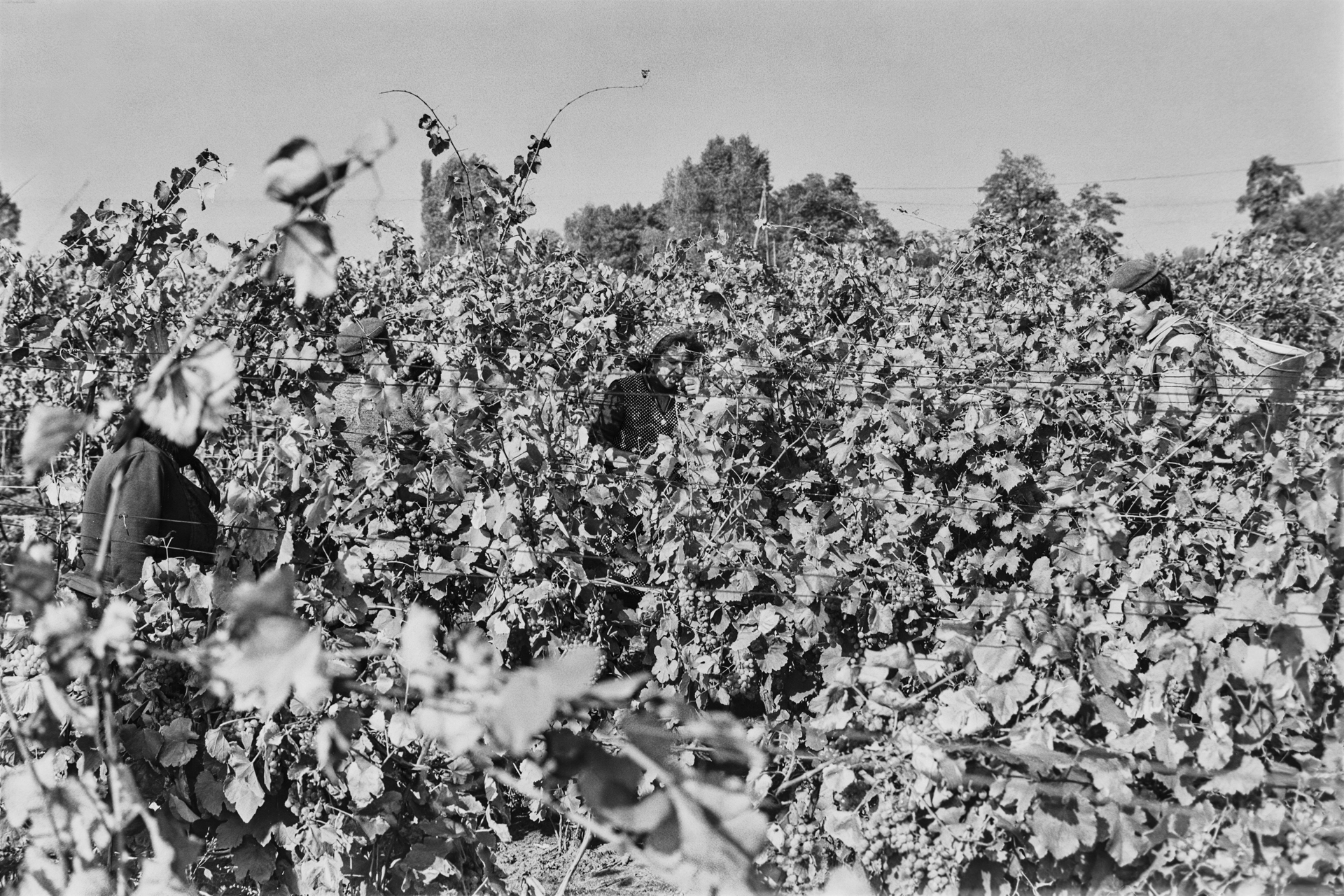
In the late 1800s, an epidemic of phylloxera (root aphids) ravaged Hungary’s vineyards, destroying 90% of the grape harvest in the country’s wine regions. However, farmers realized that the phylloxera dislikes sandy soil and the quartz crystal structure of sand, and cannot survive in it, so many winemakers were forced to move to the Great Hungarian Plain, specifically to the Homokhátság region. Despite the fact that they could not produce high-quality grapes and wine on this soil, only quantity. In the region, which until then had typically consisted of scattered farms, villages and towns began to form. It was then that my hometown, Csengőd, became a village, and it was at this time that my great-grandparents moved here with my grandfather, who was still a small child at the time. In the 20th century, viticulture and winemaking provided the livelihood for the region’s settlements. After World War II, the Soviet Union and its member states became the primary market. However, due to the changed political and economic conditions following the fall of communism, as well as increasingly severe droughts and the climate crisis, viticulture gradually declined. Without an alternative to replace it, the villages are gradually becoming depopulated and aging, and an ever-larger portion of the land remains uncultivated.
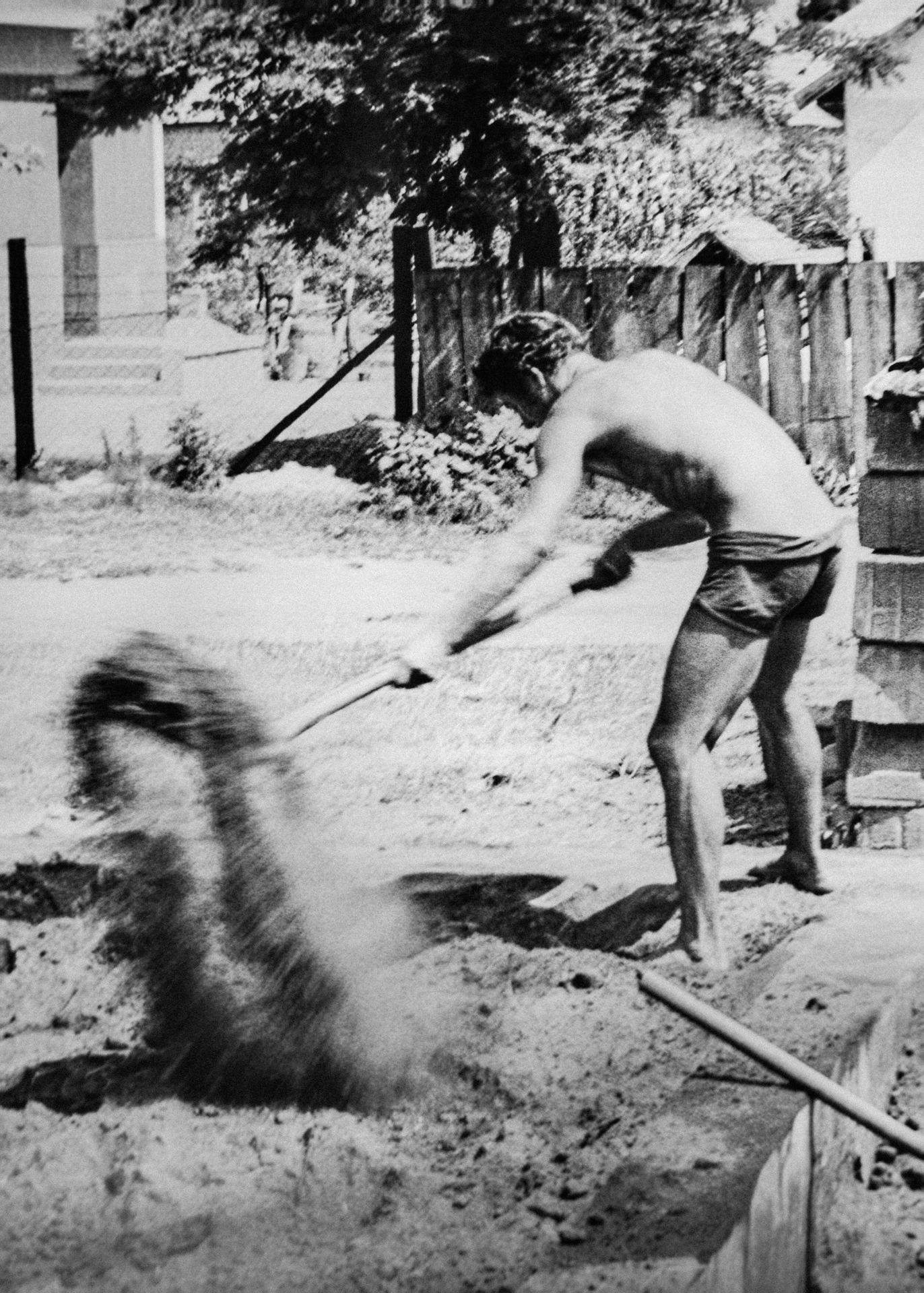
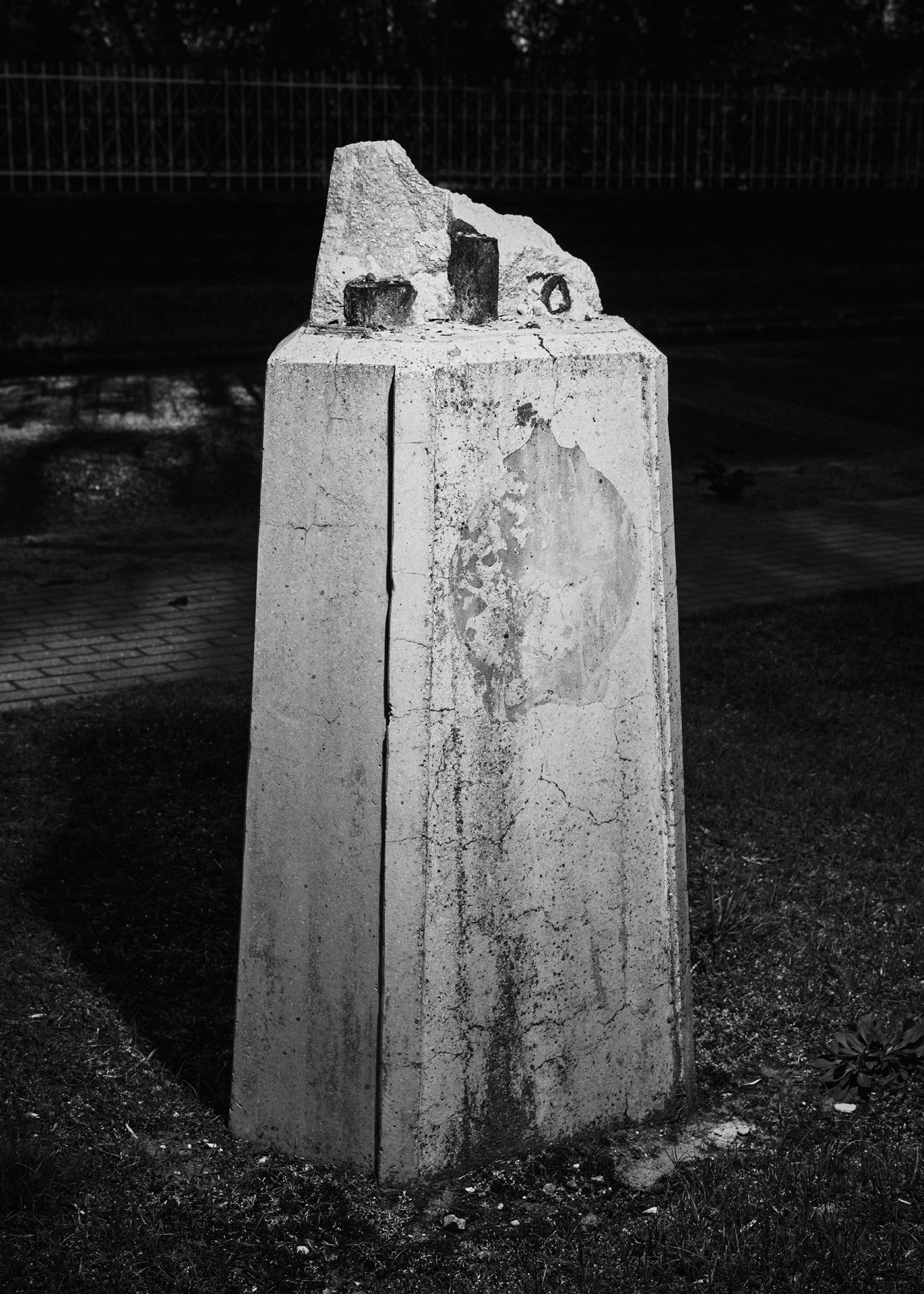
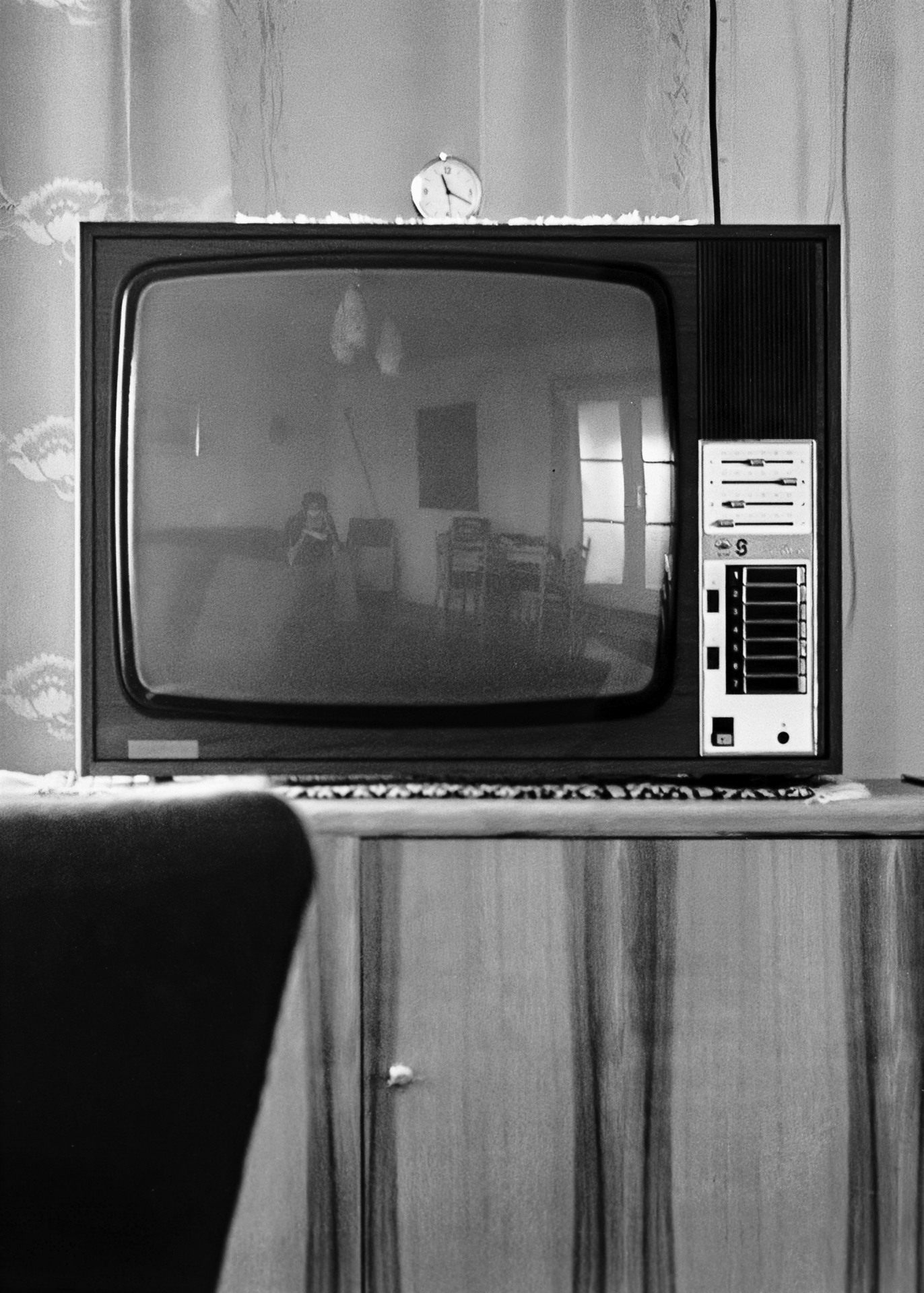
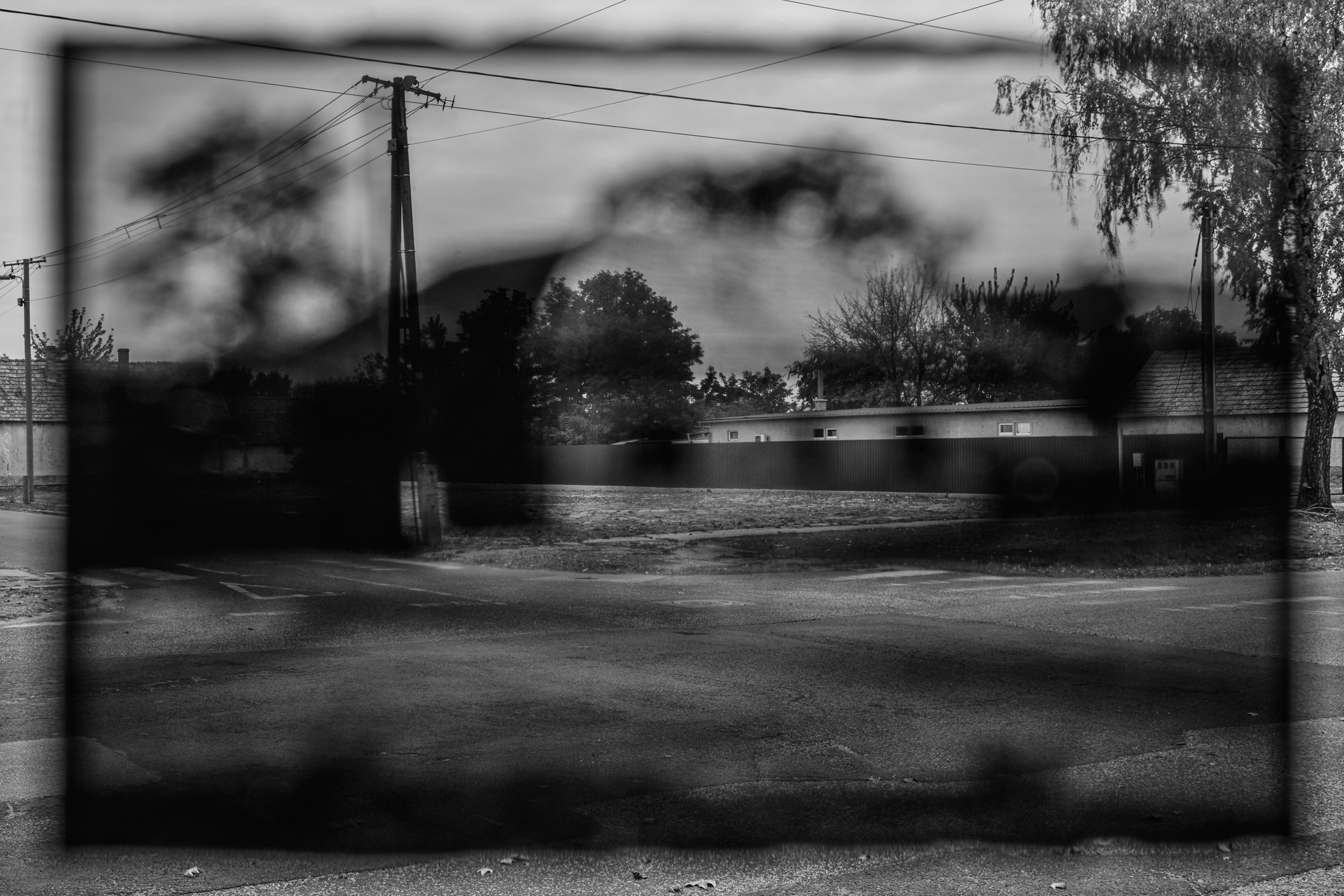
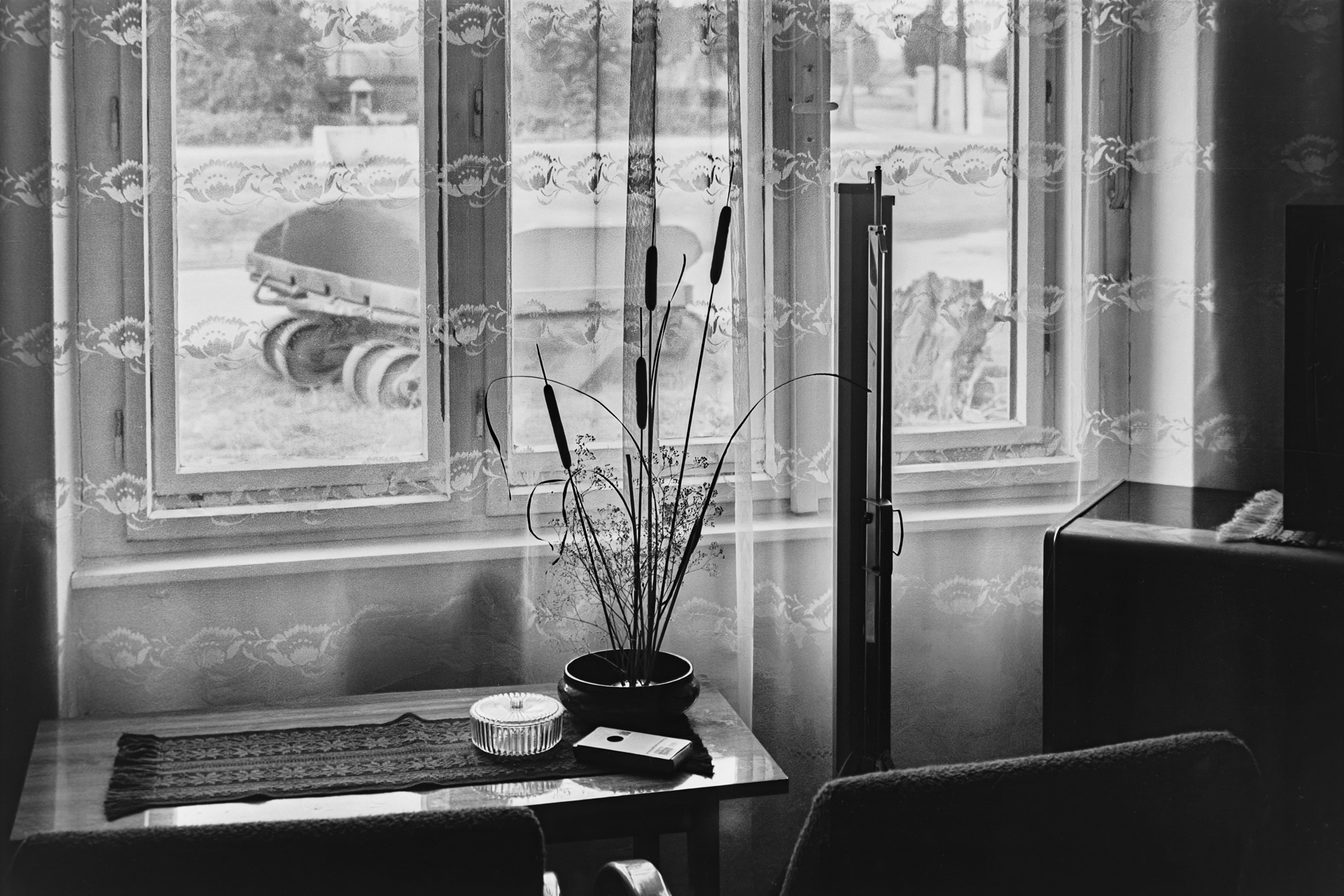
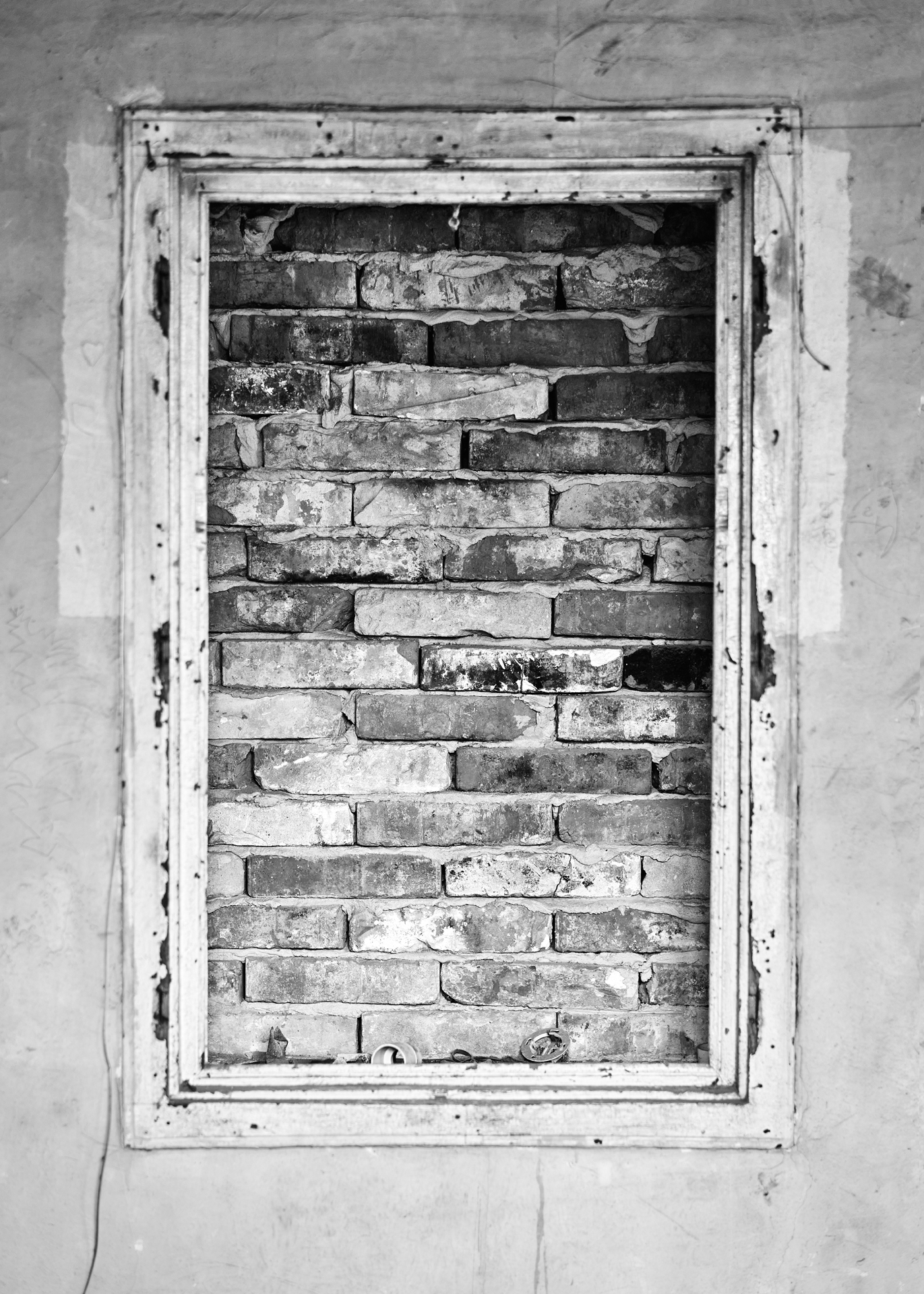
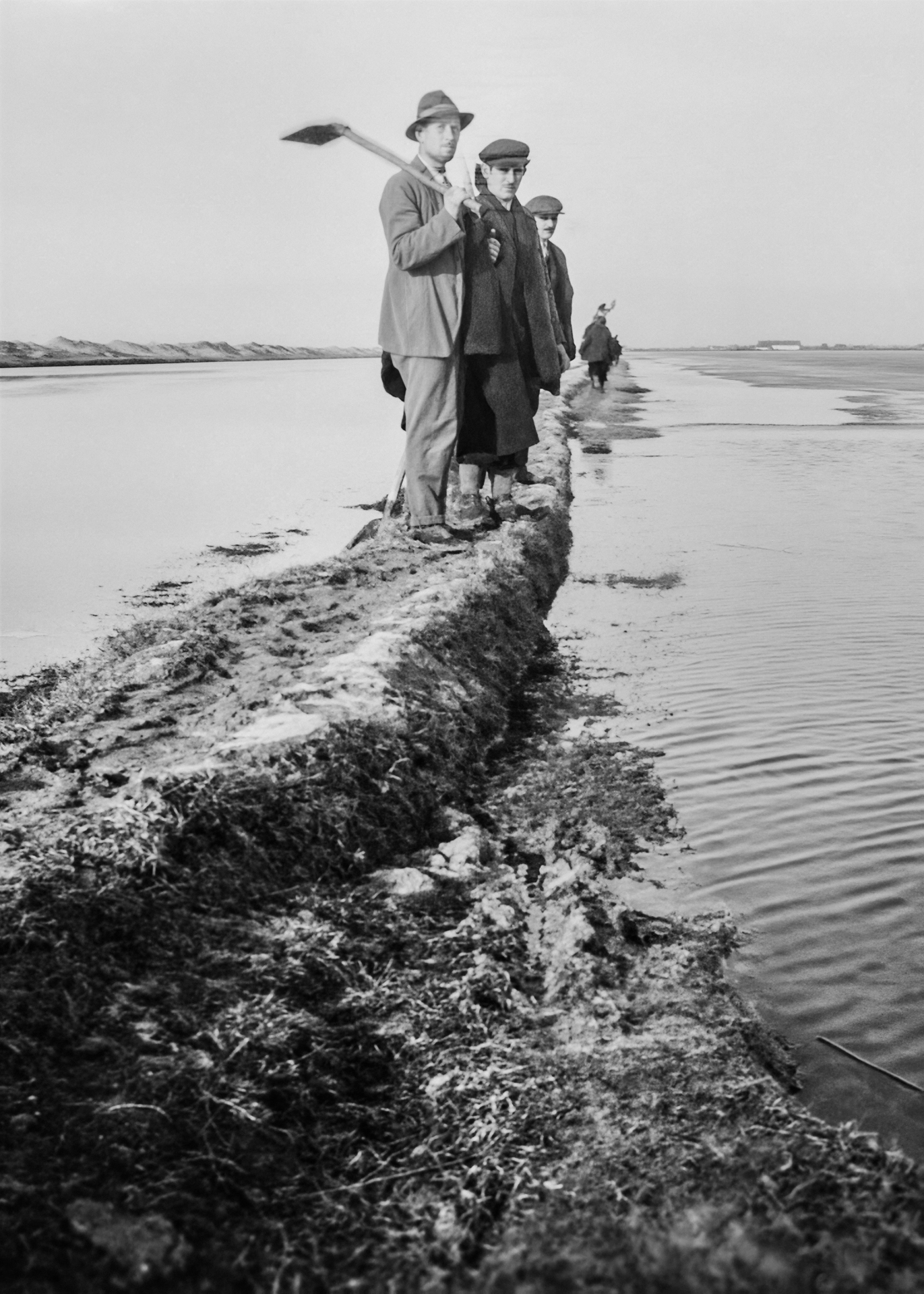
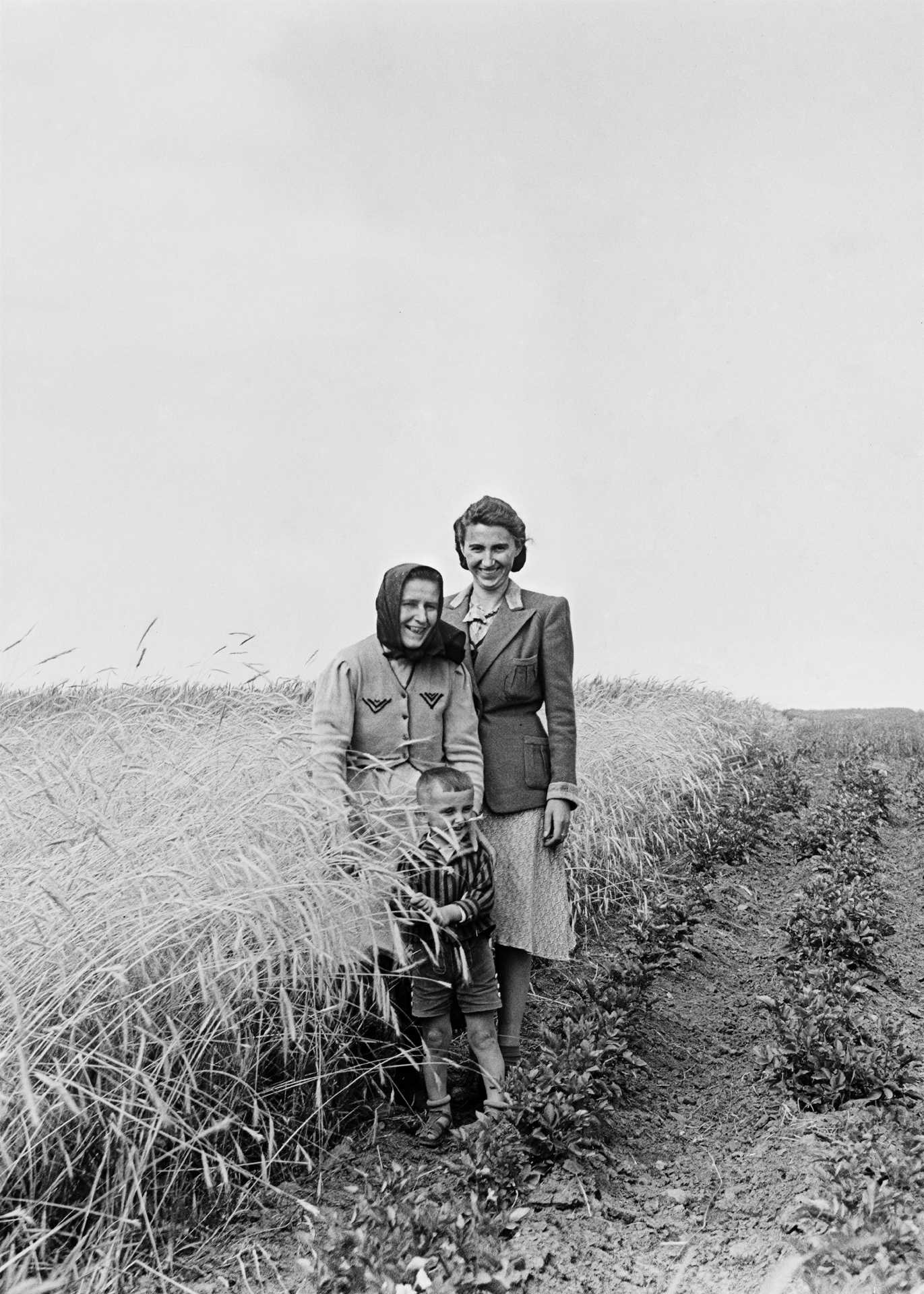
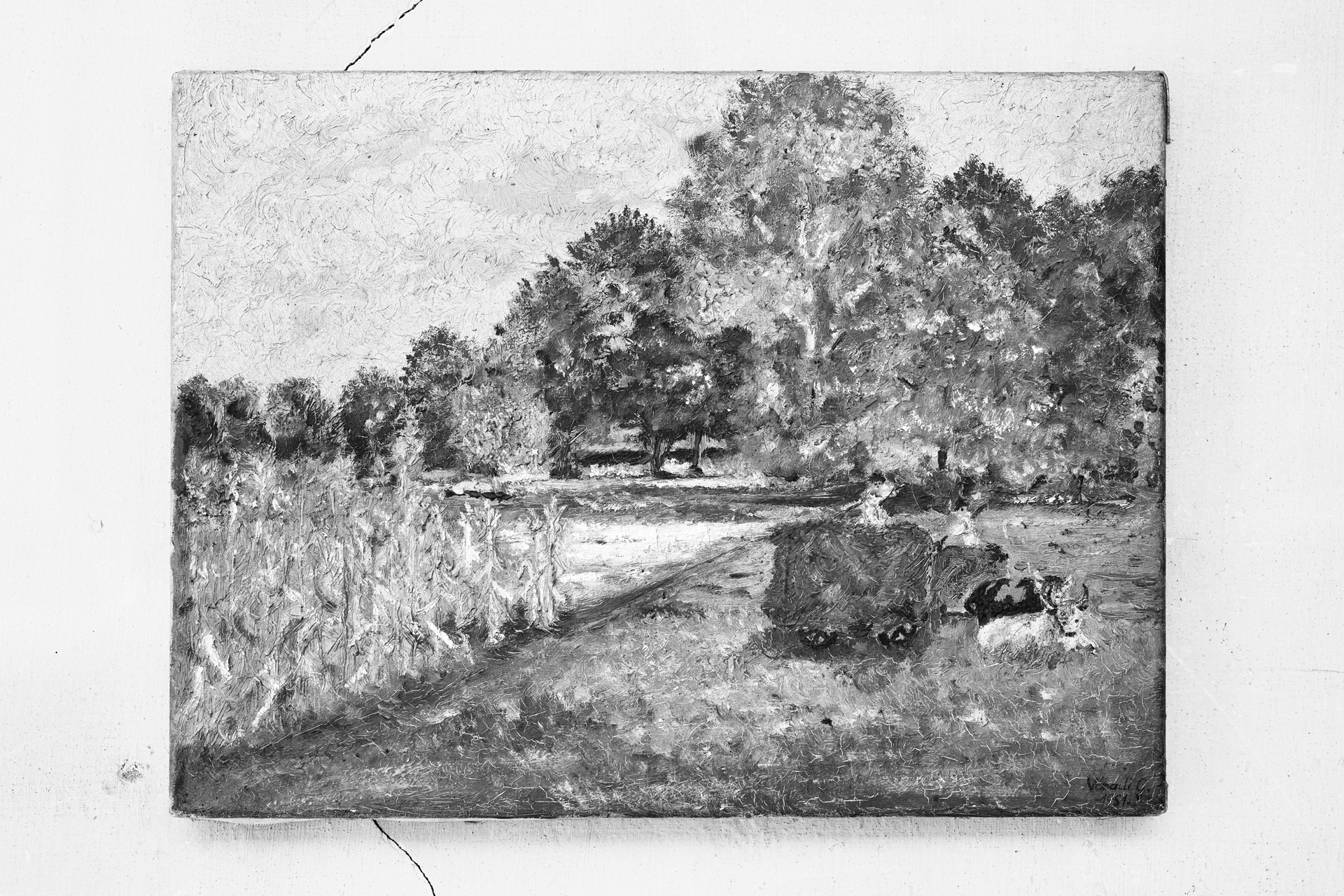
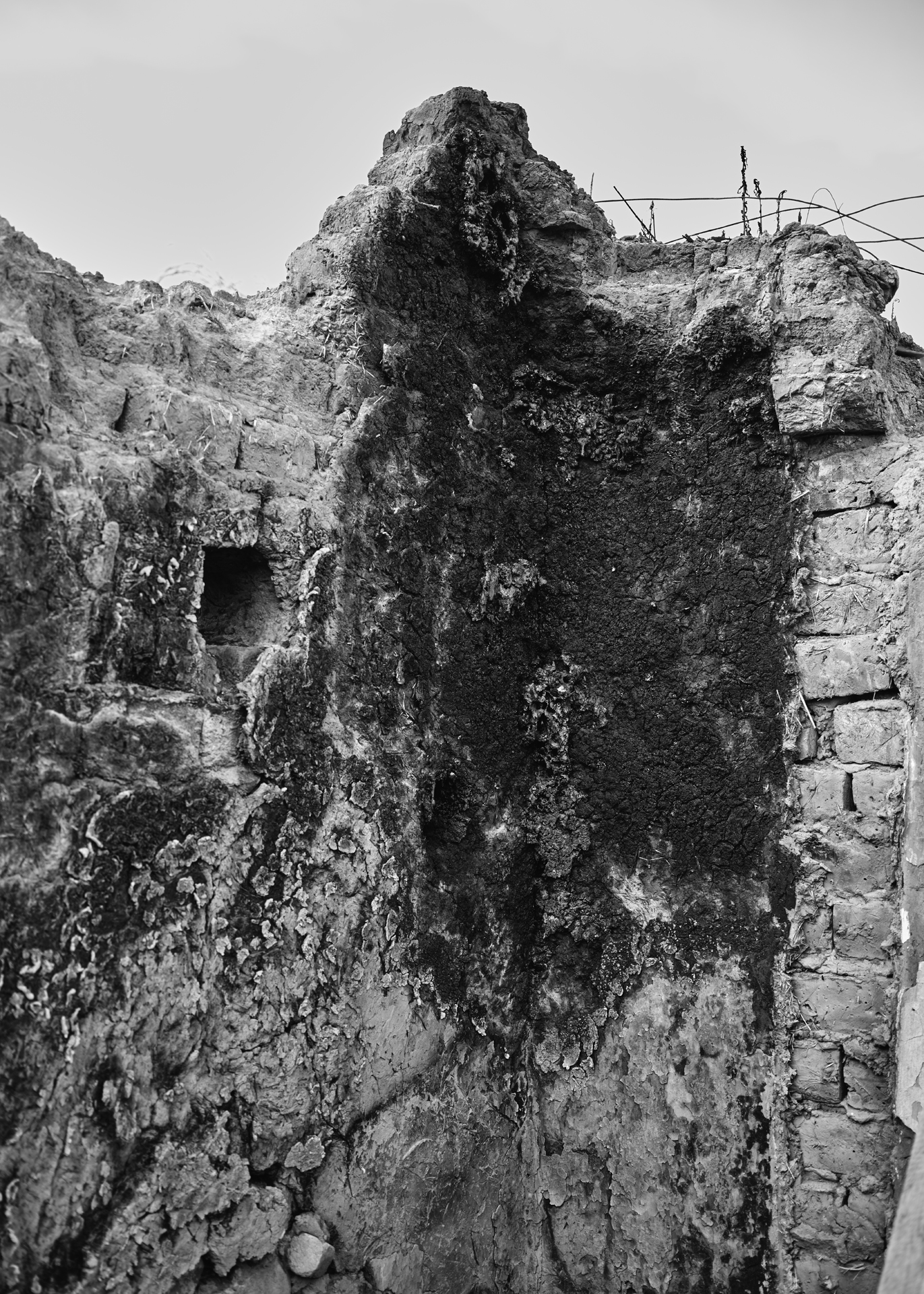
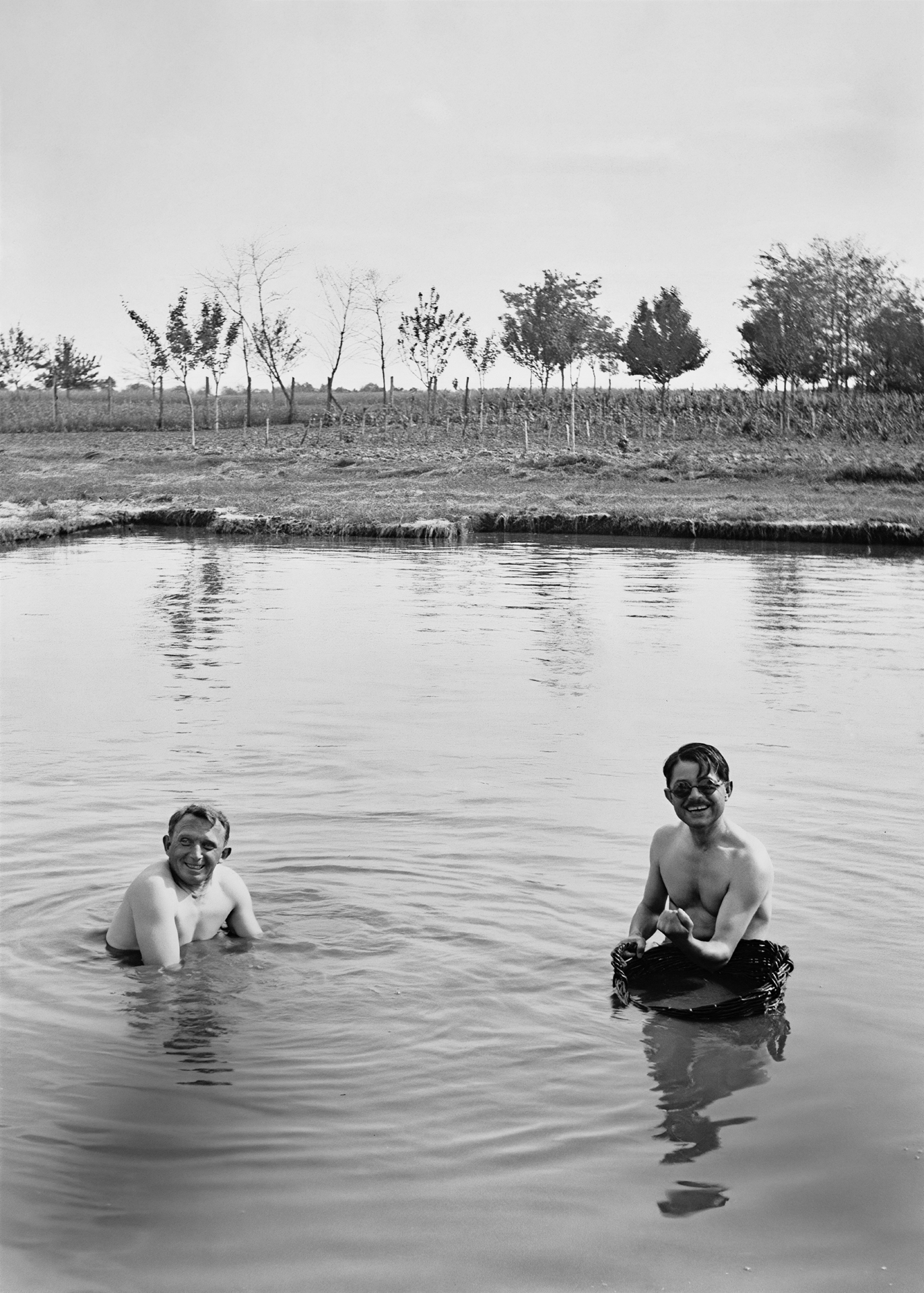
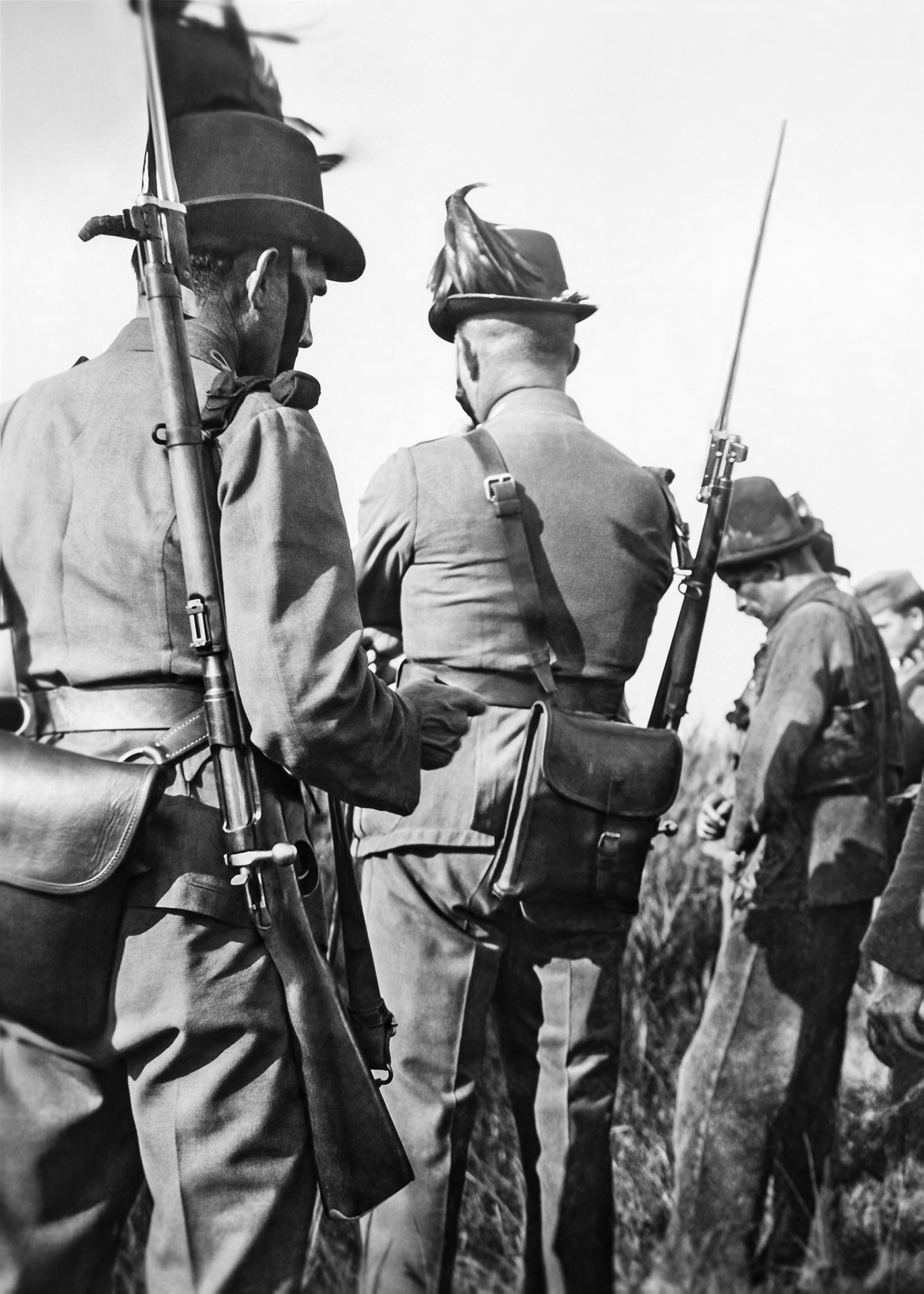
In my latest work, Houses Built on Sand, I explore this theme through archival photographs of my father and grandfather, as well as my own photographs. Both my grandfather and father were amateur photographers; I select and digitize photos from the inherited family archive, often cropping them drastically to recompose them, and then insert them among my own recent photos, thereby creating a dialogue between them. In this way, I show the past and present world of the Homokhátság region, spanning a time span of more than 80 years, through the subjective perspective of myself and my family.