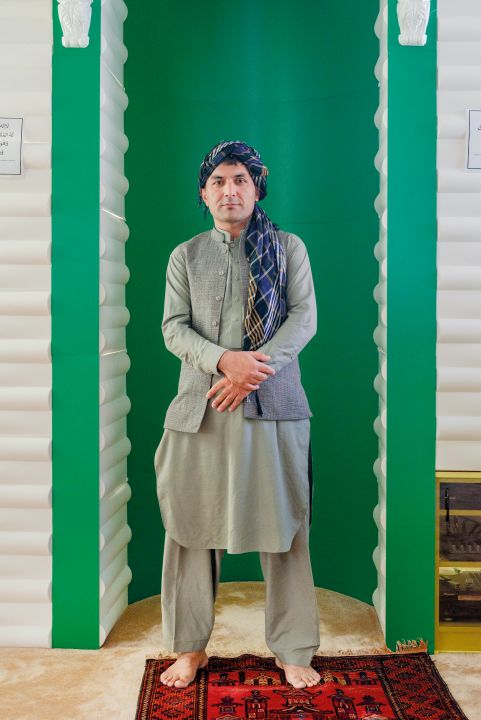
BARNABÁS NEOGRÁDY-KISS IS THE WINNER OF THE CAPA GRAND PRIZE HUNGARY 2020
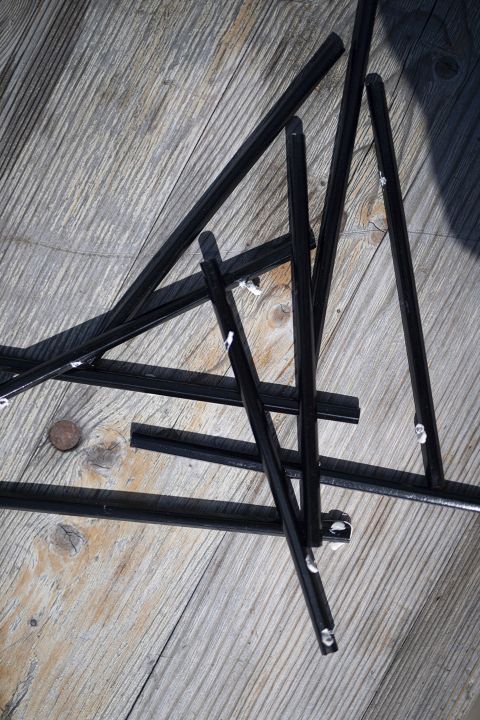
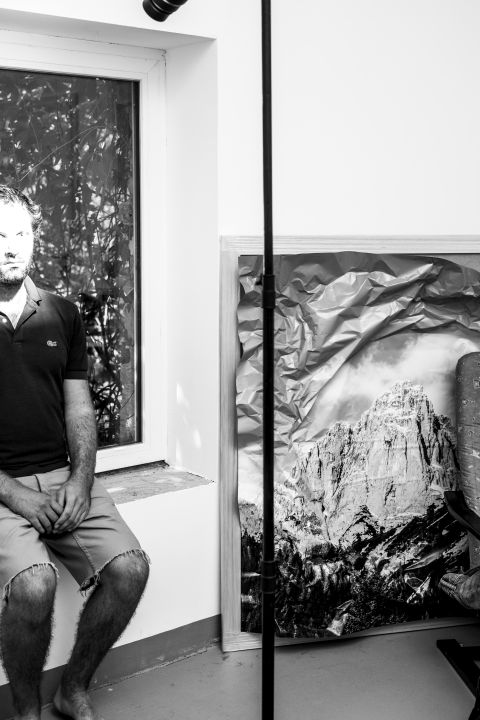
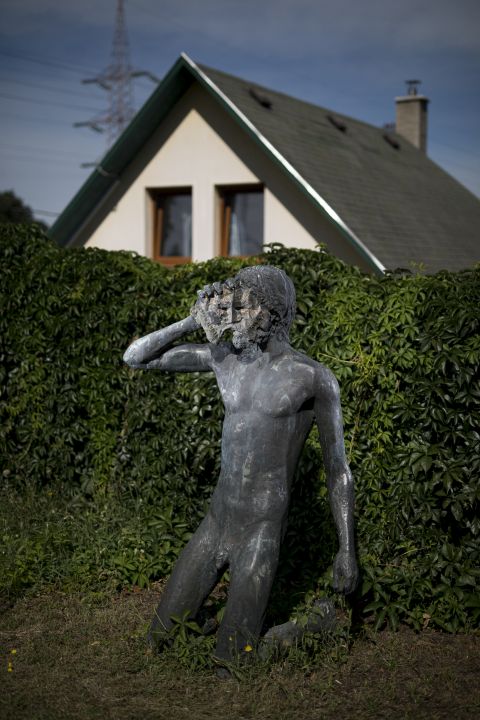
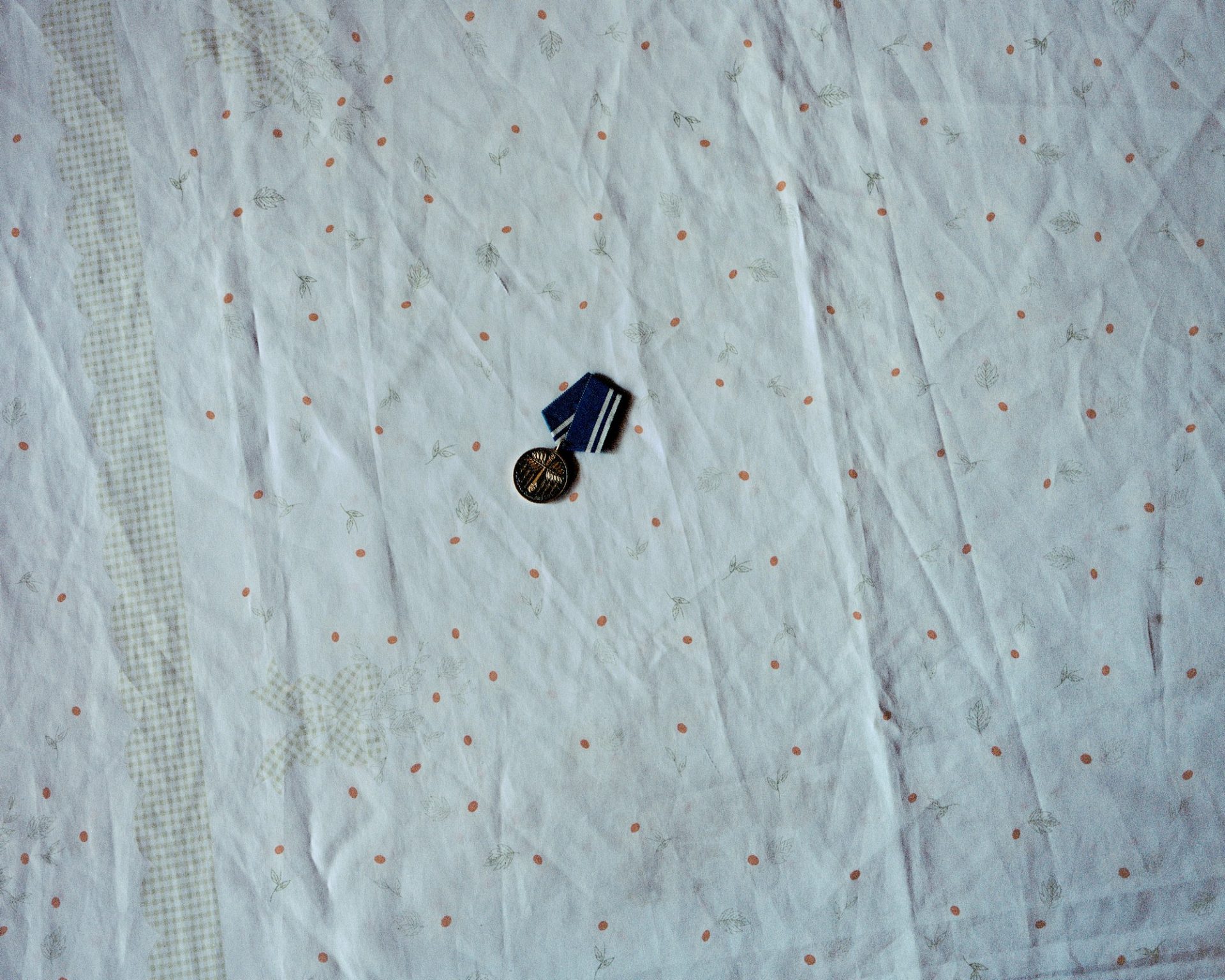
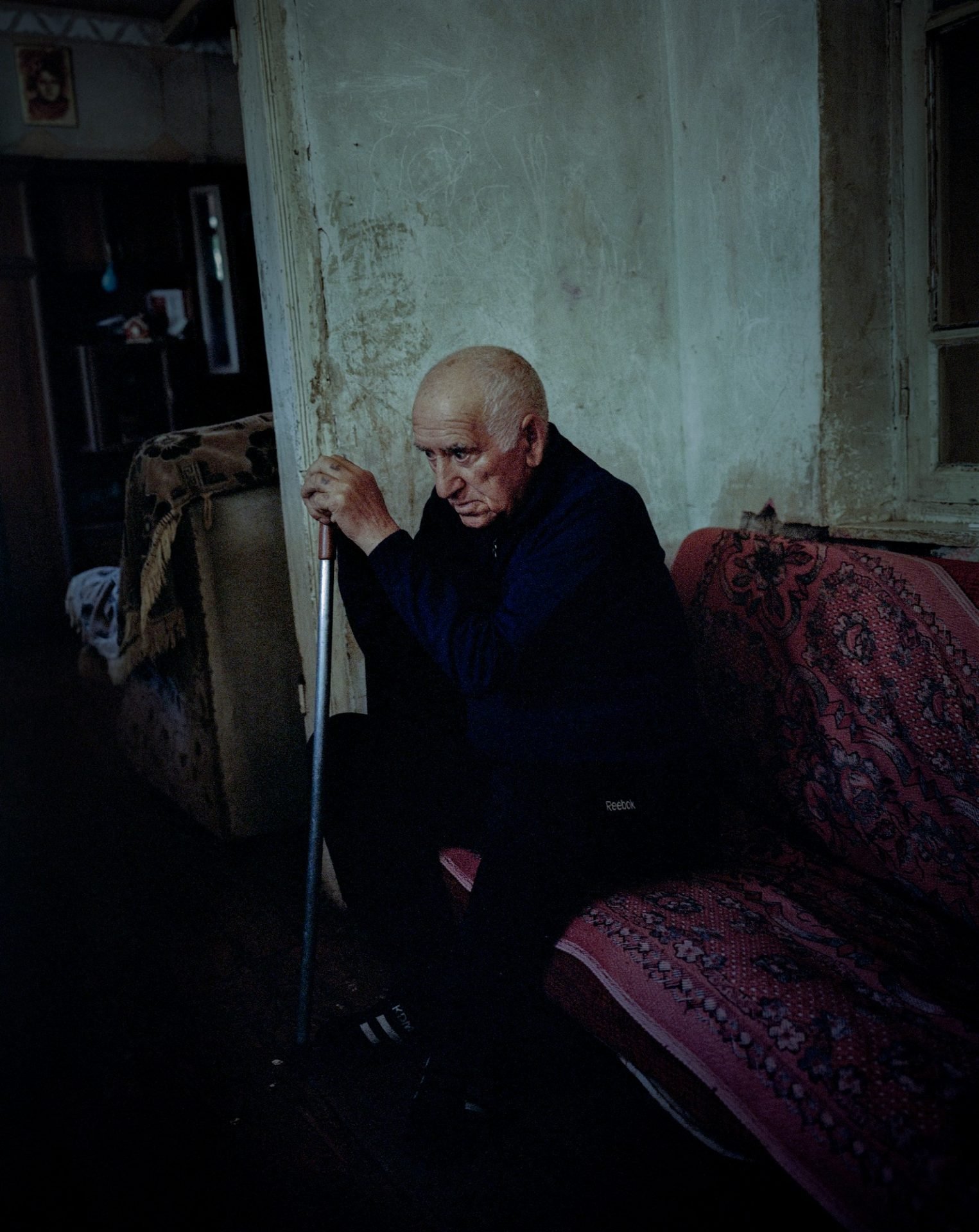
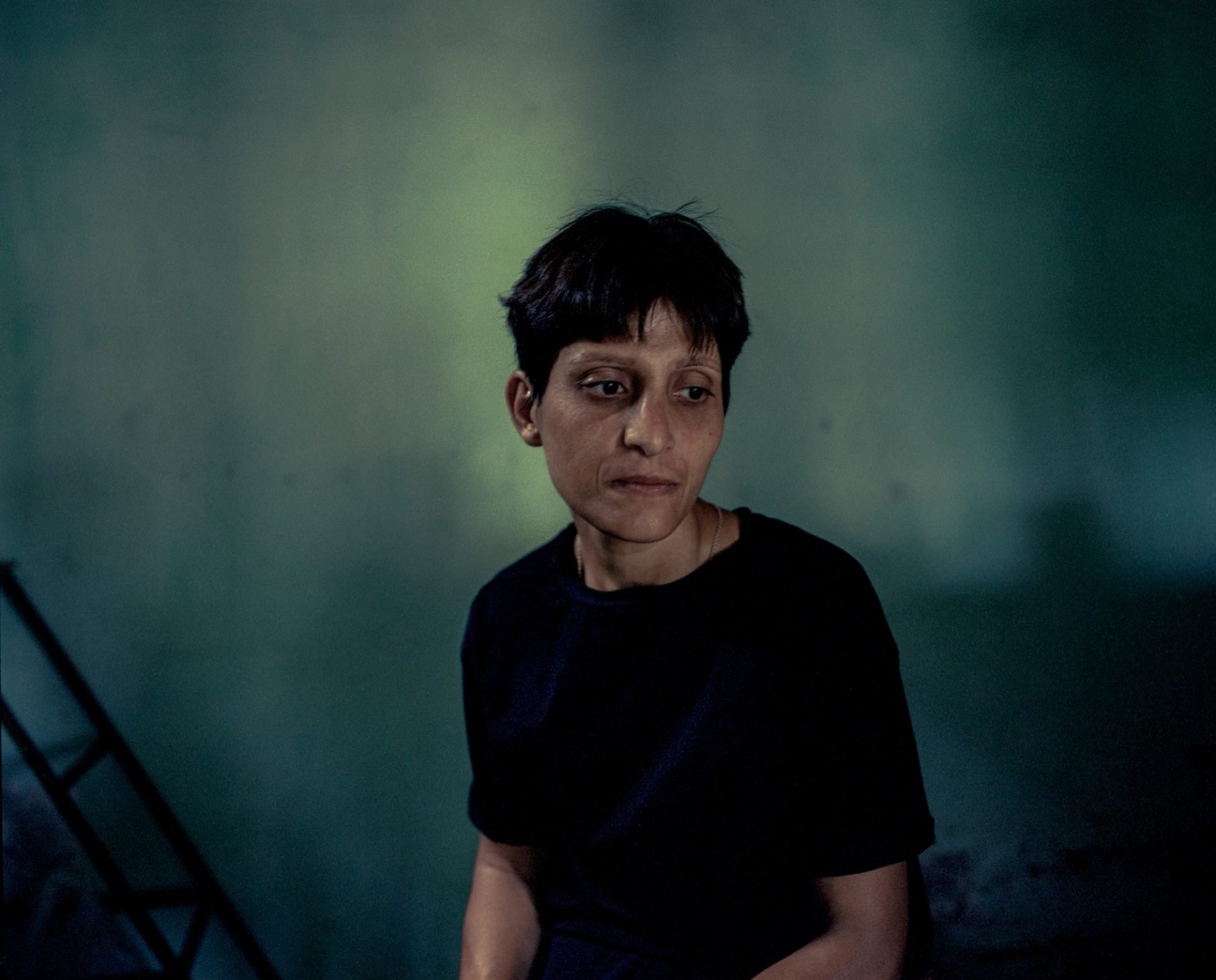
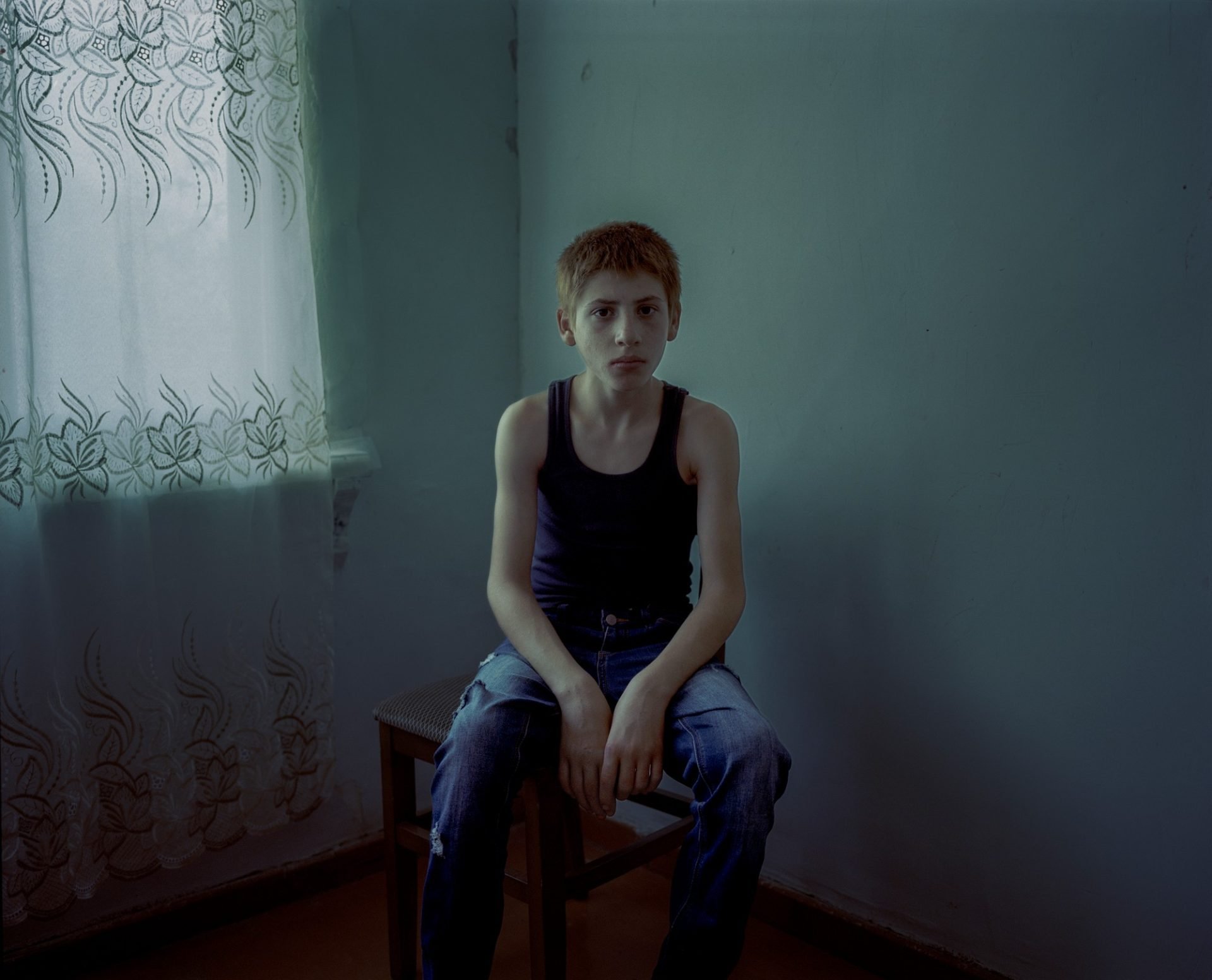
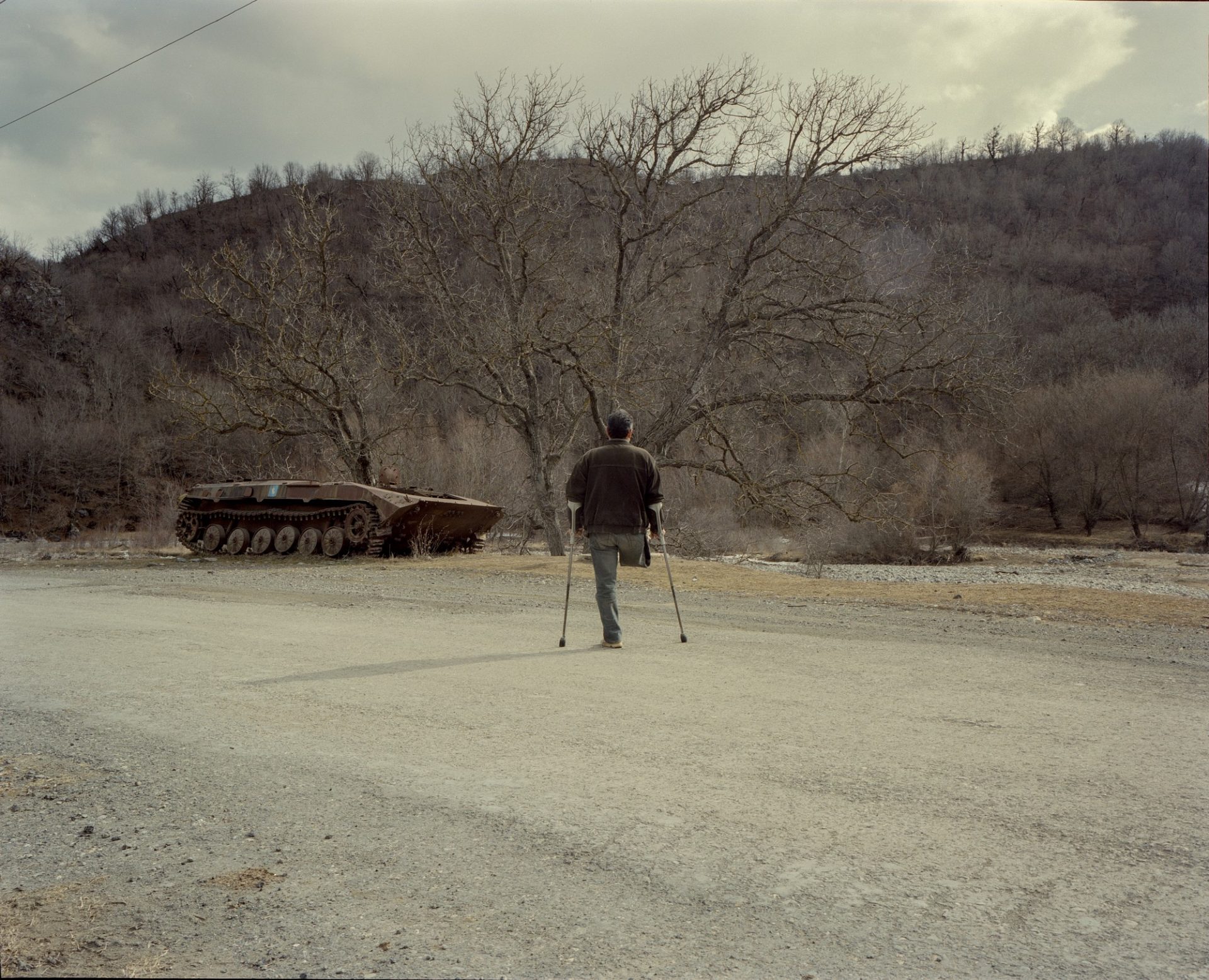
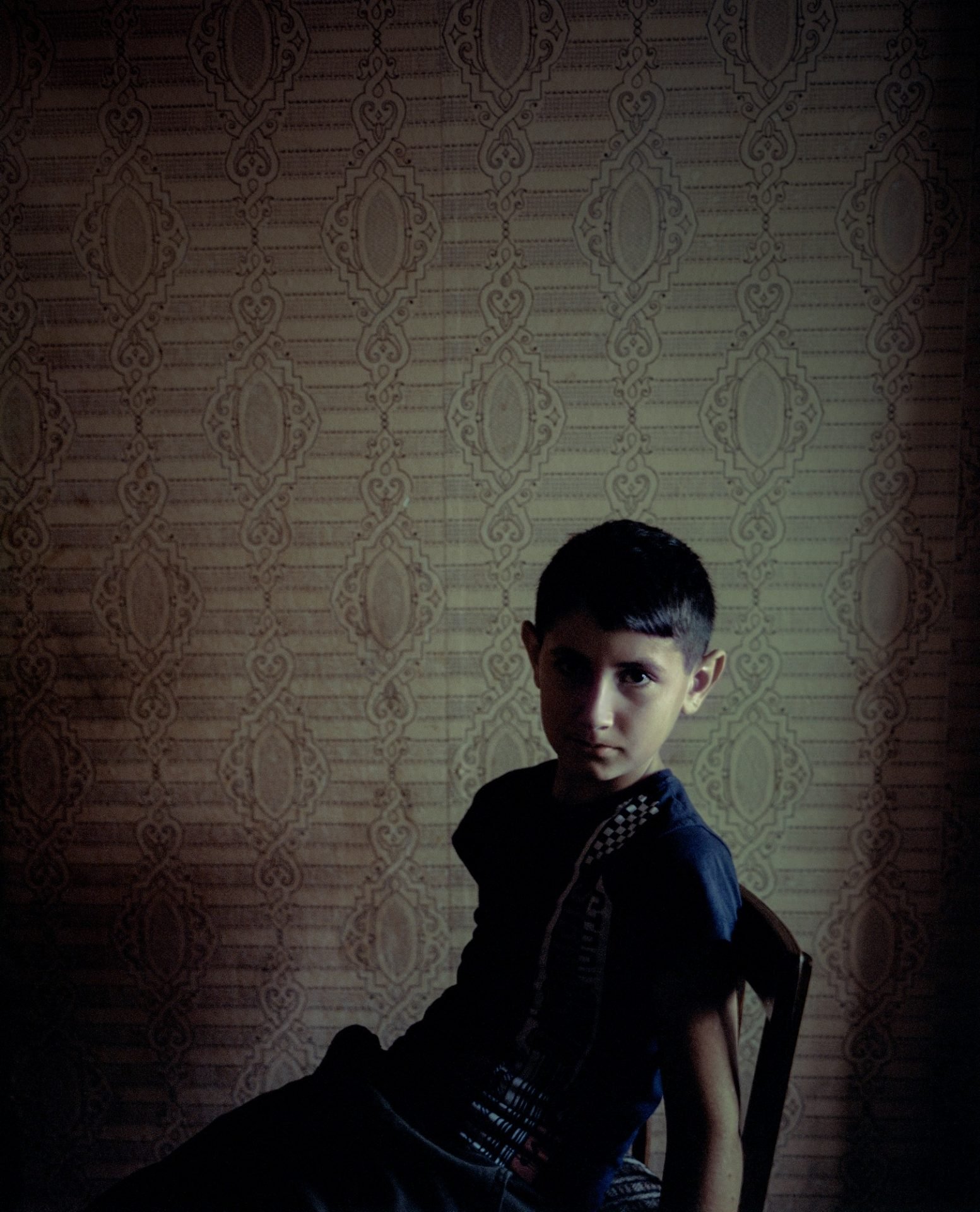
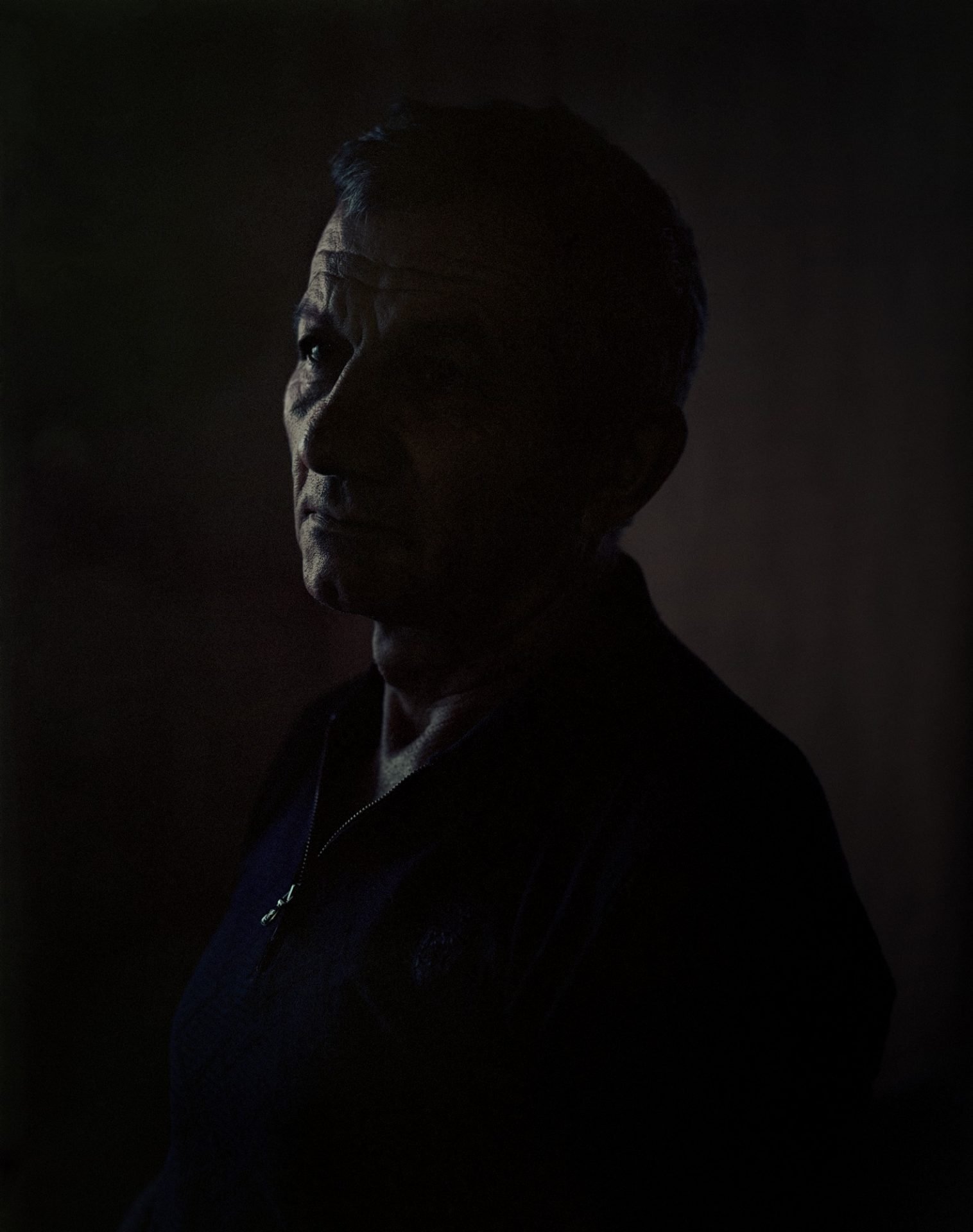
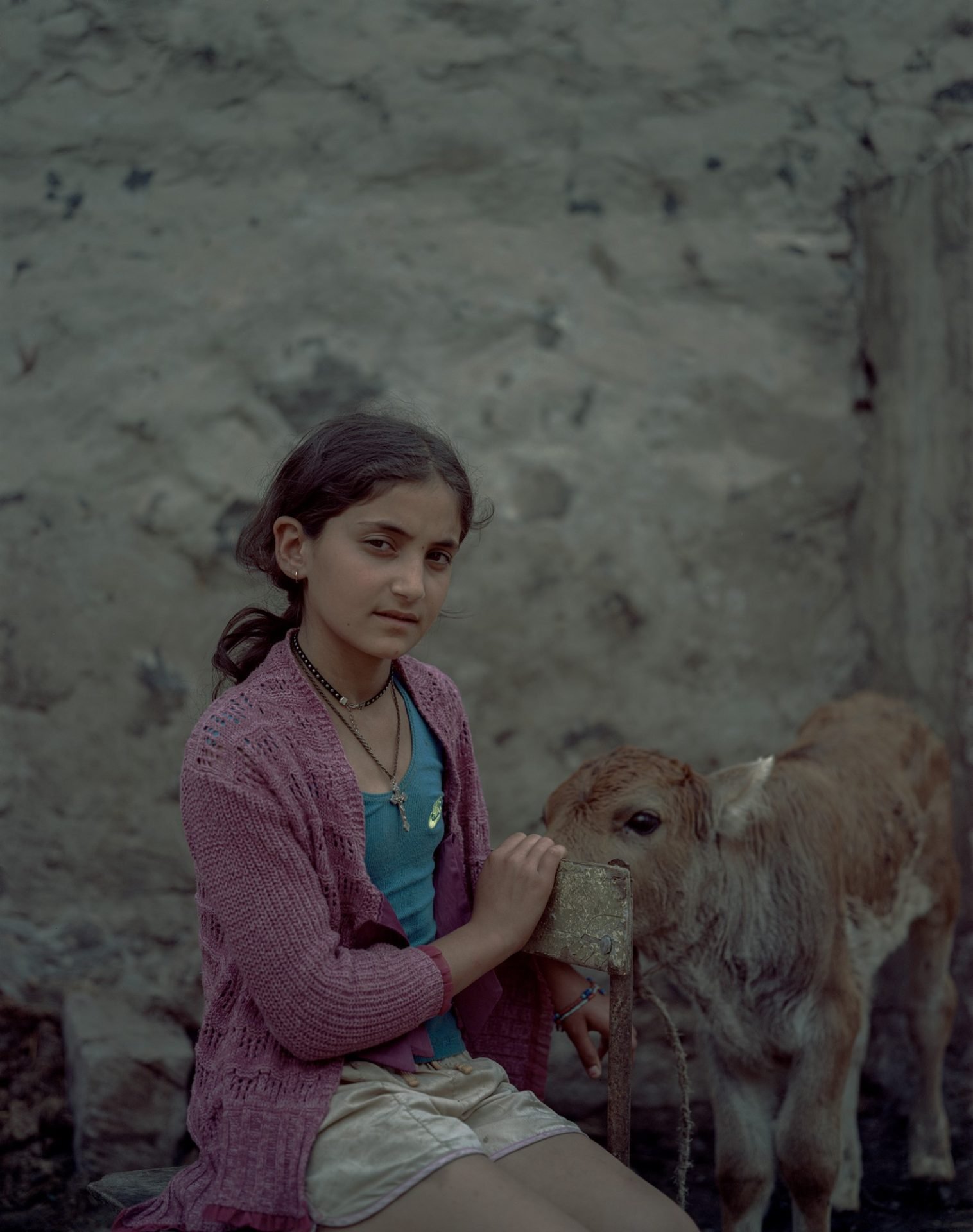
The jury selected Barnabás Neogrády-Kiss for his entry entitled Double Bond as the Capa Grand Prize Hungary-winner in 2020.
The Robert Capa Photography Grand Prize Hungary was founded in 2014 by the Capa Center to recognize the work of artists who produce an outstanding achievement in the field of Hungarian photography. The awards were decided in two stages by a five-member jury of Hungarian and international professionals. In October 2019, the jury selected three candidates – and awarded each of them with a fellowship of HUF 500 000+200 000 (approx. €2000) – for the Grand Prize of HUF 5 million (approx. €14,000) in total. The jury appreciated Barnabás Neogrády-Kiss’s work during tha past fellowship year, so they selected him as the fifth Capa Grand Prize-winning photographer. He received a cash award of HUF 3 million (approx. €8,300) at the award ceremony on October 21, 2020, held on the occasion of Robert Capa’s 107th birth anniversary in the Capa Center – behind closed doors due to Covid precautions.
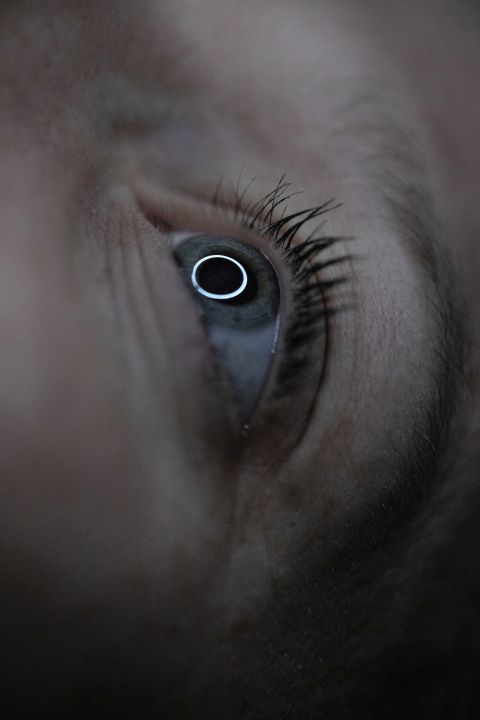
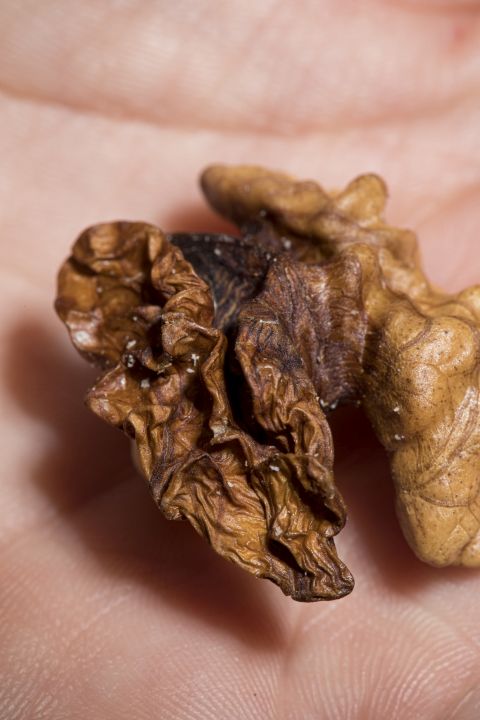
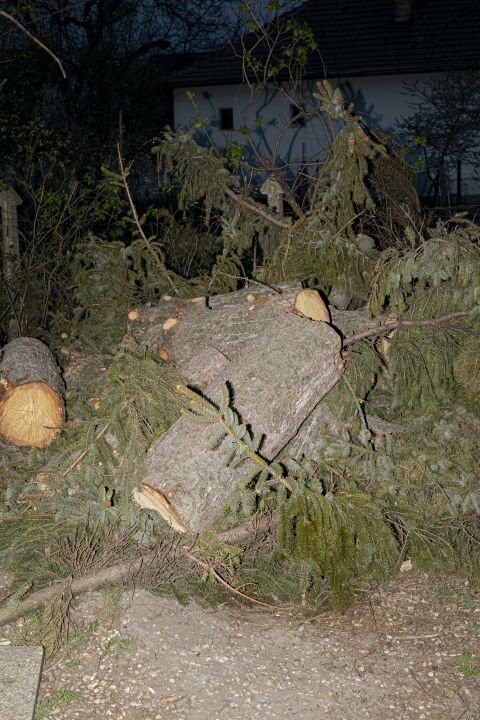
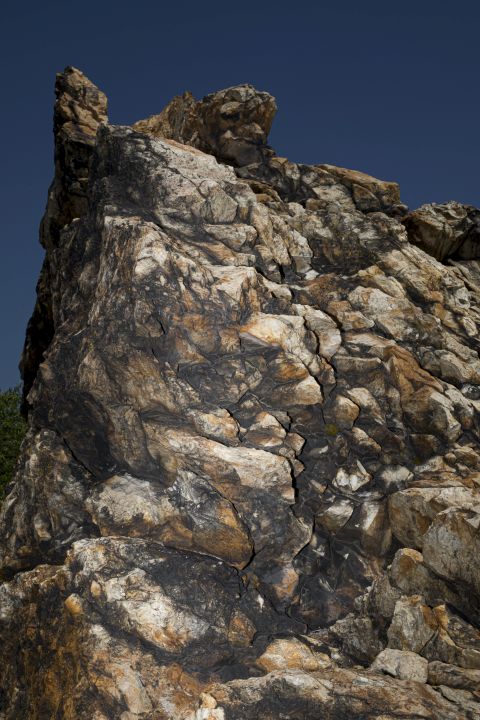
DOUBLE BOND
Neogrády-Kiss Barnabás

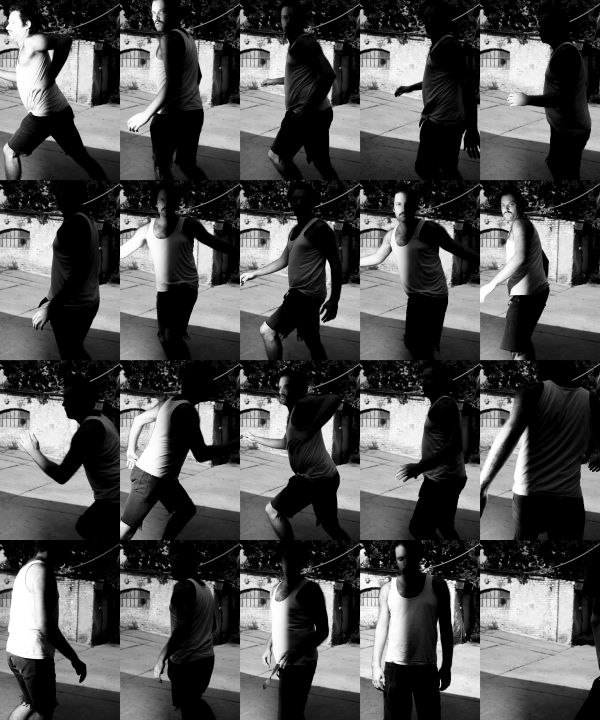
In 2008 I had my second brain surgery. Then I started to learn my basic functions again: speaking, walking, moving hands, seeing. In parallel, from 2009 to 2017 I studied photography and art at Prátér Street Vocational Training, Kaposvár University and Moholy-Nagy University of Art and Design. During this time I participated in many group exhibitions. My solo exhibition was in Faur Zsófi Gallery in 2014, 2018 and in Lollipop Factory in 2019. Since 2010 I have been working in photography workshops and camps. Since 2017, I have been teaching adults at art school. My books have been to various photobook festivals in London, Berlin, Stockholm, Vienna
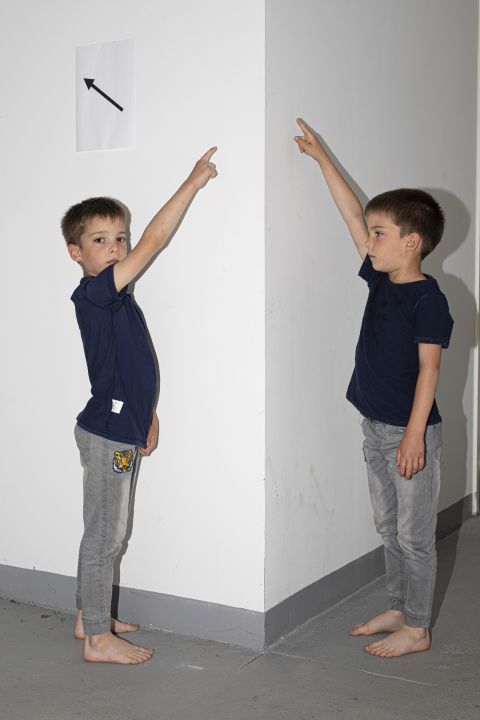
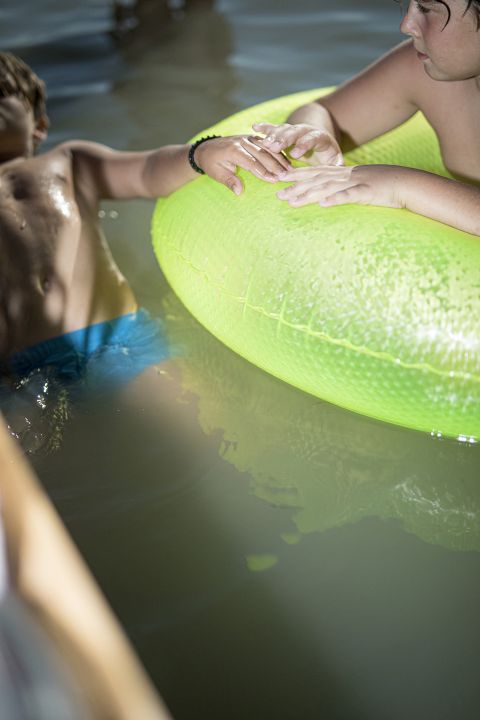
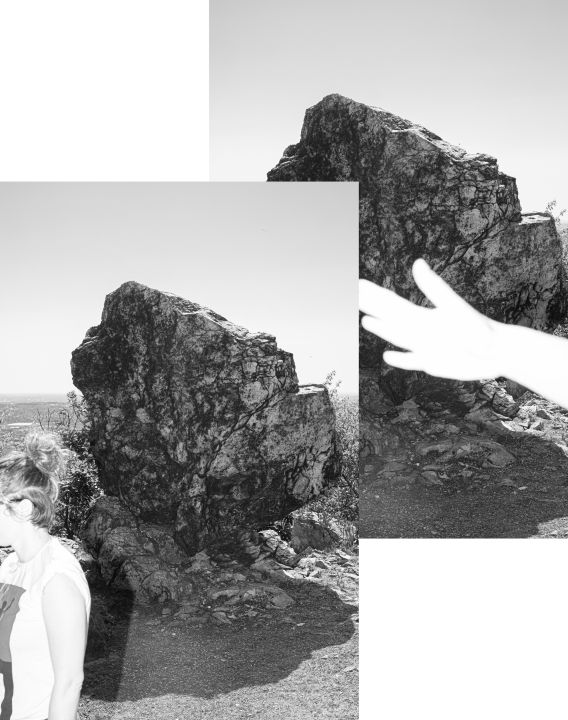
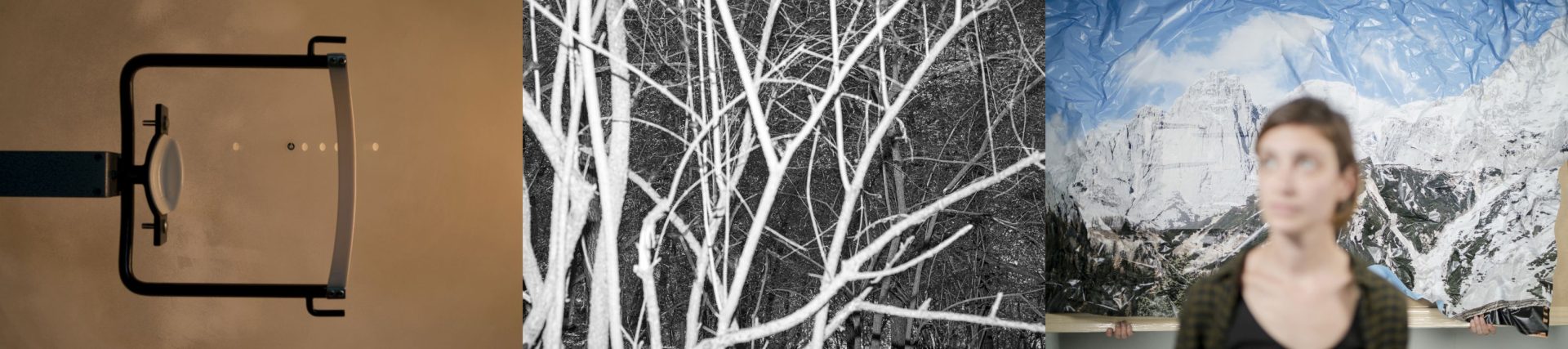
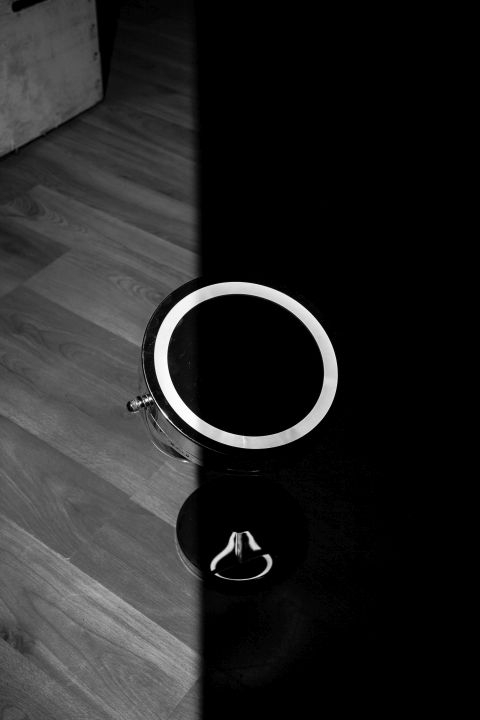
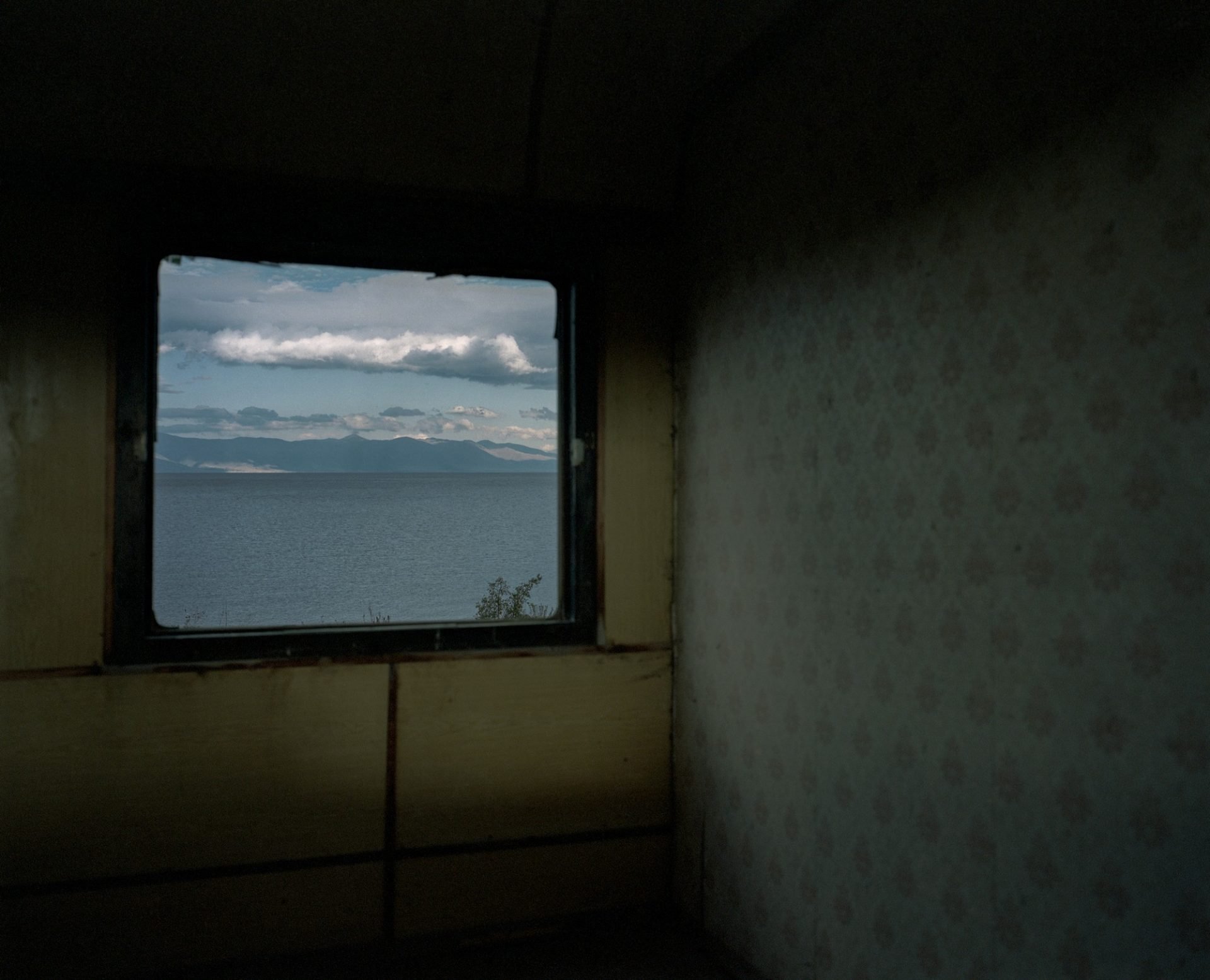
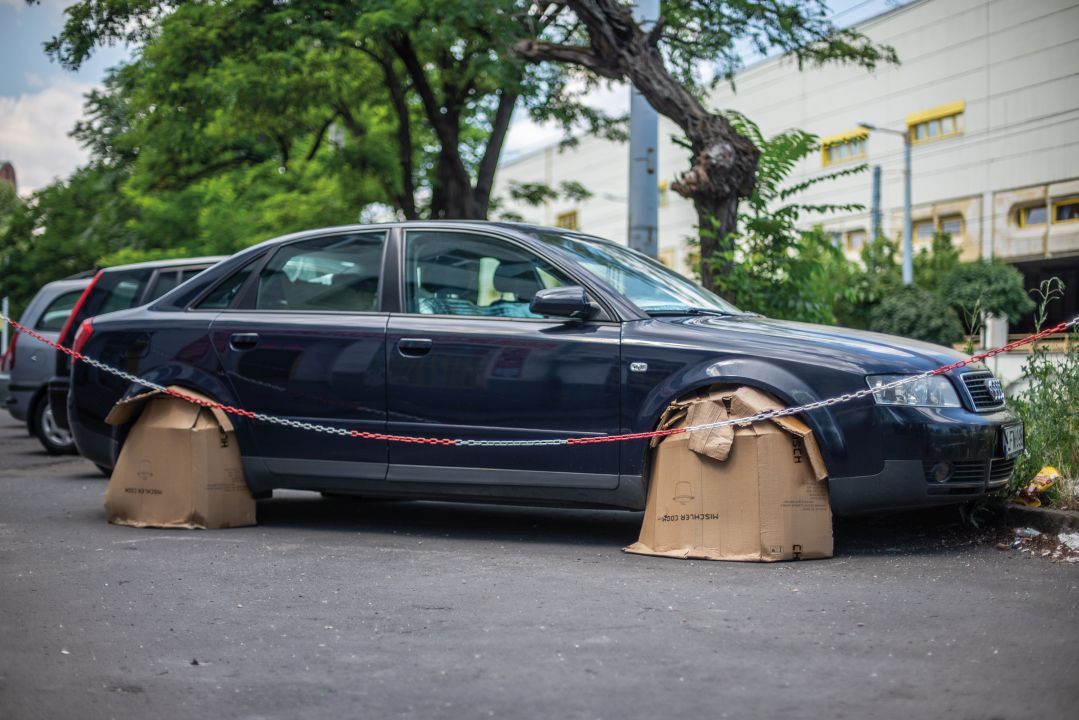
My sight is indescribable, cannot be visualized. Only those will know, those can understand it who have experienced it. Whatever I focus on, it will always be halved; if I look at the half of the half, that will be halved as well. I tried to conceive of photography as a study but I had to realize that I didn’t want this series to be an illustration of my vision. I had to dig a bit deeper to understand what this entails, what thoughts, connections, bonds form in my head. I tried to simplify a rather complex thing: the communication between pictures. Like when you try to filter out things that are interesting for you from a scene and then follow up on thoughts based on this filtering. Experiences, perceptions, half-thoughts, partial pictures, the big whole forming in our head. You see a round “O” when looking at a neon green floaty, I visualize a “C”-shaped half-green floaty. Following this train of thought, we’ll arrive at completely different conclusions; me at the letter “C,” you at the letter “O,” you end up with a UFO, I’m left with a boomerang.
I’m sitting in the passenger seat of a car.
The driver:
– So what do you see of this billboard?
– What billboard?
In my world, that billboard didn’t exist at that time. This made me realize that all those things we don’t see are still contributing to our lives.
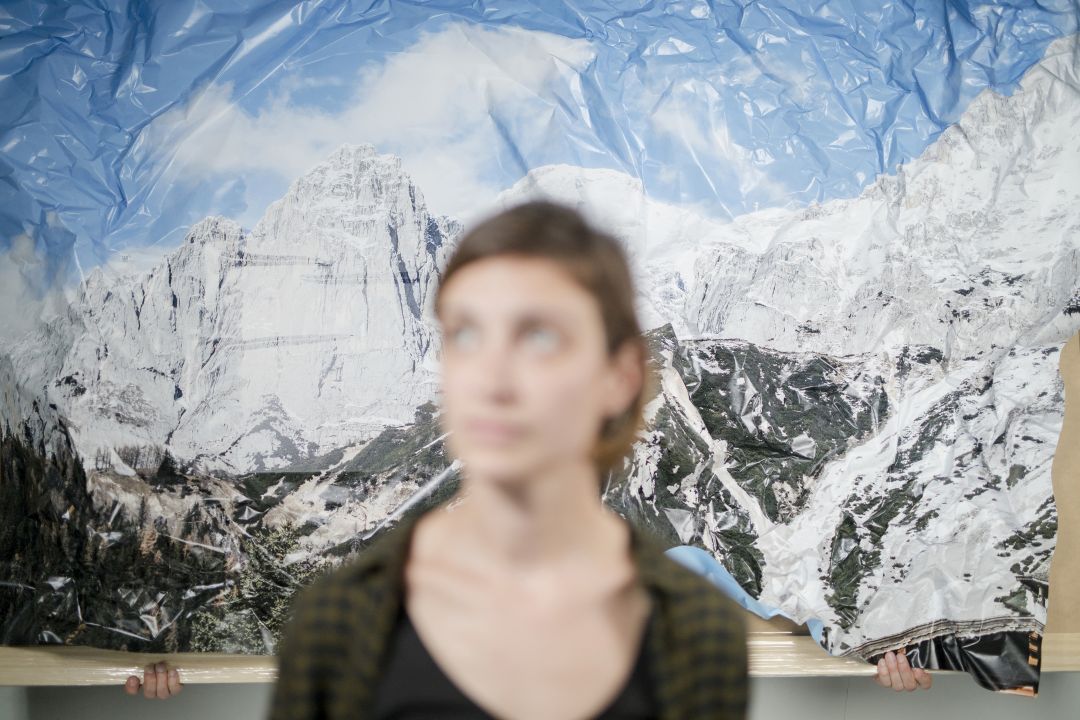
Is anyone actually interested in what is beyond that mountain, behind your hands, under the water, behind our backs?
To see everything all at once, whatever it is in front of me, that’s just a memory at this point. Thus the space I see is an image put together in my head with a time shift, like a mosaic. Do we all think in pictures? Do I recall things as a whole?
I’m lying on the king-sized bed at my mother’s place after my second surgery, watching television. There’s a movie on and there’s a scene where two characters are walking and having a conversation — cut scene, and I only see a human face up close, and the character is seemingly listening to something, but I hear words, I hear someone telling a story. What the heck is going on with this movie? Are they showing us the character who isn’t even talking? Why is the other one still speaking if they aren’t on-screen? In exhaustion, I looked at the doorway, it was to the right of the TV, and I saw from my periphery that there were actually two people talking in the movie, then I looked back and saw one person again. What the fuck? I had no idea what was happening to me. I got scared, I studied it, I have accepted it by now.
WORKS BY THE FELLOWS
YOU WERE NEVER REALLY HERE
Halász Dániel

Curriculum vitae Education 2019 - Moholy-Nagy University of Art and Design, Budapest, Hungary
DLA, Doctor of Liberal Arts in Multimedia
Research subject: The role of creativity in the social and cultural peripheries2006 – 2011Moholy-Nagy University of Art and Design, Budapest, Hungary
BFA + MFA, Photography (graduated in July 2011)
Thesis: Using the public sphere in the service of art // Preparation for the persecution of art2009Glasgow School of Art, Glasgow, United Kingdom BFA Fine Art Photography, exchange study grant2003 – 2005London School of Economics and Political Science, London, United Kingdom BSc Development Studies, Management2001 – 2006Eötvös Loránd University, Budapest, Hungary
BA + MA Scandinavian Studies, Cultural Management (graduated in July 2018)1999 – 2000University of York, York, United Kingdom BSc Sociology and EconomicsTeaching2020Tenured Lecturer, BA + MA courses // The Visual Arts Institute, Eszterhazy University, Eger, Hungary
Guest Lecturer // Moholy-Nagy University of Art and Design, Budapest, Hungary2019Lecturer // The Visual Arts Institute, Eszterhazy University, Eger, Hungary
Module Leader and Mentor // Milestone Institute, Budapest, Hungary2016 – 2017Teaching Assistant // International Center of Photography, New York, NYOther professional activities2015Photographer and videographer // Gulu Youth Development Association, Gulu, Uganda2013 – 2015Board Member // Studio of Young Artists’ Association, Budapest, Hungary2012 – 2014Senior Photo Editor // Envato, Melbourne, Australia2009 – 2011Art Director // Laboratory Group | Partner of JungvMatt, Budapest, HungaryAwards2019Capa Grand Prize 2020 // Nominee
Esterhazy Art Award 2019 // Shortlist
Budapest Photography Grant // Winner2017Reclaim Photography Festival // RPS Award2016Head On Portrait Prize - Museum of Sydney // Semi-Finalist2015International Photographer of the Year Awards // Honorable Mention2011NEU/NOW Festival for graduating young artists // Selection2009Imagine a New World - European Commission Photo Prize // Winner
Fotomuseum Winterthur - PLAT(T)FORM 10 // Nominee
International Photography Awards // Selection
Google Photography Prize // Winner2008Epson Art Photo Award // Winner, Best ClassScholarships2019Moholy-Nagy University of Art and Design // doctorate grant, ongoing2014Studio of Young Photographers // field research in New York City2010Rodschenko School of Photography, Moscow House of Photography // research workshop in Russia2009Glasgow School of Art // Erasmus scholarship in Scotland2008Bauhaus University Weimar // Art/Bauhaus scholarship in Germany2005Universitetet i Bergen // scholarship in Norway
Vraa Hojskole // scholarship in DenmarkExhibitions (selected)2020You Were Never Really Here – Capa Grand Prize 2020 // Robert Capa Contemporary Photography Center, Hungary
Walking the Line (upcoming solo) // Robert Capa Contemporary Photography Center, Hungary2019Esterhazy Art Award 2019 // Ludwig Museum Budapest, Hungary
The Walls // Drei Raben, Budapest, Hungary
The Walls // Debrecen, Gyor, Nyiregyhaza, Szeged, Bankito Festival, Hungary2018585.000 m2 // Erzsitt Jewish Historical Archive, Budapest, Hungary
Delete the future forever // Hungarian University of Fine Arts, Budapest, Hungary
Golden Boundaries // Robert Capa Contemporary Photography Center, Budapest, Hungary2017Family // Hermitage Museum, St Petersburg, Russia
585.000 m2 // Jerusalem Biennale, Jerusalem, Israel
585.000 m2 // KlezKanada, Montreal, Canada2016EuroPhonia – public space// London, UK
585.000 m2 // WhiteBox, NYC, USA
I sleep to wake up, I get up to lie down // Studio Gallery, Budapest, Hungary2015Patron // Studio Gallery, Budapest, Hungary2014NYC //Robert Capa Contemporary Photography Center, Budapest, Hungary
Our Holocaust // Studio Gallery, Budapest, Hungary
Contemporary Hungarians // Brooklyn, NYC, USA2013Inditek Temateka // Labor Gallery, Budapest, Hungary2012New members // Studio Gallery, Budapest, Hungary2011Take the money and run (solo) // Lumen Gallery, Budapest, Hungary
Preparation for the persecution of art // Ponton Gallery, Budapest, Hungary
Family, Notice // Studio Of Young Photographers, Budapest, Hungary2010Homo politicus // Photokina 2010, Cologne, Germany
Imaginary Diary // PhotoEspana 09, Madrid, Spain
Imaginary Diary // 21st Photobiennale, Thessaloniki Museum of Photography, Greece
Imaginary Diary // Hungarian House of Photography, Budapest, Hungary
Imaginary Diary // European Commission Representation, London, UK2009Imaginary Diary // Contretype Contemporary Photographic Art Centre, Brussels, Belgium
Camp 165 Watten // Photomeetings Luxembourg
Camp 165 Watten // Saatchi Gallery, London, UK
Friends // Contemporary Photography Biennale, Dunaujvaros, Hungary
The Danube Delta // Bucharest, Romania2008Night of the Museums – slideshow // Hungarian House of Photography, Budapest
Epson Art Photo Award // Art Cologne, GermanyMembershipsStudio of Young Artists’ Association (FKSE)
Studio of Young Photographers (FFS)
Royal Photographic Society (RPS)
Photographic Society of America (PSA)
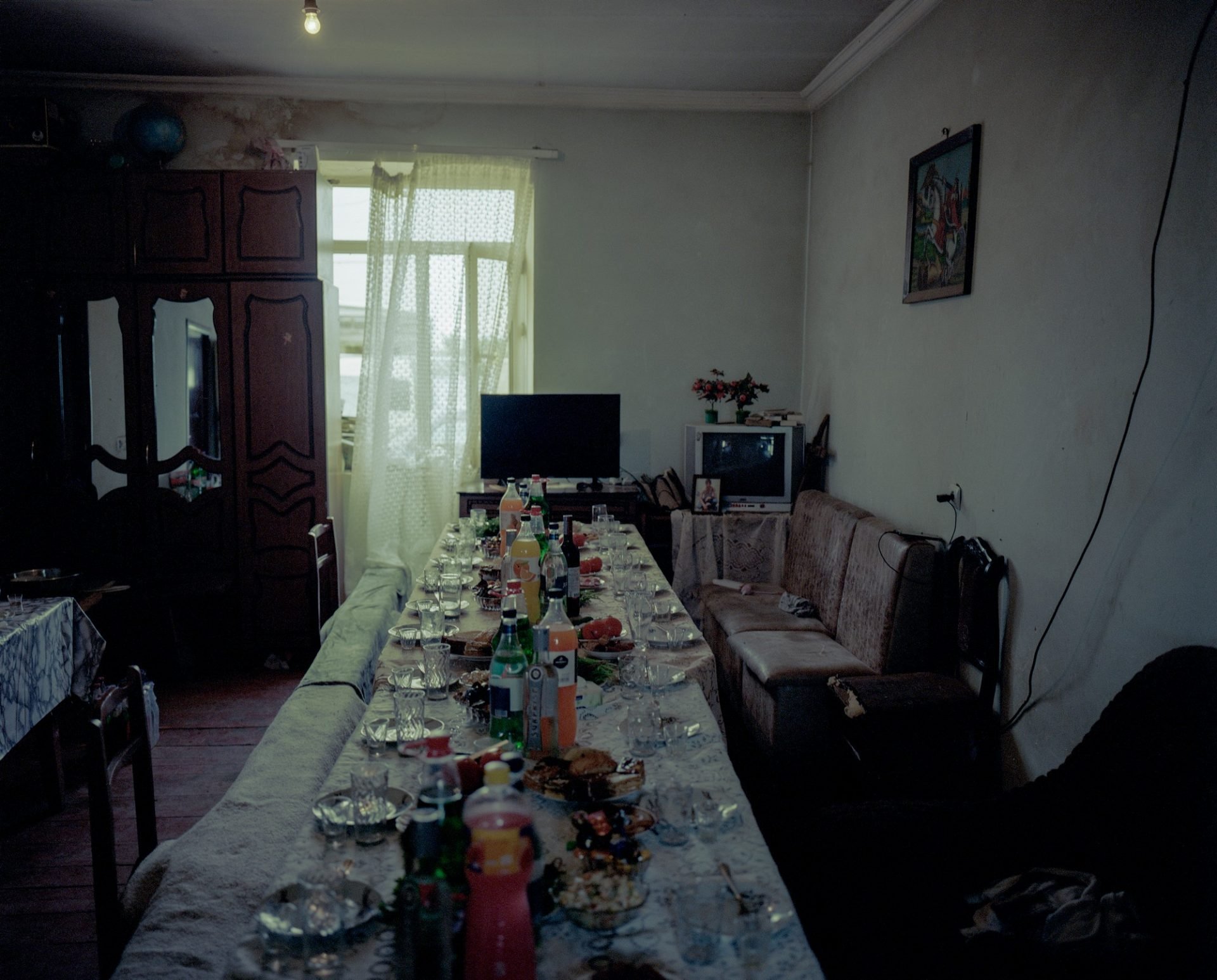
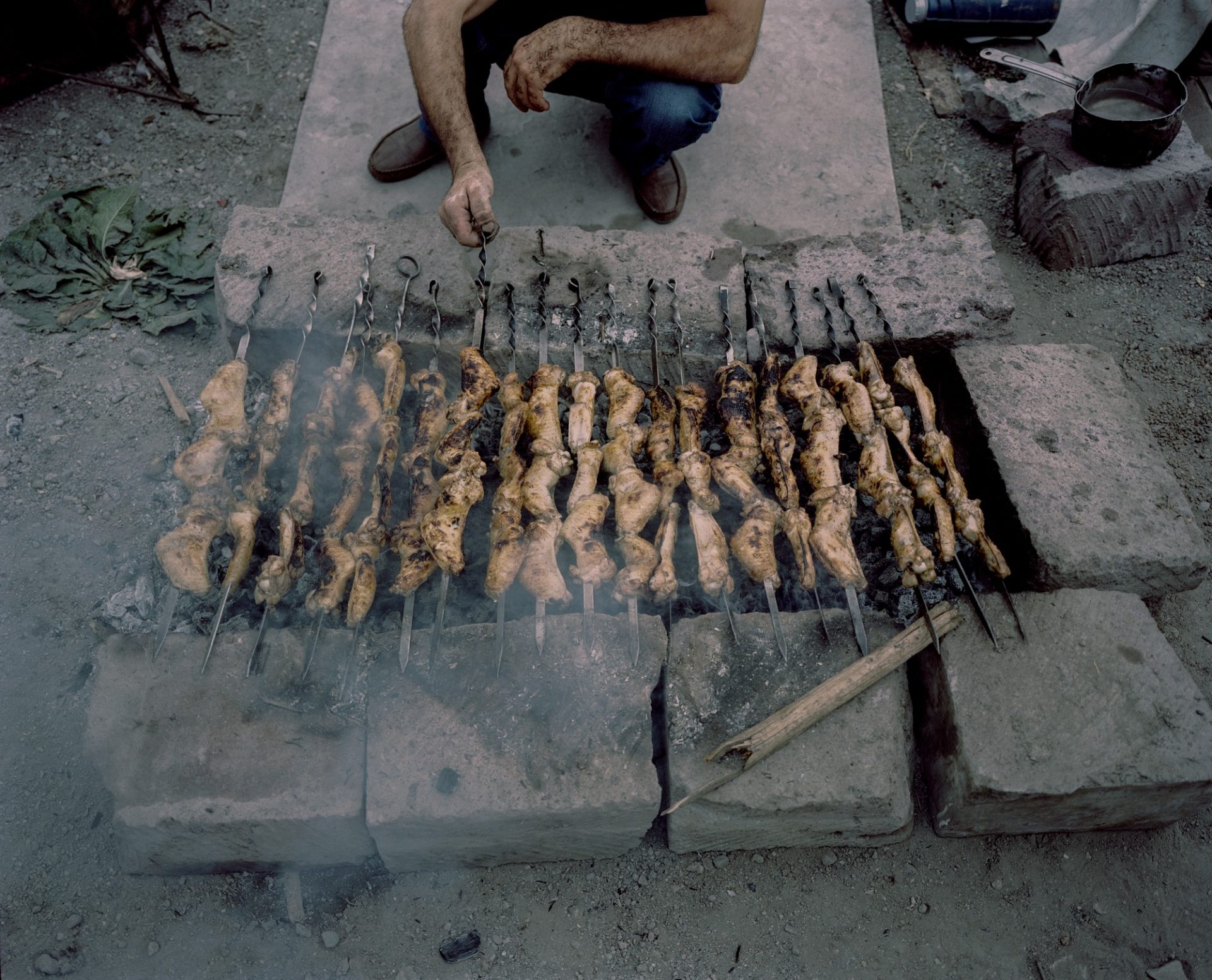
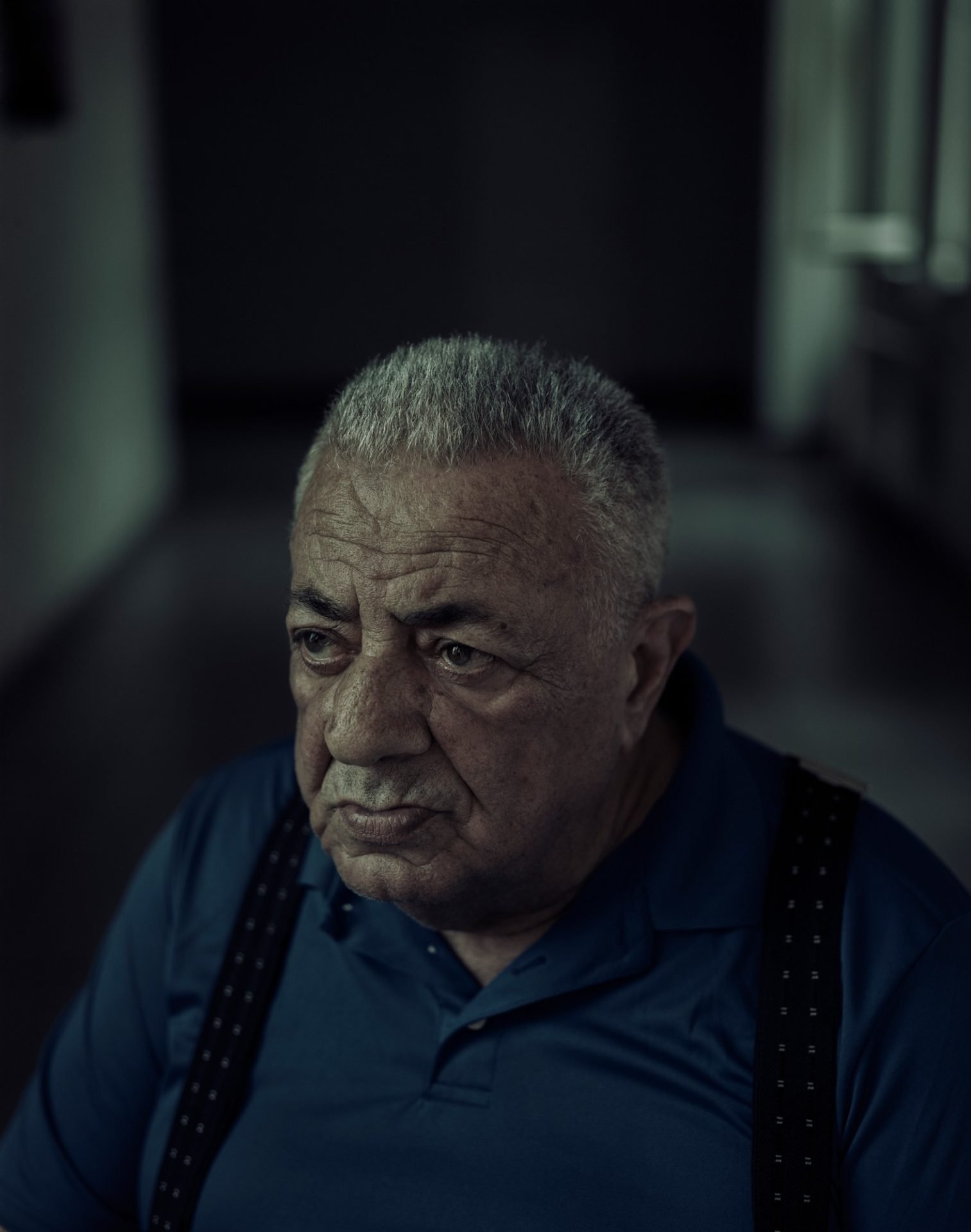
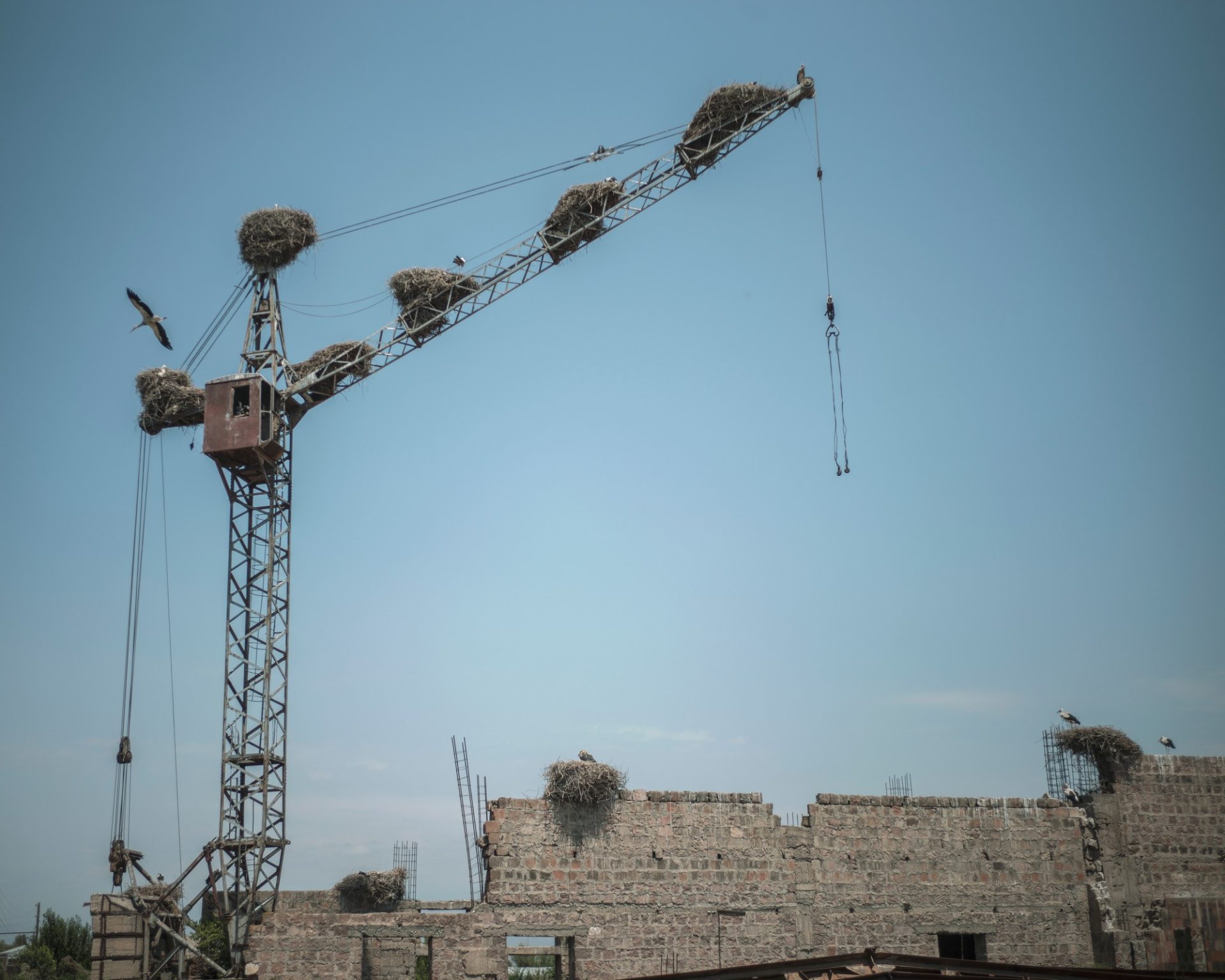
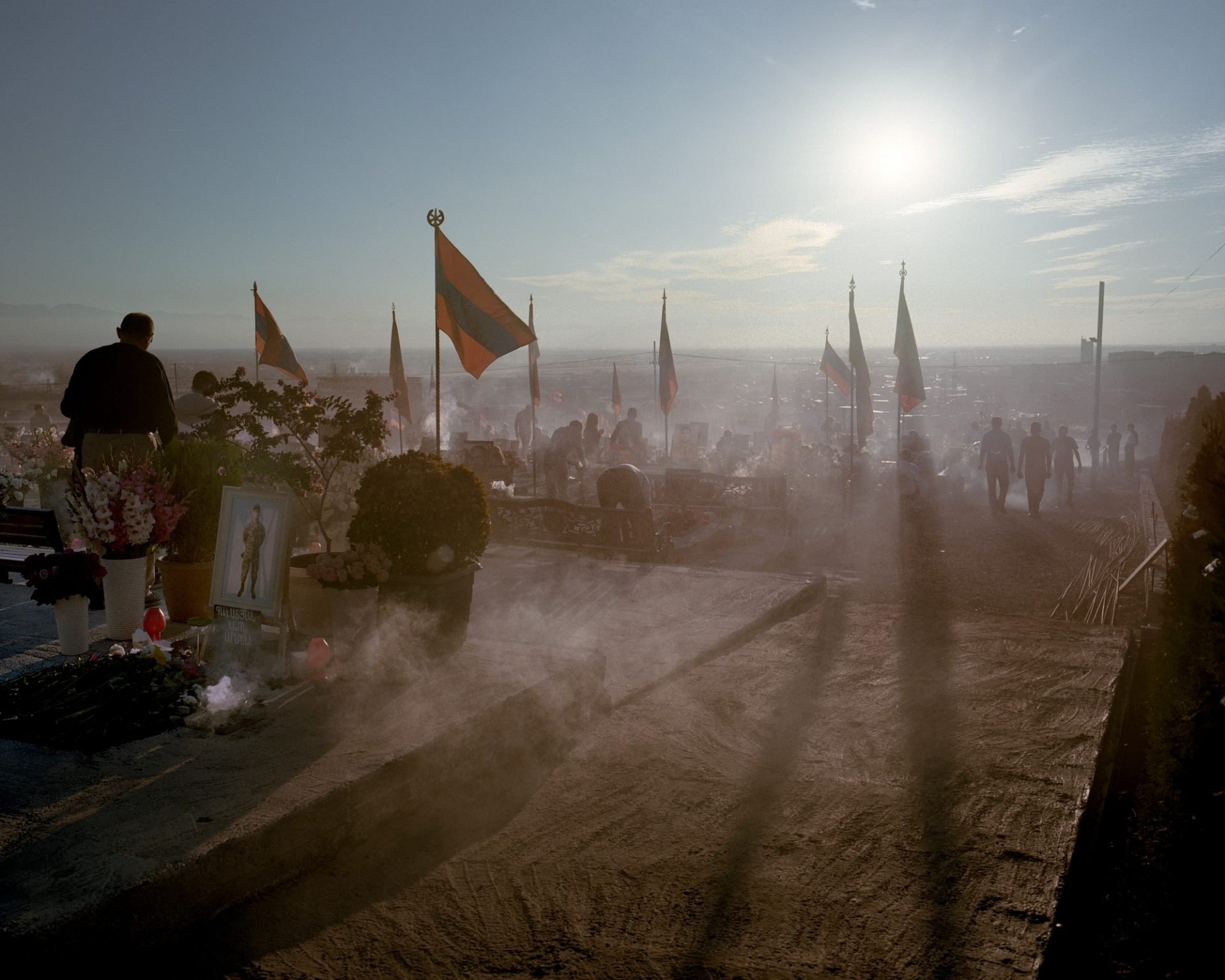
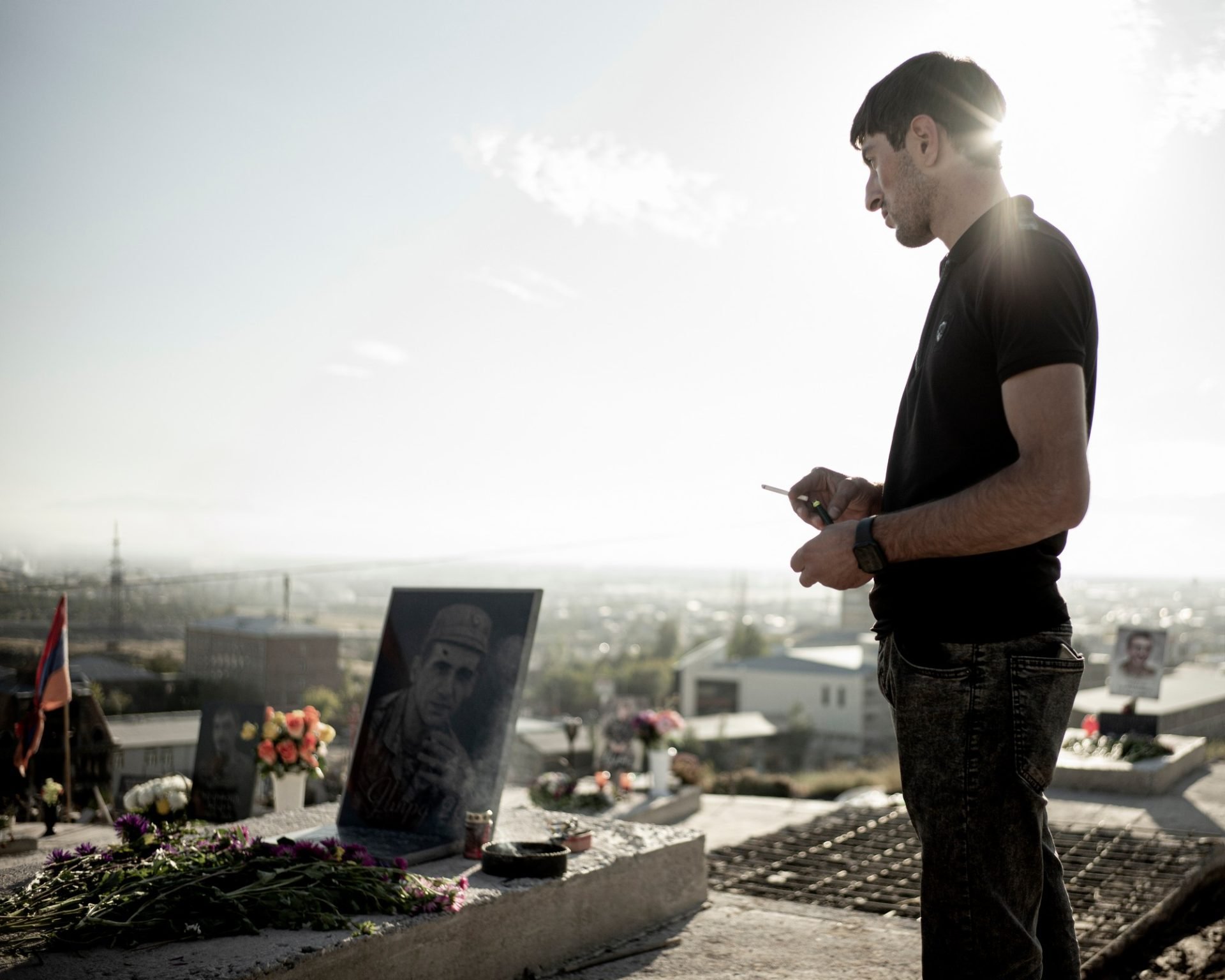
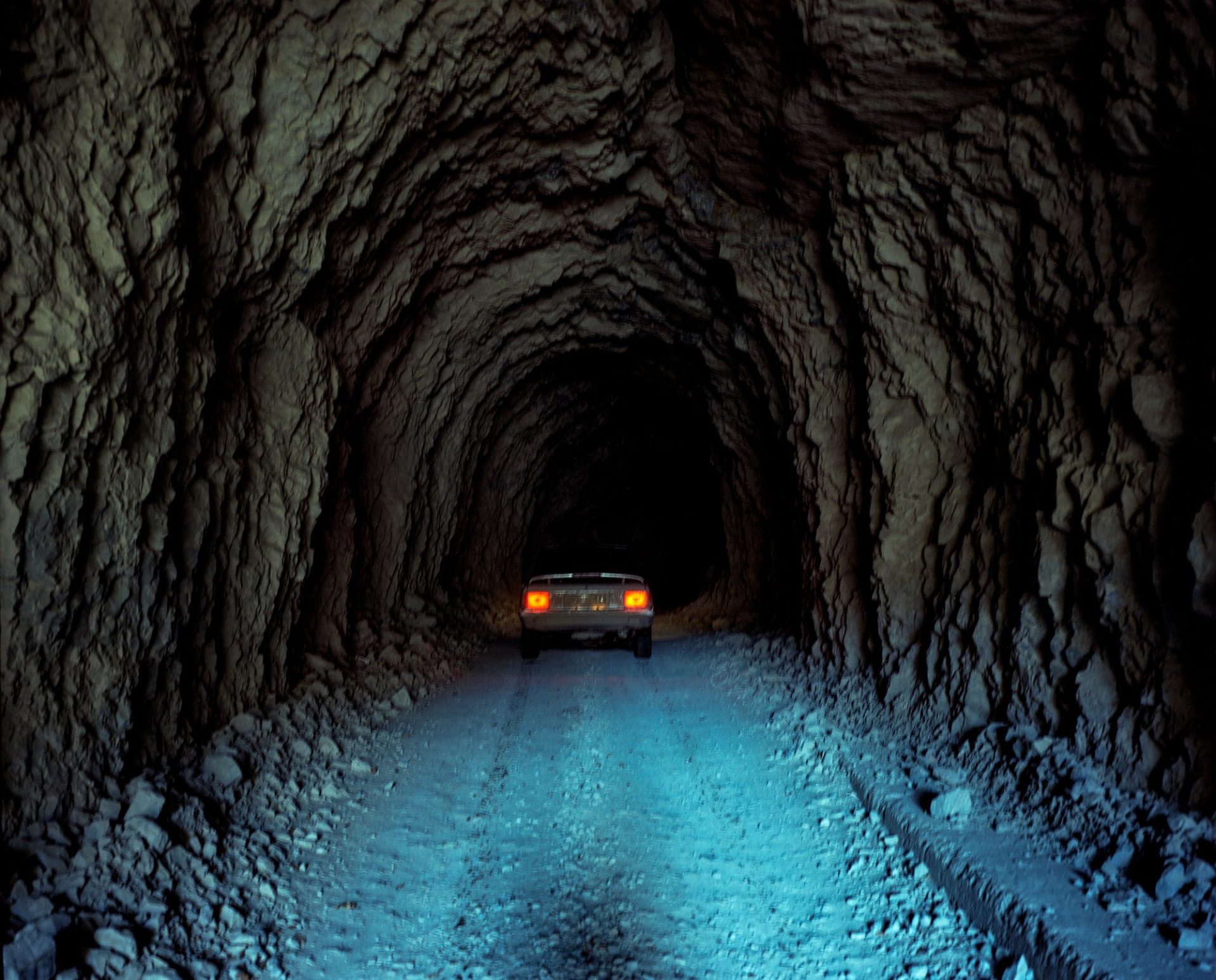
Over the past decades, an increasing percentage of the world’s population lives in cities and the rural areas are depopulating. The UN forecasts that by 2030, two-thirds of humanity will be living in cities, on 3% of the Earth’s land. This means people remaining in the countryside will be responsible for the cultivation of 97% of the territory. In East-Central Europe, rural life practically collapsed after 1989 with the dissolution of the collective farms, the influx of agricultural products from the West, and finally the integration into the European Union. In Hungary, the rural is especially on the periphery: one city, Budapest is accountable for over 39% of the national income. By tracing the edges of this phenomenon, documenting the tiniest villages scattered around Hungary, settlements with a population below 100, Dániel Halász is seeking to define the spectrum and to point out the dichotomy between the megacity and the melting away human settlements of the country that have lost their purpose. He traveled over 14,000 kilometers in the past two years, visiting over 70 of these villages, in an urge to move his eyes beyond the focal point and into the Hungarian periphery, using the camera as a microscope, documenting people, the built environment, objects, and landscapes. How does the rural state of mind appear through photography?
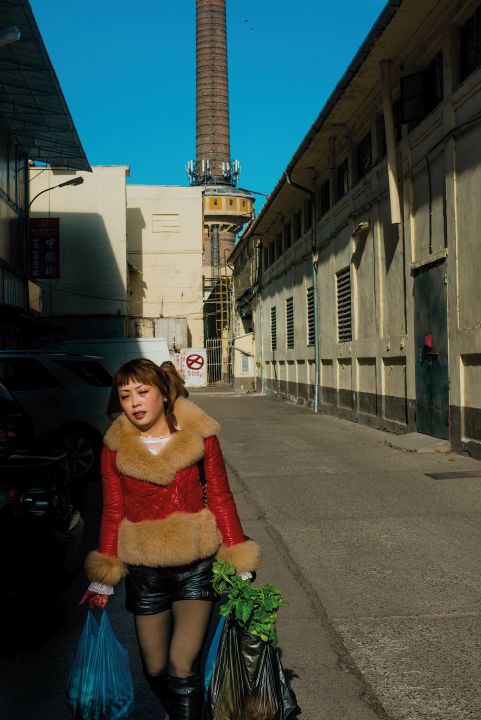
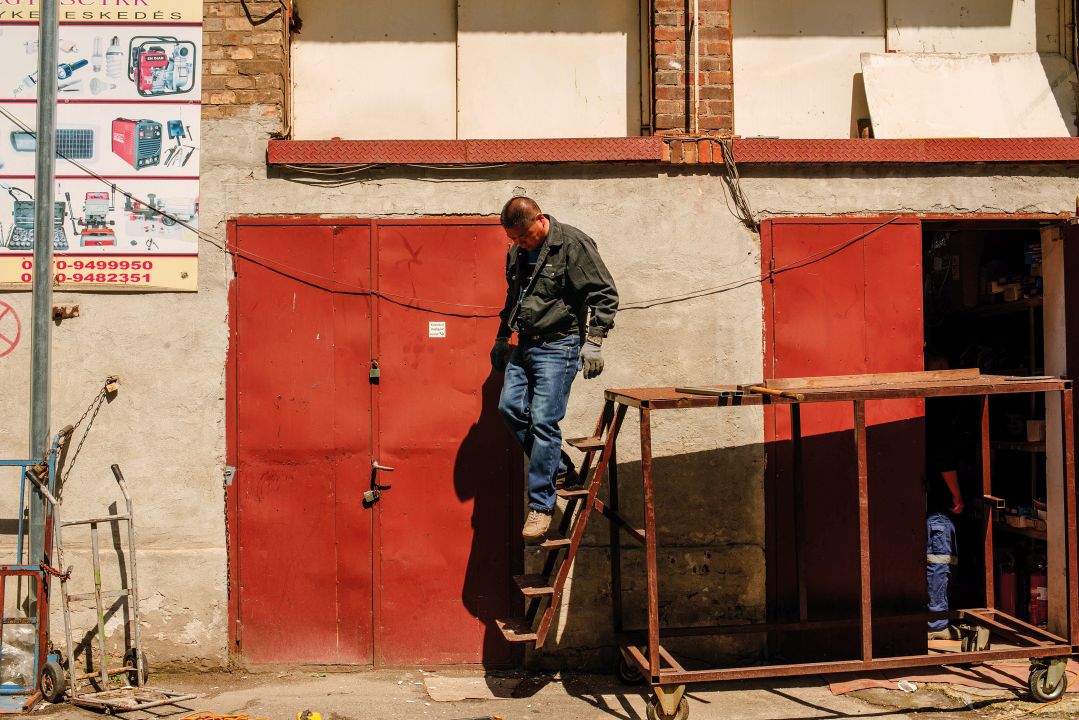
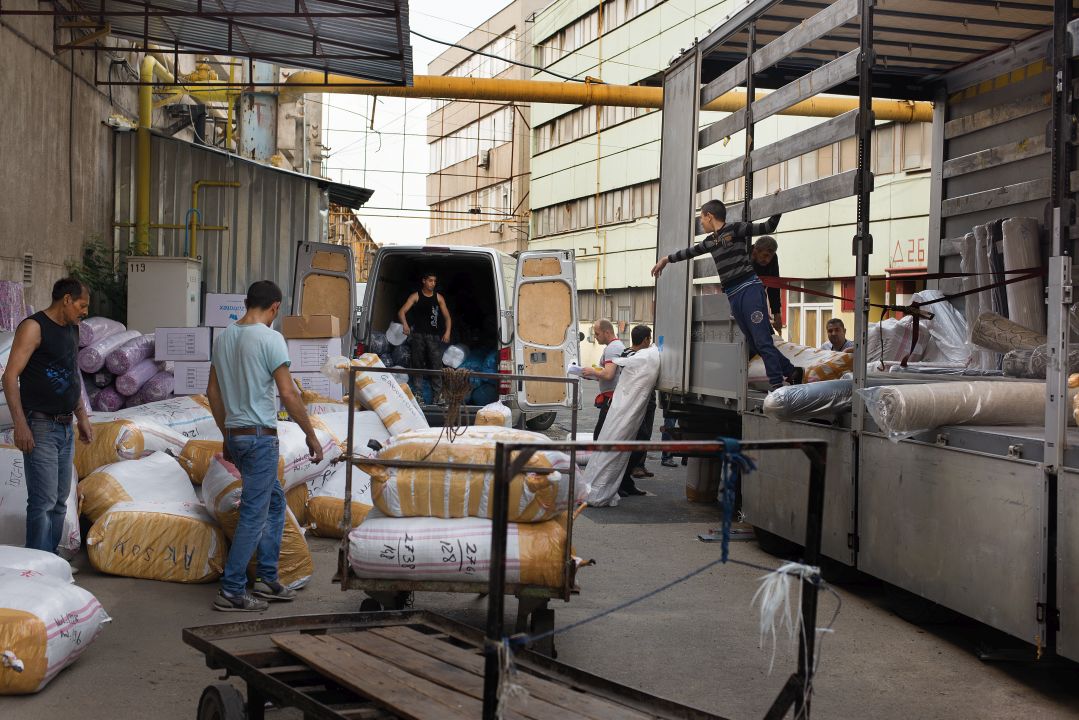
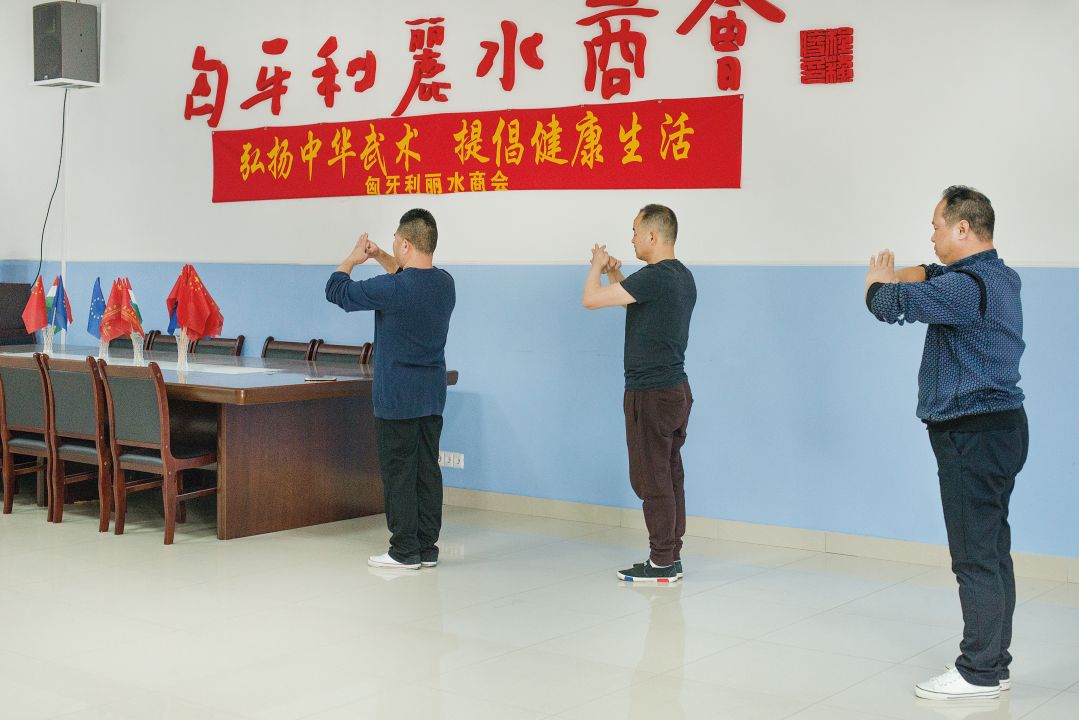
MADE IN CHINA
Szalay Krisztina

Education, Grants, Memberships:
- Moholy-Nagy University of Art and Design, MA Design and Visual Art teacher, 2019-
- Member of the Studio of Young Photographers, 2019-
- Pécsi József Photography Scholarship, 2018
- Moholy-Nagy University of Art and Design, MA, Photography, 2015-2017
- Moholy-Nagy University of Art and Design, BA, Photography, 2012-2015
Group Exhibitions:
- Stockholm Art Book Fair -exhibitor- 2019, Stockholm
- Pécsi József Photography Scholarships Final Exhibiton - 2019, Budapest, Projekt Room
- Paradigmák - Budapest Projekt Galéria - 2018, Budapest
- Hemző Károly Díj - Finalist - Budapest, 2018
- Artmarket - Special Award- Young Talent Program - 2017, Budapest
- Vienna Photobook Festival - Vienna, 2017
- MOME 33 - THIRTYTHREE – New horizon on Moholy-Nagy Art University-
- 2018, Budapest
- KÉPLET - Budapest Street Photography from Beginning til Now - 2017, Budapest
- Landesmuseum Würtenberg - Alten Schloss - Schwabenzug - 2016, Stuttgart
- Triennal of Photography - 2015, Hamburg
- Hip - Hip Zine Fair - 2015, Sofia
- Backlight Photo Festival - Persistency - 2014, Tampere
- Escher Károly Award for Excellence - 2012, Budapest
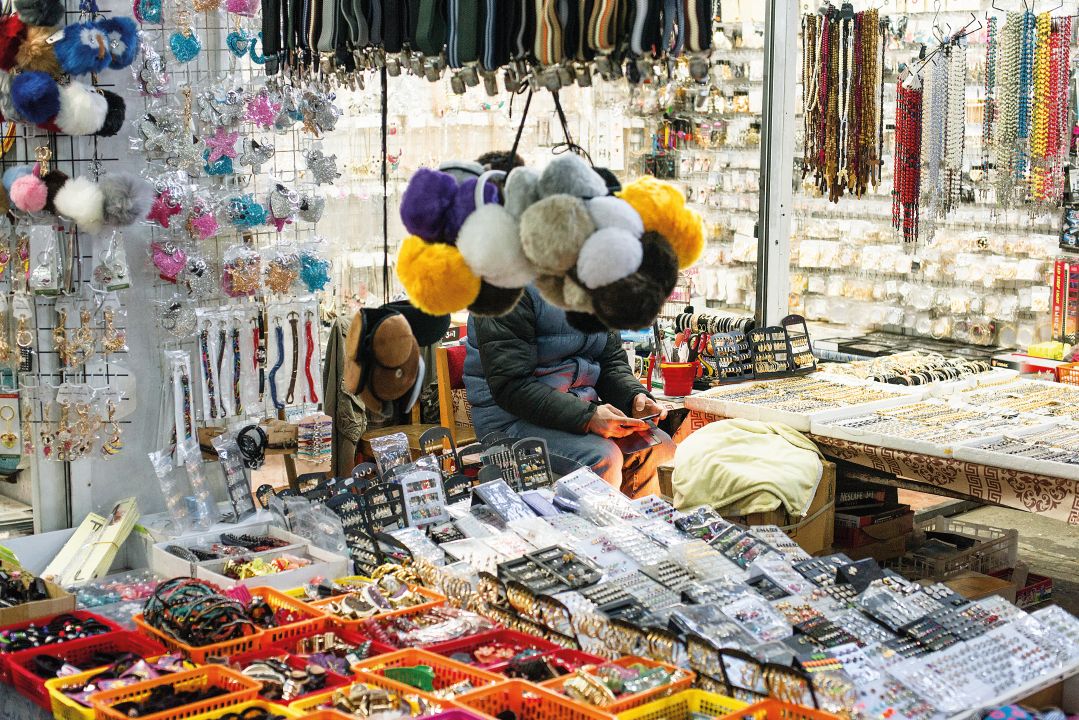
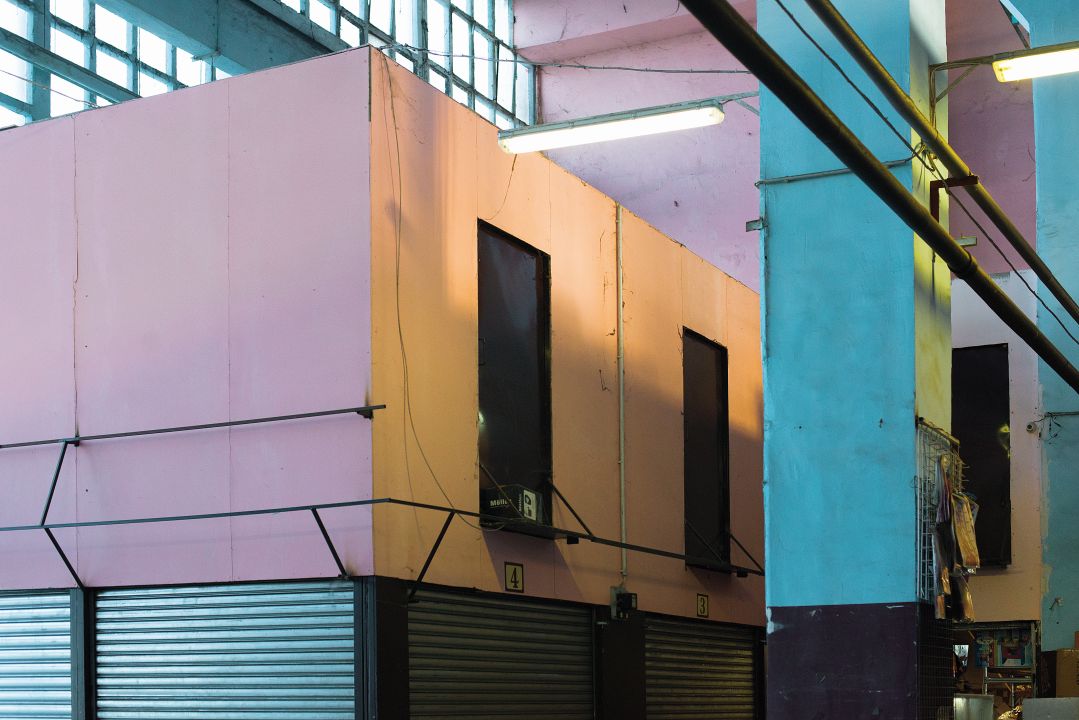
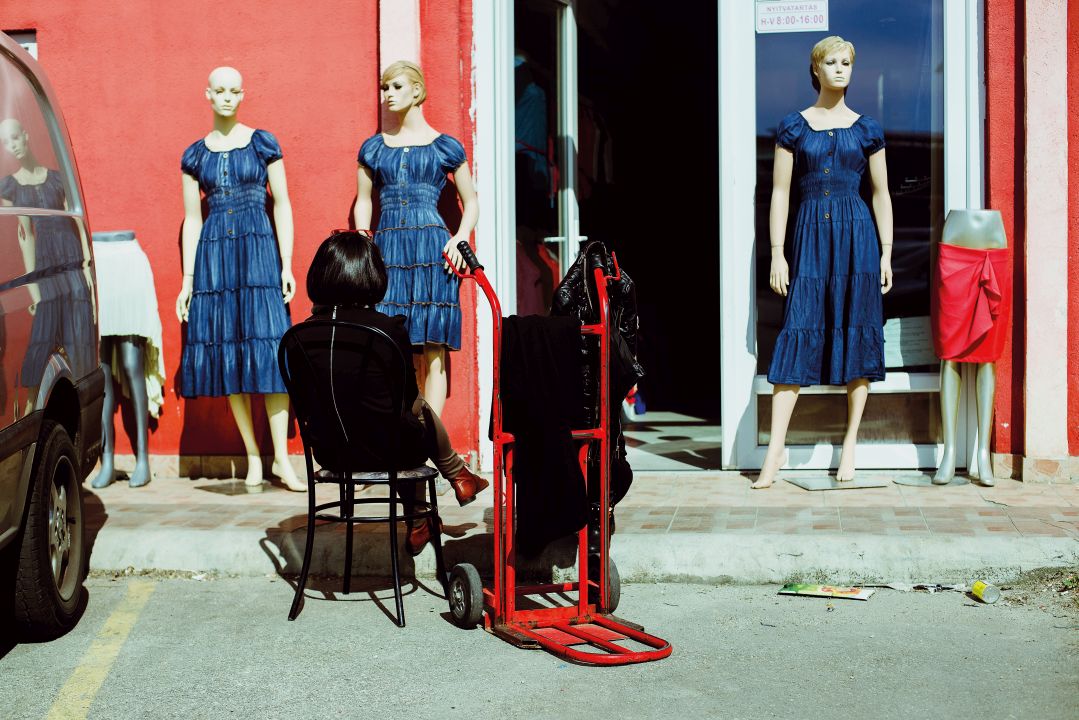
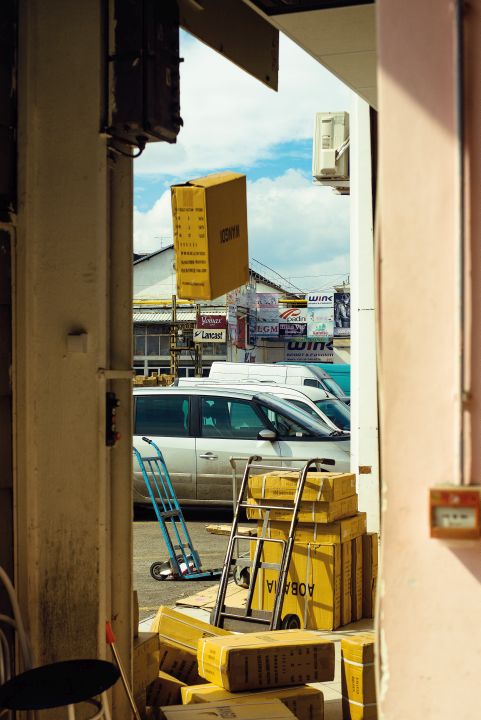
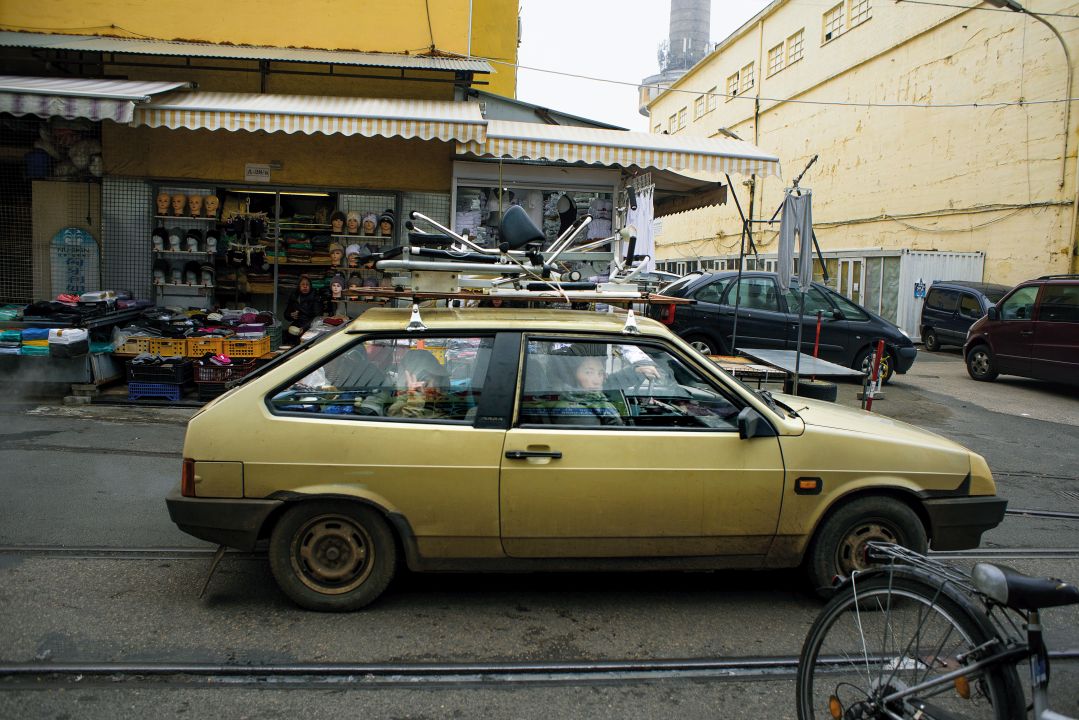
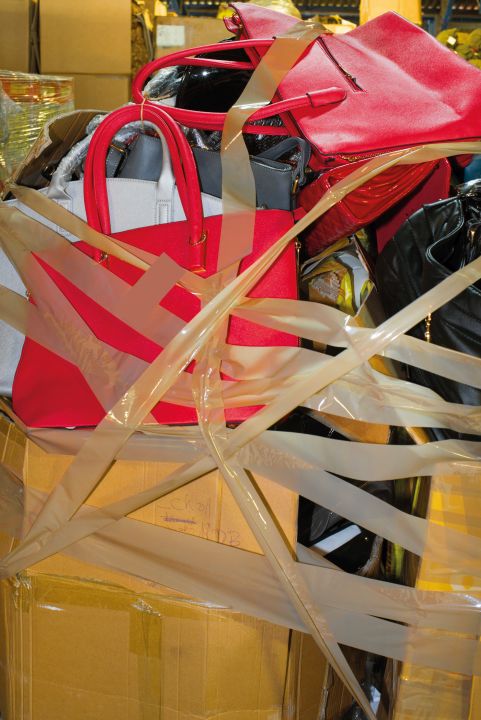
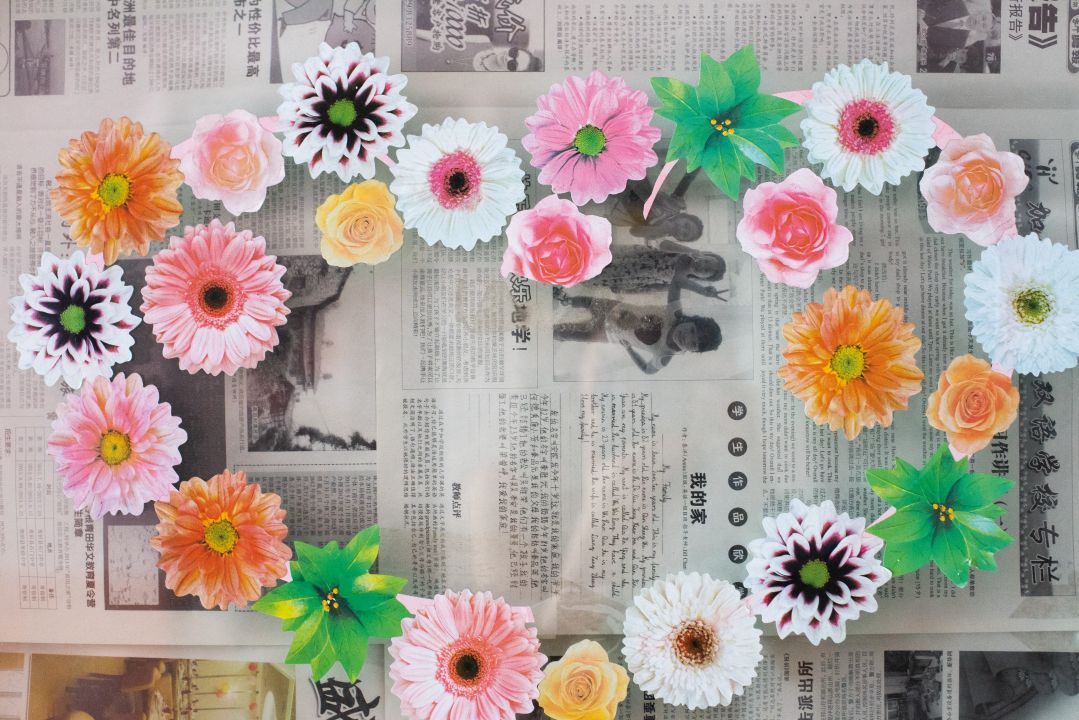
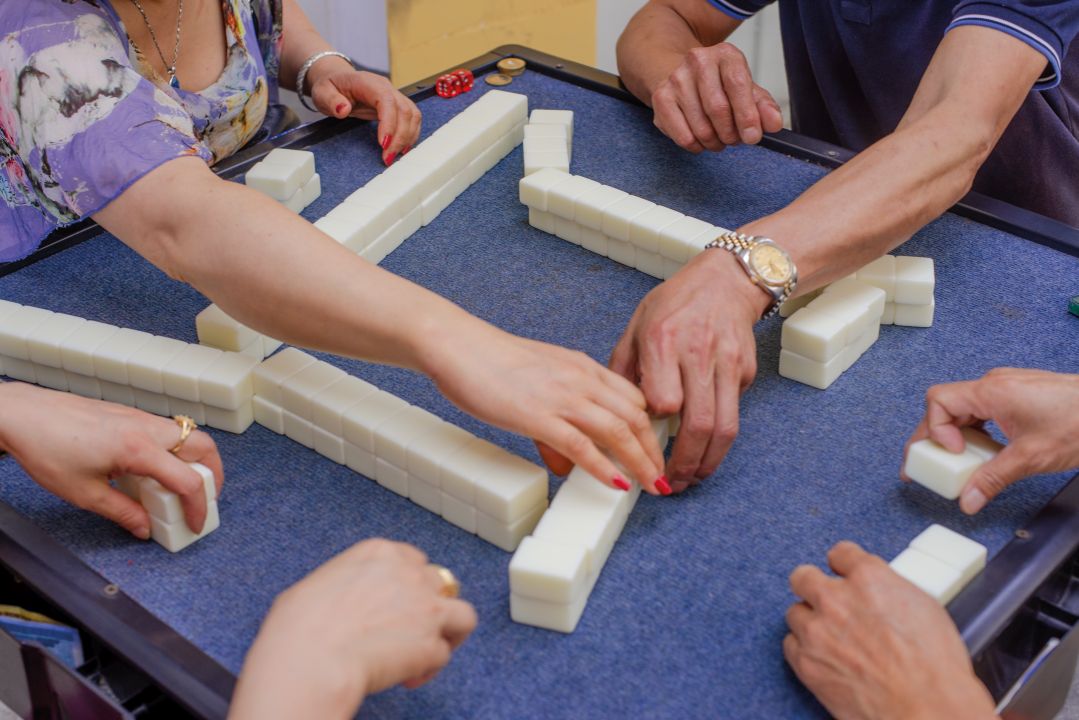
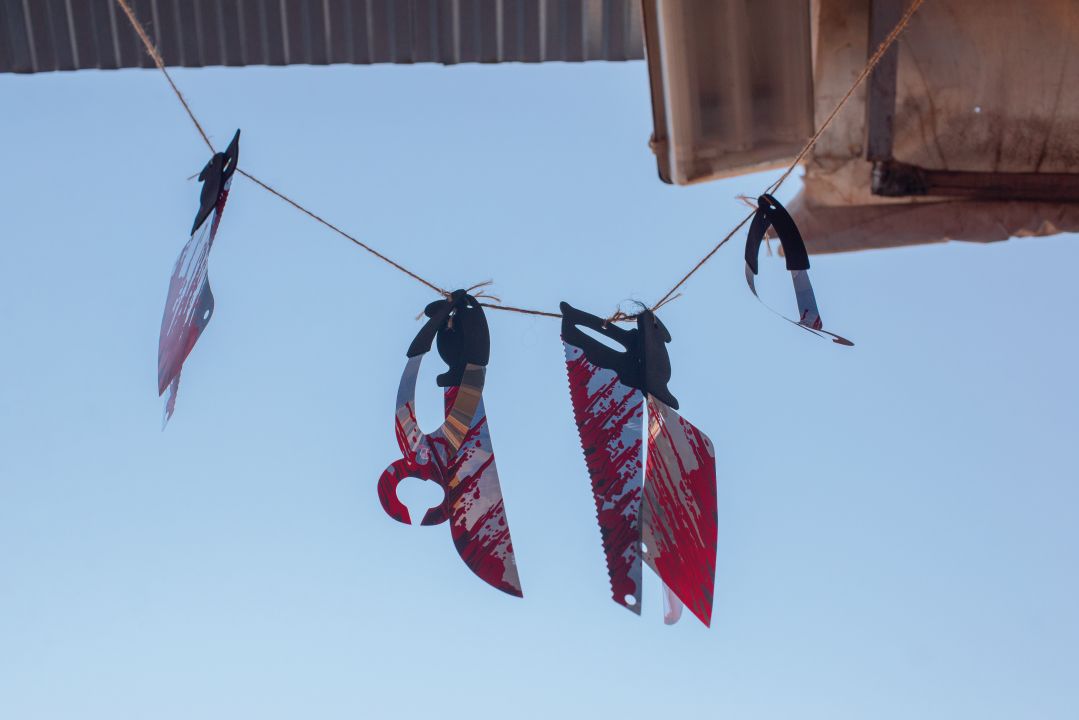
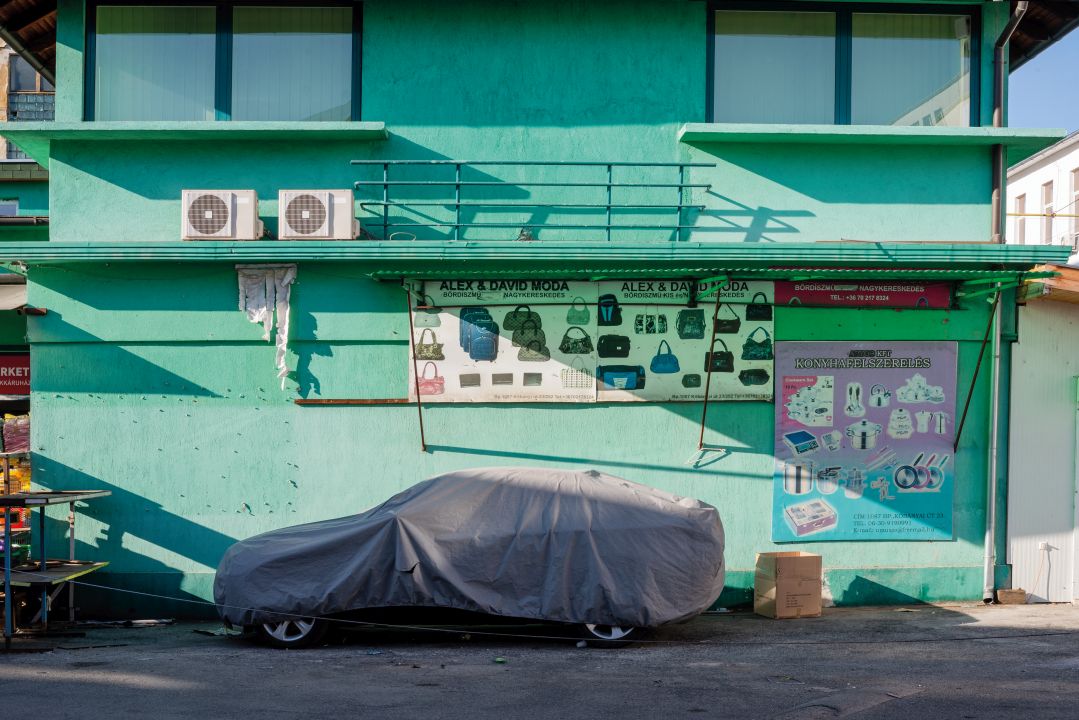
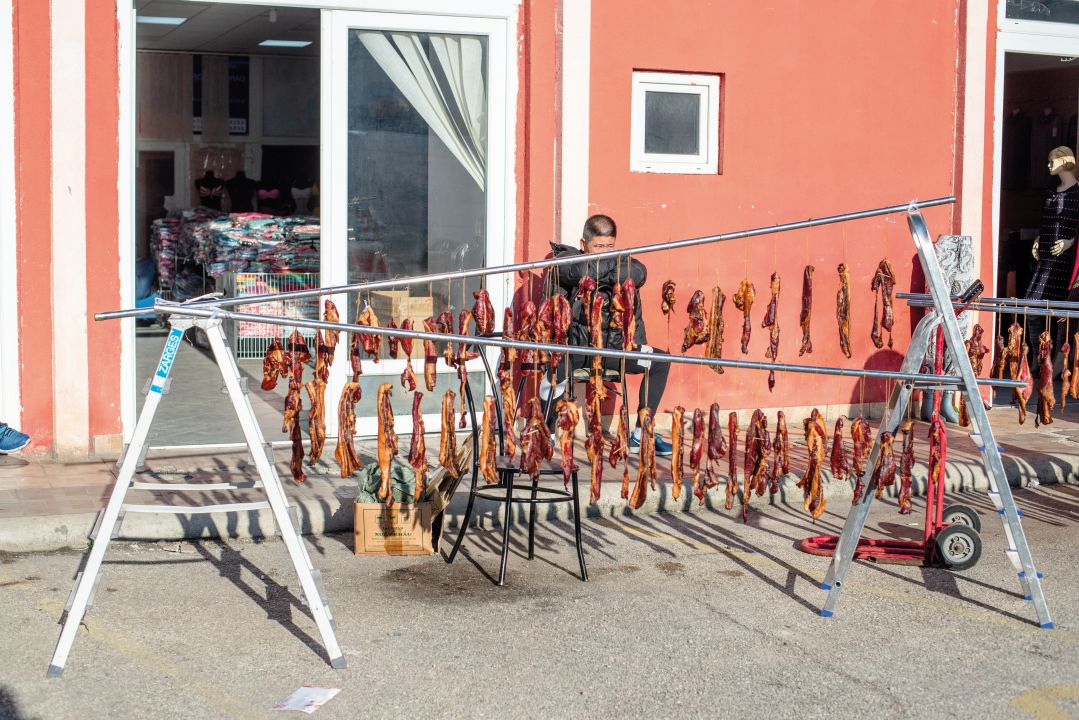
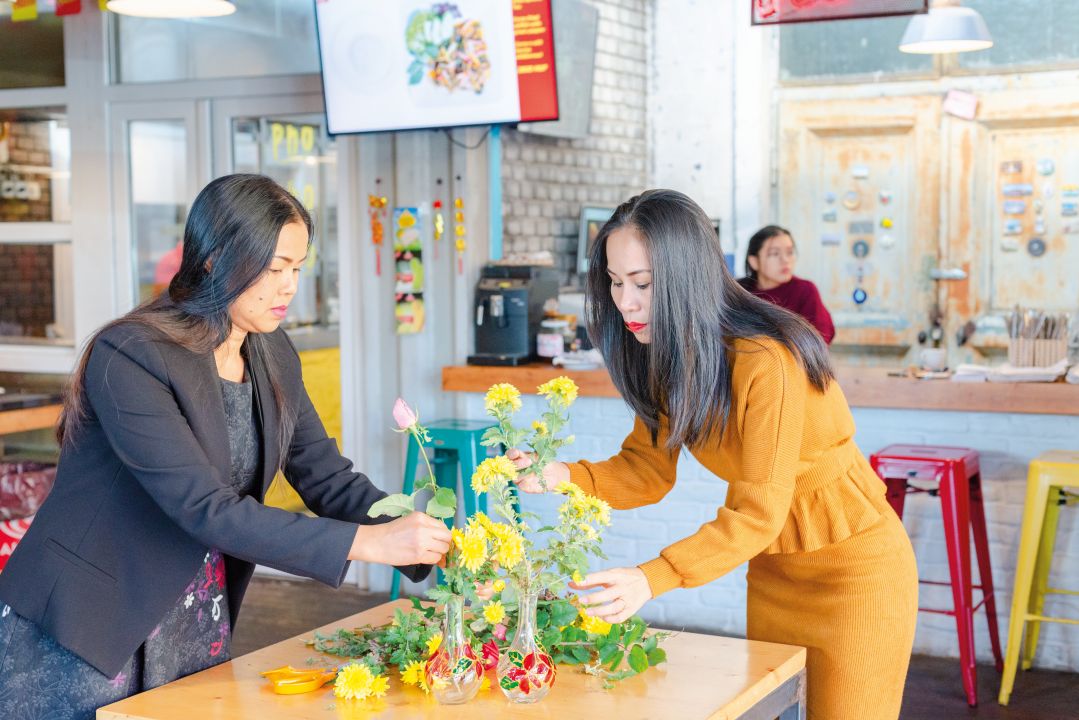
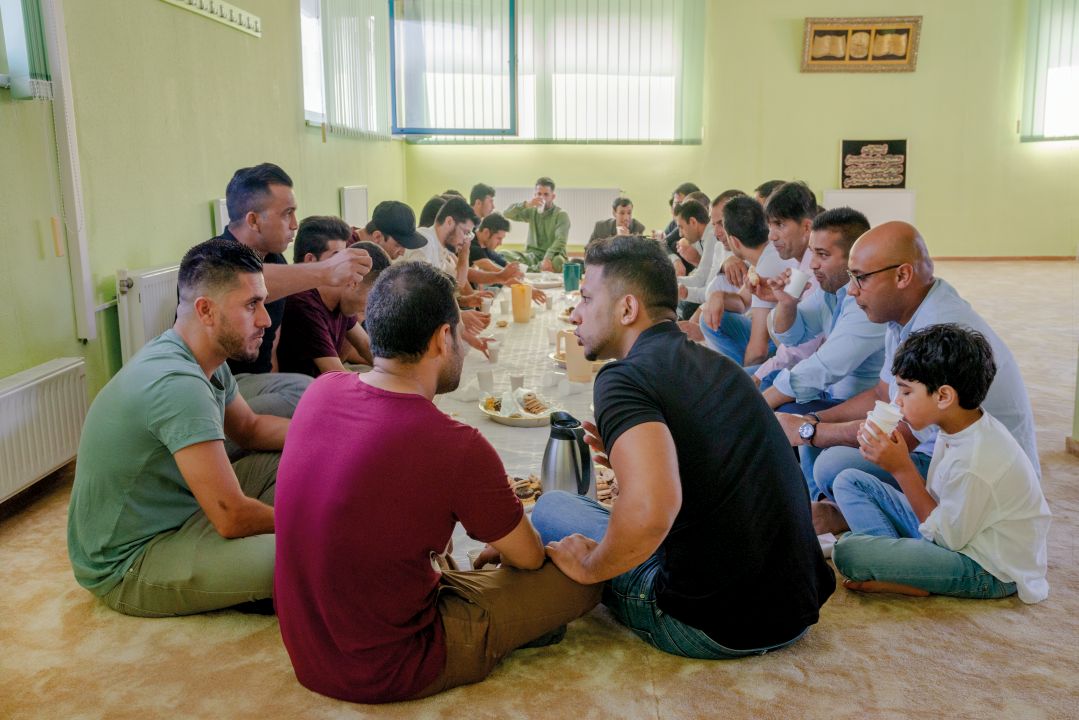
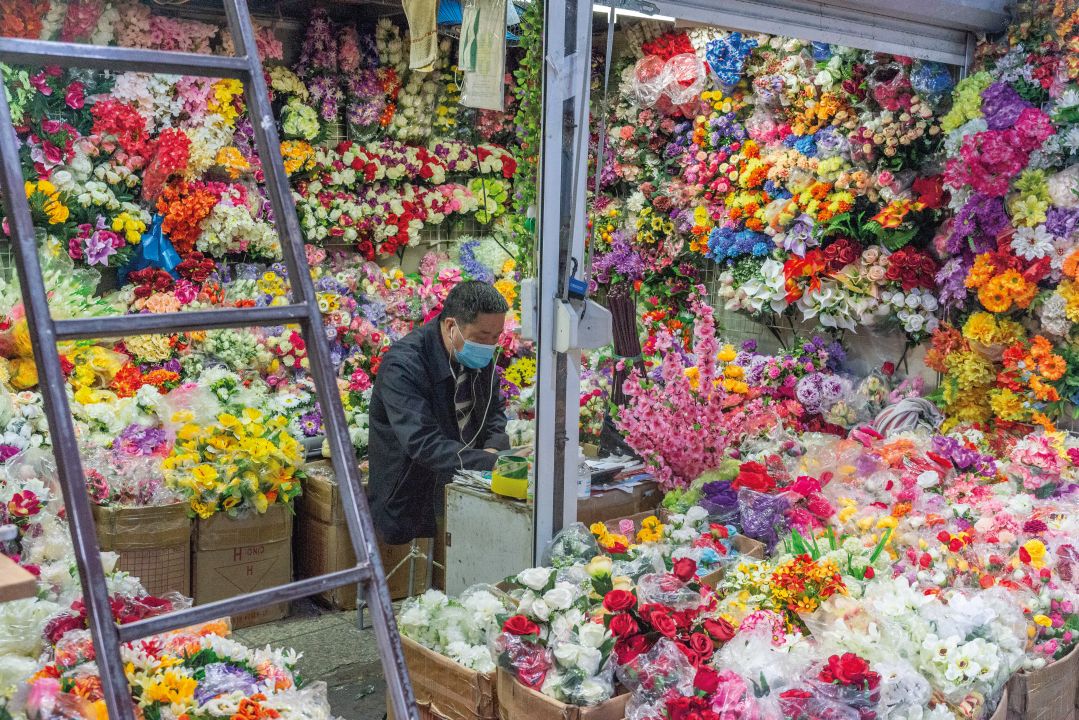
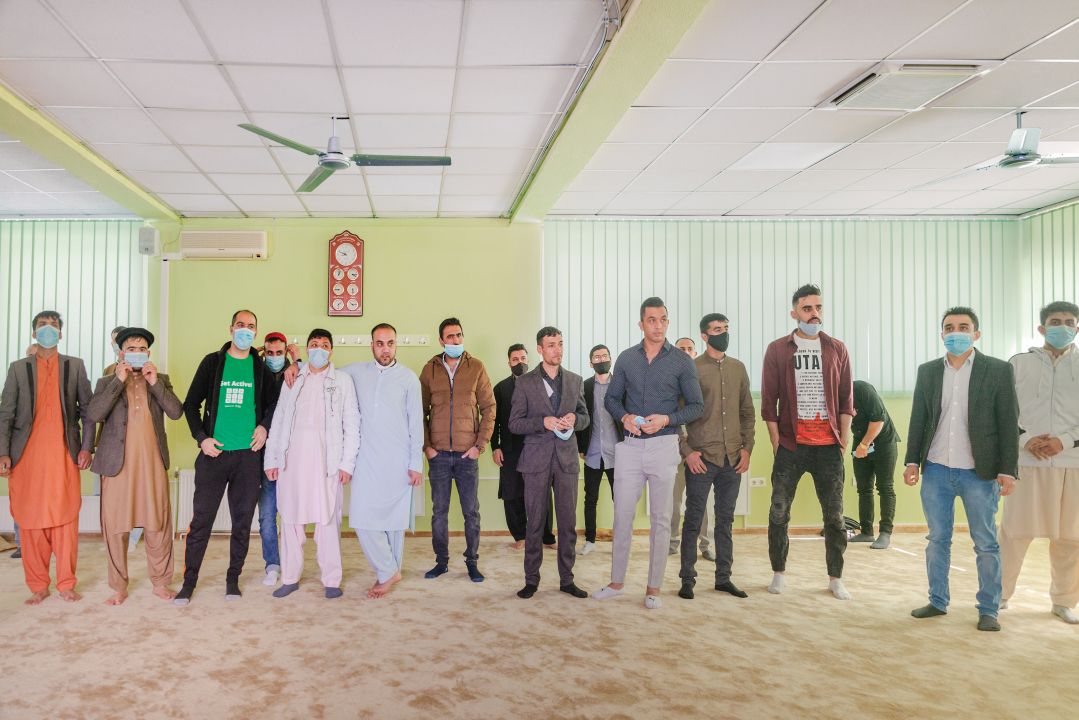
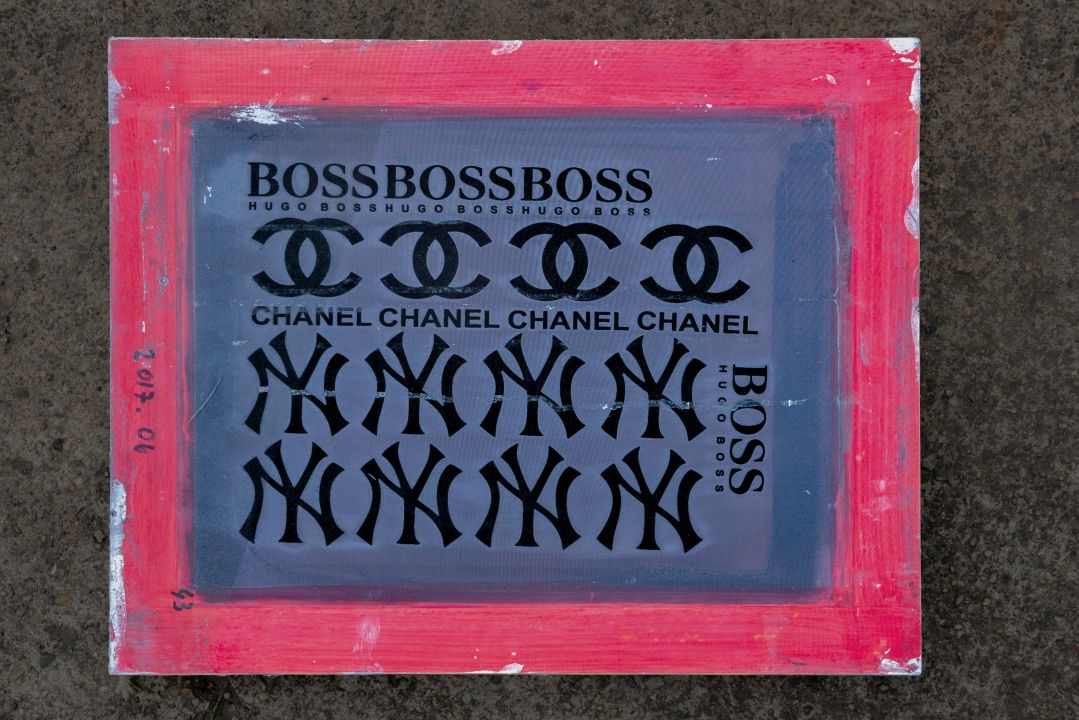
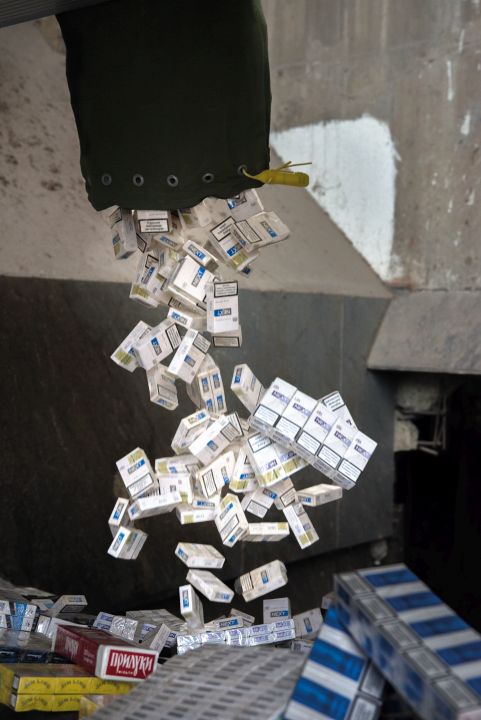
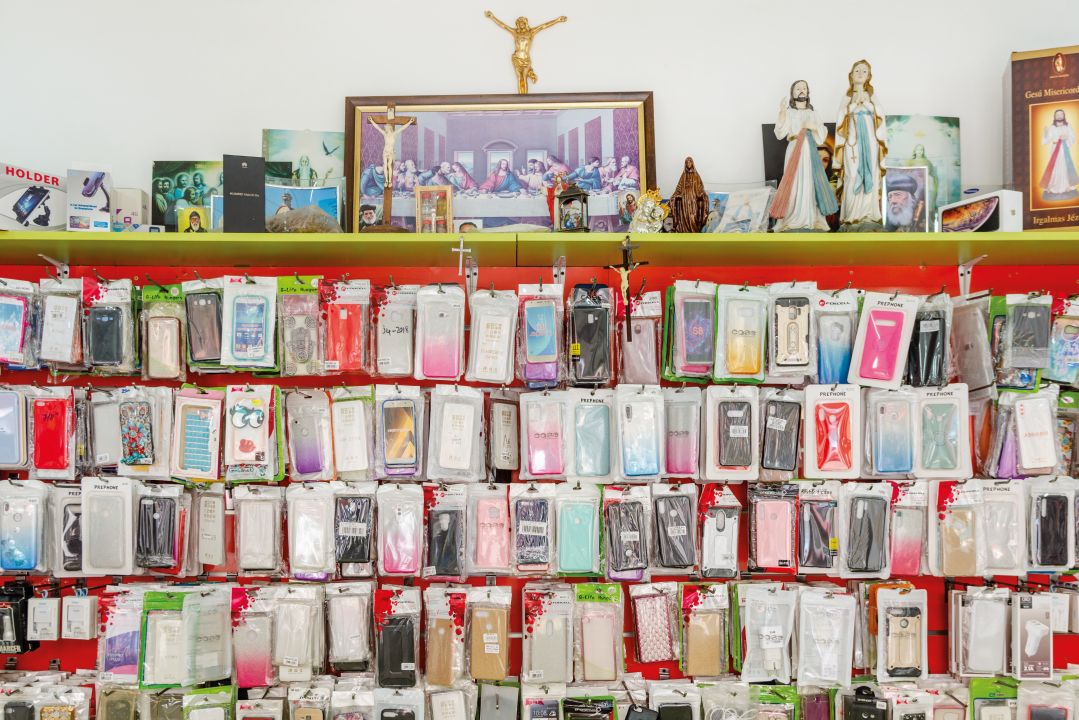
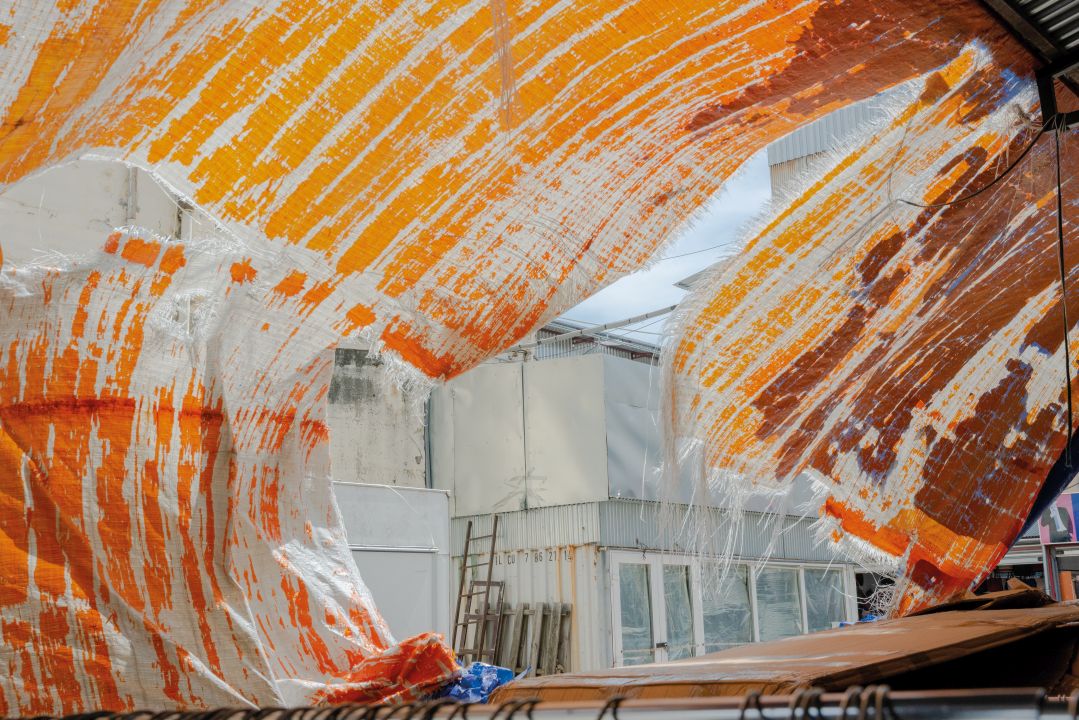
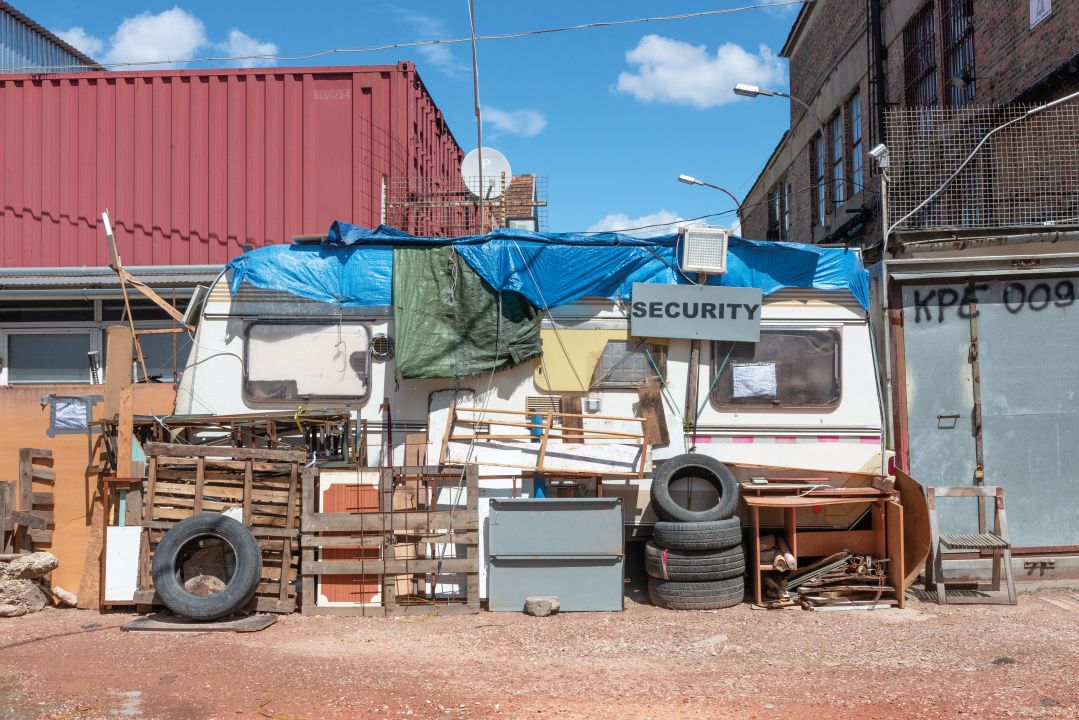
The diversity of the place, which many people simply call the Chinese market, is remarkable compared to Hungarian conditions; there is a cultural cavalcade at the former Ganz factory plant, which now is also notoriously surrounded by a criminally dangerous merchant environment. A city inside the city came into existence here, which operates completely segregated. About thirty years ago, due to the relaxed visa requirements, the Chinese community in Hungary grew from almost zero to about twenty-seven thousand people in just a few years. The location of my work is the Chinese market in Budapest (Kőbányai Street), which is also the center of the Hungarian Chinese community. Locals have always had second thoughts about the market because in the media it is often connected to illegal imports or raids but, at the same time, it also provides a good opportunity to buy cheaper products. T he National Tax and Customs Administration of Hungary constantly monitors the market, but to no avail as it is practically impossible to catch anyone in the act of committing a crime. Although nowadays not only Chinese people work here but also Vietnamese, Mongolian, Romanian, Afghan, Turkish, and Ukrainian workers, the name Chinese market has remained. With an industrial exterior left behind from the Ganz factory period, the place is permeated by a strong sense of Chinese culture and marketatmosphere, all planted in an Easter European milieu.