ÉVA SZOMBAT IS THE WINNER OF THE CAPA GRAND PRIZE HUNGARY 2021
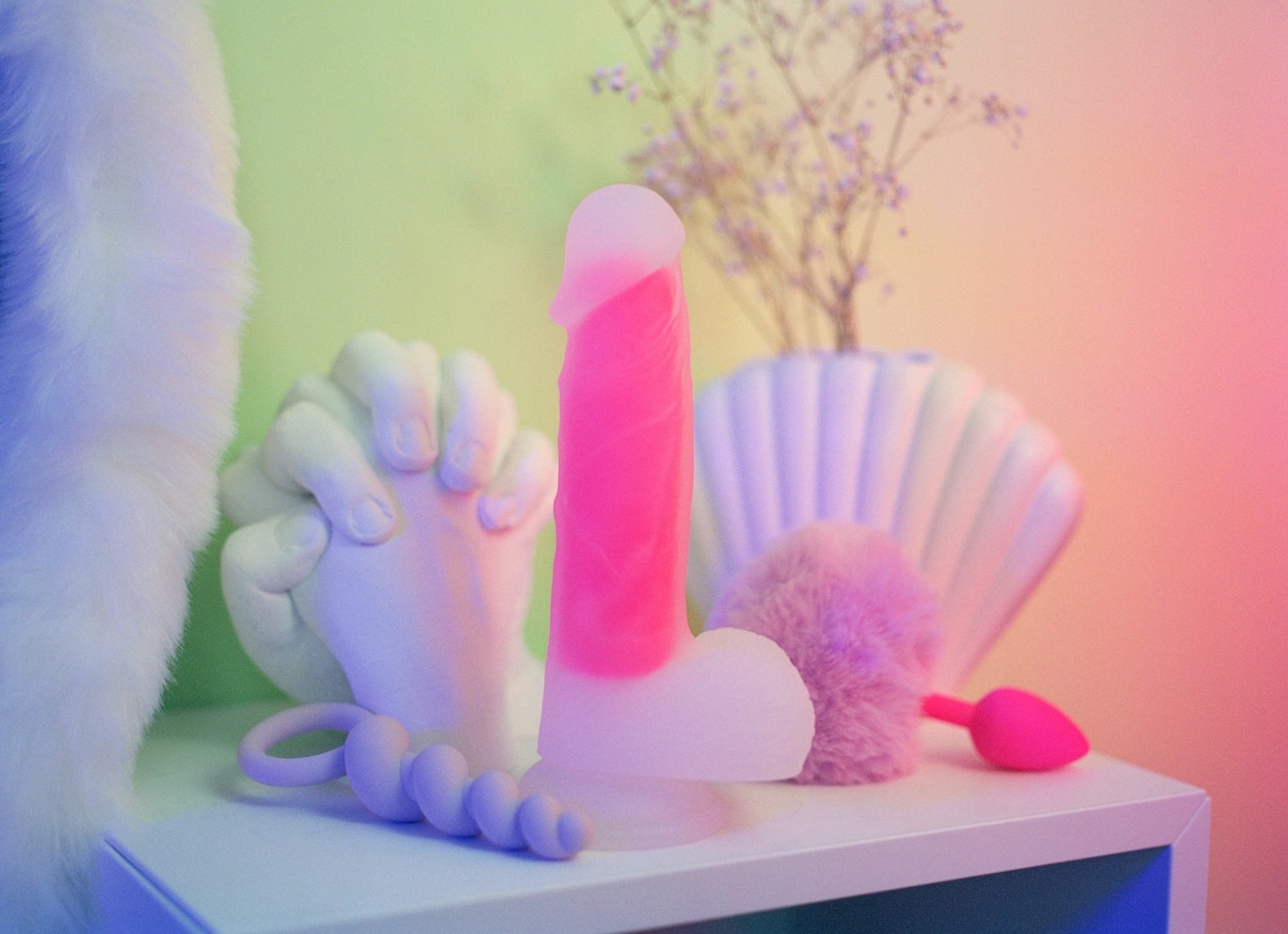
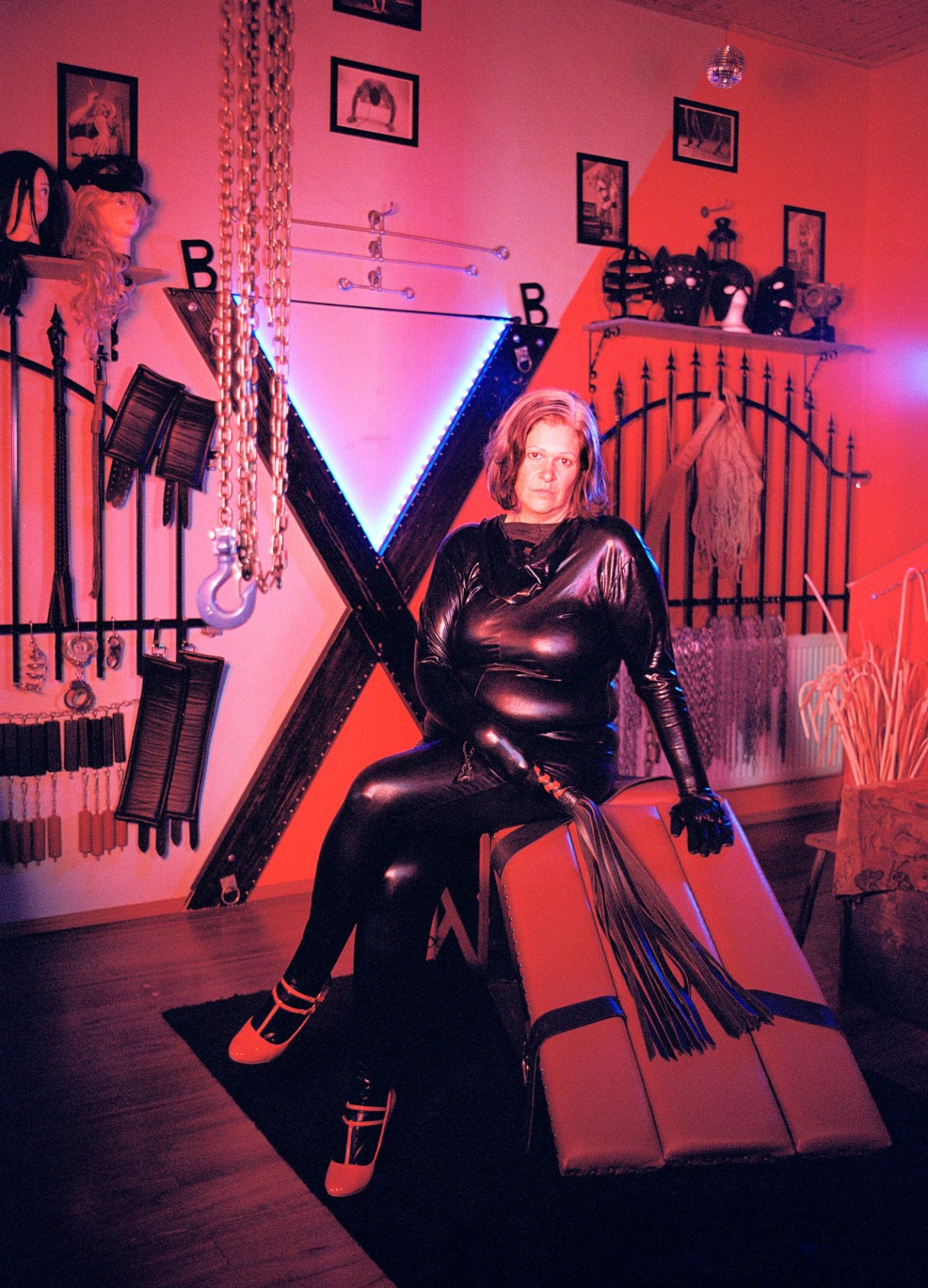
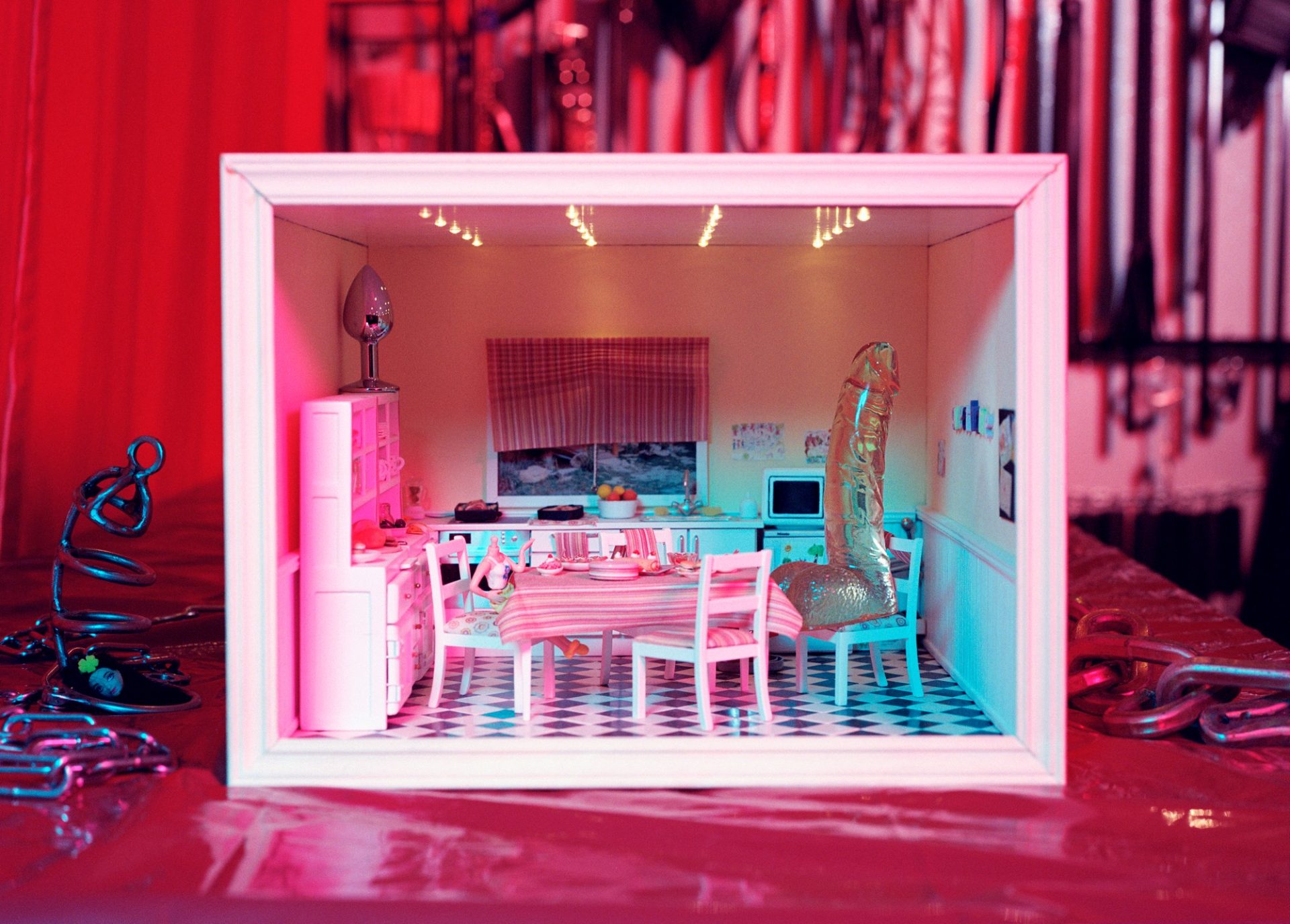
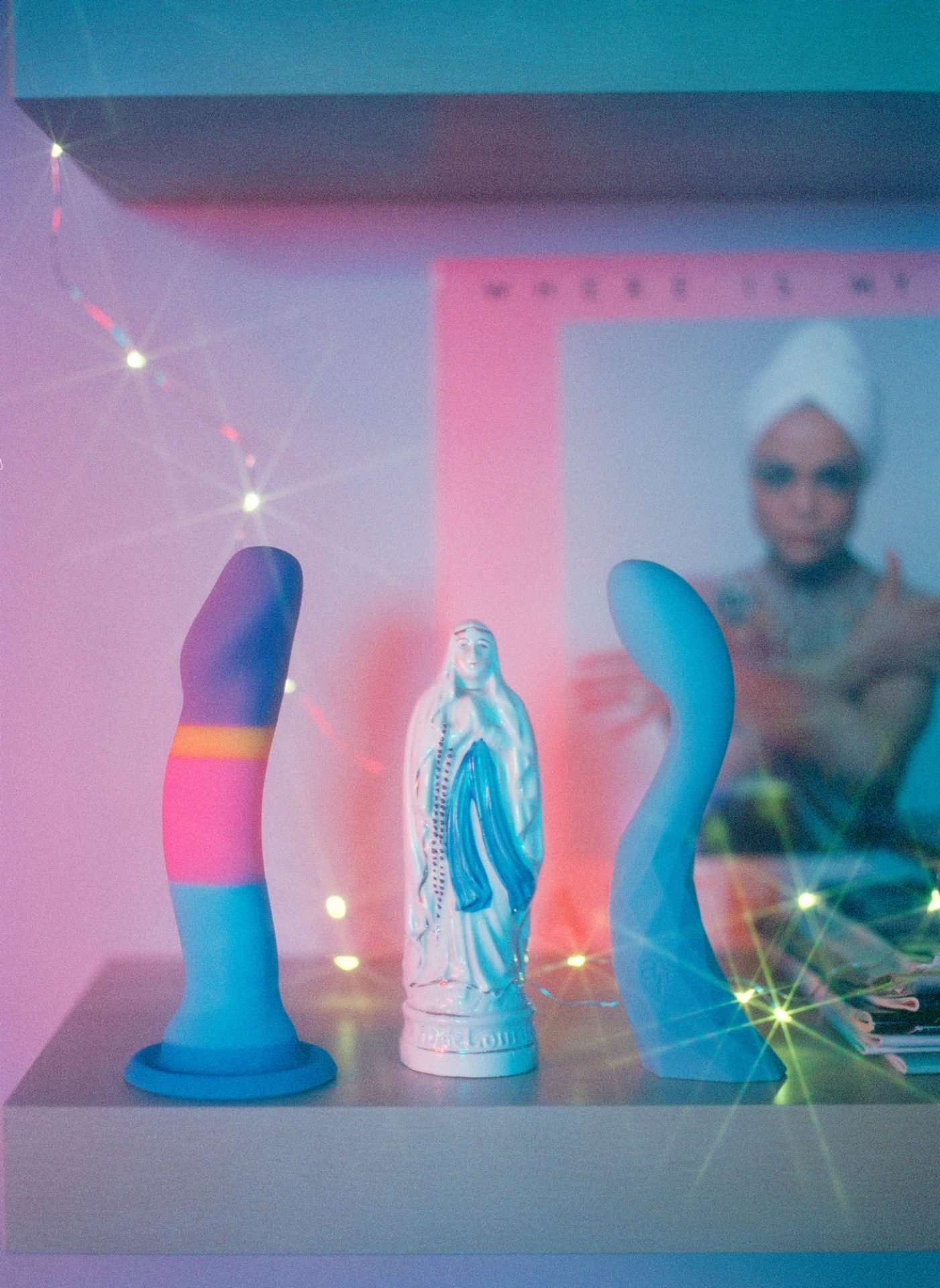
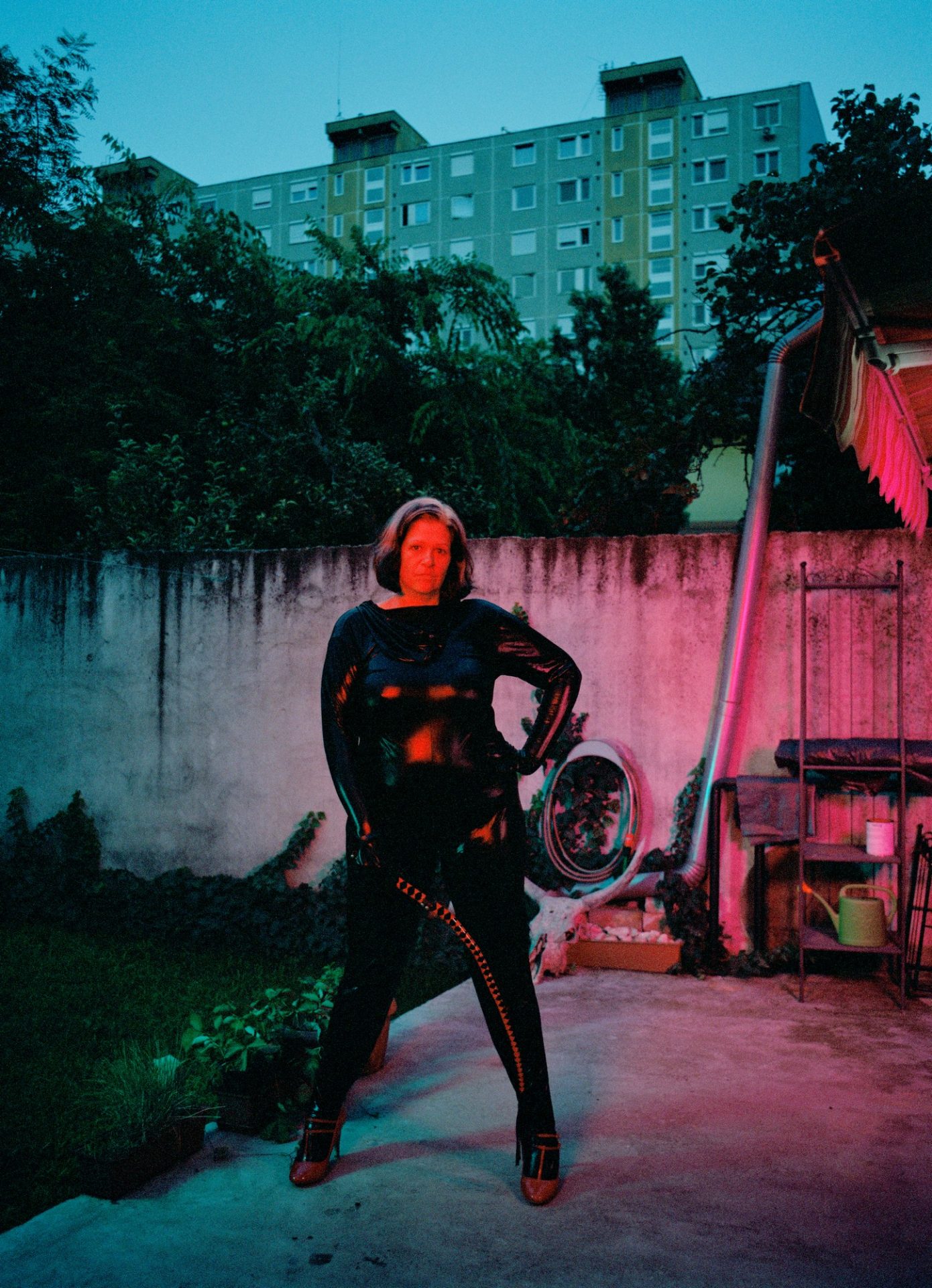
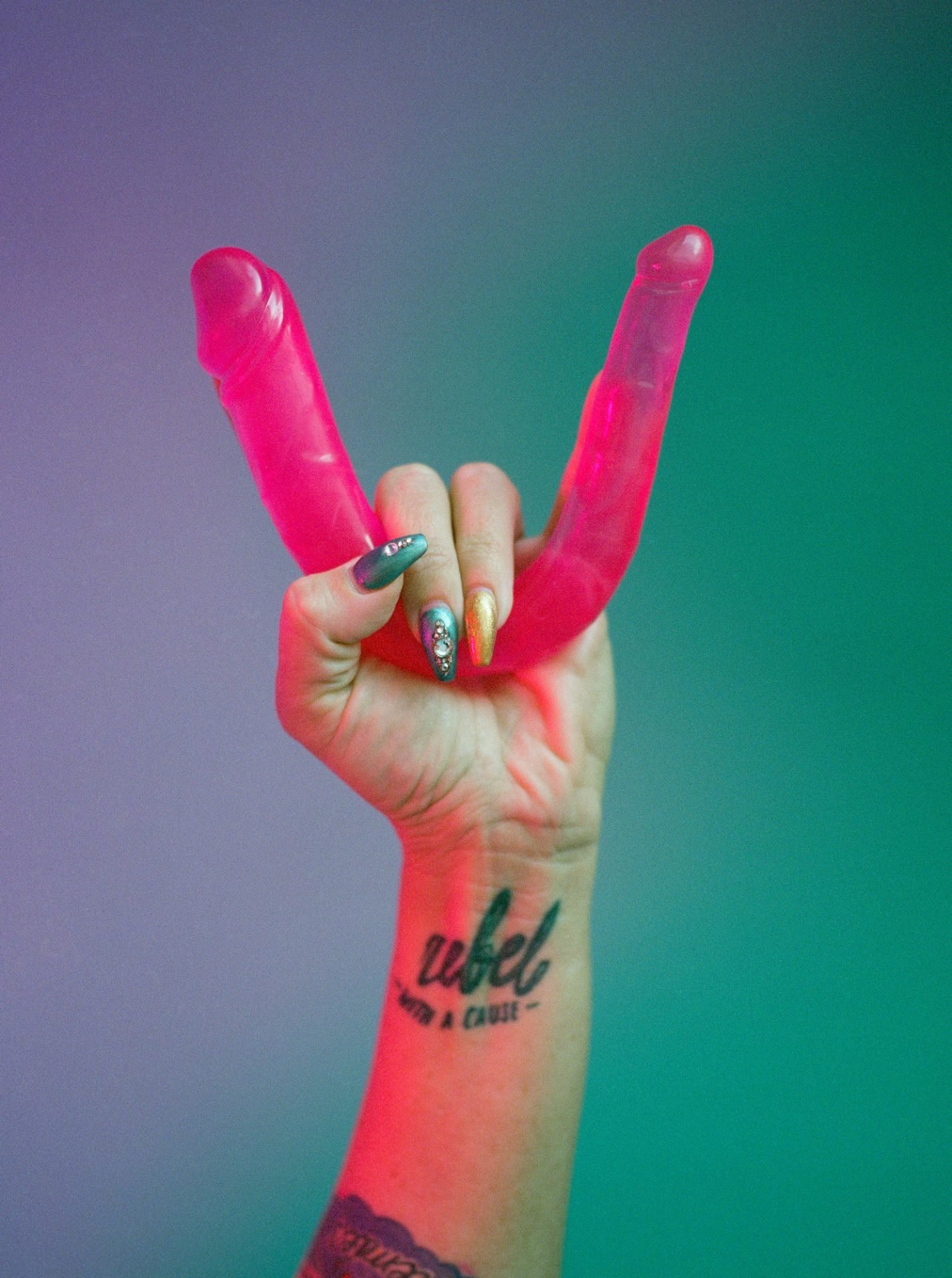
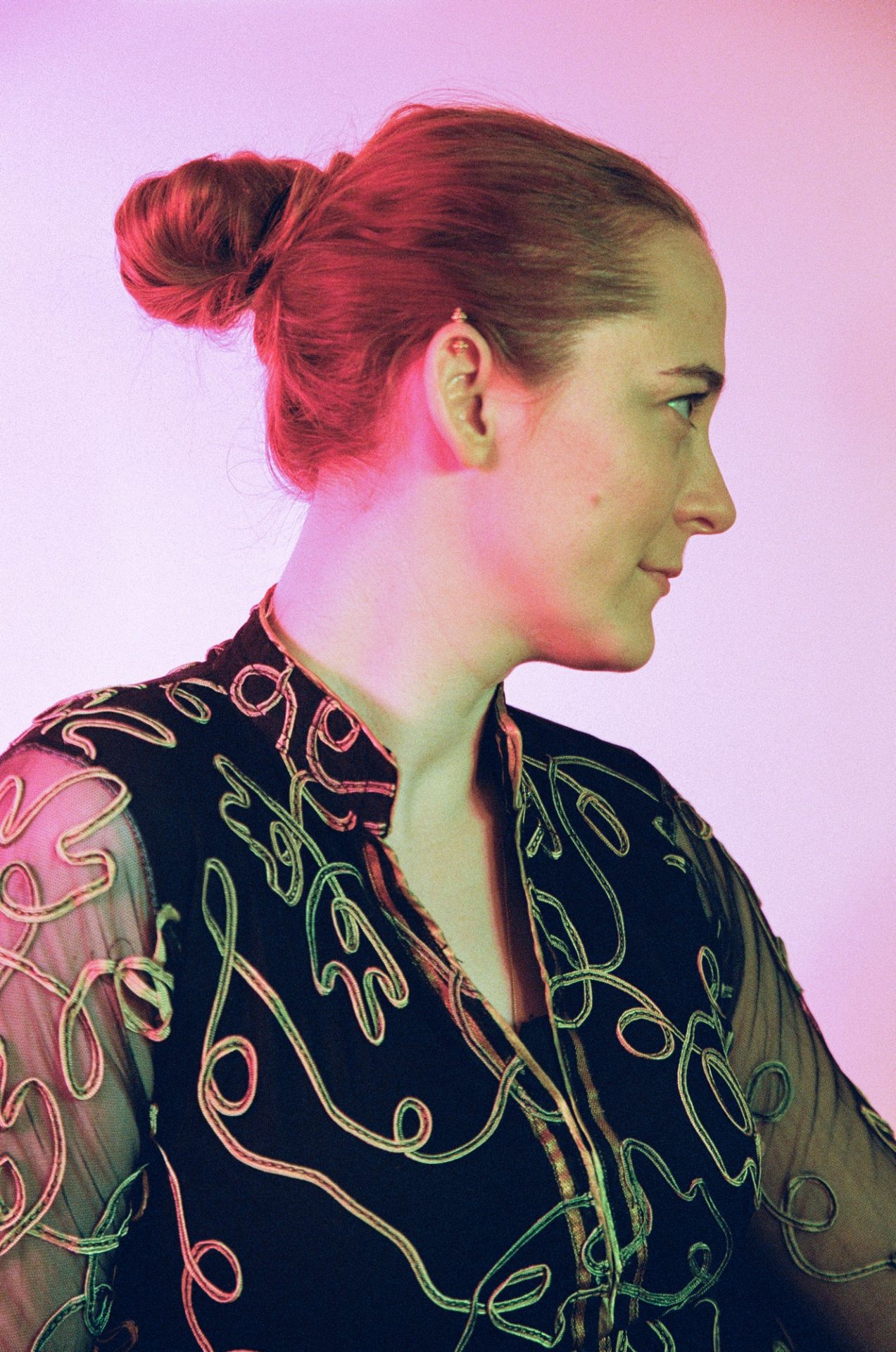
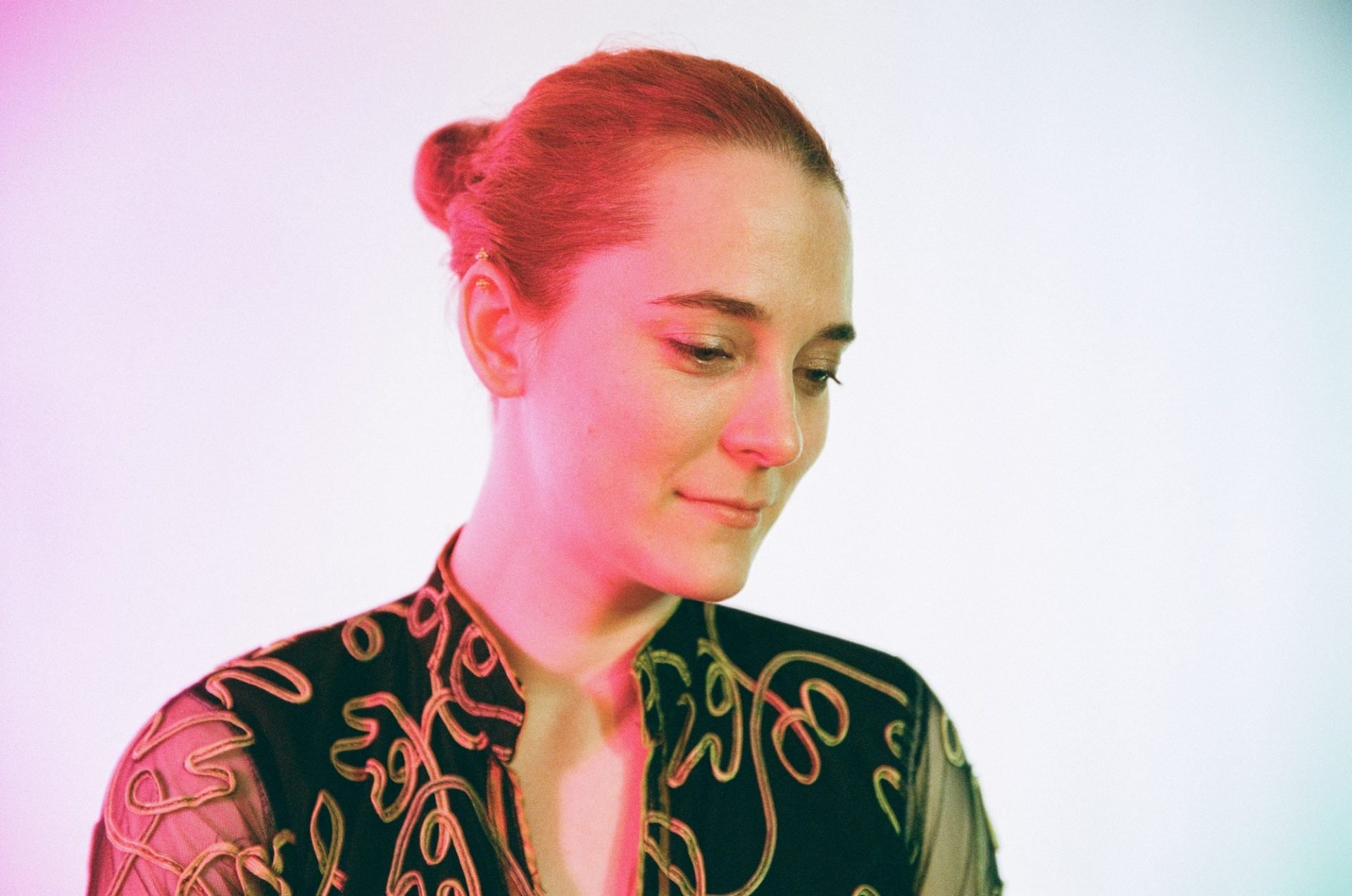
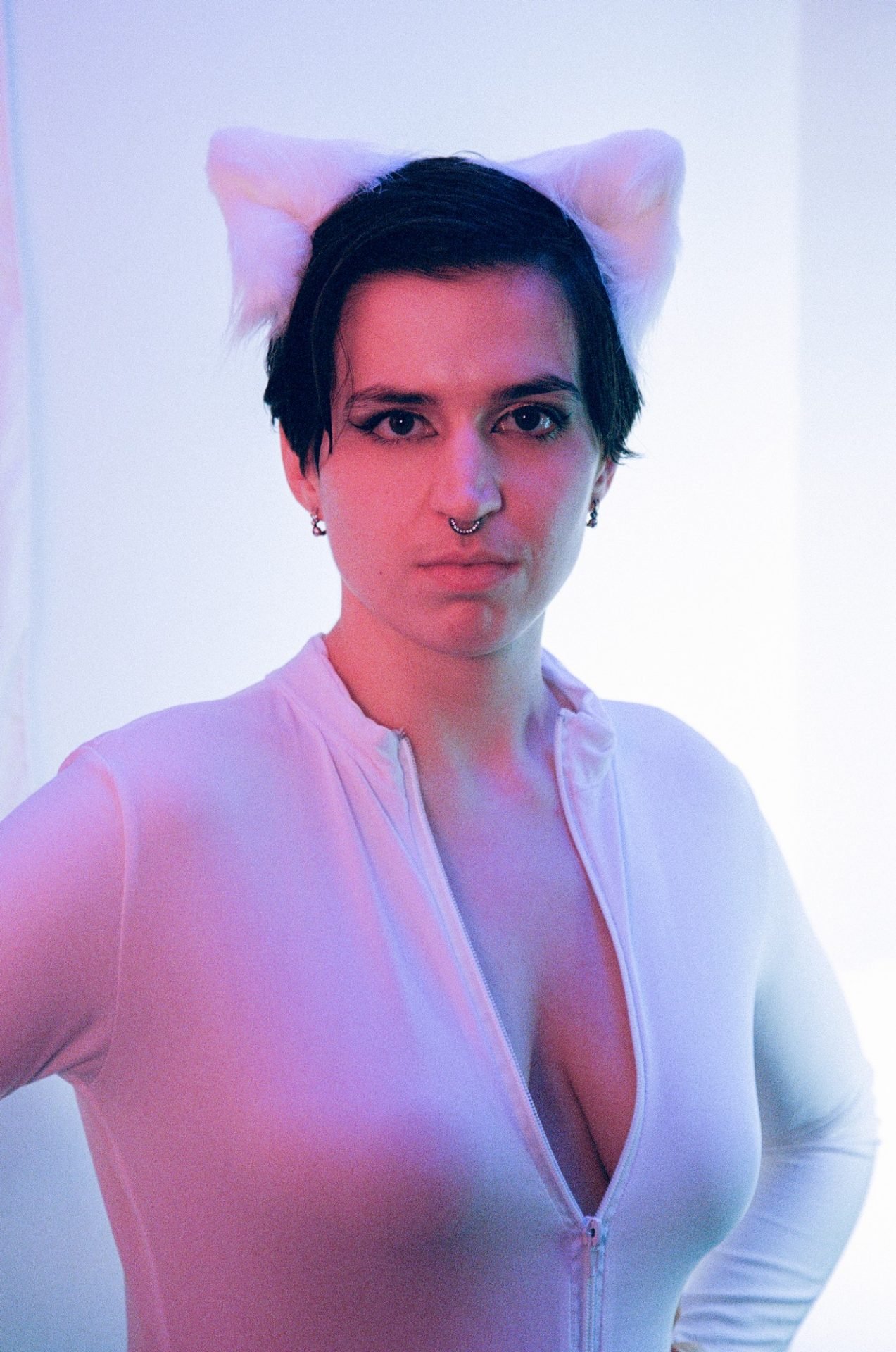
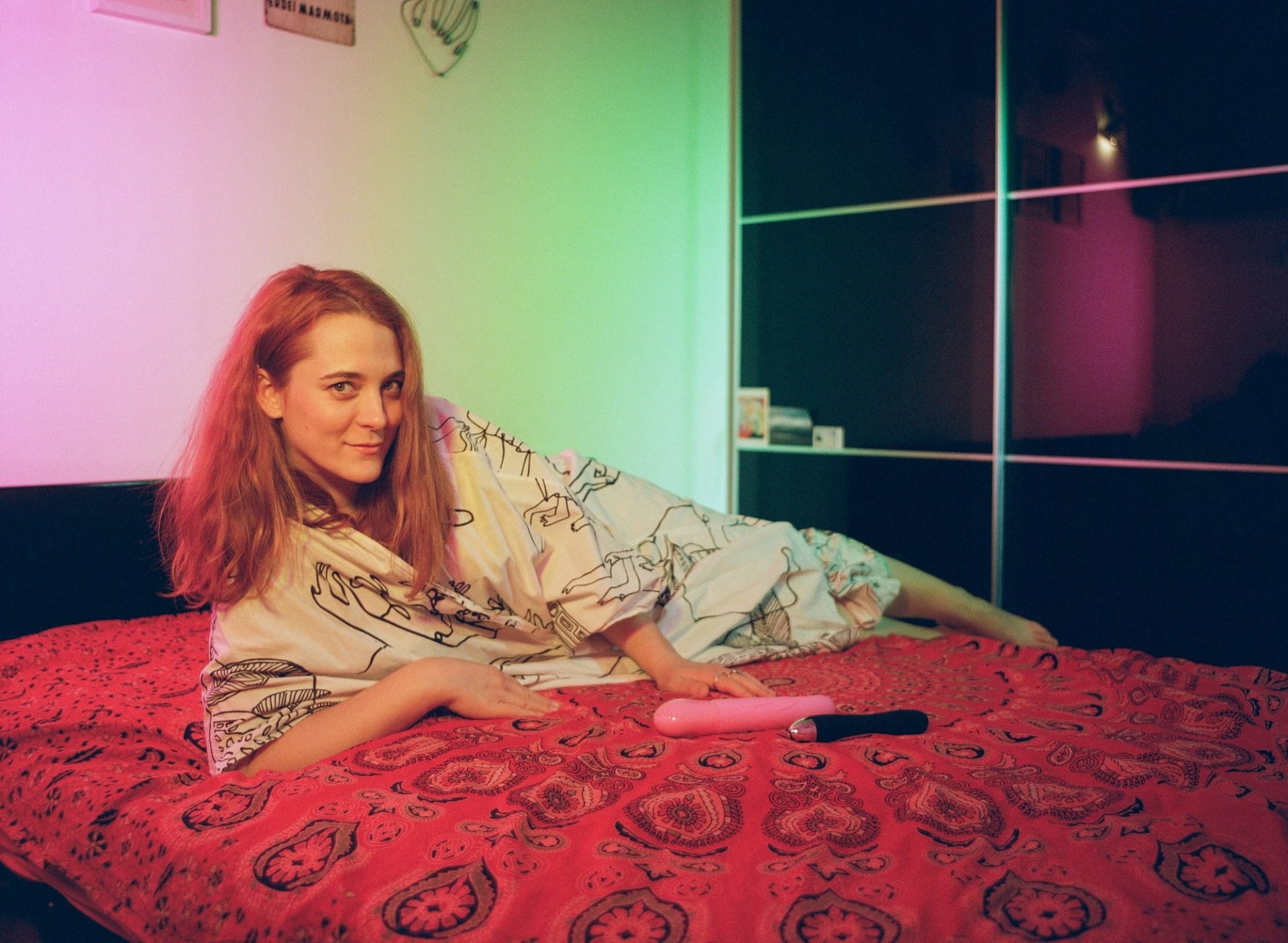
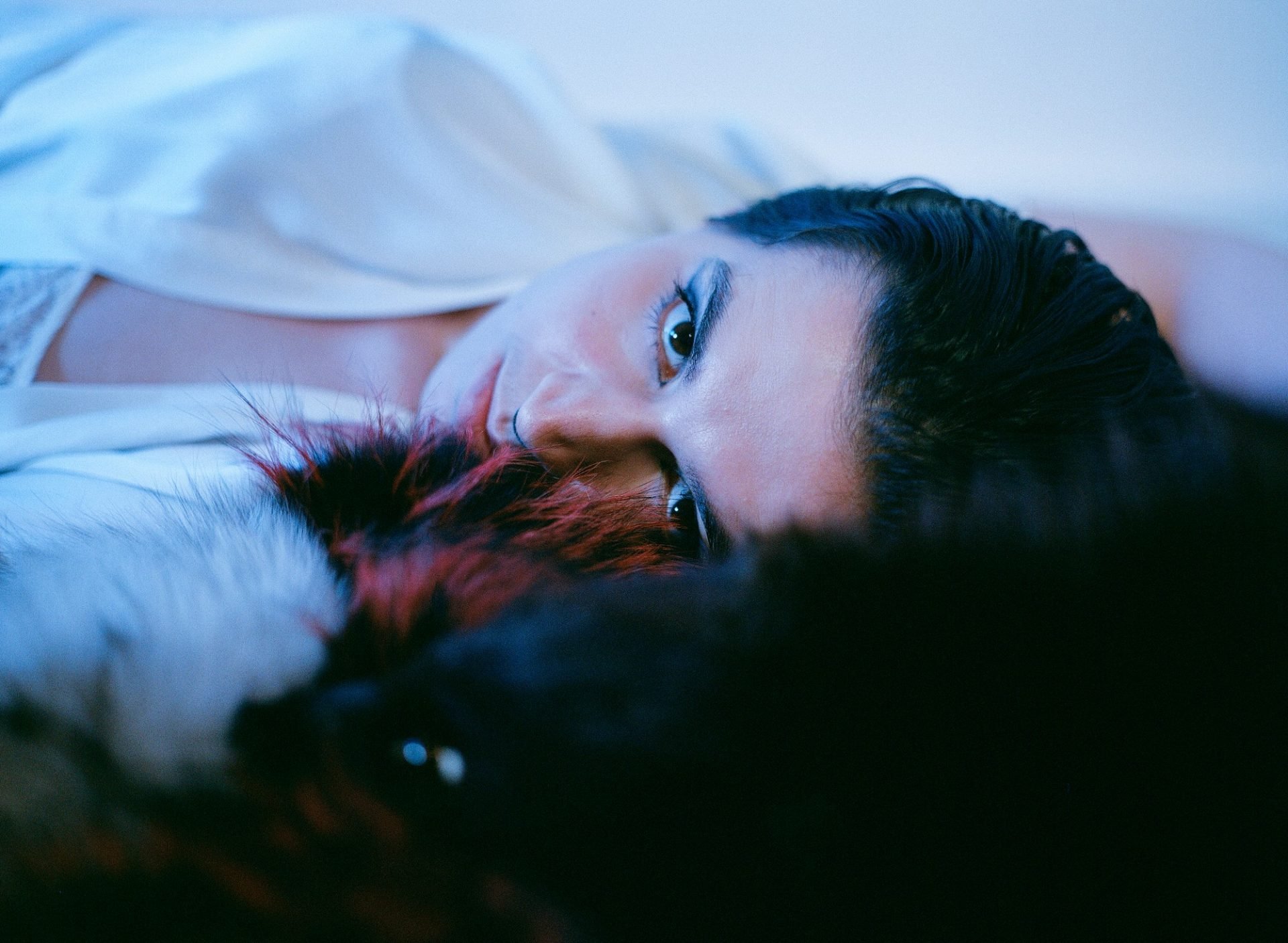
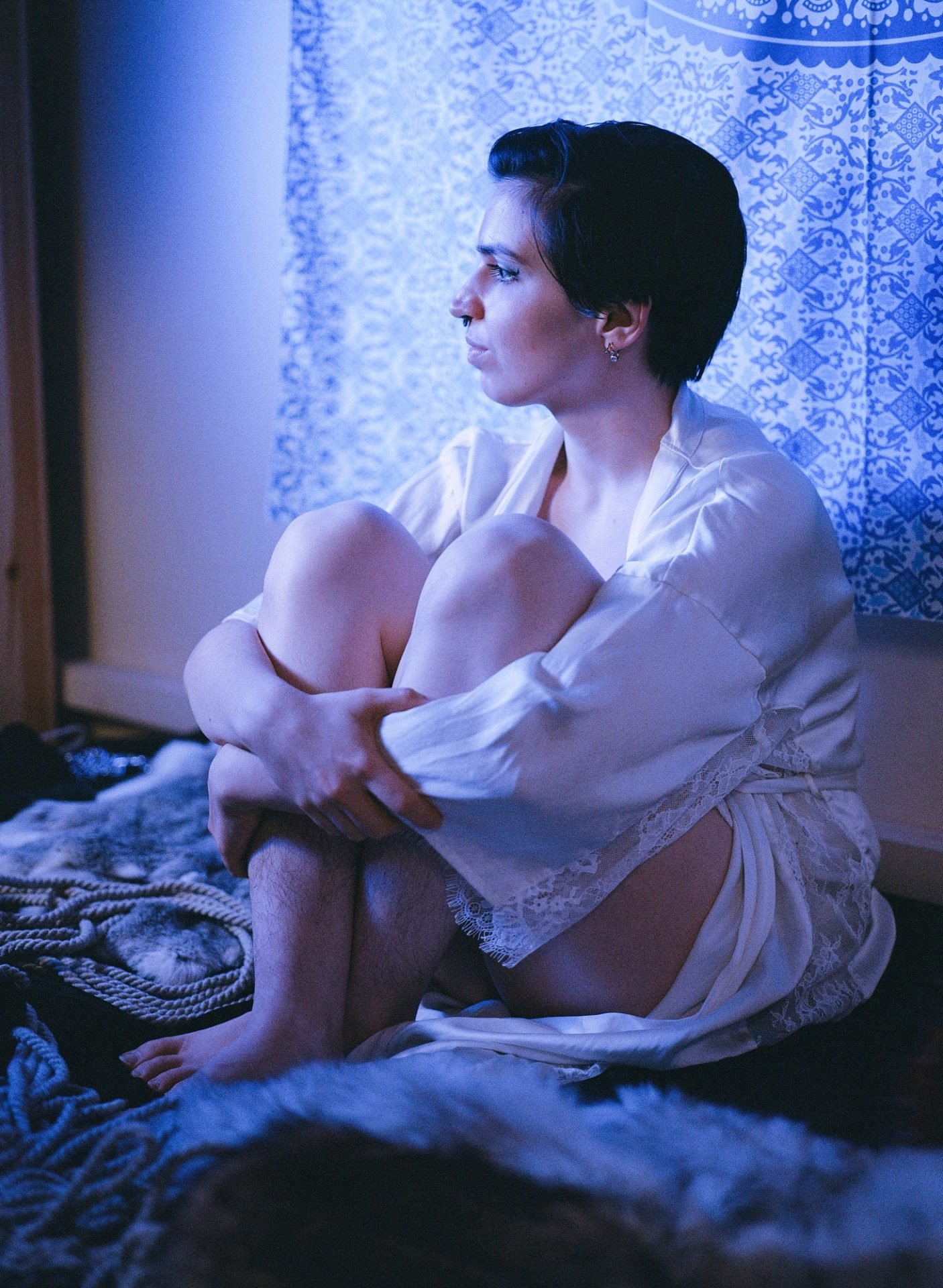
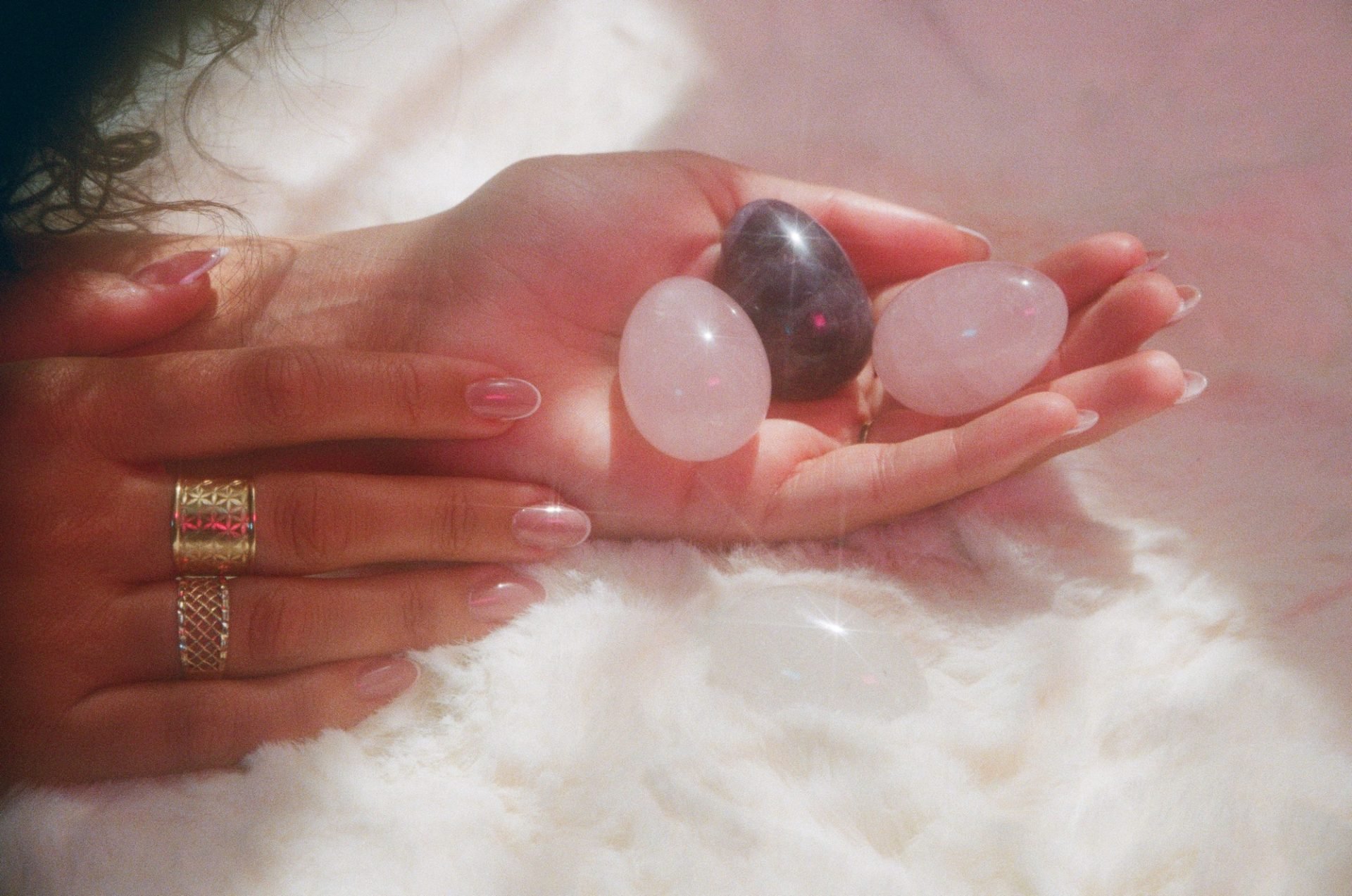
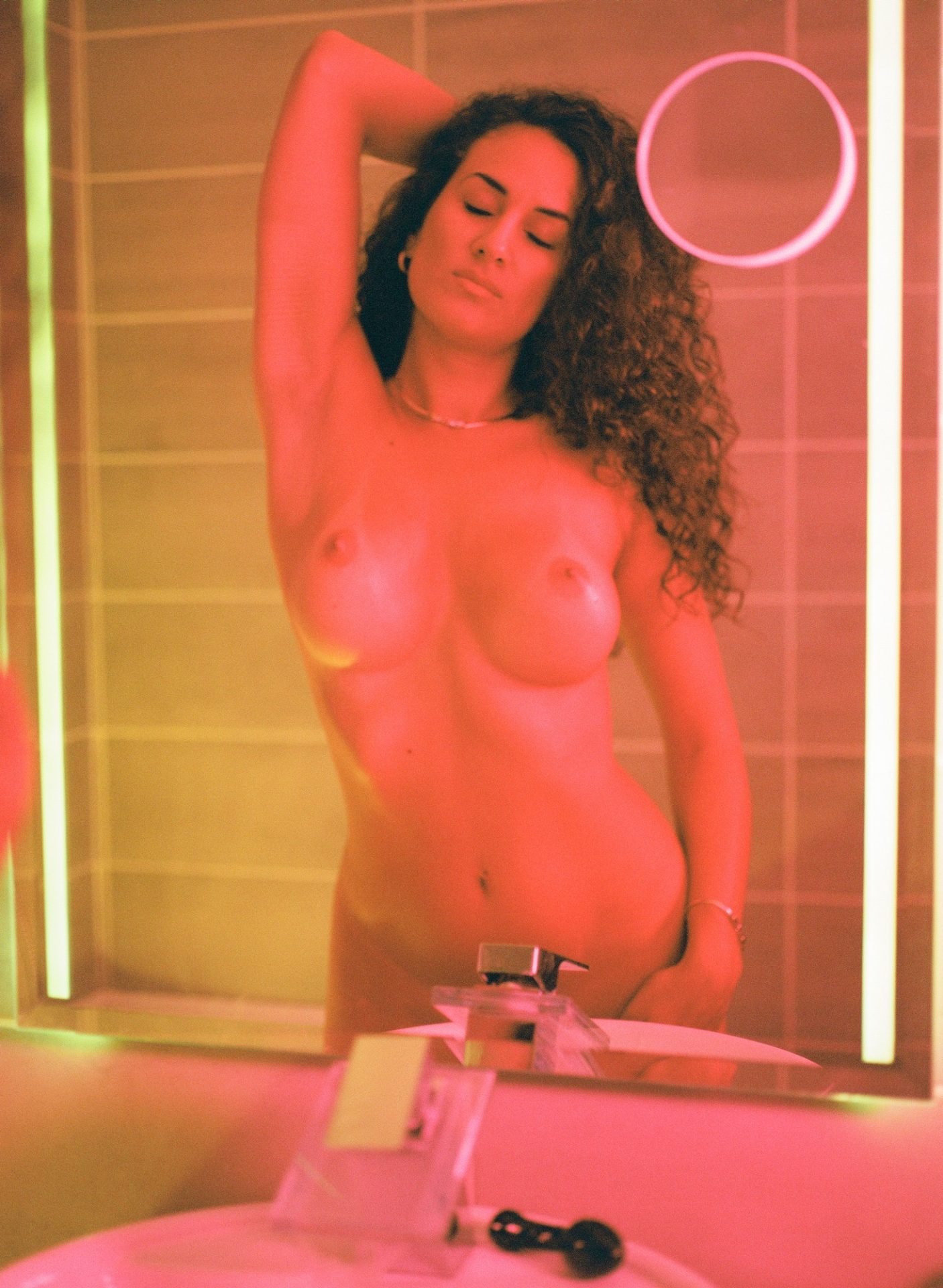
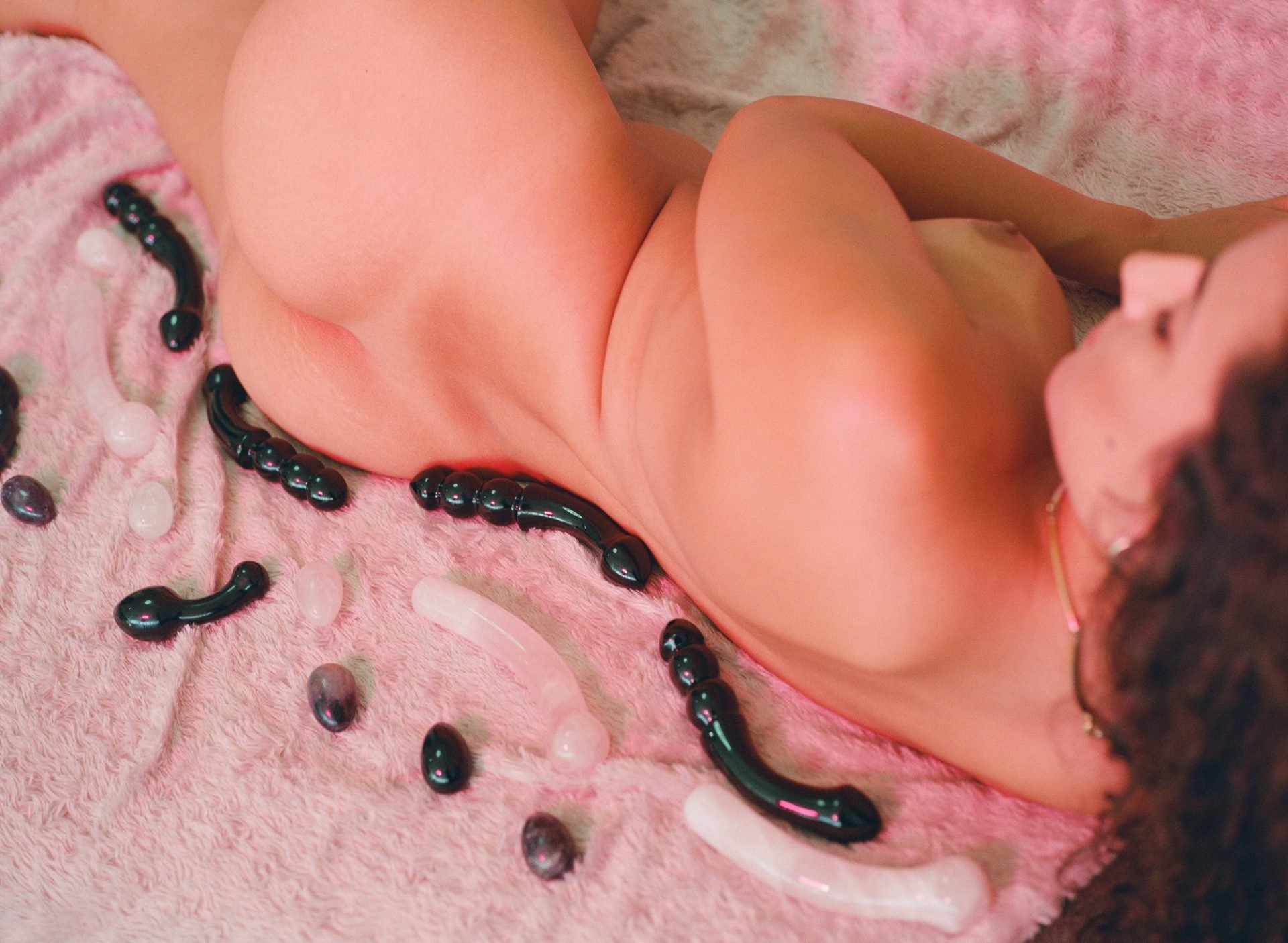
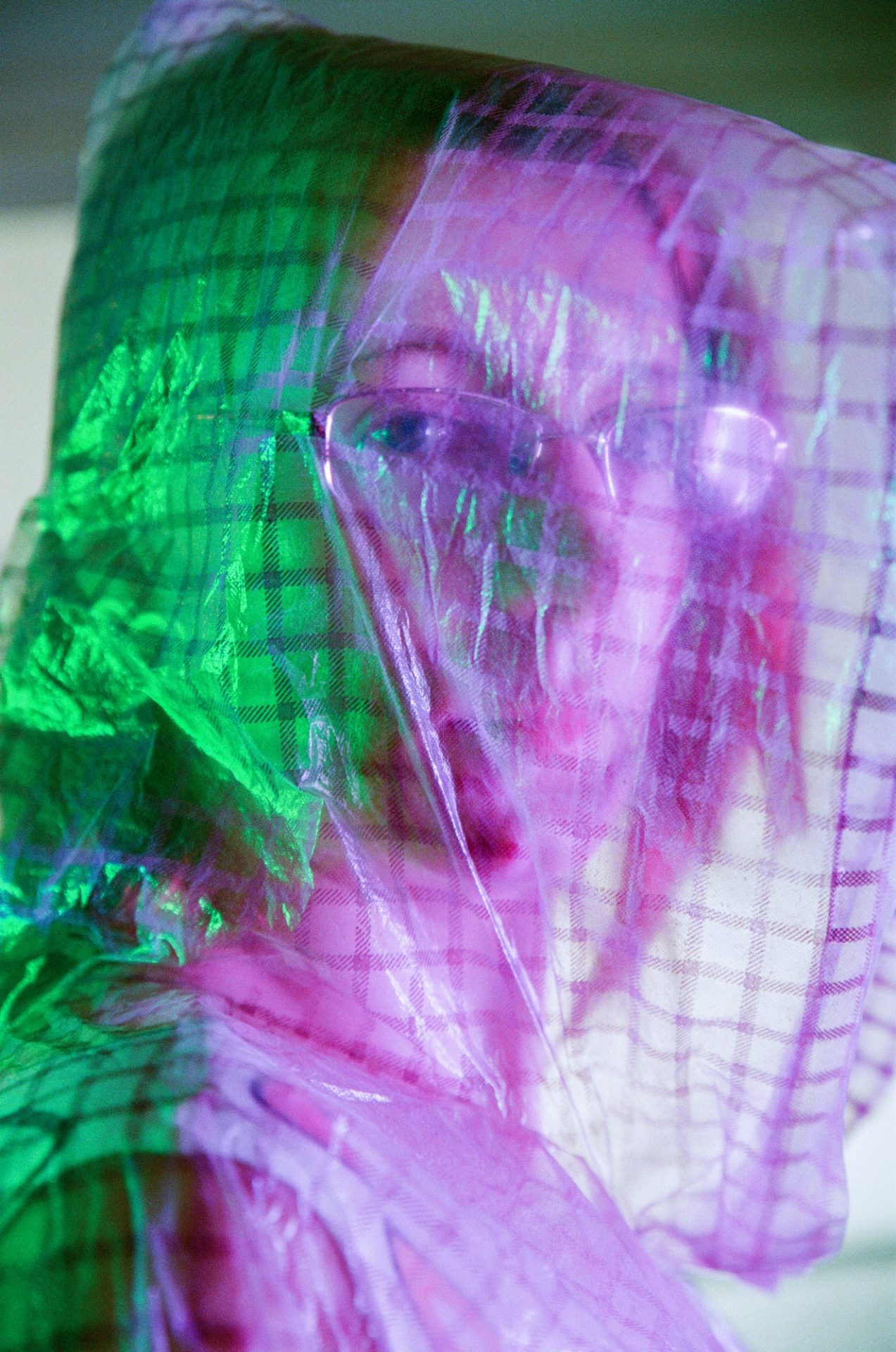
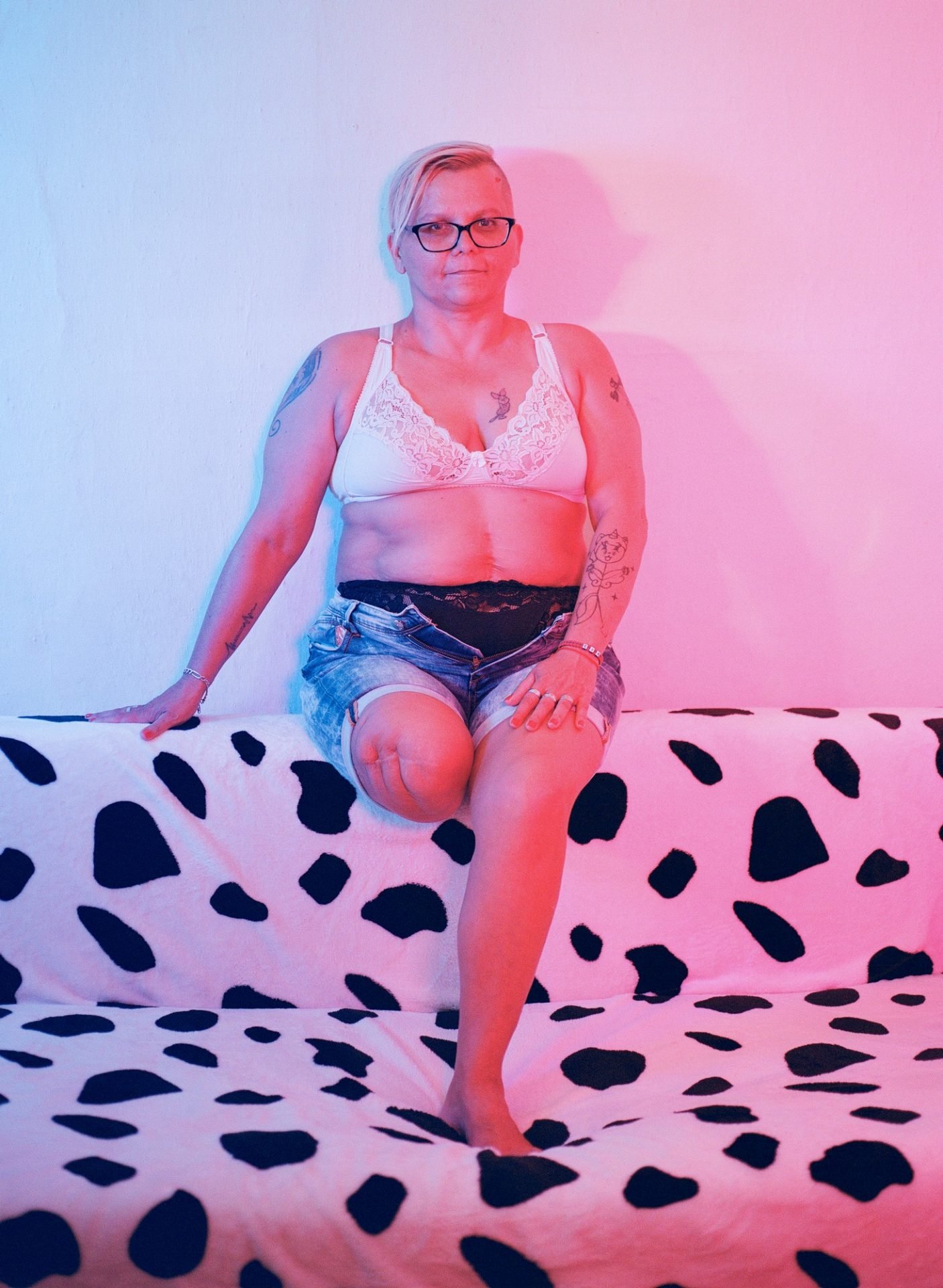
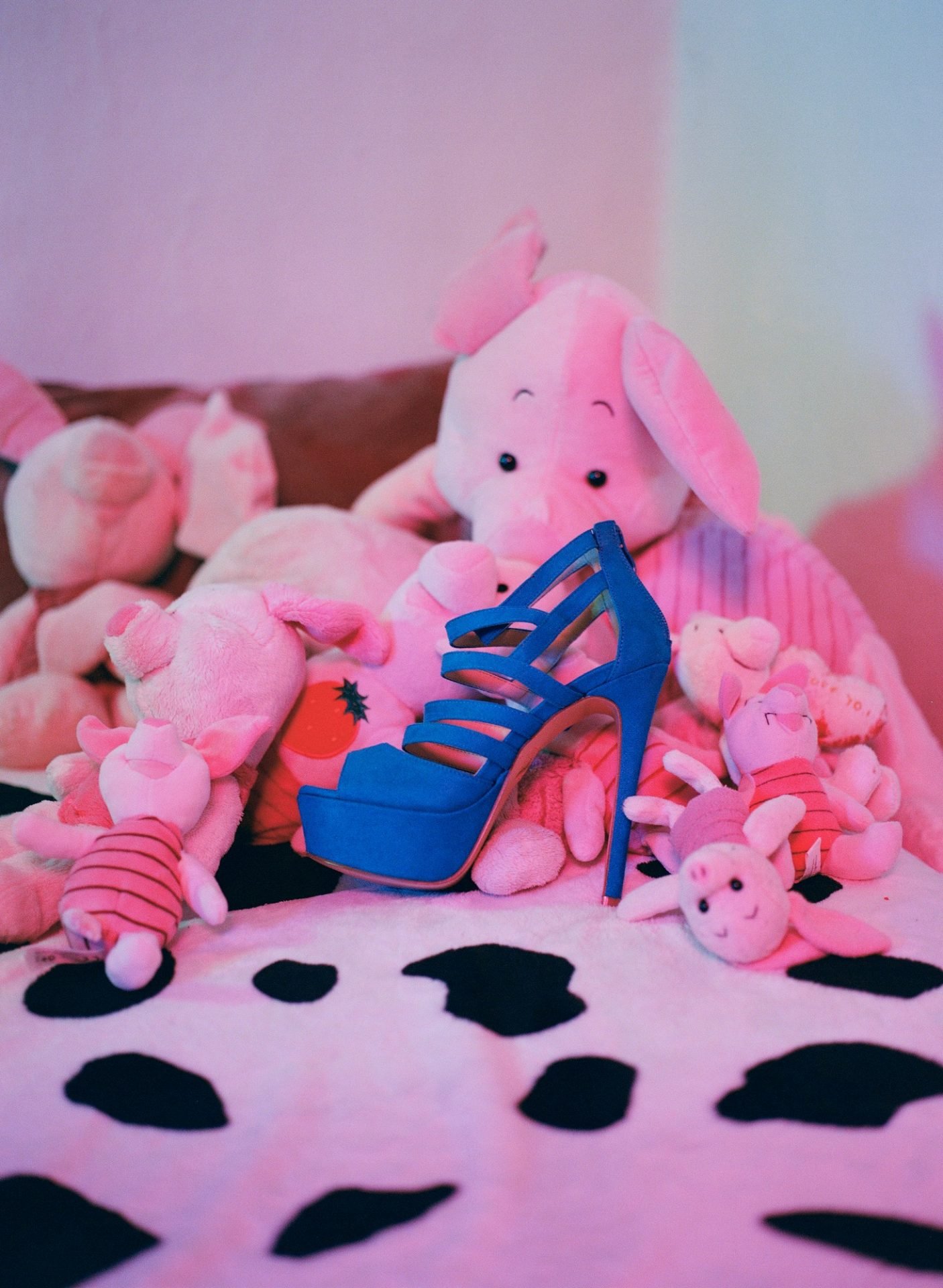
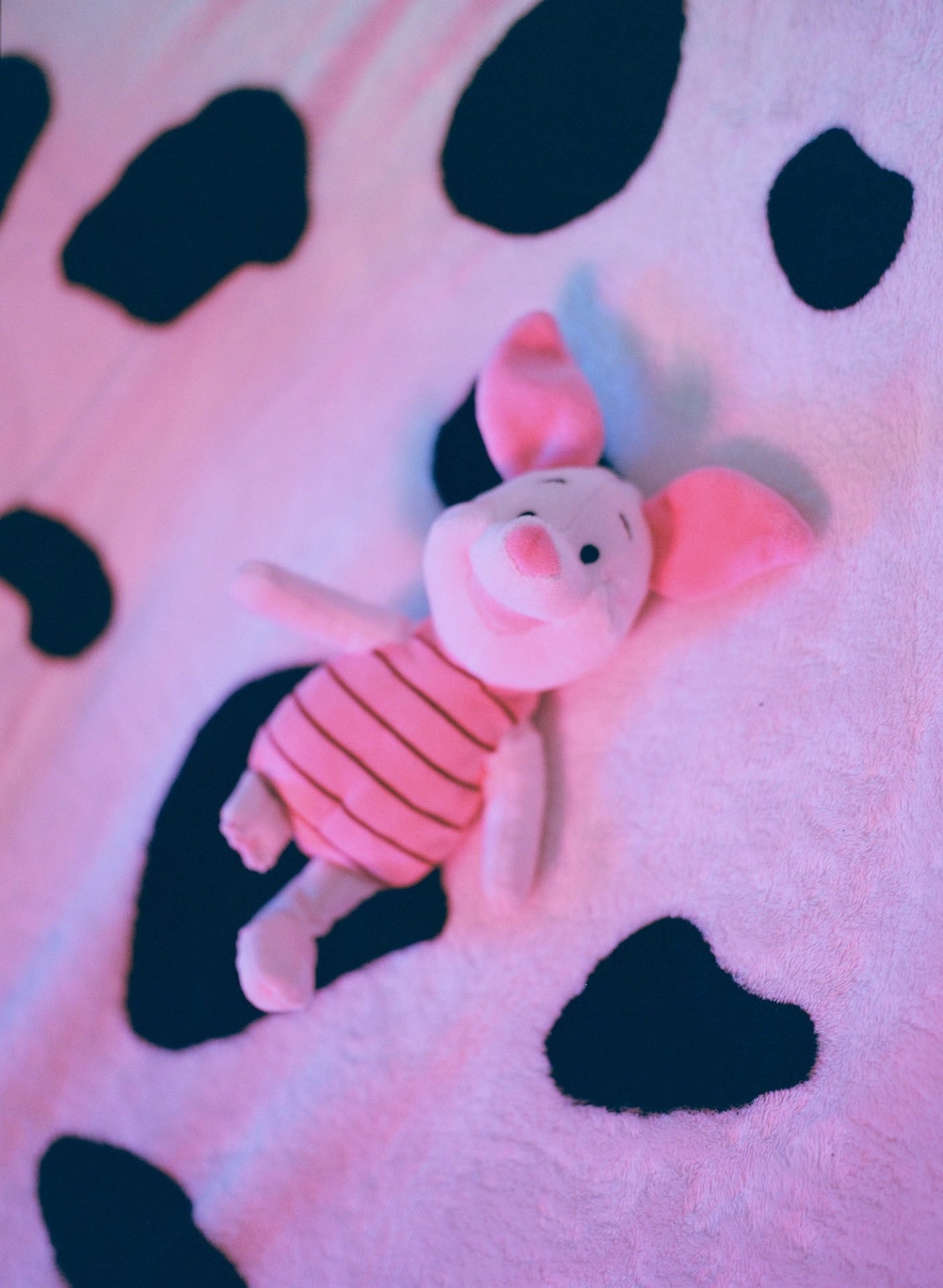
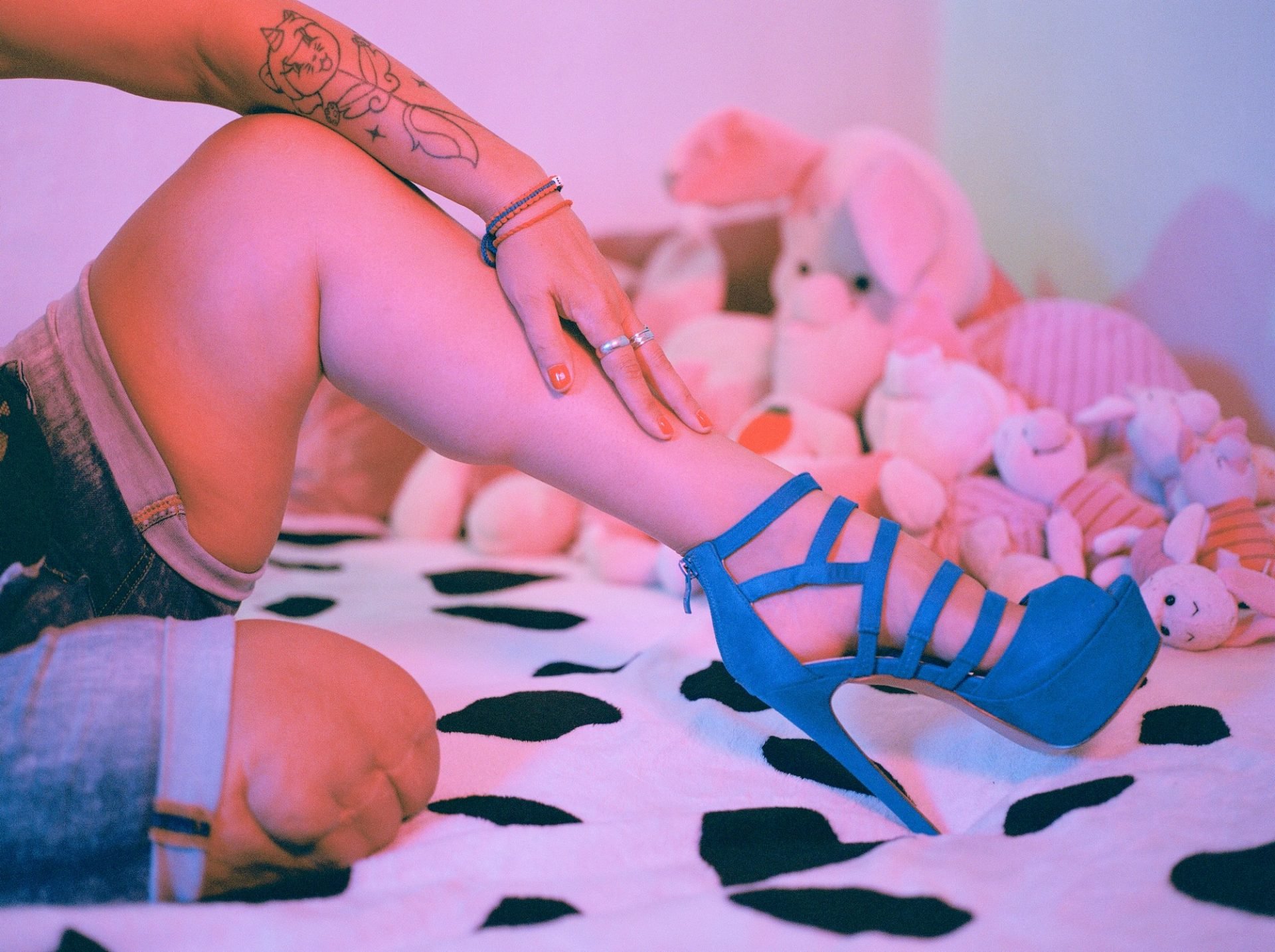
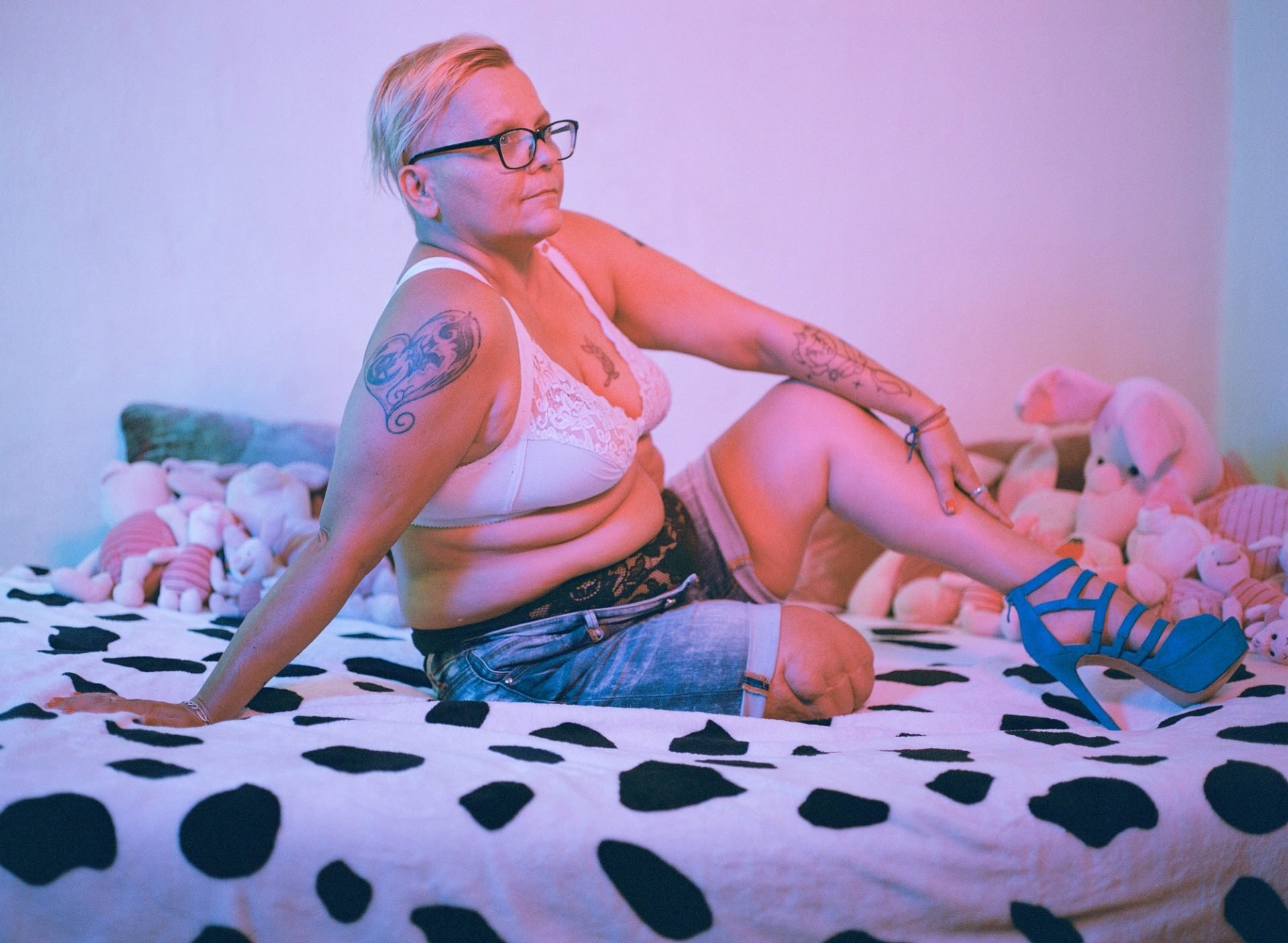
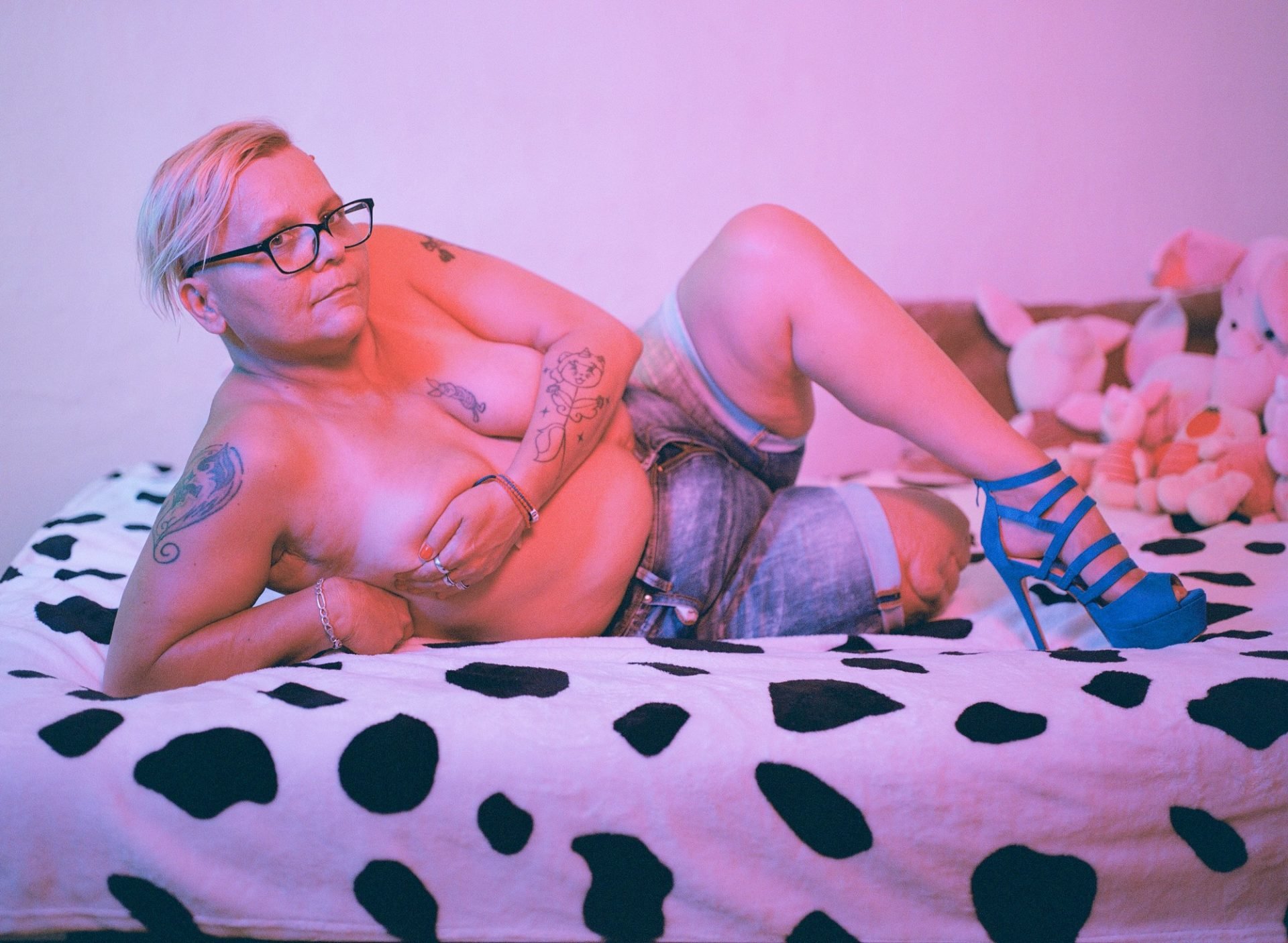
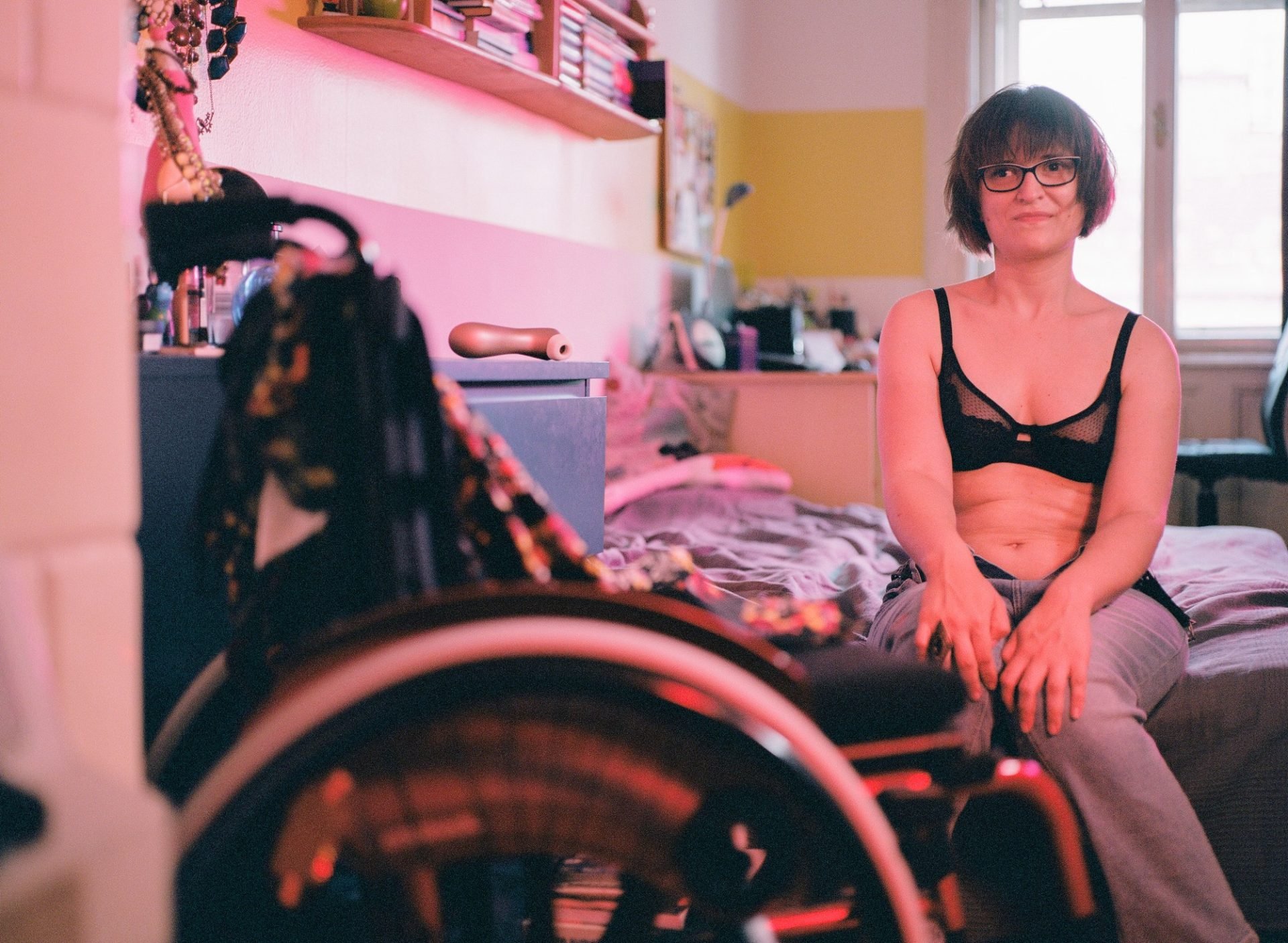
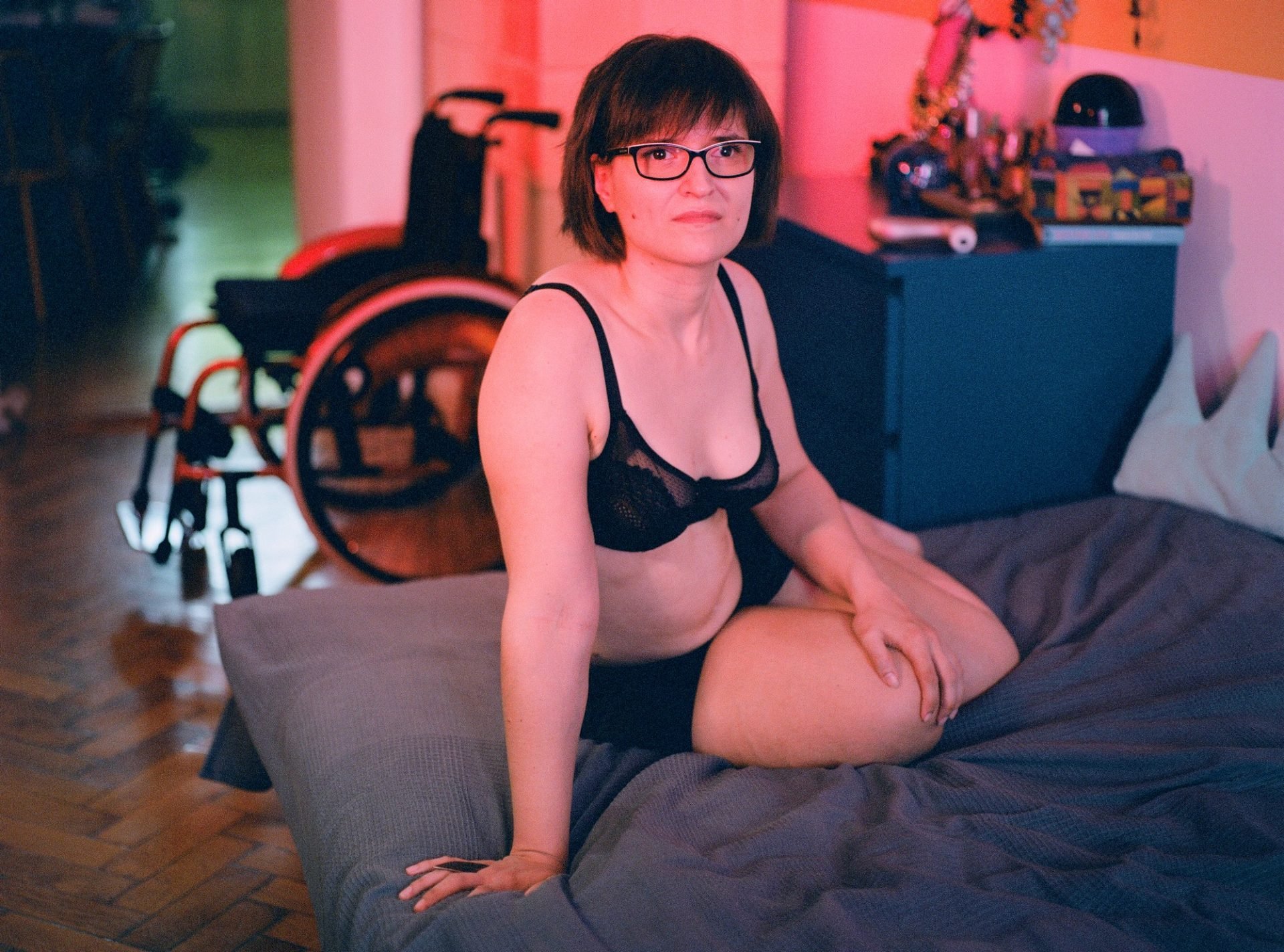
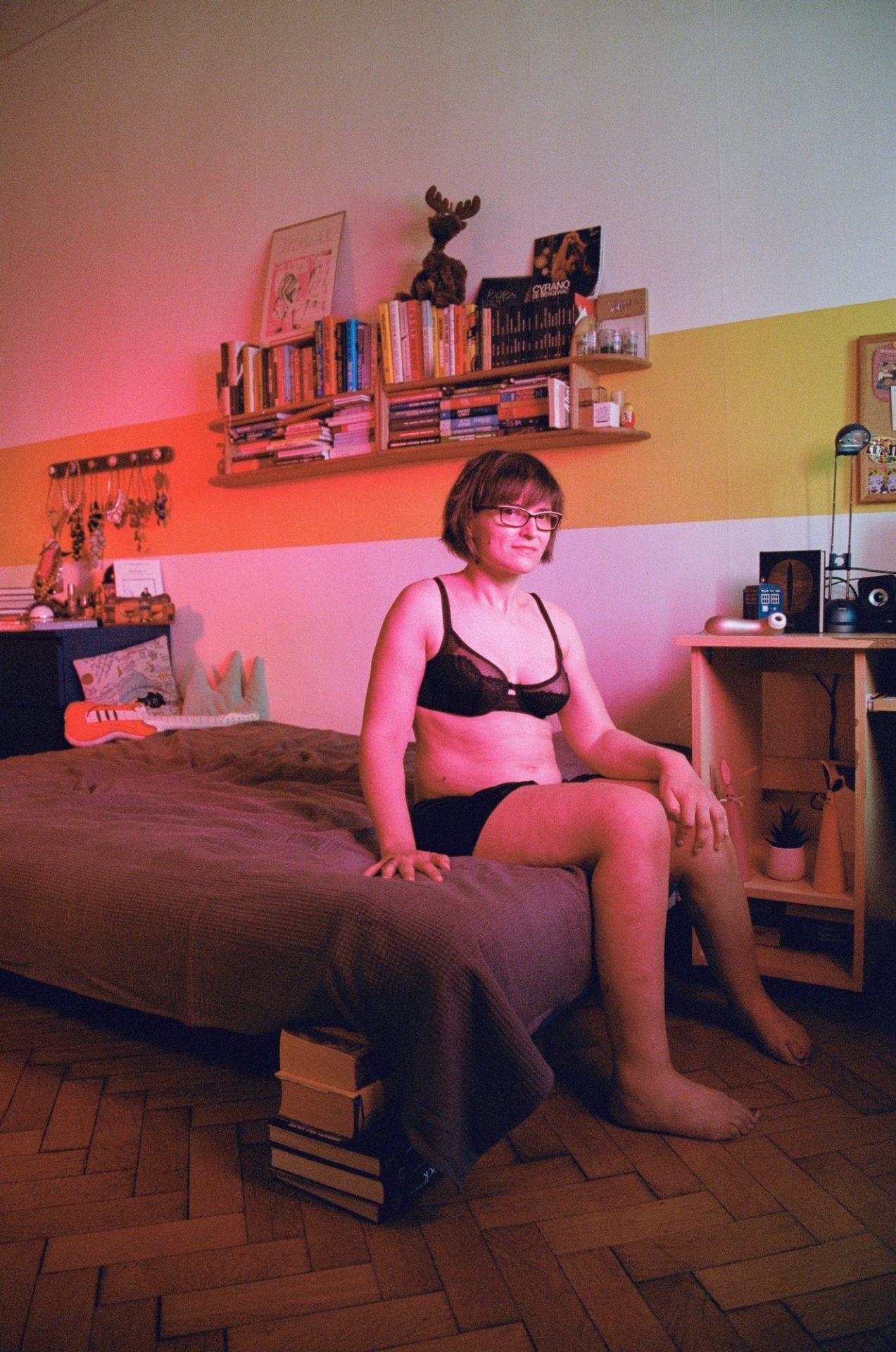
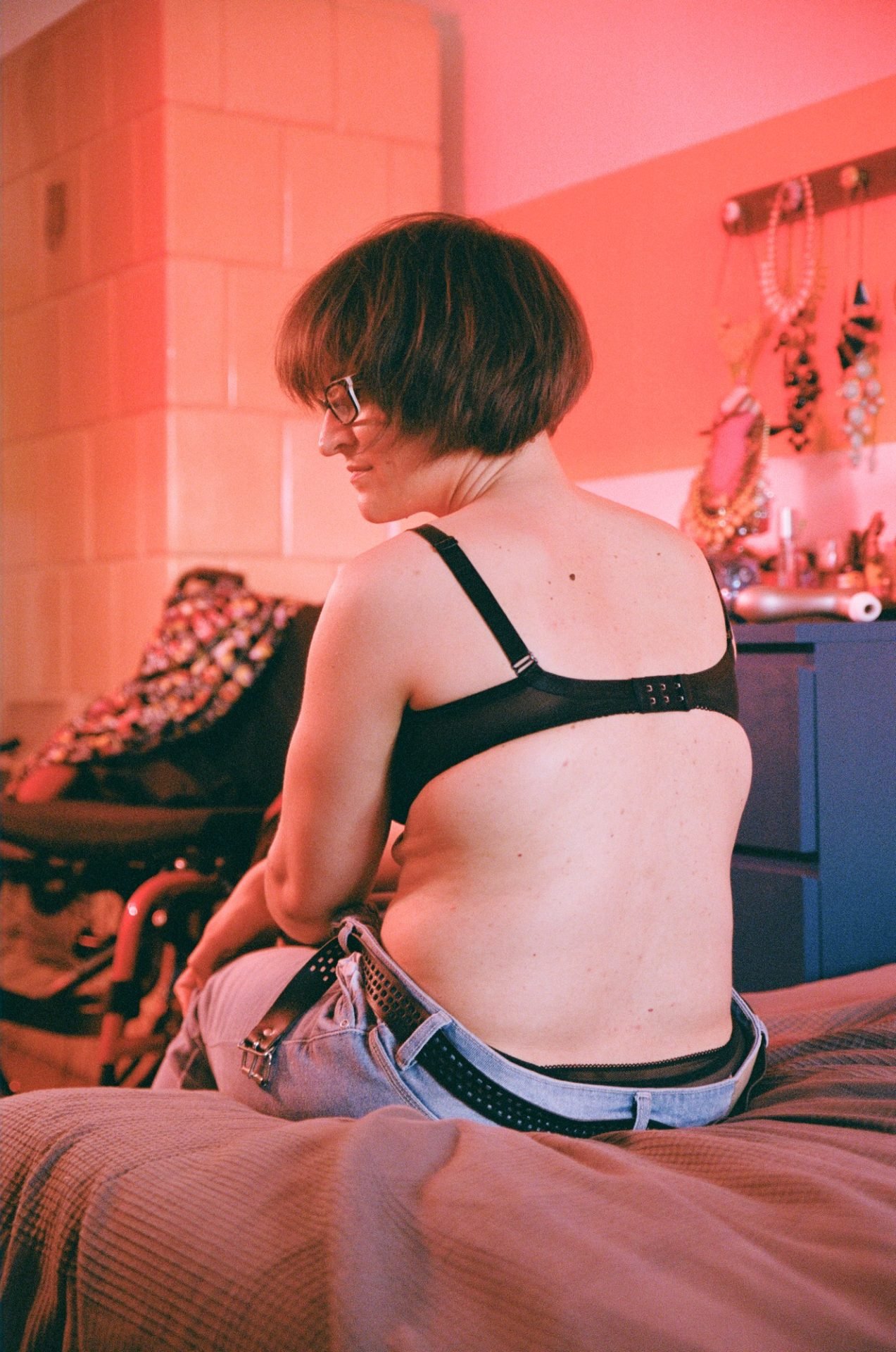
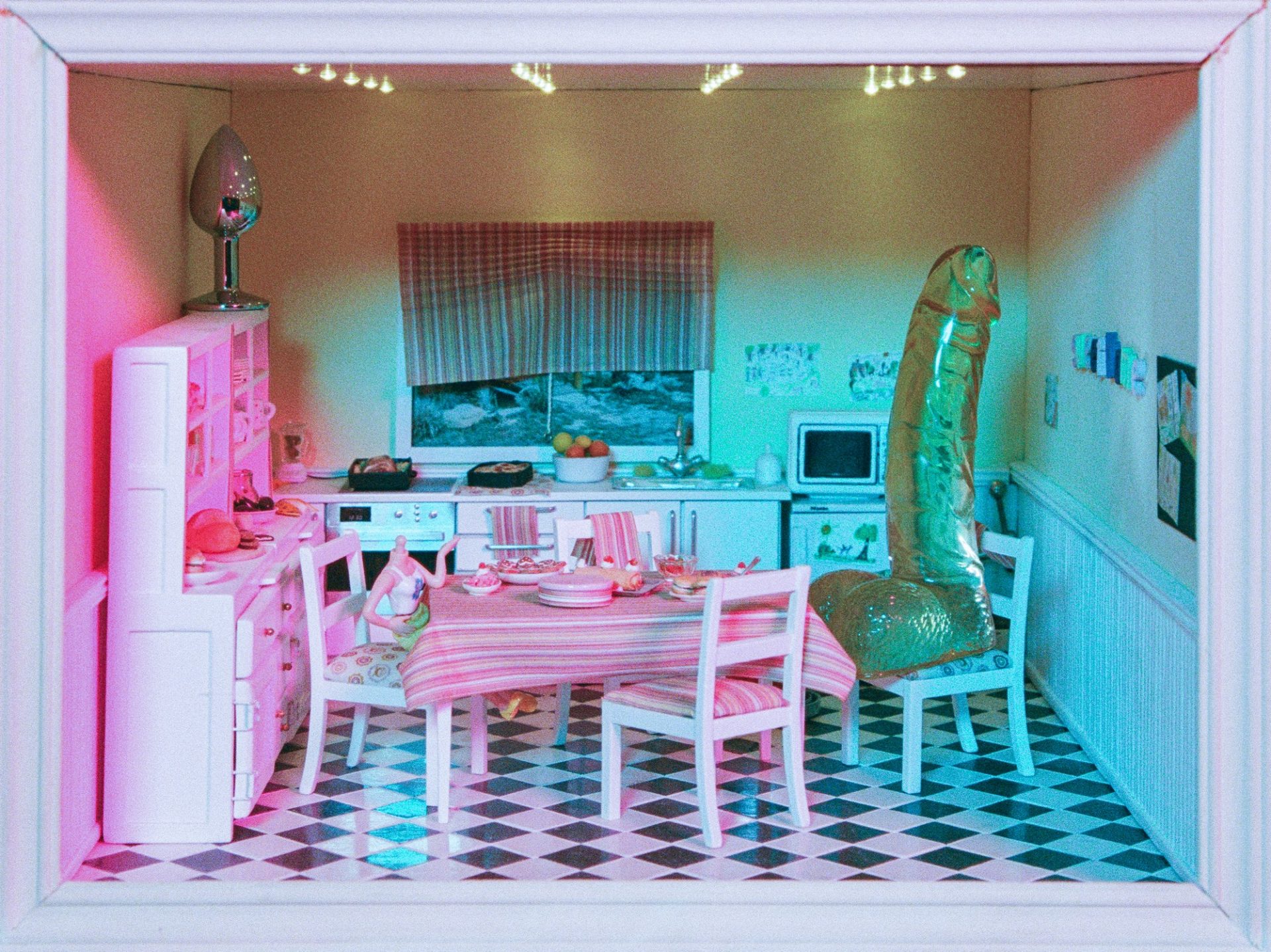
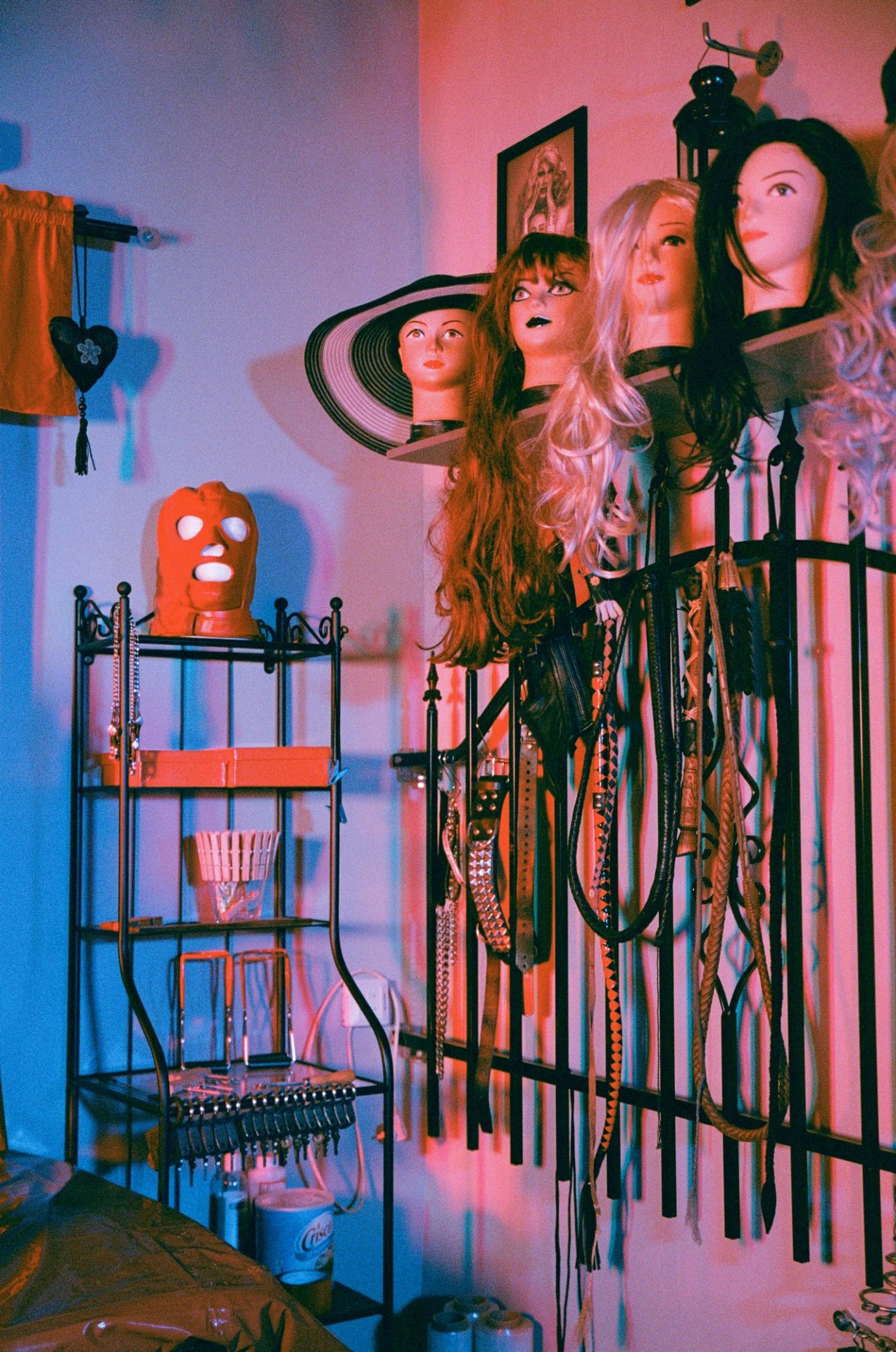
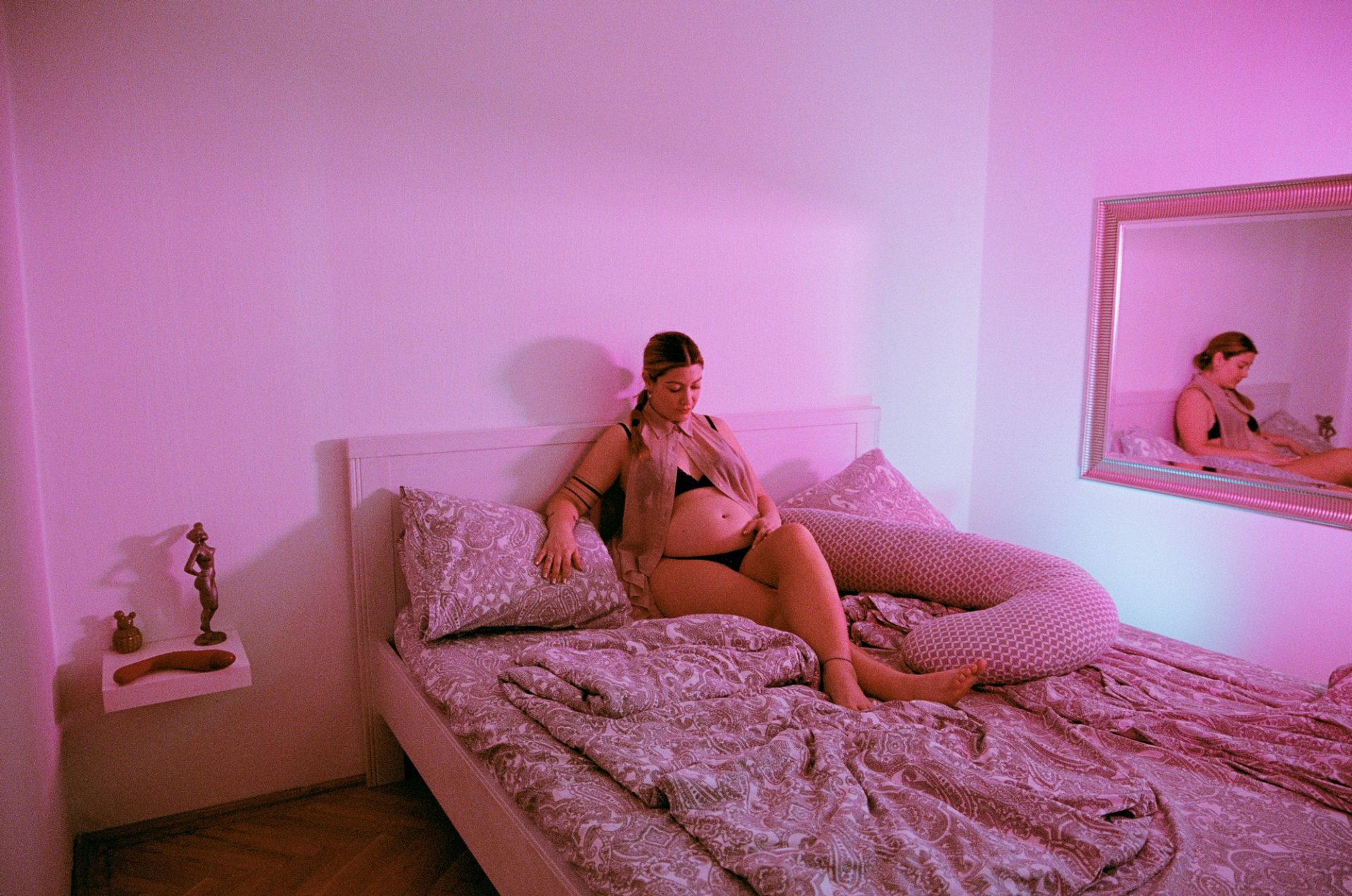
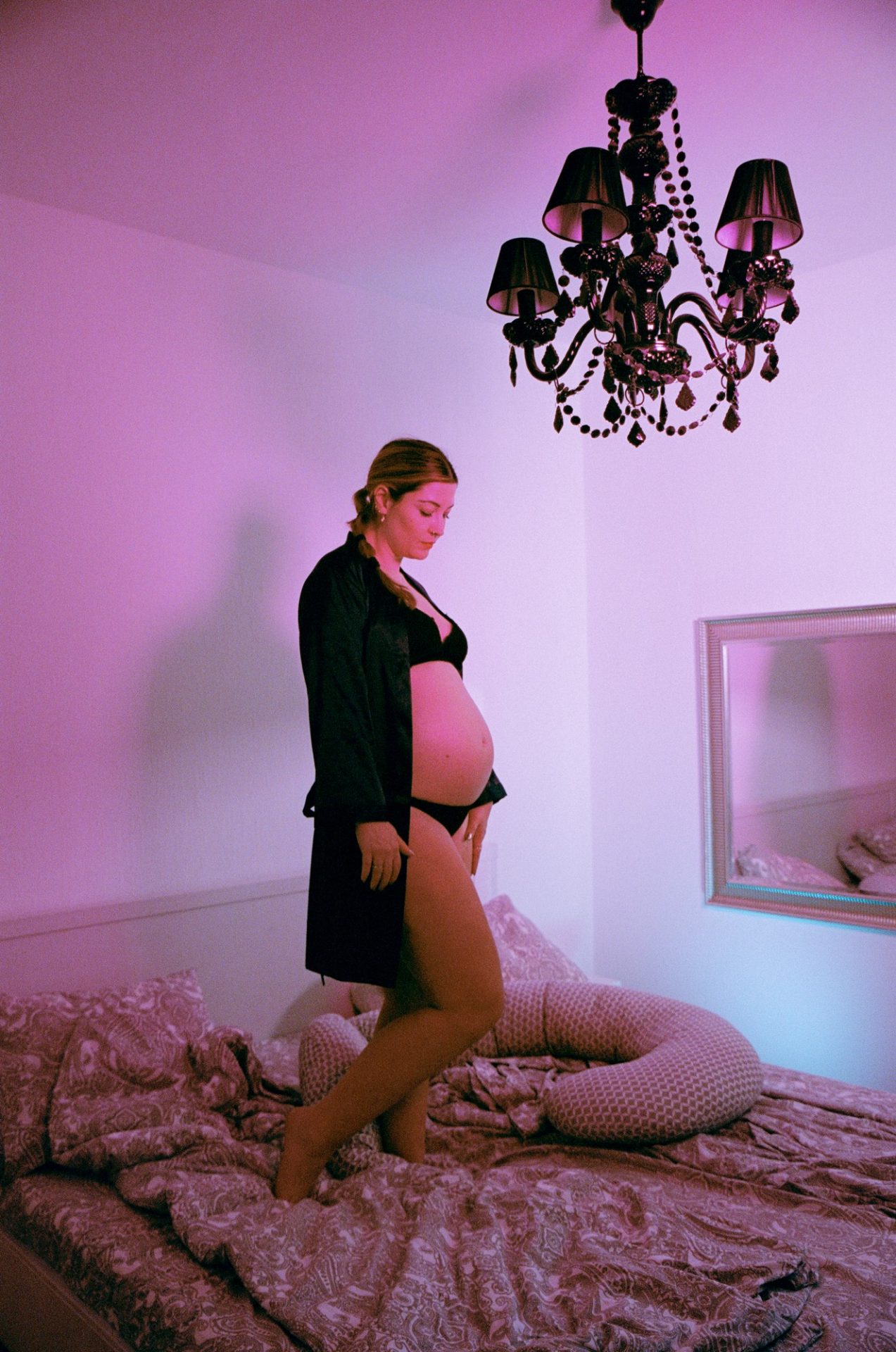
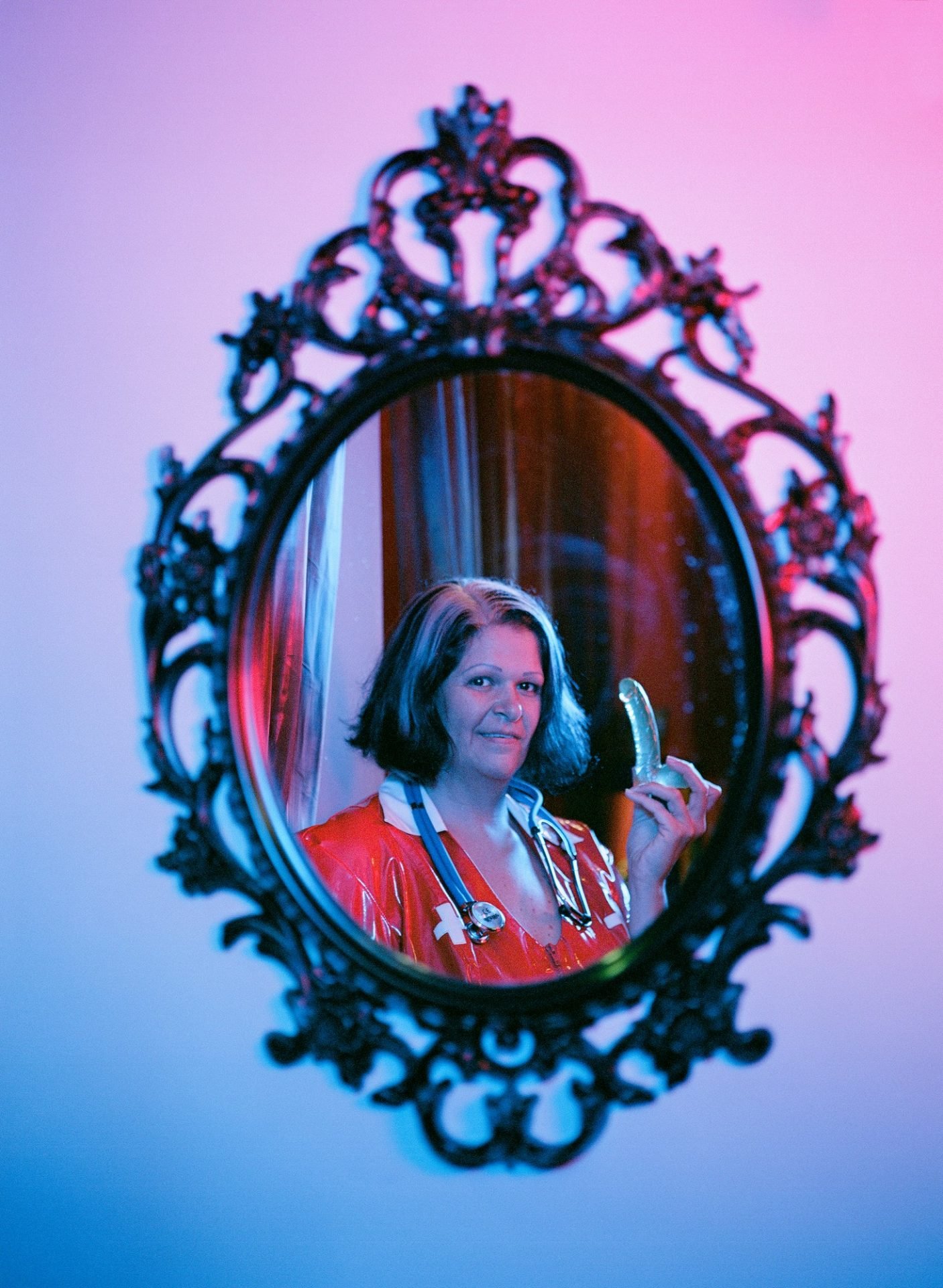
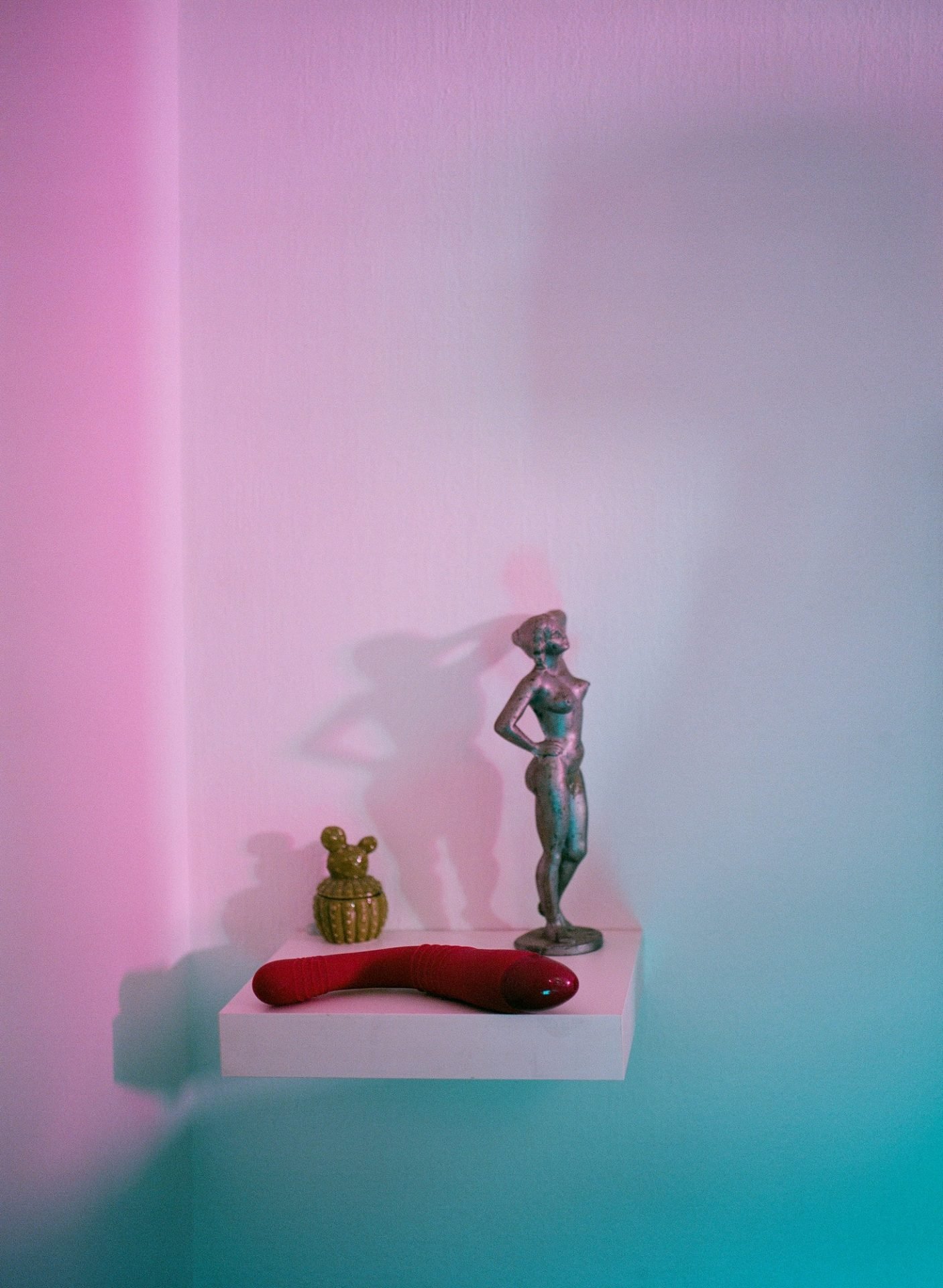
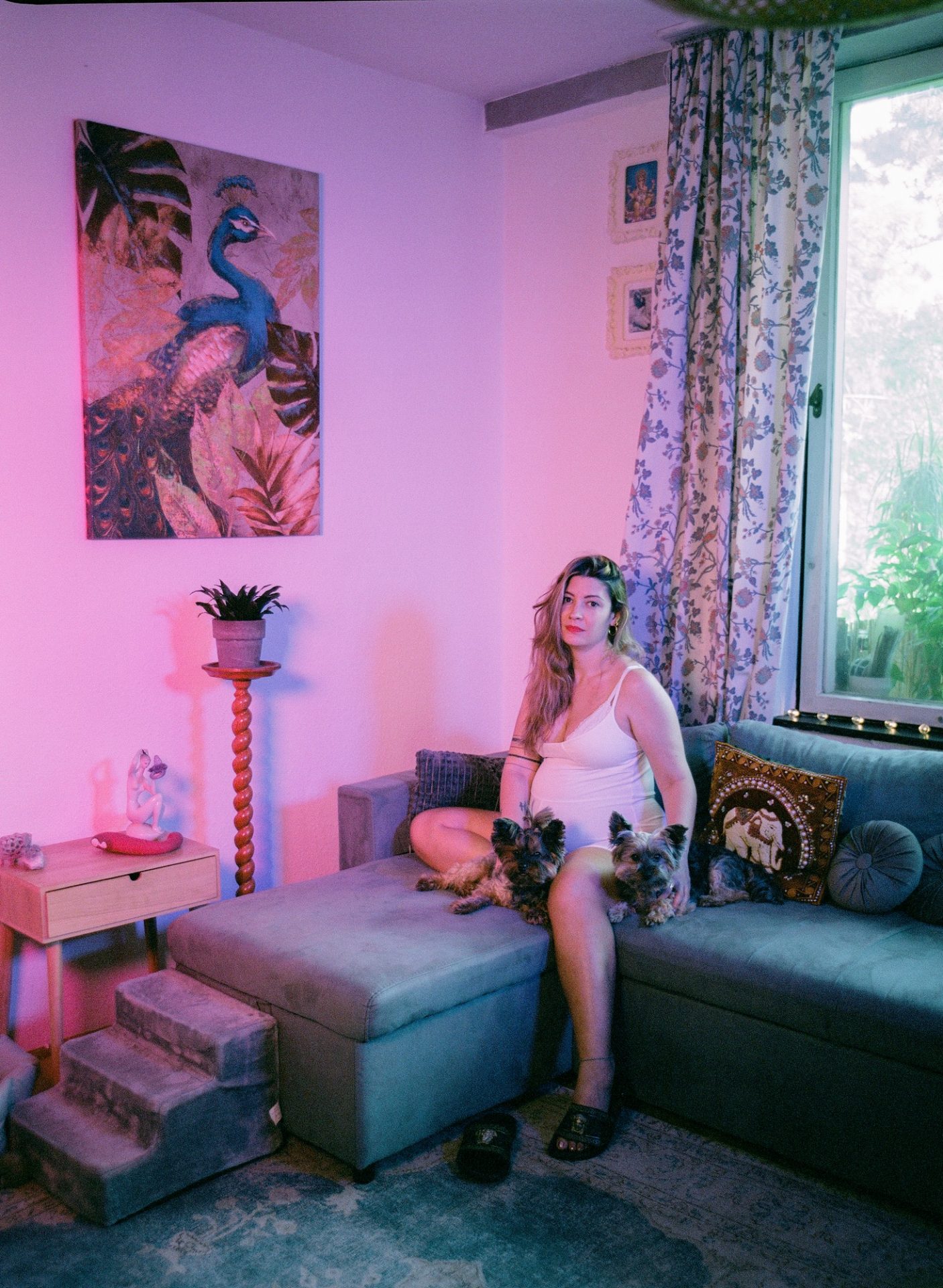
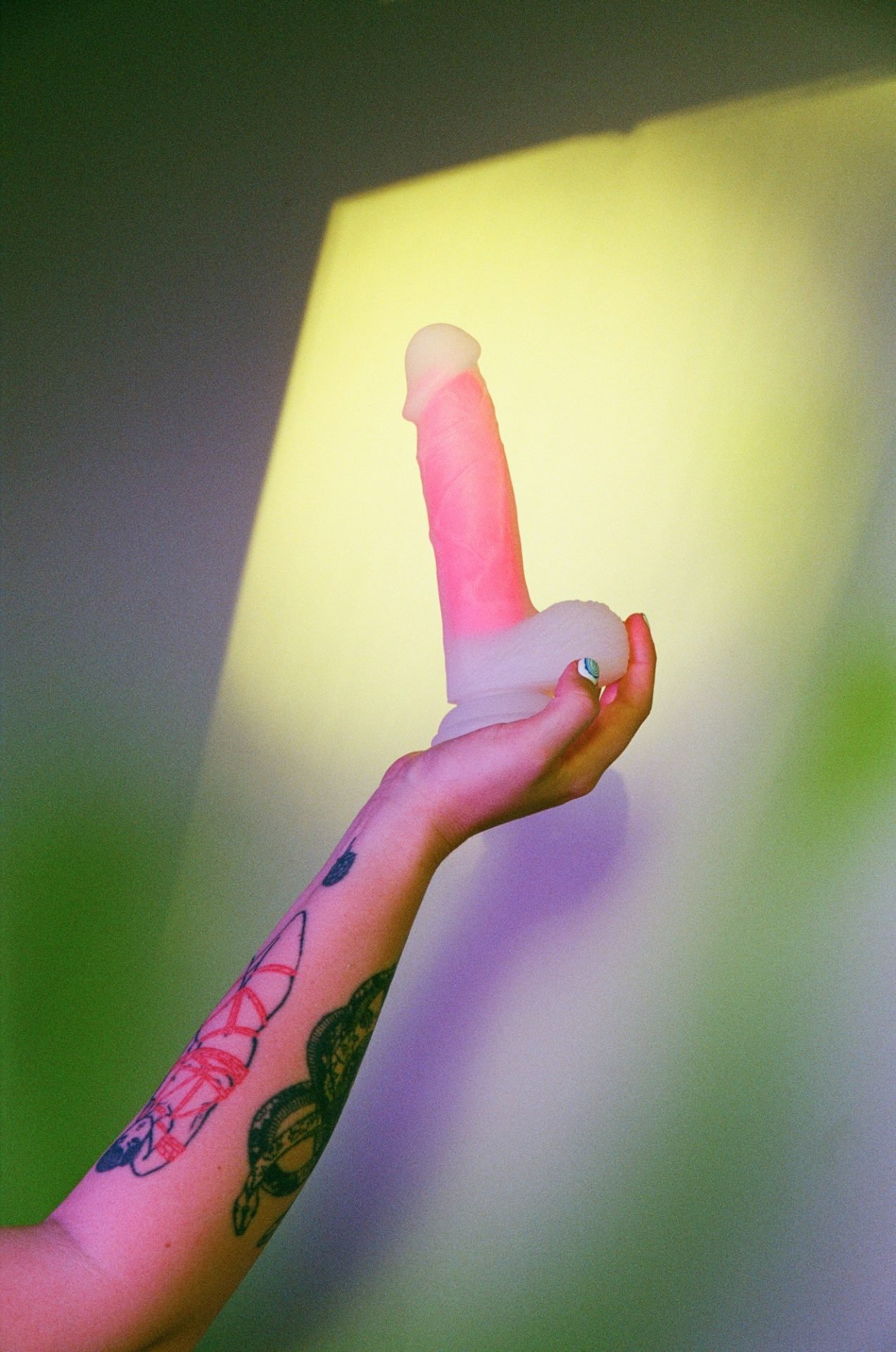
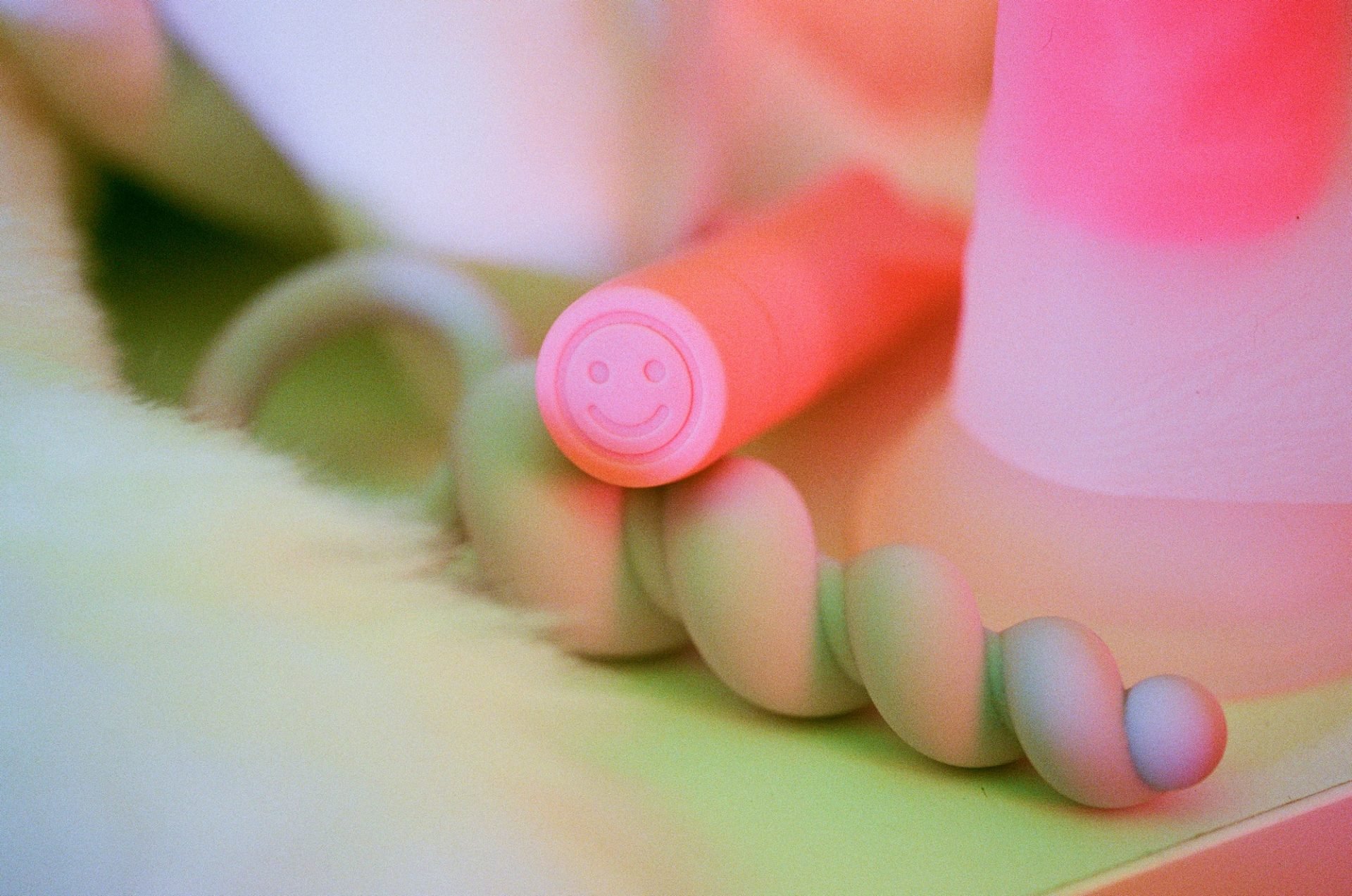
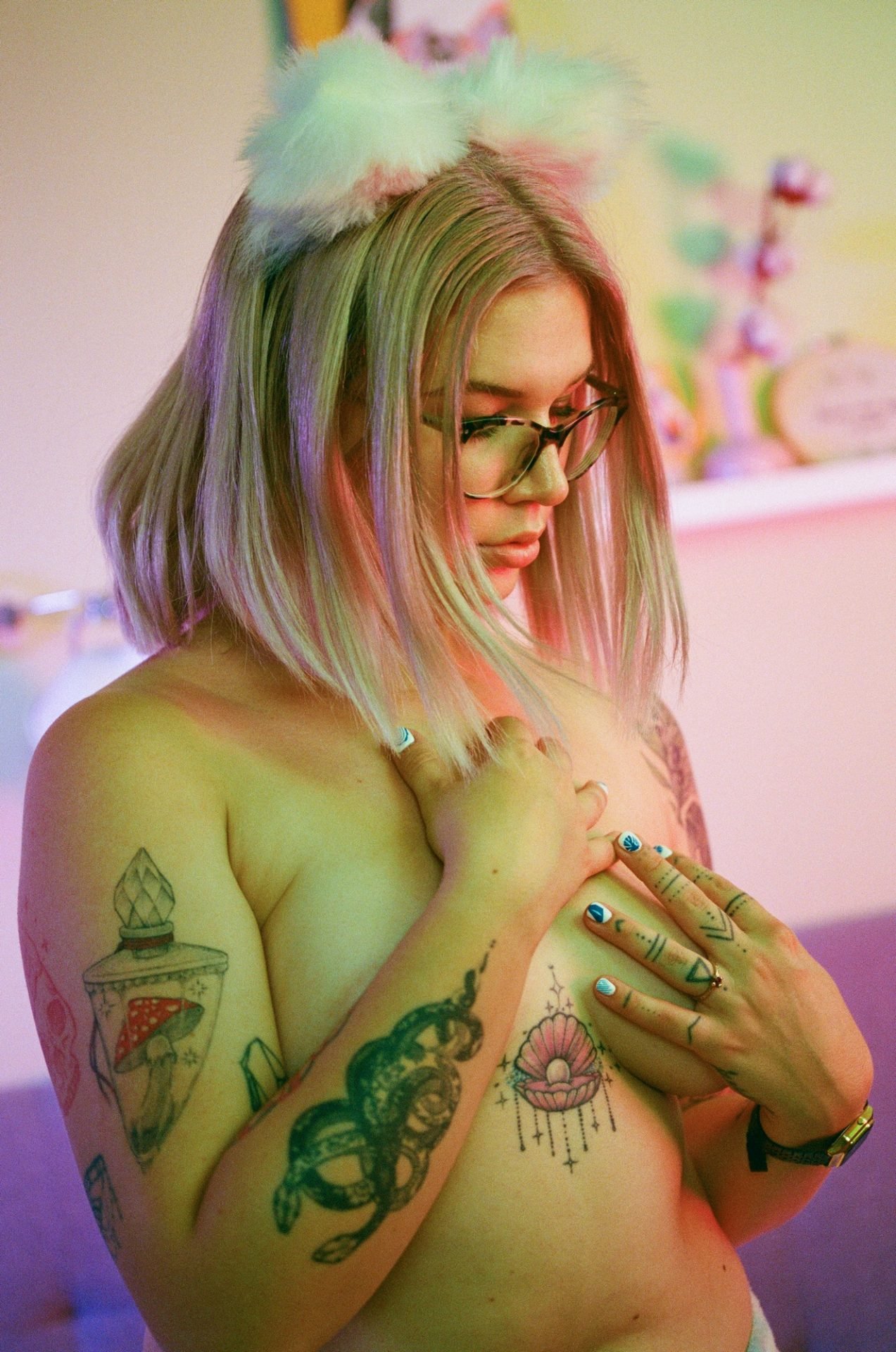
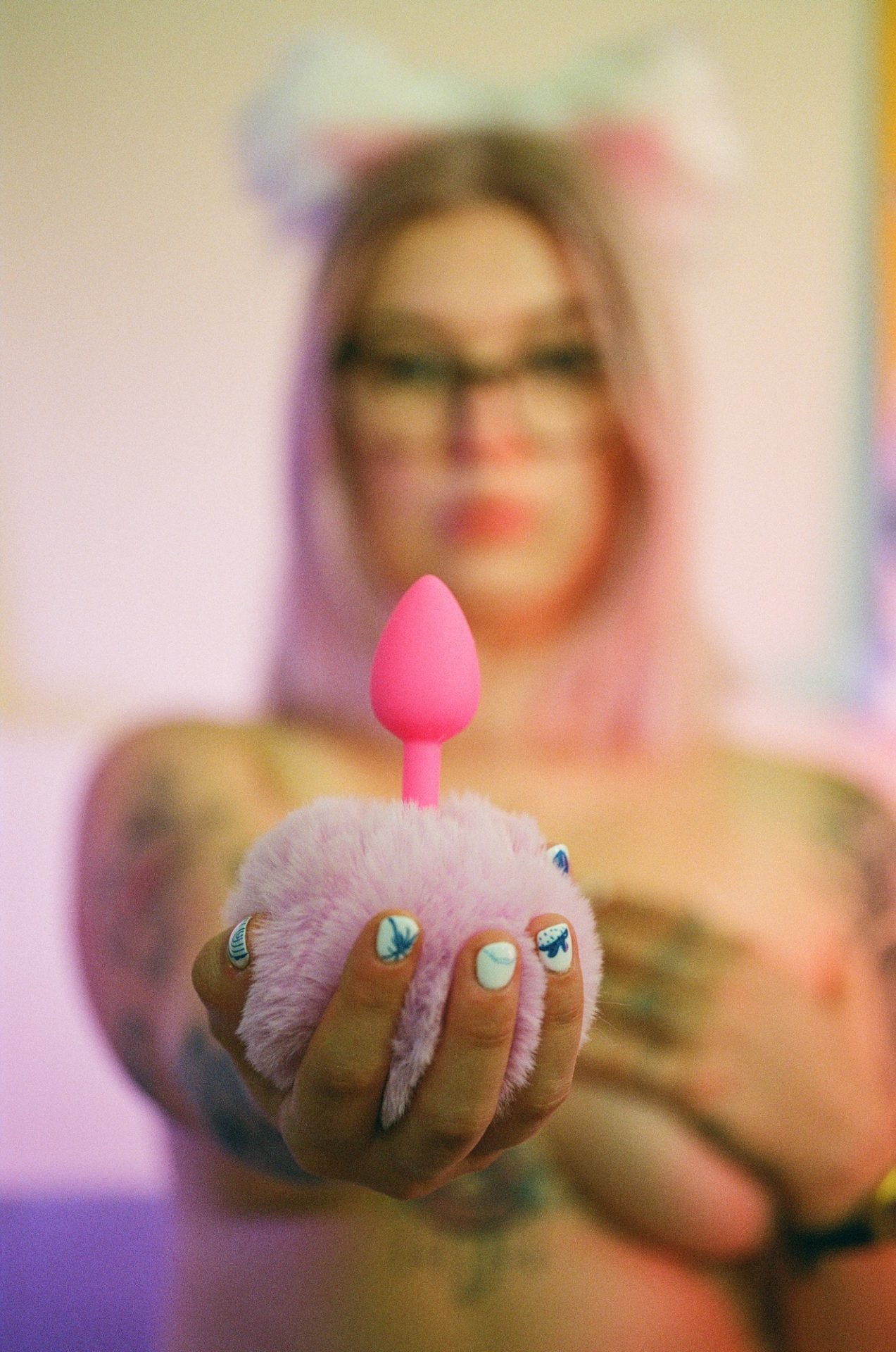
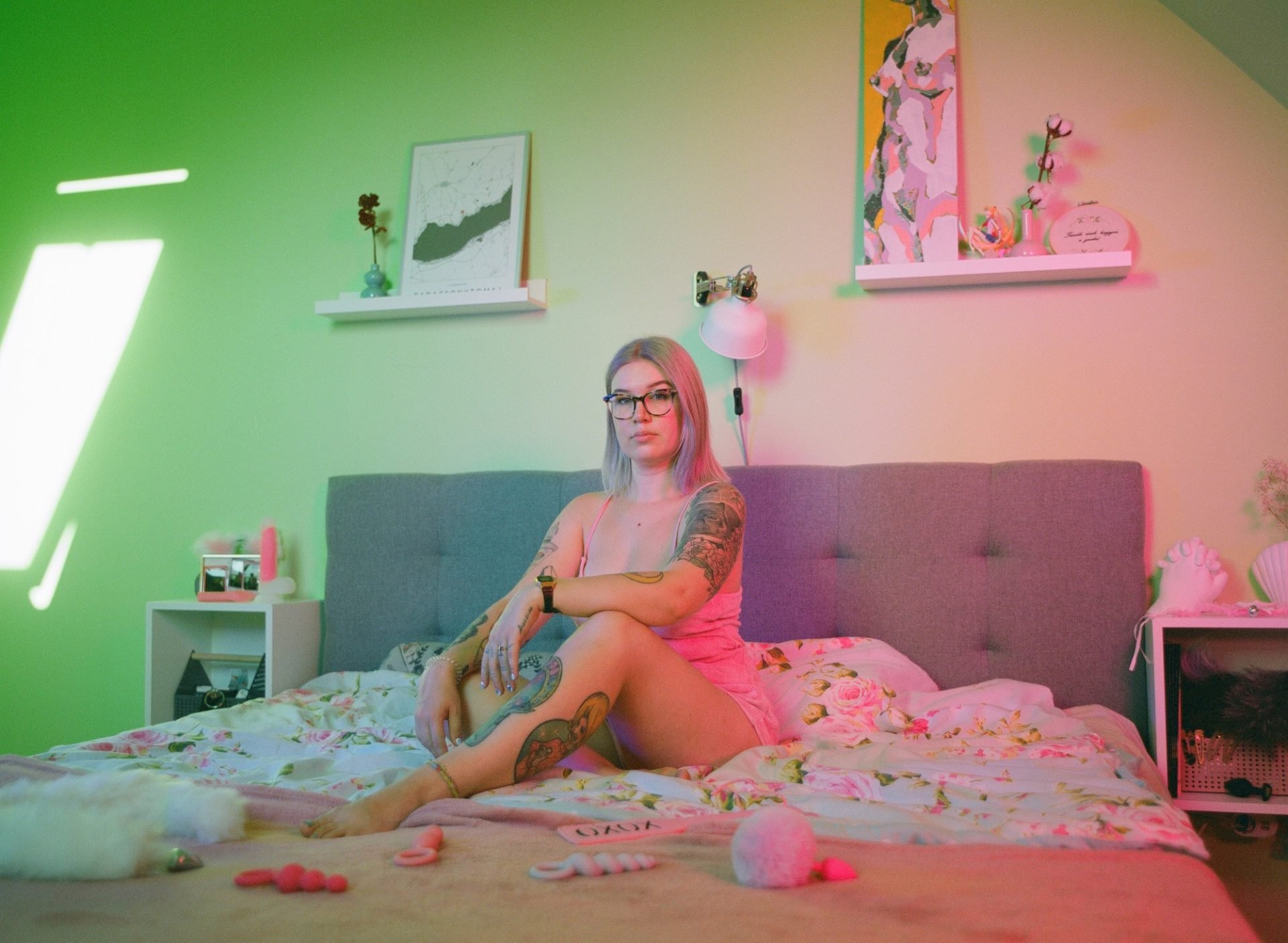
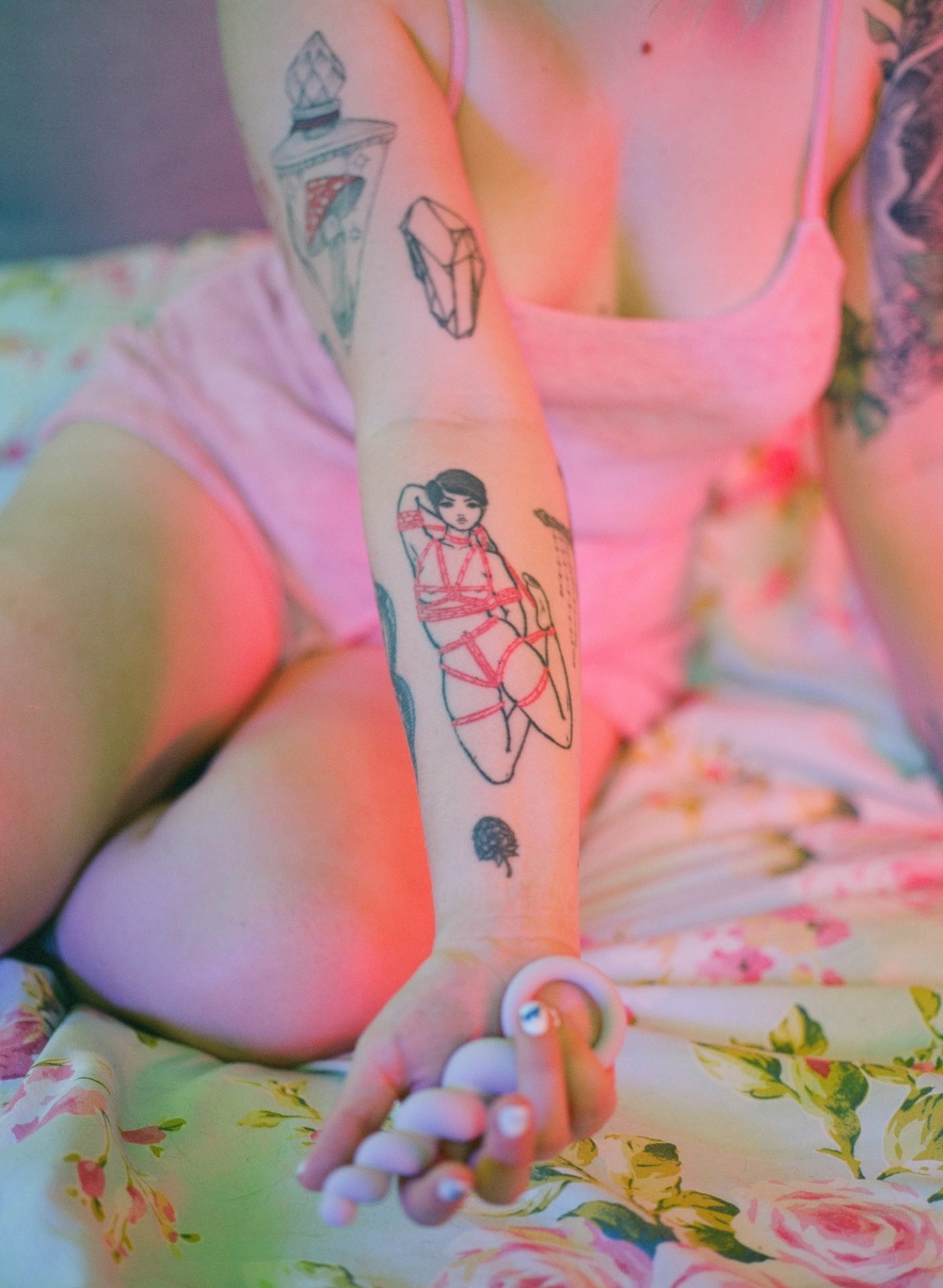
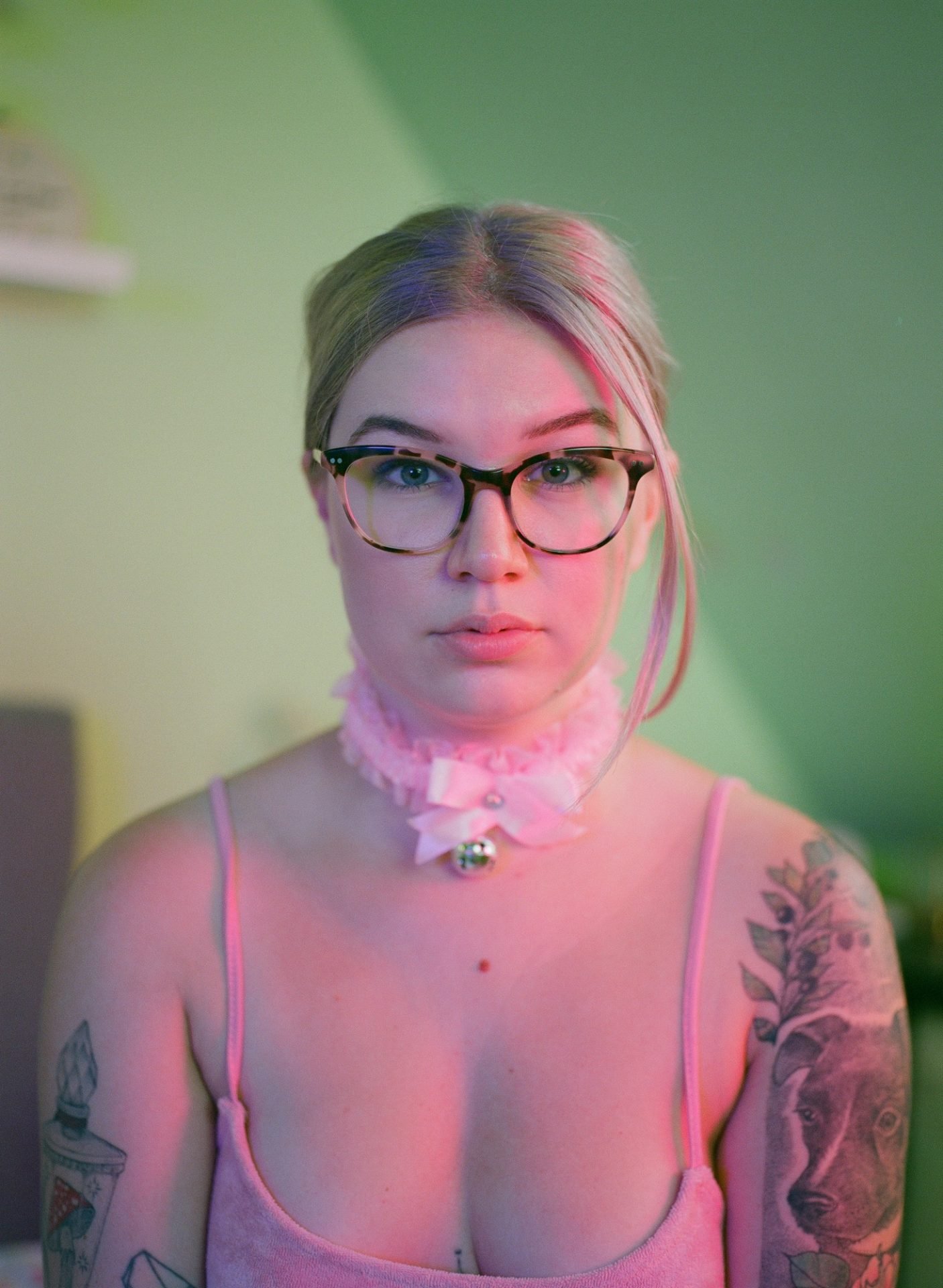
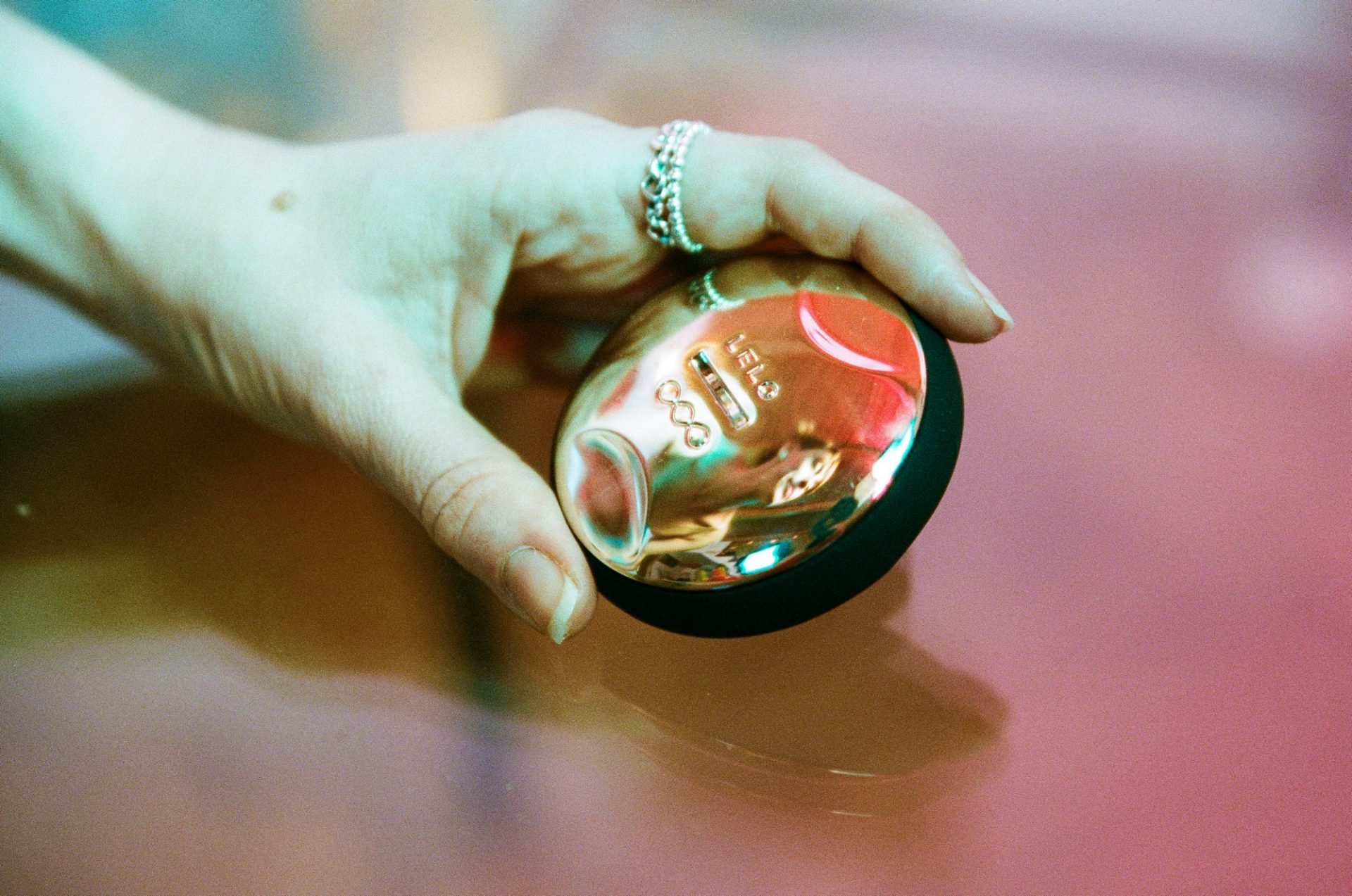
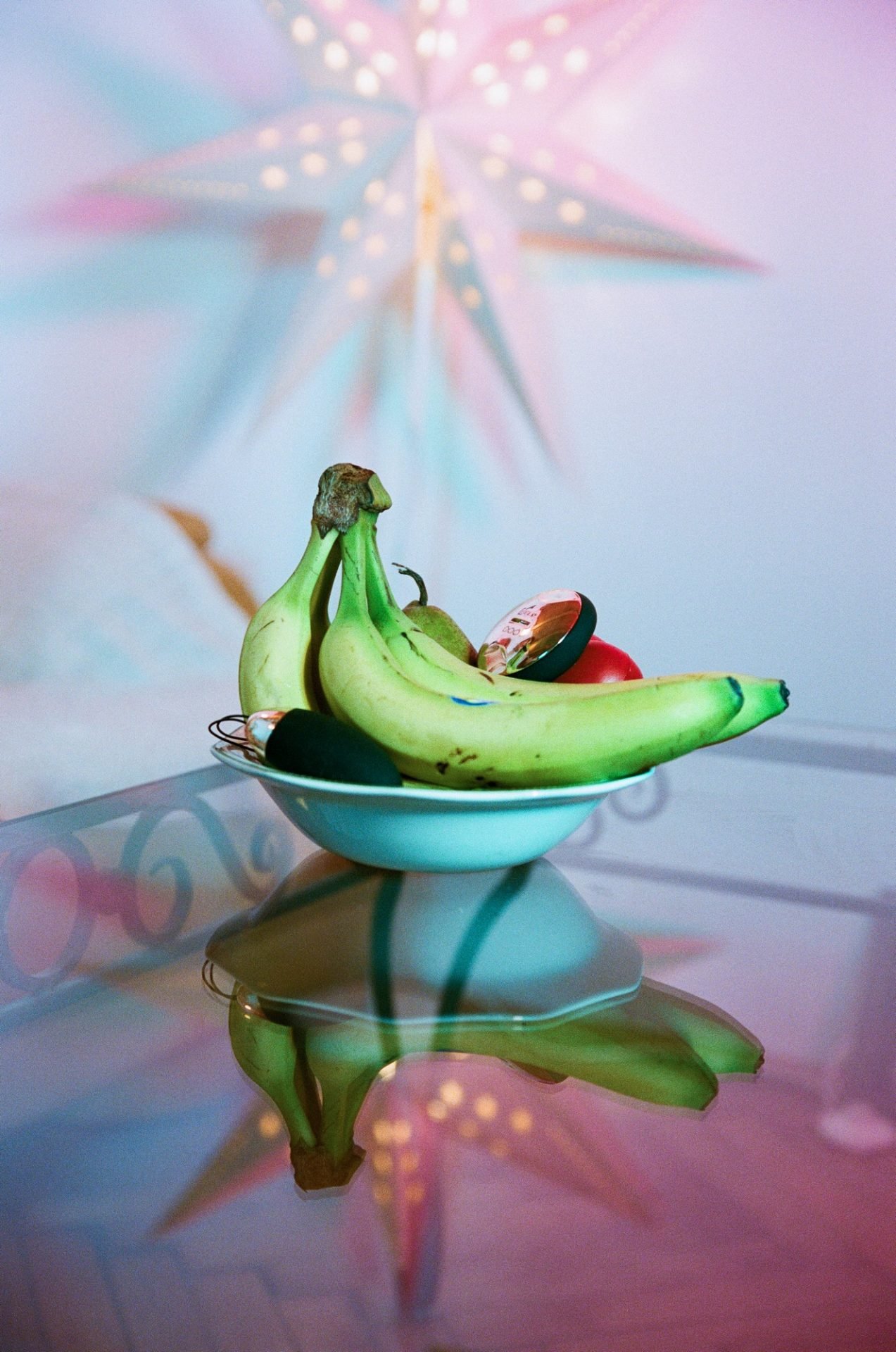
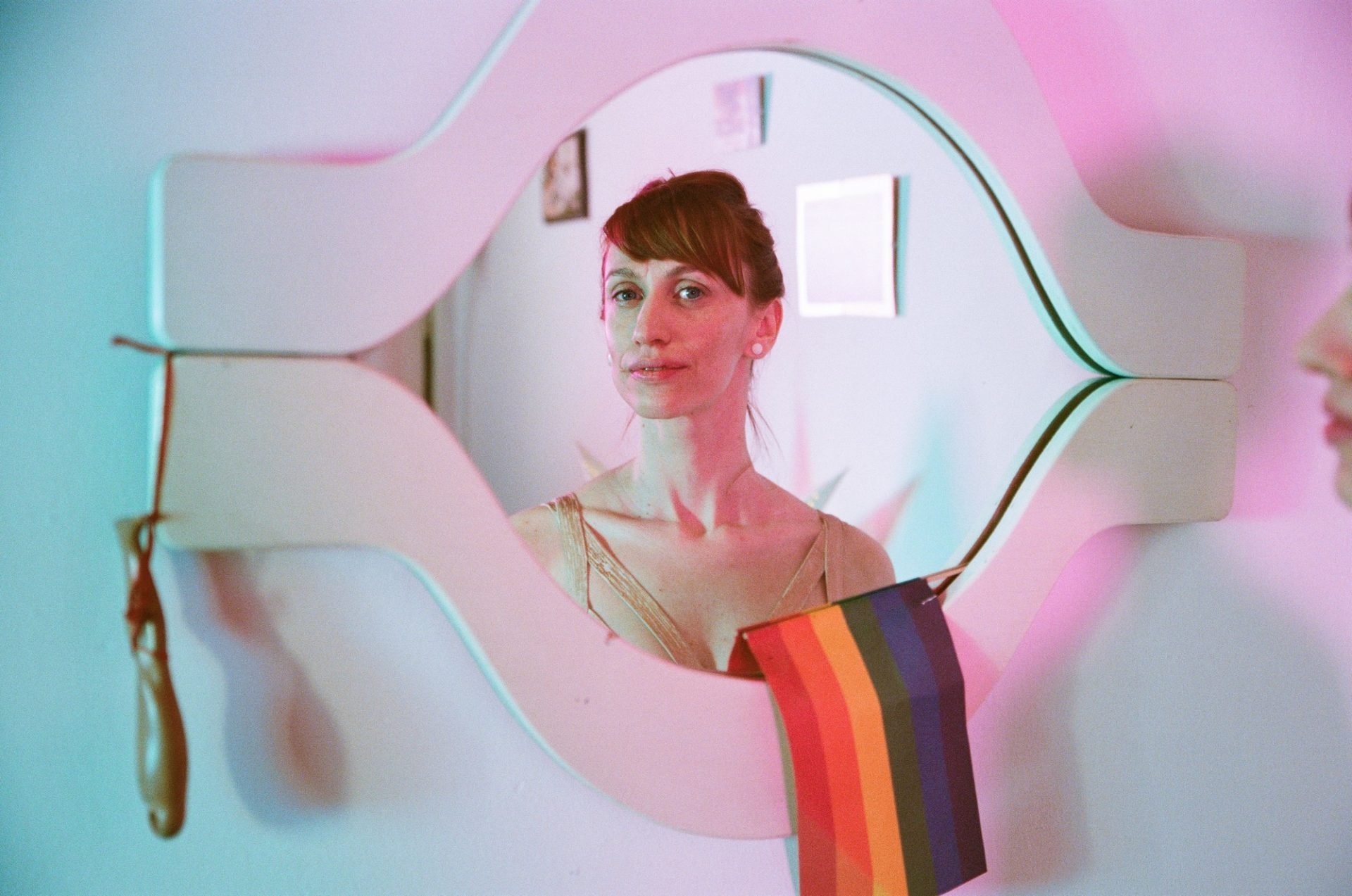
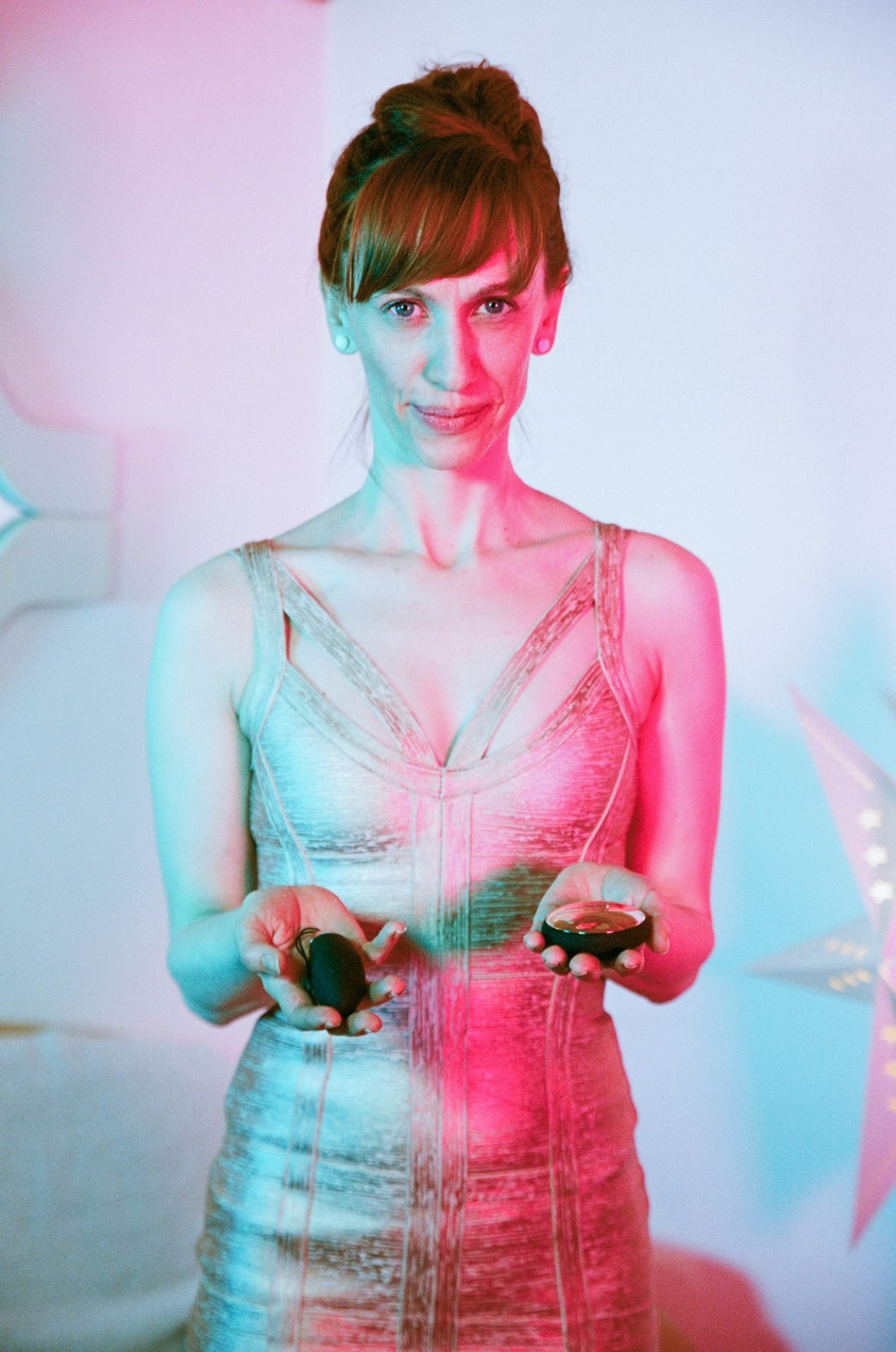
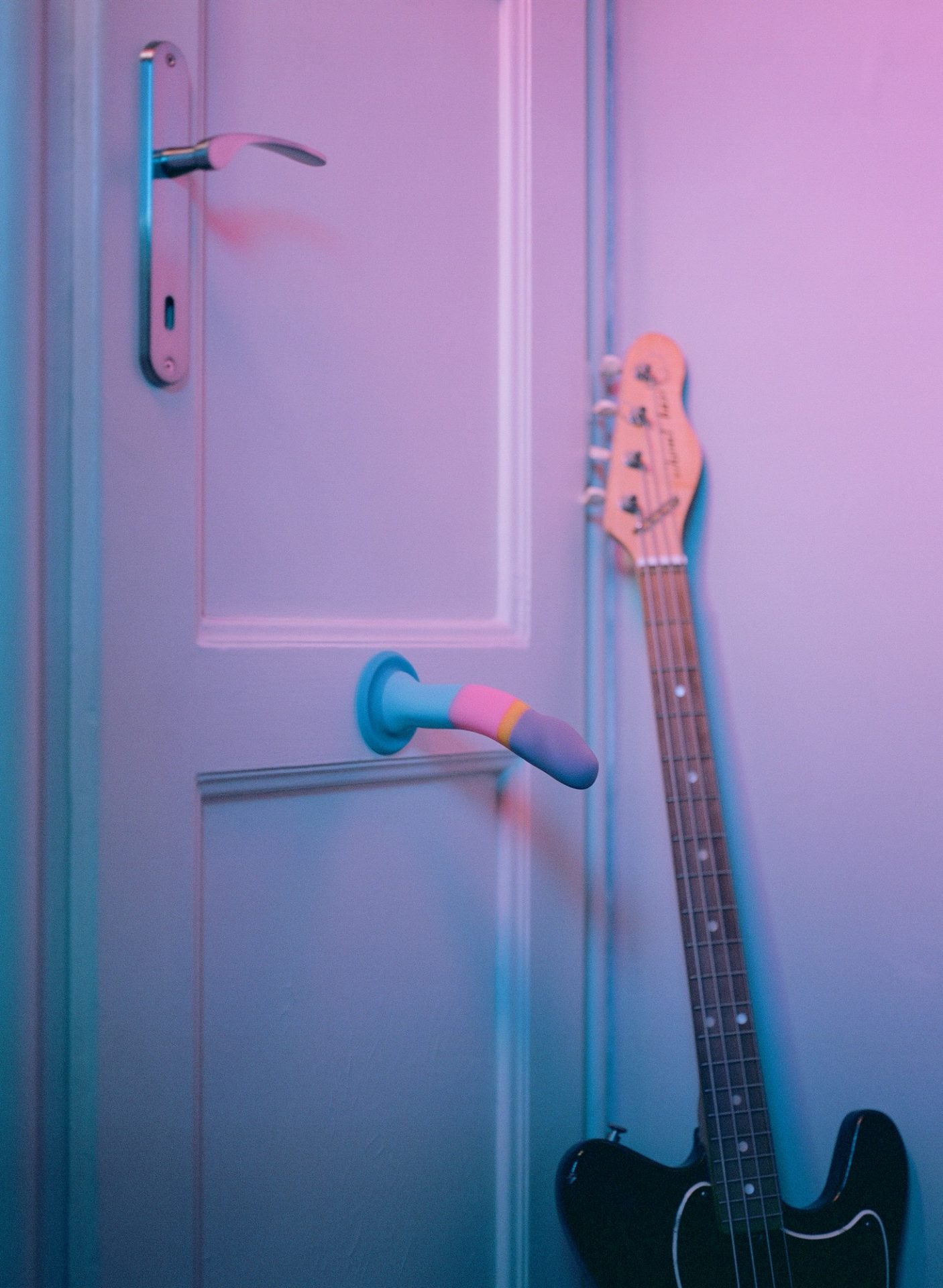
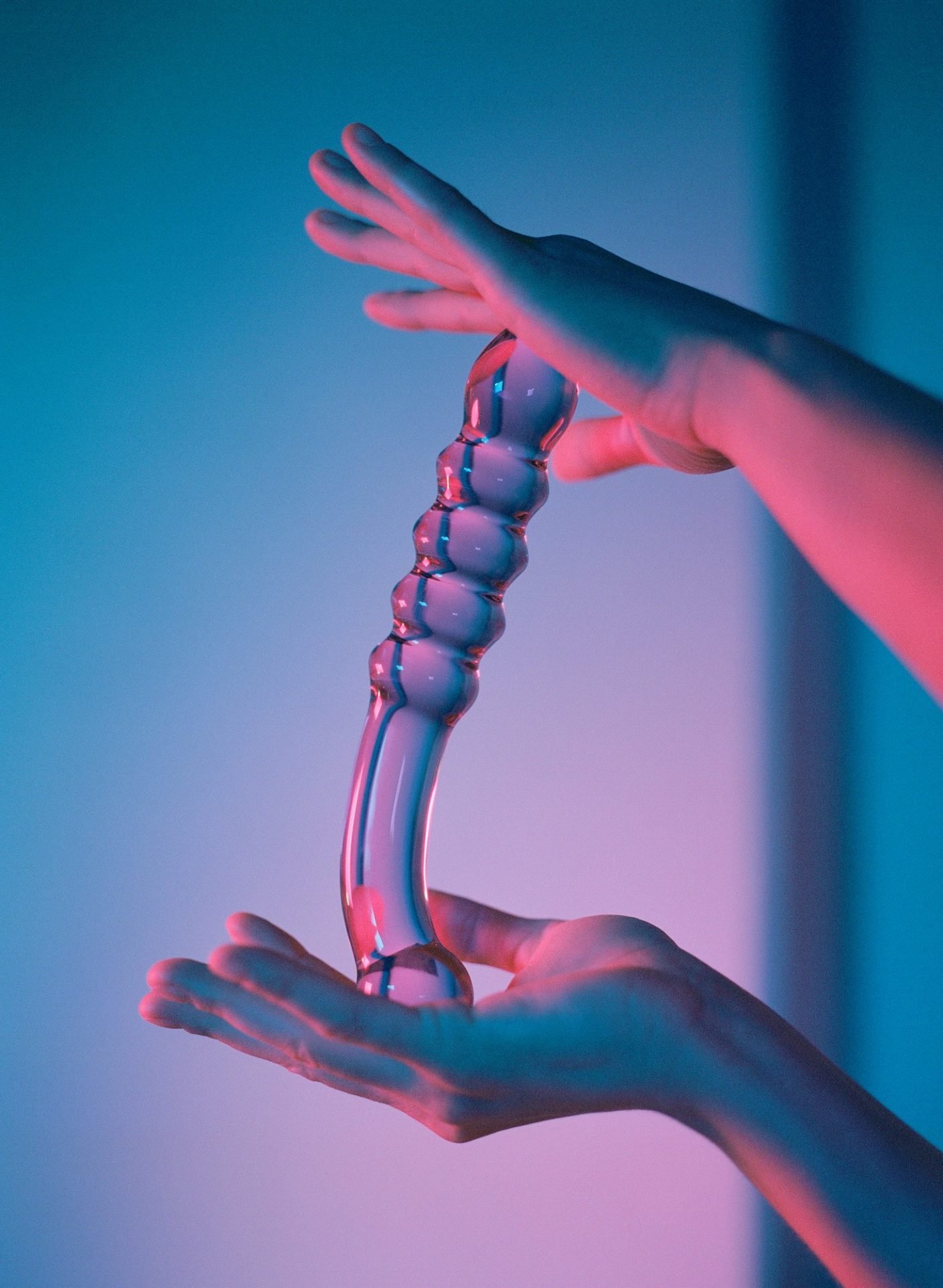
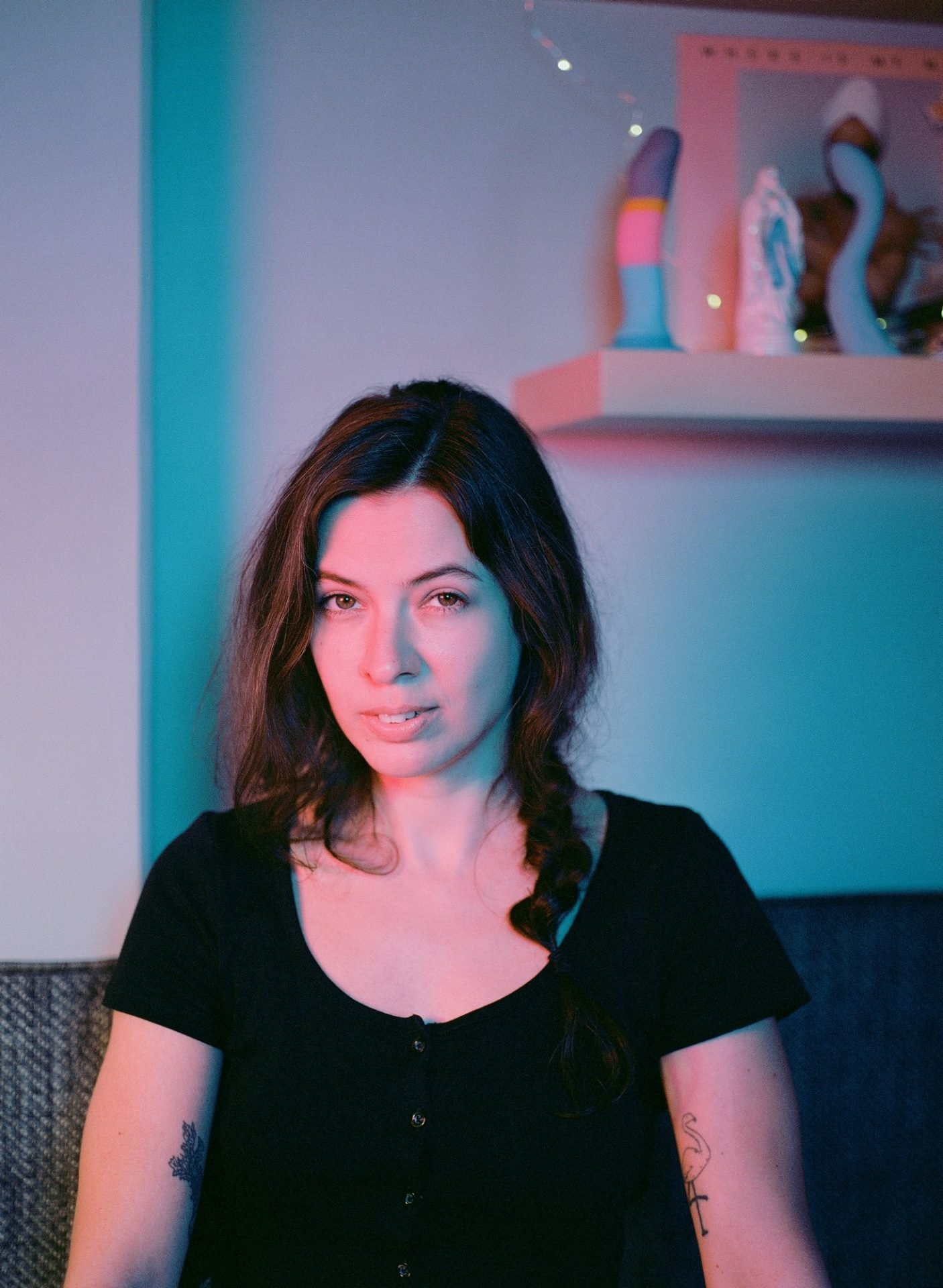
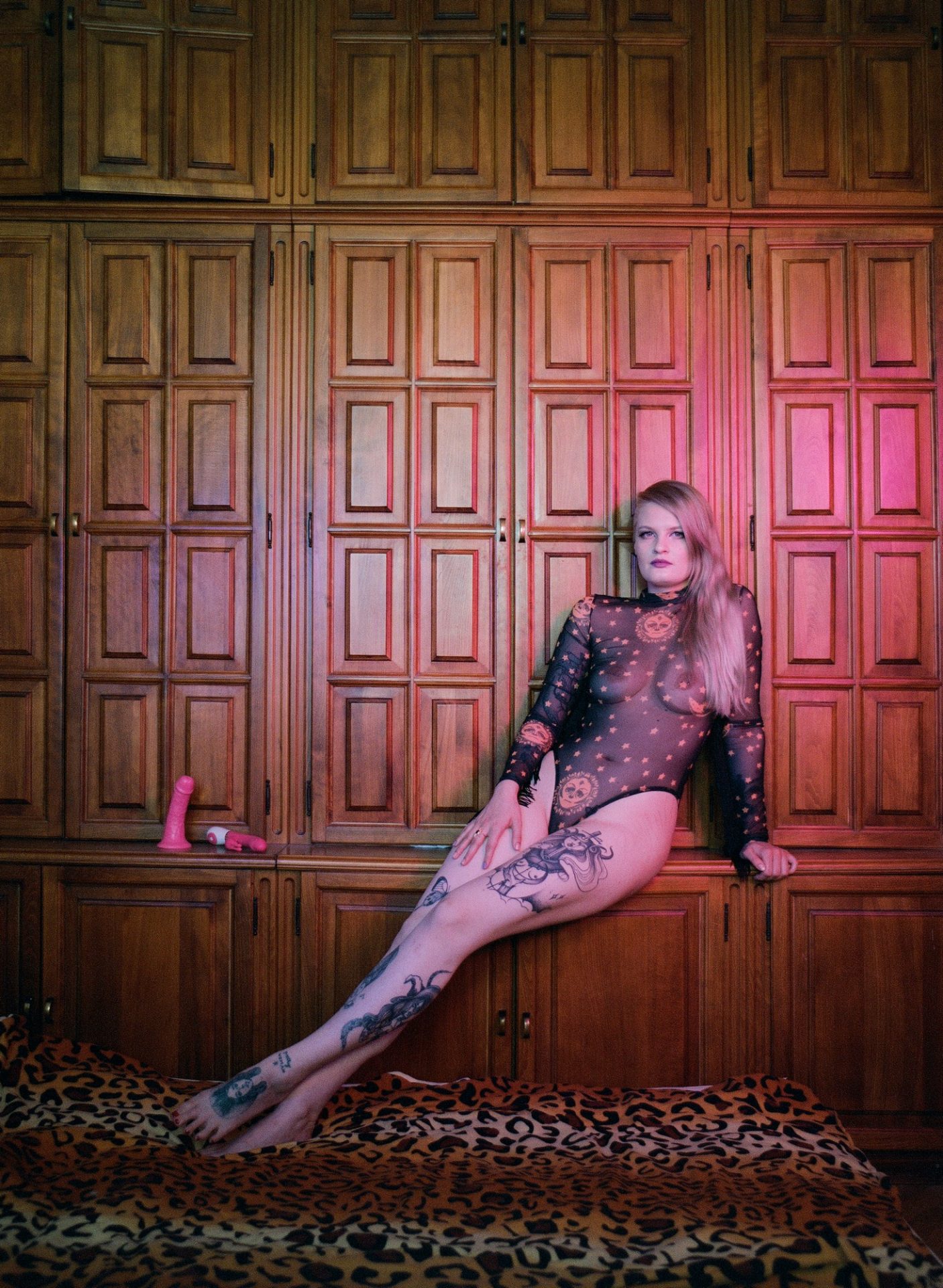
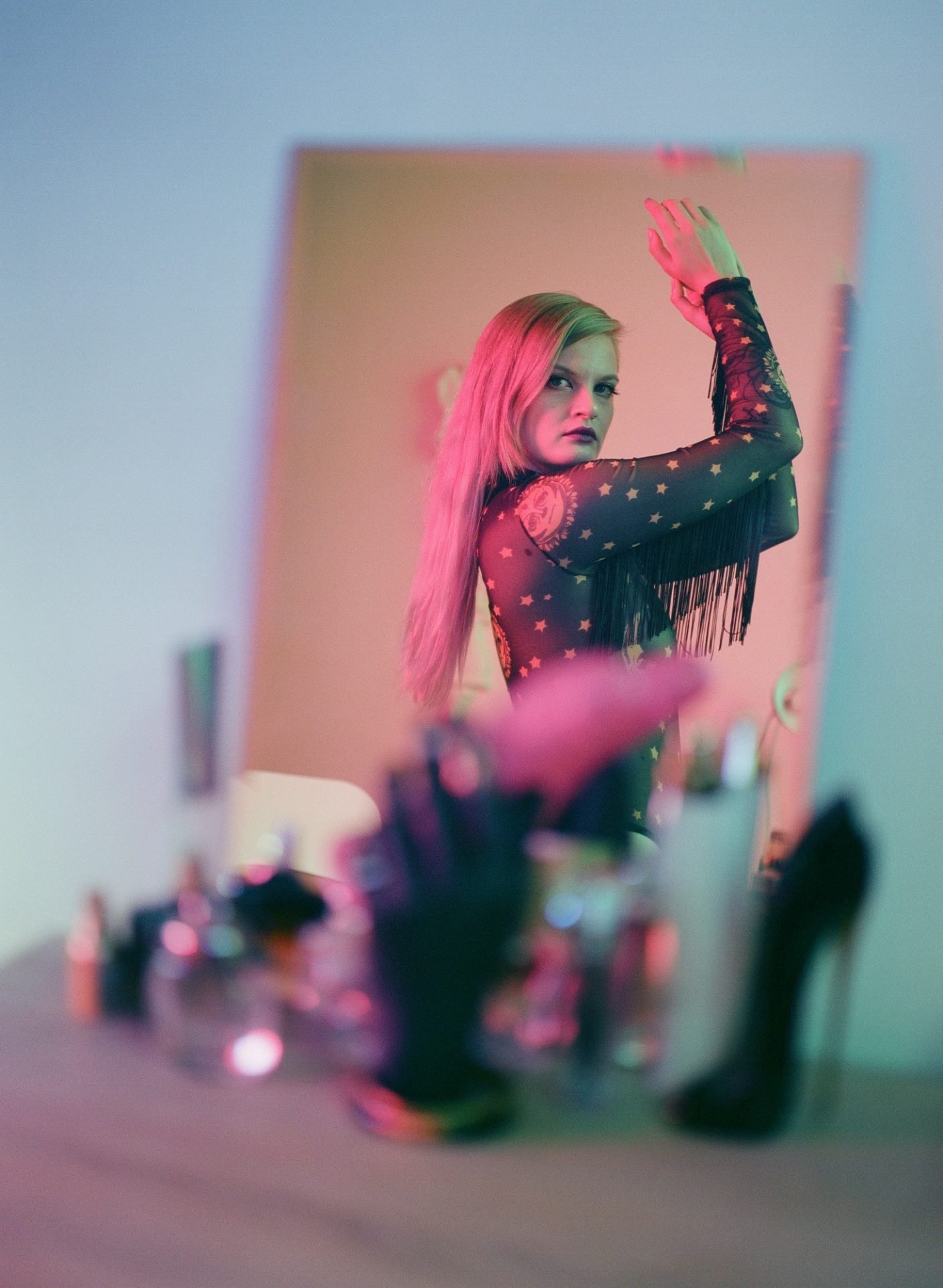
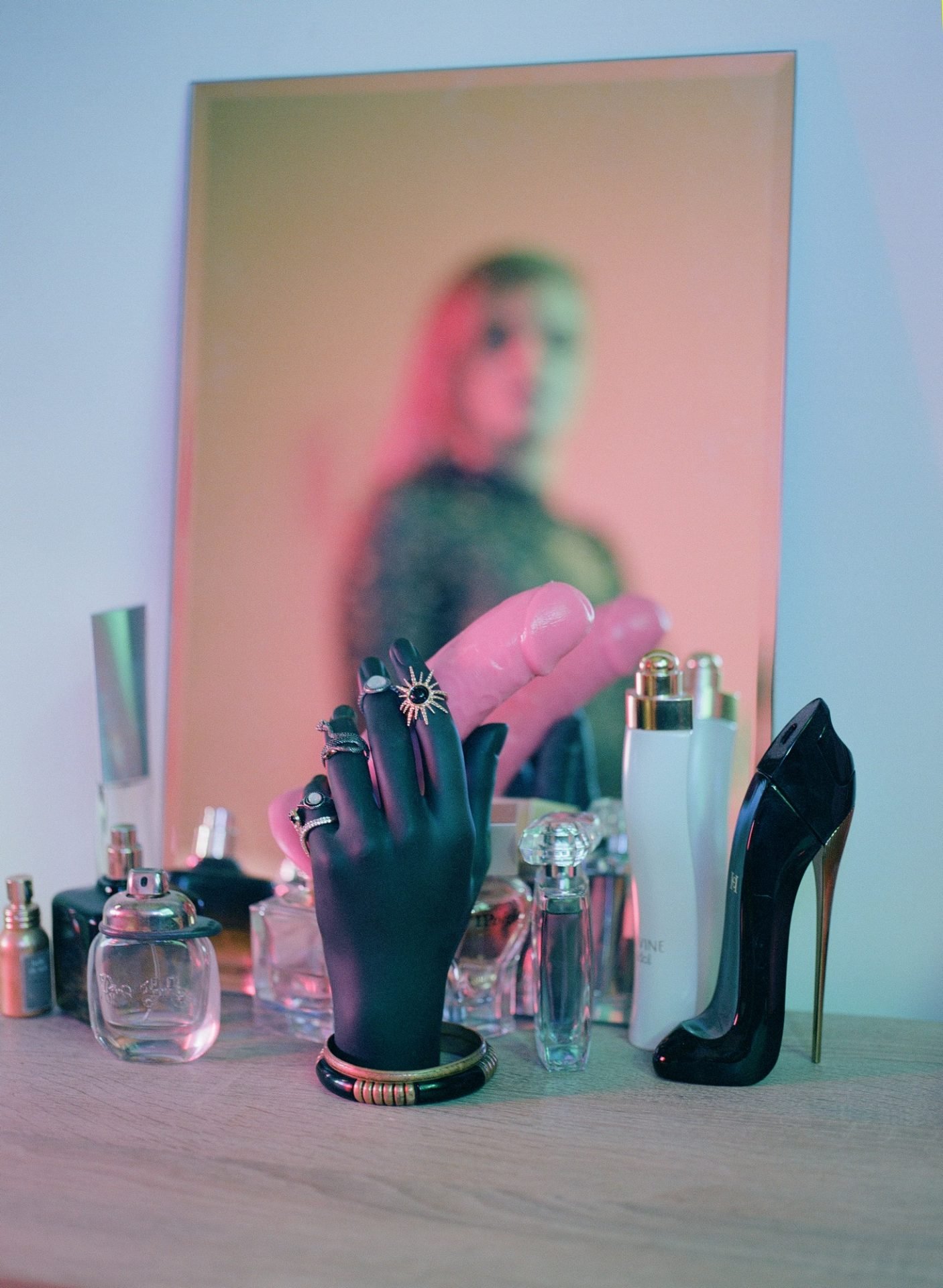
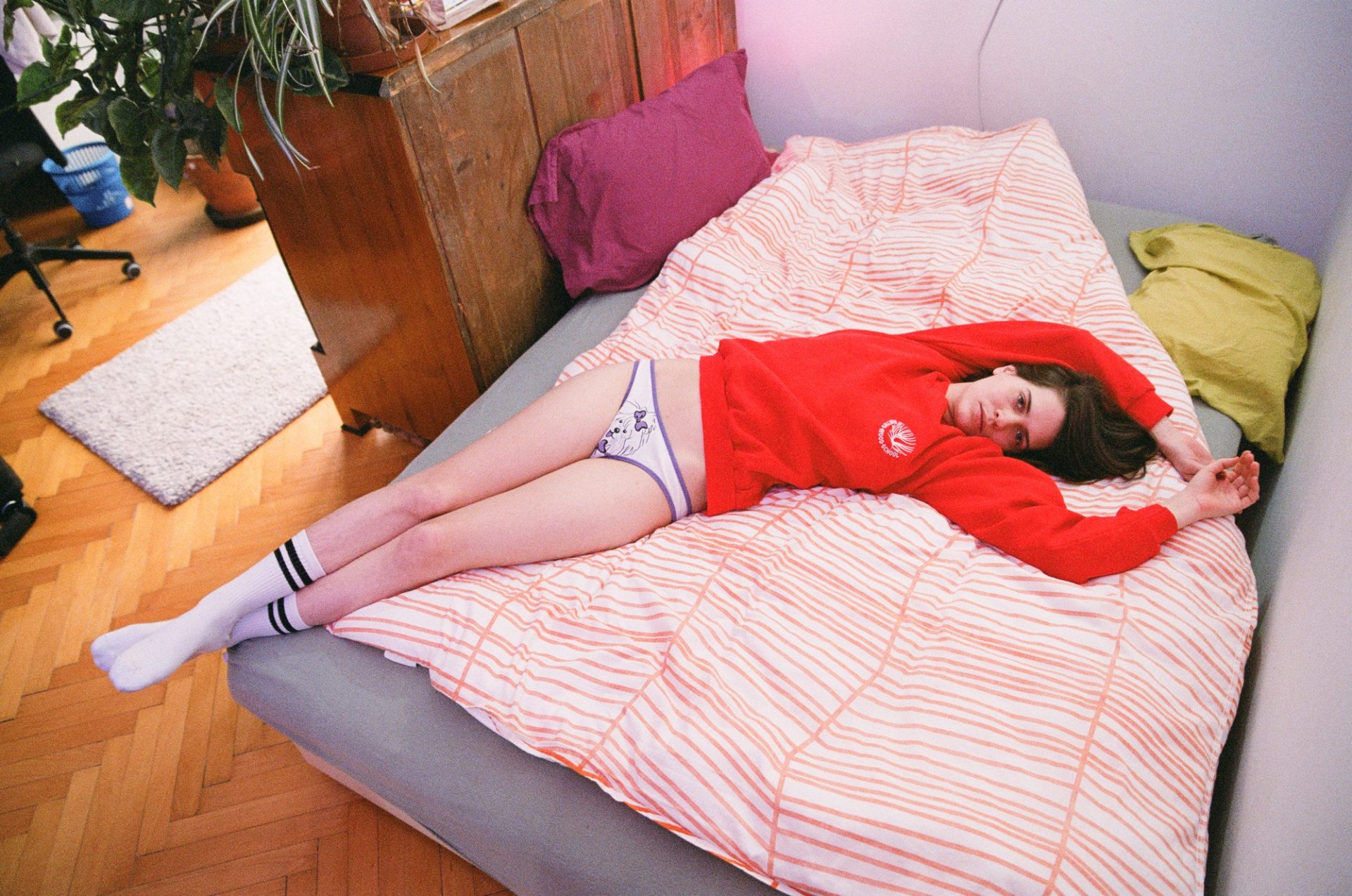
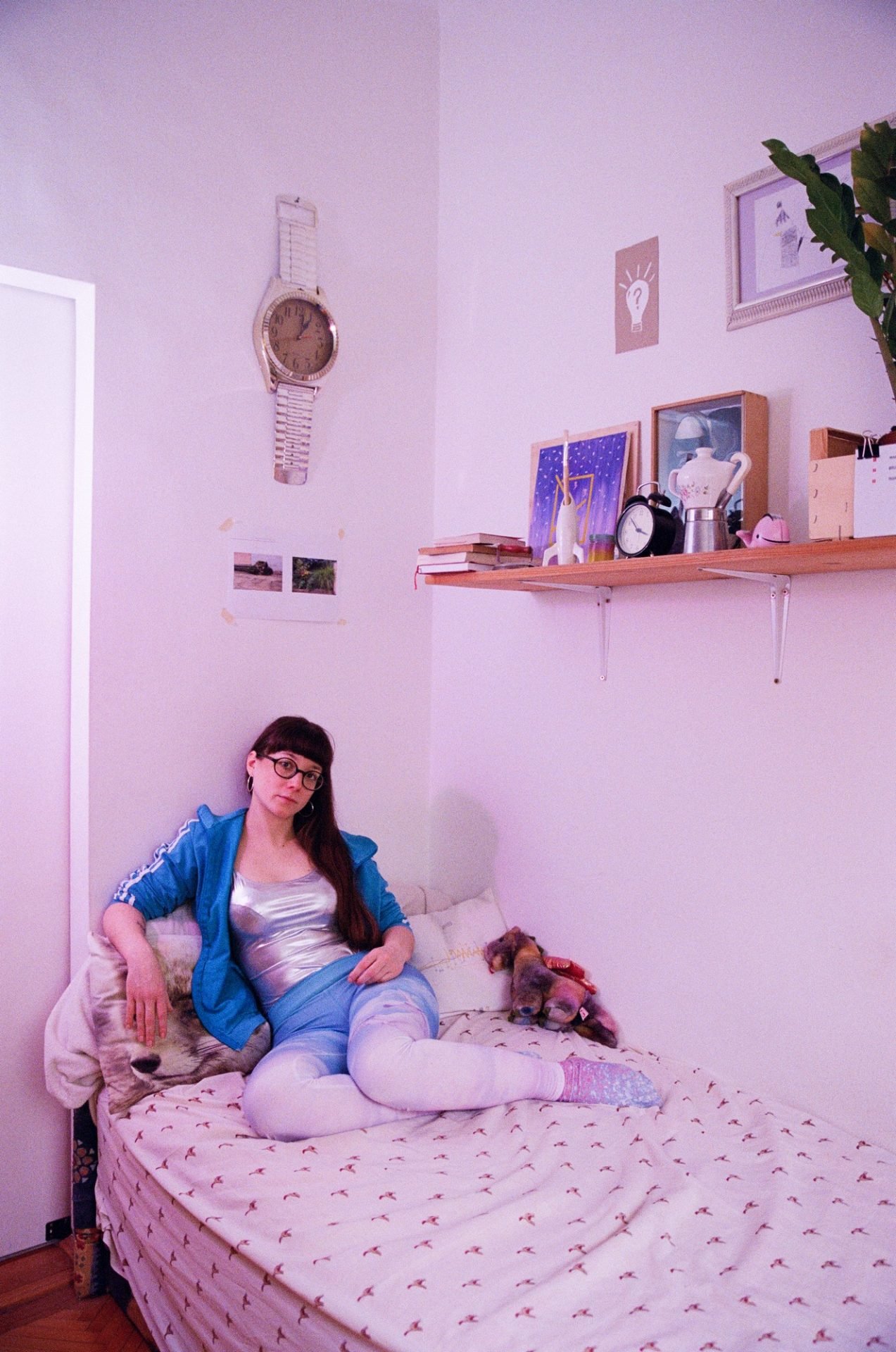
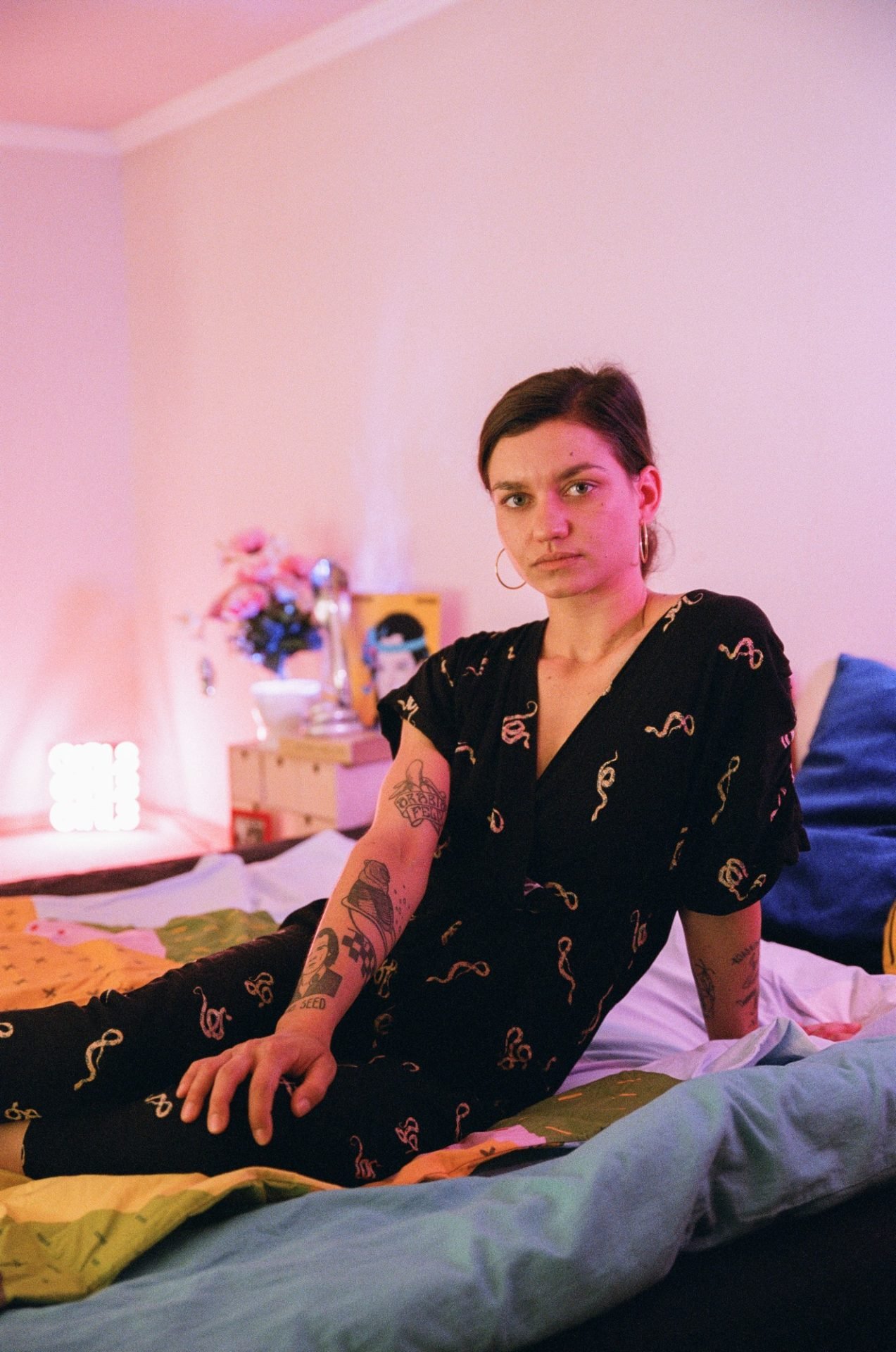
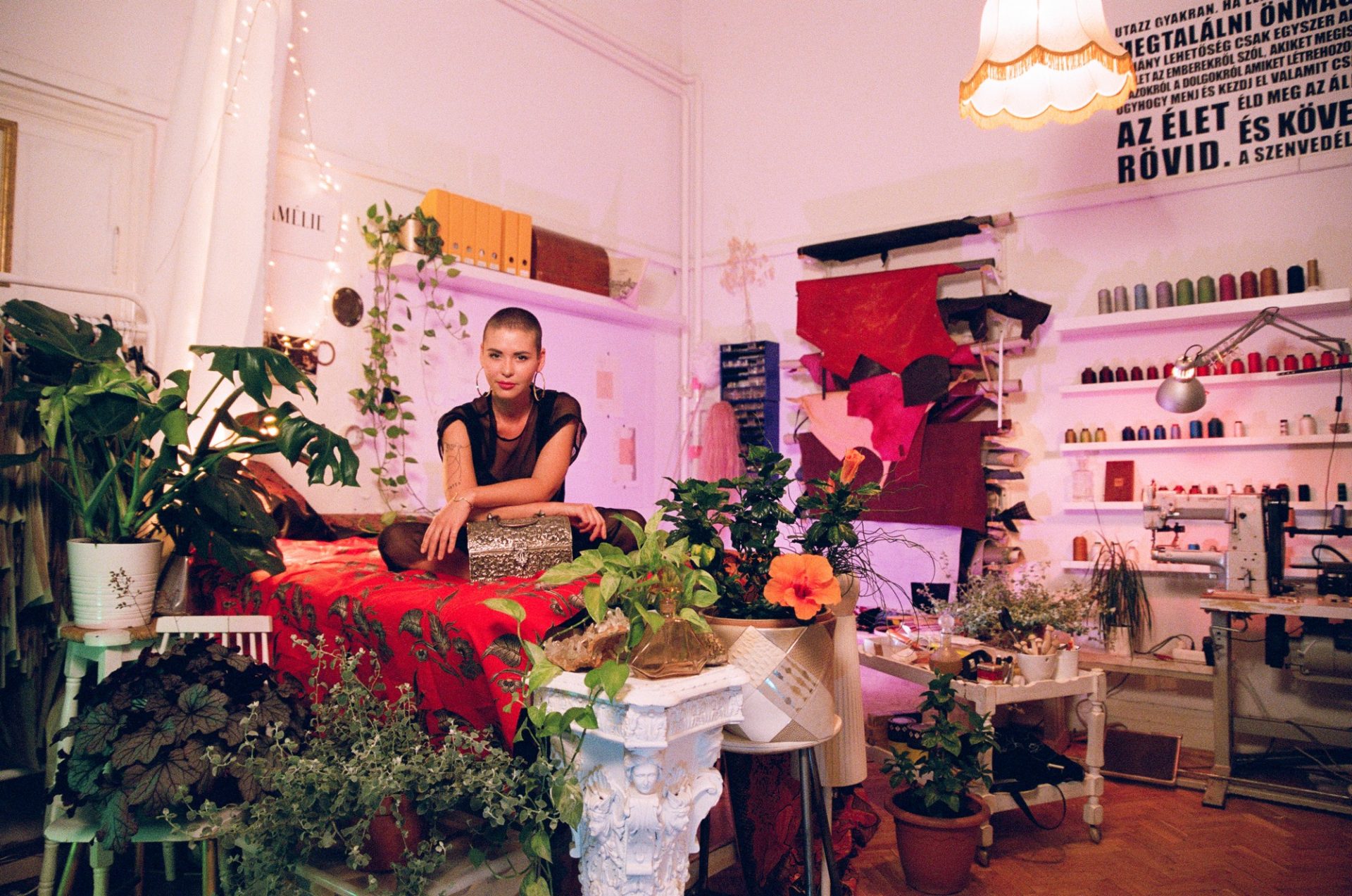
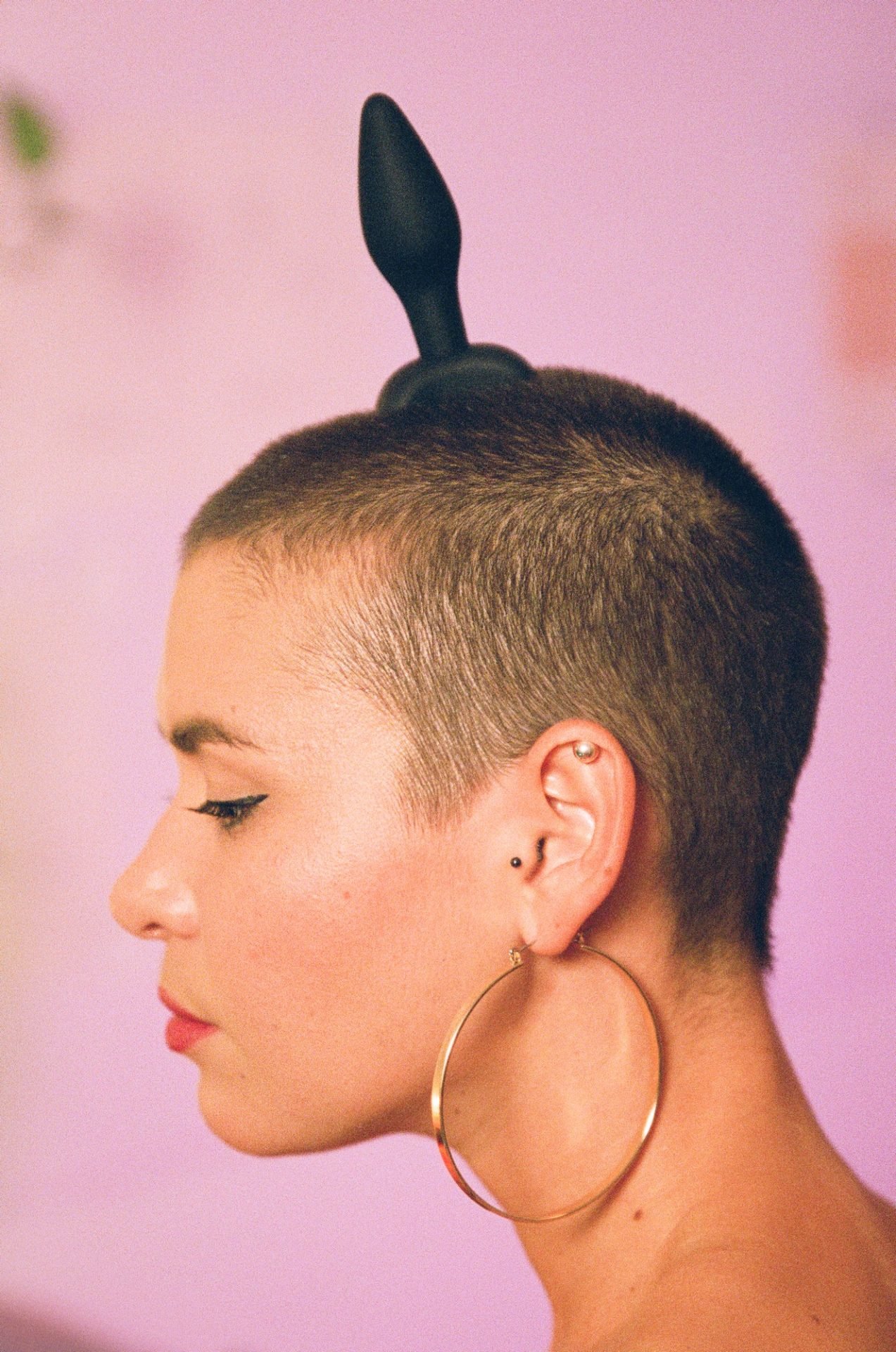
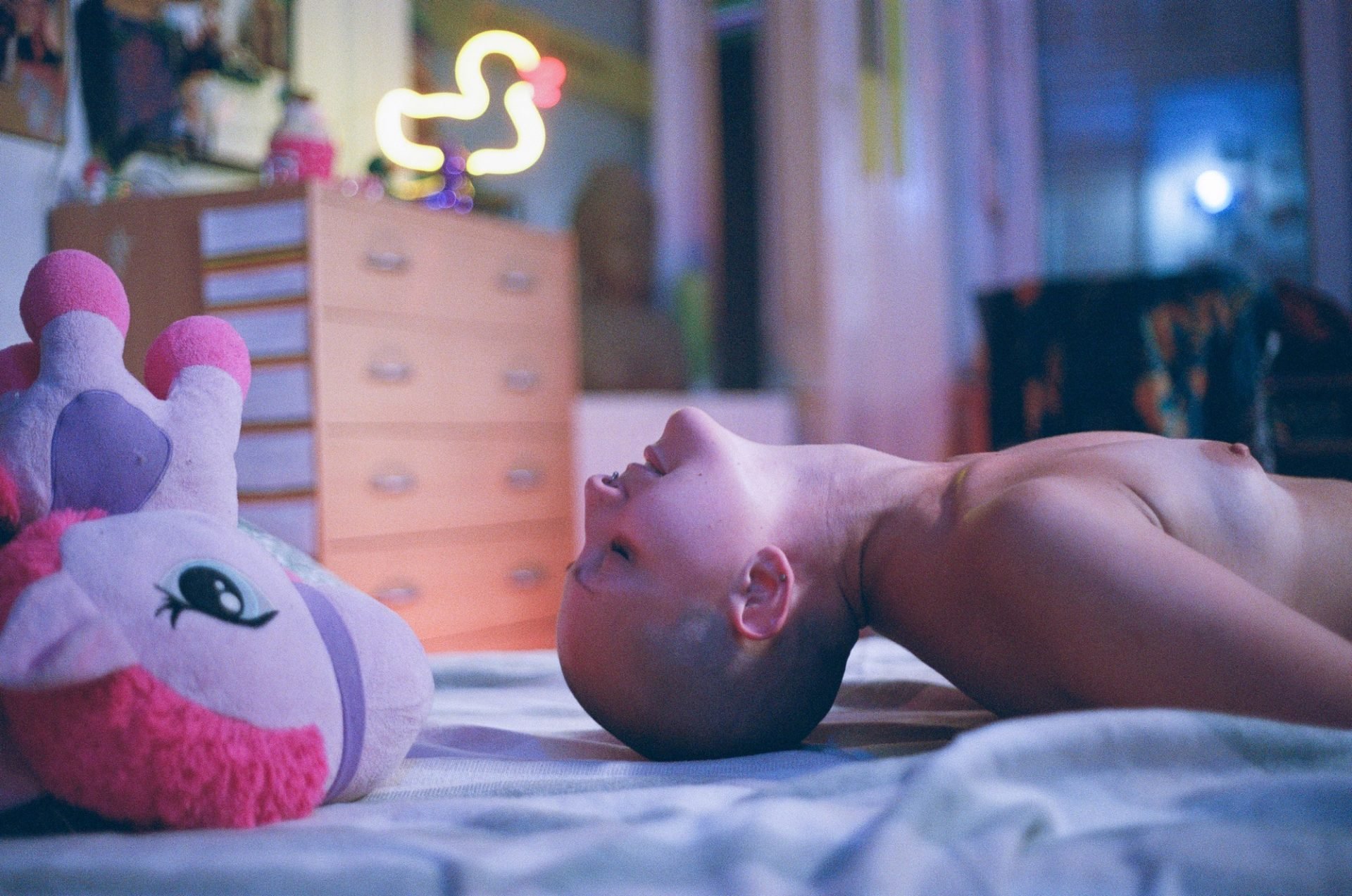
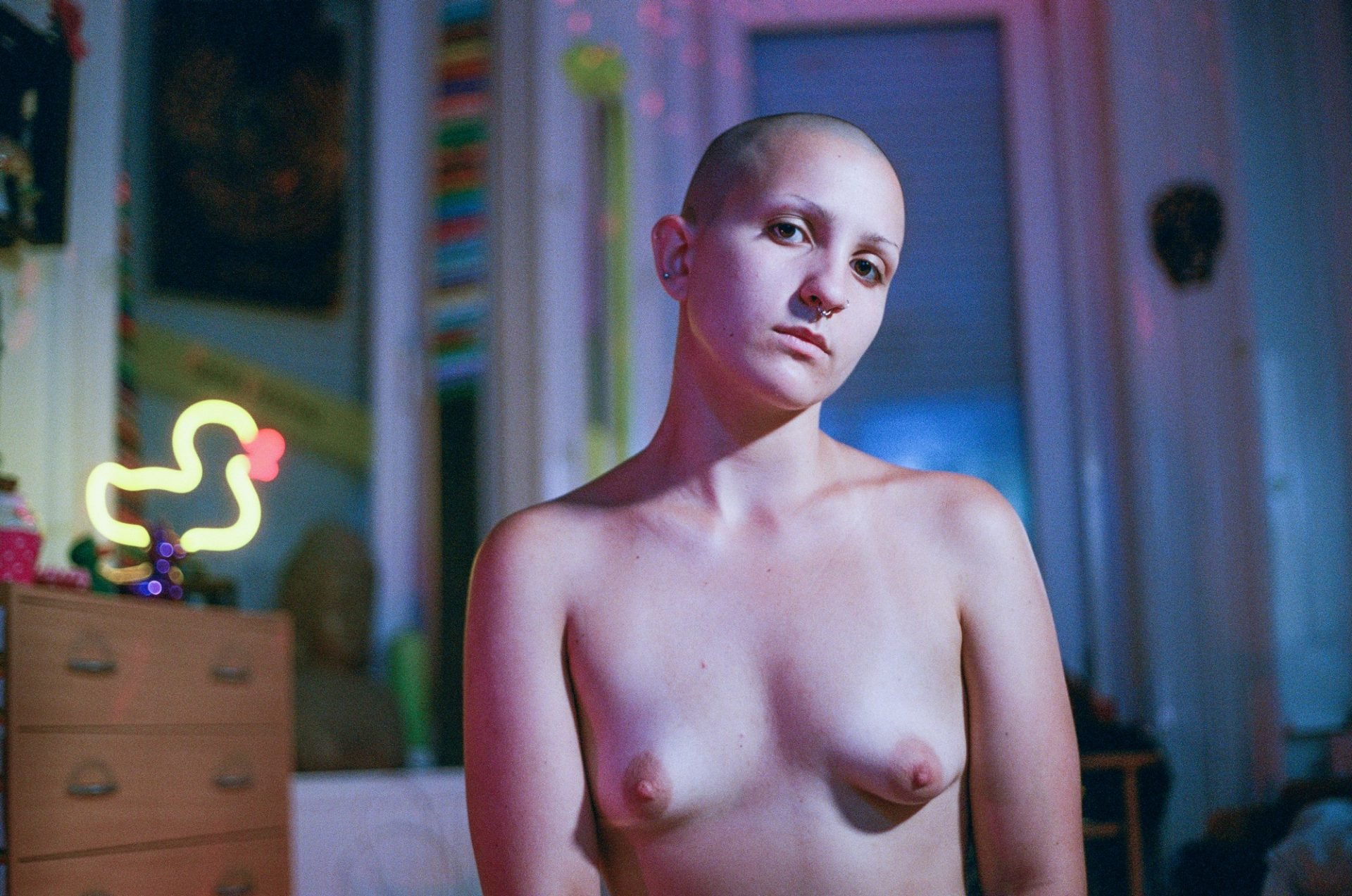
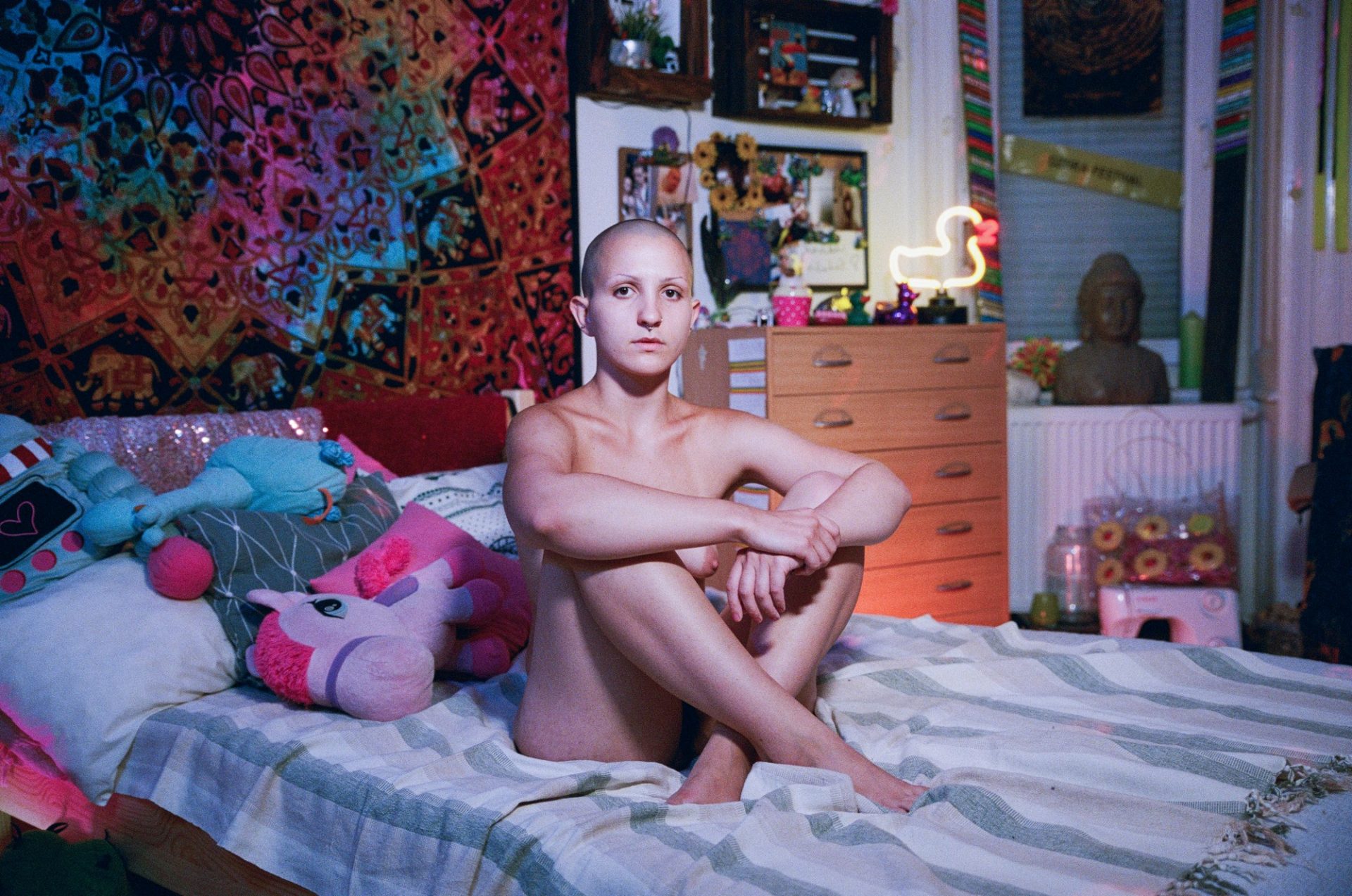
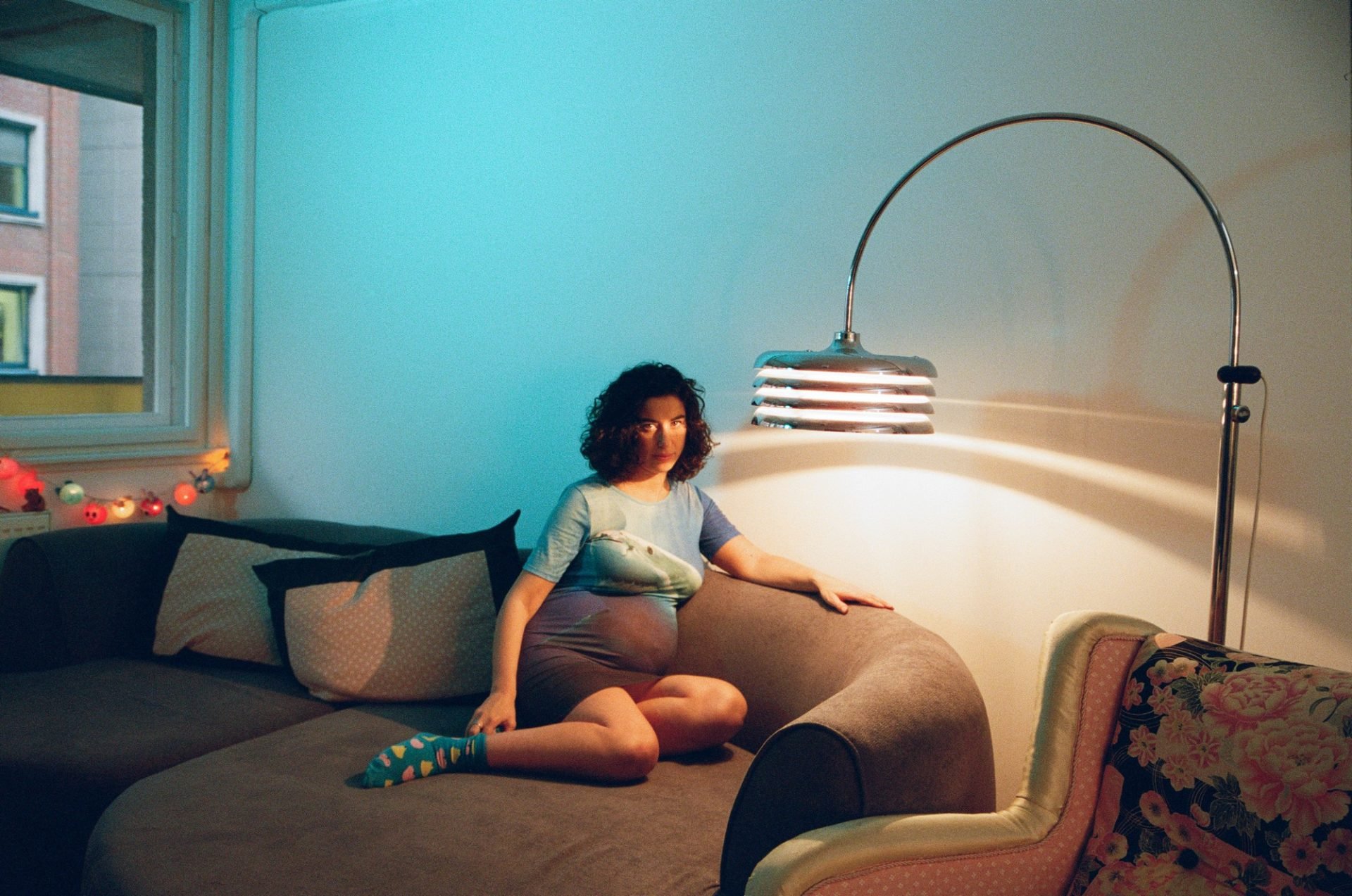
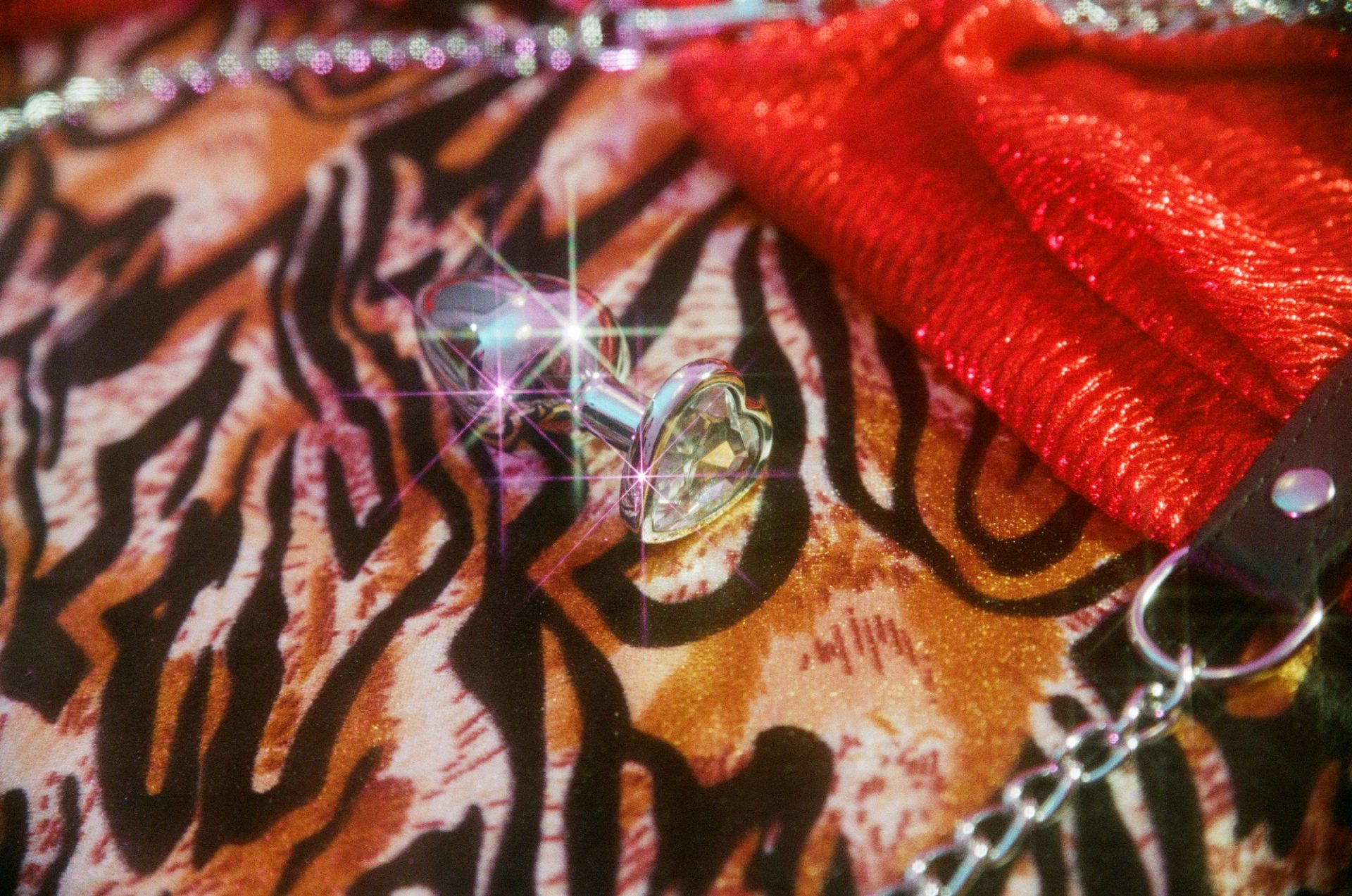
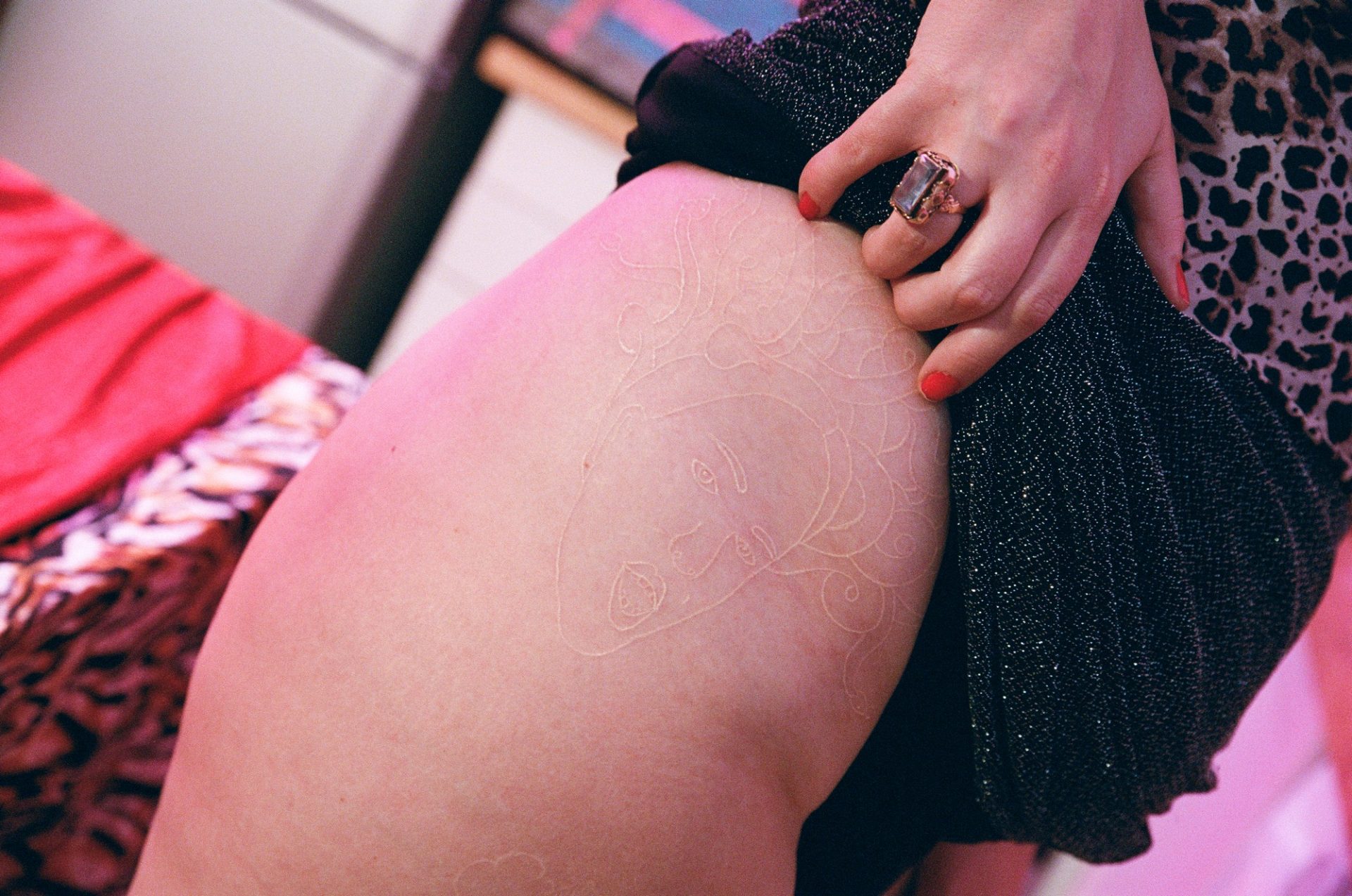
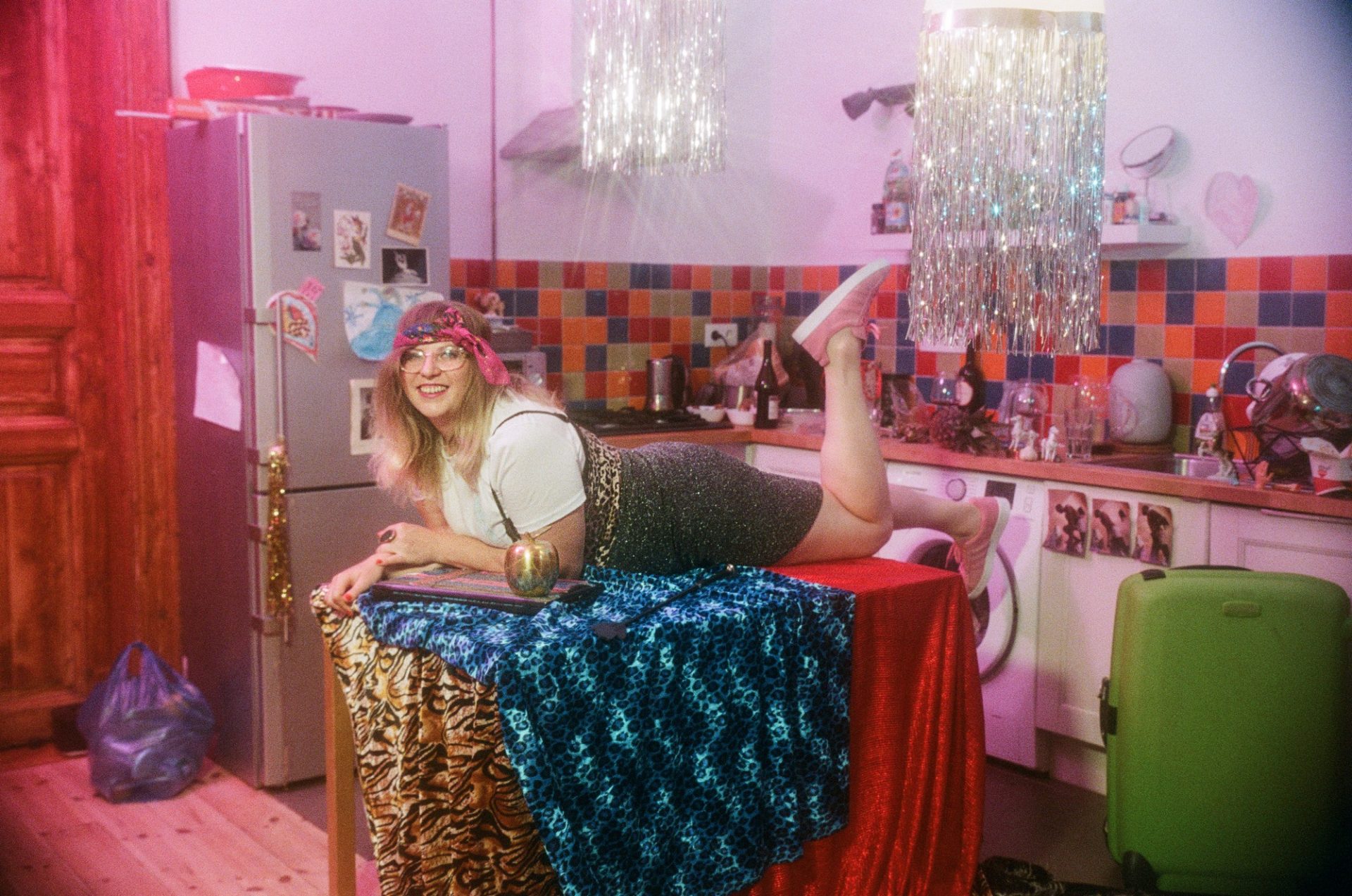
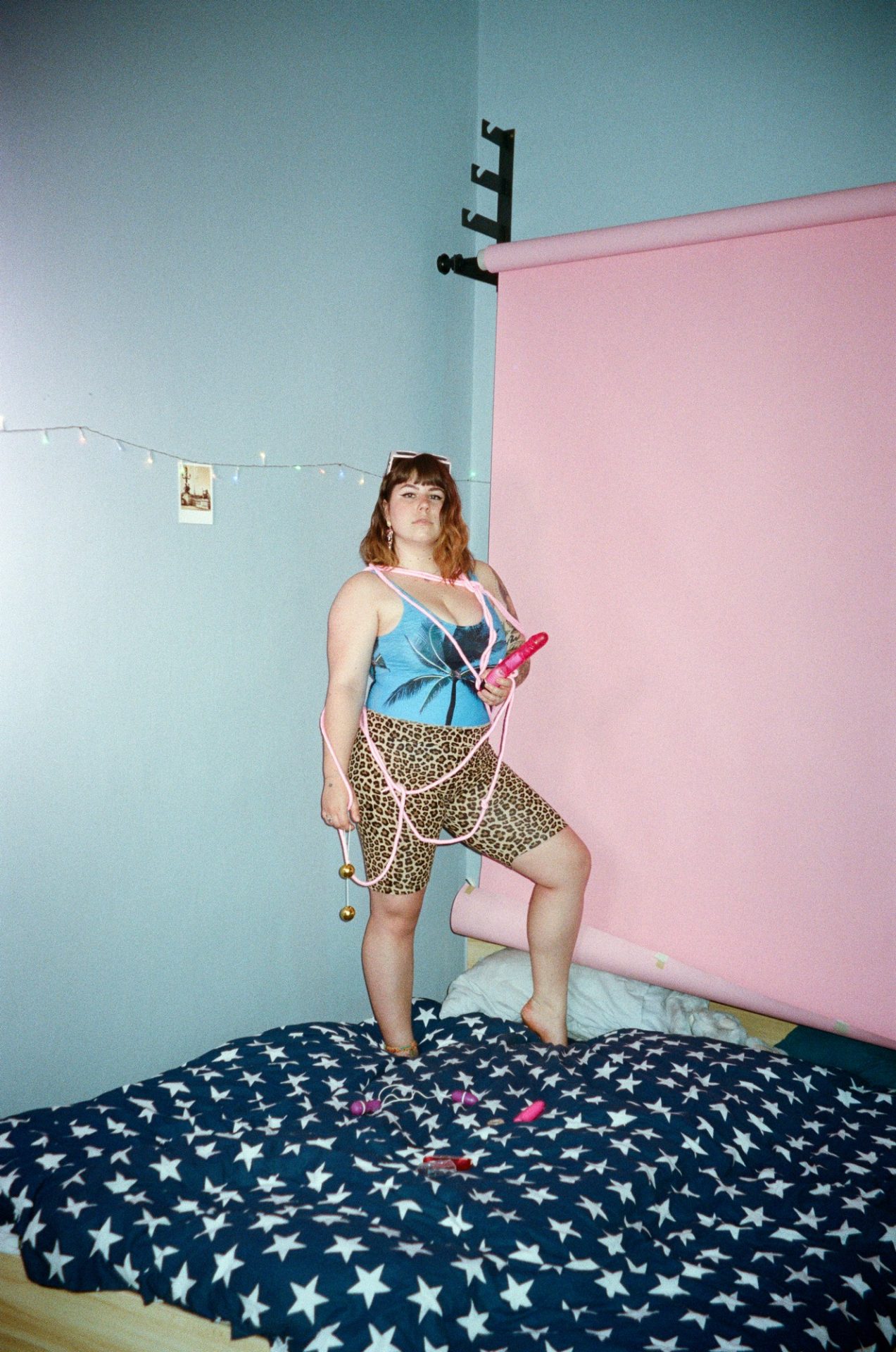
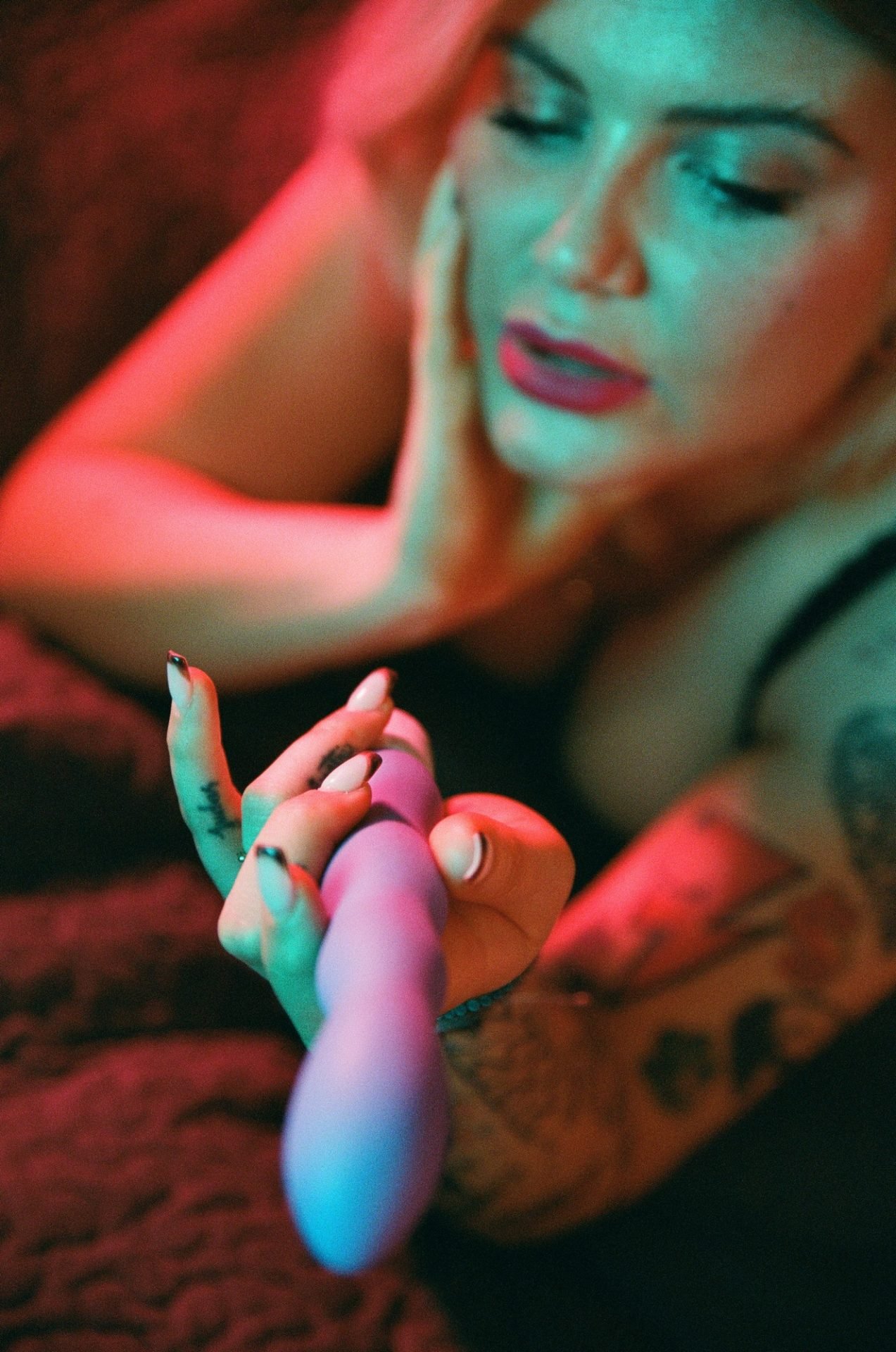
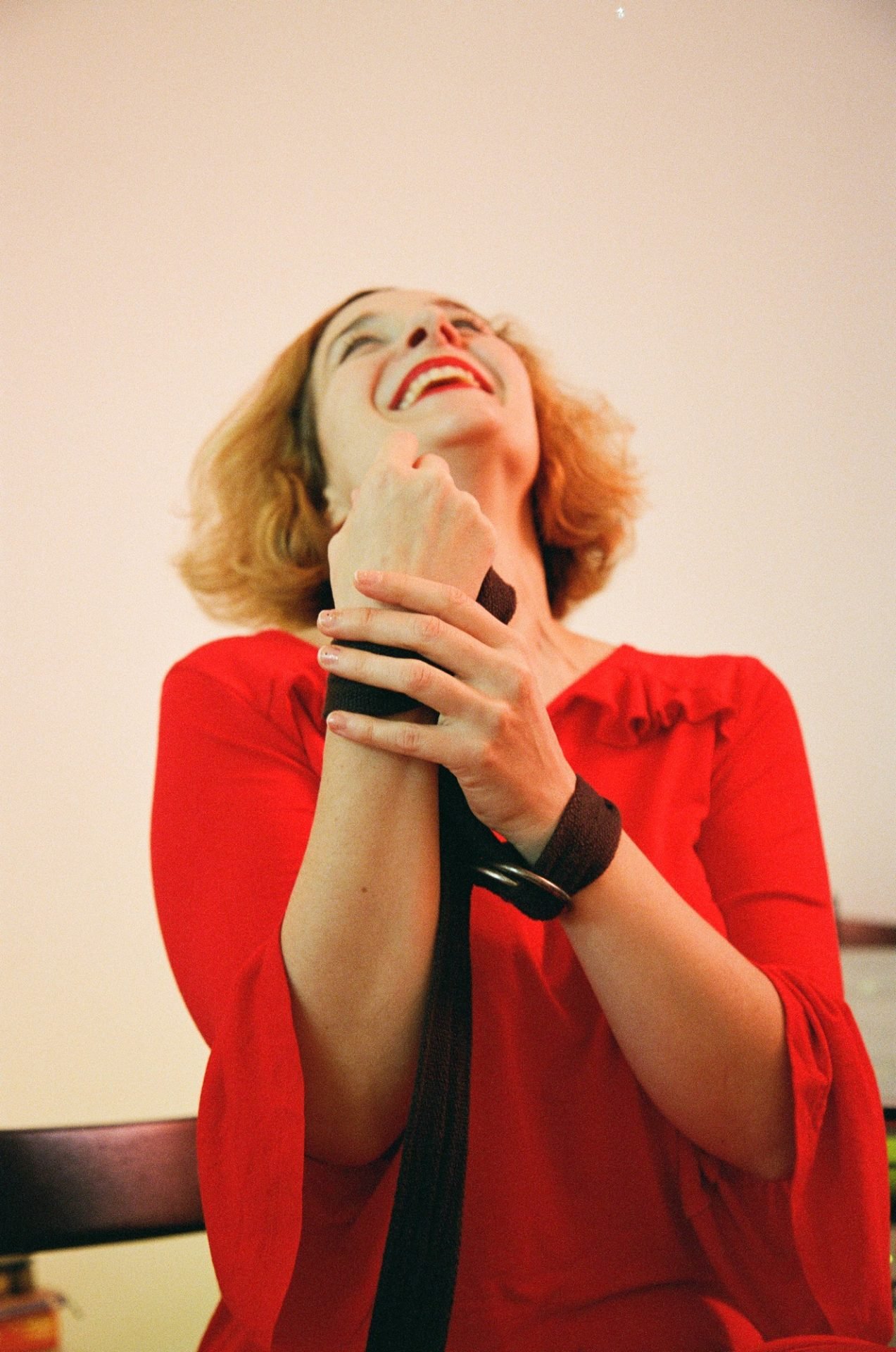
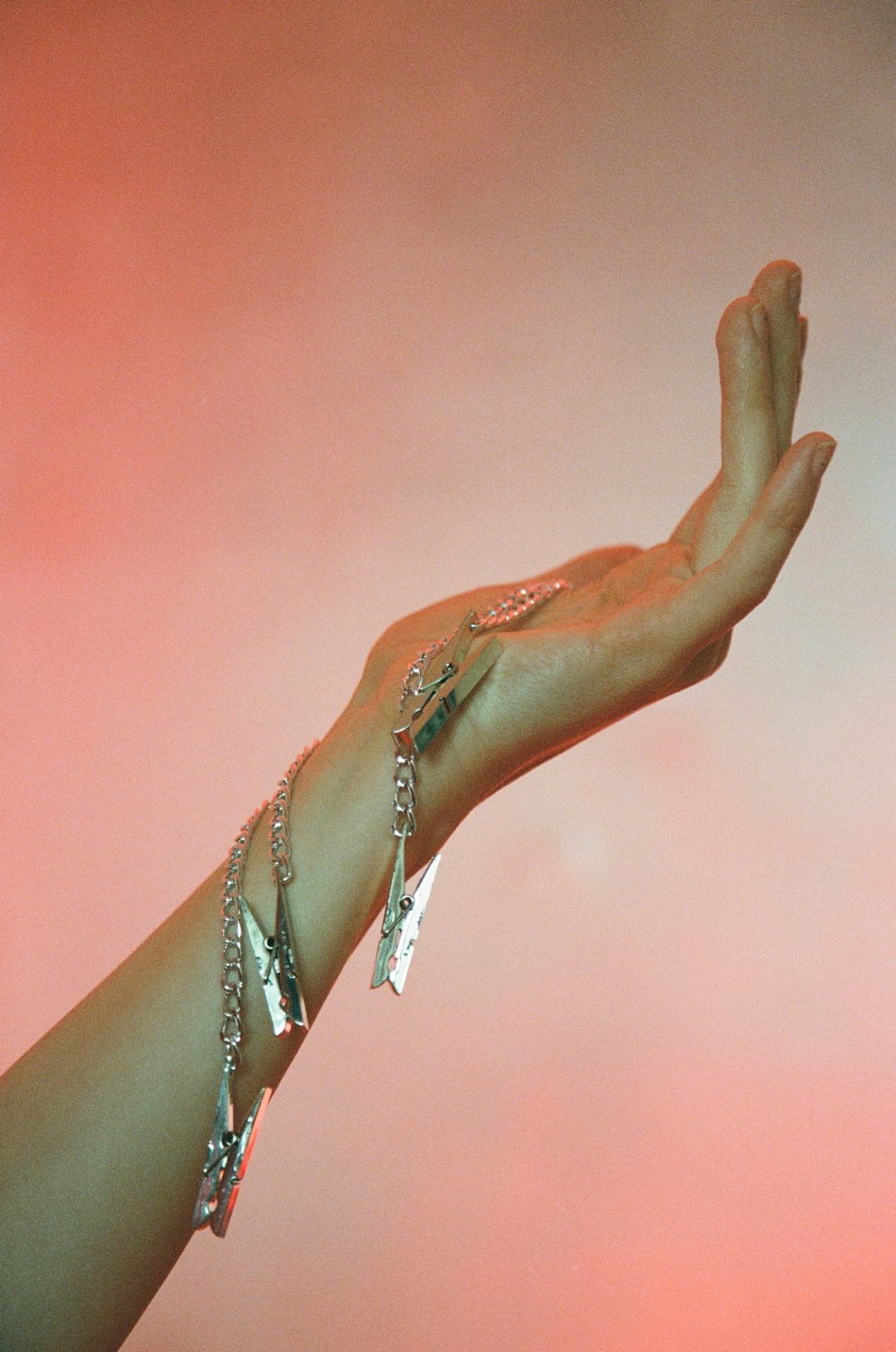
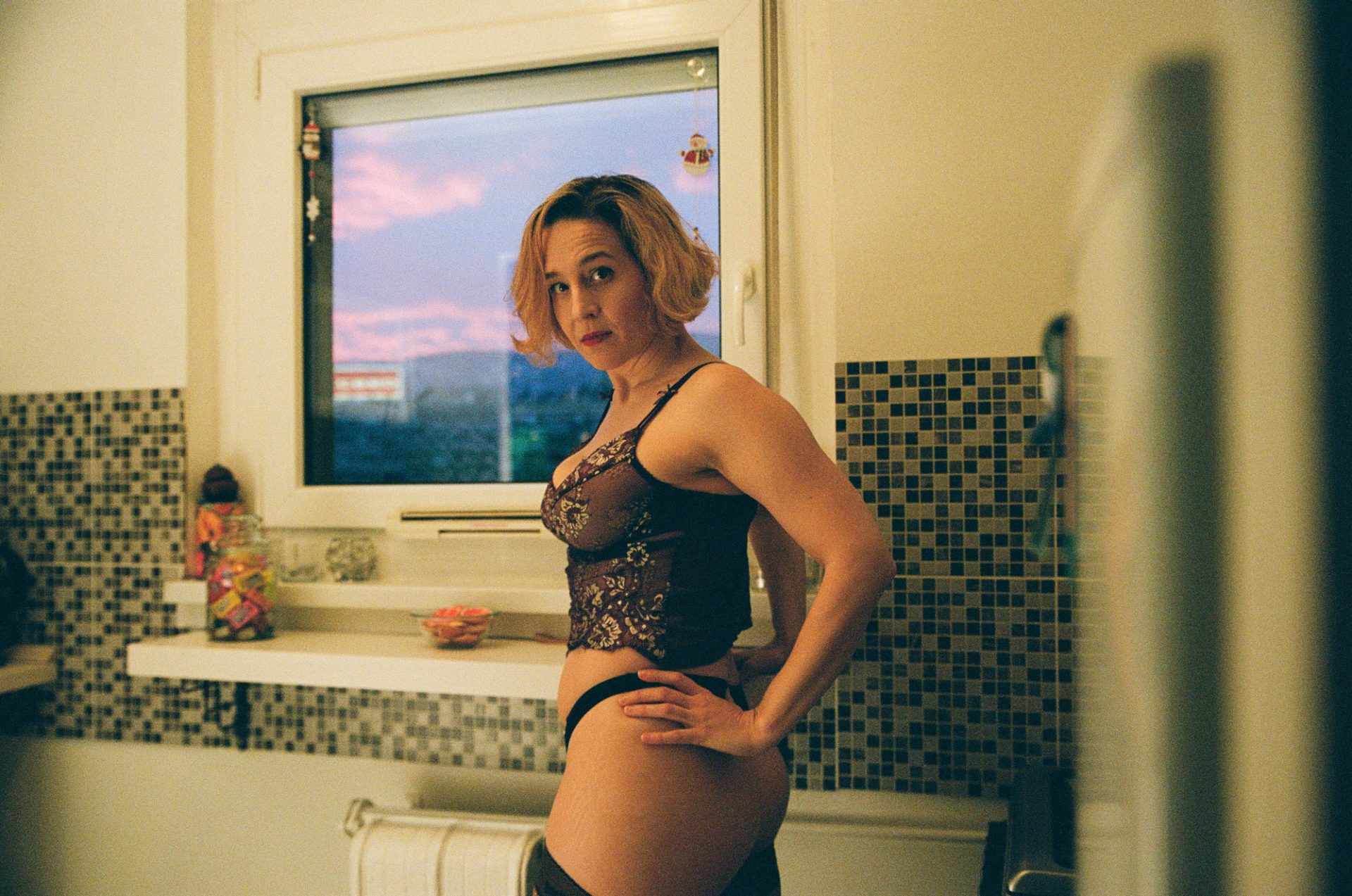
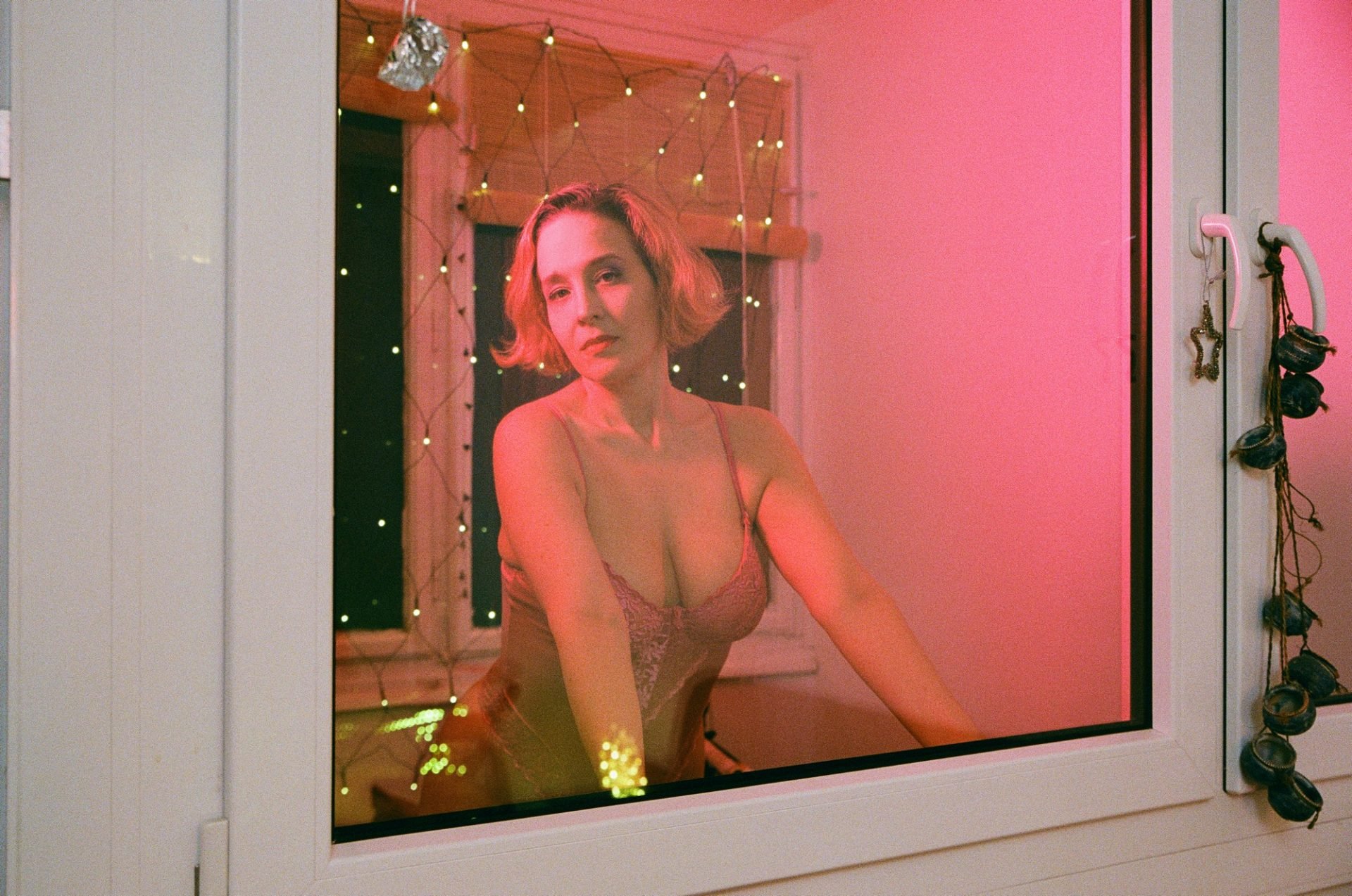
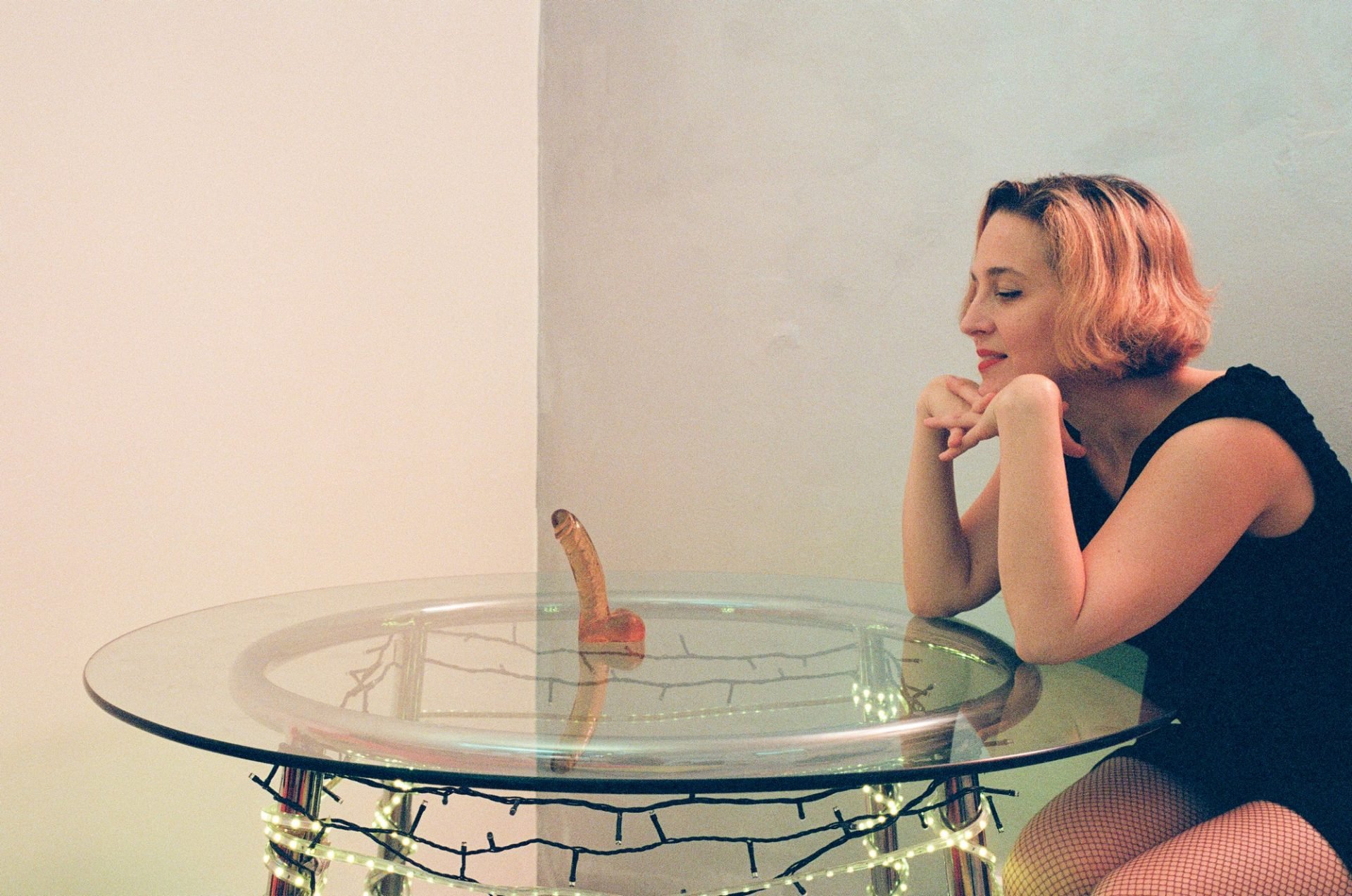
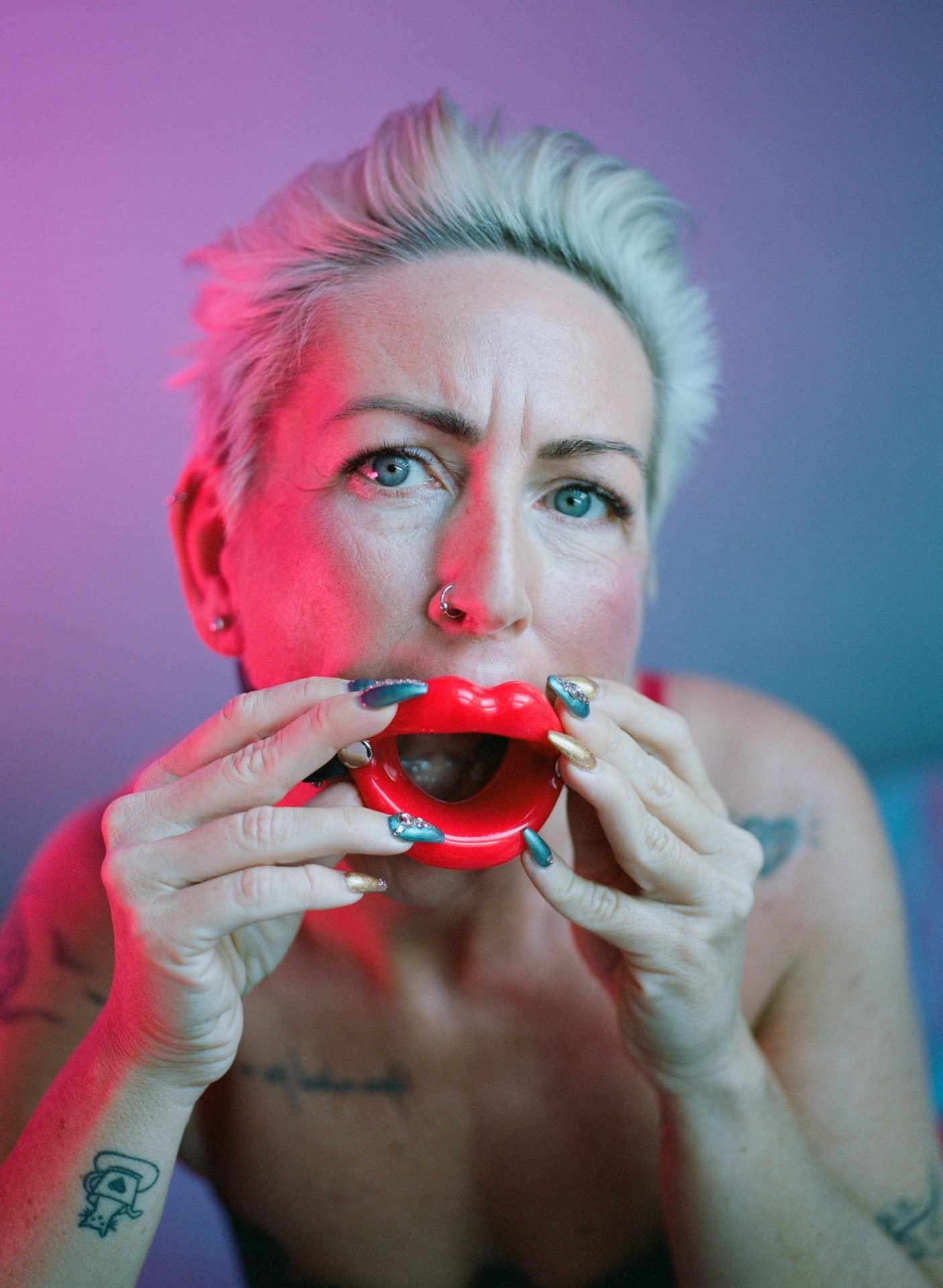
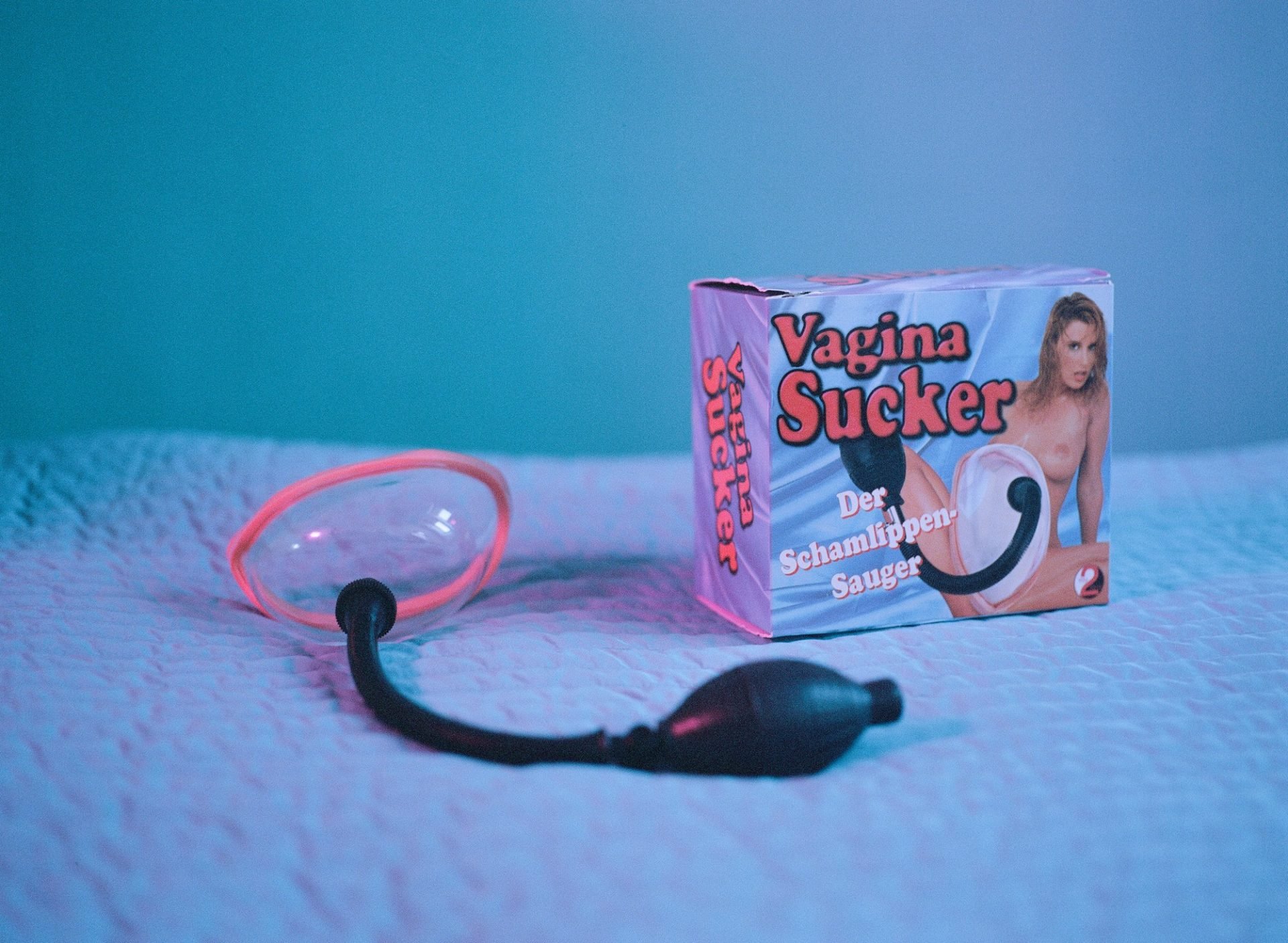
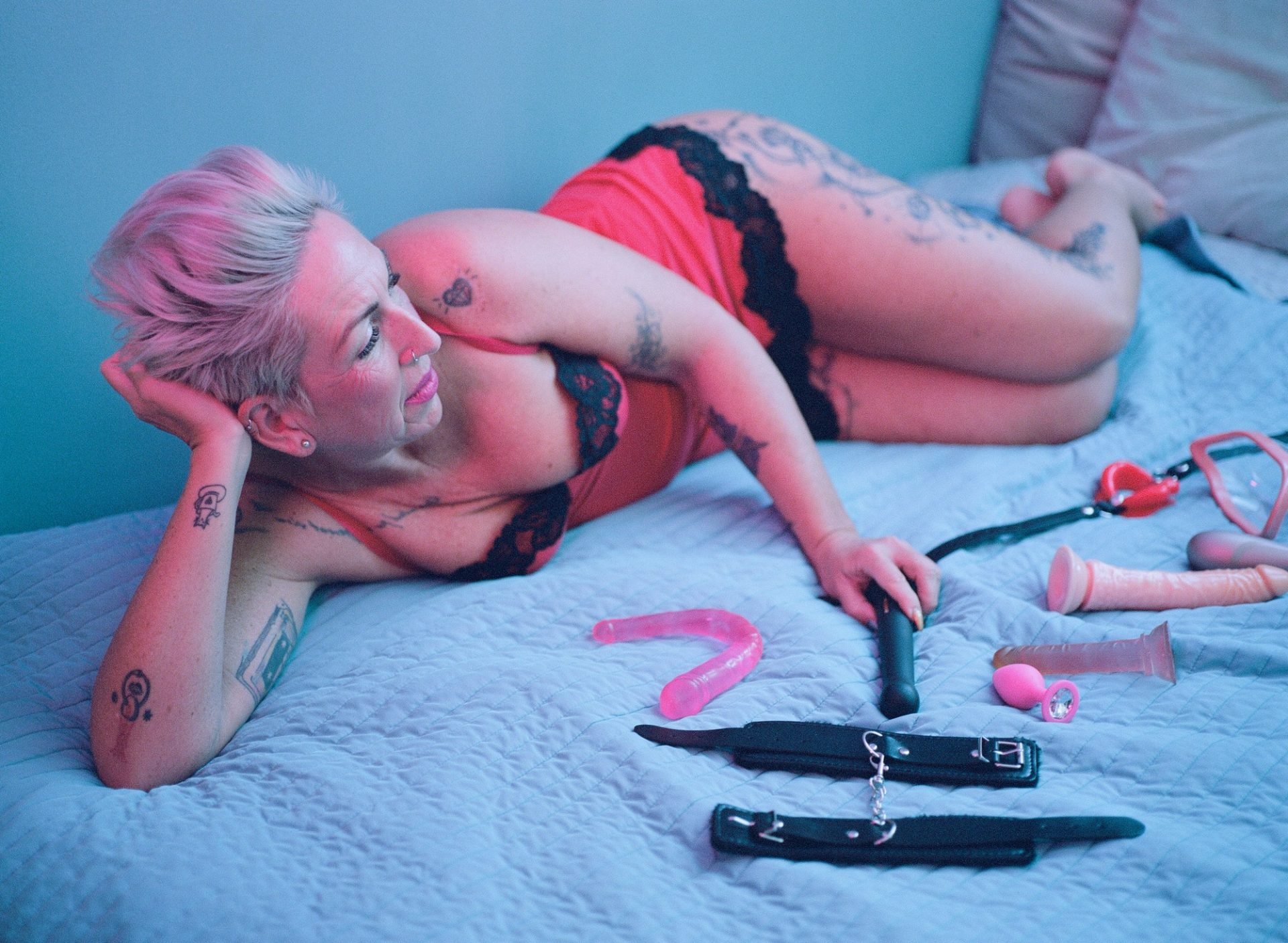
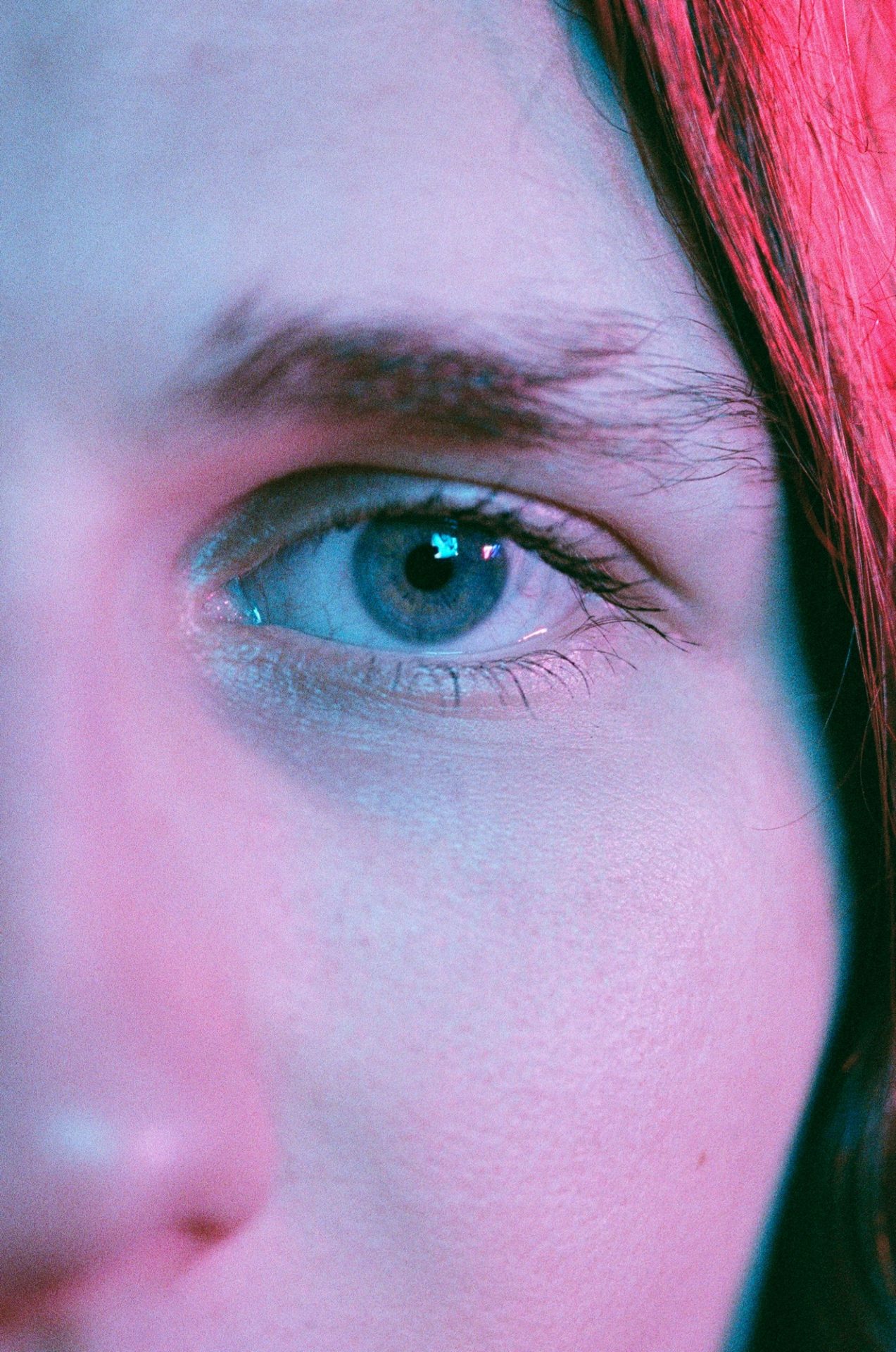
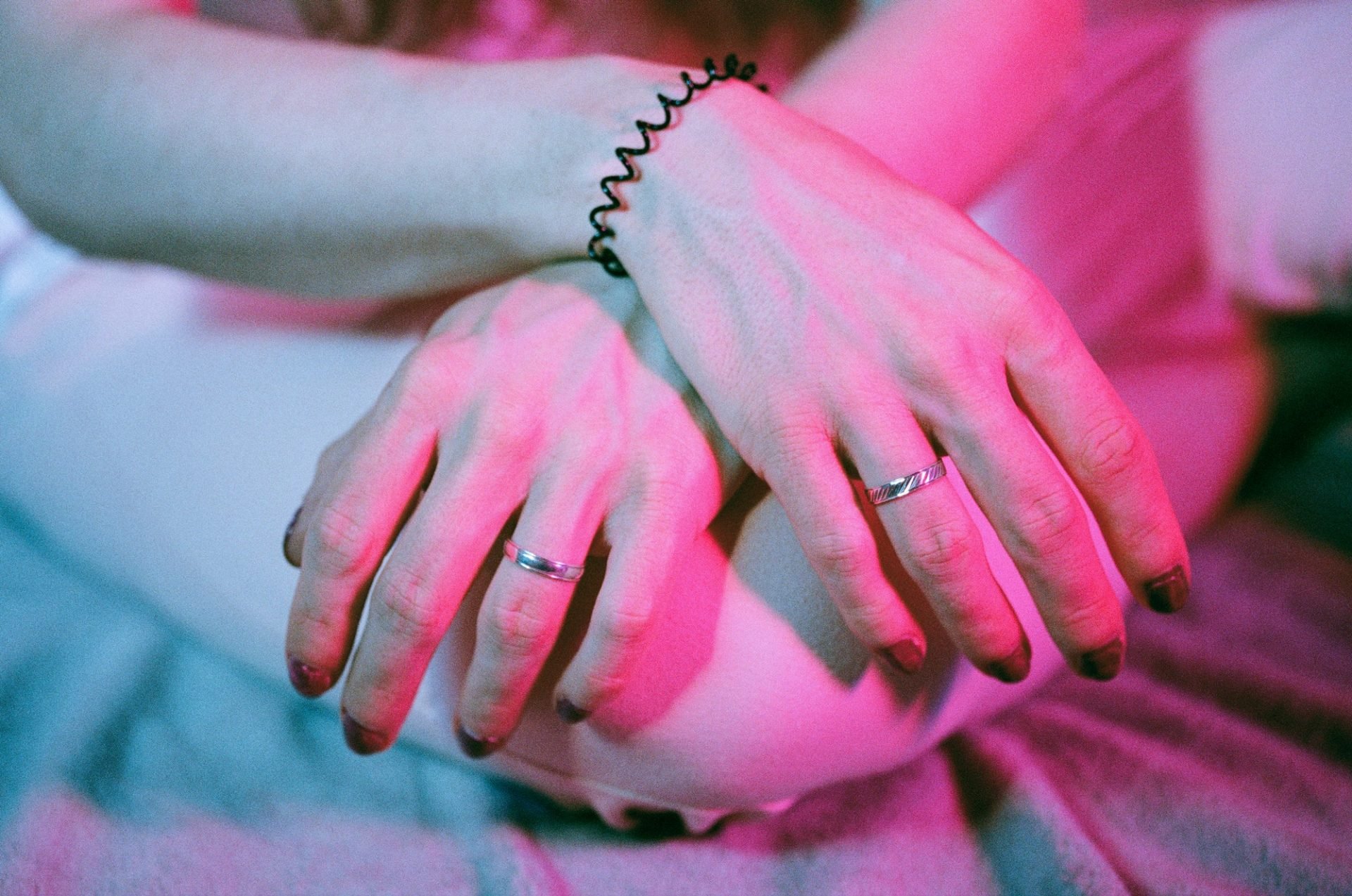
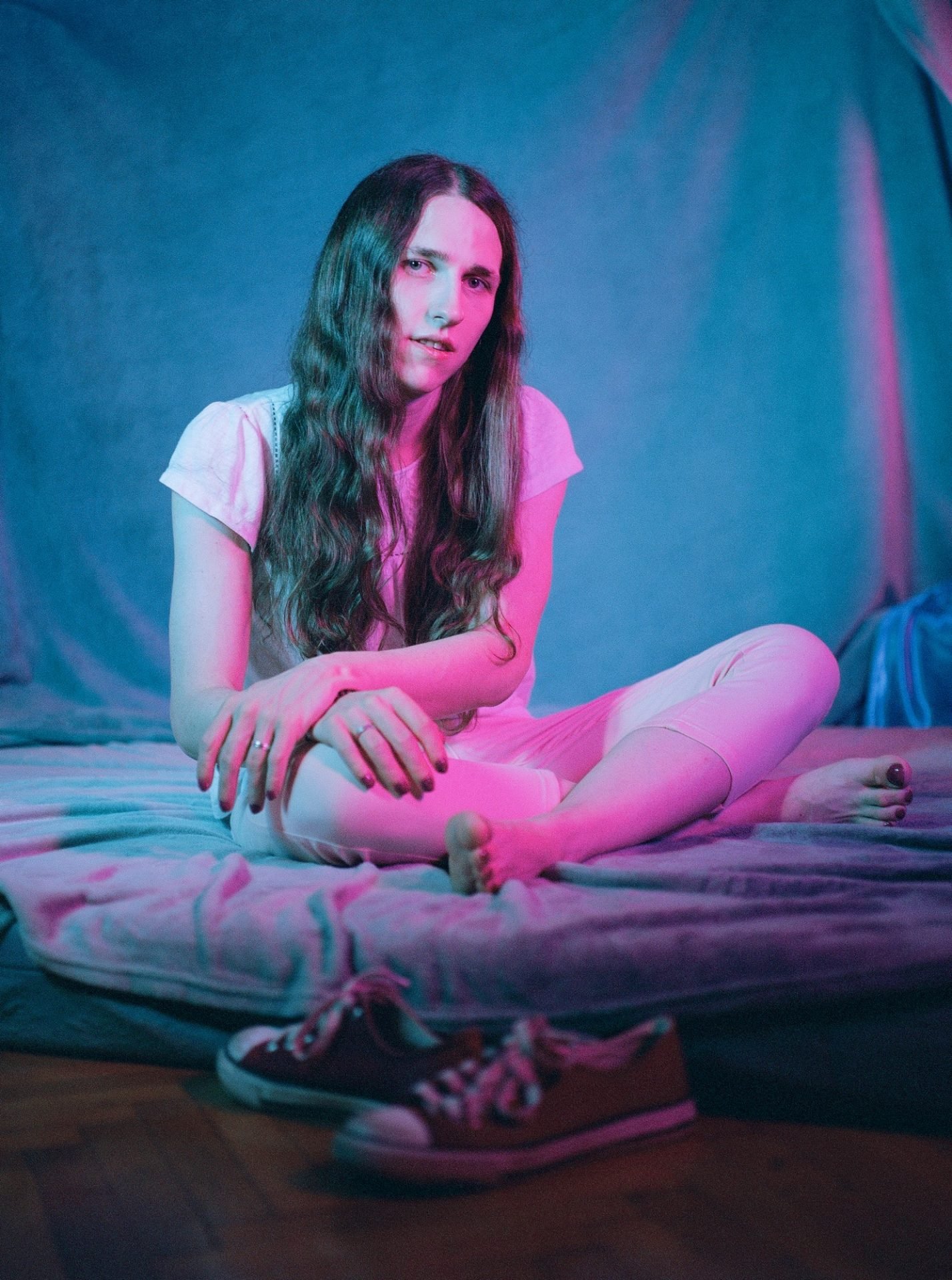
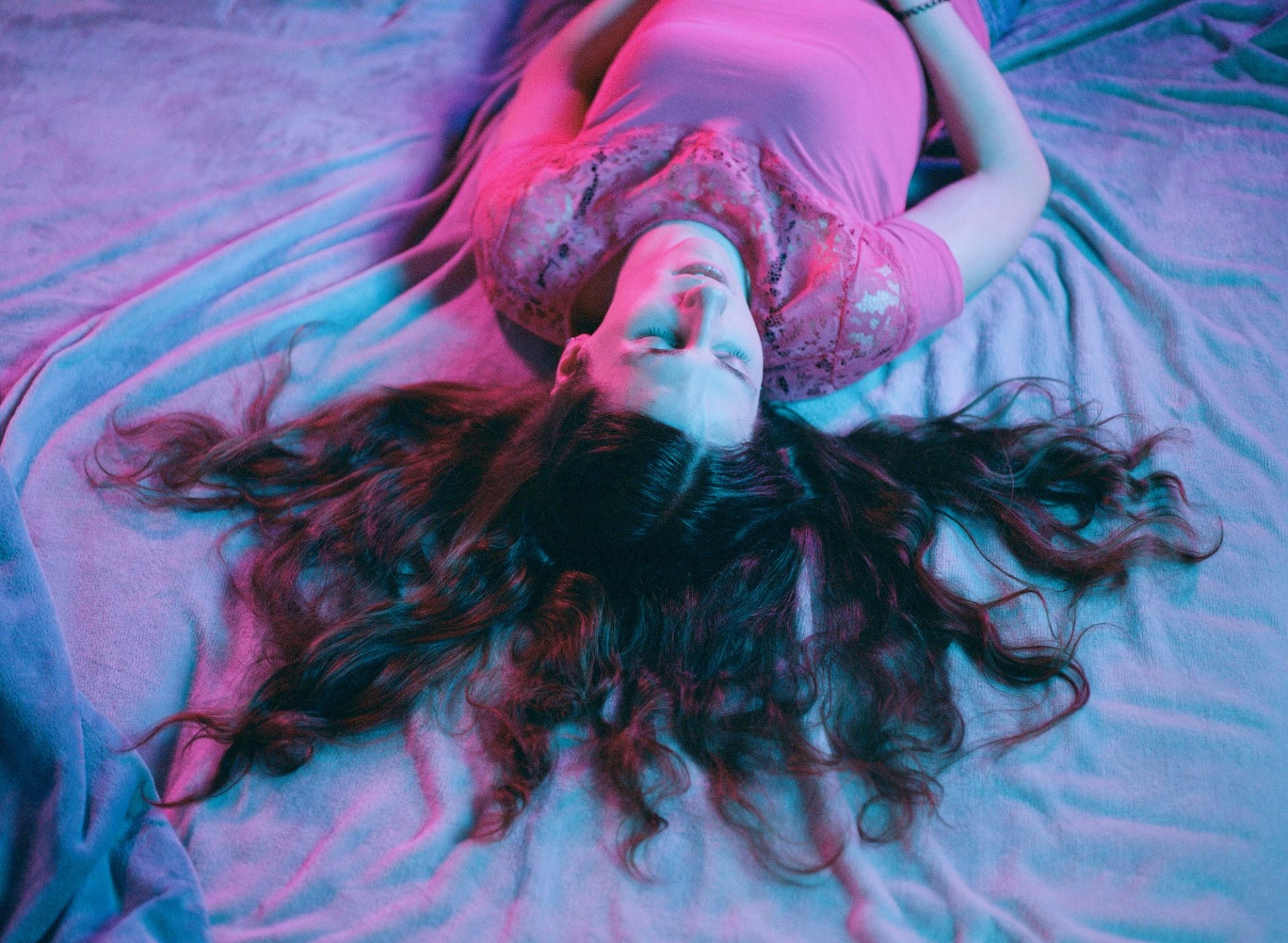
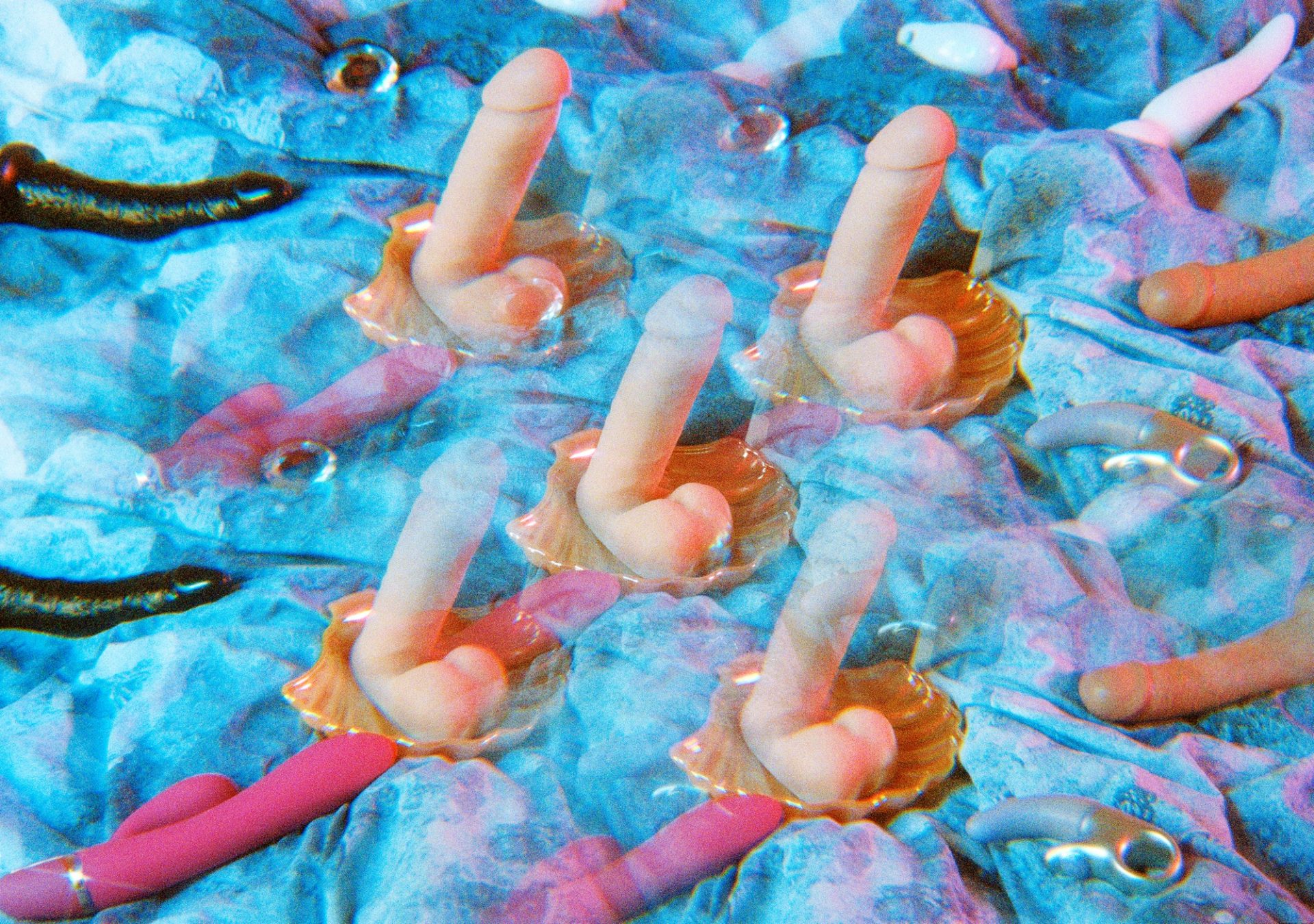
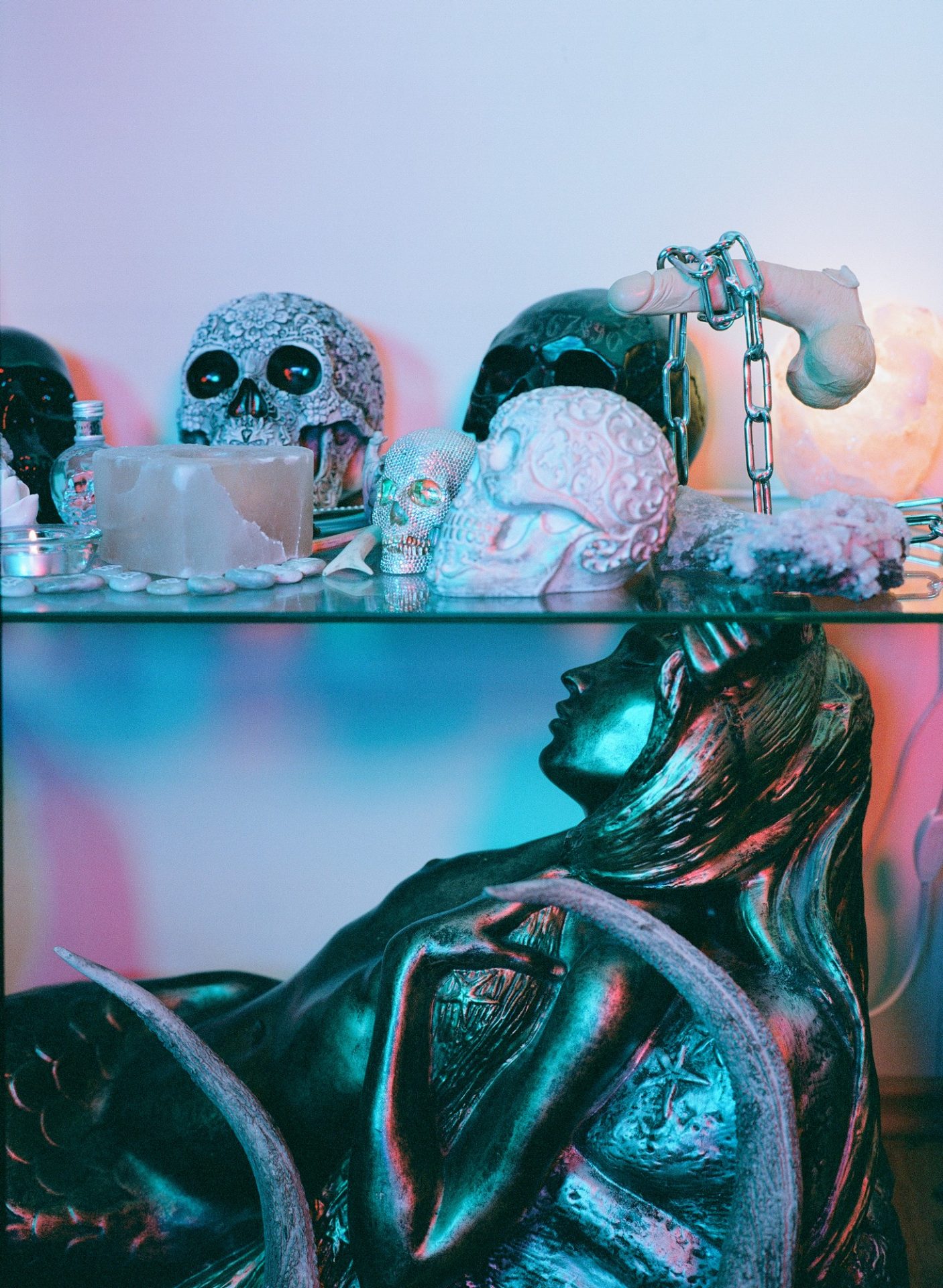
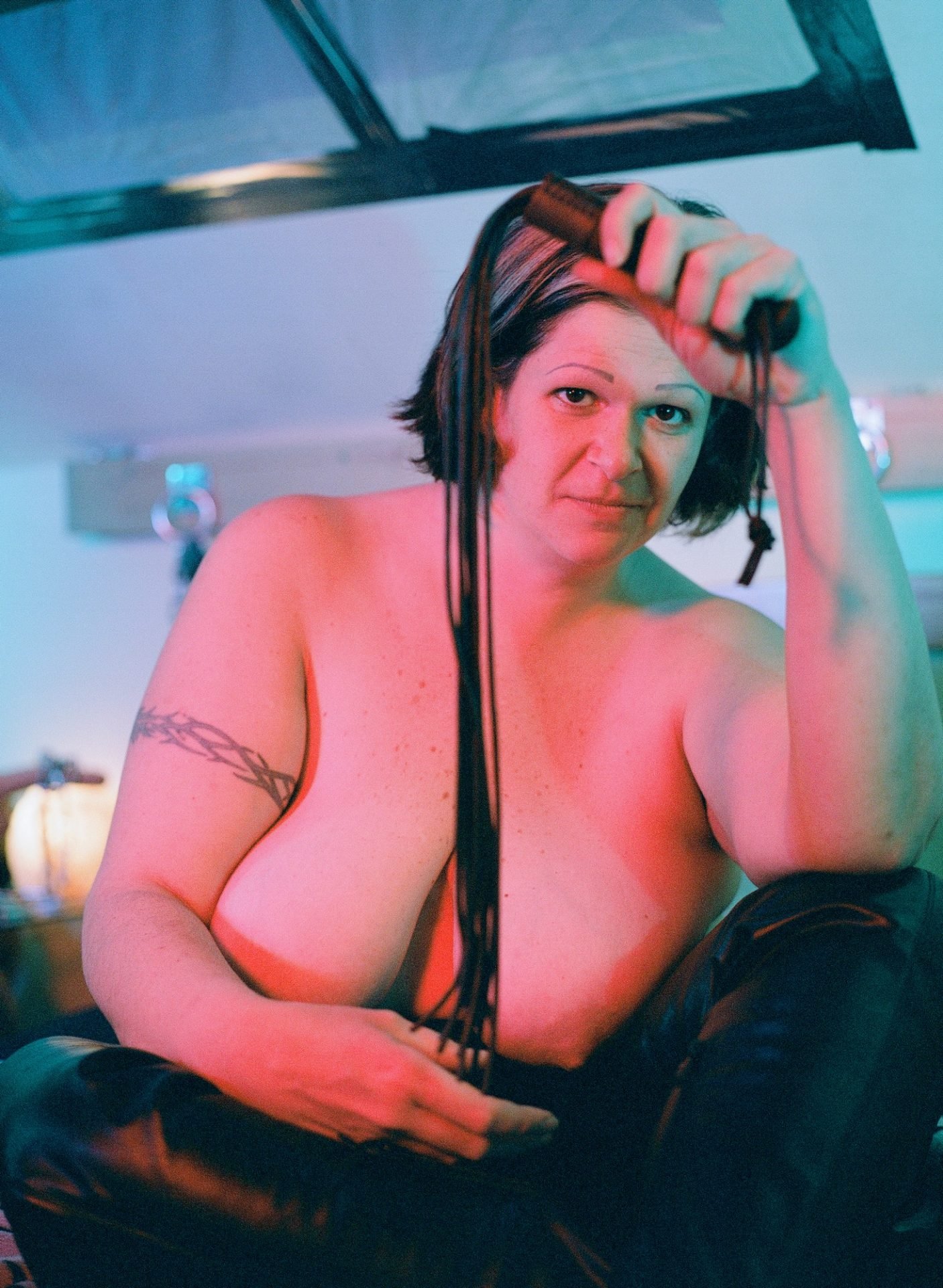
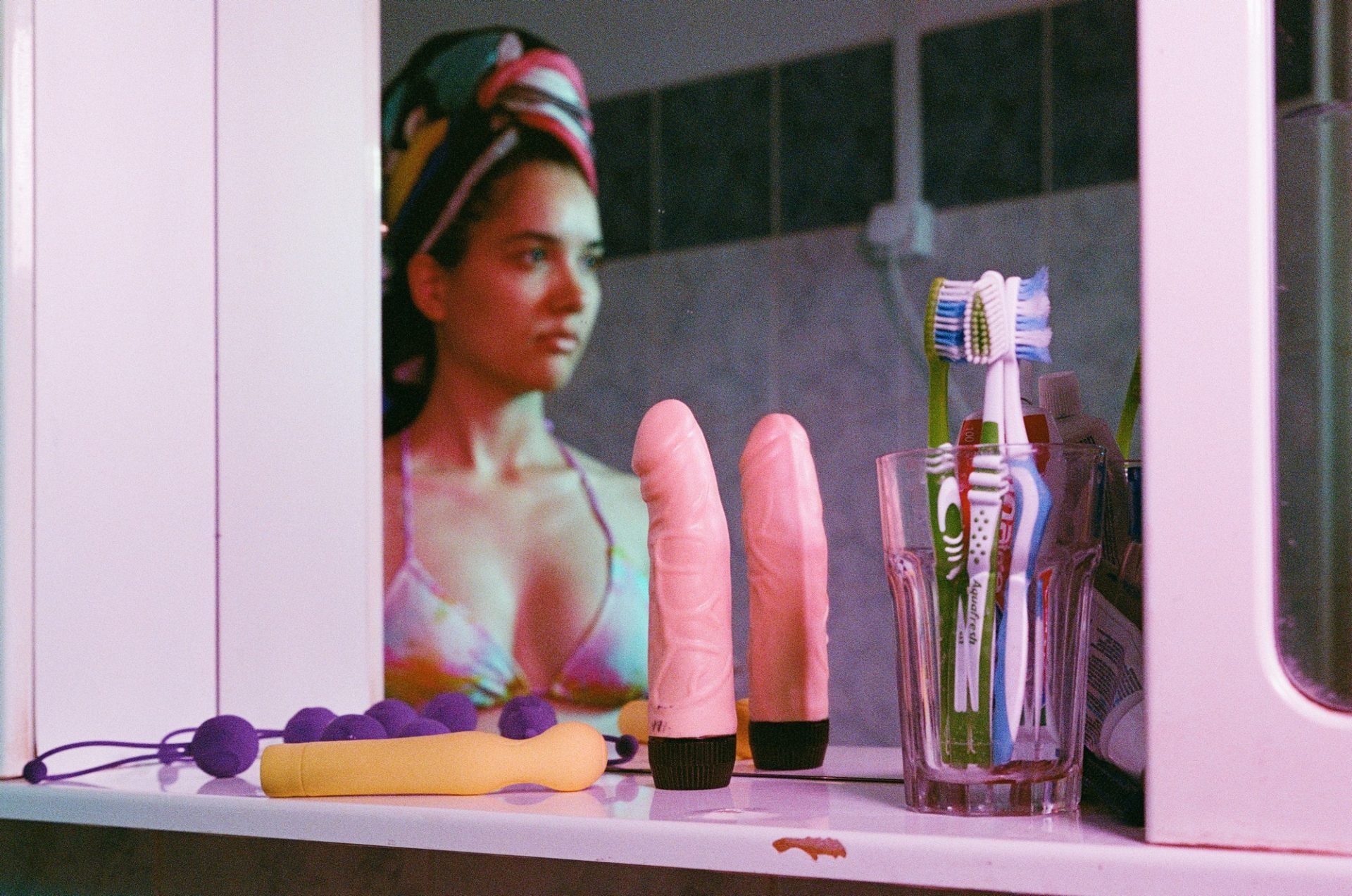
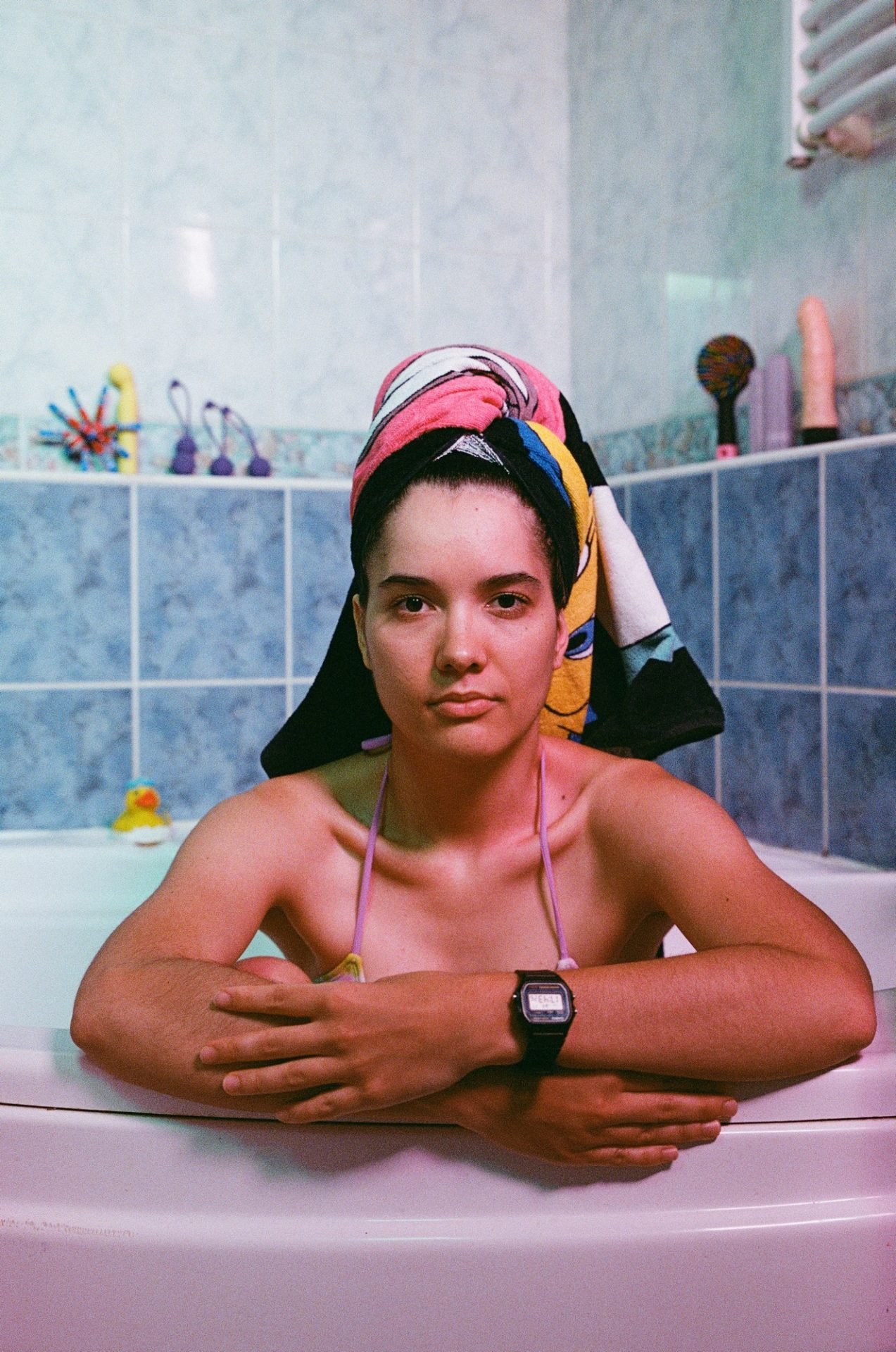
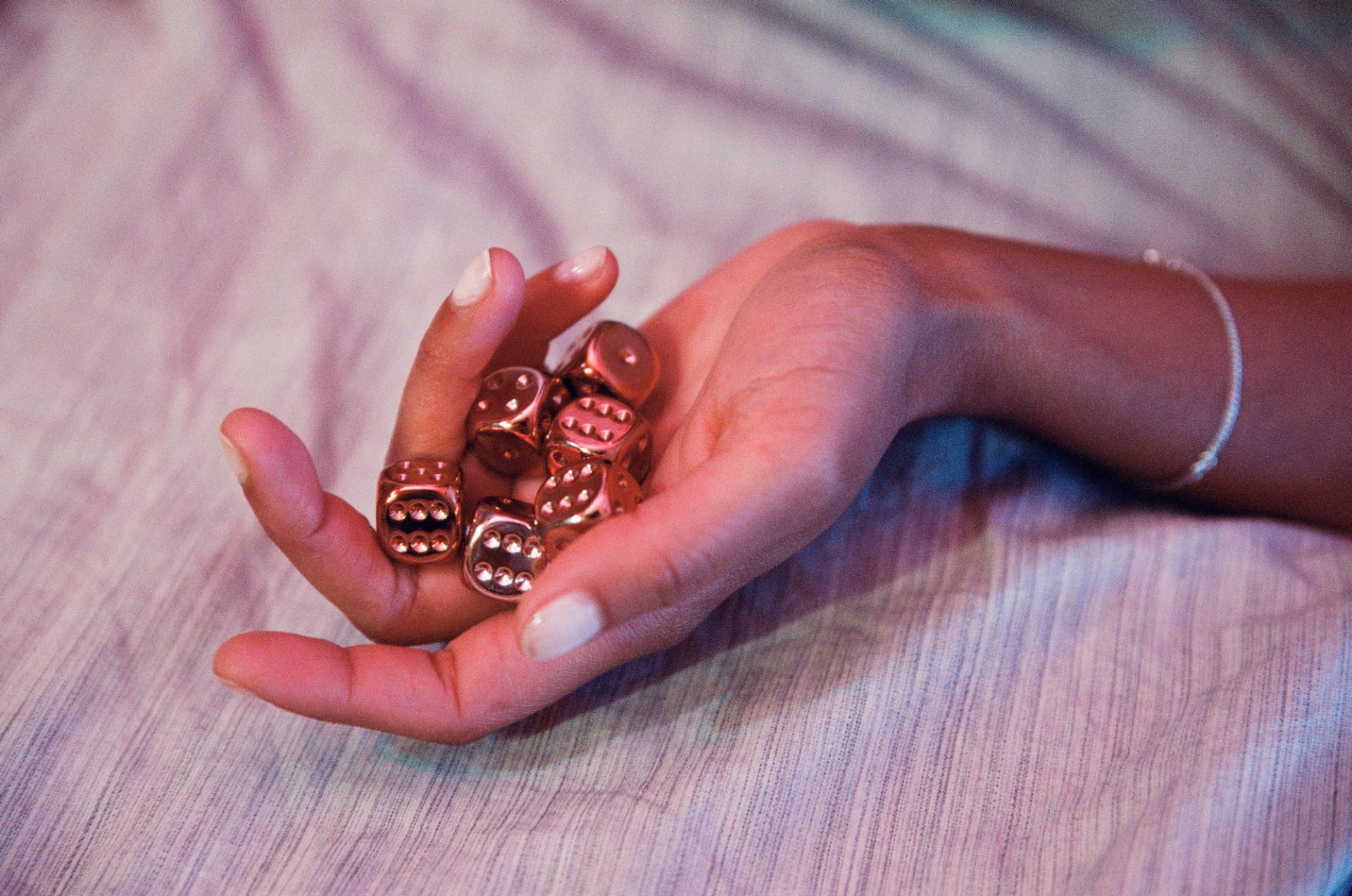
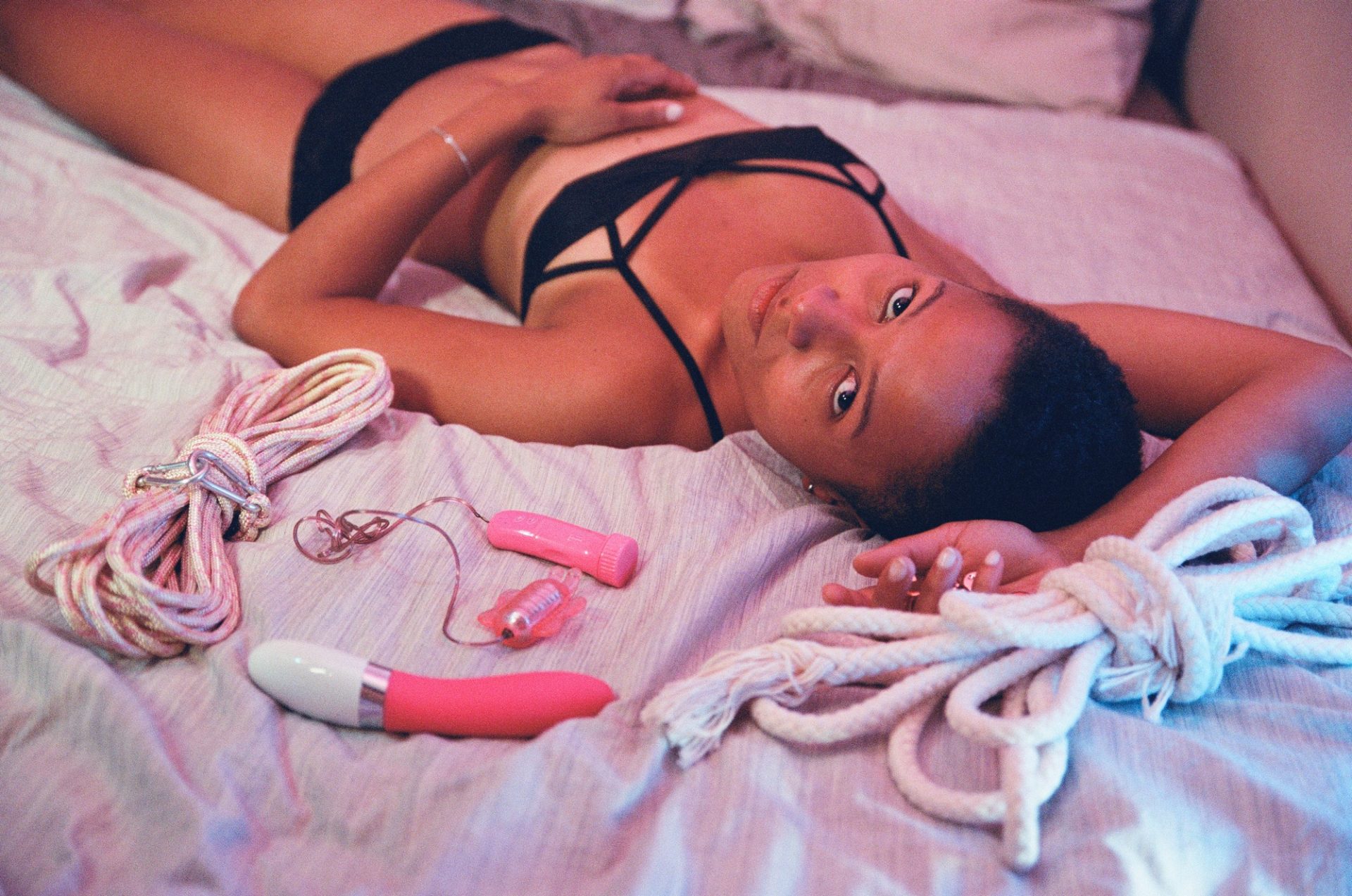
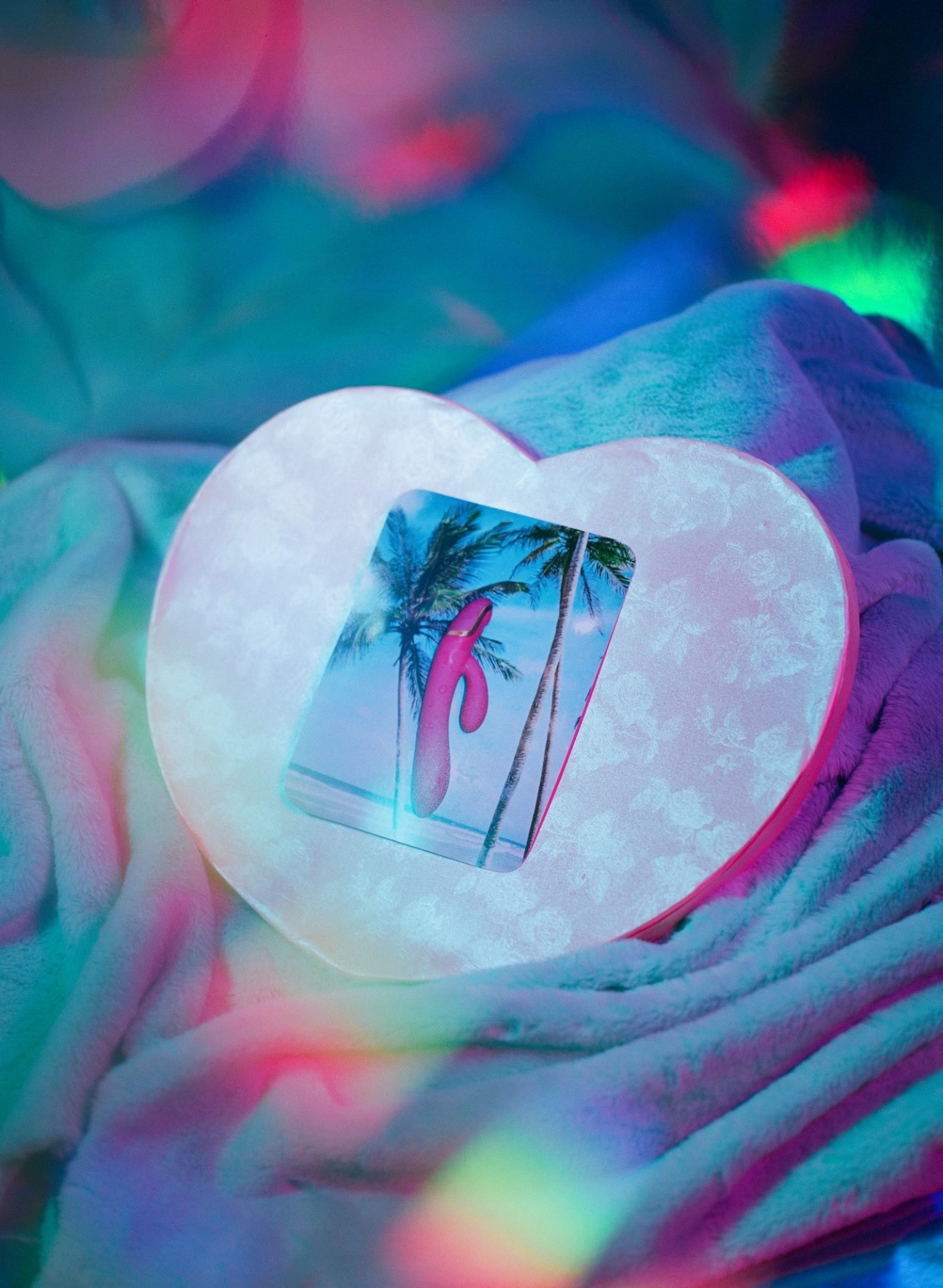
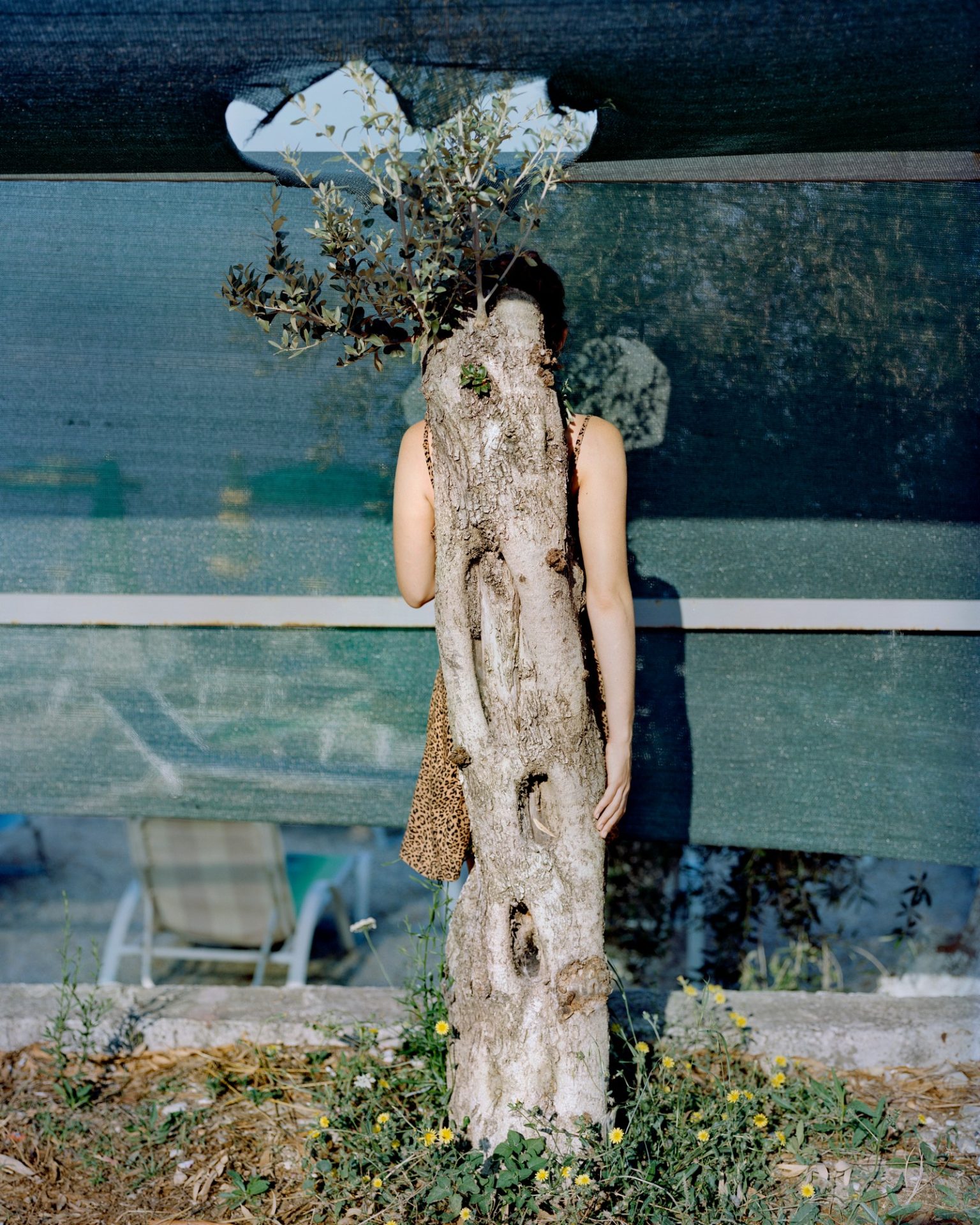
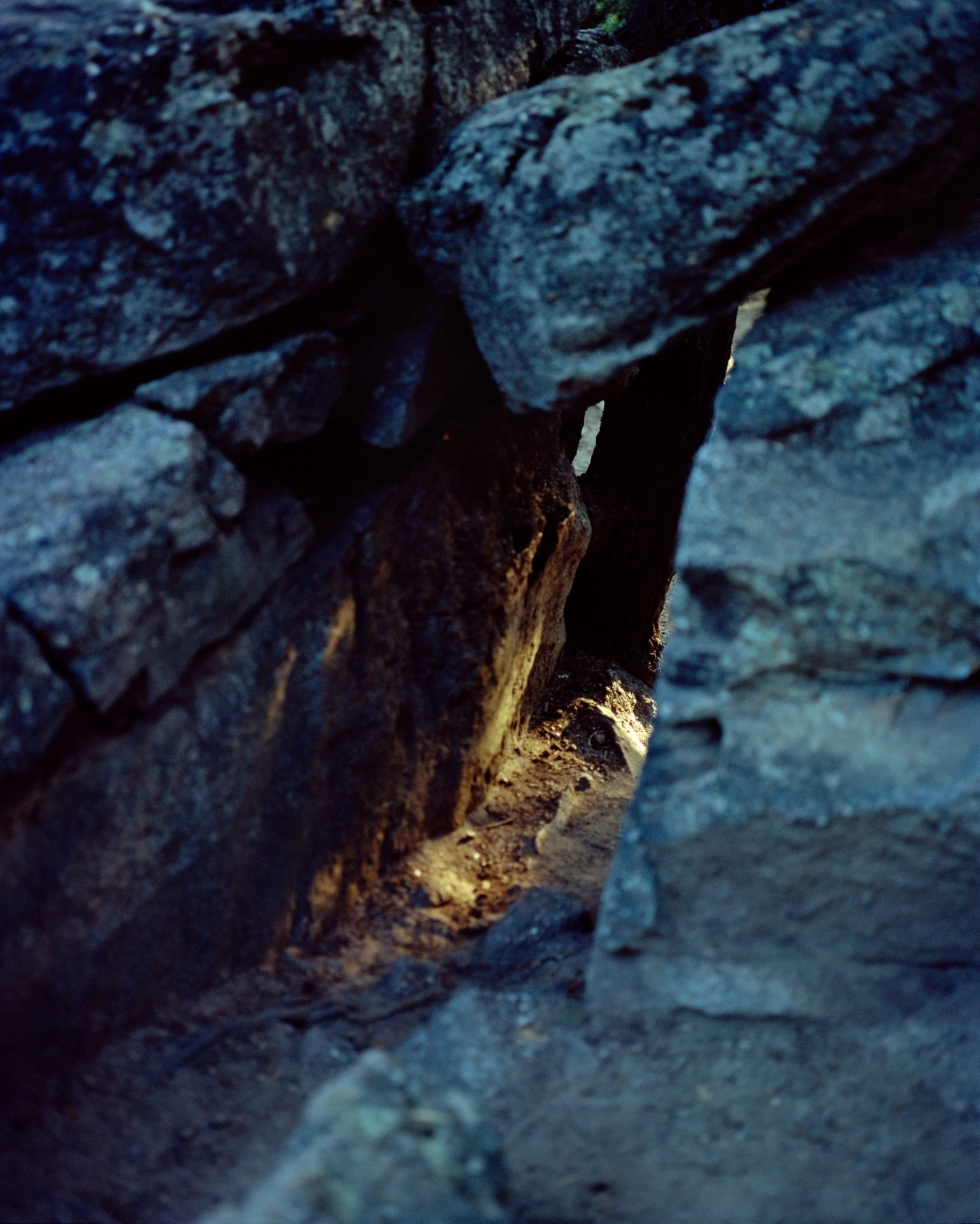
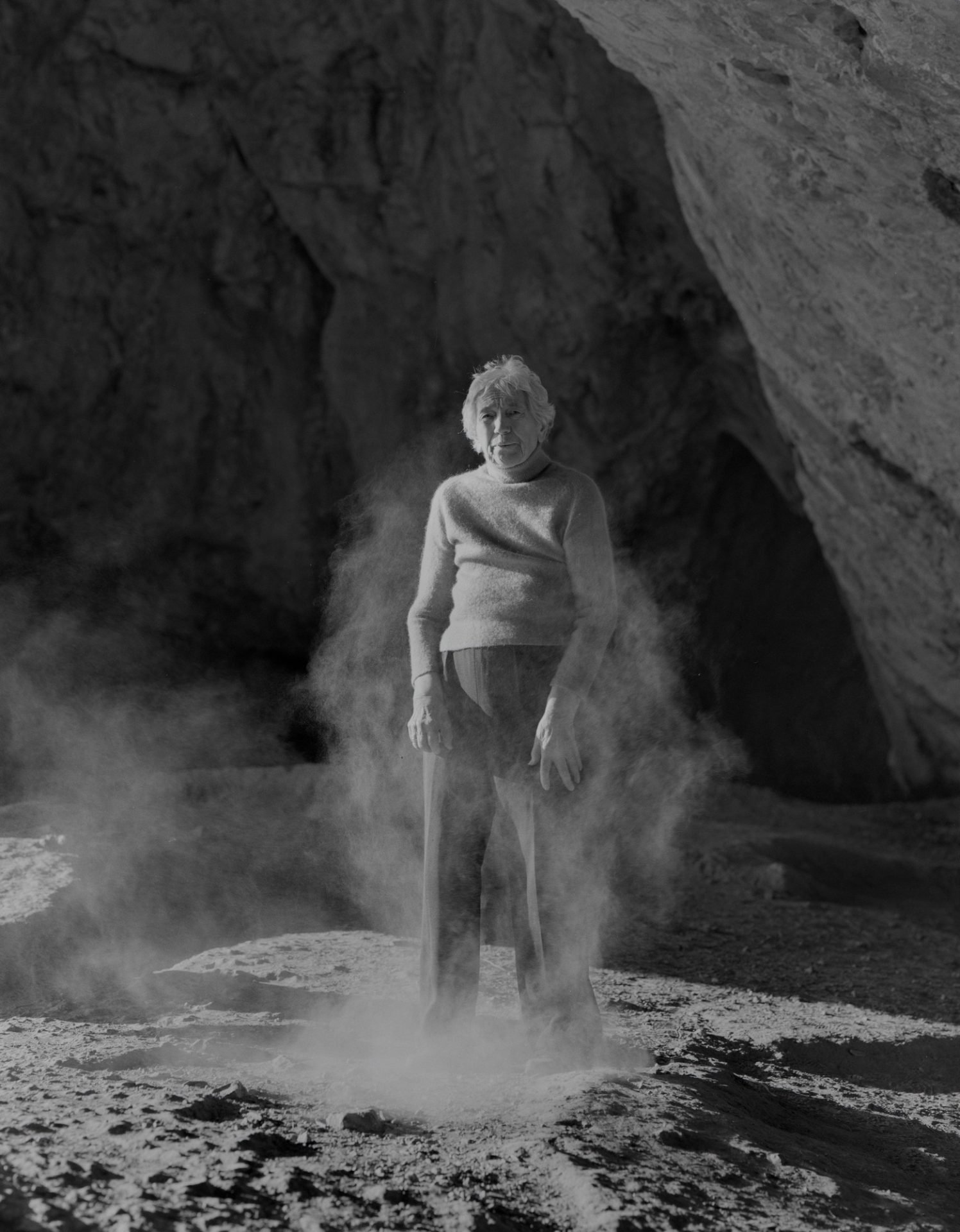
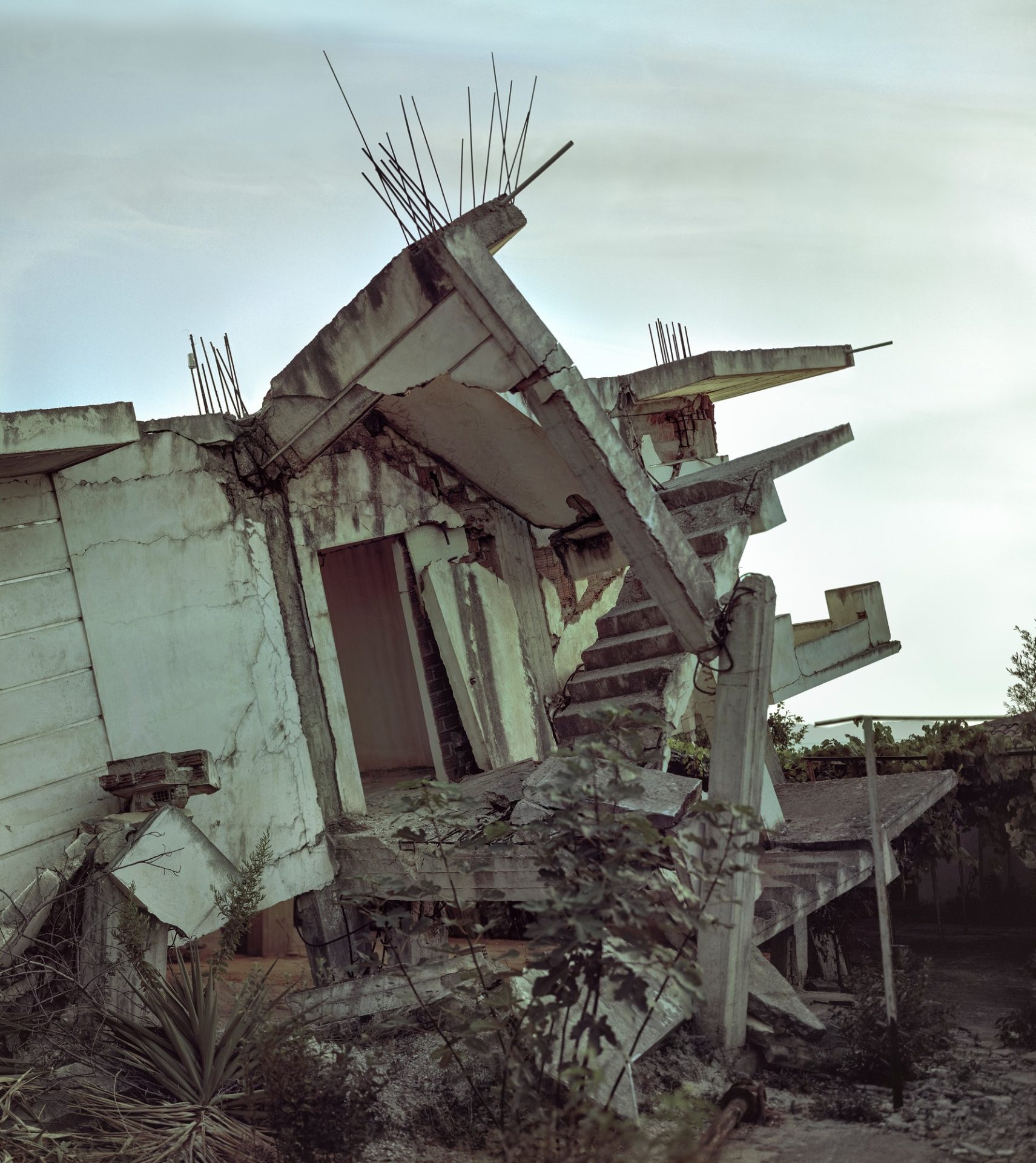
The jury selected Éva Szombat for her entry entitled I Want Orgasms, Not Roses as the Capa Grand Prize Hungary-winner in 2021.
The Robert Capa Photography Grand Prize Hungary was founded in 2014 by the Capa Center to recognize the work of artists who produce an outstanding achievement in the field of Hungarian photography. The awards were decided in two stages by a five-member jury of Hungarian and international professionals. In October 2020, the jury selected three candidates – and awarded each of them with a fellowship of HUF 500 000+200 000 (approx. €2000) – for the Grand Prize of HUF 5 million (approx. €14,000) in total. The jury appreciated Éva Szombat’s work during tha past fellowship year, so they selected him as the sixth Capa Grand Prize-winning photographer. She received a cash award of HUF 3 million (approx. €8,300) at the award ceremony on October 21, 2021, held on the occasion of Robert Capa’s 108th birth anniversary in the Capa Center.
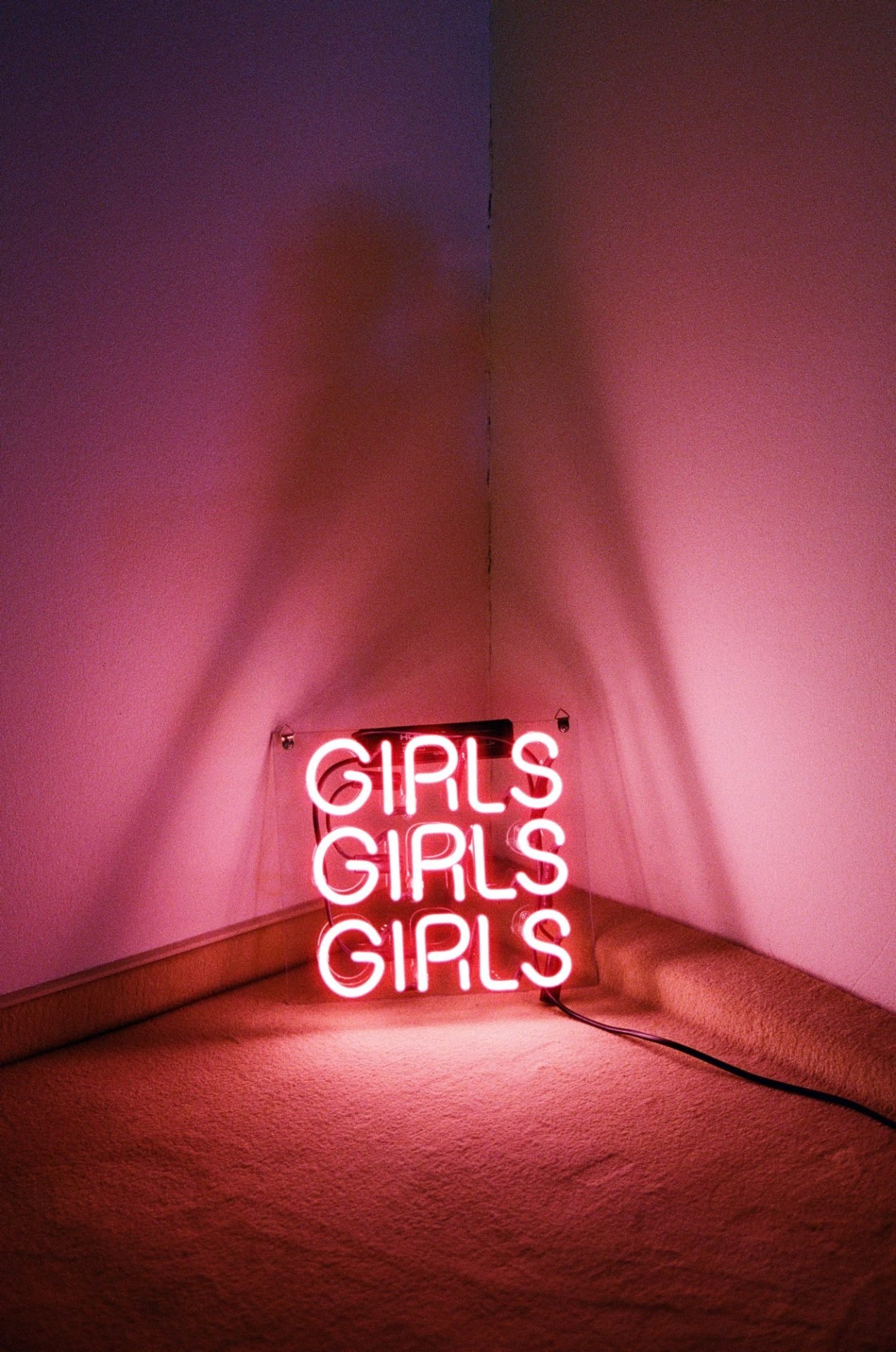
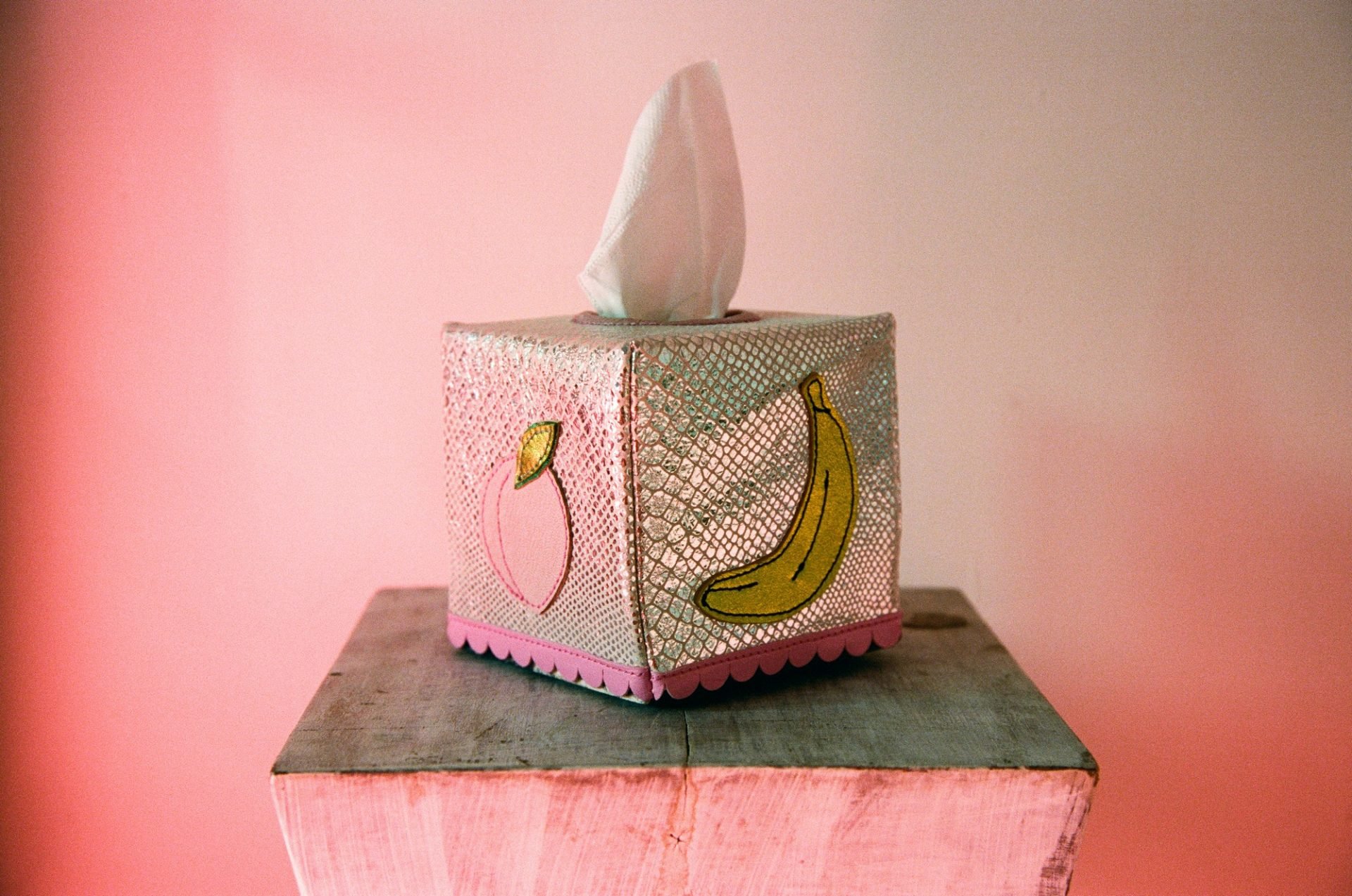
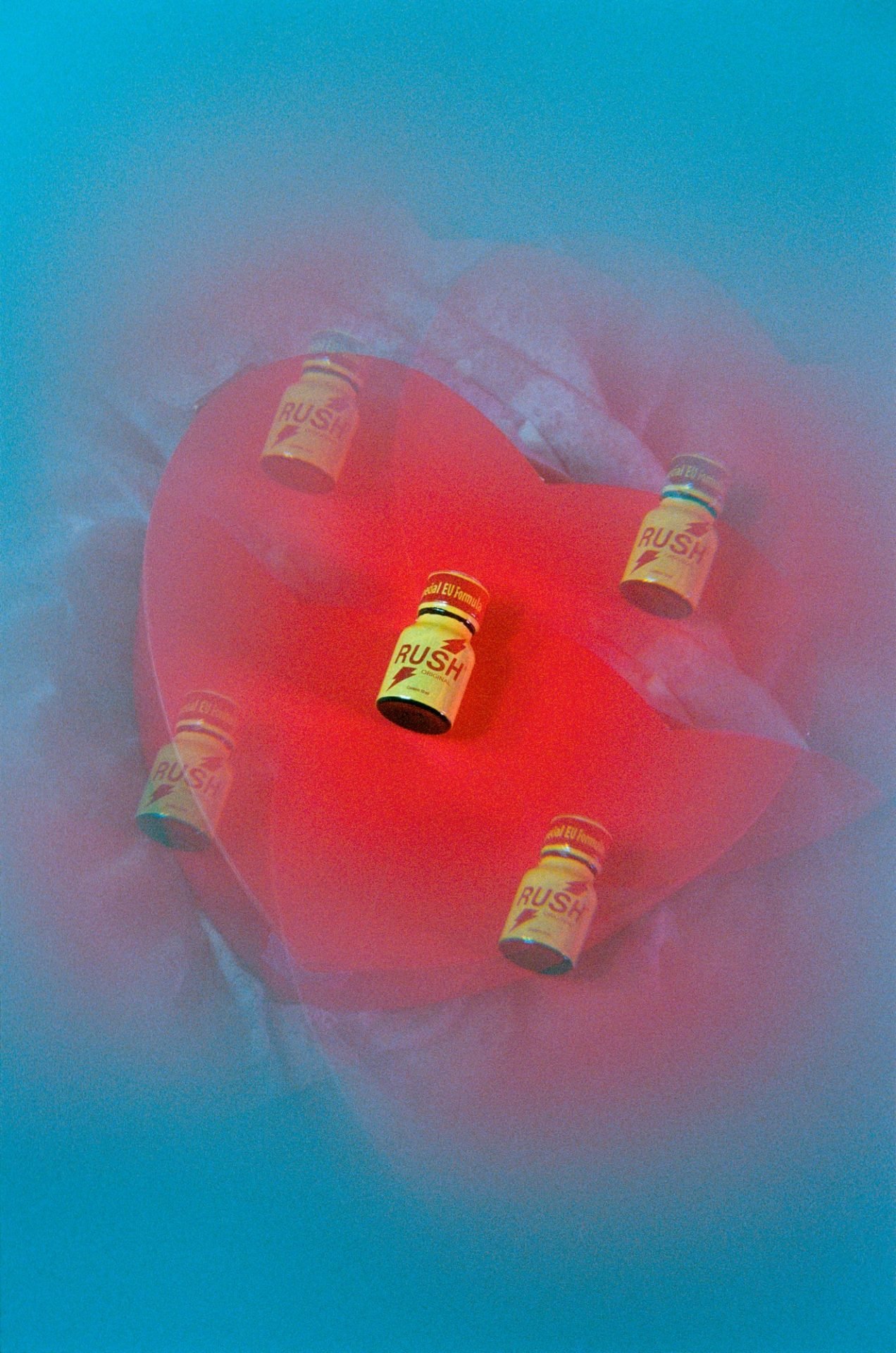
I WANT ORGASMS, NOT ROSES
Éva Szombat

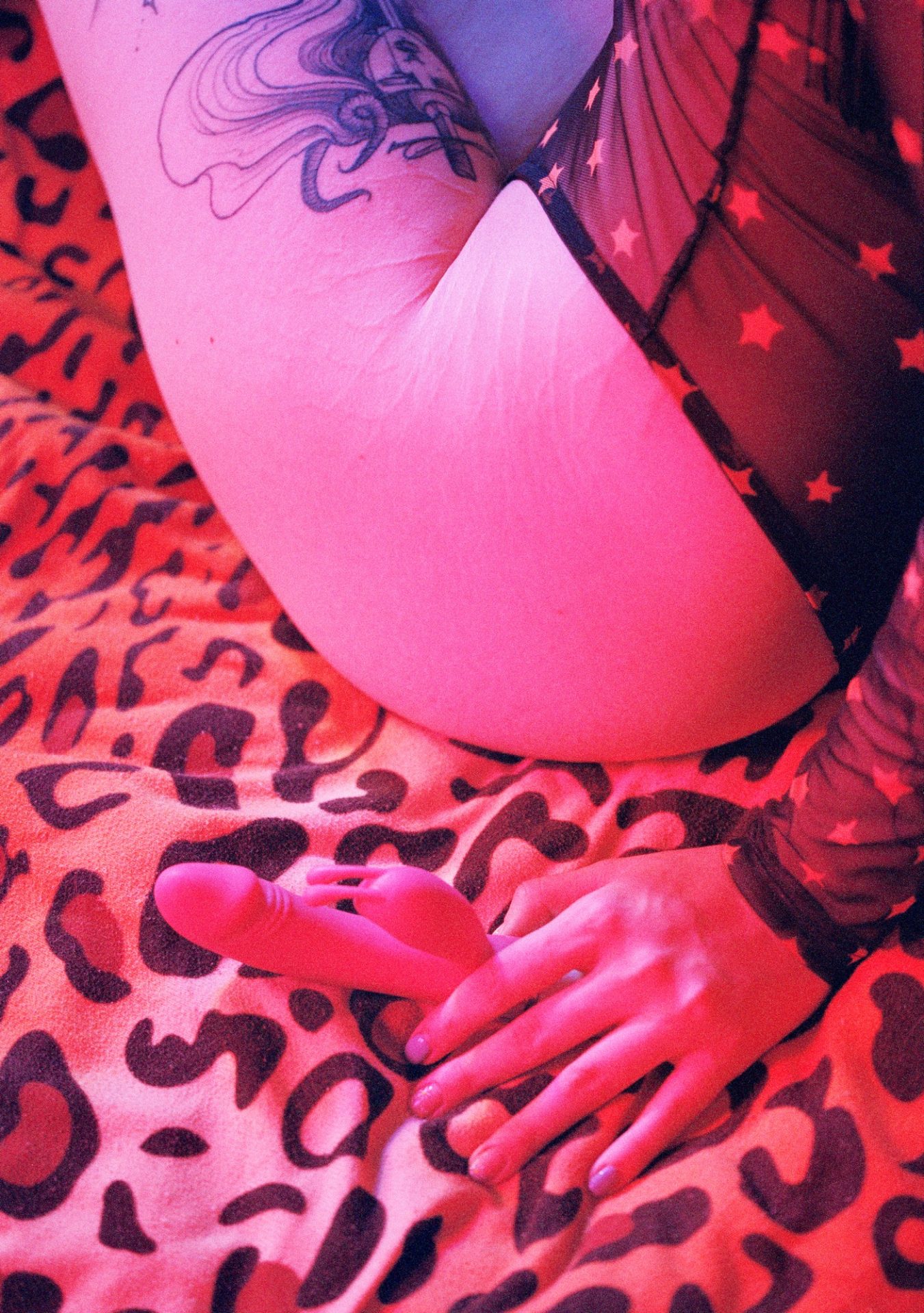
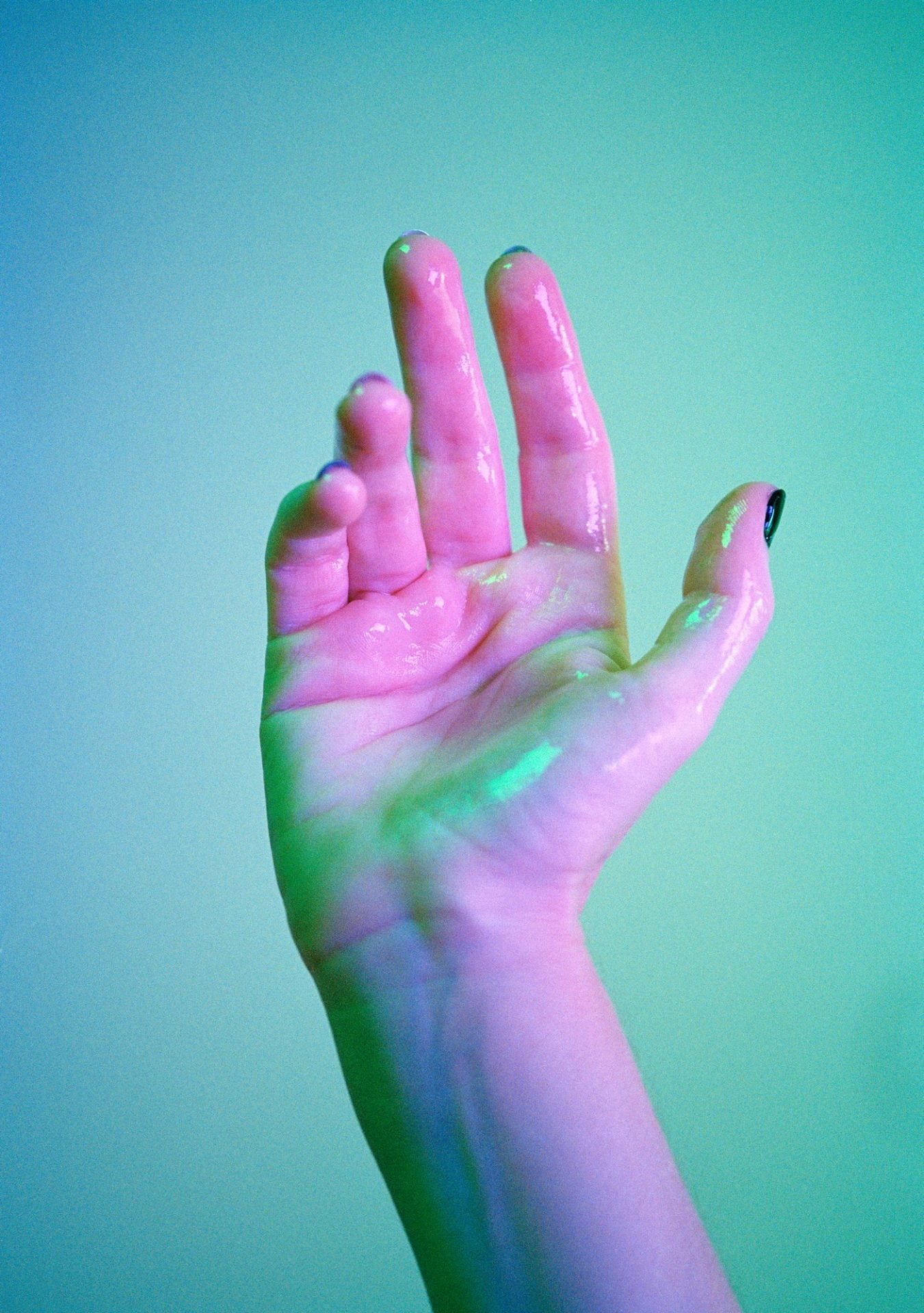
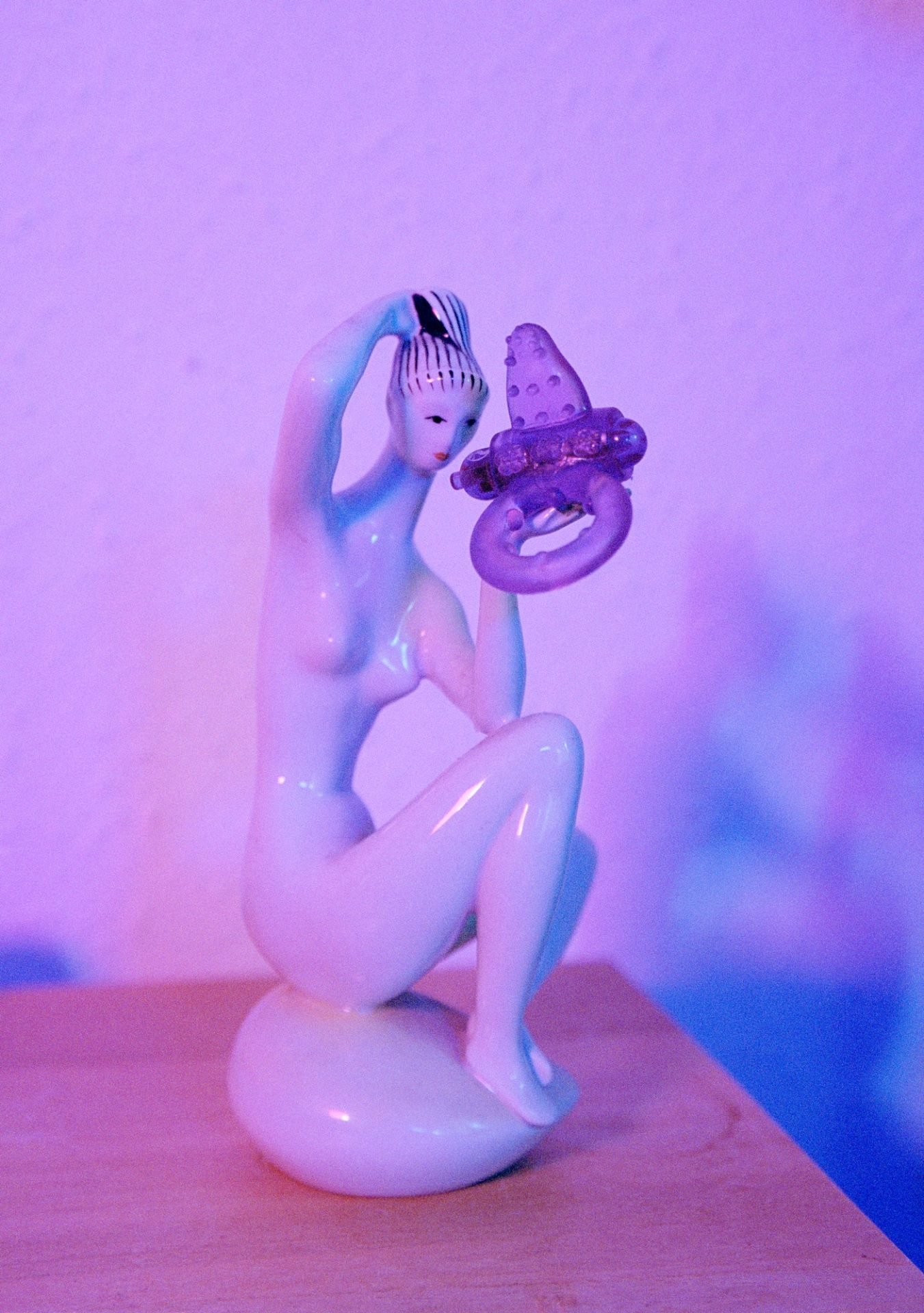
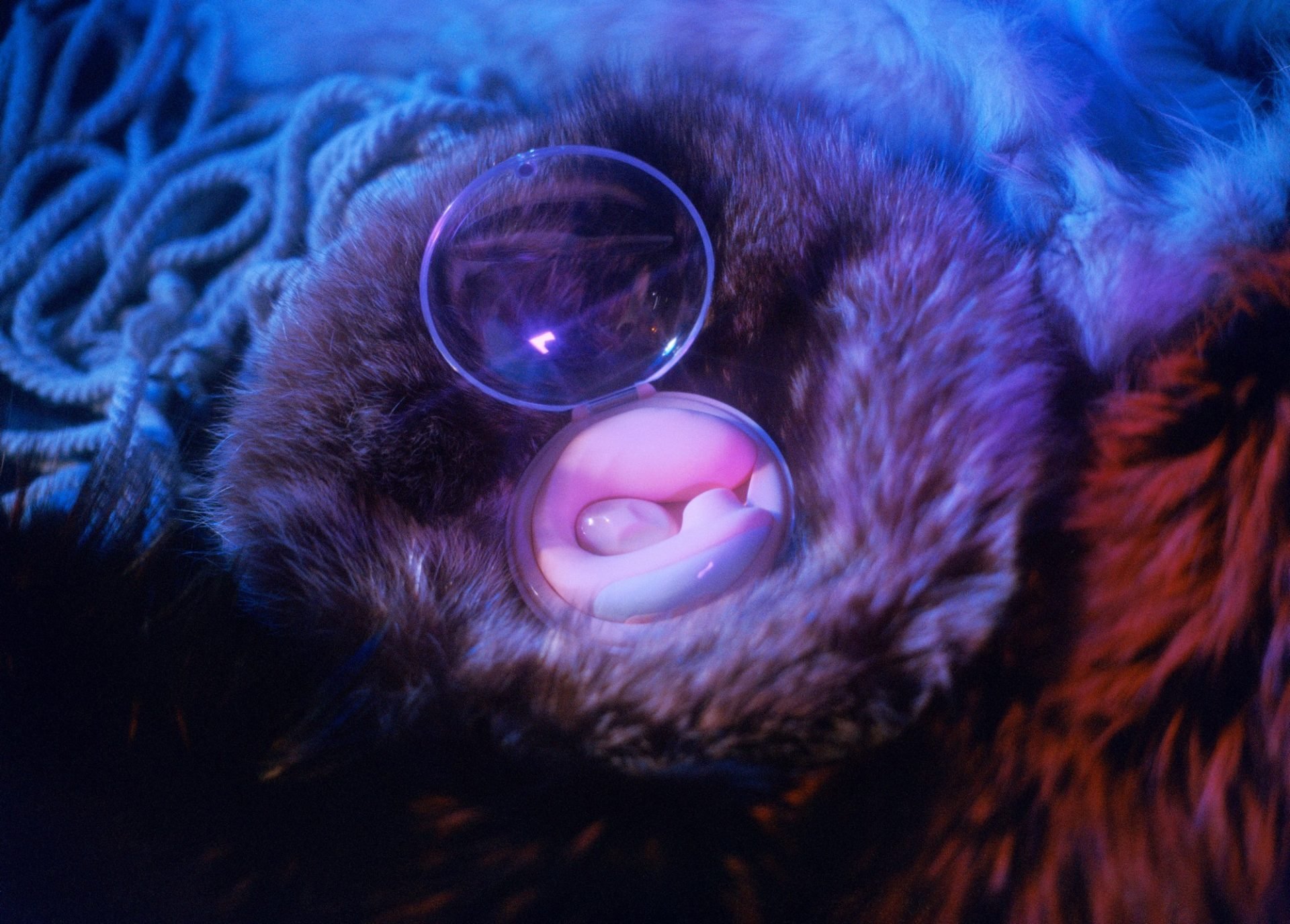
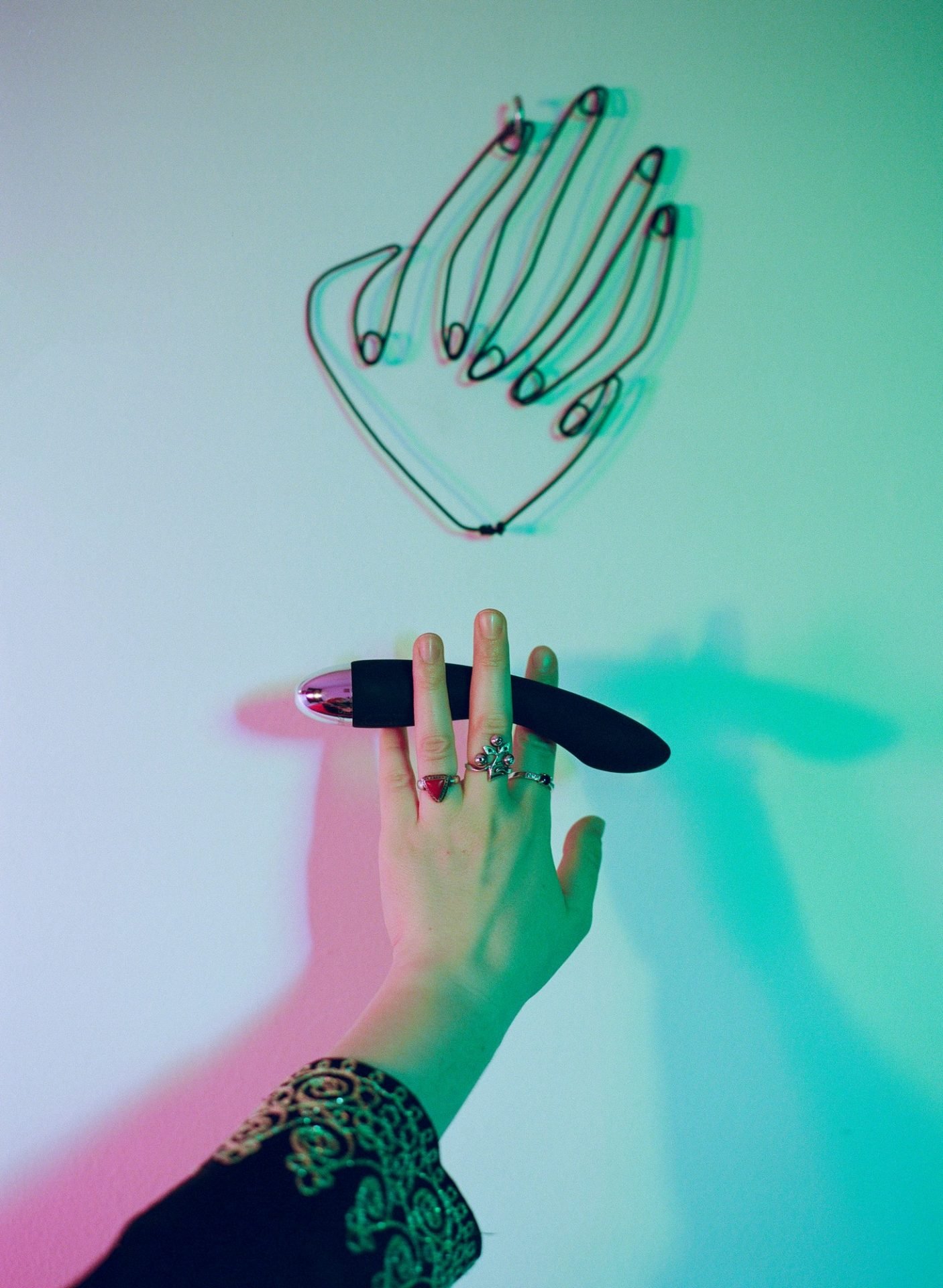
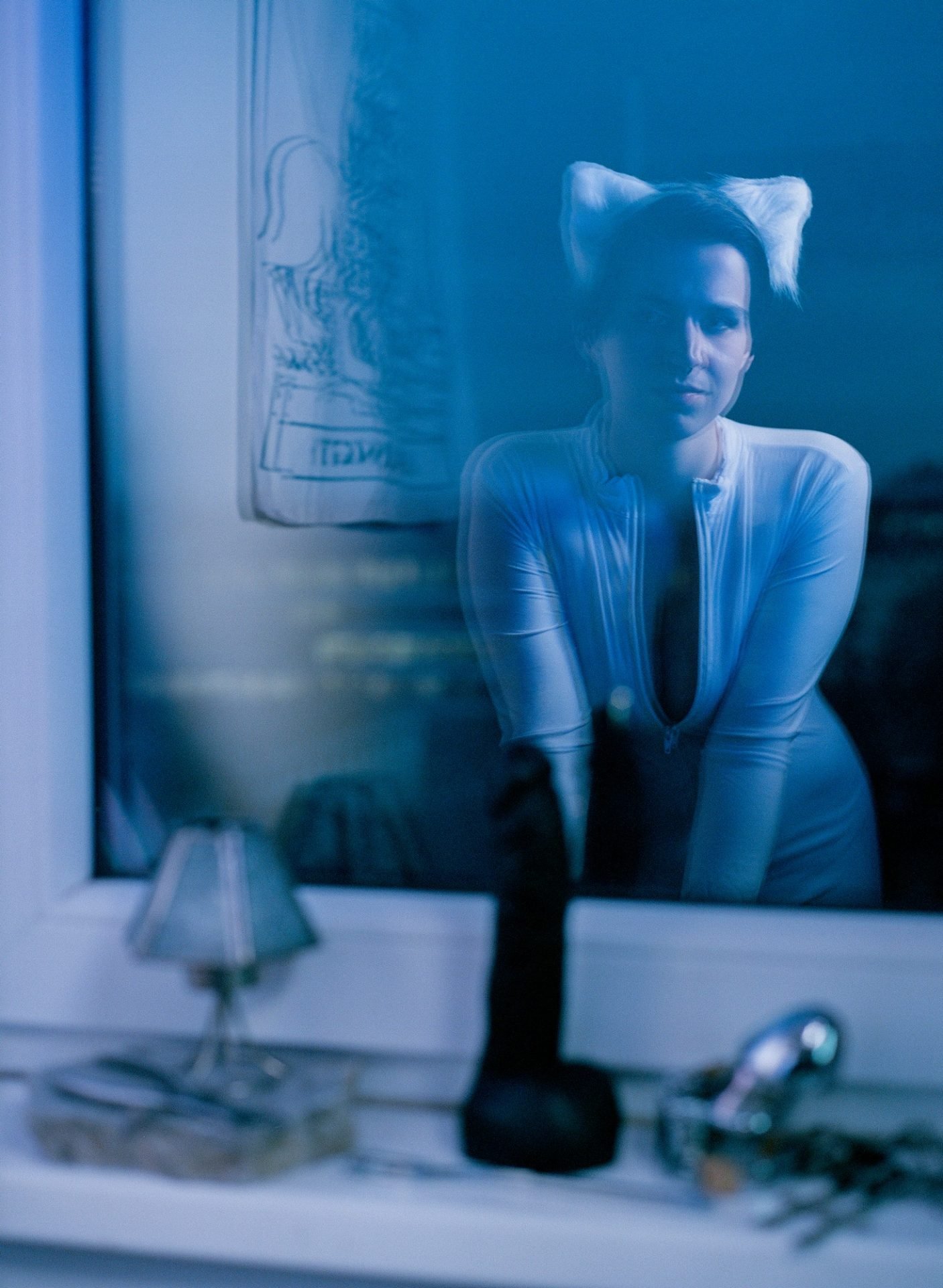
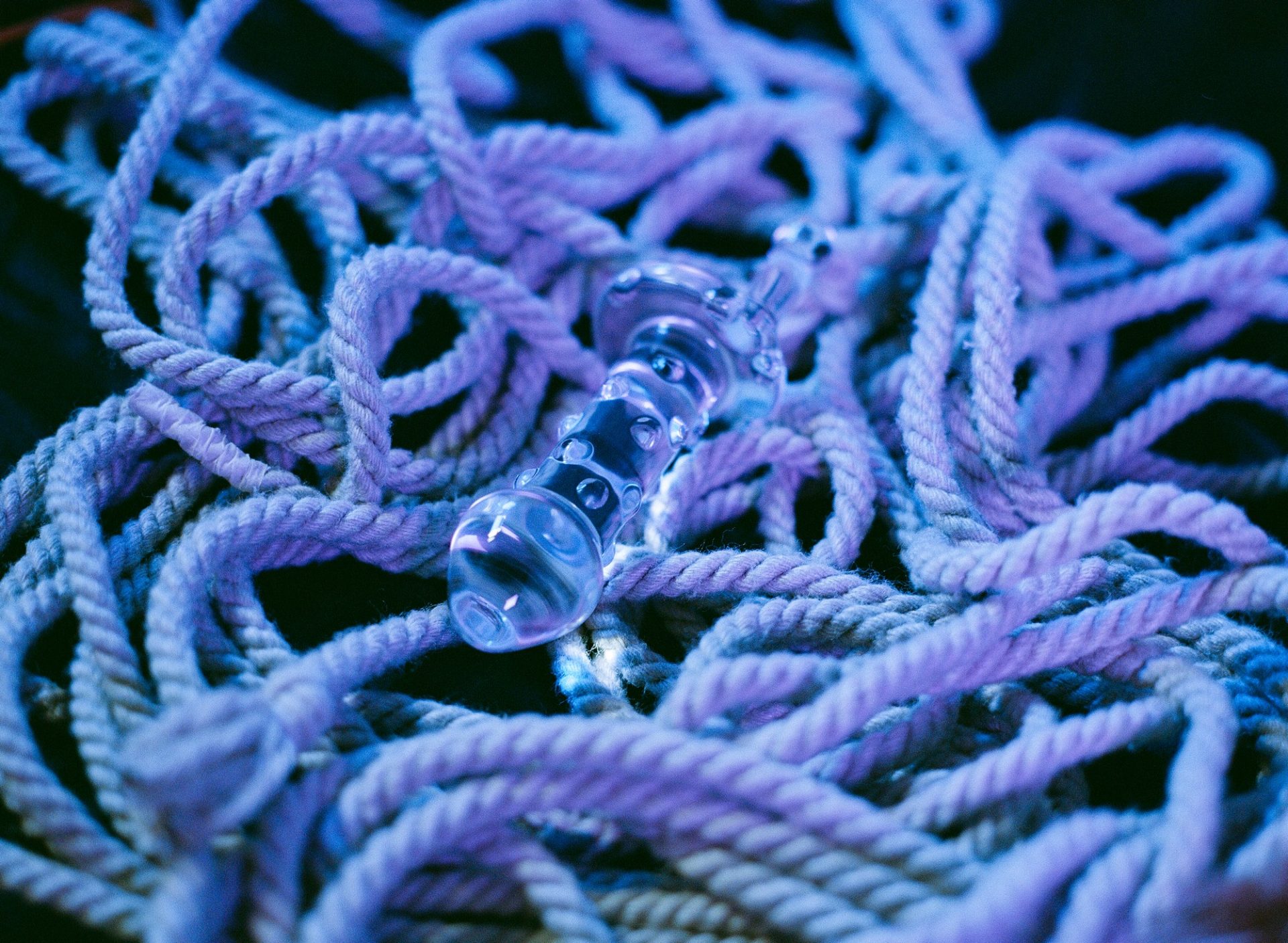
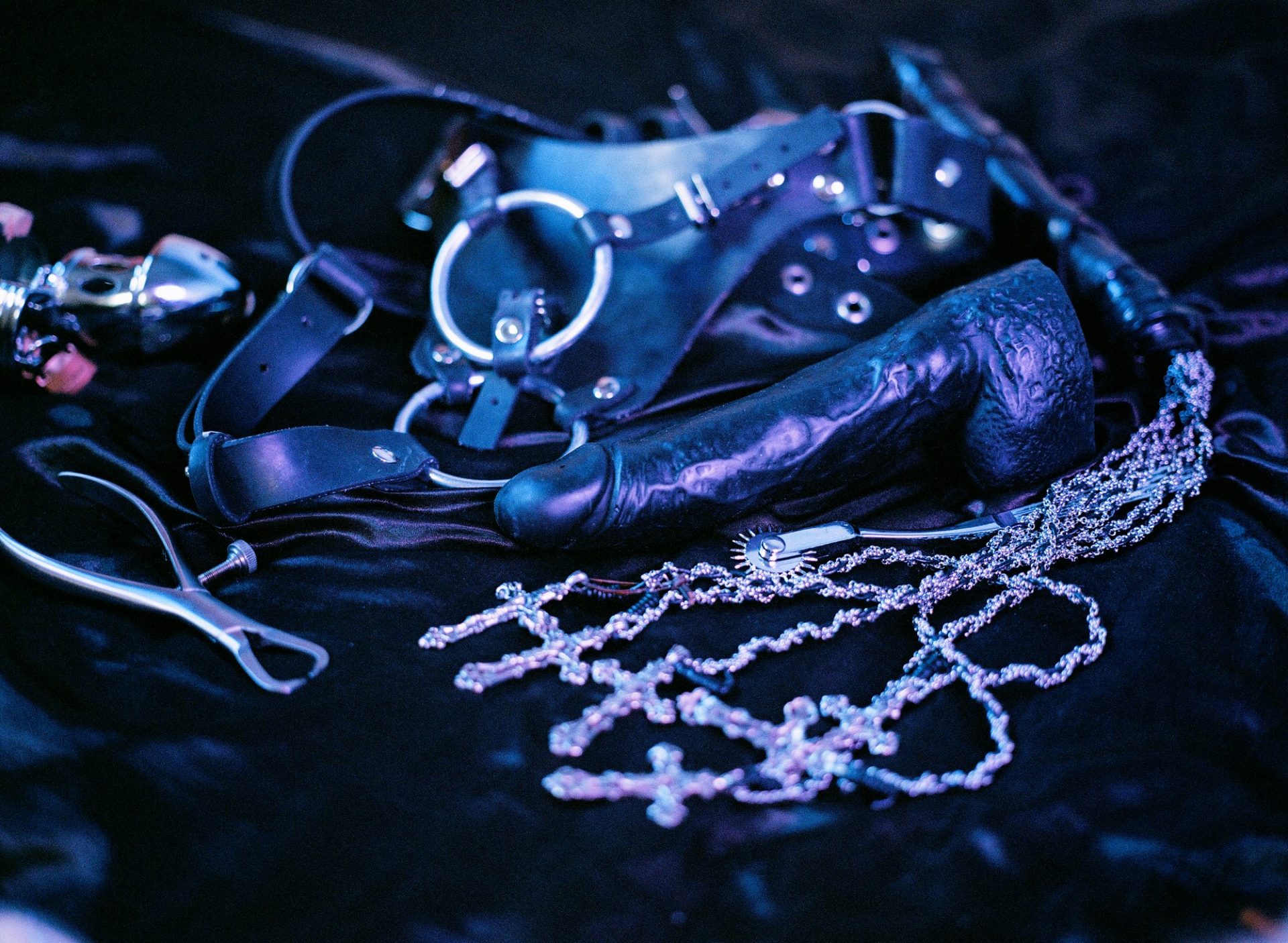
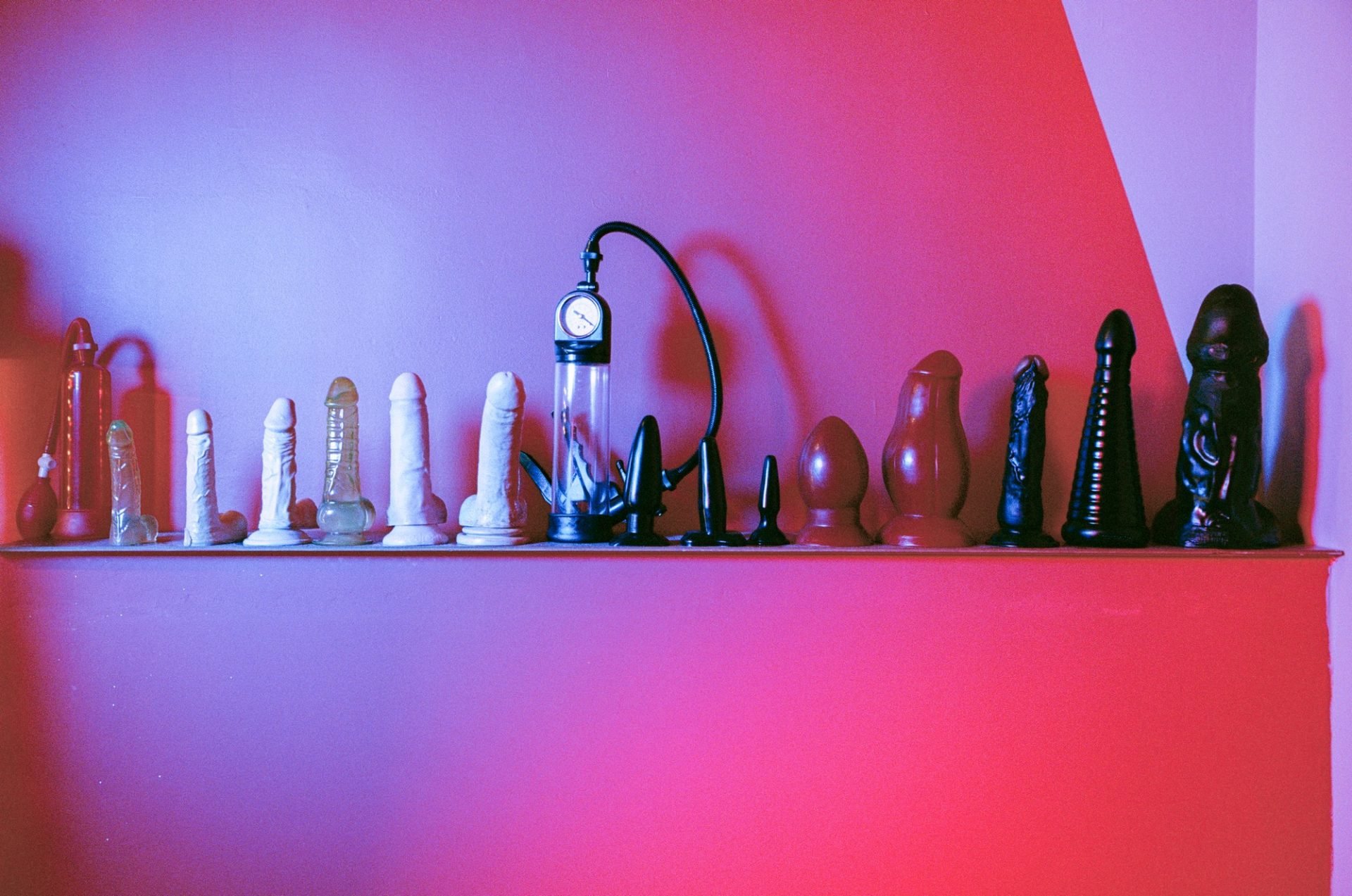
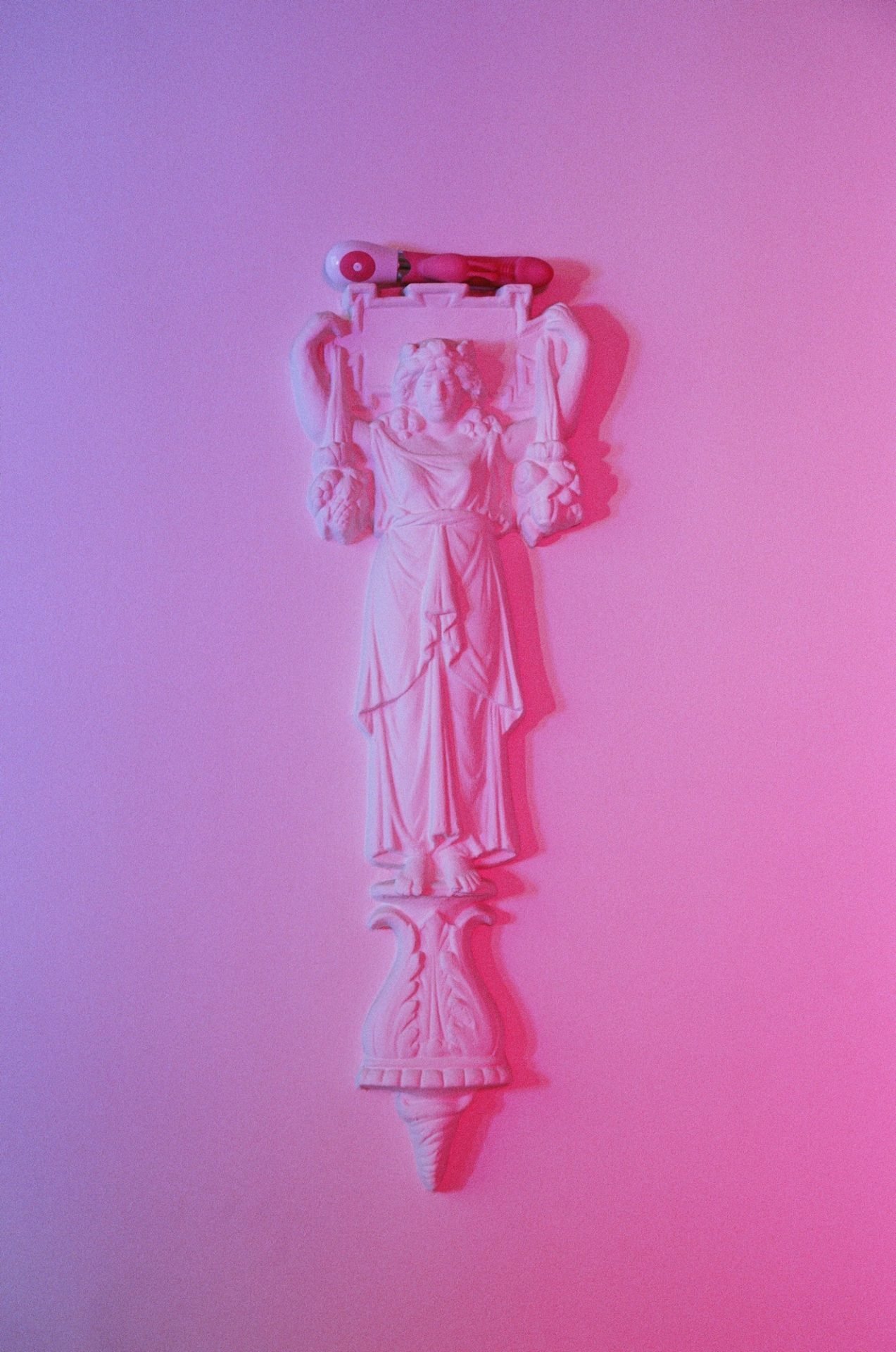
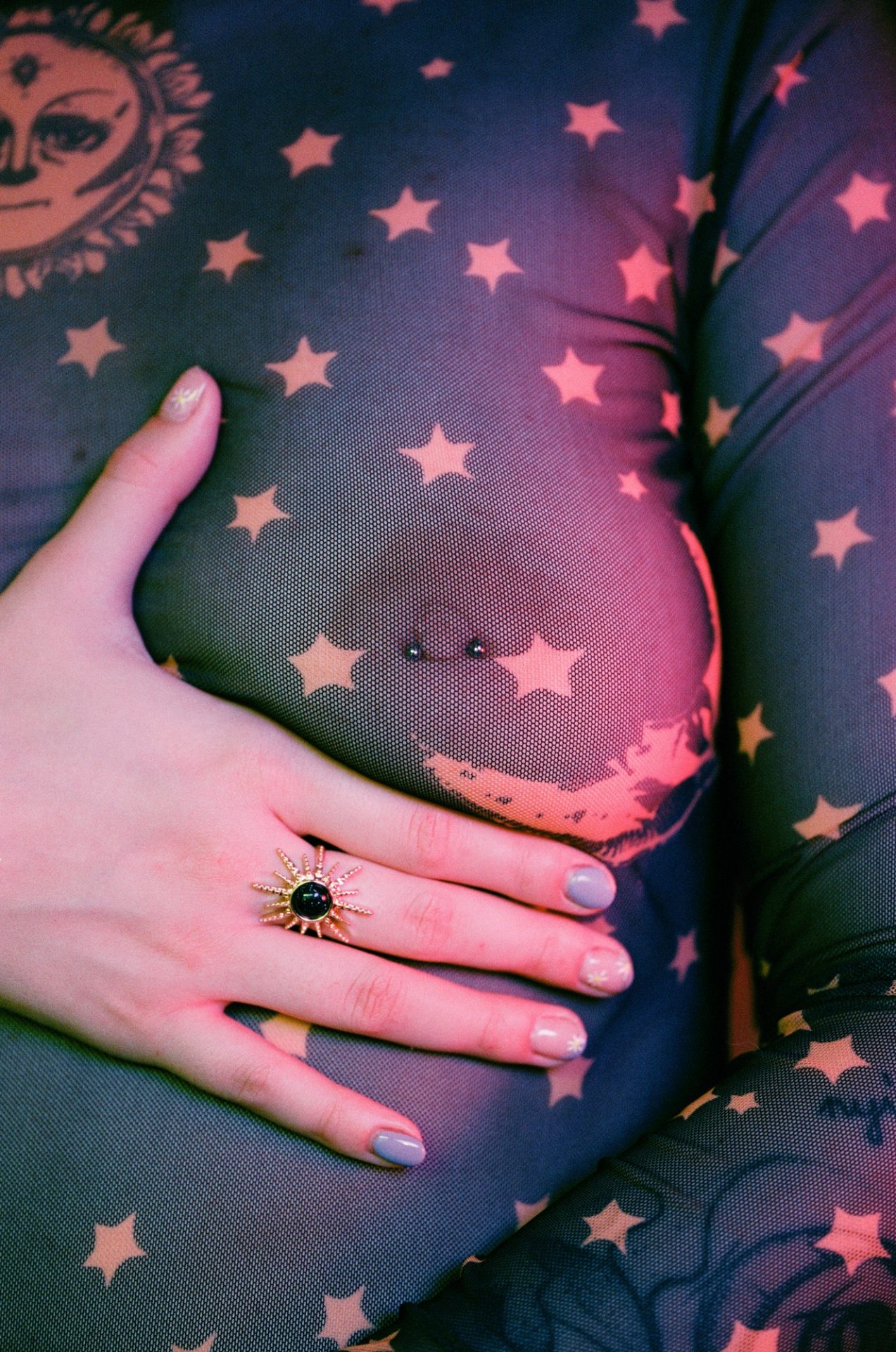
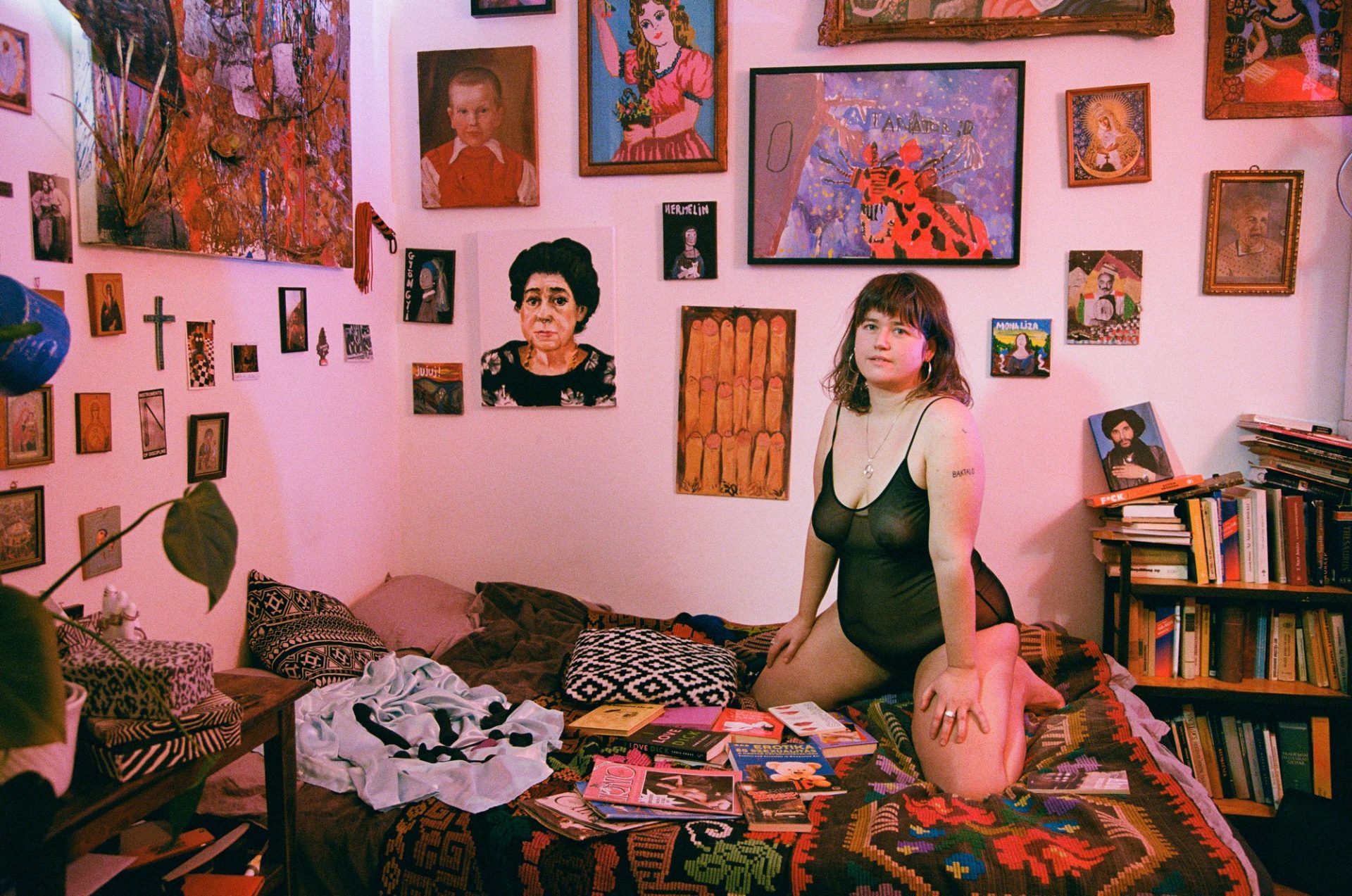
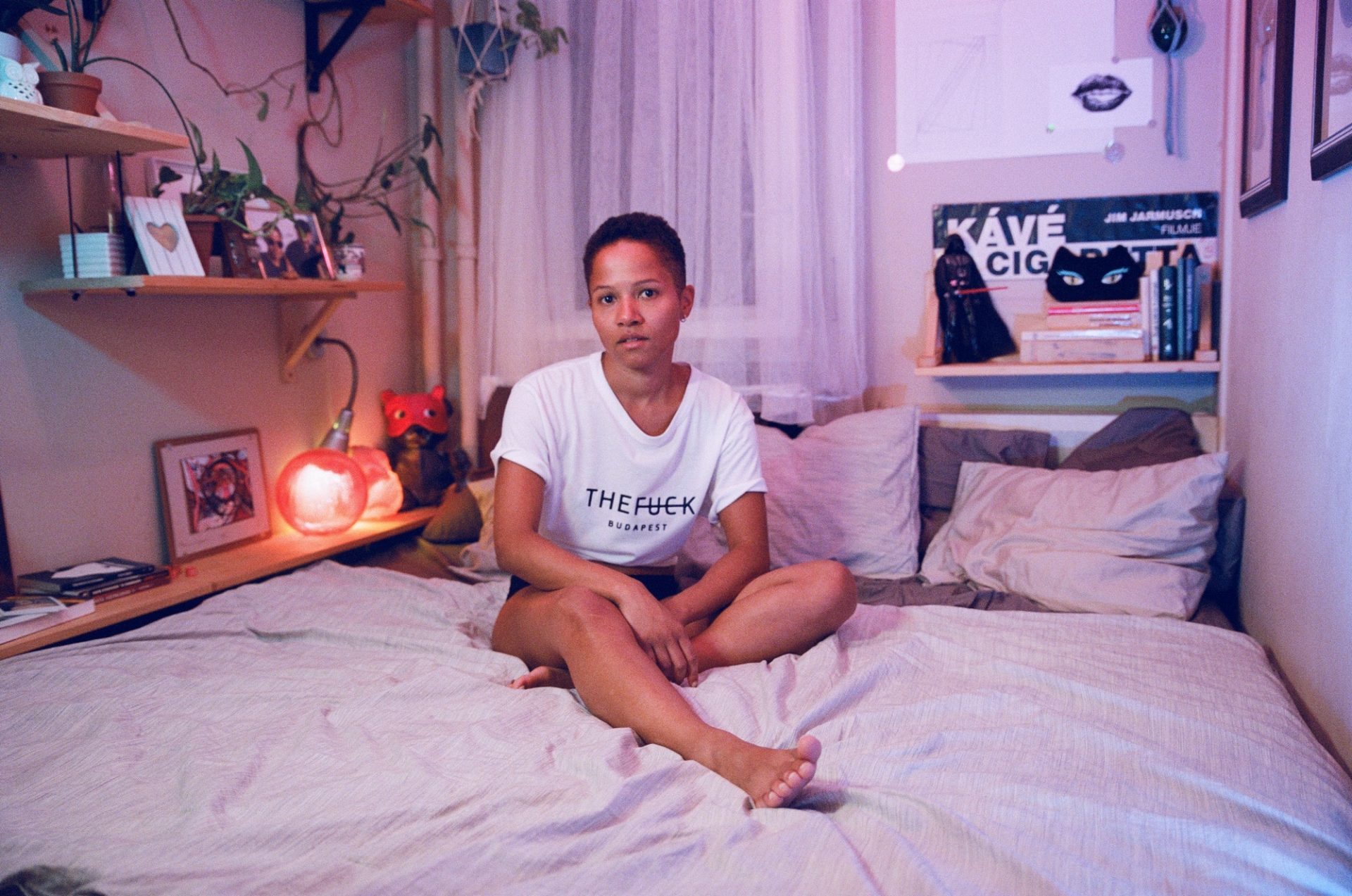
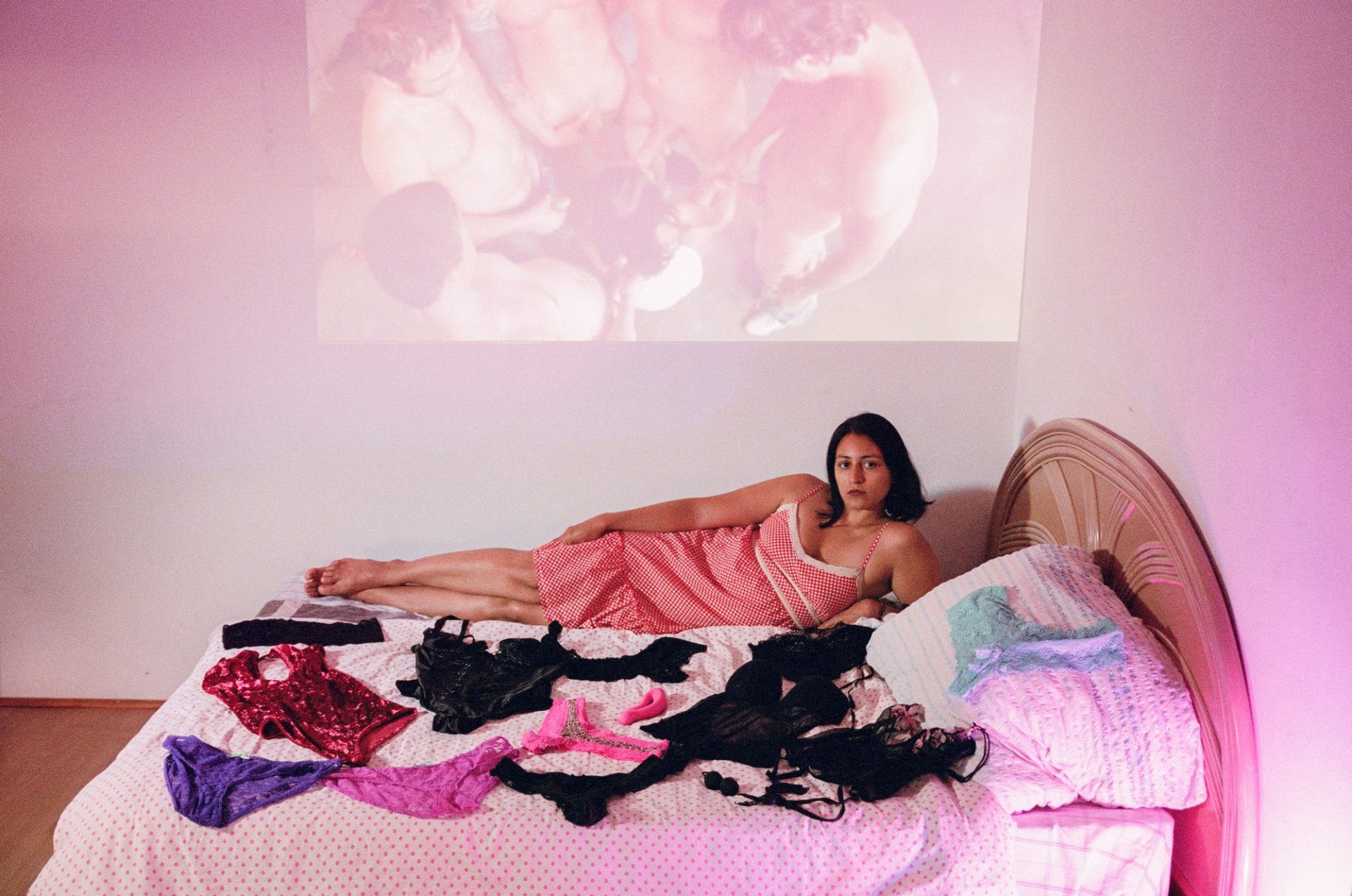
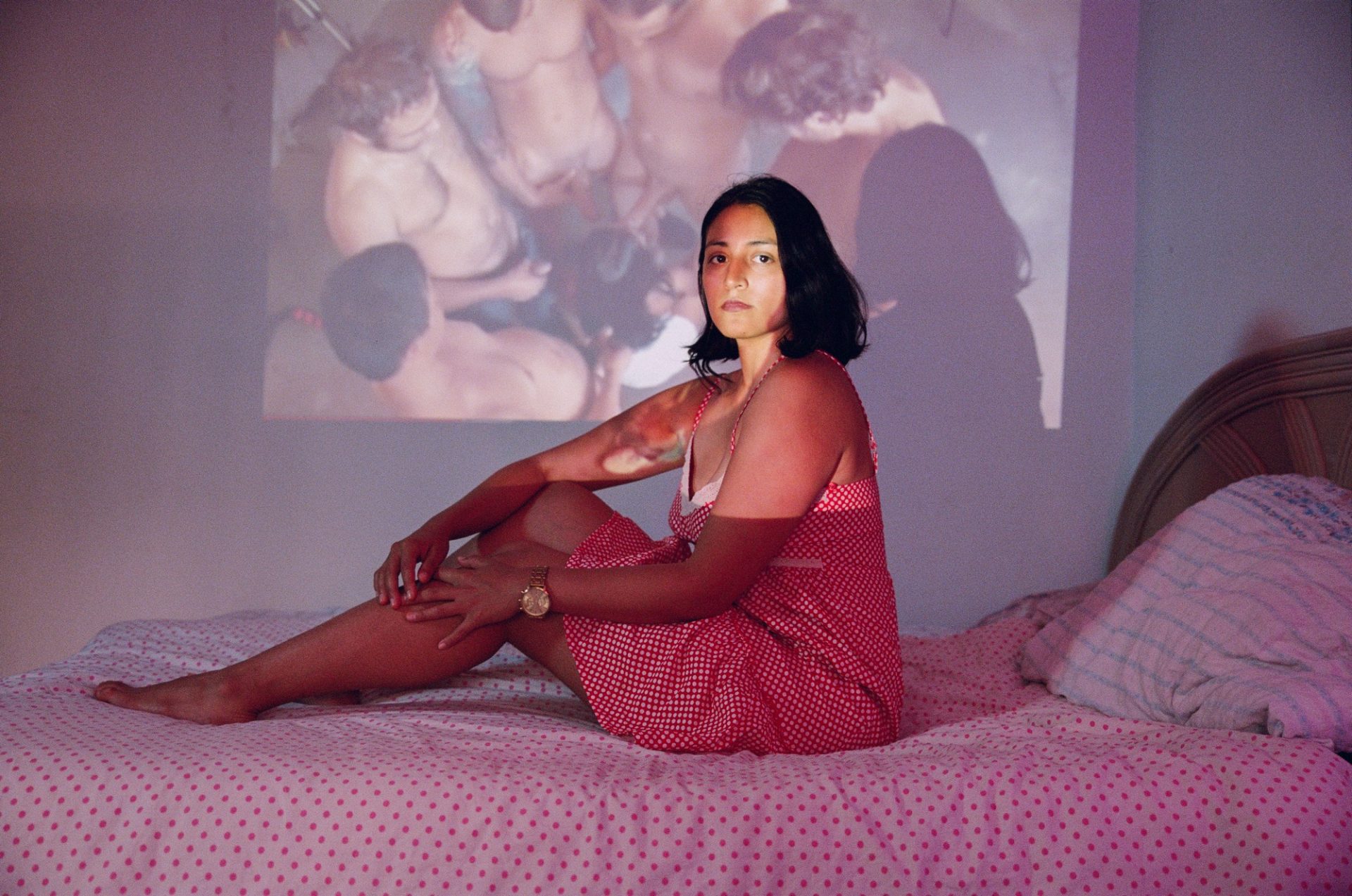
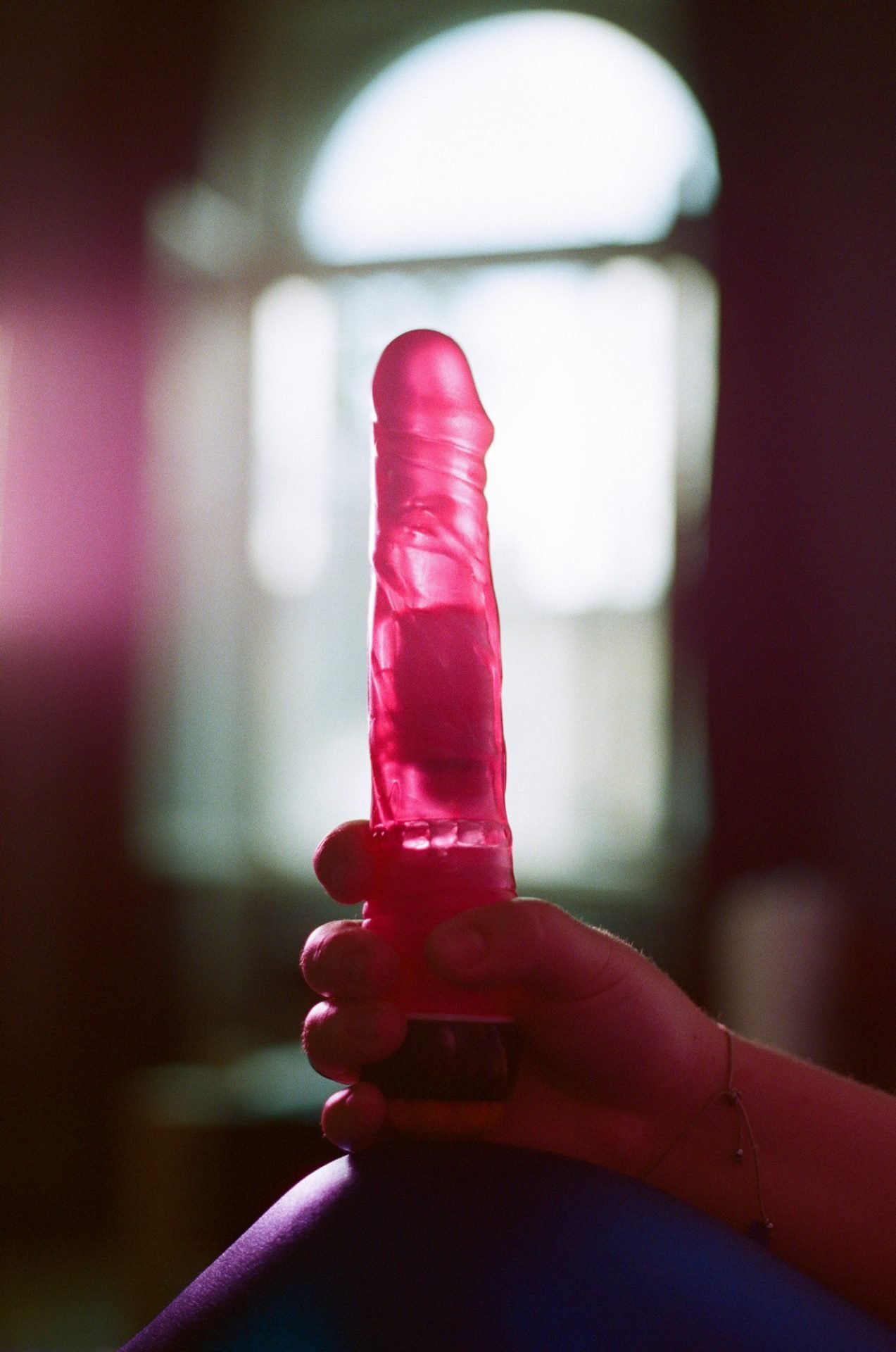
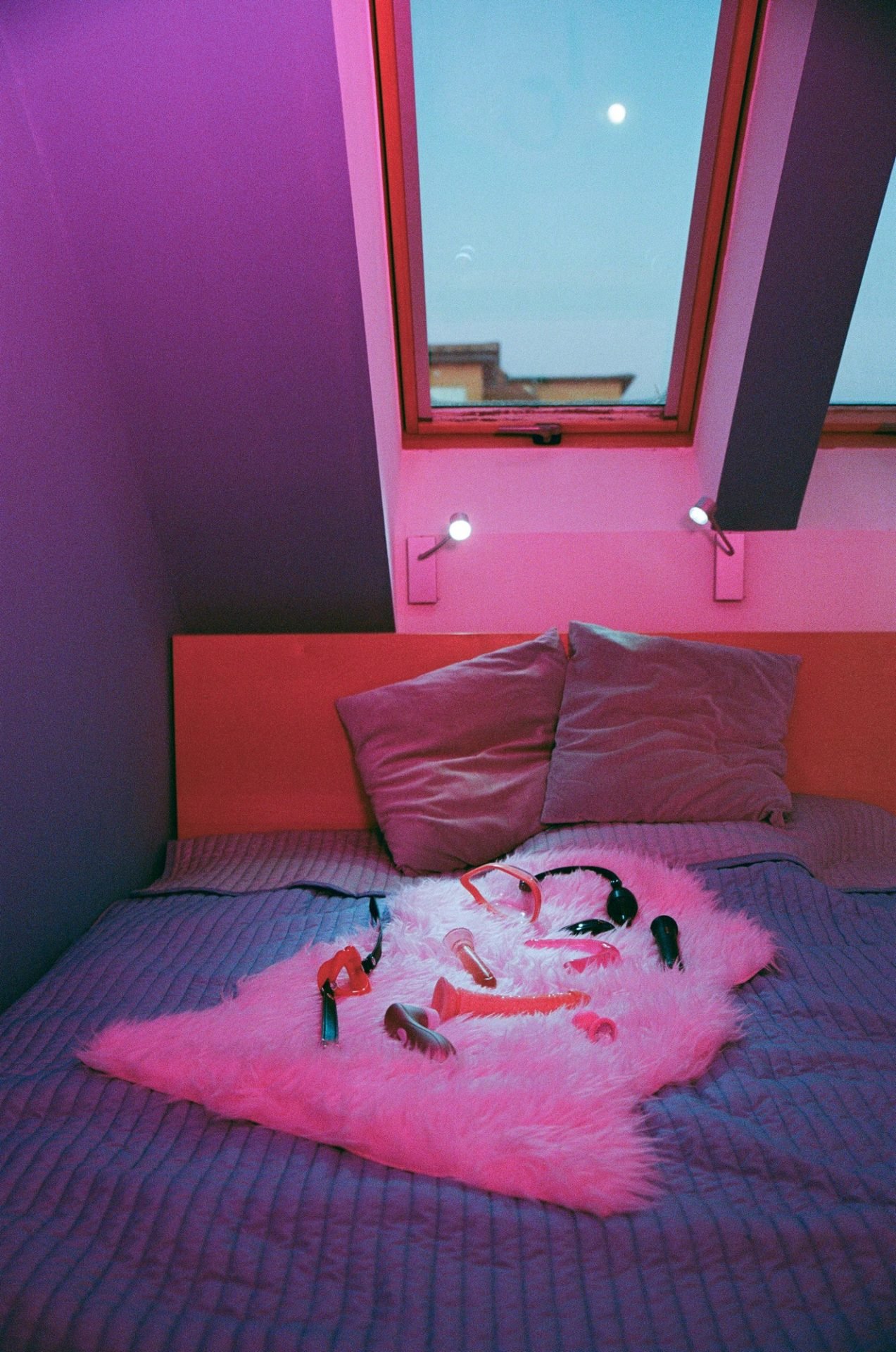
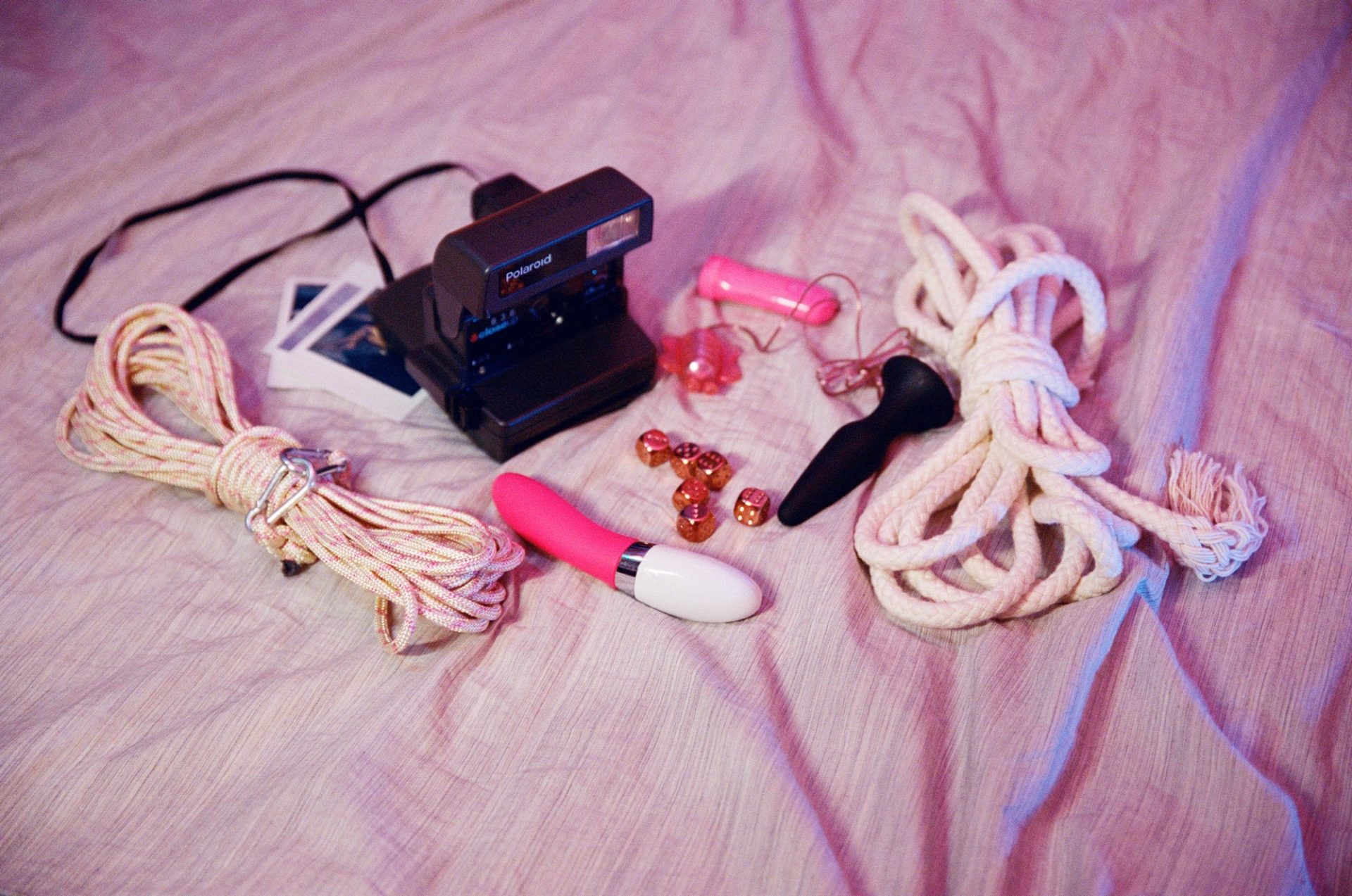
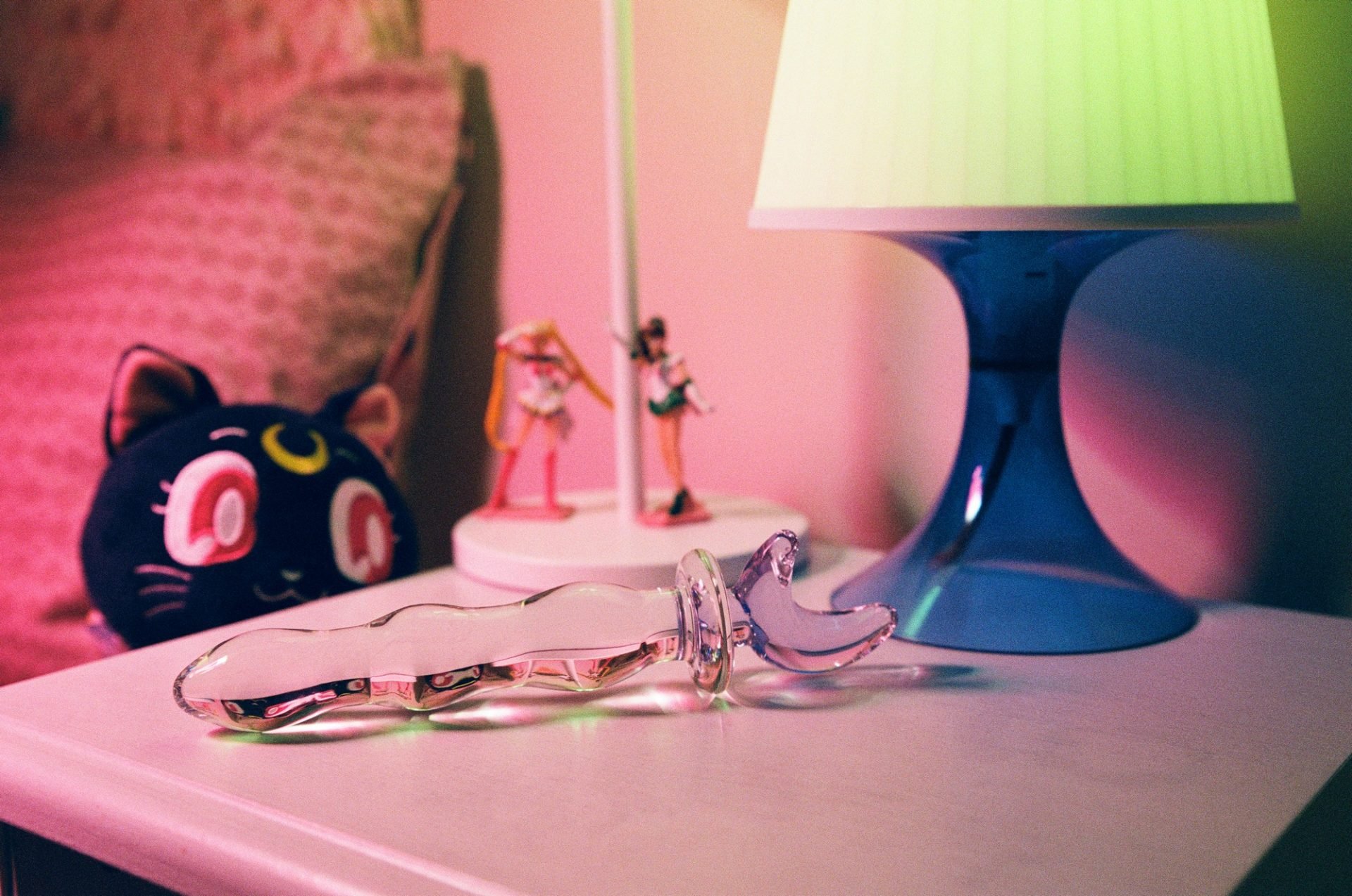
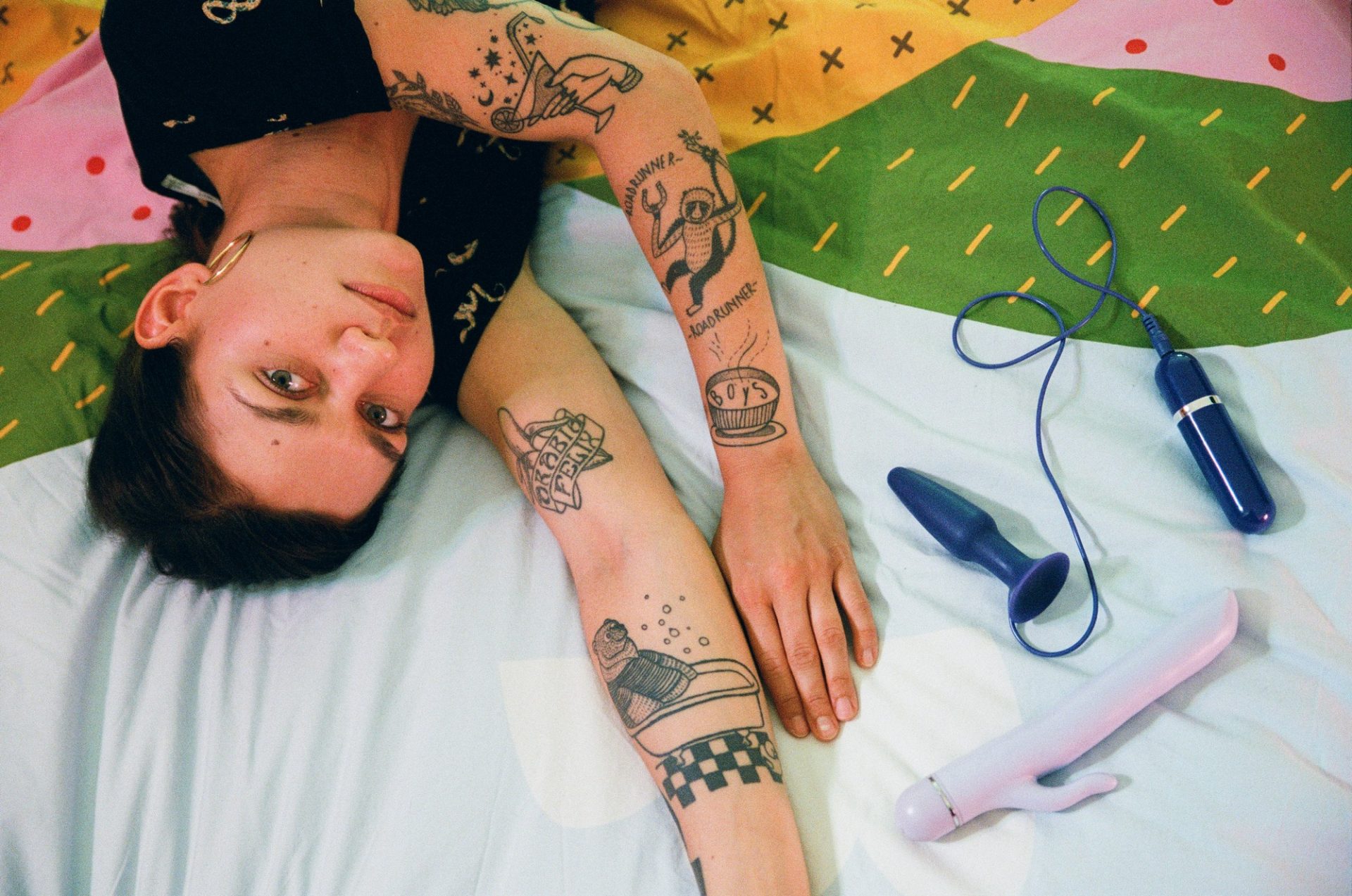
I was 29 when I bought my first ever vibrator. The fantasies of such an object had always excited me but I was too shy to realize them. In my serious relationship I overcame that obstacle. I played alone, we played together, I started to open up. I photographed, posted and even exhibited said first vibrator. I was terrified of what other people would think but my world didn’t turn upside down after all.
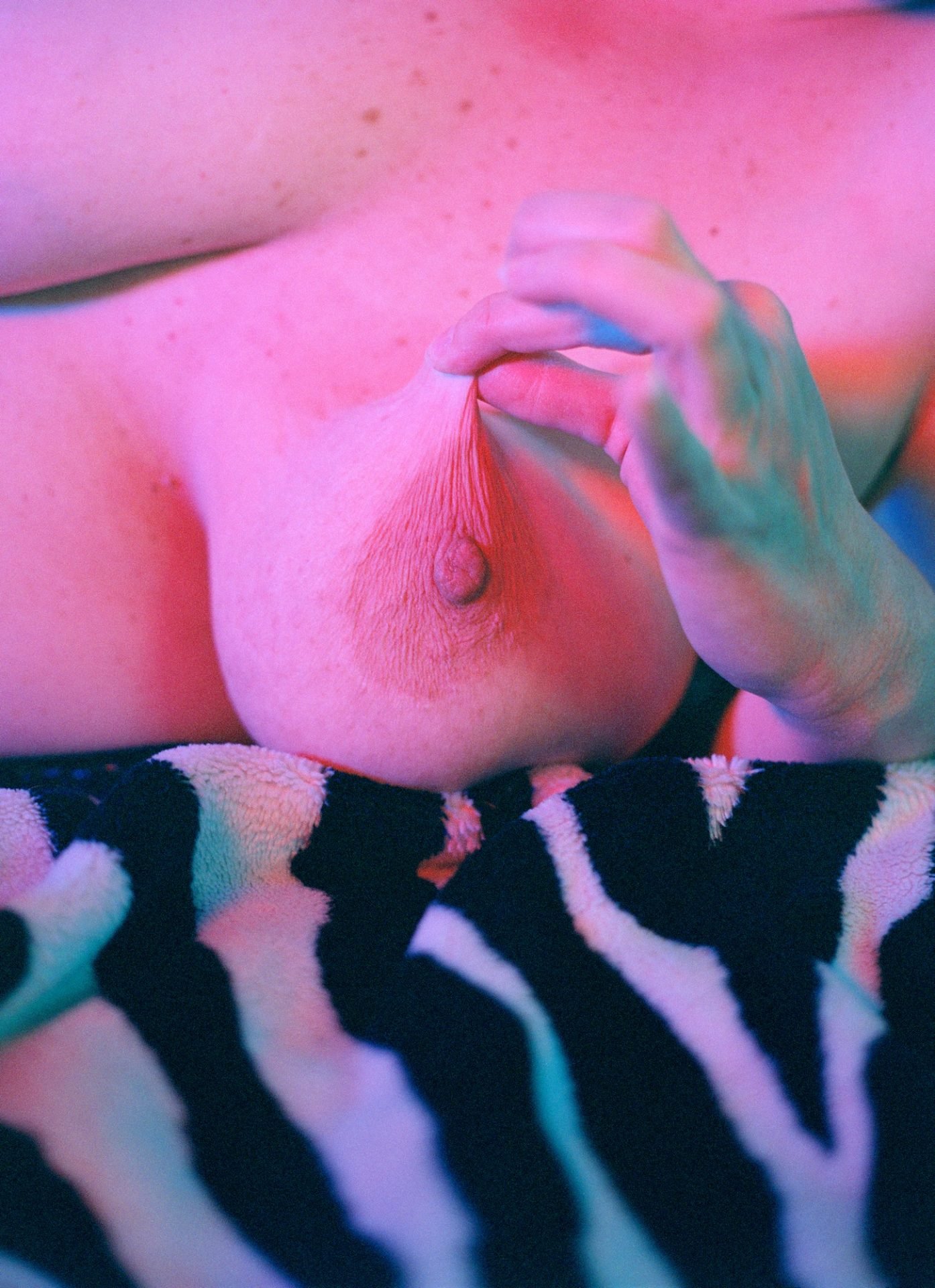
In my whole life I’ve been more interested in sexuality than I’ve admitted to myself. I believed it was bad manners for girls to be interested in it so openly. I believed so, until I’ve met people who would fearlessly talk about sex, masturbation, orgasms, the clitoris, porn and fantasies. It was liberating to belong to this group.
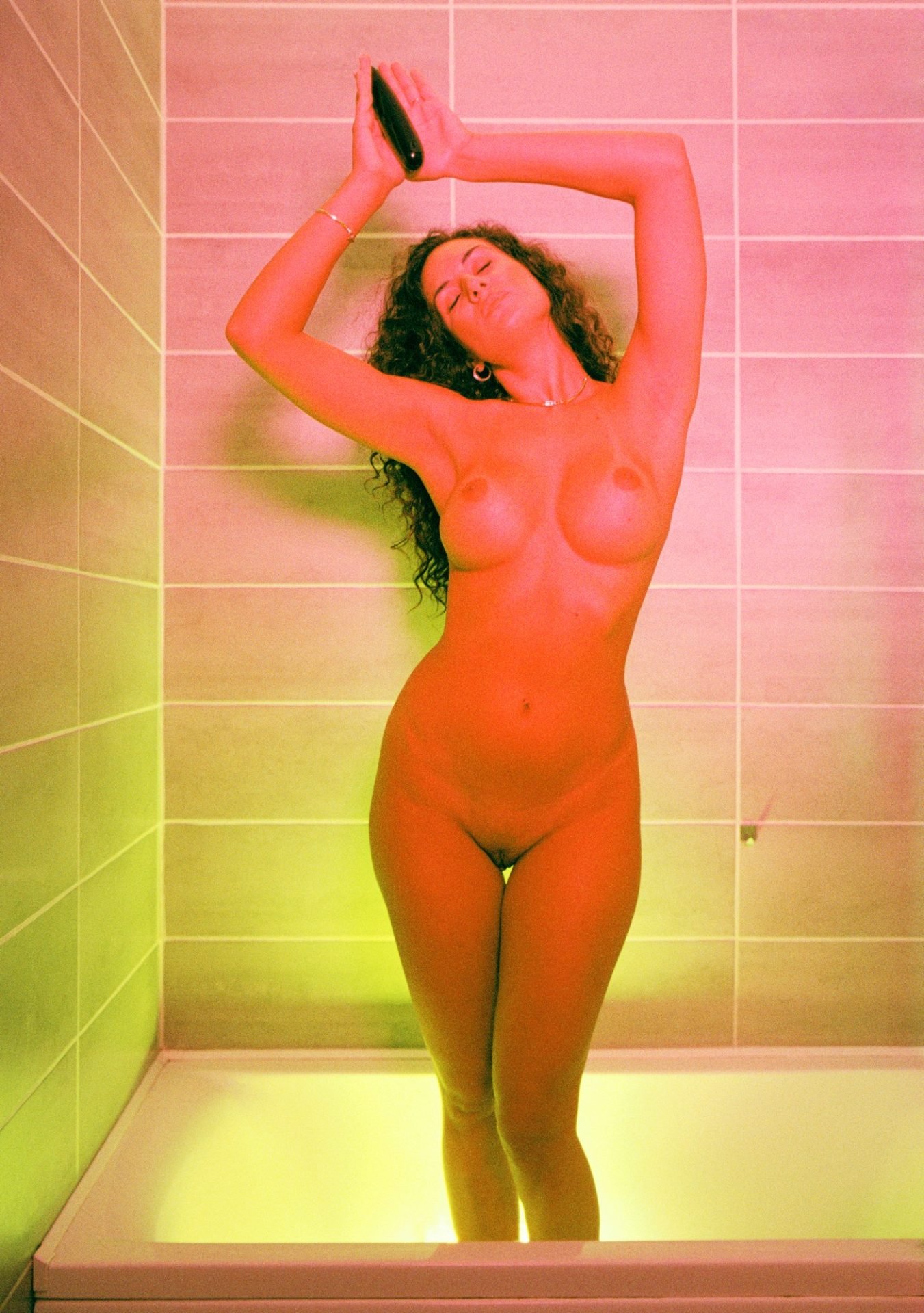
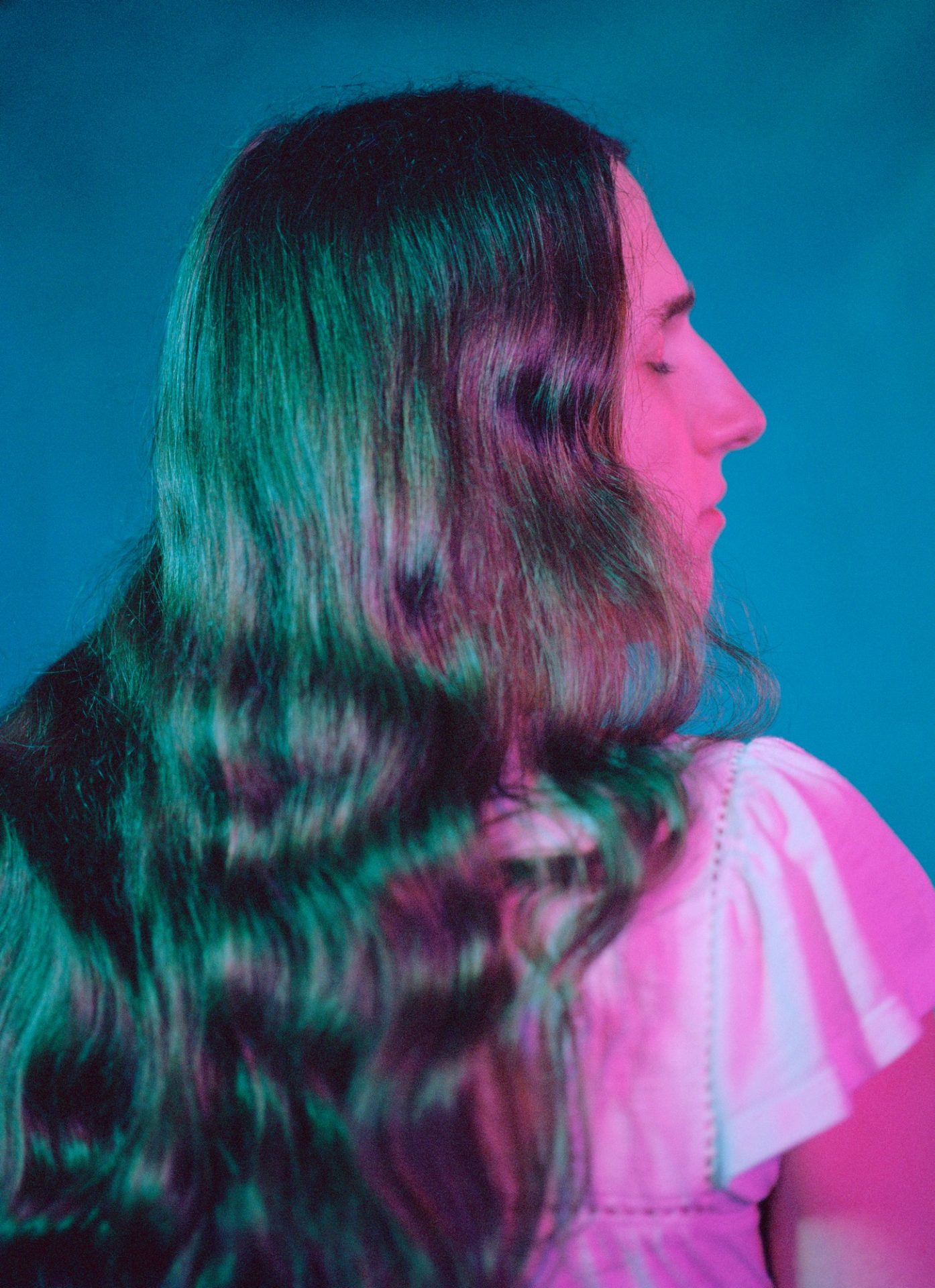
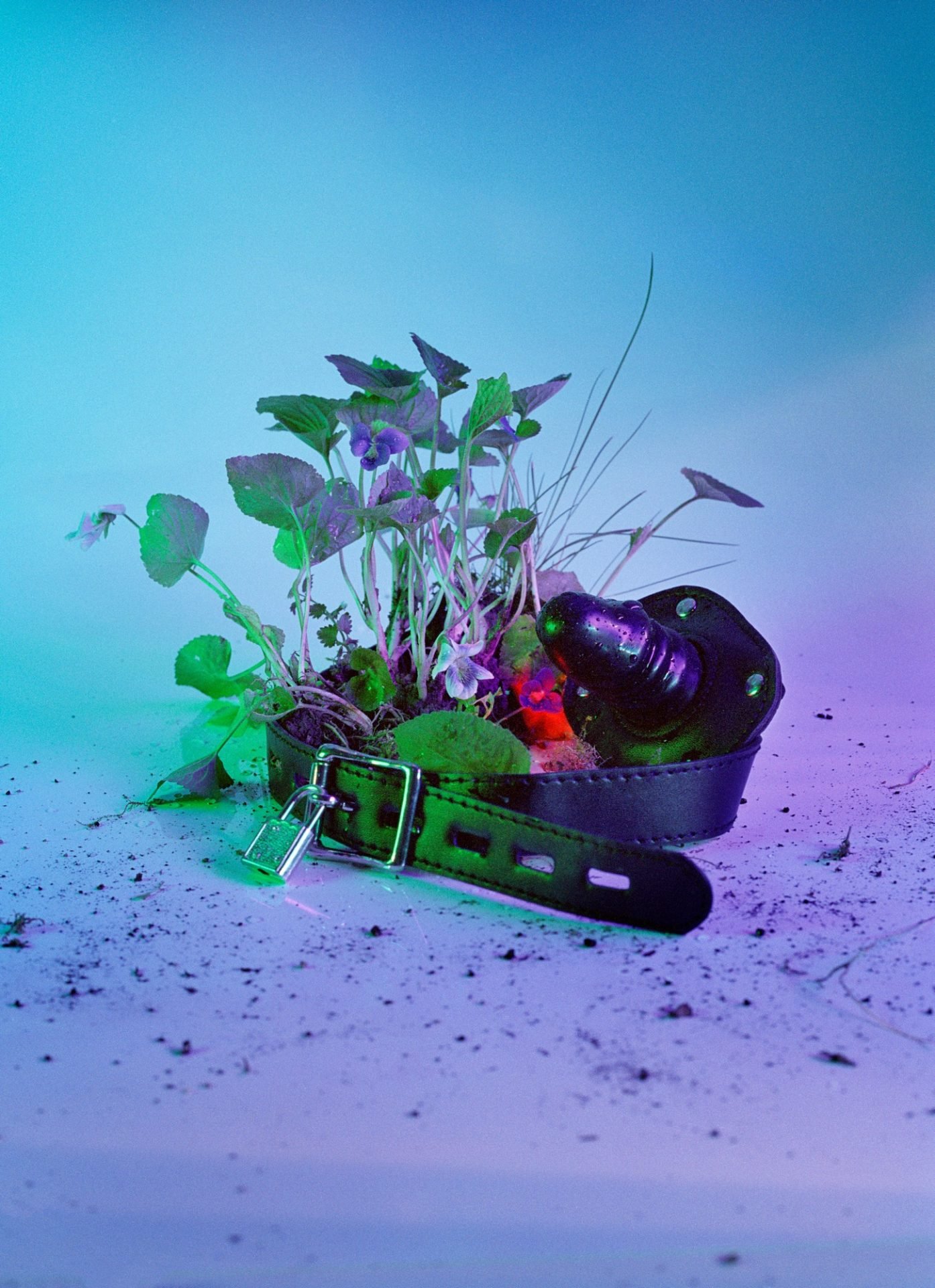
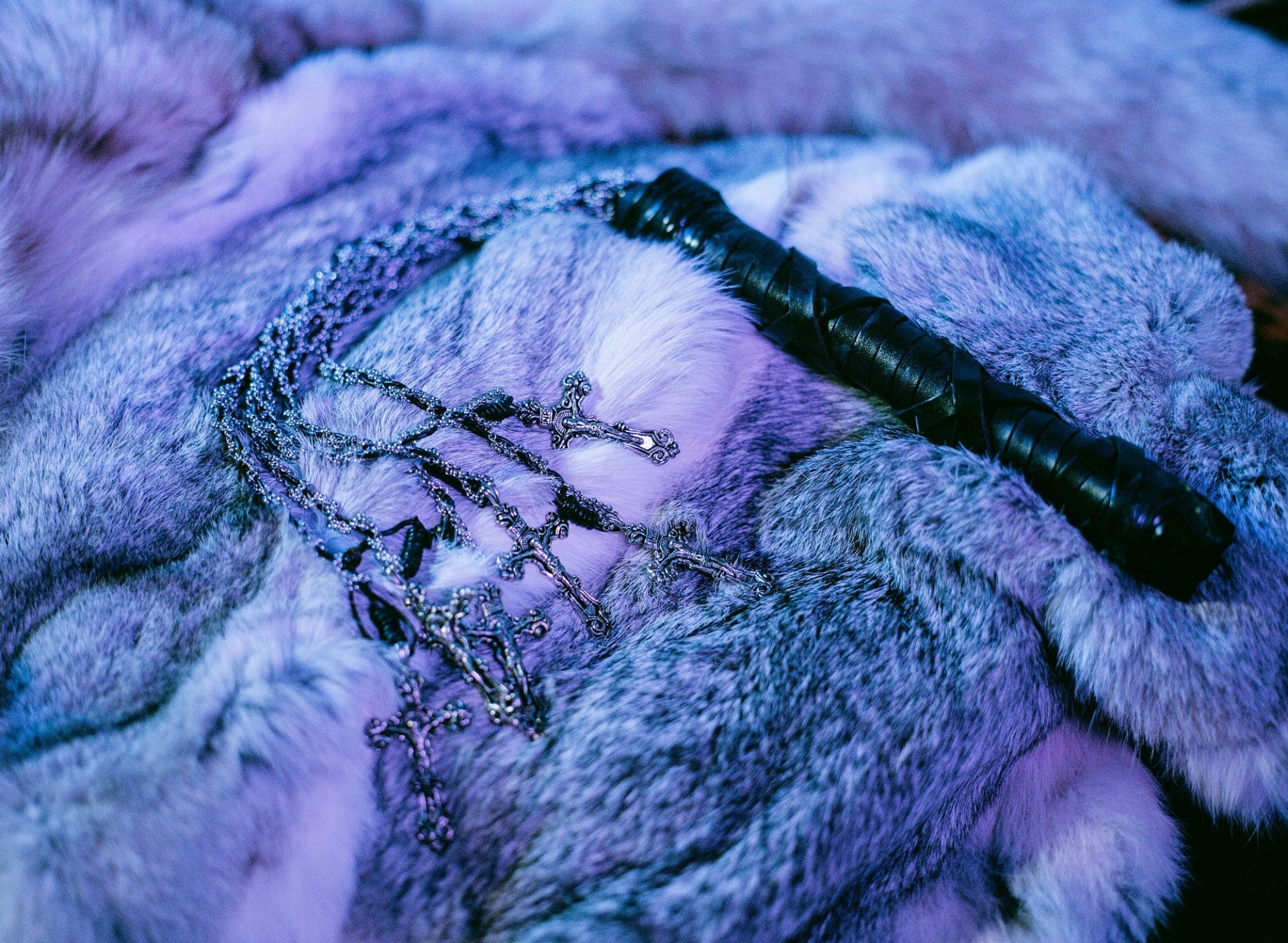
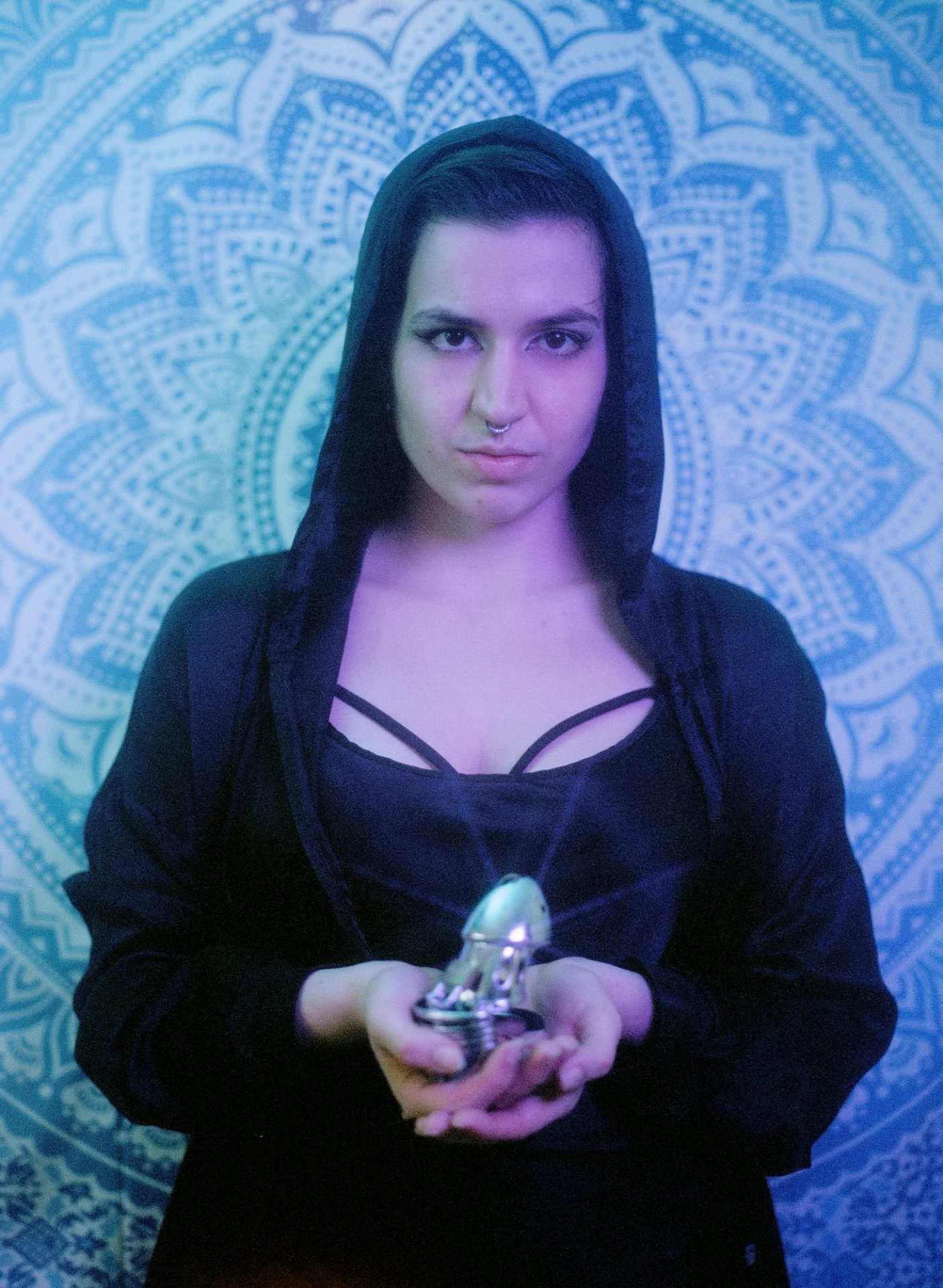
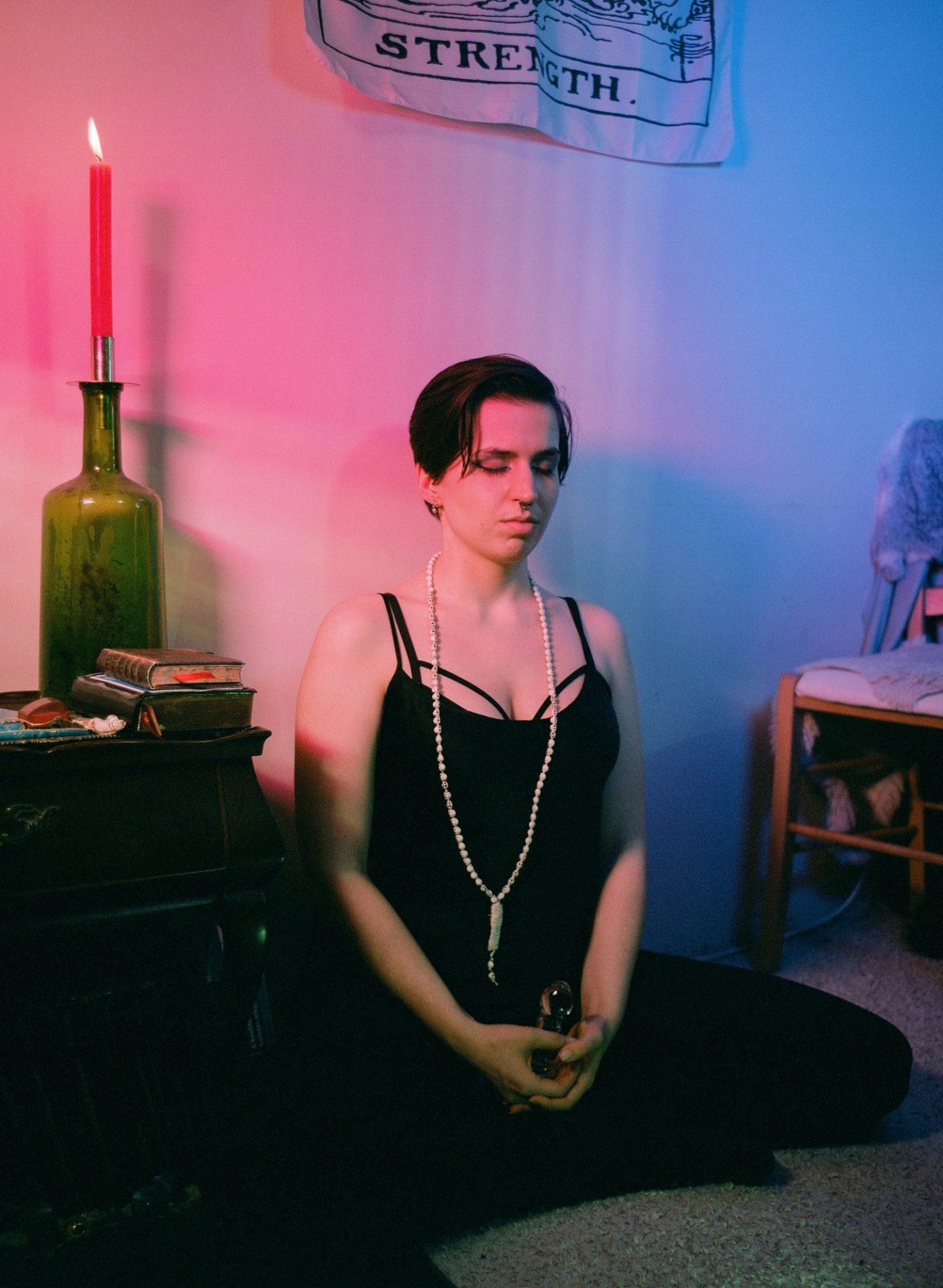
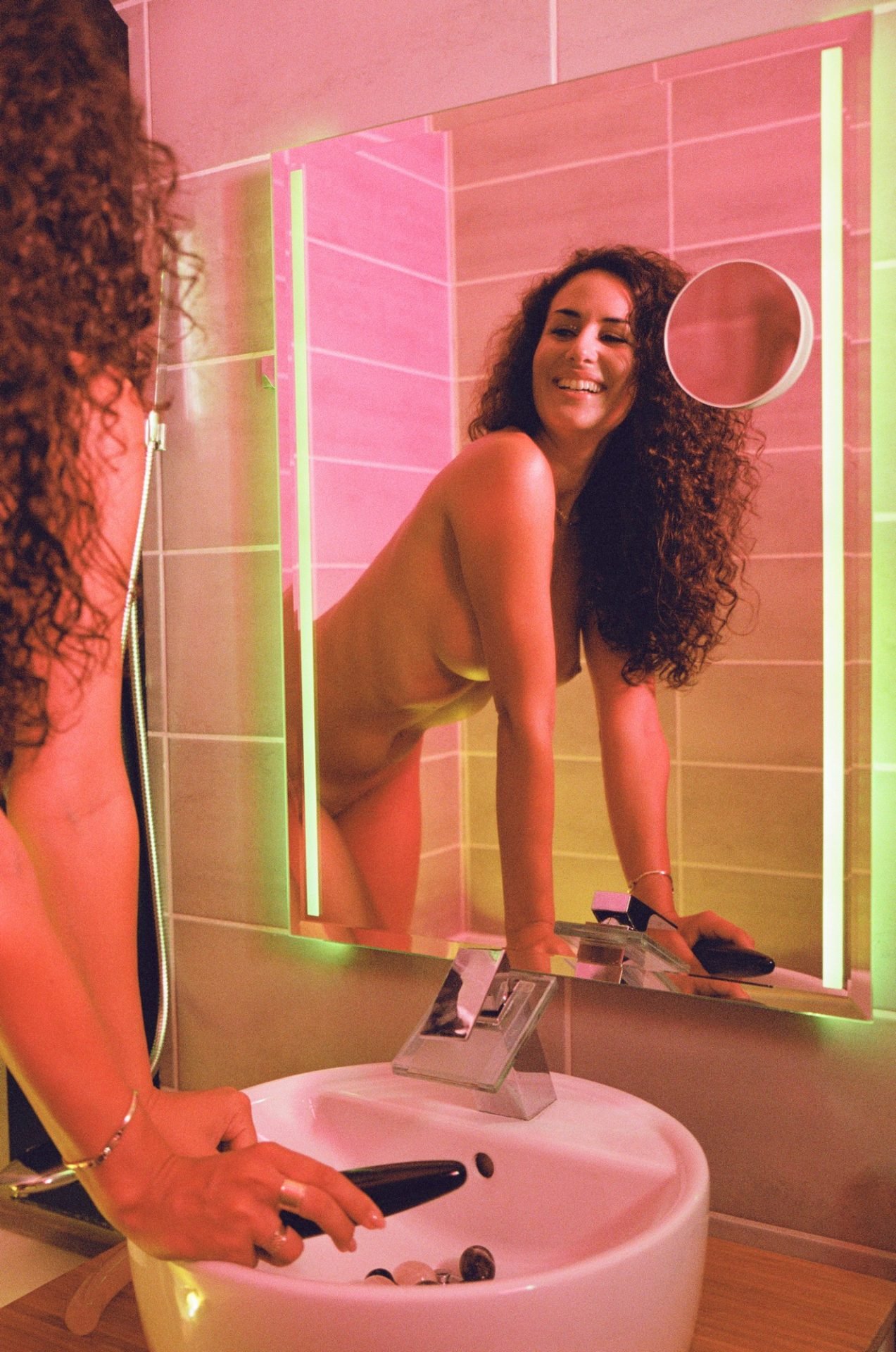
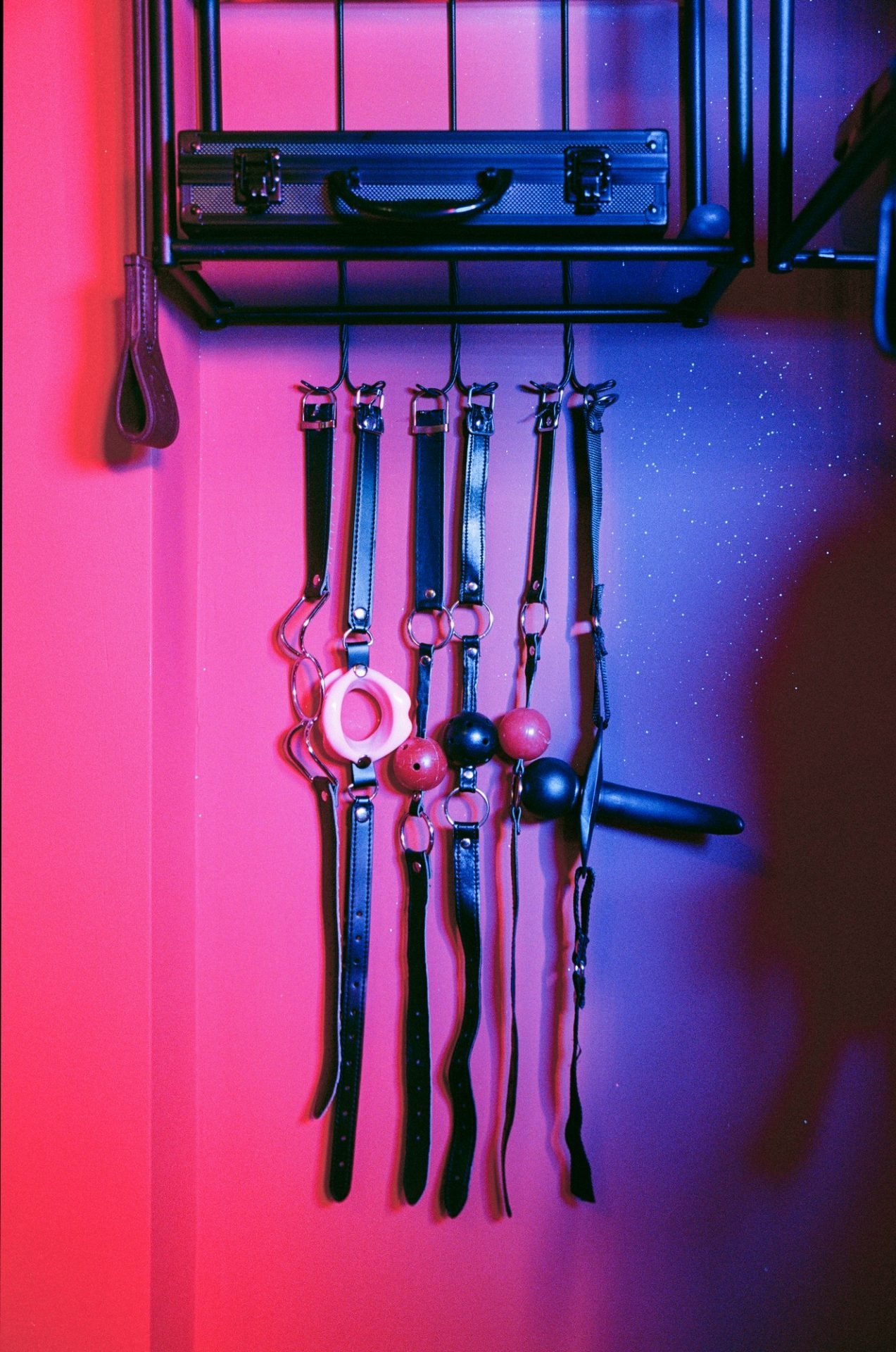
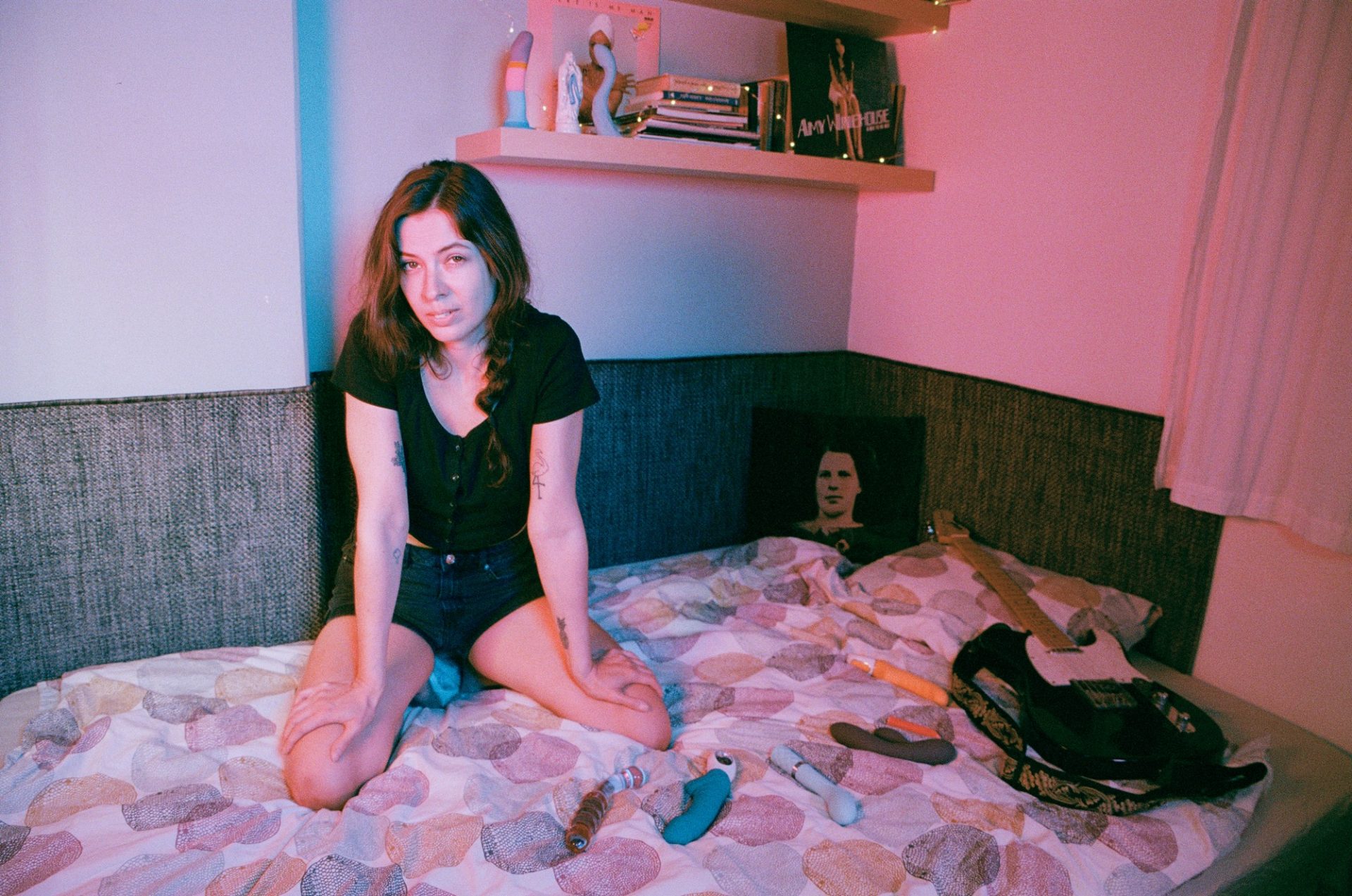
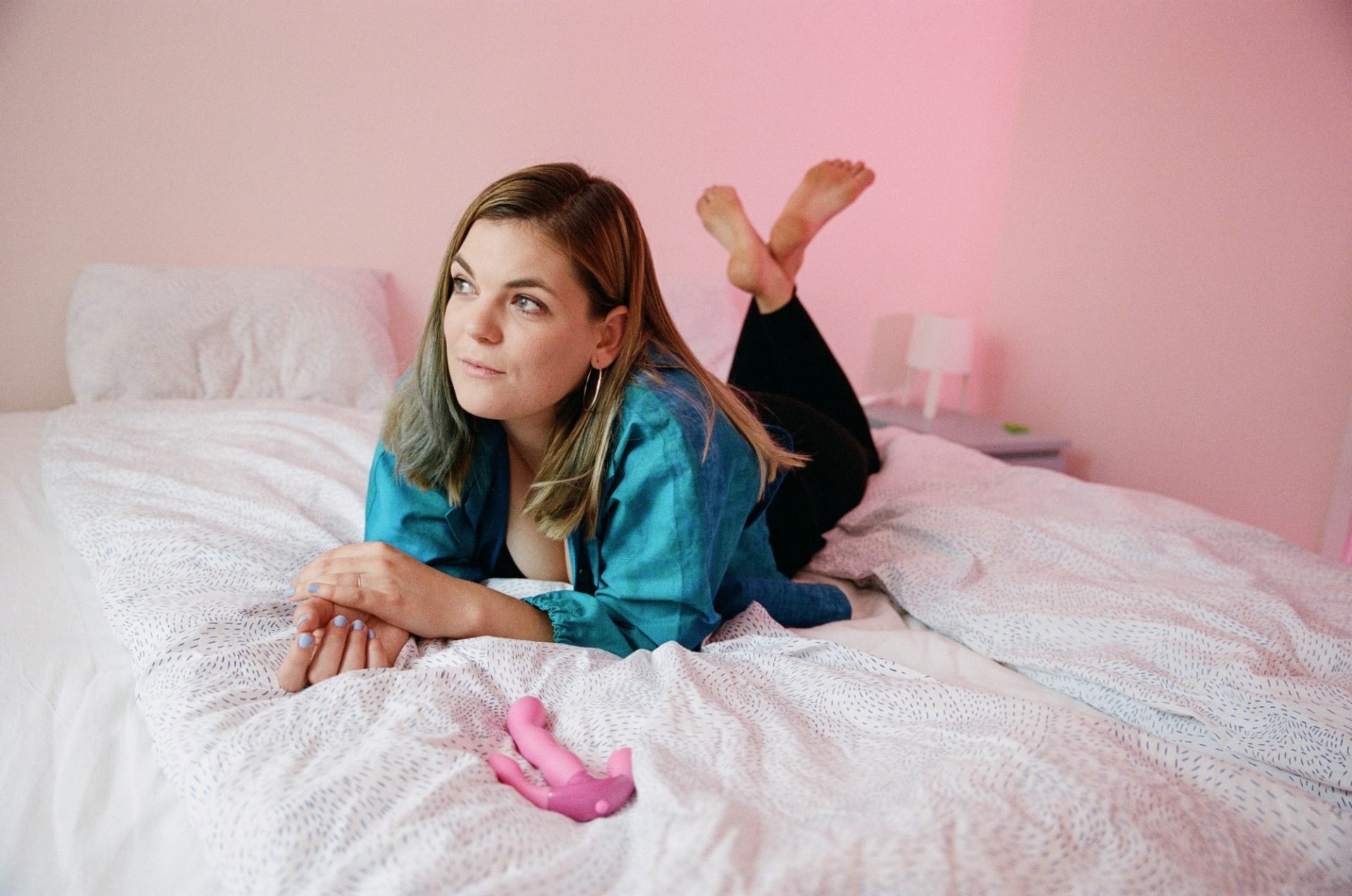
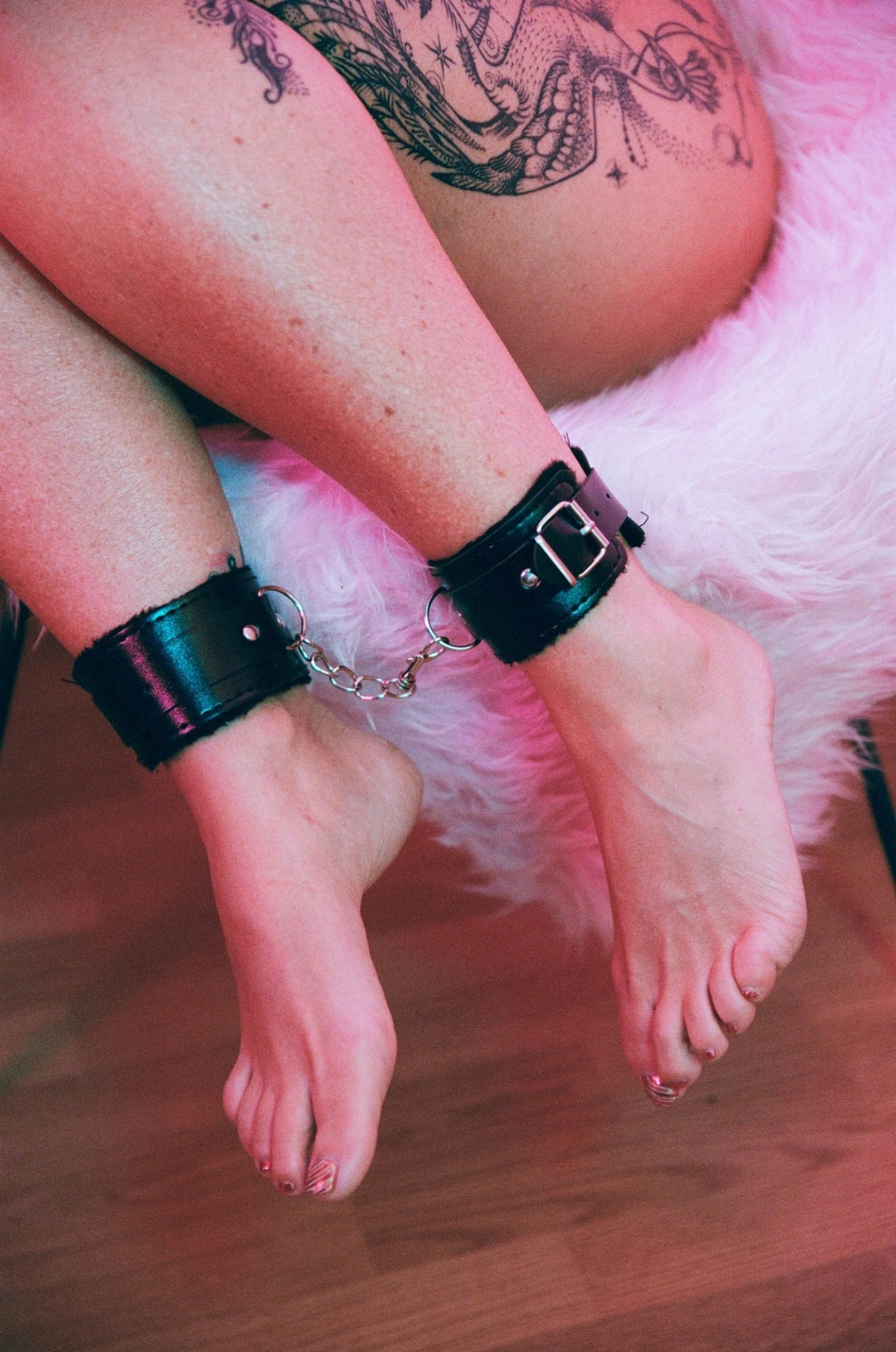
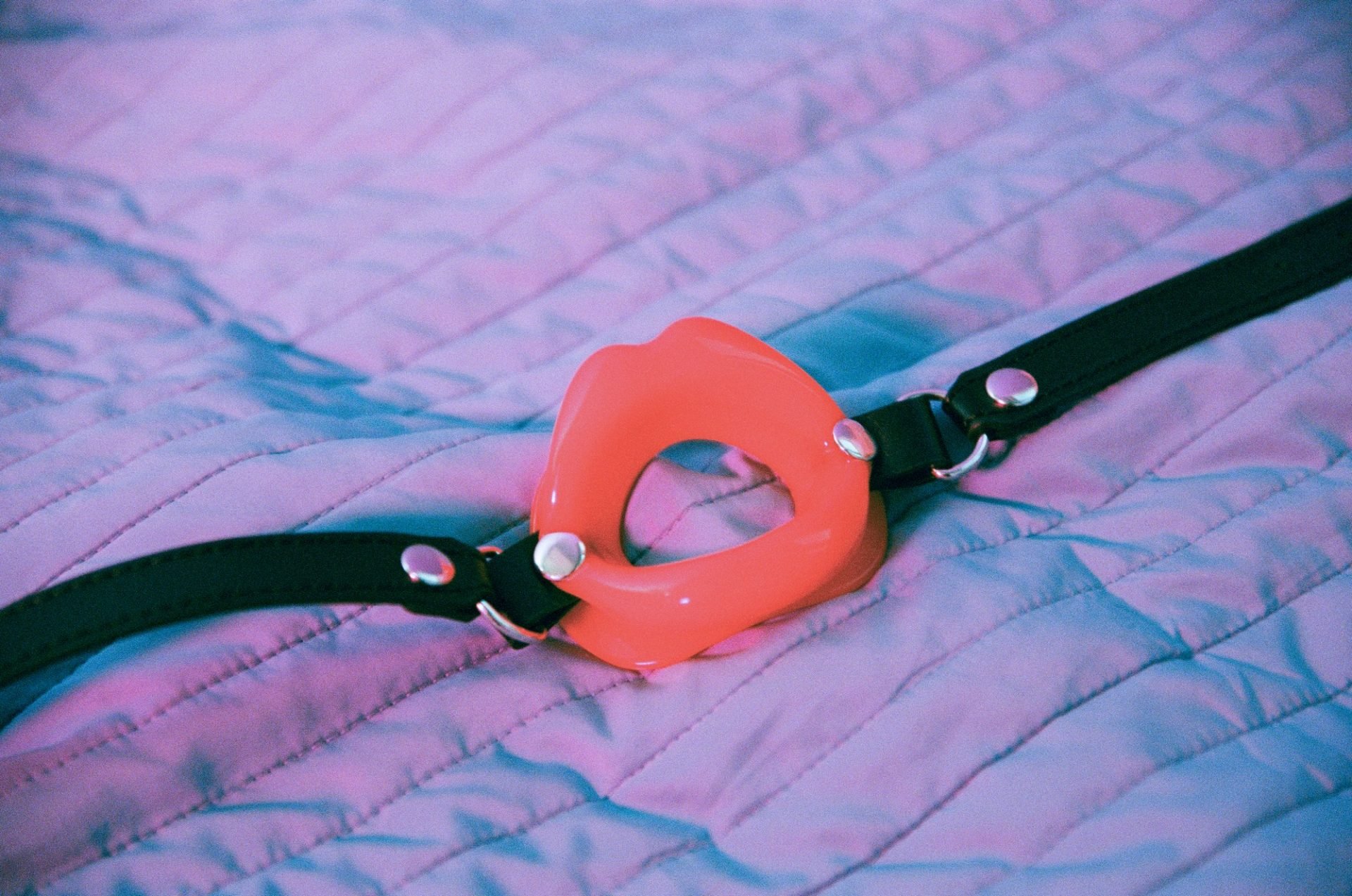
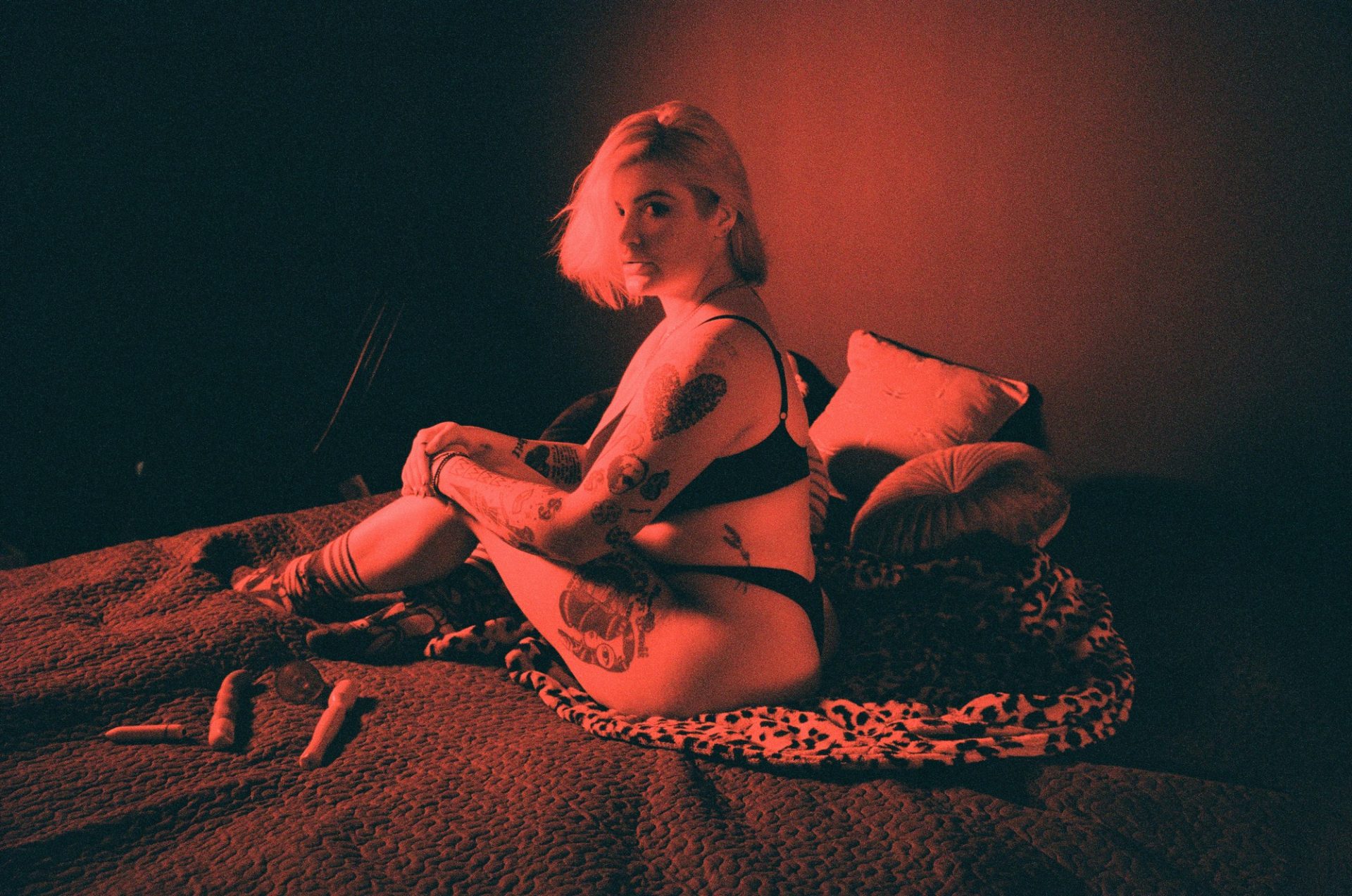
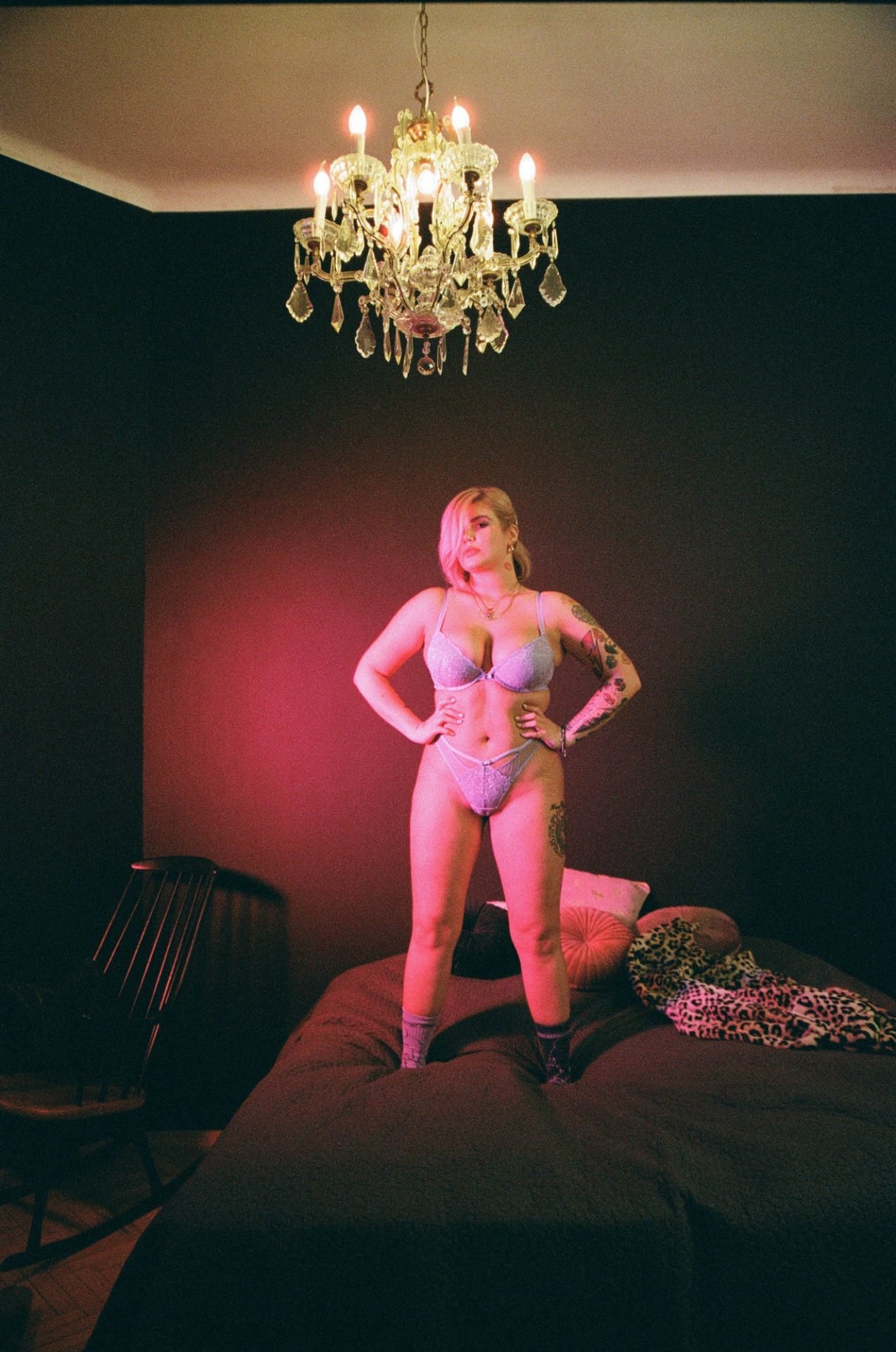
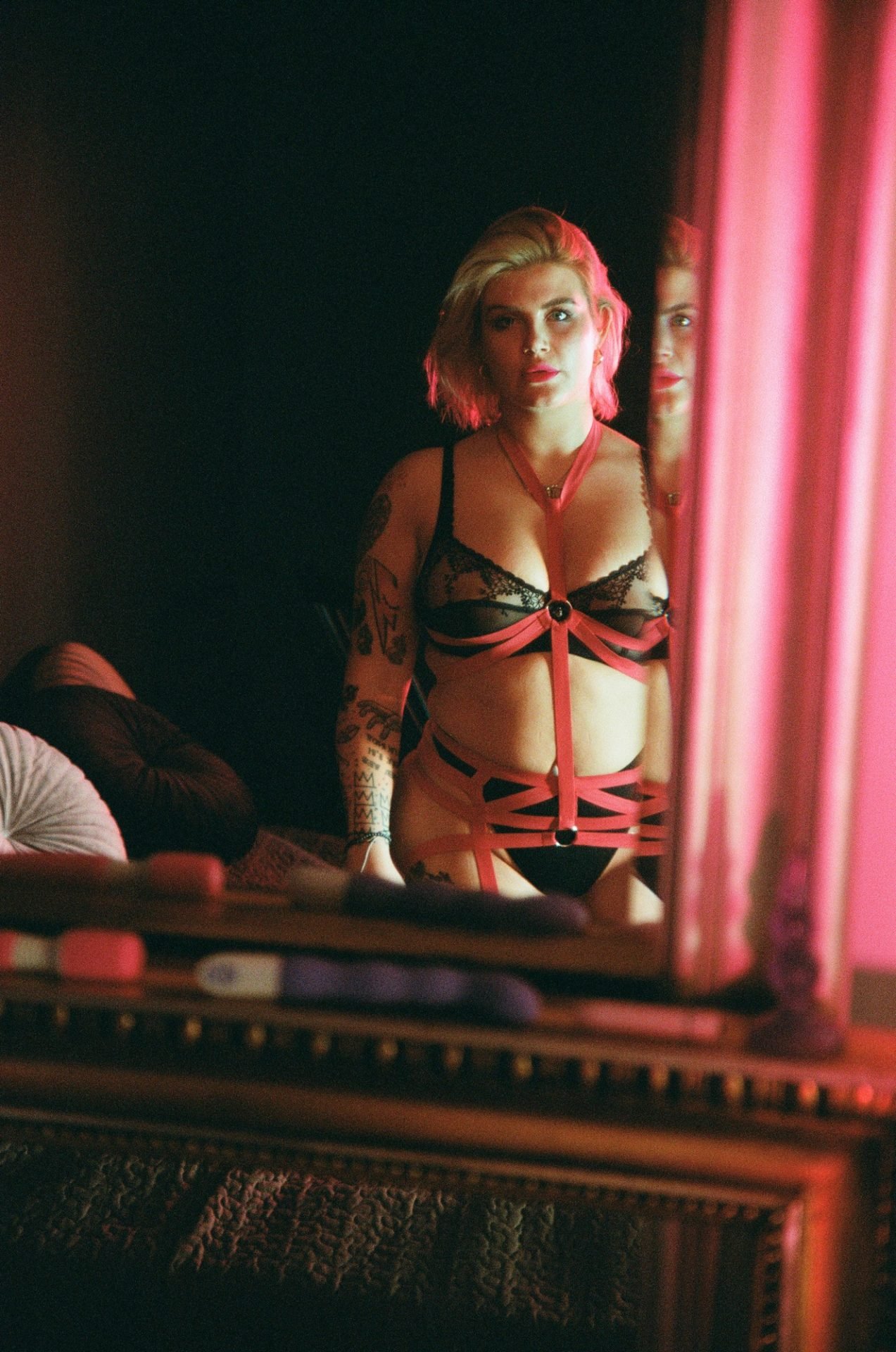
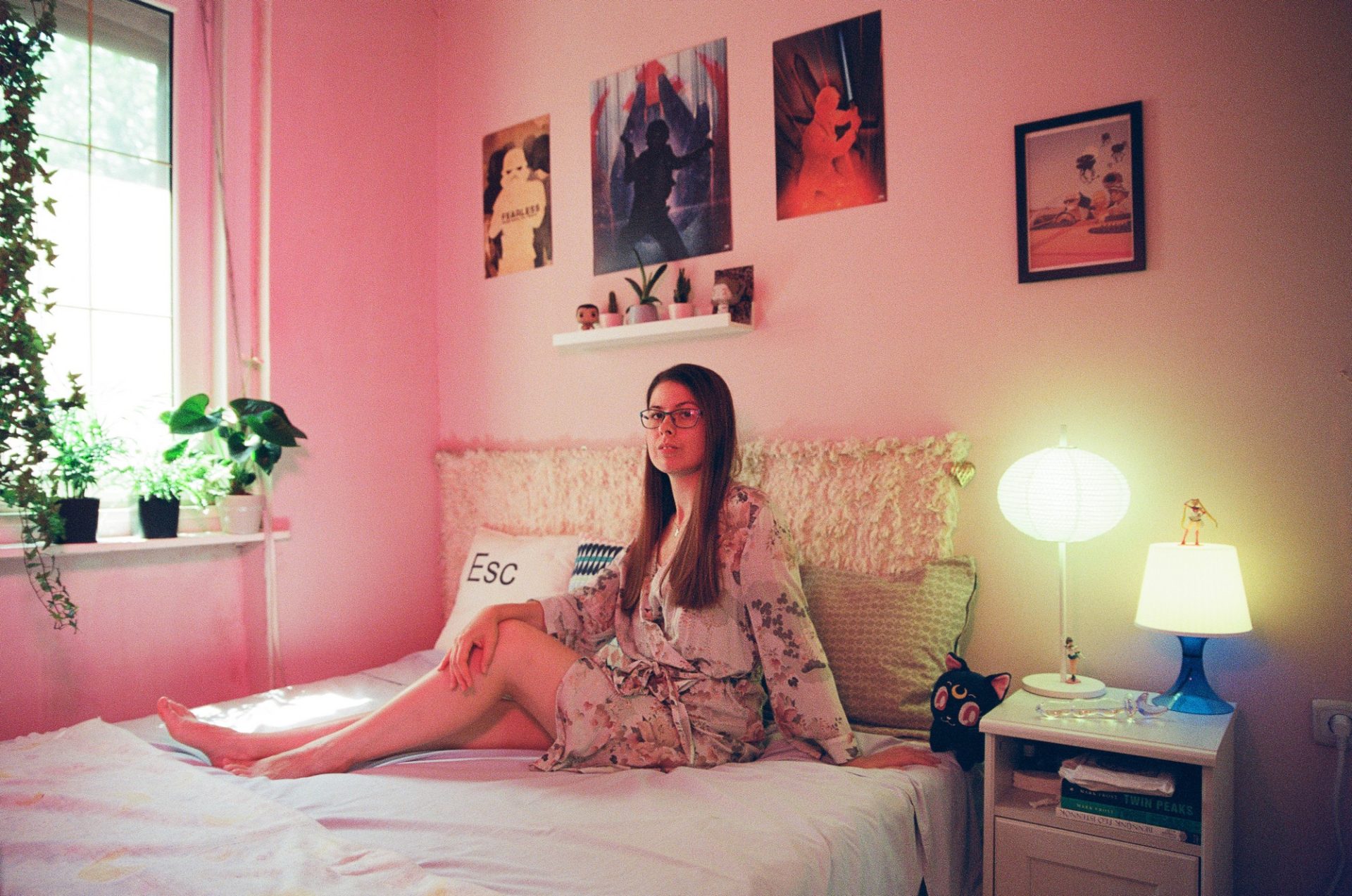
In 2017 I placed an ad. I was looking for people who would show their sex toys with pleasure. To my great surprise many answered my call. They also had a strong desire to talk about sexuality without shame. The contributors came from various walks of life: student, social worker, hairdresser, translator, artist, dominatrix, entrepreneur, employee, unemployed, freelancer, wife, girlfriend, single people, divorcee, mother-to-be, mother or grandma. In addition to taking pictures, I was conducting interviews which kept going deeper, in many cases dredging up serious traumas. I’ve learned something new after every session.
While working on this project I found my grandma’s memory book which she got during World War II. The messages in it, preparing one for life, often correspond with what my participants would tell me about their own inhibitions. These lines from many generations before served as pointers to girls. These implied that if you were born a woman you should be modest, obedient, bear the pain and the suffering. The participants, as well as I, internalized these thoughts too.
Through the years my relationship to sex changed a lot and with it the project itself. The object became less and less important, I was a lot more interested in the owner and their story. I was looking for means to get rid of the shame connected to sexuality, overcome societal conventions and break free from inherited behavioural patterns. The toys were the key to establishing honest communication.
WORKS BY THE FELLOWS
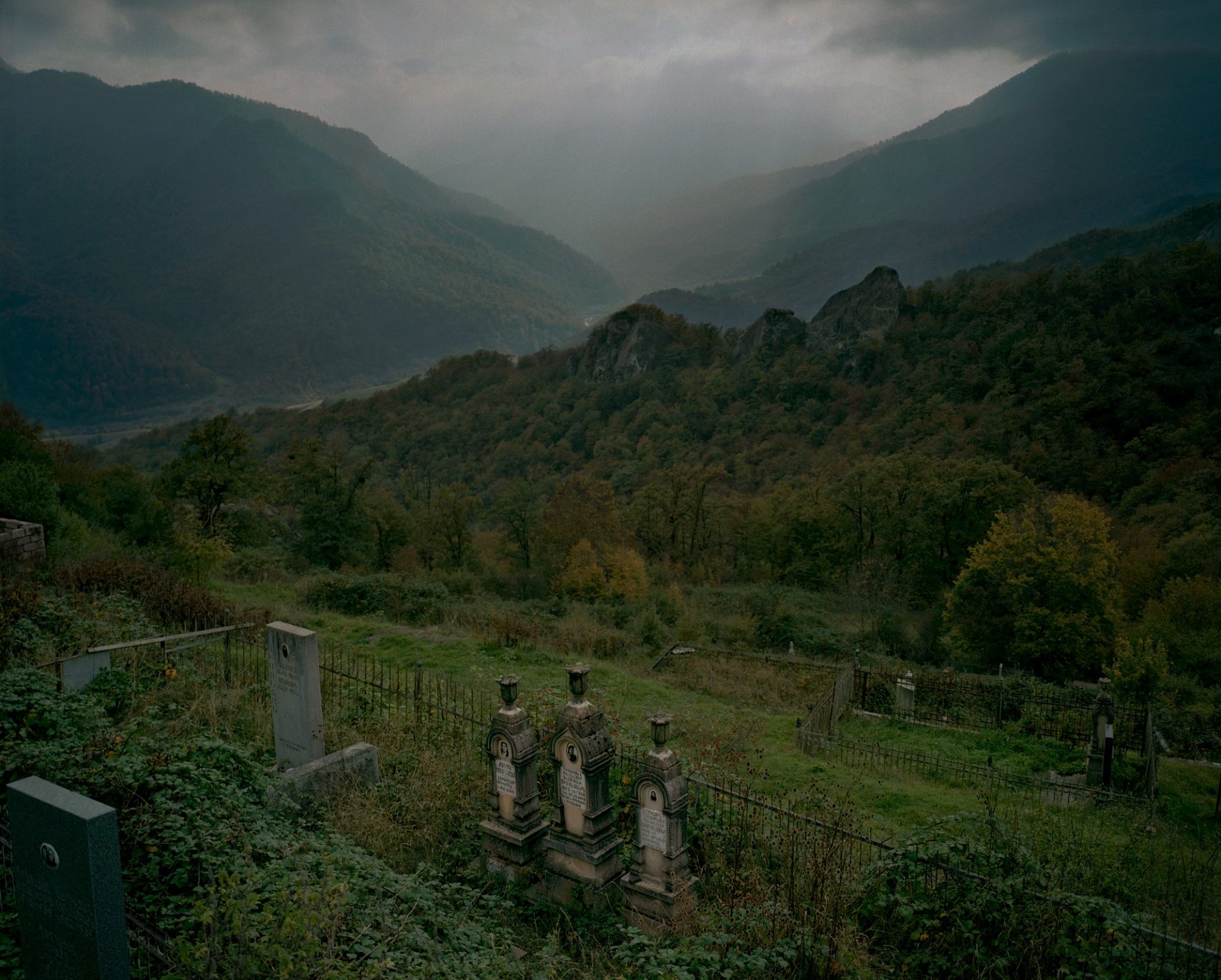
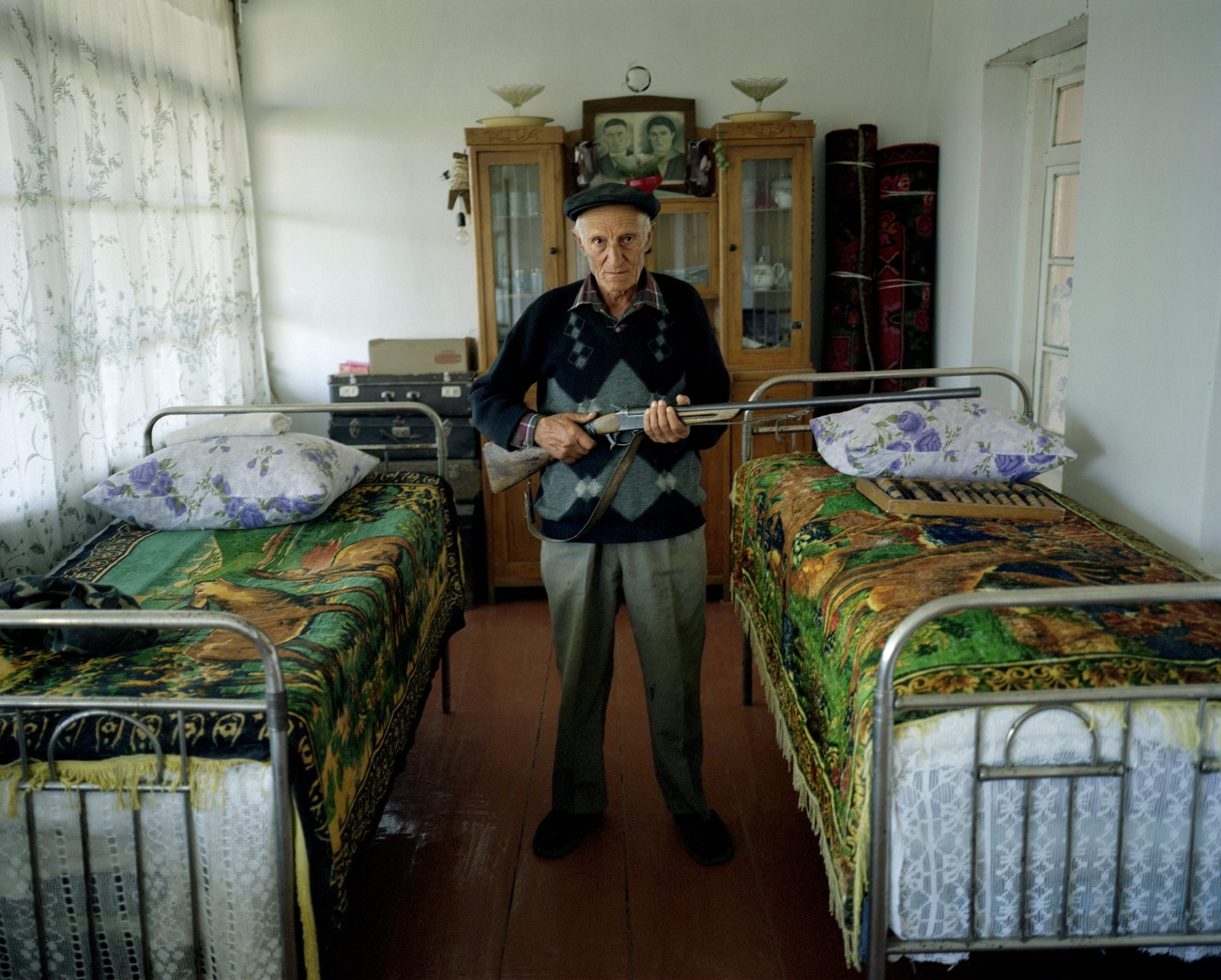
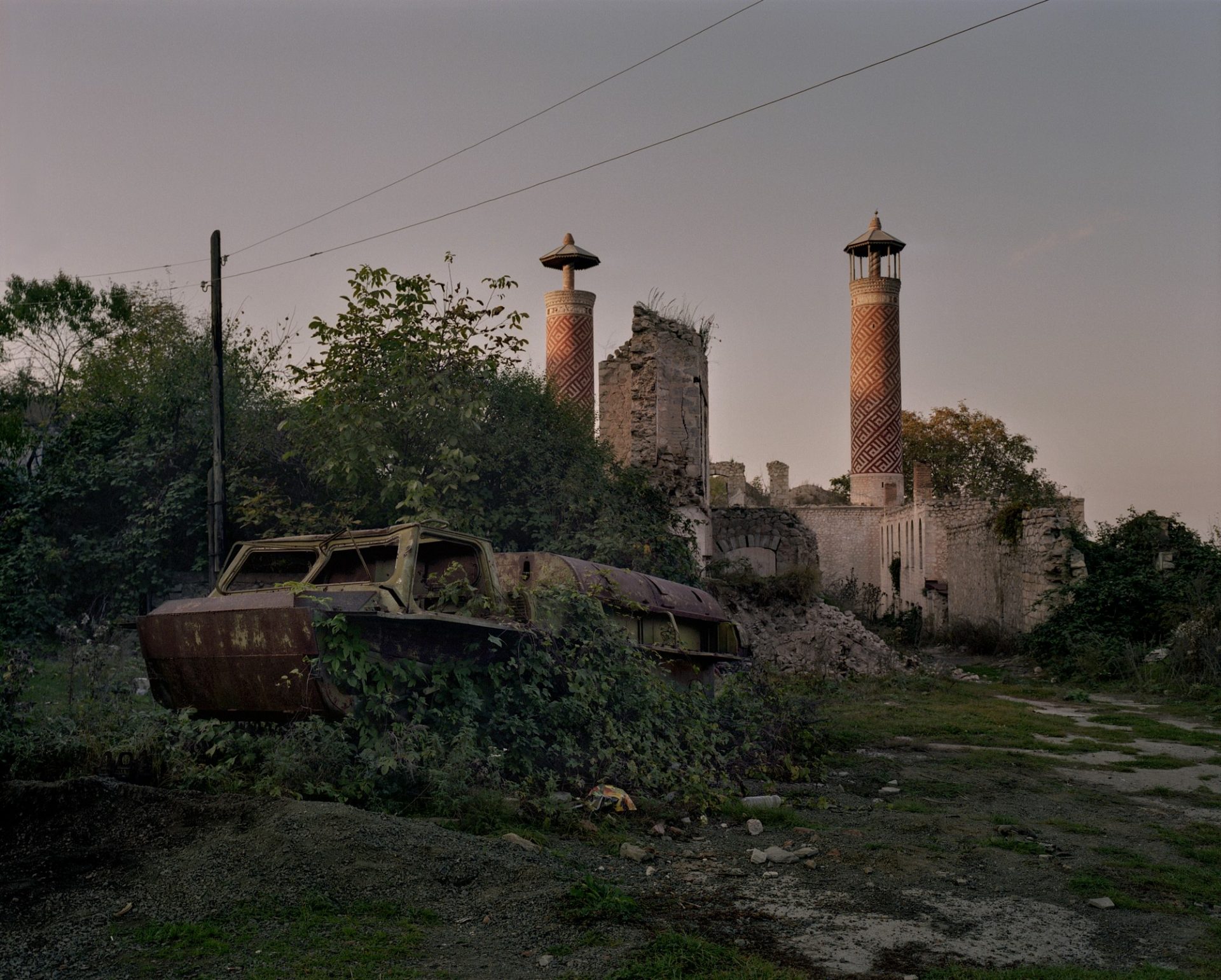
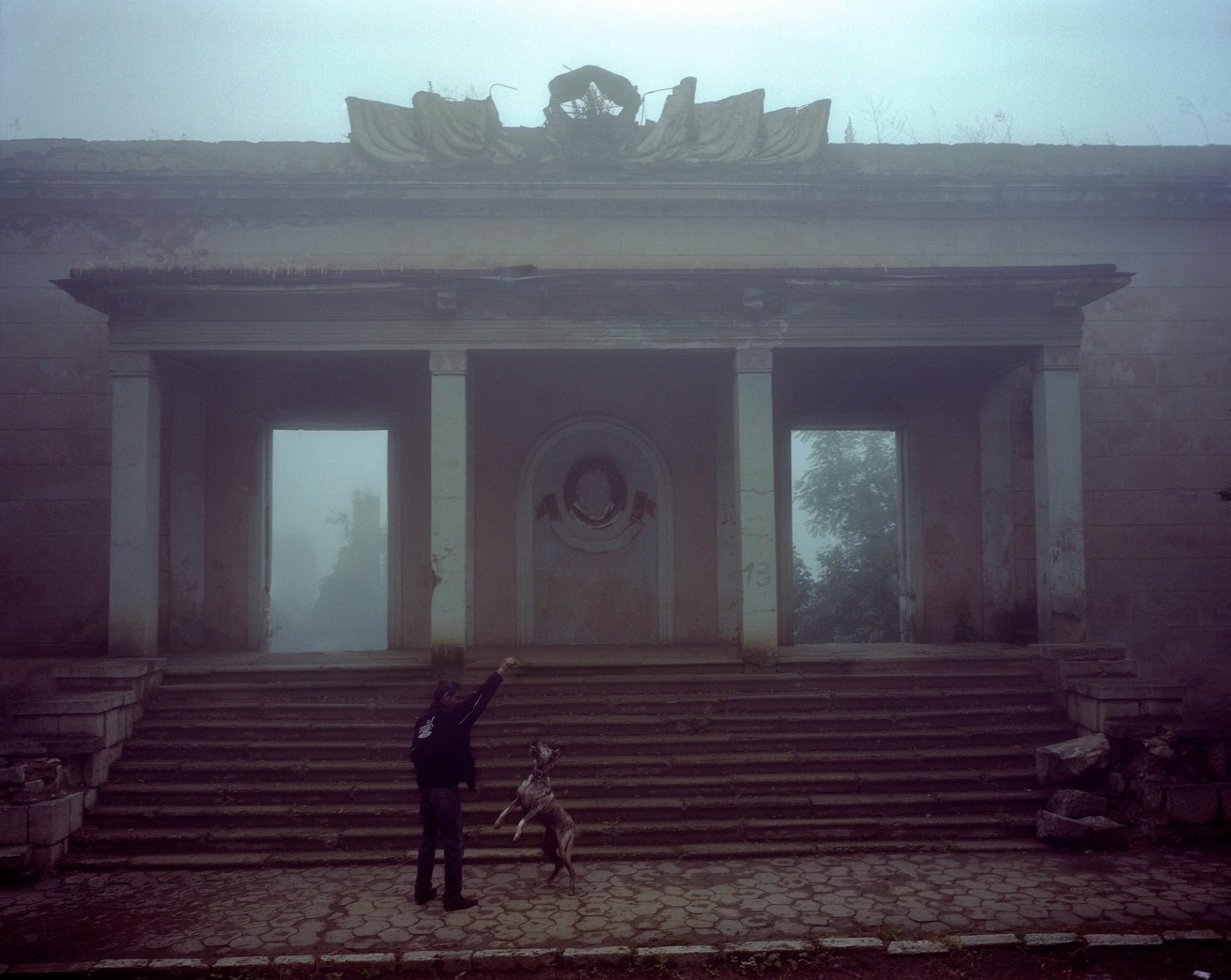
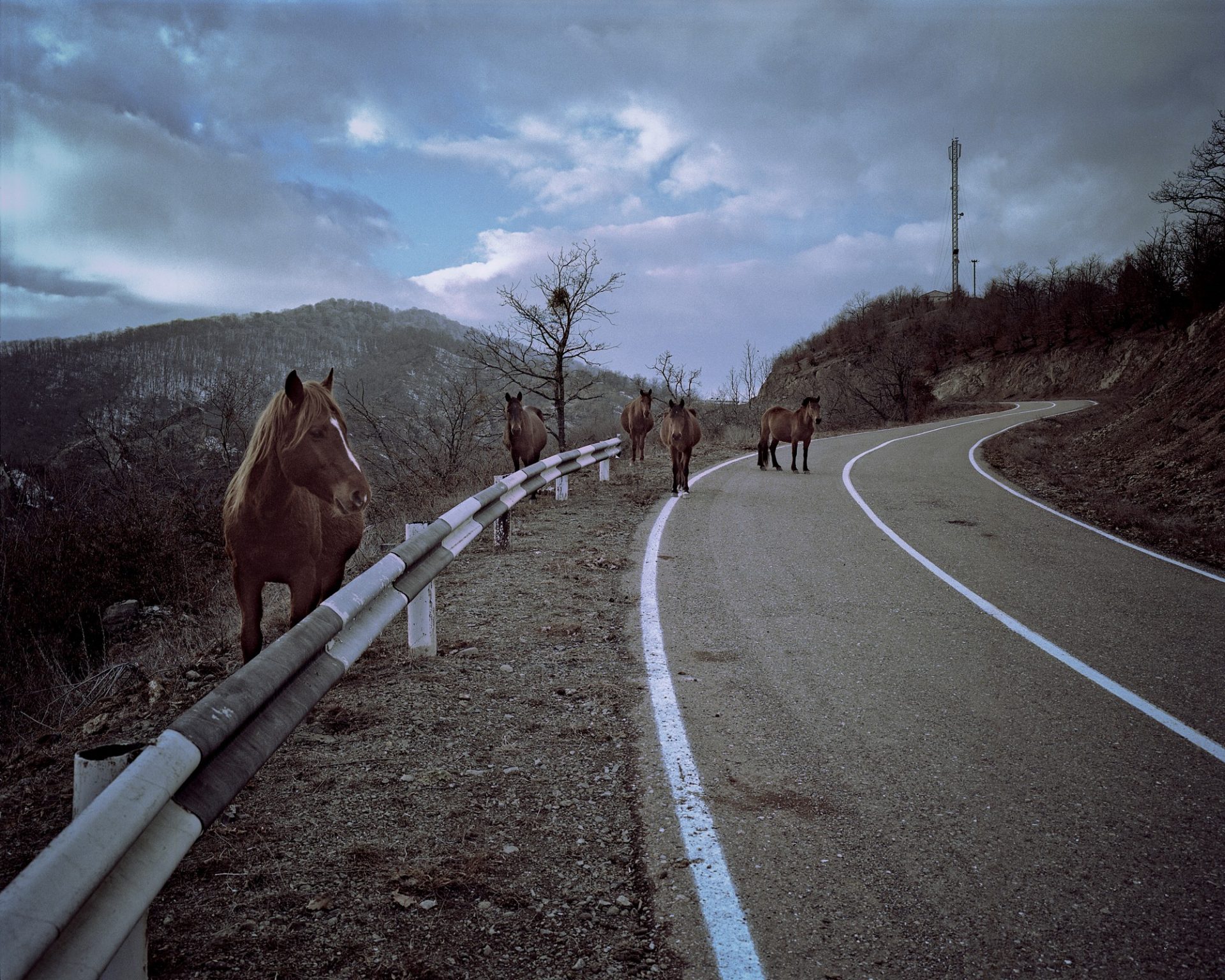
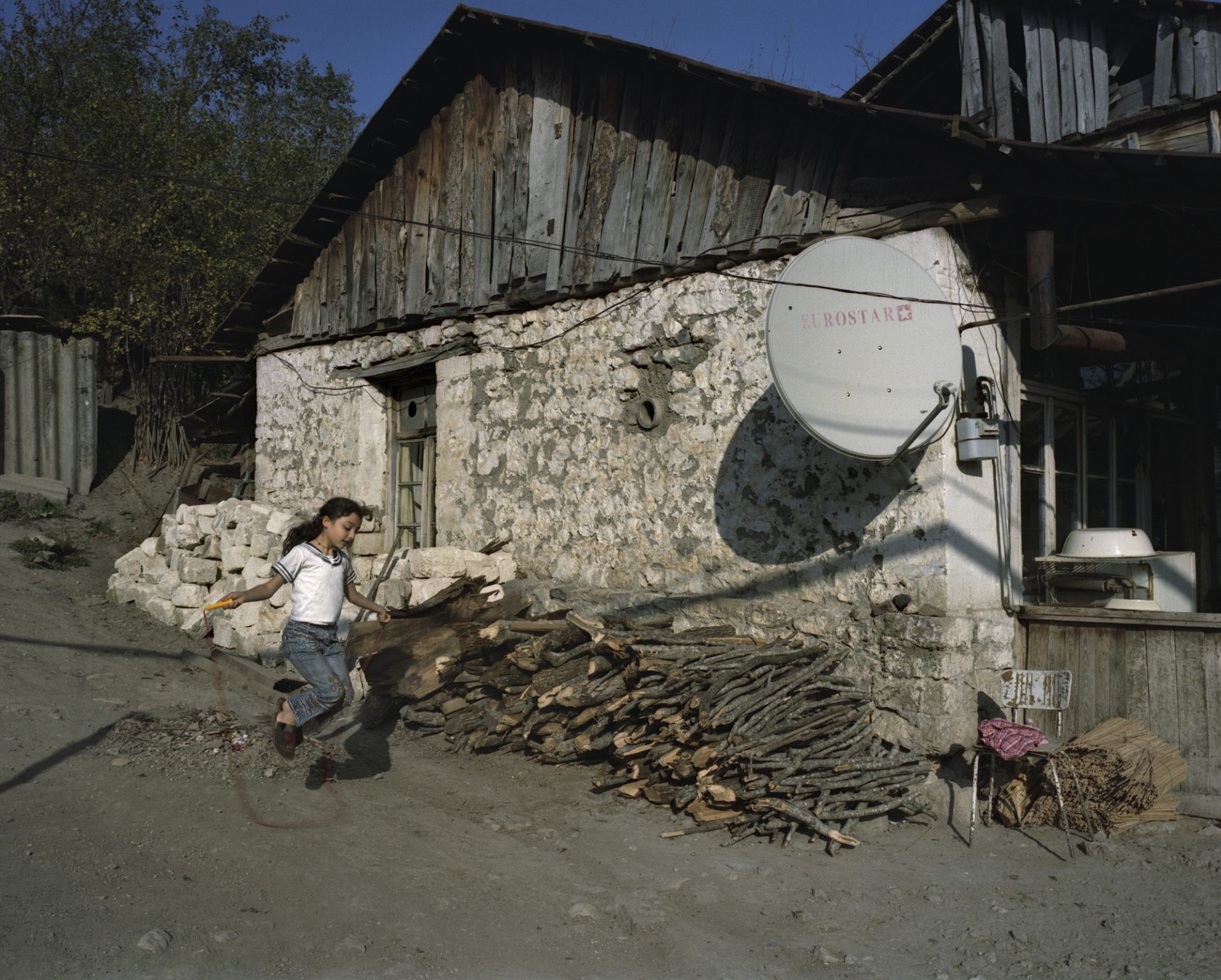
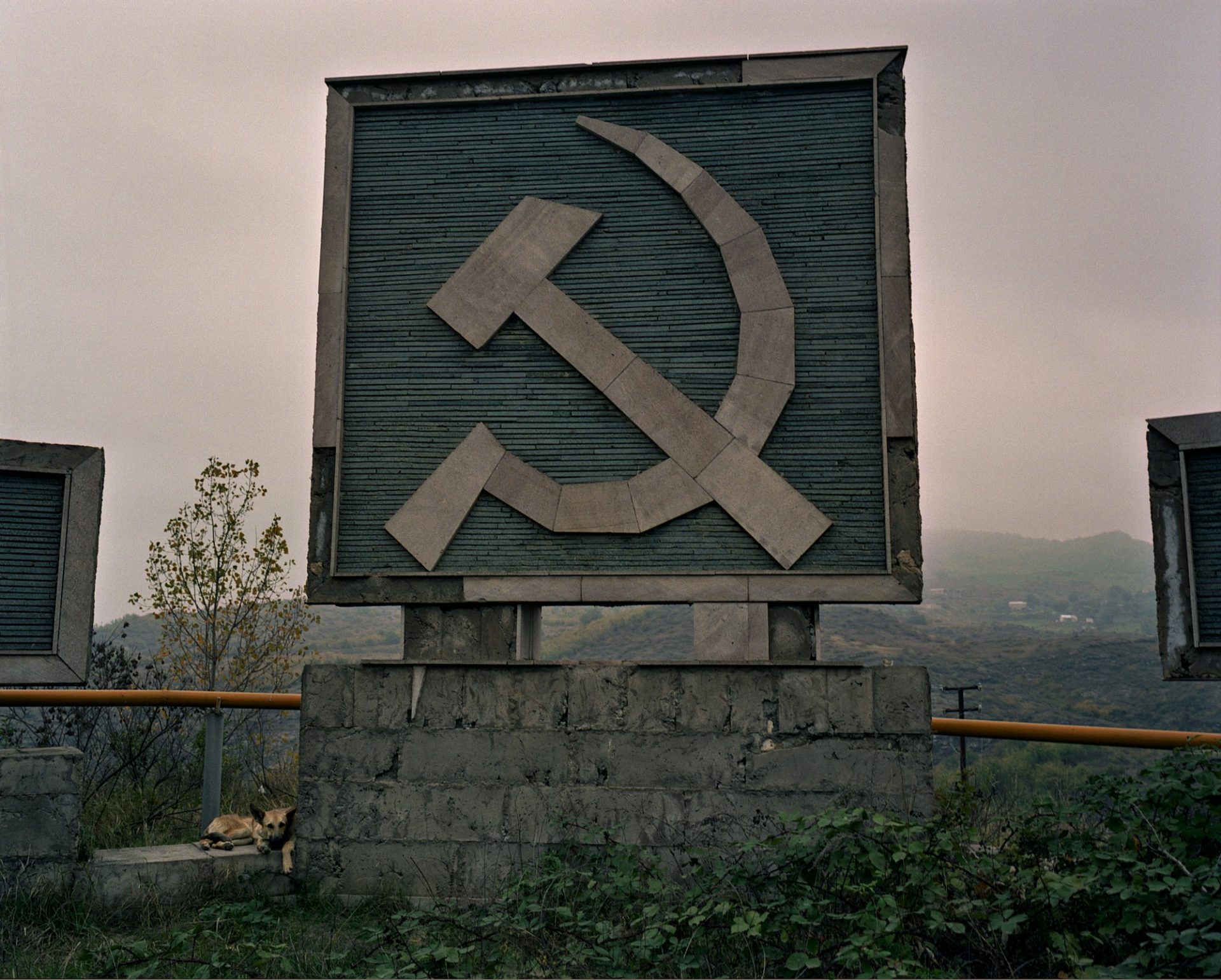
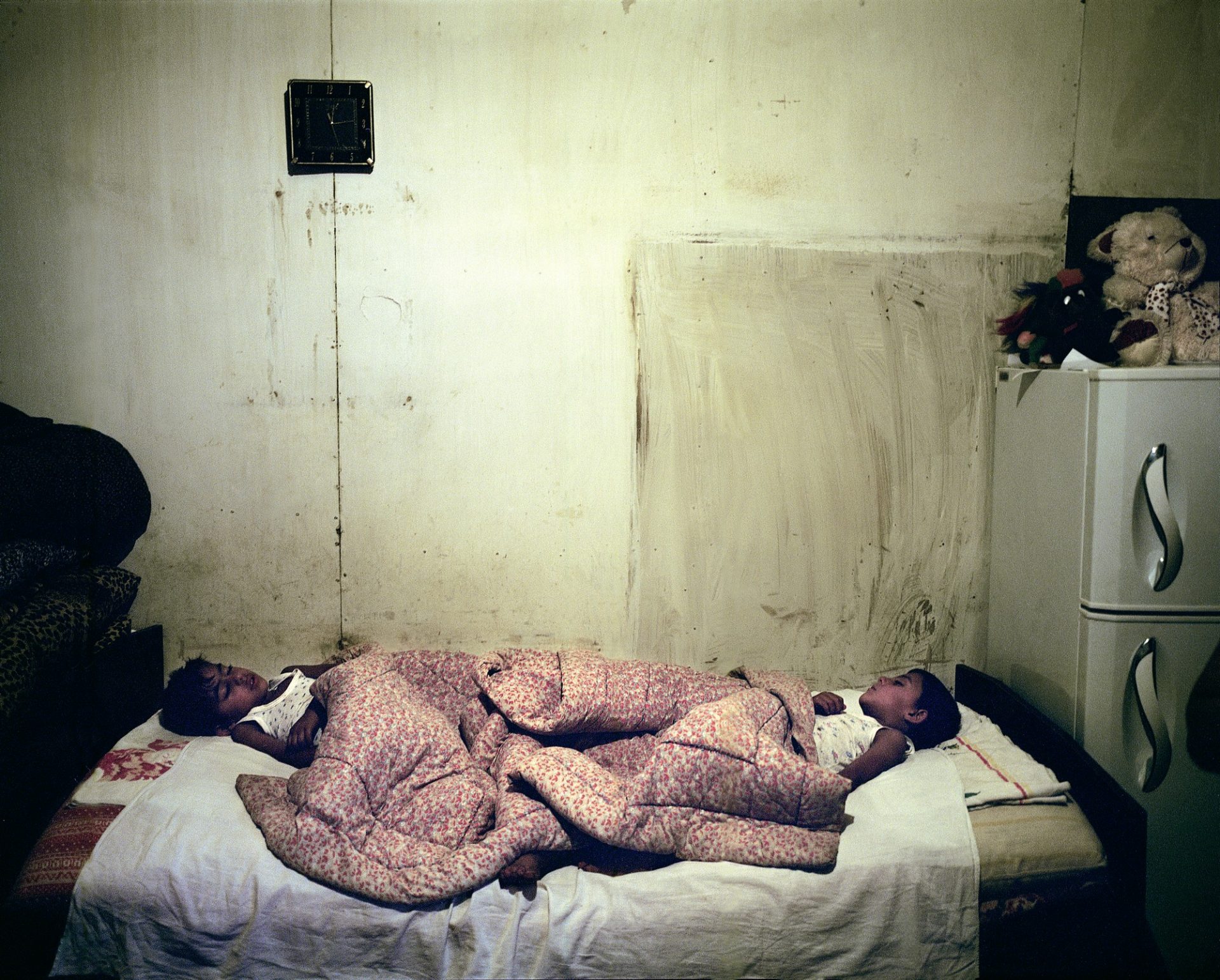
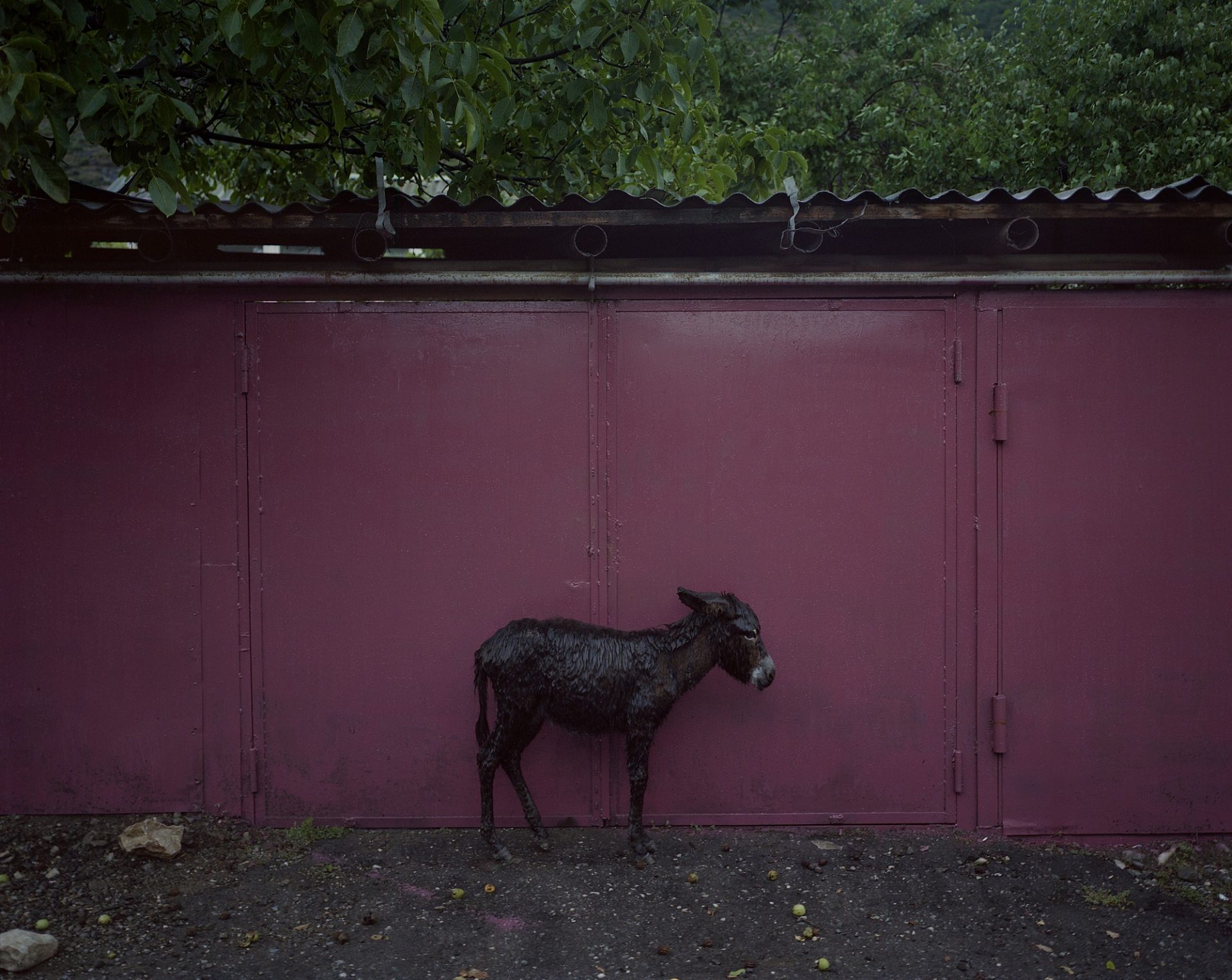
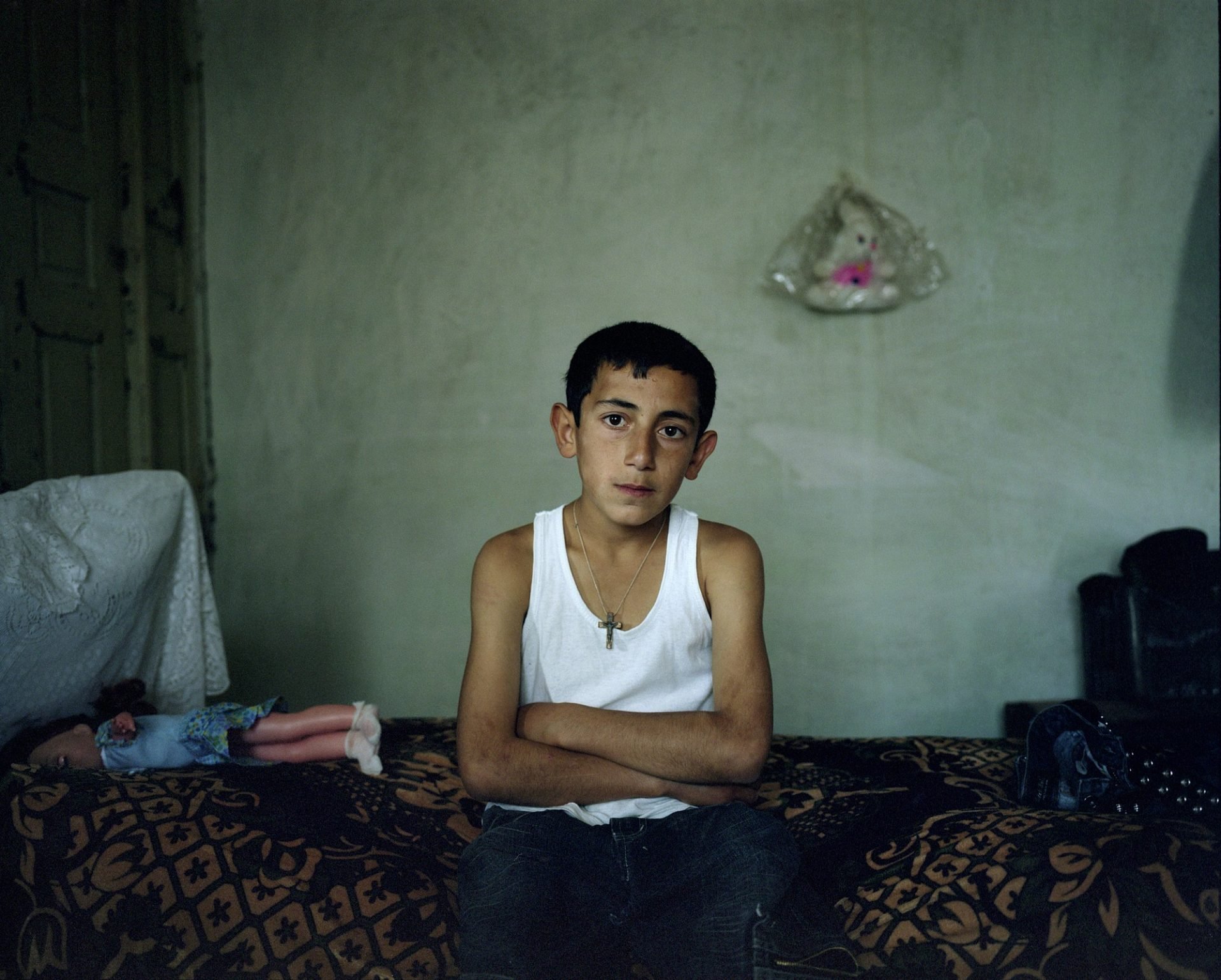
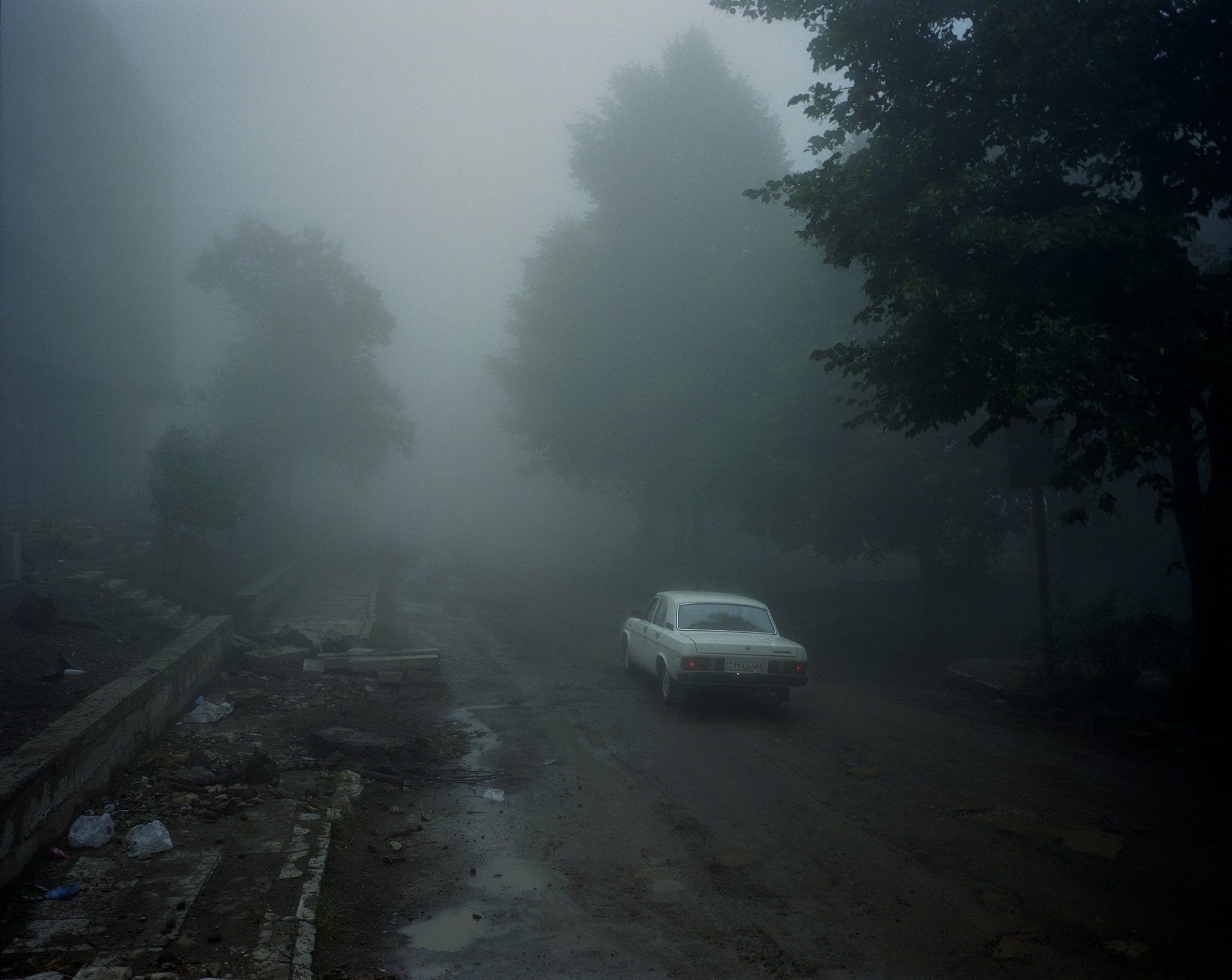
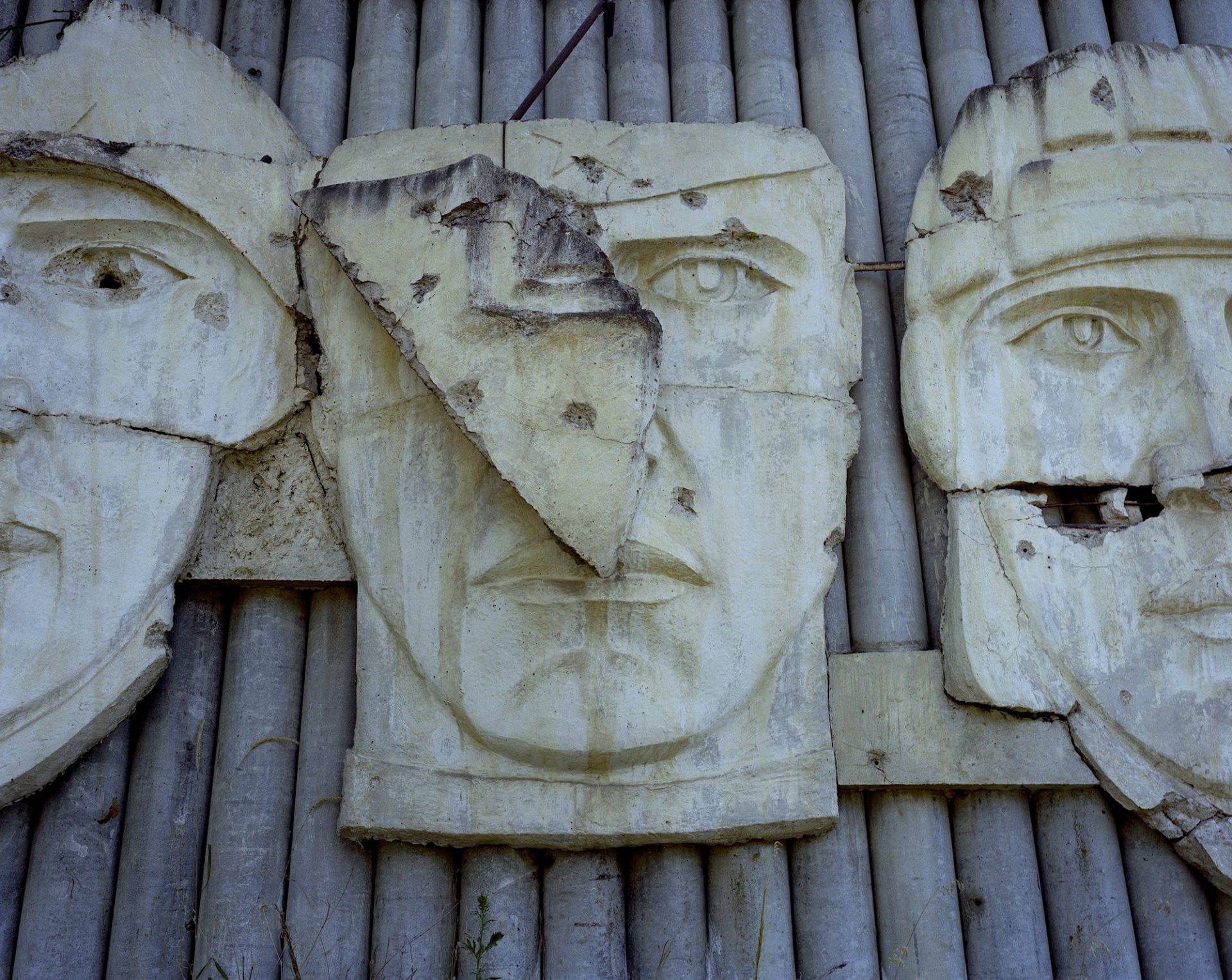
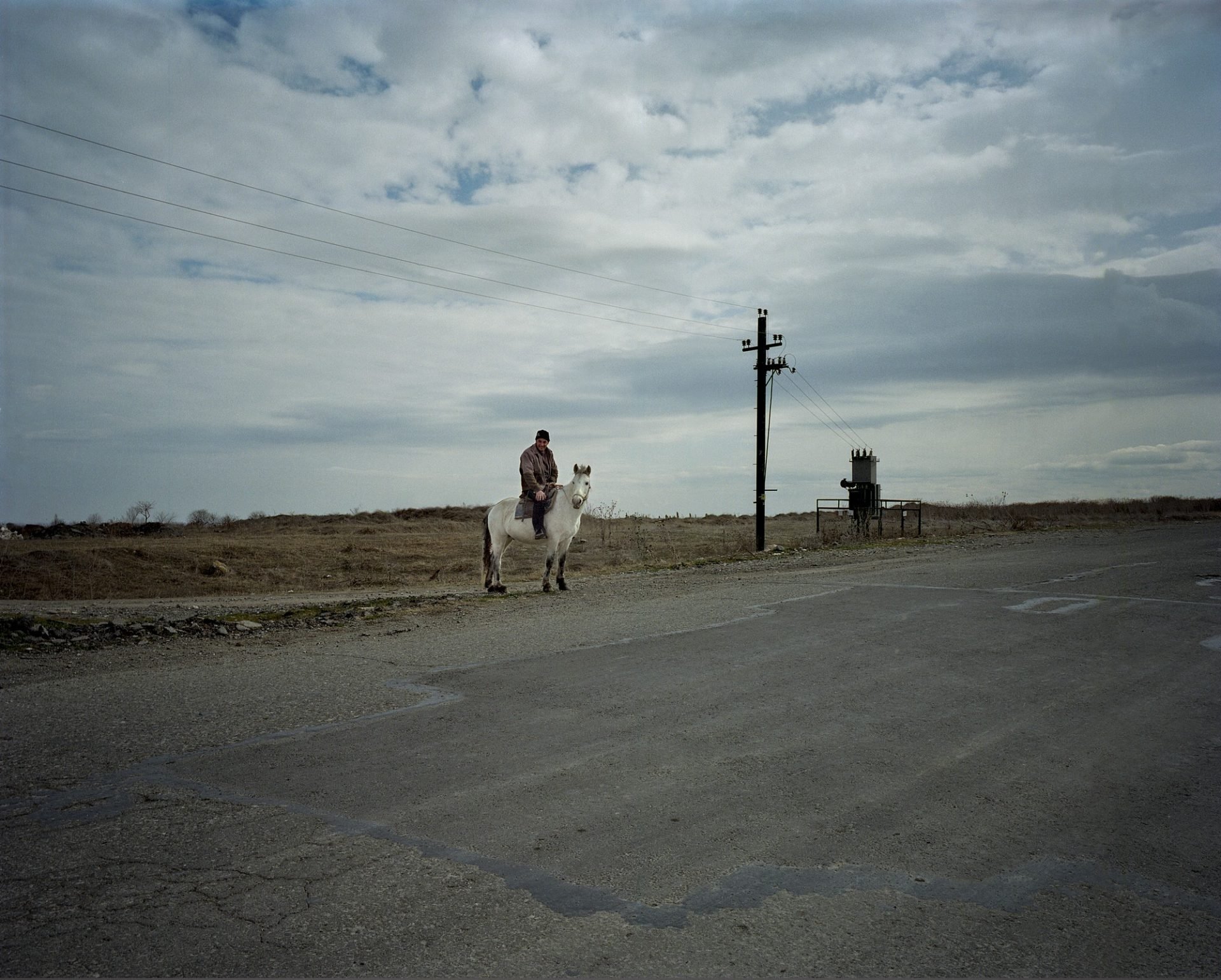
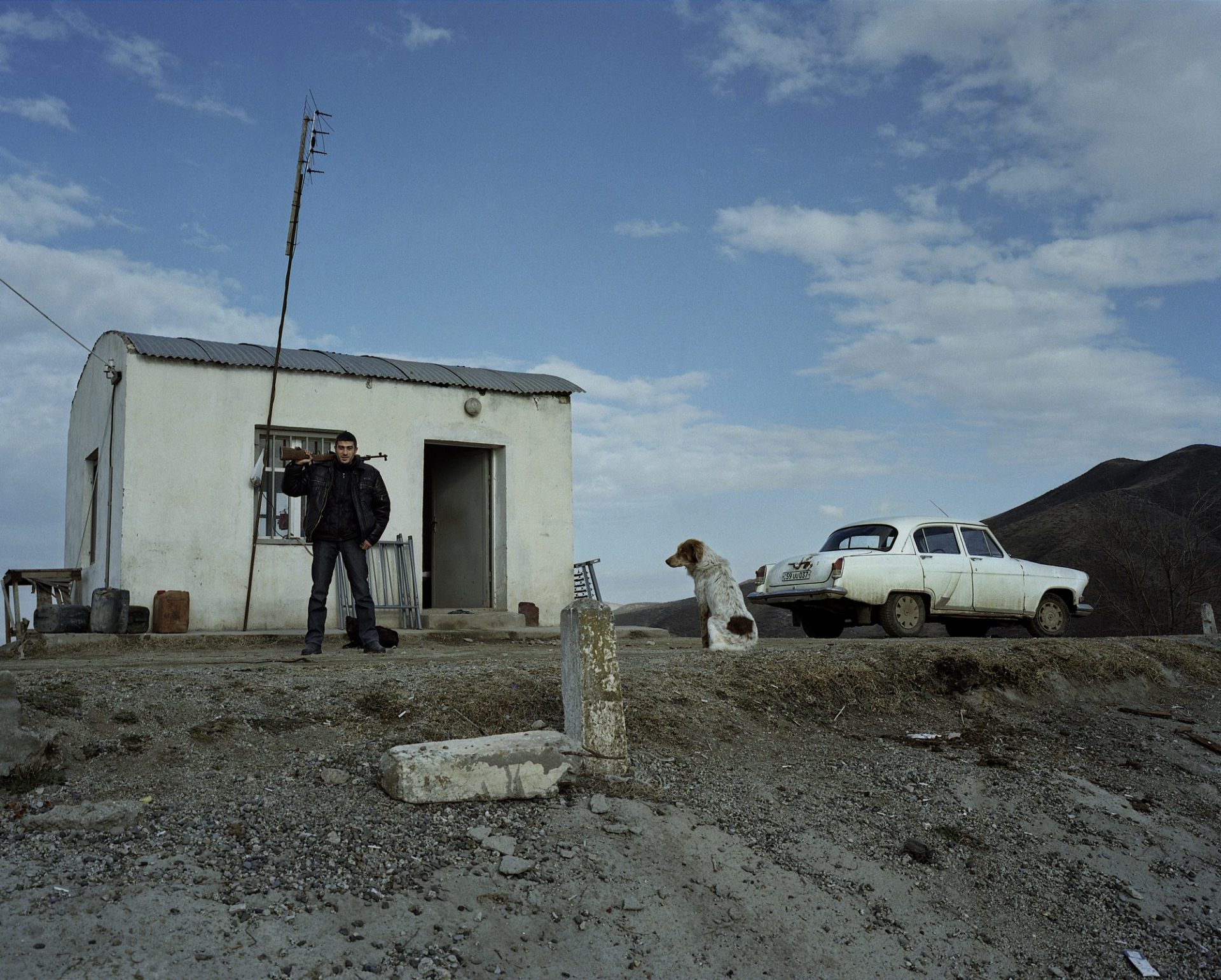
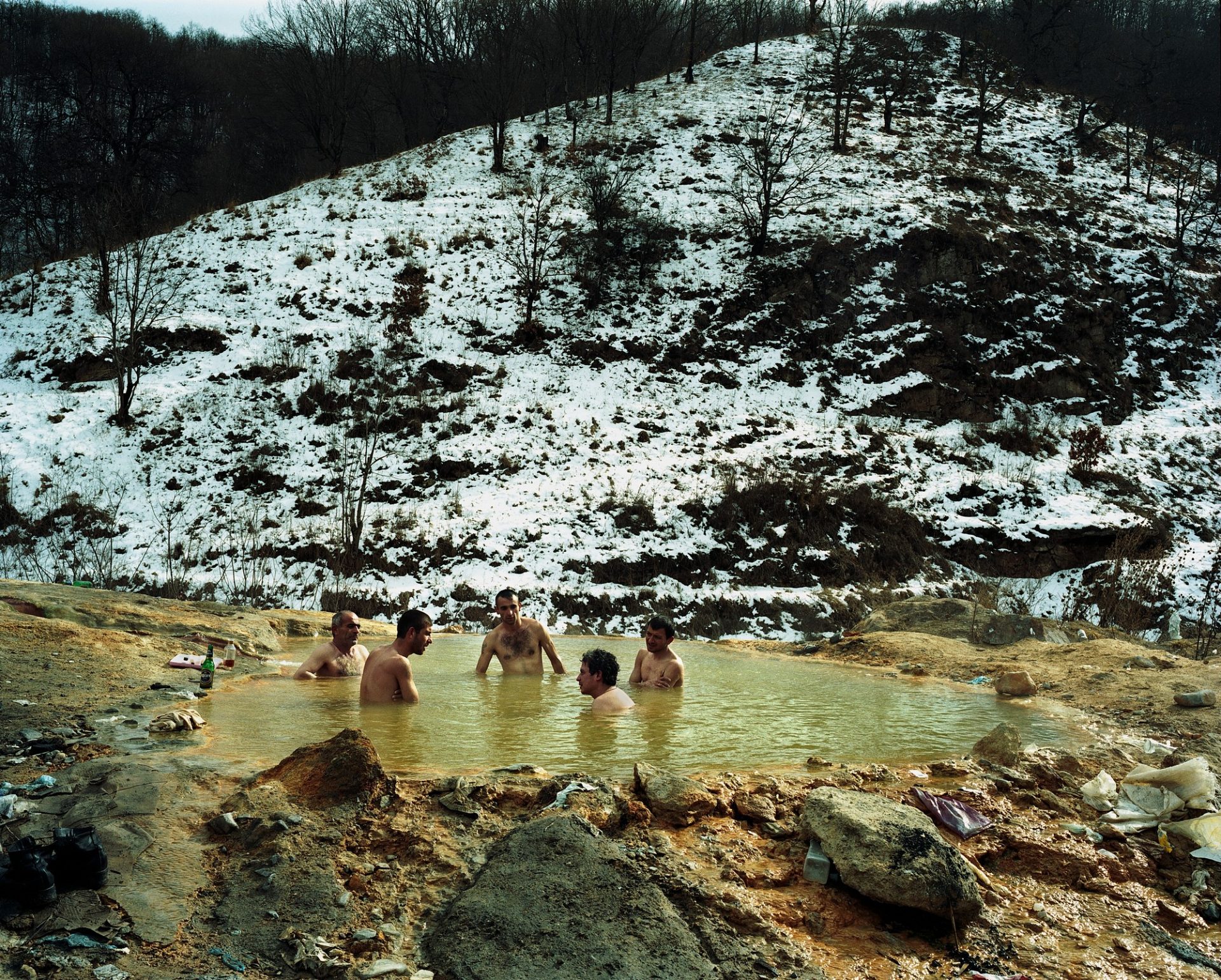
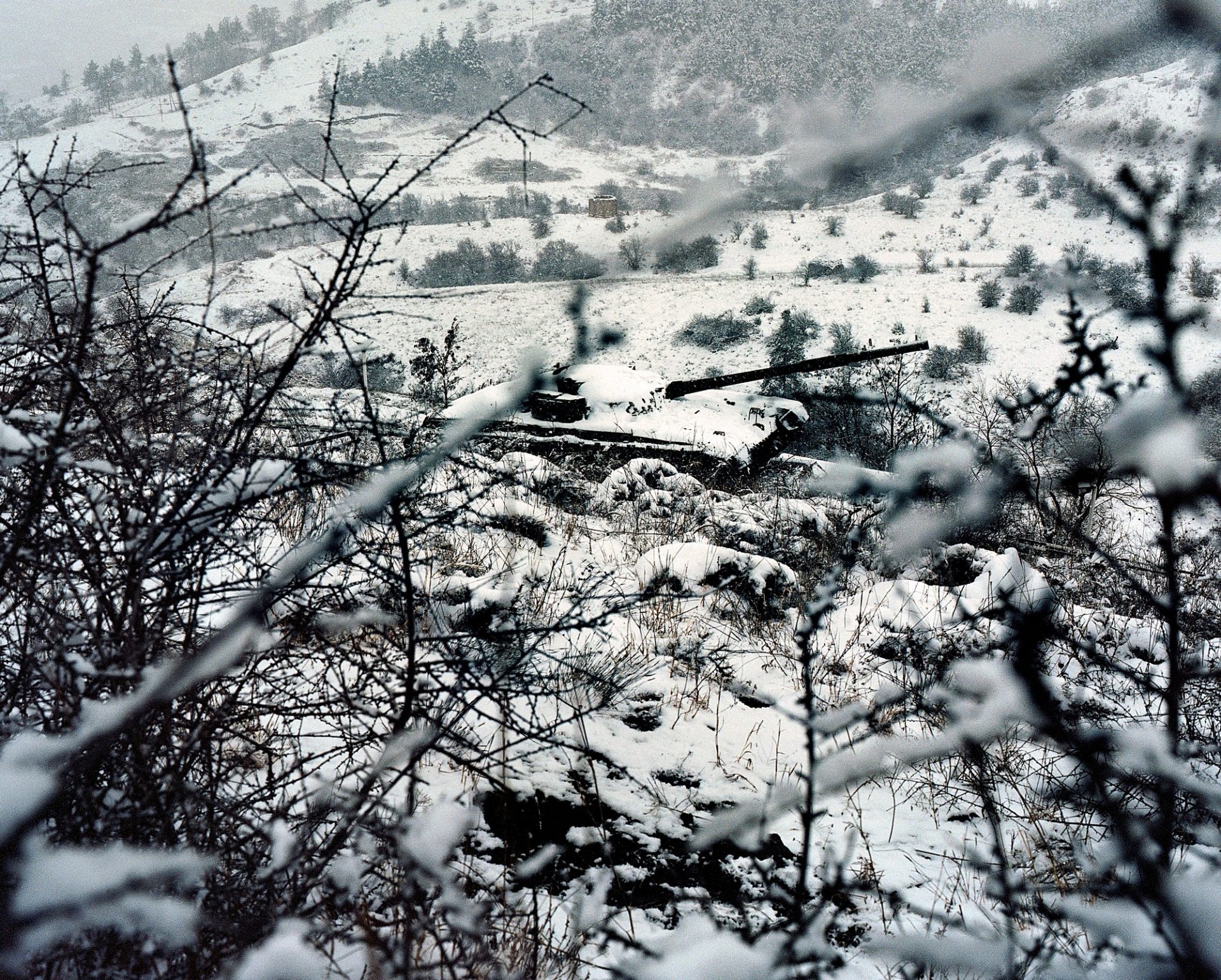
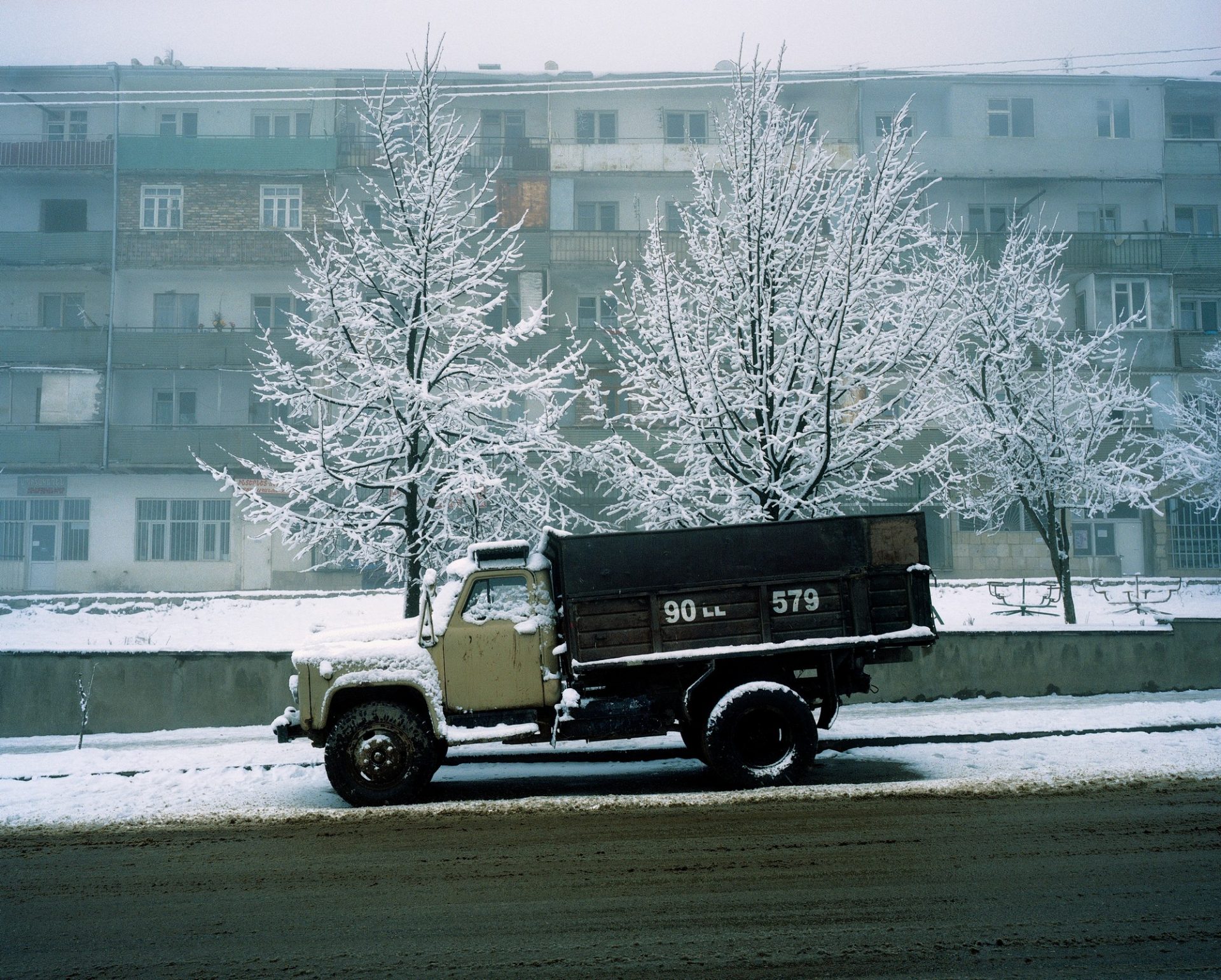
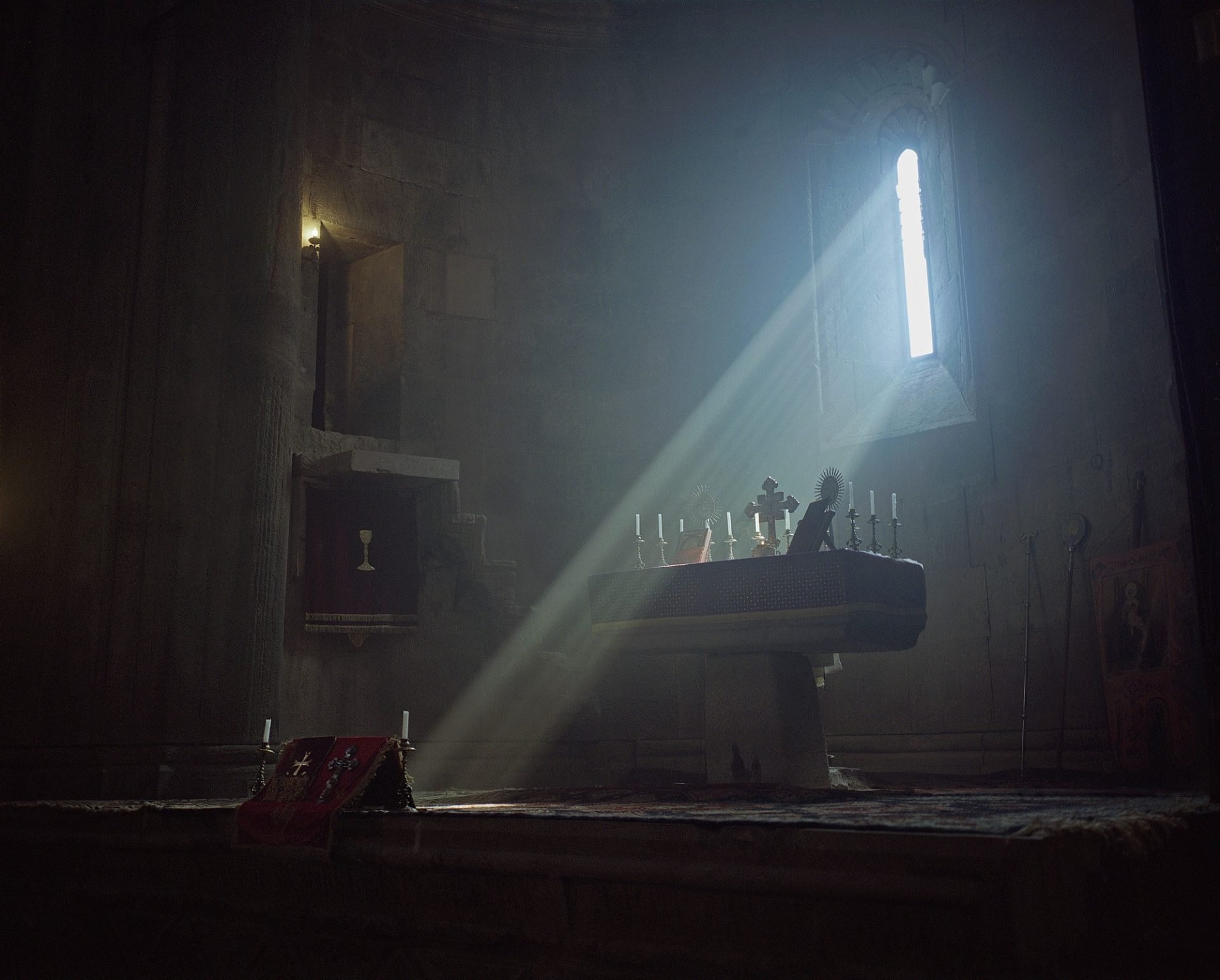
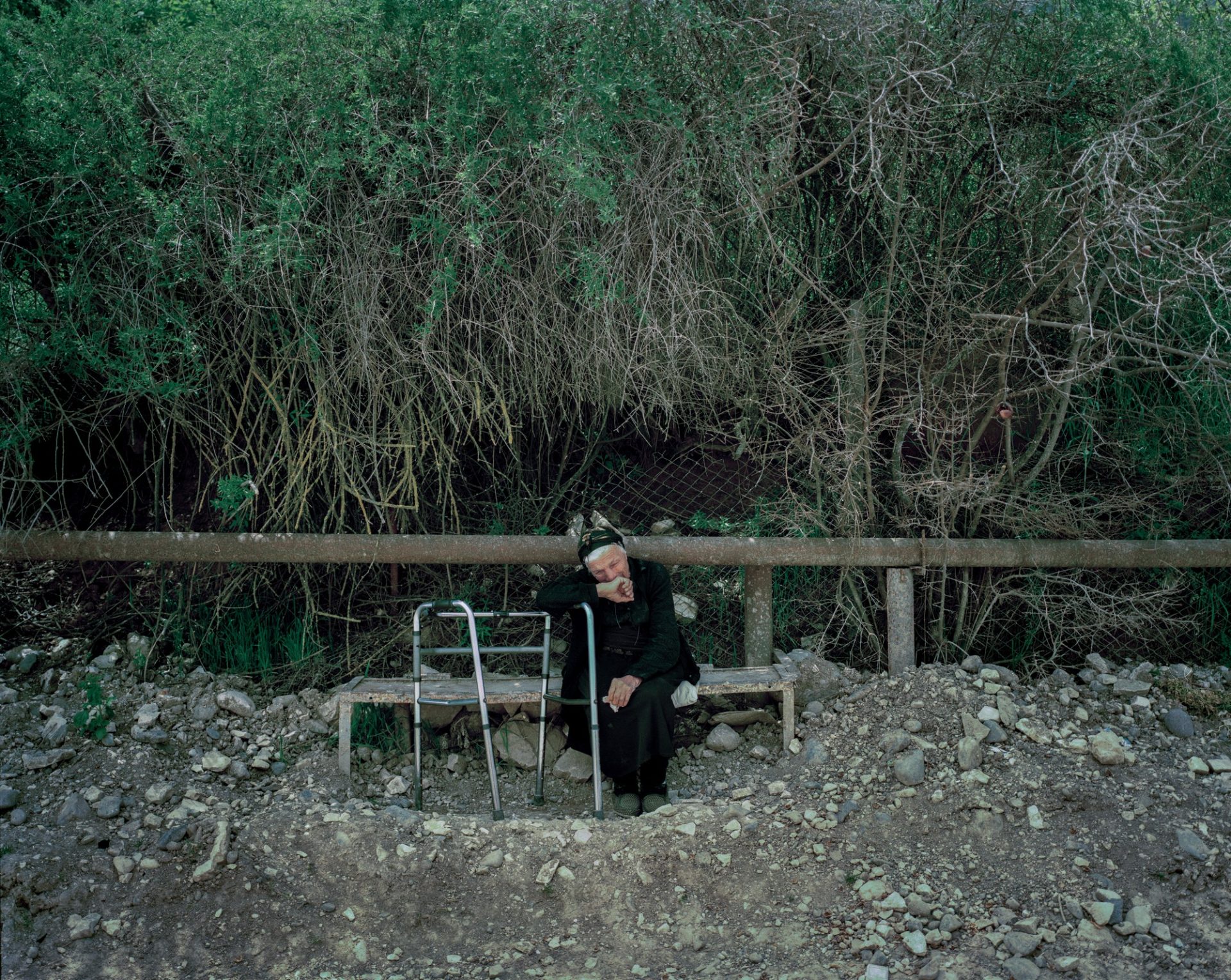
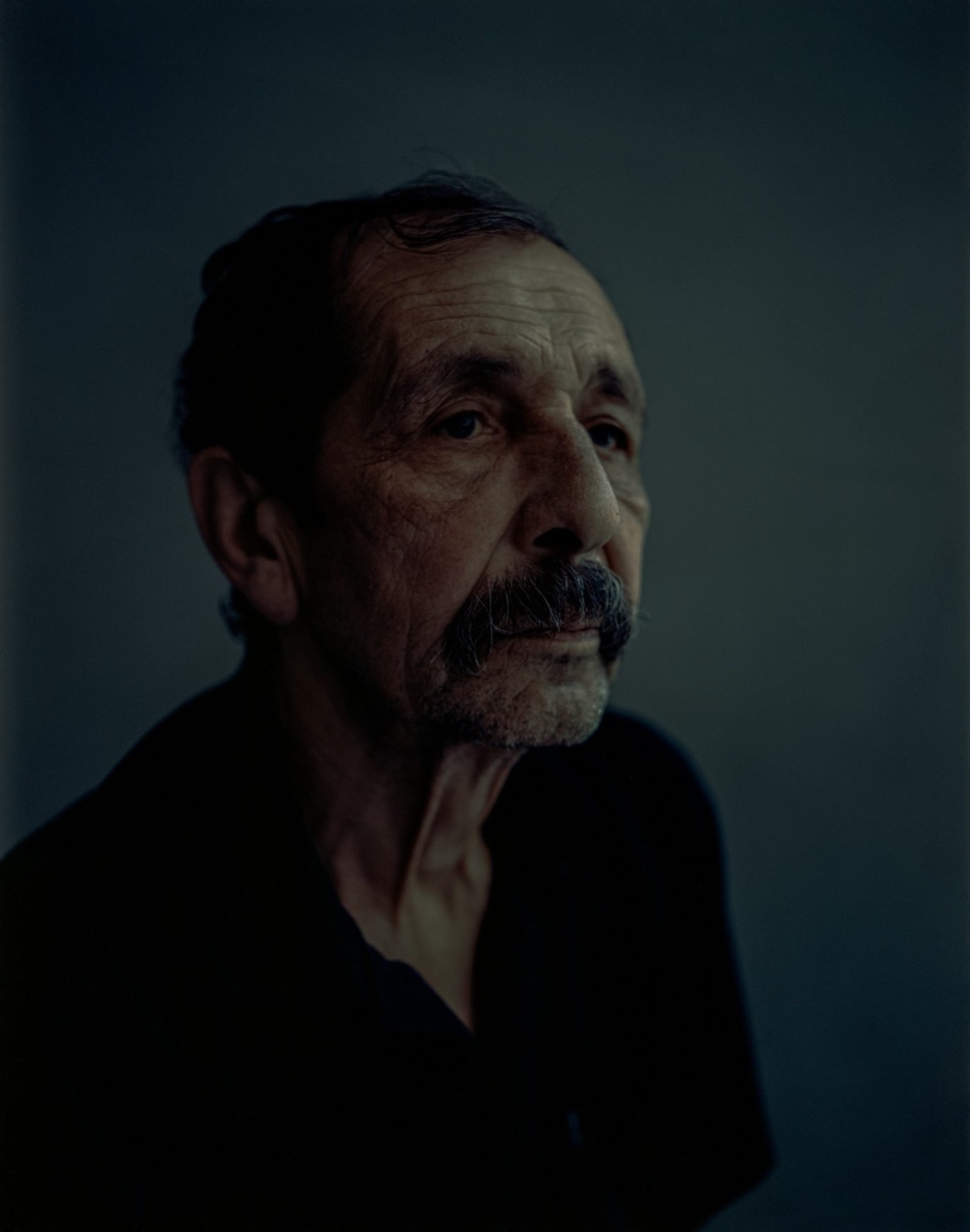
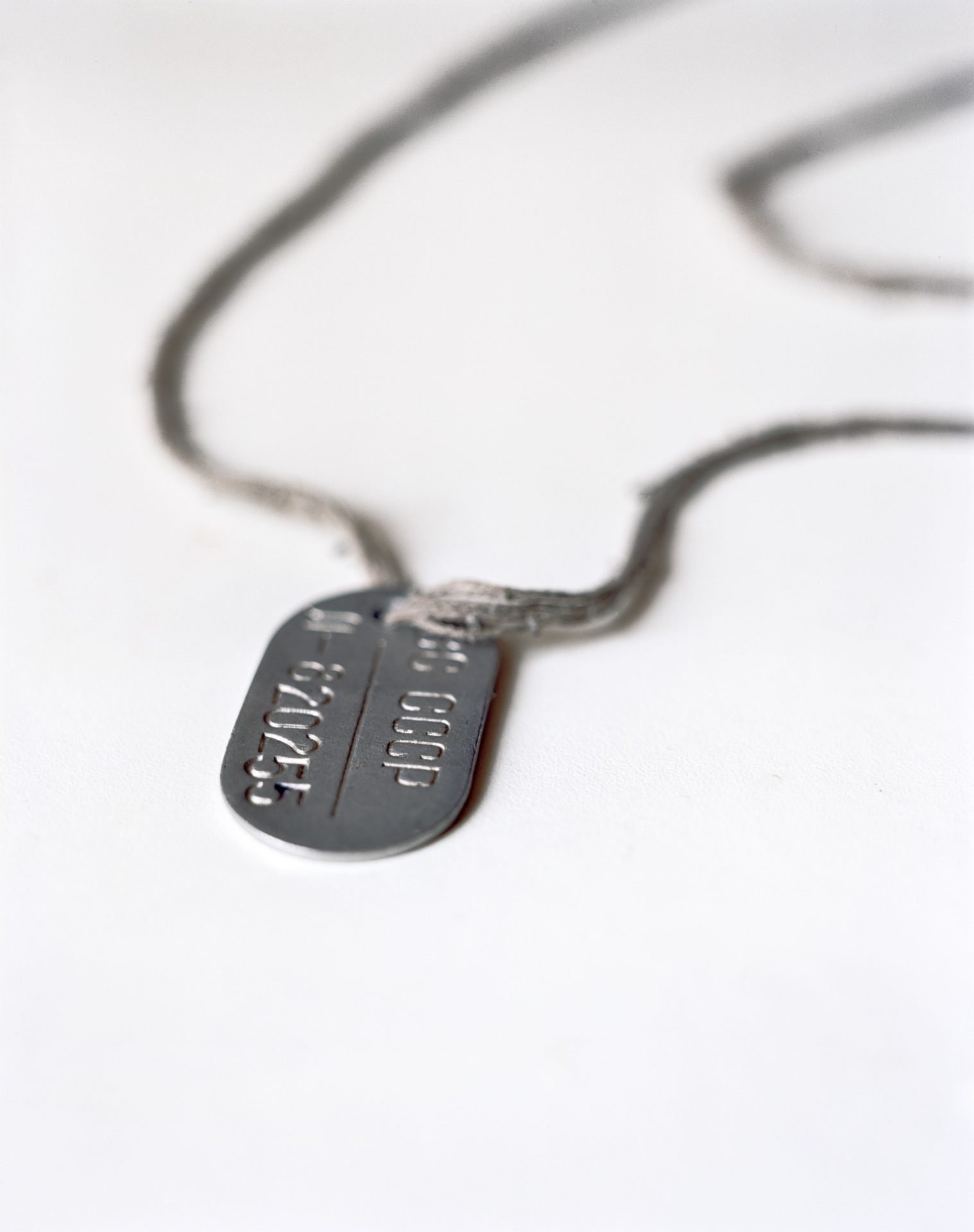
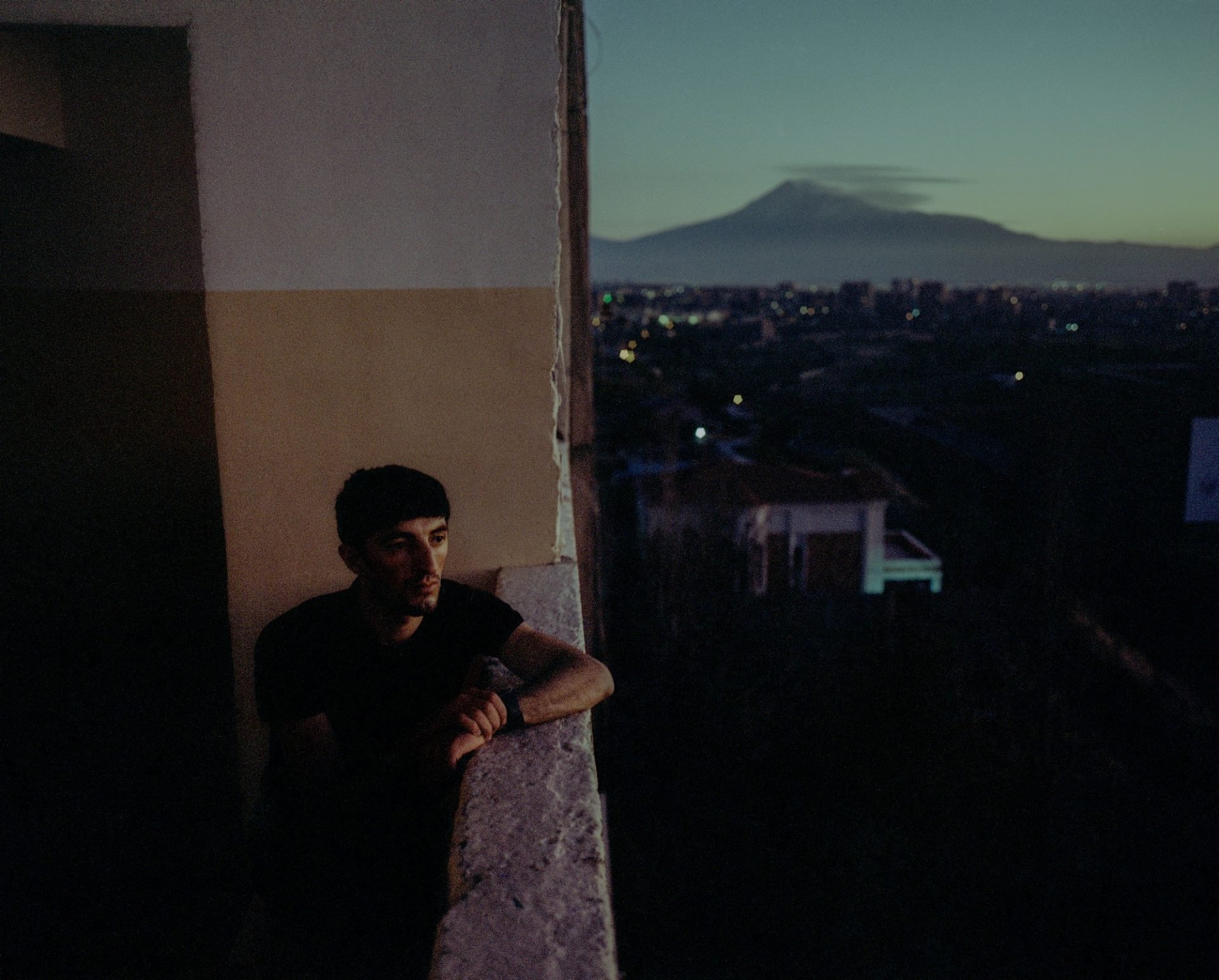
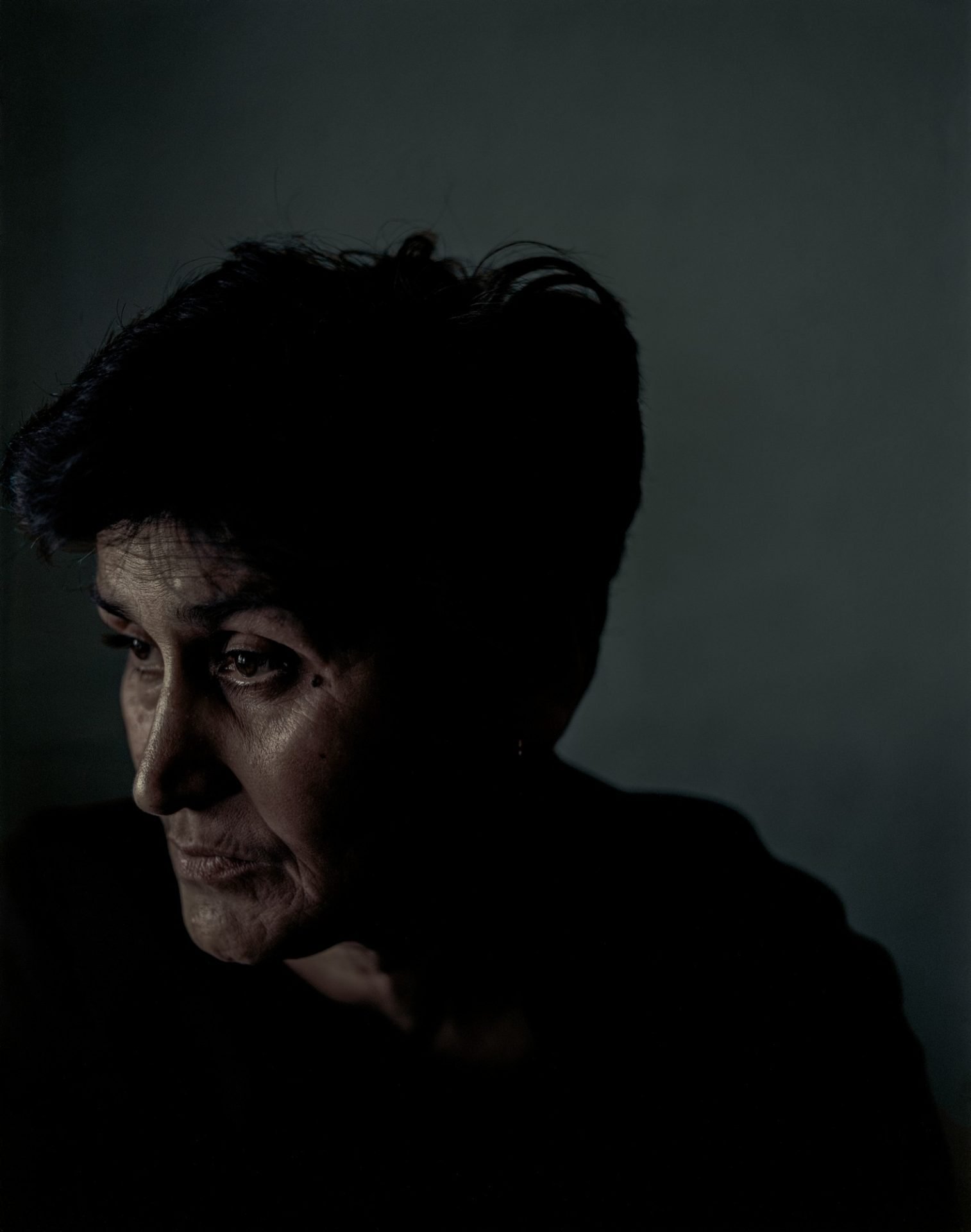
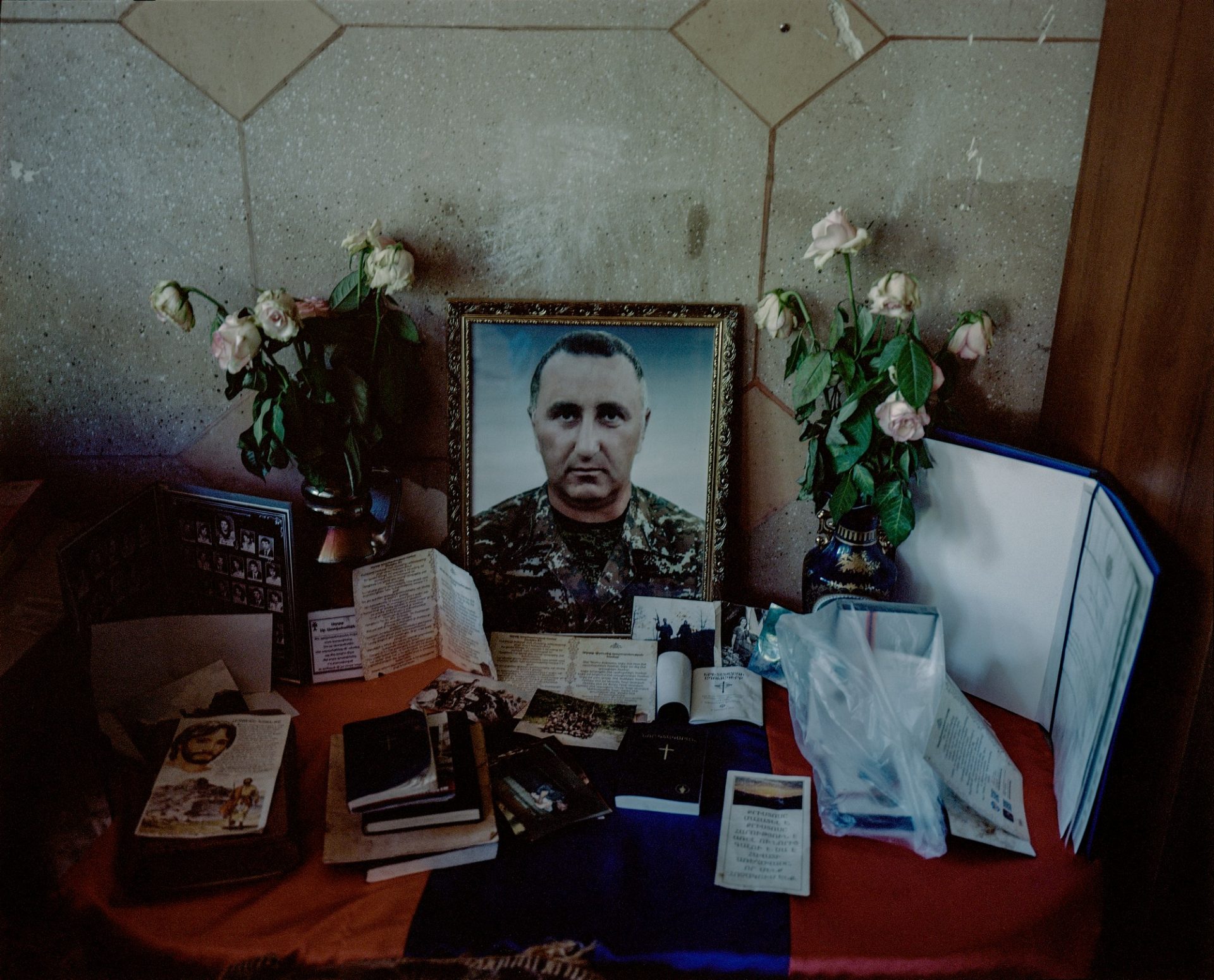
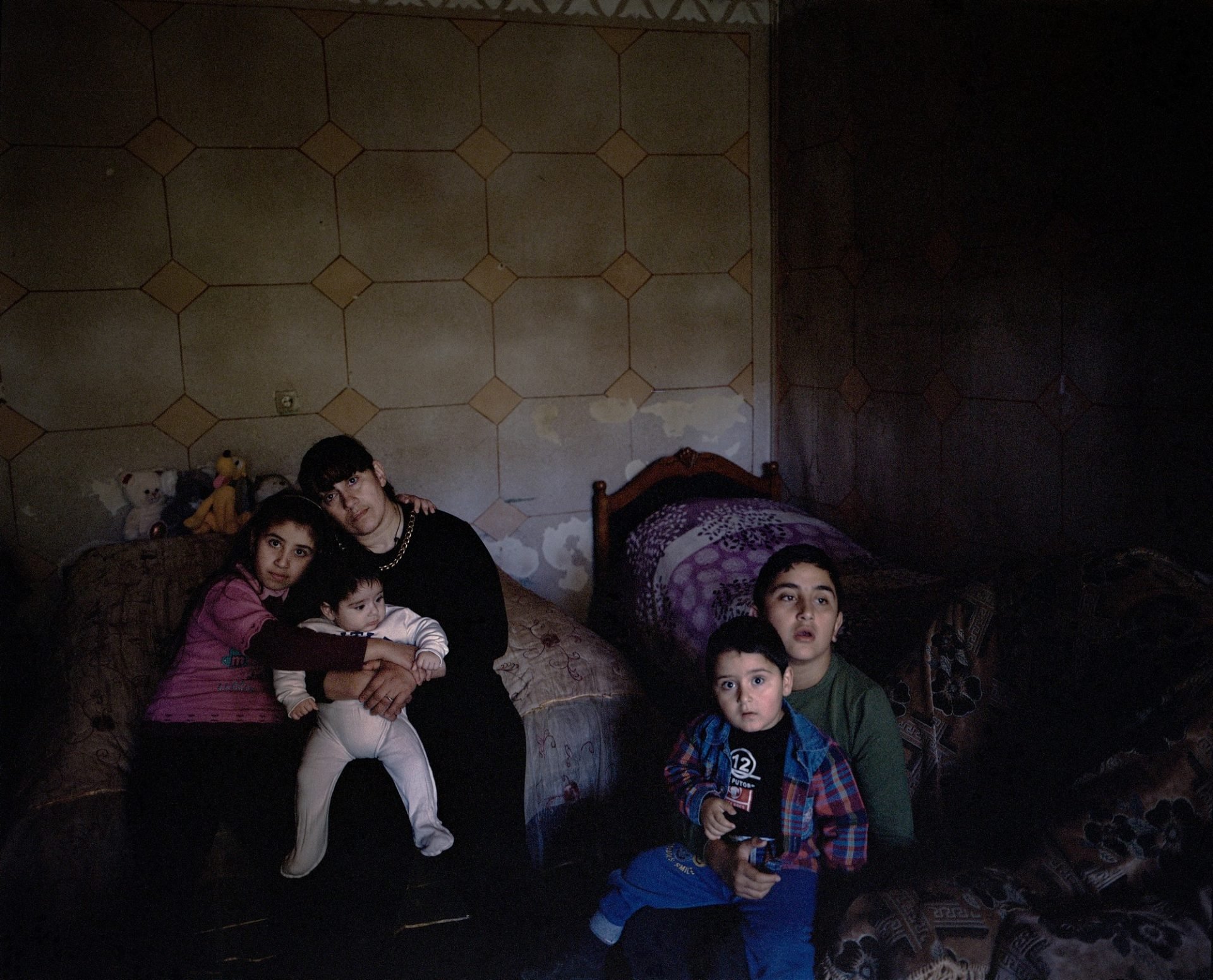
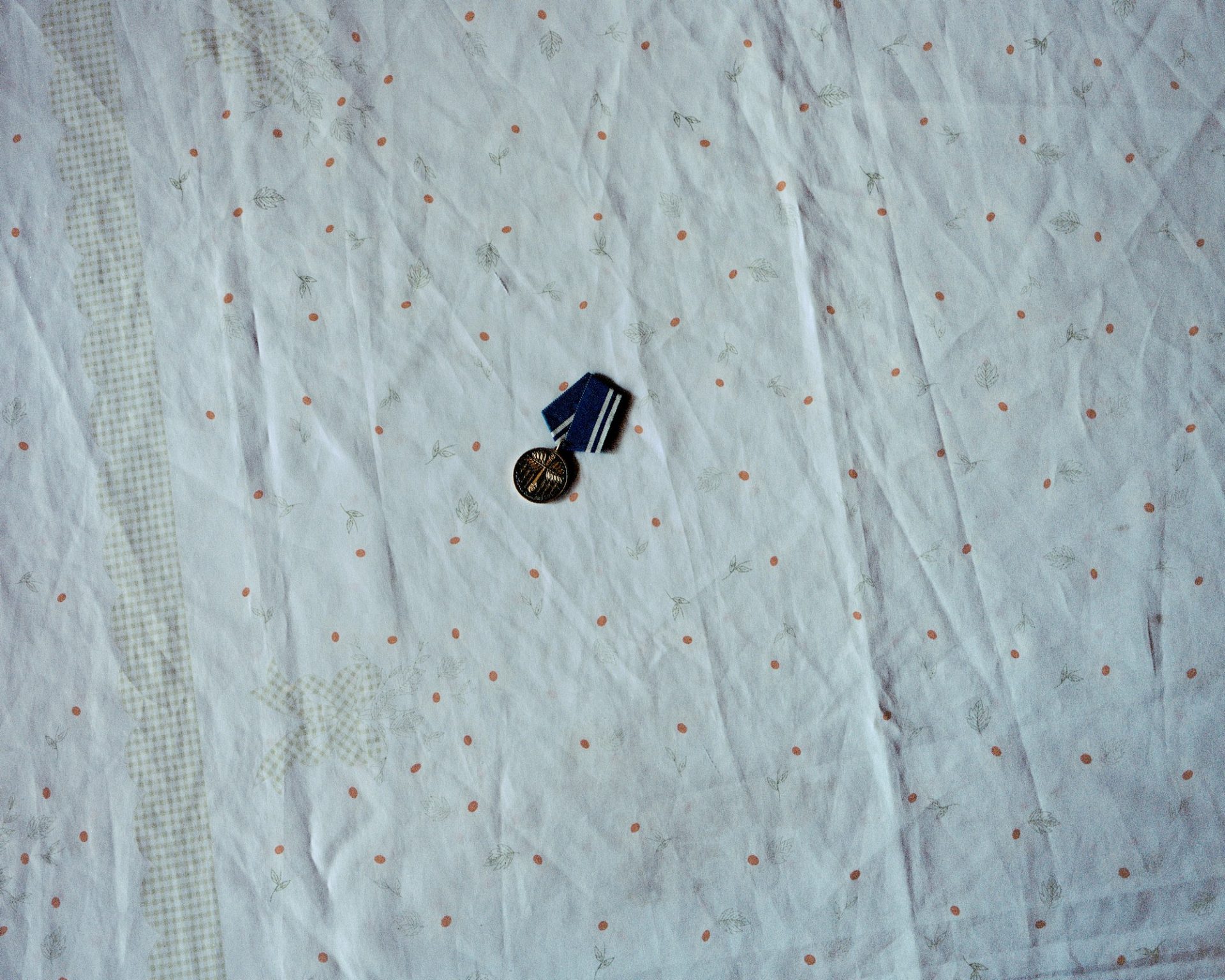
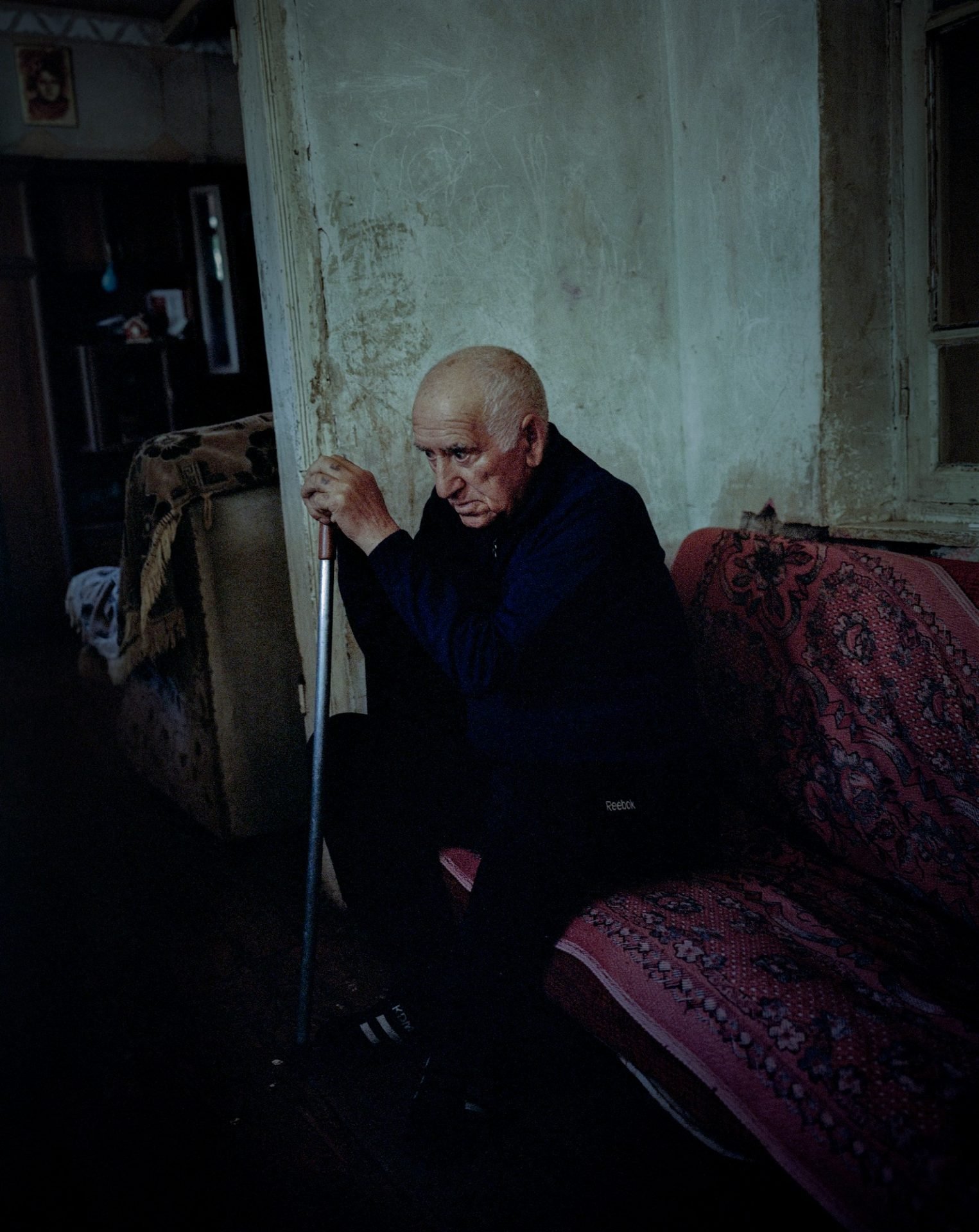
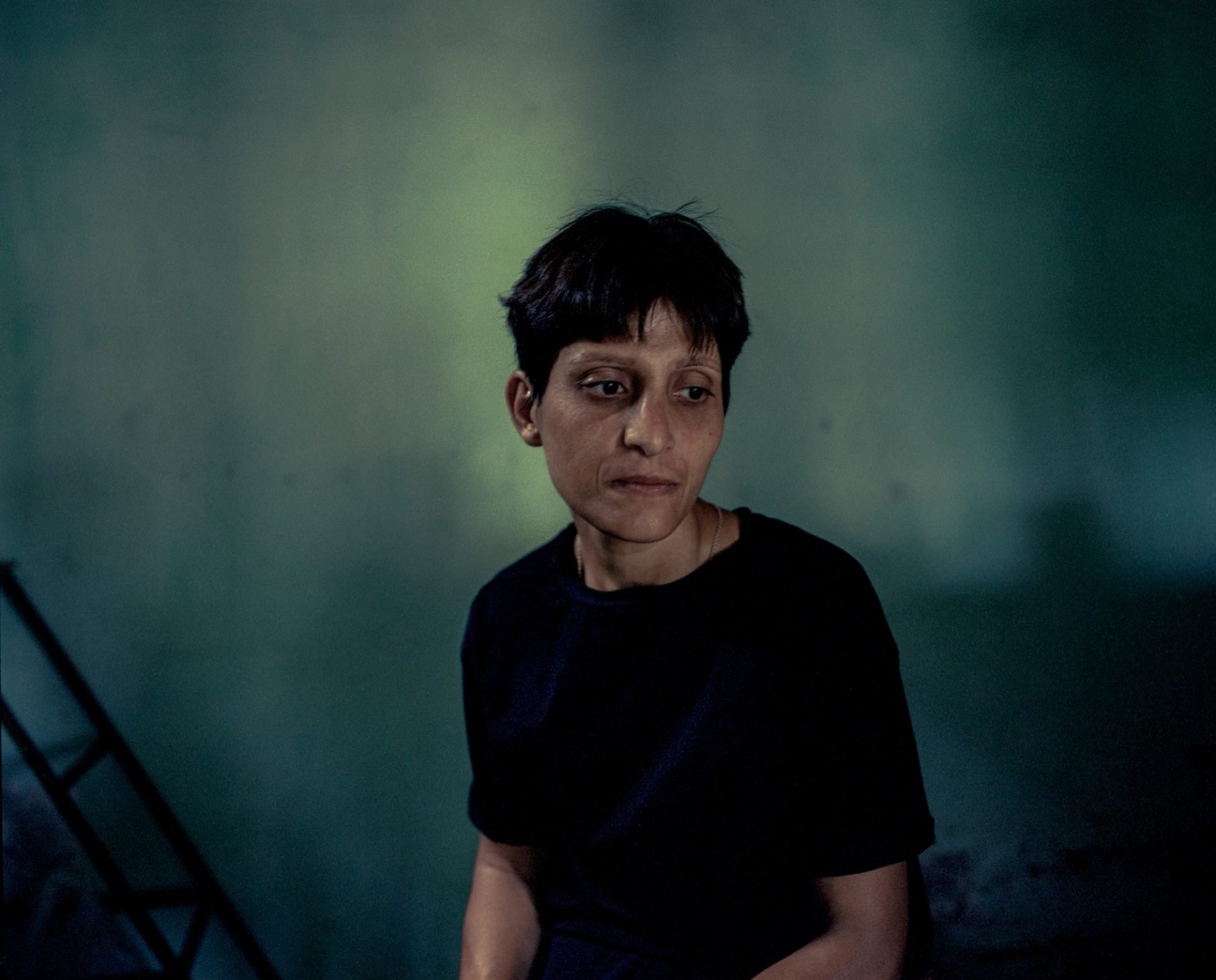
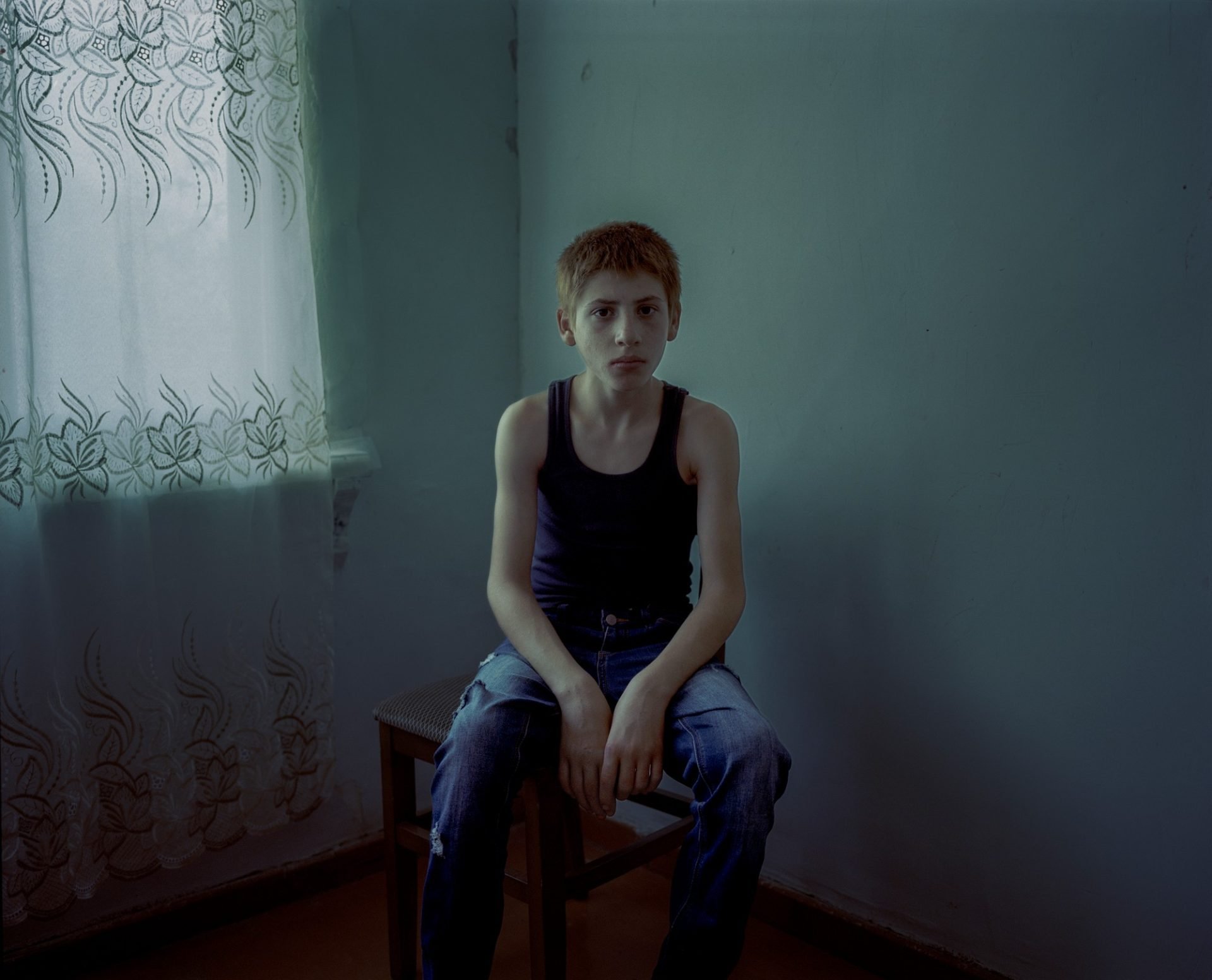
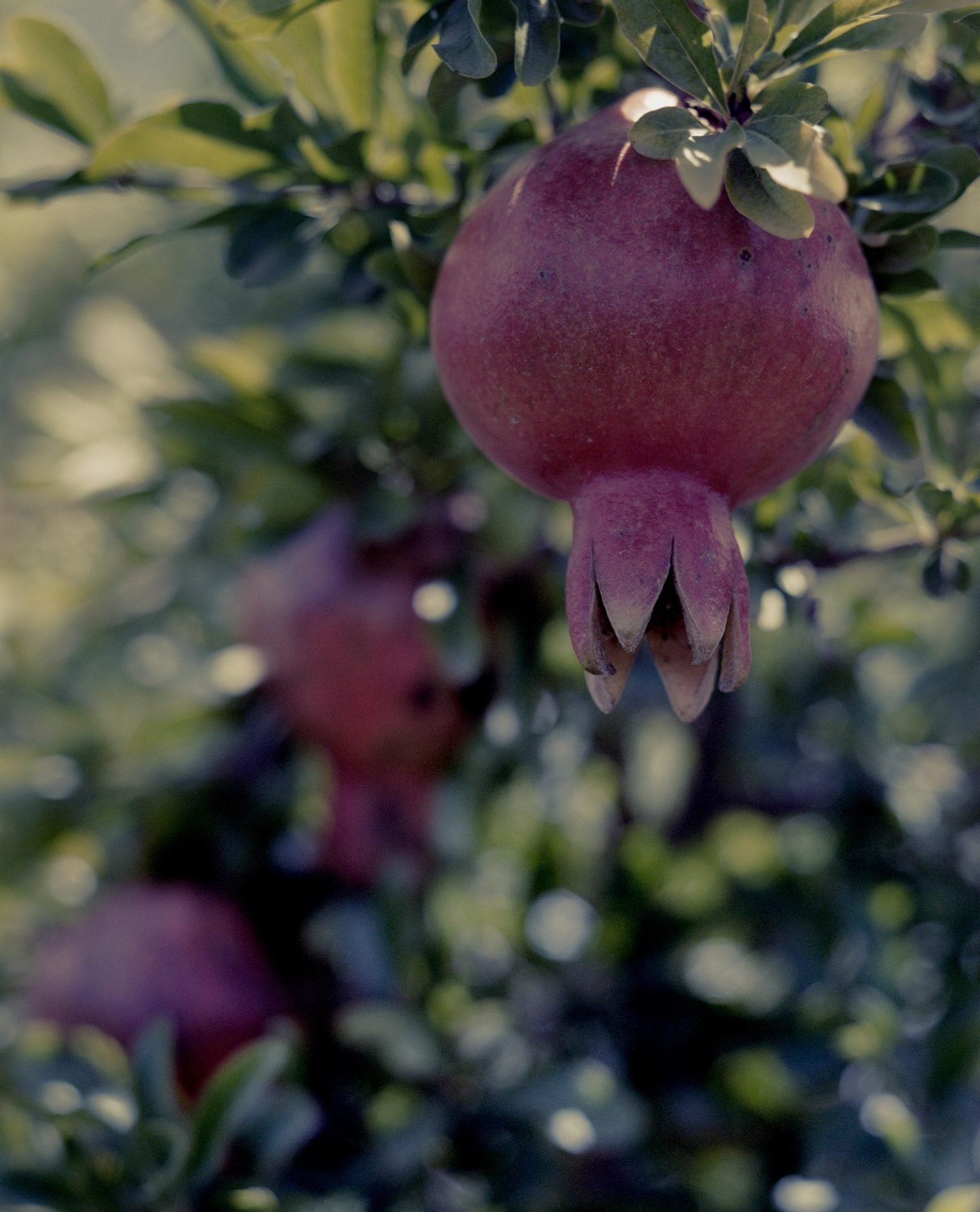
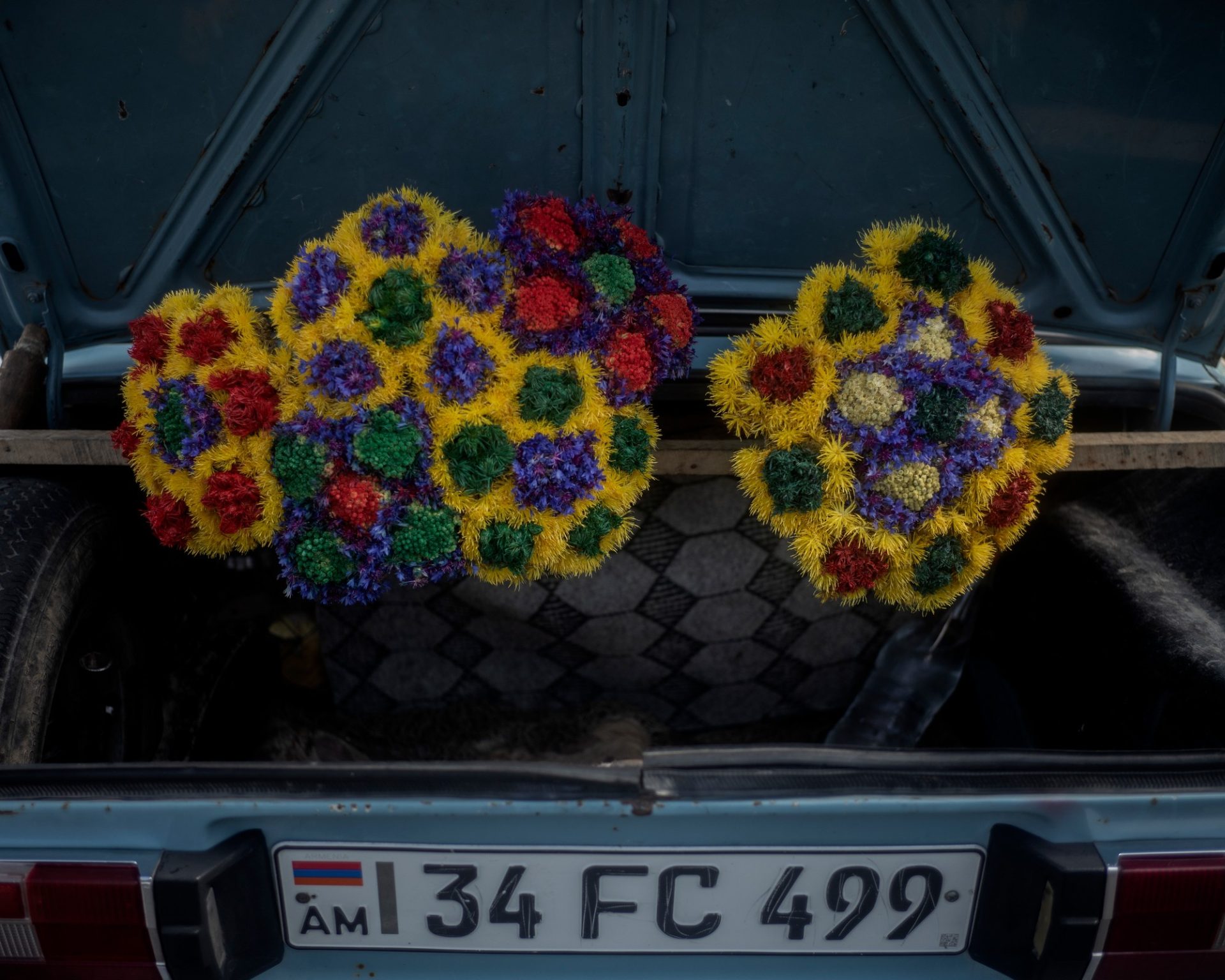
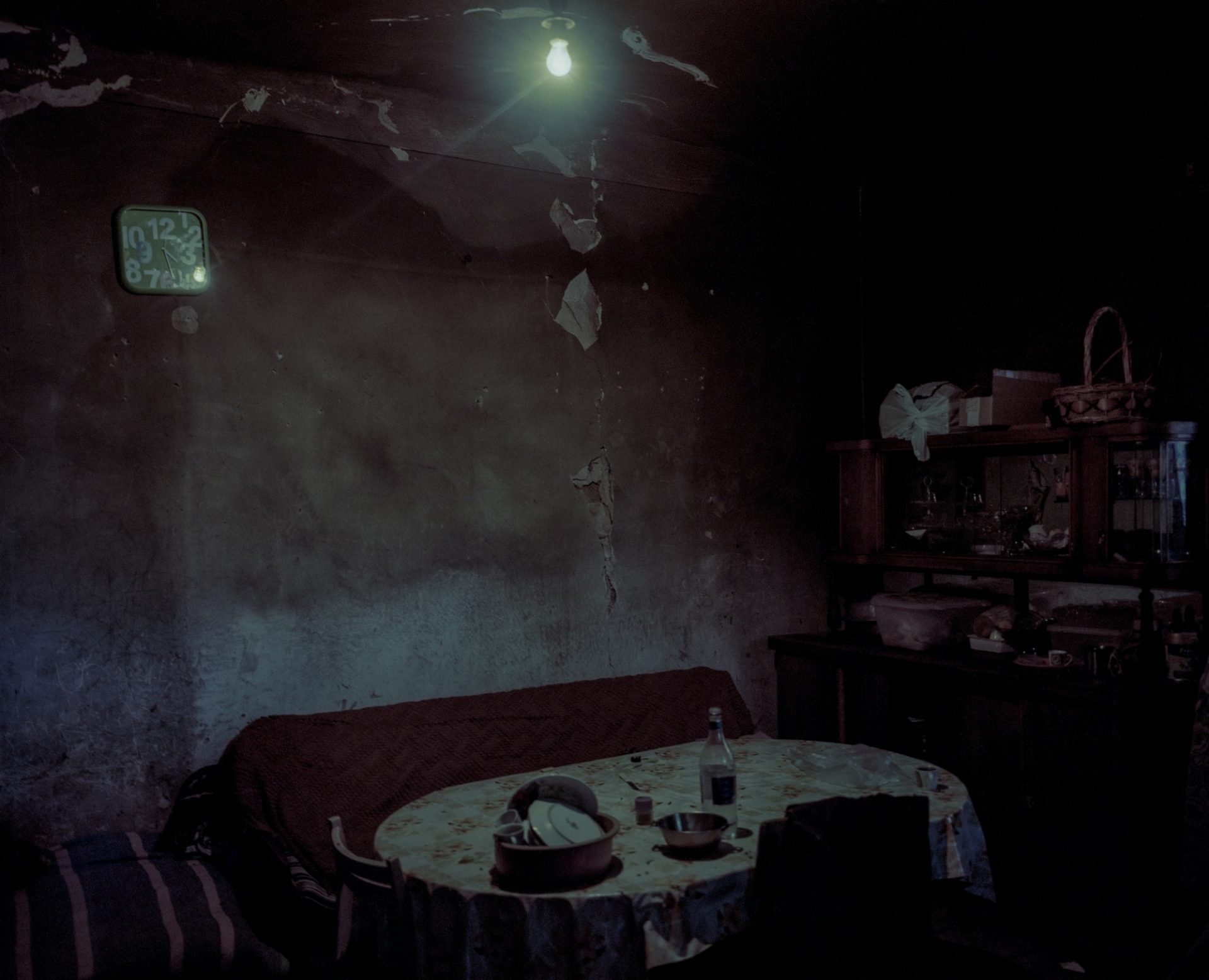
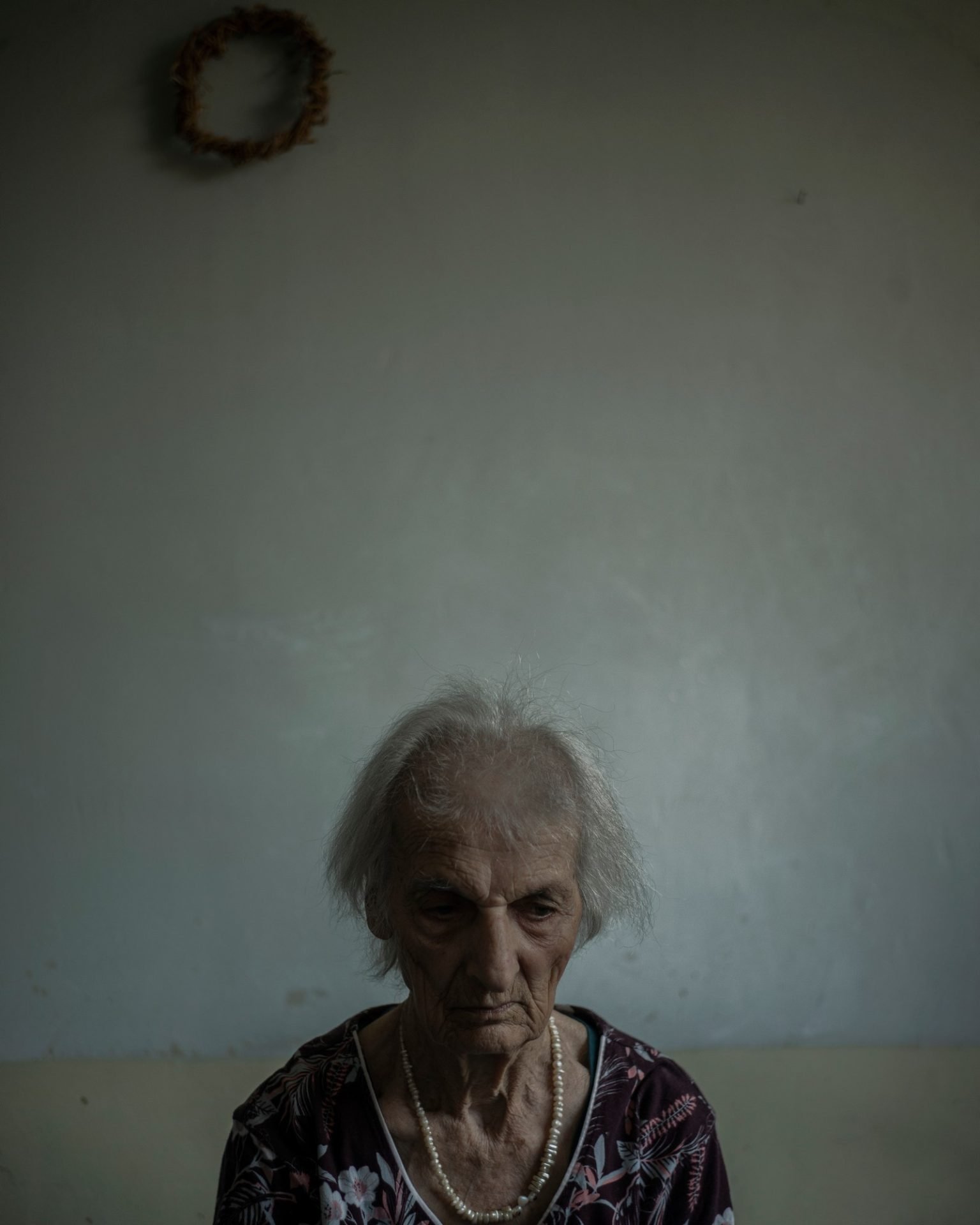
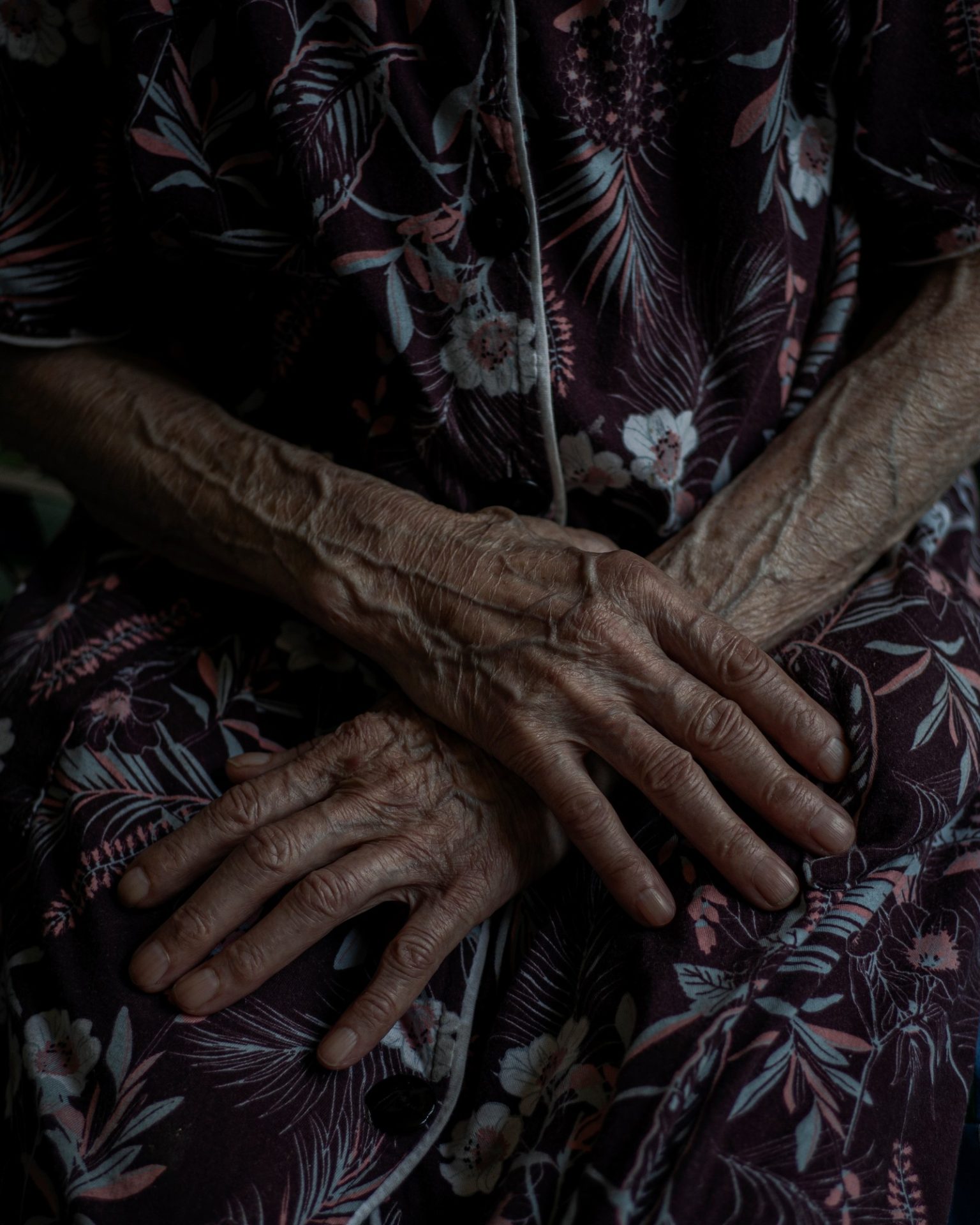
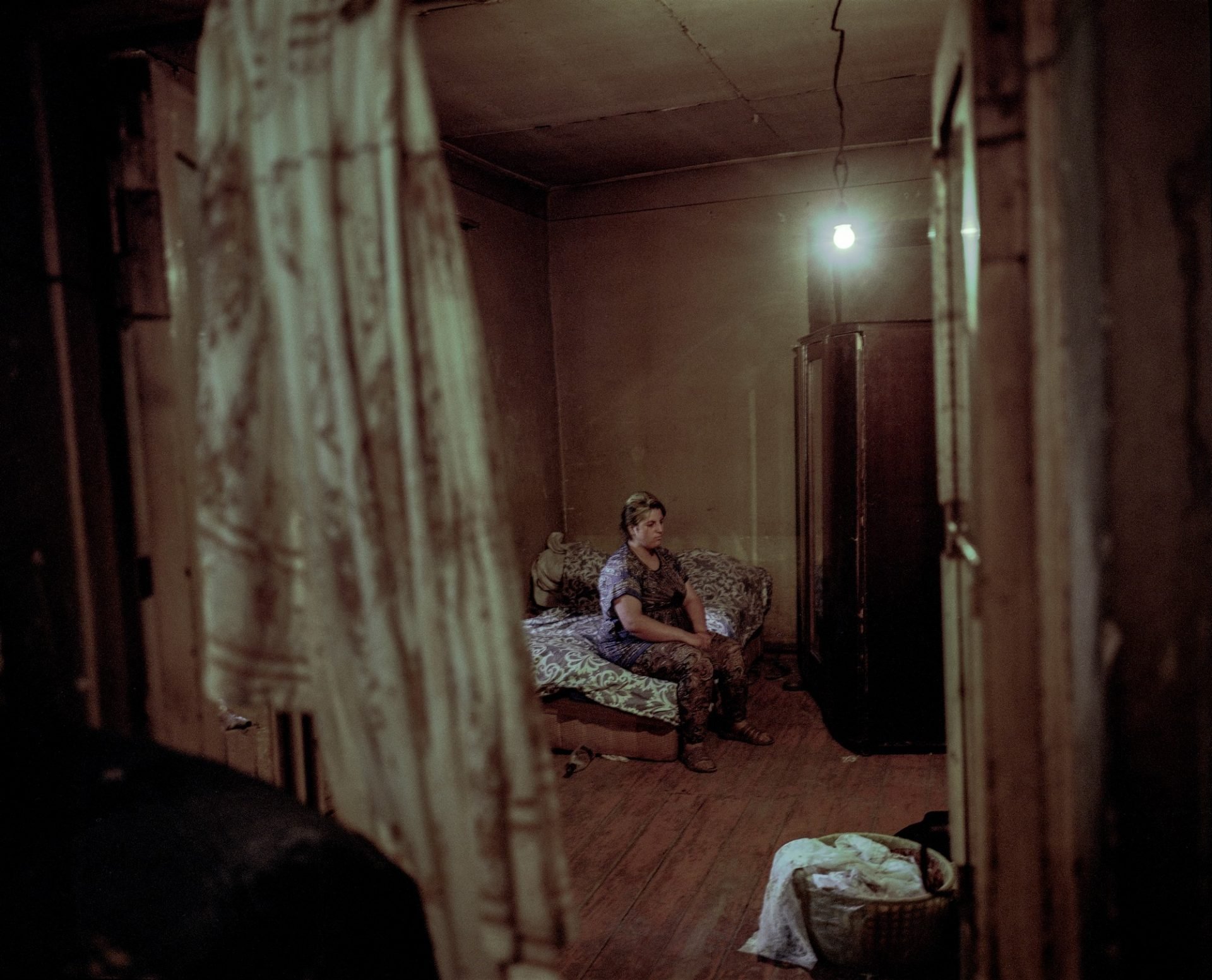
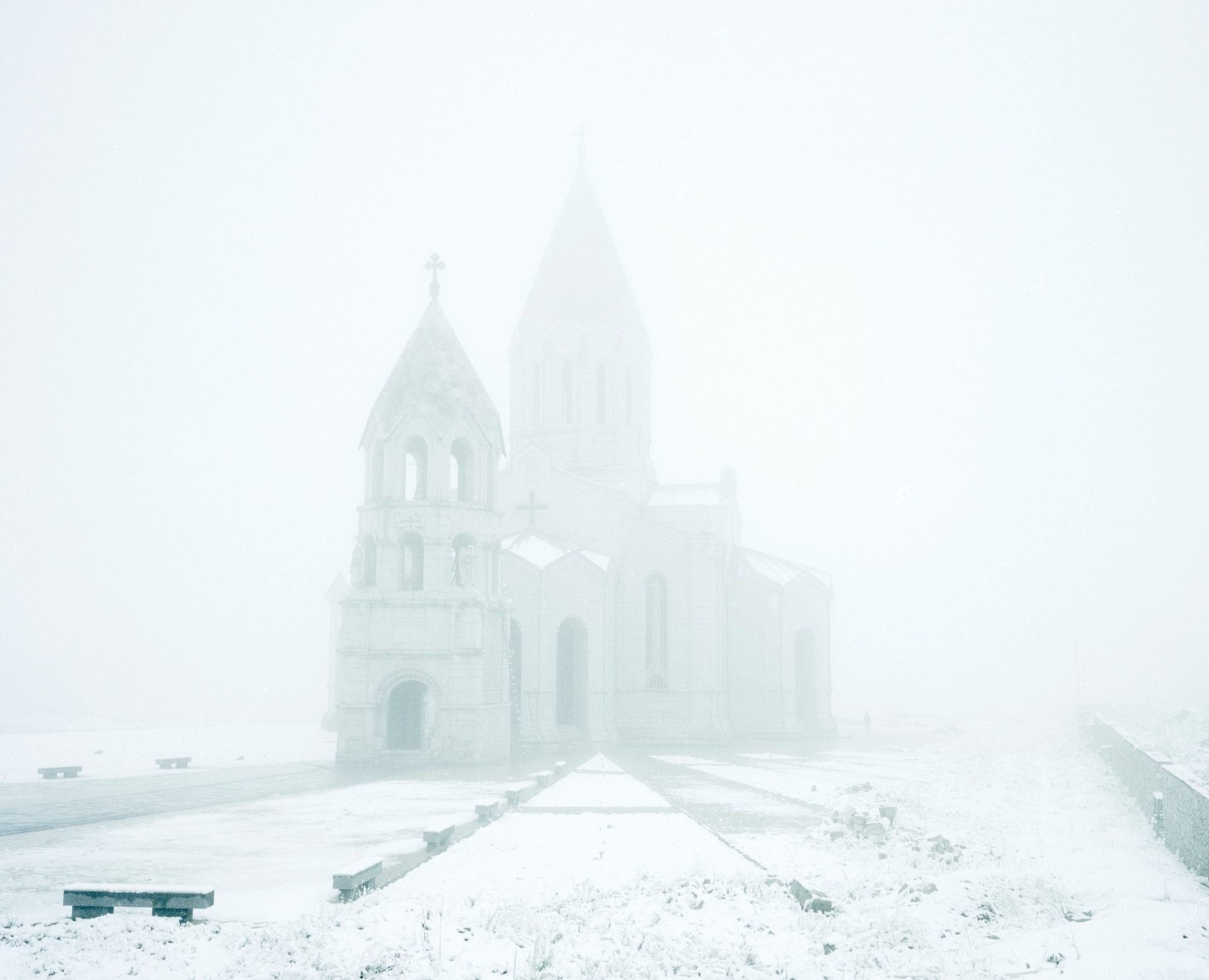
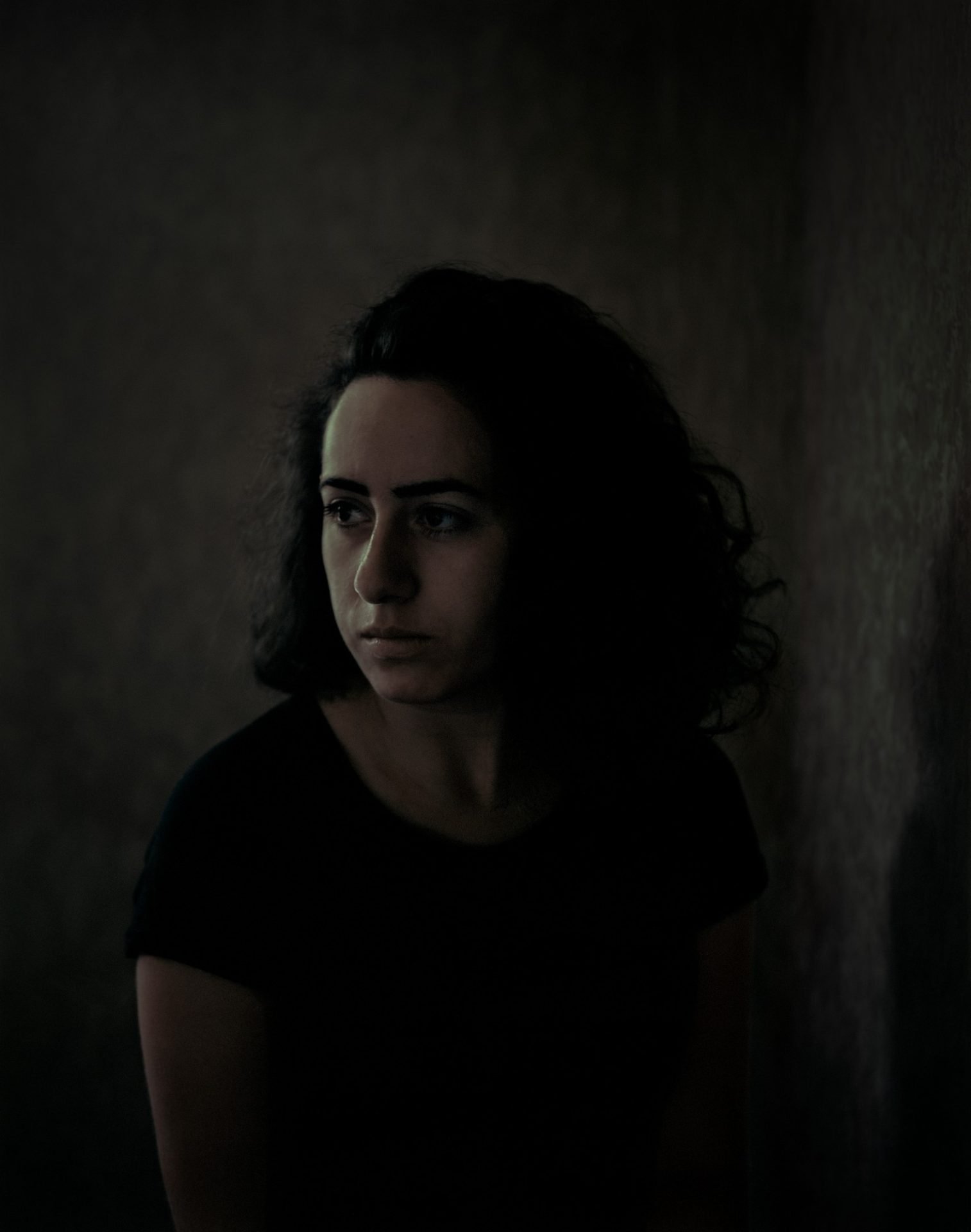
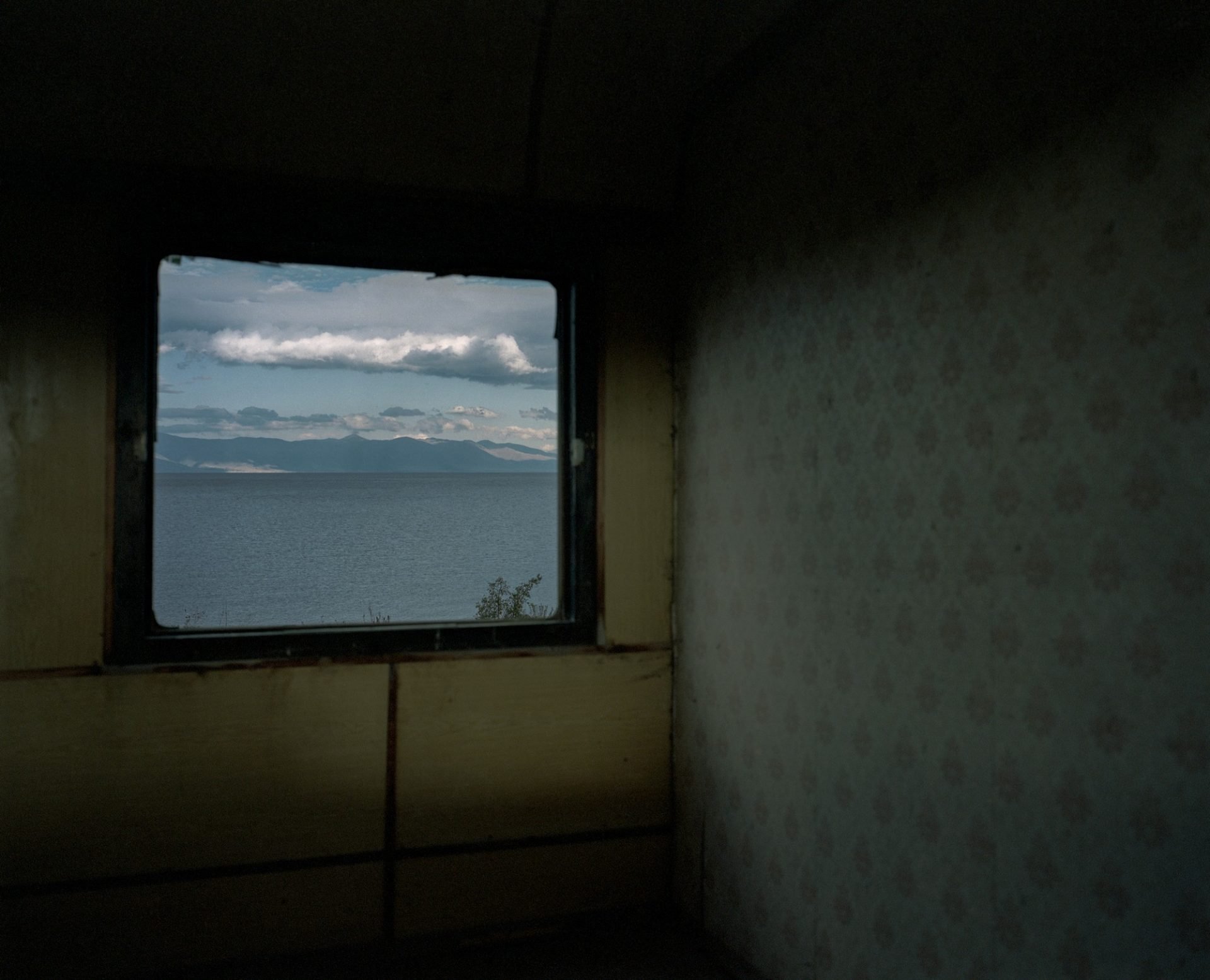
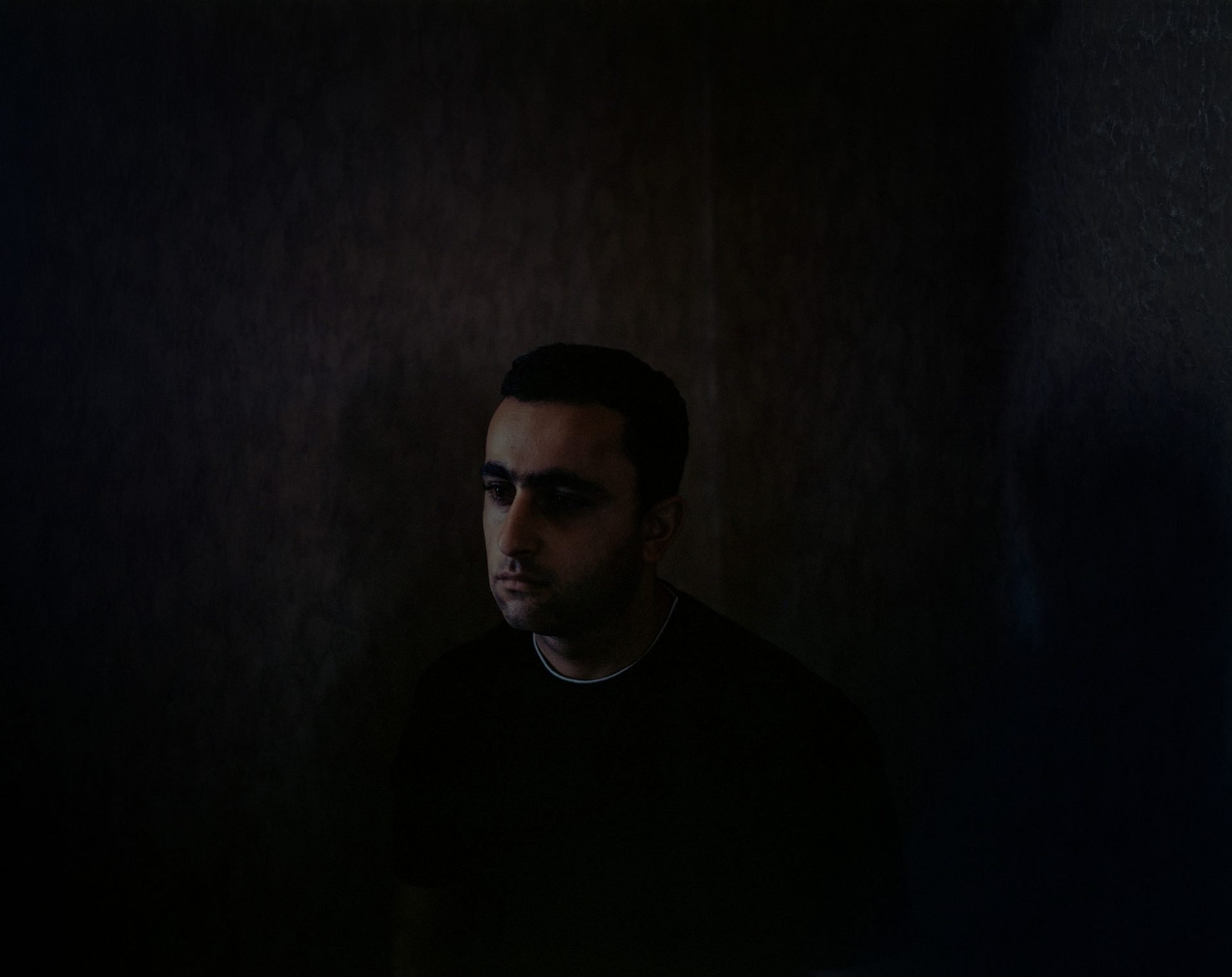
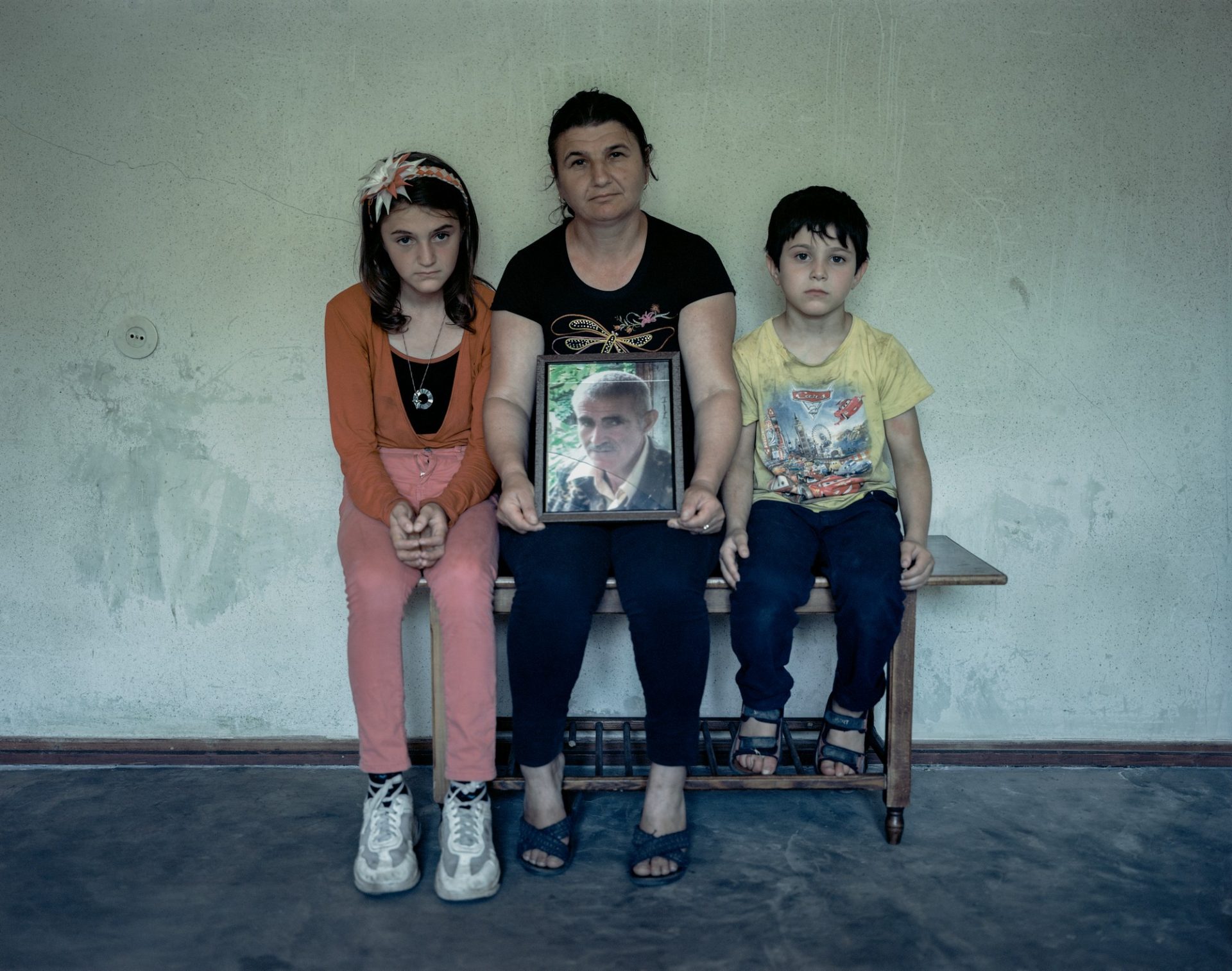
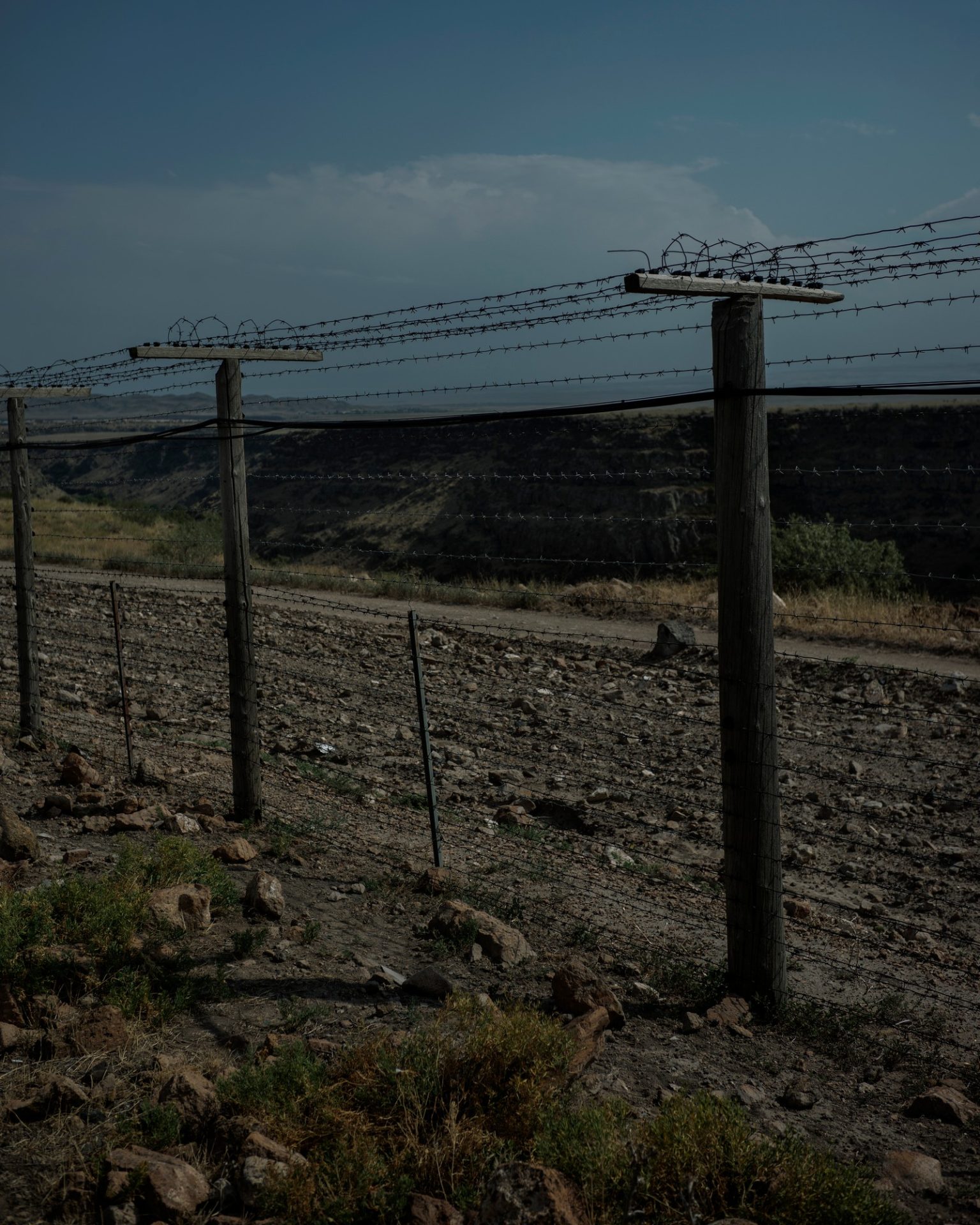
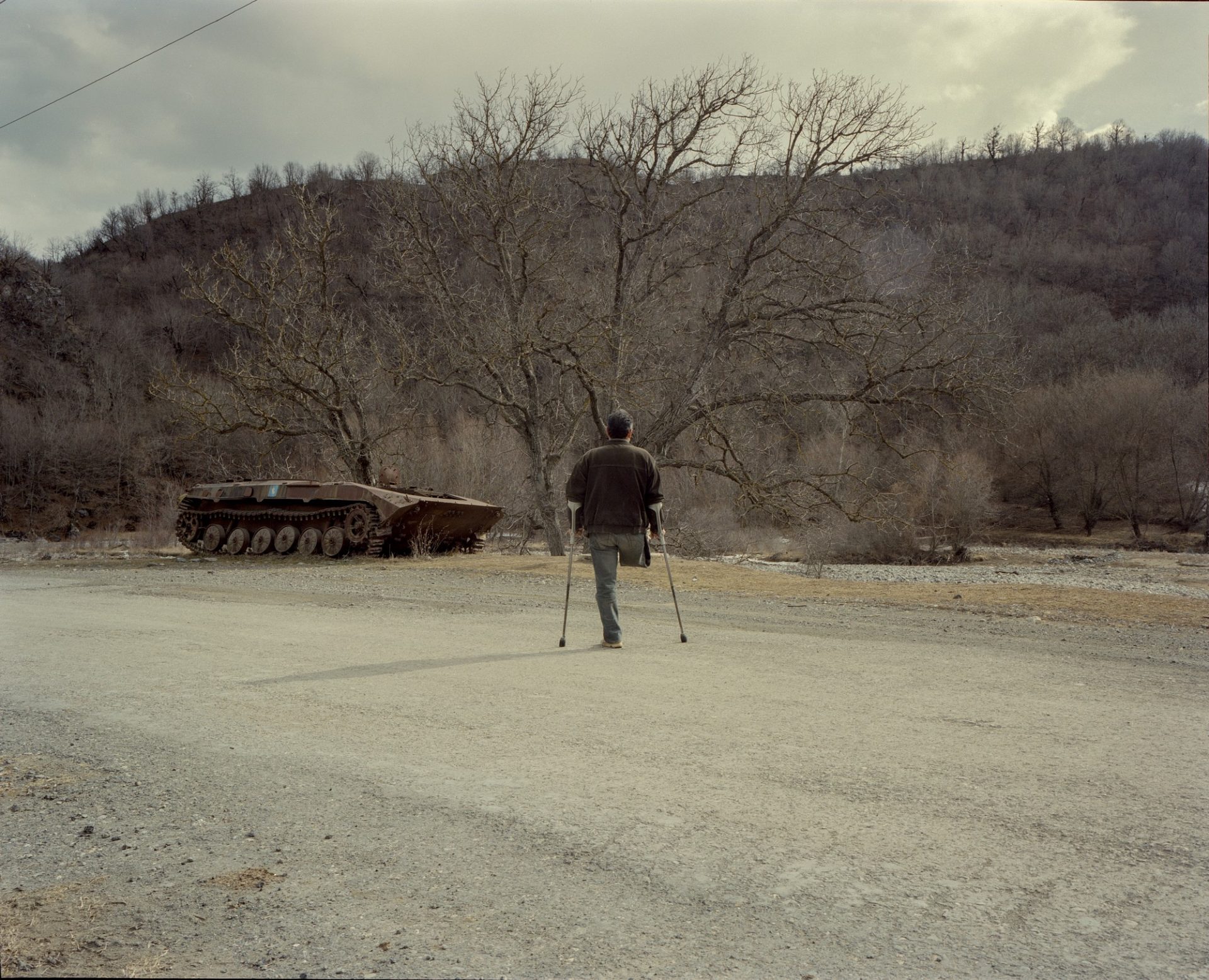
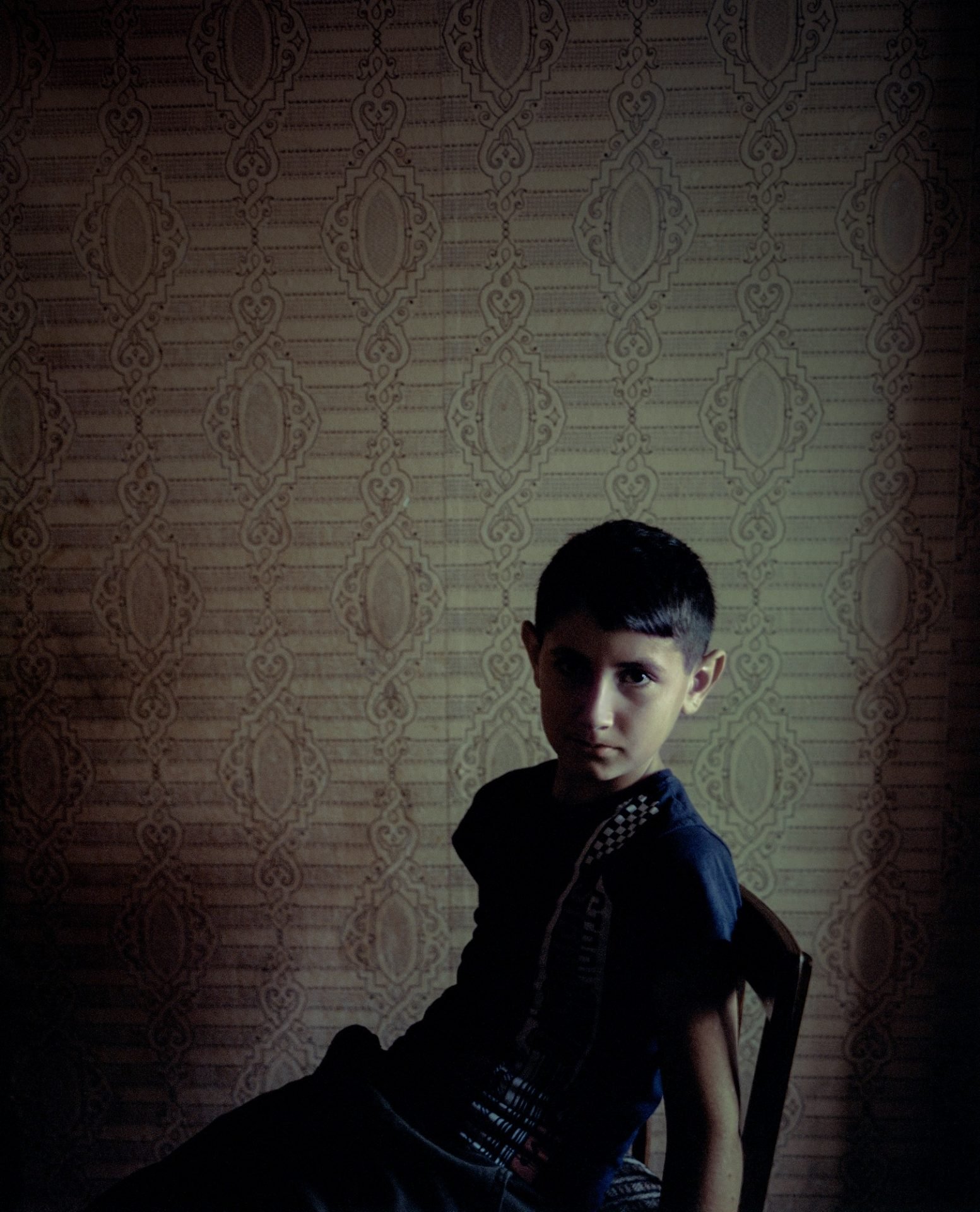
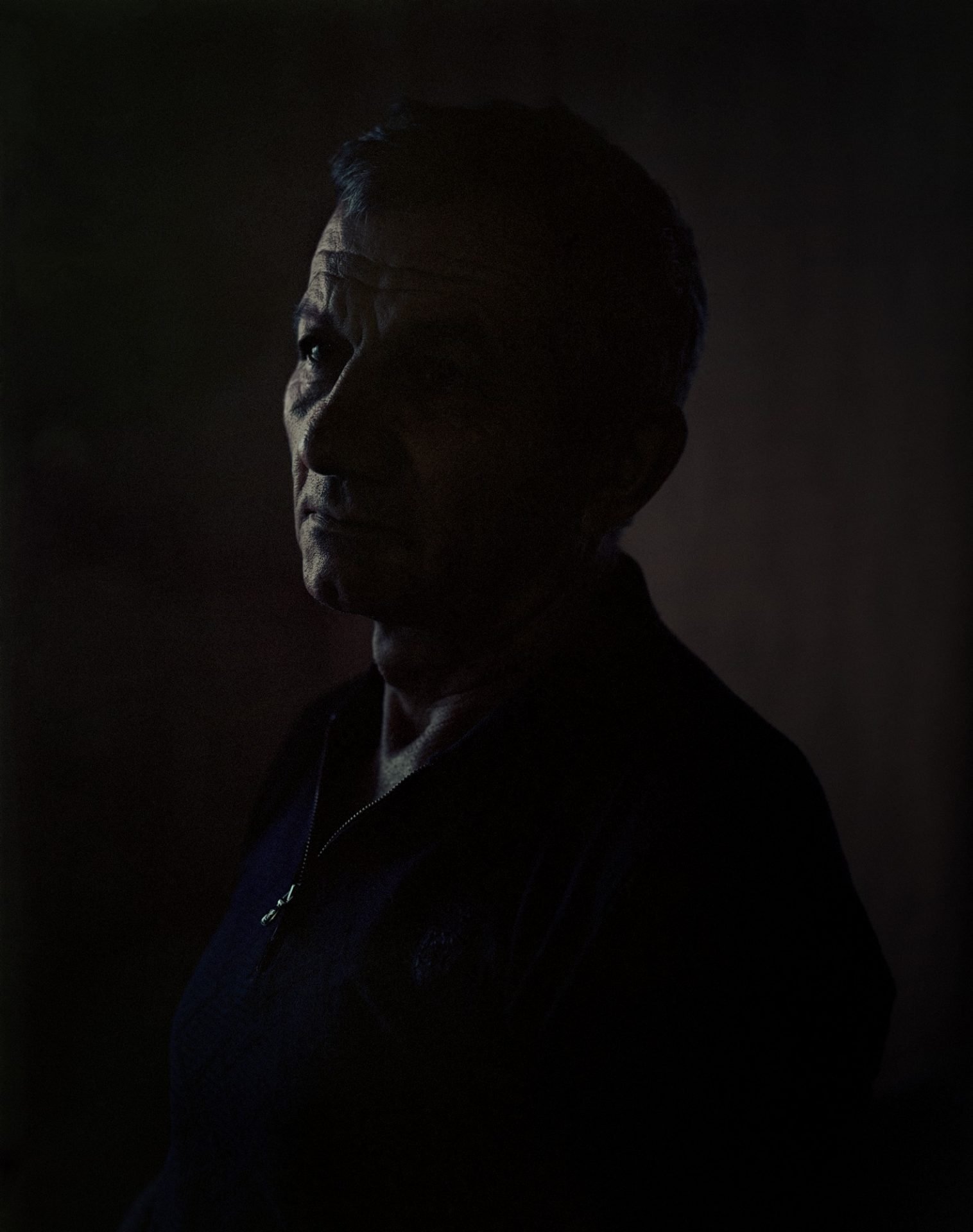
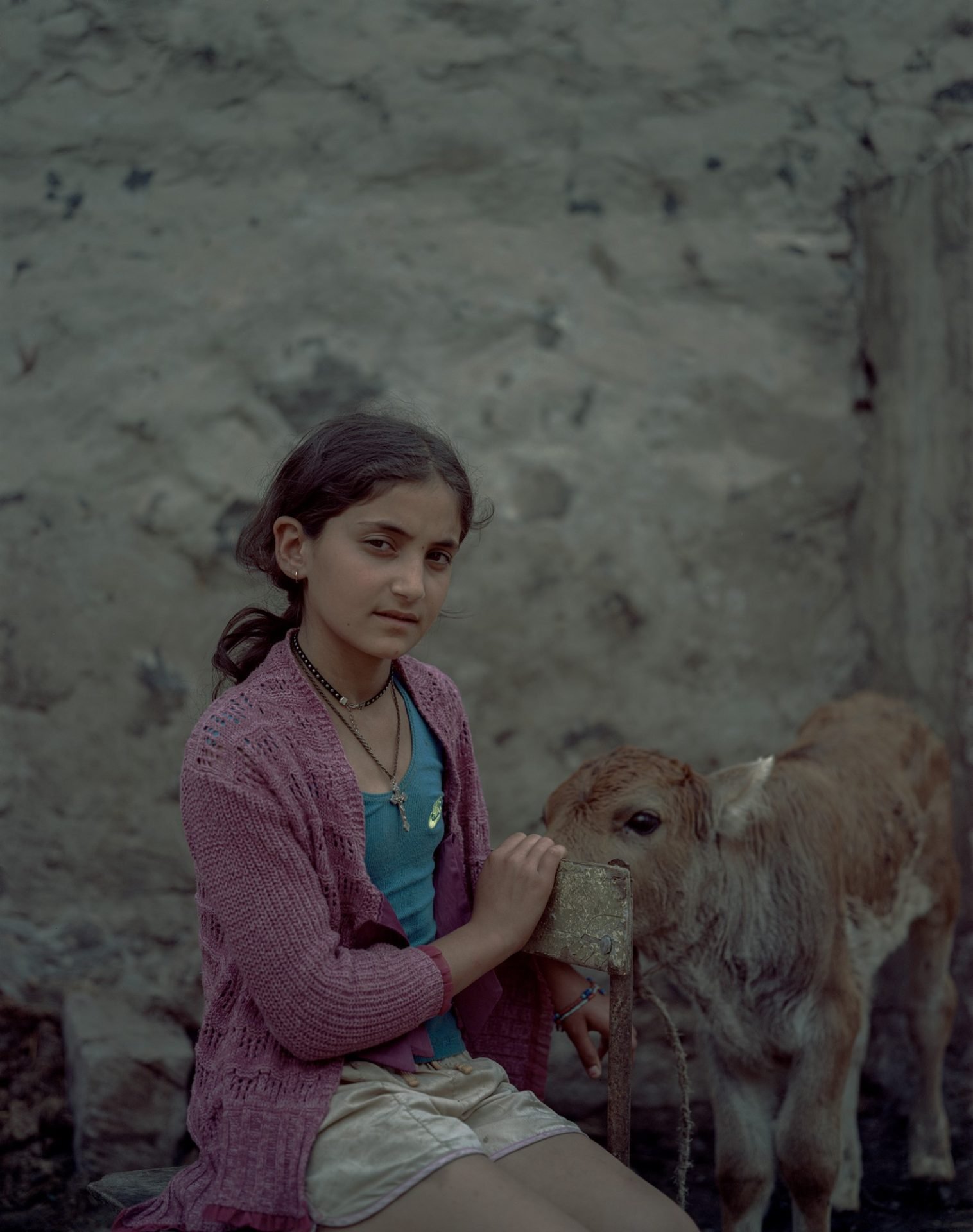
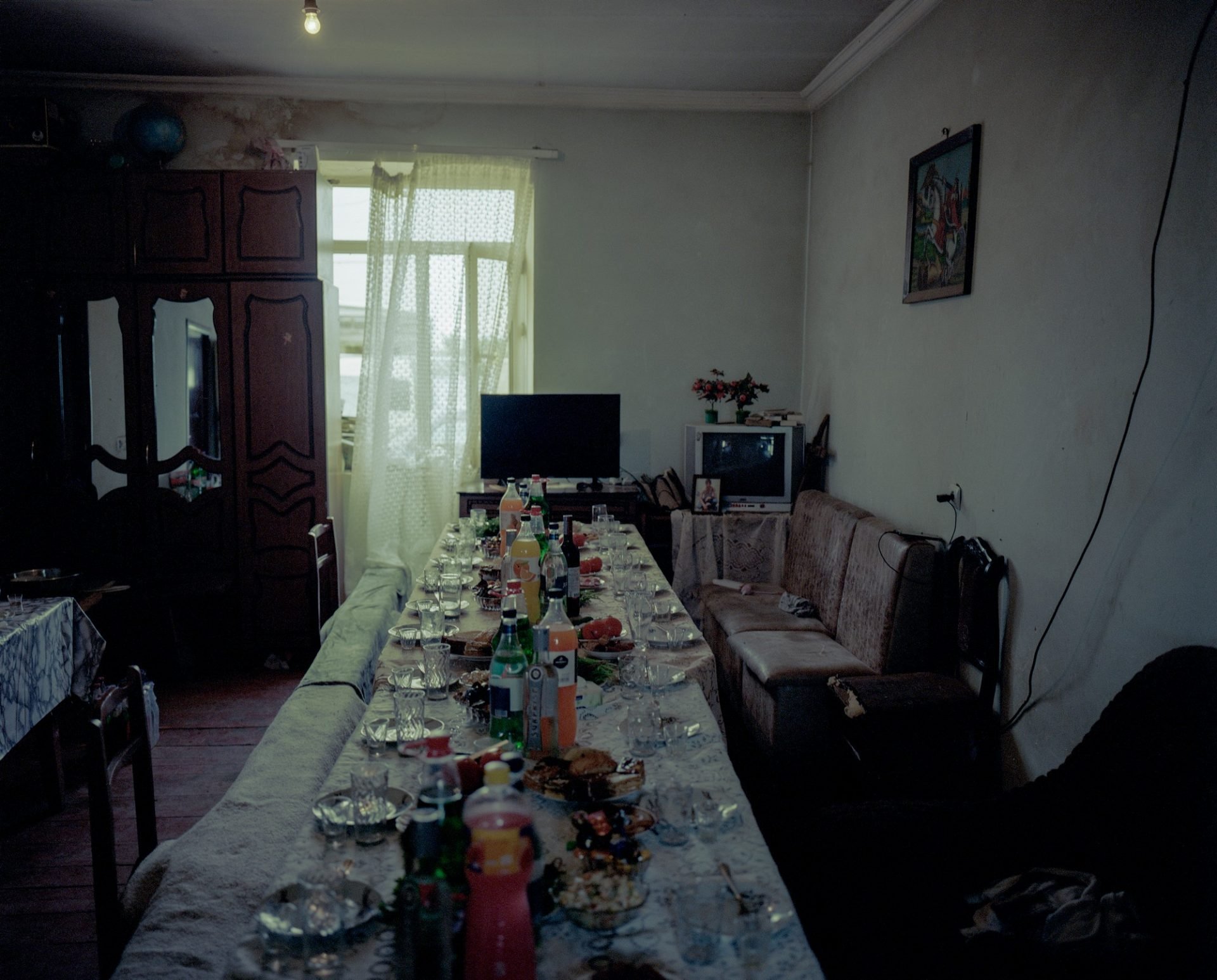
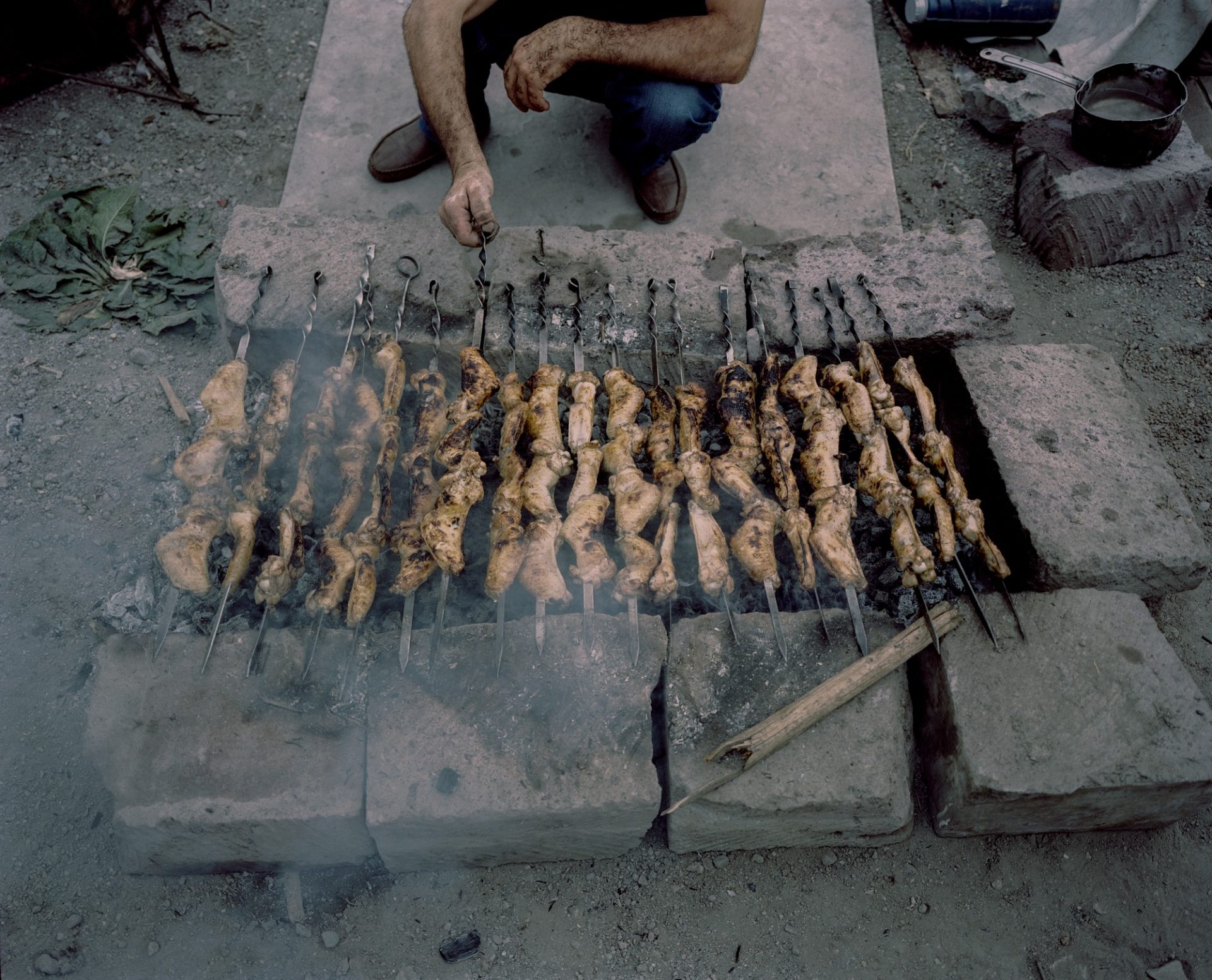
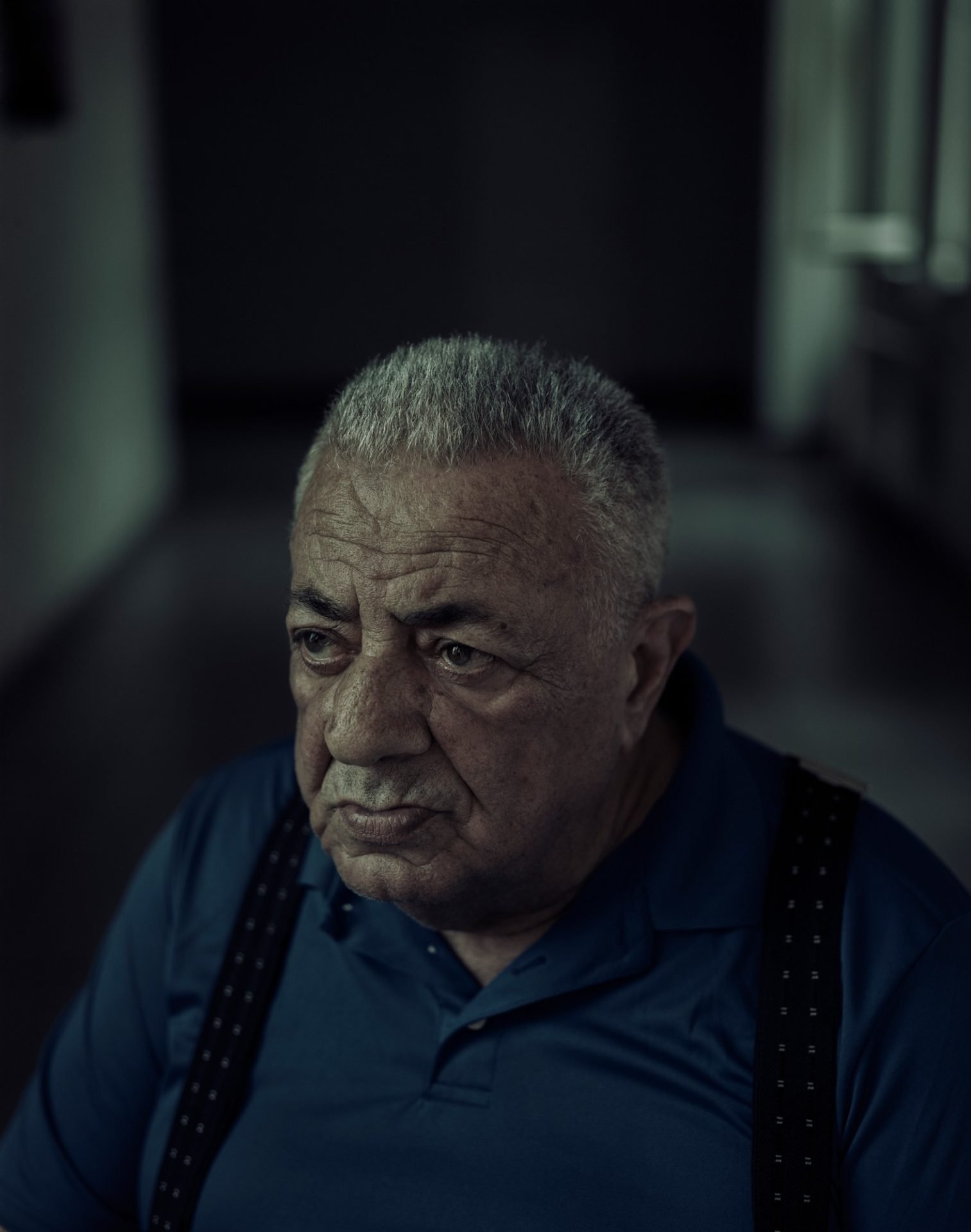
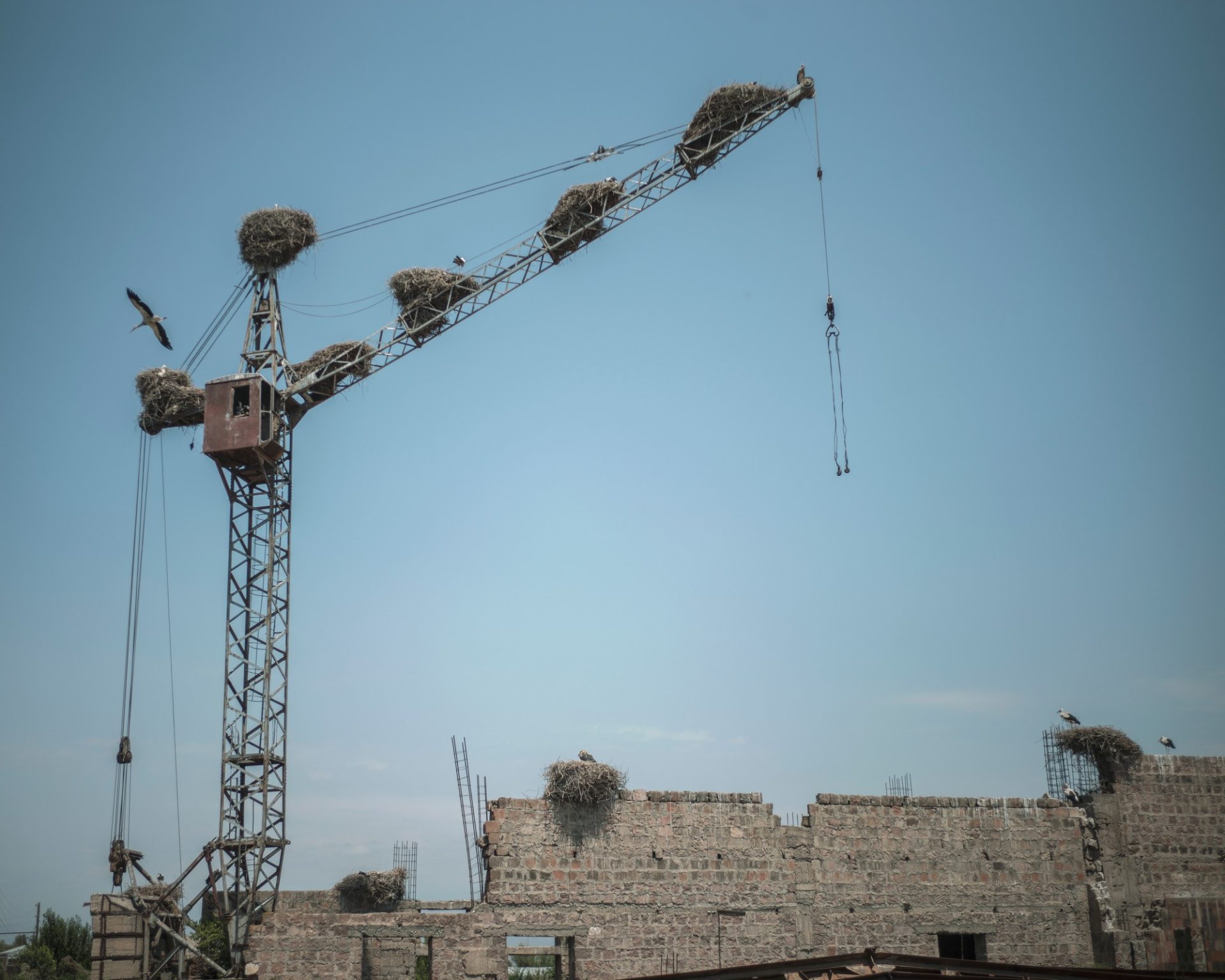
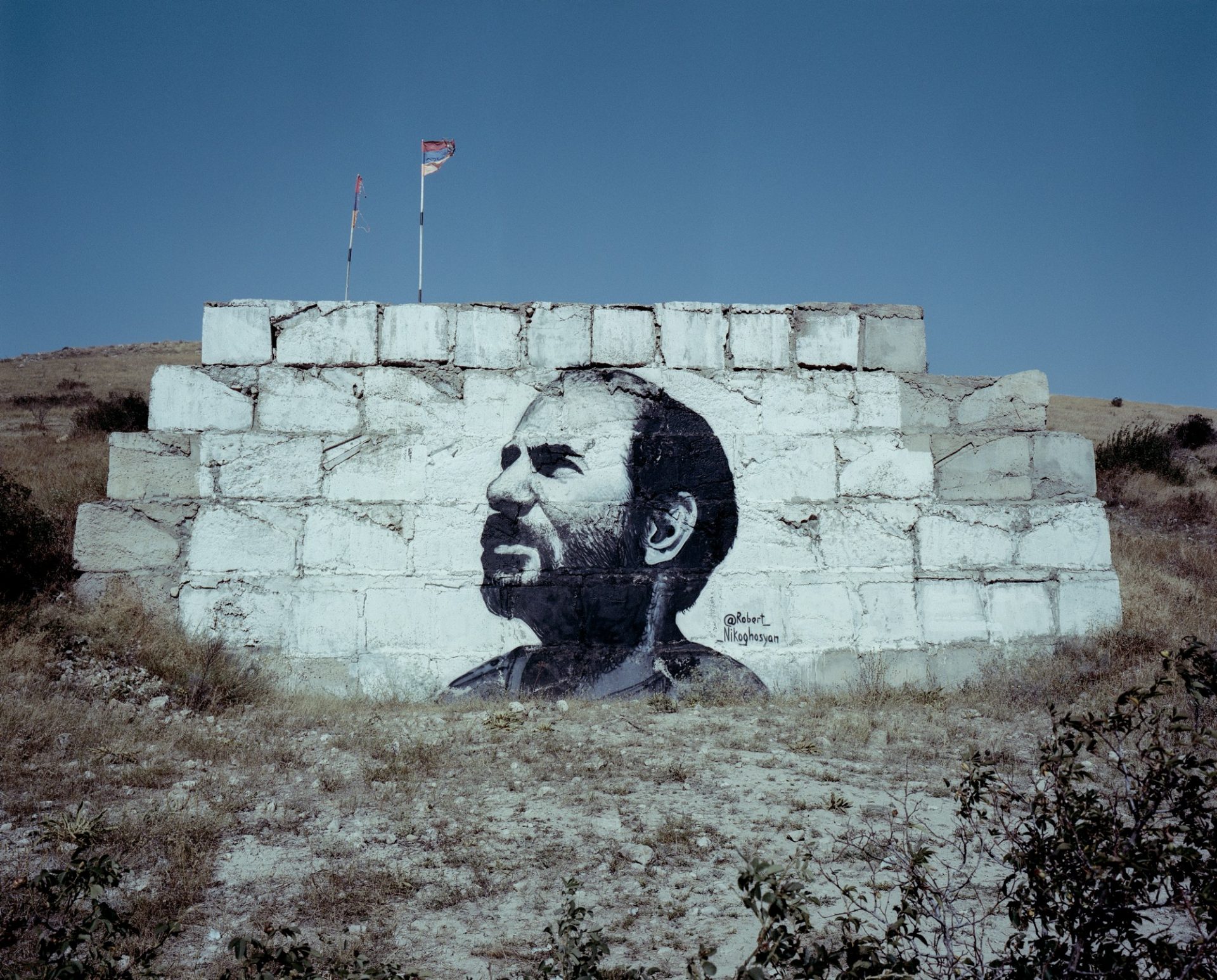
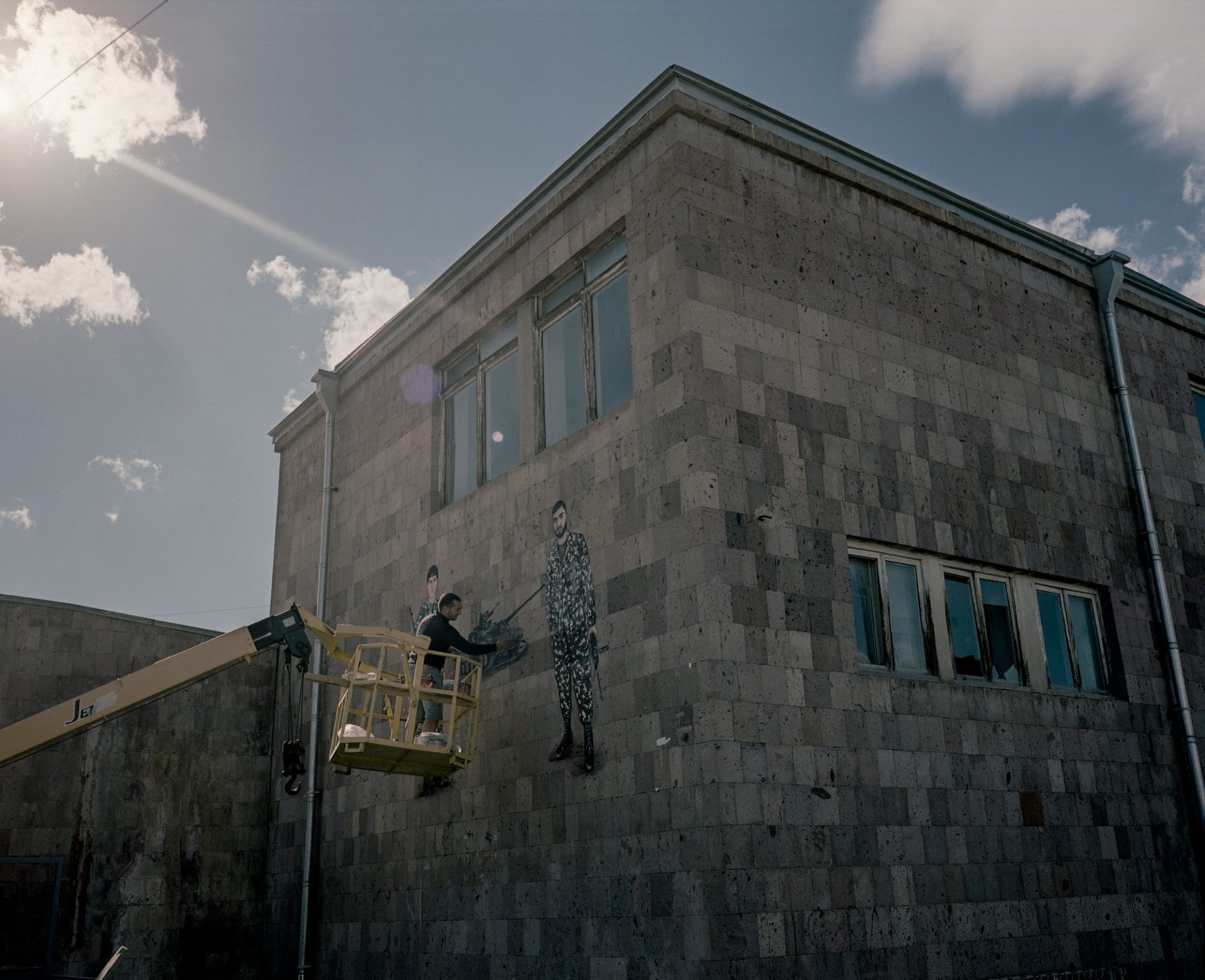
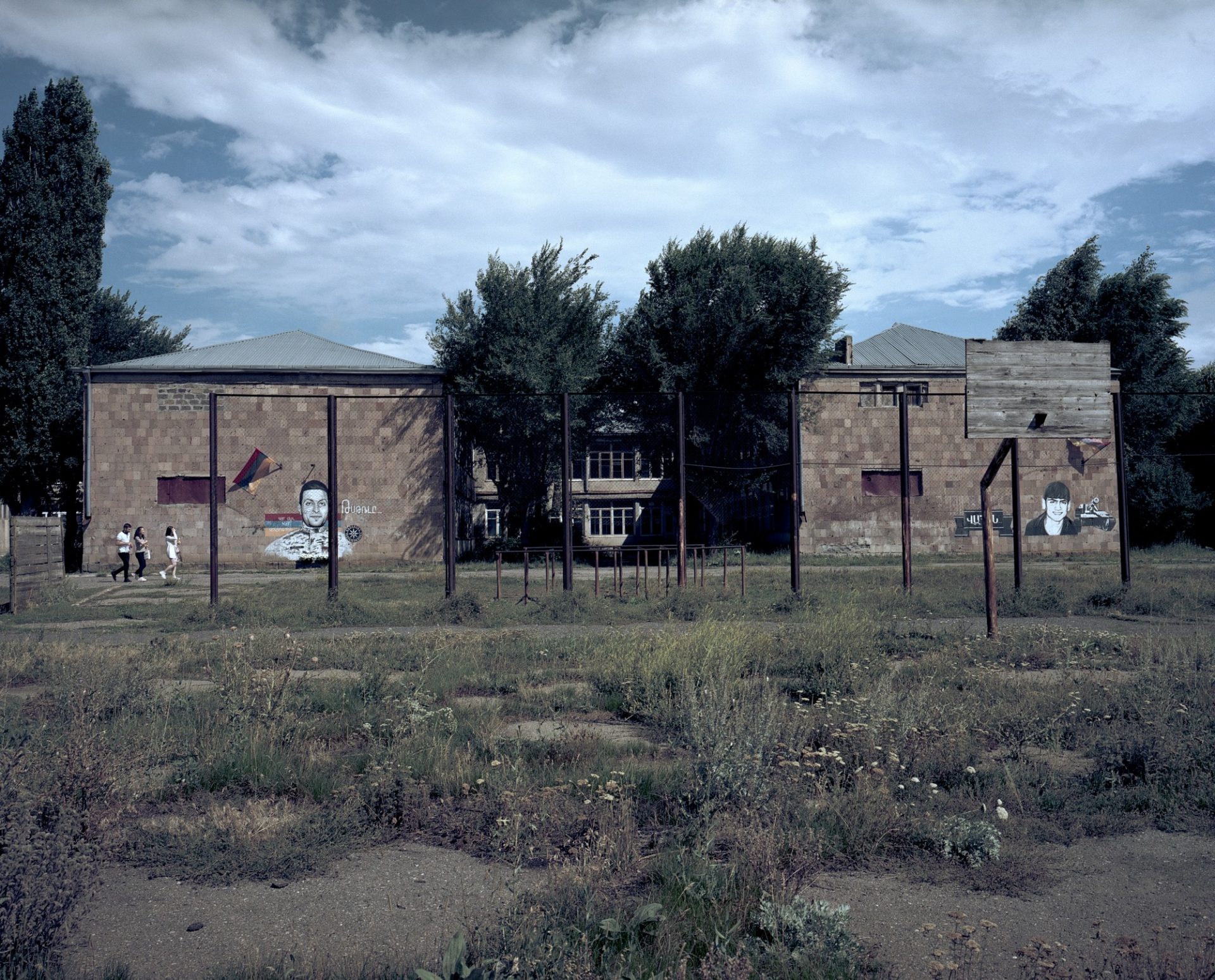
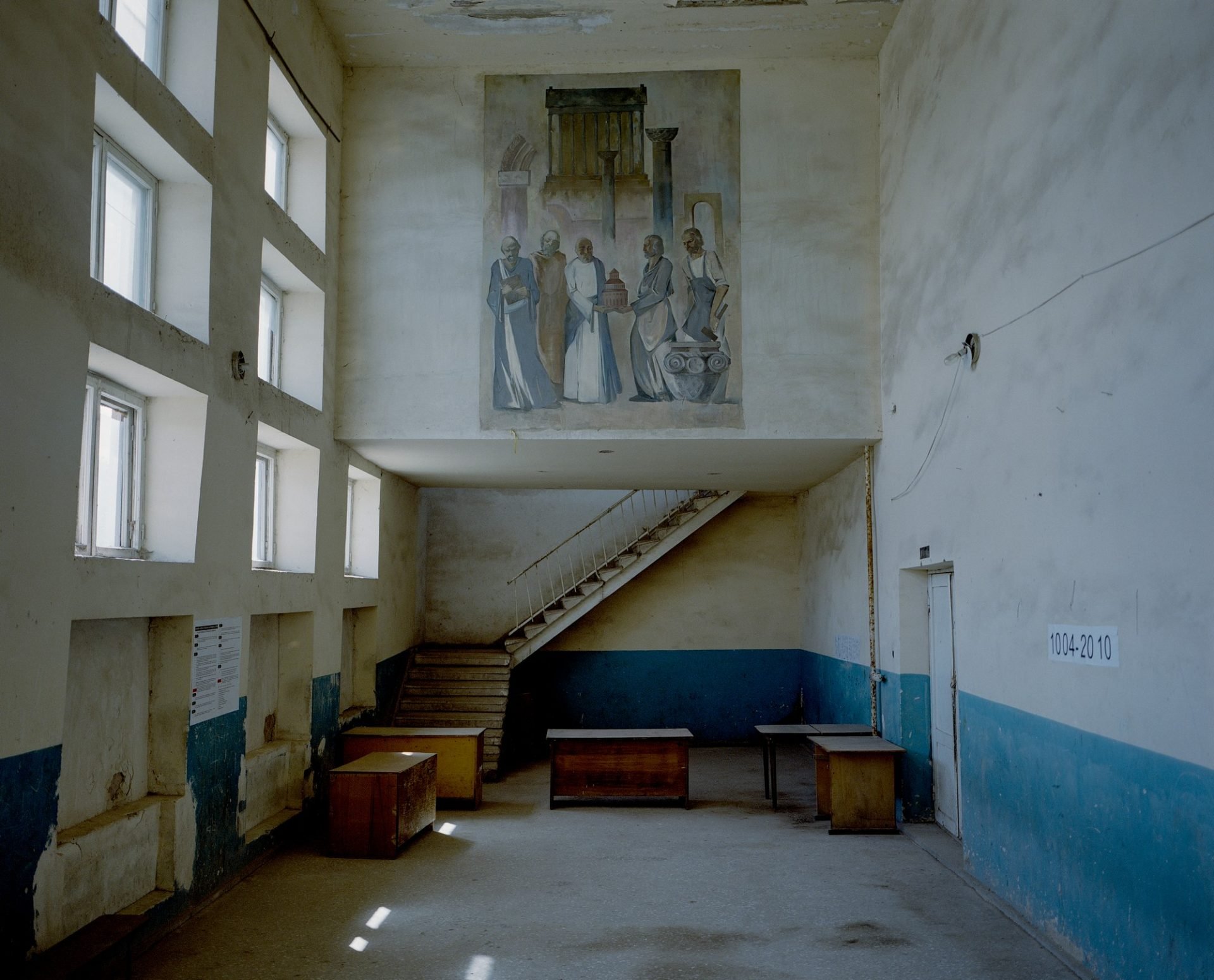
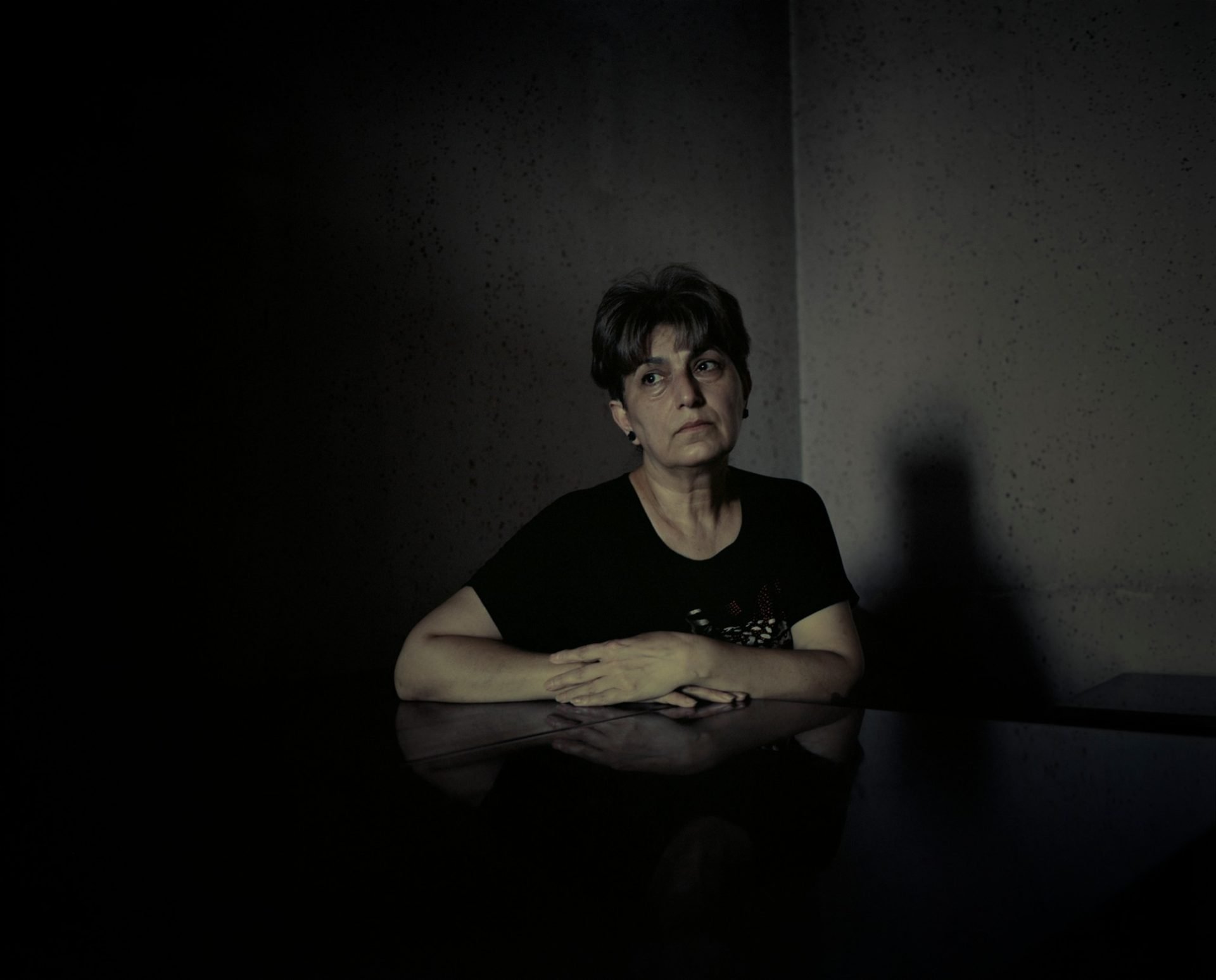
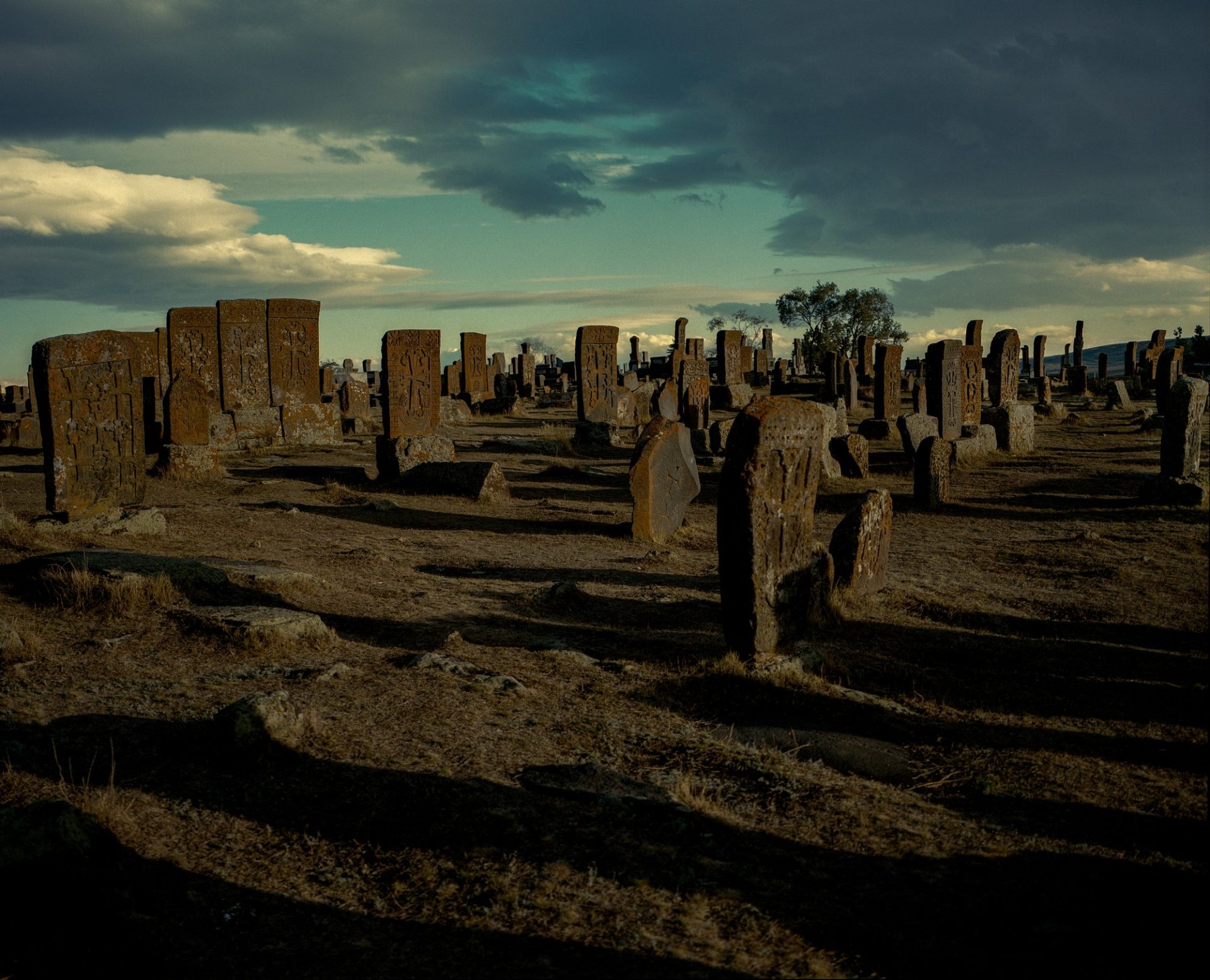
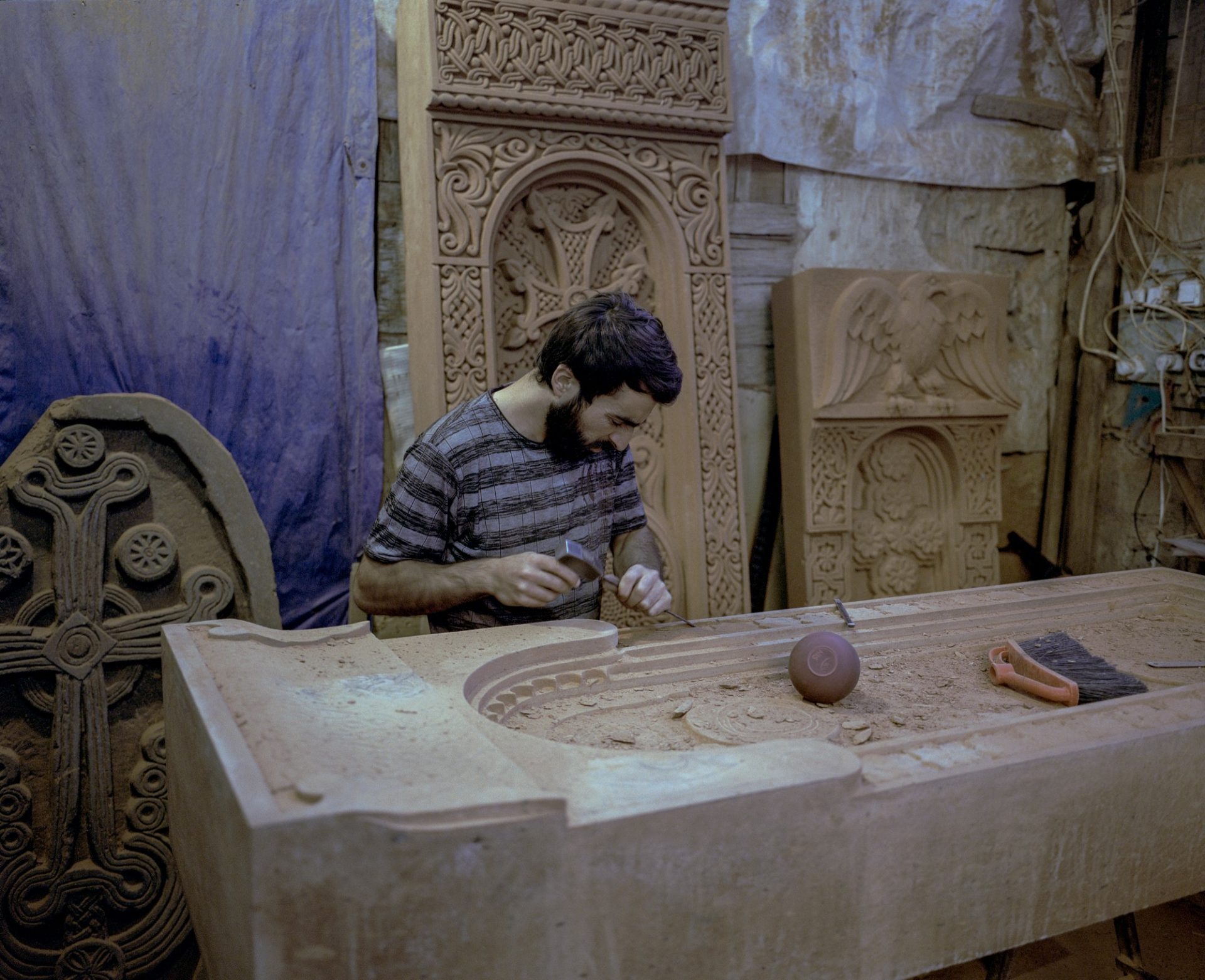
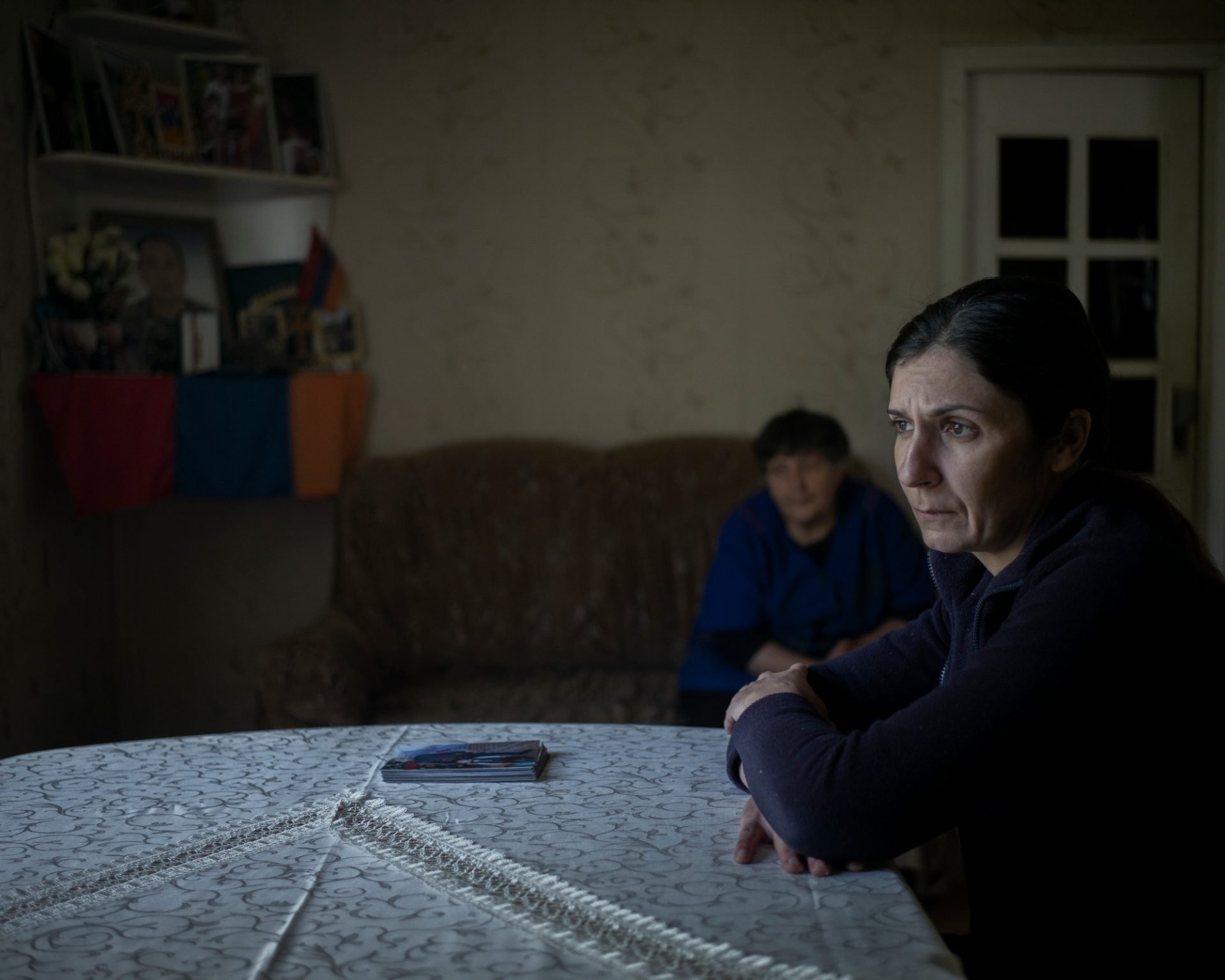
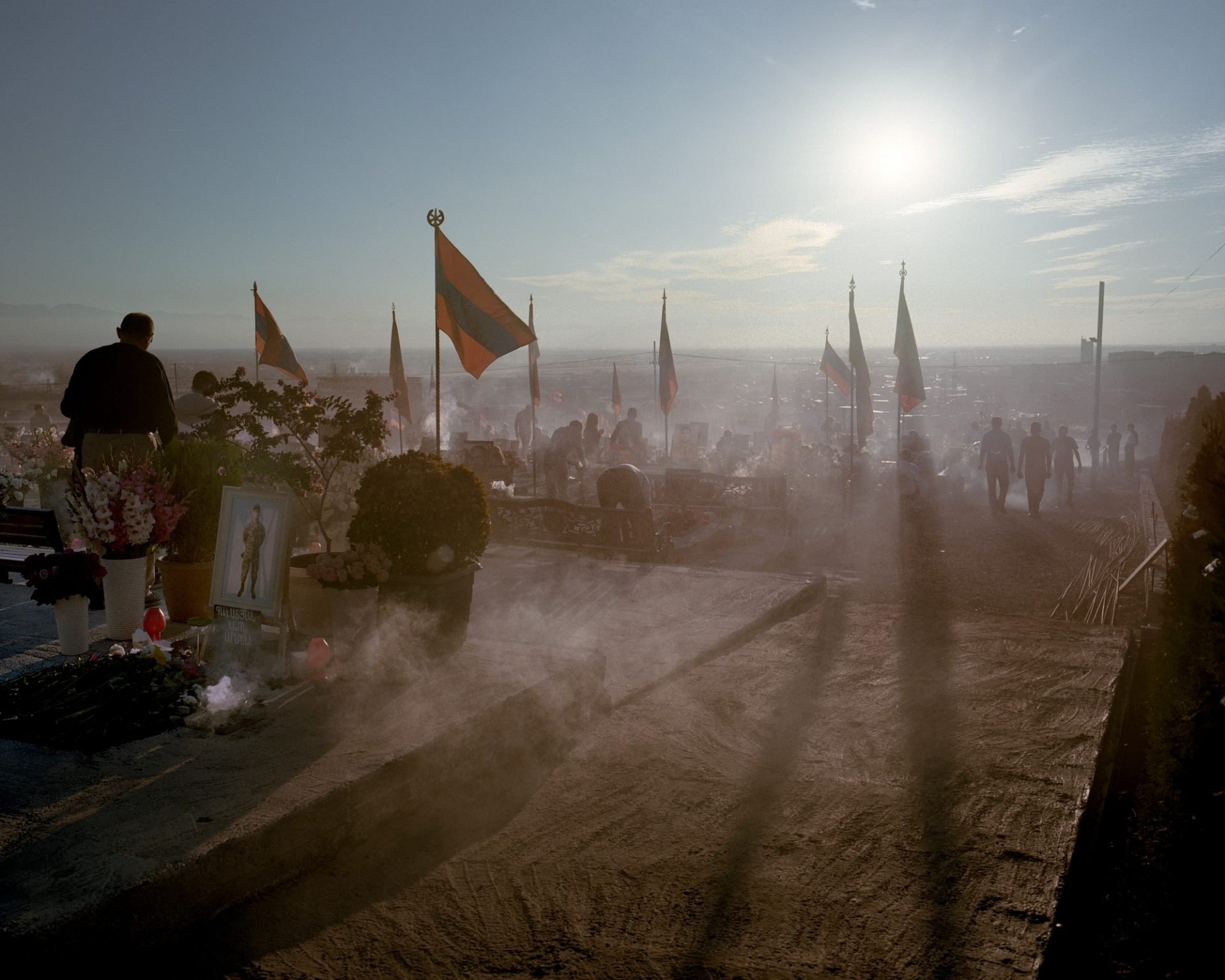
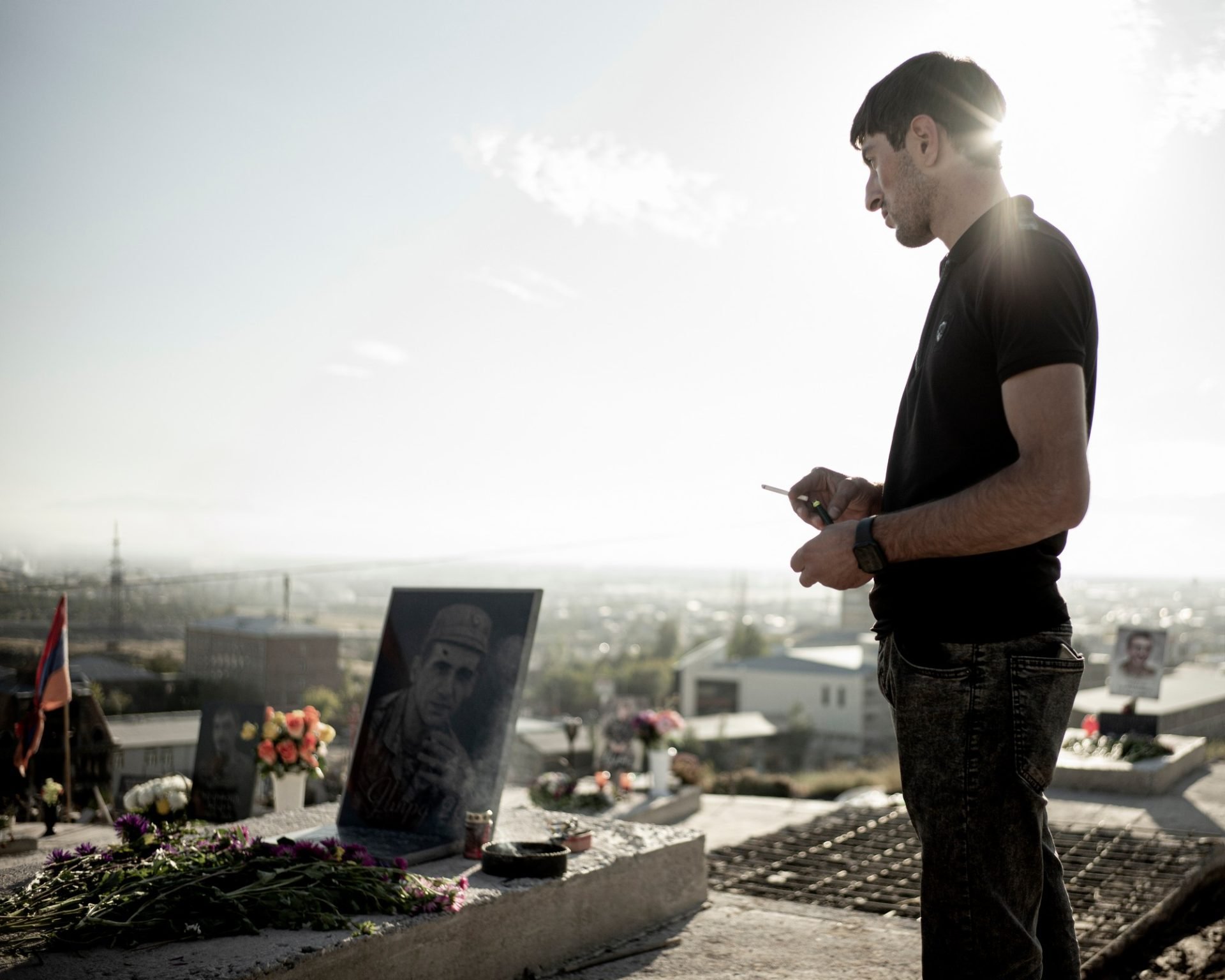
NAGORNO-KARABAKH – MISSING GENERATIONS

The Republic of Nagorno-Karabakh, where 95 percent of the population consists of Armenians, although was once an ethnically diverse part of the Caucasus, claimed independence from Azerbaijan following the collapse of the USSR, in 1996. It has no international recognition as a sovereign state and de jure is still considered to be a part of Azerbaijan.
To comprehend the state of this area, one must be familiar with its history. Even though its inhabitants had mainly been Armenians for all of its history, under the name “Nagorno-Karabakh Autonomous Oblast” – due to pressure from Stalin – the small country rich in natural resources was made part of Azerbaijan in 1921. In 1991, war broke out between the Armenian population of Nagorno-Karabakh and Azerbaijanis, resulting in thirty-five thousand deaths. Azeris lost that war, and Karabakh occupied territories that did not belong to the Nagorno-Karabakh region historically. That guaranteed further conflict. The “four-day war” in 2016, and later the 2020 offensive initiated by Azeri forces against Armenian military positions were the results of unresolved territorial and ethnic tension. Both parties suffered heavy losses in the latter, six-week long conflict. Armenians lost the war, and fearing retribution, over fifty thousand people fled their homes in Nagorno-Karabakh, and sought asylum mainly in Armenia. Currently, Nagorno-Karabakh is an “island” once again, with a significant part of the territories once belonging to it, just like its borders, being overseen by Azeris. Its only contact with Armenia is through the Lachin corridor, occupied by Russian peacekeepers.
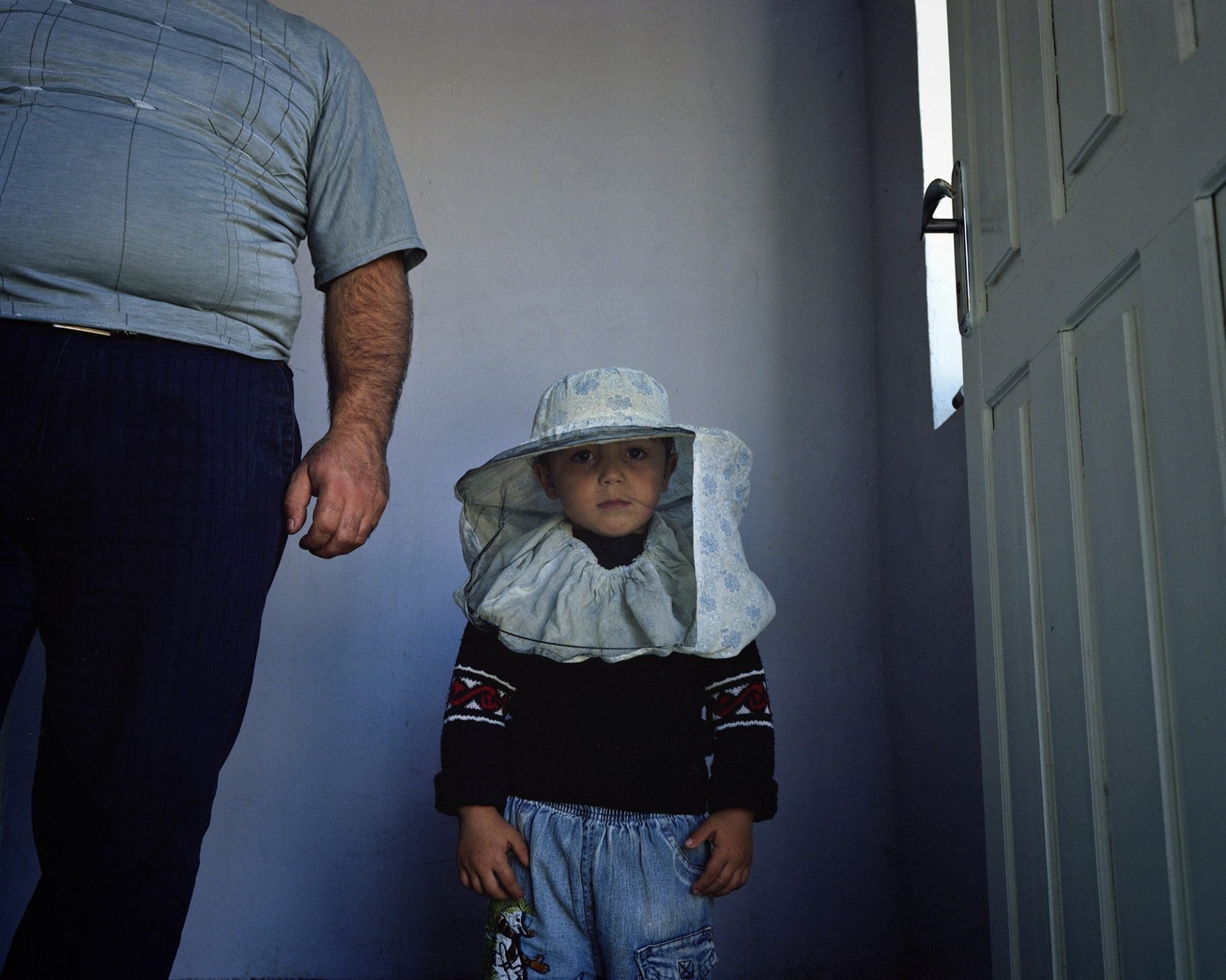
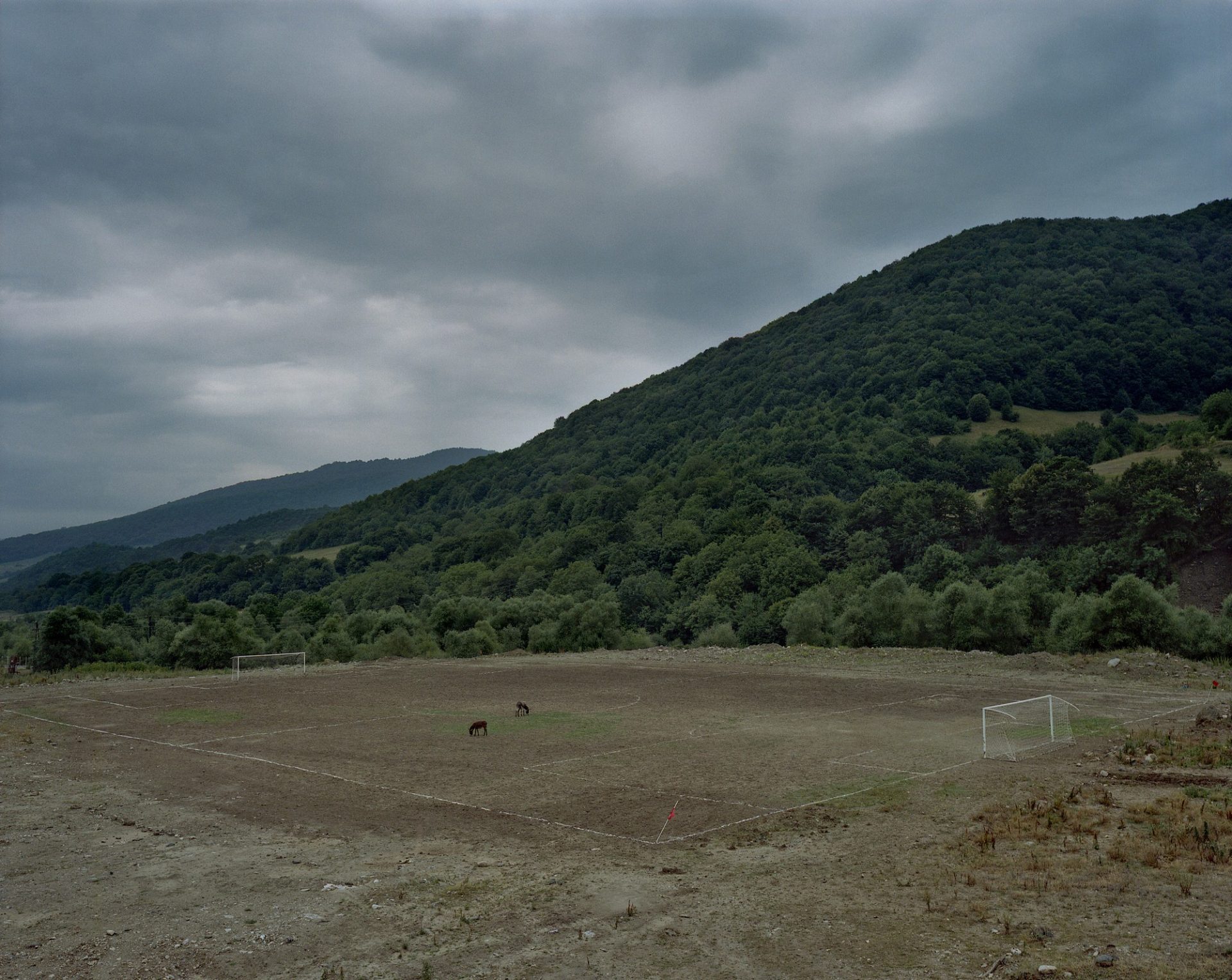
I was immediately touched by the ambivalence in the fates of people living in Nagorno-Karabakh, as well as the emotional state is causes, an experience shared by many residents of post-soviet states. The country announced its independence, but, for several reasons, it was not recognized by more influential and powerful states. Like a boat stranded between two shores on open water, unable to dock and find its destination, people living in Nagorno-Karabakh – as well as others in former territories of the Soviet Union – never experienced true freedom following the downfall of the USSR. Their attempts to form an independent nation-state and to gain a land of their own have mostly led to torturous armed conflicts, which they haven’t been able to end for decades. Getting to know these societies, understanding their circumstances, unwrapping and showing their lives with the toolkit of photography has been a main professional concern for me since 2009. Driven by the desire to share the fate of this small country with the world, I go back from time to time to Nagorno-Karabakh, with the aim to bring their reality and the human fates behind the news closer.
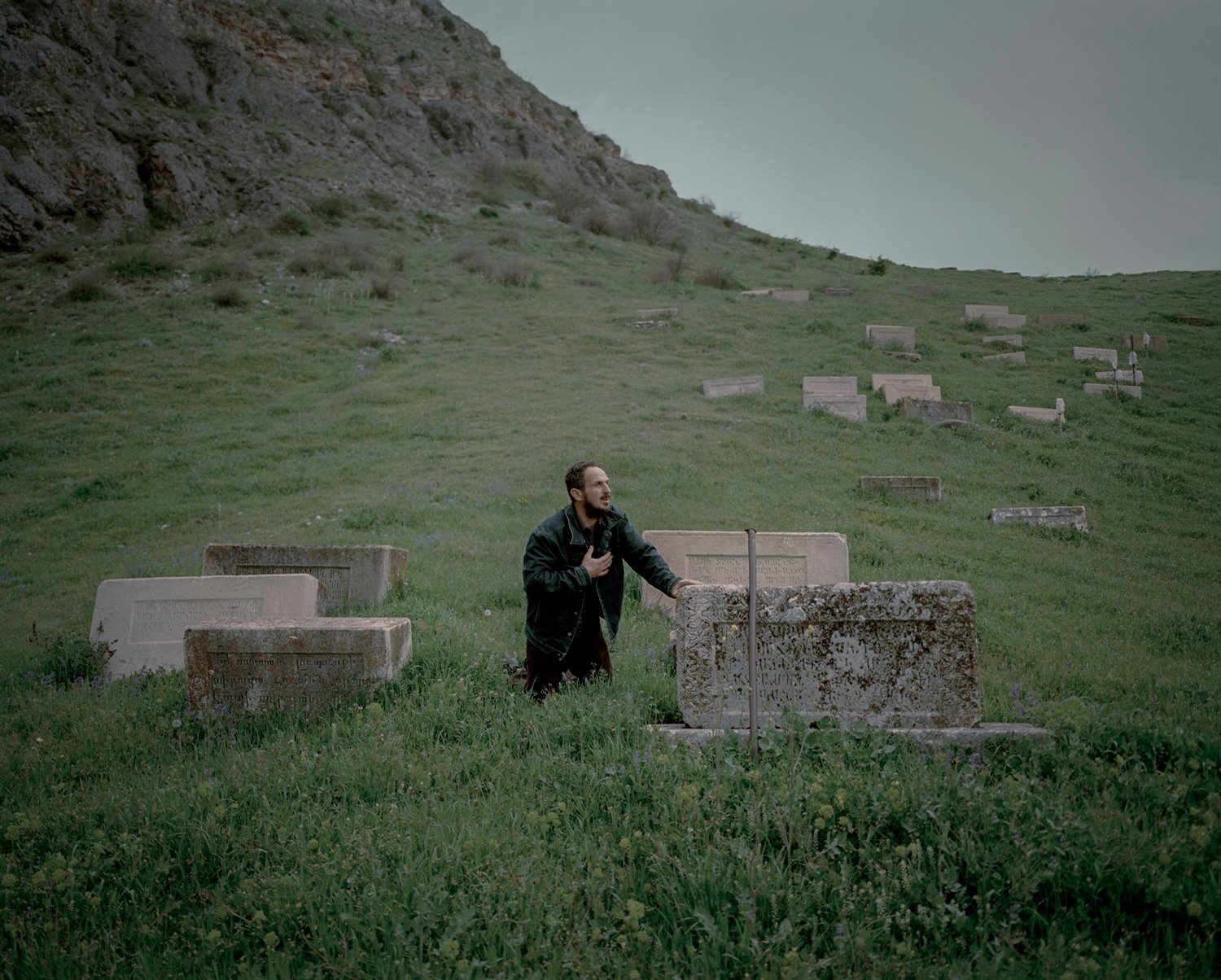
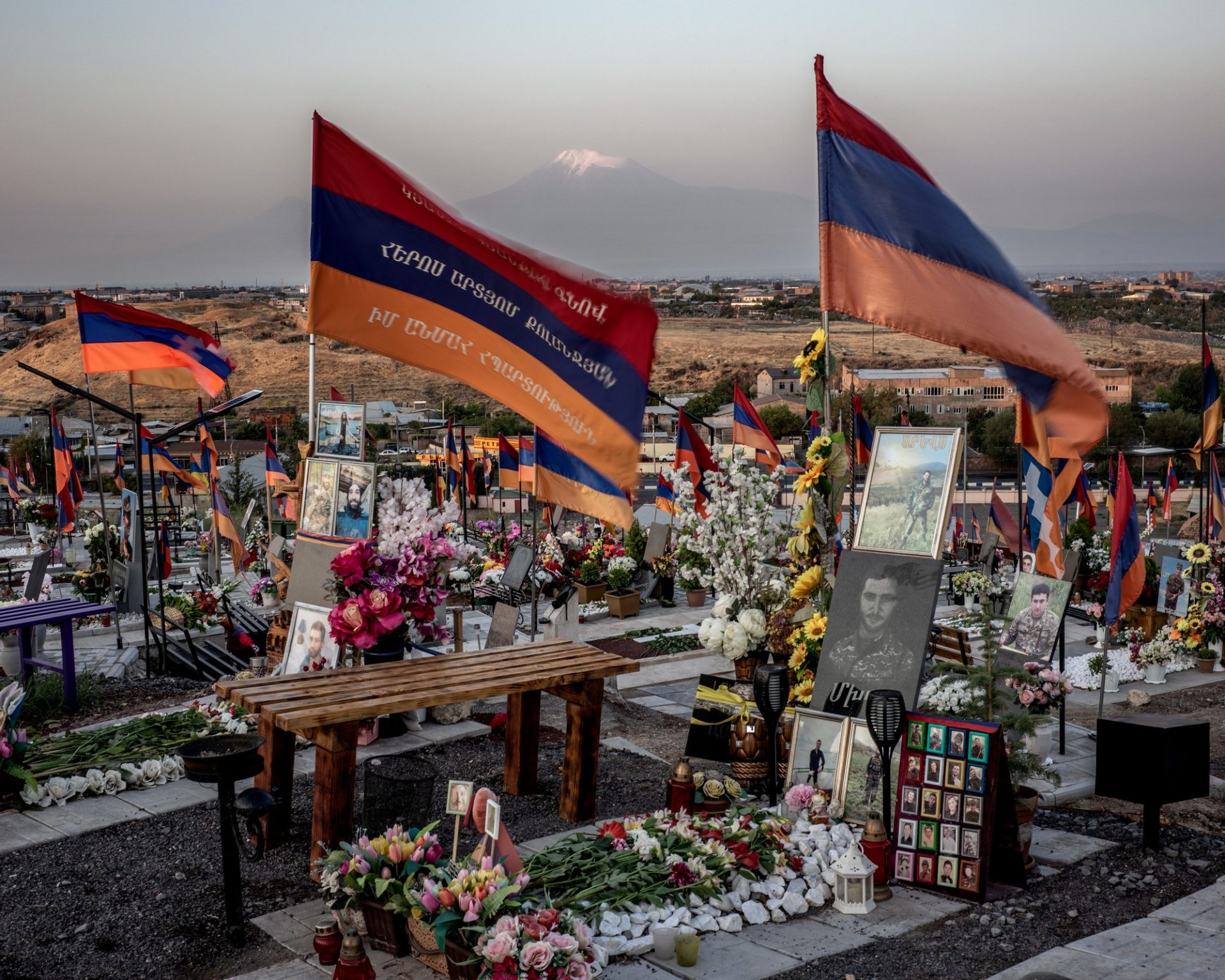
The lives of entire Armenian generations had been determined by the wars. Even the Armenian genocide, which occurred one hundred years ago, has some effects that are present to this day. The generation that should have formed the spine of society in the past decades is almost completely missing. Some of the soldiers who took part in last year’s armed conflicts lost one or both parents during the previous war, while others joined the army alongside their fathers, those veterans of the previous war, who had fought for the independence of their country. Those fallen in the Nagorno-Karabakh conflicts rest in the Yerablur Military Pantheon, most of the soldiers who died in 2020 only being 18 to 20-year-old young men. Many sons of yet another generation were lost last year, deepening the conflict between Azeri and Armenian people and their respective countries even further. When will this end? The answer is unknown.
In an earlier stage of the work, the artist was a recipient of the József Pécsi Photography Scholarship of the Ministry of Human Capacities.
THE NATURE OF THINGS
Balázs Turós
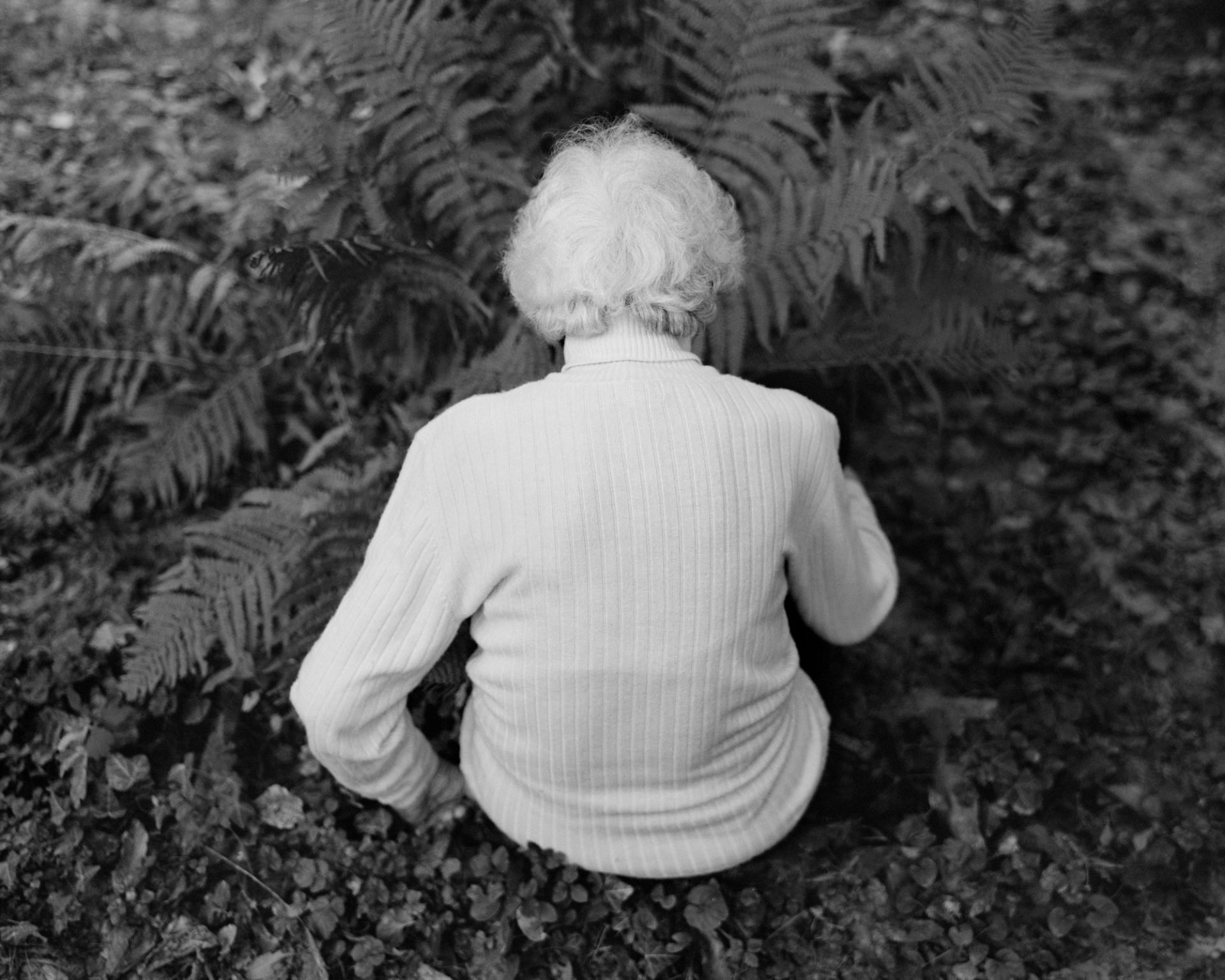
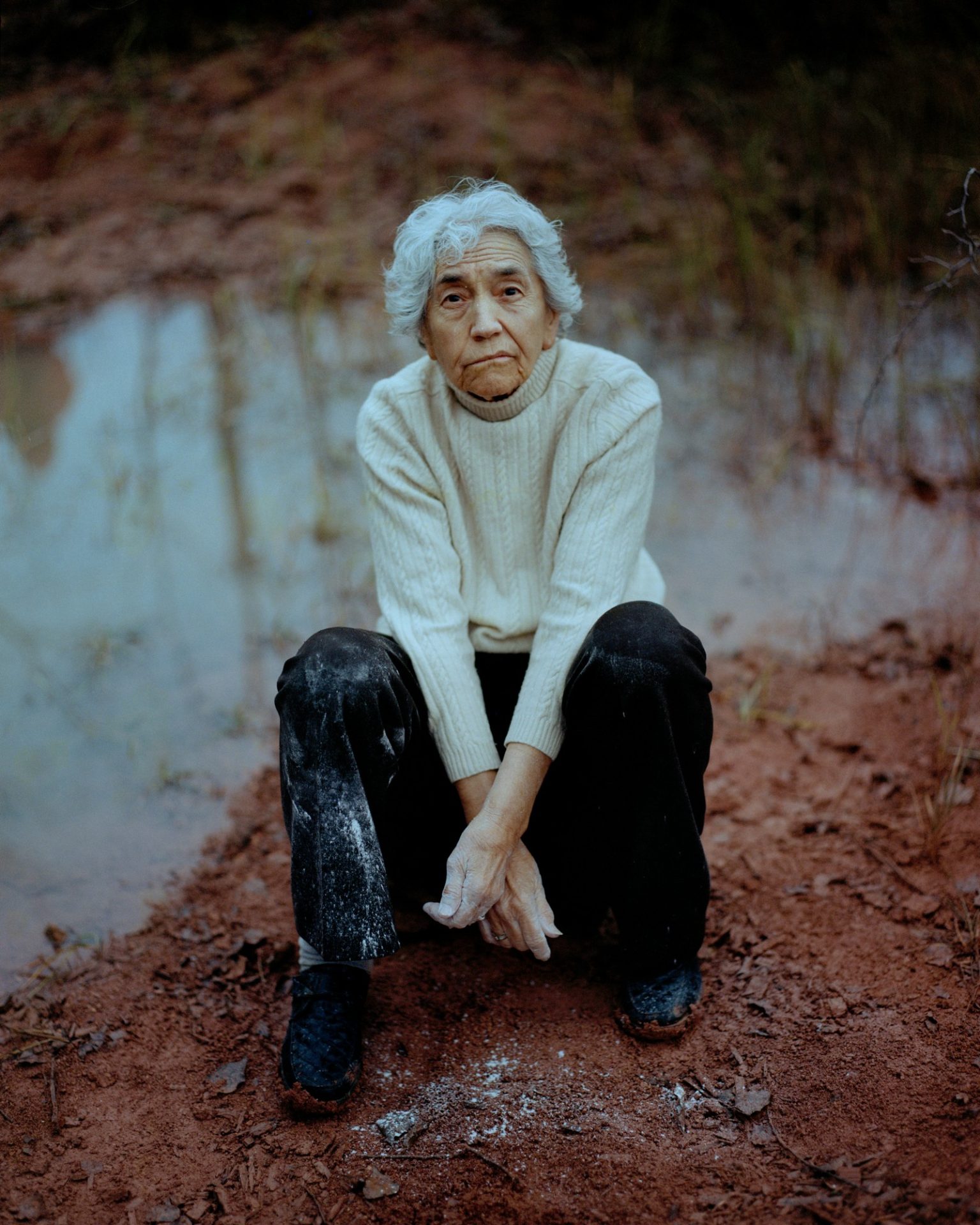
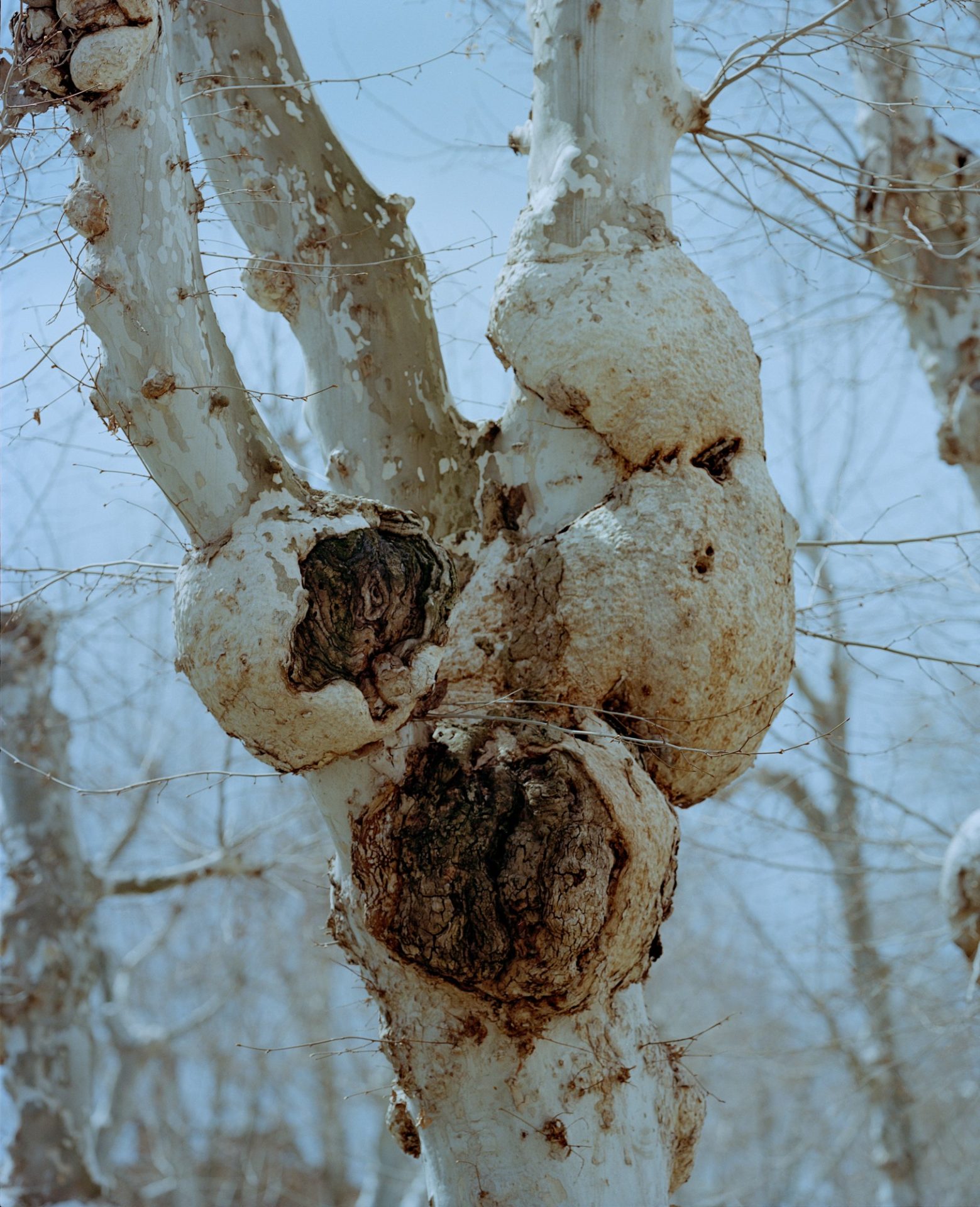
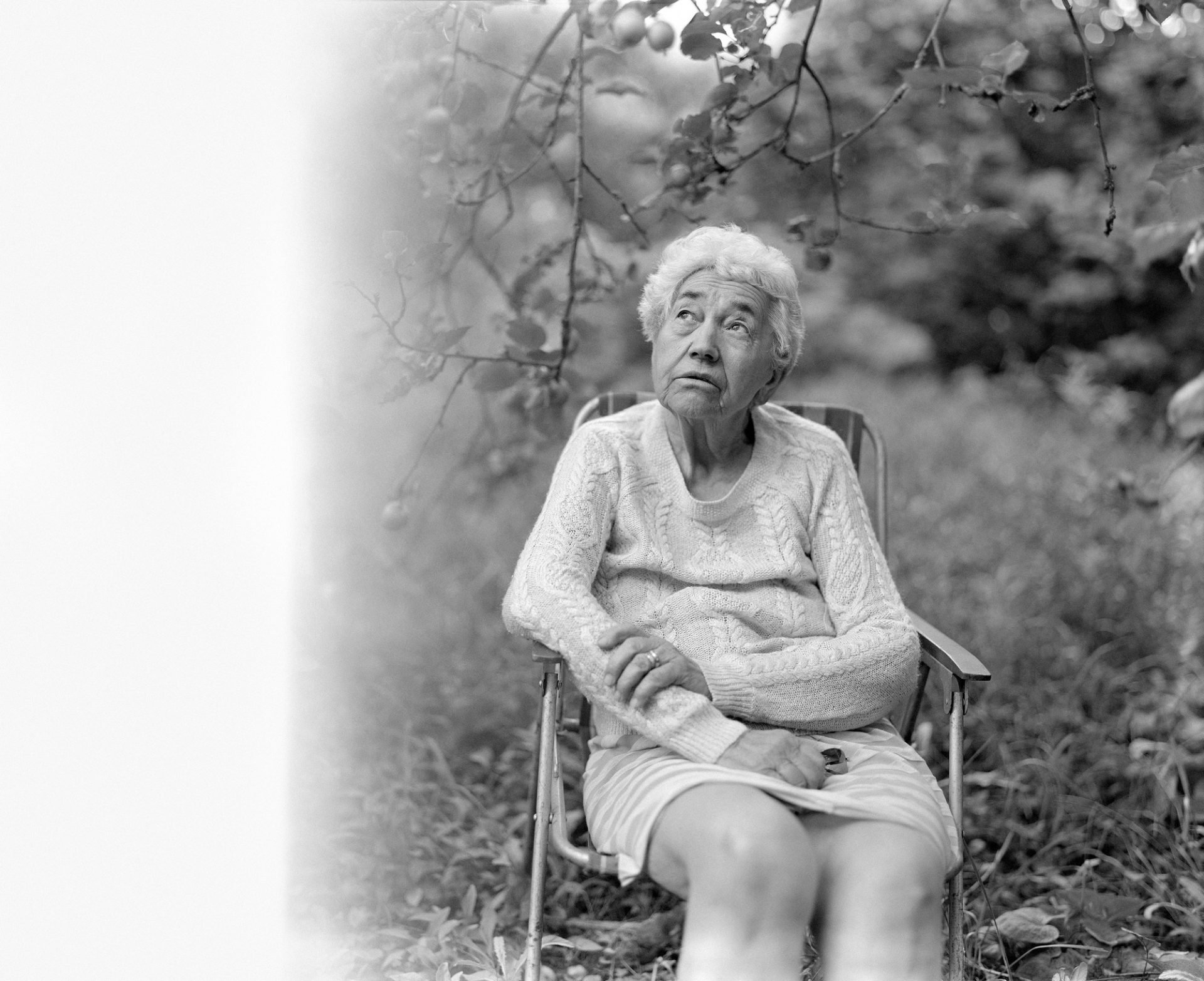
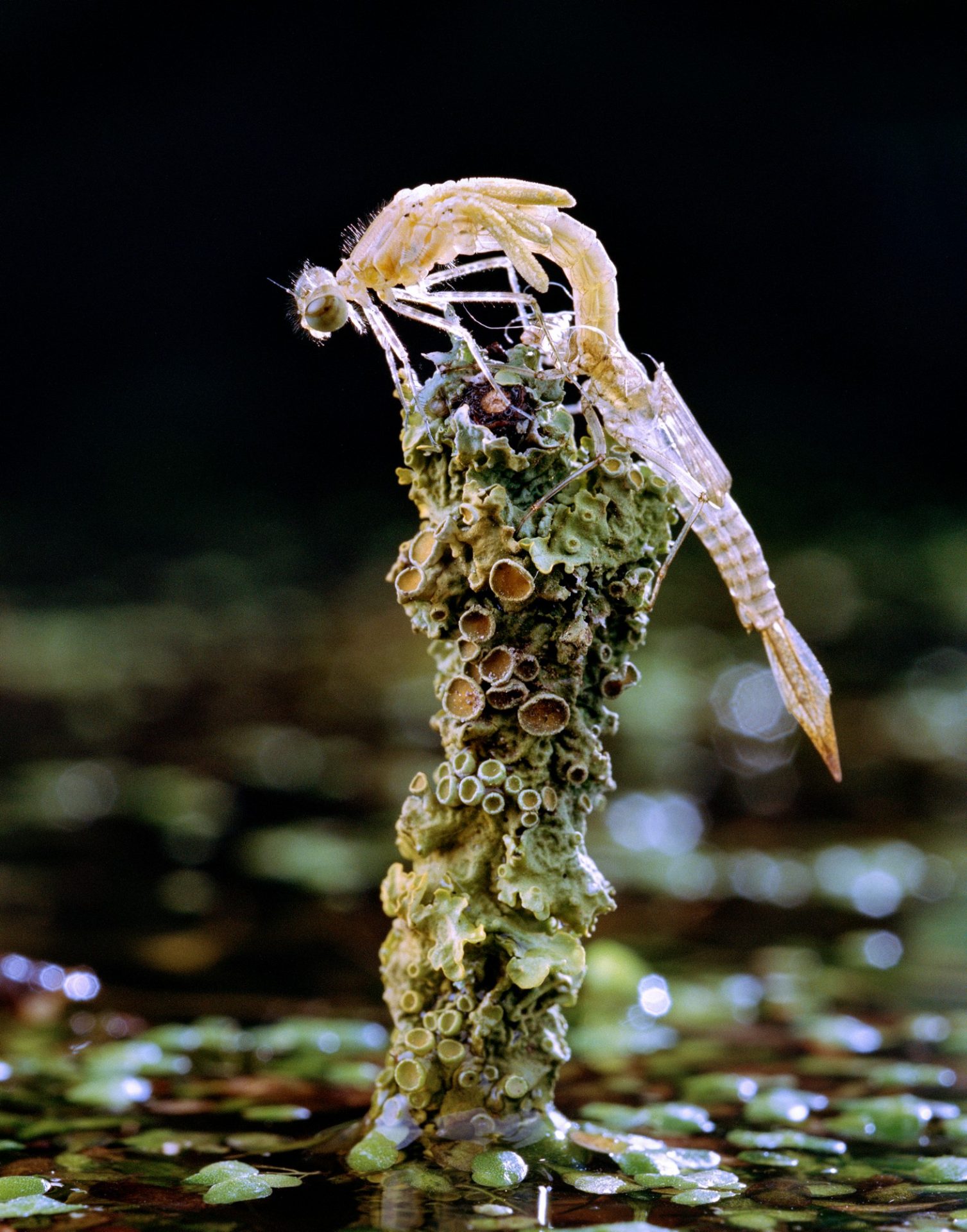
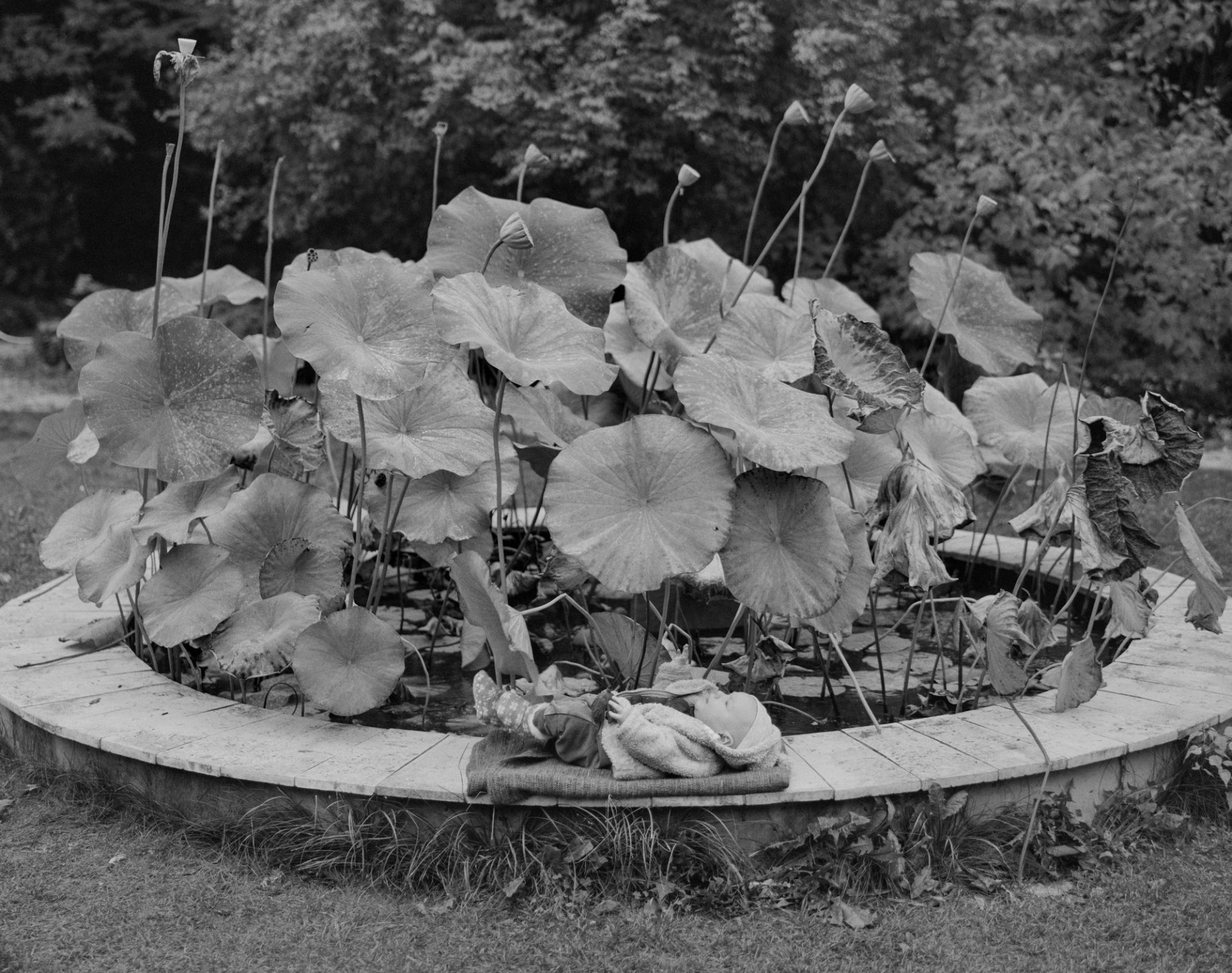
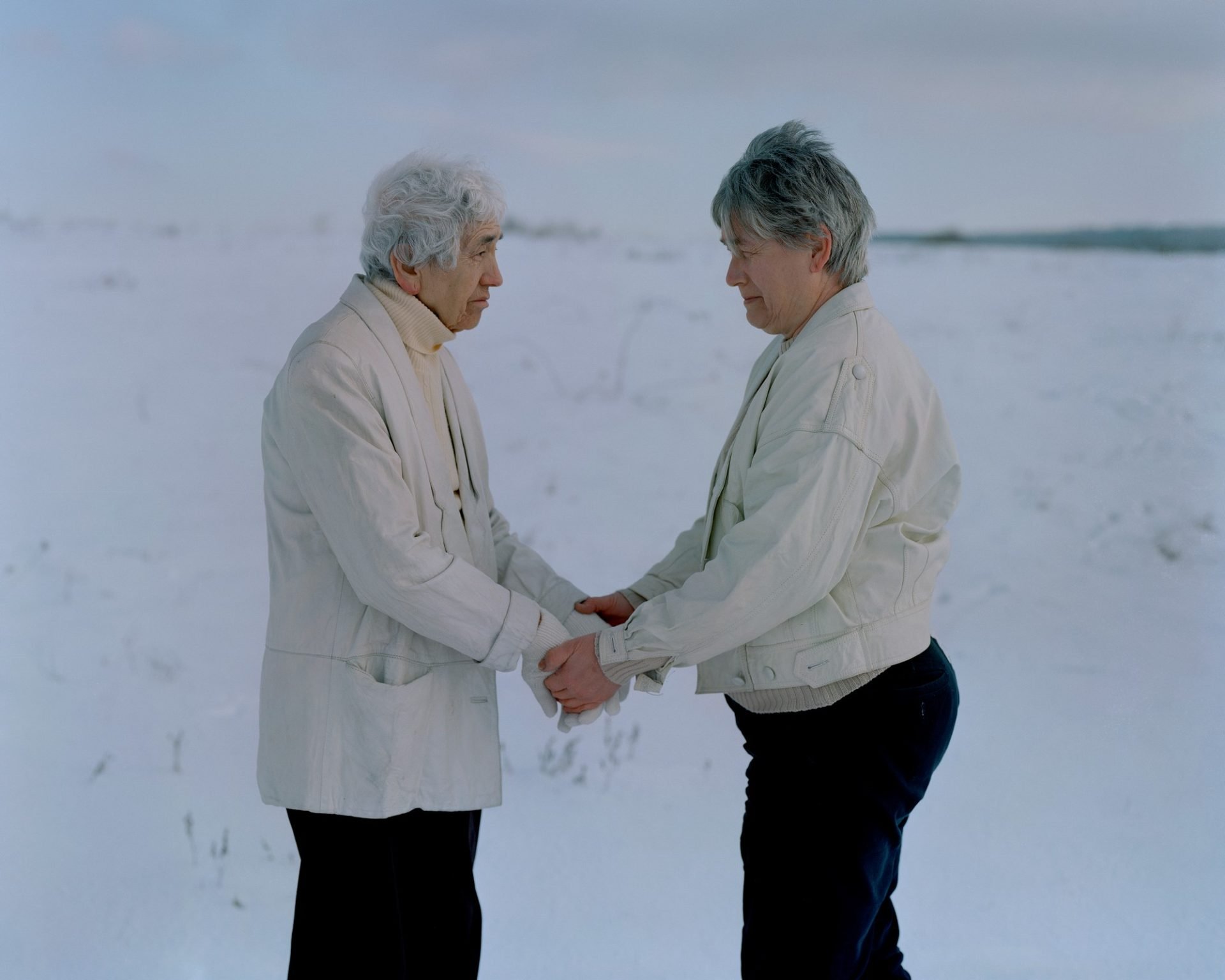
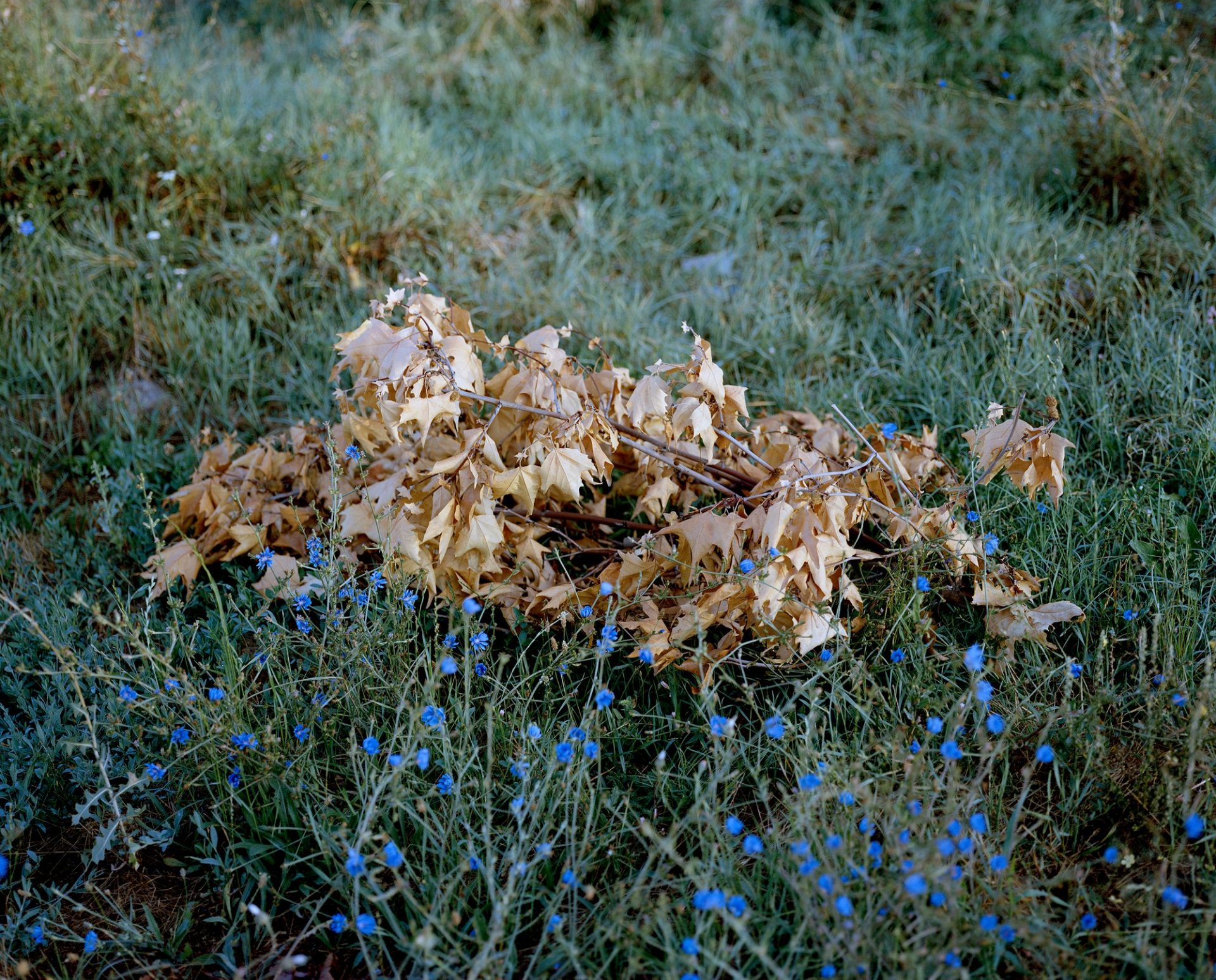
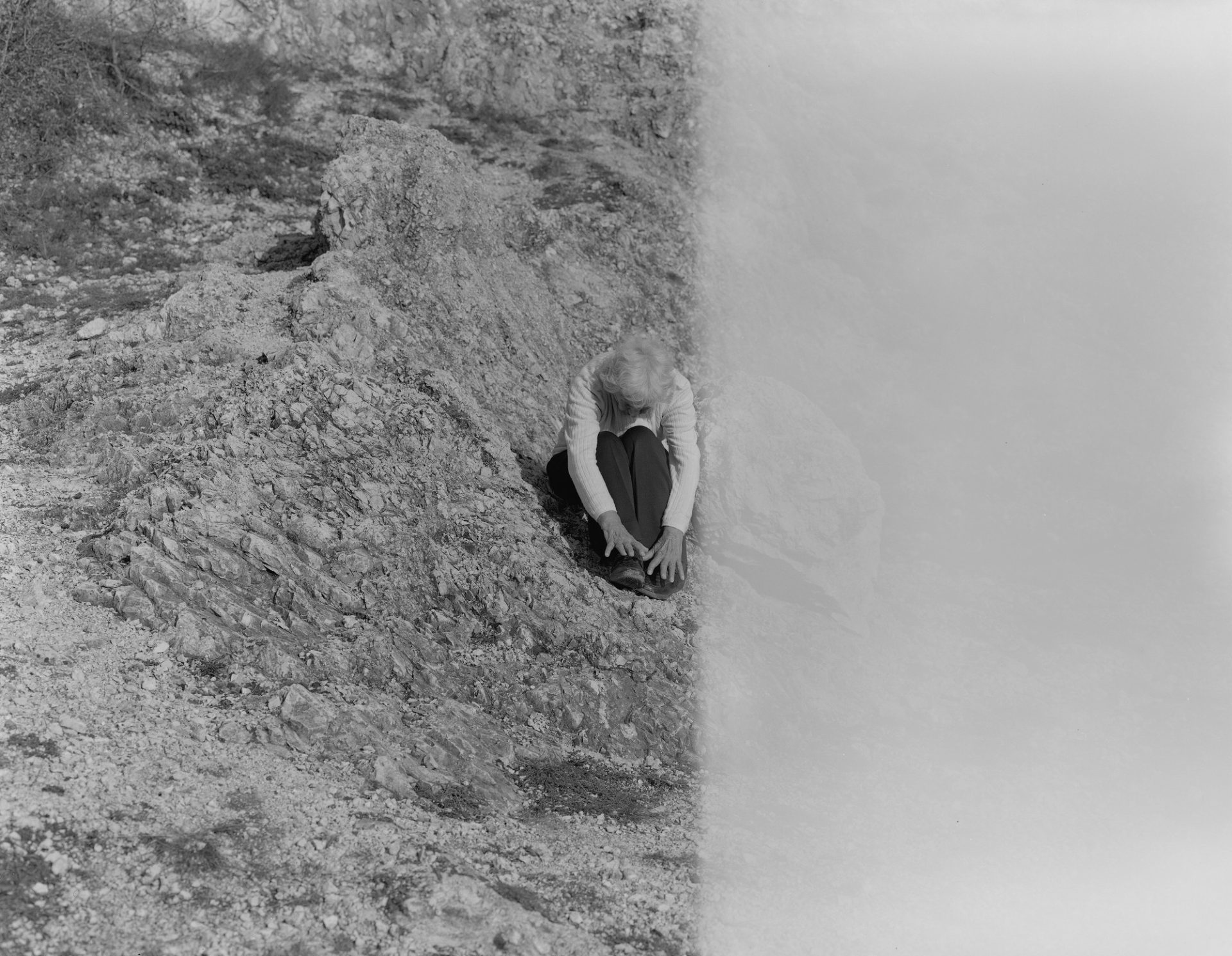
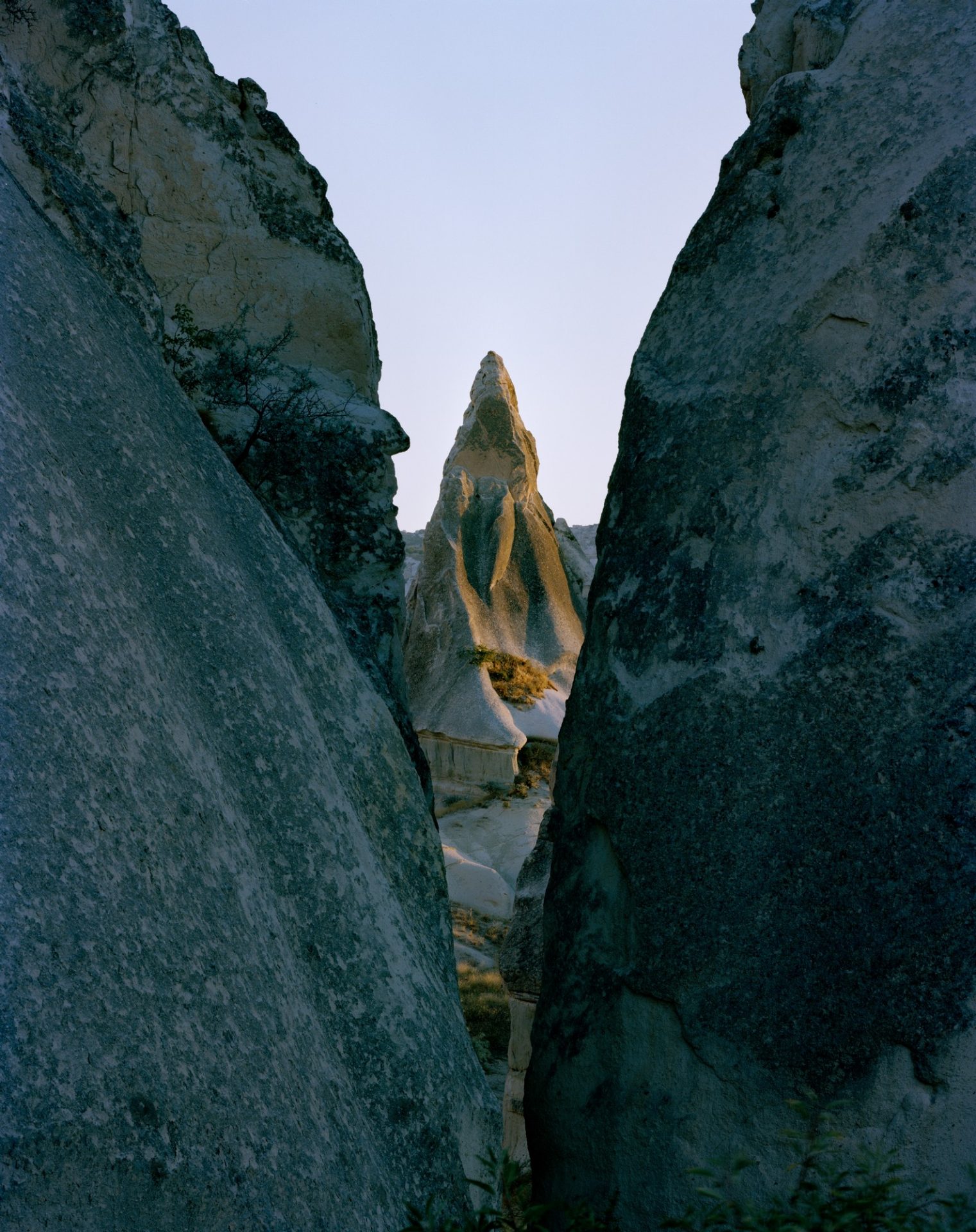
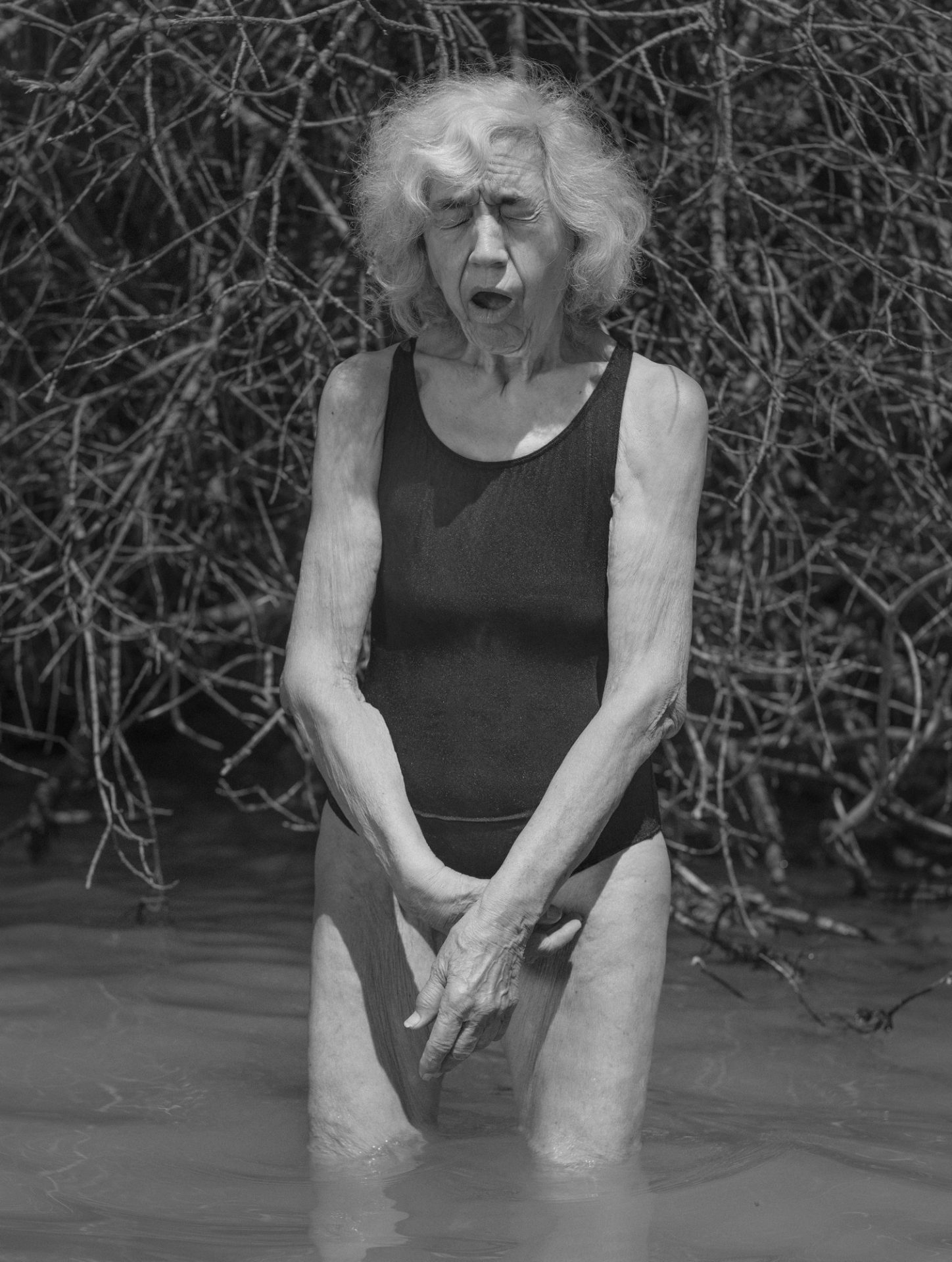
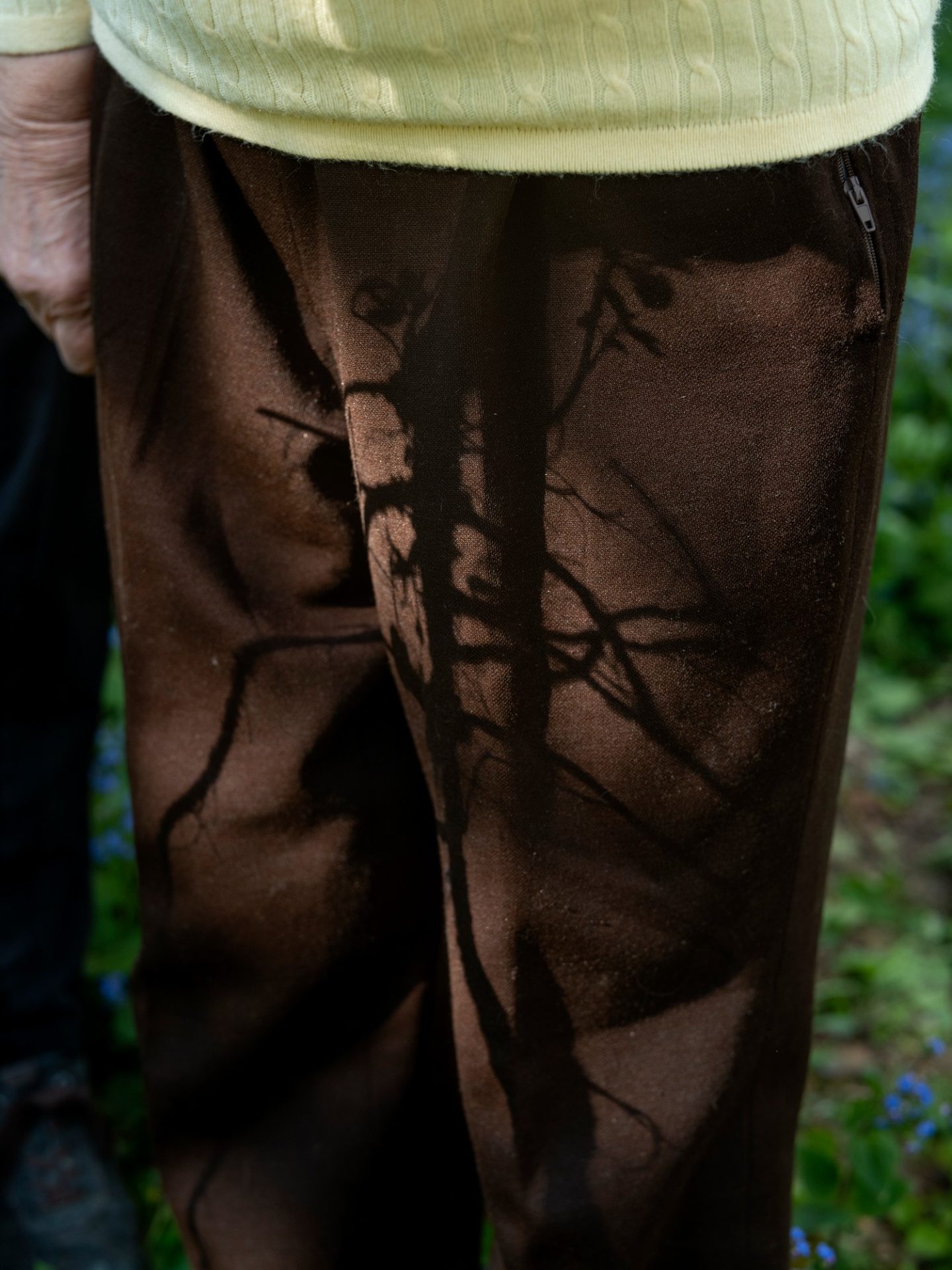
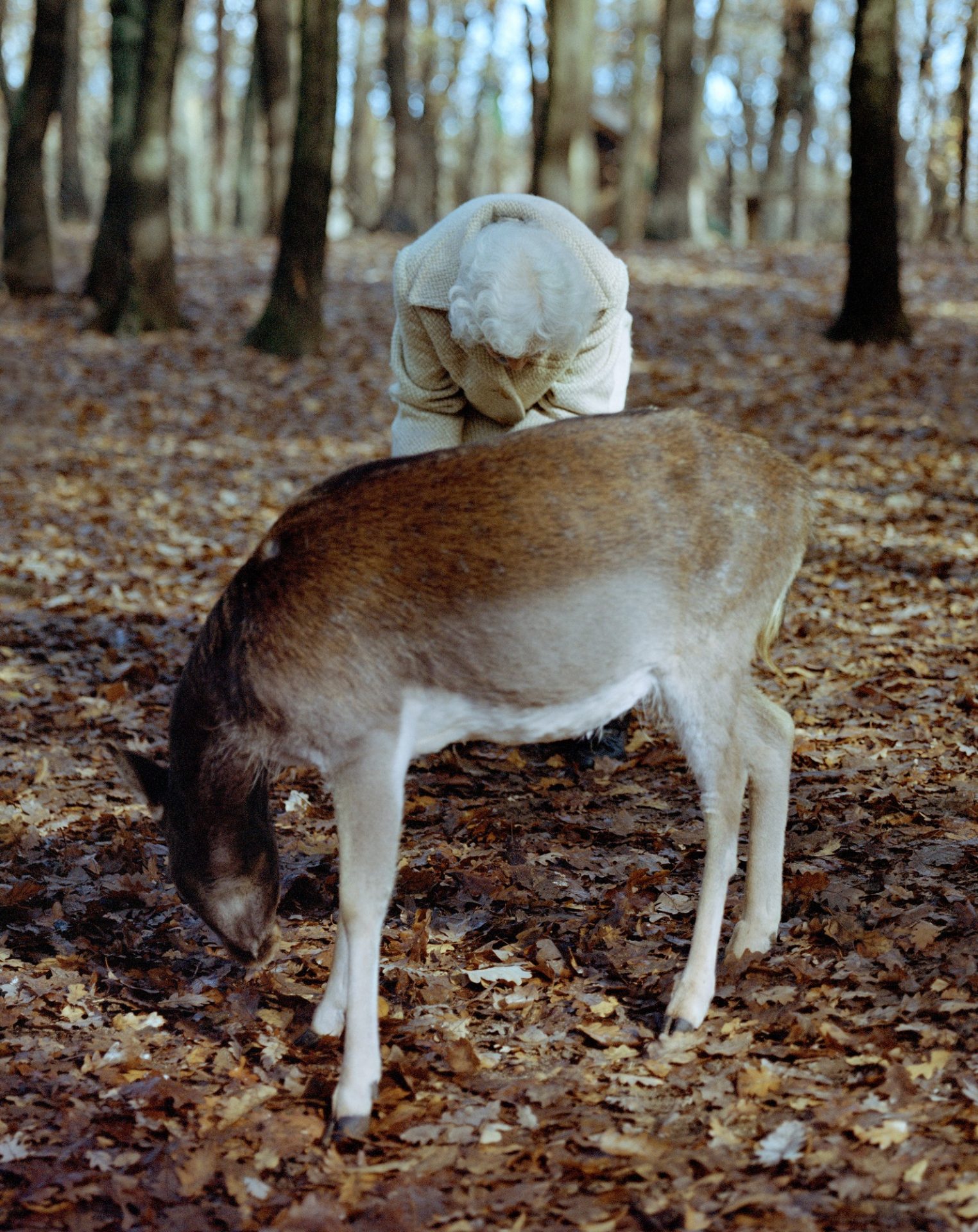
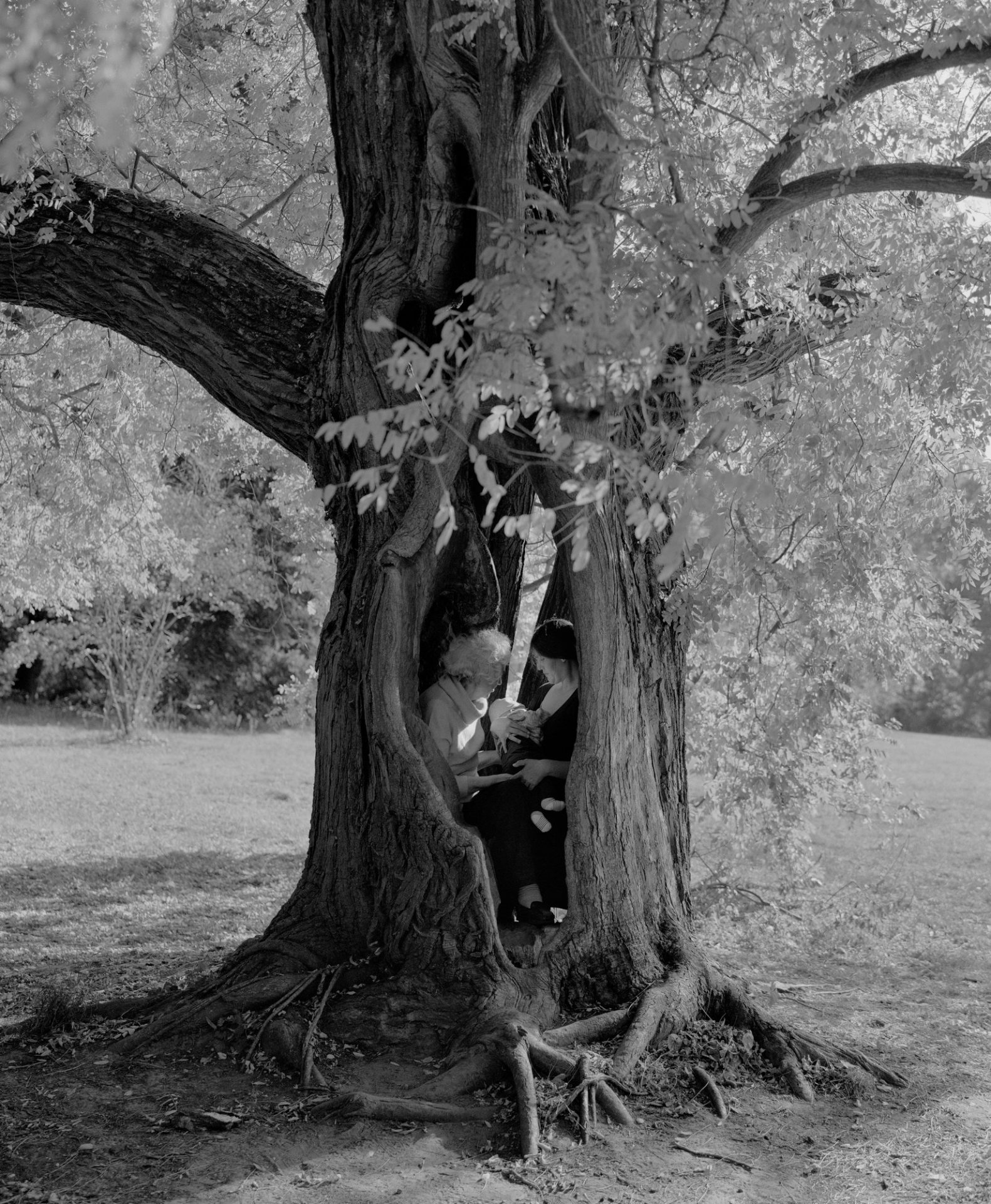
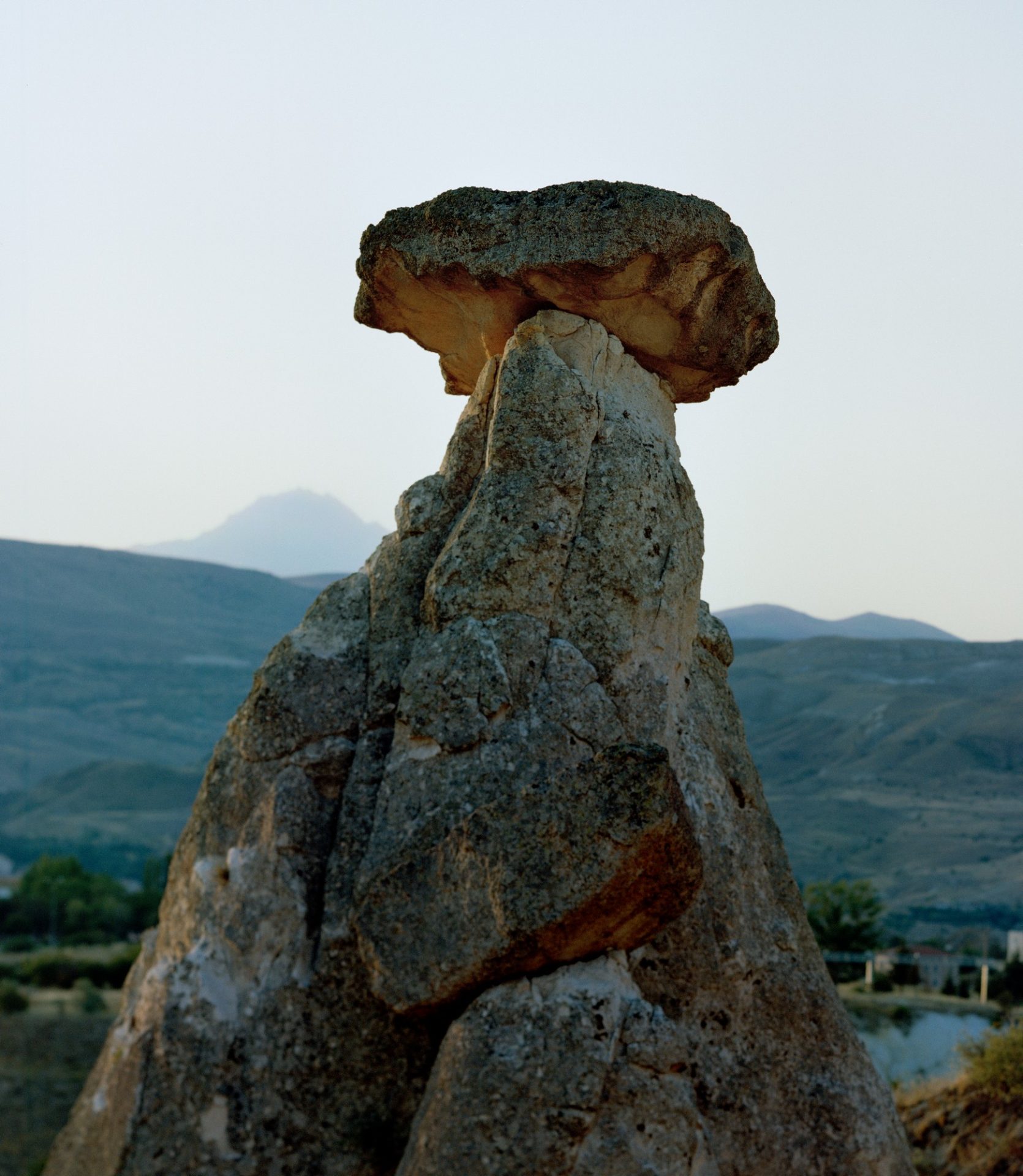
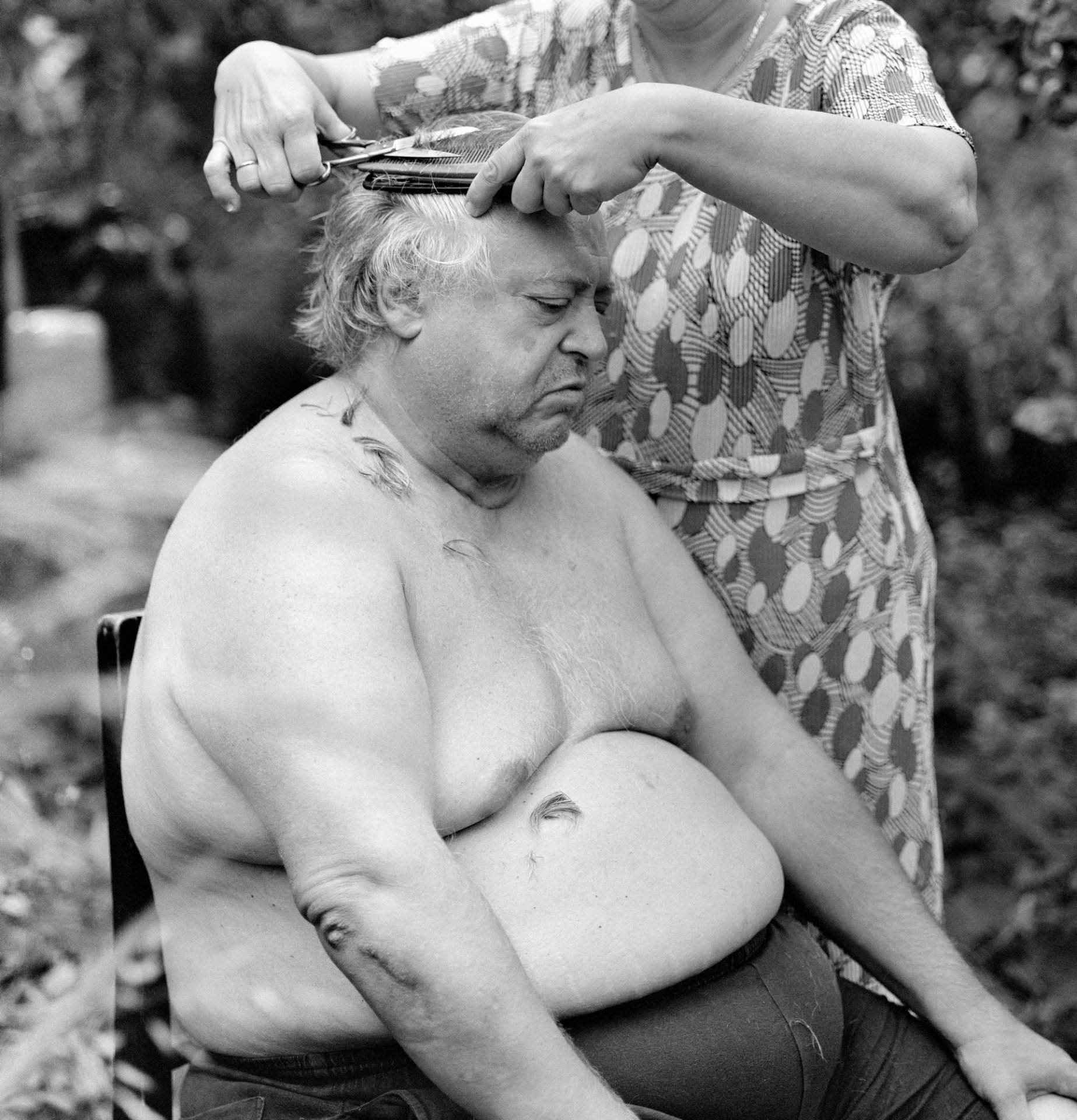
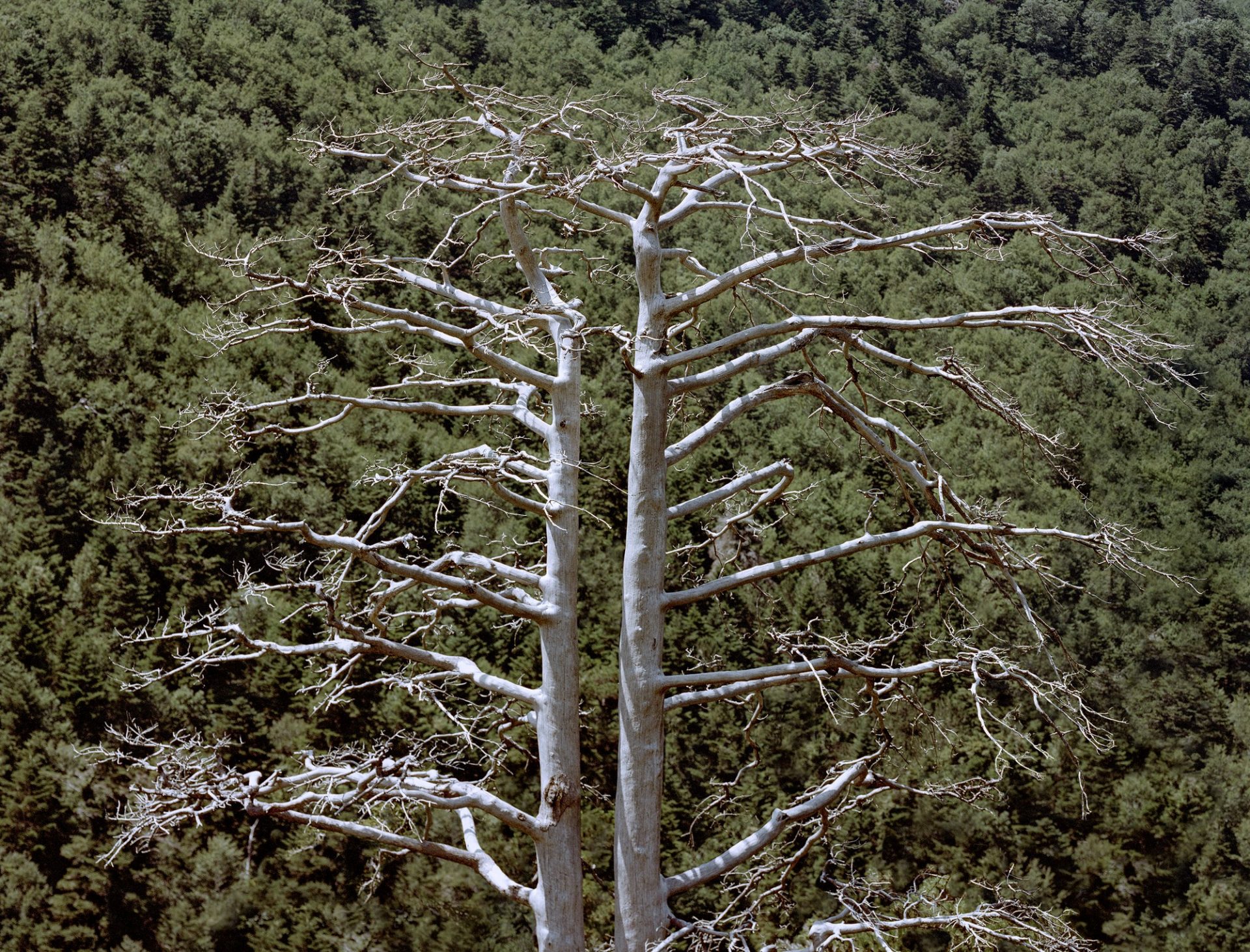
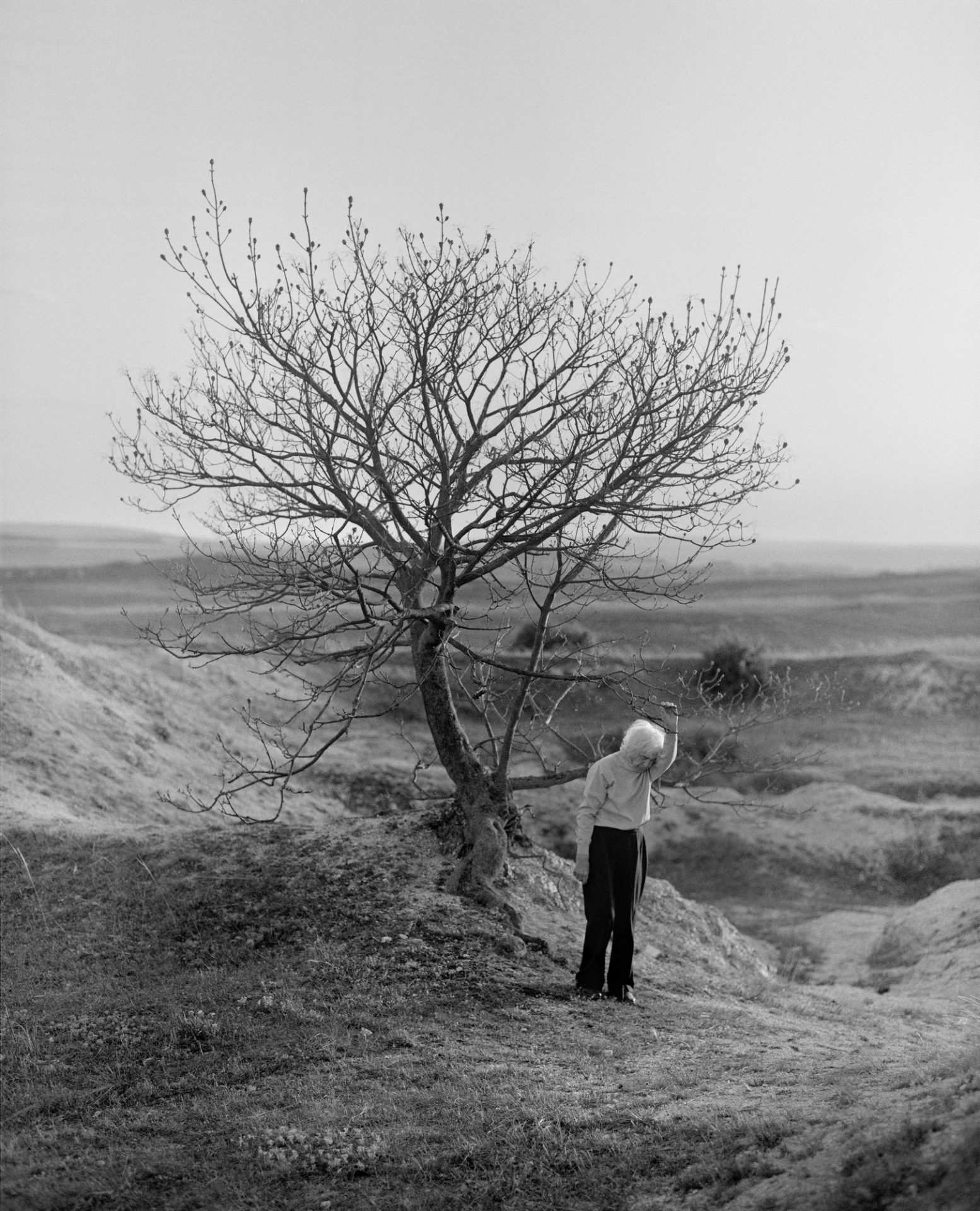
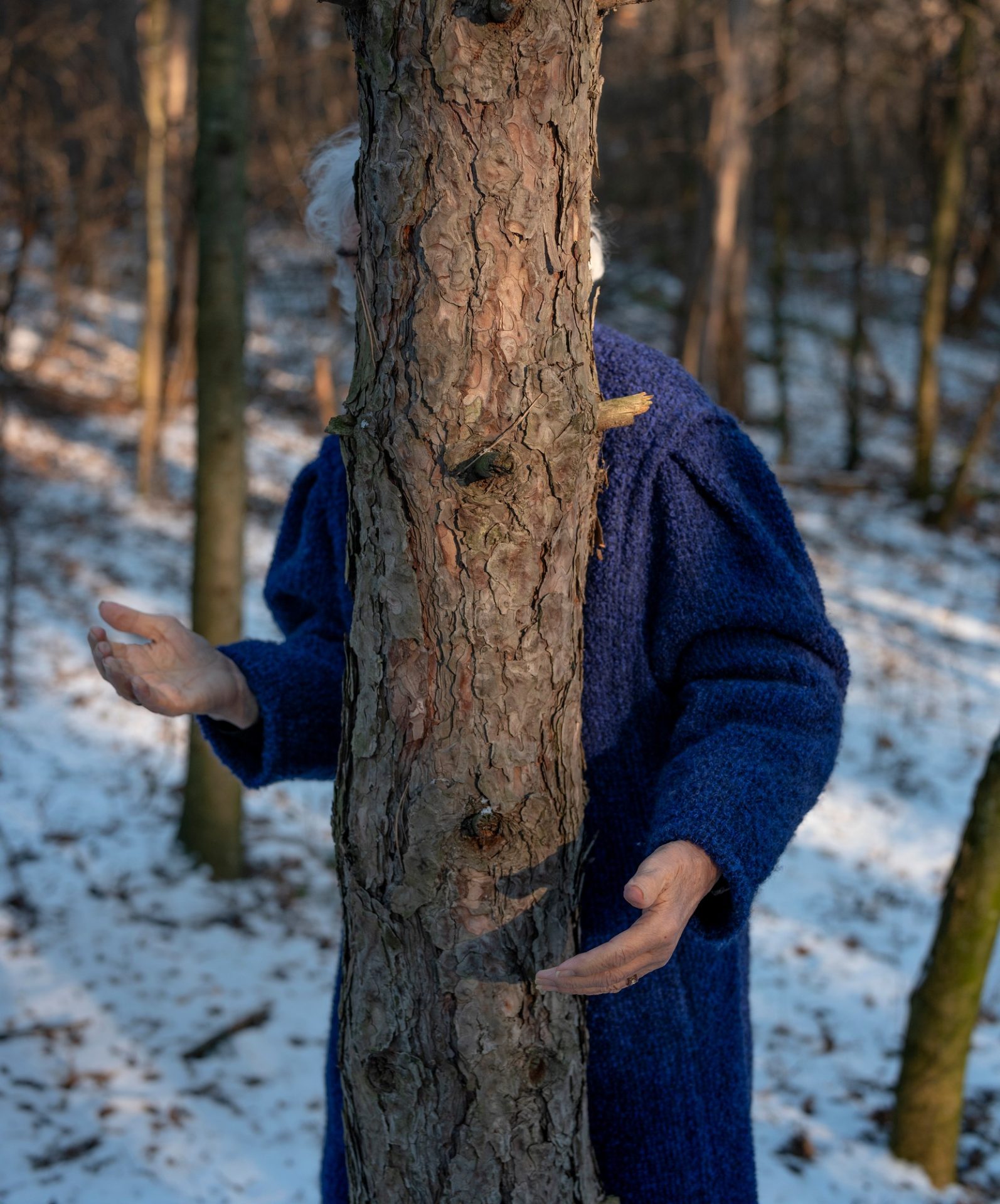
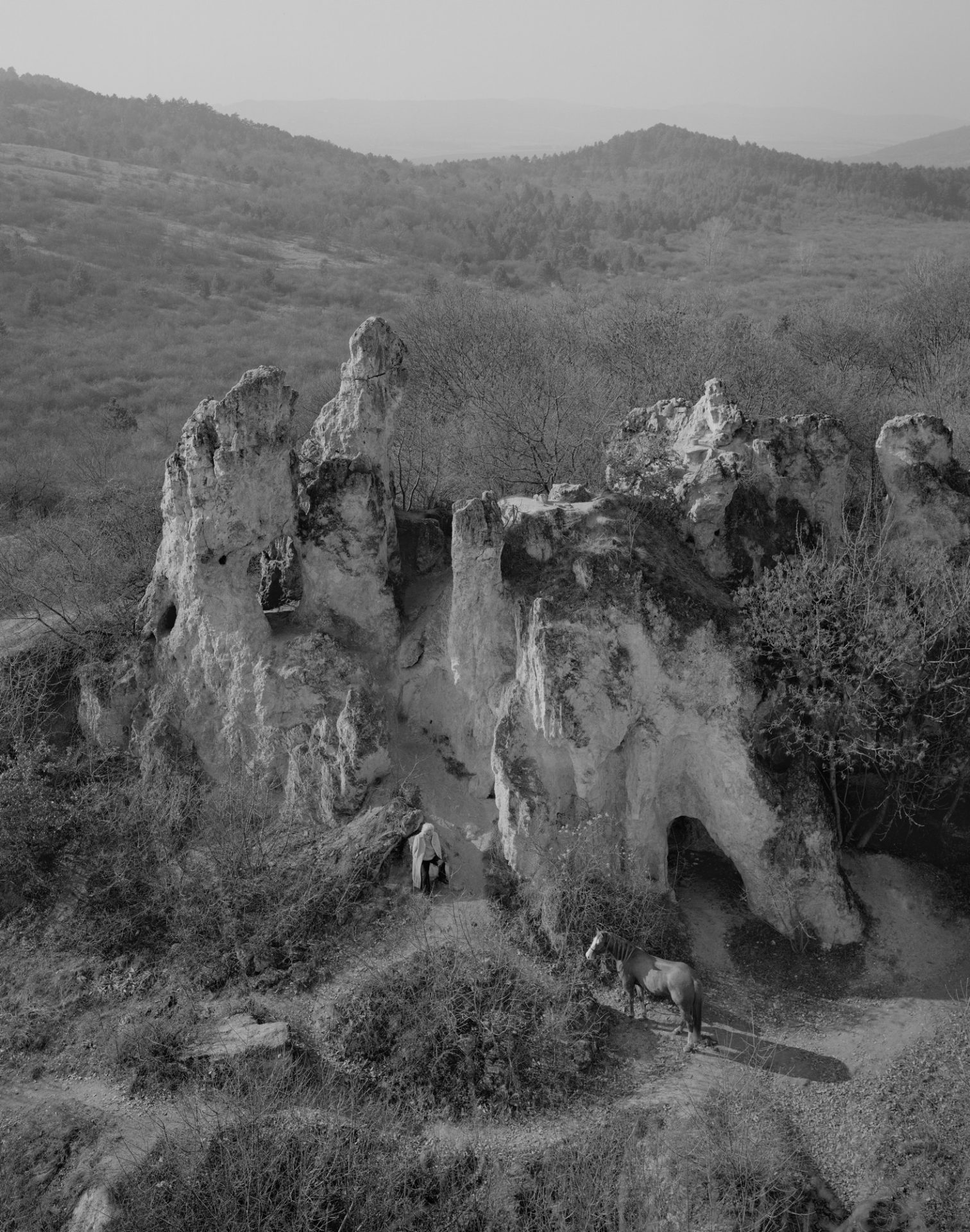
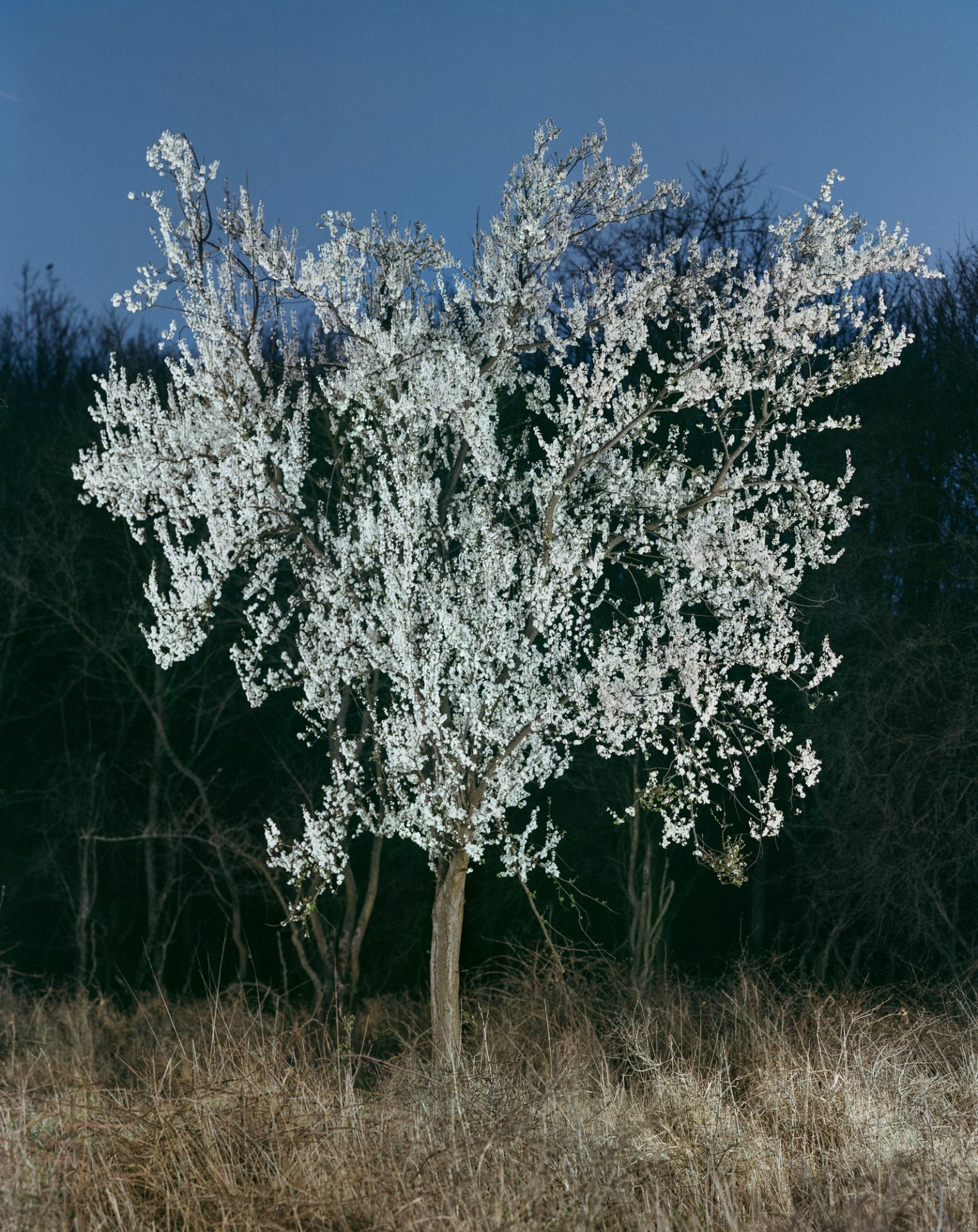
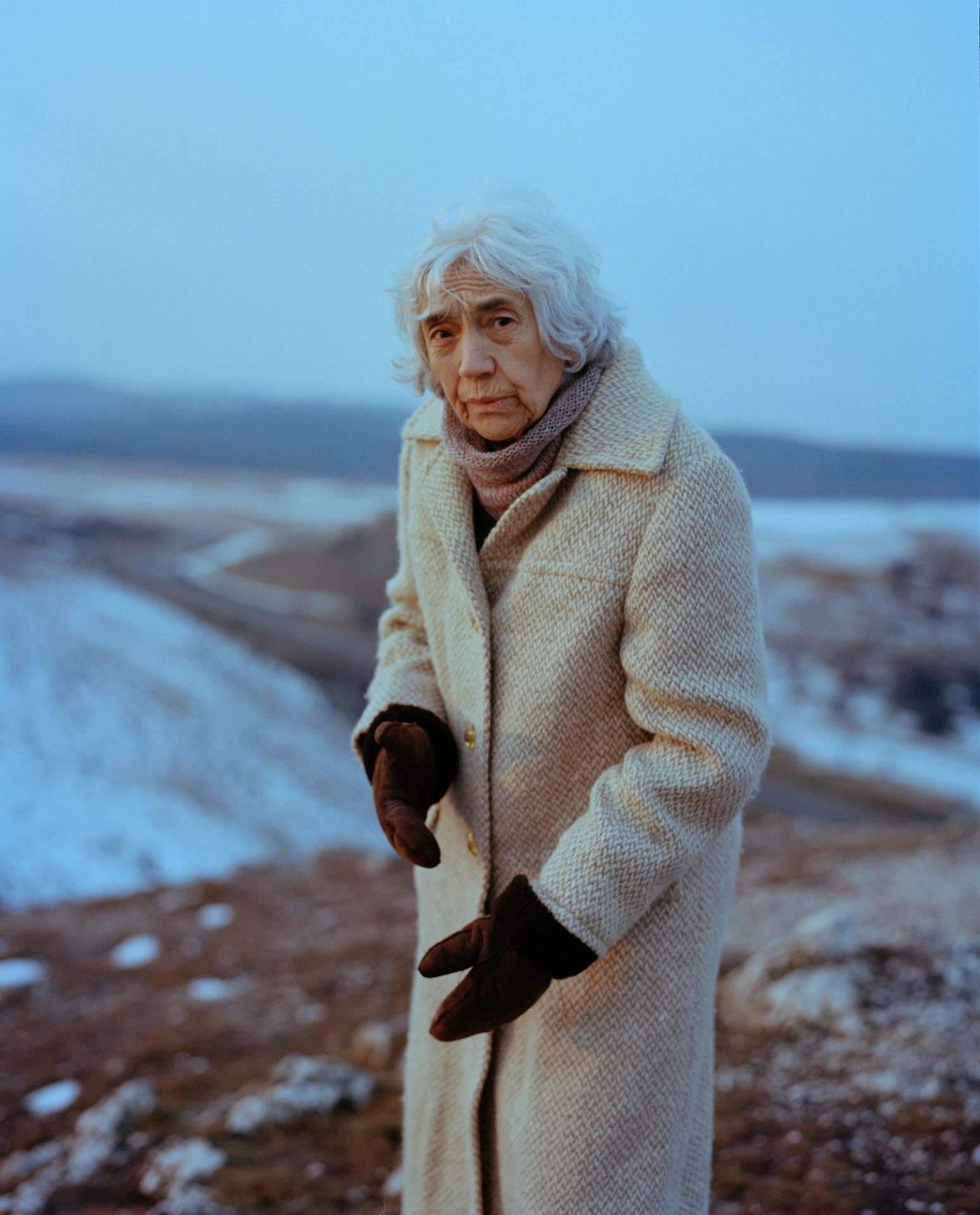
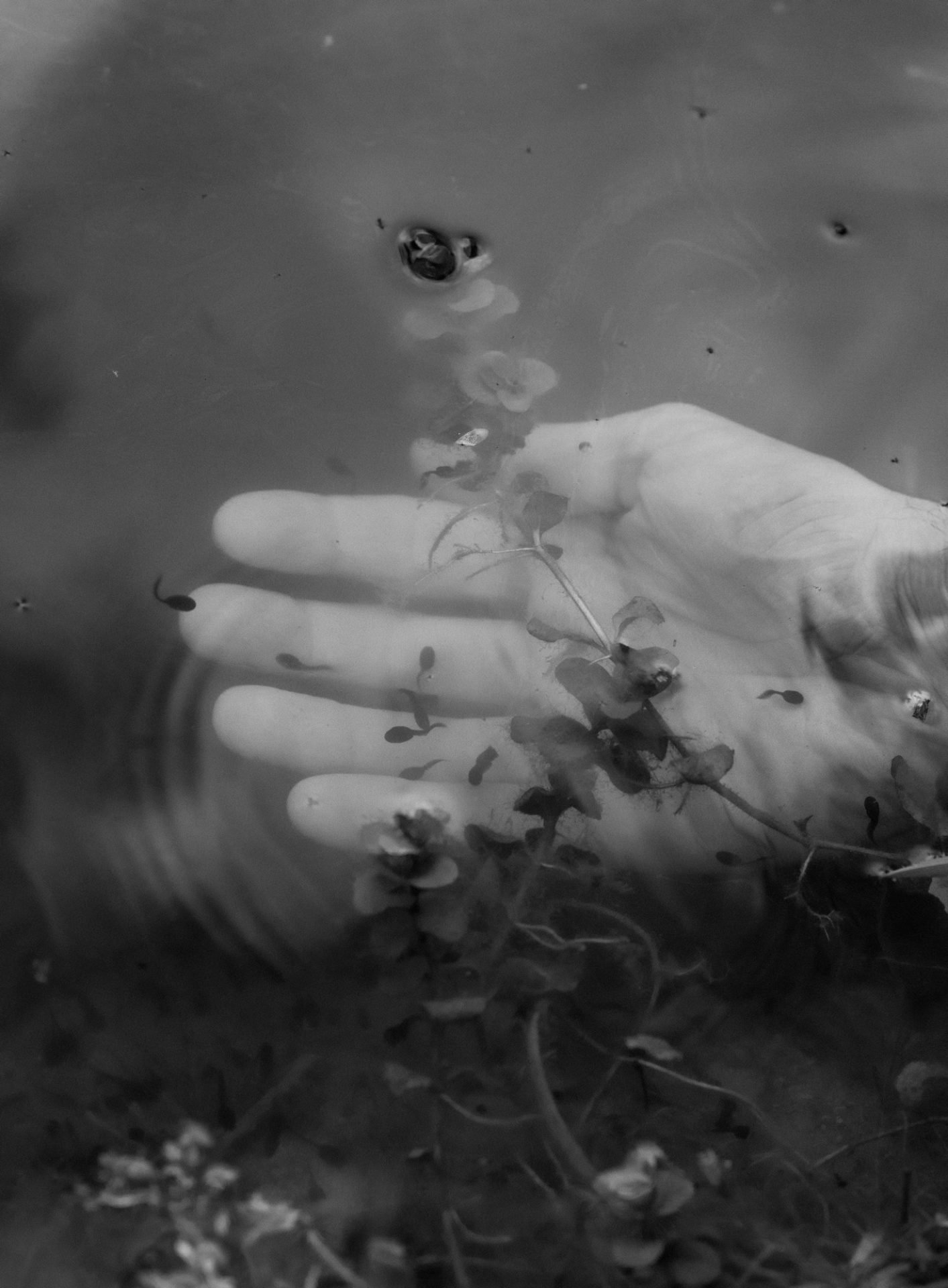
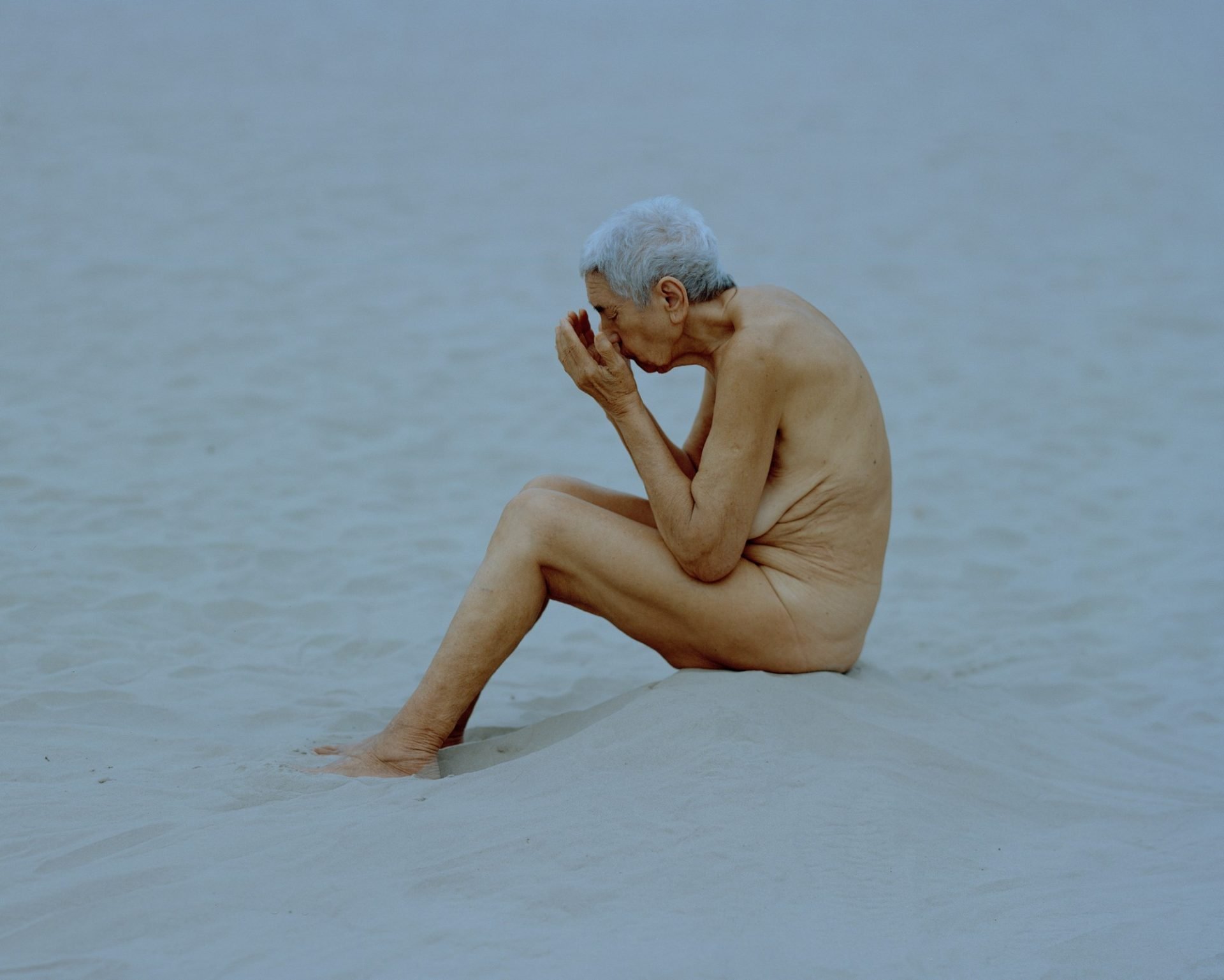
As a child, it was hard for me to imagine what it is like for someone who isn’t afraid of the dark. Will death seem less scary when we grow old? At a certain point, we’ll have to confront the idea that life is finite. For a child, time could seem infinite – the older we get, the faster time seems to pass. How can the transient nature of our personality be accepted in an individualistic society? Three years ago I set out to find an answer to this question in my photo series, which first bore the title “One step closer”. However, in the meantime, my grandmother was diagnosed with dementia and ever so slowly the original project has turned into a collaborative effort. Her disease carries within the starting point of my own fears. If our personality completely disappears in the moment of our death, then we can think of dementia as that frozen moment in which, day after day, we slowly drift away from ourselves. While I’m watching my grandmother change both mentally and physically, I’m aiming to embrace acceptance; striving to experience the existing order in the world, in which the transience of life also plays a part.
This collaboration had a great impact on my grandmother during which our relationship has also evolved. The reason I started to record videos was to show this personal aspect of the project. Although I don’t regard these videos part of the series, in my opinion they are important to be shared.
vimeo.com/560594182
In an earlier stage of the work, the artist was a recipient of the József Pécsi Photography Scholarship of the Ministry of Human Capacities.