SIMON MÓRICZ-SABJÁN IS THE WINNER OF THE CAPA GRAND PRIZE HUNGARY 2022
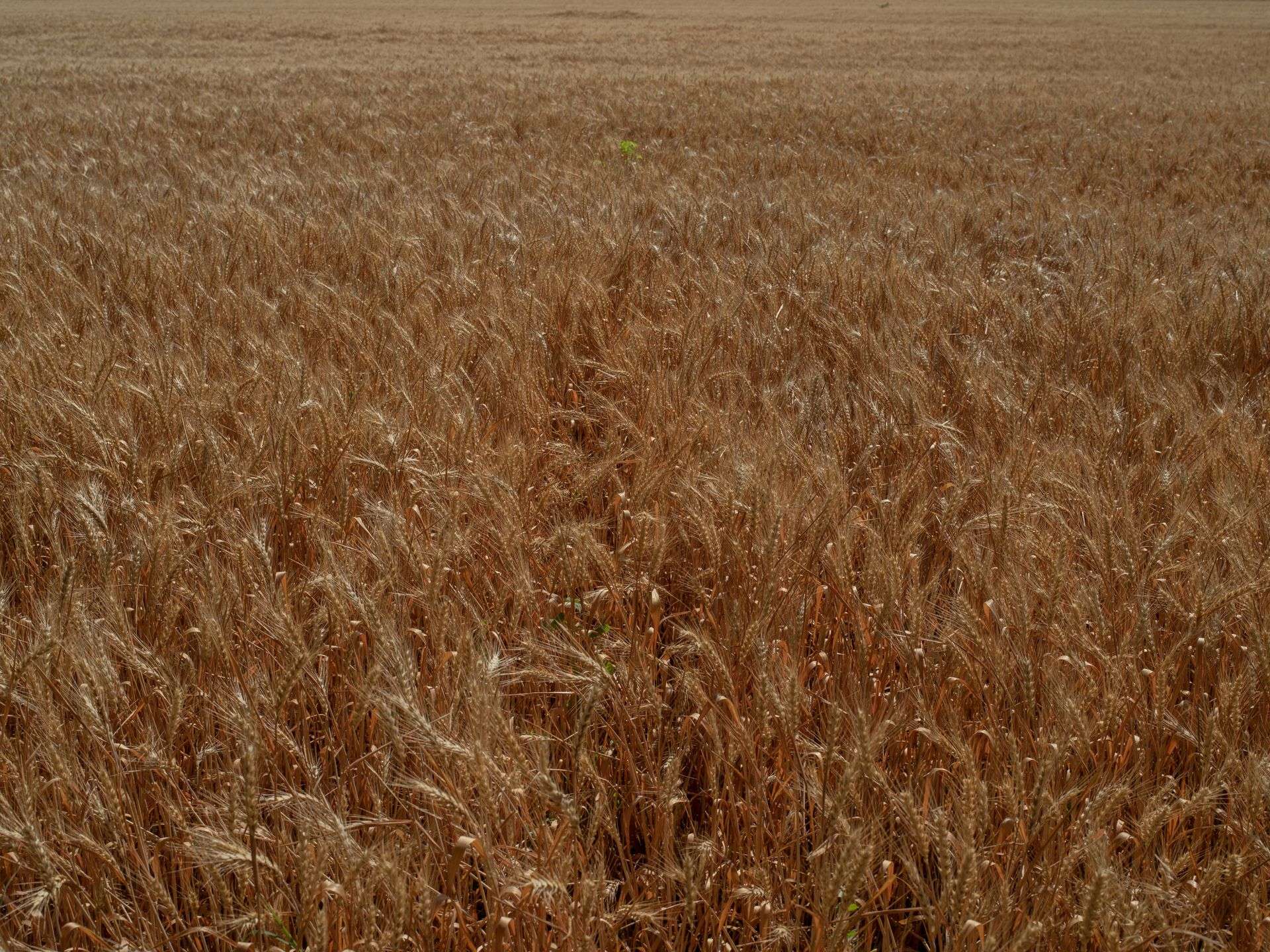
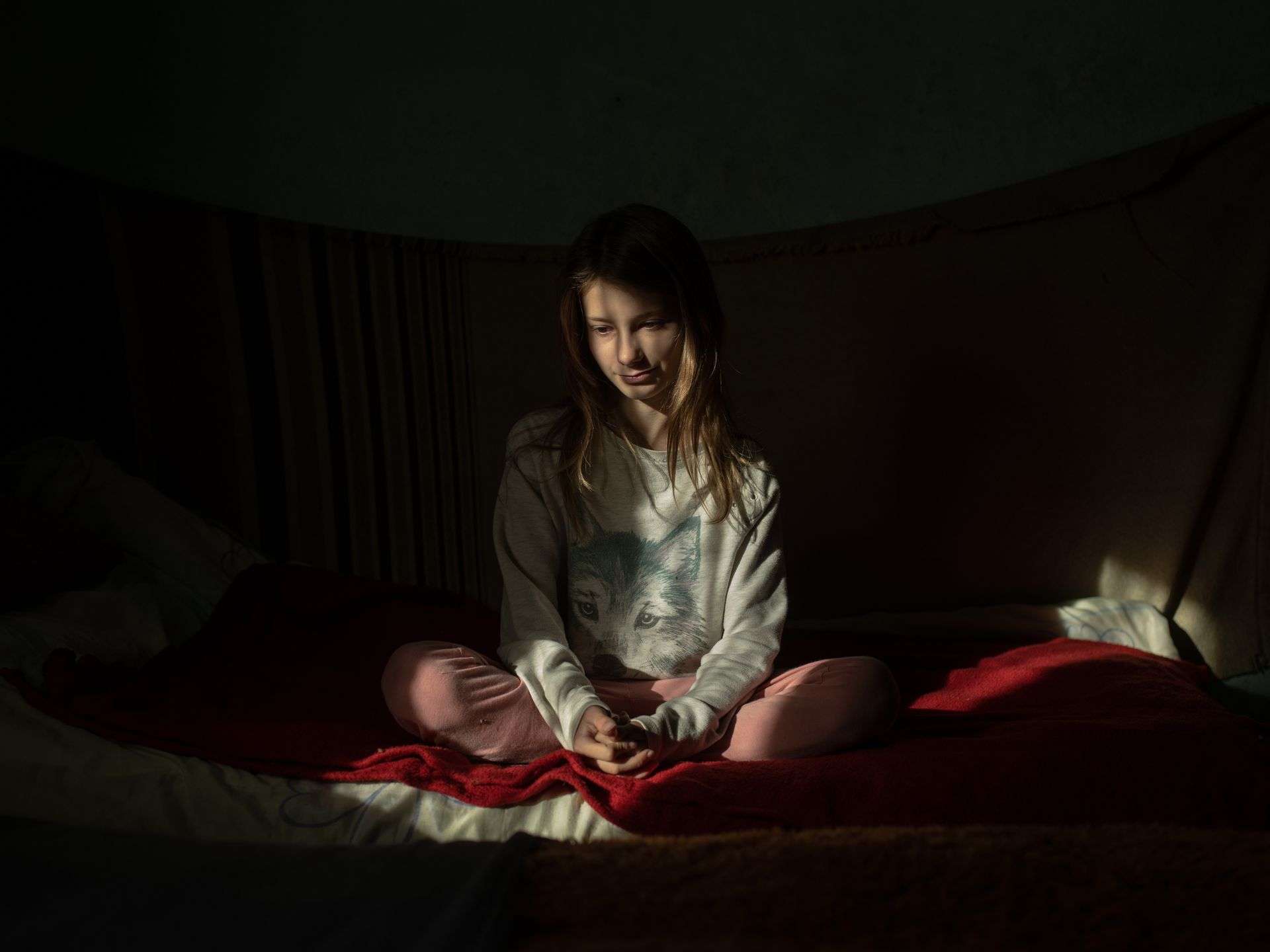
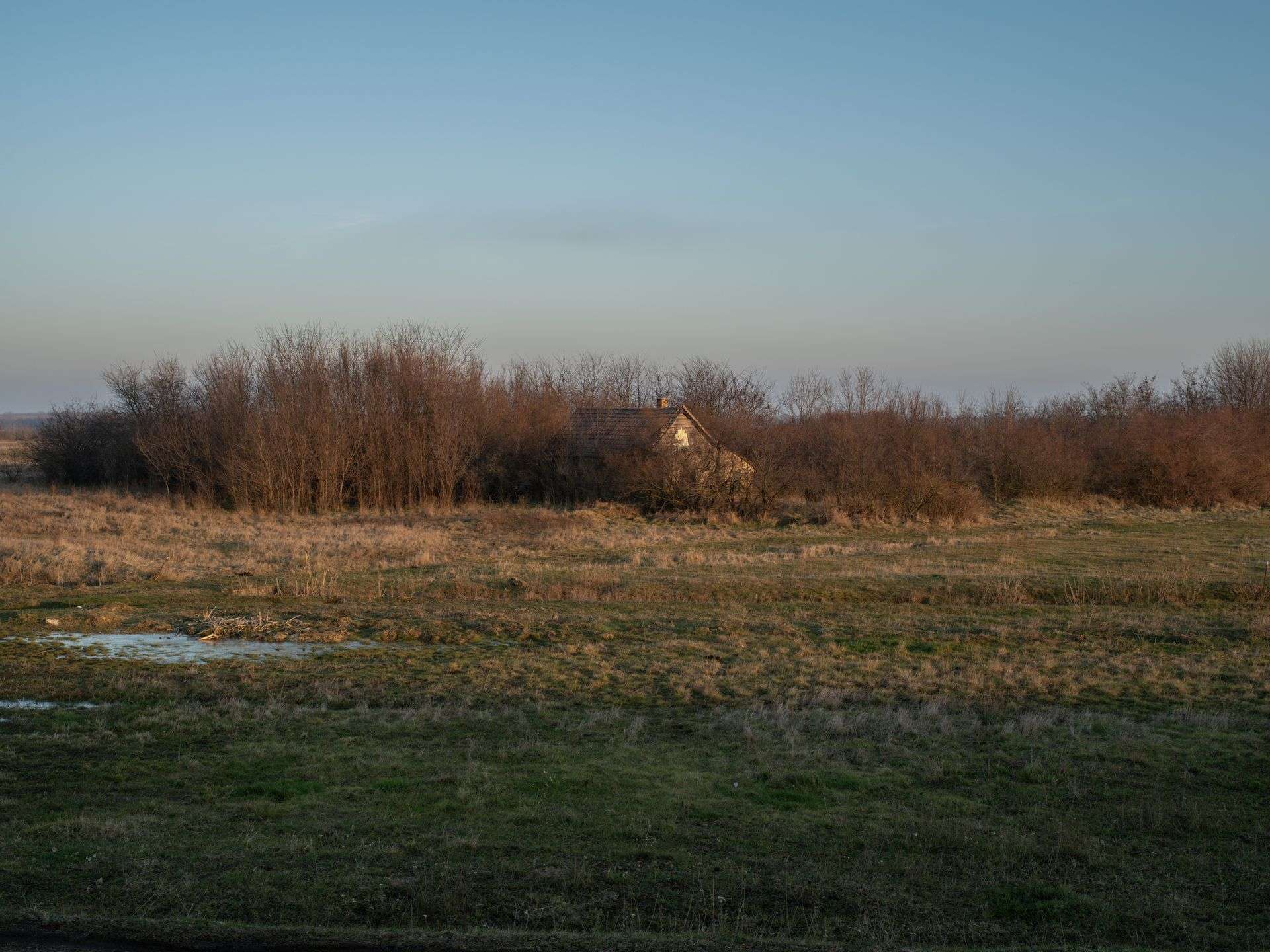
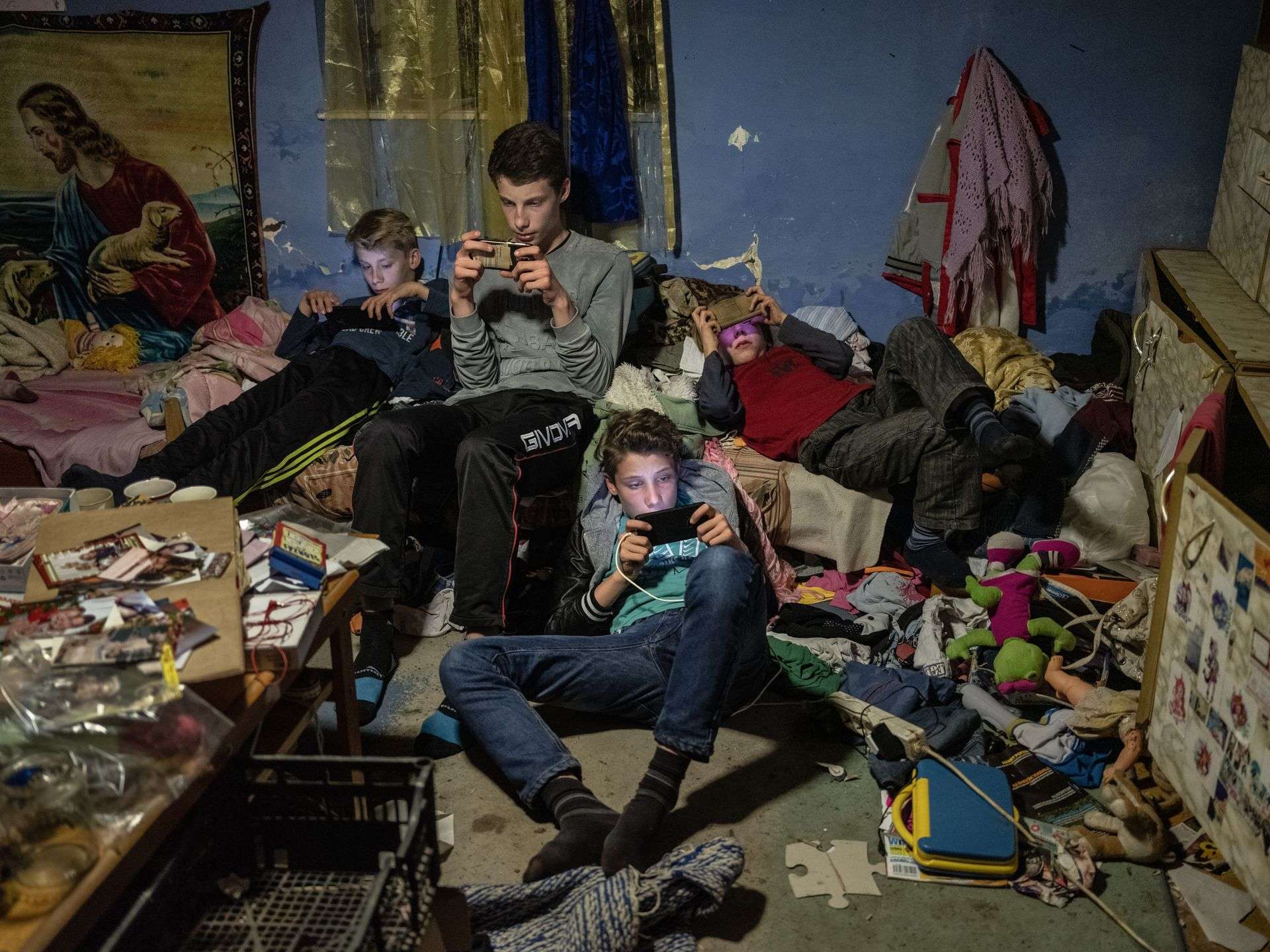
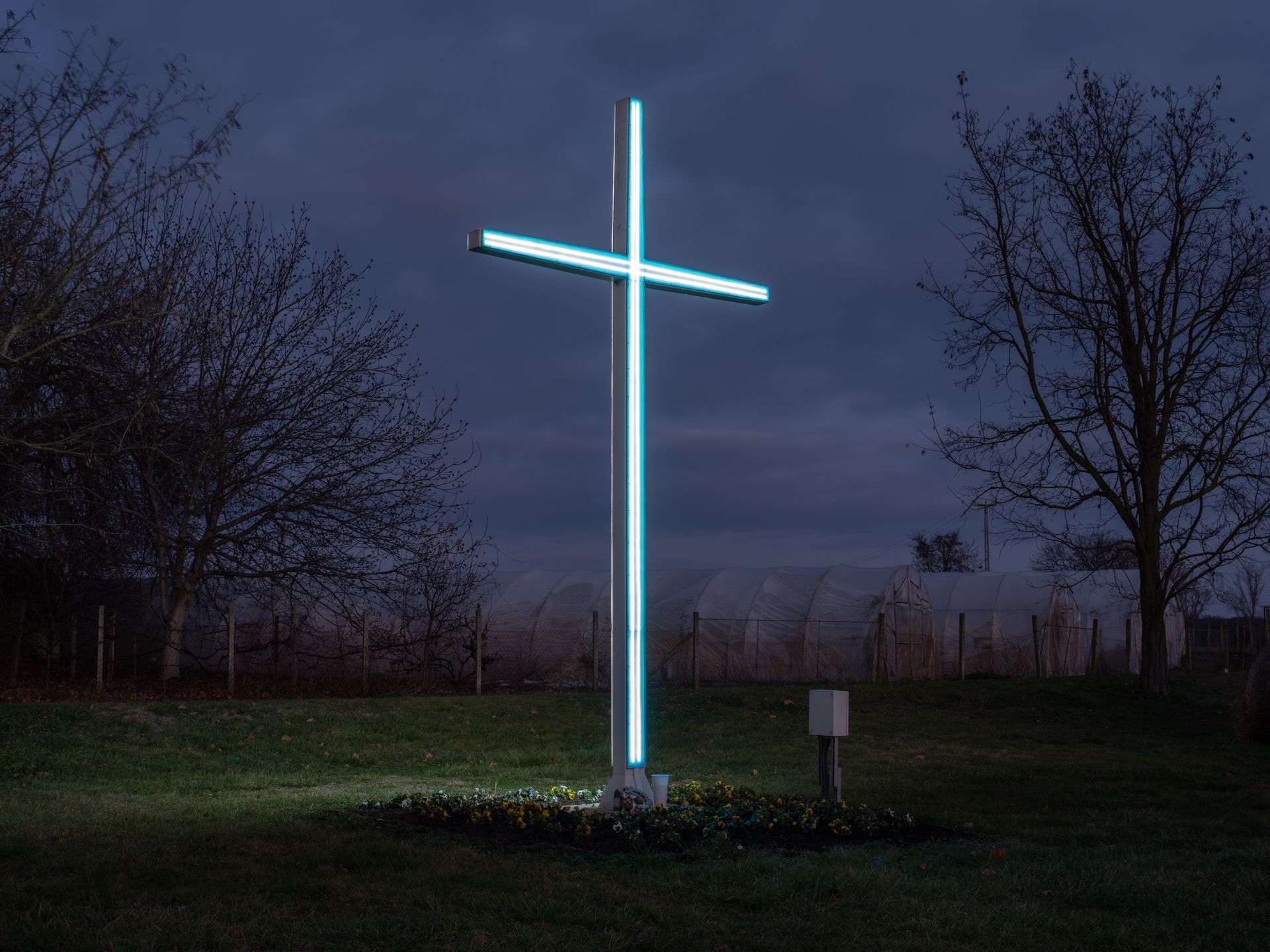
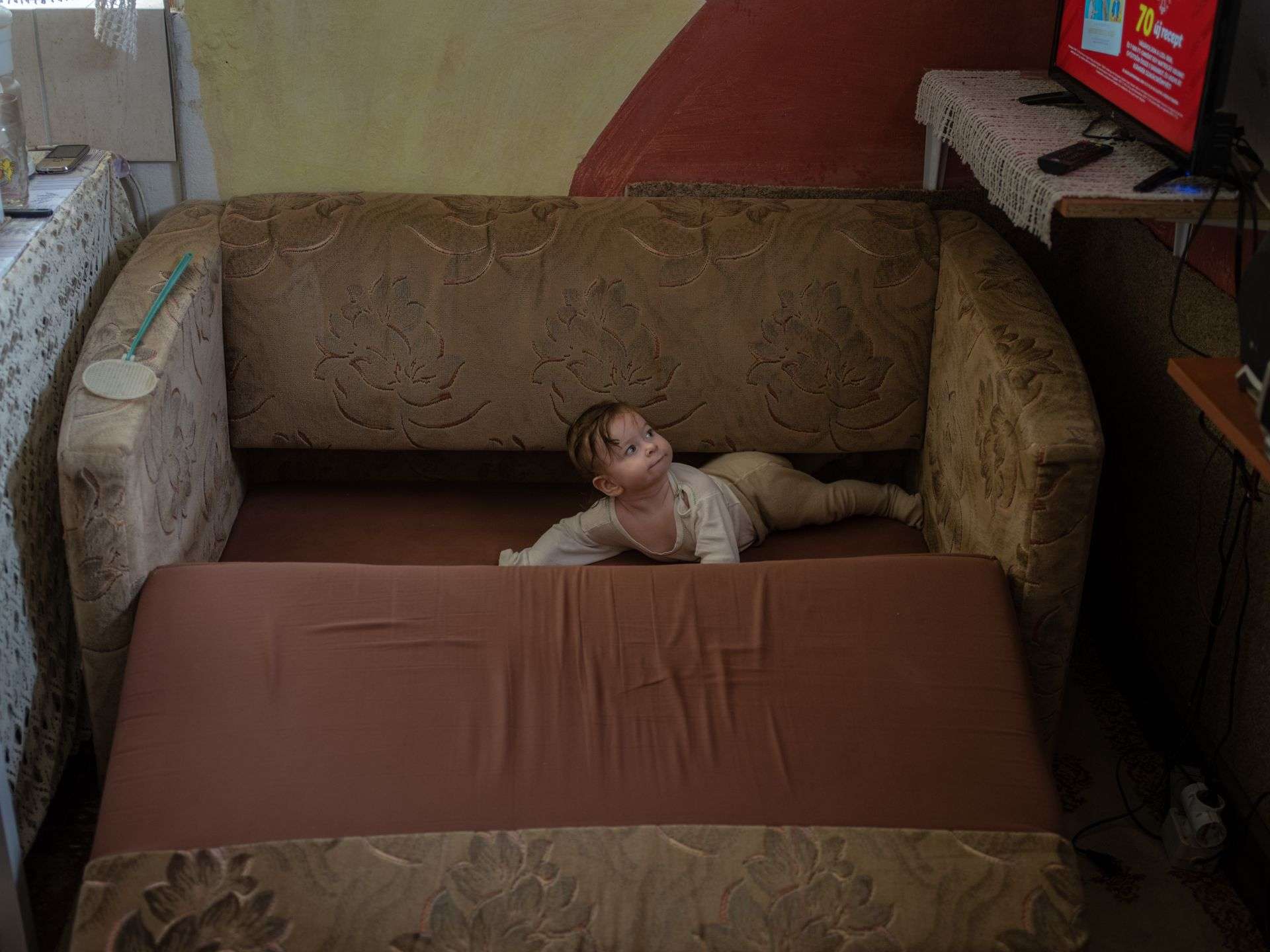
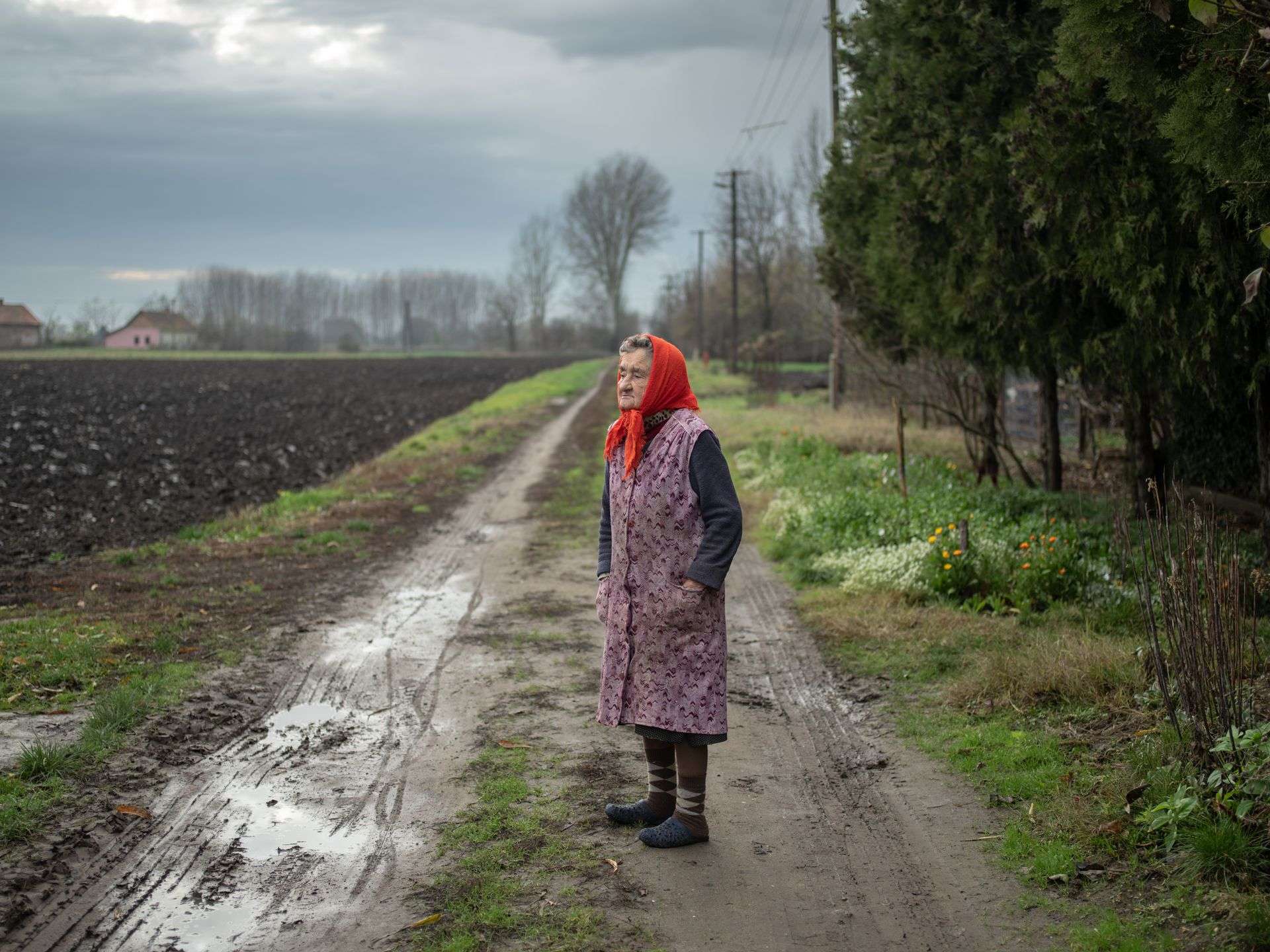
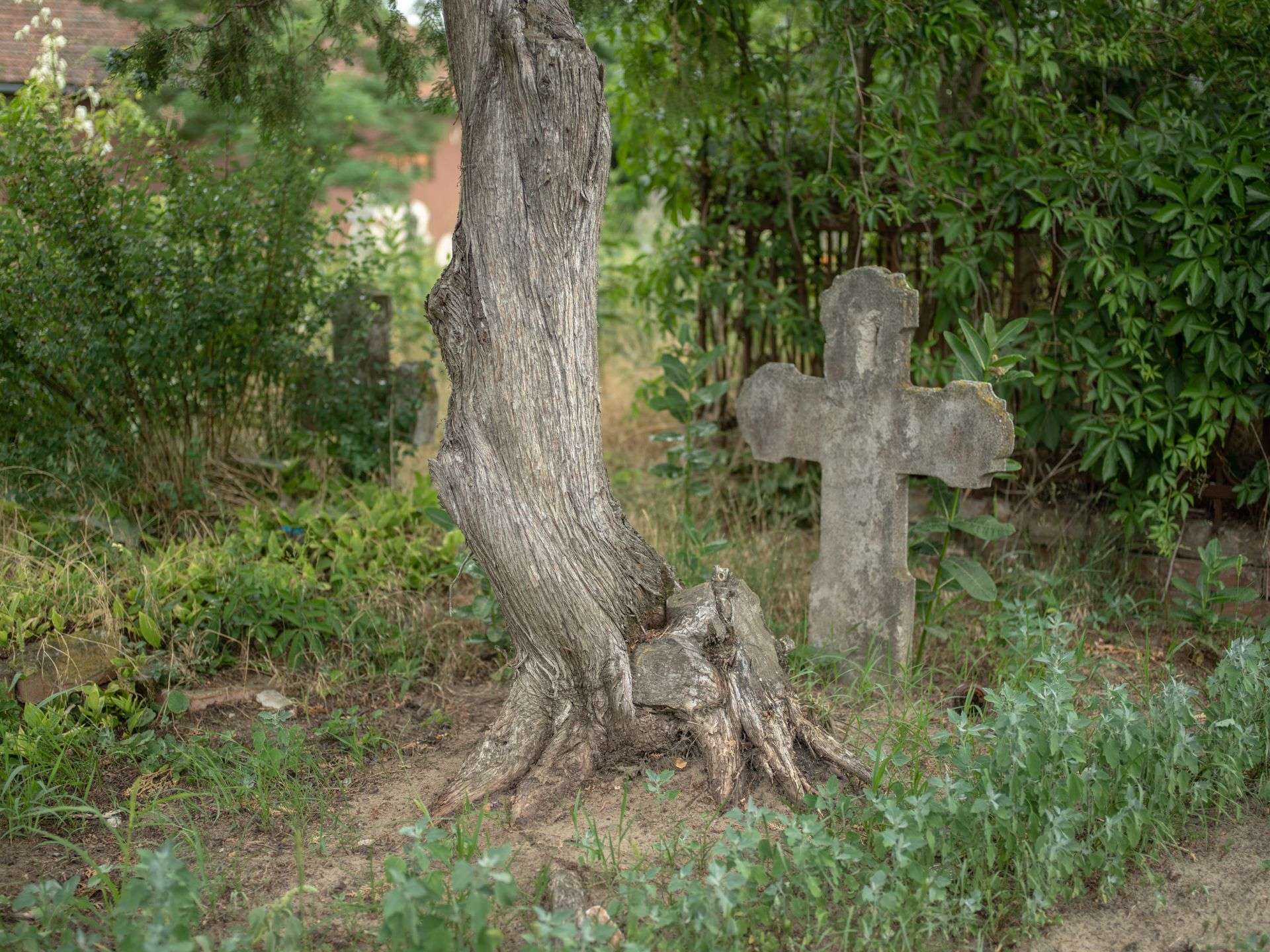
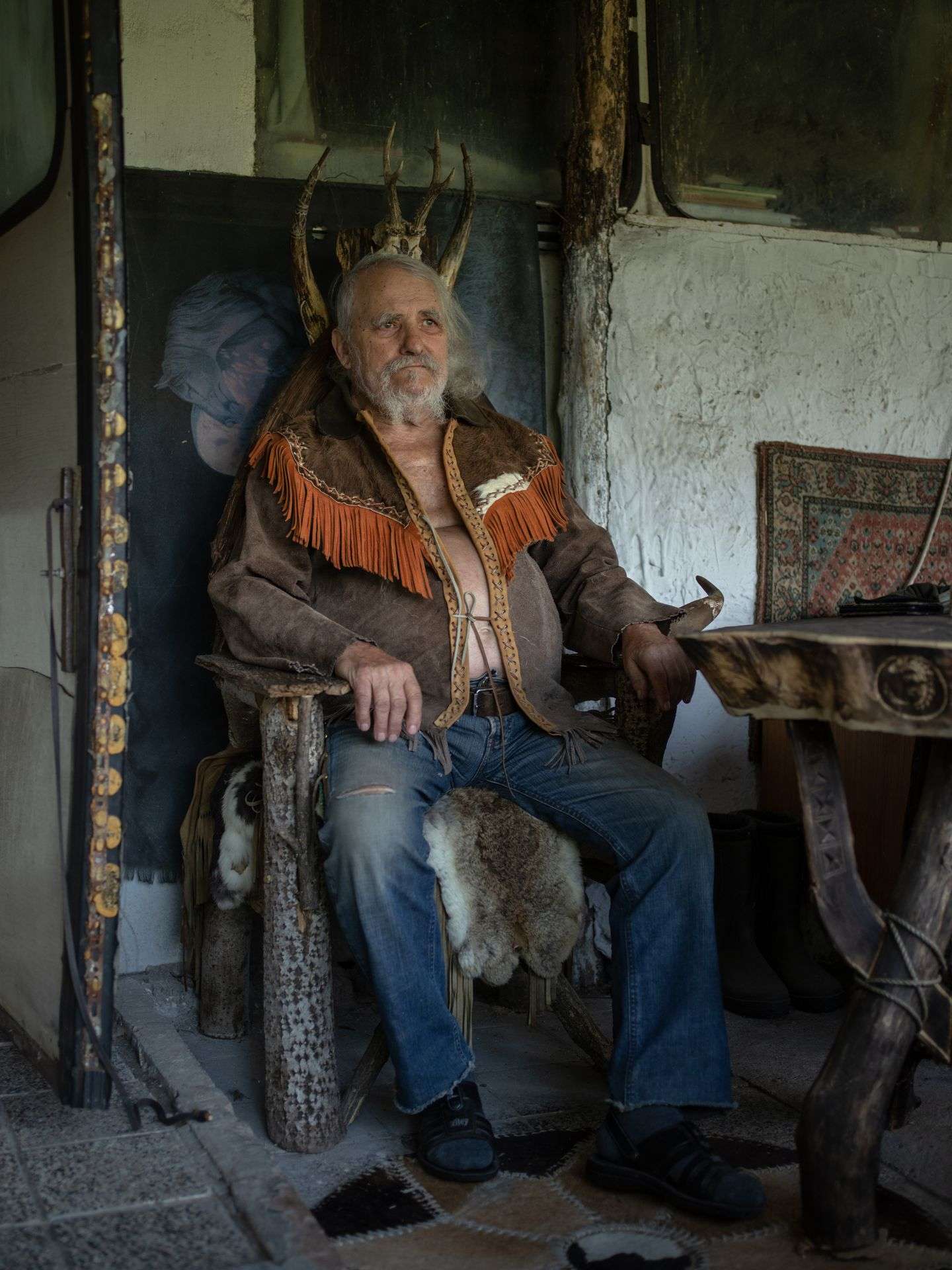
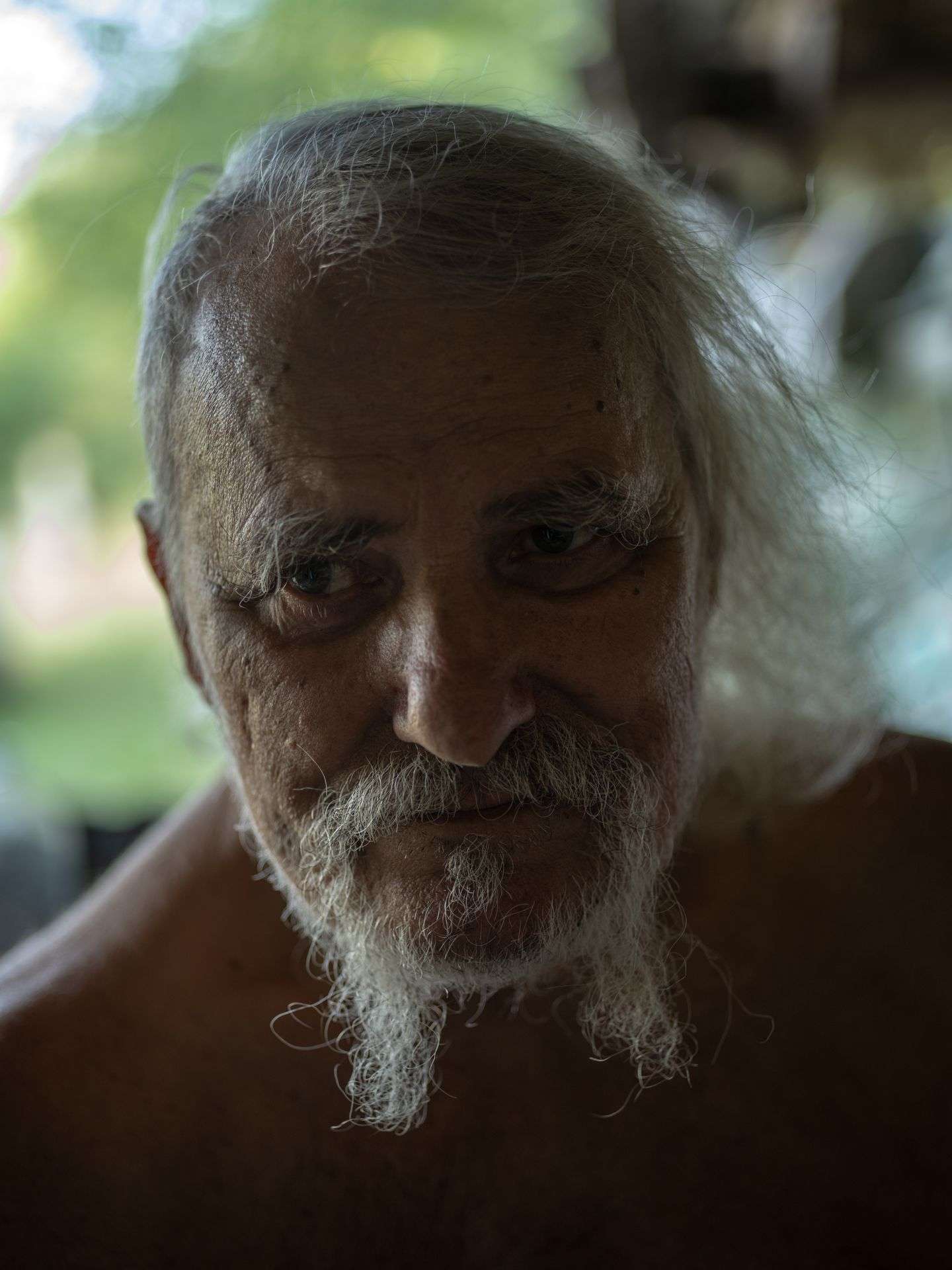
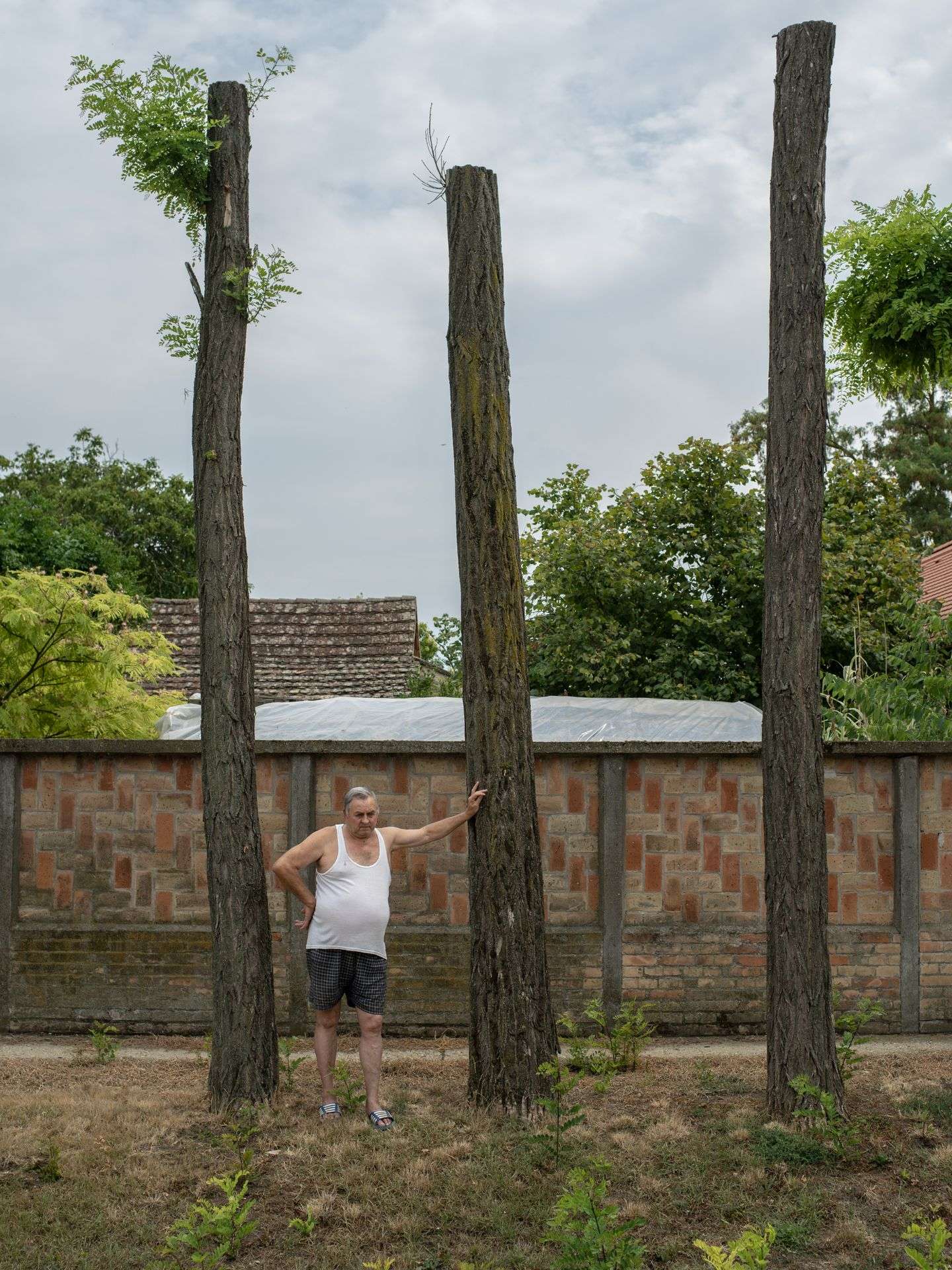
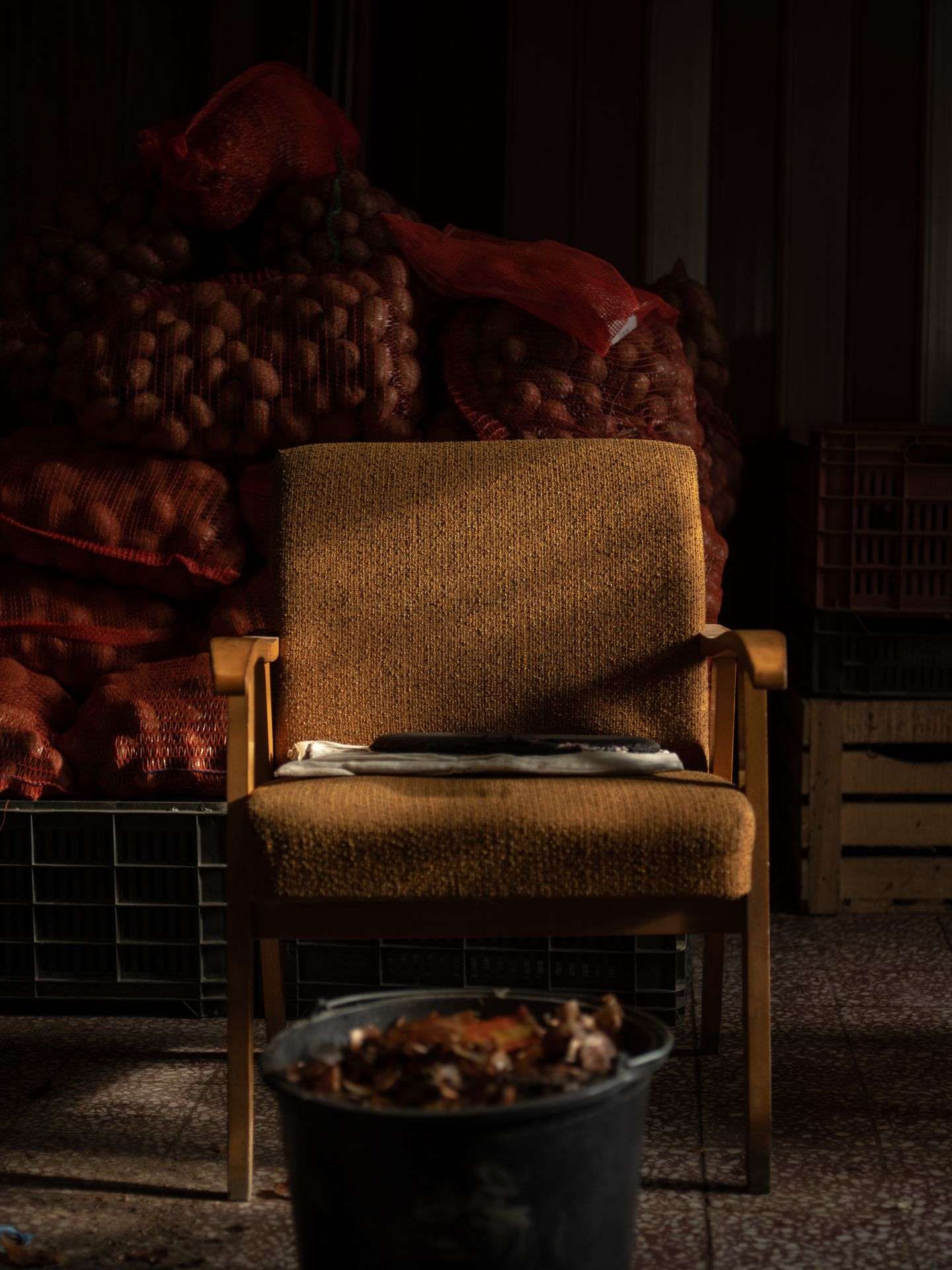
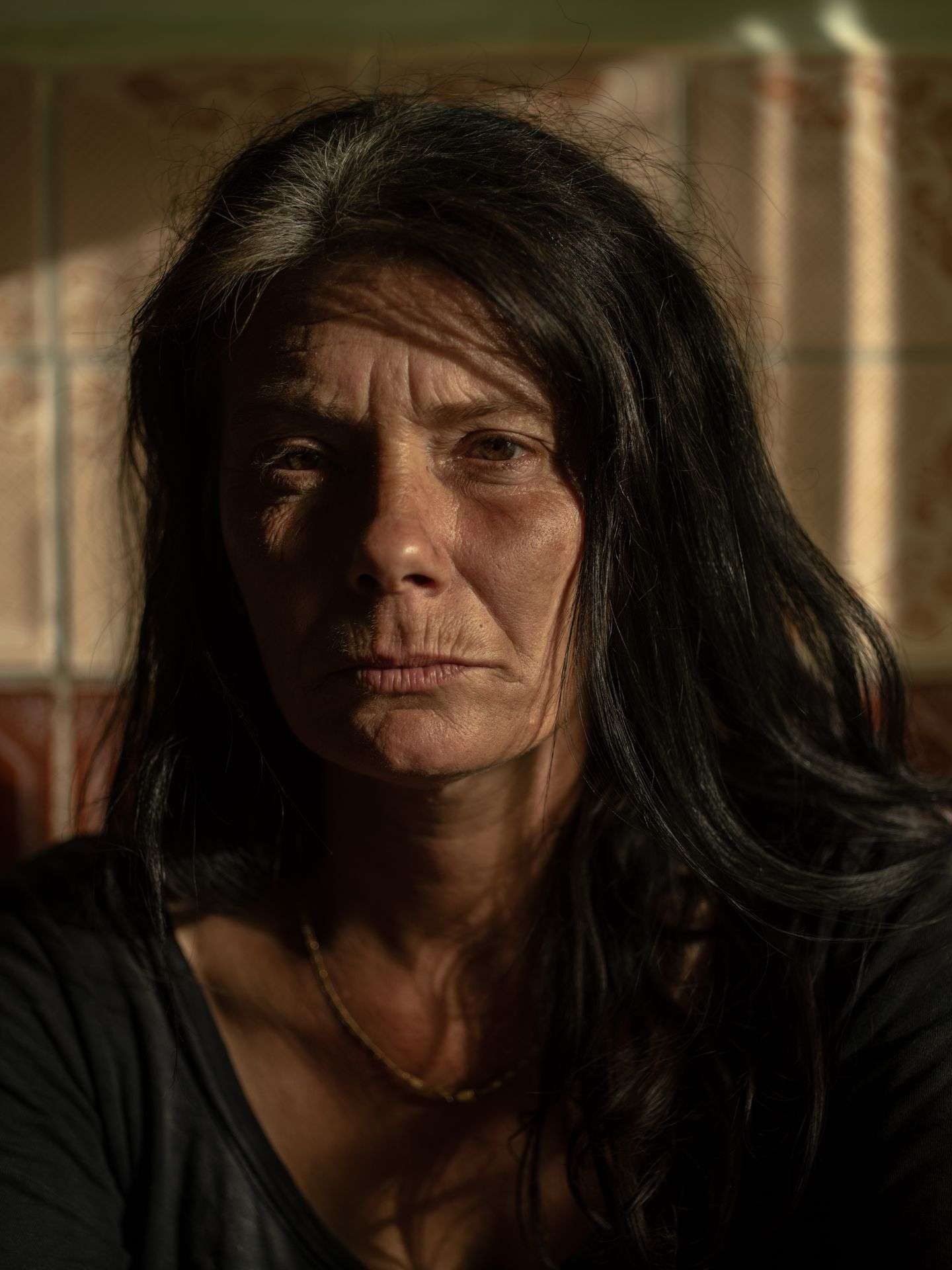
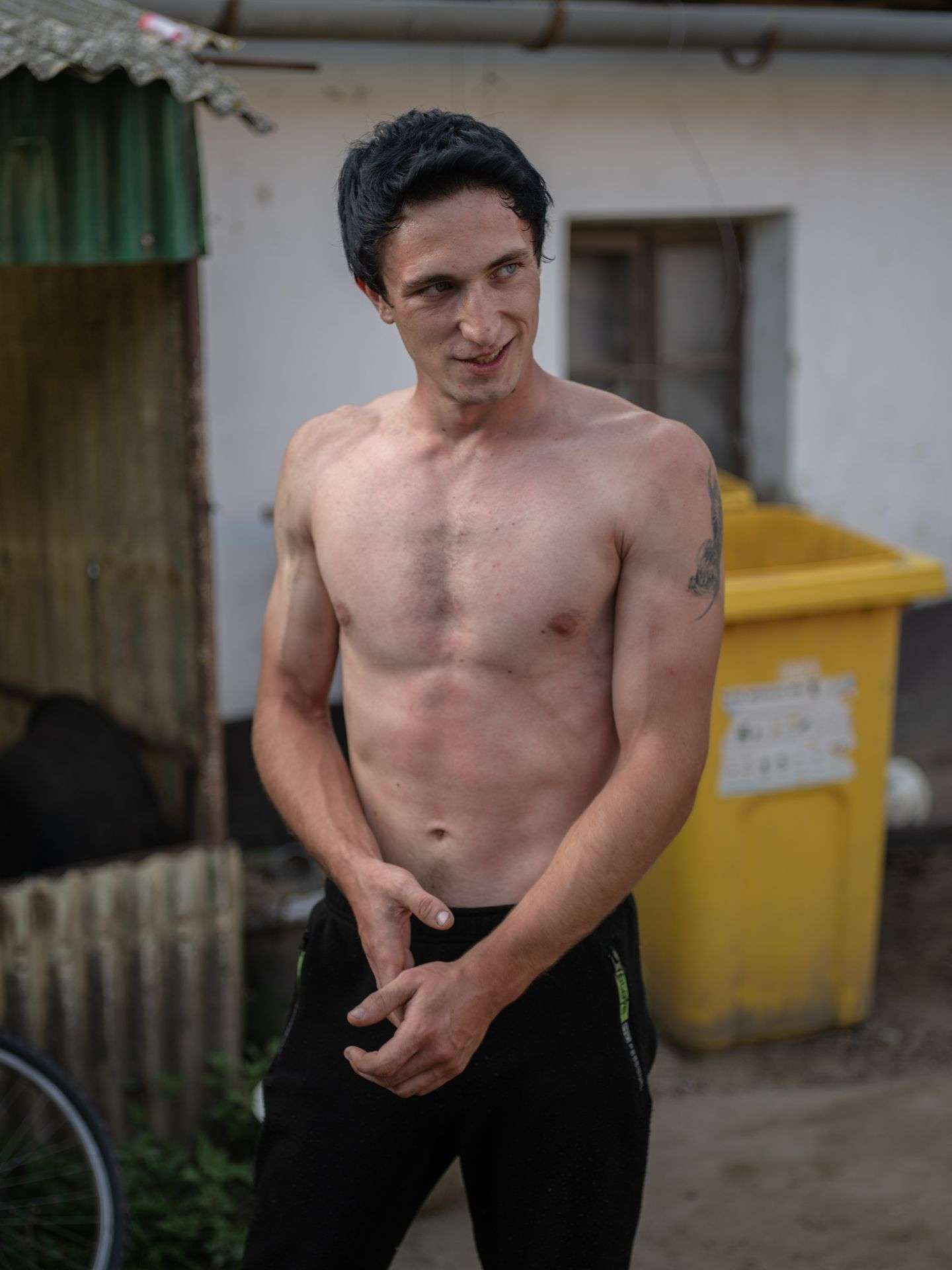
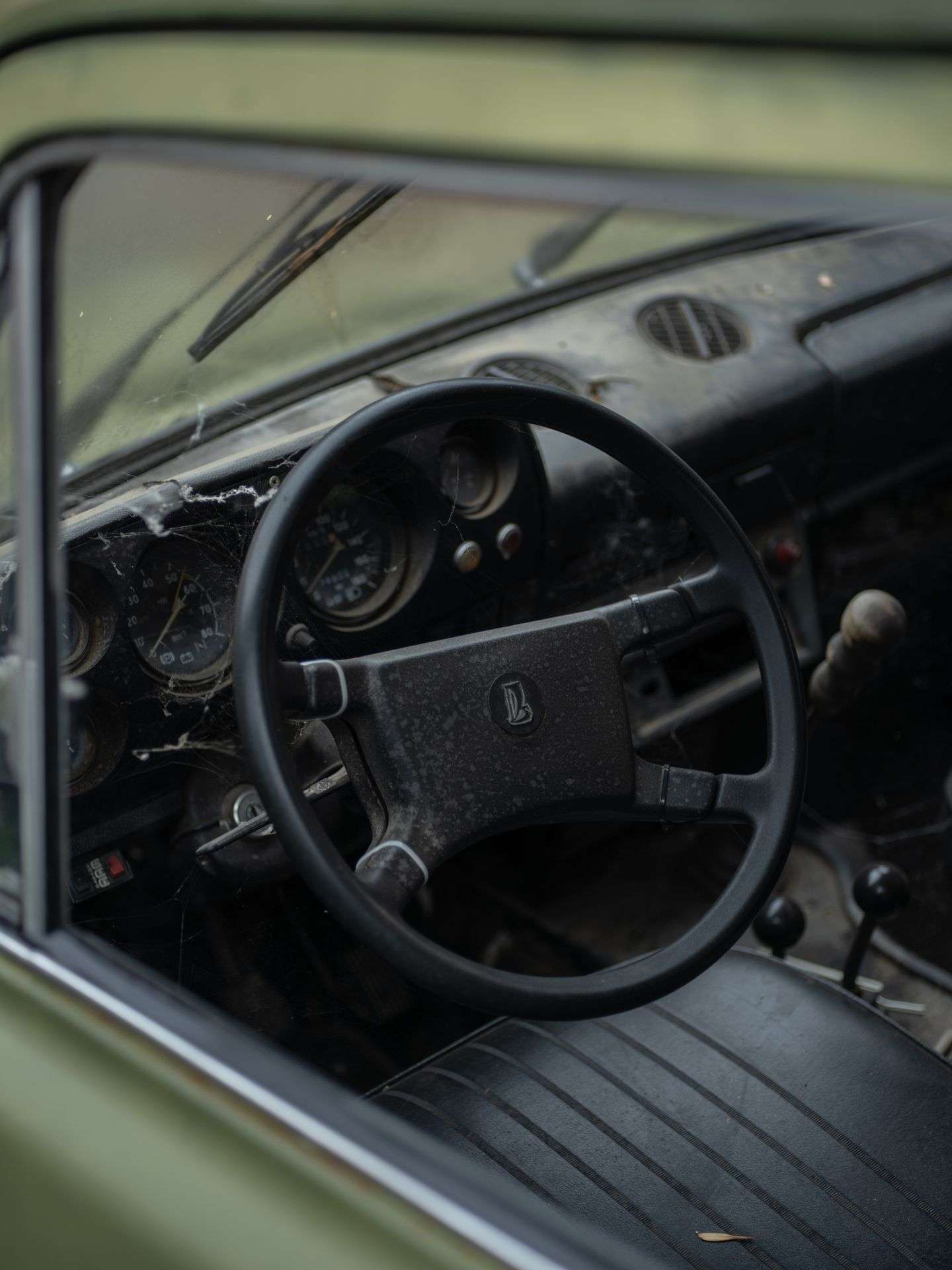
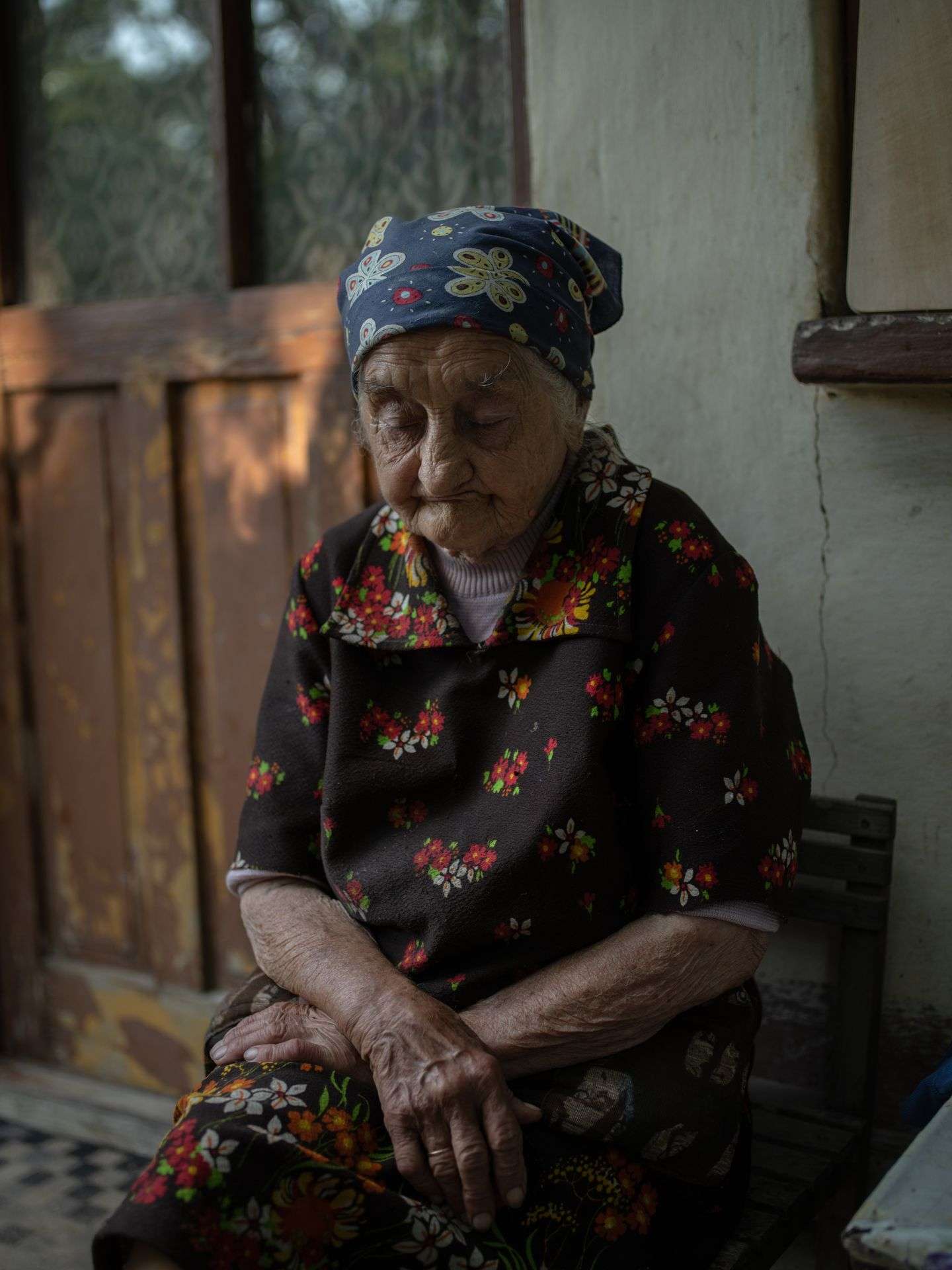
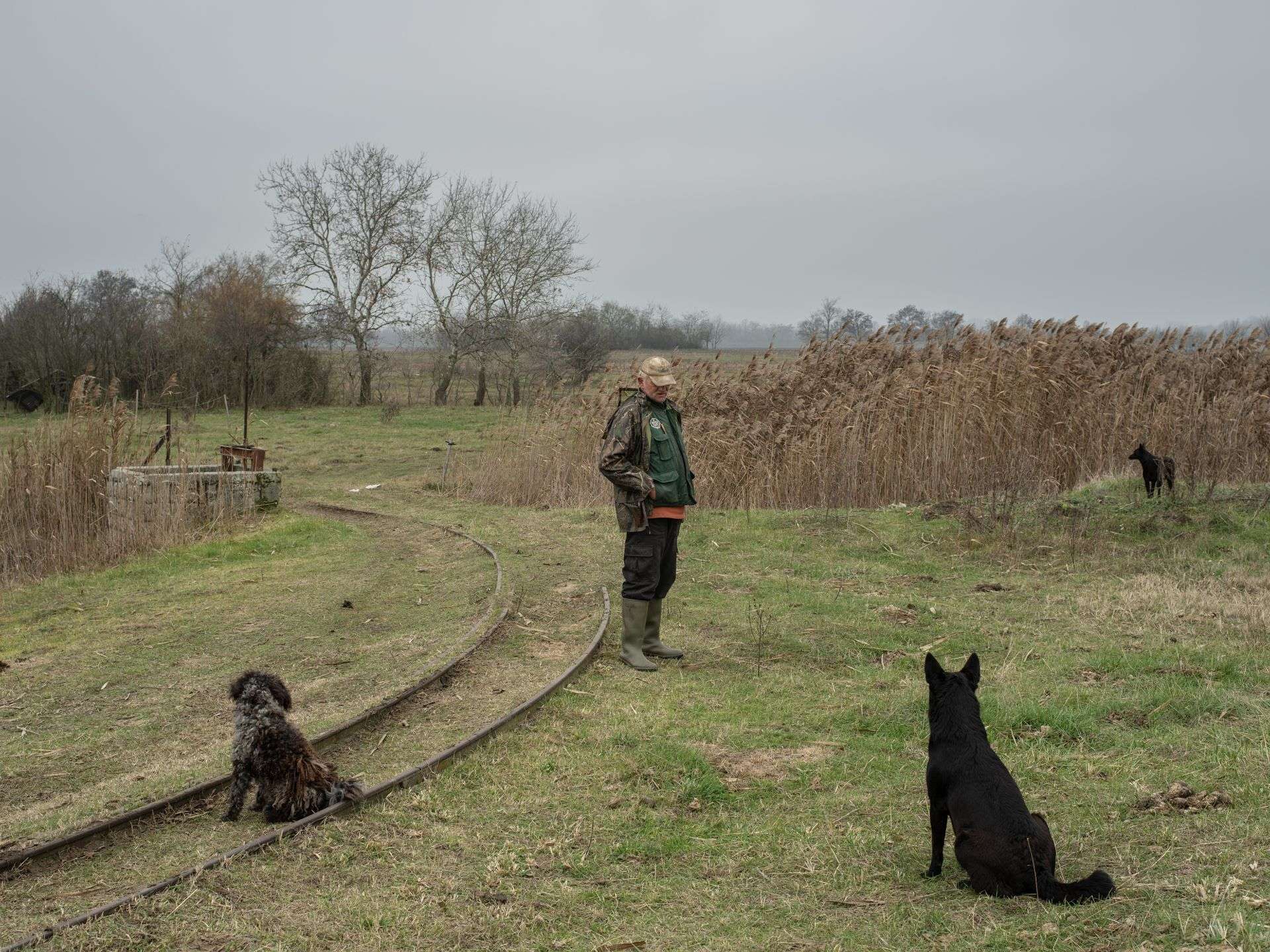
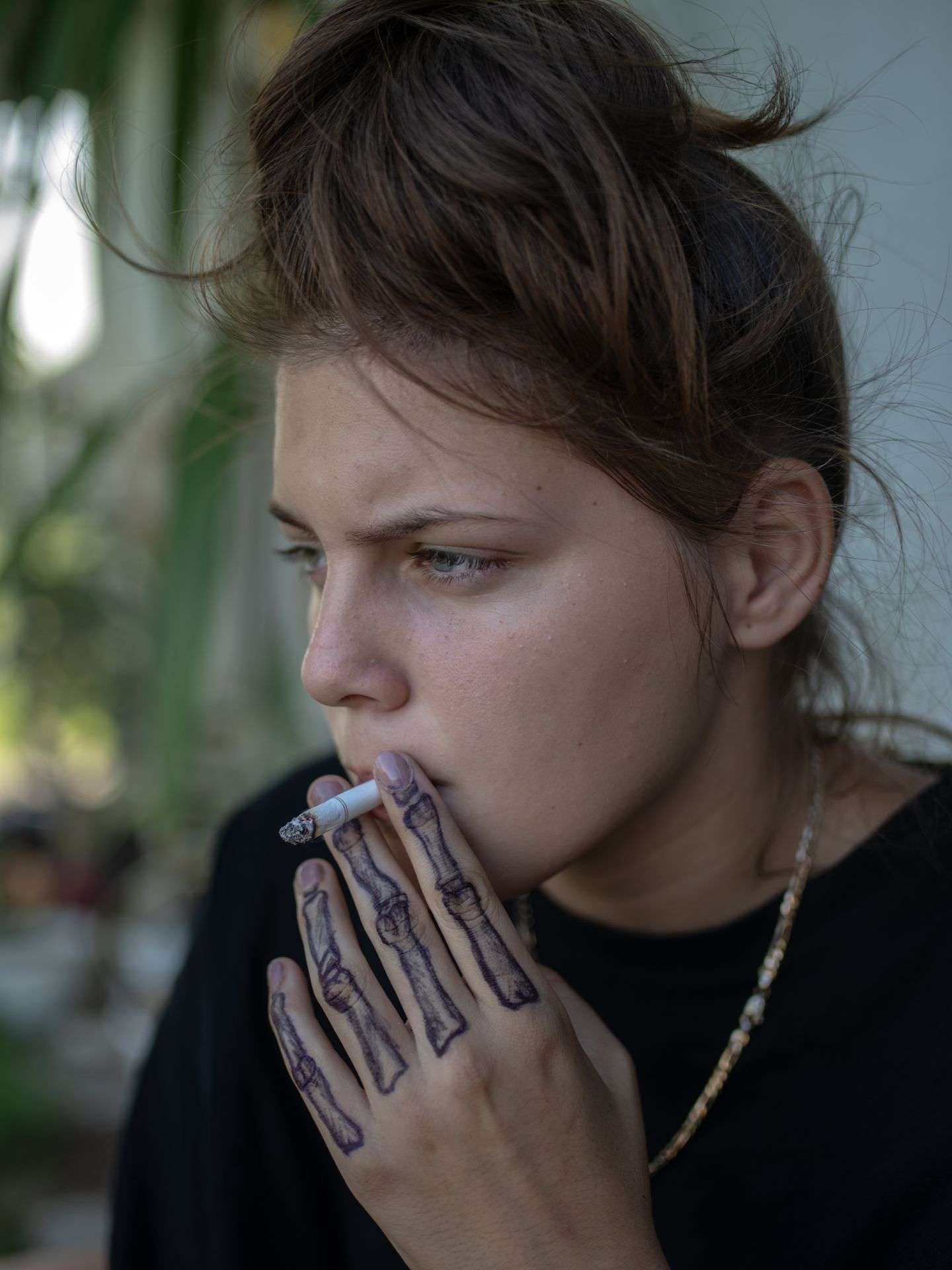
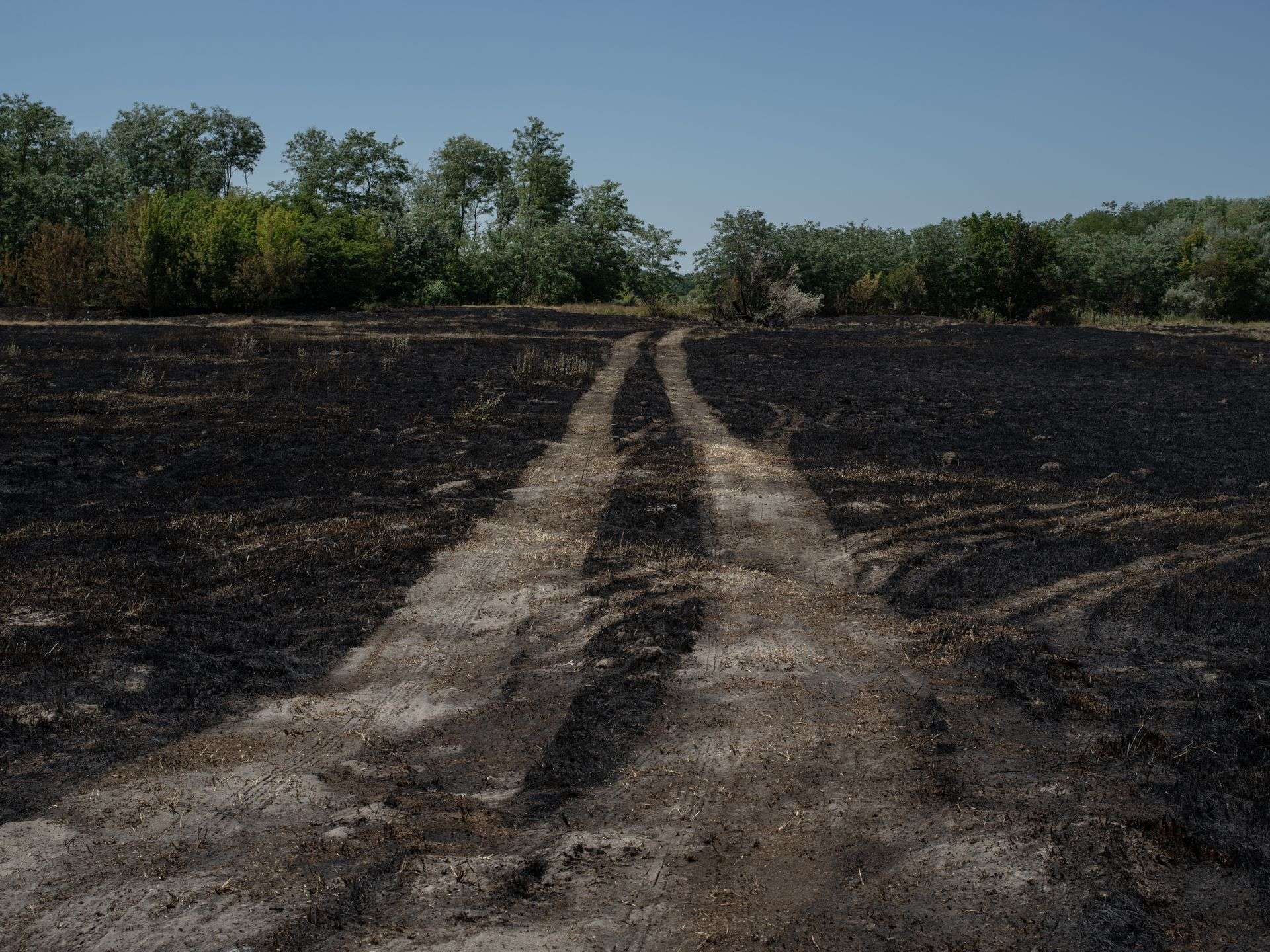
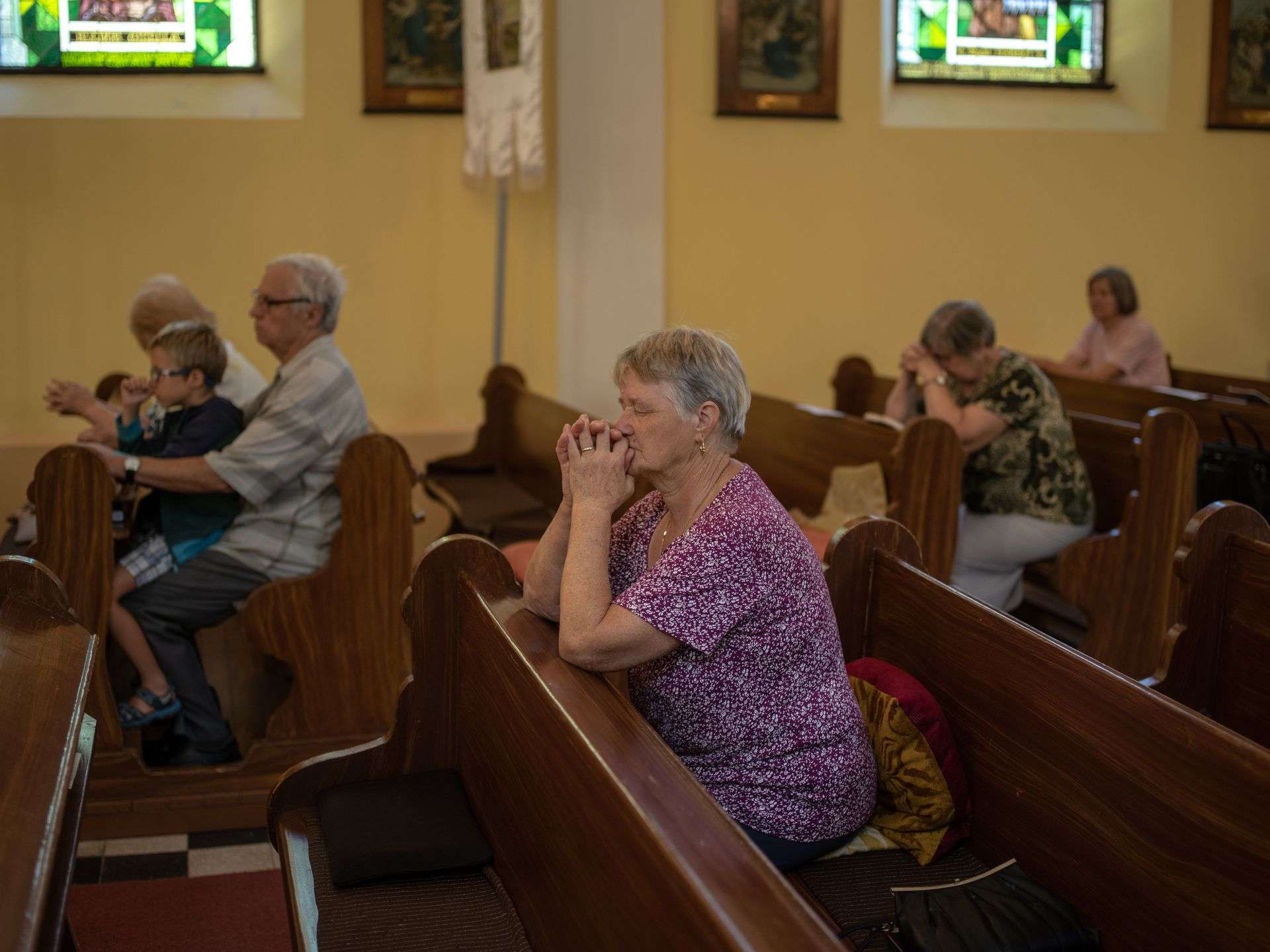
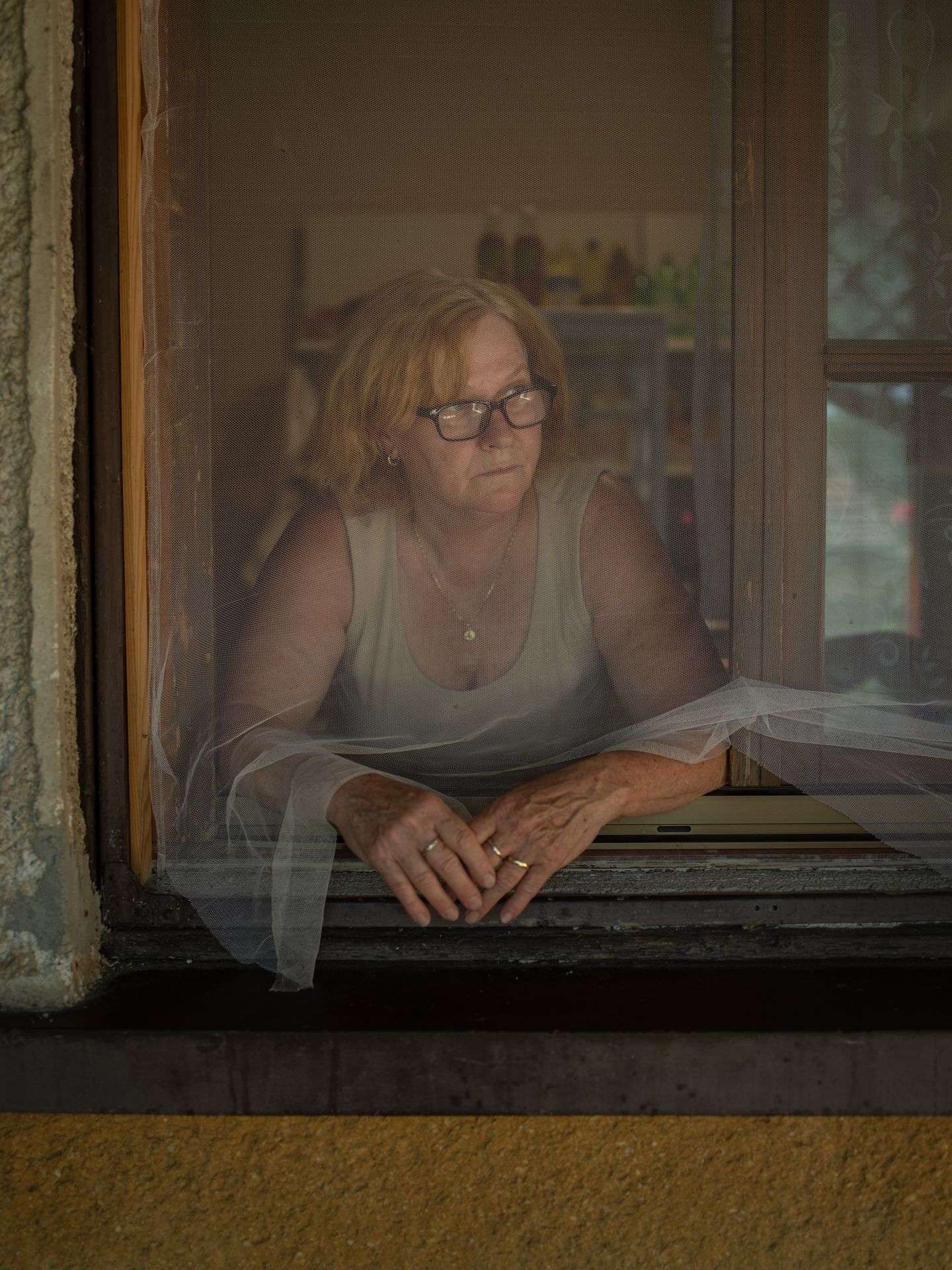
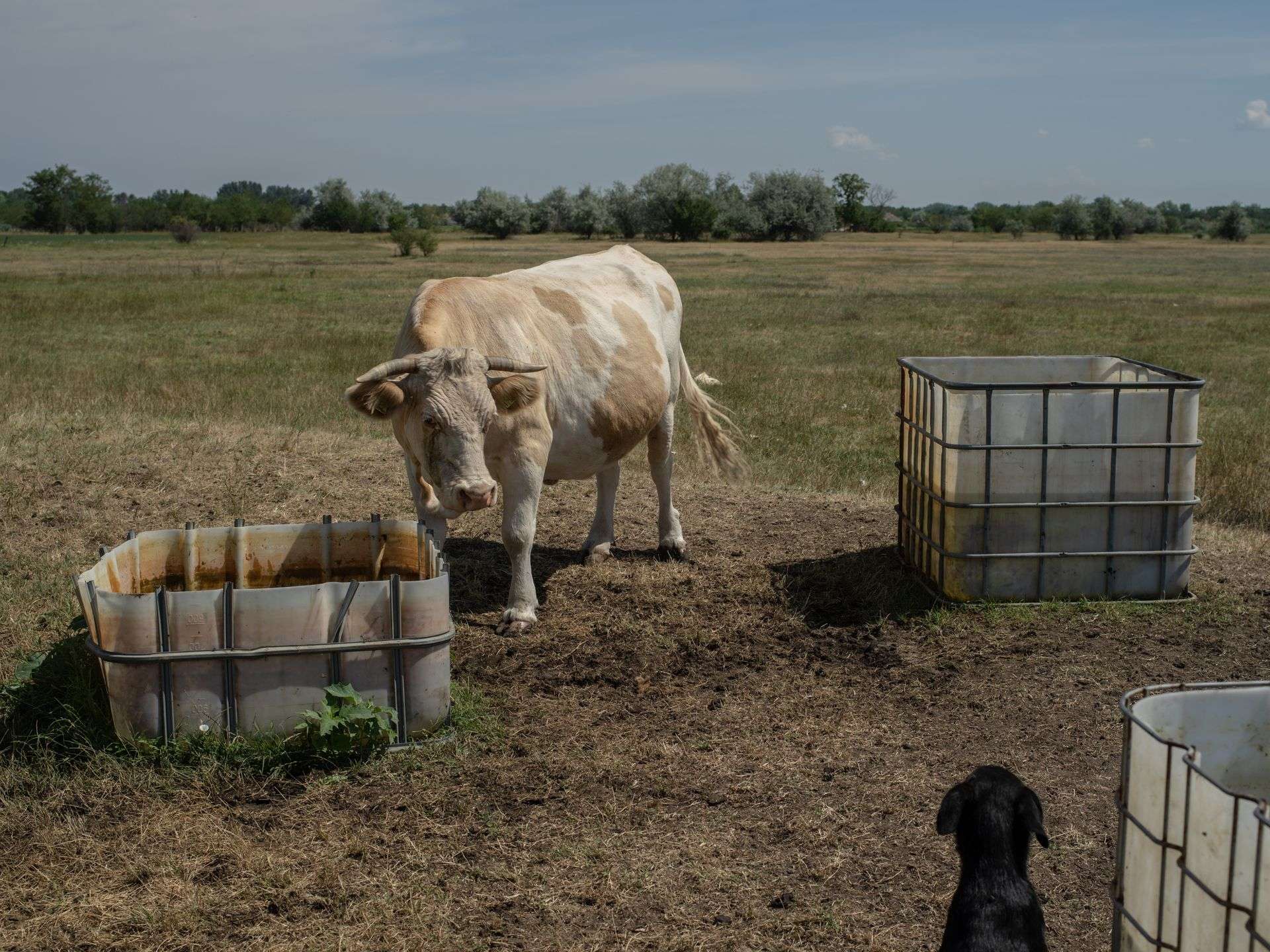
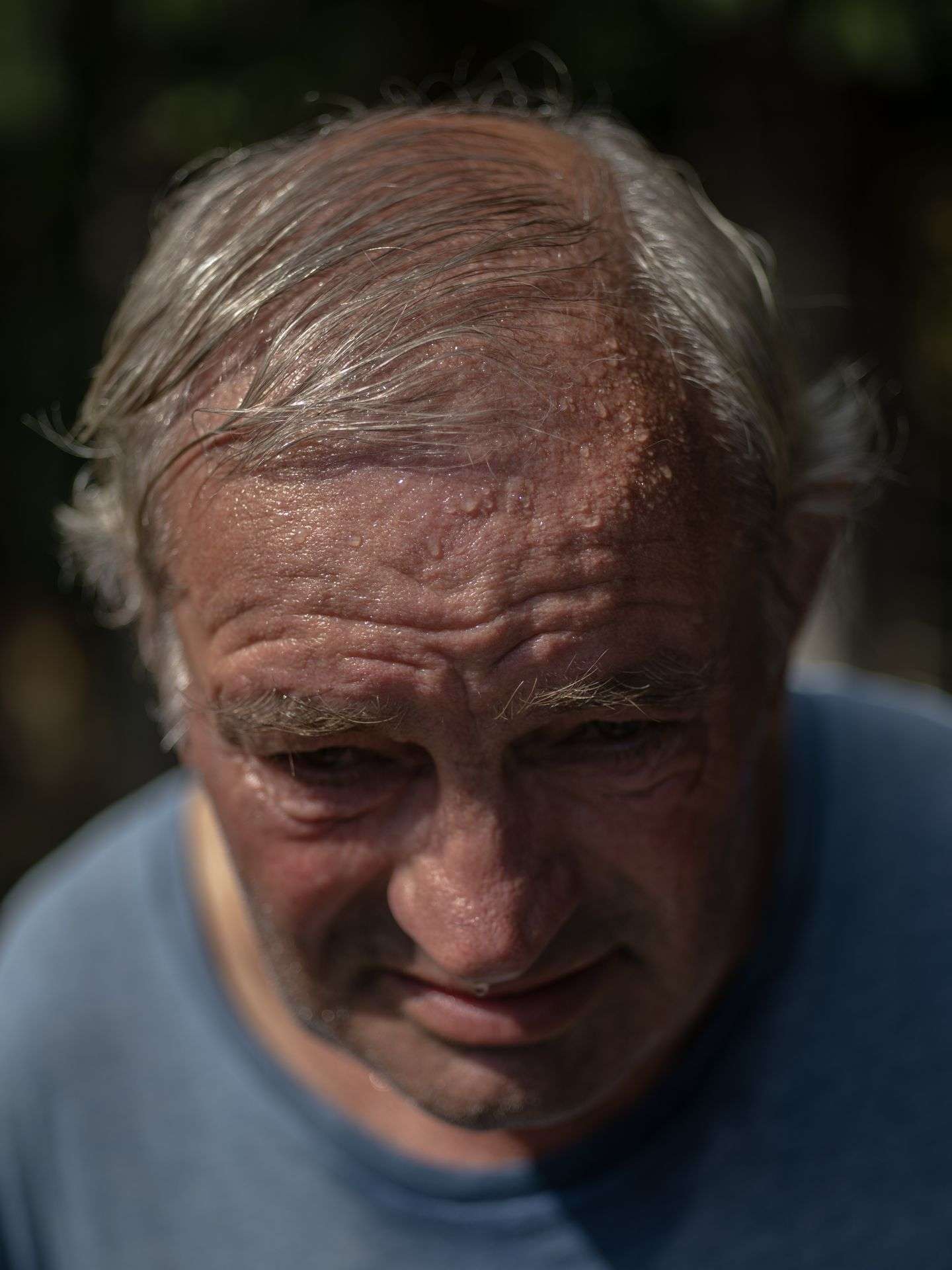
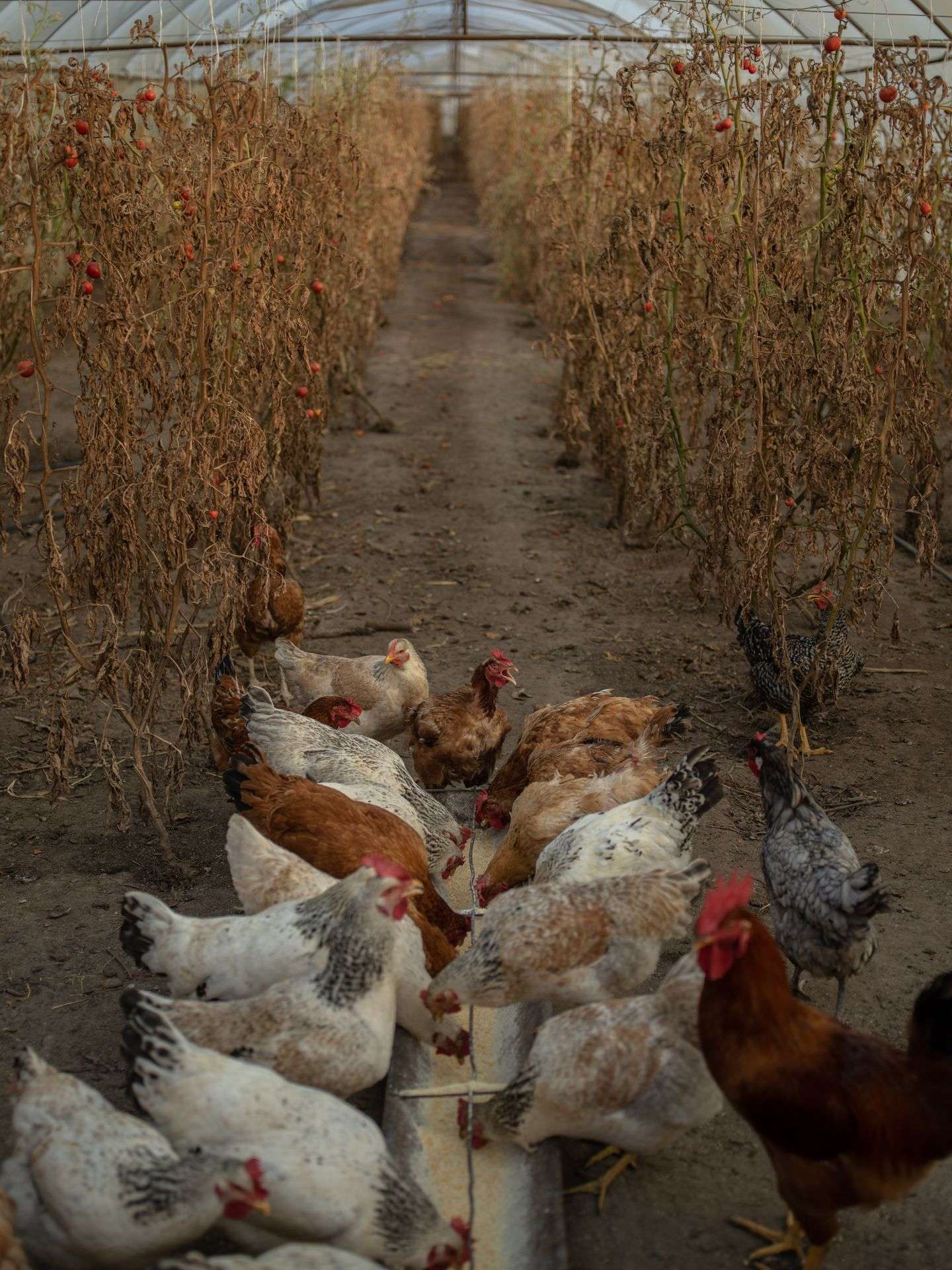
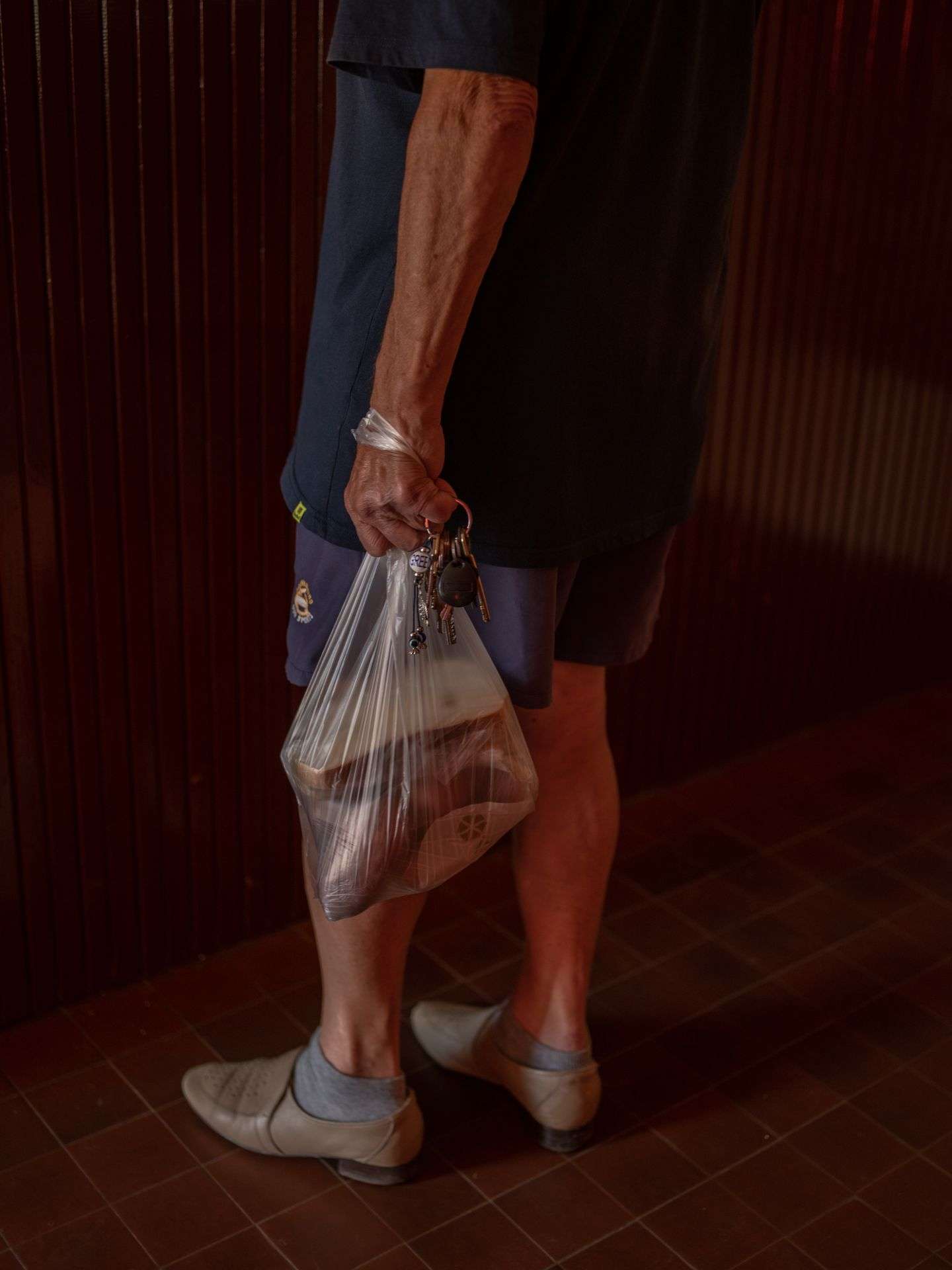
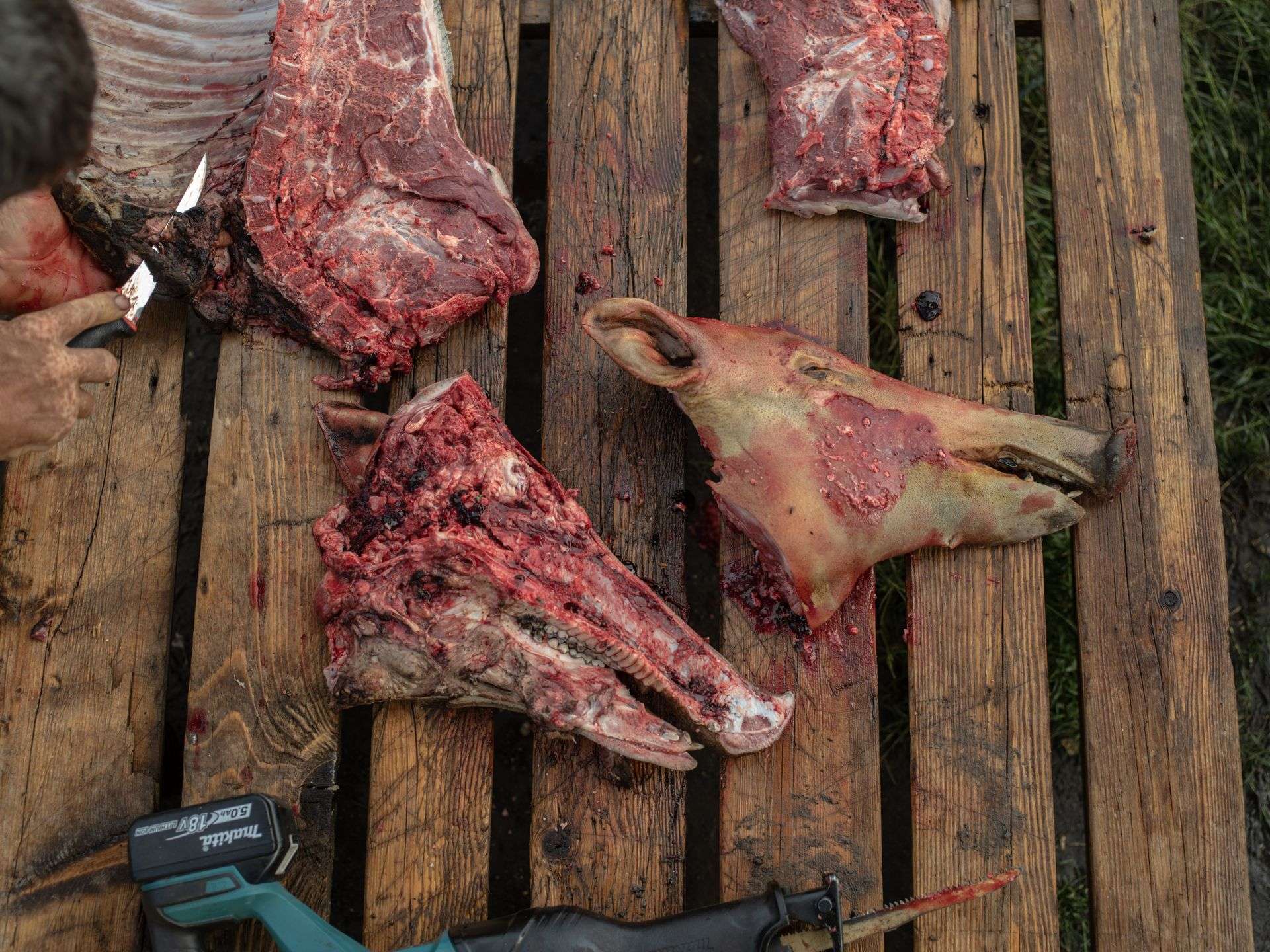
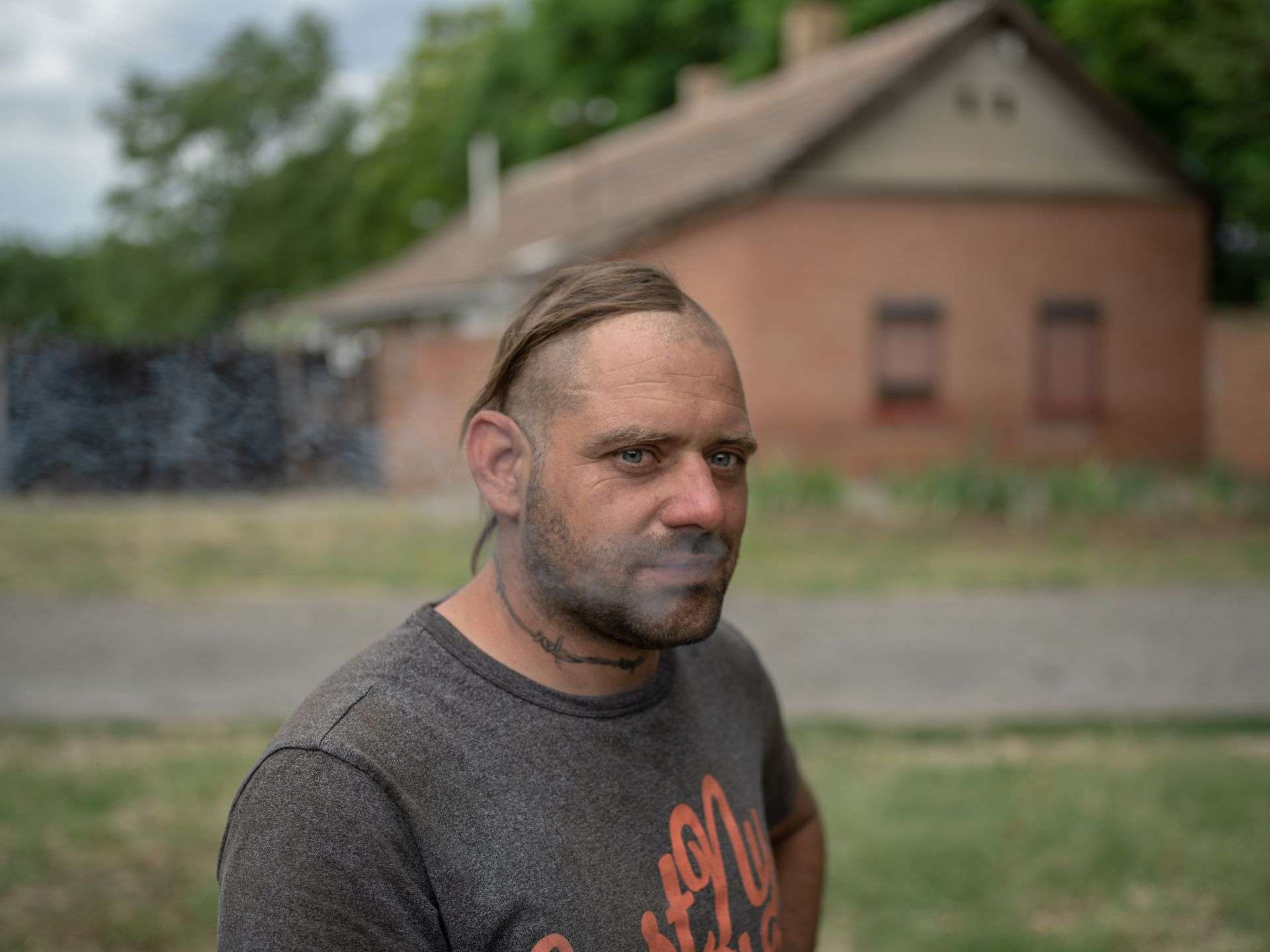
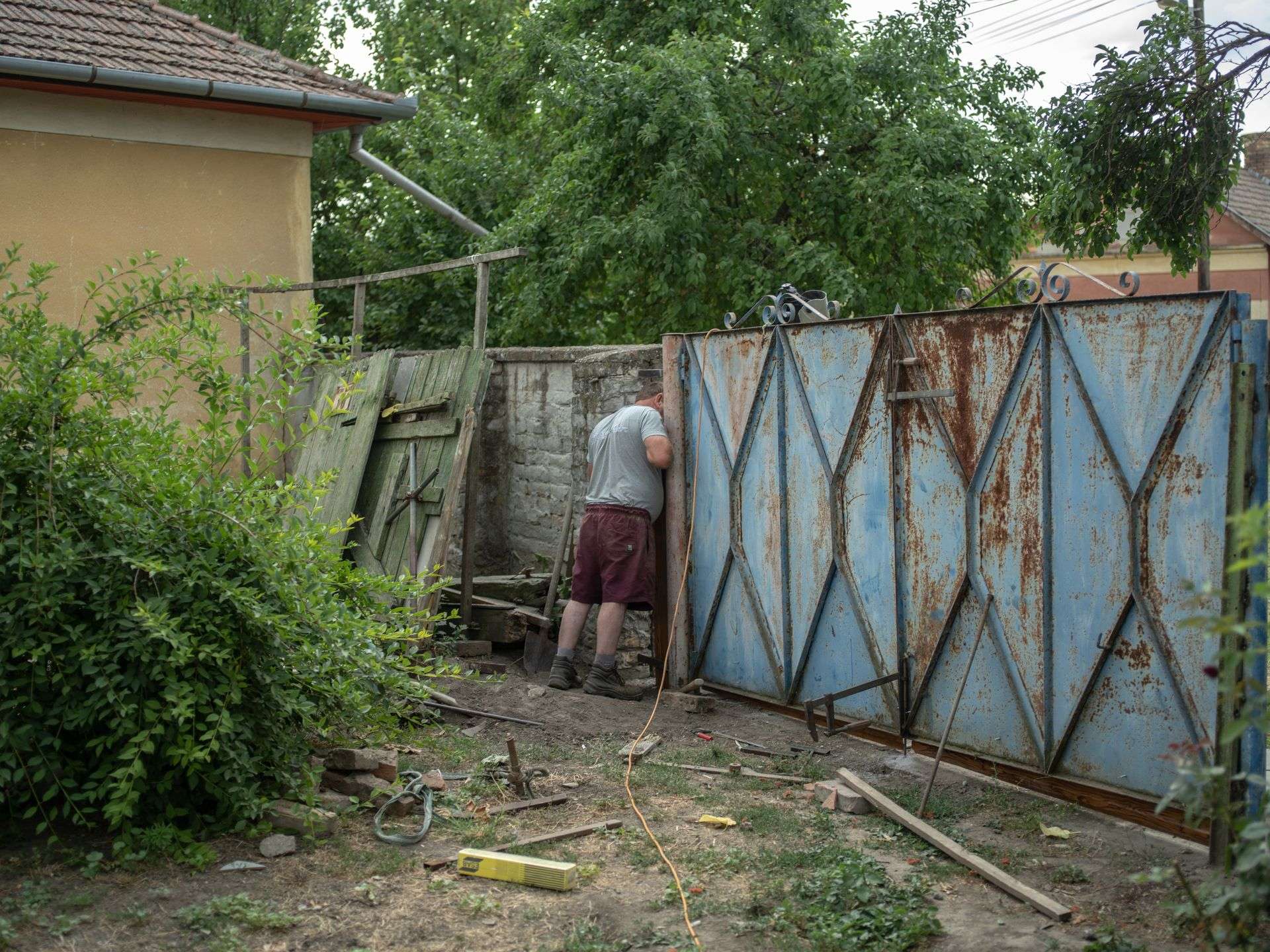
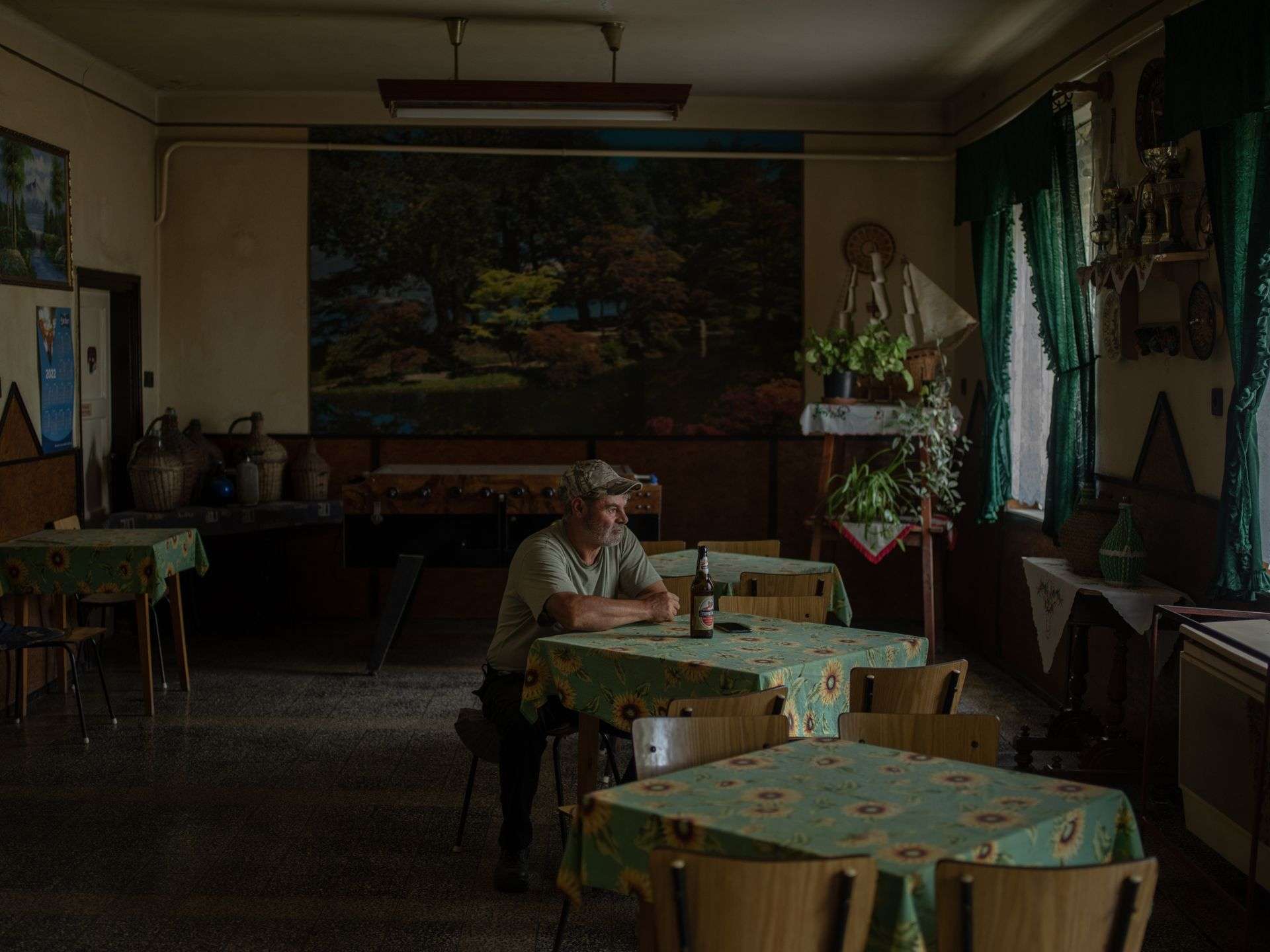
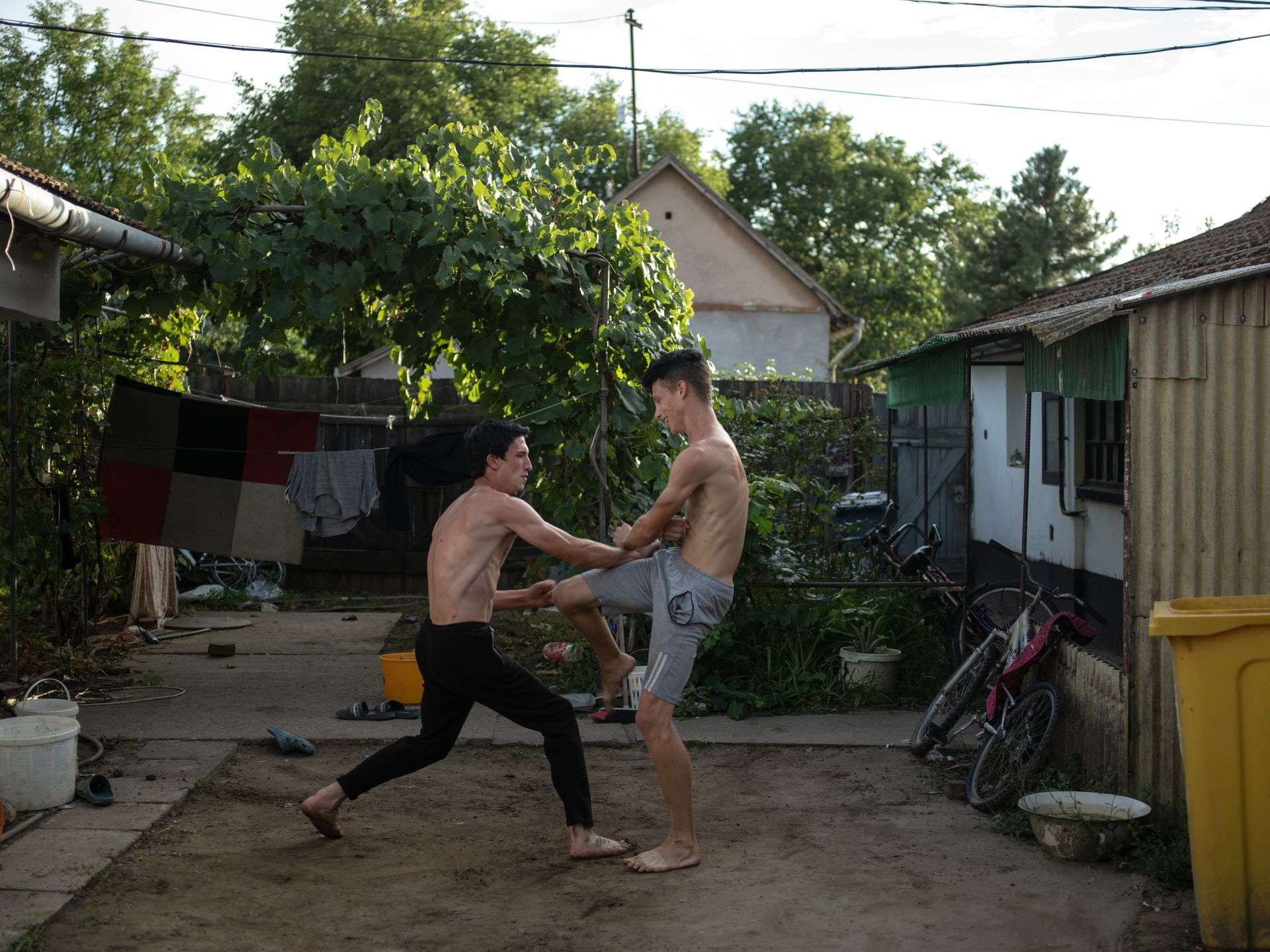
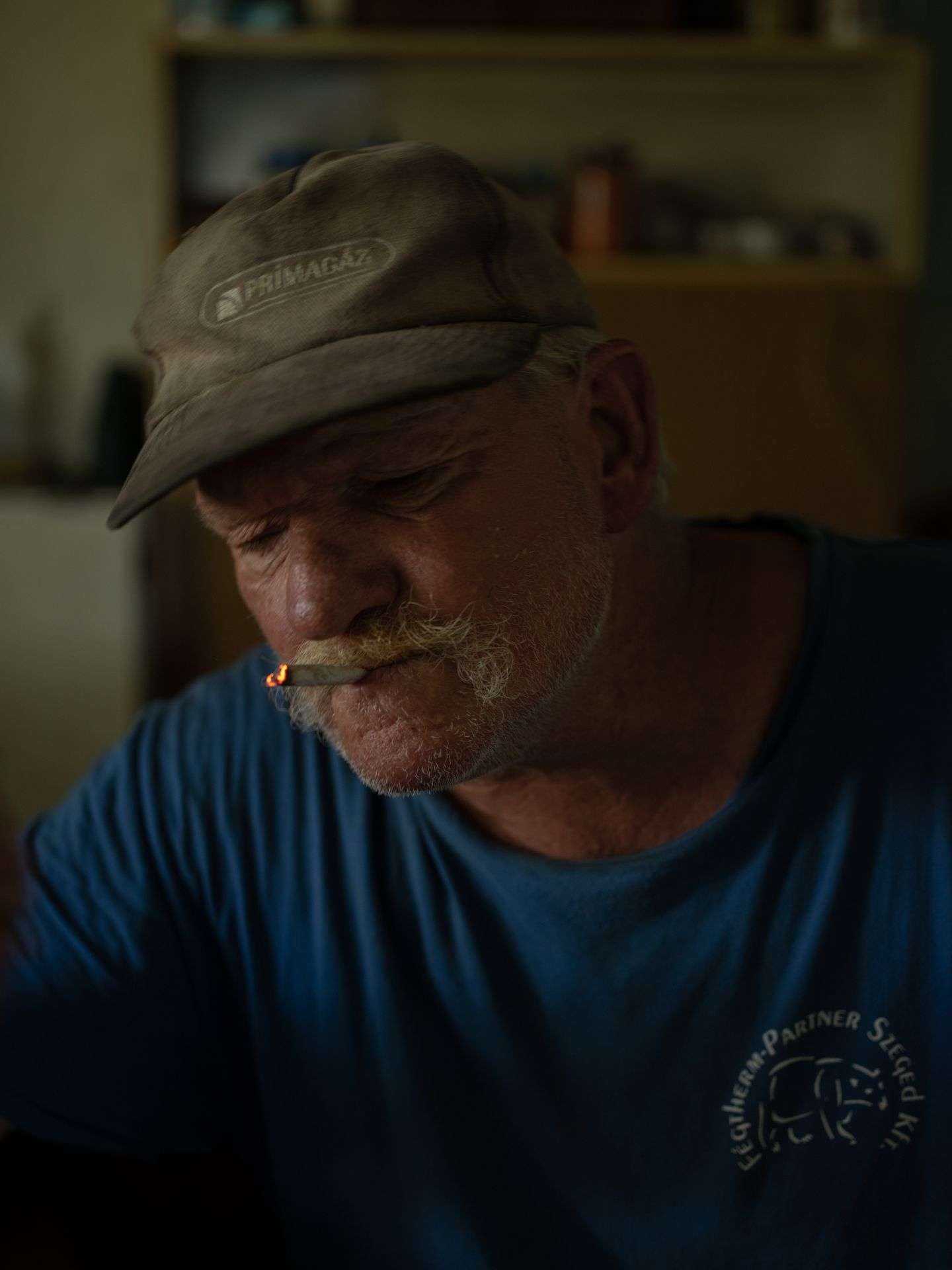
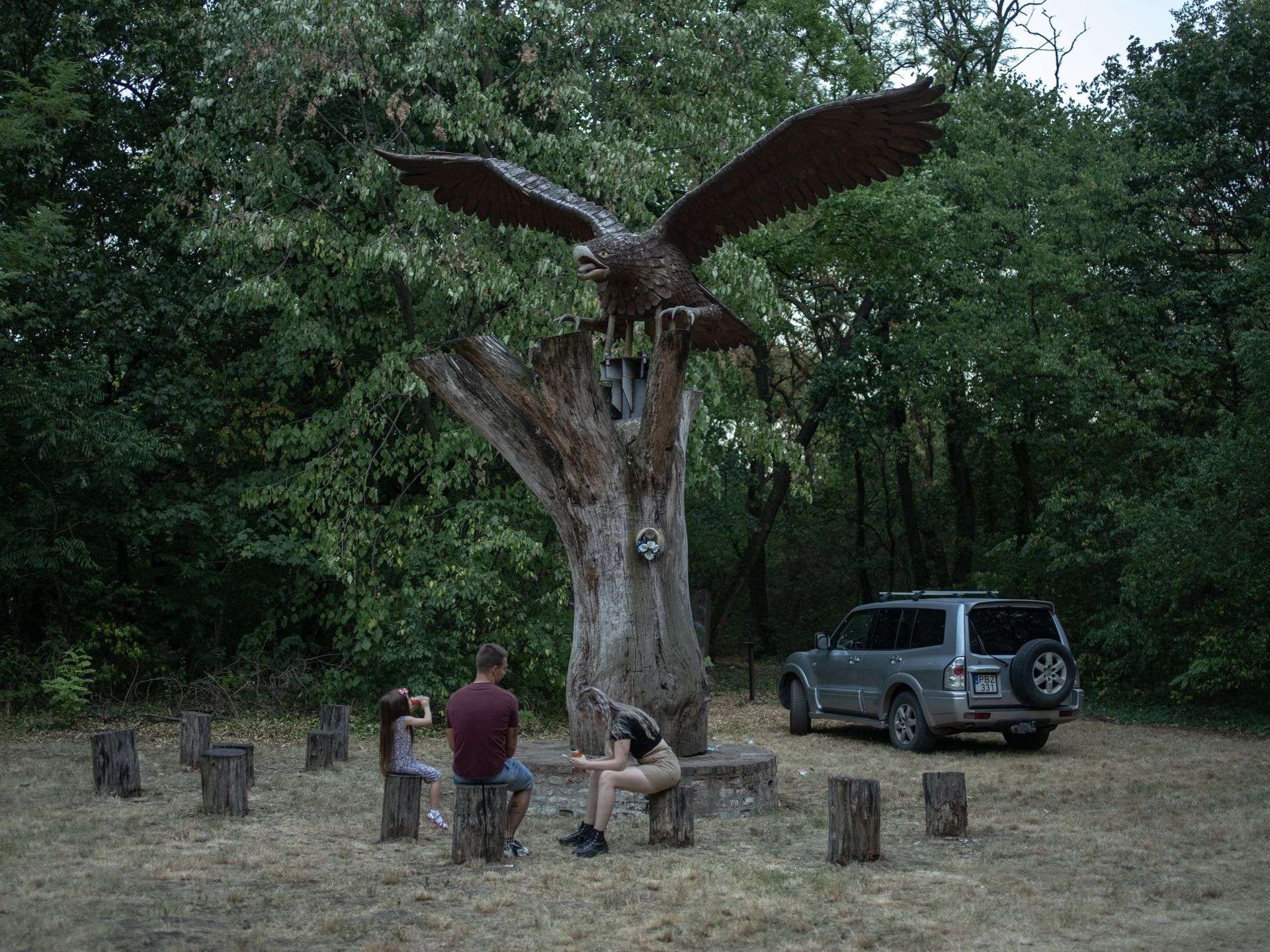
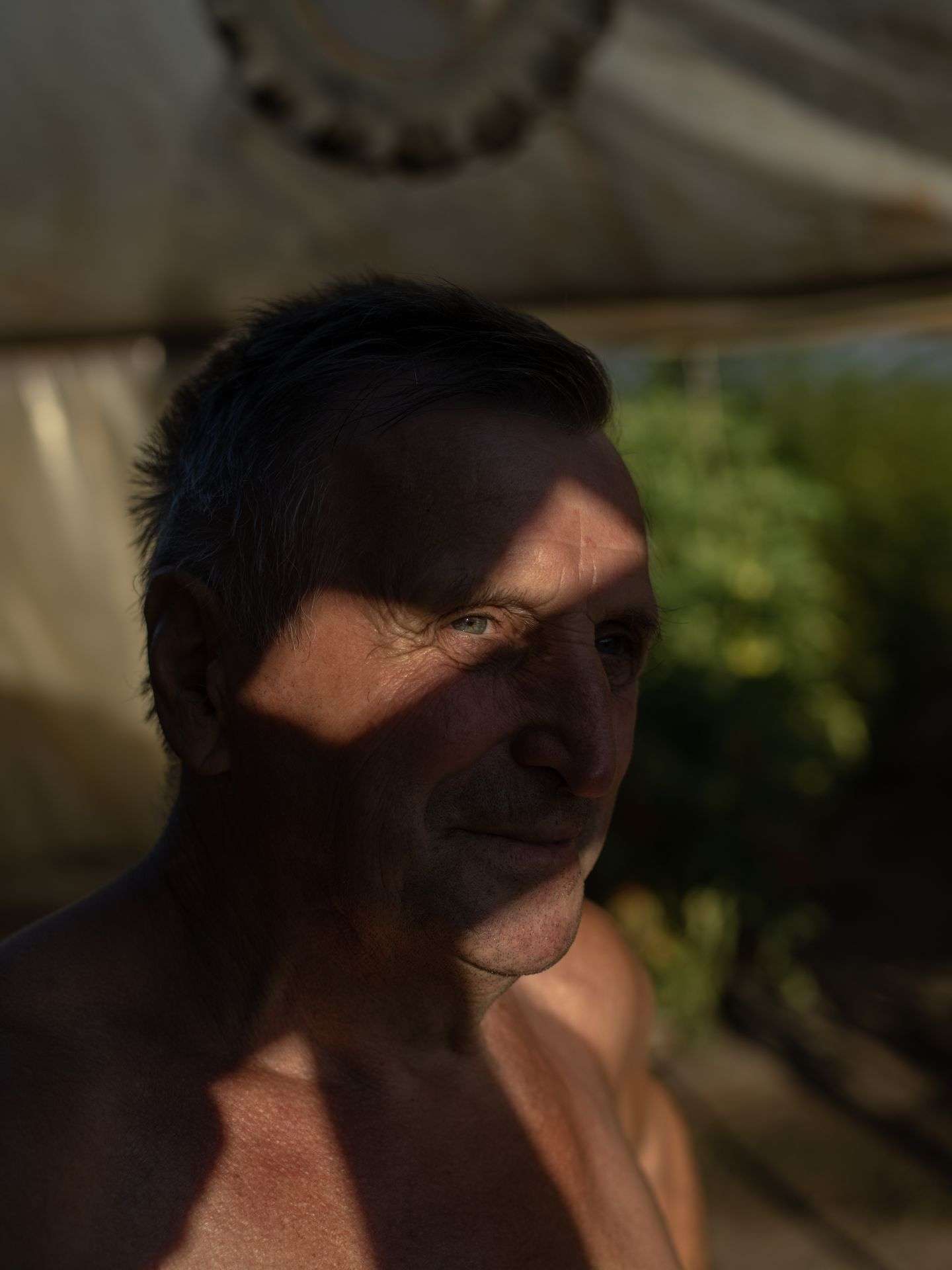
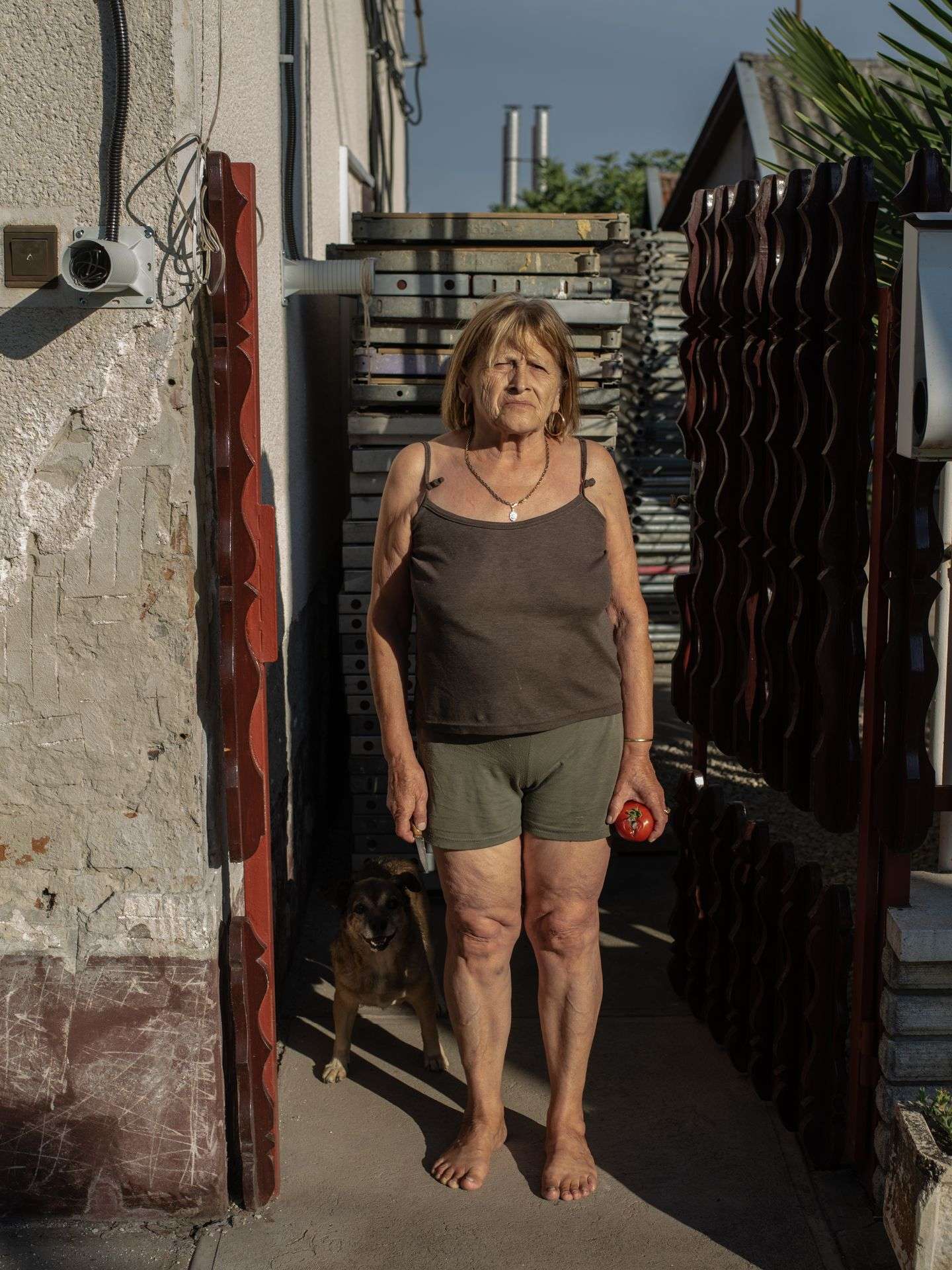
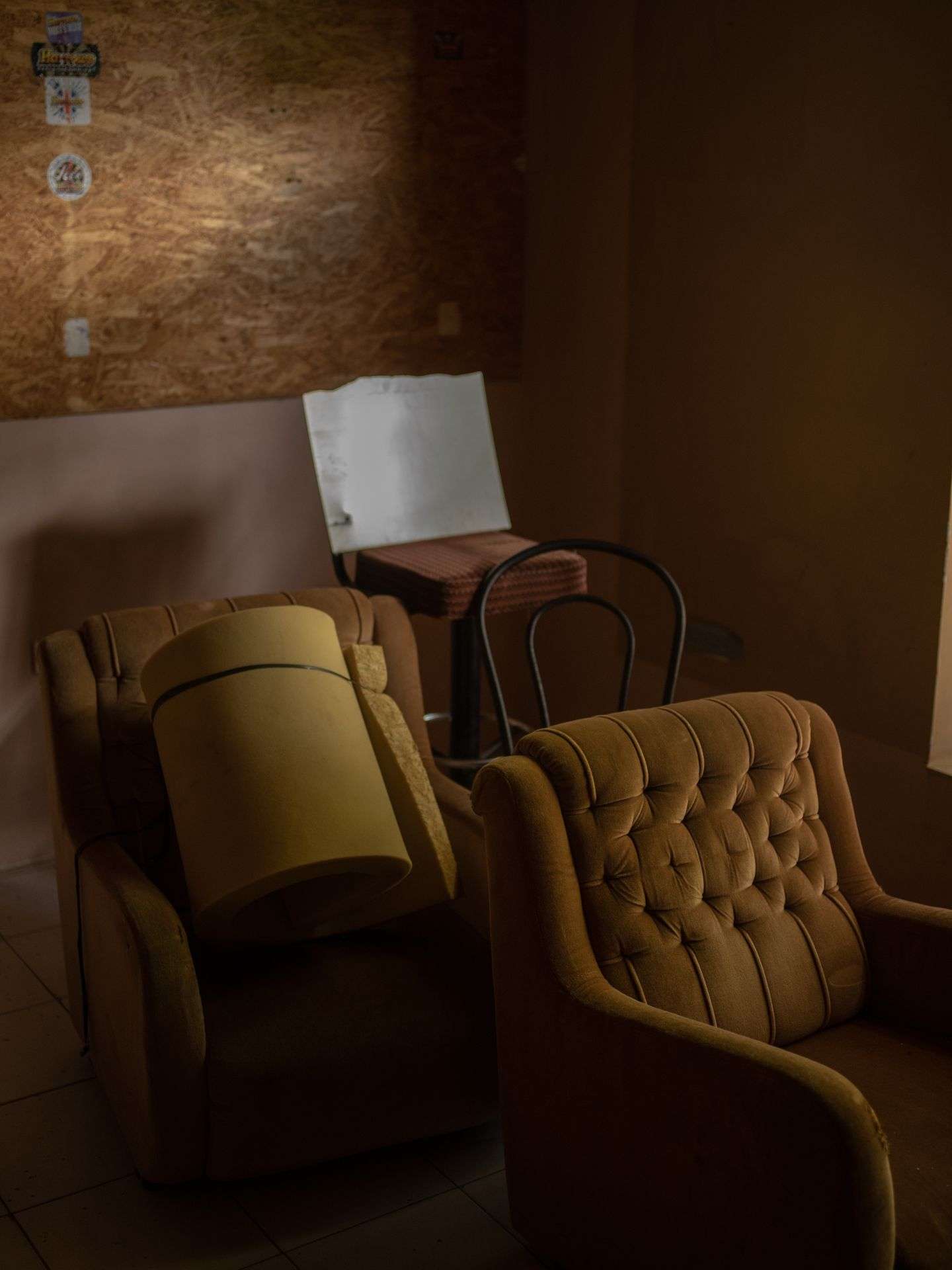
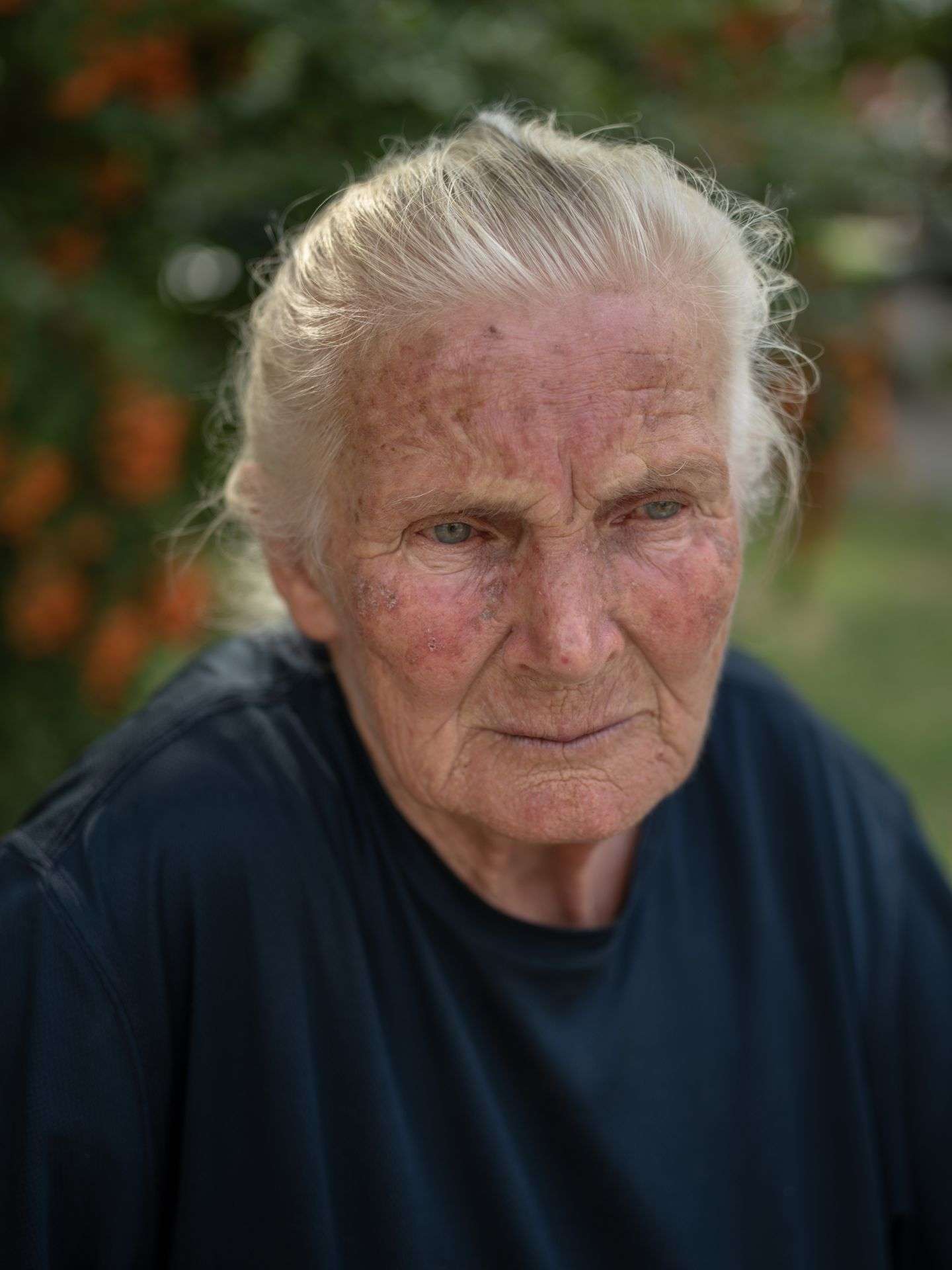
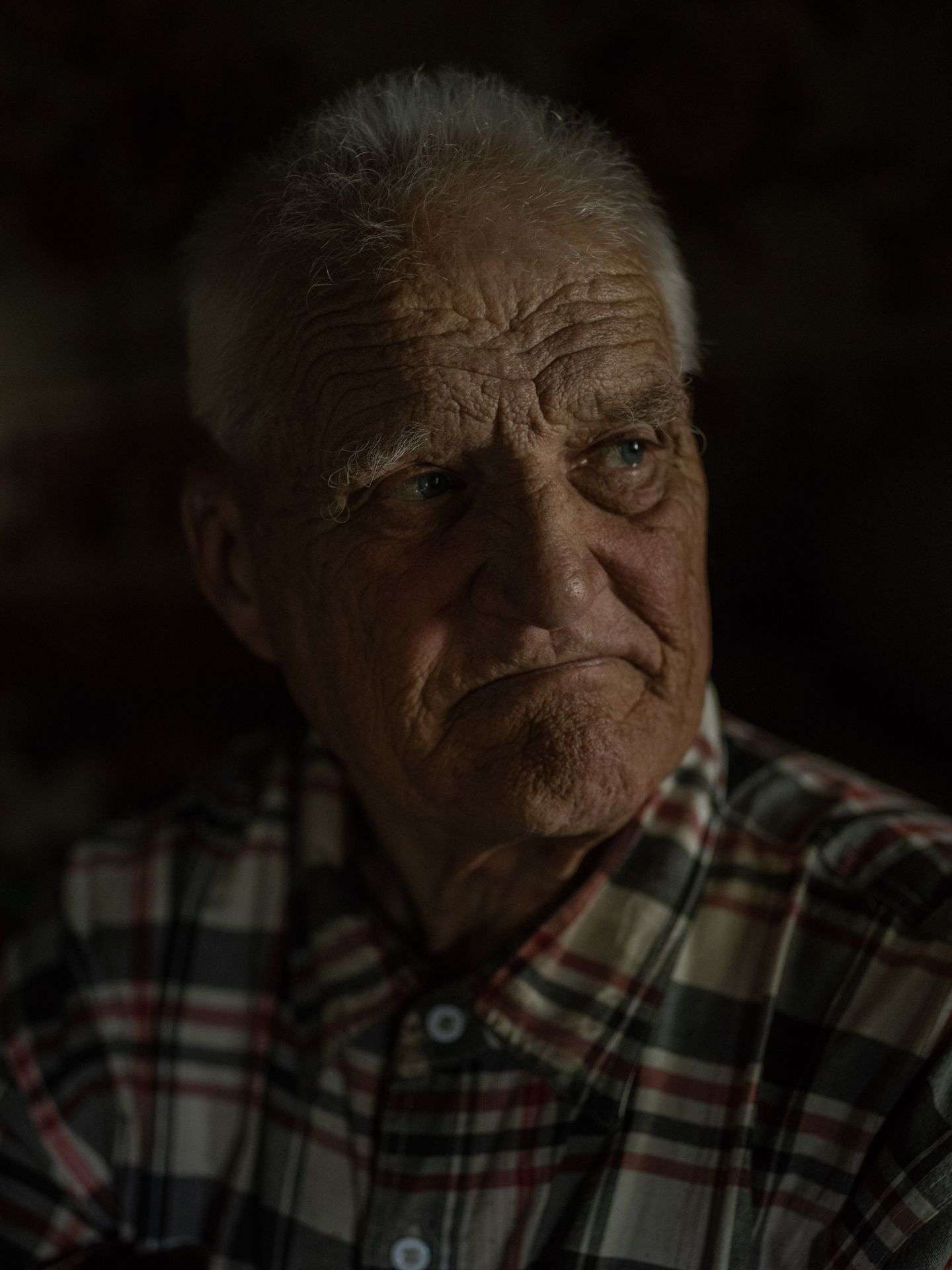
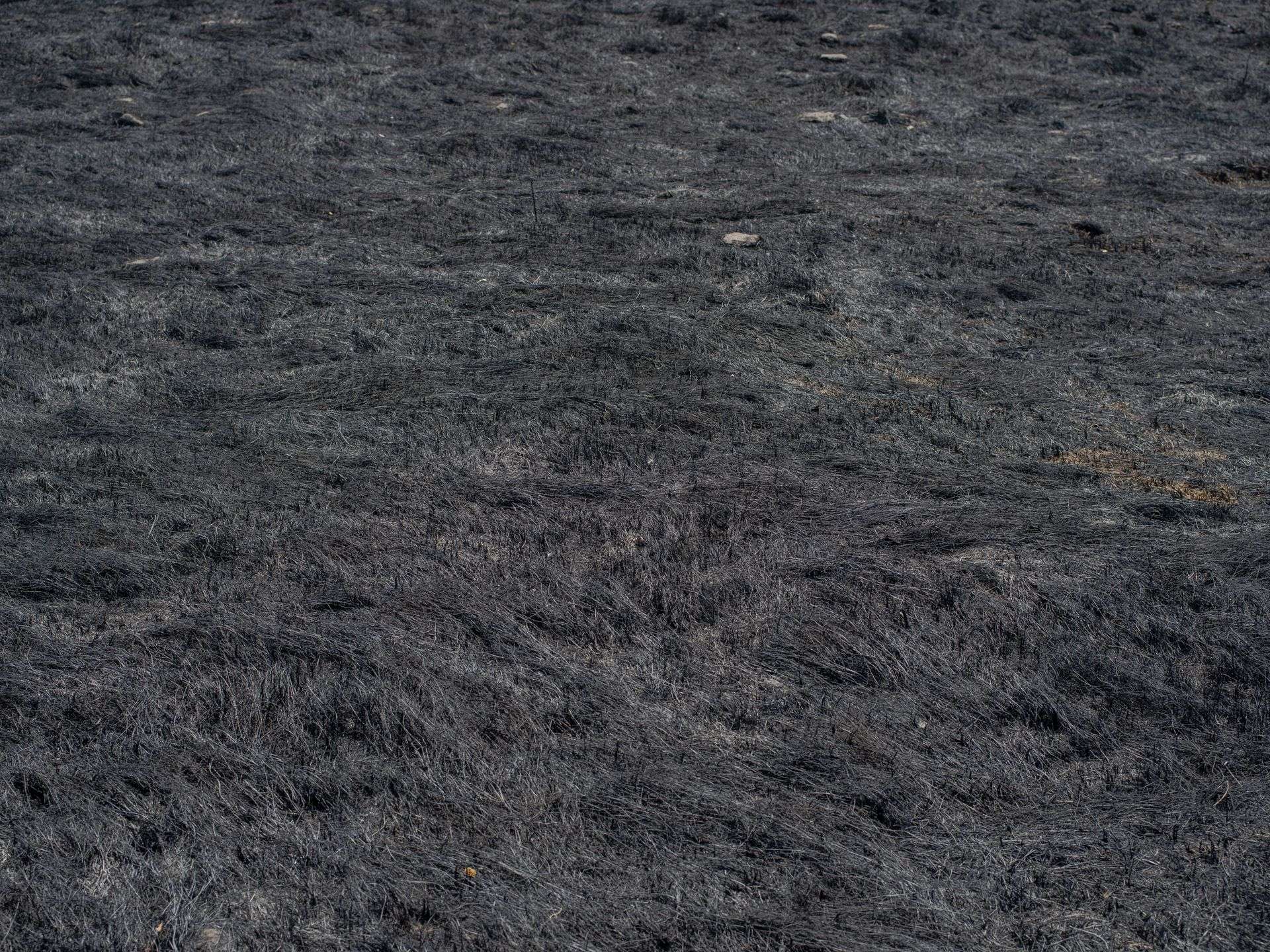
The jury selected Simon Móricz-Sabján for her entry entitled Permanently Overcast as the Capa Grand Prize Hungary-winner in 2022.
The Robert Capa Photography Grand Prize Hungary was founded in 2014 by the Capa Center to recognize the work of artists who produce an outstanding achievement in the field of Hungarian photography. The awards were decided in two stages by a five-member jury of Hungarian and international professionals. In October 2020, the jury selected three candidates – and awarded each of them with a fellowship of HUF 500 000+200 000 (approx. €2000) – for the Grand Prize of HUF 5 million (approx. €14,000) in total. The jury appreciated Simon Móricz-Sabján’s work during the past fellowship year, so they selected him as the seventh Capa Grand Prize-winning photographer. He received a cash award of HUF 3 million (approx. €8,300) at the award ceremony on October 20, 2022, held on the occasion of Robert Capa’s 109th birth anniversary in the Capa Center.
PERMANENTLY OVERCAST
Simon Móricz-Sabján

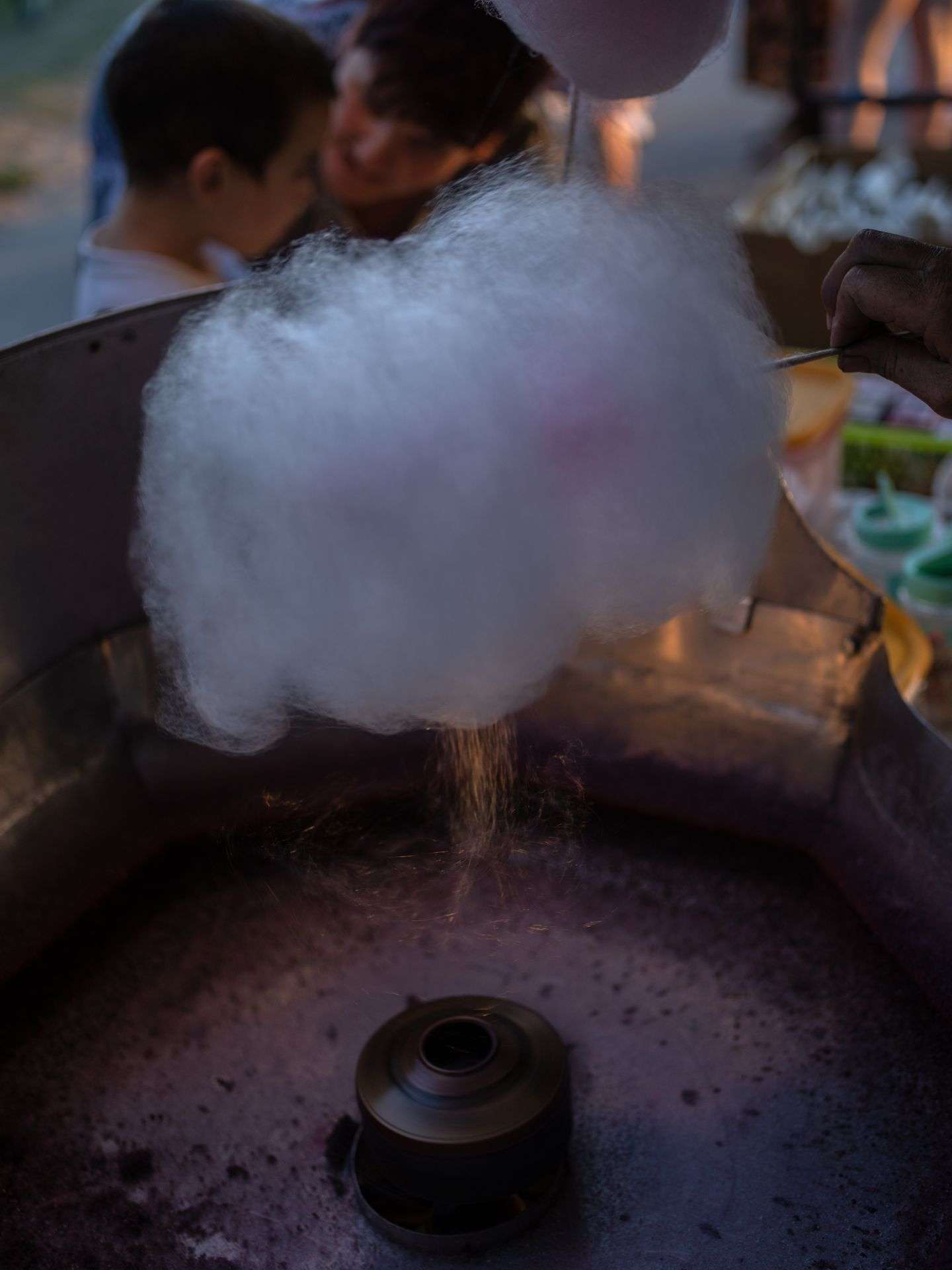
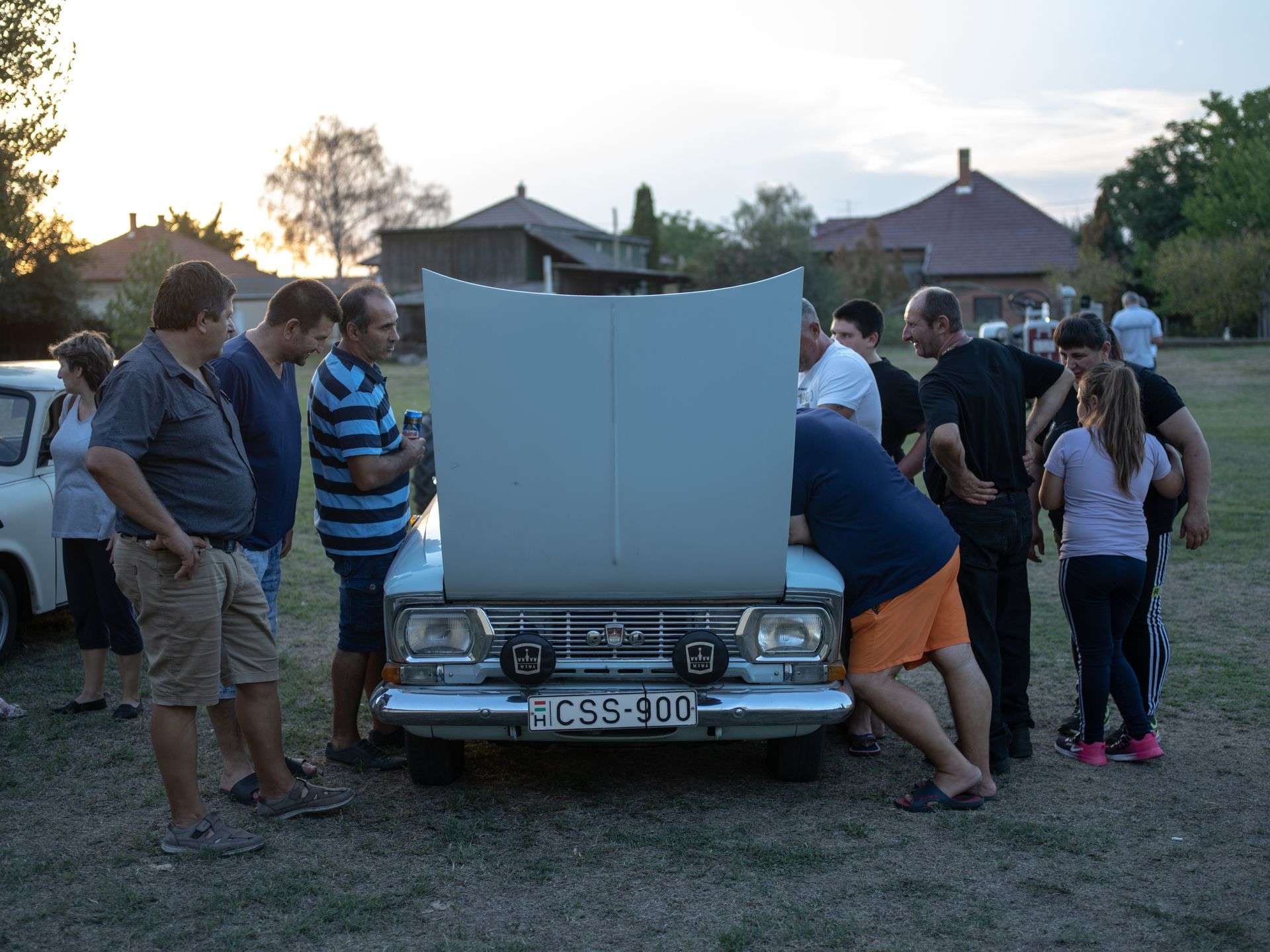
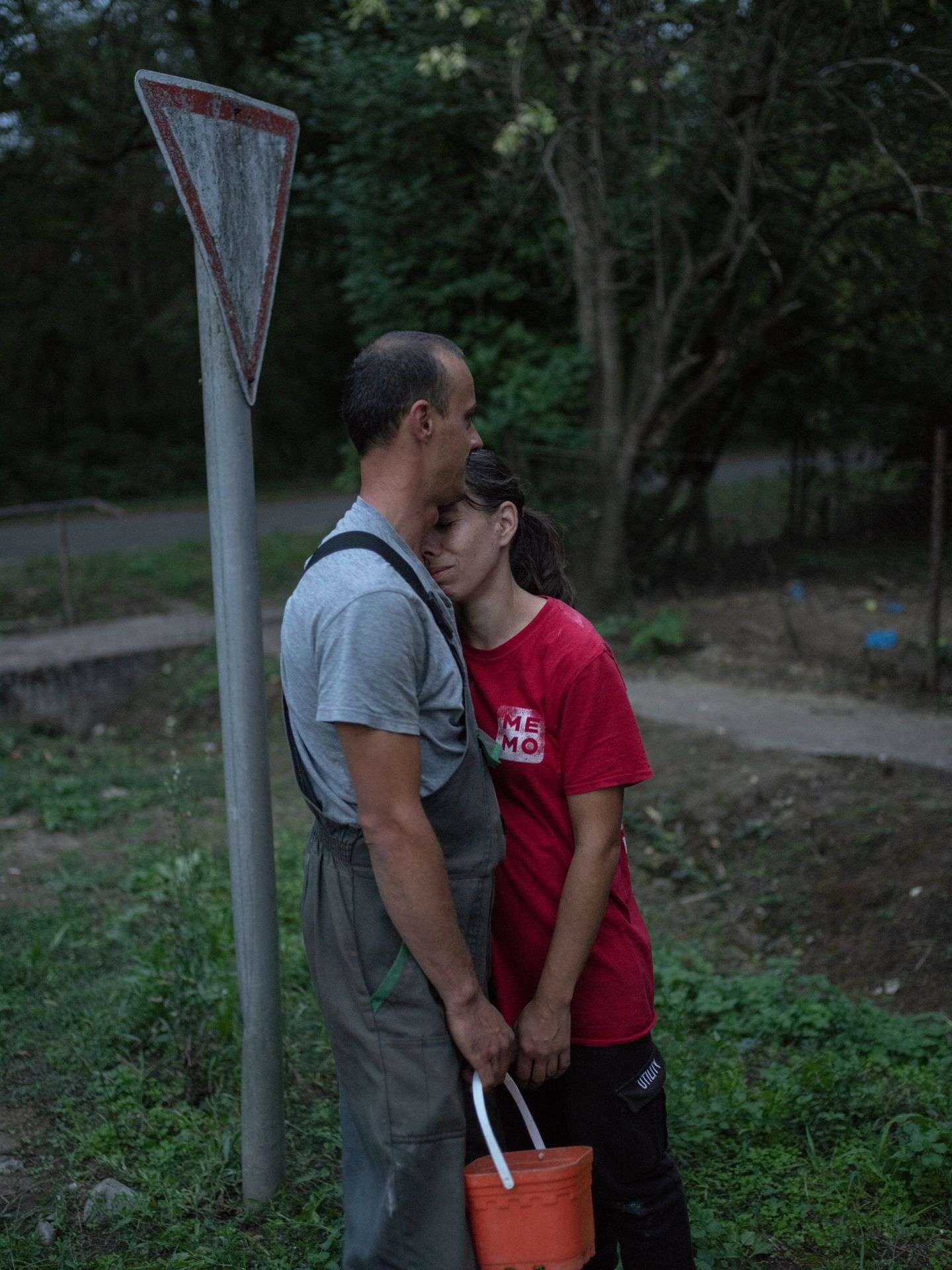
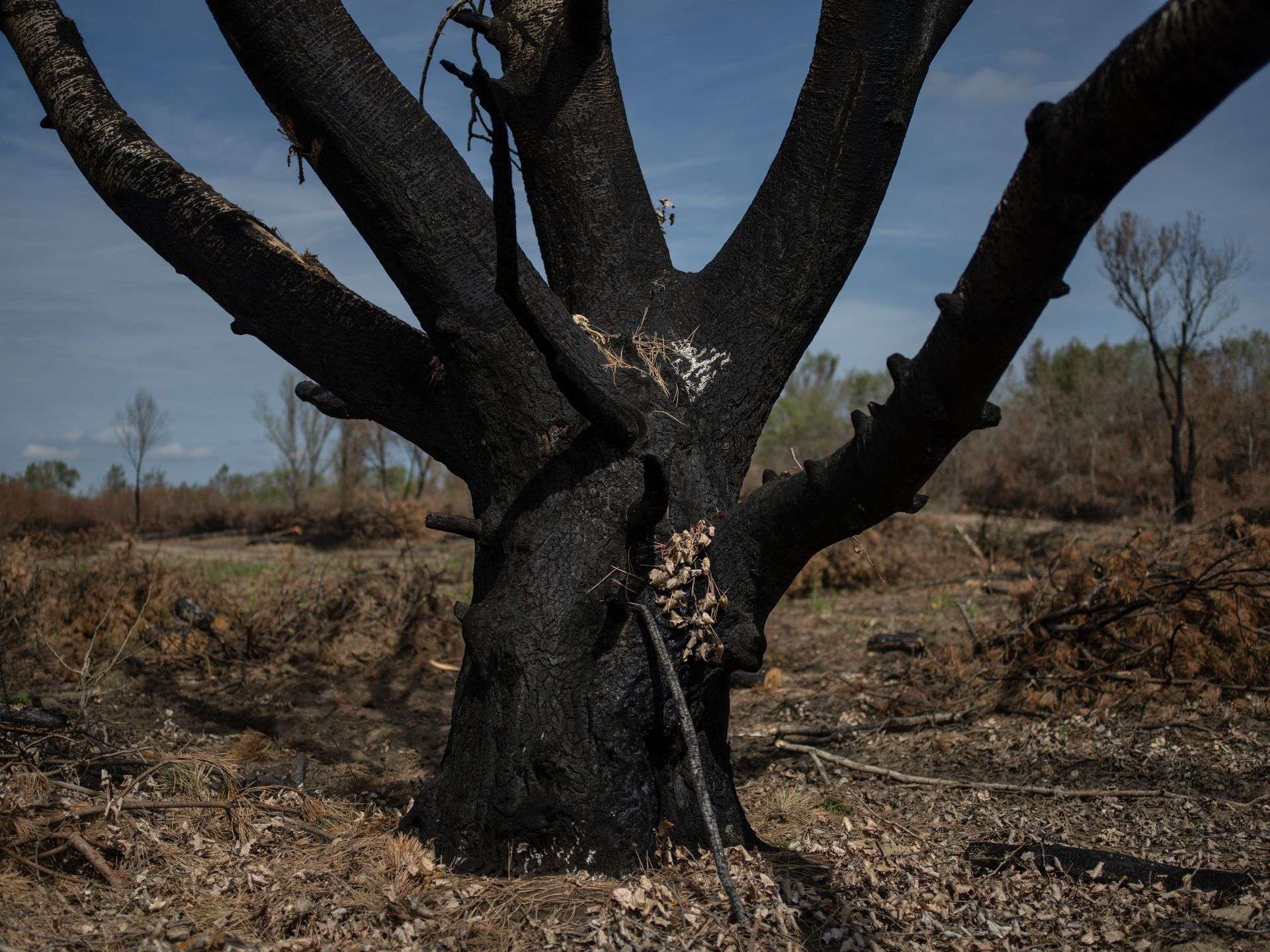
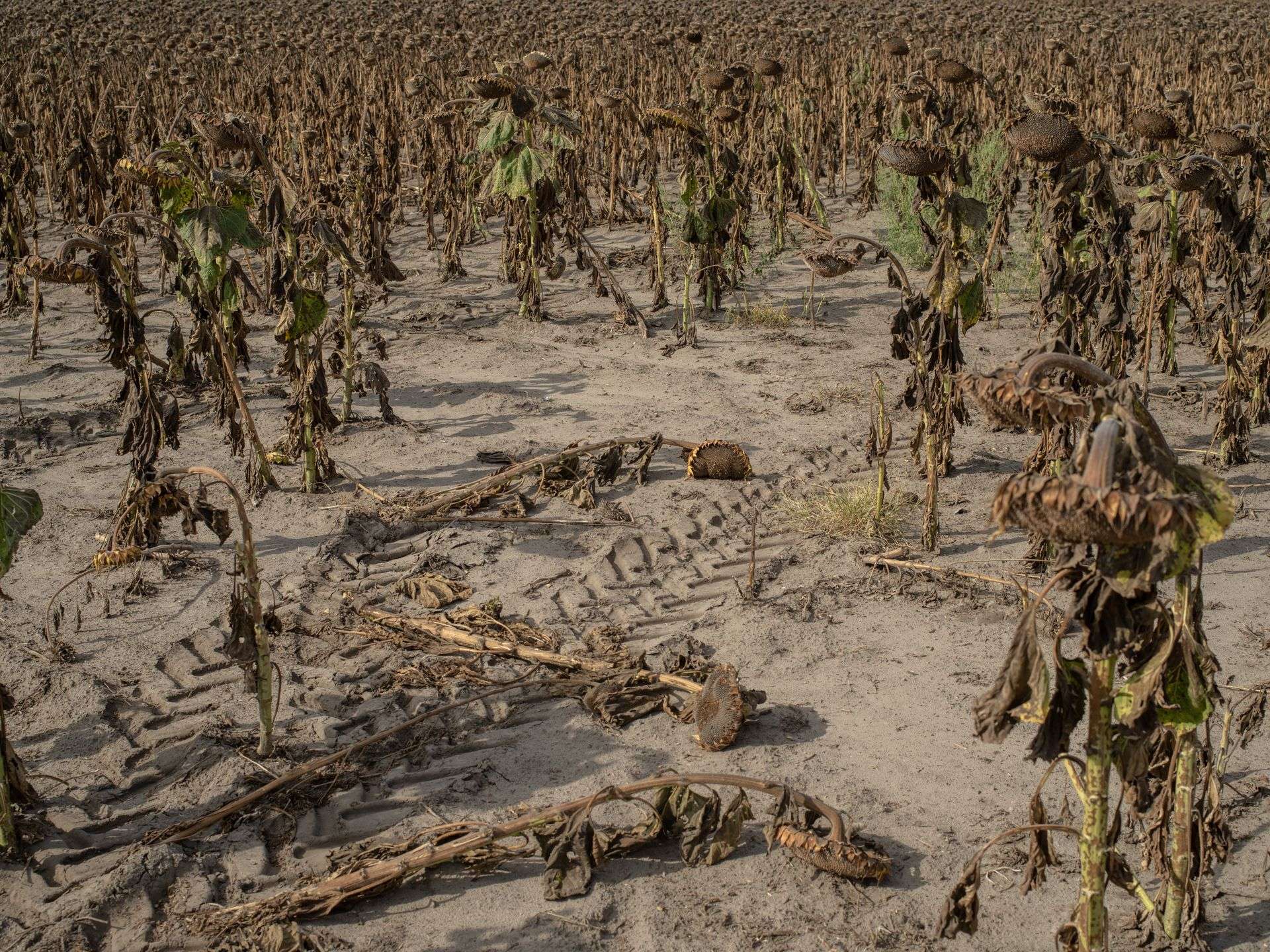
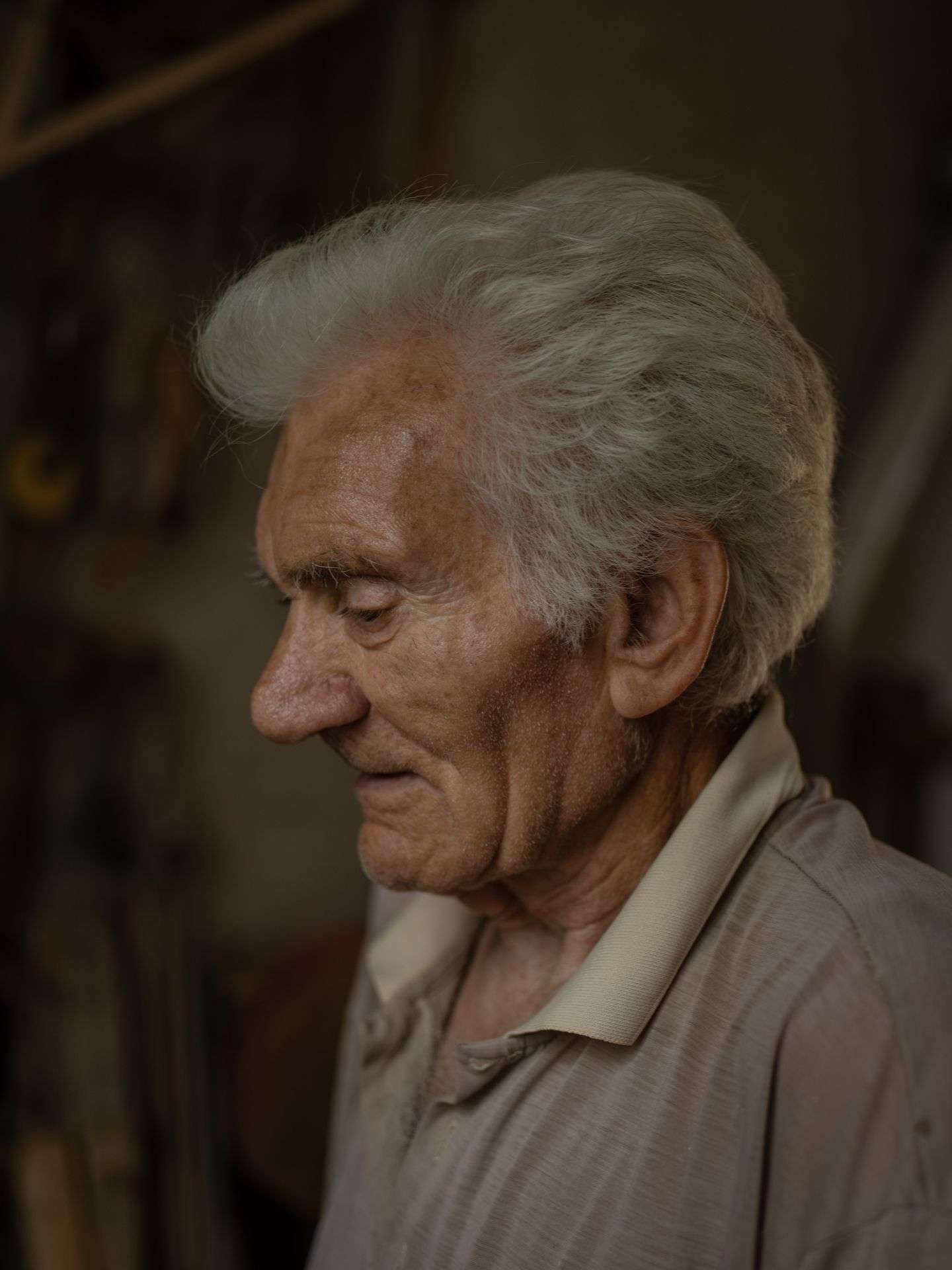
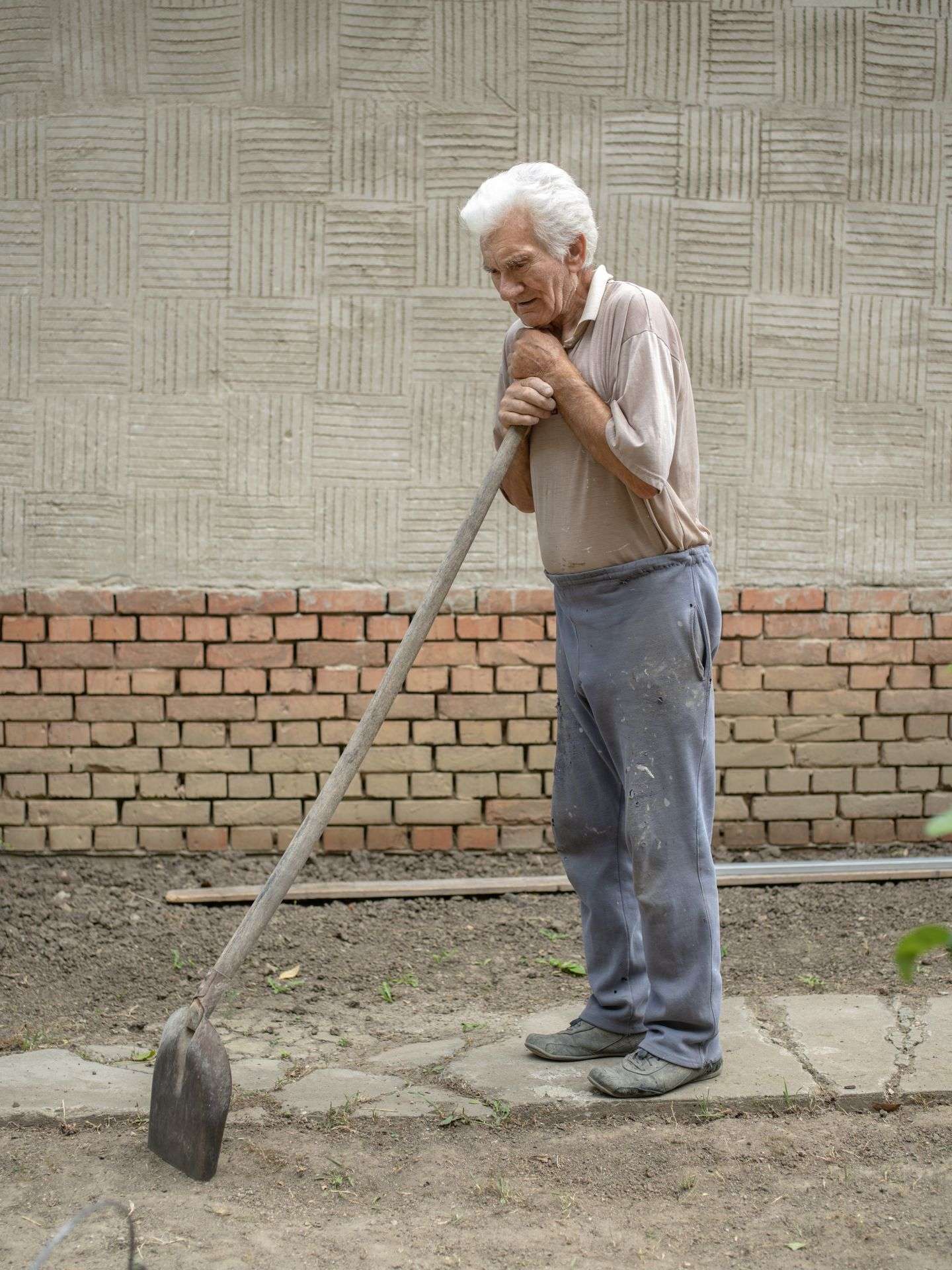
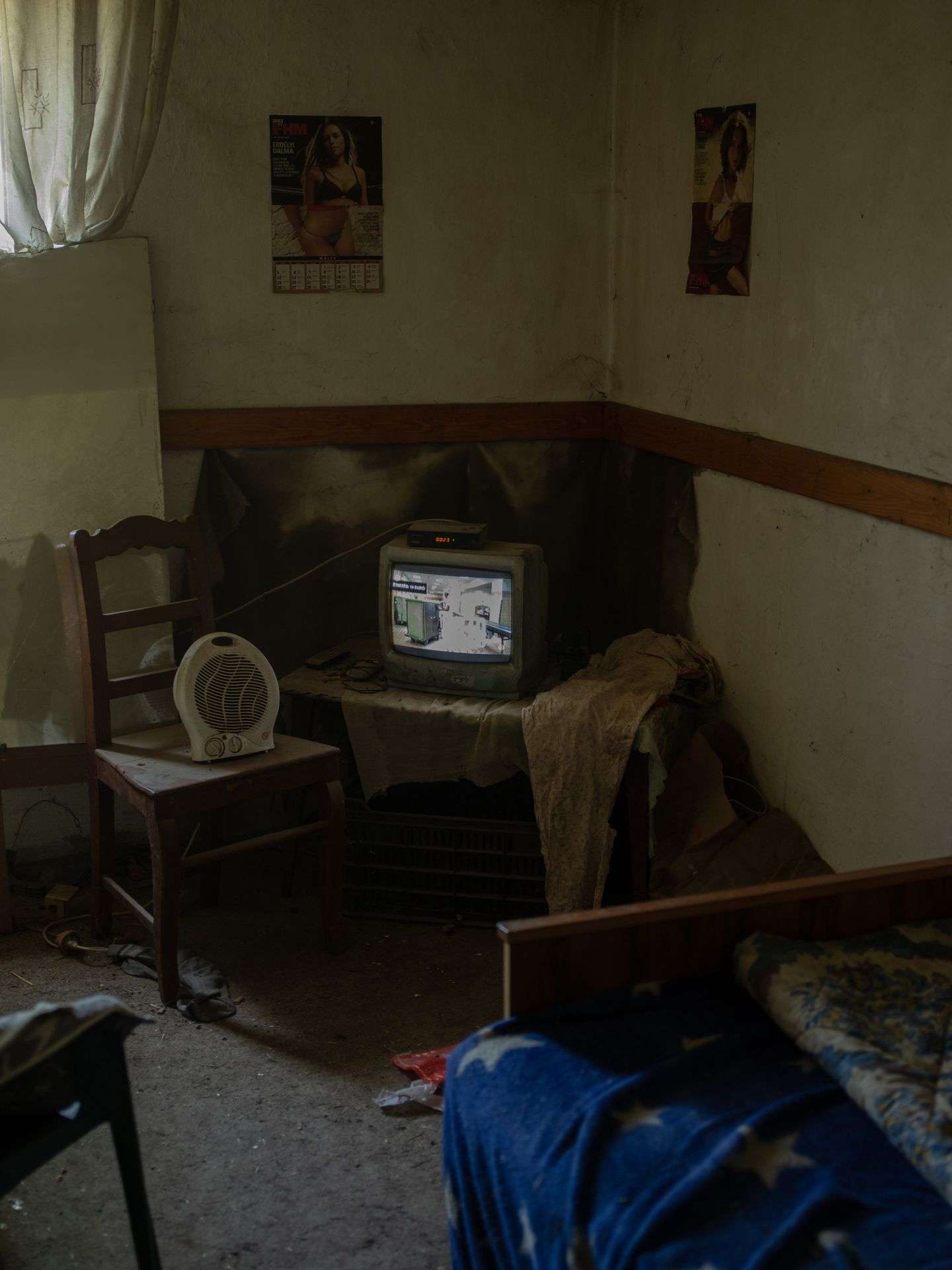
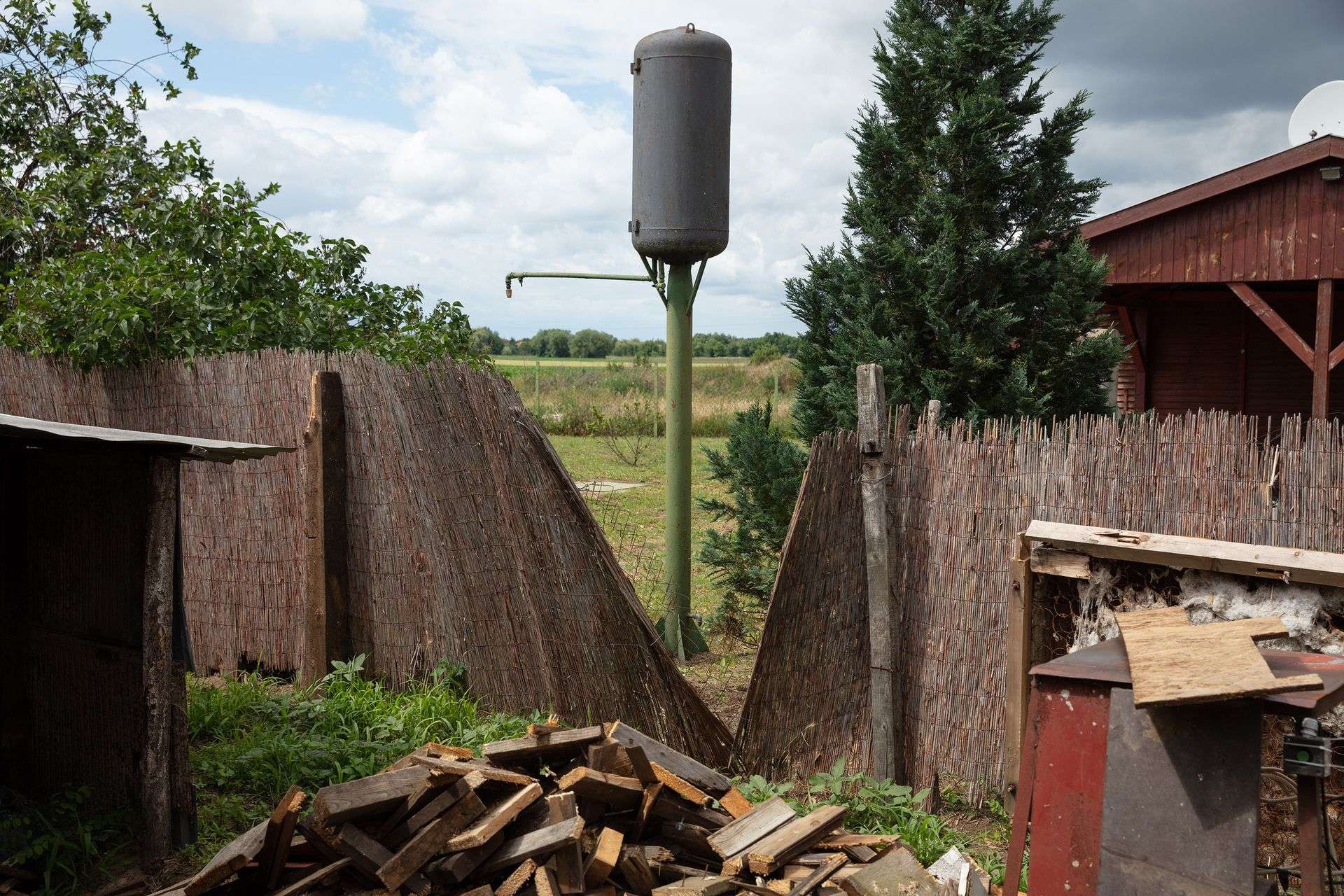
The adversities we face in life and how we confront them are life altering and can shape the course of our lives: they impact our future, determine our fate. I have been photographing the Great Hungarian Plain for over ten years. I am expanding on my previous photo essay: under a new title, I’m looking for more more stories from the region, my focus pivoting towards the lives and fate of these communities.
I have always been fascinated by the region and its impact on me. I marveled at their strength, and how the signs of impermanence can be felt all around, especially from up close and personal. These communities are in jeopardy from all aspects. They are negatively impacted by ageing, migration, and the lack of opportunities. The preservation of their traditions, customs, and rituals, the retention of younger generations, and the community’s survival overall are under threat. Younger generations and their parents move away early due to school closures. As a result, small general stores, and local pubs close, leaving the fate of places of public gatherings questionable. It is difficult to predict what lies ahead or predict the future, but according to recent studies conducted, as much as one-tenth of the Hungarian population will disappear and close to four-fifths will live in towns and cities during the course of the next few decades. Apart from the younger generations, few will experience drastic changes. However, the majority of the people in the region will be on a different path in comparison to the current one.
Country people are incredibly resilient. Strong communities could easily be the moving force behind improving their quality of life, making it even better than it had been for their ancestors. Their resilience stems from having a strong sense of identity and belonging, retaining them in place. People from the Great Plain know that regardless where the power is, the center of their universe is the place where they conduct their daily lives. Come what may, older generations do not feel threatened to leave the motherland, even if their children and grandchildren move away, and they know their future holds nothing more than loneliness and abandonment for the remainder of their lives. The world is rapidly changing even though many people continue to conduct their lives the same way they used to. The year of 2022 has been especially challenging and presented many obstacles. The effects of climate change and the current crisis have become apparent. The villages and their residents have been pushed to their limits, experiencing severe drought, several brush and forest fires, the rising costs of living, and inflation. Those living in the Great Plain will have to reexamine their future prospects, while more and more of their concerns go unanswered. After having spent many of my school summer holidays in the Great Plain, a certain picture of village life had formed inside me. Finding solutions to the most pressing problems these communities are currently facing has become important to me personally. How will communities in the Great Plain survive, and what are their future prospects?
WORKS BY THE FELLOWS
COLD TRAIL - FORENSIC AESTHETICS
Szabolcs Barakonyi
“Objects, texts, etc., just as molecules in the “primordial soup”, in the course of their free (random) movements seek out their own “geometric loci”, taken in the poetic sense.
Humans are left with the task of on the one hand, noticing the existing poetic features, and on the other hand, by adding and projecting their conceptual stock-pile, transforming into poetry the already extant formal-esthetic beauties (pebbles, landscape, etc.)”
Miklós Erdély: Poetry as a Self-assembling System (1973) English translation by John Batki
Cold Trail – Forensic Aesthetics
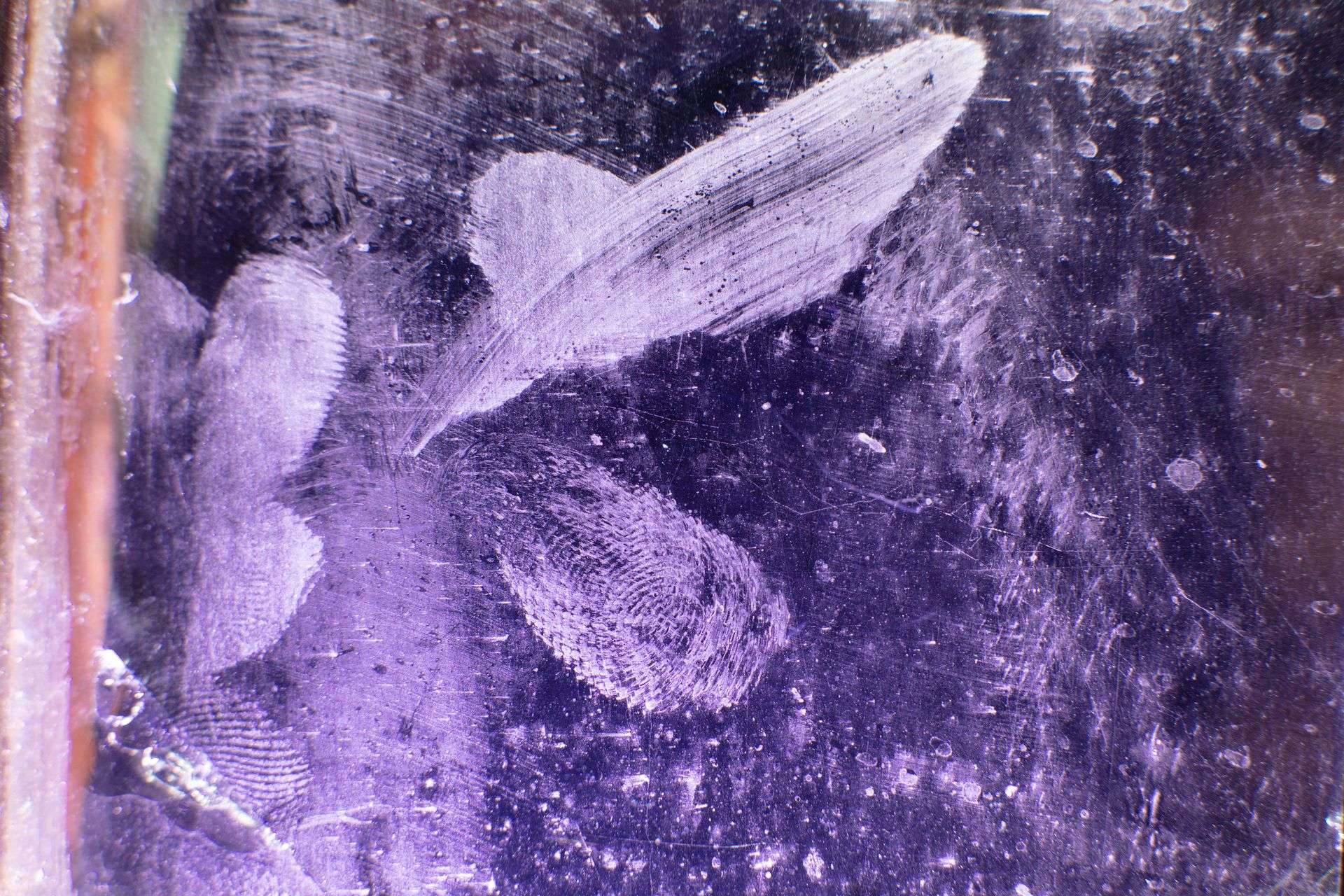
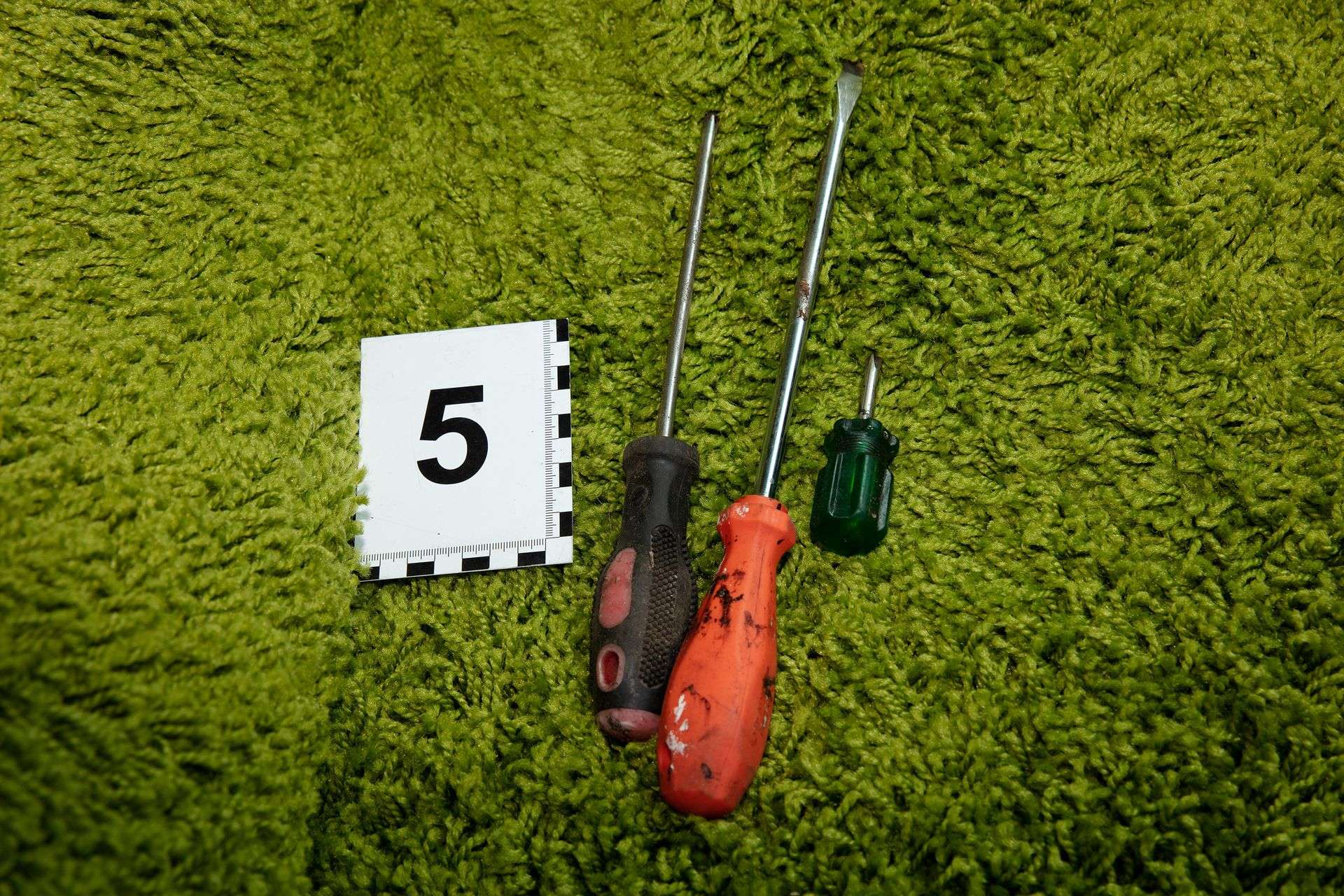
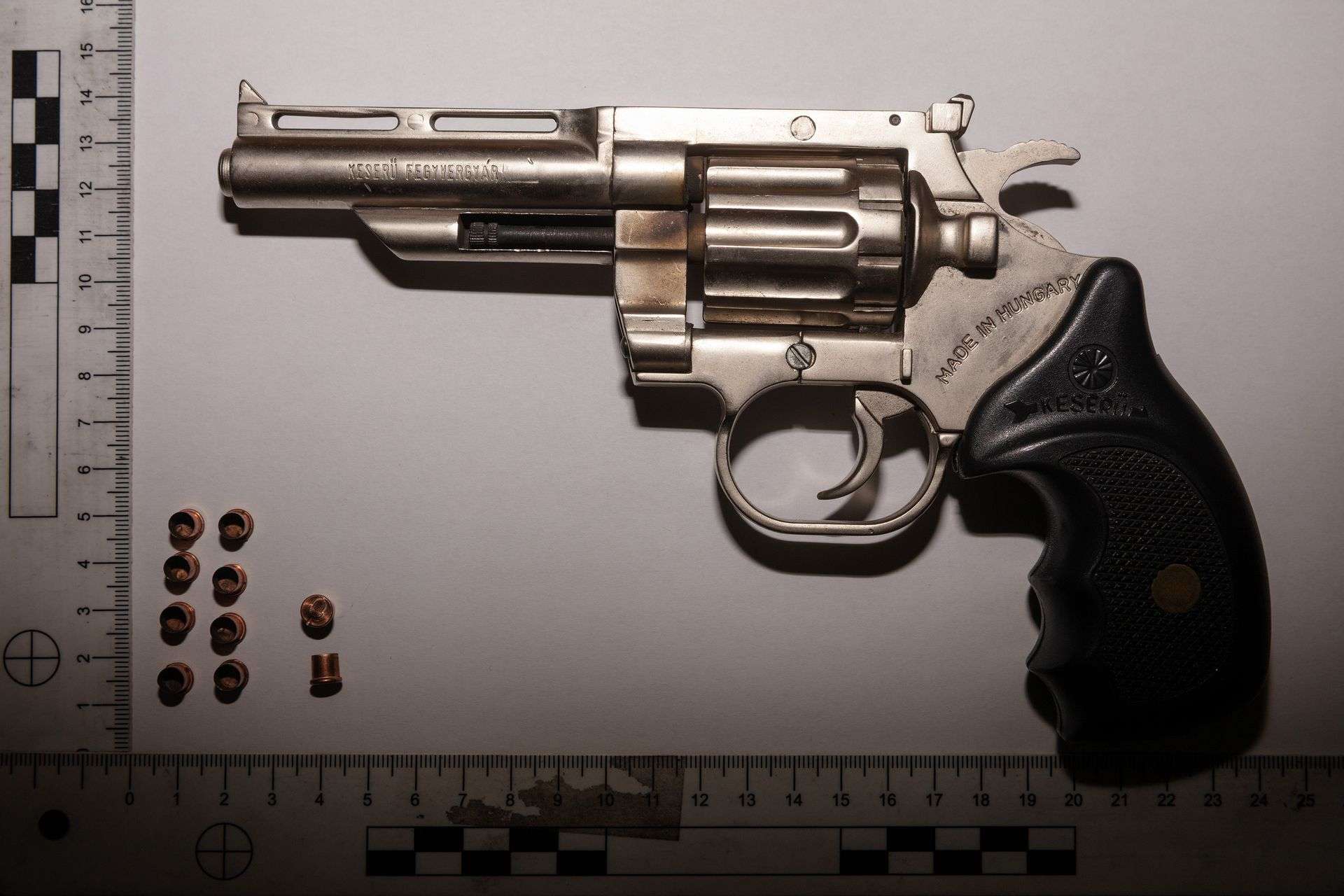
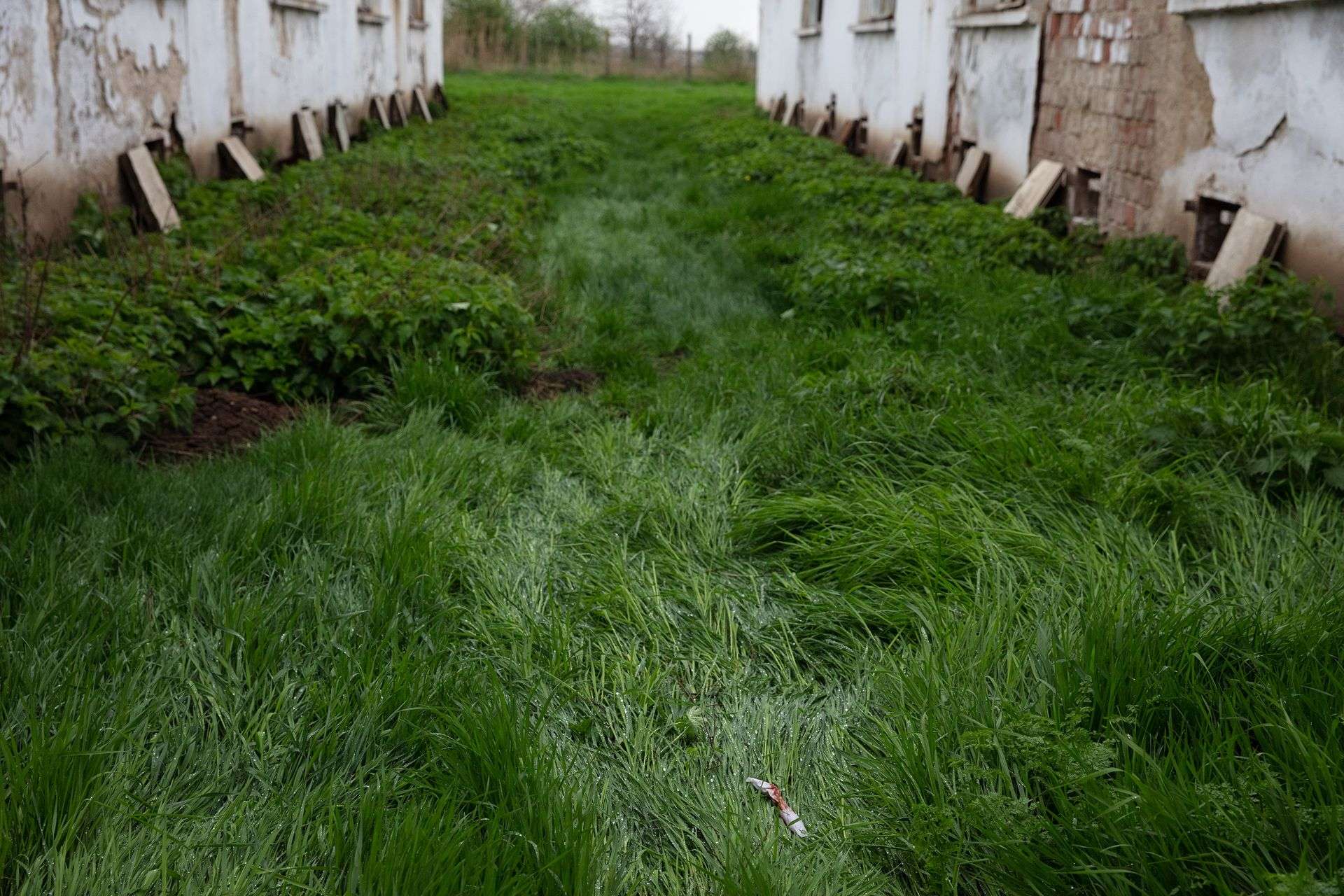
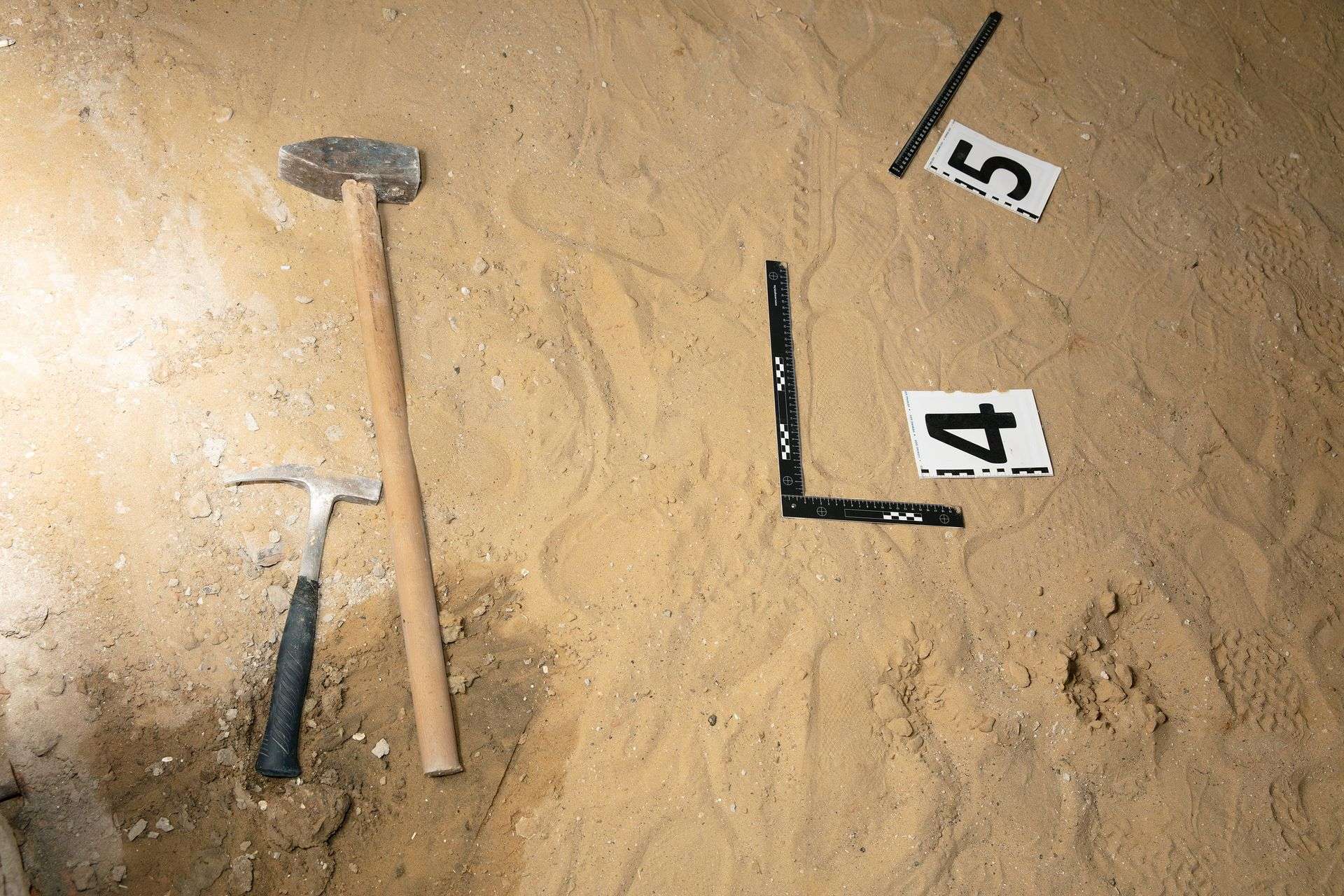
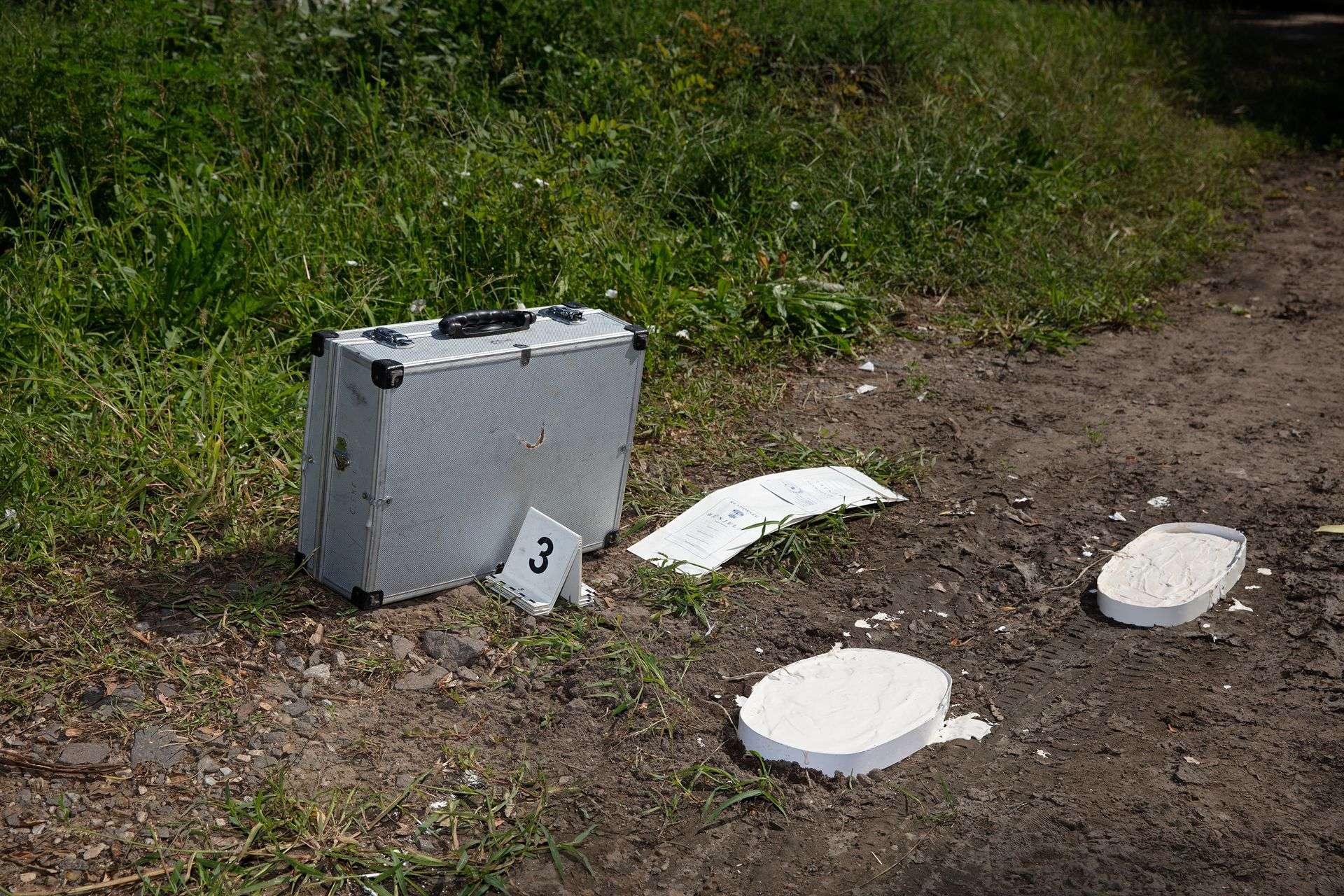
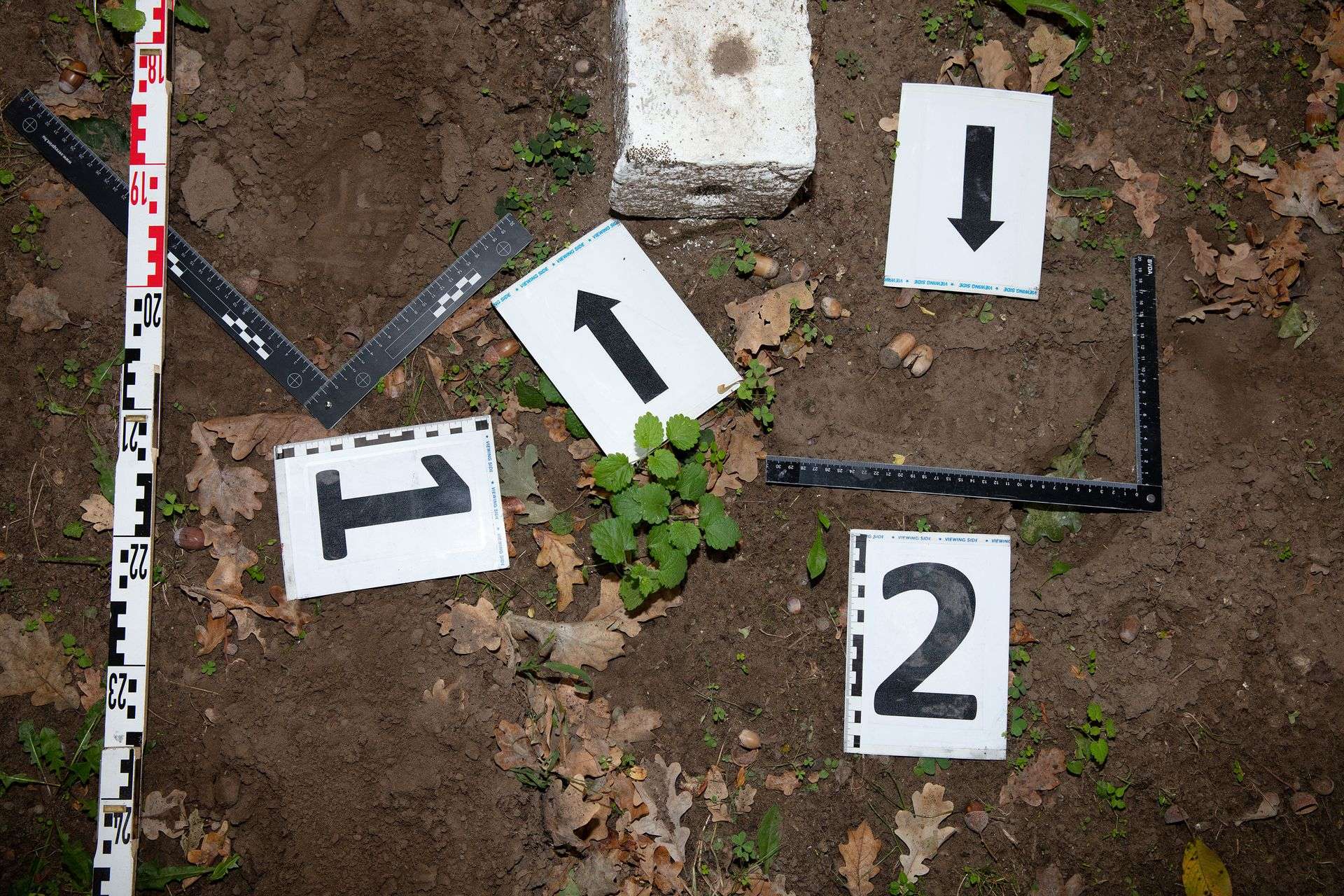
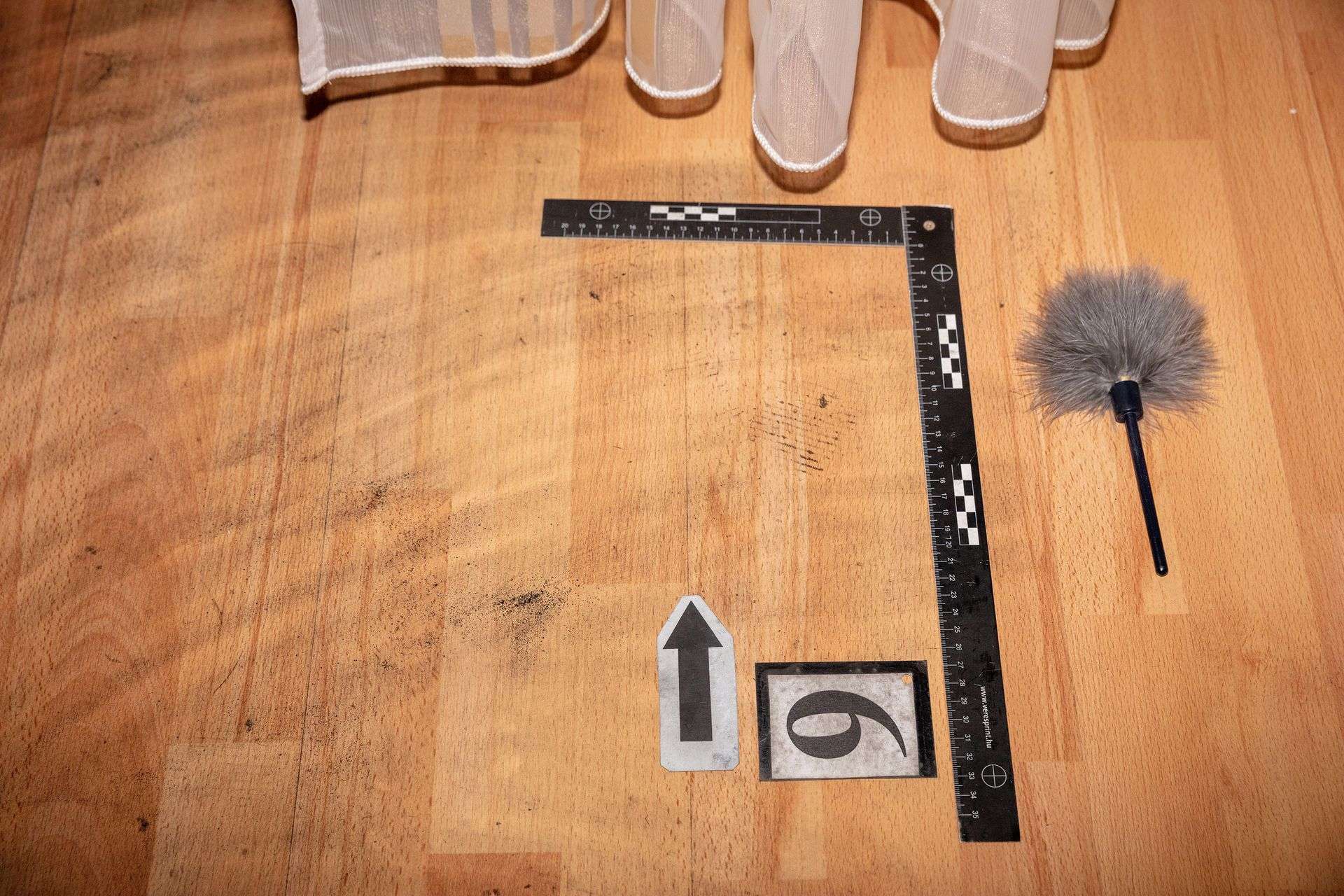
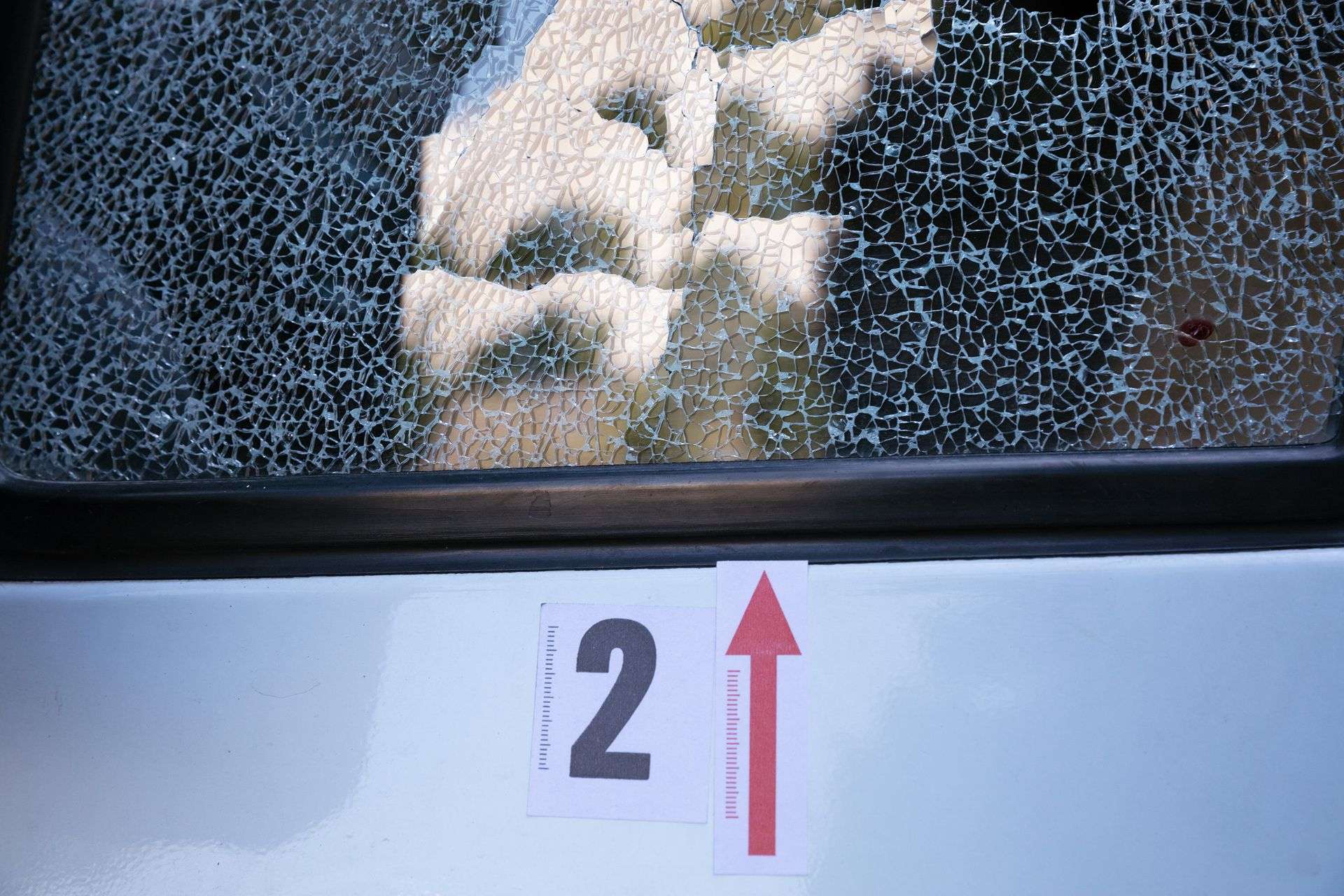
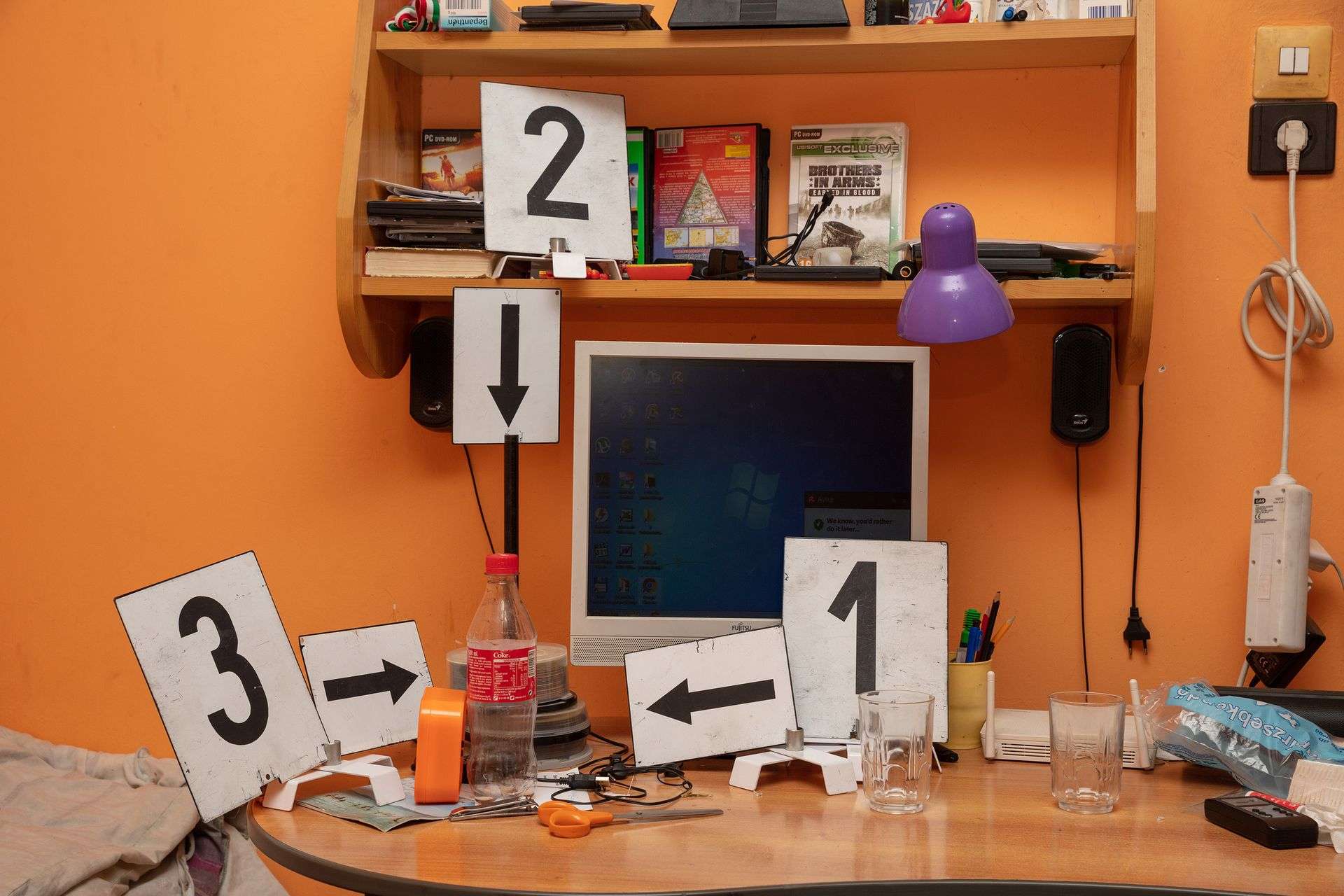
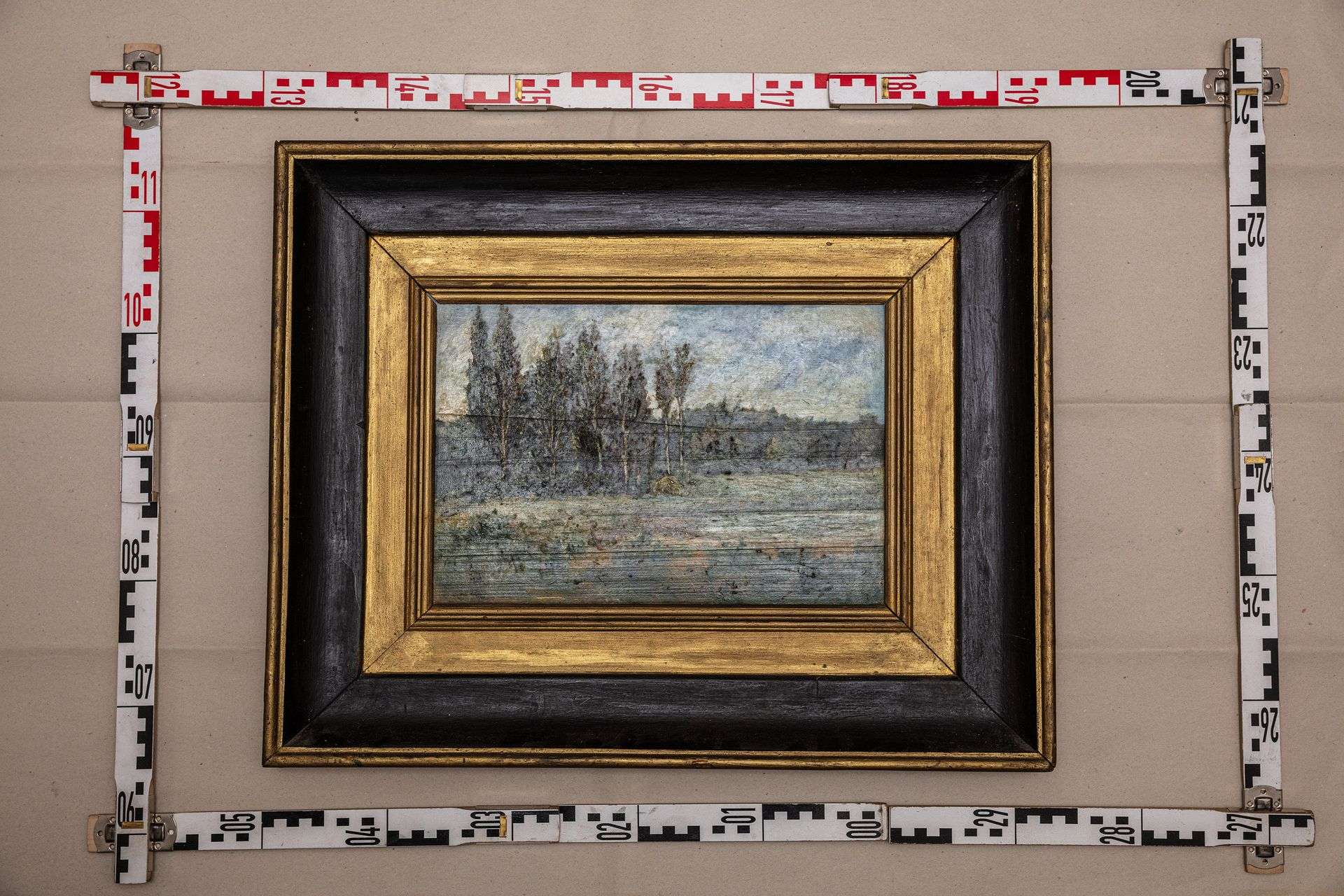
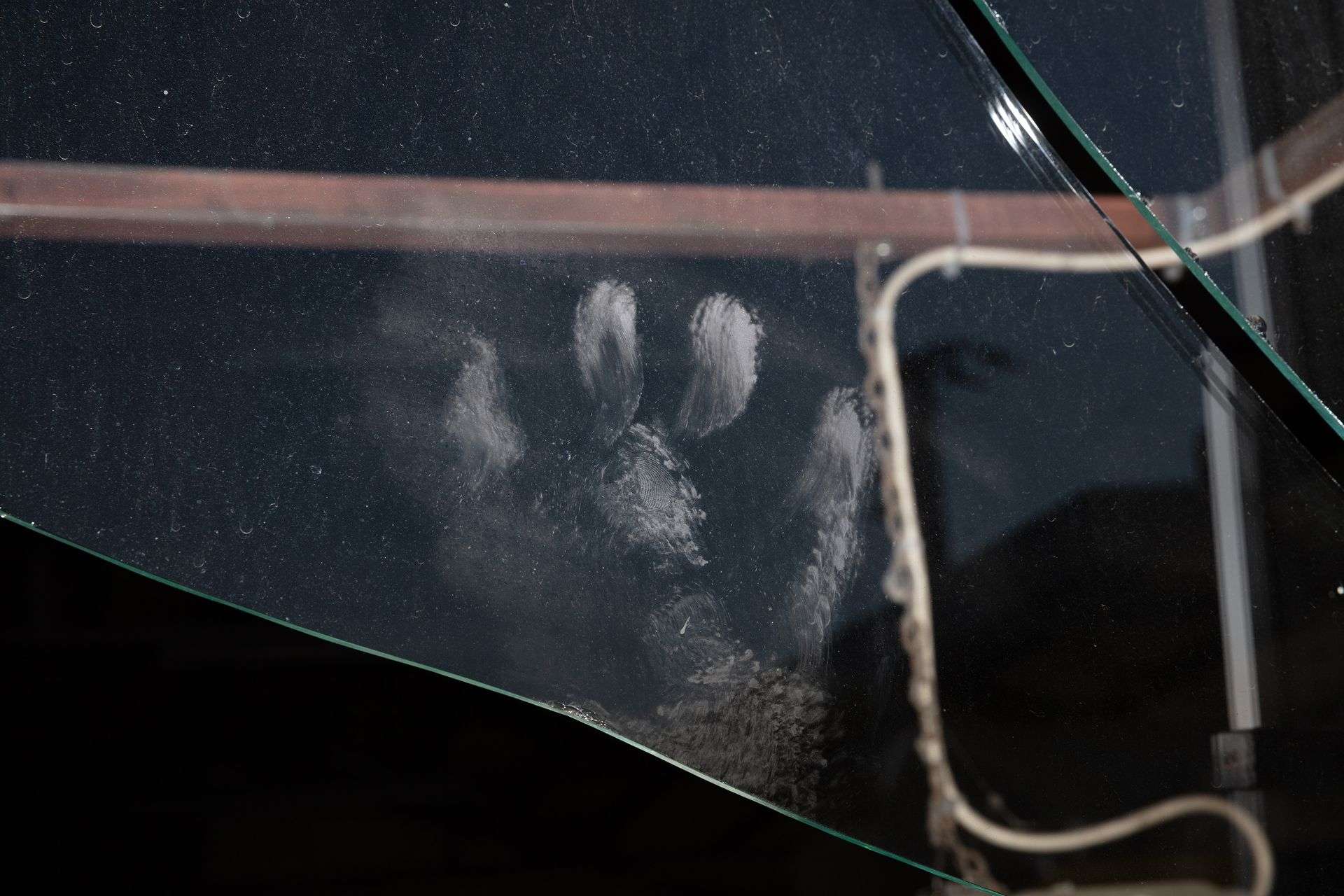
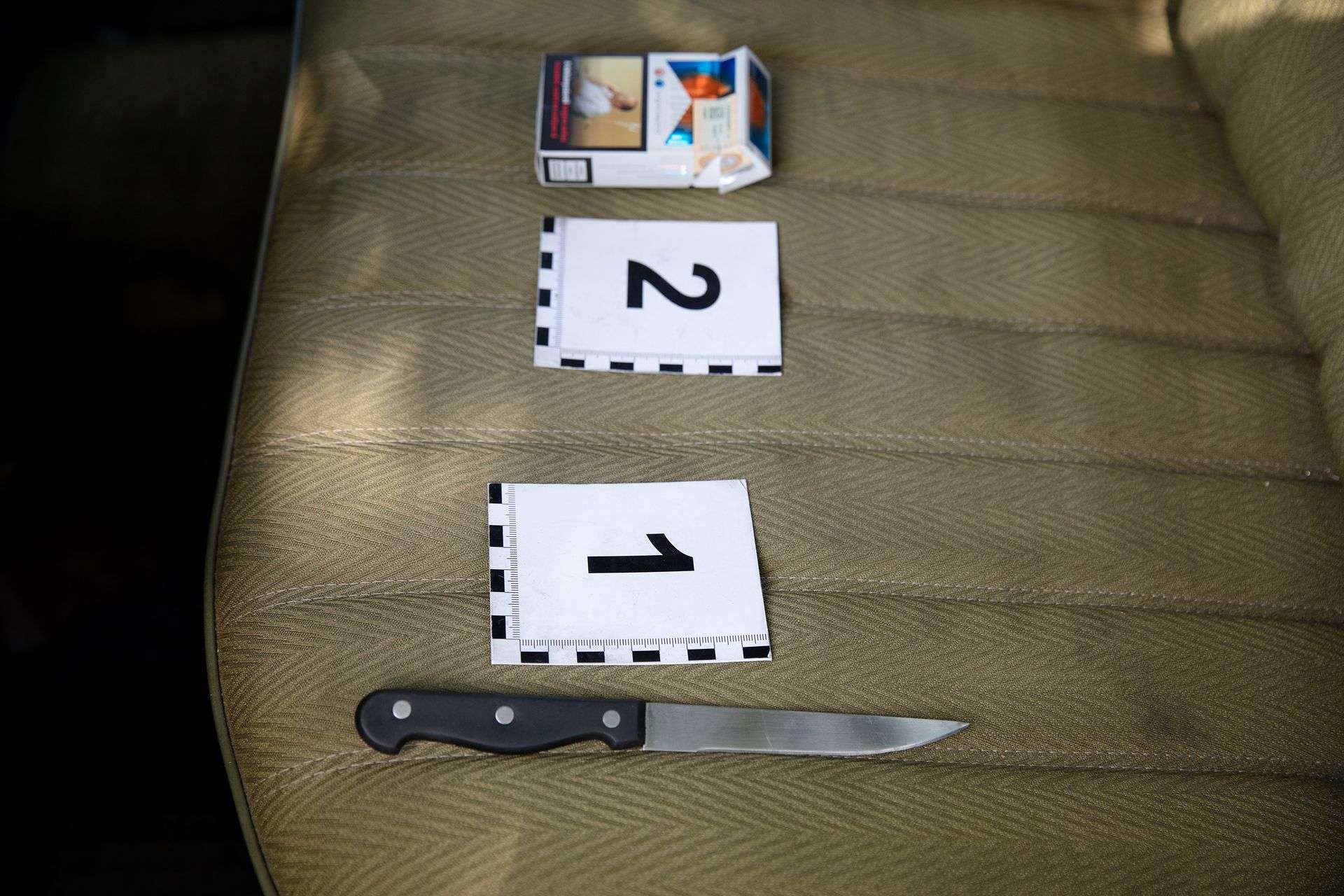
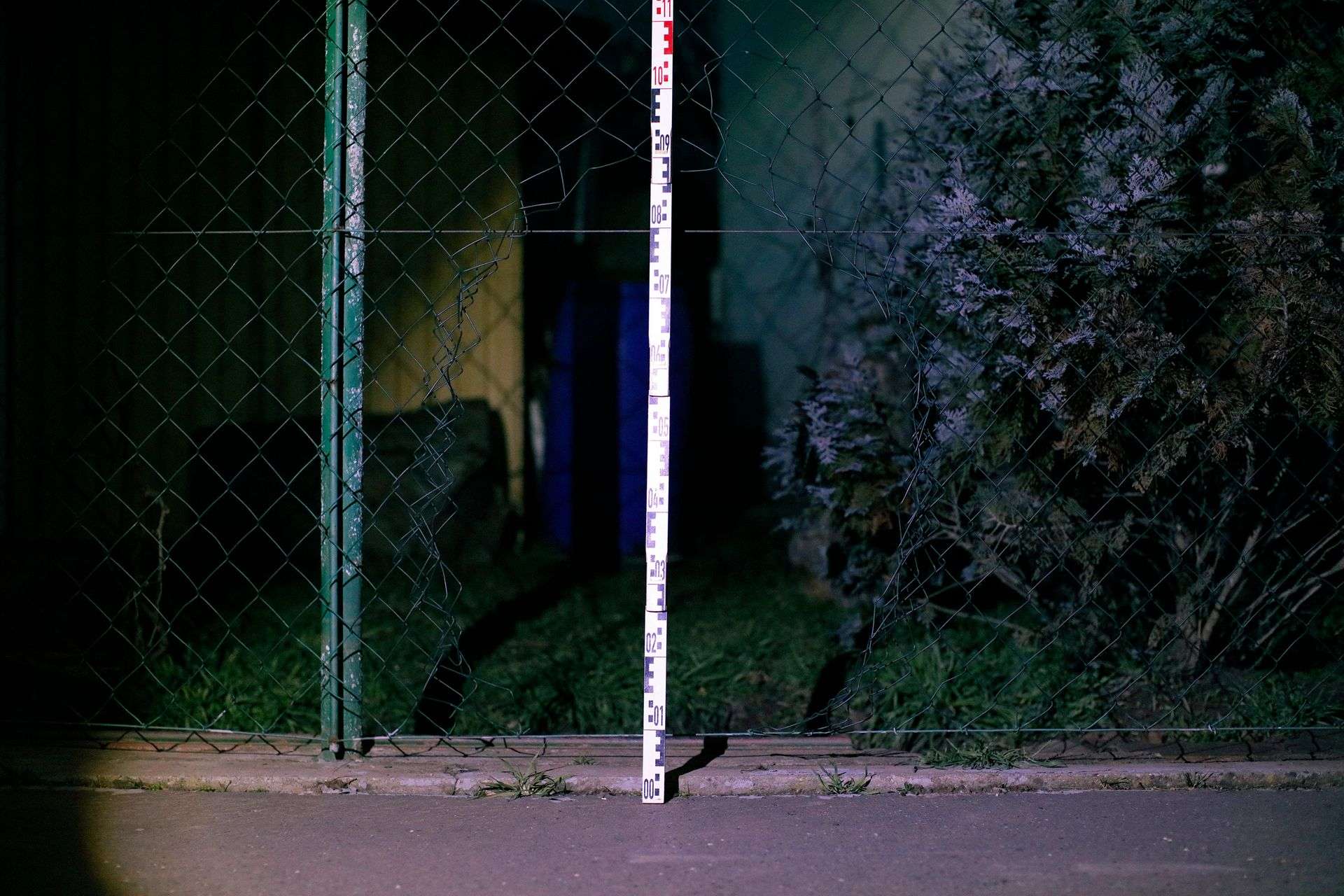
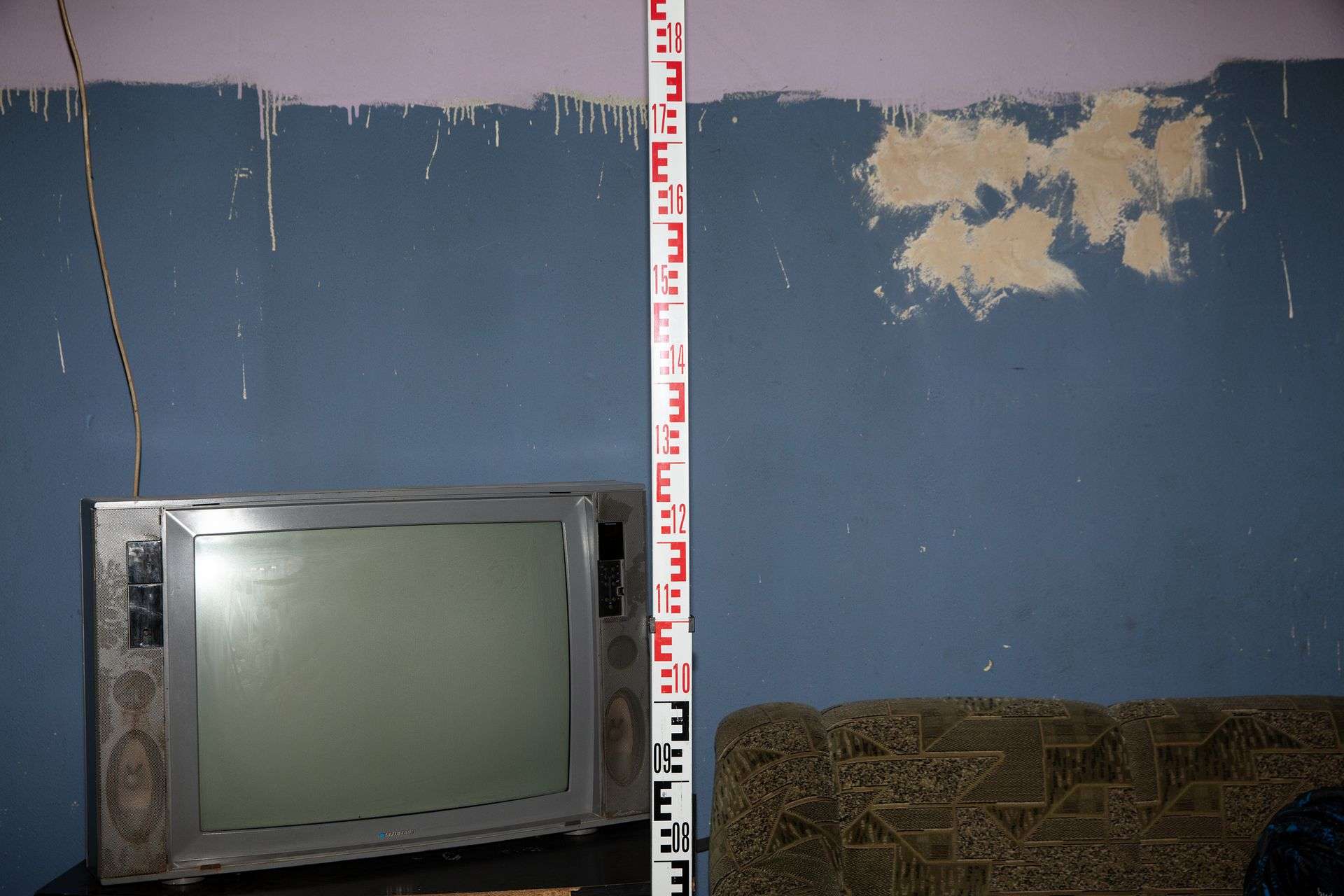
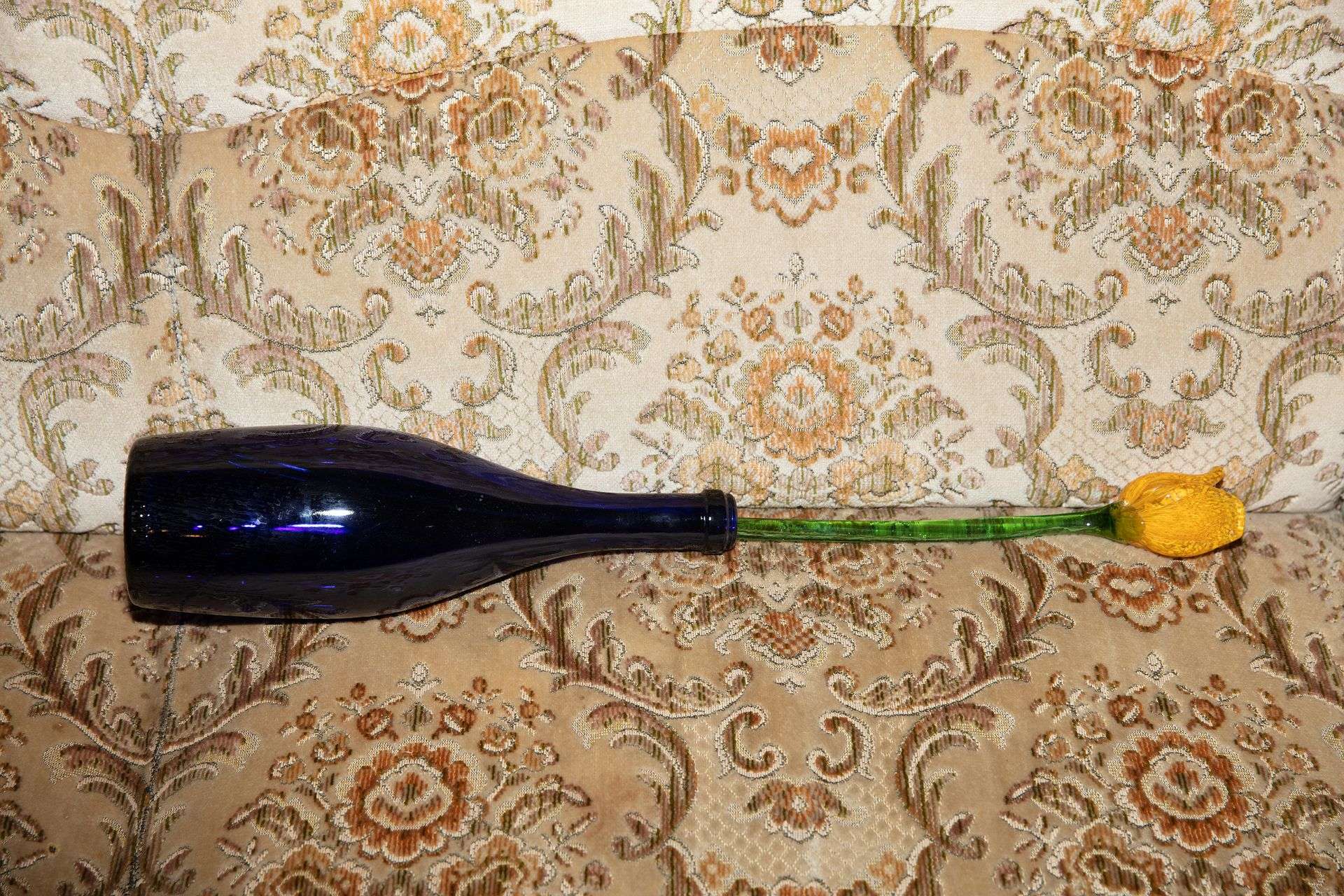
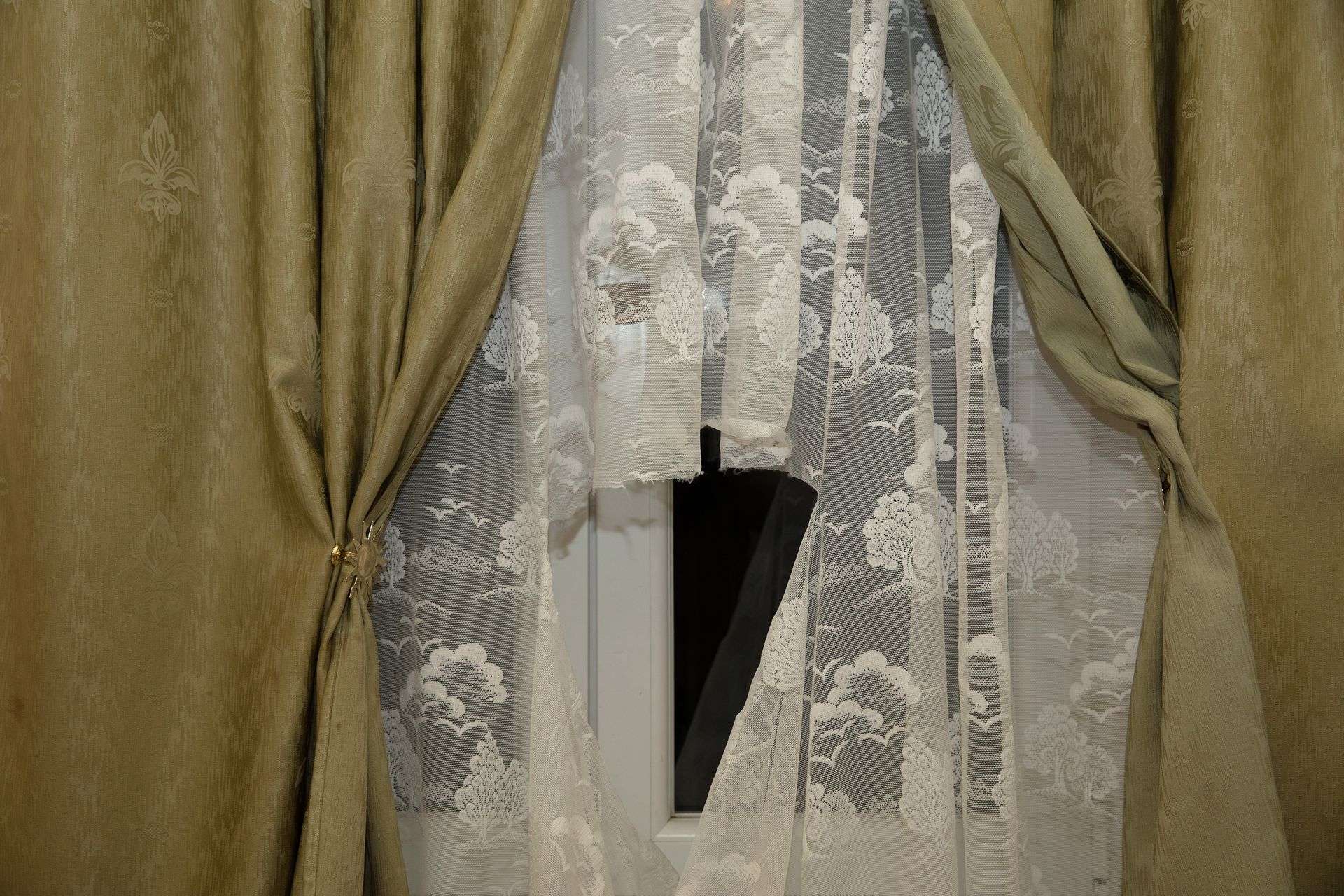
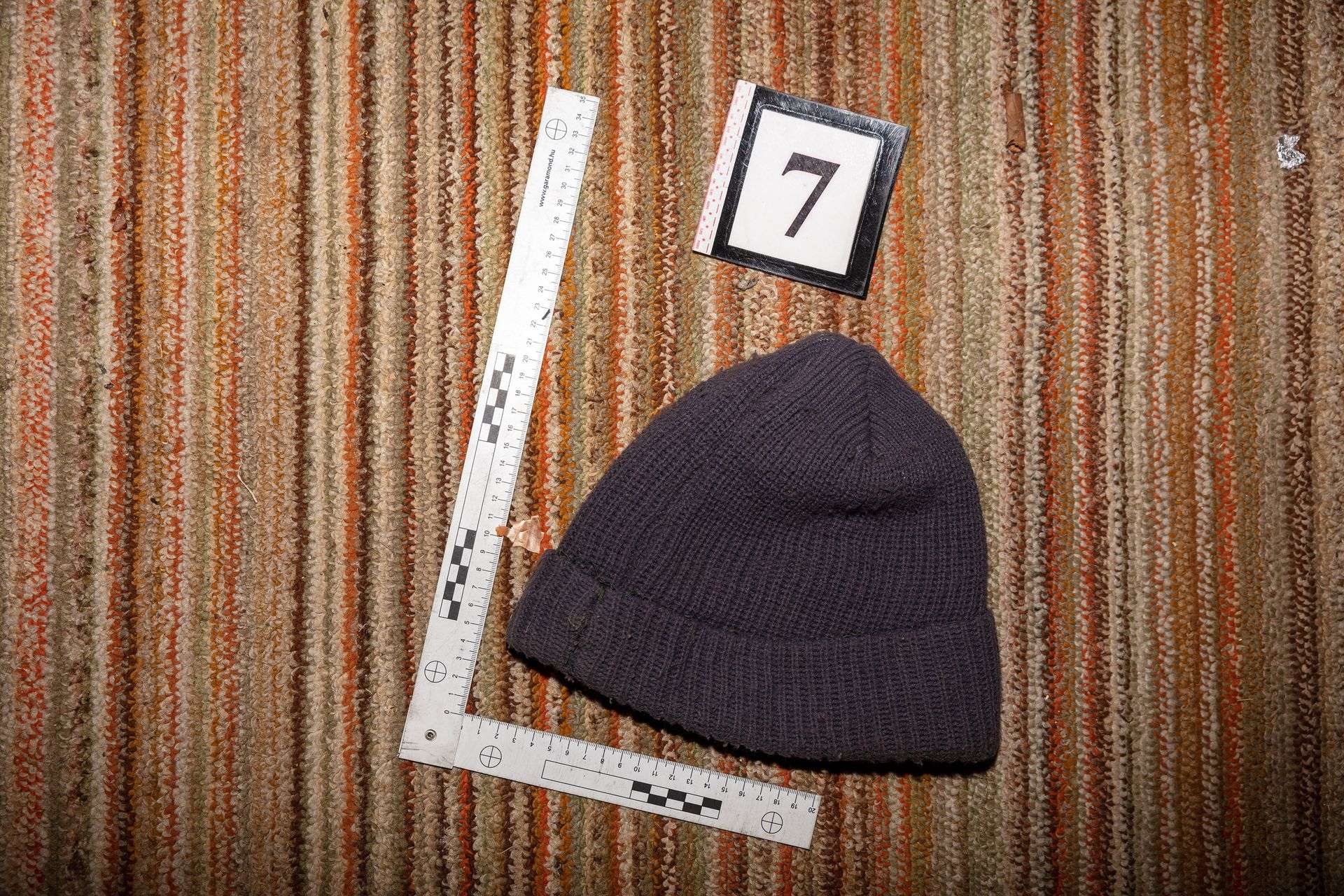
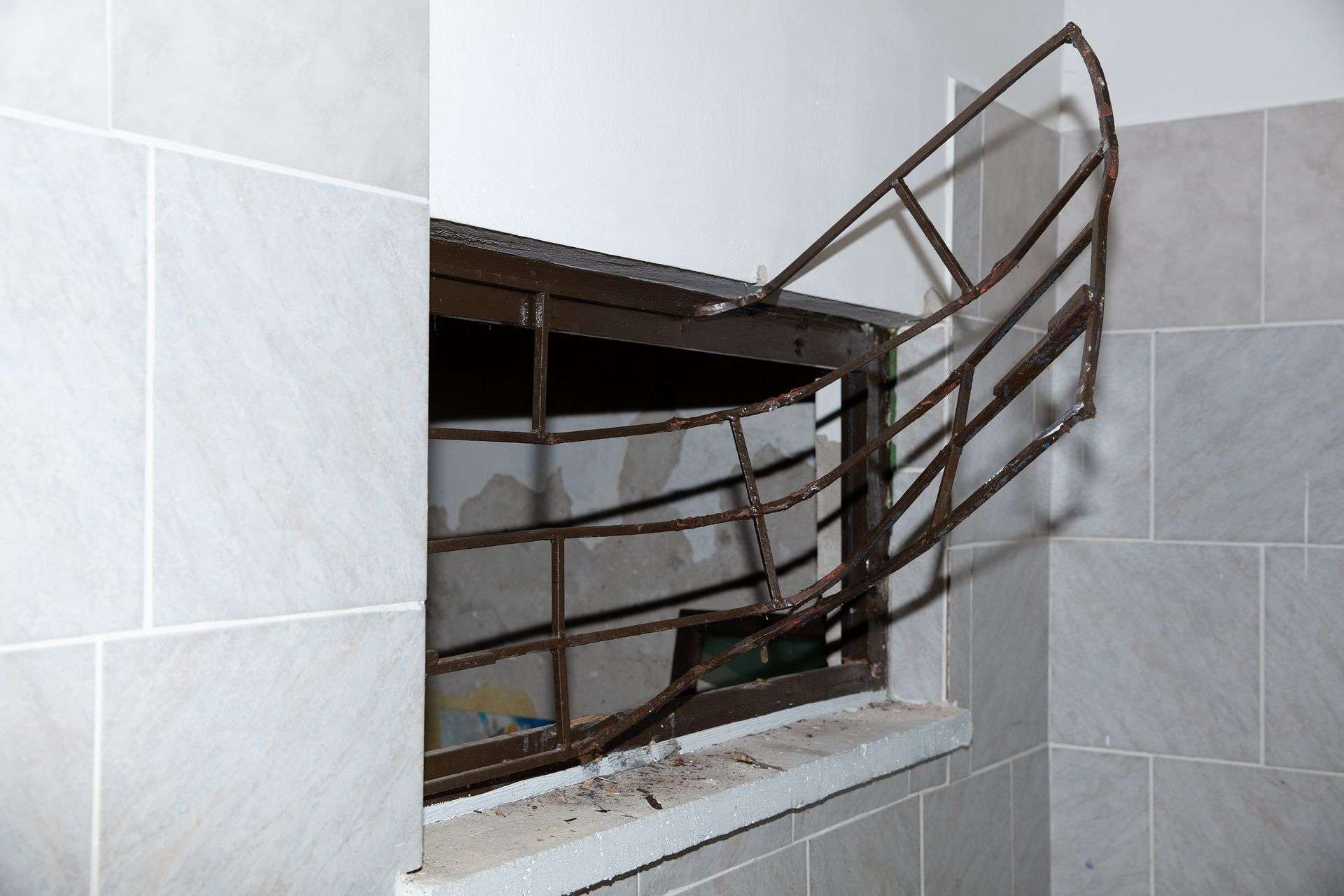
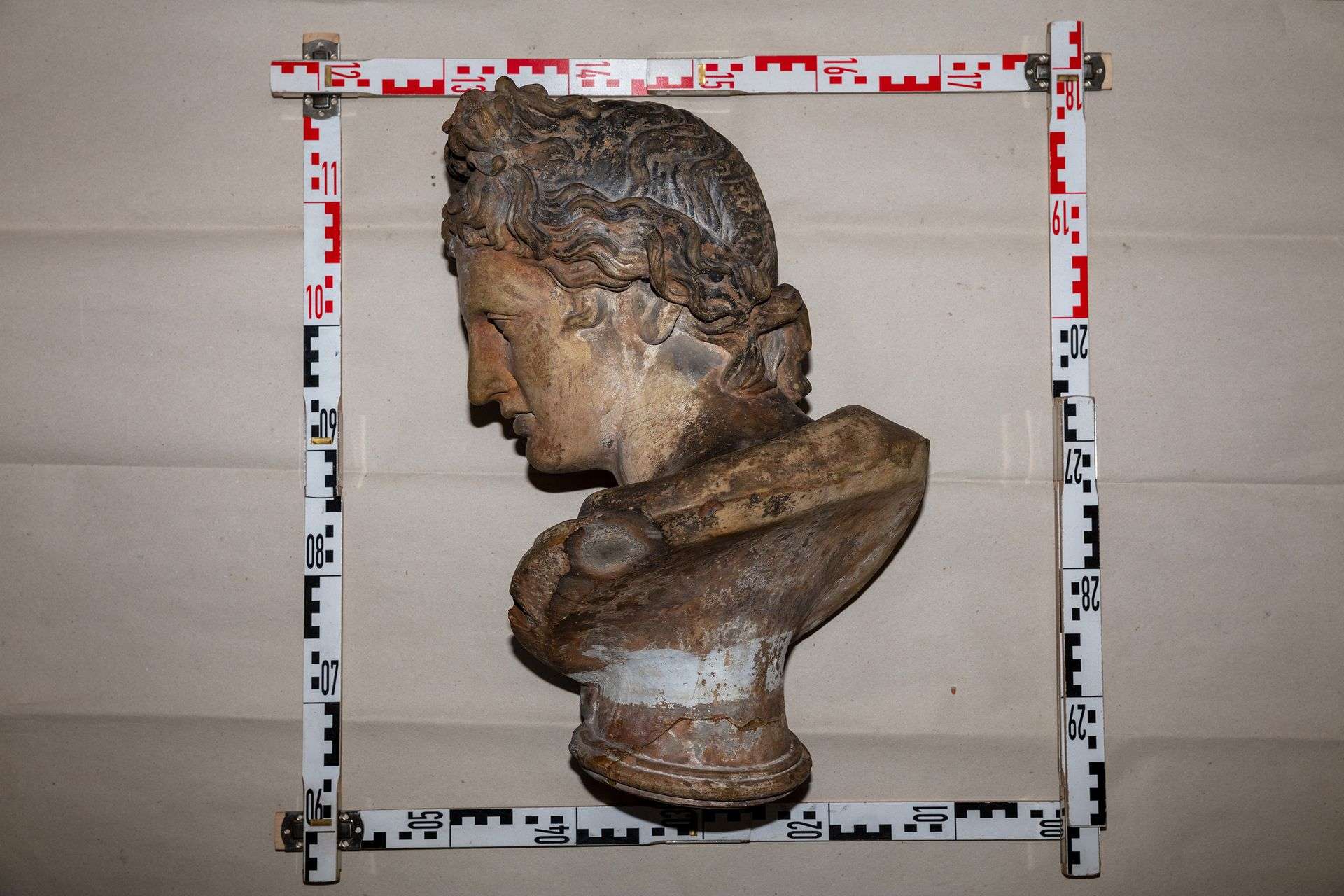
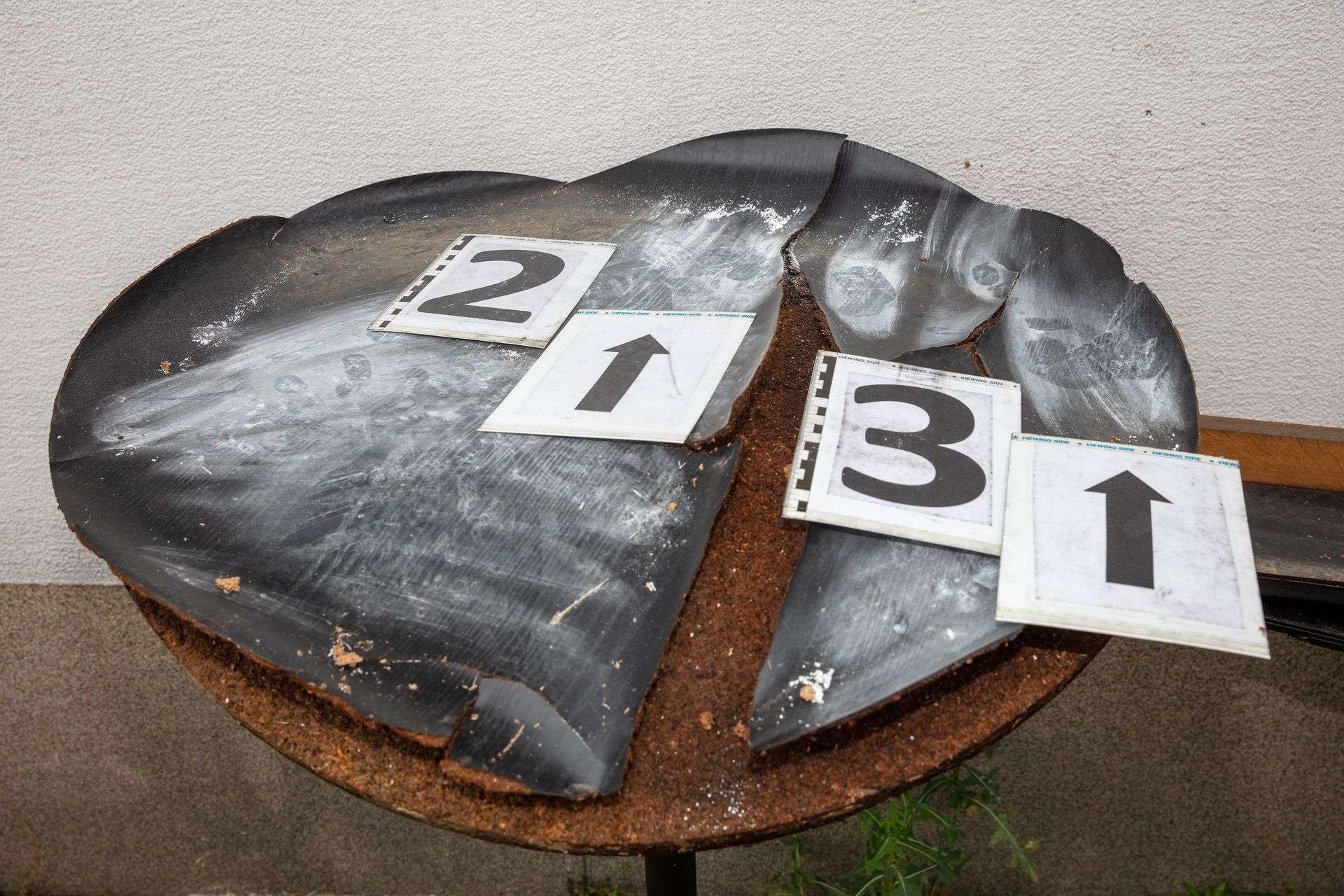
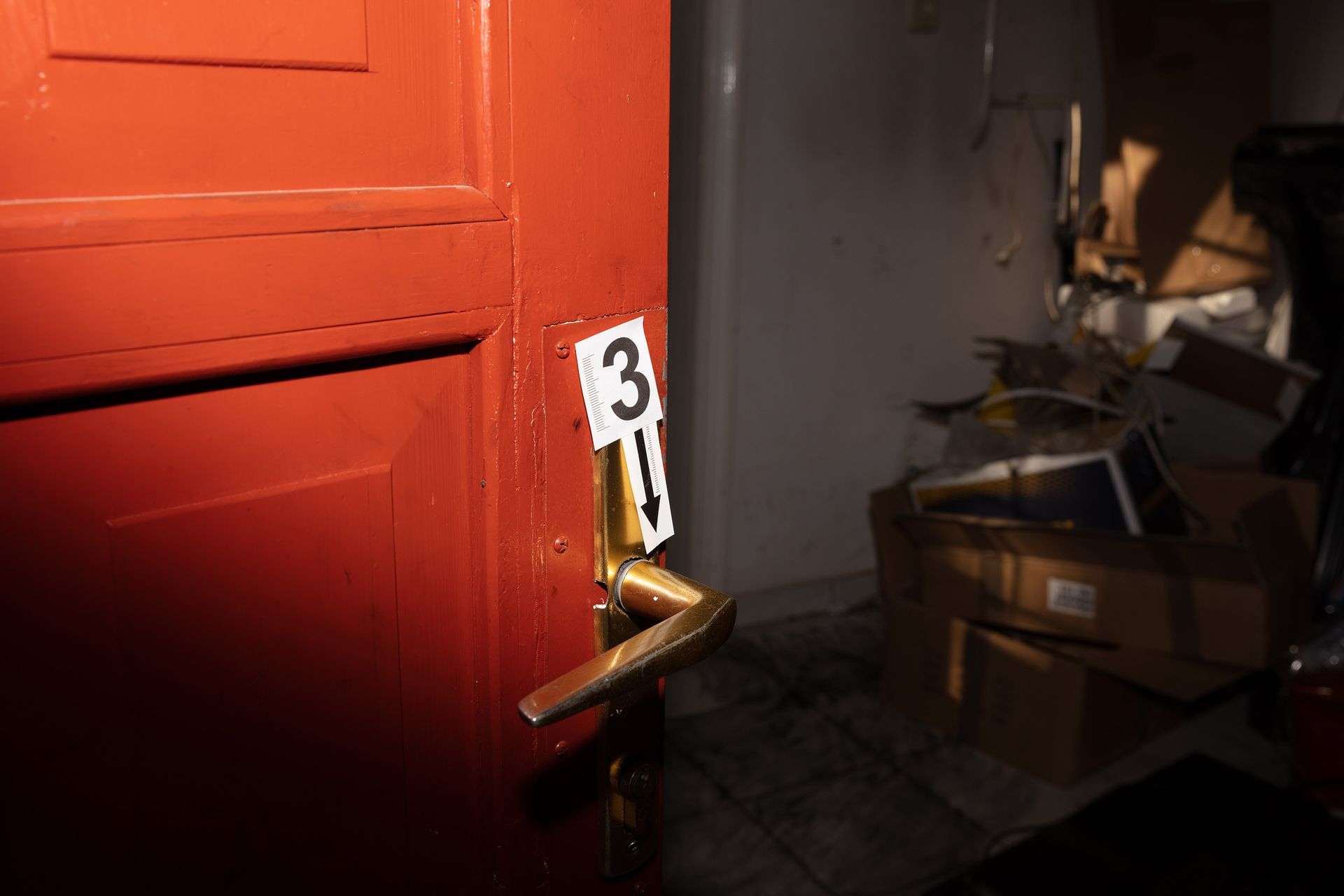
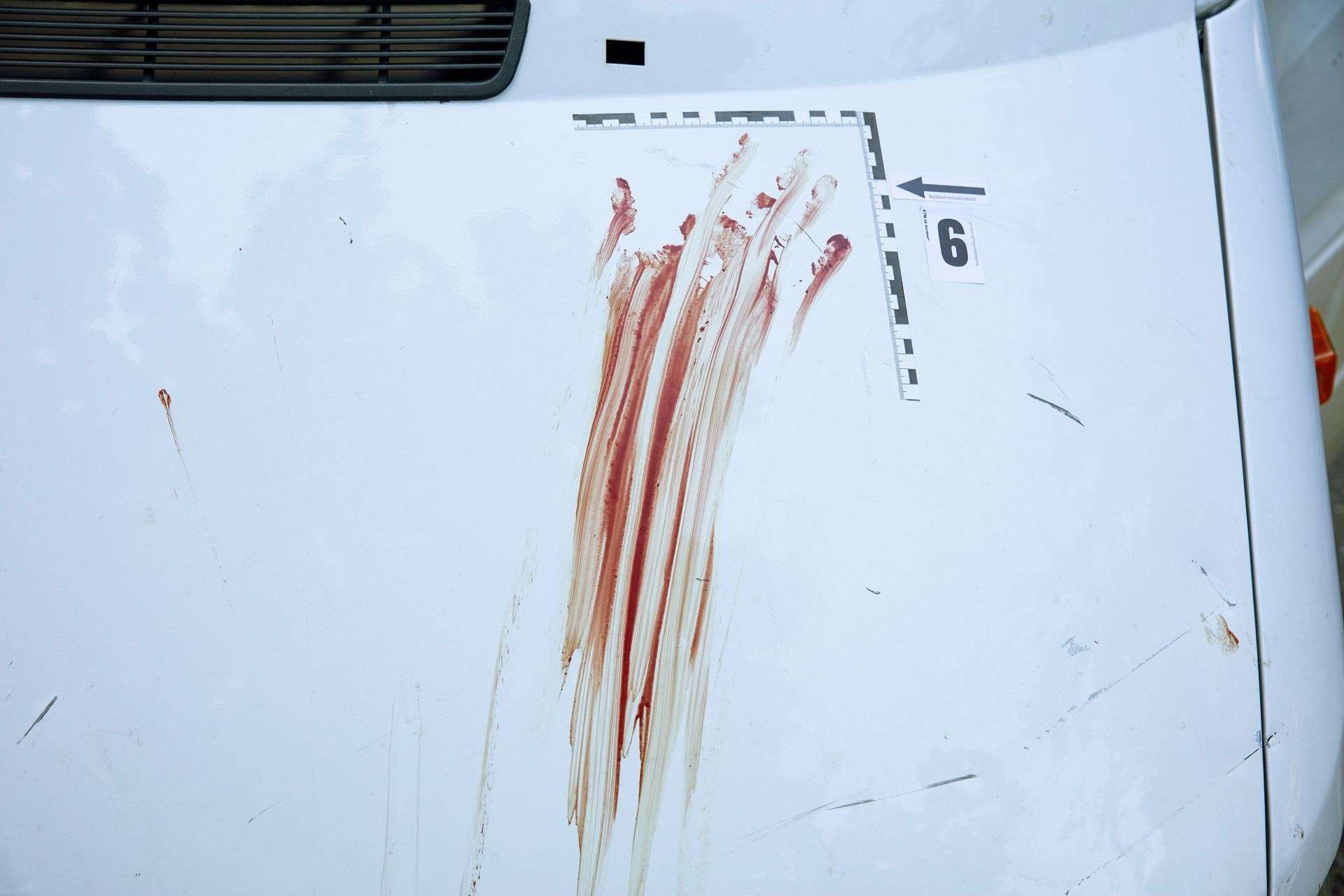
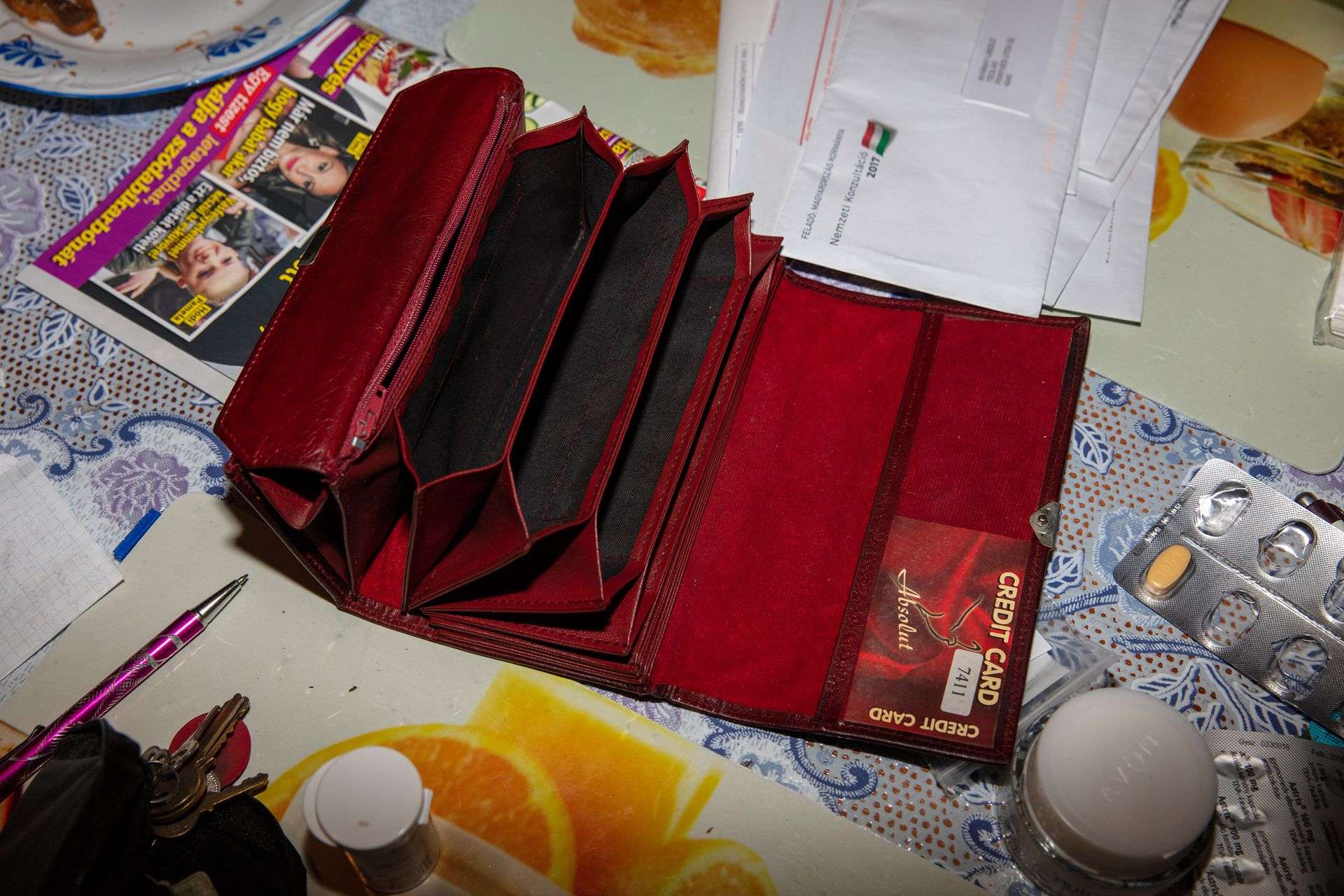
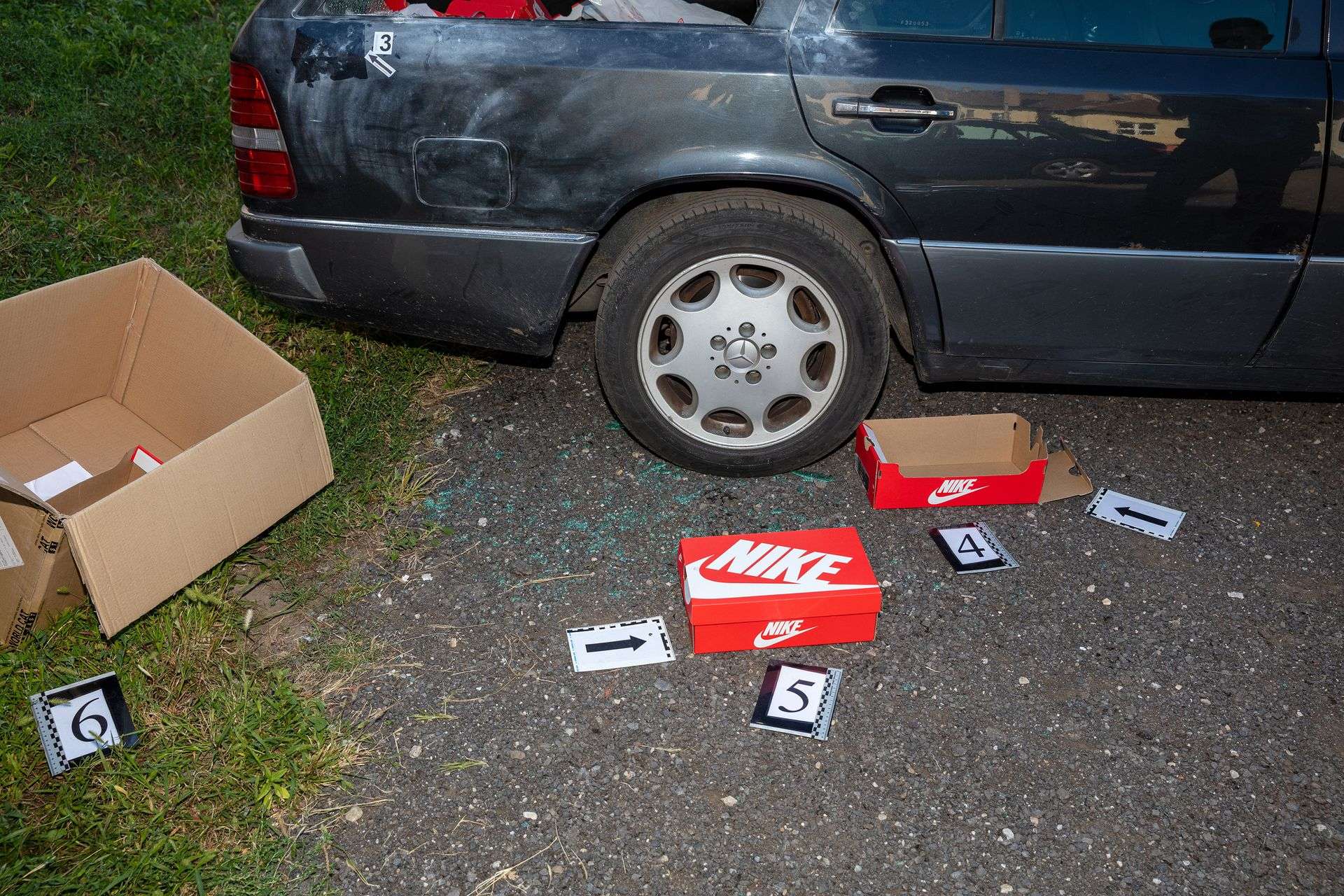
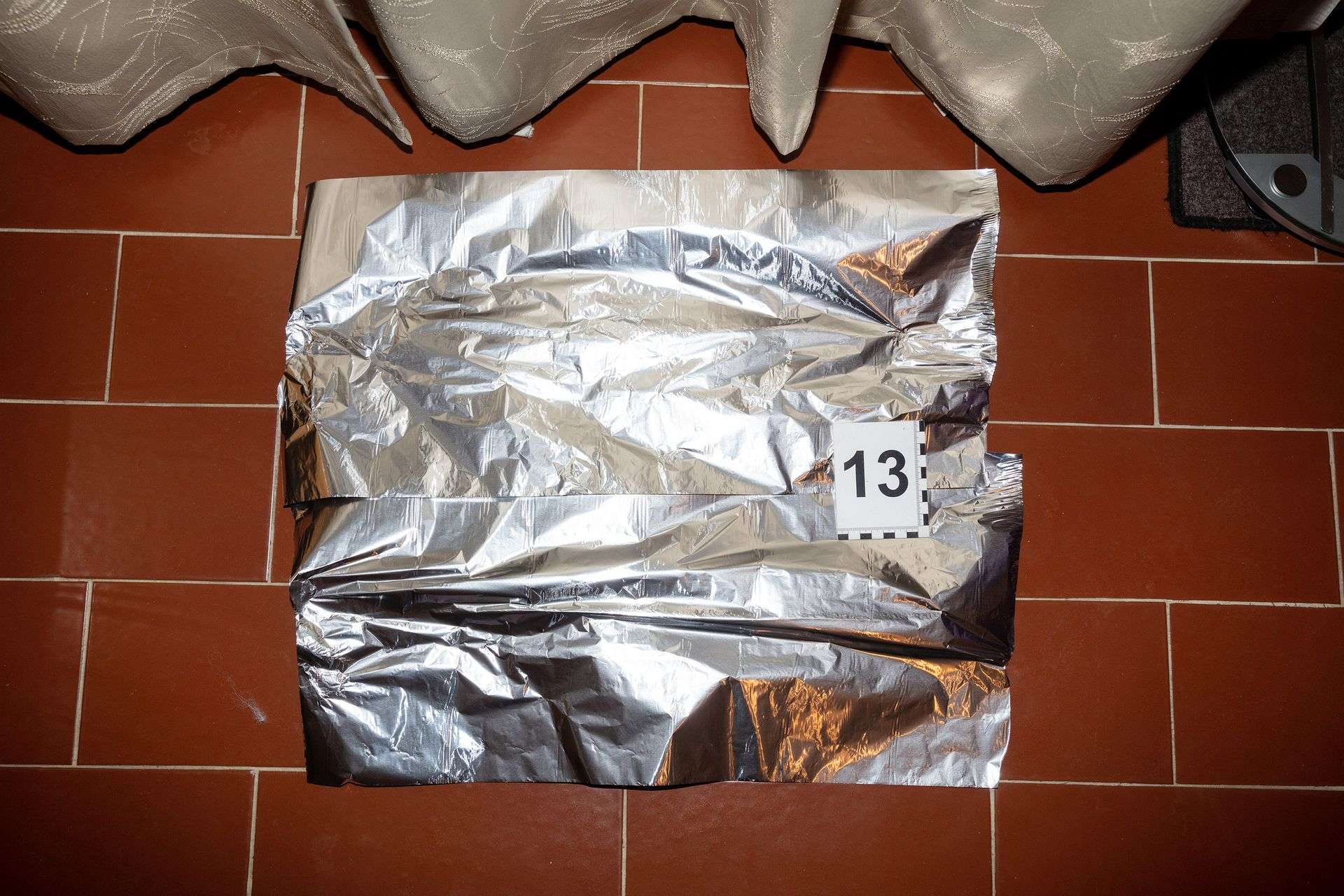
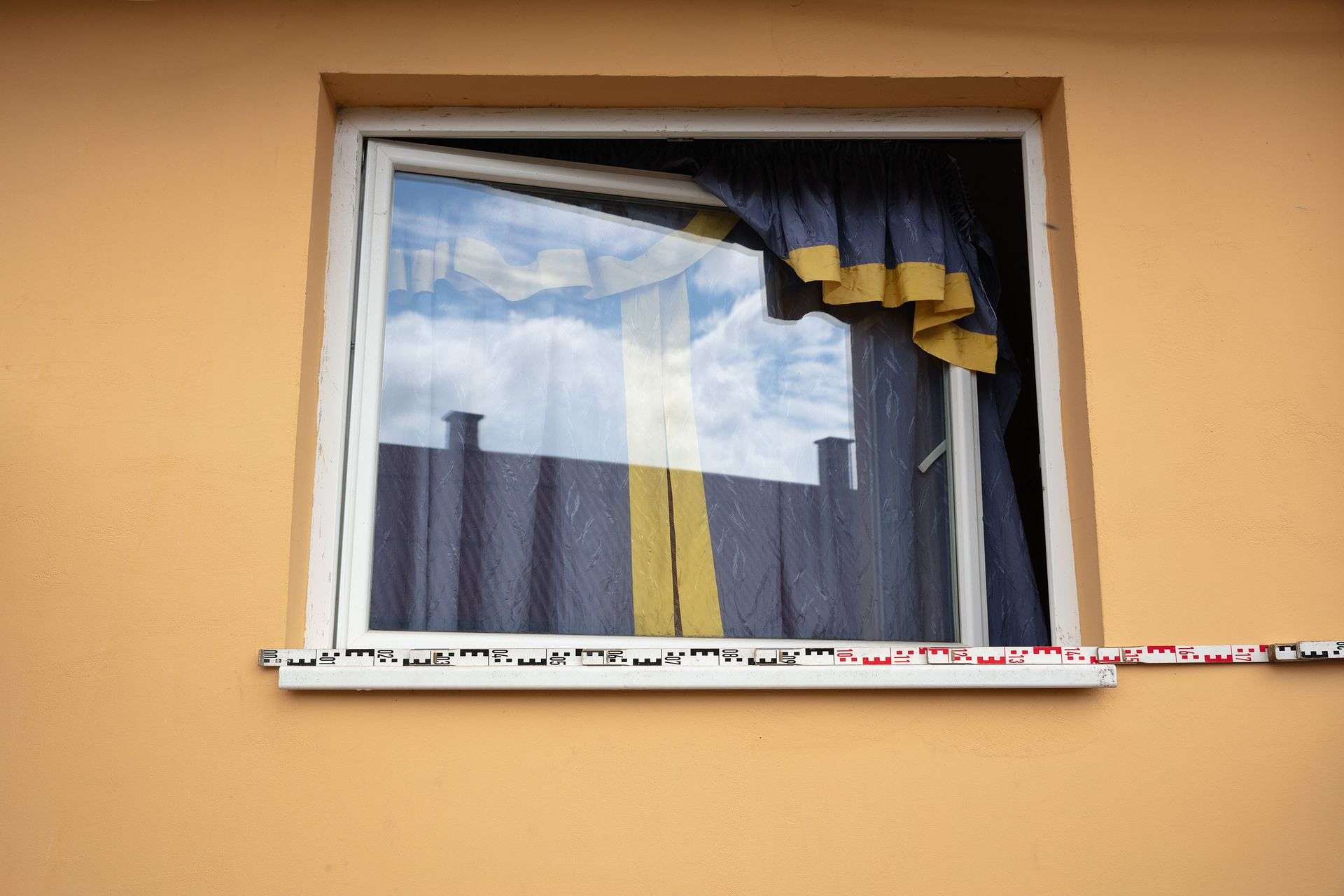
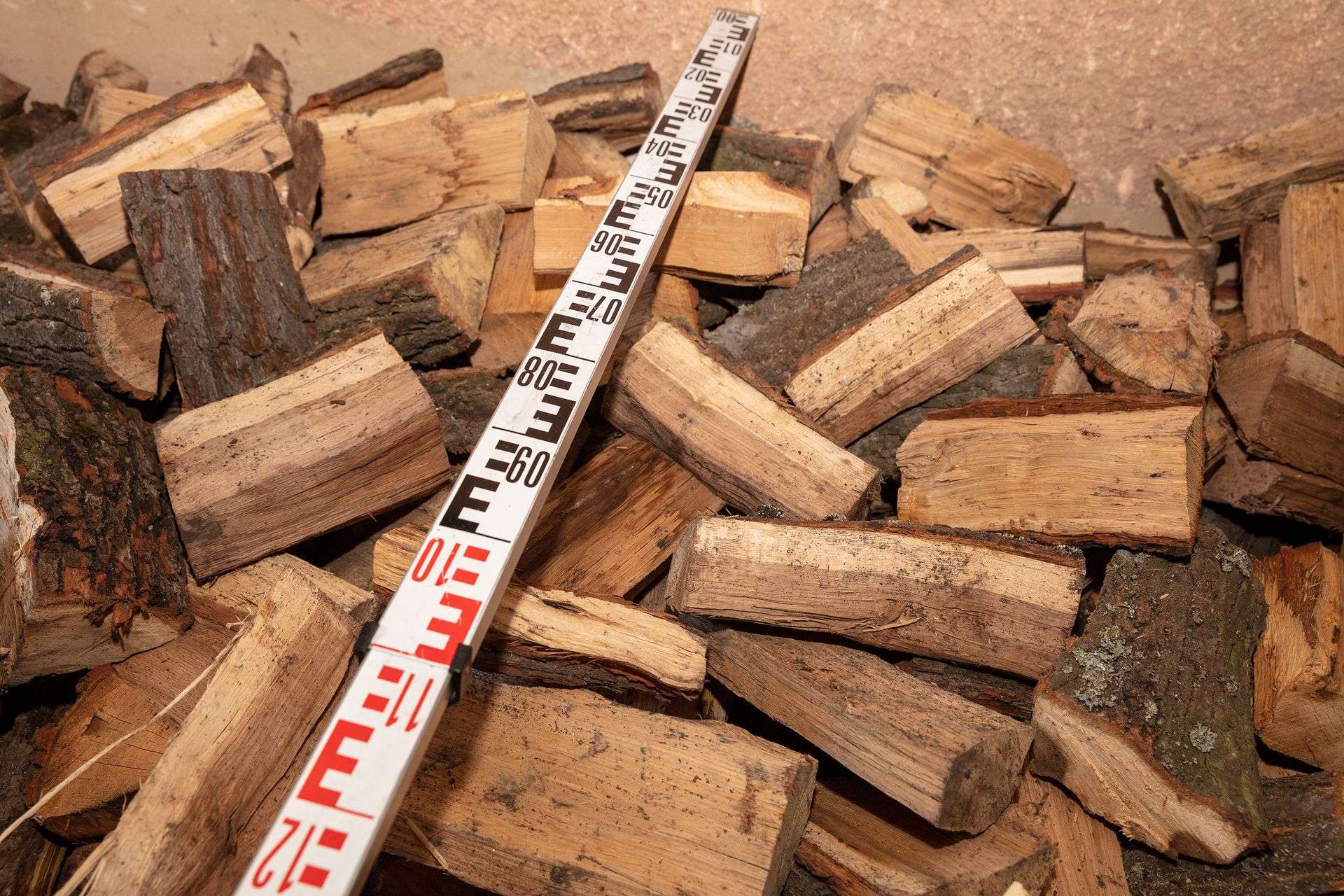
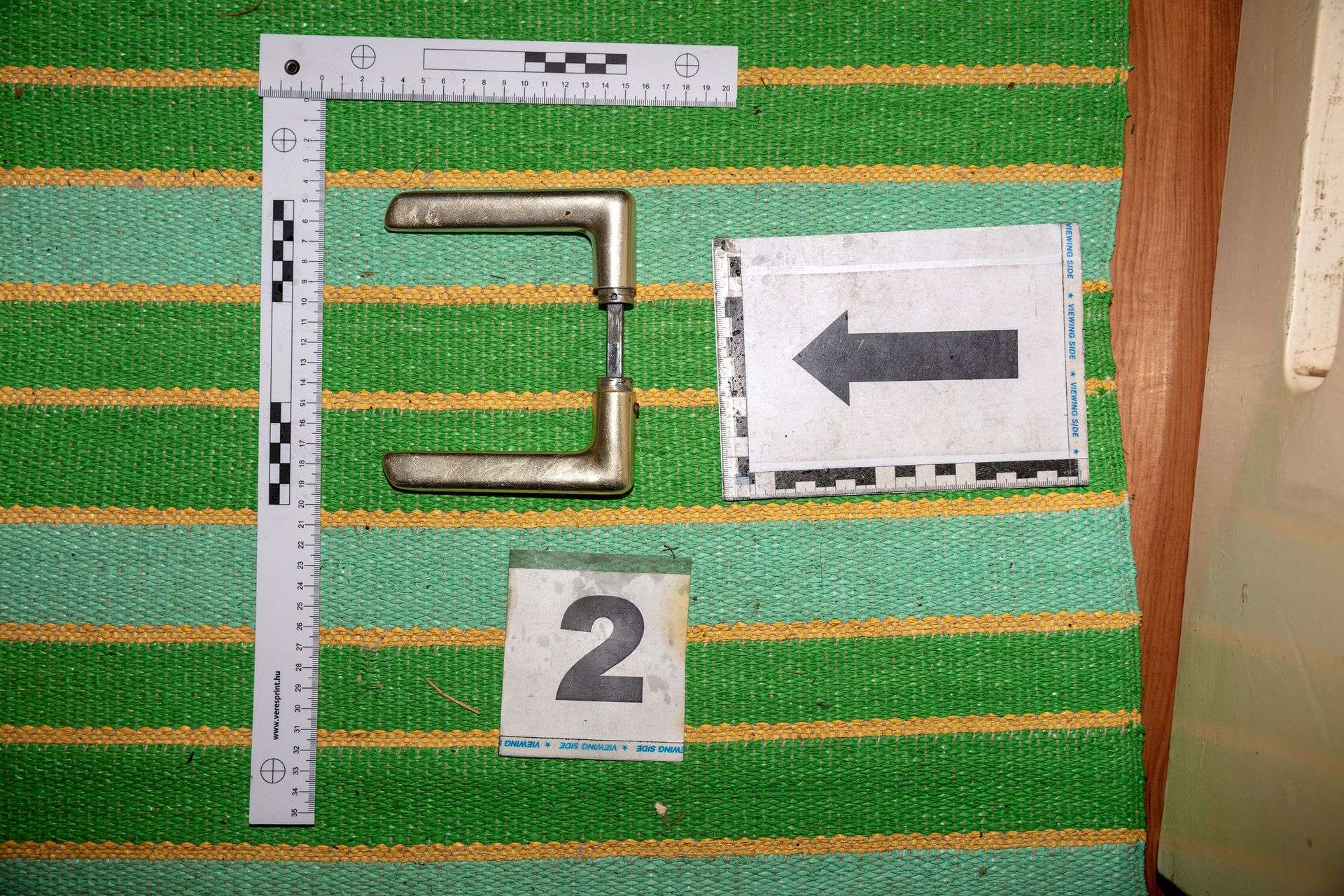
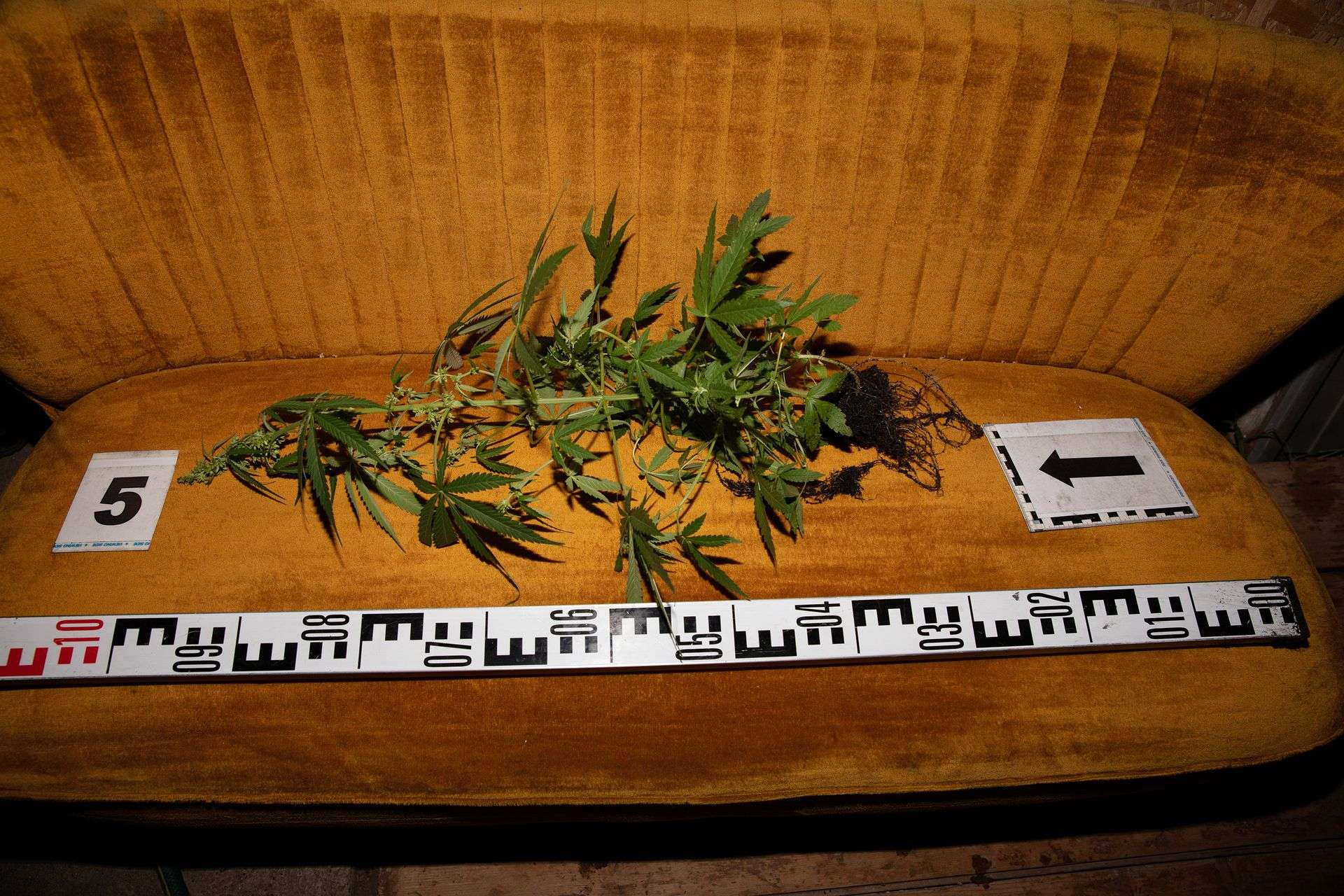
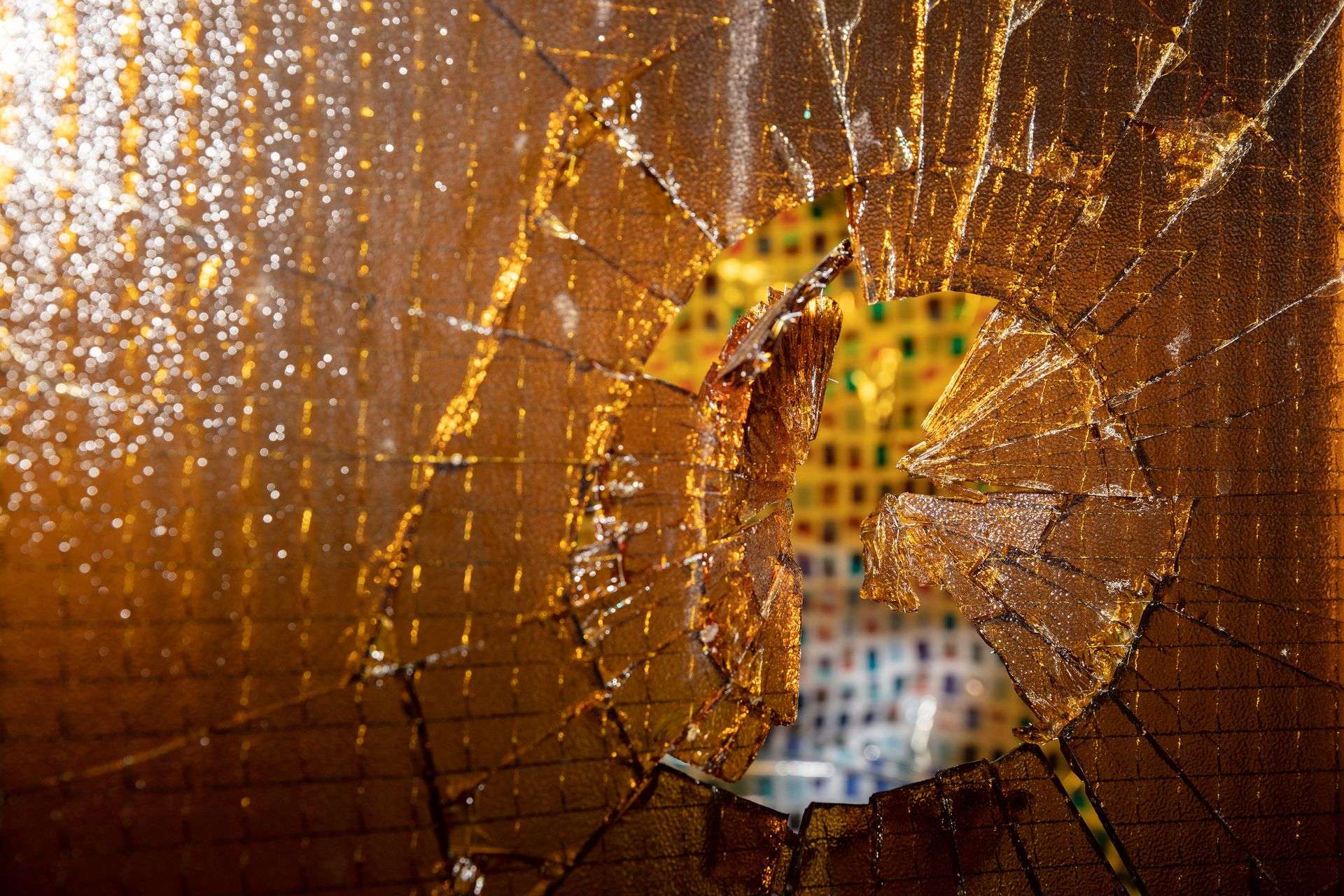
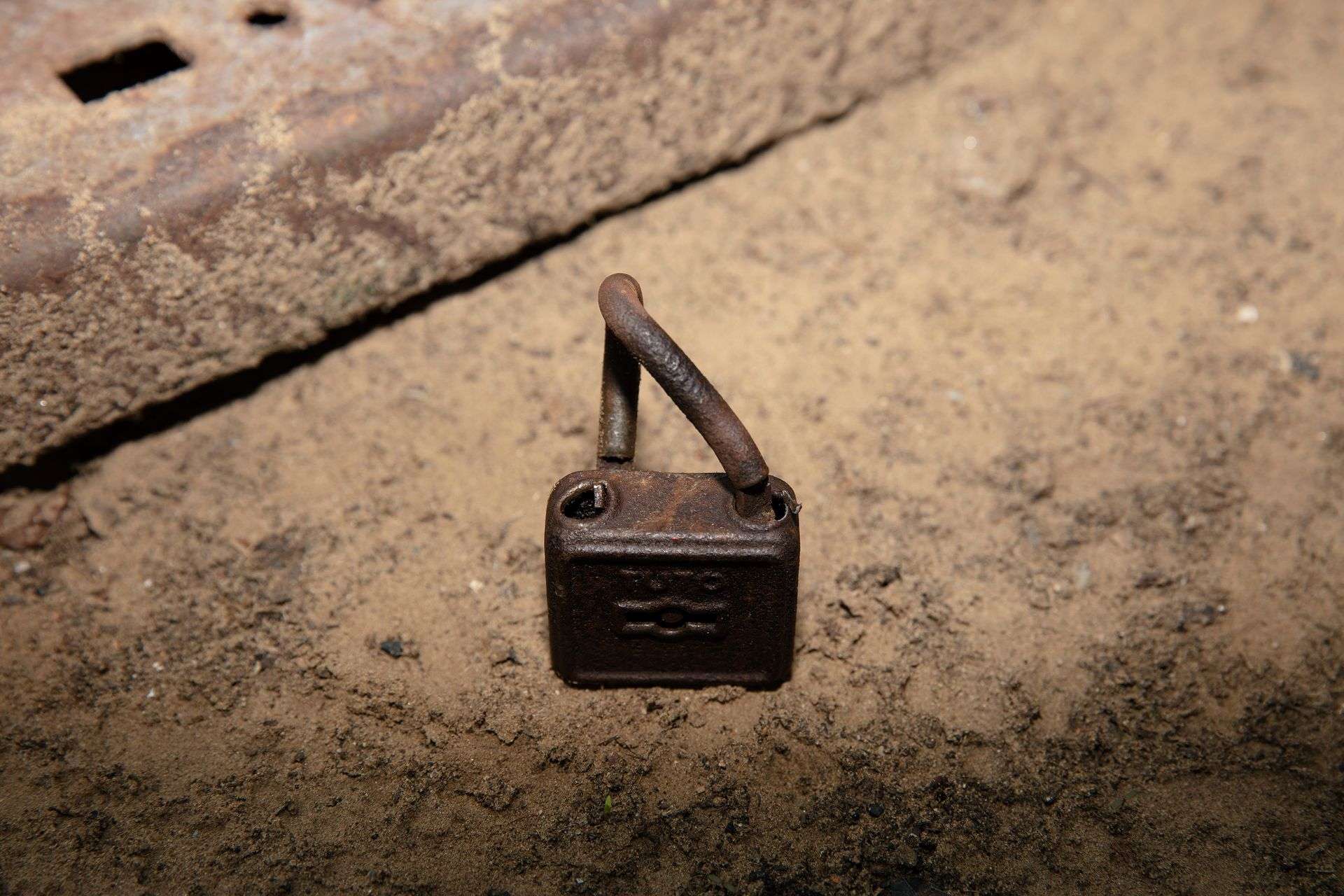
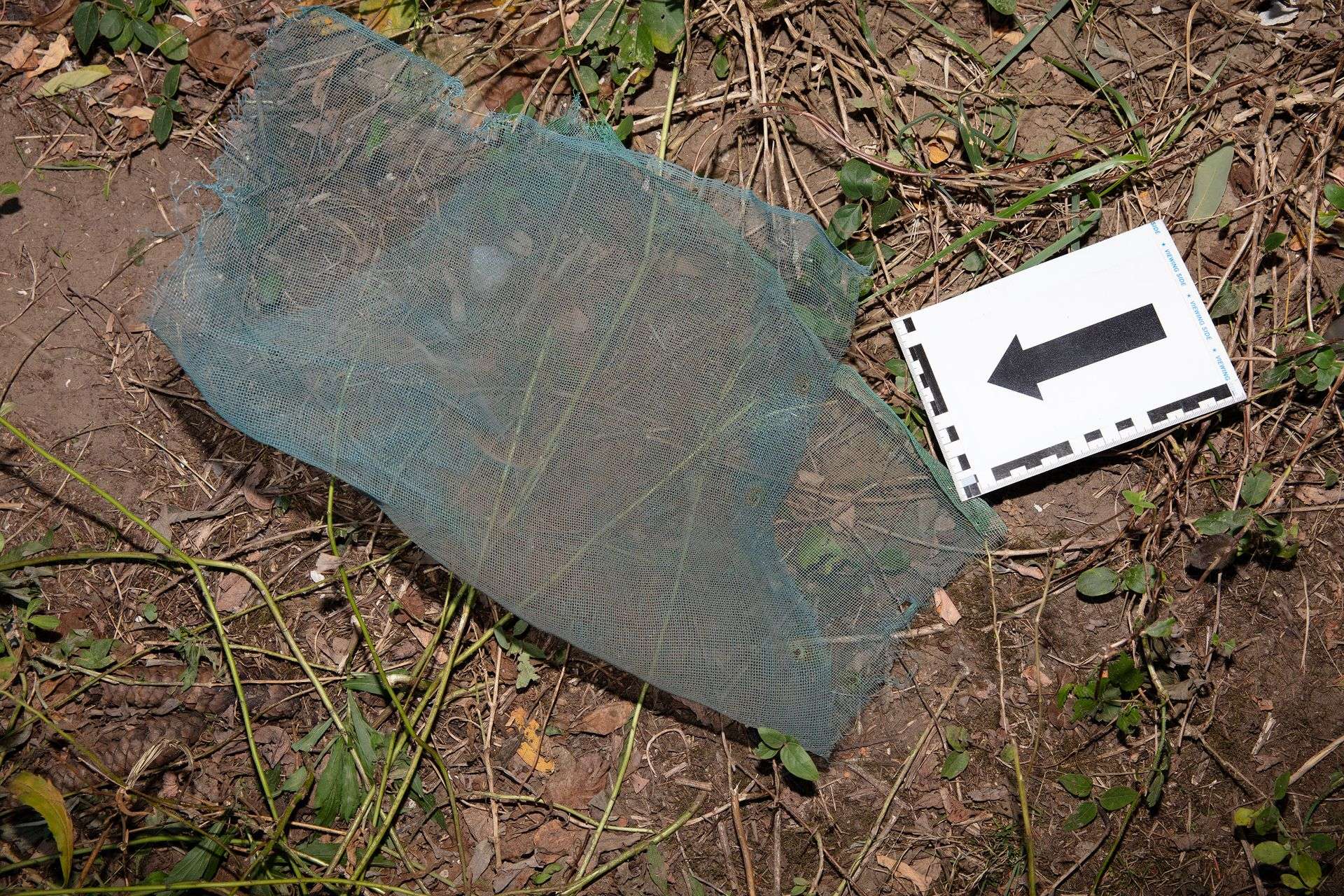
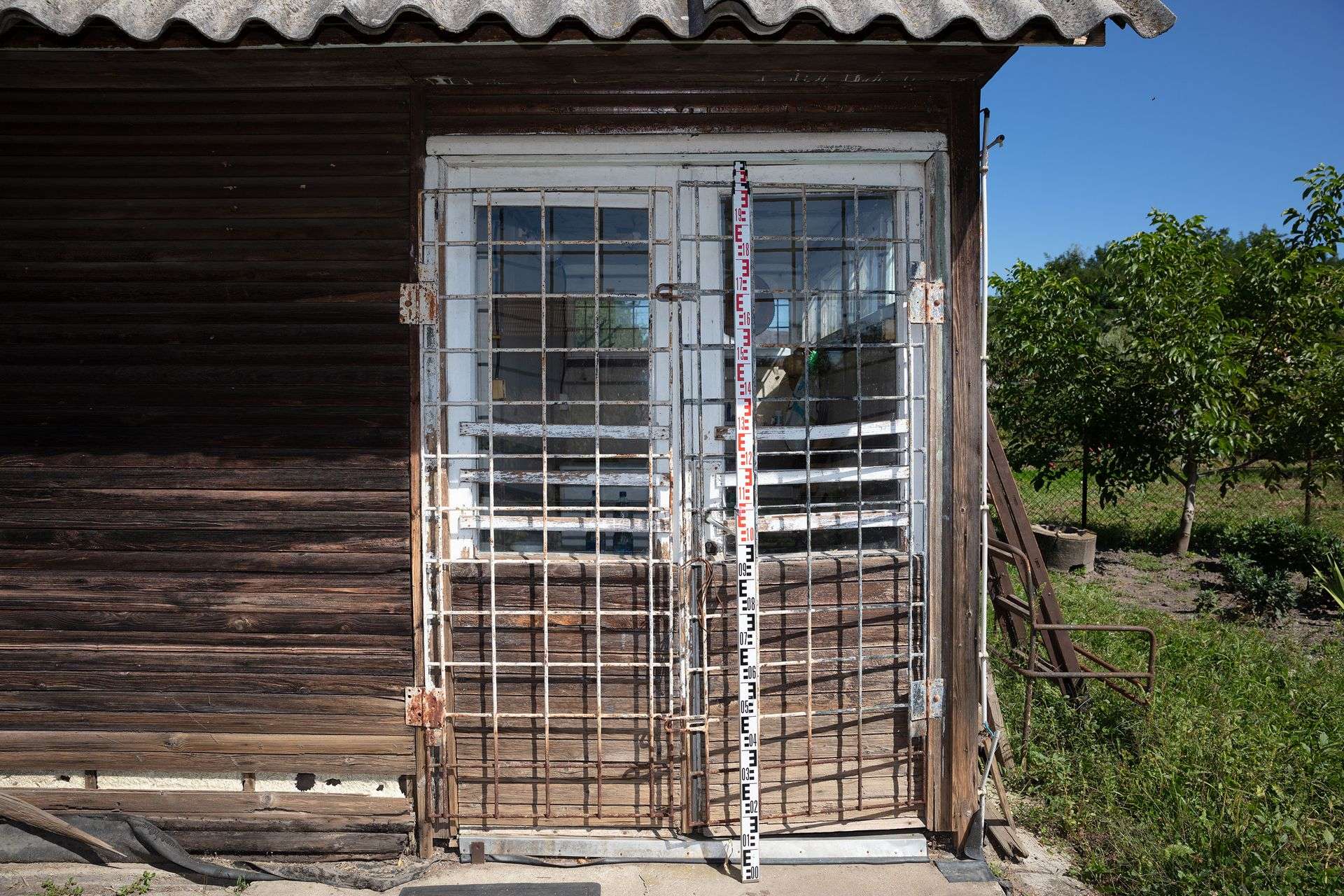
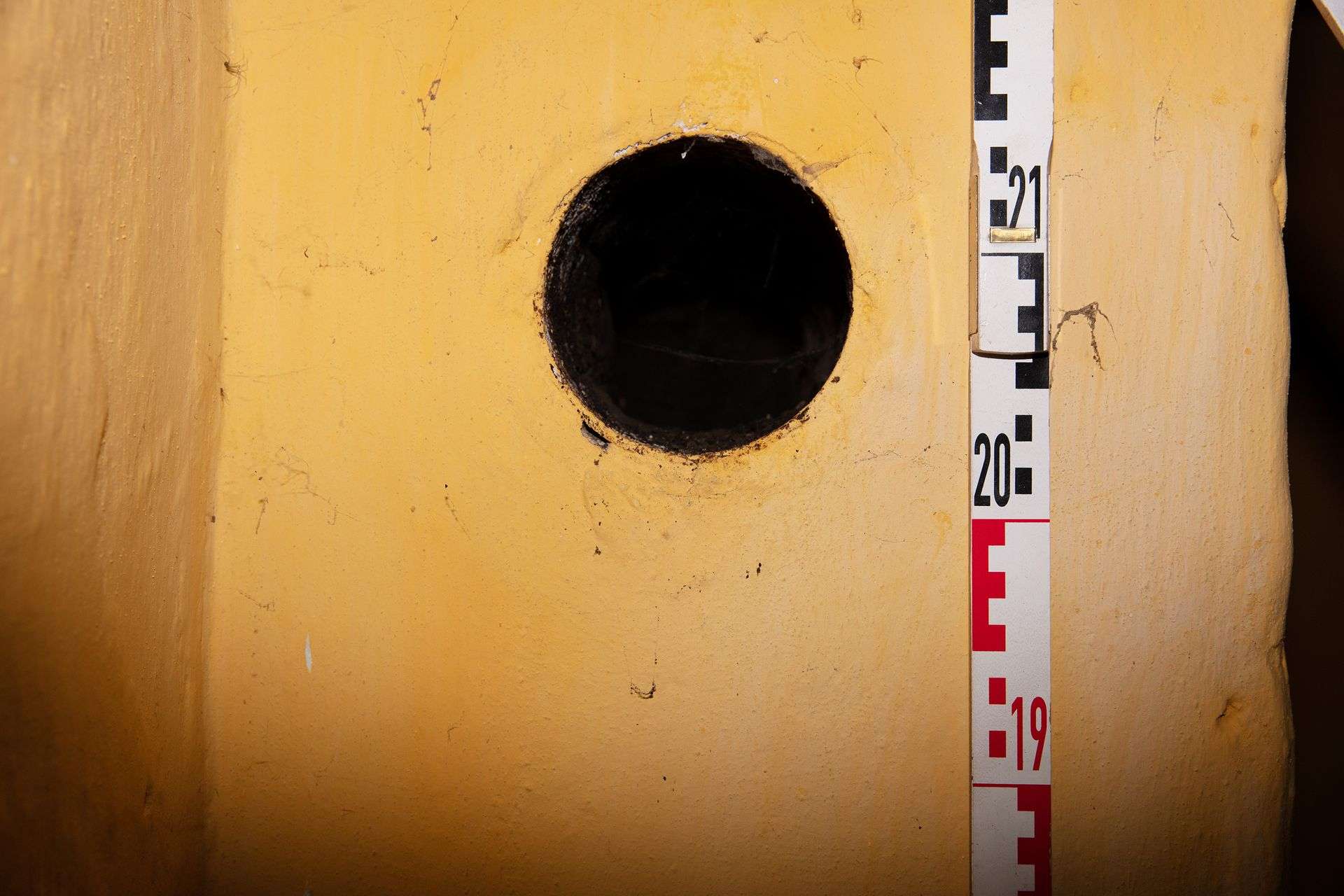
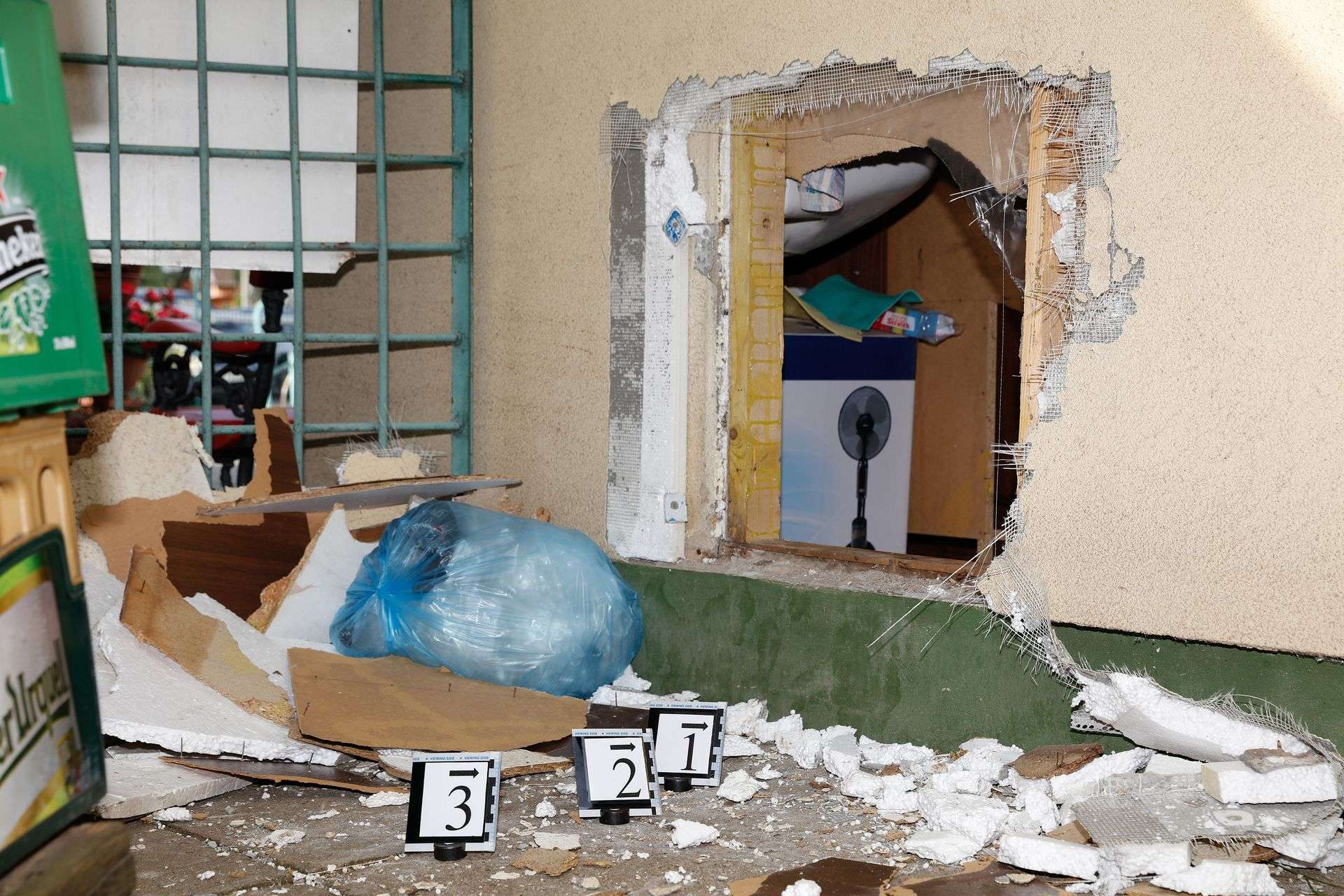
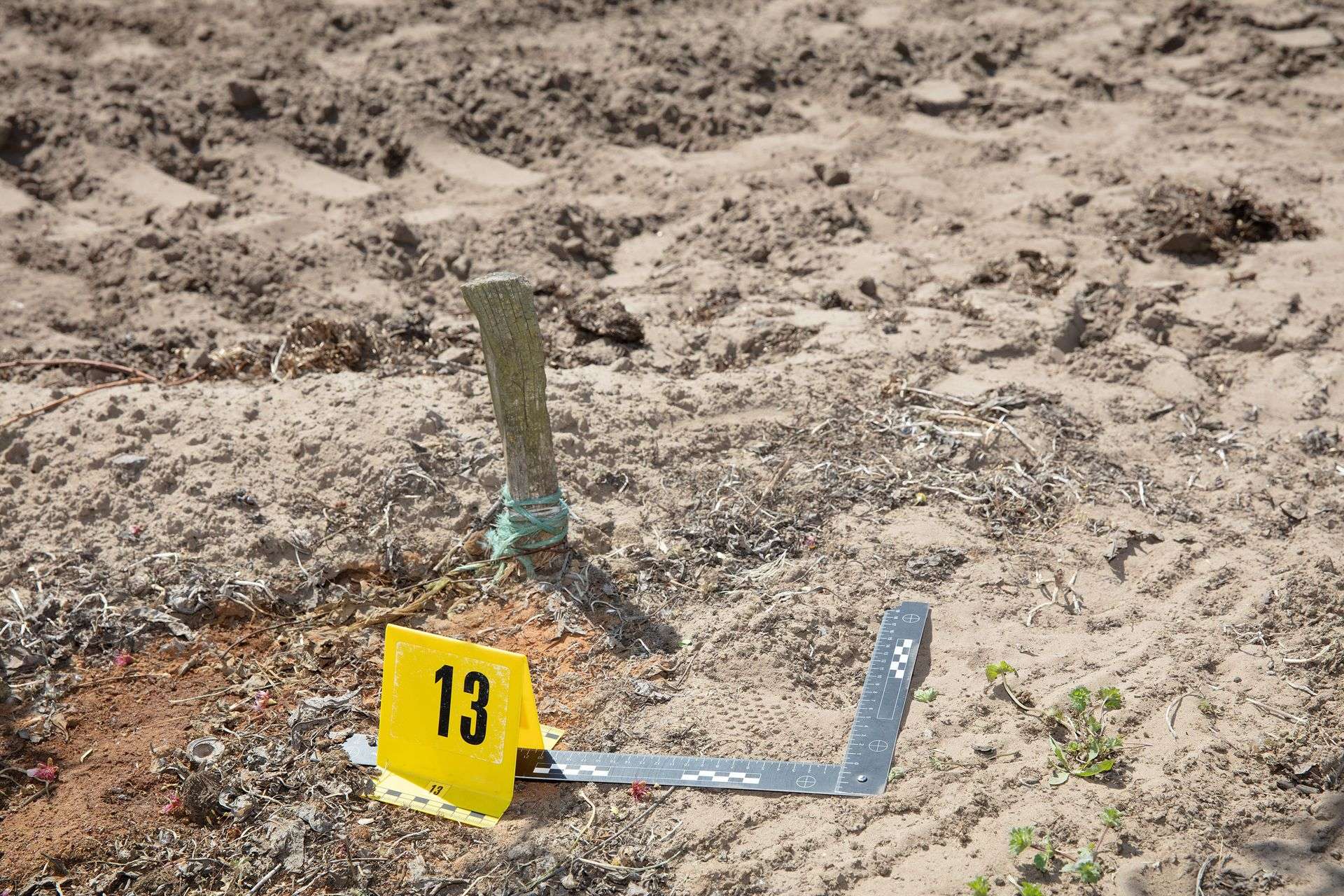
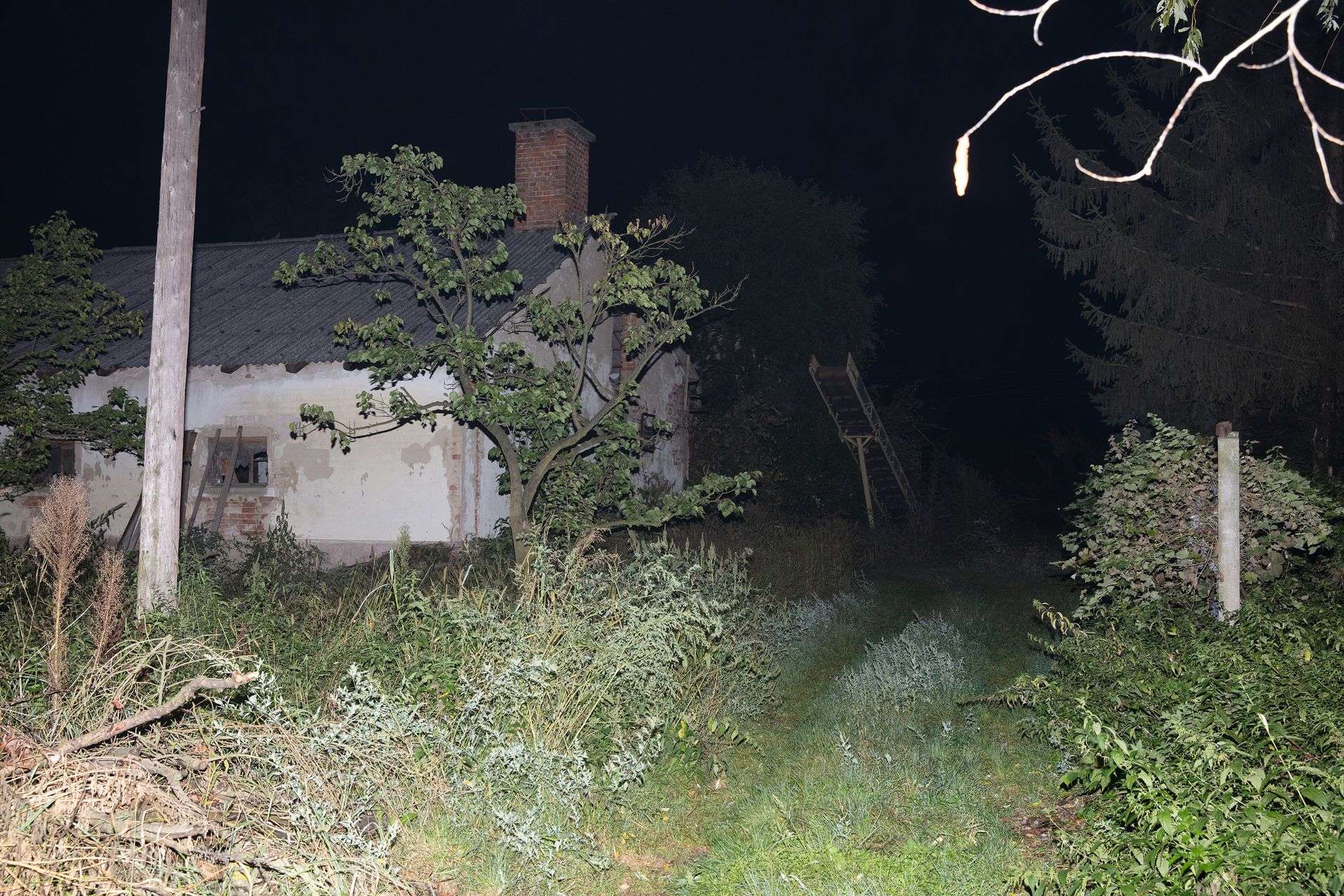
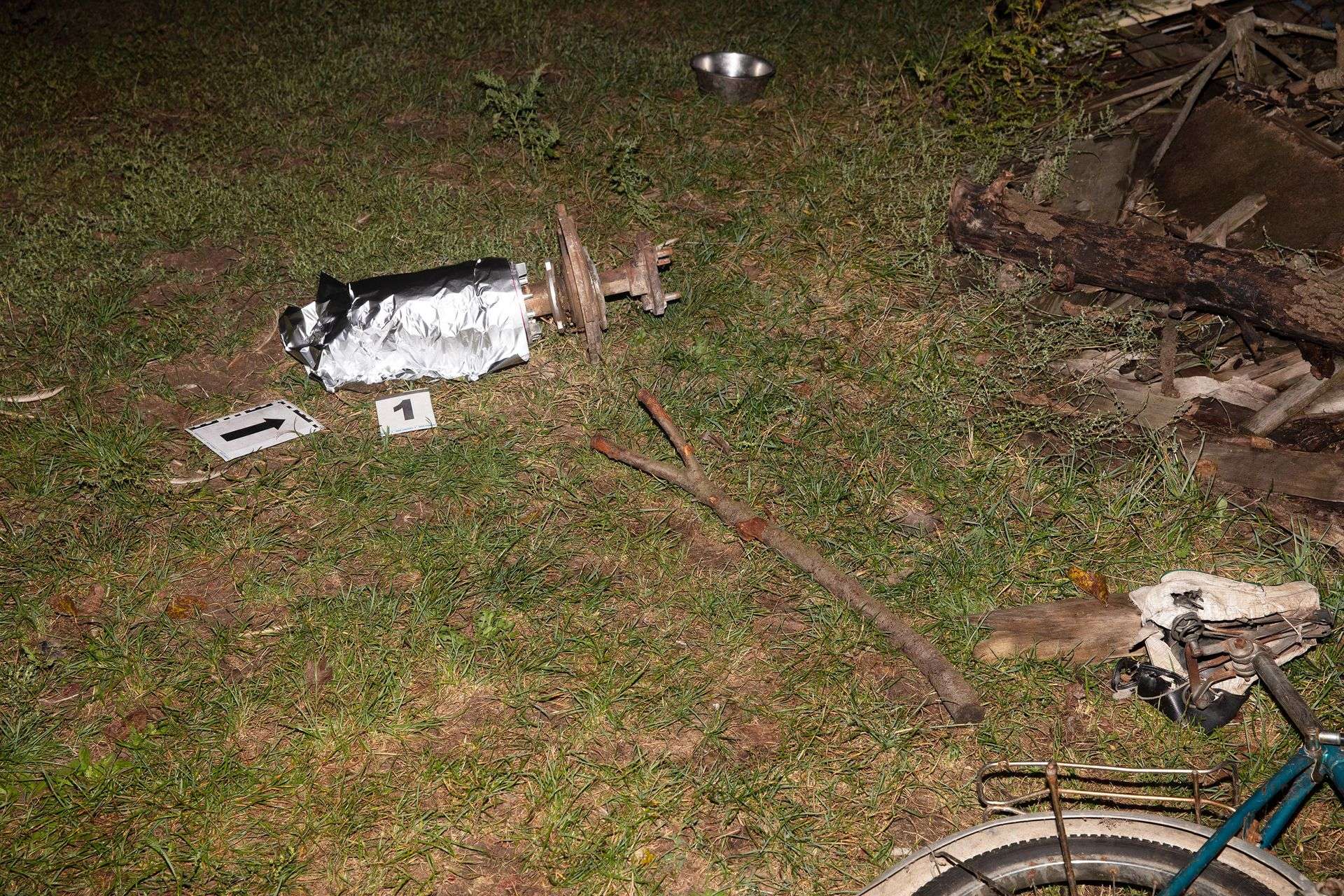
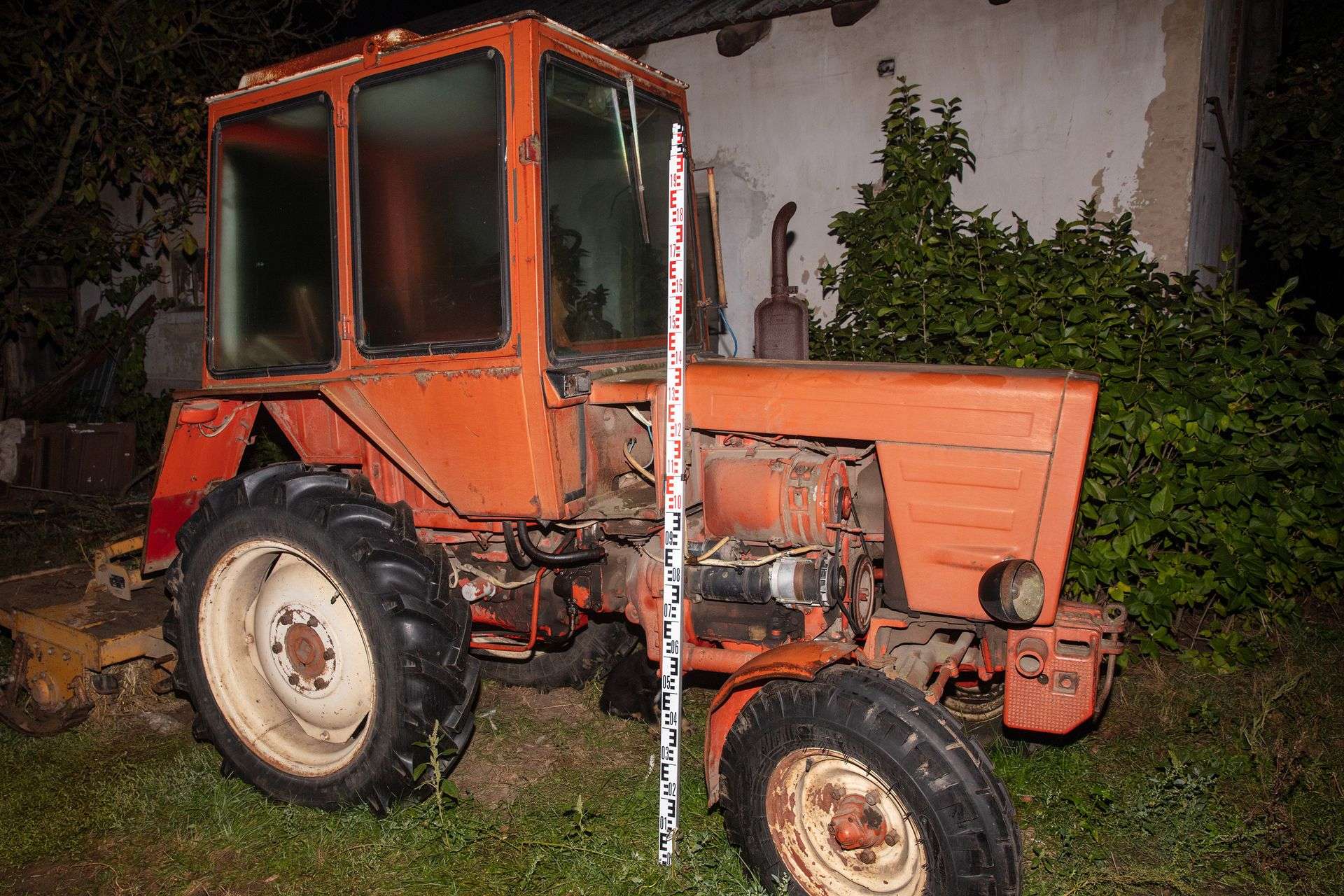
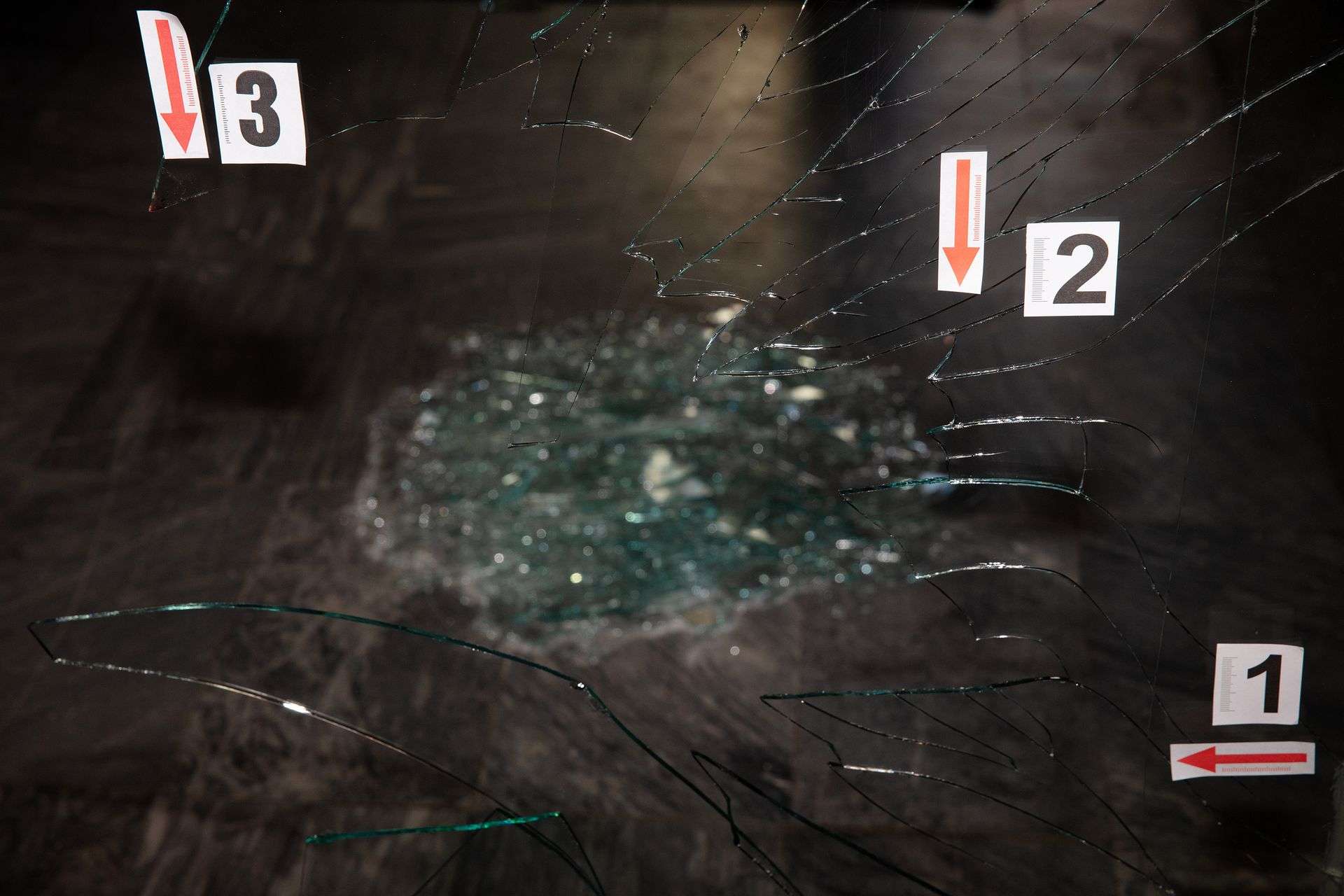
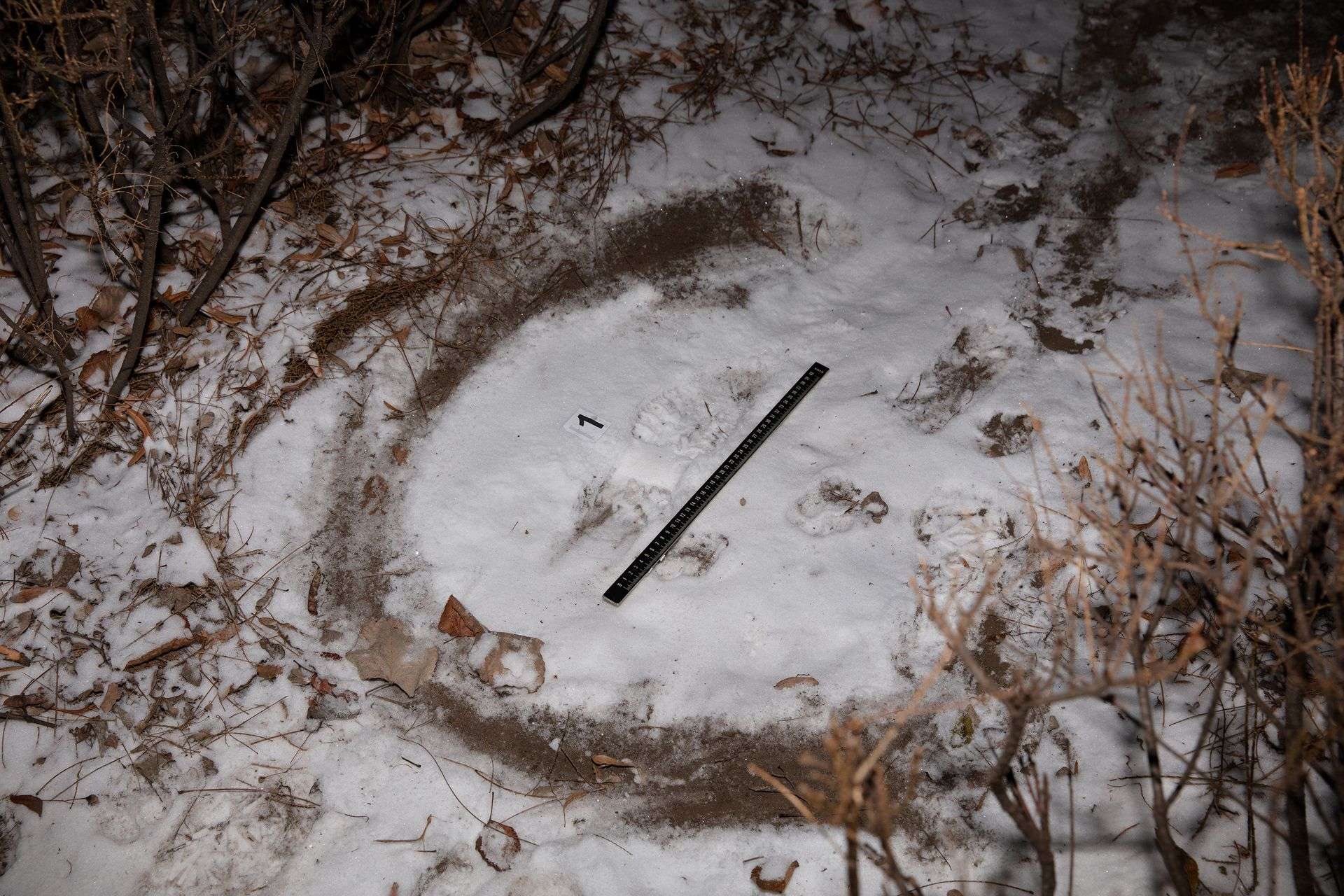
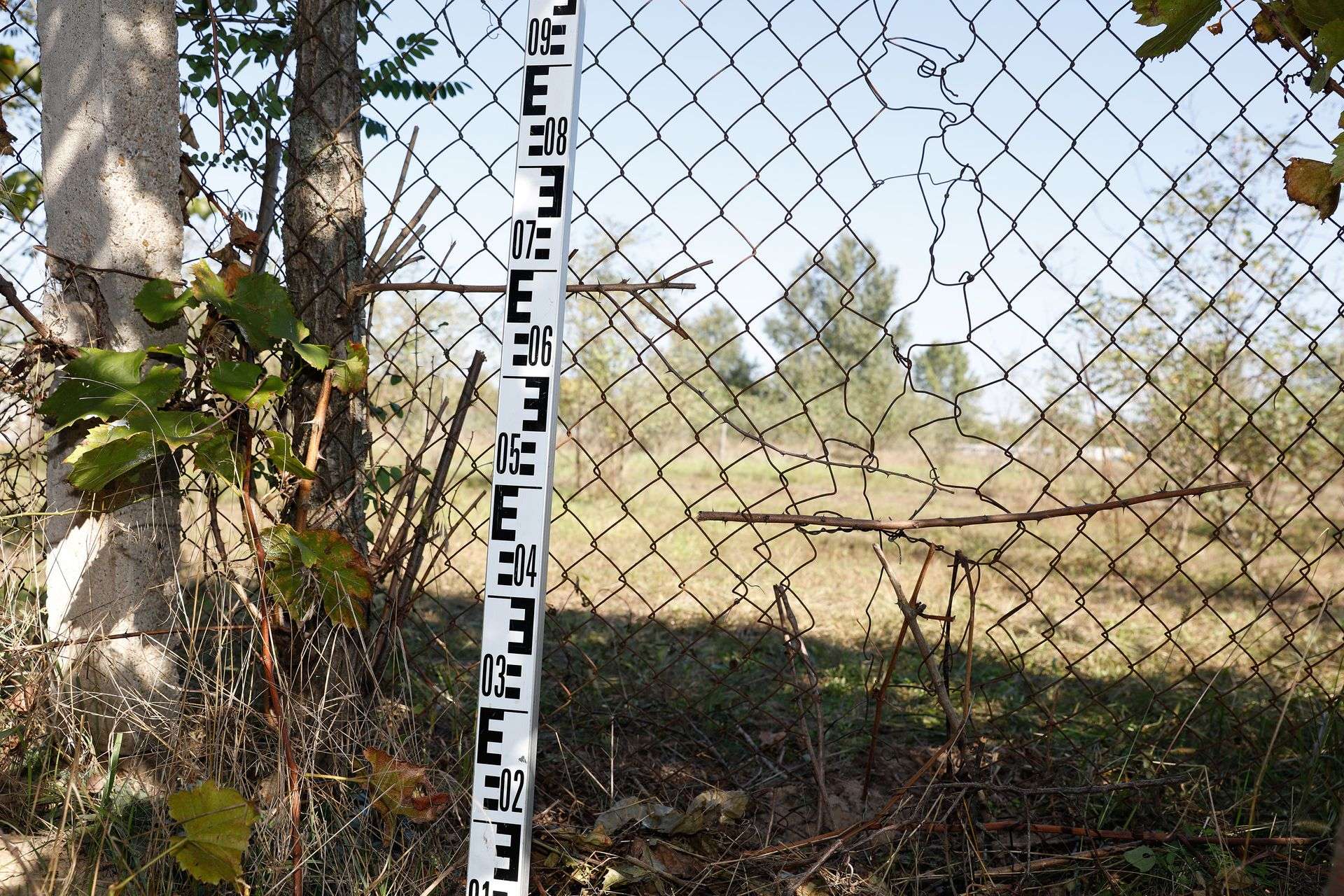
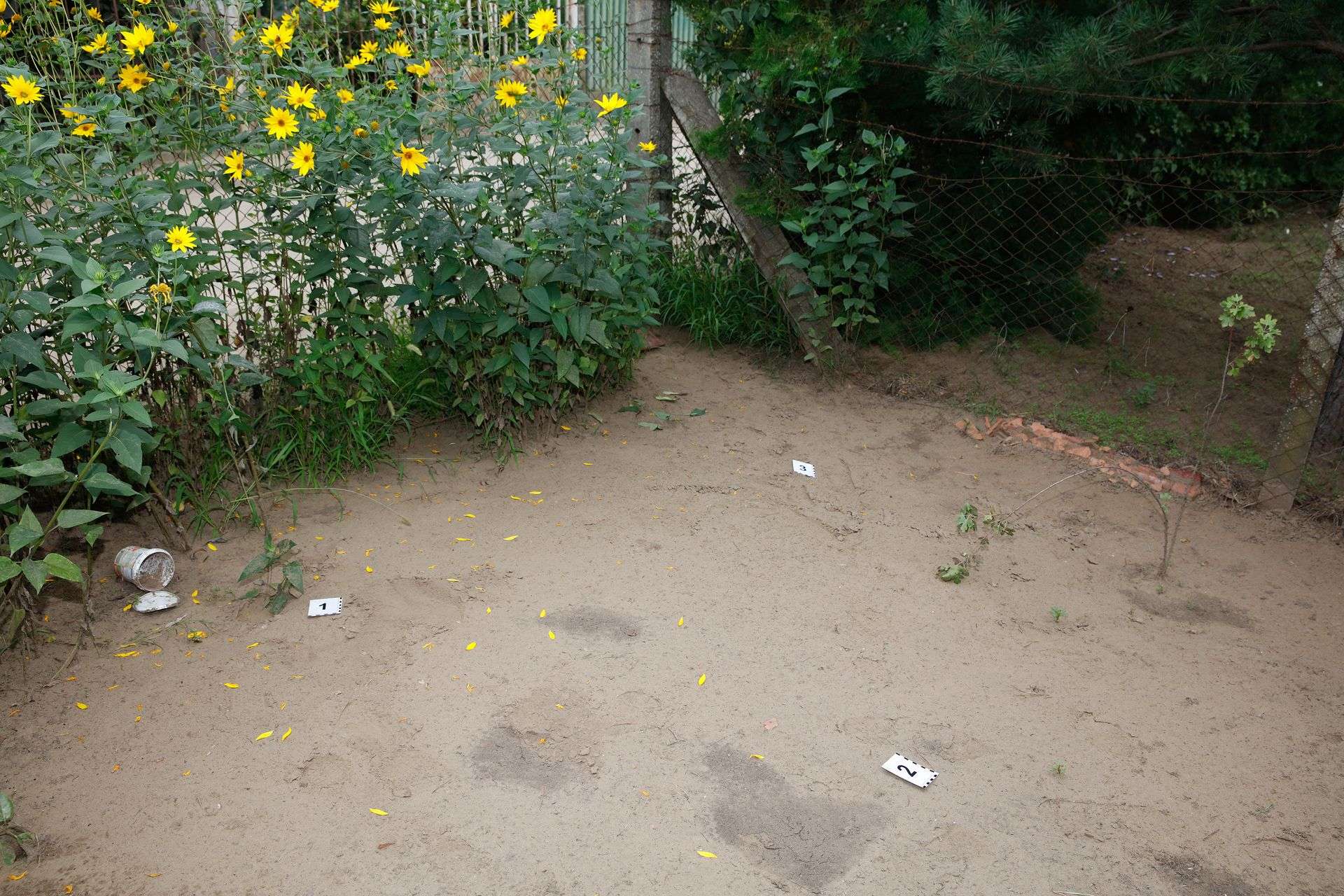
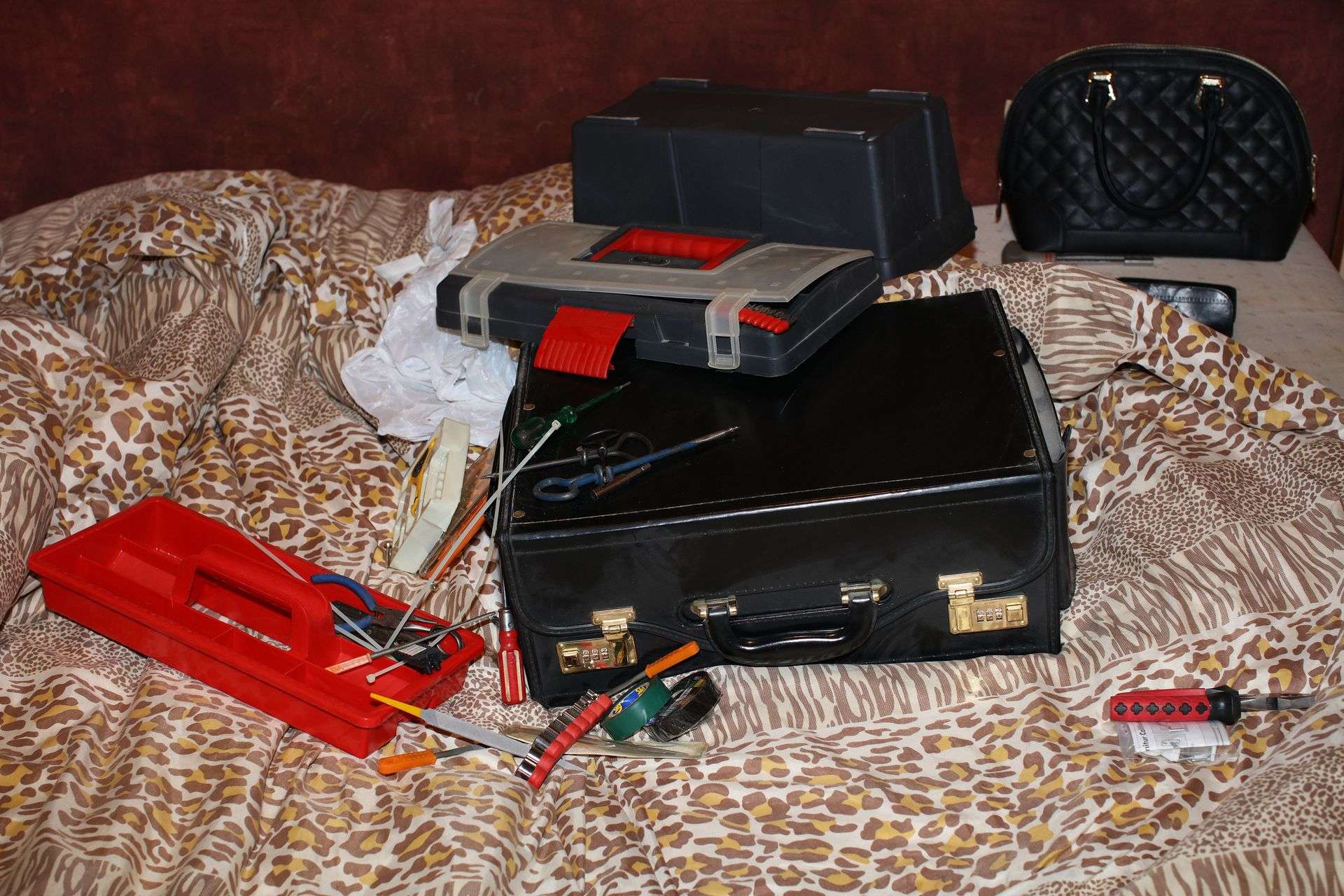
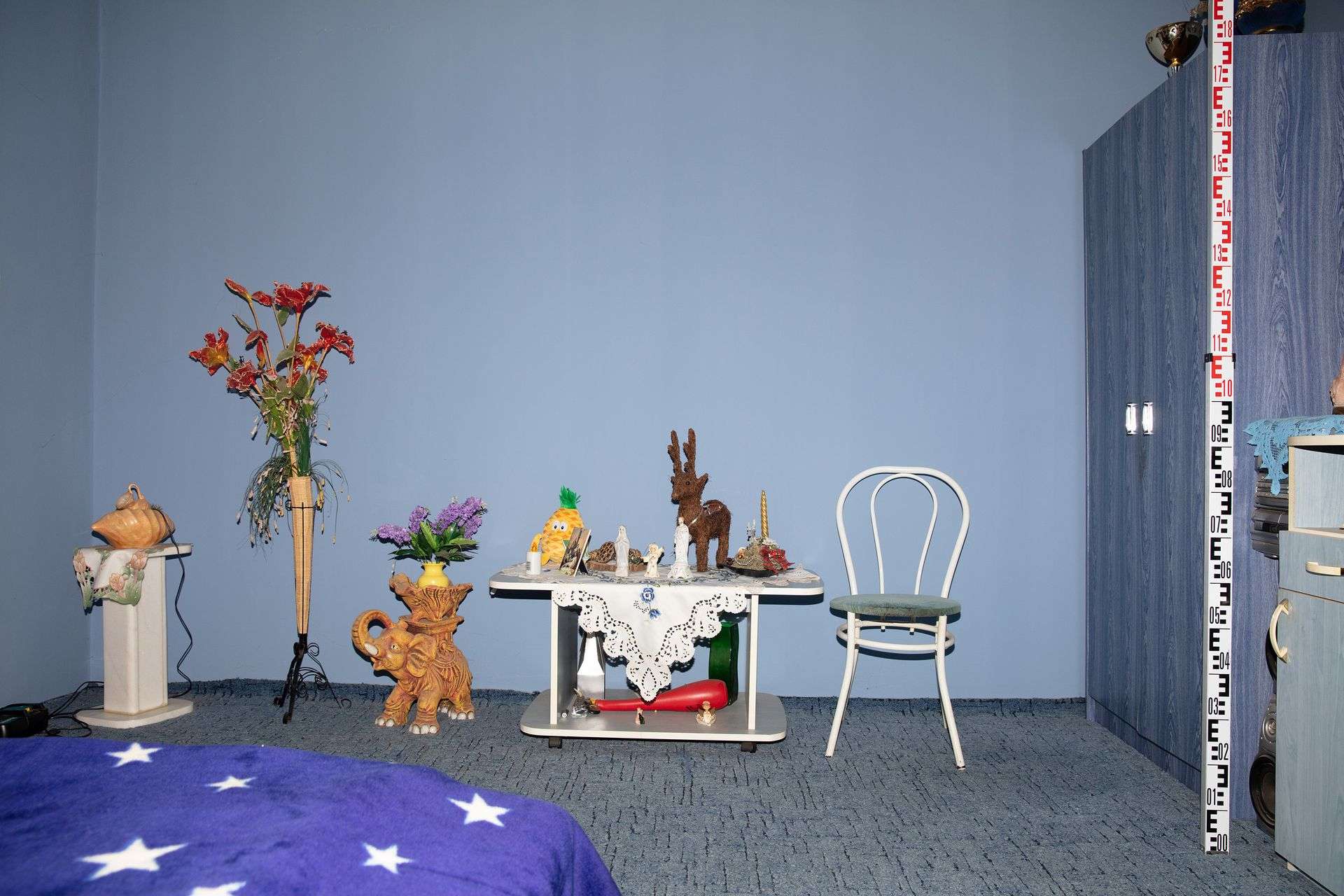
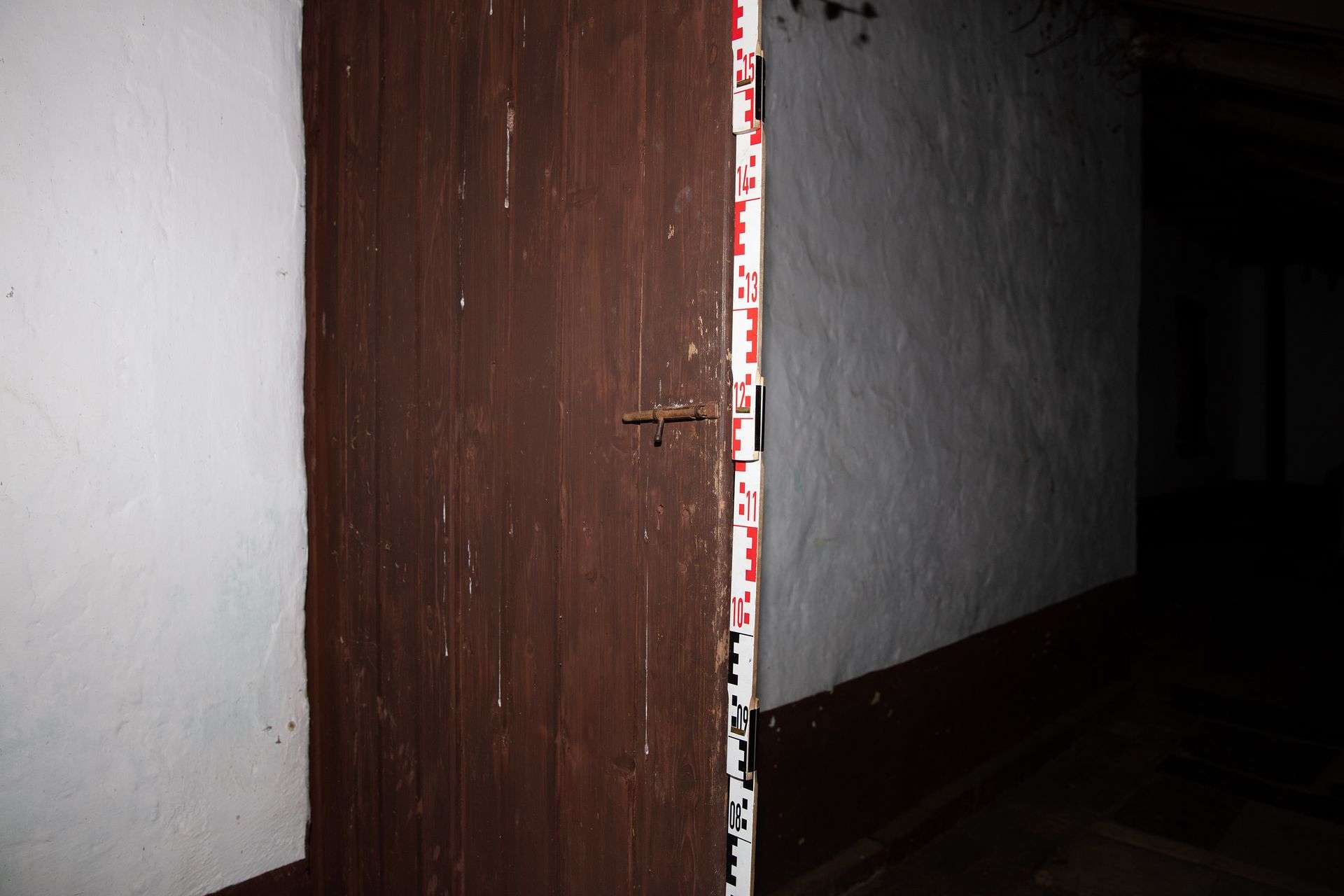
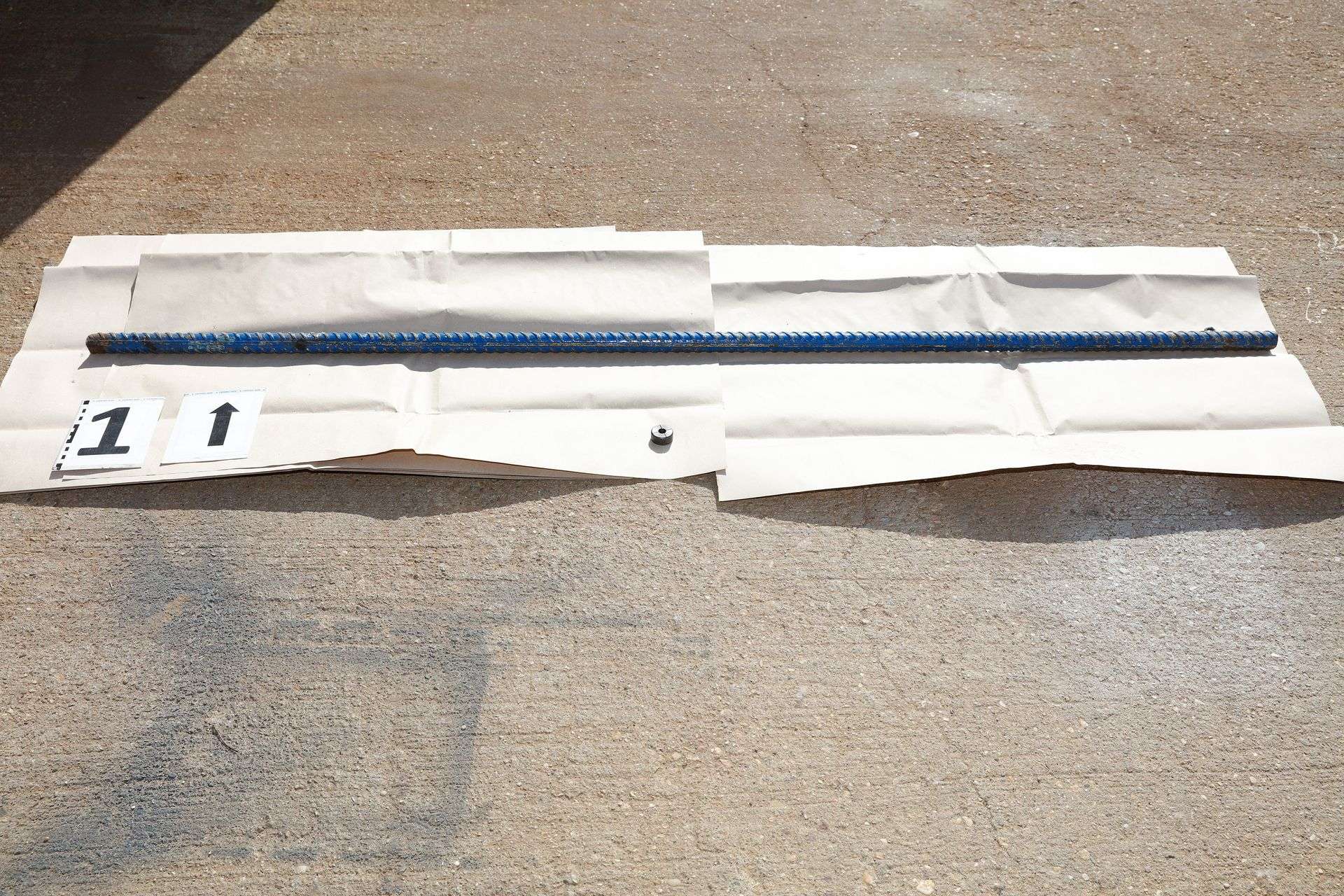
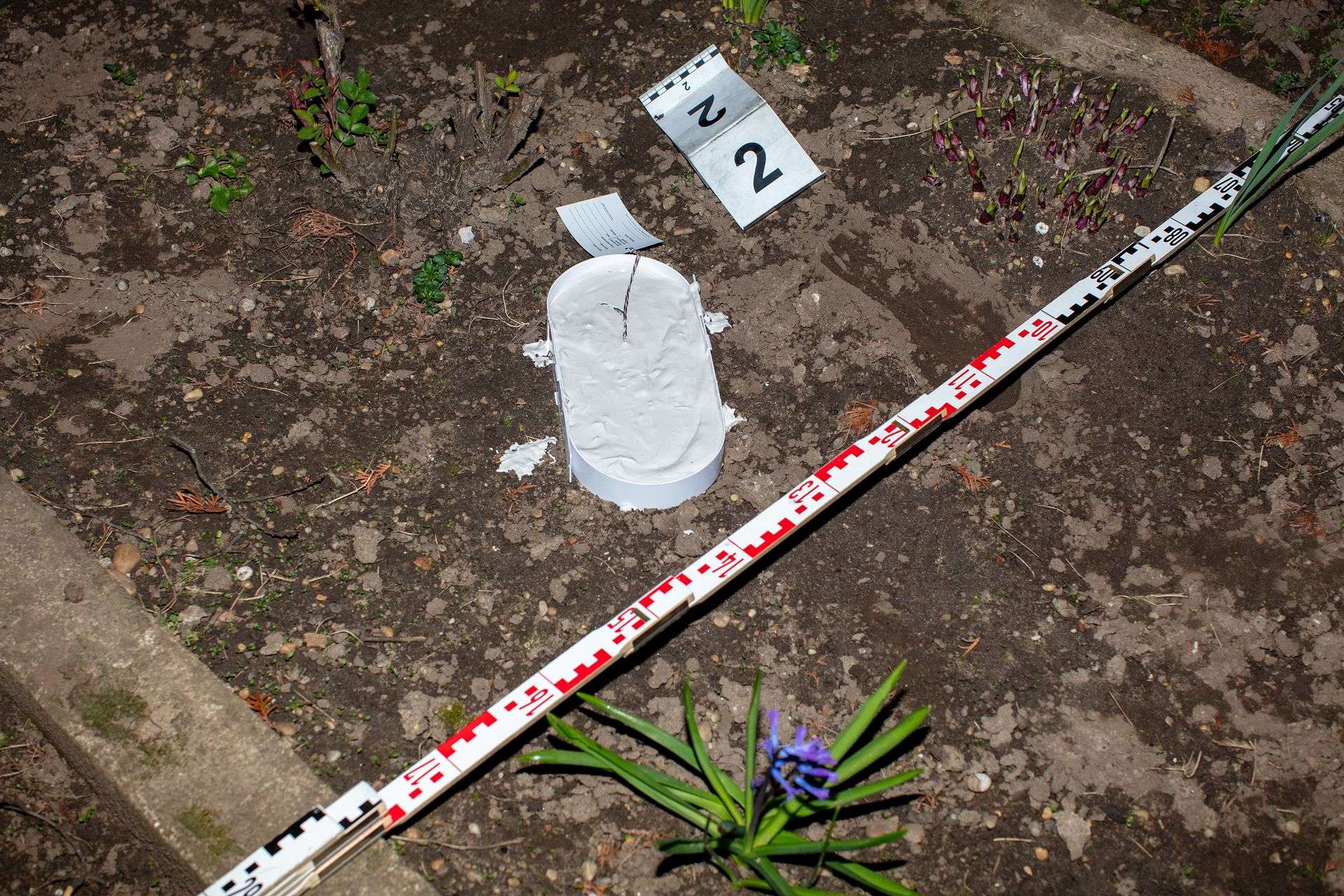
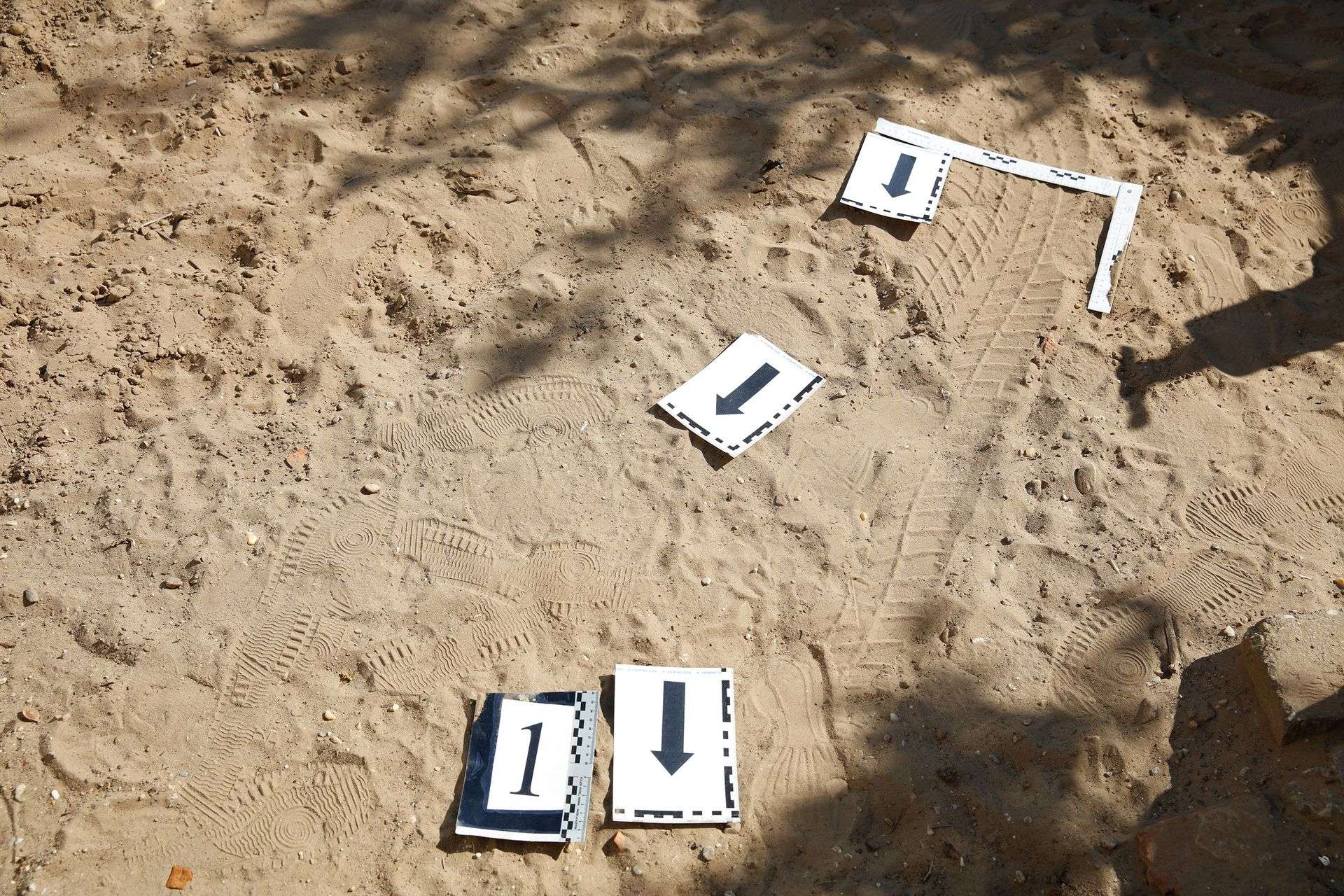
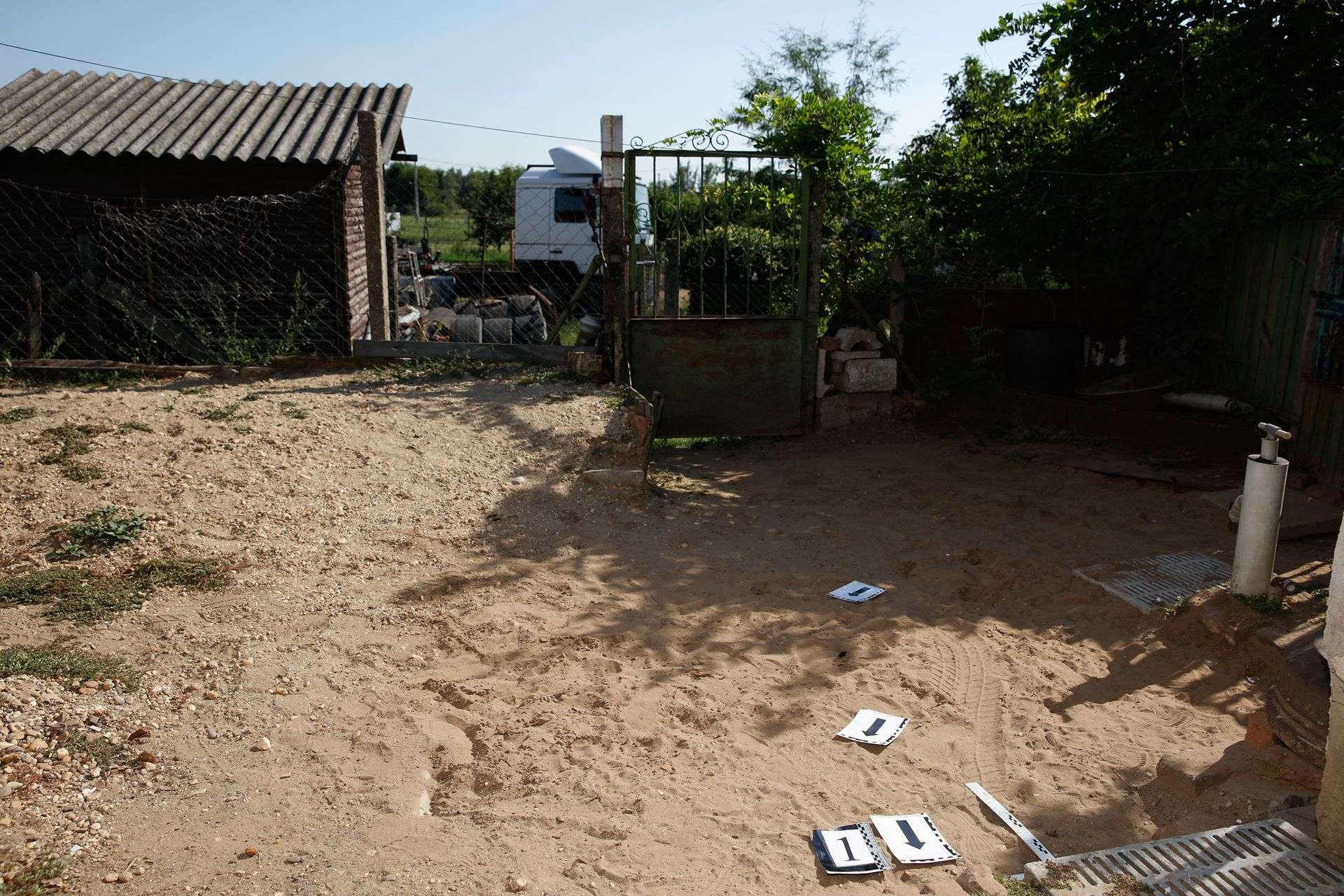
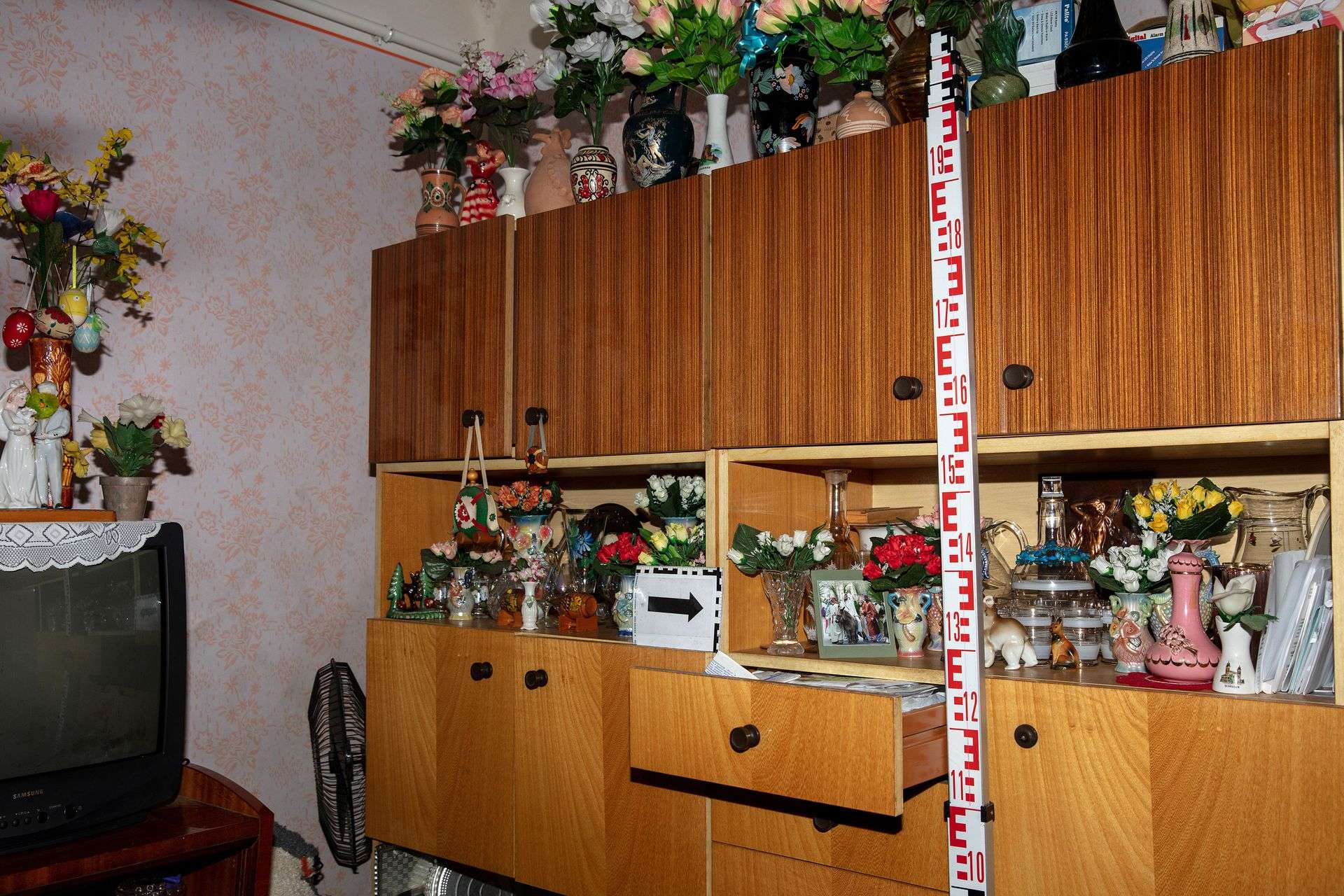
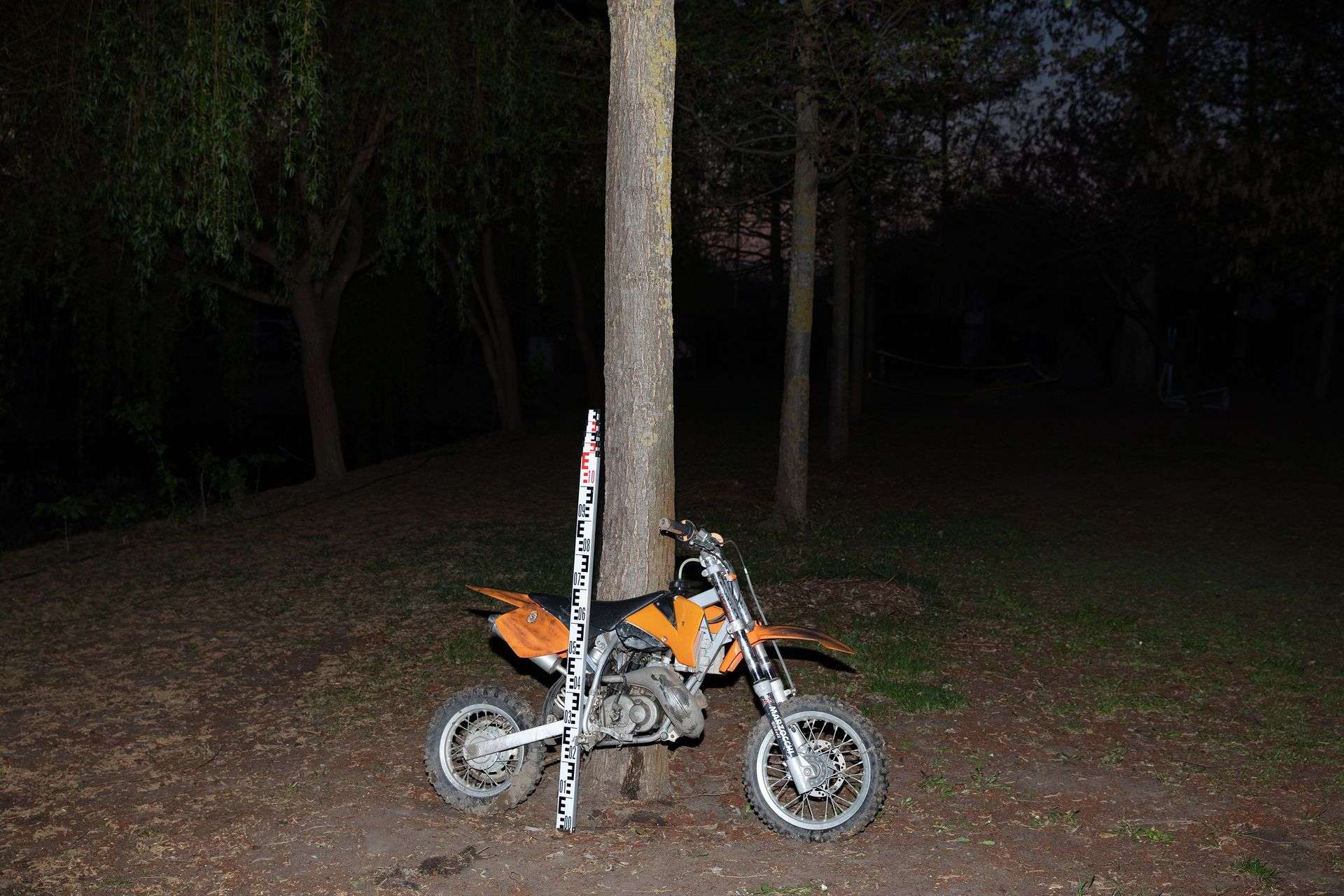
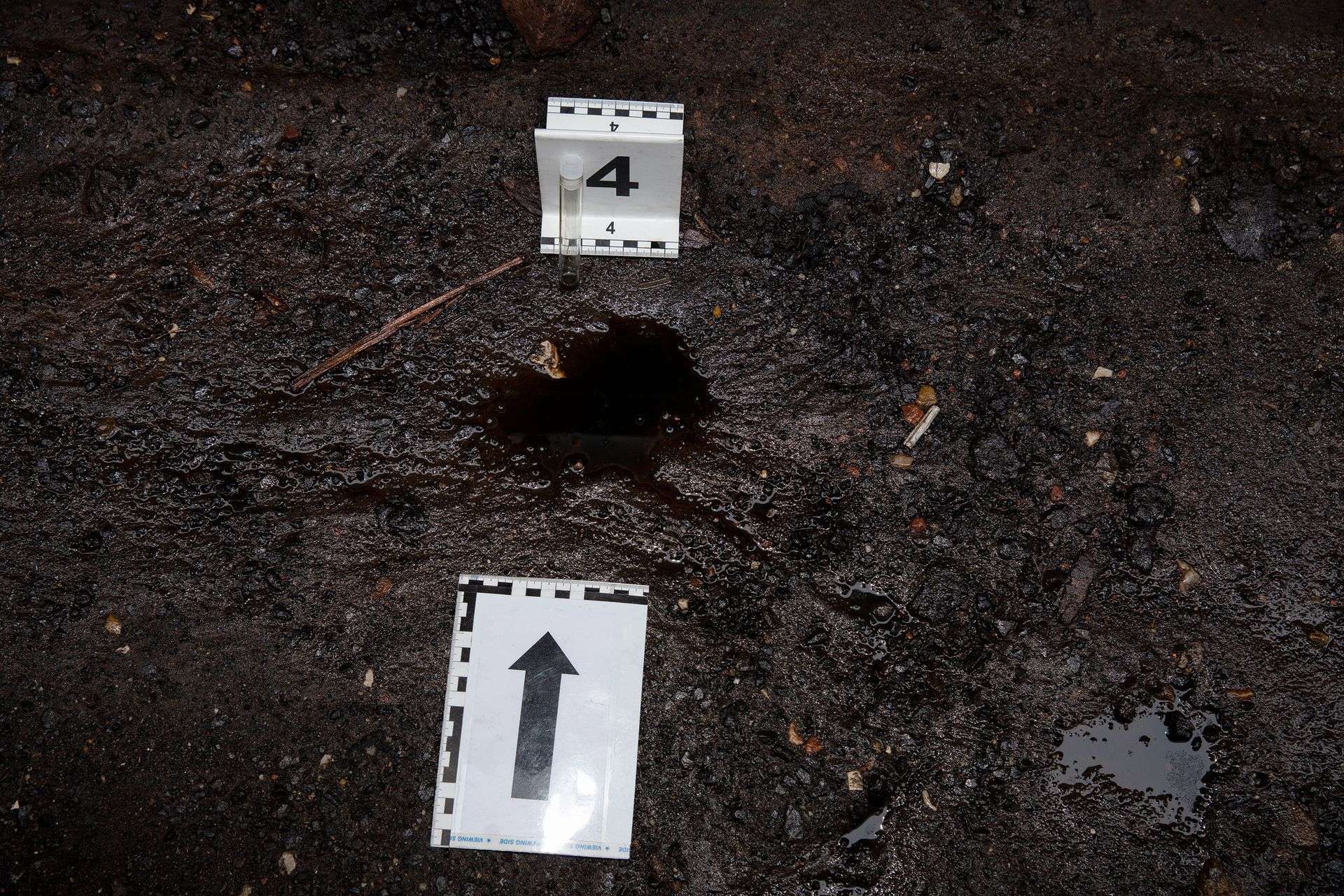
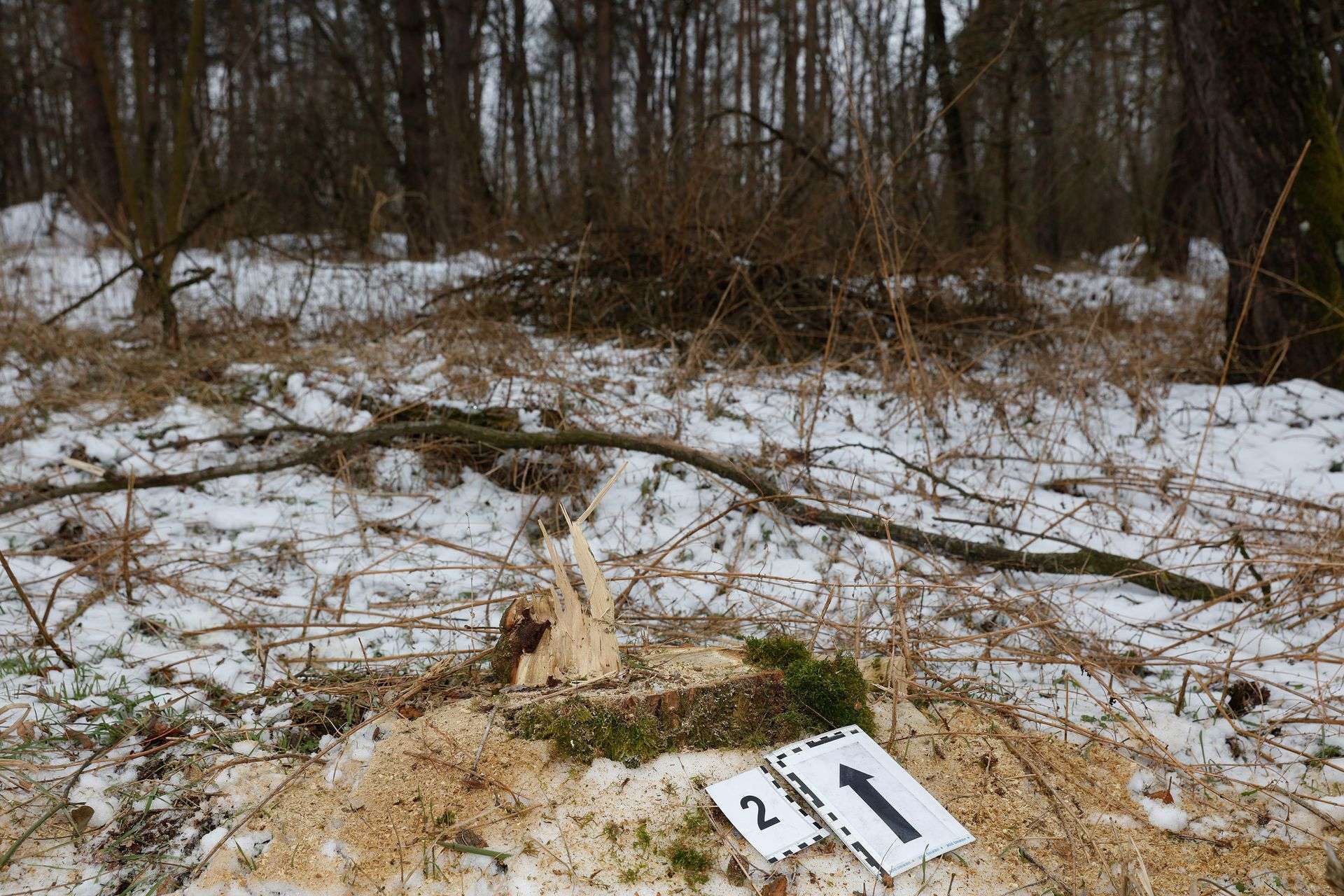
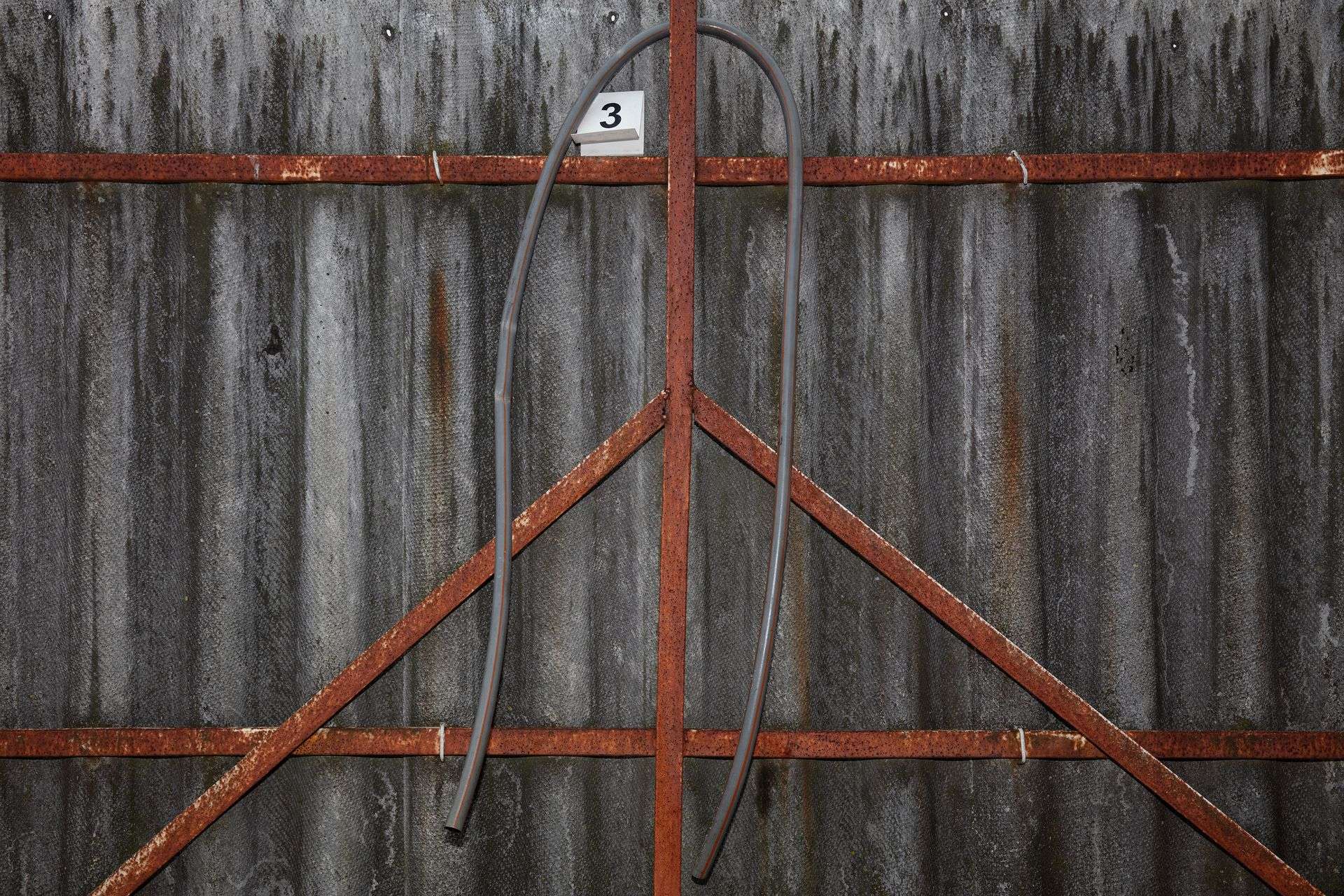
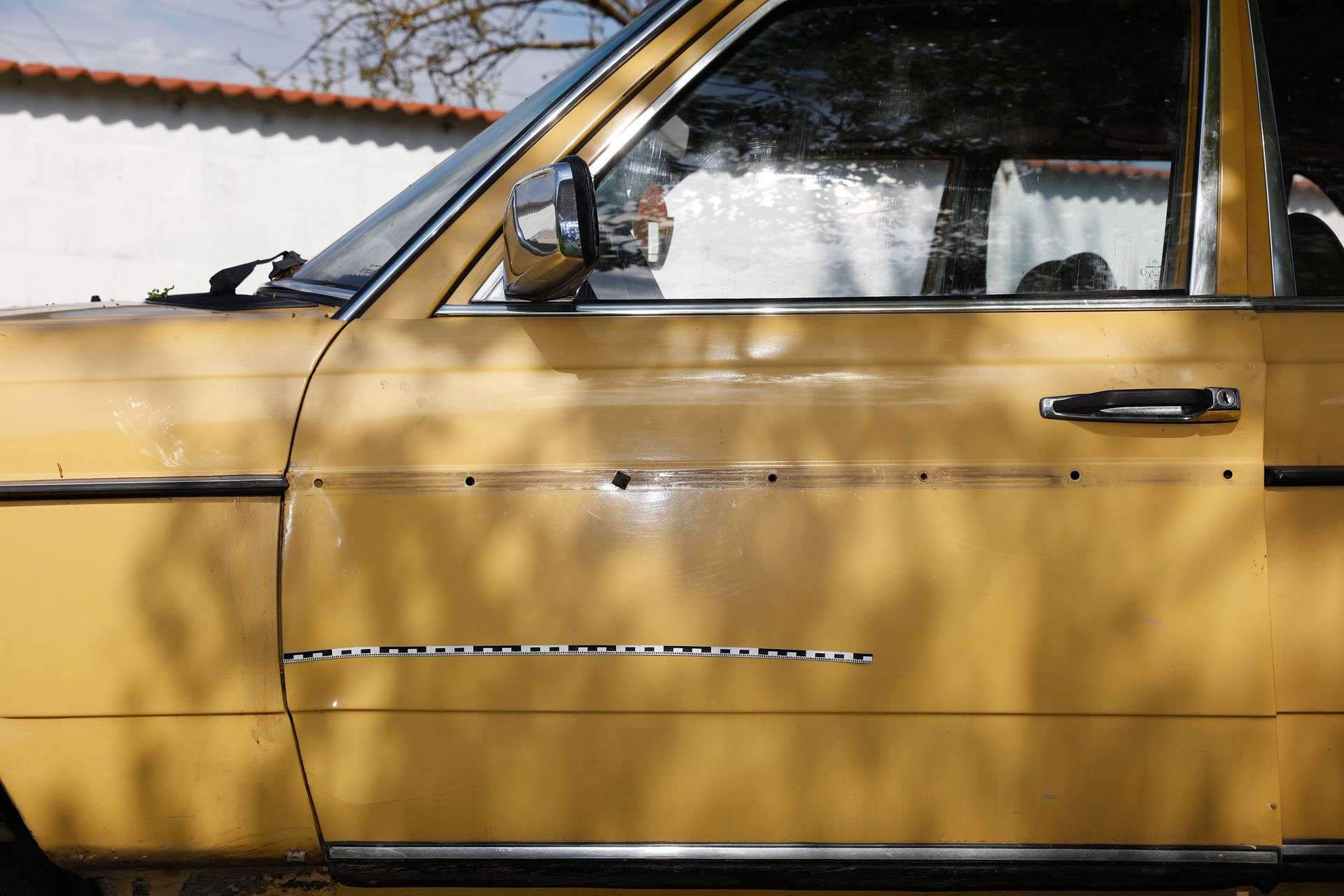
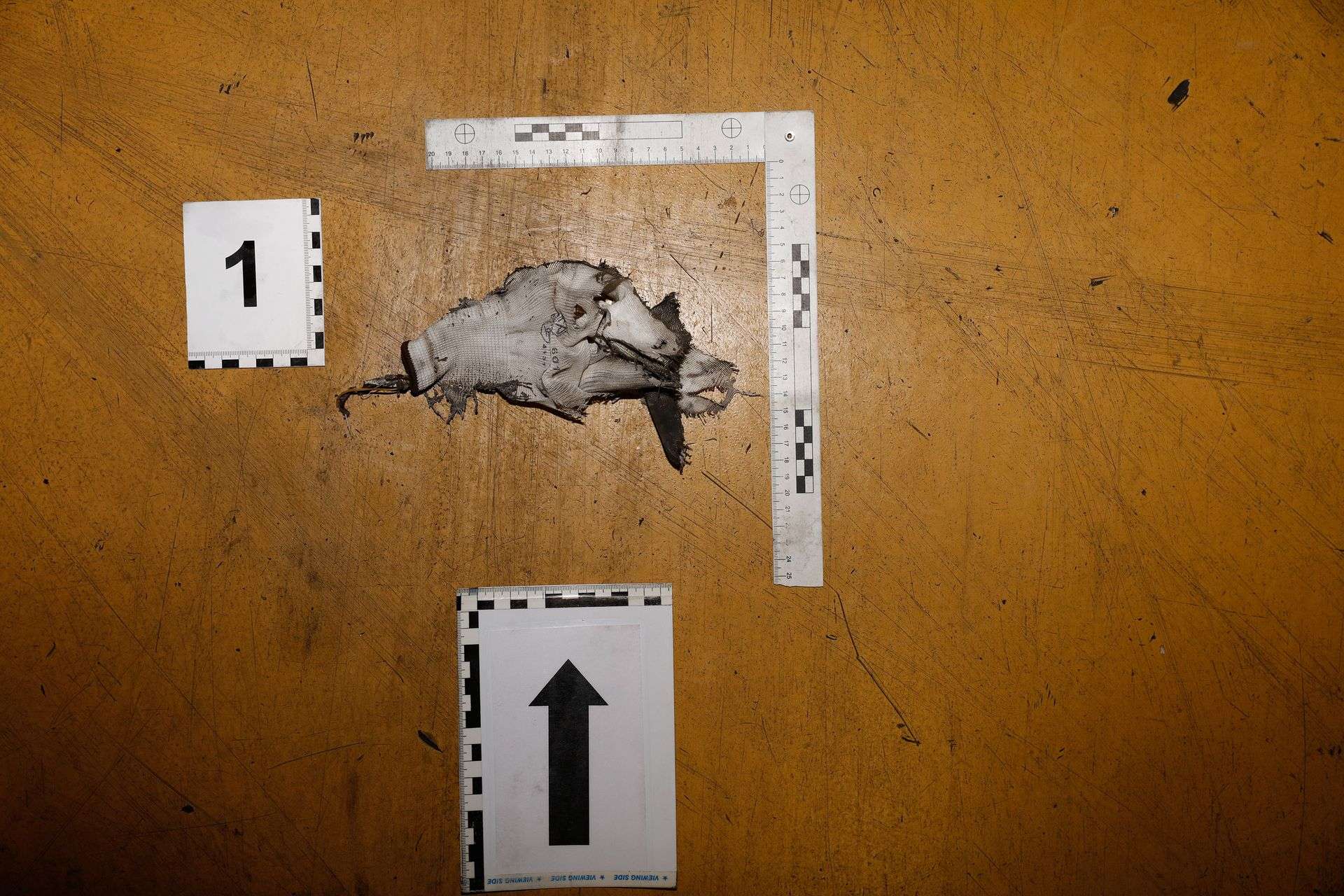
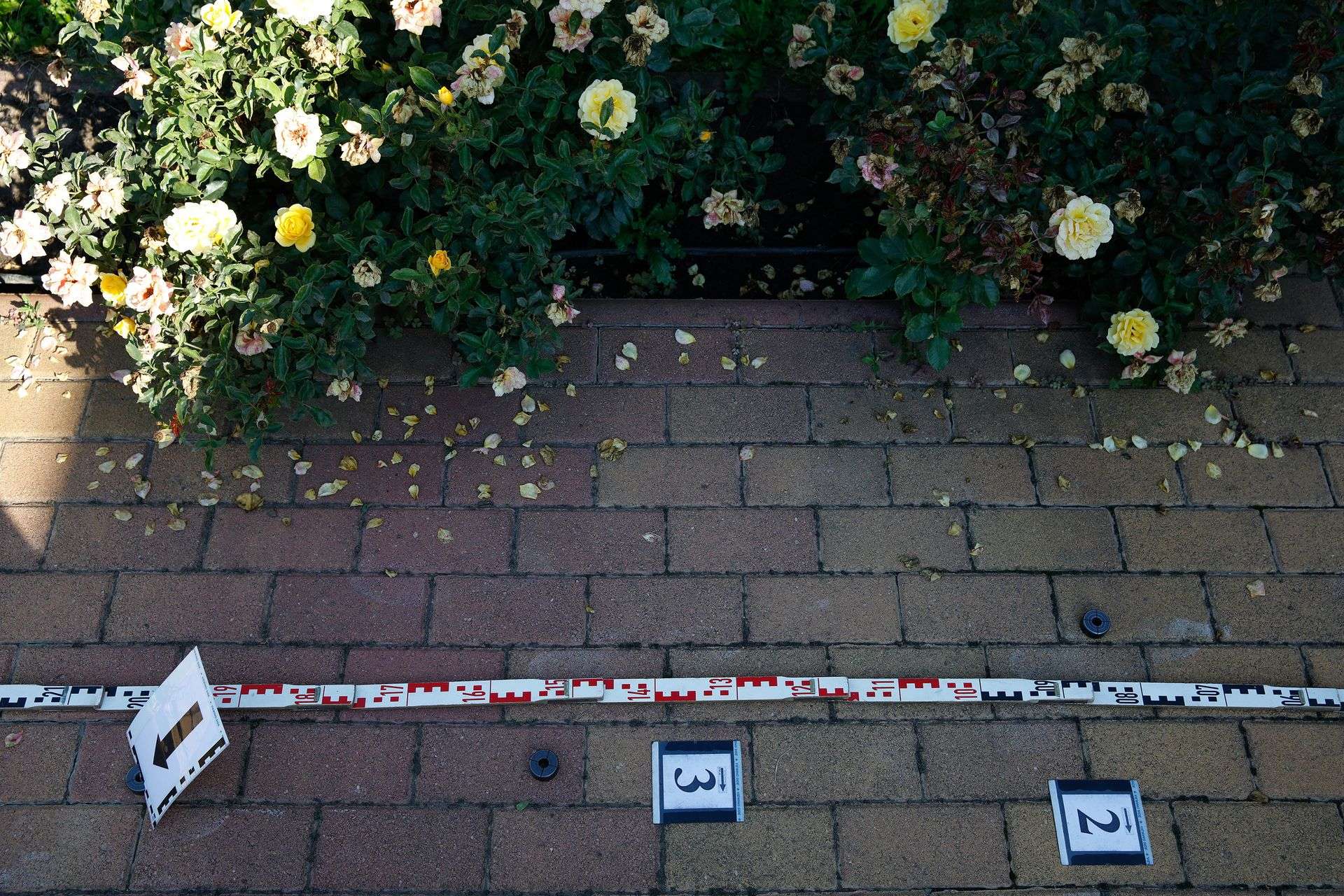
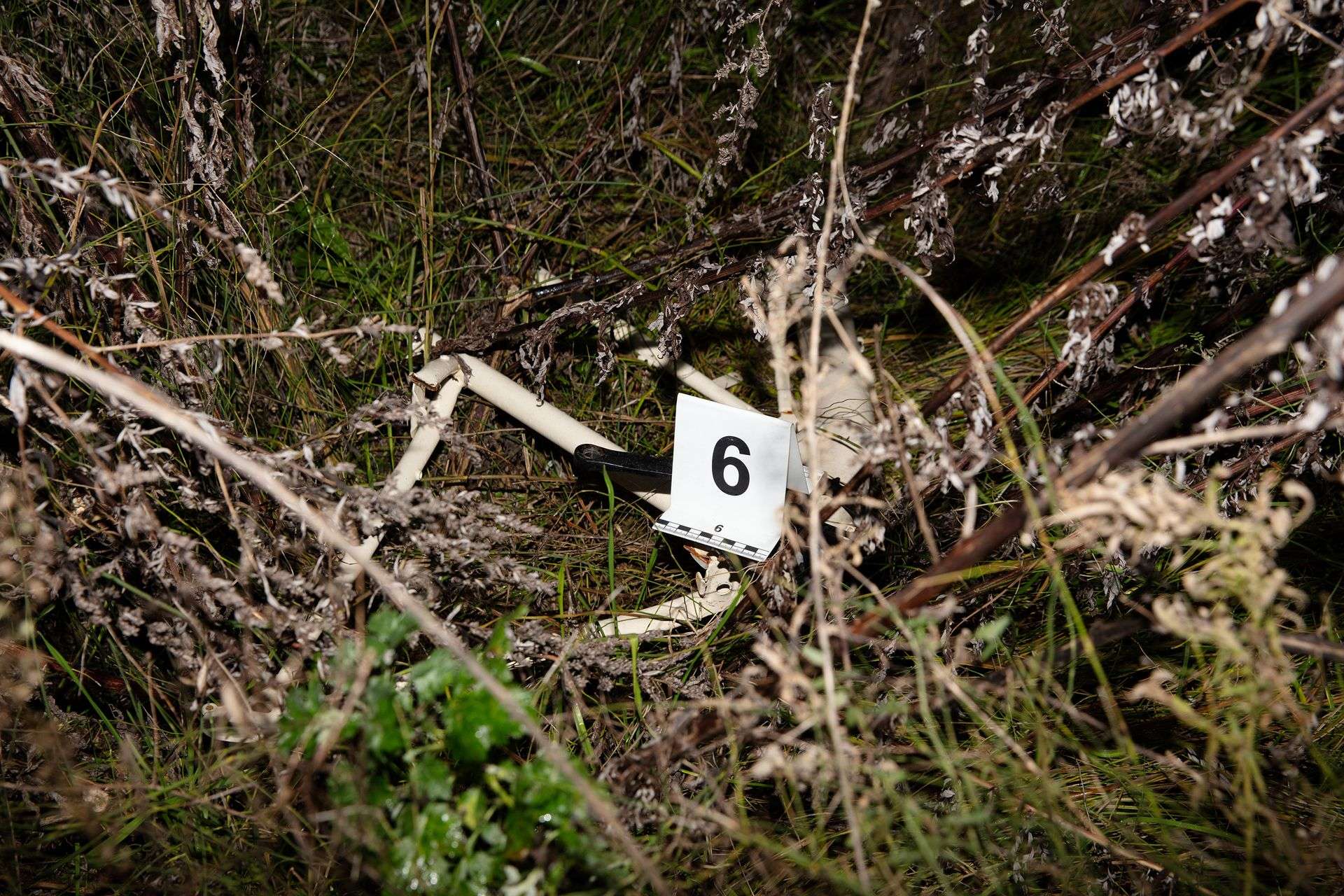
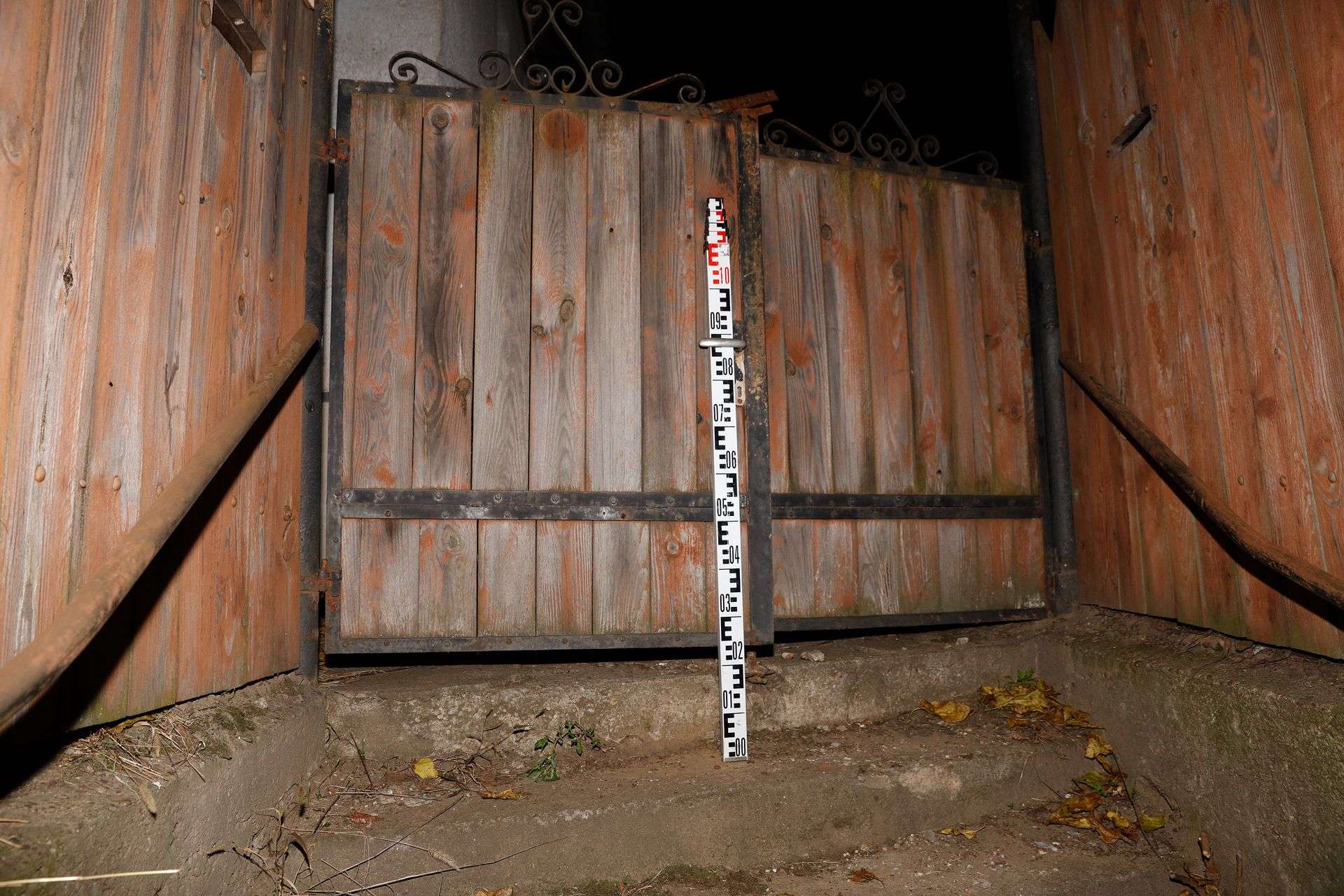
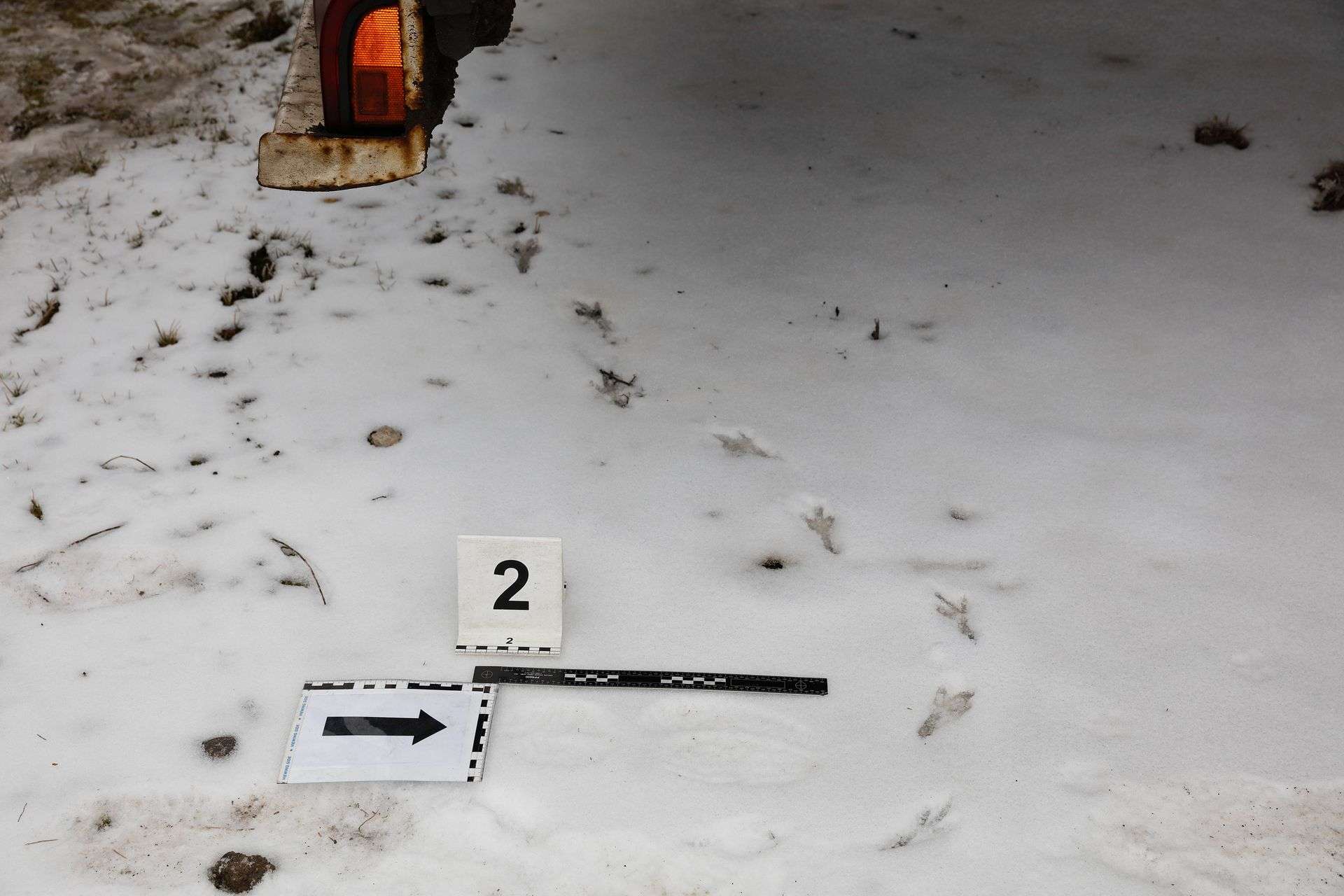
The most exciting question for me is the relationship between the sense of reality and the photograph. For the past nearly seven years, I have been involved in real forensics; trying to learn and do the job of a forensic technician with a camera. The setting and technical parameters of my images are, as far as possible, in line with the methodology that allows a photograph to become material evidence. The research and the logic of their creation follows exactly the thinking and the eyes of police professionals working at the crime scene. The aim is to create a credible document that can be used at the investigative stage and in criminal proceedings, needless to say, it is therefore inherently devoid of any artistic intent by nature.
I have not become a qualified police photographer; however, during the fellowship, I was able to participate as an observer for the second time at the Police Education Training Centre’s Crime Technician photography practice. I needed this in order to be aware of the crime scene technicians’ studies from the photography image-making aspects and working methods, so that I could adhere to these as well. My Non-Disclosure Agreement(NDA) allowed me to review years of police photo archives. I needed the latter to familiarize myself with the aesthetics of the realized documents. My series is basically built on these two foundations.
It is very common in photography for authors to tell a story with images; in such a case, each photograph has its place, role and meaning in the narrative. These can add up to a final meaning. My photographs taken before and after the fellowship do not tell the story of the individual crimes, nor do they give us an accurate picture of their solutions. All together, they are able to present a world unknown to us visible only to the eyes of the victims, the perpetrators and the police.
From a technical photographic point of view, the task of the forensic examination is easy to understand; the consistent application of the forensic technician’s methodology gives the set of rules under which the pictures are taken. Field inspection is one and cannot be repeated, its aim is to collect and record as much information as possible, and later to accurately read, interpret and unravel it. The physical evidence found at the scene carries more weight than witness testimony. By learning and mastering an objective and precise image capturing method, the photograph can be reconstructed as a document. It is important that the images appropriated from the police environment must not be compromised in the system of material evidence, must not depart from the nature and rules of forensic photographs, so that the aesthetics of each photograph can be further constructed, while their role as documents are enhanced.
However, the world of forensics (in a different form and role) is increasingly present in more and more places: in TV series, detective stories, public discourses, and everyday life. It has found its place in a number of disciplines, in culture – and of course, the visual arts are no exception. Artistic approaches usually deal with issues that explore the use of documents as evidence via legal and ethical questions.
If we look at the issue from a visual point of view, only those images can be appropriated that remain fully consistent with the real document used in the investigative and evidential process. The visual quality of many field recordings also depends on coincidences, and these are the most interesting situations. These are mostly caused by the technical shortcomings of the equipment and the photographic techniques of the people who took them. Despite, or in addition to, the strict requirements of the system, recordings can still retain their authentic document status.
We tend to focus on homicides, while minor crimes paint a much broader picture of our society, their less identifiable toolboxes leave us with more readily interpretable systems. To the outside eye, the most exciting photographs are those that make us feel uncomfortable at first glance and are more about the mystery surrounding the crimes. There are few things that can excite our brains more than the pursuit of the truth. The consumption of crime stories enables us to work with our own fears and aggressive impulses without being aware of it, but curiosity, the unravelling of the mystery, is now a fully cognitive activity.
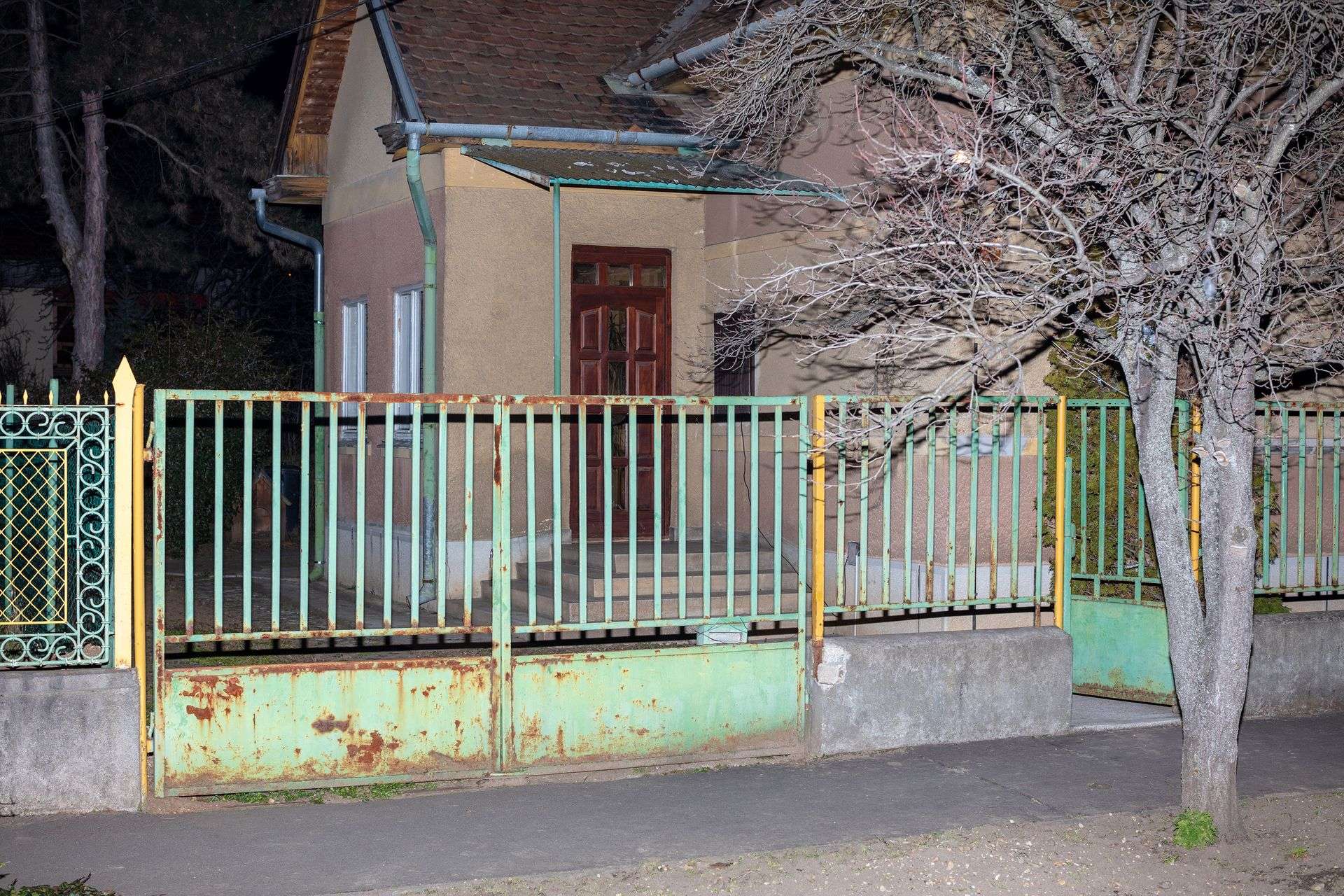
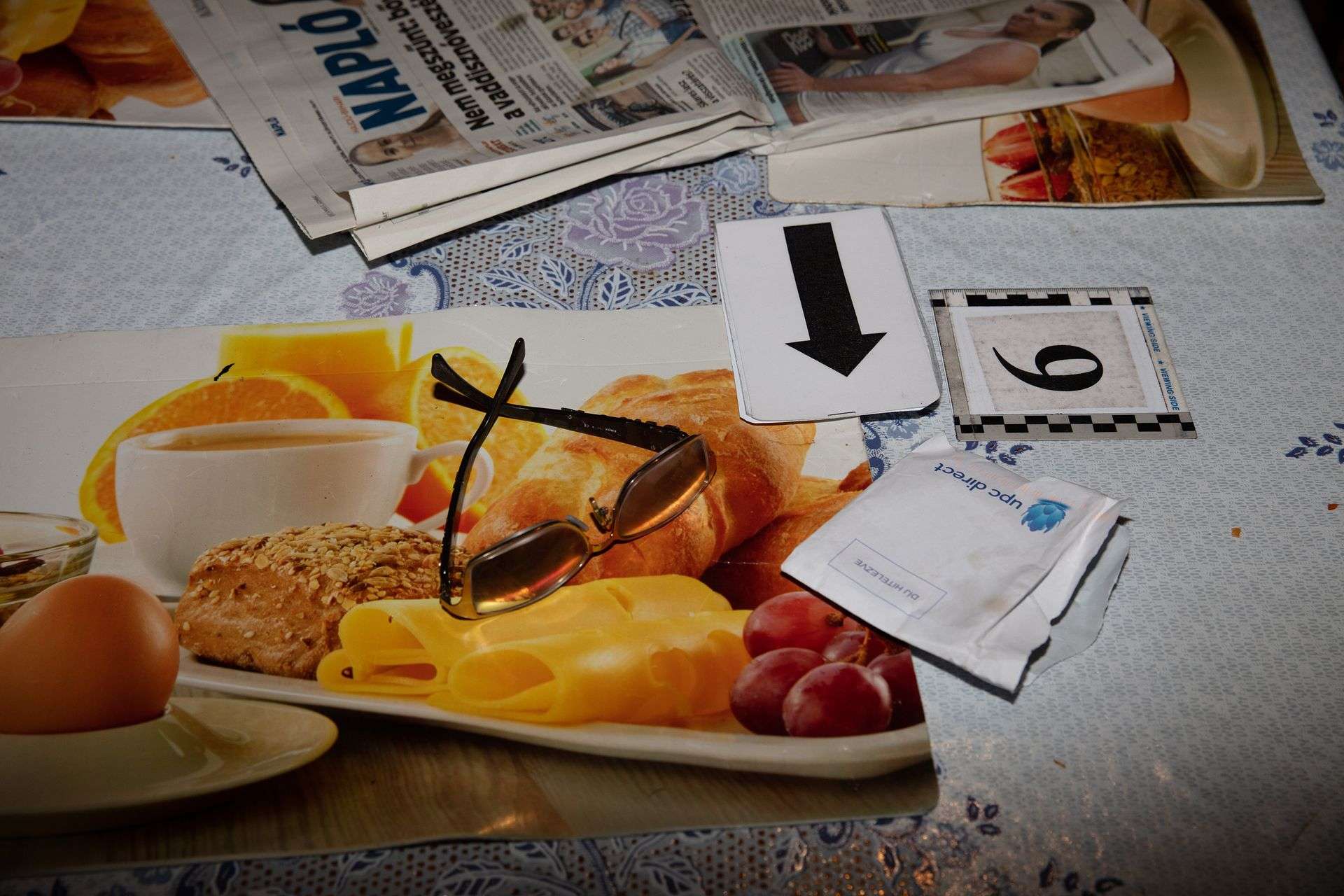
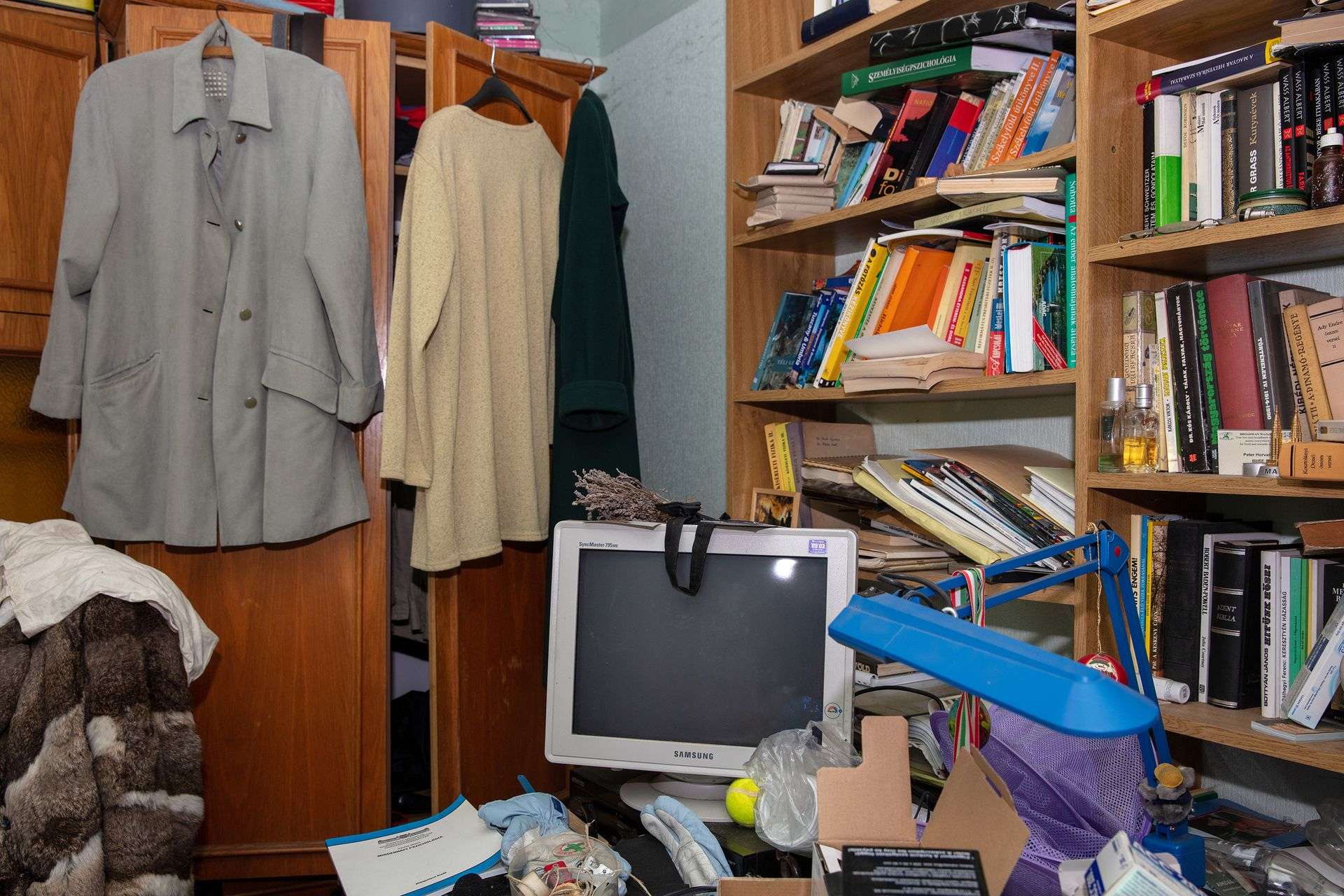
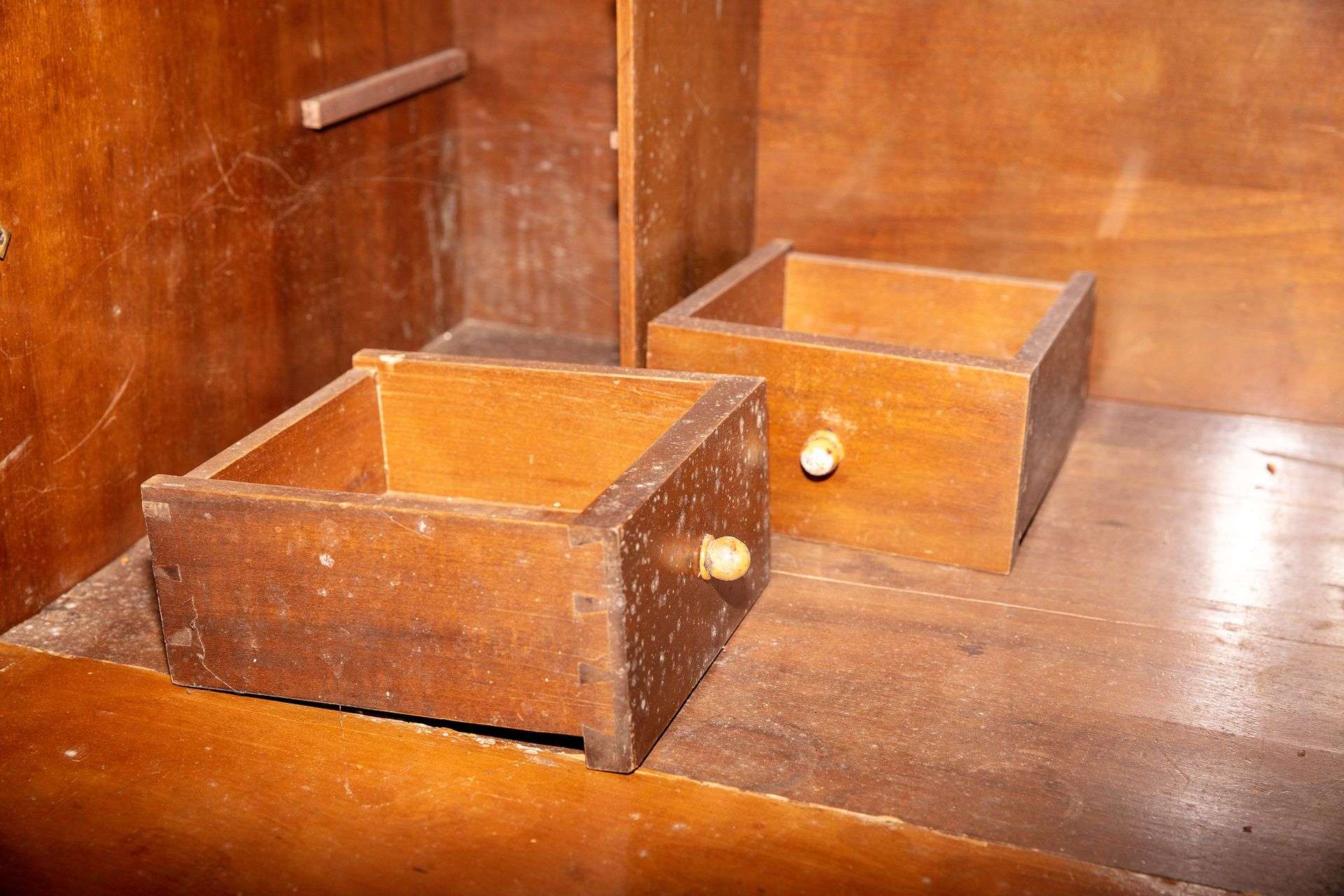
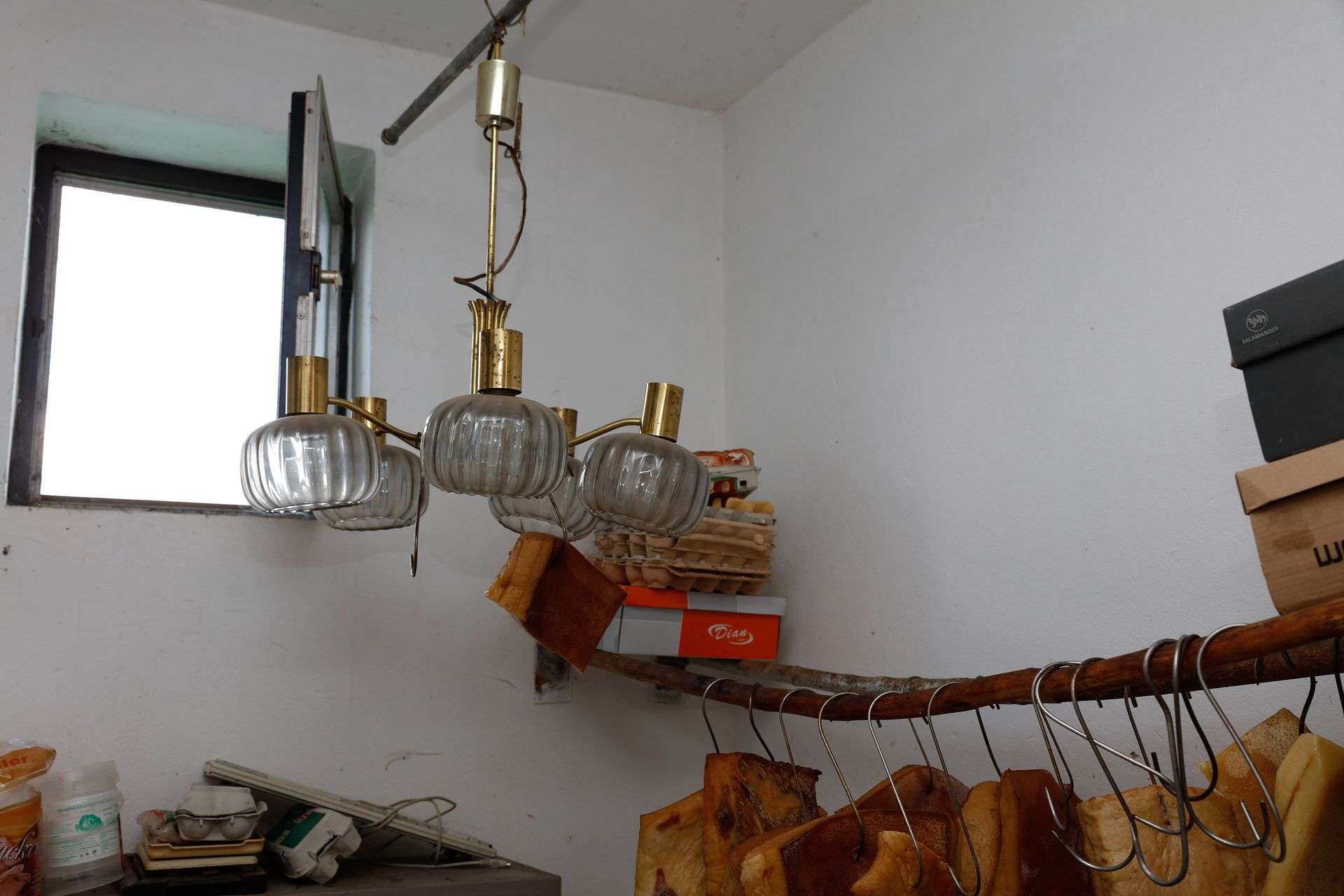
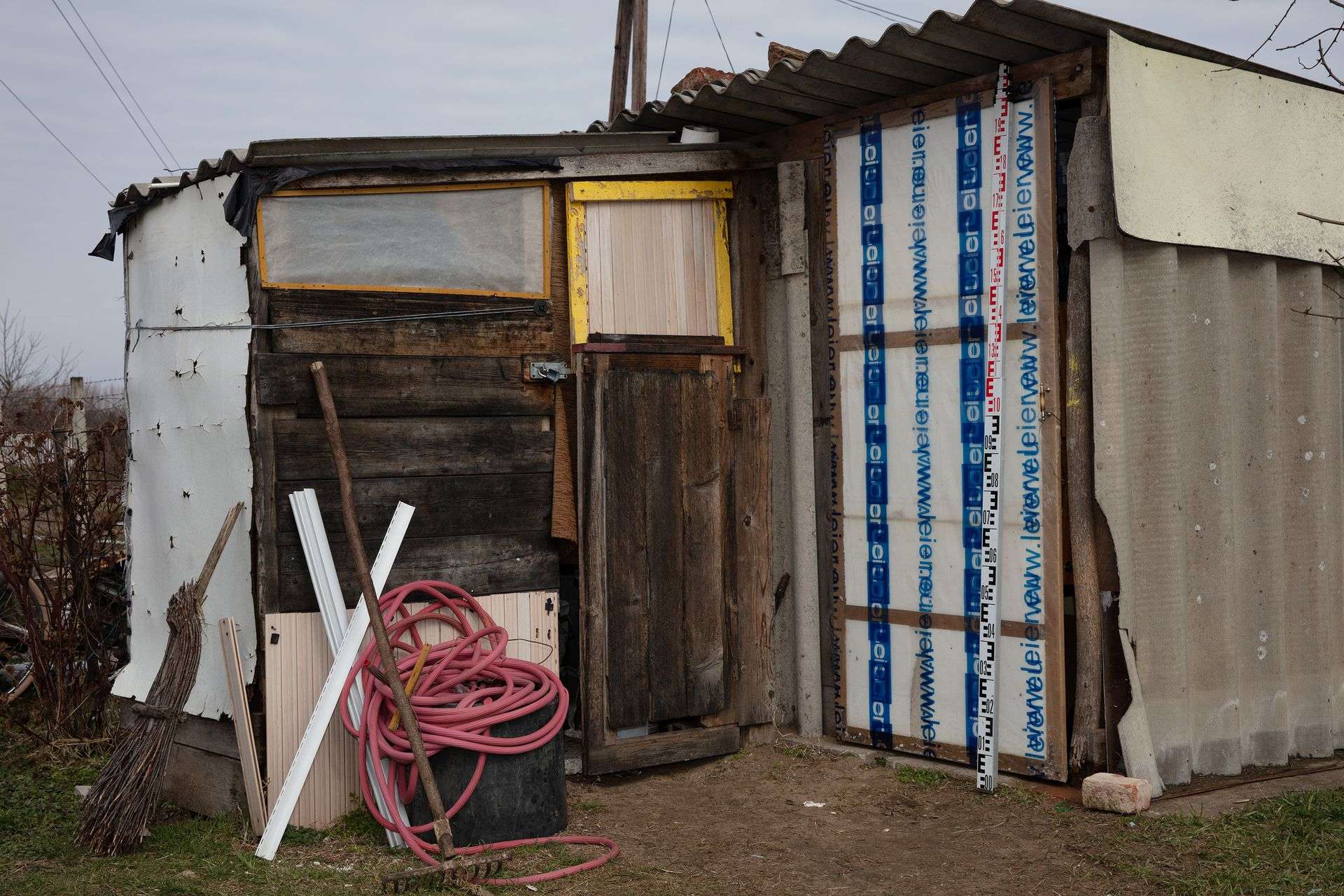
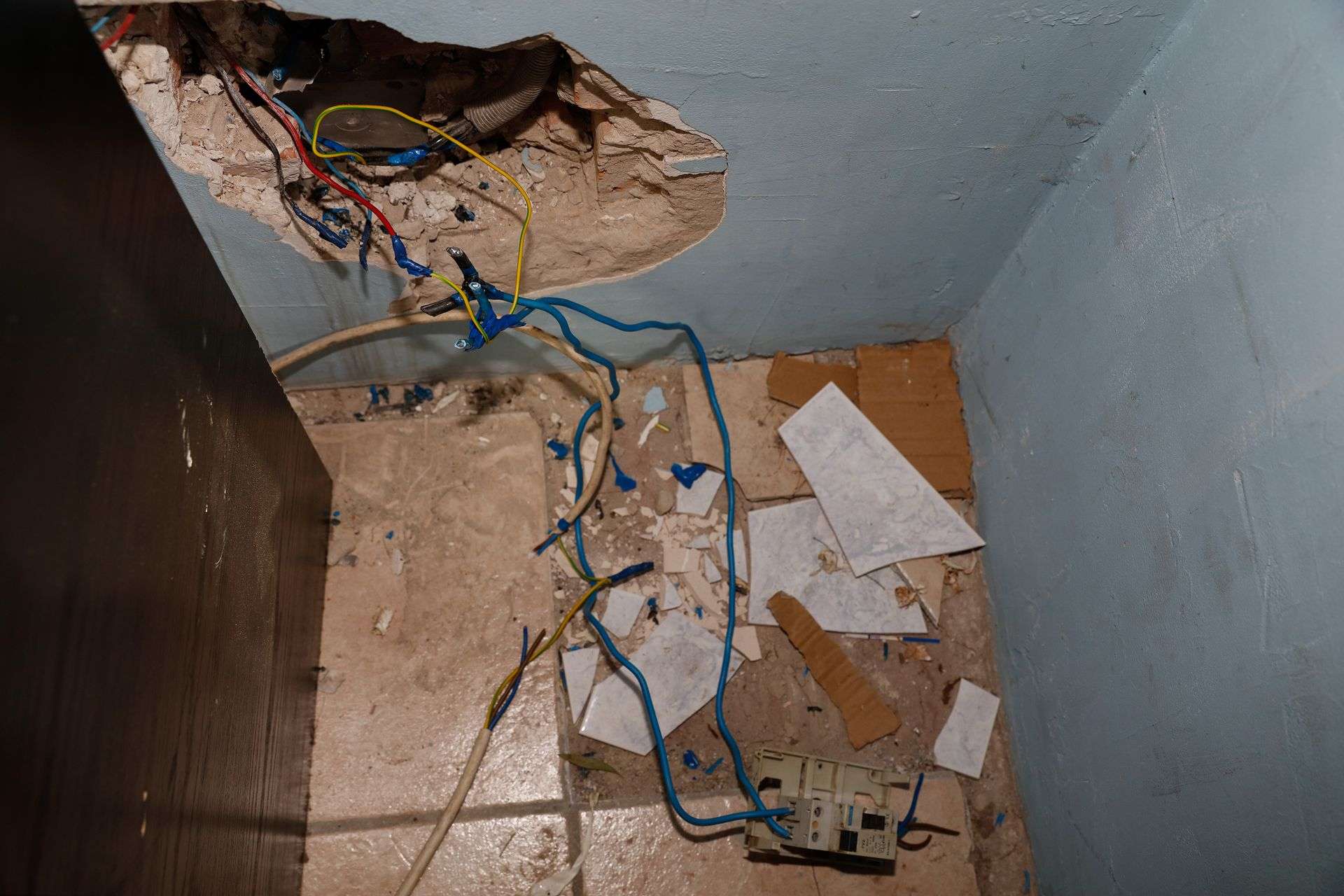
It is also worth keeping in mind that certain information can change our attitudes in an instant. If we look at a picture of a house and only know what we see, our minds are likely to go in a completely different direction. But if we are told that a crime has been committed on this site, the way we are looking at it changes forever. It is also the initial image, the first image, that the officer sees when arriving at the address, and in many cases, the first image in the photo appendix of the report. Most people always expect the worst-case scenario. All of the images shown here are taken at scenes of minor crimes and never crimes against life, yet most of the objects are capable of becoming murder weapons in our imagination by the proximity of the concept of crime.
I have become familiar with historical photography and contemporary art projects based on, and drawing from, the world of crime. My aim is to bring a spontaneously generated, self-assembling, aesthetic system from the criminal (forensic) environment into an artistic space. We can even call this the aesthetics of forensics. In sorting through my own archives of thousands of photographs, I also used the systems I had discovered in the archives and learned at the training. The things we see in my photographs are ordinary homes and objects, but because of their role, and because they are photographed at the scenes of crimes, they can represent the vulnerability of the shell of our homes and our everyday lives even the fragile nature of our own security.
REVIVAL: REVIVAL AT THE WESTERN BORDER
Katalin Fanni Horváth
The preservation and revival of national identity and minority culture is a universal phenomenon with a growing demand across the world, especially in the face of the rising waves of migration. As a result of migration, different ethnic groups and people with different ethnicities and languages live together in long-term communities. Based on my own concept, in 2018, I began to photograph the life of ethnic minorities living along the western border of Hungary. I wanted to use the tools of photography to observe and uncover the way ethnic minority groups living side by side preserve their culture and their ethnic identities, and how they revive centuries-old traditions and customs in the face of constant assimilation. Revival is an ethnographic term and a cultural phenomenon, through which the elements of old traditions become relevant again, but are resurrected in different forms. Our experience shows that this phenomenon is especially important along the western border of Hungary, as the population living in these settlements is multilingual, and former customs are transformed in parallel with the disappearance of the original mother tongue. In this frontier region, the traditions preserved create and represent the illusory feeling of freedom in everyday life. This is especially true in the settlements observed, where internal and external migration has been constantly changing the societal structure and cultural diversity of this frontier region.
During my photography work, I have identified two parallel processes going in opposite directions: the local reconstruction of traditions and the local mapping of global influences. The observation of these dual processes is especially exciting in the western regions of Hungary, as this phenomenon is much more intense compared to the inner regions of the country. This is a topical issue around the world – how can individual and community identity be preserved in ethnic and minority life, in the presence of the ever-growing impact of mass culture spread by globalization? How are cultural values transferred by mass communication incorporated into everyday life and local society? The imprints of modernization which are either personally experienced or communicated through the media appear in the cultural preservation activities of ethnic minorities. Through this, novel, reconstructed elements are created in different facets of society, family life and social life. The preservation of traditions, that is, the reconstruction of a value system – the recreation of traditions in a broader sense – is a well-known phenomenon, which plays a significant role in the formation of national and cultural identities, decelerating the uniformising effects of external, global trends.
In the past couple of years, I regularly visited fifteen settlements to take photos and also to conduct personal interviews. Through this, it has become increasingly clear to me that these villages live in a kind of double-border situation, both in the physical and intellectual sense, as opposed to ethnic minorities living in the inner regions of the country. On the one hand, this double-border situation derives from the territorial annexations of Trianon, when ethnic territories were cut in half here, and from the proximity of the West on the other, creating a unique situation in this region. I happened to start creating this series of photographs at a time when the crisis accompanying the newly rising waves of international migration hit the world, and especially Europe. The public mood towards migrants was quite divided in Hungary as well. My photographic work also aspires to be a reflection on societal prejudices that were affecting these migrants. I wished to draw attention to the fact that internal and external migration has been a constant phenomenon in Hungary ever since the foundation of the state, and has been present in our society for centuries. How national identity can be revived and preserved in the long run emerges as a universal and increasingly relevant issue across the world, and especially in Europe. The title REVIVAL wishes to draw attention to the revival and future of the elements of minority cultures.